
Omo Valley: The Extraordinary Tribal People of Southern Ethiopia Photography Tour Report 2026
5 April 2026
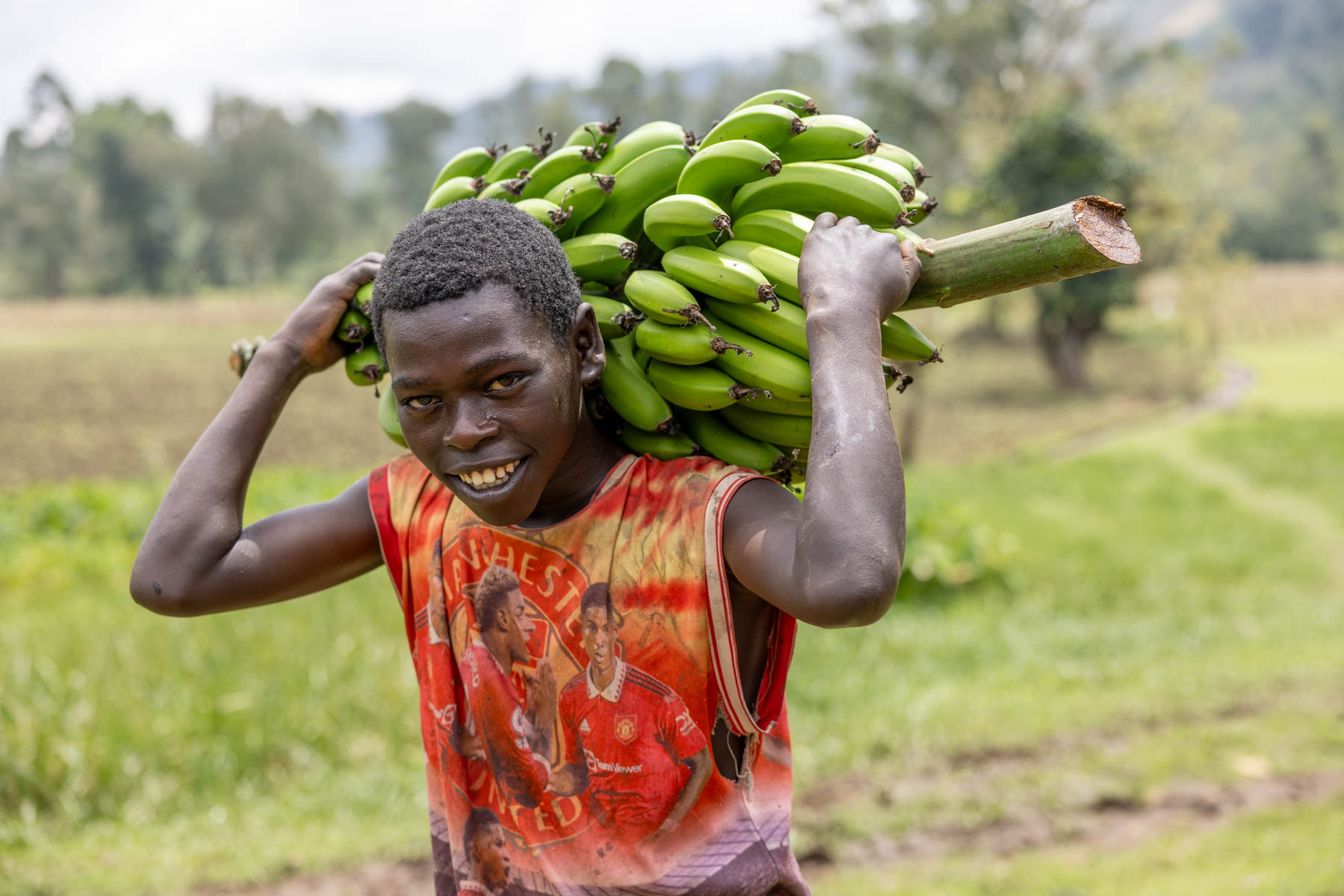
On his way to the market, carrying freshly harvested bananas. A young boy fr0m the Ari tribe, where farming is woven into everyday life. (image by Ingrid Koedood)
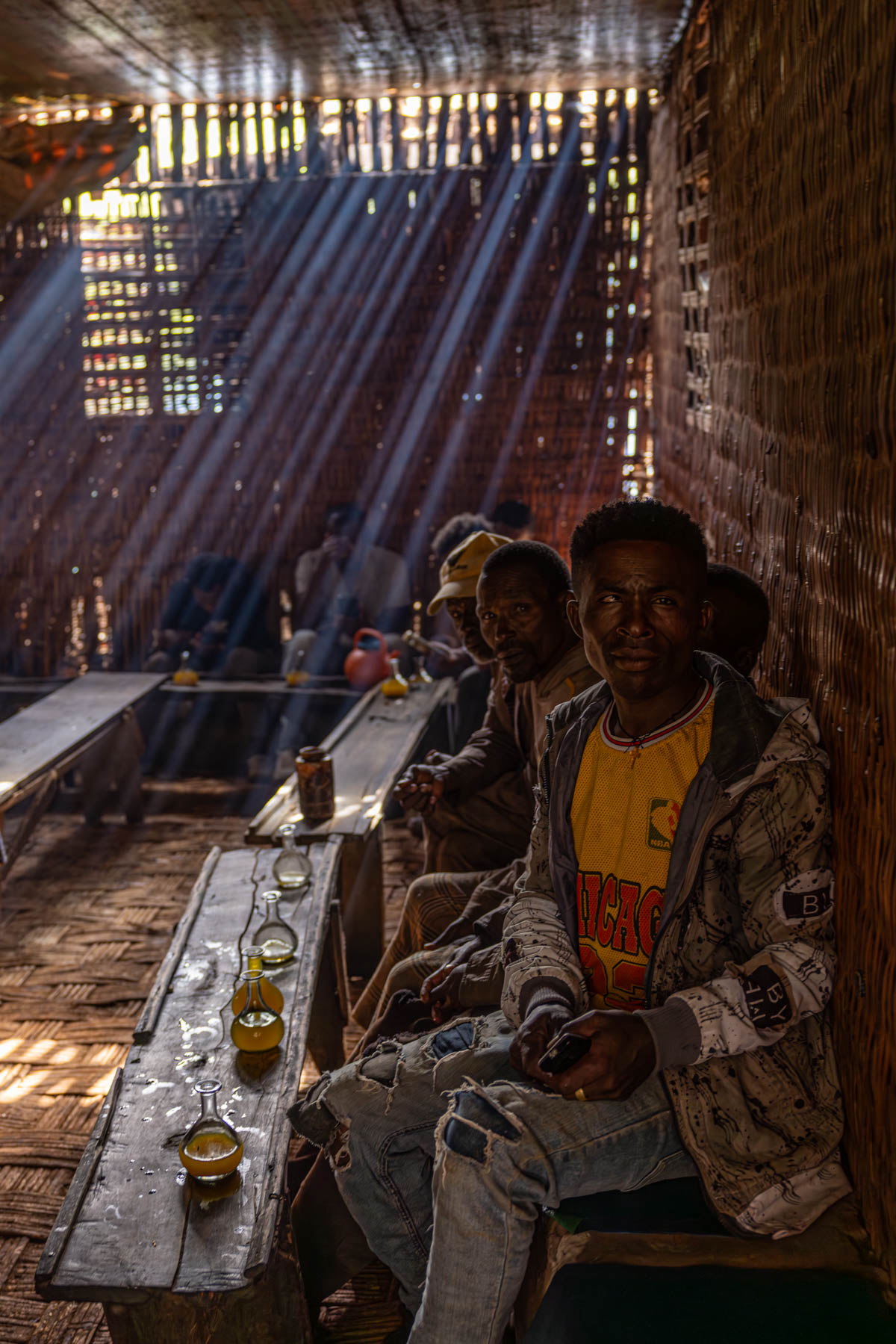
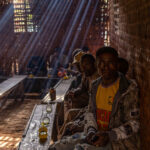
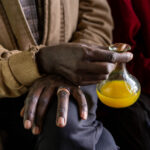
Men gathering in a Tej (honey wine) bar in Dorze, sharing honey wine. (image by Ingrid Koedood)
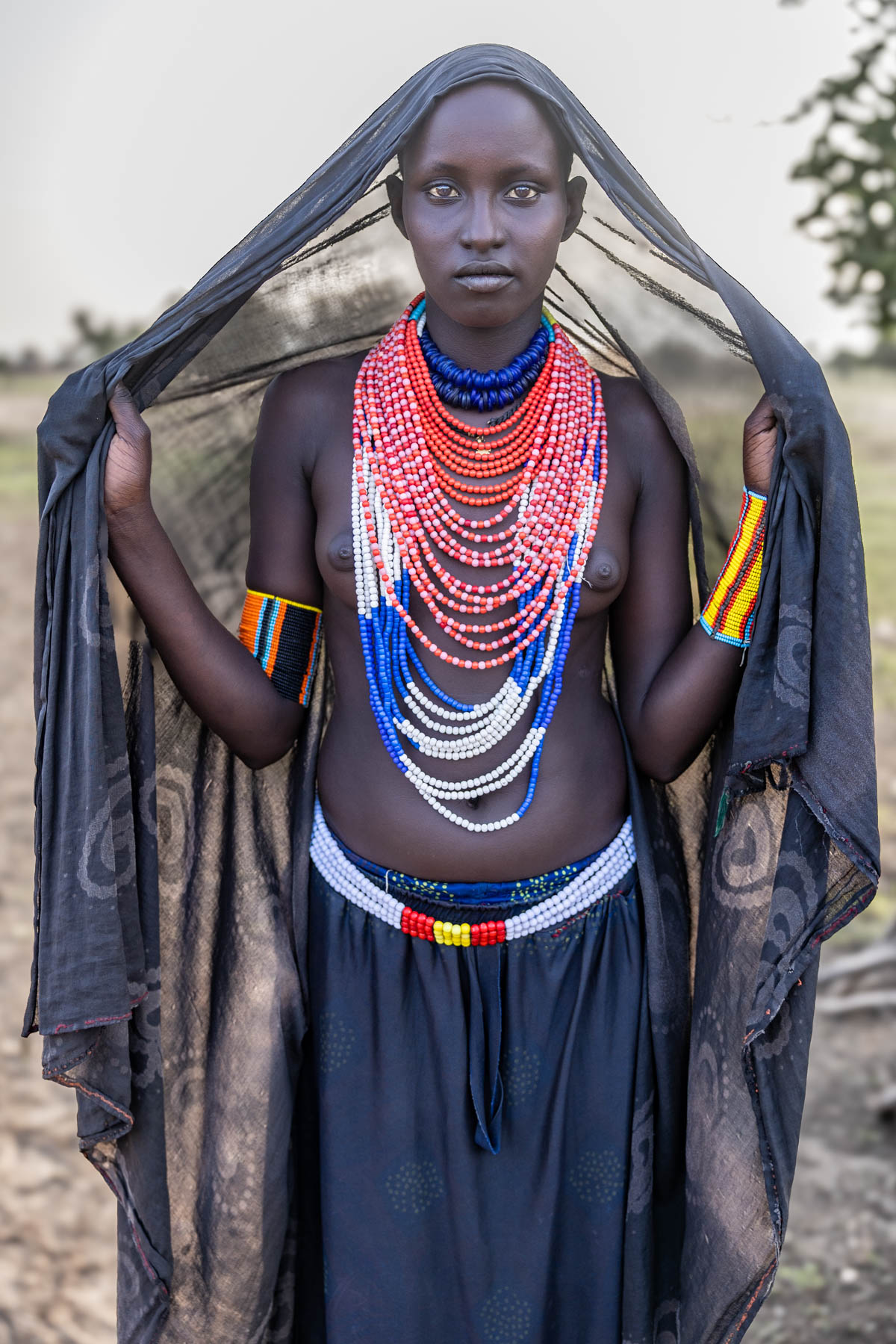
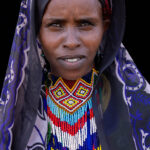
Gido, a well-known Arbore woman, often photographed for her striking presence. Among the Arbore, women traditionally shave their heads. (image by Ingrid Koedood)
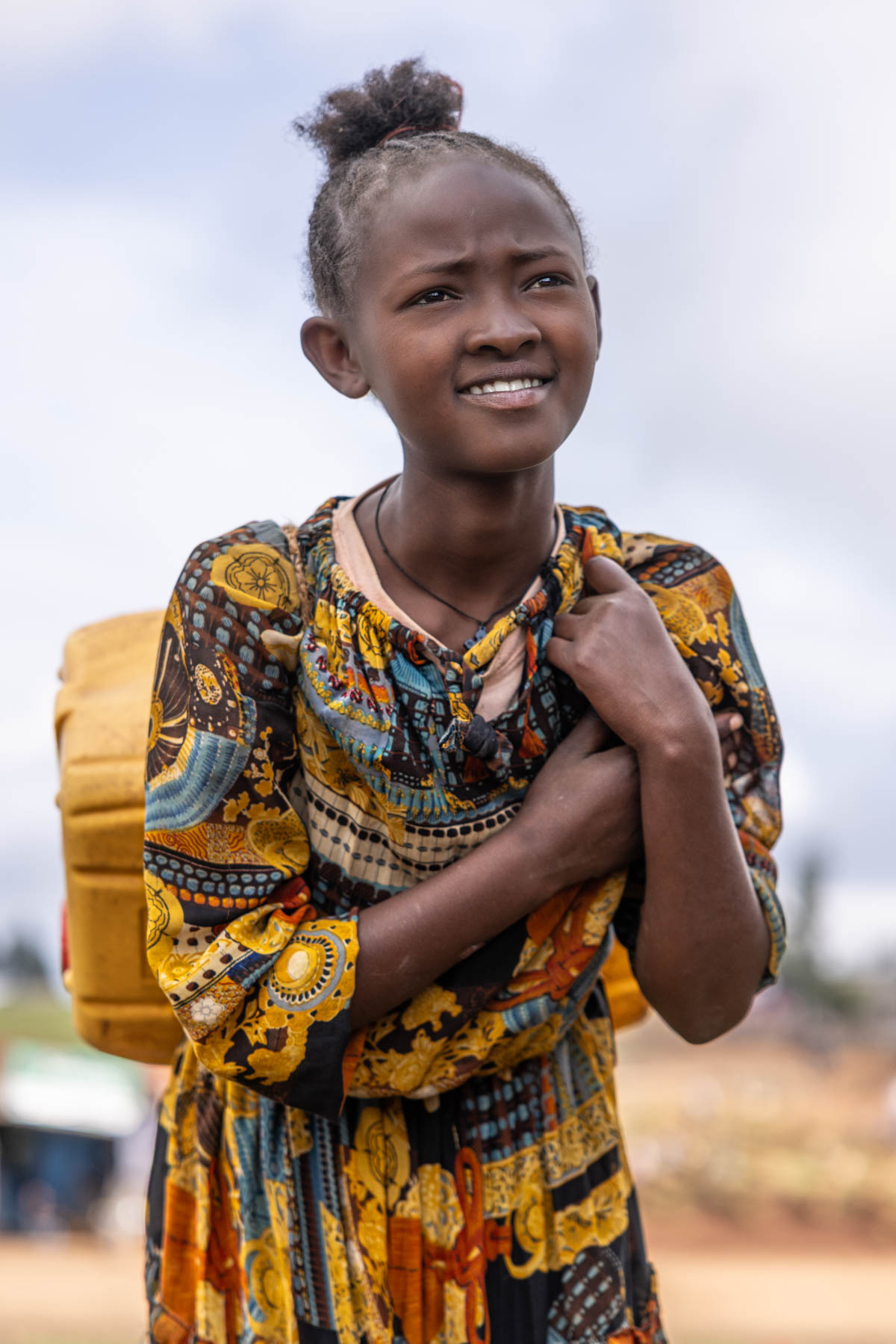
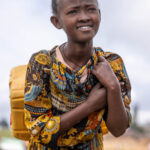
Young Dorze girl carrying a heavy container of water. (image by Ingrid Koedood)
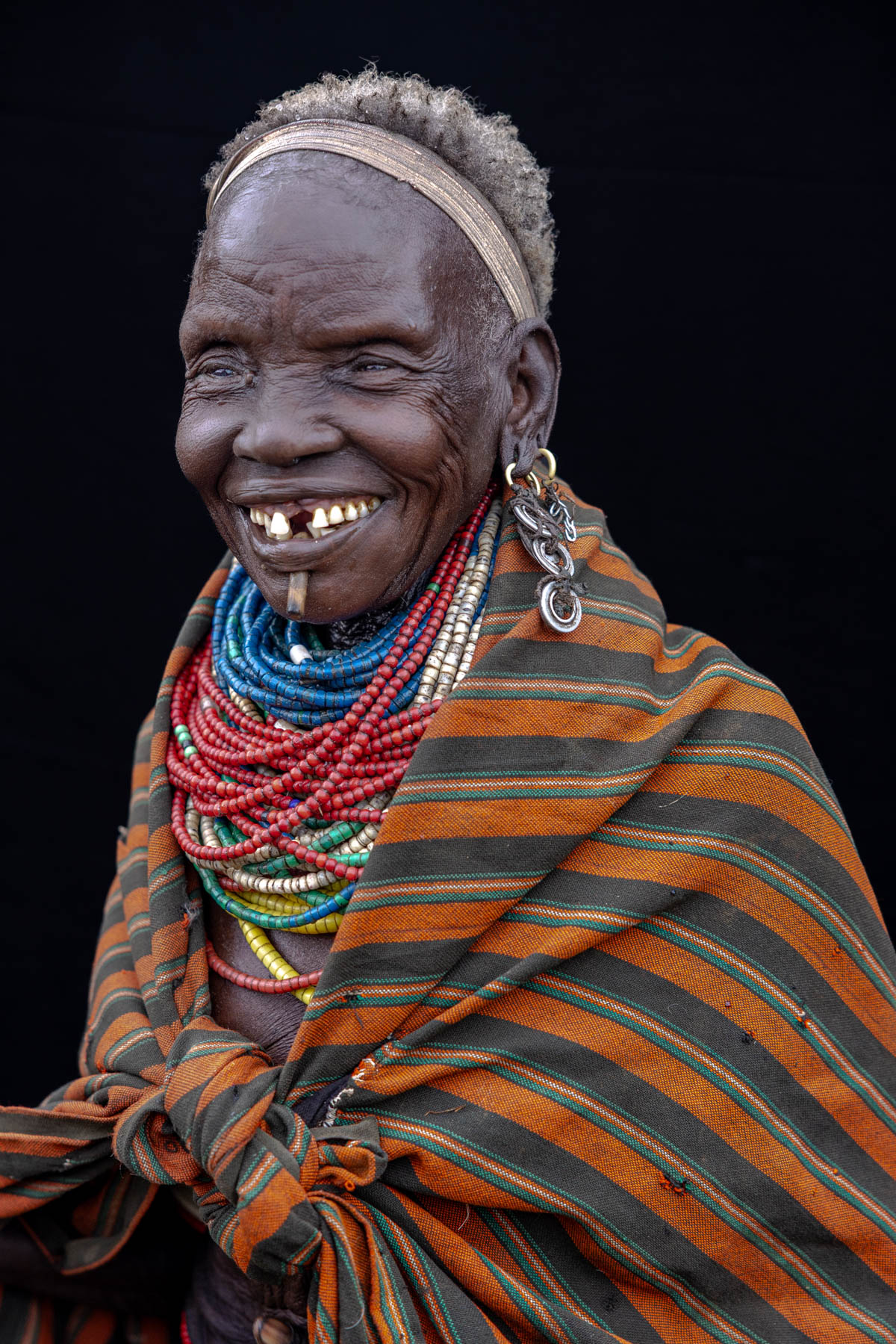
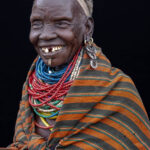
So much joy with this elderly Nyangatom woman. (image by Ingrid Koedood)
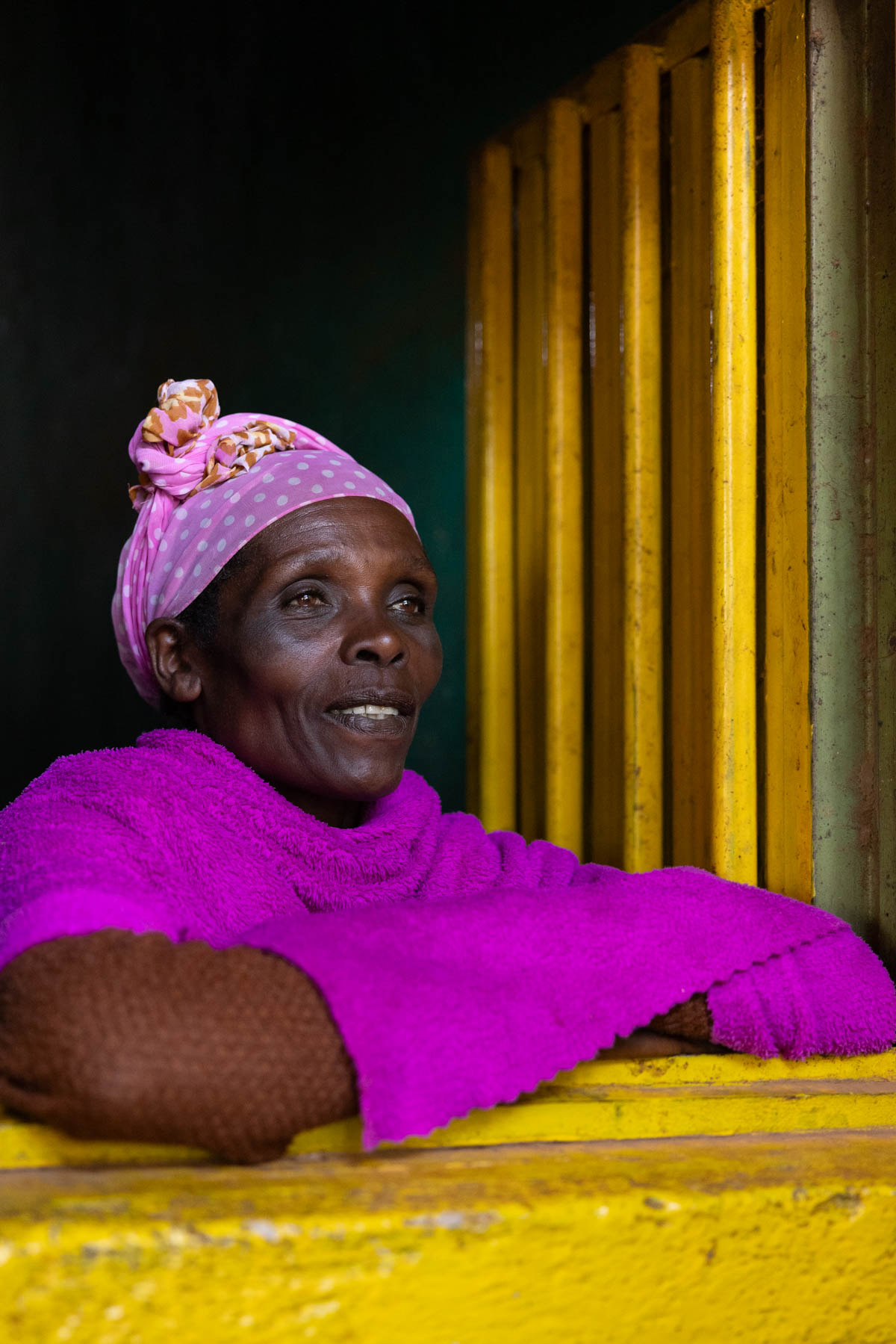
Colorful moments in a Dorze bar. (image by Ingrid Koedood)
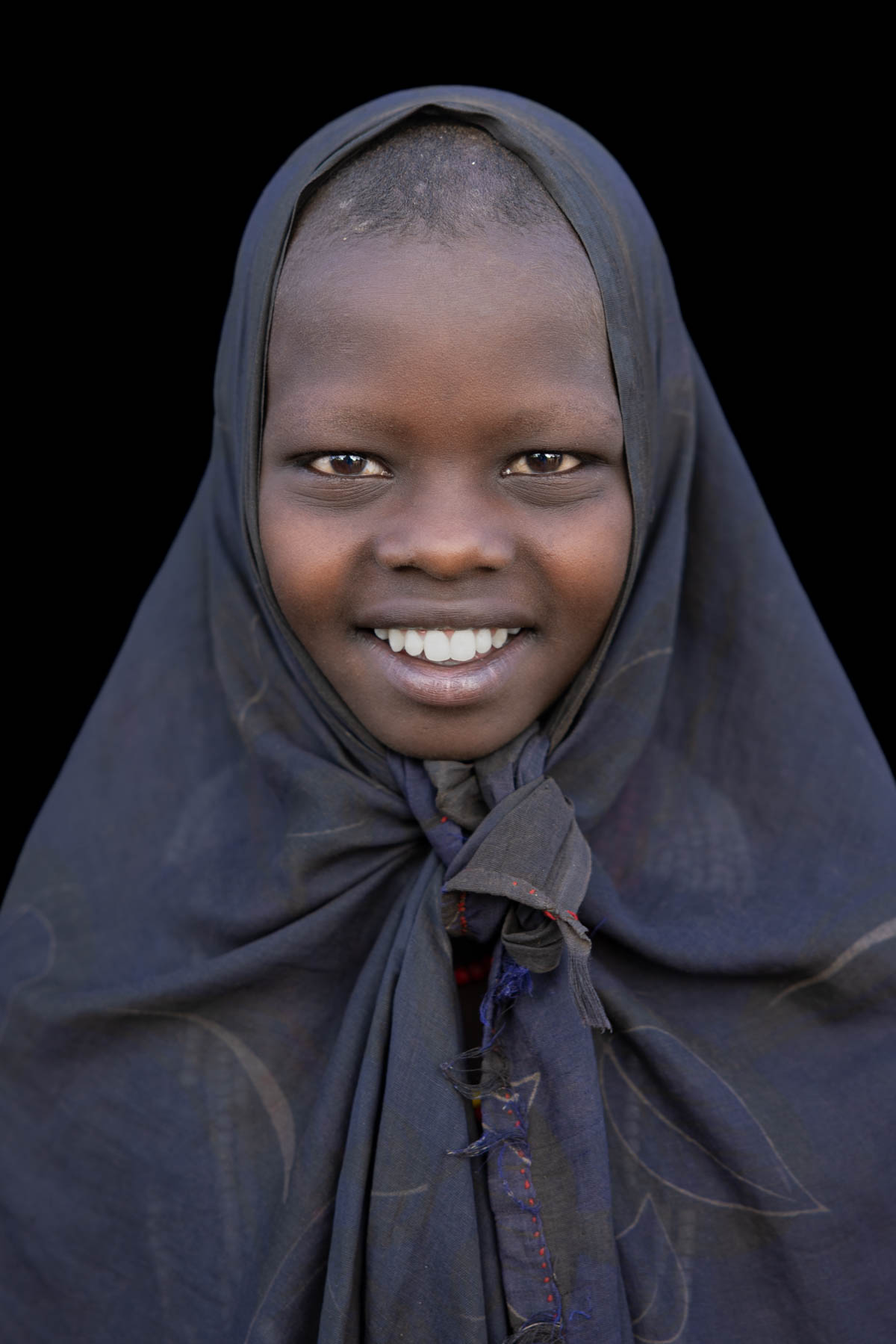
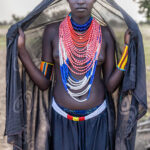
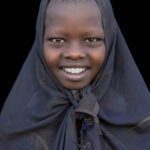
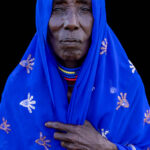
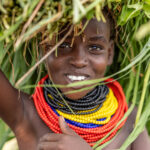
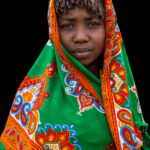
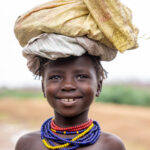
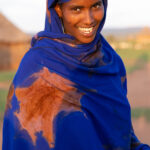
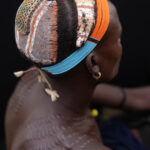
An Arbore girl with a shaved head and a bright smile, colorful beads hidden beneath her scarf. (image by Ingrid Koedood)
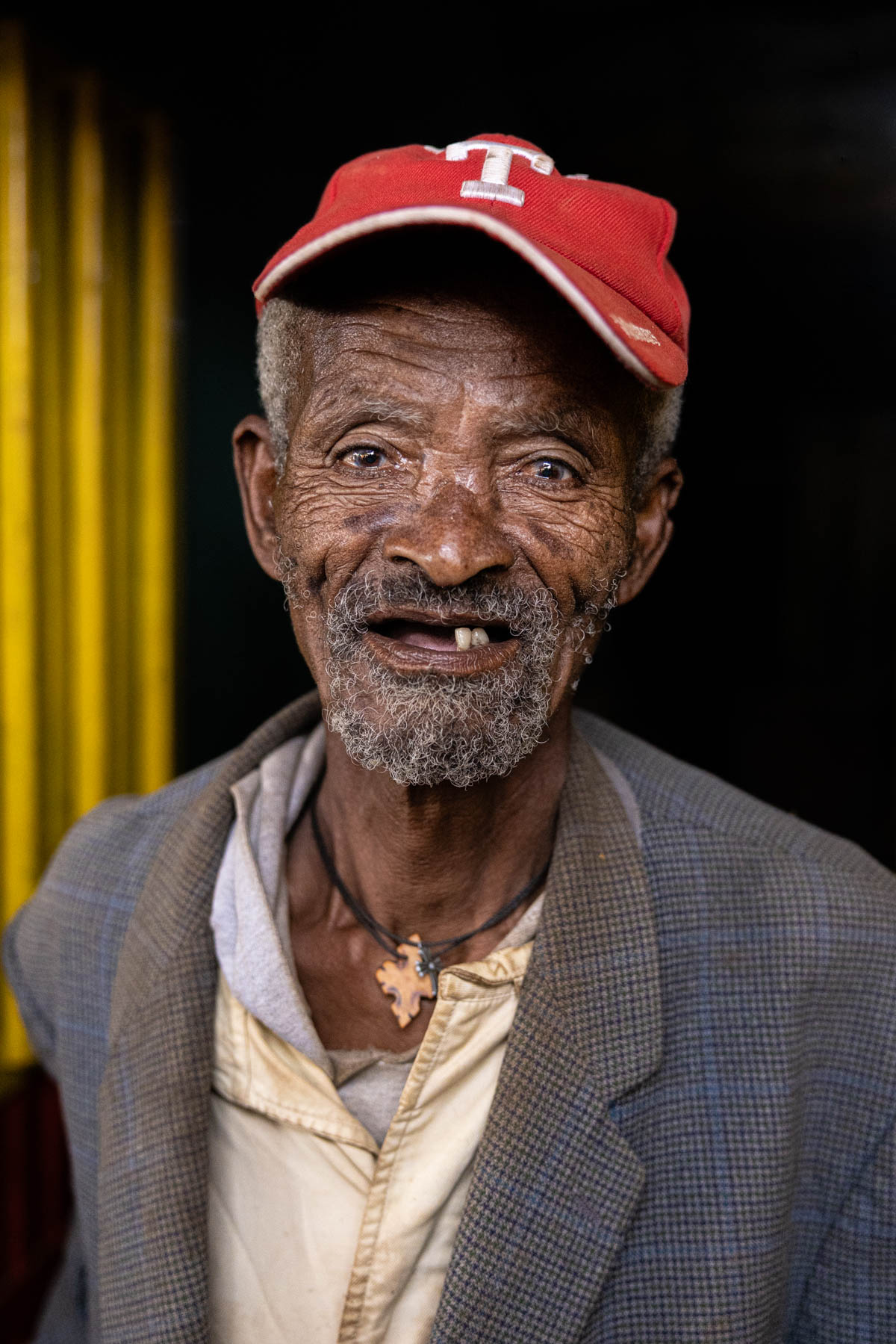
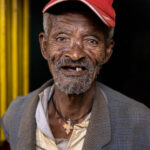
An old man enjoying honey wine in a Dorze bar. (image by Ingrid Koedood)
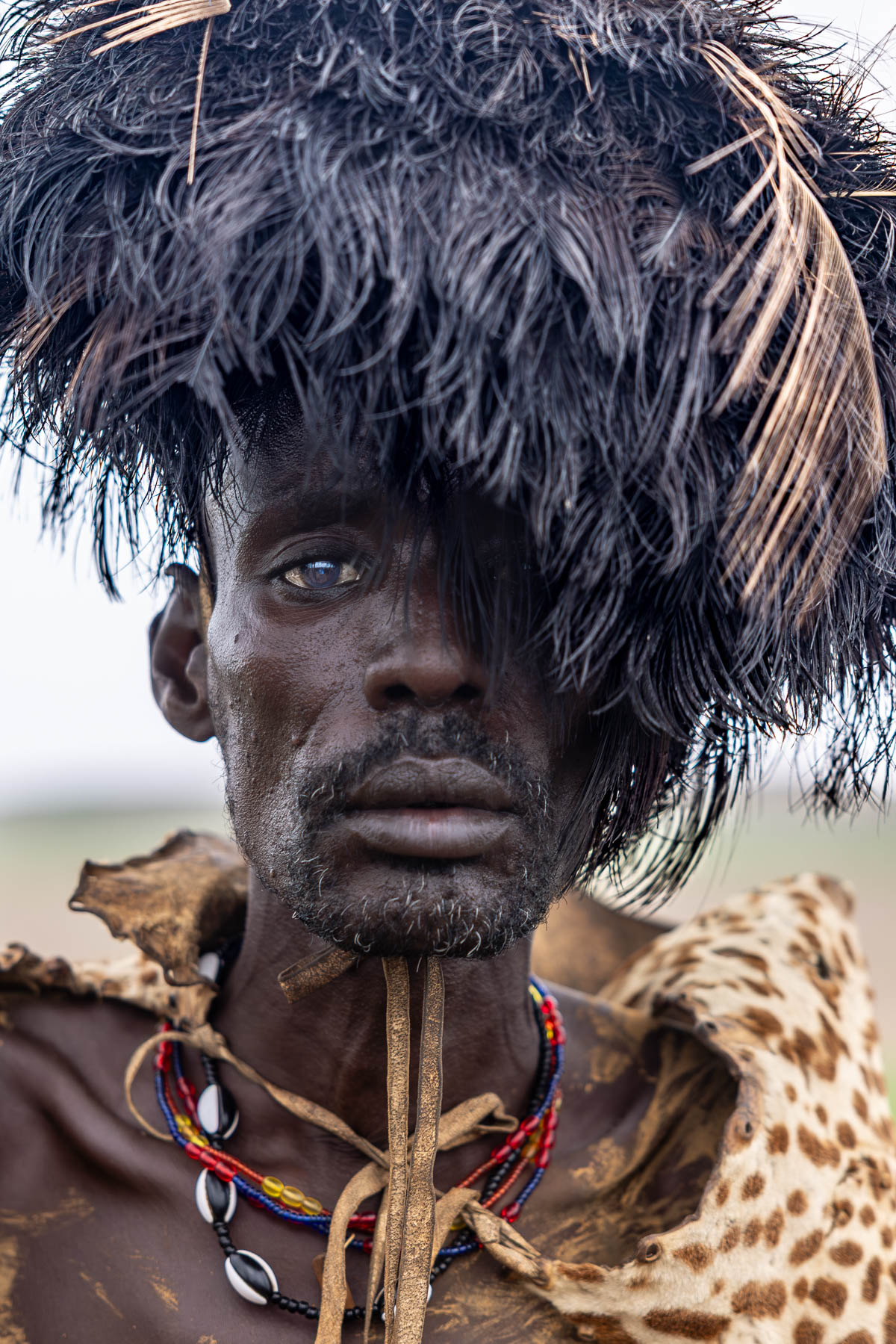
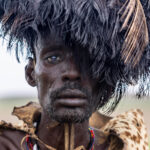
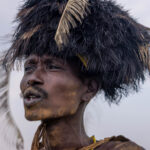
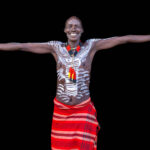
Portrait of a Dassanech man in Dimi attire. (image by Ingrid Koedood)
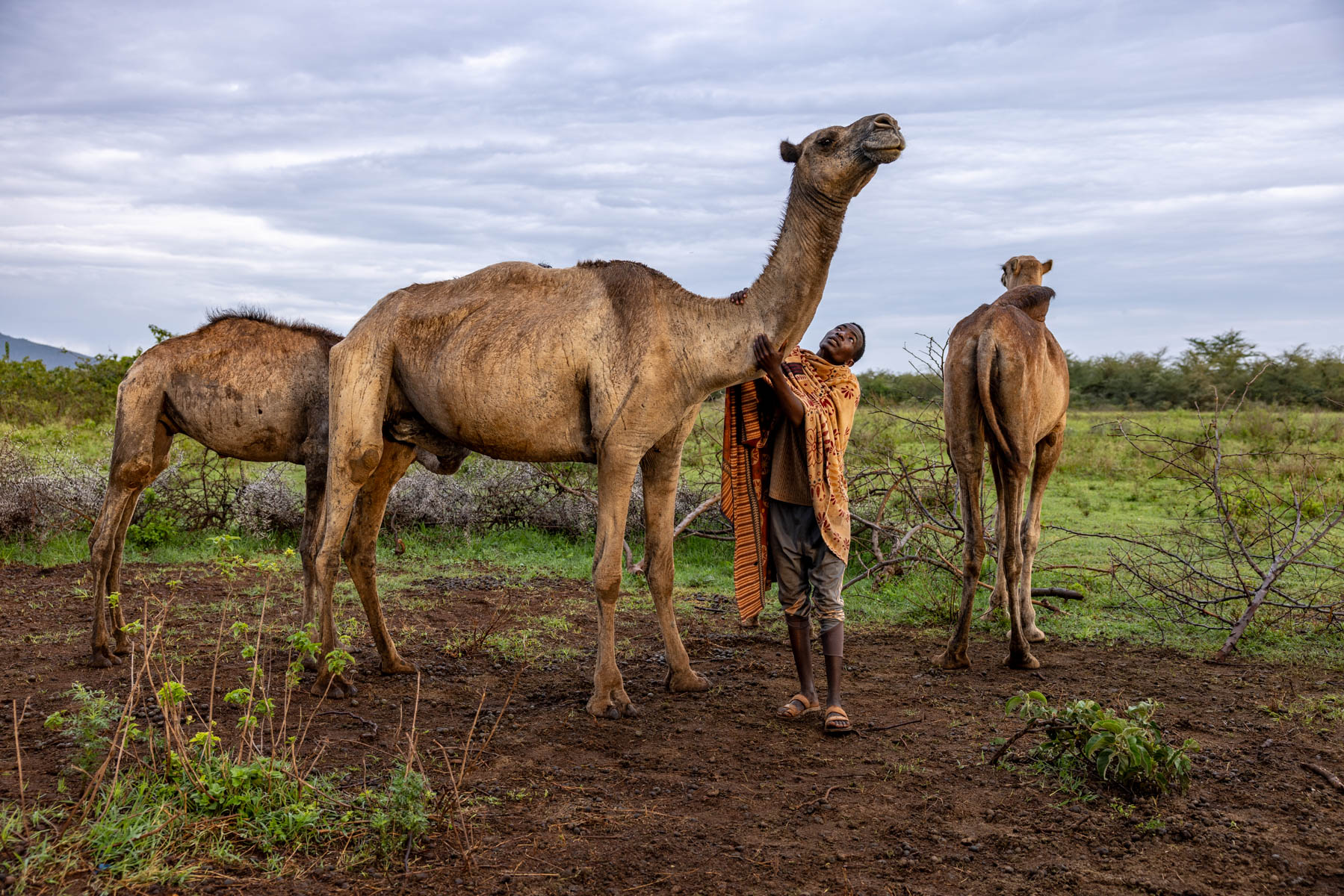
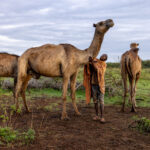
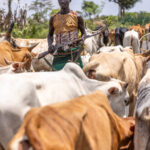
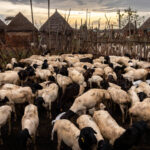
The Borana wake early to milk their camels, a daily ritual at sunrise. (image by Ingrid Koedood)
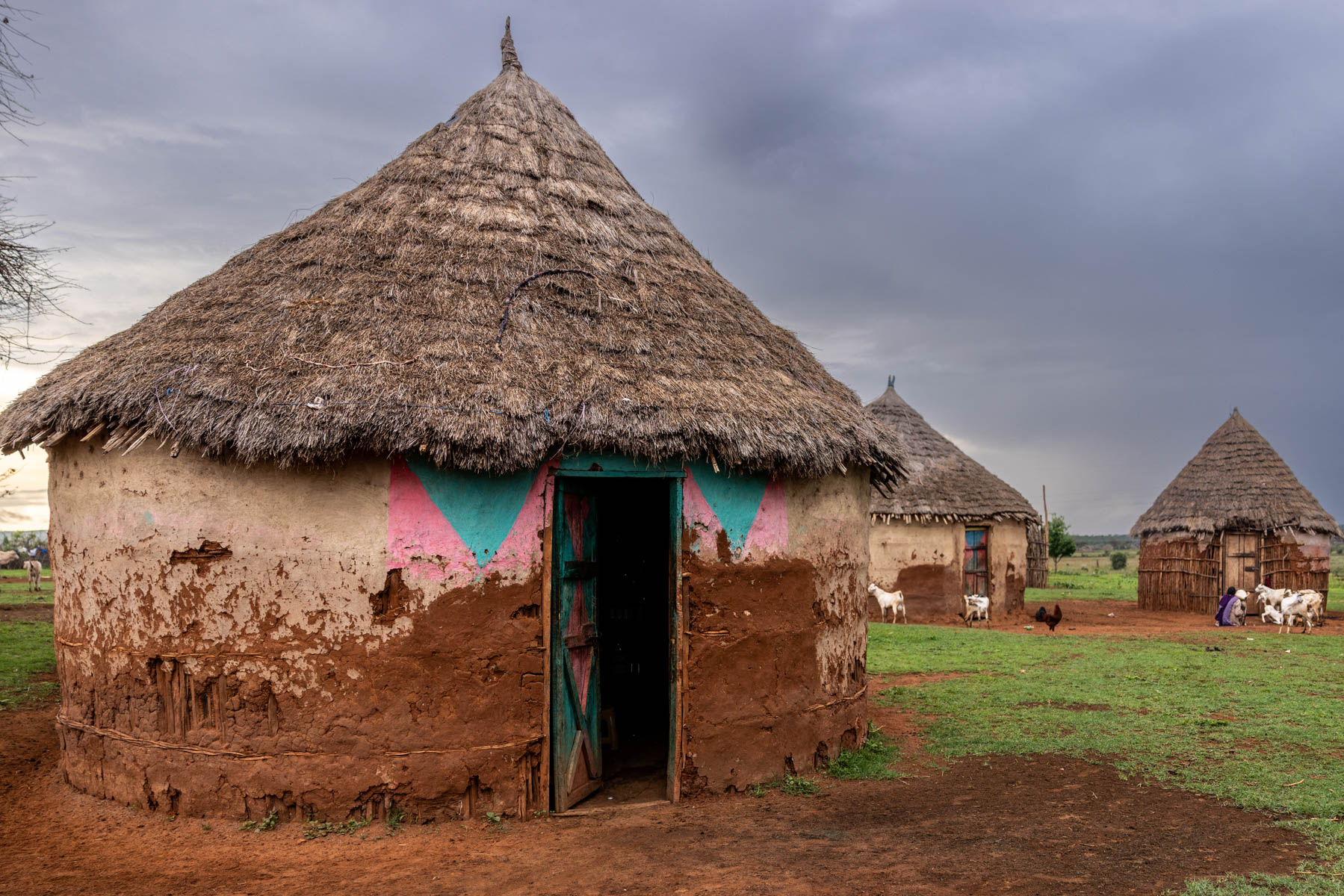
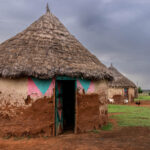
The colorful huts of the Borana people (image by Ingrid Koedood)
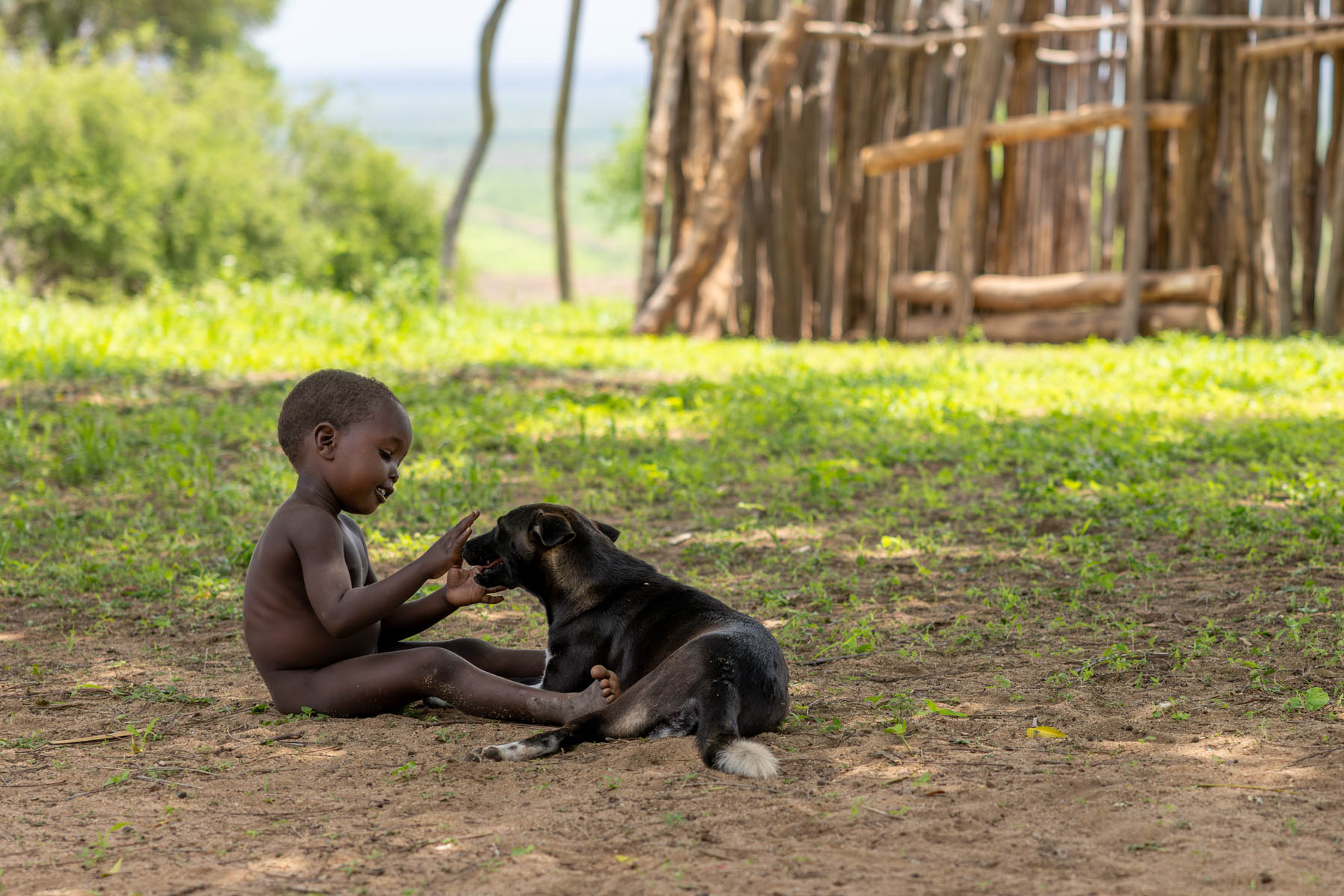
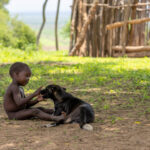
A tender moment between a young Kara boy and his dog. (image by Ingrid Koedood)
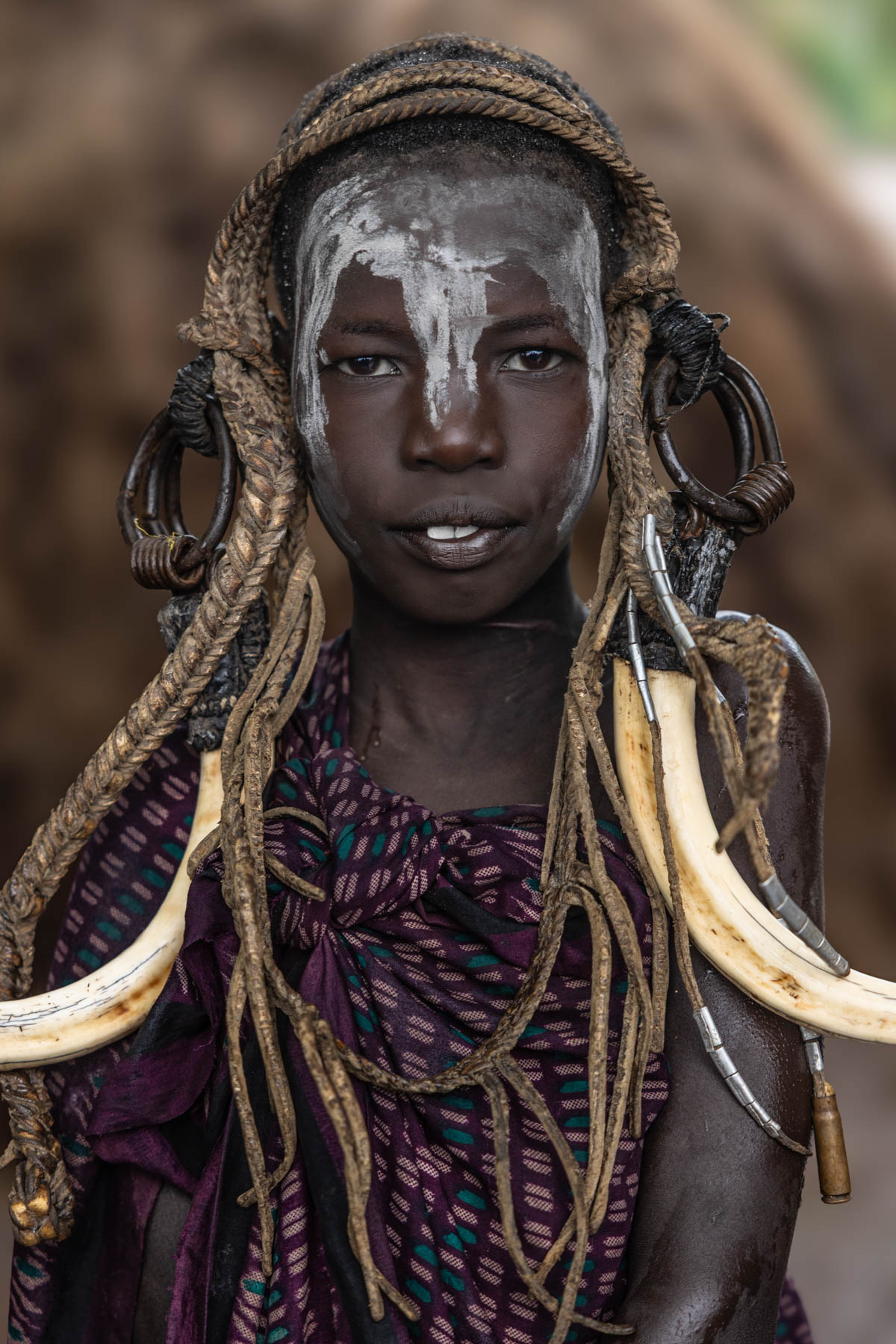
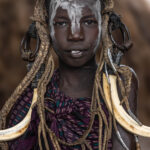
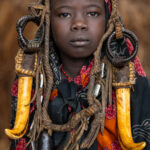
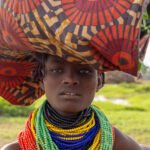
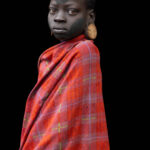
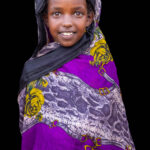
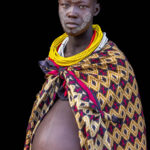
Warm colors, strong presence, a young Mursi girl wrapped in textures of tradition. (image by Ingrid Koedood)
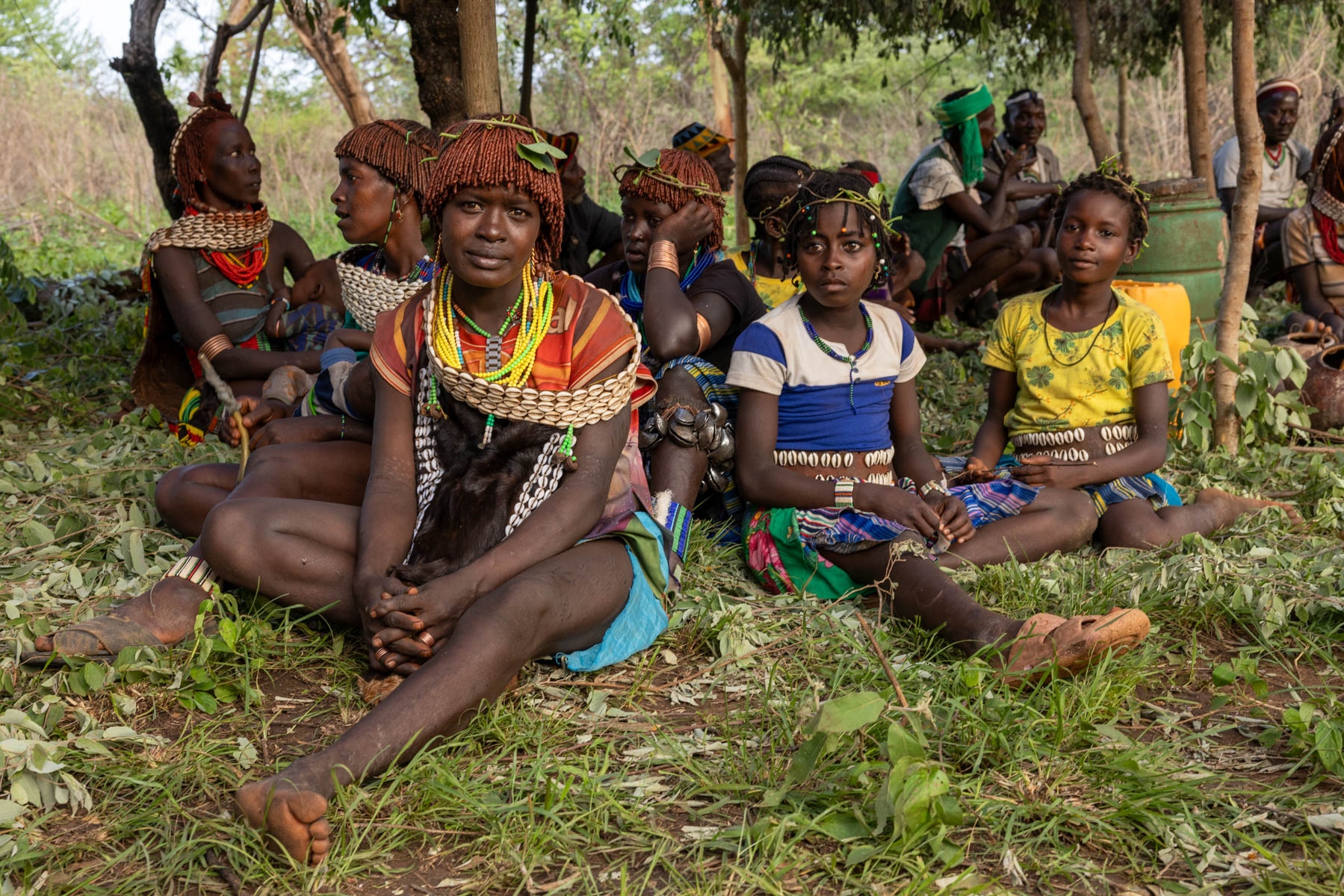
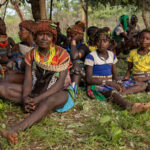
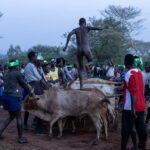
The Hamar people were waiting in the shade during the bull jumping ceremony. (image by Ingrid Koedood)
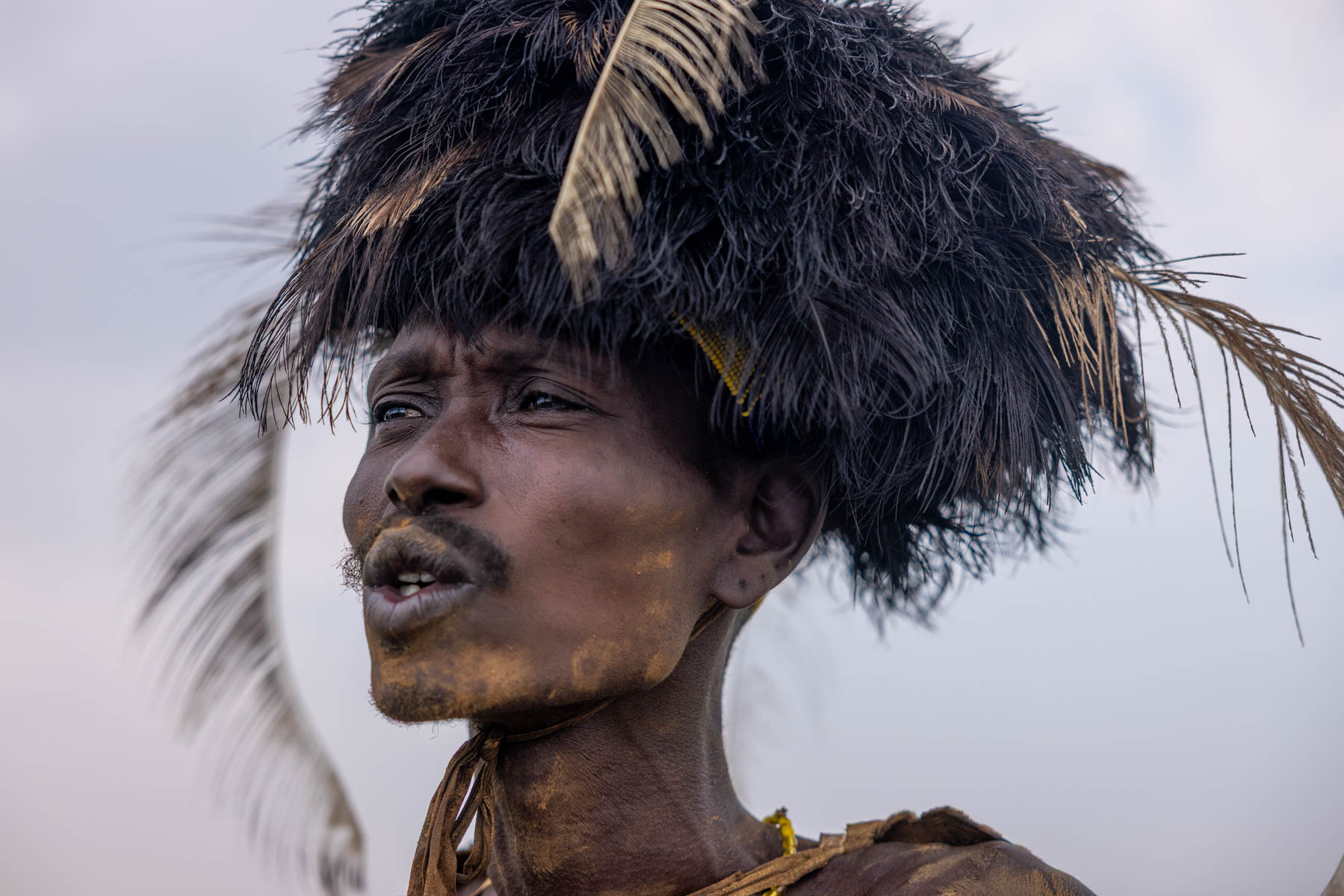
Dassanech man during the Dimi ceremony: an initation ceremony for girls (image by Ingrid Koedood)
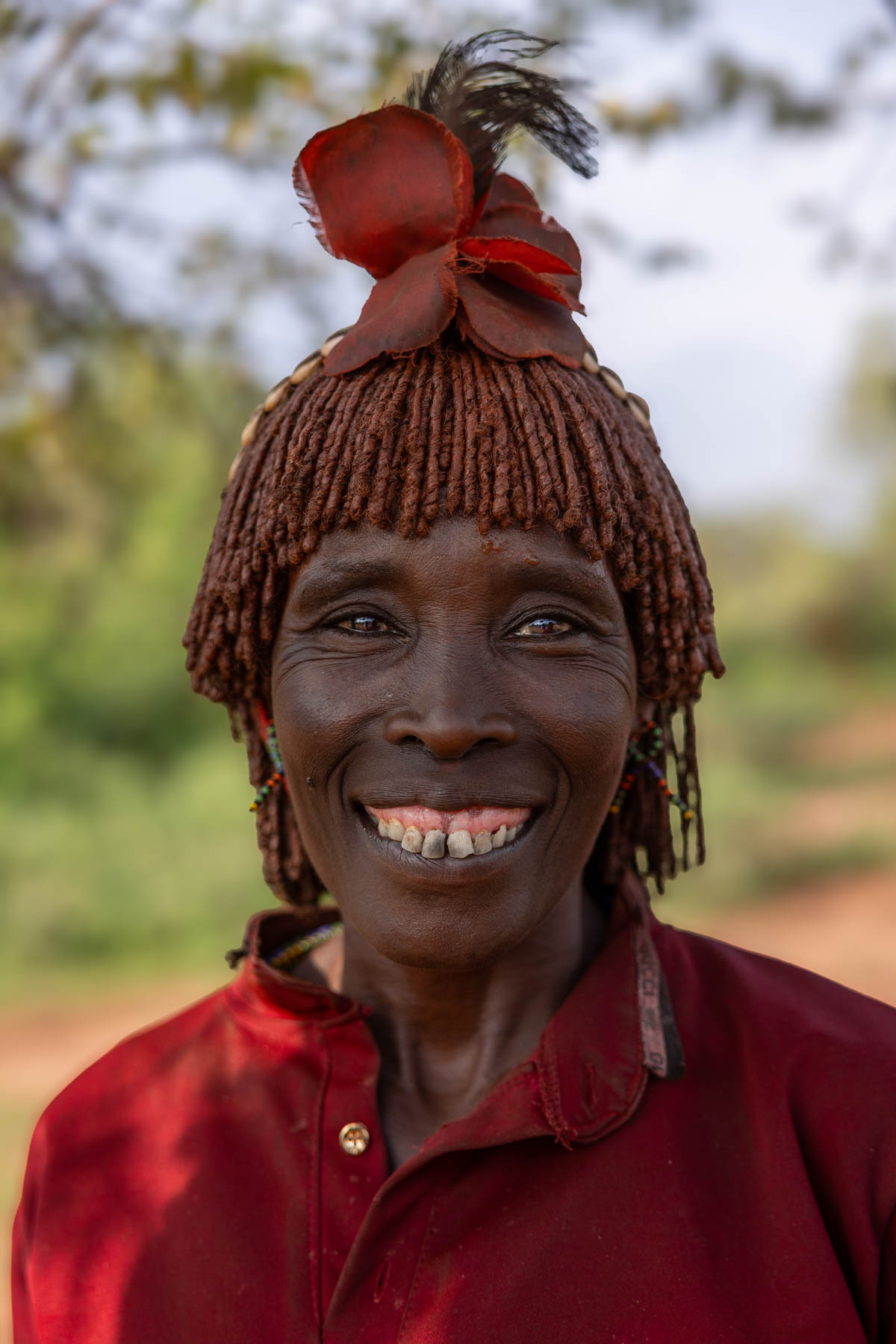
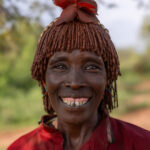
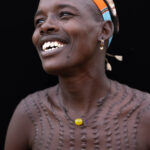
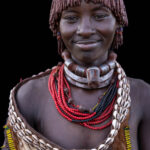
This Hamar woman gave the camera a big smile. (image by Ingrid Koedood)
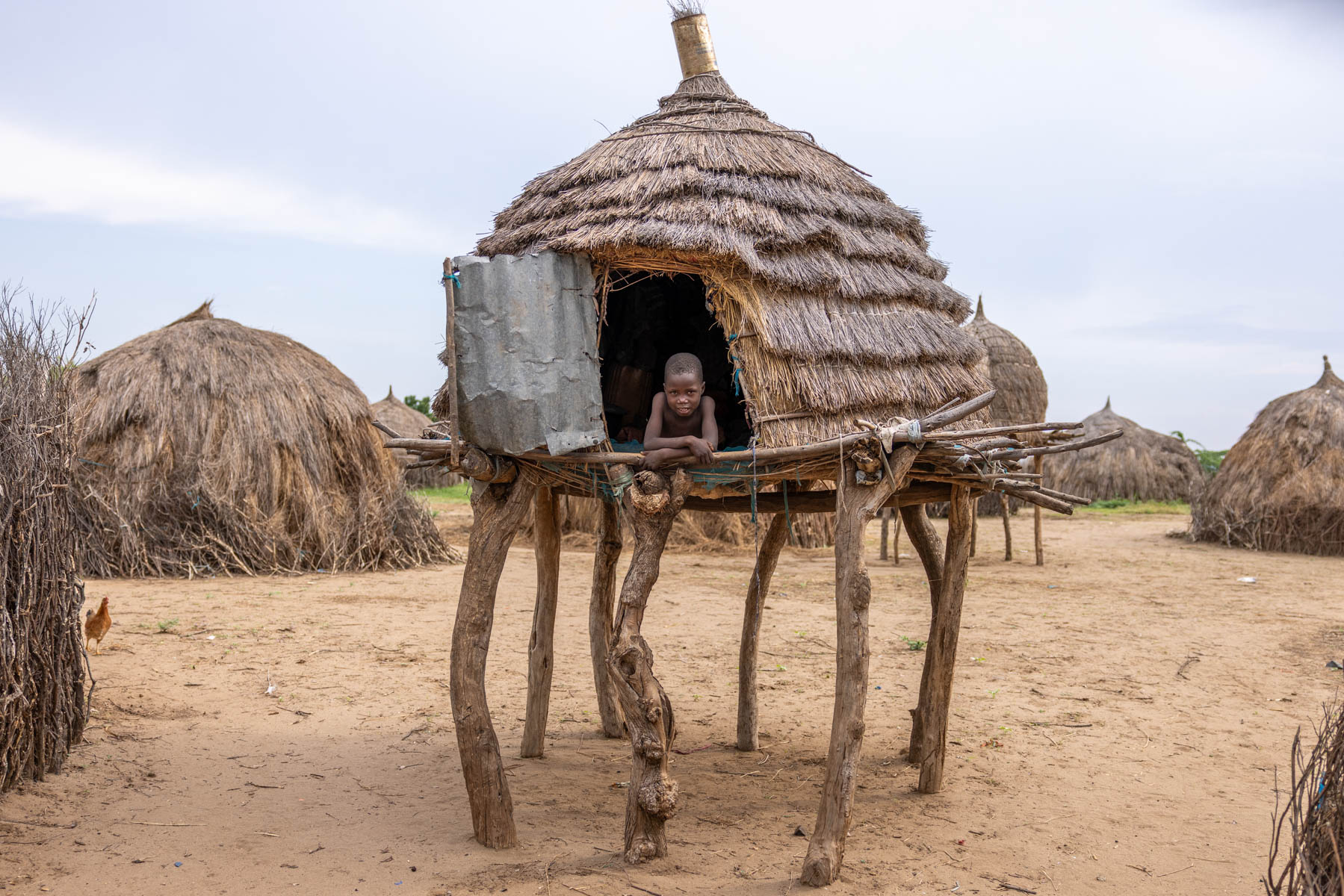
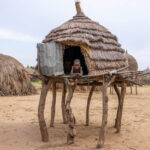
Granary of the Nyangatom tribe, built on stilts for storage. (image by Ingrid Koedood)
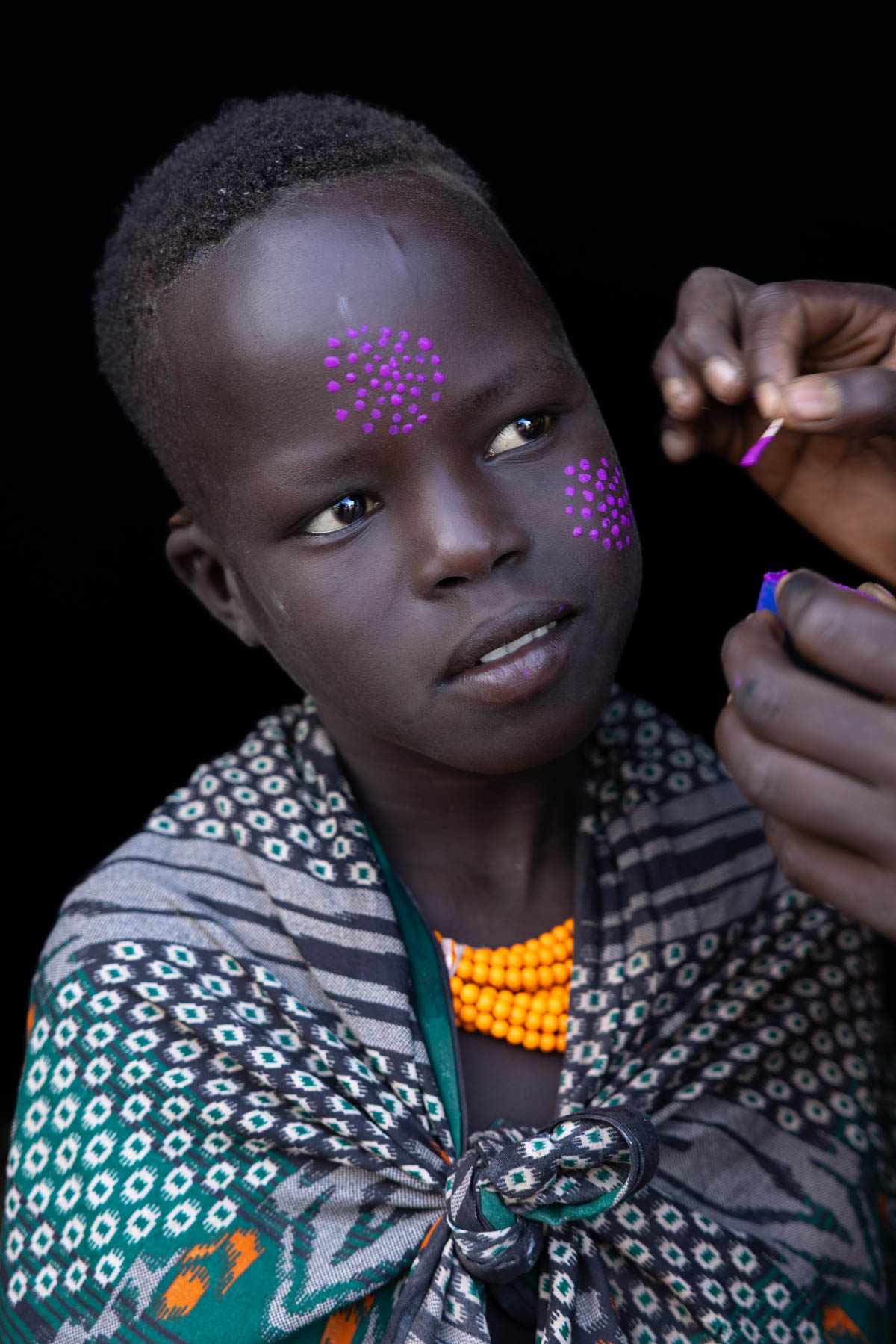
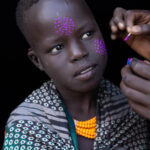
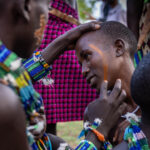
A young Kara girl as her face paint is carefully applied. (image by Ingrid Koedood)
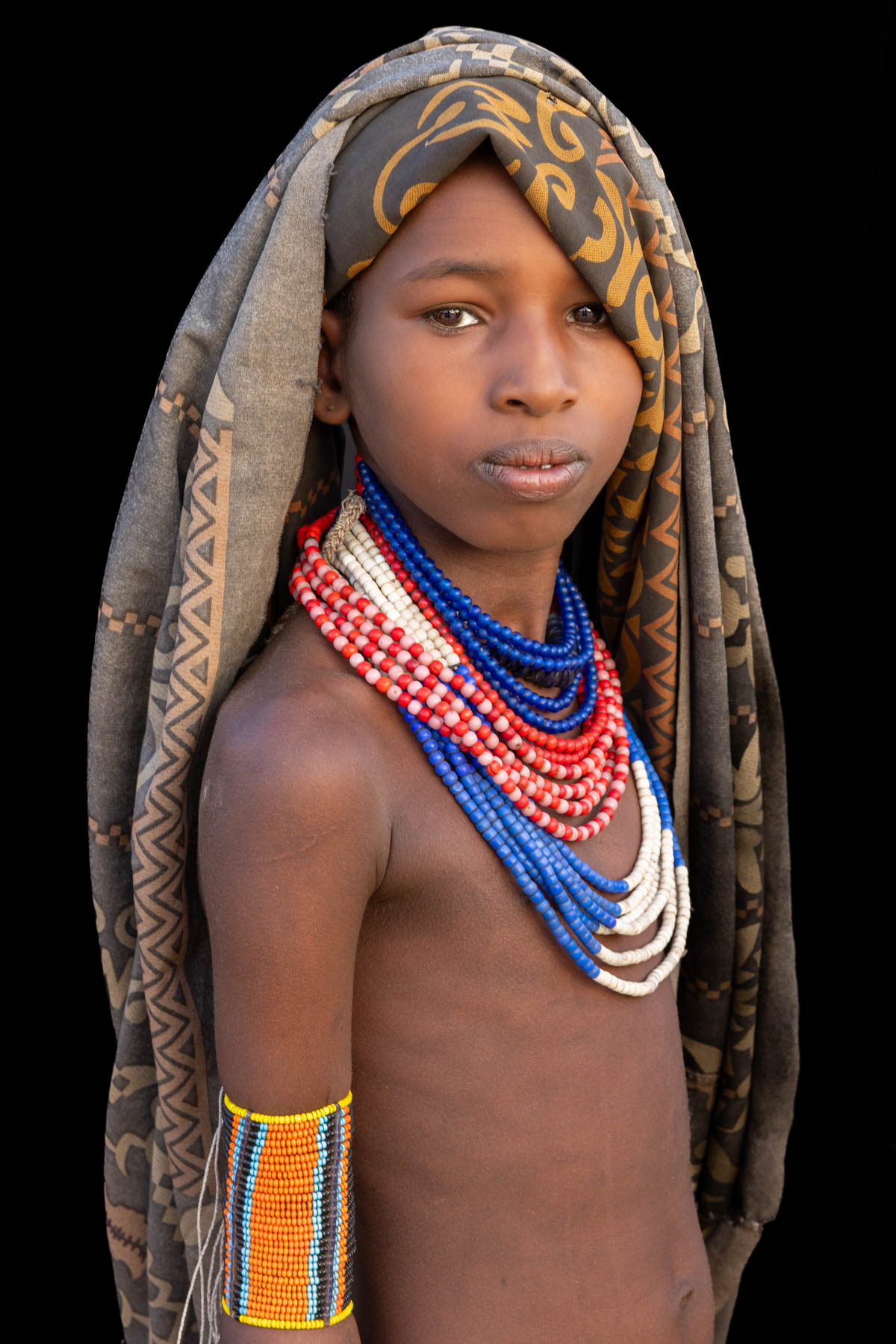
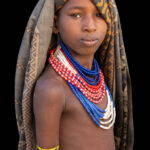
Portrait of a young Arbore girl (image by Ingrid Koedood)
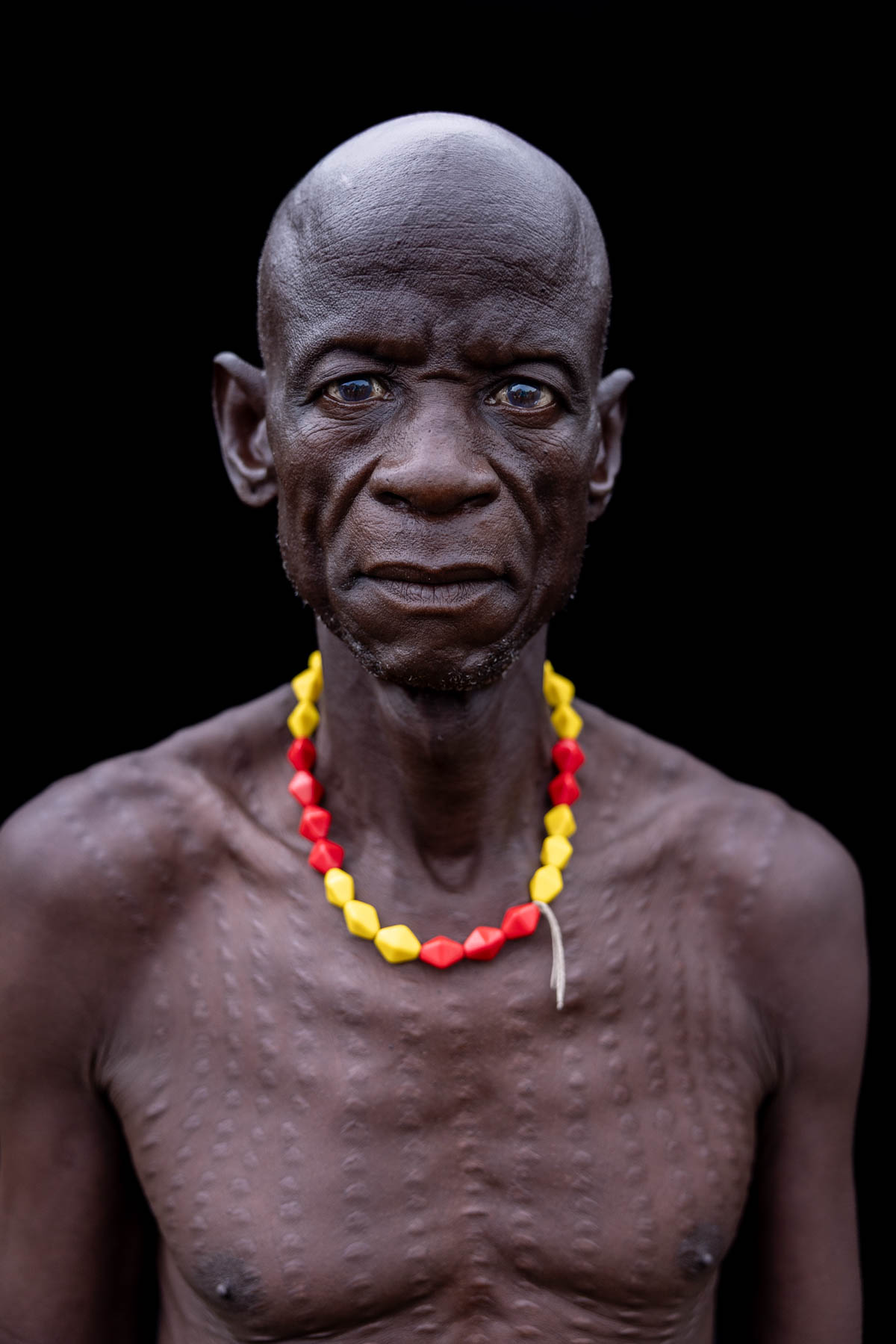
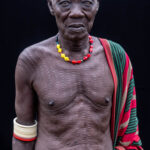
Portrait of a Nyangatom man with scarification on his chest. (image by Ingrid Koedood)
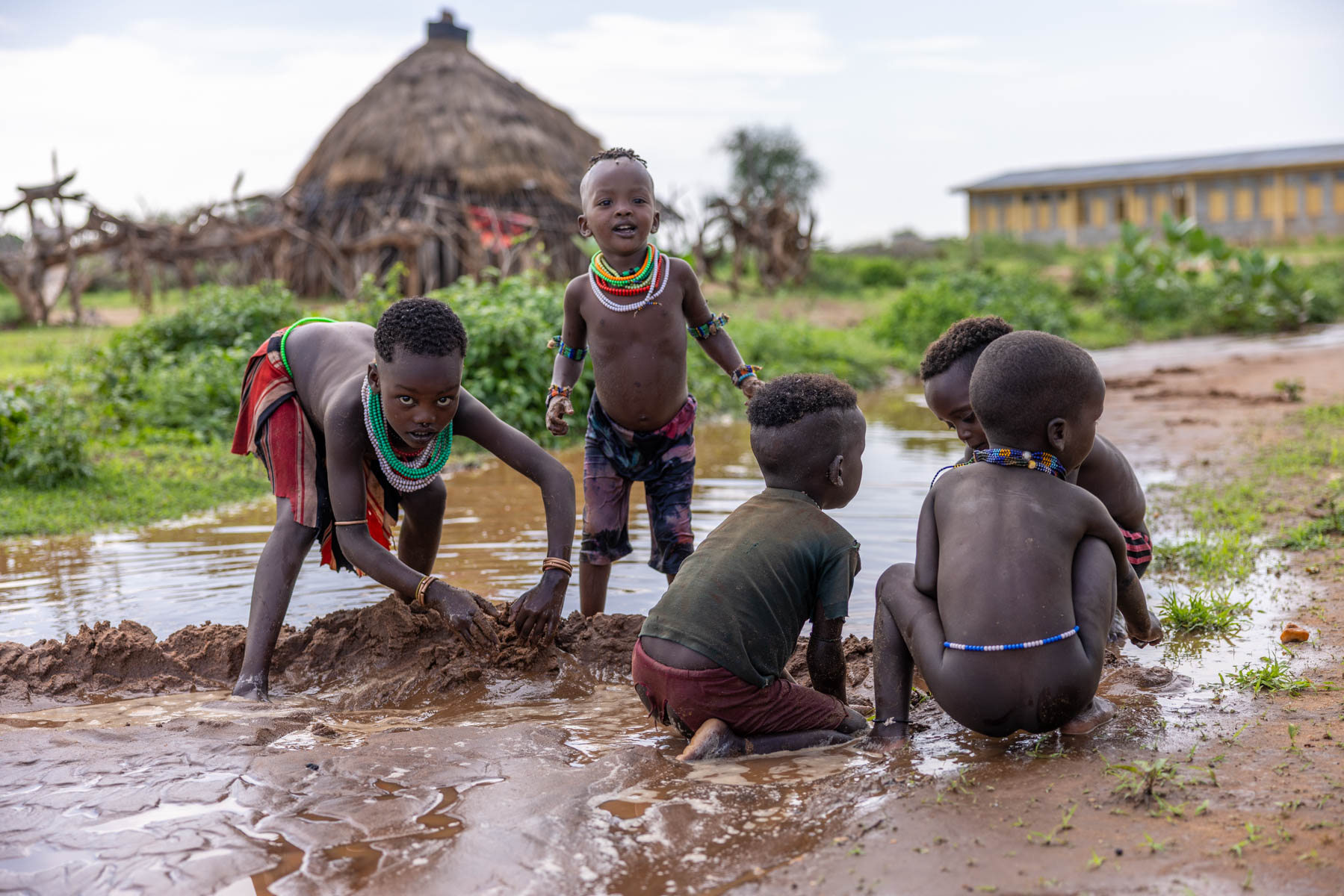
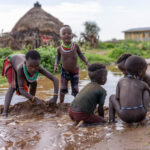
After the rain, the Hamar children play freely in water and mud. (image by Ingrid Koedood)
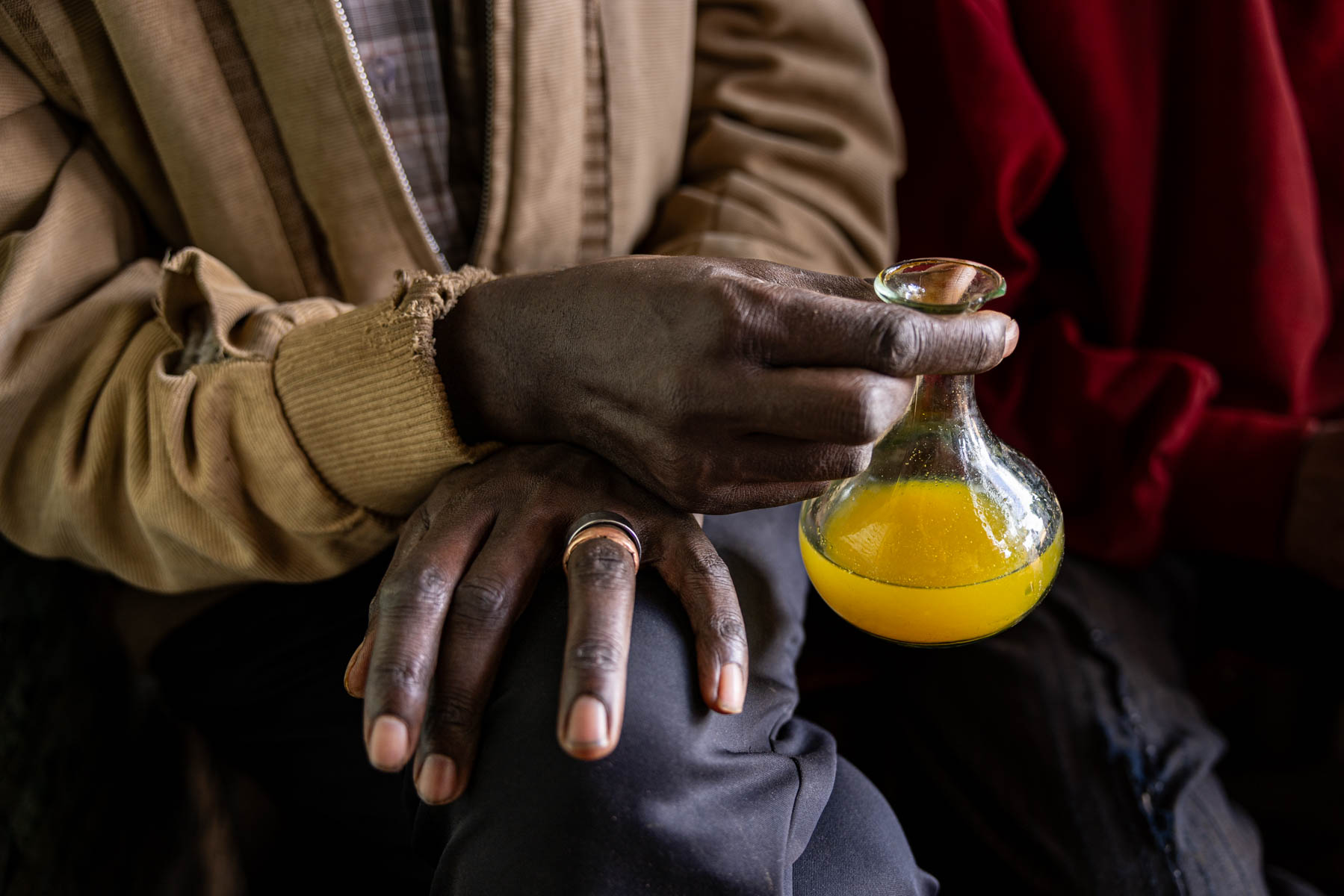
In a bar in Dorze, honey wine served in a small glass. (image by Ingrid Koedood)
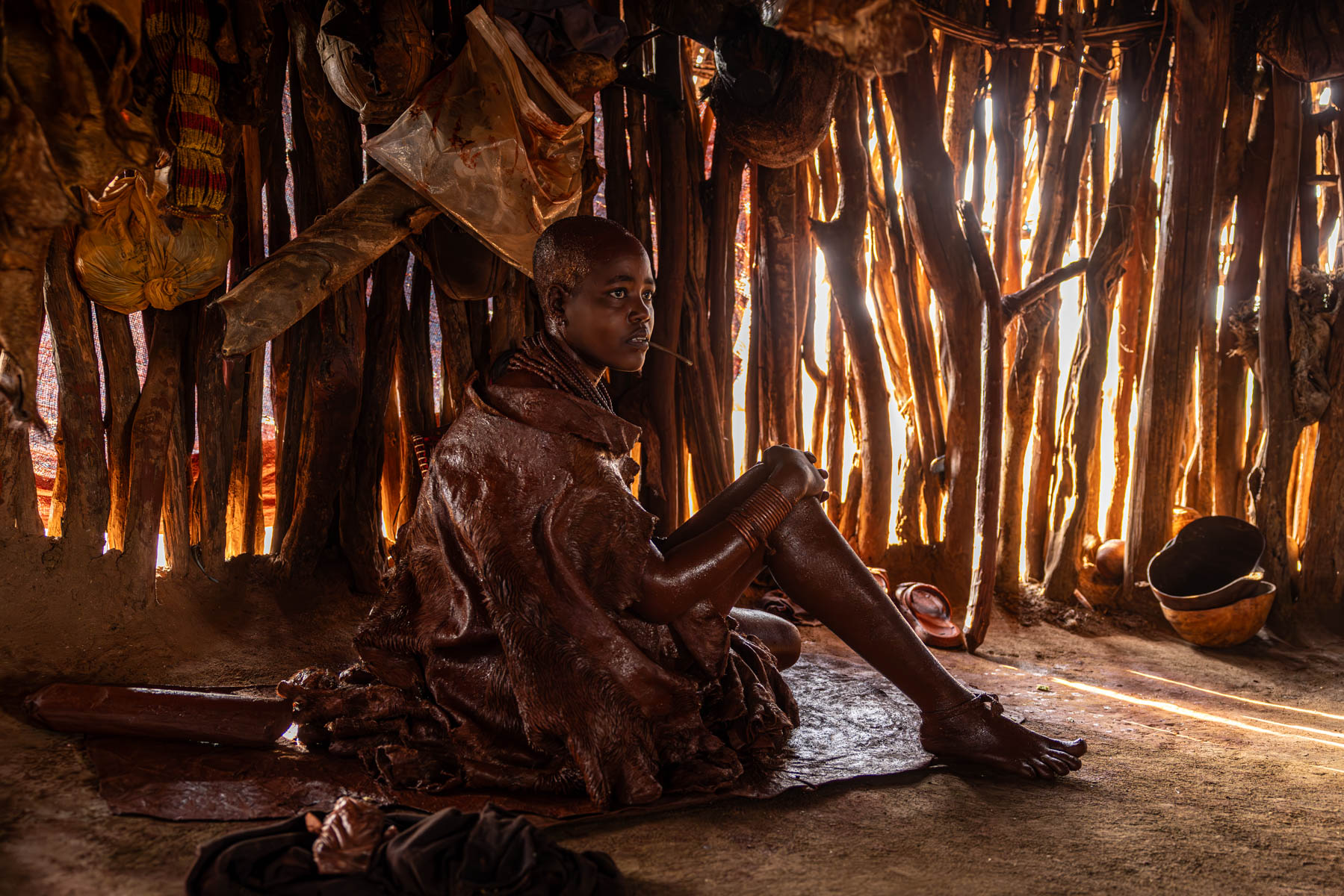
A Hamar bride, her skin covered in butter and ochre, preparing for a new chapter in life within her husband’s family. (image by Ingrid Koedood)
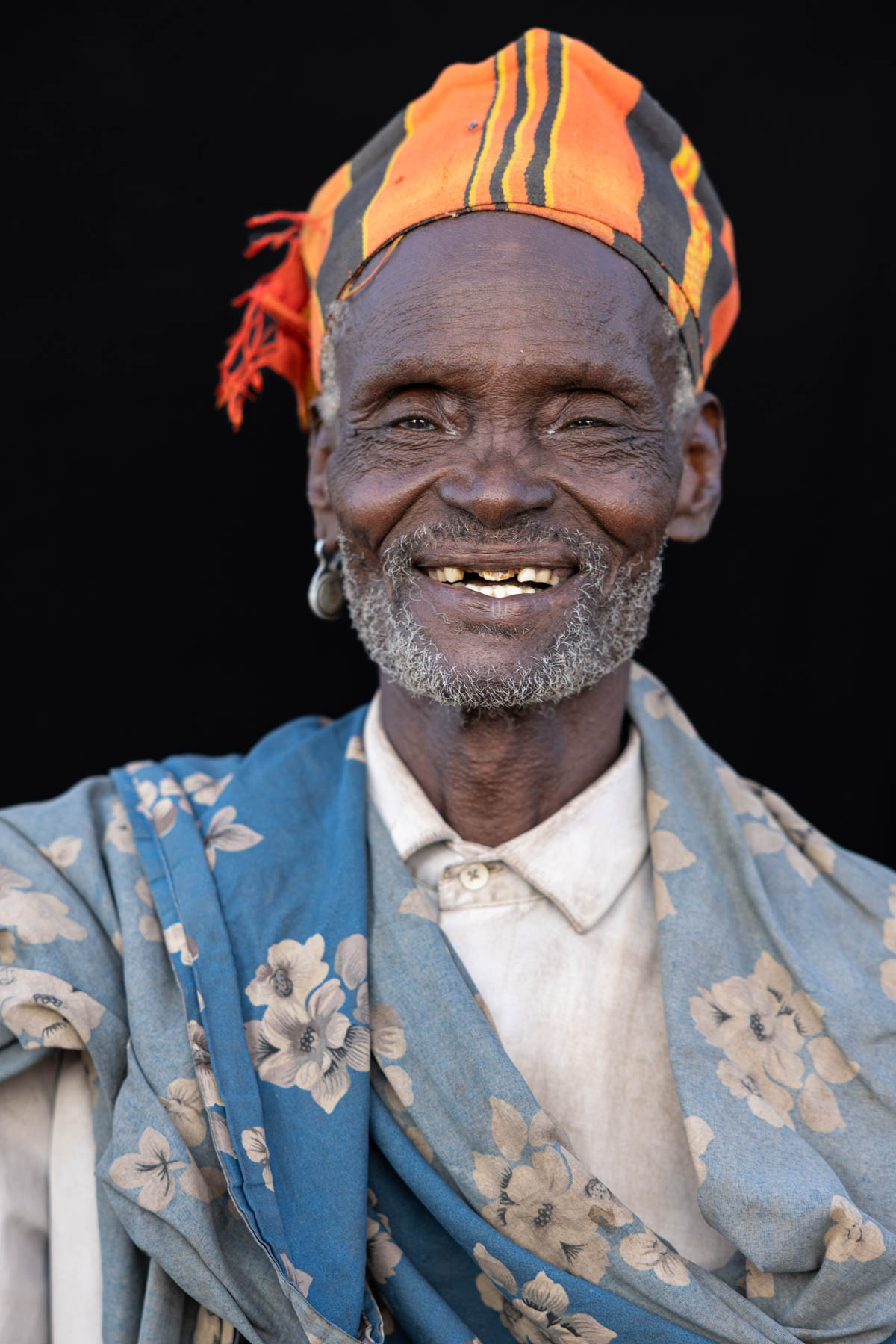
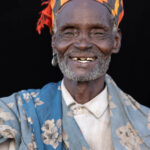
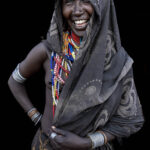
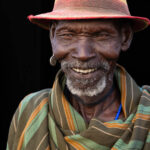
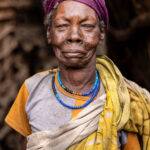
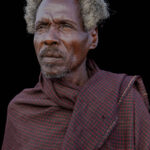
An Arbore elder who was eager to be photographed, offering a warm smile shaped by a lifetime of stories. (image by Ingrid Koedood)
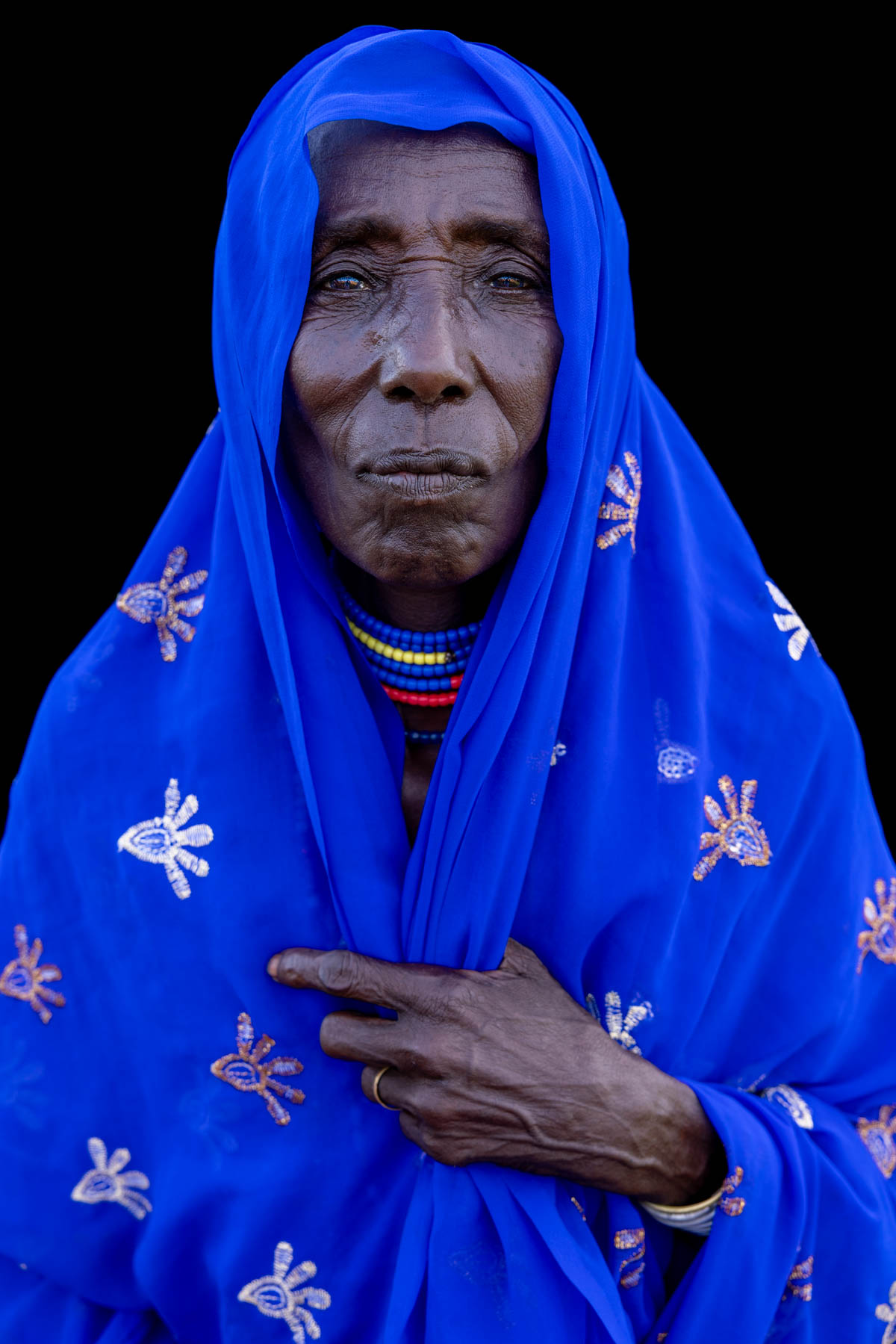
Blown away by the beauty of the Borana women (image by Ingrid Koedood)
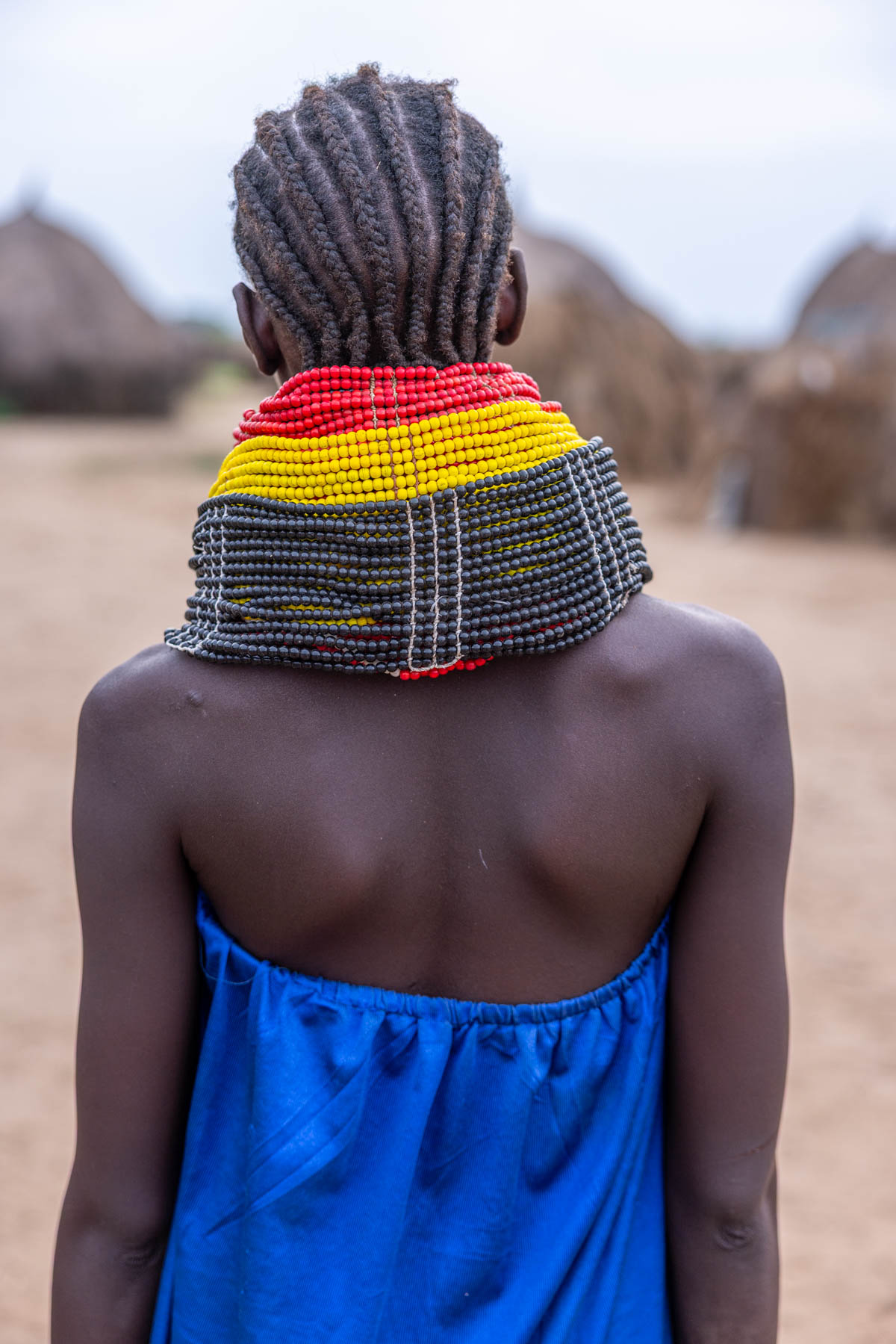
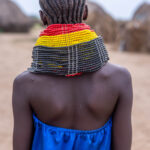
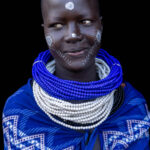
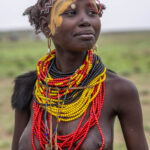
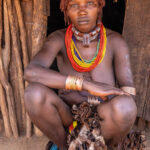
A Nyangatom woman adorned with layered neck beads. (image by Ingrid Koedood)
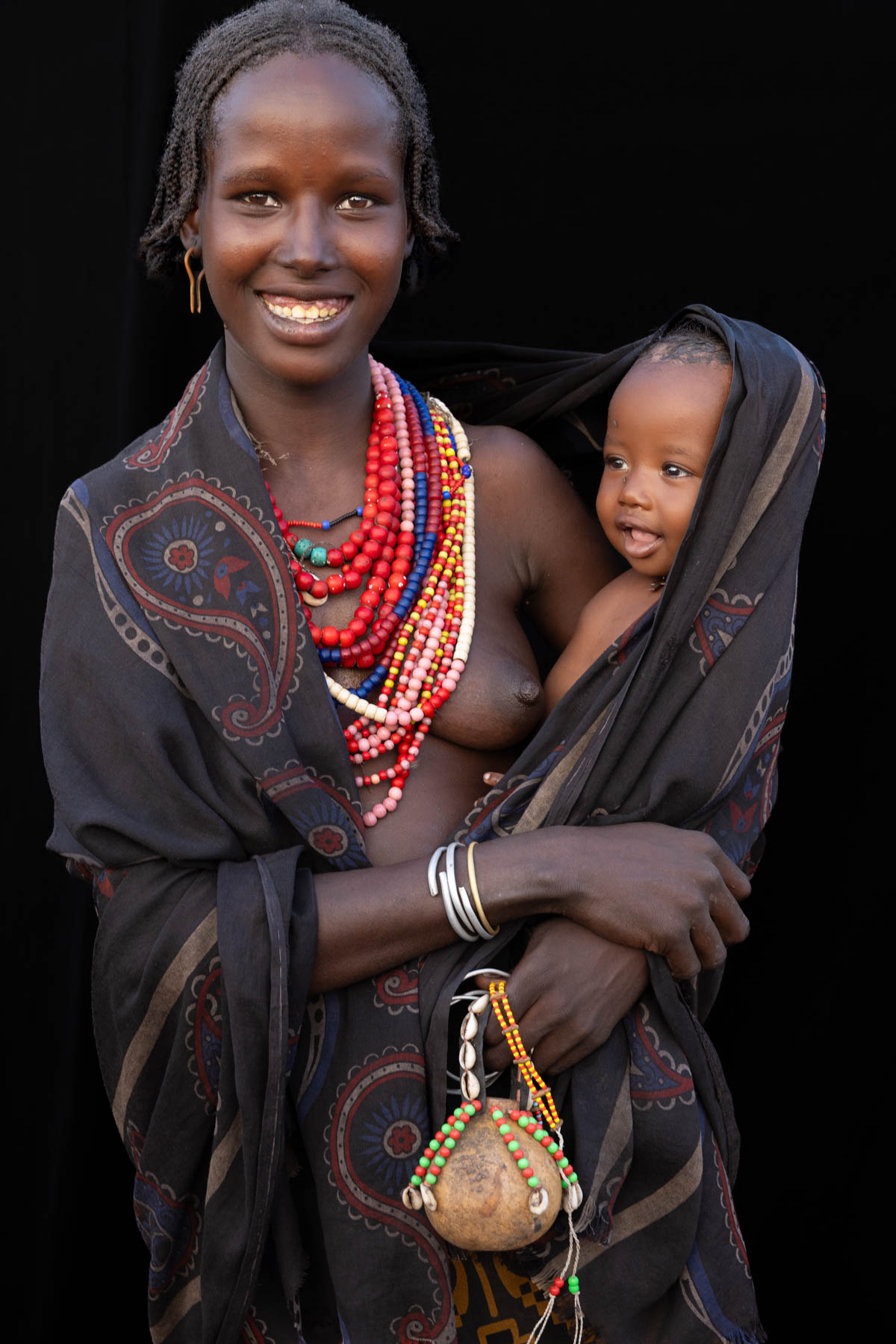
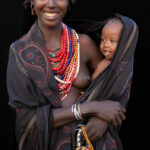
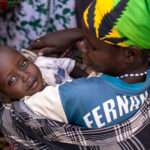
Carried close, where warmth meets wonder. A moment between an Arbore mother and her child. (image by Ingrid Koedood)
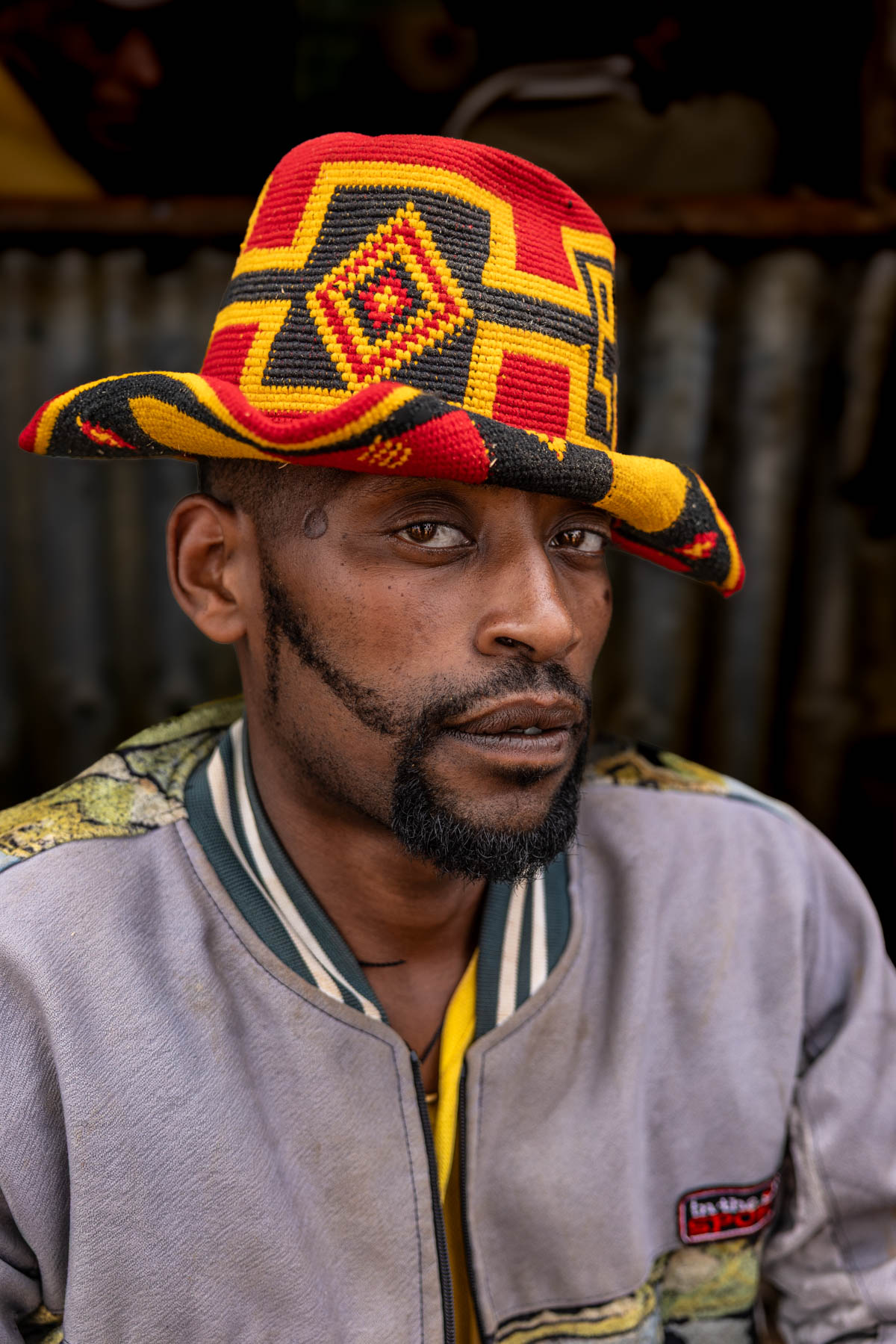
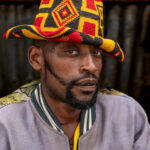
Portrait of a man in front of a honey wine bar in Dorze, wearing a traditional hat. (image by Ingrid Koedood)
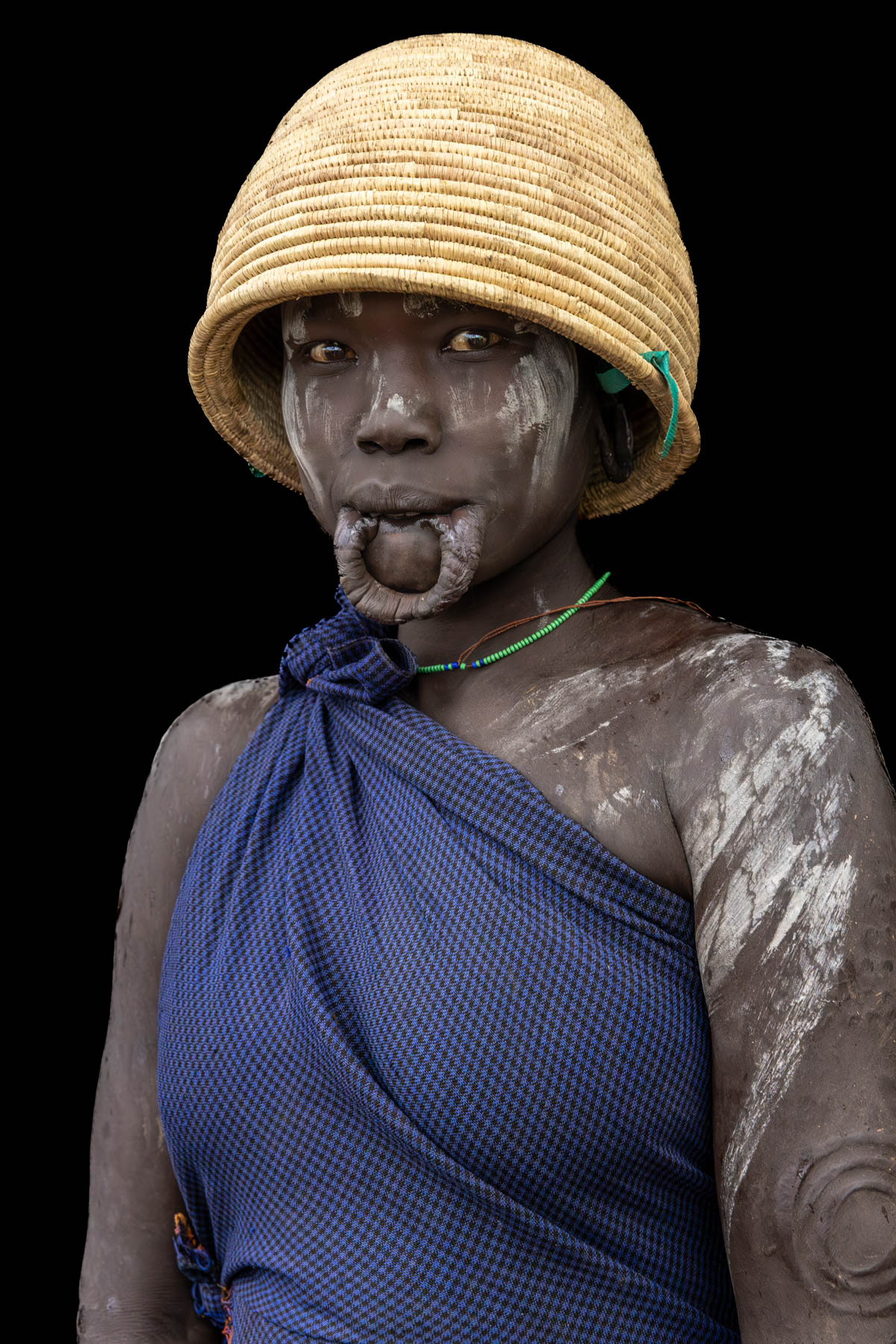
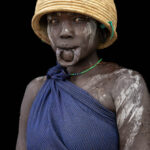
Portrait of a Mursi woman without her traditional lip plate. (image by Ingrid Koedood)
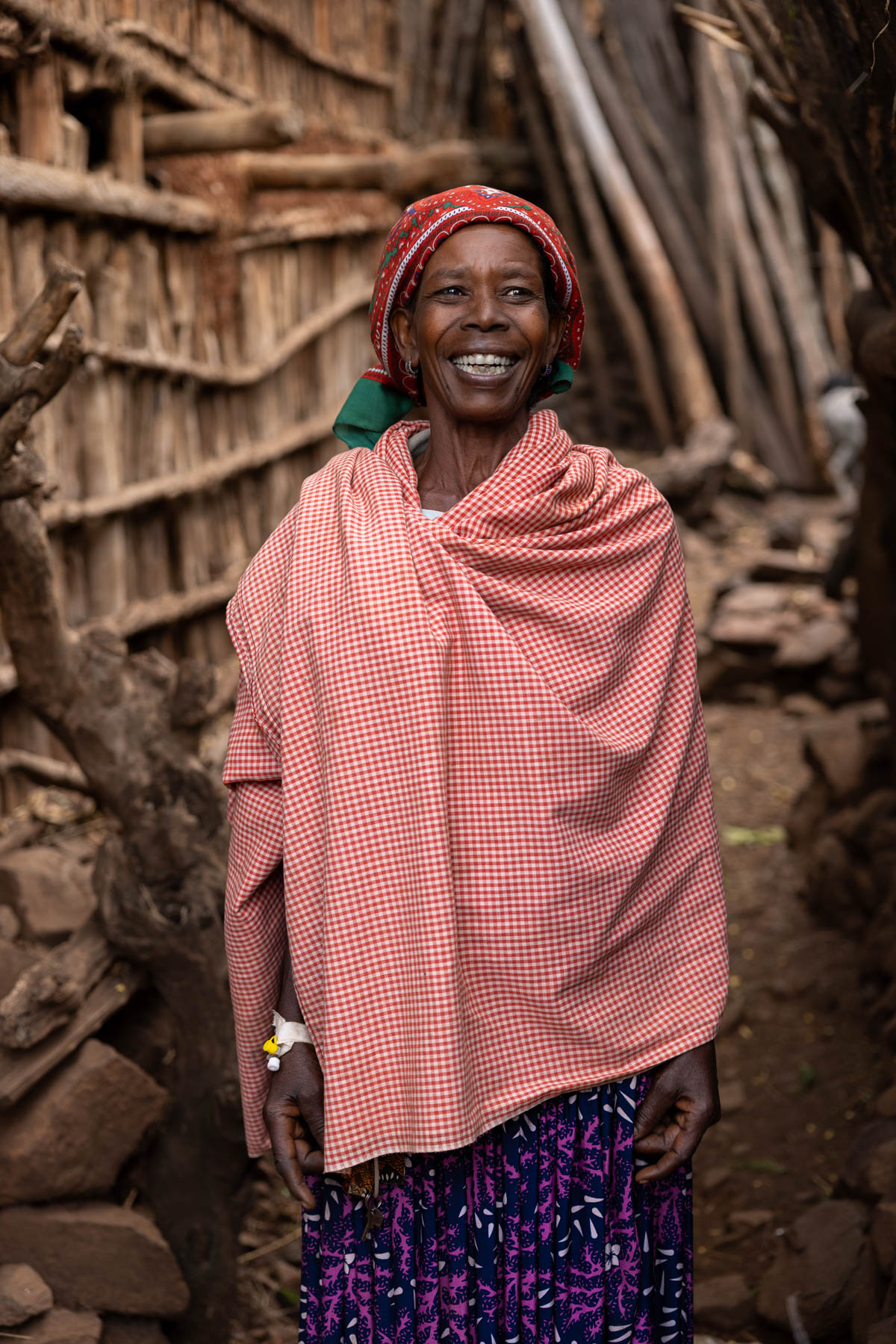
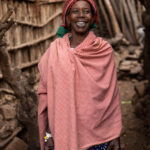
This Konso woman was a joy to photograph. (image by Ingrid Koedood)
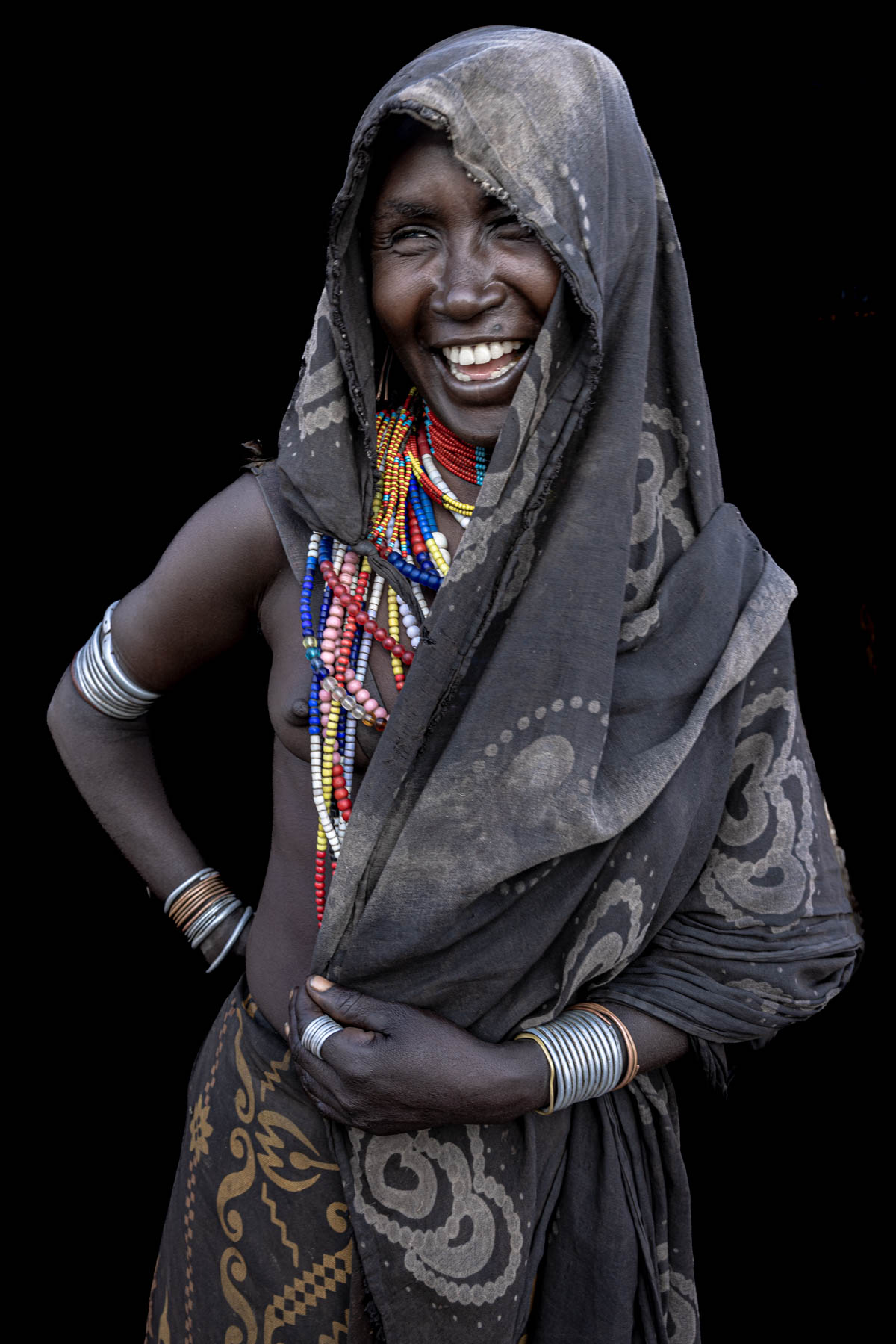
Having fun with an Arbore woman. (image by Ingrid Koedood)
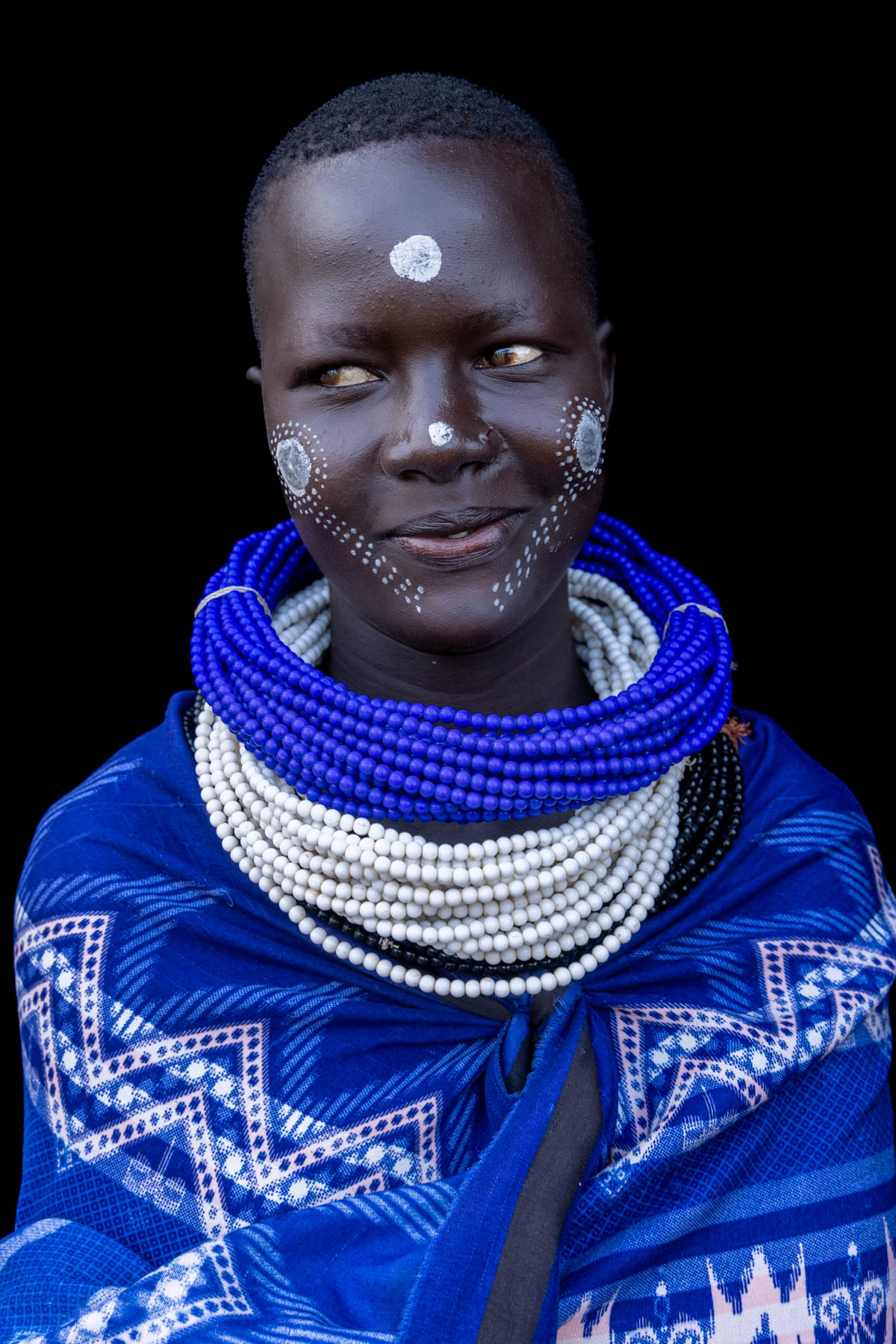
A Kara woman with a gentle, shy smile. (image by Ingrid Koedood)
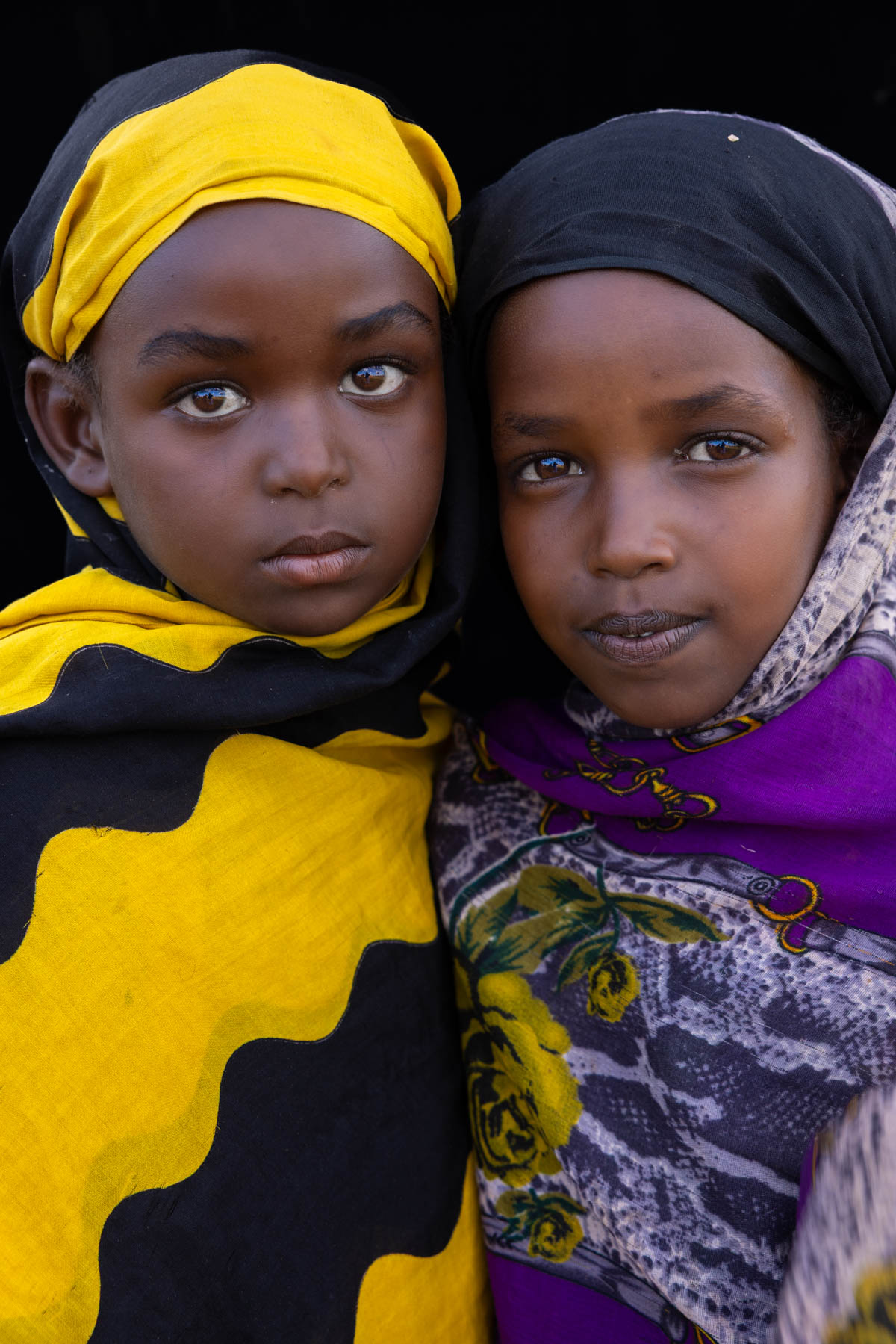
Friend for life, two Borana girls. (image by Ingrid Koedood)
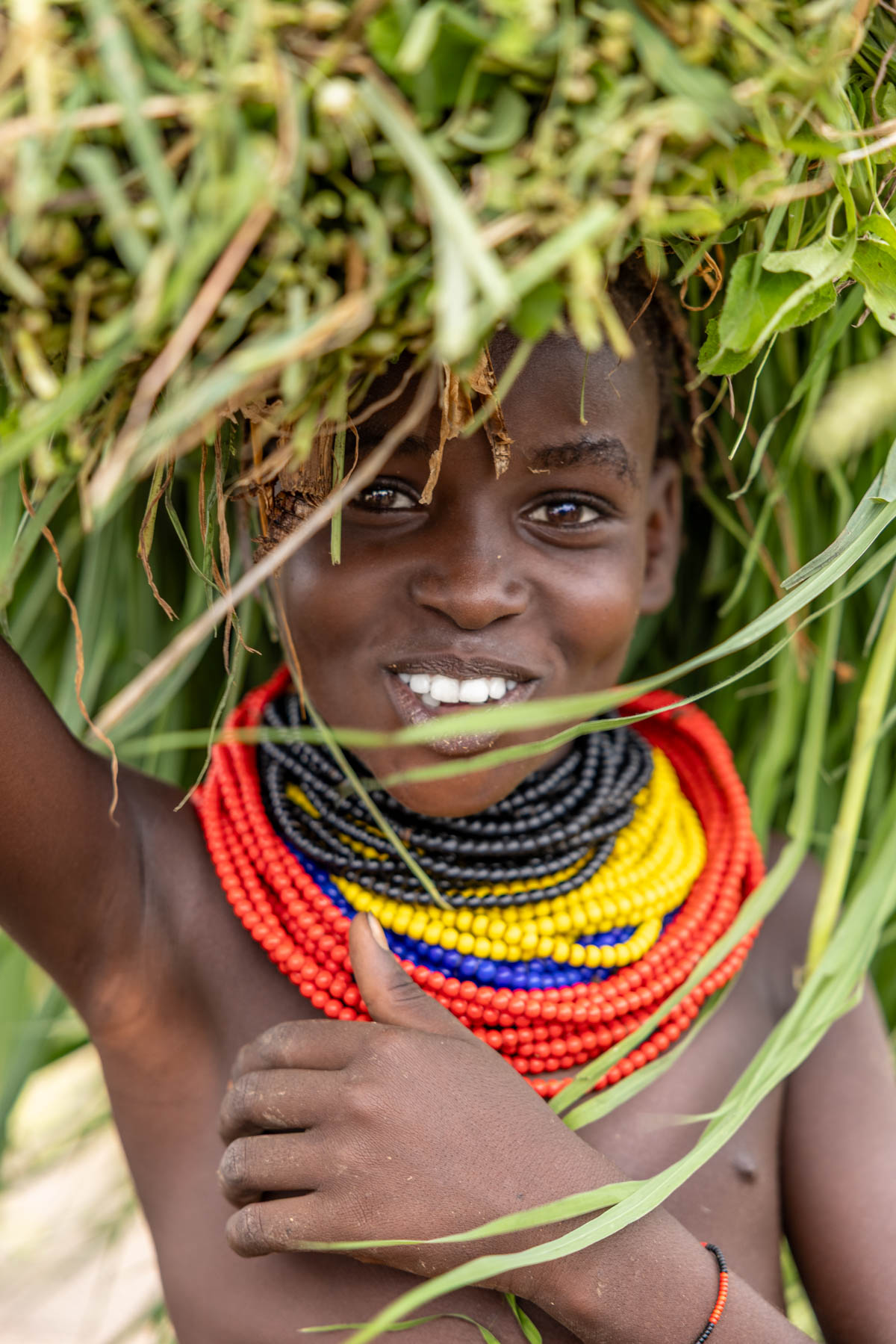
On the way to the Dassanech tribe, we saw many people carrying fresh grass after the rains. (image by Ingrid Koedood)
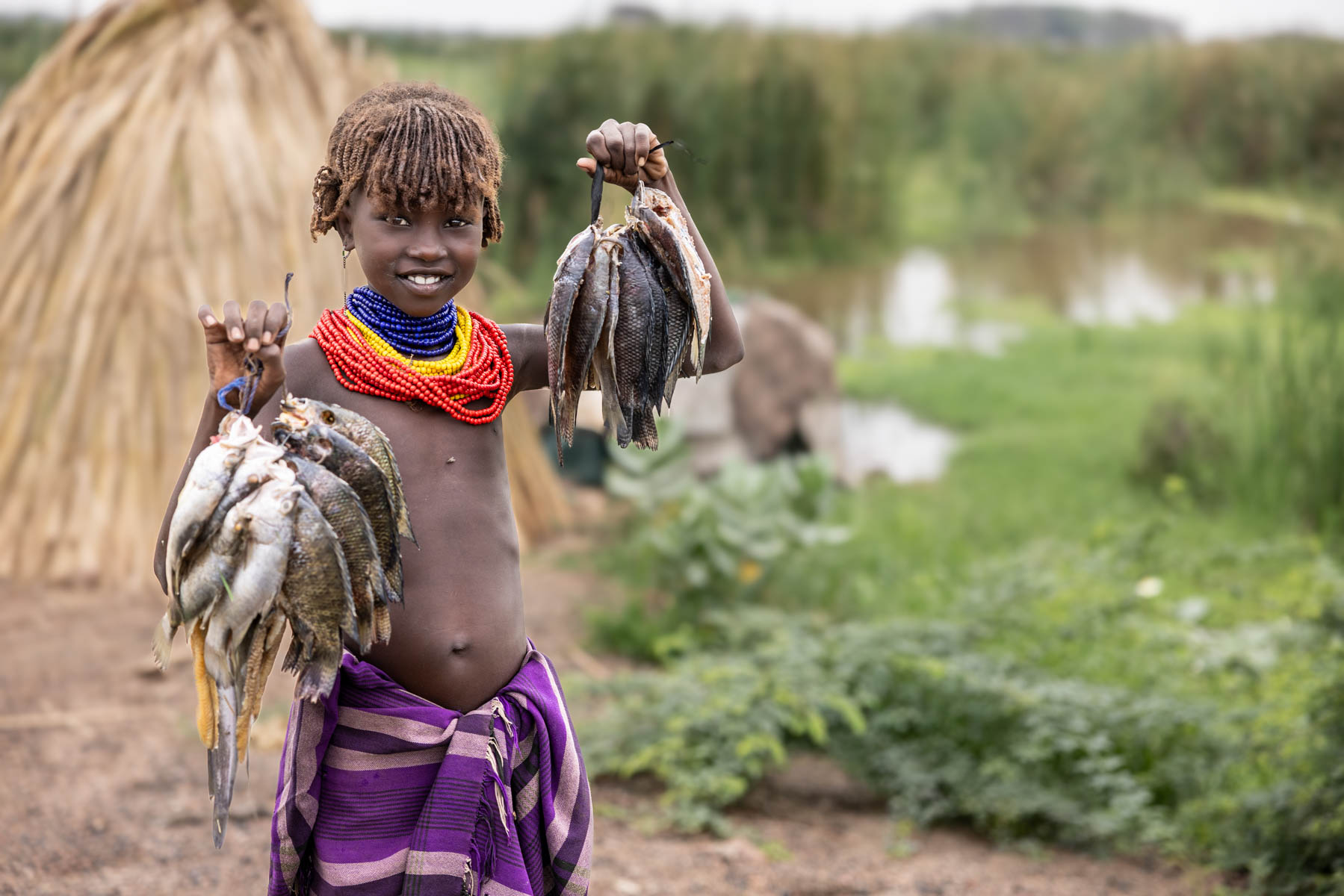
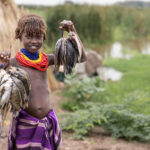
Dassanech girl proudly showing today’s catch. (image by Ingrid Koedood)
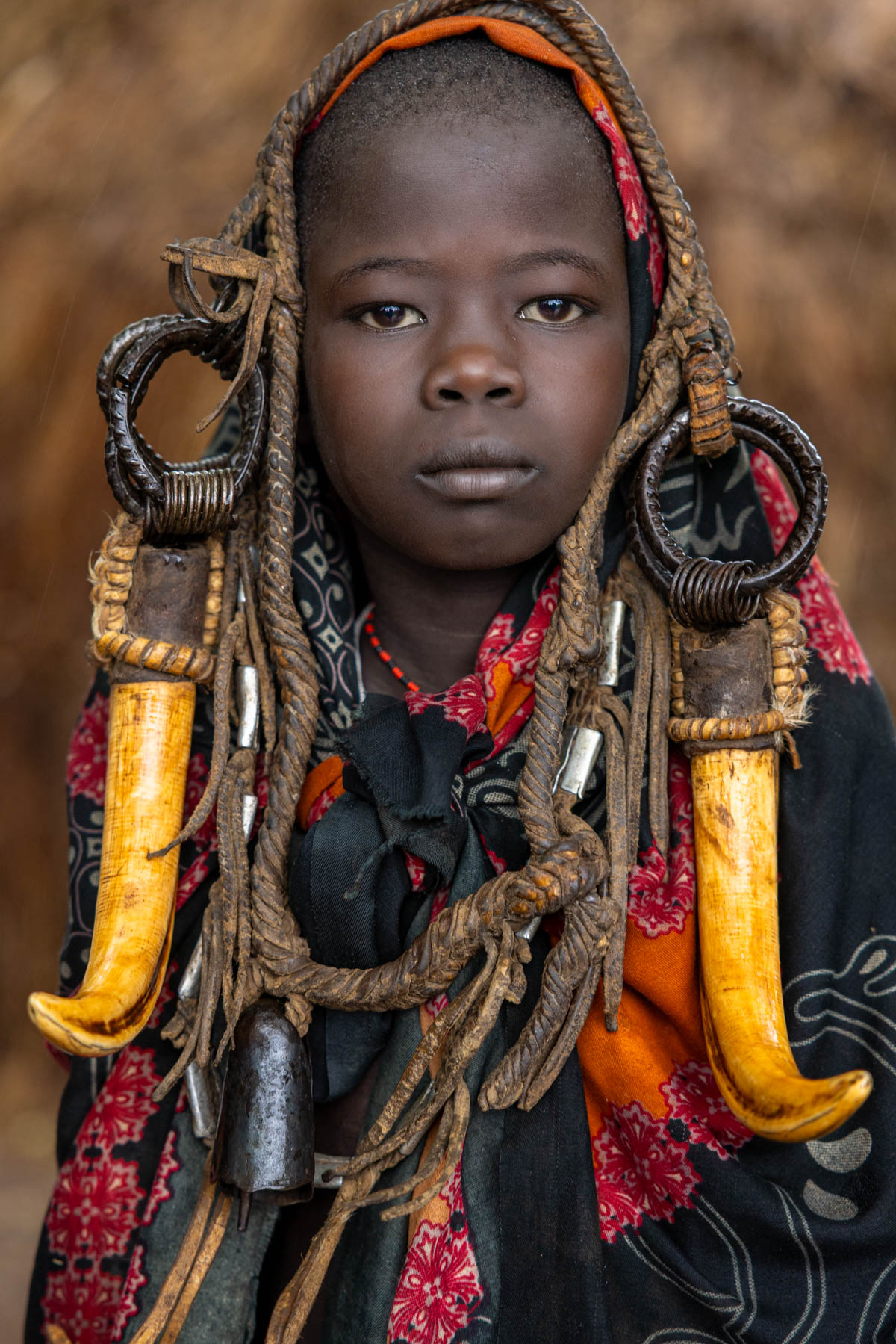
A Mursi girl framed by rich earth tones and vibrant red, her adornments glowing in the warm light. (image by Ingrid Koedood)
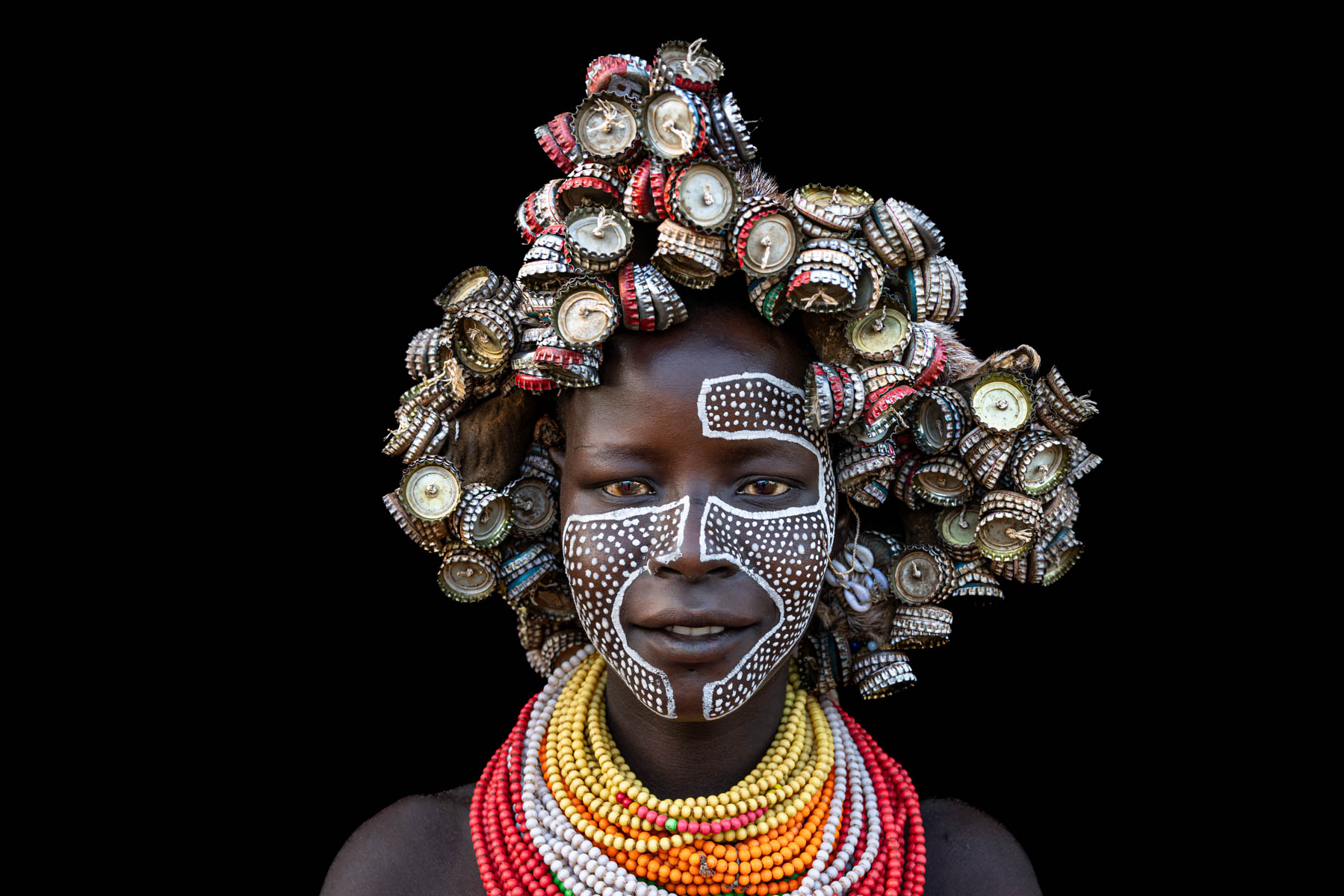
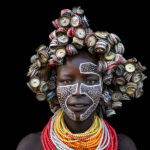
Creativity in every detail, a Kara woman wearing a headdress of bottle caps. (image by Ingrid Koedood)
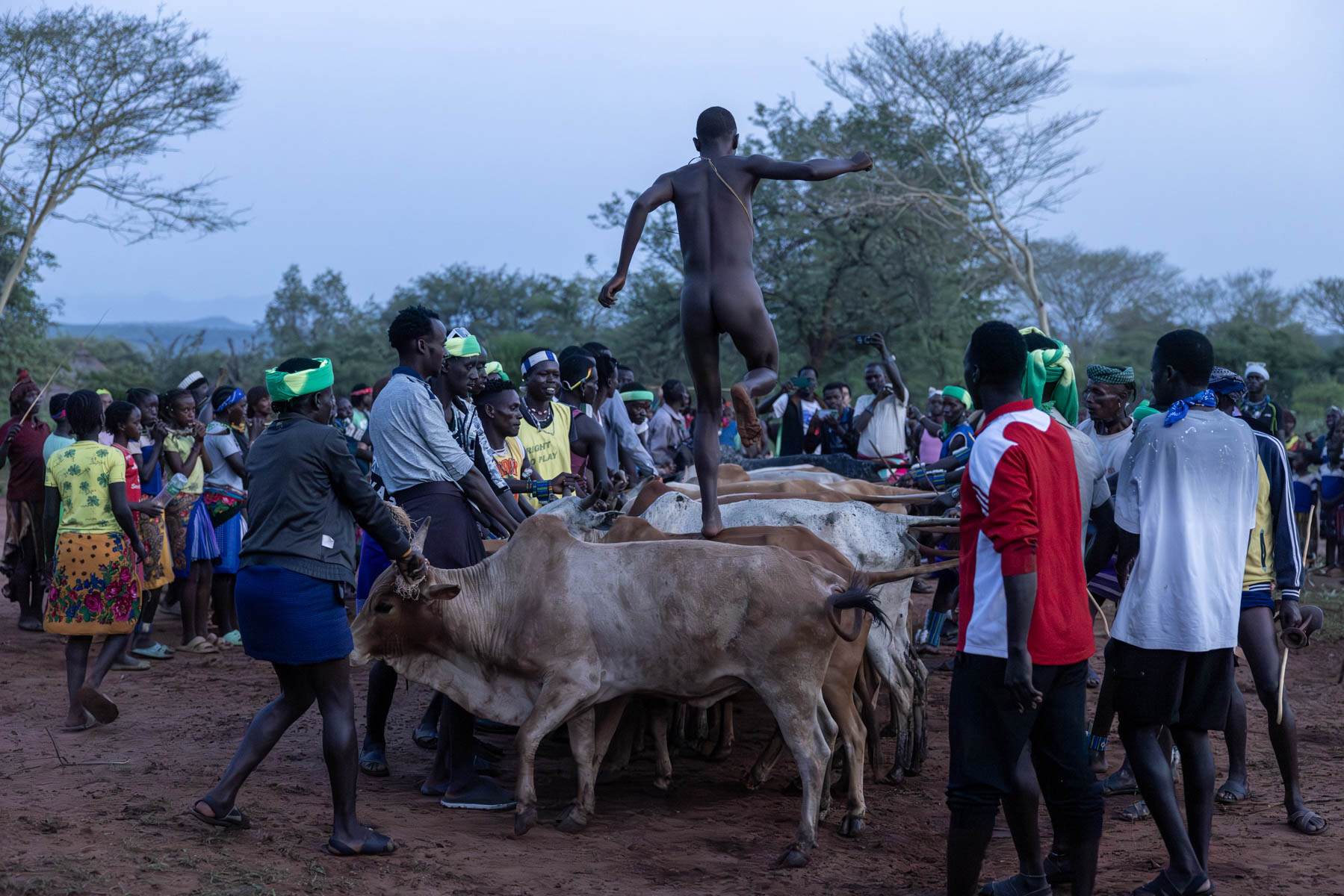
The Hamar bull jumping ceremony, a rite of passage where a young man proves his readiness for adulthood by running across the back of bulls (image by Ingrid Koedood)
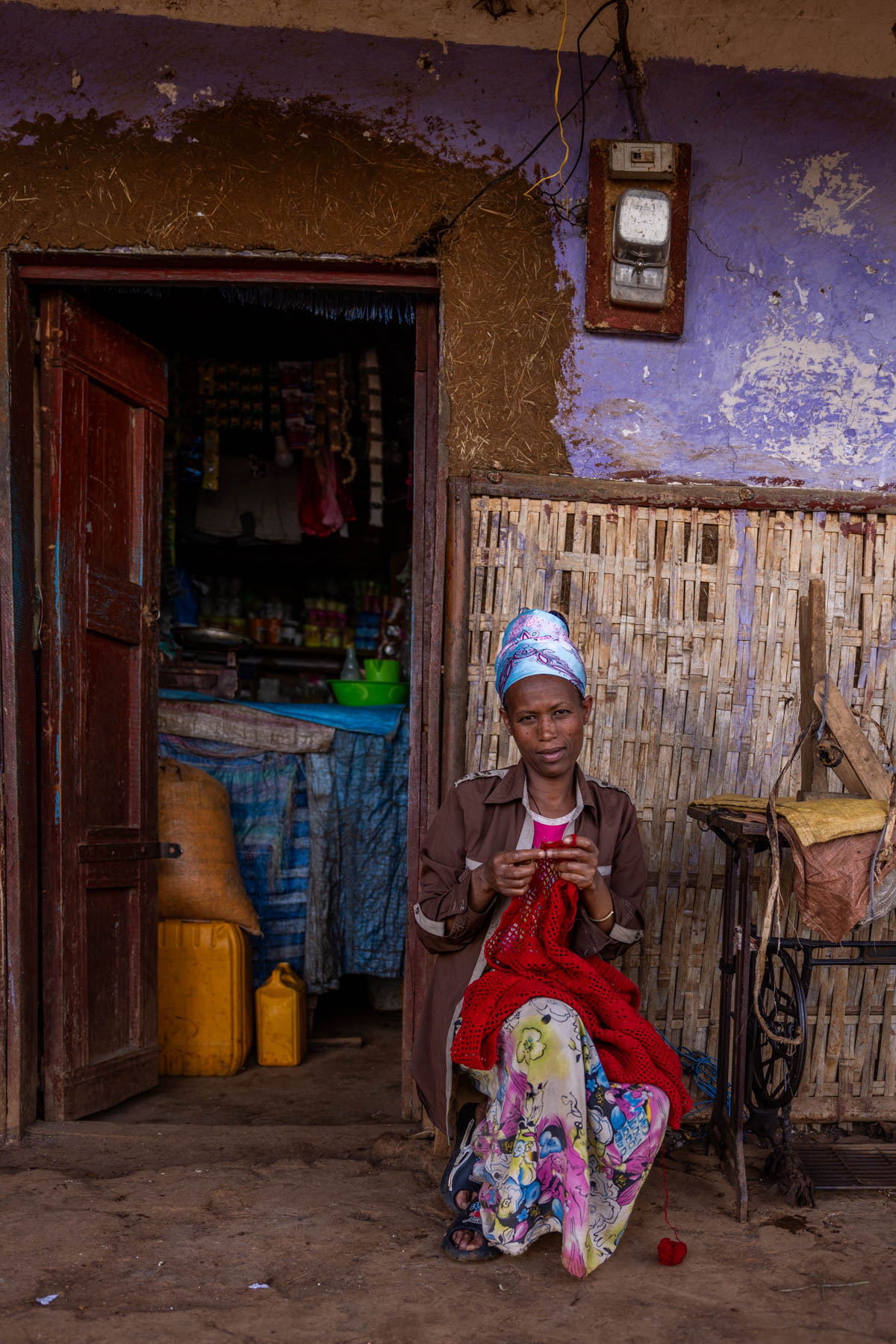
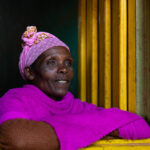
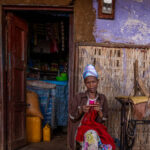
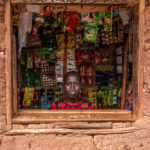
A Dorze woman in front of her shop. (image by Ingrid Koedood)
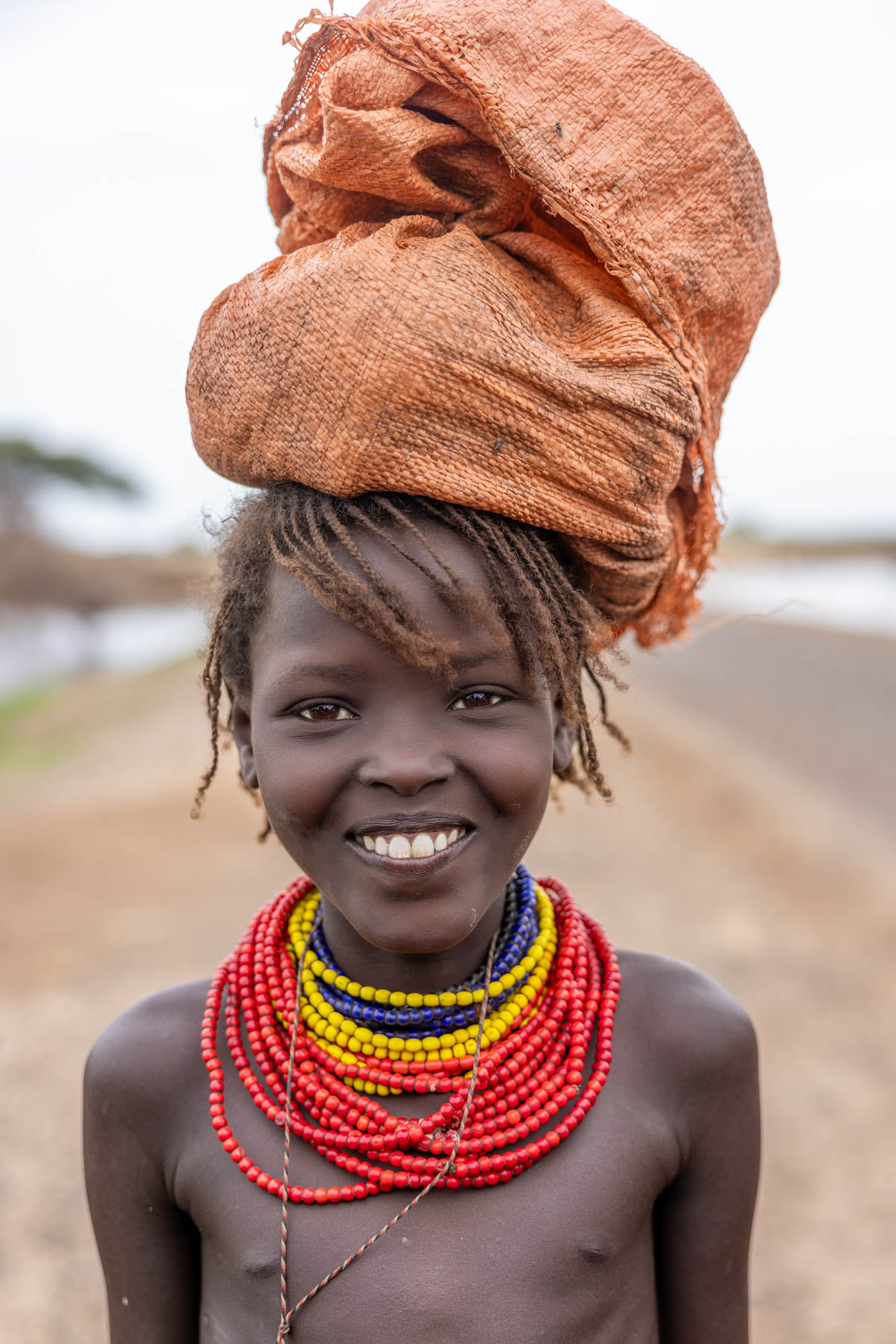
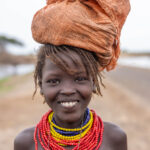
A joy to capture such a bright smile – Dassanech child (image by Ingrid Koedood)
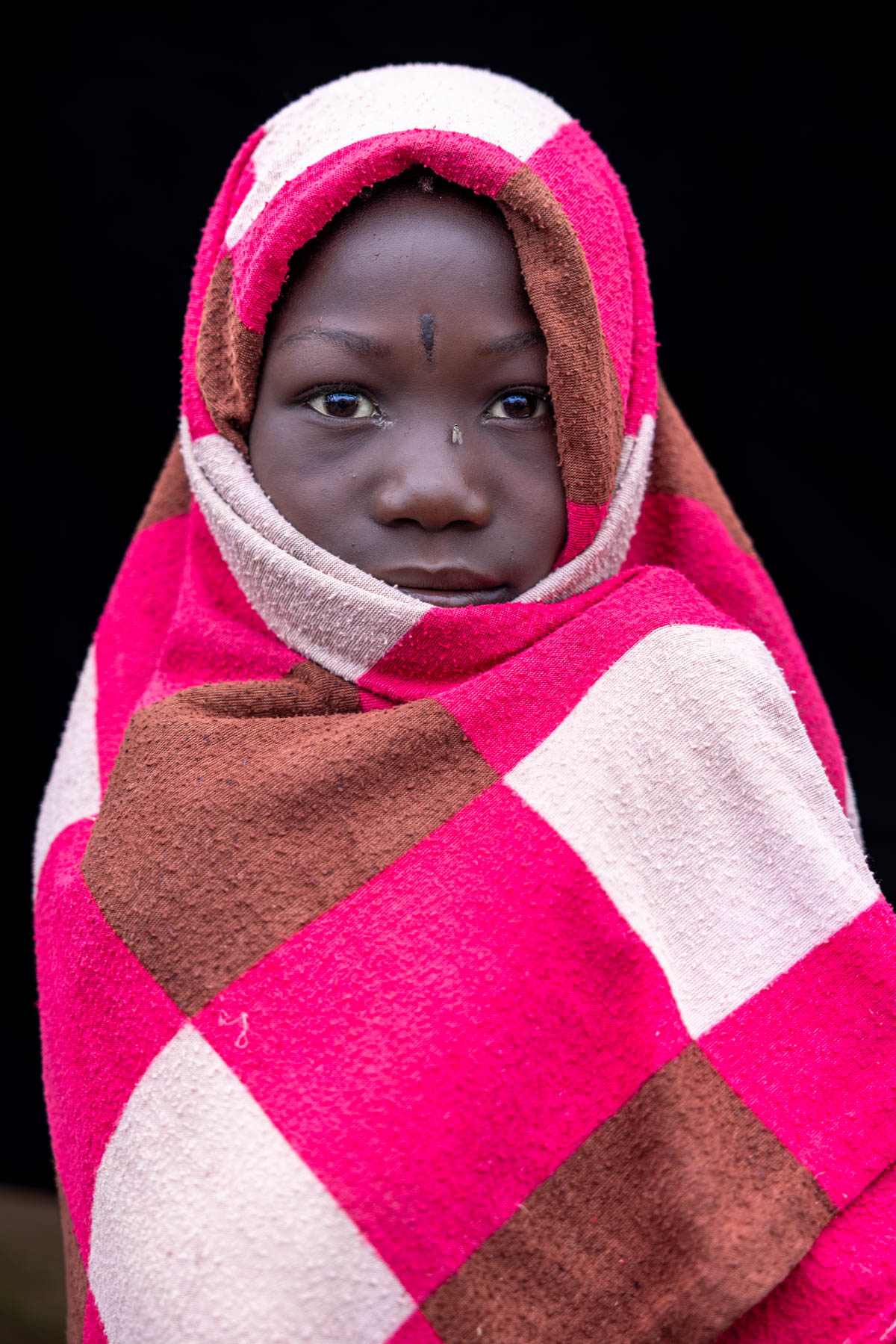
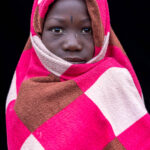
A young Nyangatom girl wrapped in pink. (image by Ingrid Koedood)
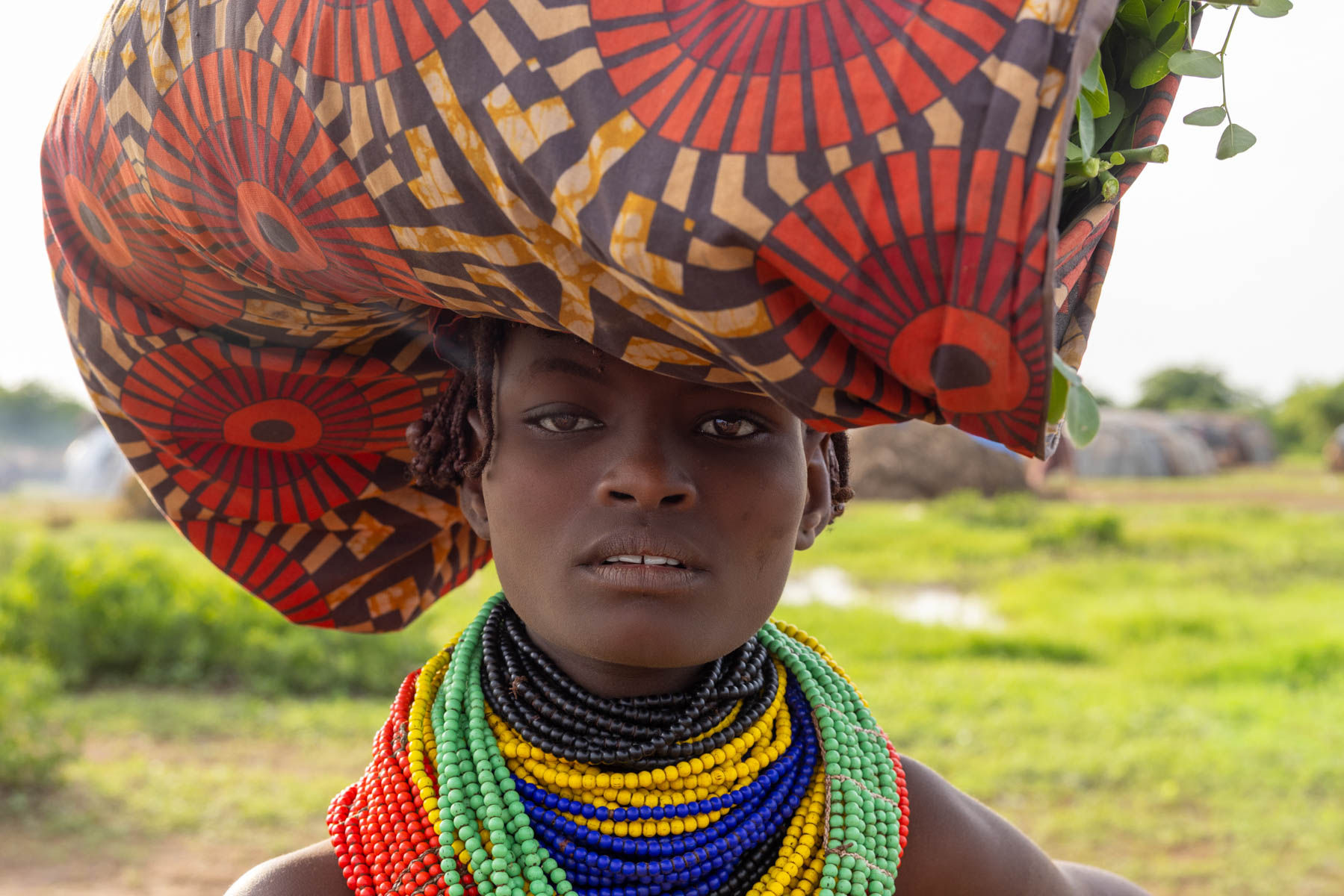
Balance and color, a Dassanech girl carrying her load. (image by Ingrid Koedood)
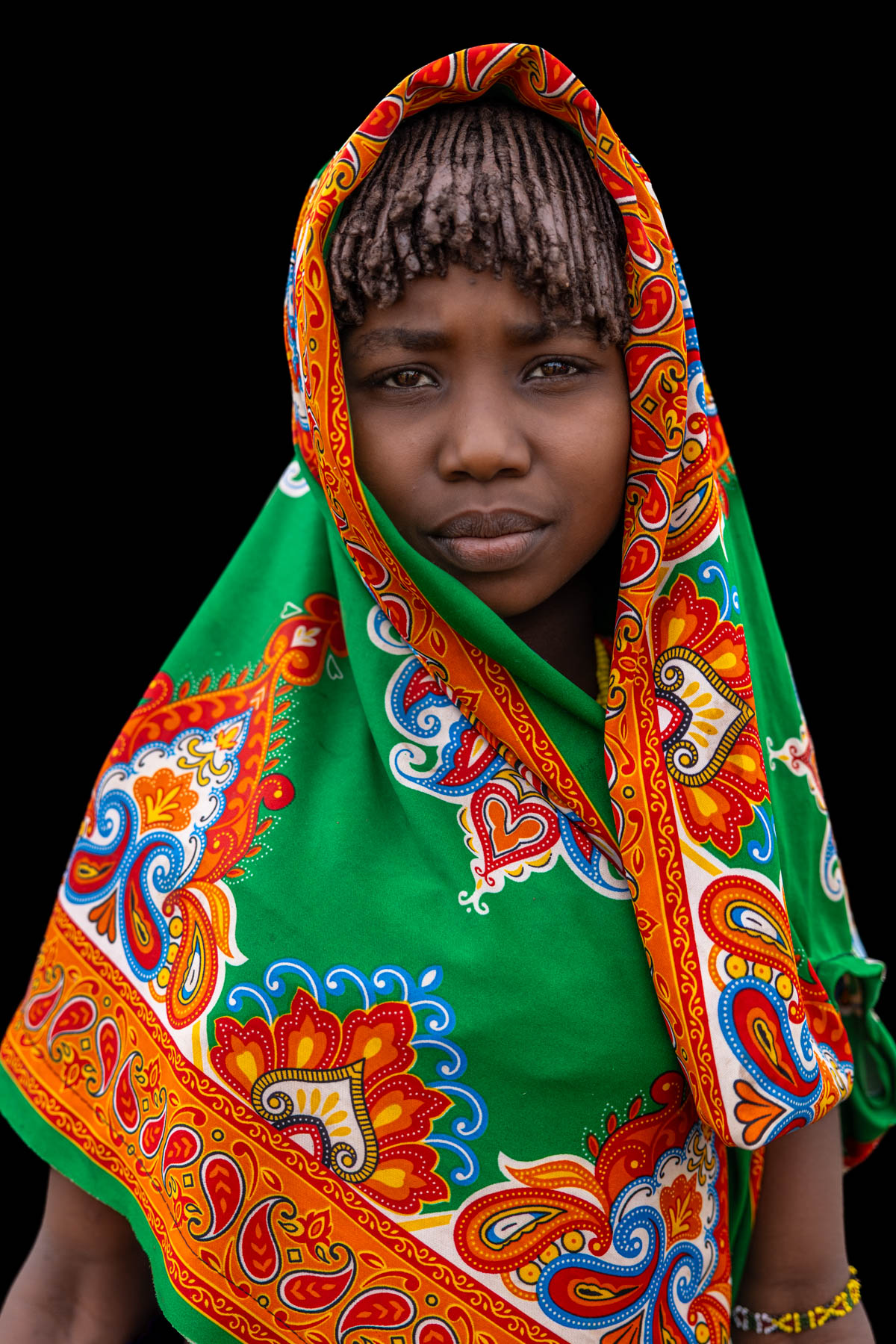
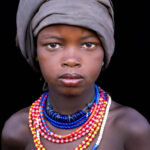
Portrait of a beautiful young Dassanech girl. (image by Ingrid Koedood)
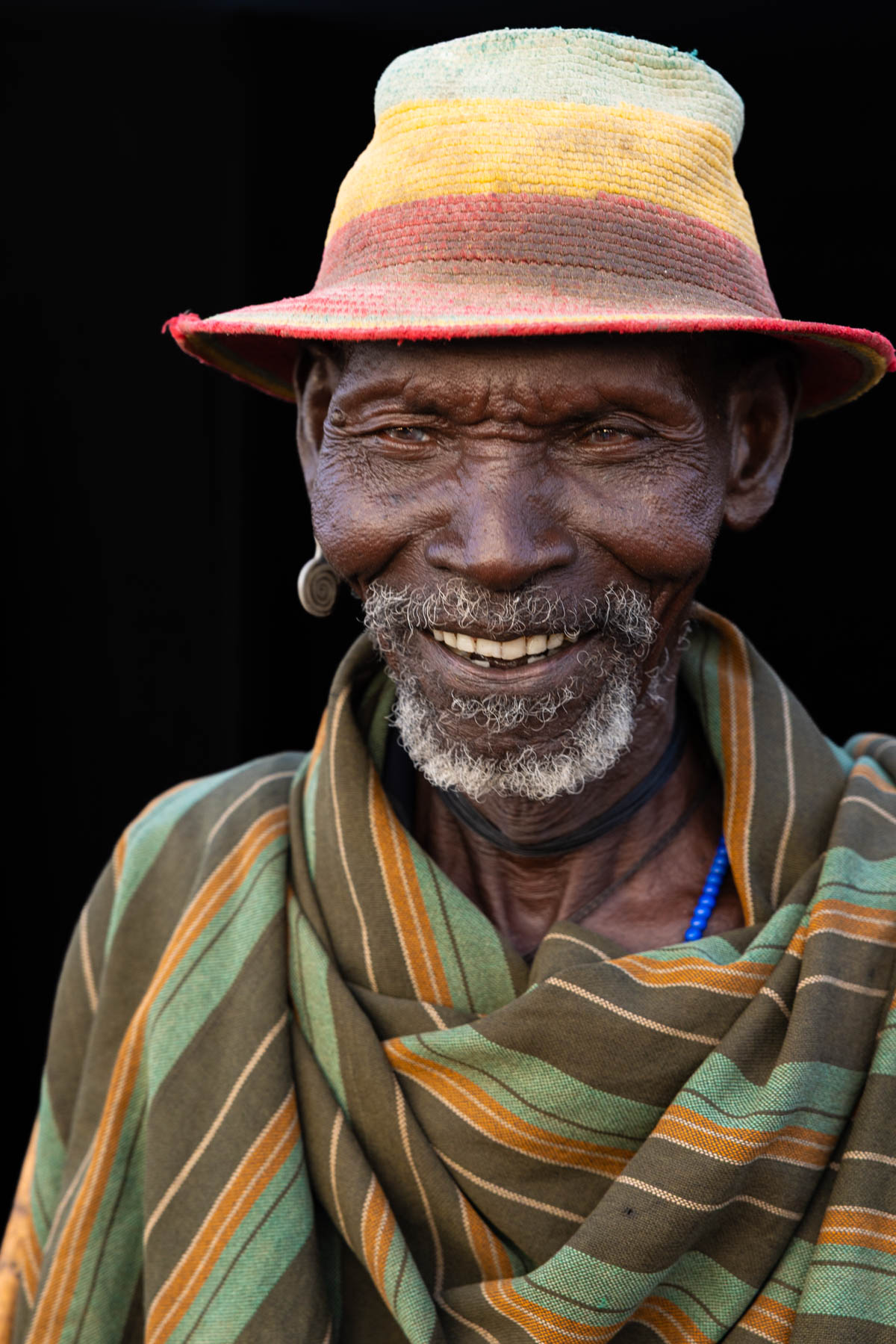
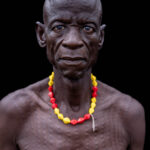
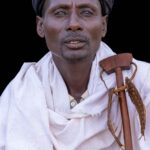
Portrait of a Arbore man. (image by Ingrid Koedood)
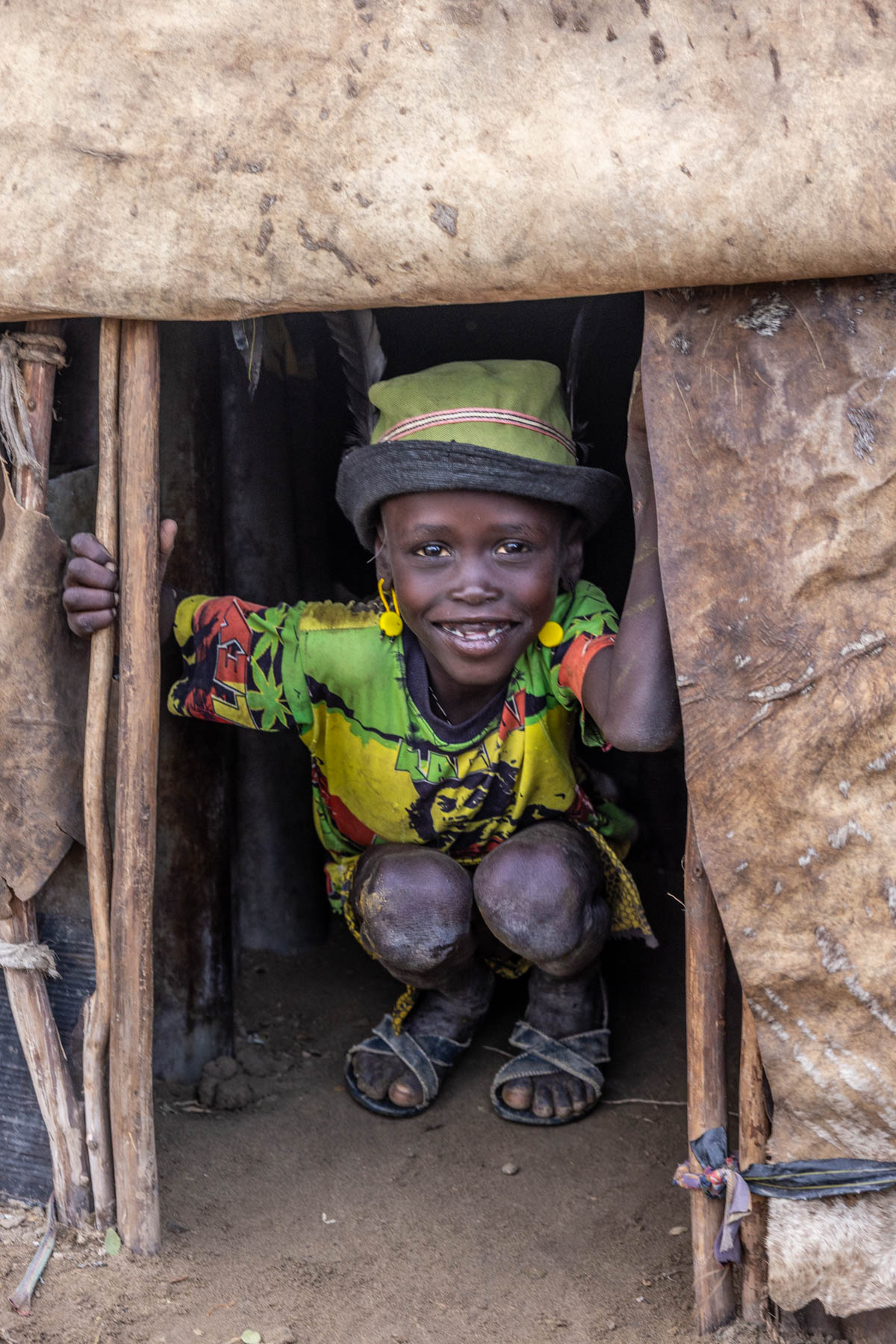
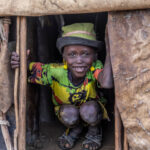
From the doorway of his hut, a Dassanech boy watches the Dimi ceremony preparations. (image by Ingrid Koedood)
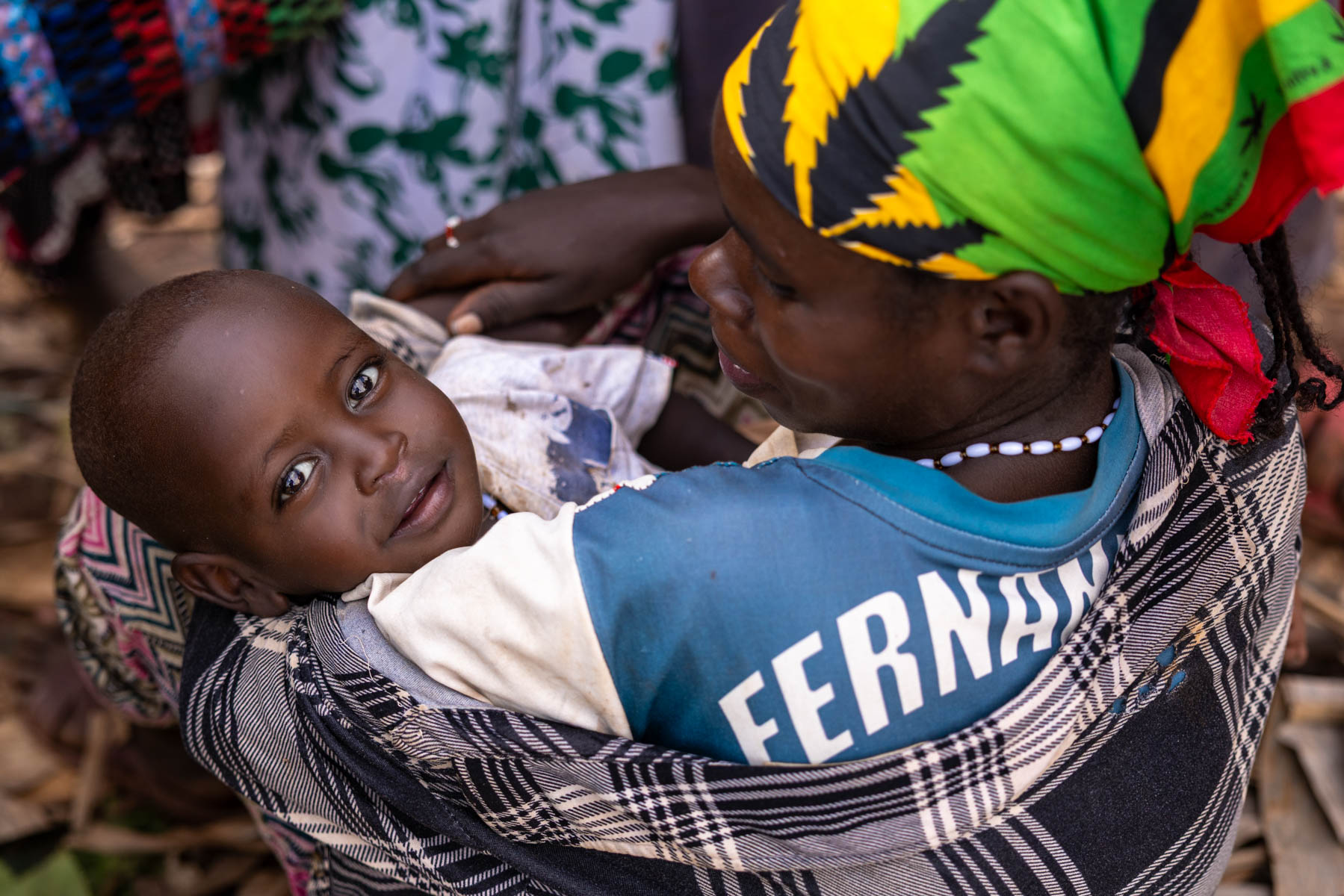
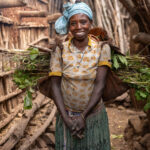
A gentle smile in the middle of the vibrant Ari market. (image by Ingrid Koedood)
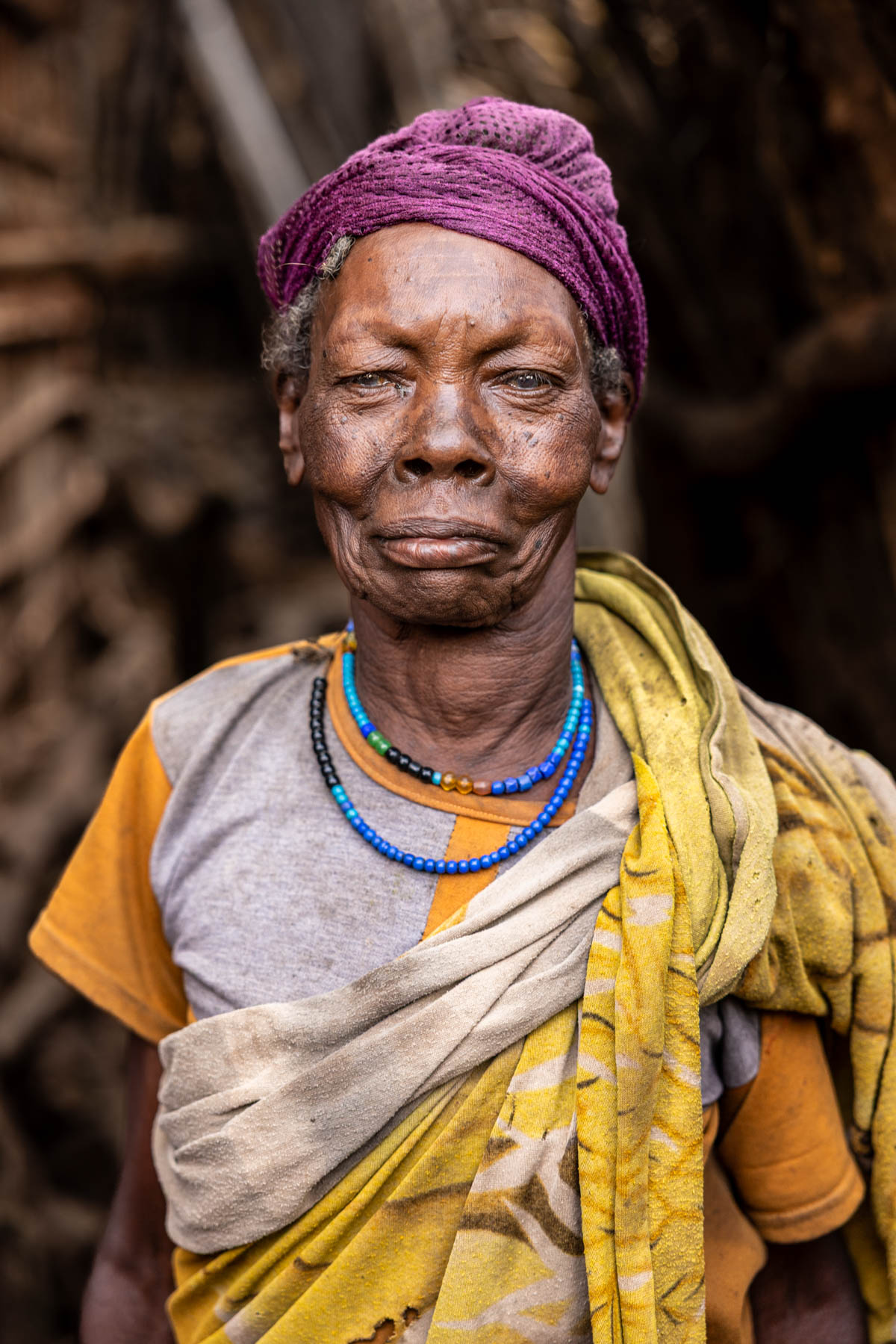
In a Konso village, we met many kind people, framed by beautiful natural tones. (image by Ingrid Koedood)
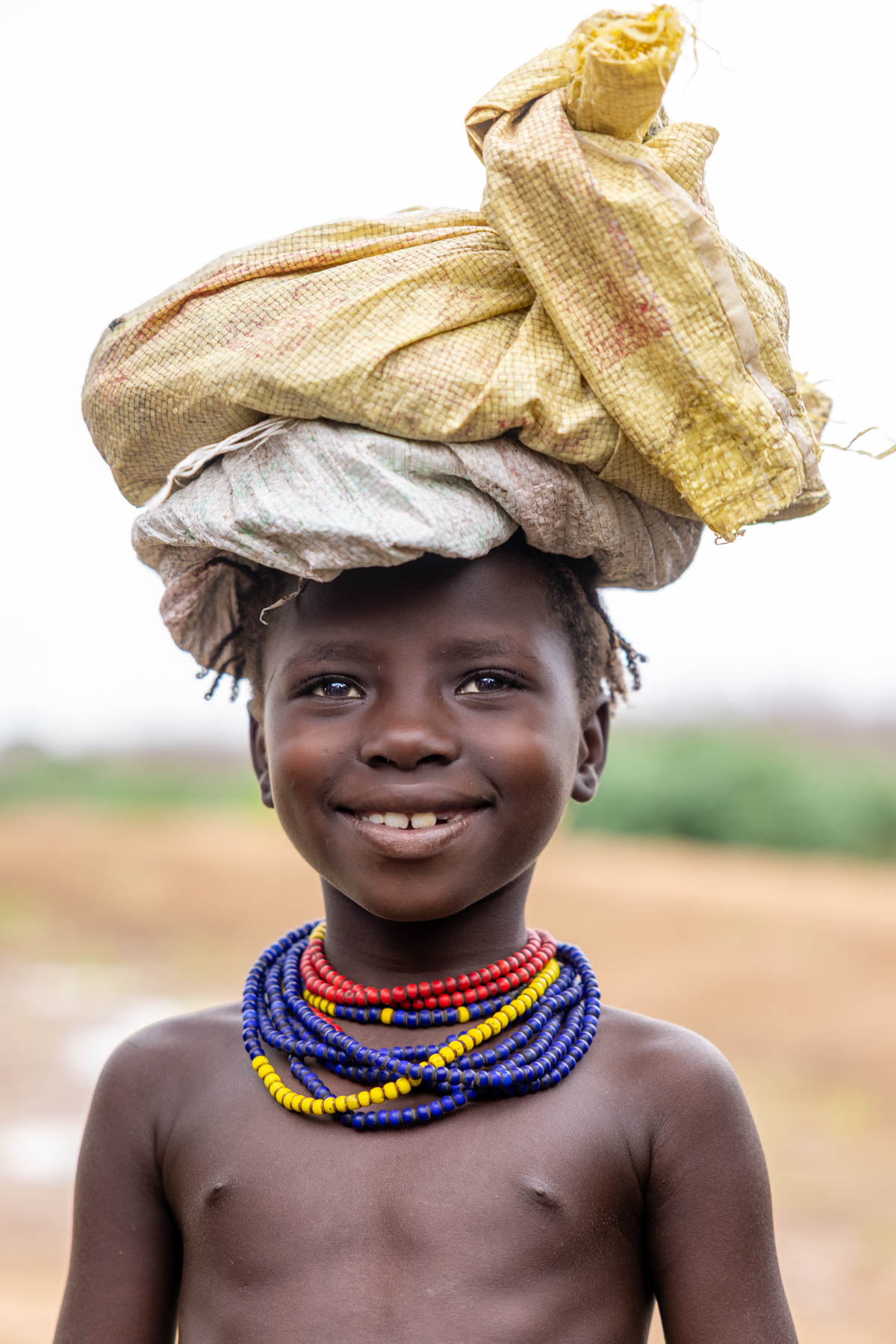
Such a kind smile from this Dassanech child we met along the way. (image by Ingrid Koedood)
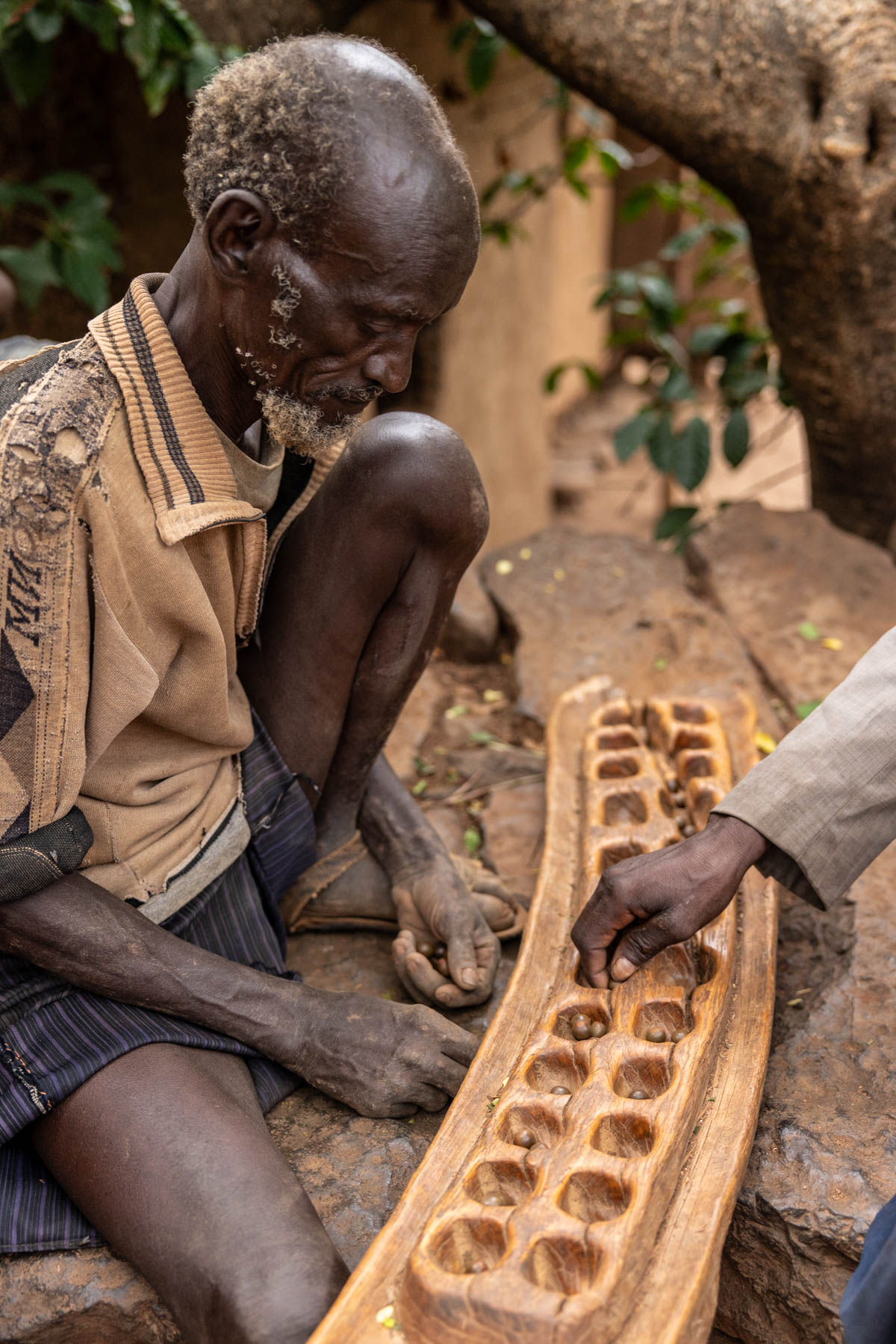
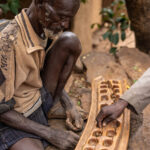
Two men playing gebeta, a traditional Ethiopean mancala game. (image by Ingrid Koedood)
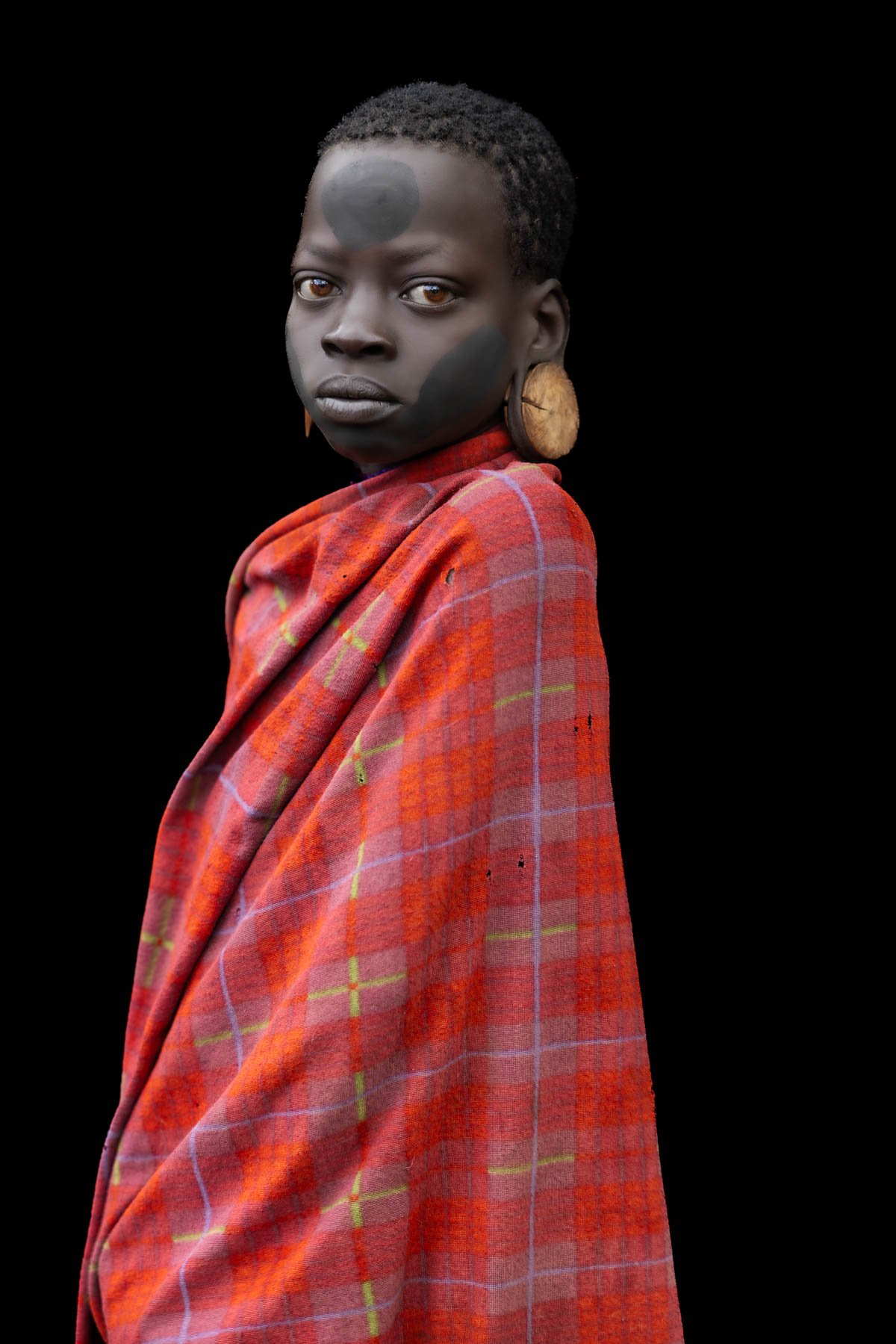
Mursi girl, wrapped in a traditional cloth, her face marked with natural pigments. (image by Ingrid Koedood)
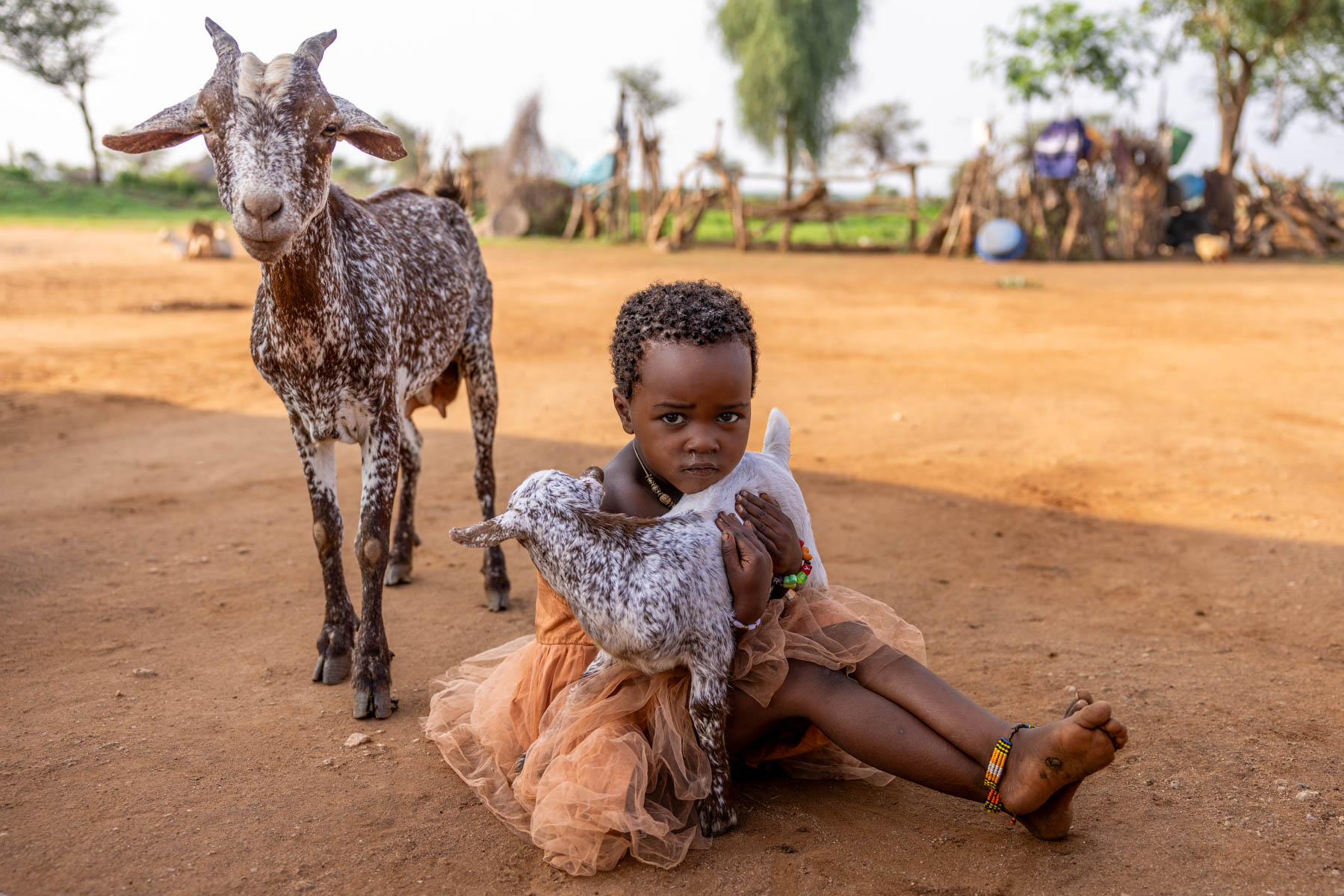
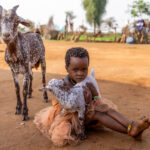
A Hamar girl with a baby goat, while the mother keeps a close eye. (image by Ingrid Koedood)
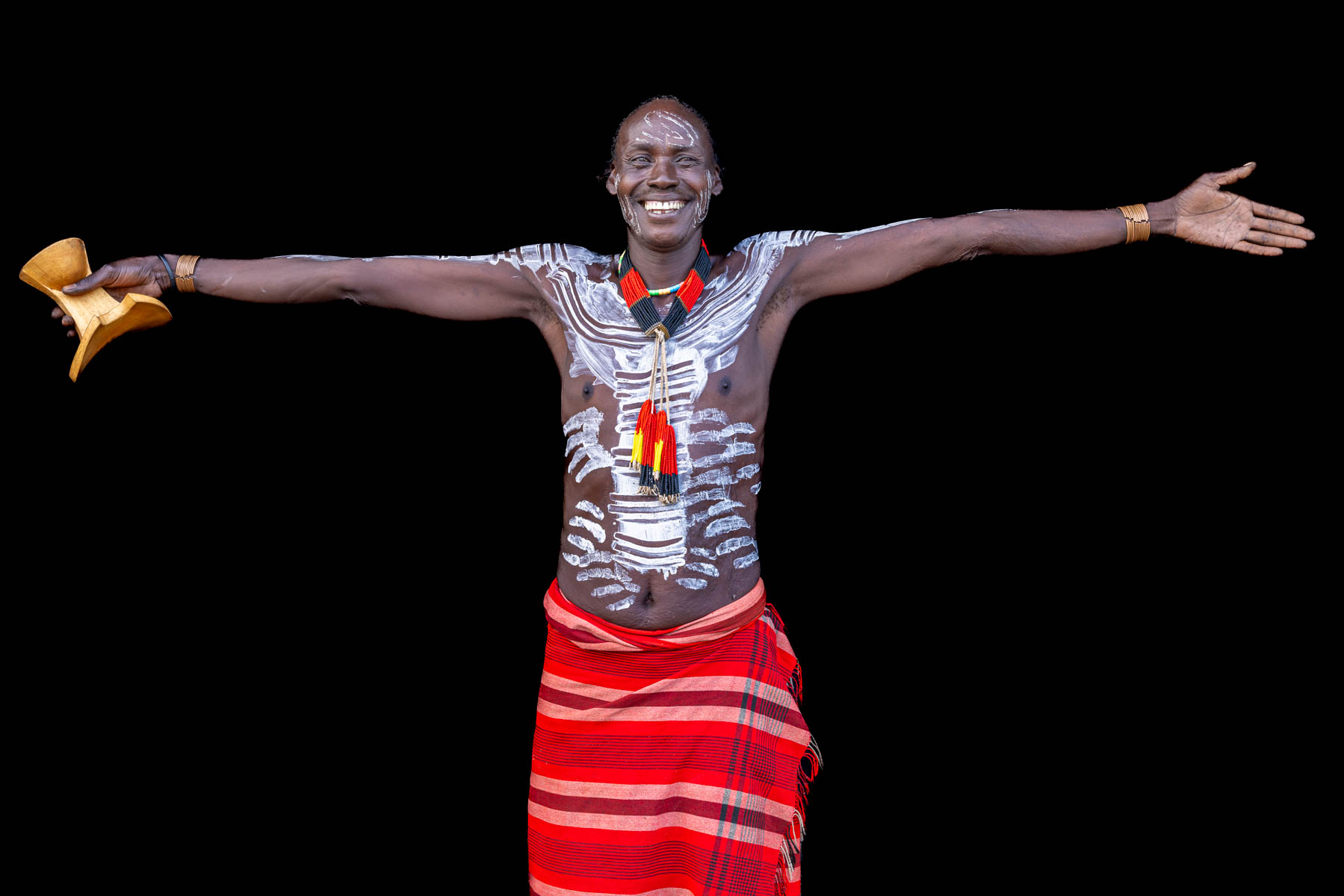
With a wide smile, a Kara man shows just how tall he is. (image by Ingrid Koedood)
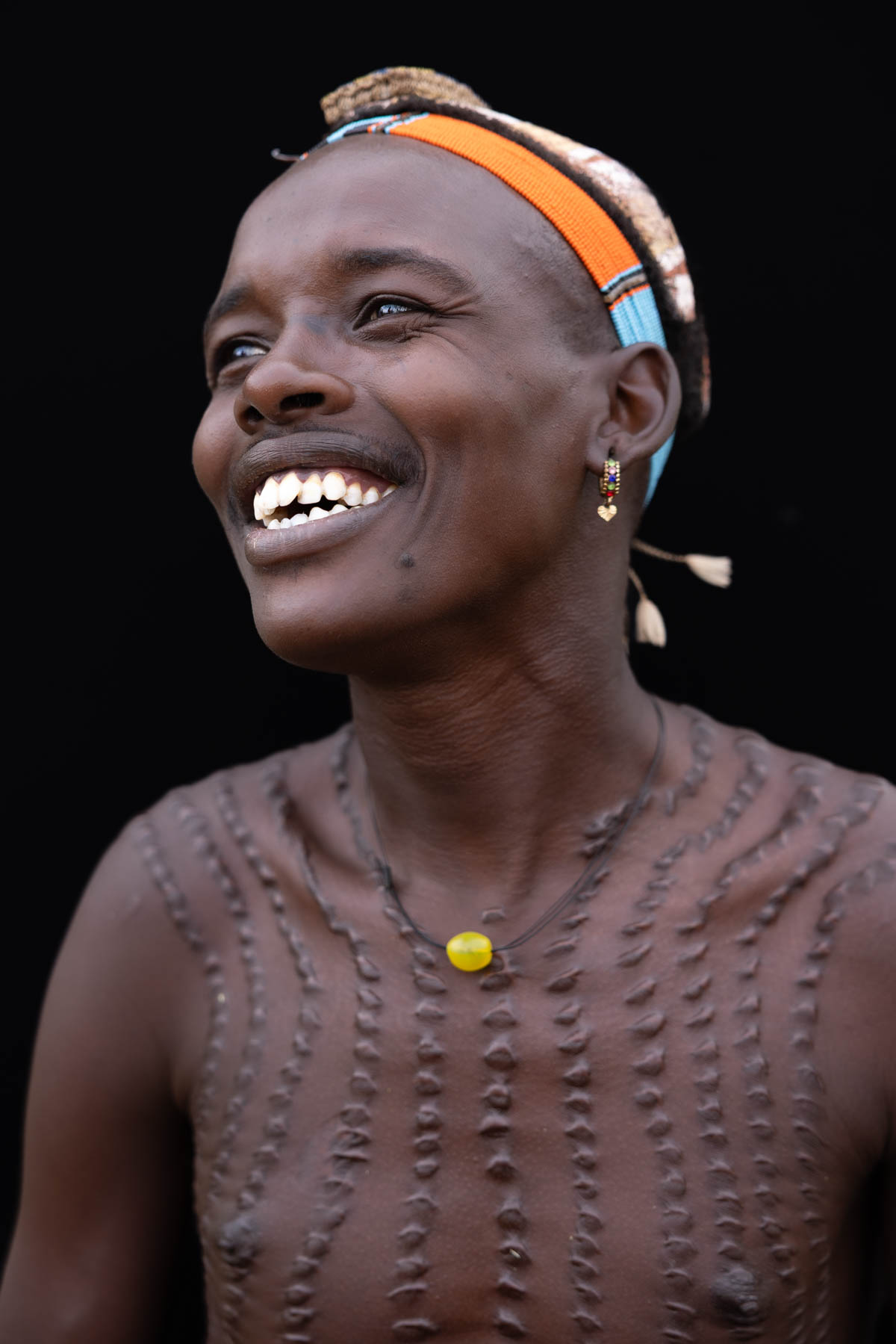
A Dassanech man with scarification on his chest. (image by Ingrid Koedood)
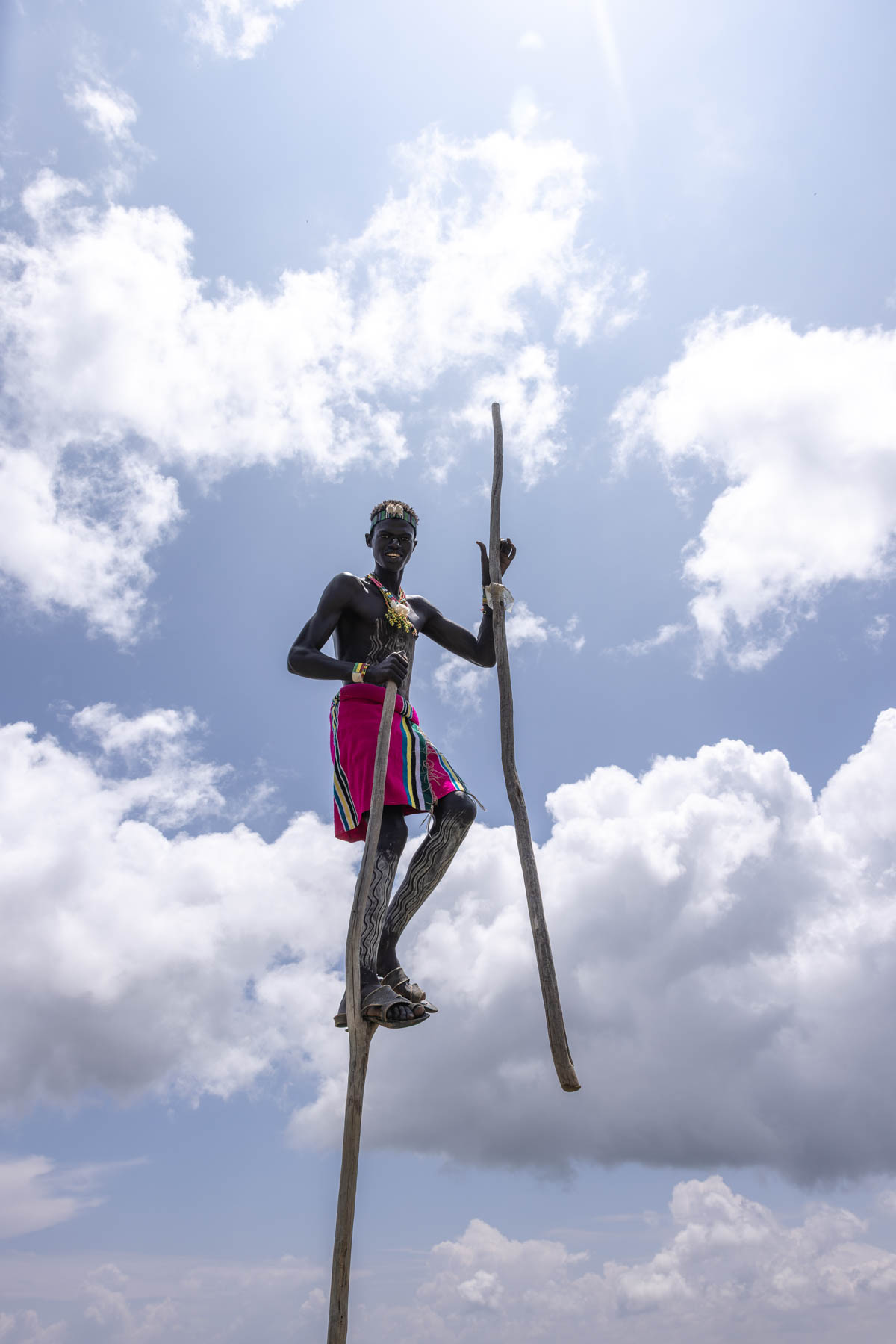
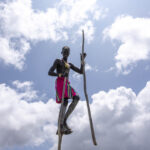
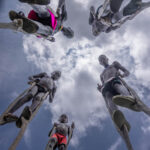
A Banna boy on stilts, rising above the earth, for a moment, it feels as if he is playing among the clouds. (image by Ingrid Koedood)
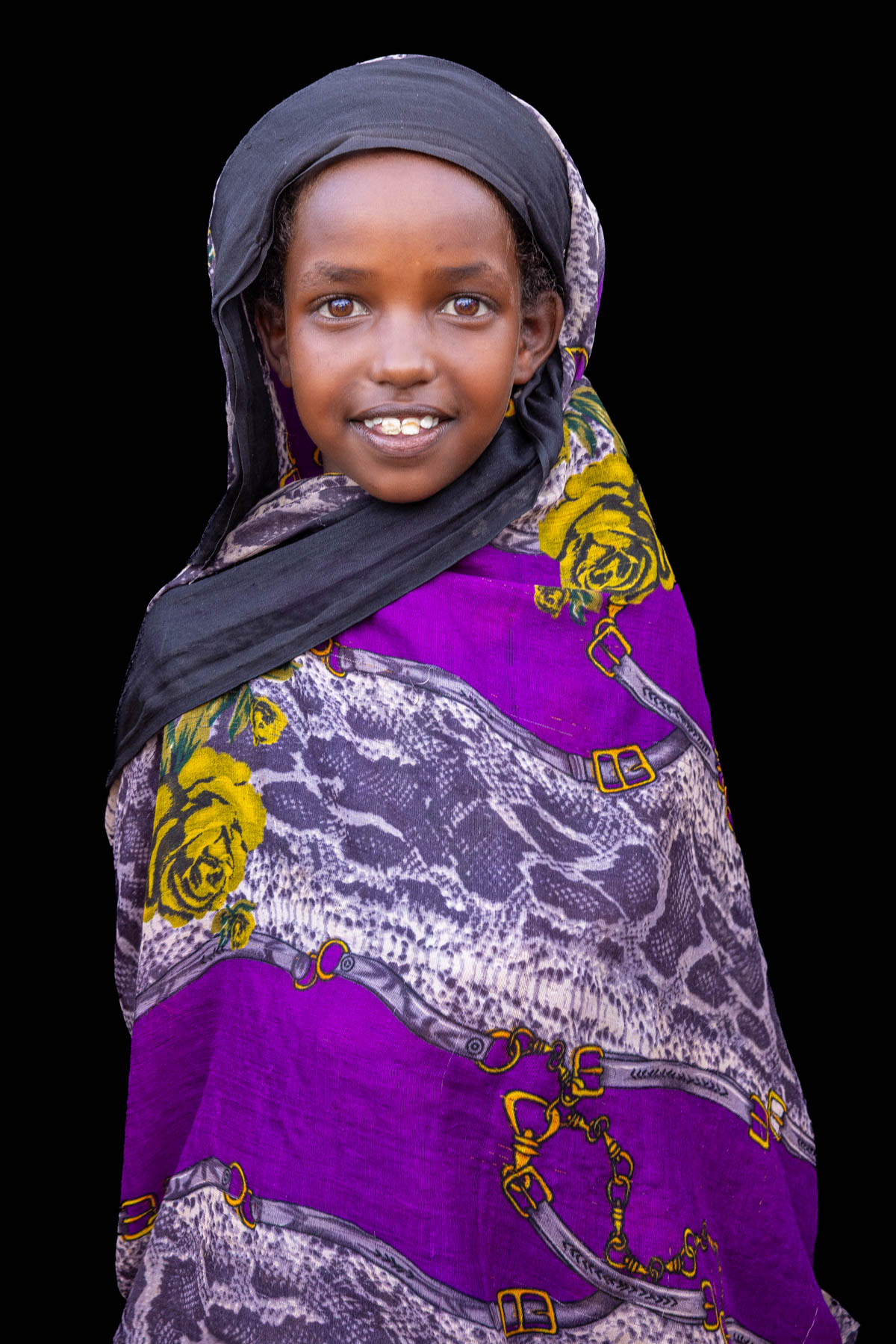
Beautiful young Borana girl. (image by Ingrid Koedood)
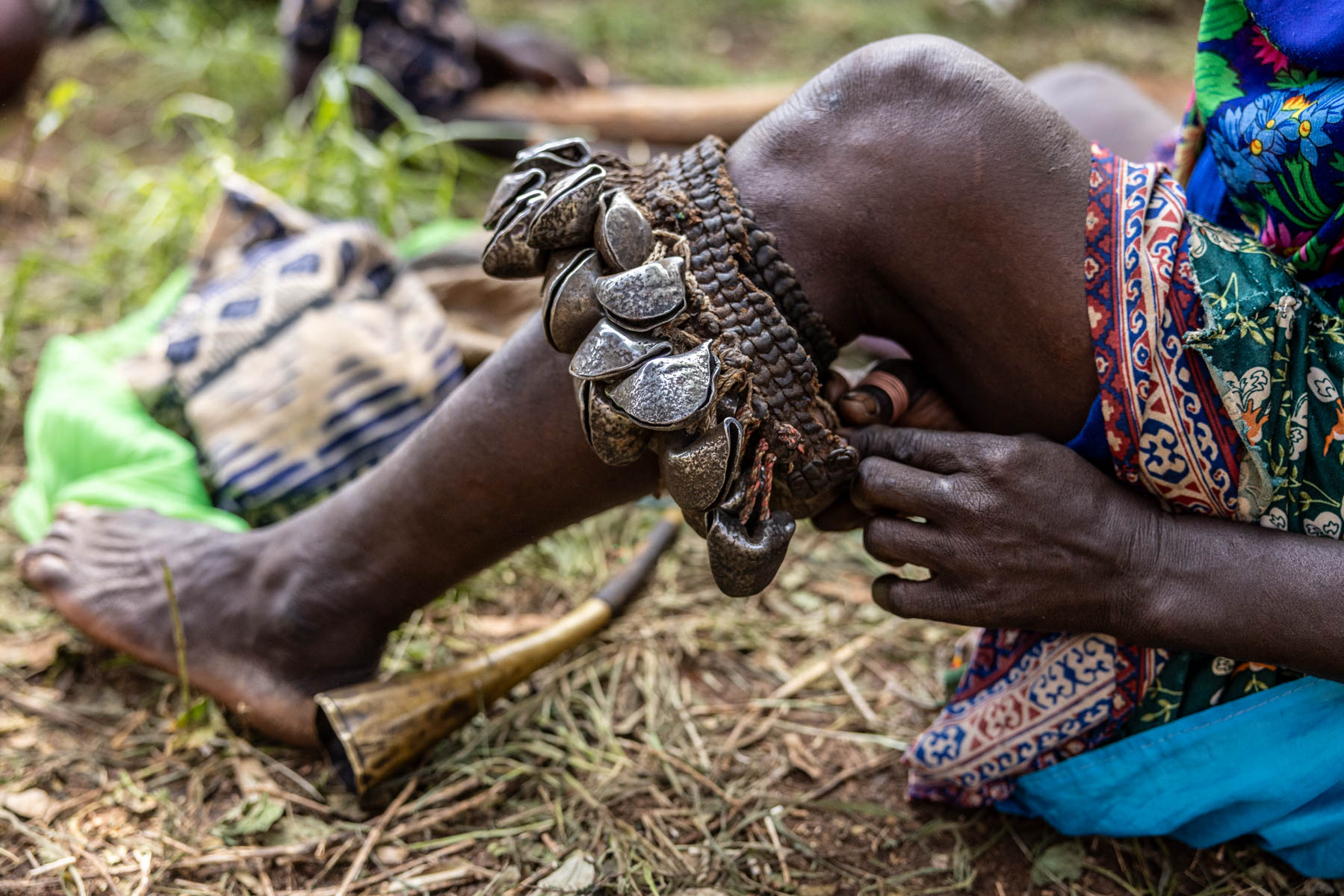
Close up of a woman who is preparing herself for the bull jumping ceremony (image by Ingrid Koedood)
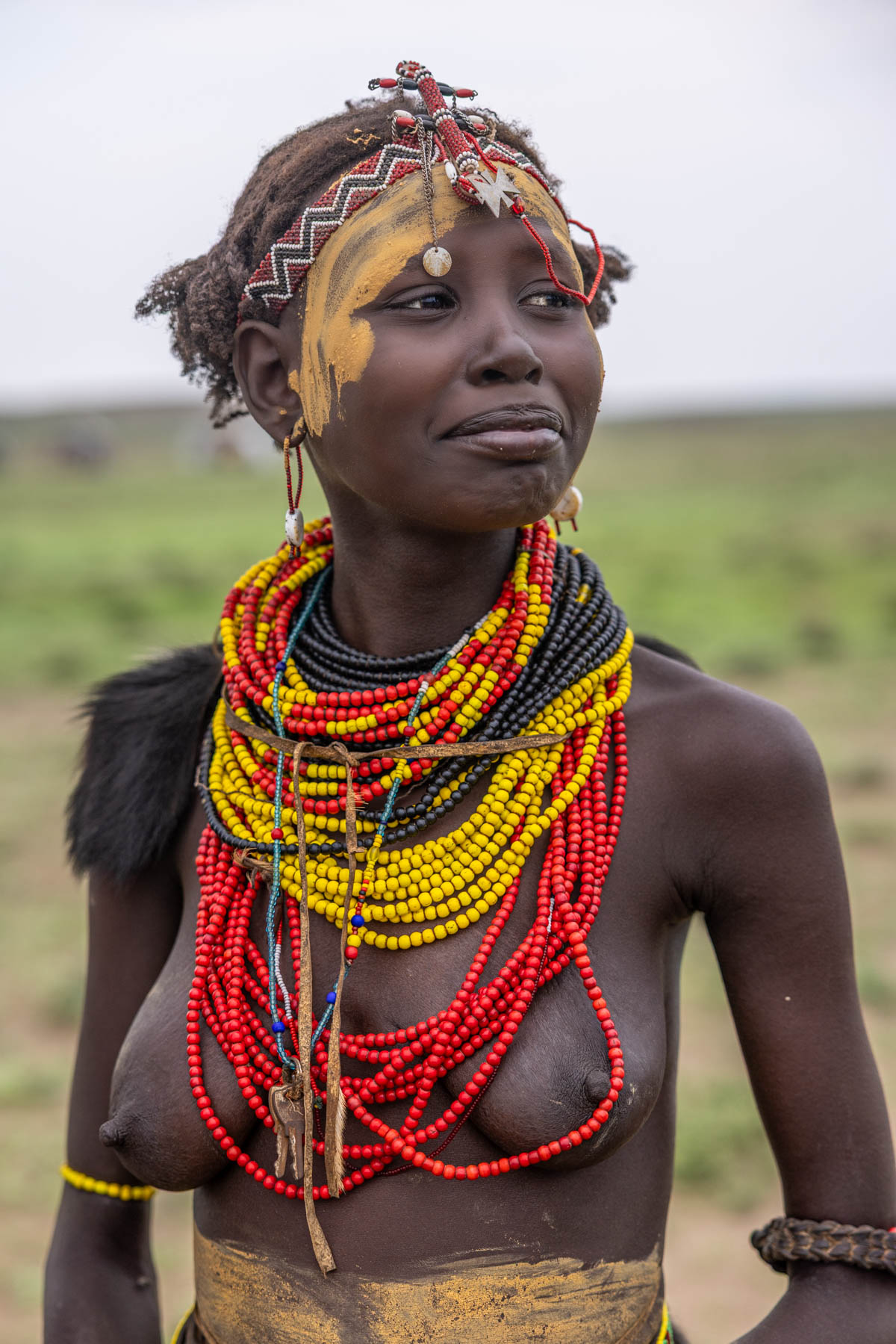
A Dassanech woman during the Dimi ceremony. (image by Ingrid Koedood)
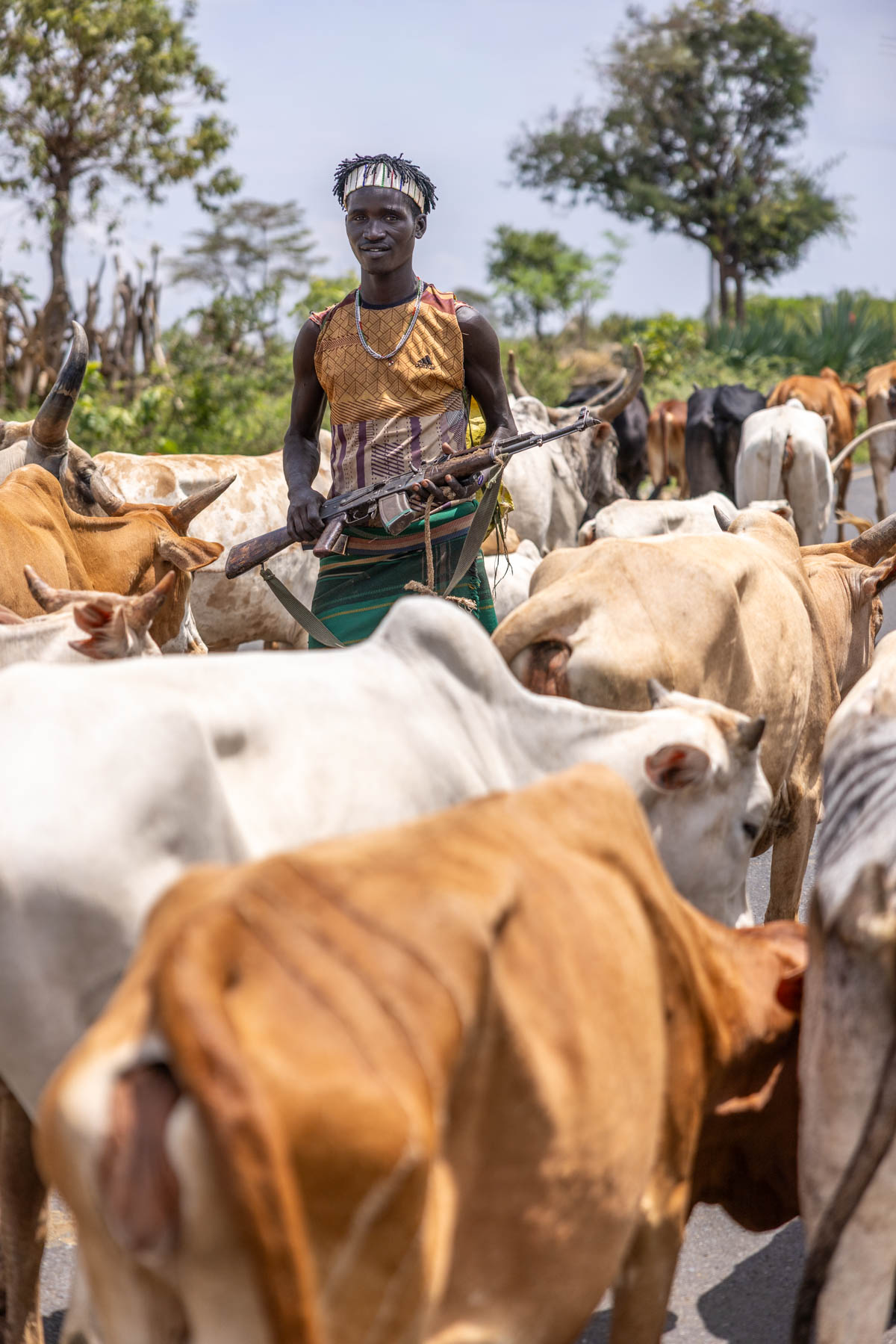
Caught in a traffic jam. A Banna boy is navigating his cattle. (image by Ingrid Koedood)
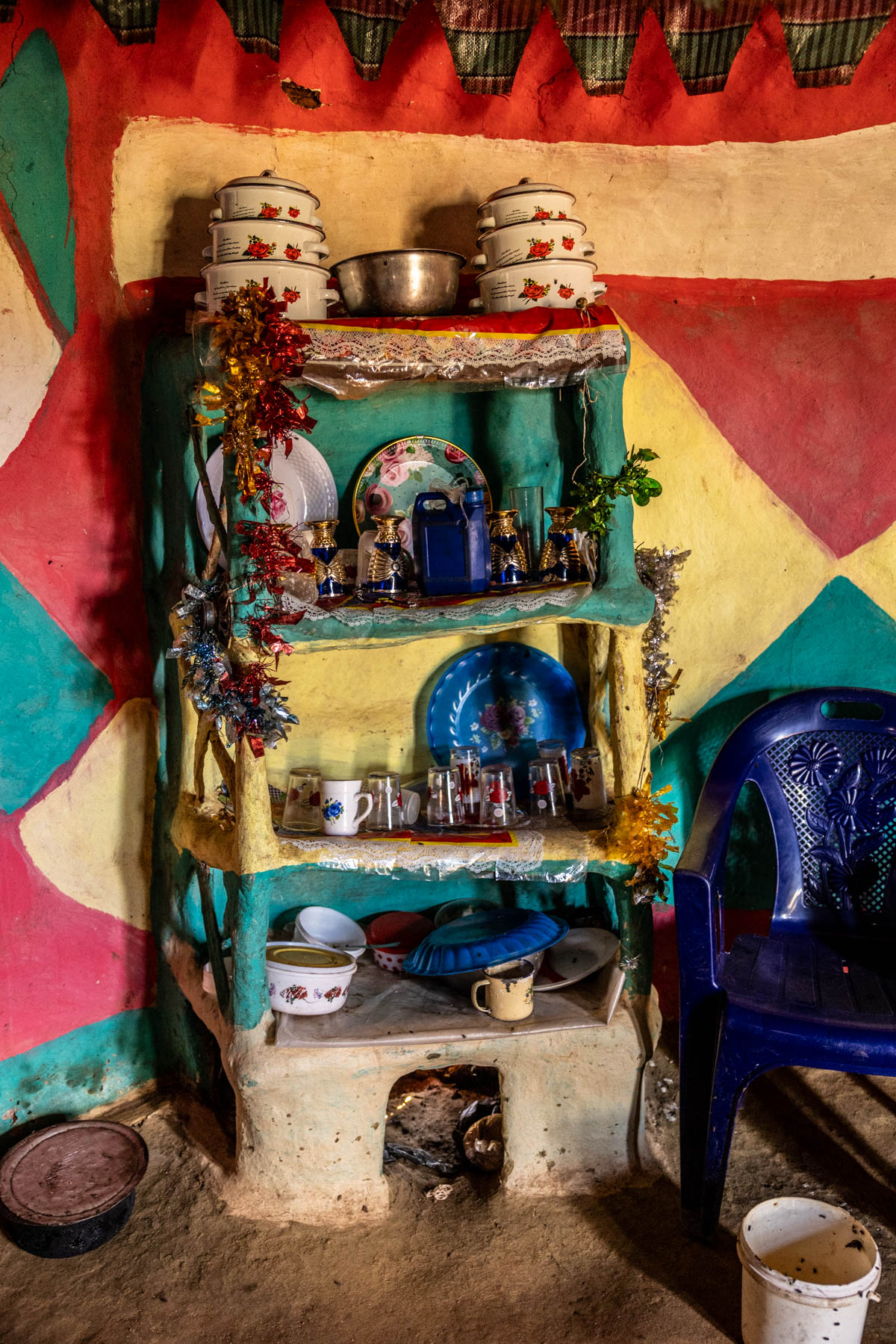
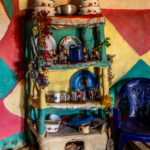
The Borana people decorate their huts in vibrant colors, something we did not expect and were truly amazed by. (image by Ingrid Koedood)
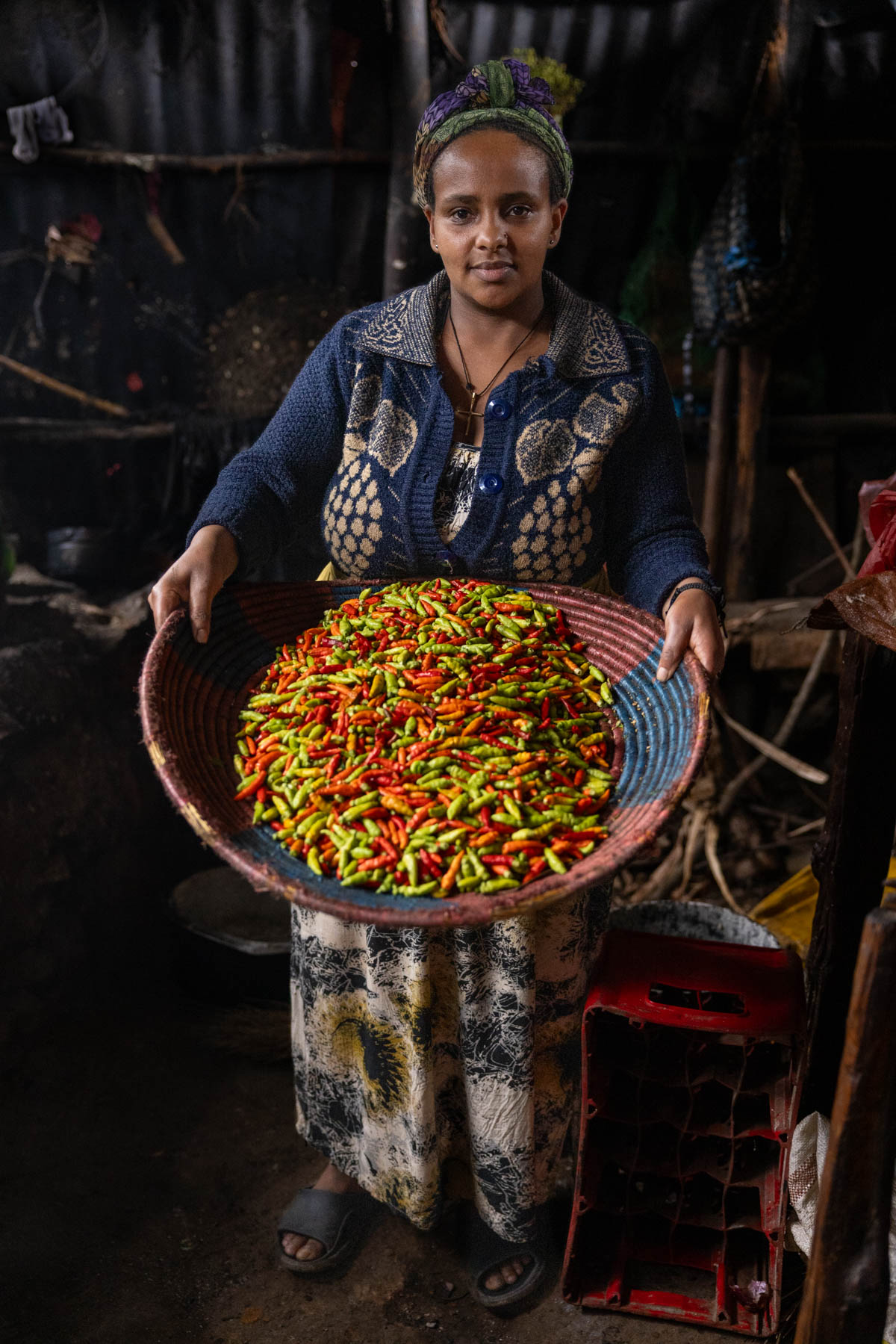
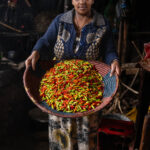
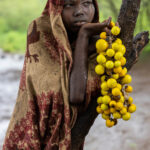
Woman showing colorful peppers in a kitchen in Dorze. (image by Ingrid Koedood)
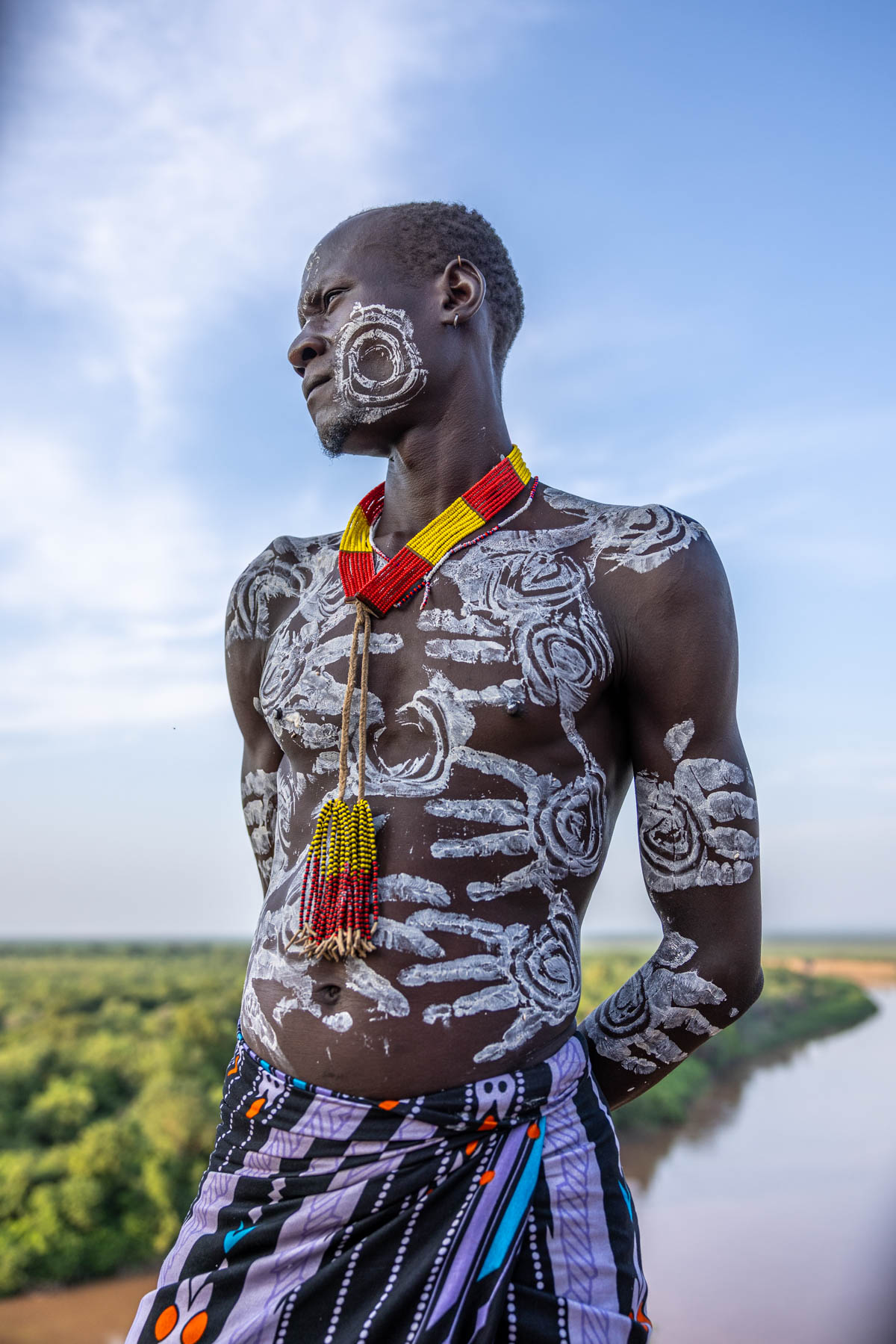
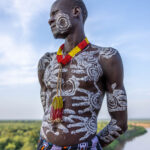
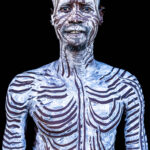
Painted traditions of a Kara man by the Omo river (image by Ingrid Koedood)
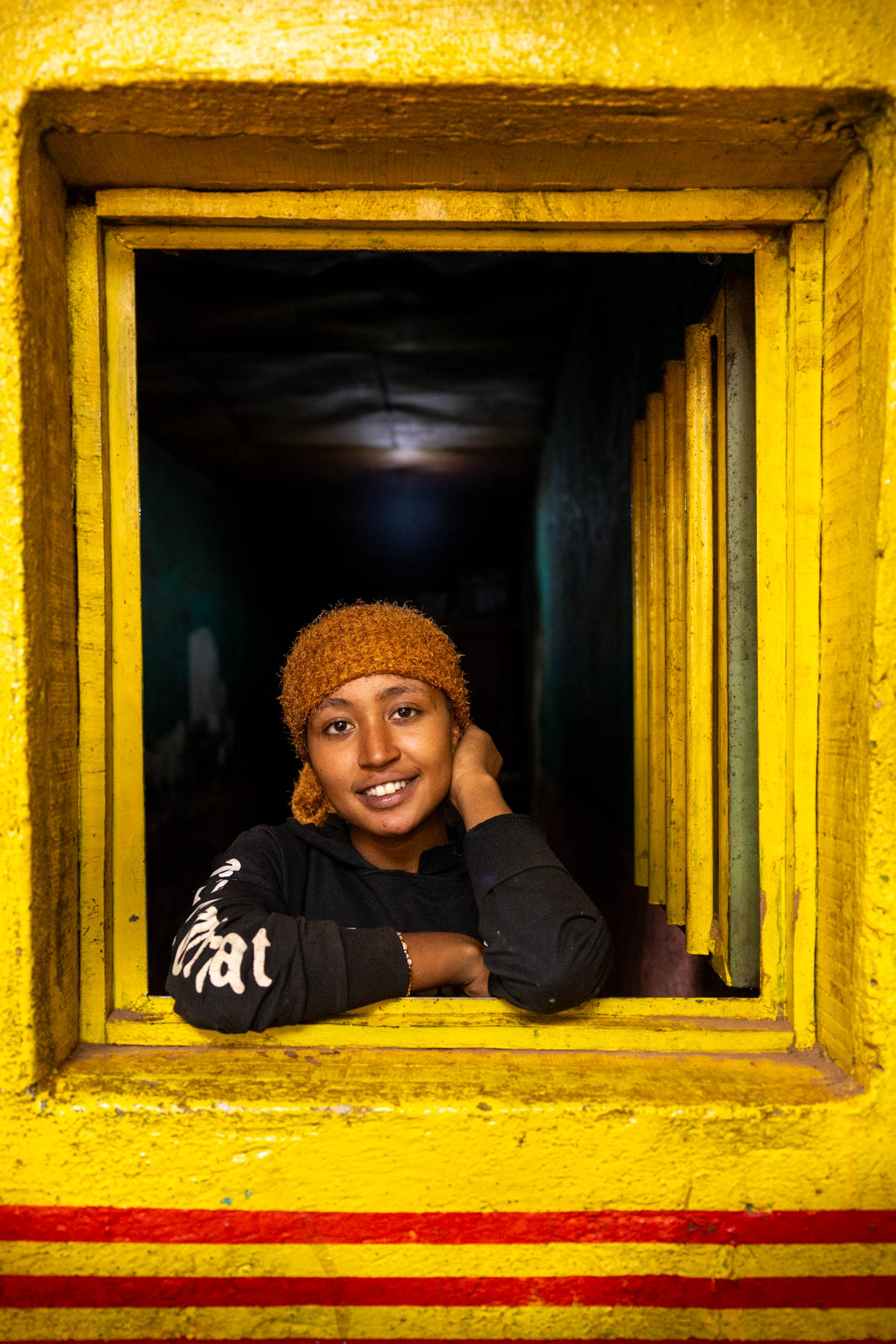
Portrait of a young woman posing in a window of a bar in Dorze (image by Ingrid Koedood)
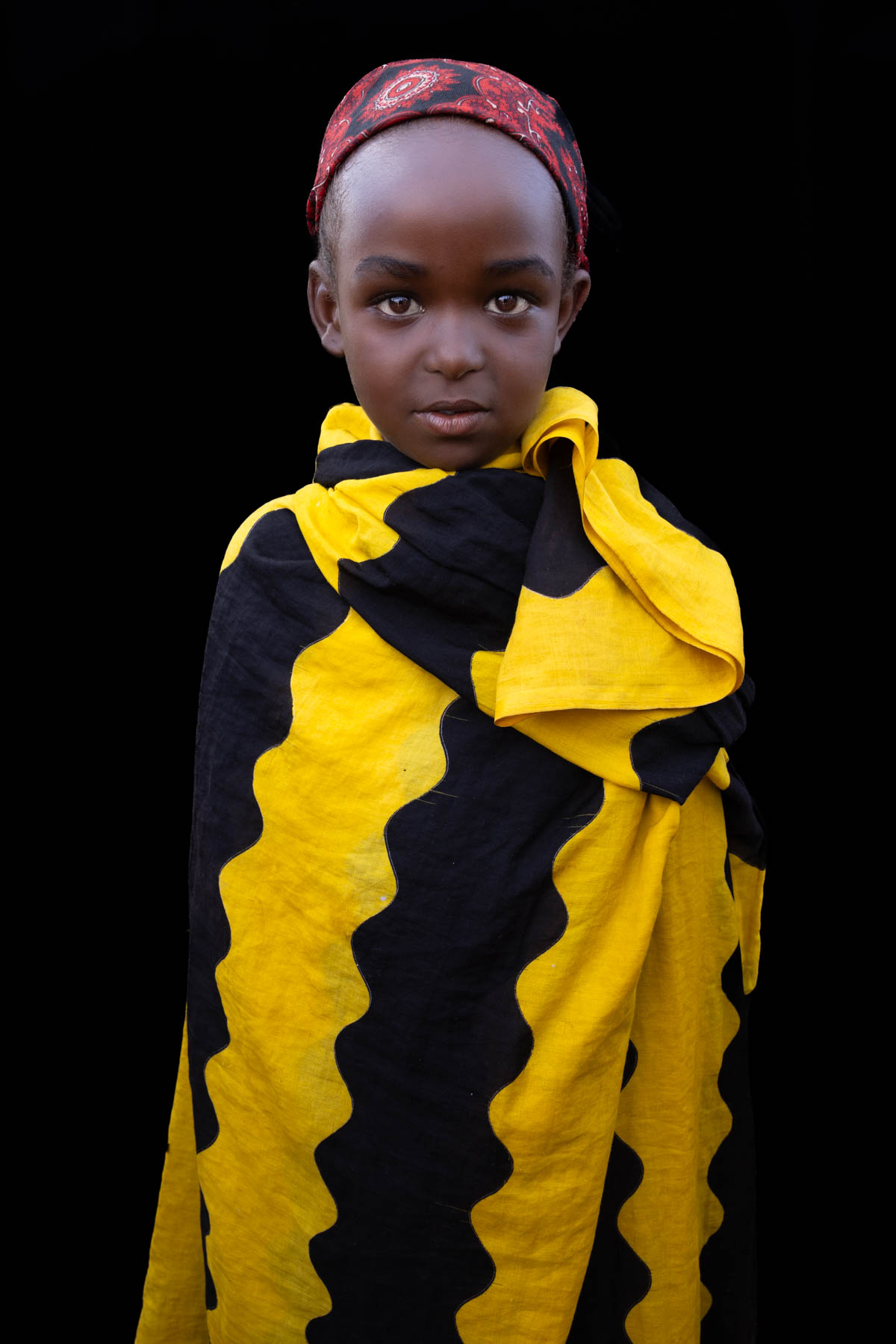
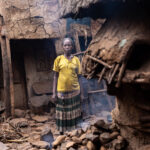
We called her our little bee, inspired by her yellow and black cloth. (image by Ingrid Koedood)
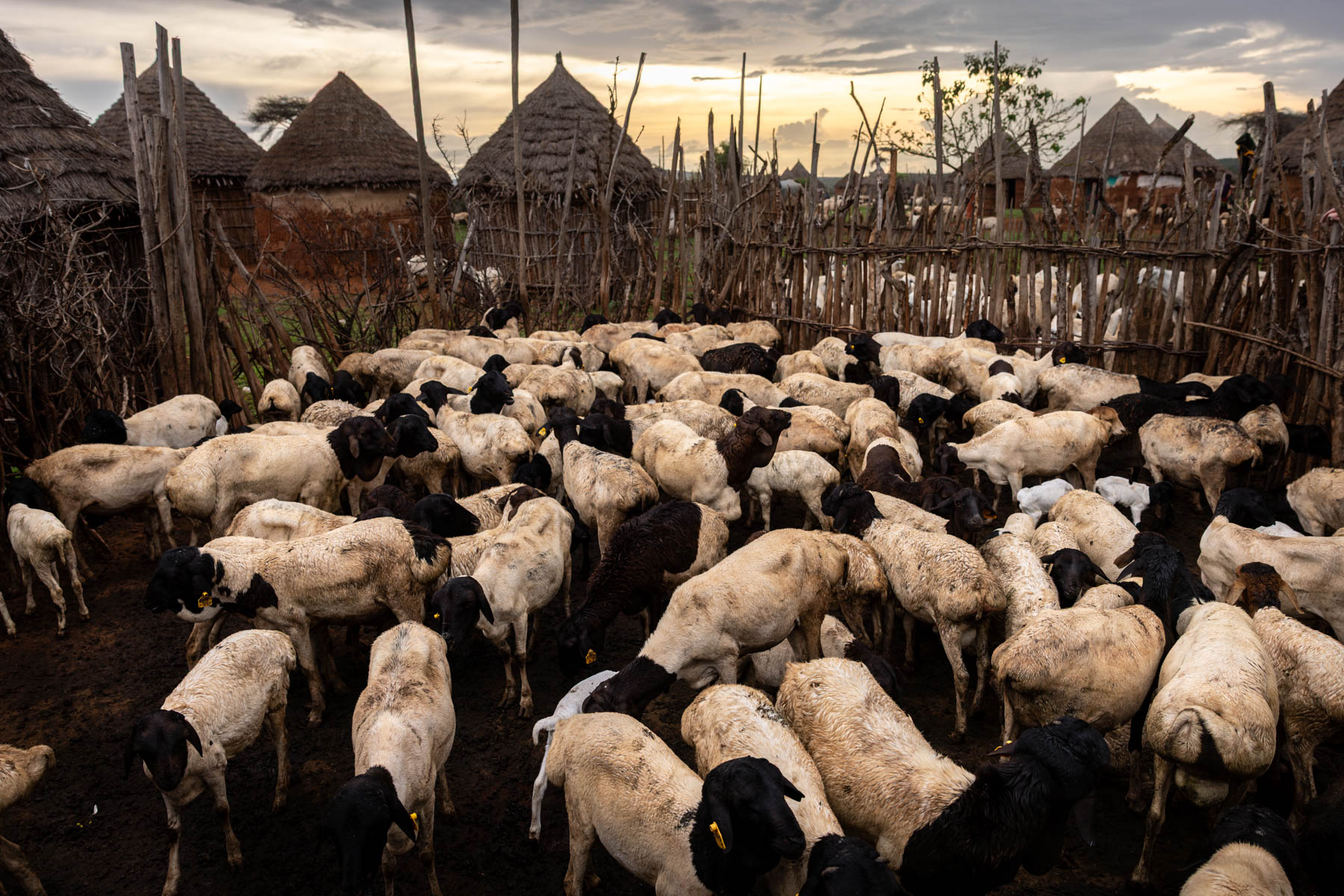
Early morning in a Borana village (image by Ingrid Koedood)
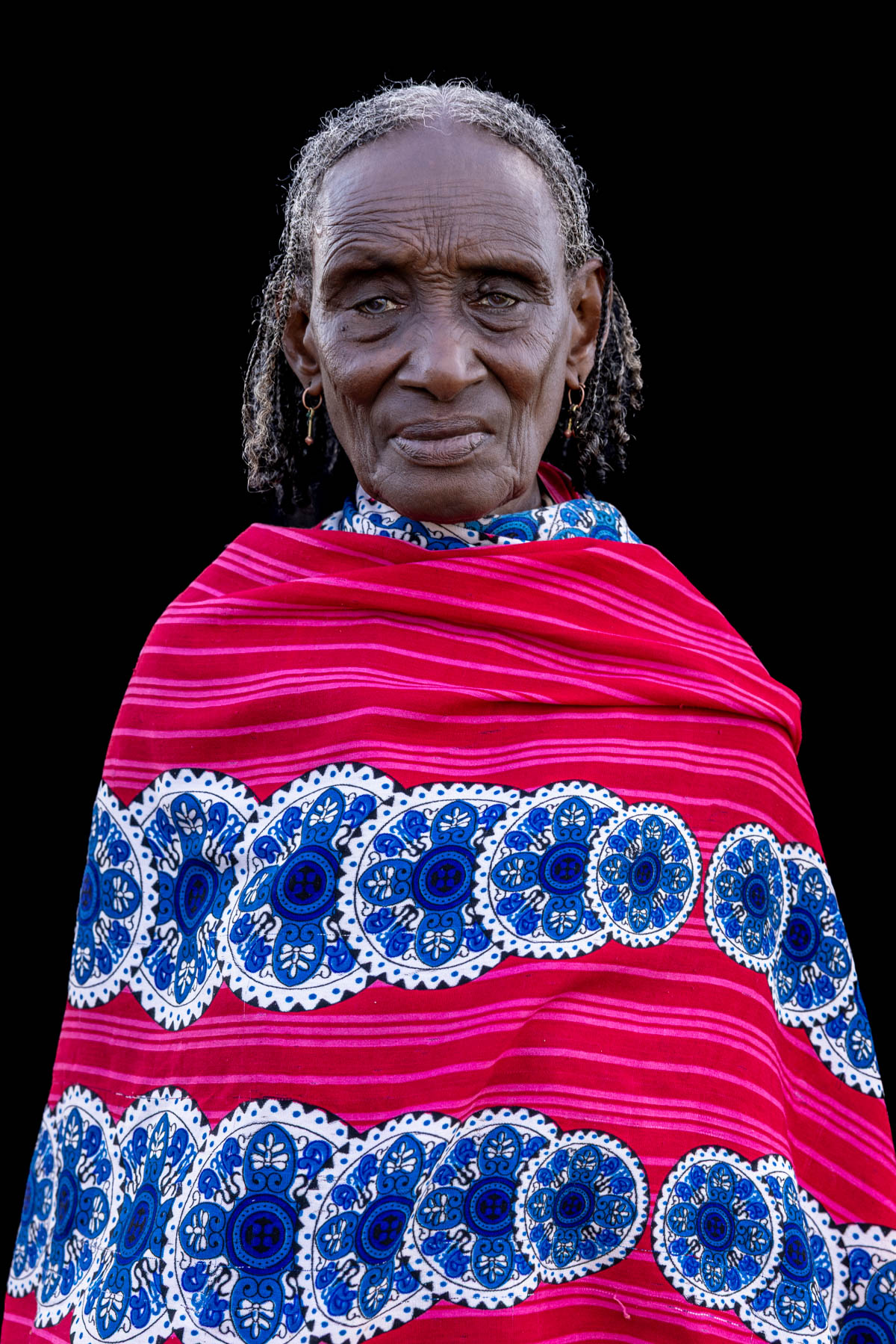
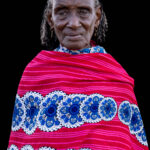
An elderly Borana woman: strong, dignified and absolutely beautiful. (image by Ingrid Koedood)
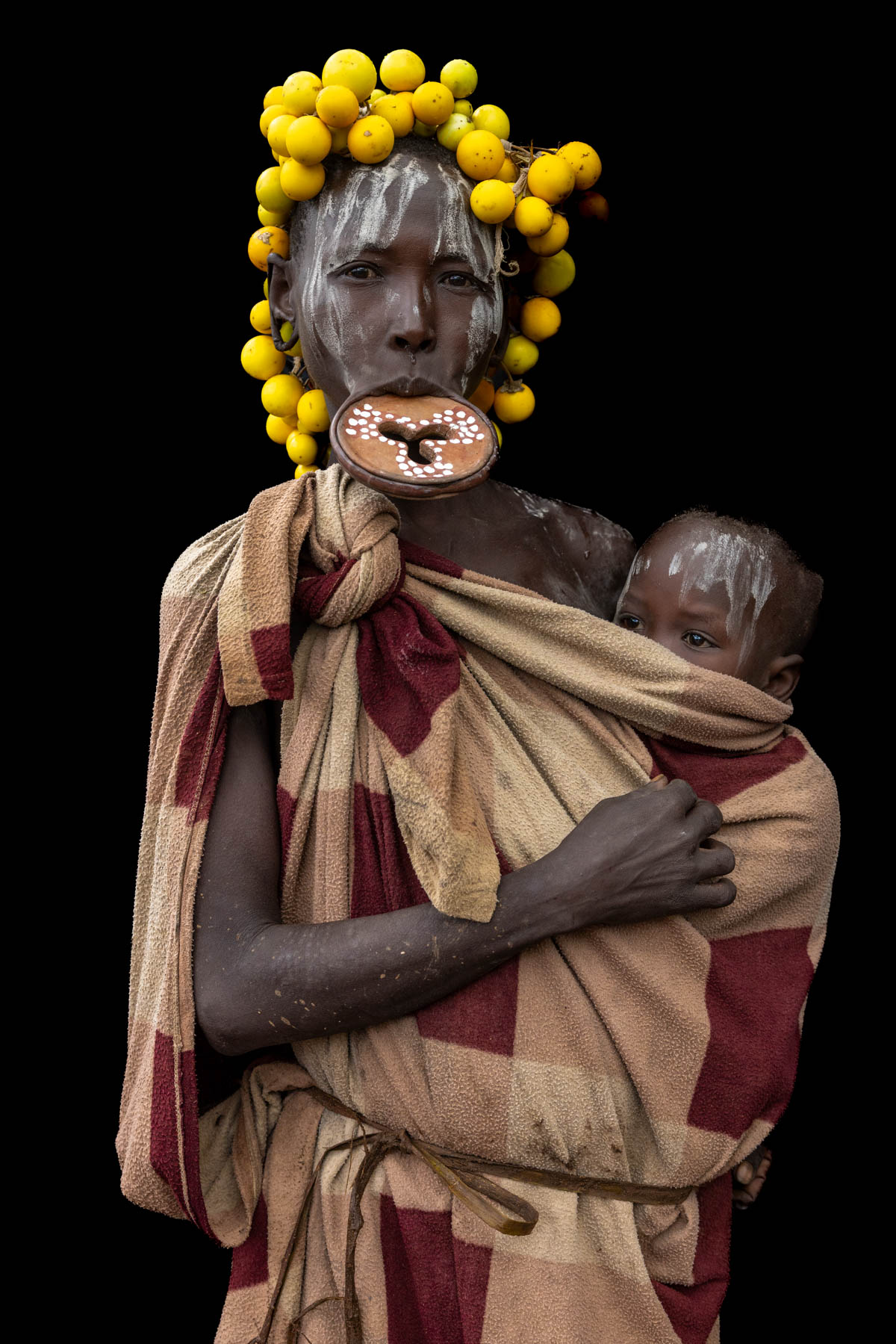
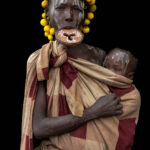
A portrait of a Mursi woman with lip plate holding her baby. (image by Ingrid Koedood)
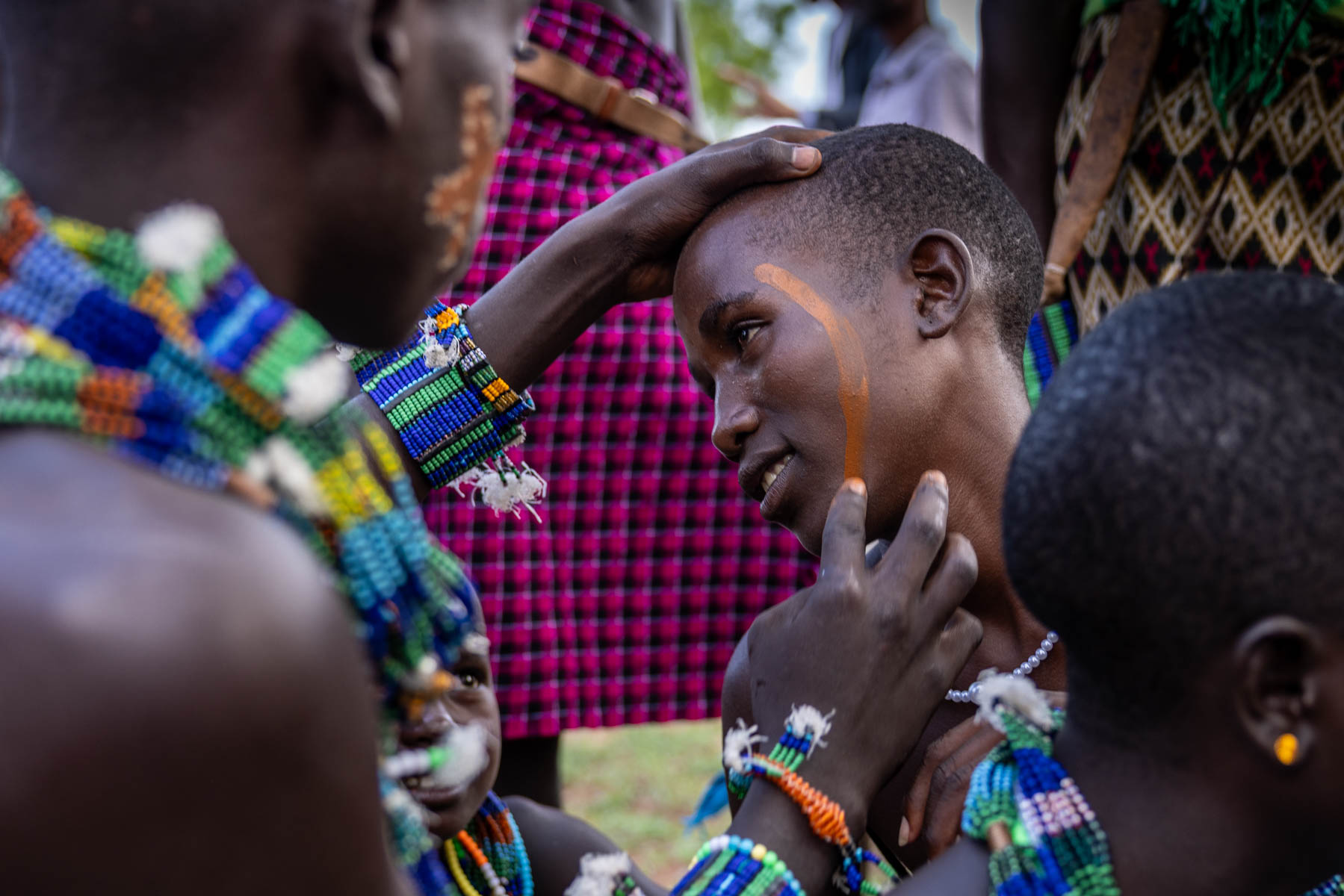
During the Hamar ceremony the Maza (the whipper) is painted and adorned with body markings to prepare for his role in the event (image by Ingrid Koedood)
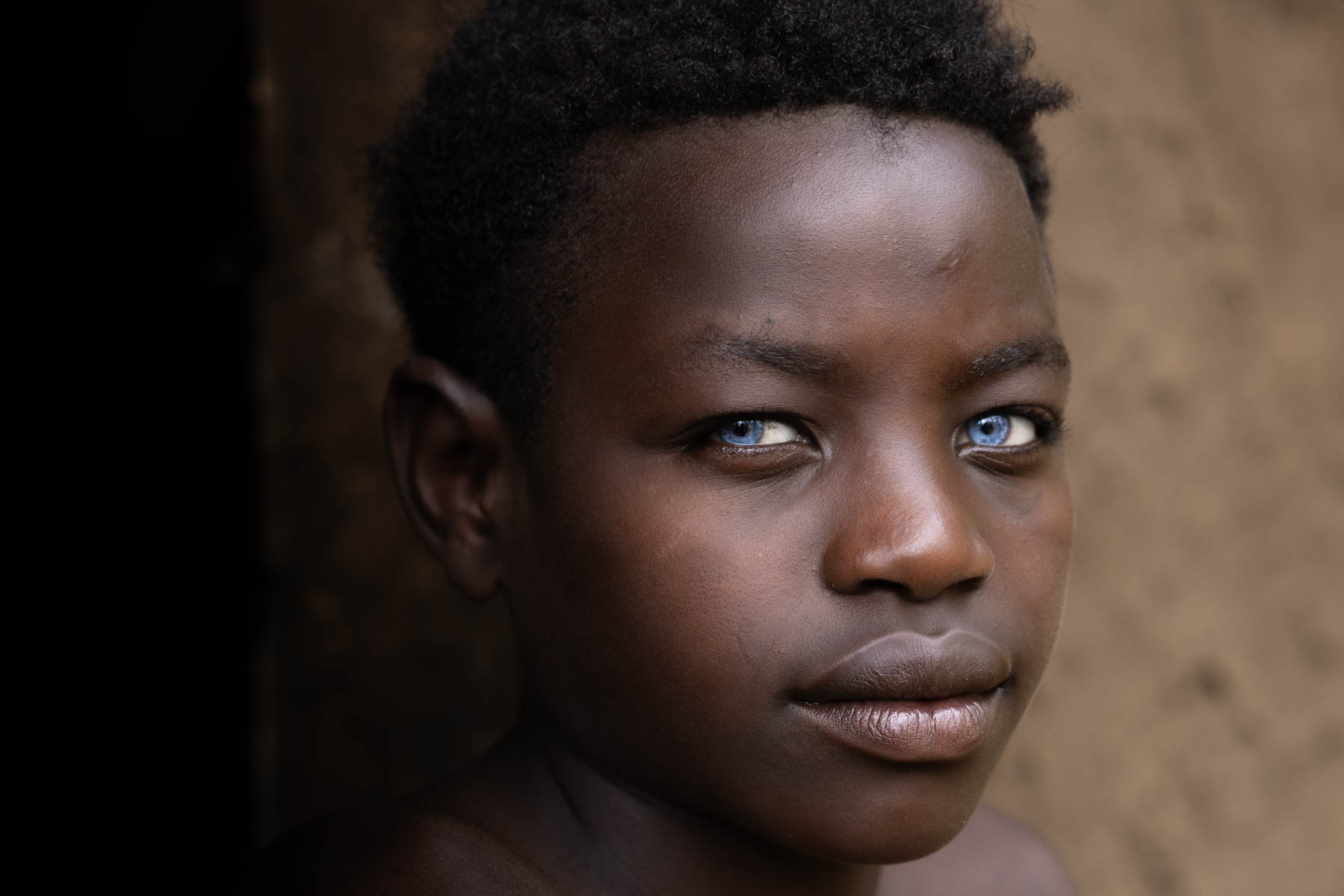
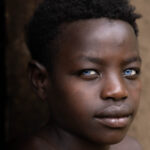
Esrael (13 years), nephew of the well-known Abushe often photographed for his striking blue eyes. He prefers the joy of football with friends over the attention of a camera. (image by Ingrid Koedood)
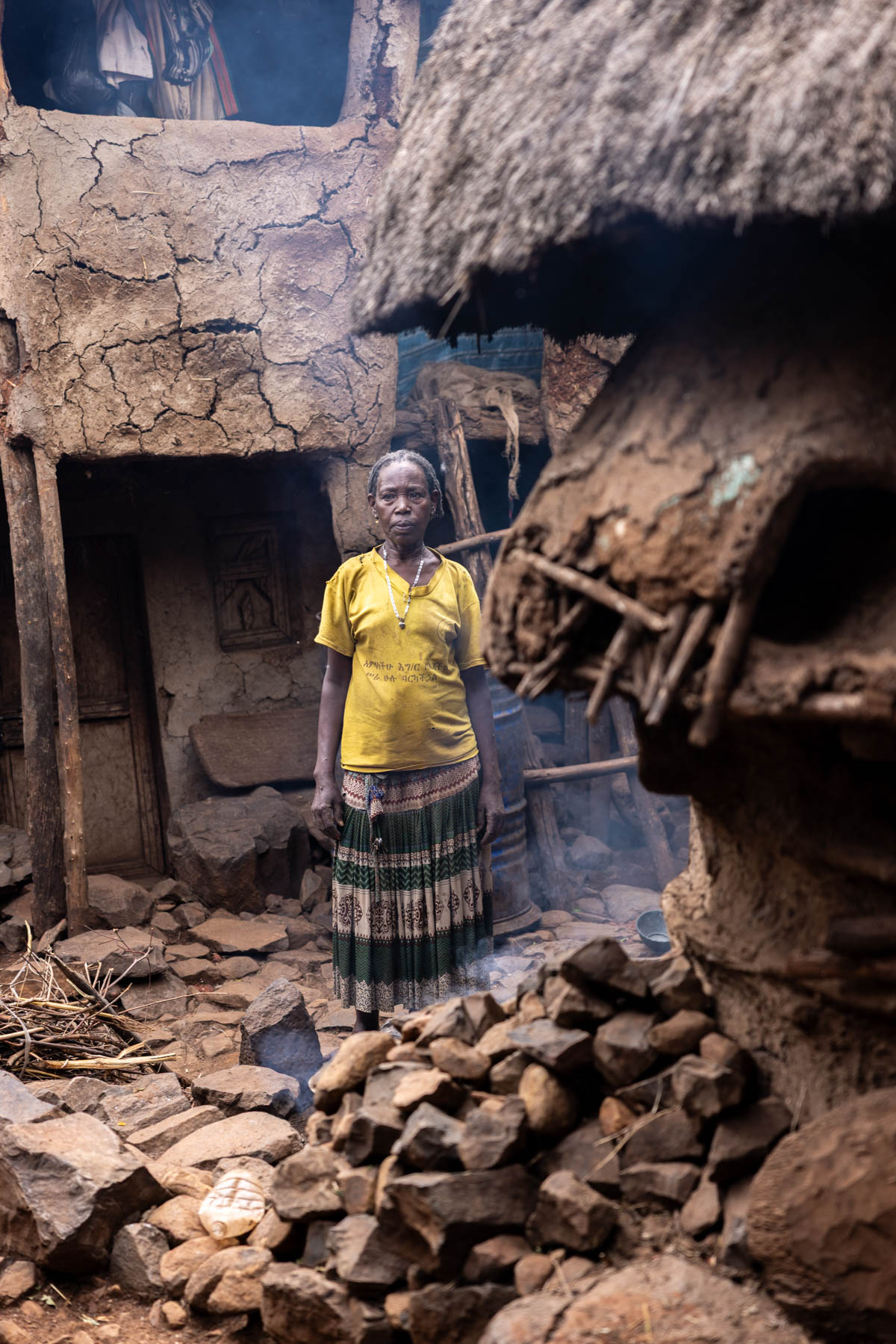
A woman in front of her house in Konso. Konso village is famous for its terraced fields and recognized as a UNESCO World Heritage Site. (image by Ingrid Koedood)

A young Nyangatom man who wanted to be photographed. (image by Ingrid Koedood)
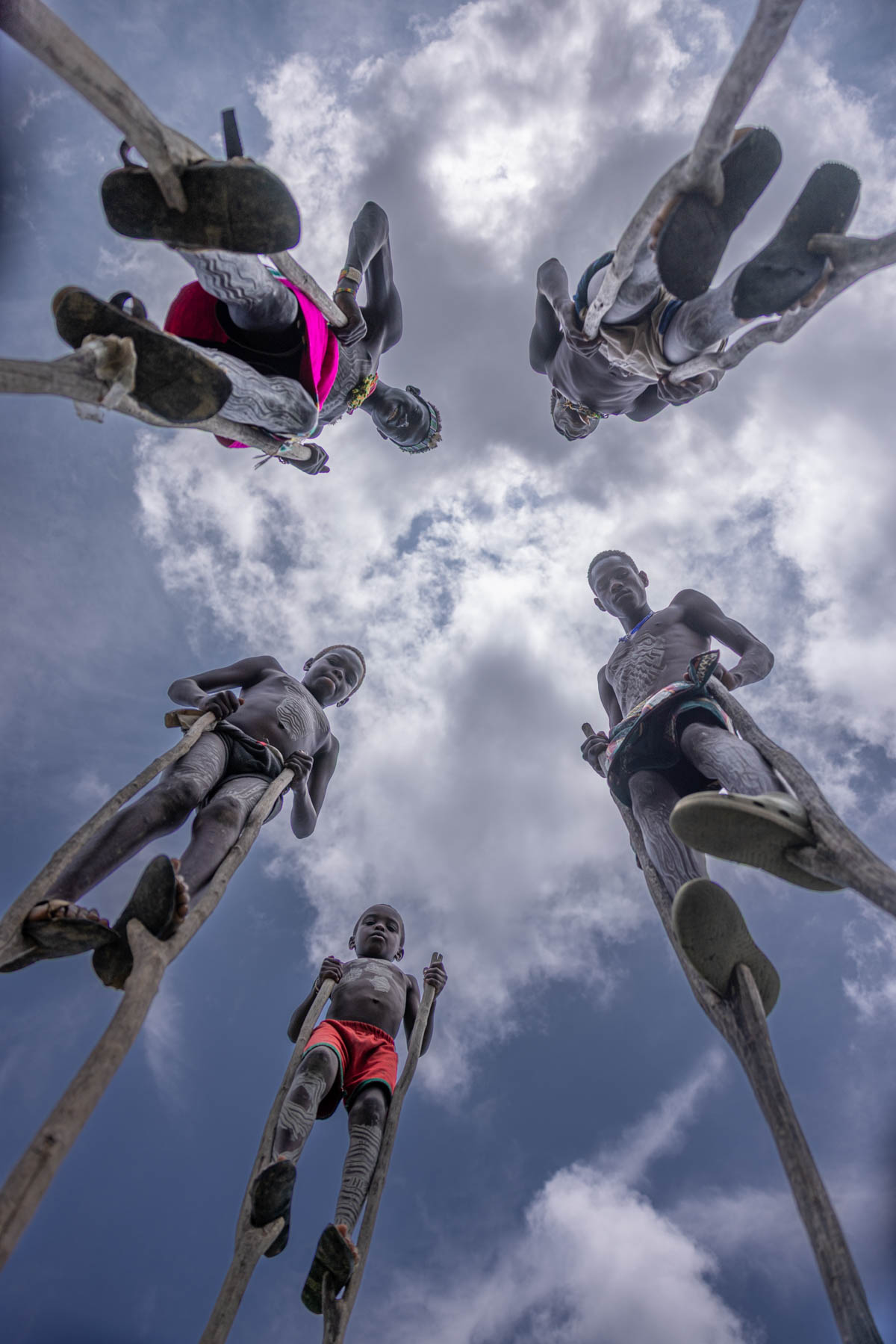
Photo of the Banna boys on their wooden stilts, with me lying on the ground to capture the shot (image by Ingrid Koedood)
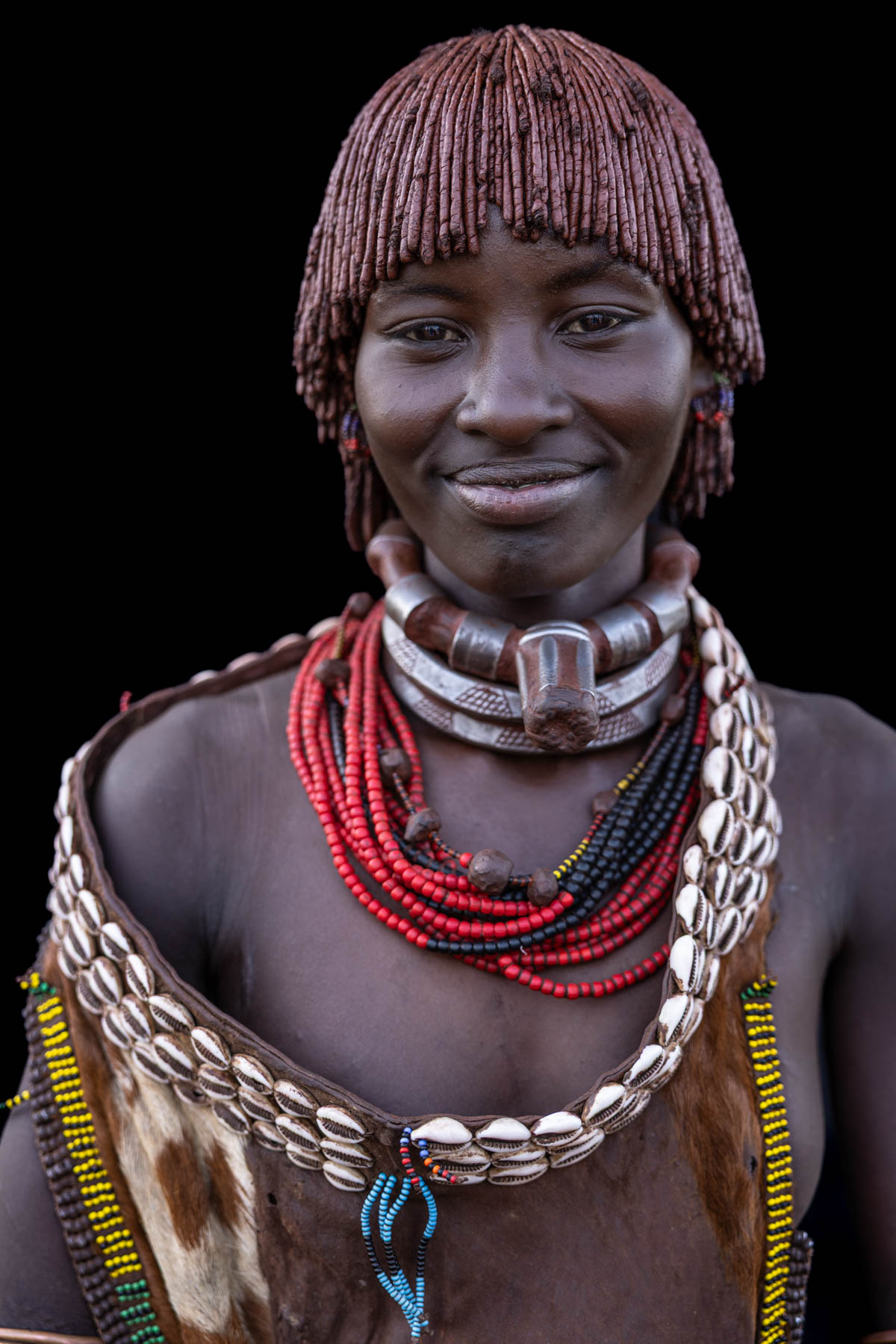
Hamar woman. Her first necklace shows she is the first wife. (image by Ingrid Koedood)
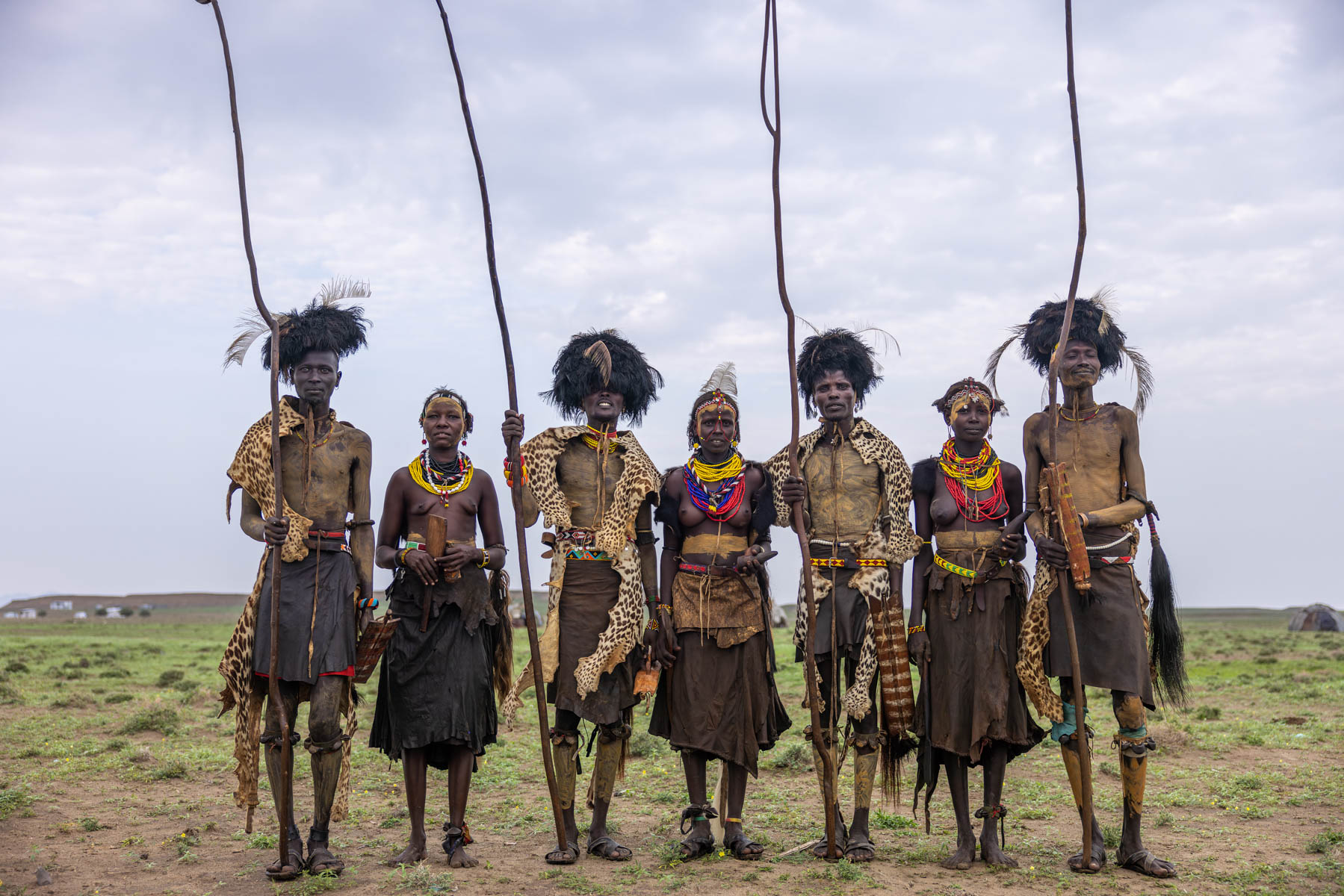
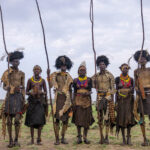
After the Dimi ceremony, Dassanech men and women stand in their tradtional attire. (image by Ingrid Koedood)
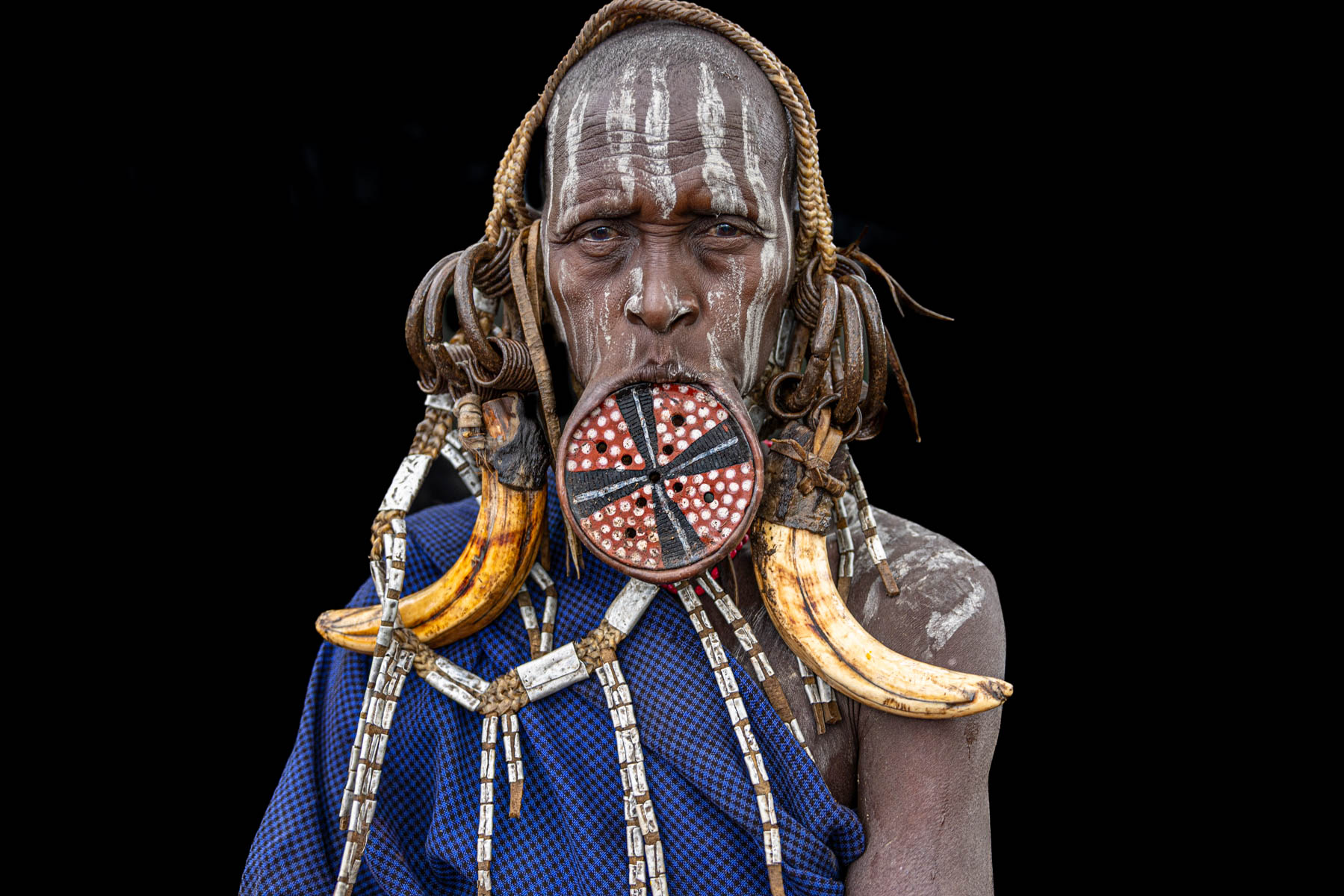
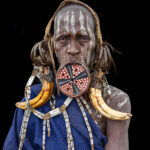
Portrait of a Mursi woman wearing a traditional lip plate. The plate is gradually stretched over time and holds deep cultural significance within the community. (image by Ingrid Koedood)
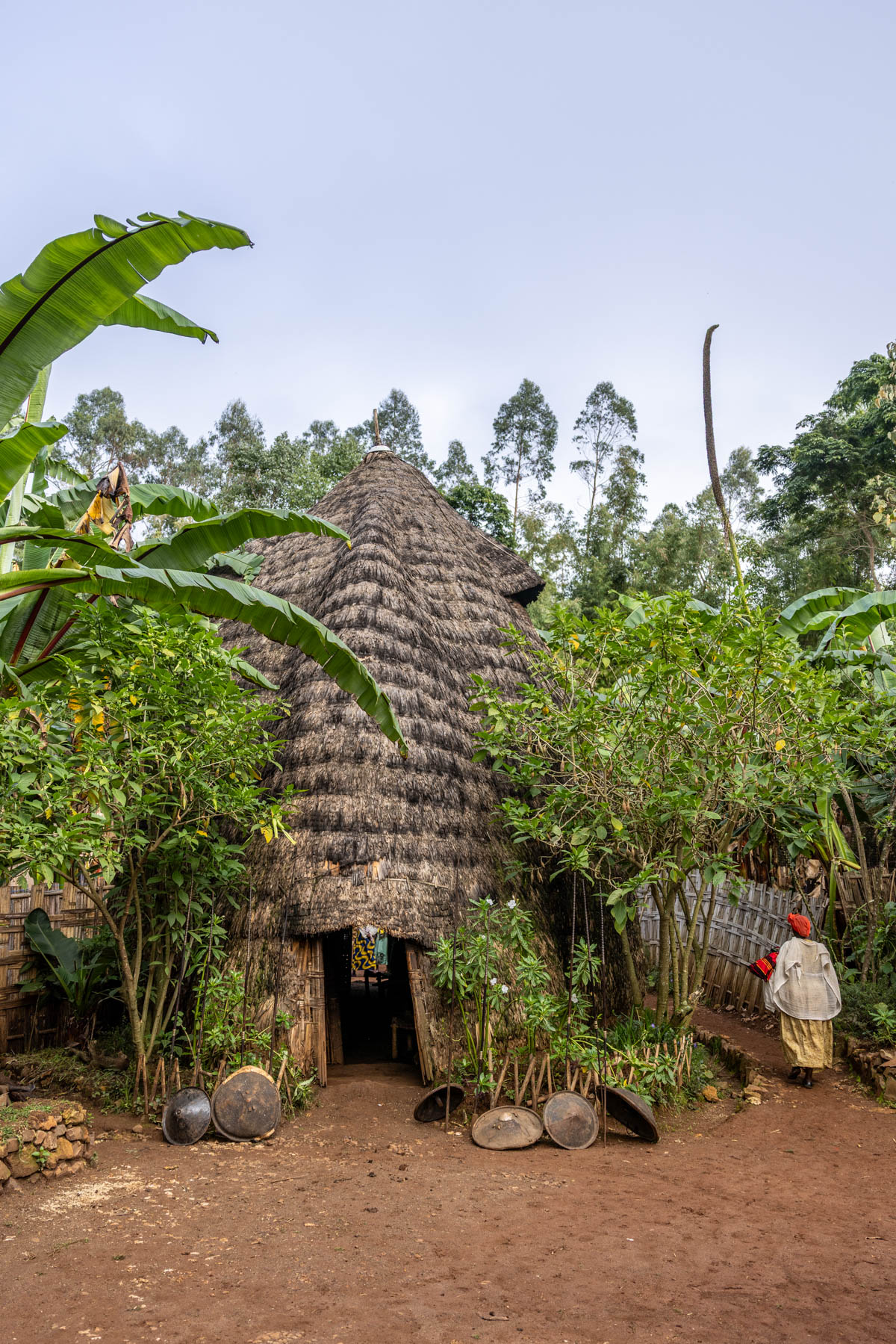
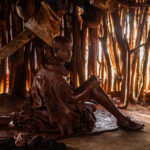
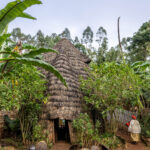
A traditional Dorze house made from bamboo and enset leaves, shaped like an elephant. (image by Ingrid Koedood)
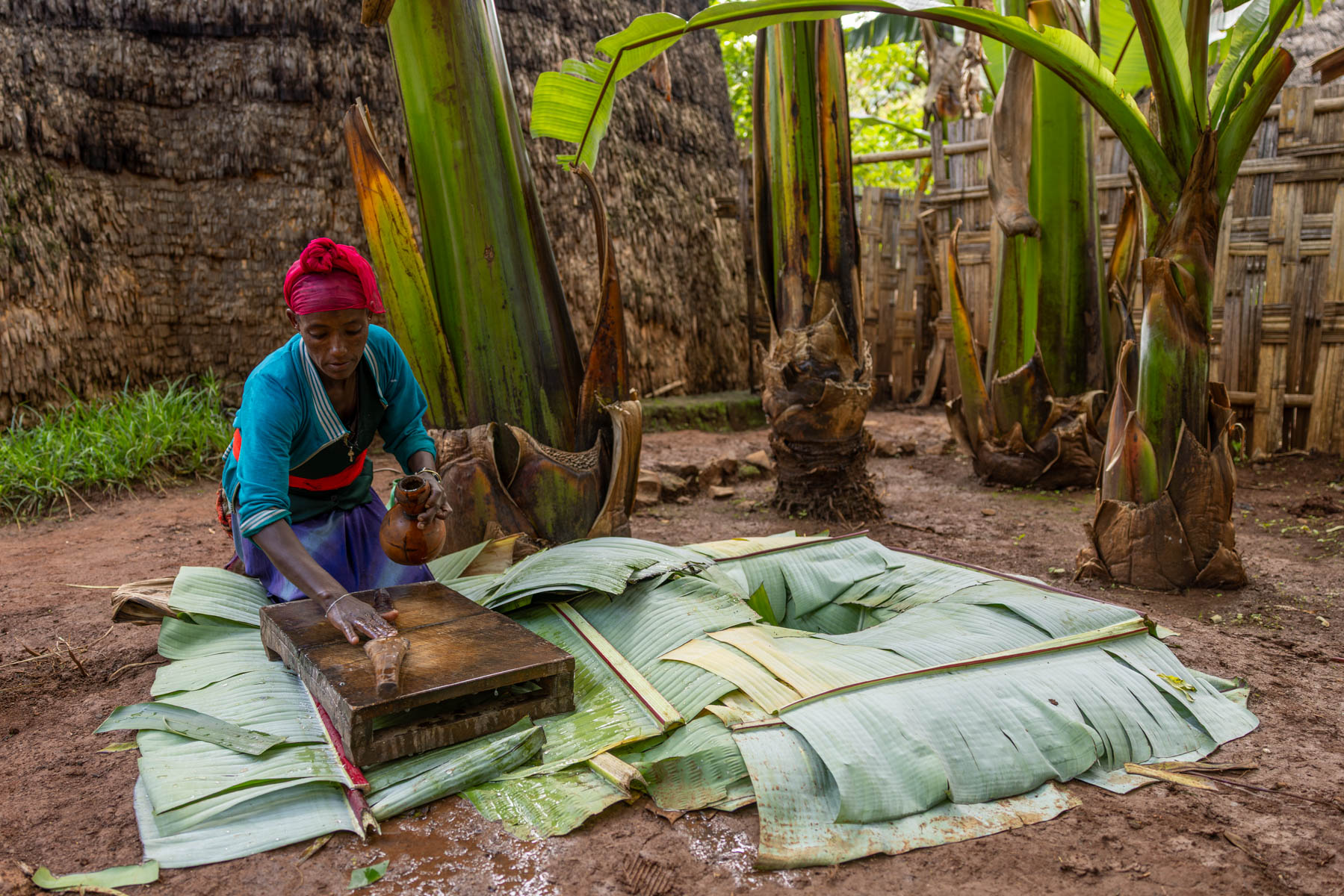
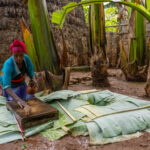
Dorze woman processing enset, whose fermented pulp is used to make traditional bread. (image by Ingrid Koedood)
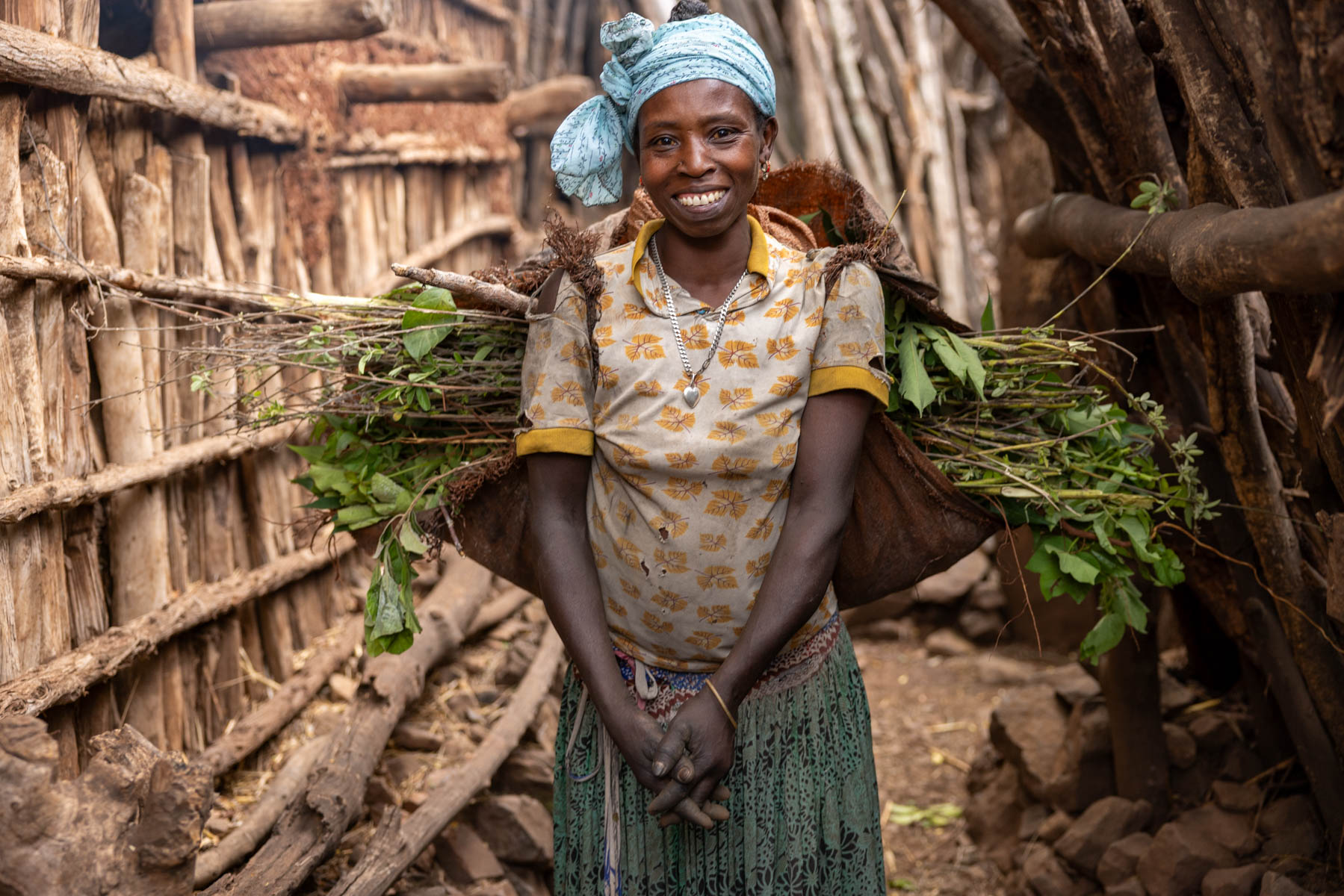
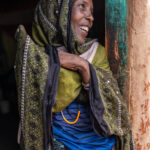
With a big smile, even while carrying the weight of the day – Konso. (image by Ingrid Koedood)
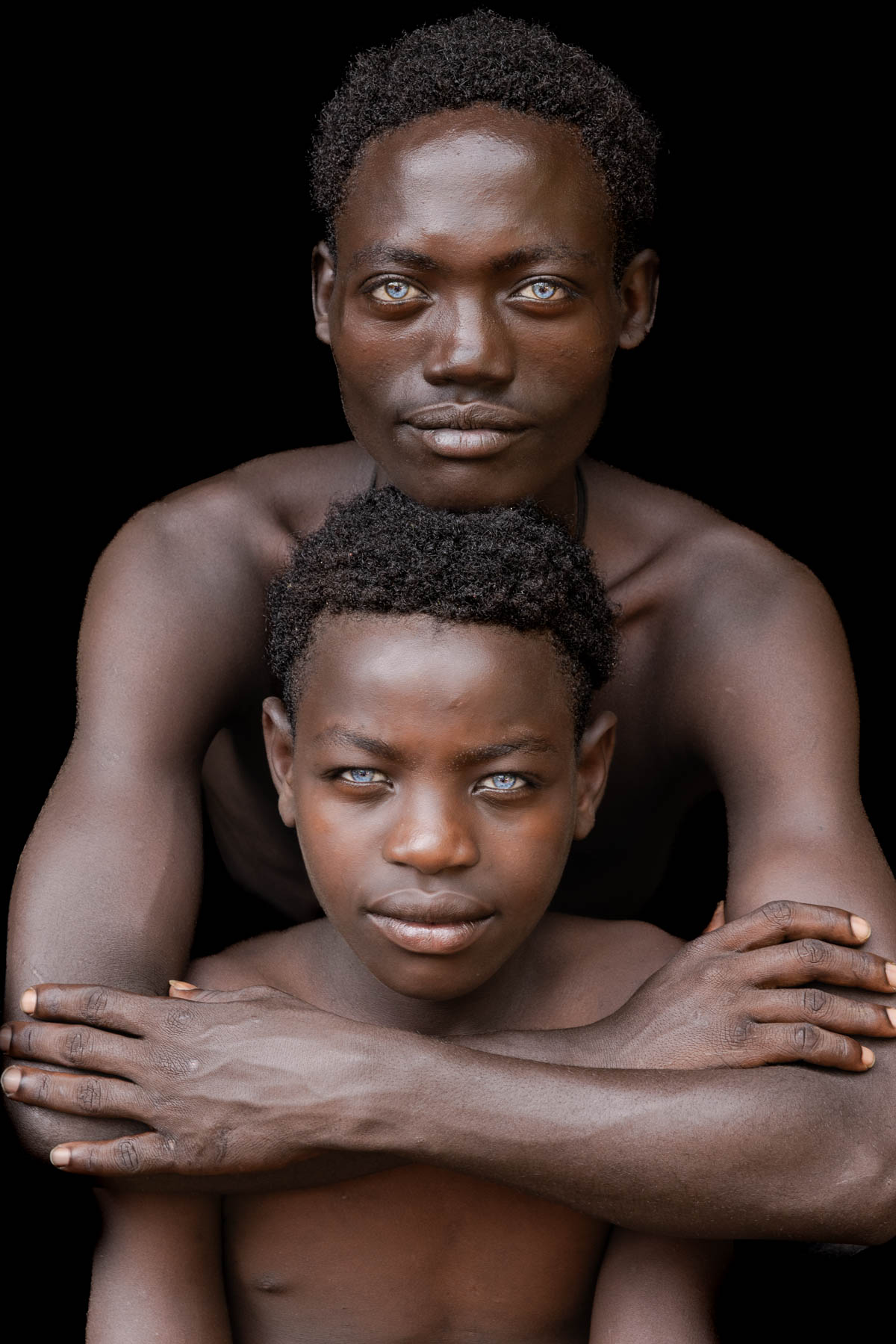
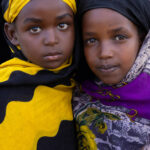
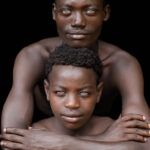
Two cousins with striking blue eyes from Jinka. It felt as if you could dive into their eyes like into an ocean. (image by Ingrid Koedood)
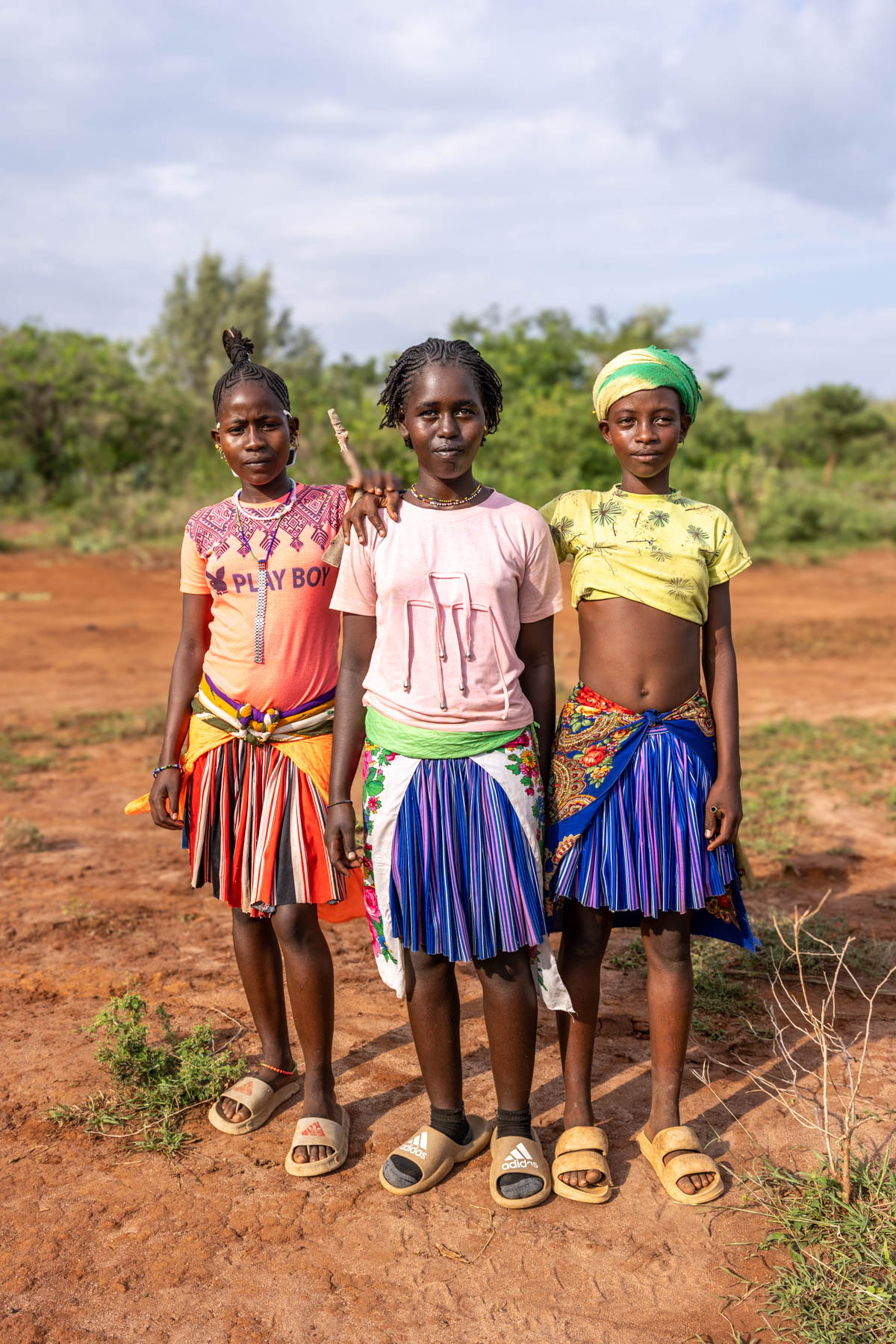
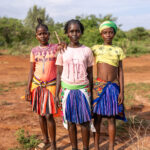
Young modern Hamar girls. (image by Ingrid Koedood)
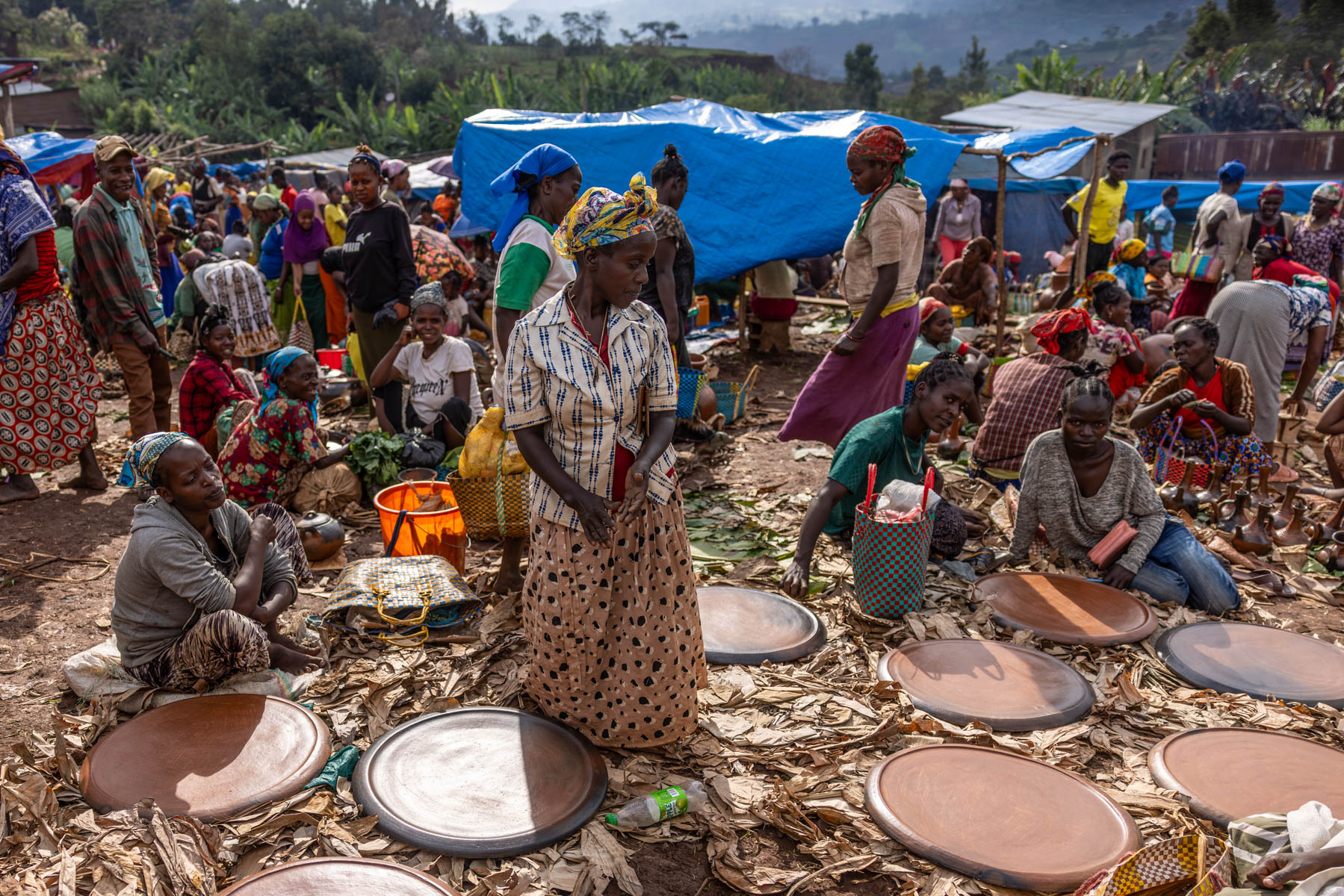
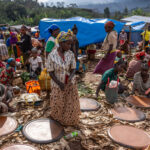
At the vibrant Ari market, handmade plates are sold for preparing and serving injera. (image make by Ingrid Koedood)
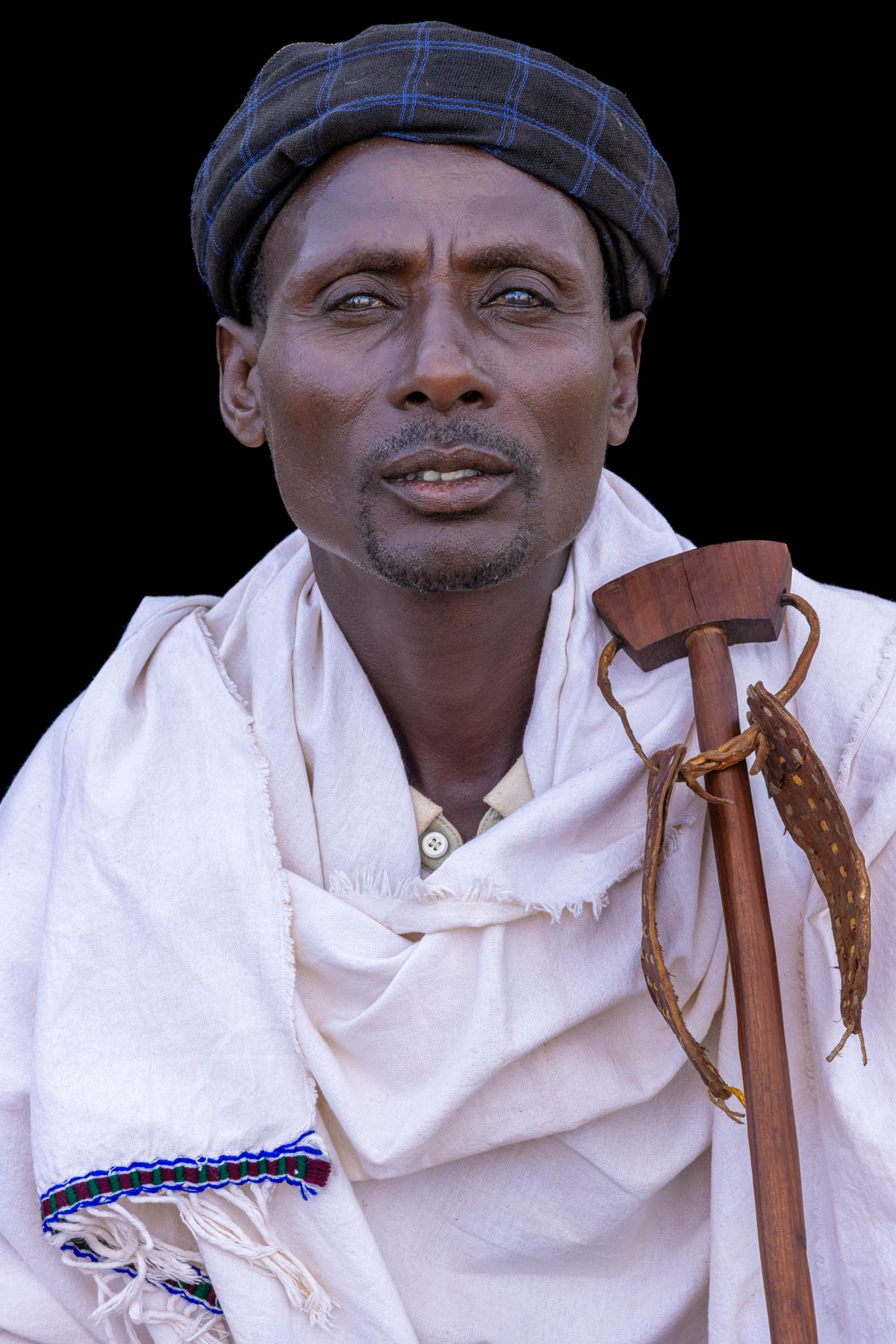
Portrait of a Borana man. (image by Ingrid Koedood)
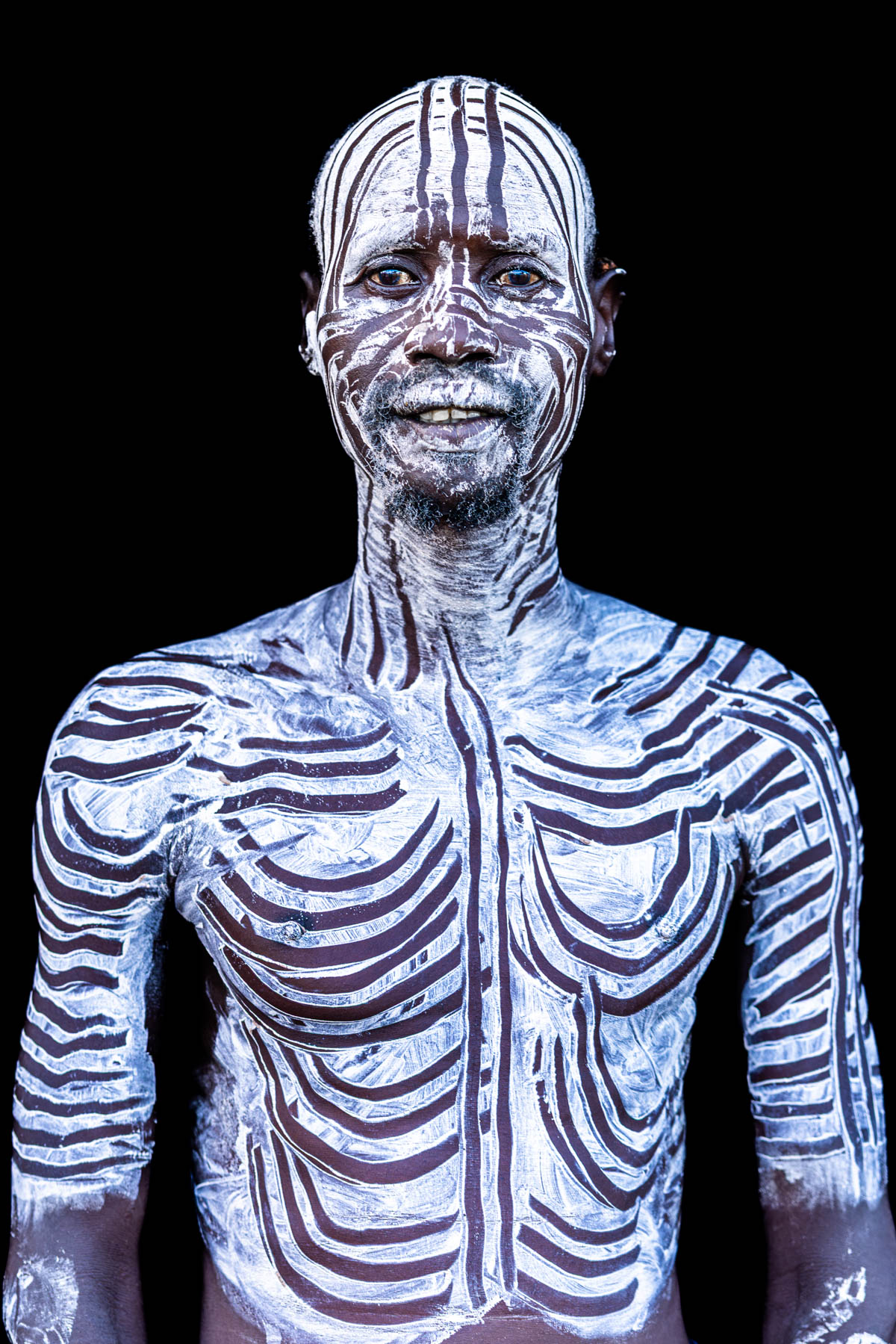
Kara man with painted face and body. (image by Ingrid Koedood)
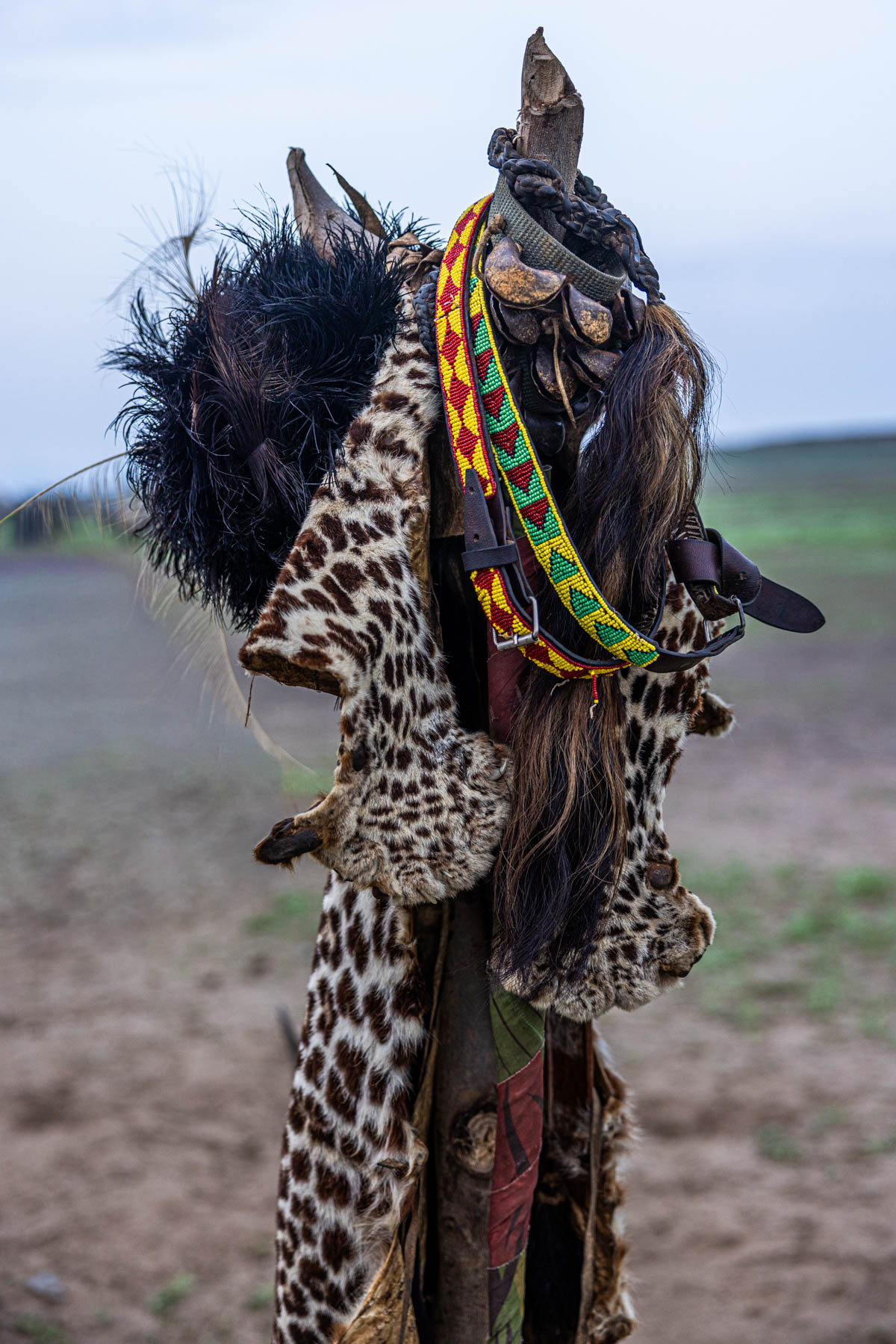
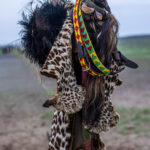
Ostrich headdresses, leopard skin and ankle bells: part of a man’s attire during the Dimi ceremony. (image by Ingrid Koedood)
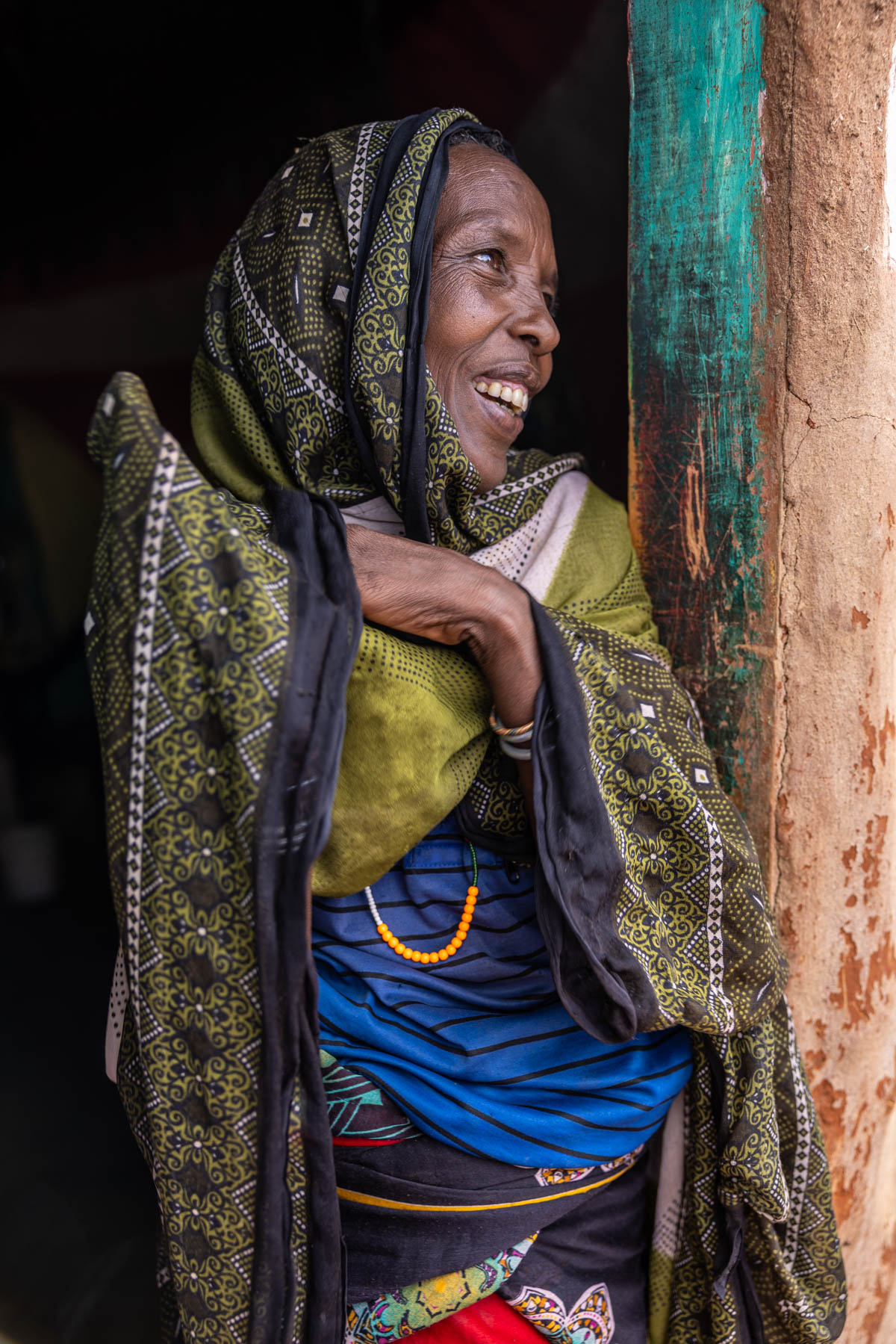
Shy at first, but full of warmth. The Borana have the most beautiful smiles. (image by Ingrid Koedood)
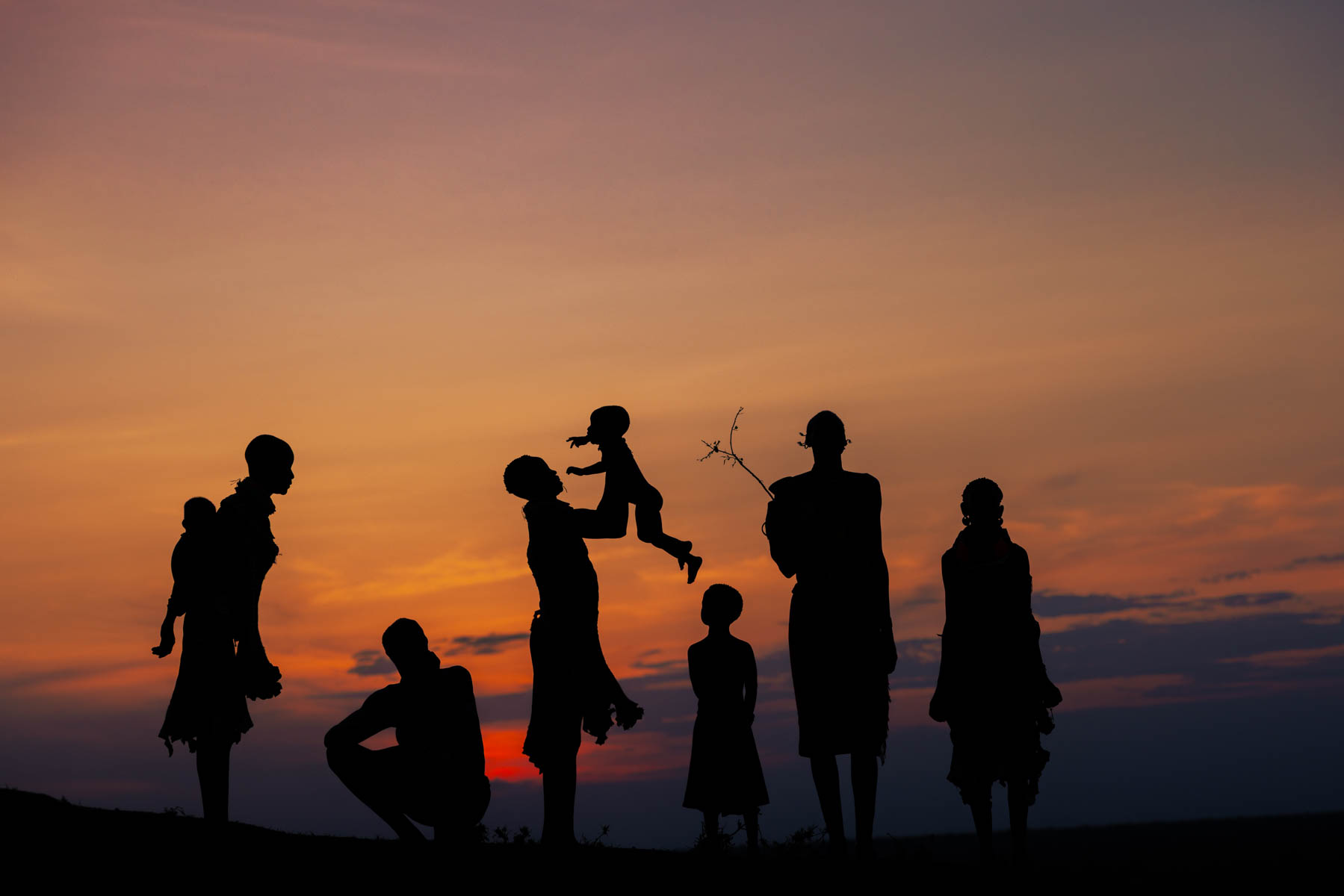
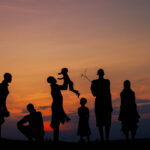
Silhouettes of the Kara people, held in the last light of day. (image by Ingrid Koedood)
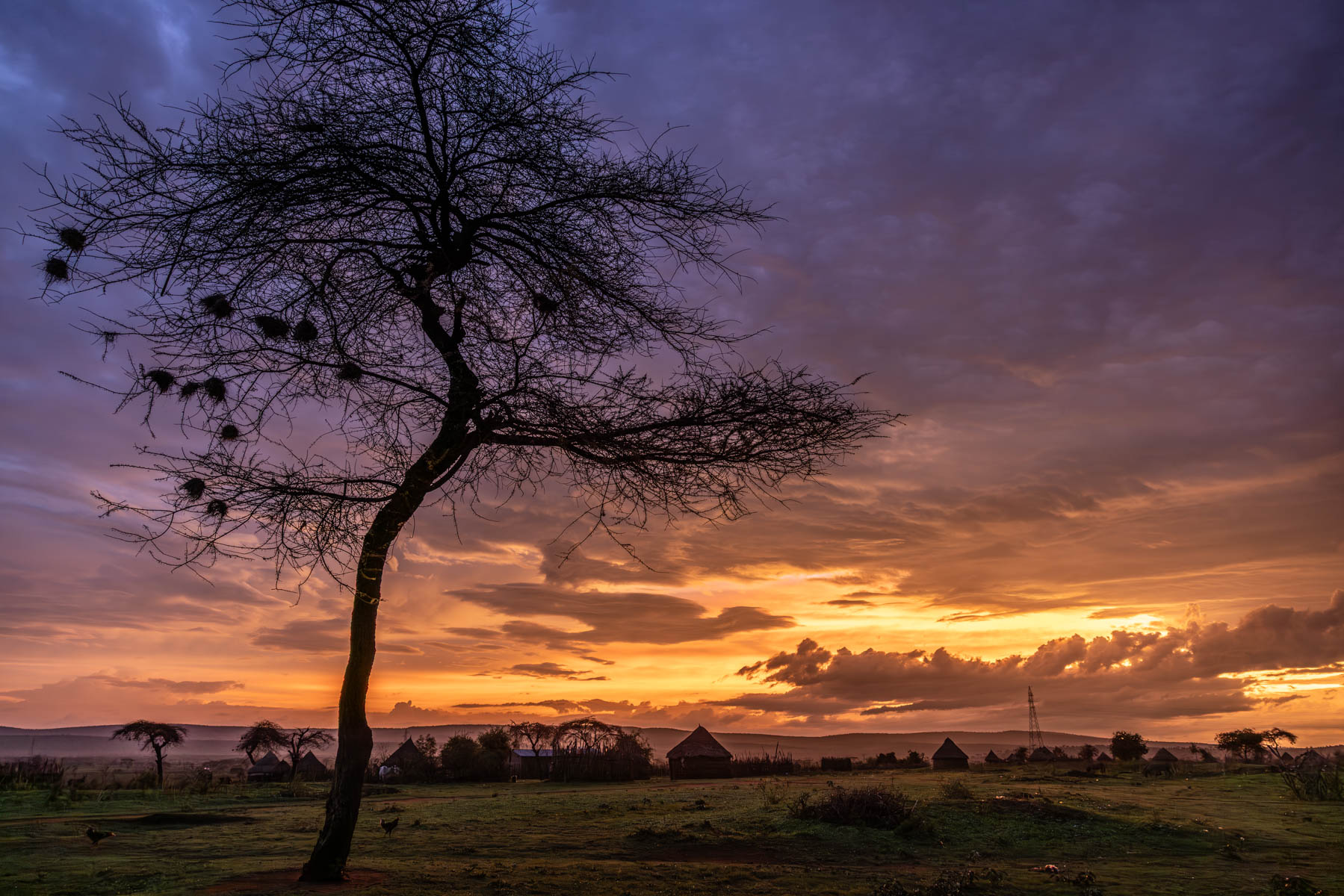
Waking up after a night of camping in a Borana village, greeted by this incredible sunrise. (image by Ingrid Koedood)
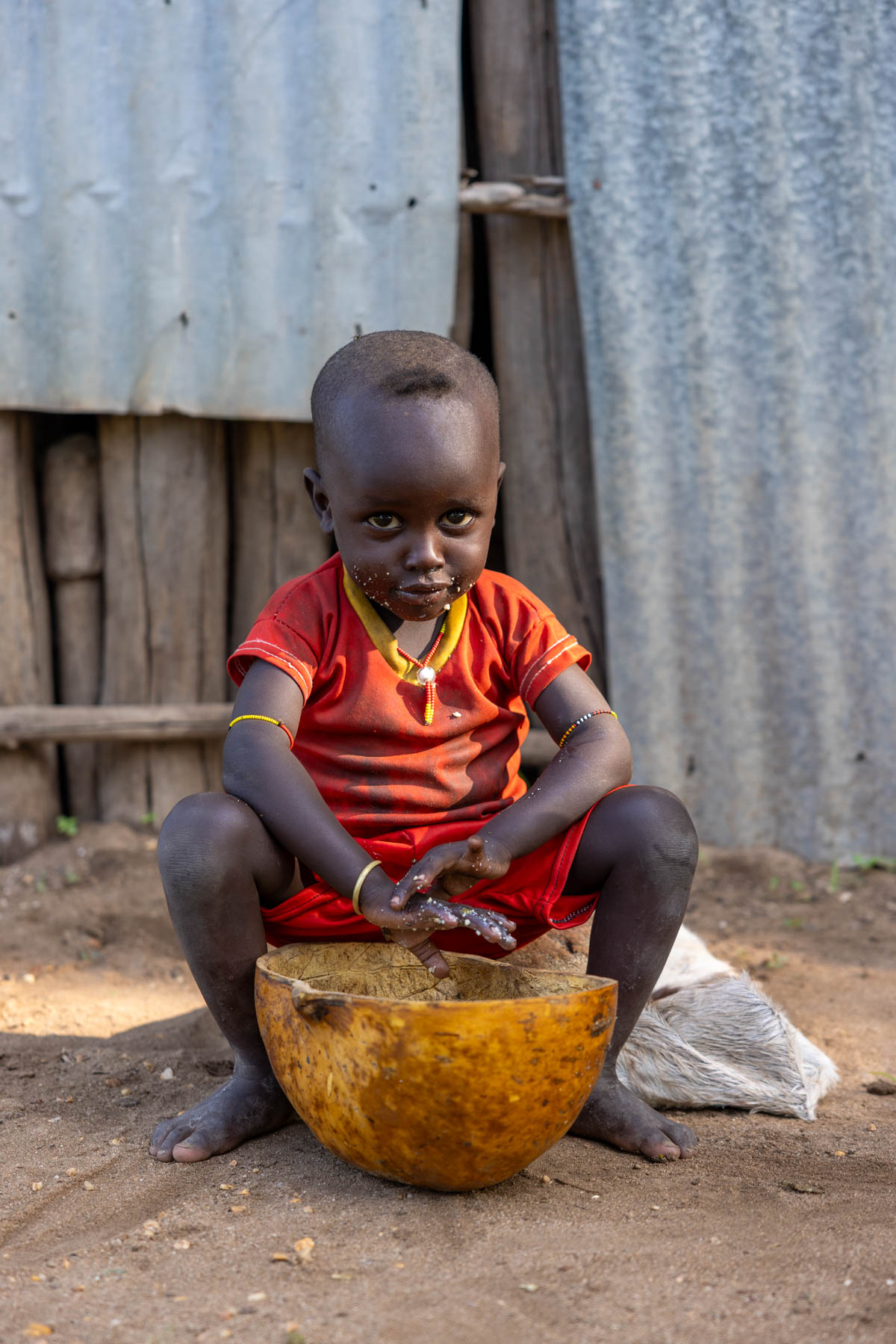
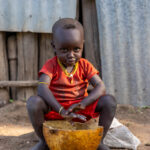
A young Kara boy eating his breakfast. (image by Ingrid Koedood)
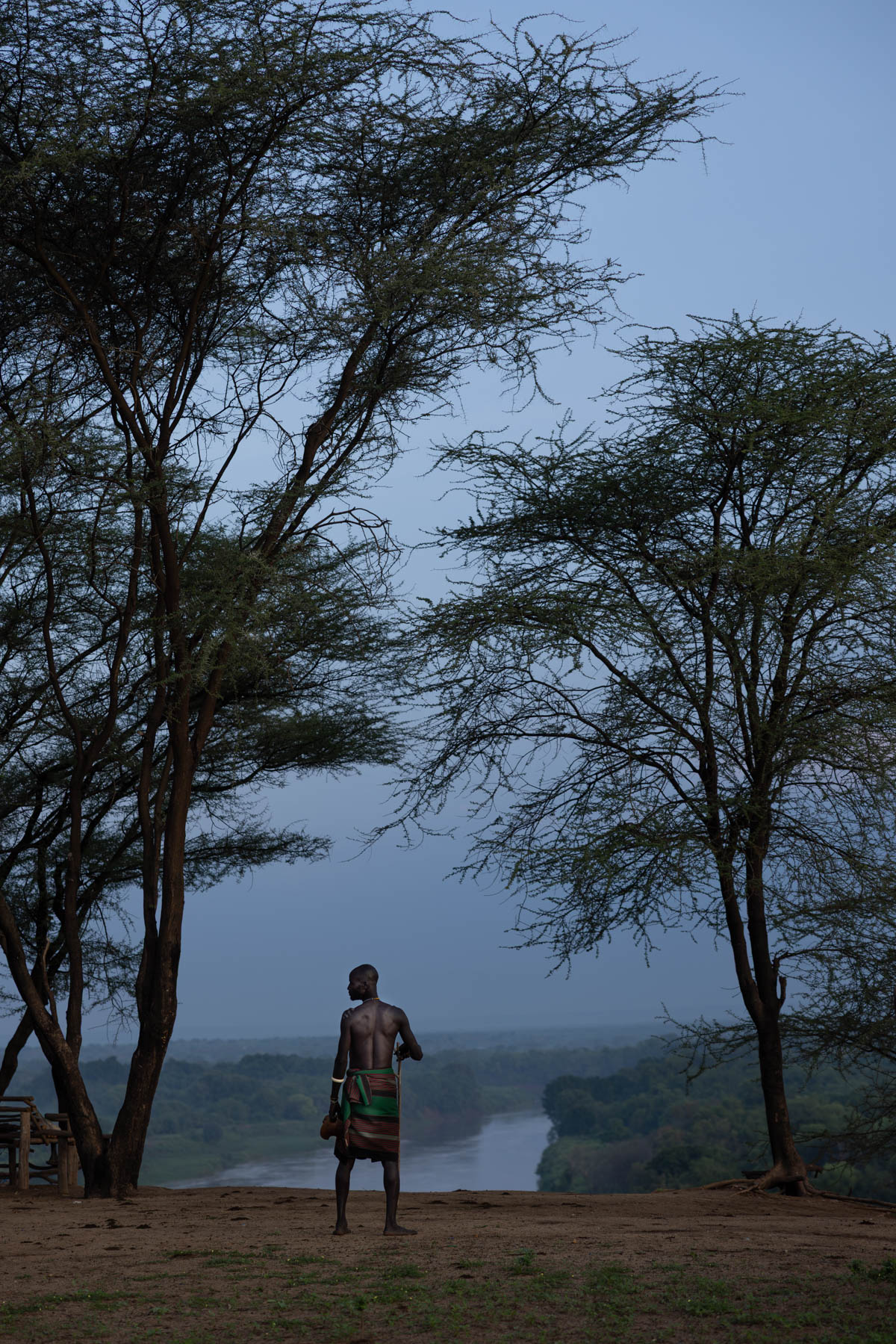
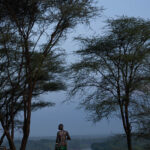
Mornings breaks over the Omo river, where a Kara man stands in silence. (image by Ingrid Koedood)
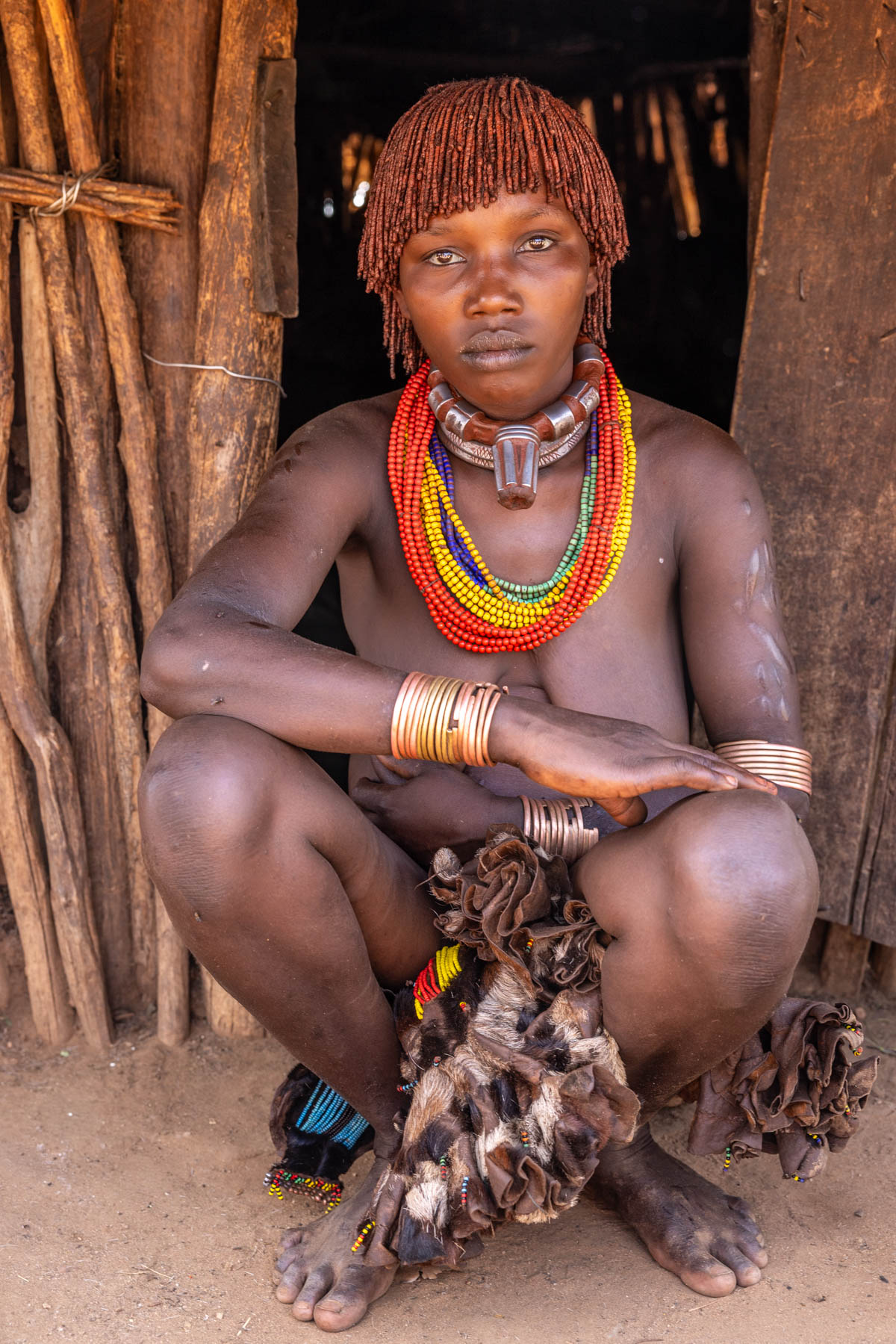
Hamar woman sitting in front of her hut. (image by Ingrid Koedood)
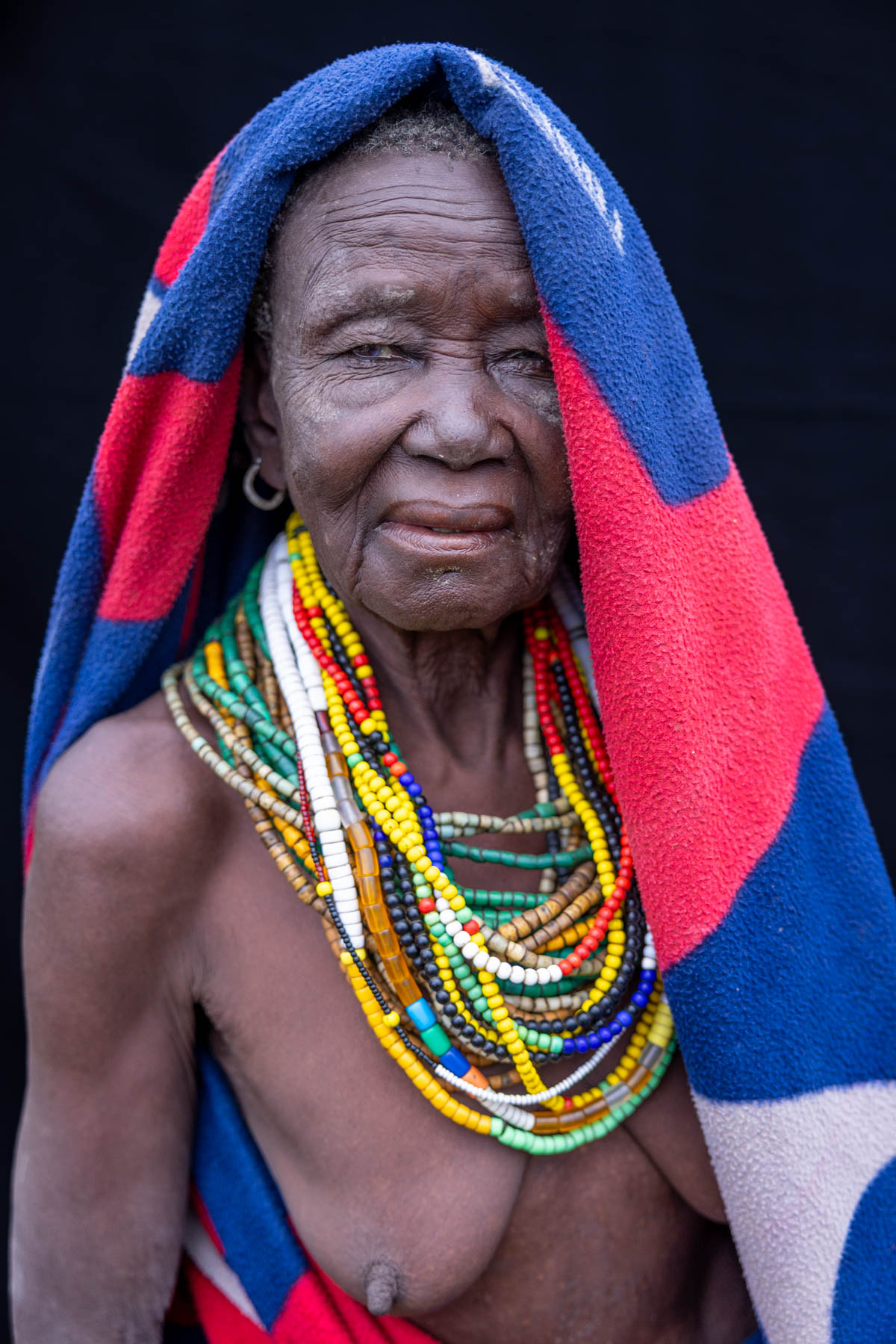
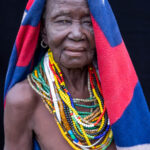
An elderly Nyangatom woman, full of grace. (image by Ingrid Koedood)
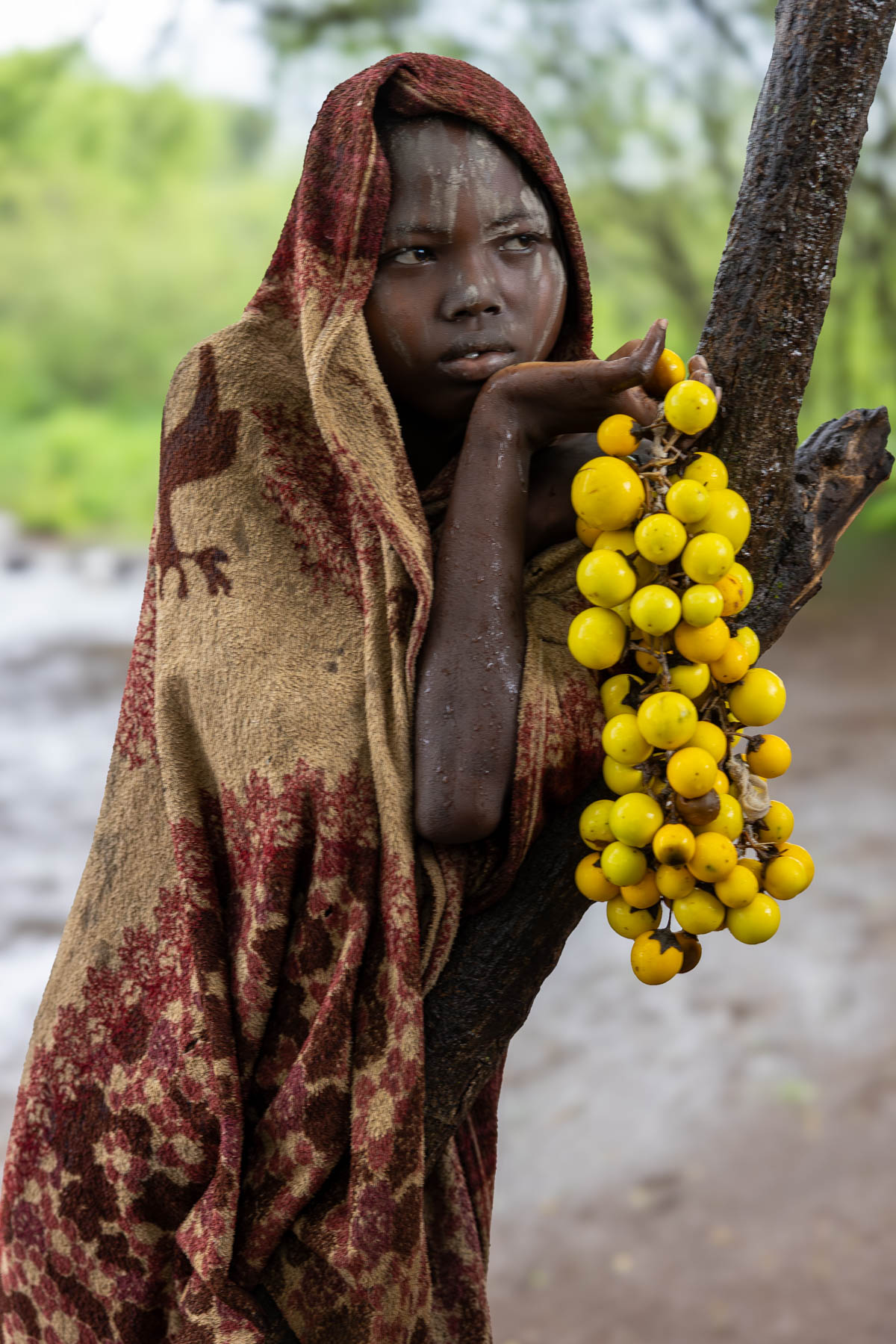
A Mursi girl watching from a distance as we photograph, while the rain slowly sets in. (image by Ingrid Koedood)
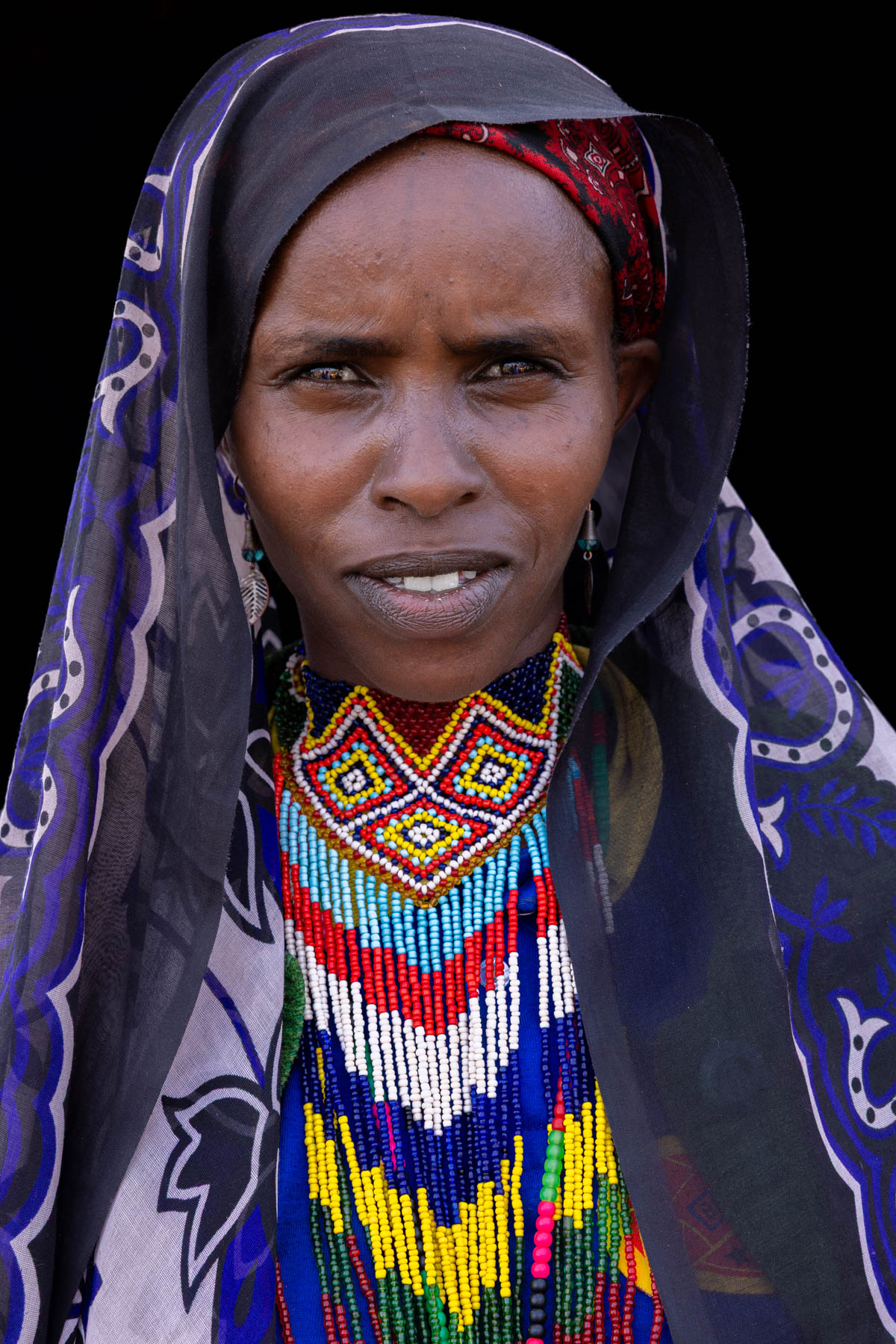
Beautiful Borana woman (image by Ingrid Koedood)
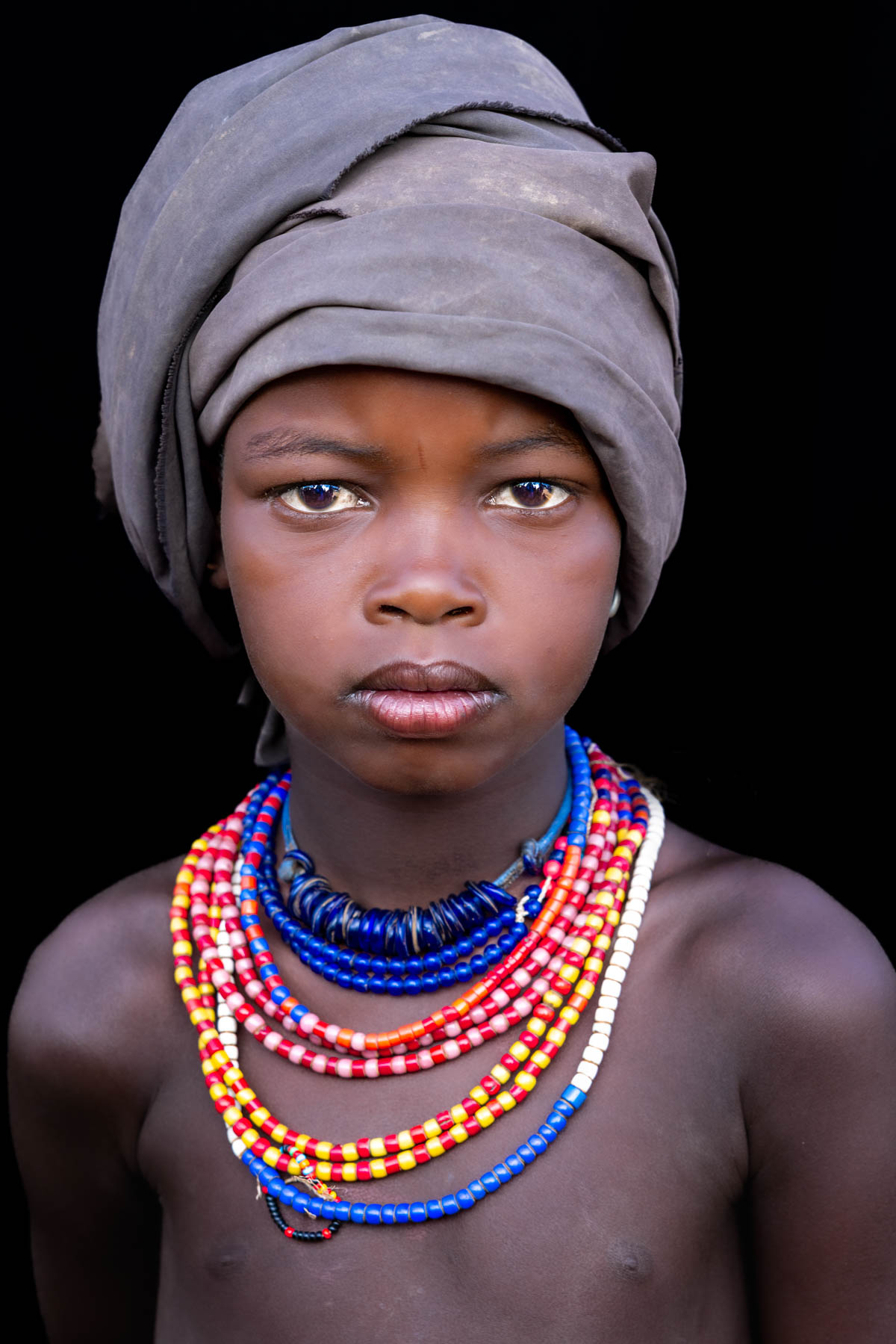
A beautiful young Arbore girl posing with grace. (image by Ingrid Koedood)
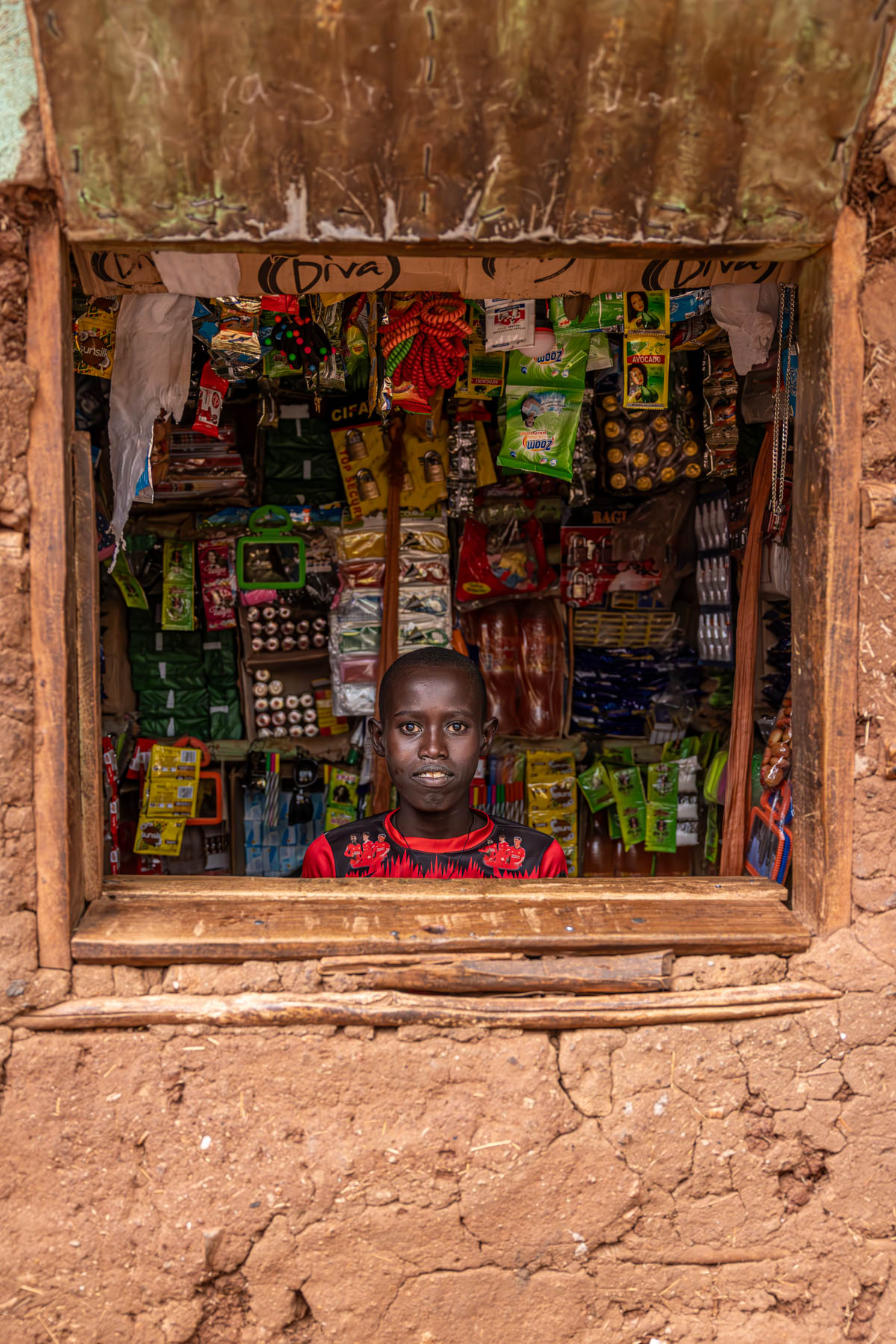
A little shop in a Konso village. (image by Ingrid Koedood)
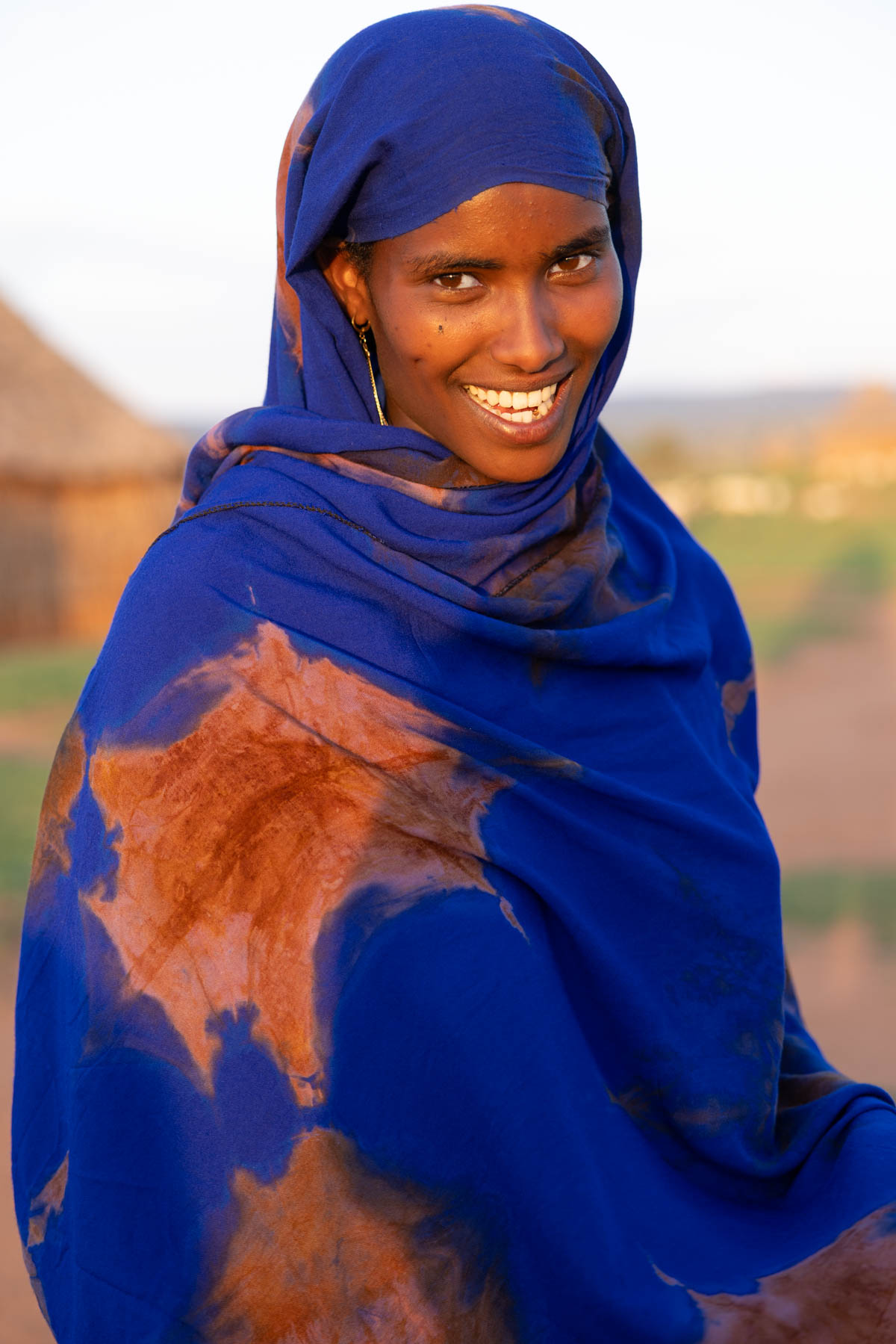
In the soft afternoon light, her smile grew as she slowly became comfortable with our attention. (image by Ingrid Koedood)
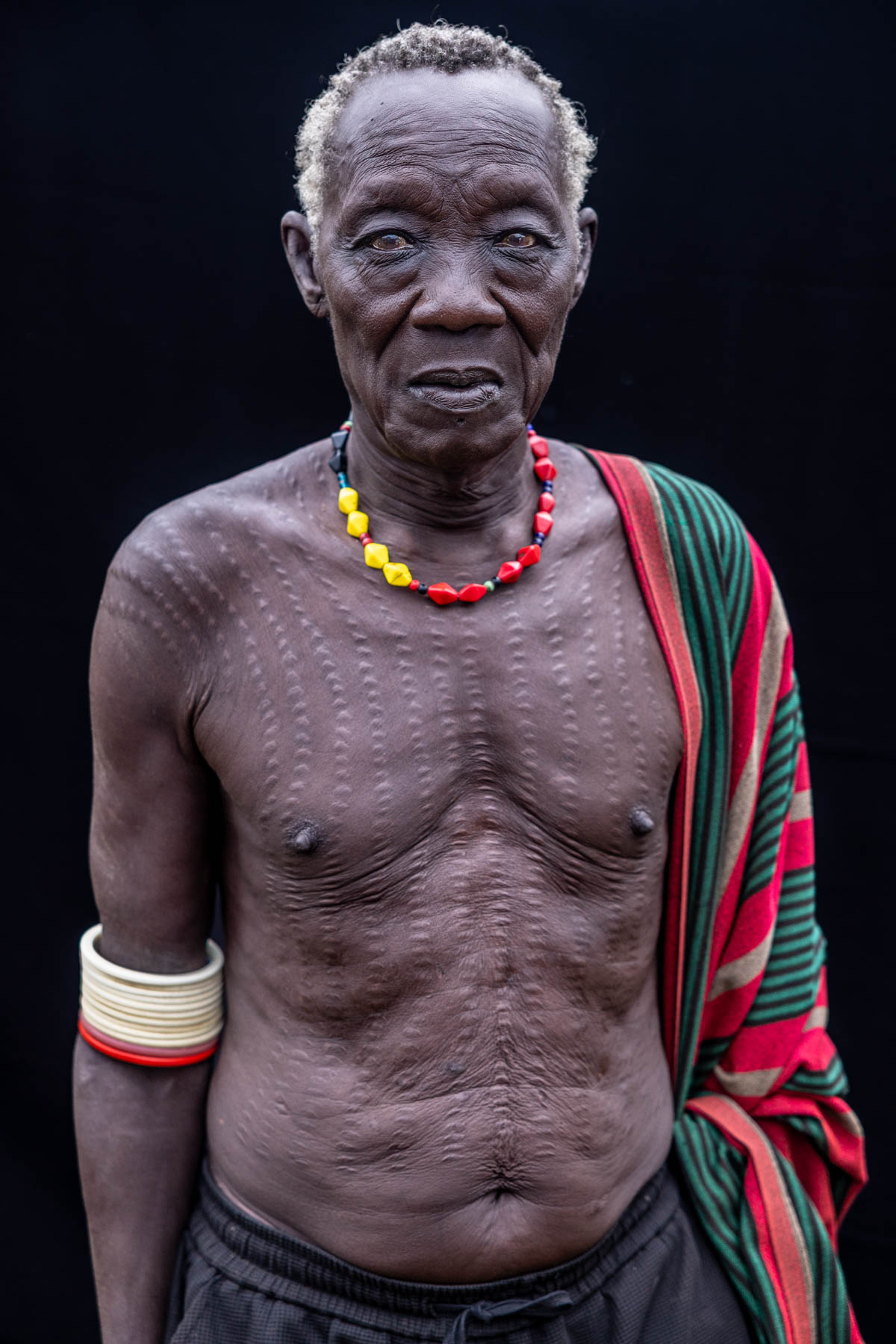
Elderly Nyangatom man with scarification on his chest. (image by Ingrid Koedood)
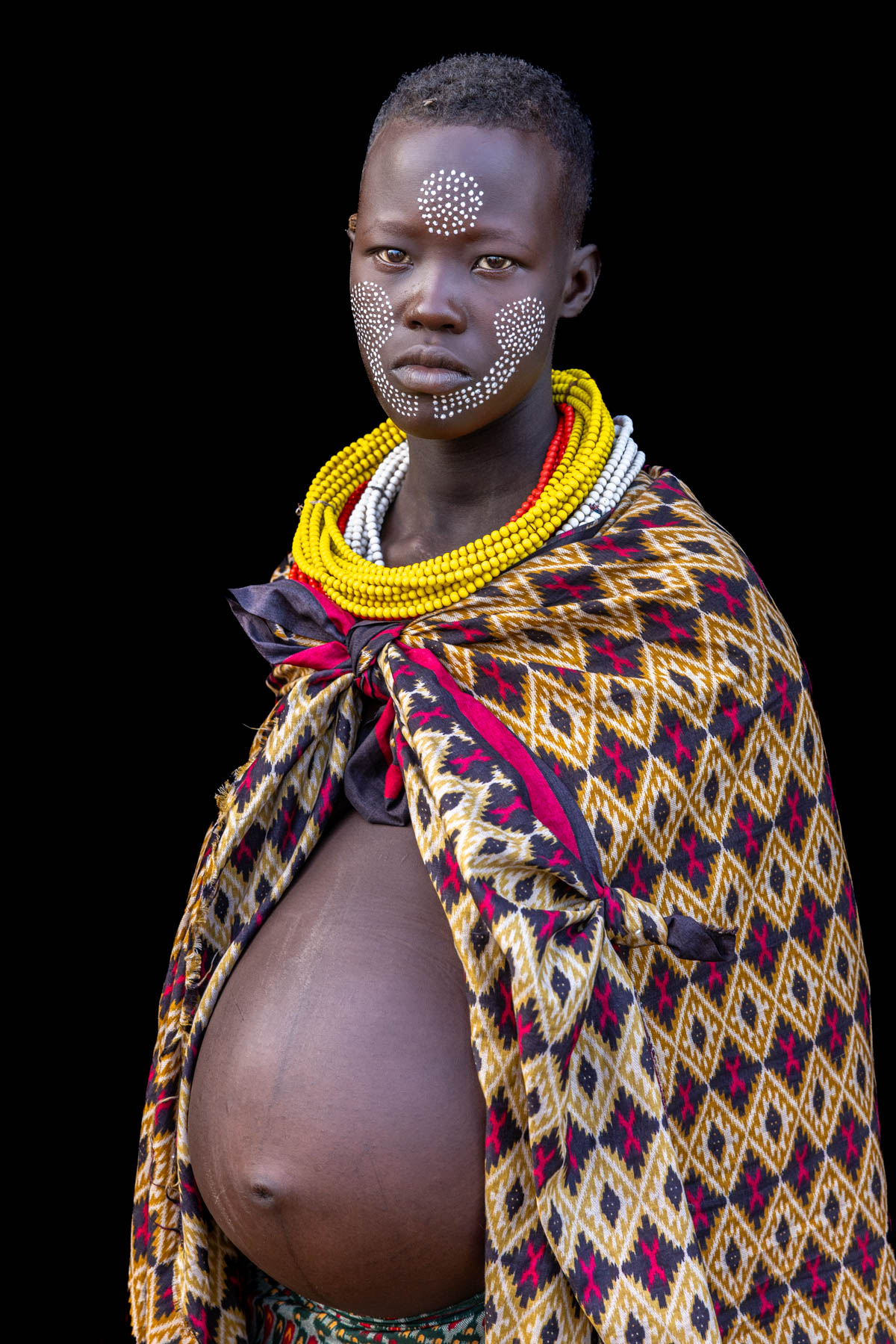
A young pregnant Kara woman. (image by Ingrid Koedood)
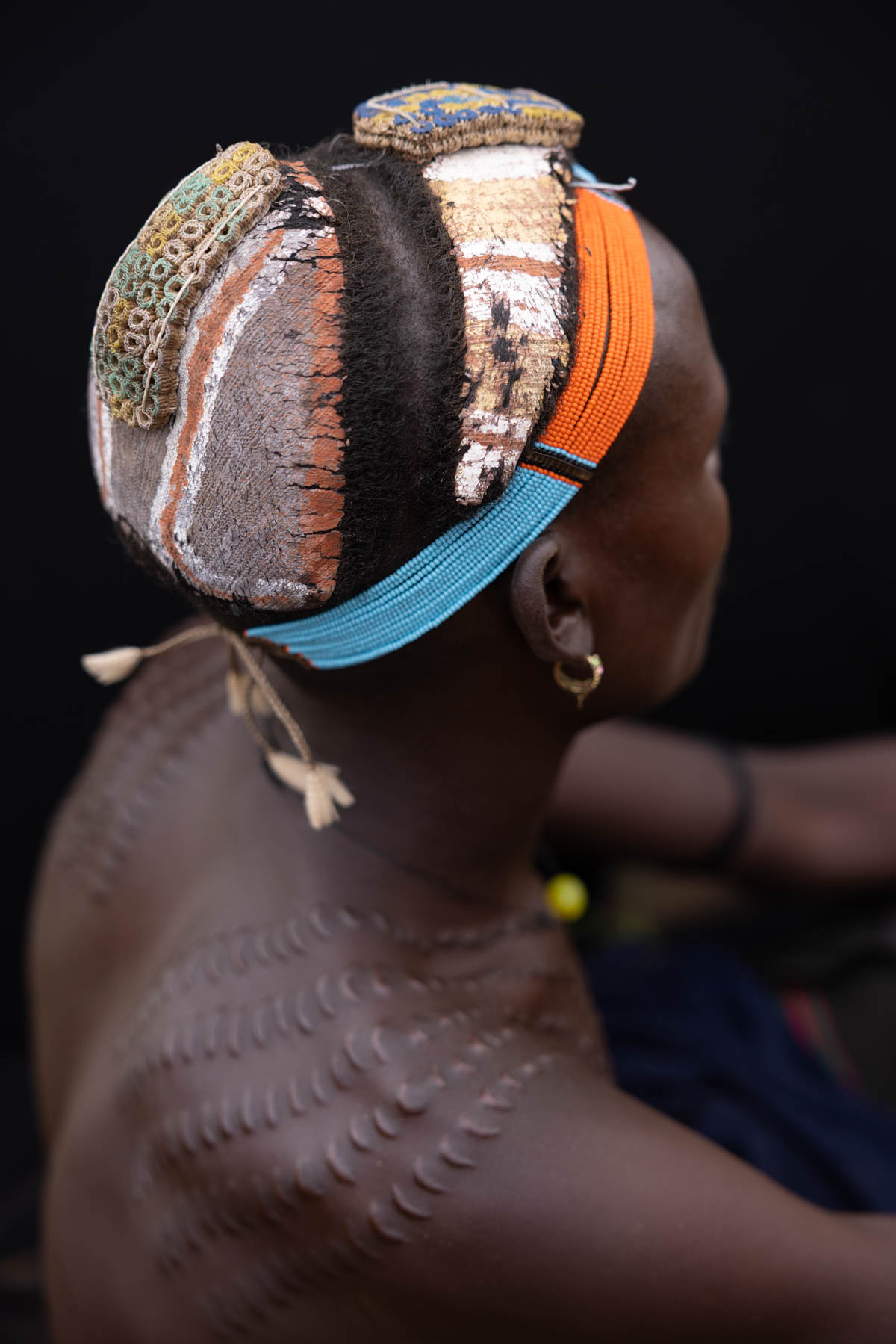
The distinctive hairstyle of the Dassanech men. (image by Ingrid Koedood)
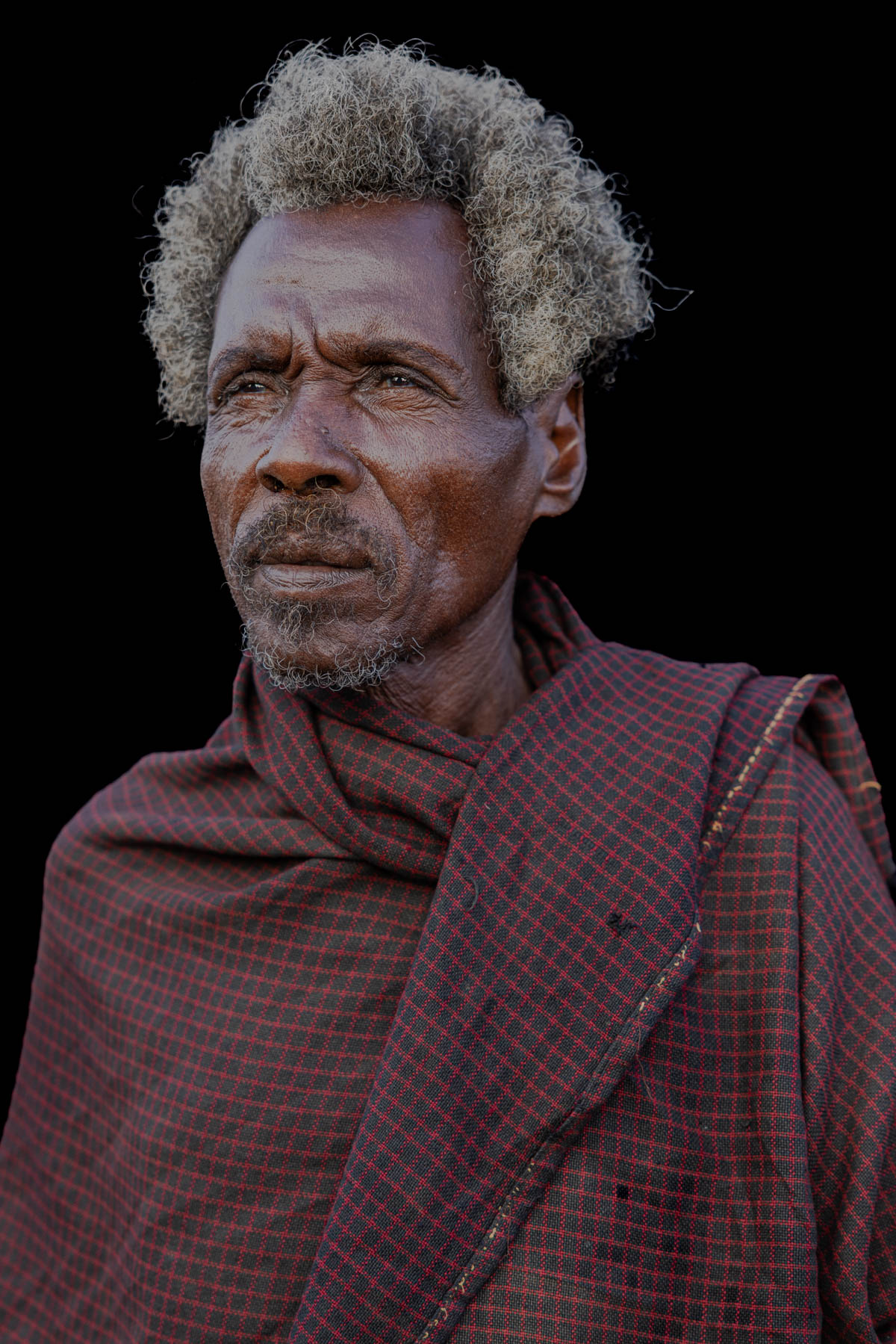
Portrait of an Arbore man. (image by Ingrid Koedood)
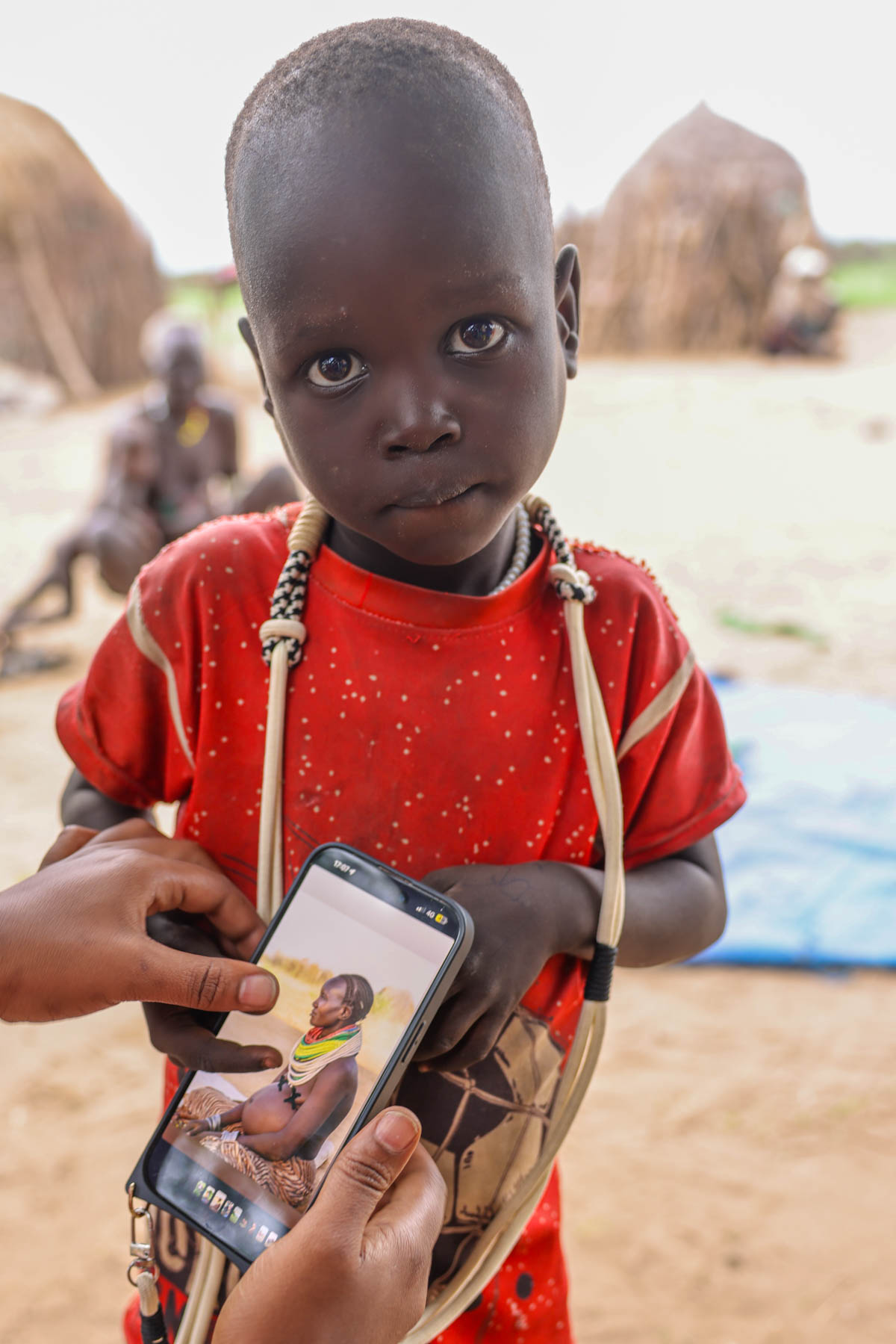
I photographed his mother in 2021, when she was pregnant. Now, her joyful son stands before me. (image by Ingrid Koedood)







On his way to the market, carrying freshly harvested bananas. A young boy fr0m the Ari tribe, where farming is woven into everyday life. (image by Ingrid Koedood)
Men gathering in a Tej (honey wine) bar in Dorze, sharing honey wine. (image by Ingrid Koedood)
Gido, a well-known Arbore woman, often photographed for her striking presence. Among the Arbore, women traditionally shave their heads. (image by Ingrid Koedood)
Young Dorze girl carrying a heavy container of water. (image by Ingrid Koedood)
So much joy with this elderly Nyangatom woman. (image by Ingrid Koedood)
Colorful moments in a Dorze bar. (image by Ingrid Koedood)
An Arbore girl with a shaved head and a bright smile, colorful beads hidden beneath her scarf. (image by Ingrid Koedood)
An old man enjoying honey wine in a Dorze bar. (image by Ingrid Koedood)
Portrait of a Dassanech man in Dimi attire. (image by Ingrid Koedood)
The Borana wake early to milk their camels, a daily ritual at sunrise. (image by Ingrid Koedood)
The colorful huts of the Borana people (image by Ingrid Koedood)
A tender moment between a young Kara boy and his dog. (image by Ingrid Koedood)
Warm colors, strong presence, a young Mursi girl wrapped in textures of tradition. (image by Ingrid Koedood)
The Hamar people were waiting in the shade during the bull jumping ceremony. (image by Ingrid Koedood)
Dassanech man during the Dimi ceremony: an initation ceremony for girls (image by Ingrid Koedood)
This Hamar woman gave the camera a big smile. (image by Ingrid Koedood)
Granary of the Nyangatom tribe, built on stilts for storage. (image by Ingrid Koedood)
A young Kara girl as her face paint is carefully applied. (image by Ingrid Koedood)
Portrait of a young Arbore girl (image by Ingrid Koedood)
Portrait of a Nyangatom man with scarification on his chest. (image by Ingrid Koedood)
After the rain, the Hamar children play freely in water and mud. (image by Ingrid Koedood)
In a bar in Dorze, honey wine served in a small glass. (image by Ingrid Koedood)
A Hamar bride, her skin covered in butter and ochre, preparing for a new chapter in life within her husband’s family. (image by Ingrid Koedood)
An Arbore elder who was eager to be photographed, offering a warm smile shaped by a lifetime of stories. (image by Ingrid Koedood)
Blown away by the beauty of the Borana women (image by Ingrid Koedood)
A Nyangatom woman adorned with layered neck beads. (image by Ingrid Koedood)
Carried close, where warmth meets wonder. A moment between an Arbore mother and her child. (image by Ingrid Koedood)
Portrait of a man in front of a honey wine bar in Dorze, wearing a traditional hat. (image by Ingrid Koedood)
Portrait of a Mursi woman without her traditional lip plate. (image by Ingrid Koedood)
This Konso woman was a joy to photograph. (image by Ingrid Koedood)
Having fun with an Arbore woman. (image by Ingrid Koedood)
A Kara woman with a gentle, shy smile. (image by Ingrid Koedood)
Friend for life, two Borana girls. (image by Ingrid Koedood)
On the way to the Dassanech tribe, we saw many people carrying fresh grass after the rains. (image by Ingrid Koedood)
Dassanech girl proudly showing today’s catch. (image by Ingrid Koedood)
A Mursi girl framed by rich earth tones and vibrant red, her adornments glowing in the warm light. (image by Ingrid Koedood)
Creativity in every detail, a Kara woman wearing a headdress of bottle caps. (image by Ingrid Koedood)
The Hamar bull jumping ceremony, a rite of passage where a young man proves his readiness for adulthood by running across the back of bulls (image by Ingrid Koedood)
A Dorze woman in front of her shop. (image by Ingrid Koedood)
A joy to capture such a bright smile – Dassanech child (image by Ingrid Koedood)
A young Nyangatom girl wrapped in pink. (image by Ingrid Koedood)
Balance and color, a Dassanech girl carrying her load. (image by Ingrid Koedood)
Portrait of a beautiful young Dassanech girl. (image by Ingrid Koedood)
Portrait of a Arbore man. (image by Ingrid Koedood)
From the doorway of his hut, a Dassanech boy watches the Dimi ceremony preparations. (image by Ingrid Koedood)
A gentle smile in the middle of the vibrant Ari market. (image by Ingrid Koedood)
In a Konso village, we met many kind people, framed by beautiful natural tones. (image by Ingrid Koedood)
Such a kind smile from this Dassanech child we met along the way. (image by Ingrid Koedood)
Two men playing gebeta, a traditional Ethiopean mancala game. (image by Ingrid Koedood)
Mursi girl, wrapped in a traditional cloth, her face marked with natural pigments. (image by Ingrid Koedood)
A Hamar girl with a baby goat, while the mother keeps a close eye. (image by Ingrid Koedood)
With a wide smile, a Kara man shows just how tall he is. (image by Ingrid Koedood)
A Dassanech man with scarification on his chest. (image by Ingrid Koedood)
A Banna boy on stilts, rising above the earth, for a moment, it feels as if he is playing among the clouds. (image by Ingrid Koedood)
Beautiful young Borana girl. (image by Ingrid Koedood)
Close up of a woman who is preparing herself for the bull jumping ceremony (image by Ingrid Koedood)
A Dassanech woman during the Dimi ceremony. (image by Ingrid Koedood)
Caught in a traffic jam. A Banna boy is navigating his cattle. (image by Ingrid Koedood)
The Borana people decorate their huts in vibrant colors, something we did not expect and were truly amazed by. (image by Ingrid Koedood)
Woman showing colorful peppers in a kitchen in Dorze. (image by Ingrid Koedood)
Painted traditions of a Kara man by the Omo river (image by Ingrid Koedood)
Portrait of a young woman posing in a window of a bar in Dorze (image by Ingrid Koedood)
We called her our little bee, inspired by her yellow and black cloth. (image by Ingrid Koedood)
Early morning in a Borana village (image by Ingrid Koedood)
An elderly Borana woman: strong, dignified and absolutely beautiful. (image by Ingrid Koedood)
A portrait of a Mursi woman with lip plate holding her baby. (image by Ingrid Koedood)
During the Hamar ceremony the Maza (the whipper) is painted and adorned with body markings to prepare for his role in the event (image by Ingrid Koedood)
Esrael (13 years), nephew of the well-known Abushe often photographed for his striking blue eyes. He prefers the joy of football with friends over the attention of a camera. (image by Ingrid Koedood)
A woman in front of her house in Konso. Konso village is famous for its terraced fields and recognized as a UNESCO World Heritage Site. (image by Ingrid Koedood)
A young Nyangatom man who wanted to be photographed. (image by Ingrid Koedood)
Photo of the Banna boys on their wooden stilts, with me lying on the ground to capture the shot (image by Ingrid Koedood)
Hamar woman. Her first necklace shows she is the first wife. (image by Ingrid Koedood)
After the Dimi ceremony, Dassanech men and women stand in their tradtional attire. (image by Ingrid Koedood)
Portrait of a Mursi woman wearing a traditional lip plate. The plate is gradually stretched over time and holds deep cultural significance within the community. (image by Ingrid Koedood)
A traditional Dorze house made from bamboo and enset leaves, shaped like an elephant. (image by Ingrid Koedood)
Dorze woman processing enset, whose fermented pulp is used to make traditional bread. (image by Ingrid Koedood)
With a big smile, even while carrying the weight of the day – Konso. (image by Ingrid Koedood)
Two cousins with striking blue eyes from Jinka. It felt as if you could dive into their eyes like into an ocean. (image by Ingrid Koedood)
Young modern Hamar girls. (image by Ingrid Koedood)
At the vibrant Ari market, handmade plates are sold for preparing and serving injera. (image make by Ingrid Koedood)
Portrait of a Borana man. (image by Ingrid Koedood)
Kara man with painted face and body. (image by Ingrid Koedood)
Ostrich headdresses, leopard skin and ankle bells: part of a man’s attire during the Dimi ceremony. (image by Ingrid Koedood)
Shy at first, but full of warmth. The Borana have the most beautiful smiles. (image by Ingrid Koedood)
Silhouettes of the Kara people, held in the last light of day. (image by Ingrid Koedood)
Waking up after a night of camping in a Borana village, greeted by this incredible sunrise. (image by Ingrid Koedood)
A young Kara boy eating his breakfast. (image by Ingrid Koedood)
Mornings breaks over the Omo river, where a Kara man stands in silence. (image by Ingrid Koedood)
Hamar woman sitting in front of her hut. (image by Ingrid Koedood)
An elderly Nyangatom woman, full of grace. (image by Ingrid Koedood)
A Mursi girl watching from a distance as we photograph, while the rain slowly sets in. (image by Ingrid Koedood)
Beautiful Borana woman (image by Ingrid Koedood)
A beautiful young Arbore girl posing with grace. (image by Ingrid Koedood)
A little shop in a Konso village. (image by Ingrid Koedood)
In the soft afternoon light, her smile grew as she slowly became comfortable with our attention. (image by Ingrid Koedood)
Elderly Nyangatom man with scarification on his chest. (image by Ingrid Koedood)
A young pregnant Kara woman. (image by Ingrid Koedood)
The distinctive hairstyle of the Dassanech men. (image by Ingrid Koedood)
Portrait of an Arbore man. (image by Ingrid Koedood)
I photographed his mother in 2021, when she was pregnant. Now, her joyful son stands before me. (image by Ingrid Koedood)


This was my third journey to the Omo Valley, and still, it feels like a place that keeps revealing new layers. Not just because of the landscapes or the diversity of cultures, but because of the stories that live there – stories of people, traditions, and ways of life that are still deeply connected to the land.
This journey through the Omo Valley was not a typical trip. It was a journey shaped by moments that cannot be planned, in situations where observation slowly turns into connection.
From the very beginning in Addis Ababa to the remote villages in the south, every day brought something new. Green landscapes filled with banana plants, dry plains where cattle define life, and communities where traditions are still visible in everyday routines.
Travelling through the Omo Valley means stepping into a region where many different ethnic groups live, each with its own identity, customs, and stories. But beyond the visible differences, what stood out was something universal – curiosity, openness, and the willingness to connect.
Photography played an important role throughout this journey. Not just as a way to capture images, but as a way to communicate. A way to break the ice, to share a moment, and sometimes even to create something together.
Some encounters were energetic and full of laughter – like playing games with the children. Others were quiet and more reflective, like returning to a place and recognising someone years later. There were moments of simplicity – sitting together, drinking tea, or simply observing daily life unfold. This report is a journey through landscapes, cultures, and above all, people.
Arrival in Addis Ababa
After an overnight flight, my guest and I landed in Addis Ababa in the early morning, just as the city was slowly waking up. We drove to the hotel, where we took some time to rest and recover from a long journey. Travelling through the night always leaves you somewhere between excitement and exhaustion.
Around noon, we headed into the city for our first introduction to Ethiopia.
Our first stop was St. Gabriel Church, an Ethiopian Orthodox church that was completed in 1920. We received a short tour explaining the structure and traditions of the church. Like many Ethiopian Orthodox churches, the building has separate areas for men and women. Beneath the church lies the mausoleum containing several important historical figures. Among those buried here is Menelik II, the emperor who ruled Ethiopia until the early twentieth century and died in 1913. In the mausoleum, he lies together with his wife and his sister.
Another grave belongs to the daughter of the last Ethiopian emperor, Haile Selassie. She died at the young age of 22, together with her baby, and both are buried here. Standing in this quiet underground chamber gives the place a reflective atmosphere and connects visitors directly with Ethiopia’s imperial past.
One of the most unexpected discoveries in the church was a painting attributed to Michelangelo. According to local stories, the painting arrived in Ethiopia during the Italian occupation and was later exchanged for several captured Italian prisoners. In Western museums, such a work would most likely be kept under strict climate control and heavy security. Here it hangs behind a simple plastic plate. Time has clearly left its mark, and the painting shows visible signs of wear and would benefit from professional restoration.
After this cultural start of the afternoon, it was time for something lighter. We enjoyed a pleasant lunch in a Western-style restaurant, a comfortable place to relax and talk about our expectations of the tour.
In the afternoon, we visited the National Museum of Ethiopia, home to one of the most famous archaeological discoveries in the world: Lucy, the 3.2-million-year-old hominin skeleton often referred to as “the oldest woman in the world”. Seeing Lucy in person is always a special reminder that Ethiopia is often called the cradle of humankind.
After a full dose of culture, we switched gears and went shopping. First, we looked for a traditional dress, and afterwards we browsed through several shops selling antiques and local curiosities. After such an early start to the day and a night spent on aeroplanes, we decided to call it a day early. Tomorrow the adventure really begins: a 5:00 AM departure to the domestic airport for our flight to Jinka, gateway to the tribal cultures of the Omo Valley.
Into the Omo Valley: Jinka and the Ari village
After an early wake-up call, we headed to the airport for our flight to Jinka, the gateway to the fascinating Omo Valley. Our departure was delayed because low clouds were hanging over the landing strip in Jinka. Eventually, around 9:00 AM, we took off and soon found ourselves flying south toward one of the most culturally diverse regions of Ethiopia.
Upon arrival, our driver was already waiting with a sturdy 4WD vehicle to take us to our lodge in Jinka. The drive itself immediately revealed how lush this region is. The landscape around Jinka is surprisingly green, dotted with banana plants and small farms. Banana trees grow everywhere here, and the fertile surroundings give the area a completely different feel compared to the more arid regions of Ethiopia.
After settling in and enjoying a relaxed lunch at our beautiful lodge, we set out for our first village visit. We visited an Ari people village. The Ari are unique among the tribes of the Omo Valley. While many of the other groups are primarily pastoralists who focus on cattle, the Ari are mainly farmers. They cultivate crops and live in fertile areas where agriculture plays an important role in daily life.
Our visit took us to the village of Abushe, a young boy who is well known locally for his striking blue eyes. This unusual eye colour is the result of a rare genetic condition that appears in a few members of his family. From Jinka, he joined us in the car and travelled with us to his home village. When we arrived, we first visited the local school where an English lesson was taking place. At first, the children were shy, but that quickly changed. Soon they were smiling, interacting, and asking simple questions like: “What is your name?” As everywhere, taking selfies quickly became very popular.
After the school visit, we continued to the house of Abushe’s aunt. There we met his nephew Esrael (13), who has the same striking blue eyes. As a young boy, Esrael does not enjoy the attention around his eyes. He would much rather play football with his friends. The football we bought was received with great enthusiasm and immediately became the centre of attention. It became clear that what they would really need is football clothing – for Esrael and his friends – perhaps something for a future visit. There was also a sad note to the visit. We learned the father of the family had recently passed away.
As we walked through the village, we were warmly welcomed everywhere. The children, curious and full of energy, quickly gathered around us. At first, they watched us shyly from a distance, but it didn’t take long before their enthusiasm took over and they happily walked along with us.
After saying goodbye to everyone in the village, we continued to the local market. The market was vibrant and colourful, full of activity and local life. Everywhere we looked, people were trading goods, chatting, and moving between the stalls. It was clear that our small group attracted quite a bit of attention — many curious eyes followed us as we walked through the market.
Another striking sight was the number of horses around the market area. They are commonly used for transport here and add to the lively atmosphere of the place.
It was a wonderful first introduction to life in the Omo Valley: green landscapes, welcoming communities, curious children, and a culture that feels both vibrant and deeply rooted in tradition. The journey has truly begun.
Meeting the Mursi and Learning More About the Omo Valley
The night was short. Around 2:30 AM, I woke up to heavy rain and thunder. The rain drummed loudly on the roof of the lodge, creating quite a spectacle in the middle of the night. Fortunately, we had planned an early start anyway, because today we were going to visit the famous Mursi people.
At around 5:30 AM, we left the lodge and drove through the early morning landscape. The road took us deeper into Mago National Park, where the Mursi live. After about two hours, we arrived at the village.
To create something special, we set up a small “studio” by hanging a backdrop. We were the only visitors in the village, which made the atmosphere relaxed and personal. What followed was a fantastic photoshoot. One by one, people stepped forward, curious and enthusiastic. They proudly showed their traditional adornments and kept coming back with new combinations and creative looks. Every portrait felt unique.
The Mursi are well known for the lip plates worn by the women. These clay plates are inserted into the lower lip, which is gradually stretched over time. The size of the plate is often associated with beauty and identity within the community, and sometimes also with status or marriage value. It is one of the most recognisable cultural expressions in the Omo Valley.
The energy in the village was wonderful. There was a lot of laughter and curiosity on both sides. It turned into a very special photographic session, and by the time the rain started again, we felt satisfied and grateful for the beautiful portraits we had been able to make.
After returning to the lodge, we enjoyed a relaxed lunch before heading out again in the afternoon. Our next stop was the Jinka museum. The museum offers a helpful introduction to the many different ethnic groups living in the Omo Valley. It provides background on their traditions, clothing, rituals, and daily life, giving important context to the communities we visit during the journey.
Later in the afternoon, we visited Omo Child and one of the schools connected to this organisation. We had coffee with the founder, Lale Labuko, who personally guided us around and shared the story behind the organisation. Omo Child was founded to address the issue of Mingi, a traditional belief among some tribes in the Omo Valley. Children who were considered “Mingi” – often because of circumstances around their birth – were once seen as a curse and abandoned. Lale Labuko grew up witnessing this practice and decided to take action. What started as a small initiative has grown into a foundation that works closely with local communities to stop the practice of Mingi through education and awareness. Today, Omo Child has developed into a much larger project. It includes a school with 750 children, an orphanage and ongoing support for families and communities.
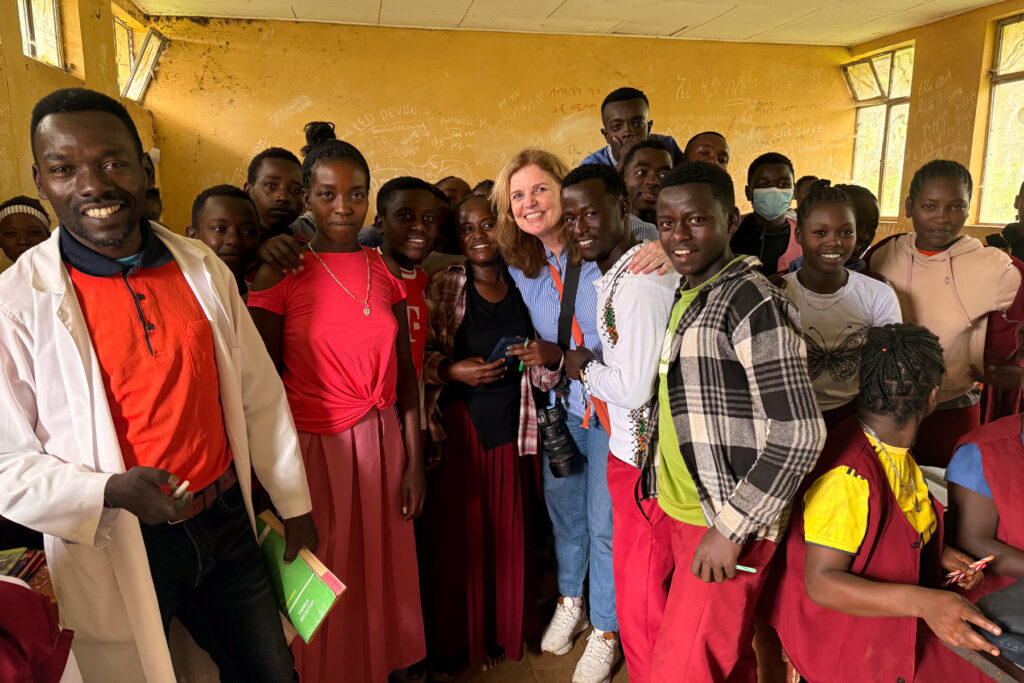
Visiting an Ari school in Jinka (image by Ingrid Koedood)
During our visit, we were taken around the compound. We saw classrooms filled with children and experienced how confident they were – many approached us and asked questions in English, proud to communicate. We also visited the orphanage, where even a baby just a few months old was being cared for. The child was surrounded by attention and warmth, clearly looked after by everyone.
After a day that combined adventure, photography, culture, and learning, we returned to the lodge with many new impressions. From the early morning visit to the Mursi village to the afternoon spent learning more about the region, it was another unforgettable day in the Omo Valley.
On the Road to Turmi and the Kara Village
This morning, we started the day at a relaxed pace before continuing our journey toward Turmi, one of the main villages in the southern Omo Valley. The drive itself was already full of life. Along the road, we encountered large herds of cattle, goats, and donkeys being guided across the landscape by local herders — a daily scene that reflects how central livestock is to life in this region.
Along the way, we stopped to meet the Banna people. Some of the young men were walking on stilts, something they demonstrate for visitors today. Traditionally, it is said that walking on stilts helped them spot wild animals from a distance in the tall grass, although nowadays it is often performed especially for tourists. It was a fun and lively moment and, of course, a great opportunity for a small photoshoot.
After arriving in Turmi, we enjoyed lunch before continuing our journey to visit a village of the Kara people, one of the smallest ethnic groups in the Omo Valley. On the way, we passed striking termite mounds rising from the ground like natural sculptures. Because of the recent rains, the landscape is incredibly green, which gives the area a fresh and vibrant look.
We also saw several groups of donkeys and many birds along the route. The Omo Valley is home to a wide variety of bird species, such as hornbills, bee-eaters, weaver birds, kingfishers, and colourful rollers that are often seen along rivers and open landscapes.
By the end of the afternoon, we arrived at the Kara village. We were warmly welcomed by the community, with curious faces gathering to greet us. The Kara are known for their extraordinary body painting traditions. Using white chalk, red ochre, charcoal, and natural pigments, they create striking patterns on their bodies and faces. These designs are not only decorative but can also carry cultural meaning and express individuality.
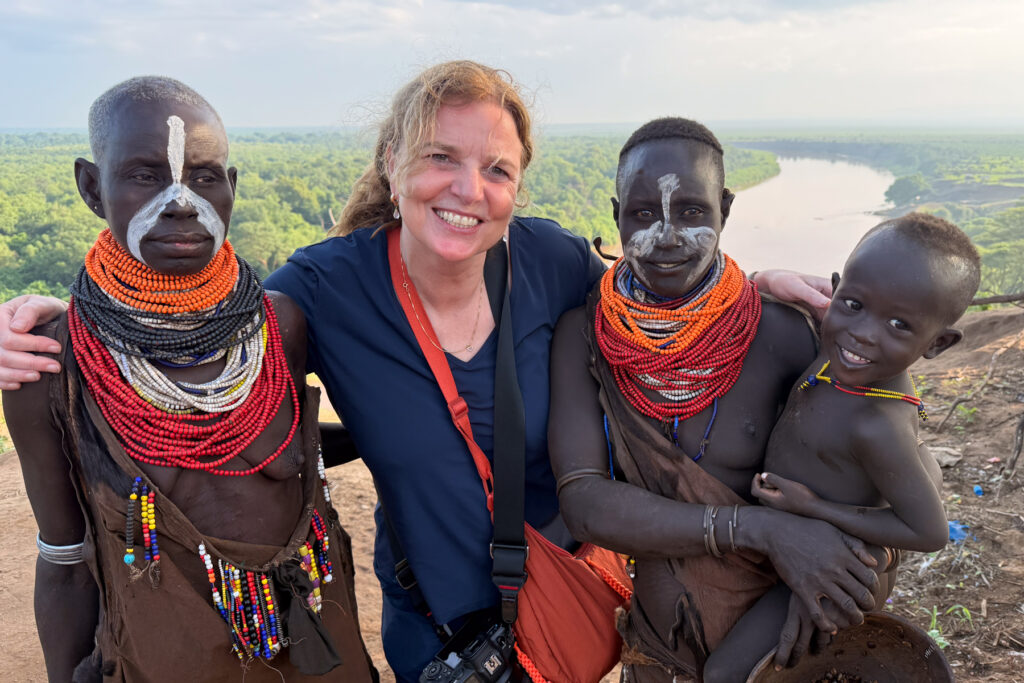
Ingrid with the beautiful Kara people (image by Ingrid Koedood)
As the sun slowly began to set, the light turned soft and golden — perfect conditions for photography. We were able to create a beautiful series of portraits with the Kara people, using the warm evening light that made the colours and body paintings stand out beautifully.
For the night, we stayed at Gora Camp. After a delicious dinner, we ended the day early, surrounded by the quiet atmosphere of the Omo Valley. It had been another rich and rewarding day filled with encounters, photography, and the ever-changing landscapes of southern Ethiopia.
We woke up early in our camp near the Kara people’s village. The morning was calm and fresh. After a cup of coffee and tea, we walked back into the village just as the community was beginning to wake up. We spent the morning doing an extensive photoshoot. Some portraits were made using the natural surroundings of the village, while others were taken with the backdrop we had brought along. The Kara people had beautifully decorated themselves with traditional body paint and ornaments. Using white chalk, natural pigments, and beads, they created striking patterns that looked wonderful in the soft morning light.
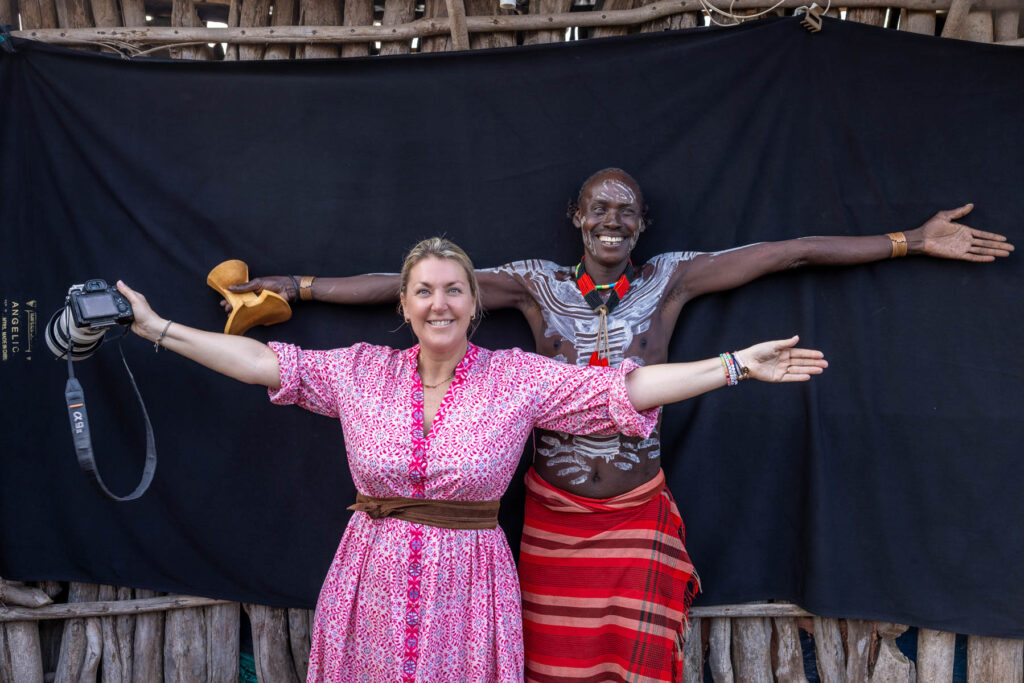
Who’s taller? A moment of laughter and comparison. (image by Ingrid Koedood)
After the shoot, we spent a little time with the villagers, buying a few small souvenirs directly from them before heading back to our camp. A delicious breakfast was waiting for us, the perfect way to start the day before continuing our journey. Once breakfast was finished, it was time to pack up the camp and move on. Our next destination was the land of the Nyangatom people.
From Kara to Nyangatom
The Nyangatom are a semi-nomadic pastoralist group living in the southwestern part of Ethiopia near the borders with South Sudan and Kenya. Cattle play a central role in their culture and daily life, providing food, status, and wealth. Their villages often consist of round huts made from branches, grass, and hides, surrounded by protective fencing to keep livestock safe. One of the most interesting structures in the village is the granary, a raised storage structure used to keep grain safe from animals and moisture. These are built by women, which shows their important role within the community. Like many groups in the Omo Valley, the Nyangatom people have a strong tradition of body adornment, beadwork, and distinctive hairstyles.
By the afternoon, we arrived in the village. The houses were beautifully constructed, and the setting felt very peaceful. For me, it was a special moment — I realised that I had visited this same place before, back in 2021. I even pulled out some old photographs from that earlier visit. At that time, one of the women in the village had been pregnant, and now I was able to meet her young son. Moments like that make travel feel deeply personal and meaningful.
Because of the recent rains, many people were still working out in the fields when we arrived, so the village was quieter than usual. Slowly, people began returning later in the day as the light softened toward evening. Meanwhile, we spent time playing with the children. After a wonderful dinner, we settled in for the night, grateful for another memorable day among the communities of the Omo Valley.
We started the day early, and we had all the time we needed to photograph this tribe.
The women gathered in the village, and we created a beautiful series of portraits. Some were taken with the natural surroundings of the village as a background, while others were made using the backdrop. The women were wonderfully dressed and decorated with beads, jewellery, and traditional adornments, which made the portraits very expressive and unique.
After the photoshoot, it was time for breakfast. Before leaving, we spent some relaxed moments playing games with the children in the village — always a joyful and spontaneous part of these visits. Soon it was time to pack up our campsite and continue our journey toward Omorate, located further south near the Omo River.
Along the Omo River and meeting the Dassanech
Normally, the area around Omorate is very dry and dusty, but because of the heavy rains in recent weeks, the landscape had completely changed. Everything was unusually green, with fresh grass growing everywhere. This also explained why we saw many people along the road carrying large bundles of newly cut grass on their heads — it is collected to feed livestock while it is abundant.
The recent rains have also caused the Omo River to overflow its banks in some places. This can be dangerous for the communities living along the river, especially the Dassanech people. The Dassanech are pastoralists and fishermen who depend heavily on the river and its seasonal cycles. Their villages are often located near the riverbanks, where they build homes from branches, reeds, and other natural materials. They are also known for their creativity in using available materials, sometimes incorporating recycled objects into jewellery and decorations.
When we arrived at our campsite, we were warmly welcomed by local fishermen who offered us freshly fried fish from the Omo River. We were camping under a shelter because there was still a chance of rain.
Later in the afternoon, we visited a Dassanech village. Just like earlier in the trip with the Kara and Nyangatom, I experienced a special moment of recognition. I met people whom I had photographed about five years ago. In that time, life had moved on — one of the women I photographed then was now married. Of course, we had to take a new photograph together with her husband, capturing the next chapter of her life. The evening ended most perfectly, enjoying more freshly fried fish from the river under the open sky.
The next morning, we woke up early again, as today we were going to witness a special ceremony of the Dassanech people: the Dimi ceremony. The drive to the village already showed just how much rain had fallen recently. In many places, there was water on both sides of the road, a striking sight in an area that is usually dry and dusty. When we arrived in the village, the preparations were already underway. The Dimi ceremony is connected to the initiation of girls, but the girls themselves do not undergo the initiation on that day. Instead, men and women dress in ceremonial clothing and move through the village from house to house, dancing and making music. When there is a stick placed at a house, it means that a girl lives there who will undergo her initiation later in the year.
The men were dressed in leopard skins and wore impressive headdresses made of ostrich feathers. They also carried long sticks. The women wore garments made from colobus monkey skin and were beautifully adorned for the occasion. Together they danced their way through the village, visiting each of the marked houses in turn. It was a lively and meaningful procession, full of rhythm, movement, and tradition. After following the ceremony and taking more photographs, we returned to Omorate. There we had a shower in a local bathhouse, using water from the nearby Omo River. Back at camp, our breakfast was waiting for us.
After breakfast, we packed our belongings and started the journey back toward Turmi. Along the way, we stopped several times because we saw people carrying impressively large fish they had caught — another reminder of how much life the river brings to this region.
Hamar people, bull jumping ceremony and visiting a bride
Once in Turmi, we checked into our lodge and then continued to the lively Dimeka Market, the well-known market of the Hamar people. Here we bought a few souvenirs, visited a local bar to take some photographs, and then had lunch at a restaurant using the meal we had brought with us.
Later in the afternoon, we attended a second ceremony: the famous bull jumping ceremony of the Hamar. This is an important rite of passage for young men. During the ceremony, a boy must run across the backs of a line of cattle without falling. If he succeeds, he is considered ready to enter adulthood and can marry. Traditionally, female relatives ask to be whipped by men called maza. These sweepers are men who have already completed the bull jumping ritual themselves. They have made the transition into adulthood and now hold a respected position within the community. By whipping the women, they demonstrate strength and commitment, while the women show loyalty and support to the boy who is about to undergo the ritual. The scars that remain are seen as a sign of devotion, courage, and belonging. However, during the ceremony we attended, this part did not happen. The young boy chose not to include it, a clear sign of changing traditions. There were many rituals leading up to the actual jump, and by the time the young man finally crossed the backs of the cattle, it was already nearly dark.
After such a full and memorable day, we returned to our lodge in Turmi. After three nights of camping, sleeping in a real bed again felt wonderfully comfortable.
The next morning, we had the opportunity to visit a young bride from the Hamar people. In the Hamar tradition, marriage includes an important preparation period. After the initial arrangements are made, the bride spends about six months living with her future mother-in-law. During this time, she is cared for and prepared for married life. She receives good food, and her skin is regularly treated with a mixture of butter and red ochre, which gives the skin its characteristic reddish glow and protects it from the sun and dry climate. After these months of preparation, the bride returns to her own family, where the formal wedding ceremony will take place.
The village was peaceful, with children playing around the houses and small goats wandering through the compound. Life moved slowly, and it was a wonderful moment to observe everyday village life. The rest of the day was relaxed, giving us some time to rest and organise our photographs from the previous days.
Toward the end of the afternoon, we visited one of the larger villages of the Hamar people. As soon as we arrived, it became clear that word had spread — many people were eager to participate in photographs. People gathered around us, curious and enthusiastic, happily posing for portraits.
From Turmi to the Arbore area
We spent this Sunday at a slower pace. In the morning, we made a short visit to a Hamar people village near our lodge. There was a wedding being prepared, and the atmosphere in the village felt anticipatory and calm at the same time. The bride was inside one of the huts, while outside preparations were quietly taking shape. Around midday, we left Turmi and began our journey toward the area of the Arbore people. Before leaving, we made one last stop at the local market to pick up some final souvenirs — a colourful and fitting farewell to Turmi.
The Arbore people live in a more remote and arid region of the Omo Valley. They are semi-nomadic pastoralists, and their lives revolve around cattle, goats, and access to water. Their villages are often organised in circular compounds, with huts built from branches and grass. The Arbore tribe is also known for their distinctive appearance, including shaved heads, beadwork, and elegant, minimal adornment. Their lifestyle is closely tied to the rhythms of nature and the challenging environment they inhabit.
The coming days would take us deeper into this region, with several nights of camping ahead — including our stay near Arbore. We arrived in the afternoon, set up our camp, and enjoyed lunch together. The heat of the day was strong, so we took some time to rest and relax during the hottest hours.
Toward the end of the afternoon, when the temperature became more pleasant and the light softened, we visited an Arbore village. It was a beautiful and peaceful setting, and we were able to take many photographs. The people welcomed us with curiosity and openness, and the soft evening light created perfect conditions for portraits. As darkness fell, we returned to our camp, ending the day under the quiet sky of the Omo Valley.
After another night of camping, we woke up early to return once more to the village of the Arbore people. The morning light was soft and beautiful, perfect for photography. We spent some time making more portraits, capturing the calm atmosphere of the village as people slowly started their day.
To the land of the Borana people
After saying goodbye to the beautiful Arbore people, we continued our journey south toward the land of the Borana people. The drive itself was incredibly varied. We passed through the terraced farming landscapes of Konso, where the hills are carefully shaped into agricultural terraces — a remarkable example of how people have adapted to the land over generations. As we continued toward Yabelo, the scenery gradually changed. The colours of the landscape shifted between deep green and warm ochre tones, and along the way, we started to see camels, a clear sign that we were entering a drier region.
Around midday, our cook prepared a fresh lunch for us along the road. By the afternoon, we arrived in a Borana village. This area felt much less visited and far from tourism, which made the experience even more authentic. The first encounters were cautious and curious. Children gently touched our skin and hair, fascinated by the differences. At first, they were shy, but slowly the atmosphere became more relaxed.
The Borana people are one of the largest pastoral groups in southern Ethiopia. Their lives revolve around cattle, water, and seasonal movement. They are known for their traditional system of managing water, including deep wells that are still used today. That night, we stayed in the village itself, surrounded by daily life – animals, people and the rhythm of the community.
The day started early — very early. We had spent the night right in the village of the Borana people, surrounded by goats, cows, and donkeys. And as it turns out, they don’t believe in sleeping in. The sounds of animals moving, bleating, and waking up filled the air long before sunrise. In the early morning, there was some rain, but by the time we got up, the sky had cleared again. The fresh air and soft light made for a beautiful start to the day.
One of the first activities we witnessed was camel milking, an important part of daily life for the Borana. Camels are highly valued in this region, especially in the more arid environment, and their milk is an essential source of nutrition.
After breakfast, we were invited to attend a traditional coffee ceremony, a central and meaningful ritual in Ethiopian culture. The ceremony is not just about drinking coffee — it is about hospitality, connection, and taking time together. The beans are roasted, ground, and brewed in front of you, filling the space with a rich aroma. We also had the chance to look inside the houses in the village. The interiors were beautifully maintained, with painted walls and clearly defined spaces for living and sleeping. The kitchen is located in a separate hut, which helps keep the living area clean and organised.
After this peaceful and insightful morning, it was time to say goodbye to the village and continue our journey toward Yabelo. Originally, the plan was to camp another night. However, because of the weather, we decided to change plans. After two days of camping and with the rain still present, we chose to stay in a hotel in Yabelo instead. It was a practical decision, and after arriving at the hotel, it started to rain. Later that afternoon, we visited a national park outside Yabelo. The landscape was wide and open, but apart from ostriches, we did not see much wildlife.
We also visited another Borana village, which gave us a bit more insight into daily life in this region. The weather remained changeable, with rain coming and going throughout the day. Despite this, we had a great time together, and it gave us a good moment to rest, reflect, and recharge after the many intense and memorable experiences of the past days.
Konso: Terraces, Traditions, and Colour
This morning, we said goodbye to our cook and one of the two drivers — a moment that marked the end of an important part of the journey. After many shared days on the road, it felt like saying farewell to part of the team. We then drove toward Konso, a region known for its unique cultural landscape. Upon arrival, we checked into a beautiful hotel surrounded by flowers. There were hibiscus, bougainvillaea, and frangipani everywhere, creating a colourful and relaxed atmosphere after the days of travel.
The Konso are known for their unique way of shaping the land. The hills are covered with stone terraces, built over generations to prevent erosion and retain water. This system allows agriculture to be possible in an otherwise difficult and dry environment and is the reason why the area is recognised as a UNESCO World Heritage site. The villages themselves are structured and well-organised, with narrow paths and wooden fences.
After lunch, we visited the local market. We walked around, explored the different stalls, and bought traditional fabrics. The market was lively and full of colour. Afterwards, we took a tuk-tuk back, a fun and slightly bumpy ride through town. In the afternoon, we visited a traditional Konso village.
As we walked through the village, many children followed us – curious, enthusiastic, and full of energy. There were also beautiful views and small openings between the houses, creating natural frames and “windows” in the landscape – perfect for photography.
Arba Minch and the Dorze
Today we left Konso and drove toward Arba Minch. The landscape gradually changed along the way, becoming greener and more tropical as we approached the lakes region.
We stayed at a beautiful hotel owned by the former marathon runner and successful businessman Haile Gebrselassie. The hotel is surrounded by lush gardens and offers a peaceful atmosphere — a perfect place to relax after the drive. For lunch, we enjoyed fresh fish, a local speciality thanks to the nearby lakes.
In the afternoon, we continued to visit a village of the Dorze people, located in the highlands above Arba Minch. We started with a photosession in a local bar, where people gather to drink honey wine (tej). It was a lively place, full of character, and a great setting for photography.
Afterwards, we visited the village itself. The Dorze are known for their unique traditions and craftsmanship. They showed us how they make bread from the false banana plant (ensete) — a labour-intensive process that involves fermenting the plant before baking it. We also saw their impressive weaving skills, as the Dorze are famous for producing high-quality textiles.
Our final day in Arba Minch
The morning in Arba Minch started with heavy rain. It rained so much that the plans we had for the day became impossible. Taking a boat trip on Lake Chamo or visiting the crocodile farm instead was simply not an option. The roads had become difficult and in some places even impossible.
Instead of trying to push through, we adjusted our plans. We decided to go for lunch at Paradise Lodge – a place with a beautiful setting overlooking the lakes. We visited the shop of Shimena. Shimena is a local brand focused on traditional Ethiopian weaving, combining craftsmanship with contemporary design. We had the opportunity to meet the founder, who welcomed us warmly to his atelier in town. Here we could see the process behind the textiles. We tried on different pieces, and Daisy shared some ideas and suggestions for new designs – a nice and personal interaction that went beyond just visiting a shop.
After lunch, it was time to head to the airport for our flights back to Addis Ababa. And there, our journey came to an end.
We had an absolutely fantastic trip. Everything was very well organised, which made it possible to fully focus on the experience. Within our small group, there was a lot of laughter – a great atmosphere from start to finish that made the journey even more special. The contact with the different tribes was truly remarkable. We were welcomed everywhere with openness and curiosity, and those moments of connection made a lasting impression. Especially meeting communities like the Borana people, who do not often receive tourists, felt very unique. From the green landscapes around Jinka to the more remote and dry areas further south, from ceremonies to everyday life, every day brought something new and inspiring. It was a journey full of experiences, connection and creativity.
One to look back on with a big smile!
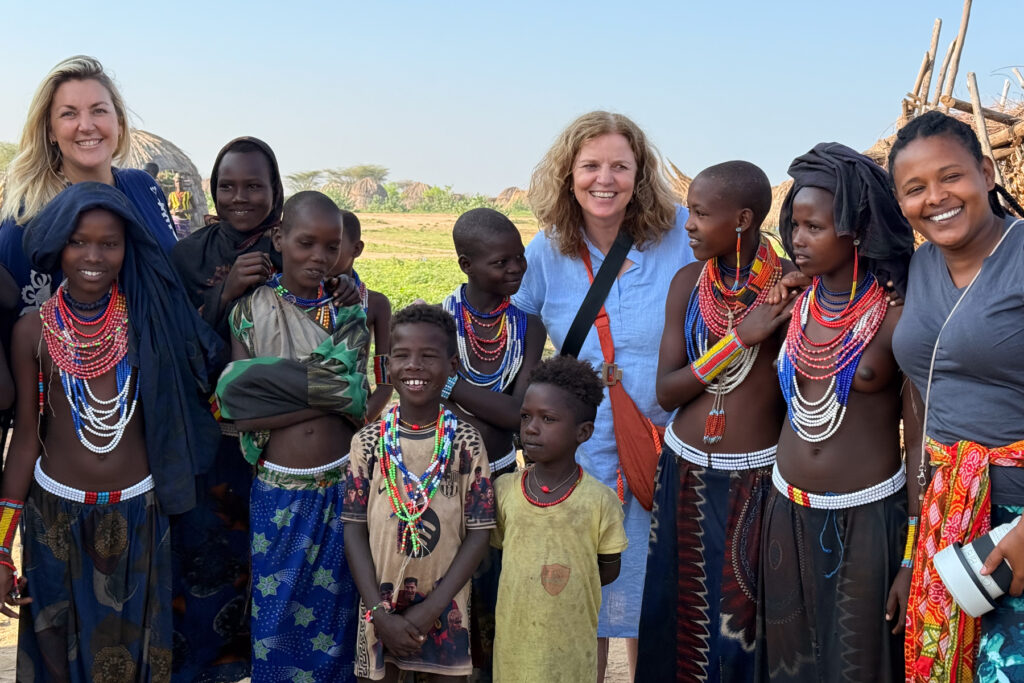
Our 2026 Wild Images team in the Arbore area of the Omo Valley (image by Ingrid Koedood)
Ingrid Koedood
Ingrid Koedood was born and raised in the Netherlands and has been involved with photography from a young age. As a young girl, she was captivated by her father’s photography hobby, spending countless hours in the darkroom developing photos. This early exposure ignited her passion. While she later pursued an MBA, working on significant projects […]