
Asia (including its islands)
MONGOLIA: A PALLAS’S CAT KITTEN QUEST
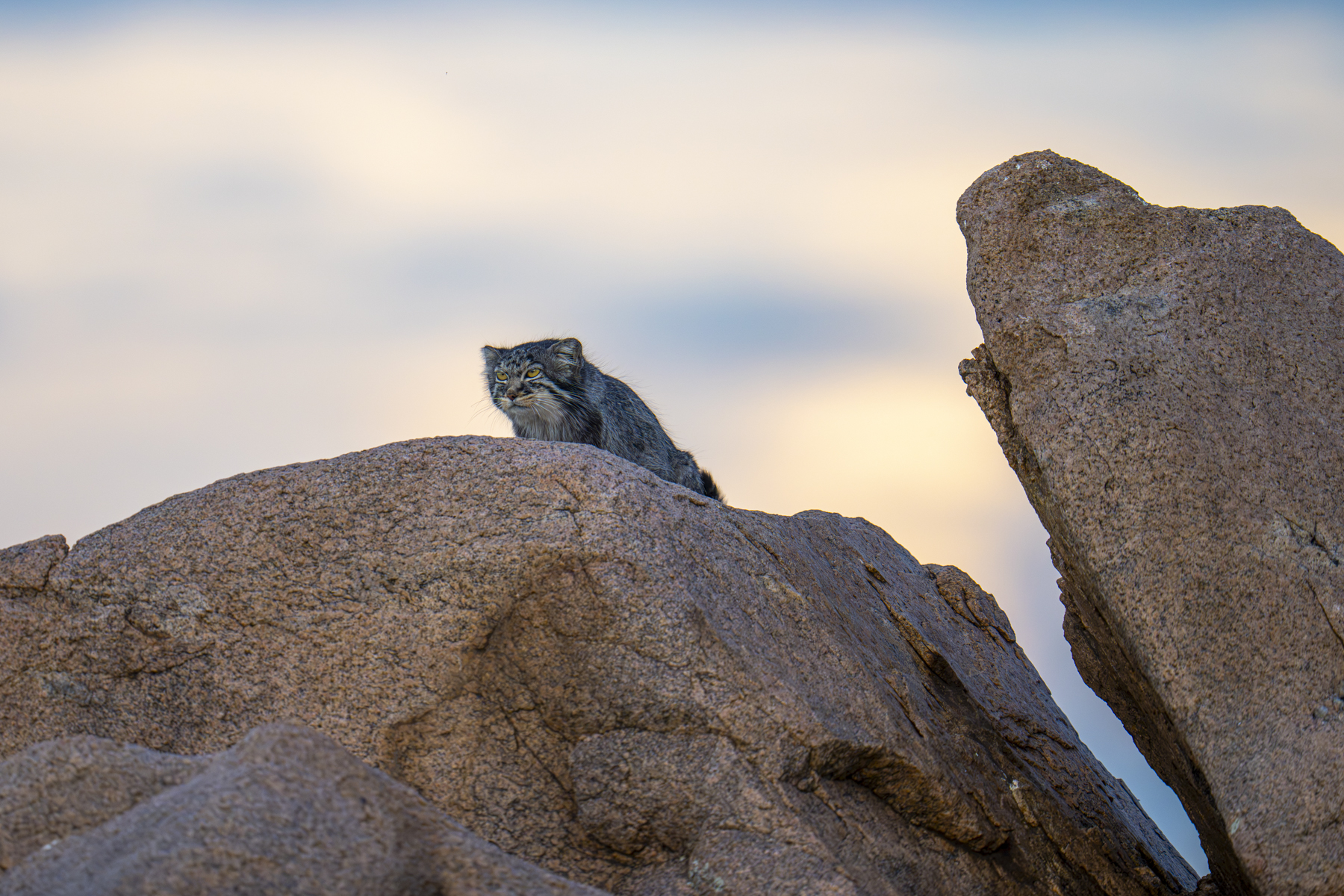
Pallas's Cat (image by Mark Beaman)
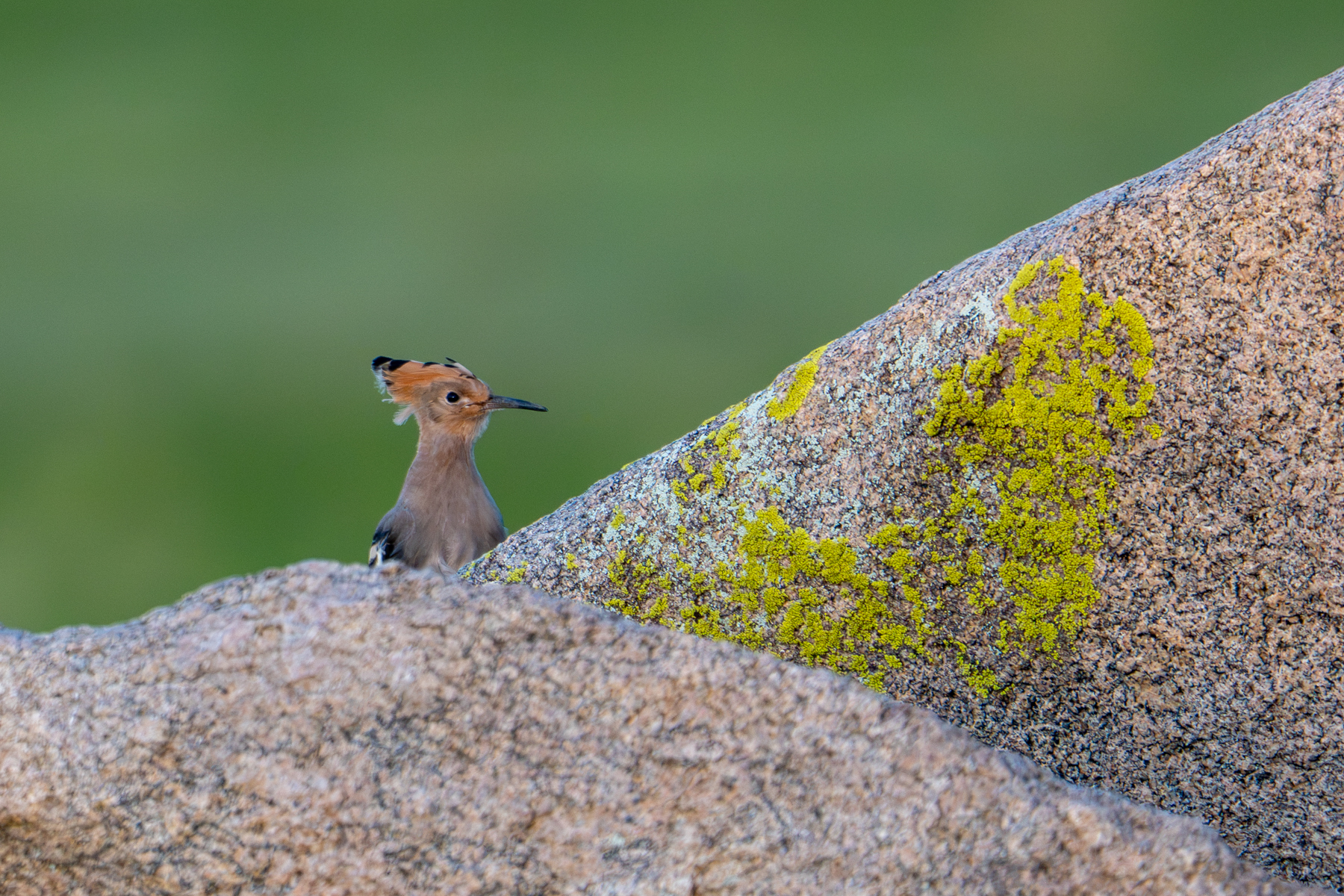
Eurasian Hoopoe on the rocks of the steppe (image by Inger Vandyke)

Isabelline Shrike (image by Mark Beaman)
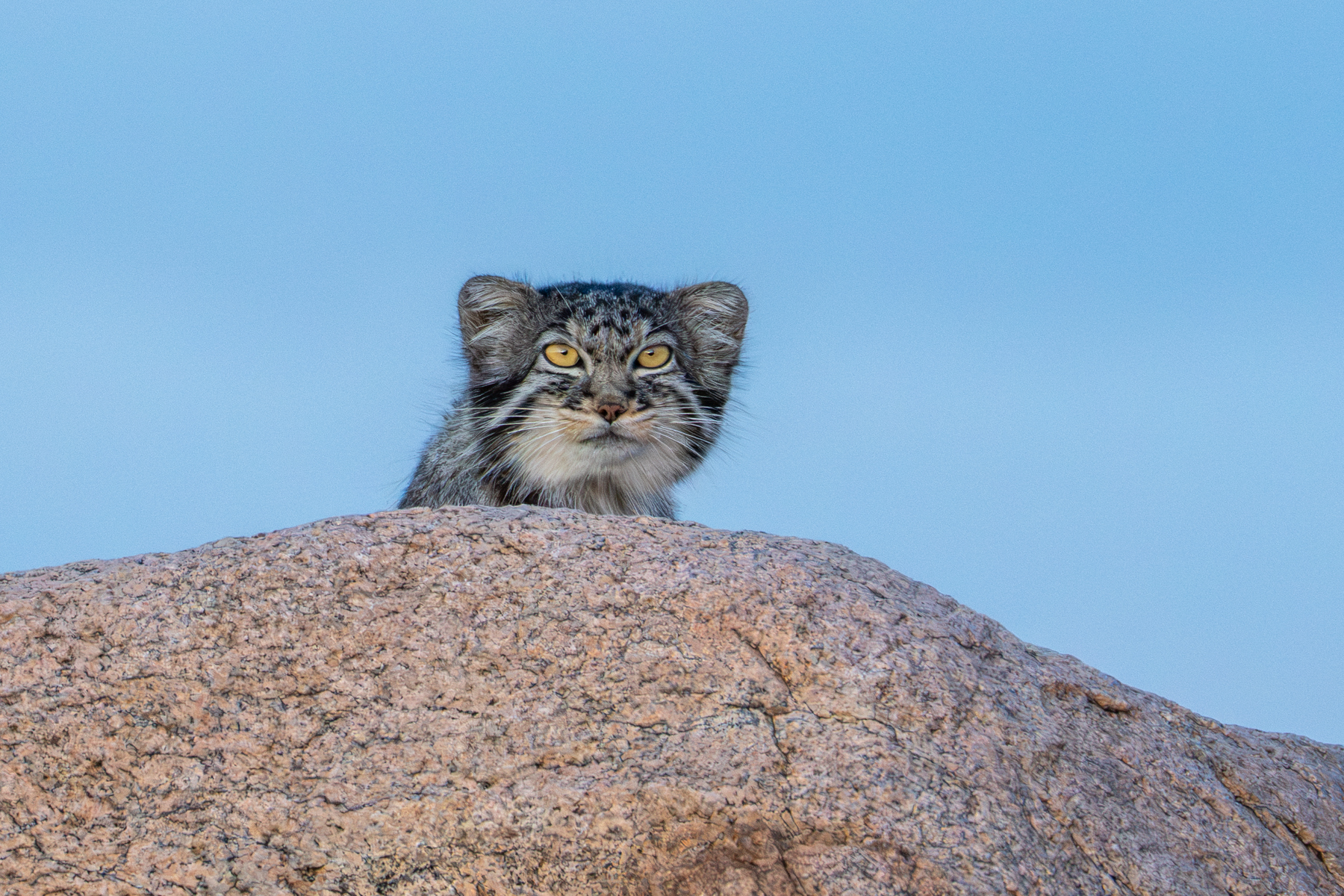
Pallas's Cat in blue hour (image by Inger Vandyke)
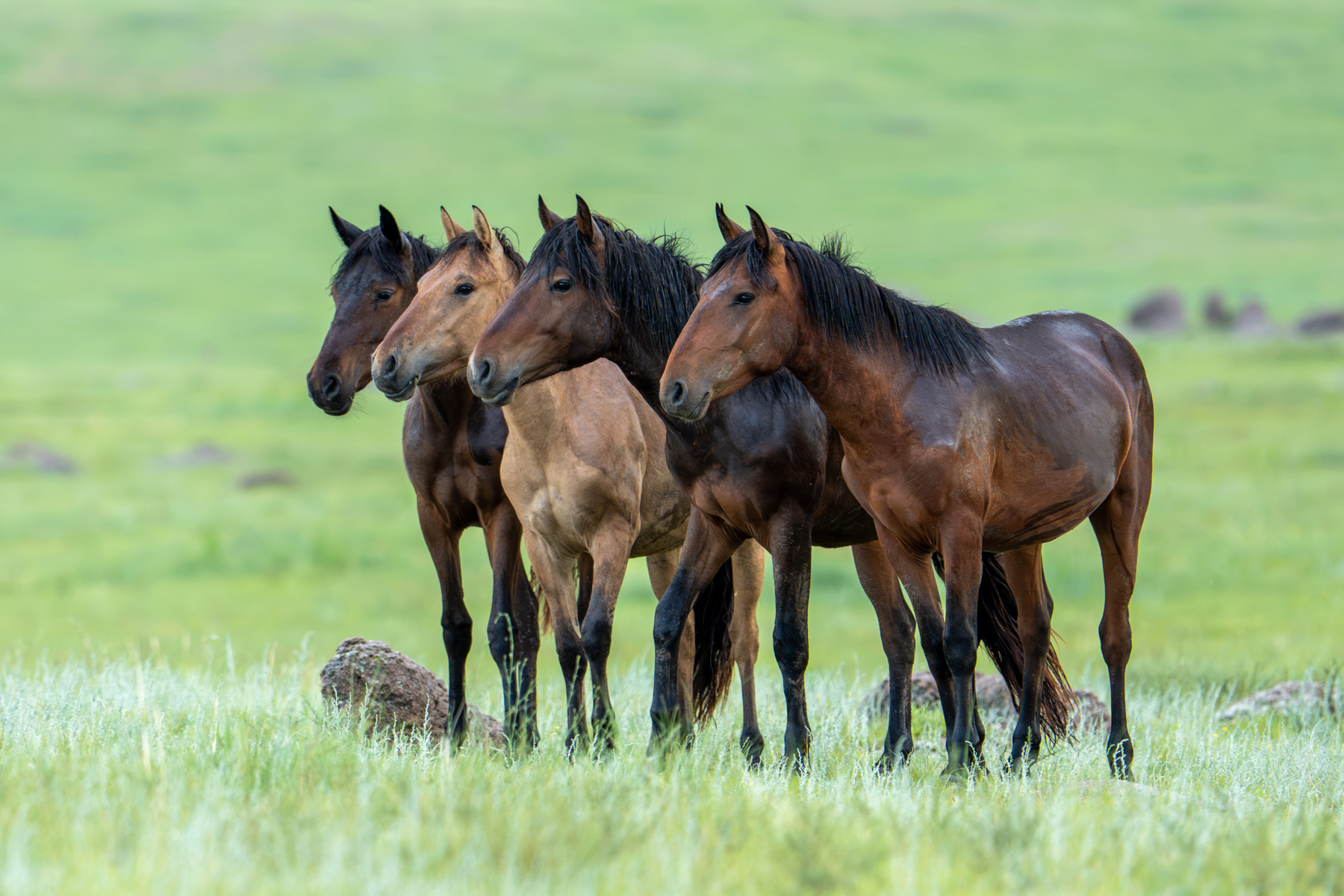
Mongolian horses are watchful of nearby, small, furry creatures (image by Inger Vandyke)
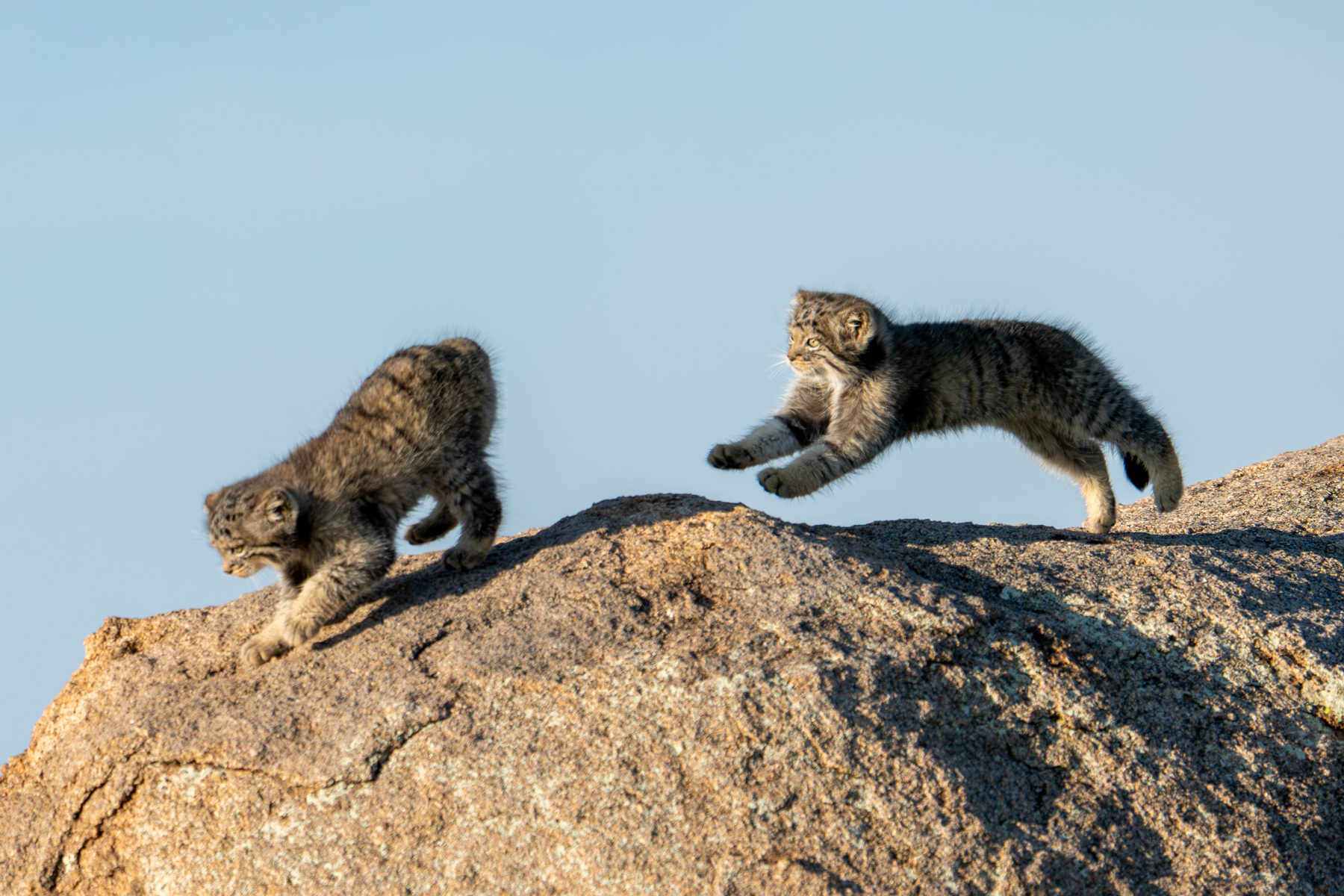
Catch me if you can (image by Inger Vandyke)
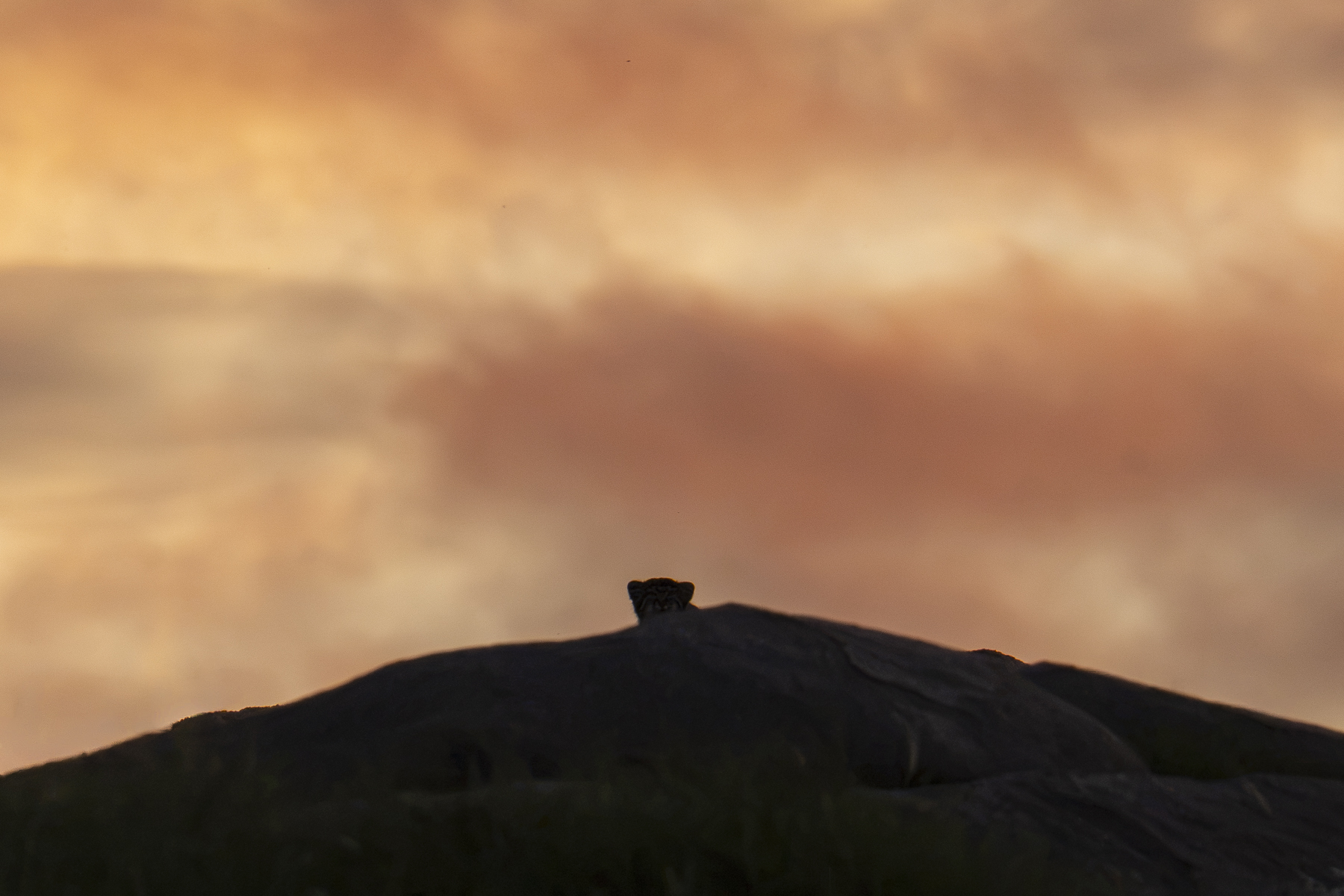
Pallas's Cat at sunset (image by Mark Beaman)

White-naped Cranes (image by Mark Beaman)
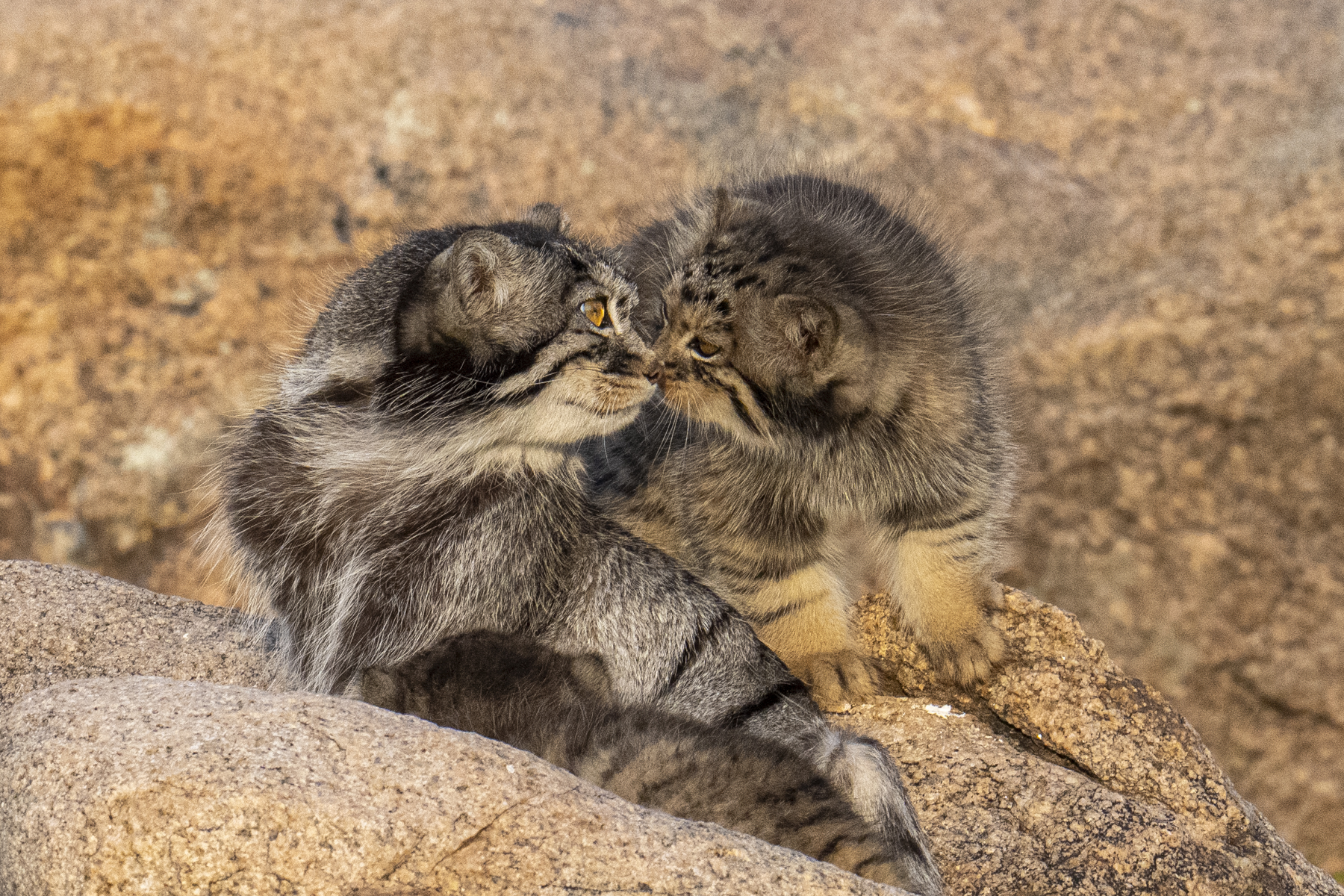
Greetings are important in the cat world (image by Mark Beaman)
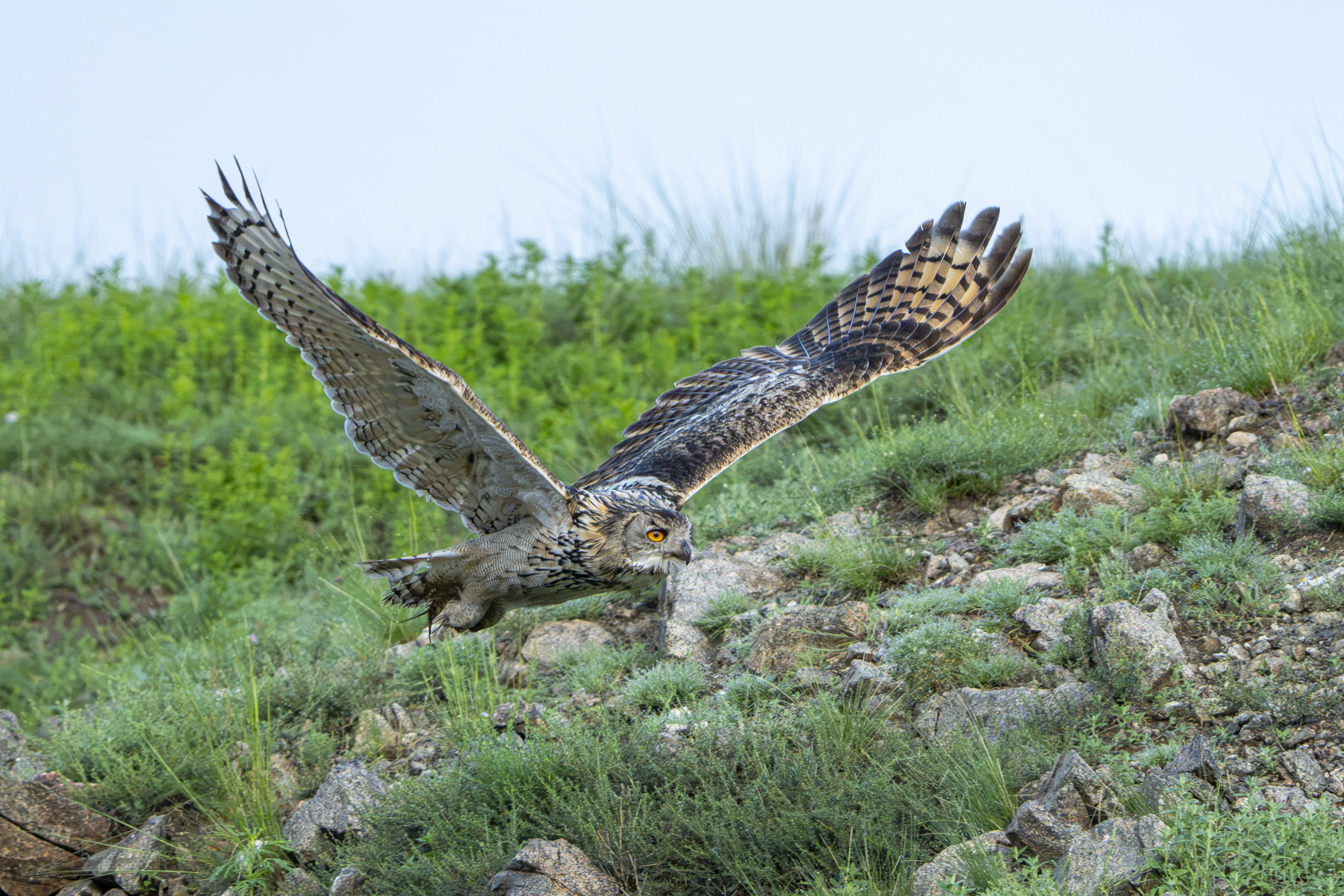
Eurasian Eagle-Owl (image by Mark Beaman)

Przewalski's Horse: foals and adult
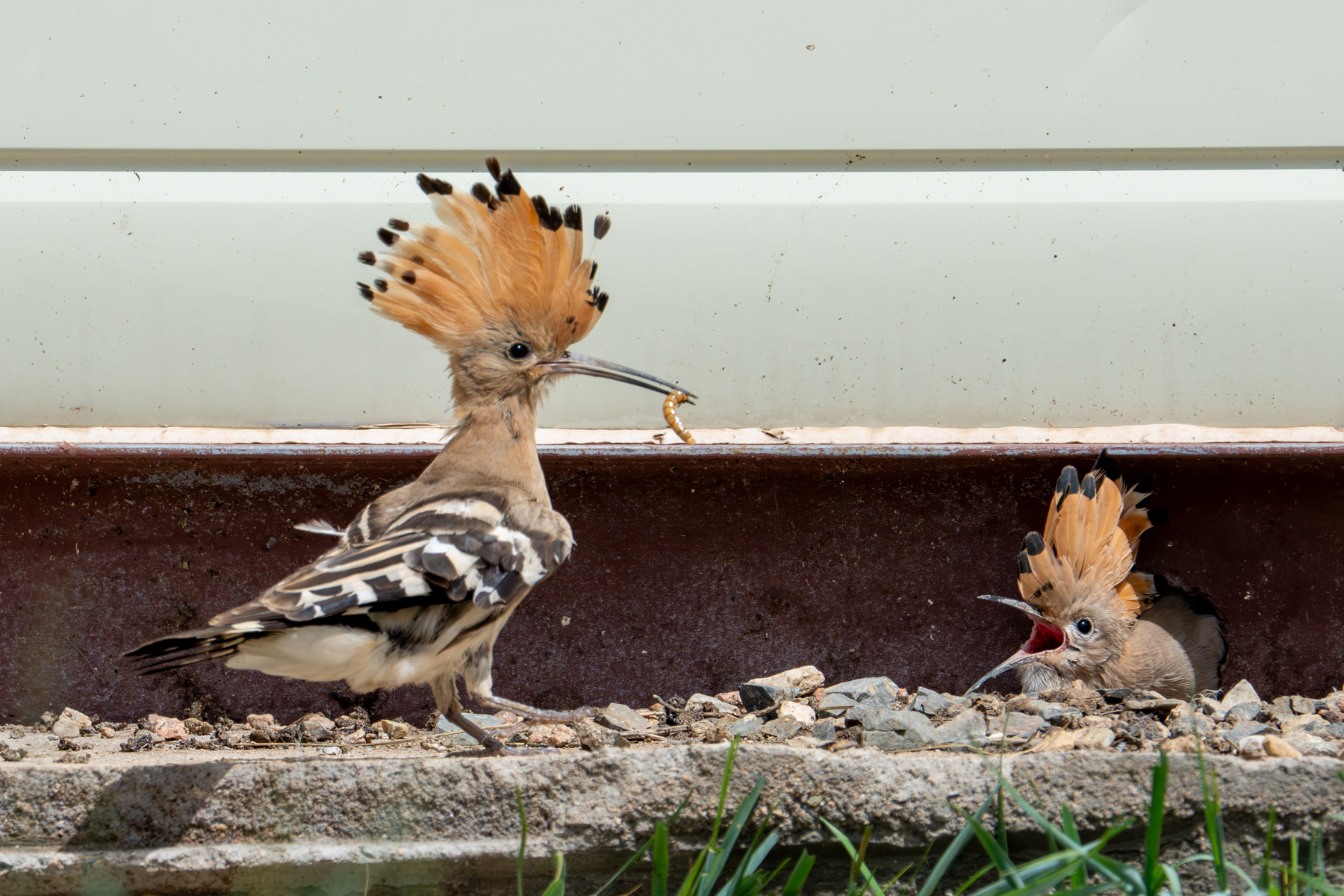
Eurasian Hoopoe bringing food to its hungry chick (image by Inger Vandyke)
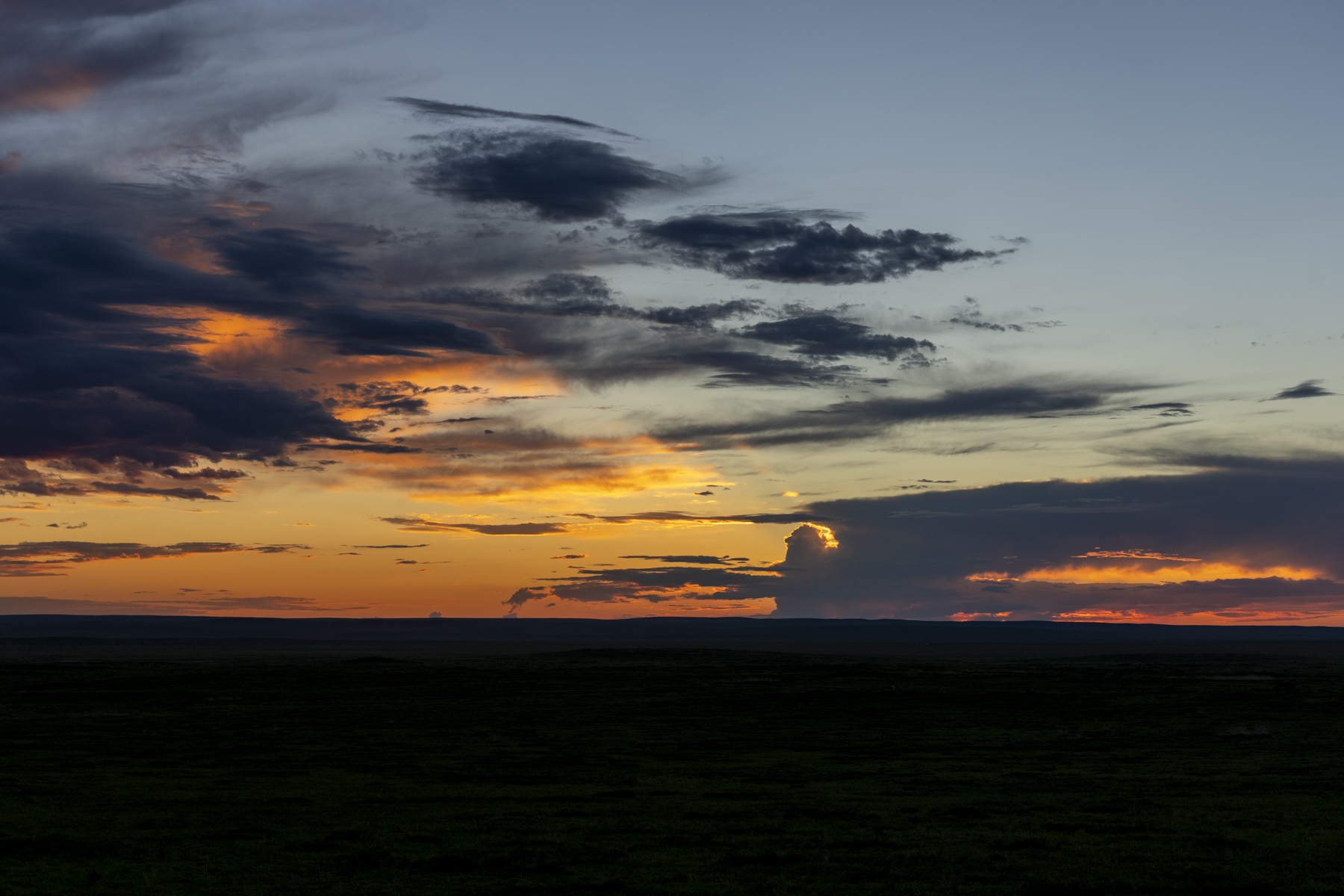
Steppe sunset in Eastern Mongolia (image by Mark Beaman)
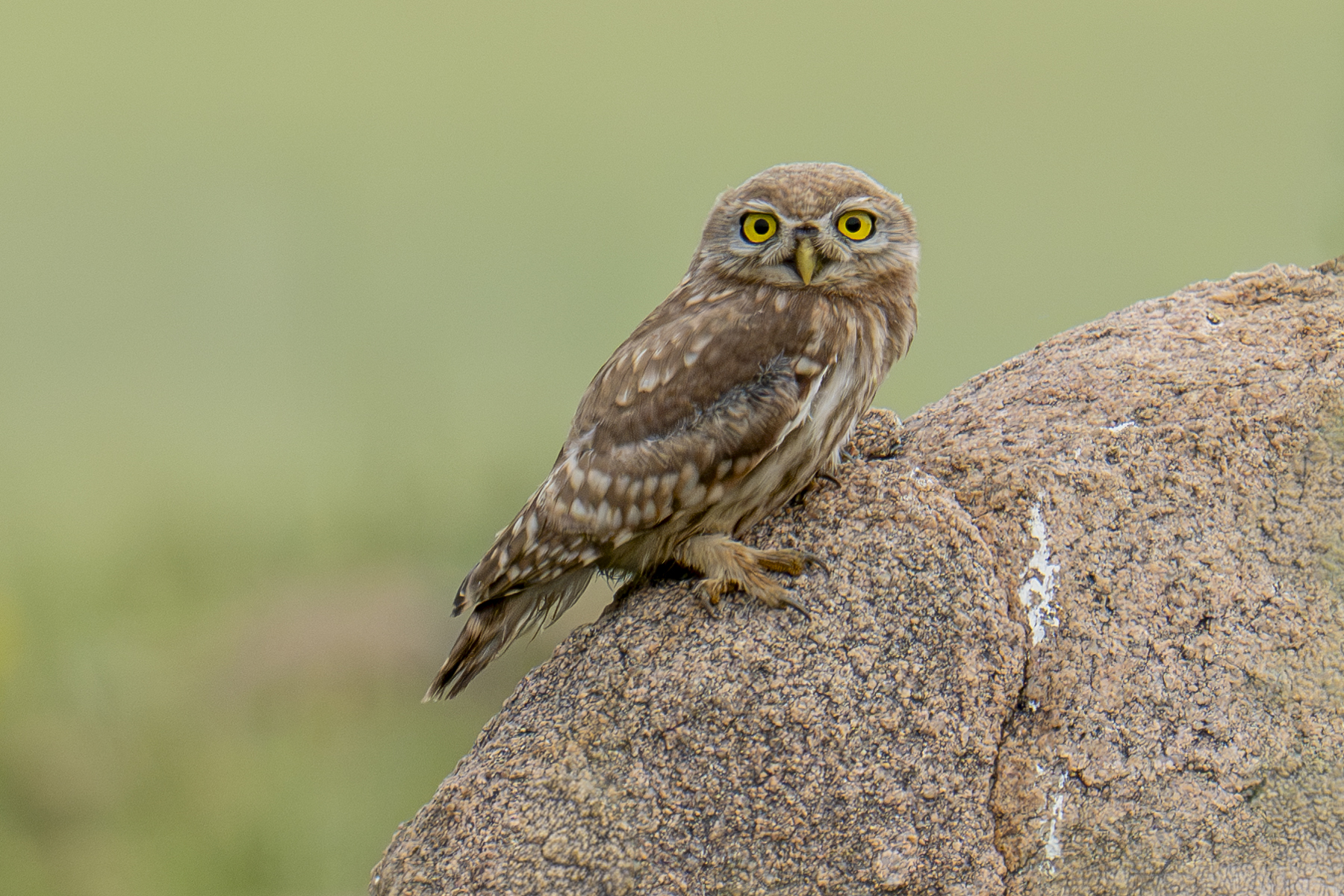
Little Owl (image by Mark Beaman)
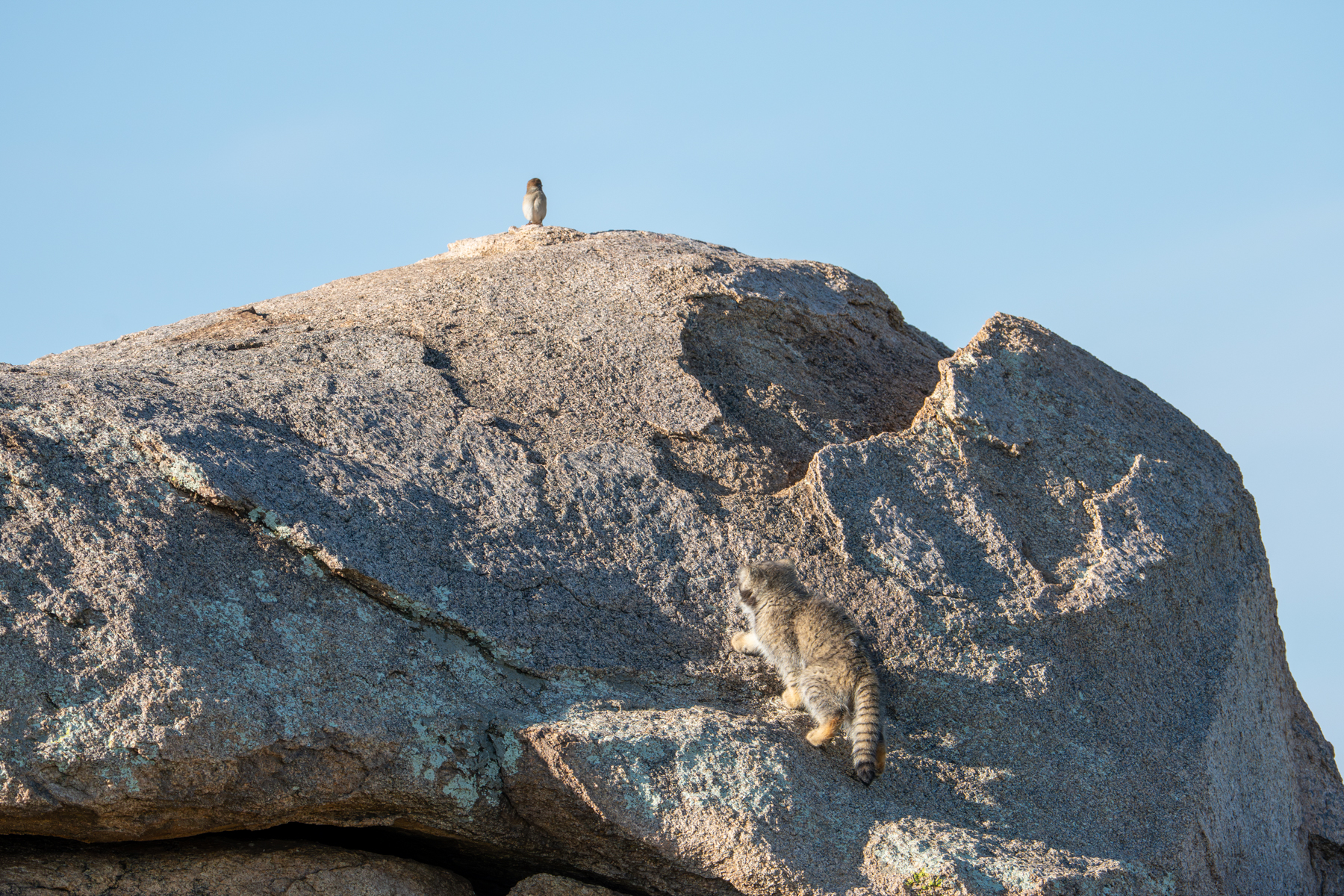
Sneaking up on a bird (image by Inger Vandyke)
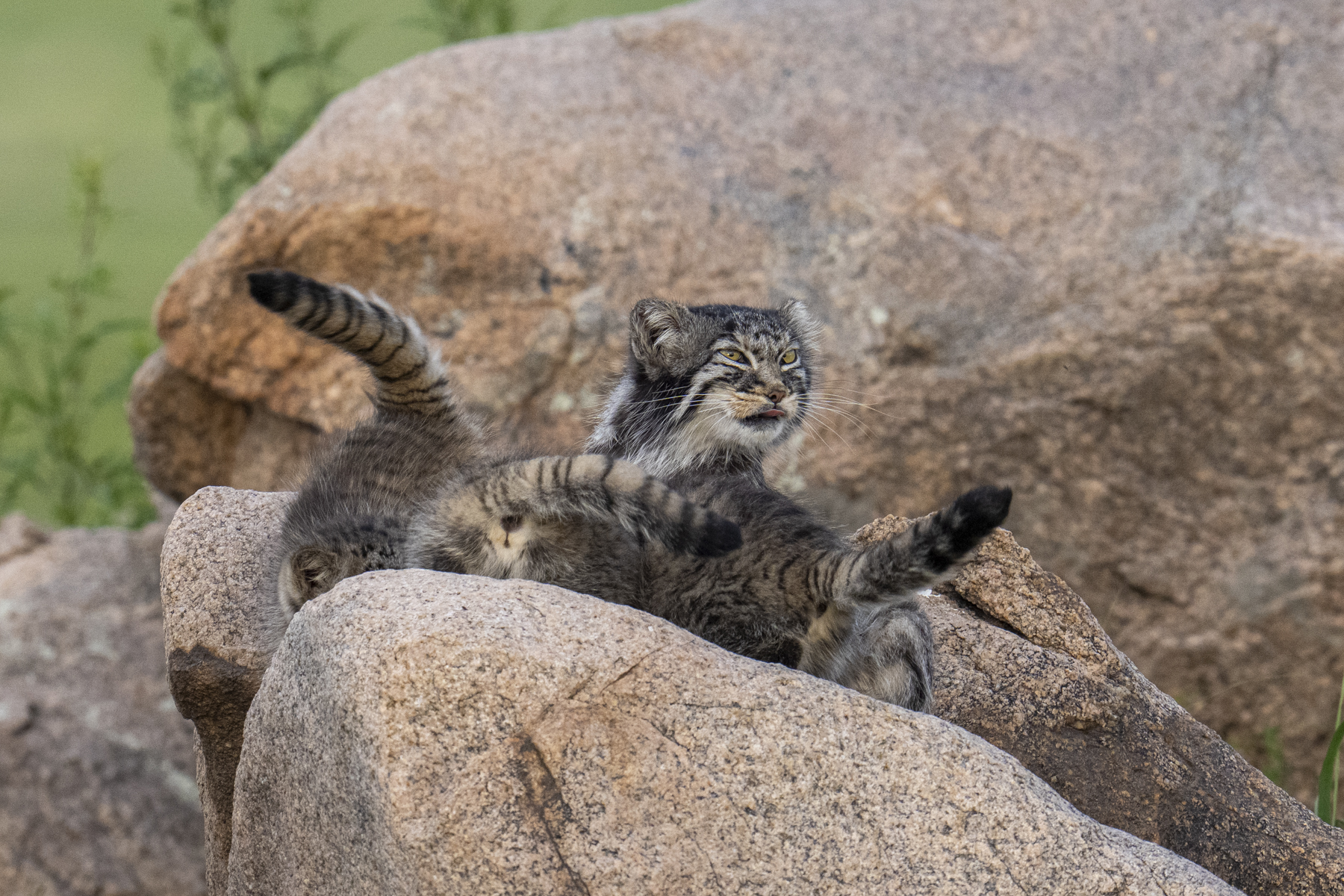
A mother Pallas's Cat suckles her kittens (image by Mark Beaman)
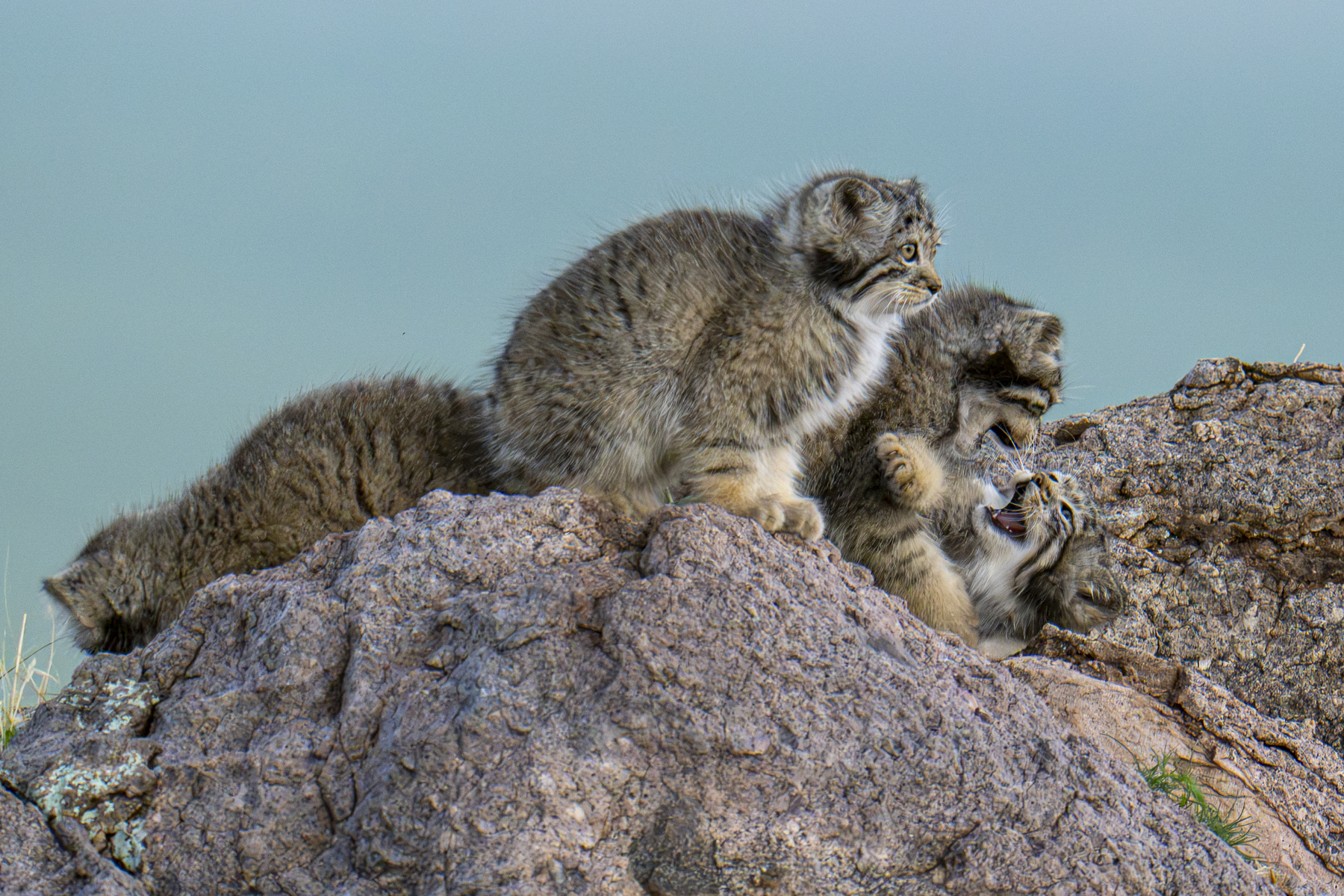
Pallas's Cat kittens (image by Mark Beaman)

Pallas's Cat (image by Mark Beaman)
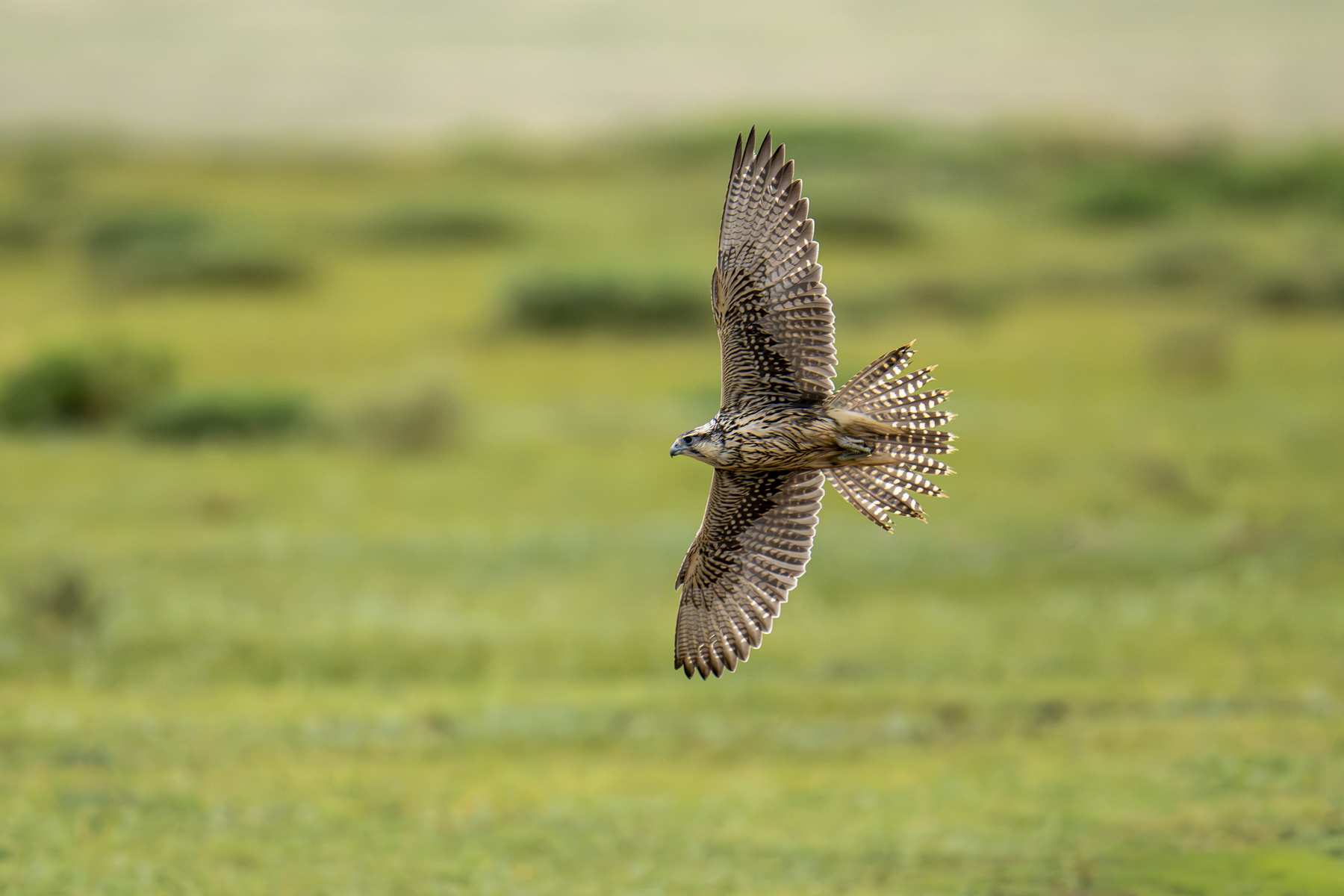
Saker Falcon (image by Mark Beaman)

Tarbagan Marmots (image by János Olah)
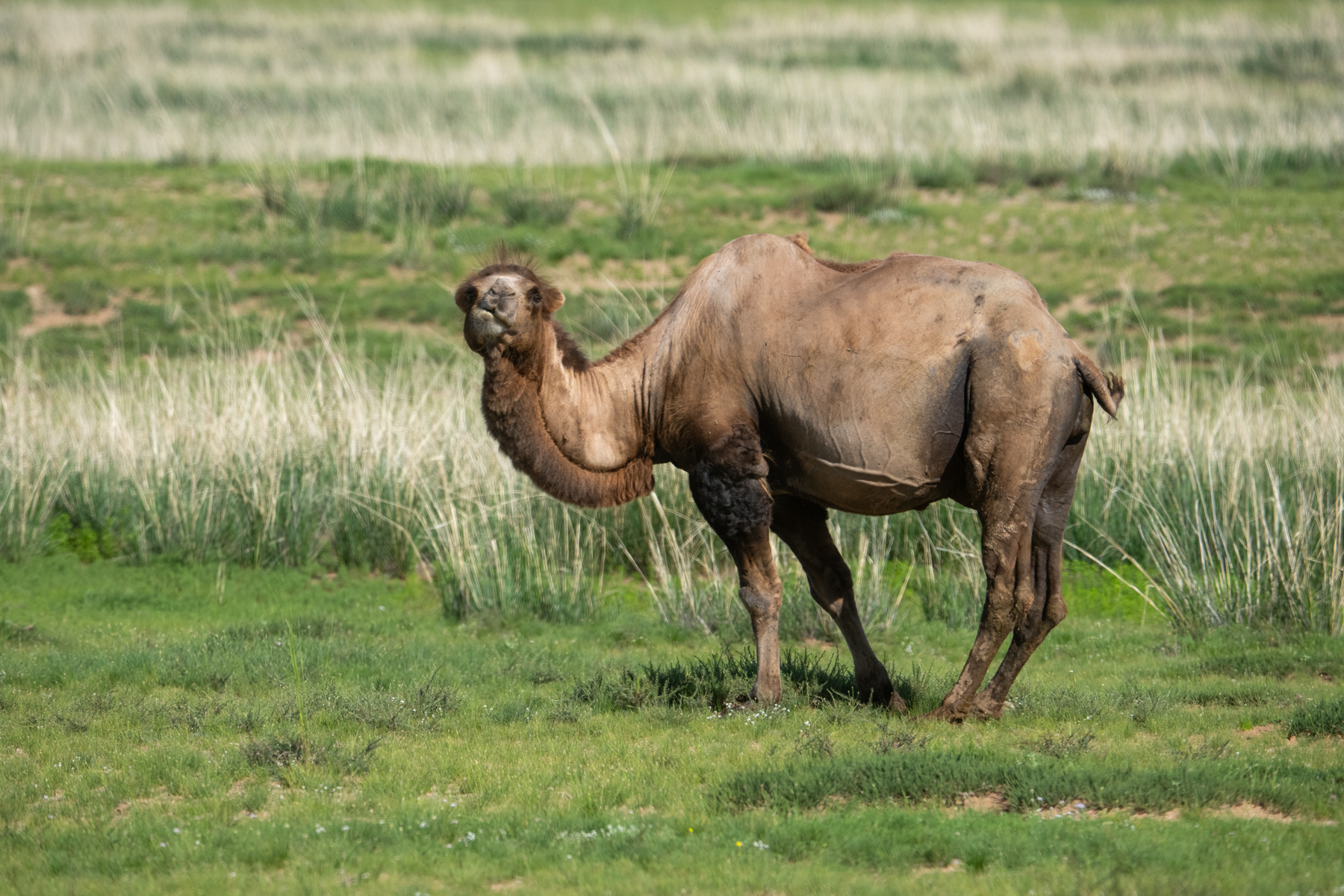
Bactrian Camel (image by Inger Vandyke)
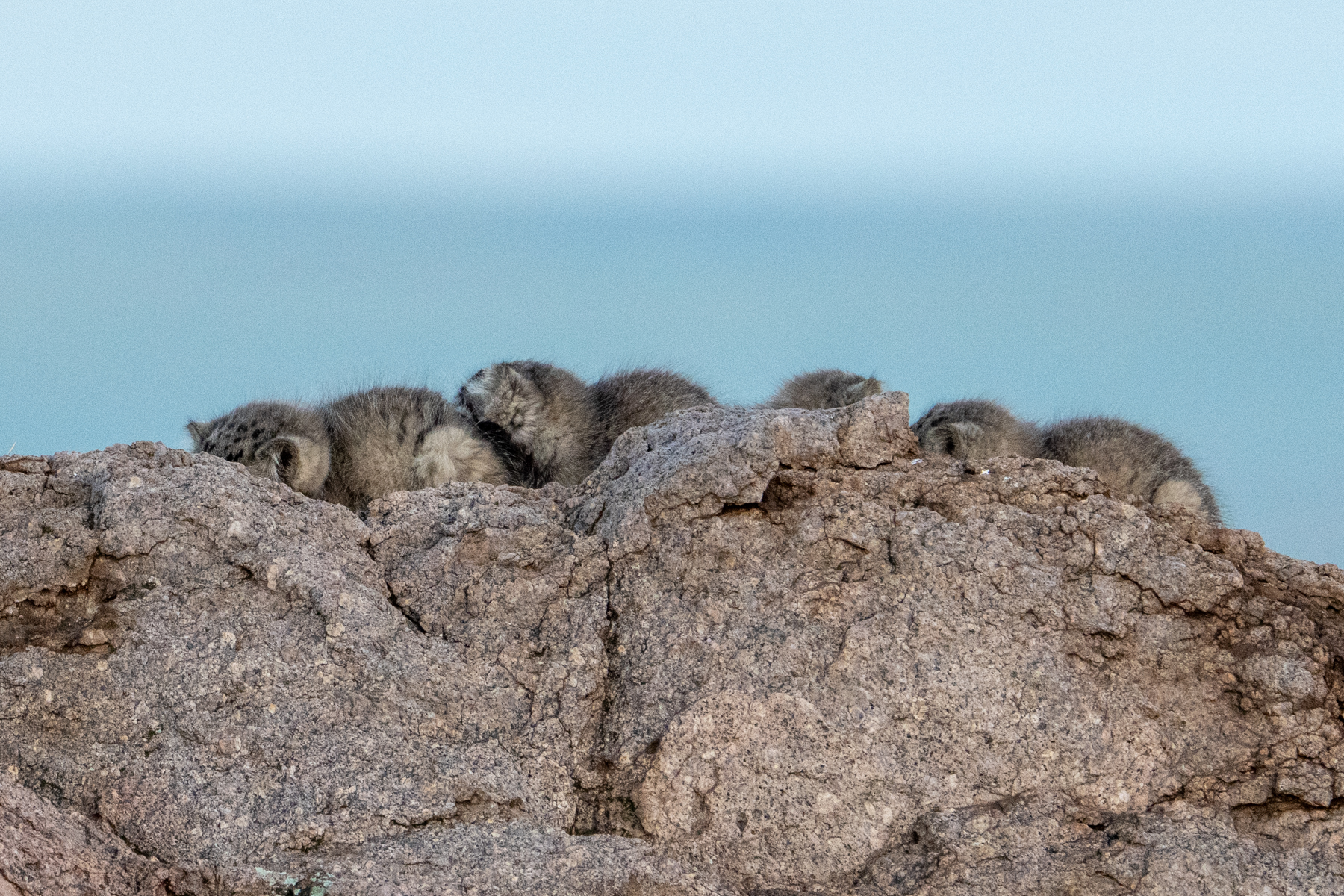
From a distance you would barely notice a group of sleeping kittens on a rock (image by Inger Vandyke)
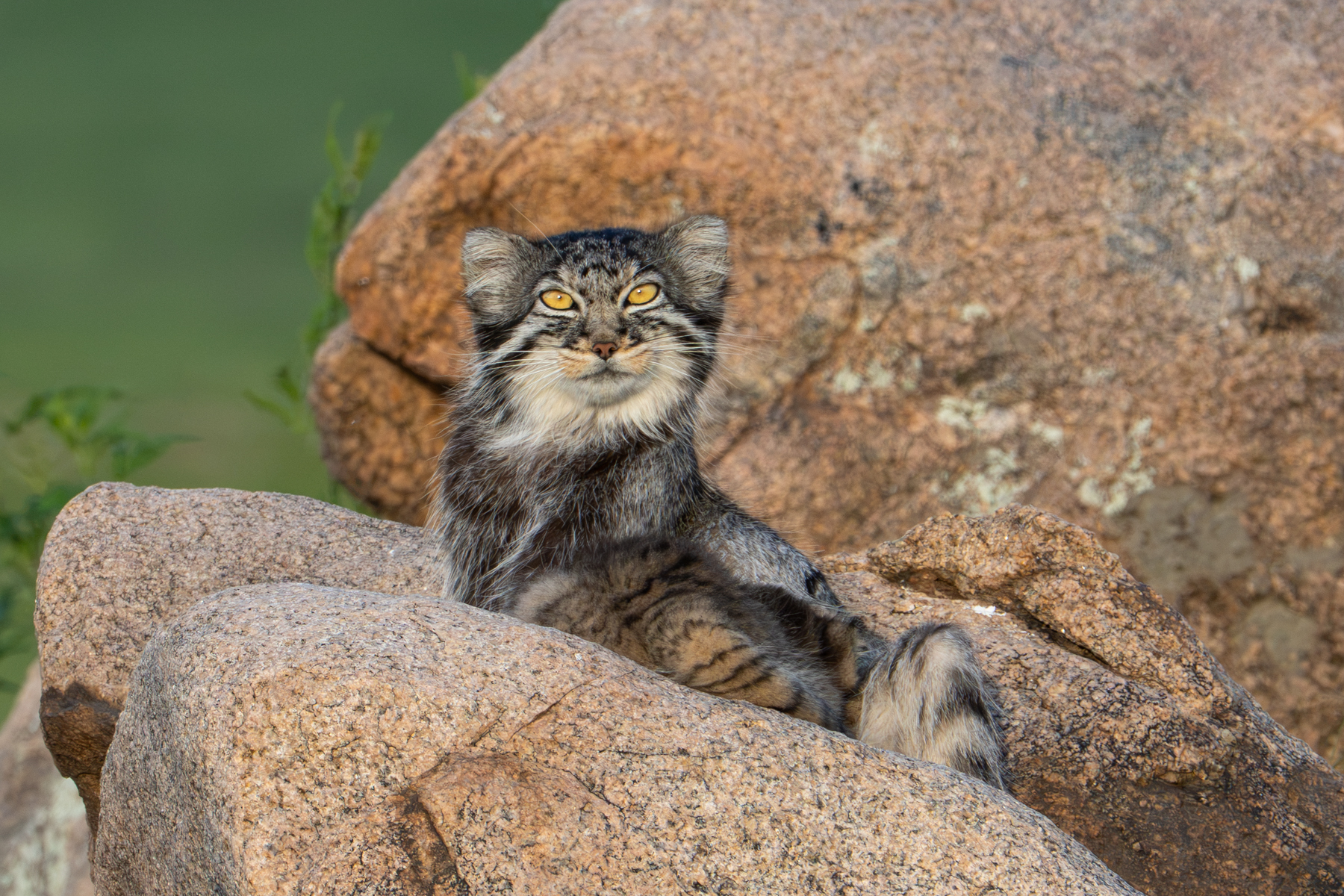
Pallas's Cat at sunset (image by Inger Vandyke)
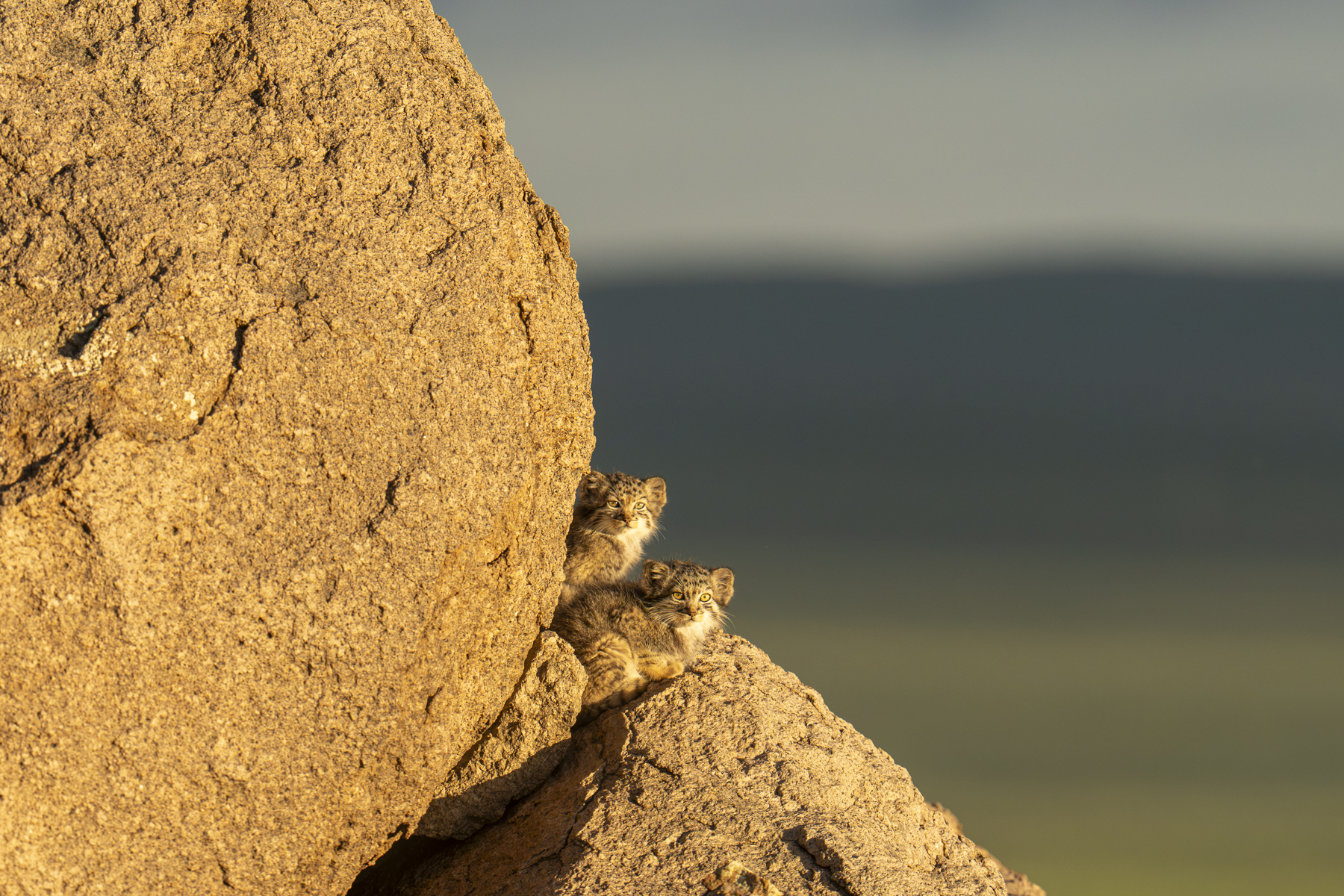
Pallas's Cat kittens (image by Mark Beaman)

Przewalski's horse and foal in Khustai, Mongolia
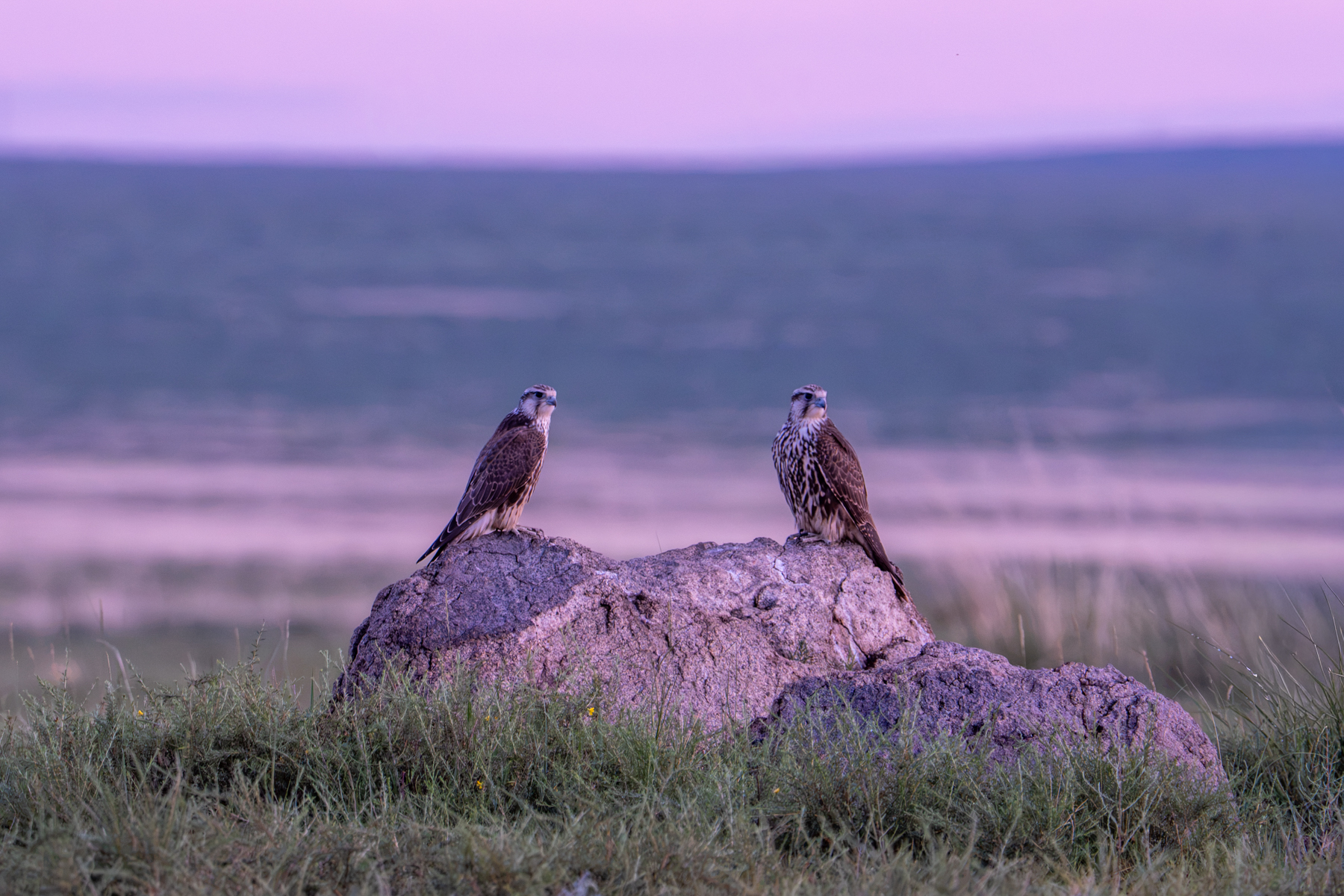
Saker Falcons at dusk (image by Inger Vandyke)
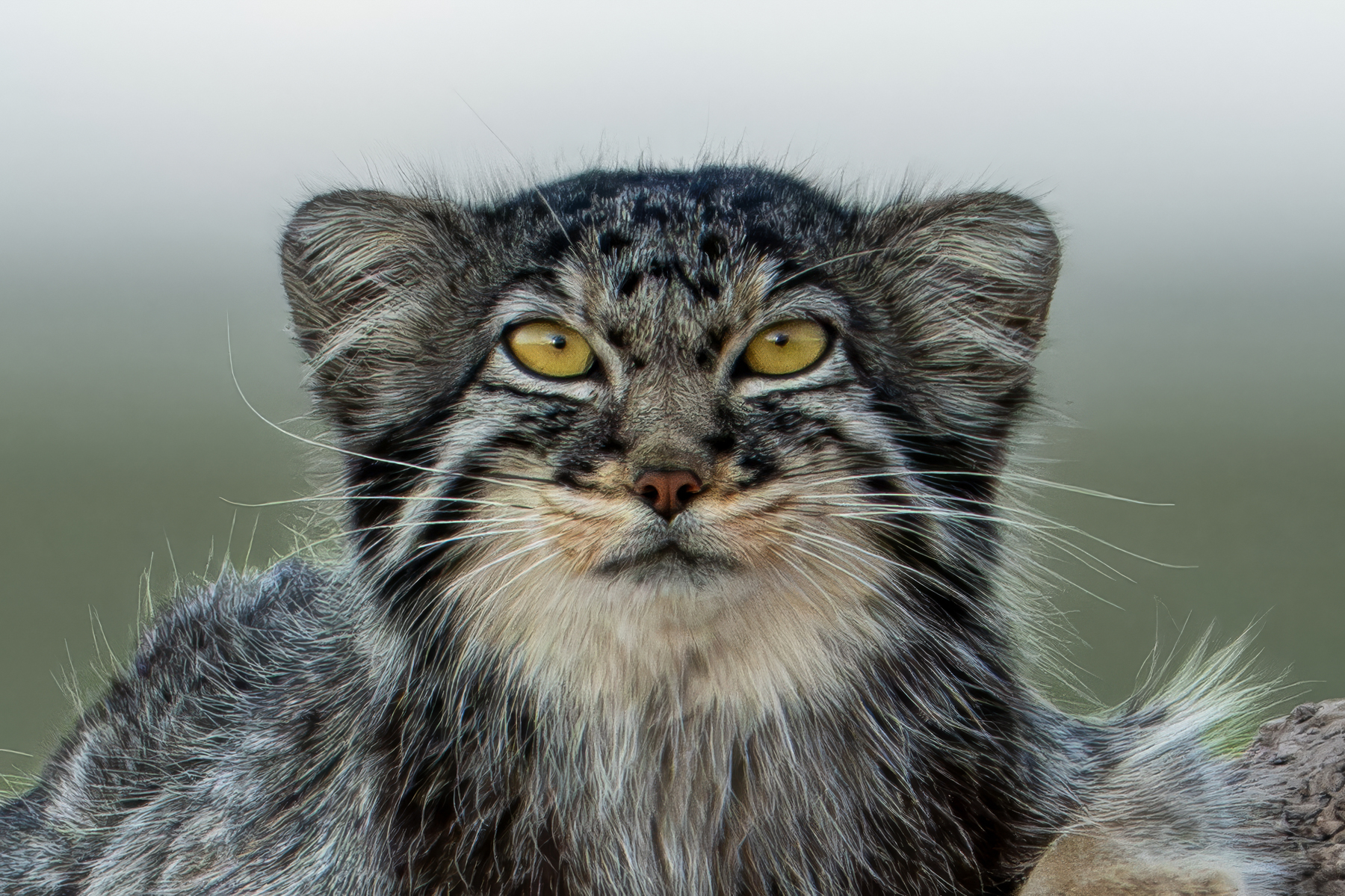
Beautiful Pallas's Cats are possibly one of the world's most charismatic grumpy cats (image by Inger Vandyke)
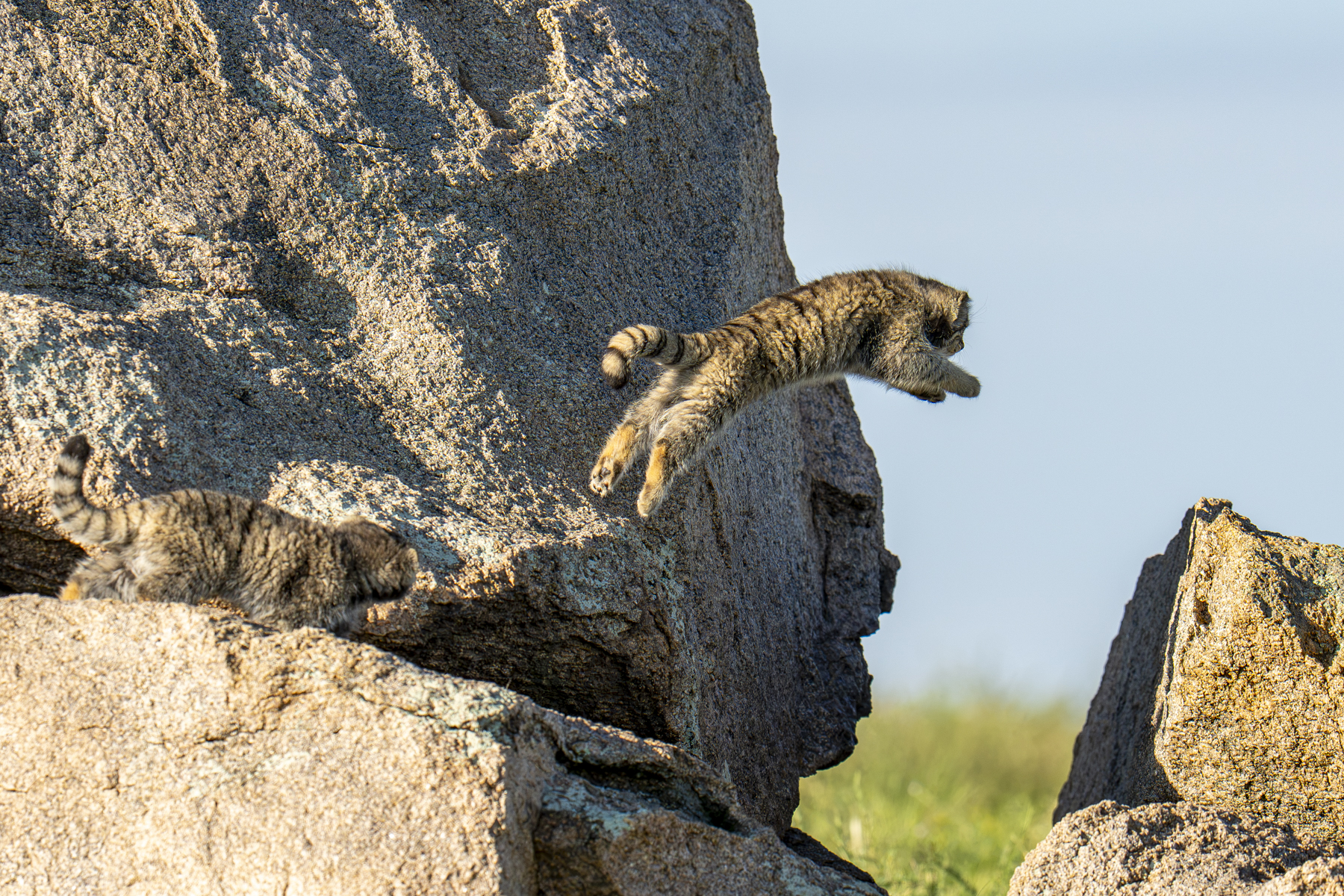
Pallas's Cat kittens (image by Mark Beaman)
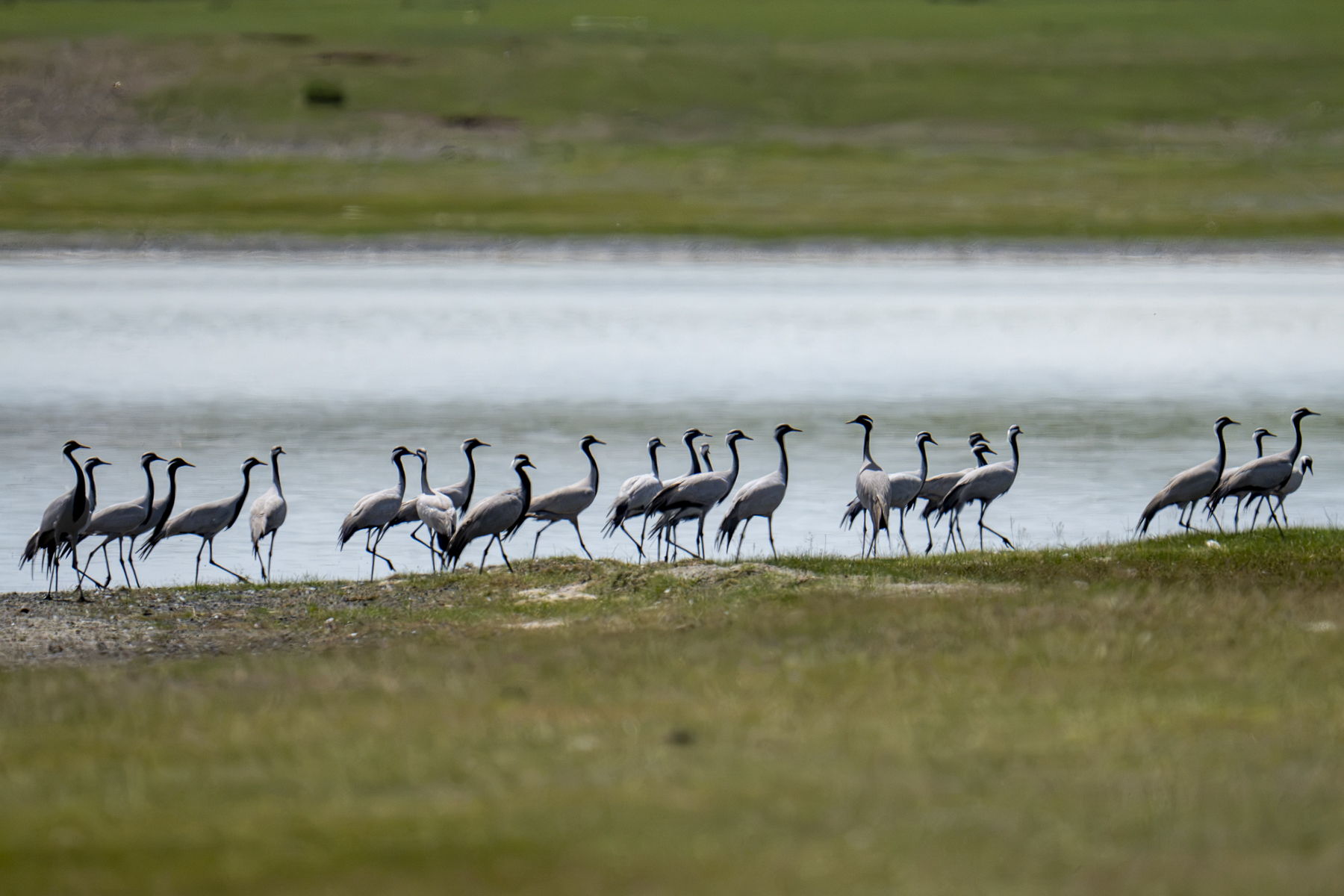
Demoiselle Cranes (image by Mark Beaman)
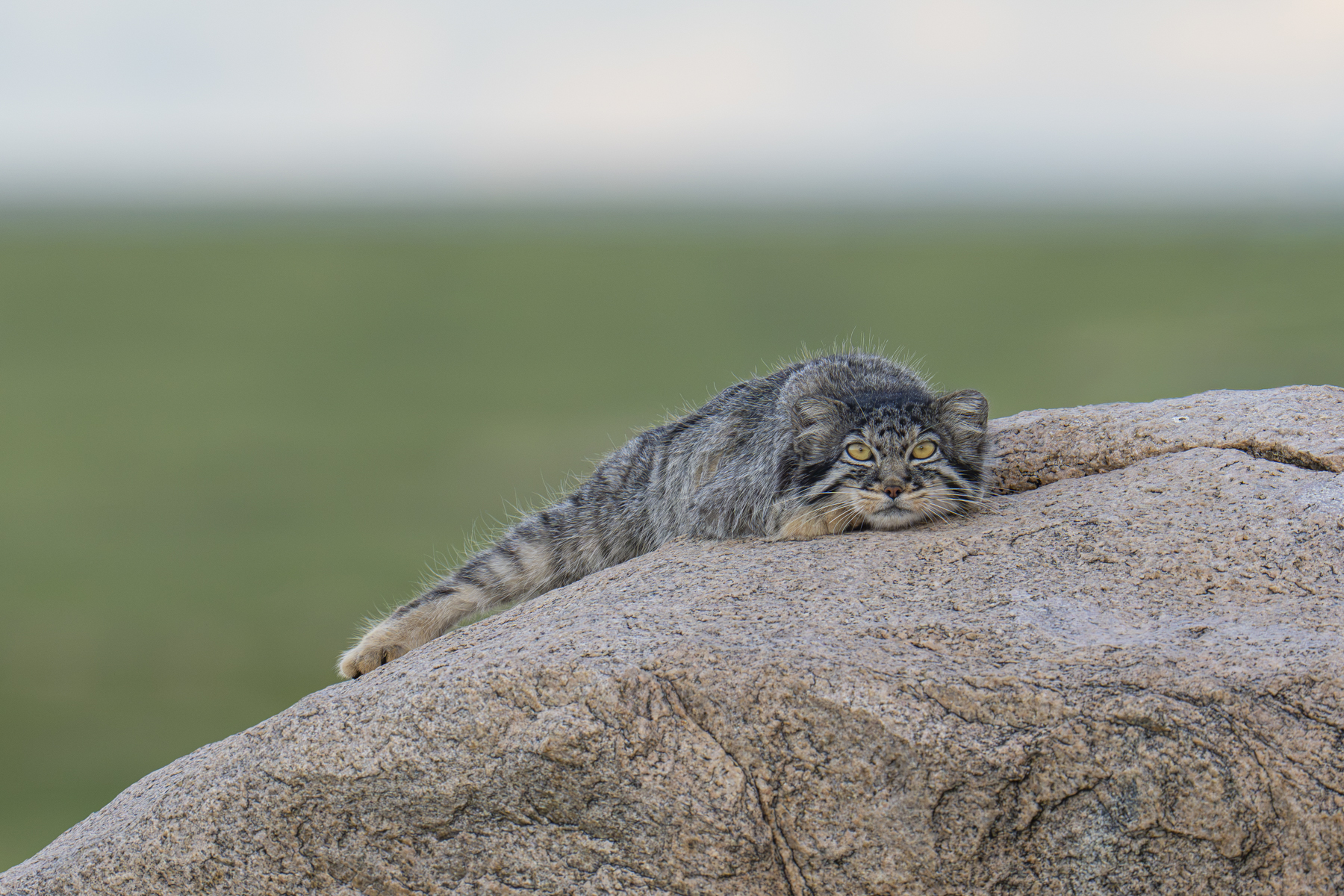
Pallas's Cat (image by Mark Beaman)
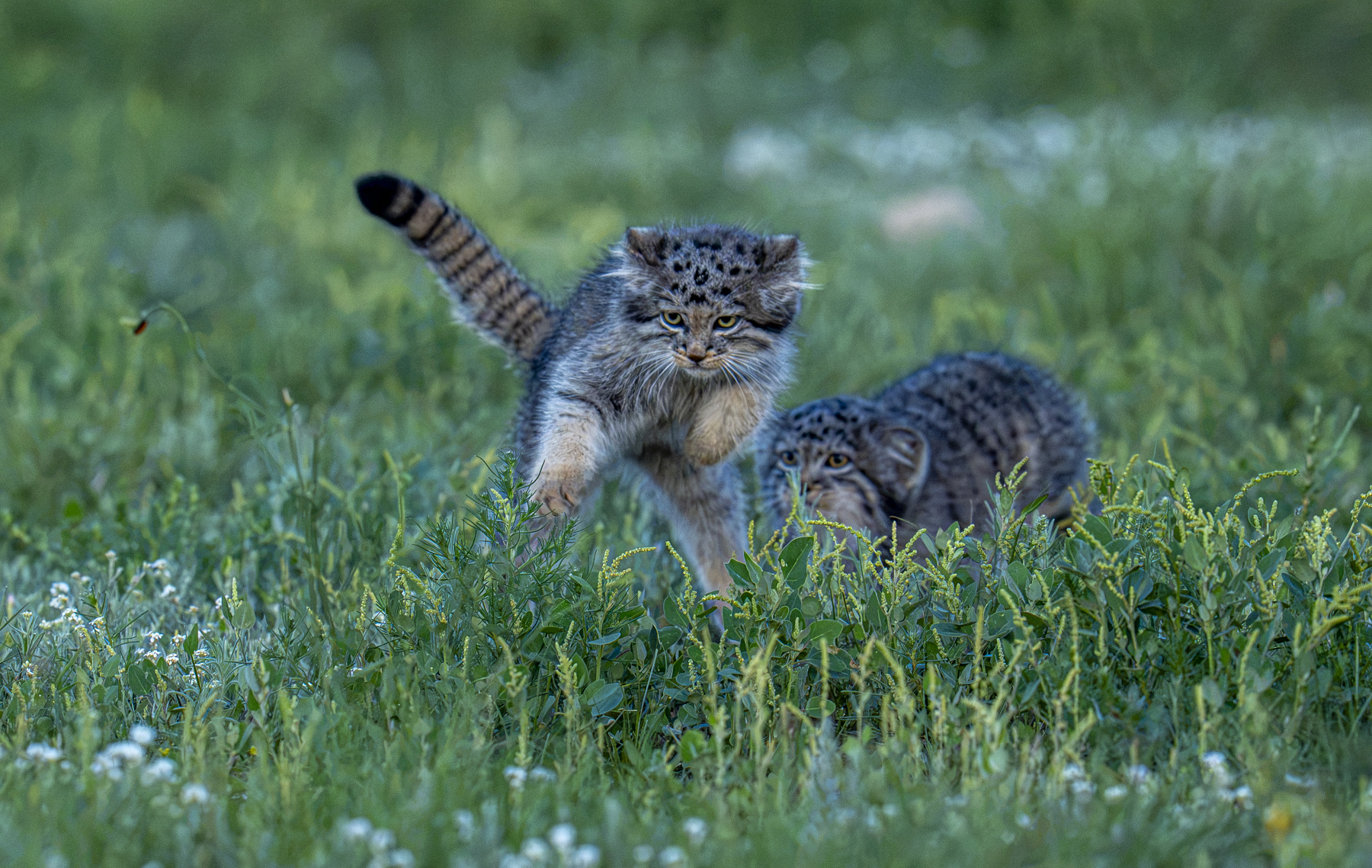
Pallas's Cat kittens playing (image by Mark Beaman)
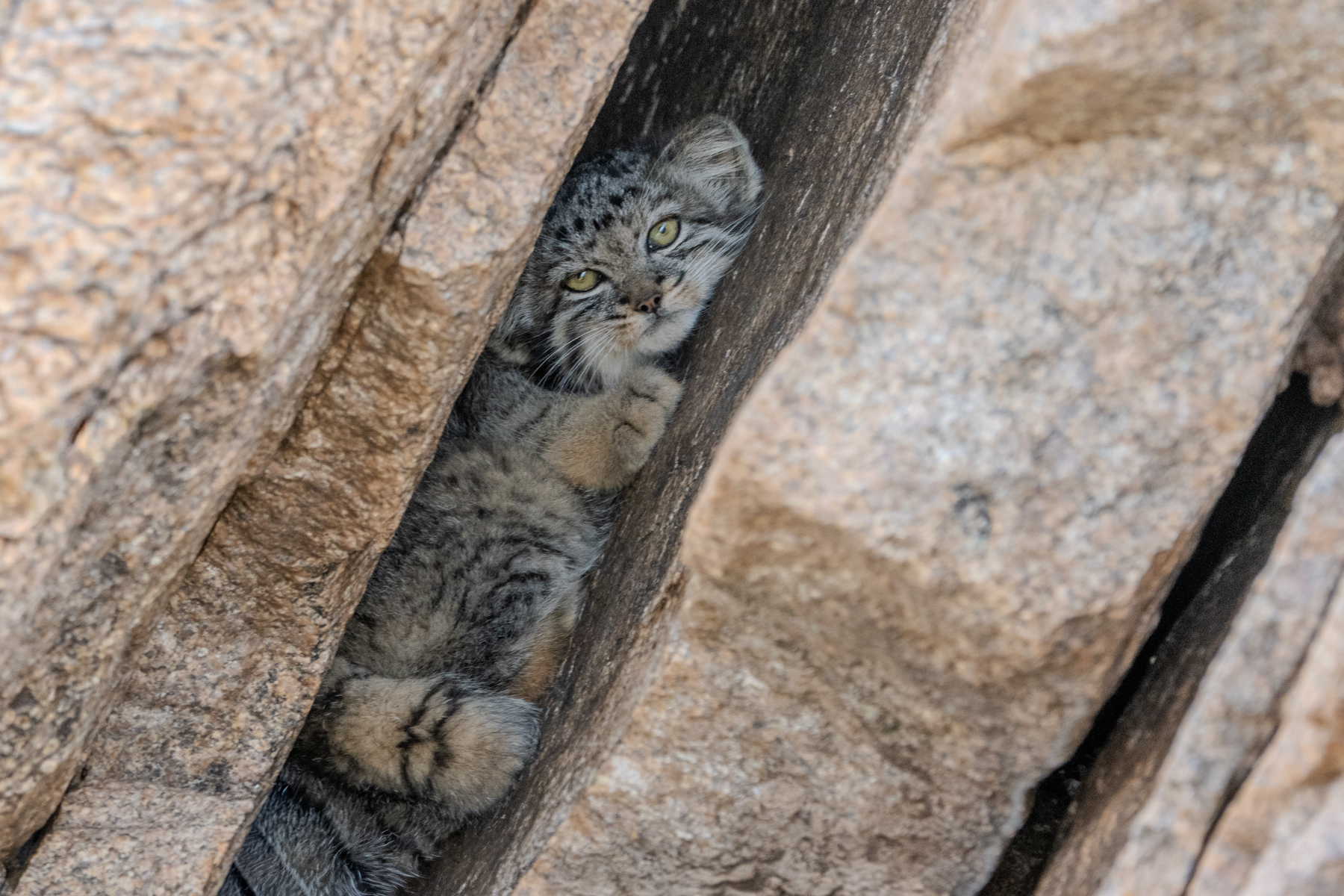
Pallas's Cat kittens in their den (image by Inger Vandyke)
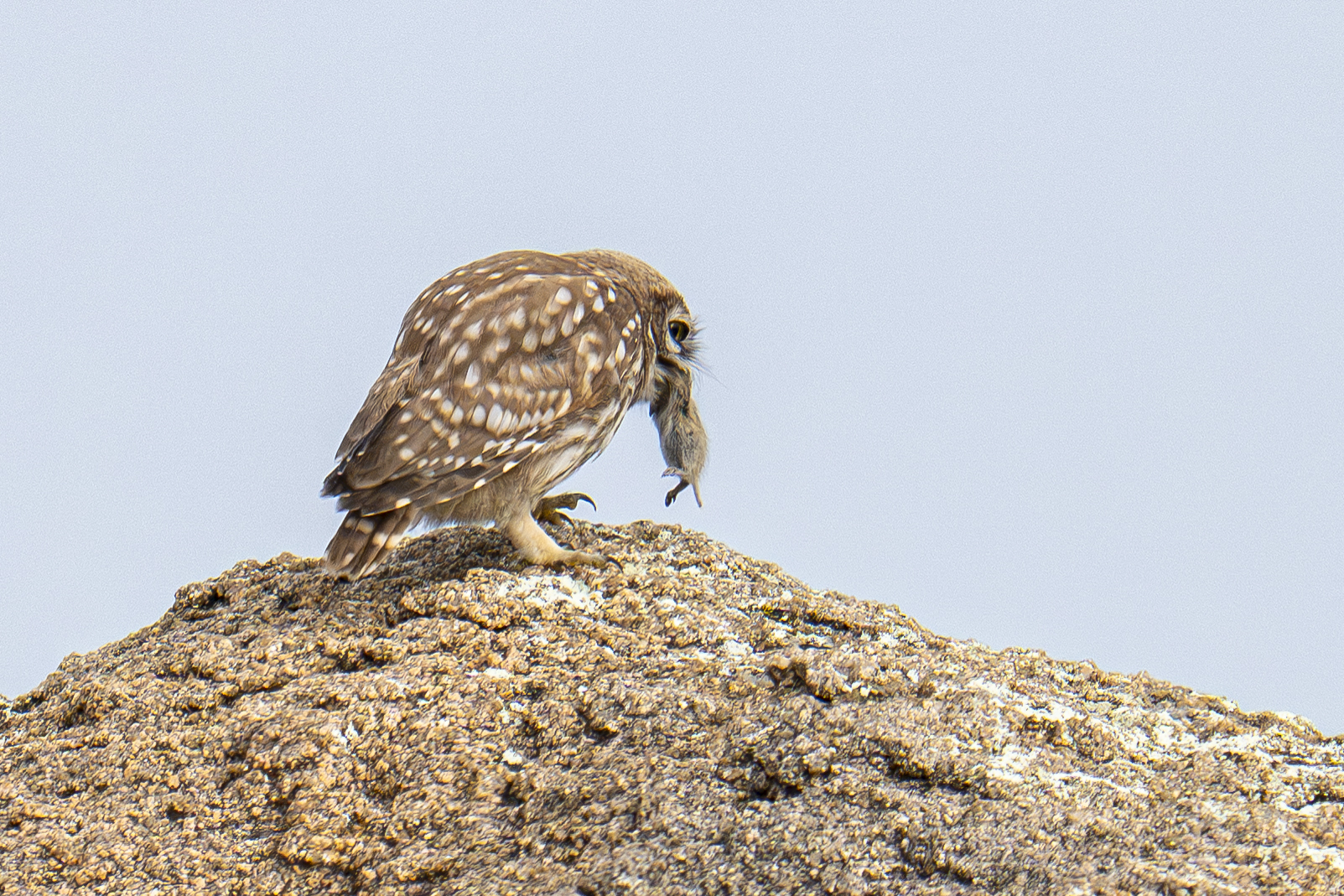
Little Owl eating a Brandt's Vole (image by Mark Beaman)

Pallas's Cat (image by Mark Beaman)
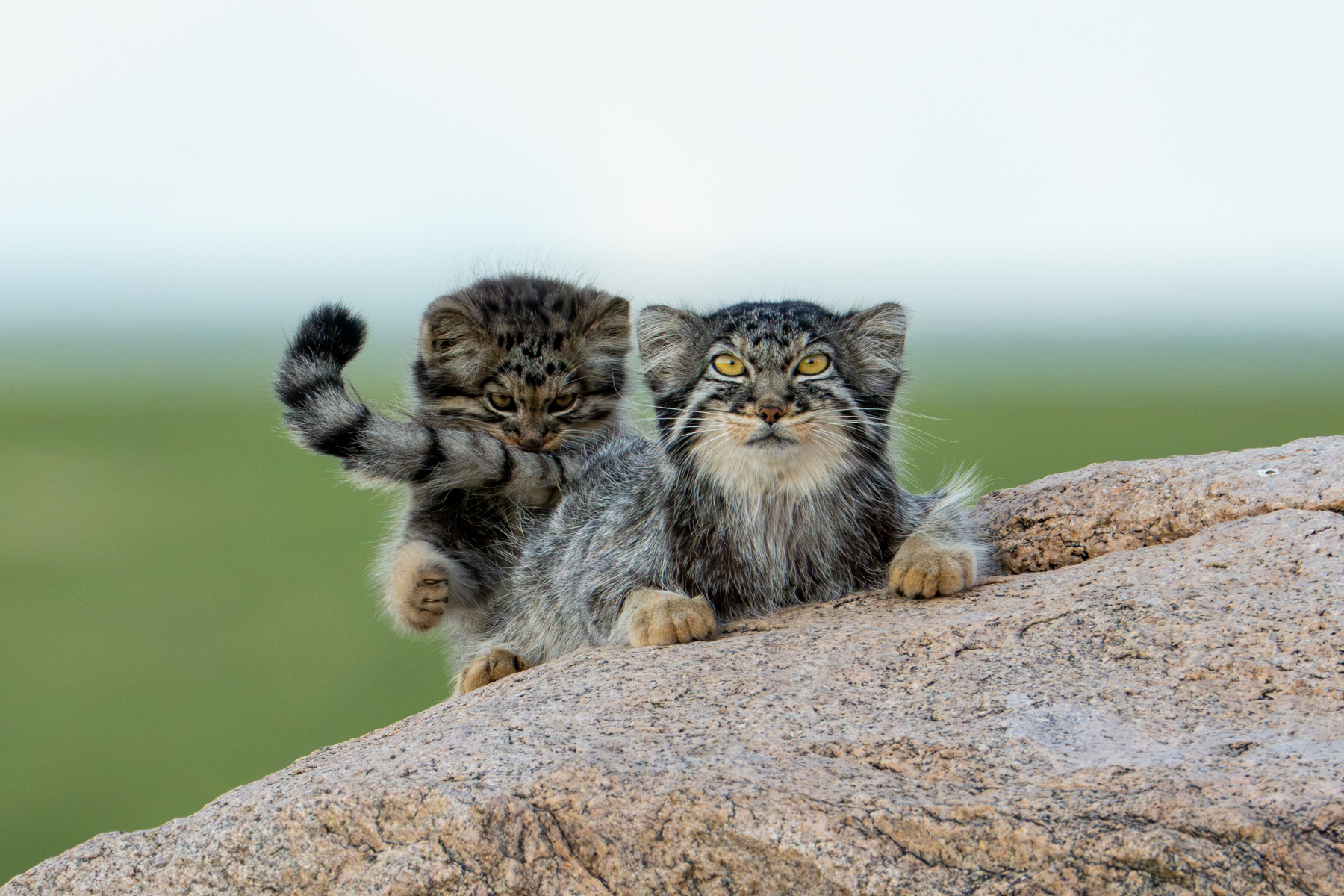
What else is mummy's tail for, other than a plaything? (image by Inger Vandyke)

Mongolian Jerbil (image by Mark Beaman)
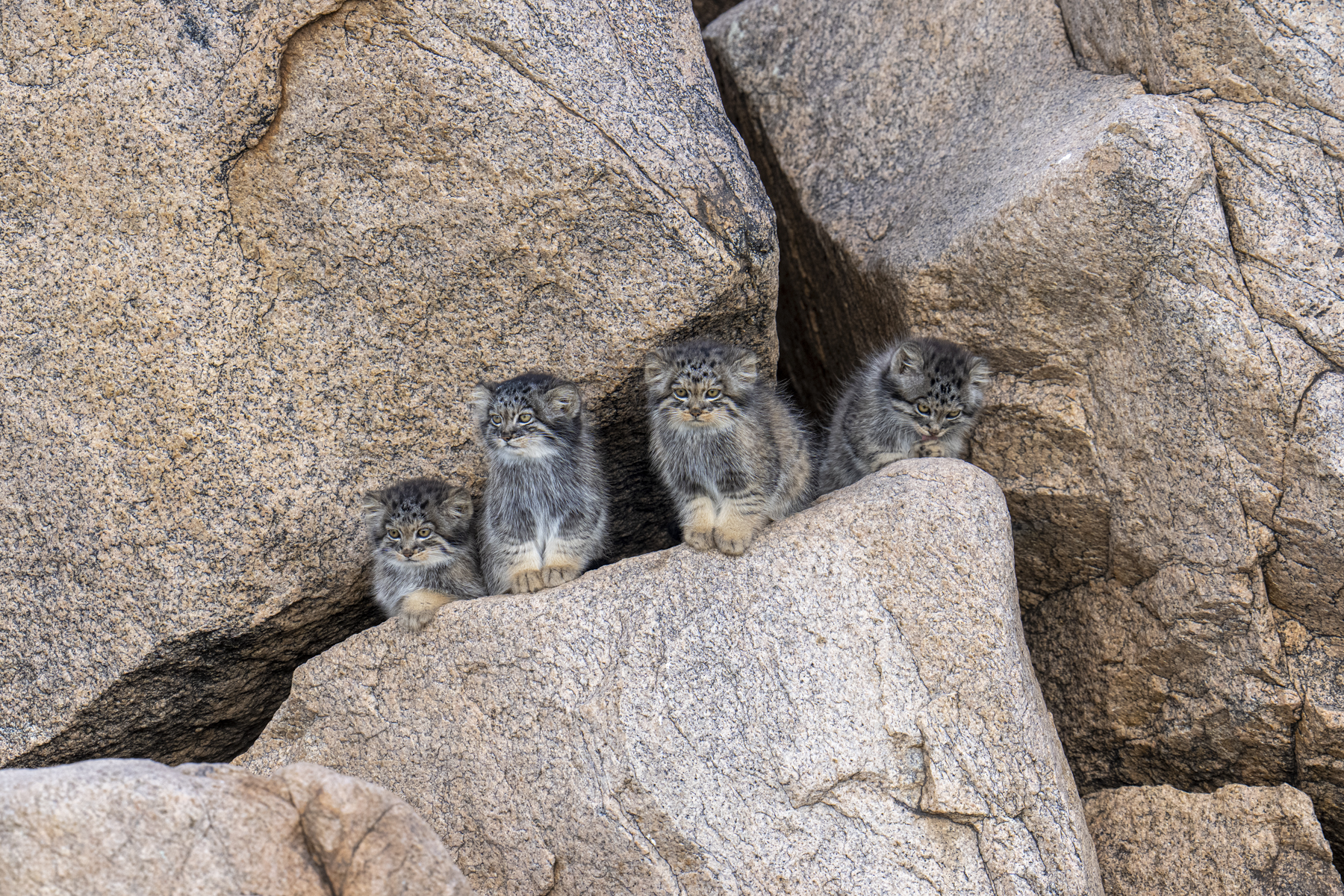
Pallas's Cat kittens (image by Mark Beaman)
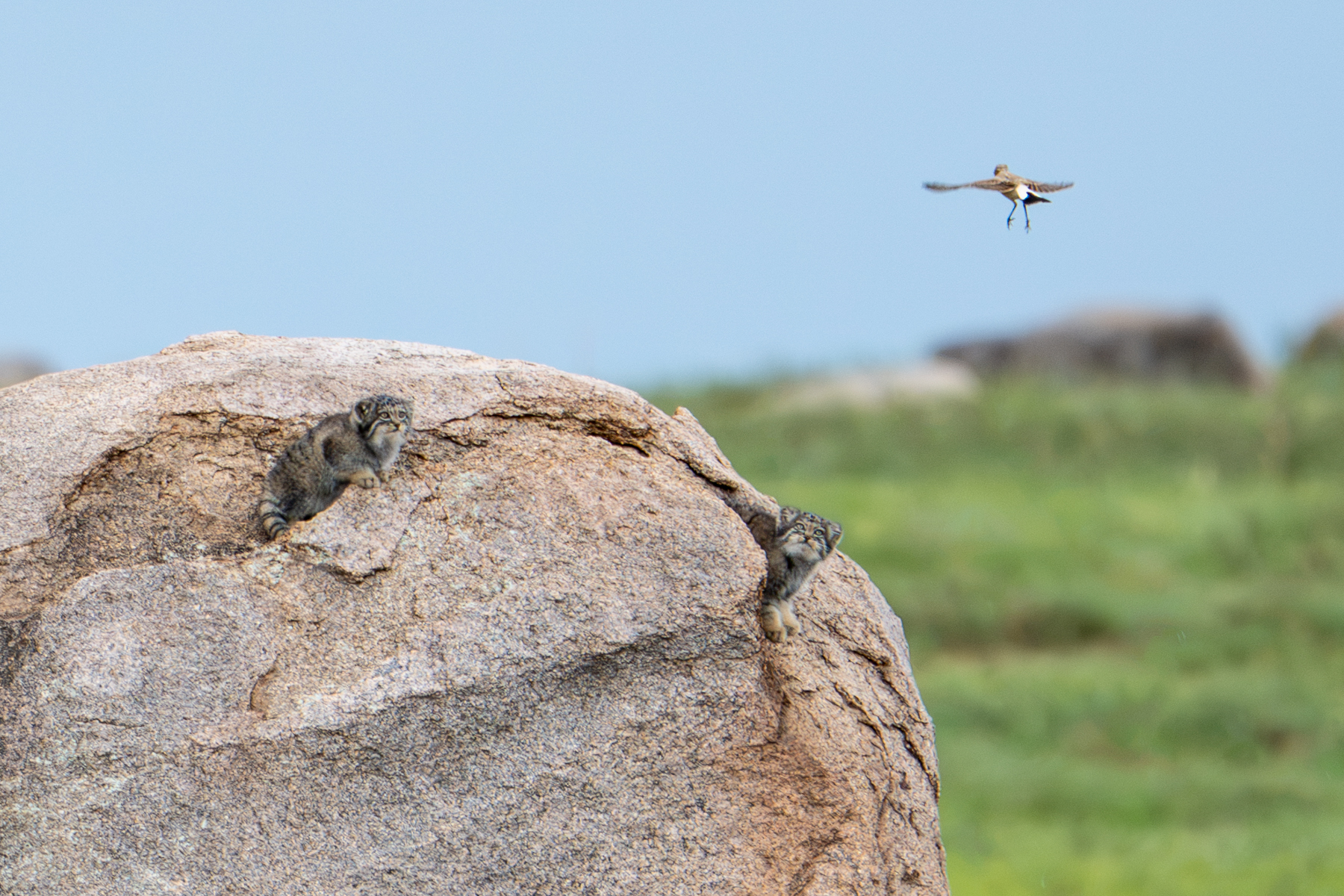
We love birds! Can we jump high enough to catch it? (image by Inger Vandyke)
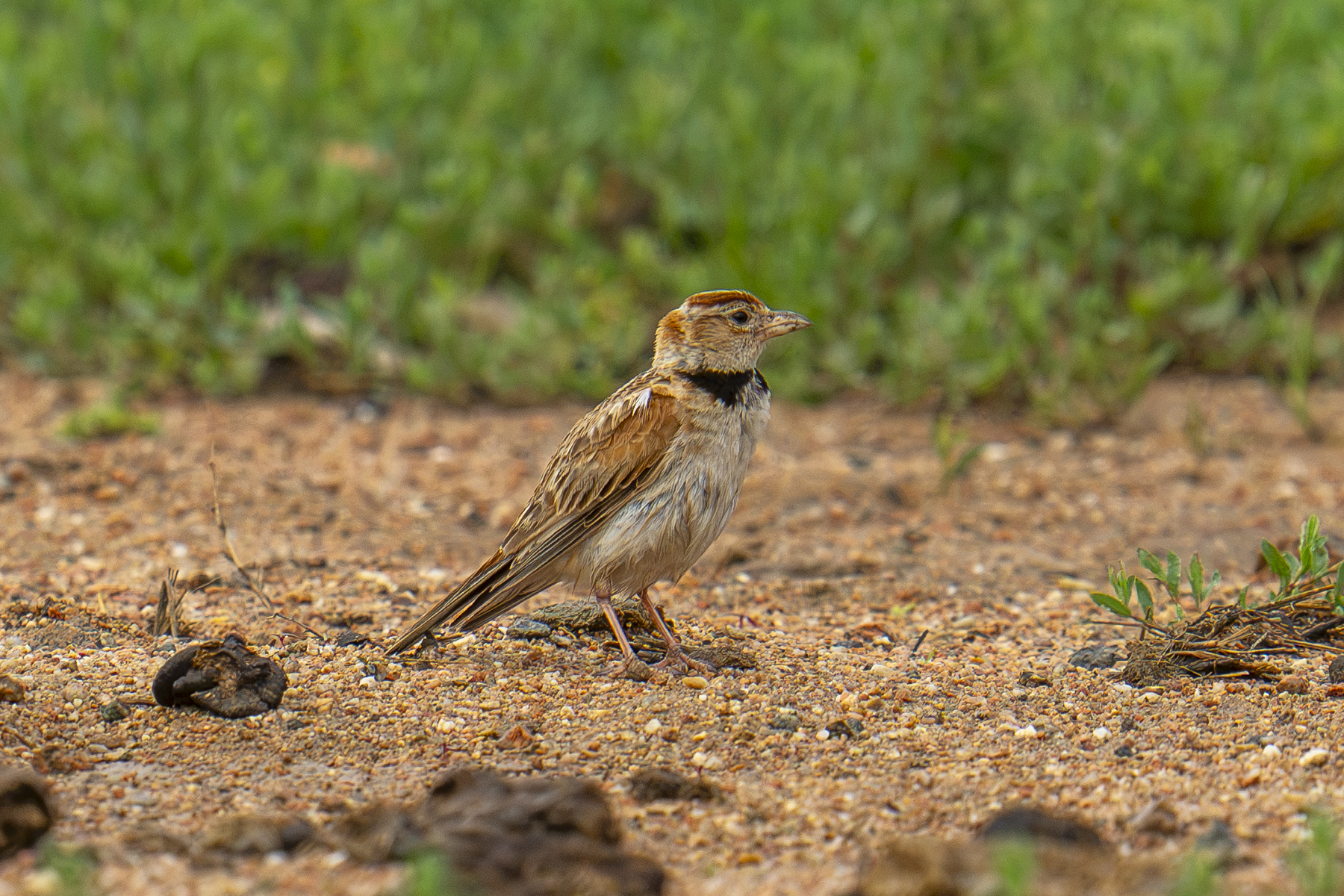
Mongolian Lark (image by Mark Beaman)
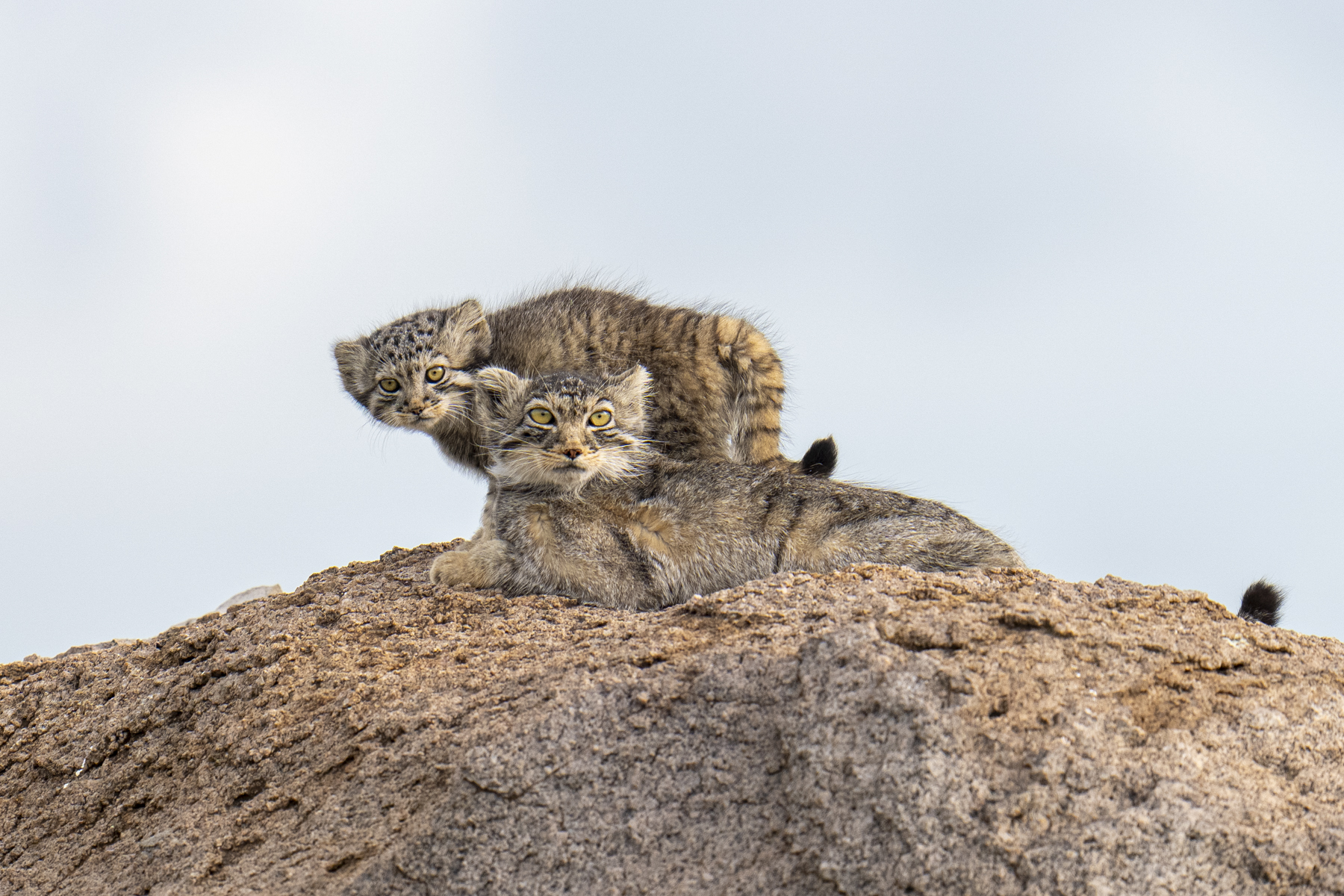
Pallas's Cat mother and kitten (image by Mark Beaman)
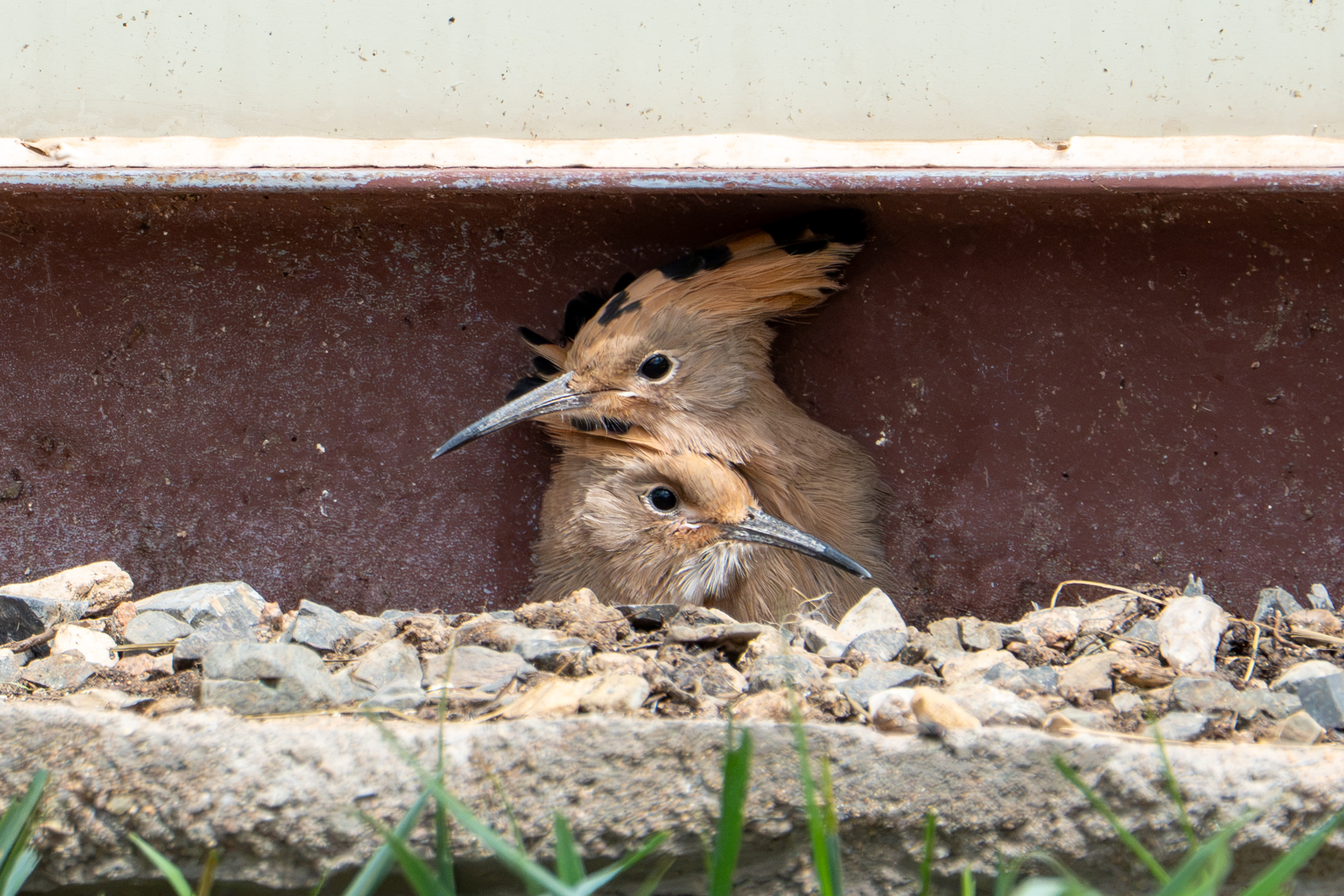
Almost ready to fledge, two Eurasian Hoopoe chicks wait for their parents to return with food (image by Inger Vandyke)

Upland Buzzard (image by Mark Beaman)

Przevalski's Horses (image by Mark Beaman)
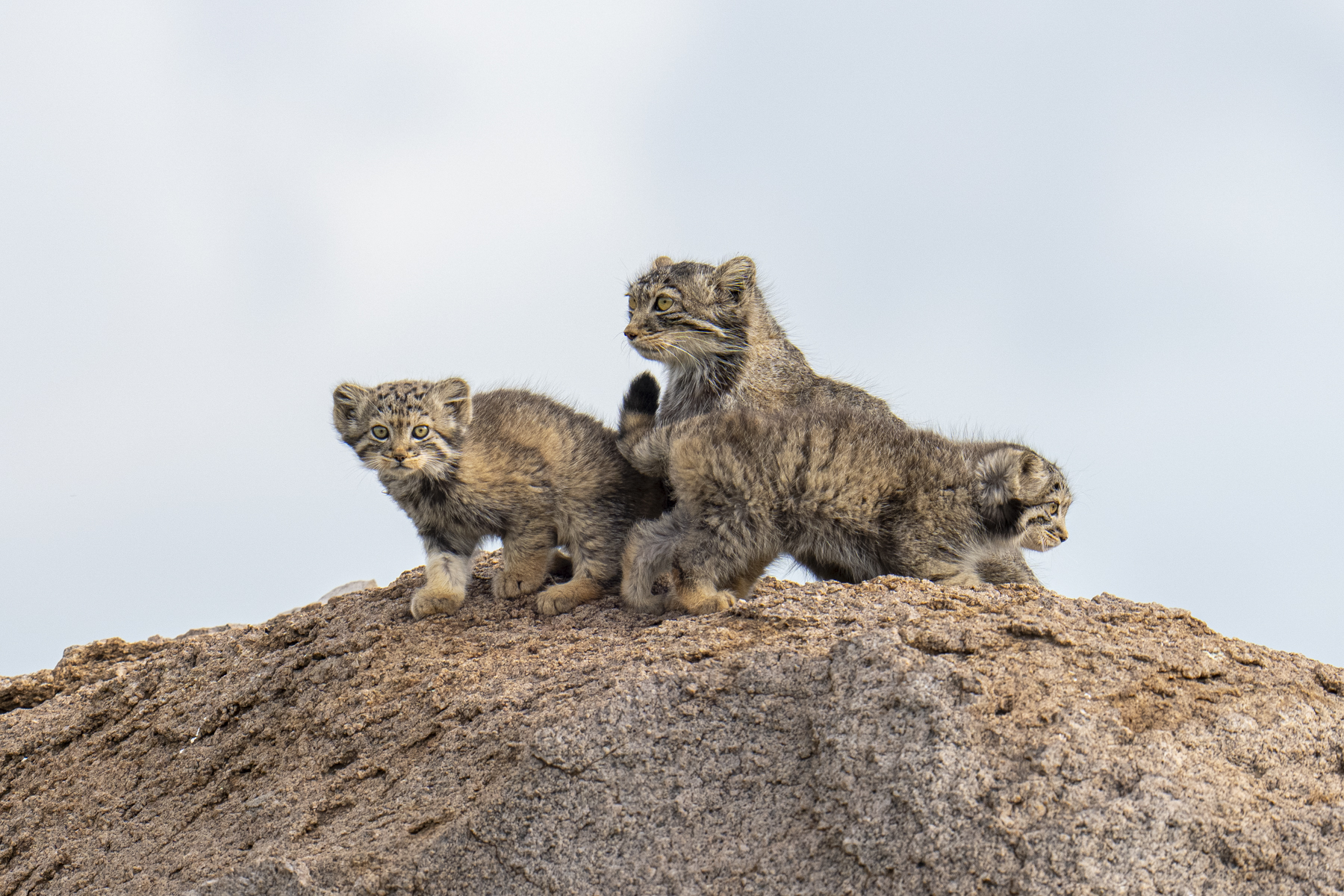
Pallas's Cat mother and kittens (image by Mark Beaman)
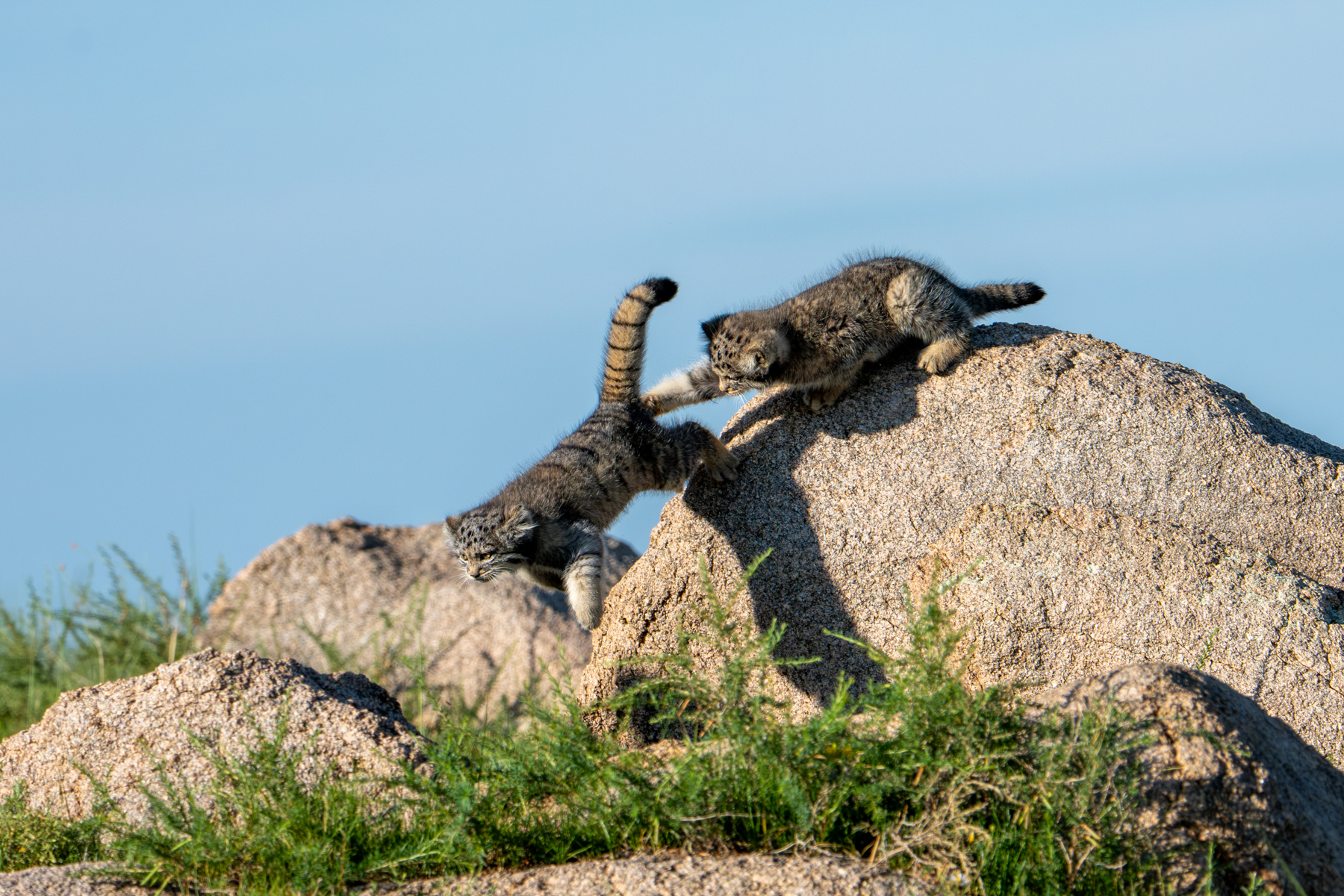
Pallas's Cat kittens playing chase on the rocks (image by Inger Vandyke)
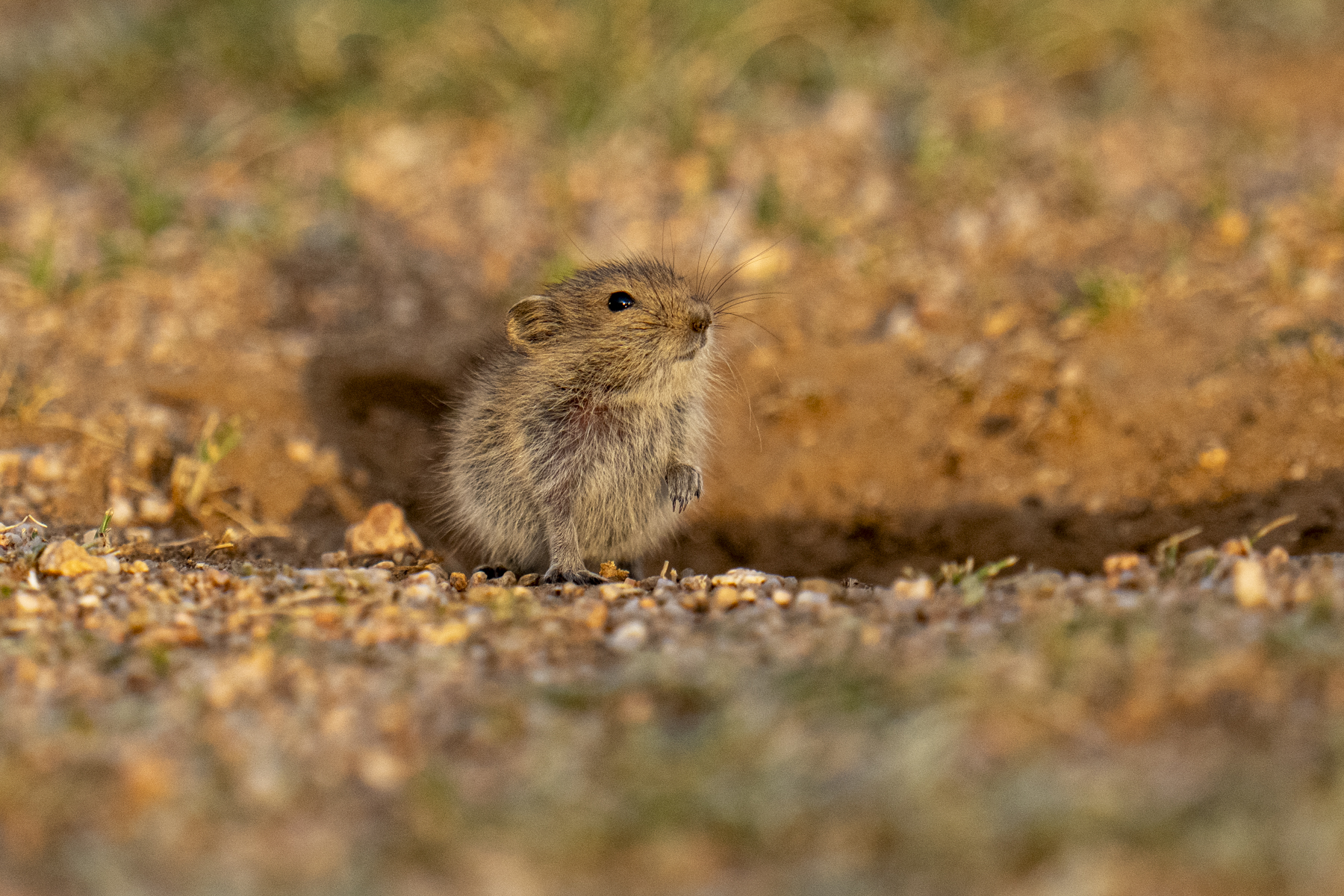
The endearing little Brandt's Vole (image by Mark Beaman)

Blyth's Pipit (image by Mark Beaman)
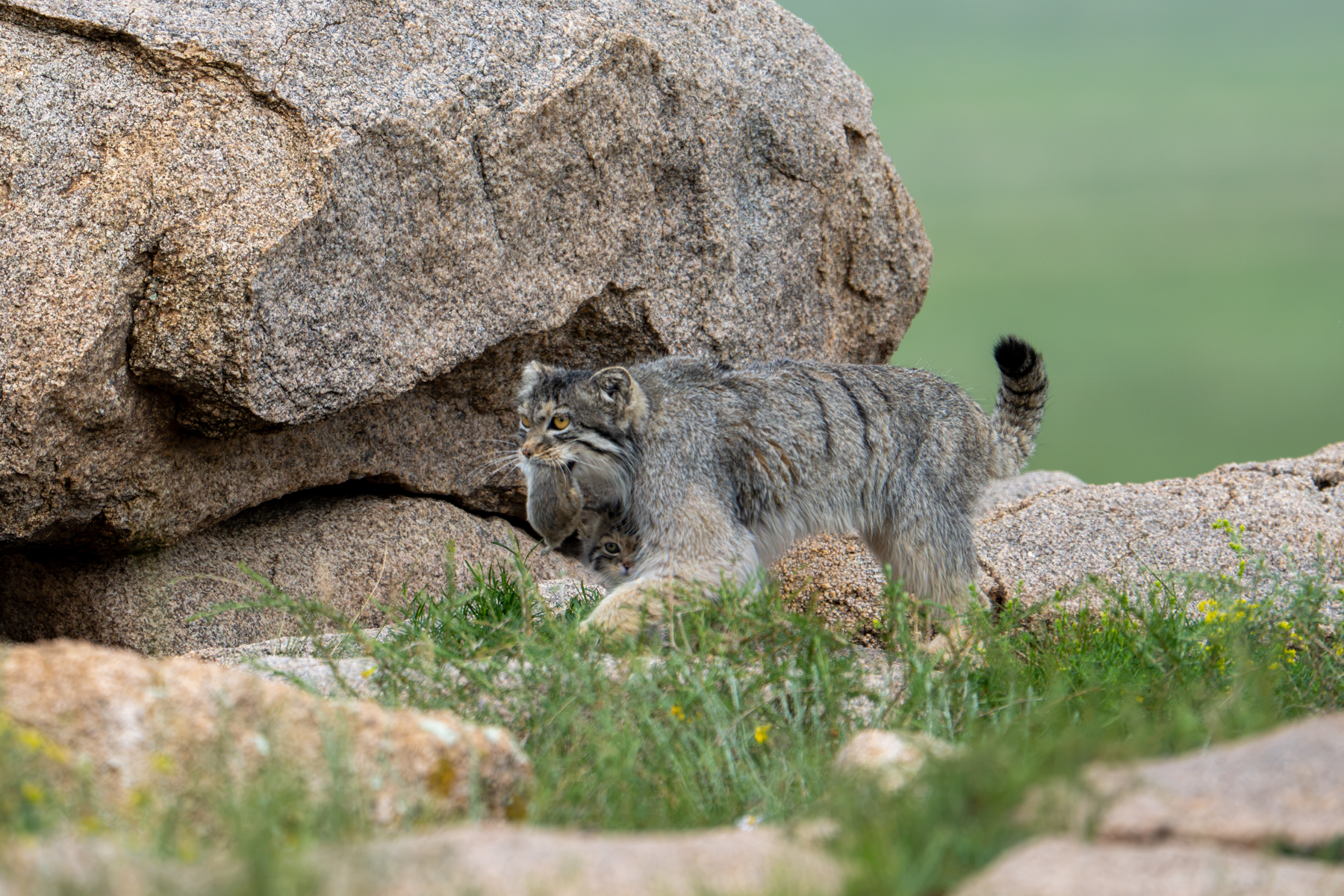
Pallas's Cat mother bringing breakfast to her playful kittens (image by Inger Vandyke)
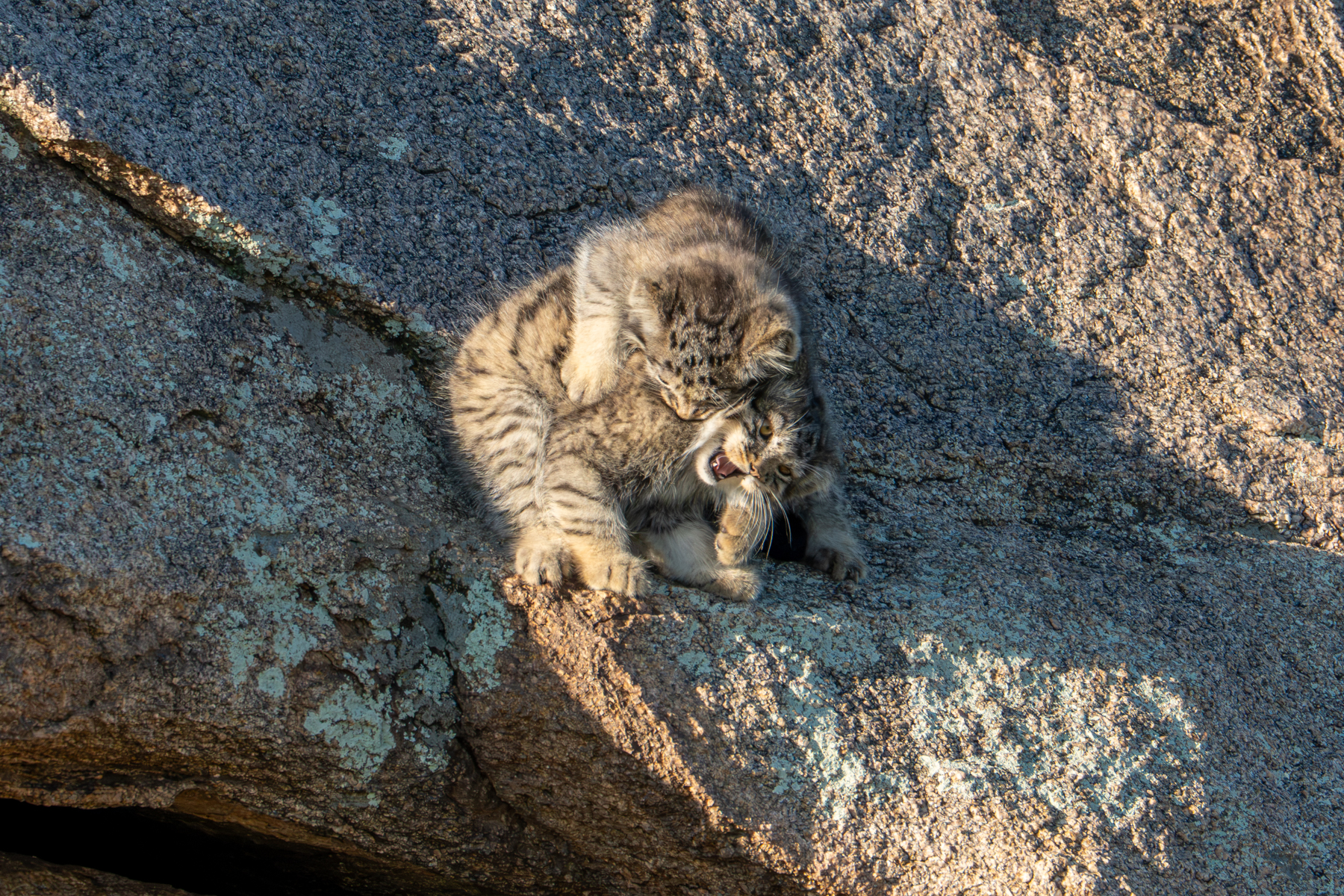
"Got you!" (image by Inger Vandyke)

Cinereous Vulture (image by Mark Beaman)
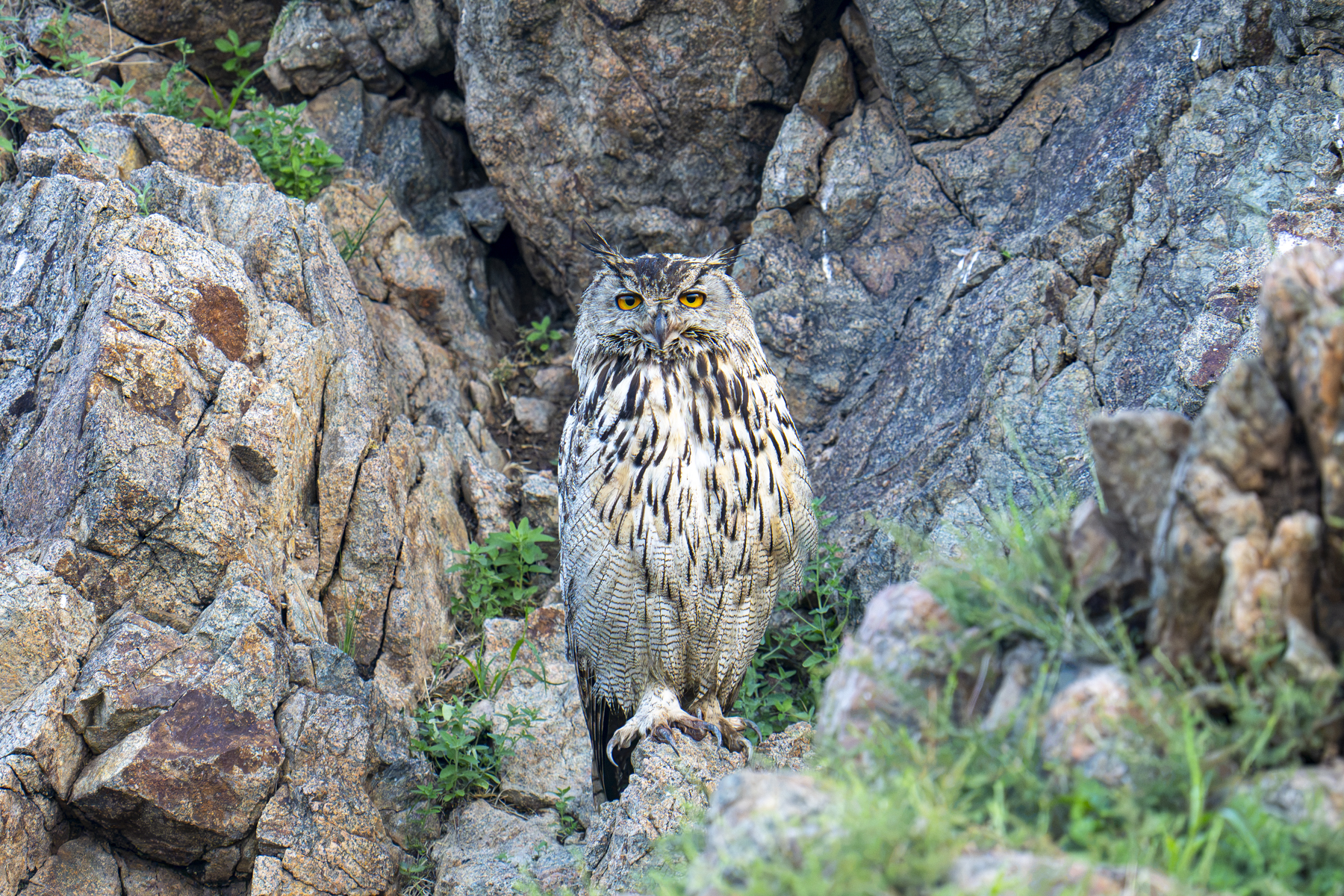
Eurasian Eagle-Owl (image by Mark Beaman)
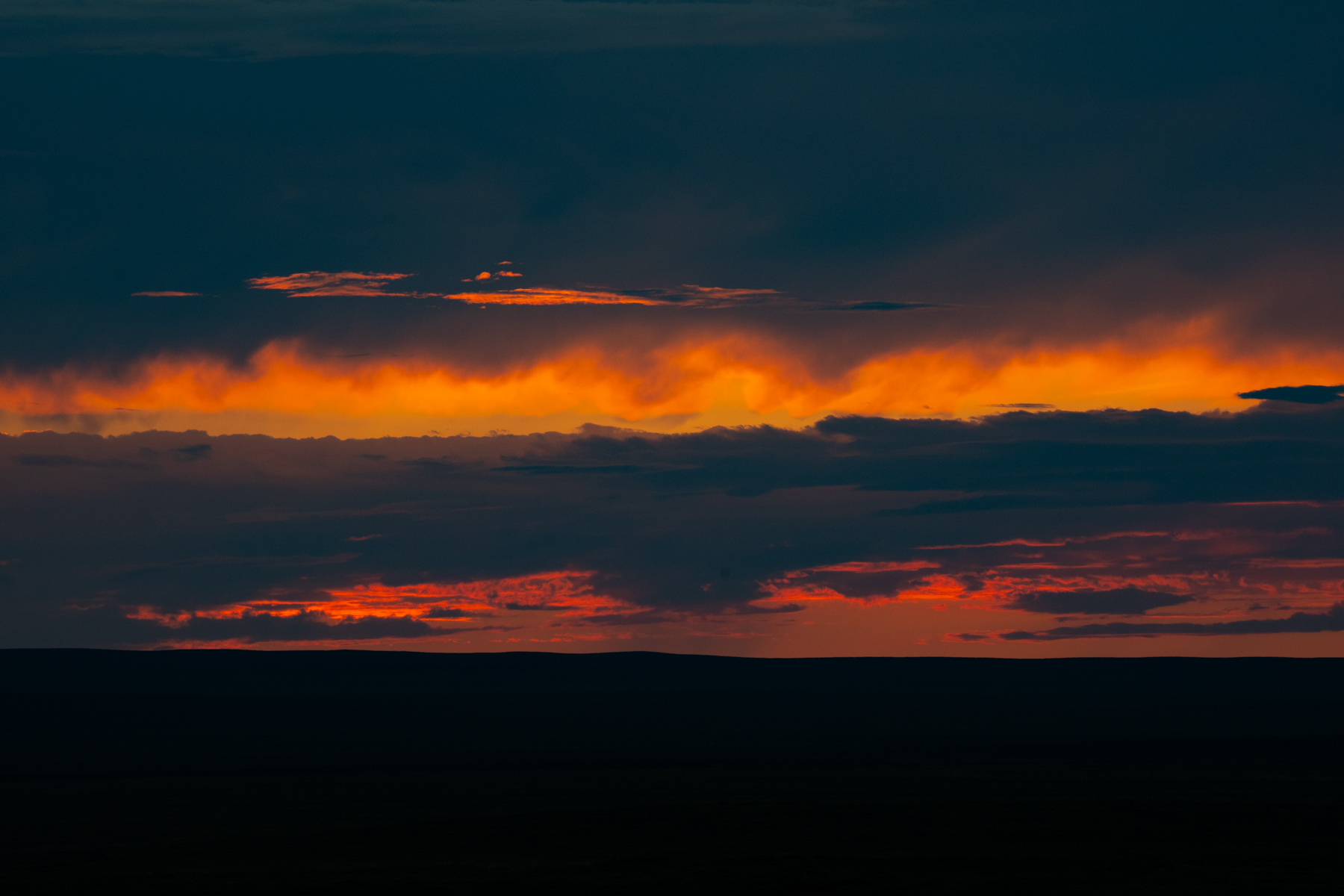
Dramatic sunsets feature spectacularly in Mongolia (image by Inger Vandyke)

Daurian Jackdaws (image by Mark Beaman)
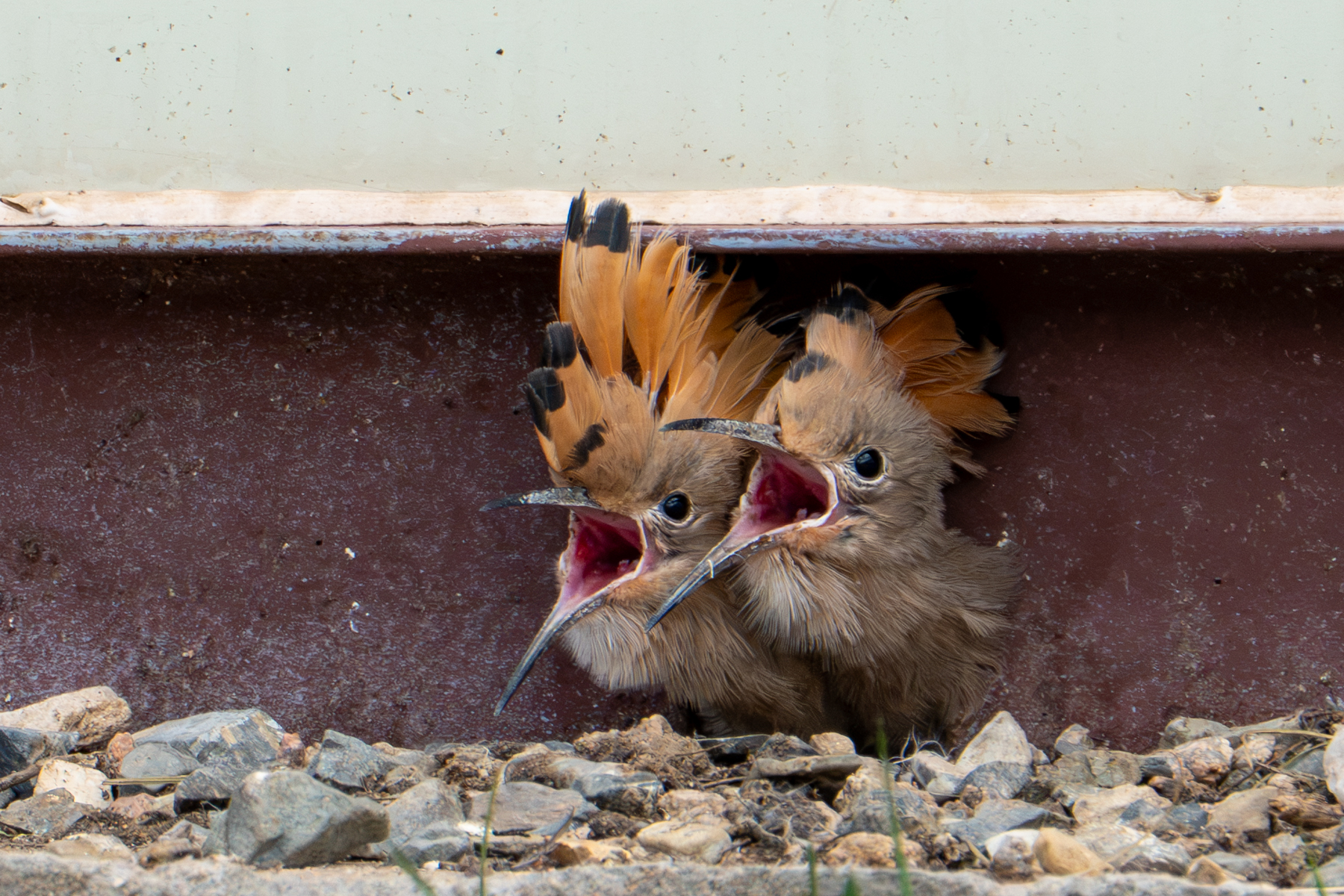
Hungry Hoopoe chicks (image by Inger Vandyke)

Przewalski's Horses
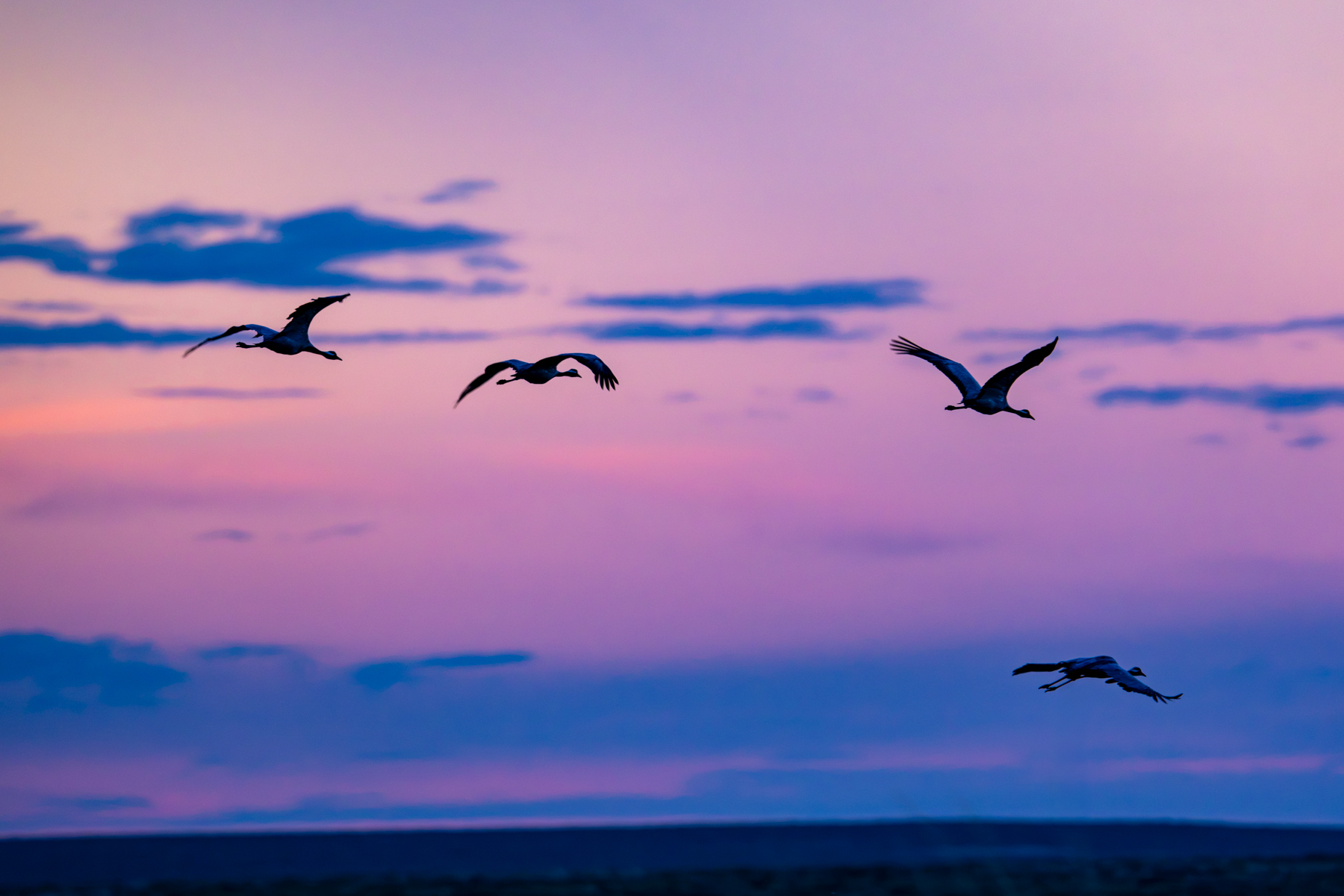
Demoiselle Cranes flying at dusk (image by Inger Vandyke)
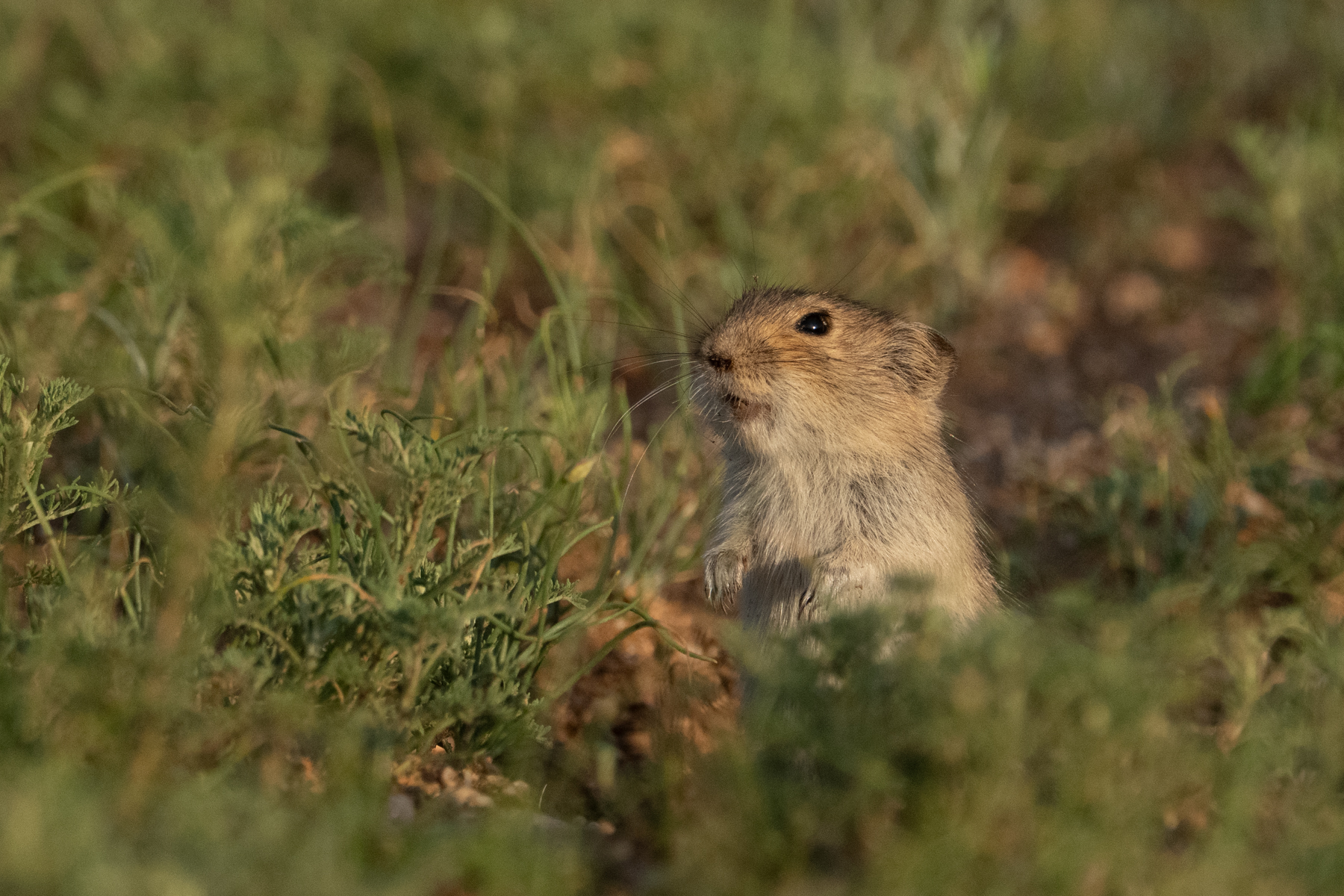
Brandt's Vole (image by Inger Vandyke)

Pere David's Snowfinch (image by Mark Beaman)
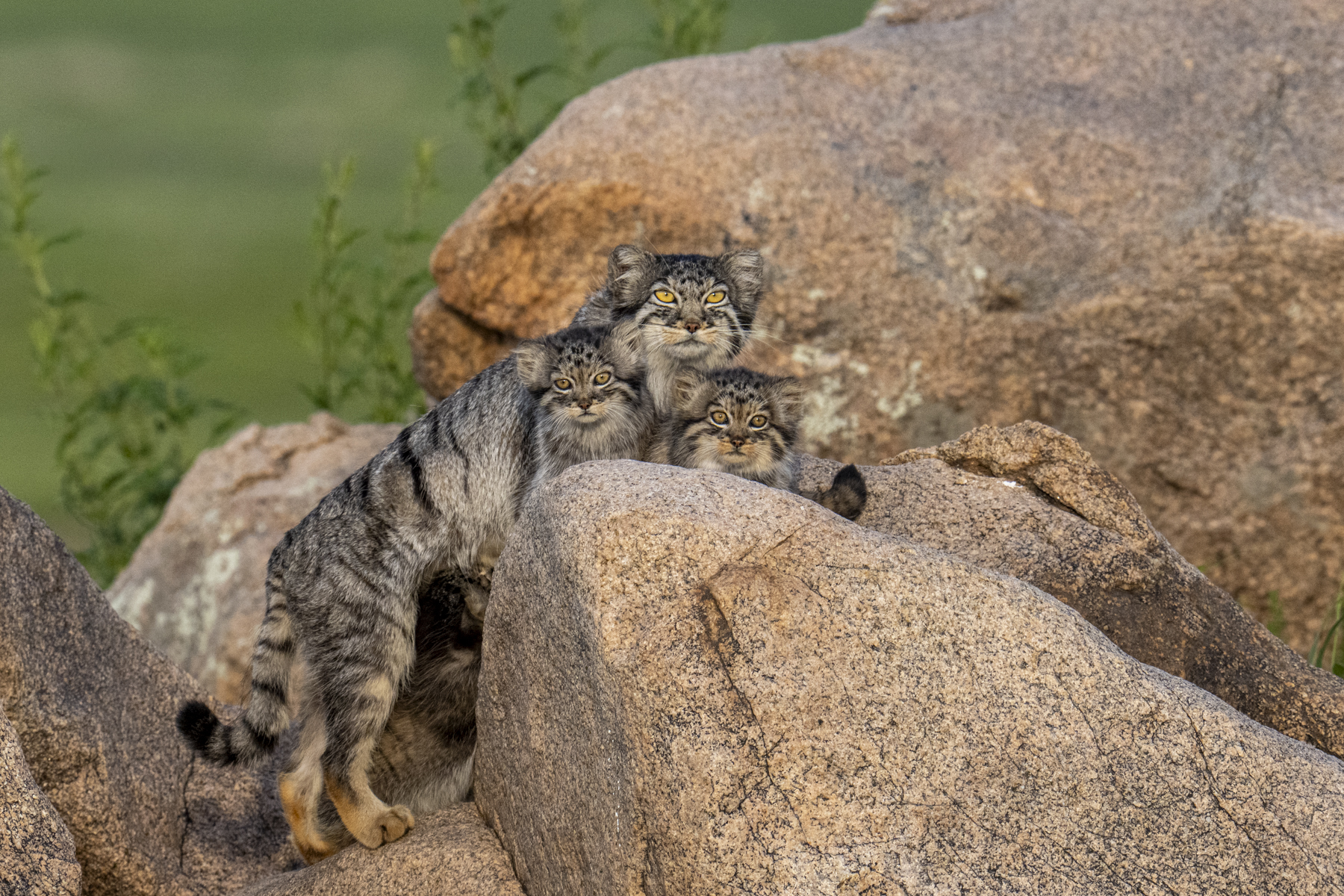
Pallas's Cat mother and kittens (image by Mark Beaman)
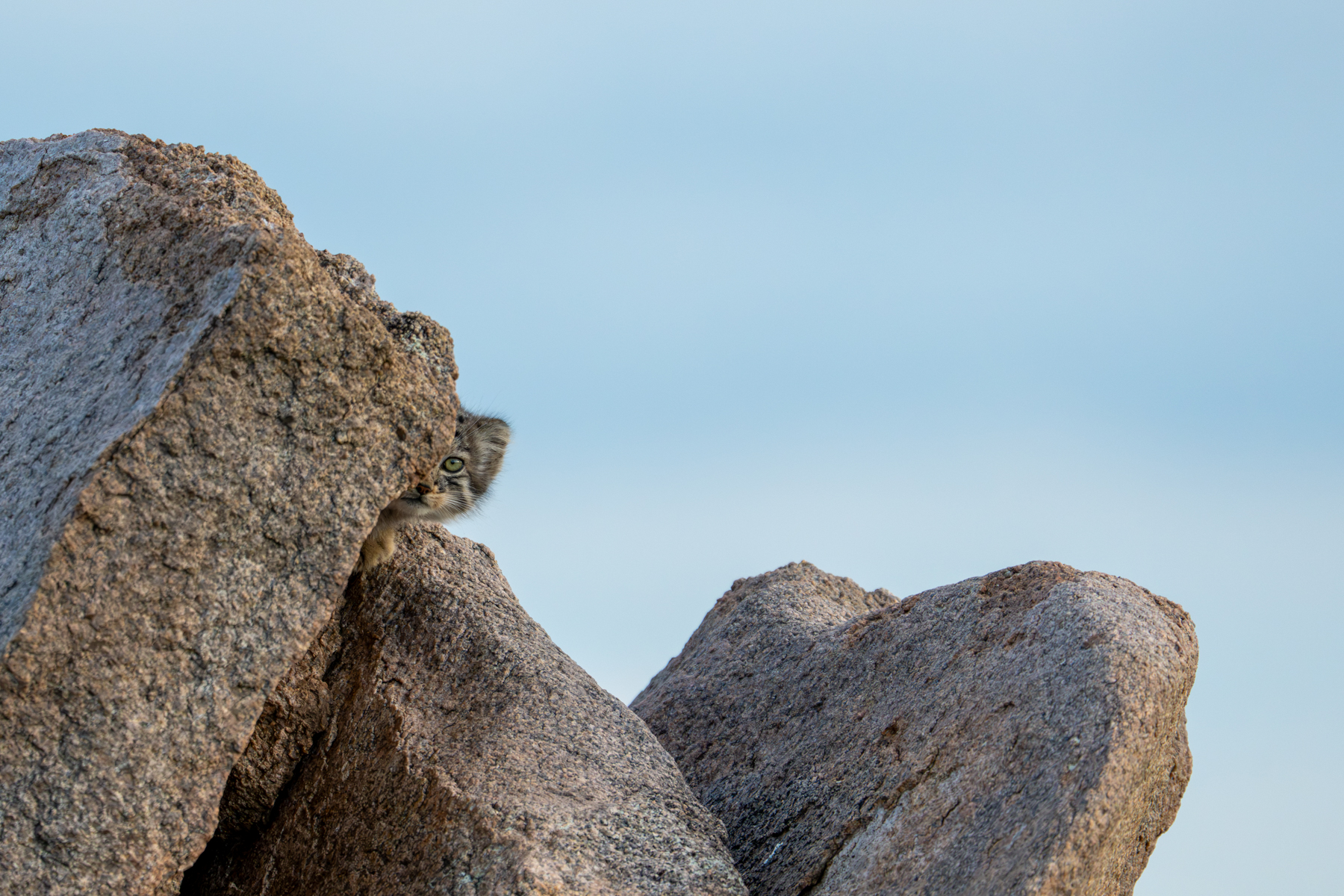
A tiny kitten sneaks a glimpse from behind the rocks (image by Inger Vandyke)
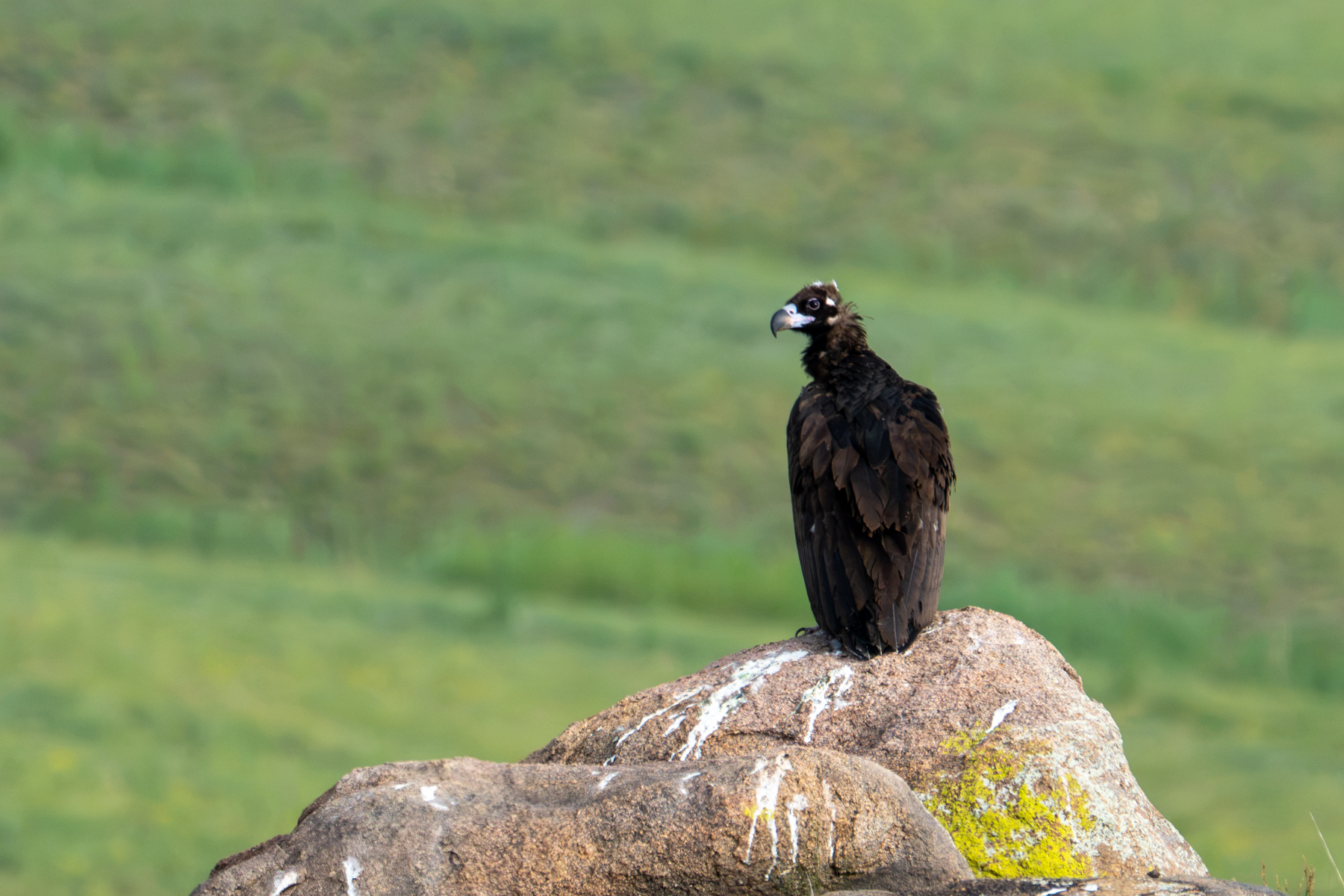
Cinereous Vulture (image by Inger Vandyke)

A mare Przewalski's Horse with two foals in the golden sunset light of the steppe.
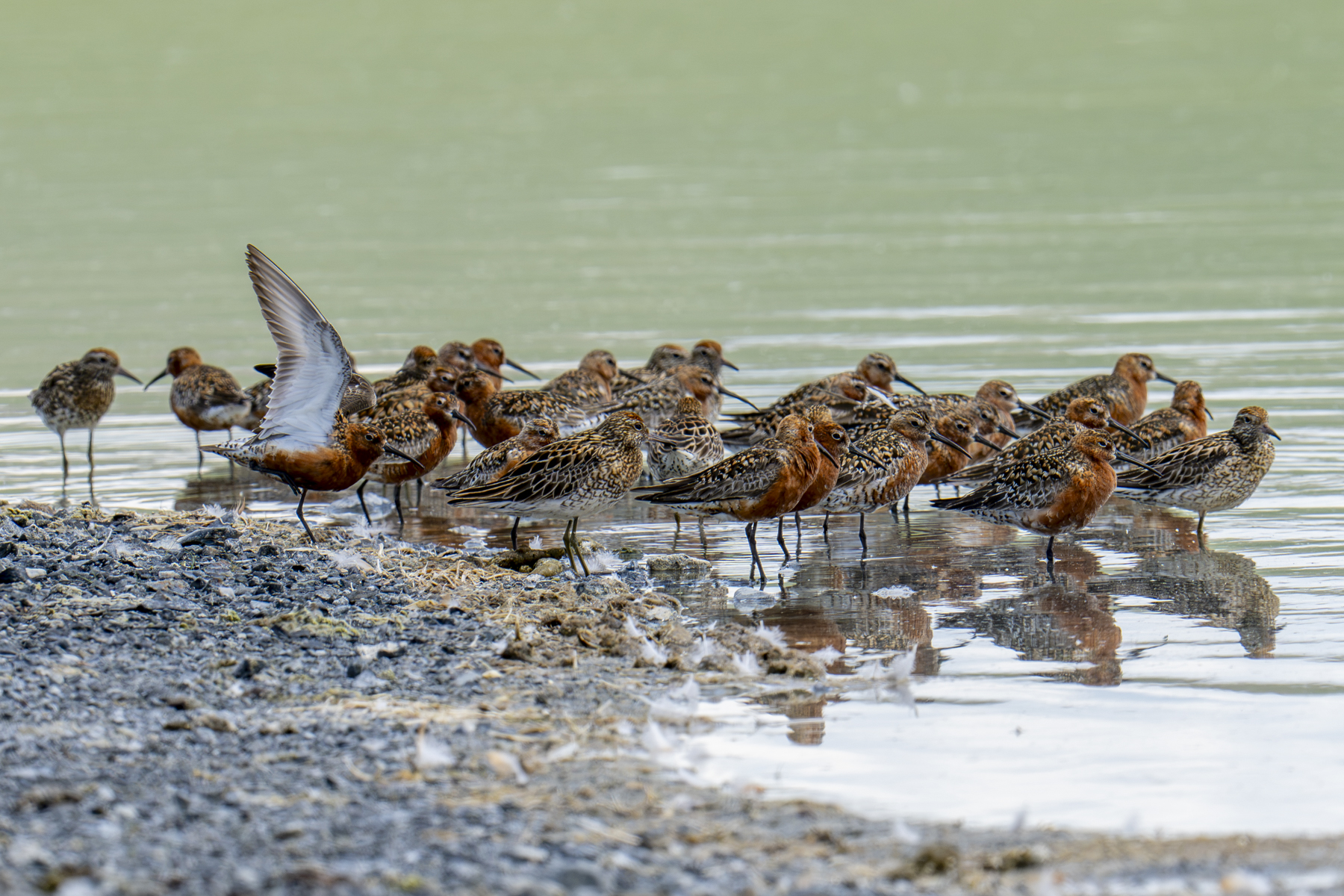
Curlew and Sharp-tailed Sandpipers (image by Mark Beaman)
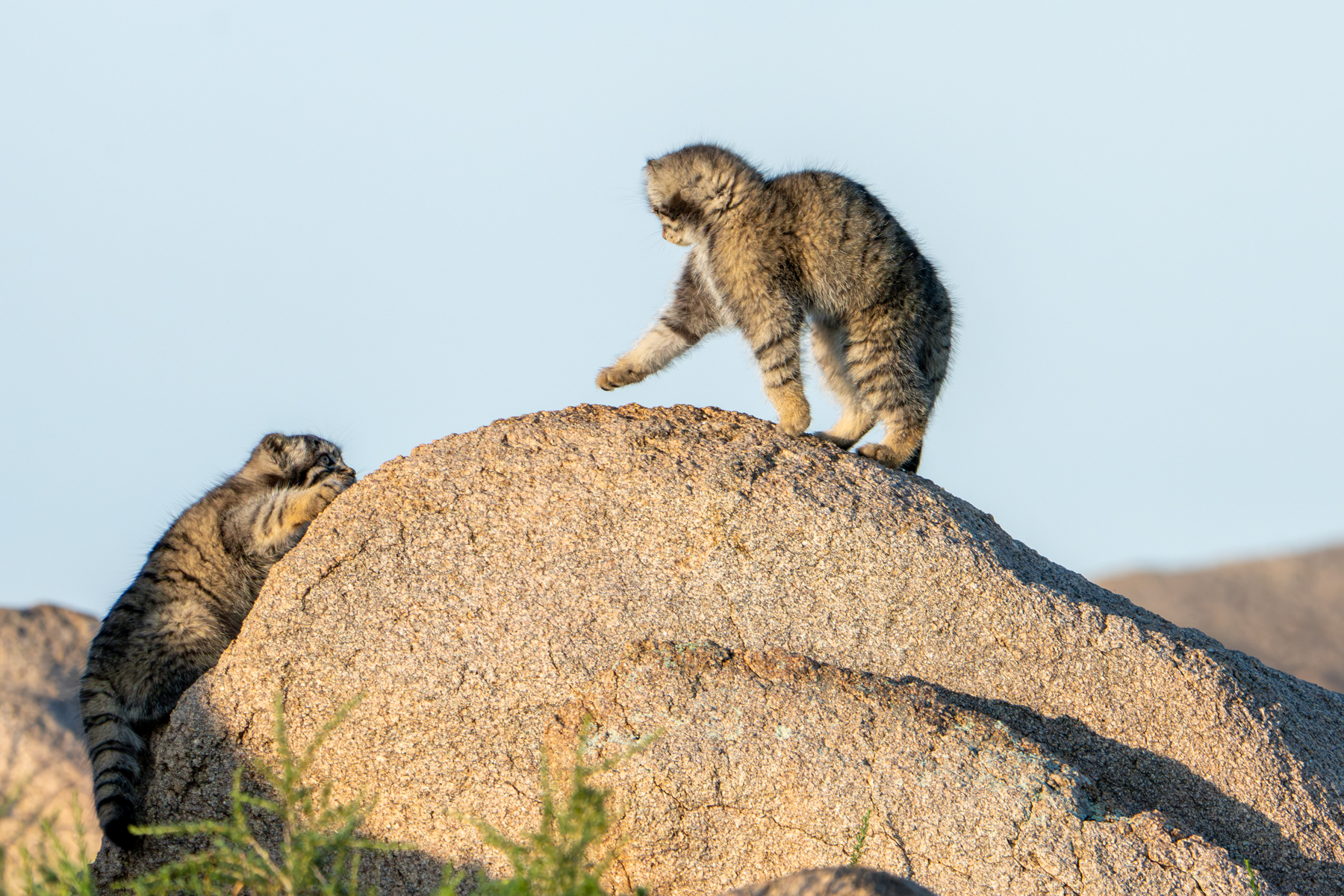
"This rock is mine!" (image by Inger Vandyke)
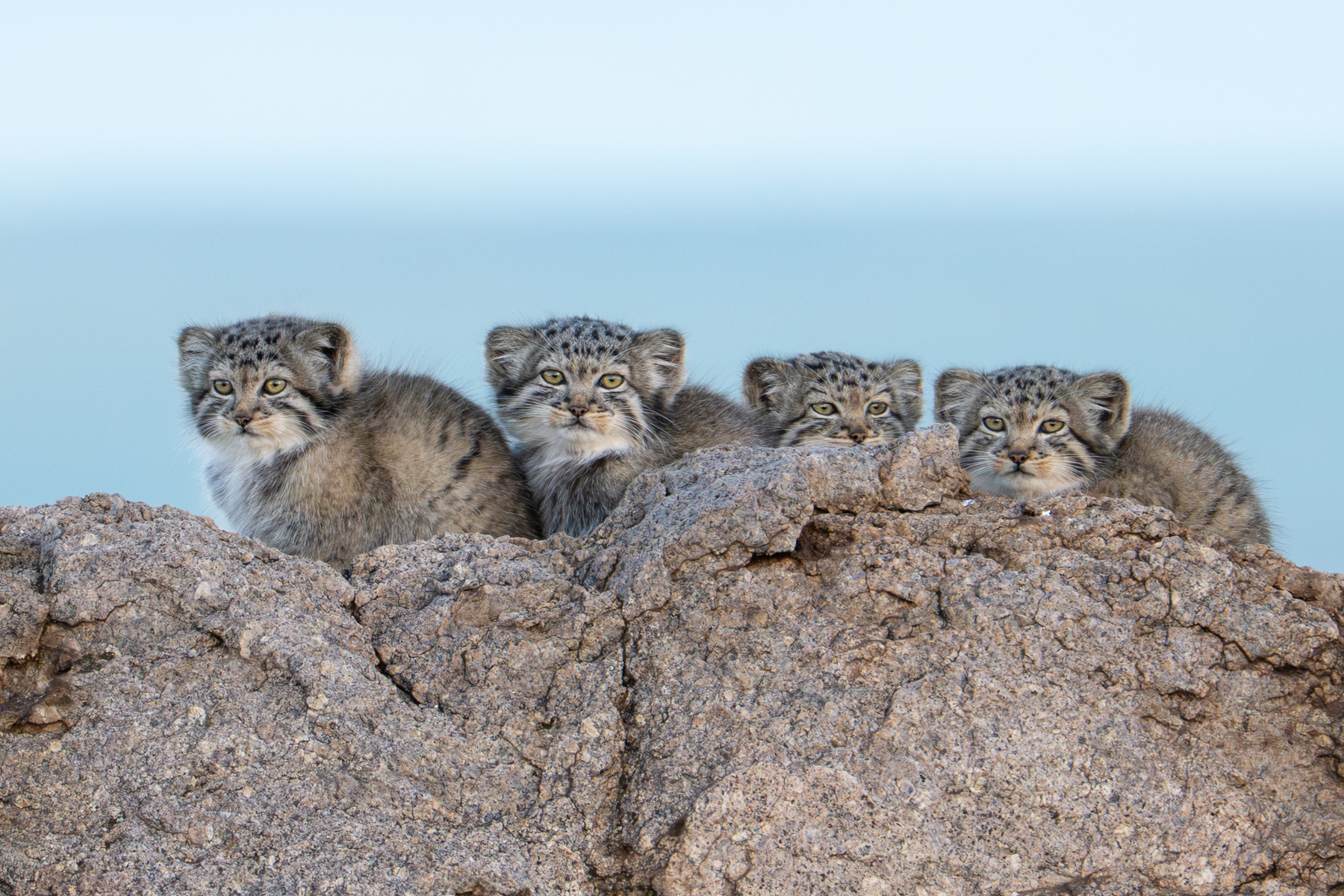
A line of little faces on a large granite boulder in the steppe (image by Inger Vandyke)
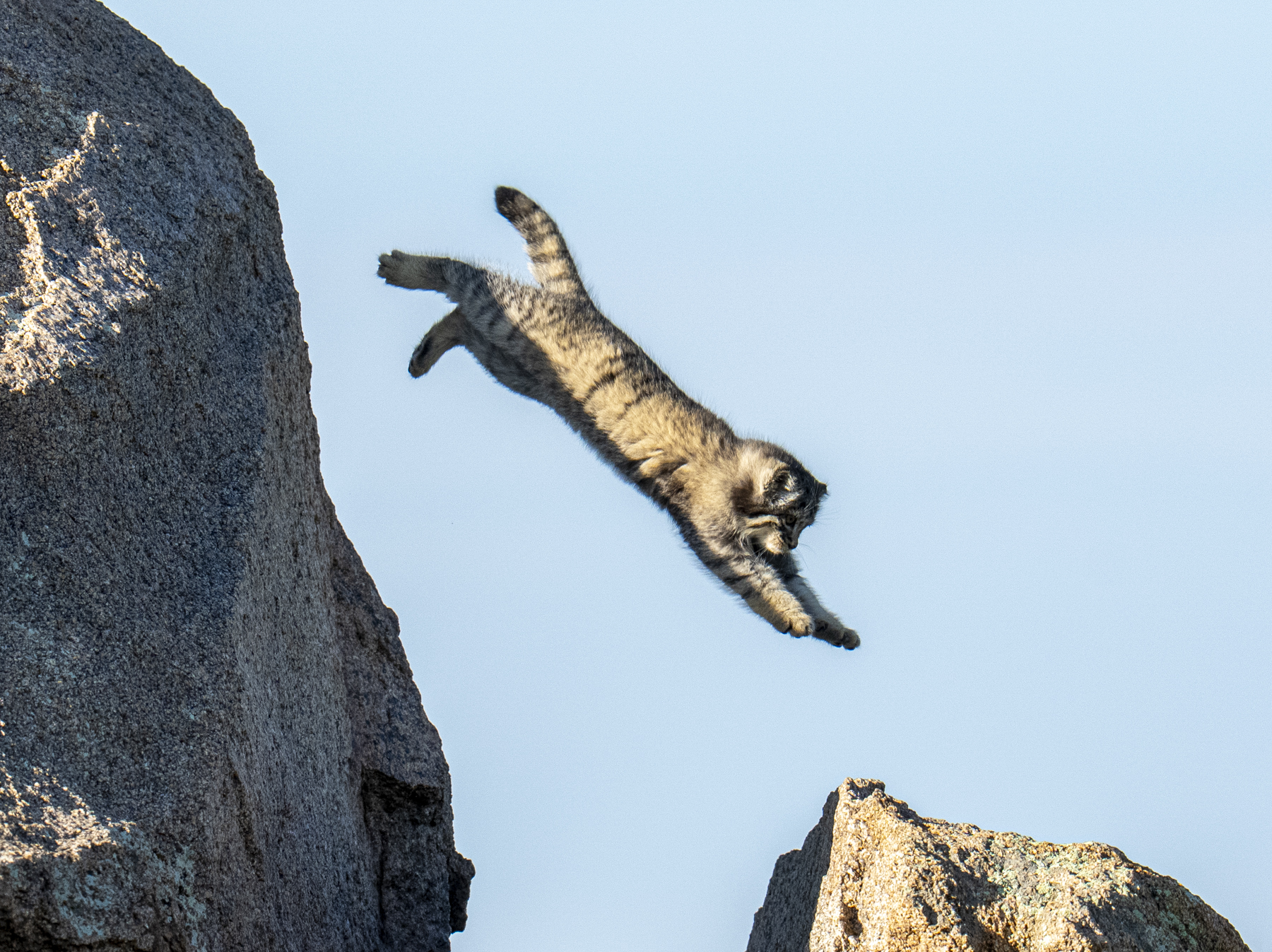
Pallas's Cat kitten 'in flight' (image by Mark Beaman)
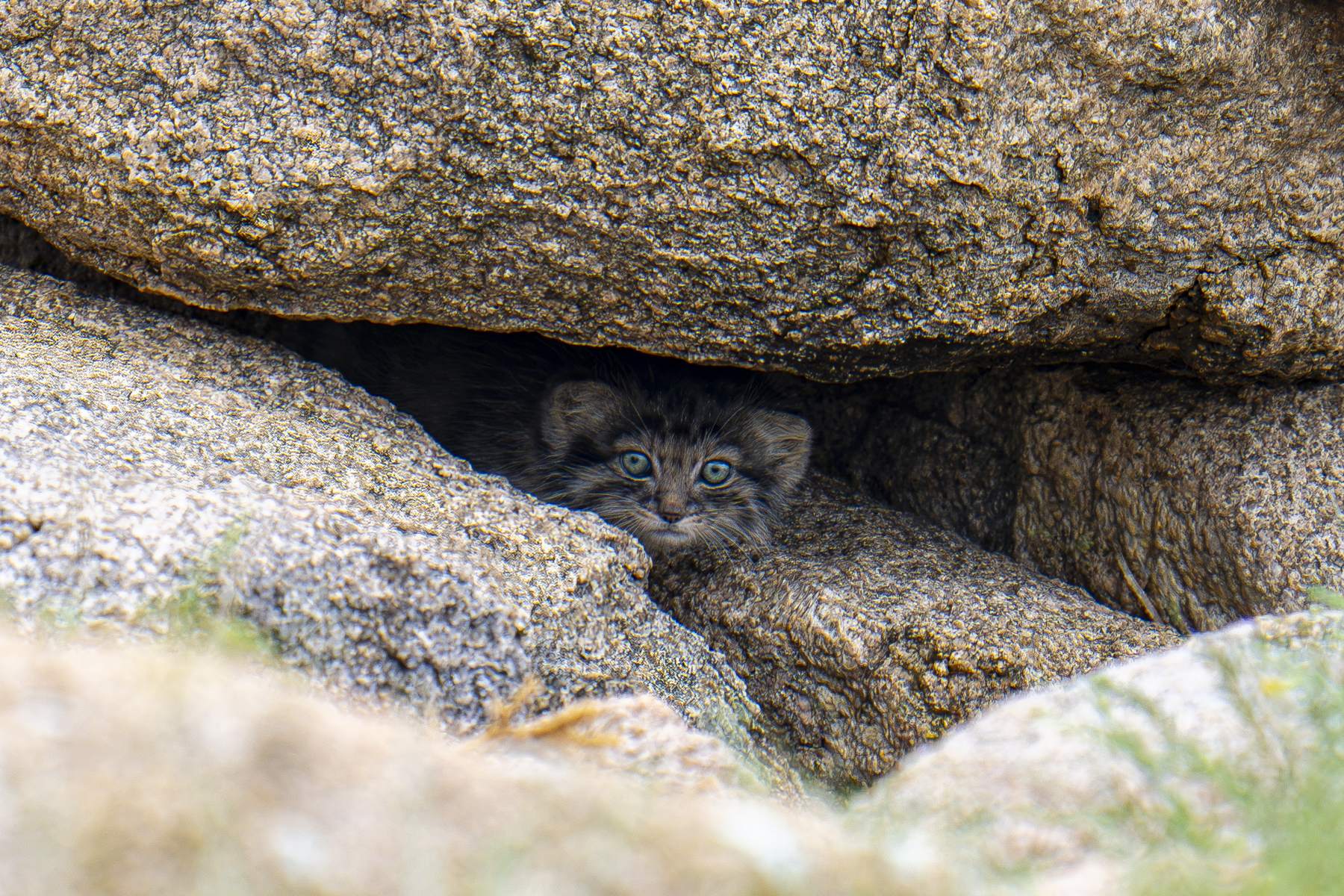
Pallas's Cat kittens have blue-green eyes when very young (image by Mark Beaman)

Przewalski's Horses
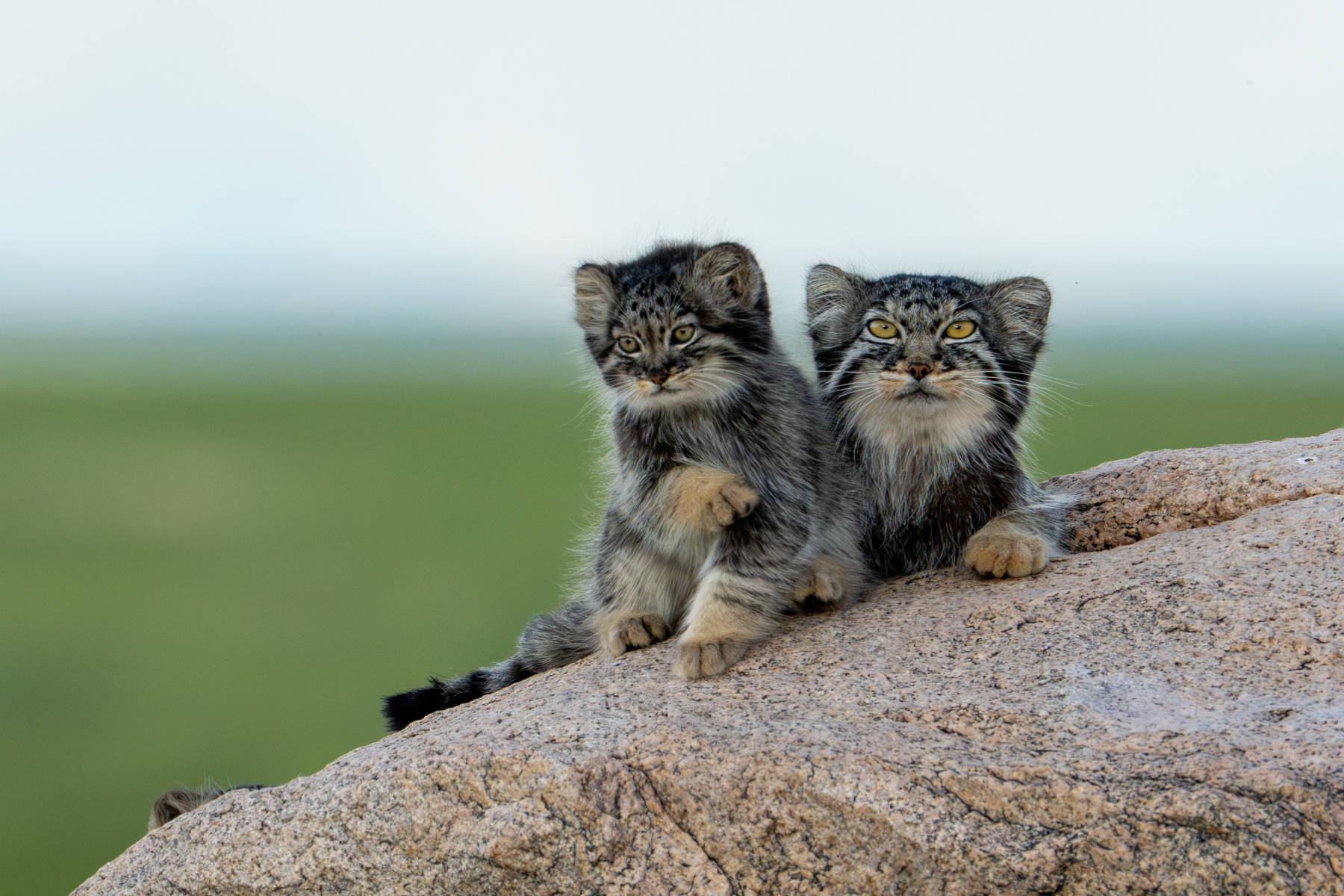
Pallas's Cat mother and kitten at sunset (image by Inger Vandyke)
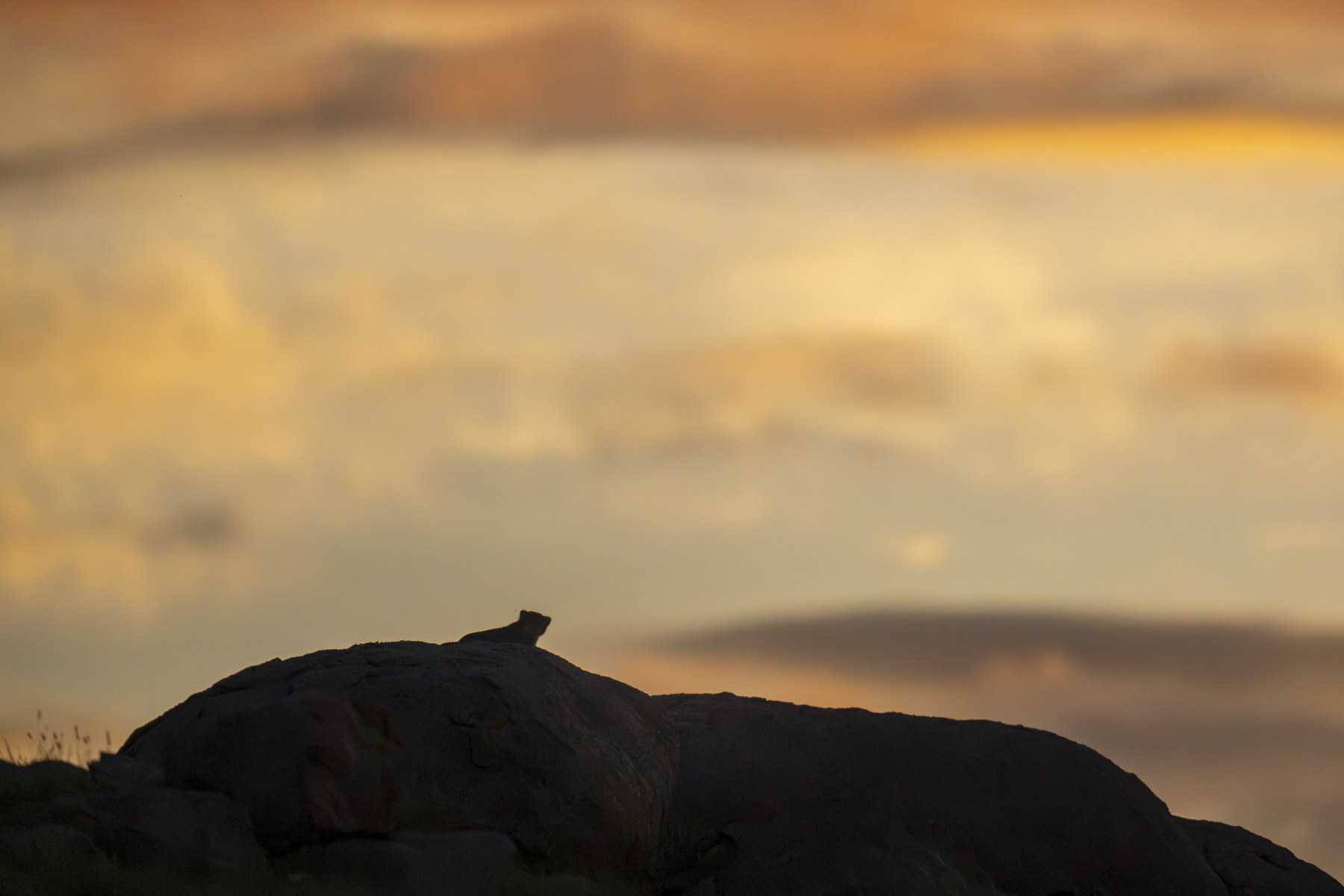
Pallas's Cat at sunset (image by Mark Beaman)
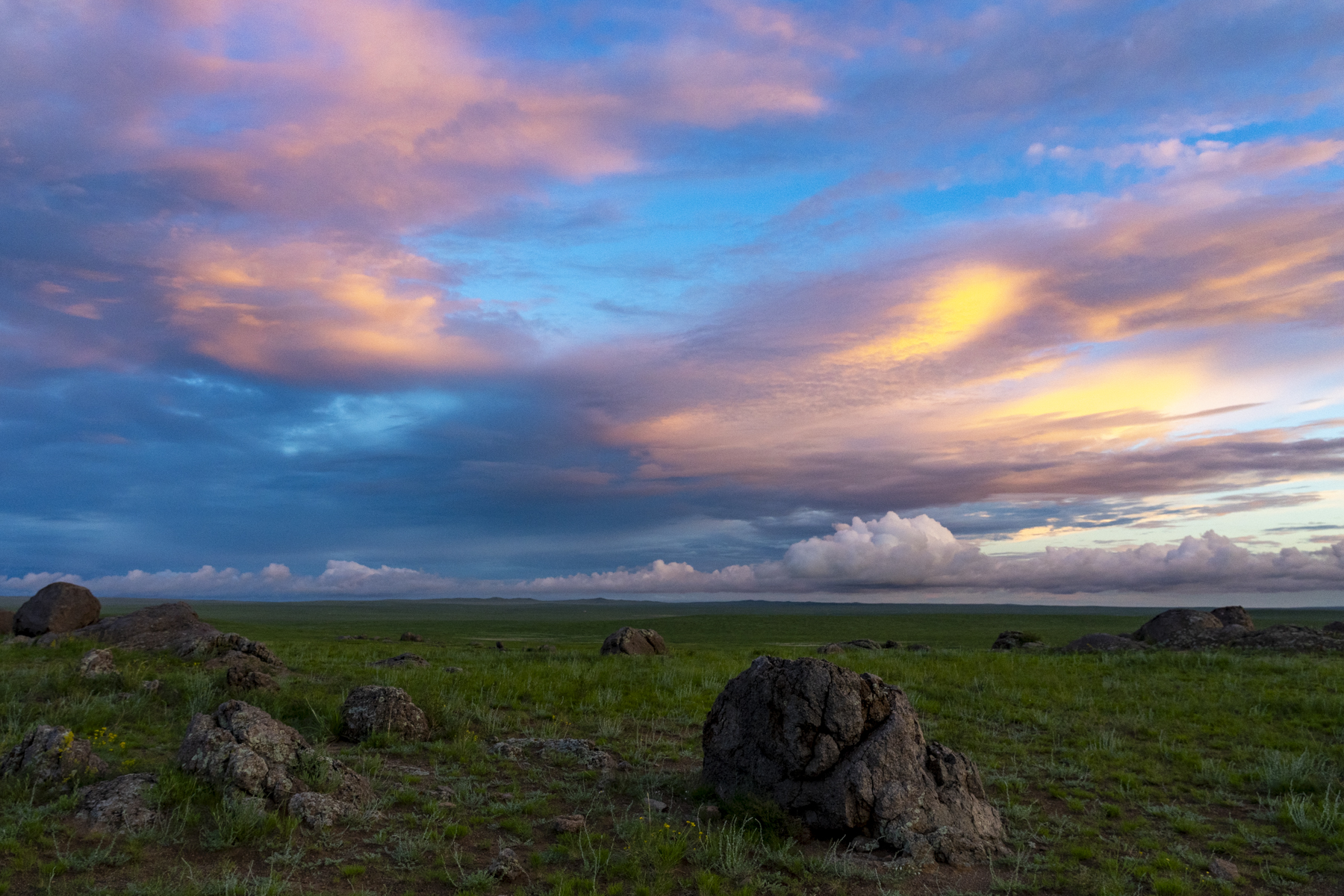
Eastern Mongolia is 'big sky country' (image by Mark Beaman)
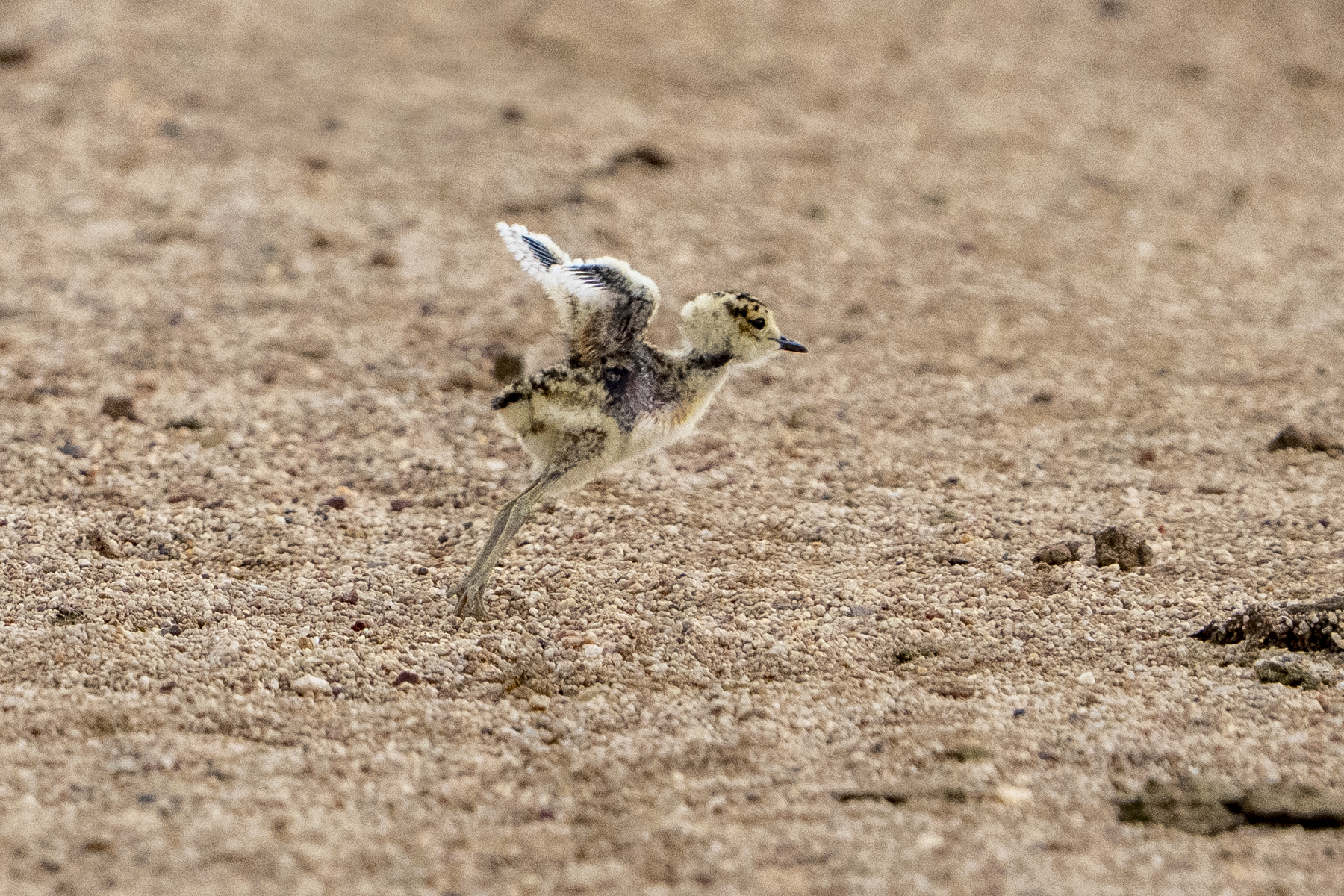
Oriental Plover chick (image by Mark Beaman)
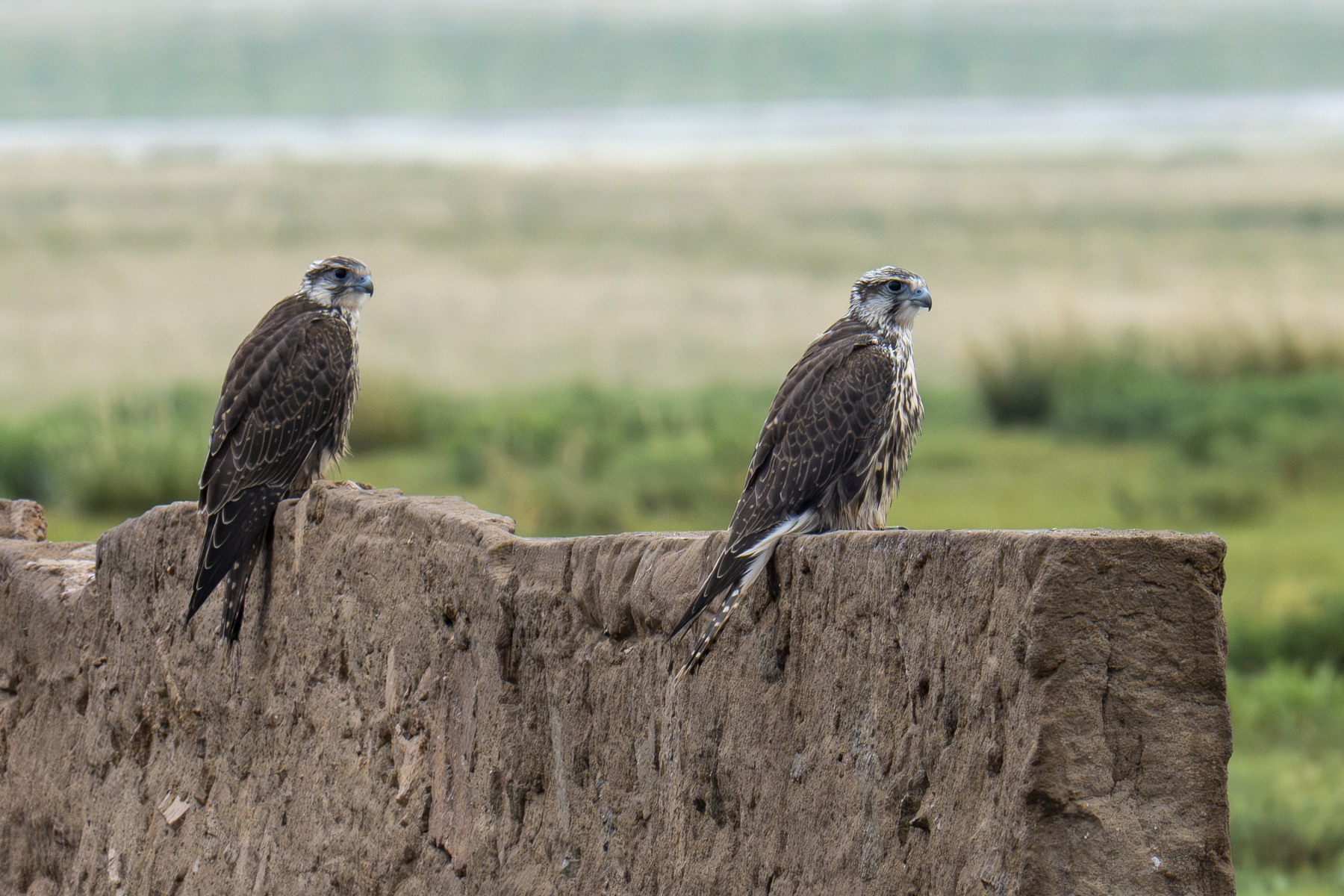
Saker Falcons (image by Mark Beaman)

A wandering Przewalski's Horse at golden hour
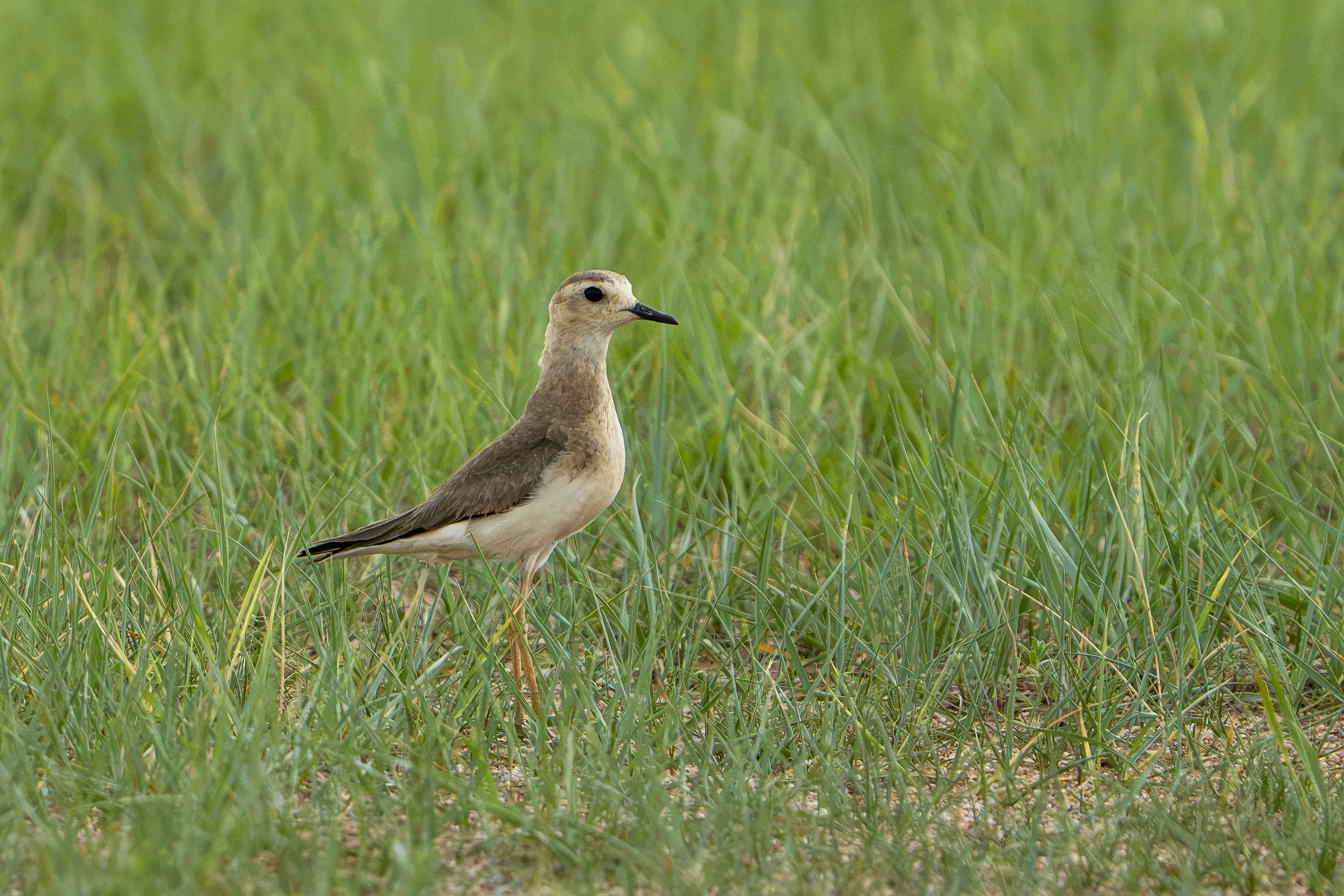
Oriental Plover (image by Mark Beaman)
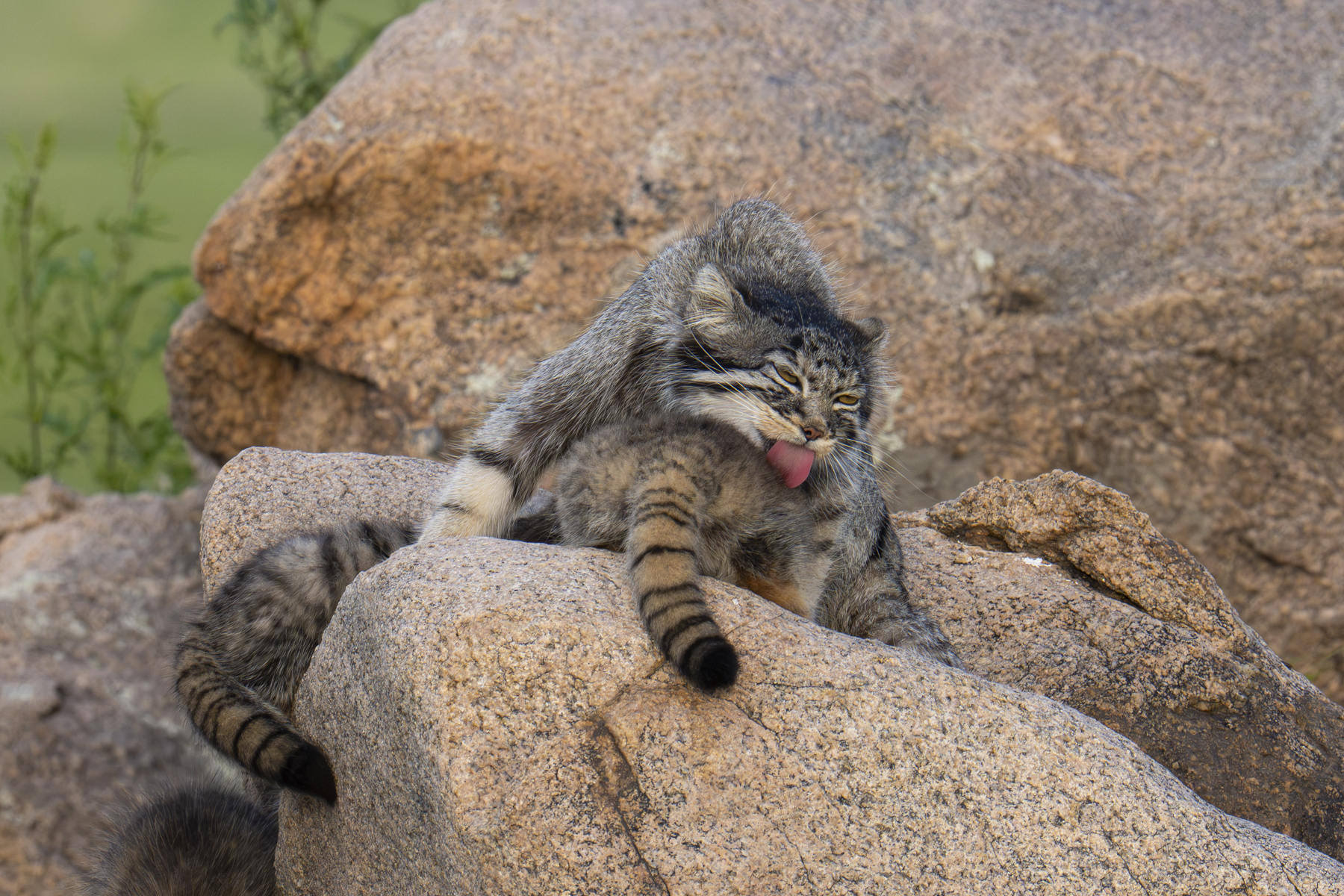
Time to wash those kittens! (image by Mark Beaman)
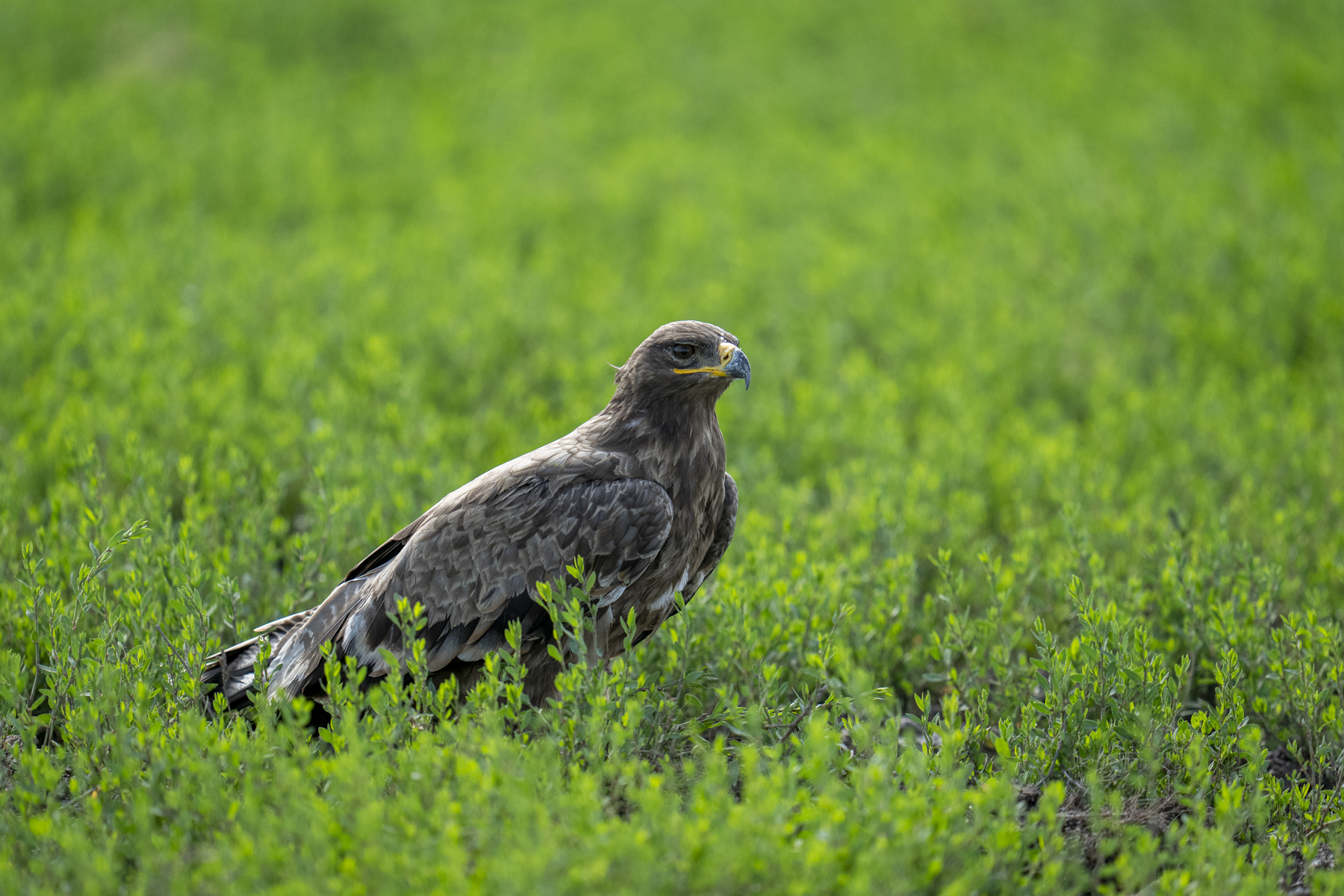
Steppe Eagle (image by Mark Beaman)
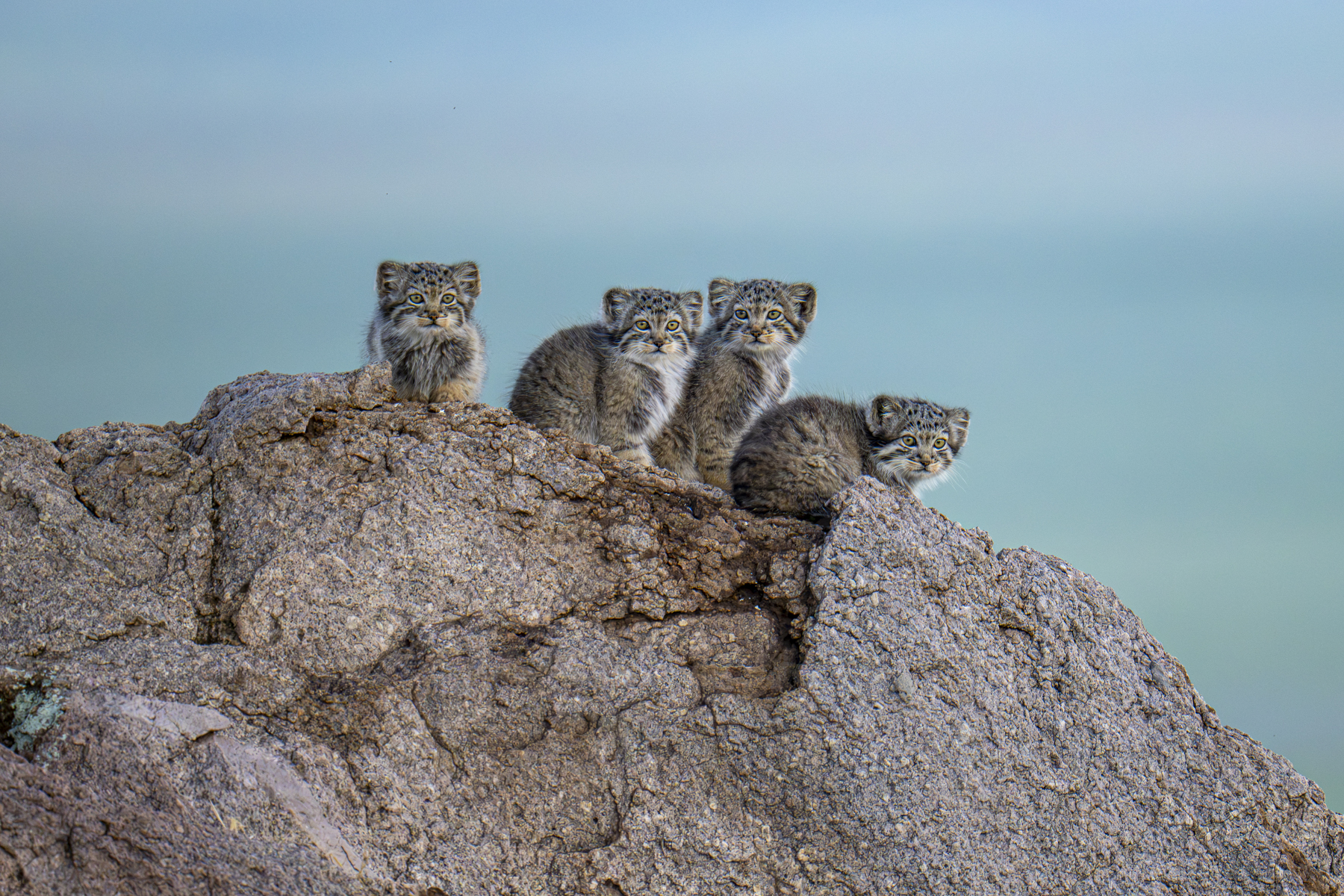
Pallas's Cat kittens (image by Mark Beaman)
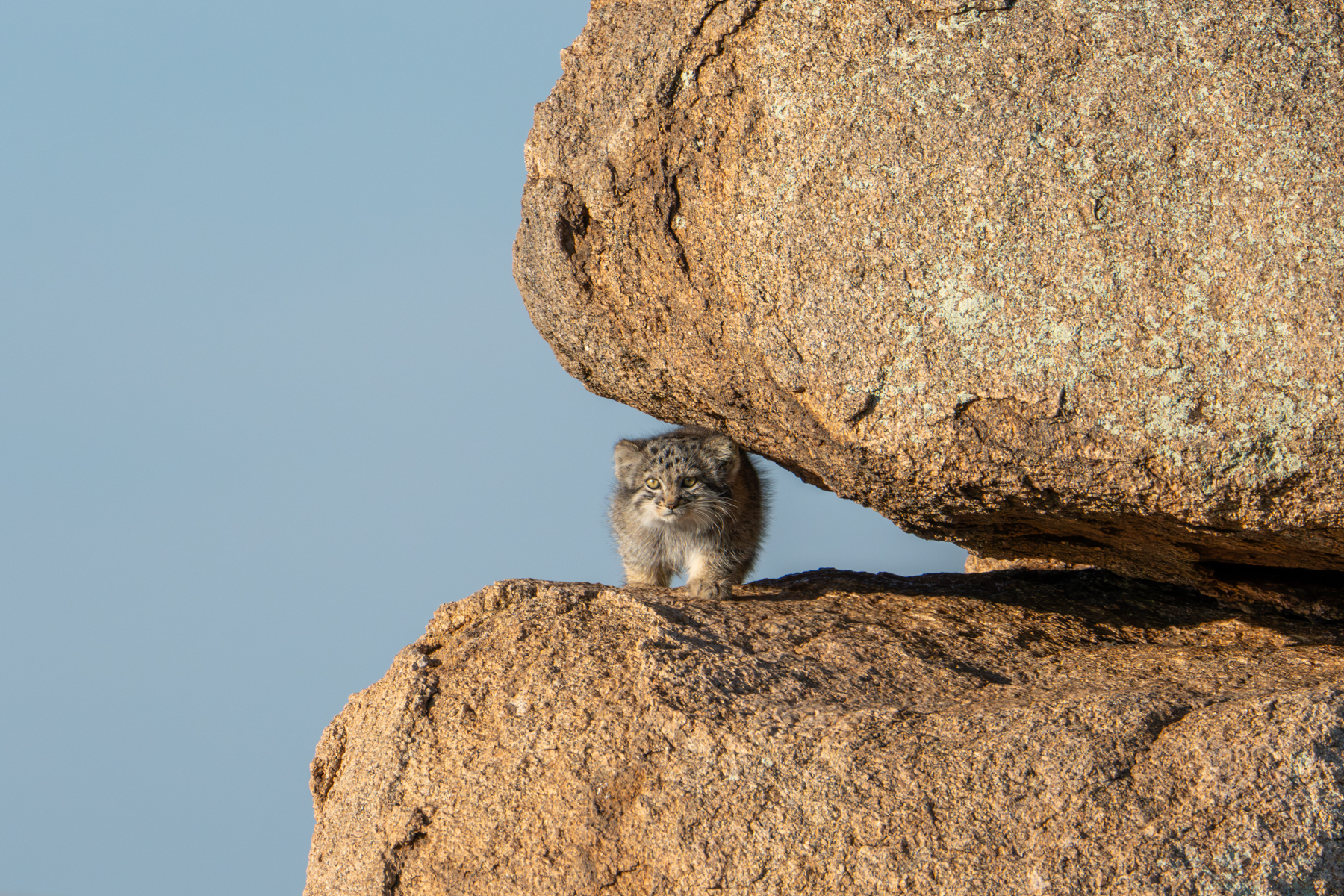
Tiny Pallas's Cat kitten in a rock crack (image by Inger Vandyke)
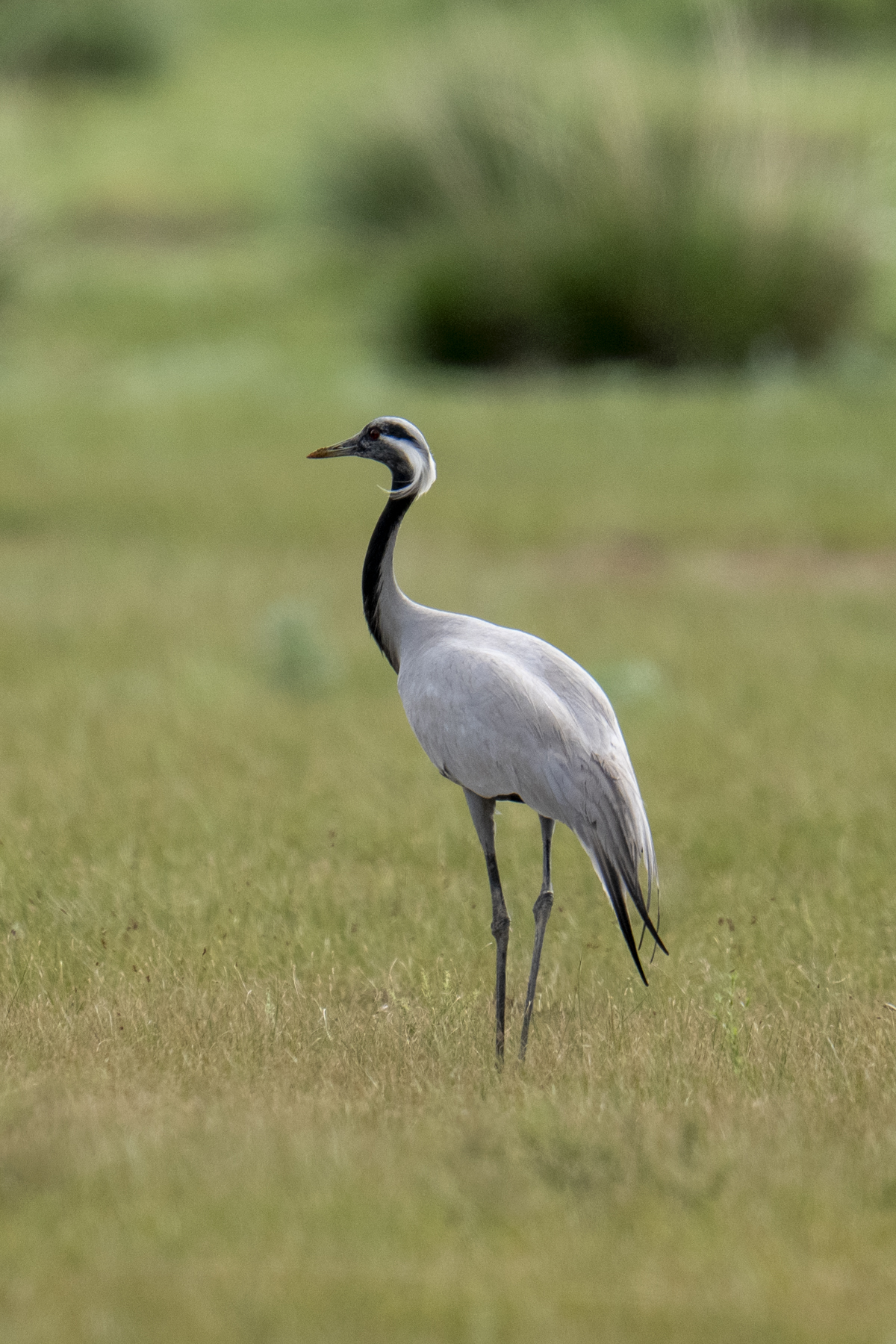
Demoiselle Crane (image by Mark Beaman)
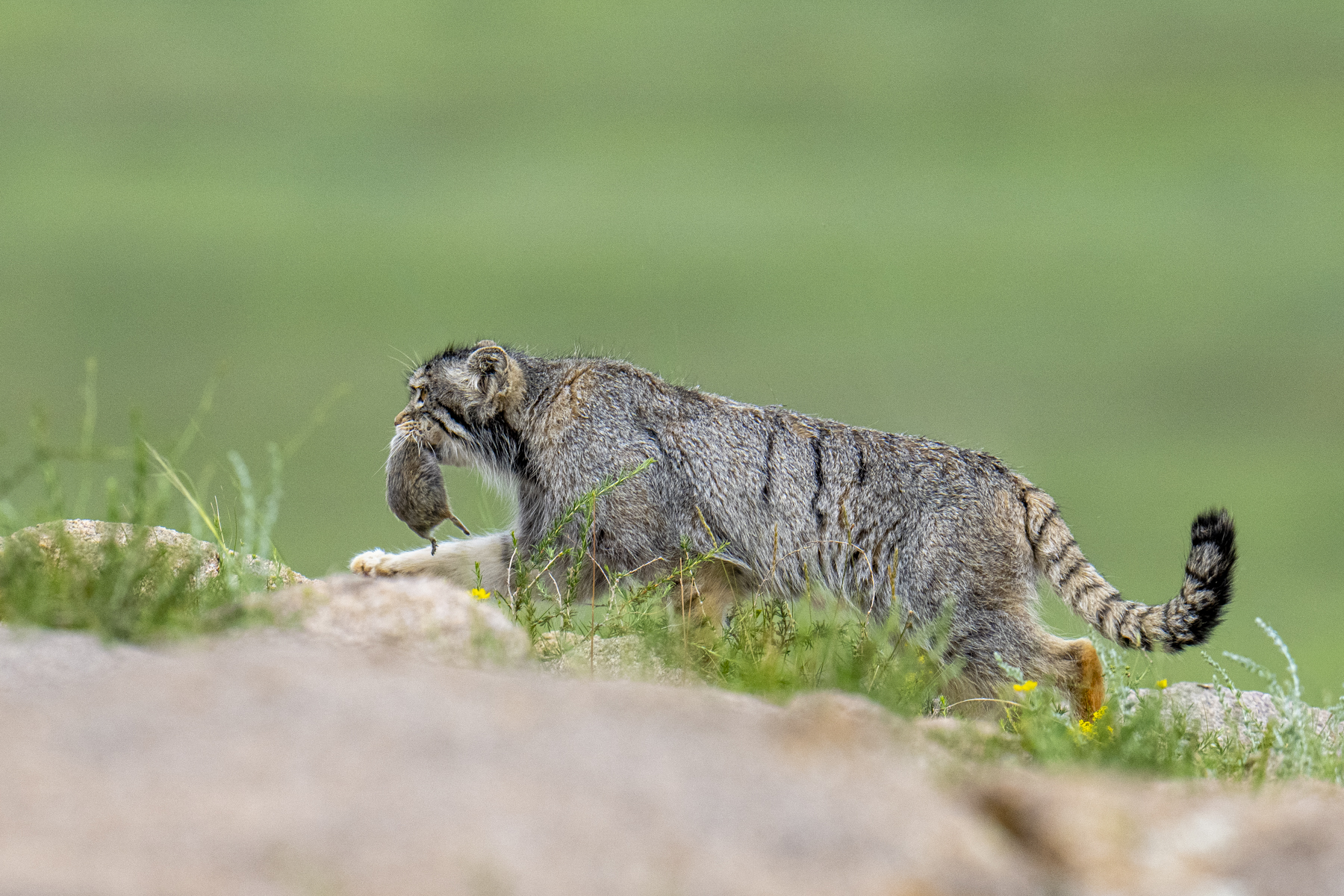
Pallas's Cat mother bringing a Brandt's Vole to her kittens (image by Mark Beaman)
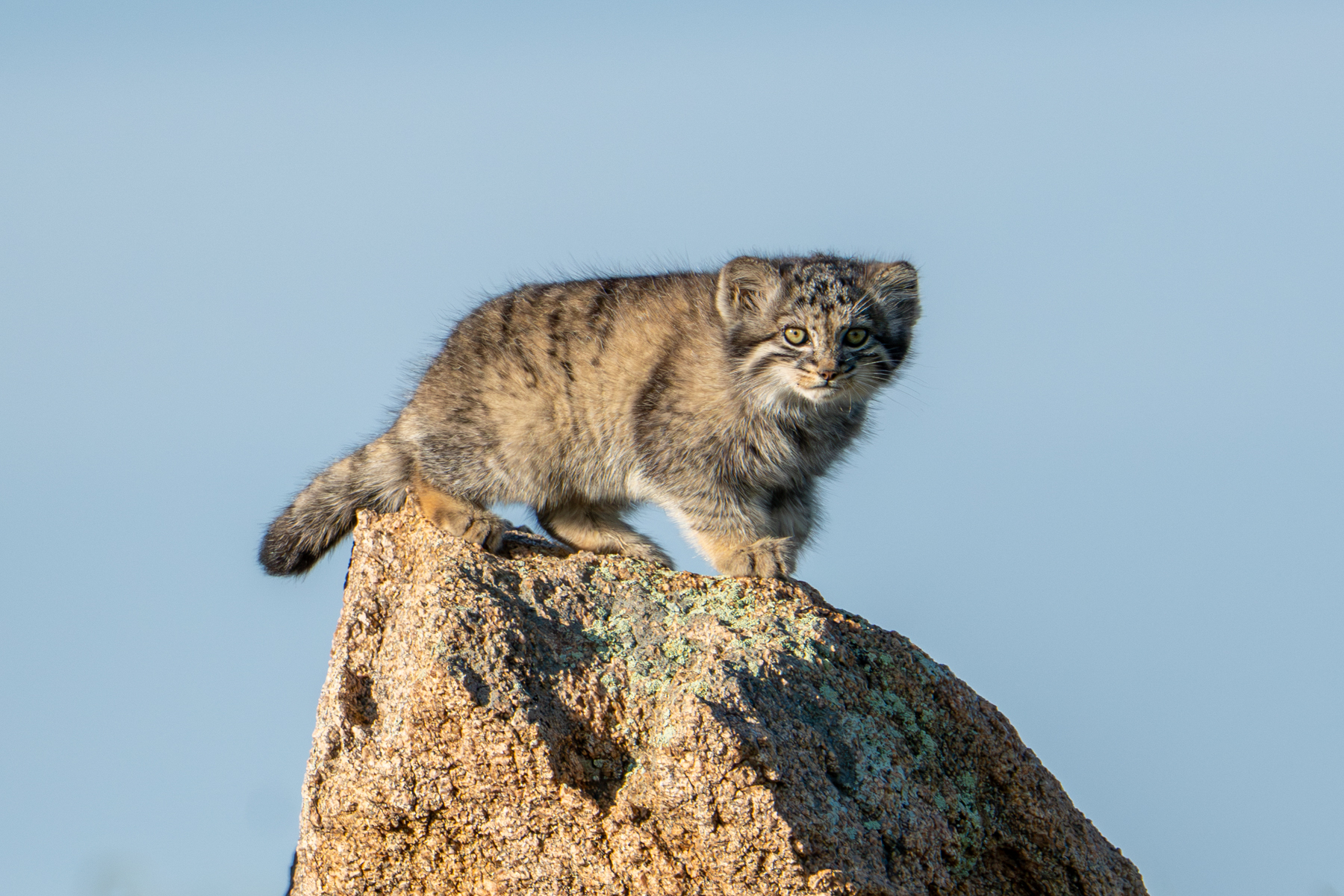
Pallas's Cat kitten king of the rock (image by Inger Vandyke)
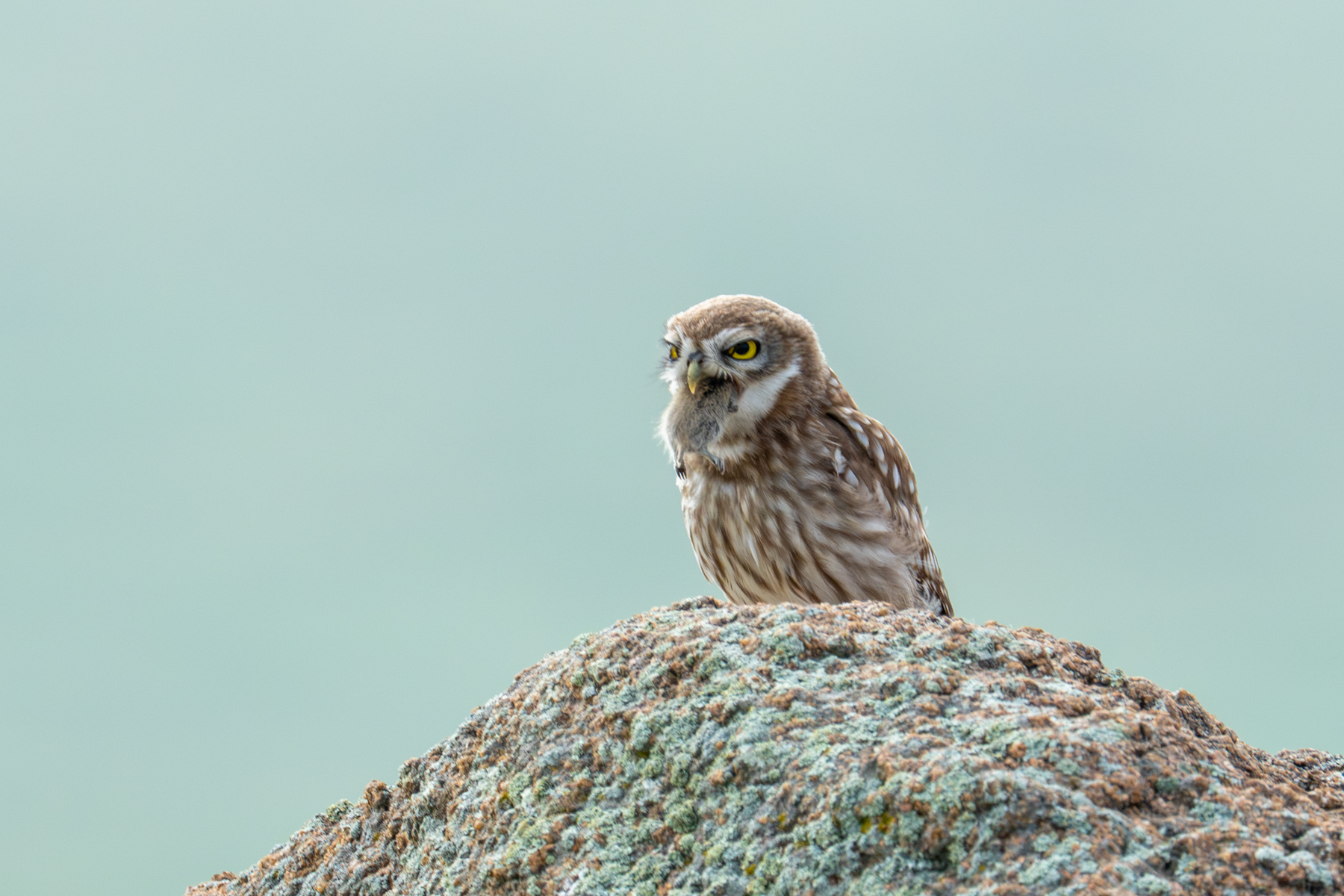
Little Owl with prey (image by Inger Vandyke)
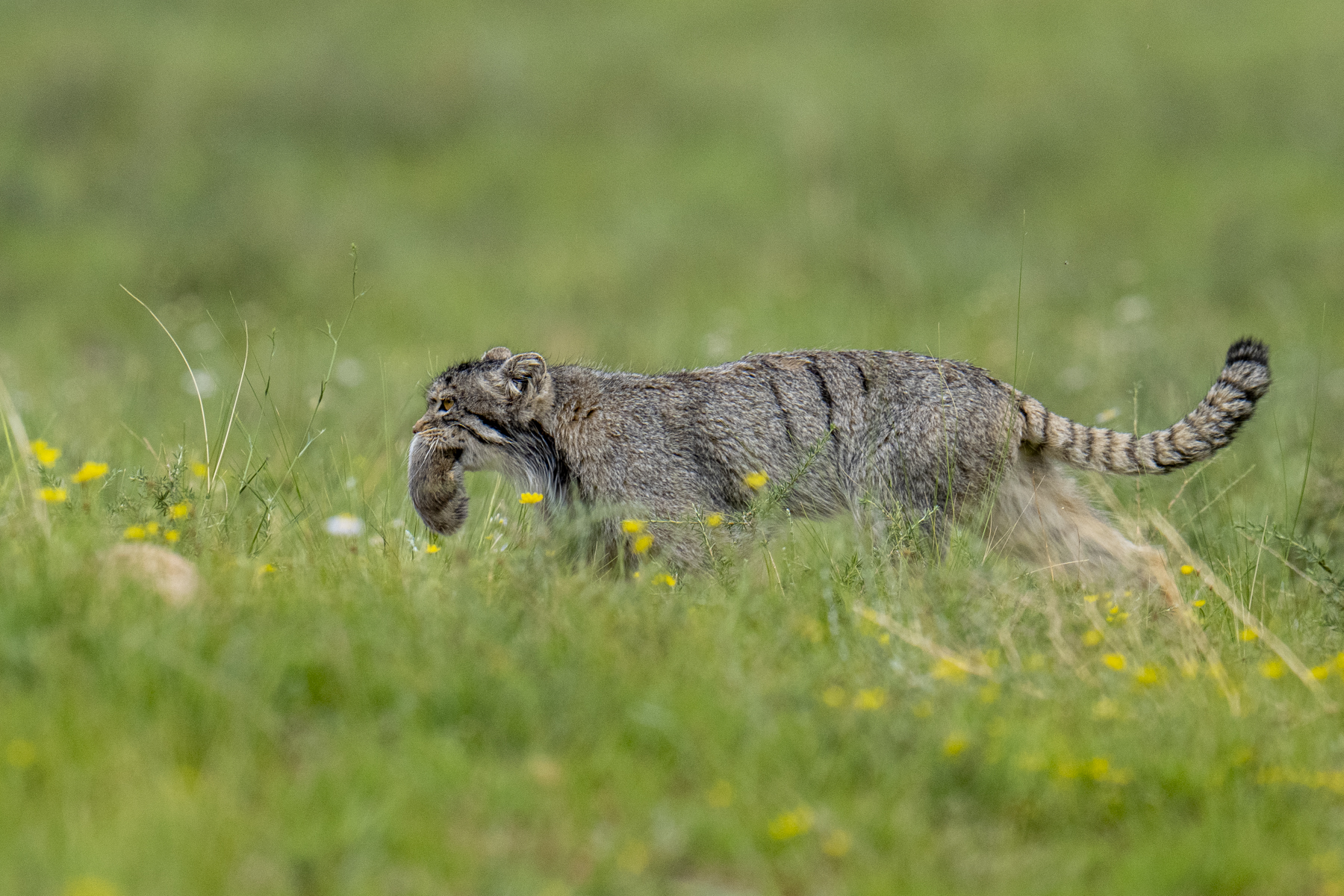
Pallas's Cat mother bringing a Brandt's Vole to her kittens (image by Mark Beaman)

Upland Buzzard dark morph (image by Mark Beaman)

Przewalski's Horses
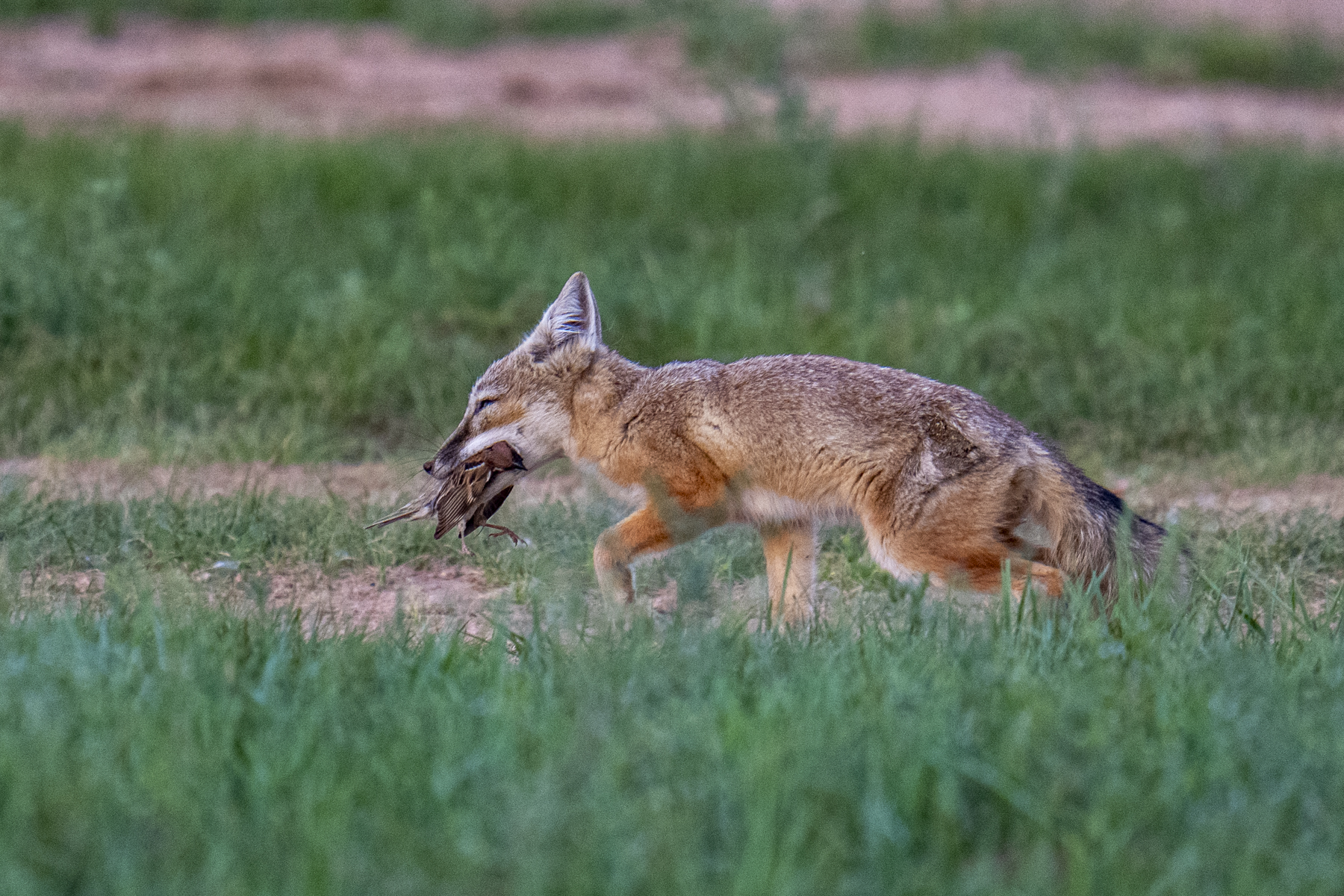
Corsac Fox with Eurasian Tree Sparrow (image by Mark Beaman)
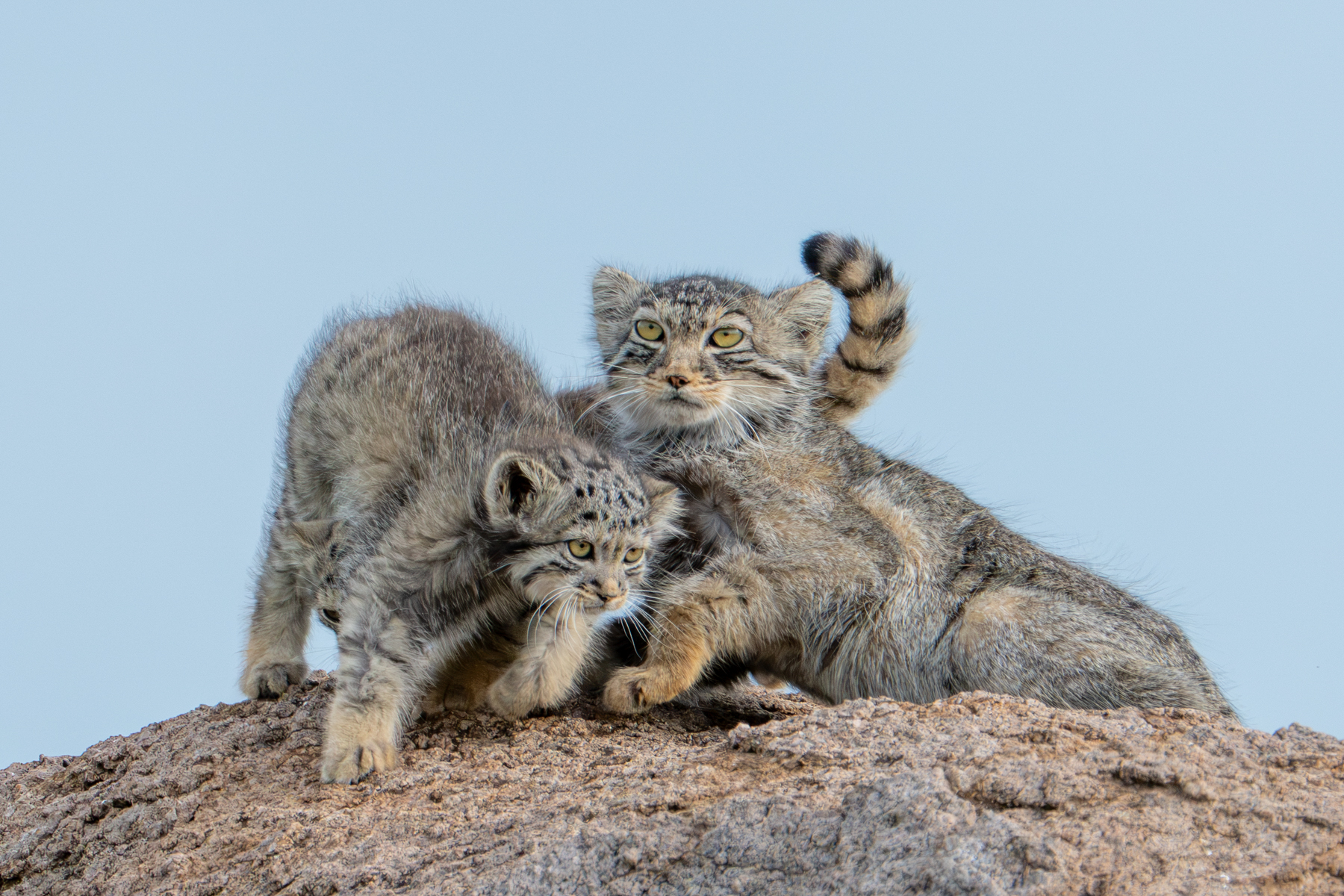
Pallas's Cat mother with her playful kitten wrapped around her (image by Inger Vandyke)
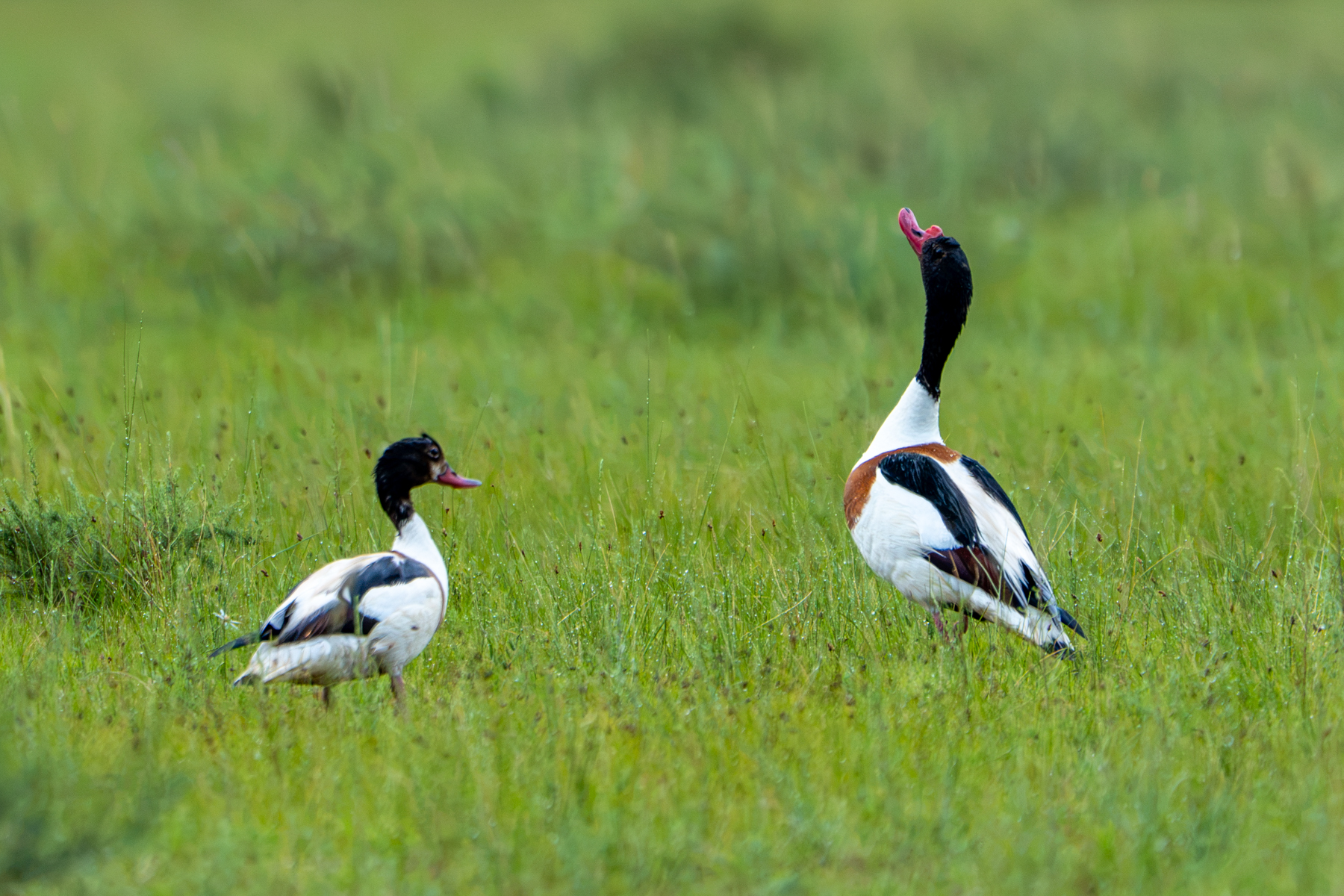
Common Shelduck pair (image by Inger Vandyke)

Pallas's Cat (image by Mark Beaman)
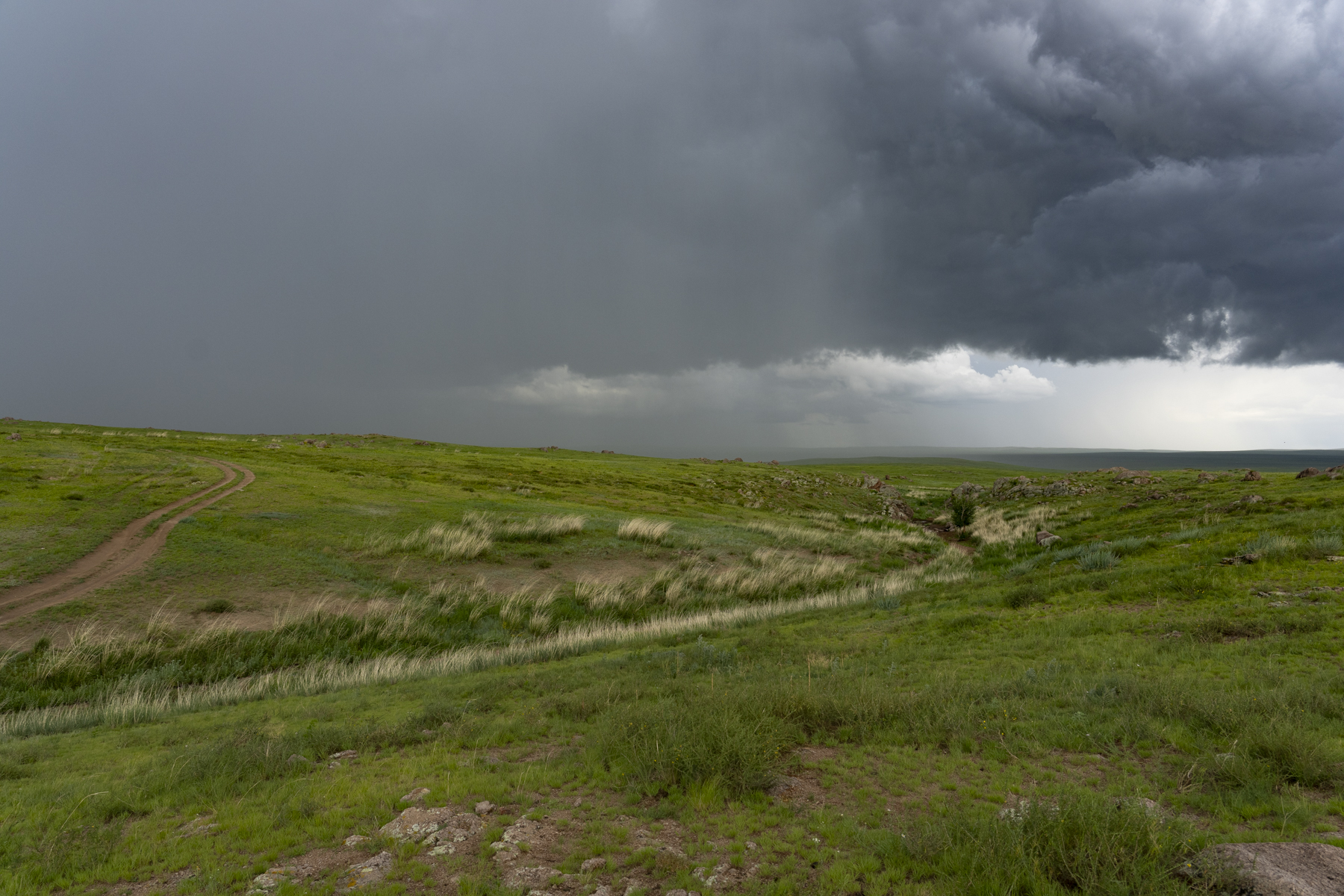
Summer squall in the steppe (image by Mark Beaman)

Brandt's Vole (image by Mark Beaman)
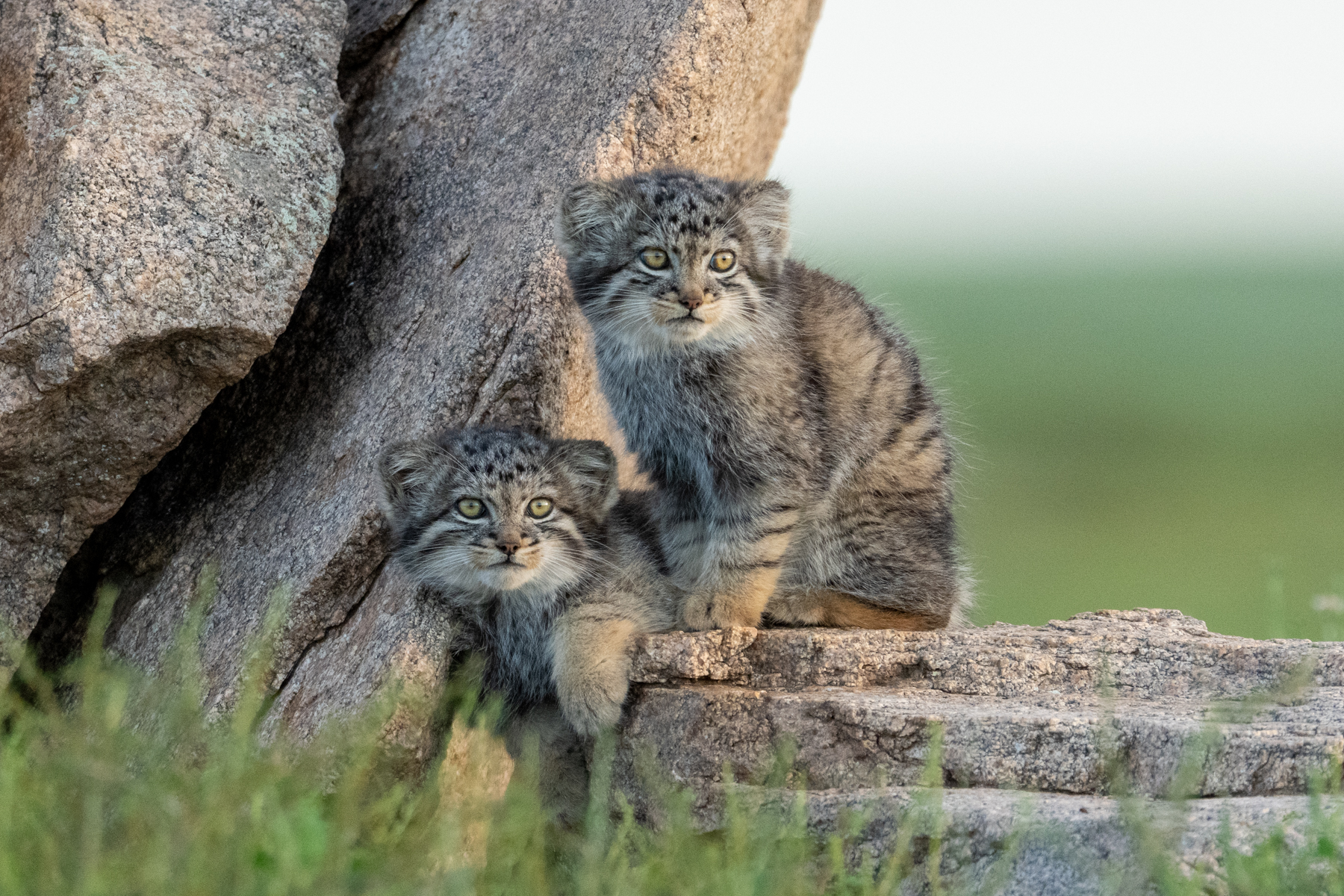
Sunset kittens (image by Inger Vandyke)
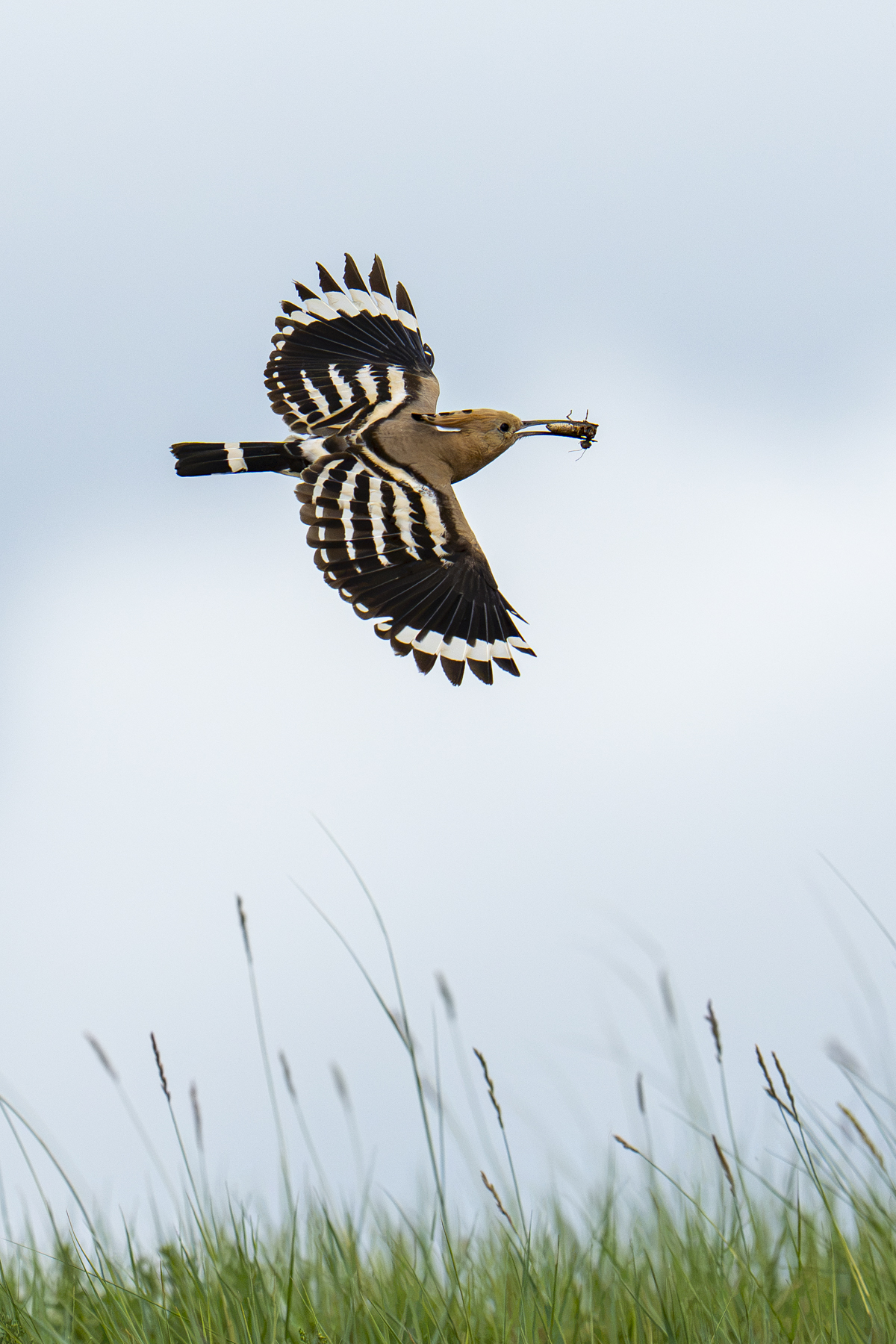
Eurasian Hoopoe with prey (image by Mark Beaman)
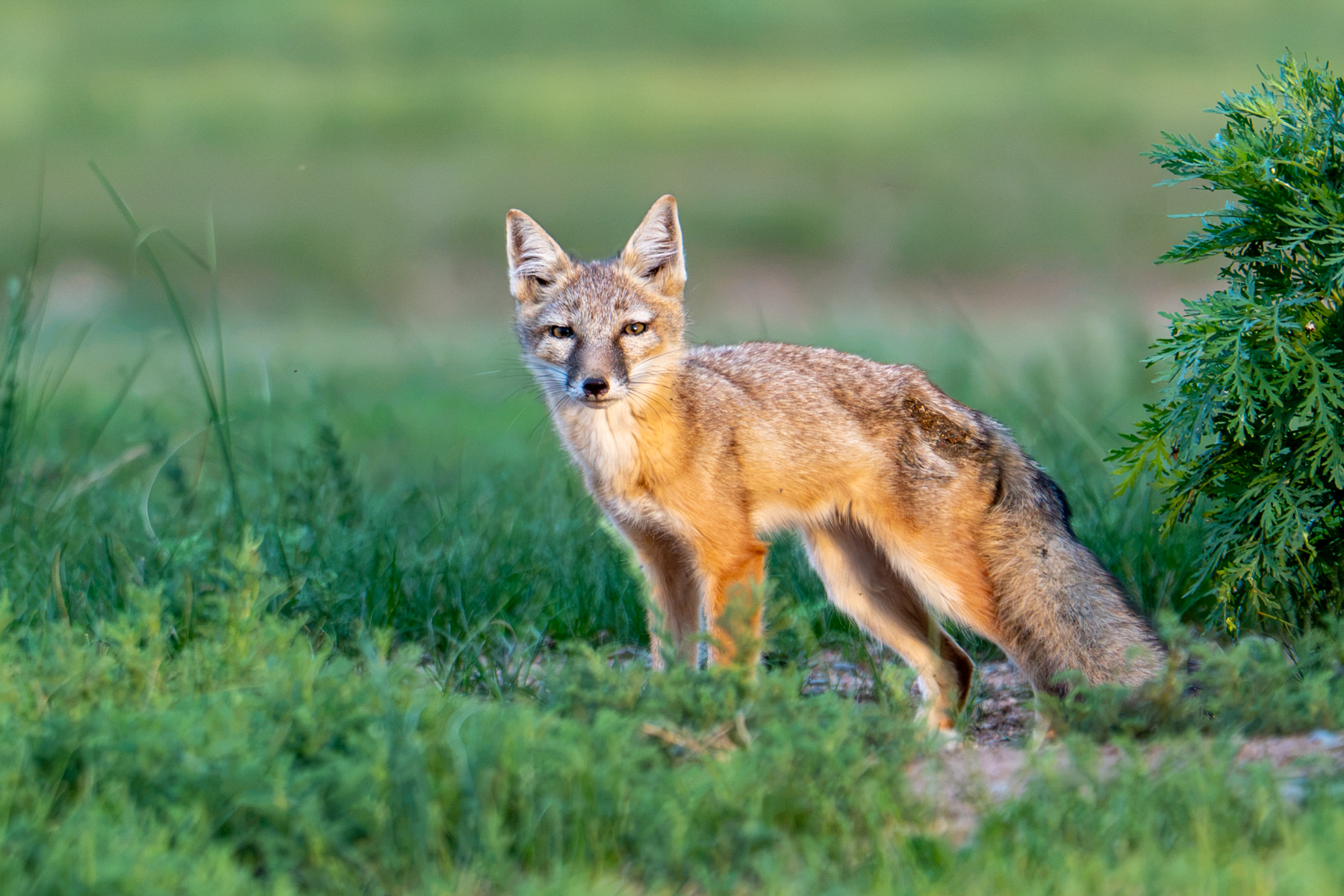
Corsac Fox (image by Inger Vandyke)
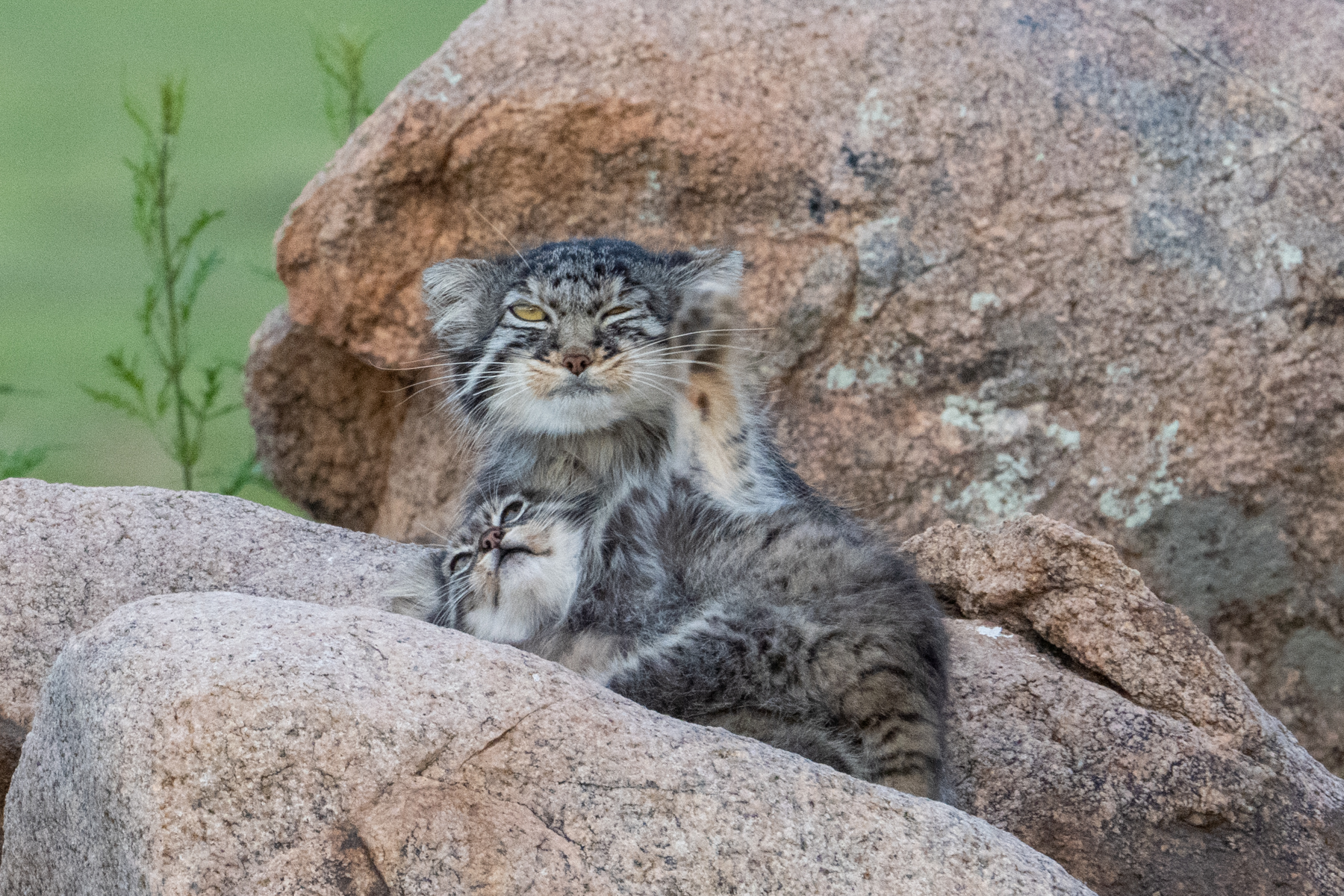
"Please play mummy" (image by Inger Vandyke)
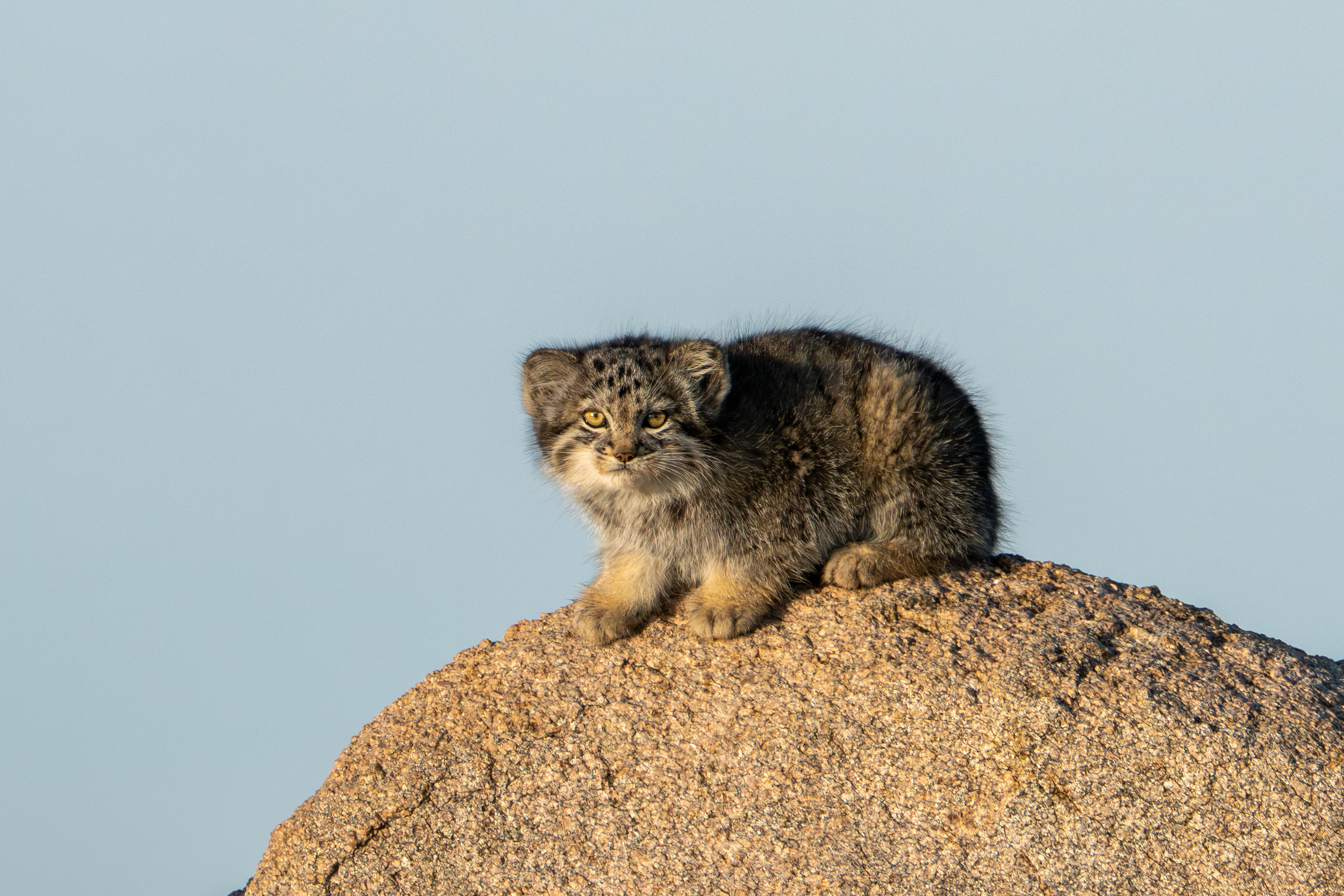
The ultimate grumpy kitten (image by Inger Vandyke)
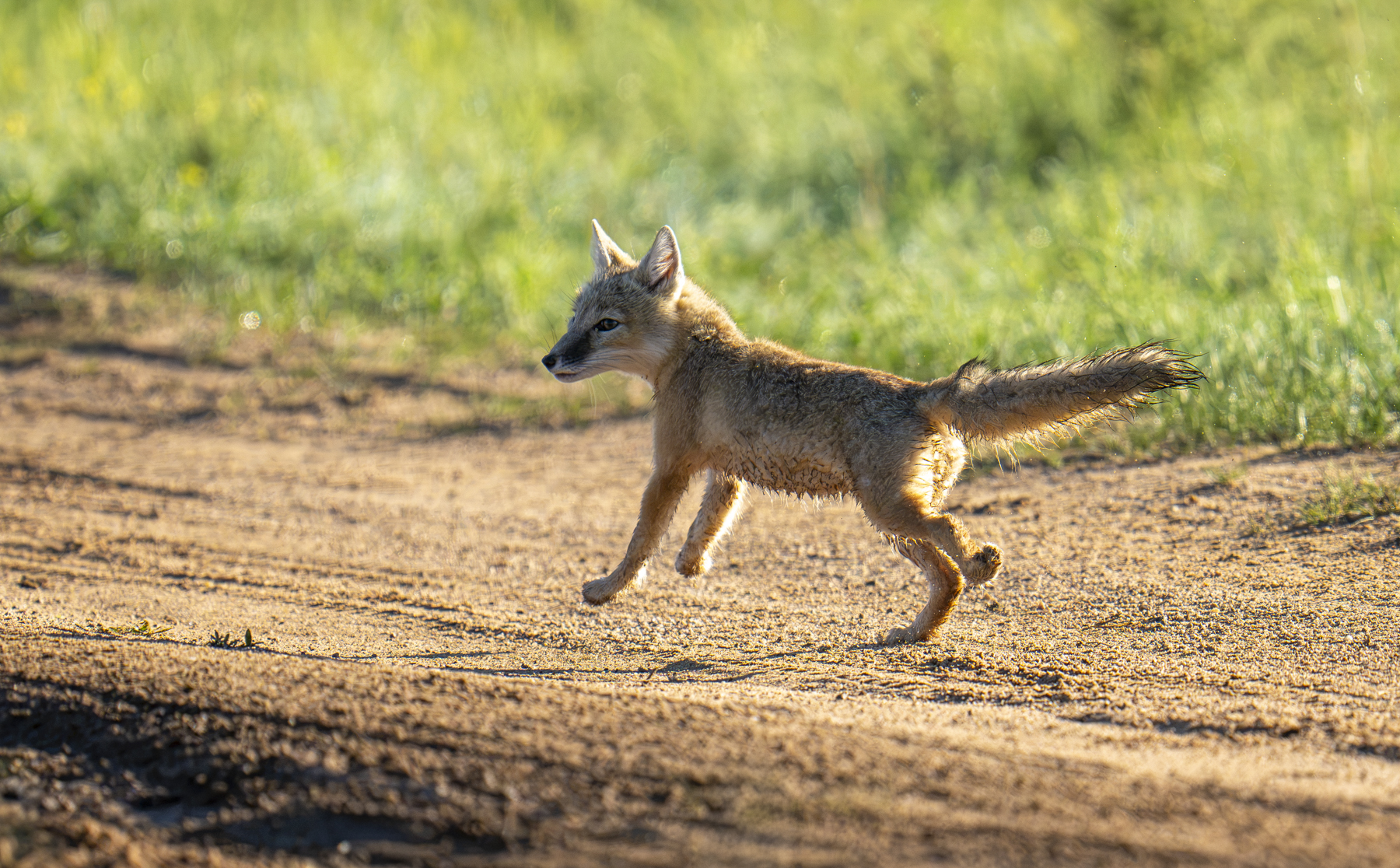
Corsac Fox (image by Mark Beaman)
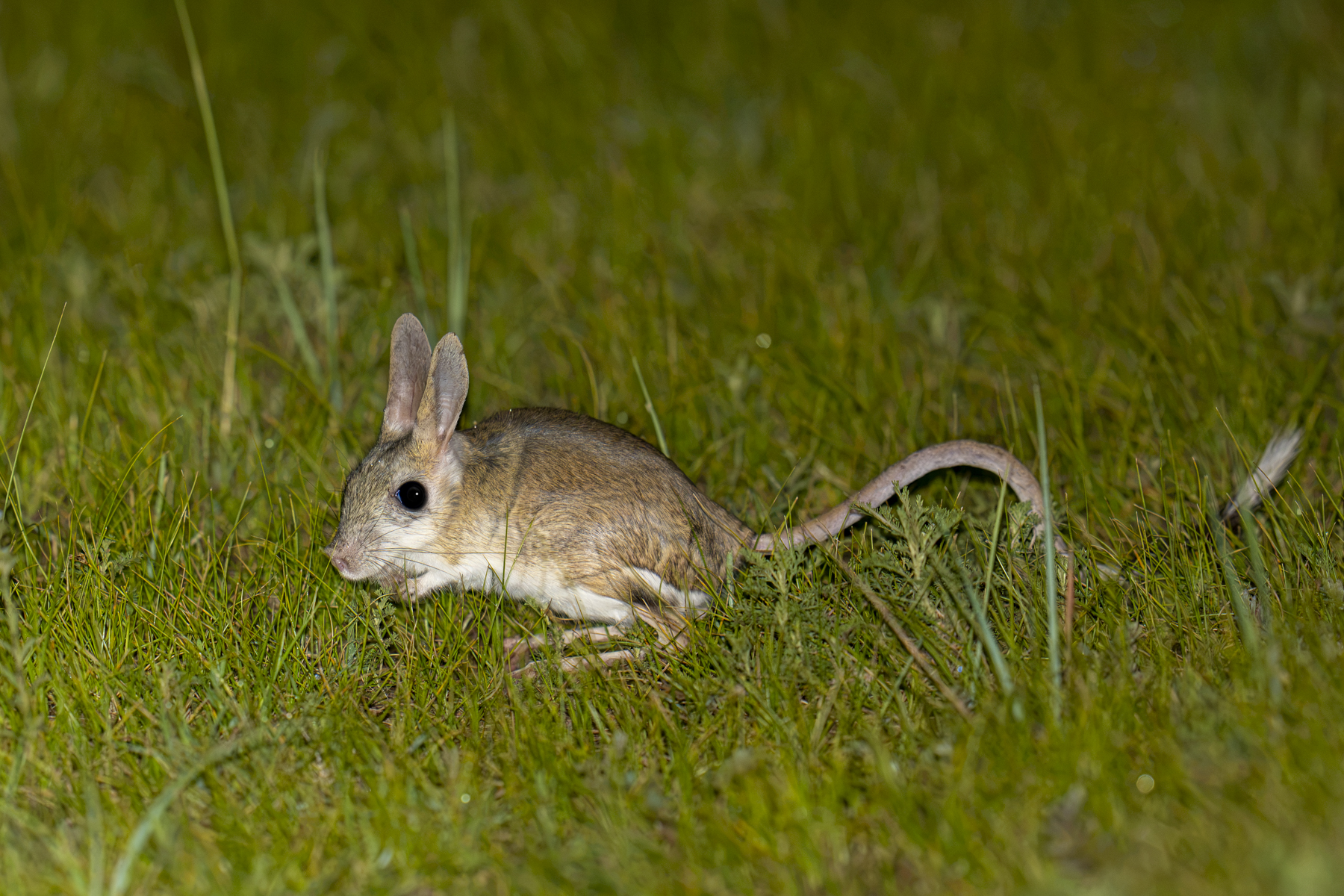
Siberian Jerboa (image by Mark Beaman)
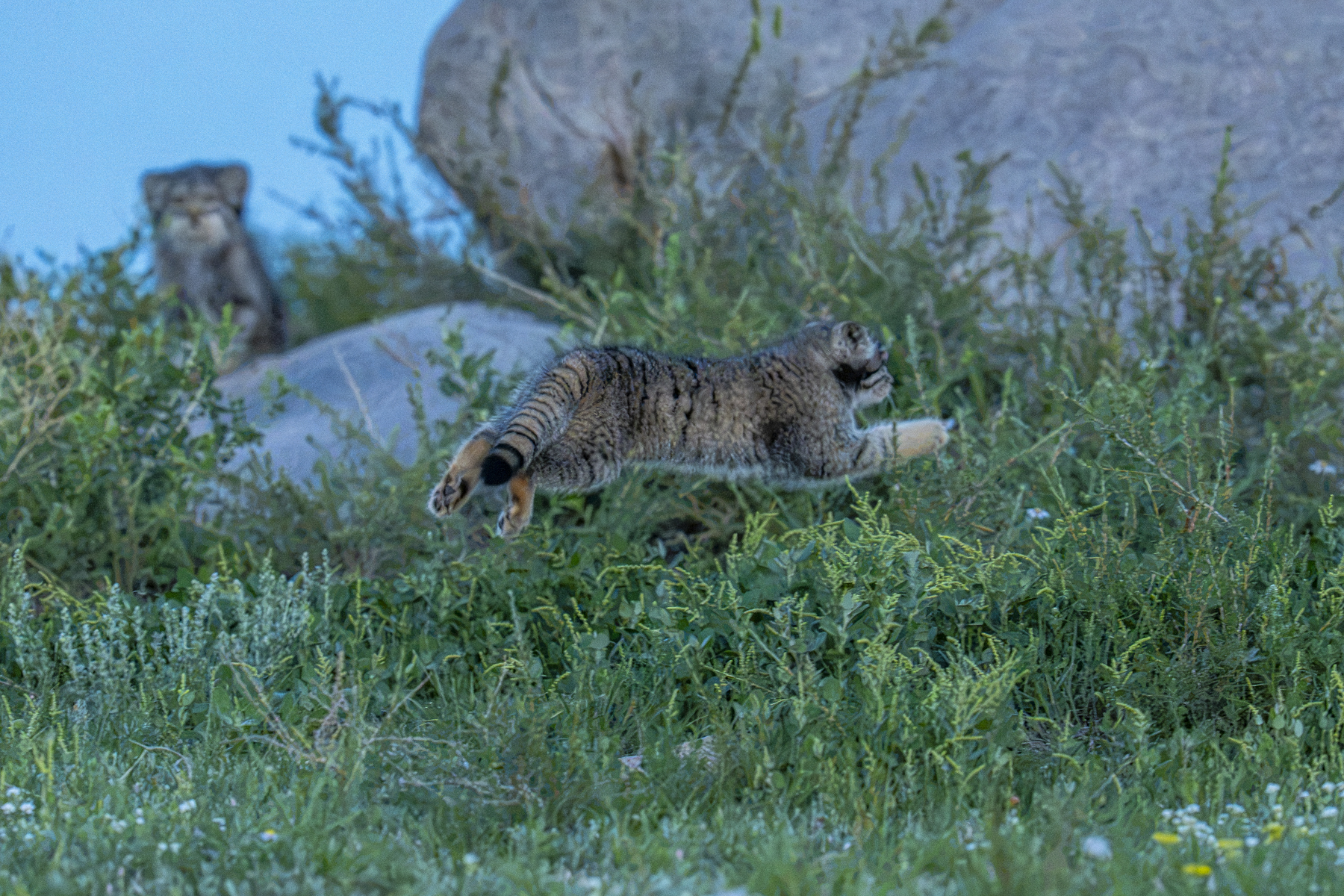
Pallas's Cat kittens (image by Mark Beaman)
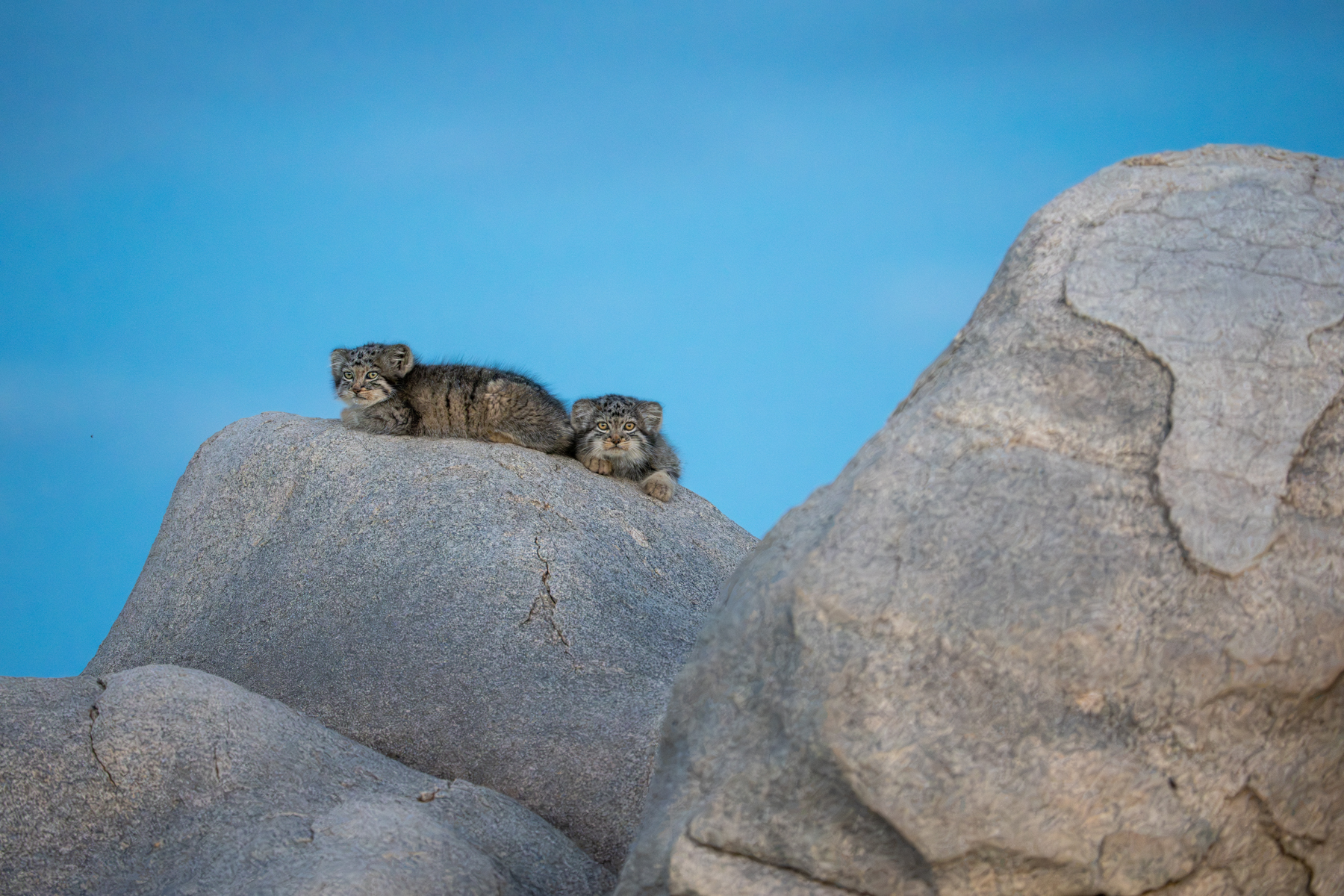
Pallas's Cat kittens in blue hour (image by Inger Vandyke)
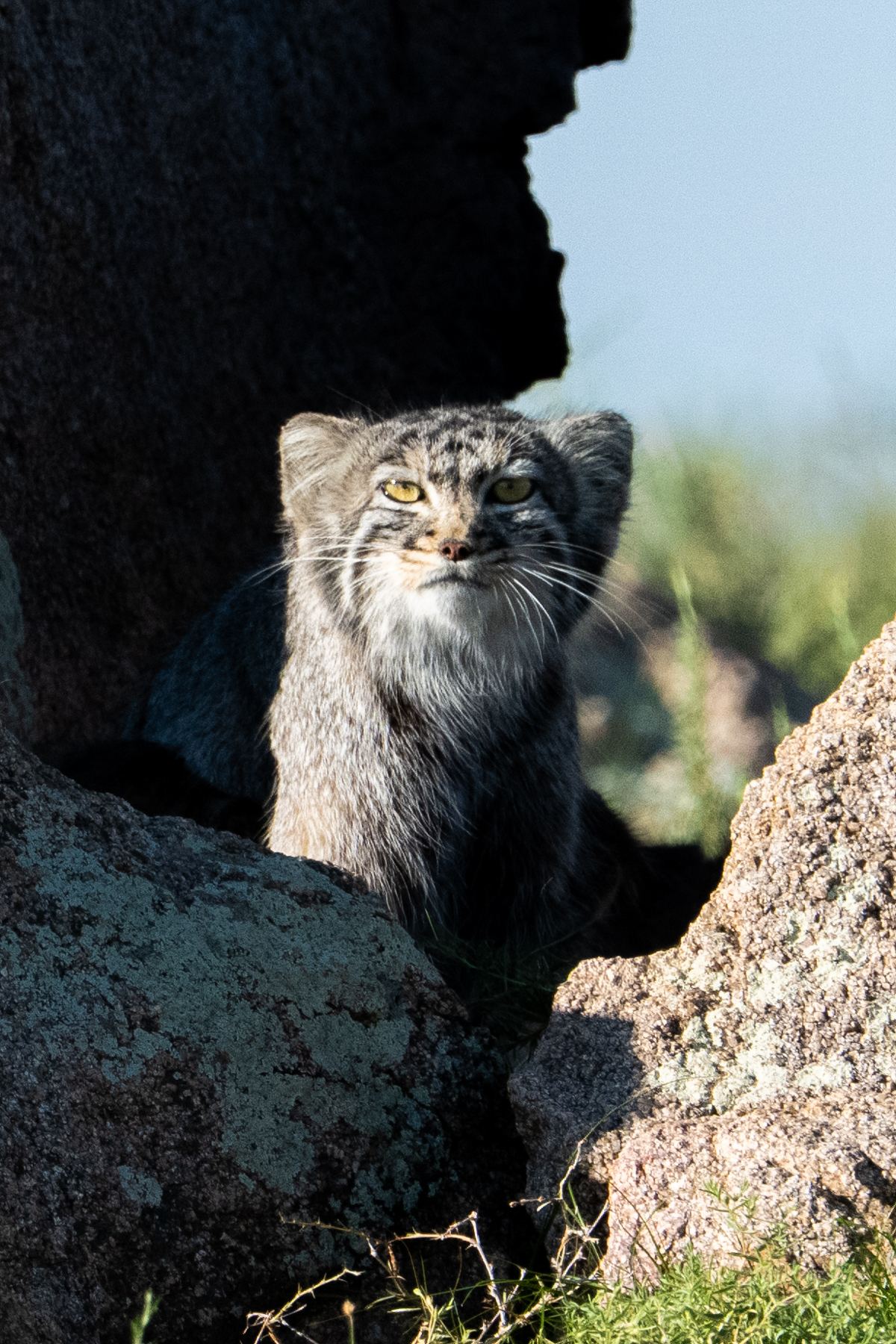
A Pallas's Cat mother enjoys the morning sun (image by Inger Vandyke)
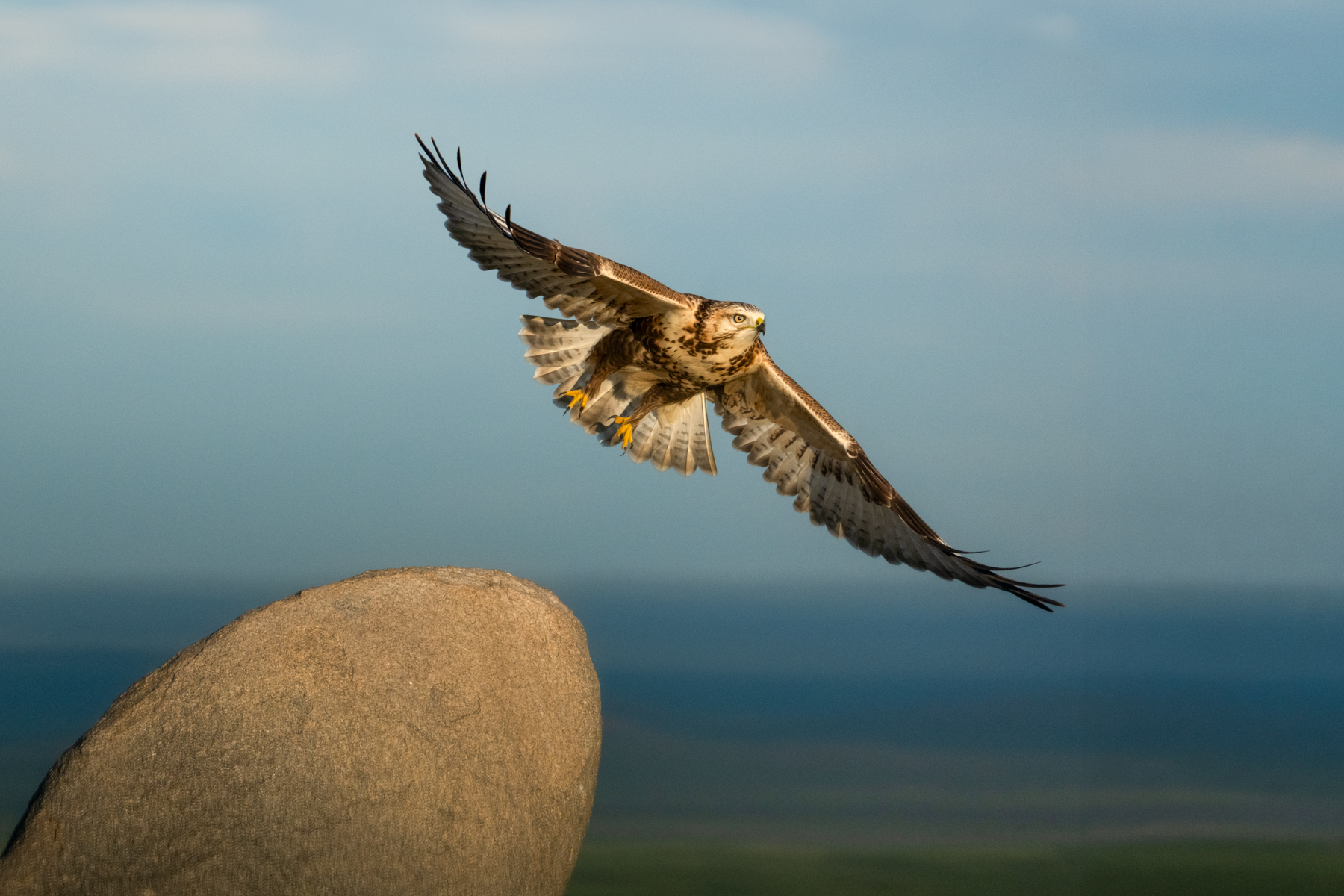
An Upland Buzzard takes flight from its rocky perch on the steppe (image by Inger Vandyke)
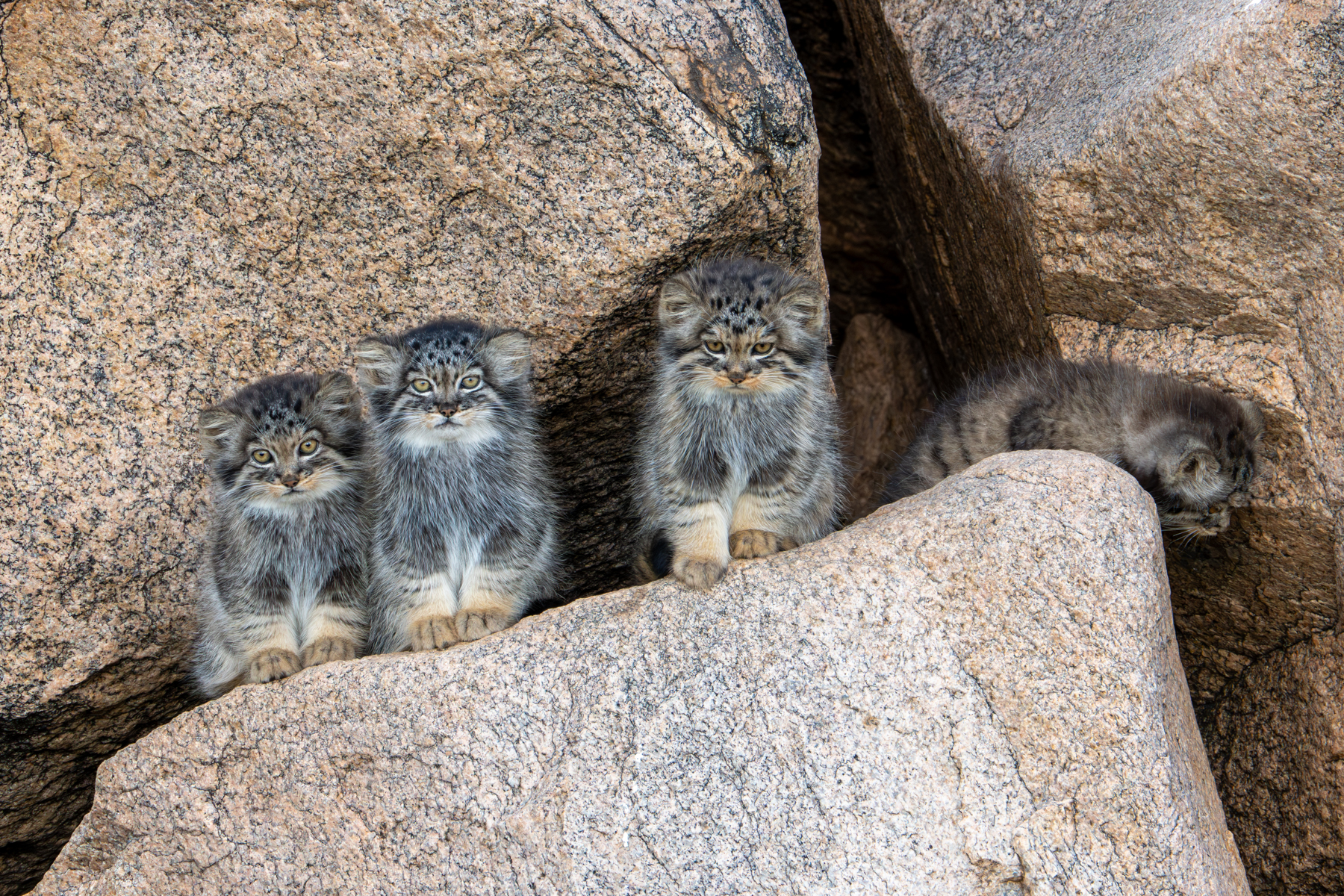
Kittens keeping guard from their den entrance (image by Inger Vandyke)
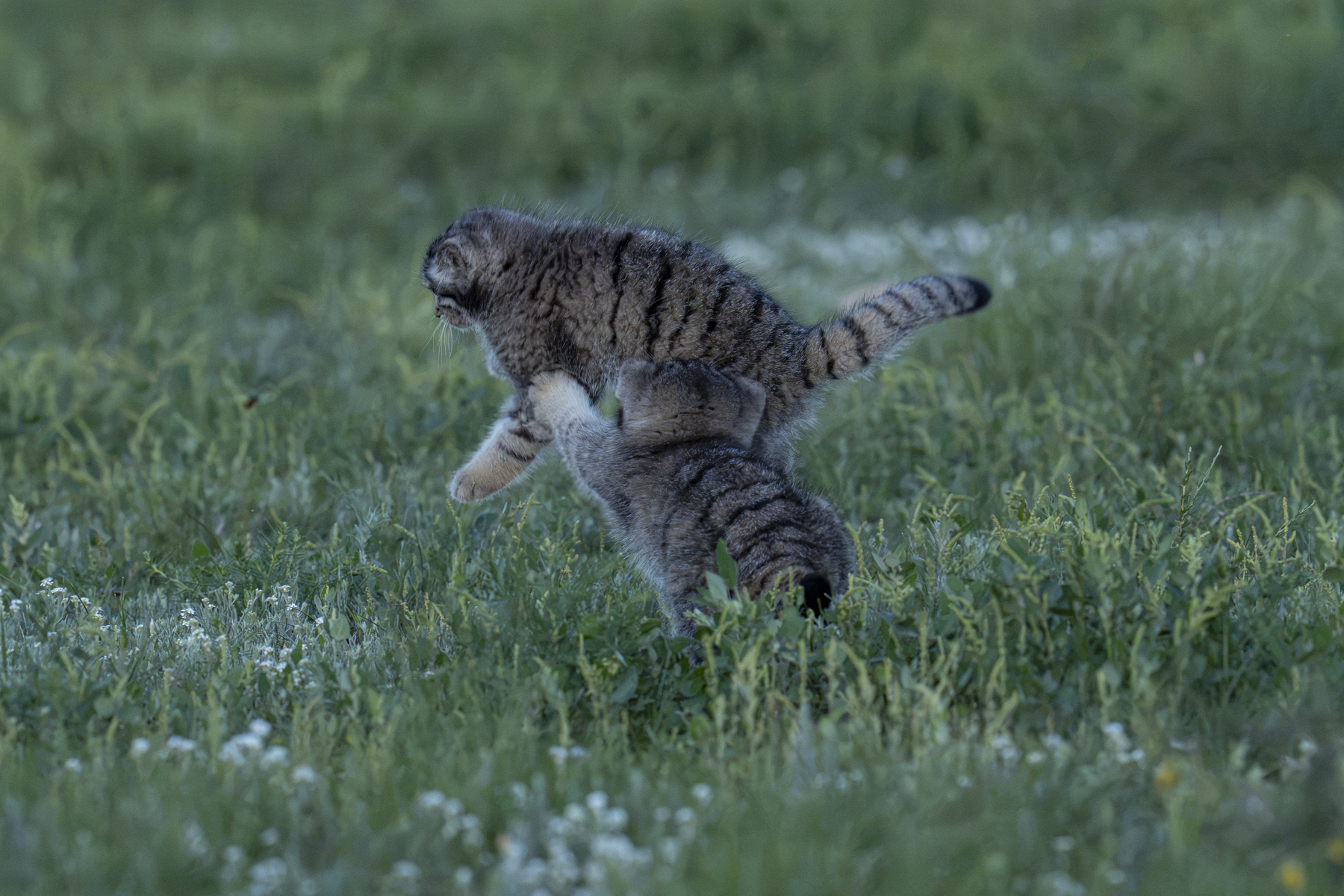
Pallas's Cat kittens (image by Mark Beaman)
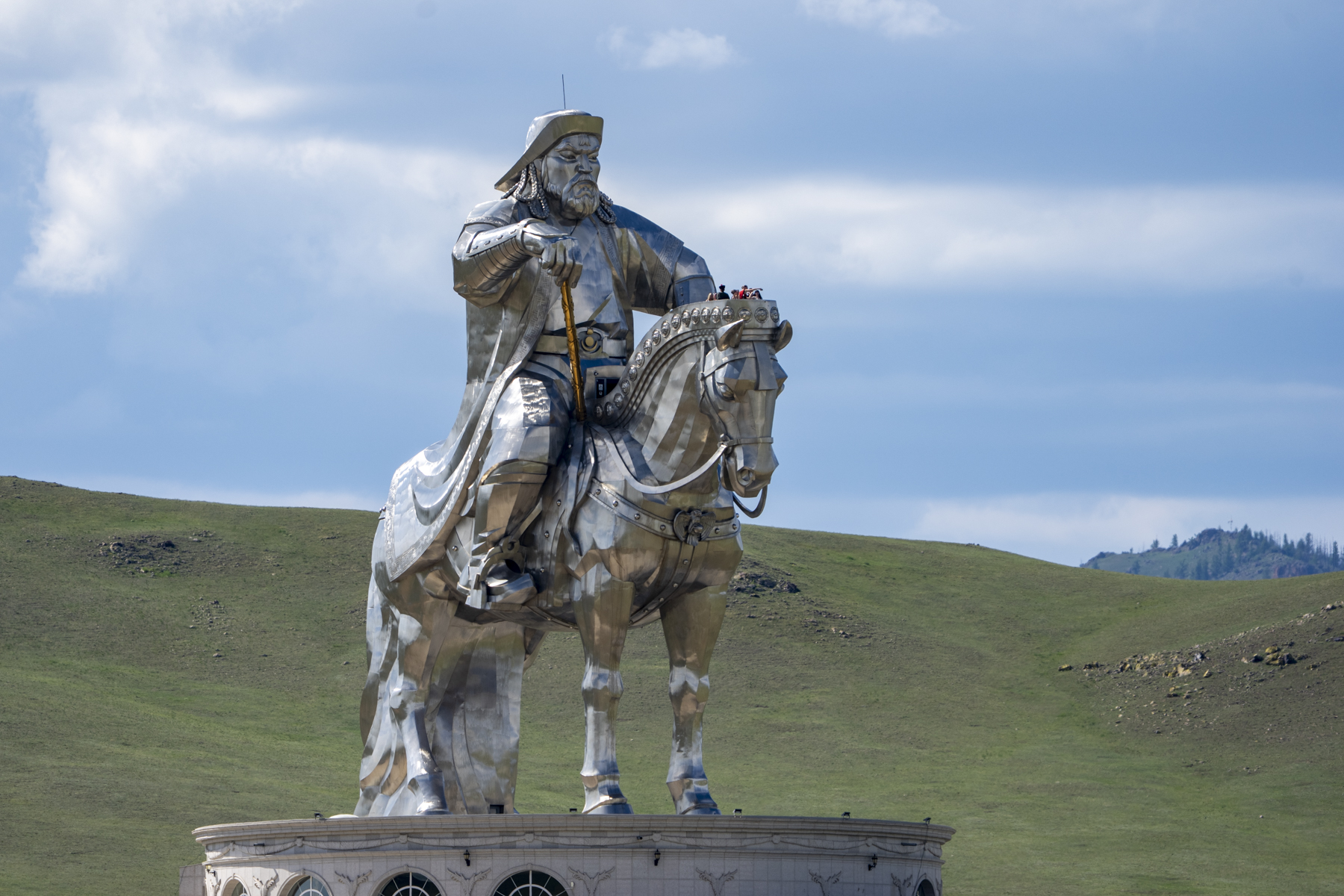
Genghis Khan statue (image by Mark Beaman)
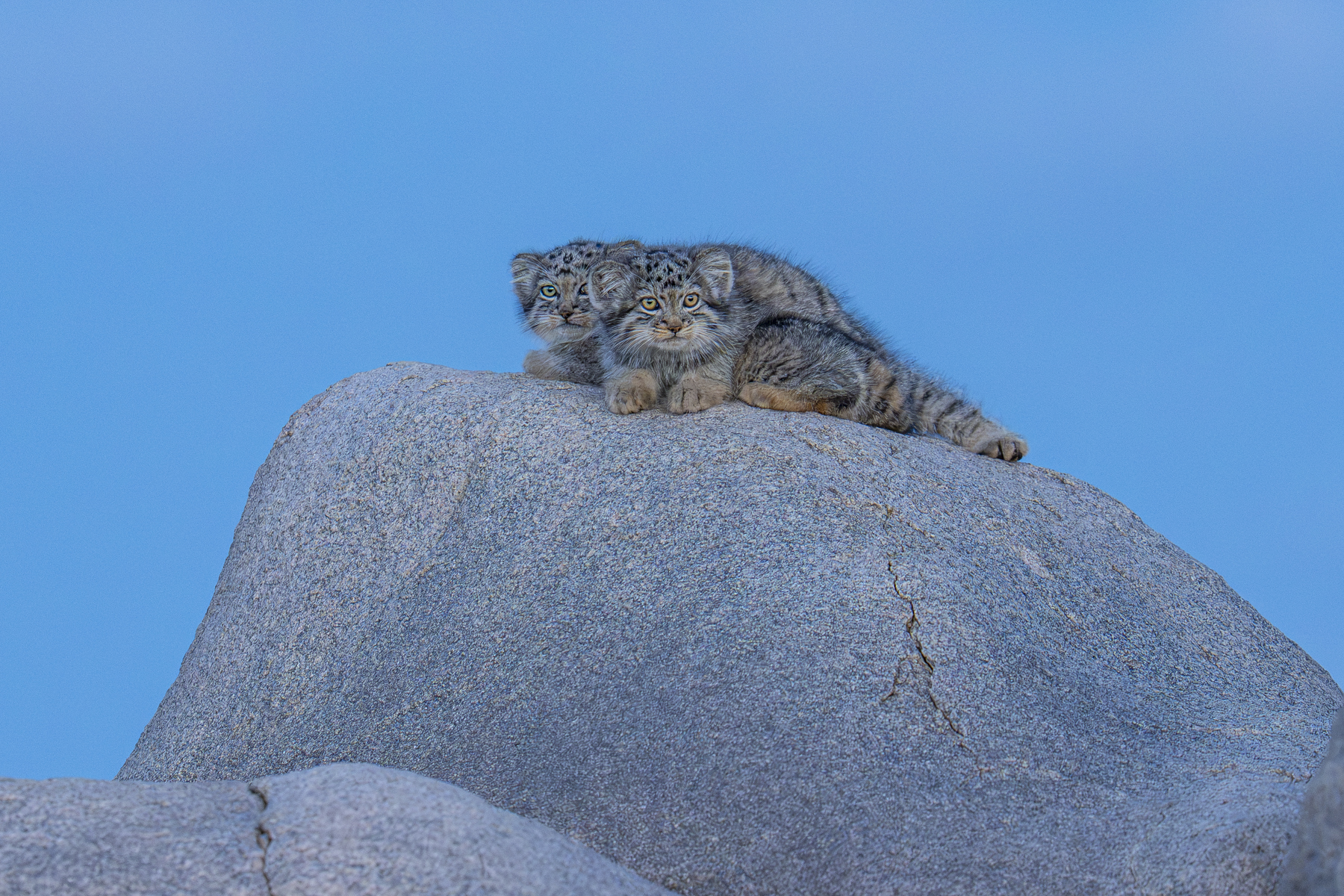
Pallas's Cat kittens (image by Mark Beaman)
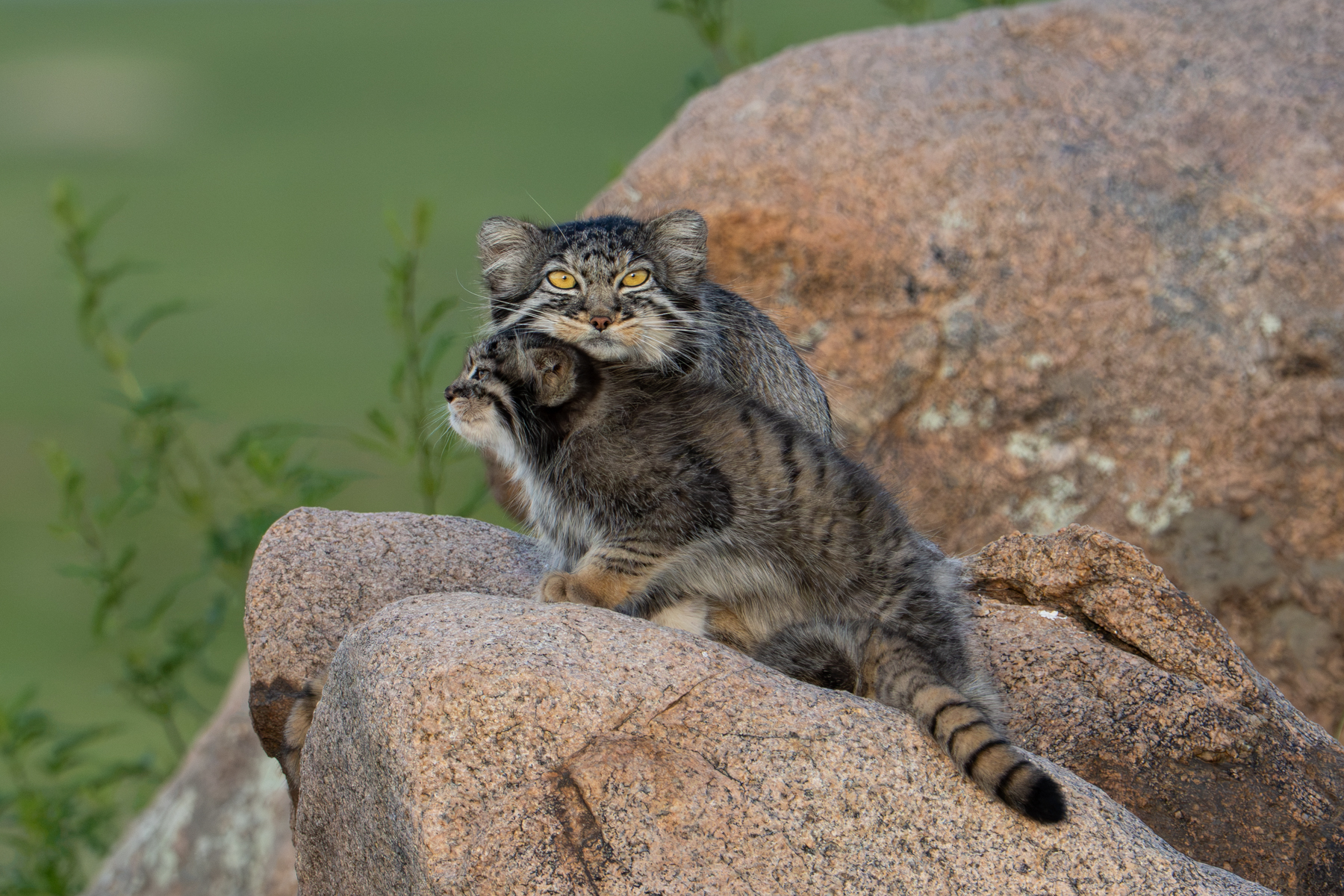
Pallas's Cat mother with her adoring kitten (image by Inger Vandyke)
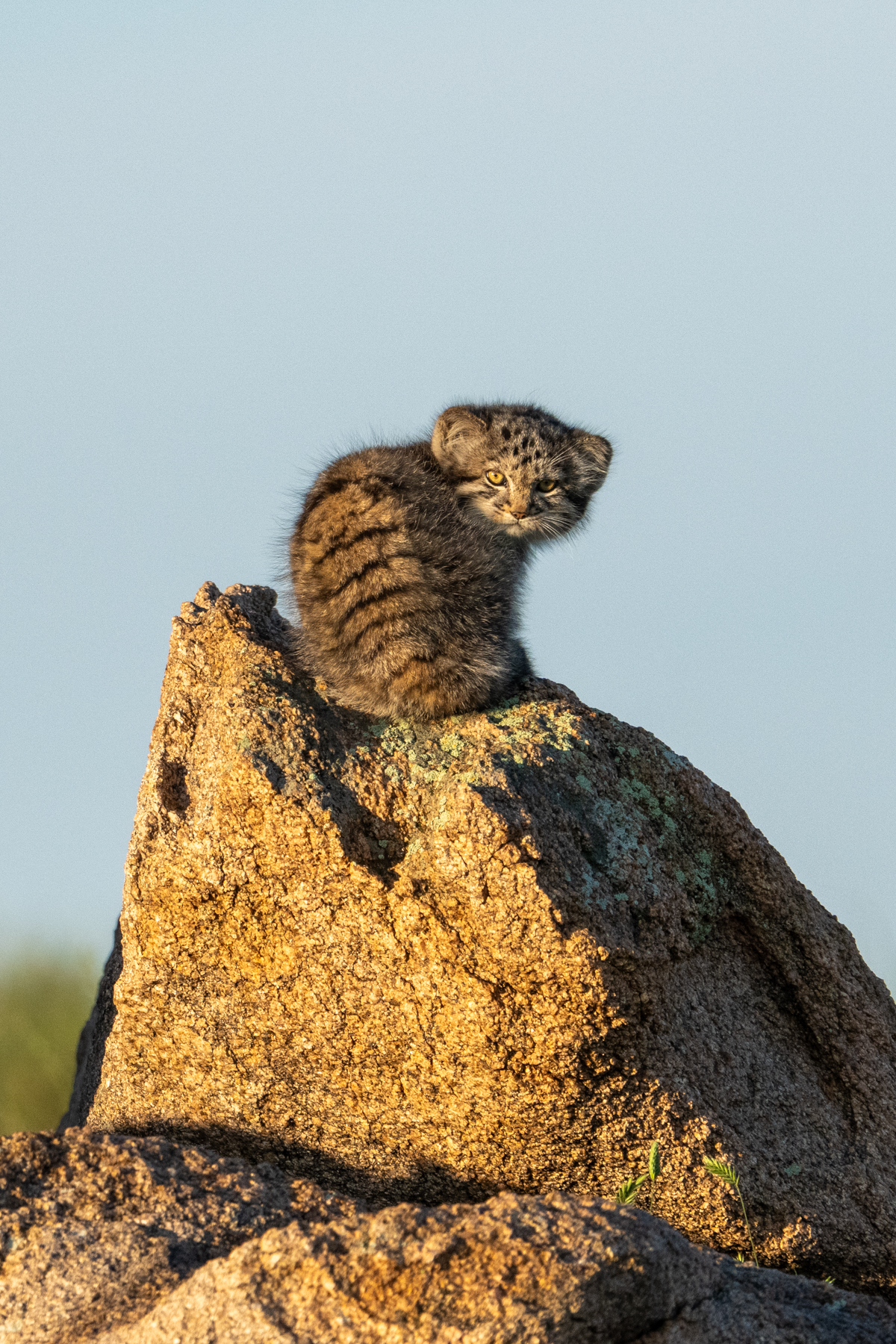
"I've got my eye on you!" (image by Inger Vandyke)
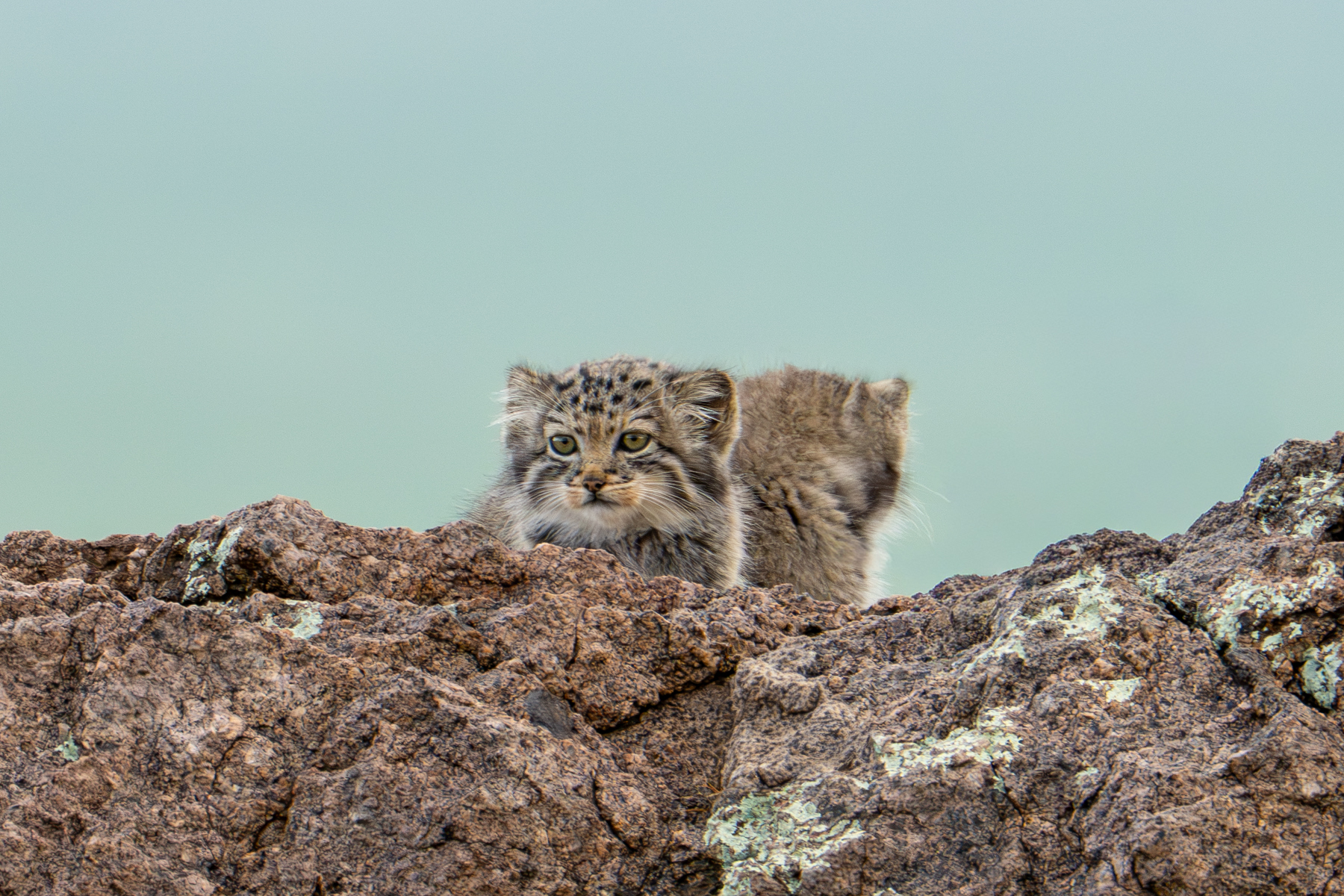
"You look that way! I have your back!" (image by Inger Vandyke)
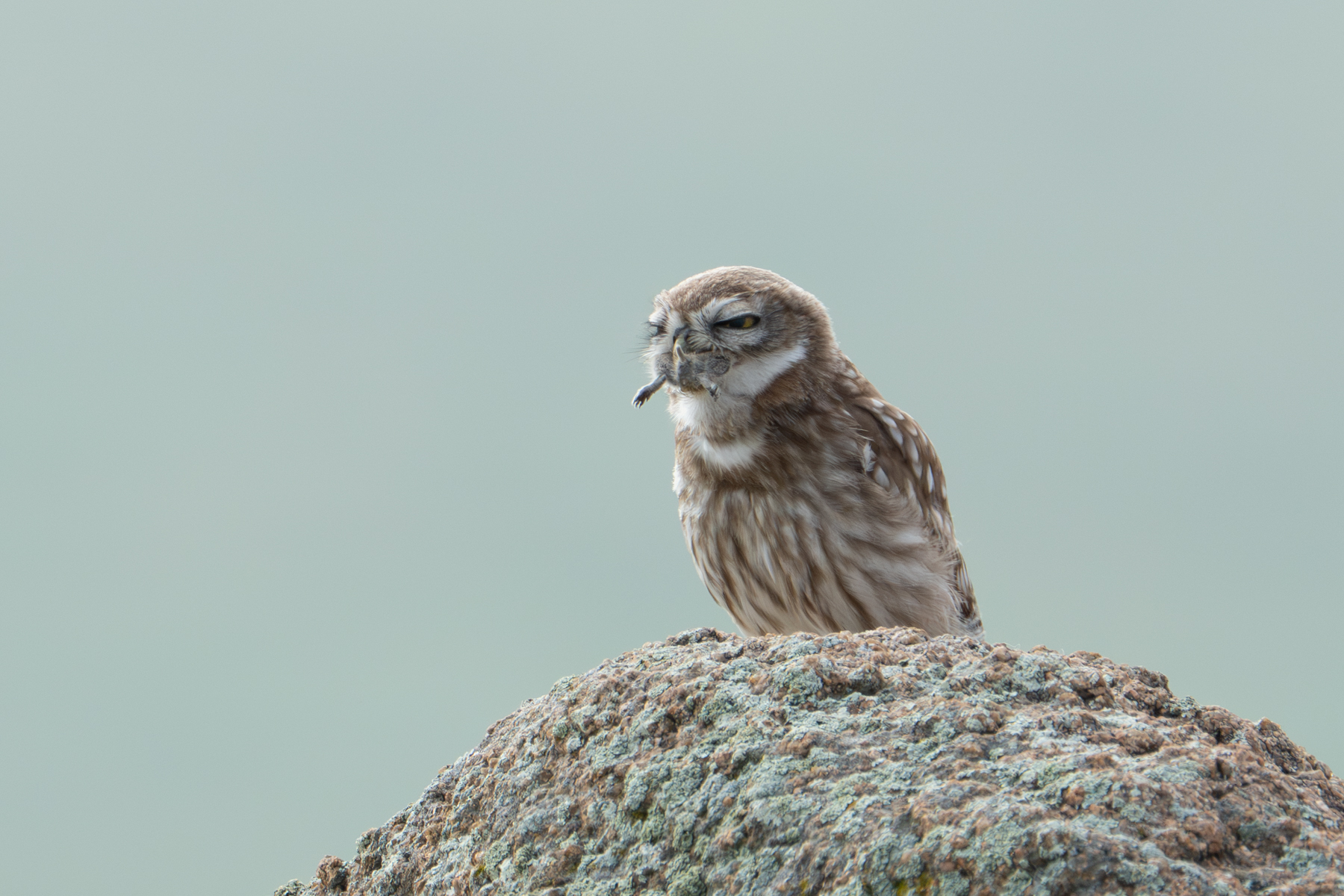
Little Owl struggling to swallow its breakfast of Brandt's Vole (image by Inger Vandyke)


Pallas's Cat (image by Mark Beaman)
Eurasian Hoopoe on the rocks of the steppe (image by Inger Vandyke)
Isabelline Shrike (image by Mark Beaman)
Pallas's Cat in blue hour (image by Inger Vandyke)
Mongolian horses are watchful of nearby, small, furry creatures (image by Inger Vandyke)
Catch me if you can (image by Inger Vandyke)
Pallas's Cat at sunset (image by Mark Beaman)
White-naped Cranes (image by Mark Beaman)
Greetings are important in the cat world (image by Mark Beaman)
Eurasian Eagle-Owl (image by Mark Beaman)
Przewalski's Horse: foals and adult
Eurasian Hoopoe bringing food to its hungry chick (image by Inger Vandyke)
Steppe sunset in Eastern Mongolia (image by Mark Beaman)
Little Owl (image by Mark Beaman)
Sneaking up on a bird (image by Inger Vandyke)
A mother Pallas's Cat suckles her kittens (image by Mark Beaman)
Pallas's Cat kittens (image by Mark Beaman)
Pallas's Cat (image by Mark Beaman)
Saker Falcon (image by Mark Beaman)
Tarbagan Marmots (image by János Olah)
Bactrian Camel (image by Inger Vandyke)
From a distance you would barely notice a group of sleeping kittens on a rock (image by Inger Vandyke)
Pallas's Cat at sunset (image by Inger Vandyke)
Pallas's Cat kittens (image by Mark Beaman)
Przewalski's horse and foal in Khustai, Mongolia
Saker Falcons at dusk (image by Inger Vandyke)
Beautiful Pallas's Cats are possibly one of the world's most charismatic grumpy cats (image by Inger Vandyke)
Pallas's Cat kittens (image by Mark Beaman)
Demoiselle Cranes (image by Mark Beaman)
Pallas's Cat (image by Mark Beaman)
Pallas's Cat kittens playing (image by Mark Beaman)
Pallas's Cat kittens in their den (image by Inger Vandyke)
Little Owl eating a Brandt's Vole (image by Mark Beaman)
Pallas's Cat (image by Mark Beaman)
What else is mummy's tail for, other than a plaything? (image by Inger Vandyke)
Mongolian Jerbil (image by Mark Beaman)
Pallas's Cat kittens (image by Mark Beaman)
We love birds! Can we jump high enough to catch it? (image by Inger Vandyke)
Mongolian Lark (image by Mark Beaman)
Pallas's Cat mother and kitten (image by Mark Beaman)
Almost ready to fledge, two Eurasian Hoopoe chicks wait for their parents to return with food (image by Inger Vandyke)
Upland Buzzard (image by Mark Beaman)
Przevalski's Horses (image by Mark Beaman)
Pallas's Cat mother and kittens (image by Mark Beaman)
Pallas's Cat kittens playing chase on the rocks (image by Inger Vandyke)
The endearing little Brandt's Vole (image by Mark Beaman)
Blyth's Pipit (image by Mark Beaman)
Pallas's Cat mother bringing breakfast to her playful kittens (image by Inger Vandyke)
"Got you!" (image by Inger Vandyke)
Cinereous Vulture (image by Mark Beaman)
Eurasian Eagle-Owl (image by Mark Beaman)
Dramatic sunsets feature spectacularly in Mongolia (image by Inger Vandyke)
Daurian Jackdaws (image by Mark Beaman)
Hungry Hoopoe chicks (image by Inger Vandyke)
Przewalski's Horses
Demoiselle Cranes flying at dusk (image by Inger Vandyke)
Brandt's Vole (image by Inger Vandyke)
Pere David's Snowfinch (image by Mark Beaman)
Pallas's Cat mother and kittens (image by Mark Beaman)
A tiny kitten sneaks a glimpse from behind the rocks (image by Inger Vandyke)
Cinereous Vulture (image by Inger Vandyke)
A mare Przewalski's Horse with two foals in the golden sunset light of the steppe.
Curlew and Sharp-tailed Sandpipers (image by Mark Beaman)
"This rock is mine!" (image by Inger Vandyke)
A line of little faces on a large granite boulder in the steppe (image by Inger Vandyke)
Pallas's Cat kitten 'in flight' (image by Mark Beaman)
Pallas's Cat kittens have blue-green eyes when very young (image by Mark Beaman)
Przewalski's Horses
Pallas's Cat mother and kitten at sunset (image by Inger Vandyke)
Pallas's Cat at sunset (image by Mark Beaman)
Eastern Mongolia is 'big sky country' (image by Mark Beaman)
Oriental Plover chick (image by Mark Beaman)
Saker Falcons (image by Mark Beaman)
A wandering Przewalski's Horse at golden hour
Oriental Plover (image by Mark Beaman)
Time to wash those kittens! (image by Mark Beaman)
Steppe Eagle (image by Mark Beaman)
Pallas's Cat kittens (image by Mark Beaman)
Tiny Pallas's Cat kitten in a rock crack (image by Inger Vandyke)
Demoiselle Crane (image by Mark Beaman)
Pallas's Cat mother bringing a Brandt's Vole to her kittens (image by Mark Beaman)
Pallas's Cat kitten king of the rock (image by Inger Vandyke)
Little Owl with prey (image by Inger Vandyke)
Pallas's Cat mother bringing a Brandt's Vole to her kittens (image by Mark Beaman)
Upland Buzzard dark morph (image by Mark Beaman)
Przewalski's Horses
Corsac Fox with Eurasian Tree Sparrow (image by Mark Beaman)
Pallas's Cat mother with her playful kitten wrapped around her (image by Inger Vandyke)
Common Shelduck pair (image by Inger Vandyke)
Pallas's Cat (image by Mark Beaman)
Summer squall in the steppe (image by Mark Beaman)
Brandt's Vole (image by Mark Beaman)
Sunset kittens (image by Inger Vandyke)
Eurasian Hoopoe with prey (image by Mark Beaman)
Corsac Fox (image by Inger Vandyke)
"Please play mummy" (image by Inger Vandyke)
The ultimate grumpy kitten (image by Inger Vandyke)
Corsac Fox (image by Mark Beaman)
Siberian Jerboa (image by Mark Beaman)
Pallas's Cat kittens (image by Mark Beaman)
Pallas's Cat kittens in blue hour (image by Inger Vandyke)
A Pallas's Cat mother enjoys the morning sun (image by Inger Vandyke)
An Upland Buzzard takes flight from its rocky perch on the steppe (image by Inger Vandyke)
Kittens keeping guard from their den entrance (image by Inger Vandyke)
Pallas's Cat kittens (image by Mark Beaman)
Genghis Khan statue (image by Mark Beaman)
Pallas's Cat kittens (image by Mark Beaman)
Pallas's Cat mother with her adoring kitten (image by Inger Vandyke)
"I've got my eye on you!" (image by Inger Vandyke)
"You look that way! I have your back!" (image by Inger Vandyke)
Little Owl struggling to swallow its breakfast of Brandt's Vole (image by Inger Vandyke)


|
Thursday 1st July –
Saturday 10th July 2027 Leaders: Virginia Wilde and a local Pallas's Cat expert |
10 Days | Group Size Limit 7 (tour guaranteed) |
|
Khustai National Park Extension
Tuesday 29th June – Thursday 1st July 2027 |
3 Days | Group Size Limit 7 (extension guaranteed) |
|
Thursday 29th June –
Saturday 8th July 2028 Leaders: Wild Images leader to be announced and a local Pallas's Cat expert |
10 Days | Group Size Limit 7 |
|
Khustai National Park Extension
Tuesday 27th June – Thursday 29th June 2028 |
3 Days | Group Size Limit 7 |
MONGOLIA: A PALLAS’S CAT KITTEN QUEST
There is something extraordinary about Pallas’s Cats that pulls at our hearts in ways that are hard to explain. Maybe it is their elusive nature, the way they vanish into rocky landscapes like ghosts in thick fur coats. Or maybe it is the wild energy they carry, reminding us of something ancient the rest of the world has forgotten. Or that strange but wise ‘oriental’ look that they have, not to mention that piercing ‘scowl’! Wild Images has had a long-standing, successful track record of Pallas’s Cat sightings and photography on our tours in India, China and Mongolia. Join us for awesome encounters with dens of ultra-cute kittens and visiting mothers in the Mongolian Steppe!
This unusual adventure takes you deep into the vast, spectacular grasslands of Eastern Mongolia to photograph wild Pallas’s Cats at the peak of their breeding season, when their kittens are active yet still small and truly adorable.
The Pallas’s Cat is a distinctive, smallish cat with the densest fur of any wild cat on earth, helping it stay protected from the fierce winter cold of its Central Asian steppe habitat. Yet despite this, a Pallas’s cat needs to catch up to five rodents a day to stay warm. Relative to their body size, Pallas’s Cats have the shortest legs of any wild cat, and that, along with their flat-shaped head, gives them a low profile when they stalk for prey. Unlike other small cats, Pallas’s Cats also have round pupils. This artful combination of physical features gives them a rather angry appearance, turning them into nature’s ultimate ‘Grumpy Cats’.
At the top of their daily rodent menu in Mongolia are Brandt’s Voles and Mongolian Gerbils. When they have young kittens, the mother often leaves them at a den site among the granitic boulders while she goes out to hunt so she can feed them. At this time of year, suckling is still routine, but the kittens are starting to consume rodent prey as well.
As the saying goes, ‘While the cat’s away…’. We will use hides/blinds so we can see and photograph their kittens playing and practising hunting for when they are finally left on their own to survive. And of course, enjoy those moments when the mother returns and is greeted by her excited kittens, and perhaps suckles them.
In the Khalzan steppes of eastern Mongolia, we will also have opportunities to photograph Corsac Foxes, Steppe Eagles, Cinereous Vultures, big Upland Buzzards, magnificent Saker Falcons, beautiful Demoiselle Cranes, and huge Eurasian Eagle-Owls. Not to mention smaller subjects ranging from Siberian Jerboas and Brandt’s Voles to larks and snowfinches.
This special adventure begins in Mongolia’s bustling capital, Ulaanbaatar. From there, we will travel to remote eastern Mongolia, where we will stay in a simple but fairly comfortable ger camp at the edge of an area that has a high density of Pallas’s Cats.
We will spend six days photographing wild Pallas’s Cats and their kittens, and other subjects, in these vast and stunning landscapes. Our experience tells us that short stays in the area are unsatisfactory and indeed risky. Not only is the Khalzan area remote, taking a full day to reach and return from, but rain can abort den sessions or make them subpar, as can kittens being moved by their mother or simply reluctant to emerge and be really active. With six days, we can be almost certain to enjoy some wonderful photography.
During the optional extension, we will pay a short visit to Khustai National Park, west of the capital.
Here, we will see and photograph the world’s last surviving species of wild horse, Przewalski’s Horse, at the peak of its foaling season. During our time in Khustai, we will search for other mammals, including ‘Siberian’ Red Deer or Elk, Tarbagan Marmots and ground squirrels, as well as many steppe birds. Both Corsac and Red Foxes are regular, and there is a slim chance of a Grey Wolf.
Daily routine in the Pallas’s Cat area
Days in Mongolia are pretty long in July, with sunrise around 0440 (4.40 am) and sunset around 2020 (8.20 pm). Naturally, the light is best early and late, but this is also the time the kittens are most active (they are also active at night). Typically, we set off to a den, which may be anywhere from 20-50 kilometres (12-30 miles) away, at 0400 (4.00am) and return for breakfast around 0830-0900 (8.30-9.00am). Then we head out again at 1600 (4.00 pm) and return for dinner at around 2100-2130 (9.00-9.30 pm). If you don’t need much sleep, missing lunch at 1300 (1.00pm) and sleeping may be a good option.
Mandatory tripod use at the hides/blinds
Kindly note that, to avoid stressing the kittens and, in particular, the wary mother Pallas’s Cats, tripod use is mandatory at the cat hides/blinds. Sudden and repeated raising of hand-held cameras and large zoom or prime lenses can excessively disturb the cats and is therefore not permitted.
Accommodation & Road Transport
The hotels used in Ulaanbaatar are comfortable and of good standard. The ger camp in the Pallas’s Cat area consists of traditional wood-and-felt gers (yurts), used by Mongolian nomads for thousands of years. Each ger has one or two beds complete with good bedding. There is a separate, larger dining ger with tables and chairs. Nowadays there is a modern toilet and shower block with hot water. At Khustai, the ‘tourist ger camp’ is more comfortable, with larger gers and nice furniture, plus a large dining area and toilets and showers in conventional buildings.
Our longer travels are on tarred roads, but inside Khustai and in the Khalzan area we will be on simple dirt tracks (although often surprisingly fast around Khalzan). Our transport consists of SUVs (4×4 vehicles).
Walking
The walking effort during this tour is easy throughout. Indeed, we will not be walking long distances.
Climate
At this season, the weather is a mix of sunny and cloudy periods. The wind varies from calm to brisk. July to August are the wettest months in predominantly dry Mongolia, making for lush steppes and lots of rodents for the cats and other predators, so you can expect some rain, and it may be heavy at times. Temperatures are generally cool at night but warm or even hot in the daytime.
Photographic Highlights
- Photographing the wonderfully 'grumpy' Pallas's Cat in the rocky steppes of Mongolia
- A chance to photograph adorable Pallas's Cat kittens at their dens
- Furtive little faces peering at us from behind boulders, and then the kittens emerging into full view and sunning themselves on the rocks
- Watching the kittens learning to hunt: it just comes so naturally!
- Frenetic bursts of activity when the kittenz 'zoom', jump, tumble and fight
- Hoping the mother returns to be greeted by her kittens and then suckle them
- Photographing curious but often skittish Corsac Foxes and tiny Brandt's Voles
- Huge Cinereous Vultures and big Steppe Eagles and Upland Buzzards
- Magnificent Saker Falcons sweeping ovder the steppe
- Finding barrel-like Eurasian Eagle-Owls in a rocky canyon
- Going out at night to find Siberian Jerboas with improbably long ears, legs and tail!
- Graceful Demoiselle Cranes with their silver-grey, black and white plumage, contrasting with the bright green summer grasslands
- Admiring the wild Przewalski's Horses at Khustai National Park, not to mention those noisy Tarbagan Marmots amidst the wildflowers
- Enjoying some of the most pristine steppe scenery on Earth, in a truly wild and mostly empty country
- Exploring a country with a fascinating history, where the great Genghis Khan founded the Mongol Empire
- Travelling far and wide across 'a land without fences', a true wildlife adventure!
OUTLINE ITINERARY
- MAIN TOUR
- Day 1: Evening tour start in Ulaanbaatar.
- Day 2: Drive to Khalzan in eastern Mongolia.
- Days 3-8: Khalzan area. Six full days of photography with Pallas's Cat kittens and mothers, and other subjects.
- Day 9: Return to Ulaanbataar and stay overnight.
- Day 10: Morning tour end in Ulaanbaatar.
- KHUSTAI NATIONAL PARK EXTENSION
- Day 1: Evening extension start in Ulaanbaatar.
- Day 2: Early start for Khustai National Park and then explore.
- Day 3: Khustai National Park, then return to Ulaanbaatar. Join up with those arriving for the main tour.
To see a larger map, click on the square-like ‘enlarge’ icon in the upper right of the map box.
To see (or hide) the ‘map legend’, click on the icon with an arrow in the upper left of the map box.
To change to a satellite view, which is great for seeing the physical terrain (and for seeing really fine details by repetitive use of the + button), click on the square ‘map view’ icon in the lower left corner of the ‘map legend’.
PRICE INFORMATION
Wild Images Inclusions: Our tour prices include transportation, accommodations, meals and entrance fees.
Our tour prices also include all tips for local guides, drivers, camp staff and accommodation/restaurant staff.
Deposit: 20% of the total tour price. Our office will let you know what deposit amount is due, in order to confirm your booking, following receipt of your online booking form.
TO BOOK THIS TOUR: Click here (you will need the tour dates)
2027: £5250, $7200, €6150, AUD10080. Ulaanbaatar/Ulaanbaatar.
Khustai National Park Extension: £940, $1300, €1110, AUD1810. Ulaanbaatar/Ulaanbaatar.
2028: provisionally £5460, $7490, €6400, AUD10480. Ulaanbaatar/Ulaanbaatar.
Khustai National Park Extension: £980, $1350, €1150, AUD1880. Ulaanbaatar/Ulaanbaatar.
Single Supplement: 2027: £390, $540, €460, AUD750.
Khustai National Park Extension: £70, $100, €80, AUD140.
Single Supplement: 2028: £400, $560, €470, AUD780.
Khustai National Park Extension: £70, $100, €80, AUD140.
The single supplement will not apply if you indicate on booking that you prefer to share a room/ger and there is a room-mate of the same sex available.
This tour is priced in US Dollars. Amounts shown in other currencies are indicative.
MONGOLIA: A PALLAS’S CAT KITTEN QUEST: DETAILED ITINERARY
Mongolia Pallas’s Cat: Day 1
Our tour begins this evening in Ulaanbaatar. (Note that Mongolia’s capital is still often known outside Mongolia as Ulan Bator.)
Ulaanbaatar is a relatively modern city, but one with bad traffic jams, situated in north-central Mongolia. Before the beginning of the 20th century, there were only a few permanent buildings here and, as a result, only a few older structures of historical interest.
Mongolia Pallas’s Cat: Day 2
From Ulaanbaatar, we will travel far to the east to the Pallas’s Cat ‘ger (yurt) camp’ in the Khalzan area of eastern Mongolia for a seven-night stay.
Along the way, we will stop at a wetland area that will hold lots of birds, notably including the beautiful but endangered White-naped Crane, as well as Whooper Swans and quite possibly a few oversummering endangered Siberian Cranes that have returned early from the Arctic tundra after a failed breeding attempt. We could also see a Hooded Crane or two.
Before reaching the wetland, we will make a short stop to admire a truly gargantuan statue of Genghis Khan riding his warhorse.
Mongolia Pallas’s Cat: Days 3-8
Our visit will focus, of course, on the wonderful Pallas’s Cat (known as ‘Manul’ in Mongolian). The area we are exploring has a high density of Pallas’s Cats. The cats like the rocky areas that punctuate the ridges in the steppe, probably because they provide cover when hunting and denning sites for the females in the spring and summer.
With the help of our expert local guides (no one in Mongolia can compare in terms of Pallas’s Cat knowledge and experience), we should have no trouble getting a series of sightings and almost certainly some truly awesome photographic opportunities.
Of all the Asian cats, Pallas’s Cat is surely an outstanding one, with its round pupils and staring yellow eyes, combined with its long, bushy coat and strange, Chinese-sage-like face.
Typically, the females have four to six kittens, but rarely larger litters of up to eight or even nine occur. The typical scenario is arriving at the den area, getting our gear out of the SUVs, sitting on chairs behind the hide/blind screen, and then waiting an hour or two until the disturbance of the arrival fades and the kittens decide to emerge!
Usually only one or two bolder kittens emerge at first, stealthily creeping out of their crack in the rocks and peering fixedly at the hide. They seem to know that we strange bipeds are lurking there, but after another 20 minutes or half an hour they all emerge, and the fun begins. Little furry bodies climb the rocks and sun themselves, and little be-whiskered faces and bright, staring eyes peer out across their world. Then they start to prowl, mock-hunt, frenetically ‘zoom’, jump, tumble, and fight, just like domestic cat kittens do…!
On occasion the mother returns to the den, perhaps bringing a rodent for the kittens. She may suckle them, as they are still young. Like all young cats, they get excited when mum turns up, wrapping themselves around her and providing great photographic opportunities!
It is hard to drag ourselves away, but in the morning the light becomes harsh, the kittens sleep, and after sunset the light soon fades. And we need prey as well. Breakfast or dinner calls.
While the Pallas’s Cats are the prime focus of our expedition and we’ll devote most of our time to them, the steppe offers a series of other excellent photo subjects.
Corsac Foxes are common, and sometimes one comes across a fearless individual that allows a relatively close approach. Mongolian Gazelles inhabit the area, but are hunted and wary. The steppe, including our camp compound, hosts numerous cute little Brandt’s Voles and smaller numbers of Mongolian Jirds (or Mongolian Jerbils).
Spotlighting should turn up the ultra-cute Siberian Jerboa and the little Campbell’s Hamster. There is a slim chance of Steppe Polecat.
There are also some rewarding bird subjects.
The Upland Buzzard, a species endemic to the Tibetan Plateau and Central Asia, is big, impressive and everywhere, while Steppe Eagles are widespread and can be approachable. The owners of our camp, keen conservationists, have erected no fewer than 100 nest boxes on poles to provide nesting places for the splendid Saker Falcon, and unlike most areas in its range, here they often allow a close approach by vehicle. Cinereous Vultures with a wingspan of over two metres (6.5 feet) are also present.
One of the most beautiful and charismatic birds of the steppe is the elegant Demoiselle Crane. These silver-grey birds with black heads, set off by a wisp of white, are still common in this remote area.
One morning, we will leave the kittens and head for a rocky gorge where huge Eurasian Eagle-Owls and their young can be found. The birds here are significantly larger than those found in Europe, making them really, really big. They are one of the biggest owls in the world, and these barrel-shaped birds certainly look the part!
For those interested in specialities, there are smart Oriental Plovers (with delightful chicks), big Mongolian Larks, Mongolian Short-toed Larks, Blyth’s Pipits, Isabelline Shrikes and Pere David’s Snowfinches.
Mongolia Pallas’s Cat: Day 9 Today, reluctantly, we will return to Ulaanbaatar for an overnight stay.
Mongolia Pallas’s Cat: Day 10 Our tour ends this morning in Ulaanbaatar.
(An airport transfer will be provided if you are departing today.)
KHUSTAI NATIONAL PARK EXTENSION
Khustai: Day 1
The extension begins this evening in Ulaanbaatar, where we will spend the night.
Khustai: Day 2
To avoid traffic, we will set off early for Khustai National Park, a couple of hours’ drive west of the city, where we will spend the night at a ‘tourist ger camp’. (Note: Khustai is pronounced ‘Hustai’ as Kh in Mongolian sounds like a harsh H.)
Khustai National Park preserves a large tract of pristine steppe where Przewalski’s Horse was reintroduced after being exterminated in the wild. Mercifully, enough individuals remained in captivity in zoos and elsewhere to support a reintroduction effort, which has been highly successful.
Nowadays, these beautiful creatures, the last wild horse species left on Earth, roam wild and free in their ancestral grasslands, and indeed they have now been introduced to other parts of Mongolia, so their future looks hopeful.
This is foal season in Khustai, and we hope to get some close encounters, although the herds have become more skittish as time has passed and they adopt wilder ways.
The big Siberian form of the Red Deer or Elk is quite numerous in Khustai, so we should come across some. More common is the Tarbagan Marmot, a large rodent whose whistling cries will soon be a familiar sound.
Corsac Fox is common, and sometimes one can see Red Fox or even a Grey Wolf as they stalk the Daurian Ground Squirrels.
We will have our first encounters with steppe birds at Khustai and should be able to get great images of huge Cinereous Vultures and the ever-present Upland Buzzards. Fast-flying Amur Falcons may be seen where there are trees.
Khustai: Day 3
We will continue exploring Khustai this morning, then, after lunch, head back to Ulaanbaatar.
This evening, we will join up with those arriving for the main tour.
Additional Wild Images wildlife photography tours in Asia
Asia (including its islands)
February 2027
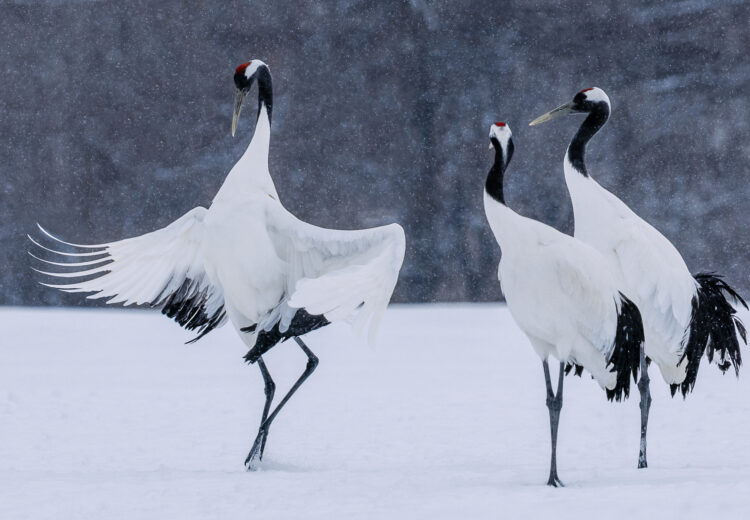
JAPAN: WINTER WILDLIFE SPECTACULAR – Cranes, Eagles, Swans & Snow Monkeys
Asia (including its islands)
March 2027
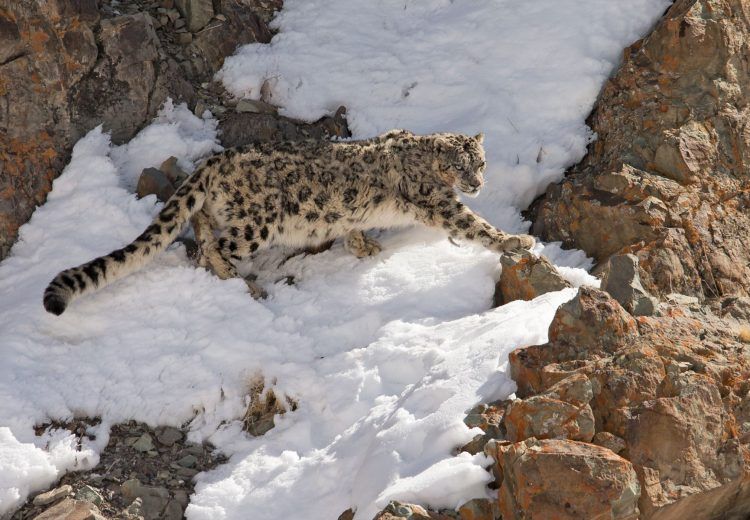
SNOW LEOPARDS & WILDLIFE OF LADAKH, INDIA – In Search of the Grey Ghost of the Mountains
Asia (including its islands)
March-April 2027
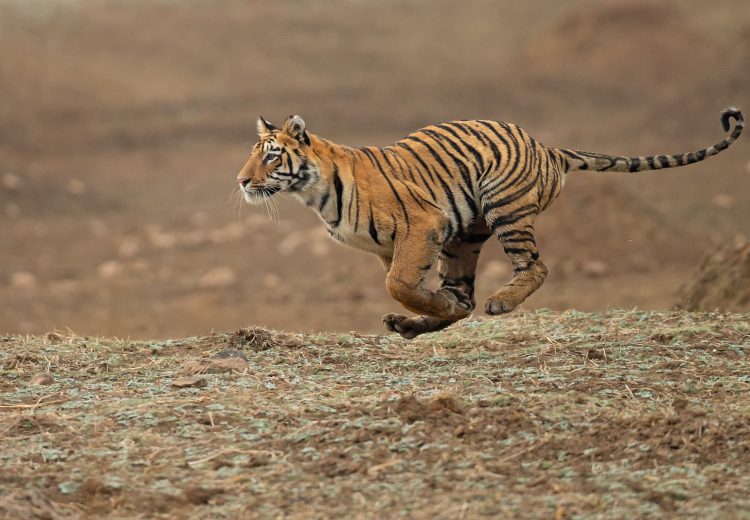
INDIA: TIGER & WILDLIFE SPECTACULAR – Tadoba, Agra, the Chambal River, the Little Rann and Velavadar
Asia (including its islands)
September-October 2027
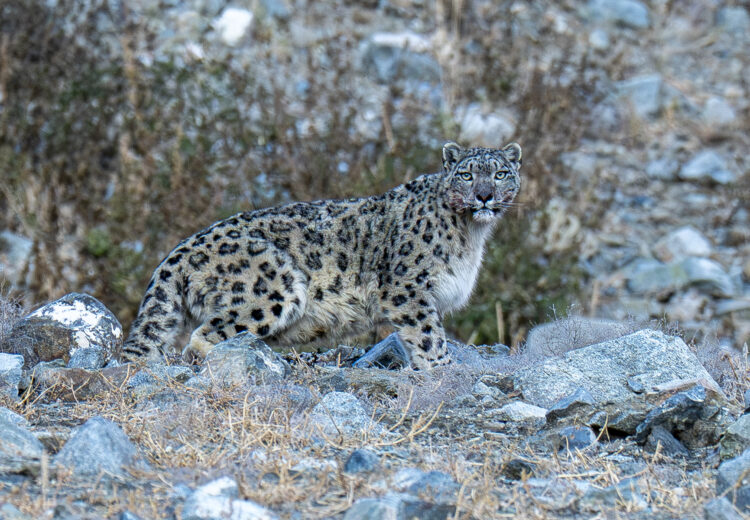
SNOW LEOPARDS & WILDLIFE OF MONGOLIA – a real adventure, including Pallas’s Cat, Saiga, Przewalski’s Horse, Wild Camel and sought-after birds

Asia (including its islands)
April-May 2028