
Red Panda Expedition Tour Report 2026
21 April 2026
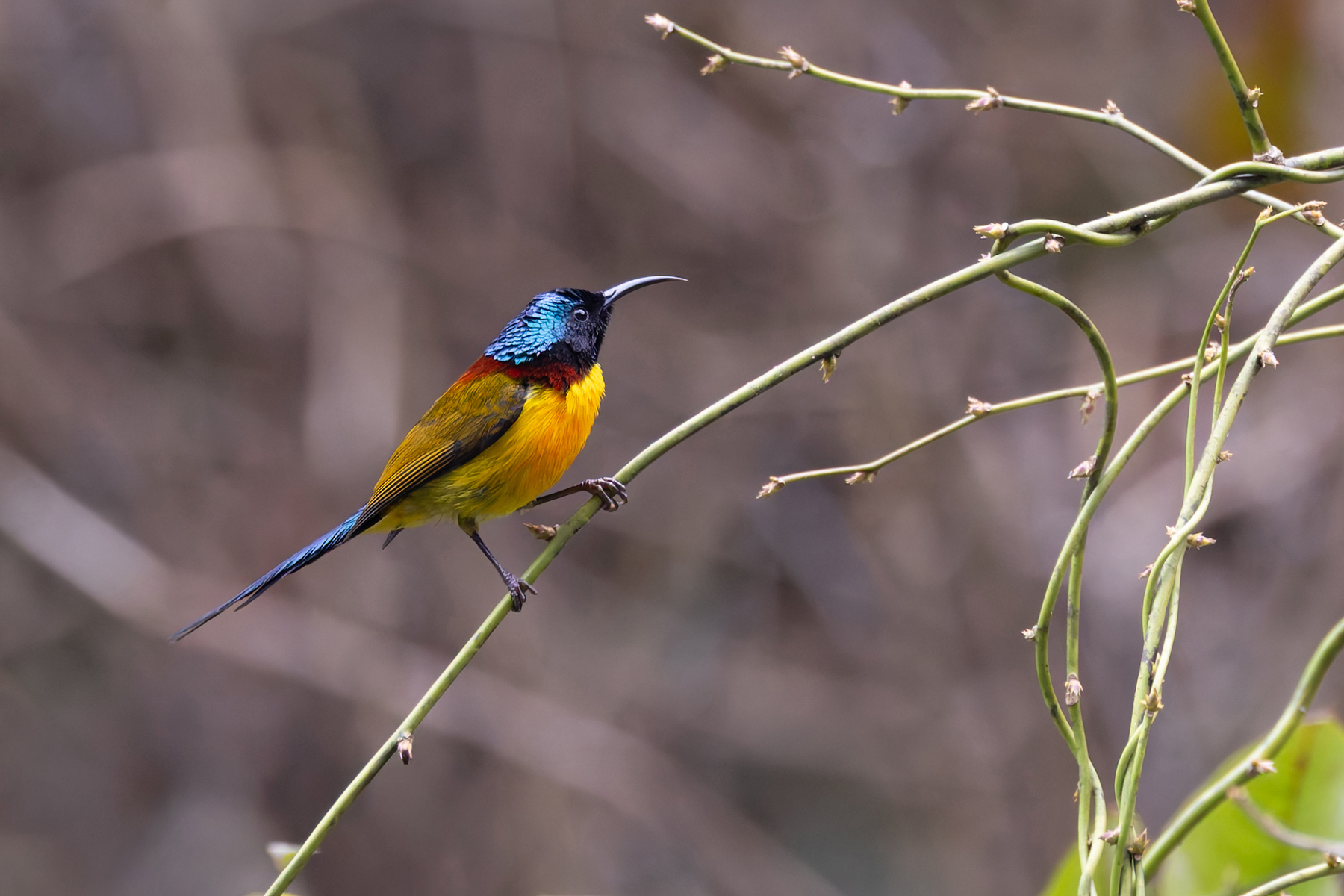
Green-tailed Sunbird, Singalia NP (Image by Mike Watson)
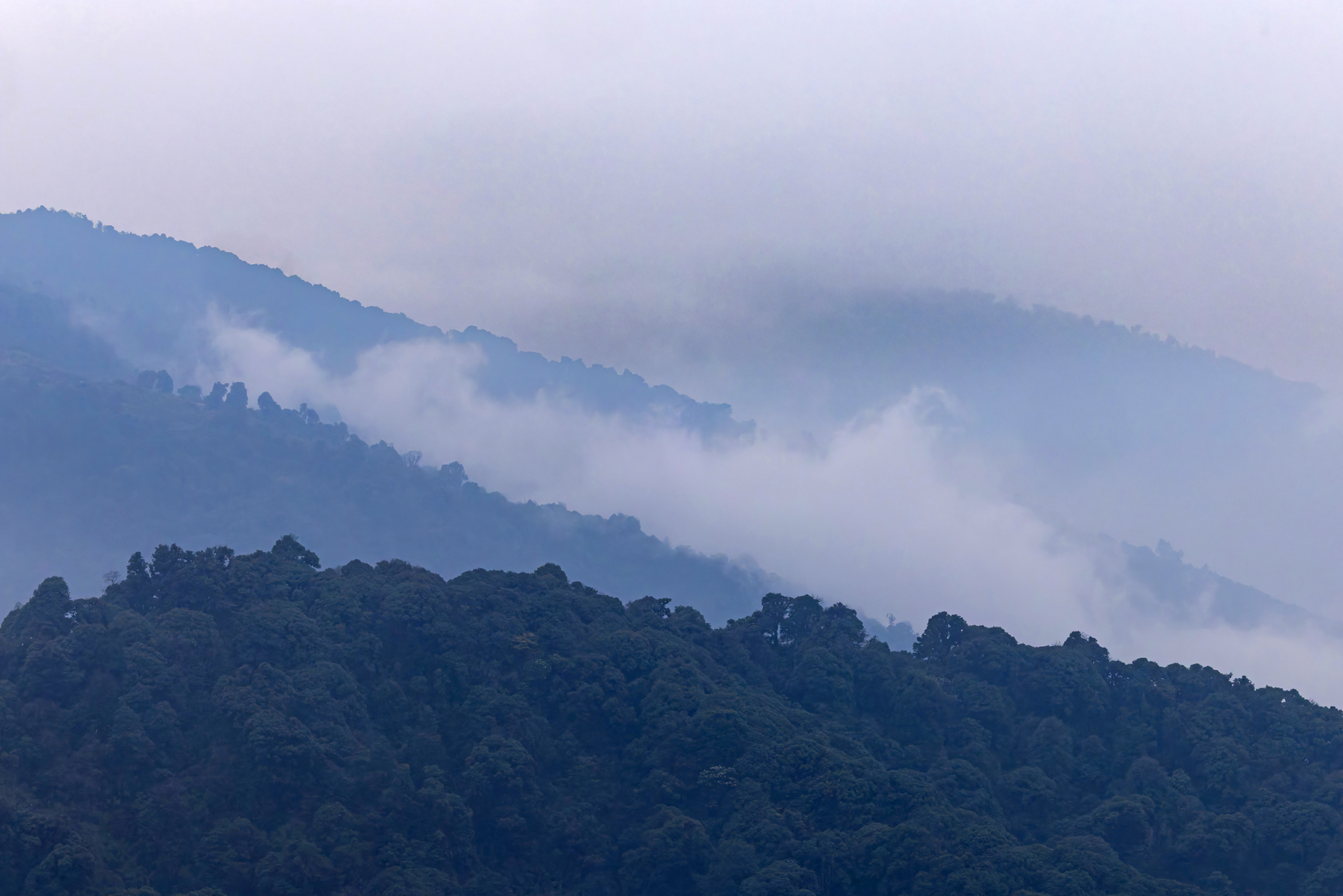
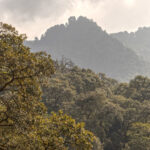
Forested ridges at Singalia (Image by Mike Watson)
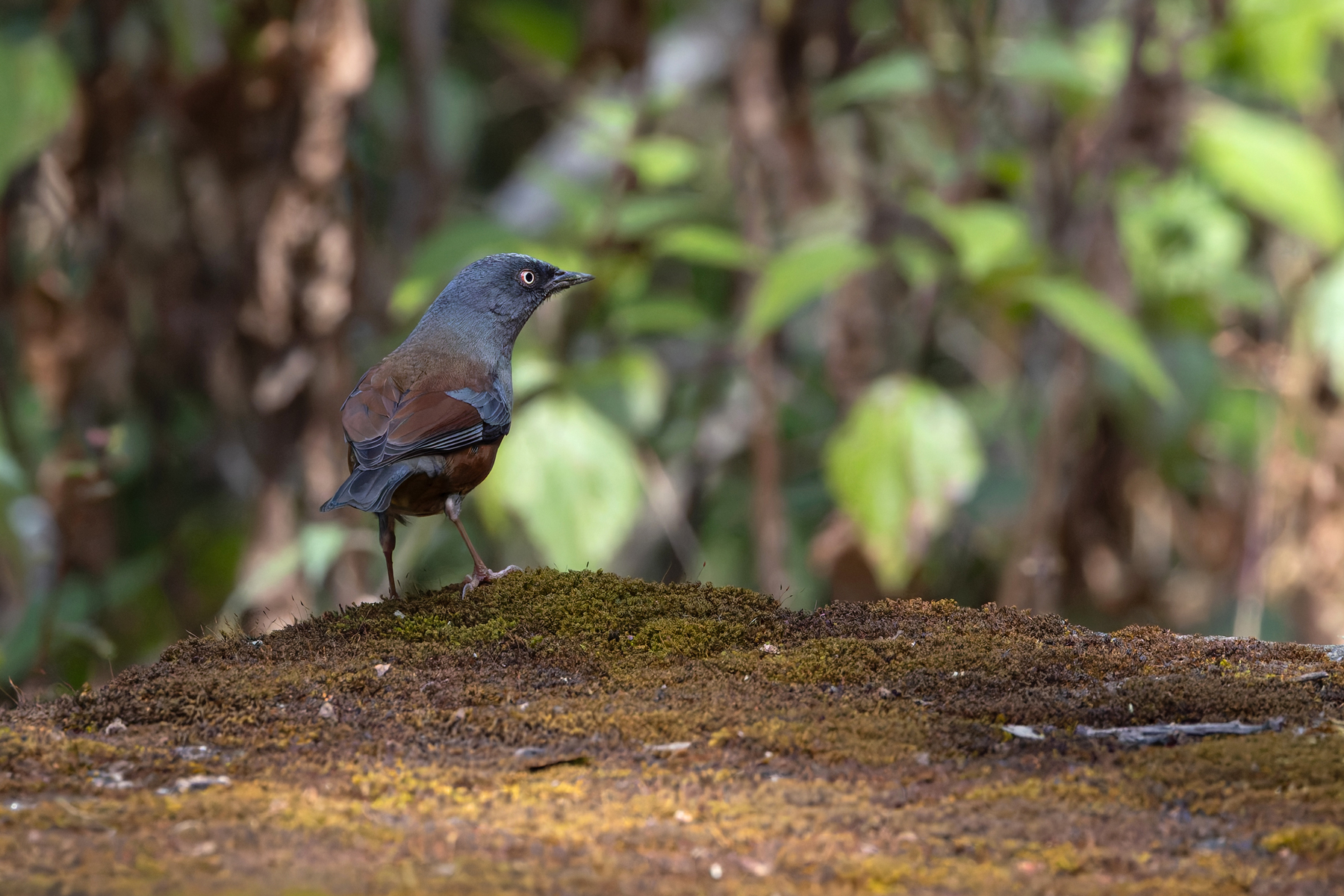
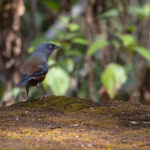
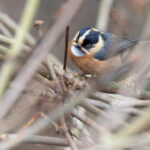
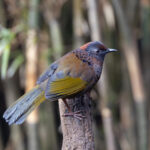
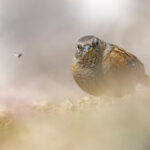
Maroon-backed Accentor, Habre’s Nest (Image by Mike Watson)
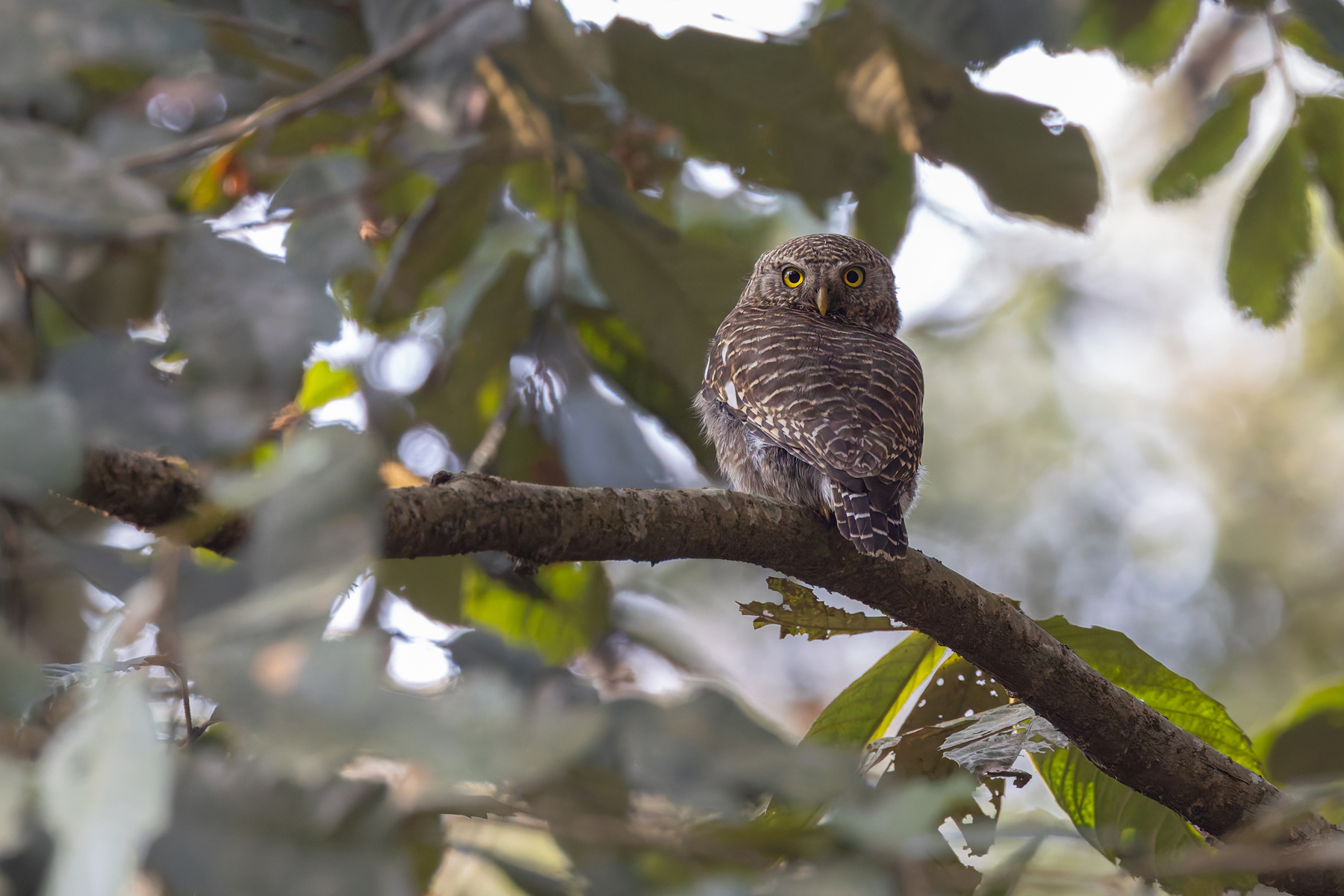
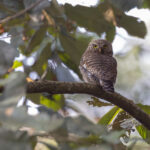
Asian Barred Owlet, another demon of the hill forests, hated by all small birds (Image by Mike Watson)
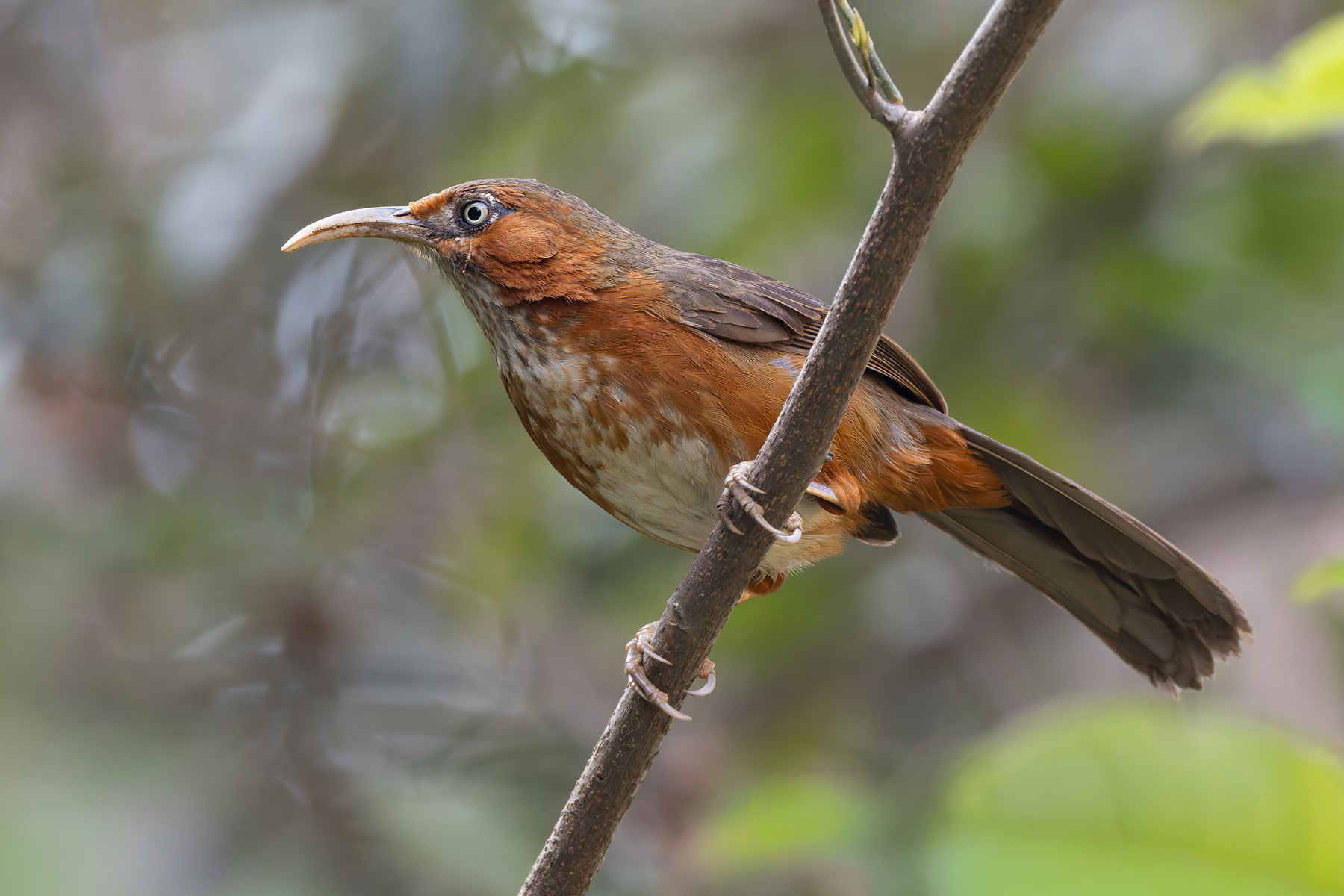
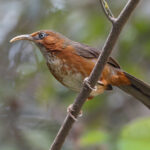
Rusty-cheeked Scimitar Babbler, Kathmandu Valley (Image by Mike Watson)
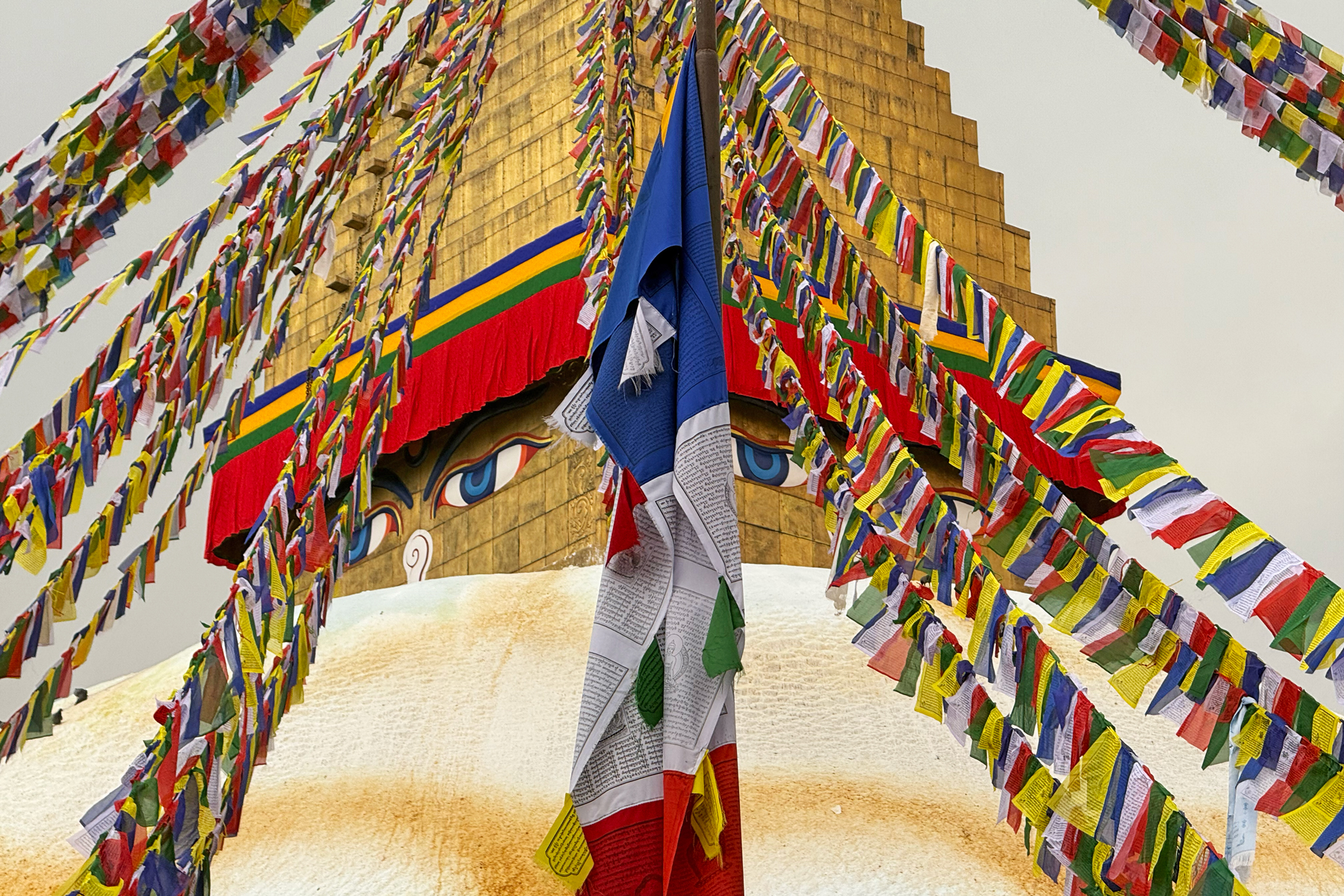
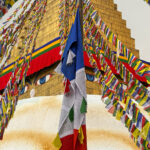
Boudhanath Stupa, prayer flags reaching up to heaven (Image by Mike Watson)
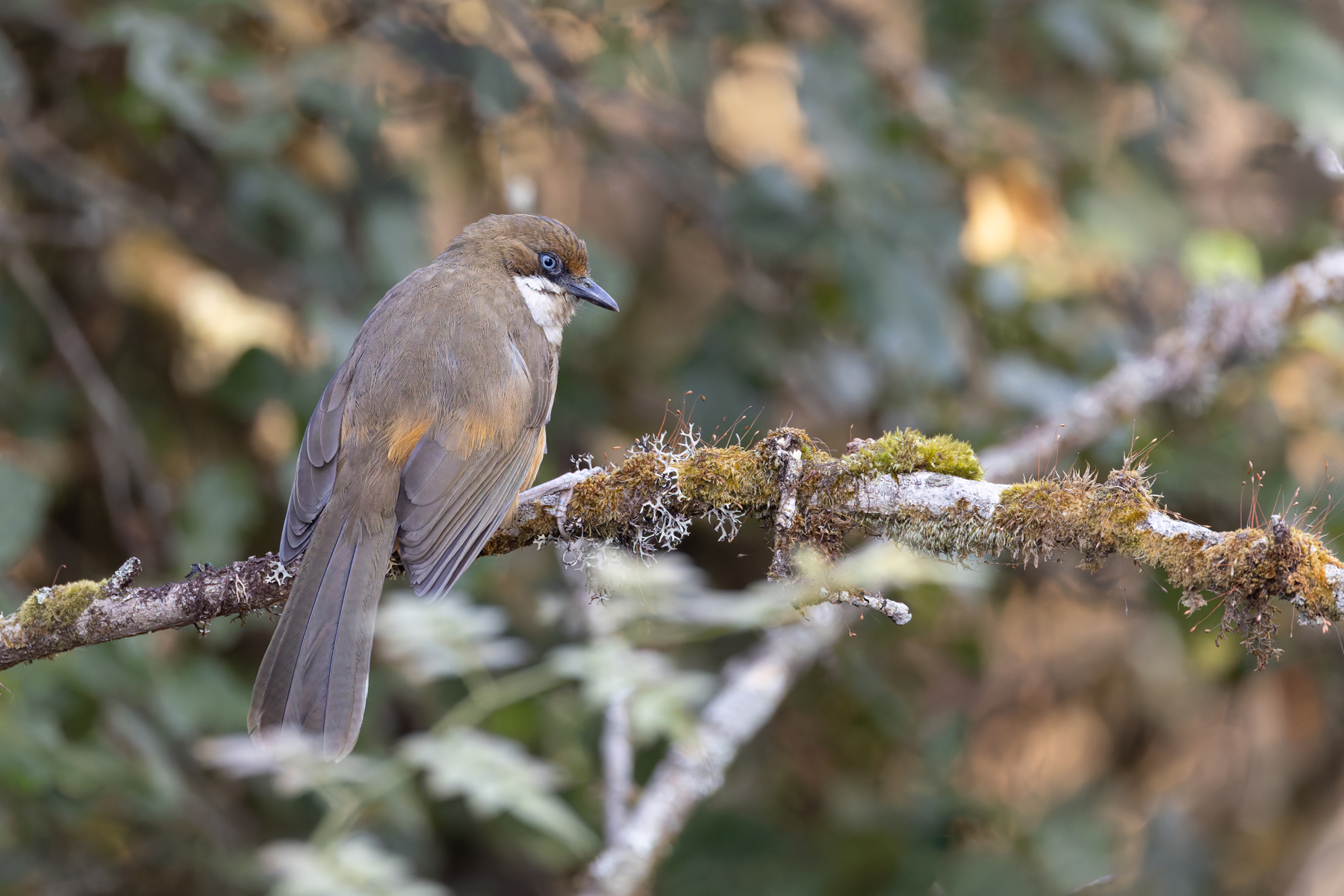
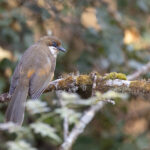
White-throated Laughingthrush, Phukchowki (Image by Mike Watson)
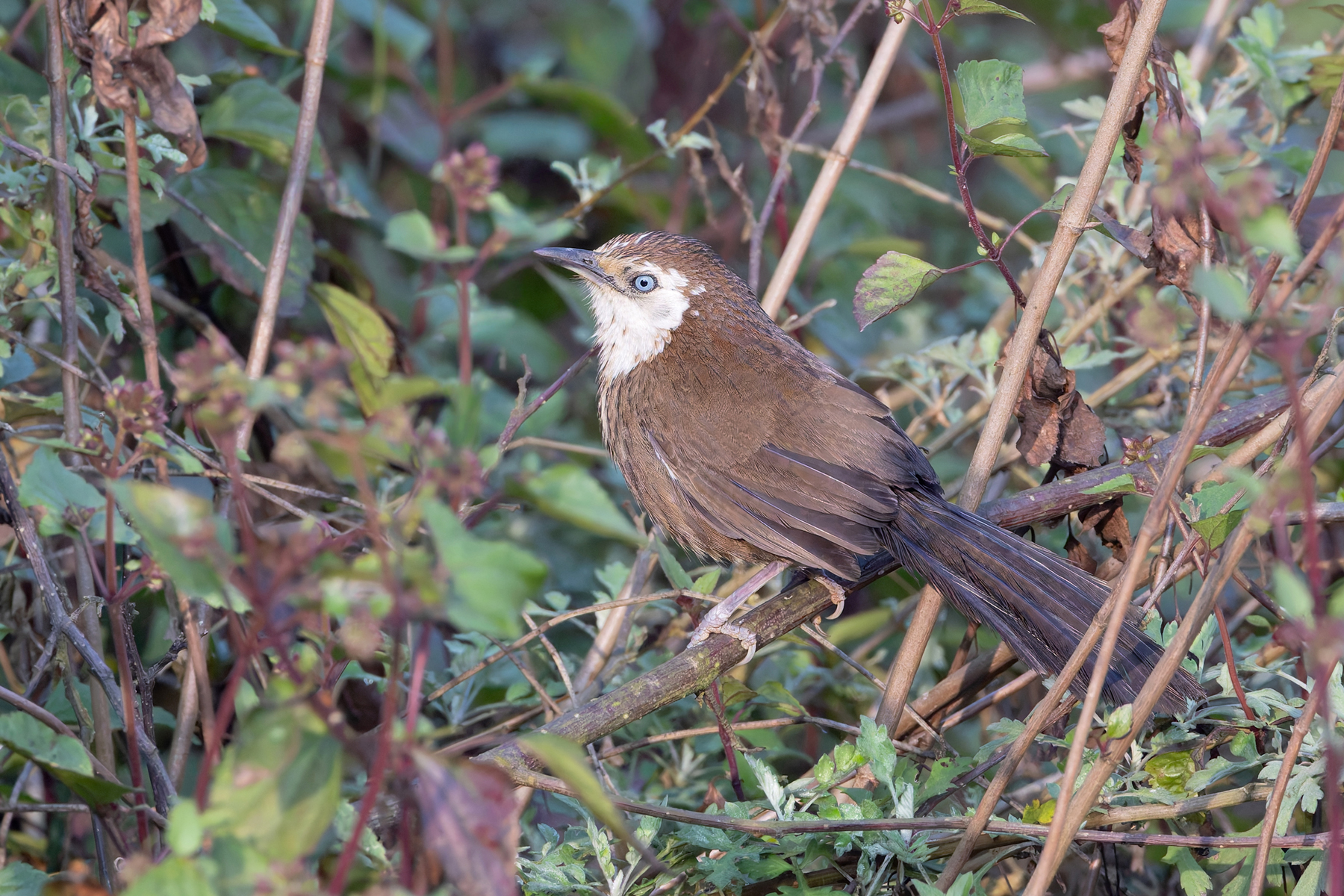
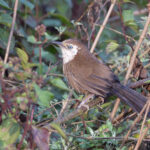
Spiny Babbler, a good reason to bird the Kathmandu Valley (Image by Mike Watson)
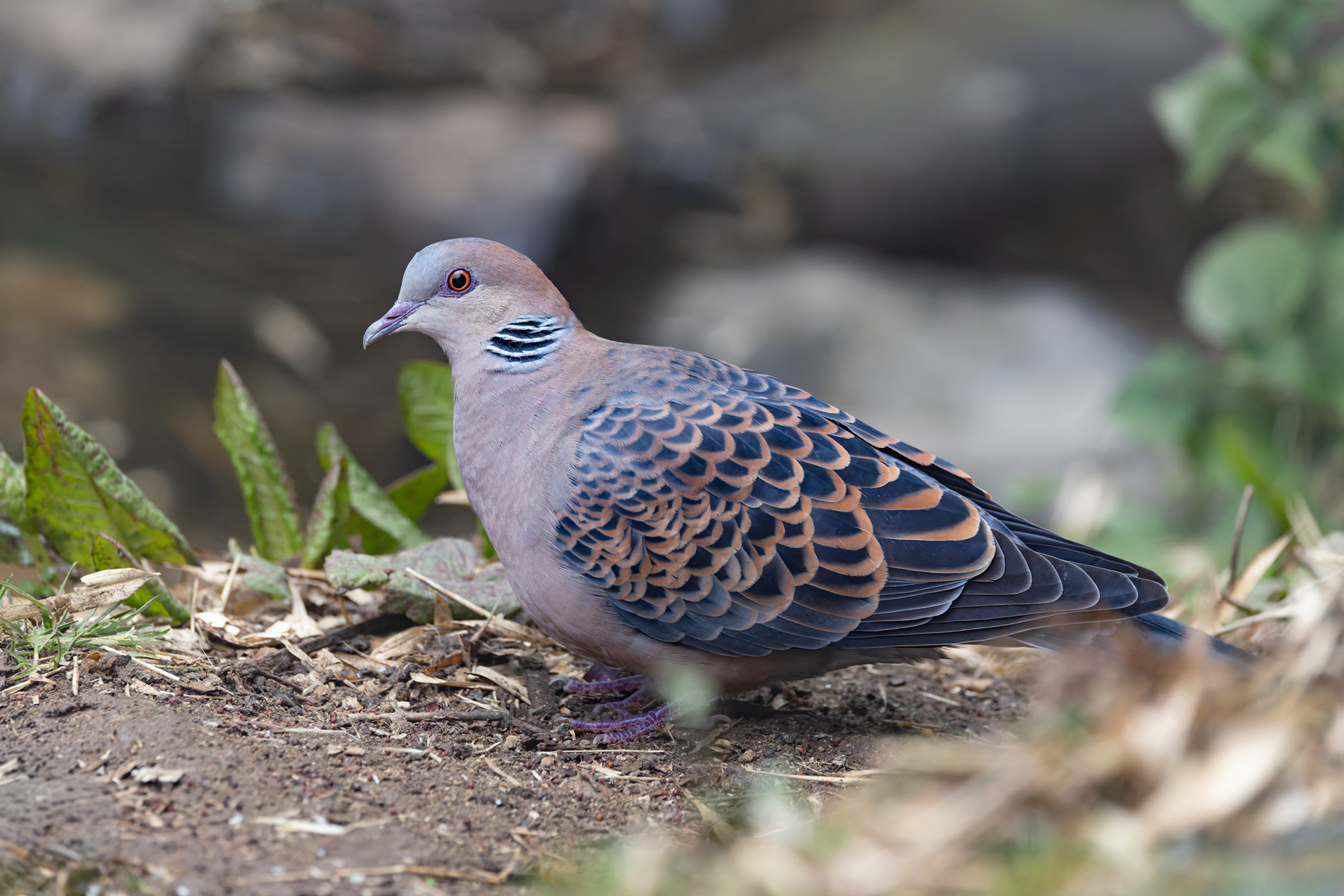
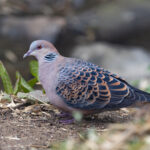
Oriental Turtle Dove occasionally appeared at the Habre’s Nest Bird Hide (Image by Mike Watson)
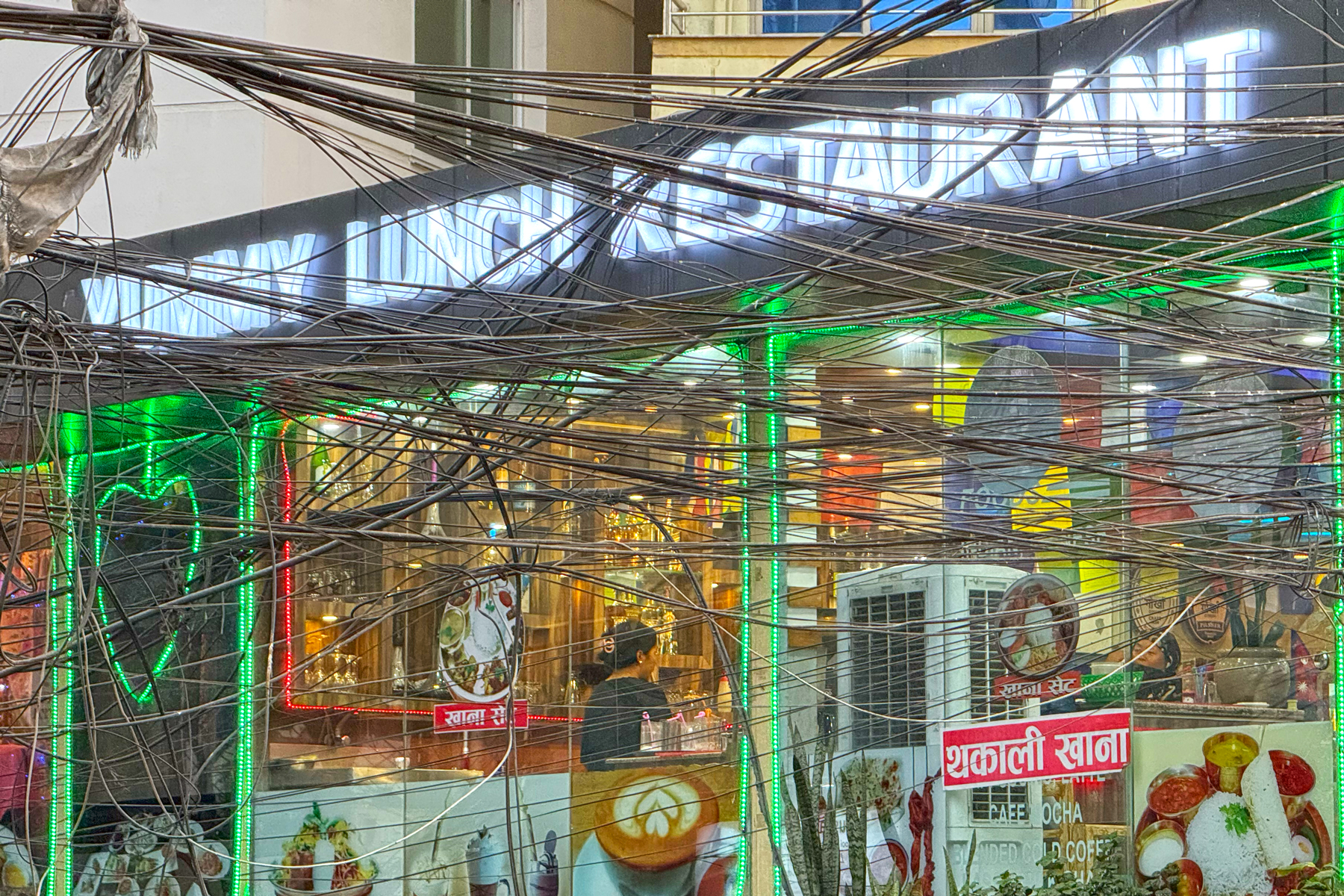
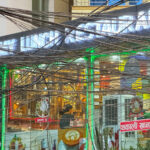
Next level electricians work in Kathmandu! (Image by Mike Watson)
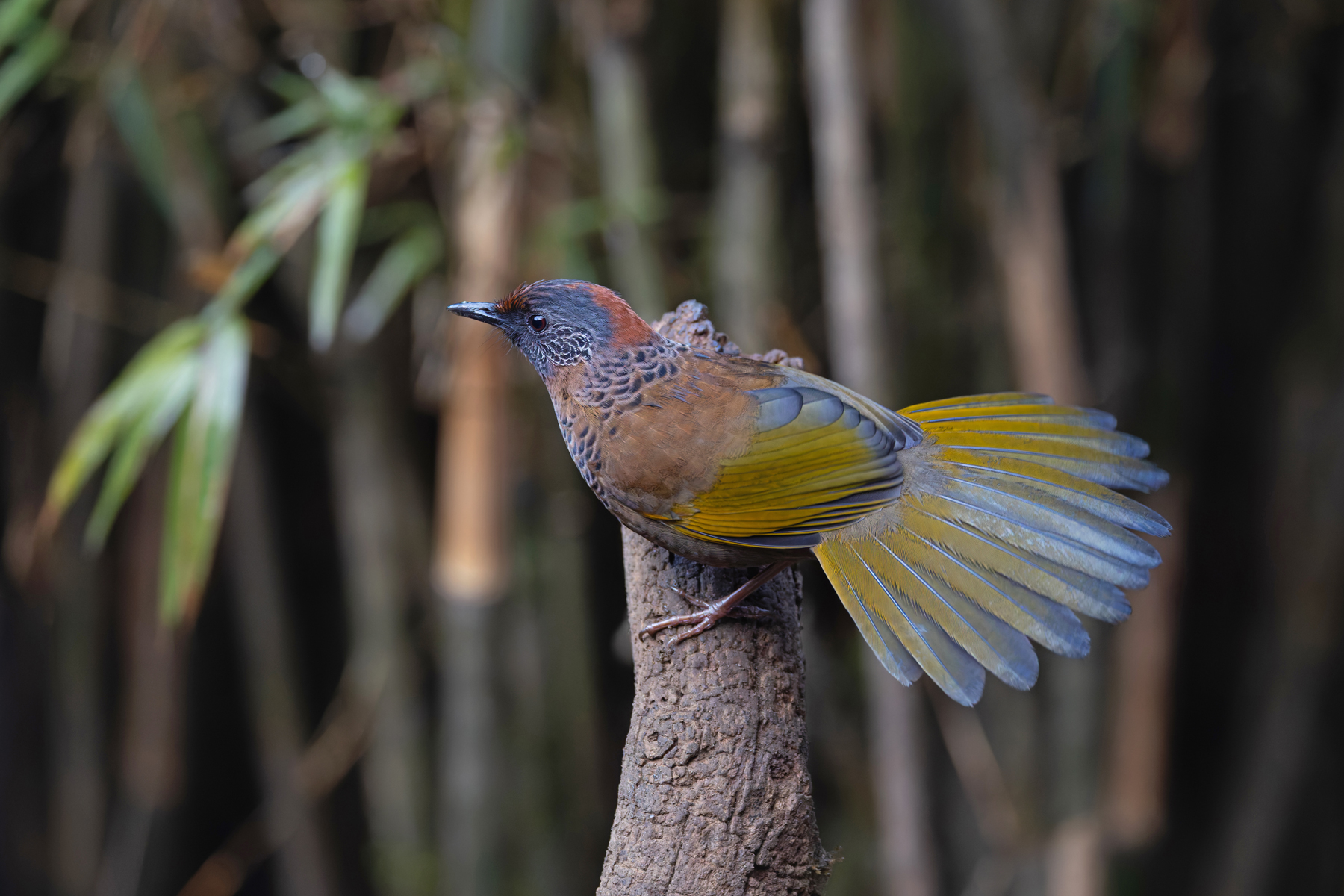
Chestnut-crowned Laughingthrush, Habre’s Nest (Image by Mike Watson)
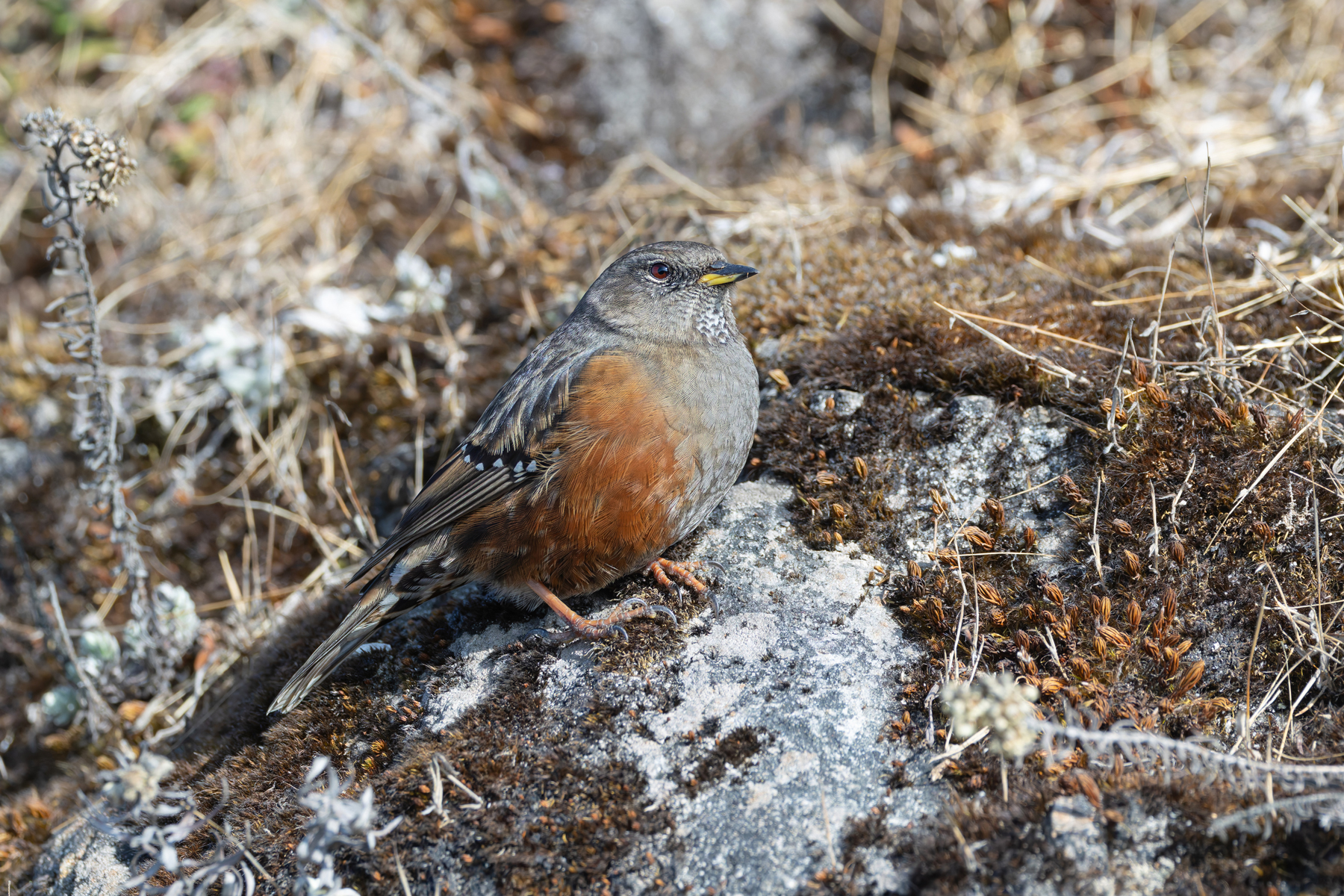
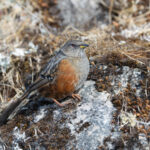
Alpine Accentor, Habre’s Nest (Image by Mike Watson)
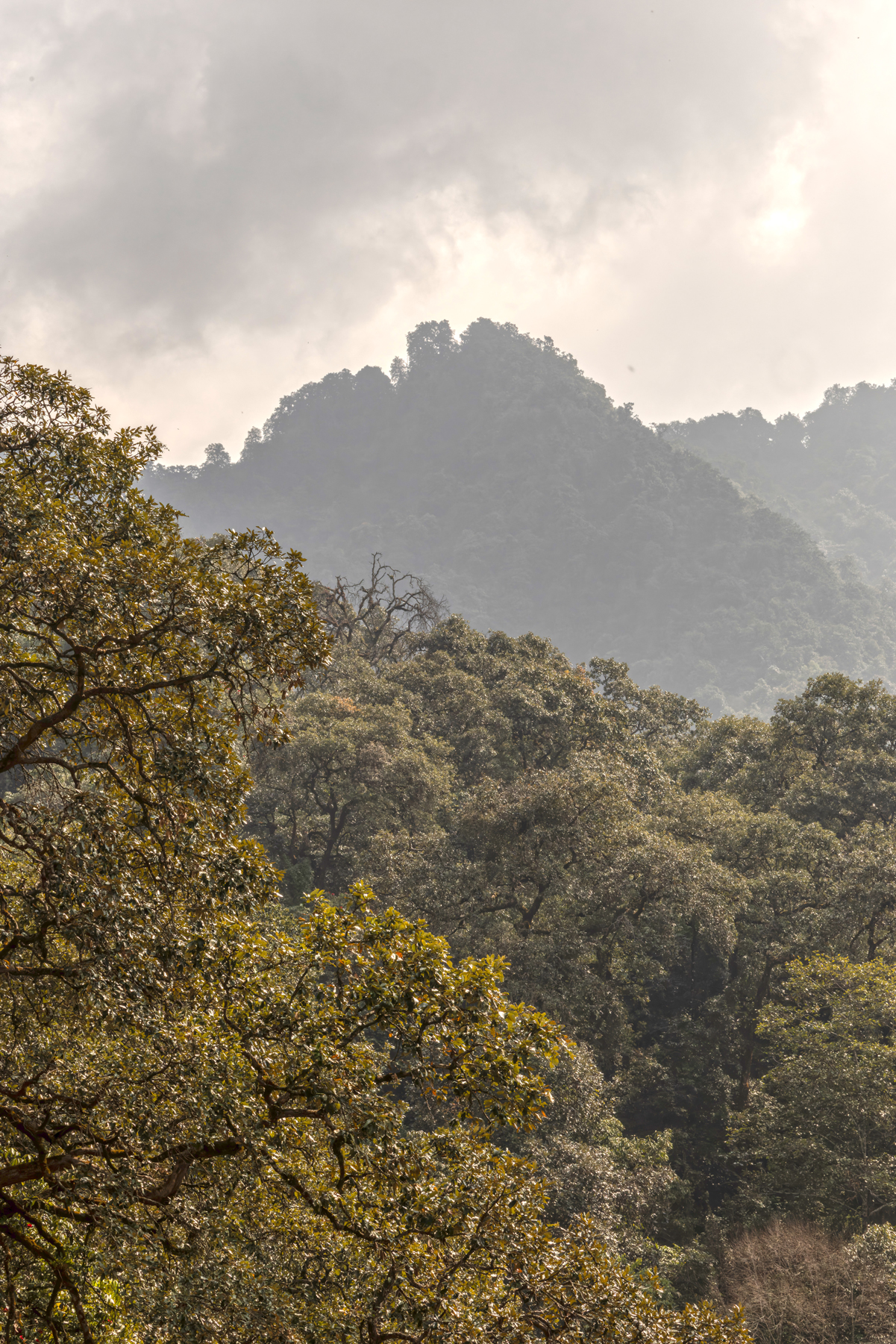
Forested ridges at Phulchowki (Image by Mike Watson)
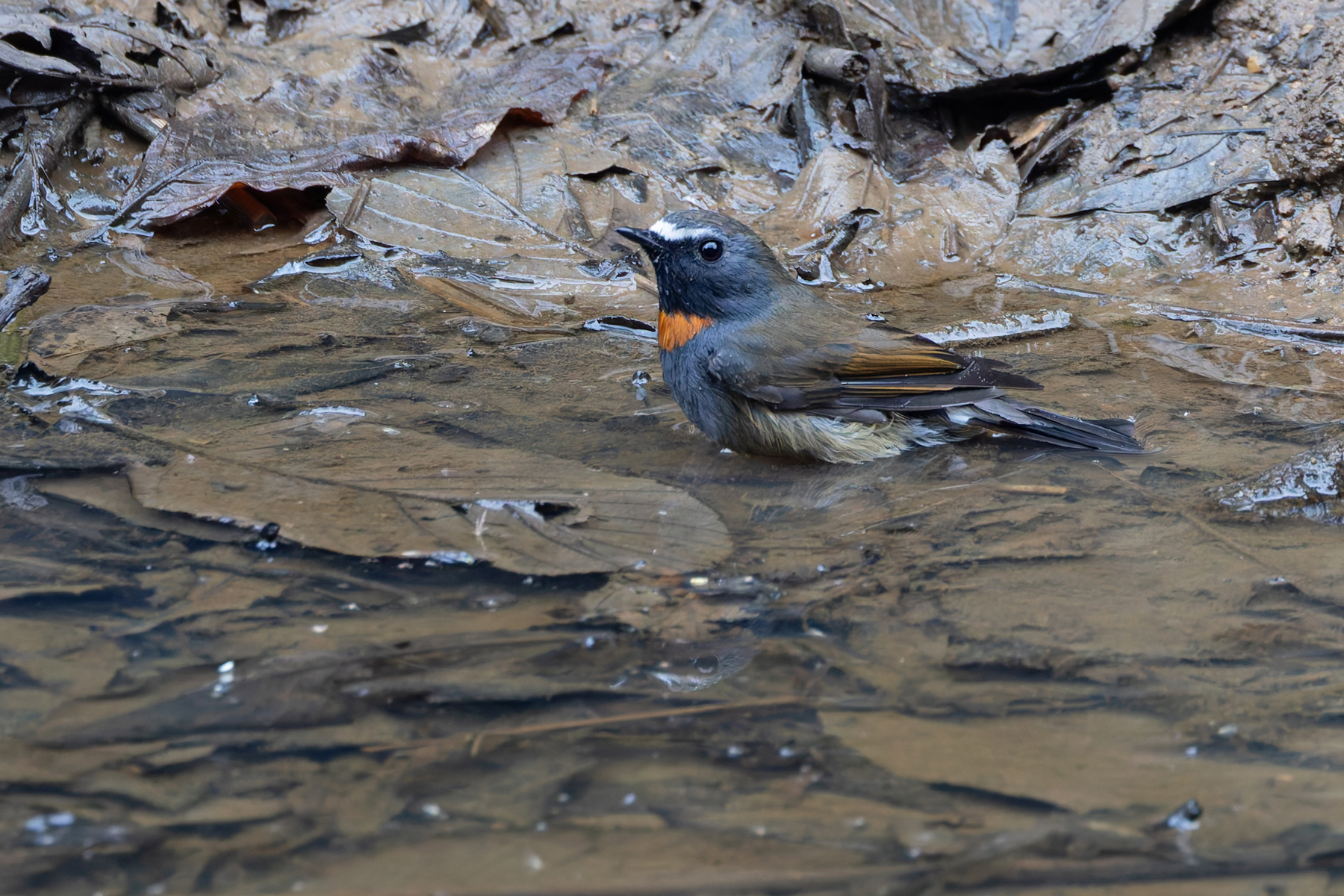
Rufous-gorgeted Flycatcher, common in the mountain forests (Image by Mike Watson)
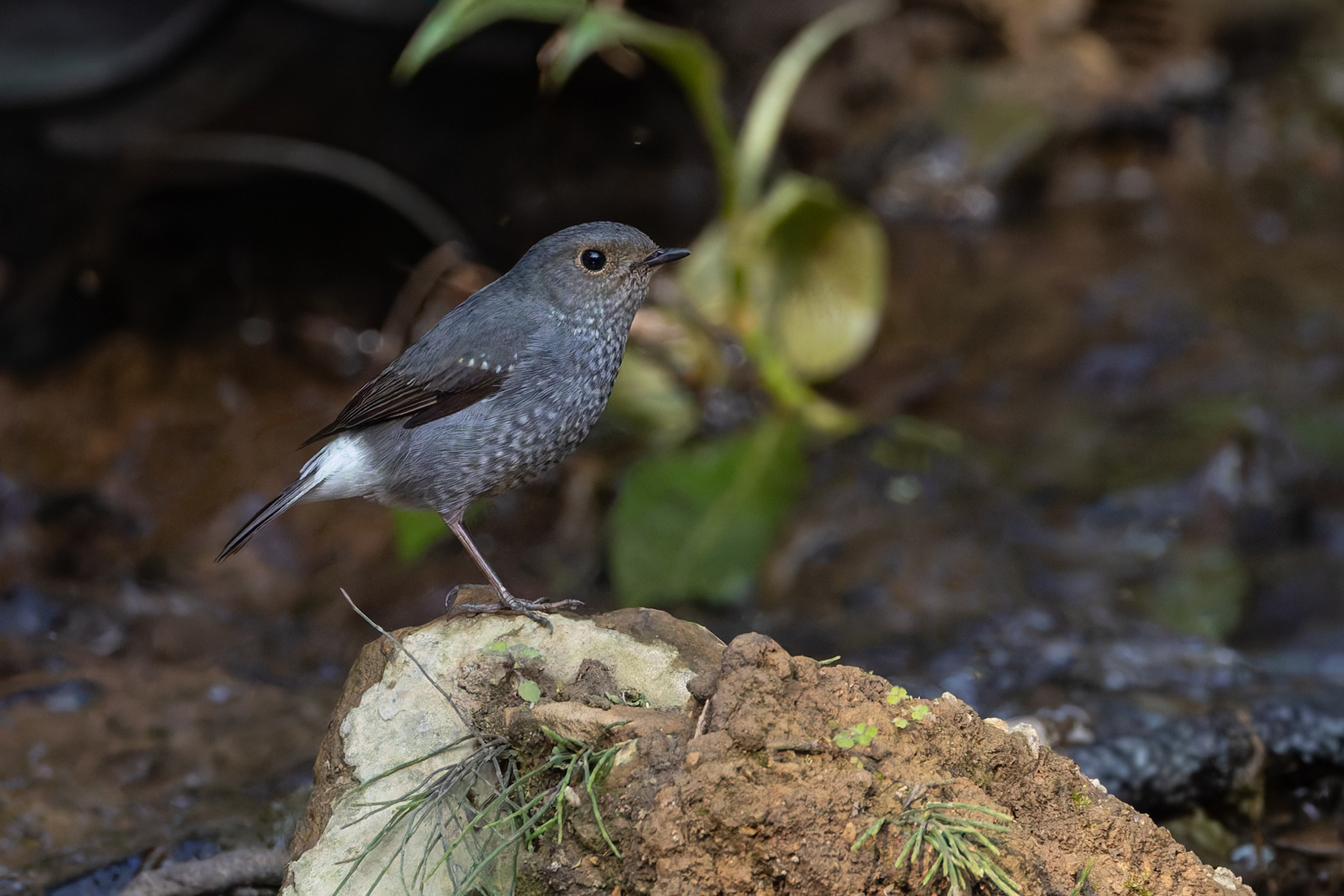
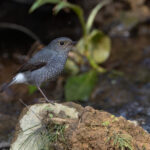
Plumbeous Water Redstart, Kathmandu Valley (Image by Mike Watson)
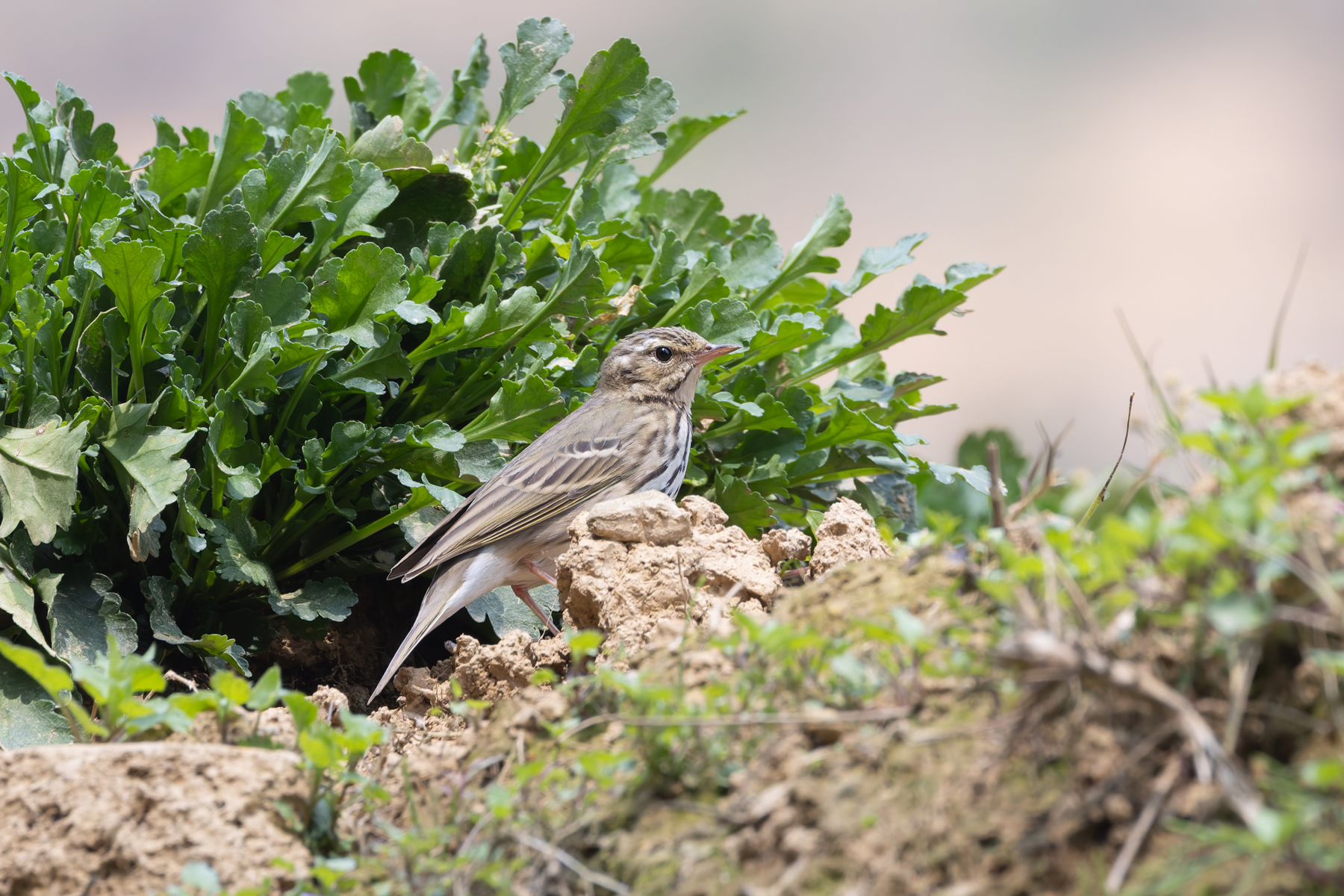
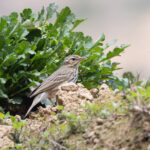
Olive-backed Pipit, Kathmandu Valley (Image by Mike Watson)
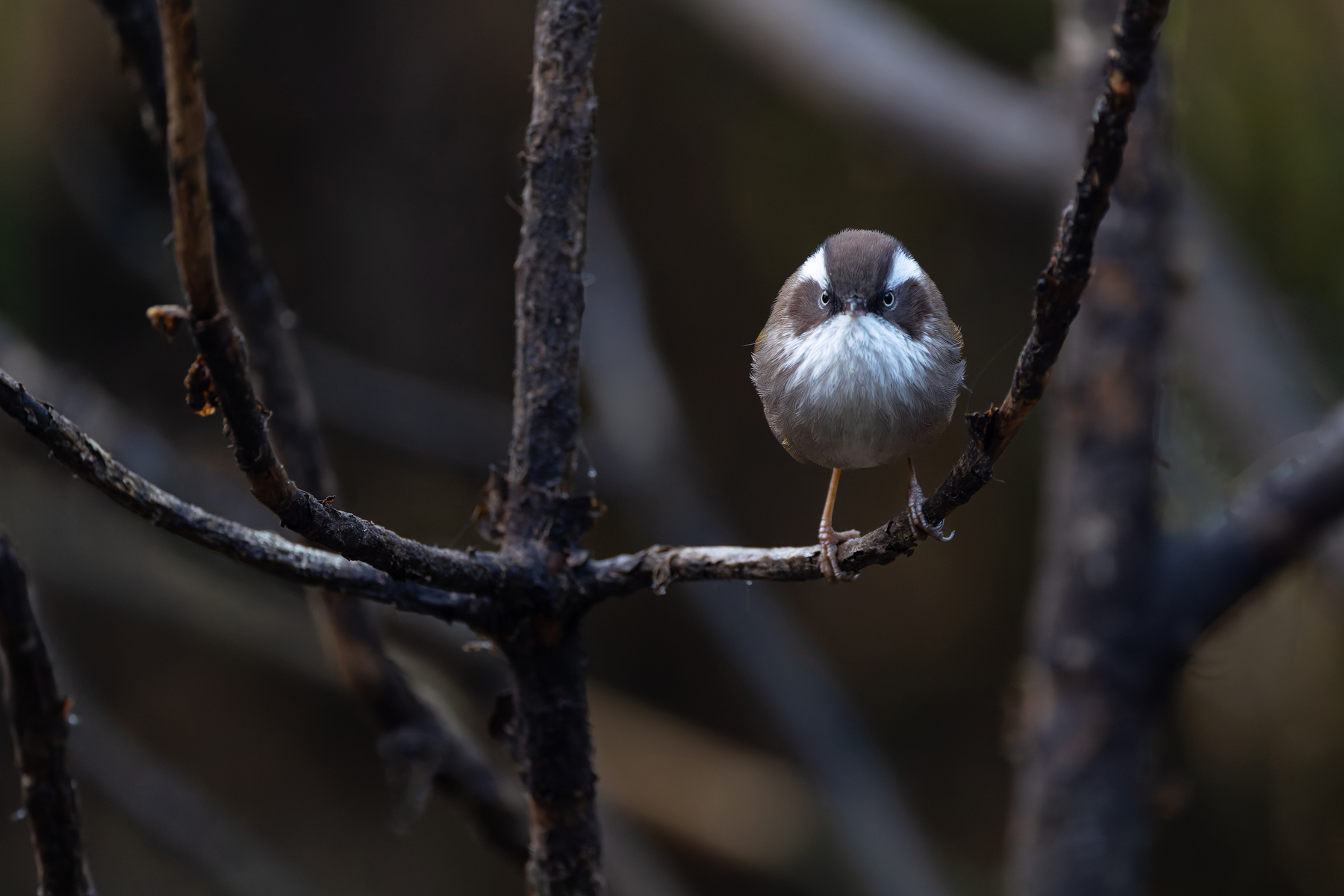
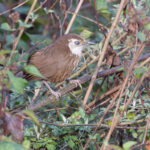
White-browed Fulvetta, ever present at the bird hide at Habre’s Nest (Image by Mike Watson)
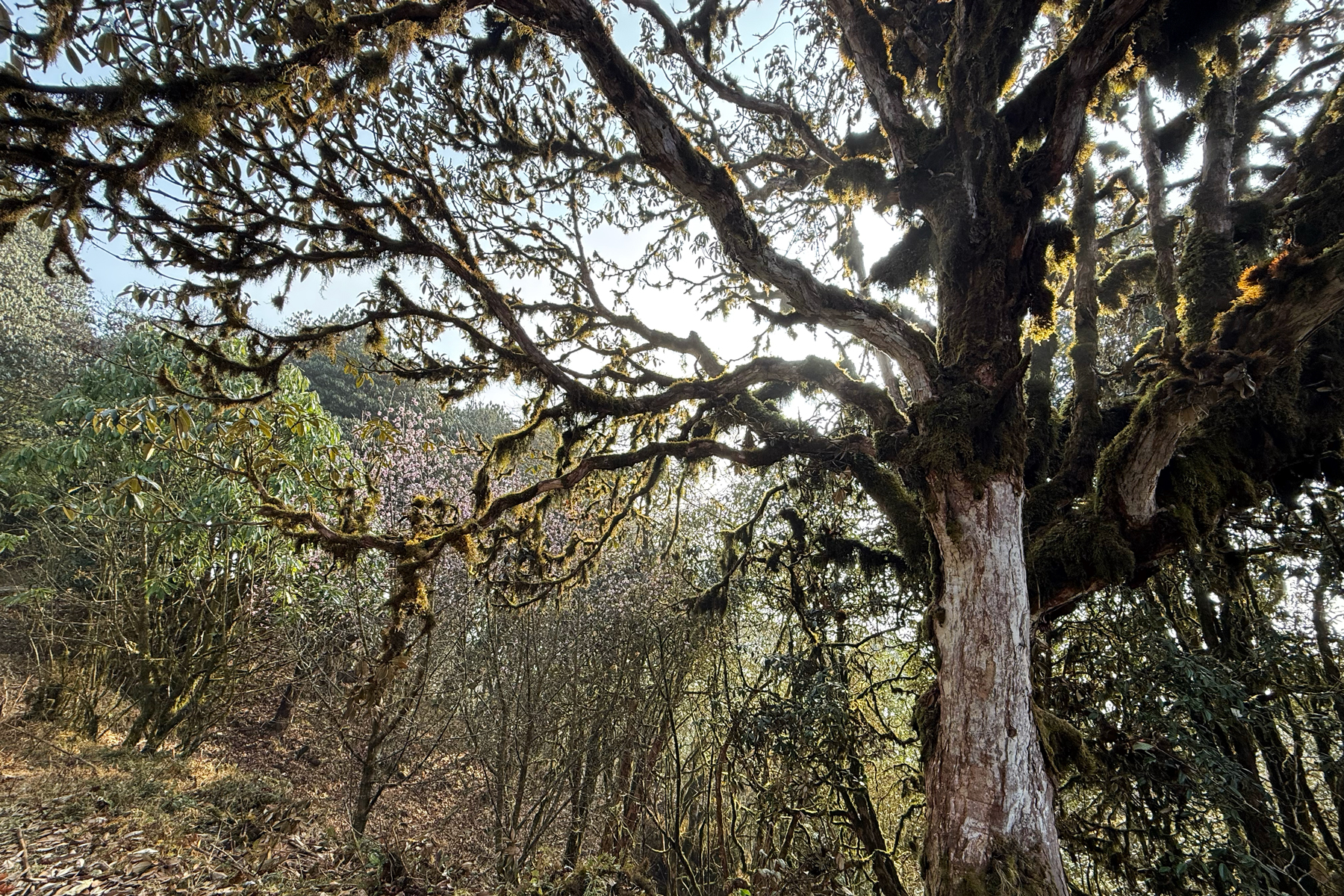
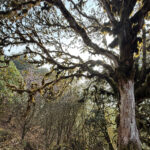
Moss covers the ancient Rhododendron trees in Singalila National Park (image by Mike Watson)
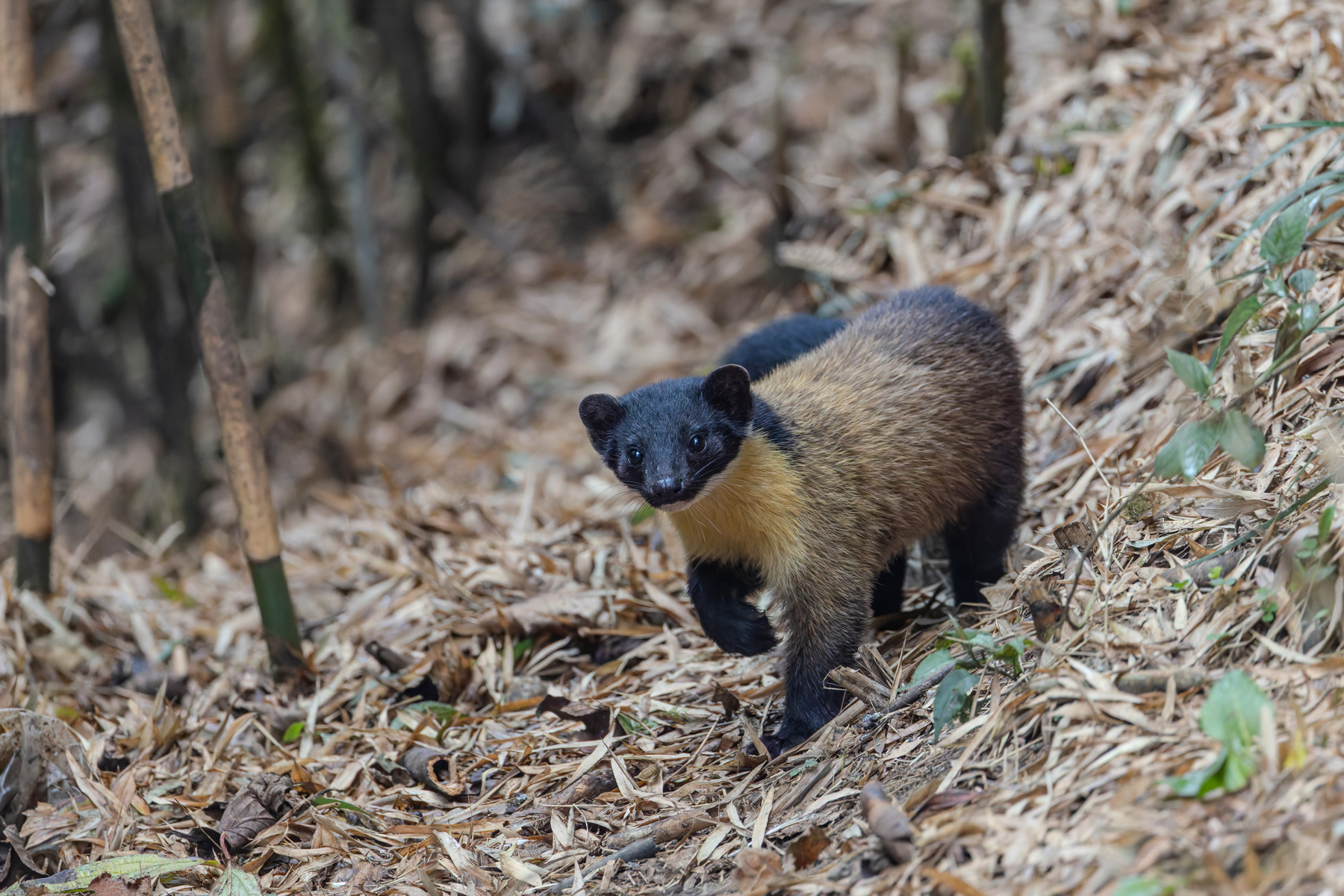
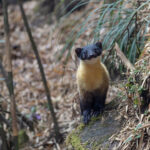
Yellow-throated Martin on the prowl (Image by Mike Watson)
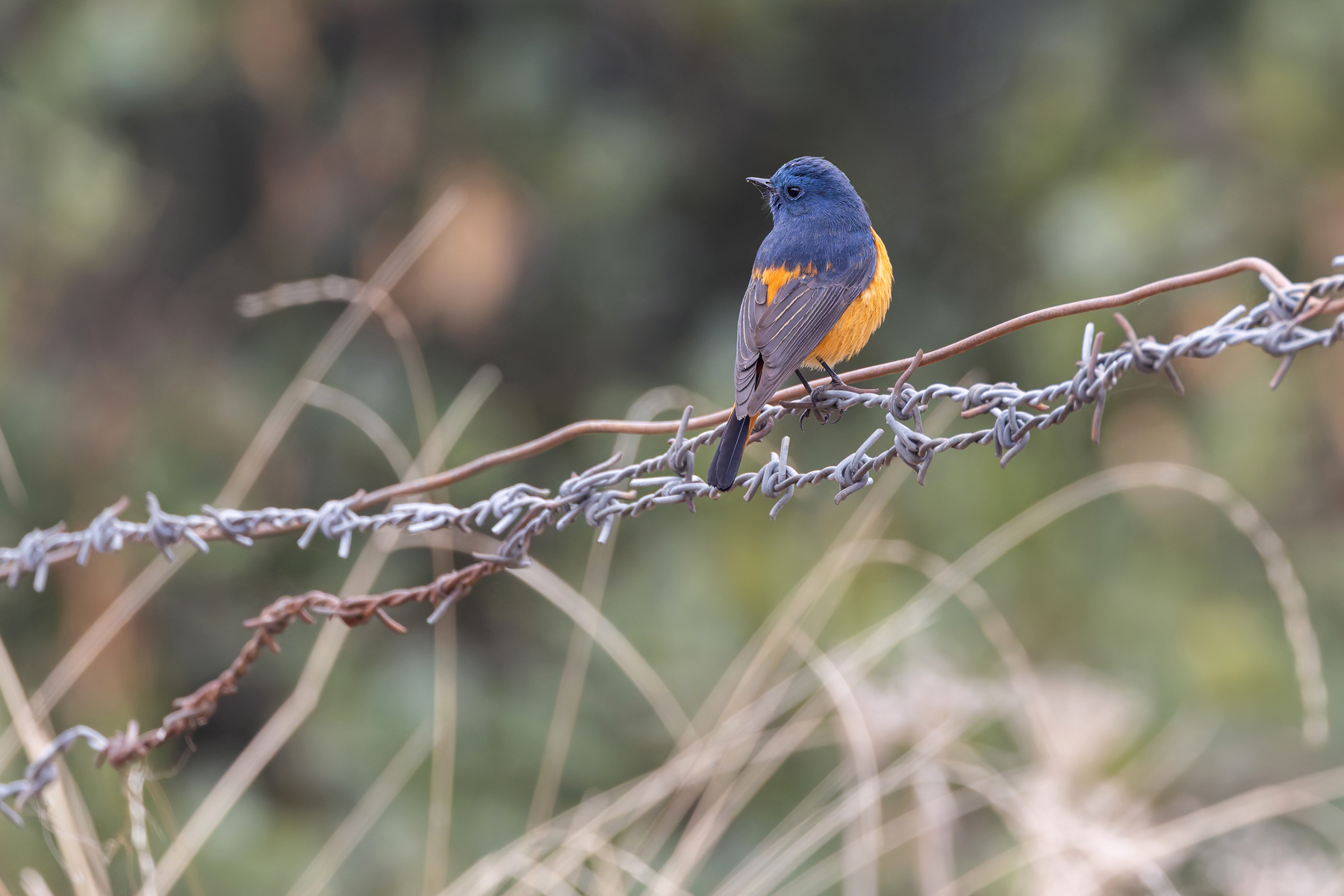
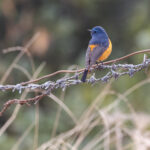
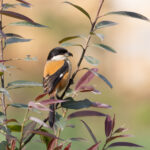
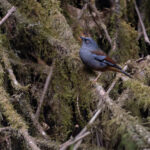
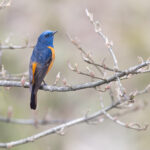
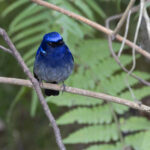
Blue-fronted Redstart at Phulchowki Summit (Image by Mike Watson)
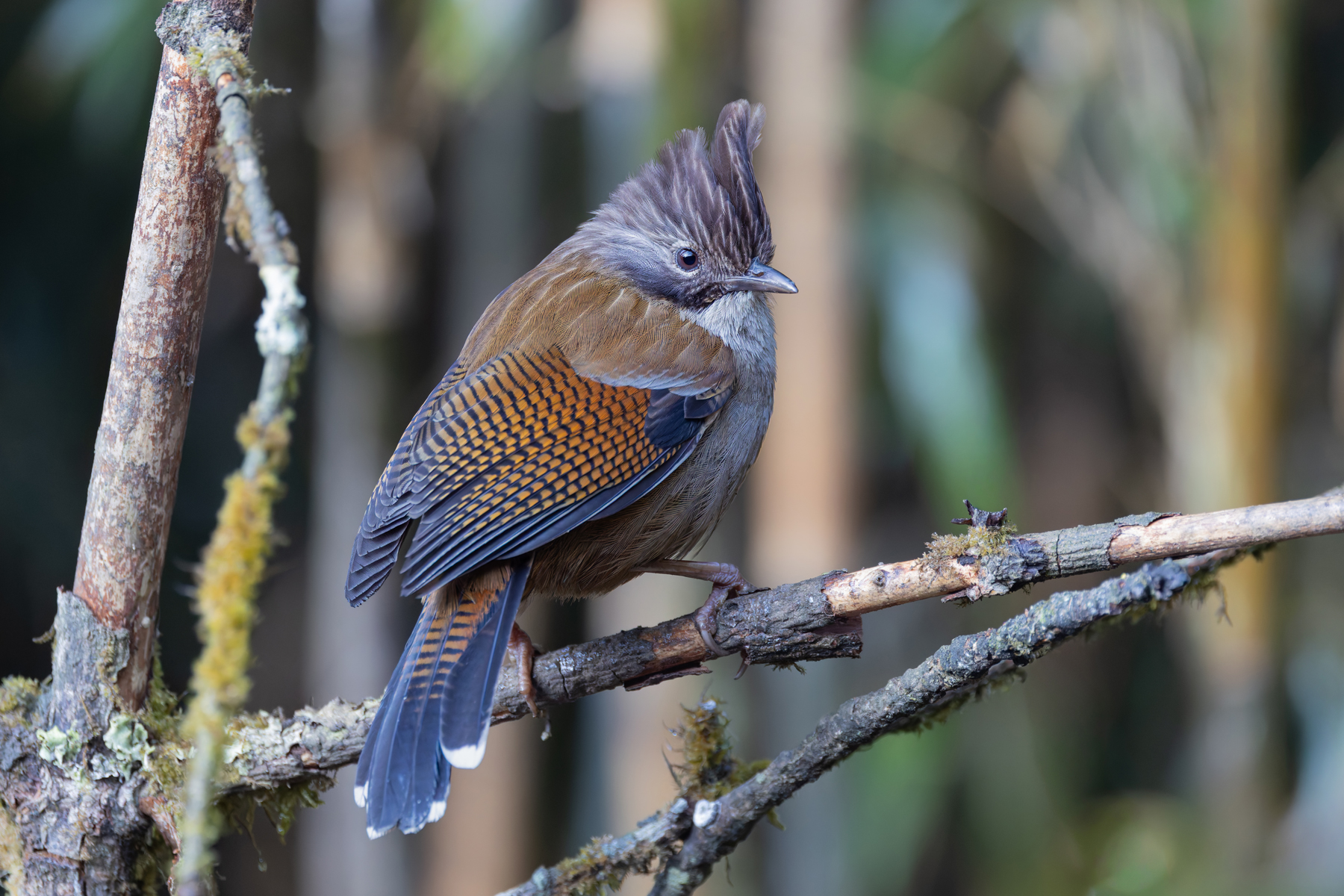
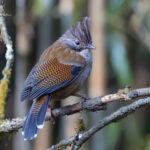
Hoary-throated Barwing, Habre’s Nest (Image by Mike Watson)
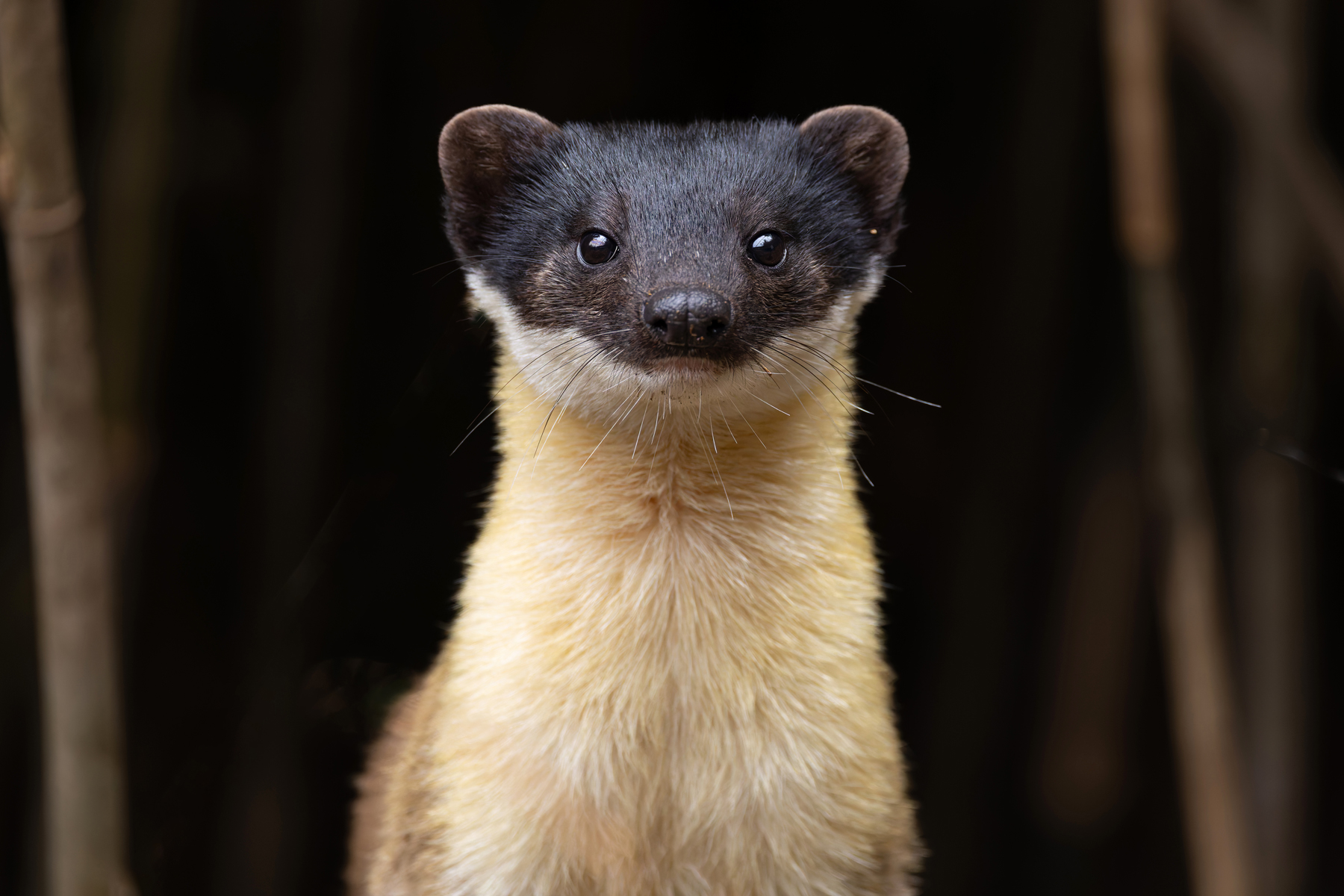
Yellow-throated Martin portrait (Image by Mike Watson)
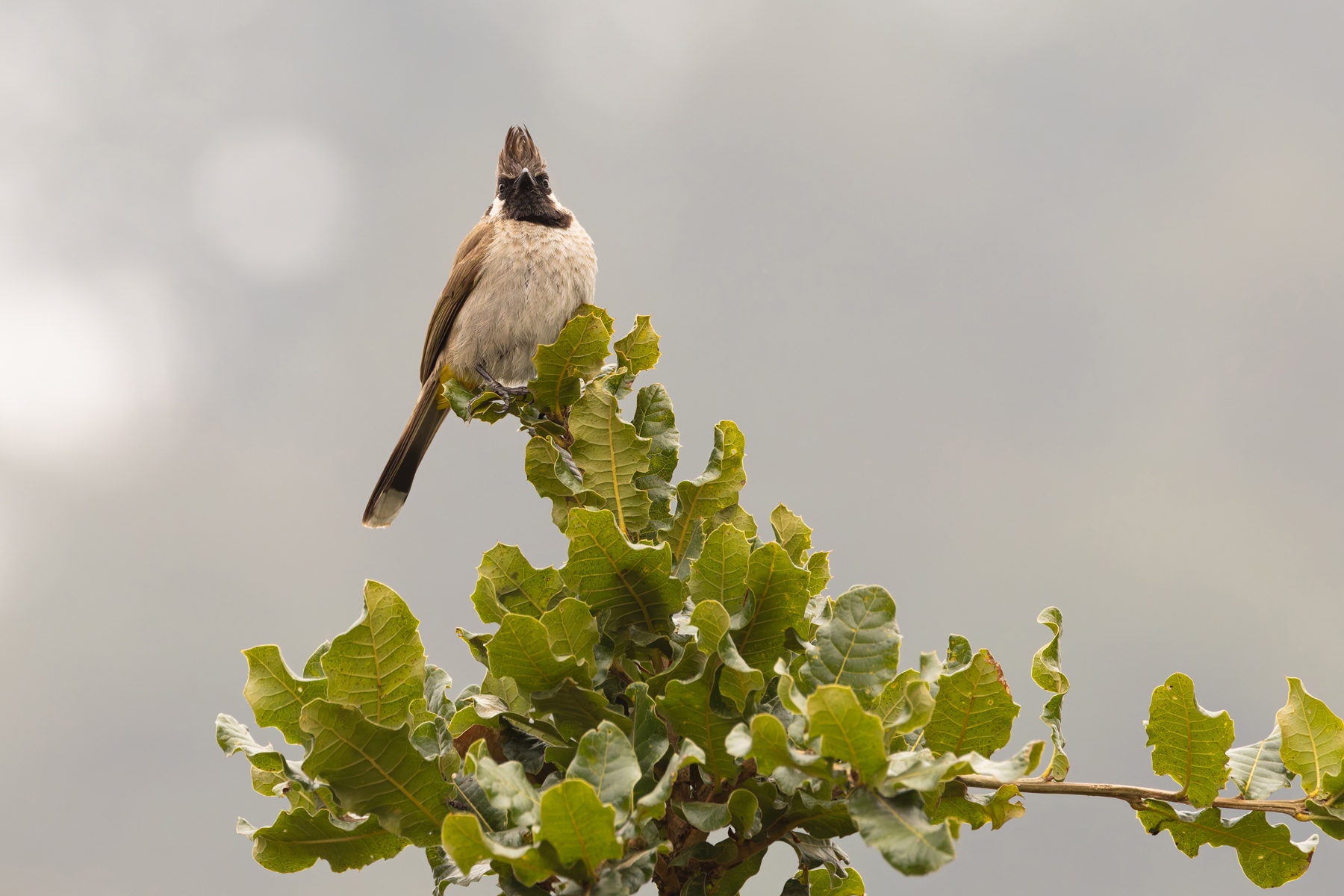
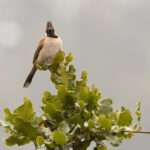
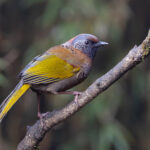
Himalayan Bulbul, Phulchowki (Image by Mike Watson)
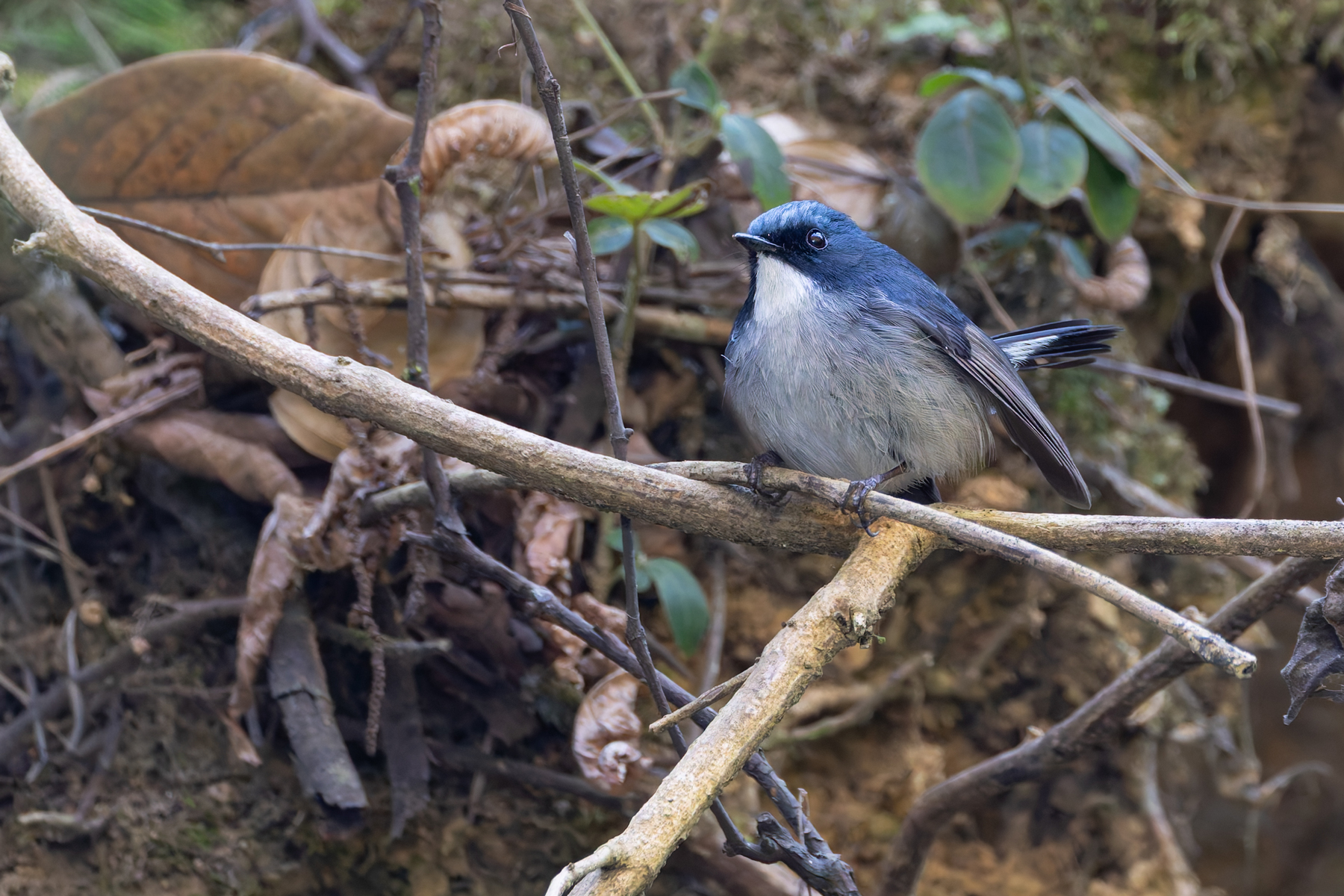
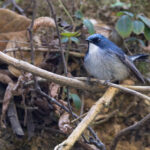
The delightful Slaty-blue Flycatcher (Image by Mike Watson)
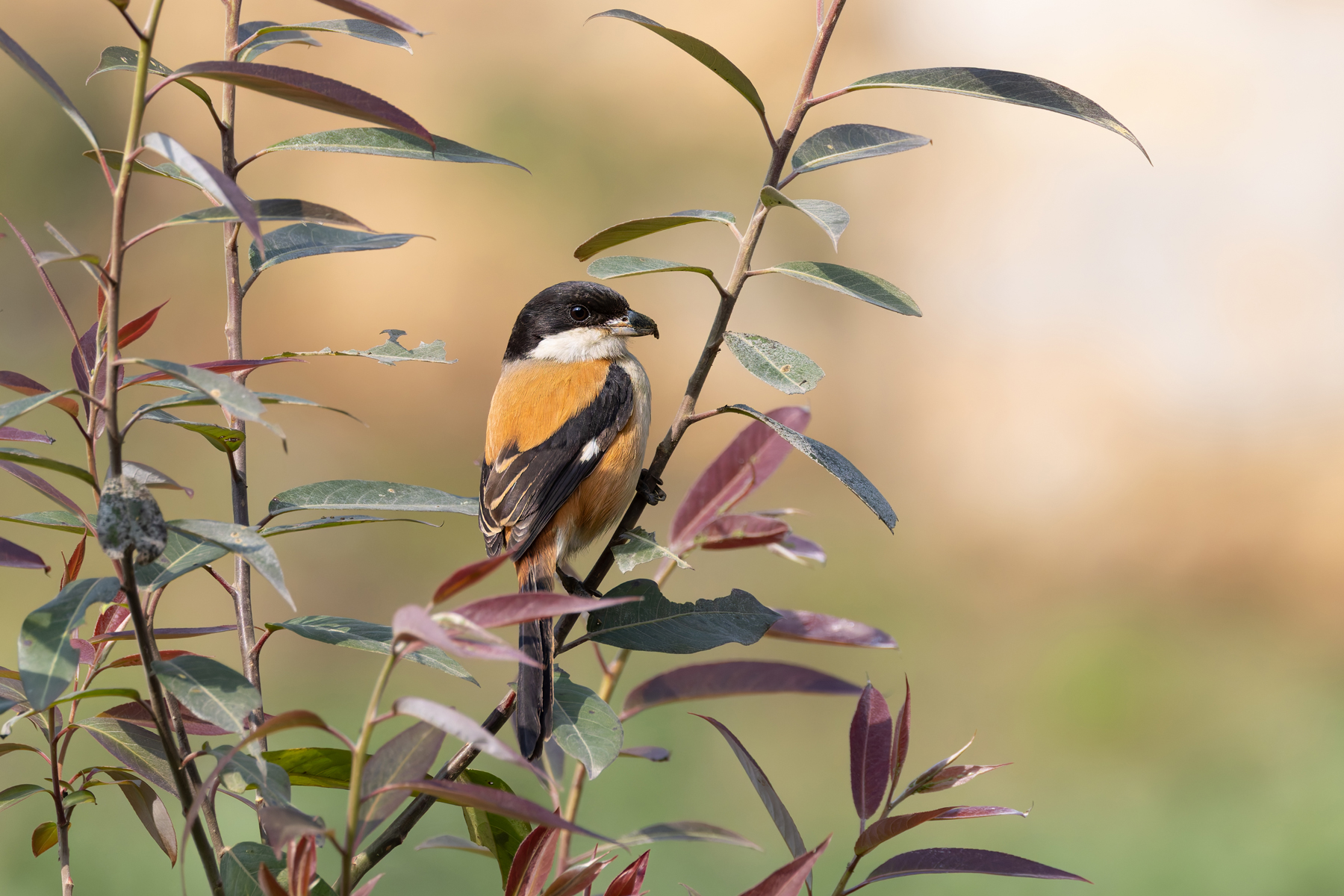
Long-tailed Shrike, Kathmandu Valley (Image by Mike Watson)
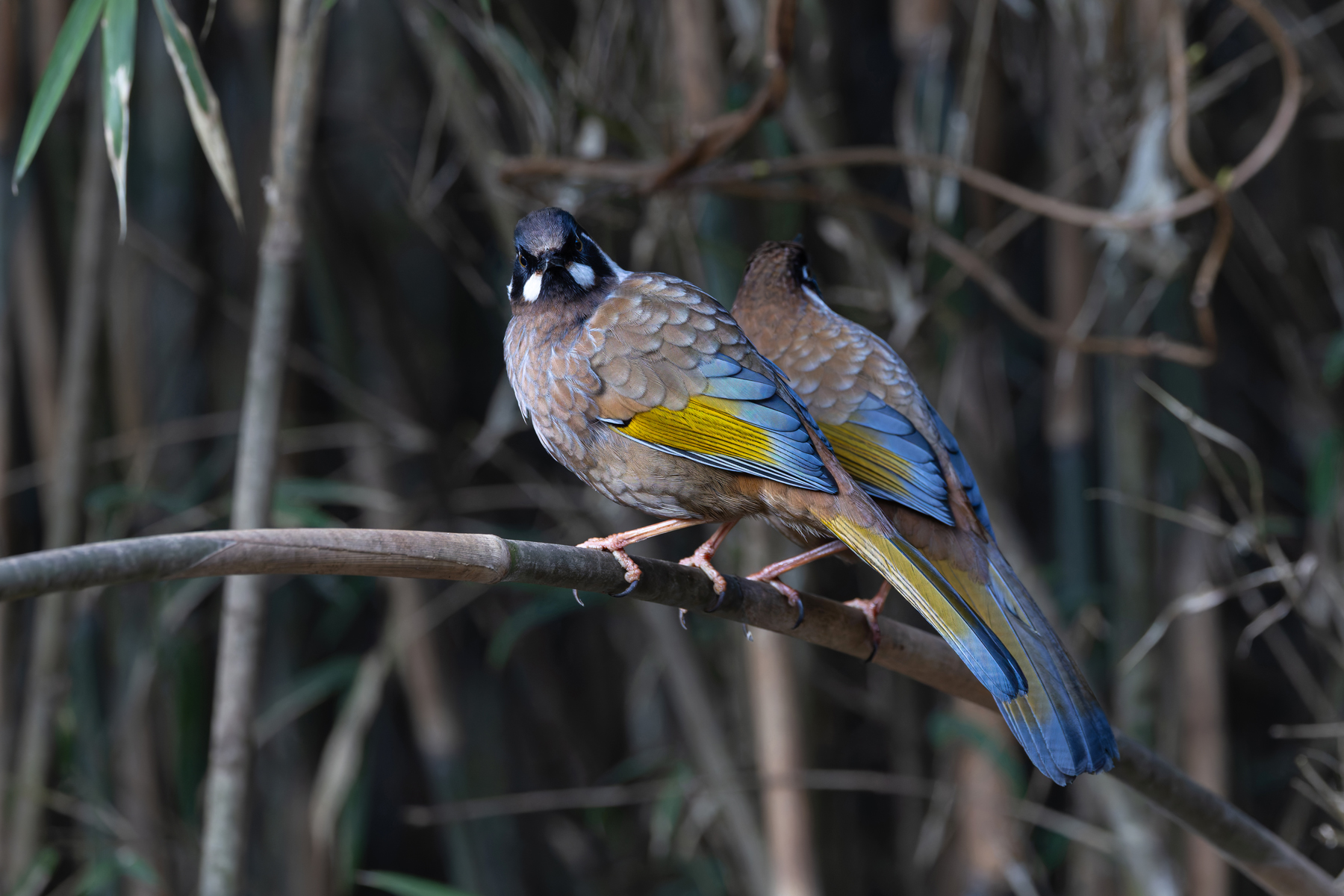
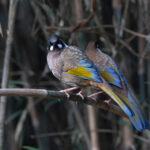
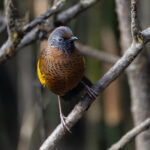
Black-faced Laughingthrush at Habre’s Nest (Image by Mike Watson)
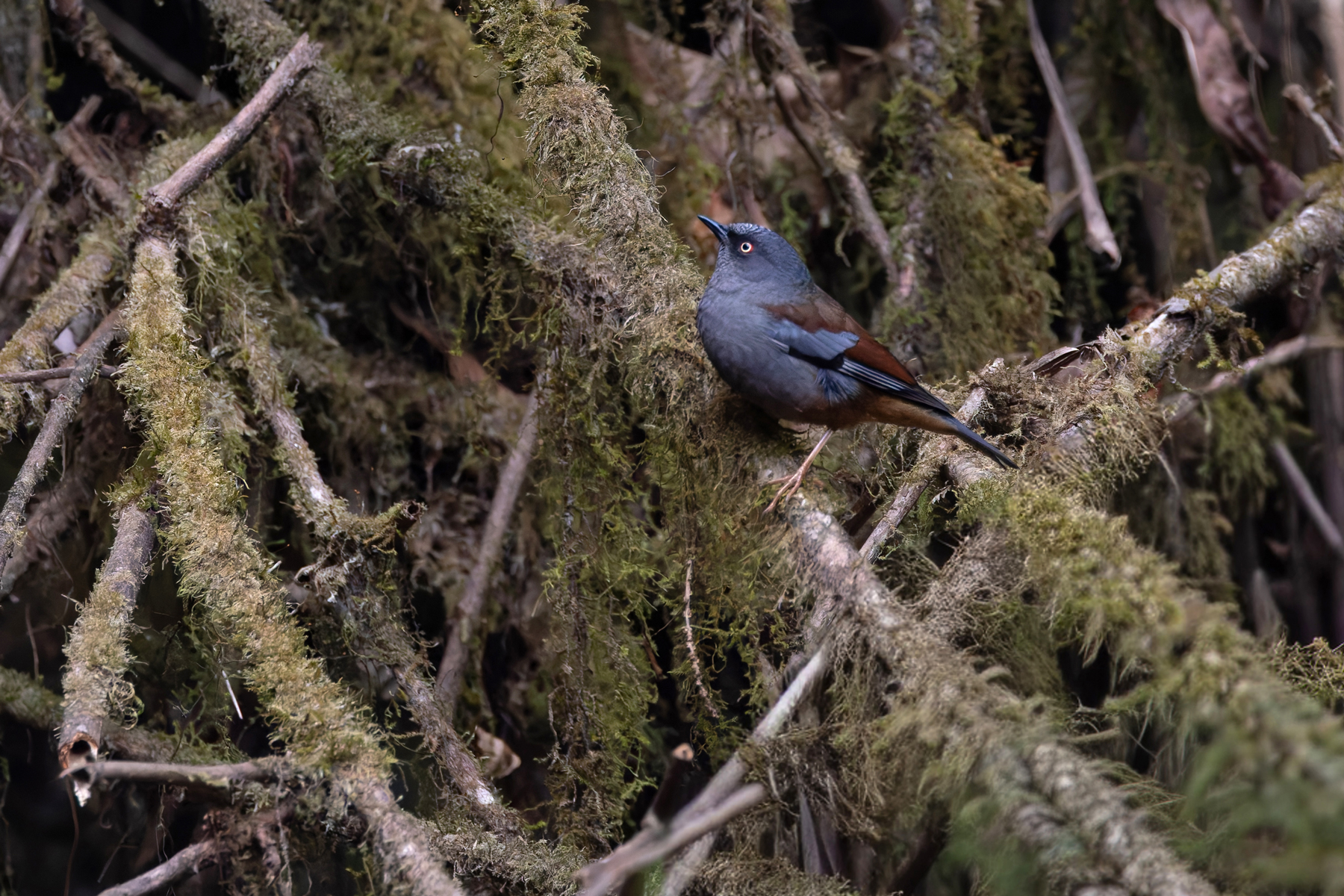
Maroon-backed Accentor, Phulchowki (Image by Mike Watson)
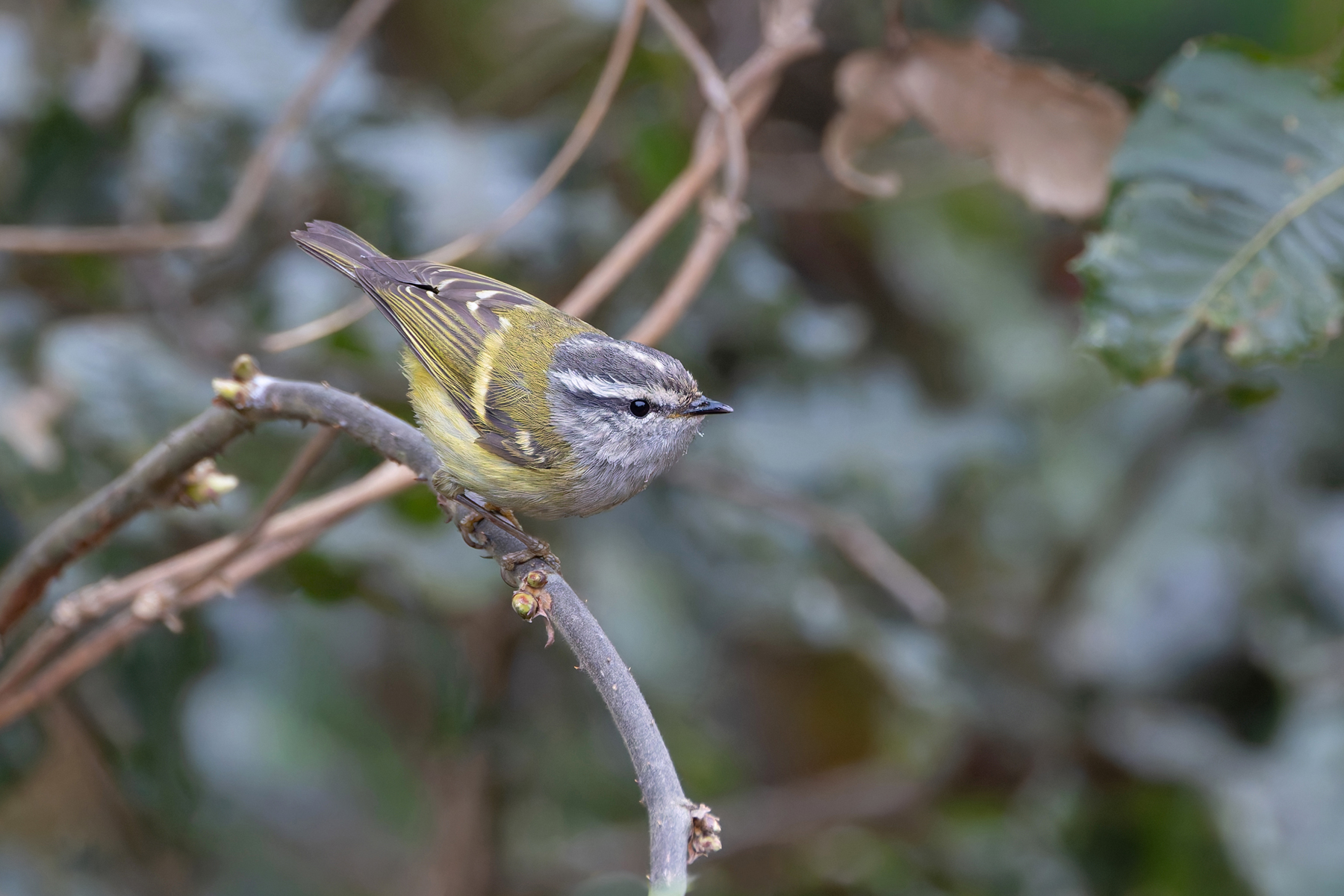
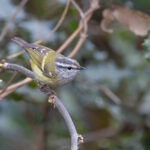
Ashy-throated Warbler, a classic Himalayan leaf warbler (Image by Mike Watson)
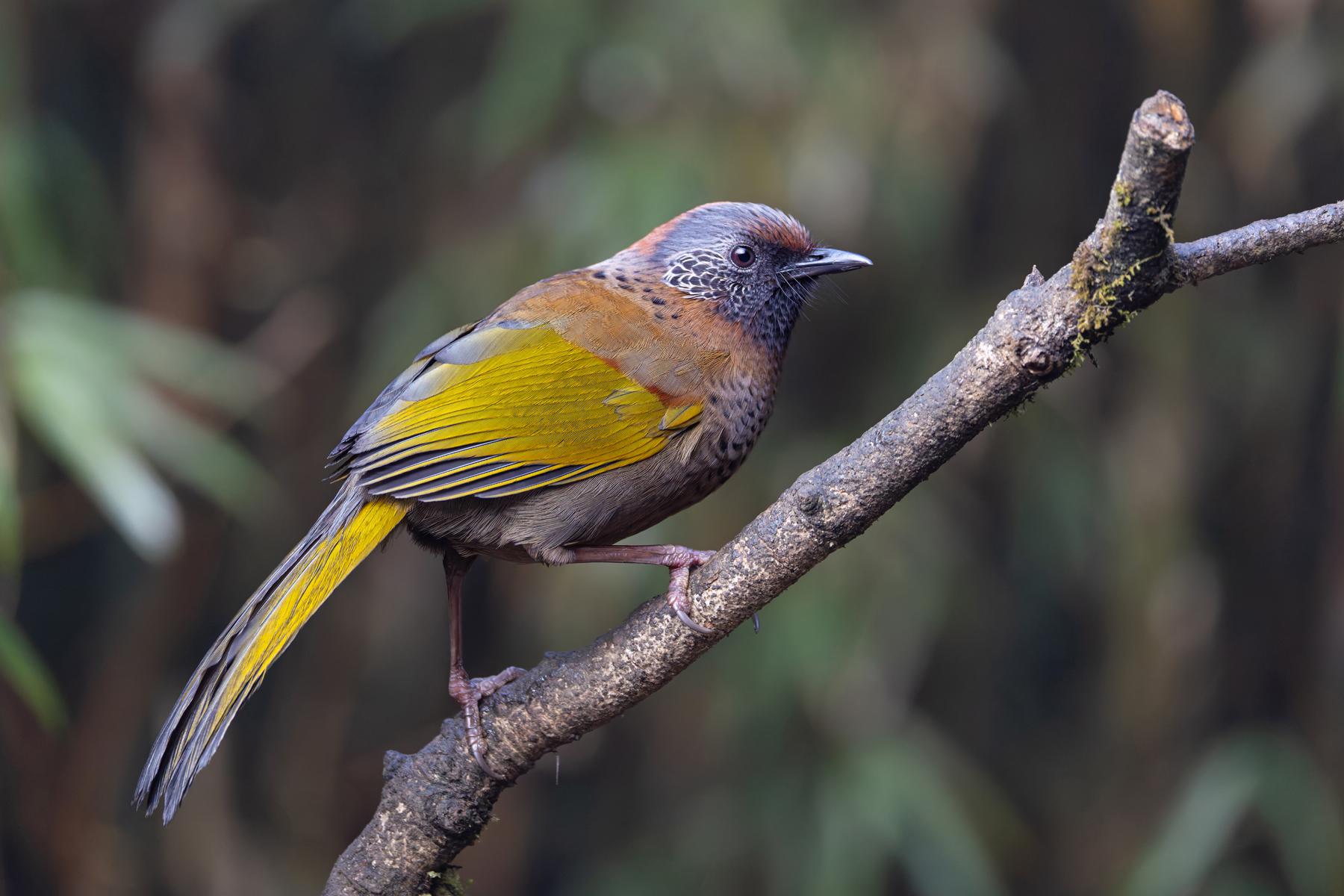
Chestnut-crowned Laughingthrush, Habre’s Nest (Image by Mike Watson)
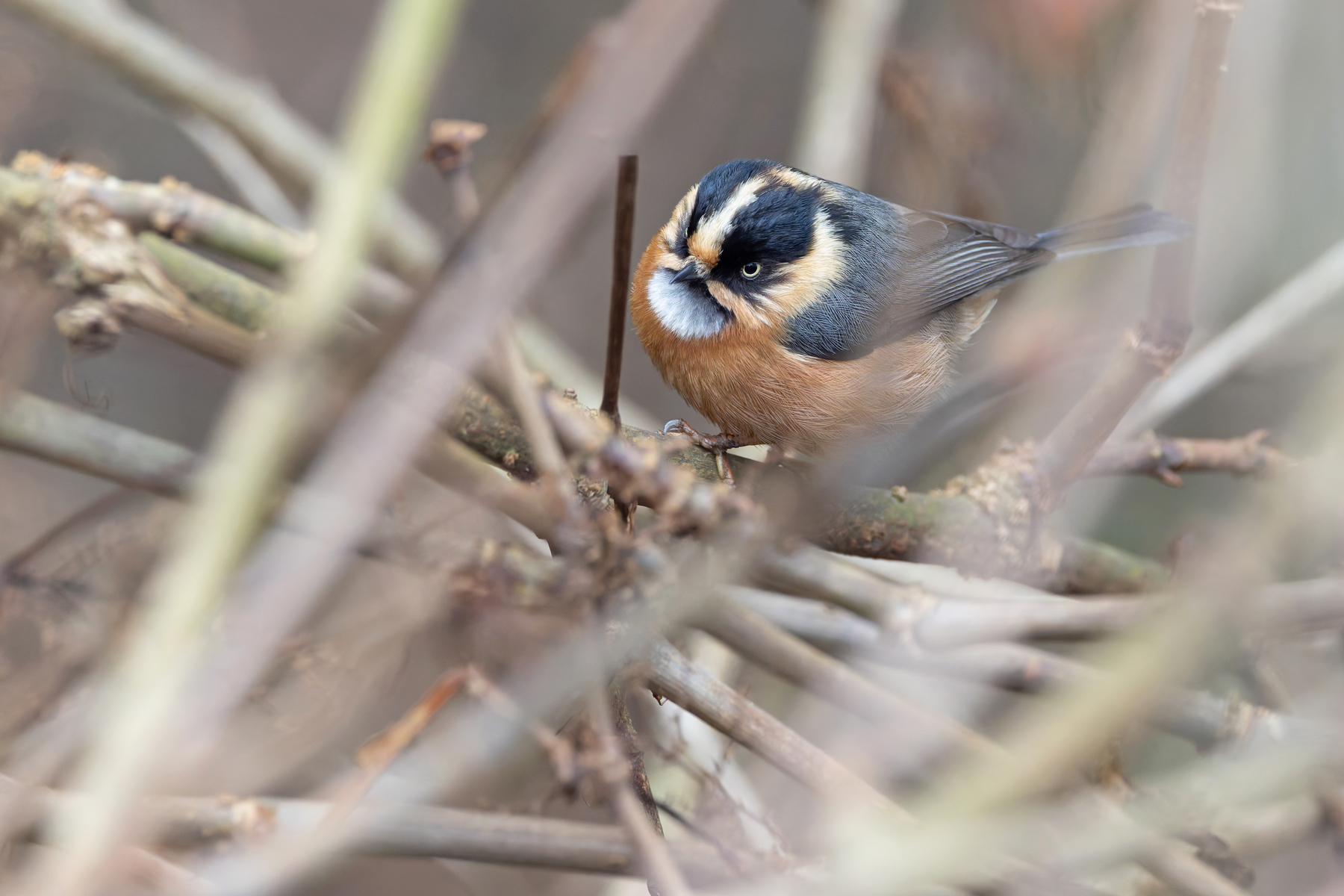
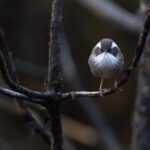
Black-browed Tit, Habre’s Nest (Image by Mike Watson)
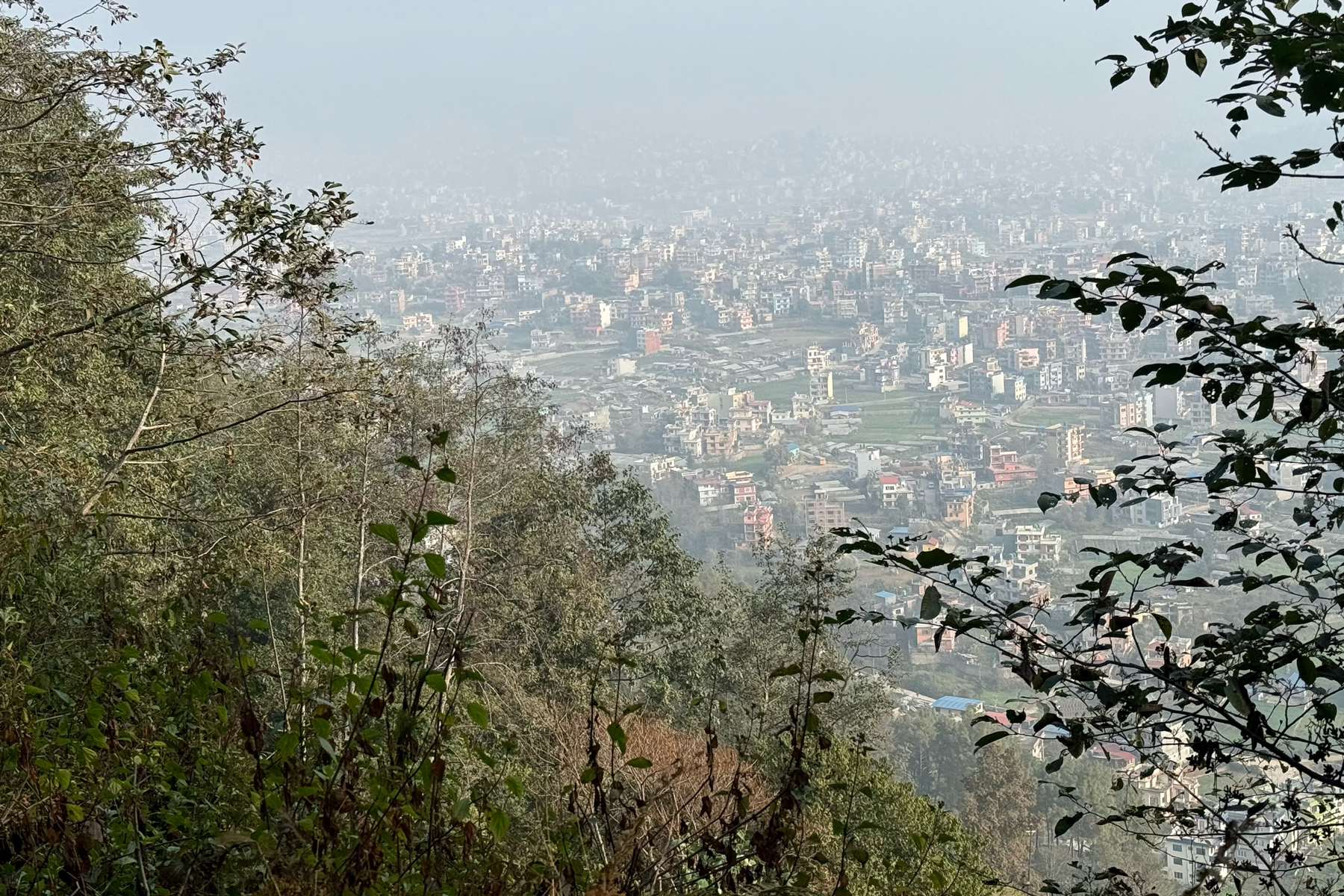
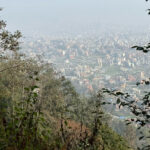
Kathmandu Valley, where the sight and sounds of human habitation are never far away (Image by Mike Watson)
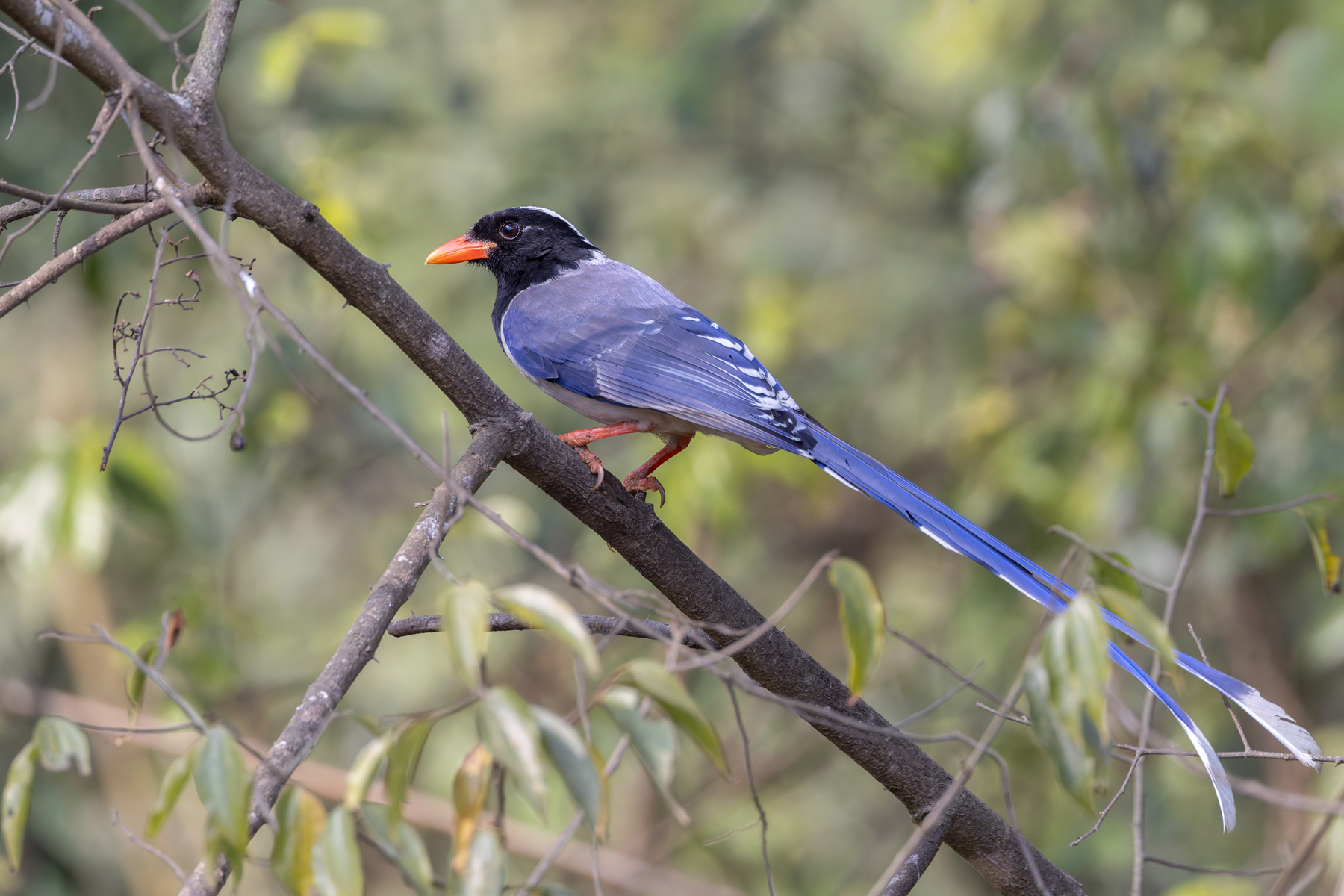
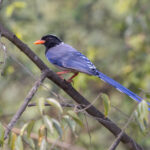
Red-billed Blue Magpie, conspicuous in the Kathmandu Valley (Image by Mike Watson)
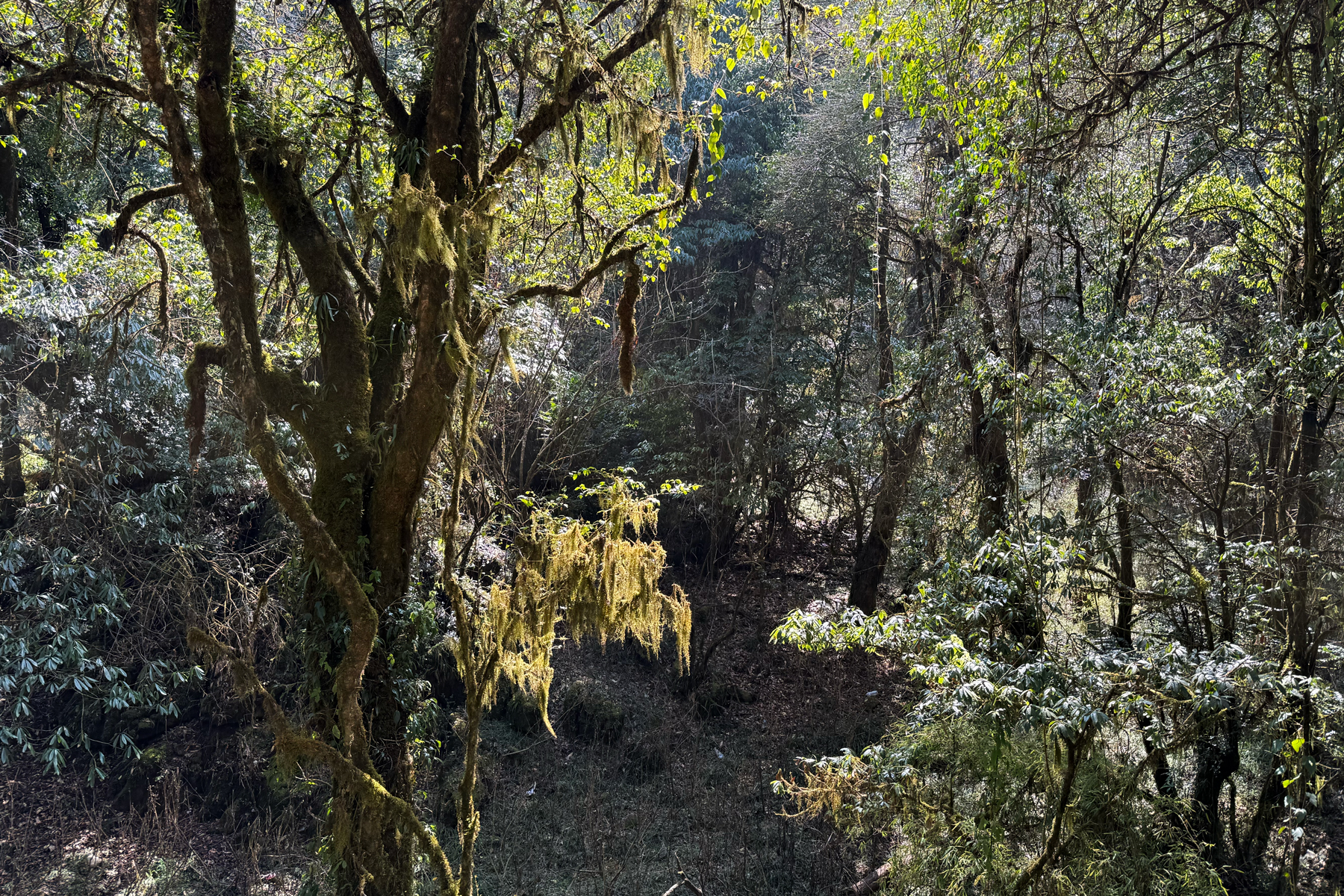
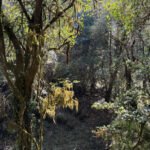
Phulchowki forest (Image by Mike Watson)
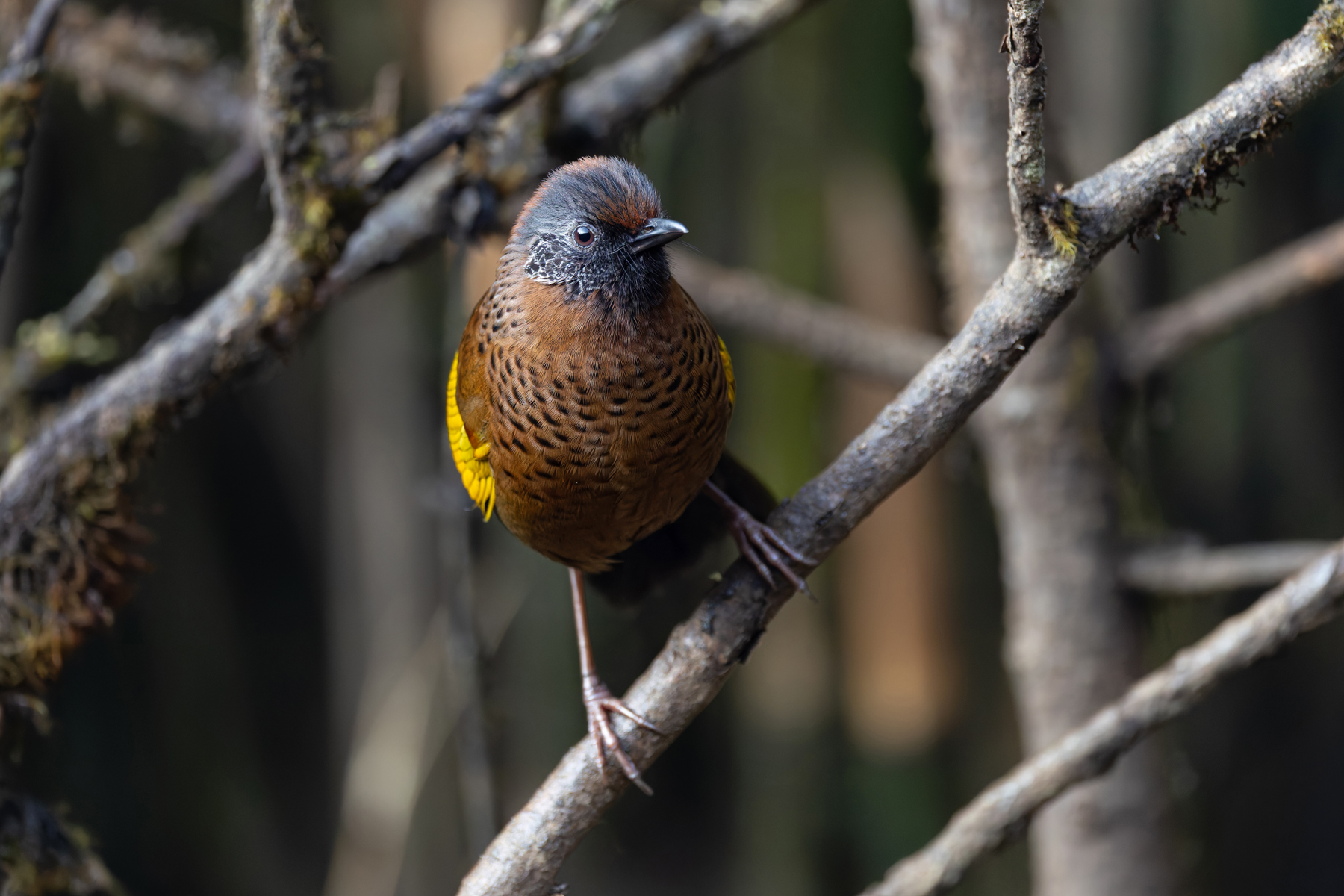
Chestnut-crowned Laughingthrush, Habre’s Nest (Image by Mike Watson)
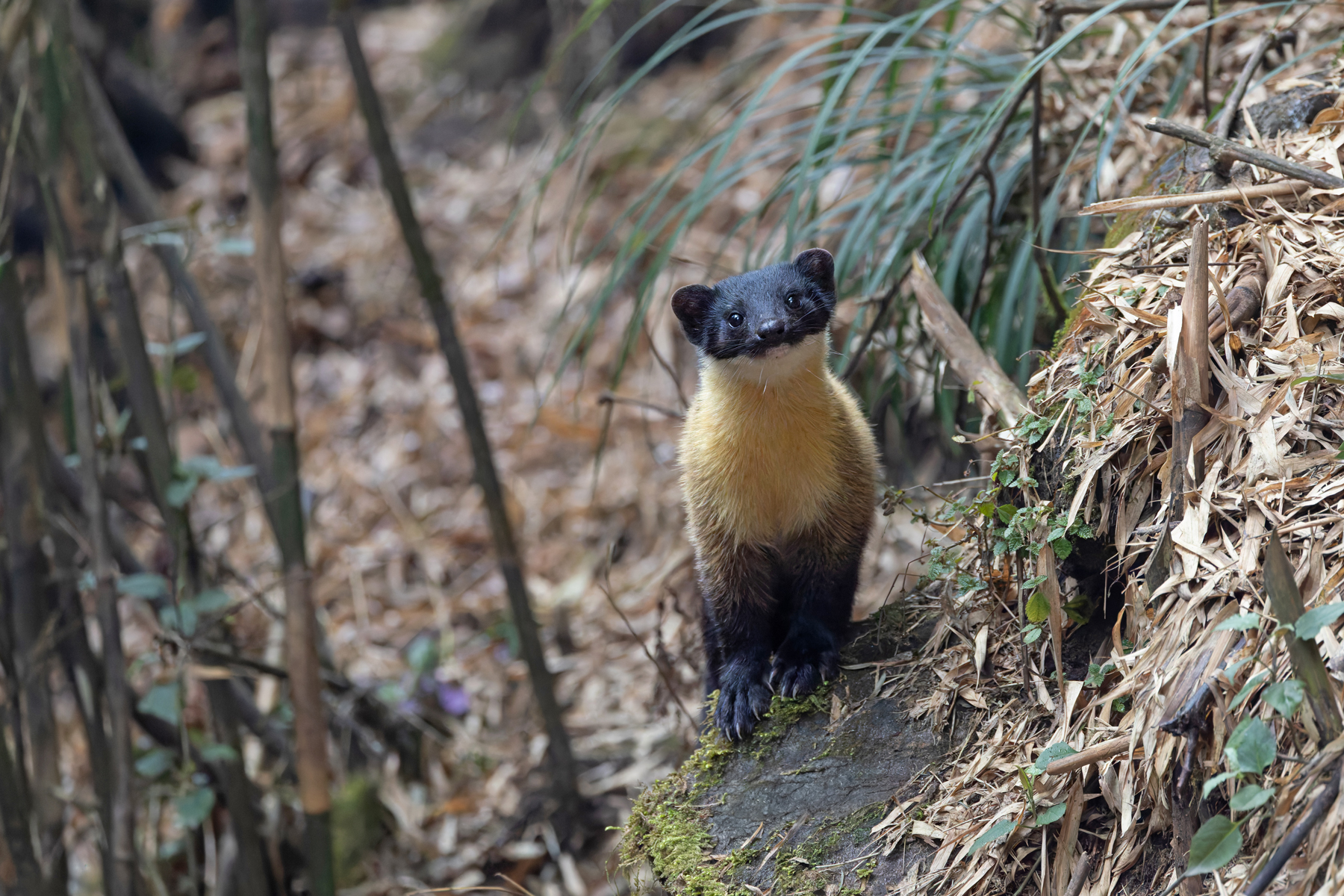
Yellow-throated Martin, Habre’s Nest (Image by Mike Watson)
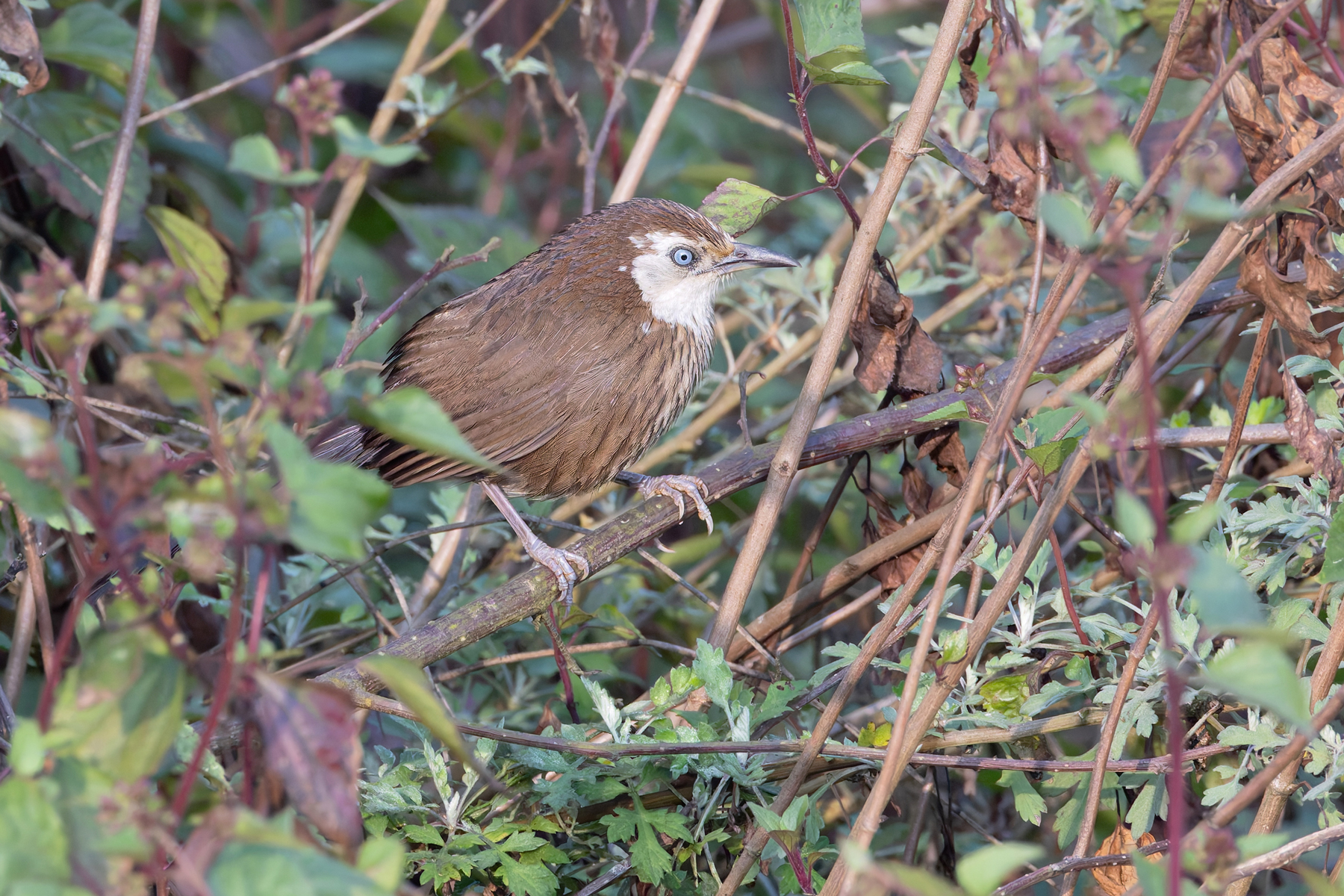
Spiny Babbler is Nepal’s only endemic bird (Image by Mike Watson)
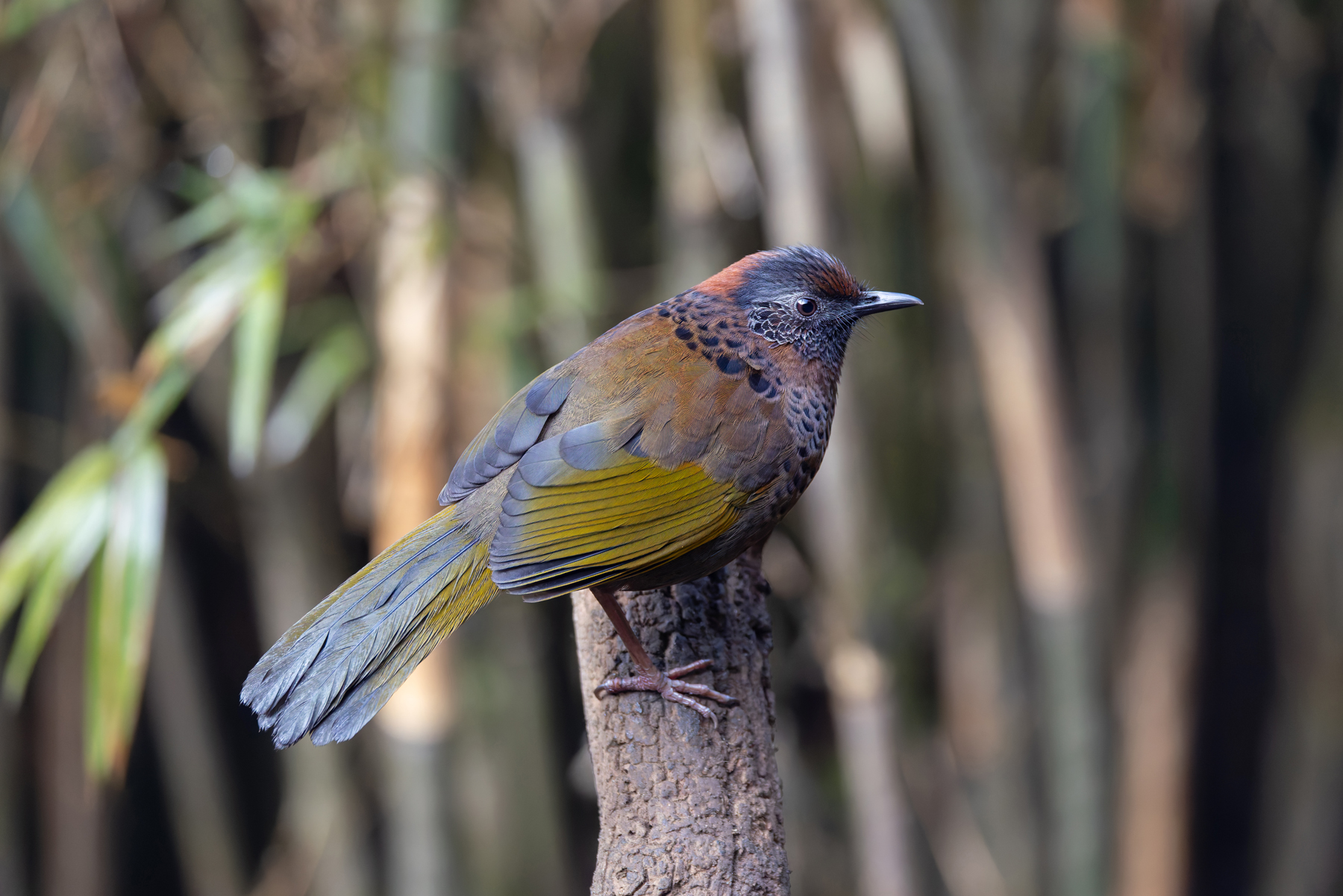
Chestnut-crowned Laughingthrush was one of the common species ever present at the Habre’s Nest Bird Hide (image by Mike Watson)
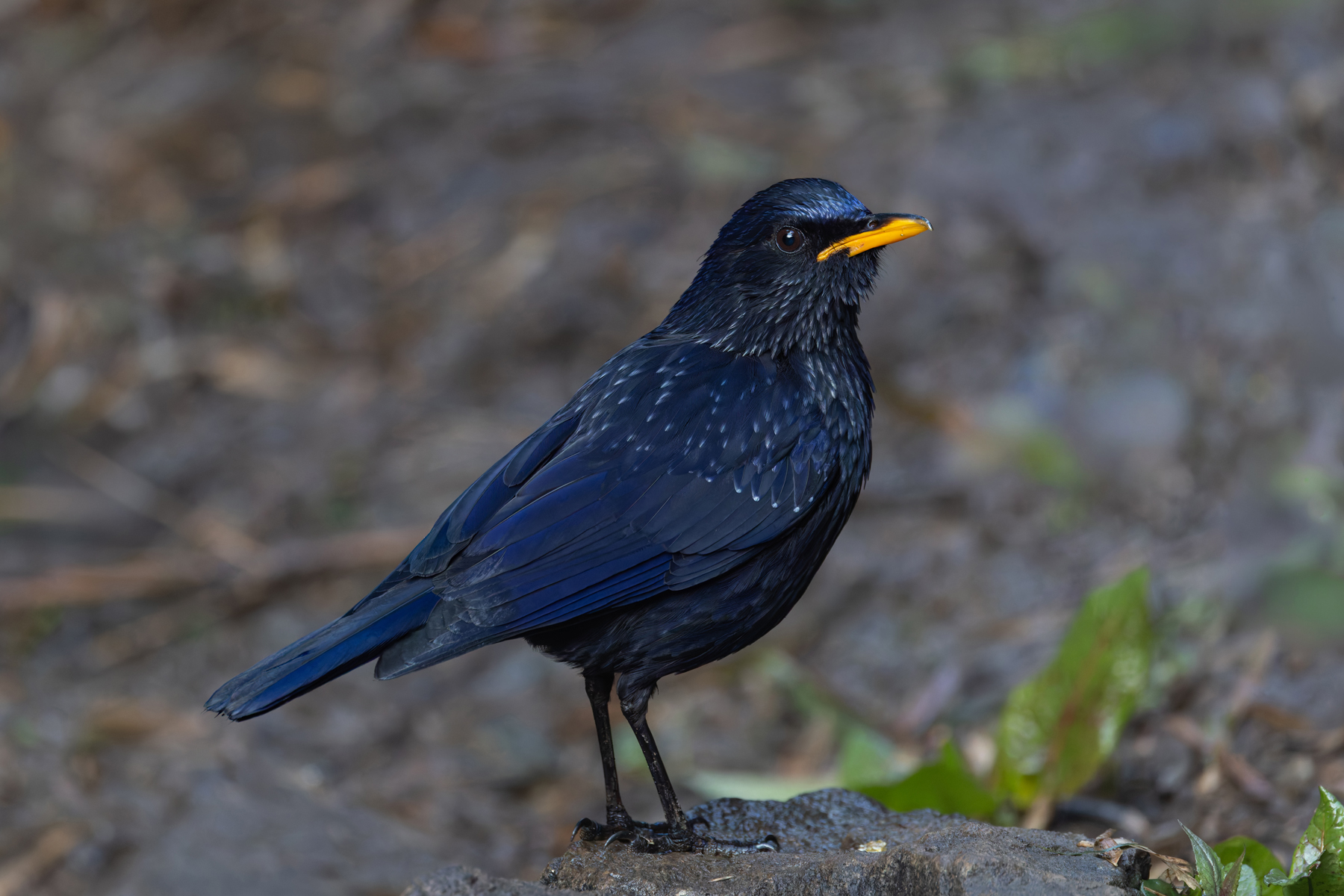
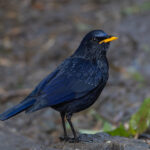
Blue Whistling Thrush is massive! (Image by Mike Watson)
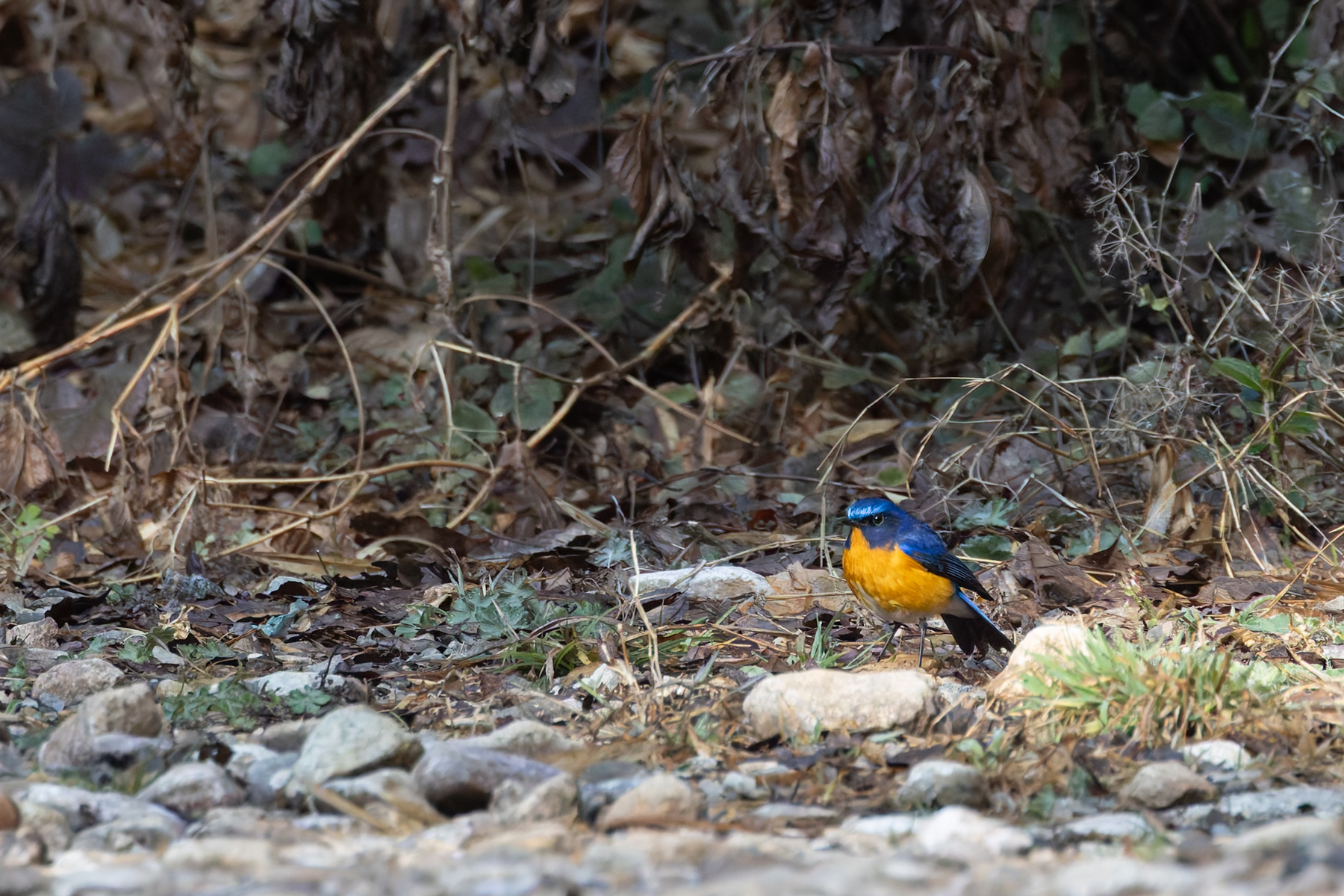
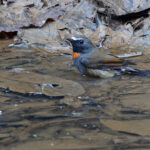
Rufous-breasted Bush Robin, a sought after Himalayan bird! (Image by Mike Watson)
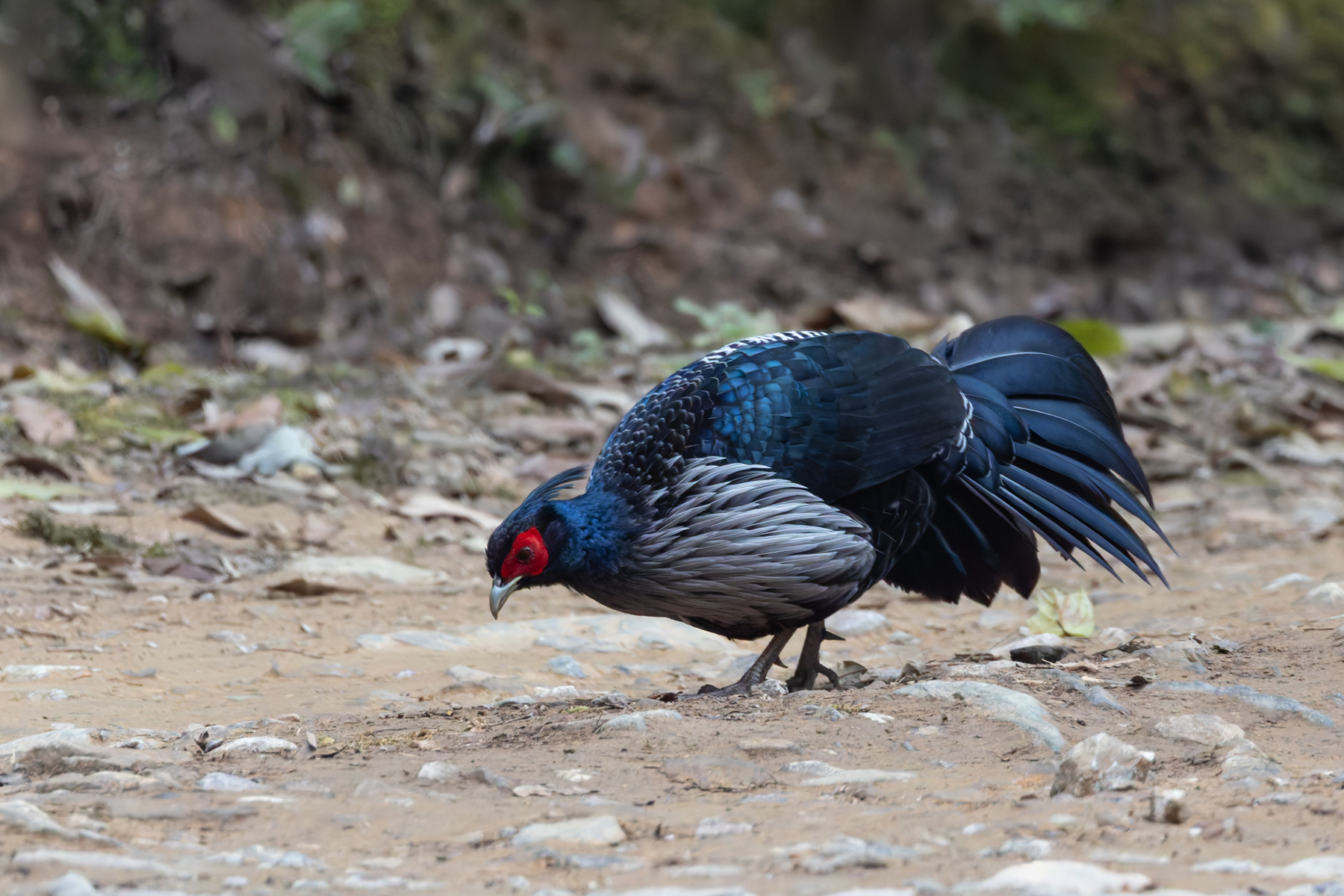
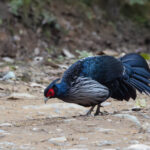
Kalij Pheasant, Phulchowki (Image by Mike Watson)
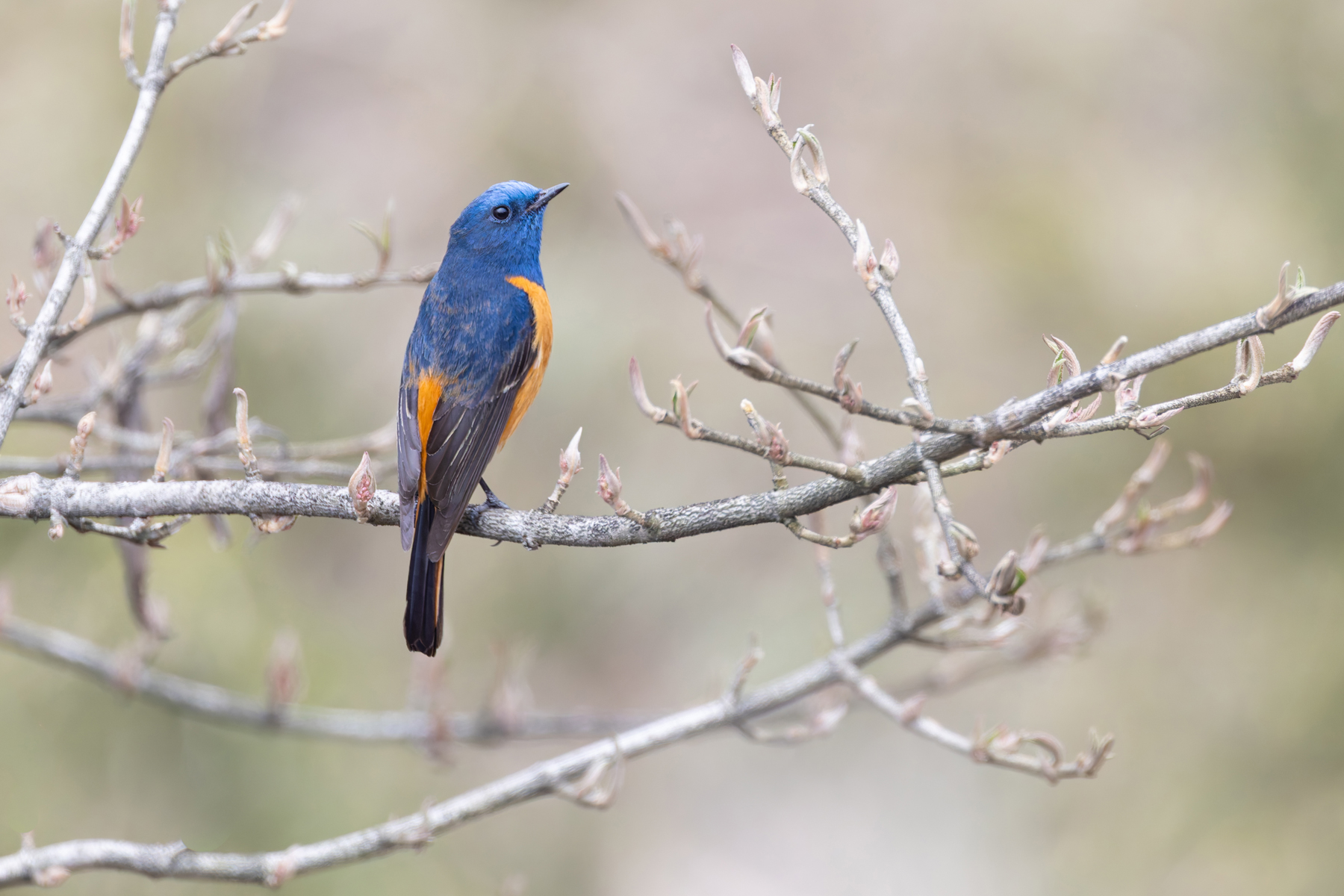
Blue-fronted Redstart was also present around Habre’s Nest (Image by Mike Watson)
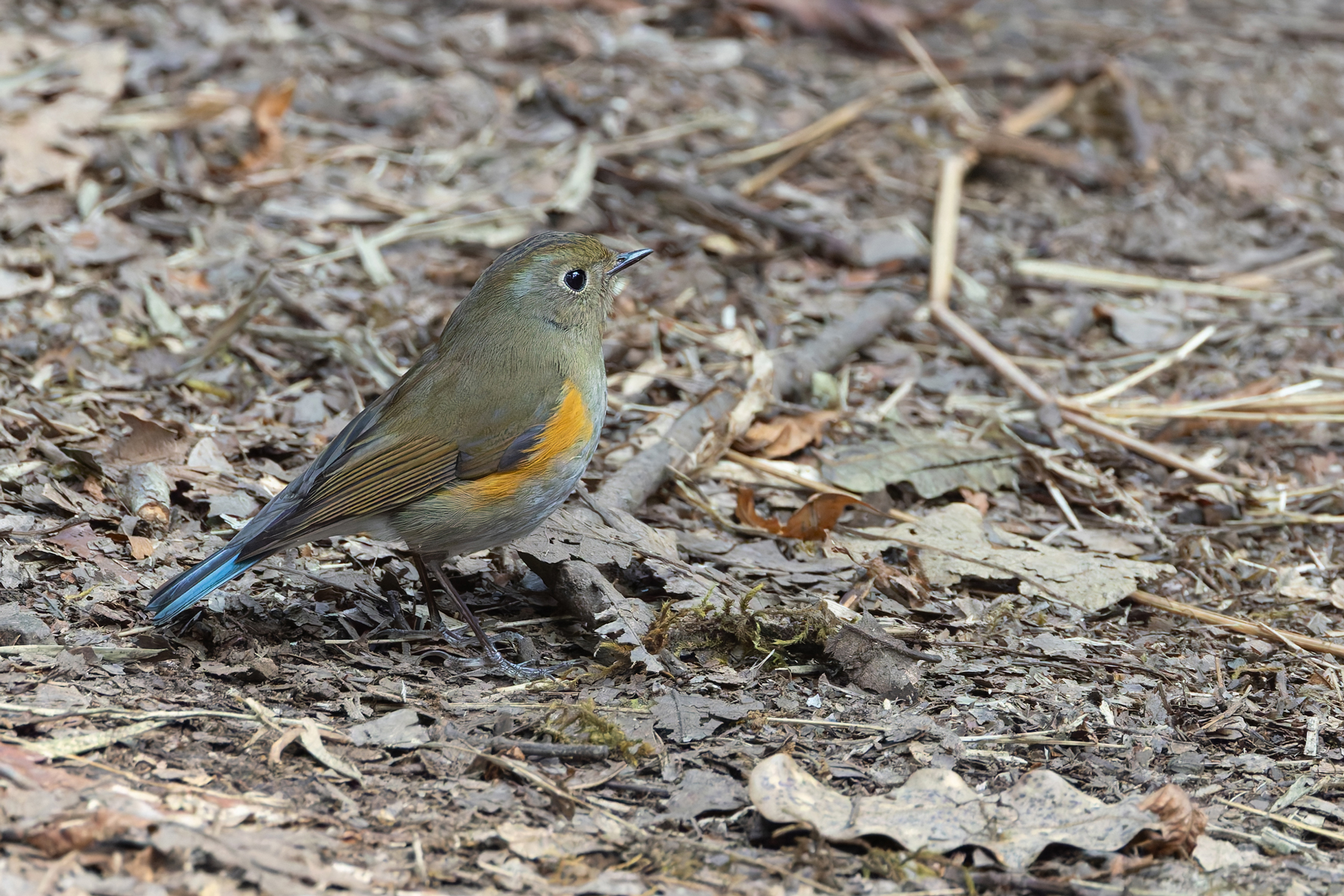
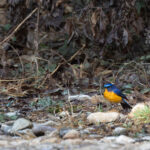
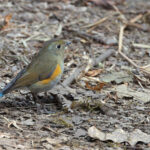
Himalayan Bluetail (female), Phulchowki (Image by Mike Watson)
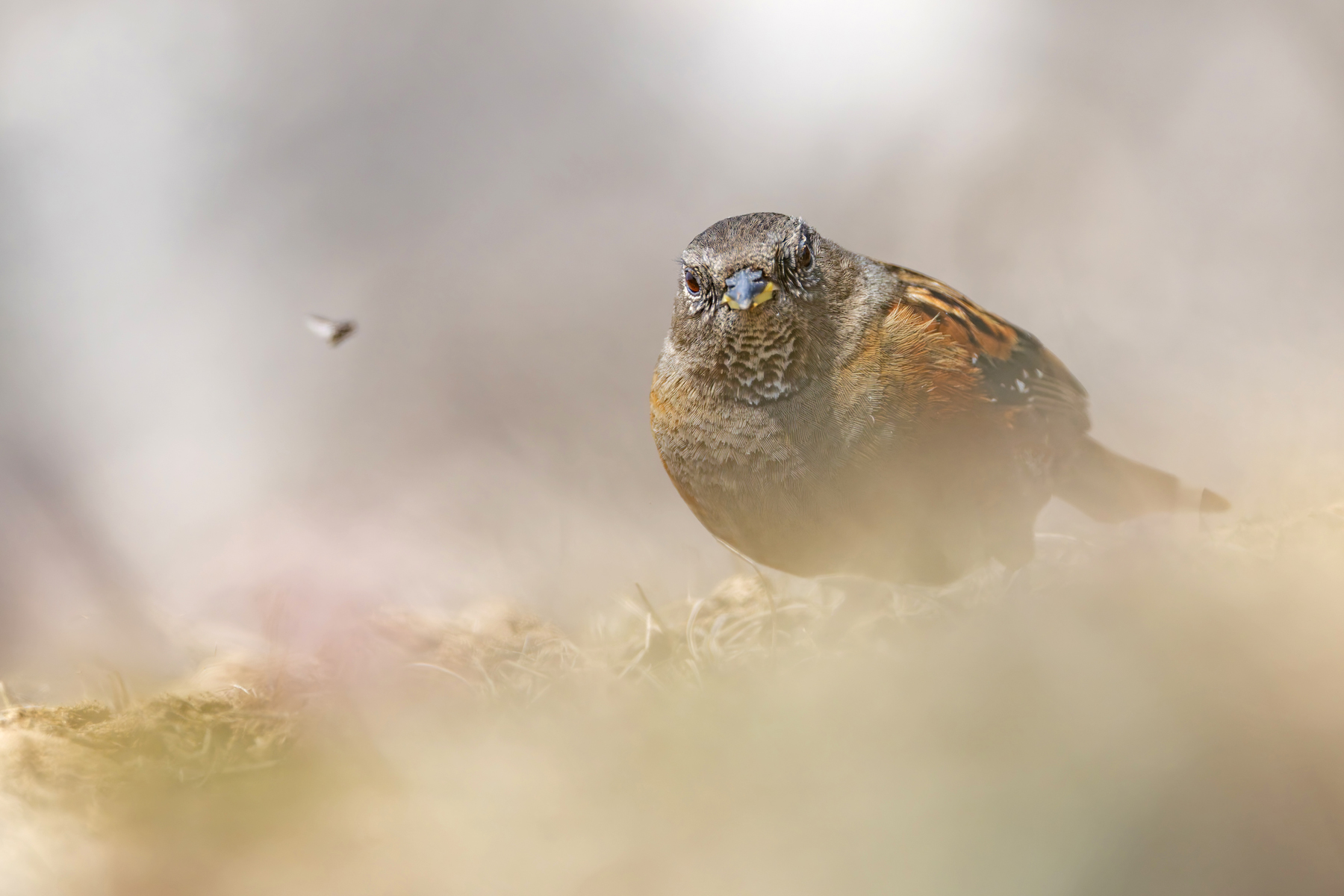
Alpine Accentor, Habre’s Nest (Image by Mike Watson)
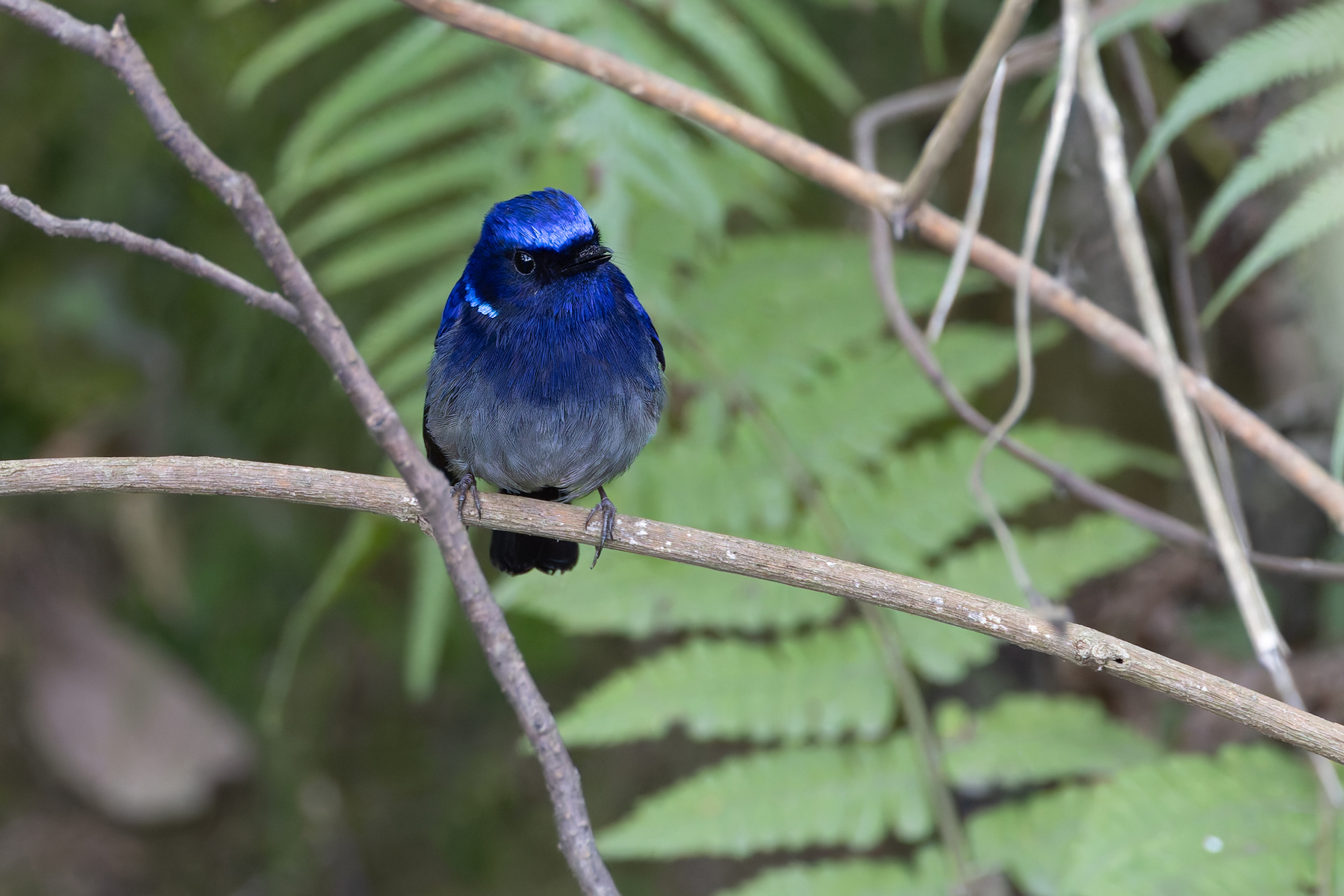
Small Niltava, Kathmandu Valley (Image by Mike Watson)
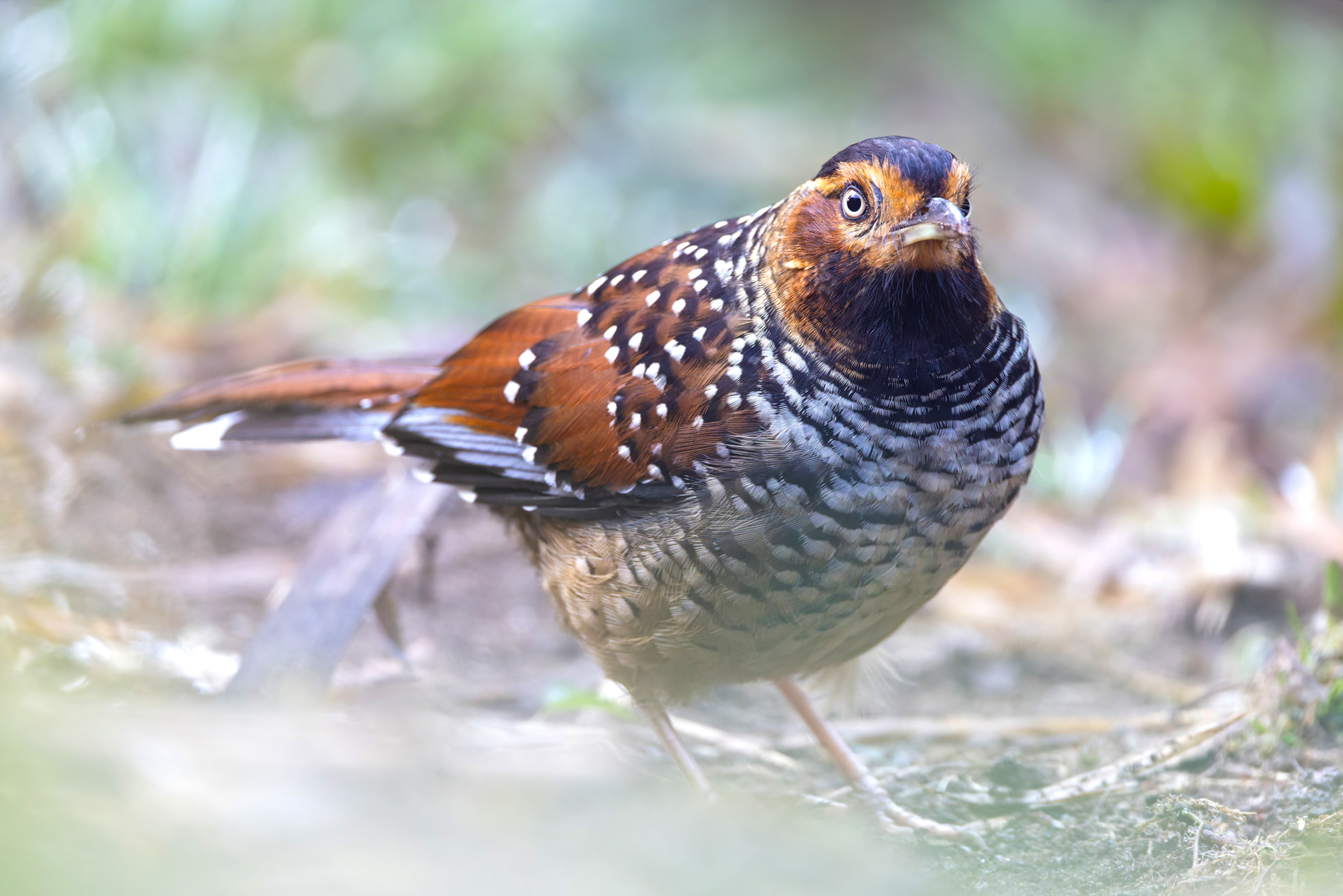
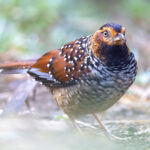
Spotted Laughingthrush is a total beast, a massive laughingthrush! (Image by Mike Watson)
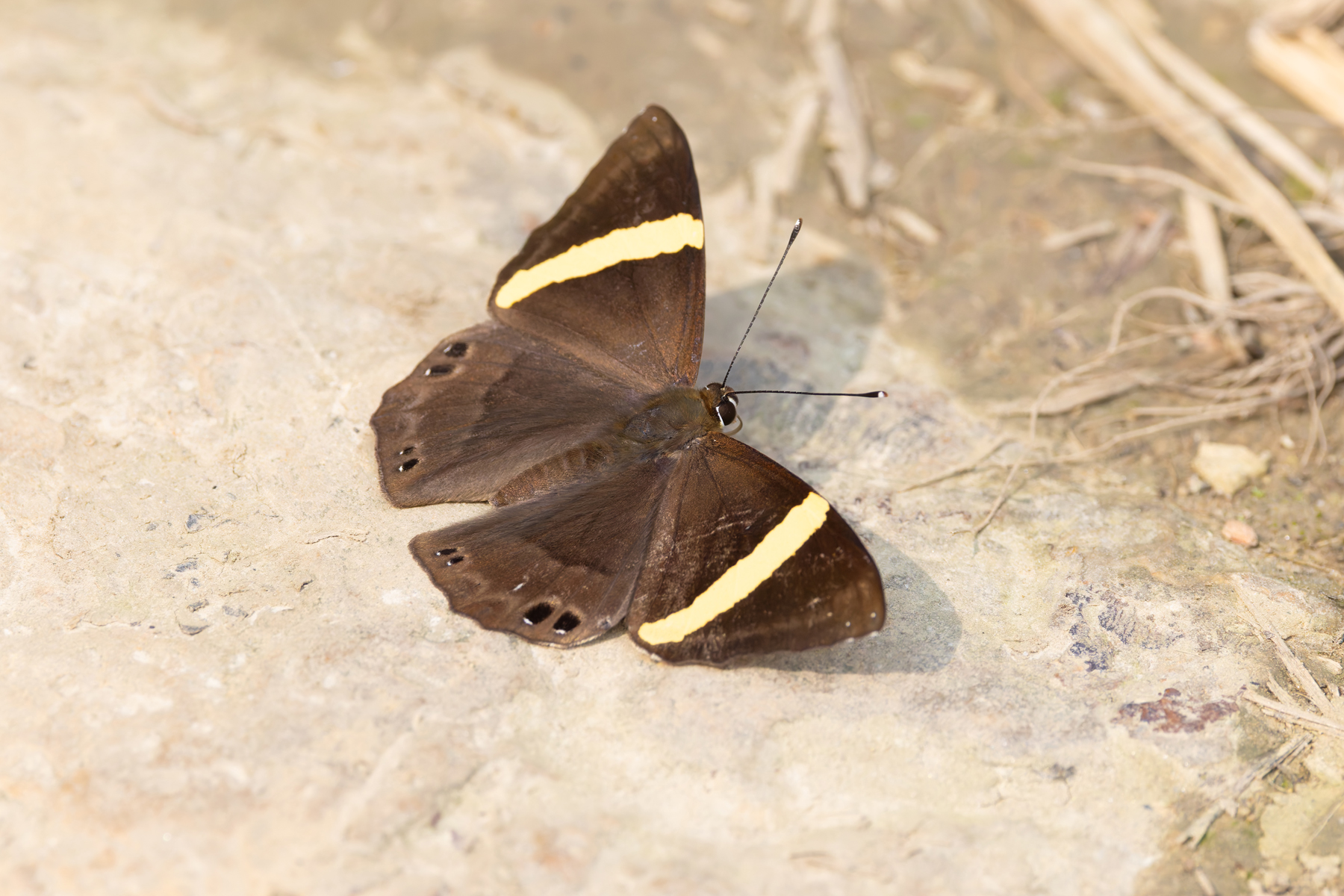
Dark Judy, Kathmandu Valley (Image by Mike Watson)
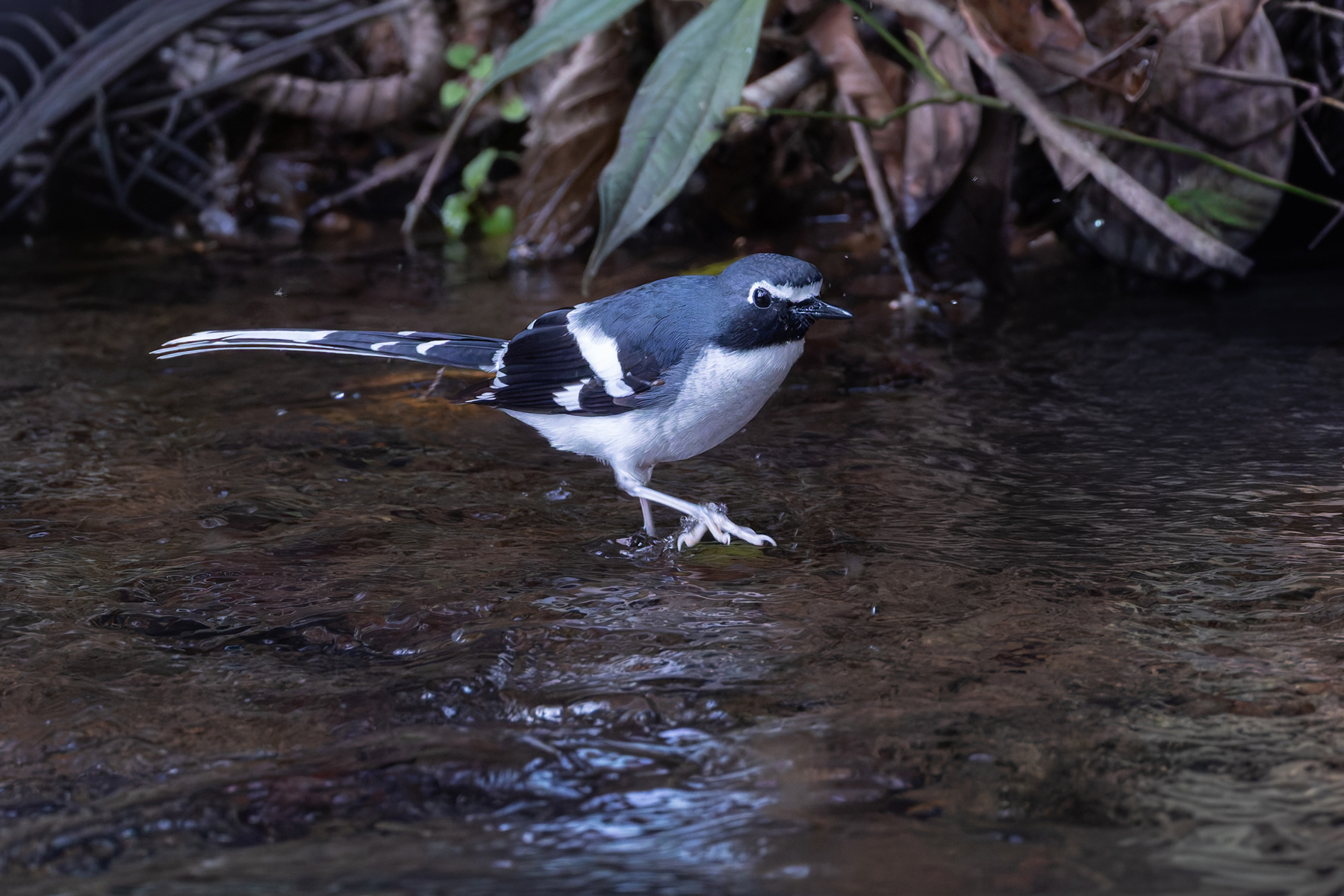
Slaty-backed Forktail, Godavari Botanical Garden (Image by Mike Watson)
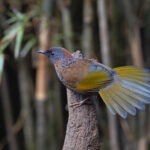


Green-tailed Sunbird, Singalia NP (Image by Mike Watson)
Forested ridges at Singalia (Image by Mike Watson)
Maroon-backed Accentor, Habre’s Nest (Image by Mike Watson)
Asian Barred Owlet, another demon of the hill forests, hated by all small birds (Image by Mike Watson)
Rusty-cheeked Scimitar Babbler, Kathmandu Valley (Image by Mike Watson)
Boudhanath Stupa, prayer flags reaching up to heaven (Image by Mike Watson)
White-throated Laughingthrush, Phukchowki (Image by Mike Watson)
Spiny Babbler, a good reason to bird the Kathmandu Valley (Image by Mike Watson)
Oriental Turtle Dove occasionally appeared at the Habre’s Nest Bird Hide (Image by Mike Watson)
Next level electricians work in Kathmandu! (Image by Mike Watson)
Chestnut-crowned Laughingthrush, Habre’s Nest (Image by Mike Watson)
Alpine Accentor, Habre’s Nest (Image by Mike Watson)
Forested ridges at Phulchowki (Image by Mike Watson)
Rufous-gorgeted Flycatcher, common in the mountain forests (Image by Mike Watson)
Plumbeous Water Redstart, Kathmandu Valley (Image by Mike Watson)
Olive-backed Pipit, Kathmandu Valley (Image by Mike Watson)
White-browed Fulvetta, ever present at the bird hide at Habre’s Nest (Image by Mike Watson)
Moss covers the ancient Rhododendron trees in Singalila National Park (image by Mike Watson)
Yellow-throated Martin on the prowl (Image by Mike Watson)
Blue-fronted Redstart at Phulchowki Summit (Image by Mike Watson)
Hoary-throated Barwing, Habre’s Nest (Image by Mike Watson)
Yellow-throated Martin portrait (Image by Mike Watson)
Himalayan Bulbul, Phulchowki (Image by Mike Watson)
The delightful Slaty-blue Flycatcher (Image by Mike Watson)
Long-tailed Shrike, Kathmandu Valley (Image by Mike Watson)
Black-faced Laughingthrush at Habre’s Nest (Image by Mike Watson)
Maroon-backed Accentor, Phulchowki (Image by Mike Watson)
Ashy-throated Warbler, a classic Himalayan leaf warbler (Image by Mike Watson)
Chestnut-crowned Laughingthrush, Habre’s Nest (Image by Mike Watson)
Black-browed Tit, Habre’s Nest (Image by Mike Watson)
Kathmandu Valley, where the sight and sounds of human habitation are never far away (Image by Mike Watson)
Red-billed Blue Magpie, conspicuous in the Kathmandu Valley (Image by Mike Watson)
Phulchowki forest (Image by Mike Watson)
Chestnut-crowned Laughingthrush, Habre’s Nest (Image by Mike Watson)
Yellow-throated Martin, Habre’s Nest (Image by Mike Watson)
Spiny Babbler is Nepal’s only endemic bird (Image by Mike Watson)
Chestnut-crowned Laughingthrush was one of the common species ever present at the Habre’s Nest Bird Hide (image by Mike Watson)
Blue Whistling Thrush is massive! (Image by Mike Watson)
Rufous-breasted Bush Robin, a sought after Himalayan bird! (Image by Mike Watson)
Kalij Pheasant, Phulchowki (Image by Mike Watson)
Blue-fronted Redstart was also present around Habre’s Nest (Image by Mike Watson)
Himalayan Bluetail (female), Phulchowki (Image by Mike Watson)
Alpine Accentor, Habre’s Nest (Image by Mike Watson)
Small Niltava, Kathmandu Valley (Image by Mike Watson)
Spotted Laughingthrush is a total beast, a massive laughingthrush! (Image by Mike Watson)
Dark Judy, Kathmandu Valley (Image by Mike Watson)
Slaty-backed Forktail, Godavari Botanical Garden (Image by Mike Watson)


Kathmandu has always been a romantic place, the gateway to the big mountains of the Himalayas and the ultimate destination of the Shangri La-seeking overland hippies of the 70s (one of whom was our MD and founder, Mark Beaman!). However, it has changed a lot since those days, even since I was last there in 1998. Now the Kathmandu Valley is a bustling and sprawling metropolis of 3 million souls, with shiny new buildings and full of Chinese electric cars, not to mention at least one million motorcycles and scooters! The population has more than doubled since my last visit and at busy times it can take an hour to travel a mere five kilometres. Happily, it retains some of its old charm here and there and there is still some excellent birding to be had on its outskirts. It takes some time for traffic to build and in the early morning smog we could make rapid progress to a birding hotspot on the edge of the city.
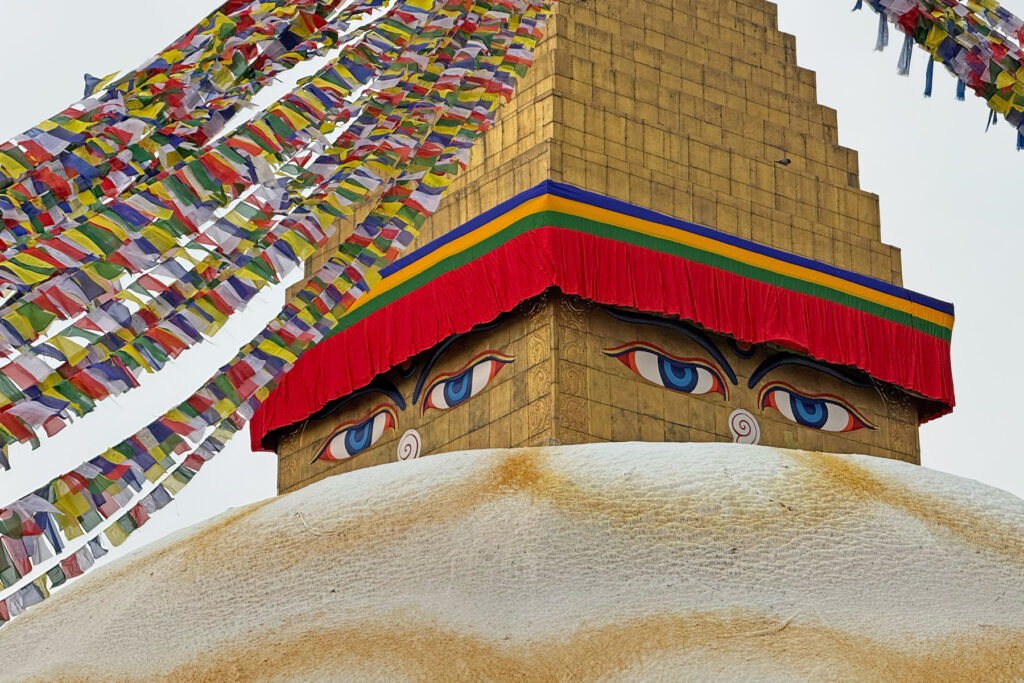
Boudhanath Stupa. Buddha’s eyes are watching you! (Image by Mike Watson)
Above the smog layer the air was clear, the sun shone, and on the overgrown terraces of some overgrown, abandoned fields, our target was Nepal’s only endemic bird, Spiny Babbler – this is the main reason we approach Red Pandaland from Kathmandu rather than from Bagdogra in India. After some time our patience paid off, and the babbler sang from some tall grasses not 10 metres from where I had seen it the previous day! Our guys managed some images too. They can sometimes be quite a challenge to see, no wonder I hadn’t managed to see one in 1998. The weird, turquoise-eyed Spiny Babbler is a bird of marginal habitats on the edge of the forest, much threatened by the encroachment of human habitation, which continues to nibble away towards the trees everywhere in the Kathmandu Valley. The sight and sounds of the city are never far away. Also here, for the cameras were Alexandrine Parakeets, Long-tailed Minivet, Himalayan Black-lored Tit, Himalayan Bulbul and Rusty-cheeked Scimitar Babbler of note.
After a tortuous traverse of the city traffic, we found ourselves at another embattled forest remnant. A nice selection of Himalayan birds included Oriental Turtle Dove, Common Tailorbird, Rufous-bellied Niltava, Blue Whistling Thrush, Slaty-blue, Snowy-browed and Rufous-gorgeted Flycatchers, Blue-fronted and White-capped Redstarts and an Olive-backed Pipit from Russia. However, activity was already on the wane in the sunshine and by early afternoon things had gone very quiet. We headed back to town for a short break before venturing back out into a sea of scooters and motorbikes to Kathmandu’s World Heritage Site, the stupendous Boudhanath Stupa. The 36-metres-tall stupa is one of the biggest in the world and has stood for centuries on an ancient trade route from Tibet to India, where merchants have rested and offered prayers for centuries. It is now surrounded by gift shops as well as a monastery and numerous tea rooms. The faithful walk around it each evening in a clockwise direction, chanting and turning prayer wheels under the watchful eyes of Boudha, often partly hidden by prayer flags reaching up to heaven (a pair of eyes is on each of the four faces of its tower). It is quite a sight. If you were only allowed to visit one Buddhist sacred site, this would be it.
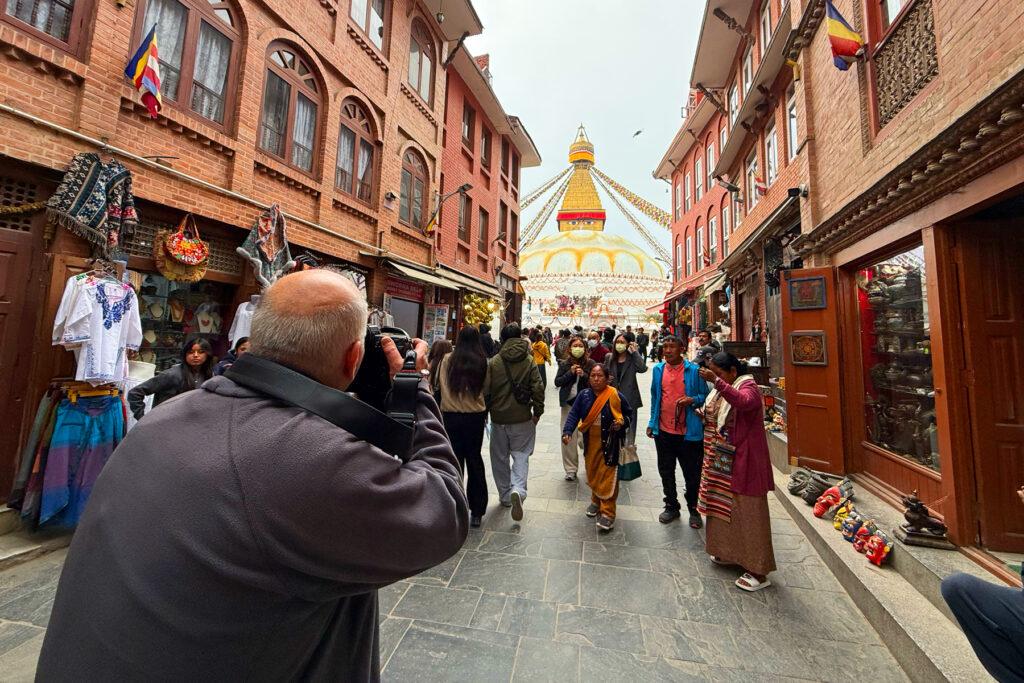
Boudhanath Stupa, World Heritage Site (Image by Mike Watson)
On the second of our two full days in the Kathmandu Valley we headed uphill, to the top of the highest point in the valley, Phulchowki. It had rained recently and the less than optimum jeep track up the mountain was quite slippery, so I opted to hike the last 2.5km to the summit, birding along the way. Phulchowki is by far the best birding site in the valley and always has some surprises. This time it was a male Rufous-breasted Bush Robin that surprised us. A sought-after Himalayan bird. A pair of Kalij Pheasants was on the track at dawn and other highlights included Rufous-bellied Woodpecker, White-browed and Yellow-bellied Fantails, Black-browed Bushtit, Buff-barred, Ashy-throated, Lemon-rumped and Grey-hooded Warblers, Himalayan Bulbul and White-browed and Rufous-winged Fulvettas. The list of Himalayan specialities goes on with three laughingthrushes; White-throated, Chestnut-crowned and Striated. The smart Rufous Sibia was the commonest bird, Bar-throated (or Chestnut-tailed) Minla and Green-tailed Sunbird delighted as did a couple of Himalayan Bluetails, females sadly (strange, as I saw only males a week later). It was quite hard work at high altitude today, we were still getting used to another couple of thousand metres and as the bird activity went down, so did we, to Godavari at the foot of the mountain.
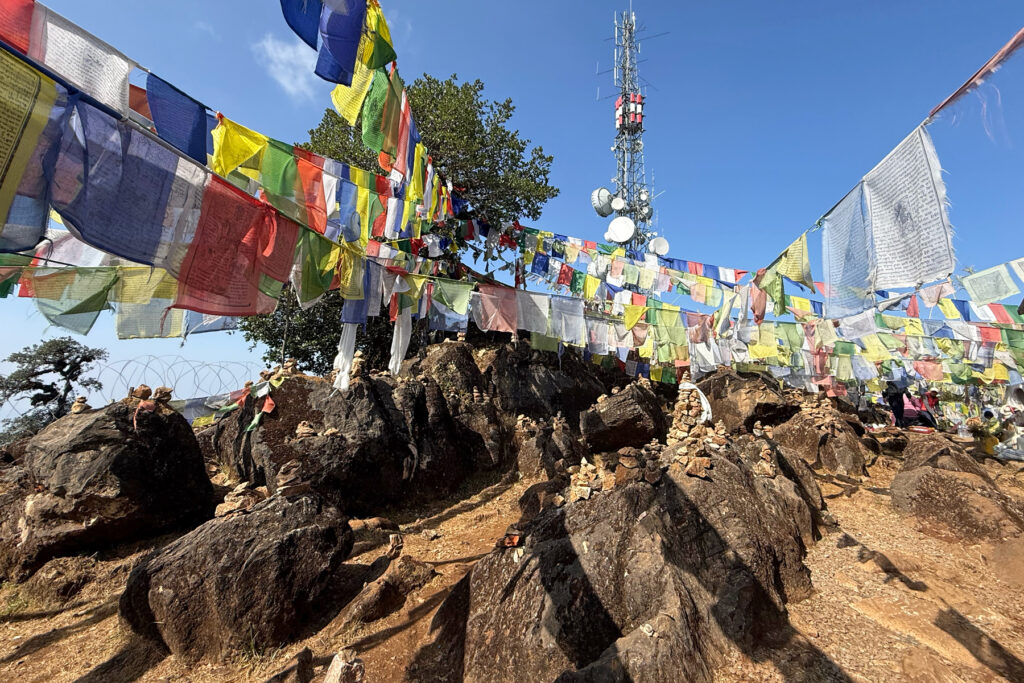
Phulchowki summit (Image by Mike Watson)
From the lunch table we added Red-billed Blue Magpie and Grey-winged Blackbird and then into the National Botanical Garden, where zillions of Nepalis were enjoying the afternoon sunshine, making Tik Tok videos among the specimen trees. The adjacent forest was deathly silent apart from a smart Chestnut-crowned Warbler, although it did not come within DSLR range. So, we turned our attention to the stream flowing through the gardens. Slaty-backed Forktail and Plumbeous Water Redstart rewarded the change of tactic and then a nice bonus appeared, in the form of an angry-looking Asian Barred Owlet.
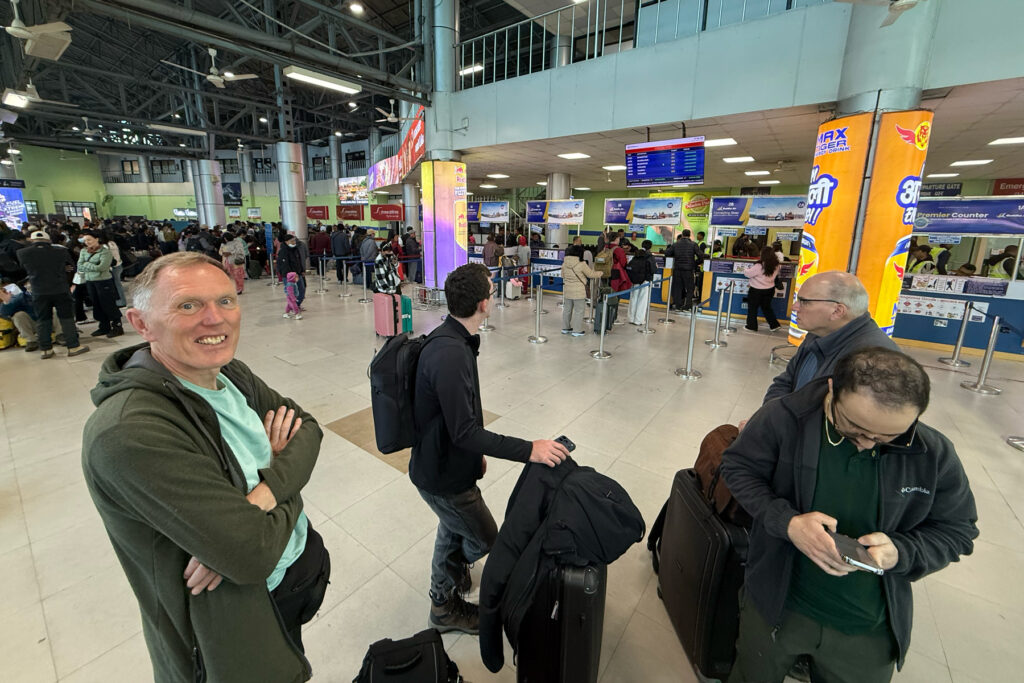
Checking in at Kathmandu’s antiquated domestic terminal (Image by Mike Watson)
It was time to head to the mountains proper and begin our quest for Red Pandas. The domestic terminal of Kathmandu is rather basic. They still use placards above the desks to denote which destination you are checking in for. A sturdy turbo prop ATR aircraft took us to the even less sophisticated Bhadrapur Airport, passing the mountain wall of the High Himalaya along the way, with great views of Everest, Lhotse, Makalu and Kangenjunga (the first, third, fourth and fifth highest mountains in the world!). Bhadrapur Airport was surrounded by cheering crowds, crikey! Everyone cheered as we walked by! Did they know we were coming? Of course not, they were just warming up for the arrival of their PM soon afterwards. No wonder there was a heavy military and police presence too. Before long we were on our way north. A roadside stop by some rice paddies just north of Bhadrapur produced Asian Openbill and several Red-naped and Black-headed Ibises among the commoner waterbirds. We then made our way up, through Sal Forest inhabited by wild elephants and then tea plantations clinging to steep hillsides and Jonny Gurkha’s Hotel! Oh, I might just have tasted the best masala chai in the world at the little market town of Phikkal, where we switched from comfortable Toyota Innovas, the workhorses of modern day tourism in India, to less comfortable Mahindra Bolero jeeps. There was a reason for this. The road to our ultimate destination, Habre’s Nest, is basically just piles of rocks in places. Having said this, it has improved dramatically in the last 27 years since I was last bumped along it. It was misty now. I prefer it this way, so we couldn’t see the big drop-offs from time to time as we made our way up and up towards Singalia National Park. Since my last time on what is basically the Sandakphu trek, more homesteads have sprung up. Singalia National Park, which is located on the Indian side of the ridge, ultimately leading to Kangenjunga, is pristine East Himalayan cloud forest, a landscape of moss-clad magnolia and oak trees above a sea of bamboo. This is Red Panda country. The high altitude caused us to be a little breathless on arrival at Habre’s Nest, after the short and sharp and very unwelcome hike up a steep trekking trail, through the dark bamboo forest, owing to India denying foreigners travelling in vehicles along the sections of the road along the Singalia Ridge which stray into their territory. A Covid-19 relic we were told, thanks very much. The Indian border is adjacent to the fence around the lodge, and we routinely had a foot in each country anyway. At least a warm welcome awaited us at our base for the next six nights, our rooms were warm too, with effective heaters and hot water bottles!
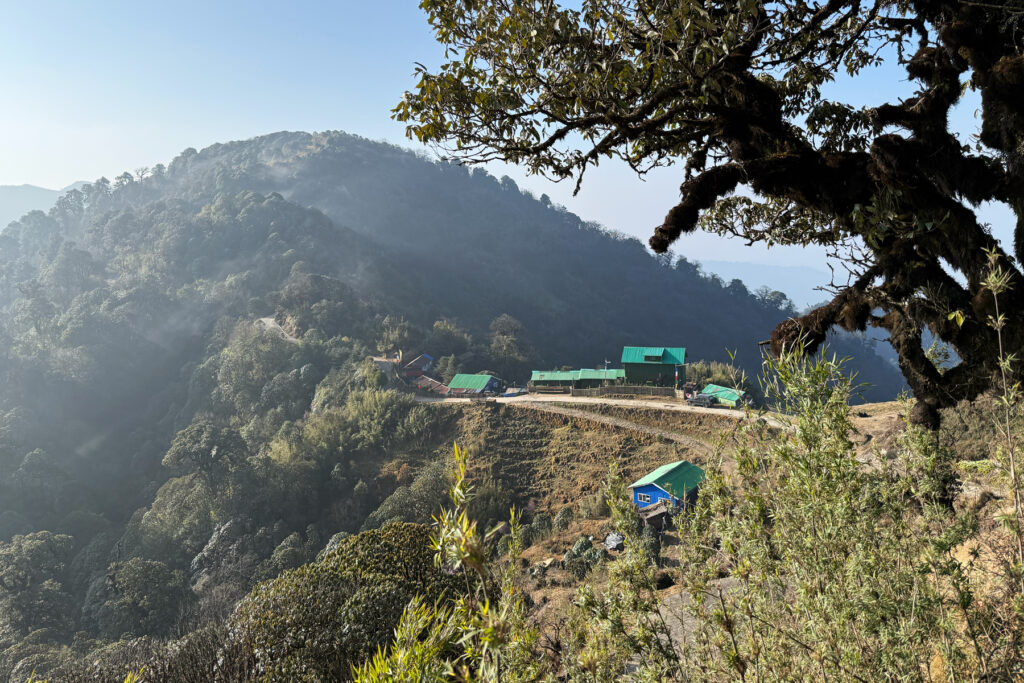
Habre’s Nest Lodge, Singalia NP (Image by Mike Watson)
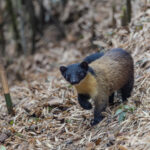
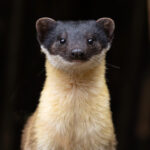
Our daily routine always started with a cup of masala chai (or coffee for those missing out on the world’s best drink) in the bird hide behind the lodge. It is dug into the bamboo-covered hillside and is where the food waste from the kitchen goes. As a result, the local bamboo dwellers hang out here for an easy meal. Three species of laughingthrush were regular enough to fuss over portraits of these excellent birds; the closely-related Chestnut-crowned and Black-faced and the massive and spectacularly marked Spotted Laughingthrush! Wow! What a bird that one is! Dark-breasted Rosefinch was always present and there were regular visits by photogenic stars; Blue Whistling Thrush, Yellow-billed Blue Magpie, Hoary-throated Barwing and White-browed Fulvetta. On the last couple of days, a rarely seen Great Parrotbill was a nice surprise and was photographed by David and Daniel. However, the Bird Hide really ought to be renamed the Marten Hide as a family of three Yellow-throated Martens stole the show every day. They are incredibly beautiful creatures and made repeated daily visits affording some great photographic opportunities. I had previously seen one at Lava in West Bengal, it paused to look at me as it crossed a track in the forest and then it was gone. The whole encounter lasted about ten seconds. In contrast, we could watch this family of martens for many minutes every time they turned up. Yellow-throated Marten is a big weasel, a metre long including the tail and weighing up to 3kg. They are also predators of Red Pandas, hunting as a pack so they are not entirely welcome but if they are tucking into kitchen scraps hopefully, they will be too fat to climb trees?
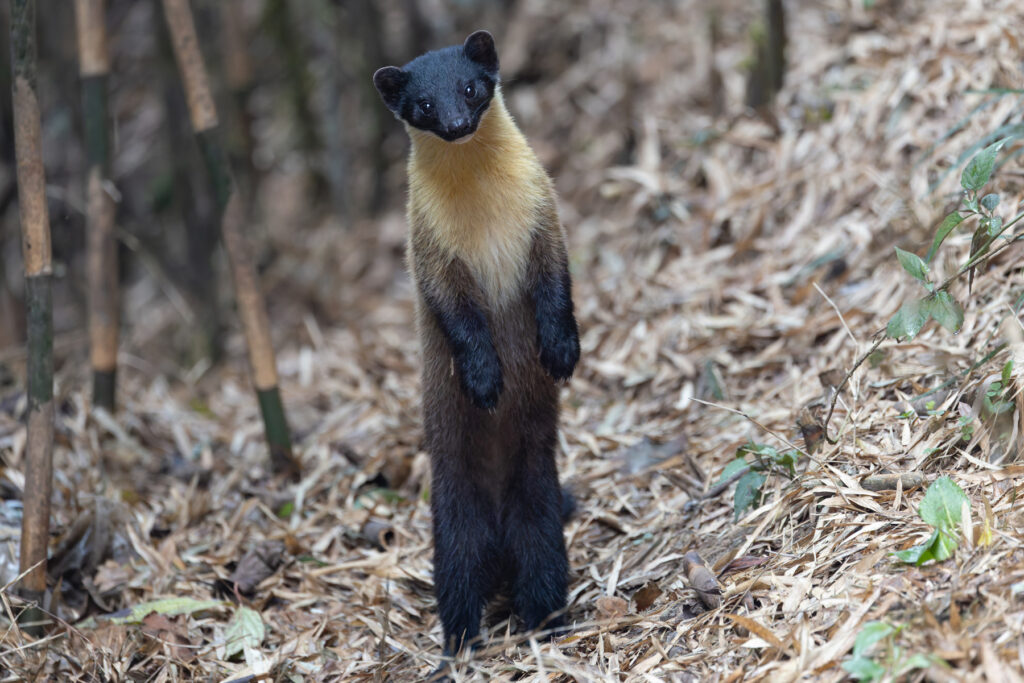
Yellow-throated Martin, the standing pose! (Image by Mike Watson)
Less than an hour into our first session in the Bird Hide we were summoned to a Red Panda sighting! Every day a team of boys from the lodge goes out in search of pandas, in the forest on the surrounding hillsides, some of them are quite precipitous! Lucky for us the mother and cub they found today were only a couple of hundred metres away along a contour trail, we had to descend a little for a view into their chosen magnolia tree, a regular spot as we would learn later, there was a massive latrine in the branches where one of them lay! Red Pandas rely on stealth to avoid predators, they are almost completely defenceless if attacked. They even use latrines high in trees to avoid faeces betraying their presence on the ground. These latrines also serve to mark their territories for other pandas. For this purpose, they need trees with large horizontal boughs, magnolias and oaks are favourites. Other potential predators include feral dogs. Another threat is poaching for fur trade, there was a trend in southwest China of newlyweds wearing Red Panda fur hats! Poachers can still be seen along the Singalia ridge and our guides patrol daily in search of them. To add to their woes, breeding is not easy either, female Red Pandas are only receptive for a single period of 36 hours per year. Uniquely evolved, Red Panda is the only true panda. Although they share specially adapted wrists, Giant Panda is a bear. Red Panda has puzzled taxonomists for hundreds of years, its scientific name means ‘glowing cat’! It is amazing that such a fussy and vulnerable creature has survived at all.
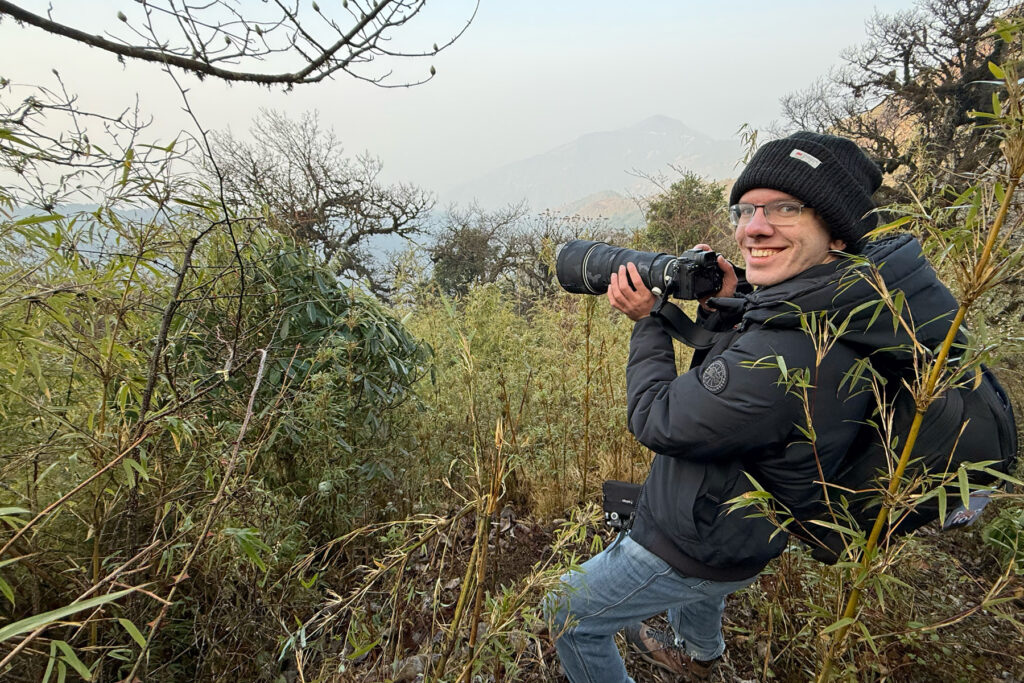
Daniel at our first Red Panda encounter (Image by Mike Watson)
This encounter was a lifetime ambition fulfilled for all of us, particularly our ‘Ailuriphile’ Daniel, who has travelled to zoos across the world to see Red Pandas! From a photographic point of view, it was rather suboptimal, being obscured by many branches of the magnolia tree for the entire time and all too soon our 30 minutes viewing time limit was up. We can remind ourselves how privileged we were to set eyes on this magical creature, even if our photos weren’t what we hoped for, yet. Precipitous bamboo slopes make seeing and particularly getting an unobscured image of a panda through the forest canopy and the bamboo itself a difficult proposition. There are fewer leaves on the deciduous trees in March, which makes the pandas easier to find, although they are still invariably obscured by tree branches if not bamboo. The pandas have evolved to eat bamboo leaves, which have very low nutritional value. Bamboo leaves form around 90% of their diet, the remainder being tree fruits in the autumn. They need large trees that grow in the bamboo, both for protection, latrines and so they can simply reach out and pick some fresh bamboo leaves.
As if the landscape was not difficult enough, clouds rolled up the forested hillsides from the hotter plains far below as the mornings progressed and thick mist gathered. By lunchtime it was game over for anything other than monochrome images in mist, so there were roughly only four hours of photographic light per day in which to shoot pandas! Pandas are mostly crepuscular and are asleep by mid-morning too, further limiting our window of opportunity. The mother and cub were easily found each day; we were lucky they had chosen to spend time feeding in bamboo on the mountainside nearby and could even be seen from our lodge balcony on one occasion. We managed nine panda days during our six nights stay, however all except the final encounter were either obscured, spoilt by mist or with the pandas being unco-operative and facing in the wrong direction etc. Disappointing and frustrating photographically but equally amazing to spend so much time watching these special creatures. The survival of the Red Panda is of great importance to the local community as a source of income for those employed in connection with Panda ecotourism. Also the forest they live in is just as important to maintain stable mountain slopes that do not wash away into the surrounding watercourses. We saw plenty of landslide evidence downhill where the forest trees have been cleared.
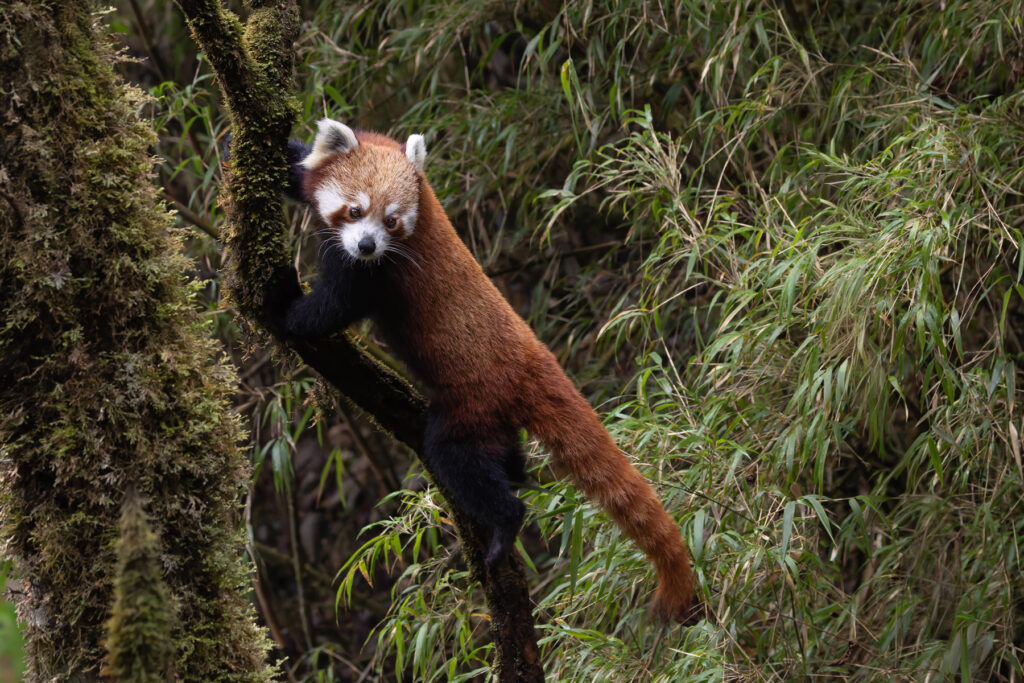
Red Panda, Singalia NP (Image by Mike Watson)
We had to wait until our last day for the photographic quality encounter we had been hoping for. The boys did very well to find the mother and cub again but we could wait until they woke up before making our move. Getting closer to them was a more difficult prospect than previously, a steep bamboo slope on which we had to hold onto the green stems to avoid taking a long mud slide downhill. Then the challenge was to stand somewhere with a window through the canopy of branches and bamboo and hope a panda walked into view. We all got that chance this time, the mother climbed down to a small stream to drink and then made her way back to the large oak tree they were in, showing in some clearer spots at times. Magnificent! Thanks to recent AI noise reduction apps we can shoot in the dark forest at ISO levels that would have been unthinkable previously and image stabilisation improvements makes hand holding at very slow shutter speeds possible, so thankfully there’s no need to carry a large prime lens through that bamboo! It was odd that the cub looked larger than its mother, thanks to a thicker fur coat to help it through the winter. Our visit this year was much warmer than our previous expedition, as is becoming the norm, although the magnolias and a few rhododendrons had only just started to bloom. It would be another month before the mountainside forests were coloured red and white. We didn’t need the snow boots this time and saw several hibernating butterfly species and even a dragonfly!
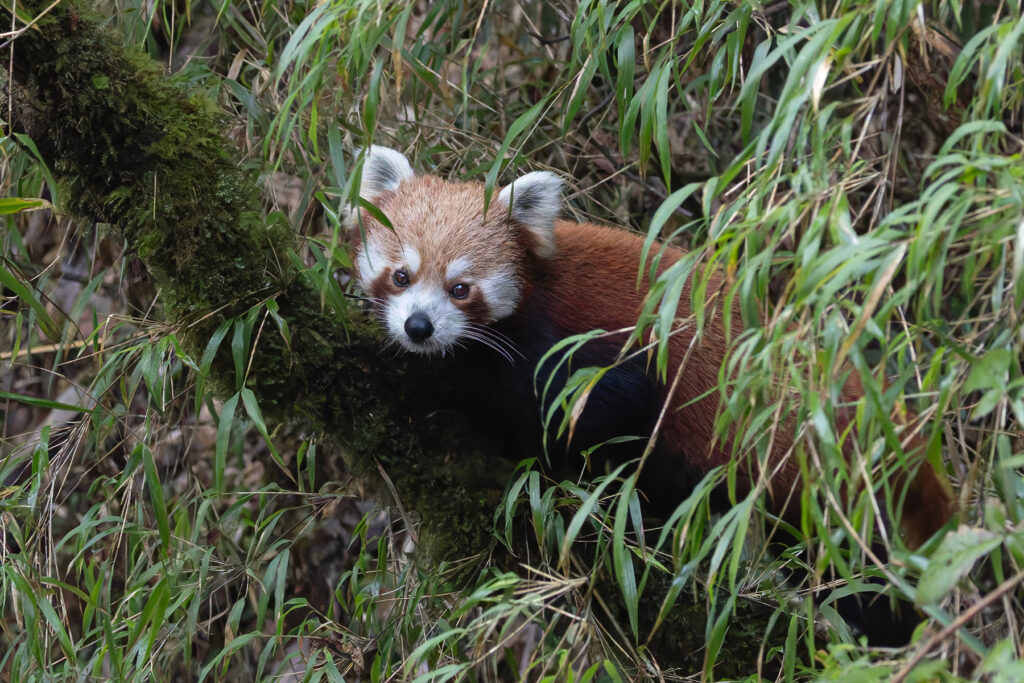
Red Panda, simply gorgeous! (Image by Mike Watson)
Silent forests dripped with mist, and there is very little birdsong (or response to playback) early in spring but we still tried to see some birds as well when not on panda standby. There was a small flock of up to four ultra tame Alpine Accentors near the lodge on most days, hanging around the rubbish pile! Photographic opportunities away from the Bird Hide were generally poor but we did see some interesting species poorly, notably Satyr Tragopan, Collared Owlet, Southern Nutcracker and Slender-billed Scimitar Babbler. However, we also managed photographic views of Darjeeling Woodpecker, Maroon-backed Accentor, Fire-tailed, Mrs Gould’s and Green-tailed Sunbirds, Black-browed (or Rufous-fronted) Bushtit and Red Crossbill.
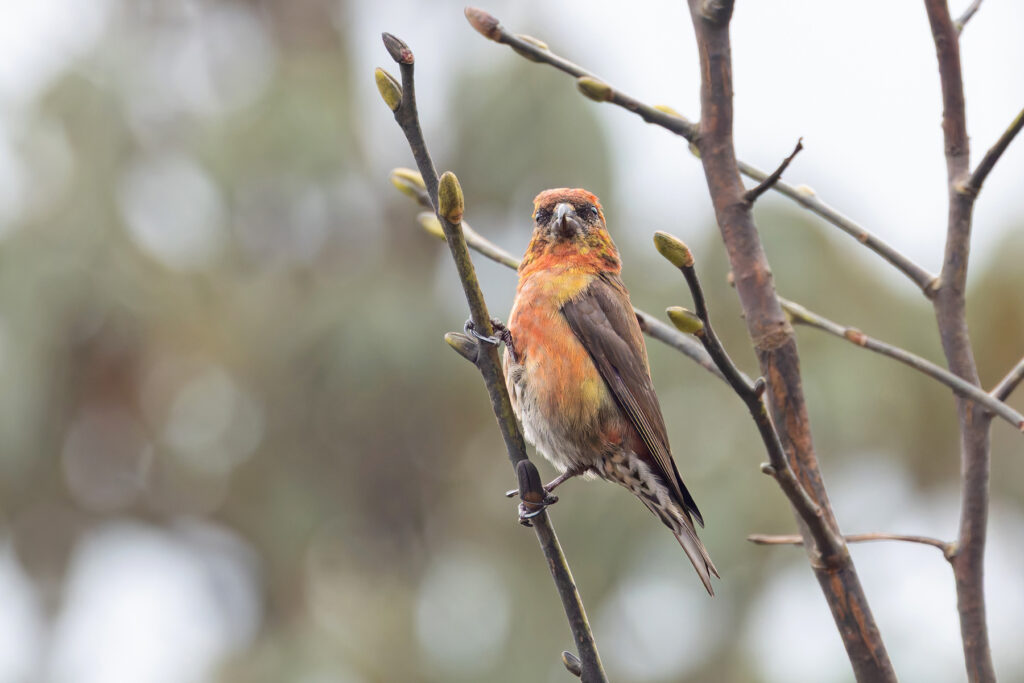
Another of the one million forms of Red Crossbill (Image by Mike Watson)
All too soon it was time to make our way back to Bhadrapur, Kathmandu and home, although some of our plans had to change, owing to the war that had started in the Persian Gulf. This combined with the aftermath of the Nepalese general election led to an eerily quiet atmosphere in Kathmandu. There were hardly any western tourists. Having said goodbye to our very enthusiastic group, sitting in an empty restaurant, I was the only person left at my hotel after the tour.
Mike Watson
Mike Watson lives in East Lancashire with his Hungarian partner Évi and their son Alexander. Mike has been an avid photographer for more than 25 years and spends most of his spare time with camera in hand. A keen wildlife enthusiast since childhood, his sharp eyes will surely ensure some great wildlife encounters! Mike is a very approachable guide and always willing to share his photographic knowledge with participants on his tours.