
Africa & Madagascar
NAMIBIA: WILDLIFE SPECTACULAR – Sossusvlei, Walvis Bay, Swakopmund, the Hoanib, Etosha and Onguma
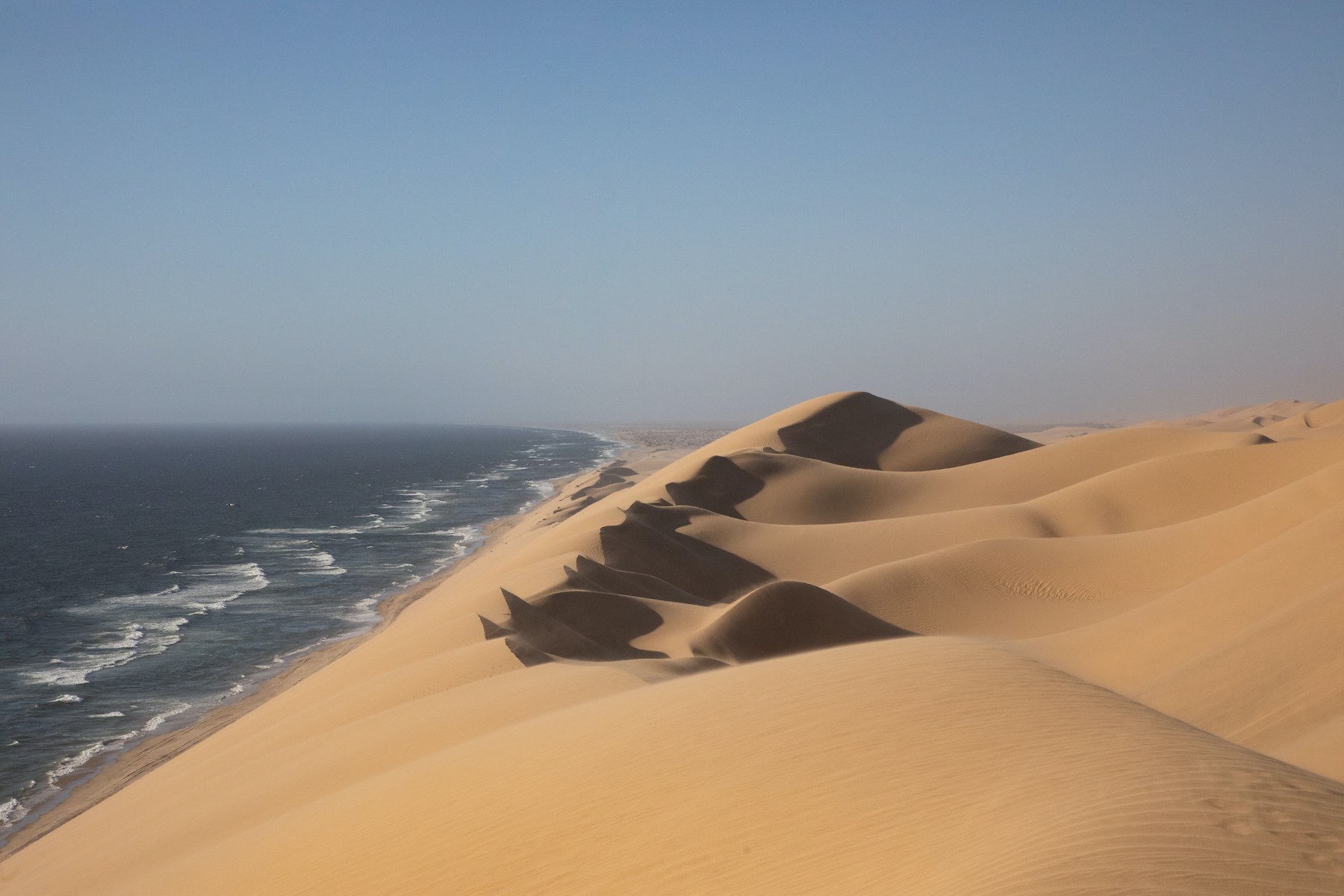
Where the deserts of Namibia kiss the Atlantic Ocean at Sandwich Harbour (image by Inger Vandyke)
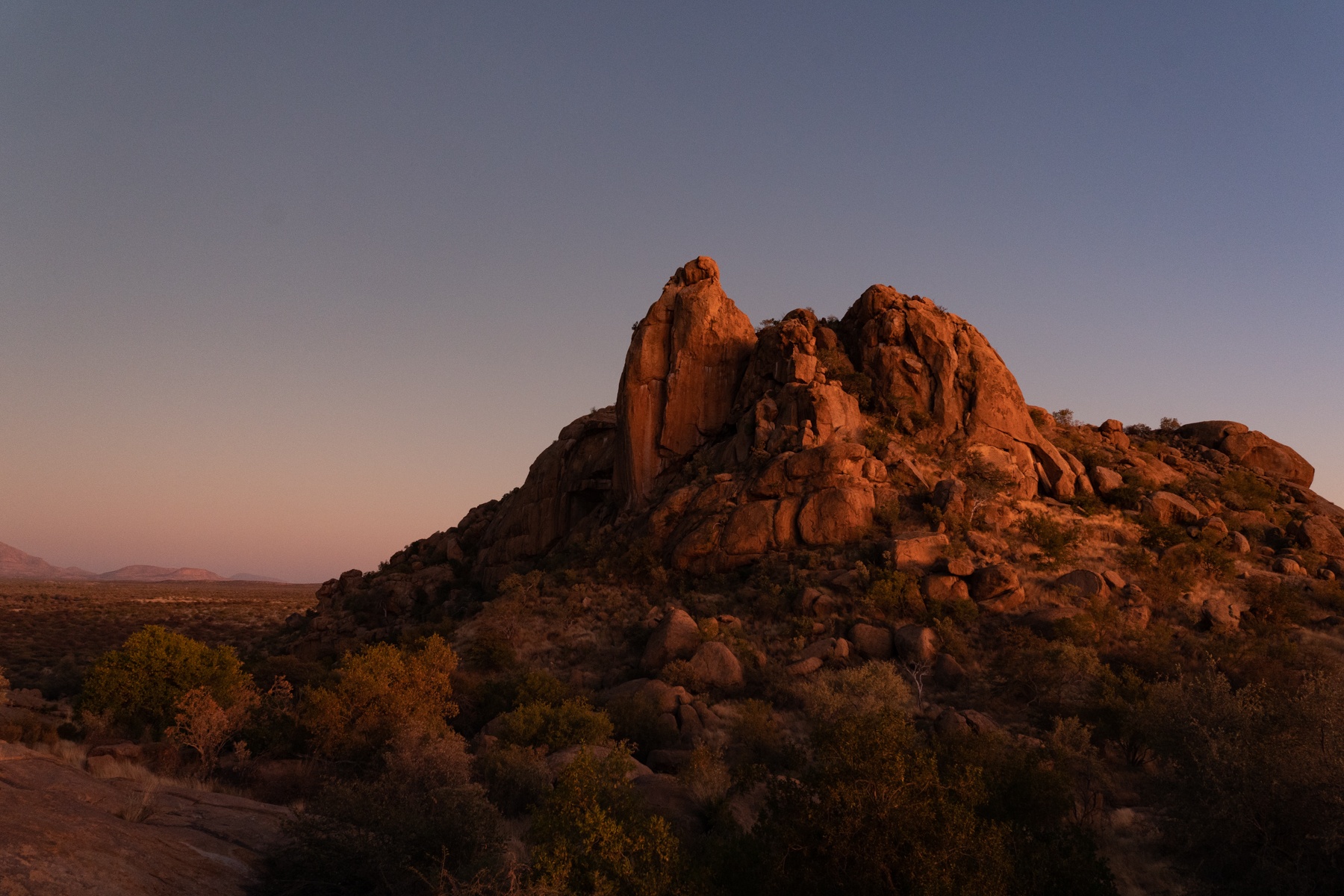
Last light in remote Namibia (image by Inger Vandyke)

Spectacular encounter with a bathing Warthog at the lagoon in front of Onkolo Hide (image by Onguma Camps)
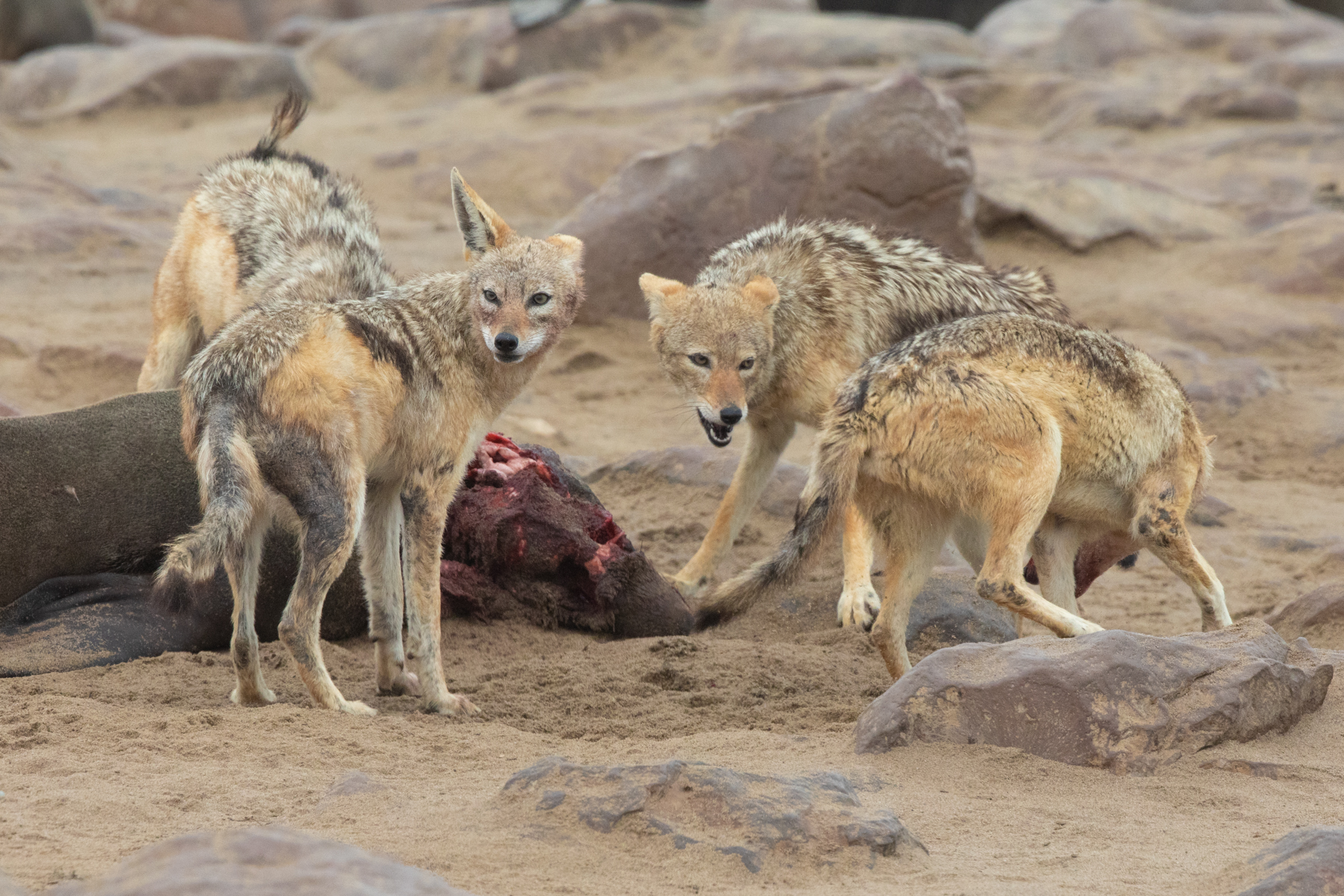
A pack of Black-backed Jackals argue over a dead seal carcass at Cape Cross (image by Inger Vandyke)
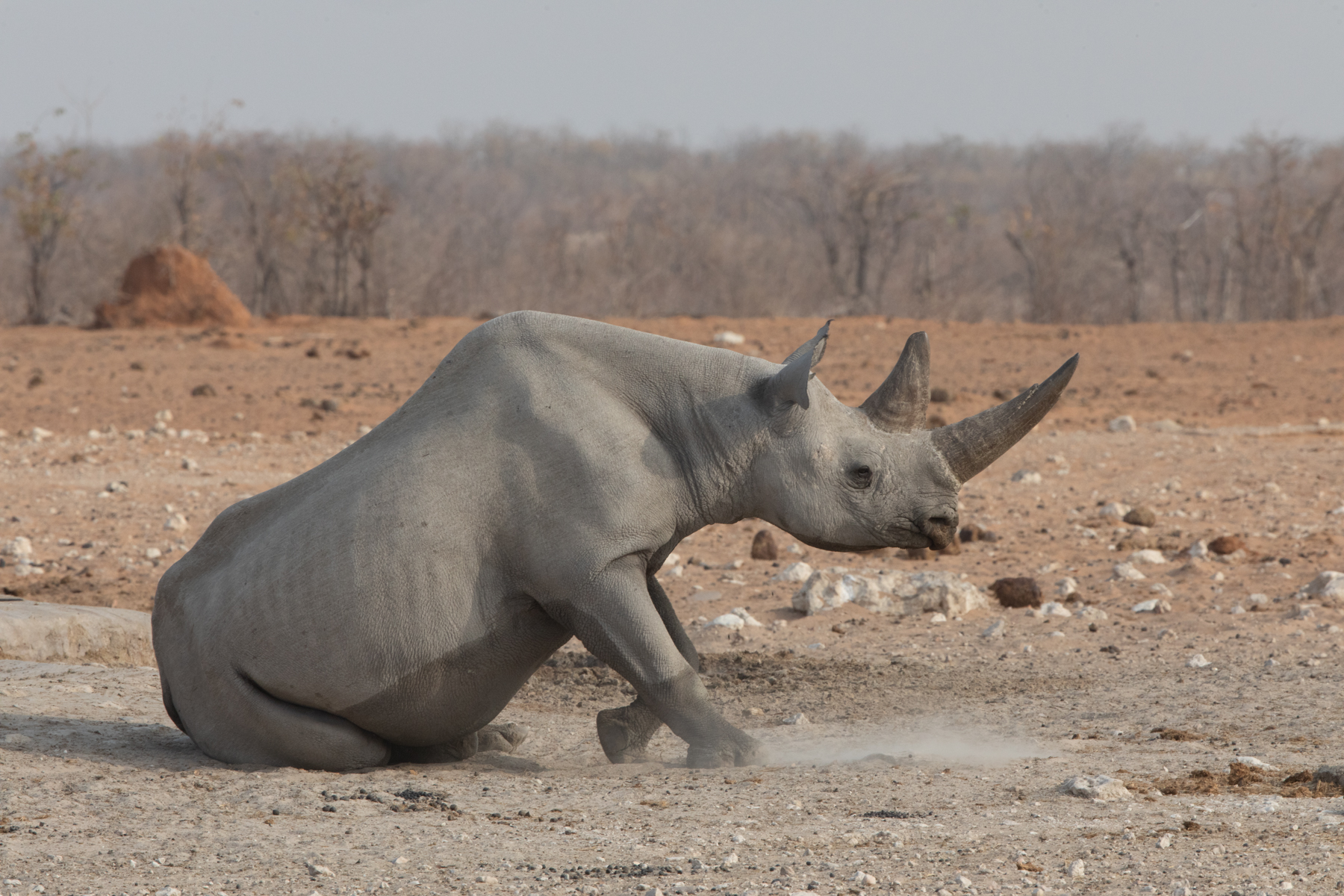
An elderly Black Rhino male in the western end of Etosha (image by Inger Vandyke)

The lion's stare! (image by Sean Braine)

A herd of pretty Springbok in the Namib (image by Sean Braine)
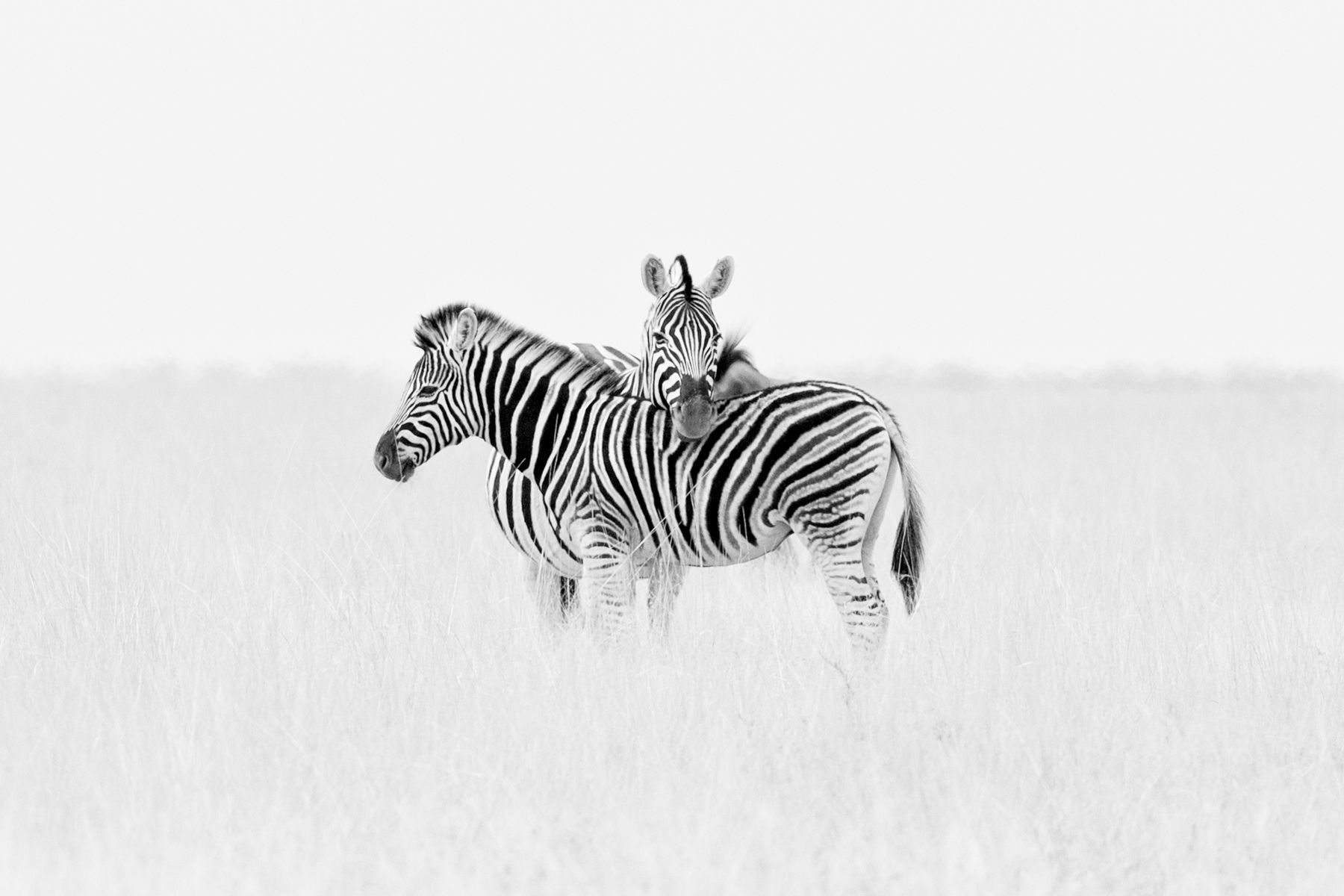
A pair of Burchell's Zebras rest on the grasslands of Etosha (image by Inger Vandyke)
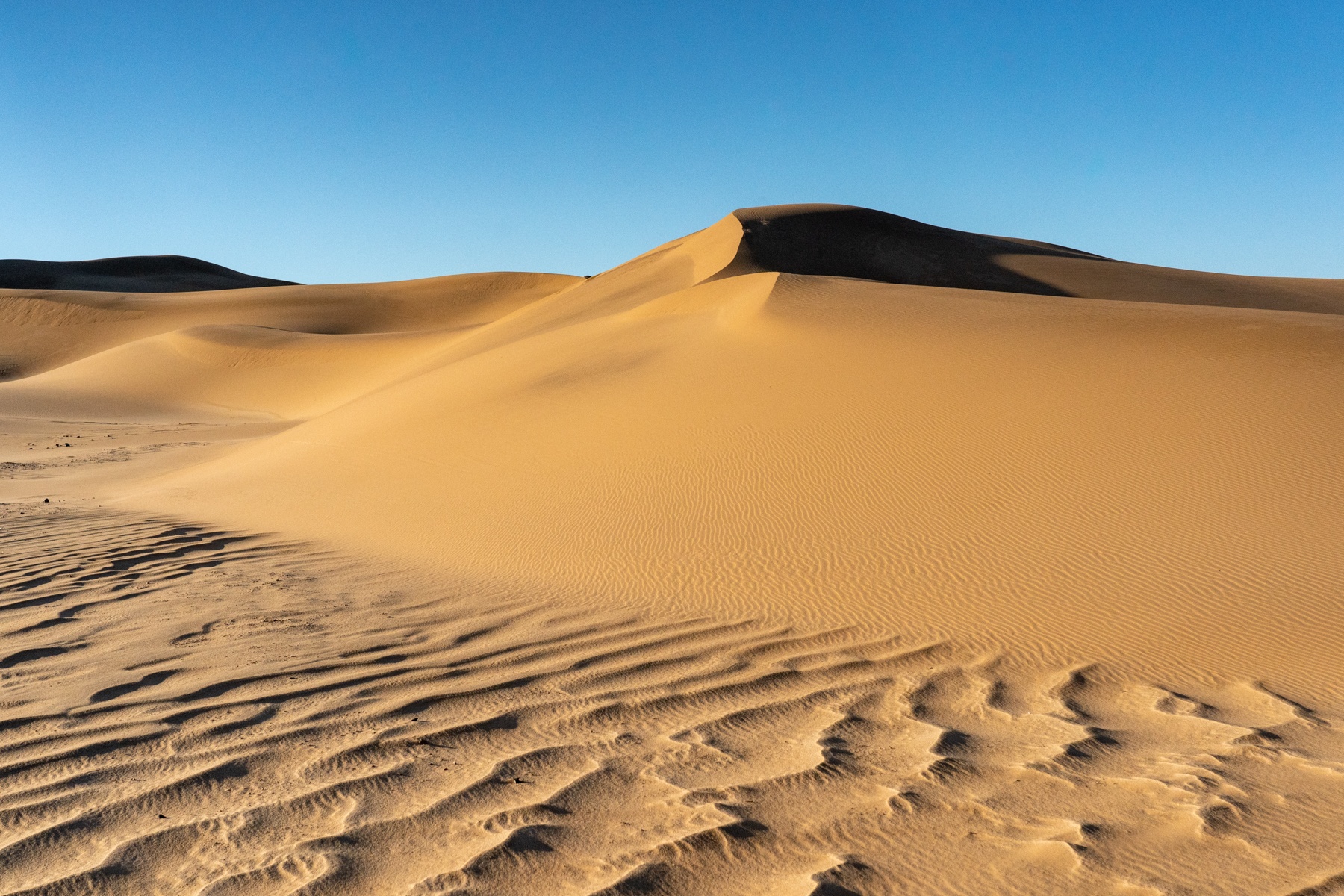
In Namibia's Dorob National Park, the dunes are gorgeous in the early light (image by Inger Vandyke)

Pretty Rosy-faced Lovebirds adorn the wilderness in Namibia (image by Inger Vandyke)
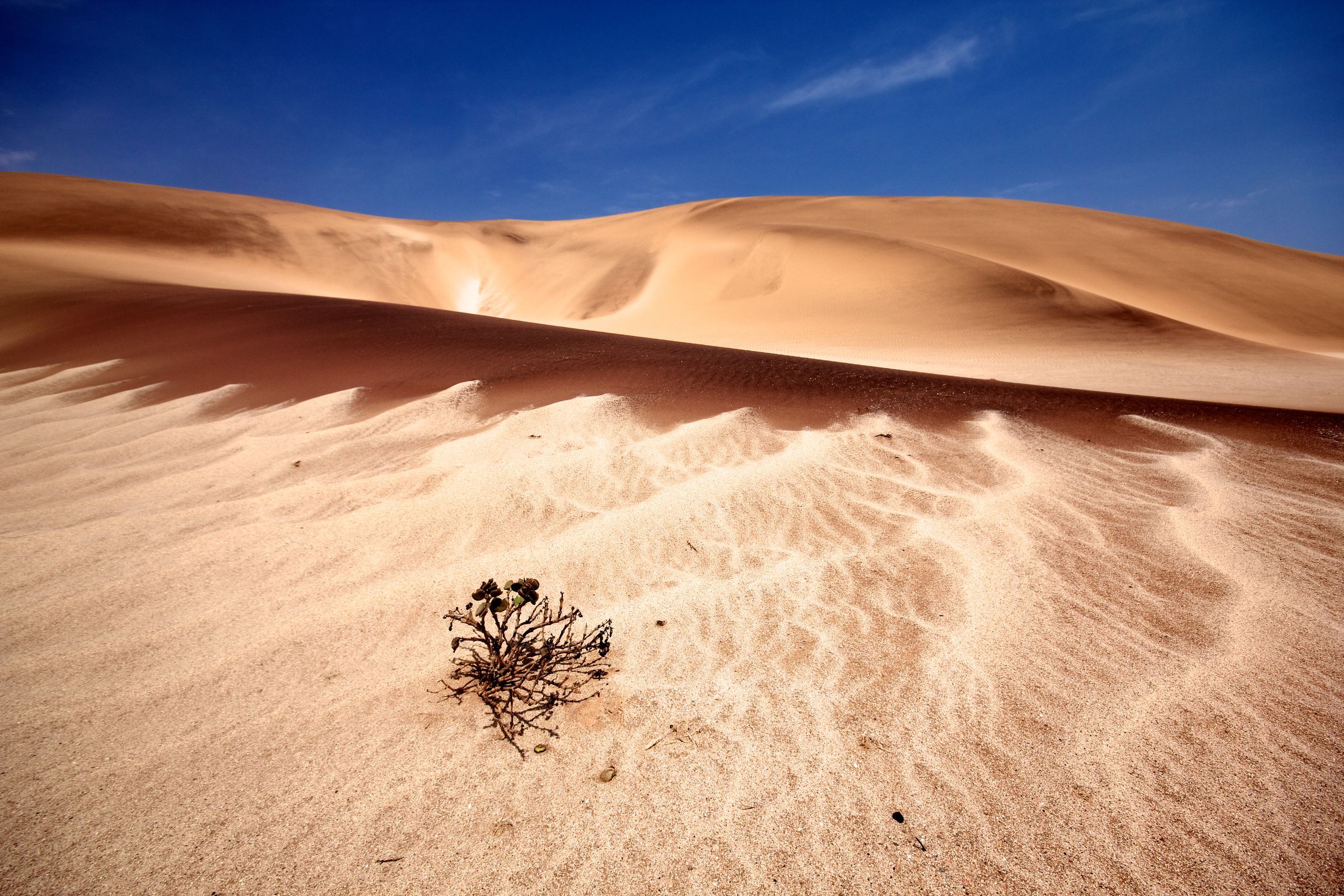
Namibia features many different colours of sand dunes including the spectacular garnet sand dunes of Dorob National Park near Swakopmund (Image by Inger Vandyke)

Burchell's Zebras battle it out in the dust of Etosha (Image by Inger Vandyke)
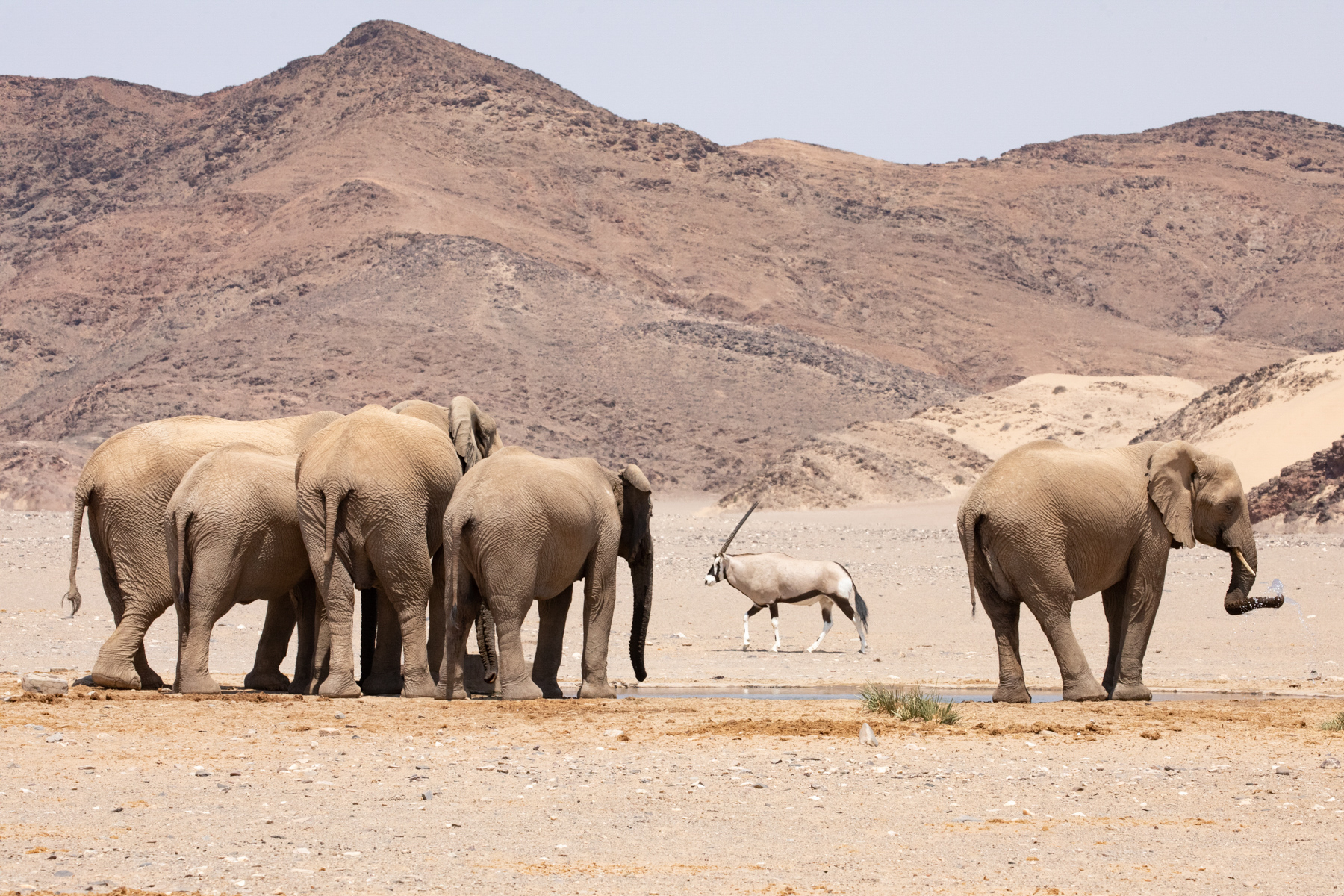
Desert Elephants are forced to share their drinking holes with other creatures including Oryx (image by Inger Vandyke)

A pair of Hartmann's Mountain Zebras (image by Inger Vandyke)

On hot days even Oryx like a swim (image by Inger Vandyke)
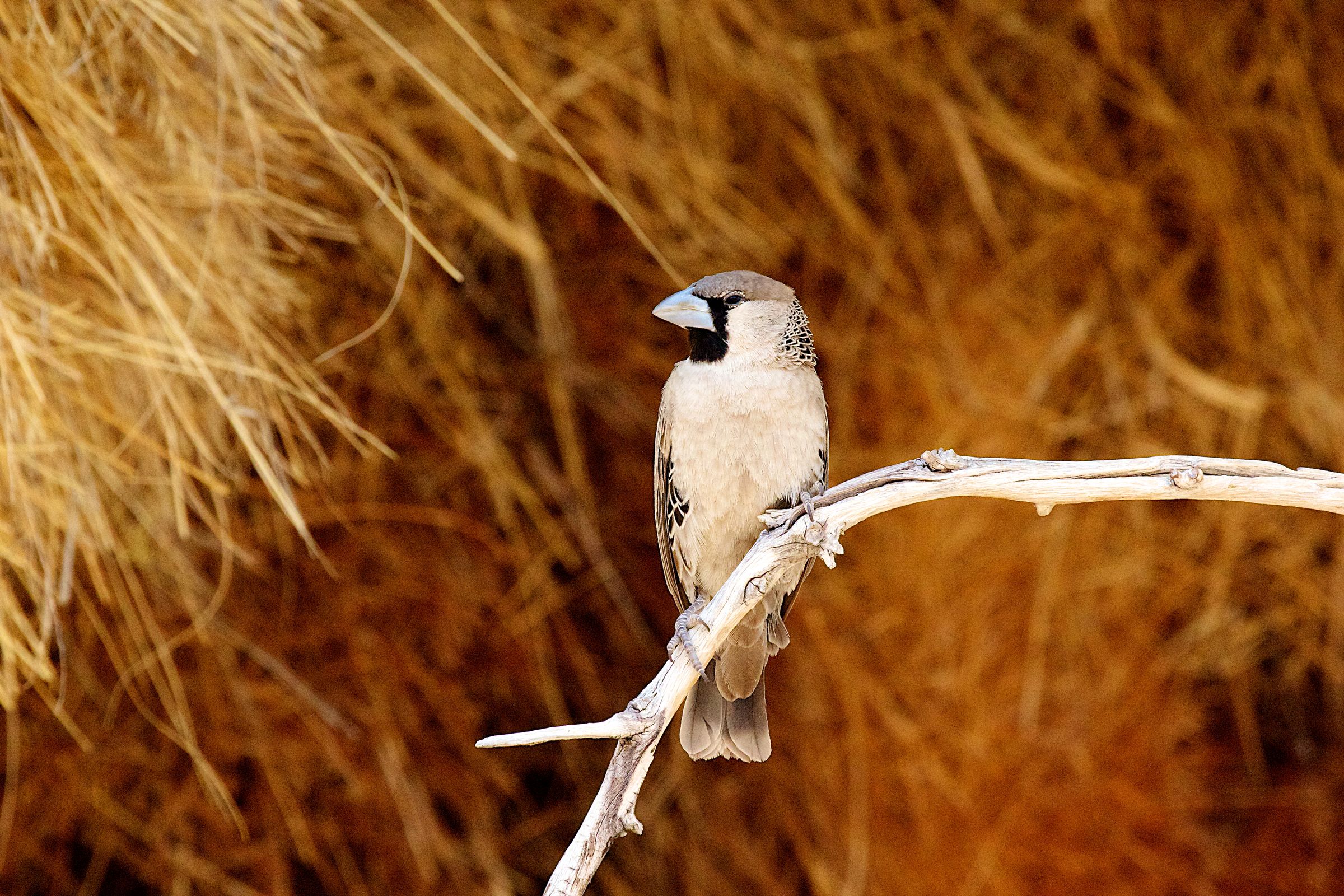
Sociable Weavers build such large nest communities that the weight of them can sometimes topple the tree that supports them! They really do make better architects than builders! (image by Inger Vandyke)

Black-backed Jackal at Sossusvlei (image by Inger Vandyke)
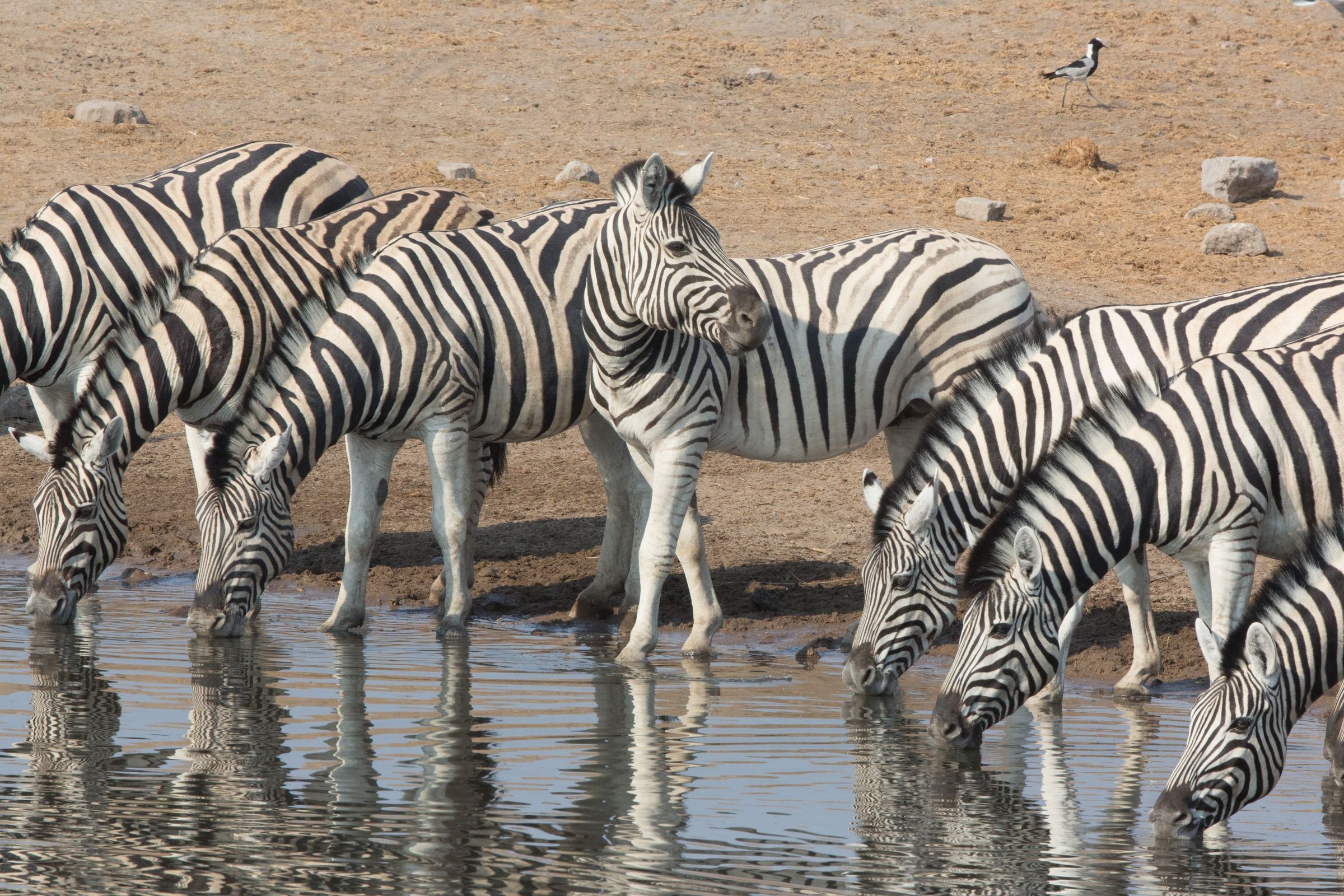
A Dazzle of Zebras at Chudob Water Hole near Namutoni in Etosha (image by Inger Vandyke)
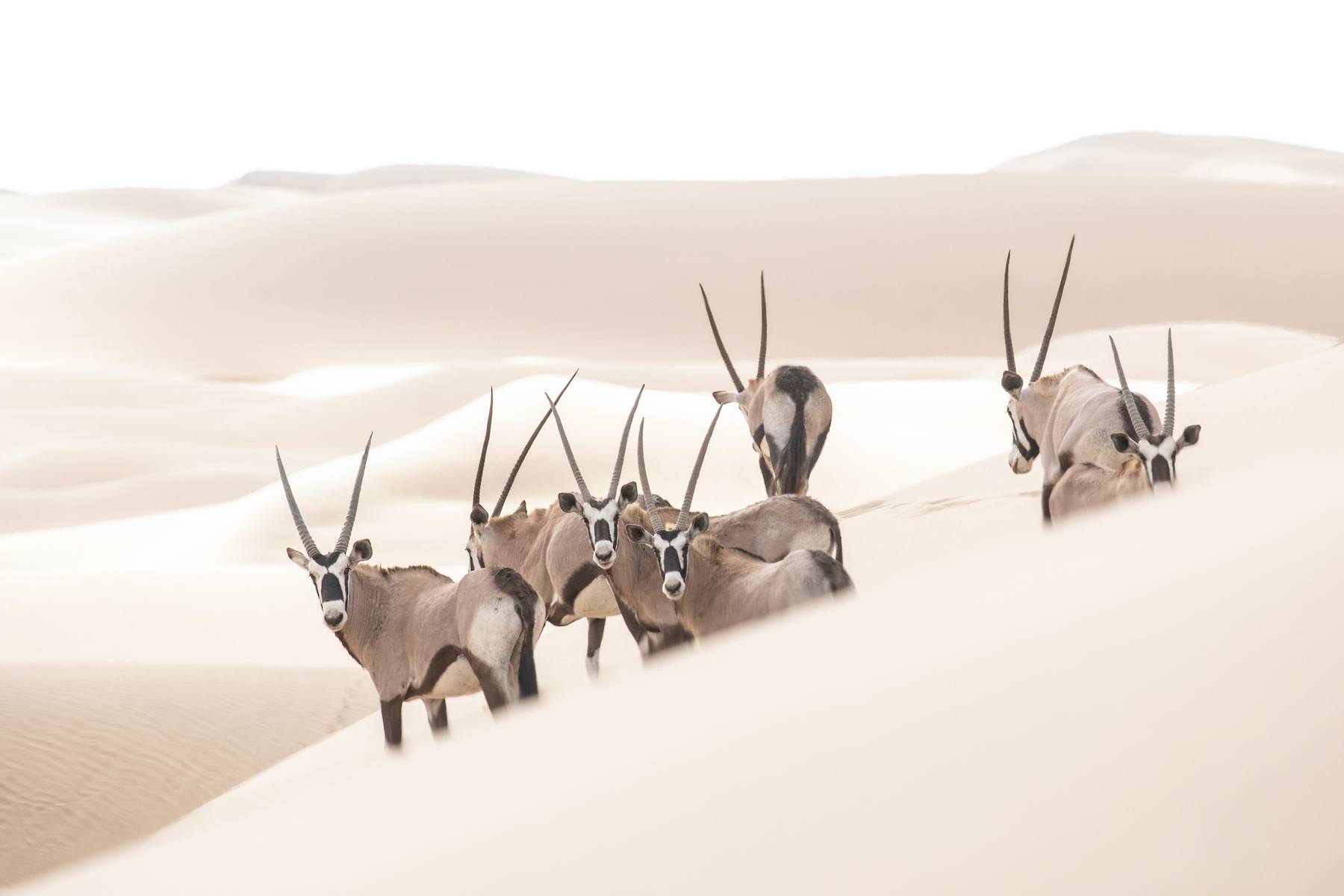
A stunning herd of Oryx in the dunes of Sandwich Harbour (image by Inger Vandyke)

The beautiful sand dwelling Peringuey's Adder is a feature of our 'Sandbox Safari' part of the tour (image by Sean Braine)

The big and the small of the avian world - a Namaqua Sand Grouse and Guinea Fowl - photographed from Onkolo Hide (image by Onguma Camps)

They might be tiny but they have a huge presence with their calls serenading the African night. Portrait of a Pearl-spotted Owlet (image by Sean Braine)

A wrecked car near Sossusvlei (image by Inger Vandyke)

Portrait of a Klipspringer in the hills between Windhoek and Sesriem (image by Inger Vandyke)
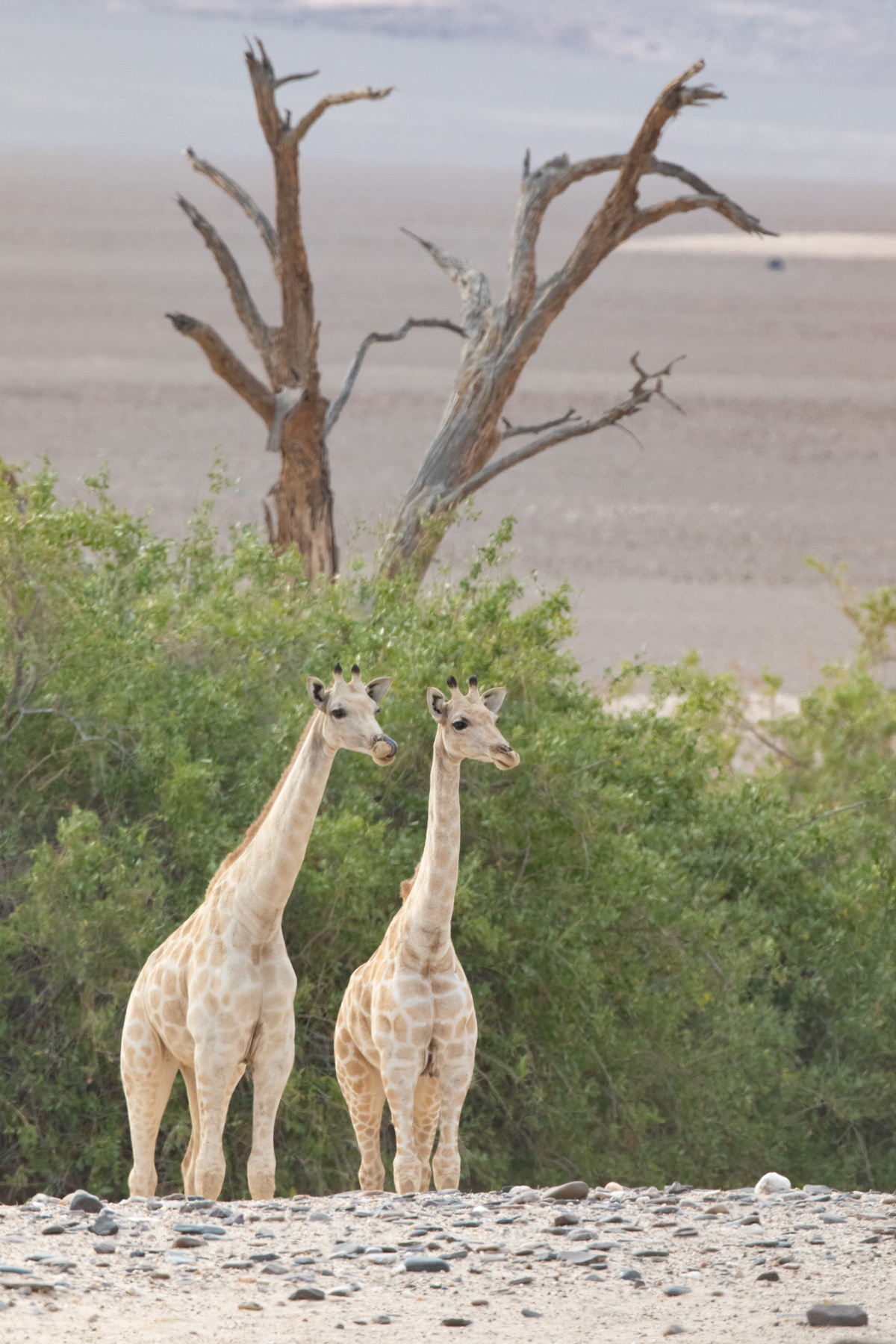
Giraffes imitating trees in the Hoarasib ephemeral river (image by Inger Vandyke)
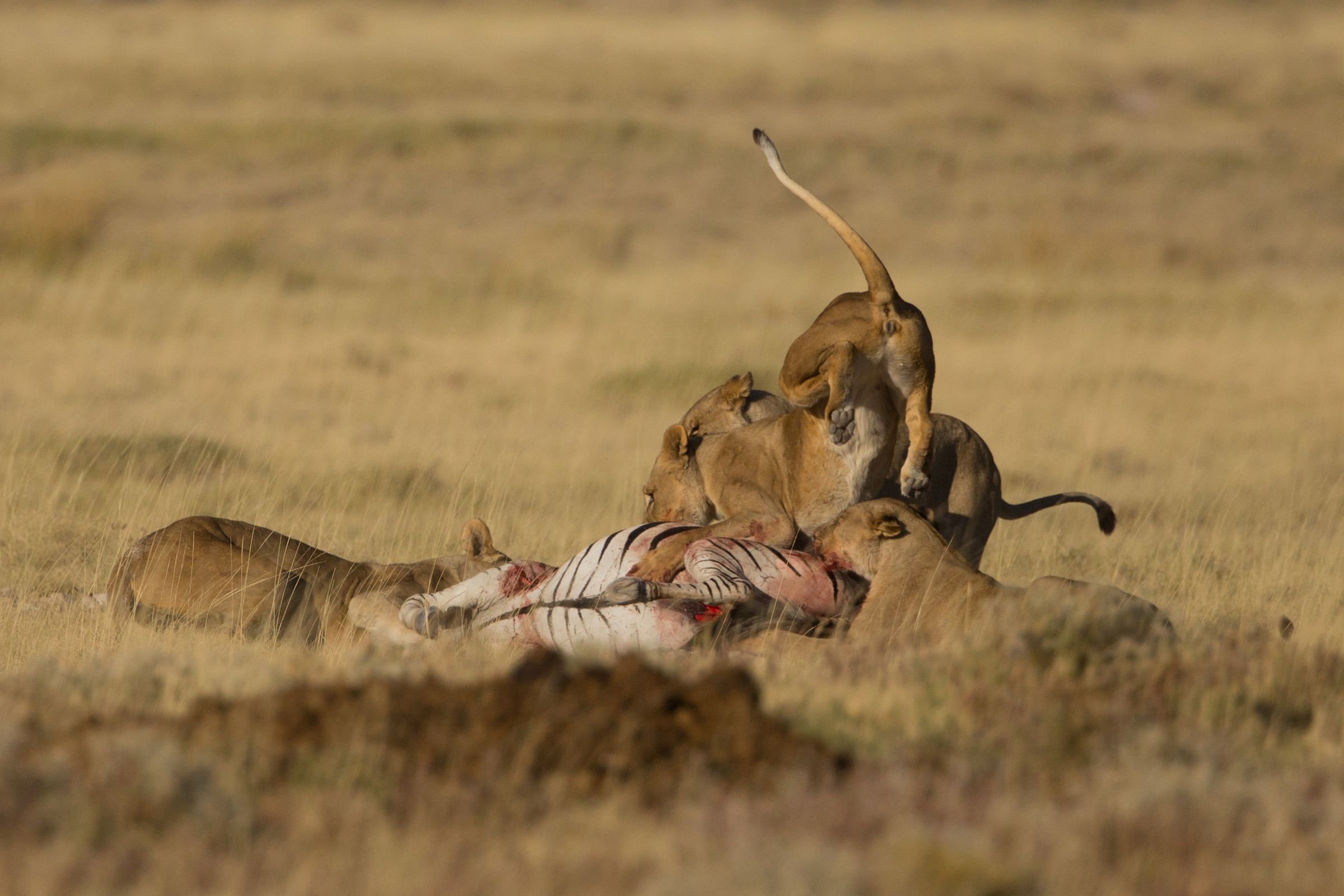
A rare image of Etosha's Charitsaub pride hunting a zebra before our eyes (image by Inger Vandyke)
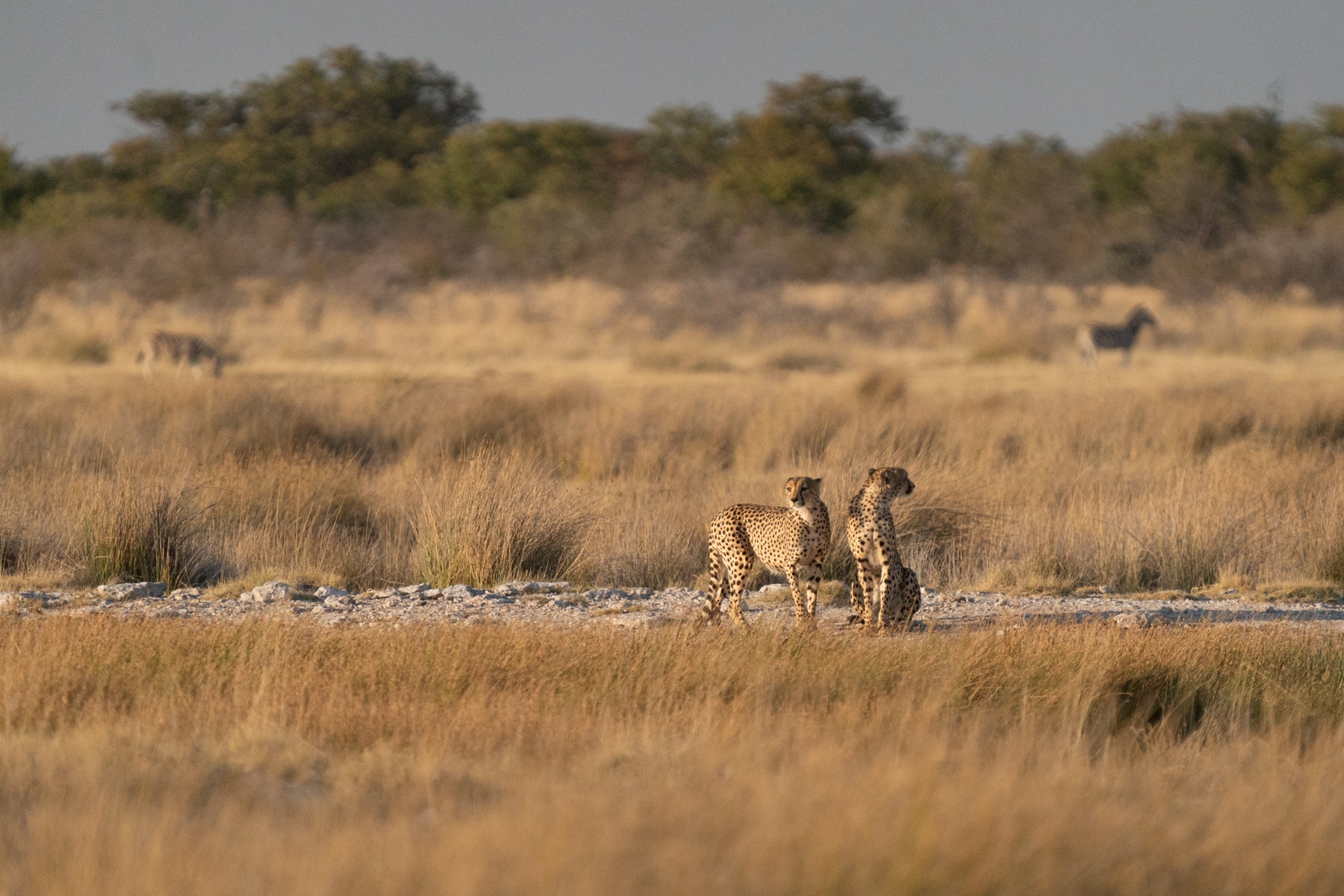
"Shall I take that zebra while you take the other?" Etosha's cheetahs contemplate a hunt (image by Inger Vandyke)
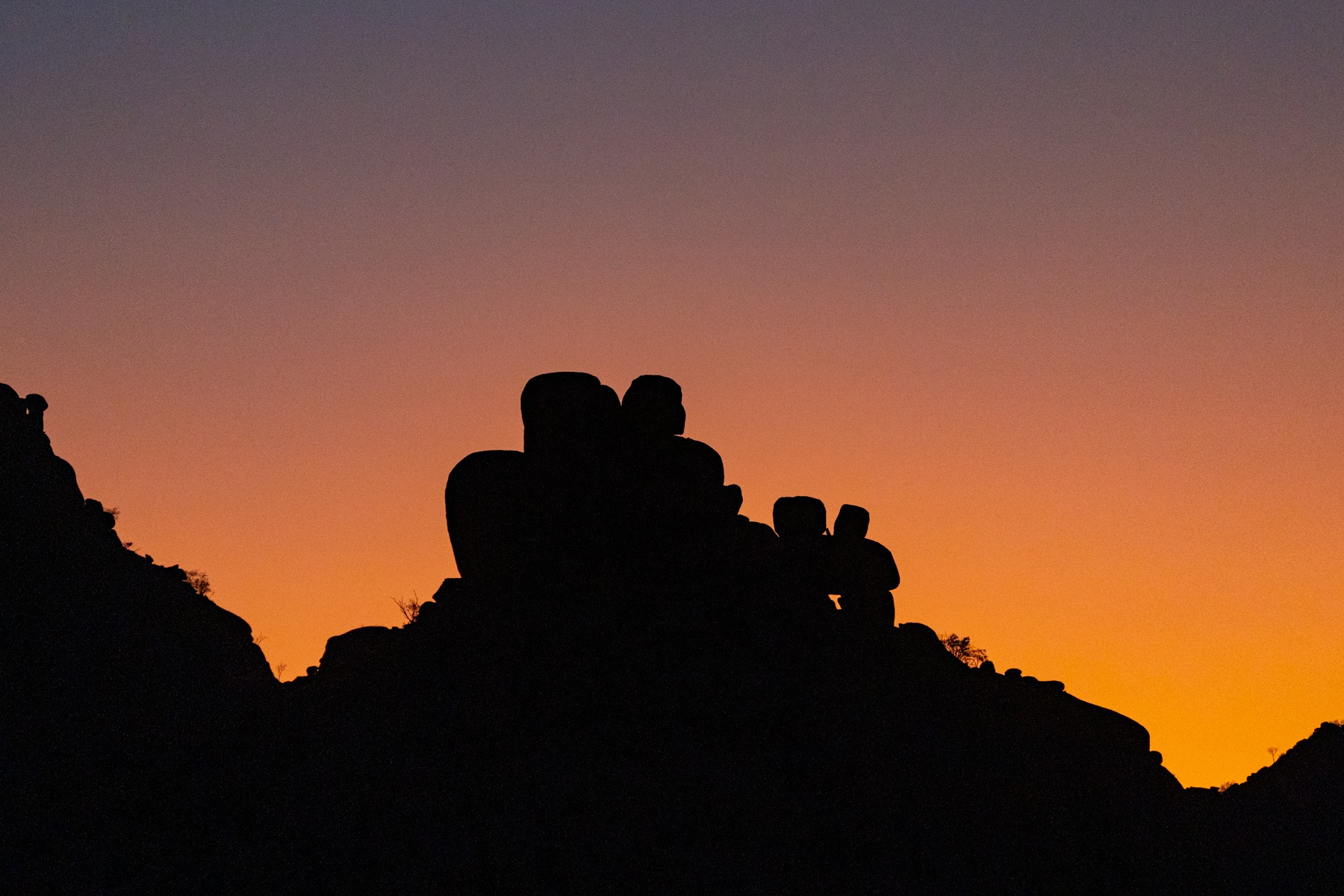
Kopje sunrise in remote Namibia (image by Inger Vandyke)

The sleepy face of a Southern White-faced Owl in the hollow of a Mopane tree trunk (image by Sean Braine)

Banded Mongoose (image by Inger Vandyke)

Devil's Fork (Image by Inger Vandyke)
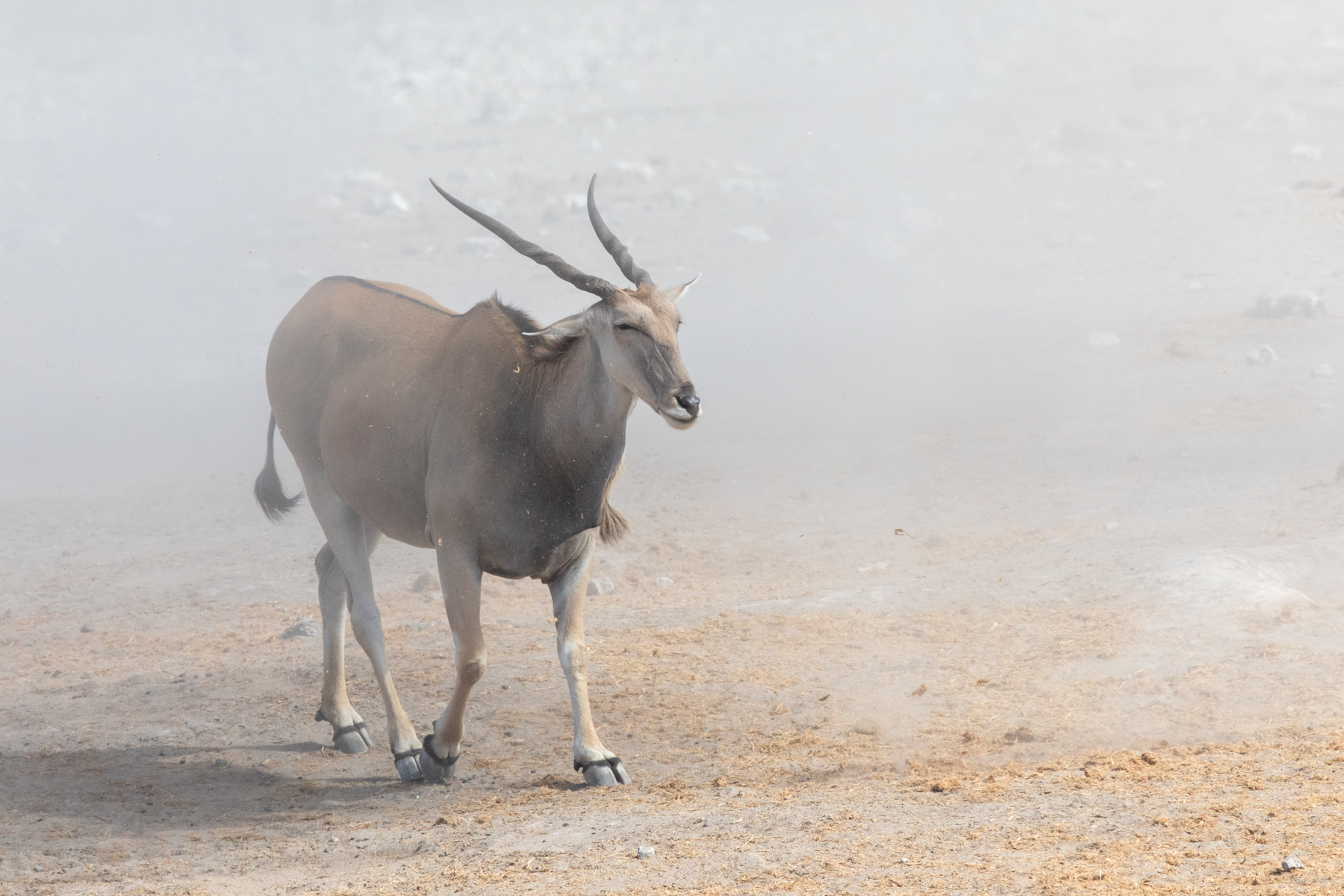
An Eland braces itself for the dust of a sudden whirlwind in Etosha (image by Inger Vandyke)

Spotted Thick-knee with eggs (image by Inger Vandyke)

Male leopard in Etosha (image by Sean Braine)

Female Red-crested Korhaan (image by Inger Vandyke)
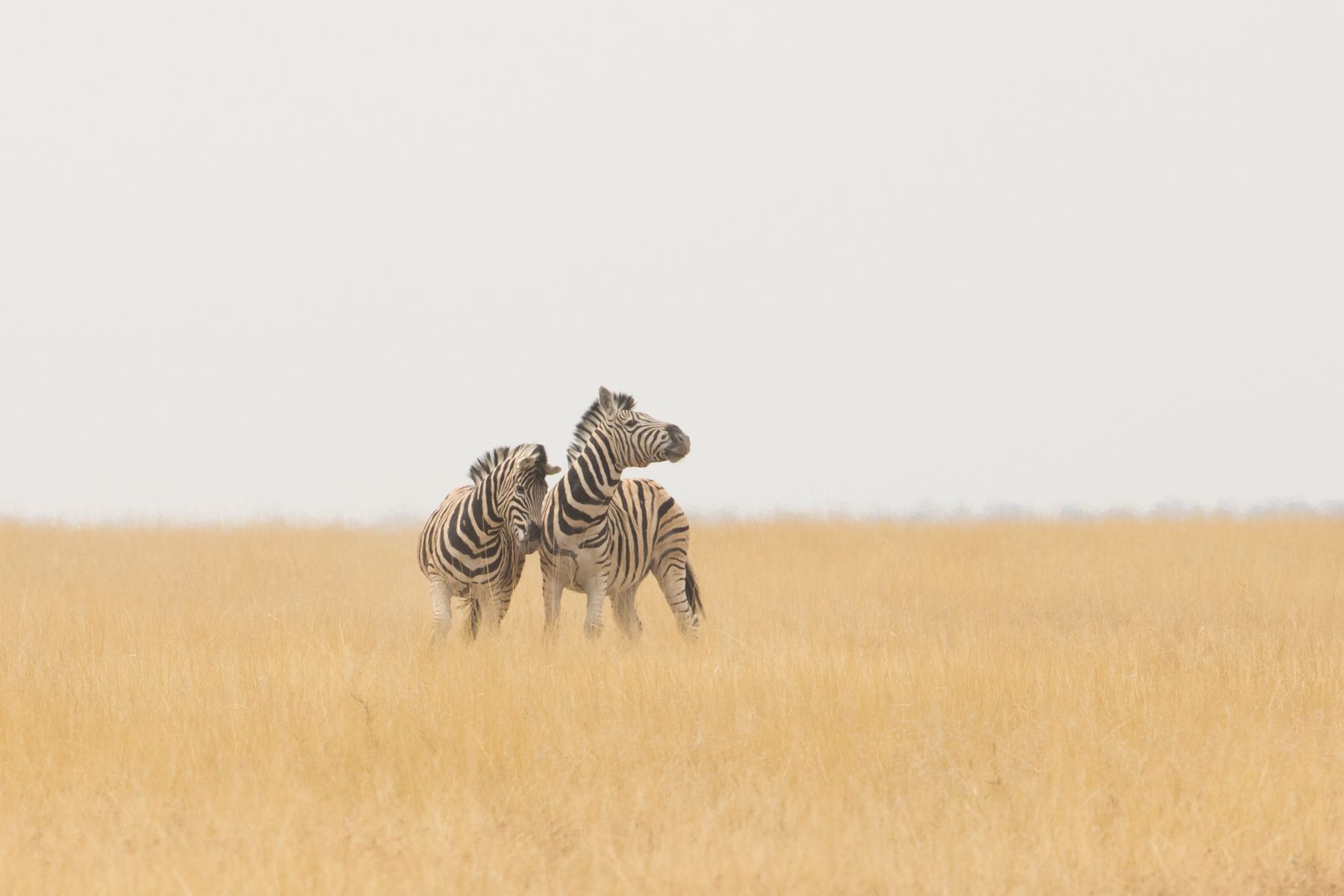
Burchell's Zebras in the grasslands near Salvadora in Etosha (image by Inger Vandyke)
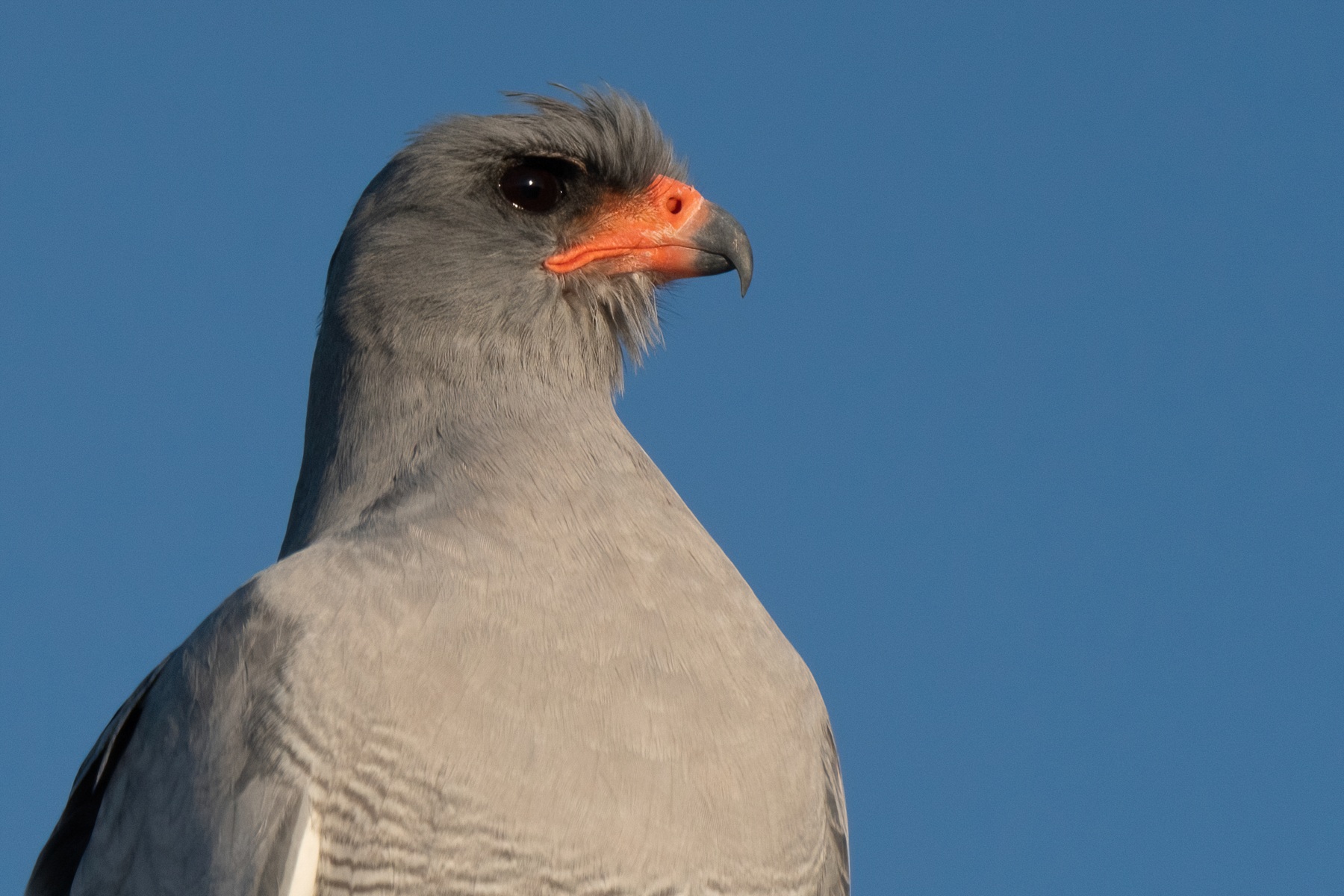
Portrait of a Pale Chanting Goshawk in Namibia (image by Inger Vandyke)
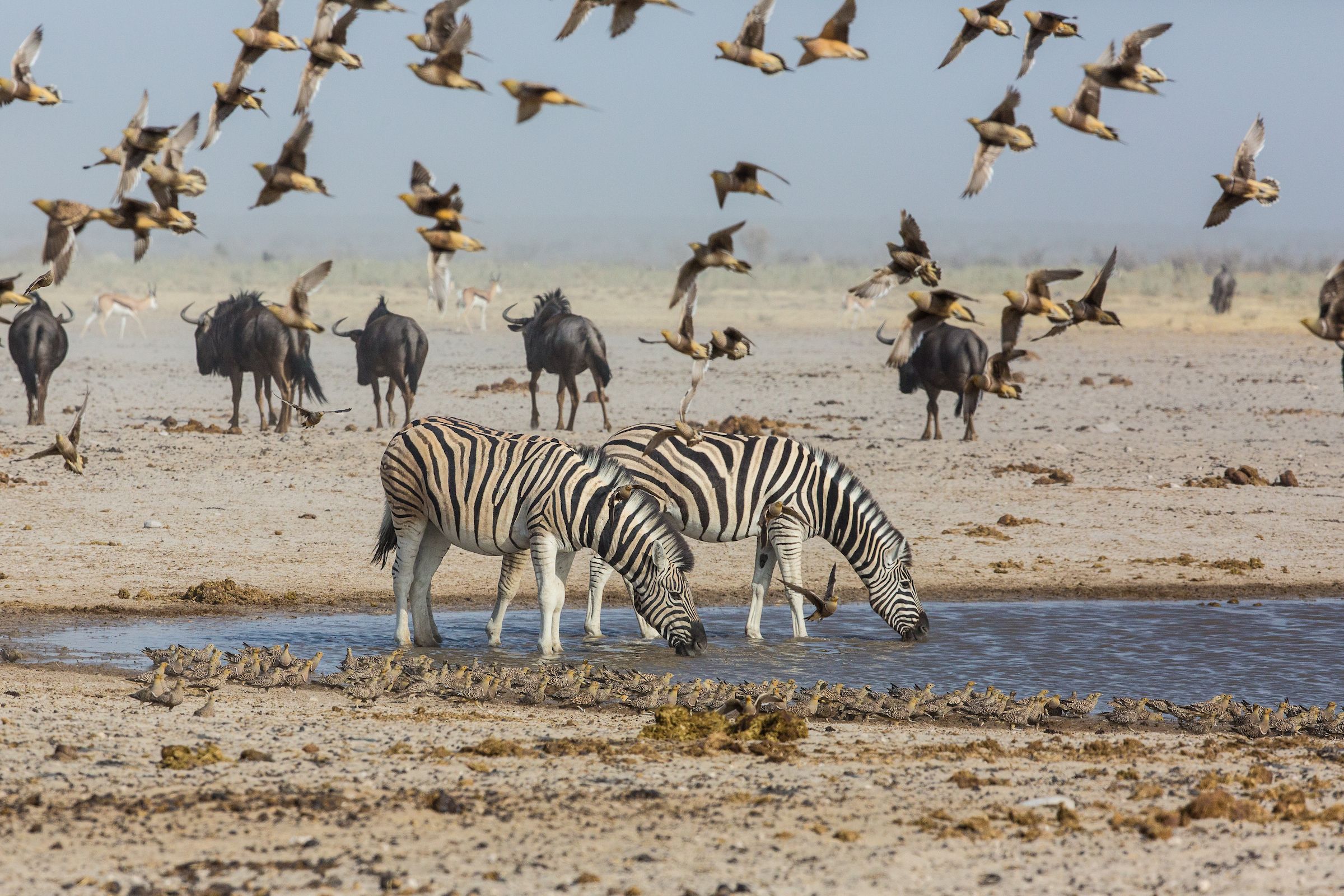
Two Burchell's Zebras drinking at a water hole surrounded by a flock of Sand Grouse in Etosha (image by Inger Vandyke)
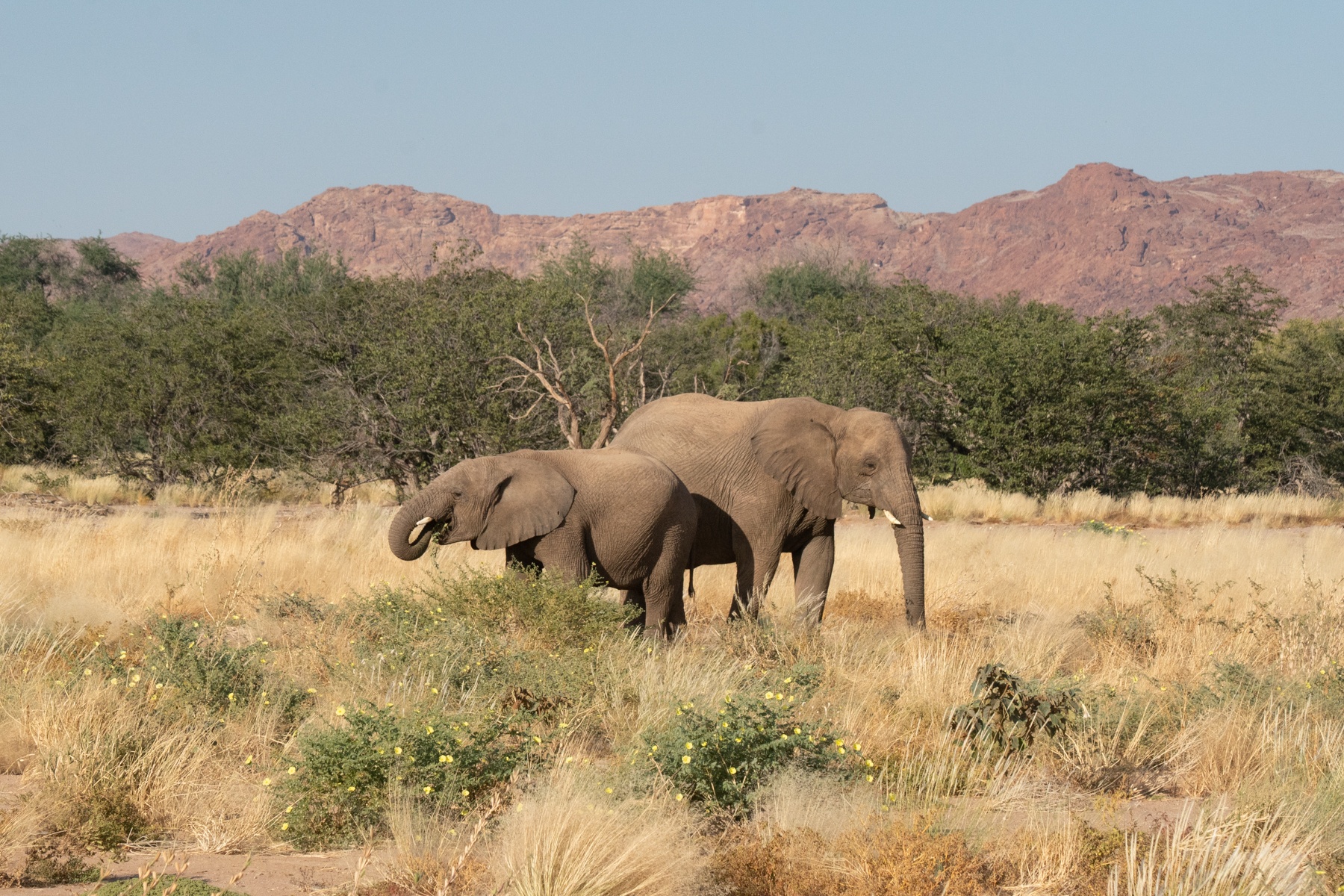
Namibia's desert elephants enjoy grazing after the deserts bloom in an ephemeral river (image by Inger Vandyke)

Ground Squirrel (image by Inger Vandyke)

A Greater Kestrel enjoys his meal of a Spotted Desert Lizard (image by Sean Braine)

Etosha Pan (image by Inger Vandyke)
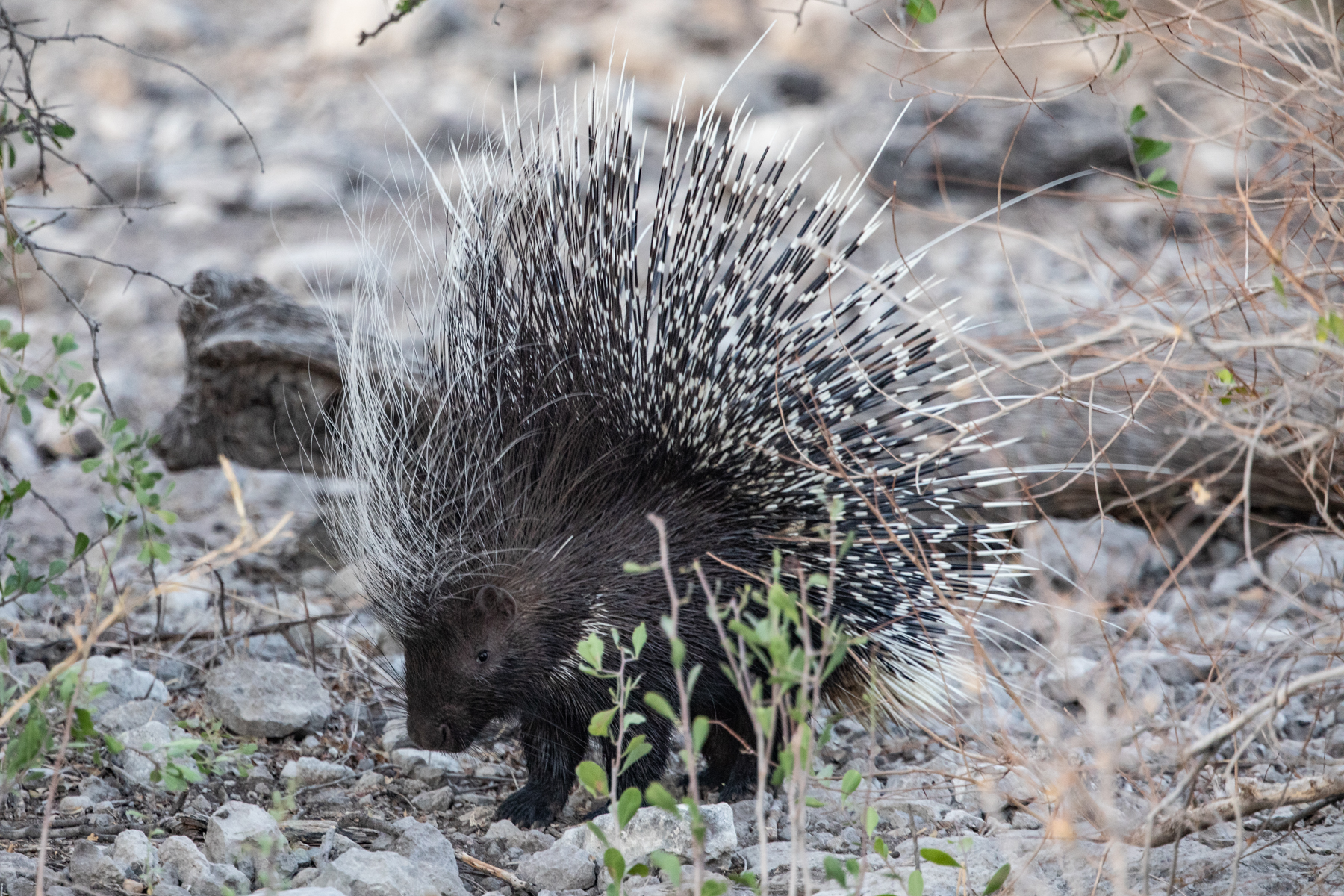
A rare sighting of a Porcupine in Etosha close to sunset. He even drummed his quills to display near the guests on our tour! (image by Inger Vandyke)

A clan of Spotted Hyenas take a drink one late afternoon in Etosha (image by Sean Braine)
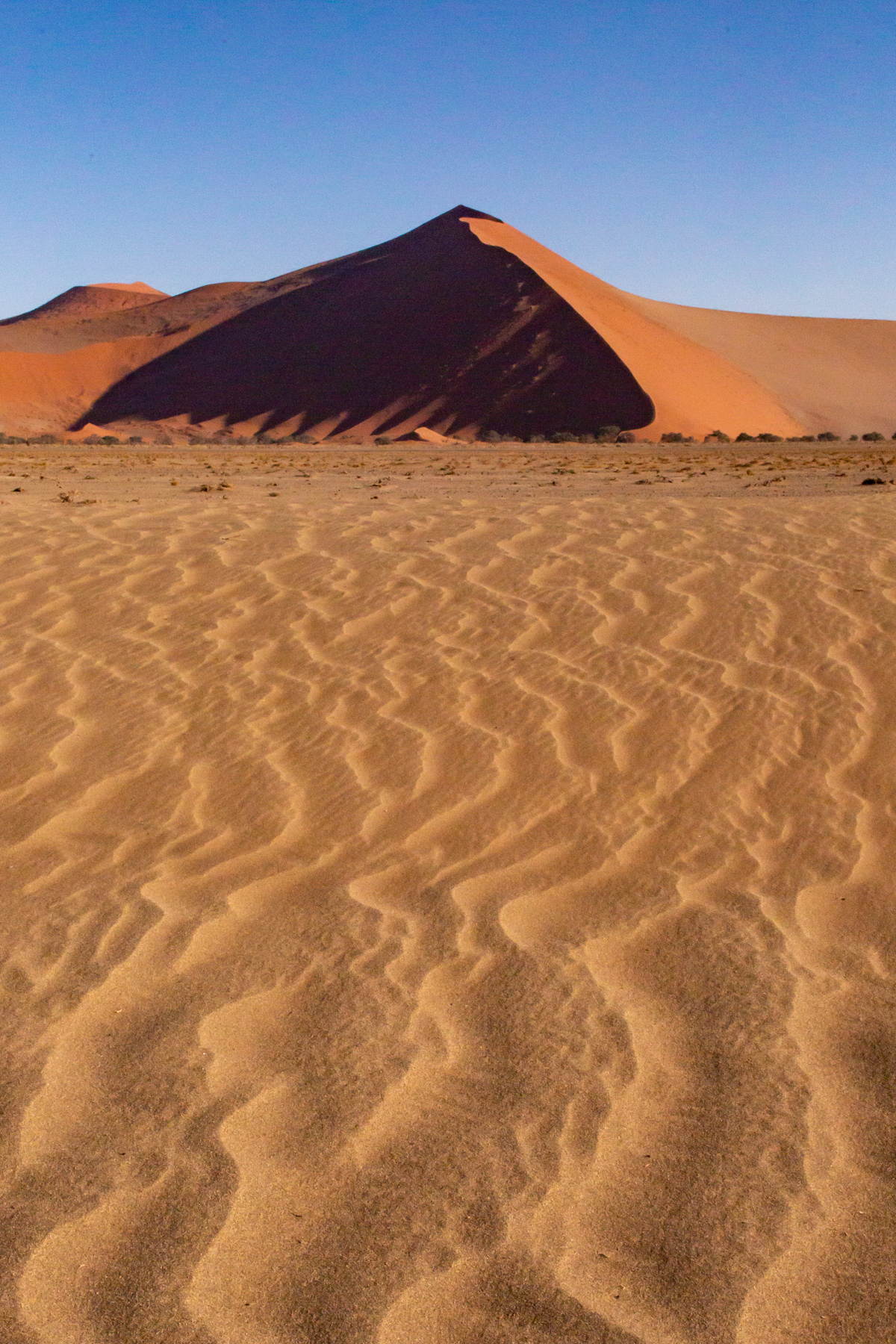
Ripples and dune details in Sossusvlei (image by Inger Vandyke)

A desert-adapted elephant in abstract (image by Sean Braine)

Ring-necked Dove (image by Inger Vandyke)

Northern Black Korhaan (image by Inger Vandyke)

Kelp Gull scavenging on young Cape Fur Seal carcass (image by Inger Vandyke)

Oryx are truly the ballerinas of the desert in Namibia (image by Sean Braine)
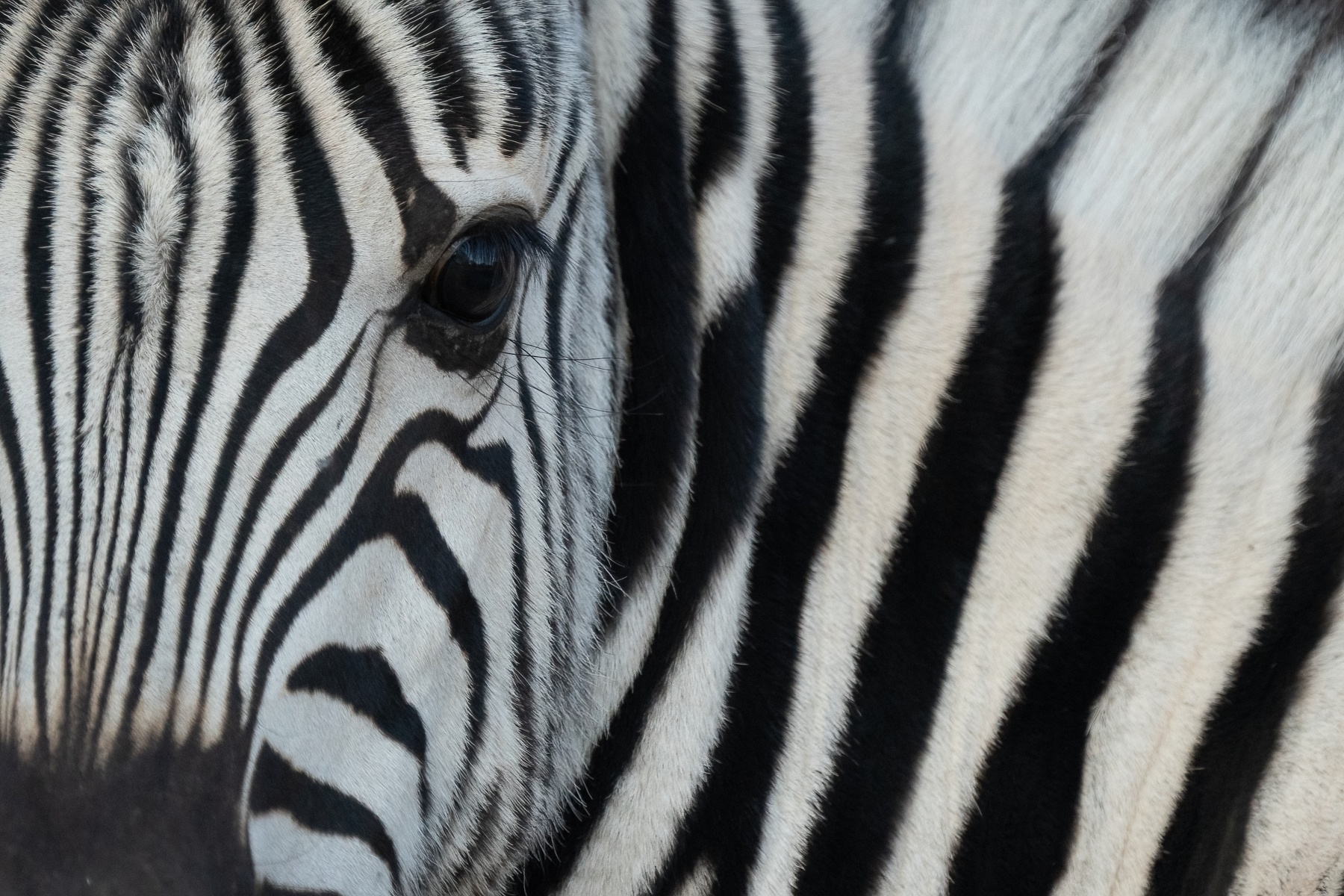
Looking into the eye of a baby Burchell's Zebra in Etosha (image by Inger Vandyke)
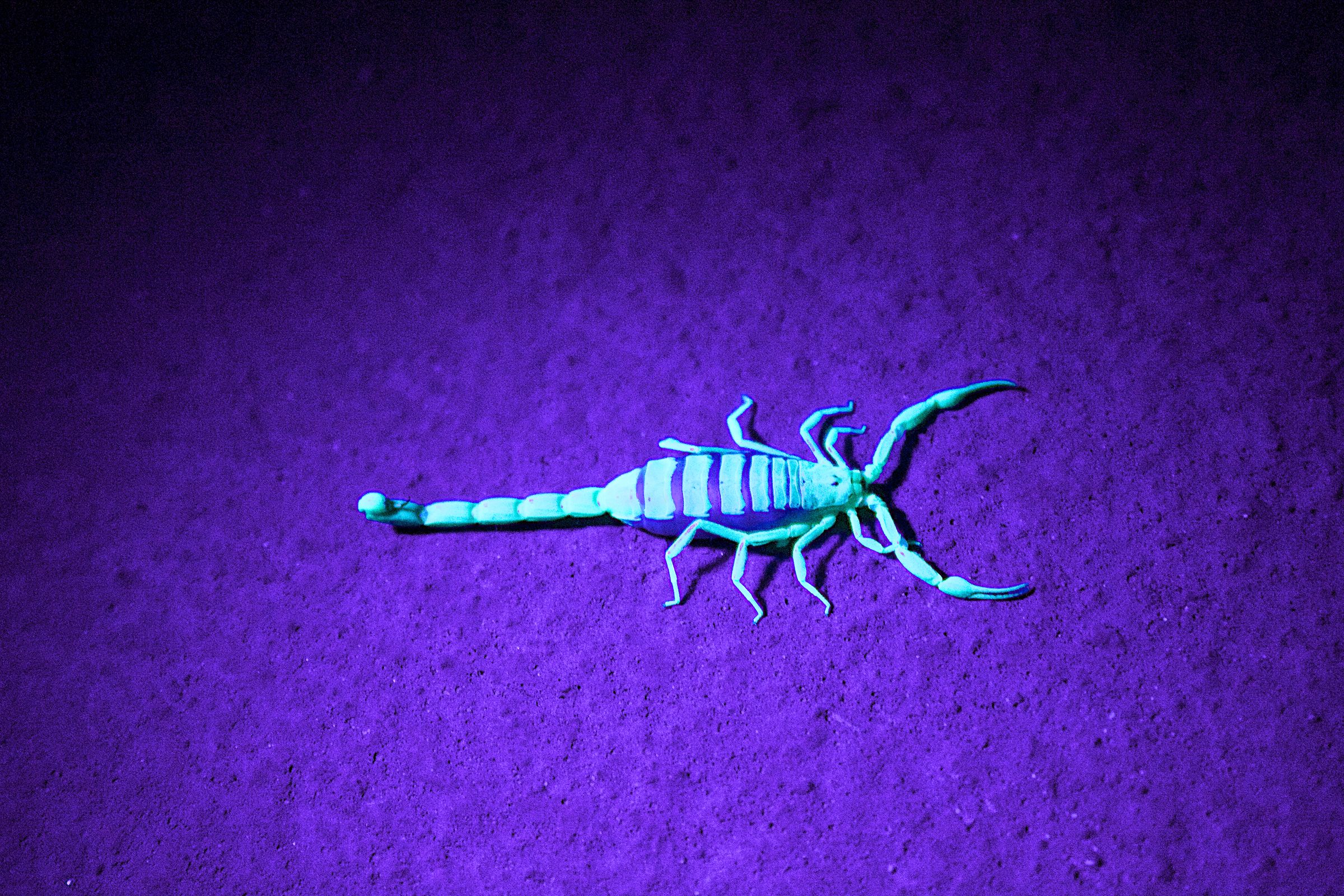
Namibia's pale scorpions fluoresce at night, making them wonderful photographic subjects (image by Inger Vandyke)

Slow shutter of the wrecked trawler "Zeila" on the Skeleton Coast (image by Inger Vandyke)

A lineup of drinking Black-faced Impalas (image by Inger Vandyke)

A pair of Oryx caught up in a dust storm in Etosha (image by Sean Braine)

A pair of young male Springbok practice rutting at sunrise in the Kgalagadi Transfrontier Reserve (Image by Inger Vandyke)
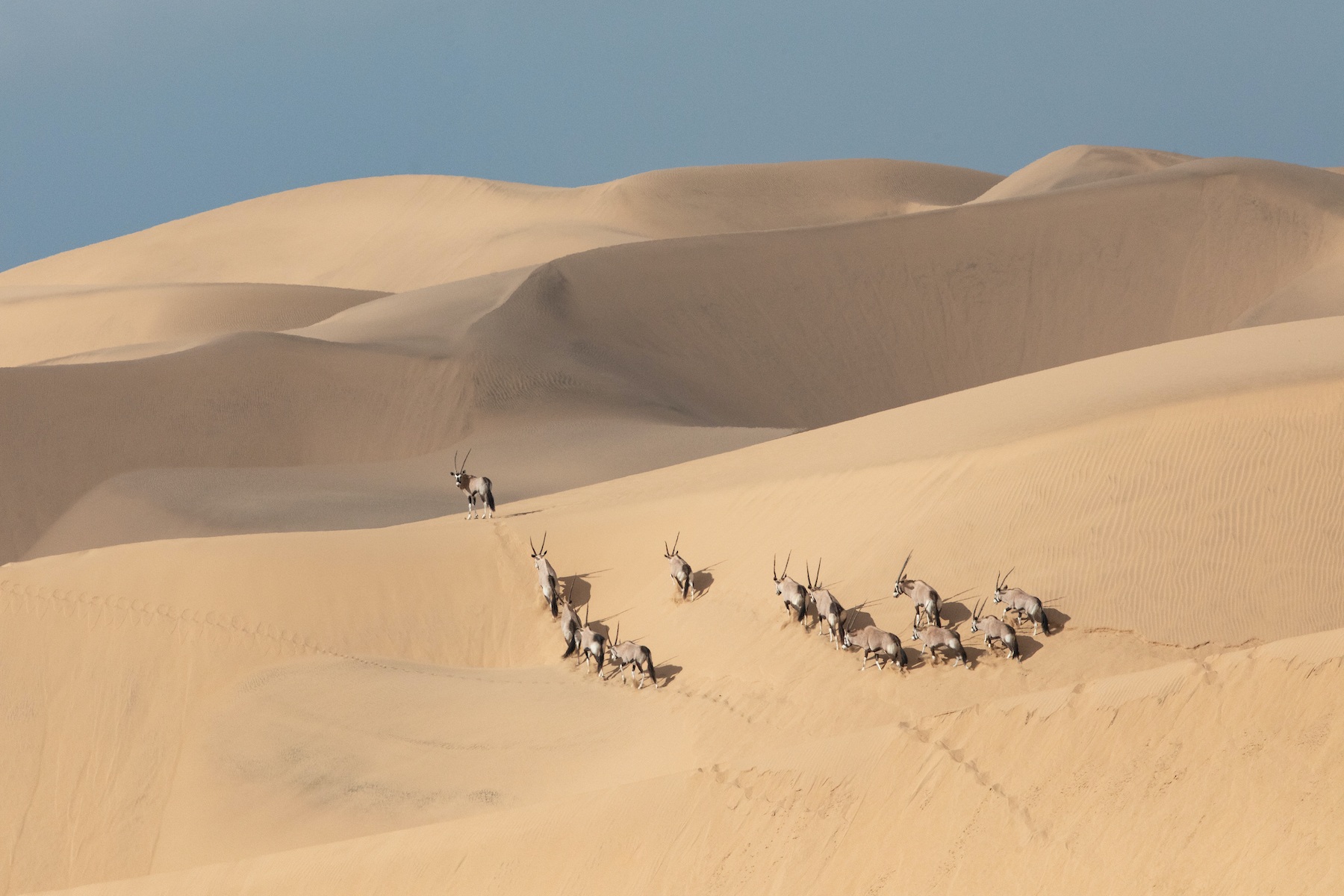
"Are you guys following me?" An Oryx checks on his herd mates in the dunes of Sandwich Harbour (image by Inger Vandyke)

The Etosha Elephant bull that we all fell in love with! (Image by Inger Vandyke)

Oryx running across the road in Etosha during a dust storm (image by Inger Vandyke)
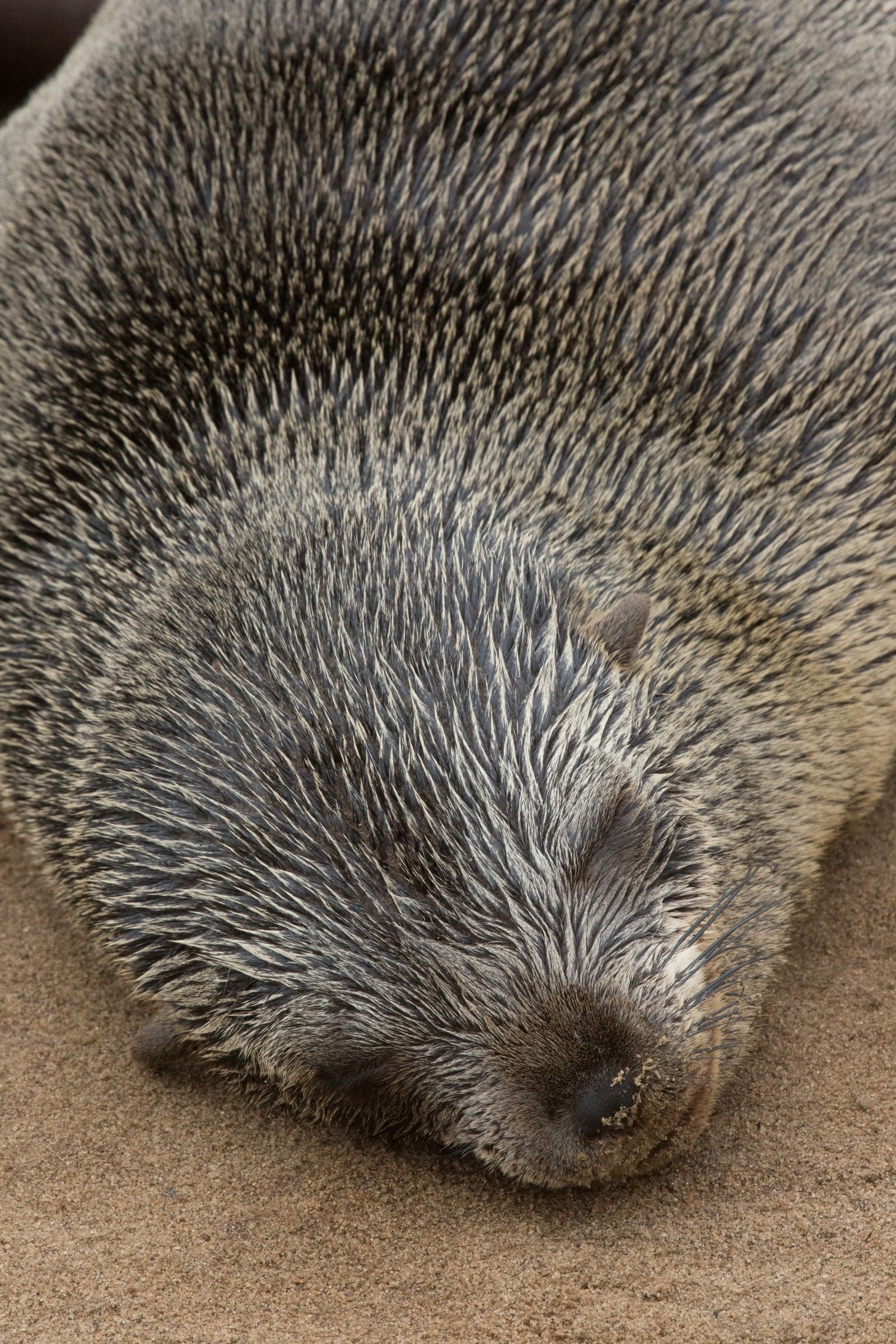
Cape Fur Seal at Cape Cross, Namibia
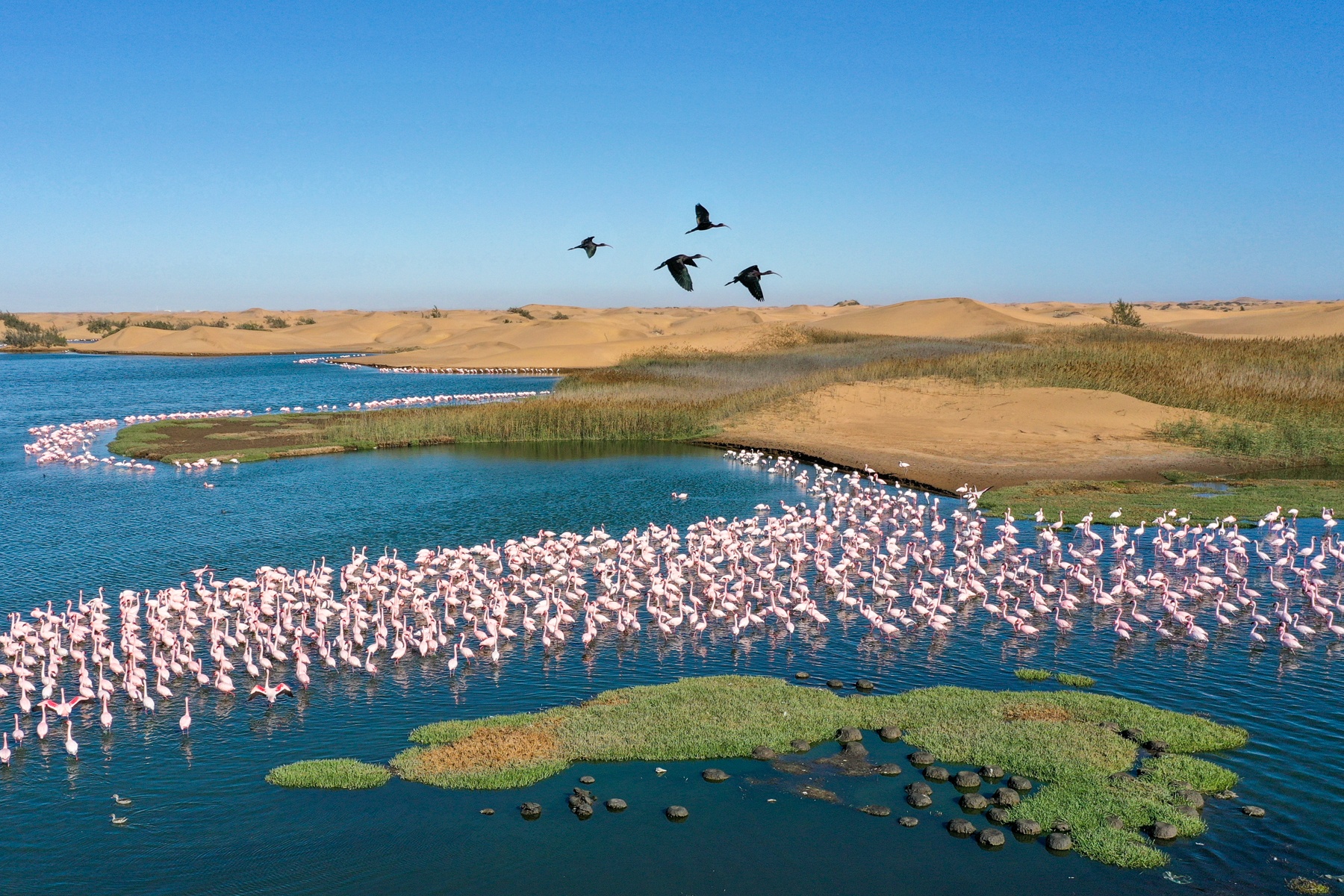
The incredible birdlife of Walvis Bay's lagoons feature Glossy Ibis, flamingos and thousands of migratory birds (image by Inger Vandyke)
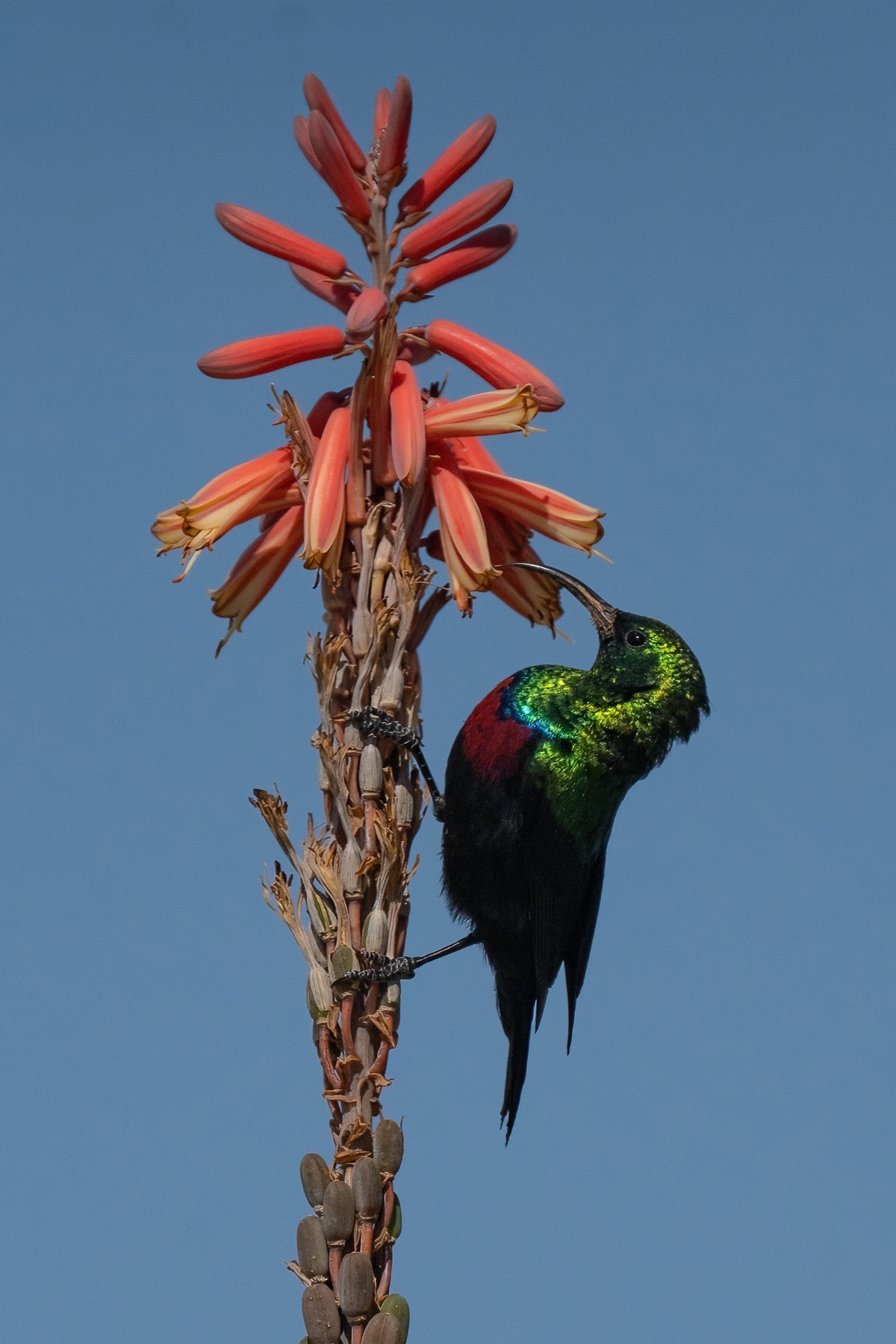
A Marico Sunbird feeding on an agave flower (image by Inger Vandyke)
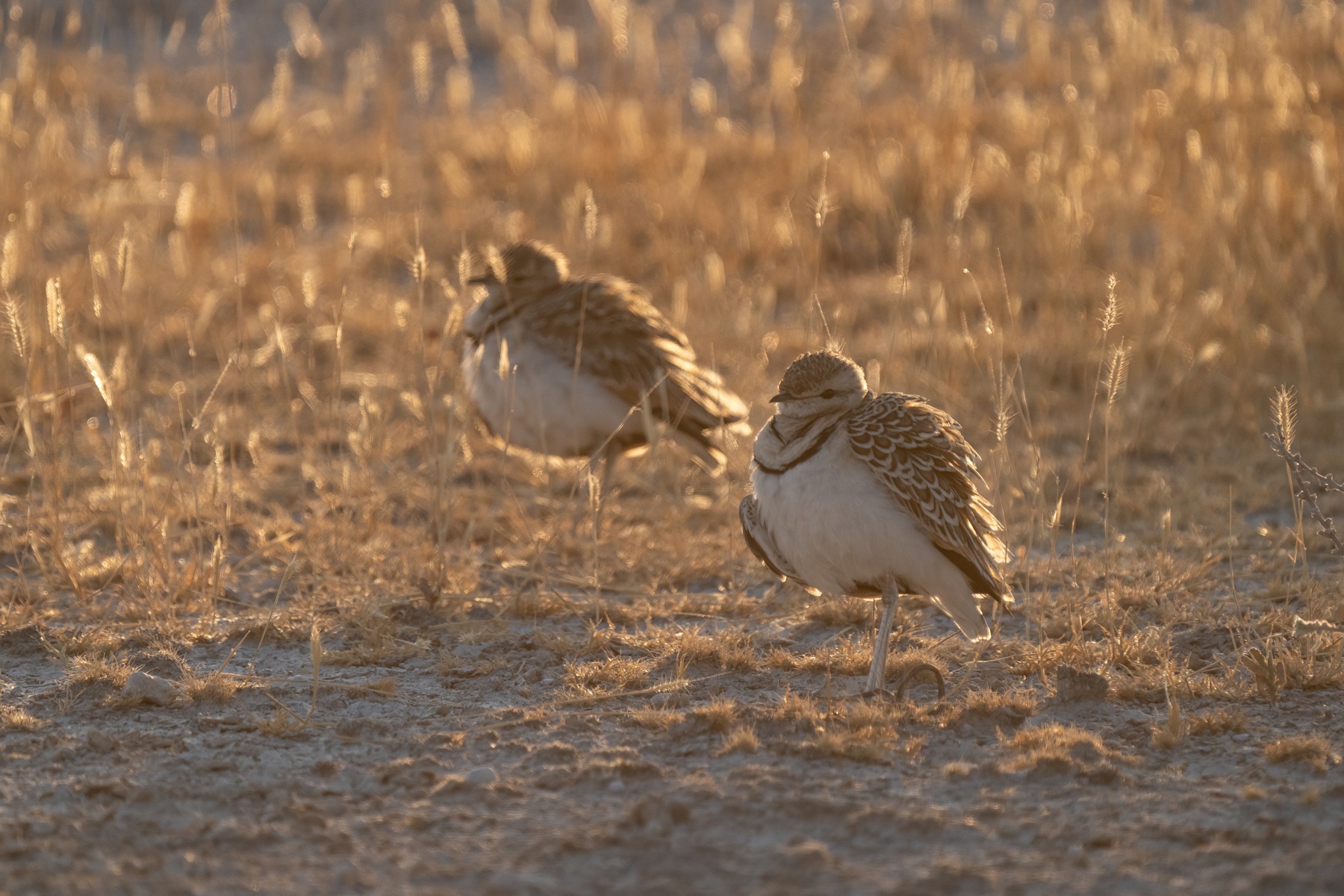
Backlit Double-banded Coursers in Etosha (image by Inger Vandyke)

Lanner Falcon (image by Inger Vandyke)
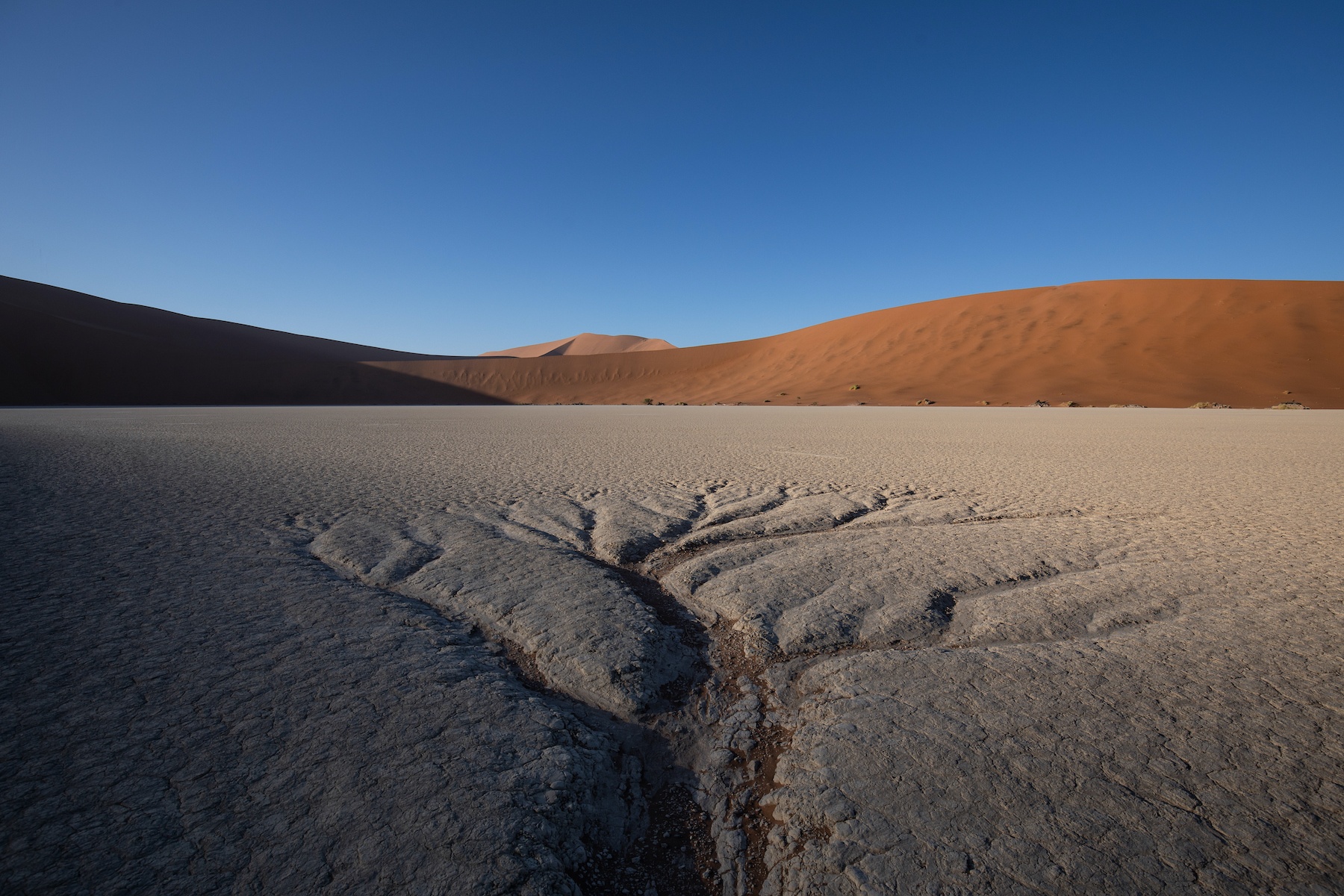
Exploring patterns in the iconic pan of Deadvlei (image by Inger Vandyke)
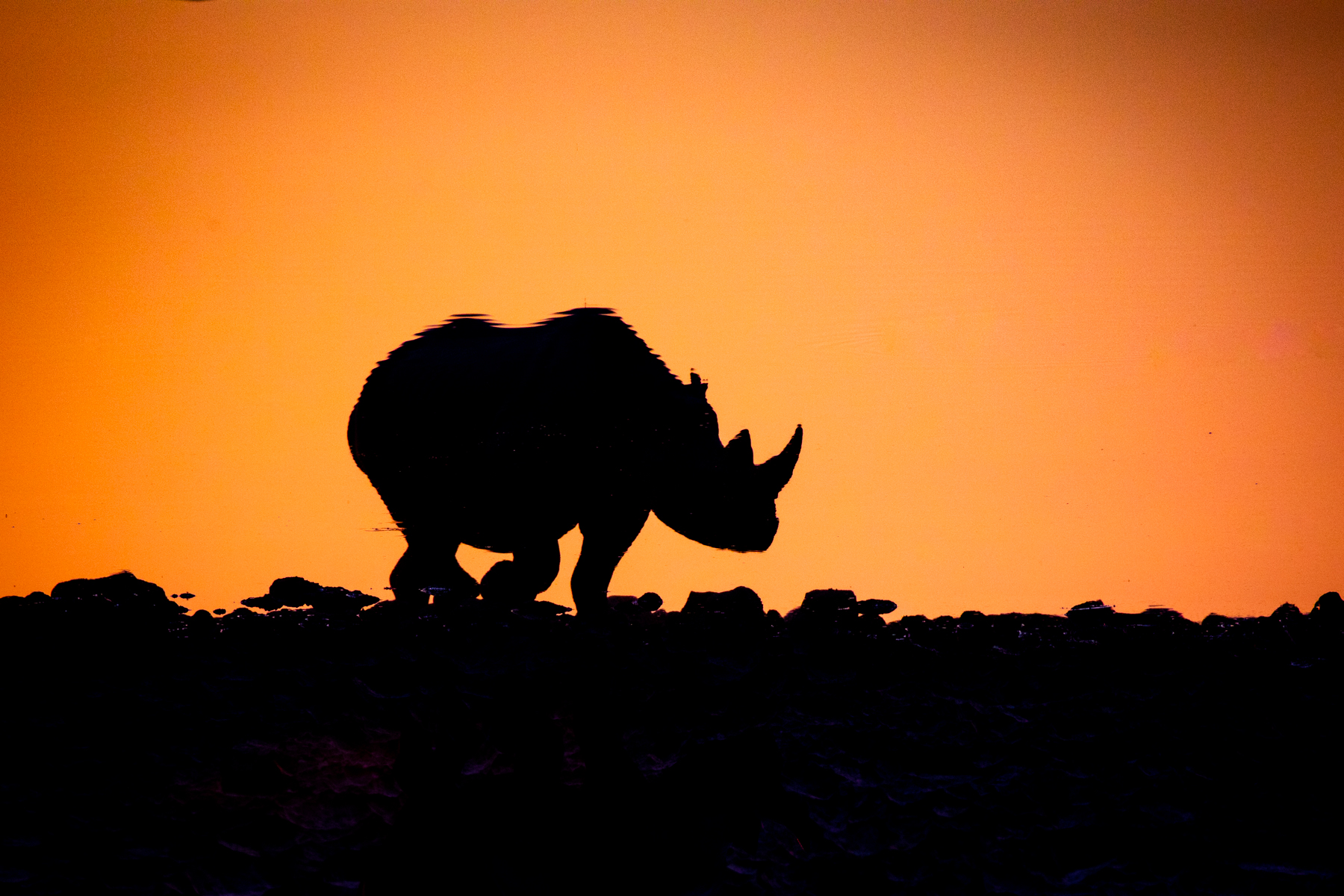
Rhino Reflections (image by Inger Vandyke)
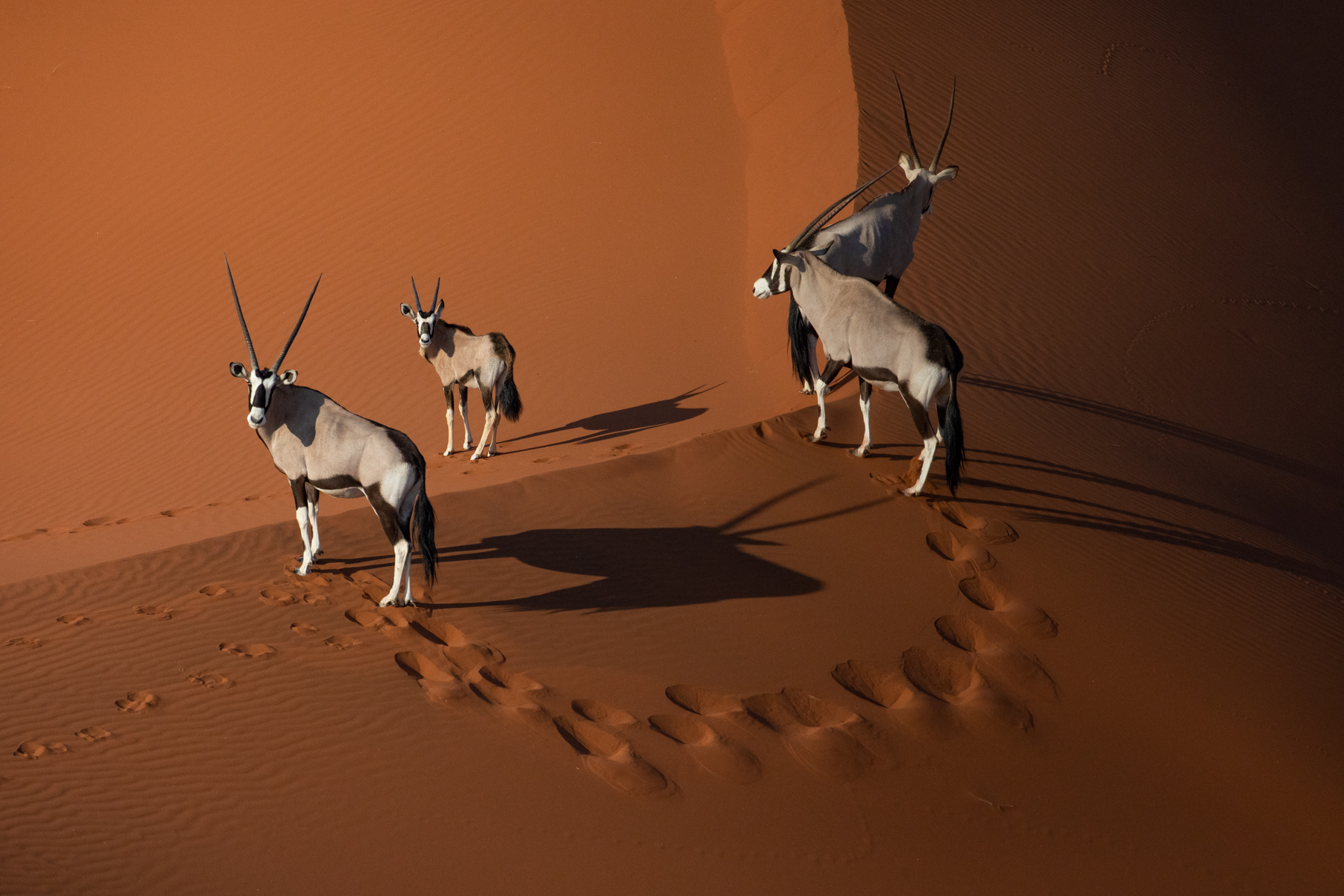
A group of Oryx on the dunes in Sossusvlei taken from our scenic helicopter flight at sunrise (image by Inger Vandyke)
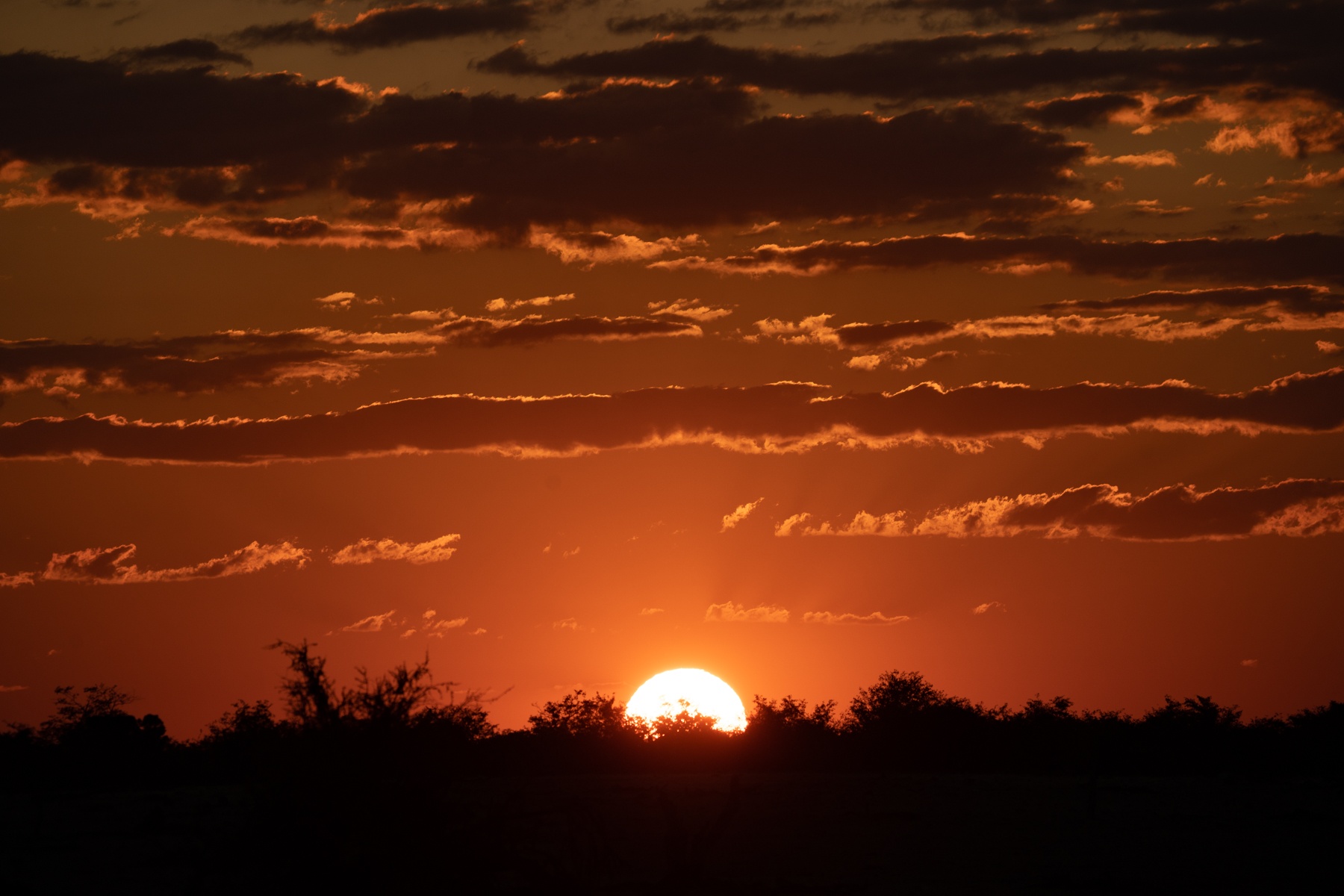
Can you ever photograph too many African sunsets? (image by Inger Vandyke)

Reflected flamingoes at Walvis Bay (image by Inger Vandyke)

One of Okondeka's male lions with the magnificent Etosha Pan in the background (image by Inger Vandyke)
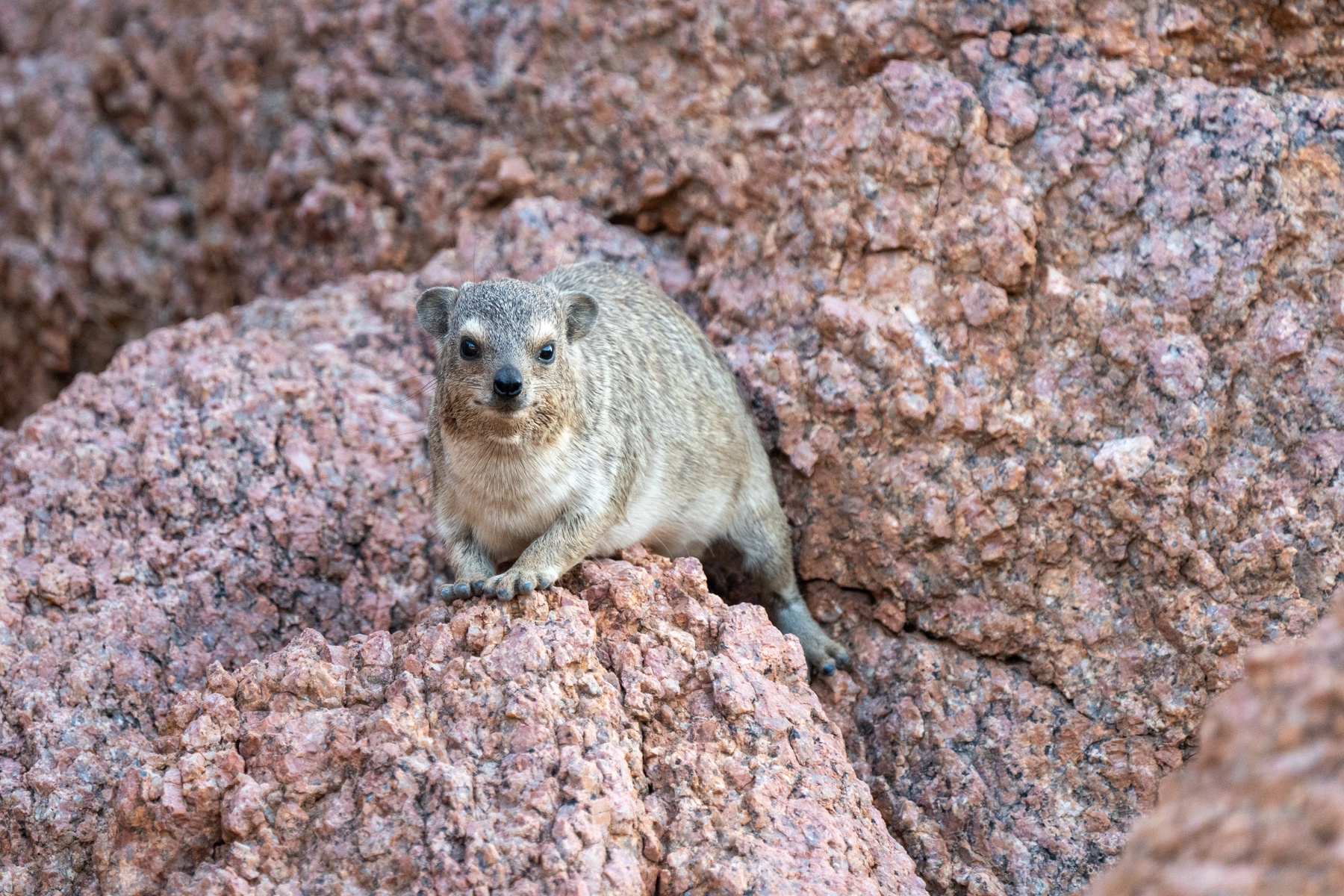
Adorable Rock Hyraxes are universally loved by the guests of our Namibia photography tours (image by Inger Vandyke)
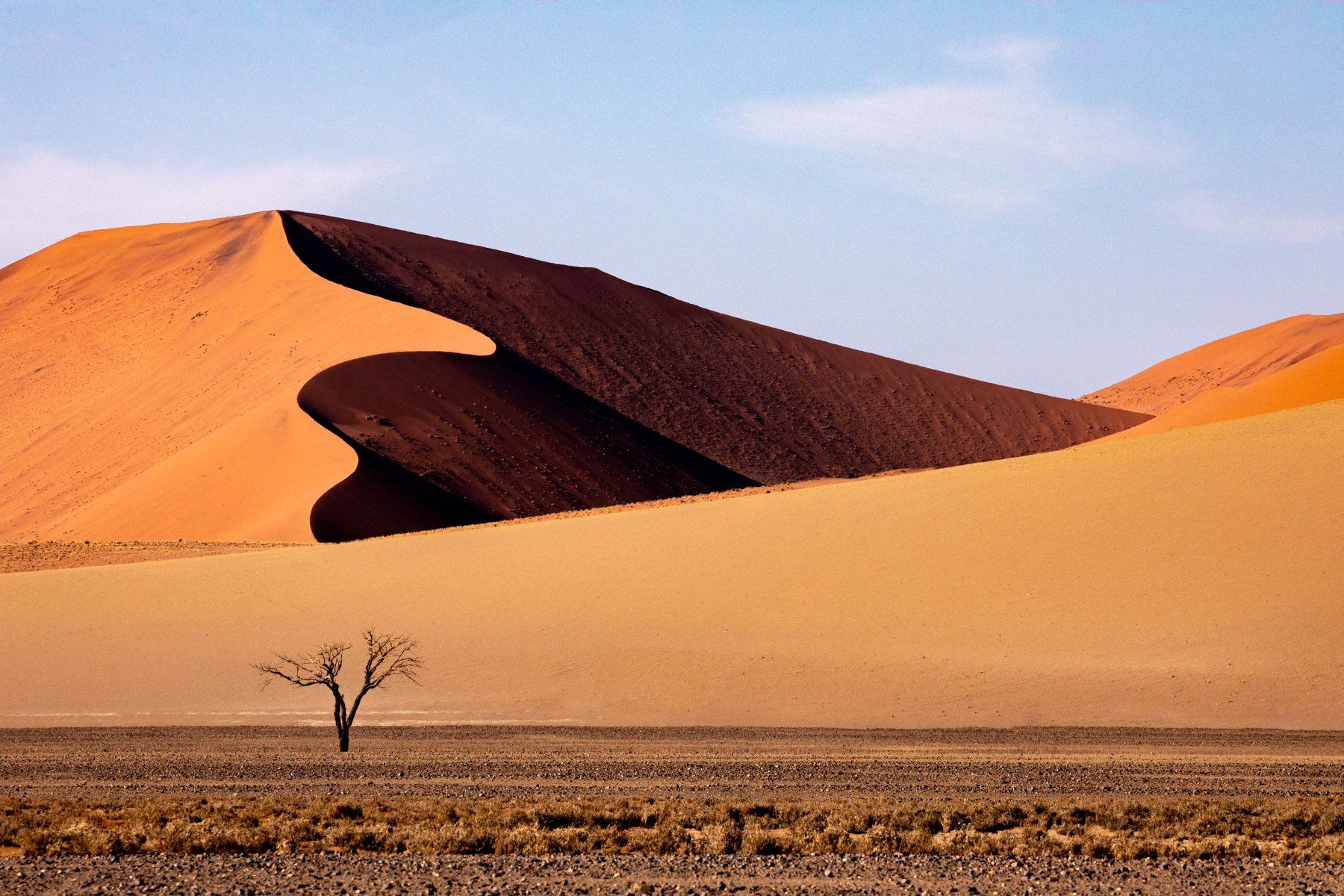
The simple beauty of landscape photography in Sossusvlei (image by Inger Vandyke)
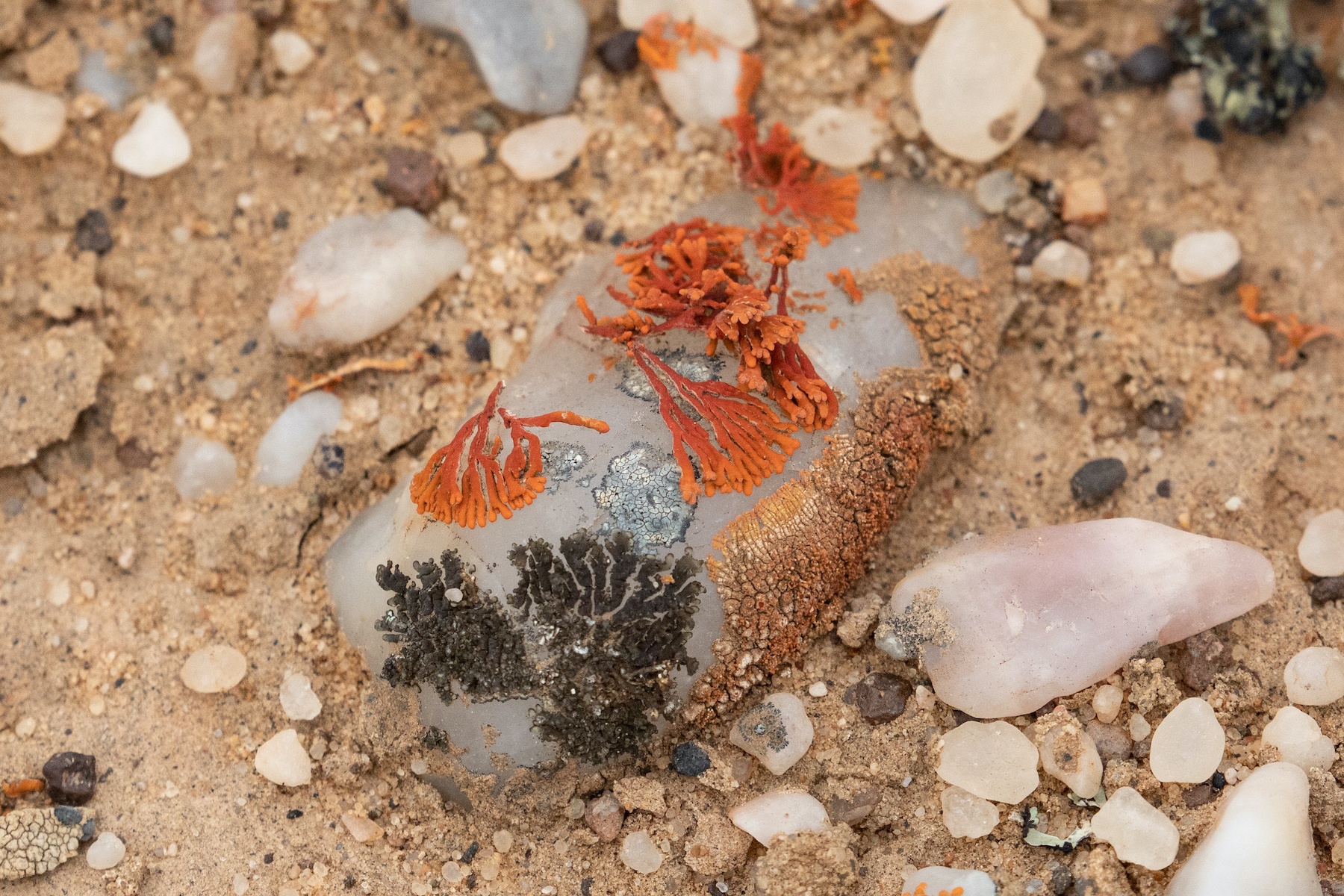
Exploring the jewel-like lichens in Namibia's coastal plains (image by Inger Vandyke)

A small group of Ostrich chicks (image by Inger Vandyke)
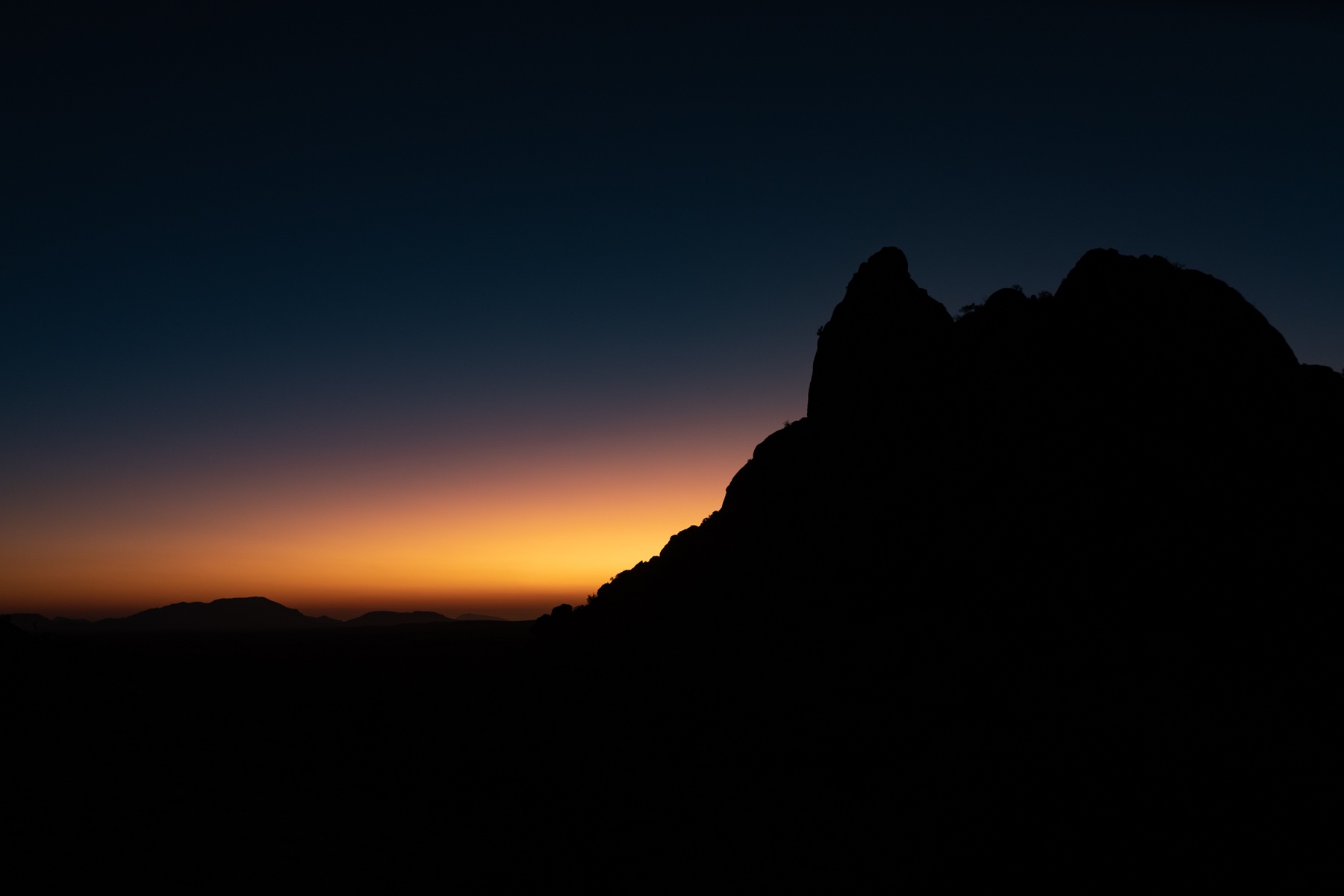
Last light in Namibia's incredible landscapes. The colours take your breath away. (image by Inger Vandyke)
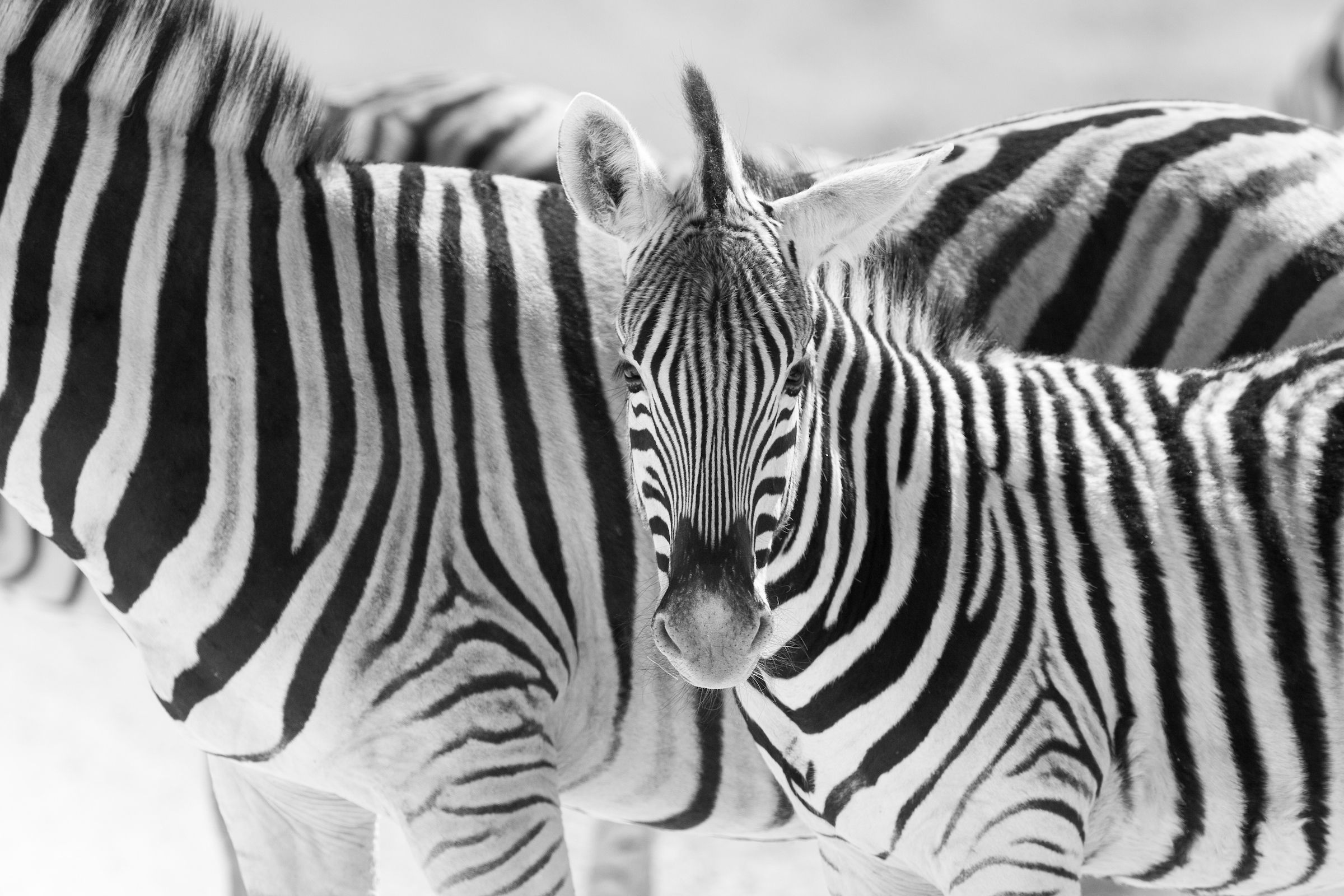
Burchell's Zebras in Etosha (image by Inger Vandyke)
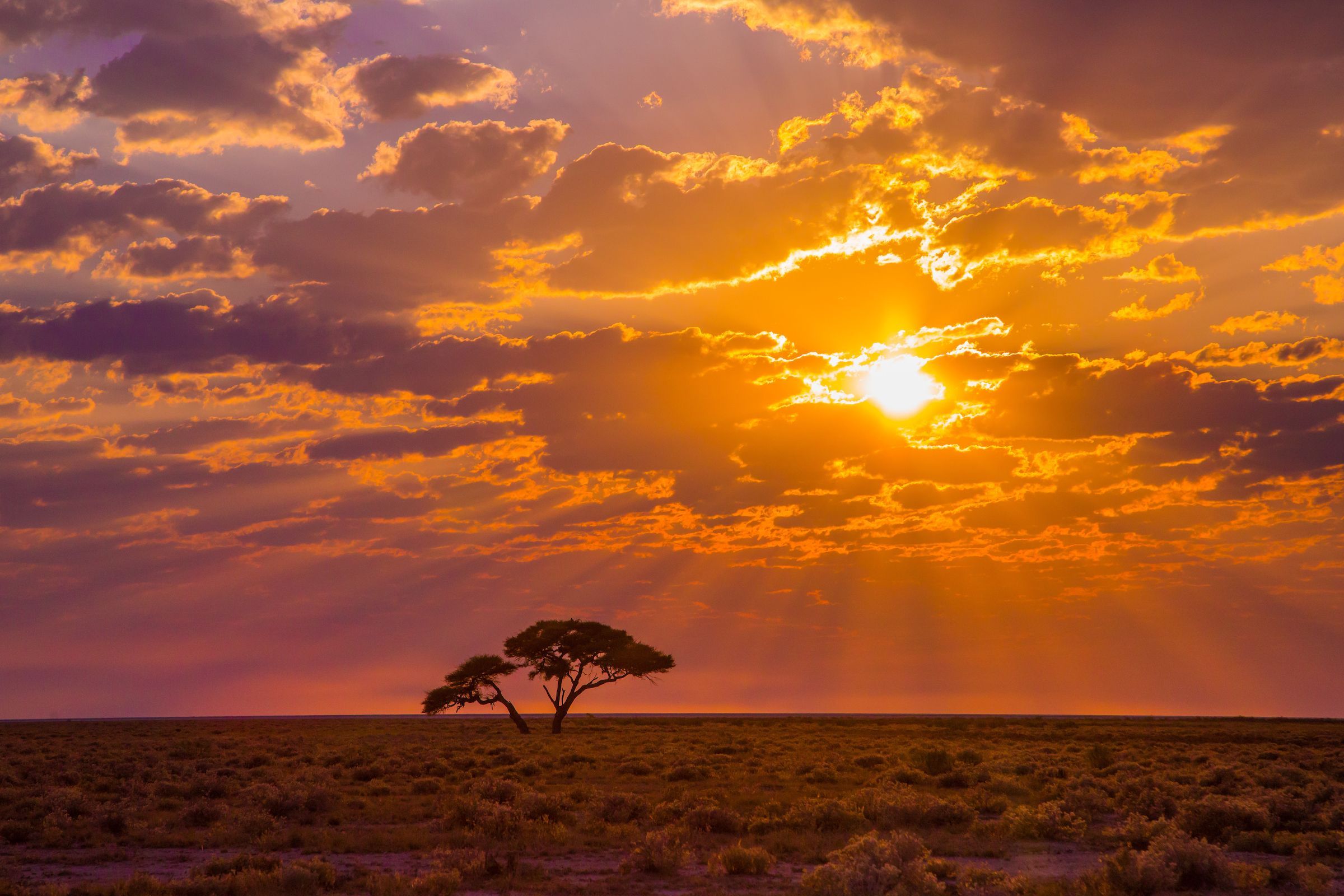
A solitary acacia greets the rising sun in Etosha (image by Inger Vandyke)
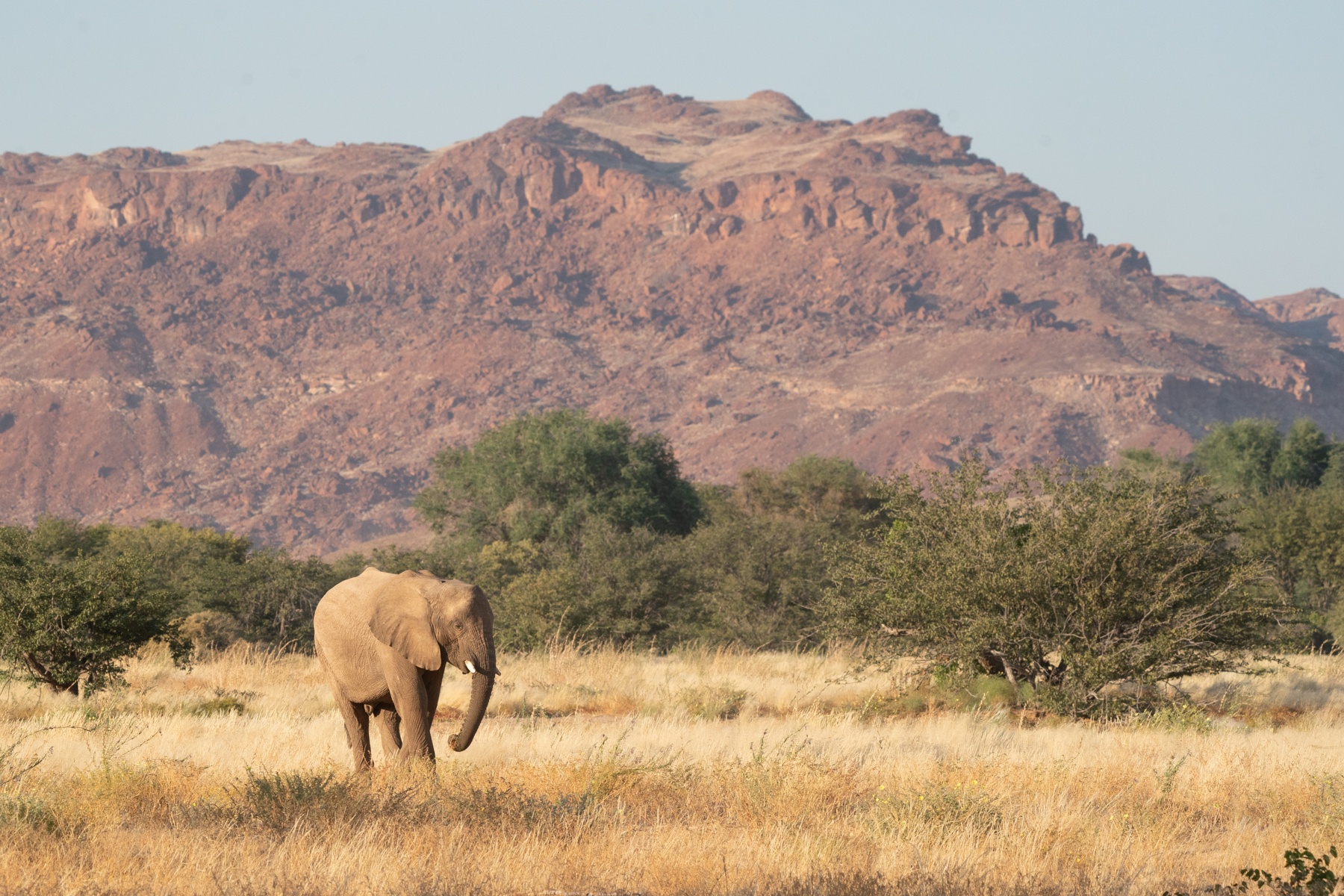
Desert-adapted elephants roam the wild landscapes of Namibia's extraordinary ephemeral rivers (image by Inger Vandyke)

Searching for patterns, shapes, shadows and forms in the most beguiling desert of the world at Sossusvlei (image by Sean Braine)

Pale Chanting Goshawk (image by Inger Vandyke)

A desert-adapted Elephant enjoying his dust bath (image by Sean Braine)

Brown Hyena (image by Inger Vandyke)

A young Etosha elephant dustbathing at the waterhole in Okaukuejo (Image by Inger Vandyke)

At eye level the giant African Elephants of Etosha are even more impressive from a hide.

Zebras dustbathing together (image by Inger Vandyke)

Greater kudus from the hide at Onguma

Drinking Kori Bustard (image by Inger Vandyke)

Lesser Flamingos take flight in front of the dunes of Sandwich Harbour (image by Inger Vandyke)
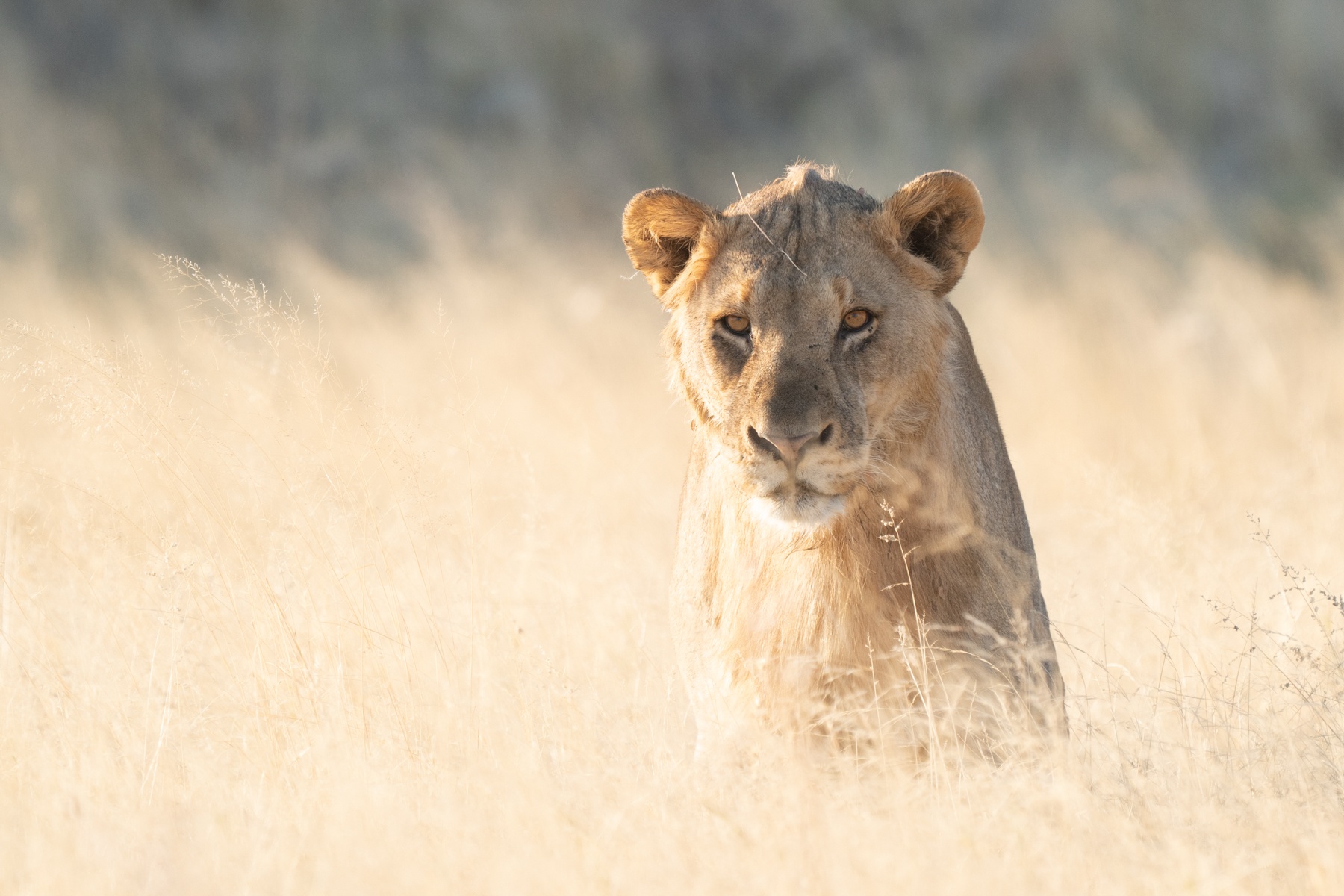
A sleepy Etosha lioness wakes up and goes to hunt (image by Inger Vandyke)

Spotted Hyena in mono (image by Inger Vandyke)

Portrait of a Greater Flamingo after a drink (image by Inger Vandyke)

Displaying Ruppell's Korhaans in remote Kaokoland (Image by Inger Vandyke)
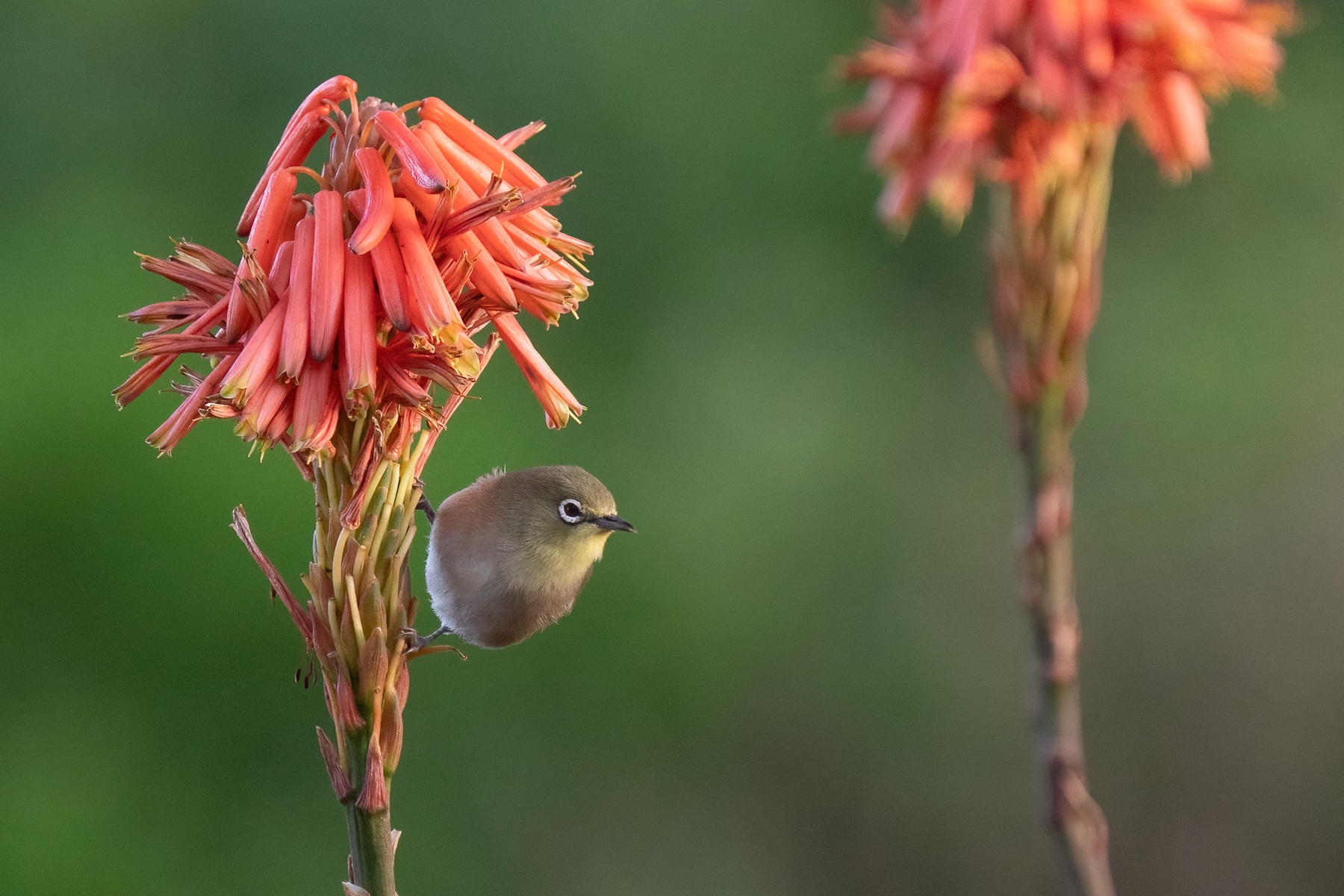
A pretty Orange River White Eye in the city gardens of Swakopmund (image by Inger Vandyke)
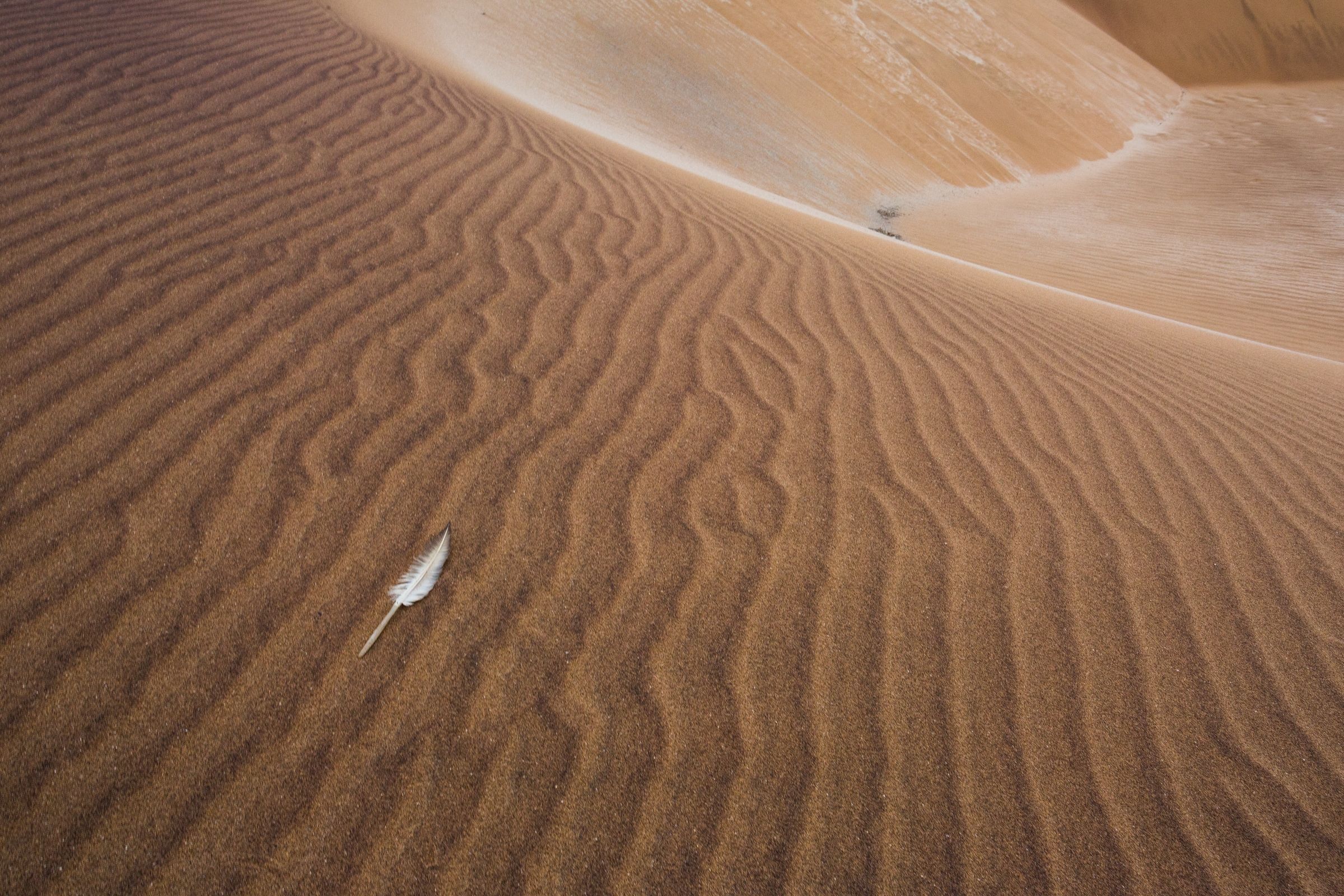
Feather on Sand Dunes at Swakopmund, Namibia
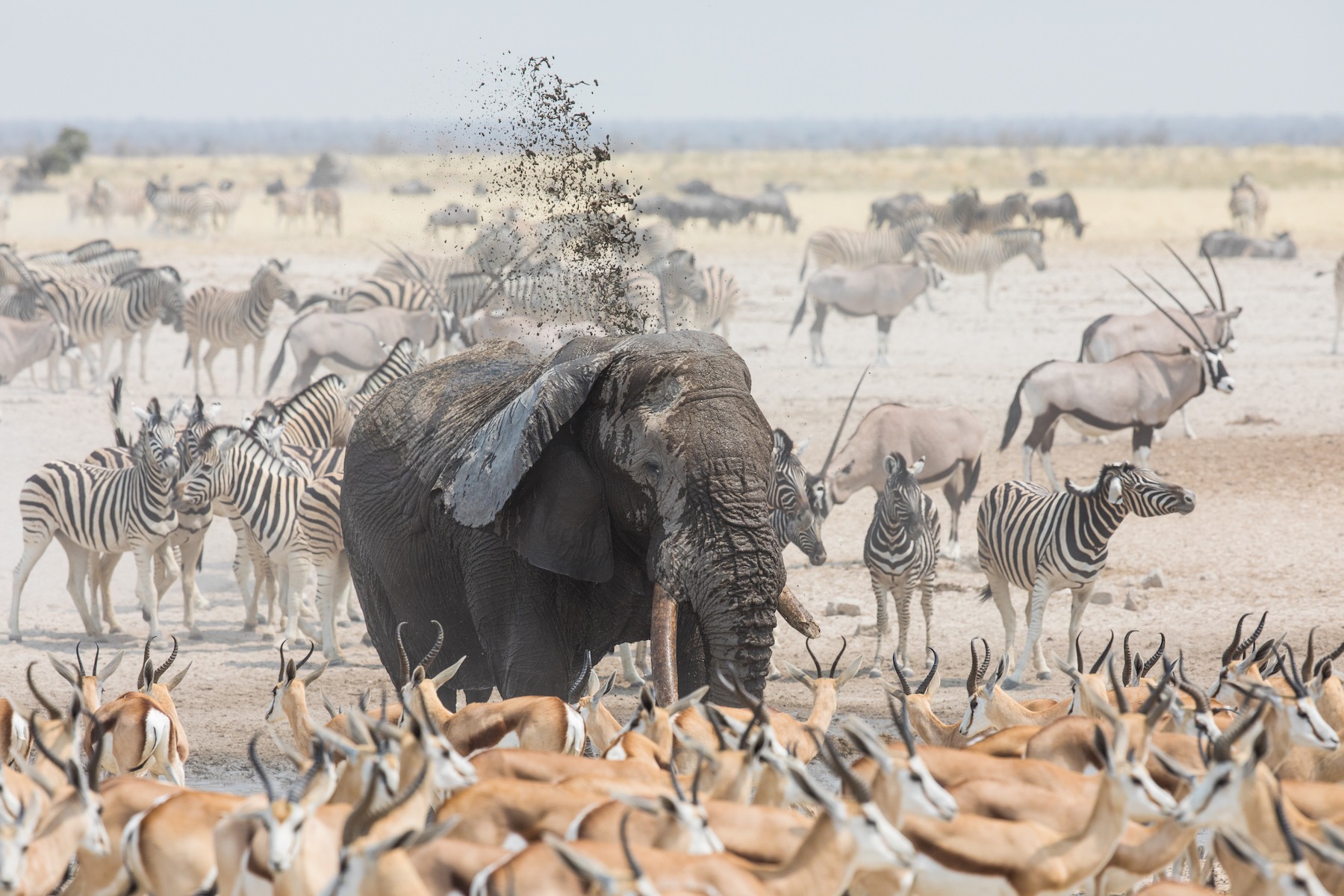
By September Etosha's water holes teem with life (image by Inger Vandyke)

A Cape Fur Seal comes ashore on the wild coastline of Cape Cross (image by Inger Vandyke)

Reflections of a Springbok herd taking a drink in Etosha (image by Inger Vandyke)
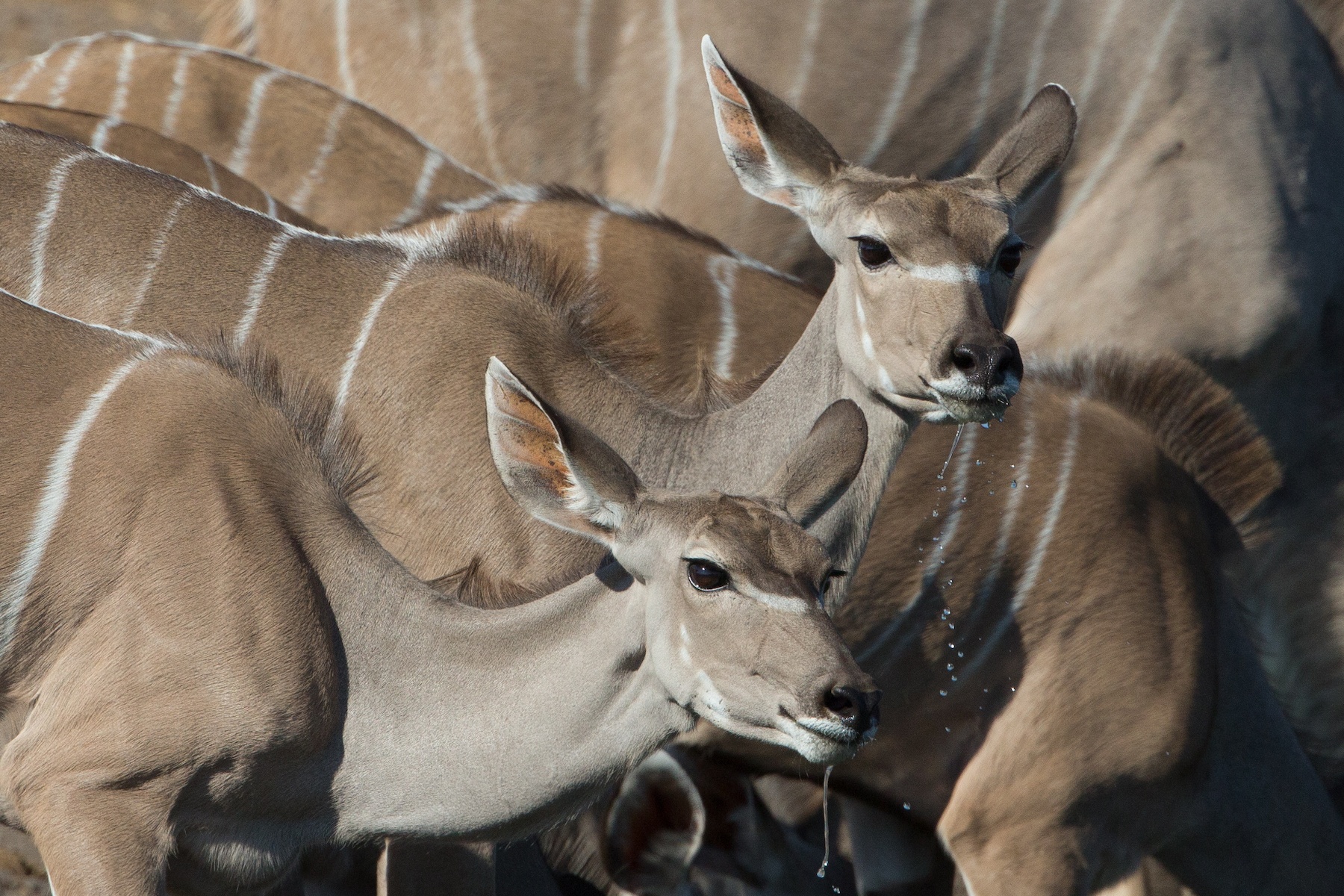
A herd of female Kudus take a drink in Etosha (image by Inger Vandyke)
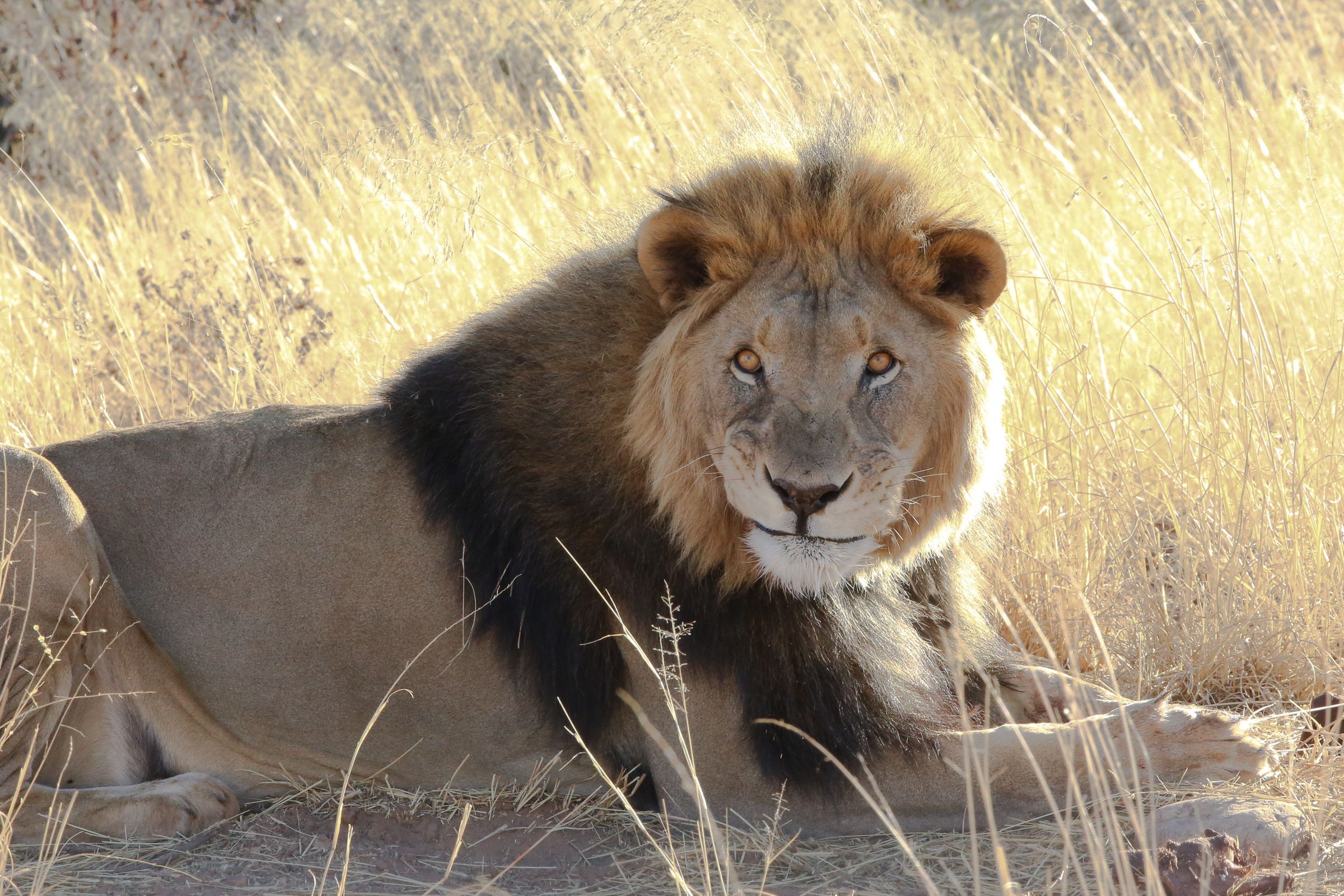
A young male lion in Etosha (image by Inger Vandyke)

Cape Teals (image by Inger Vandyke)
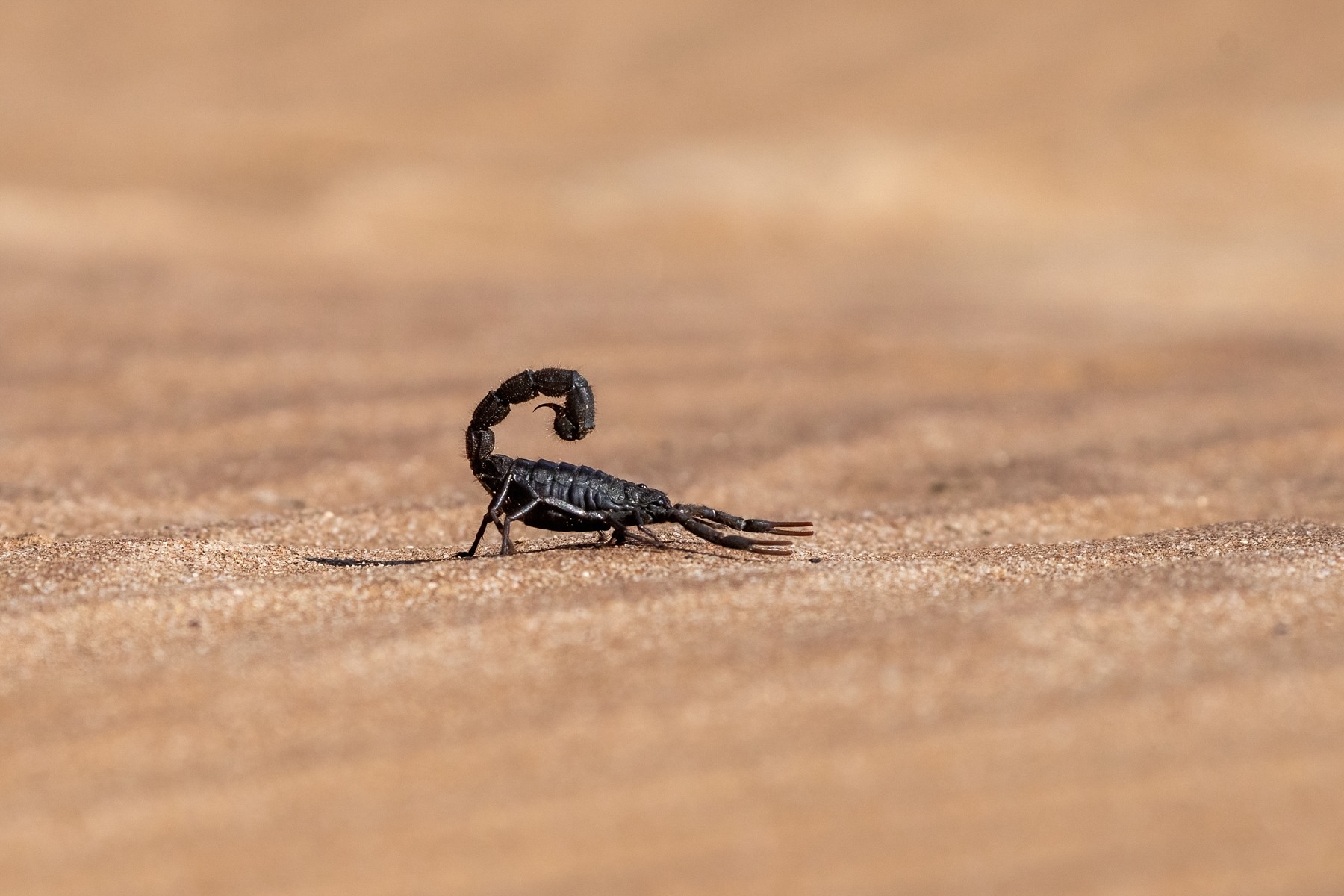
A female Black Hairy-tailed Scorpion on the move in Dorob National Park, Namibia (image by Inger Vandyke)
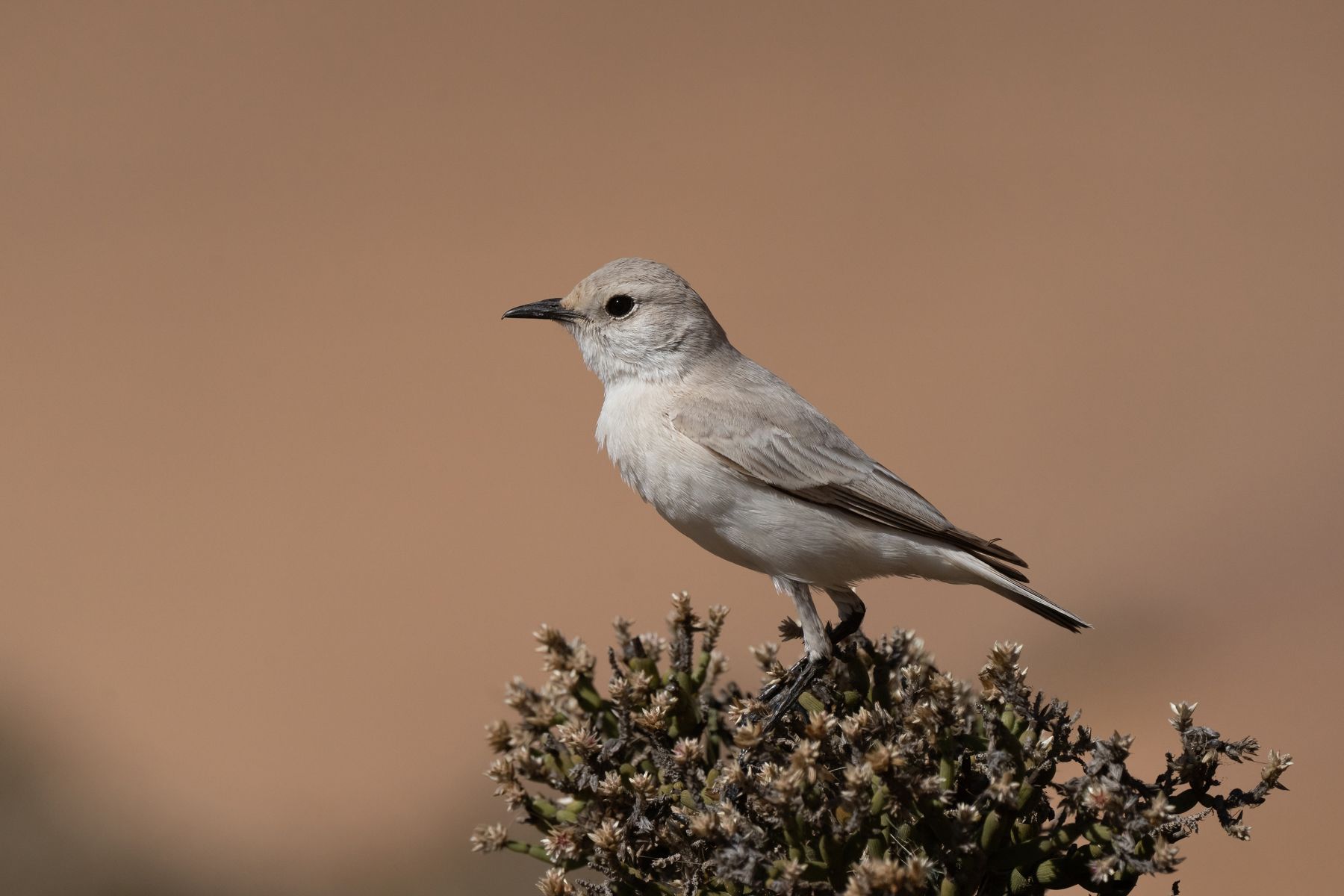
A pretty Tractrac Chat in the dunes of Dorob National Park (image by Inger Vandyke)

After a hot day in Etosha, it's time to have a bath (image by Sean Braine)

Northern Black Korhaan in flight (image by Inger Vandyke)

Namibia's landscapes are breathtaking. Our tour has always explored the most remote corners of the country (image by Sean Braine)
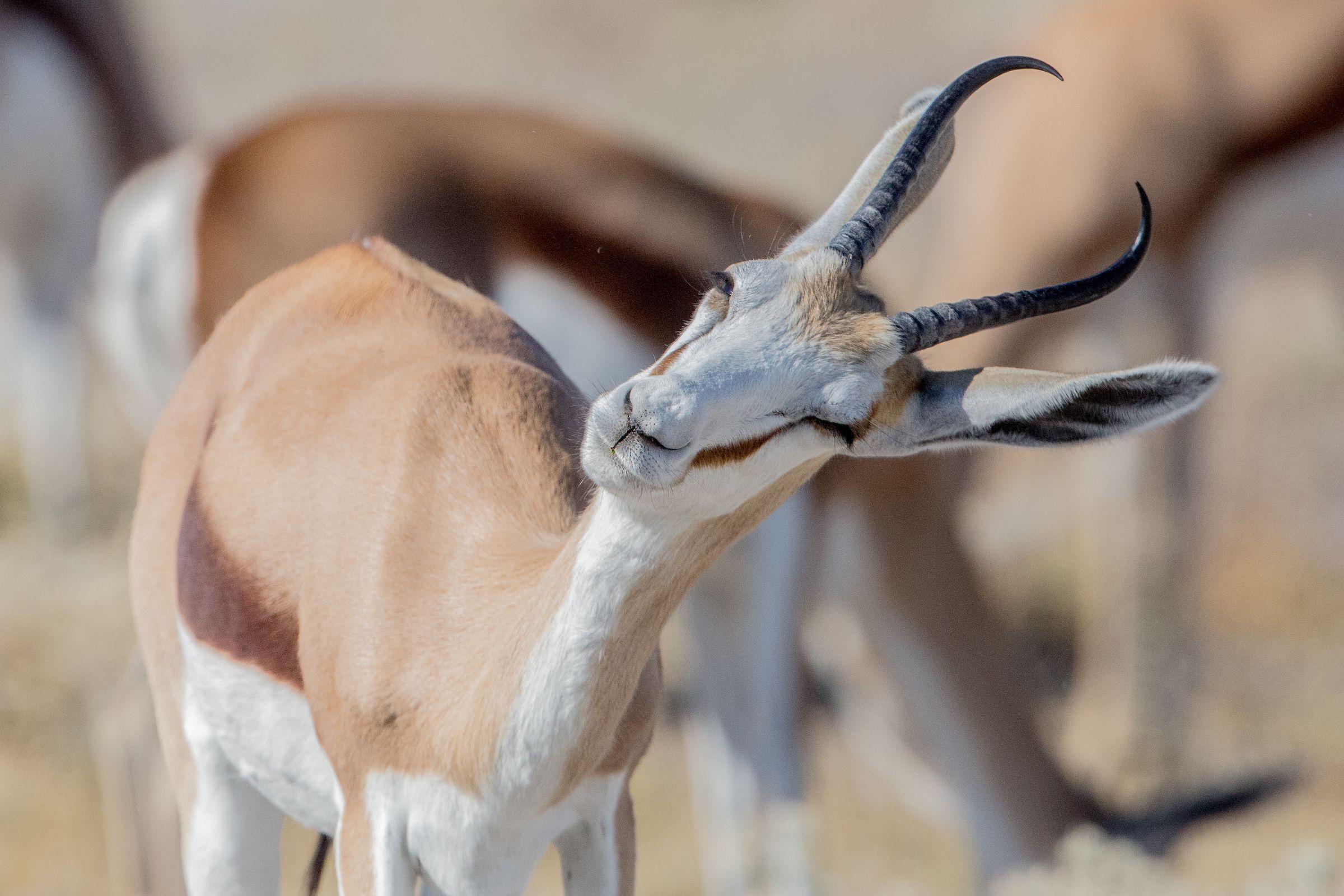
A Springbok with a twitchy ear (image by Inger Vandyke)

Portrait of a gorgeous, tiny Namib Web-footed Gecko (image by Inger Vandyke)

Cheeky South African Ground Squirrels are often an unexpected highlight of our Namibia tours (image by Sean Braine)
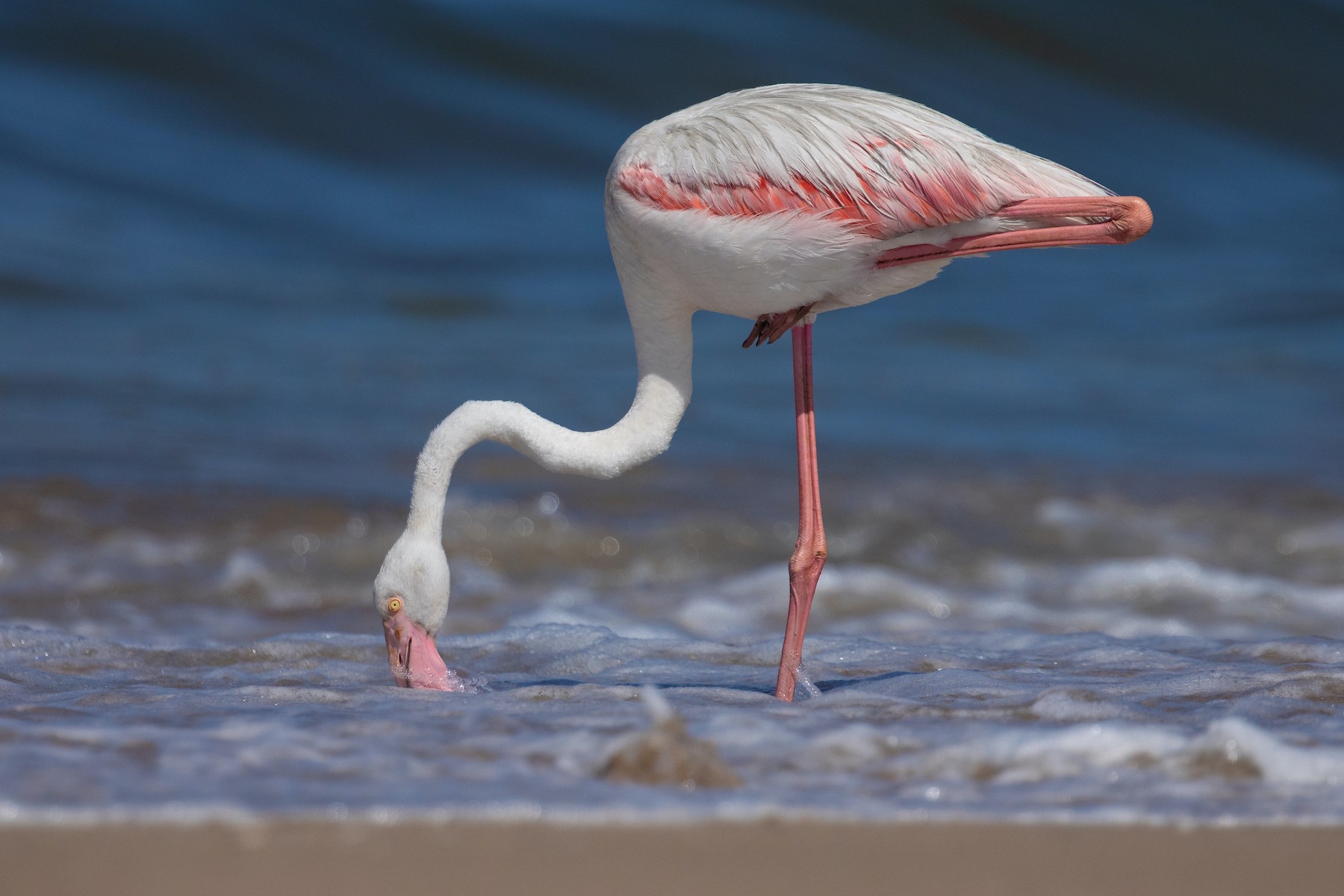
A Greater Flamingo in the surf at Walvis Bay (image by Inger Vandyke)
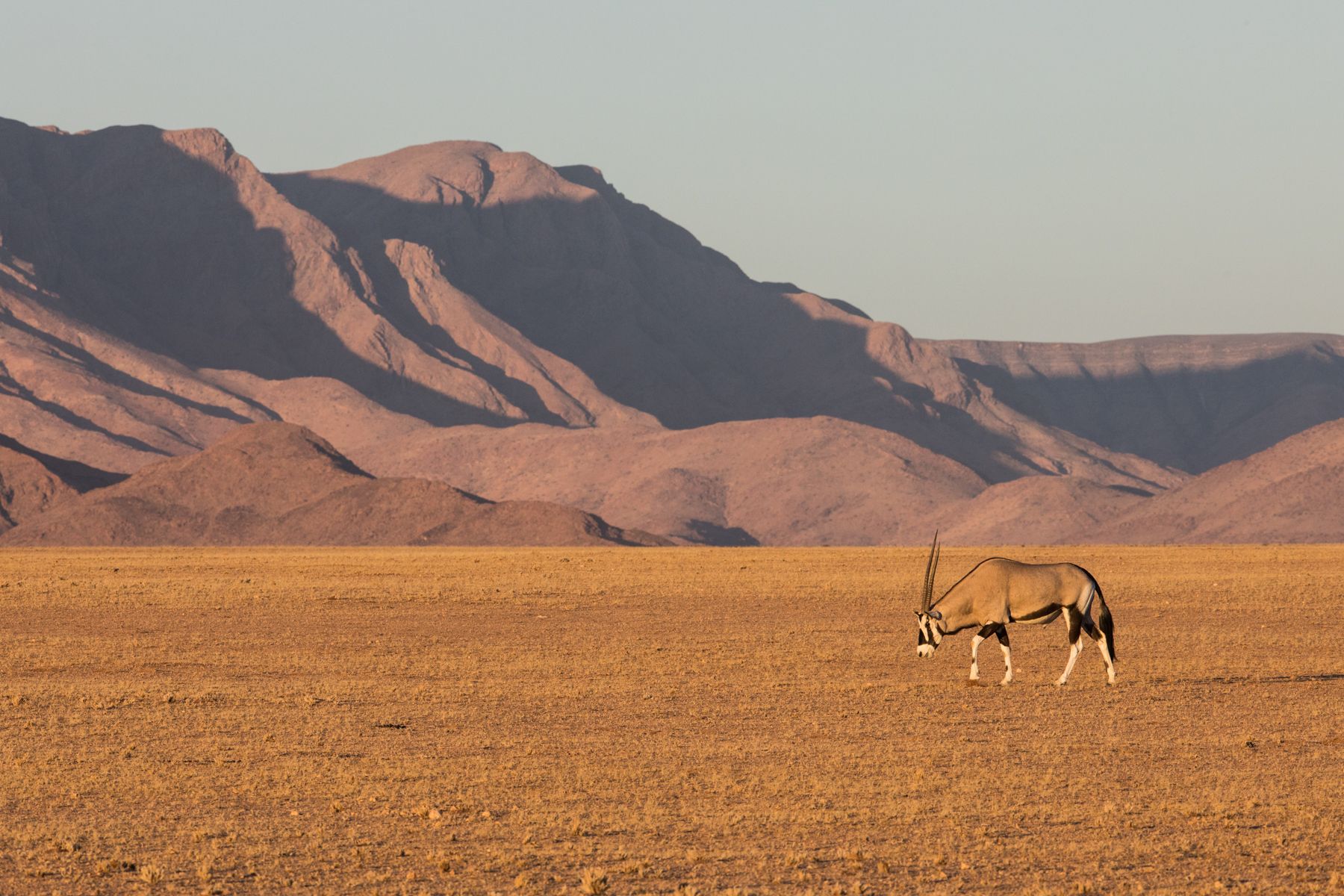
An Oryx wanders the plains at the start of Sossusvlei (image by Inger Vandyke)
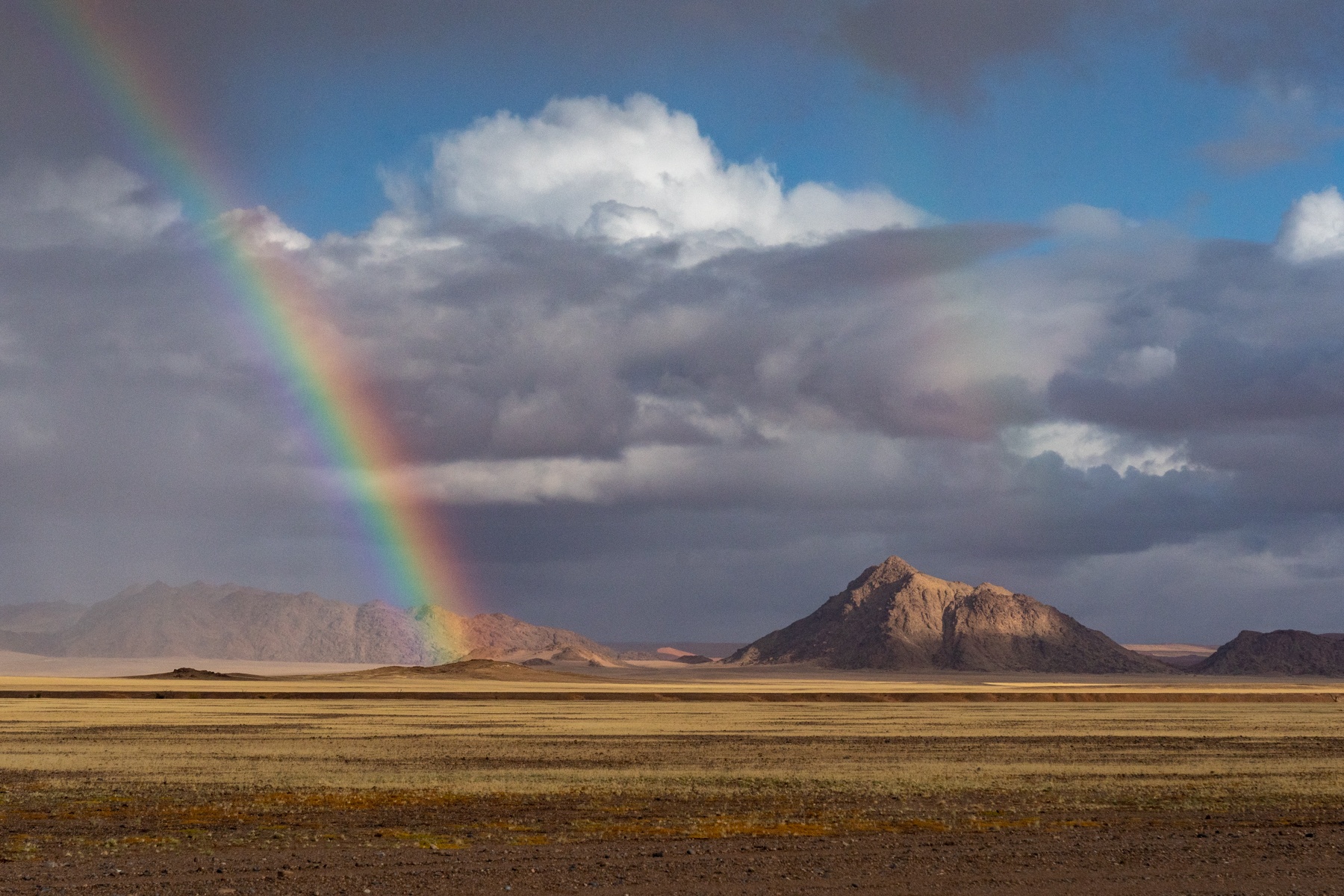
Rainbows adorning the stunning landscapes of Sossusvlei (image by Inger Vandyke)

Bateleur (image by Inger Vandyke)
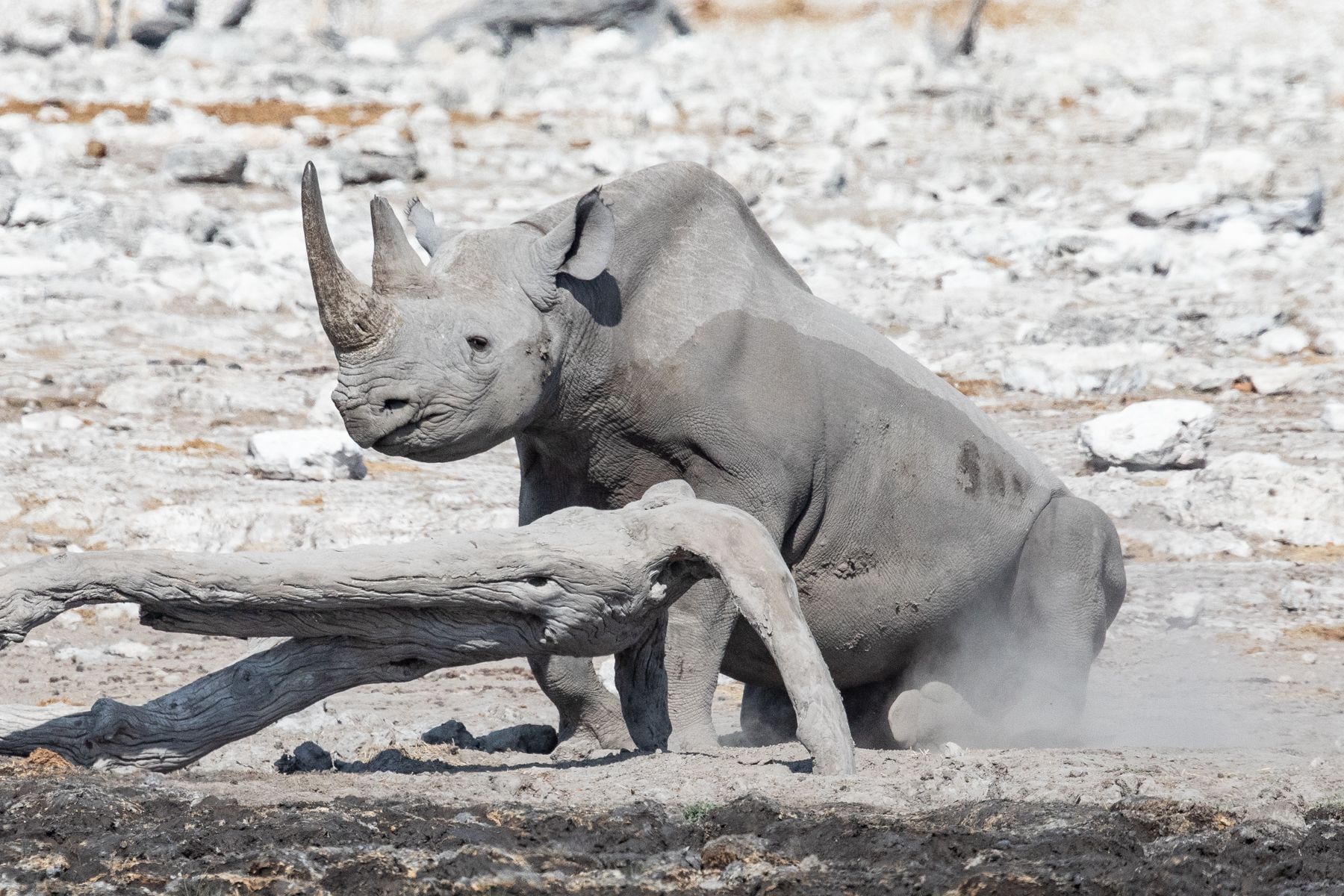
A Black Rhino decides to lie down behind a piece of wood after his drink at Rietfontein waterhole in Etosha (image by Inger Vandyke)
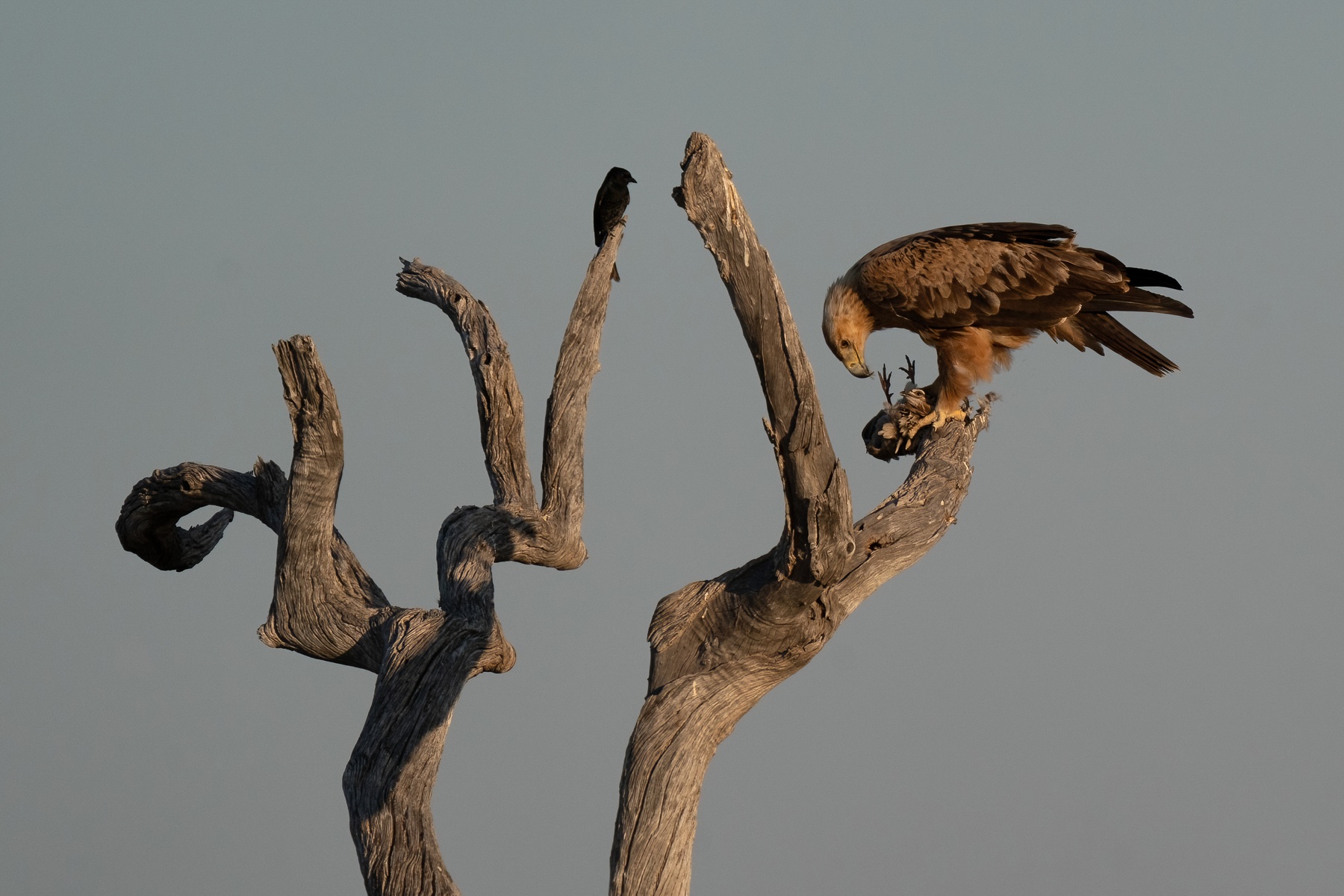
A Tawny Eagle enjoys his dinner of a Crested Francolin in Etosha (image by Inger Vandyke)
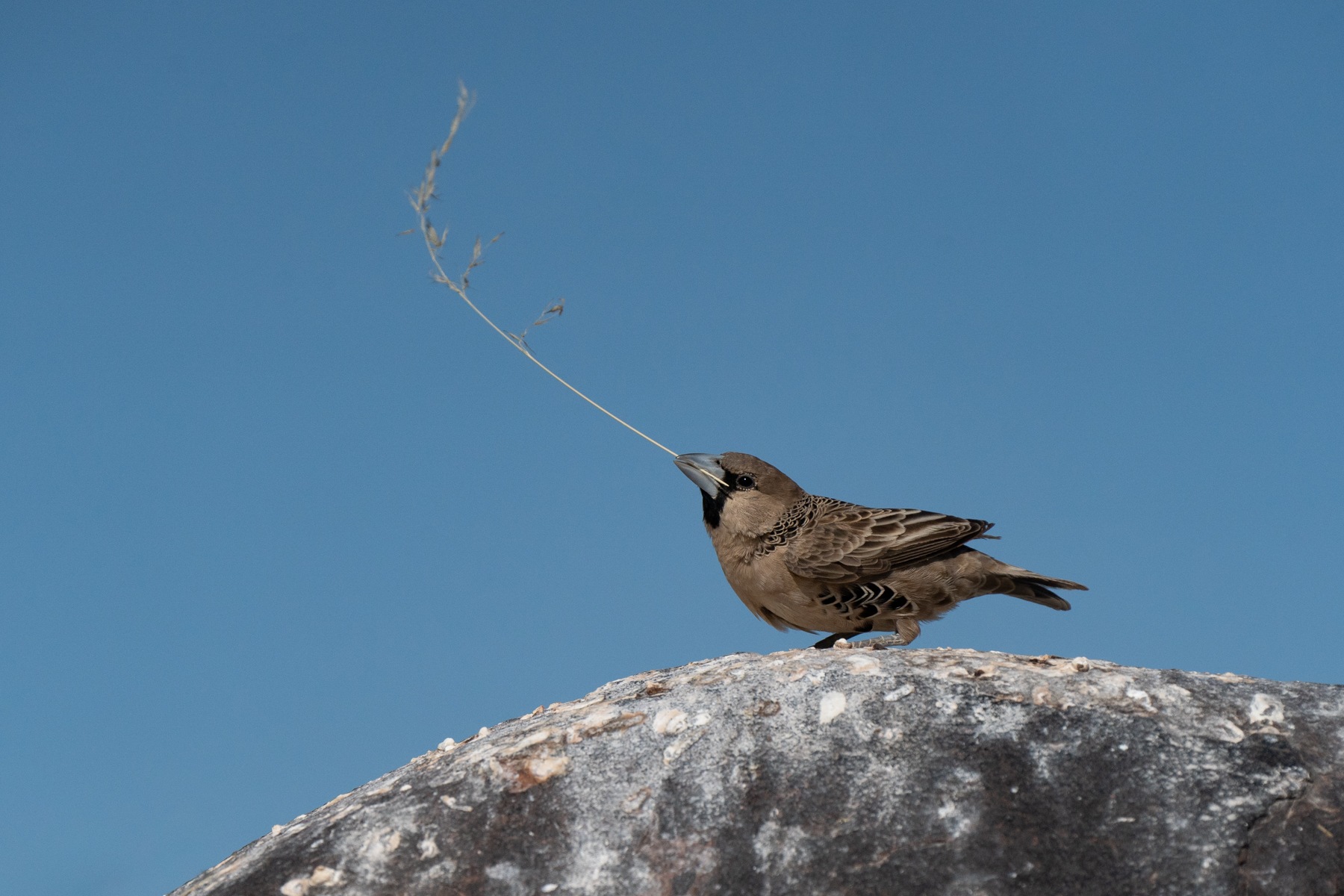
A Sociable Weaver struggles to hold on to nesting material in a stiff breeze (image by Inger Vandyke)
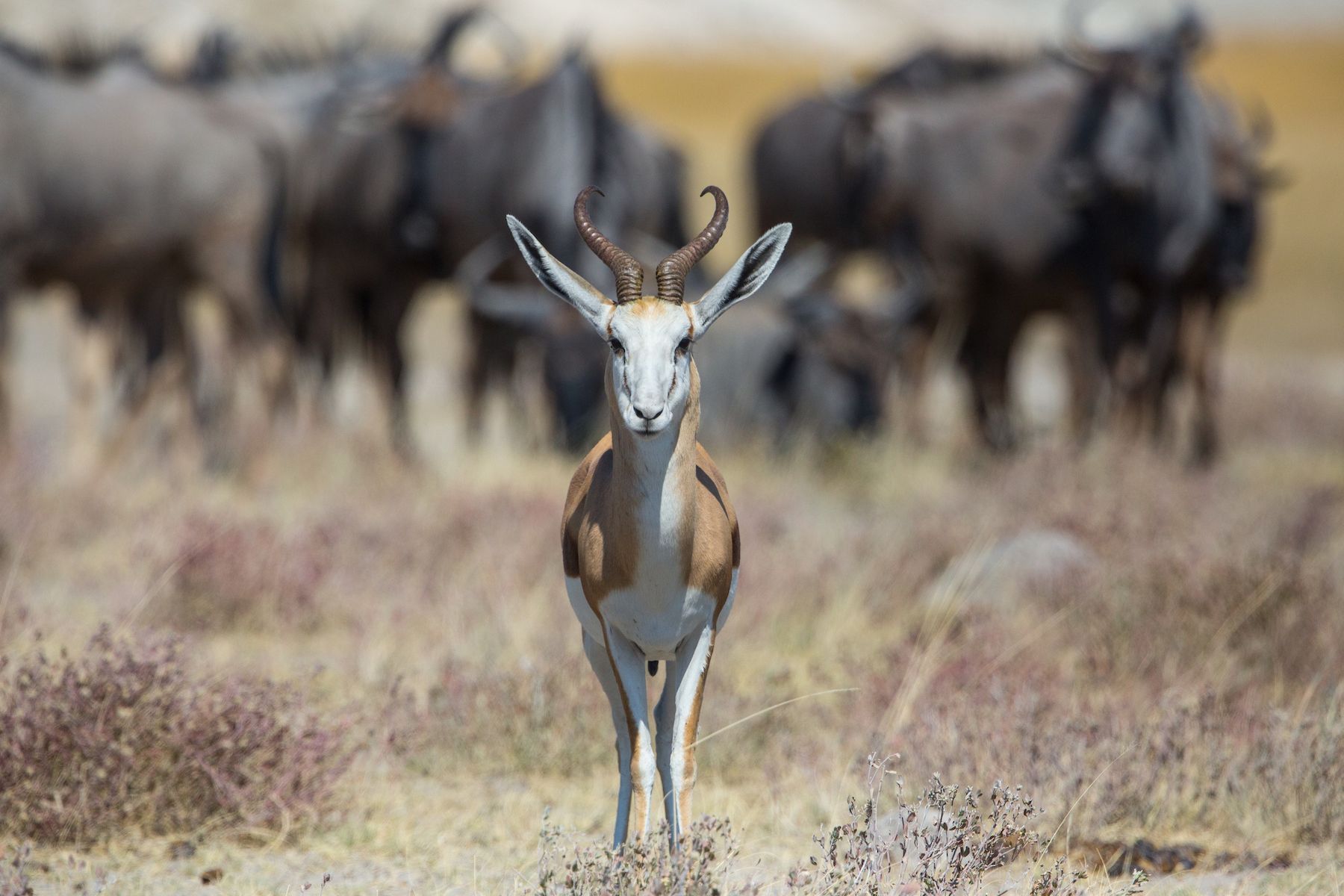
Springbok in Etosha (image by Inger Vandyke)

Chat Flycatcher in flight (image by Inger Vandyke)

Blister Beetle (image by Inger Vandyke)
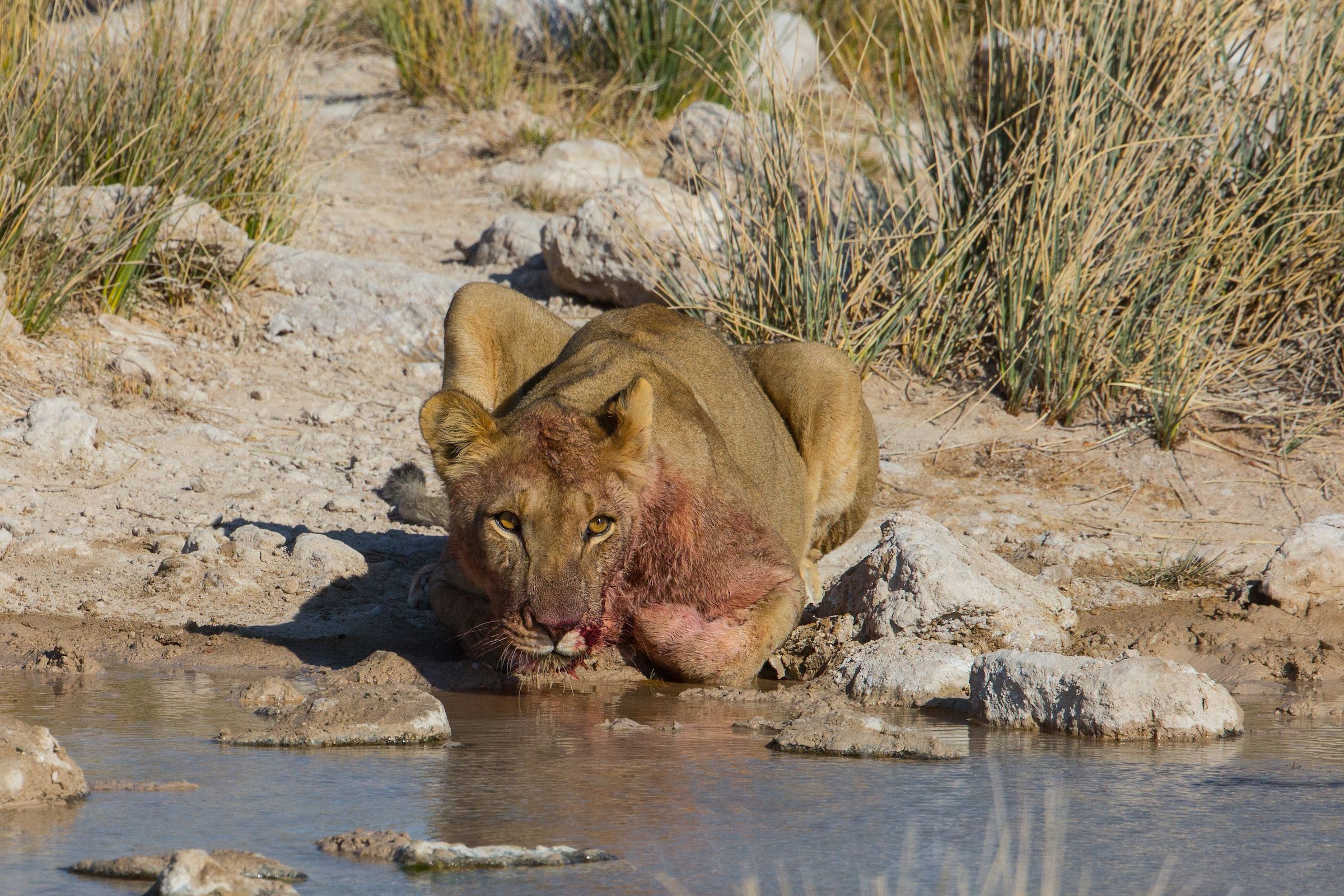
Lioness drinking at Charitsaub Waterhole in Etosha, Namibia, after devouring her hunted zebra (image by Inger Vandyke)

Secretarybird (image by Inger Vandyke)

Dune Lark portrait (Image by Inger Vandyke)

Crowned Lapwing (image by Inger Vandyke)

Horned Viper (image by Inger Vandyke)
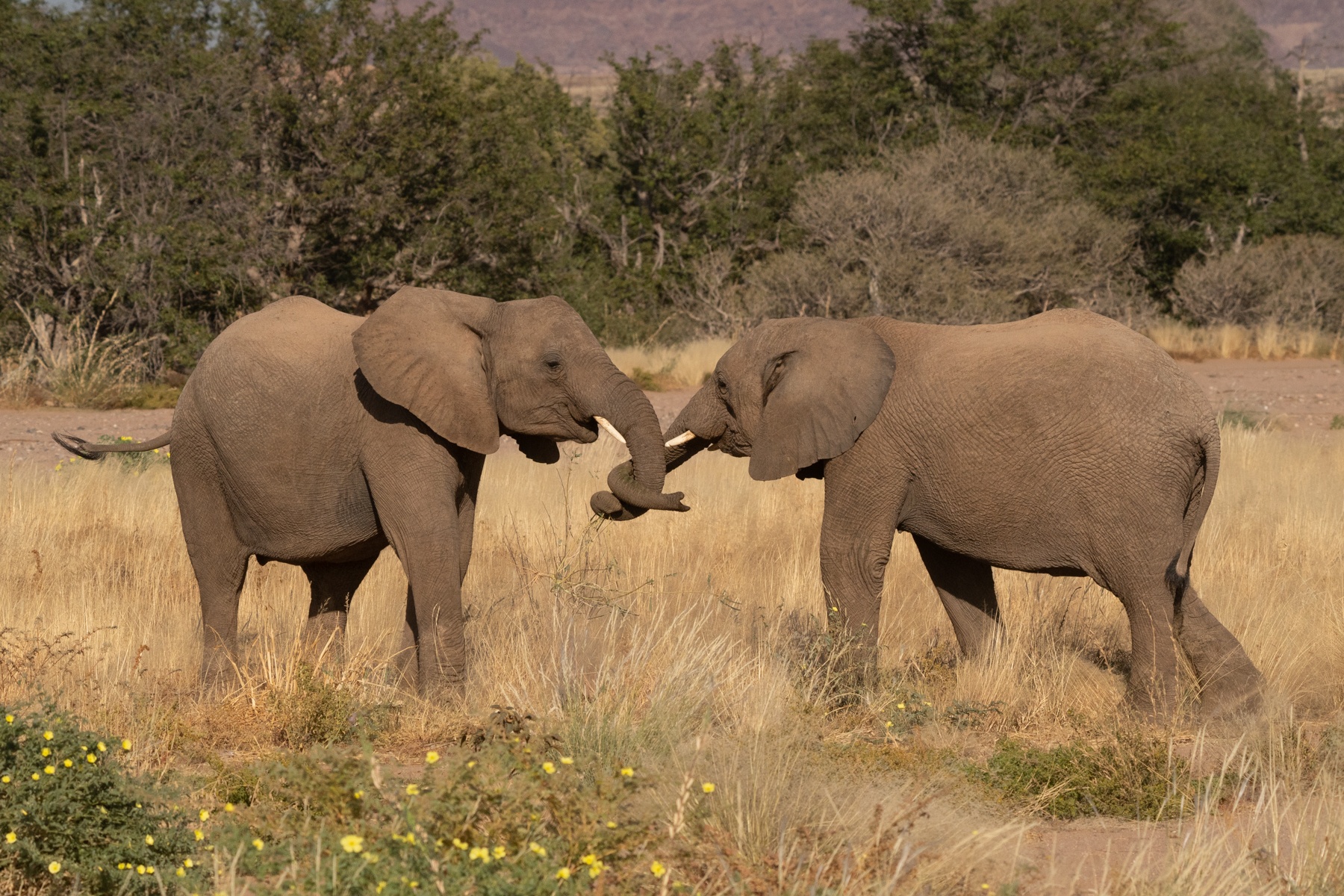
When elephants fight it sometimes looks like affection (image by Inger Vandyke)
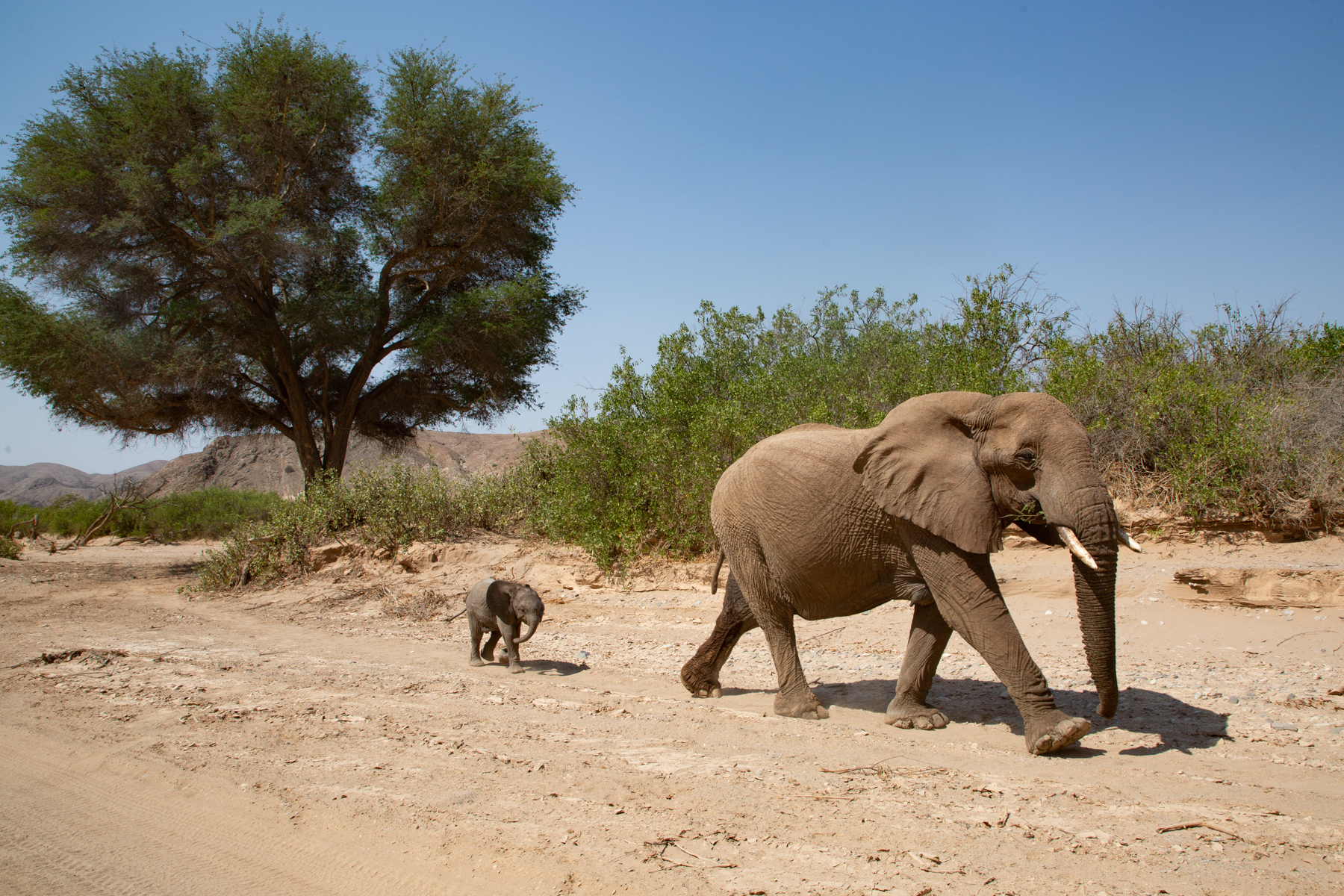
A mother desert elephant makes her way down the Hoanib Riverbed with her tiny baby (image by Inger Vandyke)

A Black-backed Jackal framed by the giraffe carcass it was feeding on (image by Inger Vandyke)

A young giraffe drinks from Okaukeujo's waterhole at sunset (image by Inger Vandyke)

A Black-backed Jackal scavenging on a dead Cape Fur Seal (image by Inger Vandyke)
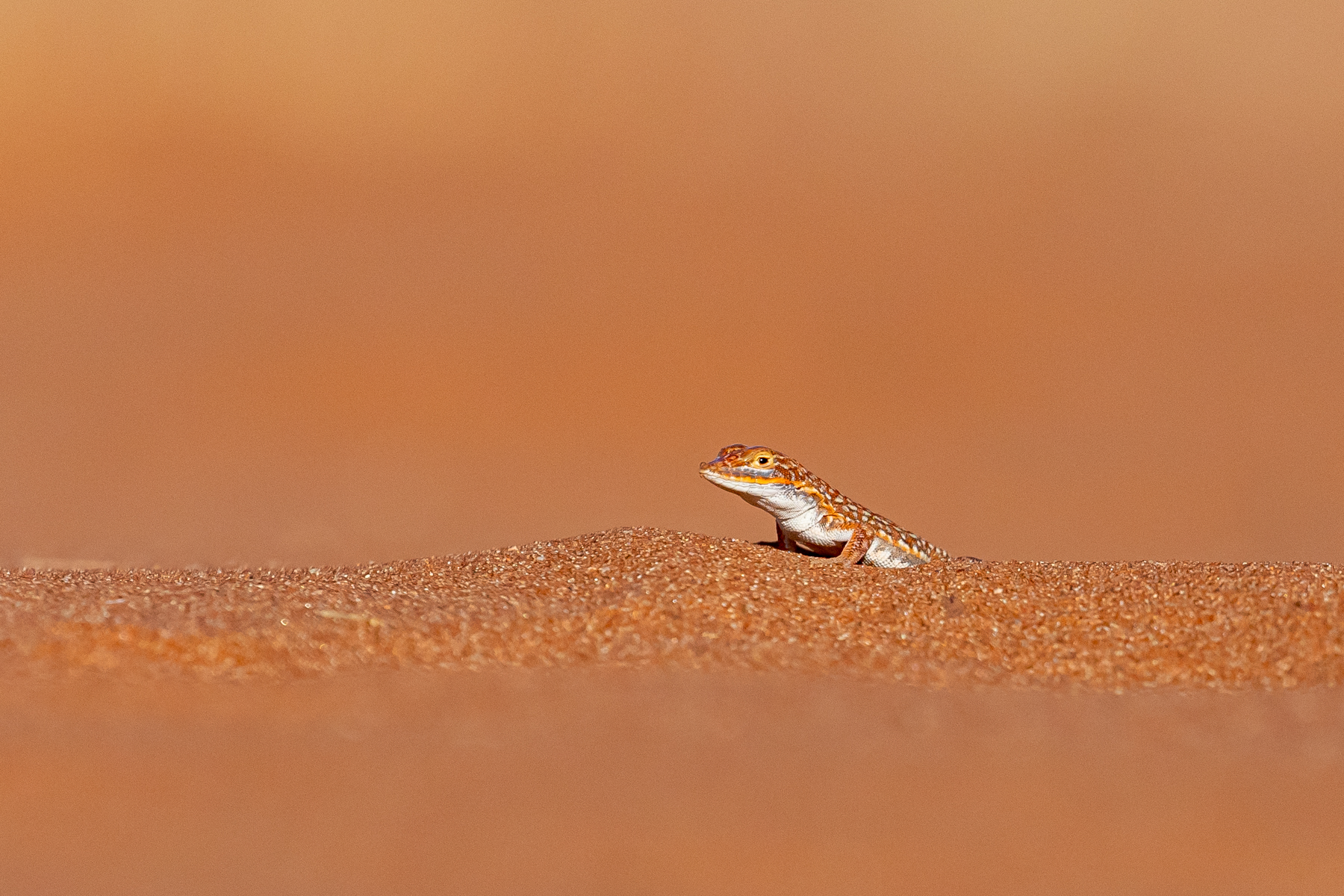
A cheeky Wedge-snouted Lizard runs around at our feet on Elim Dune in Sossusvlei (image by Inger Vandyke)

Grey Lourie (image by Inger Vandyke)
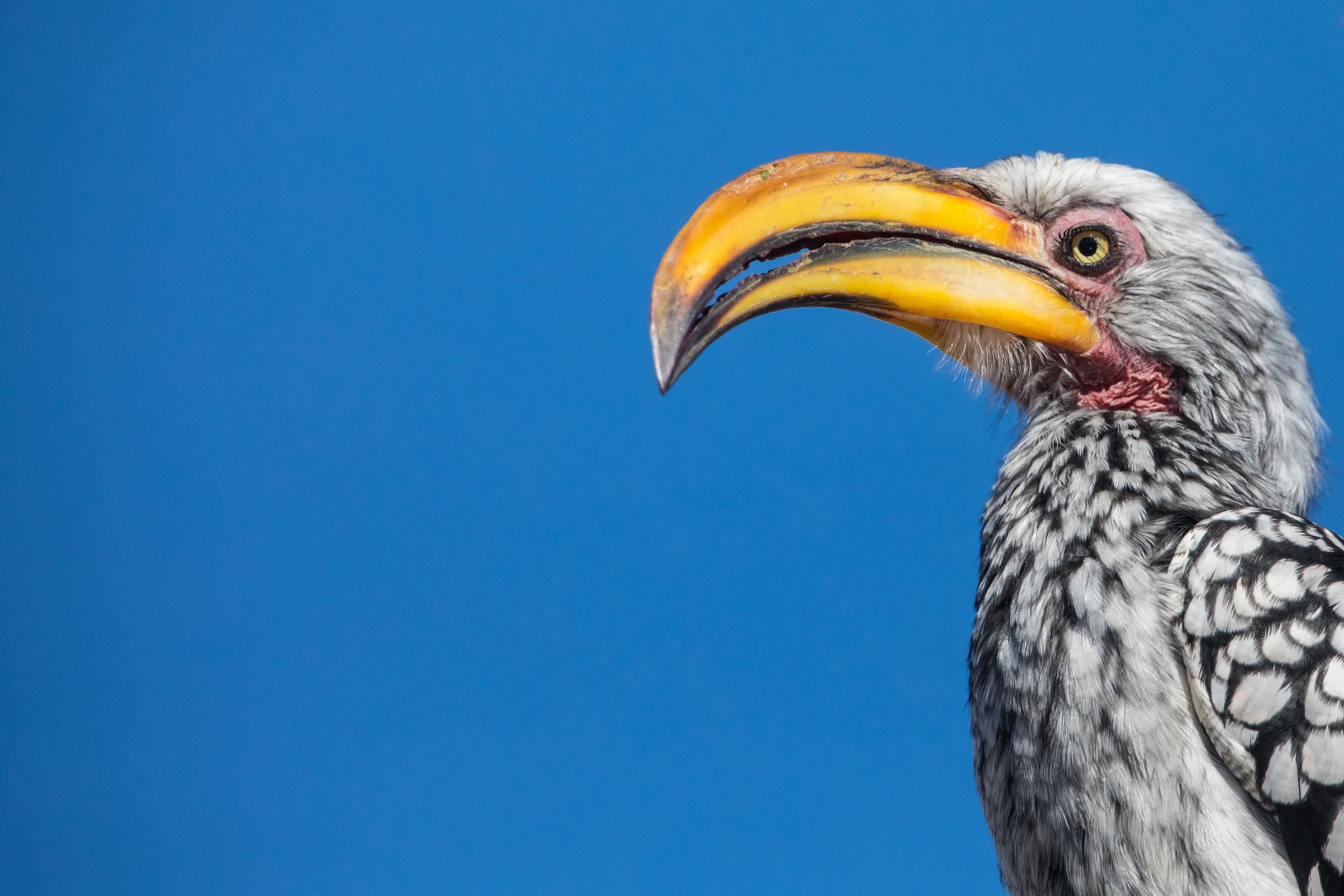
The comical Southern Yellow-billed Hornbills of southern Africa are sometimes called 'Flying Bananas' (image by Inger Vandyke)

The stunning Garnet dunes of Dorrob. The deep red colour is actual garnet! (image by Inger Vandyke)

Low angle shot of giraffes drinking

Flying bananas! A Southern Yellow-billed Hornbill takes off (image by Sean Braine)
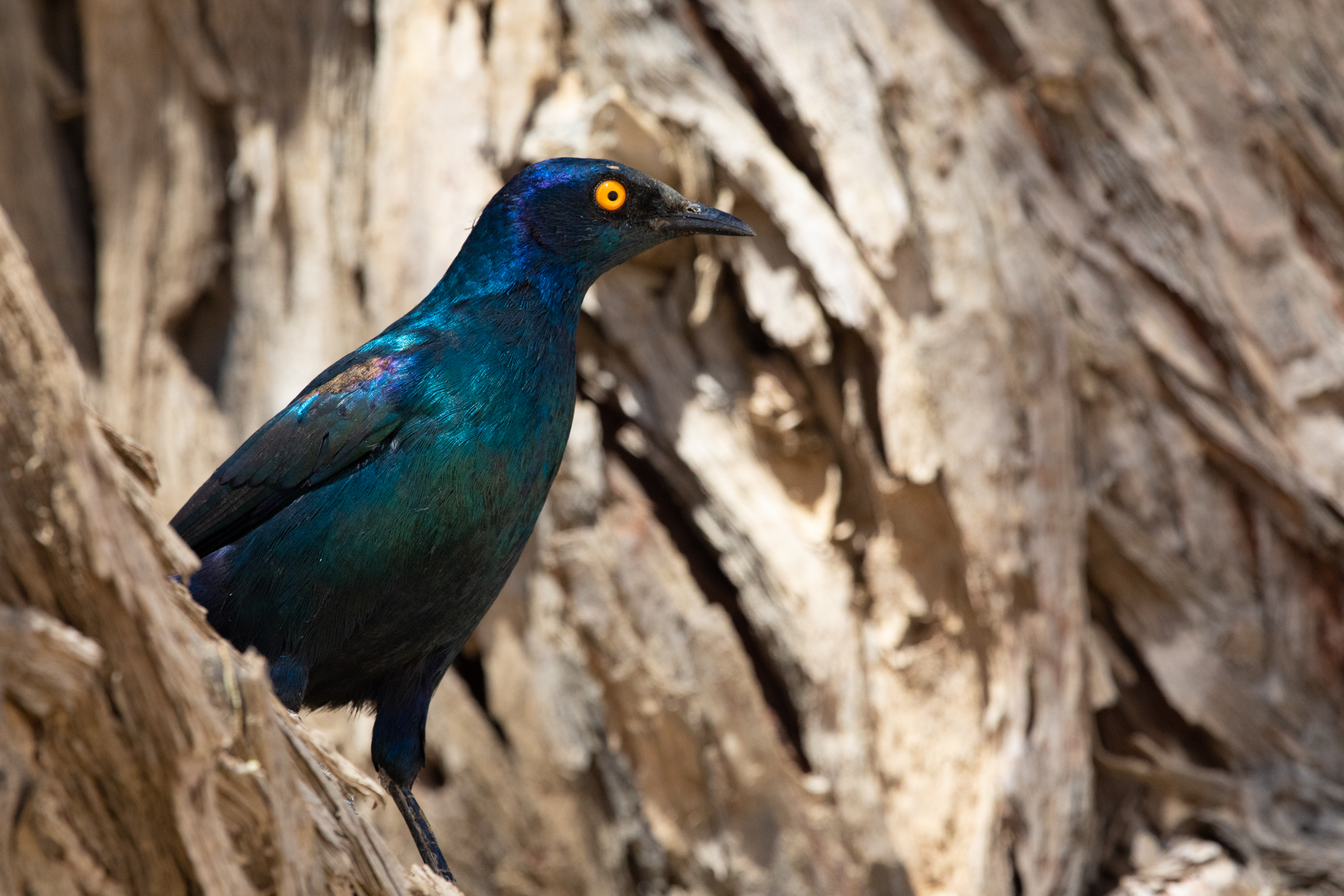
Cape Glossy Starling are beautiful but they love raiding picnic sites! (image by Inger Vandyke)

An endangered Black Rhino wandering around in Etosha (image by Sean Braine)

Red Hartebeest (image by Inger Vandyke)
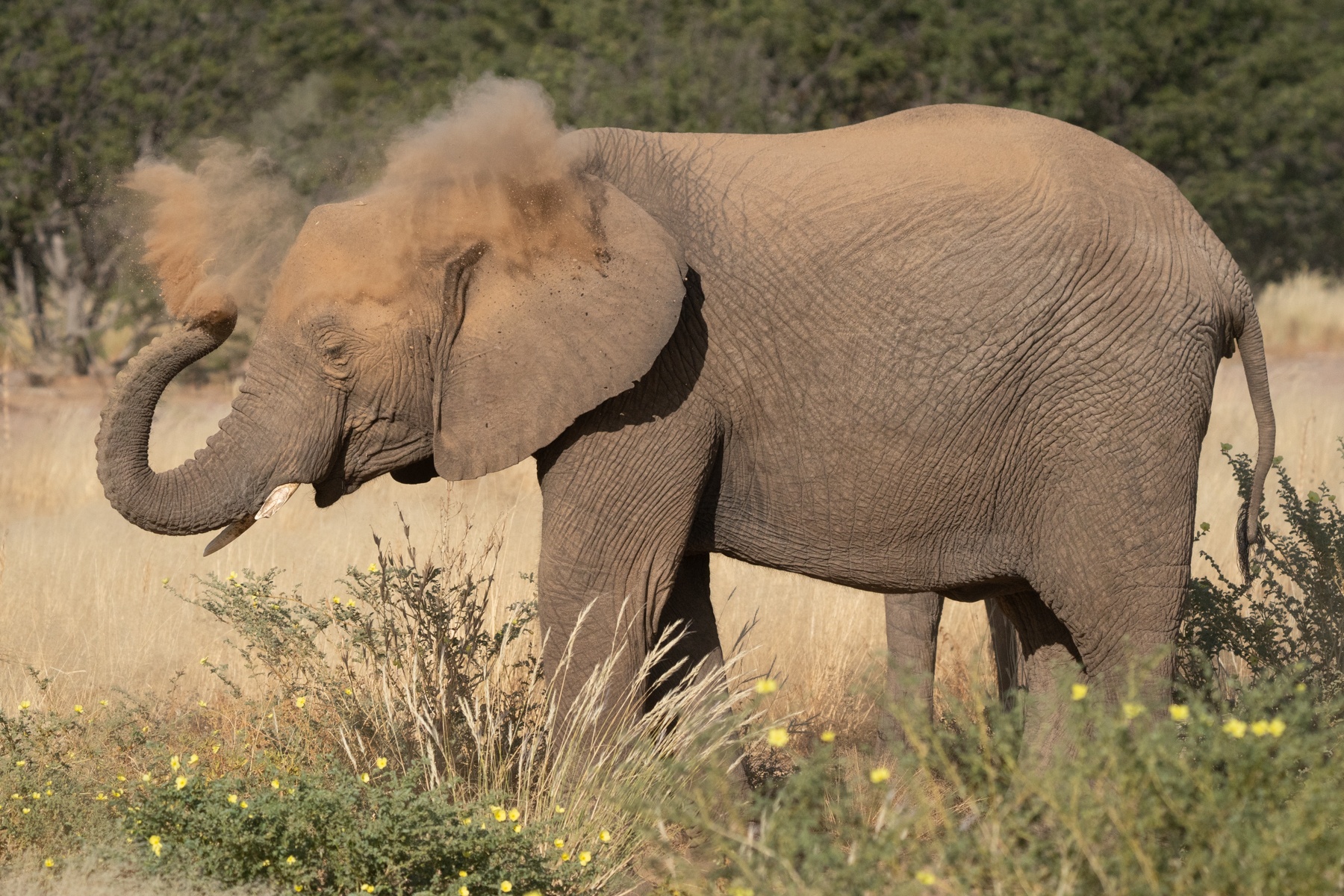
A dust bathing desert elephant in remote Namibia (image by Inger Vandyke)
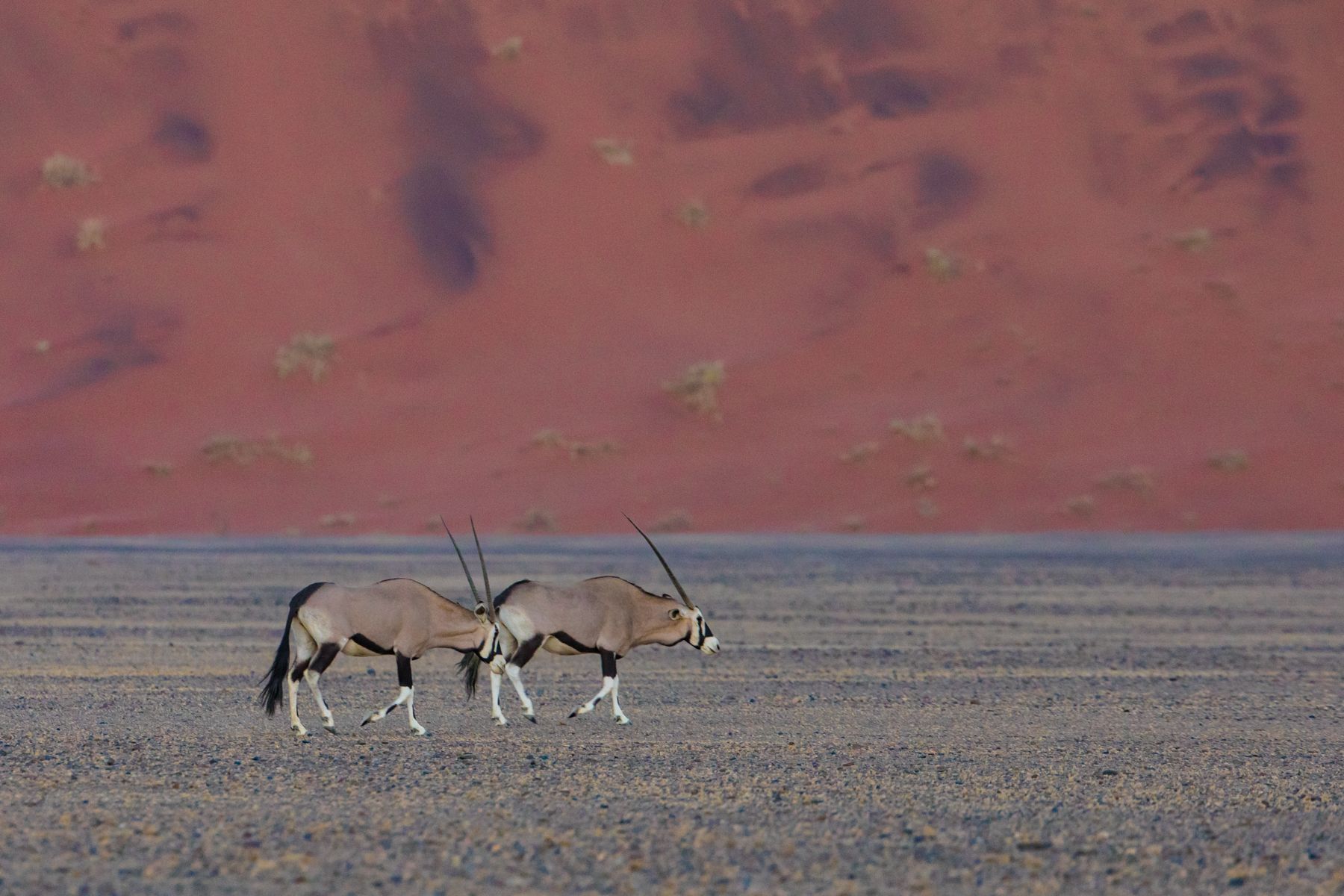
A pair of Oryx in the red landscapes of Sossusvlei at dusk (image by Inger Vandyke)
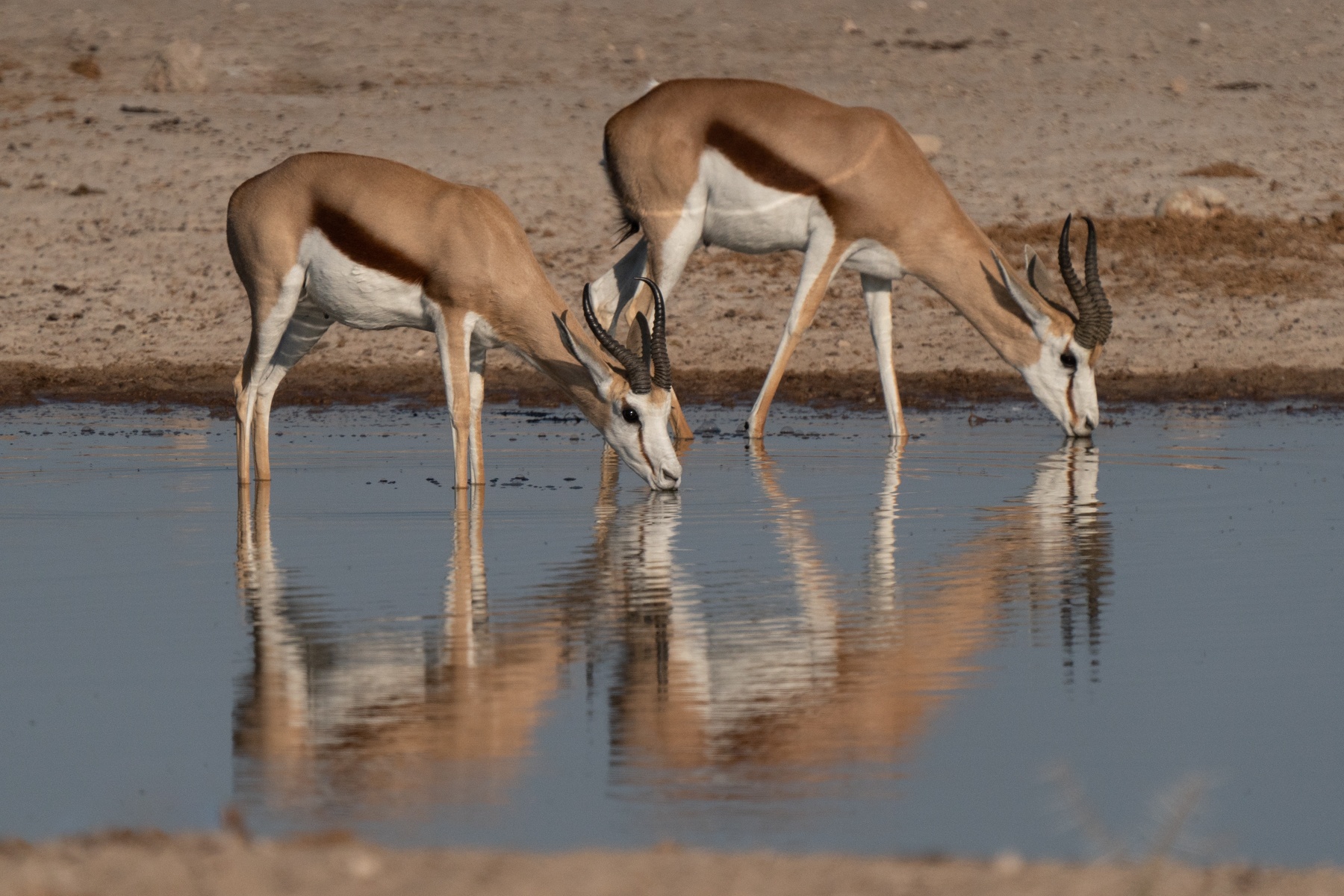
Springboks drinking at a waterhole in Etosha (image by Inger Vandyke)

Eye level with Guinea Fowl at Onkolo Hide (image by Onguma Camps)

A Yellow Mongoose licks its lips as it leaves its burrow to hunt in the Kgalagadi Transfrontier (image by Sean Braine)

Flamingo sunset at Walvis Bay (image by Inger Vandyke)
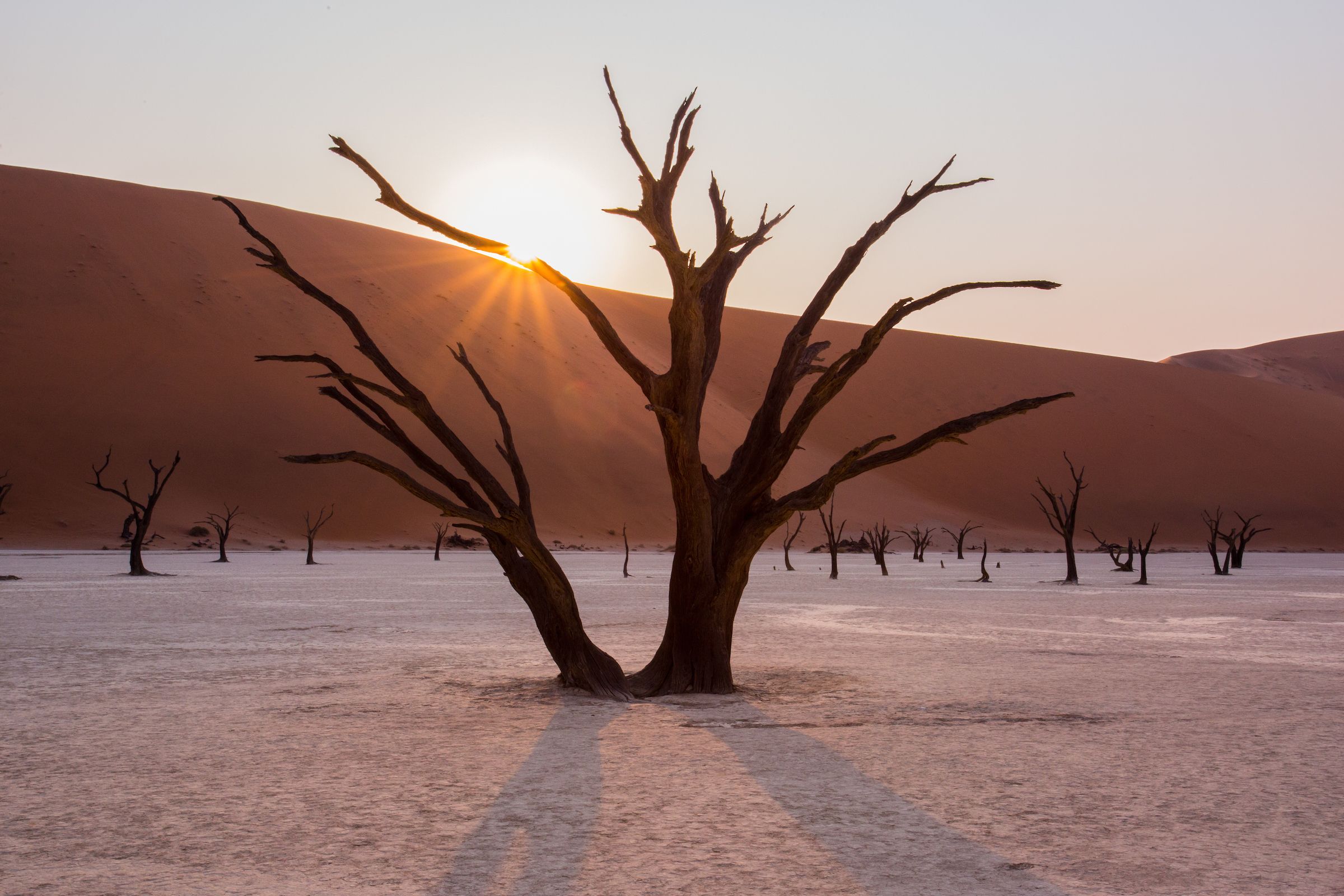
The hauntingly beautiful dead Camel Thorn Trees of Deadvlei in Namibia (image by Inger Vandyke)
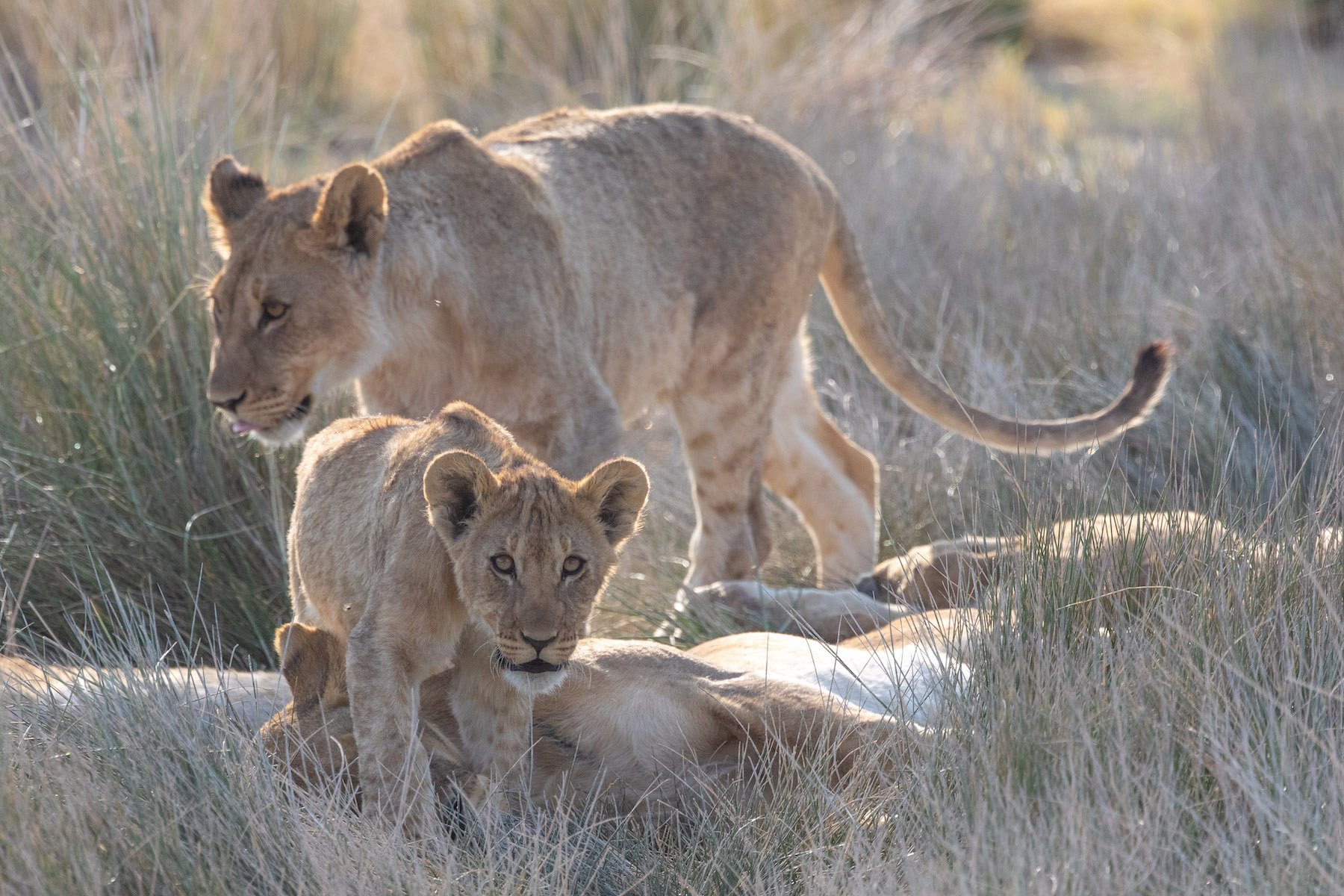
The next generation of Etosha's lions keeps safe in the rushes at Charitsaub water hole (image by Inger Vandyke)

Lilac-breasted Roller with Grasshopper snack (image by Inger Vandyke)

Close encounter with a White Rhino in Etosha (image by Inger Vandyke)
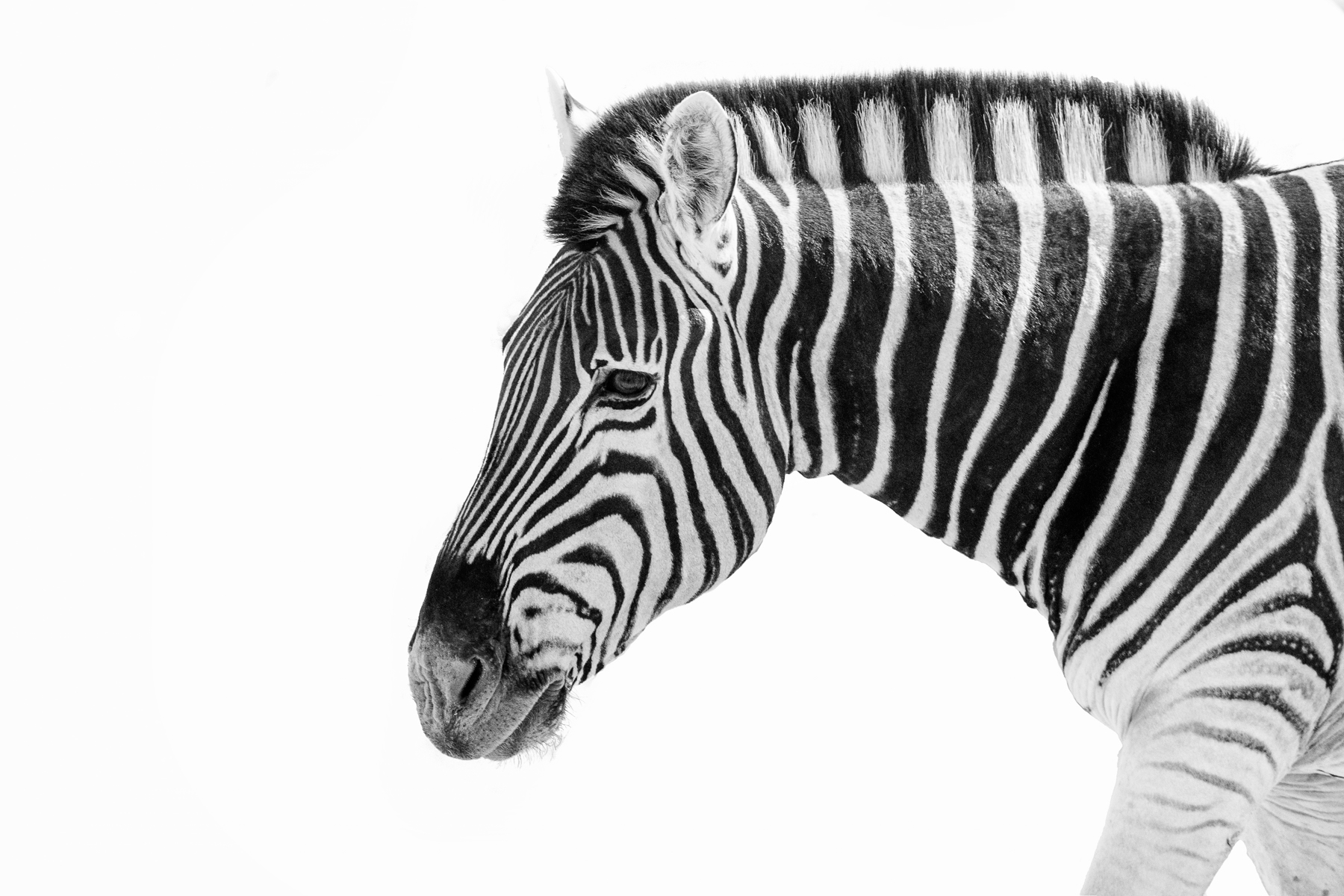
Zebra Portrait in black and white (image by Inger Vandyke)

We had a record trip for rhinos this year with up to 7 seen in one day including these two drinking from a waterhole in Etosha (image by Inger Vandyke)
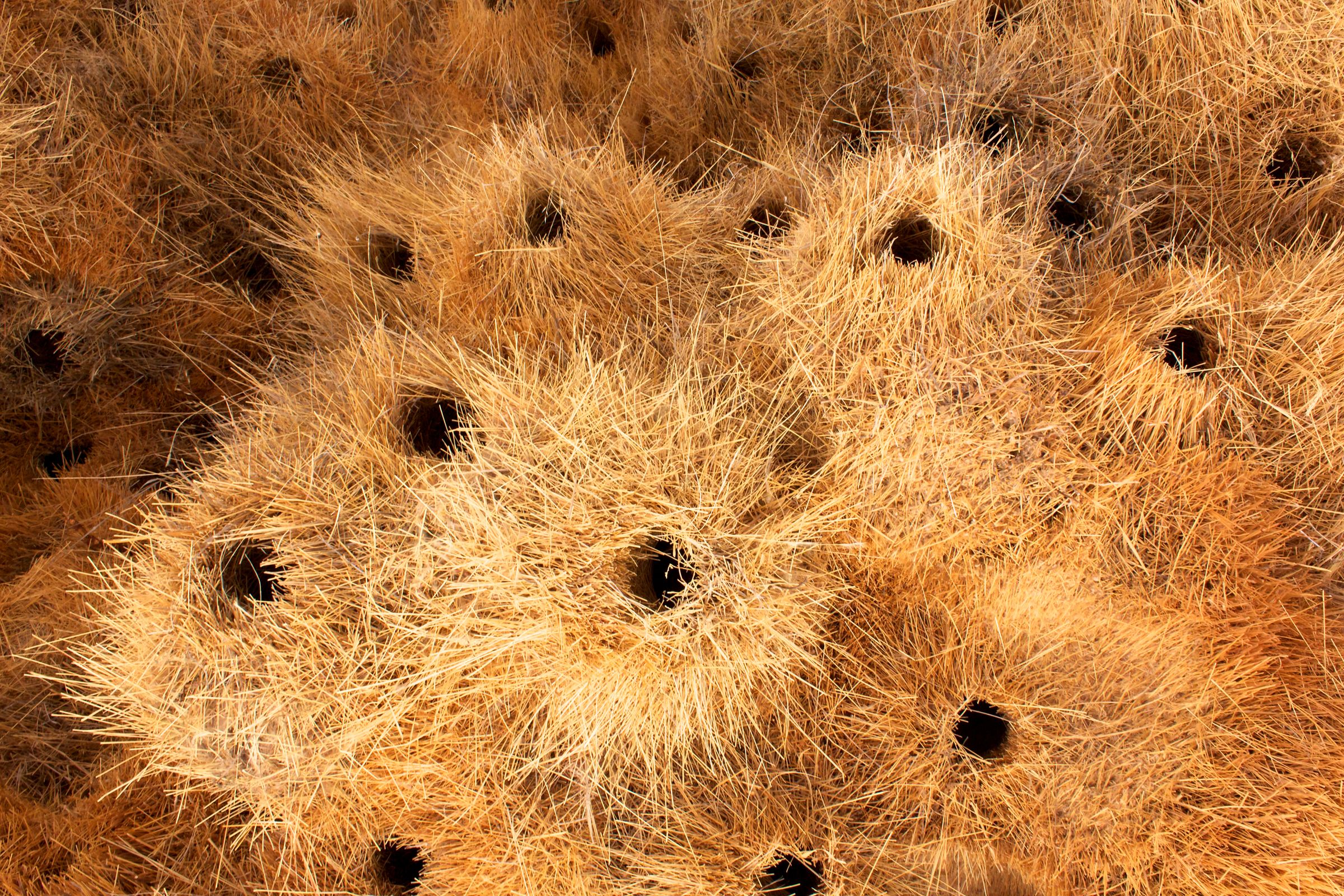
A cluster of Sociable Weaver nests in Namibia (image by Inger Vandyke)
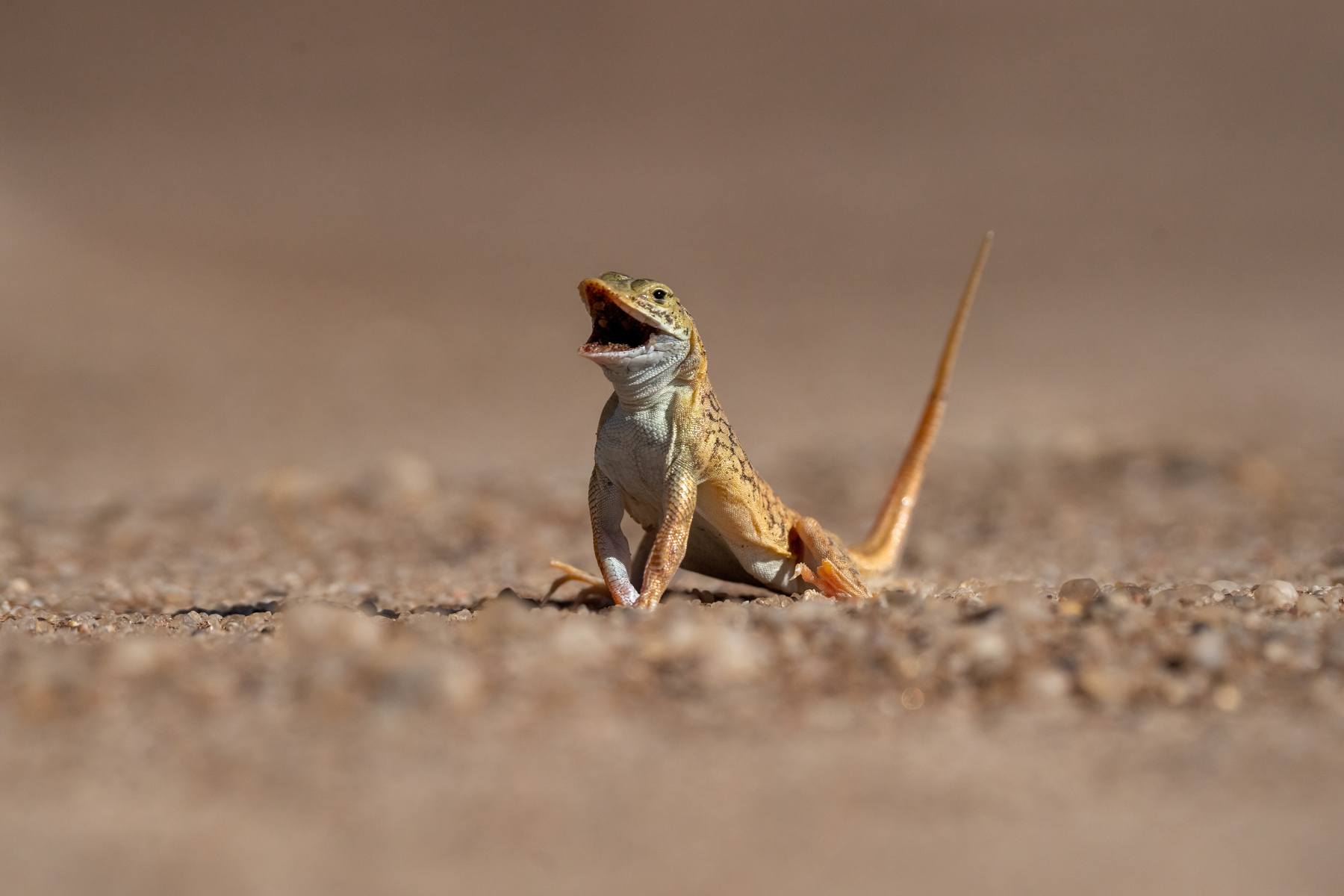
A Namib Sand-diving Lizard in threat display (image by Inger Vandyke)
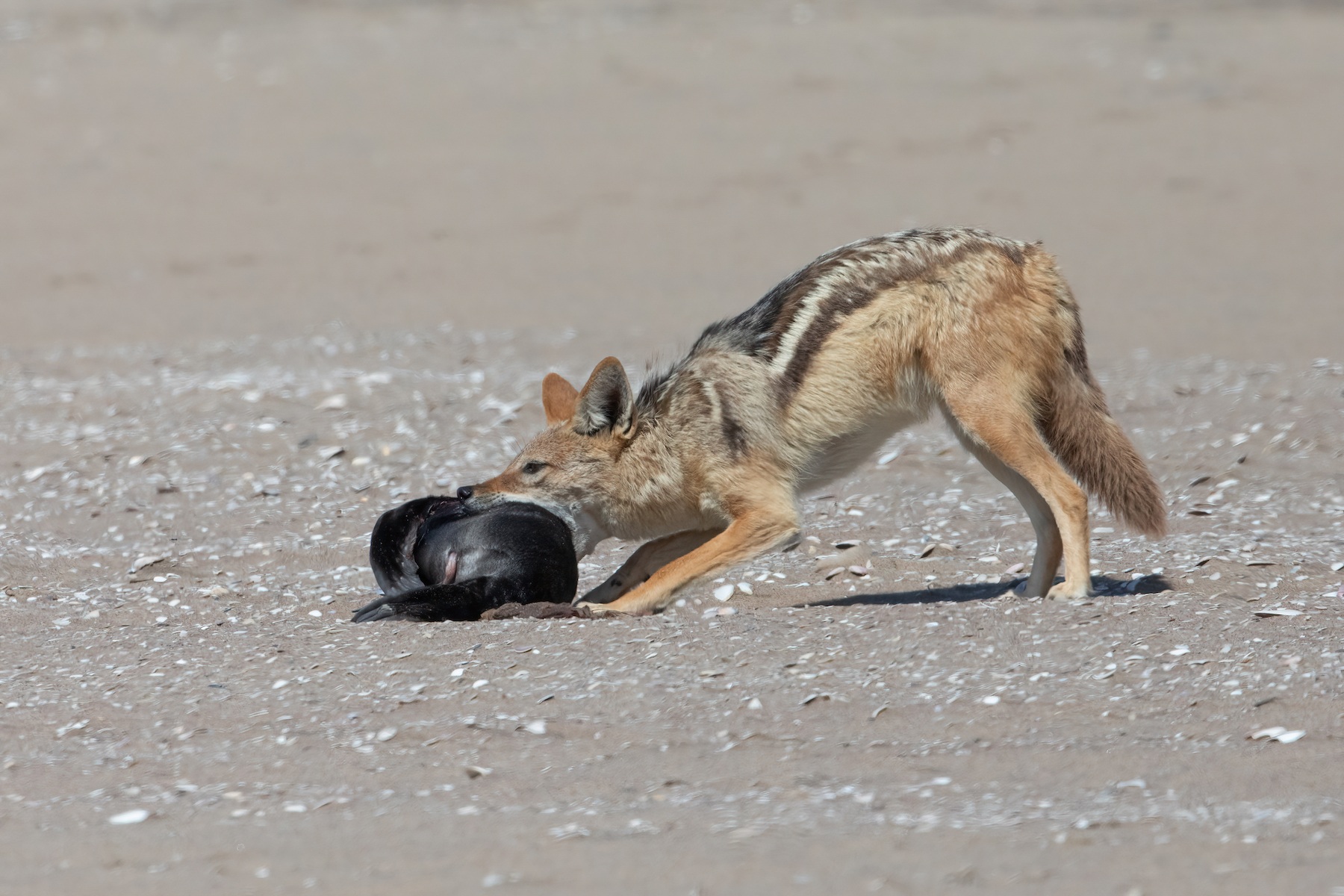
During our Sandwich Harbour adventure we will search for unique wildlife behaviour including Black-backed Jackals preying on fur seal pups (image by Inger Vandyke)
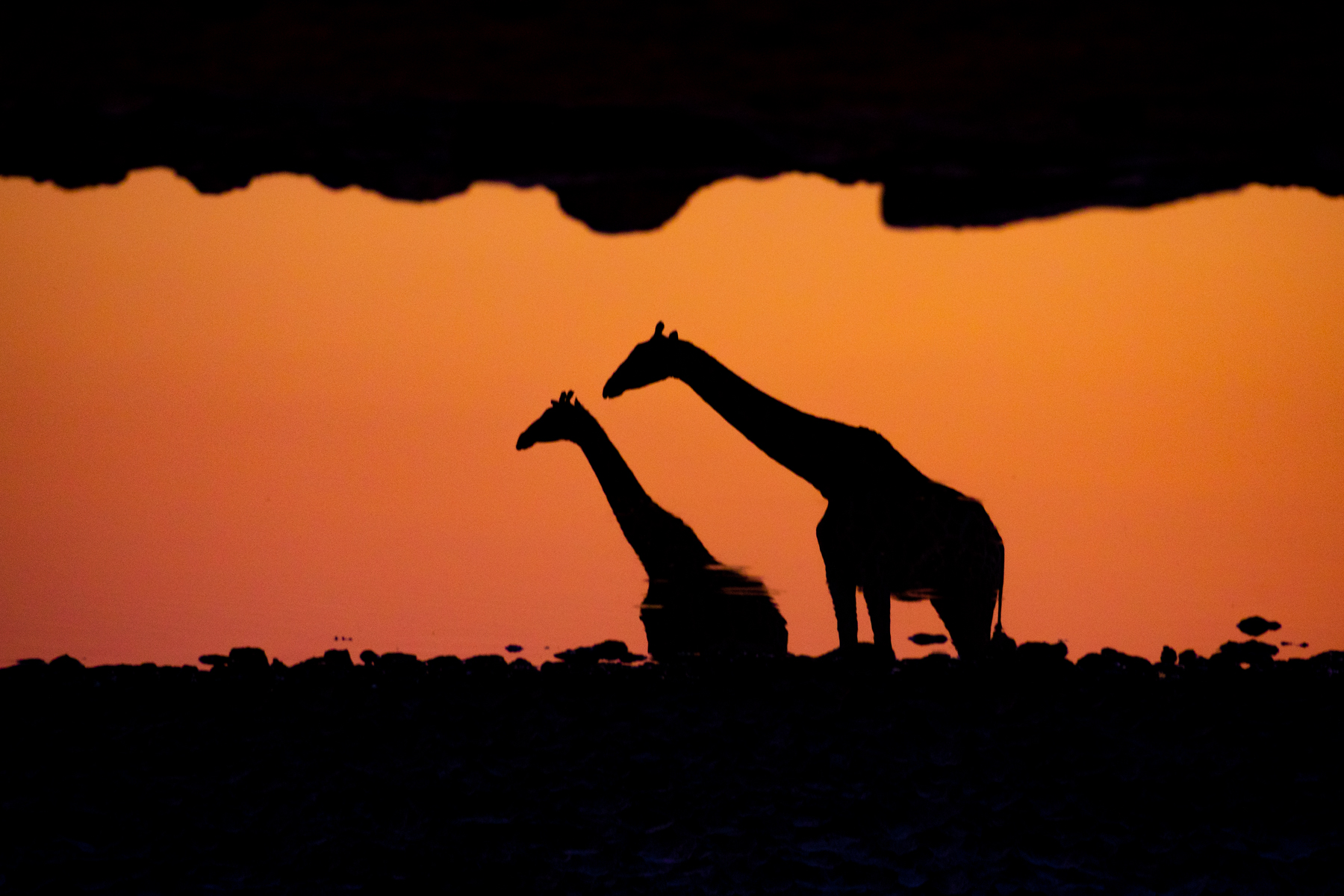
The journey (image by Inger Vandyke)

A herd of Desert Elephants gather at a waterhole in the Hoanib to drink (Image by Inger Vandyke)

Flamingos taking flight at Walvis Bay (Image by Inger Vandyke)

A male leopard takes a break to watch for prey near the giant clay pan of Etosha (image by Sean Braine)
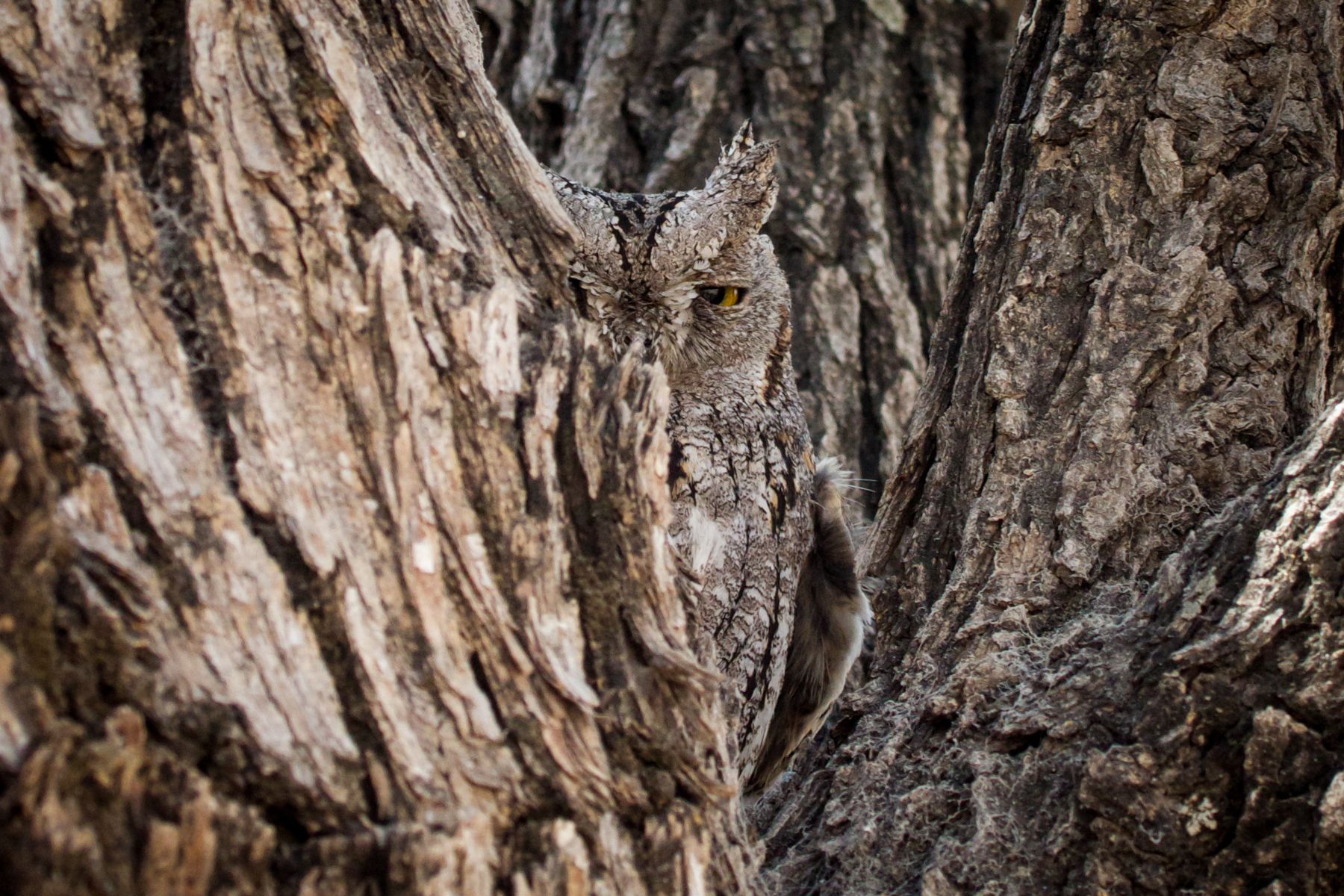
An African Scops Owl peeps out from its hiding place in a mopane tree in Etosha (image by Inger Vandyke)
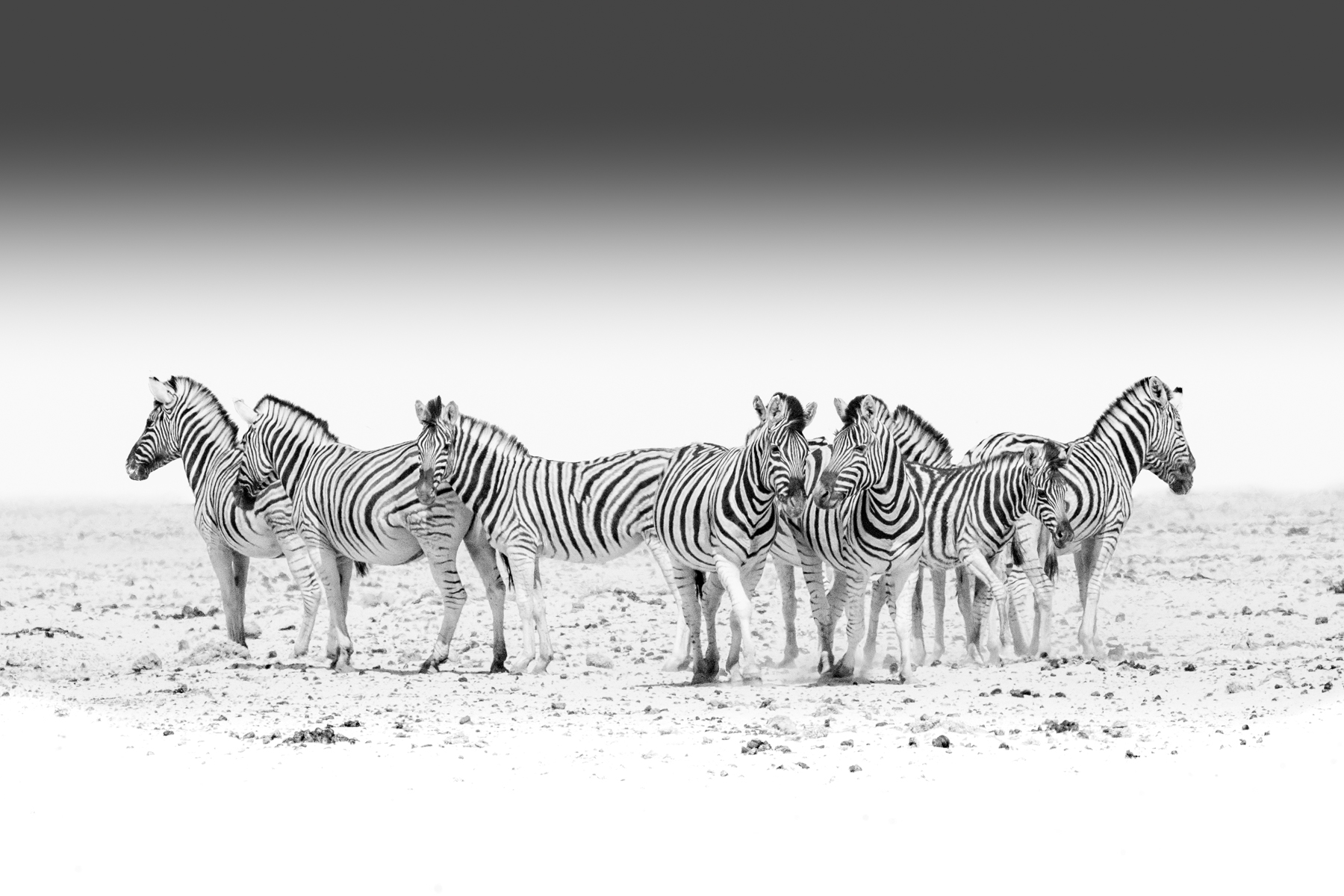
Zebras gather in the dust to wait their turn for a drink at the water hole (image by Inger Vandyke)

Fischer's Gecko (image by Inger Vandyke)

A simple shot of an Ostrich (Image by Inger Vandyke)

Portrait of a Rock Monitor in Etosha (image by Inger Vandyke)

Southern Yellow-billed and Damara Hornbill in one photo! (image by Inger Vandyke)
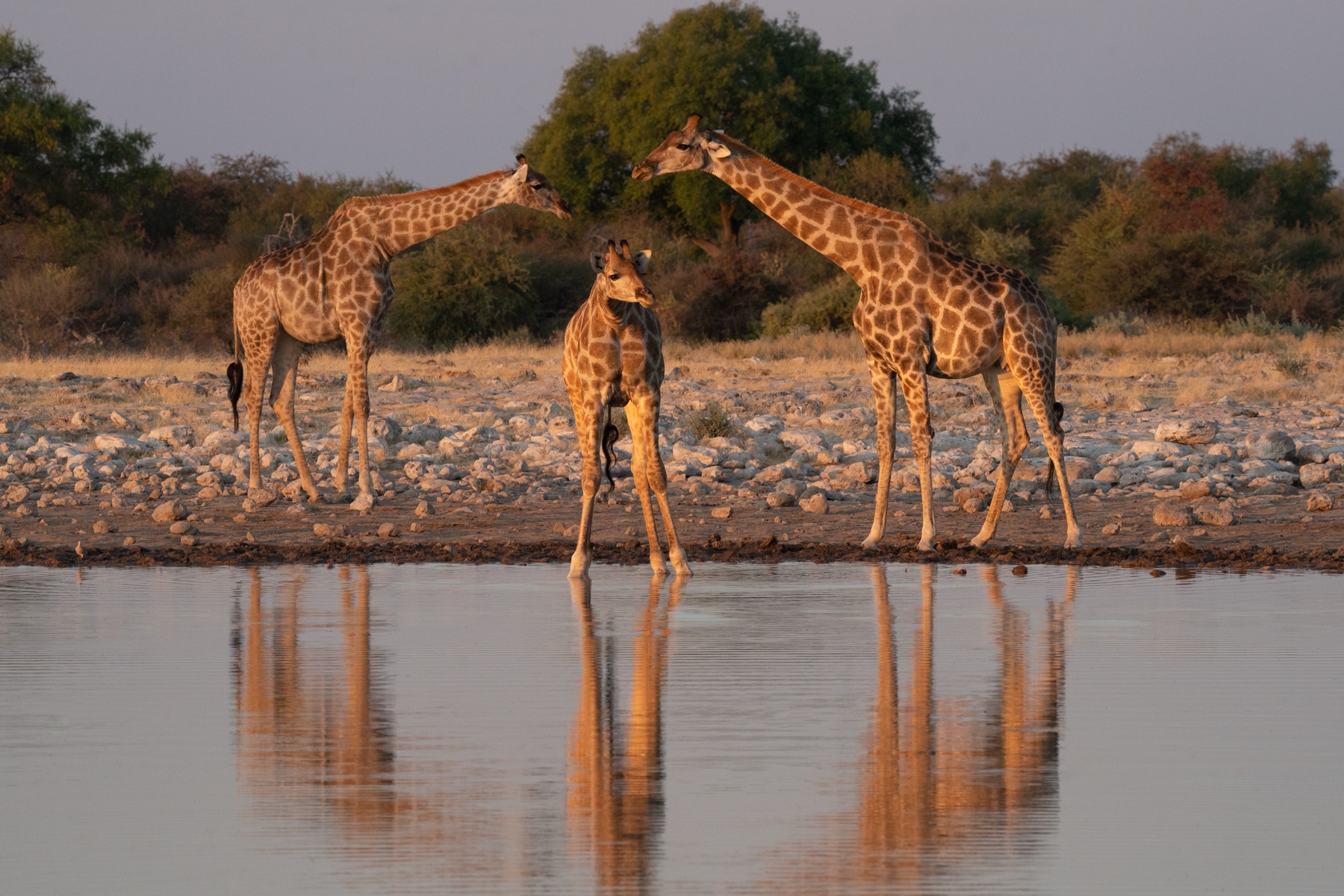
Giraffe reflections in Etosha (image by Inger Vandyke)

Pupping season in Cape Cross, Africa's largest colony of Cape Fur Seals (image by Inger Vandyke)

Portrait of a Yellow Mongoose in the Kgalagadi Transfrontier Reserve (Image by Inger Vandyke)

Great White Pelican pair feeding (image by Inger Vandyke)
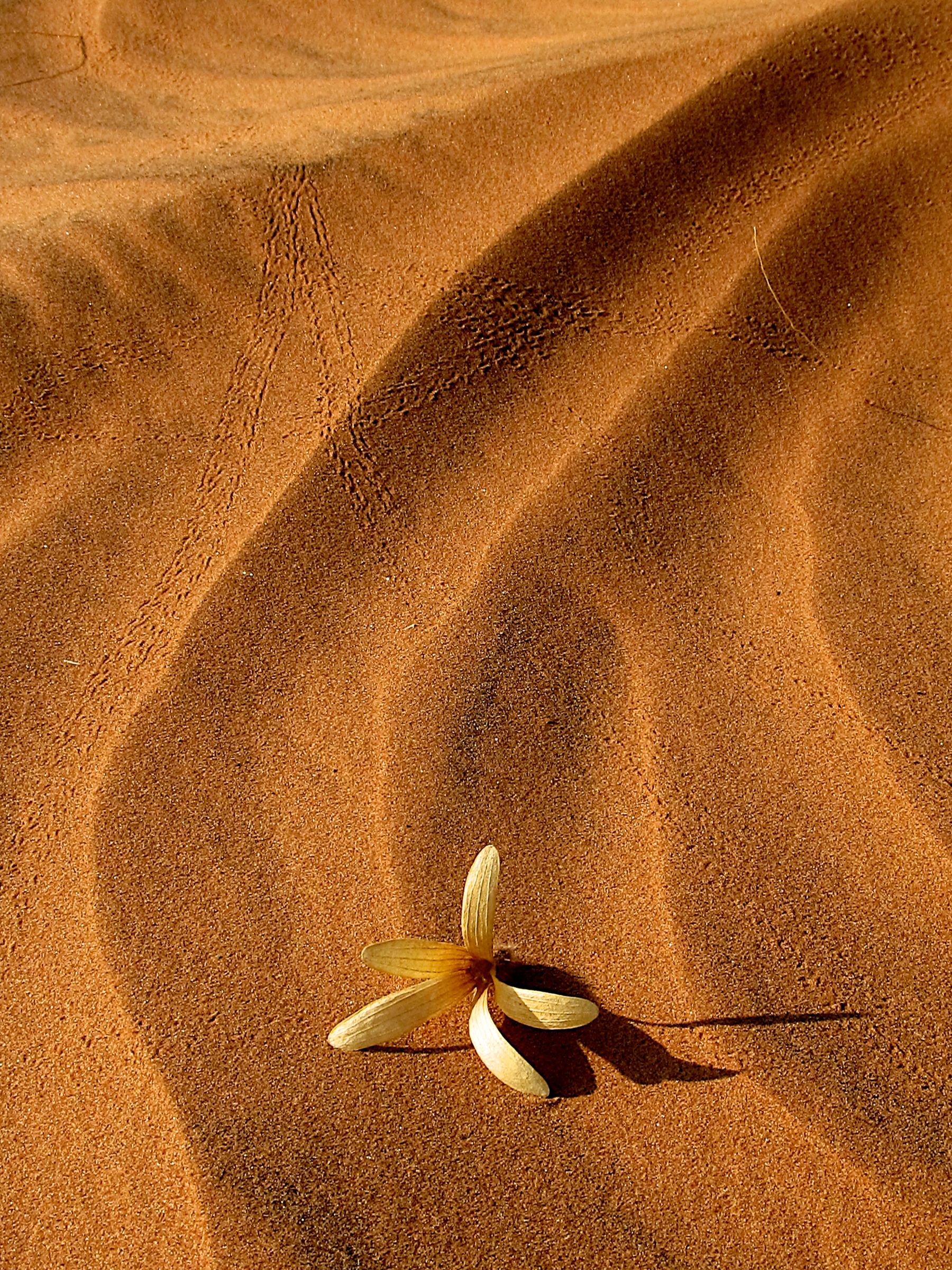
A desert everlasting on the dunes in southern Namibia (image by Inger Vandyke)
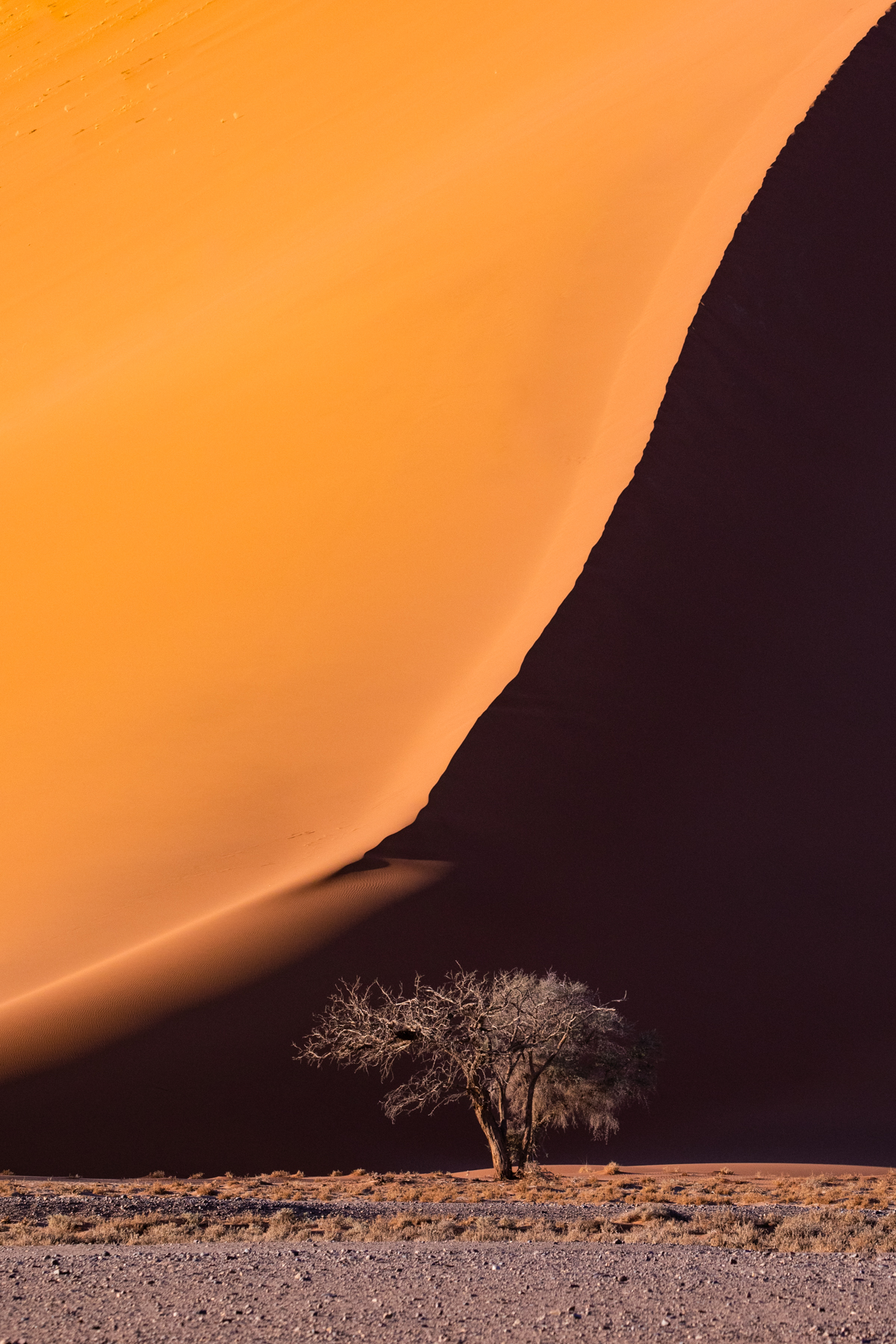
Beauty in simplicity. Sossusvlei at sunrise (image by Inger Vandyke)

Eye to eye with a Warthog
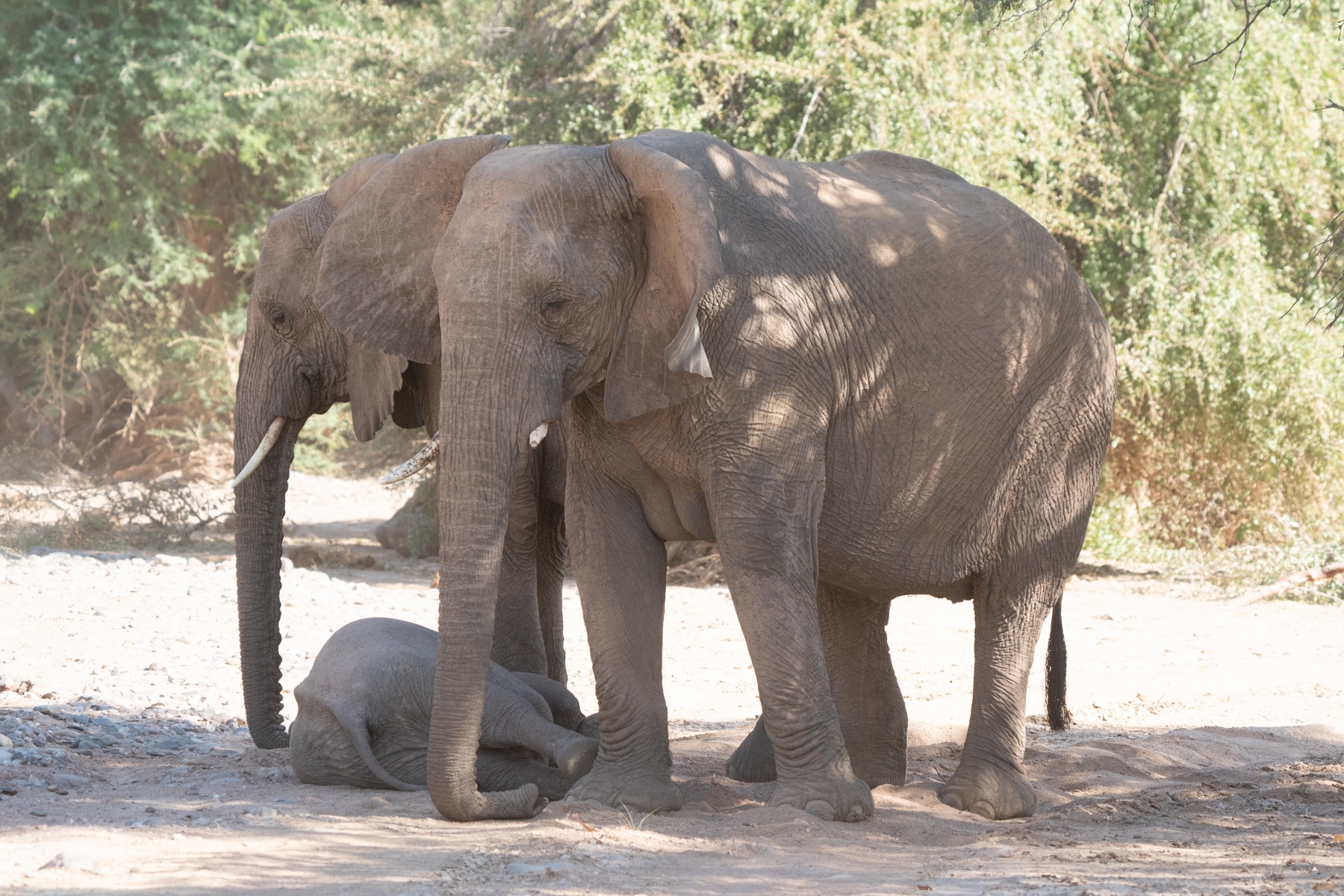
Suffering from too much milk, one of Namibia's desert elephant babies takes a nap at its mother's feet (image by Inger Vandyke)
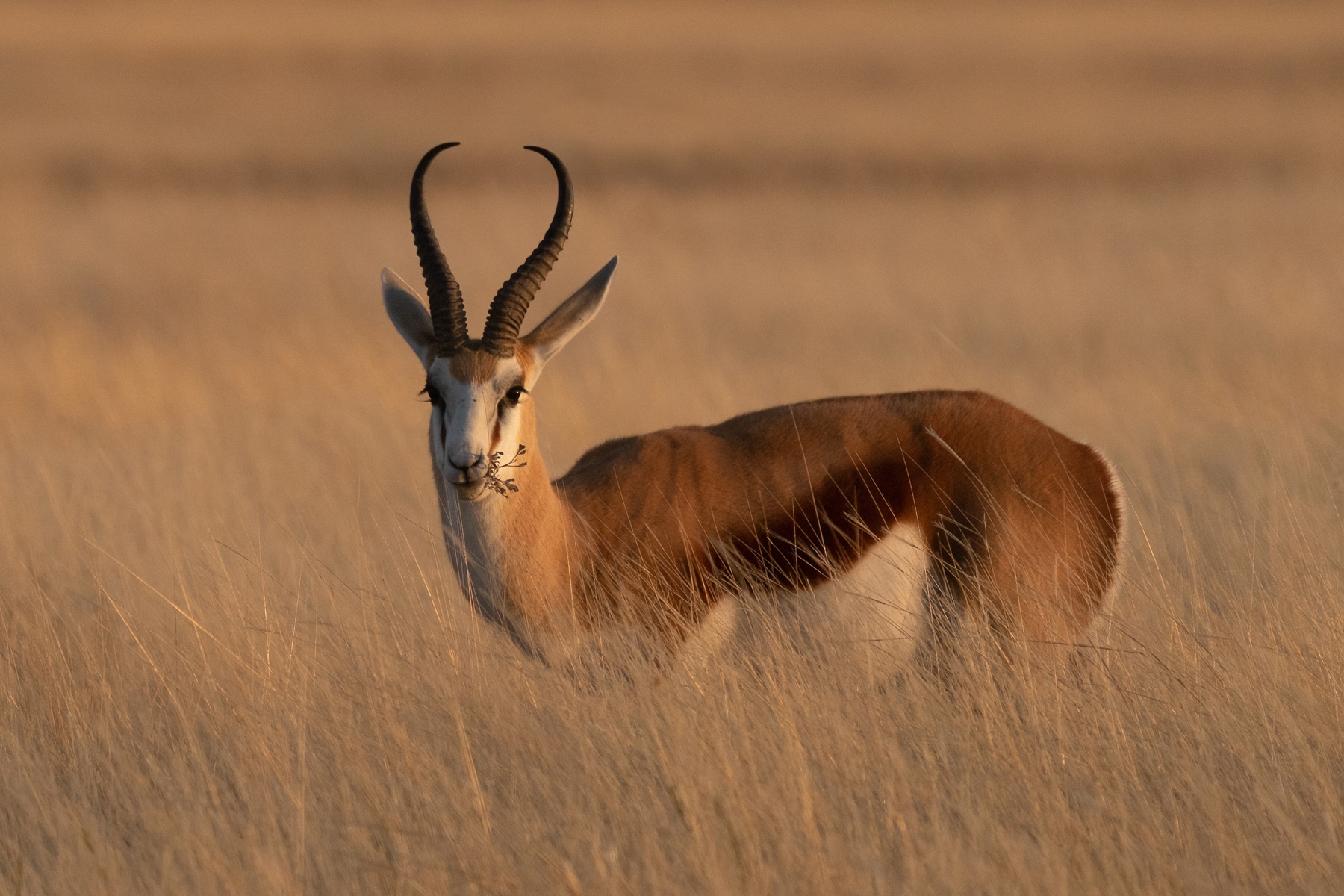
A Springbok enjoying a sunrise breakfast in Namibia (image by Inger Vandyke)

Hammerkop enjoying a drink (image by Inger Vandyke)
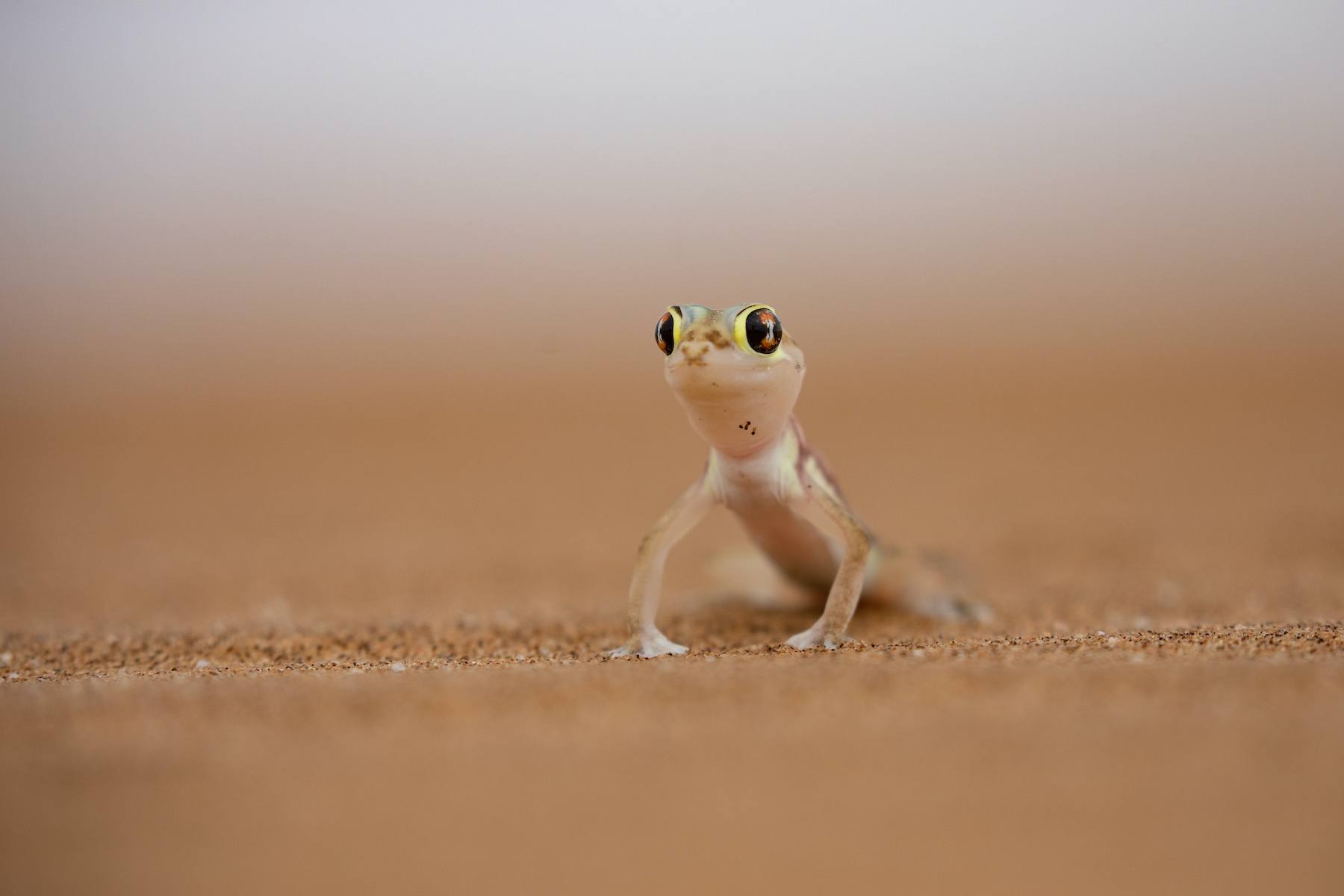
Adorable Namib Web-footed Geckos on the Living Desert excursion of our Namibia photo tour (image by Inger Vandyke)

Namaqua Sandgrouse pair (image by Inger Vandyke)

A pair of Cape Fur Seals battle for dominance at Cape Cross (image by Sean Braine)
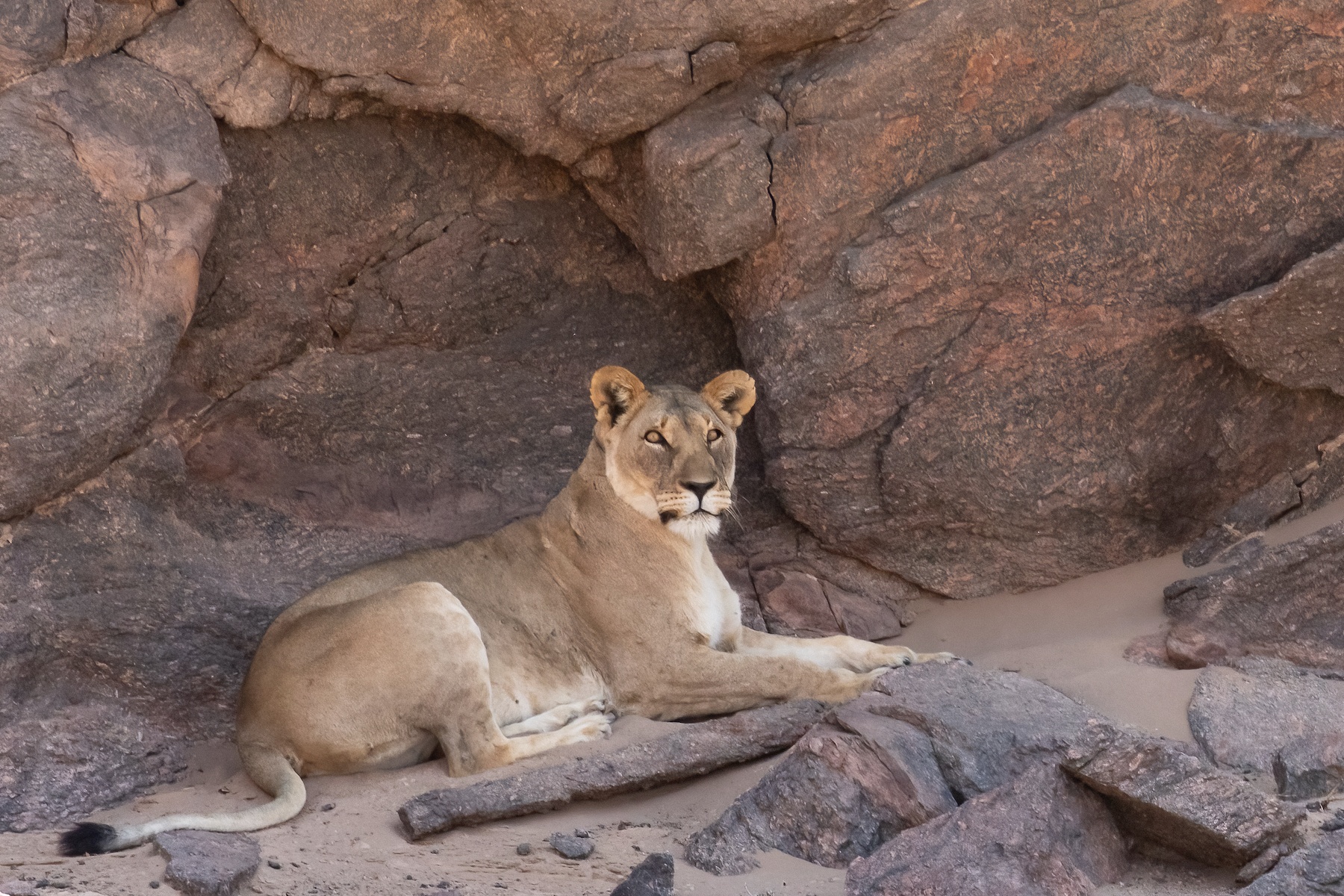
A wild desert lioness finds shade near the mouth of the Hoanib ephemeral river (image by Inger Vandyke)

Crested Francolin at eye level from Onkolo Hide (image by Onguma Camps)

The world's oldest plant, Welwitschia, in the Etendeka basalt country (image by Inger Vandyke)
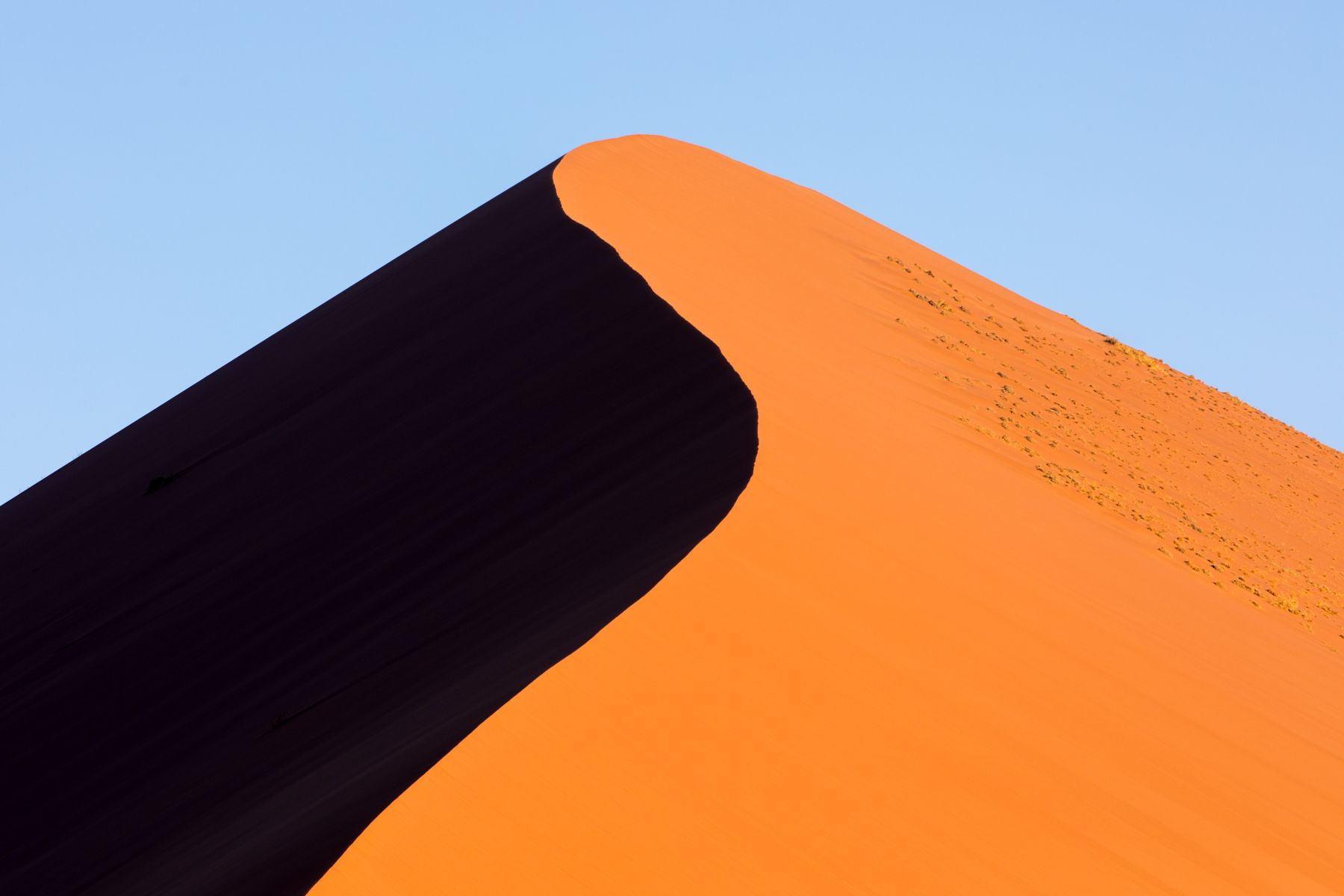
The stunning simplicity of the red dunes at Sossusvlei, Namibia (Image by Inger Vandyke)

Zebra lineup at Etosha (image by Inger Vandyke)

Cheeky Black-backed Jackal inspects a Cape Fur Seal colony for a potential meal (image by Inger Vandyke)
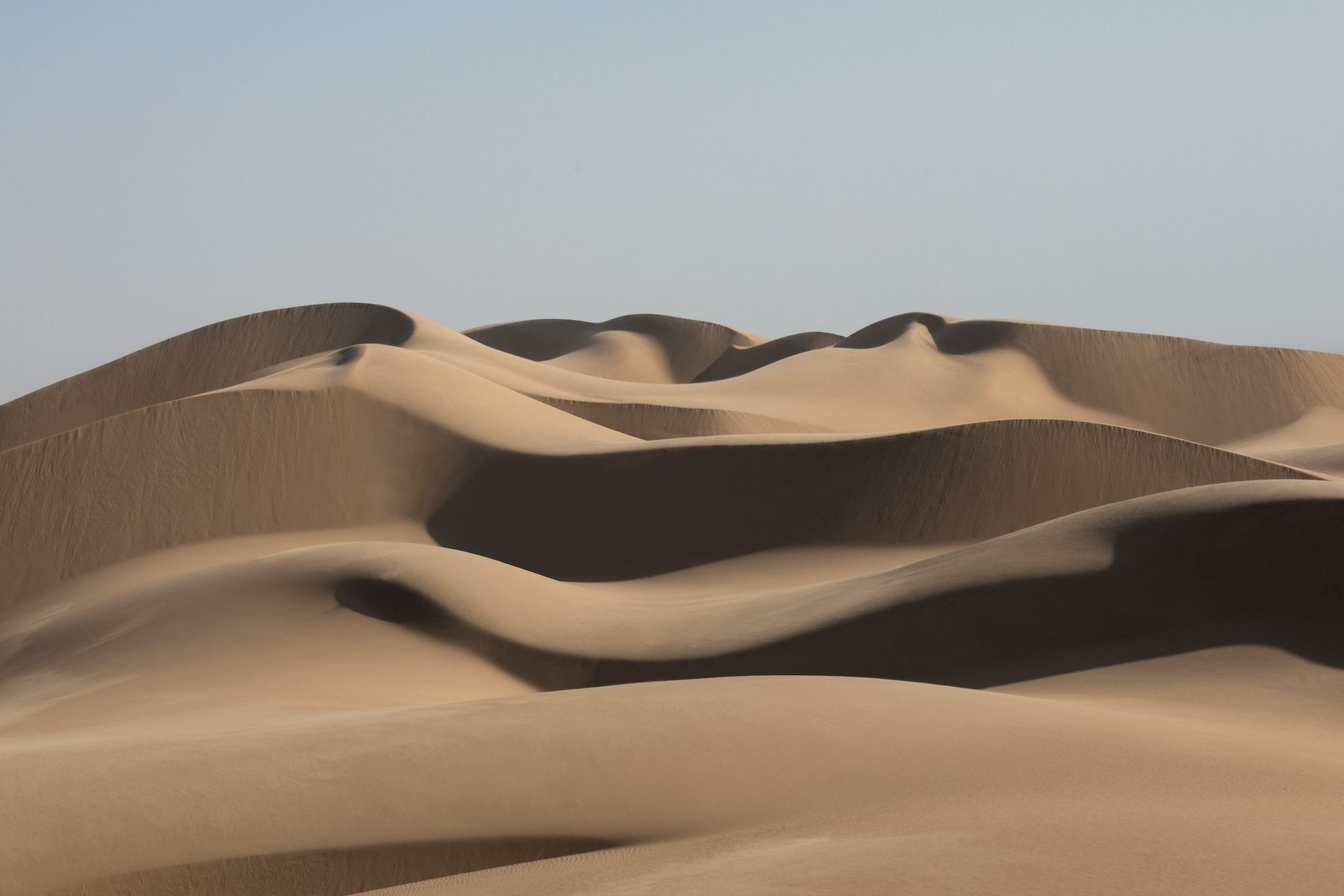
The mesmerising dunescapes of Namibia's Sandwich Harbour (image by Inger Vandyke)
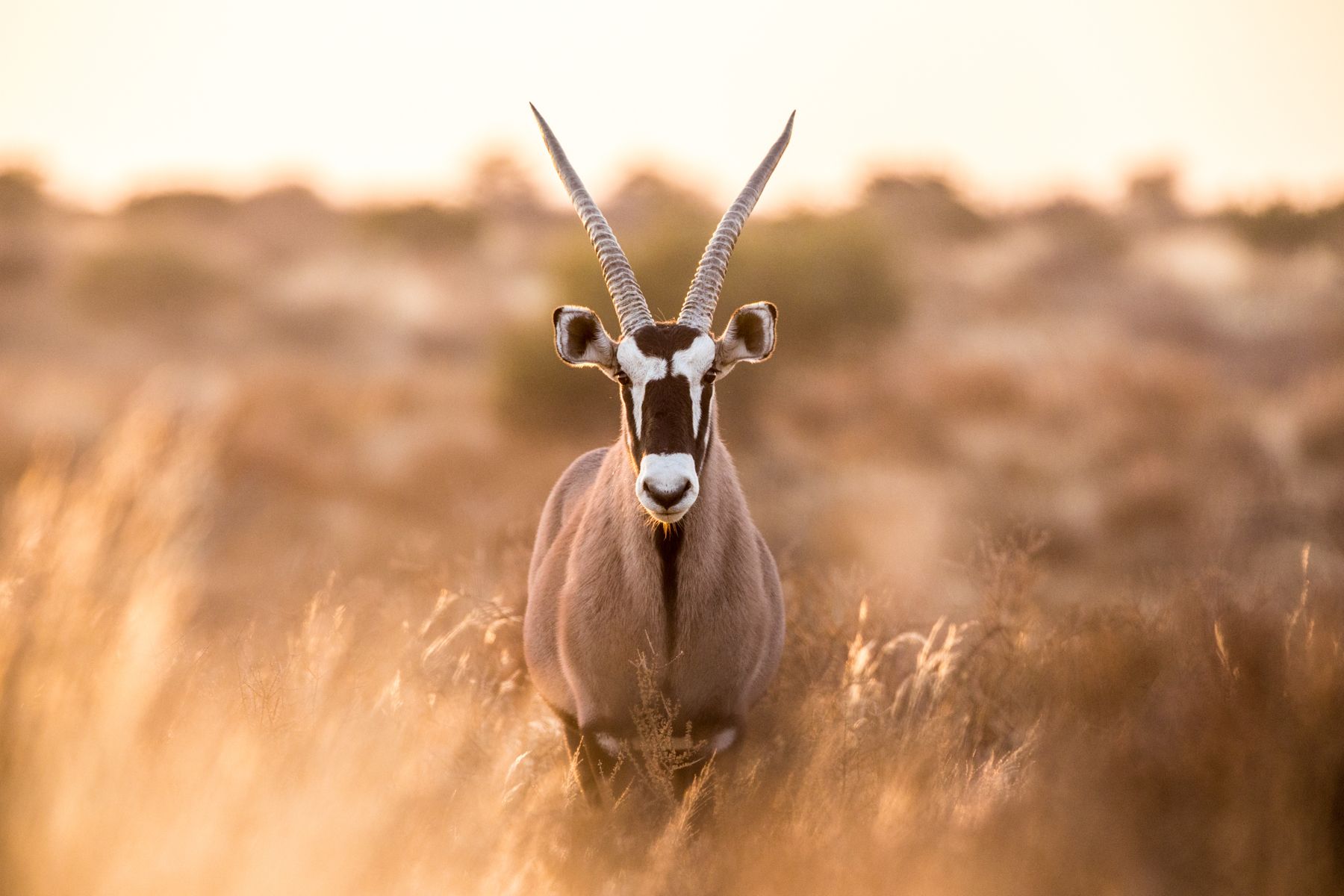
Beautiful sunlit Oryx in remote Namibia (image by Inger Vandyke)

A lone Oryx walks near the base of Elim Dune in Sossusvlei at sunset (image by Inger Vandyke)
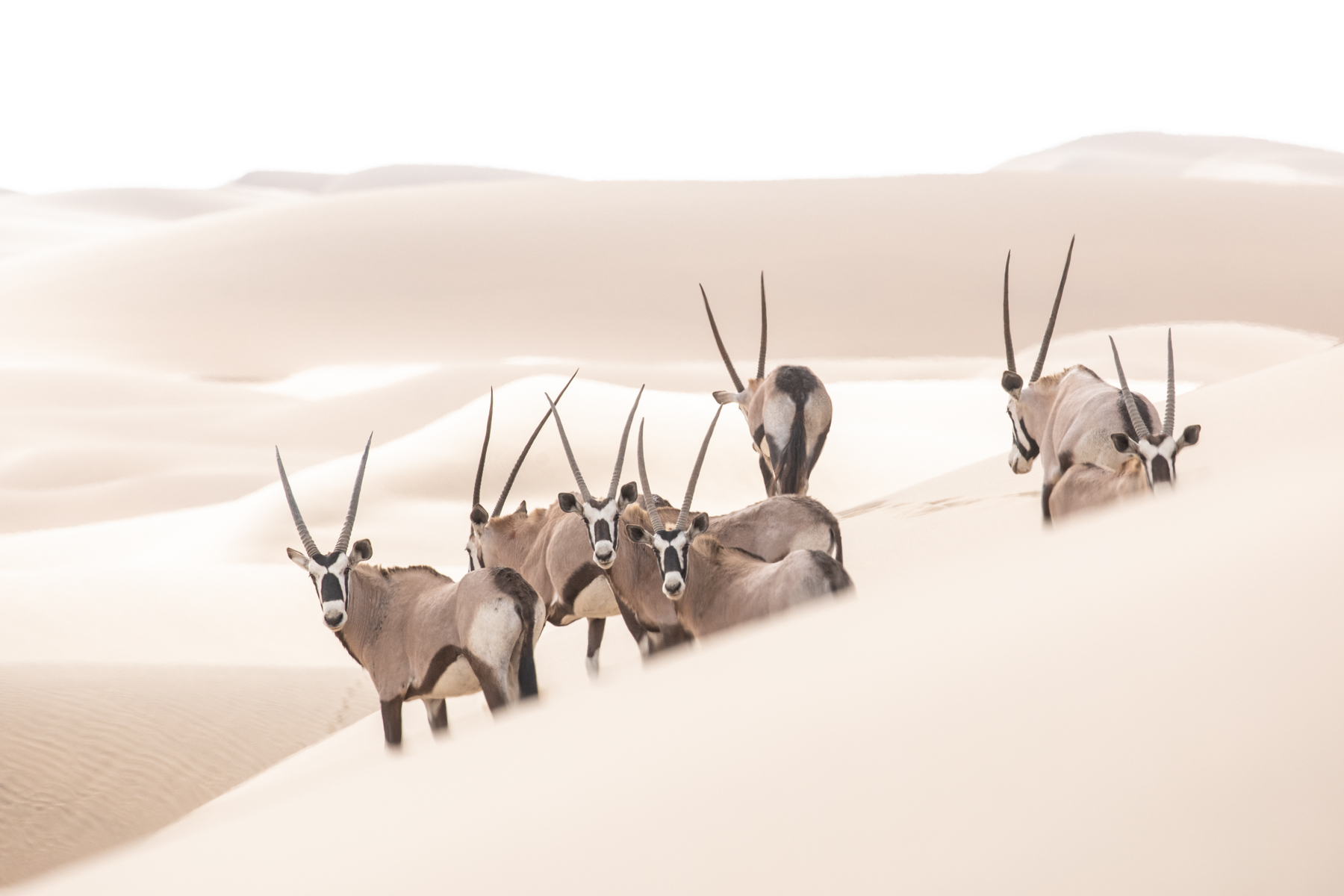
One of our most sublime encounters with a herd of Oryx we've ever experienced at Wild Images (image by Inger Vandyke)
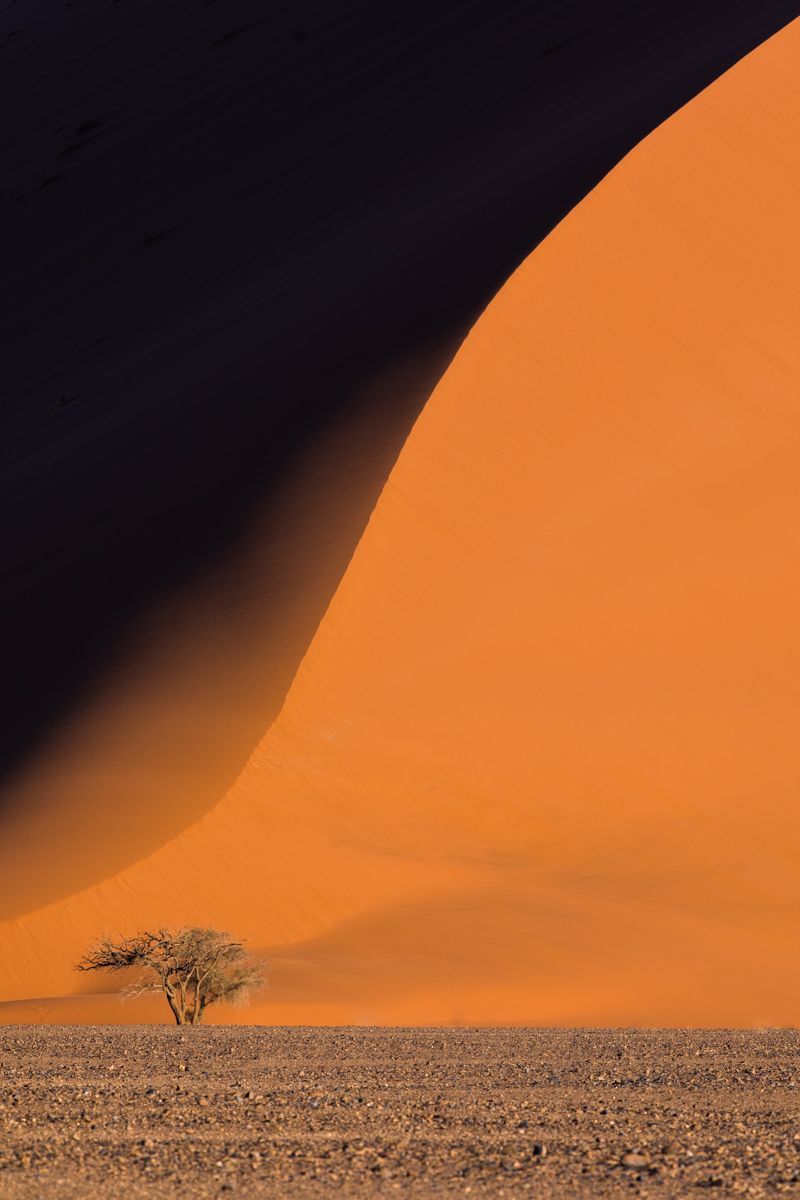
A solitary tree survives at the bottom of one of Sossusvlei's massive red dunes in Namibia (Image by Inger Vandyke)
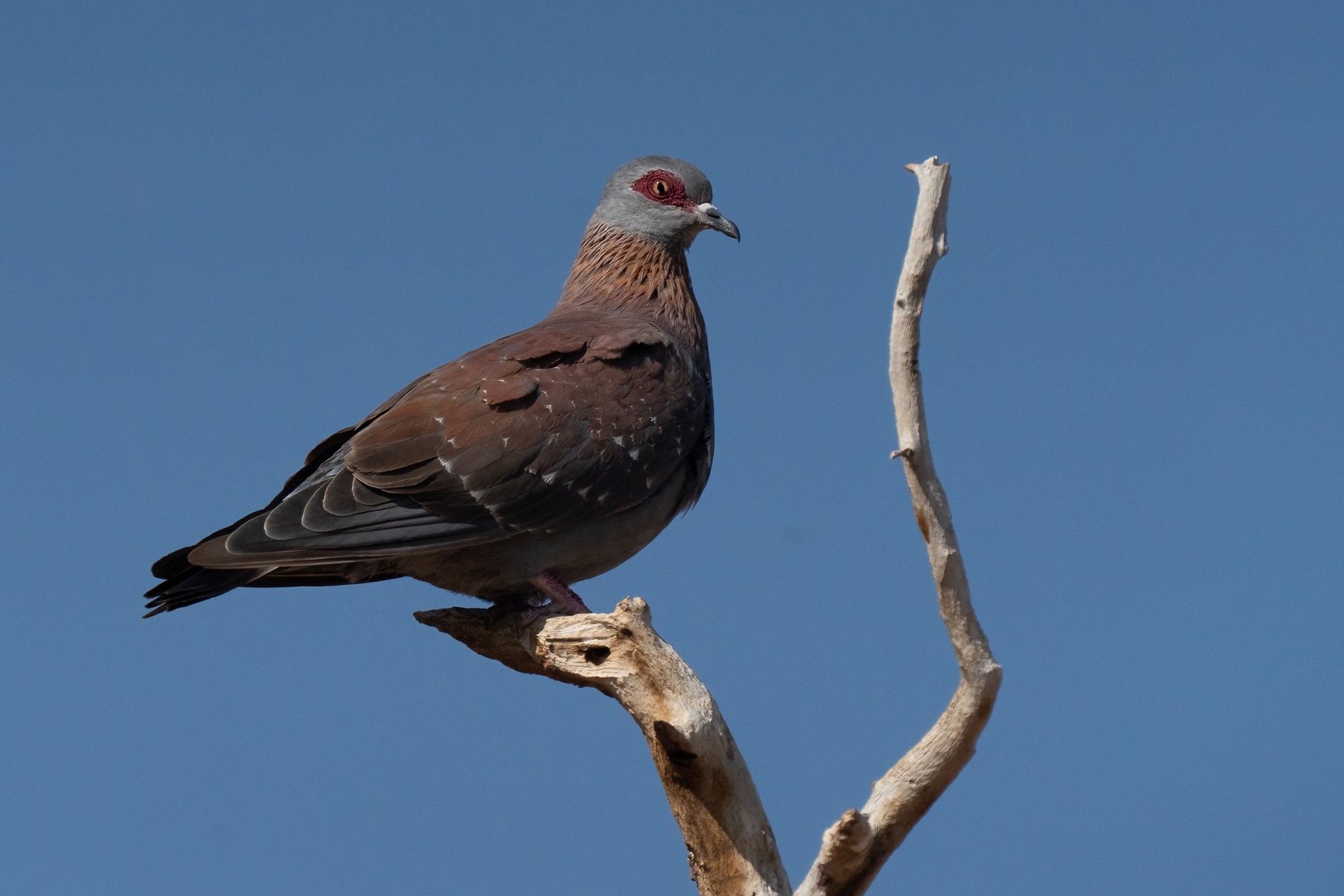
Portrait of a Speckled Pigeon (image by Inger Vandyke)
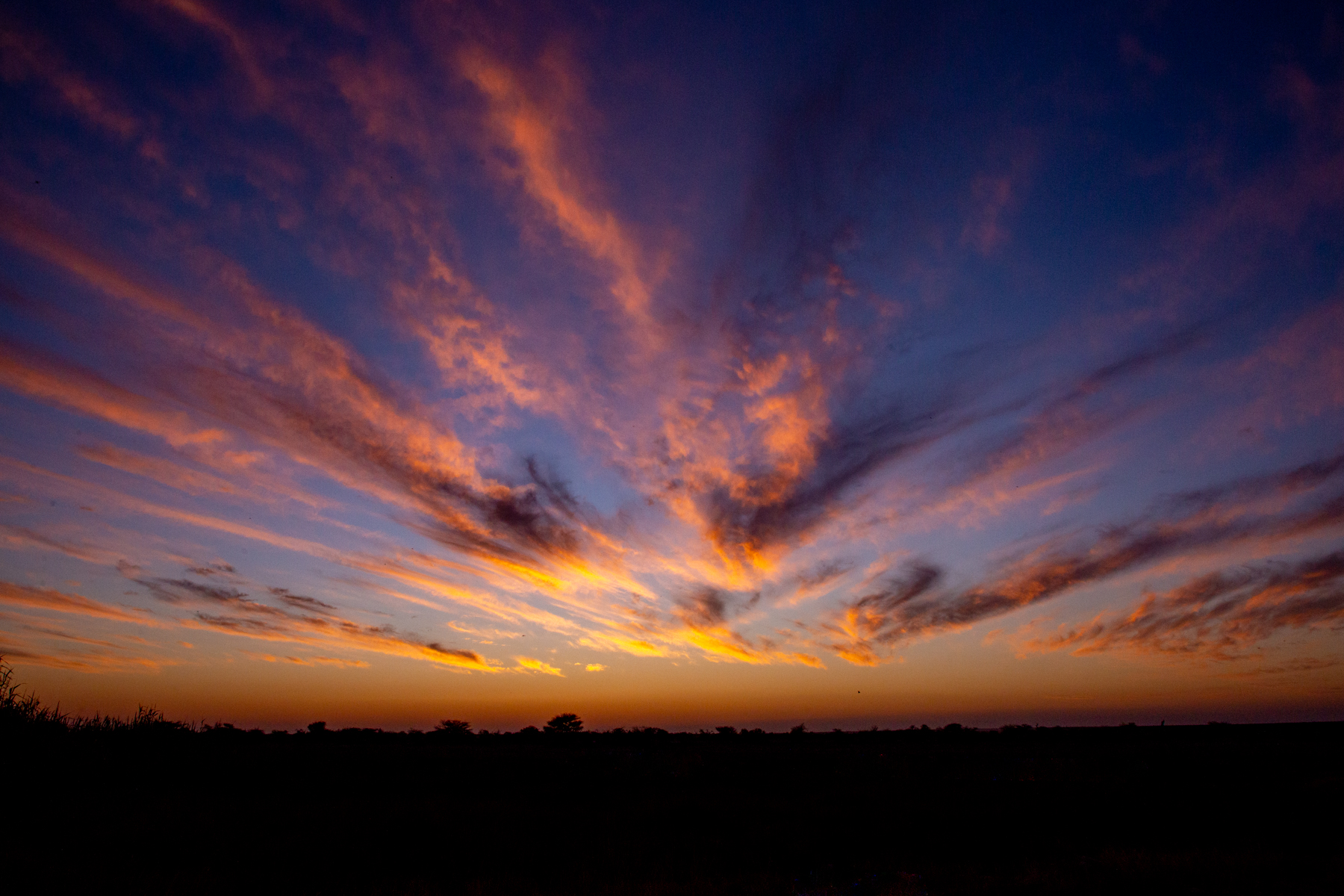
One of the many spectacular sunsets we witnessed on our tours (image by Inger Vandyke)
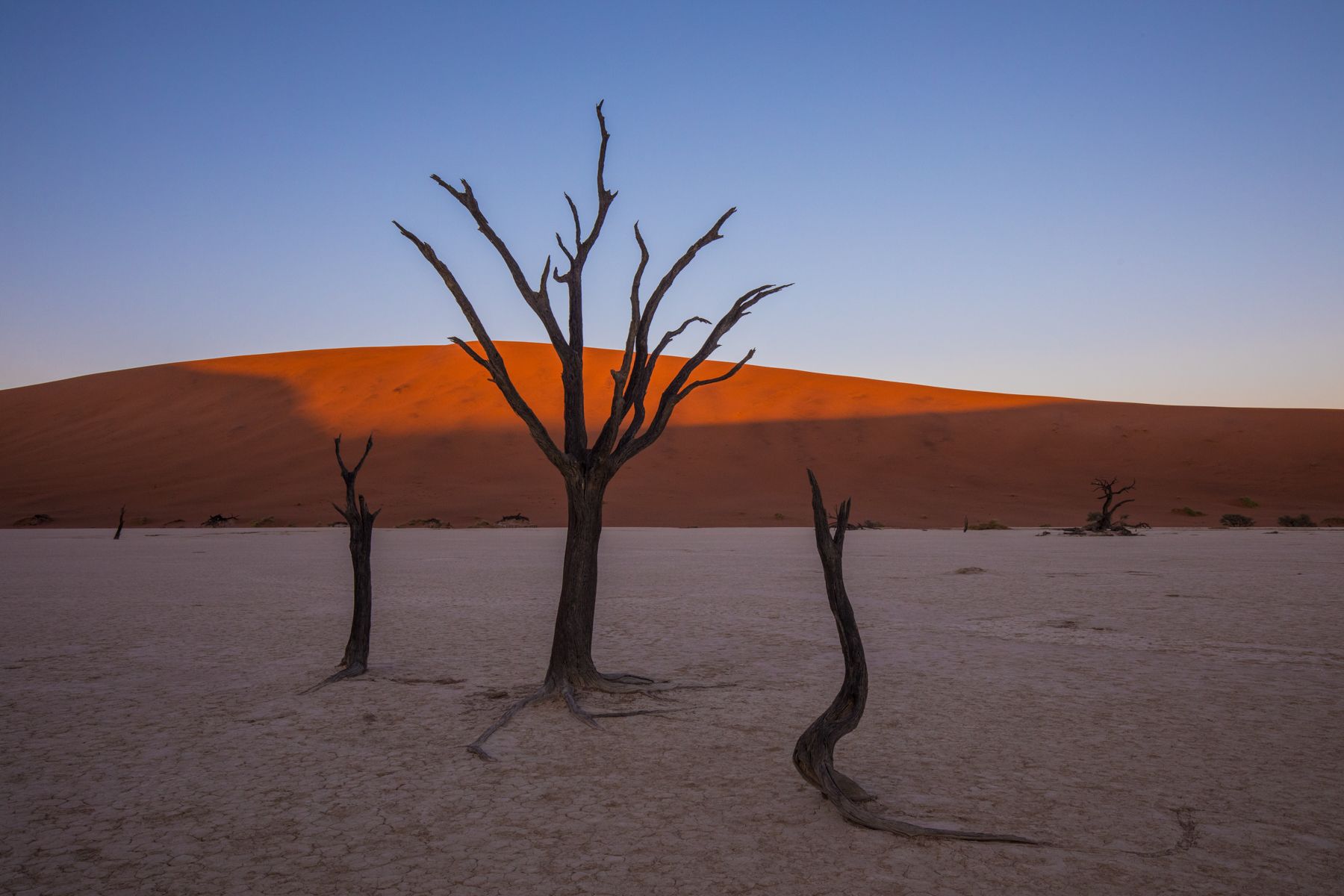
Deadvlei at dawn (image by Inger Vandyke)

Calling Swainson's Spurfowl (image by Inger Vandyke)
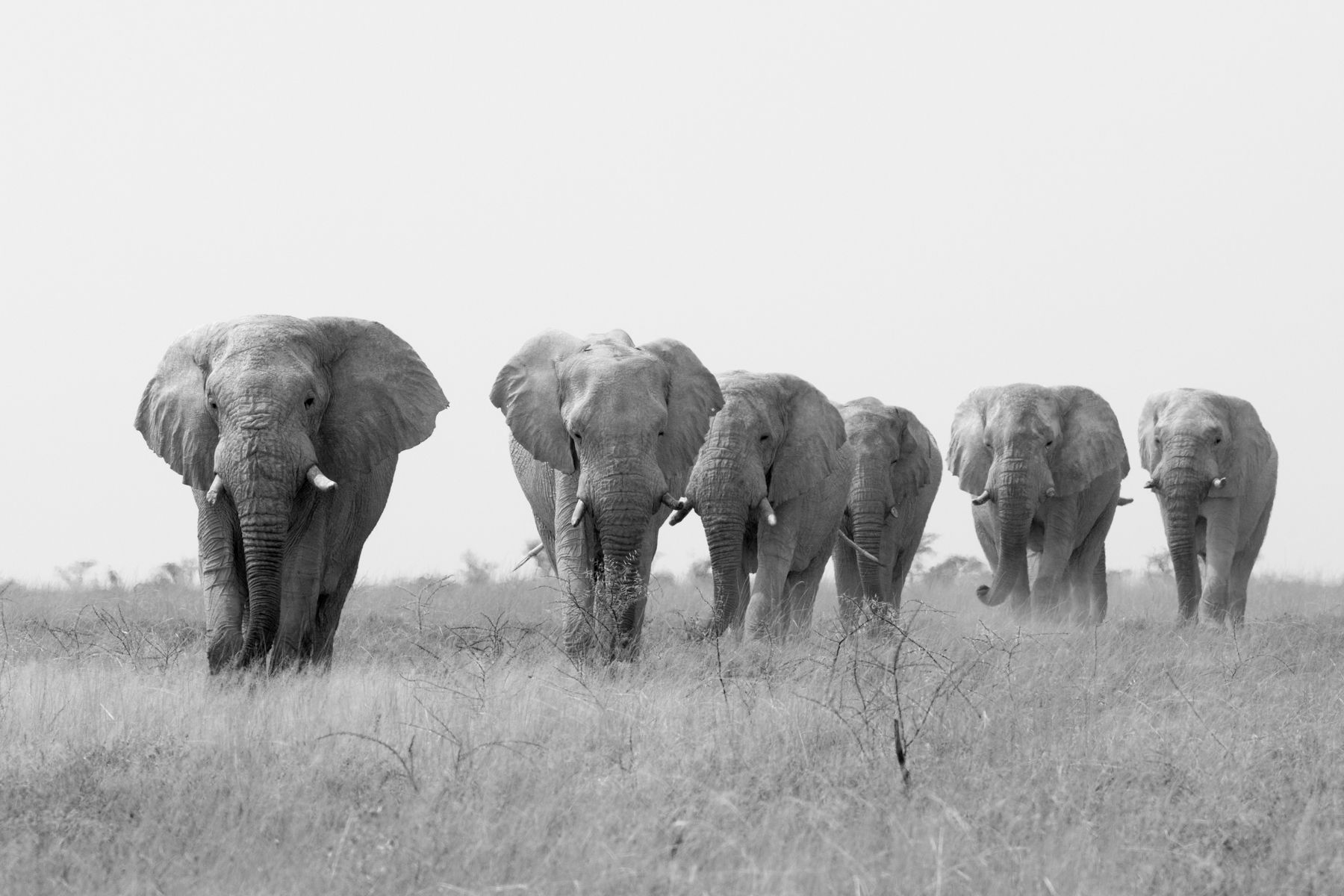
Line of giants in Etosha (image by Inger Vandyke)
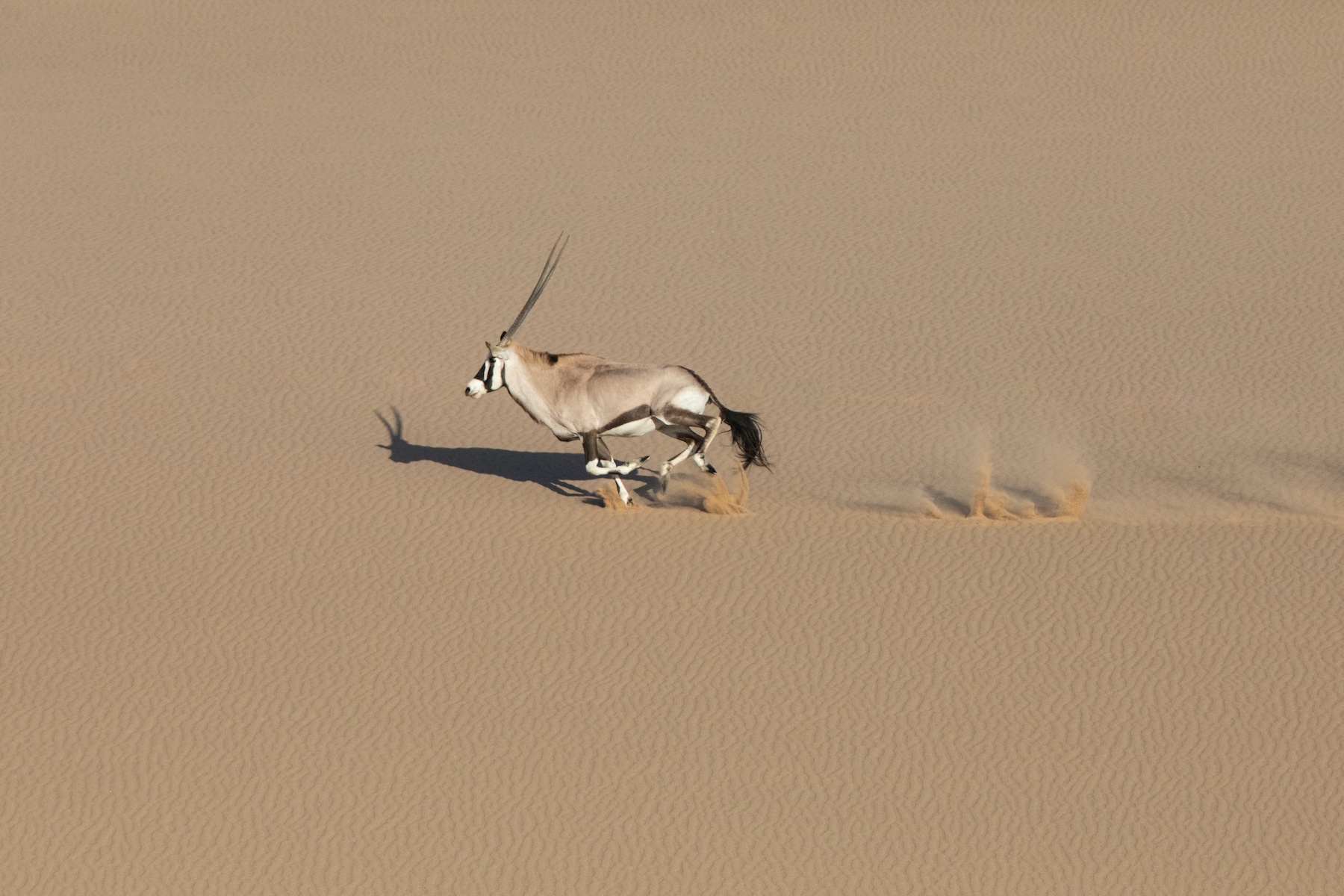
Oryx running on the dunes at Sandwich Harbour (image by Inger Vandyke)
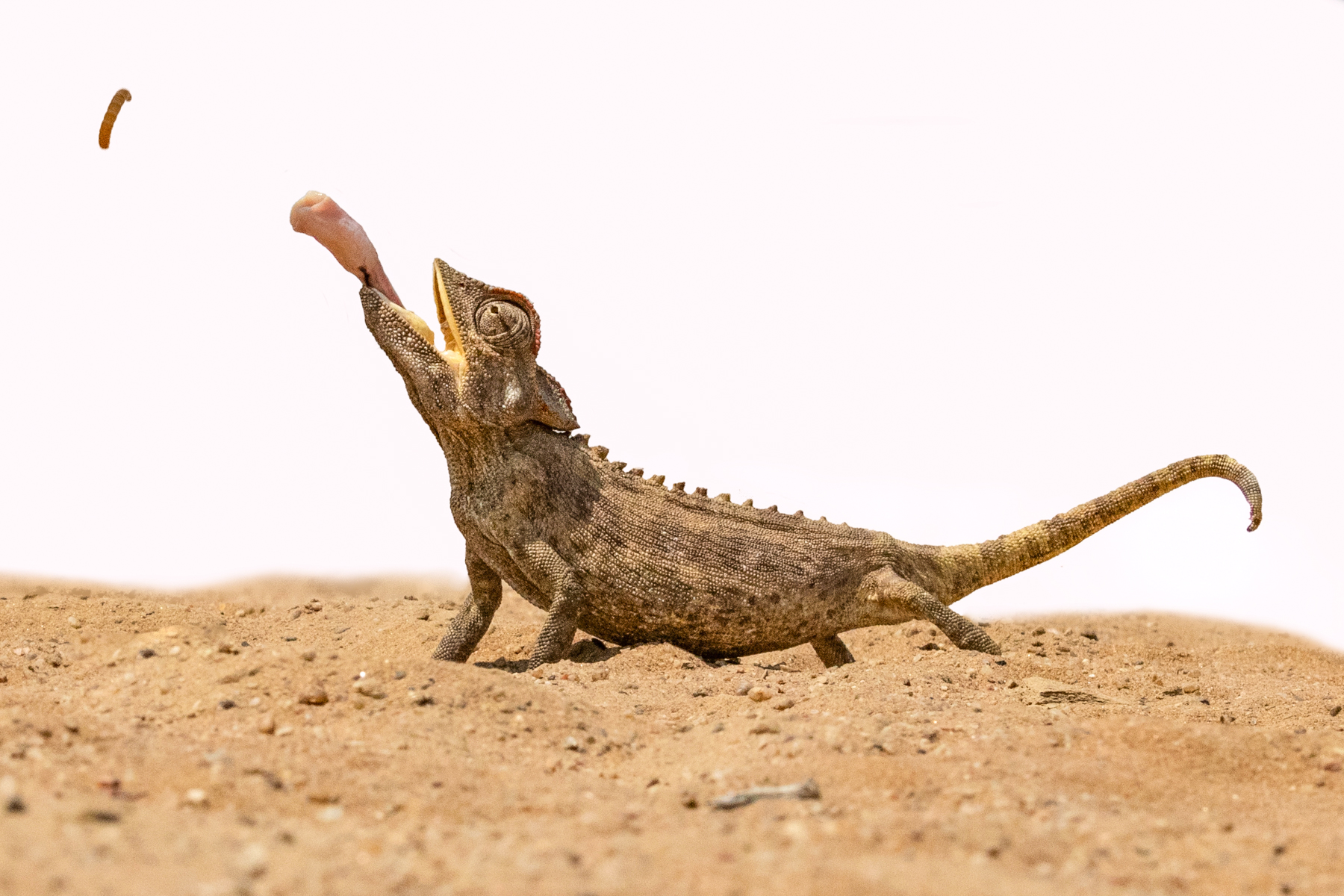
A Namaqua Chameleon catches its breakfast on our Living Desert trip, the ultimate Sandbox Safari (image by Inger Vandyke)

Banded Mongoose group at termite mound in Etosha (image by Inger Vandyke)
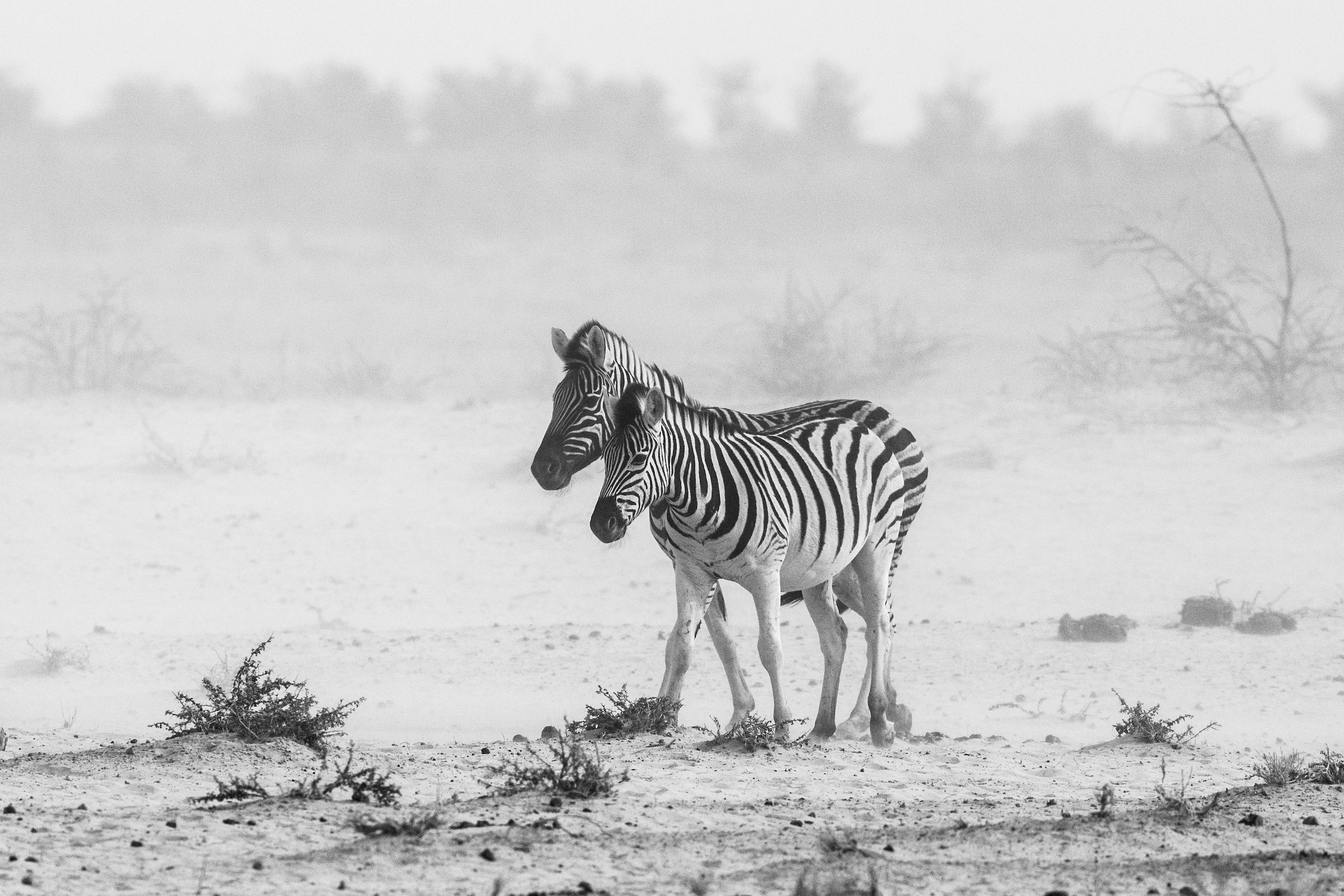
A pair of Burchell's Zebras wait out a dust storm in Etosha (image by Inger Vandyke)
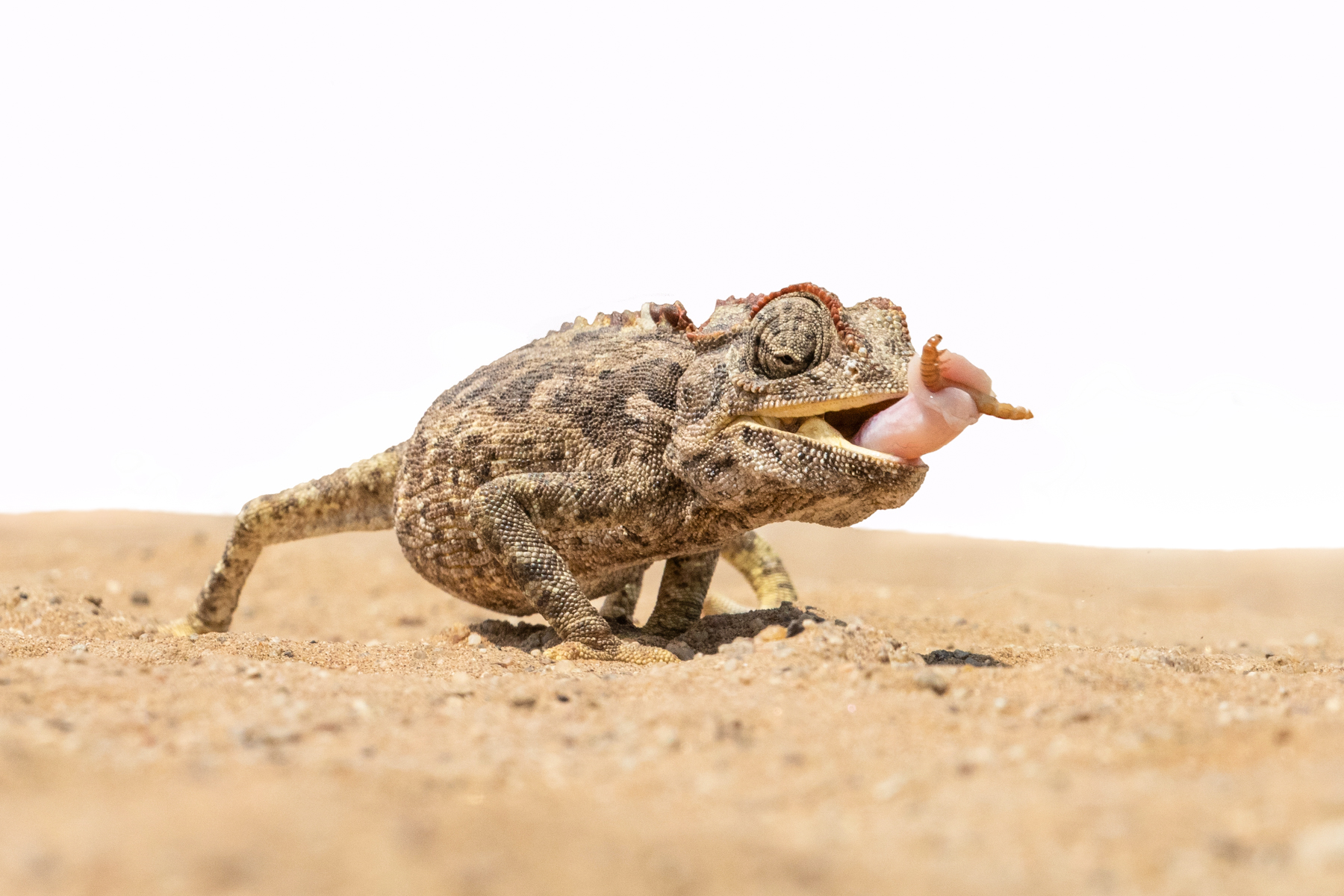
Who knew? A Namaqua Chameleon actually 'grabs' its meals using the end of its tongue! (image by Inger Vandyke)
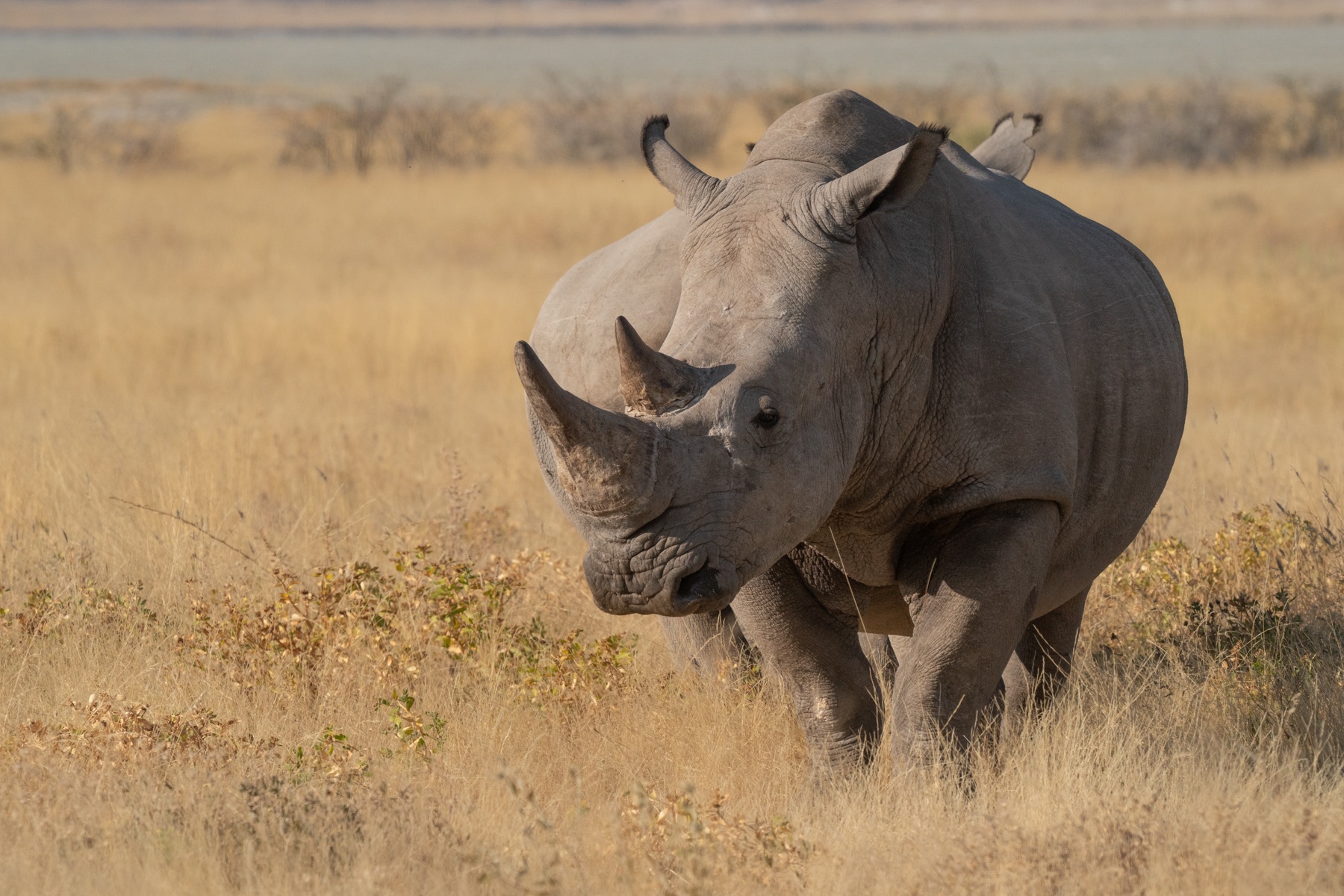
Close encounters of the White Rhino kind in Etosha (image by Inger Vandyke)
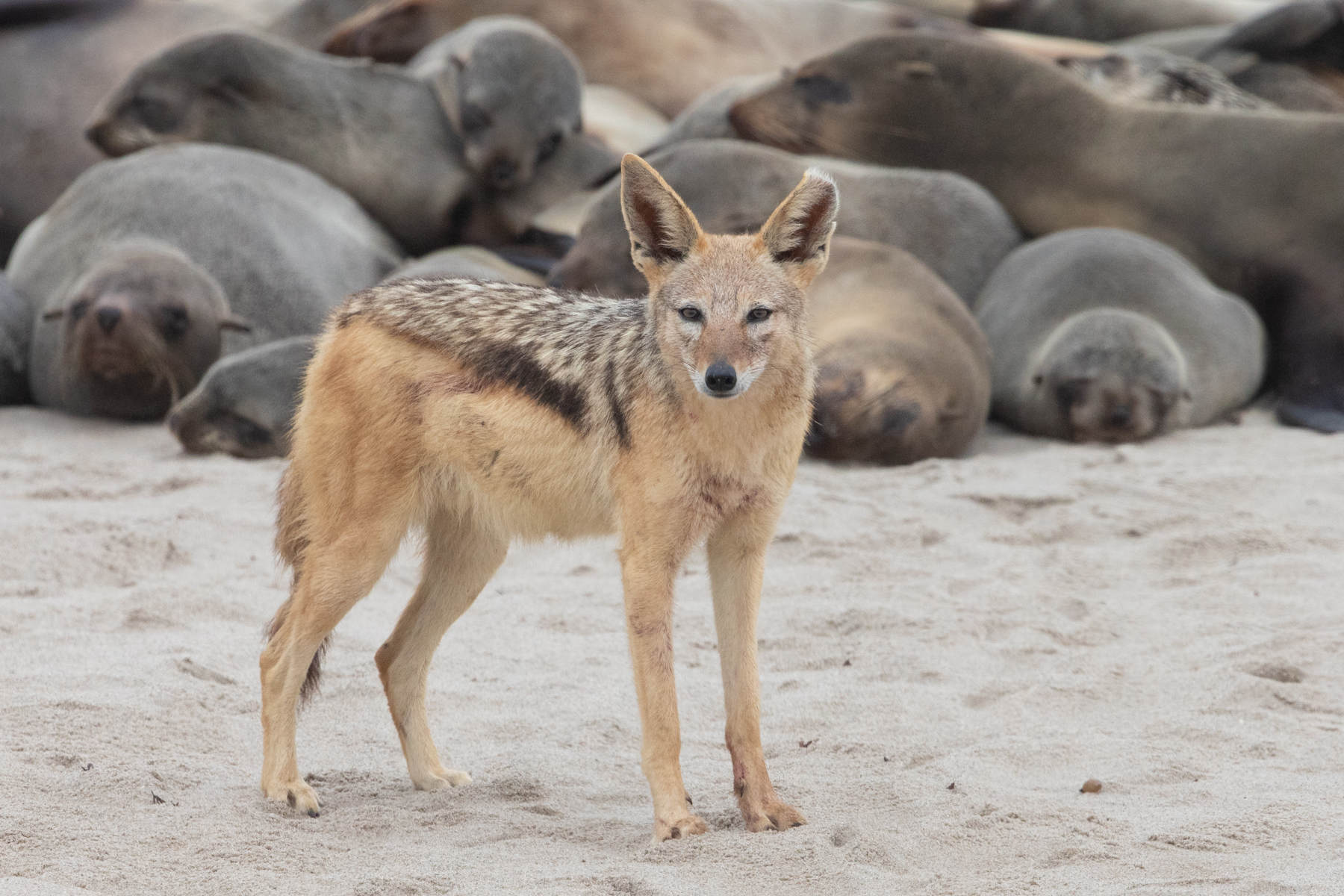
Portrait of a Black-backed Jackal in the Cape Fur Seal colony at Cape Cross (image by Inger Vandyke)

Beautiful Oryx, or Gemsbok. Their colours contrast so well with the stunning red dunes of Sossusvlei (image by Sean Braine)
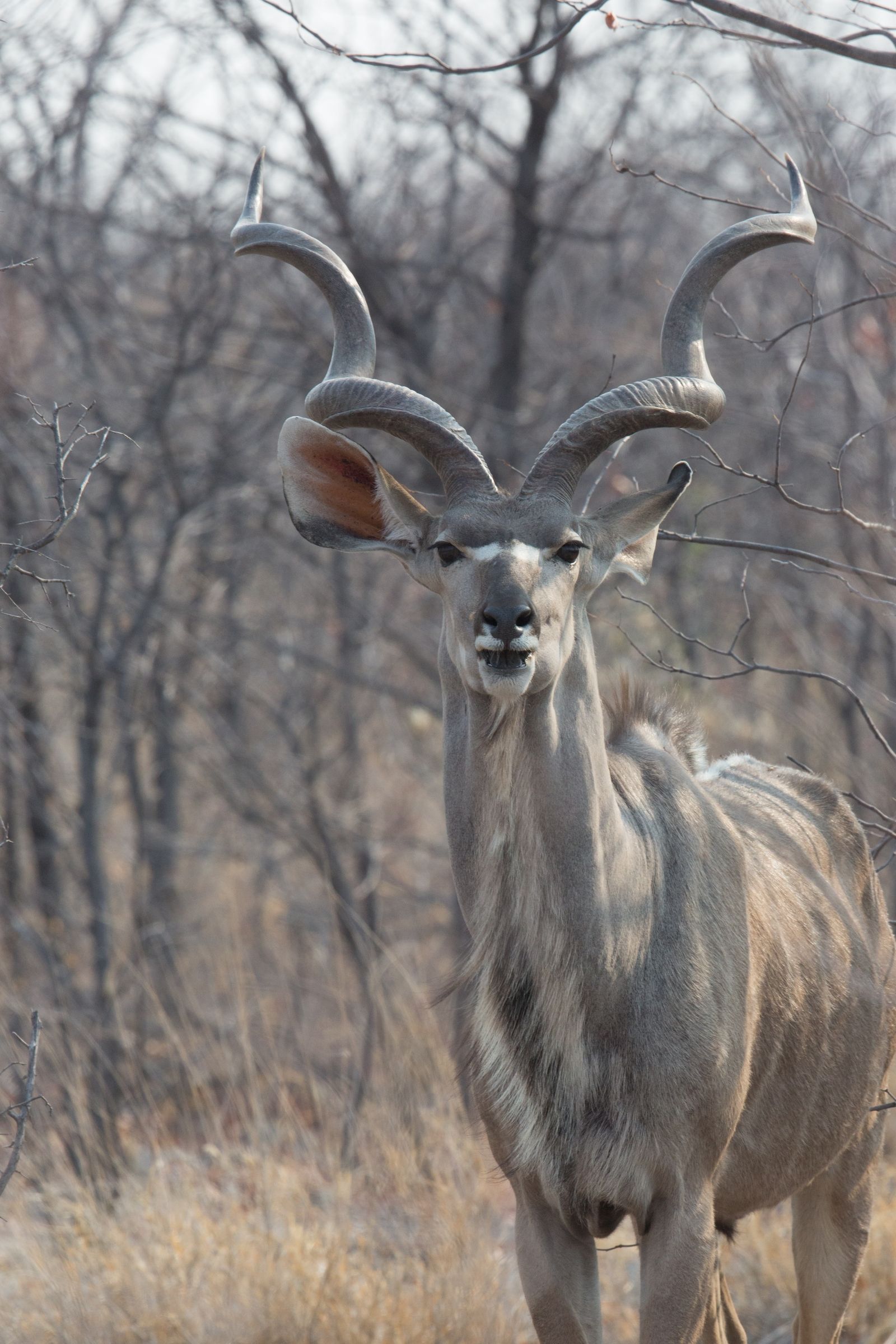
A stunning male Kudu in Etosha (image by Inger Vandyke)


Close encounters with a line of drinking Impalas at Onkolo Hide (image by Onguma Camps)
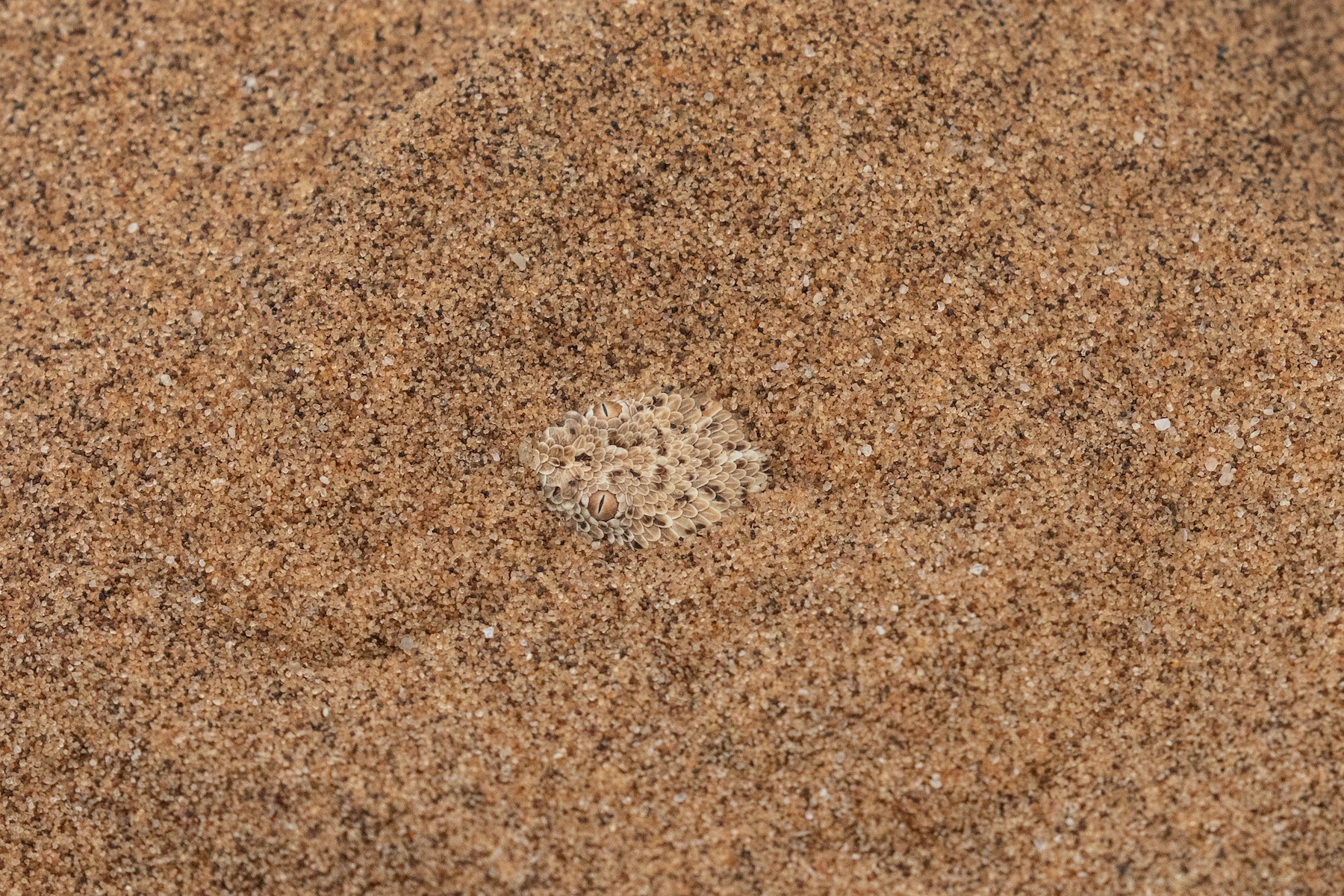
The tiny eyes of a Peringuey's Adder in the dune sands of Dorob (image by Inger Vandyke)
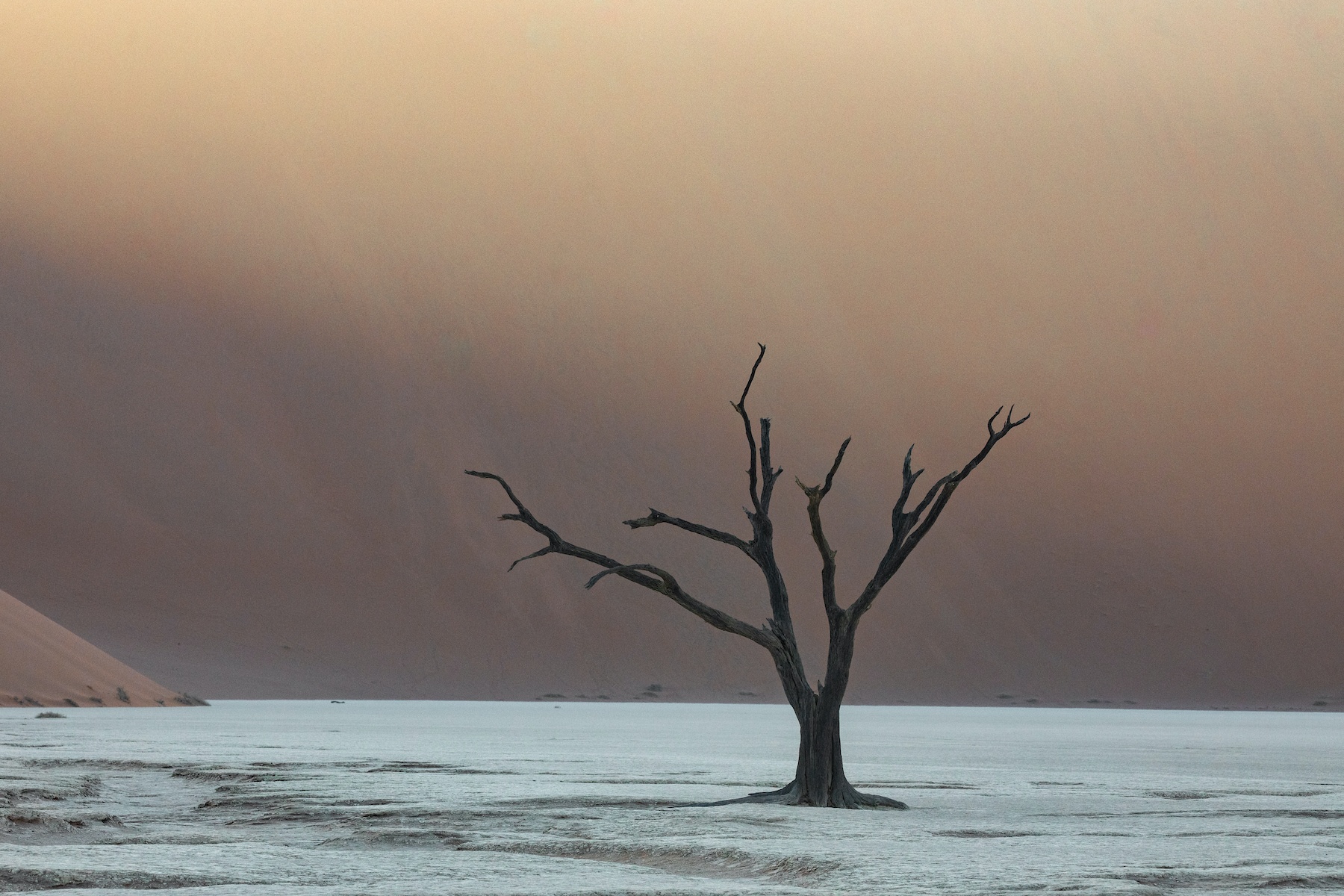
A rare morning where coastal fog descended on Deadvlei (image by Inger Vandyke)
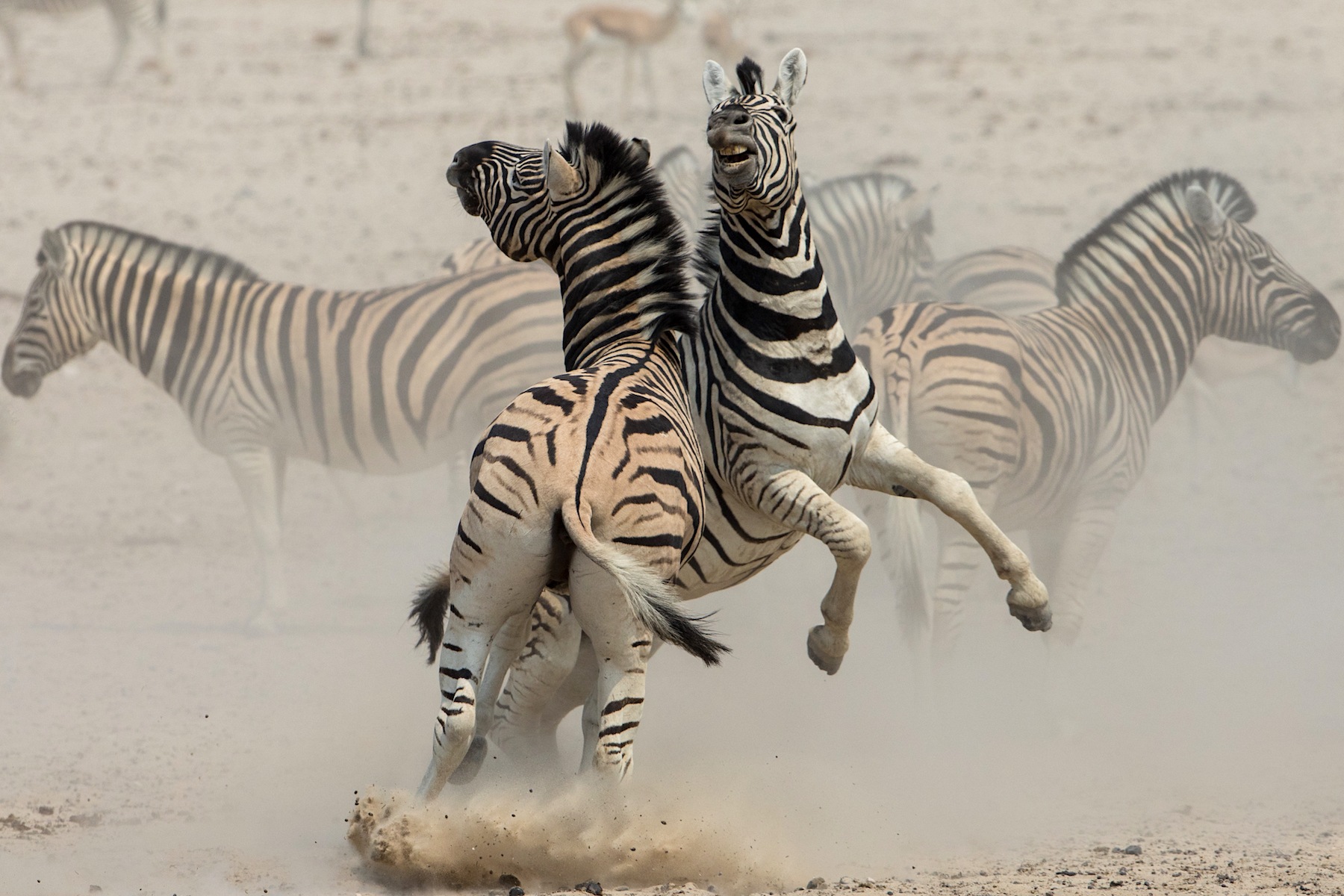
Burchell's Zebras fight it out in the dust of Etosha (image by Inger Vandyke)

An early morning Desert Toktokkie (image by Sean Braine)

An Etosha elephant takes a dust bath after his swim (image by Sean Braine)

A young elephant takes a dust bath at Okaukeujo in Etosha at sunset (image by Inger Vandyke)
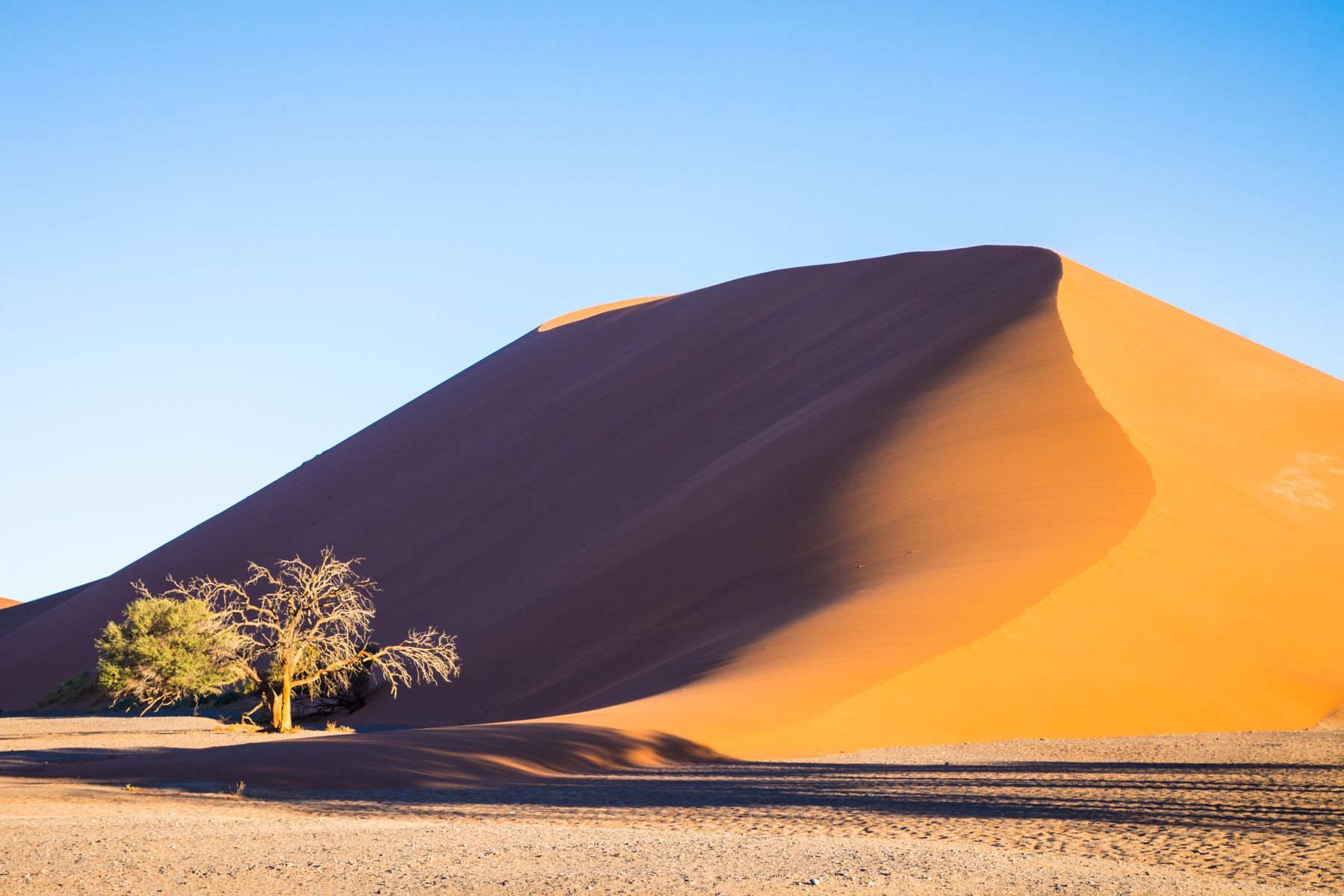
As the sun sets in Sossusvlei, a tree pierces the shadows (image by Inger Vandyke)
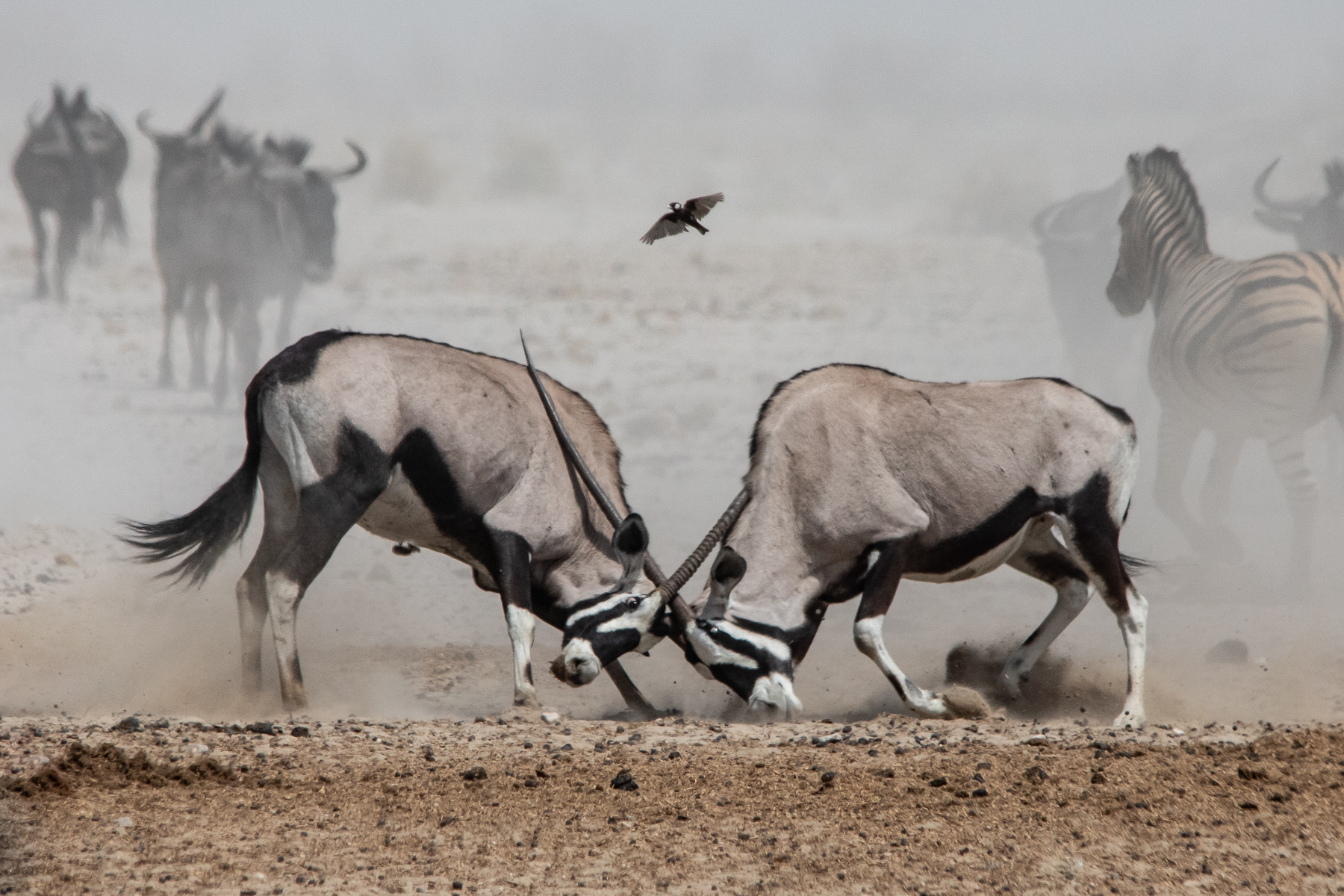
When activity at a waterhole gets tough, the tough Oryx get going. Even the birds get scared! (Image by Inger Vandyke)

An Oryx faces the harshness of Sossusvlei (image by Sean Braine)
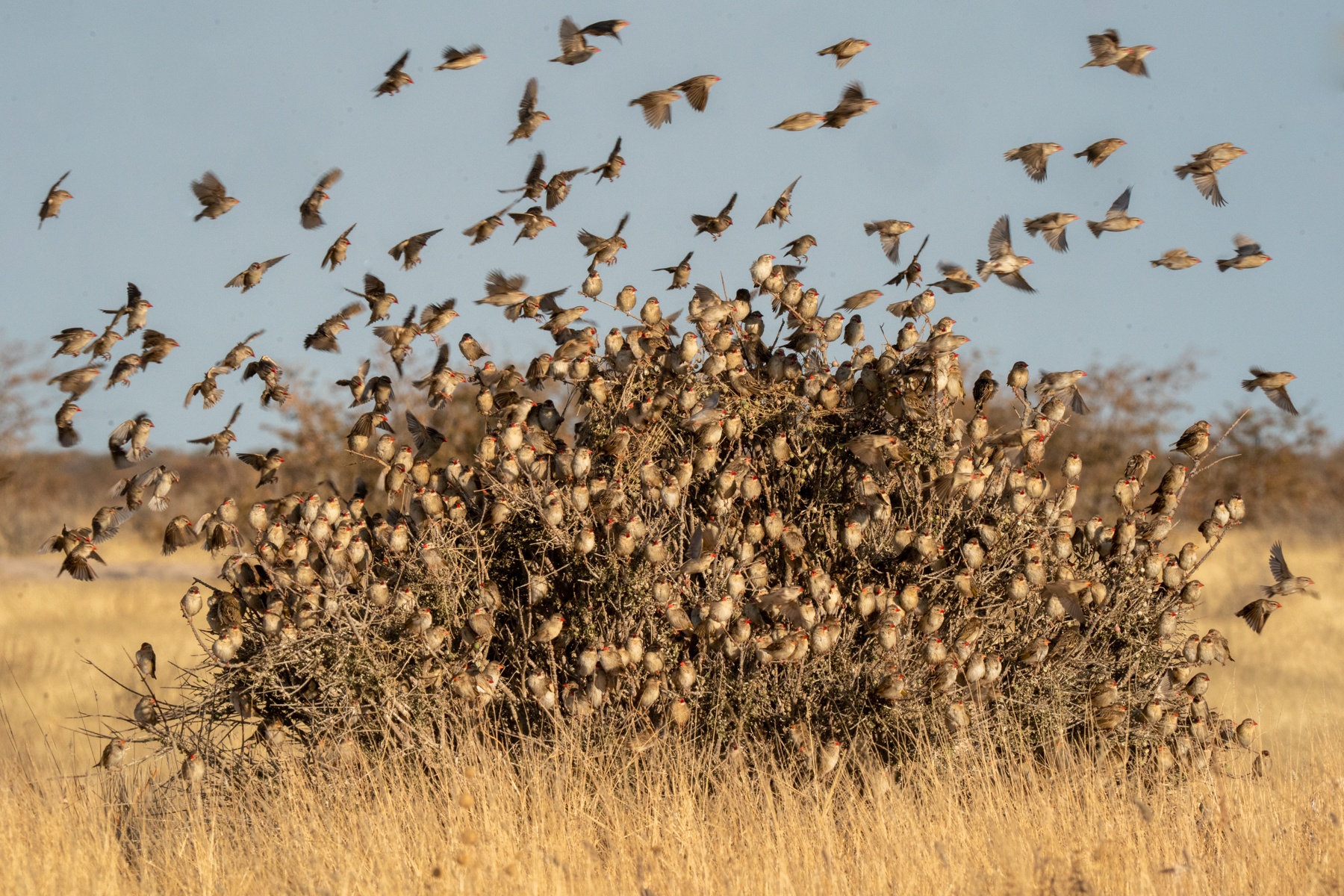
A flock of Red-billed Queleas take off from their bushy perch in Etosha (image by Inger Vandyke)
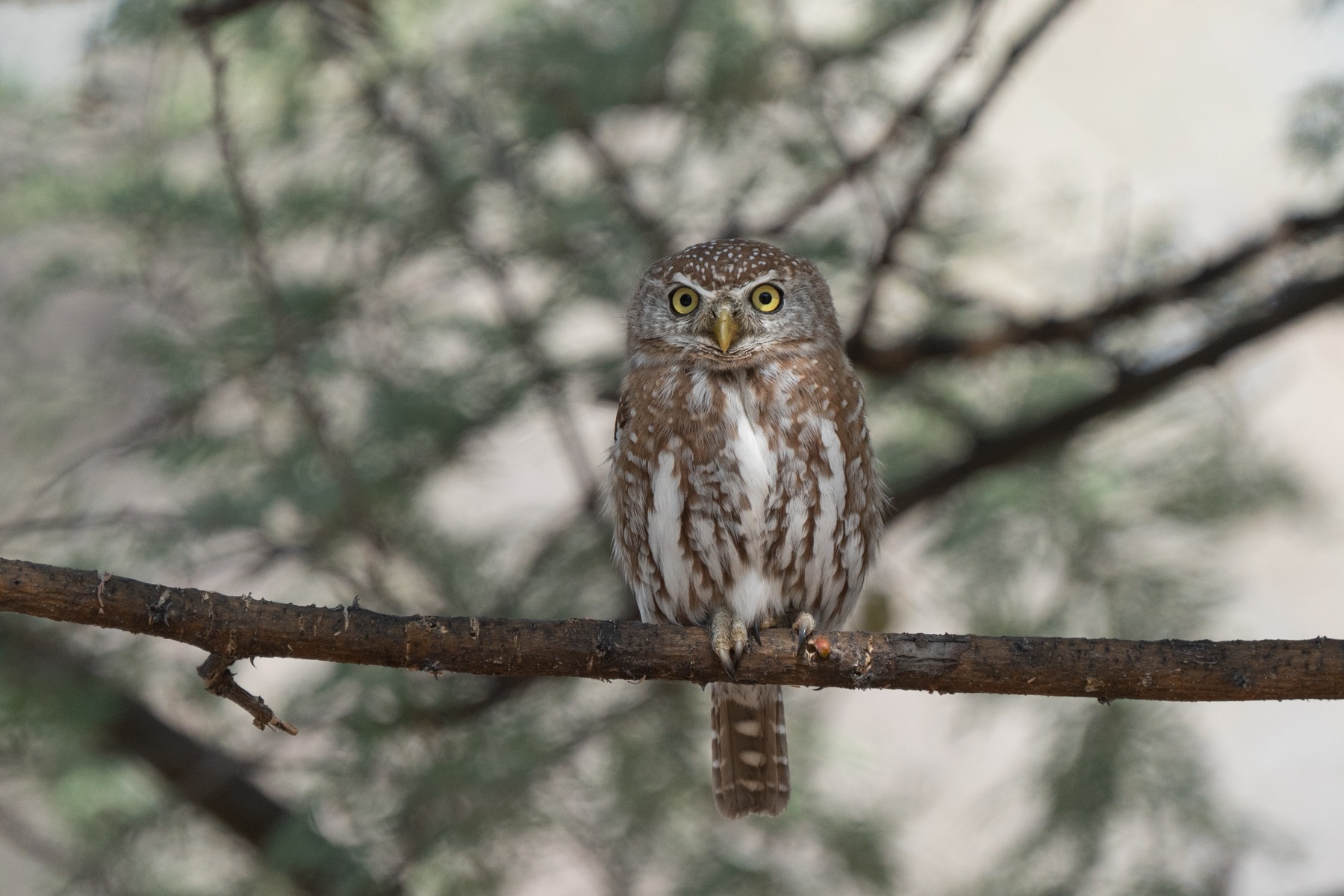
Pearl-spotted Owlet in Okaukuejo, Etosha. They always look angry! (image by Inger Vandyke)
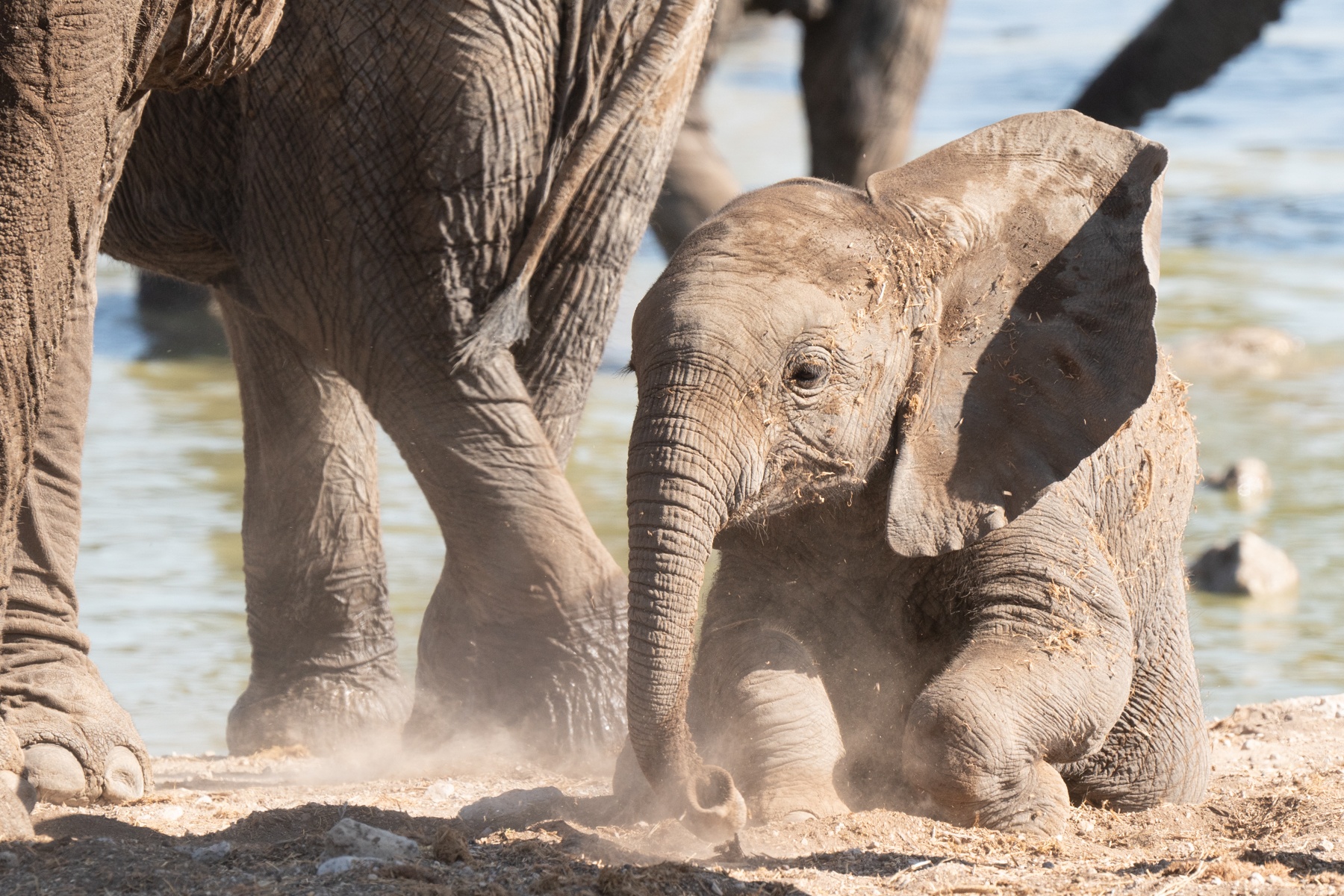
Baby elephant playing in the herd at Etosha (image by Inger Vandyke)
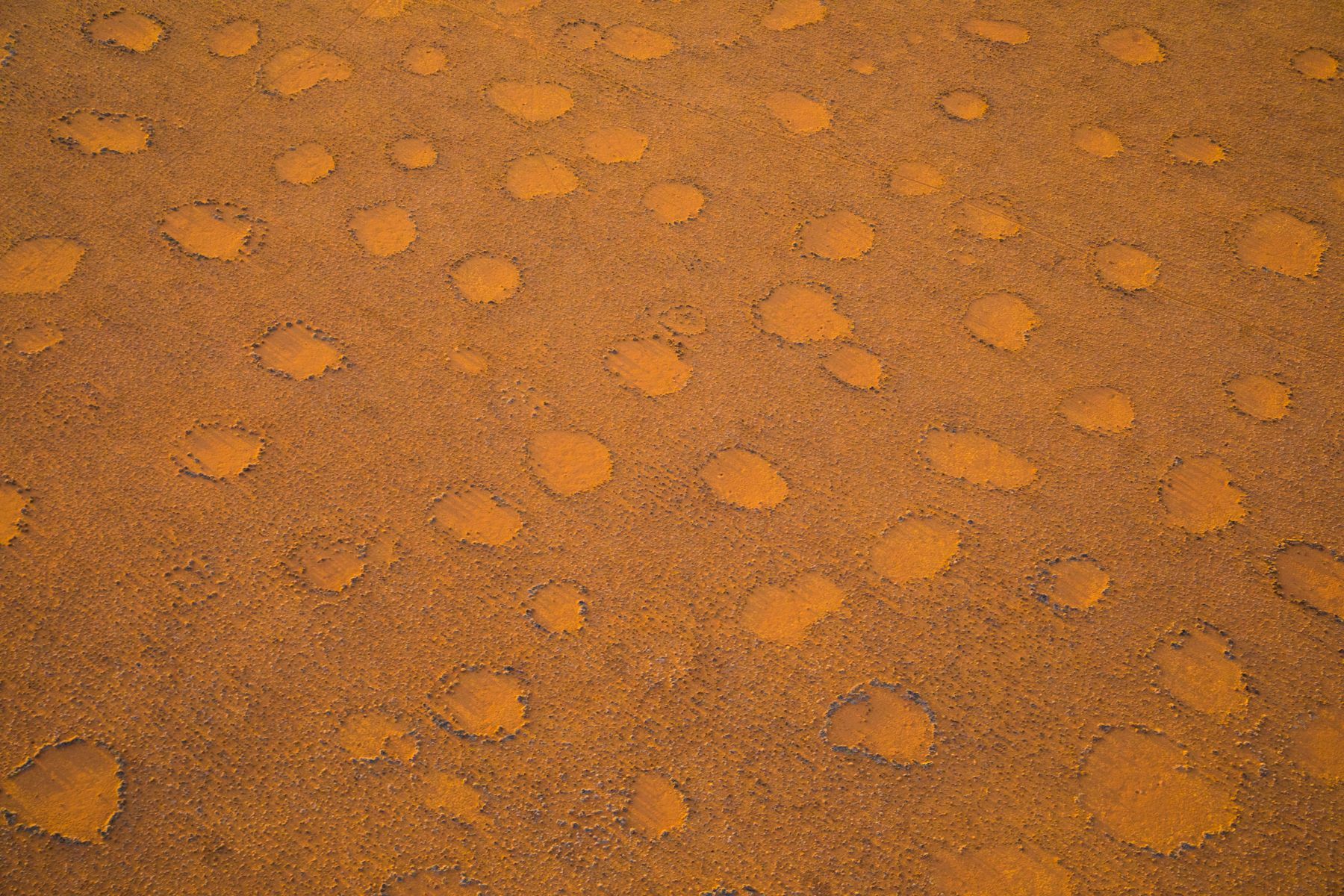
Namibia's mysterious Fairy Circles dot the landscape at Sossusvlei. Image by Inger Vandyke.

Gorgeous Swallow-tailed Bee Eater (image by Inger Vandyke)
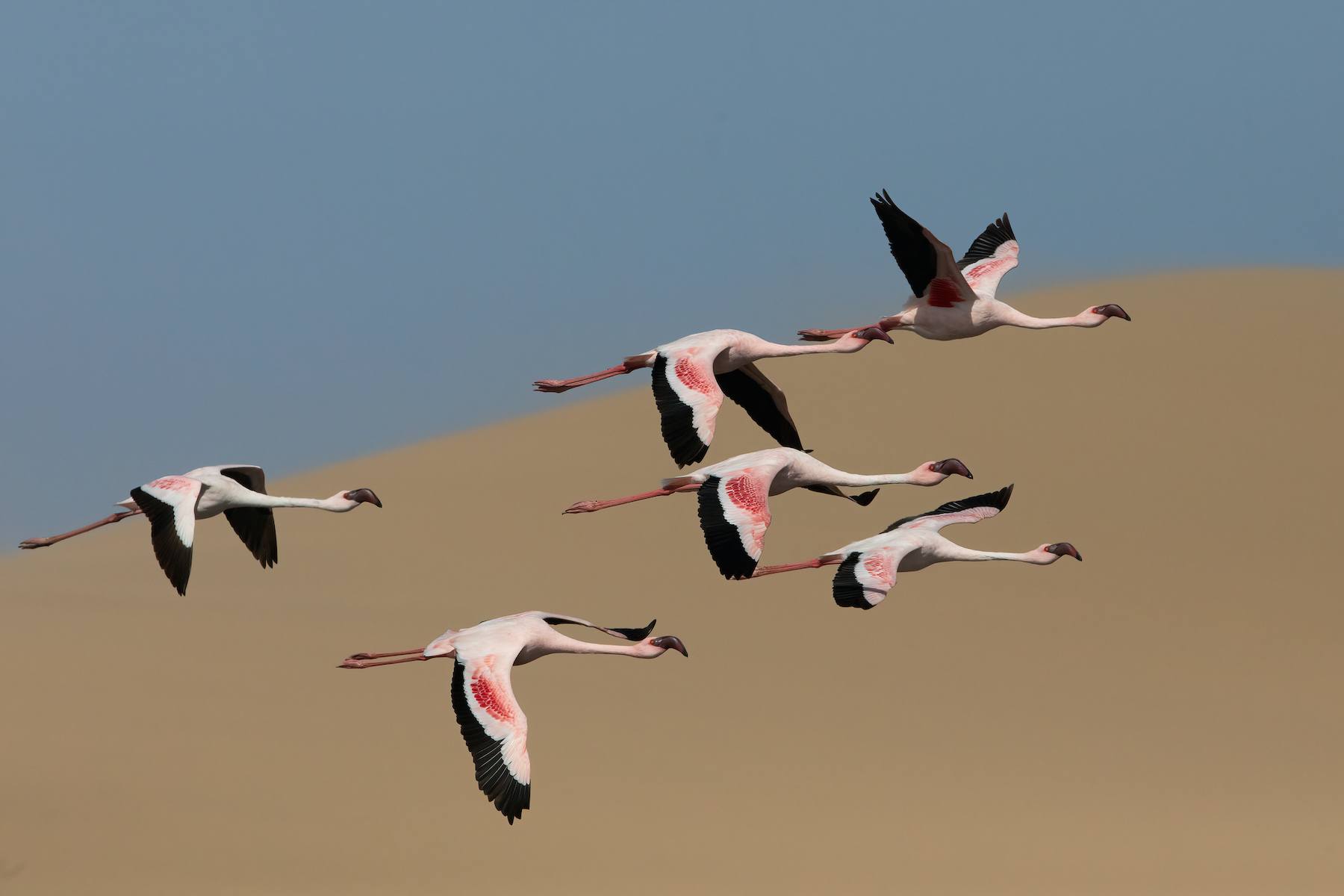
Flamingos take flight in front of the dunes at Sandwich Harbour. There is nowhere in Africa where you can photograph them like this, other than Namibia. (image by Inger Vandyke)
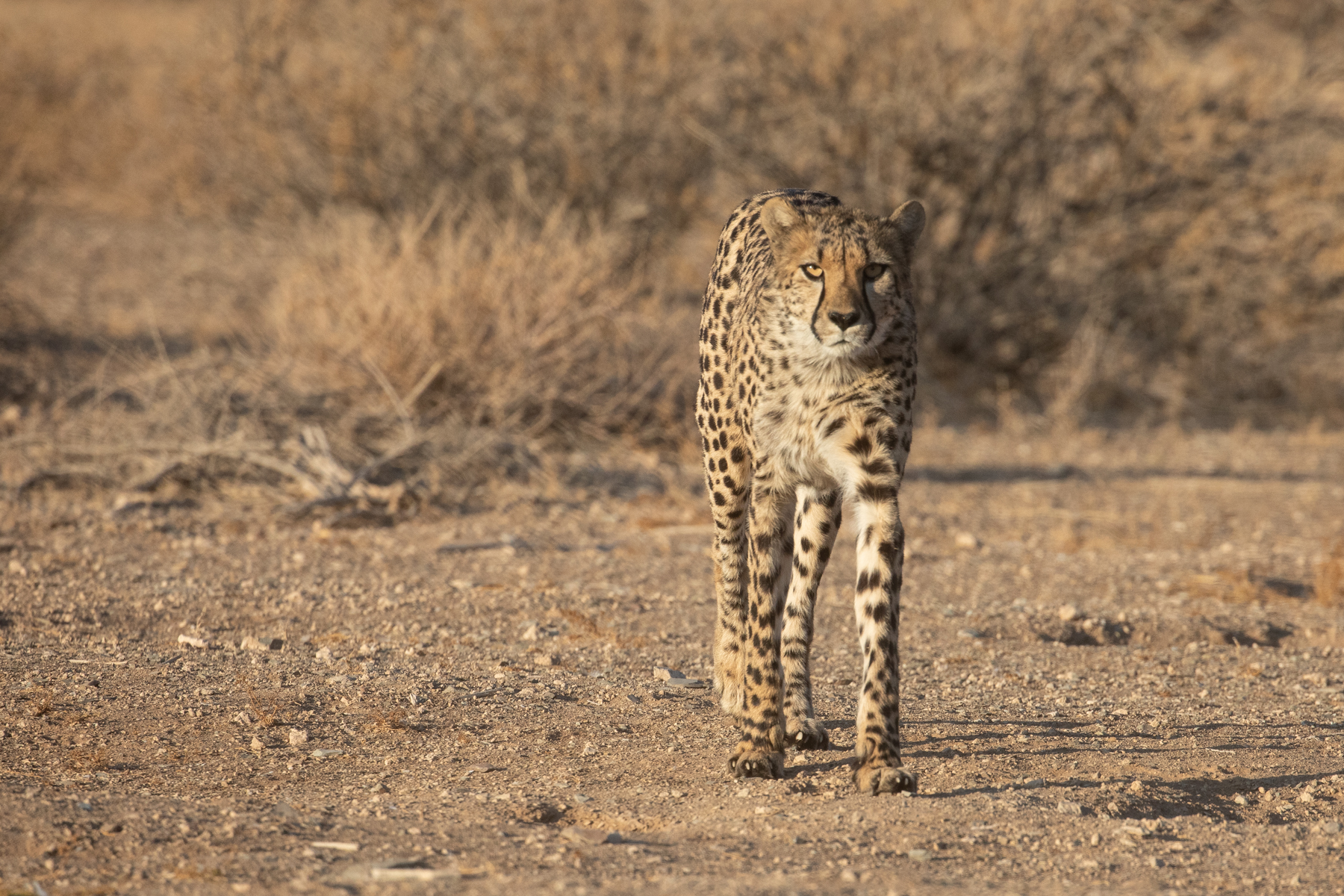
A Cheetah ambles towards us (image by Inger Vandyke)

Early morning flamingo reflections at Walvis Bay (image by Inger Vandyke)
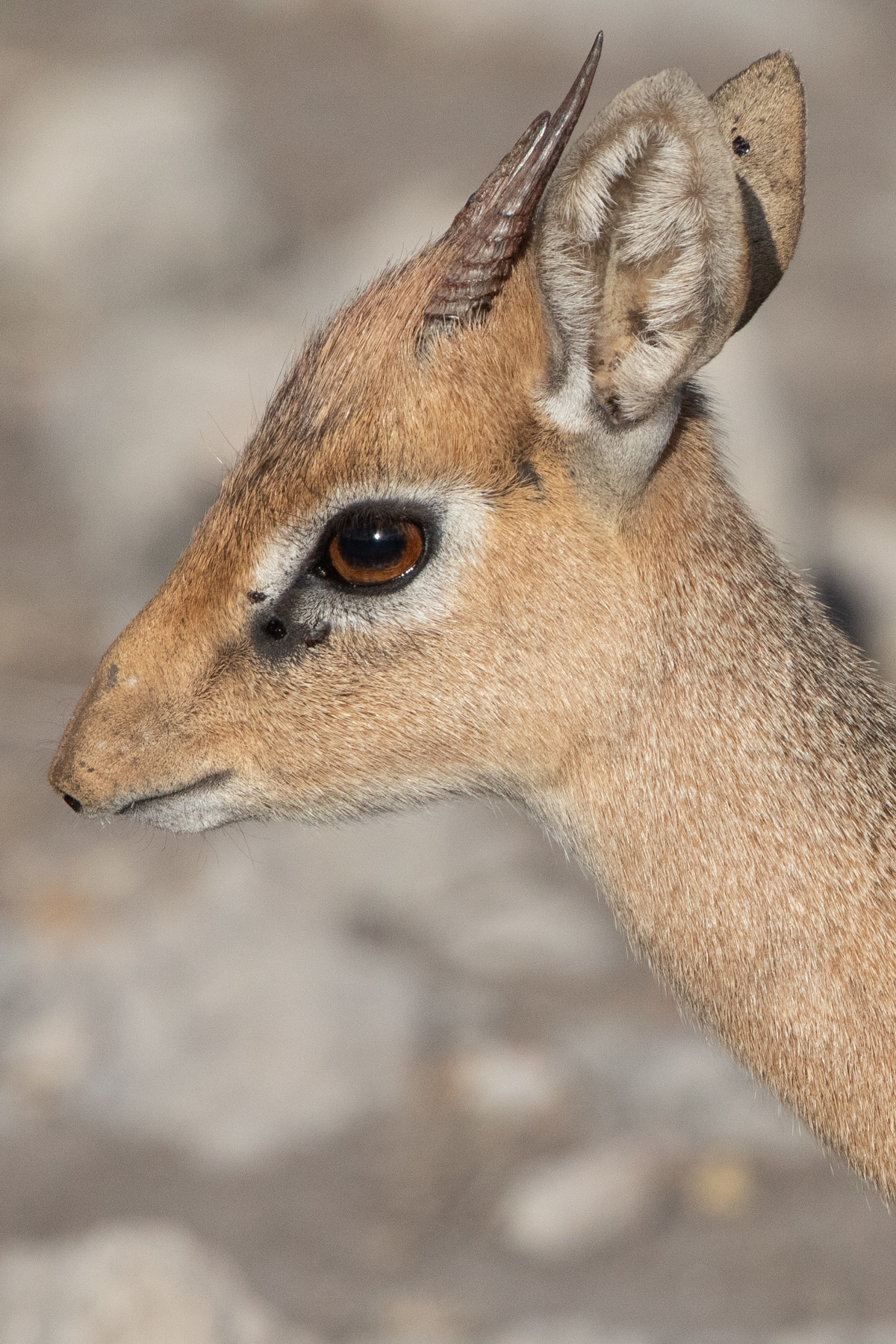
Portrait of a Damara Dik Dik in Etosha (image by Inger Vandyke)

A shy Helmeted (or Marsh) Terrapin (image by Inger Vandyke)
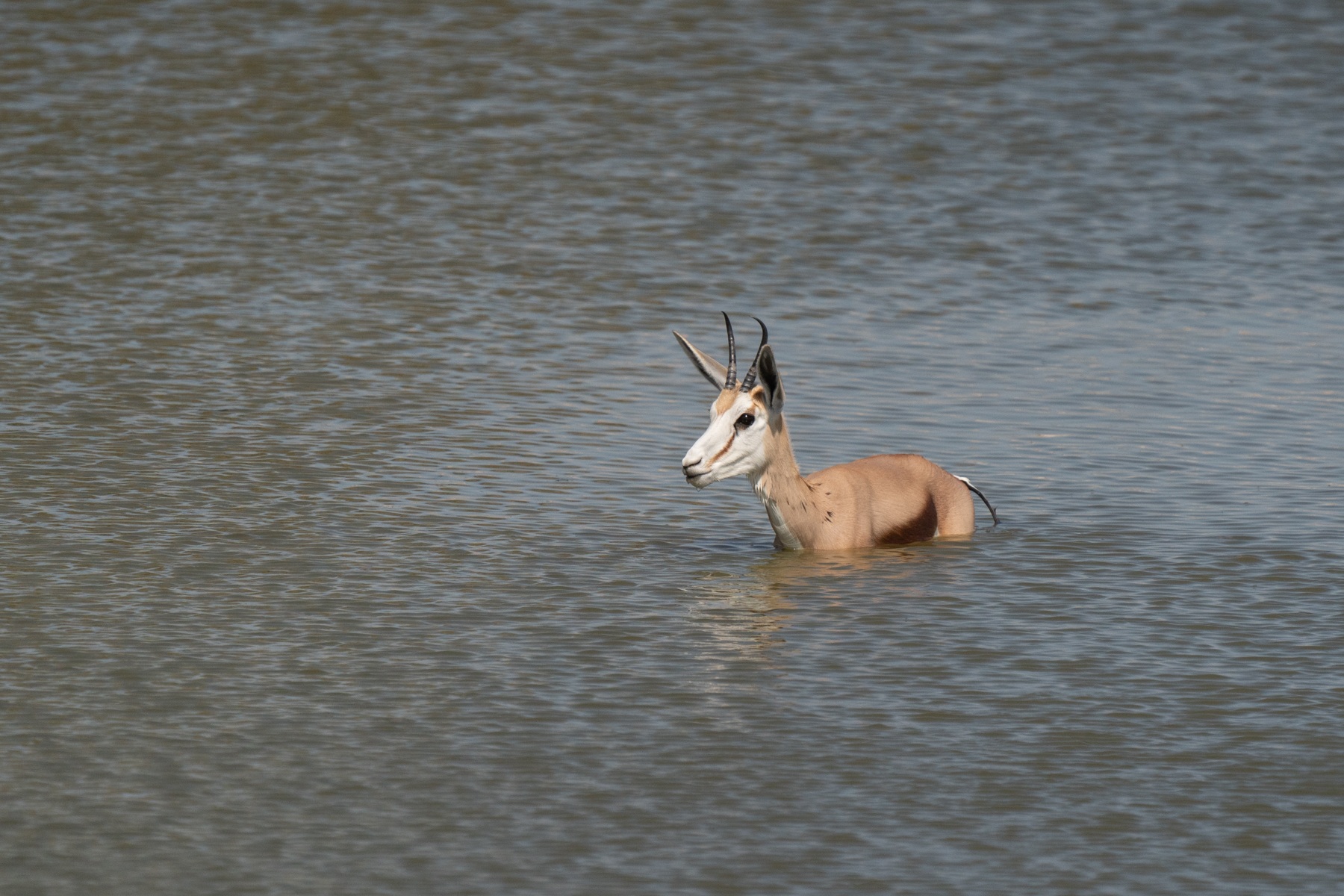
A Springbok takes to the water to cool off in Etosha, Namibia (image by Inger Vandyke)
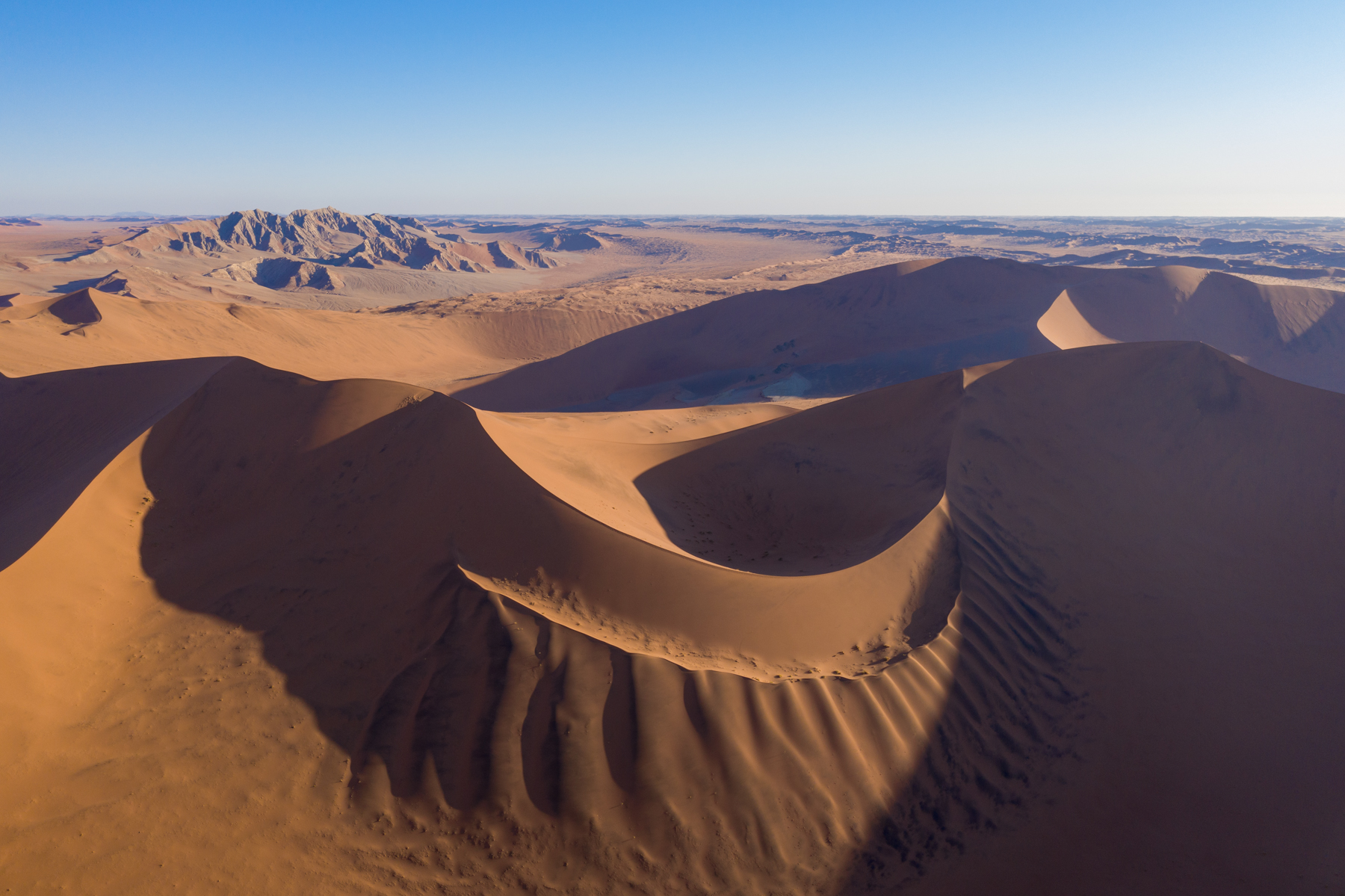
Aerial photography in Sossusvlei is one of the most sublime experiences in all of Africa (image by Inger Vandyke)
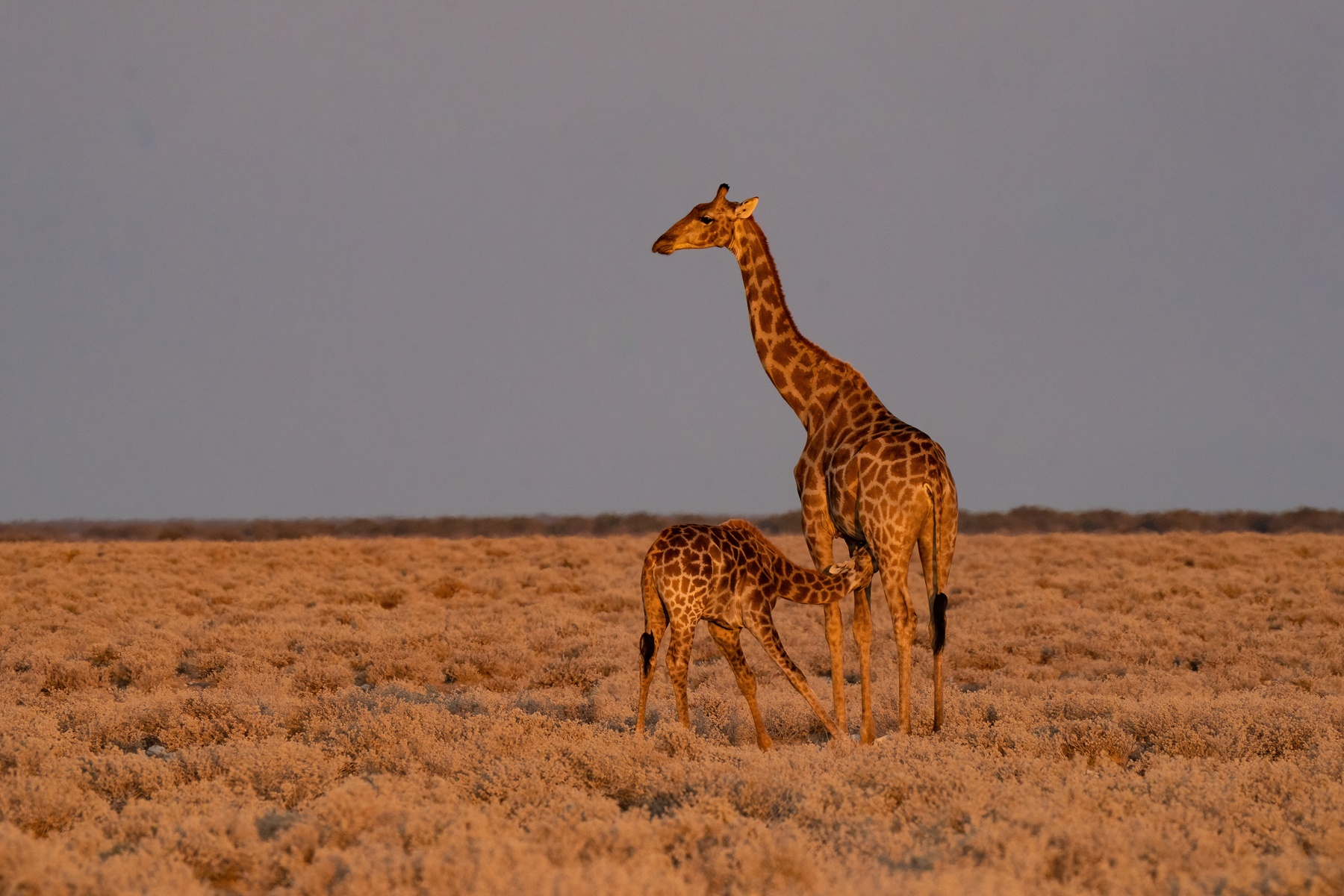
At first light in Etosha, a mother giraffe nurtures her baby (image by Inger Vandyke)
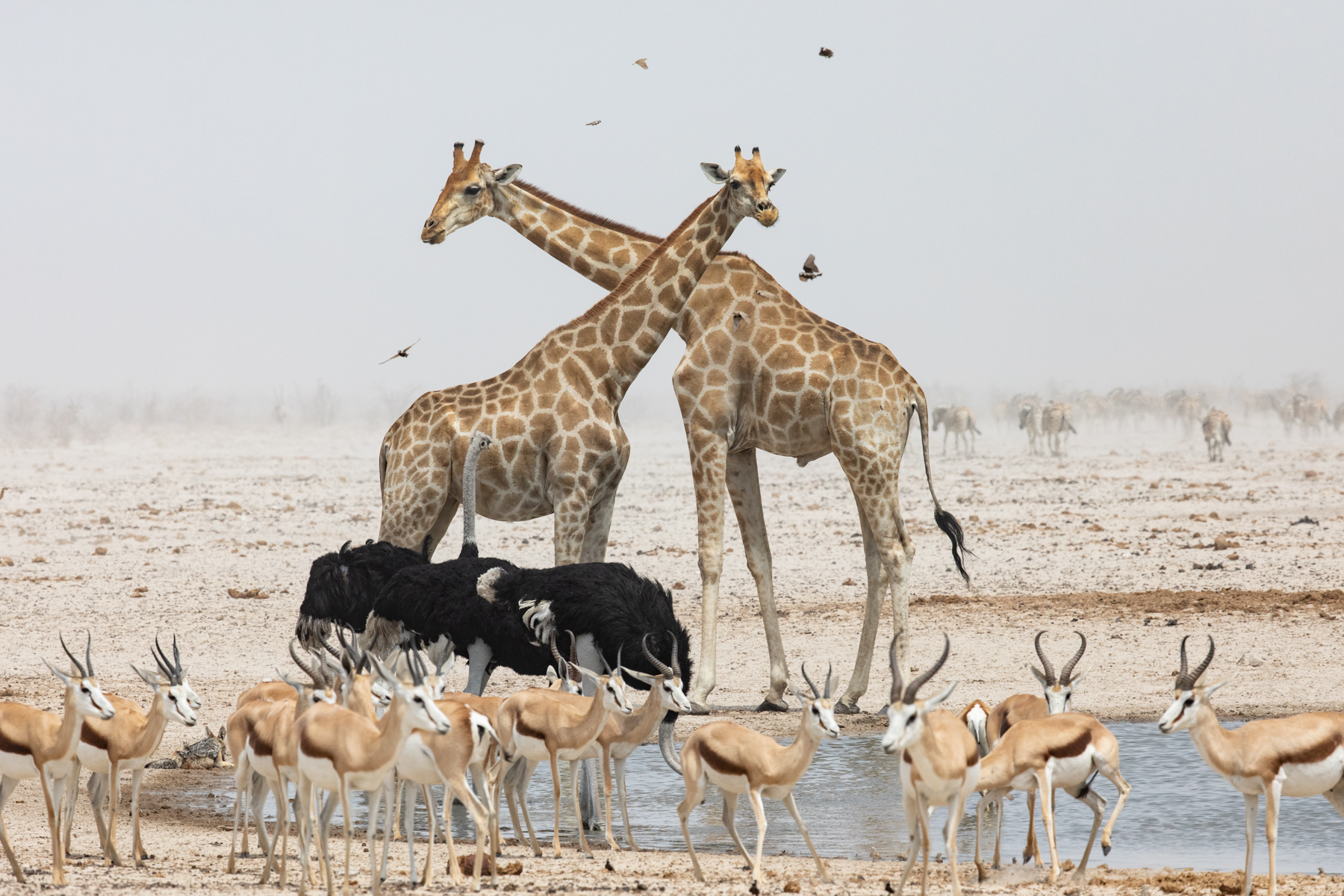
Peak hour at M'bari water hole in Etosha (image by Inger Vandyke)
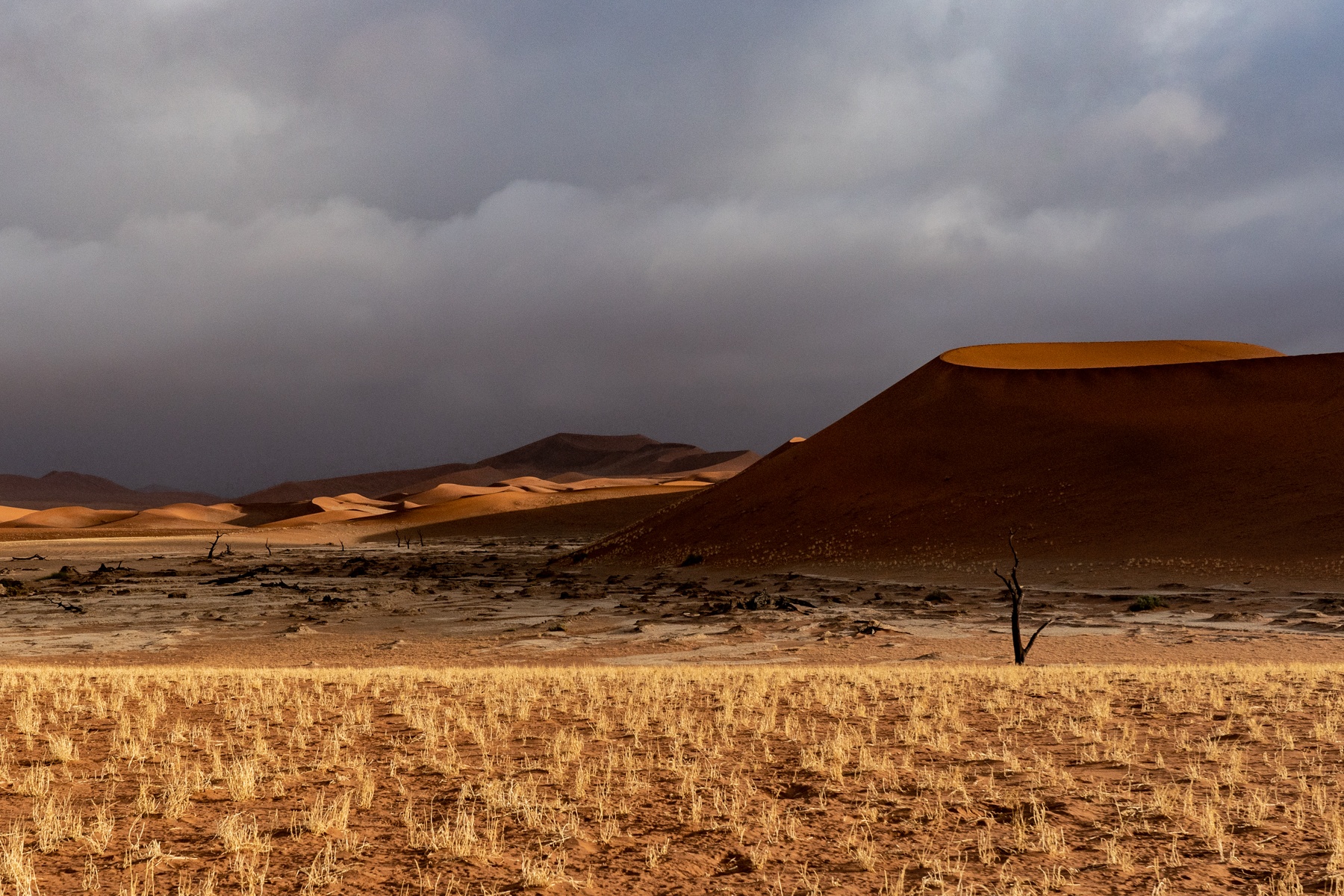
Storm clouds in Sossusvlei (image by Inger Vandyke)
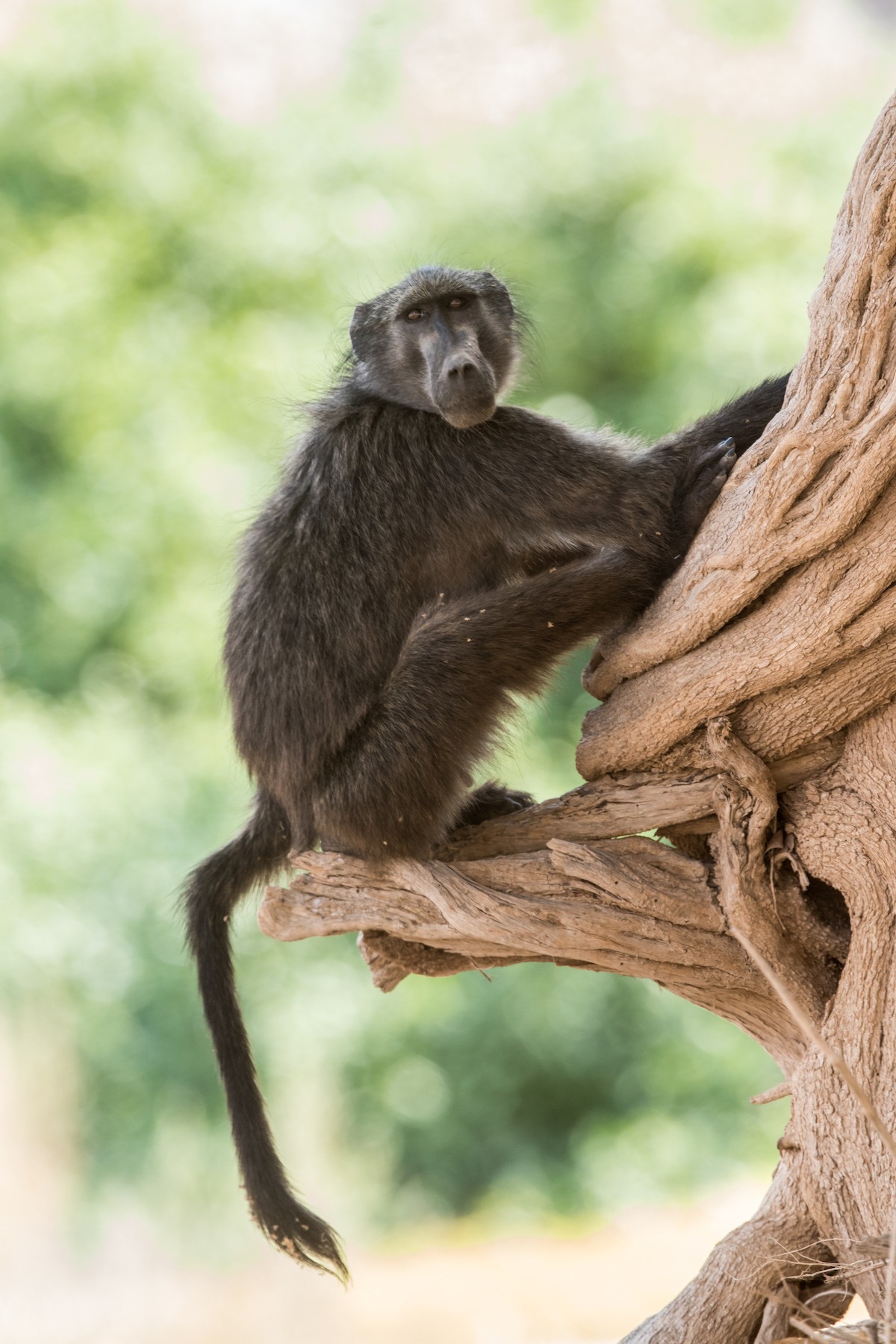
A Chacma Baboon seeks shade in a tree of the Hoanib ephemeral river (image by Inger Vandyke)

Avocets and Sanderlings (image by Inger Vandyke)
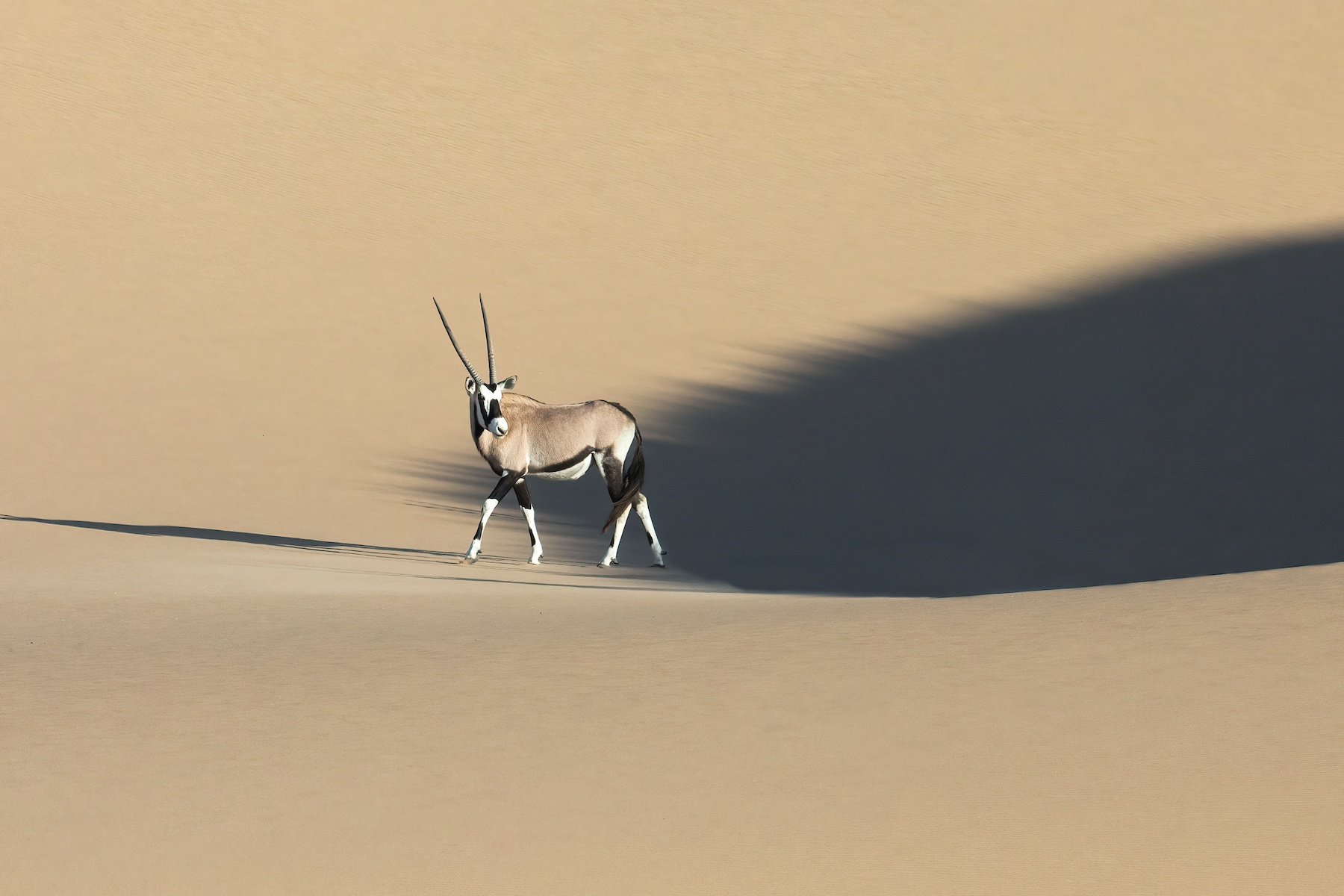
Oryx are truly the ballerinas of Namibia's dunes. They are so graceful and beautiful. (image by Inger Vandyke)
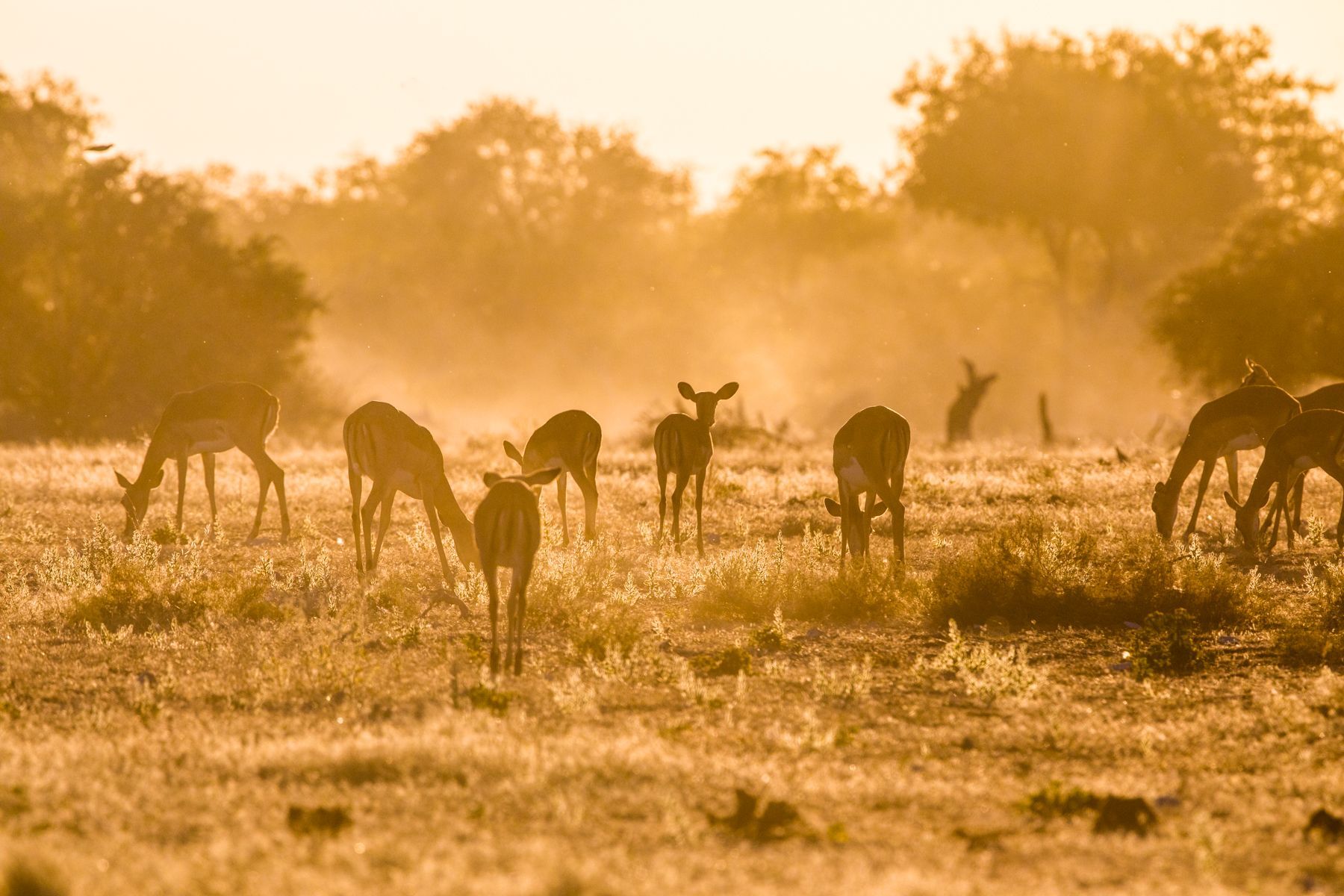
Sometimes the dust and light create incredible silhouette photography opportunities in Etosha (image by Inger Vandyke)

Black-faced Impala buck (image by Inger Vandyke)

Portrait of a Common Ostrich (image by Sean Braine)
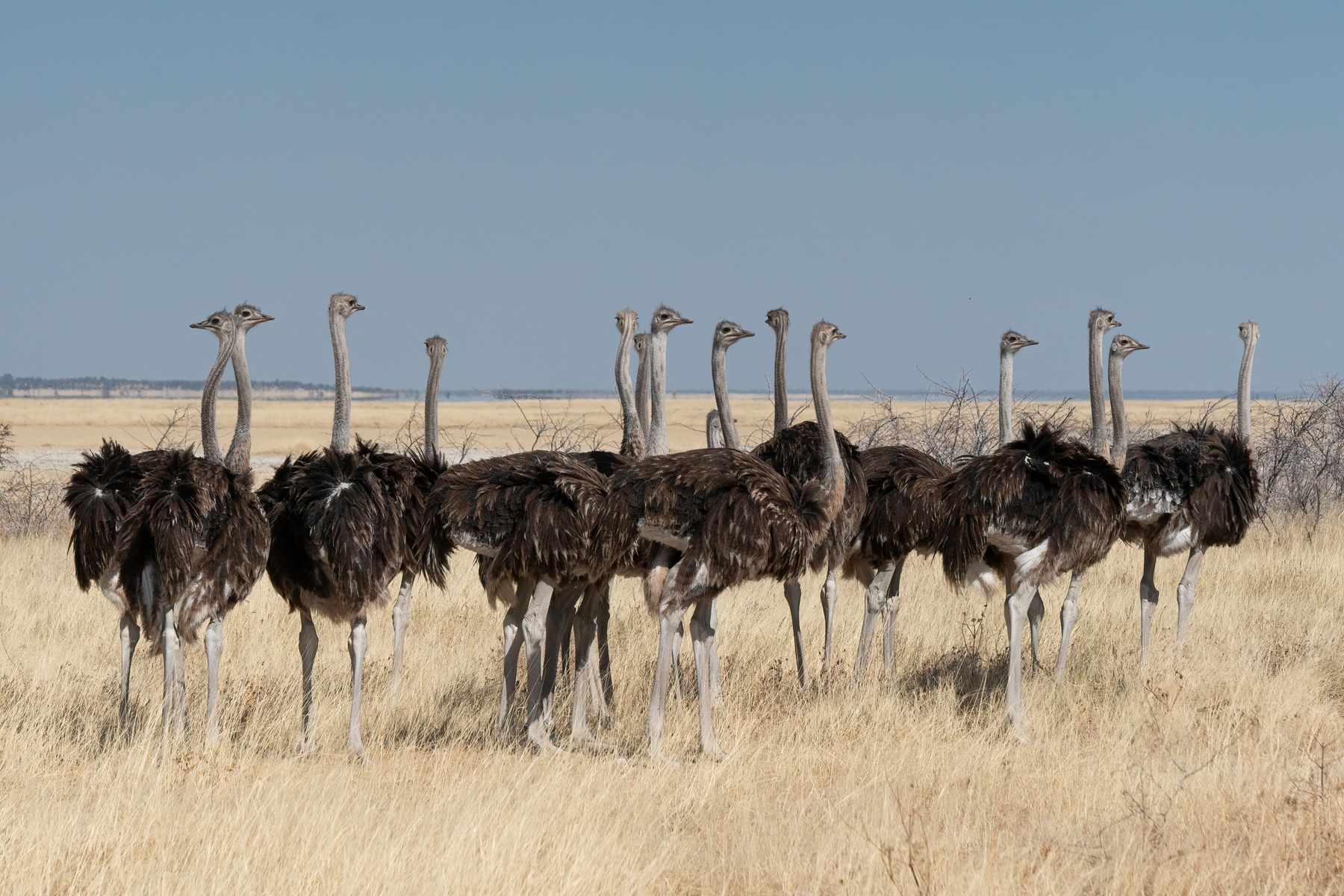
A flock of almost adult Ostrich chicks stick together for safety in Etosha (image by Inger Vandyke)
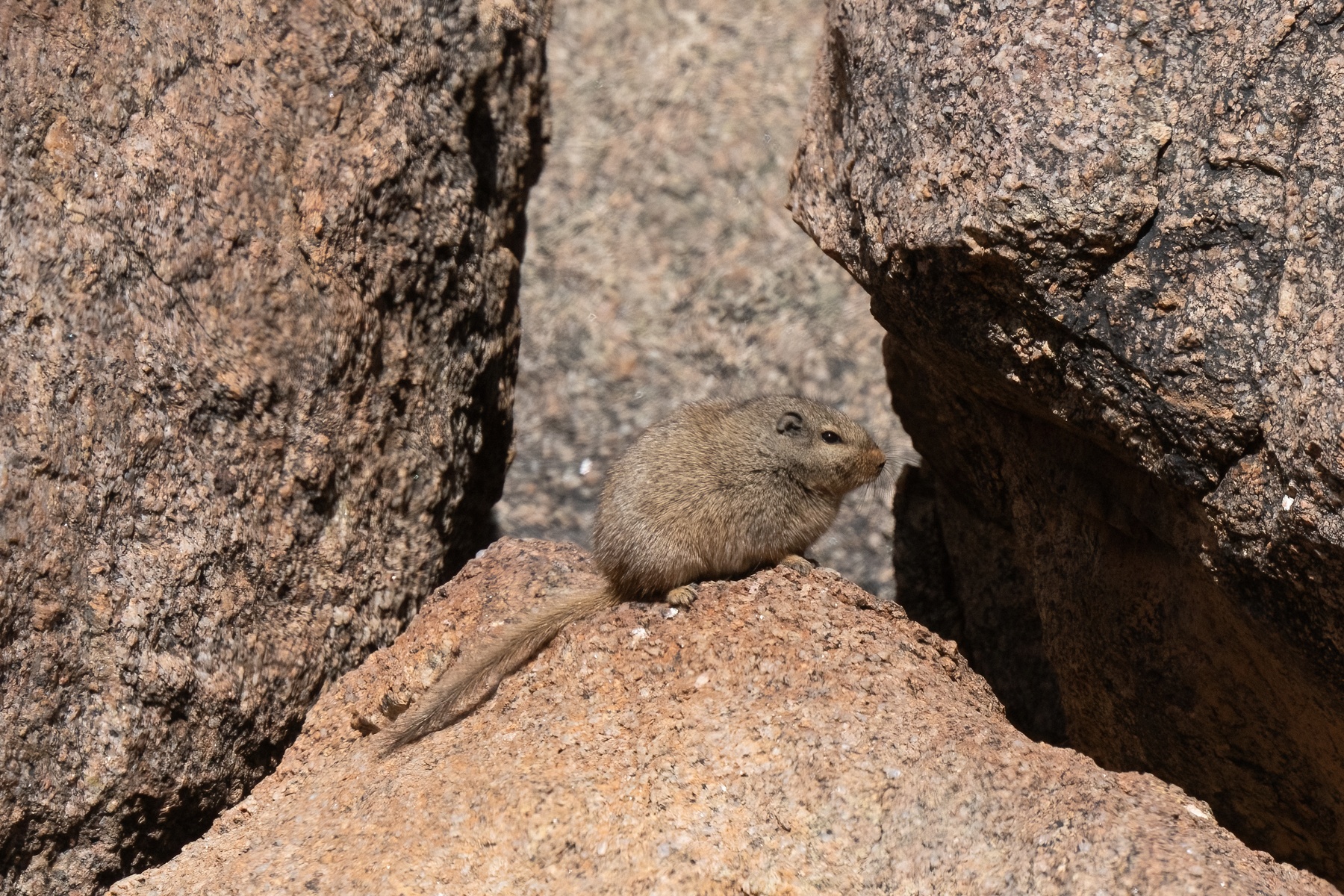
There is only one thing cuter than Rock Hyraxes and that is the adorable Dassie Rat (image by Inger Vandyke)


Where the deserts of Namibia kiss the Atlantic Ocean at Sandwich Harbour (image by Inger Vandyke)
Last light in remote Namibia (image by Inger Vandyke)
Spectacular encounter with a bathing Warthog at the lagoon in front of Onkolo Hide (image by Onguma Camps)
A pack of Black-backed Jackals argue over a dead seal carcass at Cape Cross (image by Inger Vandyke)
An elderly Black Rhino male in the western end of Etosha (image by Inger Vandyke)
The lion's stare! (image by Sean Braine)
A herd of pretty Springbok in the Namib (image by Sean Braine)
A pair of Burchell's Zebras rest on the grasslands of Etosha (image by Inger Vandyke)
In Namibia's Dorob National Park, the dunes are gorgeous in the early light (image by Inger Vandyke)
Pretty Rosy-faced Lovebirds adorn the wilderness in Namibia (image by Inger Vandyke)
Namibia features many different colours of sand dunes including the spectacular garnet sand dunes of Dorob National Park near Swakopmund (Image by Inger Vandyke)
Burchell's Zebras battle it out in the dust of Etosha (Image by Inger Vandyke)
Desert Elephants are forced to share their drinking holes with other creatures including Oryx (image by Inger Vandyke)
A pair of Hartmann's Mountain Zebras (image by Inger Vandyke)
On hot days even Oryx like a swim (image by Inger Vandyke)
Sociable Weavers build such large nest communities that the weight of them can sometimes topple the tree that supports them! They really do make better architects than builders! (image by Inger Vandyke)
Black-backed Jackal at Sossusvlei (image by Inger Vandyke)
A Dazzle of Zebras at Chudob Water Hole near Namutoni in Etosha (image by Inger Vandyke)
A stunning herd of Oryx in the dunes of Sandwich Harbour (image by Inger Vandyke)
The beautiful sand dwelling Peringuey's Adder is a feature of our 'Sandbox Safari' part of the tour (image by Sean Braine)
The big and the small of the avian world - a Namaqua Sand Grouse and Guinea Fowl - photographed from Onkolo Hide (image by Onguma Camps)
They might be tiny but they have a huge presence with their calls serenading the African night. Portrait of a Pearl-spotted Owlet (image by Sean Braine)
A wrecked car near Sossusvlei (image by Inger Vandyke)
Portrait of a Klipspringer in the hills between Windhoek and Sesriem (image by Inger Vandyke)
Giraffes imitating trees in the Hoarasib ephemeral river (image by Inger Vandyke)
A rare image of Etosha's Charitsaub pride hunting a zebra before our eyes (image by Inger Vandyke)
"Shall I take that zebra while you take the other?" Etosha's cheetahs contemplate a hunt (image by Inger Vandyke)
Kopje sunrise in remote Namibia (image by Inger Vandyke)
The sleepy face of a Southern White-faced Owl in the hollow of a Mopane tree trunk (image by Sean Braine)
Banded Mongoose (image by Inger Vandyke)
Devil's Fork (Image by Inger Vandyke)
An Eland braces itself for the dust of a sudden whirlwind in Etosha (image by Inger Vandyke)
Spotted Thick-knee with eggs (image by Inger Vandyke)
Male leopard in Etosha (image by Sean Braine)
Female Red-crested Korhaan (image by Inger Vandyke)
Burchell's Zebras in the grasslands near Salvadora in Etosha (image by Inger Vandyke)
Portrait of a Pale Chanting Goshawk in Namibia (image by Inger Vandyke)
Two Burchell's Zebras drinking at a water hole surrounded by a flock of Sand Grouse in Etosha (image by Inger Vandyke)
Namibia's desert elephants enjoy grazing after the deserts bloom in an ephemeral river (image by Inger Vandyke)
Ground Squirrel (image by Inger Vandyke)
A Greater Kestrel enjoys his meal of a Spotted Desert Lizard (image by Sean Braine)
Etosha Pan (image by Inger Vandyke)
A rare sighting of a Porcupine in Etosha close to sunset. He even drummed his quills to display near the guests on our tour! (image by Inger Vandyke)
A clan of Spotted Hyenas take a drink one late afternoon in Etosha (image by Sean Braine)
Ripples and dune details in Sossusvlei (image by Inger Vandyke)
A desert-adapted elephant in abstract (image by Sean Braine)
Ring-necked Dove (image by Inger Vandyke)
Northern Black Korhaan (image by Inger Vandyke)
Kelp Gull scavenging on young Cape Fur Seal carcass (image by Inger Vandyke)
Oryx are truly the ballerinas of the desert in Namibia (image by Sean Braine)
Looking into the eye of a baby Burchell's Zebra in Etosha (image by Inger Vandyke)
Namibia's pale scorpions fluoresce at night, making them wonderful photographic subjects (image by Inger Vandyke)
Slow shutter of the wrecked trawler "Zeila" on the Skeleton Coast (image by Inger Vandyke)
A lineup of drinking Black-faced Impalas (image by Inger Vandyke)
A pair of Oryx caught up in a dust storm in Etosha (image by Sean Braine)
A pair of young male Springbok practice rutting at sunrise in the Kgalagadi Transfrontier Reserve (Image by Inger Vandyke)
"Are you guys following me?" An Oryx checks on his herd mates in the dunes of Sandwich Harbour (image by Inger Vandyke)
The Etosha Elephant bull that we all fell in love with! (Image by Inger Vandyke)
Oryx running across the road in Etosha during a dust storm (image by Inger Vandyke)
Cape Fur Seal at Cape Cross, Namibia
The incredible birdlife of Walvis Bay's lagoons feature Glossy Ibis, flamingos and thousands of migratory birds (image by Inger Vandyke)
A Marico Sunbird feeding on an agave flower (image by Inger Vandyke)
Backlit Double-banded Coursers in Etosha (image by Inger Vandyke)
Lanner Falcon (image by Inger Vandyke)
Exploring patterns in the iconic pan of Deadvlei (image by Inger Vandyke)
Rhino Reflections (image by Inger Vandyke)
A group of Oryx on the dunes in Sossusvlei taken from our scenic helicopter flight at sunrise (image by Inger Vandyke)
Can you ever photograph too many African sunsets? (image by Inger Vandyke)
Reflected flamingoes at Walvis Bay (image by Inger Vandyke)
One of Okondeka's male lions with the magnificent Etosha Pan in the background (image by Inger Vandyke)
Adorable Rock Hyraxes are universally loved by the guests of our Namibia photography tours (image by Inger Vandyke)
The simple beauty of landscape photography in Sossusvlei (image by Inger Vandyke)
Exploring the jewel-like lichens in Namibia's coastal plains (image by Inger Vandyke)
A small group of Ostrich chicks (image by Inger Vandyke)
Last light in Namibia's incredible landscapes. The colours take your breath away. (image by Inger Vandyke)
Burchell's Zebras in Etosha (image by Inger Vandyke)
A solitary acacia greets the rising sun in Etosha (image by Inger Vandyke)
Desert-adapted elephants roam the wild landscapes of Namibia's extraordinary ephemeral rivers (image by Inger Vandyke)
Searching for patterns, shapes, shadows and forms in the most beguiling desert of the world at Sossusvlei (image by Sean Braine)
Pale Chanting Goshawk (image by Inger Vandyke)
A desert-adapted Elephant enjoying his dust bath (image by Sean Braine)
Brown Hyena (image by Inger Vandyke)
A young Etosha elephant dustbathing at the waterhole in Okaukuejo (Image by Inger Vandyke)
At eye level the giant African Elephants of Etosha are even more impressive from a hide.
Zebras dustbathing together (image by Inger Vandyke)
Greater kudus from the hide at Onguma
Drinking Kori Bustard (image by Inger Vandyke)
Lesser Flamingos take flight in front of the dunes of Sandwich Harbour (image by Inger Vandyke)
A sleepy Etosha lioness wakes up and goes to hunt (image by Inger Vandyke)
Spotted Hyena in mono (image by Inger Vandyke)
Portrait of a Greater Flamingo after a drink (image by Inger Vandyke)
Displaying Ruppell's Korhaans in remote Kaokoland (Image by Inger Vandyke)
A pretty Orange River White Eye in the city gardens of Swakopmund (image by Inger Vandyke)
Feather on Sand Dunes at Swakopmund, Namibia
By September Etosha's water holes teem with life (image by Inger Vandyke)
A Cape Fur Seal comes ashore on the wild coastline of Cape Cross (image by Inger Vandyke)
Reflections of a Springbok herd taking a drink in Etosha (image by Inger Vandyke)
A herd of female Kudus take a drink in Etosha (image by Inger Vandyke)
A young male lion in Etosha (image by Inger Vandyke)
Cape Teals (image by Inger Vandyke)
A female Black Hairy-tailed Scorpion on the move in Dorob National Park, Namibia (image by Inger Vandyke)
A pretty Tractrac Chat in the dunes of Dorob National Park (image by Inger Vandyke)
After a hot day in Etosha, it's time to have a bath (image by Sean Braine)
Northern Black Korhaan in flight (image by Inger Vandyke)
Namibia's landscapes are breathtaking. Our tour has always explored the most remote corners of the country (image by Sean Braine)
A Springbok with a twitchy ear (image by Inger Vandyke)
Portrait of a gorgeous, tiny Namib Web-footed Gecko (image by Inger Vandyke)
Cheeky South African Ground Squirrels are often an unexpected highlight of our Namibia tours (image by Sean Braine)
A Greater Flamingo in the surf at Walvis Bay (image by Inger Vandyke)
An Oryx wanders the plains at the start of Sossusvlei (image by Inger Vandyke)
Rainbows adorning the stunning landscapes of Sossusvlei (image by Inger Vandyke)
Bateleur (image by Inger Vandyke)
A Black Rhino decides to lie down behind a piece of wood after his drink at Rietfontein waterhole in Etosha (image by Inger Vandyke)
A Tawny Eagle enjoys his dinner of a Crested Francolin in Etosha (image by Inger Vandyke)
A Sociable Weaver struggles to hold on to nesting material in a stiff breeze (image by Inger Vandyke)
Springbok in Etosha (image by Inger Vandyke)
Chat Flycatcher in flight (image by Inger Vandyke)
Blister Beetle (image by Inger Vandyke)
Lioness drinking at Charitsaub Waterhole in Etosha, Namibia, after devouring her hunted zebra (image by Inger Vandyke)
Secretarybird (image by Inger Vandyke)
Dune Lark portrait (Image by Inger Vandyke)
Crowned Lapwing (image by Inger Vandyke)
Horned Viper (image by Inger Vandyke)
When elephants fight it sometimes looks like affection (image by Inger Vandyke)
A mother desert elephant makes her way down the Hoanib Riverbed with her tiny baby (image by Inger Vandyke)
A Black-backed Jackal framed by the giraffe carcass it was feeding on (image by Inger Vandyke)
A young giraffe drinks from Okaukeujo's waterhole at sunset (image by Inger Vandyke)
A Black-backed Jackal scavenging on a dead Cape Fur Seal (image by Inger Vandyke)
A cheeky Wedge-snouted Lizard runs around at our feet on Elim Dune in Sossusvlei (image by Inger Vandyke)
Grey Lourie (image by Inger Vandyke)
The comical Southern Yellow-billed Hornbills of southern Africa are sometimes called 'Flying Bananas' (image by Inger Vandyke)
The stunning Garnet dunes of Dorrob. The deep red colour is actual garnet! (image by Inger Vandyke)
Low angle shot of giraffes drinking
Flying bananas! A Southern Yellow-billed Hornbill takes off (image by Sean Braine)
Cape Glossy Starling are beautiful but they love raiding picnic sites! (image by Inger Vandyke)
An endangered Black Rhino wandering around in Etosha (image by Sean Braine)
Red Hartebeest (image by Inger Vandyke)
A dust bathing desert elephant in remote Namibia (image by Inger Vandyke)
A pair of Oryx in the red landscapes of Sossusvlei at dusk (image by Inger Vandyke)
Springboks drinking at a waterhole in Etosha (image by Inger Vandyke)
Eye level with Guinea Fowl at Onkolo Hide (image by Onguma Camps)
A Yellow Mongoose licks its lips as it leaves its burrow to hunt in the Kgalagadi Transfrontier (image by Sean Braine)
Flamingo sunset at Walvis Bay (image by Inger Vandyke)
The hauntingly beautiful dead Camel Thorn Trees of Deadvlei in Namibia (image by Inger Vandyke)
The next generation of Etosha's lions keeps safe in the rushes at Charitsaub water hole (image by Inger Vandyke)
Lilac-breasted Roller with Grasshopper snack (image by Inger Vandyke)
Close encounter with a White Rhino in Etosha (image by Inger Vandyke)
Zebra Portrait in black and white (image by Inger Vandyke)
We had a record trip for rhinos this year with up to 7 seen in one day including these two drinking from a waterhole in Etosha (image by Inger Vandyke)
A cluster of Sociable Weaver nests in Namibia (image by Inger Vandyke)
A Namib Sand-diving Lizard in threat display (image by Inger Vandyke)
During our Sandwich Harbour adventure we will search for unique wildlife behaviour including Black-backed Jackals preying on fur seal pups (image by Inger Vandyke)
The journey (image by Inger Vandyke)
A herd of Desert Elephants gather at a waterhole in the Hoanib to drink (Image by Inger Vandyke)
Flamingos taking flight at Walvis Bay (Image by Inger Vandyke)
A male leopard takes a break to watch for prey near the giant clay pan of Etosha (image by Sean Braine)
An African Scops Owl peeps out from its hiding place in a mopane tree in Etosha (image by Inger Vandyke)
Zebras gather in the dust to wait their turn for a drink at the water hole (image by Inger Vandyke)
Fischer's Gecko (image by Inger Vandyke)
A simple shot of an Ostrich (Image by Inger Vandyke)
Portrait of a Rock Monitor in Etosha (image by Inger Vandyke)
Southern Yellow-billed and Damara Hornbill in one photo! (image by Inger Vandyke)
Giraffe reflections in Etosha (image by Inger Vandyke)
Pupping season in Cape Cross, Africa's largest colony of Cape Fur Seals (image by Inger Vandyke)
Portrait of a Yellow Mongoose in the Kgalagadi Transfrontier Reserve (Image by Inger Vandyke)
Great White Pelican pair feeding (image by Inger Vandyke)
A desert everlasting on the dunes in southern Namibia (image by Inger Vandyke)
Beauty in simplicity. Sossusvlei at sunrise (image by Inger Vandyke)
Eye to eye with a Warthog
Suffering from too much milk, one of Namibia's desert elephant babies takes a nap at its mother's feet (image by Inger Vandyke)
A Springbok enjoying a sunrise breakfast in Namibia (image by Inger Vandyke)
Hammerkop enjoying a drink (image by Inger Vandyke)
Adorable Namib Web-footed Geckos on the Living Desert excursion of our Namibia photo tour (image by Inger Vandyke)
Namaqua Sandgrouse pair (image by Inger Vandyke)
A pair of Cape Fur Seals battle for dominance at Cape Cross (image by Sean Braine)
A wild desert lioness finds shade near the mouth of the Hoanib ephemeral river (image by Inger Vandyke)
Crested Francolin at eye level from Onkolo Hide (image by Onguma Camps)
The world's oldest plant, Welwitschia, in the Etendeka basalt country (image by Inger Vandyke)
The stunning simplicity of the red dunes at Sossusvlei, Namibia (Image by Inger Vandyke)
Zebra lineup at Etosha (image by Inger Vandyke)
Cheeky Black-backed Jackal inspects a Cape Fur Seal colony for a potential meal (image by Inger Vandyke)
The mesmerising dunescapes of Namibia's Sandwich Harbour (image by Inger Vandyke)
Beautiful sunlit Oryx in remote Namibia (image by Inger Vandyke)
A lone Oryx walks near the base of Elim Dune in Sossusvlei at sunset (image by Inger Vandyke)
One of our most sublime encounters with a herd of Oryx we've ever experienced at Wild Images (image by Inger Vandyke)
A solitary tree survives at the bottom of one of Sossusvlei's massive red dunes in Namibia (Image by Inger Vandyke)
Portrait of a Speckled Pigeon (image by Inger Vandyke)
One of the many spectacular sunsets we witnessed on our tours (image by Inger Vandyke)
Deadvlei at dawn (image by Inger Vandyke)
Calling Swainson's Spurfowl (image by Inger Vandyke)
Line of giants in Etosha (image by Inger Vandyke)
Oryx running on the dunes at Sandwich Harbour (image by Inger Vandyke)
A Namaqua Chameleon catches its breakfast on our Living Desert trip, the ultimate Sandbox Safari (image by Inger Vandyke)
Banded Mongoose group at termite mound in Etosha (image by Inger Vandyke)
A pair of Burchell's Zebras wait out a dust storm in Etosha (image by Inger Vandyke)
Who knew? A Namaqua Chameleon actually 'grabs' its meals using the end of its tongue! (image by Inger Vandyke)
Close encounters of the White Rhino kind in Etosha (image by Inger Vandyke)
Portrait of a Black-backed Jackal in the Cape Fur Seal colony at Cape Cross (image by Inger Vandyke)
Beautiful Oryx, or Gemsbok. Their colours contrast so well with the stunning red dunes of Sossusvlei (image by Sean Braine)
A stunning male Kudu in Etosha (image by Inger Vandyke)
Close encounters with a line of drinking Impalas at Onkolo Hide (image by Onguma Camps)
The tiny eyes of a Peringuey's Adder in the dune sands of Dorob (image by Inger Vandyke)
A rare morning where coastal fog descended on Deadvlei (image by Inger Vandyke)
Burchell's Zebras fight it out in the dust of Etosha (image by Inger Vandyke)
An early morning Desert Toktokkie (image by Sean Braine)
An Etosha elephant takes a dust bath after his swim (image by Sean Braine)
A young elephant takes a dust bath at Okaukeujo in Etosha at sunset (image by Inger Vandyke)
As the sun sets in Sossusvlei, a tree pierces the shadows (image by Inger Vandyke)
When activity at a waterhole gets tough, the tough Oryx get going. Even the birds get scared! (Image by Inger Vandyke)
An Oryx faces the harshness of Sossusvlei (image by Sean Braine)
A flock of Red-billed Queleas take off from their bushy perch in Etosha (image by Inger Vandyke)
Pearl-spotted Owlet in Okaukuejo, Etosha. They always look angry! (image by Inger Vandyke)
Baby elephant playing in the herd at Etosha (image by Inger Vandyke)
Namibia's mysterious Fairy Circles dot the landscape at Sossusvlei. Image by Inger Vandyke.
Gorgeous Swallow-tailed Bee Eater (image by Inger Vandyke)
Flamingos take flight in front of the dunes at Sandwich Harbour. There is nowhere in Africa where you can photograph them like this, other than Namibia. (image by Inger Vandyke)
A Cheetah ambles towards us (image by Inger Vandyke)
Early morning flamingo reflections at Walvis Bay (image by Inger Vandyke)
Portrait of a Damara Dik Dik in Etosha (image by Inger Vandyke)
A shy Helmeted (or Marsh) Terrapin (image by Inger Vandyke)
A Springbok takes to the water to cool off in Etosha, Namibia (image by Inger Vandyke)
Aerial photography in Sossusvlei is one of the most sublime experiences in all of Africa (image by Inger Vandyke)
At first light in Etosha, a mother giraffe nurtures her baby (image by Inger Vandyke)
Peak hour at M'bari water hole in Etosha (image by Inger Vandyke)
Storm clouds in Sossusvlei (image by Inger Vandyke)
A Chacma Baboon seeks shade in a tree of the Hoanib ephemeral river (image by Inger Vandyke)
Avocets and Sanderlings (image by Inger Vandyke)
Oryx are truly the ballerinas of Namibia's dunes. They are so graceful and beautiful. (image by Inger Vandyke)
Sometimes the dust and light create incredible silhouette photography opportunities in Etosha (image by Inger Vandyke)
Black-faced Impala buck (image by Inger Vandyke)
Portrait of a Common Ostrich (image by Sean Braine)
A flock of almost adult Ostrich chicks stick together for safety in Etosha (image by Inger Vandyke)
There is only one thing cuter than Rock Hyraxes and that is the adorable Dassie Rat (image by Inger Vandyke)


|
Saturday 16th September –
Saturday 30th September 2028 Leader: Virginia Wilde |
15 Days | Group Size Limit 6 |
NAMIBIA WILDLIFE PHOTOGRAPHY TOURS WITH WILD IMAGES
Namibia. It is home to some of the harshest environments in all of Africa, yet hidden in these seemingly lifeless landscapes are some of the most charismatic and beautiful creatures of the continent. This unique Namibia Wildlife Photography Tour focuses on just that – wildlife. During our traverse of the country’s kaleidoscope of landscapes, we will seek out a wide variety of creatures from the largest animals in southern Africa, the elephants of Etosha, to the smallest, or tiny TokTokkie Beetles in Dorrob National Park. A result of over 30 years of nature touring experience in Namibia, this wildlife photography tour truly embraces all the creatures this remarkably beautiful country has to offer.
Africa’s Treasured Desert Wildlife
From Etosha, or the Great White Place, with Africa’s largest elephants, to the desert oases of Namibia’s ephemeral rivers where wild lions roam, to the vast dunes of Sossusvlei that are home to elegant Oryx wandering the red sand sea effortlessly, to the tiny critters of the coastal desert like Web-footed Geckos and Namaqua Chameleon. Namibia combines this with stunning birdlife to make a wondrous and surprisingly varied destination for wildlife photography.
Our tour combines photography from low-level hides, on foot and in safari vehicles throughout a visually mesmerising exploration of Namibia, allowing you to truly capture the beating heart and soul of the country’s wild spaces and the creatures that call them home.
Etosha and Onguma
Etosha is one of the largest and most-loved nature reserves in all of southern Africa. The Ovambo people call it the “Great White Place” due to the fact that most of the park is dominated by the Etosha Pan, a clay pan that is so large it can be seen from space. It is in these vast clay desert landscapes that some of Africa’s largest elephants roam. Our tour takes place at a time when much of Etosha’s wildlife is congregating at waterholes and watching one of Etosha’s elephants bathe in water filled with clay, turn themselves white and wander off through a sea of other animals, including zebras, gazelles, jackals and even the odd rhino, all within close distance, makes for a truly breathtaking photography spectacle! Sitting at the side of a waterhole in Etosha, photographing the wildlife traffic going visiting it is like sitting in a living documentary. The endless wonders of safari are truly special in Etosha. On one day, we may get stuck in a ‘zebra jam’ with dazzles of Burchell’s Zebras standing on the road demanding right of way. On others, we might get caught in the thrill of a hunting pride of lions. Such is the beguiling nature of safaris here. The wildlife surprises are endless.
Nestled at the eastern end of Etosha is the private nature reserve of Onguma. Spanning over 35,000 hectares, Onguma is a haven for wildlife, and the reserve is an official Rhino Custodian, working in collaboration with the Ministry of Environment and Tourism in Namibia, to conserve endangered Black Rhinos.
In recent years, Onguma has constructed the first eye-level hide of its kind in the Etosha system, allowing photographers to get up close to wildlife visiting a waterhole. Photographs shot from the hide are already garnering photography awards from the small number of photographers allowed to visit it. We will spend three nights and two days accessing this hide from the stunning, exclusive Onguma Bush Camp, to capture images not easily shot on safaris in neighbouring Etosha.

Onkolo Hide and its waterhole (image by Onguma Camps)

Inside the Onkolo hide, photographers have their own stool and window with comfortable seating, snacks and drinks. There is also a flushing toilet outside. (image by Onguma Camps)

Onkolo’s ‘Creature Comforts’ (image by Onguma Camps)

A magical encounter at Onkolo Hide, where you might need a wide-angle lens if the elephants are this close! (image by Onguma Camps)
Wild Desert Life
Is it a river? Or an oasis? The Hoanib is perhaps one of the most charismatic ephemeral rivers in Namibia. Flowing from the desert to the sea for most of the year, the Hoanib is dry. When heavy rains bless the central escarpment of Namibia, the Hoanib comes to life through desert floods that breathe life into native plants and leave behind precious waterholes when the dry season returns. The Hoanib winds its way like a major artery through a vast wilderness of rocky hills, sand dunes and infrequent waterholes. Wandering through these fence-less landscapes, we will encounter truly wild desert lions, giraffes, zebra, rhinos, oryx, springbok and desert elephants. Wild Images has traversed the Hoanib River many times, and we’ve rarely missed encounters with its lions, but perhaps our most memorable wildlife experiences in it have come through our meetings with Desert Elephants. Unlike their giant cousins in Etosha, the Desert Elephants are small in size and gentle in nature. Sitting quietly in their world and letting them approach us has moved some of our guests to tears on past tours. Any meeting with Desert Elephant families, particularly if they have boisterous youngsters in tow, is truly one of the most special wildlife experiences in Africa.
Cape Cross – The World’s Largest Cape Fur Seal Colony
Leaving the deserts behind, we travel to the wild Skeleton Coast, where Namibia’s beaches are kissed by the cooling Atlantic Ocean. Flowing along this coastline is the Benguela Current, whose cold waters feed an overwhelming abundance of life. Nowhere is this more evident than at Cape Cross, the largest colony of Cape Fur Seals in the world. Each day, thousands of seals crowd rocky headlands and beaches of Cape Cross, and we will visit here to photograph them up close, as they try to navigate the rough seas, engage with each other and nurse their adorable pups.
The Living Desert – The Ultimate Sandbox Safari
Directly south of the pretty seaside town of Swakopmund lies a sea of yellow sand that makes up Dorrob National Park. To an inexperienced eye, the Dorrob dunes may look like they are completely devoid of life; however, nothing could be further from the truth. This deceptive landscape is home to some of the wildest and most fascinating little critters in Namibia. We will go on the ultimate sandbox safari here searching for scorpions, toktokkie beetles, sand-diving lizards, Peringuey’s Adders, Namib Web-footed Geckos and the comical Namaqua Chameleon, all while learning about the environmental forces that both shape and keep this delicate landscape intact.
Sandwich Harbour and the Flamingo Lagoons
Crowning the coastline of Walvis Bay are the dunes of Sandwich Harbour. They seem to grow out of a flat stretch of coast that is home to salt pans, lagoons and vast numbers of Lesser and Greater Flamingoes. We will spend a full day exploring the lagoons at sunrise, just as the flamingos search for food in the shallows. Then a dramatic day of traversing seemingly sky-high sand dunes in a car will follow as we search for elegant Oryx, Springbok and other desert wildlife in the dunes. It is here you truly get a feel for where the desert meets the sea with wildlife dividing their time between the surf and the salt, allowing you to create iconic images of waterbirds and reflections or Oryx in the mesmerising yellow sands.
Sossusvlei
The iconic red sand sea of Sossusvlei barely requires an introduction or a description. It is perhaps the most famous site for photography in all of Namibia. We will visit its most famous site, the ancient clay pan of Deadvlei, with its adorning old camelthorn trees at sunrise. In between exploring the dunes for light, shadows and forms, we will be searching for itinerant Oryx, Springbok and other wildlife, including Desert Lark, Toktokkies and Wedge-snouted Lizard in some of the oldest sand dunes on earth.
Optional Scenic Helicopter Flight
During our time in Sossusvlei, and if weather conditions allow, it is possible to make an excursion by helicopter over the vast sand sea of Sossusvlei, searching for wandering oryx and zebras and also to photograph the spectacular landscapes of the reserve. The helicopter takes up to 3 guests and has no doors. The cost for a one-hour flight is around US$2700 (to be divided by the number of guests), and every guest will have a window seat. Please note that our Wild Images leader would not participate in the scenic flight.
The best time of year for Namibia wildlife photography
The very best time of year for wildlife photography tours of Namibia is the height of the dry season, from July to October. This is because, during the wet season from November/December to March, there is water all over the place in Etosha and the Hoanib and even during the April to May period, in most years, there are still many waterholes available for the animals. As the dry season wears on, the availability of drinking places steadily diminishes, and the number and concentration of animals steadily increase. October sees the greatest concentrations of all, but it is a hotter time of year. To the surprise of many first-time visitors, the dust that can swirl up in windy weather in the dry season is often a great asset for taking atmospheric images. Lower prices prevail at the lodges until May, while July to October is peak season rates, but there is a very good reason why this is so.
Accommodation and Road Transport
Accommodation during our Namibia photography tour is a mix of comfortable lodges and hotels.
Travel in Namibia involves long distances. Transport is by 4×4 vehicles. Outside the main game areas, each participant will have an opening window seat. At the Hoanib River, we will use the custom-built, open 4×4 safari vehicles that have become standard in Southern Africa, from which one can photograph from both the front and both sides.
Walking
There is very little walking on this Namibia photography tour, as most of it is conducted by driving. A short walk over undulating dunes is required to reach Dead Vlei. A boardwalk is available to view the seals at Cape Cross.
Climate
Namibia and South Africa are both extremely dry, arid landscapes with very few mosquitoes. During the day, we suggest you wear neutral coloured clothing while on safari, a broad-brimmed hat and light, long-sleeved clothes to protect you from the sun. At night and on early morning drives a warm fleece is recommended as the night-time desert temperatures can drop to below 10 degrees Celsius (50 degrees Fahrenheit).
Photographic Equipment
For wildlife photography of the larger mammals and birds, a 200-300mm lens will often be the most useful lens, but we also recommend a focal length of 400-600mm for other bird shots, mammal close-ups etc. (If your budget does not run to prime lenses, high quality 100-400mm or similar zoom lenses can be a great alternative.) For landscape and night photography, we suggest you bring a wide-angle lens from 10mm upwards.
Alternatively, you can get wonderful photography results with a high-quality digital bridge camera with an 18-20x or higher optical zoom and a good wide-angle capacity (equivalent to 24-28mm).
iPhones and iPads are useful on this trip for photographing macro subjects like Peringuey’s adders and also for the tiny lichens we will view in the desert. You may find mobile devices are also great for taking small videos of the wildlife we will encounter during our tour.
If you have questions about what equipment you ought to bring, please contact us.
Photographic Highlights
- The incredible red dune landscapes of the Sossusvlei including golden hour photography in Namibia’s most iconic destination, Dead Vlei
- The world’s oldest plants, Welwitschia mirabilis in the stunning red granite landscapes of northern Namibia
- A search for Africa’s “Little Five” in the dunes of Swakopmund (Namib Web-footed Gecko, Namaqua Chameleon, Peringuey's Adder, Shovel-snouted Lizard and Toktokkie Beetle)
- Look for prowling Black-backed Jackals in the largest Cape Fur Seal colony in the world at Cape Cross
- A search for prides of desert adapted lions and other creatures of the red granite desert system of Damaraland, including Black Rhinoceros, giraffes, zebra and the rare desert elephants of Namibia
- Explore the wreck of the Zeila and other ruined structures on Namibia's famous Skeleton Coast
- A thrilling 4WD journey through the desert landscapes of Sandwich Harbour, searching for elusive Brown Hyena and other desert wildlife
- Etosha's incredible waterholes attract a huge variety of wildlife including Elephants, Giraffes, Zebra, Hartebeest, Springbok, Black and White Rhinoceros, Kori Bustards, Wildebeest, Lions and Cheetah plus so much more
- Enjoy the new and wonderful low-level private hides/blinds at Onguma at the edge of Etosha National Park
OUTLINE ITINERARY
- Day 1: Arrive in Windhoek and overnight
- Day 2: Drive a spectacular scenic route to world-famous Sossusvlei and arrive in time for sunset photos in the sand sea
- Days 3-4: Dawn photography in the iconic Deadvlei and the rest of the days visiting the otherworldly dunescapes of Sossusvlei
- Day 5: Final photography of Sossusvlei before driving to Walvis Bay for sunset
- Day 6: Full day sand dune adventure exploring Sandwich Harbour for Brown Hyenas and other desert wildlife
- Day 7: Namibia's Living Desert search for Africa's "Little Five" before an afternoon at rest in the pretty coastal town of Swakopmund
- Day 8: Travel north to the Cape Fur Seal colony at Cape Cross and then into the rugged basalt landscapes of southern Kaokoland
- Day 9: A full day on safari in the Hoanib ephemeral river searching for desert adapted rhinos, elephant, lions and other wildlife
- Day 10: Morning drive into Etosha National Park, arriving in time to enjoy our first afternoon on safari in southern Africa's oldest wildlife reserve. Overnight at Okaukuejo.
- Day 11: Exploring west-central Etosha. Overnight at Okkaukuejo.
- Day 12: Travel through Etosha to the Namutoni area in the east. Overnight at Onguma a private sanctuary bordering the park.
- Days 13-14: Exploring Onguma and visiting its photo hides/blinds, as well as Etosha itself.
- Day 15: After a final photo session at Onguma, transfer to Windhoek airport for afternoon tour end.
To see a larger map, click on the square-like ‘enlarge’ icon in the upper right of the map box.
To see (or hide) the ‘map legend’, click on the icon with an arrow in the upper left of the map box.
To change to a satellite view, which is great for seeing the physical terrain (and for seeing really fine details by repetitive use of the + button), click on the square ‘map view’ icon in the lower left corner of the ‘map legend’.
PRICE INFORMATION
Wild Images Inclusions: Our tour prices include transportation, accommodations, meals and entrance fees.
Our tour prices also include all tips for local guides, drivers, camp staff and accommodation/restaurant staff.
Deposit: 20% of the total tour price. Our office will let you know what deposit amount is due, in order to confirm your booking, following receipt of your online booking form.
TO BOOK THIS TOUR: Click here (you will need the tour dates)
2028: provisionally £7220, $9900, €8460, AUD13860. Windhoek/Windhoek.
Single Supplement: 2028: £560, $770, €650, AUD1070.
If you are travelling alone, the single supplement will not apply if you are willing to share a room/tent and there is a room-mate of the same sex available.
This tour is priced in US Dollars. Amounts shown in other currencies are indicative.
NAMIBIA WILDLIFE PHOTOGRAPHY TOUR: DETAILED ITINERARY
Namibia: Day 1
Our Namibia photography tour begins this evening in Windhoek, where we will stay overnight. Home to a population of around 300,000 people, Windhoek feels more like a large town than a capital city. It is a modern city whose architecture is sprinkled with colonial buildings that hark back to the time when Namibia was a German colony.
On the first night of our expedition, we will enjoy a welcome dinner at our lovely lodge overlooking the nearby arid mountains outside Windhoek.
Namibia: Day 2
Today we will drive southwestwards towards Sossusvlei for a three-night stay, travelling through some spectacular country as we near our goal.
This afternoon will be our first opportunity to enjoy photography in Namibia’s stunning sand sea, the red dunes of Sossusvlei. We stay at a lodge inside the park, allowing us to extend our time for photography until sunset.
Namibia: Days 3-4
On our first morning at Sossusvlei, we will get up early to photograph the iconic Deadvlei at sunrise. This famous clay pan is dotted with ancient camel thorn trees and is probably one of the most photographed locations in Africa, if not the world. We will be there very early in order to capture it in the best light, before the crowds. During the day, we will take a break before heading into some more remote dune areas of the park when the afternoon light casts shadows on the dunes.
We will also see our first of the unexplained “Fairy Circles” in Namibia at Sossusvlei.
The second morning, we will have an optional aerial flight at Sossusvlei for our guests. Photographers not wishing to take the flight will enjoy a morning of landscape photography in this stunning region.
During the afternoon, we will do some more exploration of this extraordinarily scenic place.
Namibia: Day 5
Today we drive towards the bustling coastal city of Walvis Bay, where we will spend the night.
This afternoon, we will visit some of the lagoons that are home to flocks of thousands of flamingos and other migratory birds. Our beautiful hotel is on the coast, away from the noise of the city.
Namibia: Day 6
Adventure beckons as we undertake a full-day sand dune safari across Namibia’s coastal desert to Sandwich Harbour. It is here we will go in search of the elusive Brown Hyena while exploring these gigantic dunes that fall into the wild Atlantic Ocean. It is here that we will also search for other desert wildlife, including Oryx, Springbok, Ostrich and Black-backed Jackals, alongside migratory birds, Cape Fur Seals and reptiles. The drives to Sandwich Harbour are thrilling, and the way the light falls on these dunes is mesmerising.
Upon our return from Sandwich Harbour, we will drive north to Swakopmund for a two-night stay at our comfortable hotel.
Namibia: Day 7
After breakfast, we will embark on a brilliant journey through the coastal dune systems of the Dorob National Park just south of Swakopmund. Namibia is one of two places in the world where the cold waters of the Benguela current running along the coast cool down the heat of the desert to create a coastal fog that supports an entire ecosystem of its own. The other place this occurs is the Atacama Desert of northern Chile and southern Peru in South America.
The coastal fogs of the Skeleton Coast support such a tremendous amount of life that Namibia’s dune systems are, quite literally, some of the most alive deserts on earth. We will be searching for some incredible reptiles during this excursion, like Shovel-nosed Lizards, Namibian Web-footed Gecko, Namaqua Chameleons, legless lizards, and Horned Vipers. Photography opportunities should be excellent. Dorob is also a fantastic place to explore the dunes for uniquely desert-adapted plants like Dollarbush and birds such as the Tractrac Chat.
We will also learn more about the origin of Namibia’s shifting sands in the reserve and the mineral makeup of the different coloured sands of the dunes.
Stopping in Swakopmund for lunch, we will then enjoy an afternoon at leisure in this lovely town. It’s a great place to charge batteries, go shopping, explore some beautiful colonial architecture and even enjoy some photography on foot in the town’s gardens.
Namibia: Day 8
This morning, we will make a sightseeing drive north of Swakopmund to visit the town’s saltworks in search of birds to photograph. We will then drive to the wrecked fishing trawler of the ‘Zeila’, stopping there for some scenic photography before driving north to Cape Cross.
Nearly a quarter of a million Cape Fur Seals call Cape Cross home during their peak breeding months of October and November. In the lead-up to the season, well over 200,000 are present in this gargantuan coastal colony. To see Cape Cross is a visual spectacular of seals, seabirds, and if we are very lucky, we will see a Brown Hyena take advantage of a young, elderly or unwell seal as prey. It is a seething mass of wildlife that is unrivalled anywhere in southern Africa. It is here that we will also stop to photograph the pretty lichens in the coastal rock deserts of the region.
Leaving Cape Cross, we will drive north to Torra before we travel inland to escape the fog of the Skeleton Coast. When the dunes subside, they give way to the incredible red granite landscapes of Damaraland, one of Namibia’s most untouched and spectacular wilderness areas, and a wonderful place for landscape photography.
Our adventure inland begins here as we traverse a rugged 4WD, unmarked trail to reach our destination of Khowarib, near the headwaters of Namibia’s Hoanib ephemeral river, where we will stay two nights at a comfortable lodge. On our drive, we will see massive outcrops of Euphorbia Damarana and red mesa-type mountains as we search for this region’s uniquely adapted desert wildlife that includes Black Rhinos, Desert (African Savanna) Elephants, zebra, giraffe, Klippspringer, Steinbok and a myriad of birds.
Damaraland is where we get our first taste of the real Africa. It is home to two wonderful tribes of people that are distantly related – the Herero and the Himba – and on our journey into Damaraland, we will begin to see the beautiful Herero women in their Victorian dresses and unique cow-horn shaped head dress. We will also begin to see the red-ochre-coloured women of the Himba.
Namibia: Day 9
Today, we will spend a full day searching for the extremely rare and wild ‘Desert’ Lions of Namibia. Under the advice of local guides, we will spend a full day attempting to find prides of desert lions around the Hoanib. While lions roam all of Africa, Namibia’s desert-adapted lions are unique in that they have learned to survive in one of the harshest landscapes on earth. There are several prides known to researchers working in this region, and we will be attempting to locate one or more in their spectacular desert terrain to photograph them.
It is important to remember that the desert lions of Namibia can roam freely and do not live within fenced reserves, albeit on a huge scale, as the lions that we will see elsewhere on our trip will be. If we find a pride, seeing them in this landscape will be one of the wildlife highlights of our photography expedition through Namibia.
Namibia: Day 10
Leaving early, we will drive towards Etosha National Park, where we will spend the first two nights at Okaukuejo in the west-central part of the park.
We will arrive in time to enjoy our first afternoon on safari in southern Africa’s oldest game reserve.
Namibia: Day 11
Etosha, meaning ‘Great White Place’, is dominated by a massive mineral pan. The pan is part of the Kalahari Basin, the floor of which was formed around 1000 million years ago. The Etosha Pan covers around 25% of the National Park. The pan was originally a lake fed by the Kunene River. However, the course of the river changed thousands of years ago, and the lake dried up. The pan now is a large dusty depression of salt and dusty clay, which fills only if the rains are heavy and even then only holds water for a short time. This temporary water in the Etosha Pan attracts thousands of wading birds, including impressive flocks of flamingos. The perennial springs along the edges of the Etosha Pan draw large concentrations of wildlife and birds.
A San legend about the formation of the Etosha Pan tells of how a village was raided and everyone but the women was slaughtered. One woman was so upset about the death of her family that she cried until her tears formed a massive lake. When the lake dried up, nothing was left apart from a huge white pan.
The wildlife viewing and photography in Etosha National Park is excellent, the best time being from May to September – the cooler months in Namibia. Visitors to Etosha Game Reserve can expect to see many antelope species, African Savanna Elephant, Southern Giraffe, White Rhinoceros and Lions. More fortunate visitors will see Black Rhinoceros, Leopard and Cheetah. There is a network of roads linking the camps and subsidiary roads lead to various waterholes.
Today, and much of the rest of our stay in the Etosha area, will be spent on a photosafari in Etosha National Park, where we will search for the largest elephants in Africa and a myriad of mammal and bird species. Stopping briefly (where allowed) to hop out for photographs, our vehicle-based exploration of Etosha will traverse many of the park’s side tracks and visit many water holes, the epicentres of Etosha’s wildlife activity. Wildlife photography opportunities simply abound here, and you are sure to come away with a large number of satisfying images.
Namibia: Day 12
We will spend the day travelling through the park, with numerous stops for wildlife photography, until we exit at the Namutoni Gate in the east. From there, we continue the short distance to the private Onguma Reserve for a three-night stay at a very comfortable safari camp.
Namibia: Days 14-15
The biggest attraction at Onguma is the recently-constructed low-level photo hides/blinds that regularly attract drinking animals, including Lion, Leopard, Spotted Hyena and many ungulates.
We are sure to want to spend plenty of time at these hides, but we will also explore the Onguma reserve and the nearby Etosha National Park as well. These are going to be two wonderful days!
Namibia: Day 15
After a pre-breakfast photo session, we leave Etosha behind and drive back to Windhoek airport for an afternoon tour end.
Namibia Wildlife Spectacular Tour Report 2026
Namibia’s beguiling beauty exerts an enduring pull on photographers: Africa’s great wildlife amid a raft of unfamiliar worlds. The animals are instantly recognisable: Elephant, Lion, Giraffe, Rhino. Yet place them against a silvery salt pan, a desert river or the great sweeping Atlantic dunes, and they acquire an entirely different character. For me, the great […]
View Report
Namibia 2022 Photography Tour Report
by Sean Braine
On this, our final tour that combines both Namibia and South Africa, our group assembled in Windhoek for a fabulous night out at Joe’s Beerhouse, the famous start and end point to many intrepid and historical expeditions in Southern Africa. Secreted away in a quiet Windhoek suburb, Joe’s is not only well known for its […]
View Report
Namibia 2020 Photography Tour Report
Namibia would have to be one of the most sublimely beautiful destinations for photography on the African continent. Visiting it shortly after the country opened its borders to tourists recently was an incredible experience. As a seasoned leader in Namibia, I have visited and led tours there many, many times but to see it with […]
View Report
Namibia and South Africa Tour Report 2019
Our group for the 2019 Namibia and South Africa tour assembled in Windhoek at the lovely Villa Vista hotel which enjoys wonderful views over the city. A few guests had arrived early to overcome jetlag and had already bagged a few lovely photographs of the wildlife in suburban Windhoek including Grey Go-away-bird and Rosy-faced Lovebirds. […]
View Report
Namibia and South Africa Tour Report 2017
The Kalahari On the first day of the tour we packed up our custom built vehicles and departed Windhoek early to drive south east towards the border of Namibia and South Africa. Leaving the city on bitumen roads we had a wonderful, bump-free ride until we stopped for fuel at Stampriet. From there we were […]
View Report
Other Wild Images Tours featuring multiple areas of photographic interest
Asia (including its islands)
March 2027
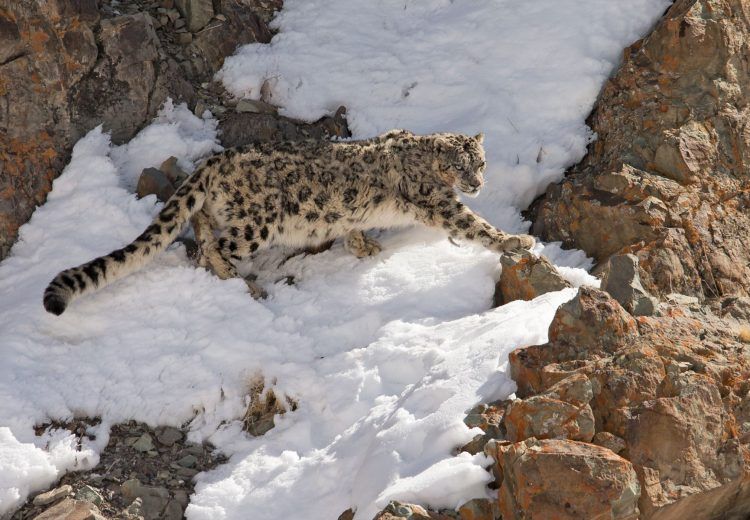
SNOW LEOPARDS & WILDLIFE OF LADAKH, INDIA – In Search of the Grey Ghost of the Mountains
Asia (including its islands)
March-April 2027
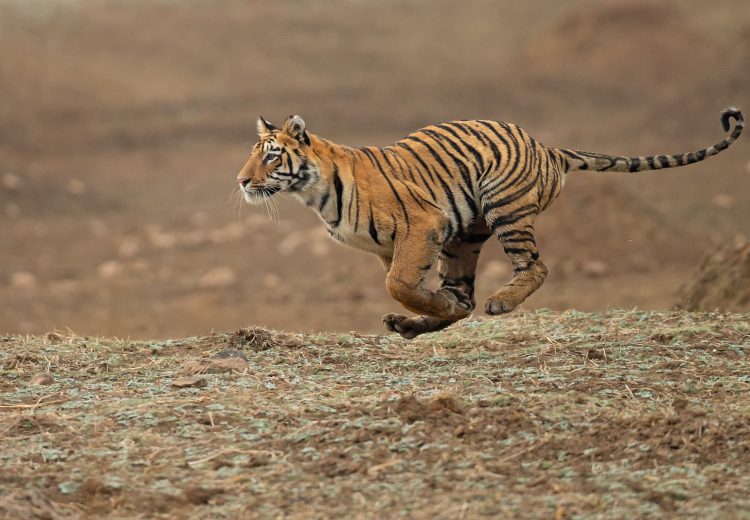
INDIA: TIGER & WILDLIFE SPECTACULAR – Tadoba, Agra, the Chambal River, the Little Rann and Velavadar
South America (including Galapagos)
May 2027
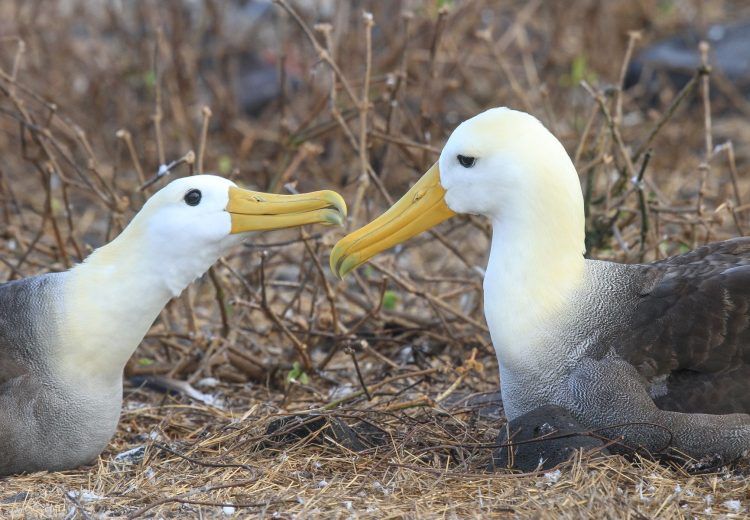
GALAPAGOS ISLANDS: Extraordinary wildlife photography in the footsteps of Darwin
Asia (including its islands)
September-October 2027
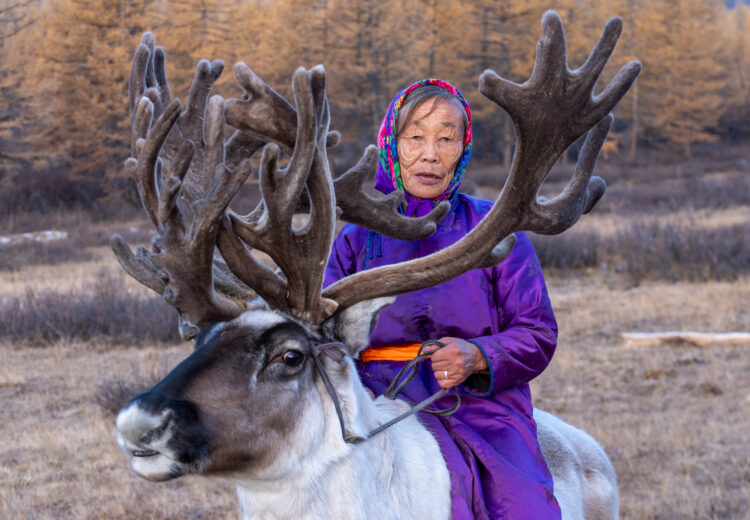
MONGOLIA’S FORGOTTEN REINDEER HERDERS: The Tsaatan Nomads of Hovsgol
Asia (including its islands)
October 2027
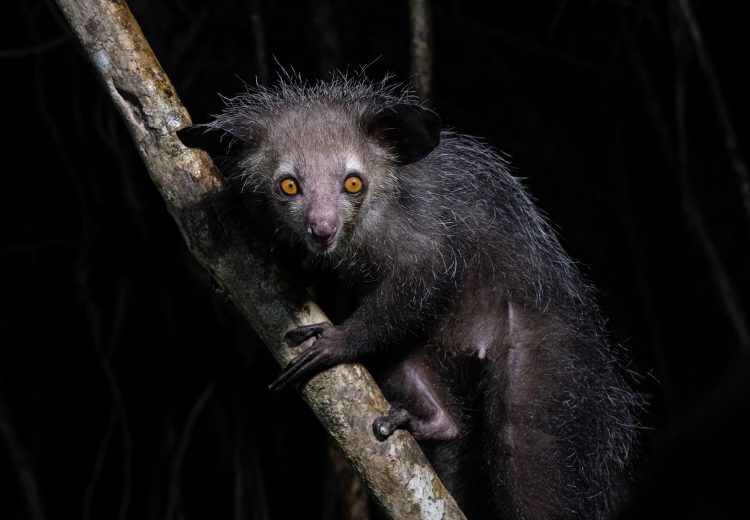
MADAGASCAR: A WORLD APART – The Natural Curiosities of the ‘Eighth Continent’
South America (including Galapagos)
October 2027
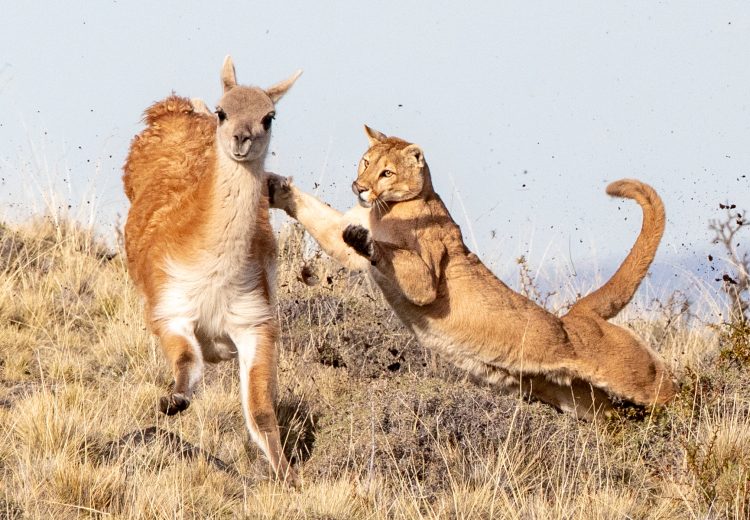
CHILE: WALKING WITH PUMAS – An Extraordinary Photographic Adventure at Torres del Paine
Africa & Madagascar
November 2027
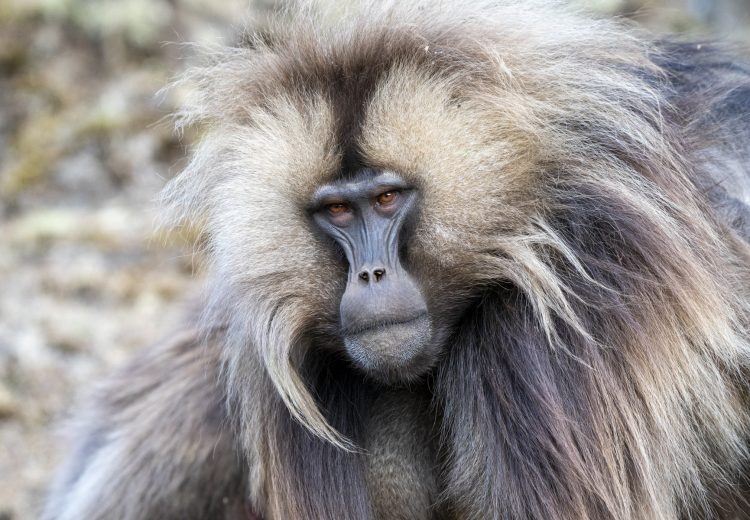
ETHIOPIA’S EXTRAORDINARY WILDLIFE: Geladas, Ethiopian Wolves, Ibexes, Hyenas, Birds & Much More
Asia (including its islands)
September 2028
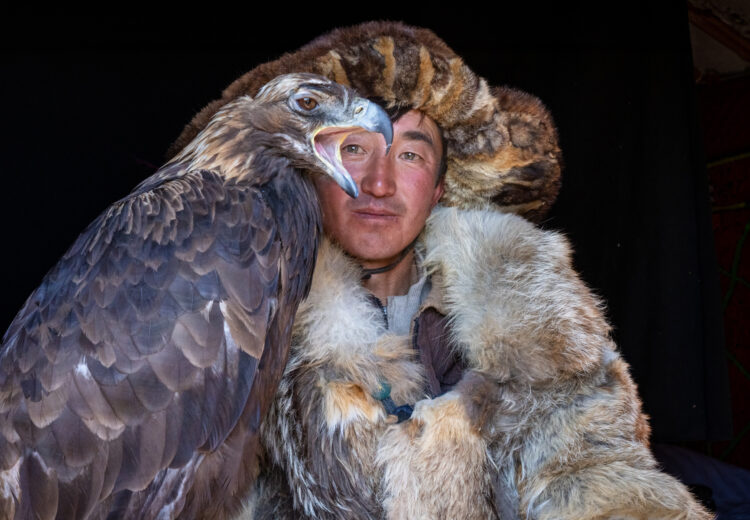
EAGLE HUNTERS OF WESTERN MONGOLIA: Including the Altai Kazakh Eagle Festival at Sagsai

North & Central America
December 2028