
Africa & Madagascar
OMO VALLEY: THE EXTRAORDINARY TRIBAL PEOPLE OF SOUTHERN ETHIOPIA

Portrait of a Karo elder herding his livestock in the dust of sunrise (image by Inger Vandyke)

An elderly Christian priest holding his wooden crucifix outside the Cathedral of St George in Addis Ababa (image by Inger Vandyke)

A beautiful Kara girl with her many stranded necklace (Image by Inger Vandyke)

The stunning beauty of Nyangatom decoration includes brass and copper bracelets, handmade beaded belts and skirts (image by Inger Vandyke)

Suri in Sepia (image by Inger Vandyke)
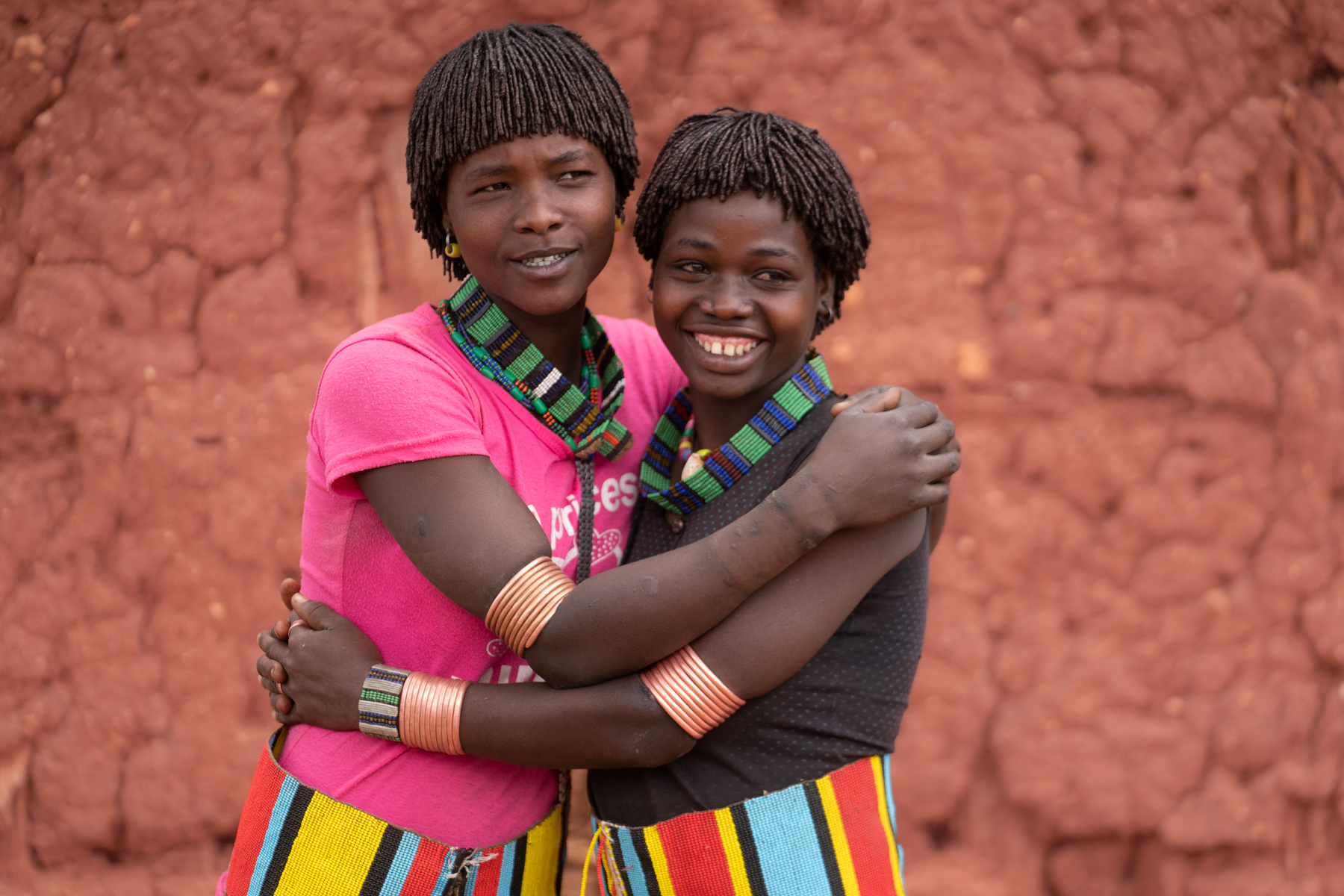
Benna best friends embrace and giggle in Alduba market (image by Inger Vandyke)

In the past a Nyangatom man would mark his chest with a scar each time he killed a warrior from another tribe. These days, the scars are created more for beauty than for killing prowess (Image by Inger Vandyke)

Portrait of a young Dassanech man prepared to attend Dimi (image by Inger Vandyke)

Hamer children grow up surrounded by the intricate traditional dress of their mothers. (Image by Inger Vandyke)
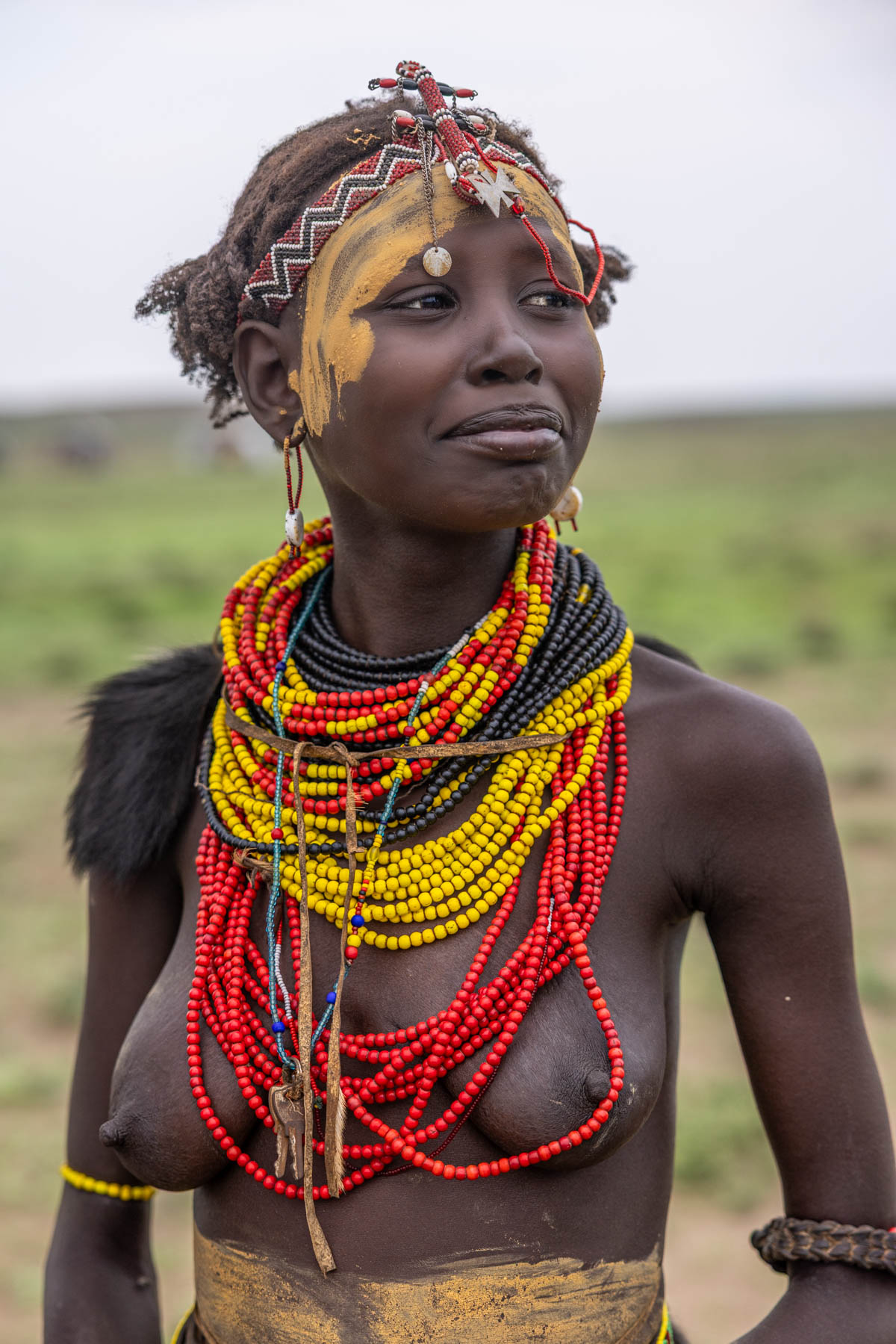
A Dassanech woman during the Dimi ceremony. (image by Ingrid Koedood)
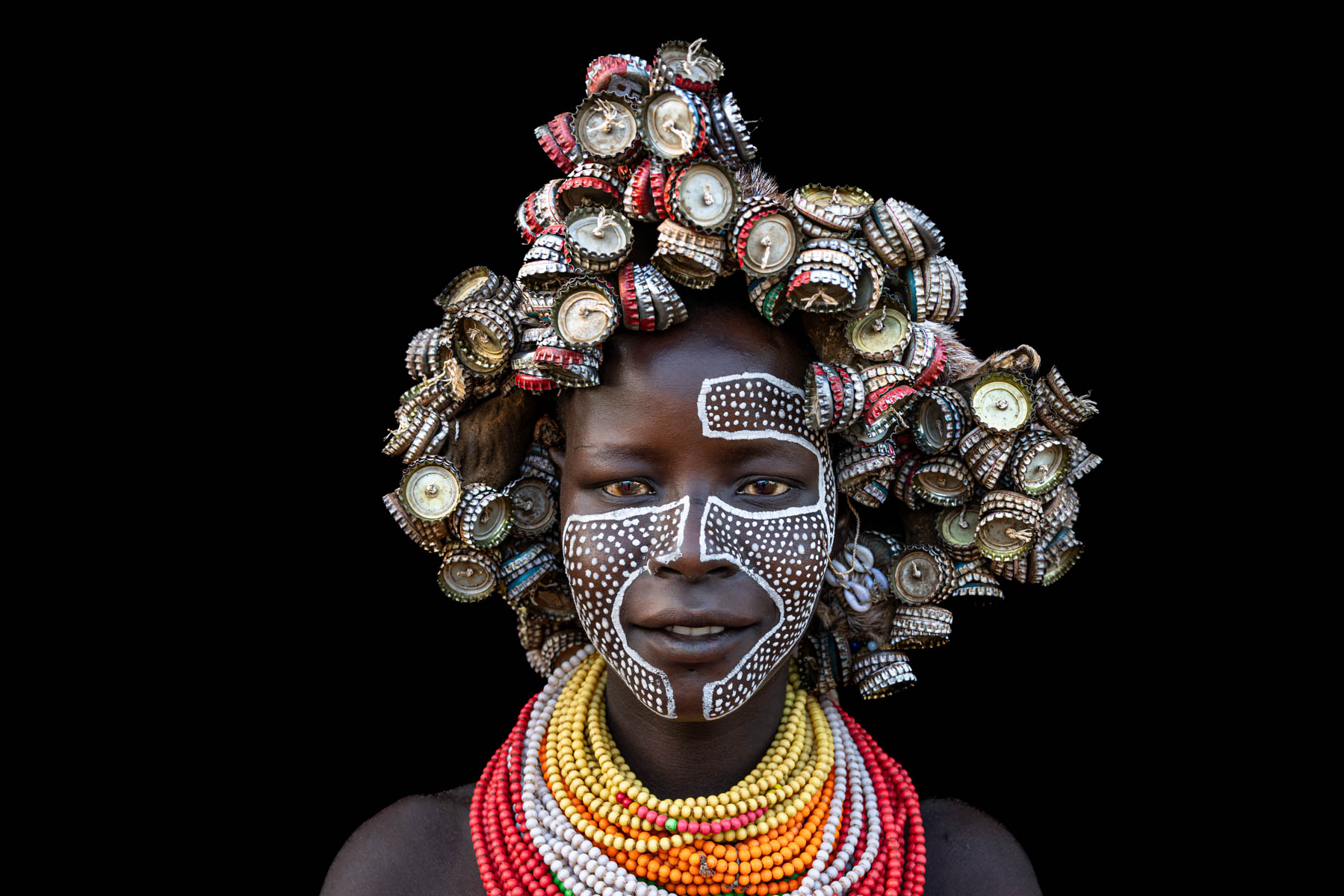
Creativity in every detail, a Kara woman wearing a headdress of bottle caps. (image by Ingrid Koedood)

Pretty Nyangatom girls in their hut (Image by Inger Vandyke)

Portrait of a Dassanech elder (image by Inger Vandyke)

The stunning decorations of Hamer men (Image by Inger Vandyke)

To combat a swarm of unexpected bees, Hamer women burned coals to make smoke and keep them away. (Image by Inger Vandyke)

Profile of an amazing Hamer woman we met on a remote section of our tour (image by Inger Vandyke)

Another beautiful Kara girl with her necklaces and dress made from goatskin and acacia seeds (Image by Inger Vandyke)

Created by women, the granaries of Nyangatom villages are some of the finest examples of African vernacular architecture we see on our trip (image by Inger Vandyke)
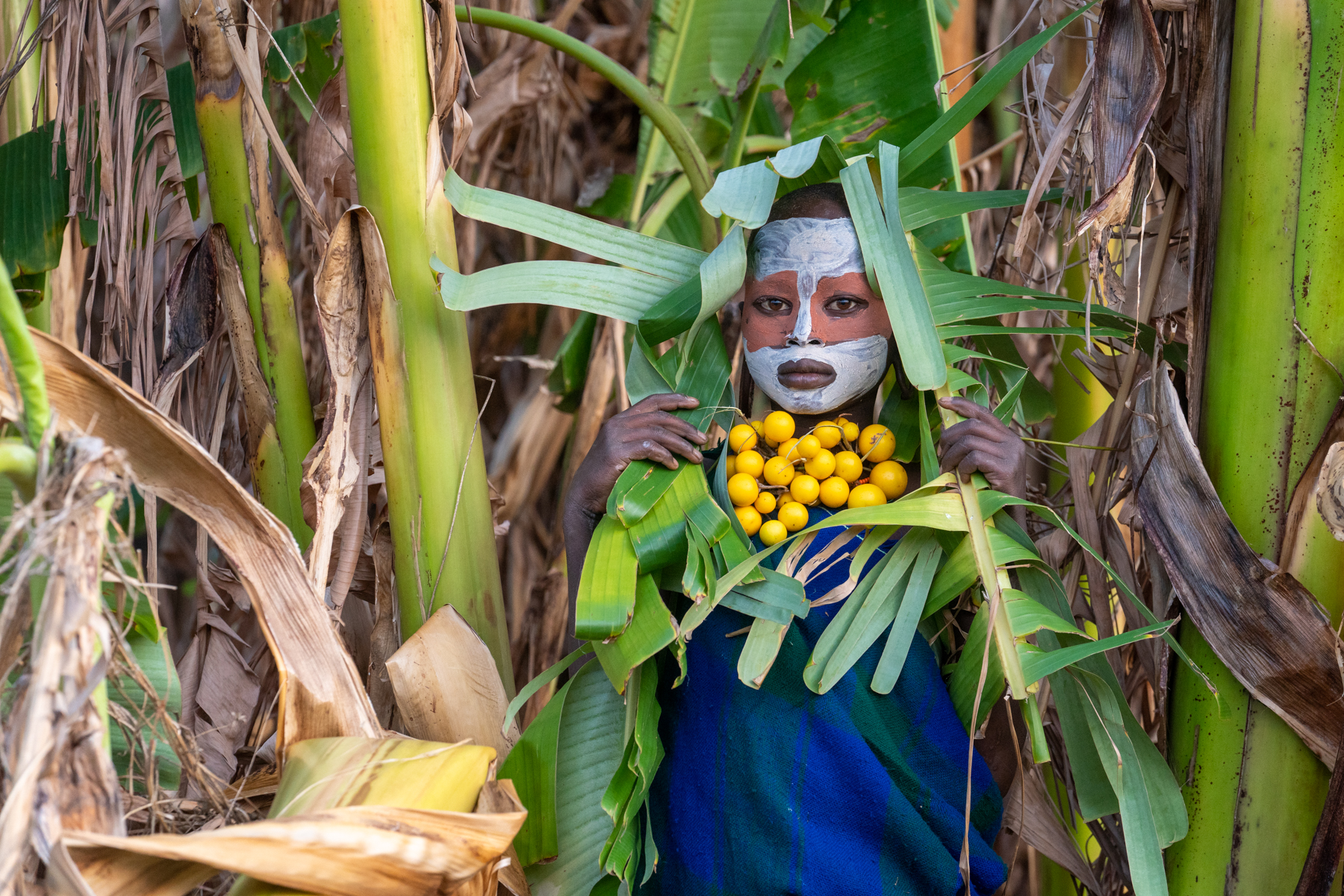
Suri people take inspiration from everything around them when they decorate their bodies (image by Inger Vandyke)

Portrait of a young Arbore girl with her goat kid (image by Inger Vandyke)

A stunningly decorated Nyangatom woman stands in the equally stunning homes of her village (image by Inger Vandyke)

A stunning Hamer headman (image by Inger Vandyke)

Gamo fisherman paddling his raft out on Lake Chamo (image by Inger Vandyke)

Magical Suri girls effortlessly pose for photos with their incredible body painting and floral decoration (Image by Inger Vandyke)

A beautiful Hamer woman and her children in a remote village of southern Ethiopia (image by Inger Vandyke)

A young Suri man prepares to enter the arena of a Donga stick fight (image by Inger Vandyke)

Three Arbore girls stand at their hut in the Omo Valley (Image by Inger Vandyke)
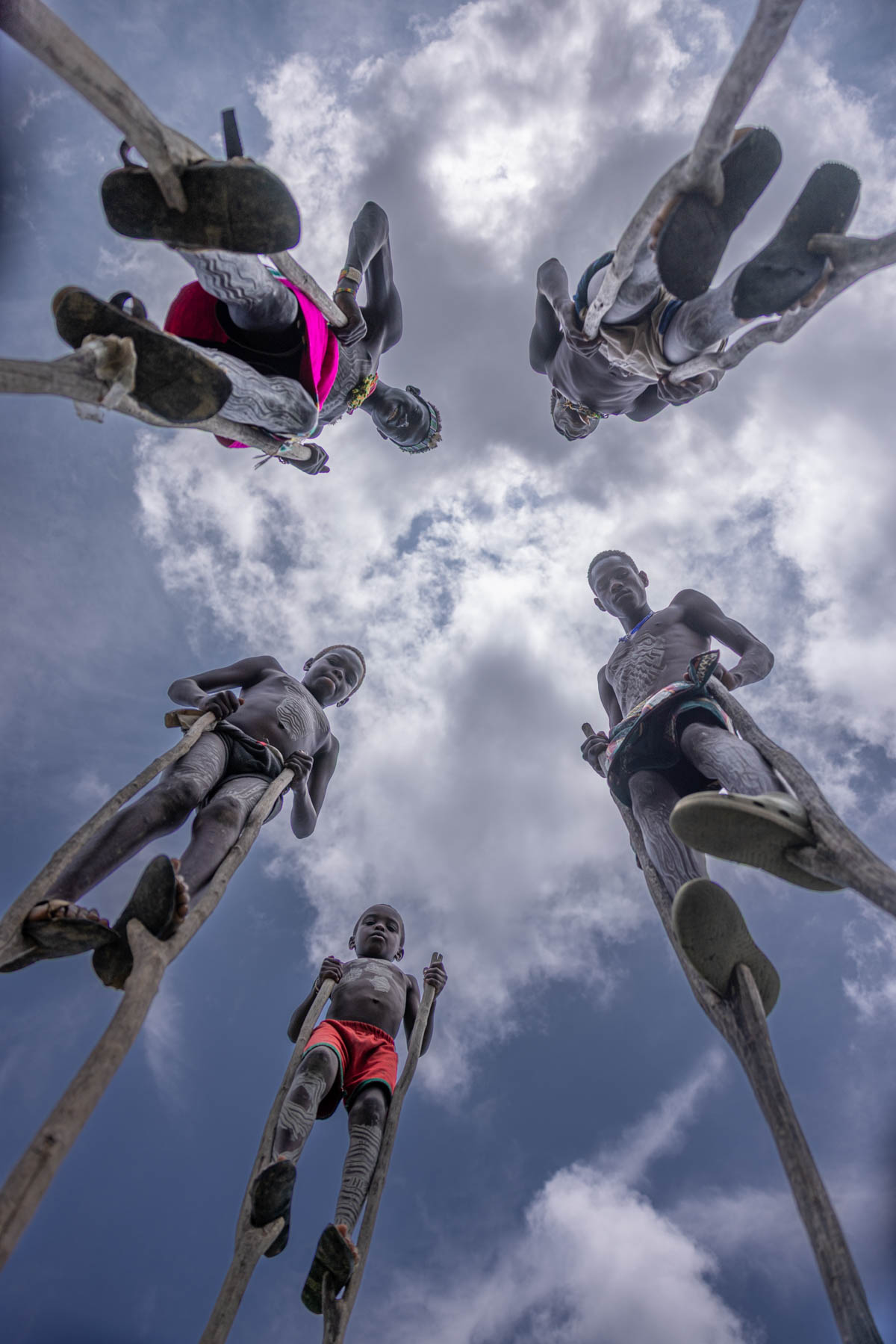
Photo of the Banna boys on their wooden stilts, with me lying on the ground to capture the shot (image by Ingrid Koedood)

Sepia image of a smiling young Arbore girl on the trunk of an ancient, gnarled tree (image by Inger Vandyke)

Warriors from the Suri tribe protect themselves from serious injury in helmets and guards fashioned from plastic bottles and thread (Image by Inger Vandyke)

Keri, a beautiful Hamer first wife in the Omo Valley (Image by Inger Vandyke)

Portrait of a beautiful ochre trading girl in Turmi (Image by Inger Vandyke)
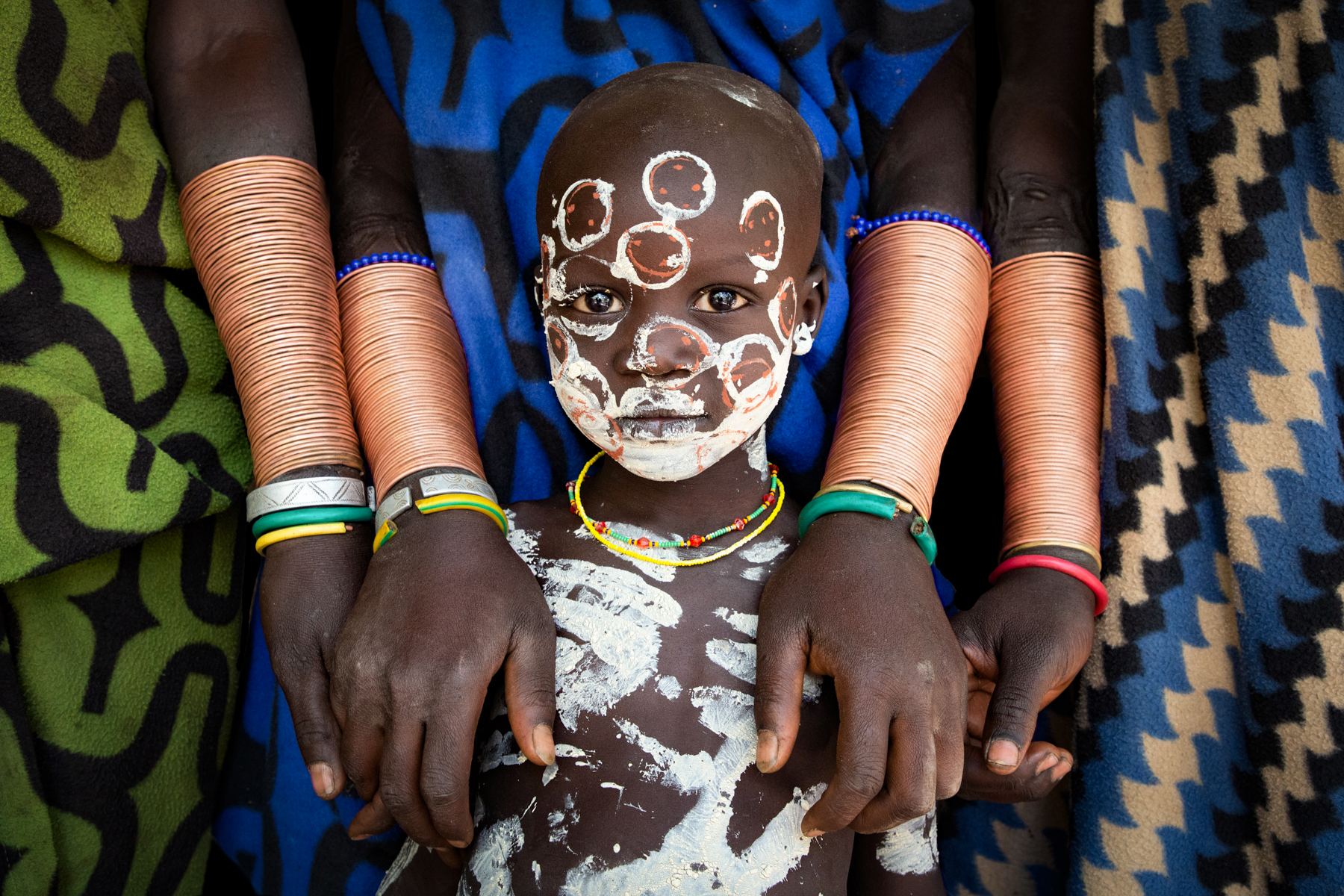
Babuku, a young Suri boy with his face painted in the more modern Suri way, surrounded by the copper bracelets worn by traditional Suri women of his tribe (Image by Inger Vandyke)
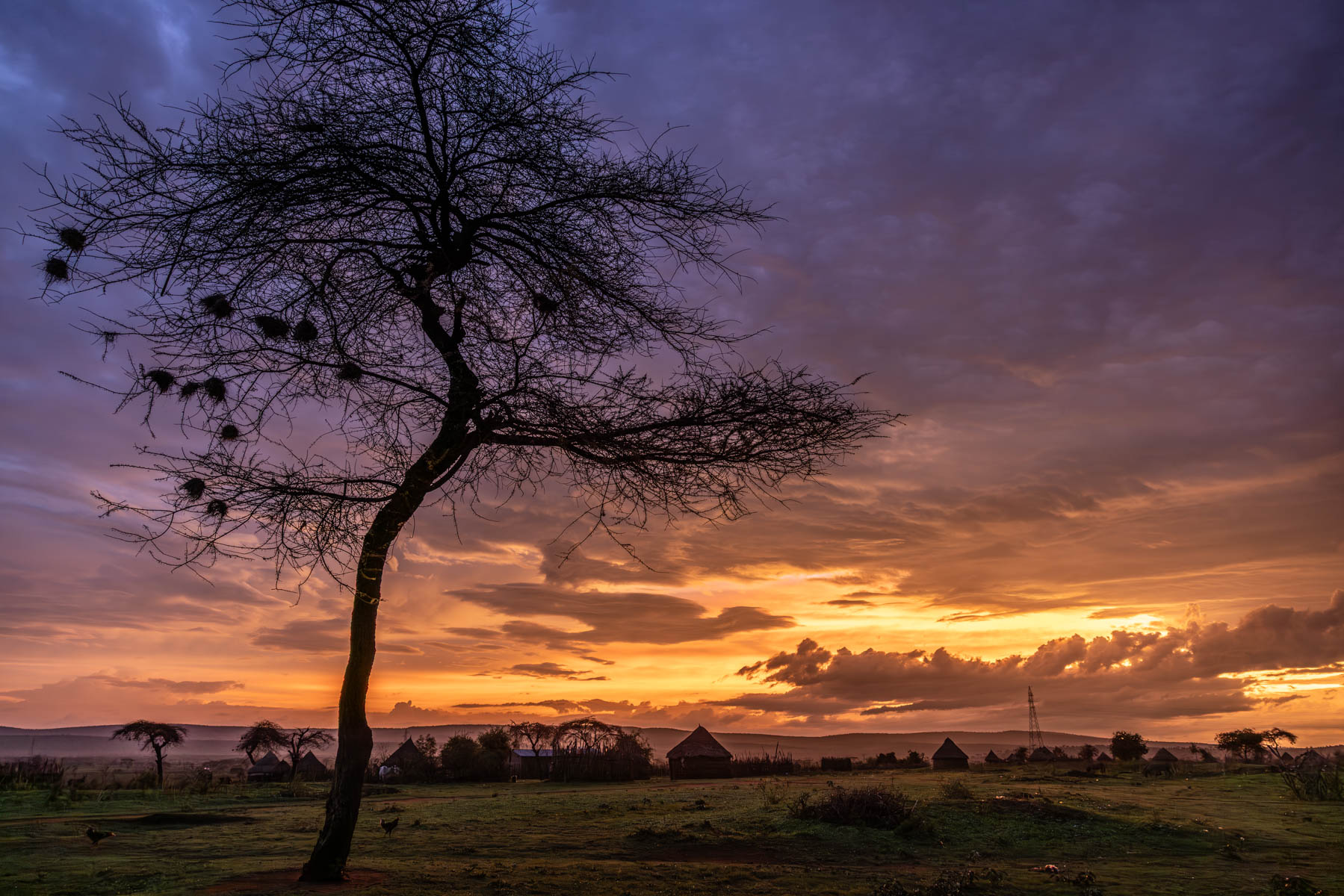
Waking up after a night of camping in a Borana village, greeted by this incredible sunrise. (image by Ingrid Koedood)

A smiling Hamer Besheda mother with her baby in Alduba market (Image by Inger Vandyke)
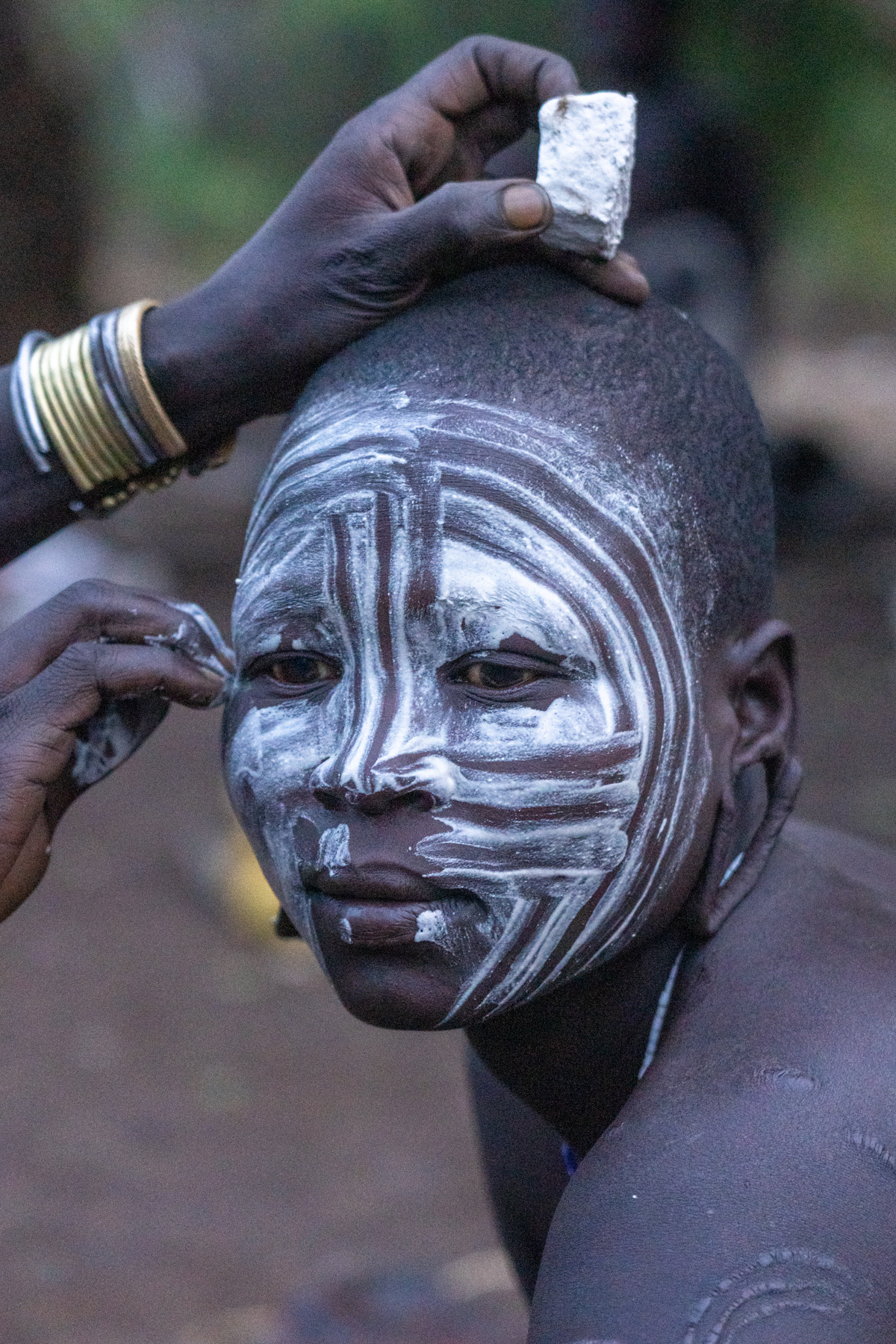
A friend runs her fingers through the chalk paint on a Mursi woman's face, to create decorative lines (image by Inger Vandyke)

A selection of brightly coloured gourds for sale at the tribal markets of Key Afara, one of the best markets in the Omo Valley for photography. (Image by Inger Vandyke)

Herding the cattle to a vital 'blessing of the cows' before a Hamer bull jumping ceremony (Image by Inger Vandyke)
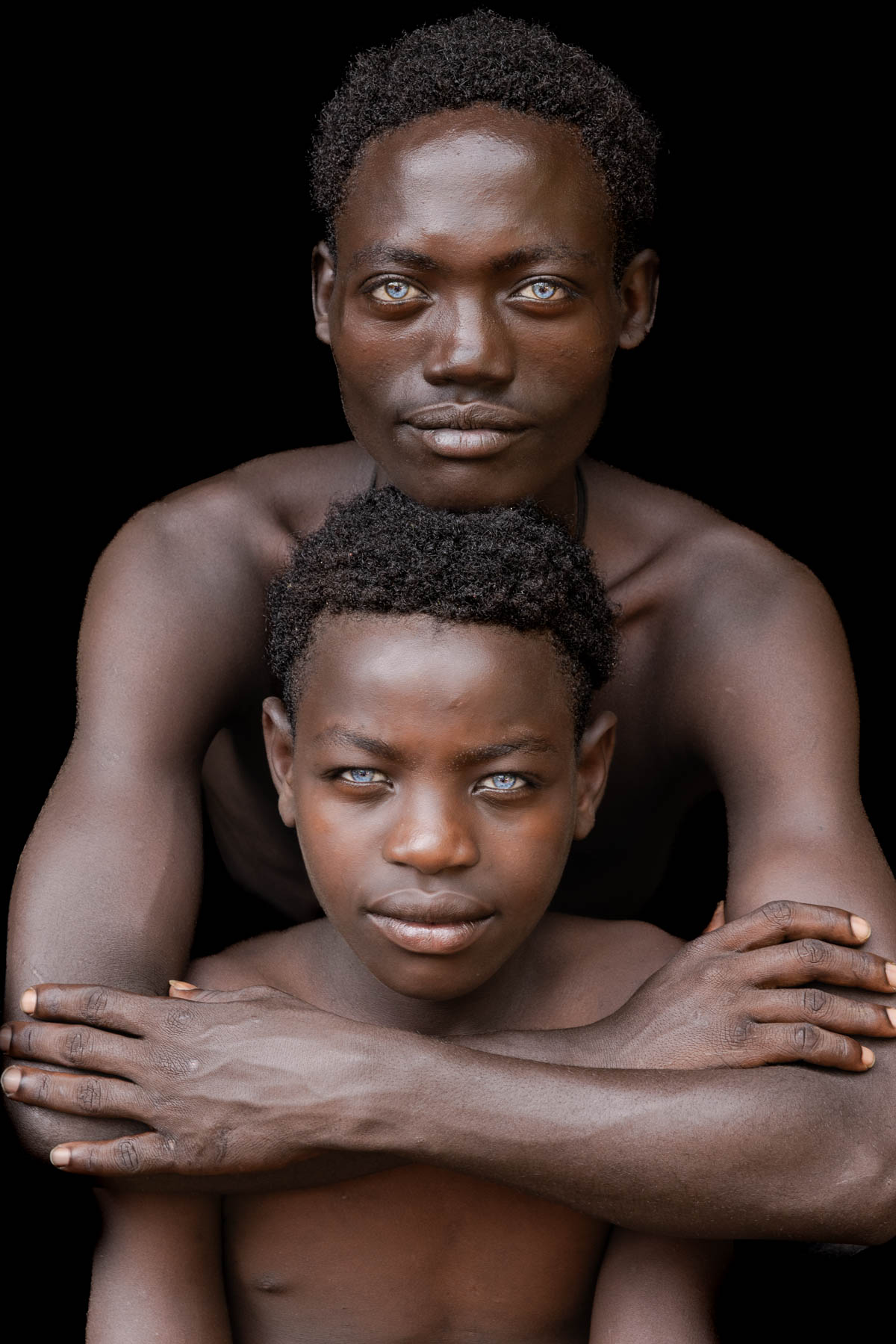
Two cousins with striking blue eyes from Jinka. It felt as if you could dive into their eyes like into an ocean. (image by Ingrid Koedood)

Decorated Dassanech men at Dimi (image by Inger Vandyke)

Bagogu, a young Suri boy, smiling with his scarification and face painting (Image by Inger Vandyke)
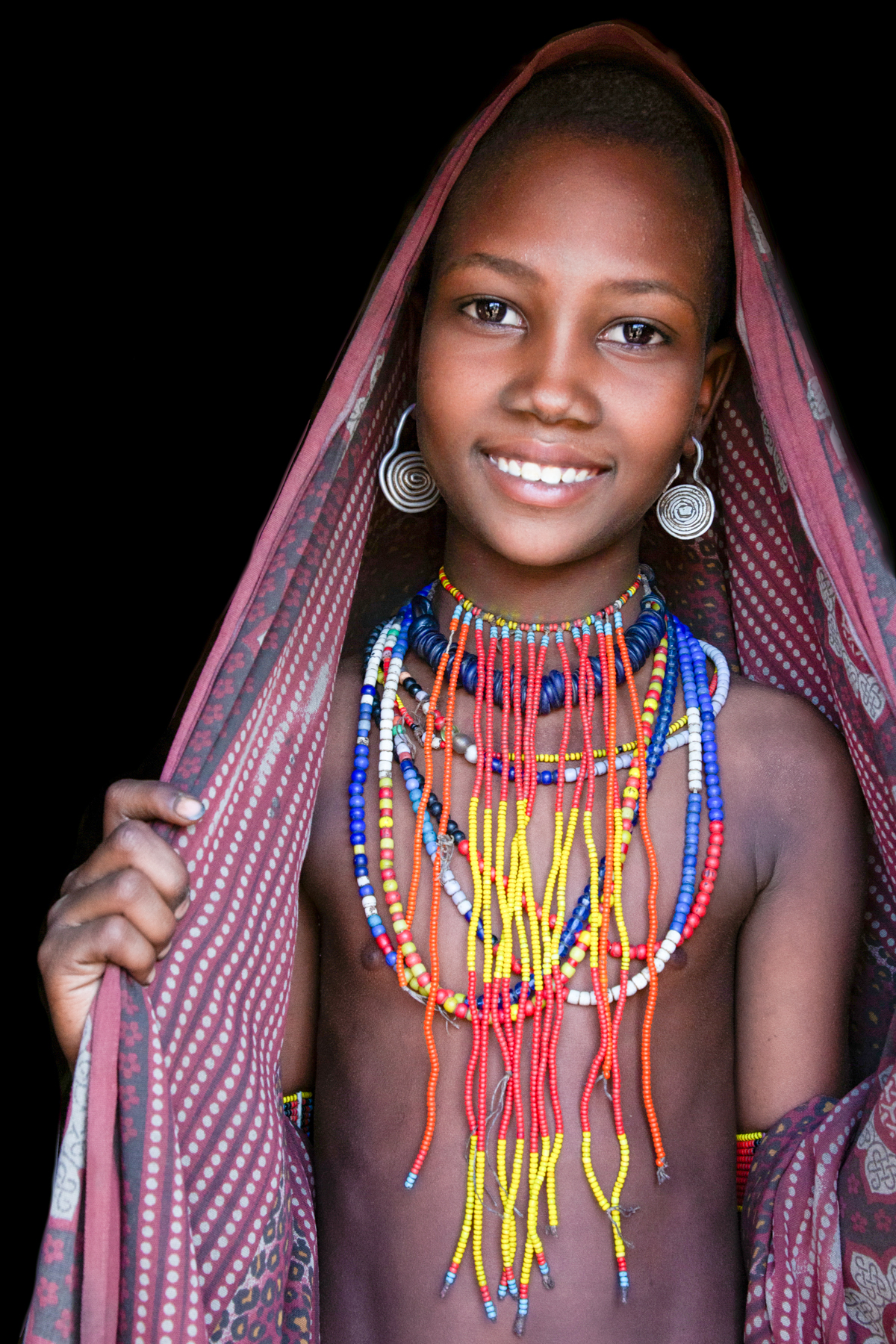
Portrait of a stunning, smiling Arbore girl (Image by Inger Vandyke)

A young Arbore man paints his face to prepare for a wedding ceremony (image by Inger Vandyke)

Street photography in Turmi is always a highlight of our trip (Image by Inger Vandyke)

A young Dassanech girl surrounded by the women who have gone before her during Dimi, the Dassanech initiation of young women (image by Inger Vandyke)

Noko sitting in the Marmar building of Dus (Image by Inger Vandyke)

Spectacular decoration of Ethiopia's Mursi people (image by Inger Vandyke)

The Arbore people of Lake Chew Bahir wake up to a beautiful sunrise on our tour (image by Inger Vandyke)

Arbore Girl with a Pear Earring photo of Goree (Image by Inger Vandyke)

Karo children tussle over who gets to pet their baby goat (image by Inger Vandyke)
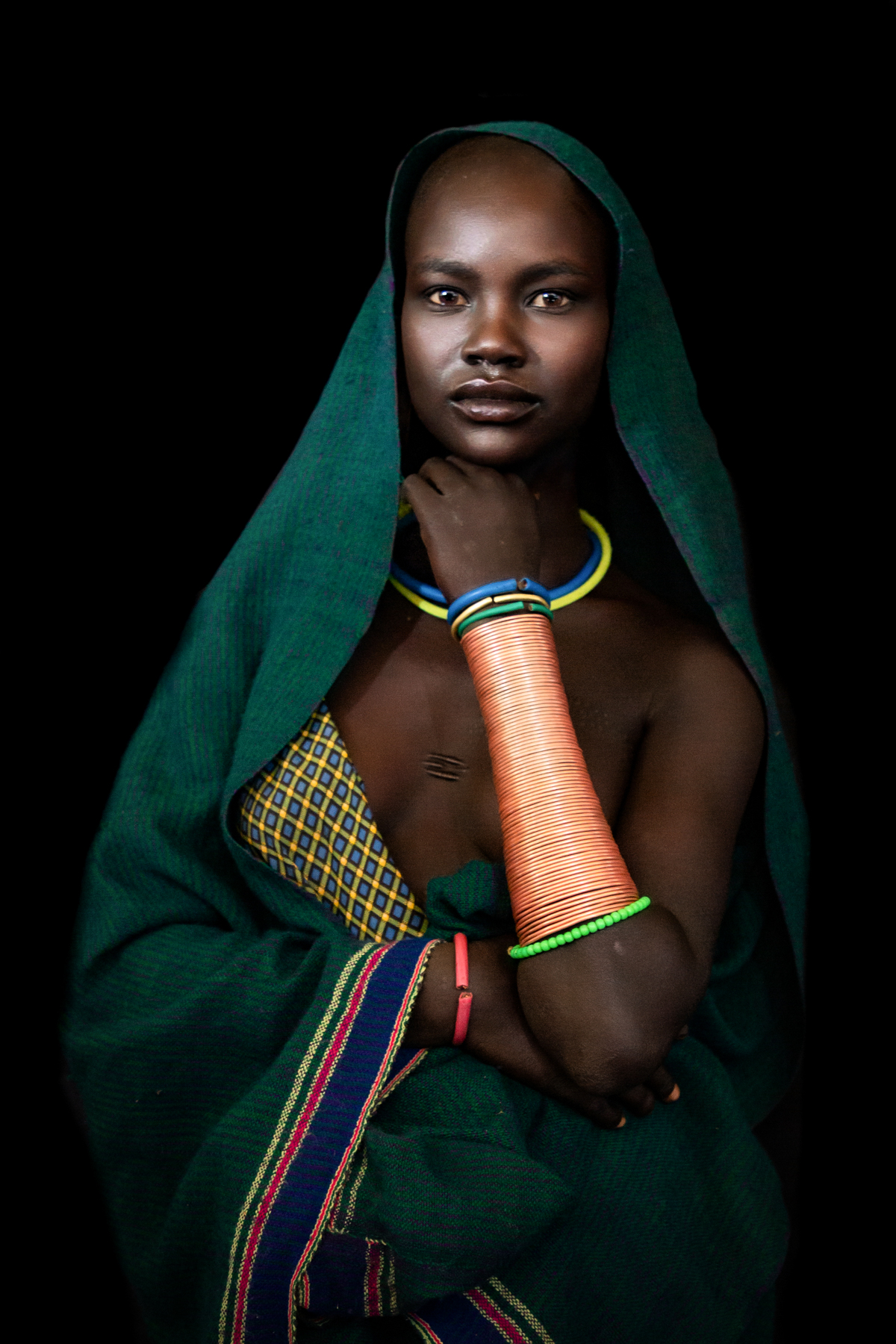
This is the real Suri. Portrait of an elegant young Suri girl with her traditional green head covering and long copper bracelets (Image by Inger Vandyke)

Portrait of a Maji woman in the doorway of her home (image by Inger Vandyke)

The incredible beauty of Arbore girls (Image by Inger Vandyke)

Napokot, a traditional Nyangatom woman, outside her hut in the remote Central Rift Valley region of southern Ethiopia. (Image by Inger Vandyke)

A Nyangatom woman breaks into a spontaneous dance during our visit. It was so beautiful! (image by Inger Vandyke)

Sunrise over the Omo River at Korcho (Image by Inger Vandyke)

A young Suri boy with his breakfast of fresh cow's blood. This is an important source of protein for young Suri people (image by Inger Vandyke)

Wild Child - A Suri girl dressed in local pepper berries with a pepper flower in her mouth (Image by Inger Vandyke)

Karo girls painting their signature Guineafowl patterns (image by Inger Vandyke)

The most beautiful eyes in a Dassanech girl (Image by Inger Vandyke)

The endless beauty of Suri girls (Image by Inger Vandyke)

Portrait of a young Hamer man in Turmi (Image by Inger Vandyke)
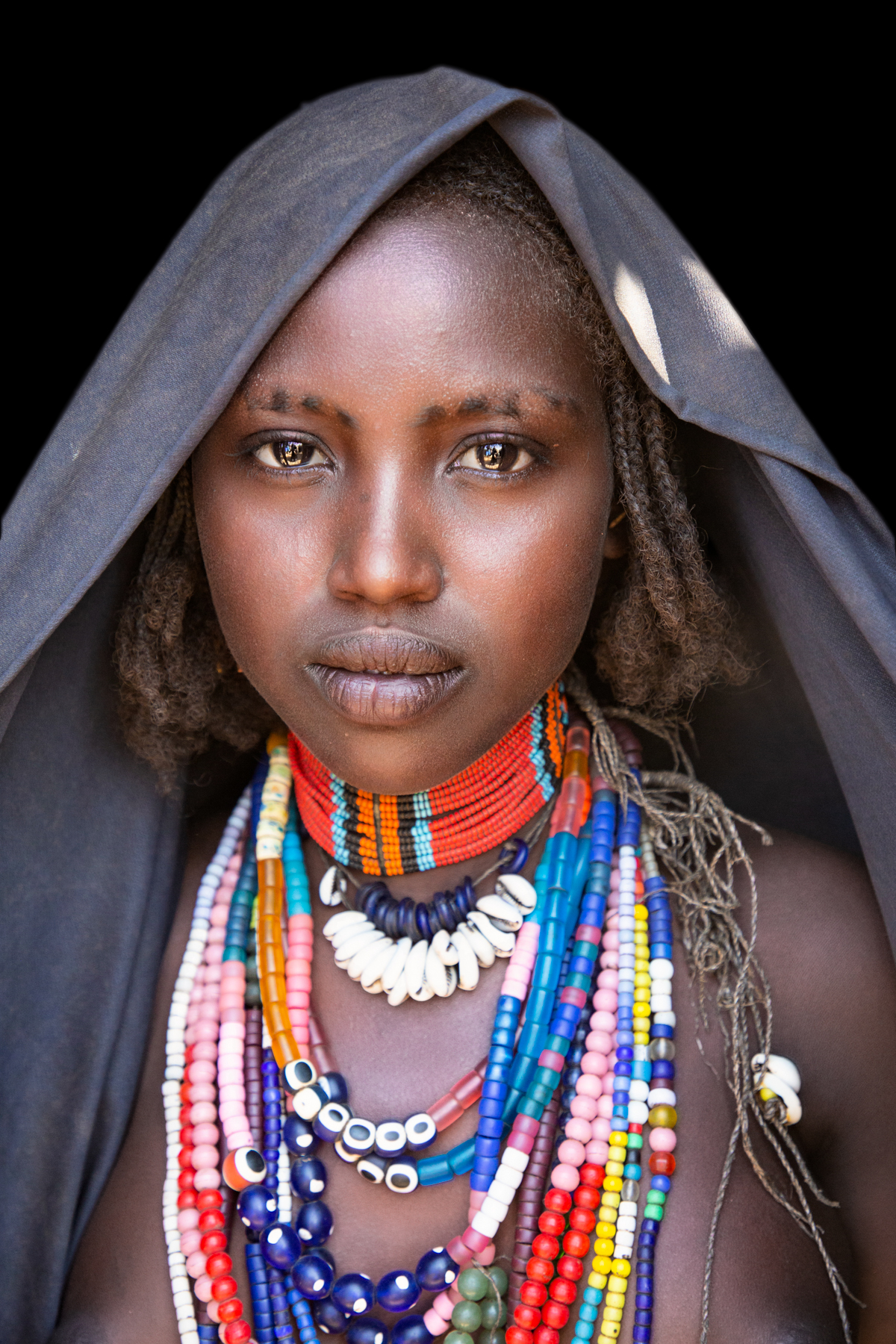
Portrait of Bariti, a beautiful Arbore girl (Image by Inger Vandyke)

Hamer women adorn their legs with chains of bells before they dance a traditional 'Gola' at the start of the bull jumping ceremony. (Image by Inger Vandyke)

Ash covered Suri boys preparing to take their cows out to graze for the day. The ash protects them from sun and biting insects (image by Inger Vandyke)

The wild and mesmerising beauty of Mursi women (image by Inger Vandyke)

At sunrise a group of Suri girls wait to be photographed. It's sometimes impossible NOT to photograph these people, they are so beautiful (image by Inger Vandyke)
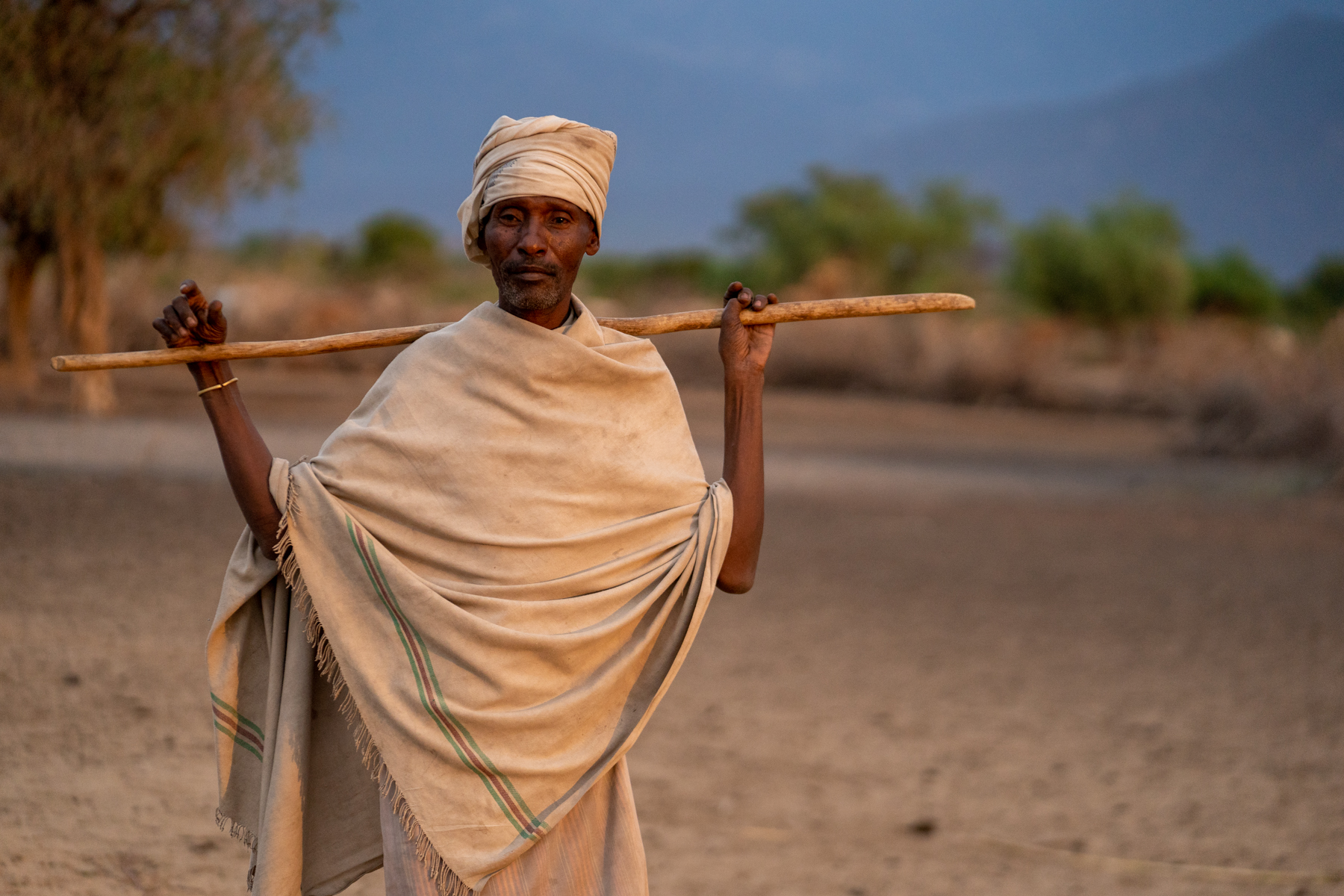
An Arbore elder returns from herding livestock at sunrise (image by Inger Vandyke)

A young Suri girl heads to the market in Kibish (Image by Inger Vandyke)

Benna Stilt Boys on the way to Jinka (Image by Inger Vandyke)

Bodo, one of the Kara head men at Dus (Image by Inger Vandyke)

Beautiful Suri girls with their 'makeup' of face paint and headdresses fashioned out of local flowers (Image by Inger Vandyke)

Young Arbore man with his face decorated in preparation for an Arbore wedding (image by Inger Vandyke)

Mist hangs in the valleys of the Maji area at sunrise on the first day of our tour (image by Inger Vandyke)

A backlit Karo head man returns from herding his livestock (image by Inger Vandyke)

An ethereally beautiful Suri girl with her headdress of fresh poinciana flowers (image by Inger Vandyke)

Portrait of a young Suri herder at sunrise in his cattle camp (image by Inger Vandyke)

Pretty Mursi child without a lip plate but still with her large wooden billet earrings (Image by Inger Vandyke)

An elderly Karo lady in Dus (Image by Inger Vandyke)

At the end of her scarification, a young Suri girl is supported by her friend and smiles with relief that its over (image by Inger Vandyke)

Portrait of an elderly Hamer Besheda woman with her goat skin dress and decorated kalabash headdress (image by Inger Vandyke)

Hamer women carrying a musical horn that is played at a bull jumping ceremony (Image by Inger Vandyke)

The elaborate body painting of Suri stick fighters (Image by Inger Vandyke)

While many Nyangatom women opt for necklaces in their traditional colours of red, yellow and green, you can still occasionally meet a girl simply wearing strands of wooden beads (Image by Inger Vandyke)
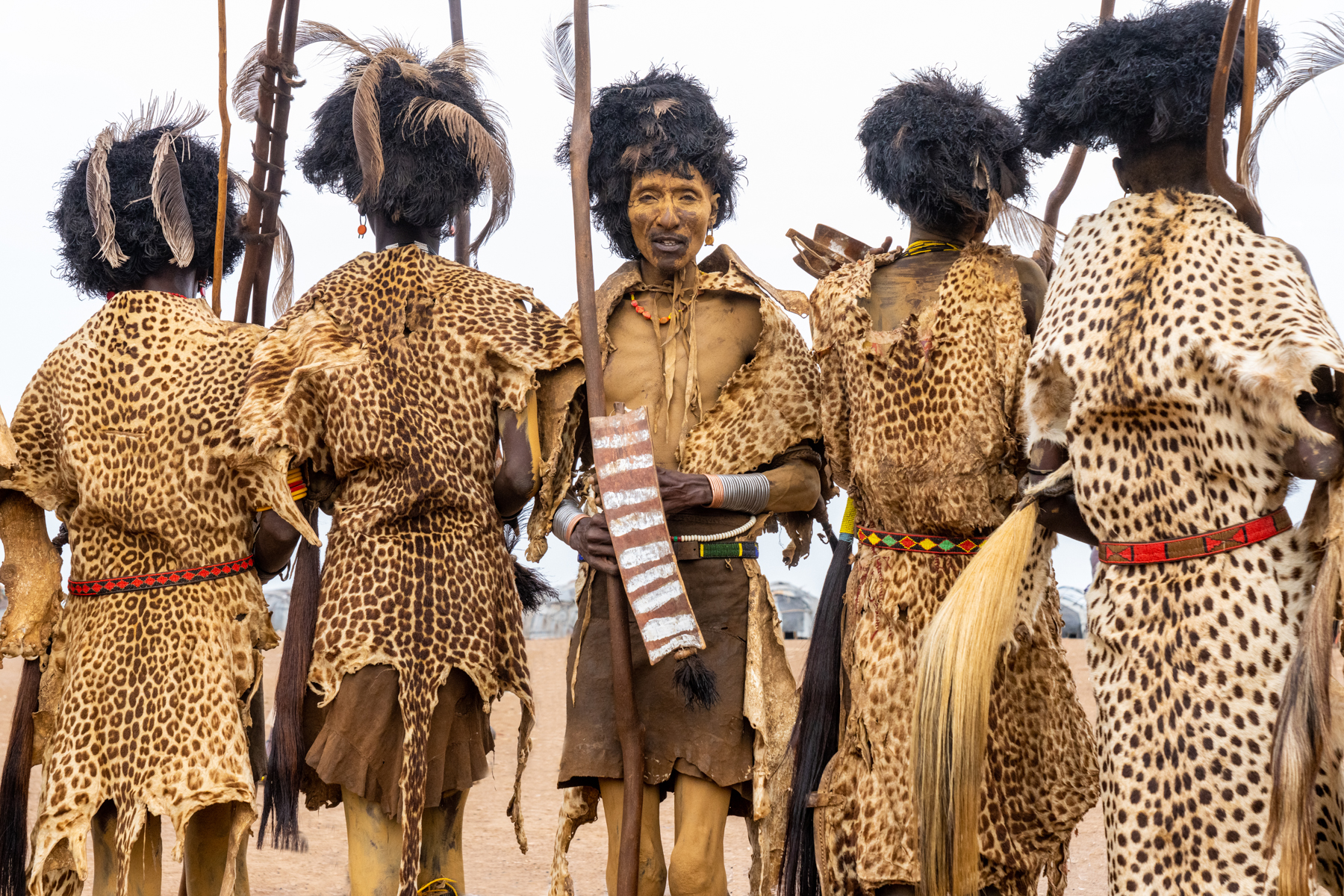
Decorated Dassanech men covered in skins and yellow ochre to celebrate Dimi, the Dassanech initiation ceremony of young girls (image by Inger Vandyke)

A hand sculpted Mursi lip plate (image by Inger Vandyke)

The Hamer women and girls are often considered to be some of the most photogenic people in the Omo Valley (Image by Inger Vandyke)

Young Suri boys splashing and playing in the Kibish River (image by Inger Vandyke)

An aerial view of the spectacular terraced fields of Konso region near the Omo Valley (Image by Inger Vandyke)

The doorways of many homes in Konso are fashioned out of heavy wood (Image by Inger Vandyke)

A beautiful Arbore woman resting against a dead tree trunk (image by Inger Vandyke)

Portrait of an older Mursi woman at sunrise in her village (Image by Inger Vandyke)

A pretty little Nyangatom girl sits in the food storage hut of her village (Image by Inger Vandyke)

Portrait of a Karo elder in the marmar, or meeting house of Karo headmen (image by Inger Vandyke)

Portrait of a Mursi woman with her bush tomatoes, warthog tusks and heavy metal headdress (image by Inger Vandyke)

Wala, one of the prominent Hamer headmen in Turmi (Image by Inger Vandyke)

Simple and beautiful - the Hamer children wear beaded belts and metal bracelets (Image by Inger Vandyke)

To prepare for battle, young Suri men use their hands and fingers to paint their bodies with chalk (image by Inger Vandyke)

A visiting Toposa man sits in the door of his home in the remote Ilemi Triangle (image by Inger Vandyke)
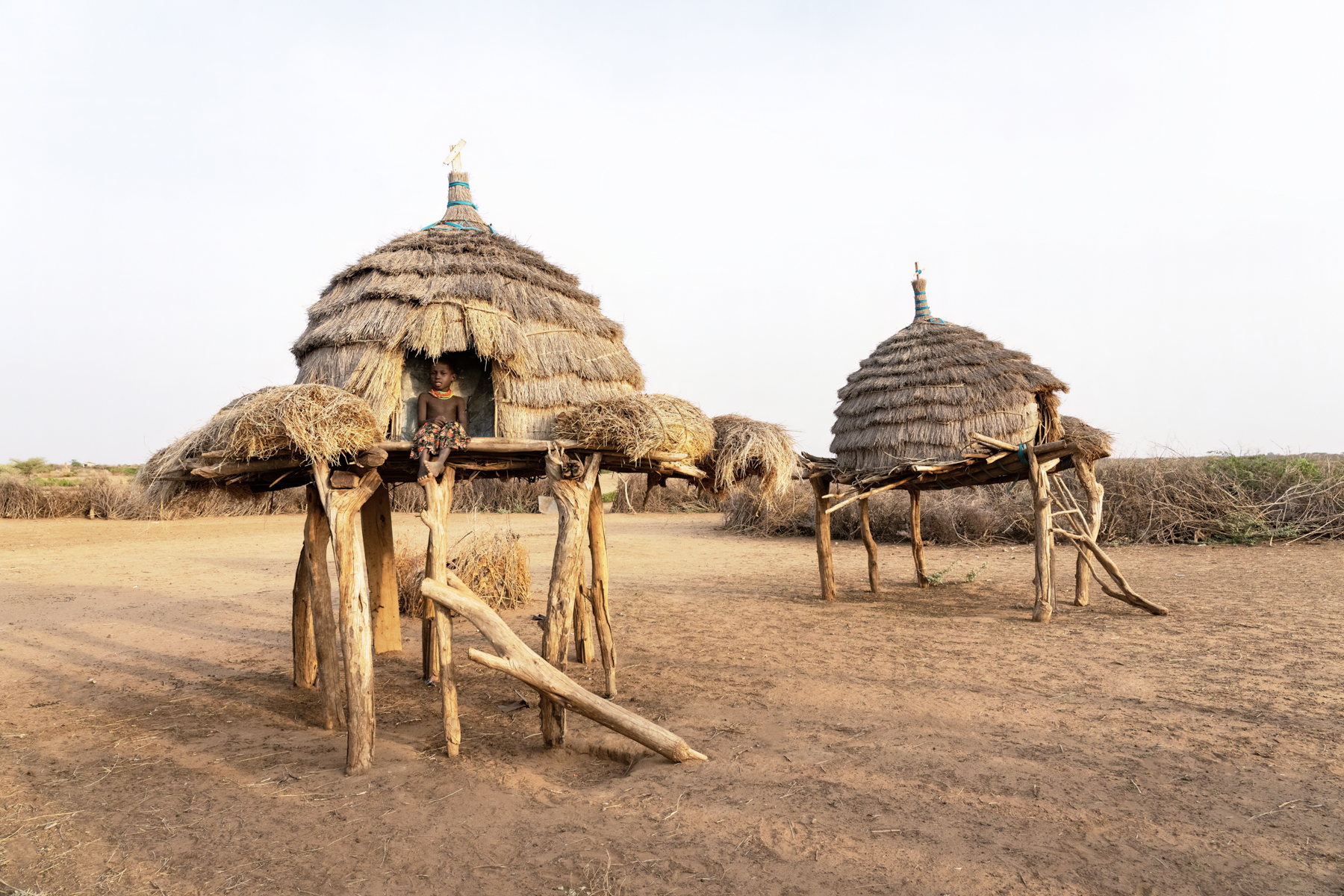
A young Nyangatom girl sitting in the hand sculpted granaries of her village (image by Inger Vandyke)

A young girl stands with Dassanech elders ahead of her initiation (image by Inger Vandyke)

Portrait of another Benna Maza (Image by Inger Vandyke)
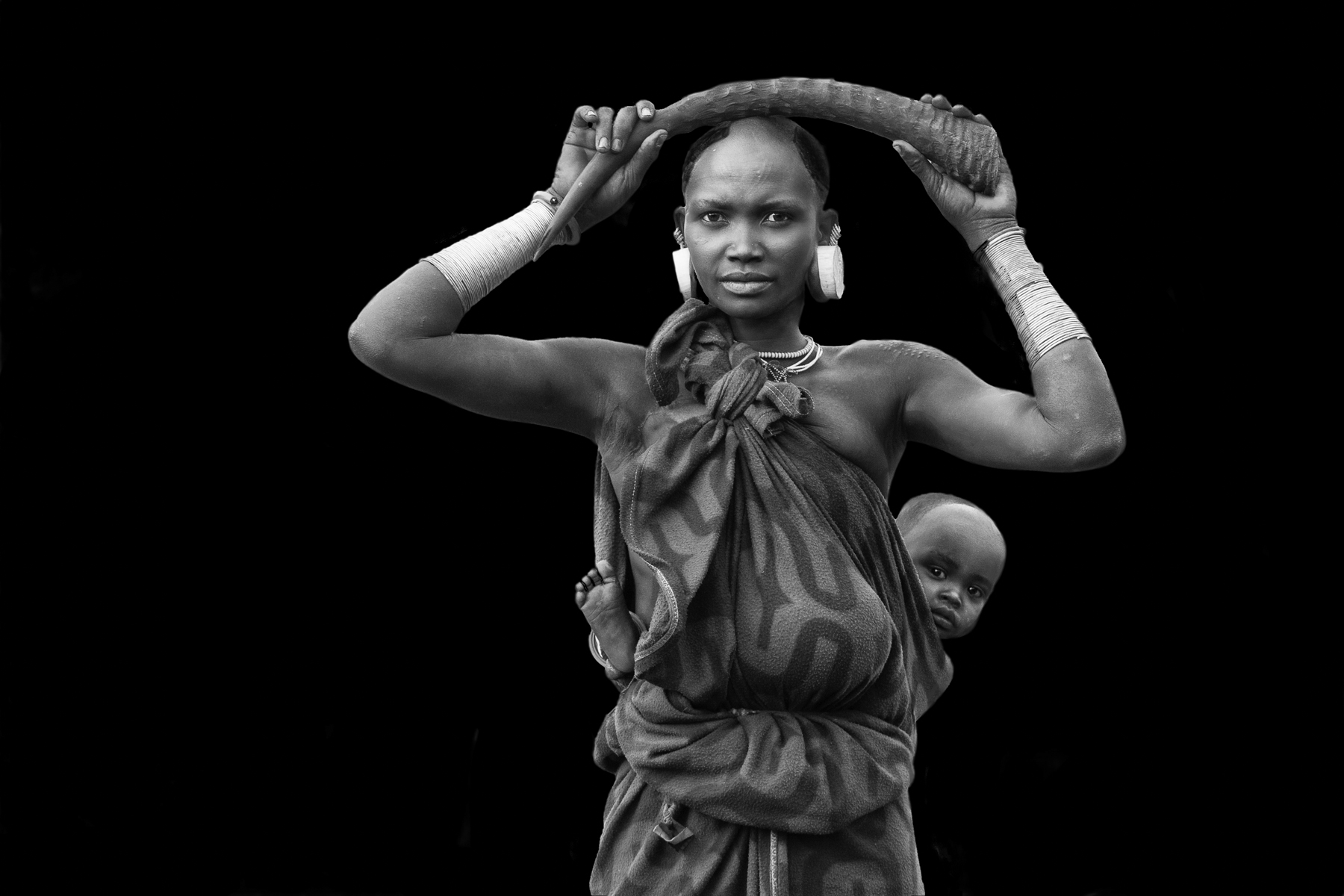
A traditional Suri woman and her baby in the Omo Valley. She is carrying the horn of a large Waterbuck on her head (Image by Inger Vandyke)

An amazing Mursi woman with her elaborate decoration and lip plate (Image by Inger Vandyke)

Hamer women wear the scars of their whipping with great pride. To them it signifies their strength and suitability for becoming a Hamer bride. (Image by Inger Vandyke)

Beautiful Arbore girls in southern Ethiopia (Image by Inger Vandyke)

Mursi child (image by Inger Vandyke)

A fearless Mursi head man with his gun (Image by Inger Vandyke)

Soulful silhouette of a Hamer head man inside his home (image by Inger Vandyke)

A rare drone view of the Hamer villages near Turmi. This image is shortlisted in Africa Geographic's Photographer of the Year competition 2020 (Image by Inger Vandyke)

The spectacular celebration of Dimi, or young girl initiation, in Dassanech culture (image by Inger Vandyke)

Young Benna boys walk over me on their wooden stilts (image by Inger Vandyke)

One of the most visually incredible Mursi elders in Ethiopia (Image by Inger Vandyke)

Large flat stones are laid out as a waiting area for guests visiting the elders of a Konso village (image by Inger Vandyke)

The delicate act of face painting in the Suri people of the Omo Valley (Image by Inger Vandyke)
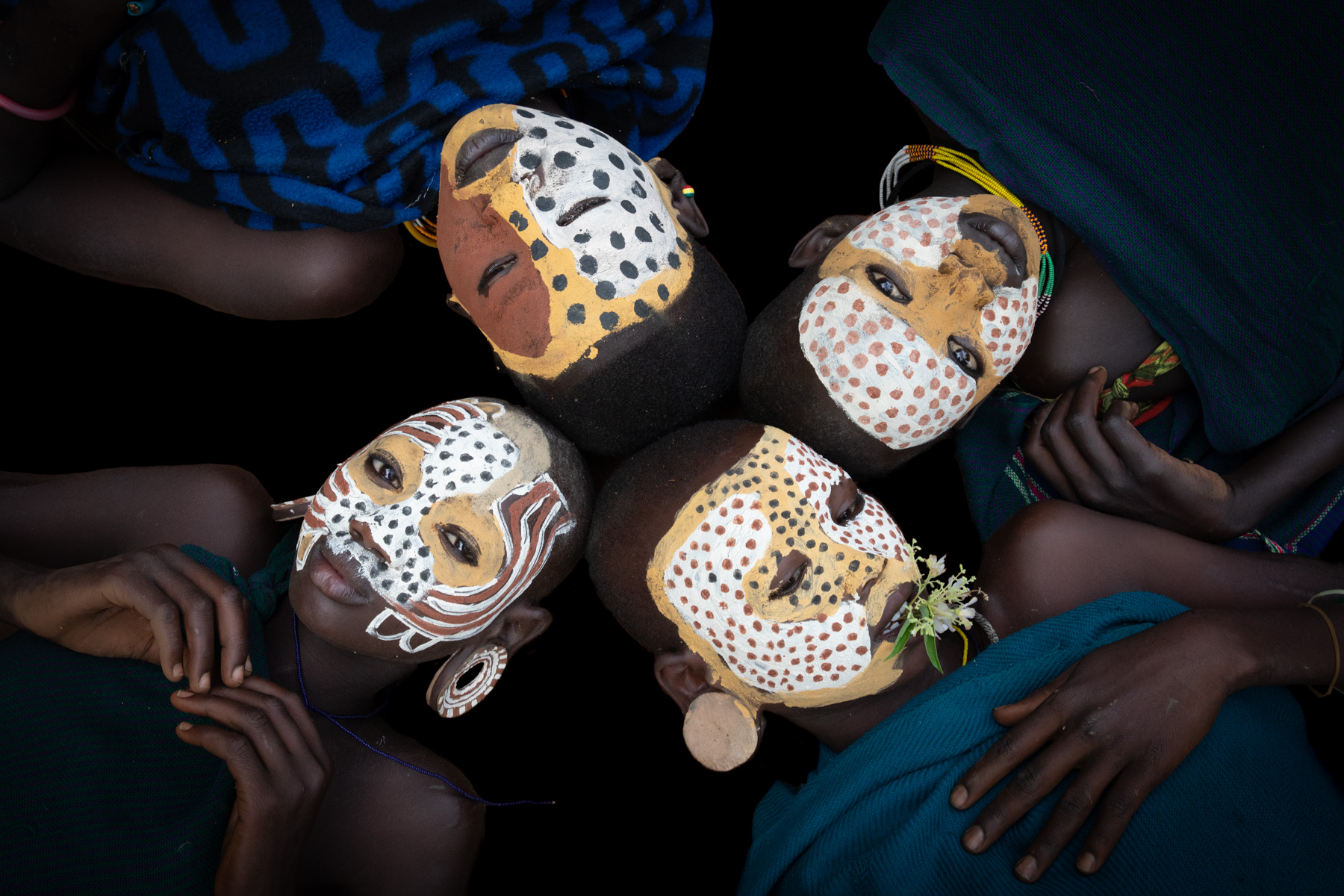
Beautiful Suri children near Kibish in southern Ethiopia (Image by Inger Vandyke)

A Dassanech elder returns from herding his livestock (image by Inger Vandyke)

A stunning Suri woman with her lip disc in our sunrise photo shoot (image by Inger Vandyke)
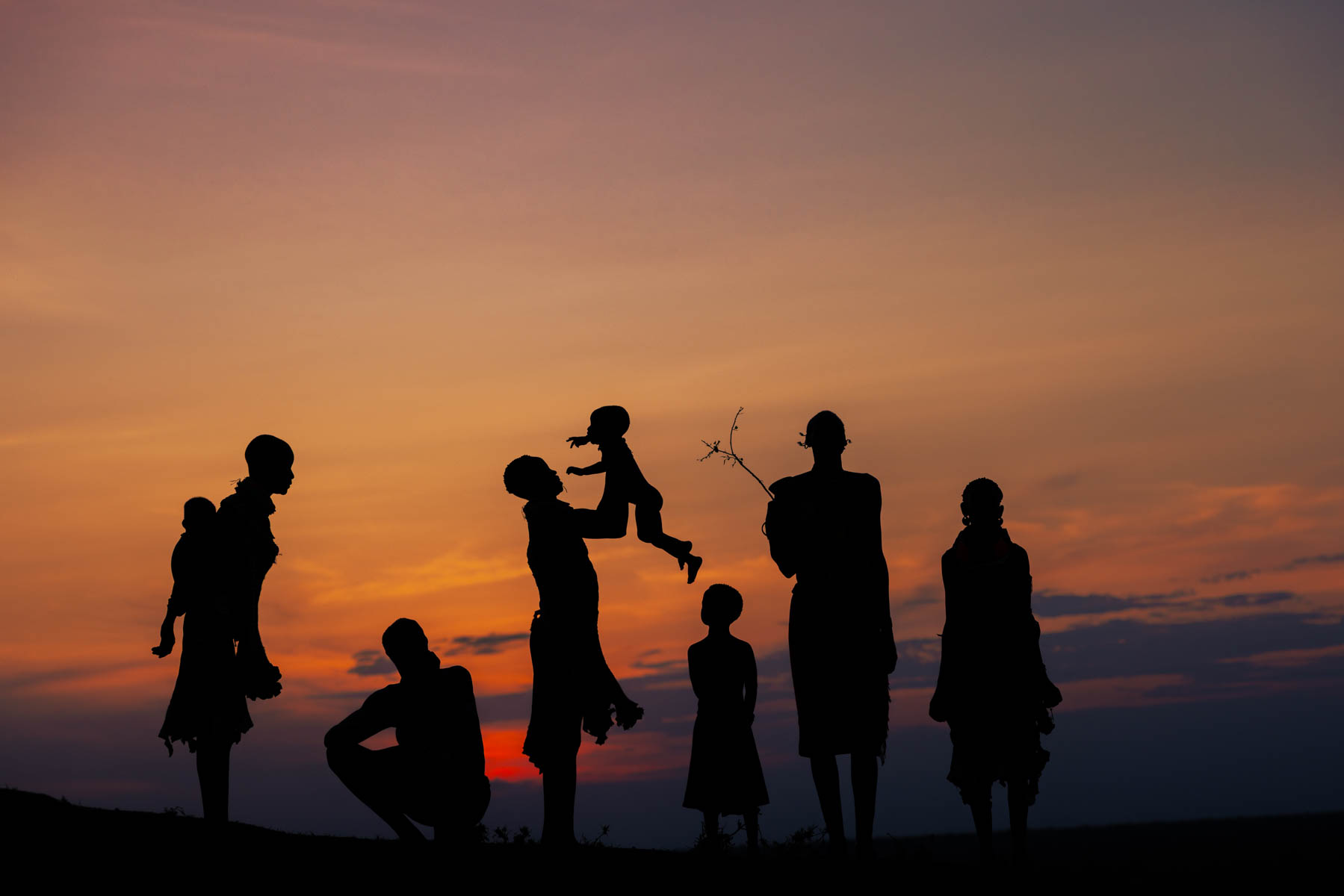
Silhouettes of the Kara people, held in the last light of day. (image by Ingrid Koedood)
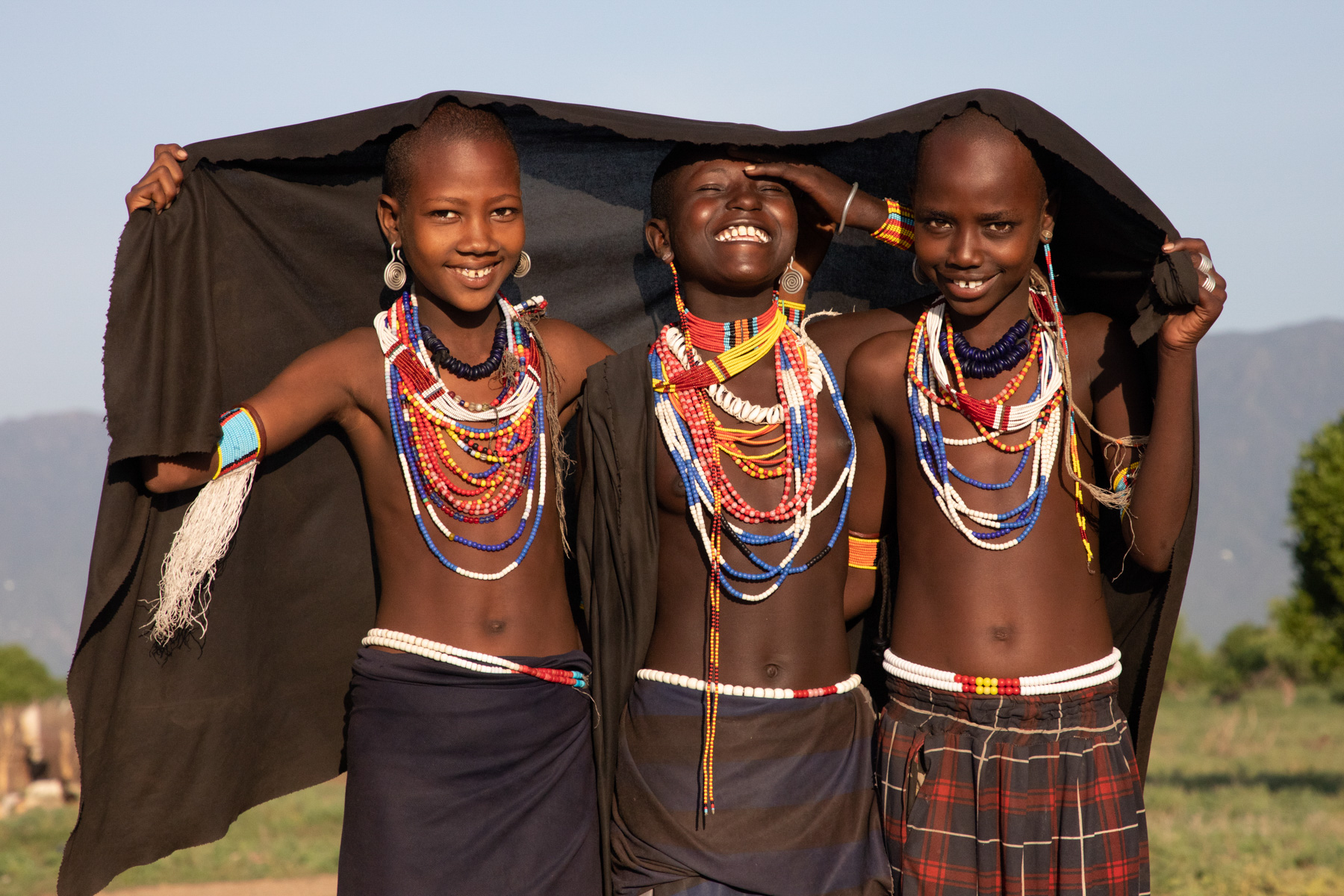
Smiling, giggling Arbore girls (Image by Inger Vandyke)

A Benna Maza - one of the recently initiated boys of the Benna people (Image by Inger Vandyke)
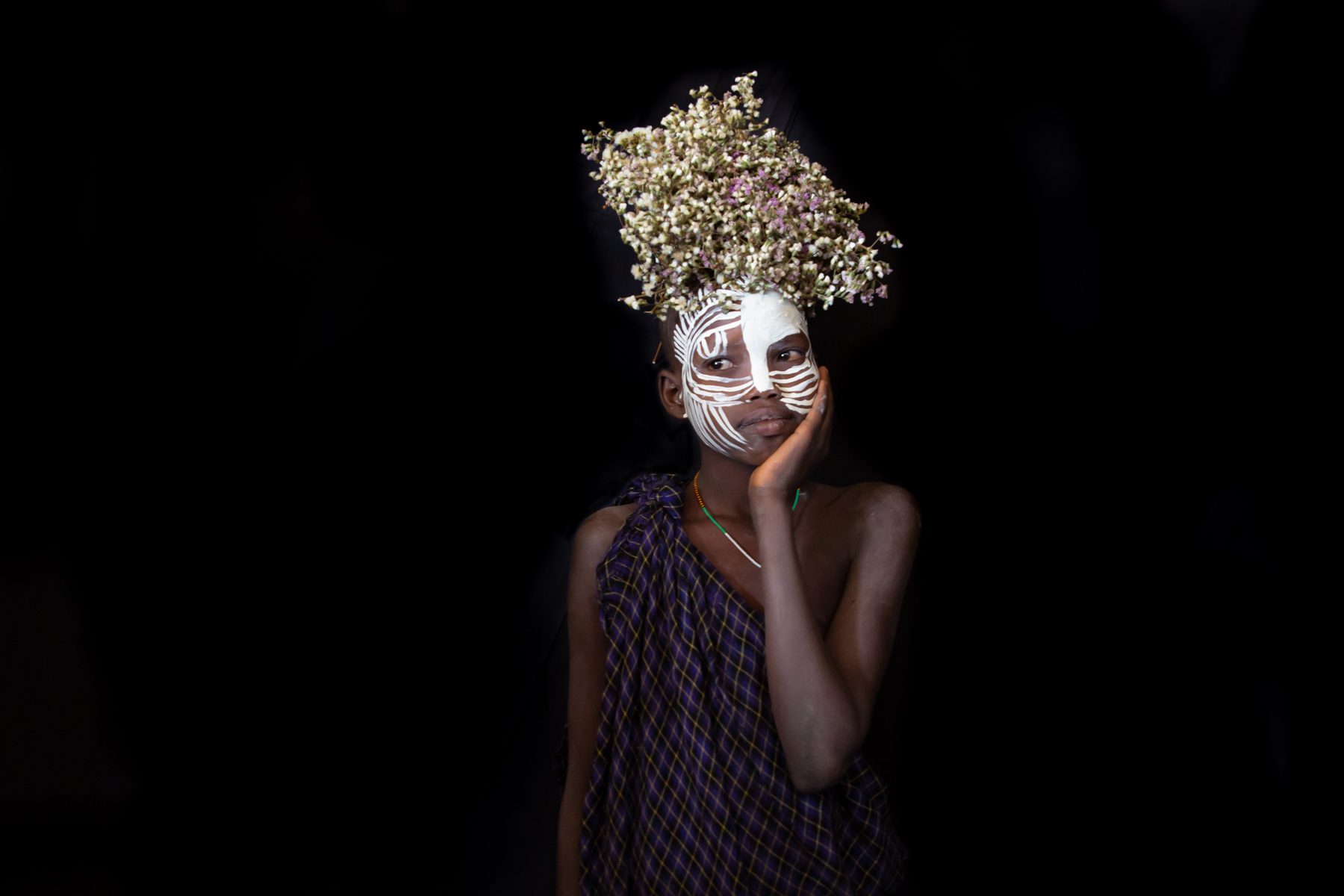
A beautiful young Suri girl near Kibish in the Omo Valley (Image by Inger Vandyke)

Sunrise in a remote Suri cattle camp (image by Inger Vandyke)
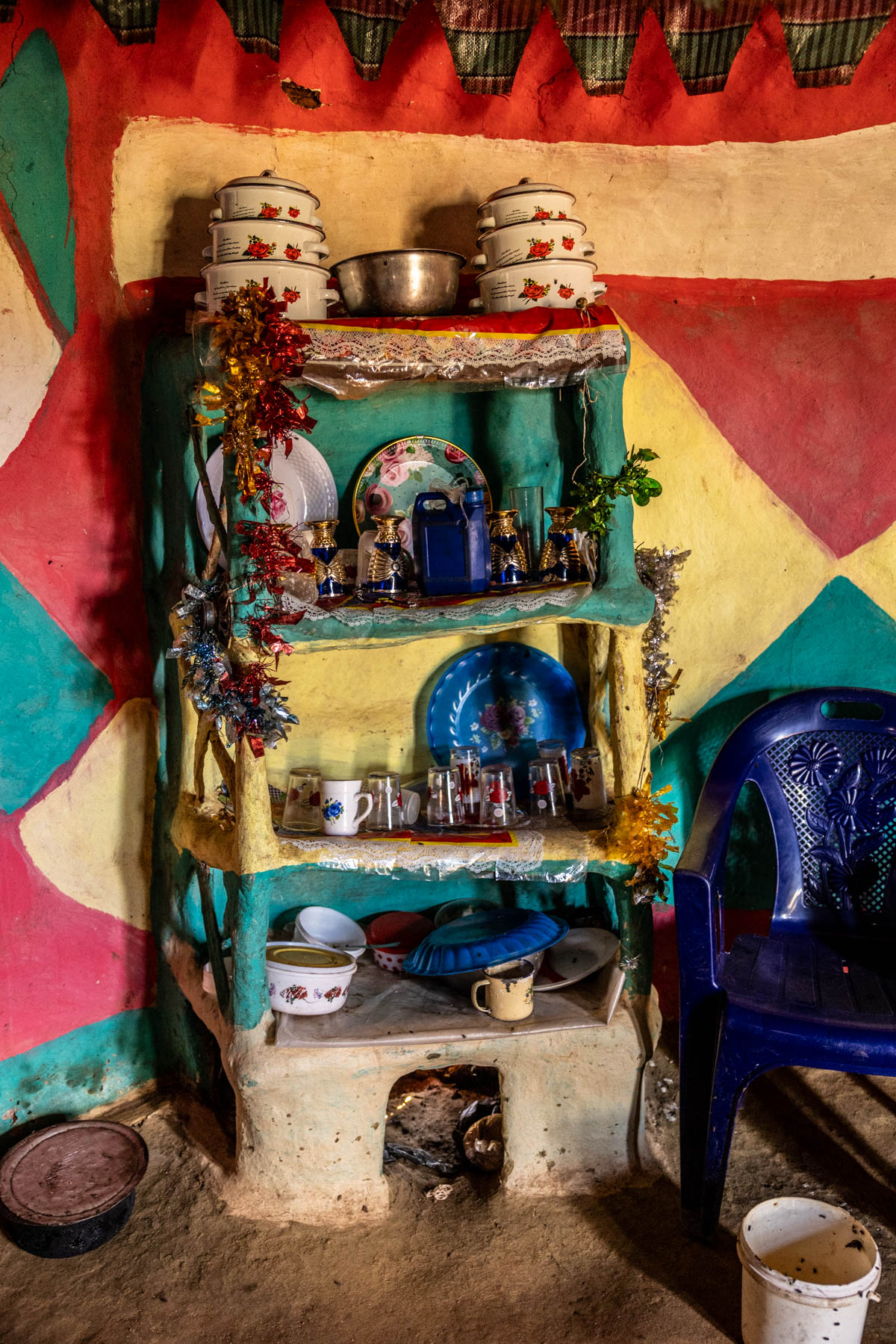
The Borana people decorate their huts in vibrant colors, something we did not expect and were truly amazed by. (image by Ingrid Koedood)

Portrait of Noko, one of the Kara head men at Dus (Image by Inger Vandyke)

The large disc earrings of Suri girls are truly stunning (image by Inger Vandyke)

Proud. Beautiful. Strong (Image by Inger Vandyke)

A young boy painted to become a Suri warrior (image by Inger Vandyke)

An elderly Suri woman stands in the doorway of her hut. Her bottom lip is missing the traditional lip plate that is a feature of the Suri tribe (Image by Inger Vandyke)

A Dassanech man cleans his hands of ochre using water from his mouth. This is a common way of preserving water in the nomadic people of Africa (image by Inger Vandyke)

A young Suri girl with her decoration of berries in the early morning sun (image by Inger Vandyke)

Those amazing eyes! (Image by Inger Vandyke)

An elderly Hamer woman with her amusing dried flower, outside a local shop in Turmi (image by Inger Vandyke)

A stunning Hamer woman giggling during our visit to her village (image by Inger Vandyke)

Arbore women often look like they belong on the catwalks of Paris (Image by Inger Vandyke)

A shy young Karo girl watches us from the log she chose to sit on in her village (image by Inger Vandyke)

A young Dassanech man dressed to celebrate Dimi (image by Inger Vandyke)

Suri woman with her lip disc and tiny puppy (image by Inger Vandyke)

A traditional Dassanech woman in front of her hut near Omorate in southern Ethiopia. (Image by Inger Vandyke)

A traditional Nyangatom girl from South Sudan. Along with numerous strands of necklaces, Nyangatom women pierce their bottom lips and insert a brass ring in them for decoration. (Image by Inger Vandyke)

The pretty disc necklaces worn by Nyangatom women (image by Inger Vandyke)

A Suri warrior psyches himself for the next round of a stick fight (Image by Inger Vandyke)

The breathtaking beauty of Lake Chamo at sunrise (image by Inger Vandyke)

Mursi in black and white (Image by Inger Vandyke)

Looking like a jewel in a handmade wall of wood, a Hamer woman sits in the doorway of her temporary agricultural home (image by Inger Vandyke)

Tsemay girls are differentiated by their elaborate coats made of goat skin and cowrie shells and also their vertical tattoo markings on their foreheads (Image by Inger Vandyke)

A young Nyangatom man in the remote Ilemi Triange of Ethiopia (image by Inger Vandyke)
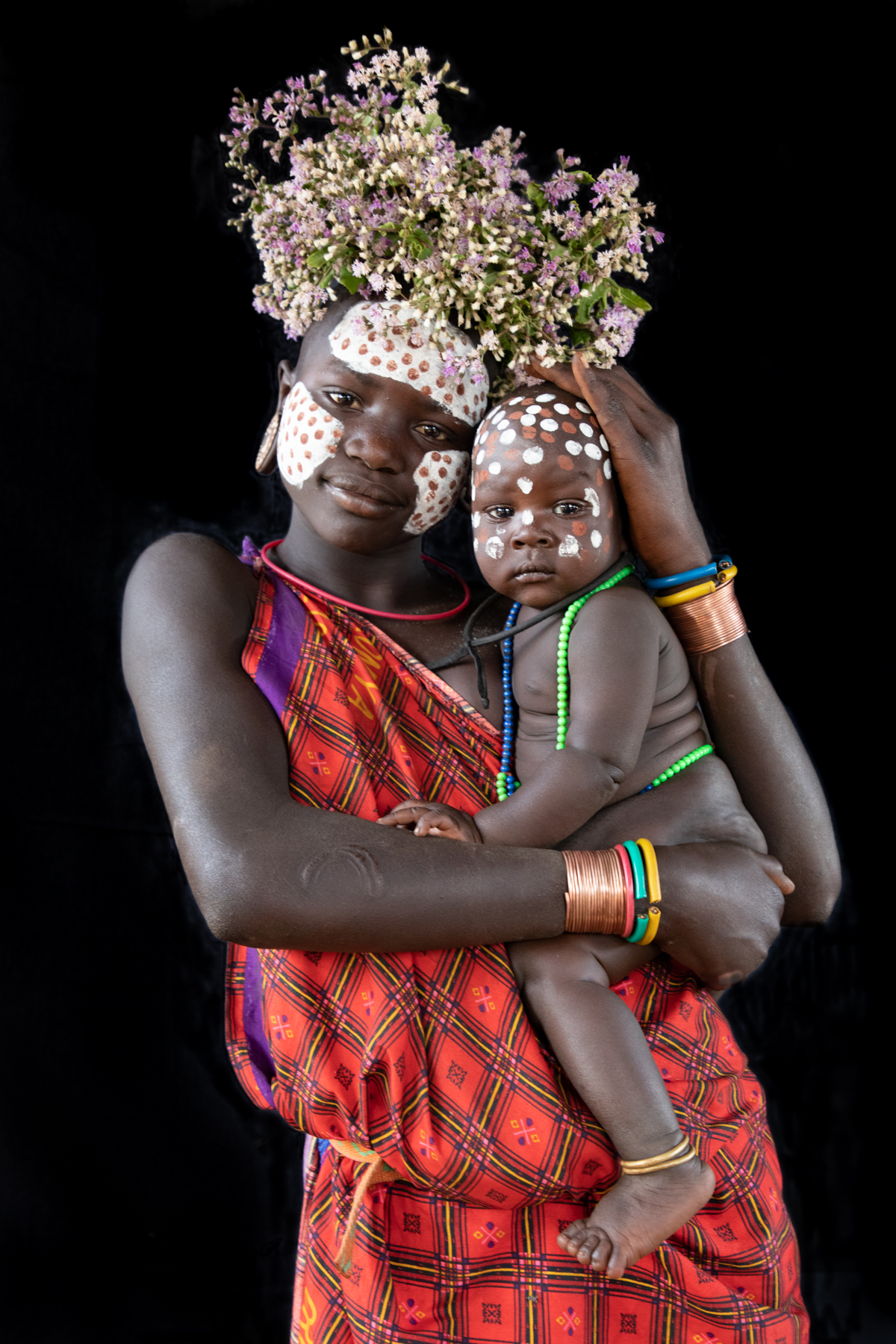
A pretty Suri girl and her baby near Kibish in the Omo Valley (Image by Inger Vandyke)

Profile of a prominent Benna head man wearing a carabiner as an earring (image by Inger Vandyke)

A Suri warrior takes a break between rounds of a traditional 'Donga' or stick fight. (Image by Inger Vandyke)

Portrait of Natulia'Akwan, a beautiful Nyangatom girl with her elaborate jewellery! (Image by Inger Vandyke)

A lovely Hamer child surrounded by the skirts of his mother and aunties (Image by Inger Vandyke)

A painted young Suri boy in southern Ethiopia (Image by Inger Vandyke)

Portrait of a stunning Suri girl with her banana flower head dress (Image by Inger Vandyke)

Sunrise and a young Nyangatom man stands with his tooth brush fashioned out of green sapling branches (image by Inger Vandyke)

Holding hands in the Omo Valley. (Image by Inger Vandyke)
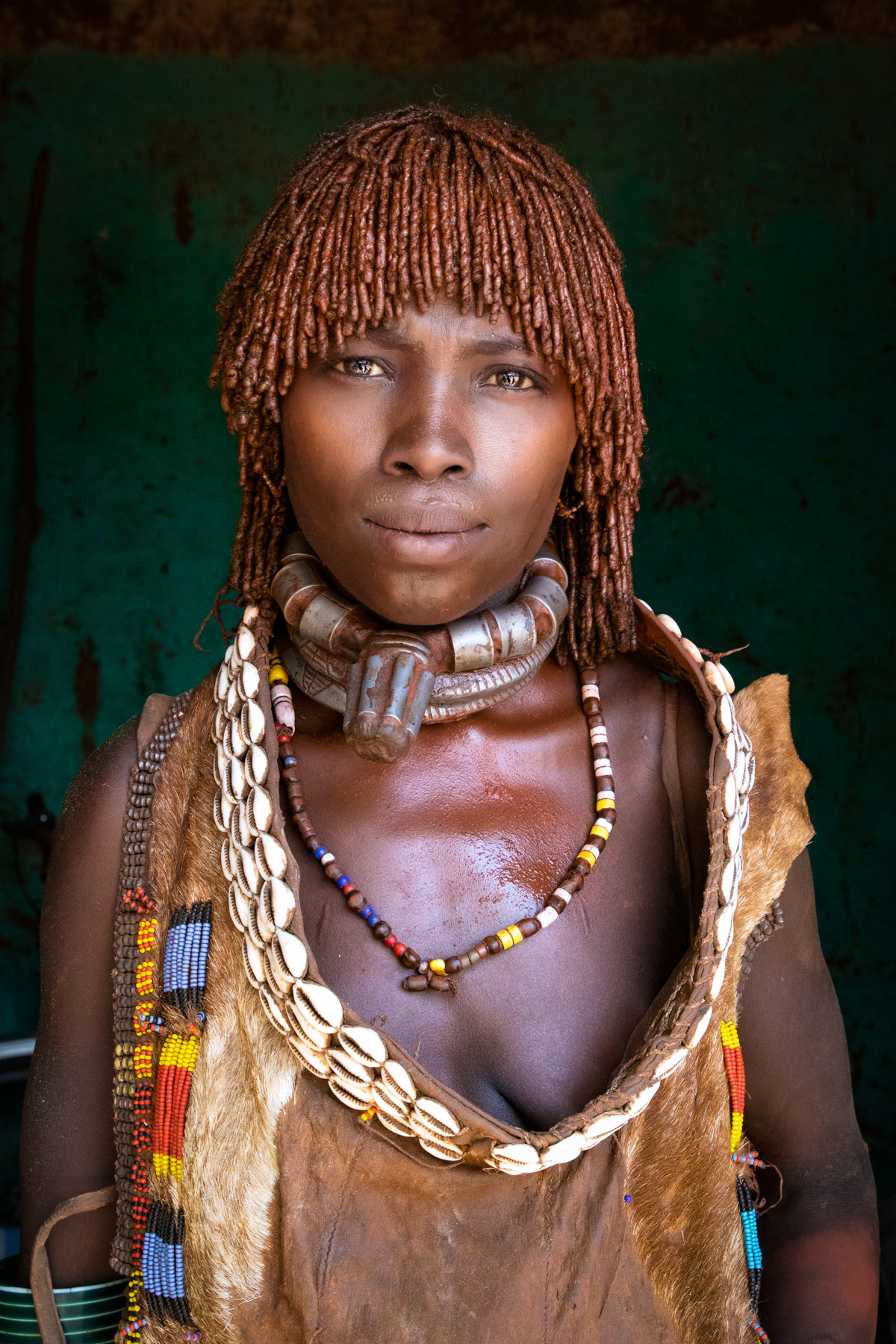
Wandering the streets of Turmi, you can meet the most beautiful Hamer women (Image by Inger Vandyke)

Adi. She is one of the most stunning and friendly Arbore women you will ever meet (Image by Inger Vandyke)

The delicated dot painting of Mursi people (image by Inger Vandyke)

Hamer people store wood in the upper branches of a gigantic Desert Rose euphorbia, to protect it from being eaten by termites (image by Inger Vandyke)

A beautiful Suri girl with her decoration of seed pods and flowers (image by Inger Vandyke)

An aerial view of Dus with the Marmaris at the bottom and our Wild Images car in the centre of the image (Image by Inger Vandyke)

Scarified Suri girl in Kibish (Image by Inger Vandyke)

Kara head men in discussion (Image by Inger Vandyke)

A beautiful Suri mother with her baby in Kibish (Image by Inger Vandyke)
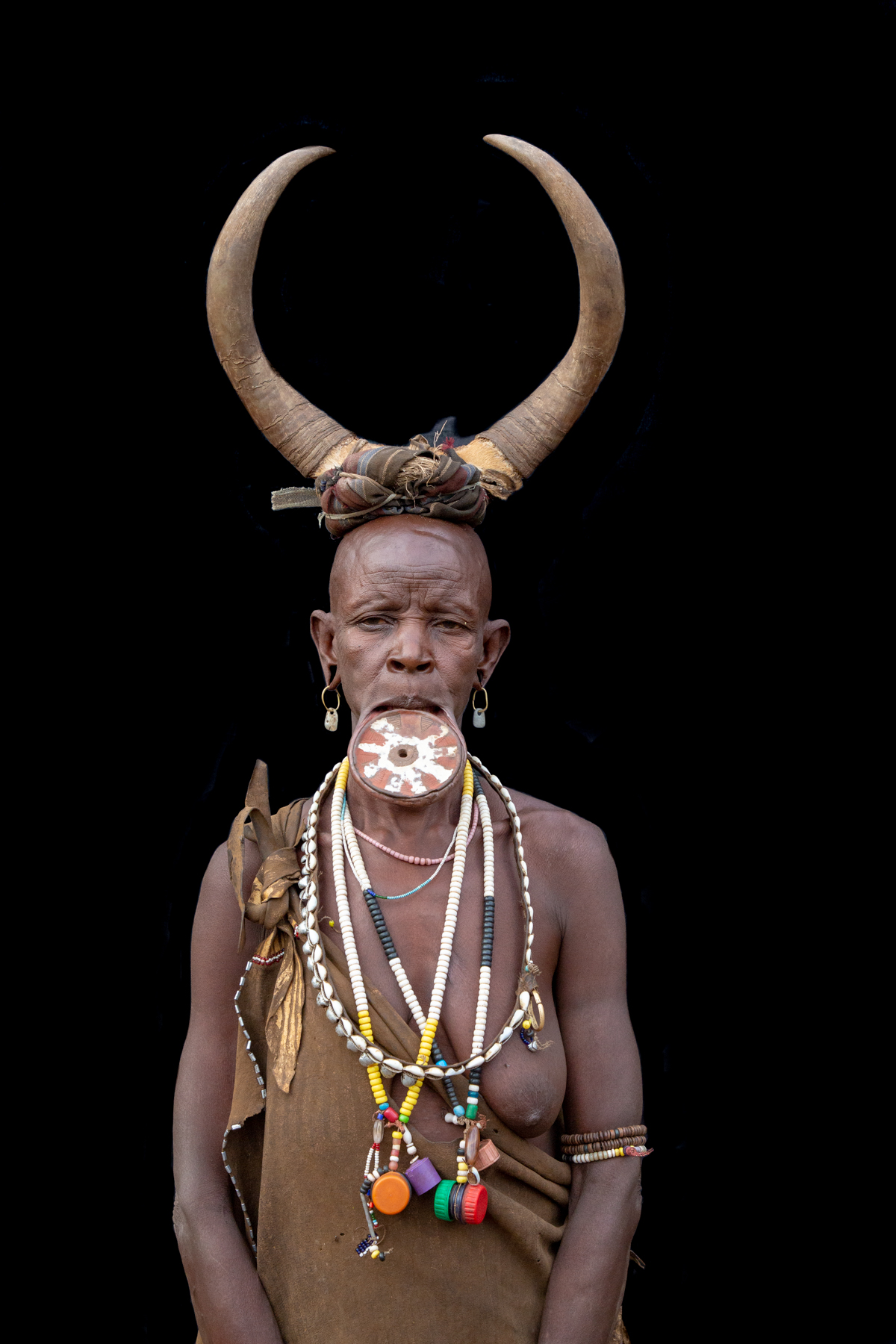
A Mursi woman wearing her signature lip disk (Image by Inger Vandyke)

Lip discs for sale in a remote Mursi village (image by Inger Vandyke)

A young Mursi child stays warm at sunrise (image by Inger Vandyke)

A cattle herder at a remote cattle camp of the Mursi people. (Image by Inger Vandyke)
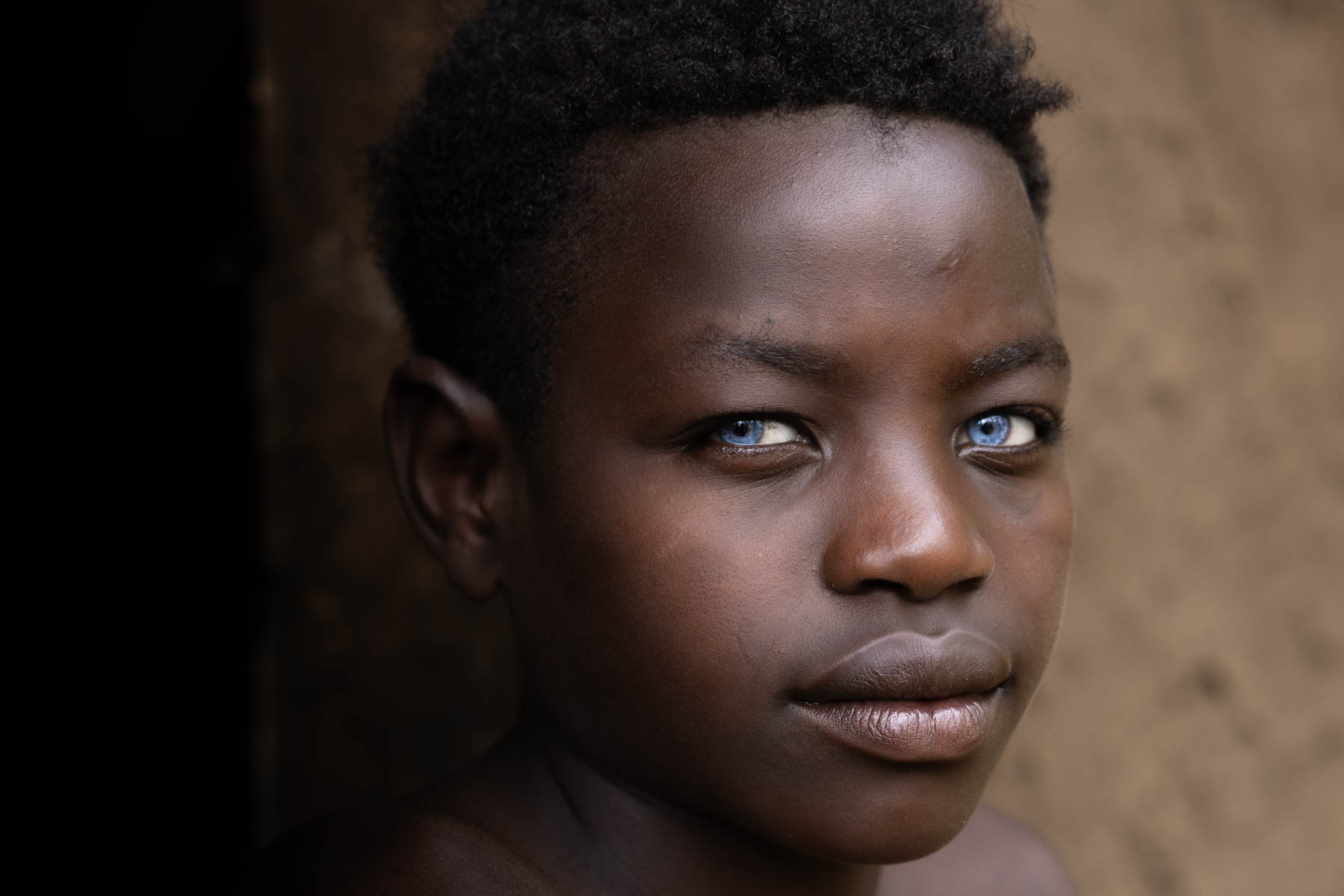
Esrael (13 years), nephew of the well-known Abushe often photographed for his striking blue eyes. He prefers the joy of football with friends over the attention of a camera. (image by Ingrid Koedood)

Three Dassanech girlfriends showing their pretty Muray necklaces and braids (Image by Inger Vandyke)
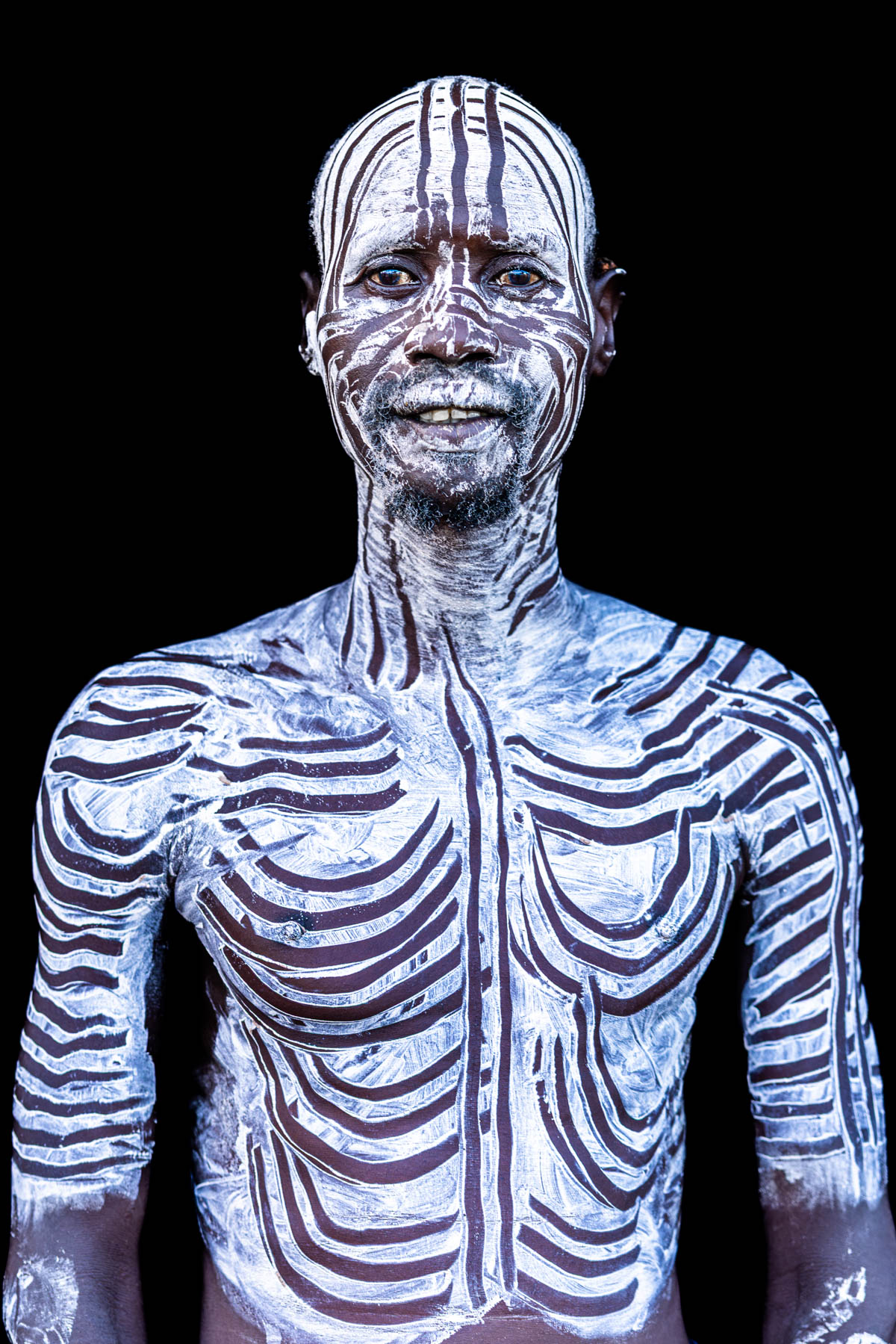
Kara man with painted face and body. (image by Ingrid Koedood)

Suri women practice some of Africa's most elaborate and intricate scarification (Image by Inger Vandyke)
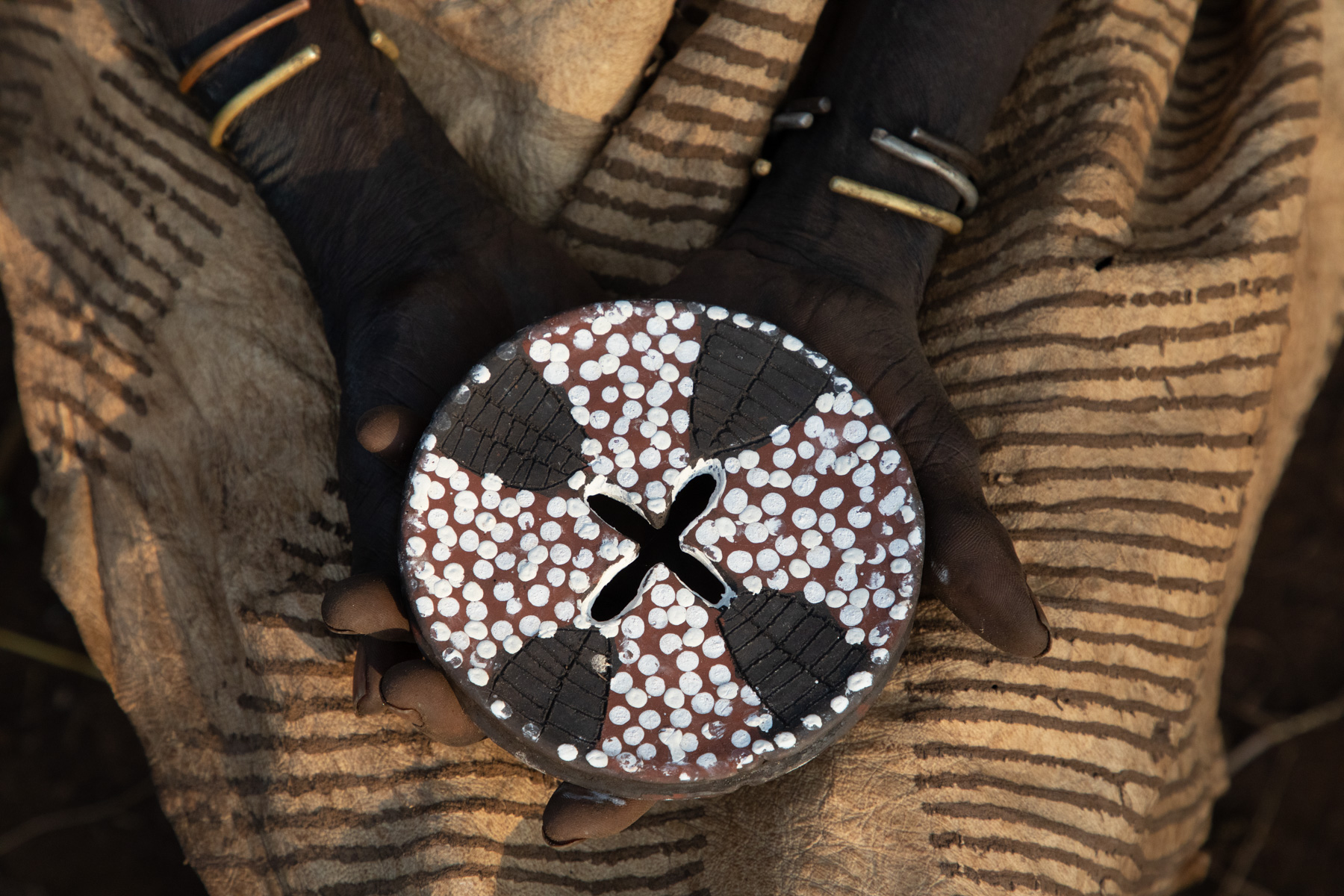
A girl holds a hand made lip plate worn by many Mursi women (Image by Inger Vandyke)

Portrait of a proud Nyangatom woman with her goat kid (image by Inger Vandyke)

Bling is bling - a Hamer man we met wandering with his necklace fashioned out of bullets (image by Inger Vandyke)

Hamer women near the local market in Turmi (image by Inger Vandyke)

Portrait of a Karo woman with her little boy in Dus (image by Inger Vandyke)

A female friend covers the eyes of her girlfriend undergoing scarification in Suri culture (image by Inger Vandyke)

Arbore wedding decoration is mesmerising (image by Inger Vandyke)

Bodo Shauki, a young man of the Banna tribe who is wearing their traditional headbands of beads with an added twist of hair clips (Image by Inger Vandyke)

Young Hamer best friends smiling and exchanging laughs during our visit to their village (image by Inger Vandyke)

Arbore girls in black and white (Image by Inger Vandyke)

A Dassanech nomad woman braves a sudden sand storm to greet us on the side of the road (image by Inger Vandyke)

Dassanech men preparing yellow ochre to paint their bodies with in preparation for Dimi (image by Inger Vandyke)

Scarification in Hamer men usually means that the bearer has killed others in tribal conflict (Image by Inger Vandyke)

And he will run the backs of bulls to impress his beautiful Benna bride.... (image by Inger Vandyke)

The eyes of Bodo, one of the Kara head men at Dus (Image by Inger Vandyke)

Benna in Blue (image by Inger Vandyke)

A Karo family herding their goats and sheep at sunrise near the Omo River (image by Inger Vandyke)

A Mursi woman in the doorway of her hut at Mago National Park in southern Ethiopia. (Image by Inger Vandyke)


Portrait of a Karo elder herding his livestock in the dust of sunrise (image by Inger Vandyke)
An elderly Christian priest holding his wooden crucifix outside the Cathedral of St George in Addis Ababa (image by Inger Vandyke)
A beautiful Kara girl with her many stranded necklace (Image by Inger Vandyke)
The stunning beauty of Nyangatom decoration includes brass and copper bracelets, handmade beaded belts and skirts (image by Inger Vandyke)
Suri in Sepia (image by Inger Vandyke)
Benna best friends embrace and giggle in Alduba market (image by Inger Vandyke)
In the past a Nyangatom man would mark his chest with a scar each time he killed a warrior from another tribe. These days, the scars are created more for beauty than for killing prowess (Image by Inger Vandyke)
Portrait of a young Dassanech man prepared to attend Dimi (image by Inger Vandyke)
Hamer children grow up surrounded by the intricate traditional dress of their mothers. (Image by Inger Vandyke)
A Dassanech woman during the Dimi ceremony. (image by Ingrid Koedood)
Creativity in every detail, a Kara woman wearing a headdress of bottle caps. (image by Ingrid Koedood)
Pretty Nyangatom girls in their hut (Image by Inger Vandyke)
Portrait of a Dassanech elder (image by Inger Vandyke)
The stunning decorations of Hamer men (Image by Inger Vandyke)
To combat a swarm of unexpected bees, Hamer women burned coals to make smoke and keep them away. (Image by Inger Vandyke)
Profile of an amazing Hamer woman we met on a remote section of our tour (image by Inger Vandyke)
Another beautiful Kara girl with her necklaces and dress made from goatskin and acacia seeds (Image by Inger Vandyke)
Created by women, the granaries of Nyangatom villages are some of the finest examples of African vernacular architecture we see on our trip (image by Inger Vandyke)
Suri people take inspiration from everything around them when they decorate their bodies (image by Inger Vandyke)
Portrait of a young Arbore girl with her goat kid (image by Inger Vandyke)
A stunningly decorated Nyangatom woman stands in the equally stunning homes of her village (image by Inger Vandyke)
A stunning Hamer headman (image by Inger Vandyke)
Gamo fisherman paddling his raft out on Lake Chamo (image by Inger Vandyke)
Magical Suri girls effortlessly pose for photos with their incredible body painting and floral decoration (Image by Inger Vandyke)
A beautiful Hamer woman and her children in a remote village of southern Ethiopia (image by Inger Vandyke)
A young Suri man prepares to enter the arena of a Donga stick fight (image by Inger Vandyke)
Three Arbore girls stand at their hut in the Omo Valley (Image by Inger Vandyke)
Photo of the Banna boys on their wooden stilts, with me lying on the ground to capture the shot (image by Ingrid Koedood)
Sepia image of a smiling young Arbore girl on the trunk of an ancient, gnarled tree (image by Inger Vandyke)
Warriors from the Suri tribe protect themselves from serious injury in helmets and guards fashioned from plastic bottles and thread (Image by Inger Vandyke)
Keri, a beautiful Hamer first wife in the Omo Valley (Image by Inger Vandyke)
Portrait of a beautiful ochre trading girl in Turmi (Image by Inger Vandyke)
Babuku, a young Suri boy with his face painted in the more modern Suri way, surrounded by the copper bracelets worn by traditional Suri women of his tribe (Image by Inger Vandyke)
Waking up after a night of camping in a Borana village, greeted by this incredible sunrise. (image by Ingrid Koedood)
A smiling Hamer Besheda mother with her baby in Alduba market (Image by Inger Vandyke)
A friend runs her fingers through the chalk paint on a Mursi woman's face, to create decorative lines (image by Inger Vandyke)
A selection of brightly coloured gourds for sale at the tribal markets of Key Afara, one of the best markets in the Omo Valley for photography. (Image by Inger Vandyke)
Herding the cattle to a vital 'blessing of the cows' before a Hamer bull jumping ceremony (Image by Inger Vandyke)
Two cousins with striking blue eyes from Jinka. It felt as if you could dive into their eyes like into an ocean. (image by Ingrid Koedood)
Decorated Dassanech men at Dimi (image by Inger Vandyke)
Bagogu, a young Suri boy, smiling with his scarification and face painting (Image by Inger Vandyke)
Portrait of a stunning, smiling Arbore girl (Image by Inger Vandyke)
A young Arbore man paints his face to prepare for a wedding ceremony (image by Inger Vandyke)
Street photography in Turmi is always a highlight of our trip (Image by Inger Vandyke)
A young Dassanech girl surrounded by the women who have gone before her during Dimi, the Dassanech initiation of young women (image by Inger Vandyke)
Noko sitting in the Marmar building of Dus (Image by Inger Vandyke)
Spectacular decoration of Ethiopia's Mursi people (image by Inger Vandyke)
The Arbore people of Lake Chew Bahir wake up to a beautiful sunrise on our tour (image by Inger Vandyke)
Arbore Girl with a Pear Earring photo of Goree (Image by Inger Vandyke)
Karo children tussle over who gets to pet their baby goat (image by Inger Vandyke)
This is the real Suri. Portrait of an elegant young Suri girl with her traditional green head covering and long copper bracelets (Image by Inger Vandyke)
Portrait of a Maji woman in the doorway of her home (image by Inger Vandyke)
The incredible beauty of Arbore girls (Image by Inger Vandyke)
Napokot, a traditional Nyangatom woman, outside her hut in the remote Central Rift Valley region of southern Ethiopia. (Image by Inger Vandyke)
A Nyangatom woman breaks into a spontaneous dance during our visit. It was so beautiful! (image by Inger Vandyke)
Sunrise over the Omo River at Korcho (Image by Inger Vandyke)
A young Suri boy with his breakfast of fresh cow's blood. This is an important source of protein for young Suri people (image by Inger Vandyke)
Wild Child - A Suri girl dressed in local pepper berries with a pepper flower in her mouth (Image by Inger Vandyke)
Karo girls painting their signature Guineafowl patterns (image by Inger Vandyke)
The most beautiful eyes in a Dassanech girl (Image by Inger Vandyke)
The endless beauty of Suri girls (Image by Inger Vandyke)
Portrait of a young Hamer man in Turmi (Image by Inger Vandyke)
Portrait of Bariti, a beautiful Arbore girl (Image by Inger Vandyke)
Hamer women adorn their legs with chains of bells before they dance a traditional 'Gola' at the start of the bull jumping ceremony. (Image by Inger Vandyke)
Ash covered Suri boys preparing to take their cows out to graze for the day. The ash protects them from sun and biting insects (image by Inger Vandyke)
The wild and mesmerising beauty of Mursi women (image by Inger Vandyke)
At sunrise a group of Suri girls wait to be photographed. It's sometimes impossible NOT to photograph these people, they are so beautiful (image by Inger Vandyke)
An Arbore elder returns from herding livestock at sunrise (image by Inger Vandyke)
A young Suri girl heads to the market in Kibish (Image by Inger Vandyke)
Benna Stilt Boys on the way to Jinka (Image by Inger Vandyke)
Bodo, one of the Kara head men at Dus (Image by Inger Vandyke)
Beautiful Suri girls with their 'makeup' of face paint and headdresses fashioned out of local flowers (Image by Inger Vandyke)
Young Arbore man with his face decorated in preparation for an Arbore wedding (image by Inger Vandyke)
Mist hangs in the valleys of the Maji area at sunrise on the first day of our tour (image by Inger Vandyke)
A backlit Karo head man returns from herding his livestock (image by Inger Vandyke)
An ethereally beautiful Suri girl with her headdress of fresh poinciana flowers (image by Inger Vandyke)
Portrait of a young Suri herder at sunrise in his cattle camp (image by Inger Vandyke)
Pretty Mursi child without a lip plate but still with her large wooden billet earrings (Image by Inger Vandyke)
An elderly Karo lady in Dus (Image by Inger Vandyke)
At the end of her scarification, a young Suri girl is supported by her friend and smiles with relief that its over (image by Inger Vandyke)
Portrait of an elderly Hamer Besheda woman with her goat skin dress and decorated kalabash headdress (image by Inger Vandyke)
Hamer women carrying a musical horn that is played at a bull jumping ceremony (Image by Inger Vandyke)
The elaborate body painting of Suri stick fighters (Image by Inger Vandyke)
While many Nyangatom women opt for necklaces in their traditional colours of red, yellow and green, you can still occasionally meet a girl simply wearing strands of wooden beads (Image by Inger Vandyke)
Decorated Dassanech men covered in skins and yellow ochre to celebrate Dimi, the Dassanech initiation ceremony of young girls (image by Inger Vandyke)
A hand sculpted Mursi lip plate (image by Inger Vandyke)
The Hamer women and girls are often considered to be some of the most photogenic people in the Omo Valley (Image by Inger Vandyke)
Young Suri boys splashing and playing in the Kibish River (image by Inger Vandyke)
An aerial view of the spectacular terraced fields of Konso region near the Omo Valley (Image by Inger Vandyke)
The doorways of many homes in Konso are fashioned out of heavy wood (Image by Inger Vandyke)
A beautiful Arbore woman resting against a dead tree trunk (image by Inger Vandyke)
Portrait of an older Mursi woman at sunrise in her village (Image by Inger Vandyke)
A pretty little Nyangatom girl sits in the food storage hut of her village (Image by Inger Vandyke)
Portrait of a Karo elder in the marmar, or meeting house of Karo headmen (image by Inger Vandyke)
Portrait of a Mursi woman with her bush tomatoes, warthog tusks and heavy metal headdress (image by Inger Vandyke)
Wala, one of the prominent Hamer headmen in Turmi (Image by Inger Vandyke)
Simple and beautiful - the Hamer children wear beaded belts and metal bracelets (Image by Inger Vandyke)
To prepare for battle, young Suri men use their hands and fingers to paint their bodies with chalk (image by Inger Vandyke)
A visiting Toposa man sits in the door of his home in the remote Ilemi Triangle (image by Inger Vandyke)
A young Nyangatom girl sitting in the hand sculpted granaries of her village (image by Inger Vandyke)
A young girl stands with Dassanech elders ahead of her initiation (image by Inger Vandyke)
Portrait of another Benna Maza (Image by Inger Vandyke)
A traditional Suri woman and her baby in the Omo Valley. She is carrying the horn of a large Waterbuck on her head (Image by Inger Vandyke)
An amazing Mursi woman with her elaborate decoration and lip plate (Image by Inger Vandyke)
Hamer women wear the scars of their whipping with great pride. To them it signifies their strength and suitability for becoming a Hamer bride. (Image by Inger Vandyke)
Beautiful Arbore girls in southern Ethiopia (Image by Inger Vandyke)
Mursi child (image by Inger Vandyke)
A fearless Mursi head man with his gun (Image by Inger Vandyke)
Soulful silhouette of a Hamer head man inside his home (image by Inger Vandyke)
A rare drone view of the Hamer villages near Turmi. This image is shortlisted in Africa Geographic's Photographer of the Year competition 2020 (Image by Inger Vandyke)
The spectacular celebration of Dimi, or young girl initiation, in Dassanech culture (image by Inger Vandyke)
Young Benna boys walk over me on their wooden stilts (image by Inger Vandyke)
One of the most visually incredible Mursi elders in Ethiopia (Image by Inger Vandyke)
Large flat stones are laid out as a waiting area for guests visiting the elders of a Konso village (image by Inger Vandyke)
The delicate act of face painting in the Suri people of the Omo Valley (Image by Inger Vandyke)
Beautiful Suri children near Kibish in southern Ethiopia (Image by Inger Vandyke)
A Dassanech elder returns from herding his livestock (image by Inger Vandyke)
A stunning Suri woman with her lip disc in our sunrise photo shoot (image by Inger Vandyke)
Silhouettes of the Kara people, held in the last light of day. (image by Ingrid Koedood)
Smiling, giggling Arbore girls (Image by Inger Vandyke)
A Benna Maza - one of the recently initiated boys of the Benna people (Image by Inger Vandyke)
A beautiful young Suri girl near Kibish in the Omo Valley (Image by Inger Vandyke)
Sunrise in a remote Suri cattle camp (image by Inger Vandyke)
The Borana people decorate their huts in vibrant colors, something we did not expect and were truly amazed by. (image by Ingrid Koedood)
Portrait of Noko, one of the Kara head men at Dus (Image by Inger Vandyke)
The large disc earrings of Suri girls are truly stunning (image by Inger Vandyke)
Proud. Beautiful. Strong (Image by Inger Vandyke)
A young boy painted to become a Suri warrior (image by Inger Vandyke)
An elderly Suri woman stands in the doorway of her hut. Her bottom lip is missing the traditional lip plate that is a feature of the Suri tribe (Image by Inger Vandyke)
A Dassanech man cleans his hands of ochre using water from his mouth. This is a common way of preserving water in the nomadic people of Africa (image by Inger Vandyke)
A young Suri girl with her decoration of berries in the early morning sun (image by Inger Vandyke)
Those amazing eyes! (Image by Inger Vandyke)
An elderly Hamer woman with her amusing dried flower, outside a local shop in Turmi (image by Inger Vandyke)
A stunning Hamer woman giggling during our visit to her village (image by Inger Vandyke)
Arbore women often look like they belong on the catwalks of Paris (Image by Inger Vandyke)
A shy young Karo girl watches us from the log she chose to sit on in her village (image by Inger Vandyke)
A young Dassanech man dressed to celebrate Dimi (image by Inger Vandyke)
Suri woman with her lip disc and tiny puppy (image by Inger Vandyke)
A traditional Dassanech woman in front of her hut near Omorate in southern Ethiopia. (Image by Inger Vandyke)
A traditional Nyangatom girl from South Sudan. Along with numerous strands of necklaces, Nyangatom women pierce their bottom lips and insert a brass ring in them for decoration. (Image by Inger Vandyke)
The pretty disc necklaces worn by Nyangatom women (image by Inger Vandyke)
A Suri warrior psyches himself for the next round of a stick fight (Image by Inger Vandyke)
The breathtaking beauty of Lake Chamo at sunrise (image by Inger Vandyke)
Mursi in black and white (Image by Inger Vandyke)
Looking like a jewel in a handmade wall of wood, a Hamer woman sits in the doorway of her temporary agricultural home (image by Inger Vandyke)
Tsemay girls are differentiated by their elaborate coats made of goat skin and cowrie shells and also their vertical tattoo markings on their foreheads (Image by Inger Vandyke)
A young Nyangatom man in the remote Ilemi Triange of Ethiopia (image by Inger Vandyke)
A pretty Suri girl and her baby near Kibish in the Omo Valley (Image by Inger Vandyke)
Profile of a prominent Benna head man wearing a carabiner as an earring (image by Inger Vandyke)
A Suri warrior takes a break between rounds of a traditional 'Donga' or stick fight. (Image by Inger Vandyke)
Portrait of Natulia'Akwan, a beautiful Nyangatom girl with her elaborate jewellery! (Image by Inger Vandyke)
A lovely Hamer child surrounded by the skirts of his mother and aunties (Image by Inger Vandyke)
A painted young Suri boy in southern Ethiopia (Image by Inger Vandyke)
Portrait of a stunning Suri girl with her banana flower head dress (Image by Inger Vandyke)
Sunrise and a young Nyangatom man stands with his tooth brush fashioned out of green sapling branches (image by Inger Vandyke)
Holding hands in the Omo Valley. (Image by Inger Vandyke)
Wandering the streets of Turmi, you can meet the most beautiful Hamer women (Image by Inger Vandyke)
Adi. She is one of the most stunning and friendly Arbore women you will ever meet (Image by Inger Vandyke)
The delicated dot painting of Mursi people (image by Inger Vandyke)
Hamer people store wood in the upper branches of a gigantic Desert Rose euphorbia, to protect it from being eaten by termites (image by Inger Vandyke)
A beautiful Suri girl with her decoration of seed pods and flowers (image by Inger Vandyke)
An aerial view of Dus with the Marmaris at the bottom and our Wild Images car in the centre of the image (Image by Inger Vandyke)
Scarified Suri girl in Kibish (Image by Inger Vandyke)
Kara head men in discussion (Image by Inger Vandyke)
A beautiful Suri mother with her baby in Kibish (Image by Inger Vandyke)
A Mursi woman wearing her signature lip disk (Image by Inger Vandyke)
Lip discs for sale in a remote Mursi village (image by Inger Vandyke)
A young Mursi child stays warm at sunrise (image by Inger Vandyke)
A cattle herder at a remote cattle camp of the Mursi people. (Image by Inger Vandyke)
Esrael (13 years), nephew of the well-known Abushe often photographed for his striking blue eyes. He prefers the joy of football with friends over the attention of a camera. (image by Ingrid Koedood)
Three Dassanech girlfriends showing their pretty Muray necklaces and braids (Image by Inger Vandyke)
Kara man with painted face and body. (image by Ingrid Koedood)
Suri women practice some of Africa's most elaborate and intricate scarification (Image by Inger Vandyke)
A girl holds a hand made lip plate worn by many Mursi women (Image by Inger Vandyke)
Portrait of a proud Nyangatom woman with her goat kid (image by Inger Vandyke)
Bling is bling - a Hamer man we met wandering with his necklace fashioned out of bullets (image by Inger Vandyke)
Hamer women near the local market in Turmi (image by Inger Vandyke)
Portrait of a Karo woman with her little boy in Dus (image by Inger Vandyke)
A female friend covers the eyes of her girlfriend undergoing scarification in Suri culture (image by Inger Vandyke)
Arbore wedding decoration is mesmerising (image by Inger Vandyke)
Bodo Shauki, a young man of the Banna tribe who is wearing their traditional headbands of beads with an added twist of hair clips (Image by Inger Vandyke)
Young Hamer best friends smiling and exchanging laughs during our visit to their village (image by Inger Vandyke)
Arbore girls in black and white (Image by Inger Vandyke)
A Dassanech nomad woman braves a sudden sand storm to greet us on the side of the road (image by Inger Vandyke)
Dassanech men preparing yellow ochre to paint their bodies with in preparation for Dimi (image by Inger Vandyke)
Scarification in Hamer men usually means that the bearer has killed others in tribal conflict (Image by Inger Vandyke)
And he will run the backs of bulls to impress his beautiful Benna bride.... (image by Inger Vandyke)
The eyes of Bodo, one of the Kara head men at Dus (Image by Inger Vandyke)
Benna in Blue (image by Inger Vandyke)
A Karo family herding their goats and sheep at sunrise near the Omo River (image by Inger Vandyke)
A Mursi woman in the doorway of her hut at Mago National Park in southern Ethiopia. (Image by Inger Vandyke)


|
Monday 8th March –
Sunday 21st March 2027 Leaders: Inger Vandyke and local guides |
14 Days | Group Size Limit 5 (tour guaranteed) |
OMO VALLEY PHOTOGRAPHY TOURS WITH WILD IMAGES
The extraordinarily diverse country of Ethiopia is home to some of the last true tribal peoples in Africa and has become famous for its exceptional tribal photography potential. In southwest Ethiopia lies the Omo Valley, a living anthropological treasure of spectacular people, including the Hamer, Suri, Dassanech, Karo, Nyangatom, and Mursi tribes. In the face of an ever-changing world, each of these tribes struggles to maintain their traditions of dress, dance, decoration, and way of life. A visit to Ethiopia’s Omo Valley is to visit a world that is fast disappearing. A world of beauty, diversity, and strength that has vanished from large parts of Africa.
Collectively, the Omo Valley people draw inspiration from the surrounding wilderness, and this is reflected in their varied styles of traditional dress.
Why travel to the Omo Valley with Wild Images?
Currently, many photographers and photography tour companies offer trips to the Omo Valley. We have decided to offer a unique alternative to the more standard itineraries offered by so many. By joining a Wild Images tour, we work with an unrivalled level of ground expertise and local trackers who are well connected to the various tribal people in the Omo and Central Rift Valleys. Our leader has almost thirty years of travel experience in Africa and knows Ethiopia extremely well. We travel to remote villages and arrive when the light is best for photography. We also believe the best images come from photographing people in a two-way exchange. We encourage our guests to chat to local people through our interpreters, laugh with them, engage with them and simply enjoy the experience of being immersed in their world. As our tour shows, we don’t just pass through villages for less than an hour to take photos. We stroll around, enjoy the places, sit in the shade with local people, drink coffee with them, or enjoy banter at lively, colourful local markets. Join us on a journey where you make friends alongside beautiful images in one of the most spectacular tribal regions of the African continent.
Peoples of the Omo we will visit
Suri
The Suri are the largest of three similar tribes collectively called the Surma. This group is effectively divided by altitude, modernisation, and dialect. While the two smaller Surma groups, the Deze and Mele of the uplands, have modernised and stopped wearing traditional clothes, the more numerous Suri, or people of the lowlands, have retained much of their historical appearance and lifestyle.
Over the years, increased tourism and photography have created an industry that supports the people of the Omo Valley, or the Southern Nations, Nationalities and Peoples’ Region (SNNPR), in their ever-diminishing ways to earn money. It has also given rise to some rather beautiful, yet unusual practices.
The spectacular Suri tribe, for example, has two very distinct personalities. The first is a newer tradition of body painting and decoration with wildflowers, skins, metal, and ceramic pots. While this traditionally formed a very small part of Suri culture (they have always decorated themselves extensively for special events like weddings and initiations), they now regularly dress up like this for photographers, even though this act has very little anthropological merit. On our tour, we will definitely spend a small amount of time around decorated Suri people, as it is a very beautiful experience photographically. The strength of the Suri, and the focus of our photography with them, however, lies in their ability to retain traditional body adornment in the form of scarring, piercing and shaving. Piercing lips and lobes and inserting lip plates are a strong part of the Suri culture. At puberty, most young women have their lower teeth removed in order to get their lower lip pierced. Once the lip is pierced, it is stretched, and lip plates of increasing size are placed in the piercing. Having a lip plate is a sign of female beauty and appropriateness; a common belief is that the bigger the plate, the more cattle the woman is ‘worth’ for her bride price, though anthropologists question this.
The Suri pride themselves on their scars and how many they carry. Women perform decorative scarification by slicing their skin with a razor blade after lifting it with a thorn. After the skin is sliced, the leftover piece is left to scar. On the other hand, the men traditionally scarred their bodies after they killed someone from an enemy group.
A sport and ritual the Suri take very seriously is stick fighting, or Donga. In most cases, young men do this stick fighting so they can find wives. It lets young men prove themselves to young women. To the Suri, the ideal time to stick fight is just after it rains, but if we are lucky, we may chance upon a fight on our tour. The fights are held between Suri clans, and they begin with 20 to 30 people on each side. Of these 20 to 30 people, all get a chance to fight one-on-one against someone from the other side. Referees are present during these fights to make sure the rules are followed. Many stick fights end after a couple of decisive hits.
We will spend time with the Suri in order to enjoy both their touristic and traditional sides, while hoping to see a much-anticipated donga during our trip.
Nyangatom and Toposa
The Nyangatom and Toposa inhabit a starkly beautiful region of Africa’s Ilu-Mien Triangle, which is both remote and incredibly photogenic. This hot, dry, arid region of southern Ethiopia features dusty plains and waxy-leaved Calotropis bushes. Exploring this remote part of Ethiopia, we may encounter a myriad of different ethnic groups, most notably the elaborately decorated Nyangatom and the spectacularly scarred Toposa. Nyangatom women are known for wearing copious amounts of brightly coloured necklaces, and their more subtle scars are sometimes glimpsed between layers of coloured fabric. The Nyangatom engage in inter-tribal conflict with virtually every neighbouring tribe, except the Toposa, who may live with and intermarry with Nyangatom people.
We will seek out the Toposa living amongst the Nyangatom so we can photograph their beautiful scarification. Toposa women often carry a series of horizontal scars across their bellies. Men adorn their shoulder blades with concentric, arched lines of dotted scars.
Karo
To the east of the Rift Valley are the lands of the elaborately painted and scarred Karo People. The Karo excel in face and body painting practised daily in preparation for their dances and ceremonies. They pulverise locally found white chalk, yellow mineral rock, red iron ore, and black charcoal to decorate their bodies, often mimicking the spotted plumage of a guinea fowl. The men create highly decorated clay hair buns, which can take up to three days to complete. Their ornate body scarring, where they cut a design with a knife and rub ash into the wound to create a raised welt, is also a known characteristic of the Karo.
We will visit a beautiful Karo village that is perched high on an embankment overlooking the spectacular Omo River. Naturally, we will visit to photograph people, but we will also explore the village and enjoy the intricate, well-constructed Karo huts. Many of these, including their livestock enclosures and a spectacular public building called a Marmar (effectively the ‘parliament house’ of the Karo), are fashioned from local hardwoods harvested from the nearby riverine forests. The Karo live gently in this region, sharing their world with beautiful wildlife, including black-and-white colobus monkeys, Olive Baboons, and birdlife such as gonoleks, African Fish Eagles, and Hadeda Ibises.
Dassanech
A highlight among the tribes we will visit is the Dassanech people, who originate from the spectacular Lake Turkana region in northern Kenya. They were traditionally known for wearing elaborate headdresses and jewellery fashioned from traded goods and bottle tops. However, in early 2018, they collectively took a stand against this practice as it was being done strictly for photographers and tourists and wasn’t representative of their true culture. Worried that the build-up of tourism was altering their culture in a negative way, the Dassanech returned to their traditional dress of a red-coloured ‘Mure’ or strings of necklaces, and now live as they always have, in beautiful huts made from sticks and skins, with the recent addition of corrugated iron. We will visit a remote village of Dassanech people that lies around 25 kilometres from the border of Kenya and Ethiopia. Our donation to the village elders will help Dassanech children attend school and support the village through food purchases.
Hamer
The women of the friendly Hamer tribe are often considered to be some of the most beautiful in the entire Omo Valley region. They use a beautiful combination of ochre and animal fat to cover their skin, while dressing in a goat skin decorated with thousands of beads. First wives of Hamer men wear a ‘Binyari ’, or heavy metal necklace fixed by a ‘lock’ of metal that indicates their status. Every Monday, the Hamer people walk from the surrounding villages to trade their wares at a bustling local market. This market, and indeed the entire village with its colourful, ramshackle buildings, allow for beautiful street photography, so we will make two excursions here.
If we are lucky during our stay, we may encounter a traditional Hamer Bull Jumping Ceremony. The Hamer are known for their unique custom of “bull jumping,” which initiates a boy into manhood. In the week leading up to the ceremony, a group of male friends surrounds the initiate, feeding him, preparing him, and helping him practice for the big event. The ceremony usually takes place on a Monday, after the market has finished. First, female relatives dance and invite whipping from men who have recently been initiated; this shows their support of the initiated, and their scars give them a right to demand his help in time of need. The men who supported the chosen boy then paint their faces so the boy can recognise them during the ceremony. Eventually, the bulls are brought to the assembled Hamer people, where they are blessed on a walking circuit before being taken to the arena. Guests are greeted with coffee or local araki (or beer) and wait for the jumping ceremony in the shade. Eventually the bulls are brought to the arena and held together by the boy’s assistants. The initiate boy must then run back and forth twice across the backs of a row of bulls or castrated steers, and he is ridiculed if he fails. Although these events have drawn many tourists in recent years, they remain a fascinating afternoon and ceremony to witness, so we will join the throngs if we discover one is taking place during our tour.
Hamer Besheda and Banna
During our tour, we will visit one of the Omo Valley’s bustling local markets, where we may encounter a sub-culture of Hamer people: the Hamer Besheda. Most noticeable in women’s dress, Hamer Besheda often wear adorned goatskin skirts and a headdress made from a gourd. Anthropologically, they are closely related to the Banna people, and although their physical appearances differ in subtle ways, we will explore their use of skins, body paint and beaded decorations during our time on the road and in the markets.
The well-known ‘Stilt Boys’ near Jinka belong to the Banna people, and we will visit these athletic young men to take curious images of them wandering around on high stilts.
Arbore
The Arbore, also known as the Ulde, are an ethnic group living in southern Ethiopia, near Lake Chew Bahir. With a total population of around 7000, the Arbore are divided into four villages: Gandareb, Kulaama, Murale, and Eegude. They live in hot and flat areas and are mainly cattlemen. Like most other tribes of the Omo Valley, cows, goats, and sheep are the main source of livelihood and value for the Arbore people. Their name literally means: Land of the Bulls (Ar means bull and bore means land). The main feature differentiating the Arbore tribe from other tribes of the Omo Valley is their high spiritual status. Local legend says the devil once attacked the Arbore, but the tribe managed to win and survive. Since then, Arbore priests are believed to have special strength and power, and if another tribe’s priests can’t solve their problems, a delegation of elders with gifts is sent to Arbore to ask for help. Thanks to this, the Arbore lead a very quiet existence, and no other Omo Valley tribe is brave enough to attack them or their cattle.
The Arbore live in large huts, often nestled against piles of tall Papyrus reeds collected from the lakeshore to feed their livestock. Immaculately clean and beautiful in architecture, we will enjoy spending time with a group of Arbore at both sunset and sunrise as Arbore herders deliver their livestock to the fields and then home to rest. We will also see the stunningly intricate jewellery and black cloth attire of Arbore women, who, along with the Hamer women, are considered some of the most beautiful women in the region.
Mursi
The second group of people who adorn themselves with elaborate ‘lip disks’, the Mursi are a Nilotic, pastoralist tribe that undergoes various rites of passage, educational, or disciplinary processes. Lip plates are a well known aspect of the Mursi and Surma, who are probably the last groups in Africa amongst whom it is still the norm for women to wear large pottery, wooden discs, or ‘plates,’ in their lower lips. Girls’ lips are pierced at the age of 15 or 16. Occasionally, unmarried women wear lip plates to a dance.
Ceremonial duelling (thagine), a form of ritualised male violence, is a highly valued and popular activity of Mursi men, especially unmarried men, and a key marker of Mursi identity. Age sets are an important political feature, where men are formed into named “age sets” and pass through a number of “age grades” during the course of their lives; married women have the same age grade status as their husbands.
While visiting the Mursi and their close relatives, the Suri, we will try to search for a cattle camp for our group to visit. Both the Suri and the Mursi rely heavily upon their herds of cattle for meat, milk and blood. The latter is bled from cows to drink at breakfast, in a similar way to the cattle bloodletting of the Maasai people of Kenya. We cannot guarantee a cattle camp visit, as the shepherds are nomadic and move often to graze their cattle and protect them from rustling by neighbouring tribes. If we find one, however, visiting a cattle camp is one of the highlights of travel in the Omo Valley, providing a unique insight into the nomadic way of life of the Suri and Mursi people.
Important: Occasionally, security issues on the road through Mago National Park, which leads to the only accessible villages of the Mursi people, can affect travel. If this happens before our tour begins, we will visit the Dorze people of the Konso region instead.
Dorze
The fascinating Dorze people belong to the larger agro-pastoralist community of the Gamo people in the terraced hills of Konso. They are best known for their strong, large huts that resemble beehives. Although these huts look fragile, they can last up to 60 years. The huts can also be transported to other locations, thanks to the structure made of vertical poles. While we explore villages of Dorze people we will learn and photograph them making ‘Kotcho’ or a leavened bread made from enset, or false banana.
The Dorze are prominent weavers of colourful, hand-woven cotton garments called Shamma. They also hand-weave heavy blankets called Bulluko. A much thinner cotton cloth, in high demand countrywide, is used to tailor dresses for women.
Gamo
After a spectacular drive out of the Omo Valley and through the beautiful terraced fields of the Konso people, we will enjoy a final night at the beautiful Paradise Lodge in Arba Minch, where we will recap on our encounters with these magnificent people. On our final morning, we will take a quiet, gentle boat trip on Lake Chamo, where fishermen from the Gamo tribe ply the waters searching for Nile Perch and Tilapia on the same papyrus reed boats they have used for centuries.
The Tribal Markets of the Omo Valley
During our time in this region, we will visit two significant markets, ideal for street and portrait photography. One is the central market of Key Afara, and the other is the local market of the Hamer people in Turmi. If you hope to purchase some beautiful African art or jewellery during our trip, these markets offer some wonderful pieces handcrafted by tribal artisans.
Accommodation & Road Transport
In Addis Ababa and for five nights in the Omo, we will stay in comfortable lodges with private bathrooms in every room. For seven nights, we will stay in outfitted camps erected by our camp crew, who also cook wonderful food. The tents are two-man-sized tents, but each person gets their own tent. (Couples can opt to sleep in one and put their luggage in the other should they so wish.) Tents have a camp bed with mattress, linen and pillow with pillowcase. Breakfasts at camp consist of omelettes with fresh bread or pancakes and hot coffee/tea. For lunch, there are salads and bread with fruit, and dinner is a three-course meal starting with soup, followed by a selection of main courses and fresh fruit for dessert. Each camp has a shower tent and also male and female toilet tents. Road transport is by 4×4 vehicles as roads in southern Ethiopia can sometimes be quite rough.
Walking
The walking effort is easy throughout.
Climate
Generally warm or hot, dry and sunny.
VIEW OUR GUESTS’ PHOTOGRAPHS
Having recently returned from my second Wild Images trip to the OMO Valley in Ethiopia, I wanted to express my thoughts and thanks for these two great trips. These two extremely well organized trips were truly amazing experiences. I have traveled extensively having been to Africa many times mostly for wildlife photography. These trips were my first and second real experiences with cultural photography photo tours. For the first trip, I decided to go after seeing some of the photos taken by Inger Vandyke on the website. With these two trips, I can highly recommend Wild Images and specifically our tour leader for both trips, Inger Vandyke. I can not imagine a better trip or leader when it comes to this kind of experience. This trip really depends on the tour leader much more then most other trips I have been on for photography. Inger has been to the area many times and has made many important contacts with many of the villagers. Her disarming way with the tribal people and genuine love and respect for their way of life opens many doors for the trip participants. We had some explicit opportunities that depended on her personal connection with the head men of the tribes. I came home from each trip with many wonderful photos and experiences. In fact, there were so many great photos that when asked to pick a small group of favorites, I found it an impossible task. There were just to many too choose from. So, I can highly recommend Wild Images and specifically their leaders and local guides for organizing such a fantastic photographic experience. – Stuart Hahn (guest on our 2020 and 2023 Omo Valley tours). To view a gallery of Stuart’s beautiful images from our tours, please click here.
Photographic Highlights
- Join one of the best and most comprehensive photo tours to the Omo Valley as we visit no less than 13 tribal groups who reside in this beautiful part of southern Ethiopia
- A chance to visit some of Africa’s most elaborately decorated indigenous people, including the Suri, Mursi, Hamer, Arbore, Karo and Dassanech tribes
- Camp out near villages and experience life in this remote, rural environment first hand, including at sunrise and sunset
- A true adventure in the wildest regions of southern Ethiopia, exploring the the Weito River area, the Omo River, Mago National Park, the villages of the central Rift Valley and the Omo Valley
- Local guides who are highly knowledgeable about the natural and human history of the Omo Valley
- Our tour will assist Dassanech children living in remote villages by way of donation to attend school
- Potentially visit a Suri stick fight (or Donga), a Hamer bull jumping ceremony and a remote cattle camp to learn how herders work with their animals and the threats they face with this ancient lifestyle
OUTLINE ITINERARY
- Day 1: Evening tour start in Addis Ababa
- Day 2: Transfer to Addis Ababa airport for flight to Jimma
- Days 3-11: 9 days of exploring the tribal communities of the Omo Valley
- Day 12: Drive from the southern Omo Valley to Jinka
- Day 13: Morning visit to Mursi people and Mago National Park. Drive to Arba Minch
- Day 14: Morning cruise to visit Gamo fishing communities. Afternoon flight to Addis Ababa for tour end in the late afternoon
To see a larger map, click on the square-like ‘enlarge’ icon in the upper right of the map box.
To see (or hide) the ‘map legend’, click on the icon with an arrow in the upper left of the map box.
To change to a satellite view, which is great for seeing the physical terrain (and for seeing really fine details by repetitive use of the + button), click on the square ‘map view’ icon in the lower left corner of the ‘map legend’.
PRICE INFORMATION
Wild Images Inclusions: Our tour prices include transportation, accommodations, meals and entrance fees.
Our tour prices also include all tips for local guides, drivers, camp staff and accommodation/restaurant staff. We also include payments for local people who are willing to be photographed.
Kindly note that the tour price includes the full cost of the internal flights, provided you are flying into Addis Ababa with Ethiopian Airlines. You will need to provide us with your booking reference. In the event you are not flying into Addis Ababa with Ethiopia Airlines, a supplement of US$150 will apply.
Deposit: 20% of the total tour price. Our office will let you know what deposit amount is due, in order to confirm your booking, following receipt of your online booking form.
TO BOOK THIS TOUR: Click here (you will need the tour dates)
2027: £7950, $10900, €9310, AUD15250. Addis Ababa/Addis Ababa.
Single Supplement: 2027: £320, $450, €380, AUD630.
If you are travelling alone, the single supplement will not apply if you are willing to share a room and there is a room-mate of the same sex available.
This tour is priced in US Dollars. Amounts shown in other currencies are indicative.
OMO VALLEY – THE EXTRAORDINARY TRIBAL PEOPLE OF SOUTHERN ETHIOPIA: PHOTOGRAPHY TOUR: DETAILED ITINERARY
Omo Valley: Day 1
Our Omo Valley photography tour will begin this evening in Addis Ababa.
Omo Valley: Day 2
Today we will head to the airport to fly from Addis Ababa to Jimma. From there, we will drive to Mizan Teferu, where we will stay overnight before our journey into the Omo Valley.
Omo Valley: Days 3-11
On the morning of Day 3, we will start the journey into the Omo Valley from Mizan Teferu, arriving in the region of the Suri people in time to enjoy our first afternoon of photography with them.
During these nine days, we will travel extensively around the Omo Valley and Central Rift Valley, visiting around 13 different tribal peoples and photographing them. We will spend five nights at outfitted camps and four nights at a comfortable lodge.
Omo Valley: Day 12
Today we will spend the morning driving to the large town of Jinka, stopping at a local market and visiting a group of young Benna boys who walk the road on large wooden stilts. We will take a break in the afternoon at our lovely lodge, where you can see African Pied Hornbills flying around from the restaurant.
Omo Valley: Day 13
After an early start at Mago National Park to visit the second of the ‘lip disk’ tribal people, the Mursi, we will spend the afternoon driving from Mago to Arba Minch through the spectacular terraced fields and villages of the Konso region.
Omo Valley: Day 14
On the final day of the tour, we will take an early-morning boat ride to watch local Gamo fishermen fish for Tilapia and Nile Perch from their makeshift Papyrus reed boats on Lake Chamo near Arba Minch. There is a very good chance we will see large congregations of both Nile Crocodiles and hippopotamuses on this lovely boat trip. We will also view some of Africa’s beautiful water birds, including Great White Pelicans, Egyptian Geese and African Fish Eagles.
After we return to the lodge, we will check out and fly from Arba Minch back to Addis Ababa, where the tour will end this afternoon.
If your international flight leaves late at night, or the next day, from Addis Ababa, we can arrange an optional room or day-use room at a hotel in Addis on request, at extra cost.
Important Note: The Omo Valley has a few charismatic ceremonies that may occur during our tour: the Donga Stick Fight of the Suri people; a celebration of Dimi in the Dassanech people; and the Bull Jumping ceremony of the Hamer people. These events are not scheduled regularly, and to visit one requires a combination of good luck and a little persistence, so neither can be guaranteed. We may also get the chance to visit a cattle camp while we are in the regions of the Suri or Mursi people.
Omo Valley: The Extraordinary Tribal People of Southern Ethiopia Photography Tour Report 2026
This was my third journey to the Omo Valley, and still, it feels like a place that keeps revealing new layers. Not just because of the landscapes or the diversity of cultures, but because of the stories that live there – stories of people, traditions, and ways of life that are still deeply connected to […]
View Report
Omo Valley: The Extraordinary Tribal People of southern Ethiopia: Photography Tour Report 2025
The Omo Valley in southern Ethiopia is one of the most fascinating and culturally diverse regions in the world. This remote area, located along the Omo River, is home to dozens of indigenous tribes, each with its own unique tradition, rituals and attire. From the beaded adornments of the Hamer women to the famous Suri […]
View Report
Omo Valley: The Extraordinary Tribal People of southern Ethiopia: Photography Tour Report 2023
The 2023 Wild Images Omo Valley expedition was the most successful trip in our company’s history. Not only did we manage to see three full ceremonies (something that is more or less unheard of with tours to the region), but we were generously invited to witness and photograph some truly intimate and beautiful cultural practices […]
View Report
Omo Valley: The Extraordinary Tribal People of southern Ethiopia: Photography Tour Report 2020
The Omo Valley of Ethiopia is Africa’s birthplace of civilization. There is nowhere else on the continent that celebrates the diversity of tribal culture in Africa to the same degree. The Valley is home to around 18 different ethnic peoples who engage in some of the most intricate and spectacular decoration in the world. Our […]
View Report
Omo Valley: The Extraordinary Tribal People of Southern Ethiopia Photography Tour Report 2019
In February Wild Images undertook its inaugural tour to the stunning Omo Valley in southern Ethiopia. In this region if you happen to chance upon a nomadic cattle camp, the Suri stick fighting match or Donga and a Hamer Bull Jumping ceremony, you will be excessively lucky to see all three in one journey to […]
View Report
Other Wild Images Tours for People Photography
Asia (including its islands)
April-May 2027
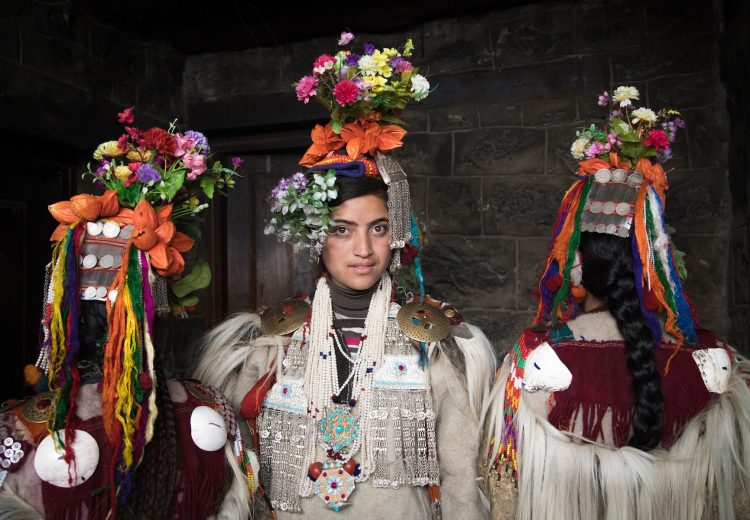
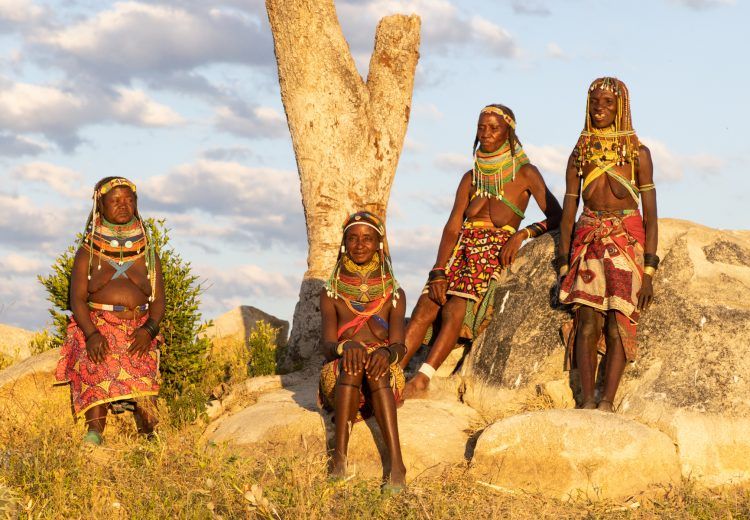
PEOPLE OF LADAKH, INDIA: The spectacular, hidden tribal people of the Indian Himalaya
Asia (including its islands)
September-October 2027
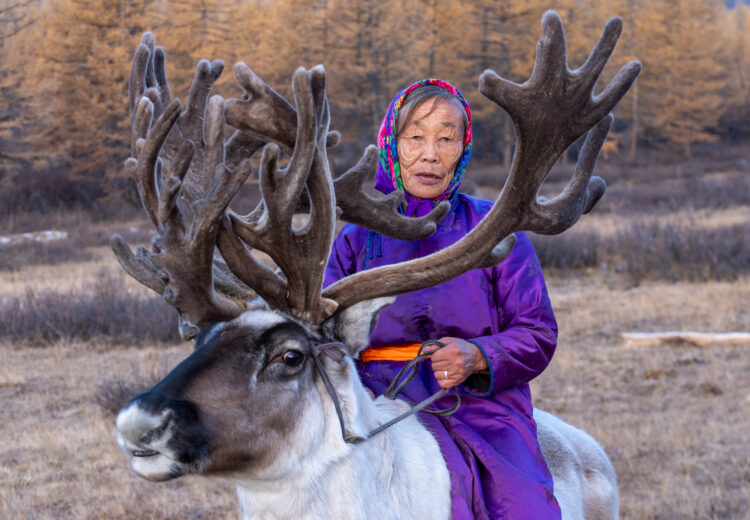
MONGOLIA’S FORGOTTEN REINDEER HERDERS: The Tsaatan Nomads of Hovsgol

Asia (including its islands)
May 2028
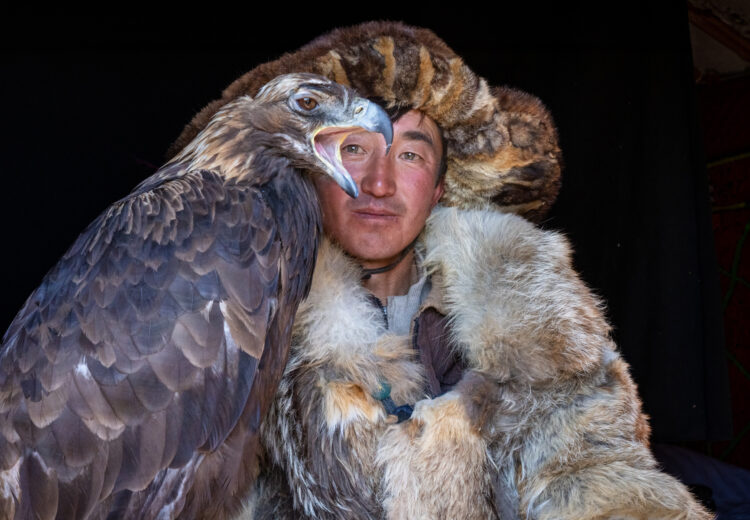
Private: TIBETAN SICHUAN – Hidden Buddhist Treasures of Kham and Lhasa
Asia (including its islands)
September 2028