
Africa & Madagascar
ANGOLA: Hidden Tribes of the South
Another culture that is quickly disappearing, the Ovanguendelengo people are part of the Ovakuvale ethnic group (image by Inger Vandyke)
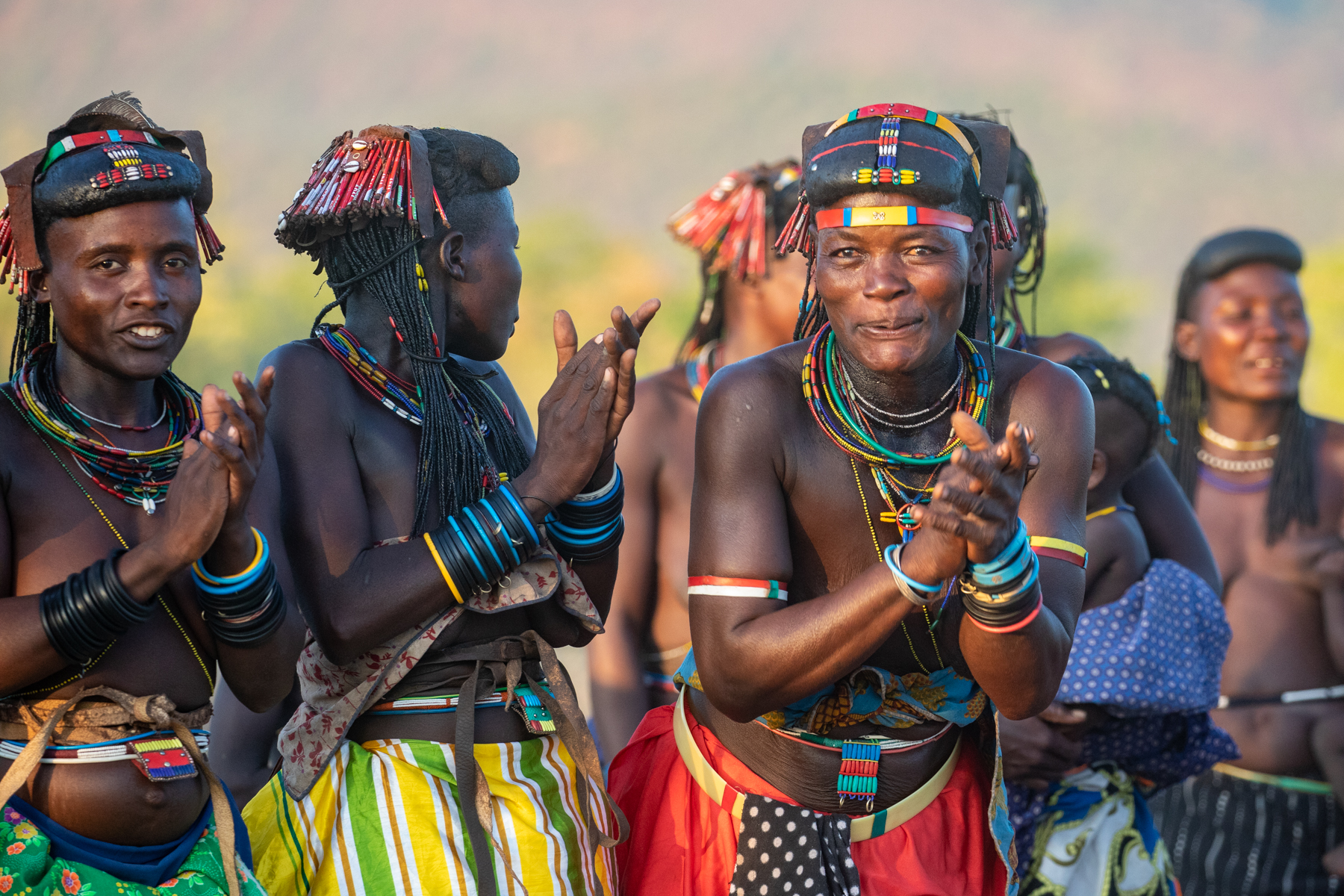
Ovahakaona women dancing at sunset in a remote village (image by Inger Vandyke)

Marikondjo, a young Himba guy, carries his metal snuff pipe and a stick holding his bedding in remote Iona, Angola (Image by Inger Vandyke)

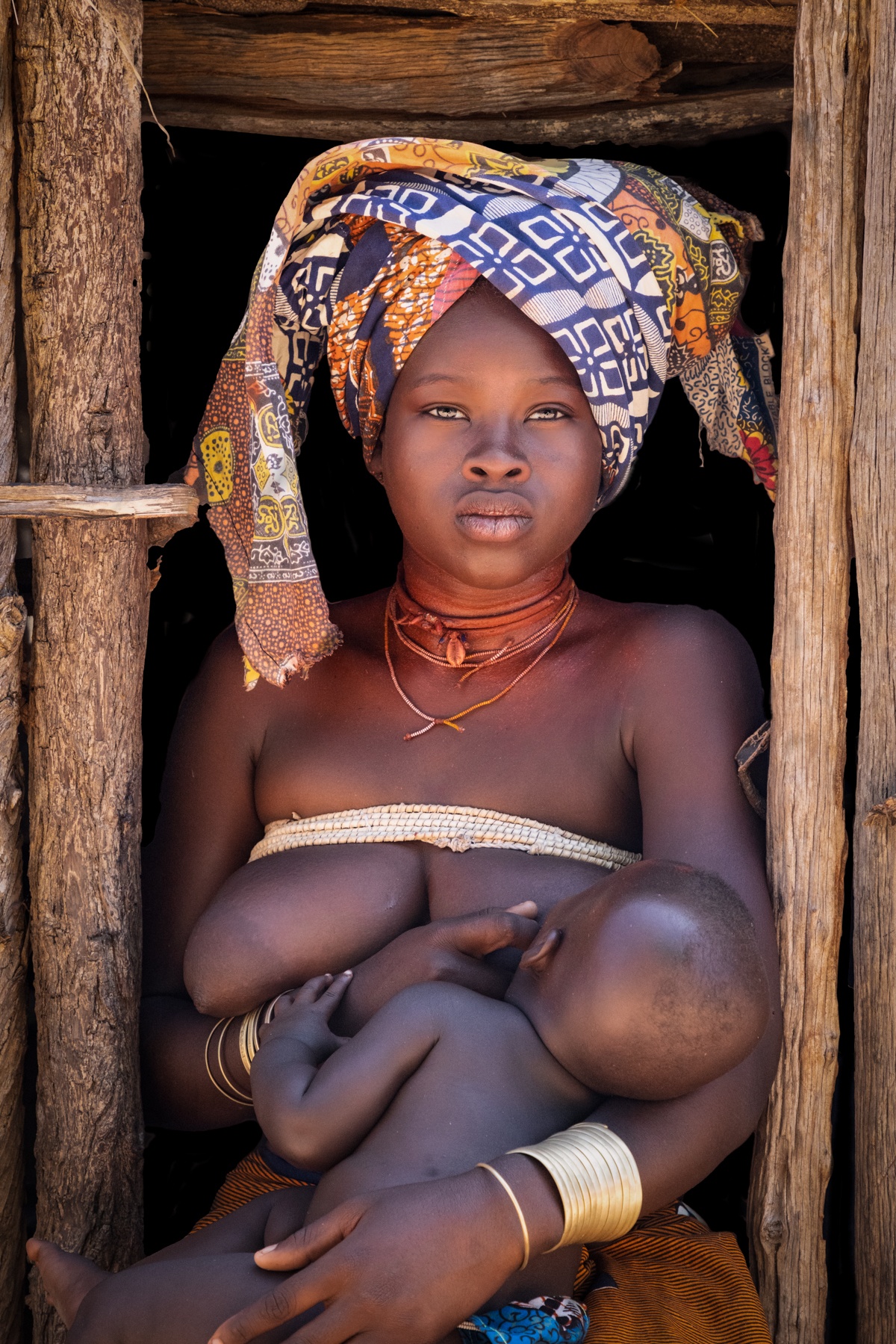
Portrait of a beautiful Ovahakaona mother and her baby at dusk (image by Inger Vandyke)

Portrait of a Nguendelengo woman with her trademark hairstyle. Nguendelengo are now classified as anthropologically extinct due to their reluctance to intermarry (image by Inger Vandyke)

A pretty Ovamwila girl standing in the traditional granary of her village at sunset (image by Inger Vandyke)
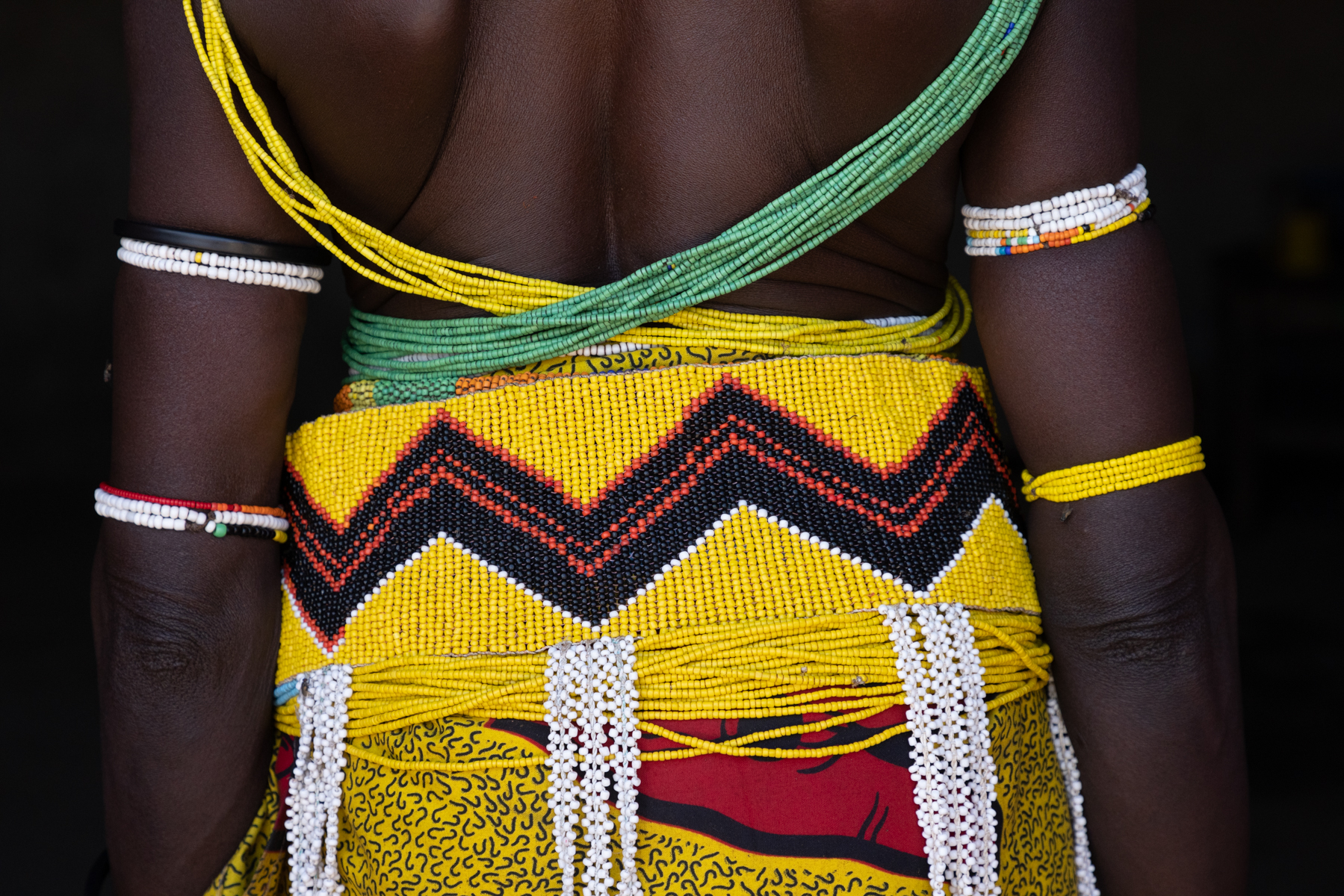
Detail of an Amenjitunga, the traditional beaded belt worn by Ovahanda women in southern Angola (image by Inger Vandyke)

A young Kwepe boy makes his way from Tombua with goods to sell in his village (image by Inger Vandyke)
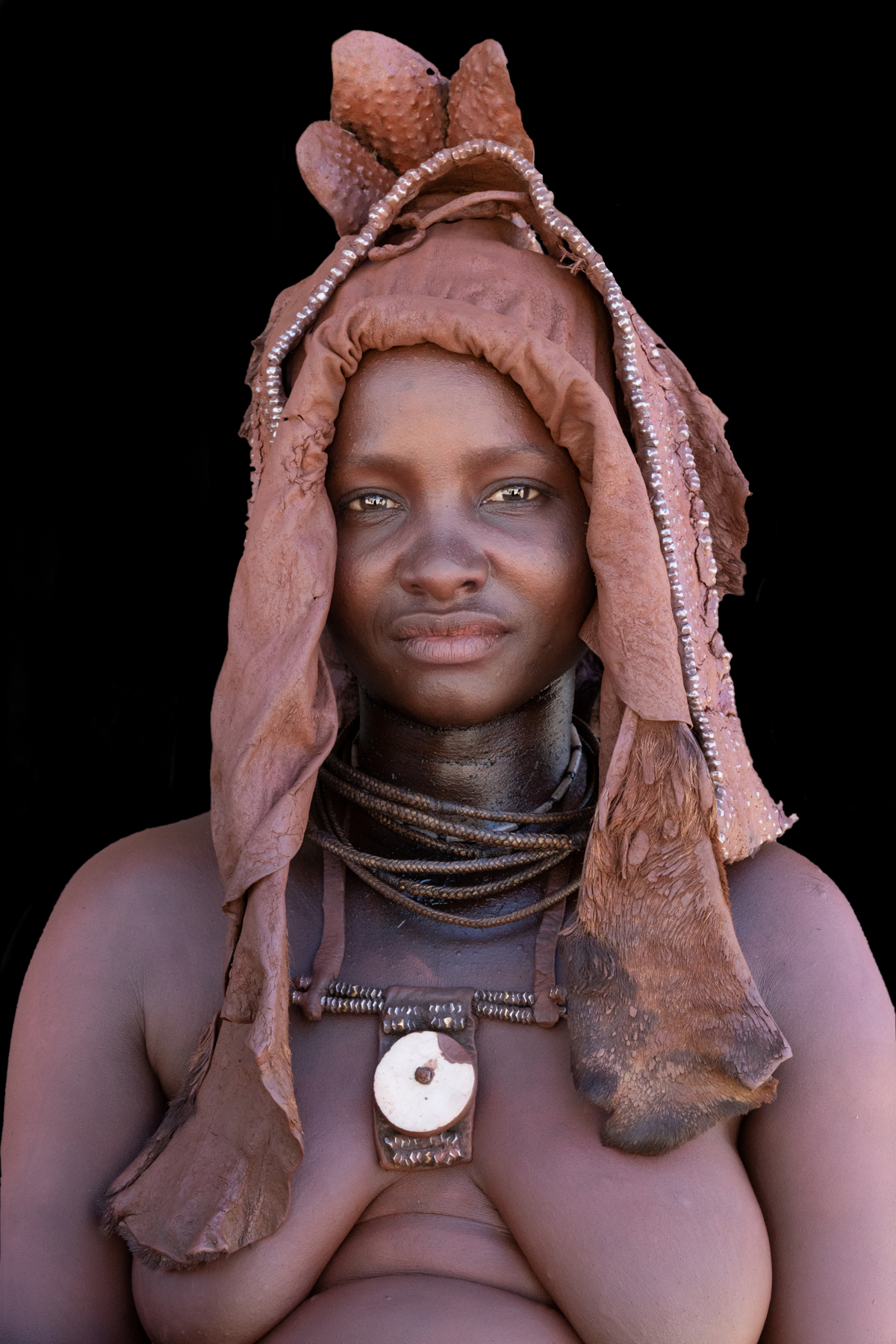
Portrait of a Ovahimba lady wearing a traditional wedding crown called Ekoli (image by Inger Vandyke)

Ovakuvale children gather at a well to fetch water for their families (image by Inger Vandyke)

Portrait of a beautiful Nguendelengo girl in remote Angola (image by Inger Vandyke)

The warmest start of all. Nguendelengo babies are carried on their mothers' backs in papooses made of goats' skin (image by Inger Vandyke)

The simple yet elegant decoration of Ovandimba women in remote Angola (image by Inger Vandyke)

A young Mwila girl wearing her Vikeka necklace at a market (image by Inger Vandyke)

A group of Himba women return from the well. Drone shot in remote Iona (image by Inger Vandyke)
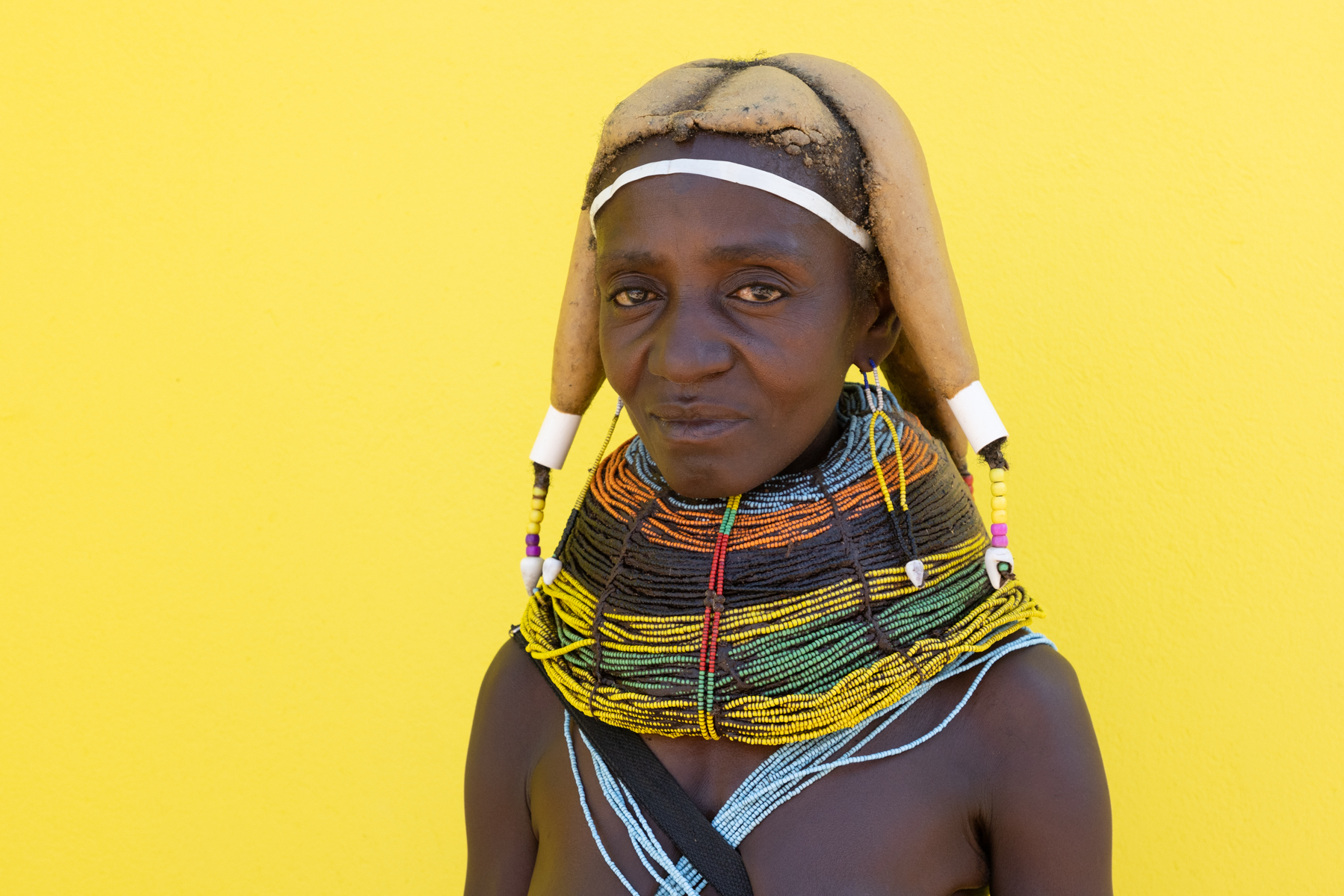
Ovamwila lady in yellow (image by Inger Vandyke)

The rugged Kwepe fishing villages of southern Angola (image by Inger Vandyke)

Angola's Kwepe people live at the extremes of nature and the ocean by fishing and mining salt on the southern coastlines of the country (image by Inger Vandyke)

Beautiful Mampatchio with her yellow Nontombe braids that signify she is married in Mwila culture (image by Inger Vandyke)

Portrait of beautiful Mwandombekele, a Hakaona girl in Oncocua (image by Inger Vandyke)

Twaunapi, an elderly Hakaona woman near Oncocua (image by Inger Vandyke)

Kwepe men push a wash over the salt pans near Tombua in southern Angola. This is one of the largest salt manufacturing areas in the country (image by Inger Vandyke)

A beautiful and proud Ovakuvale woman carrying a water bucket (image by Inger Vandyke)
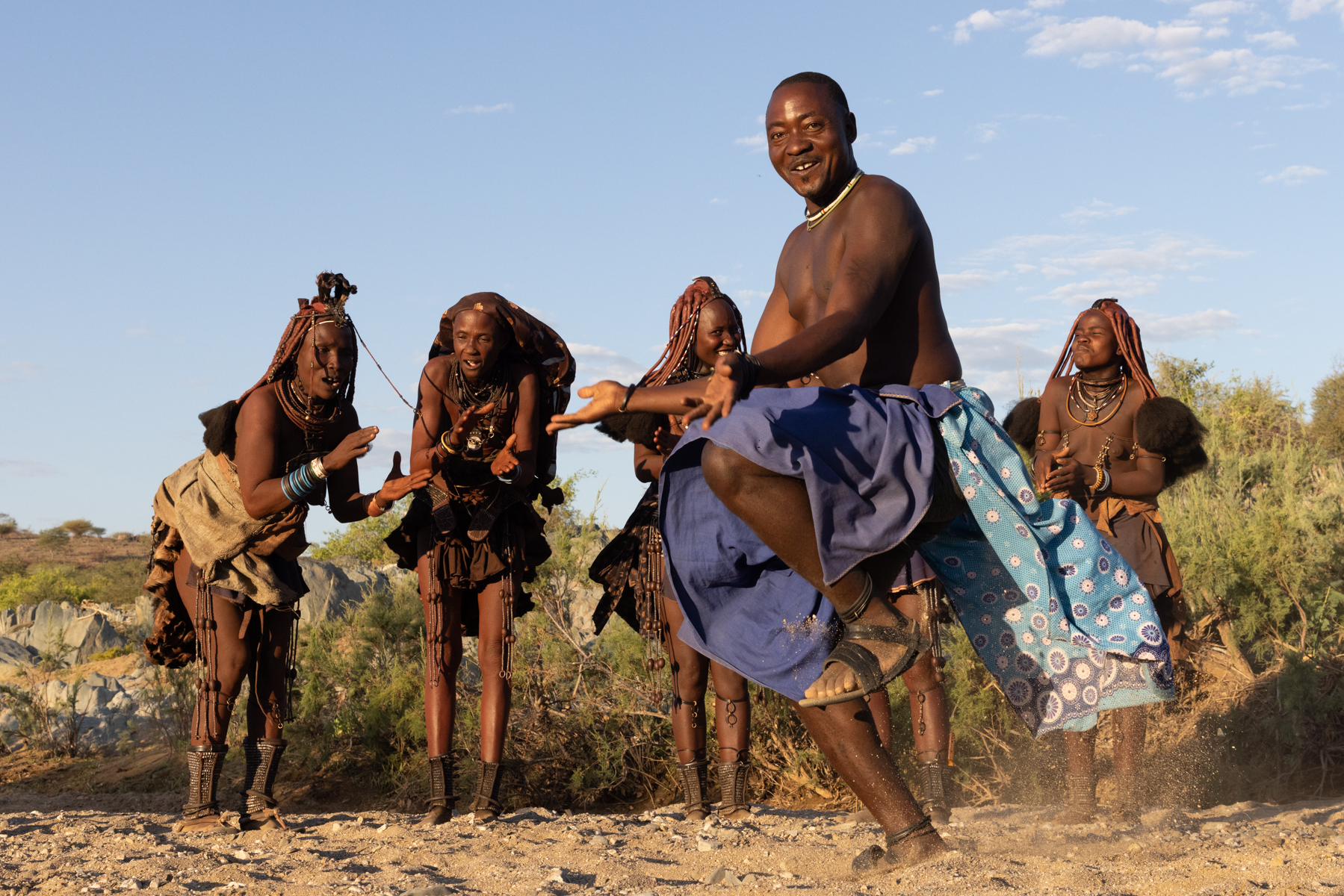
A Himba guy tries to steal the show off dancing women (image by Inger Vandyke)
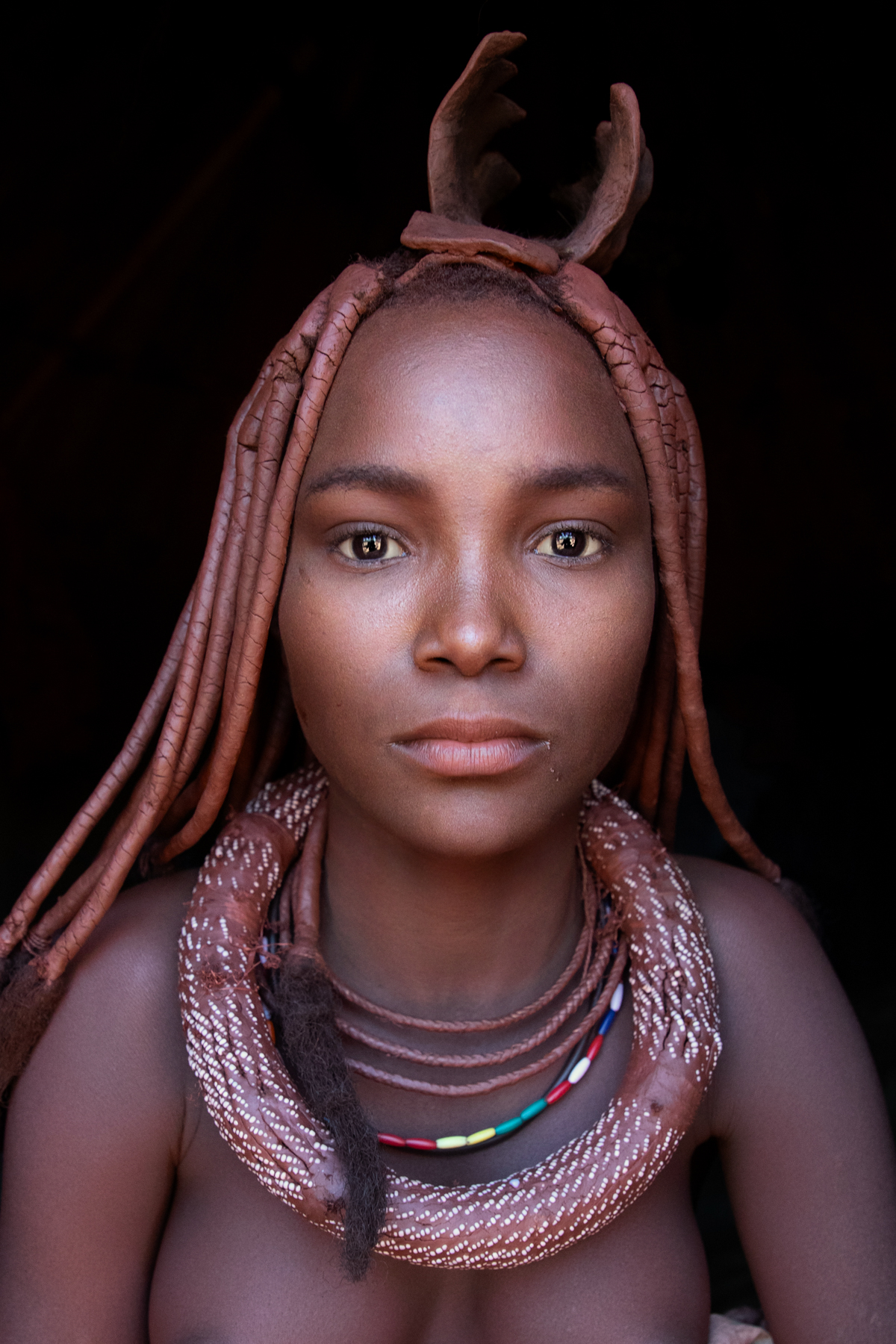
Pretty Pipia, a Twa girl in southern Angola (image by Inger Vandyke)
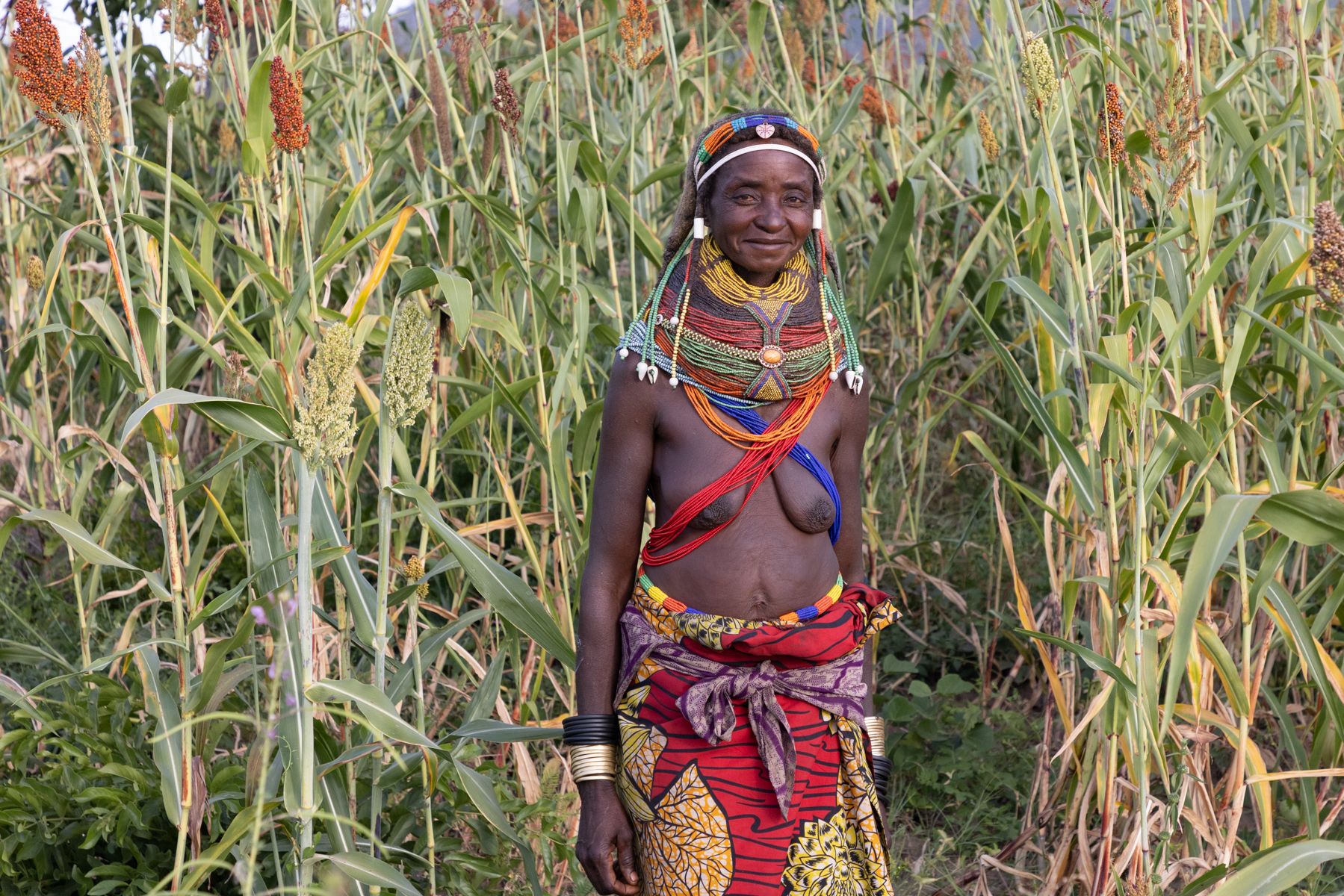
Portrait of a Ovamwila woman in her field of millet (image by Inger Vandyke)

Angola's Ovatwa people are part of the original people in the country, in the same ethnographic age as the San Bushmen. They are more closely related to Congolese pygmy people than they are to Bantu people (image by Inger Vandyke)
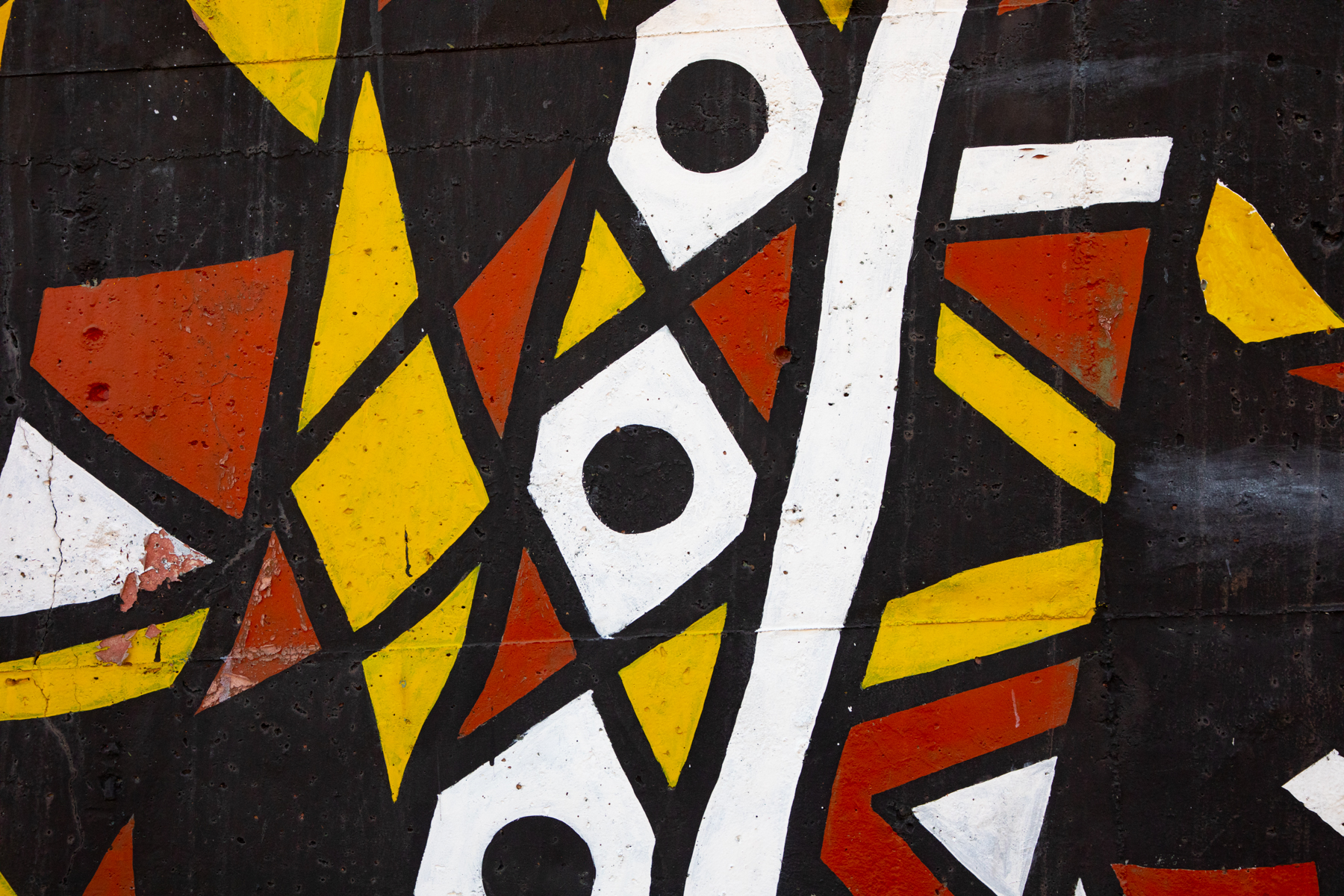
All over Angola the tribal decoration of Samakaka is depicted in street art, fabrics and clothing. Once seen, you can recognise it everywhere (image by Inger Vandyke)

A pretty young Himba girl with her Ozondatu plaits. In Angola these plaits are sometimes adorned with colourful beads (image by Inger Vandyke)
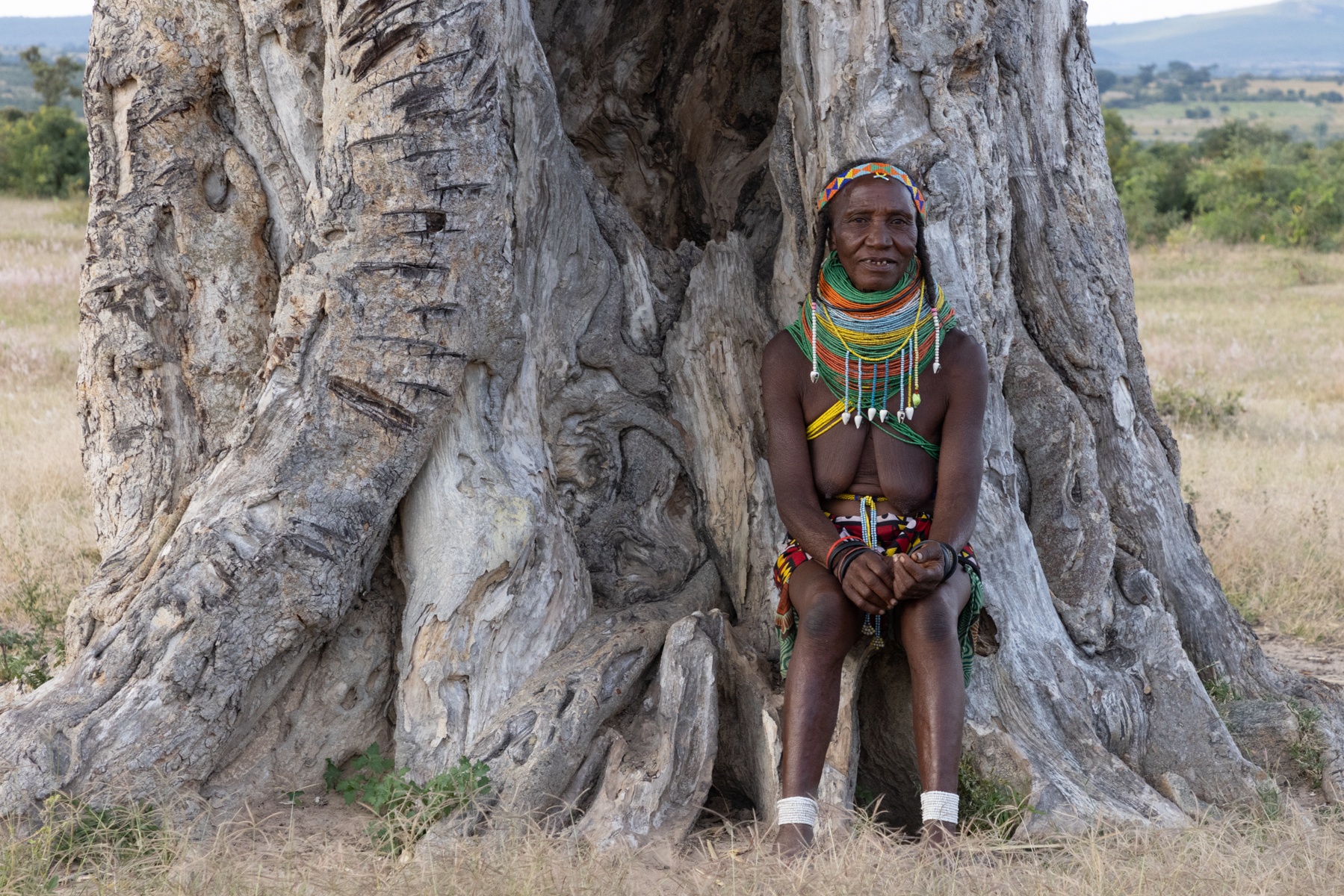
Portrait of an elderly Ovamwila woman sitting at the base of an ancient baobab in southern Angola (image by Inger Vandyke)

Young Tchihukumutue with his covered Ondatu, the traditional hair style of young Himba men in Angola (image by Inger Vandyke)

Ovandimba women retain their beauty even in old age (image by Inger Vandyke)
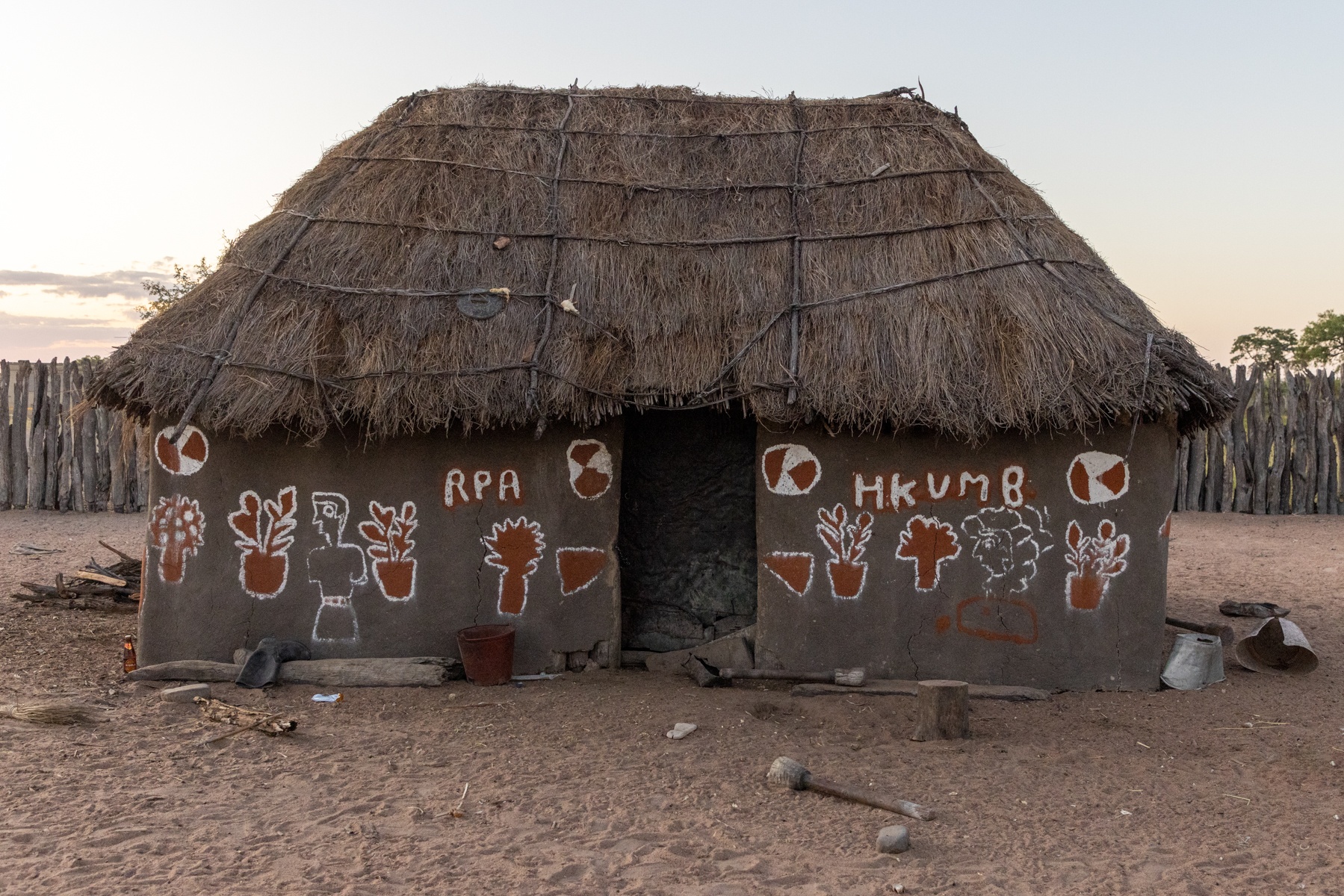
Ovandimba villages feature hand painted clay huts that are some of the most stunning examples of African vernacular architecture in the country (image by Inger Vandyke)

Ndimba women are known for their beehive hairstyles and colourful, yet simple, decorations of beads (image by Inger Vandyke)

Opotwakwala carrying her baby sister. Camping overnight in Himba villages allows you to photograph the local people in the most beautiful light (image by Inger Vandyke)
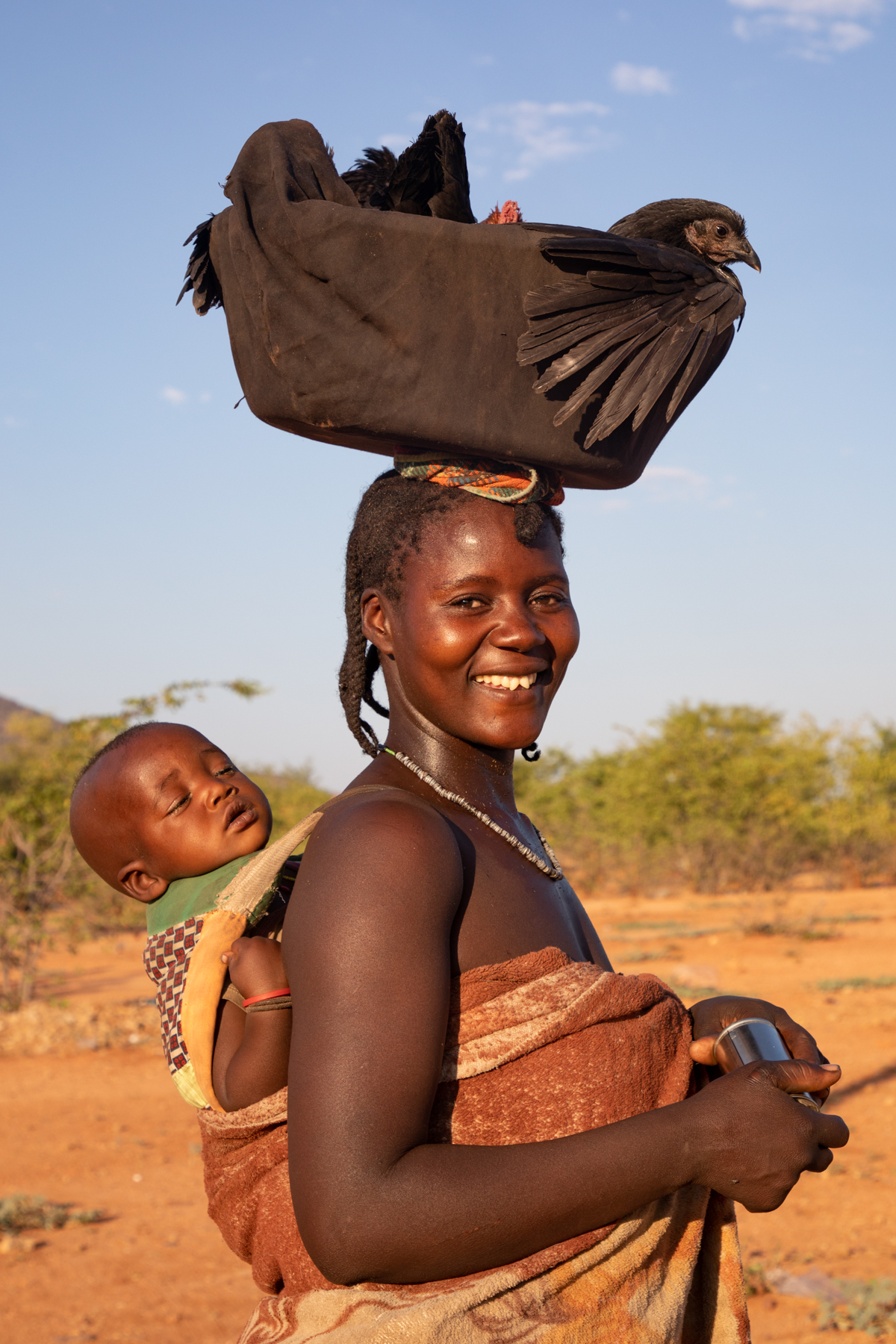
A smiling Ndimba girl takes her baby and her chickens home from the market at Oncocua (image by Inger Vandyke)
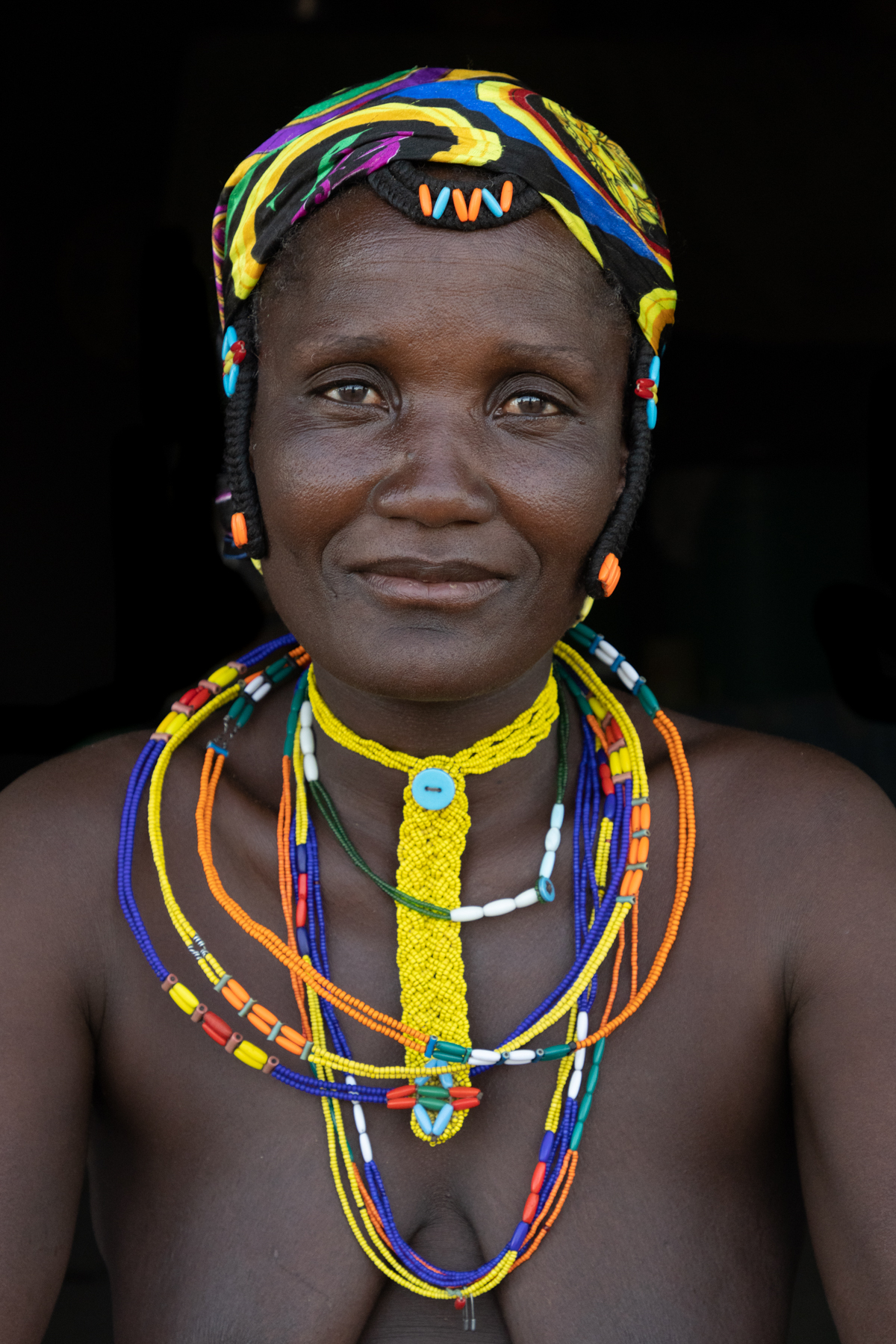
Portrait of a traditional Ovandimba woman in remote Angola (image by Inger Vandyke)

Portrait of a Ovamwila woman at sunset (image by Inger Vandyke)

An amazing little Ovakuvale girl we met in remote Angola, whose beauty was only matched by the hand sculpted clay hut that her mother had built to keep her warm (image by Inger Vandyke)
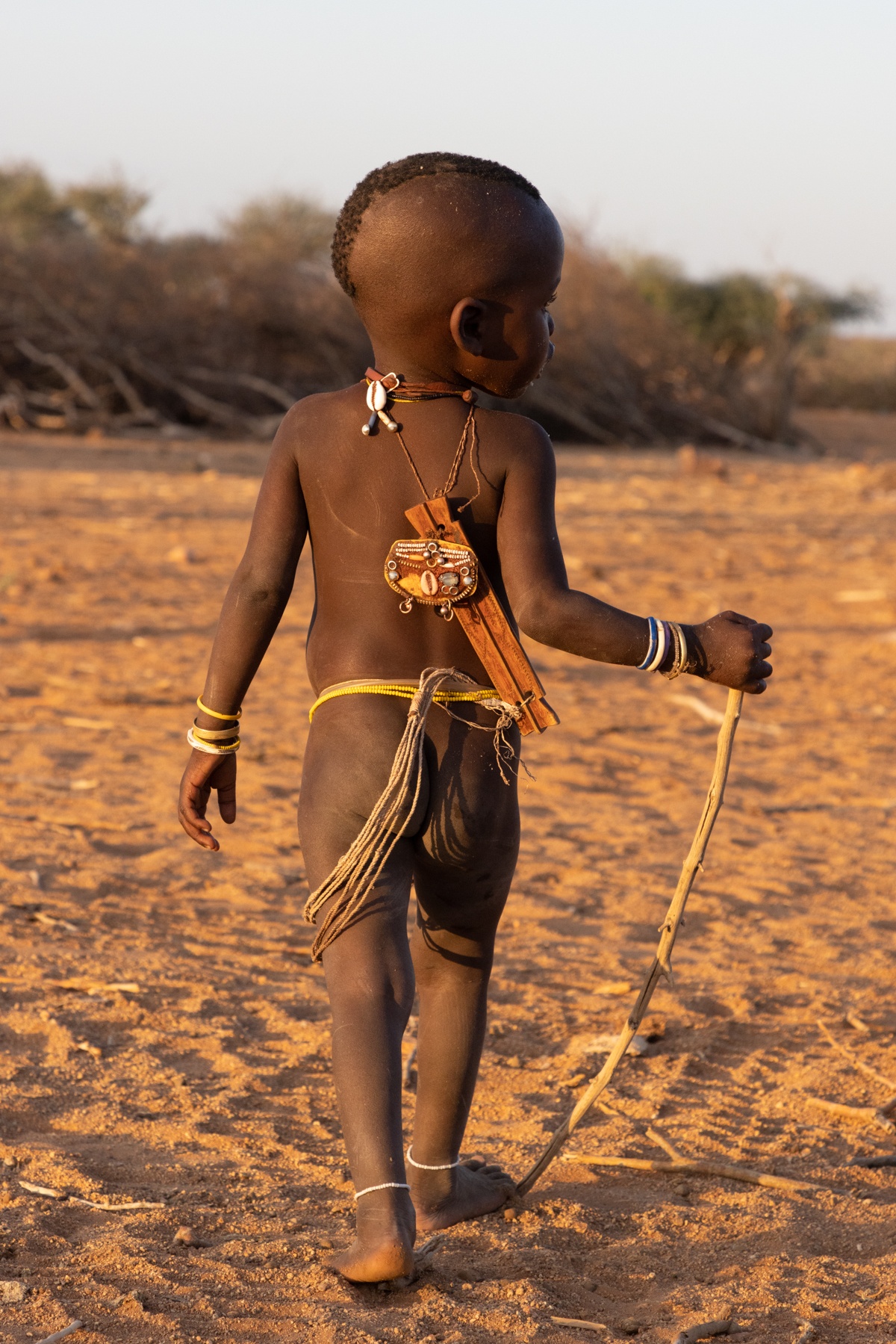
A young Ovakuvale child wearing the brace that has helped him to walk upright (image by Inger Vandyke)

A smiling Ovandimba woman carrying a handwoven basked and dressed in Samakaka, the warrior print of Angola (image by Inger Vandyke)

The spectacular zig zag drive on Serra da Leba Pass. It drops off the escarpment between Lubango and Moçamedes and is an incredible site for both landscape and drone photography (image by Inger Vandyke)

Kwepe fishermen preparing to go to sea. This image is now featured in the Angolan embassy of Germany in Berlin (image by Inger Vandyke)
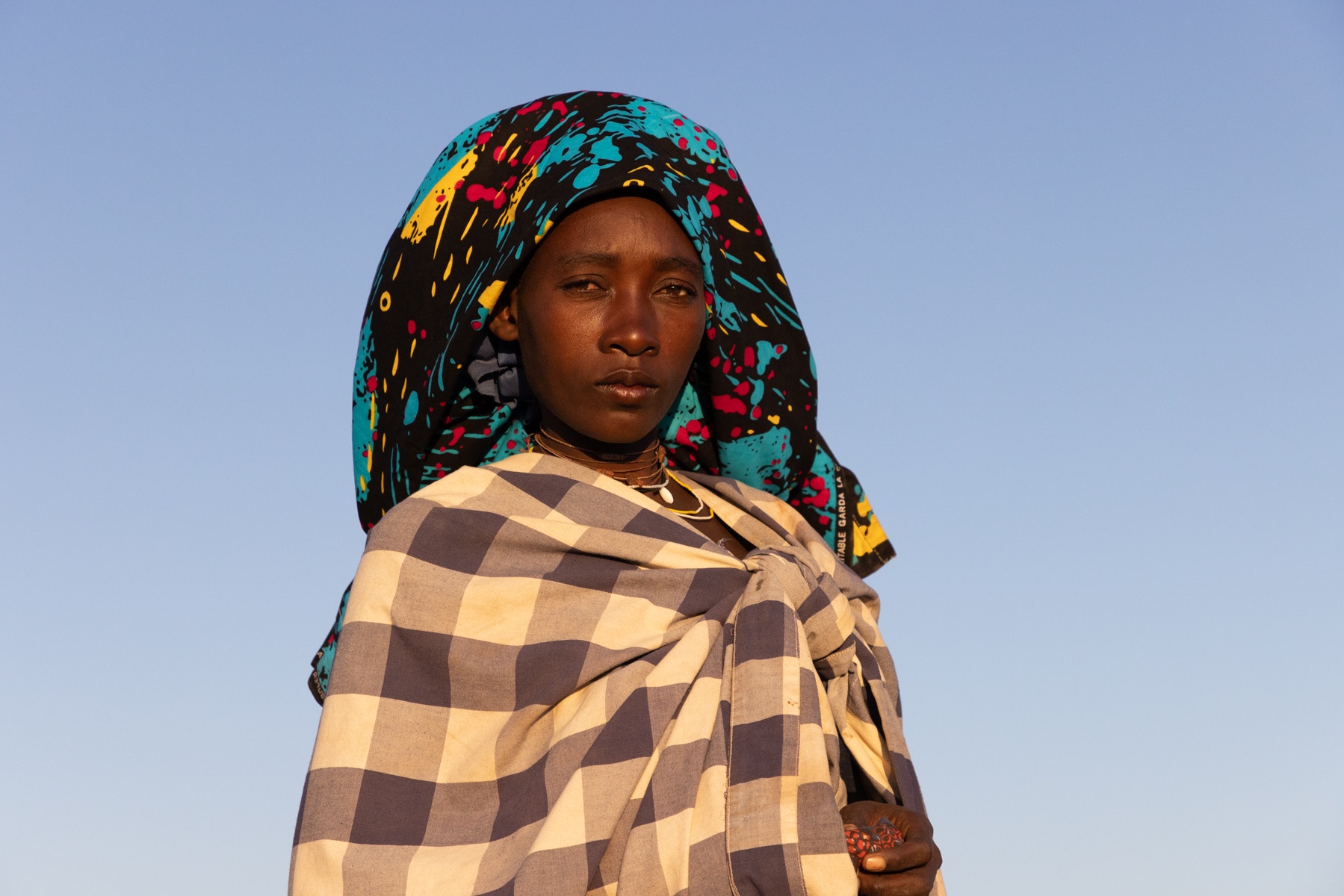
Portrait of a stunning Ovakuvale woman (image by Inger Vandyke)

An Ovahimba woman with the best fashion accessory in the world, the feet of her child (image by Inger Vandyke)

As one of Angola's most impoverished ethnic groups, the Ovatwa are often employed by stronger tribes like the Ovahimba and Ovahakaona (image by Inger Vandyke)

Featured by Africa Geographic, this portrait of a beautiful Ovahimba woman was shot on our tour in southern Angola (image by Inger Vandyke)
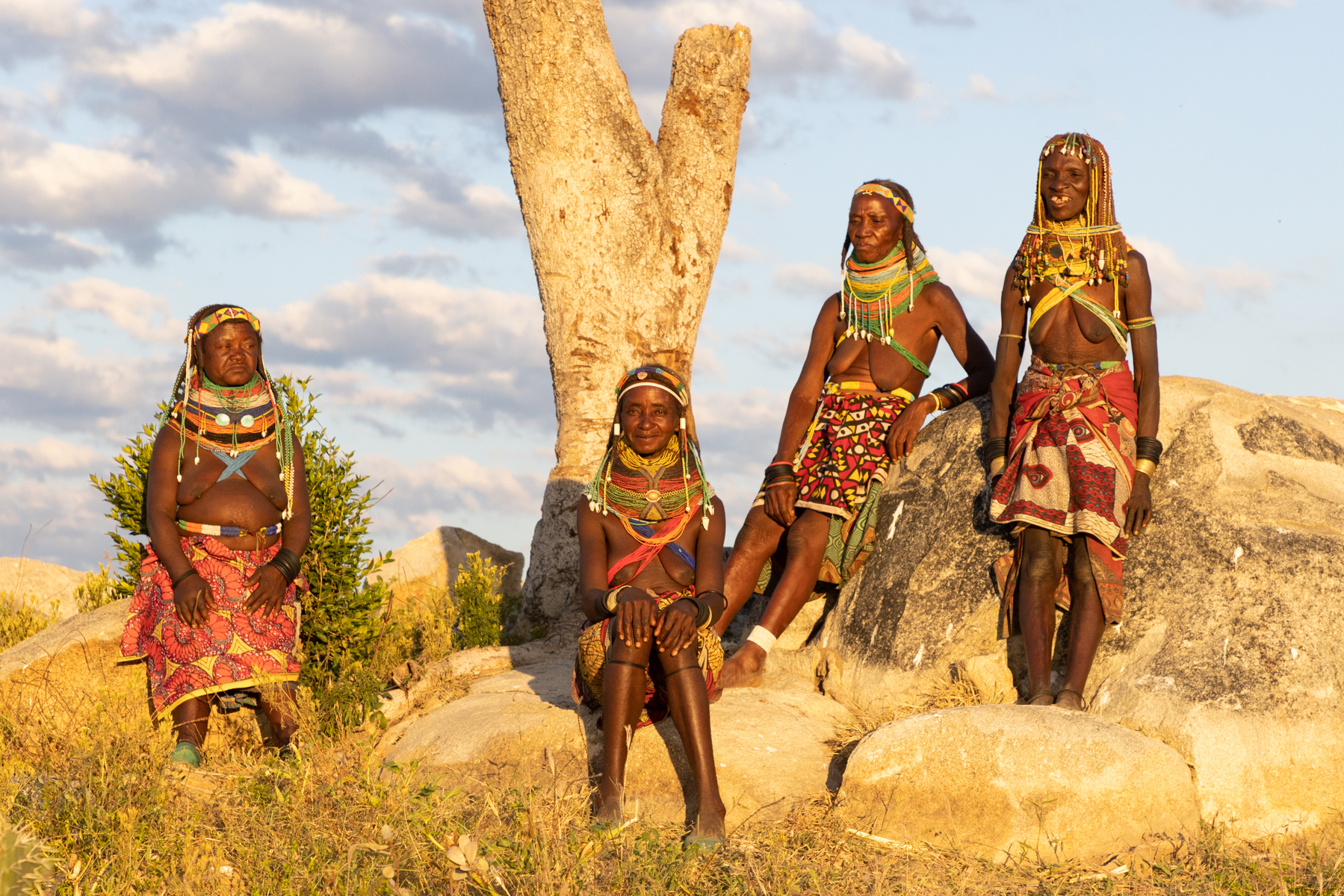
Sunset photography with a fantastic group of Ovamwila women in southern Angola. What a memorable afternoon that was! (image by Inger Vandyke)

Portrait of a Ovamwila woman with her red Nambolonga braids (image by Inger Vandyke)

A warm Mwila woman outside her home (image by Inger Vandyke)

Sunrise herding goats with Ovakuvale nomads (image by Inger Vandyke)

Beautiful Ovamwila decoration in red (image by Inger Vandyke)

A beautiful Ovandimba girl outside her hand-decorated home. Ovandimba villages are very fine examples of African vernacular architecture in Angola (image by Inger Vandyke)
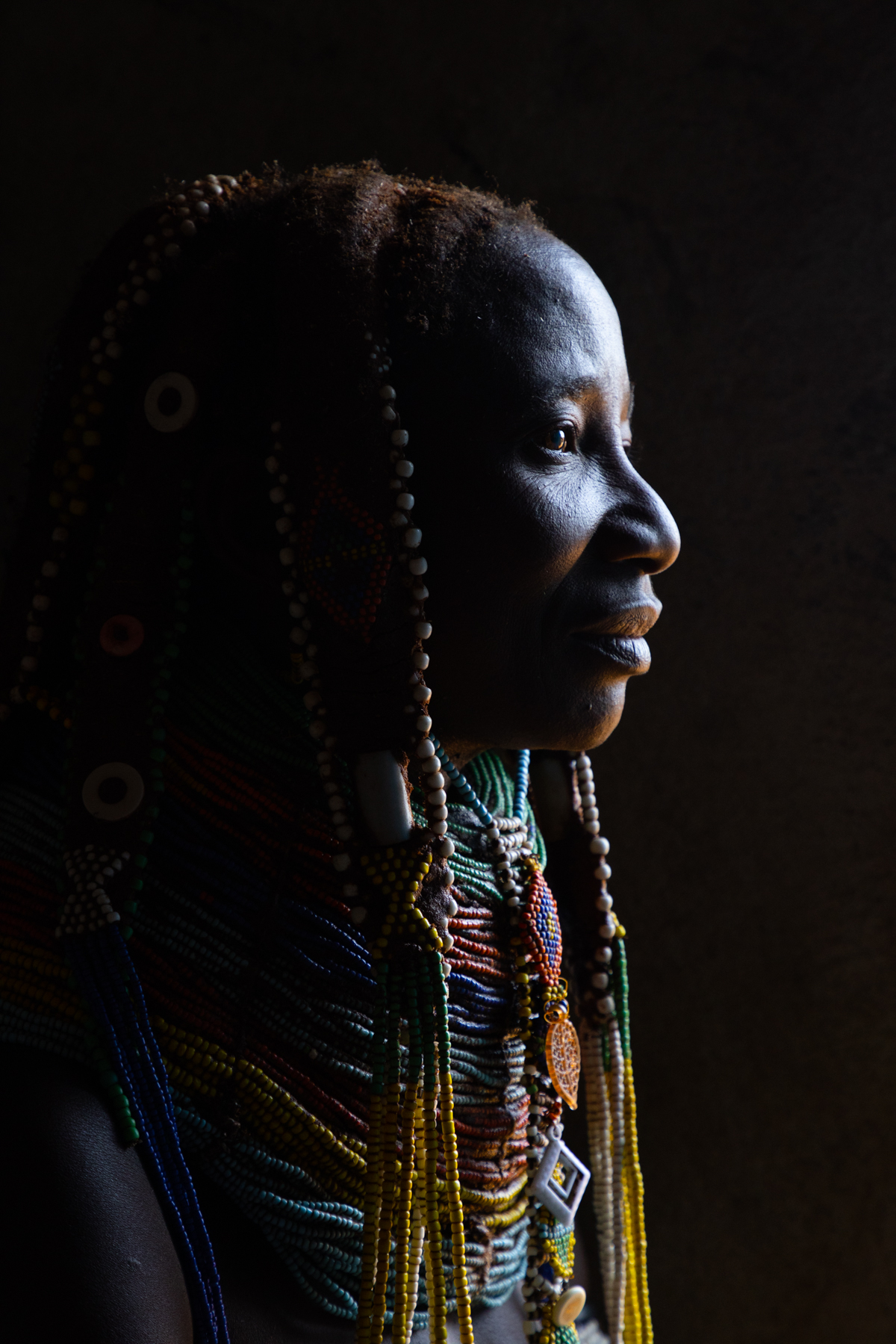
Low light portrait of a Ovamwila lady (image by Inger Vandyke)

A group of pretty Ovakuvale girls who came to visit our camp at sunset (image by Inger Vandyke)

Otchivehevakulo sitting in the door of her hut in remote Iona National Park, Angola (image by Inger Vandyke)

Ovatwa children huddle around the fire to keep warm (image by Inger Vandyke)

Hakaona mothers admiring a young baby (image by Inger Vandyke)

Portrait of a beautiful Ovakuvale girl in her hut (image by Inger Vandyke)

Motherhood Himba style (image by Inger Vandyke)

A young Ovakuvale girl herds her goats at sunrise (image by Inger Vandyke)

Munahone. Even in her ageing years, she is still a beautiful Hakaona woman (image by Inger Vandyke)

Portrait of a beautiful Ovatwa child as she allows her favourite goat to milk its kids (image by Inger Vandyke)
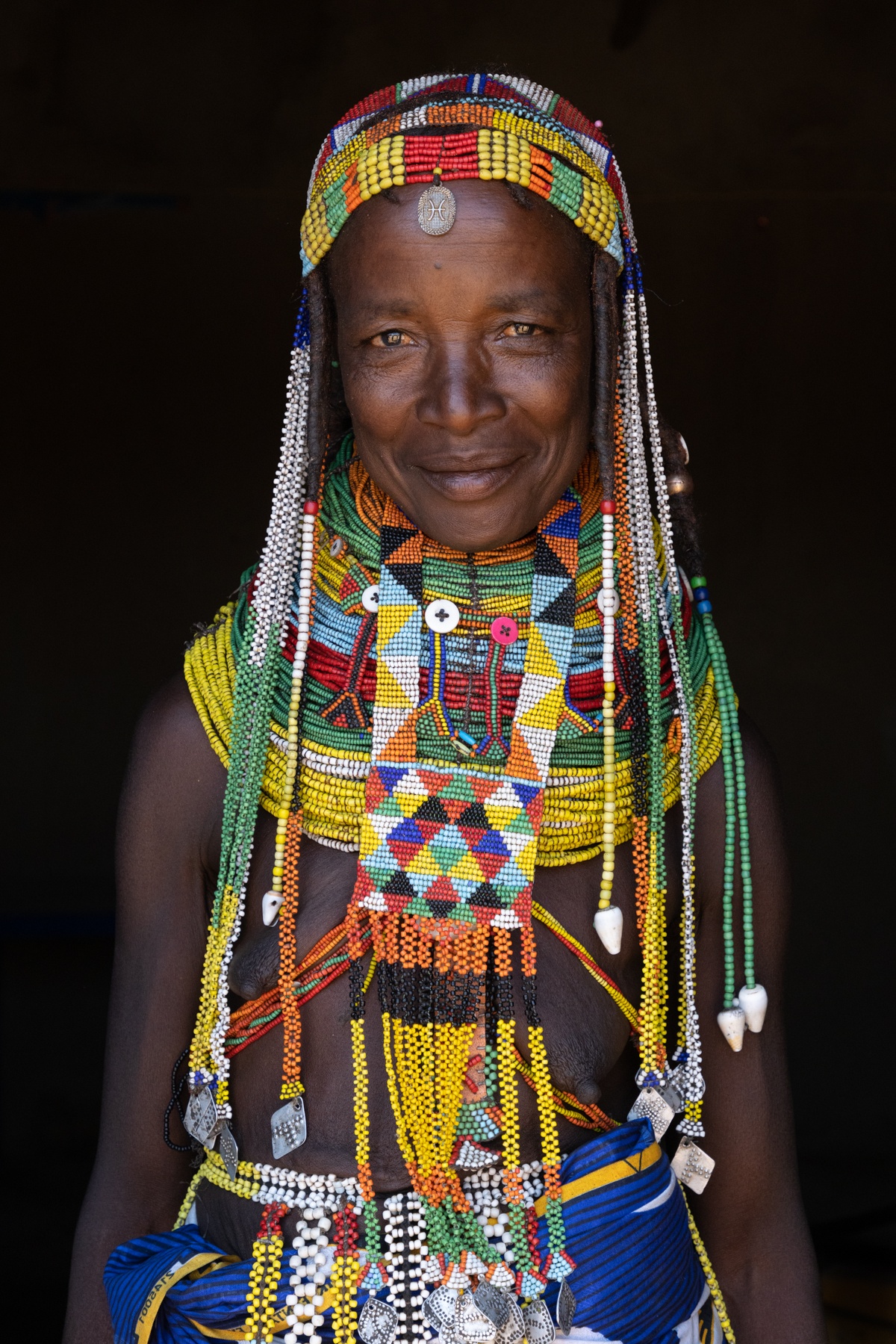
Angola's Ovamwila women are known for their colourful Vilanda necklaces and beaded decorations (image by Inger Vandyke)

The beauty of Angola's tribal women is even celebrated in its street art (image by Inger Vandyke)
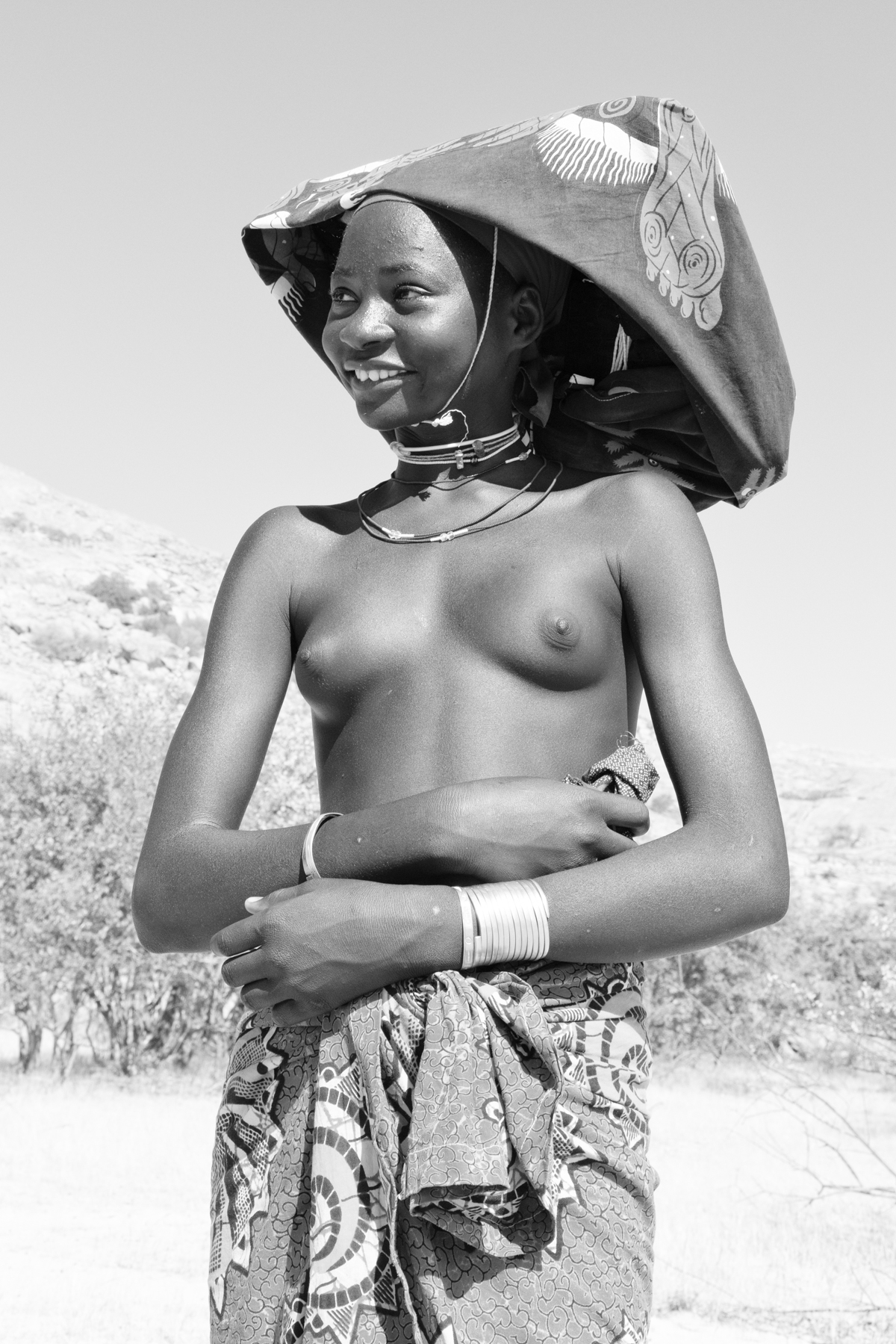
The traditional headdress of Ovakuvale women, the Ompota, is a wicker structure covered in wax cloth (image by Inger Vandyke)

Even the feet of Ndimba women are beautiful (image by Inger Vandyke)

Angola's beautiful Ovamwila women are known for their many stranded beaded necklaces called Vilandas (image by Inger Vandyke)

Beautiful Hakaona motherhood (image by Inger Vandyke)
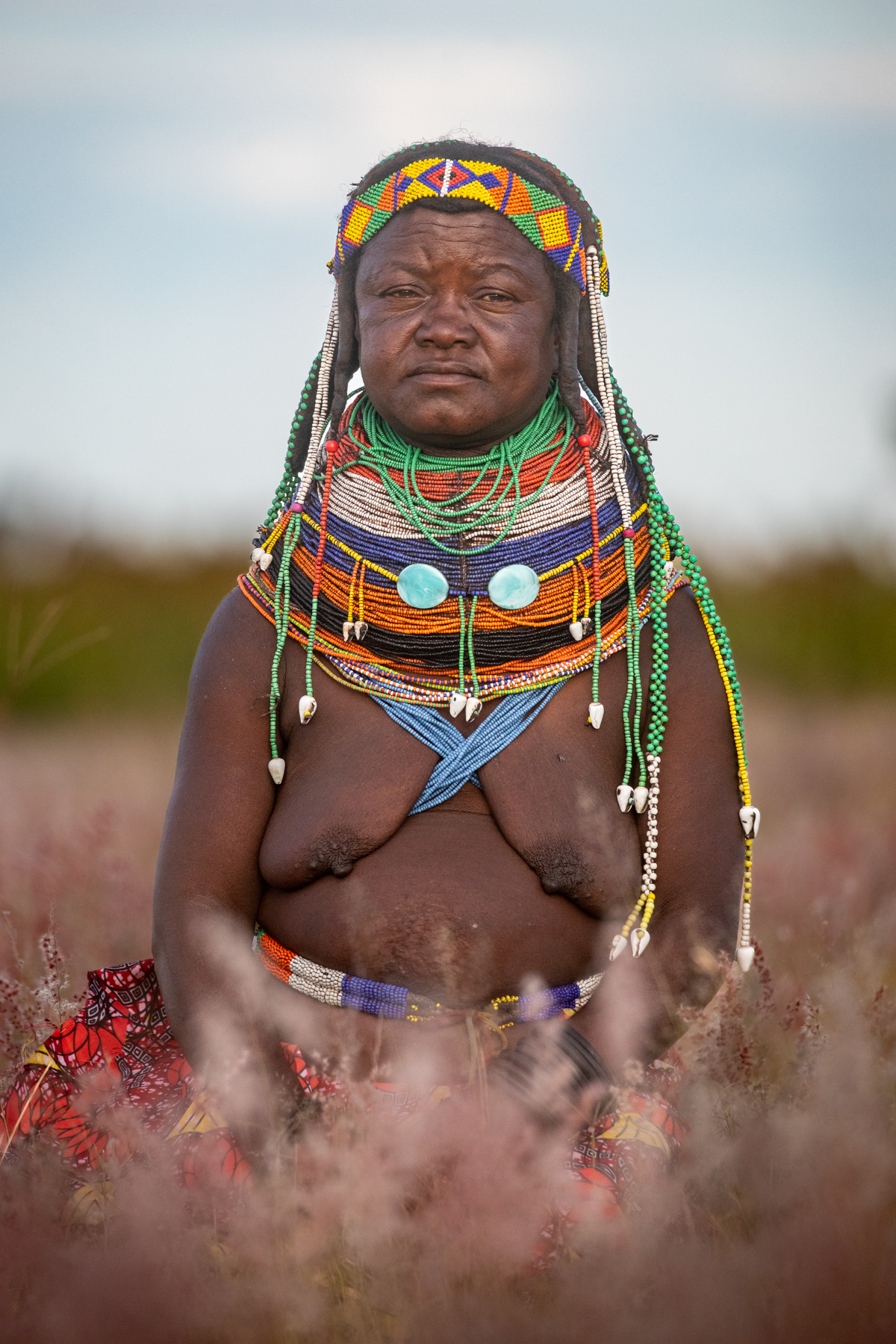
An elderly Ovamwila woman in the grasslands near her home in southern Angola (image by Inger Vandyke)
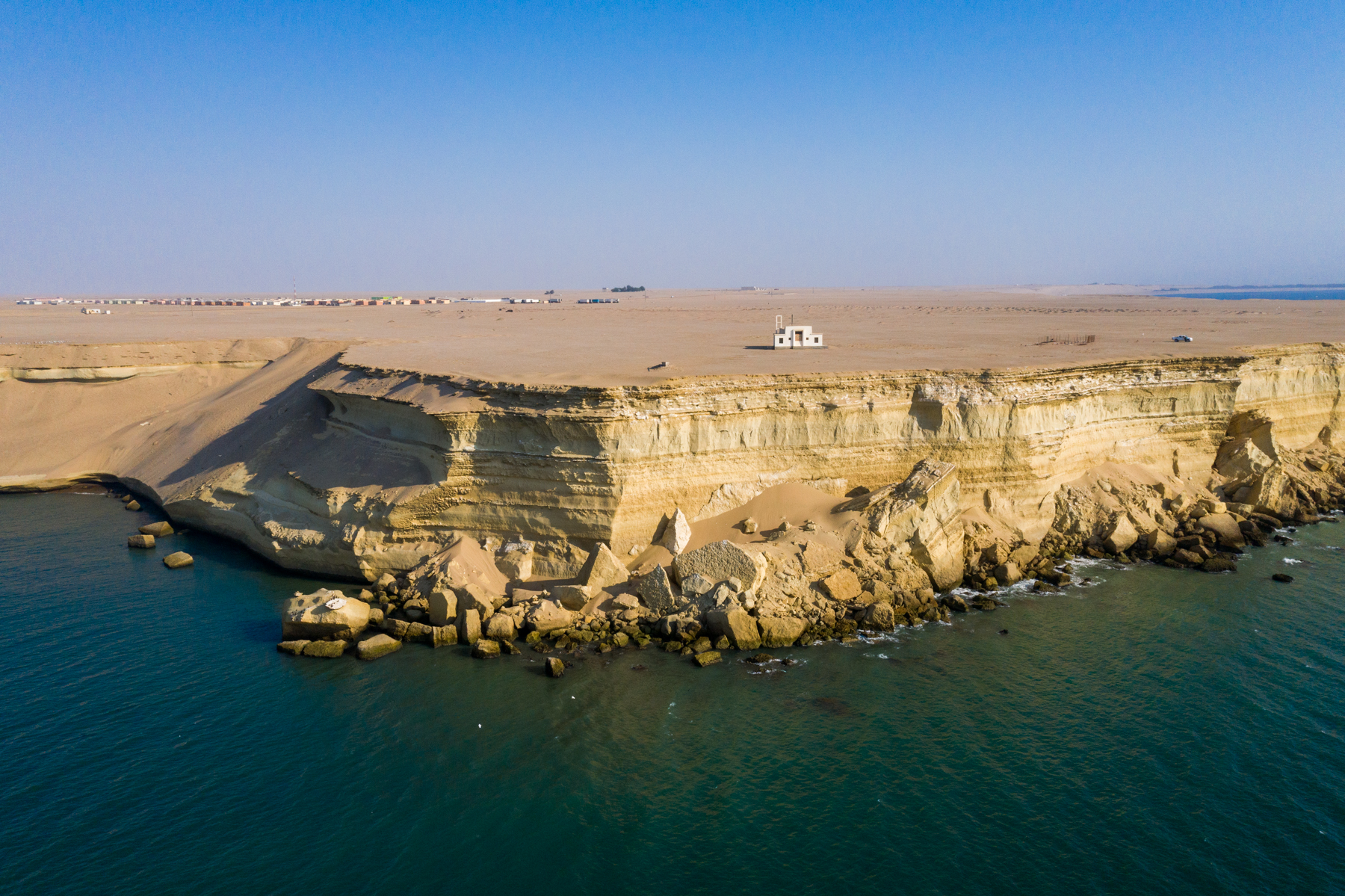
The tiny cathedral at Tombua used to be the main place of worship for the city's residents. Since the fall of the Portuguese colonial era it has laid in ruin atop spectacular cliffs (image by Inger Vandyke)
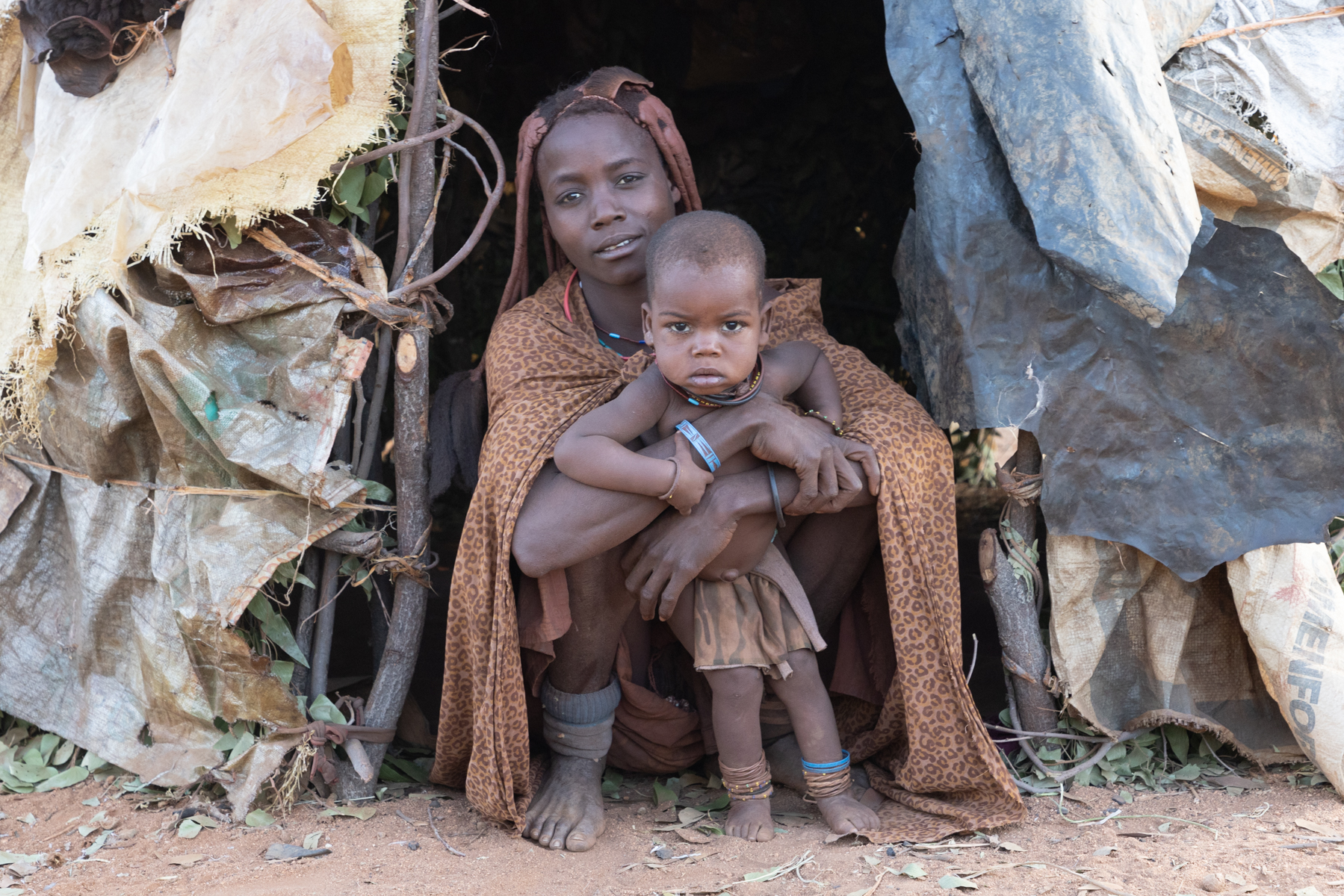
A Ovatwa mother holds her baby at the entrance of her home (image by Inger Vandyke)
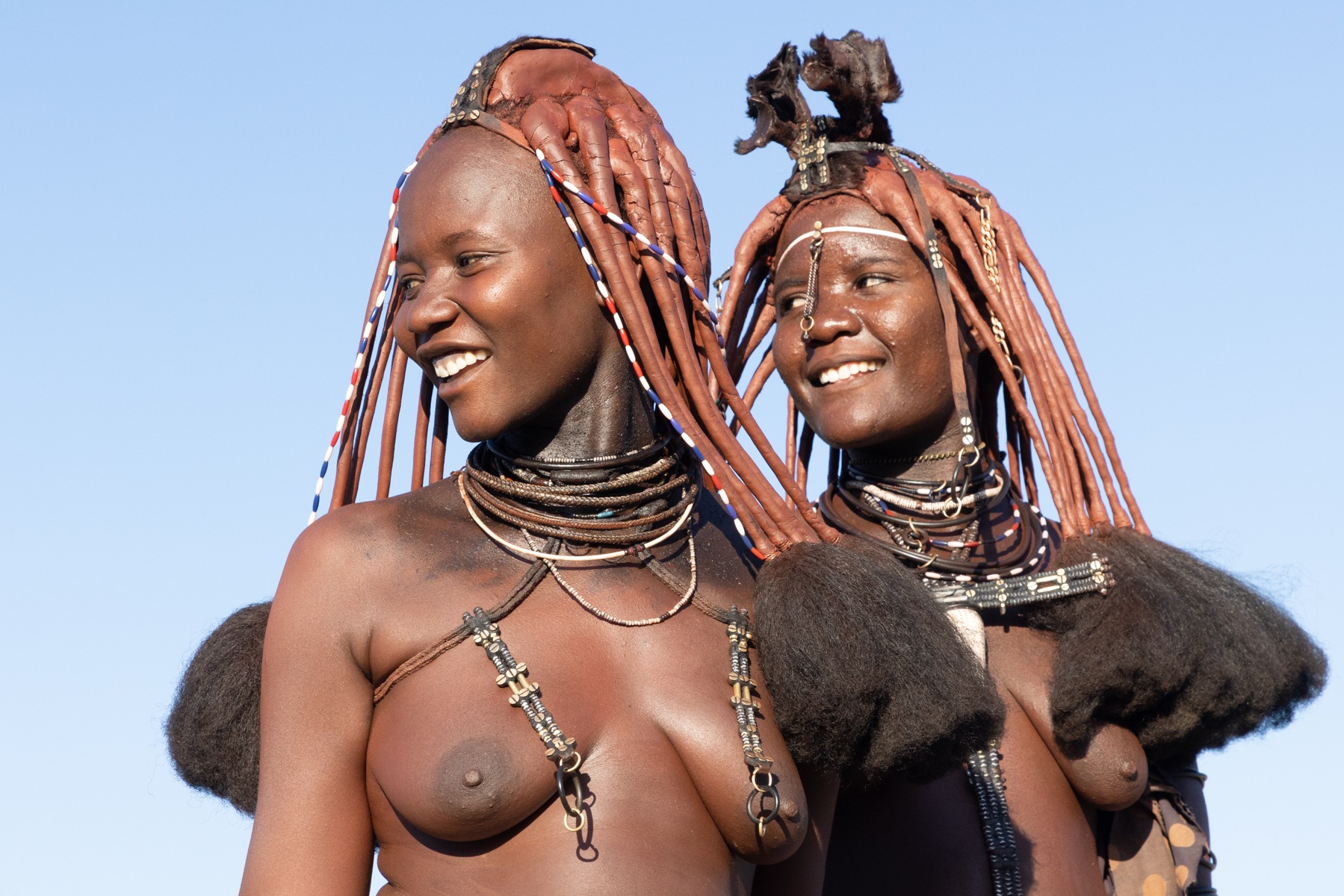
Smiling Ovahimba women wait their turn to dance (image by Inger Vandyke)
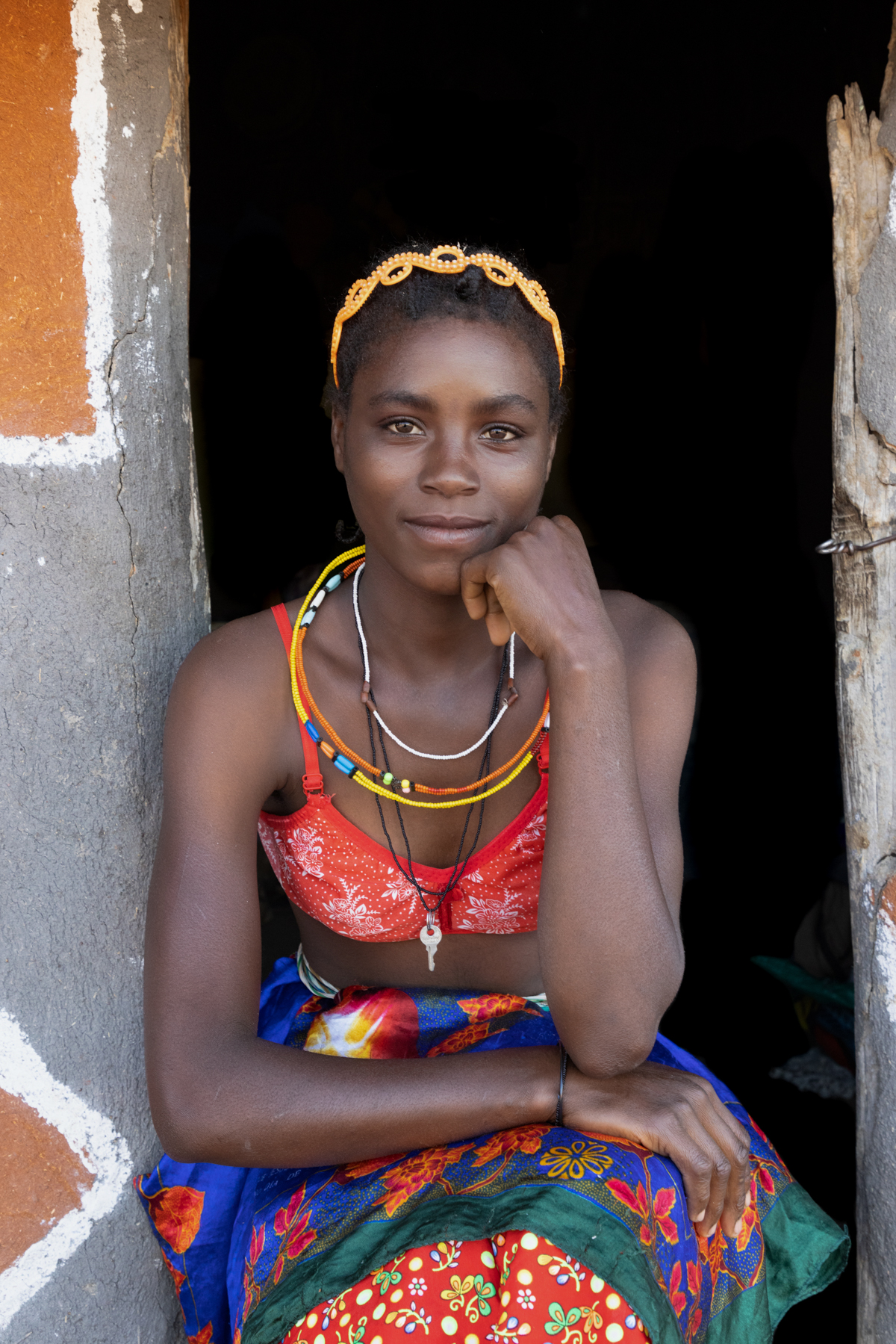
Portrait of a beautiful Ovandimba lady in the doorway of her home (image by Inger Vandyke)

An elderly Himba woman carries blankets for a meeting in a village. Sometimes the only thing that can offset the beauty of Angola's tribal people is the landscapes in which they live (image by Inger Vandyke)

Portrait of a lovely Ovatwa woman inside her hut fashioned from sapling branches in remote Angola (image by Inger Vandyke)

Meeting the Ovahanda women of southern Angola is a bit like finding a precious jewel. Their warmth rivals their beauty and their culture is one the world should cherish (image by Inger Vandyke)

A Kwepe fishing boat sits loaded and ready for sea at sunset in Angola (image by Inger Vandyke)

Himba headman Yonguera. Like many Himba headmen in Iona, he carries the arrowhead of his spear behind his ear (image by Inger Vandyke)
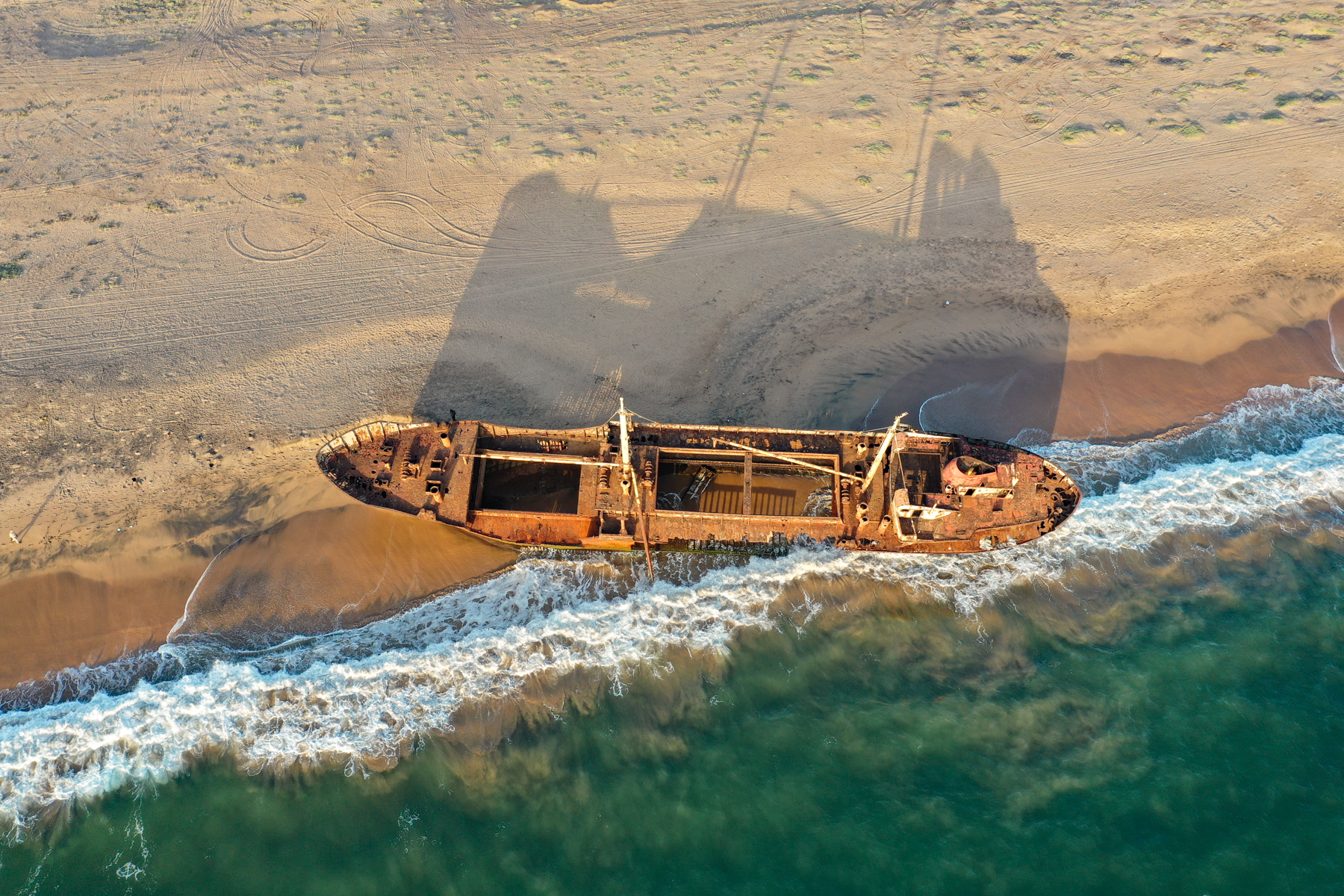
Littered with wrecks, Angola's wild Atlantic coast is truly a graveyard of ships (image by Inger Vandyke)

The Ovahimba of Angola have a culture that is more traditional than the Himba people of neighbouring Namibia (image by Inger Vandyke)

Athletic and fascinating, the Ovakuvale people of southern Angola dance to attract a partner (image by Inger Vandyke)

Portrait of a striking Ovakuvale girl with her elegant brass bracelets (image by Inger Vandyke)


Another culture that is quickly disappearing, the Ovanguendelengo people are part of the Ovakuvale ethnic group (image by Inger Vandyke)
Ovahakaona women dancing at sunset in a remote village (image by Inger Vandyke)
Marikondjo, a young Himba guy, carries his metal snuff pipe and a stick holding his bedding in remote Iona, Angola (Image by Inger Vandyke)
Portrait of a beautiful Ovahakaona mother and her baby at dusk (image by Inger Vandyke)
Portrait of a Nguendelengo woman with her trademark hairstyle. Nguendelengo are now classified as anthropologically extinct due to their reluctance to intermarry (image by Inger Vandyke)
A pretty Ovamwila girl standing in the traditional granary of her village at sunset (image by Inger Vandyke)
Detail of an Amenjitunga, the traditional beaded belt worn by Ovahanda women in southern Angola (image by Inger Vandyke)
A young Kwepe boy makes his way from Tombua with goods to sell in his village (image by Inger Vandyke)
Portrait of a Ovahimba lady wearing a traditional wedding crown called Ekoli (image by Inger Vandyke)
Ovakuvale children gather at a well to fetch water for their families (image by Inger Vandyke)
Portrait of a beautiful Nguendelengo girl in remote Angola (image by Inger Vandyke)
The warmest start of all. Nguendelengo babies are carried on their mothers' backs in papooses made of goats' skin (image by Inger Vandyke)
The simple yet elegant decoration of Ovandimba women in remote Angola (image by Inger Vandyke)
A young Mwila girl wearing her Vikeka necklace at a market (image by Inger Vandyke)
A group of Himba women return from the well. Drone shot in remote Iona (image by Inger Vandyke)
Ovamwila lady in yellow (image by Inger Vandyke)
The rugged Kwepe fishing villages of southern Angola (image by Inger Vandyke)
Angola's Kwepe people live at the extremes of nature and the ocean by fishing and mining salt on the southern coastlines of the country (image by Inger Vandyke)
Beautiful Mampatchio with her yellow Nontombe braids that signify she is married in Mwila culture (image by Inger Vandyke)
Portrait of beautiful Mwandombekele, a Hakaona girl in Oncocua (image by Inger Vandyke)
Twaunapi, an elderly Hakaona woman near Oncocua (image by Inger Vandyke)
Kwepe men push a wash over the salt pans near Tombua in southern Angola. This is one of the largest salt manufacturing areas in the country (image by Inger Vandyke)
A beautiful and proud Ovakuvale woman carrying a water bucket (image by Inger Vandyke)
A Himba guy tries to steal the show off dancing women (image by Inger Vandyke)
Pretty Pipia, a Twa girl in southern Angola (image by Inger Vandyke)
Portrait of a Ovamwila woman in her field of millet (image by Inger Vandyke)
Angola's Ovatwa people are part of the original people in the country, in the same ethnographic age as the San Bushmen. They are more closely related to Congolese pygmy people than they are to Bantu people (image by Inger Vandyke)
All over Angola the tribal decoration of Samakaka is depicted in street art, fabrics and clothing. Once seen, you can recognise it everywhere (image by Inger Vandyke)
A pretty young Himba girl with her Ozondatu plaits. In Angola these plaits are sometimes adorned with colourful beads (image by Inger Vandyke)
Portrait of an elderly Ovamwila woman sitting at the base of an ancient baobab in southern Angola (image by Inger Vandyke)
Young Tchihukumutue with his covered Ondatu, the traditional hair style of young Himba men in Angola (image by Inger Vandyke)
Ovandimba women retain their beauty even in old age (image by Inger Vandyke)
Ovandimba villages feature hand painted clay huts that are some of the most stunning examples of African vernacular architecture in the country (image by Inger Vandyke)
Ndimba women are known for their beehive hairstyles and colourful, yet simple, decorations of beads (image by Inger Vandyke)
Opotwakwala carrying her baby sister. Camping overnight in Himba villages allows you to photograph the local people in the most beautiful light (image by Inger Vandyke)
A smiling Ndimba girl takes her baby and her chickens home from the market at Oncocua (image by Inger Vandyke)
Portrait of a traditional Ovandimba woman in remote Angola (image by Inger Vandyke)
Portrait of a Ovamwila woman at sunset (image by Inger Vandyke)
An amazing little Ovakuvale girl we met in remote Angola, whose beauty was only matched by the hand sculpted clay hut that her mother had built to keep her warm (image by Inger Vandyke)
A young Ovakuvale child wearing the brace that has helped him to walk upright (image by Inger Vandyke)
A smiling Ovandimba woman carrying a handwoven basked and dressed in Samakaka, the warrior print of Angola (image by Inger Vandyke)
The spectacular zig zag drive on Serra da Leba Pass. It drops off the escarpment between Lubango and Moçamedes and is an incredible site for both landscape and drone photography (image by Inger Vandyke)
Kwepe fishermen preparing to go to sea. This image is now featured in the Angolan embassy of Germany in Berlin (image by Inger Vandyke)
Portrait of a stunning Ovakuvale woman (image by Inger Vandyke)
An Ovahimba woman with the best fashion accessory in the world, the feet of her child (image by Inger Vandyke)
As one of Angola's most impoverished ethnic groups, the Ovatwa are often employed by stronger tribes like the Ovahimba and Ovahakaona (image by Inger Vandyke)
Featured by Africa Geographic, this portrait of a beautiful Ovahimba woman was shot on our tour in southern Angola (image by Inger Vandyke)
Sunset photography with a fantastic group of Ovamwila women in southern Angola. What a memorable afternoon that was! (image by Inger Vandyke)
Portrait of a Ovamwila woman with her red Nambolonga braids (image by Inger Vandyke)
A warm Mwila woman outside her home (image by Inger Vandyke)
Sunrise herding goats with Ovakuvale nomads (image by Inger Vandyke)
Beautiful Ovamwila decoration in red (image by Inger Vandyke)
A beautiful Ovandimba girl outside her hand-decorated home. Ovandimba villages are very fine examples of African vernacular architecture in Angola (image by Inger Vandyke)
Low light portrait of a Ovamwila lady (image by Inger Vandyke)
A group of pretty Ovakuvale girls who came to visit our camp at sunset (image by Inger Vandyke)
Otchivehevakulo sitting in the door of her hut in remote Iona National Park, Angola (image by Inger Vandyke)
Ovatwa children huddle around the fire to keep warm (image by Inger Vandyke)
Hakaona mothers admiring a young baby (image by Inger Vandyke)
Portrait of a beautiful Ovakuvale girl in her hut (image by Inger Vandyke)
Motherhood Himba style (image by Inger Vandyke)
A young Ovakuvale girl herds her goats at sunrise (image by Inger Vandyke)
Munahone. Even in her ageing years, she is still a beautiful Hakaona woman (image by Inger Vandyke)
Portrait of a beautiful Ovatwa child as she allows her favourite goat to milk its kids (image by Inger Vandyke)
Angola's Ovamwila women are known for their colourful Vilanda necklaces and beaded decorations (image by Inger Vandyke)
The beauty of Angola's tribal women is even celebrated in its street art (image by Inger Vandyke)
The traditional headdress of Ovakuvale women, the Ompota, is a wicker structure covered in wax cloth (image by Inger Vandyke)
Even the feet of Ndimba women are beautiful (image by Inger Vandyke)
Angola's beautiful Ovamwila women are known for their many stranded beaded necklaces called Vilandas (image by Inger Vandyke)
Beautiful Hakaona motherhood (image by Inger Vandyke)
An elderly Ovamwila woman in the grasslands near her home in southern Angola (image by Inger Vandyke)
The tiny cathedral at Tombua used to be the main place of worship for the city's residents. Since the fall of the Portuguese colonial era it has laid in ruin atop spectacular cliffs (image by Inger Vandyke)
A Ovatwa mother holds her baby at the entrance of her home (image by Inger Vandyke)
Smiling Ovahimba women wait their turn to dance (image by Inger Vandyke)
Portrait of a beautiful Ovandimba lady in the doorway of her home (image by Inger Vandyke)
An elderly Himba woman carries blankets for a meeting in a village. Sometimes the only thing that can offset the beauty of Angola's tribal people is the landscapes in which they live (image by Inger Vandyke)
Portrait of a lovely Ovatwa woman inside her hut fashioned from sapling branches in remote Angola (image by Inger Vandyke)
Meeting the Ovahanda women of southern Angola is a bit like finding a precious jewel. Their warmth rivals their beauty and their culture is one the world should cherish (image by Inger Vandyke)
A Kwepe fishing boat sits loaded and ready for sea at sunset in Angola (image by Inger Vandyke)
Himba headman Yonguera. Like many Himba headmen in Iona, he carries the arrowhead of his spear behind his ear (image by Inger Vandyke)
Littered with wrecks, Angola's wild Atlantic coast is truly a graveyard of ships (image by Inger Vandyke)
The Ovahimba of Angola have a culture that is more traditional than the Himba people of neighbouring Namibia (image by Inger Vandyke)
Athletic and fascinating, the Ovakuvale people of southern Angola dance to attract a partner (image by Inger Vandyke)
Portrait of a striking Ovakuvale girl with her elegant brass bracelets (image by Inger Vandyke)


|
Thursday 14th October –
Tuesday 26th October 2027 Leaders: Ingrid Koedood and Local cultural guides |
13 Days | Group Size Limit 6 |
|
Saturday 14th October –
Thursday 26th October 2028 Leaders: Ingrid Koedood and Local cultural guides |
13 Days | Group Size Limit 6 |
ANGOLA – CULTURAL PHOTOGRAPHY TOUR: OVERVIEW
In 2018, Wild Images proudly pioneered tribal photography tours in Angola when principal photographer Inger Vandyke spent three weeks in the country, walking with Kuvale nomads and travelling solo for extended periods around remote southern Angola, exploring some of the country’s last remaining traditional cultures. As a result, the Wild Images tribal photography tour of Angola is now the most ethnographically extensive, offering an in-depth exploration of the rugged south-west corner of Angola alongside the most experienced support team in the country.
We will explore the incredible ethnic diversity of southern Angola, a region home to a wide variety of tribal peoples and some of its most spectacular landscapes.
For decades, this beautiful country was effectively shut off from the outside world due to a long-standing civil war. After the war ended in 2002, access to the country remained very restricted. Still, tourism is encouraged nowadays, and the recent introduction of an E-visa system has made it easier for travellers from all corners of the globe to visit. Nonetheless, photography tours in Angola to remote tribal areas are still in their exciting, pioneering days.
Compared with developed Namibia across the border, Angola remains another world. The towns and cities are filled with buildings that are remnants of the country’s Portuguese past. Crumbling facades and street plazas characterise urban Angola. Examples of avant-garde architecture are everywhere, from spaceship-looking cinemas to gigantic public monuments erected to honour former colonial leaders and the ‘conquerors’ of this vast and beautiful country.
Outside of the urban centres, Angola is wild, unruly and magnificent. Characterised by jagged mountain ranges, rocky deserts, eroded landscapes and remarkable coastal scenery, the breathtaking beauty of south-west Angola feels untouched and unexplored.
Living in this vast wilderness are some of the most beautiful and gentle tribal people in southern Africa, including the Ovamwila, Ovahimba, Ovatwa, Ovandimba, Ovakuvale, Ovahakaona, Nguendelengo and Ovahanda (Nyaneke). Since the “opening” of Angola, some of these tribal people have changed at an alarming rate, forcing many of them to move to more remote areas to keep their cultures, and in some cases, their livelihoods alive. Many of them reside in the vast Iona National Park in southern Angola or in similarly wild locations like Virei, Oncocua and Cunene.
Unlike the somewhat curated experiences you might have with tribal people just over the border in northern Namibia, in Angola many of the semi-nomadic tribal people of the south-west live in fairly wild areas and visiting them requires a sense of adventure, excellent guides and the ability to camp independently. Where they live has no lodges, and in many areas there are only small tracks leading to their tiny communities dotted around this magnificent region.
The Wild Images Angola photography tour is the most comprehensive cultural photography tour offered in the country. As we explore the south-west, we will visit both settled communities near small towns and camps of tribal people moving across the countryside. We will trace the paths of nomads, camp alongside them in their villages, join their children in their morning livestock herding and share visits to wells with them. As is customary on our Wild Images tours to tribal areas, we will also bring gifts of food as a thank-you to the families we will stay with during our trip. We will explore ancient, unexplained rock petroglyphs dating back 4000 years, and we will drive the spectacular Serra de Leba pass from Lubango down to the coastal town of Moçamedes.
We also explore the wild beauty of Angola’s southern coastline and enjoy stunning landscape photography opportunities in the eroded formations of Arco and Curoca at sunrise and sunset.
It is on this wild southern coast that two tiny fishing communities north of Tombwa are where local Kwepe (or Curoca) tribal fishermen take out tiny wooden boats to fish each day. Returning home, they unload their catch and sell some of it fresh, while the remainder is dried on large racks in the sun or salted through tiny factories. These villages provide a wonderful glimpse into the lives of Kwepe fishing folk in Angola and how they survive in their incredibly harsh environments.
Our special Angola photography tour is for photographers who can respond spontaneously to situations as they arise, whether it’s capturing a street scene in a lively market or a subtle change in light across a wondrous landscape. Unlike other parts of Africa, Angola is not a place that is easily posed or orchestrated. If you are passionate about capturing a truly beautiful corner of the continent and its most beautifully decorated tribal people, we look forward to travelling with you.
ANGOLA’S HIDDEN TRIBES
The anthropological treasure chest of southern Angola is home to around eleven different tribal groups. During our Angola photography tour, we hope to introduce you to at least eight of them. Some of these tribes are semi-nomadic, following the paths of the wind and rain across the seasons. Others are more settled, choosing to stay in small towns and villages that we will travel through on our tour.
Ovamwila
The whimsical, elaborately decorated Ovamwila people can sometimes be seen wandering the streets of Lubango. During our most recent expedition, we explored some very remote communities of the Ovamwila people whose body decorations were unrivalled by those of any Ovamwila you might meet in towns.
While Ovamwila men have largely abandoned their traditional dress, their women remain passionate about preserving it. Much like many descendants of the Herero complex of peoples, Ovamwila women undergo significant changes to their appearance as they grow from girls to women.
Young Ovamwila girls often braid their hair in dreadlock-style strands and colour them with a mixture of deep red ochre and animal fats. They usually will also wear a simple strand of colourful beads as a necklace.
Necklaces are an important part of Ovamwila women’s culture, each symbolising a different phase of life. As they grow towards womanhood, they will start to remove the ochre from their hair and will wear a simple series of three braids across that is unadorned with ochre. They also begin to wear a Vikeka, or necklace made from wicker covered with clay. As a young girl passes into womanhood she will attend a ceremony called a “Fico” which involves drinking their locally fermented alcohol, music and dancing through the night.
After they are initiated and married, young Ovamwila women wear spectacular golden braids called Nontombe, again a dreadlock-style braid that is covered with animal fats and bright yellow ochre. This is accompanied by spectacular, many-stranded necklaces called Vilandas, which are worn constantly until they die. They are so large that Ovamwila women must sleep with their heads resting on a special wooden rest so as not to ruin their Nontombe or Vilanda decorations.
We will meet warm and smiling Ovamwila people in both their villages and at lively, bustling local markets. If invited, we may also walk with them through their fields of corn, sorghum and millet or perhaps enjoy a visit to a well with them during our tour.
Ovakuvale
The ethereal beauty of the Ovakuvale tribe is almost difficult to describe in words. Their stunning culture is being kept alive by both men and women across their nomadic range in southern Angola.
On our Angola tribal photography tour, we will visit ornate Ovakuvale villages that feature beautifully sculpted clay huts, rings of thorny-bush livestock enclosures, and a central courtyard.
Both men and women in Ovakuvale culture engage in teeth filing for beauty. This involves filing the inside edge of the two front teeth and is very visible when they smile and laugh!
They both choose vibrant, beautifully patterned cloth to wear either as a sarong-style dress or as a covering for women’s hairstyles.
Driving around the tracks of southern Angola, it is quite possible to encounter nomadic Ovakuvale people as they move across the region from village to village or from well to well in search of water and grazing land for their livestock.
Ovakuvale men walk bare-chested, wearing sandals fashioned from worn car tyres and a sarong made from beautiful wax cloth. They may also carry spears for hunting or machetes for cutting tracks and wood as they walk.
Perhaps the most beautiful aspect of Ovakuvale dress, however, appears in their women. Ovakuvale women are best known for their beautiful large ‘hats’ called Ompota. These are fashioned from wicker, which is kept rigid by being filled with dried cow’s tails, and they can be used to carry food. Once created, Ovakuvale women cover their Ompotas with brightly coloured fabric scarves.
Ovakuvale women also wear a fascinating ‘bra’ called an Oyonduthi, effectively a piece of string tied around their breasts, to keep them from moving about as they walk.
Ovakuvale women and girls are instantly recognisable for their beauty and large brass anklets worn for decoration.
When Ovakuvale children are learning to walk, they are dressed in a decorated, carved-bone harness that helps keep them upright. Once they can walk on their own, the harness is removed and saved for the next child.
As a culture, Ovakuvale people have a strong belief in protective ancestral and supernatural forces. Their graves are covered with numerous cow horns if they owned many in life. Amulets are worn around their necks, including pretty leather boxes called Ngombe, which signify that they are livestock owners.
Visiting traditionally sculpted Ovakuvale villages at sunrise is one of the most stunning highlights of the Wild Images Angola photography tour, as it allows you to witness life unfolding for the Ovakuvale as they prepare to take their livestock out to graze in the beautiful early-morning light and the dust of Africa.
Ovahimba
Living in both Namibia and Angola, Ovahimba people have often been described as one of the most beautiful tribal groups in Africa. Wandering freely across northern Namibia and southern Angola, they are sometimes known as the Red Ochre people of the desert.
In Angola, the Ovahimba people are distinctly more traditional than their brothers and sisters over the border in Namibia. In stark contrast to the curated experiences you might have with Himba people in Namibia, encounters with the Ovahimba in Angola are more spontaneous and traditional.
Unlike in northern Namibia, where their tribal traditions are slowly being encroached upon by modernity, traditional Ovahimba tribal culture is alive and well in Angola. The men’s hairstyles that symbolise their marital status, Ondatu and Ondumba, are worn freely by men. Angolan Ovahimba women not only wear a crown of Erembe, made from goatskin as they do in Namibia, but sometimes make their Erembes from chainmail-style metal backed by leather, or opt for triple-braided hairstyles that are never seen on Himbas in Namibia. Young Ovahimba girls in Angola have longer Ozondatu (front hair plaits) than their sisters in Namibia.
Dictated more heavily by tradition than the laws of modern society, the Ovahimba people of Angola are perhaps the purest representatives of their tribal culture in the world.
Ovahakaona
In the drier Cunene region of southern Angola, we will meet the stunningly beautiful Ovahakaona tribe. Although Hakaona men have mostly abandoned their traditional dress, their women keep it very much alive. The most noticeable aspect of Ovahakaona women is their headdress, called a Kapopo, which is fashioned from colourful beads, leather, and twirled paper batons. It sits atop her crown of hair, which is styled with charcoal, animal dung, and fats.
If we are fortunate on our tour, we may meet younger Ovahakaona girls wearing an Ena, or wig made from multiple strands of colourful beads, indicating they have reached puberty and are ready to marry.
During times of celebration, Ovahakaona tribal women dance in groups with individual women breaking away to perform athletic twirls which celebrate their beauty.
Ovahakaona women maintain their appearance by regularly treating their skin with animal fats, allowing them to retain an ethereal beauty even in old age.
Ovatwa
The beautiful Ovatwa people are among Angola’s most impoverished ethnic groups. Also called Batwa, the Ovatwa are among the best-known of the many Pygmy groups scattered across equatorial Africa. In Namibia and Angola, the Ovatwa people live in close economic symbiosis with the tribes among which they are scattered, including the Ovahakaona and Ovahimba. They are often employed as livestock herders, blacksmiths, or harvesters.
Physically, they resemble the Ovahimba and Ovahakaona peoples, but it is in their homesteads that the differences between these cultures are most evident. Ovatwa huts are fashioned from a patchwork of sapling timber, sheet iron, tarpaulins, and hessian sacks. They typically live deep in the bush, and their homes blend beautifully with these surrounds. During our tour, we will visit at least two remote communities of these fascinating people, including one of a blacksmith, where we can learn about items fashioned from discarded military rockets and missile remnants from the Angolan war.
Ovandimba
One of the lesser-known tribal groups in southern Angola, the Ovandimba people are rarely, if ever, visited by outsiders. It took a lot of searching by Wild Images to discover their villages hidden deep in the south. Once we found them, we were warmly embraced by the Ovandimba people, who live in spectacular hand-painted huts in remote southern Angola.
Living in some of the most spectacular examples of African vernacular architecture we will see on our tour, Ndimba homes are covered in clay and hand-painted with motifs that represent their daily life.
These beautiful homes are only rivalled by the beauty of Ovandimba women, who fashion their hair into a single beehive style, which they decorate with colourful beads. They may also cover their hair with beautifully coloured scarves.
Wild Images has discovered some of the most beautiful and difficult-to-reach Ovandimba villages in all of Angola. Camped out nearby, the photography inside these remote communities at sunrise and sunset is truly a sublime experience.
Ovanguendelengo
Classified as anthropologically extinct, yet related to the larger Ovakuvale ethnic group, the beautiful Ovanguendelengo tribe lives in the foothills of the spectacular Serra de Chela mountain range that separates Lubango from the coastal town of Moçamedes. Numbering only around 300 to 400 individuals, the Ovanguendelengo people’s culture is kept alive mostly by their women, who braid their hair in three-stranded beehive formations, which they often cover with scarves. Ovanguendelengo women carry their babies in beautiful papooses fashioned out of goatskin. In celebrations, they are known for their athletically wild dancing.
Visiting a group of Ovanguendelengo tribal people is truly a privileged glimpse into a world which is fast disappearing. Their refusal to intermarry, even with their culturally similar Kuvale relatives, means that we may not long live in a world where these people exist.
Ovahanda (Nyaneka)
Another extremely endangered tribe, the Ovahanda, have traditions that are kept alive only by one small group of jolly, good-humoured elderly women in a small, remote town. Finding them involves asking around a local market, and suddenly they will emerge.
Despite their advancing years, this small group of elderly women refuse to surrender to our modern world. They still dress up with their beautiful, elaborate strands of white beads, worn in multi-layered necklaces and spectacular headdresses that drape down their backs. These days, their beads are made of glass, but it is thought that the original Ovahanda decoration was fashioned from mother-of-pearl.
Meeting them is a joyous occasion as they laugh and giggle while you photograph them. They are gracious hostesses who are the last remaining carriers of an obscure yet beautiful culture of Angola.
Kwepe
Angola’s Kwepe people may have lost their traditional dress during the Portuguese era, but they have largely kept their ancient traditions of fishing and living from the coastal seas of southern Angola for centuries. These friendly people reside in some of the harshest coastal environments on the continent. There are no roads, no trees and their villages are connected by sandy tracks caked with salt – tracks that local Kwepe children use to walk to school, that salt workers travel along to the industrial salt pans or that local Kwepe people navigate expertly between the ramshackle villages built just behind the high tide mark. Wandering around these villages is a paradise for street photography where you can capture the gritty, raw nature of these communities while chatting to some of the friendliest people you will meet on our tour. We will visit several of these villages, learning how Kwepe people dry fish, haul in their catch and process it in this wild, remote space. We will also visit a local salt works, where the majority of Angola’s salt production occurs. This part of the tour is extremely drone-friendly, and from the air you can capture both the tiny wooden boats of these communities as they sit alone on the beach and the beautiful colours of the salt works, which can only really be appreciated in full from an aerial view.
EXPLORING ANGOLA’S RUGGED LANDSCAPES
The beauty of Angola’s tribal people is perhaps only rivalled by the country’s stunning scenery. A natural barrier of rugged mountains, called the Serra de Chela, separates the coastal fringe of south-west Angola. Driving over these breathtaking mountains via the snakelike Serra da Leba pass transports you into another world. Shifting dunes characterise the wild coast of Angola, eroded landscapes and charismatic fishing villages.
Tchitundu Hulo
One of the most difficult facts to comprehend about this region of Angola is how little it has been studied from an anthropological and historical perspective. Compared with other regions of Africa, this remote part of Angola offers very little in the way of a documented past.
The most striking evidence of this is the spectacular galleries of rock petroglyphs at Tchitundu Hulo. It is home to rock art galleries that are thought to date back 20,000 years. Not much is known about the artists who created these works, but they are thought to be from the Ovatwa, one of the original inhabitants of southern Africa. Yet academics who have visited this site have been unable, to date, to decipher exactly what they mean and why there are so many of them.
In the 1950’s, when they were discovered, the region around Tchitundu Hulo was largely inhabited by the Ovatwa people. Still, they were eventually driven out by the more powerful Ovahakaona people of the area.
There are two main art galleries here. One is a small gallery at Opeleva, easily reached by a short walk on flat ground. For the more adventurous, we offer a walk up the granite hillside to the incredible Upper House galleries of Mulume and Pedra das Zebras. This walk is optional but should you decide to join us, the views over the surrounding countryside and its pretty Kuvale villages are definitely worth the effort!
In 2017 the Angolan government submitted the rock art sites at Tchitundu Hulo for UNESCO World Heritage status, but this is yet to be confirmed.
Arco
A short drive on a dirt road in what looks like a desert actually plunges you into the beautiful oasis called Arco. After we park our vehicles under large, shady trees, we will enjoy a short walk across sandy terrain to visit the spectacular rock arch at Arco. It is possible to view this place from several angles, including an incredible spot where we can look through a spectacular rock arch into the surrounding landscape. If the rains have been kind to Angola, a lagoon that often has wading flamingos and other birds in it can be seen from Arco.
Tombua
The port town of Tombua is Angola’s southernmost large town. It sits at the edge of a stretch of coast that resembles Namibia’s Skeleton Coast with its wild dunes, colonies of Cape Fur Seals and shipwrecks.
The ruined cathedral of Tombua stands atop high cliffs that skirt the Atlantic Ocean. Since the end of the Portuguese colonial period, this simple cathedral has lain open to the forces of wind and ocean. It now provides a tremendous viewpoint over the surrounding area.
Lying a short distance north of Tombua, we will visit two very remote fishing villages. Walking down sandy alleys between tumbledown huts, we will learn how local Kwepe (or Curoca) tribal fishermen dry and preserve their catch using salt. We may find small children repairing nets, fishermen hauling their small wooden boats ashore to offload their catch, and women cleaning fish while they carry their babies in colourful papooses.
The Colinas of Curoca
Visiting the landscapes of Curoca is a bit like exploring Mars. A topping of brittle clay holds together layers of eroded red and yellow earth. After centuries of wind erosion, wild Dali-esque formations have emerged. Rock pillars, caves, archways, dunes and grottoes all feature heavily here. We will explore Curoca by vehicle and on foot, searching for incredible formations to photograph from different angles.
Welwitschias
The world’s oldest plant, Welwitschia mirabilis, grows in the rock deserts of southern Angola and northern Namibia. During our tour, we will make a small detour off one of the main roads to visit one of the largest Welwitschia plants in the world. Dating back thousands of years, this ancient botanical wonder is almost as large as our car and has a core so old and strong that it can even be walked through! It is a remarkable example of how untouched this part of southern Angola really is and a living testament to Angola’s history, having survived millennia of human contact, droughts, rains, and even the civil wars that have raged around it.
Accommodation & Road Transport
In Luanda, Moçamedes, and Lubango, our accommodation is in comfortable, tourist-class hotels. In remote Angola, our fully supported camps include tents that are tall enough to stand up in (in the middle) and beds with mattresses and bedding (sheets, duvet, pillow and pillowslip, plus towel). A shared hot water shower tent will be provided and erected by our camp crew. Seated poit toilet facilities will also be available. Our camp cook will prepare our meals, which typically consist of a cooked breakfast with fresh fruit and bread; lunch is either a cooked meal or a buffet of cheeses, meats, and fruit. Dinners are cooked single-course meals. The food is fresh and delicious throughout, and most diets can be catered for. Each night, a campfire is set up in our camp, where we can enjoy ‘African TV’ or watch the fire with a pre-dinner drink. Road transport is by custom-built expedition 4WD vehicles as roads in southern Angola can sometimes be rough. The vehicles are comfortable and well-suited to the expedition-style of our tour.
Walking
The walking effort is easy throughout. The only fairly demanding walk on the trip, to see the Upper House gallery of petroglyphs at Tchitundo Hulo, is optional.
Climate
Generally warm or hot, dry and sunny.
Photographic Highlights
- Join the most comprehensive Angola ethnographic photography tour visiting communities of Ovauvale, Ovahanda, Ovatwa, Ovahimba, Ovahakaona, Ovandimba, Ovamwila, Kwepe and Ovanguendelengo people
- A true adventure in the wildest regions of southern Angola, exploring the rugged coastline of Angola, the spectacular Serra da Chela mountains and the desert landscapes of Virei, Oncocua and the Cunene region
- A chance to meet some of Africa’s rarest tribal people, including the Ovanguendelengo and Ovahanda people, both of which are considered to be ‘anthropologically extinct’
- Excursions in tribal villages at sunrise and sunset to enjoy the best light of day for photography
- Visit lively, colourful markets that are always a meeting place for the semi-nomadic tribal people as they move across this remote region
- Explore the mysterious rock petroglyphs at the vast site of Tchitundu Hulo
- Photograph colourful colonial architecture during street photography excursions in traditional Angolan towns
- Visit two of Angola’s isolated fishing villages to meet the local Kwepe fisherfolk and learn their ways of catching and drying fish
- The extraordinary landscapes of Arco and Curoca in the Tombwa region on Angola’s coast
- Visit the world's largest Welwitschia plants
OUTLINE ITINERARY
- Day 1: Evening tour start at Lubango.
- Day 2: Drive to the coastal town of Moçamedes.
- Days 3-10: Exploring southern Angola. Overnights camping.
- Day 11: Return to Moçamedes.
- Day 12: Visit Arco, Tombwa and Curoca. Overnight at Moçamedes.
- Day 13: Transfer to Lubango airport for early afternoon tour end (depending on flight schedules).
To see a larger map, click on the square-like ‘enlarge’ icon in the upper right of the map box.
To see (or hide) the ‘map legend’, click on the icon with an arrow in the upper left of the map box.
To change to a satellite view, which is great for seeing the physical terrain (and for seeing really fine details by repetitive use of the + button), click on the square ‘map view’ icon in the lower left corner of the ‘map legend’.
PRICE INFORMATION
Angola Photography Tour Prices: Tour prices in Angola are high by any standards, but there are reasons for this. In the first place, transport for tourism purposes is expensive. Angola is a country with only a thin ‘meniscus’ of development that sits on an otherwise very undeveloped part of the world. Furthermore, and even more importantly, there are only a very limited number of local agents that specialize in tribal-tourism. This combination makes for high prices.
Wild Images Inclusions: Our tour prices include transportation, accommodations, meals and entrance fees.
Our tour prices also include all tips for local guides, drivers, camp staff and accommodation/restaurant staff. We also include payments to local people we photograph including monetary gifts or purchase of livestock.
Deposit: 20% of the total tour price. Our office will let you know what deposit amount is due, in order to confirm your booking, following receipt of your online booking form.
TO BOOK THIS TOUR: Click here (you will need the tour dates)
2027: provisionally £7810, $10700, €9140, AUD14970. Lubango/Lubango.
2028: provisionally £7950, $10900, €9310, AUD15250. Lubango/Lubango.
Single Supplement: 2027: £340, $470, €400, AUD650.
Single Supplement: 2028: £350, $480, €410, AUD670.
The single supplement includes a single occupancy tent for the camping nights.
If you are travelling alone, the single supplement will not apply if you are willing to share a room and there is a room-mate of the same sex available.
This tour is priced in Euros. Amounts shown in other currencies are indicative.
ANGOLA – HIDDEN TRIBES OF THE SOUTH: DETAILED ITINERARY
Angola: Day 1
Our Angola photography tour will begin late this afternoon or this evening at our comfortable lodge in Lubango in southern Angola. The exact time of the tour start will be determined according to the arrival of the flight from Luanda. Airport to hotel transfers will be provided for those arriving today in Lubango.
(If you are arranging your own flights between Luanda and Lubango, but would find it more convenient if we were to supply the domestic flights in Angola, we will be pleased to do so on request.)
Angola: Day 2
After an early start we will drive over the scenic Leba Plateau towards a relatively fertile region of foothills that is home to one of Angola’s most rare and special tribes, the Nguendelengo people. We will visit one of their villages before departing for the charismatic Portuguese colonial town of Moçamedes where we will enjoy lunch of fresh fish in a local restaurant. That evening we will drive to our established camp in the spectacular Curoca National Park to enjoy the sunset photography of these beautiful wind-sculpted landscapes.
Angola: Days 3 to 11
Leaving Moçamedes we will journey through remote southern Angola and camp out alongside villages of local people to ensure we are in the best places and the best times of day for photography.
Angola: Day 12
A pre-dawn start awaits us as we rise with enough time to catch the sunrise at the stunning rock arch formations of Arco before we visit the giant Welwitschia plants of southern Angola. We will enjoy a brunch/late breakfast in a quirky local cafe in Tombwa
In the Tombwa area, we will visit two isolated fishing communities on the coast north of the town for photography. The people here belong to the Kwepe tribe, also known as Curoca, which is part of the Kuvale ethnic group.
Afterwards we will return to Moçamedes for a stroll around town enjoying some street photography before dinner and overnight.
Angola: Day 13
A sleep-in for the guests finishing the tour today. The main section of our Angola photography tour ends after breakfast this morning. A transfer will be provided to Lubango airport.
Angola: Hidden Tribes of the South Tour Report 2024
Wild Images has always had a special relationship with the people of southern Angola. After pioneering gentle photography tourism in the myriad of communities that exist in one of the harshest landscapes of southern Africa, our return to this region in 2024 felt like revisiting old friends. Since our first journey to Angola years ago, […]
View Report
Angola: Hidden Tribes of the South Tour Report 2022
When I first visited Angola and pioneered tribal photography tours for Wild Images back in 2018, I actually had one of the most trying trips I’d ever experienced in Africa. Despite the fact my trip took place during an extreme drought situation and a fuel shortage across the entire country, experience taught me to turn […]
View Report
Other Wild Images Tours for People Photography
Asia (including its islands)
April-May 2027
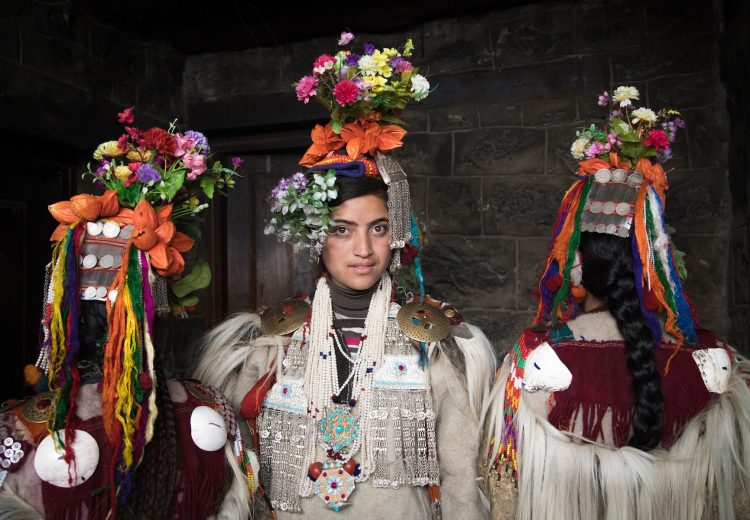
PEOPLE OF LADAKH, INDIA: The spectacular, hidden tribal people of the Indian Himalaya
Asia (including its islands)
September-October 2027
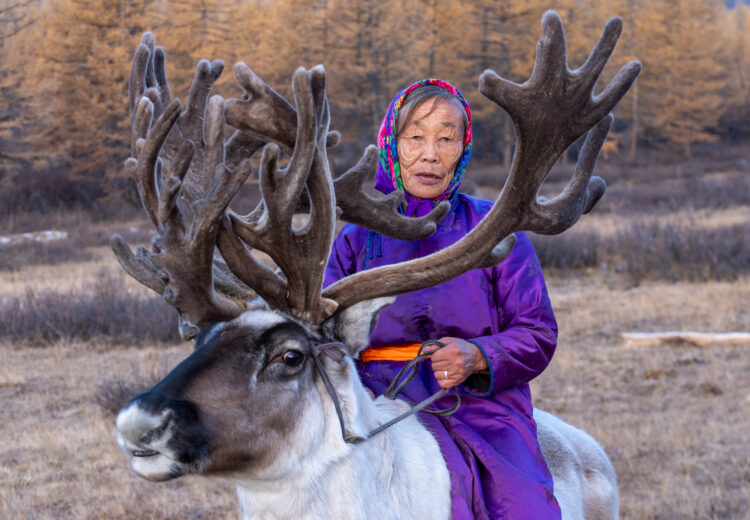
MONGOLIA’S FORGOTTEN REINDEER HERDERS: The Tsaatan Nomads of Hovsgol

Asia (including its islands)
May 2028
Private: TIBETAN SICHUAN – Hidden Buddhist Treasures of Kham and Lhasa
Asia (including its islands)
September 2028