
SOUTH SUDAN: Mundari and Dinka Expedition Tour Report 2026

17 April 2026
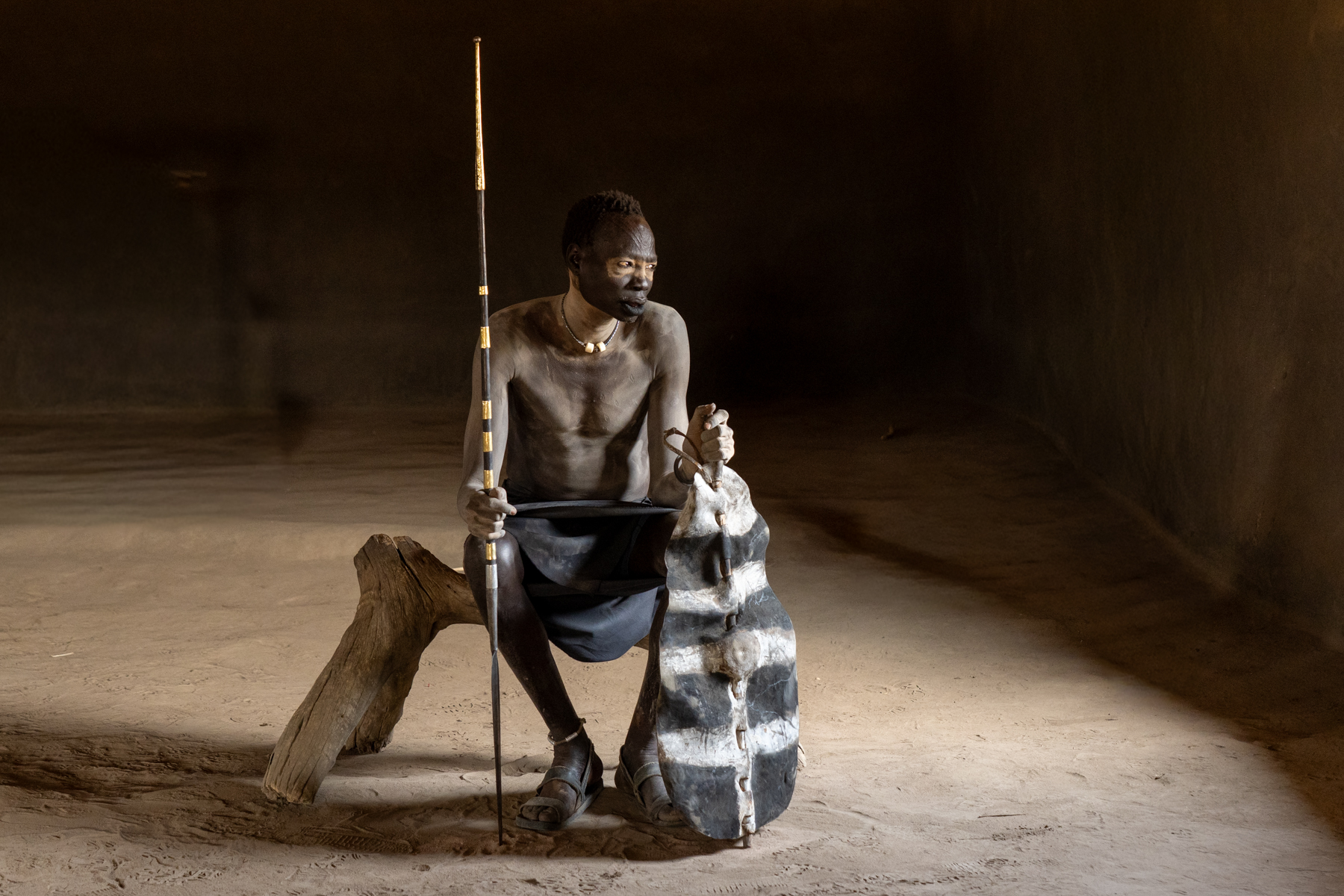
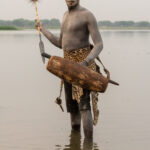
Mundari warrior with spear and shield (image by Inger Vandyke)
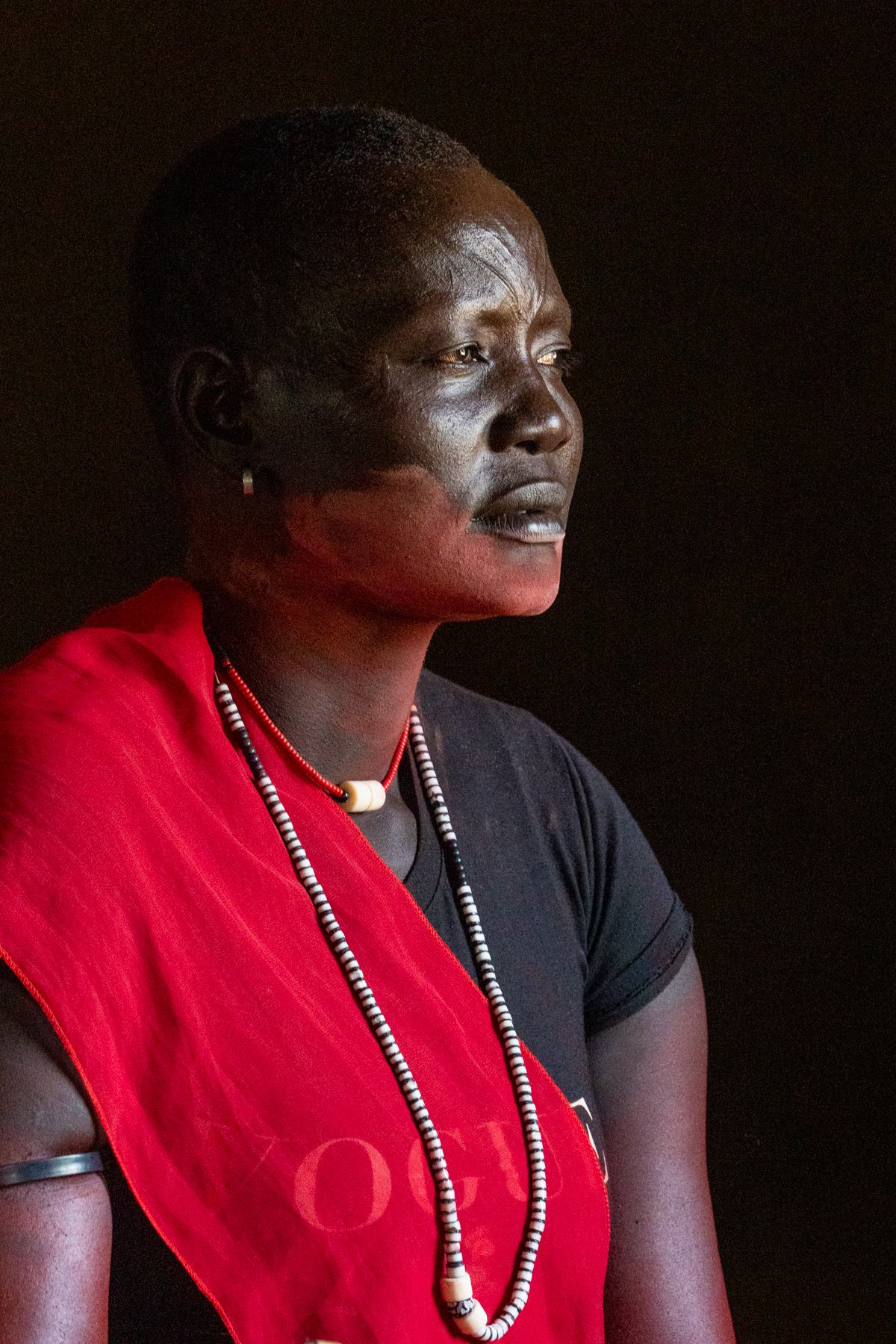
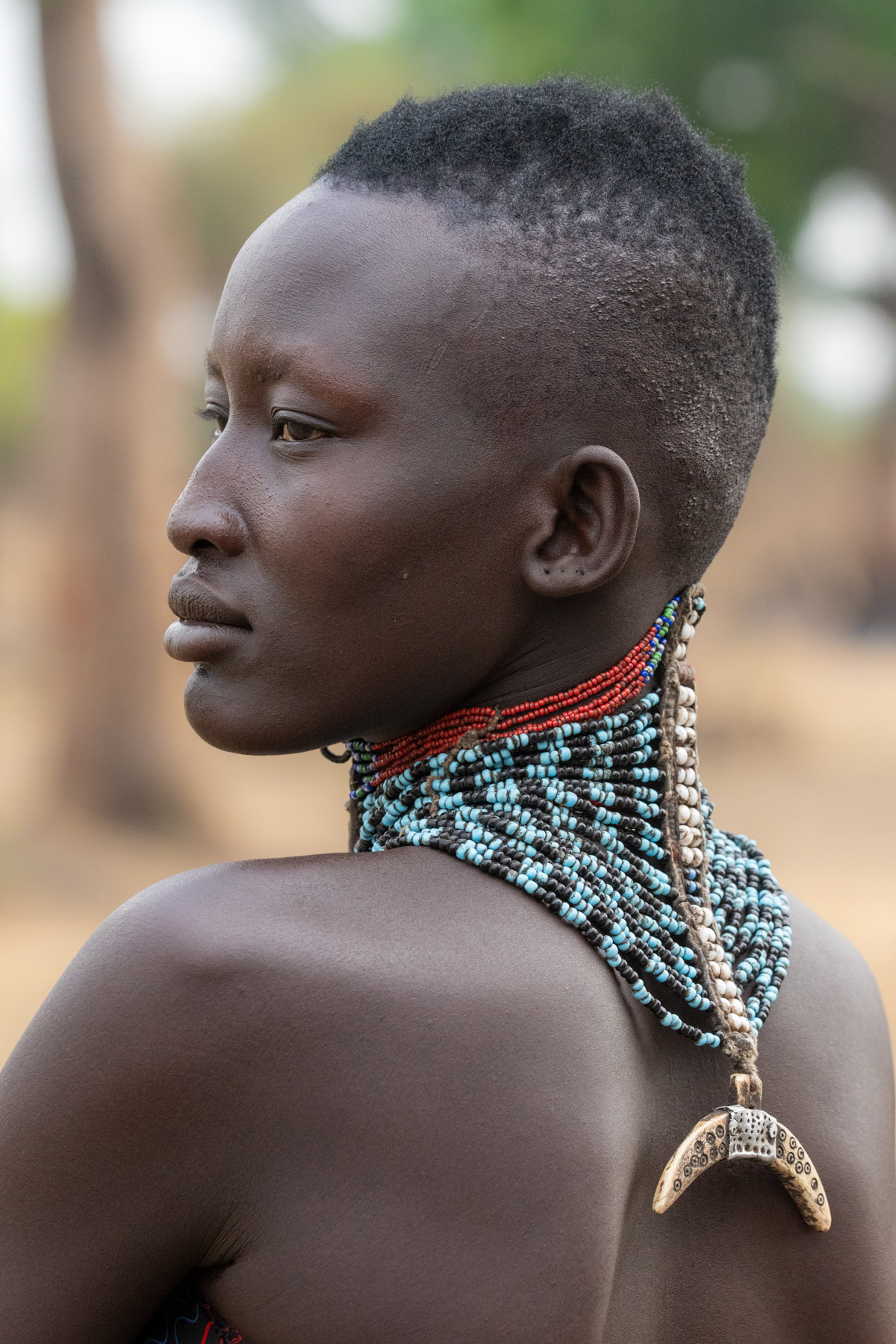
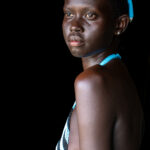
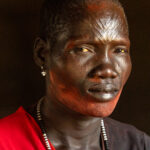
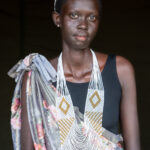
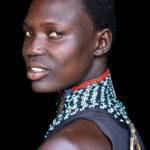
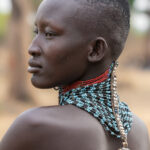
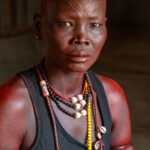
Profile of a Mundari woman (image by Inger Vandyke)
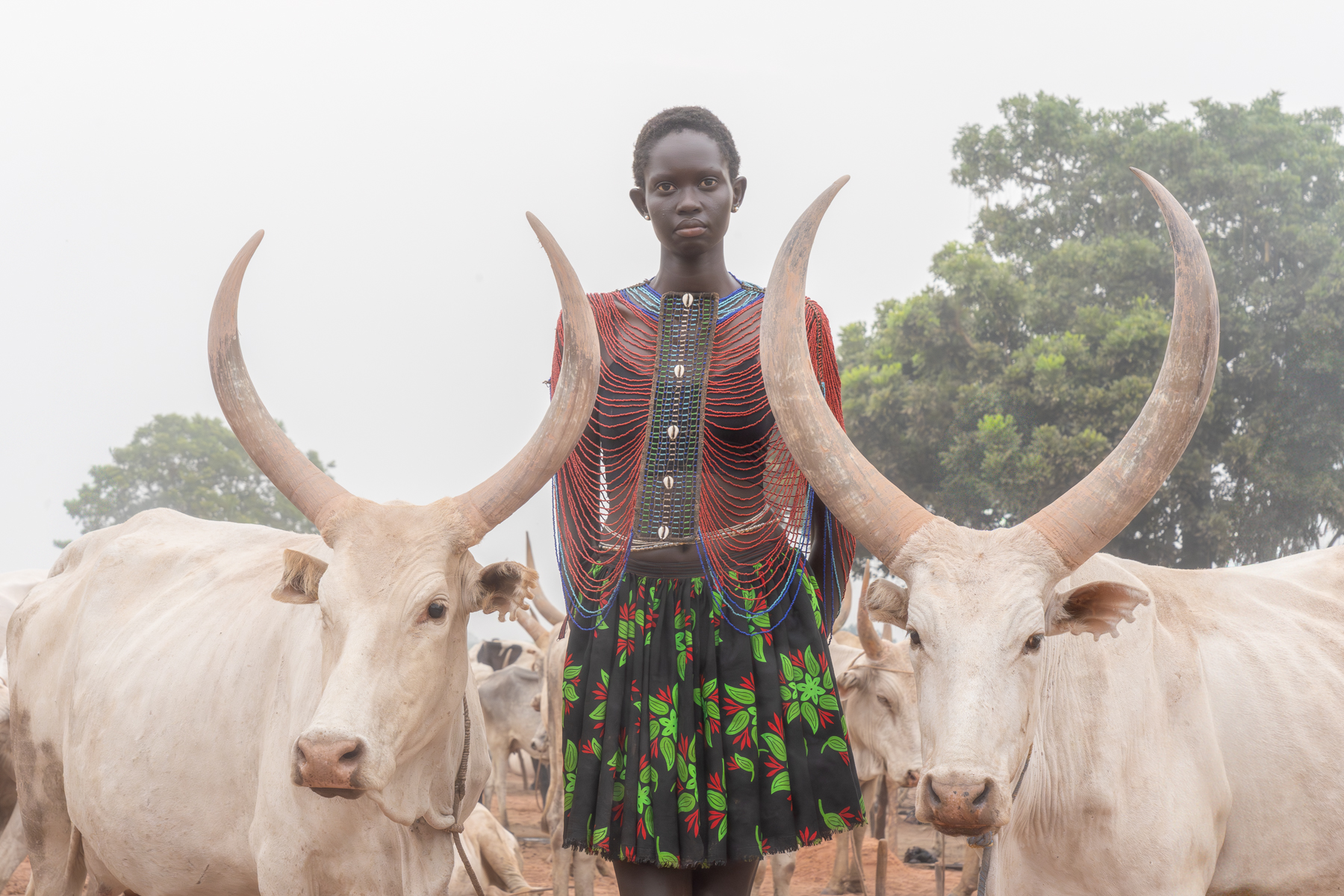
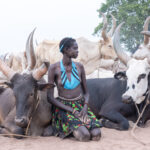
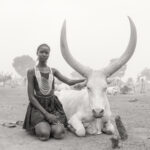
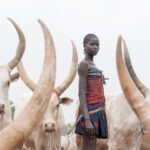
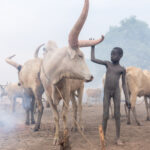
Nyanda with her cows (image by Inger Vandyke)
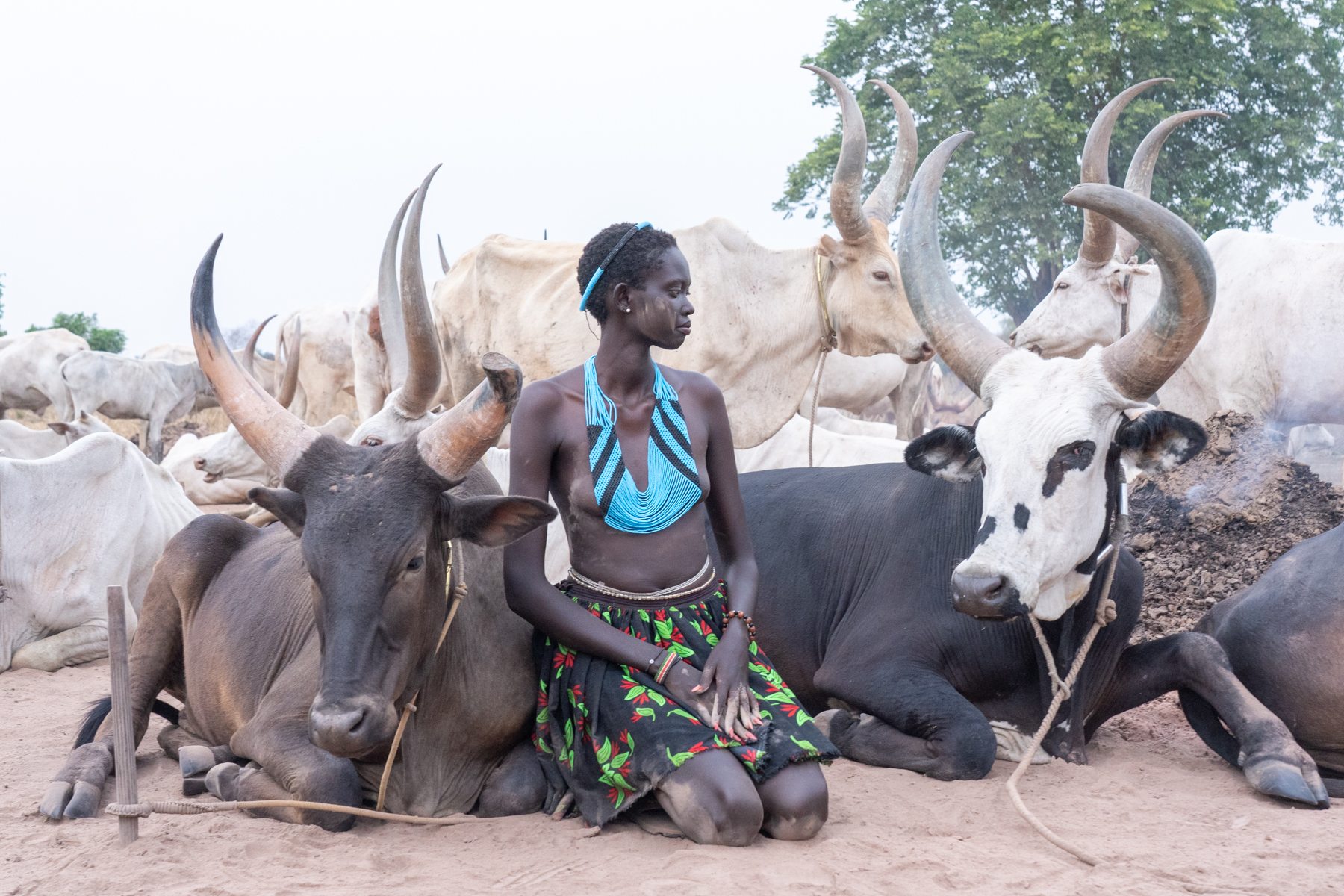
Nyanda wearing Dinka Guet Nom & Yest, the traditional wedding beads, with cows (image by Inger Vandyke)
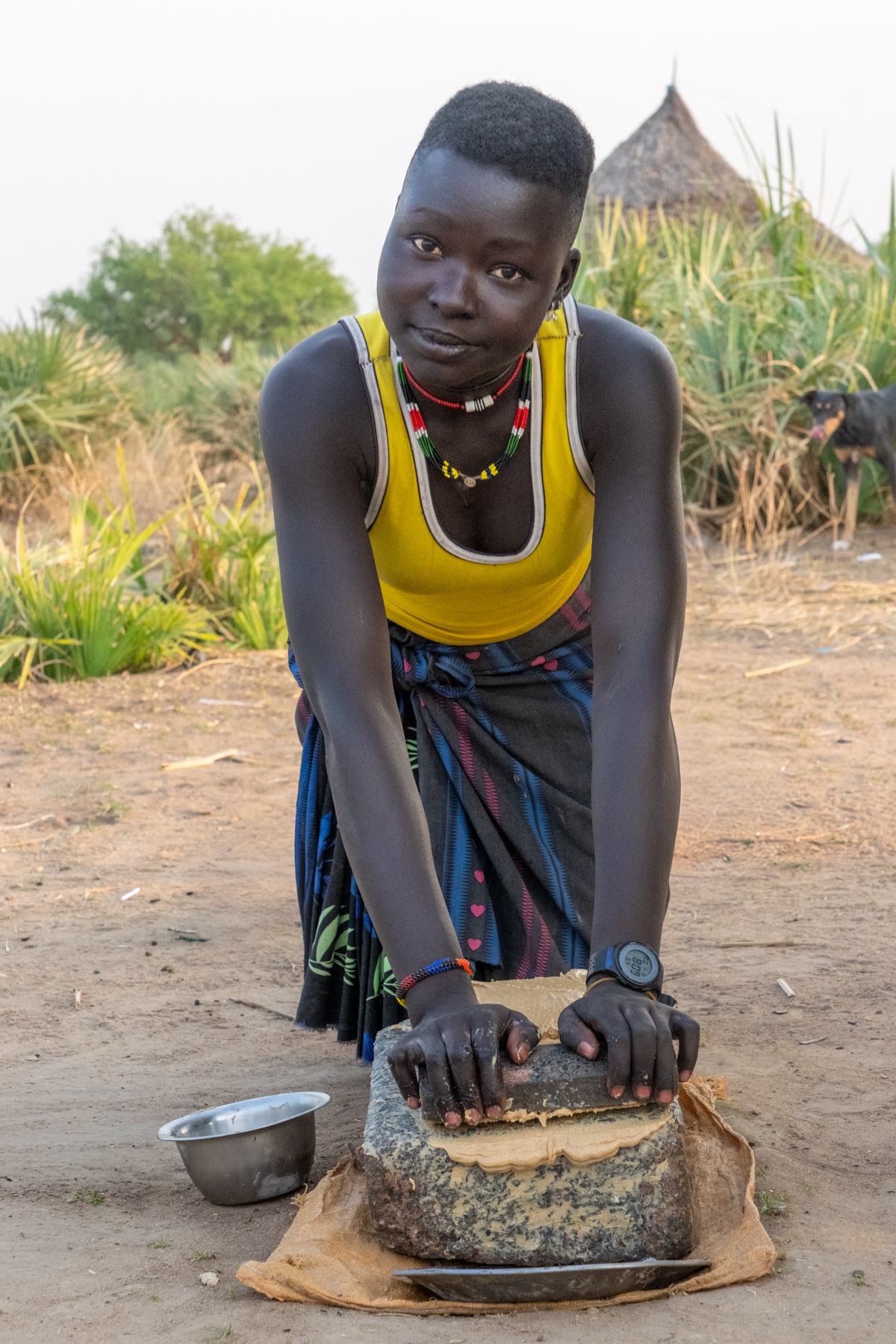
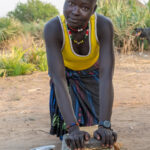
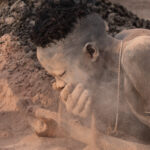
Grinding fresh peanut butter - delicious! (image by Inger Vandyke)
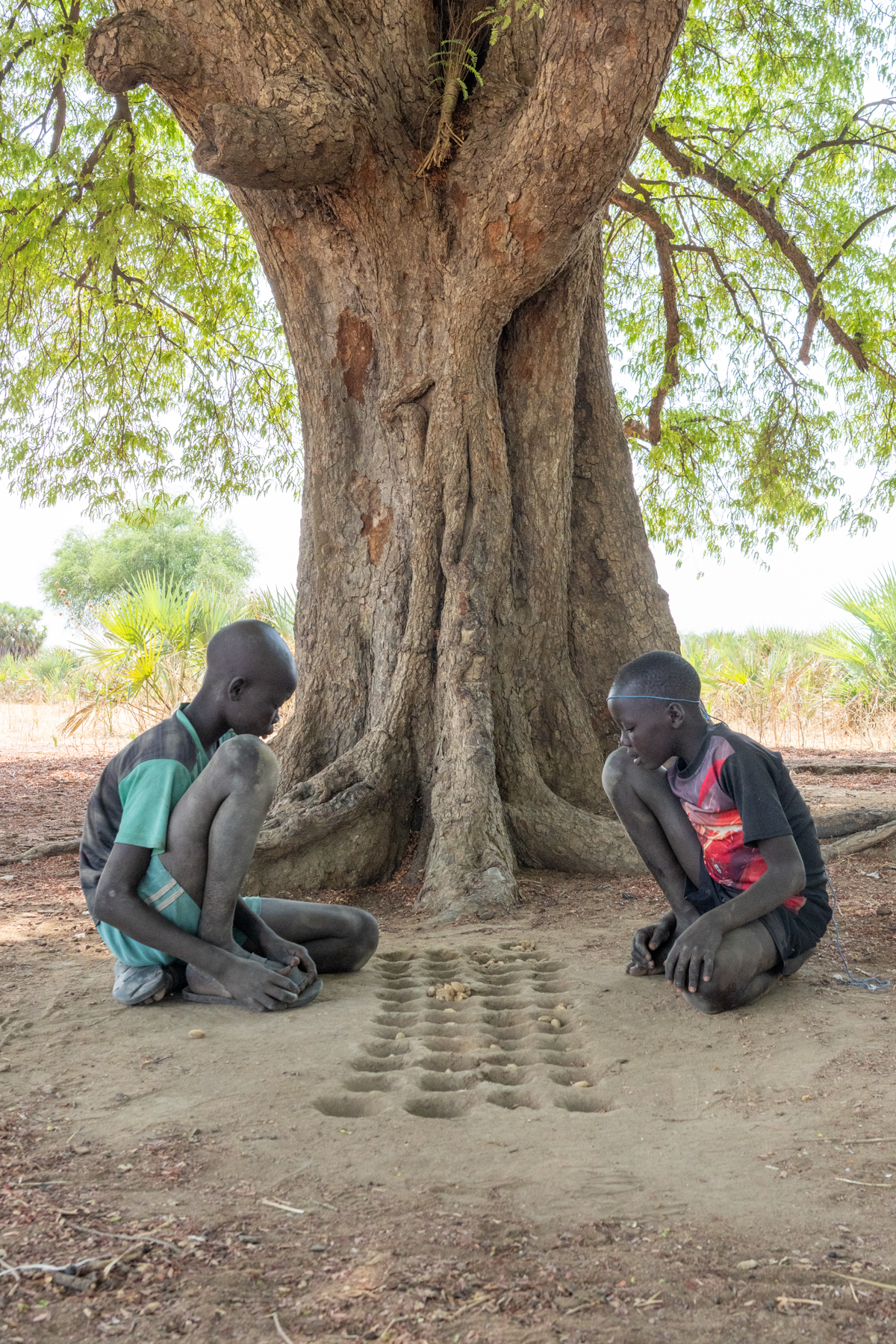
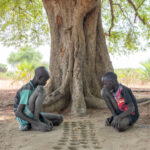
Mundari children playing games (image by Inger Vandyke)
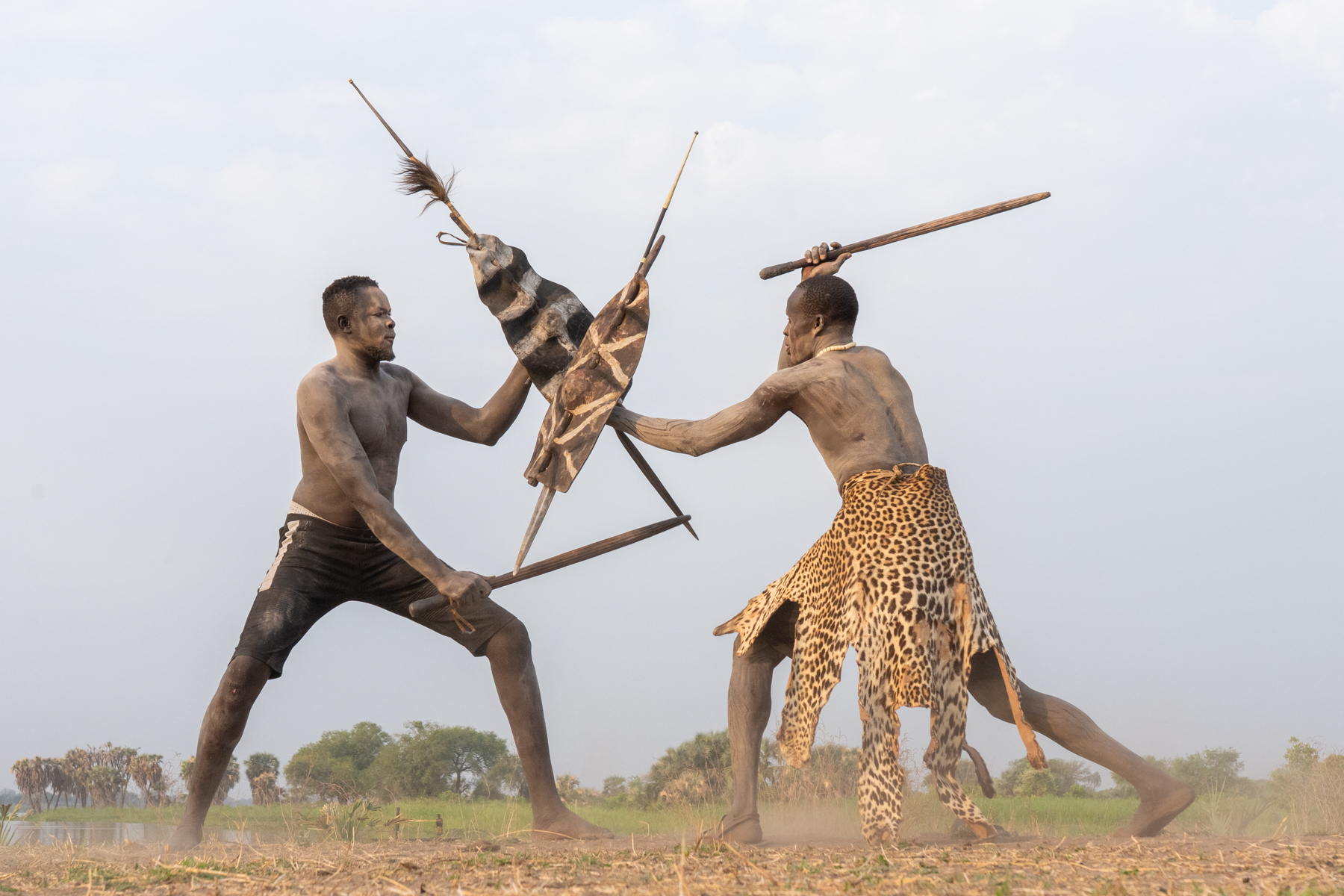
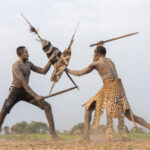
Clashing Mundari warriors (image by Inger Vandyke)
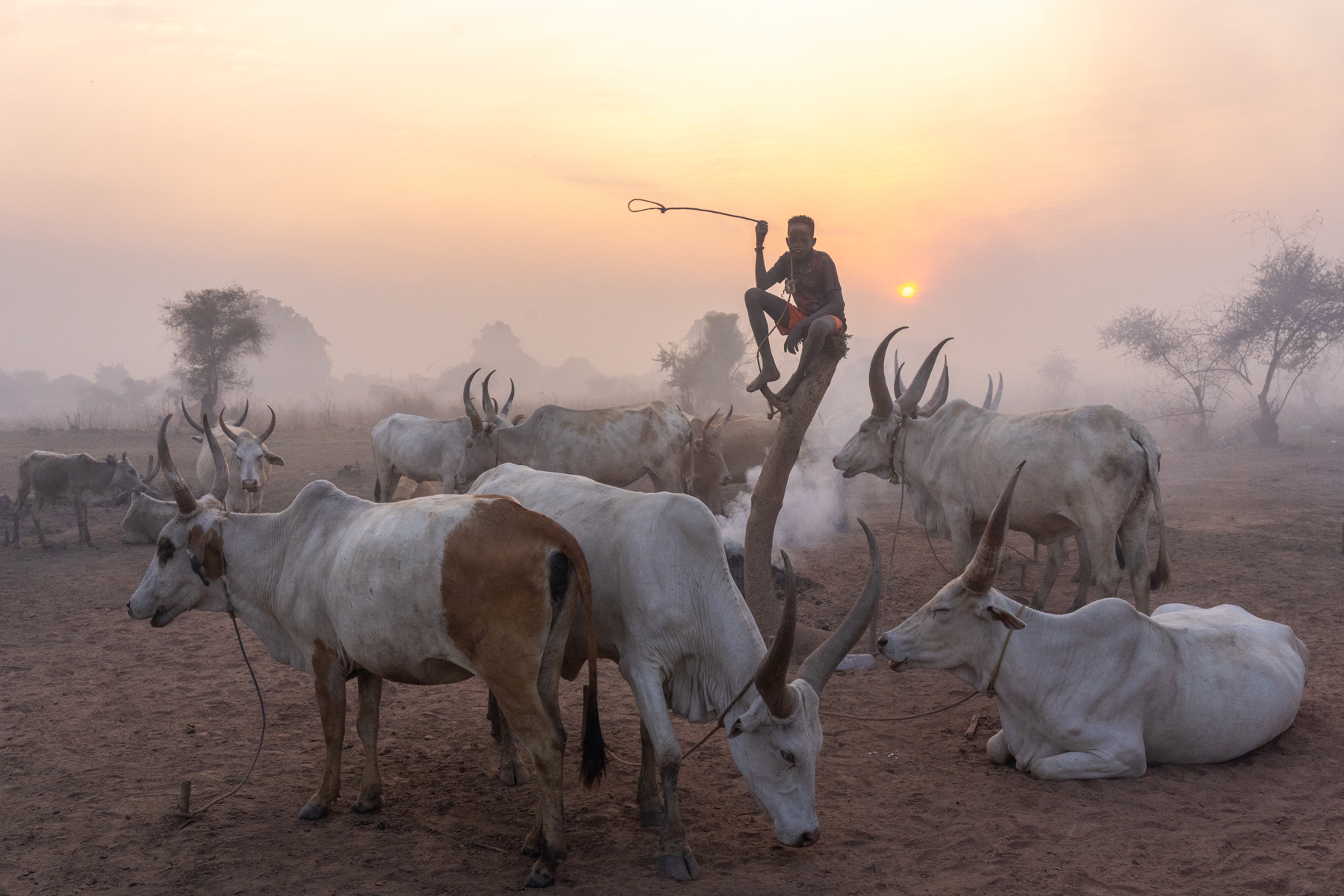
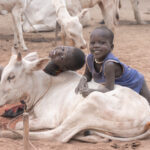
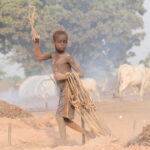
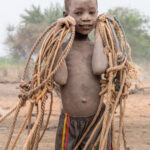
Mundari children become experts at handling ropes and cows from a young age (image by Inger Vandyke)
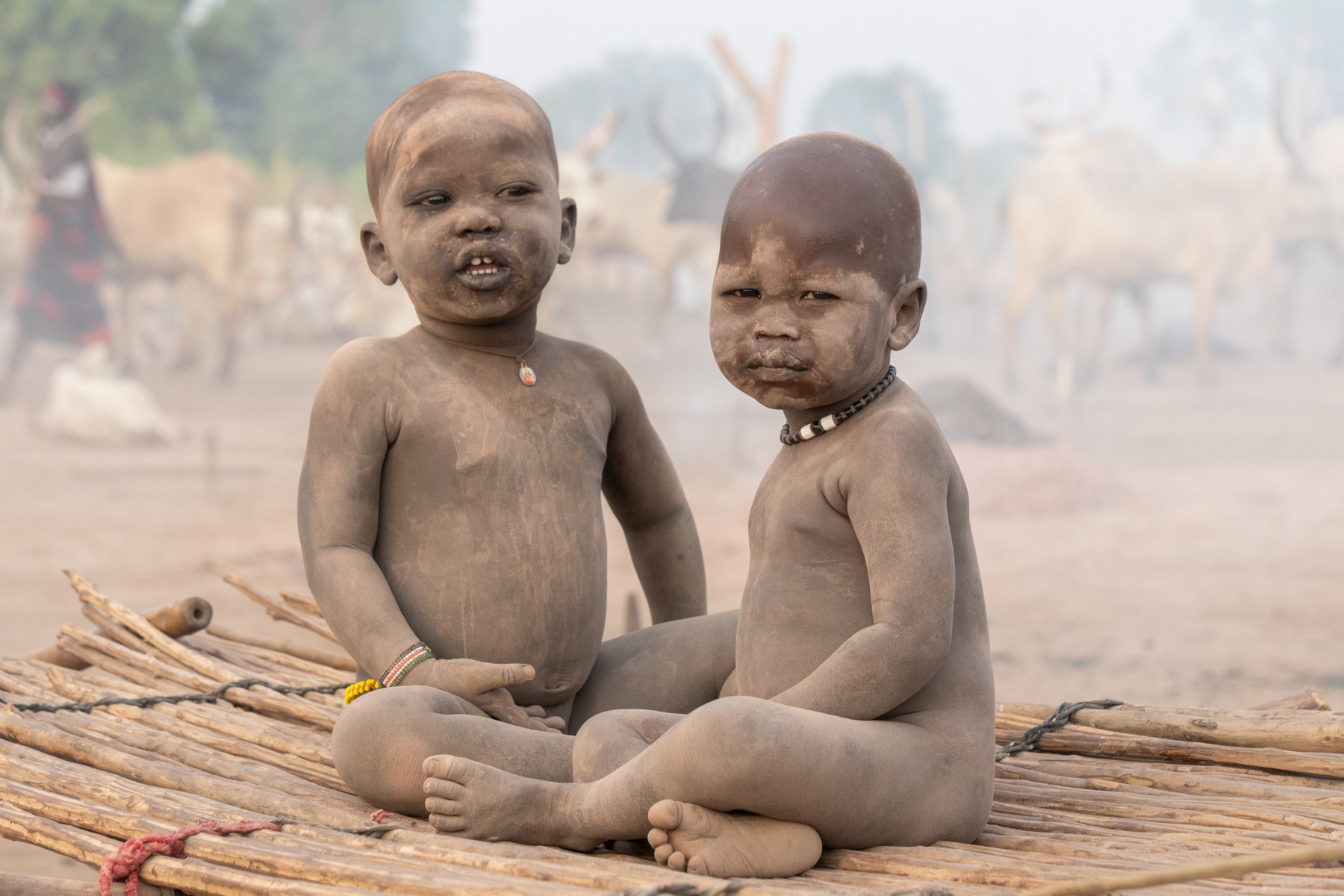
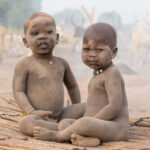
Mundari babies (image by Inger Vandyke)
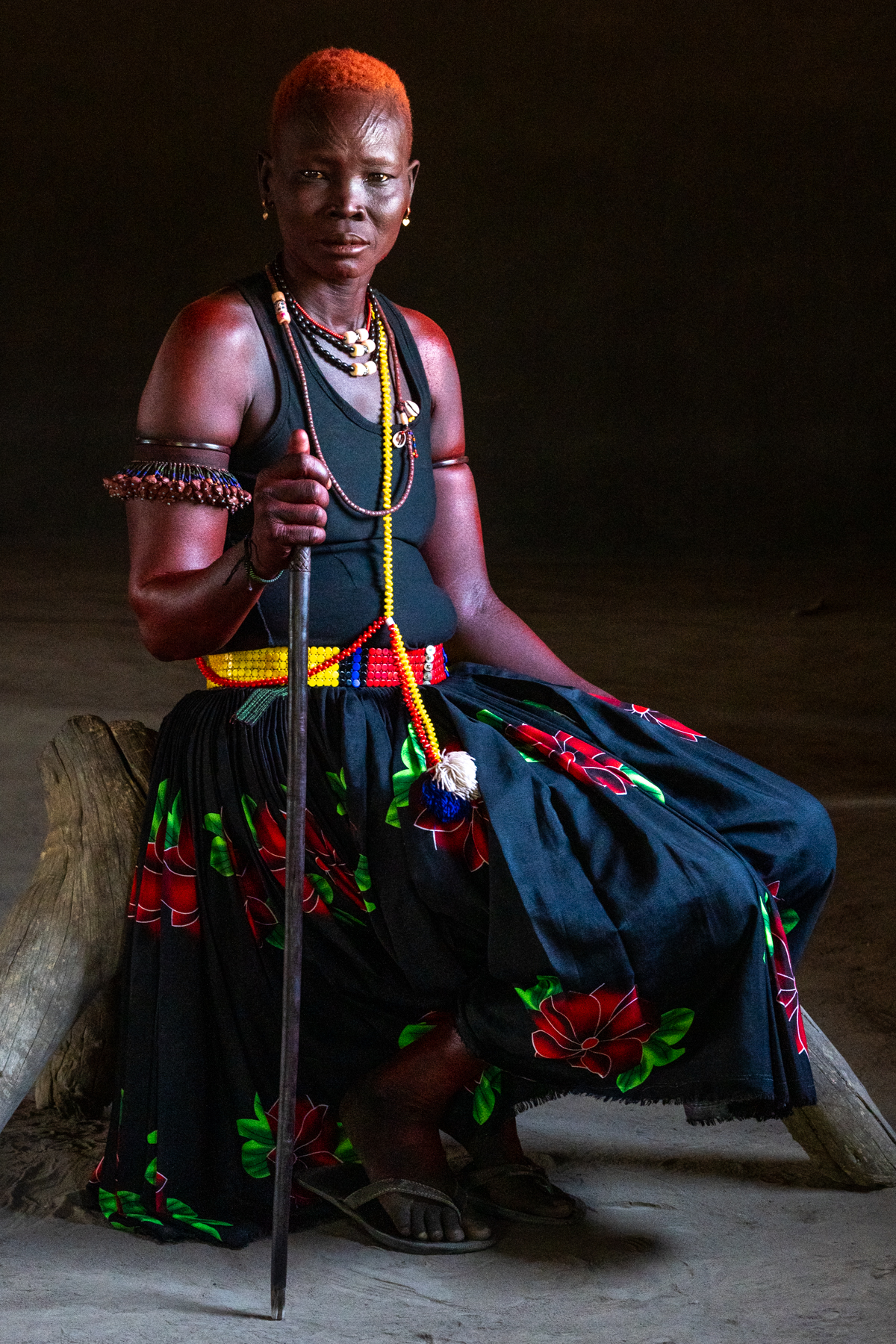
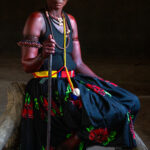
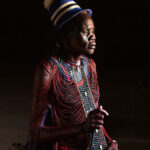
Elegant Mundari woman dressed for a ceremony (image by Inger Vandyke)
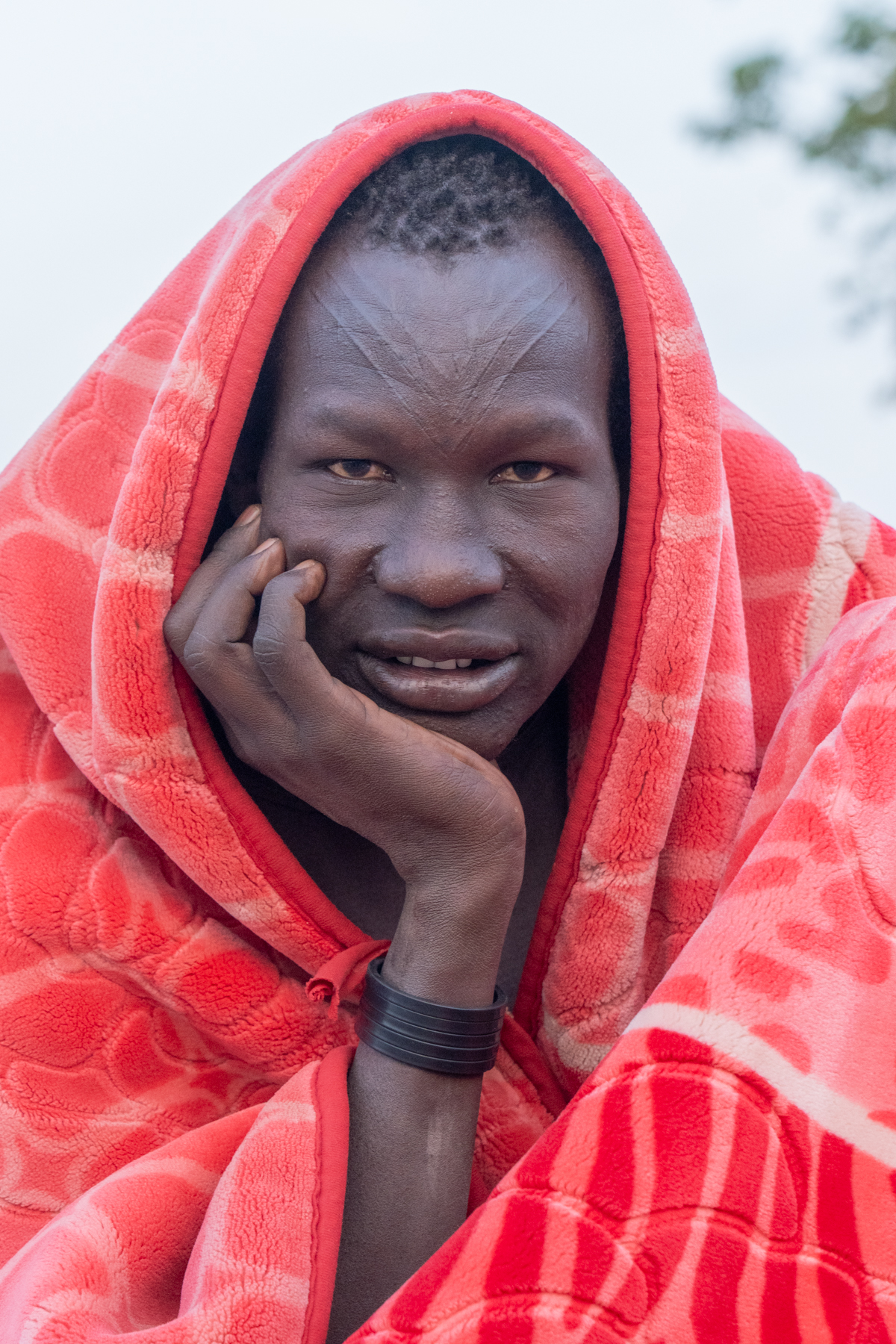
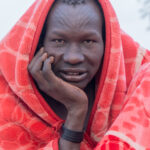
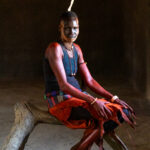
Early morning Mundari man draped in a blanket to stay warm (image by Inger Vandyke)
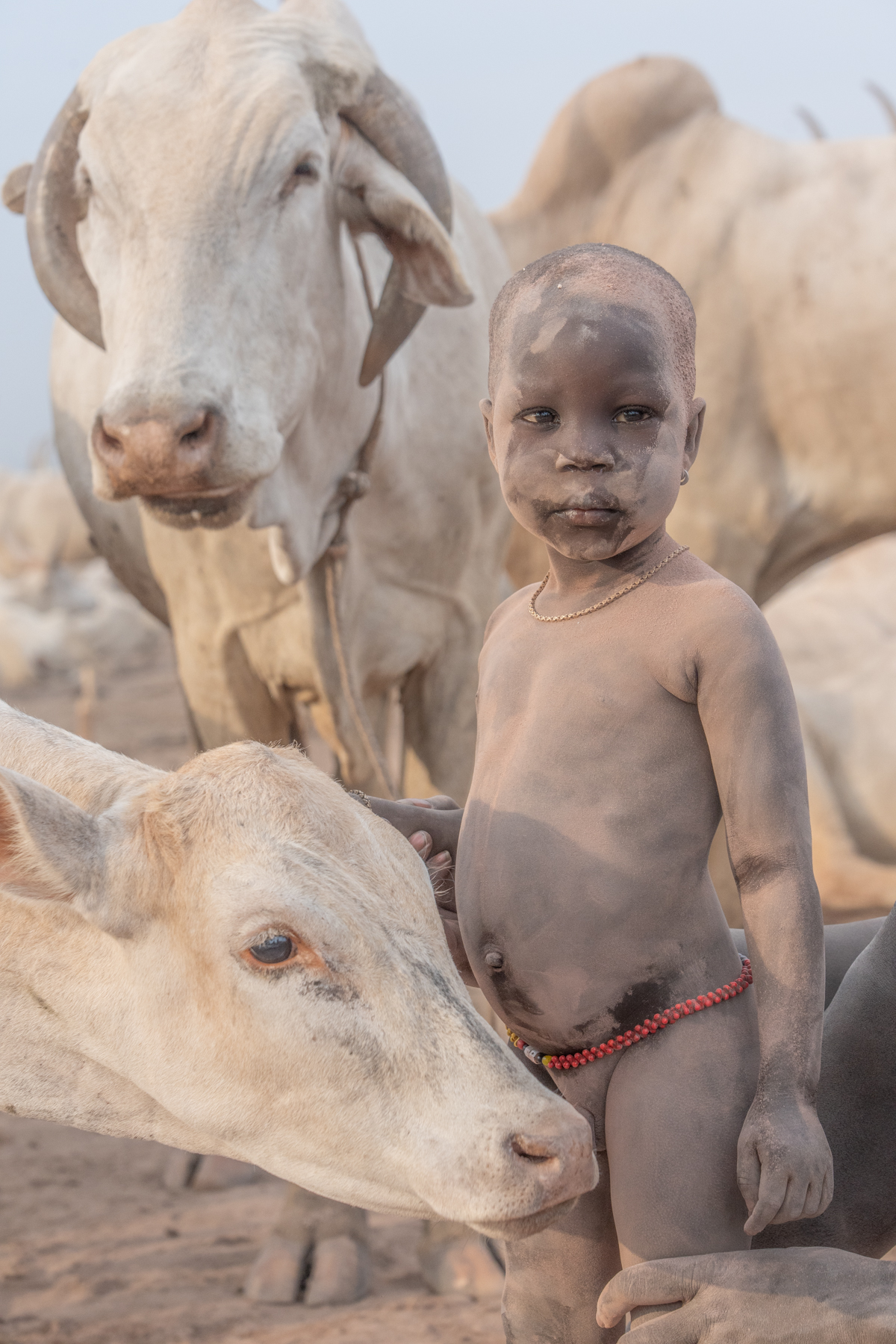
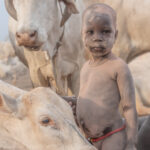
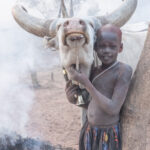
Mundari children are introduced to cows when they are babies (image by Inger Vandyke)
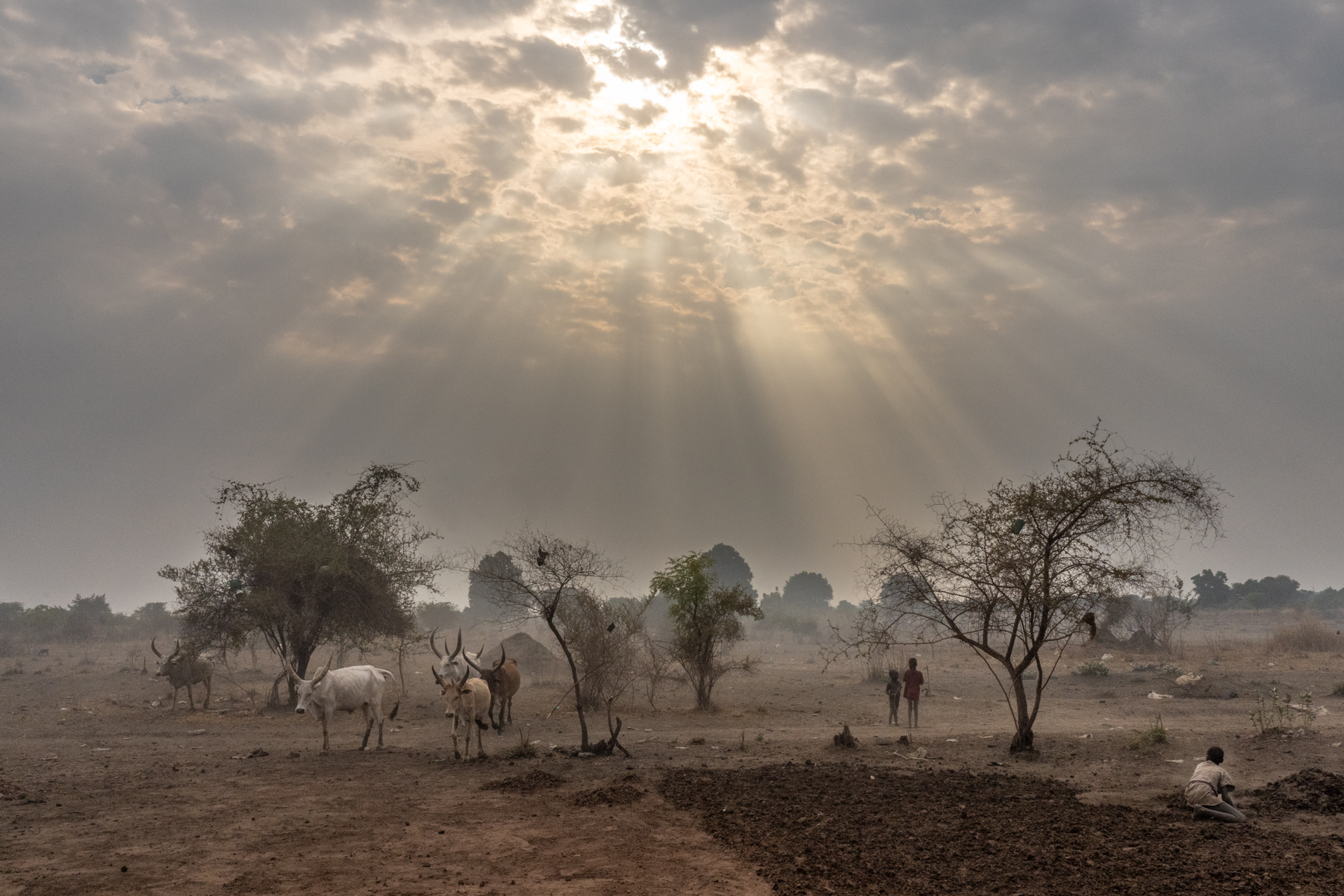
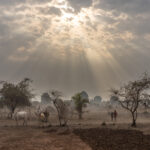
Dramatic afternoon skies herald the end of the dry season (image by Inger Vandyke)
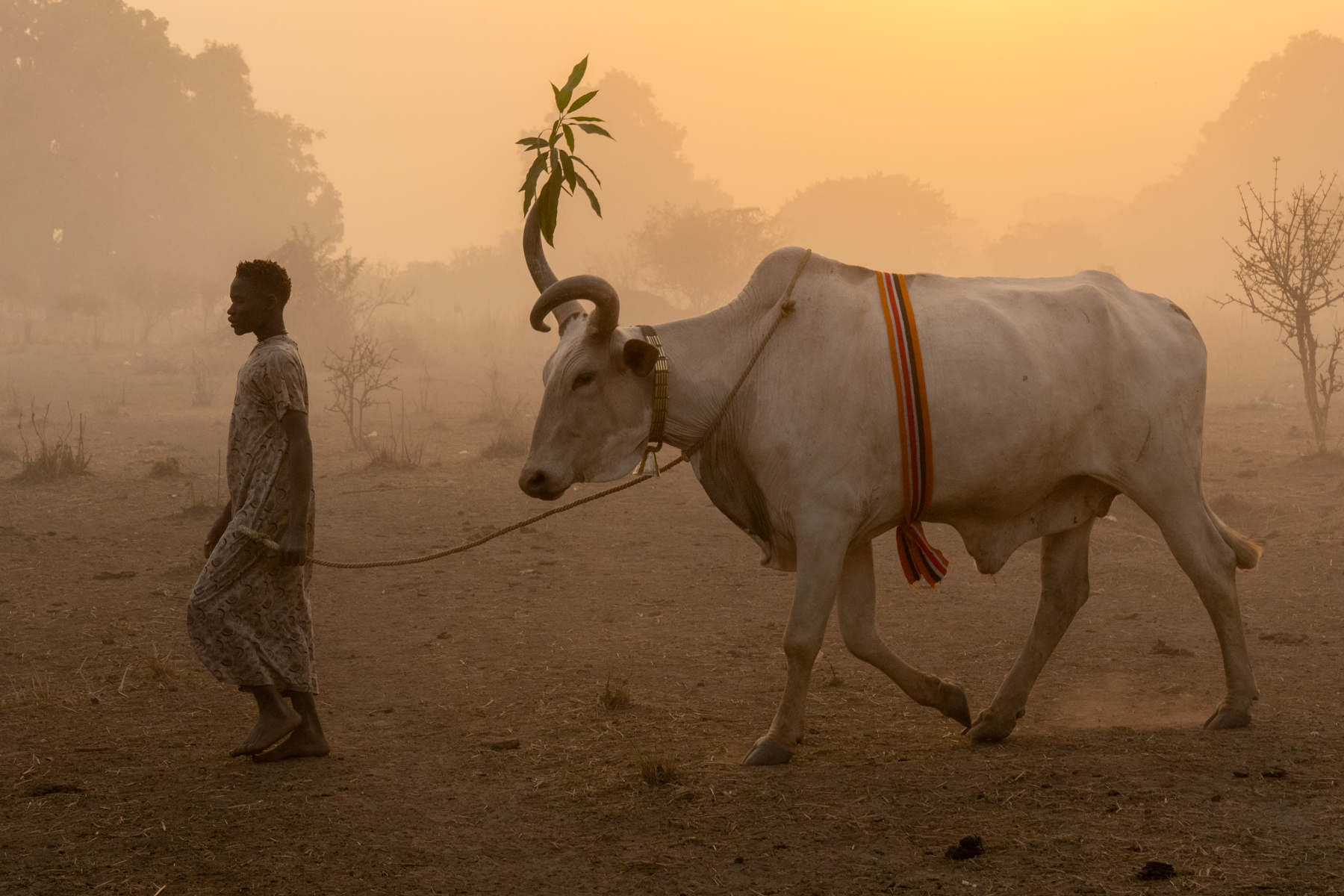
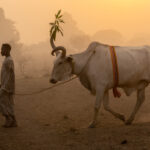
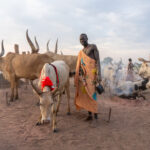
A decorated 'announcement cow' is walked through a camp at sunset (image by Inger Vandyke)
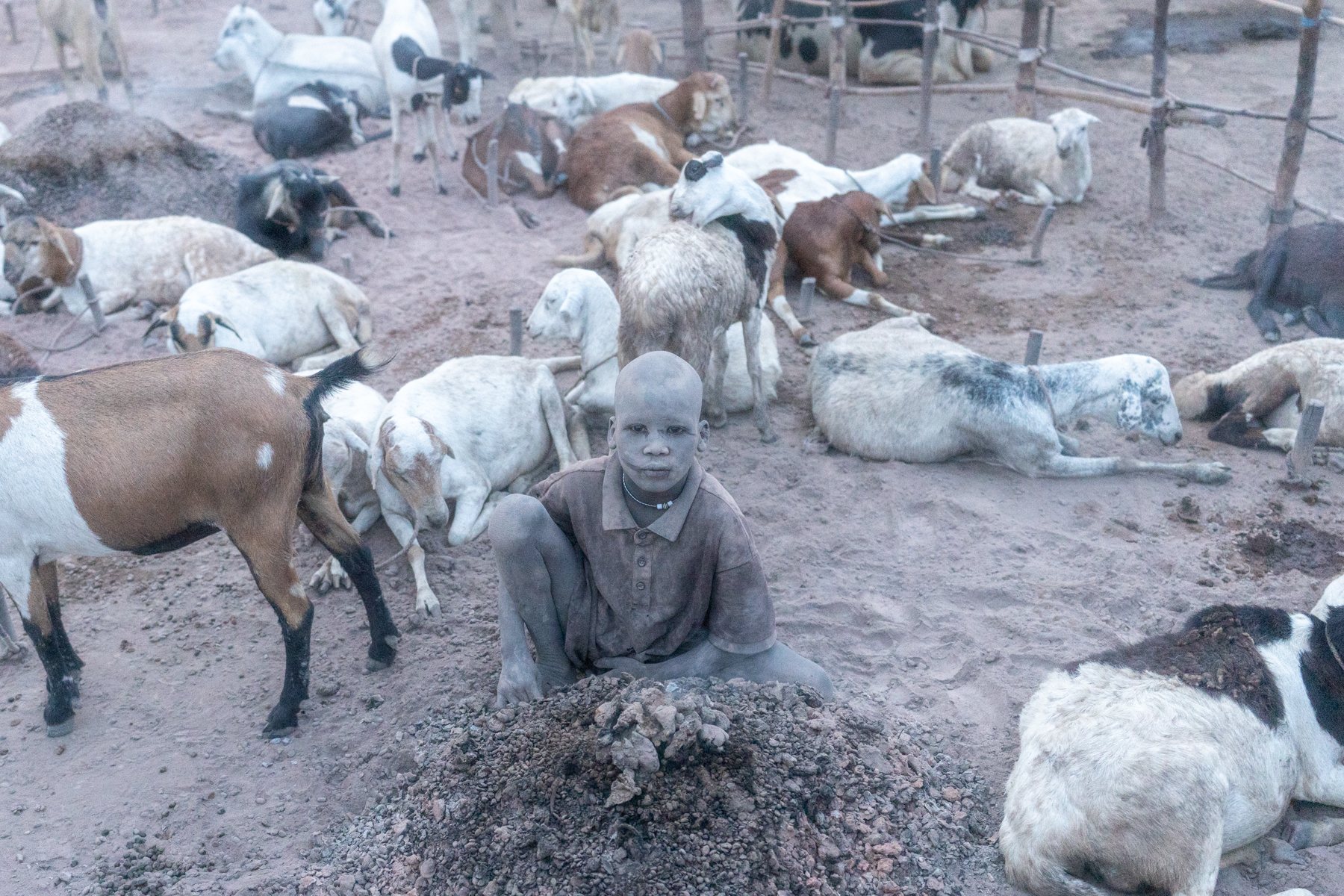
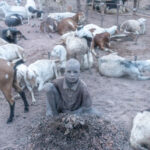
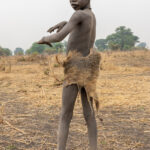
A young boy tasked with herding goats (image by Inger Vandyke)
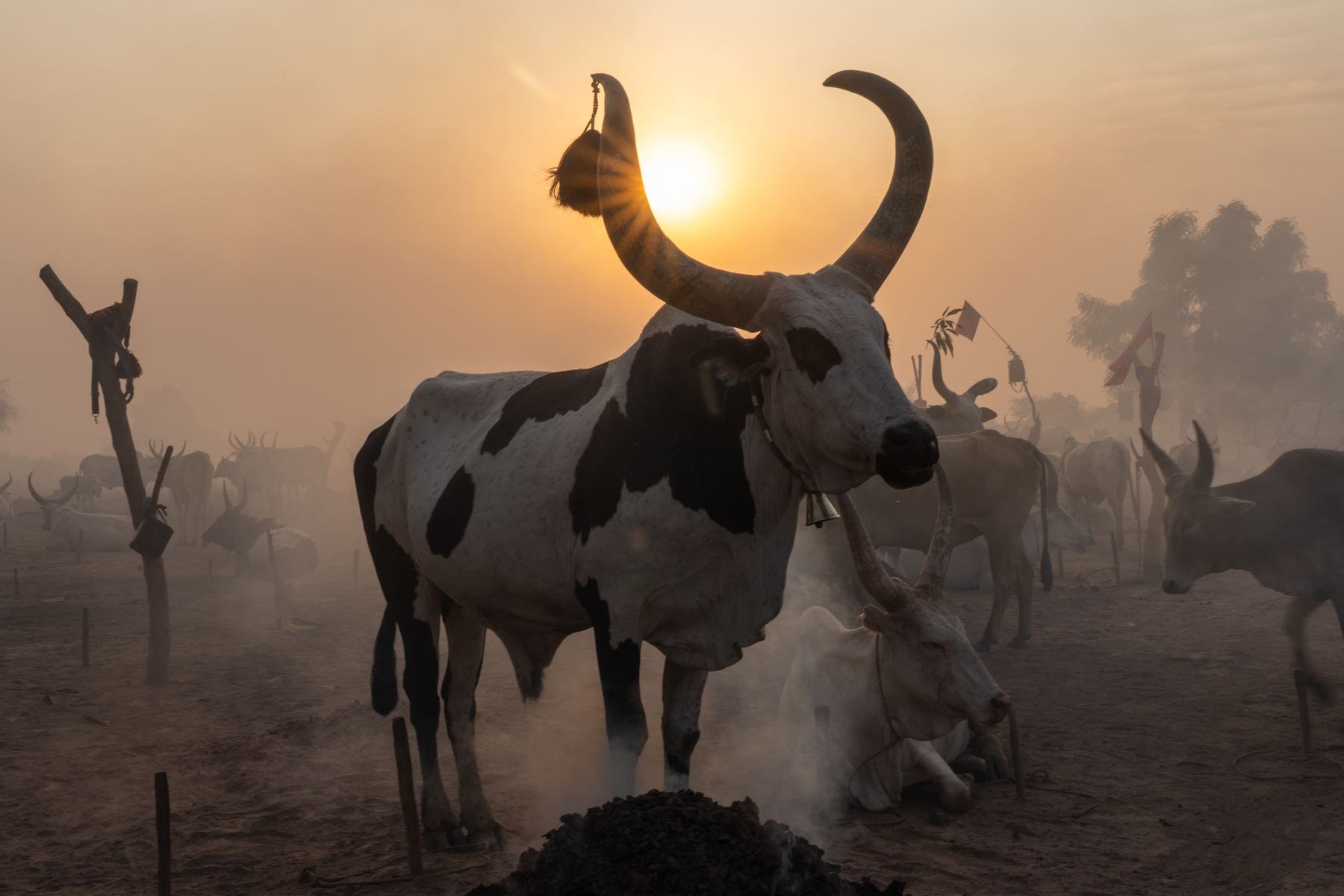
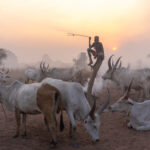
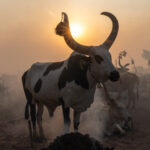
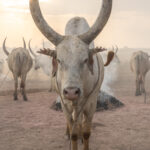
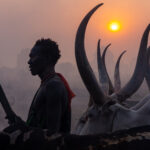
Mundari cow and sunburst (image by Inger Vandyke)
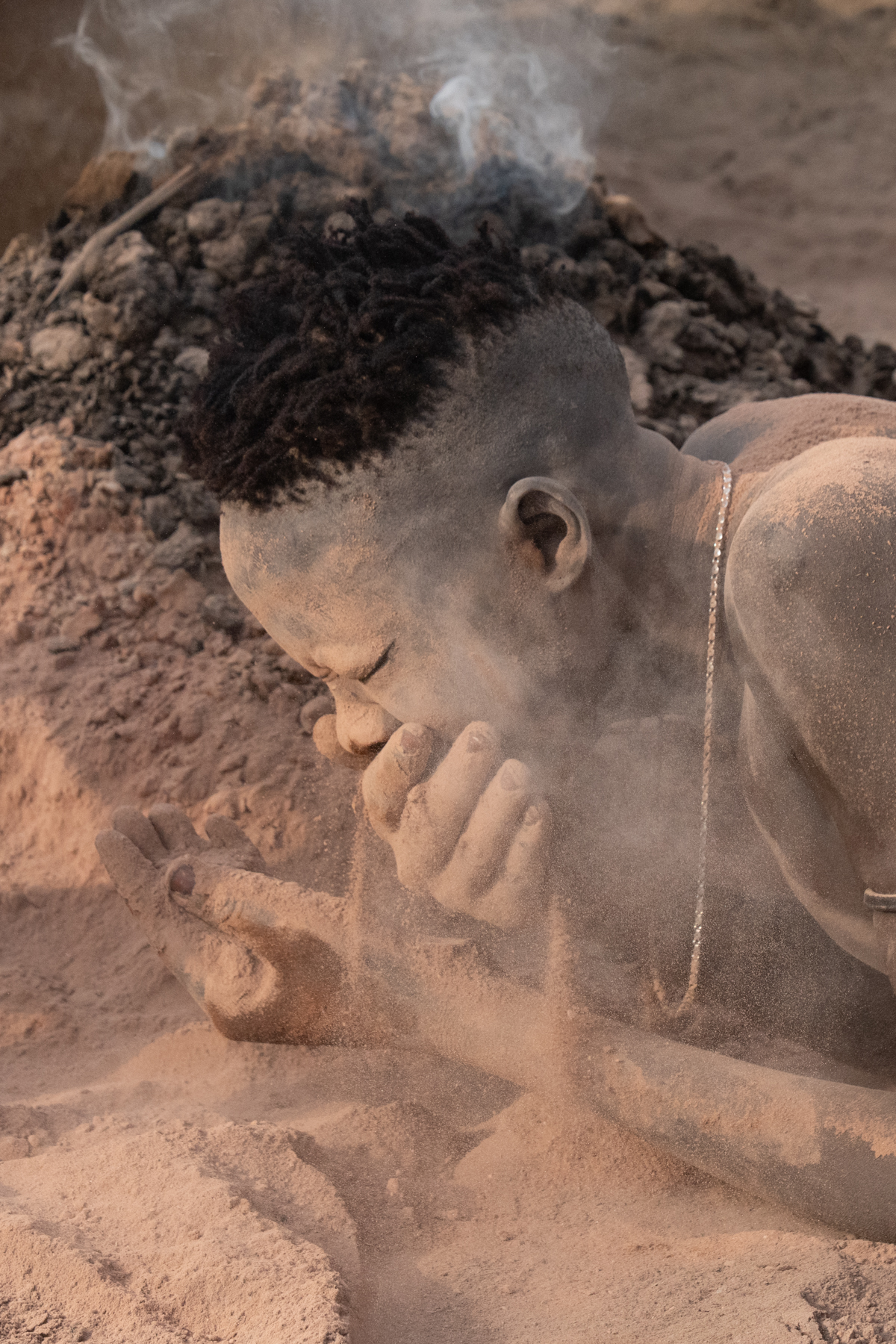
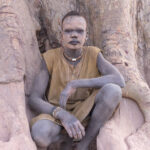
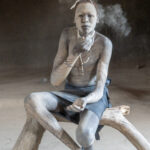
A young Mundari man 'makes up' his face with ash and dust from the fire (image by Inger Vandyke)
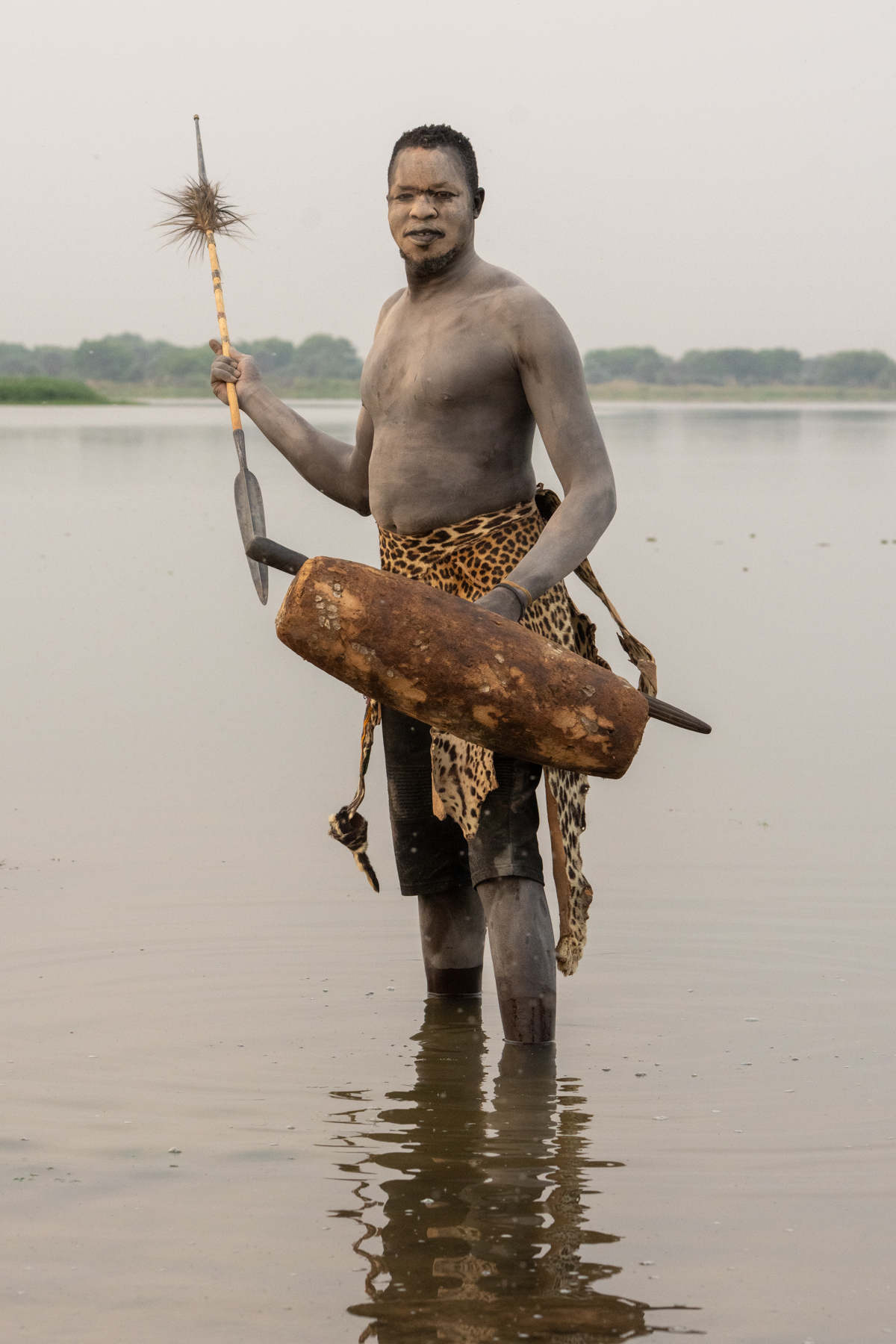
Mundari chief ready to battle (image by Inger Vandyke)
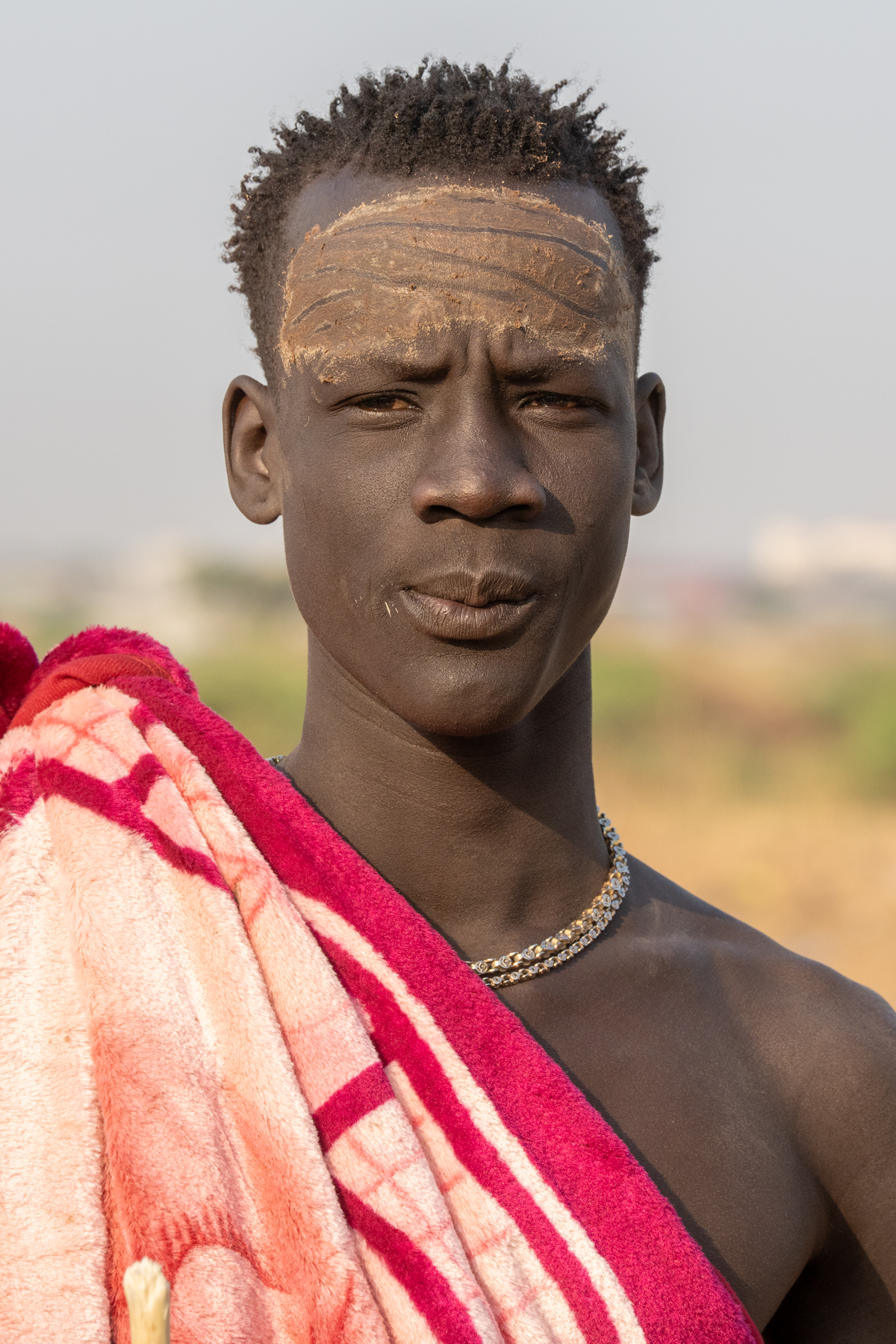
Mundari men paint their faces for traditional celebrations (image by Inger Vandyke)
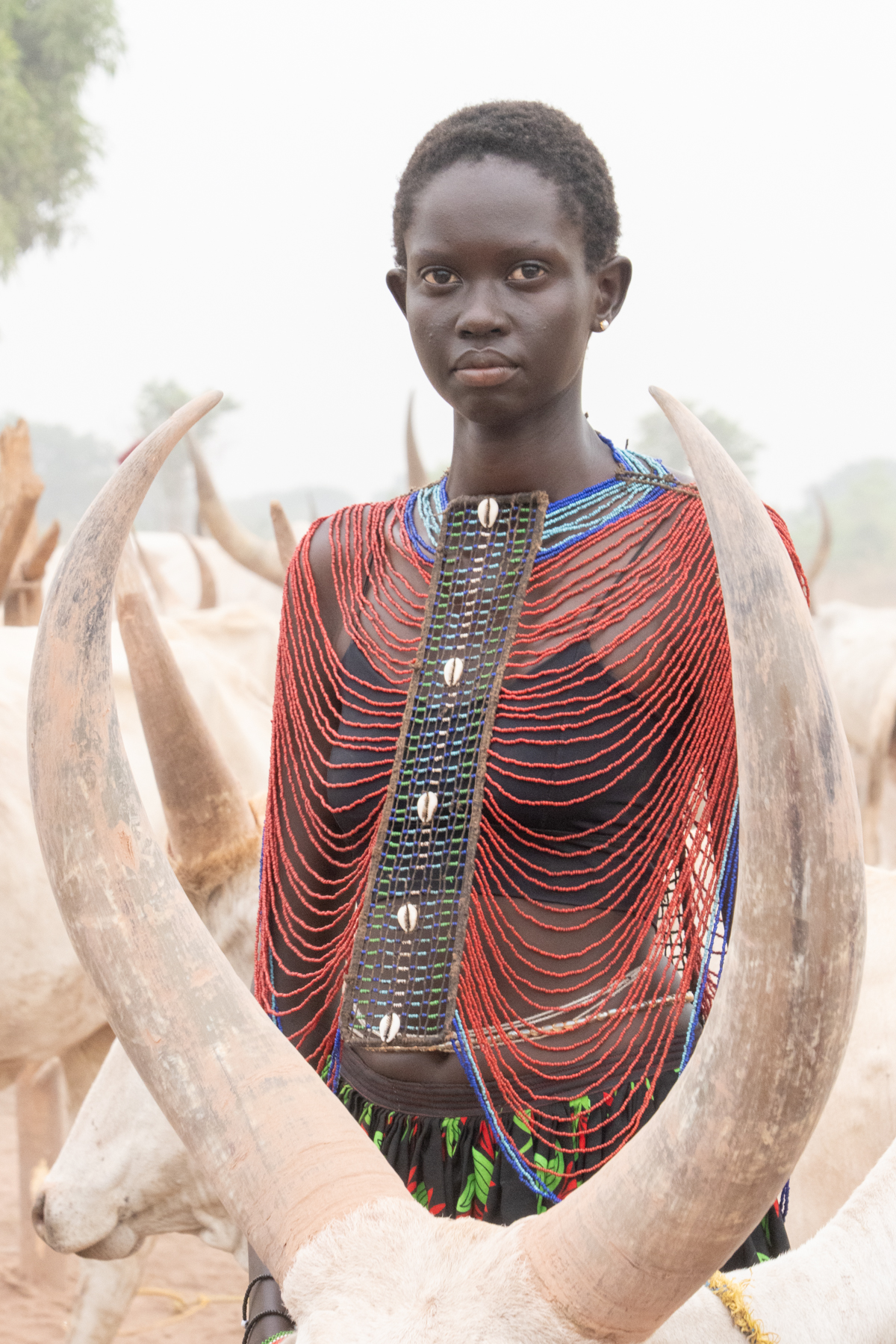
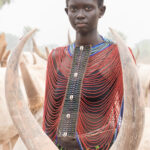
Beautiful Nyanda wearing a beaded collar in the cattle camp (image by Inger Vandyke)
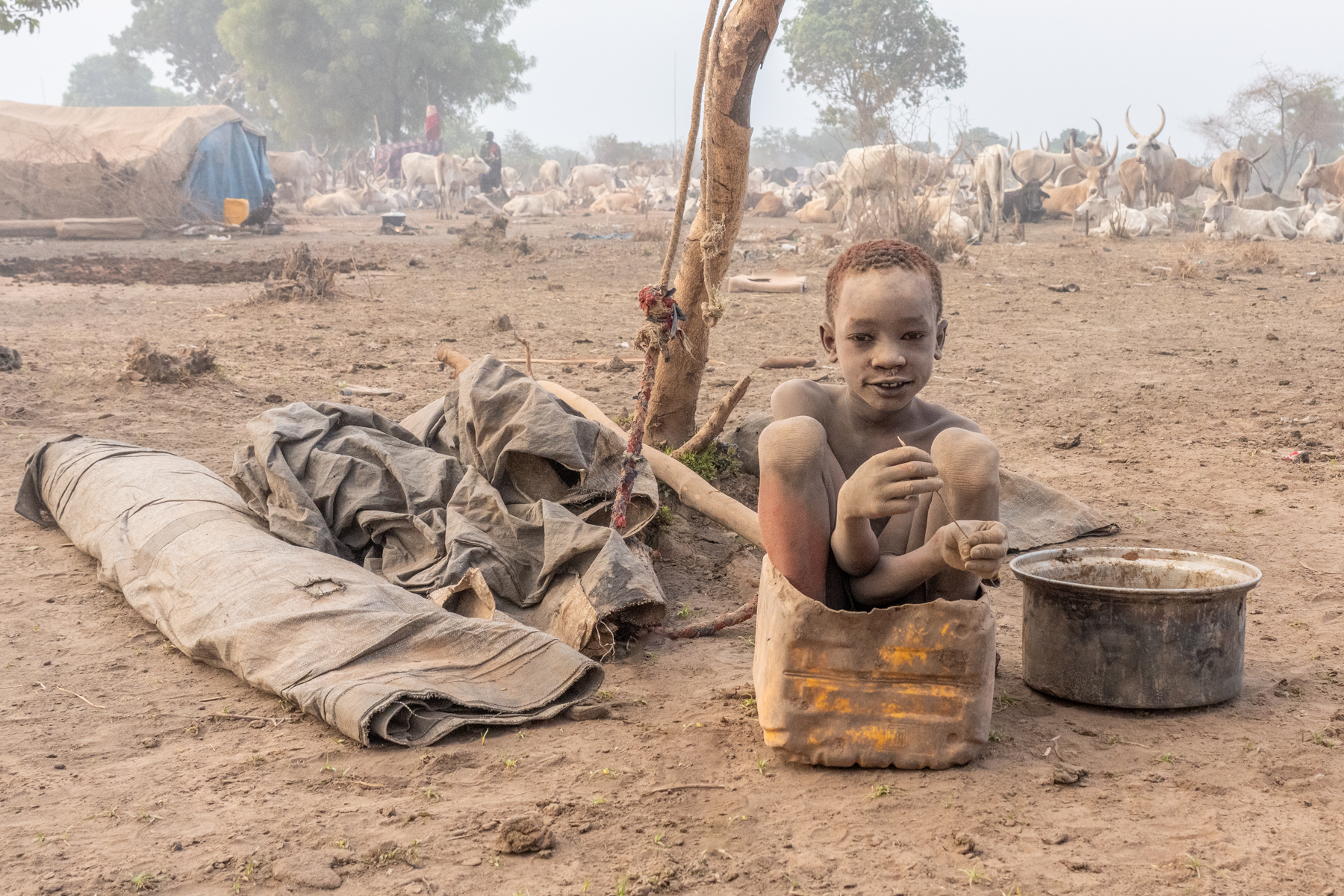
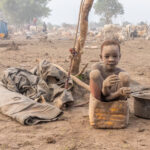
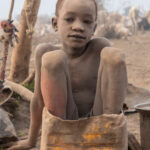
A Mundari boy sitting in a bucket that he would normally use to collect dung (image by Inger Vandyke)
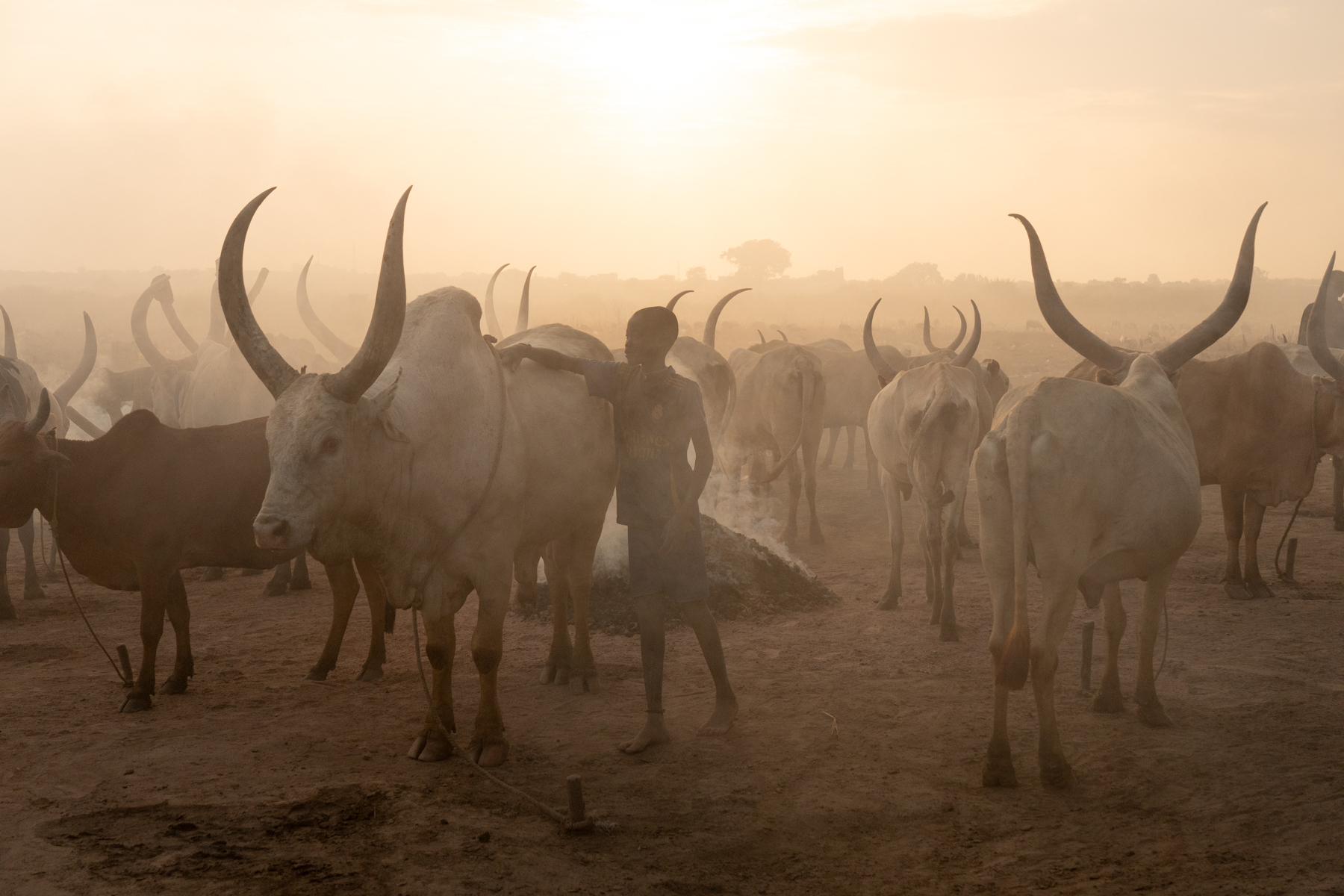
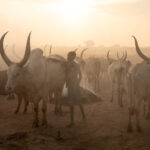
The atmosphere of Mundari and Dinka cattle camps can only be described as magical (image by Inger Vandyke)
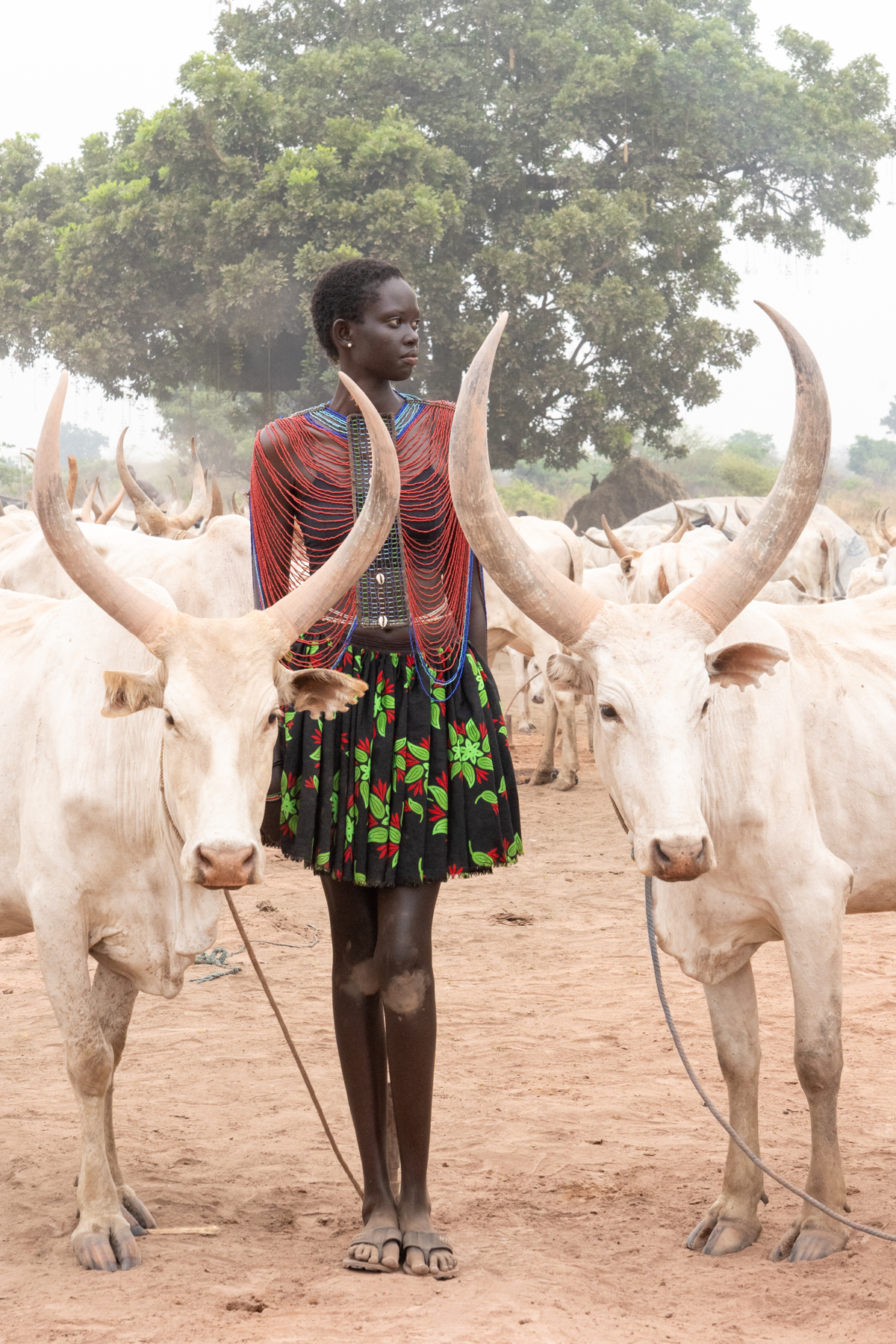
Nyanda and cows (image by Inger Vandyke)
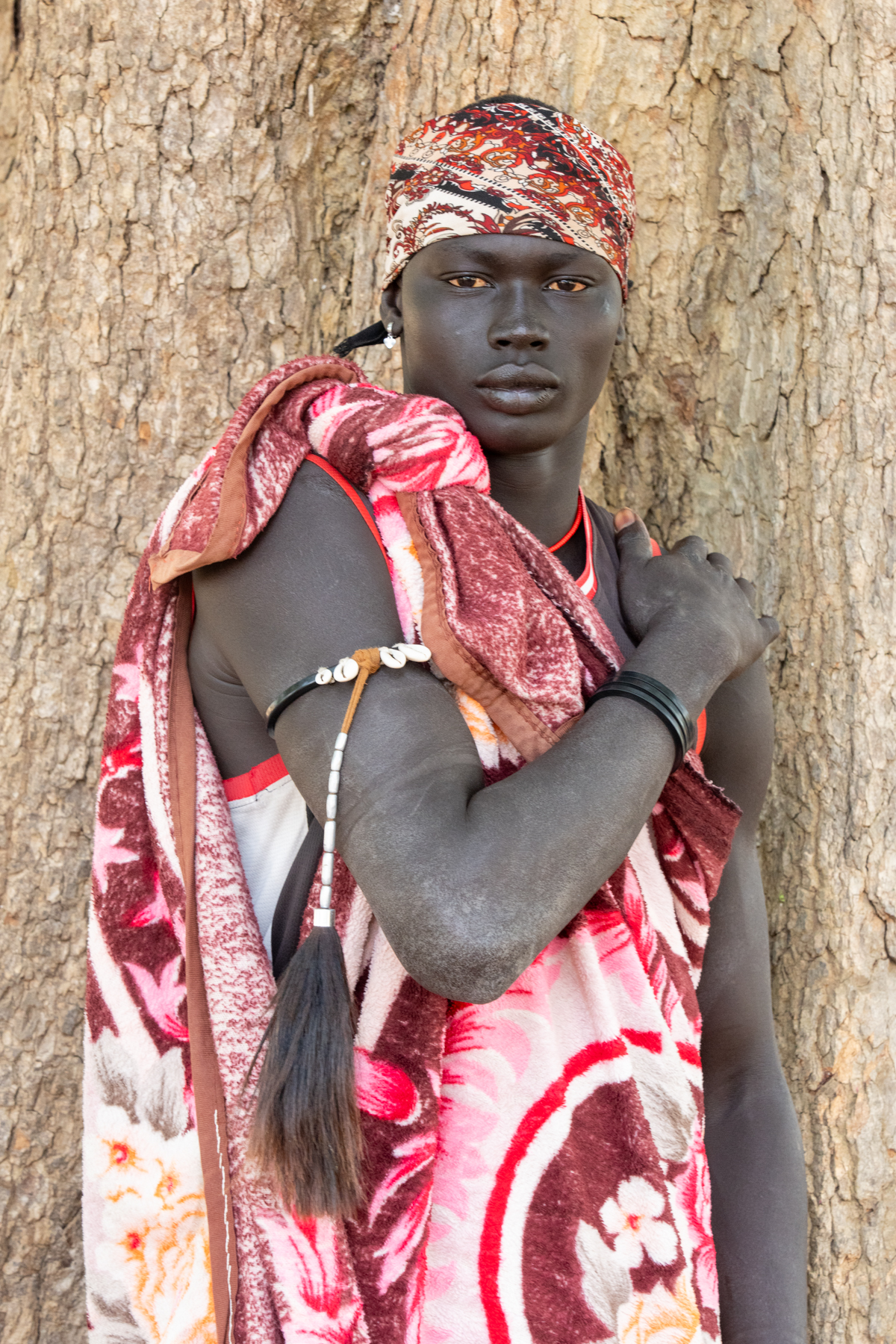
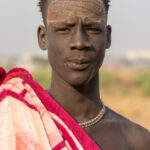
Handsome Mundari man (image by Inger Vandyke)
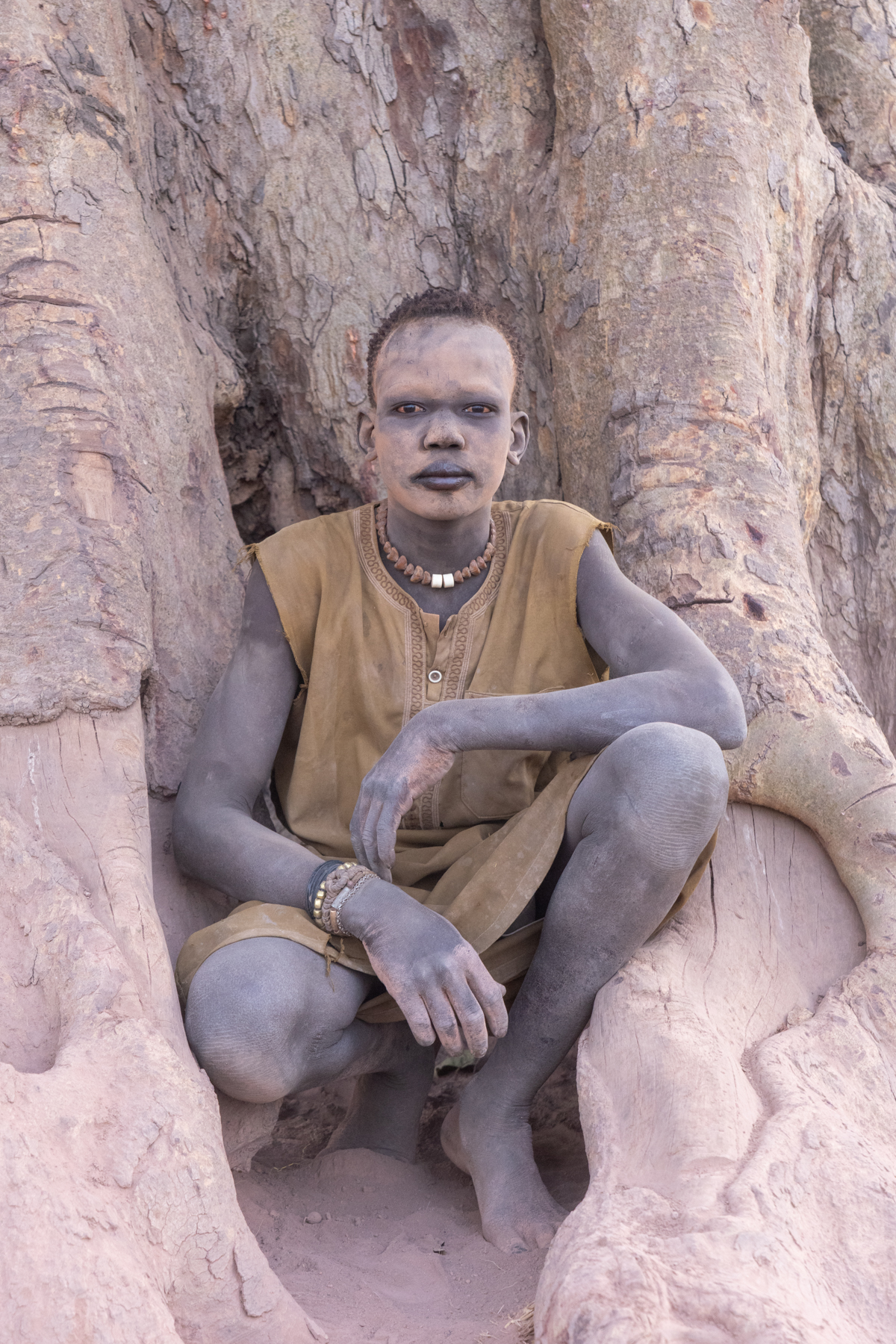
Young Mundari boy in the buttress roots of a large fig tree (image by Inger Vandyke)
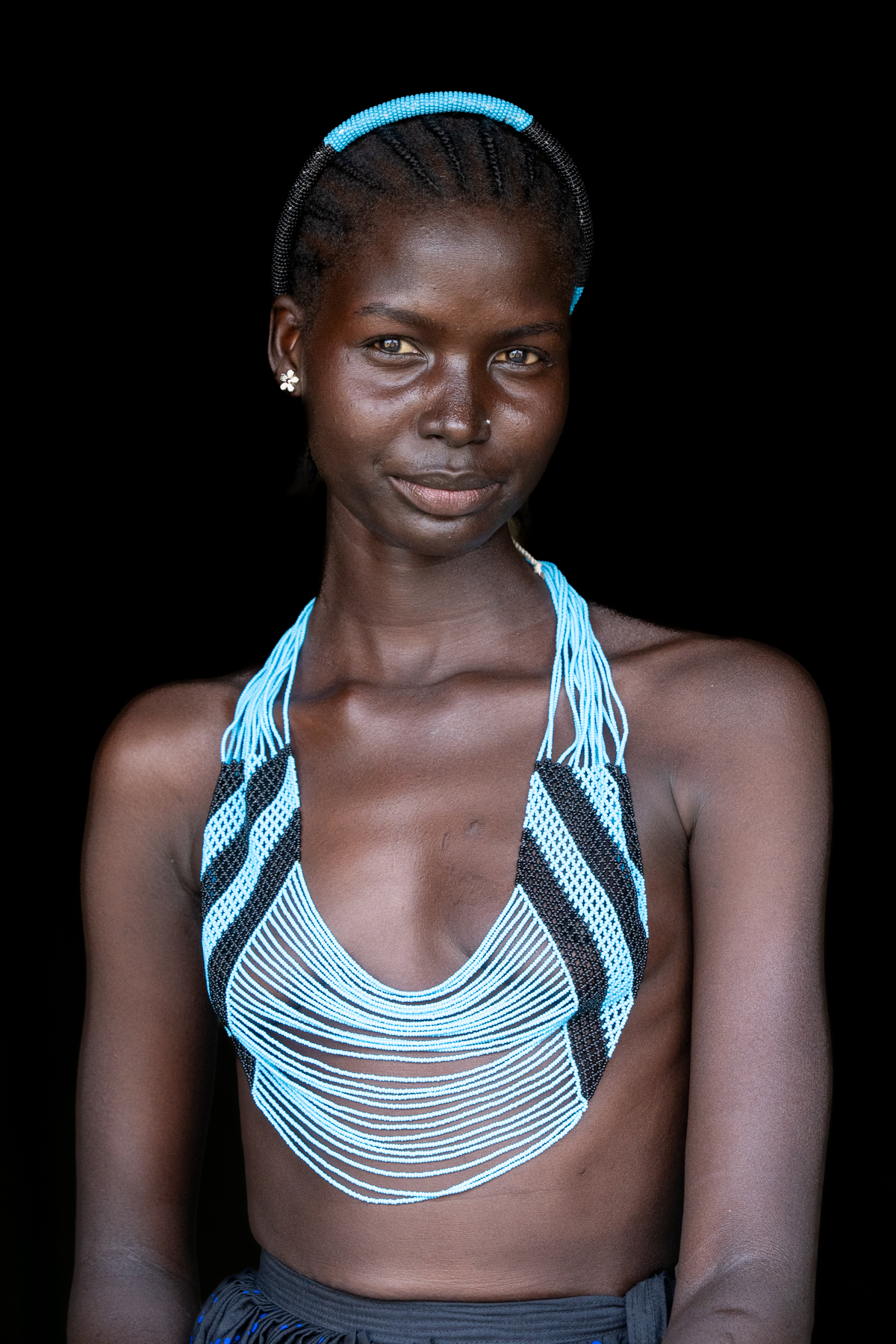
Aker wearing a Dinka crown and necklace (image by Inger Vandyke)
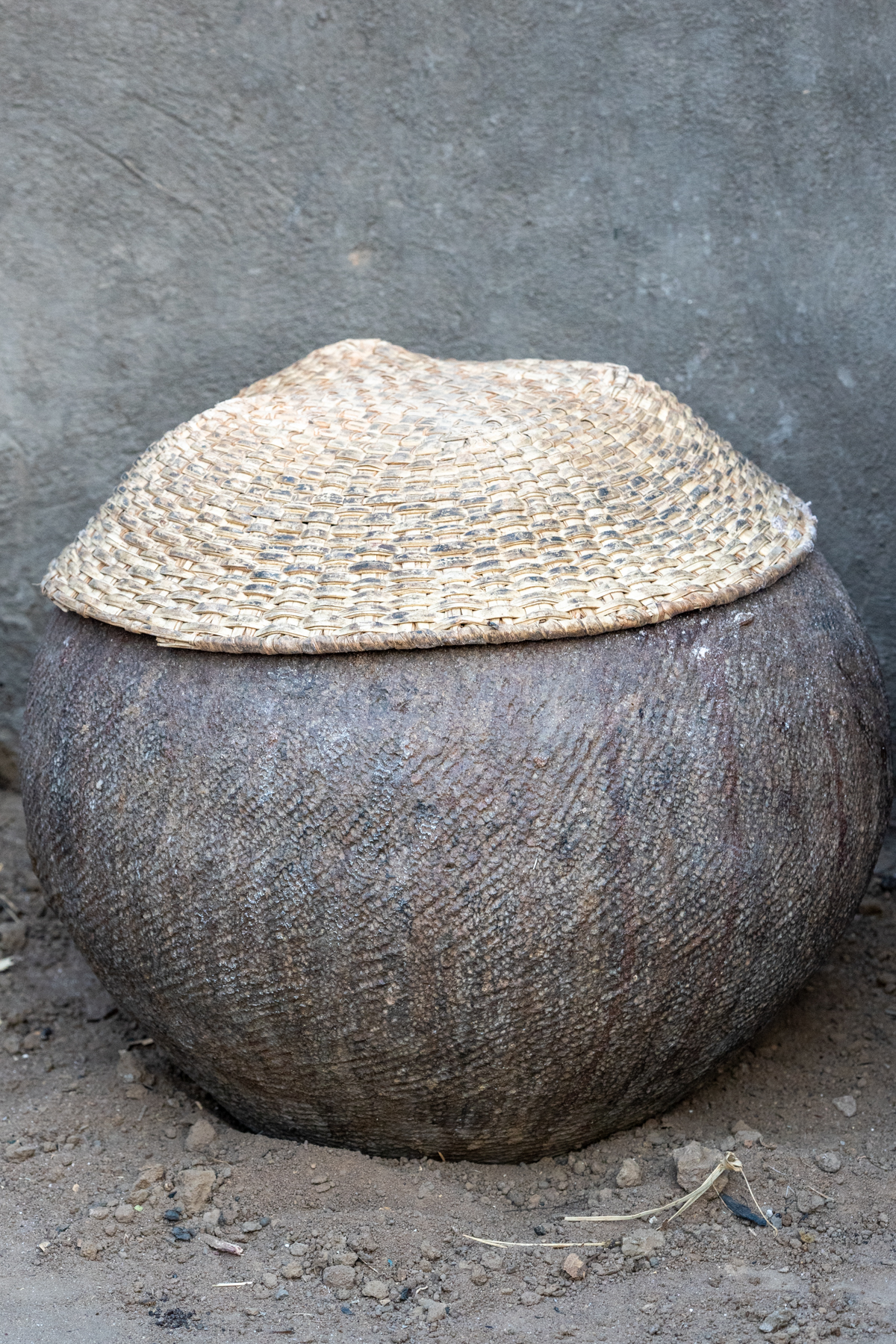
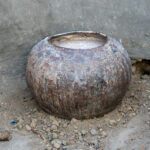
Traditional clay pot used by Mundari women to make yoghurt and curds (image by Inger Vandyke)
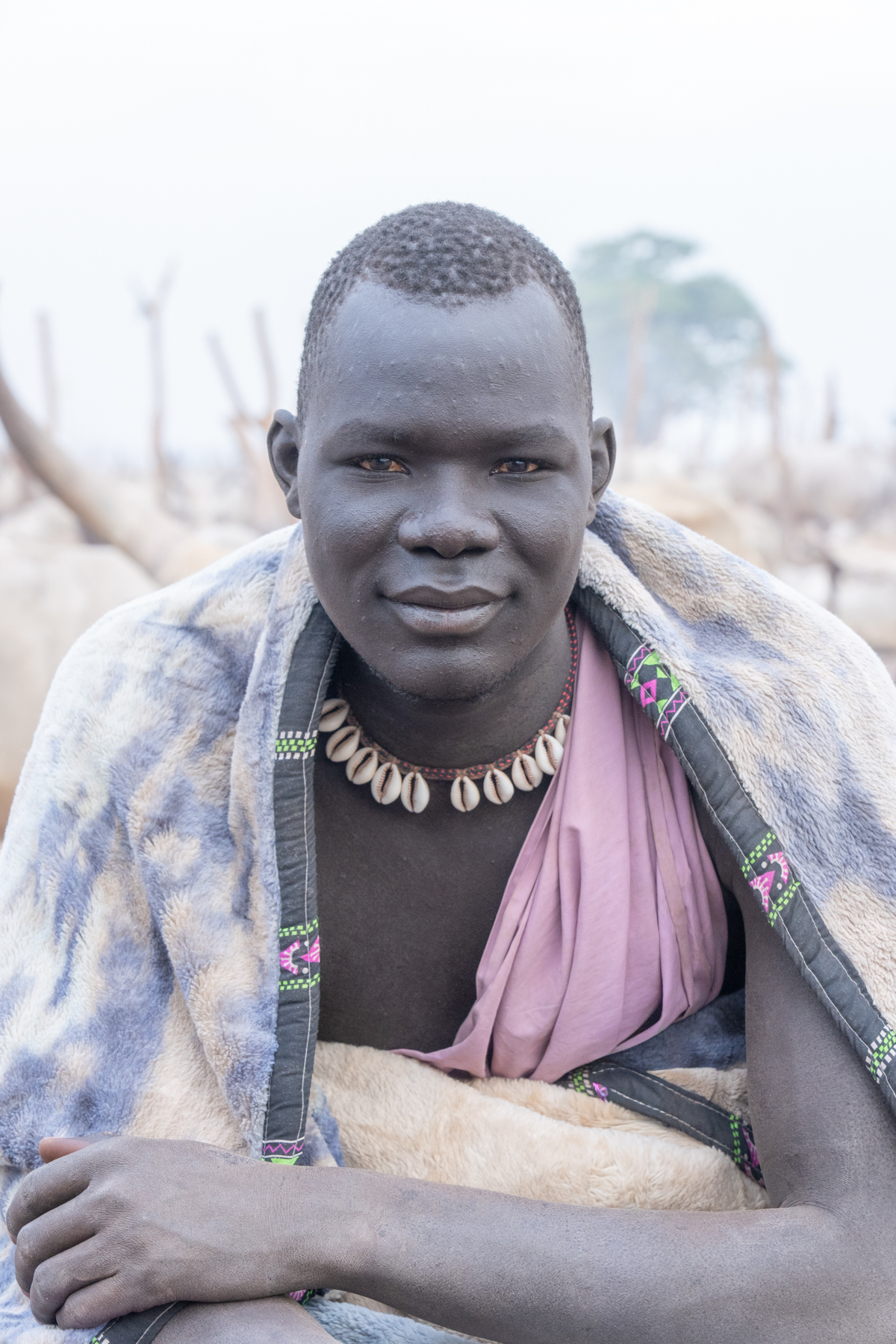
Portrait of champion Mundari wrestler (image by Inger Vandyke)
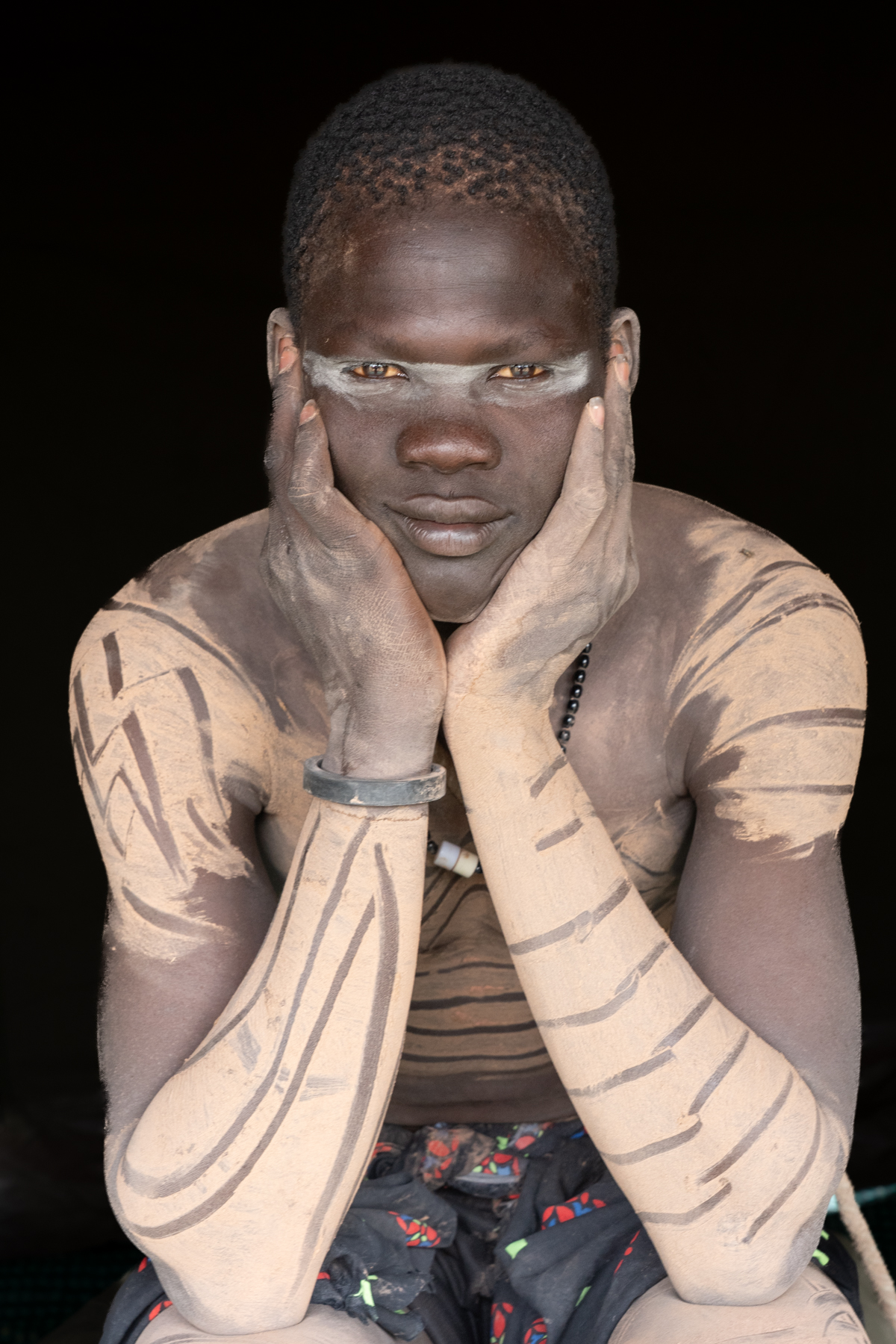
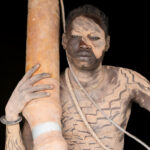
Mundari man with clay decoration (image by Inger Vandyke)
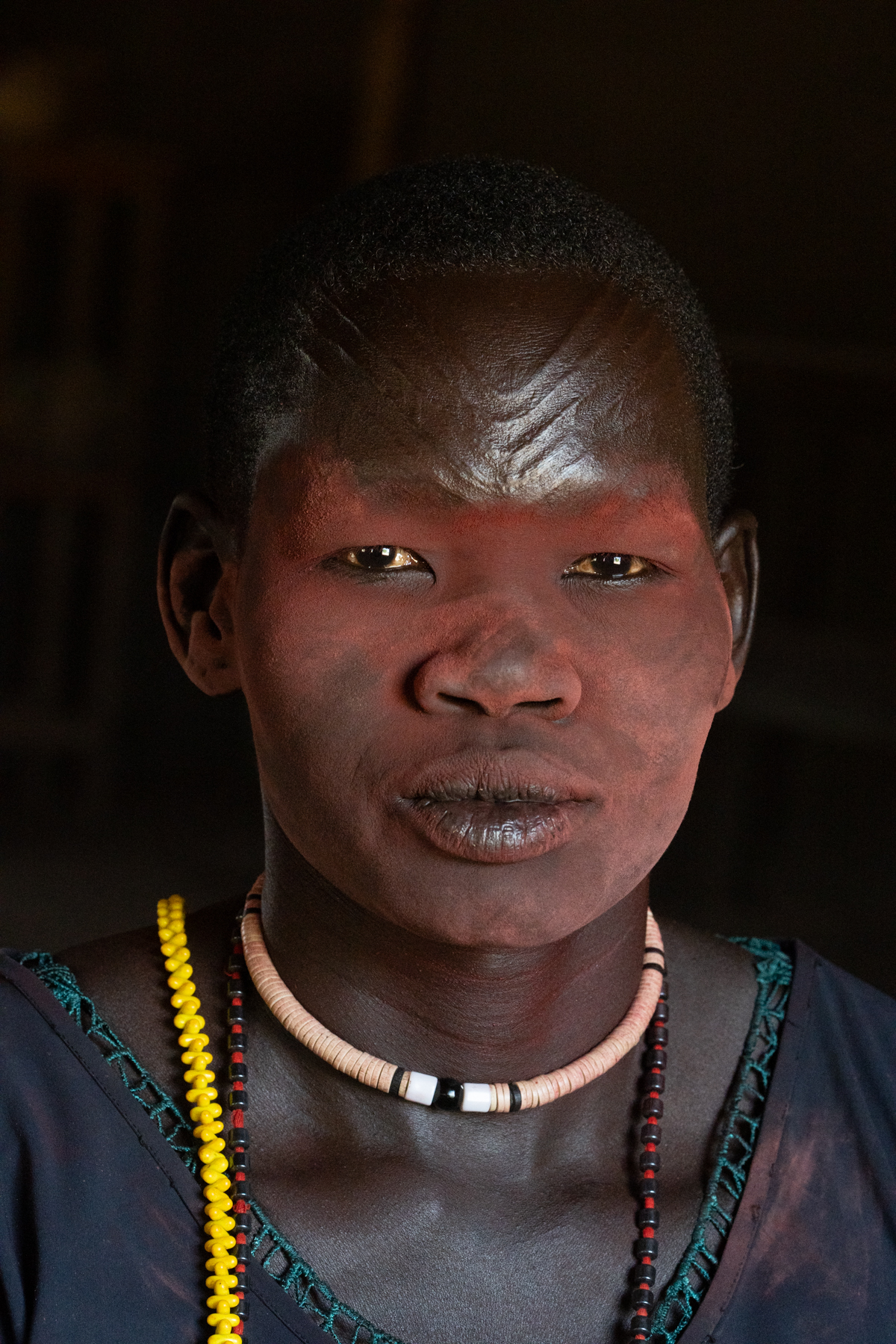
Mundari woman with red ochre (image by Inger Vandyke)
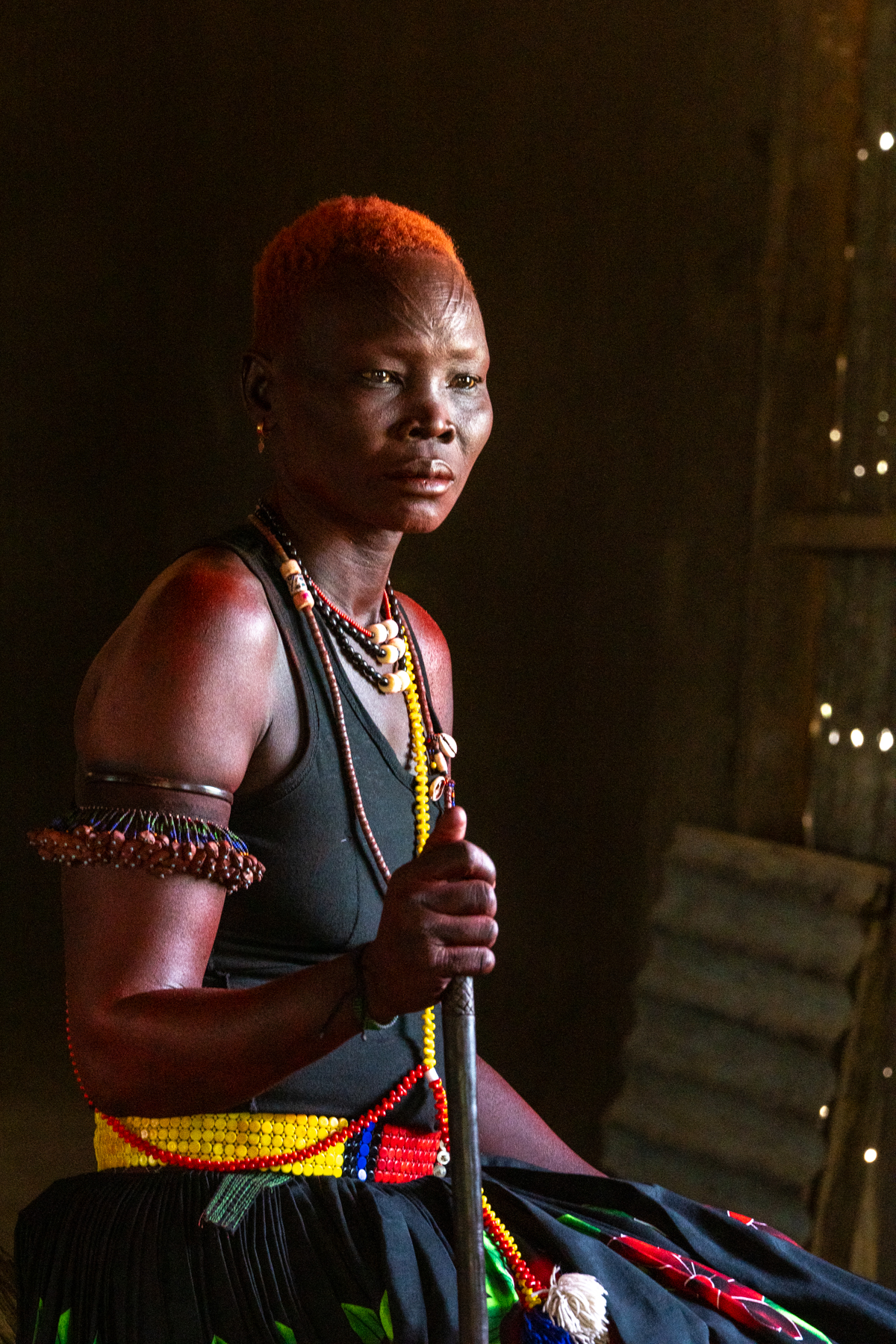
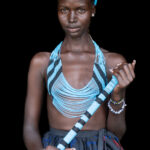
Mundari women are so beautiful (image by Inger Vandyke)
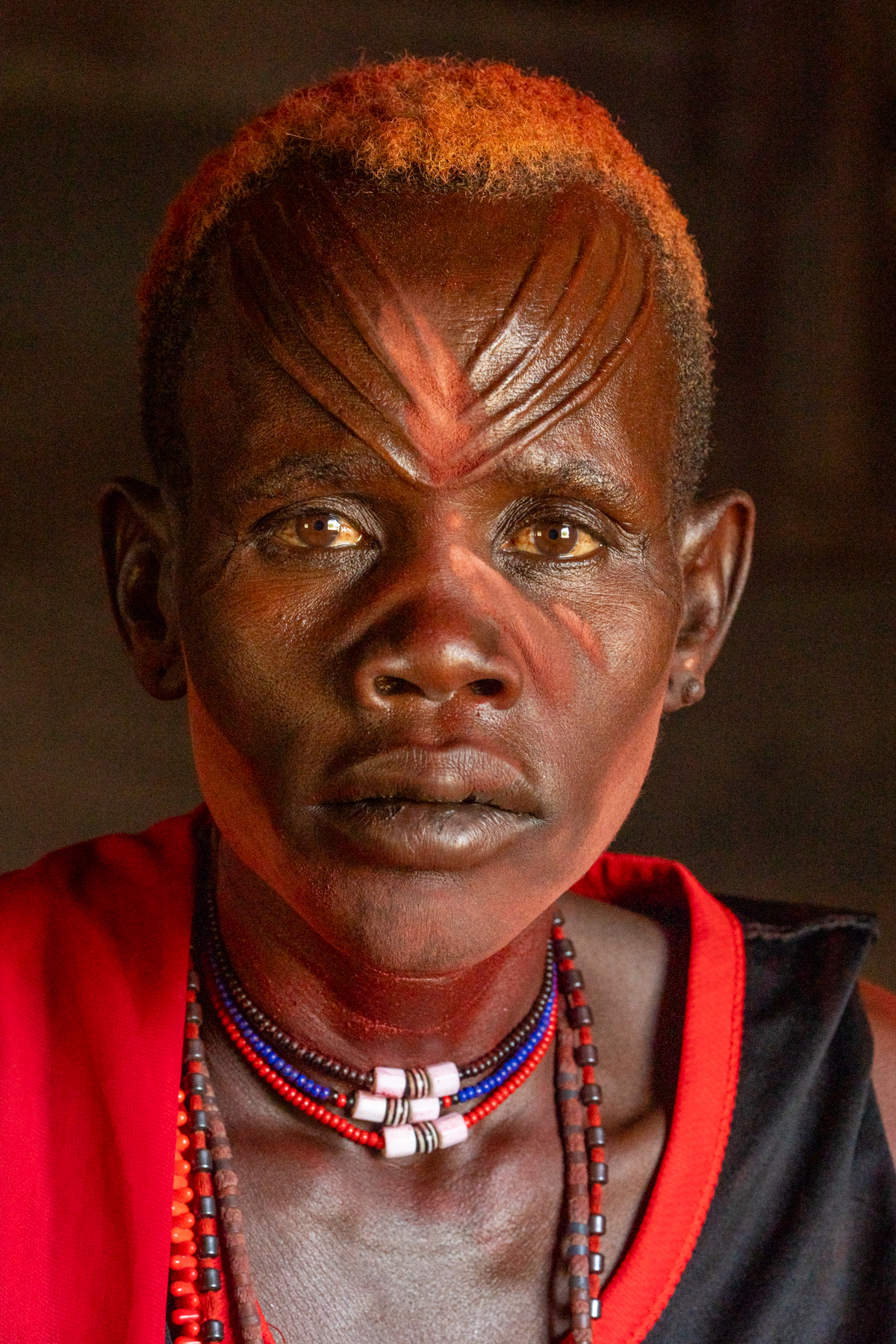
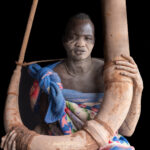
A Mundari woman with dramatic keloid scarification (image by Inger Vandyke)
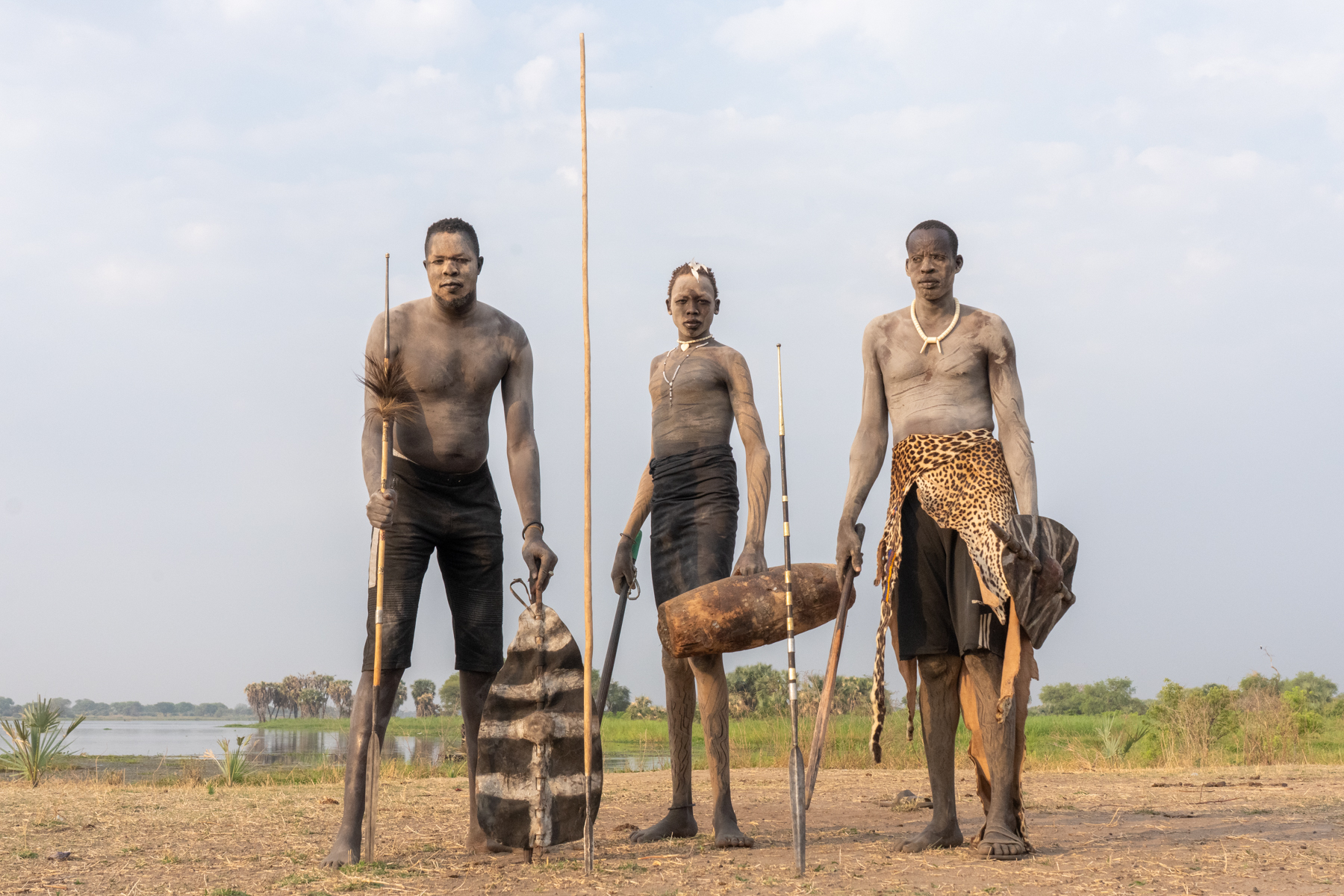
Mundari warriors (image by Inger Vandyke)
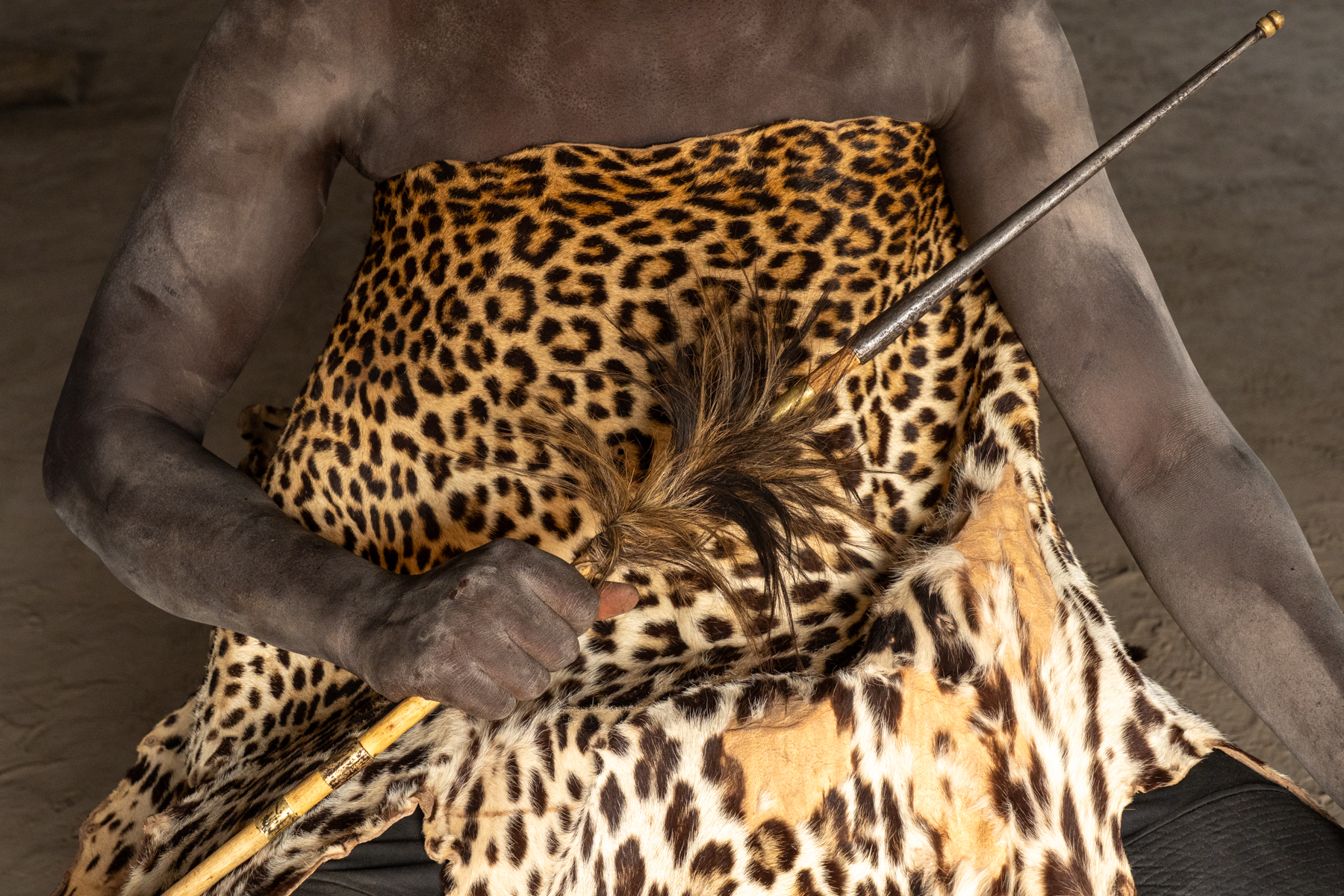
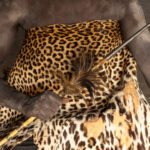
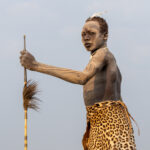
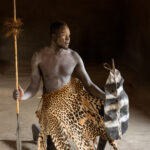
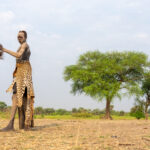
Mundari spear and leopard skin (image by Inger Vandyke)
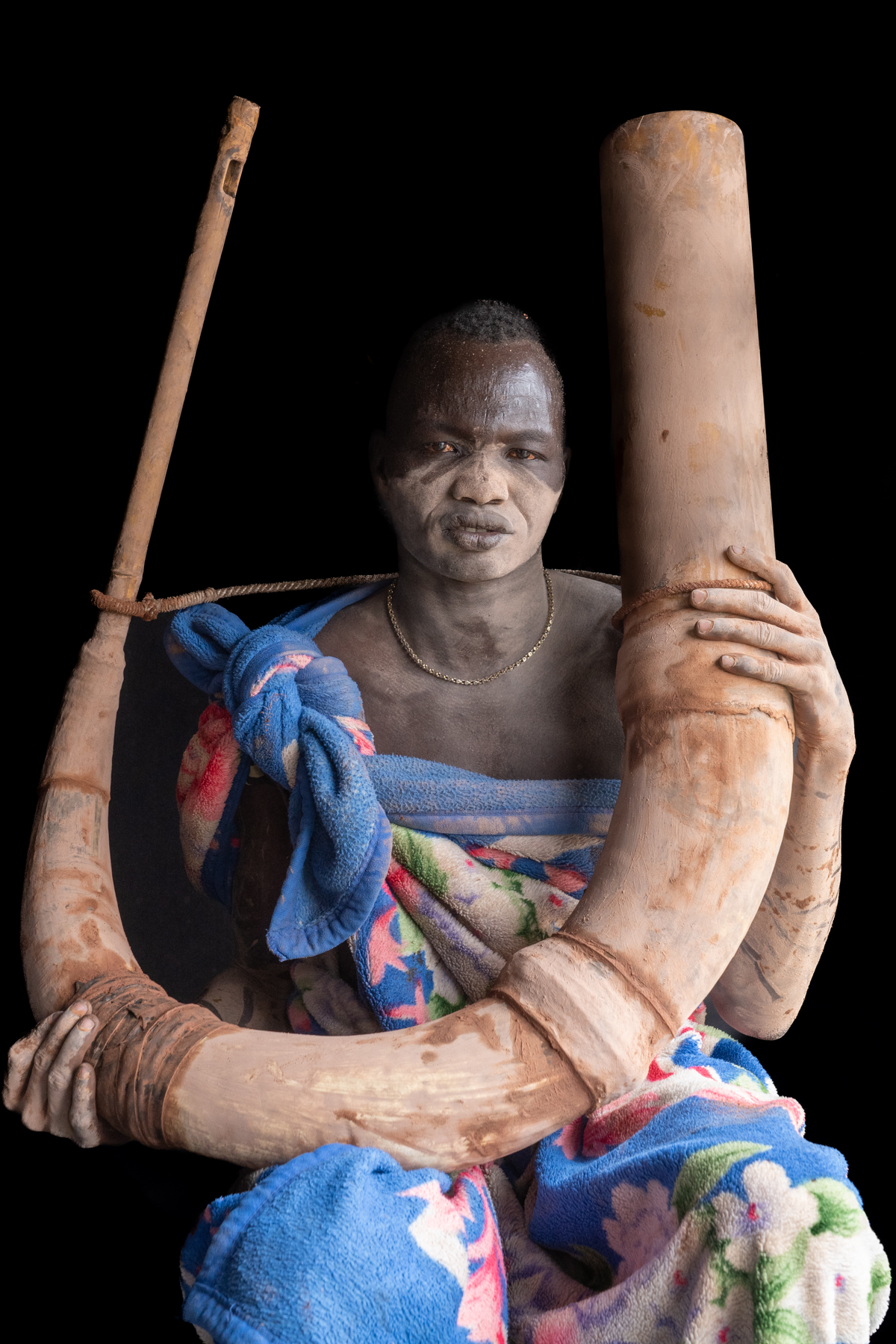
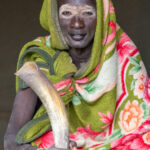
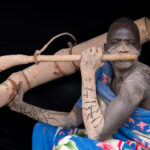
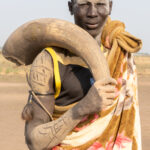
Mundari man with Tung horn (image by Inger Vandyke)
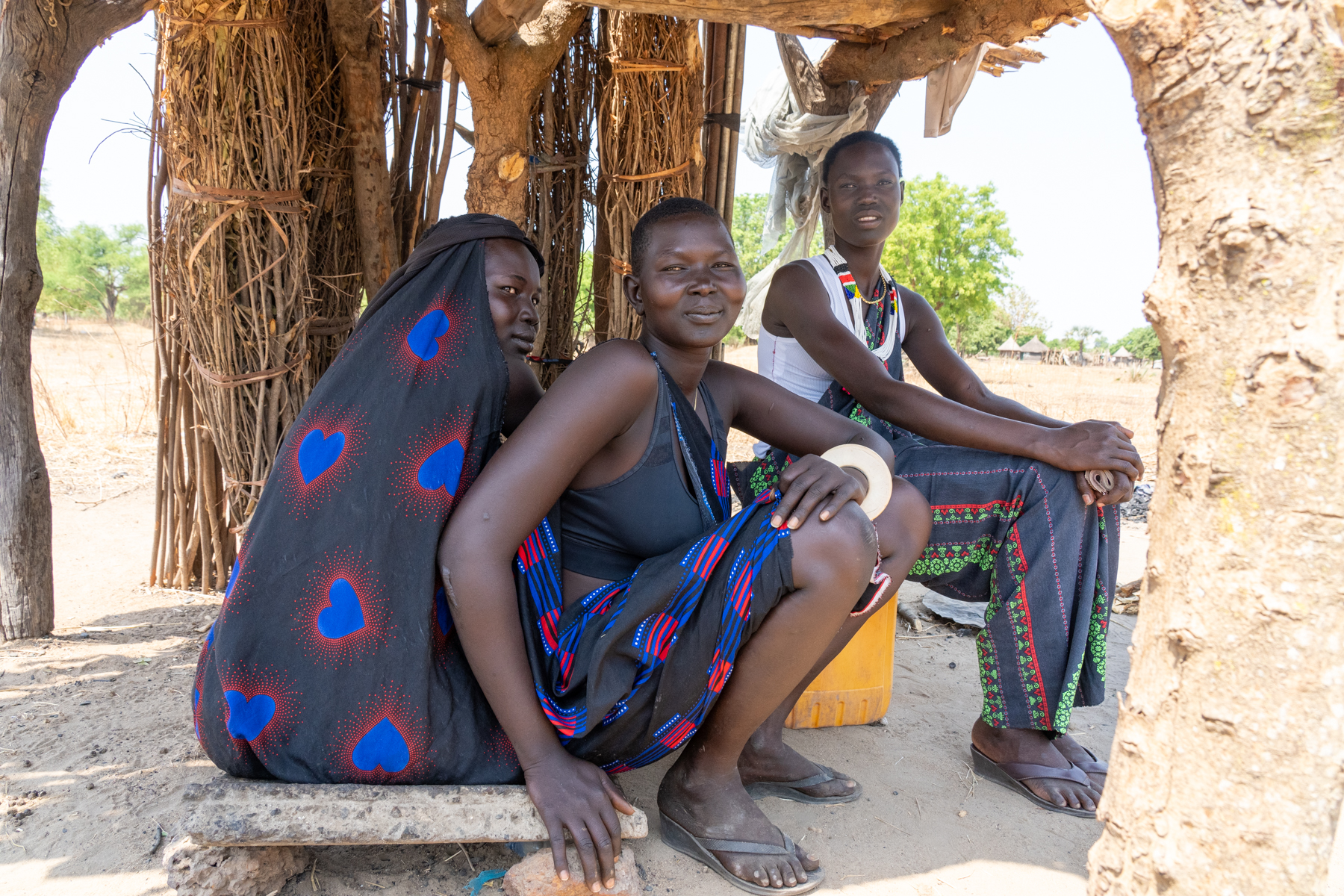
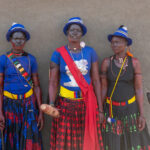
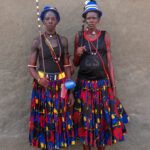
Mundari women in a village near Terekeka (image by Inger Vandyke)
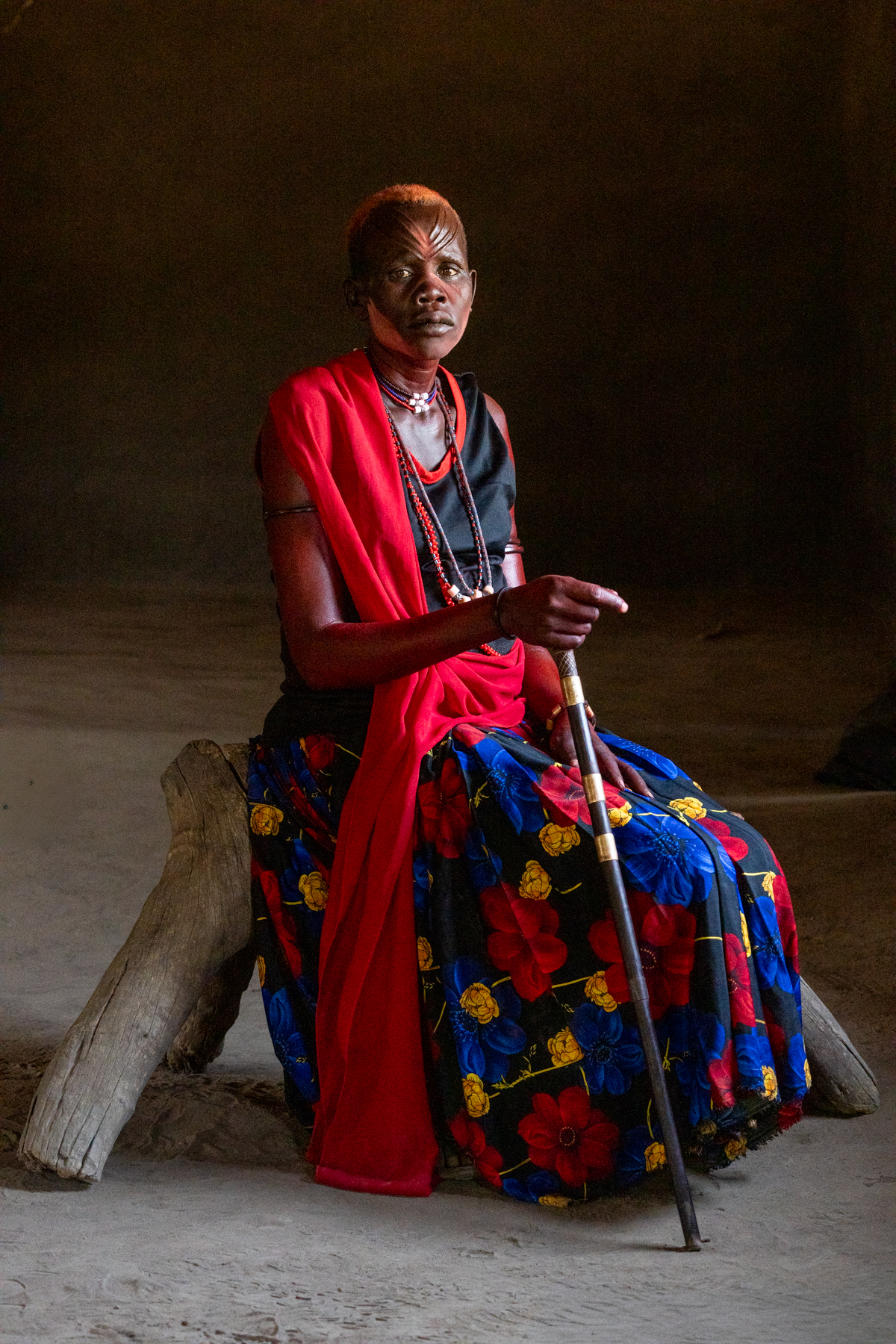
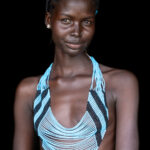
Mundari woman (image by Inger Vandyke)
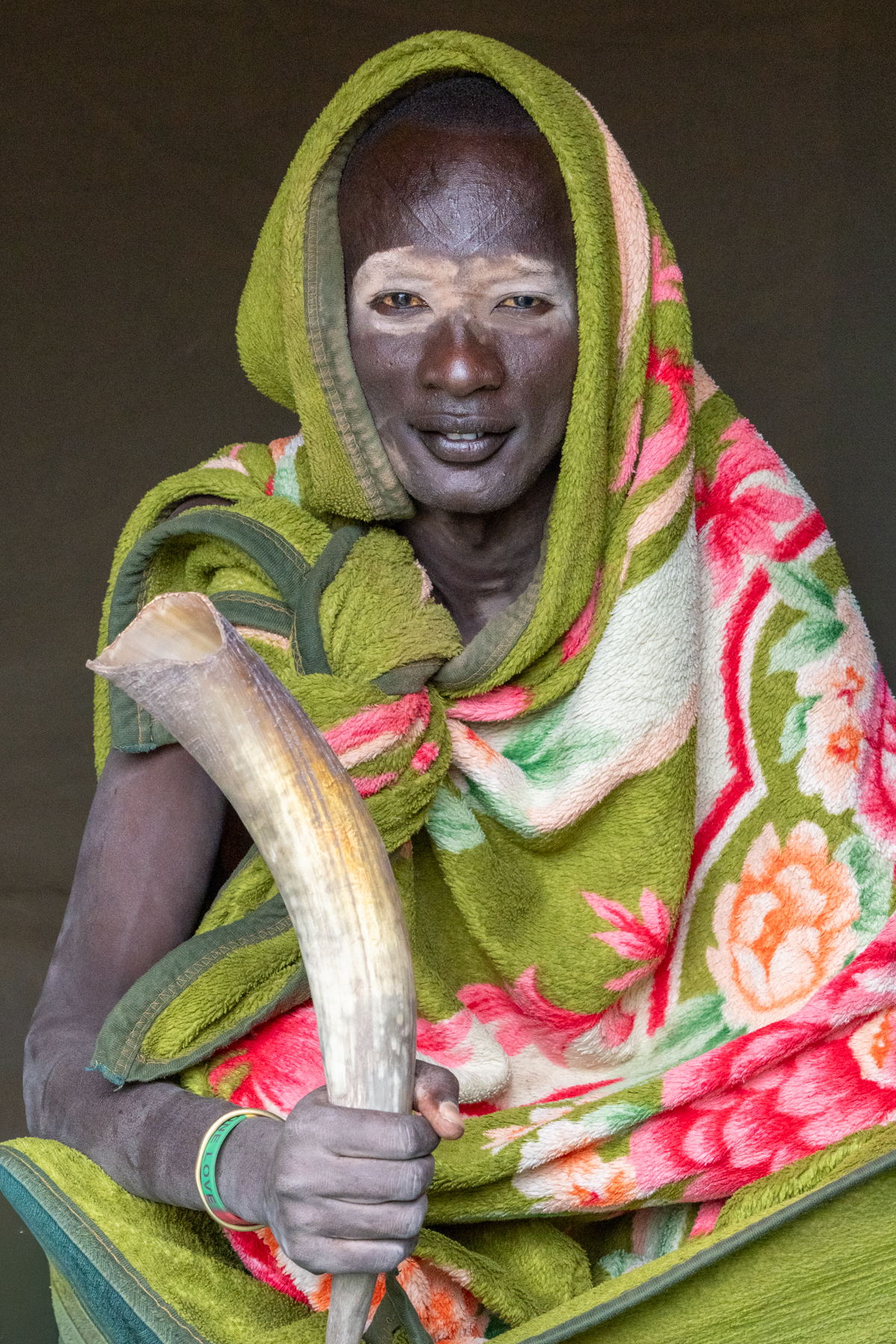
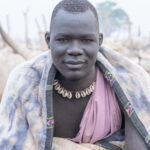
Mundari man (image by Inger Vandyke)
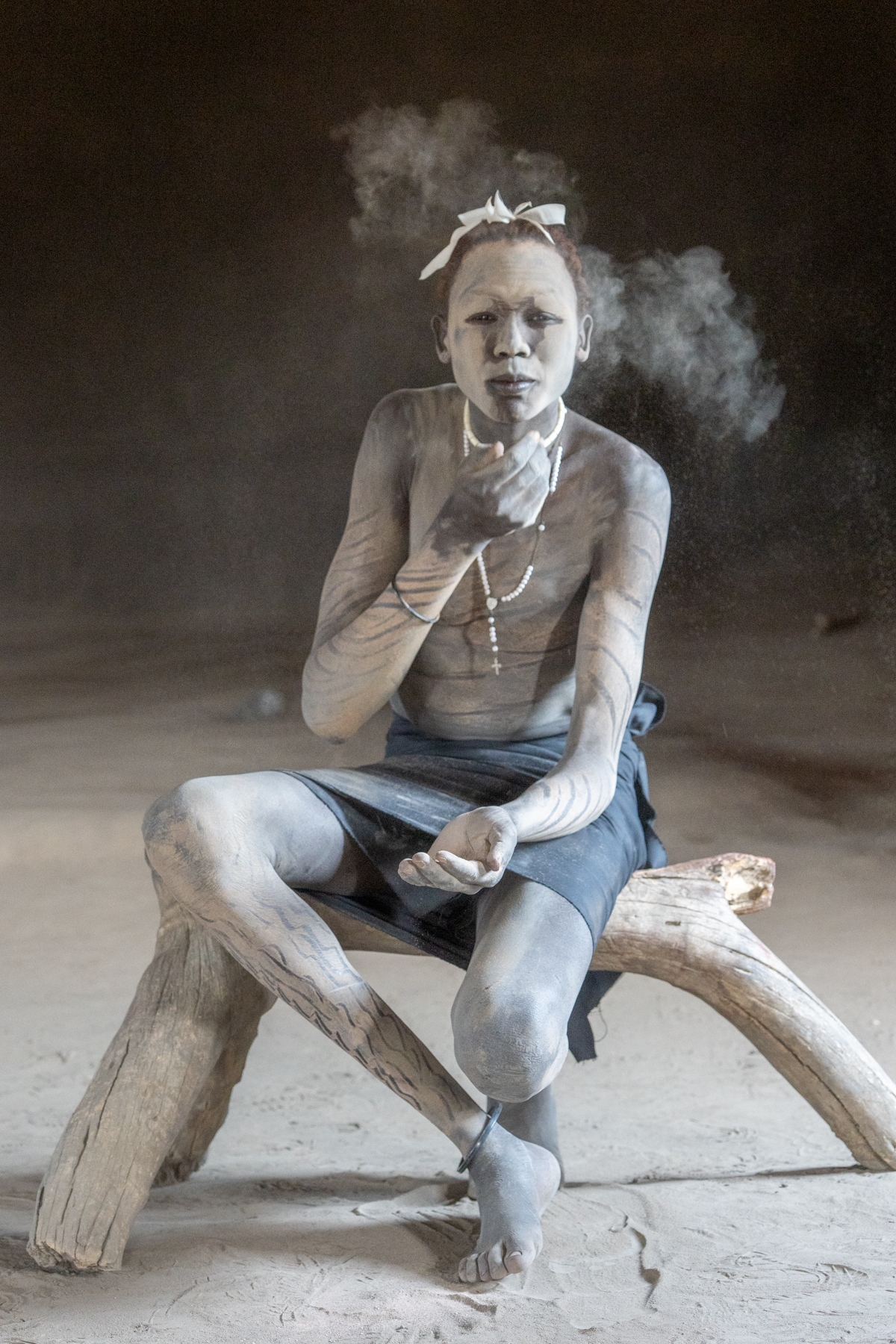
A Mundari boy powders his nose (image by Inger Vandyke)
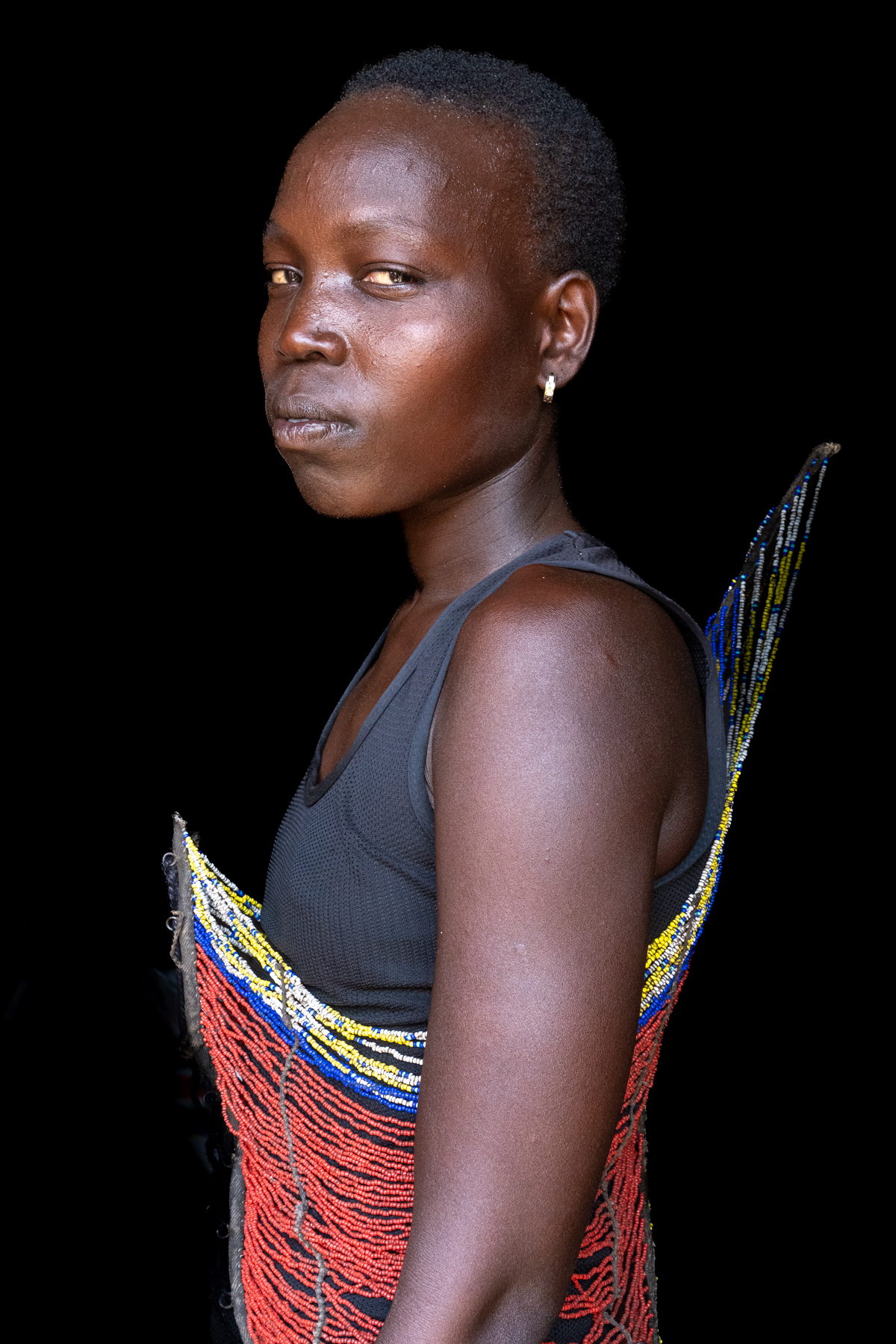
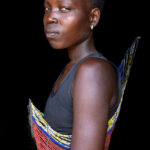
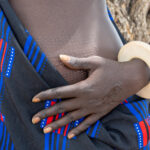
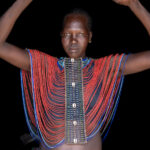
Mundari woman wearing a traditional corset (image by Inger Vandyke)
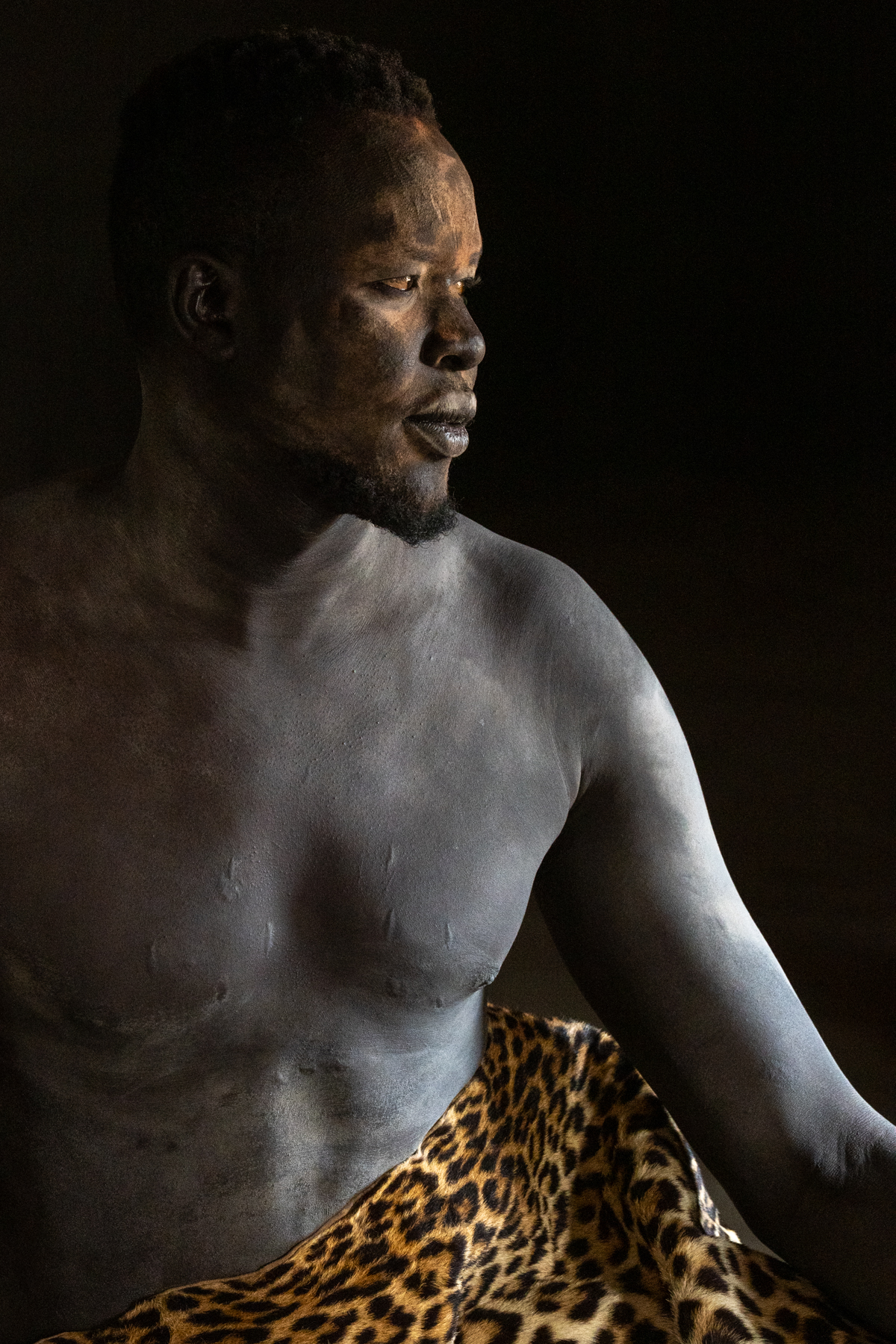
Mundari chief profile (image by Inger Vandyke)
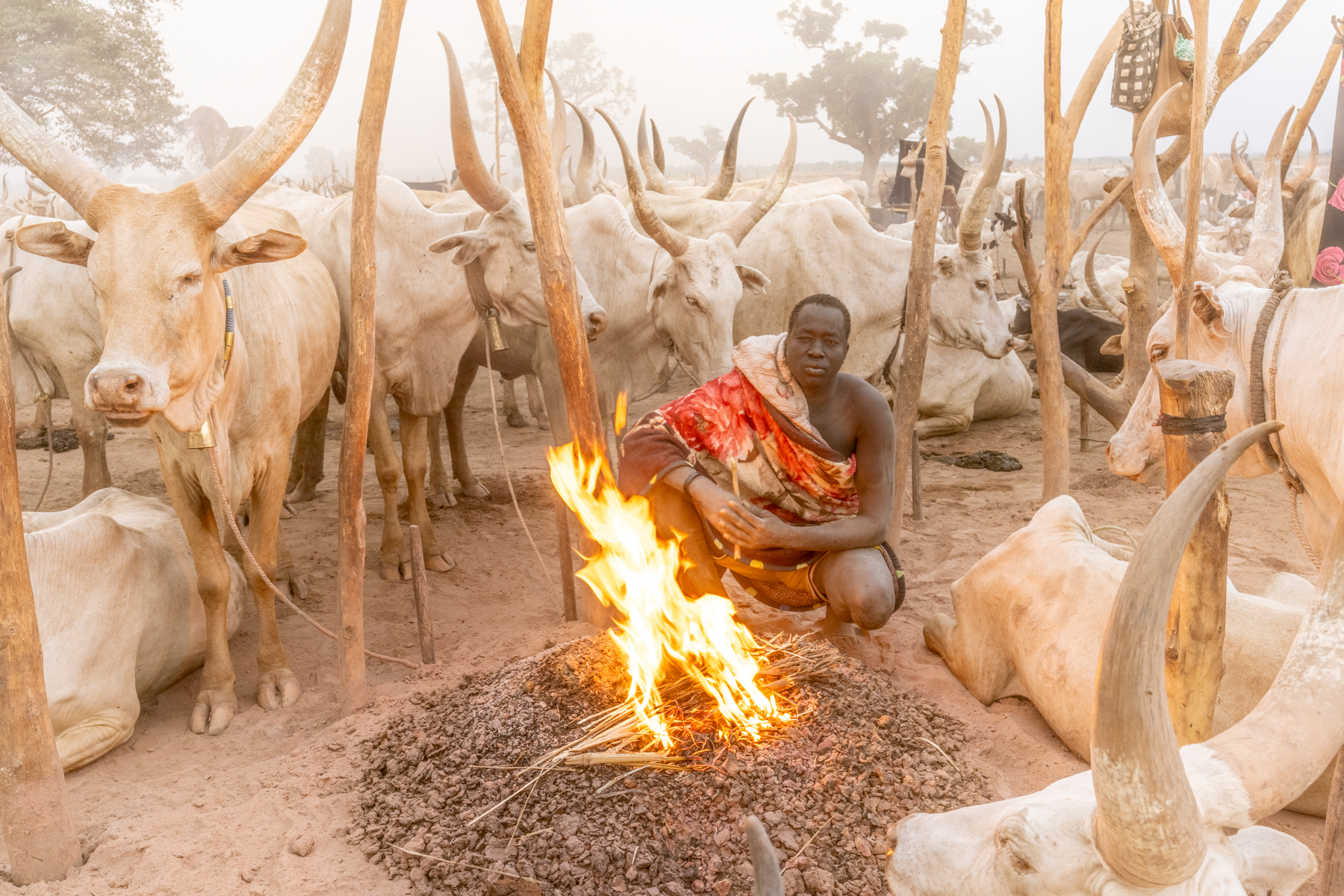
A Mundari man warms himself by a fire at dusk (image by Inger Vandyke)
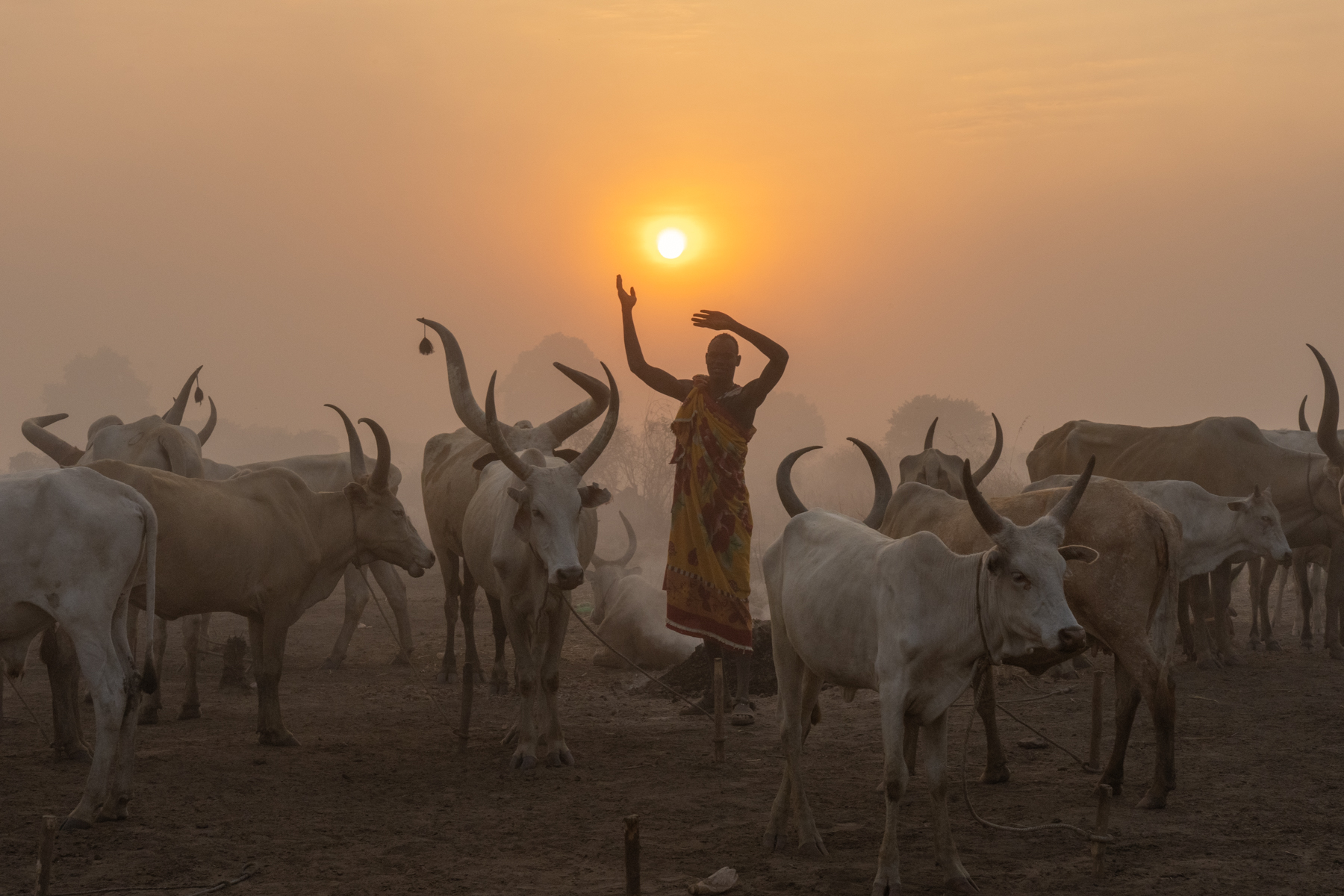
A Mundari man holds his hands in the air in the shape of his favourite cow (image by Inger Vandyke)
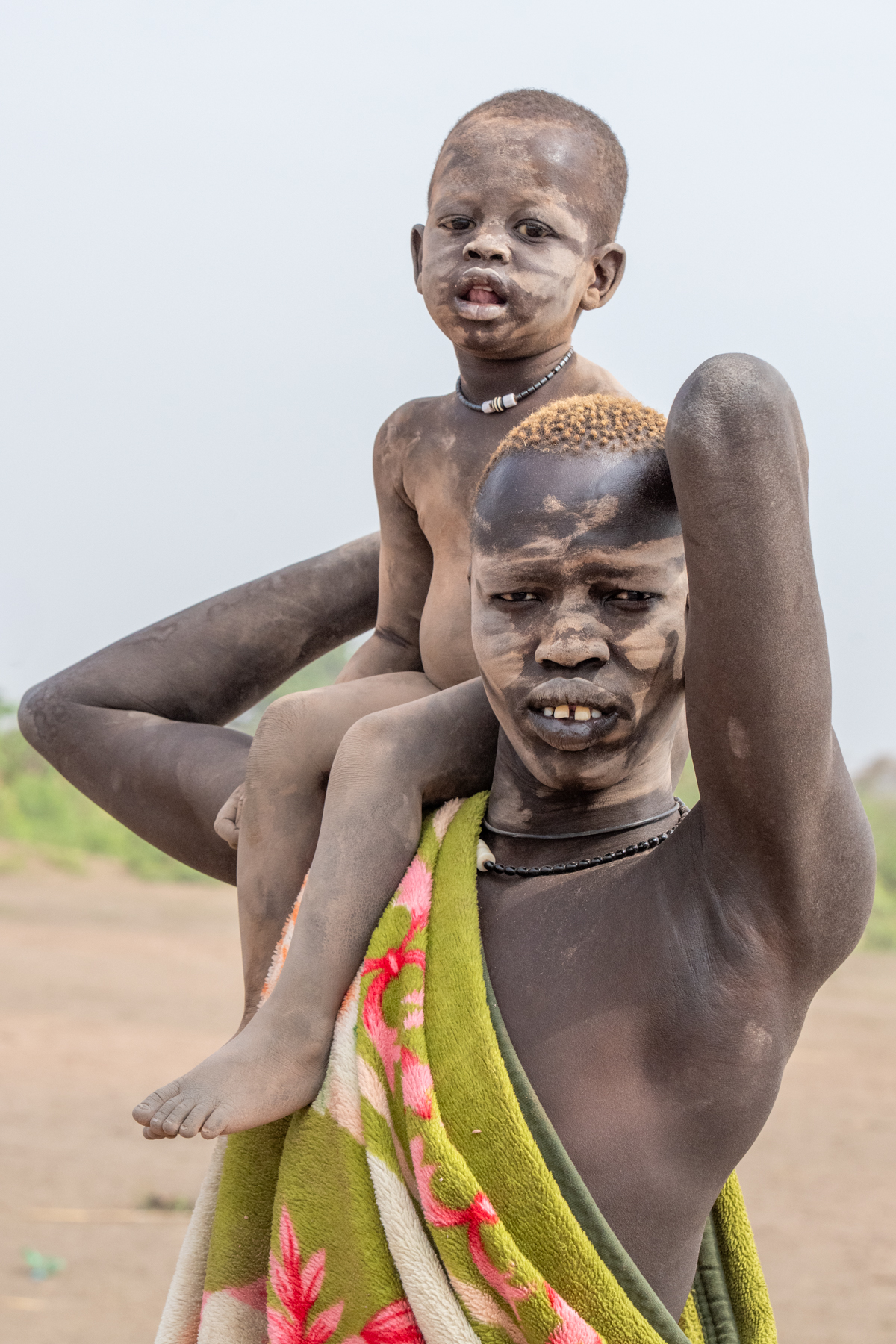
Mundari father and son (image by Inger Vandyke)
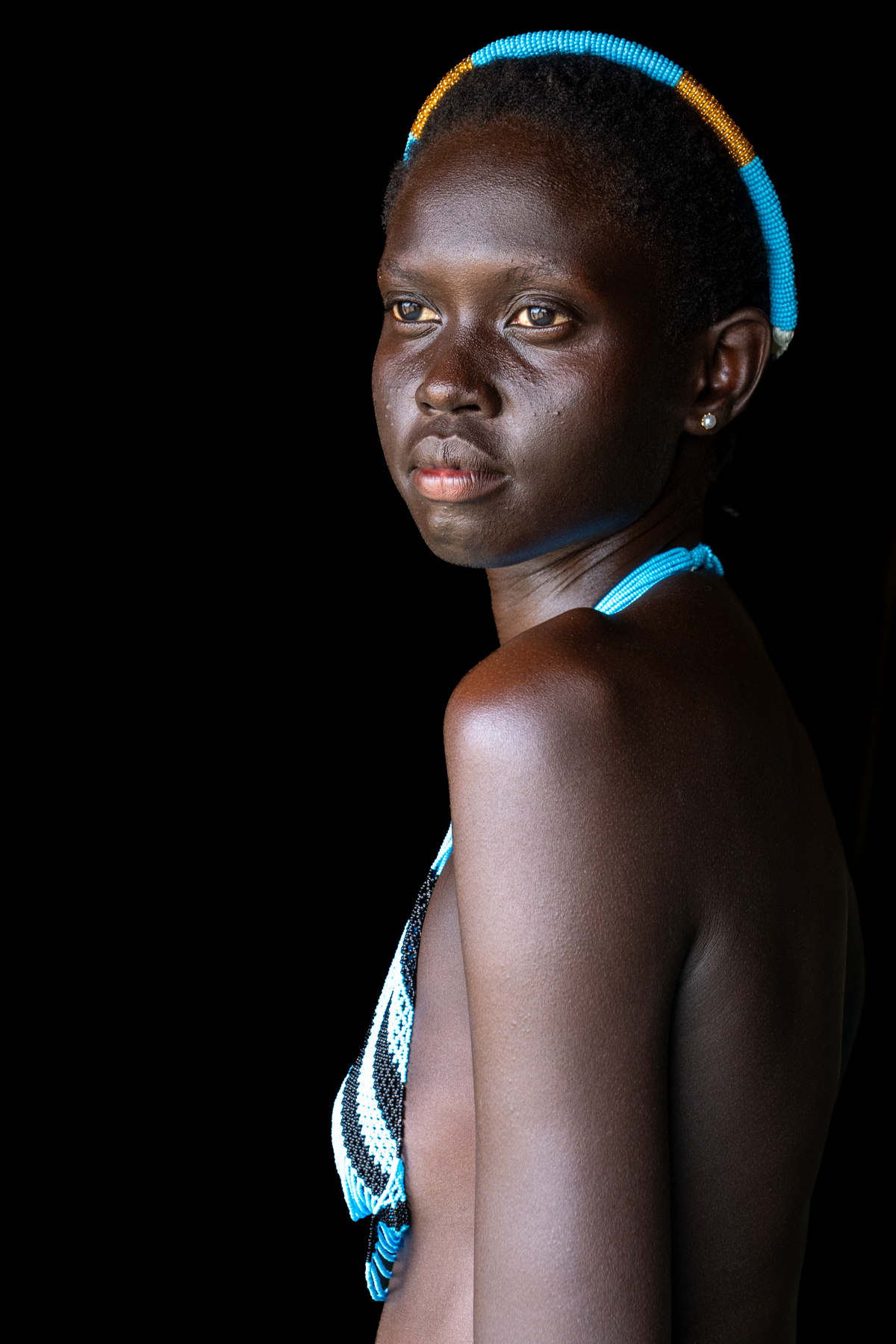
Nyanda wearing Dinka wedding beads (image by Inger Vandyke)
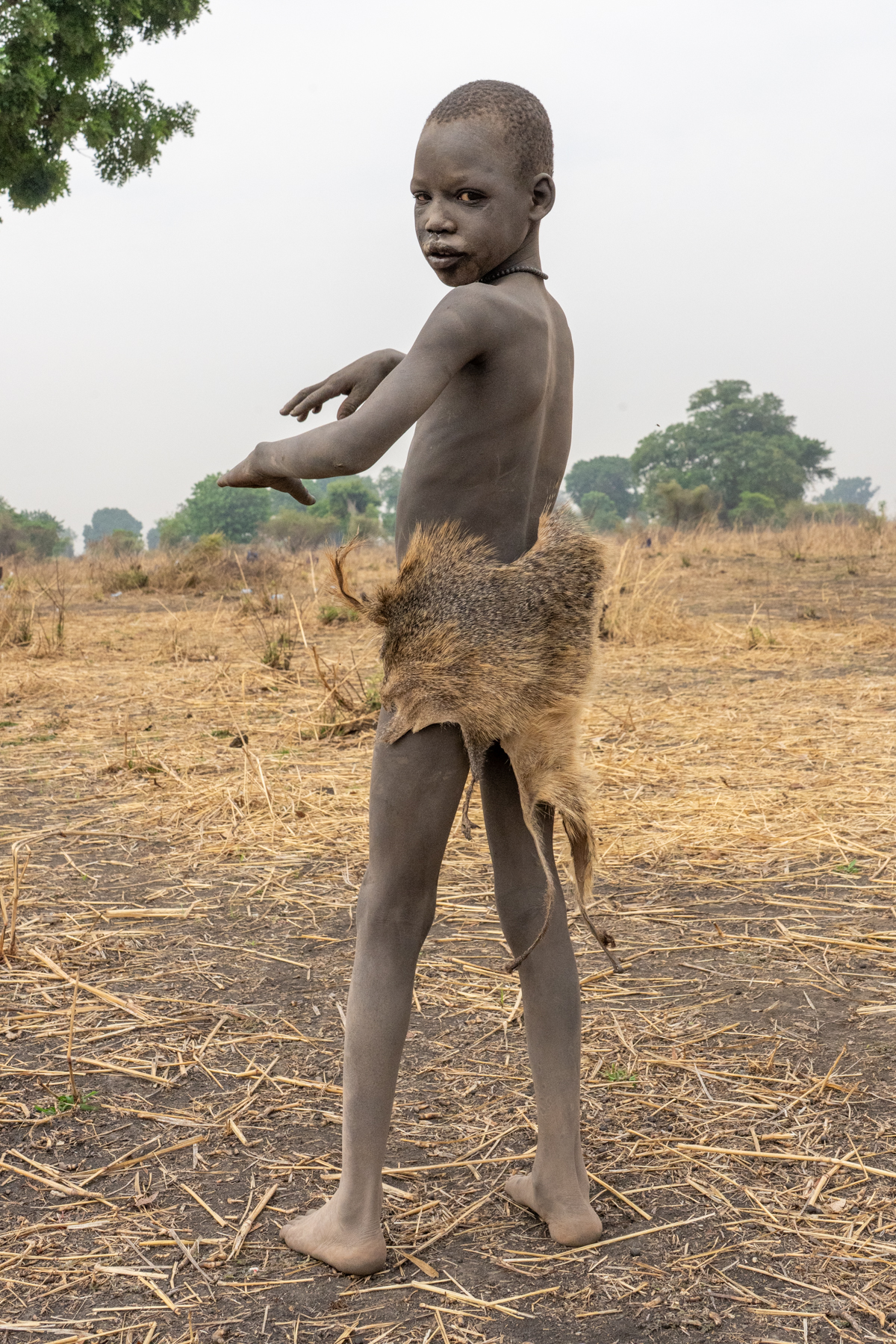
Mundari boy wearing the skin of an Egyptian Mongoose (image by Inger Vandyke)
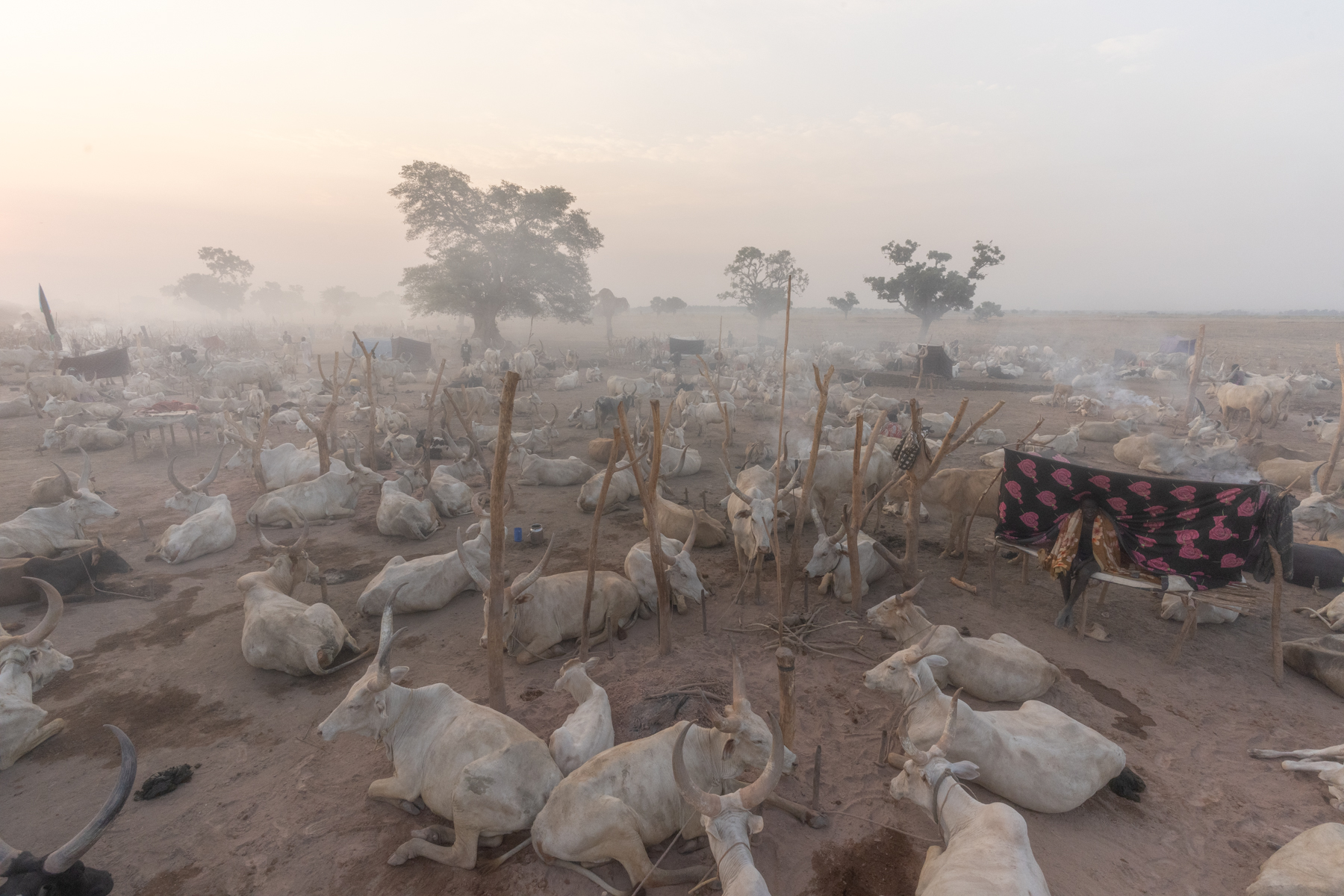
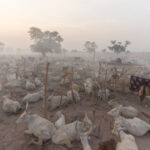
The smoky atmosphere of a cattle camp at sunrise (image by Inger Vandyke)
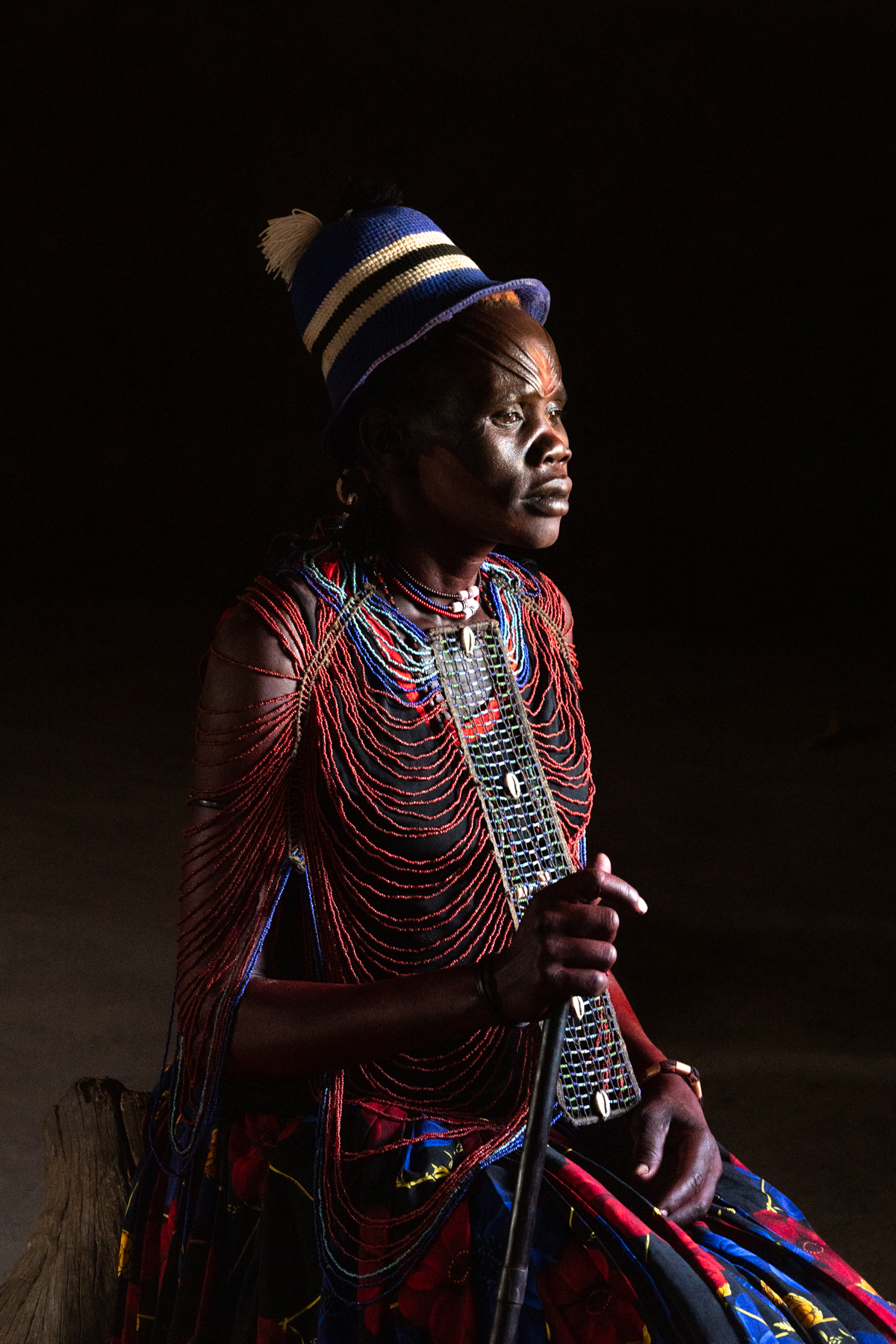
A beautiful Mundari woman in traditional wedding attire (image by Inger Vandyke)
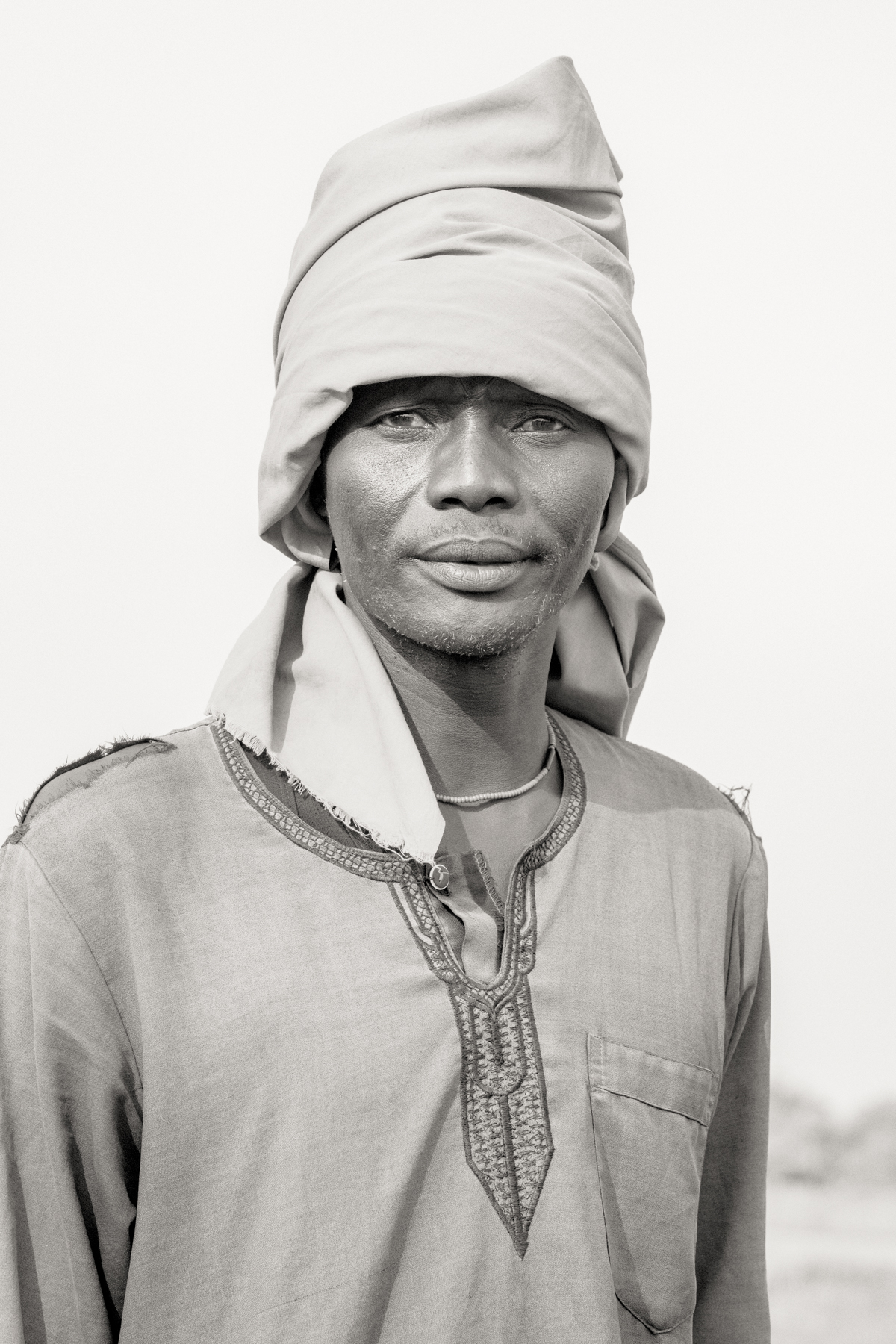
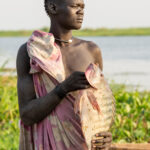
Portrait of a Mundari fisherman (image by Inger Vandyke)
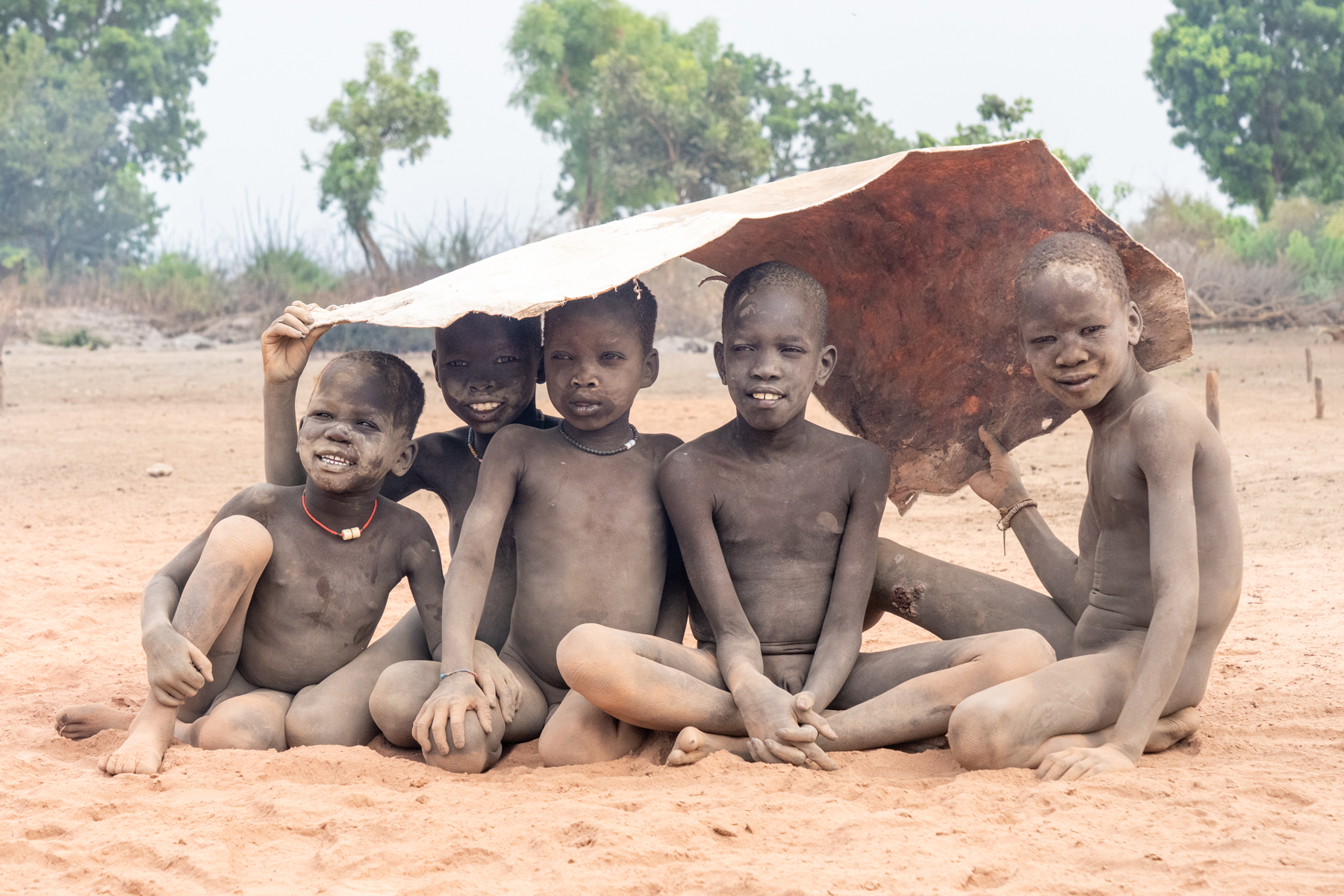
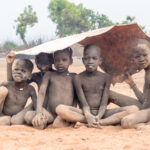
Mundari children take shelter under a cow skin from a light rain shower (image by Inger Vandyke)
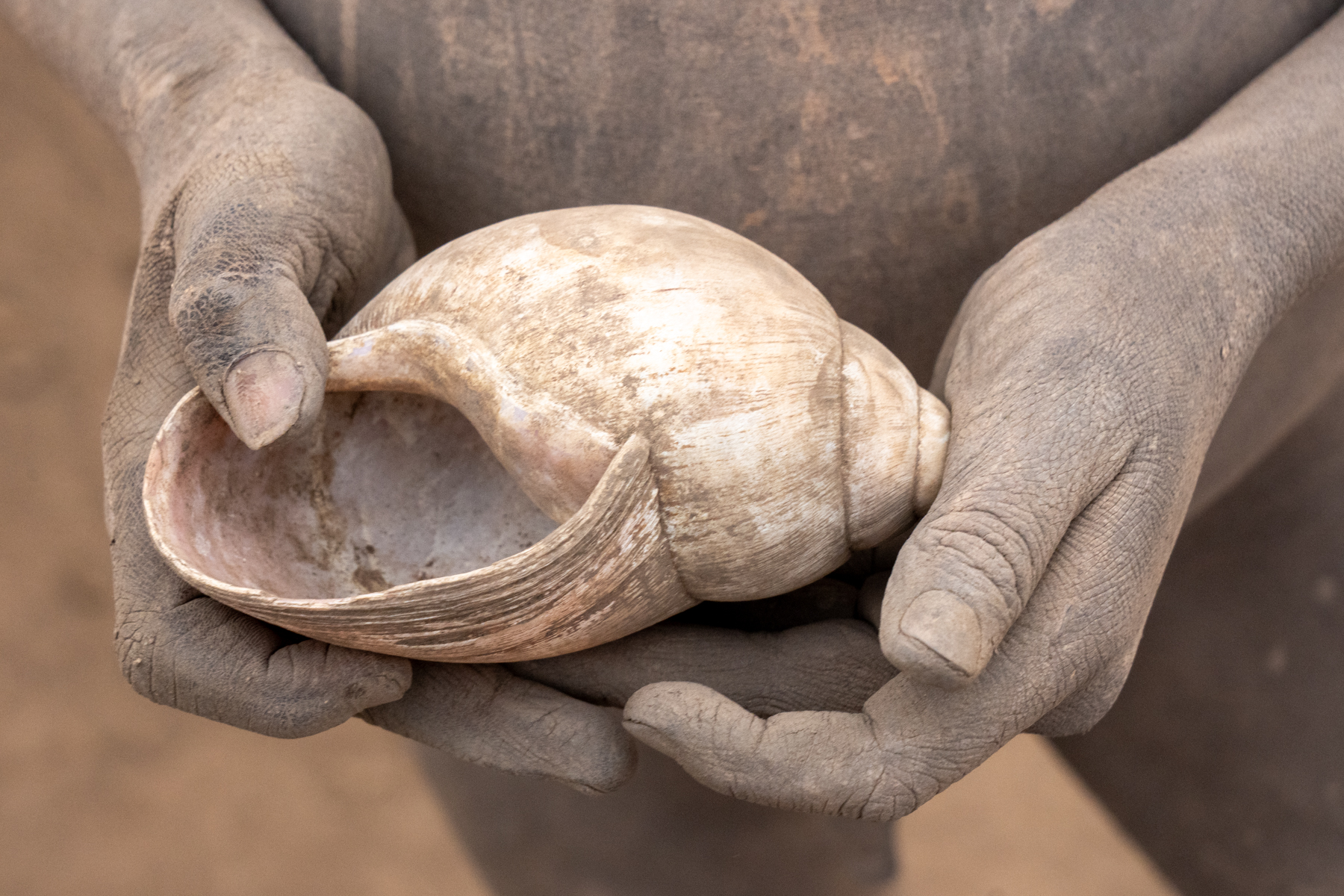
Mundari children make toys out of simple things like land snail shells (image by Inger Vandyke)
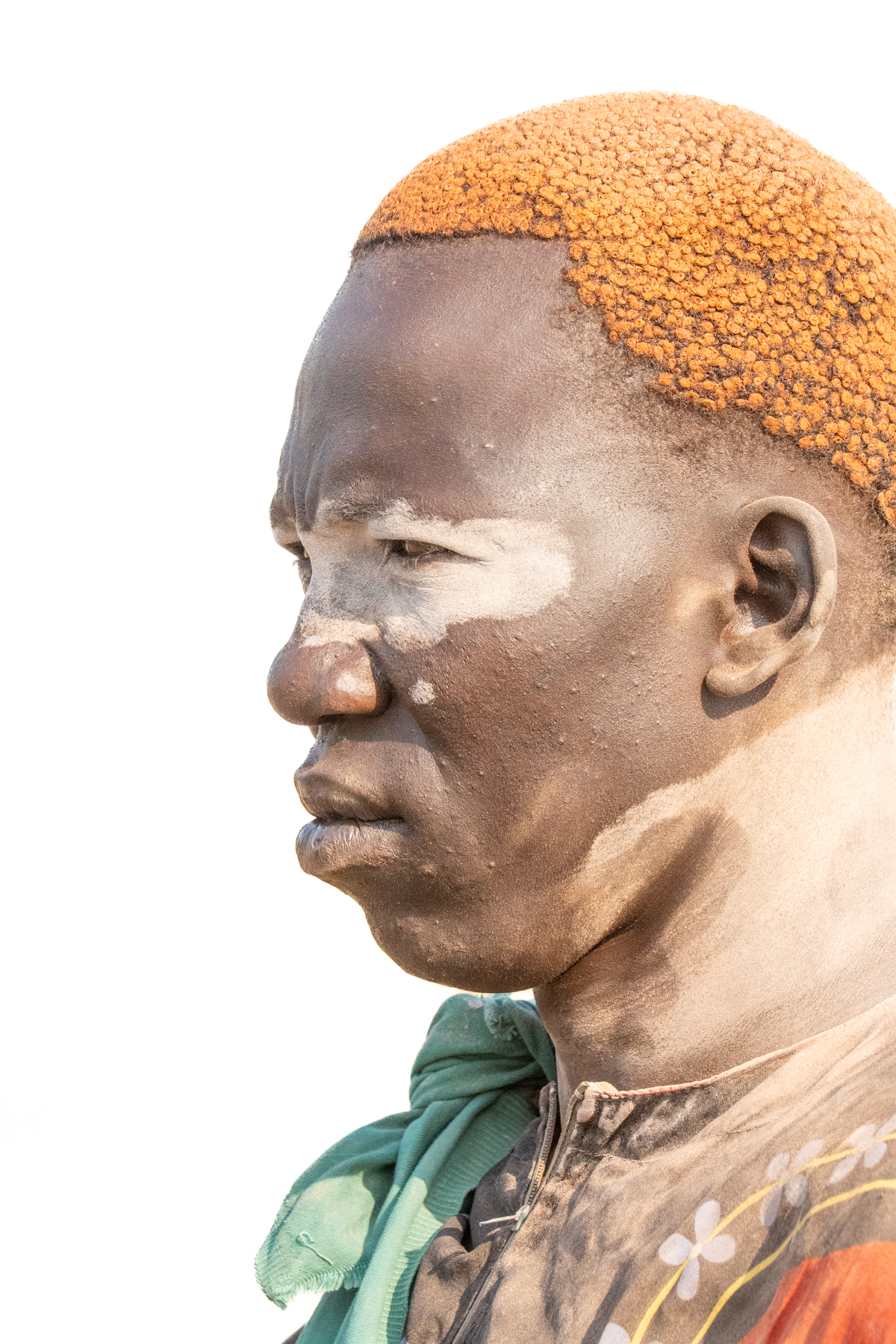
Mundari man with traditional clay bun (image by Inger Vandyke)
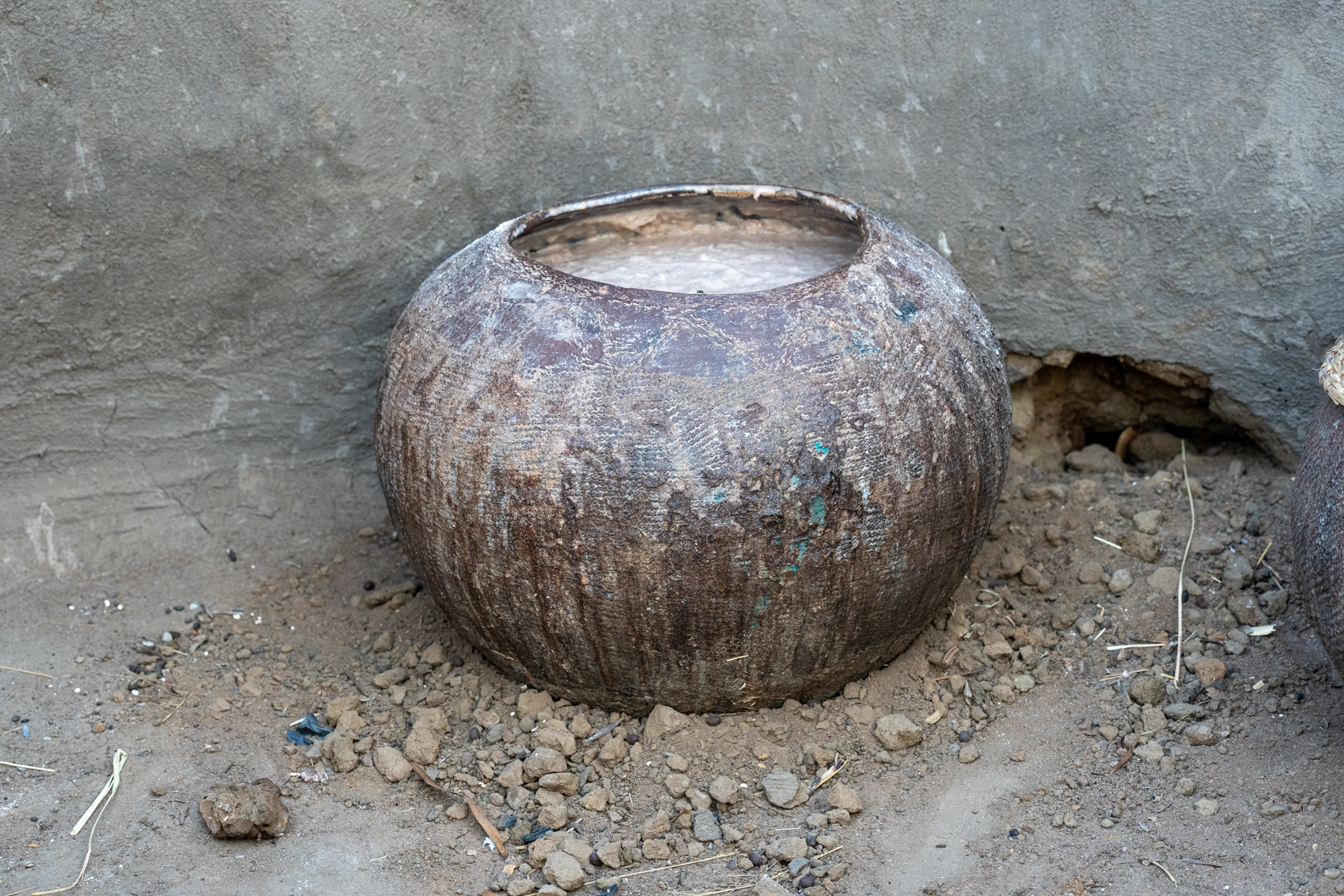
Traditional Mundari clay pot used to make curds (image by Inger Vandyke)
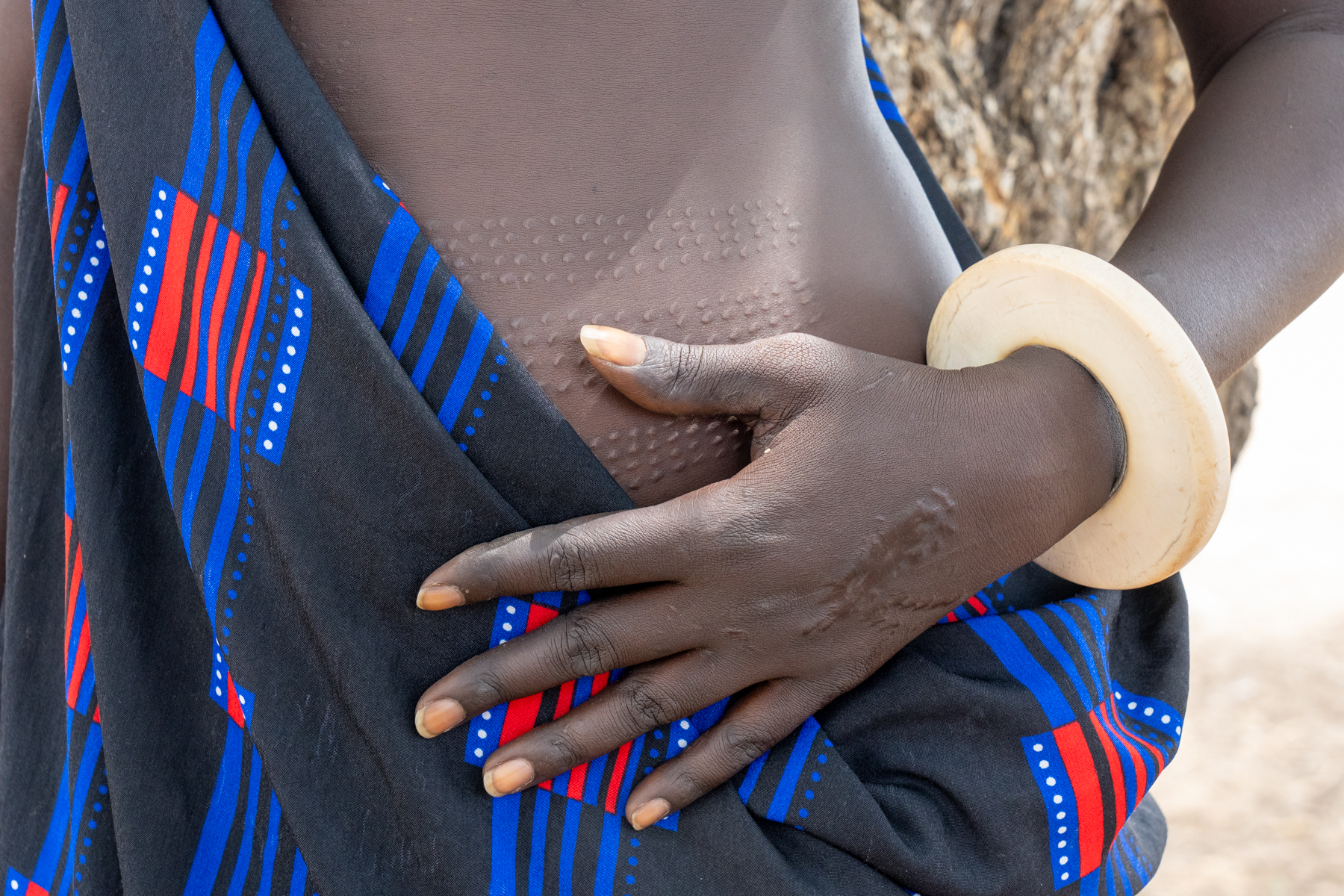
Mundari scarification and bone bracelet (image by Inger Vandyke)
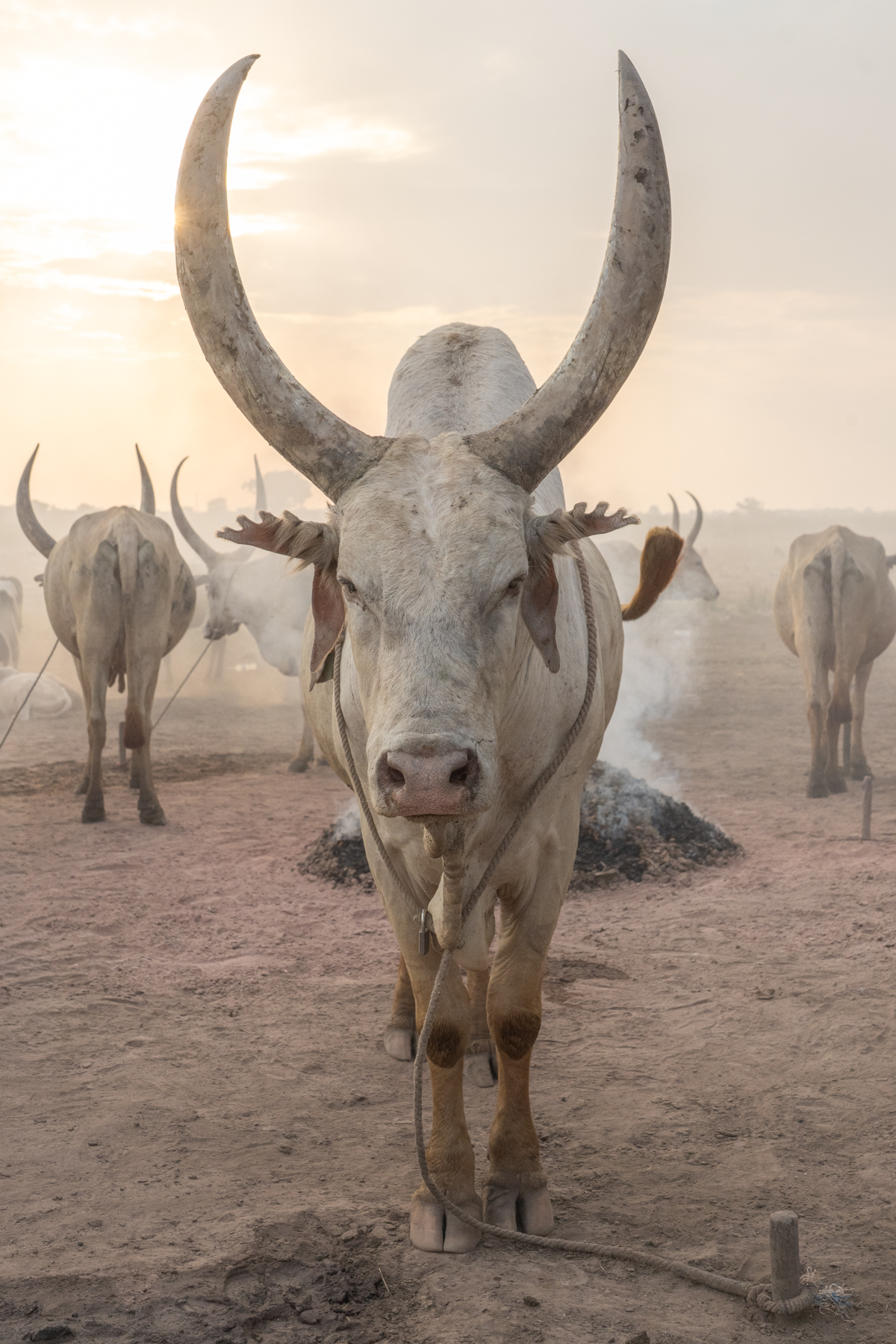
Mundari cow with its clipped ears (image by Inger Vandyke)
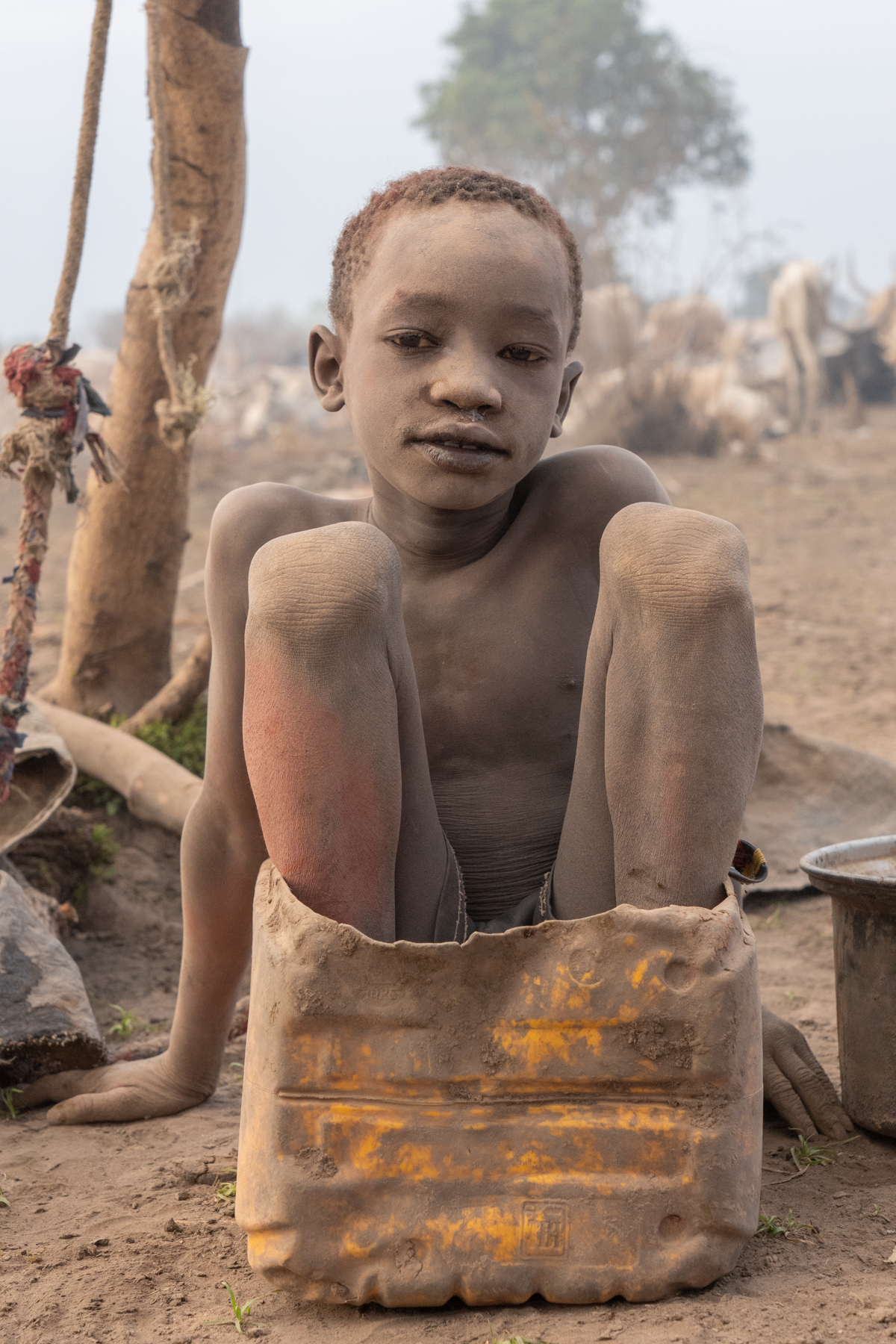
Tiny Mundari boy in a bucket (image by Inger Vandyke)
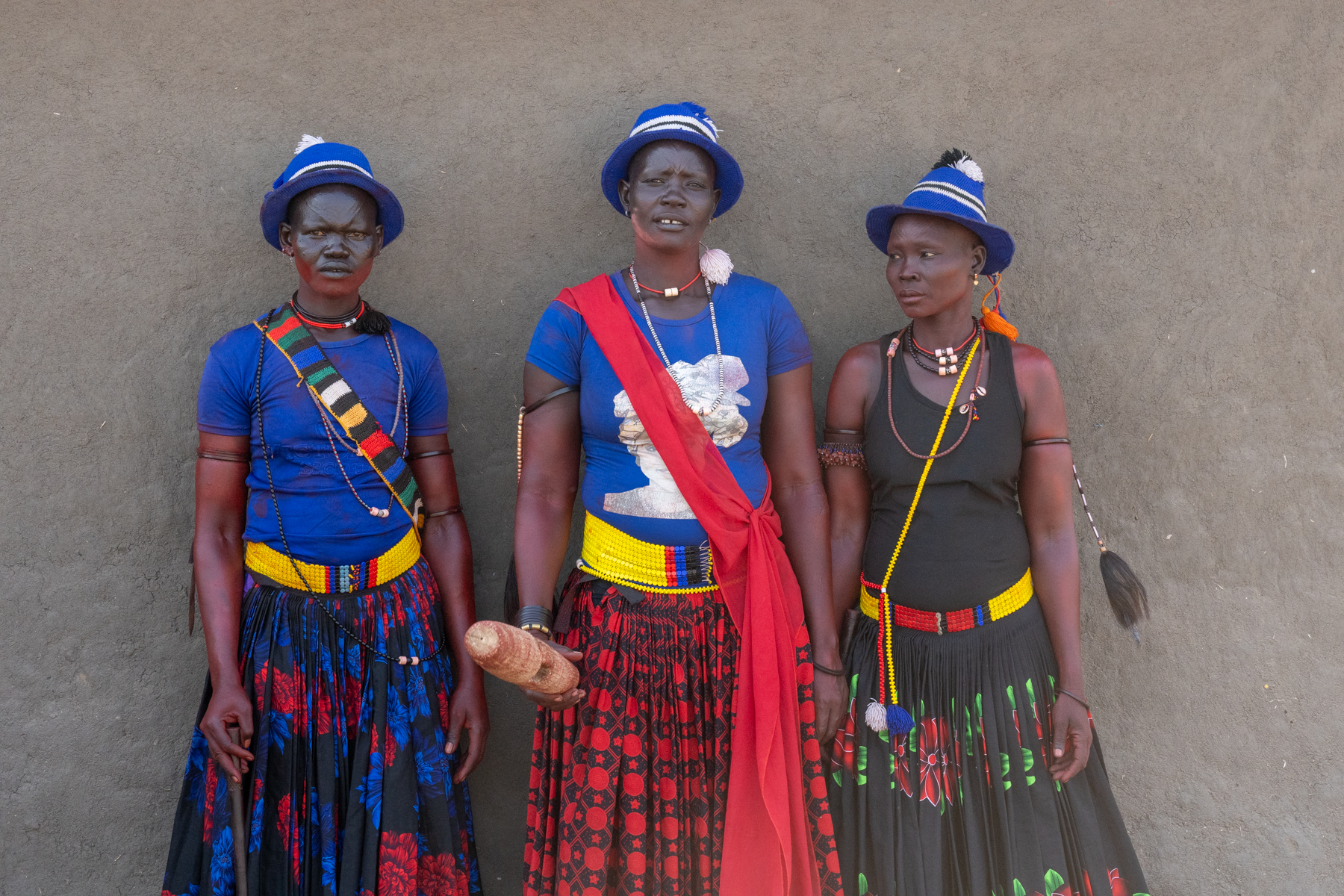
A group of Mundari women in wedding attire (image by Inger Vandyke)
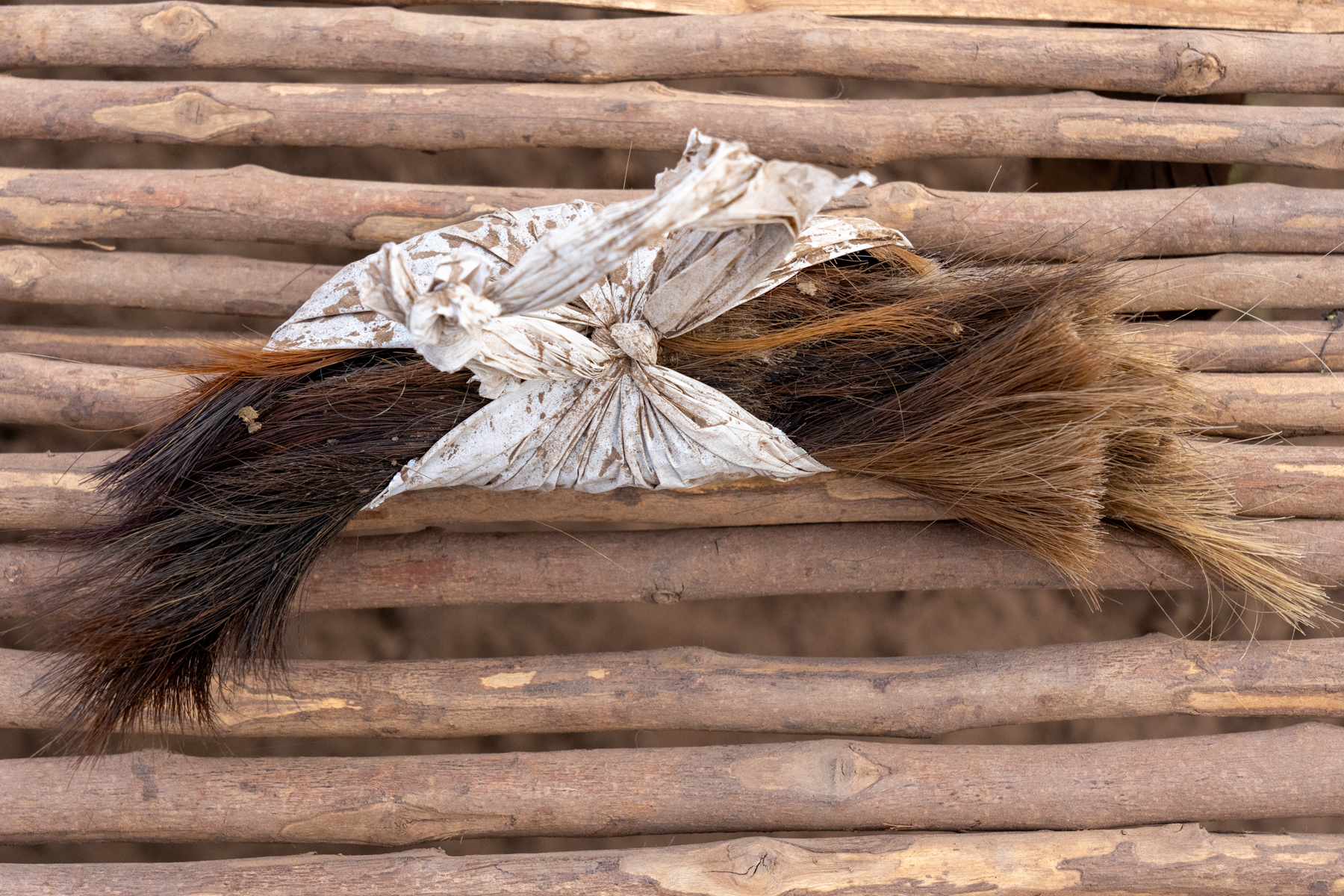
Haircut day for Mundari cows (image by Inger Vandyke)
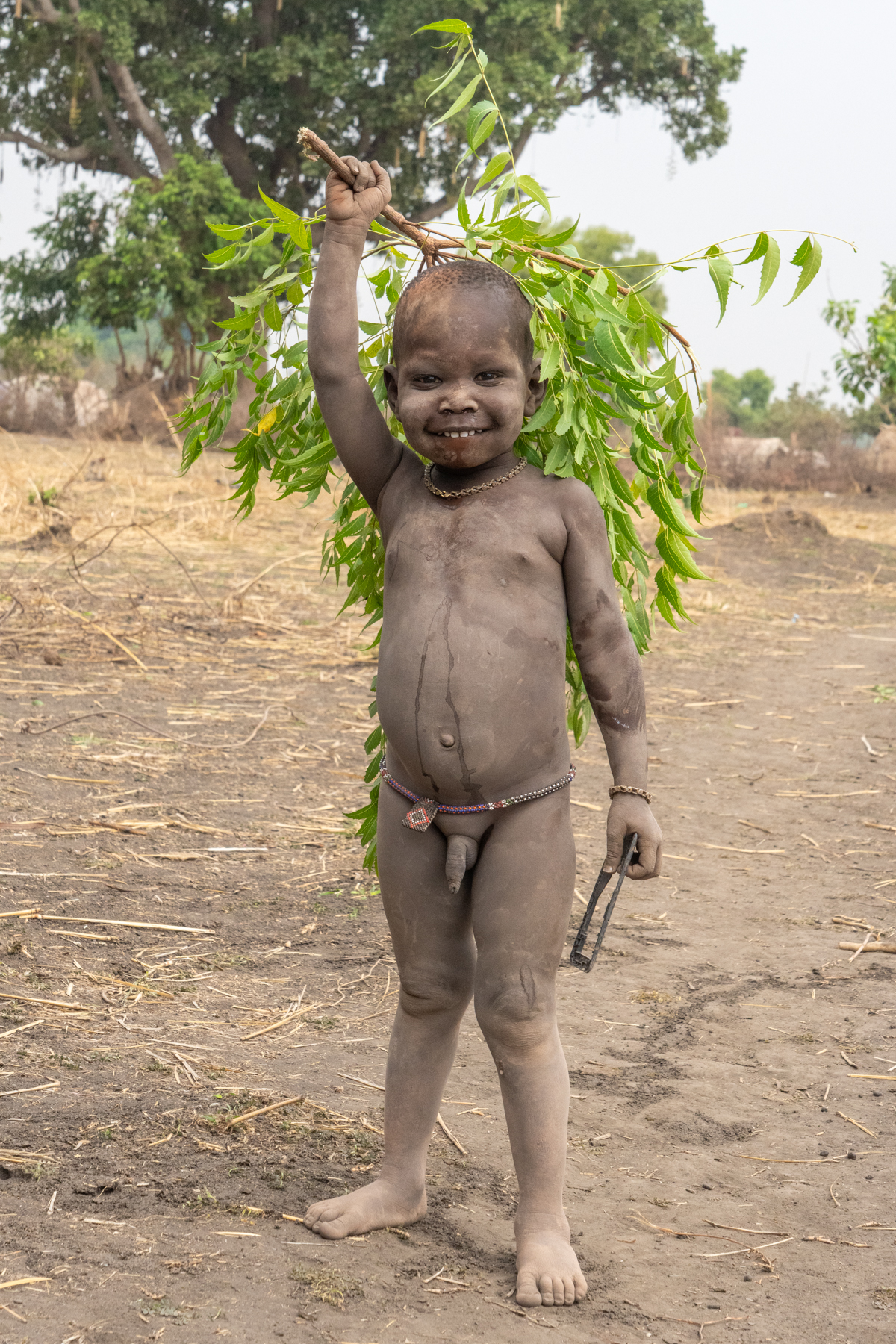
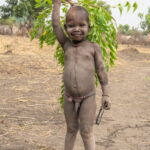
Sweet Mundari boy with a tree branch which will be used as the camp broom (image by Inger Vandyke)
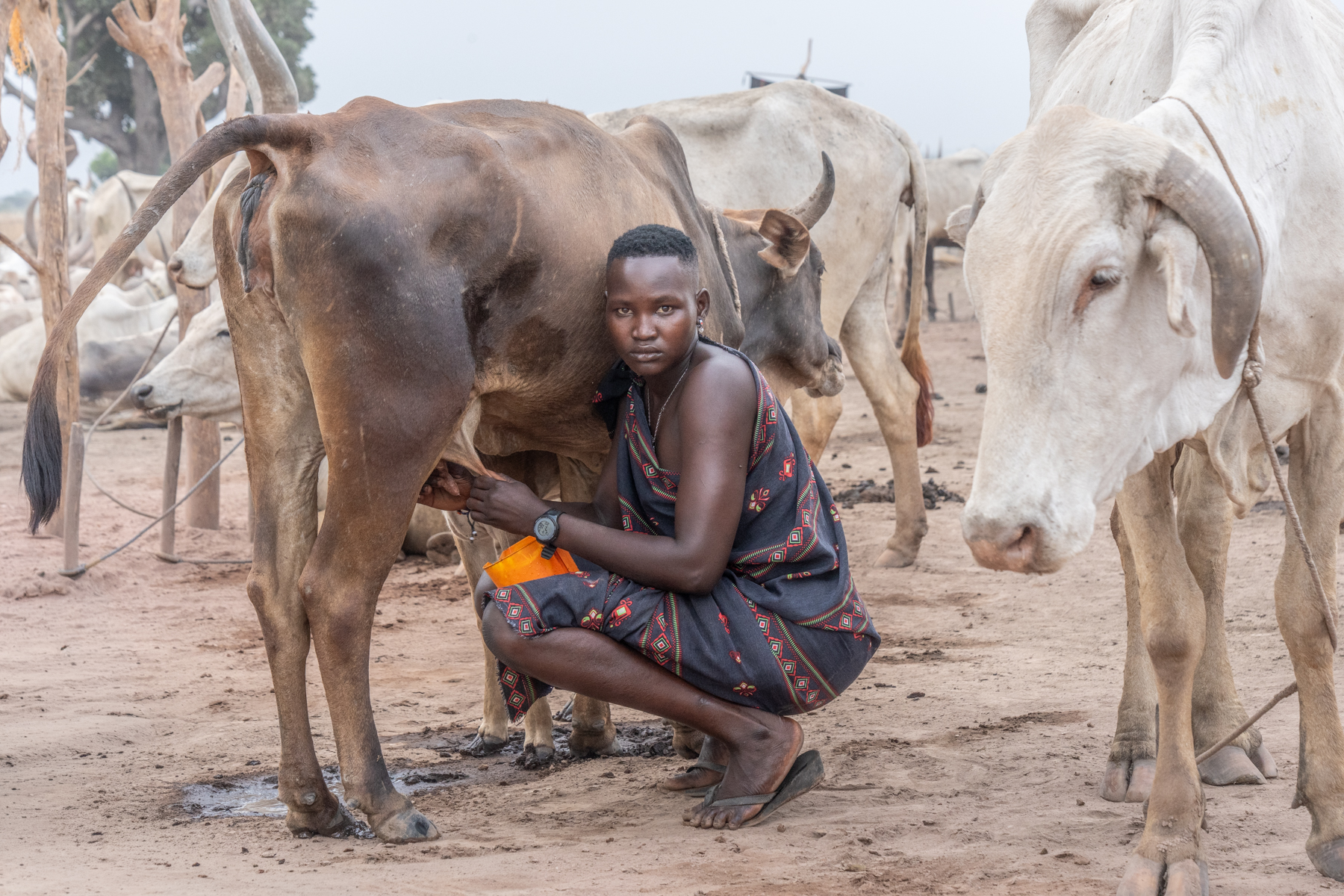
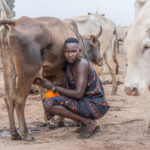
A beautiful Mundari woman milking her cow (image by Inger Vandyke)
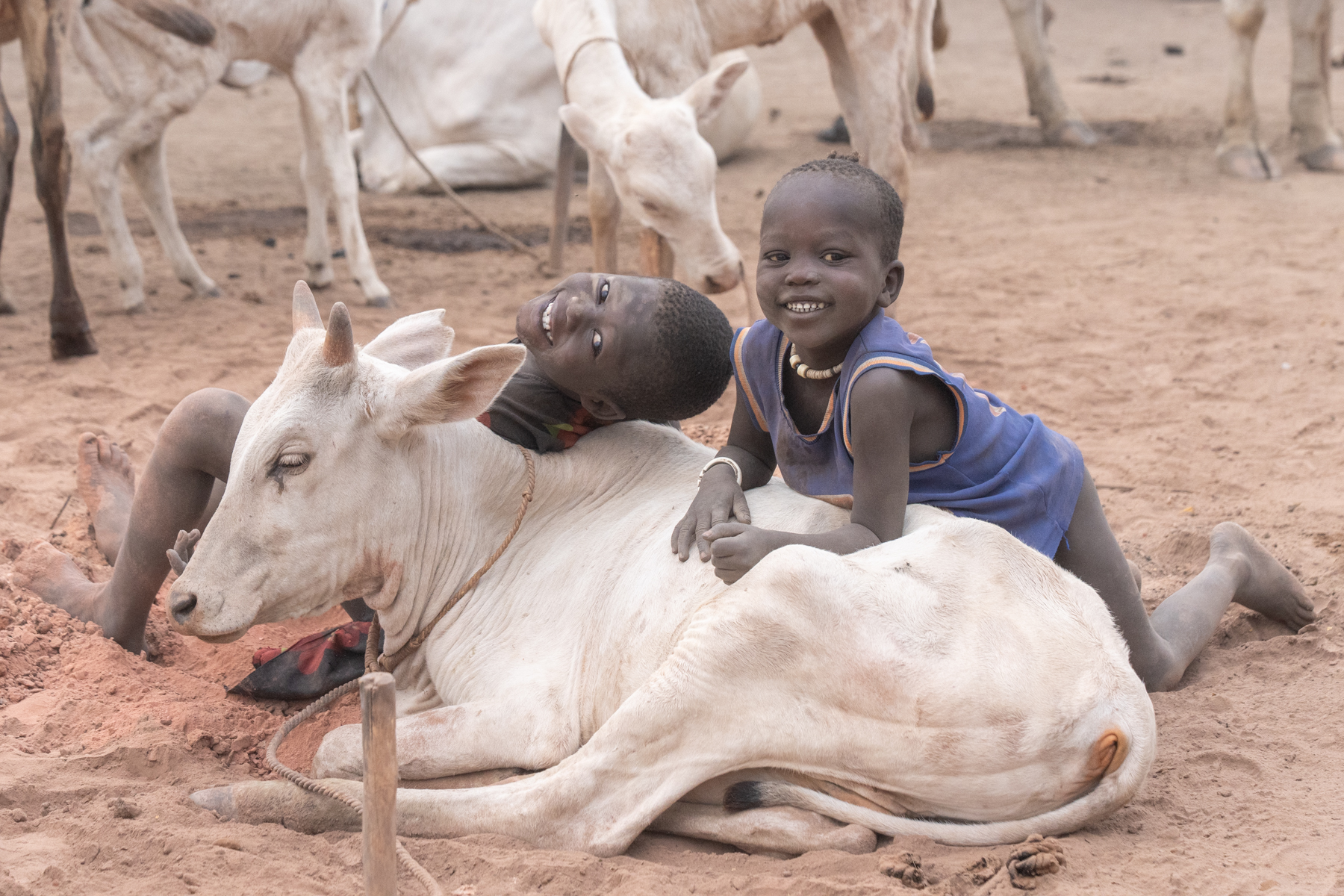
Giggling Mundari boys hanging out with their favourite calf (image by Inger Vandyke)
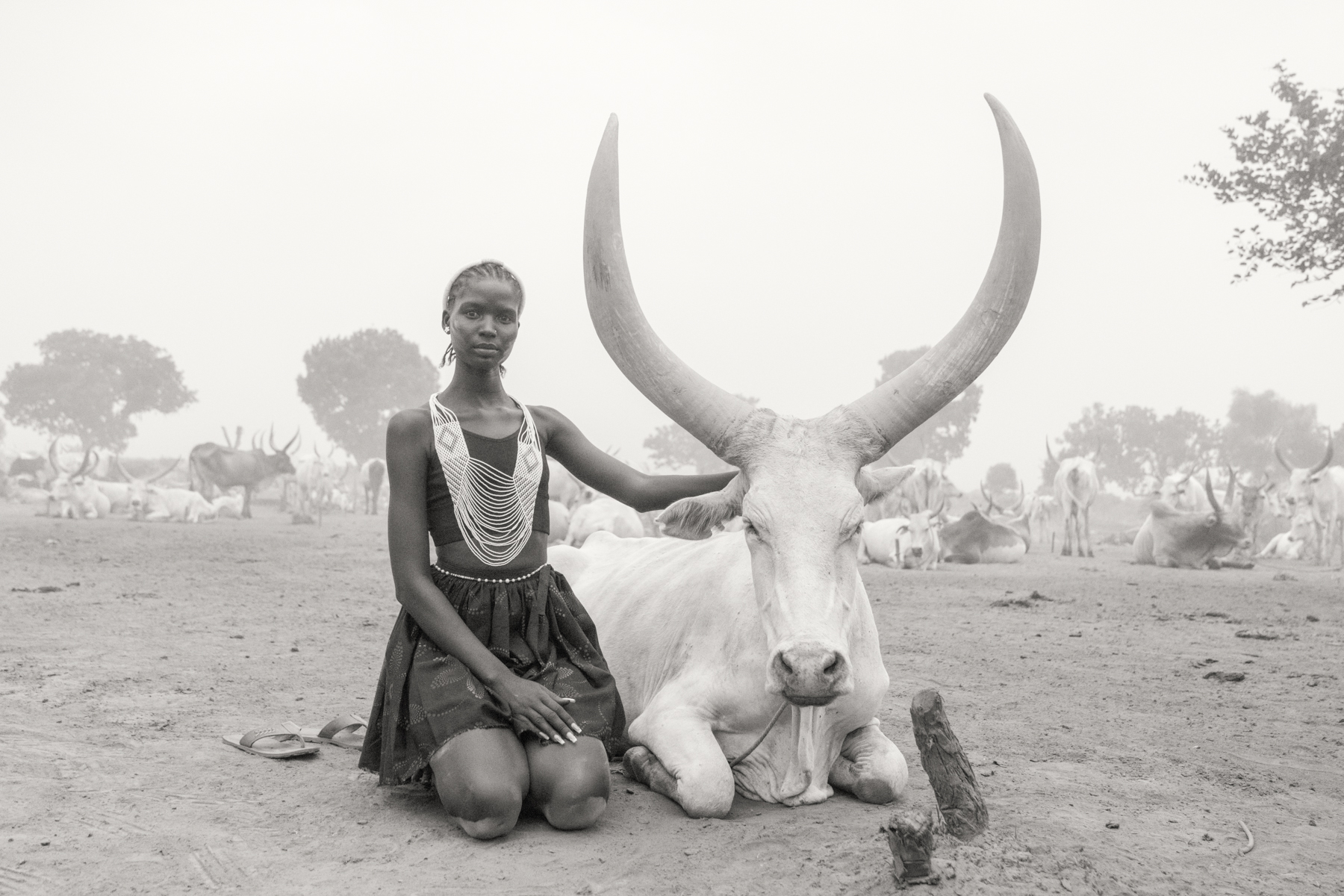
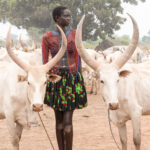
Beautiful Aker wearing the traditional Dinka Guet Yest, or wedding beads, next to one of the magnificent cows in camp (image by Inger Vandyke)
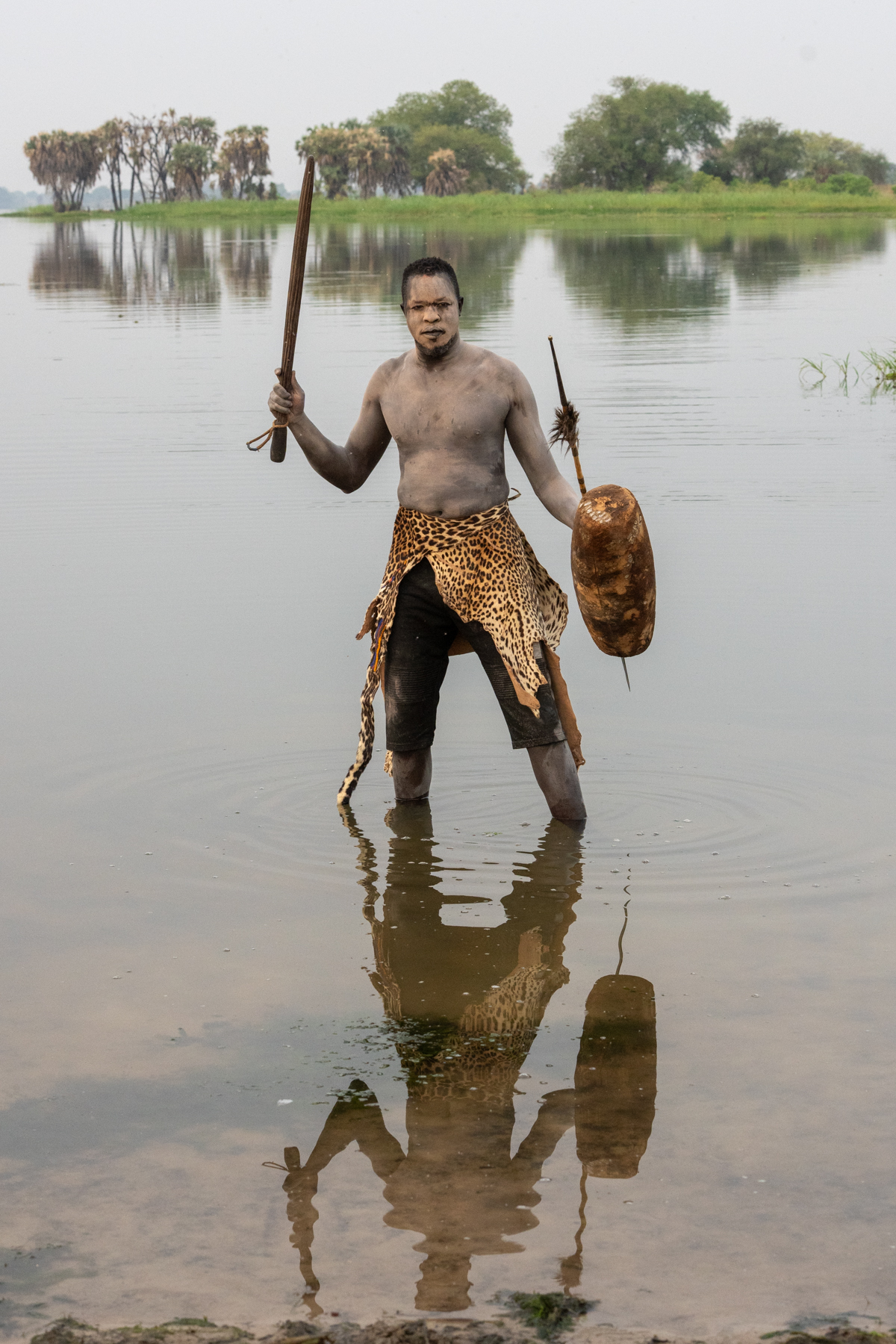
Mundari man in battle regalia (image by Inger Vandyke)
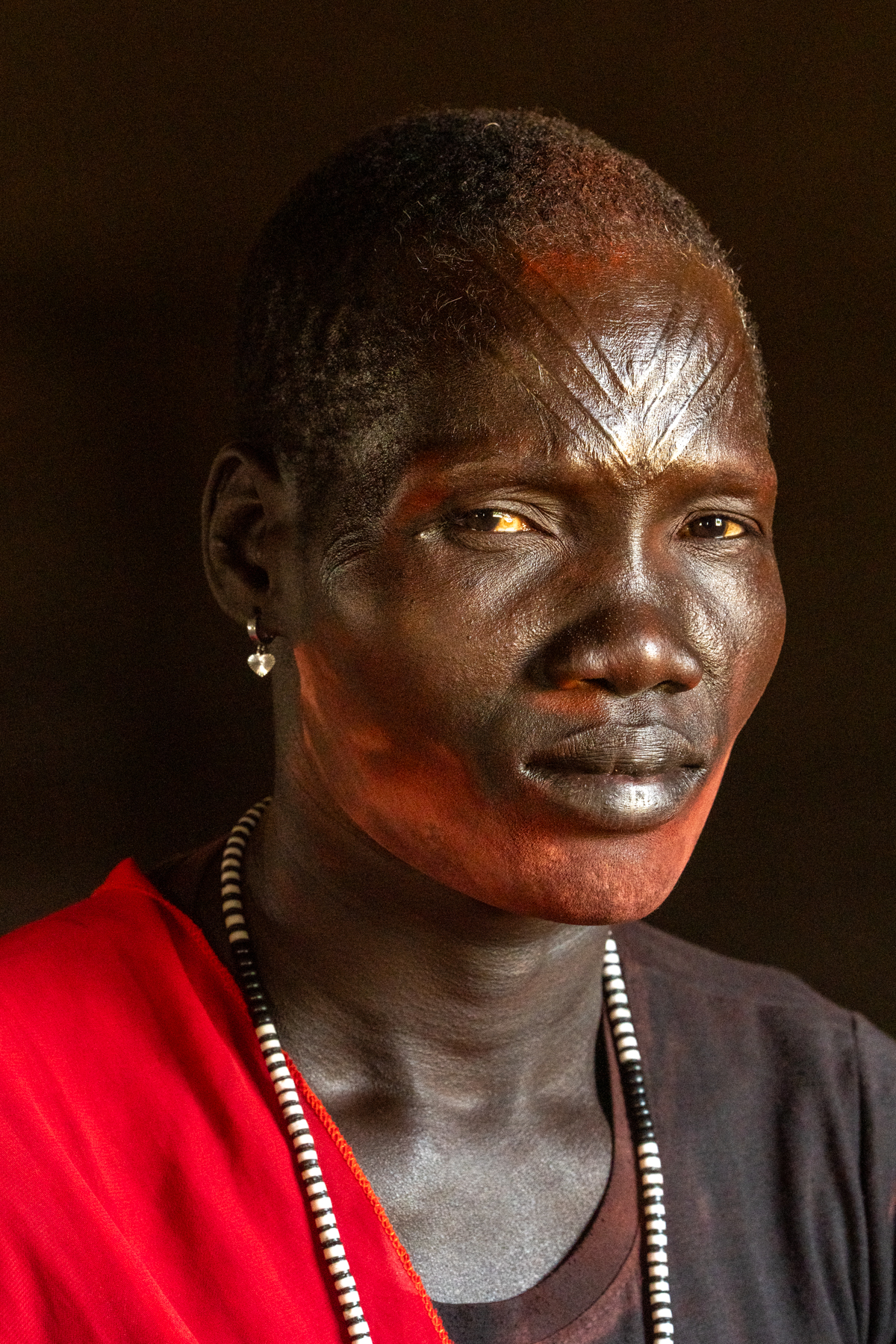
Beautiful Mundari woman with her traditional scarification and ochre (image by Inger Vandyke)
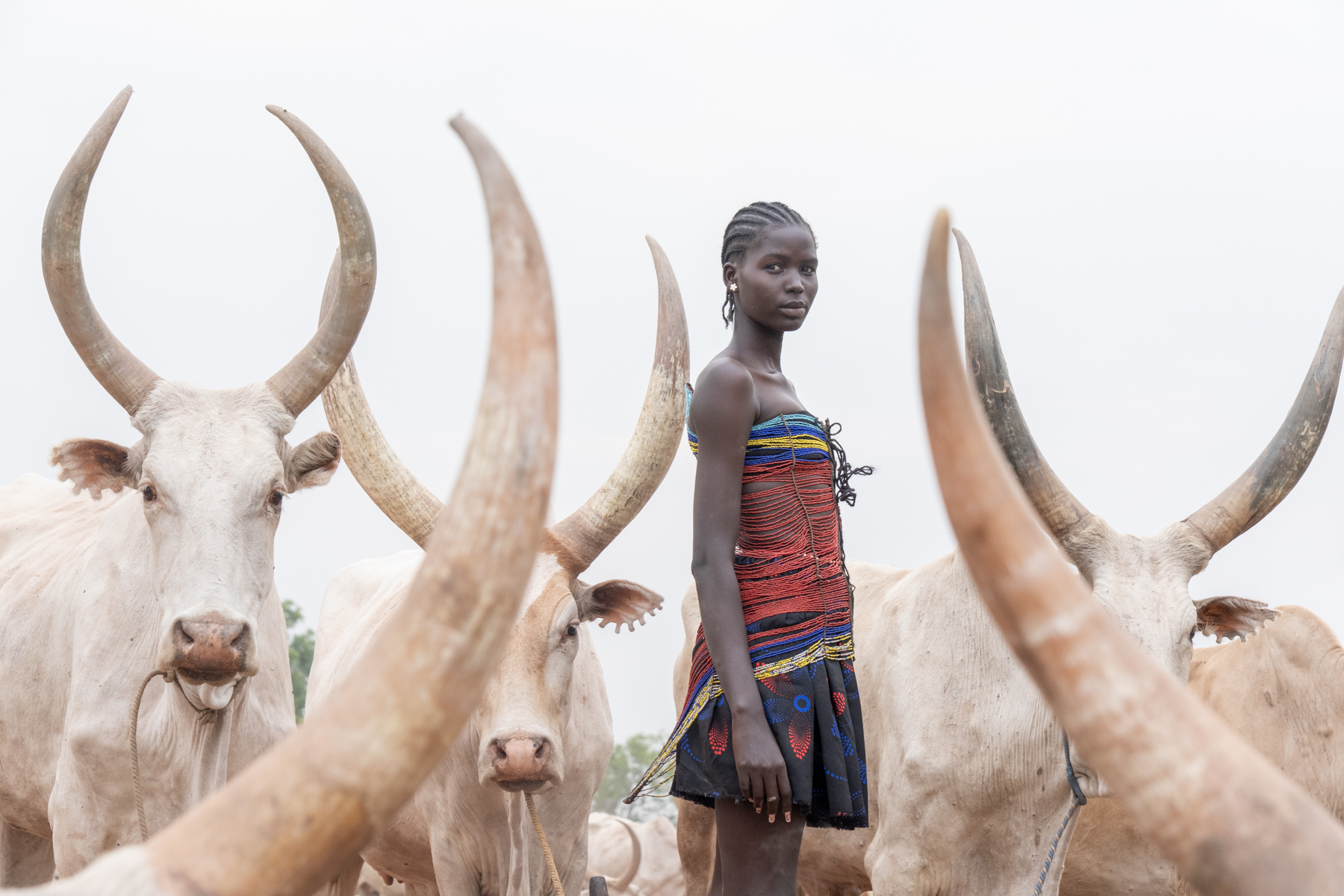
Aker and cows (image by Inger Vandyke)
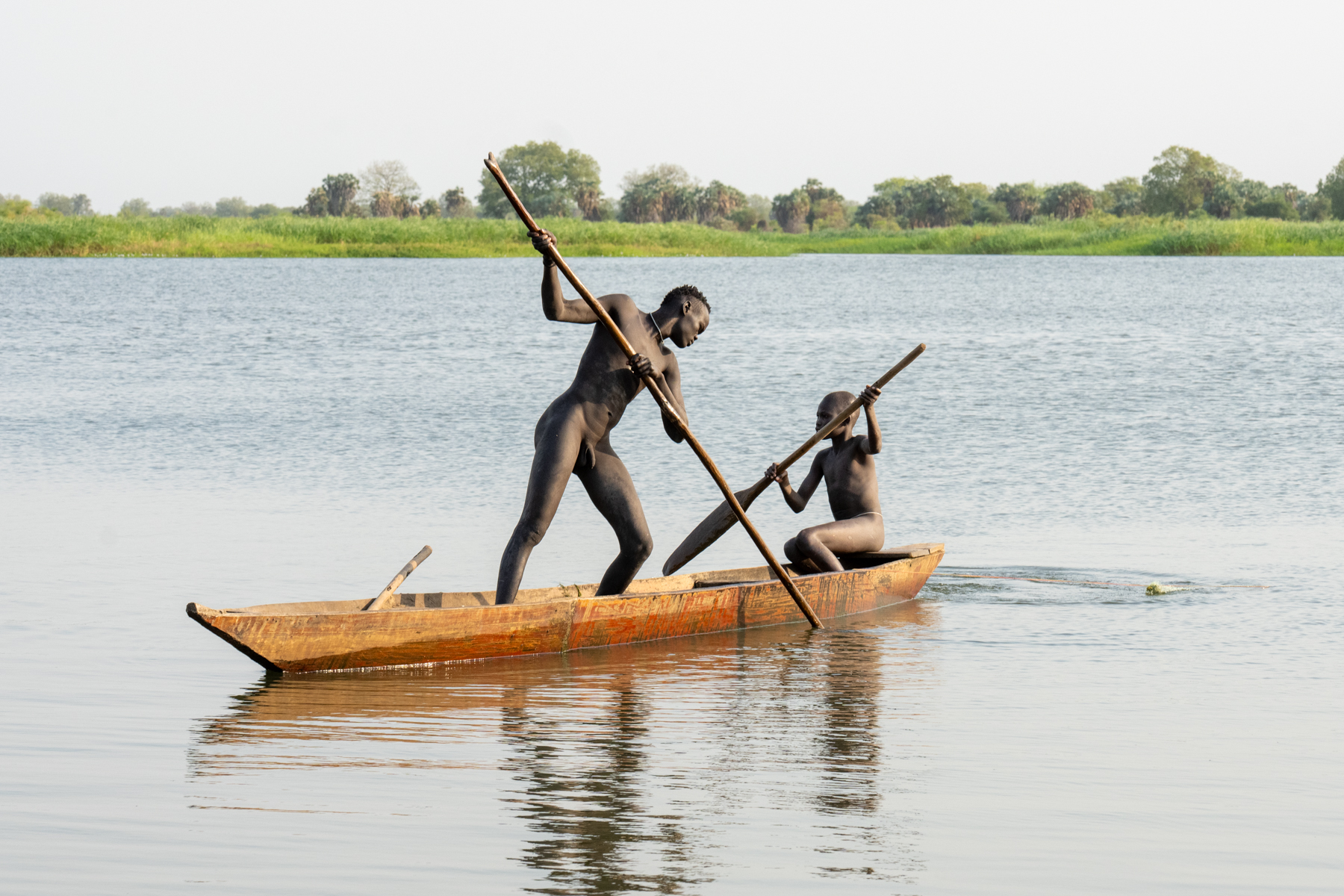
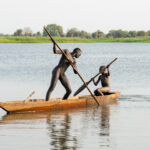
Mundari fishermen in their dugout canoe (image by Inger Vandyke)
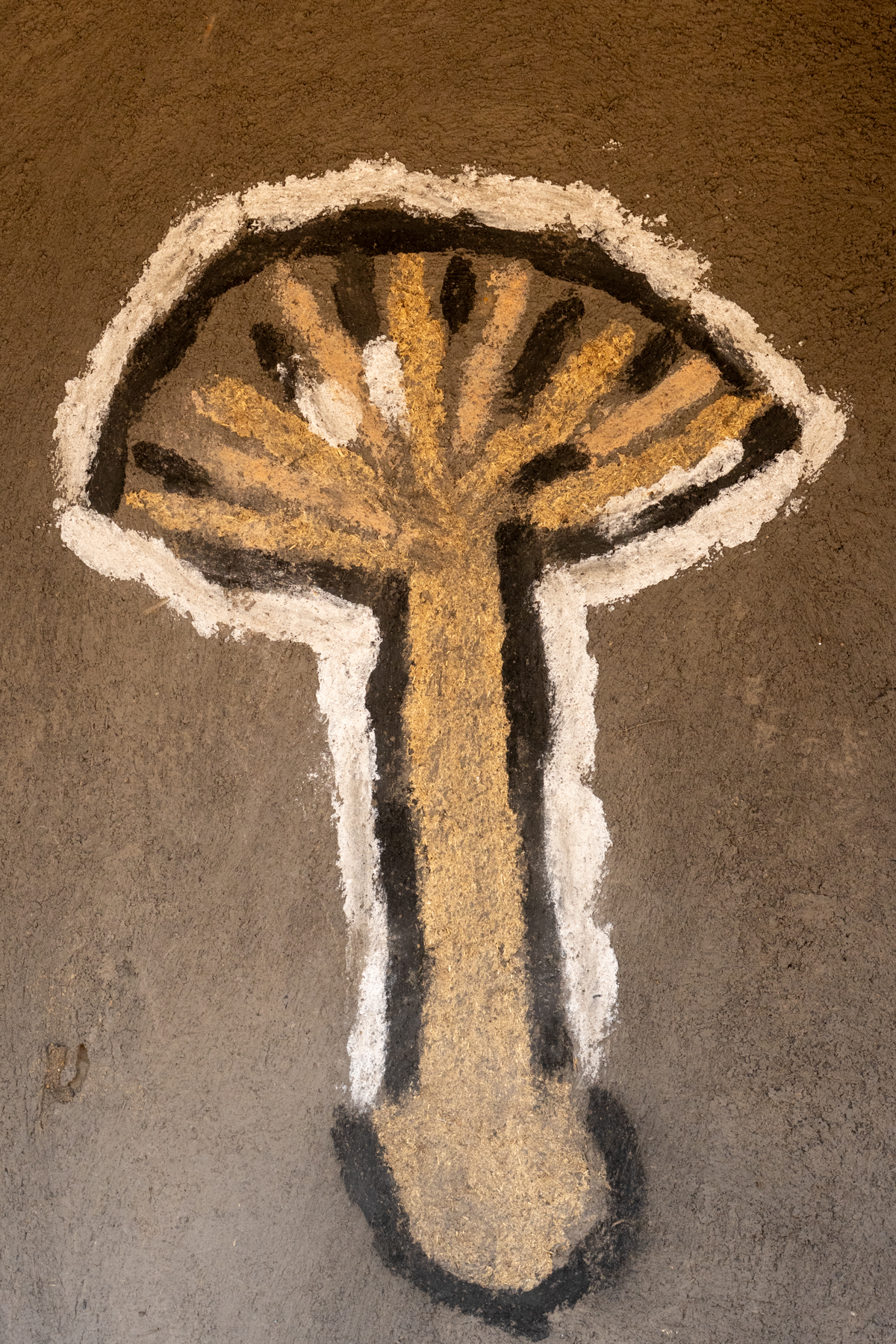
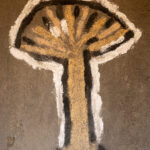
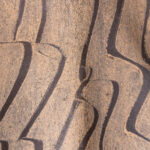
Hand-painted Motif adorning a Mundari home (image by Inger Vandyke)
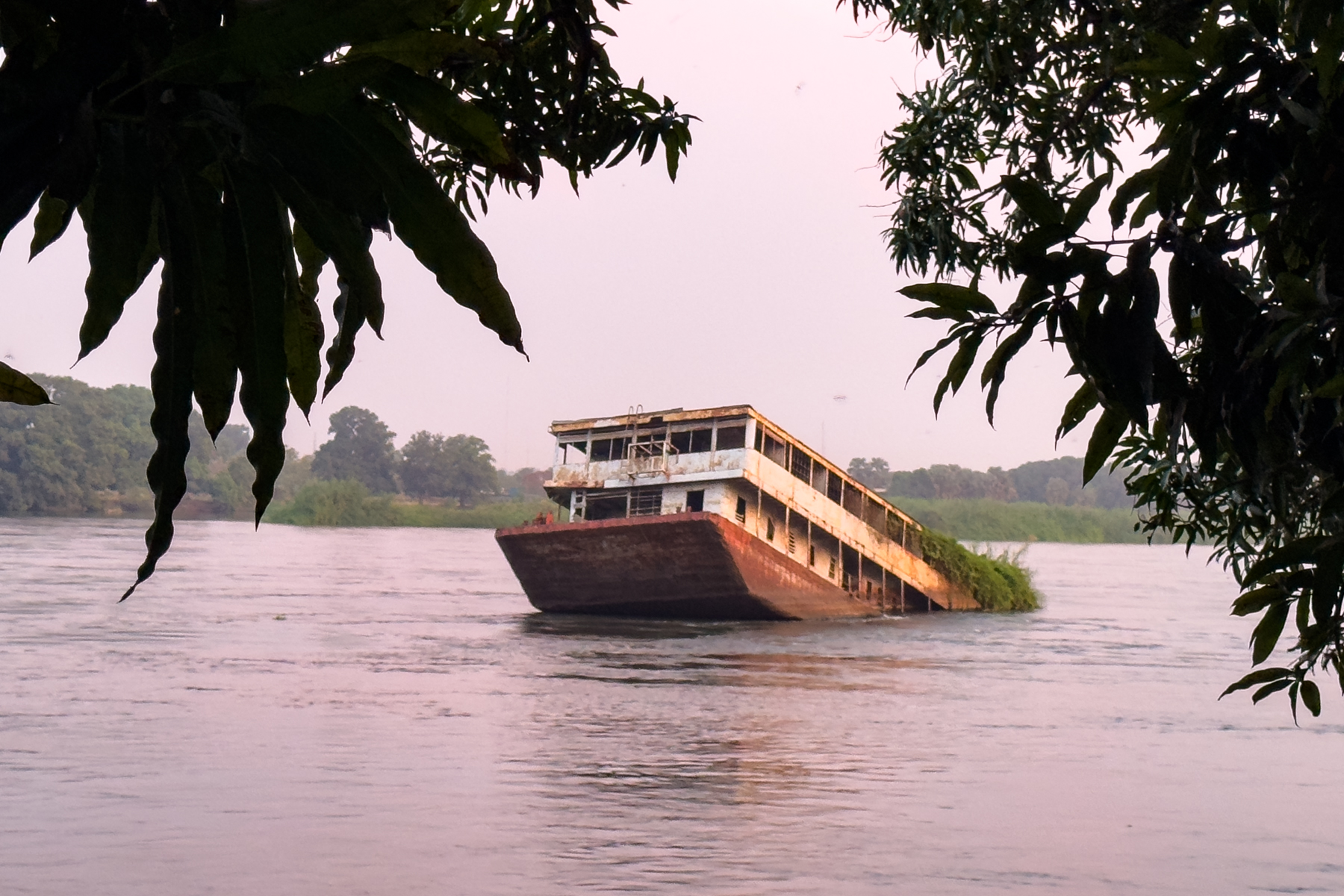
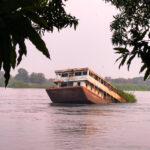
Sunken passenger ferry in the White Nile at dusk (image by Inger Vandyke)
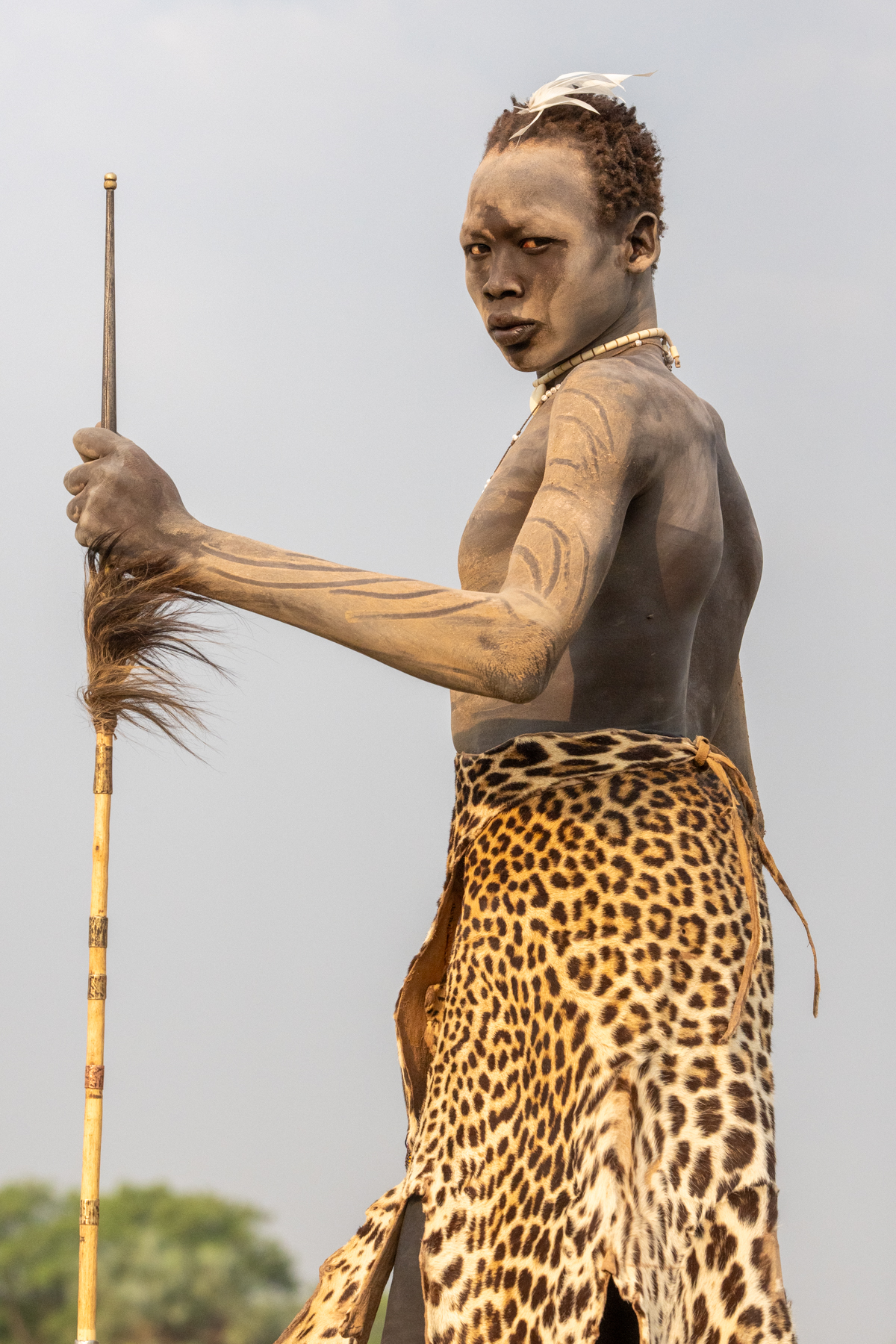
Mundari man with leopard skin and spear (image by Inger Vandyke)
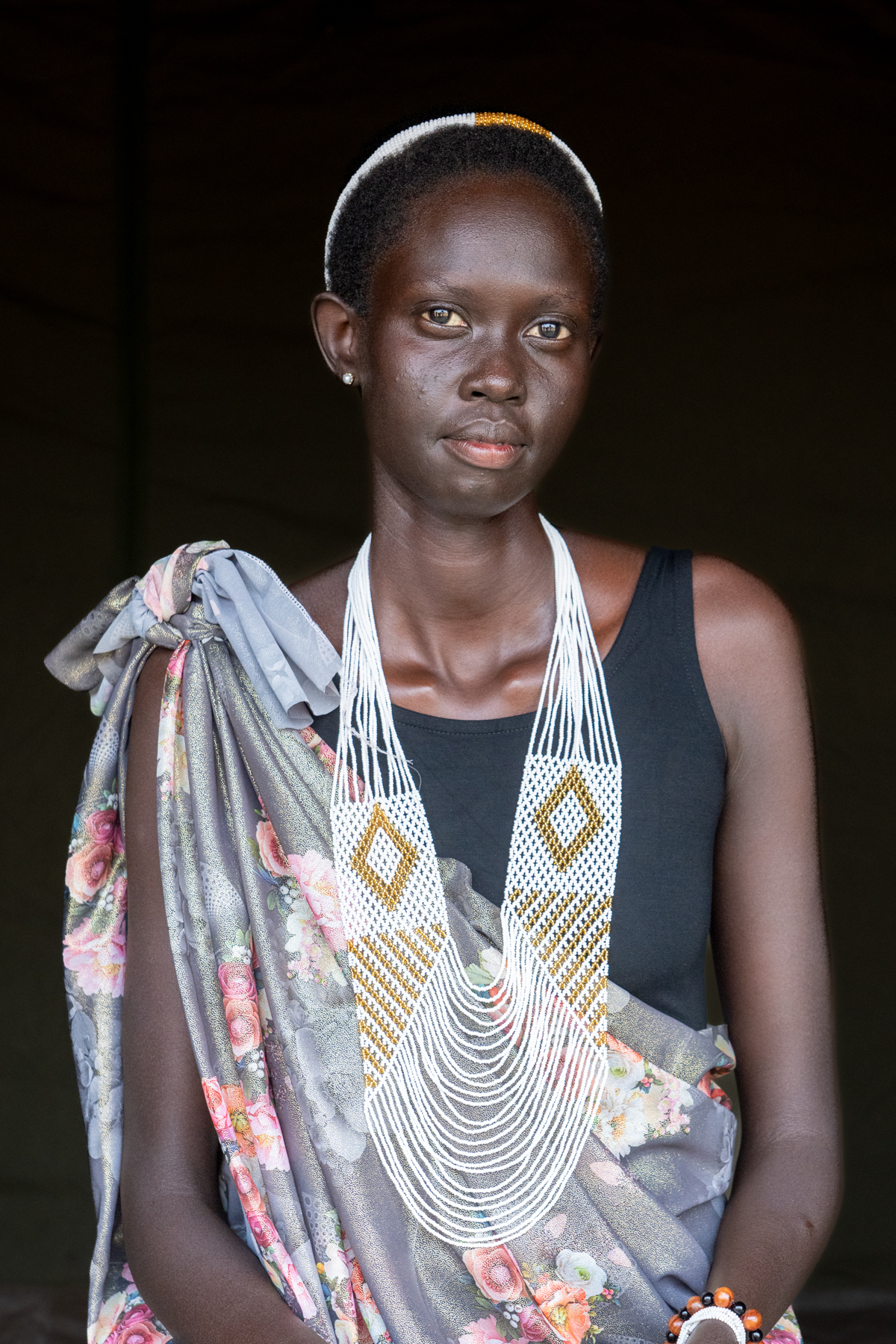
Nyanda wearing traditional Dinka wedding attire (image by Inger Vandyke)
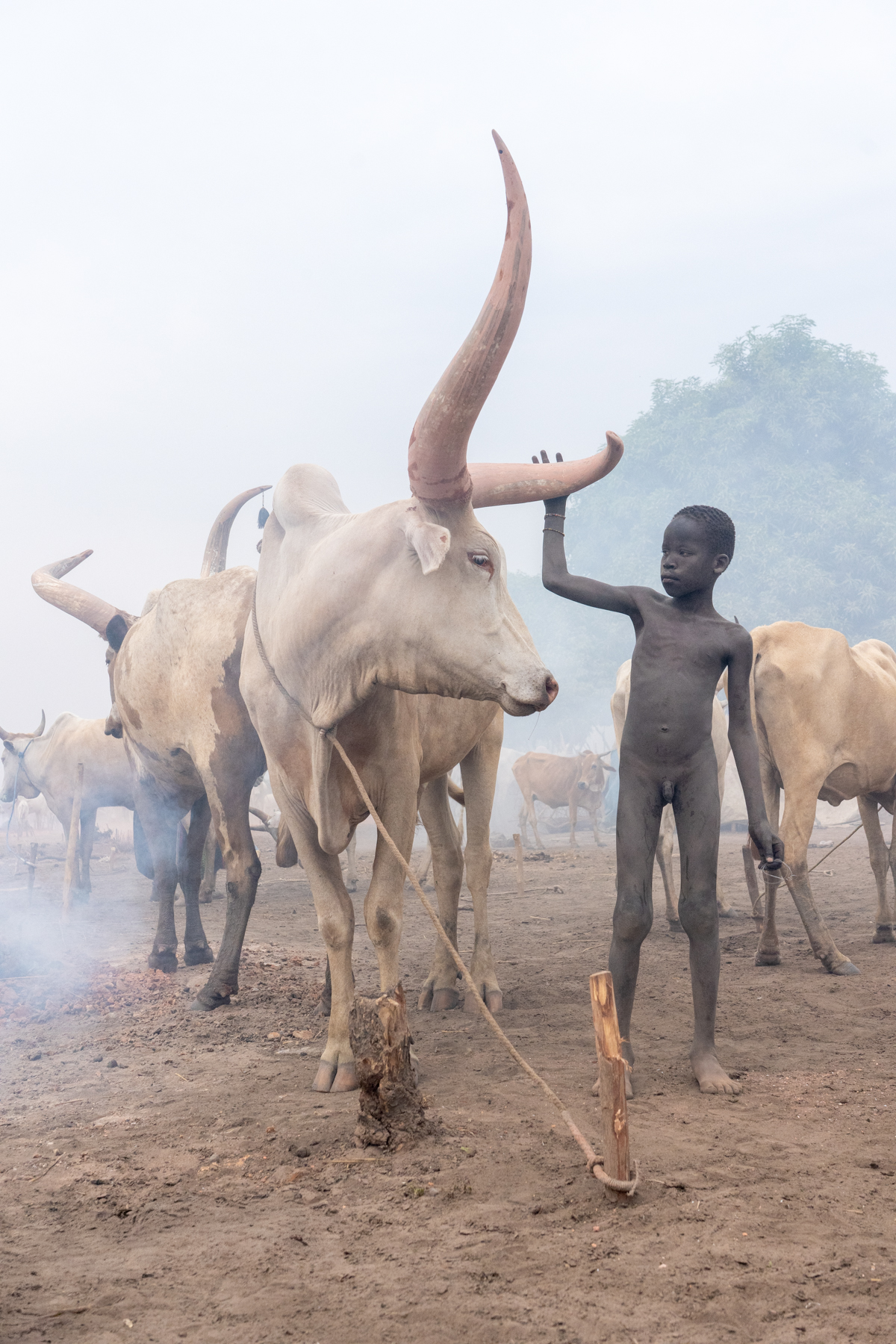
Mundari boy with his favourite cow (image by Inger Vandyke)
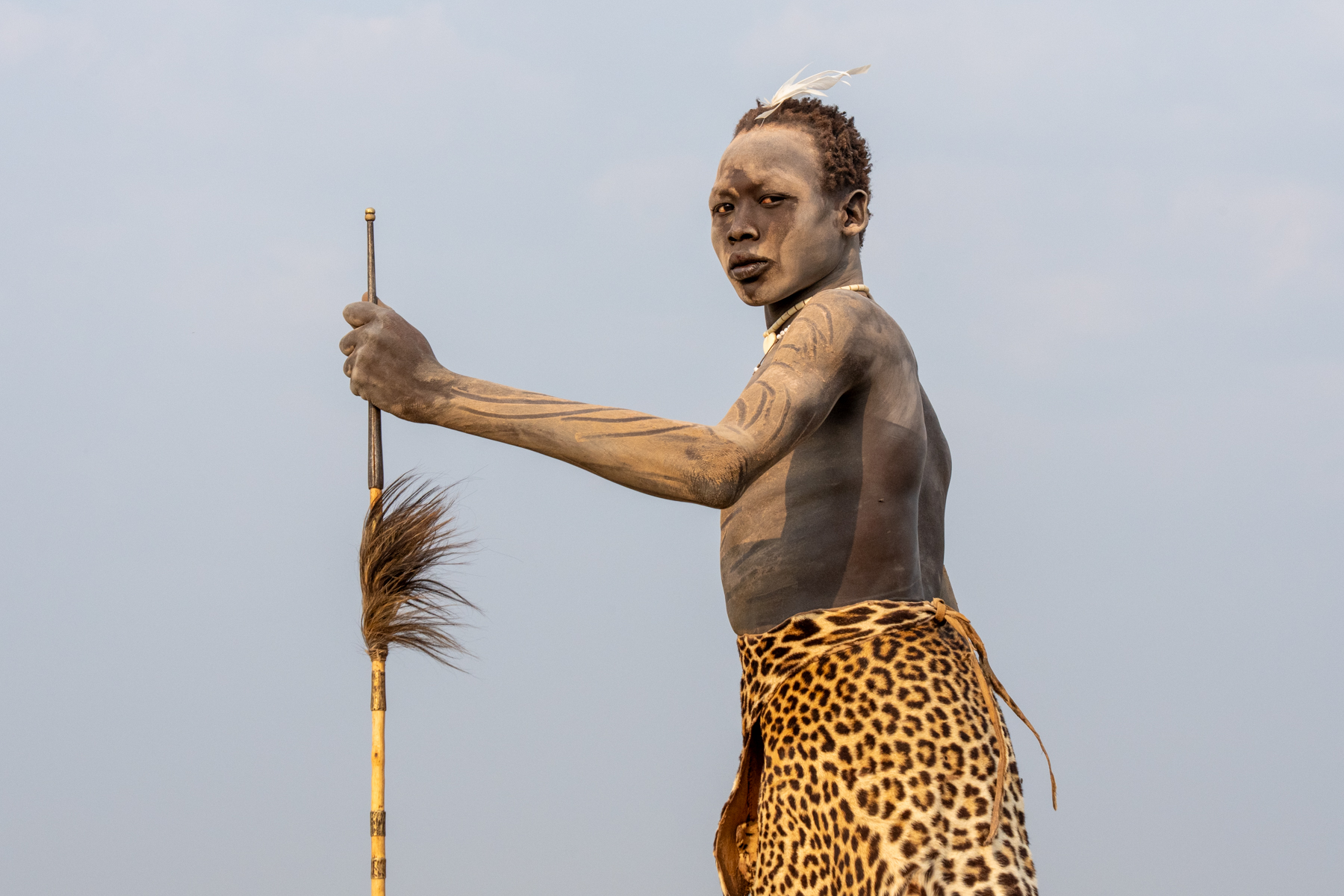
The Mundari, when they wear traditional warrior attire, truly look quite formidable (image by Inger Vandyke)
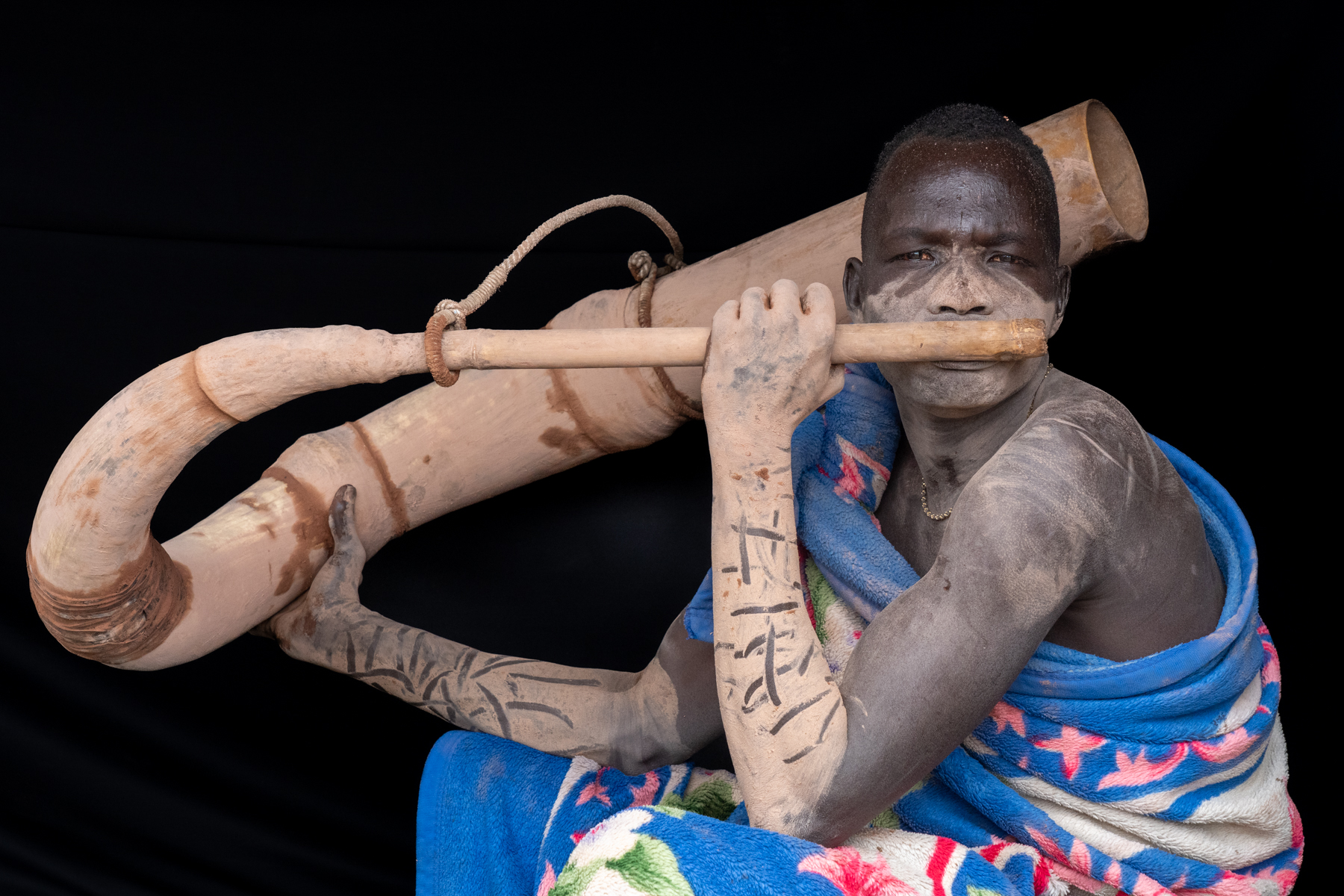
Portrait of a Mundari man playing Tung (image by Inger Vandyke)
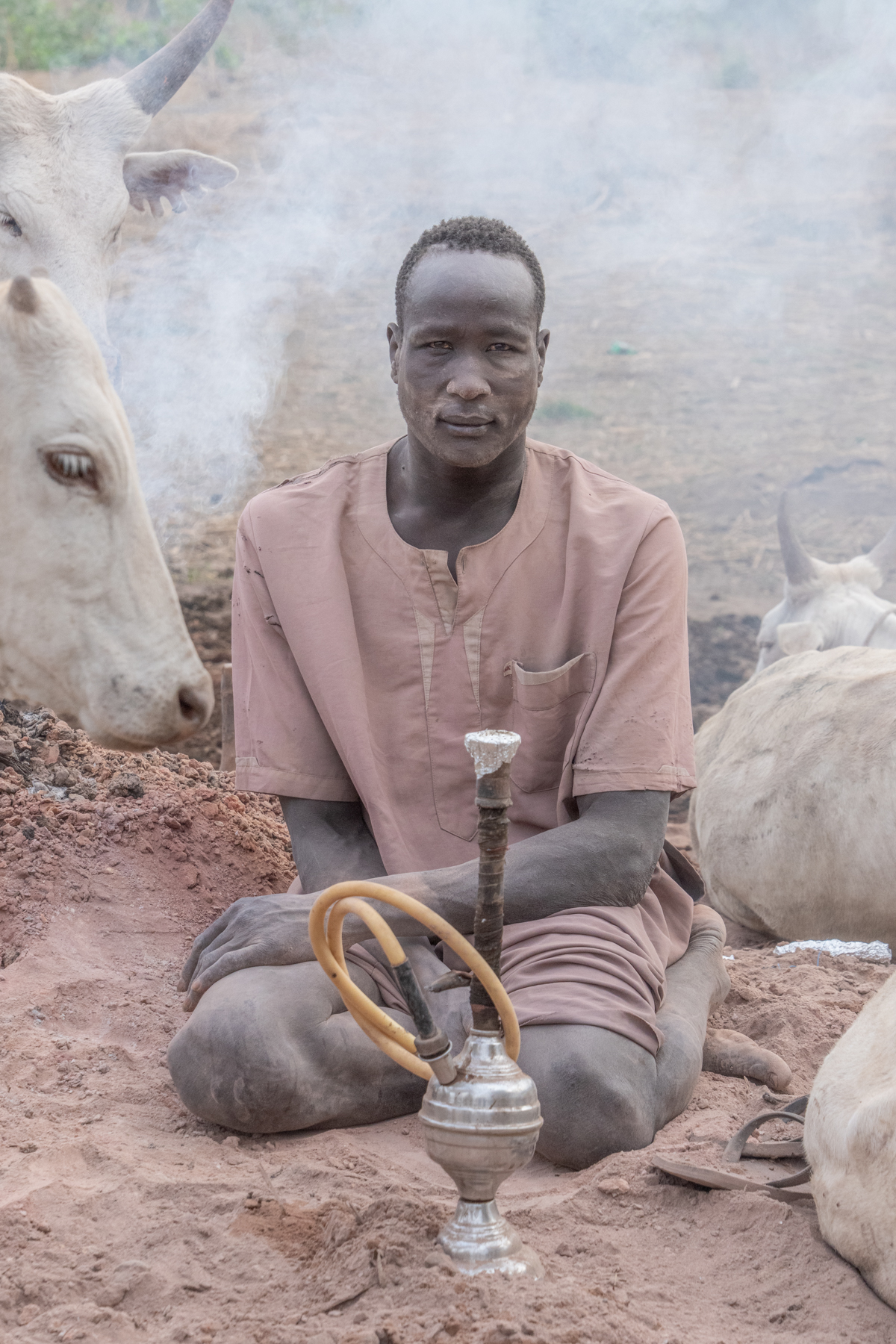
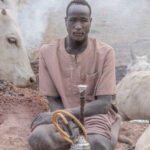
Rest time means a chance to smoke a hookah (image by Inger Vandyke)
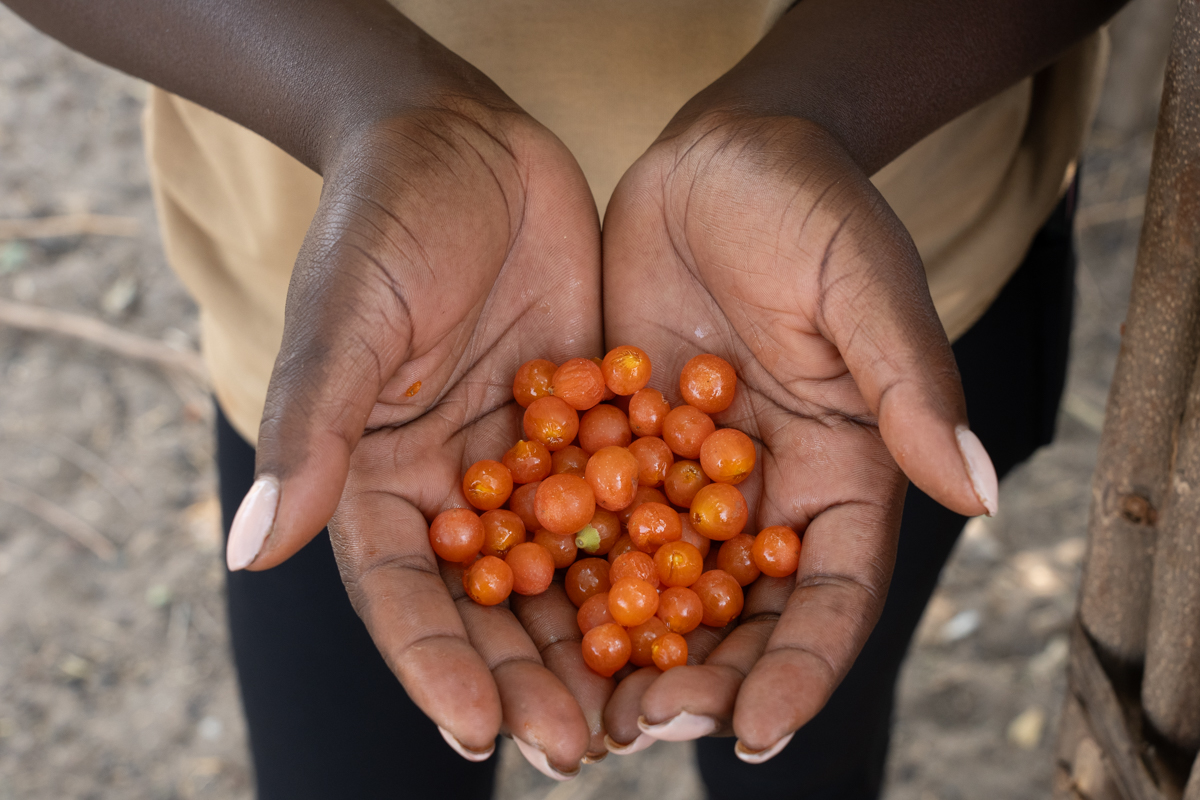
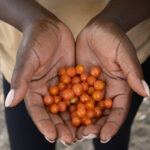
Delicious Saucerberries (image by Inger Vandyke)
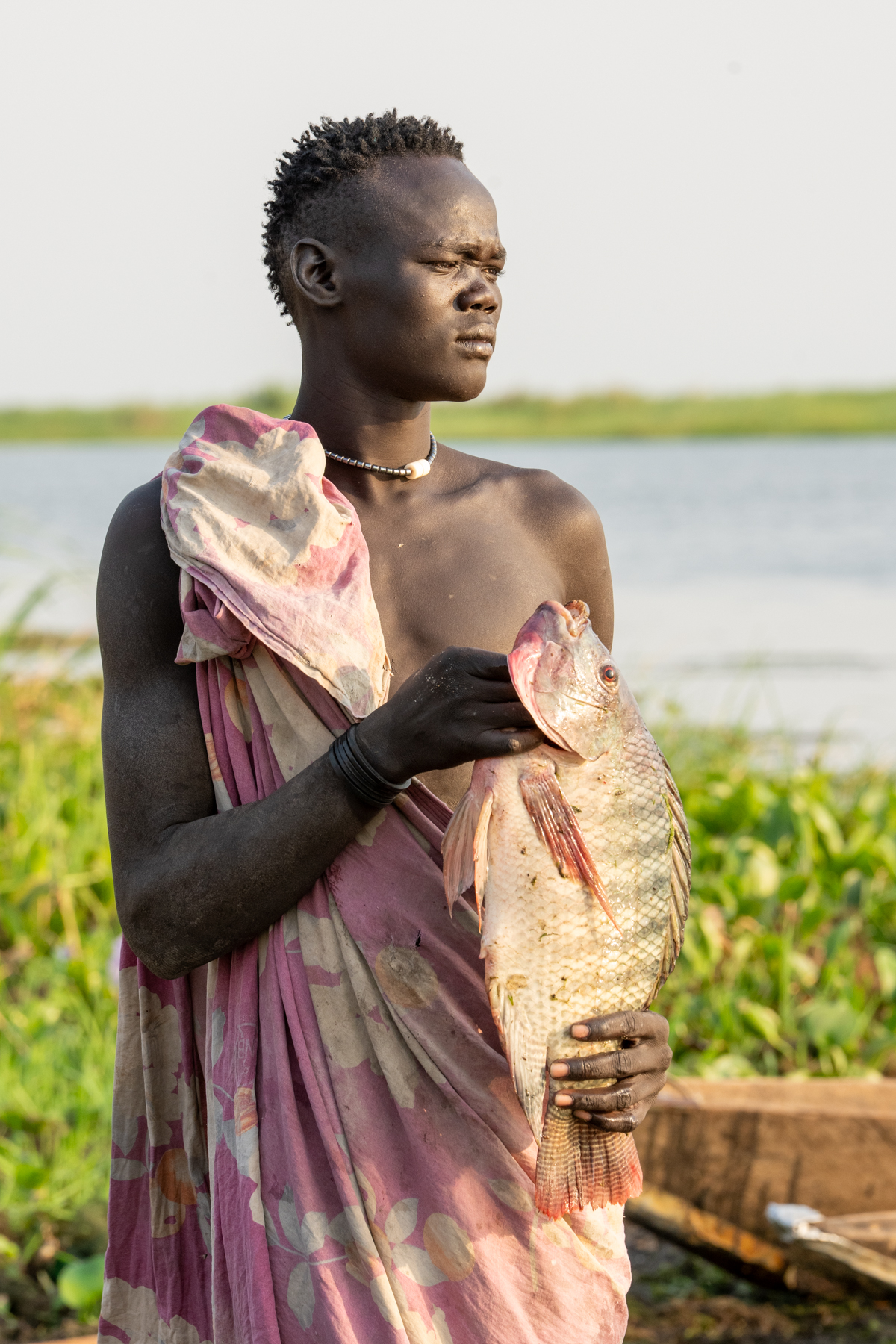
A Mundari fisherman with his Tilapia (image by Inger Vandyke)
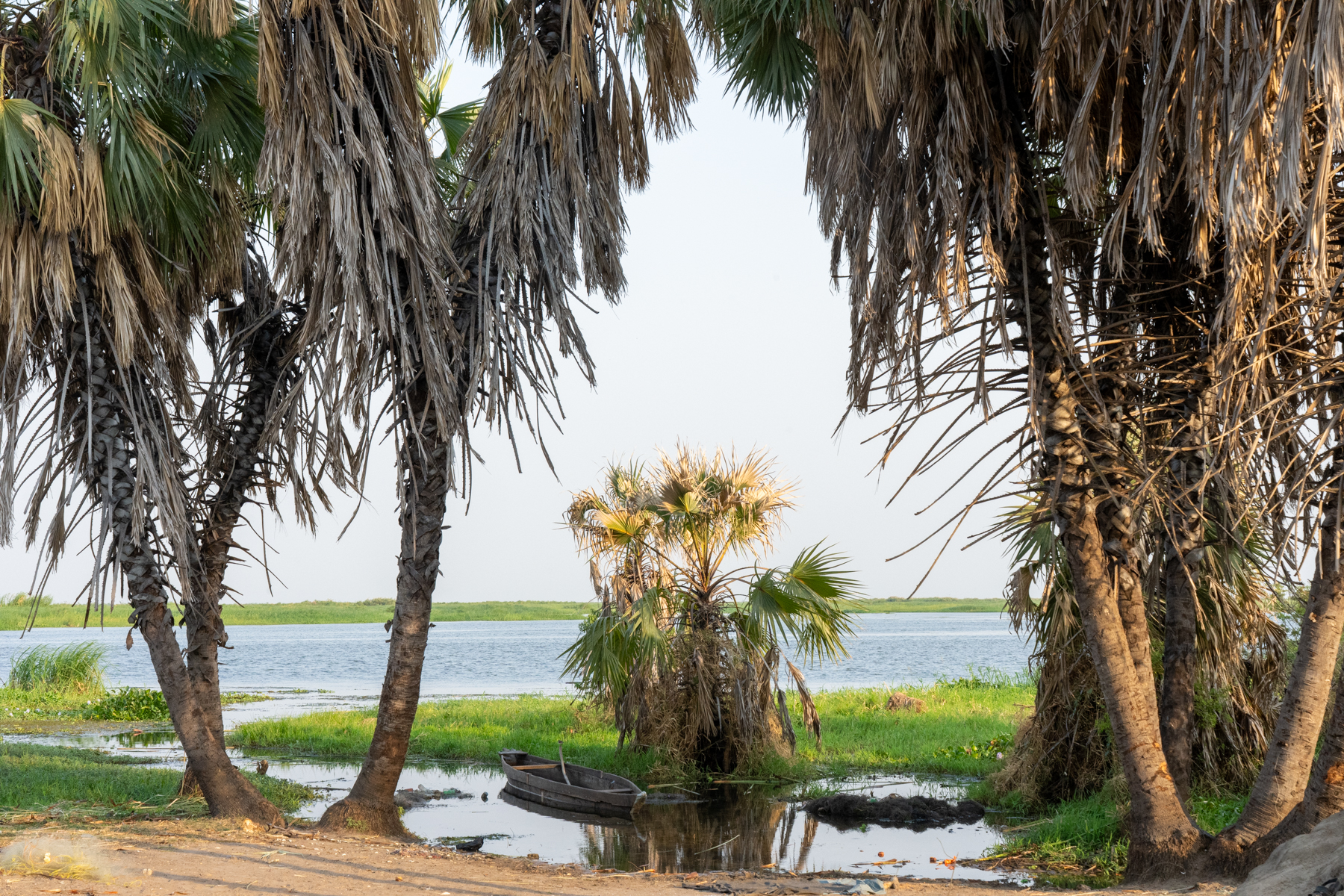
Beautiful Mundari fishing camp (image by Inger Vandyke)
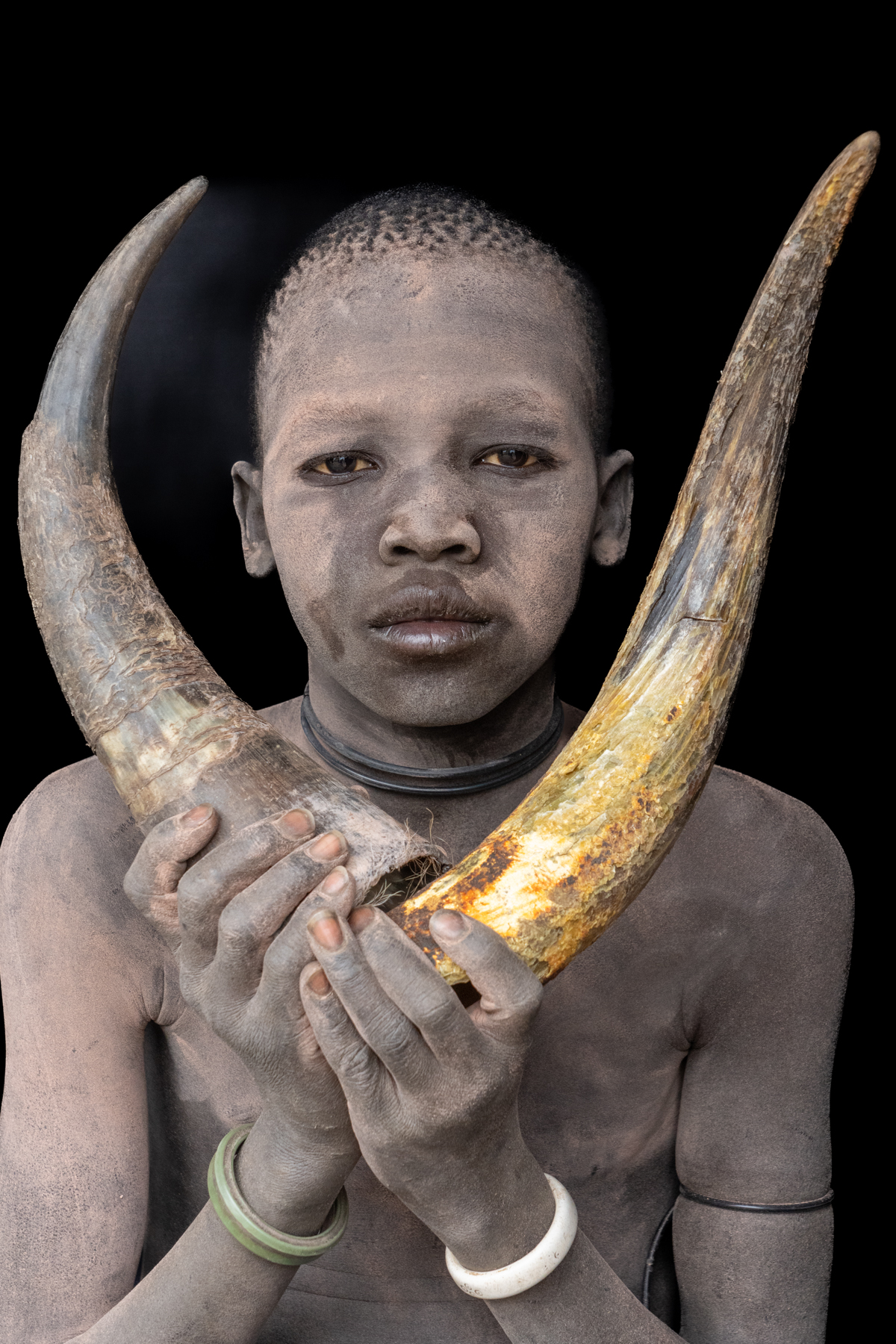
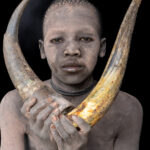
Young Mundari boy with cow horns (image by Inger Vandyke)
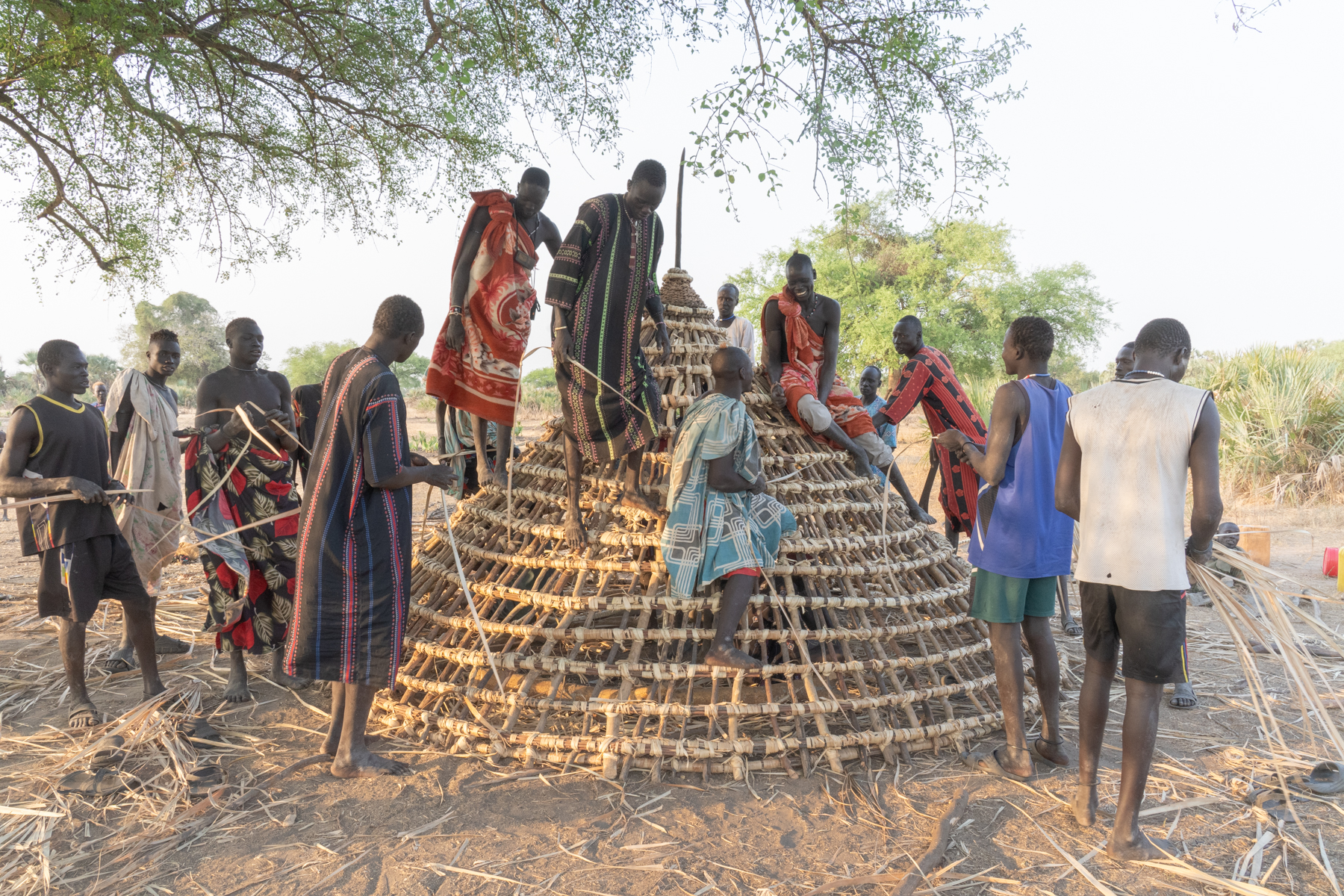
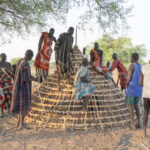
Unlike many parts of Africa where women build houses, in Mundari culture it is the men who create them. A group of men building the roof of a new home (image by Inger Vandyke)
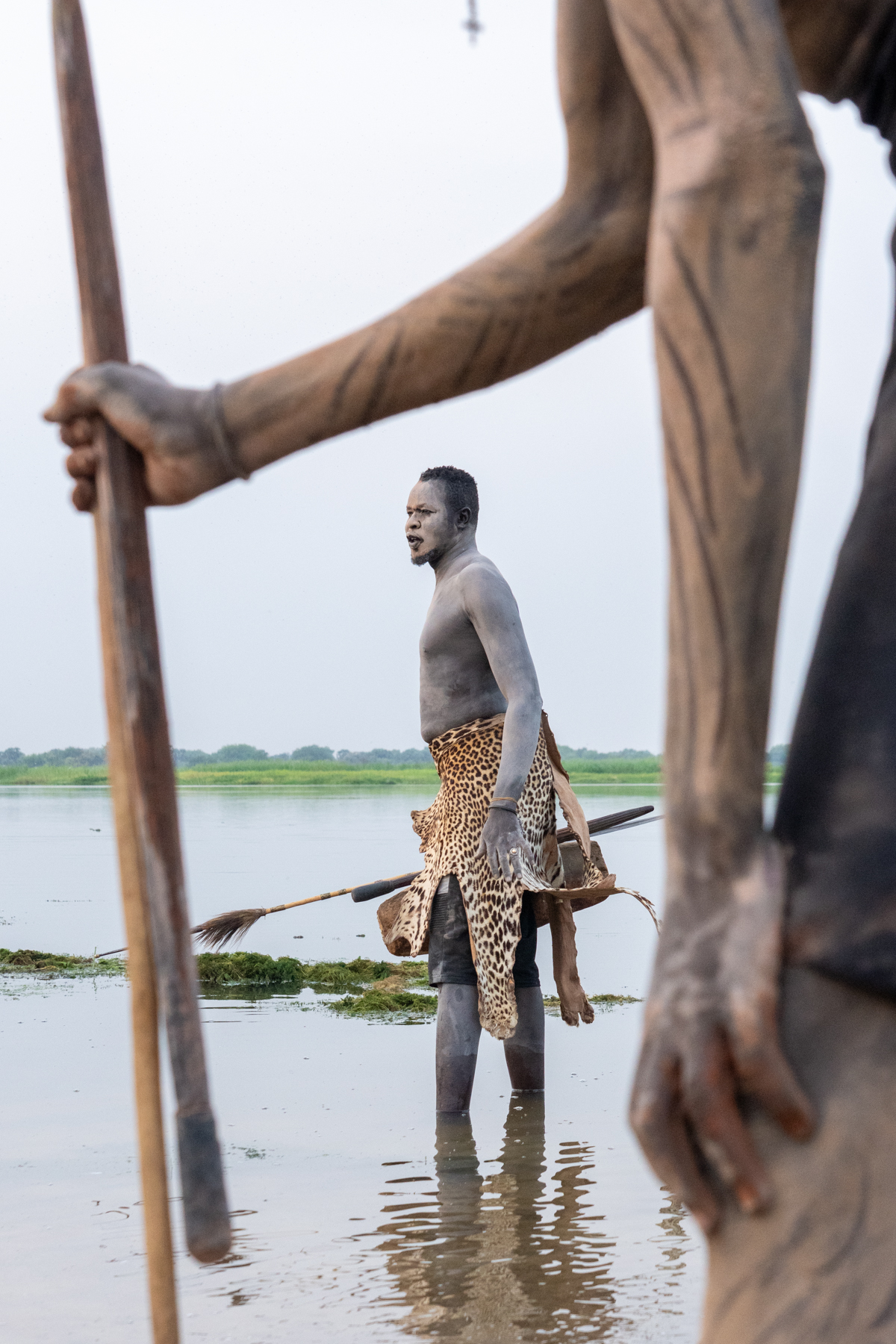
Getting ready to fight (image by Inger Vandyke)
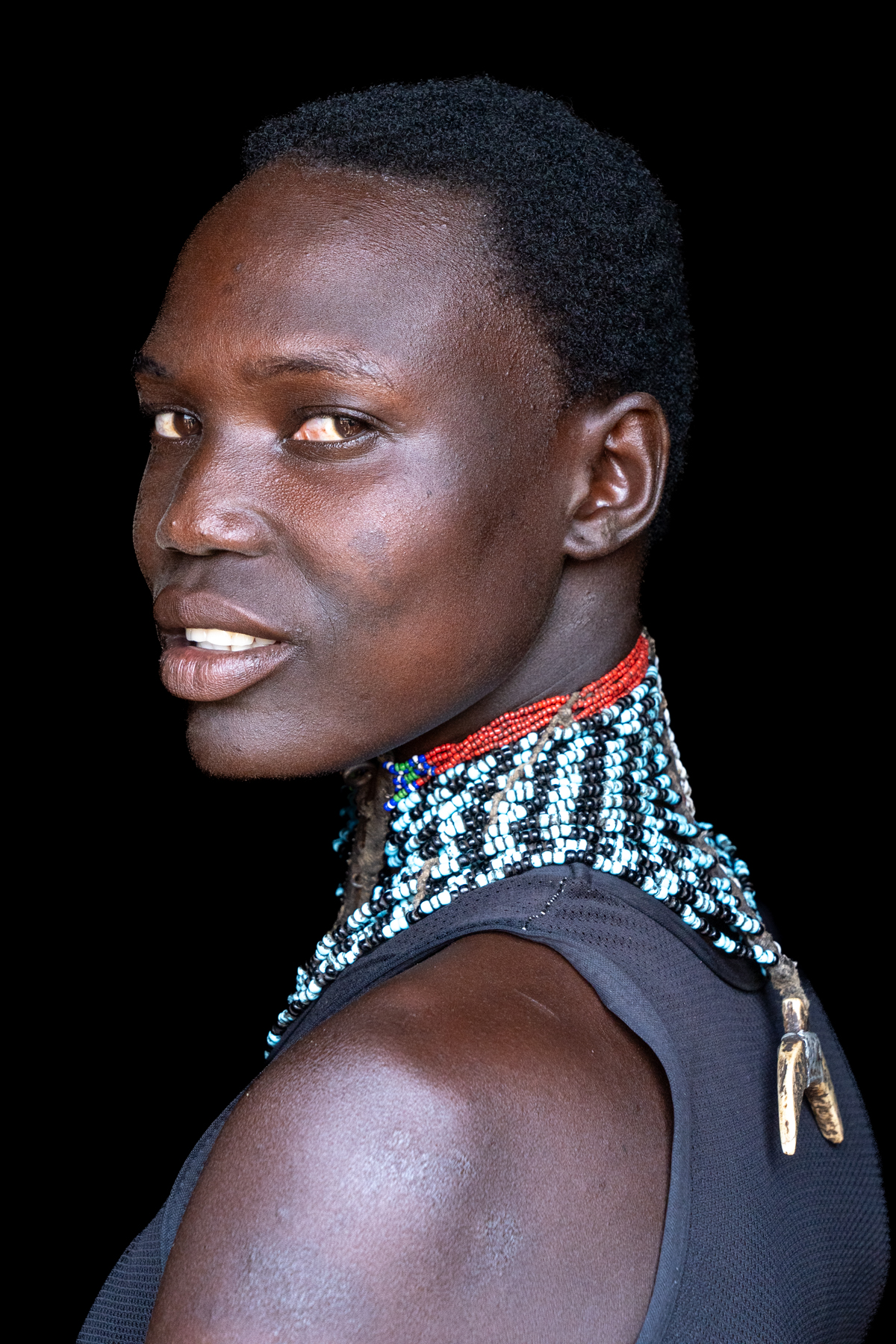
Mundari woman wearing Guet (image by Inger Vandyke)
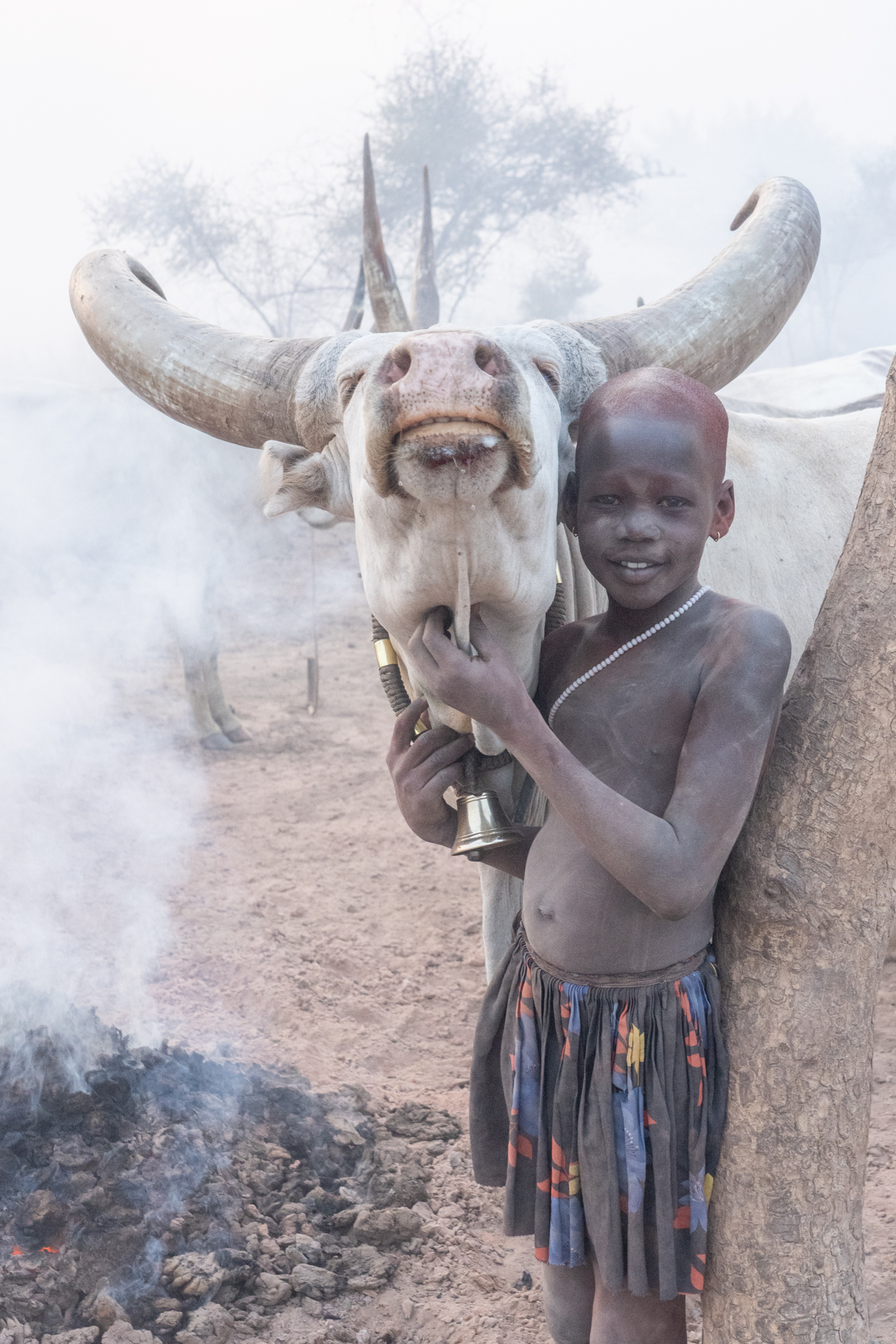
A young Dinka girl strokes her favourite cow (image by Inger Vandyke)
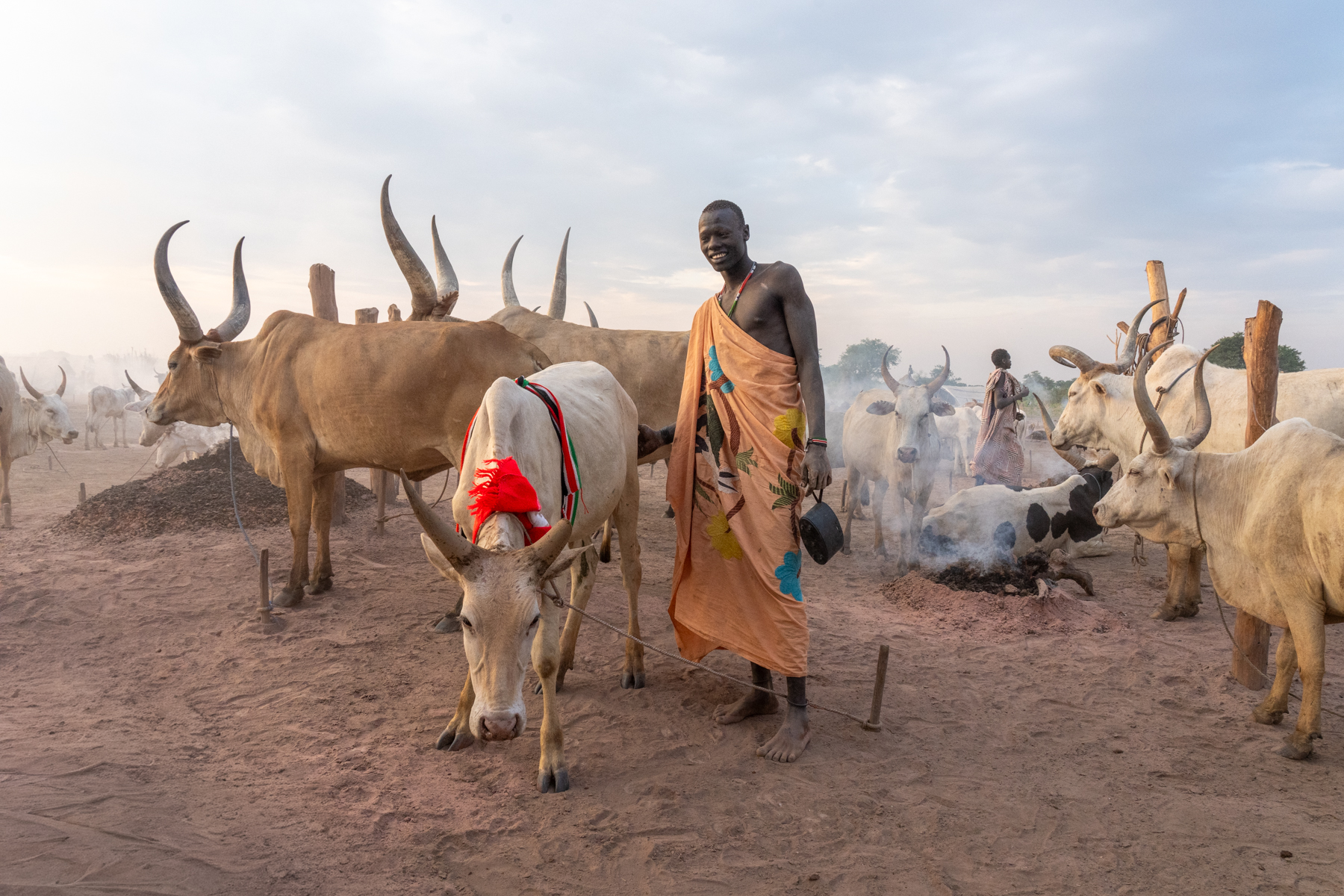
A proud Mundari man with his decorated cow (image by Inger Vandyke)
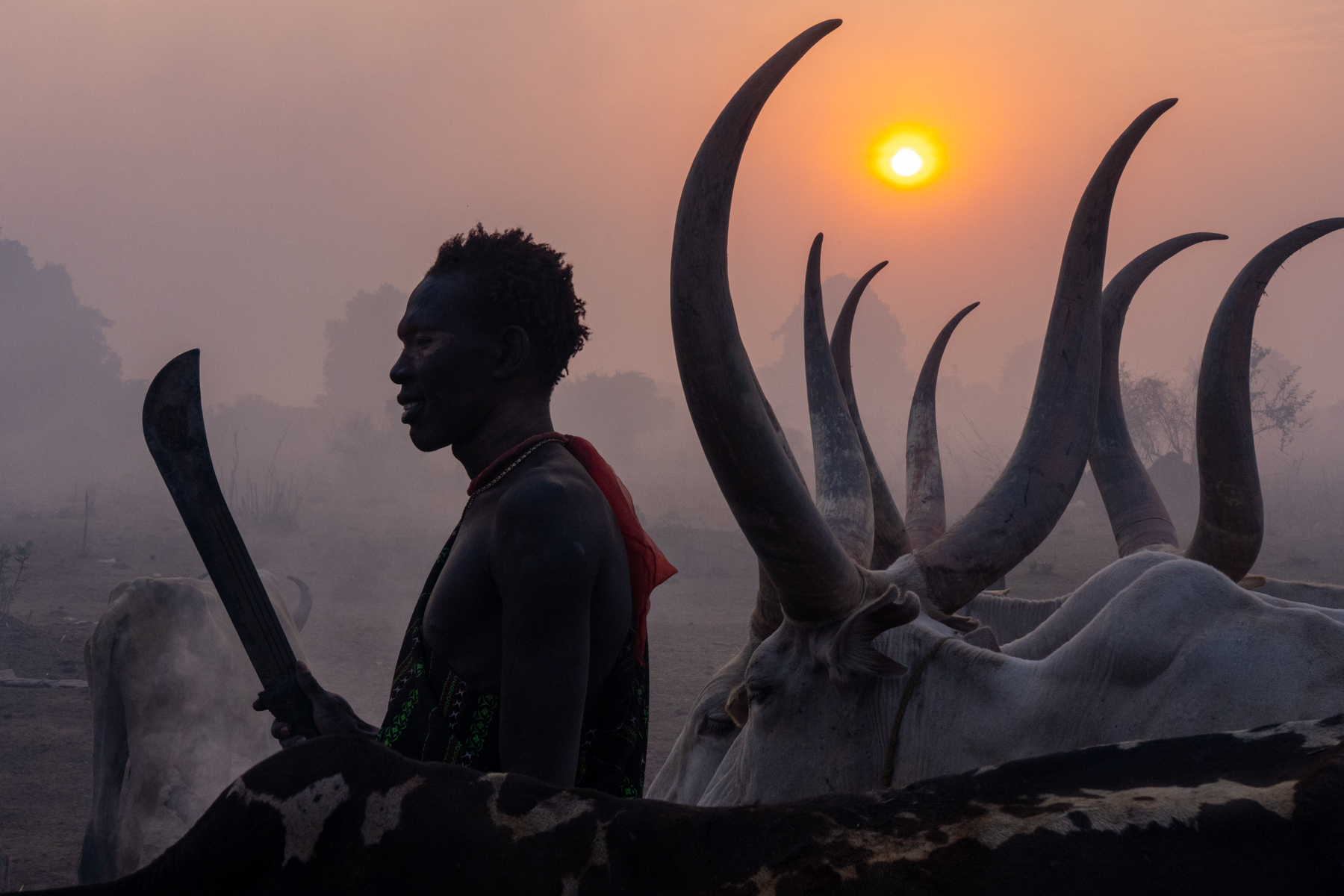
Mundari man and cows in silhouette (image by Inger Vandyke)
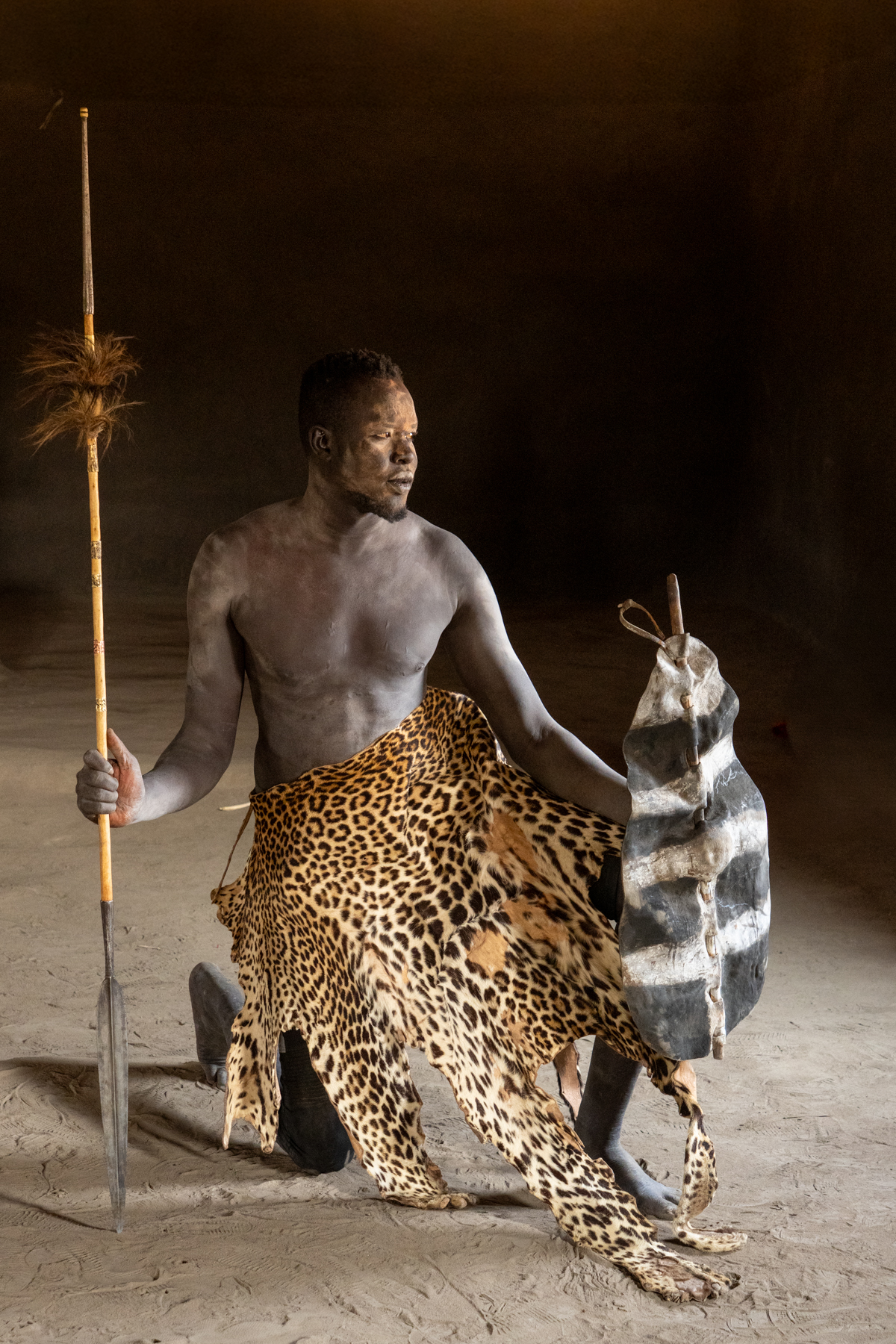
Portrait of a traditionally dressed Mundari warrior (image by Inger Vandyke)
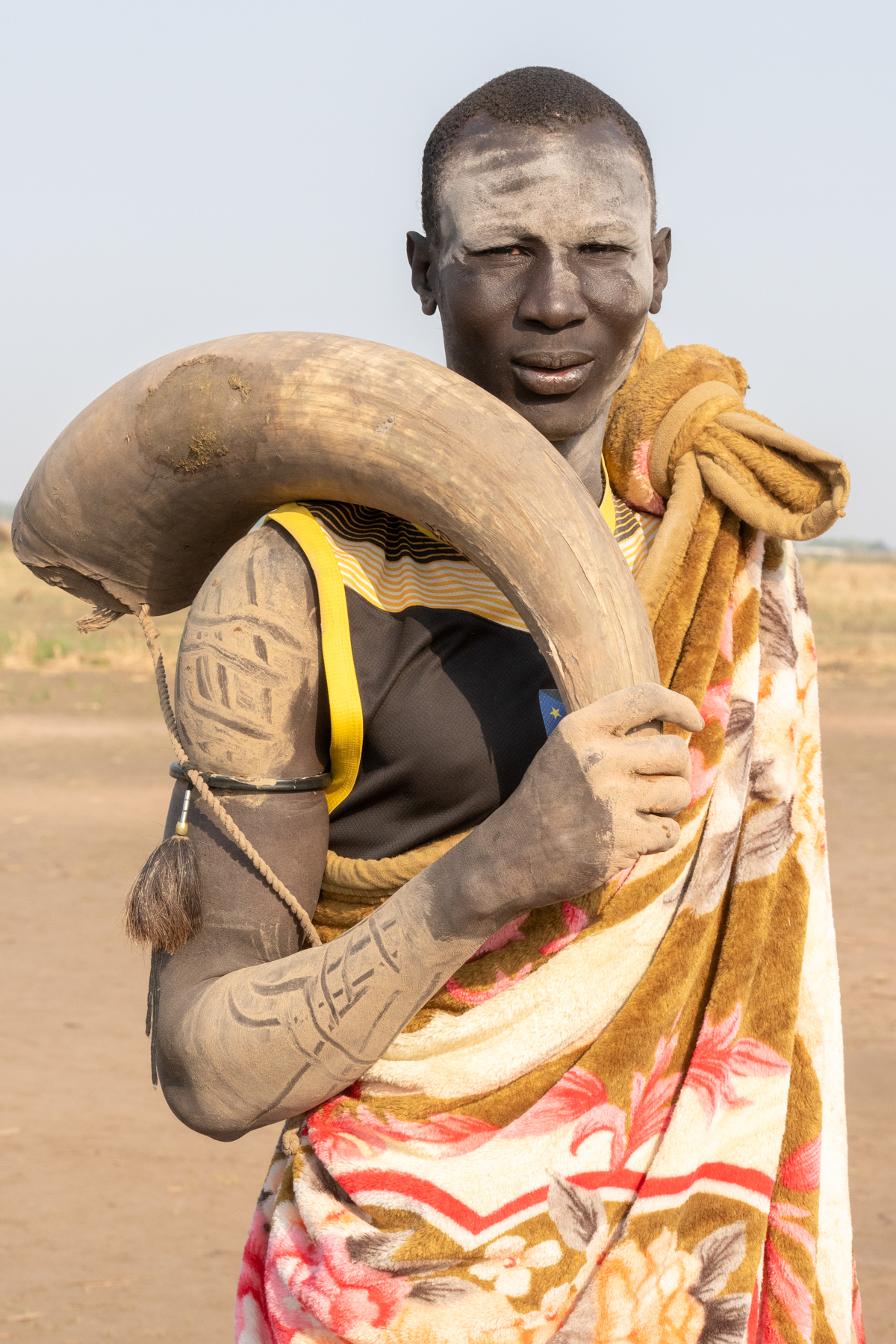
A Mundari man dressed for a ceremony (image by Inger Vandyke)
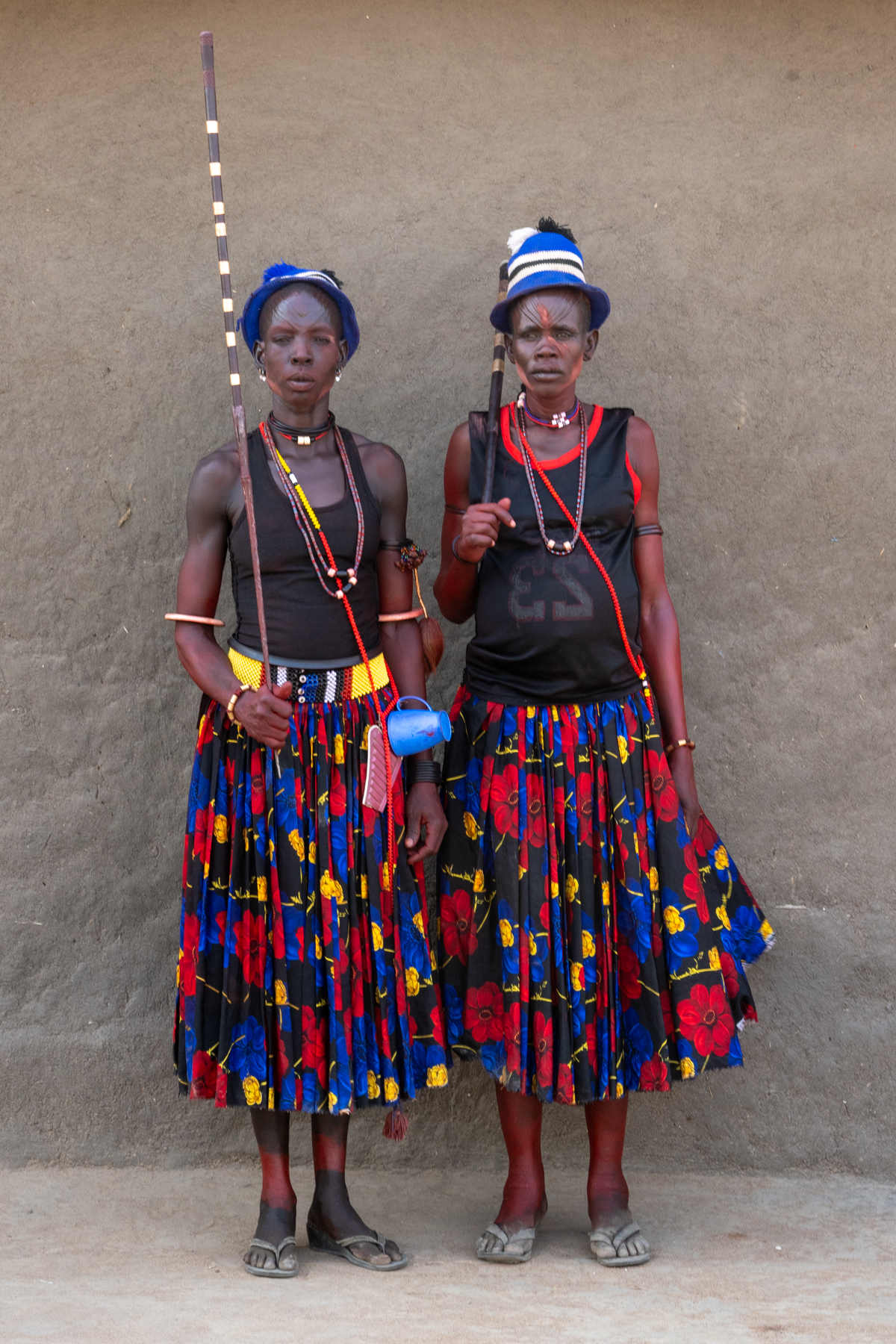
Mundari women dressed for a wedding (image by Inger Vandyke)
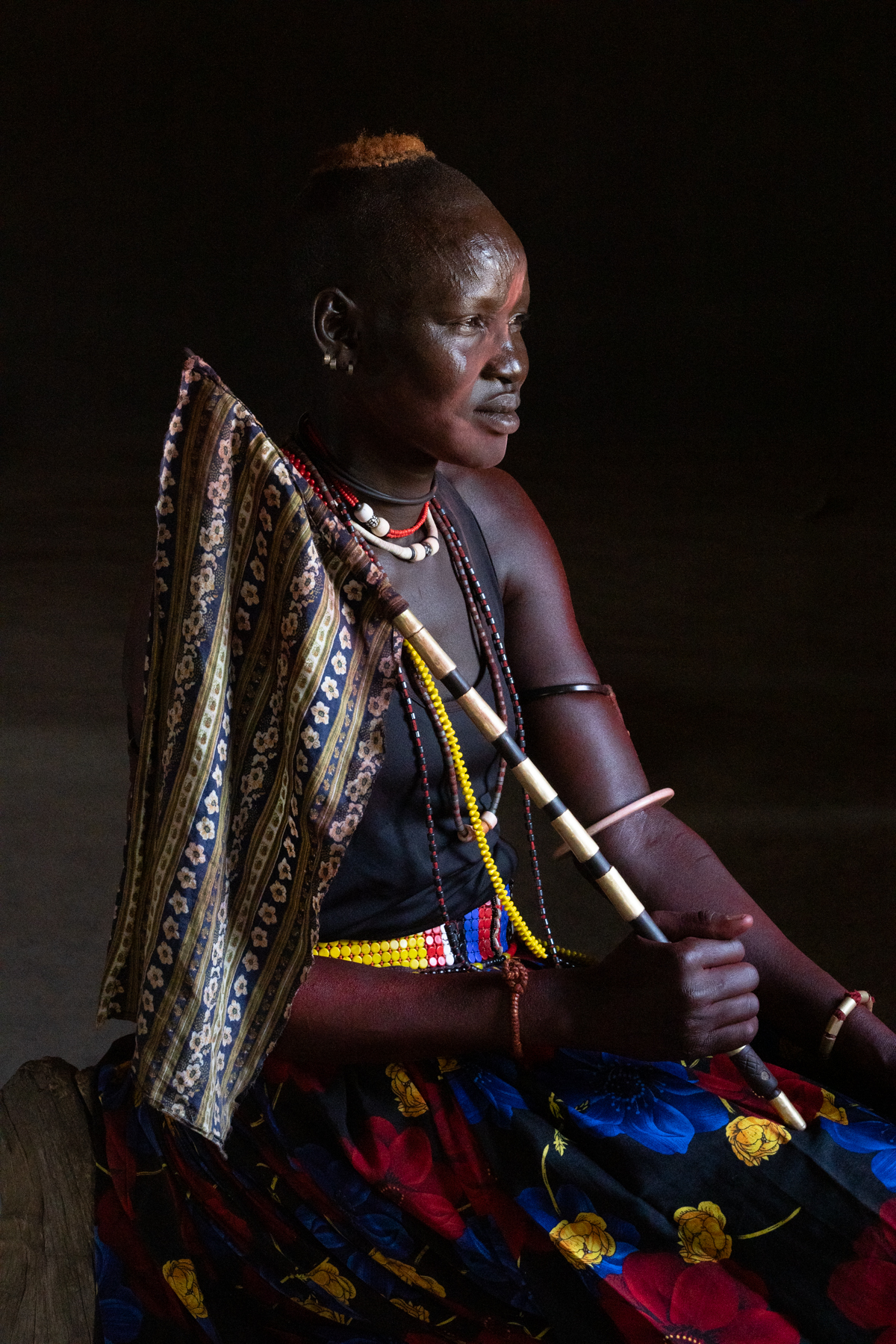
Mundari queen (image by Inger Vandyke)
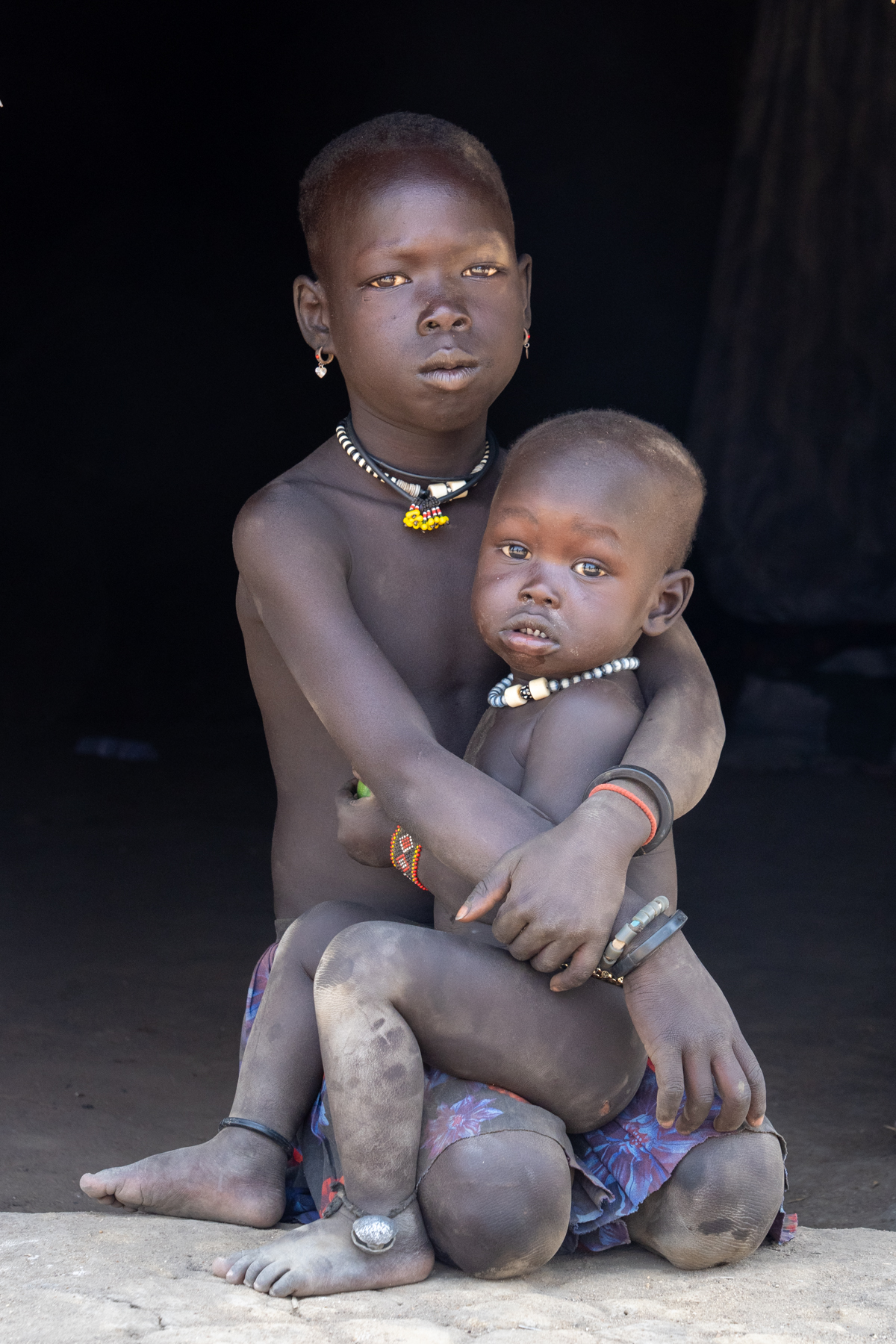
Mundari sisters (image by Inger Vandyke)
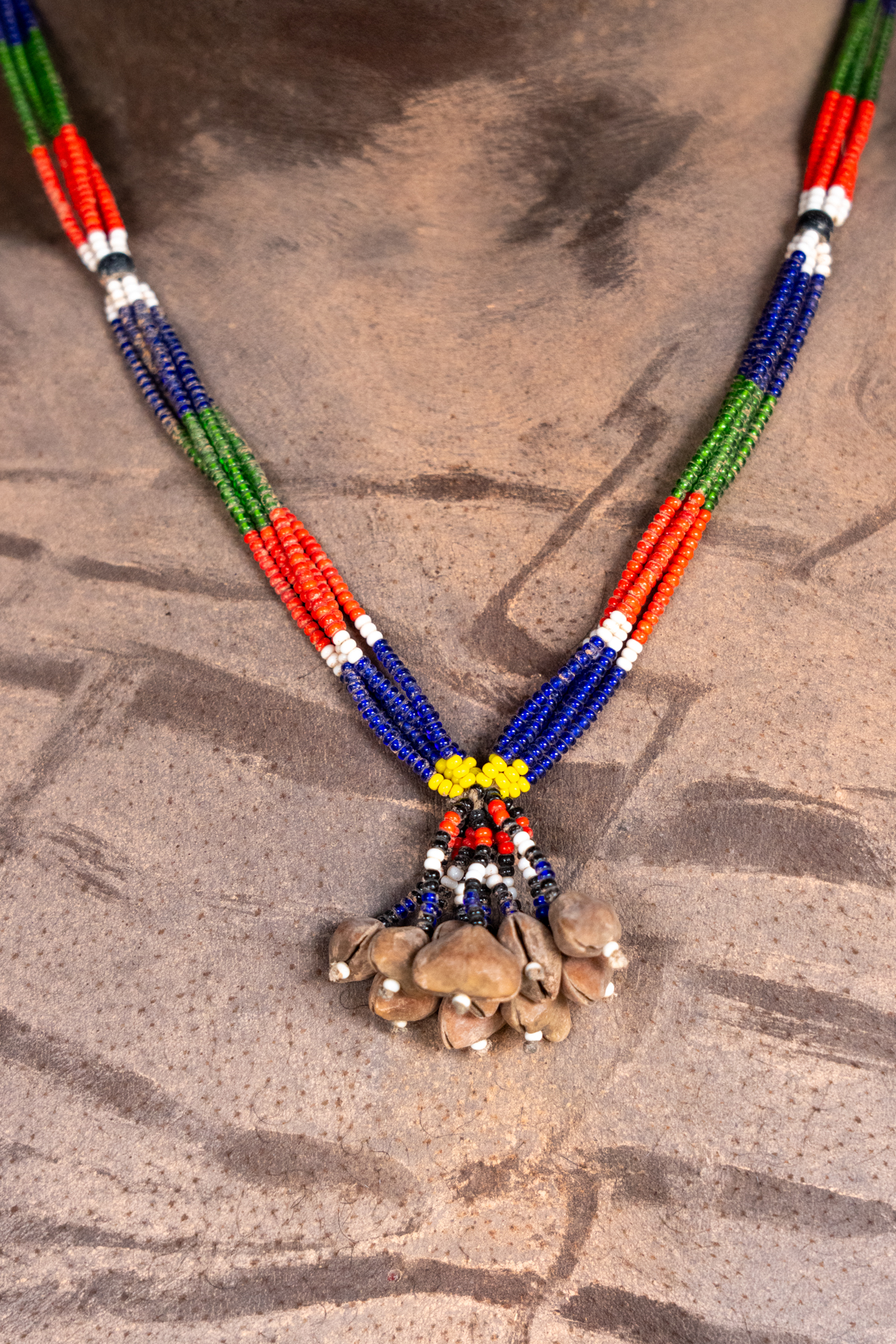
Necklace worn by Mundari men (image by Inger Vandyke)
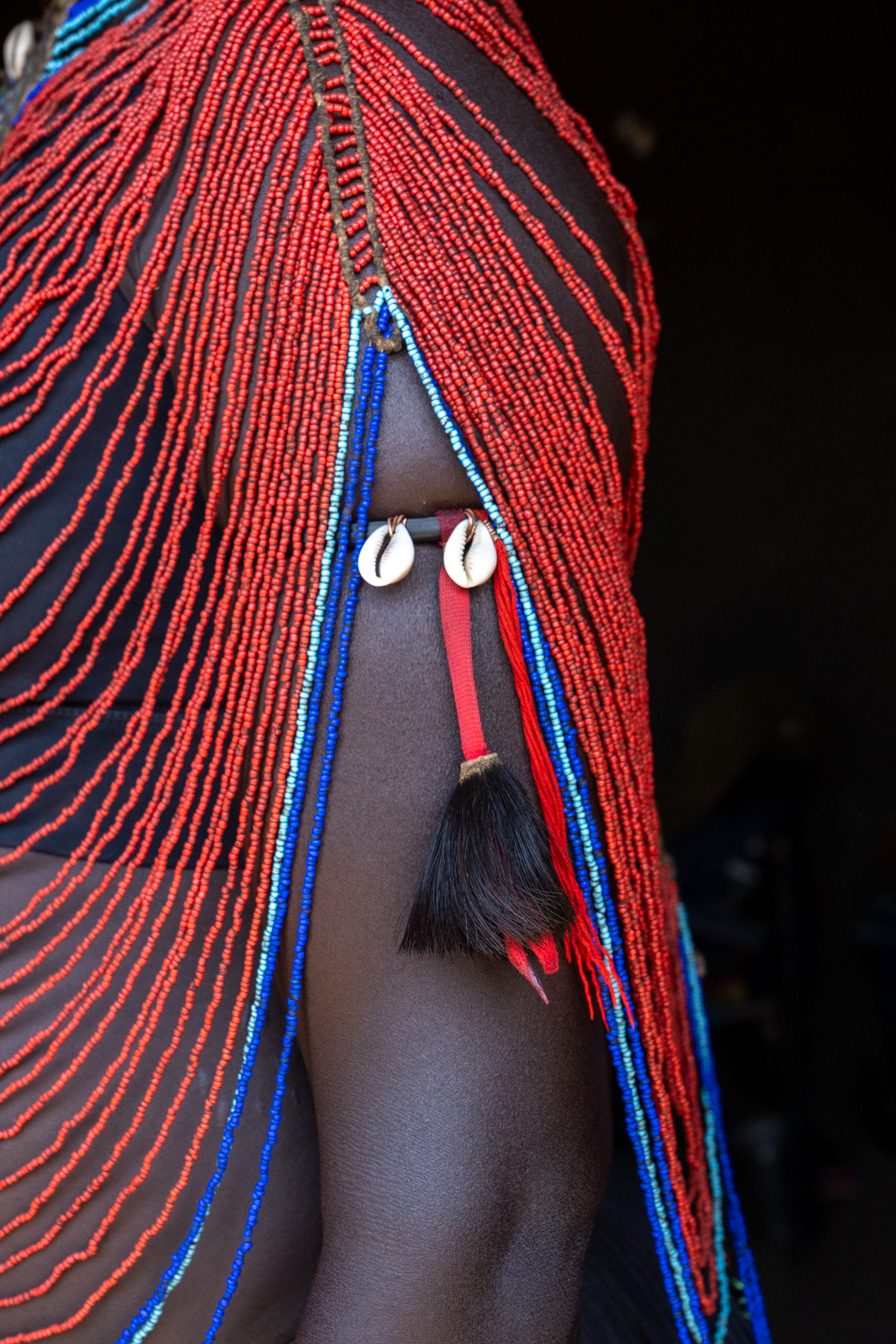
Mundari decoration detail (image by Inger Vandyke)
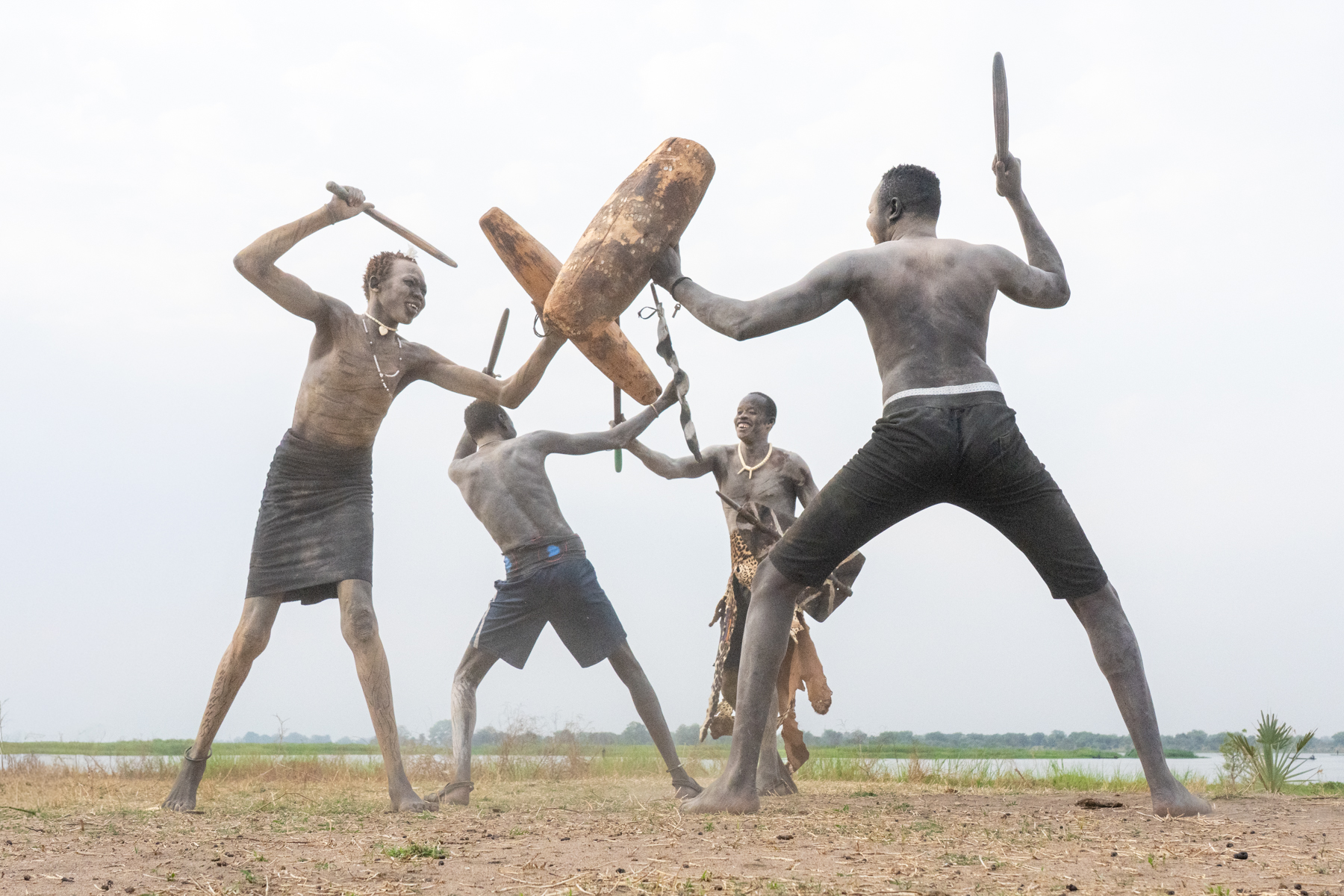
Mundari men practicing fighting using traditional guards, shields and clubs (image by Inger Vandyke)
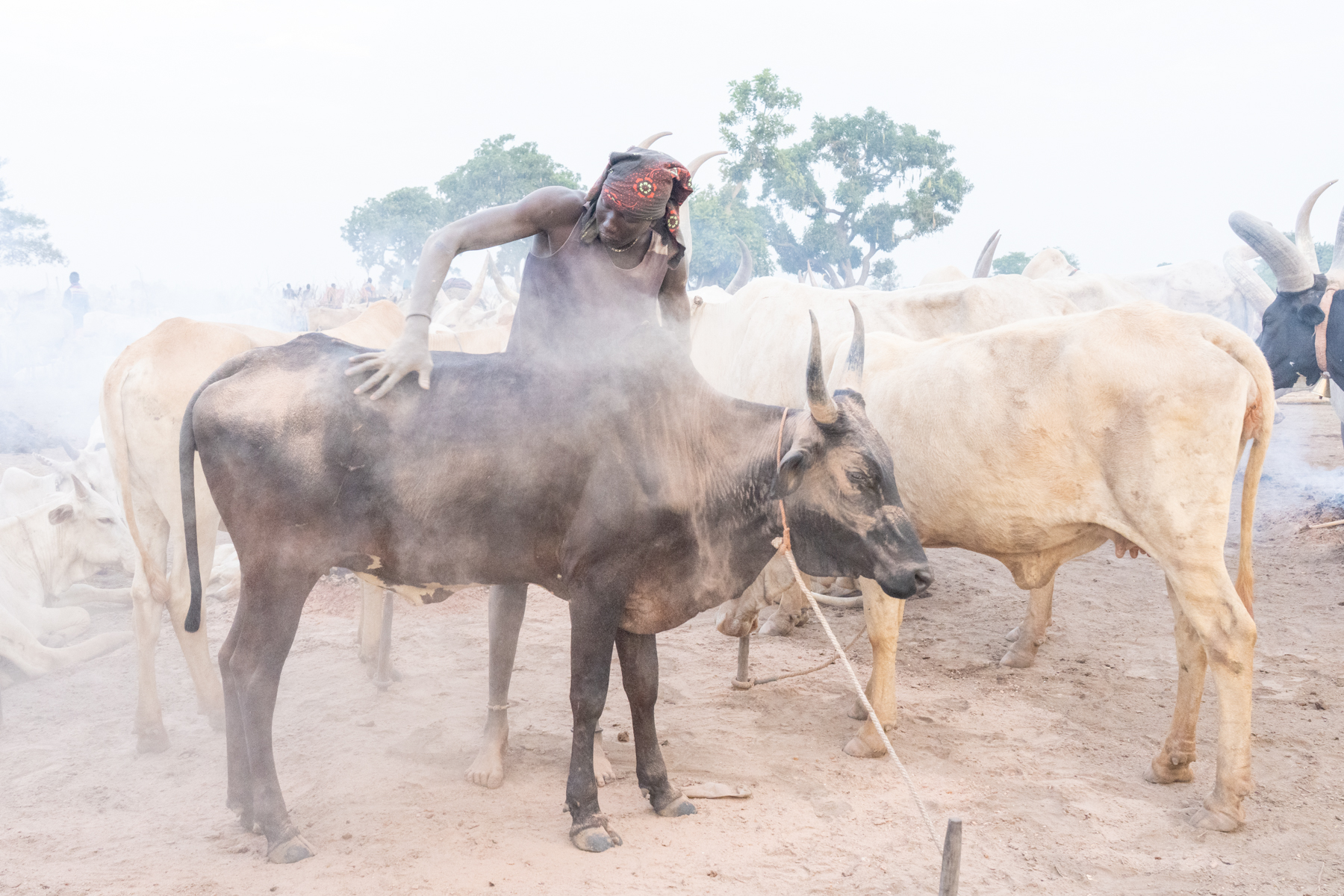
Mundari man dusting his cow before taking it out for the day to graze (image by Inger Vandyke)
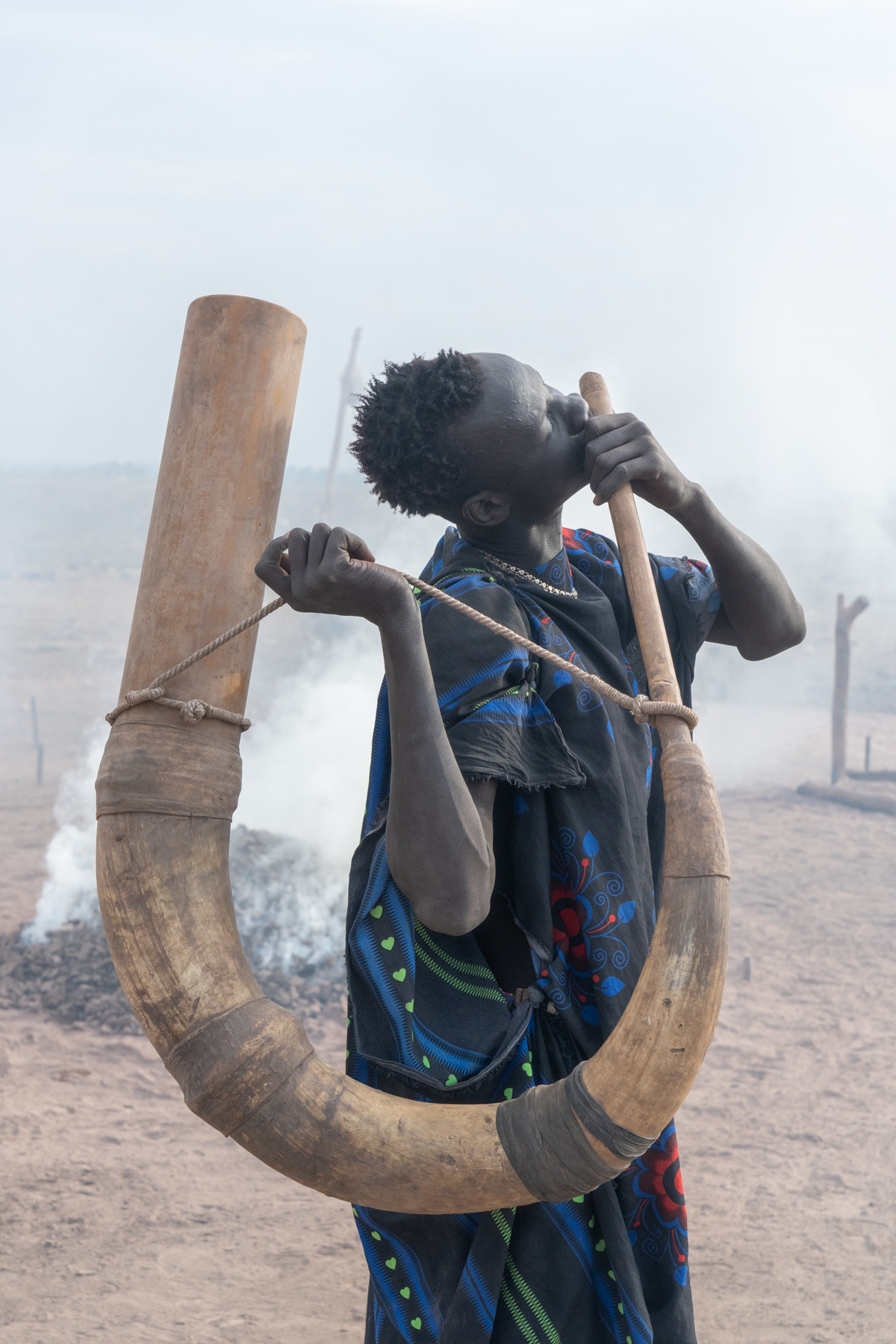
A young Mundari man playing music on a ceremonial Tung horn (image by Inger Vandyke)
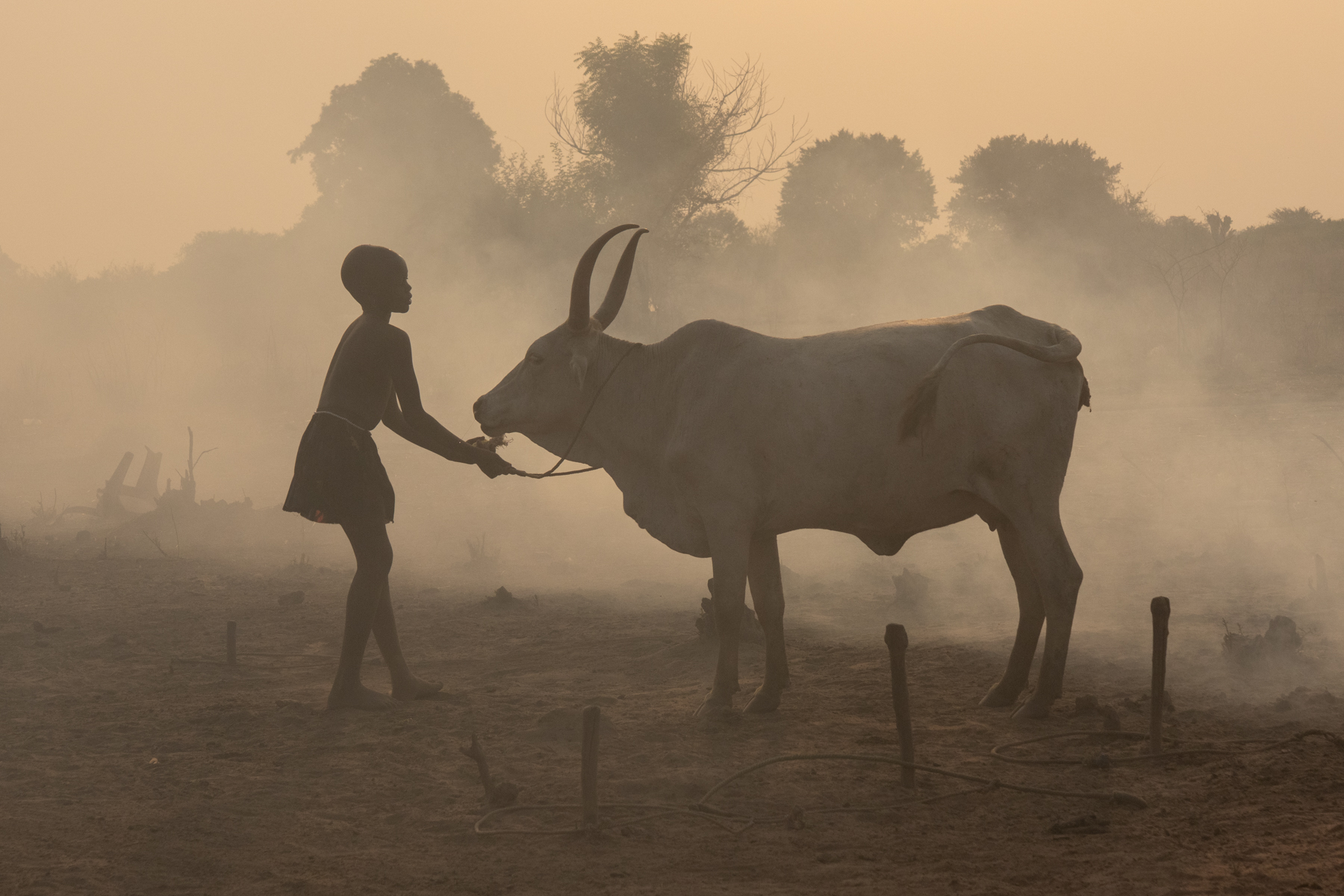
A young Dinka girl guides her cow to its tethering post (image by Inger Vandyke)
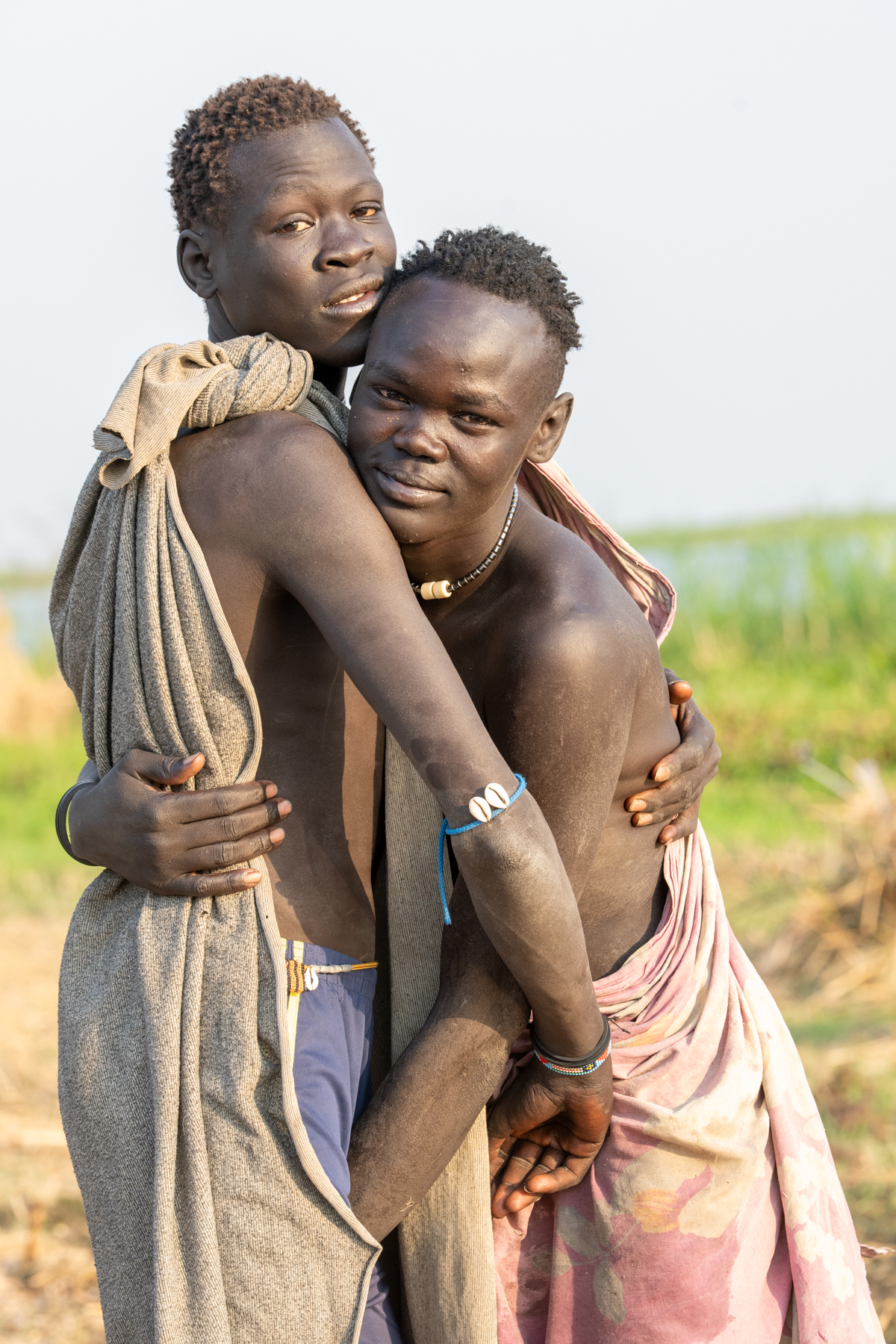
Young Mundari men embrace after wrestling practice (image by Inger Vandyke)
Beautiful Dinka woman (image by Inger Vandyke)
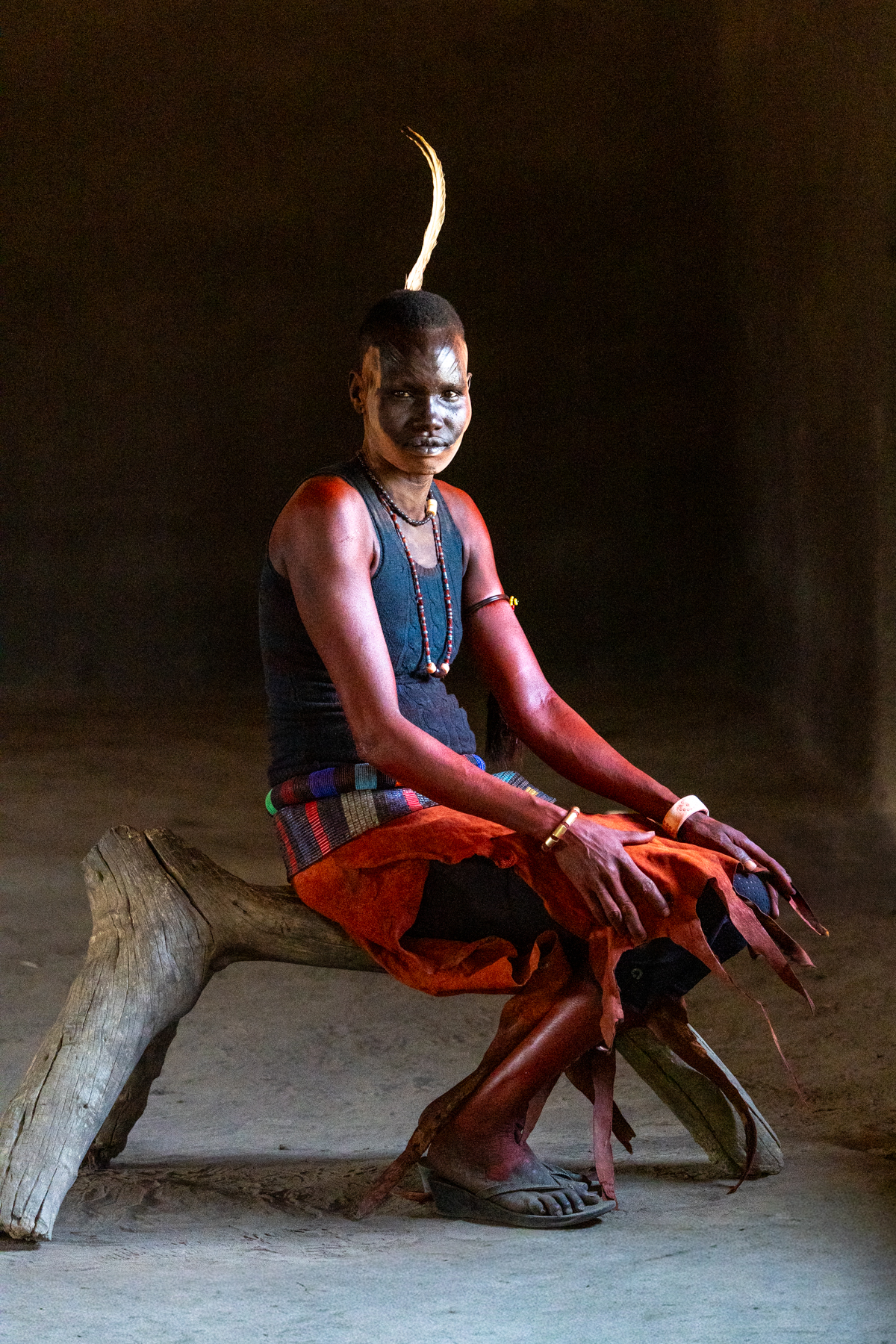
Mundari woman dressed for a wedding (image by Inger Vandyke)
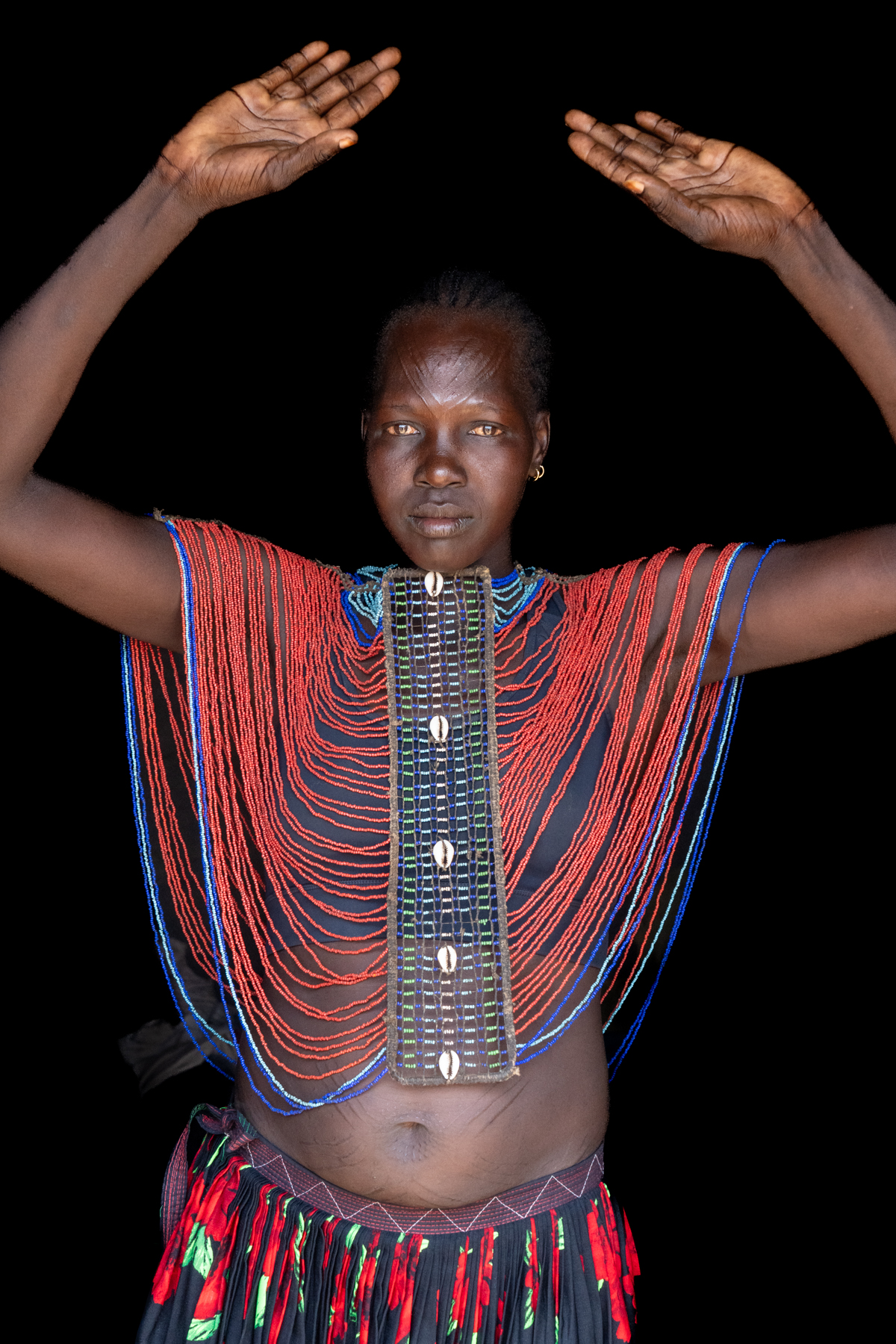
Traditional Mundari corset (image by Inger Vandyke)
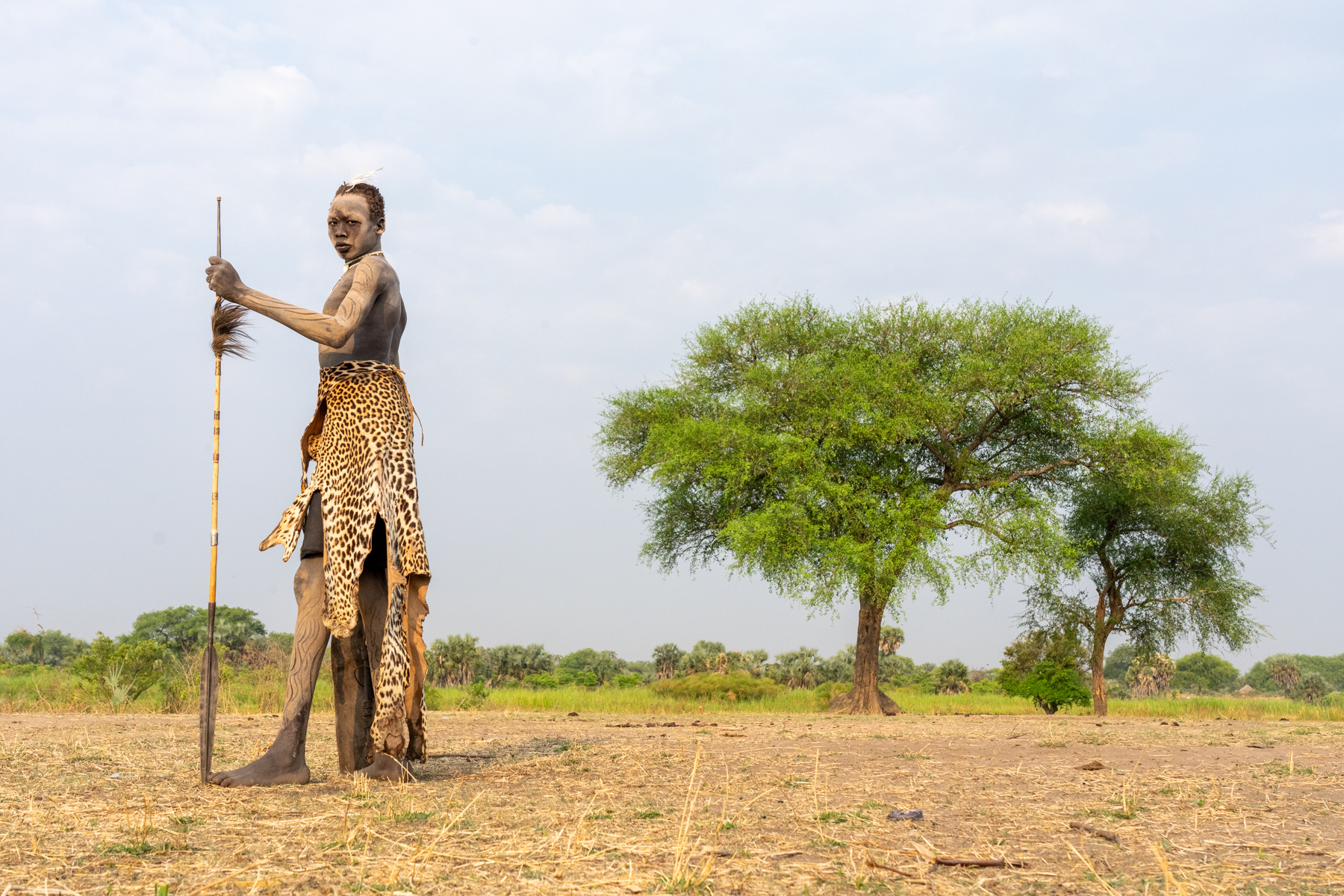
Young Mundari man with traditional leopard skin and spear (image by Inger Vandyke)
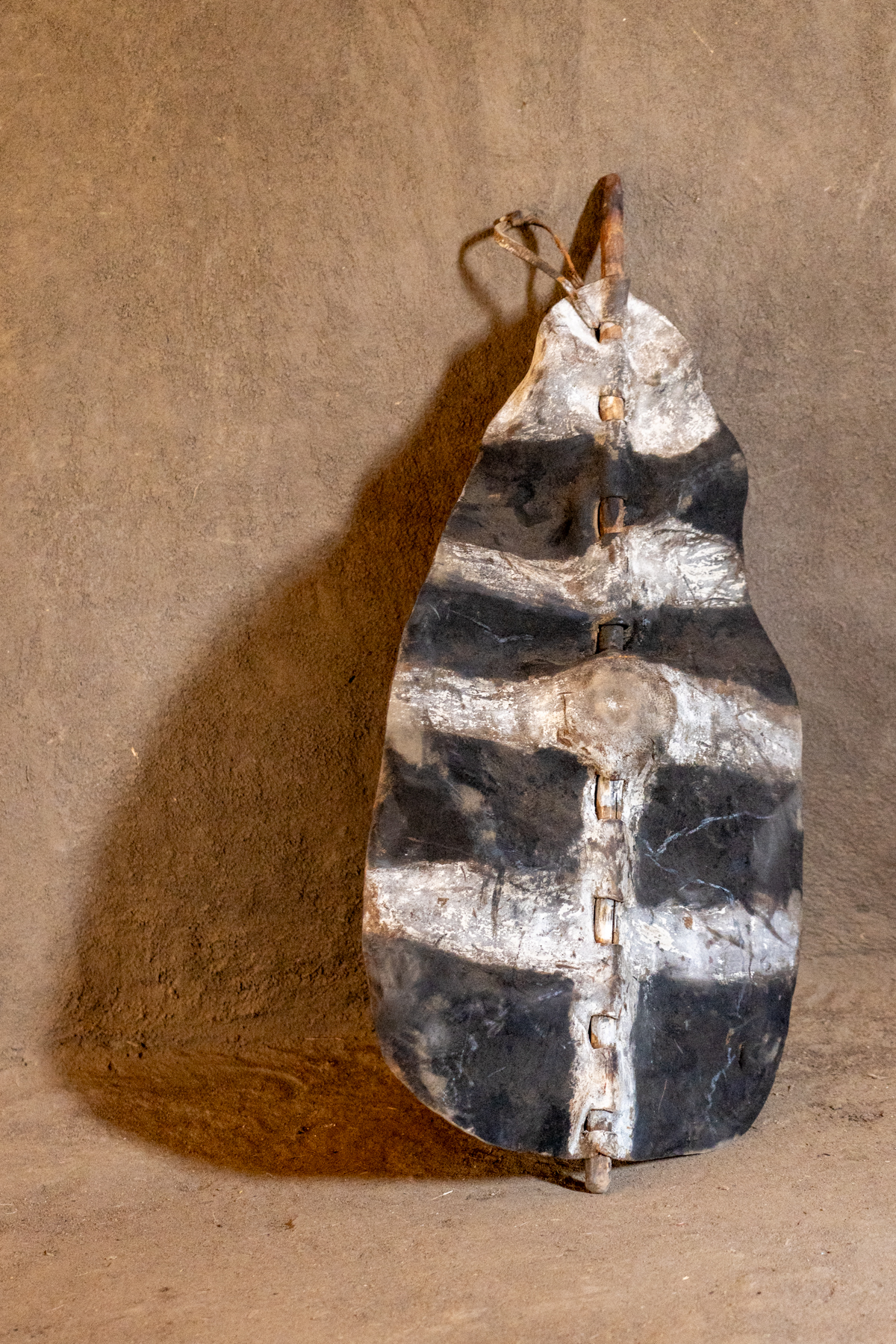
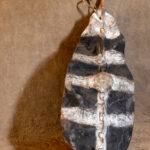
Ku'u, the traditional Mundari fighting shield, fashioned out of cow skin (image by Inger Vandyke)
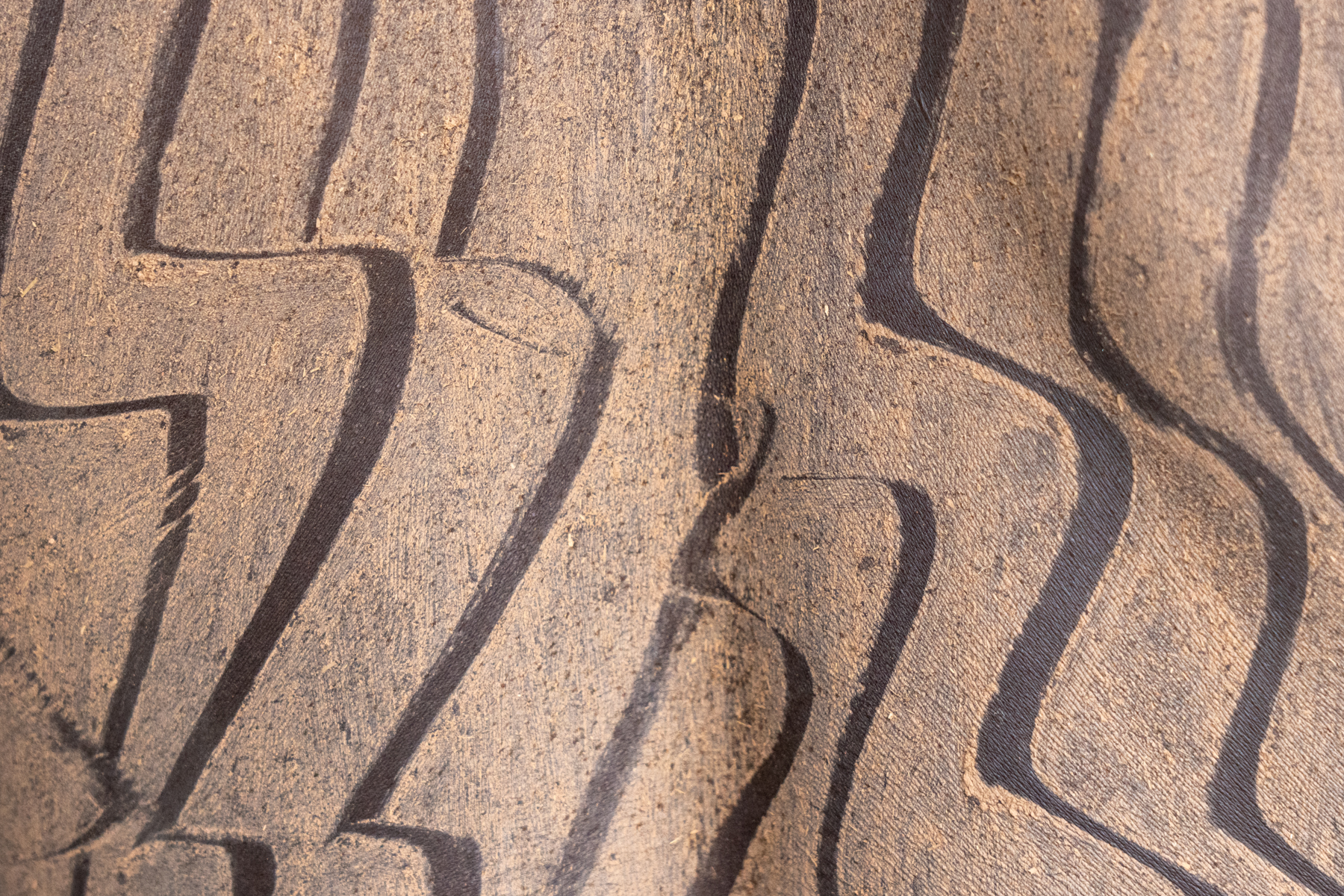
Closeup of Mundari decoration (image by Inger Vandyke)
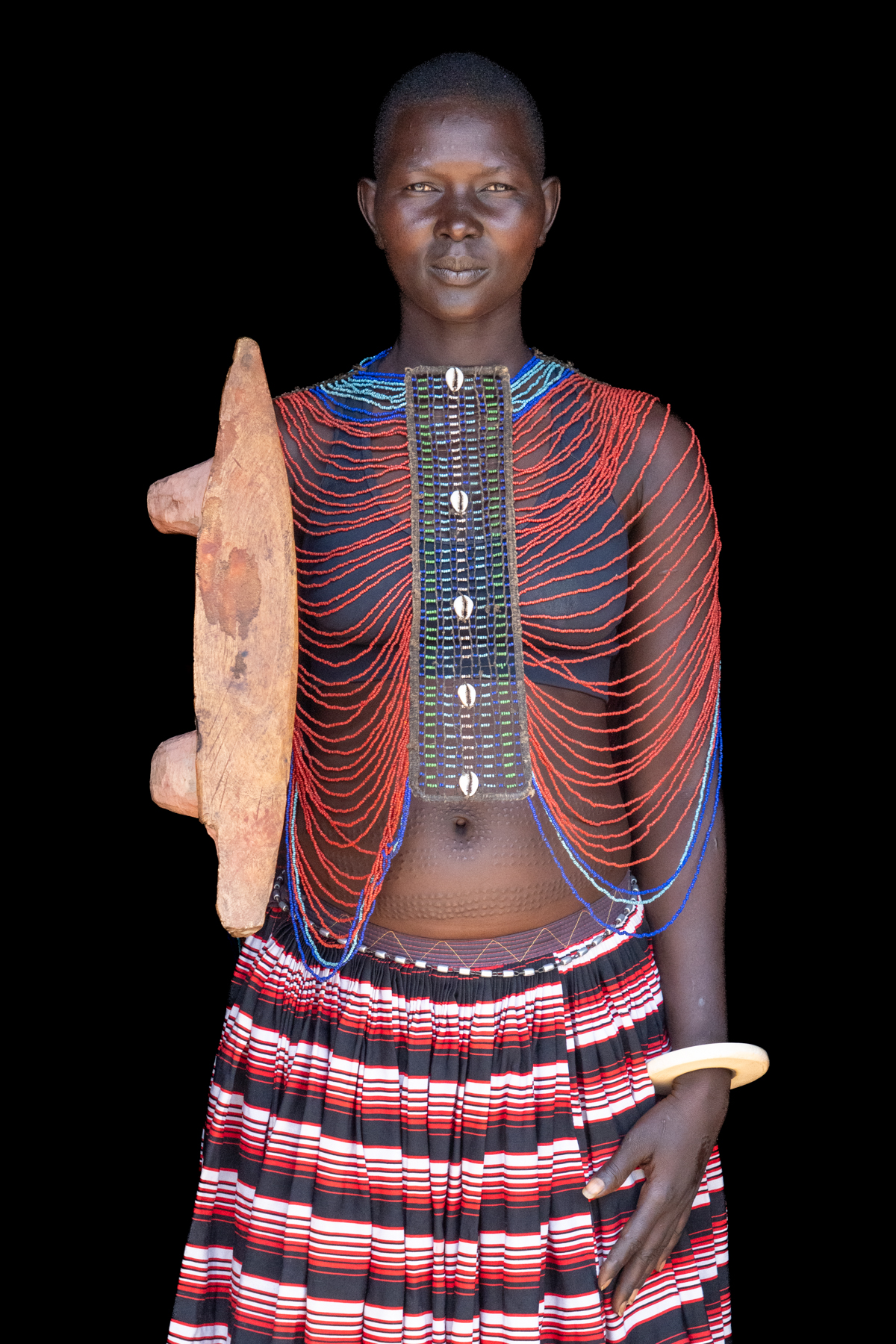
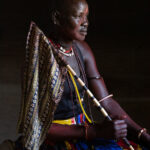
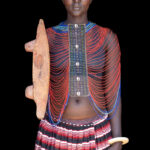
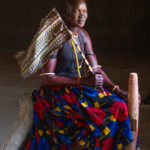
Beautiful Mundari woman wearing her bone bracelet, beaded collar and carring a hand-carved wooden seat (image by Inger Vandyke)
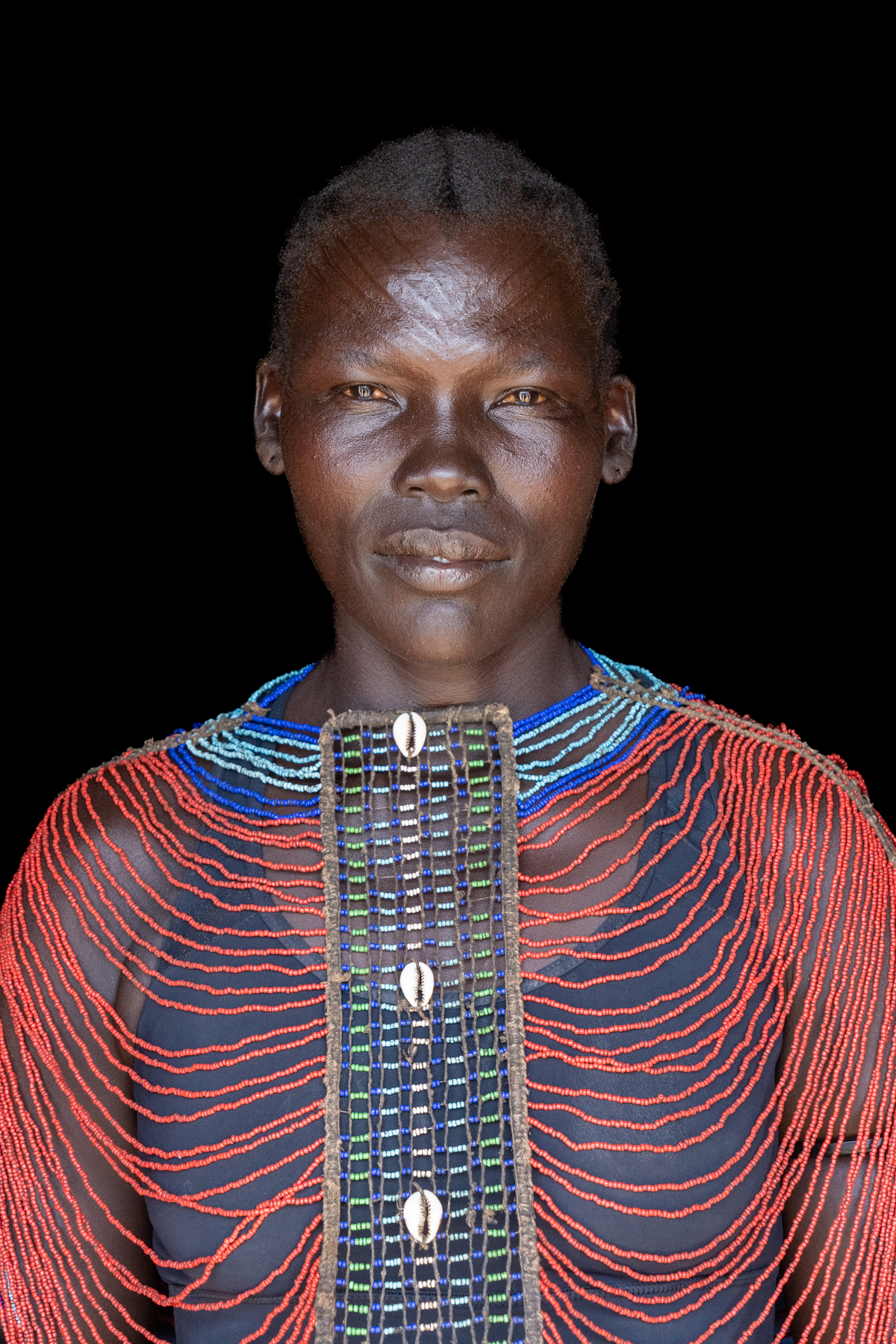
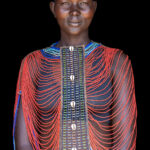
Mundari women wearing beaded collar (image by Inger Vandyke)
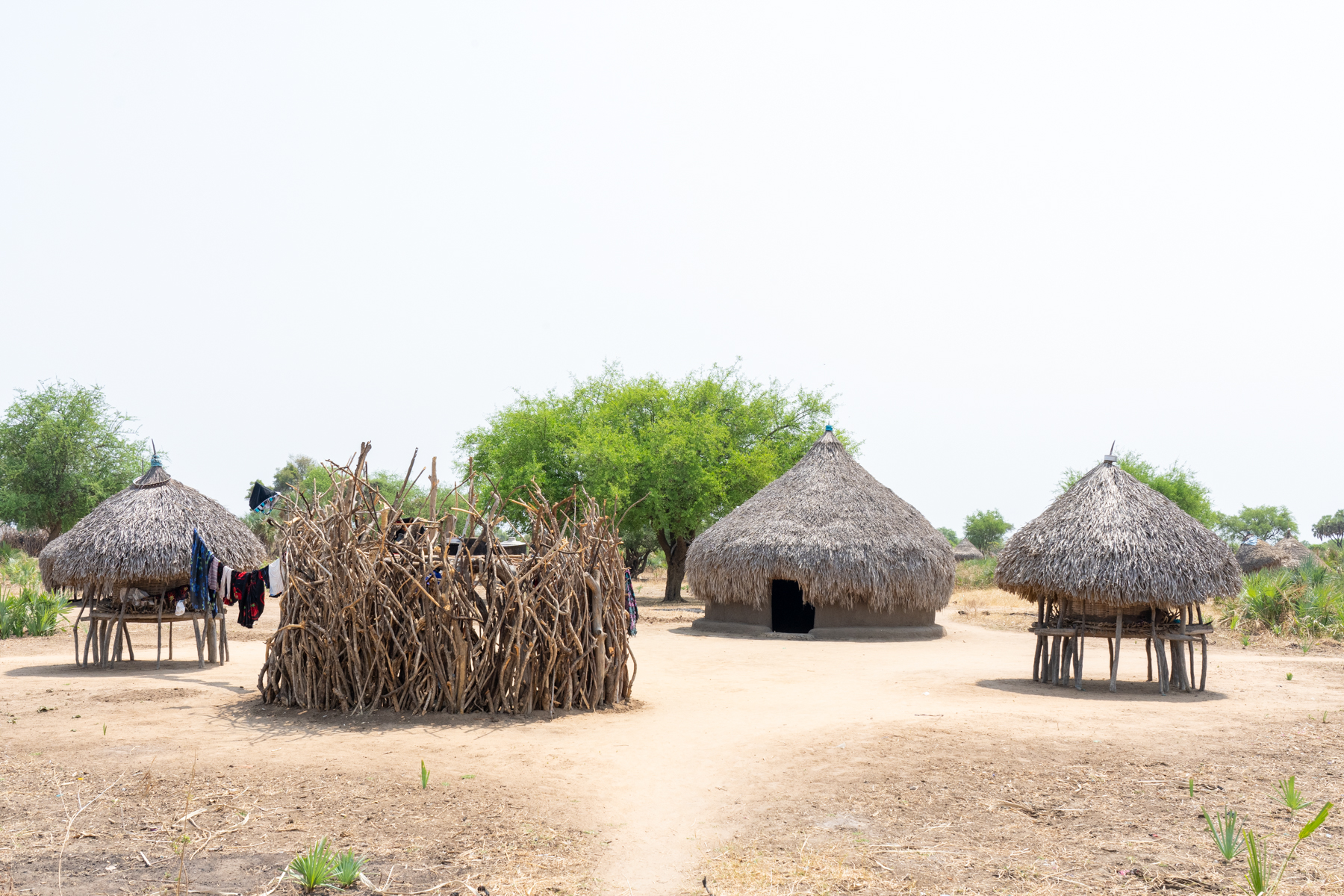
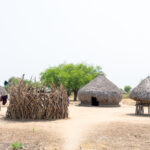
A typical Mundari village (image by Inger Vandyke)
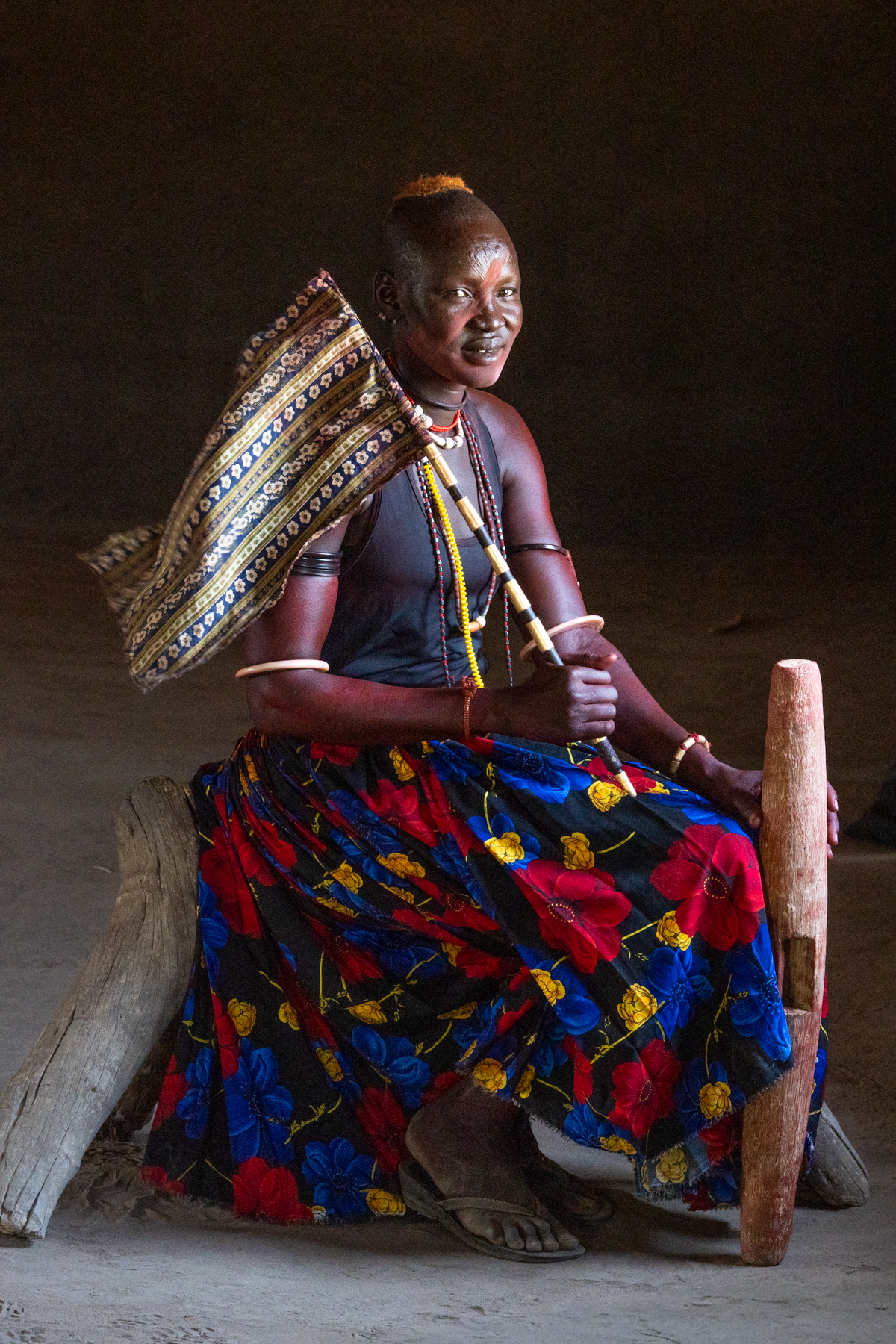
Like many Nilotic cultures, Mundari carry flags for celebrations (image by Inger Vandyke)
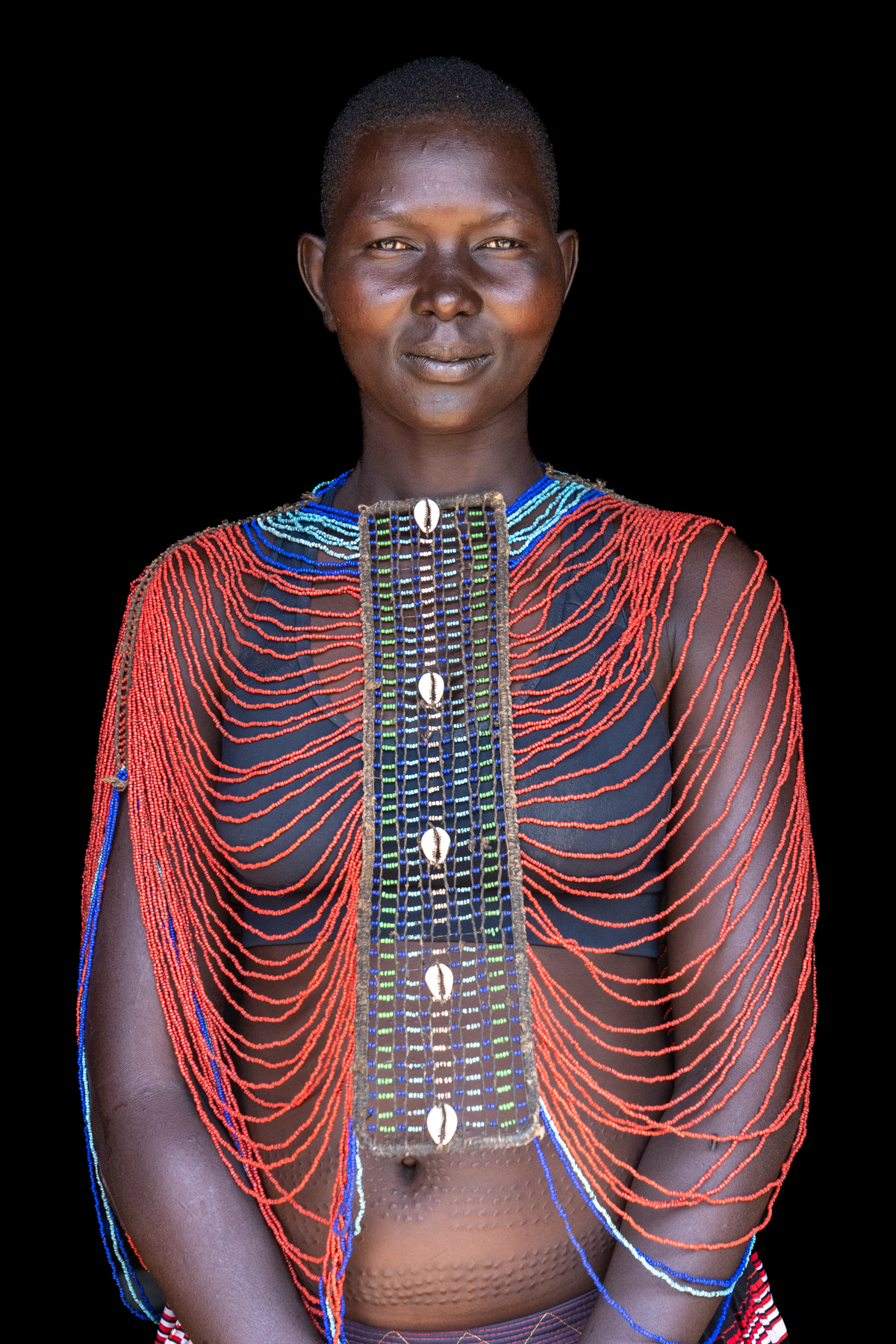
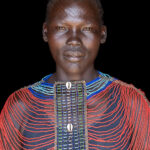
Mundari woman with beaded collar (image by Inger Vandyke)
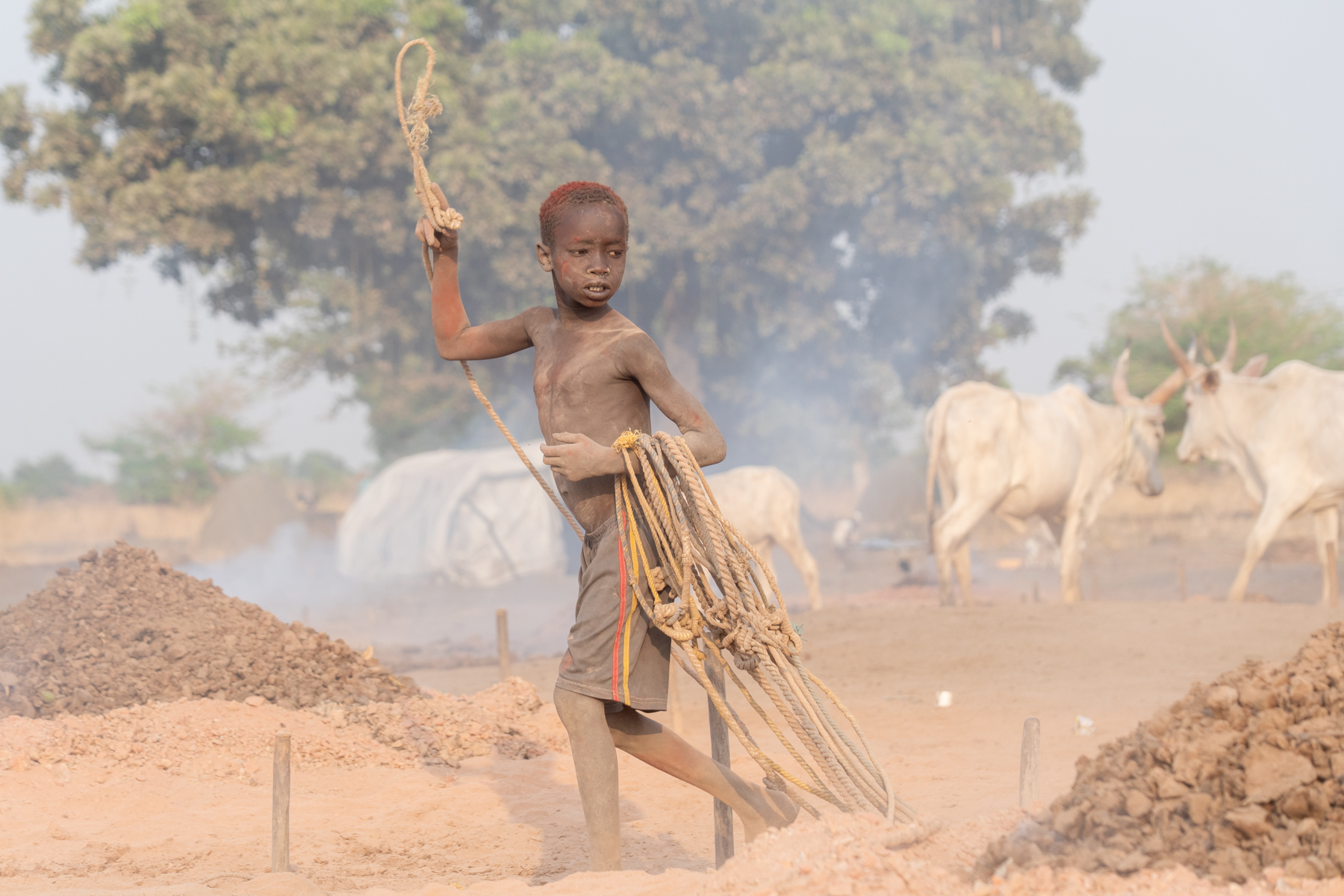
A young Mundari boy expertly readying the tethering ropes for the camp cows (image by Inger Vandyke)
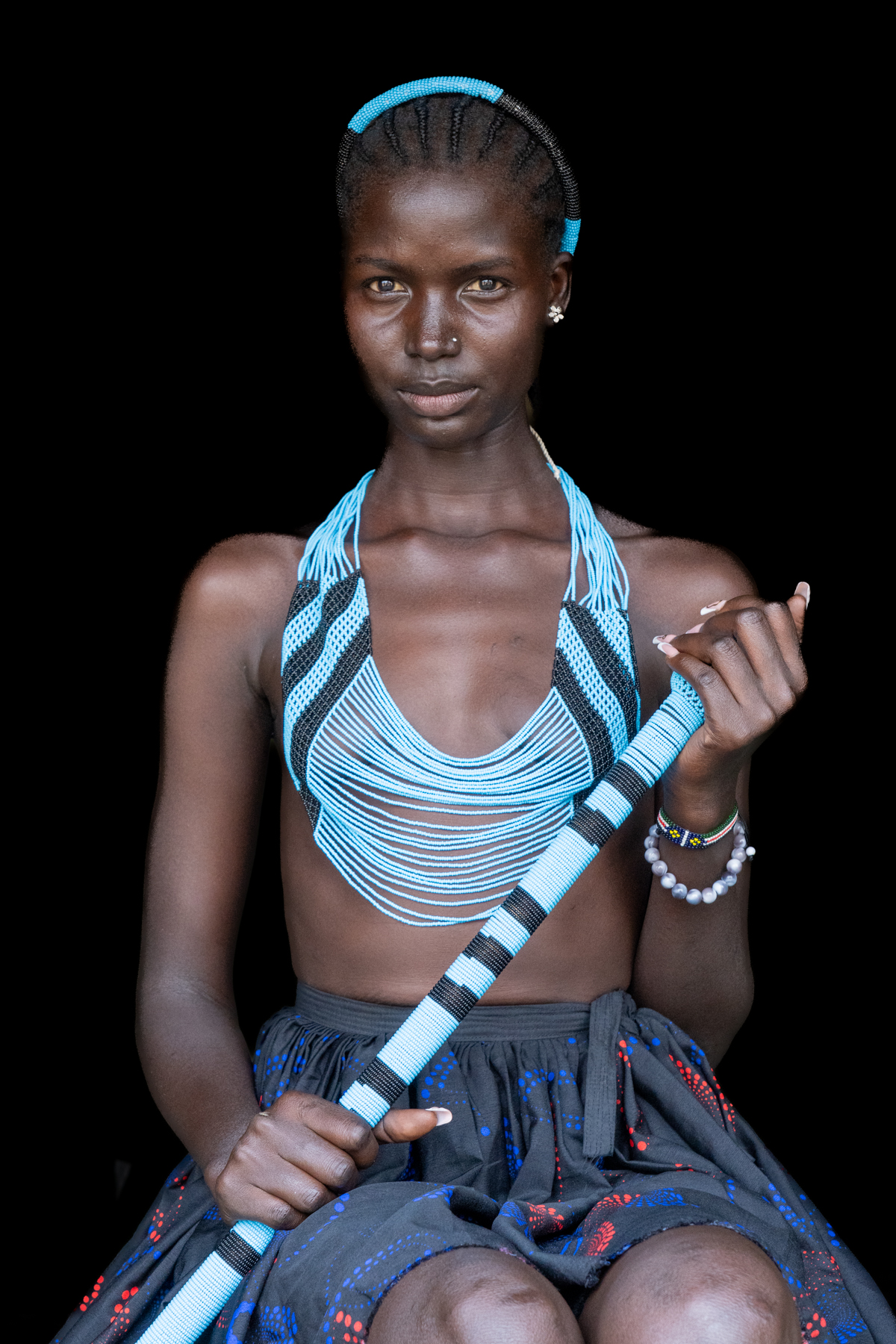
Aker with Dinka wedding beads (image by Inger Vandyke)
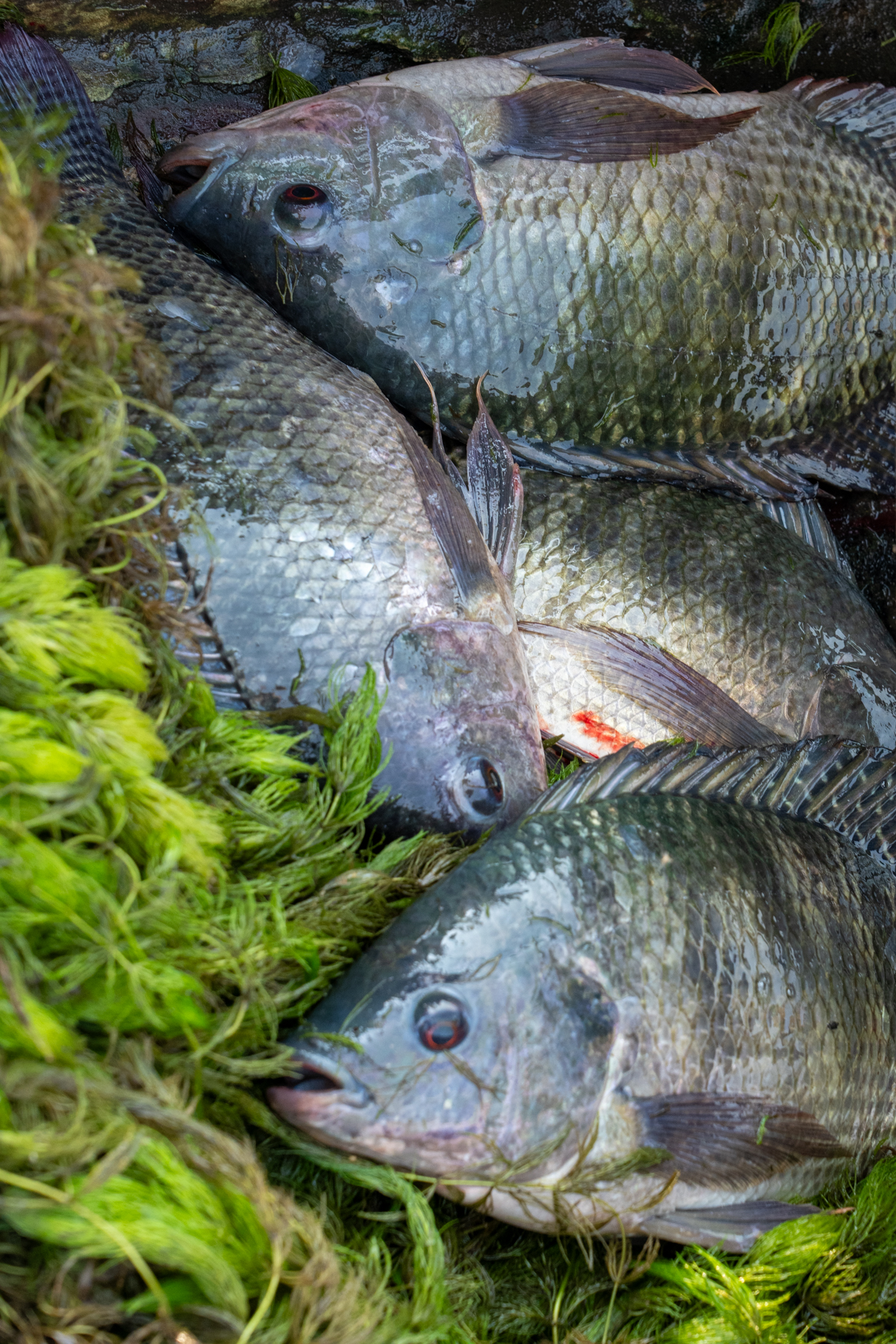
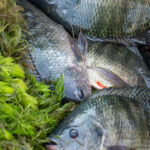
Freshly caught Tilapia (image by Inger Vandyke)
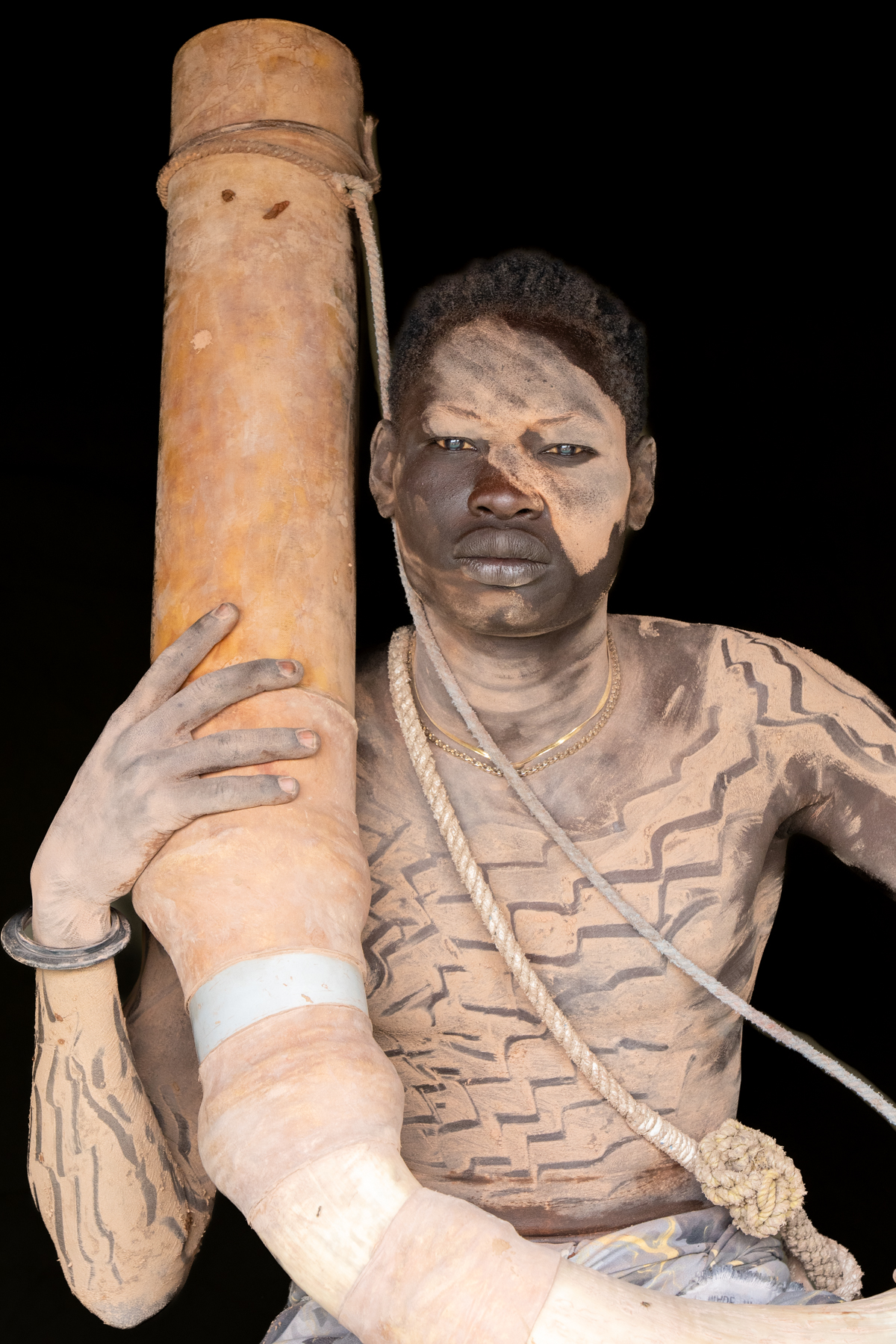
Mundari man with Tung (horn) (image by Inger Vandyke)
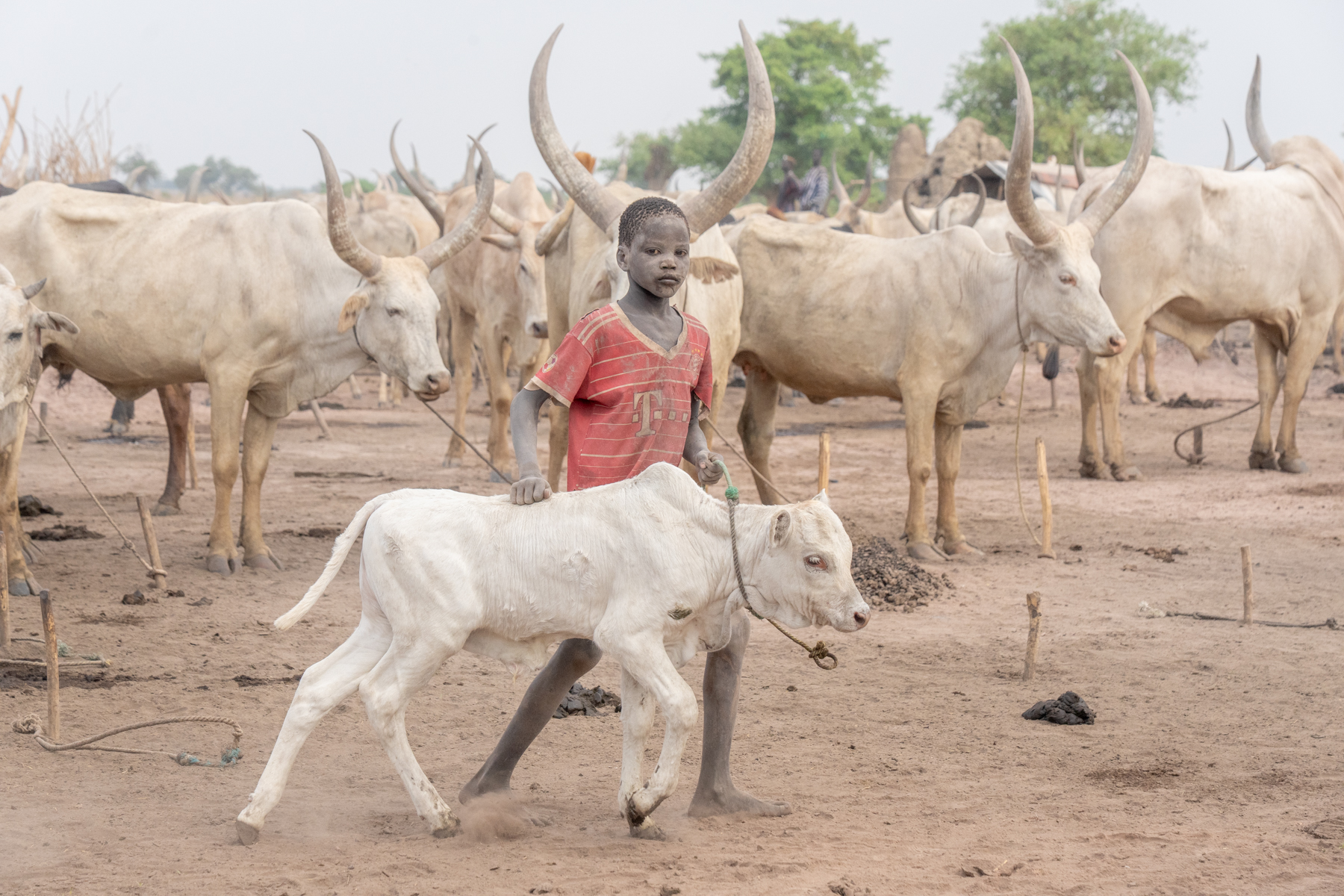
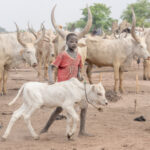
A young Mundari boy guides his calf into camp (image by Inger Vandyke)
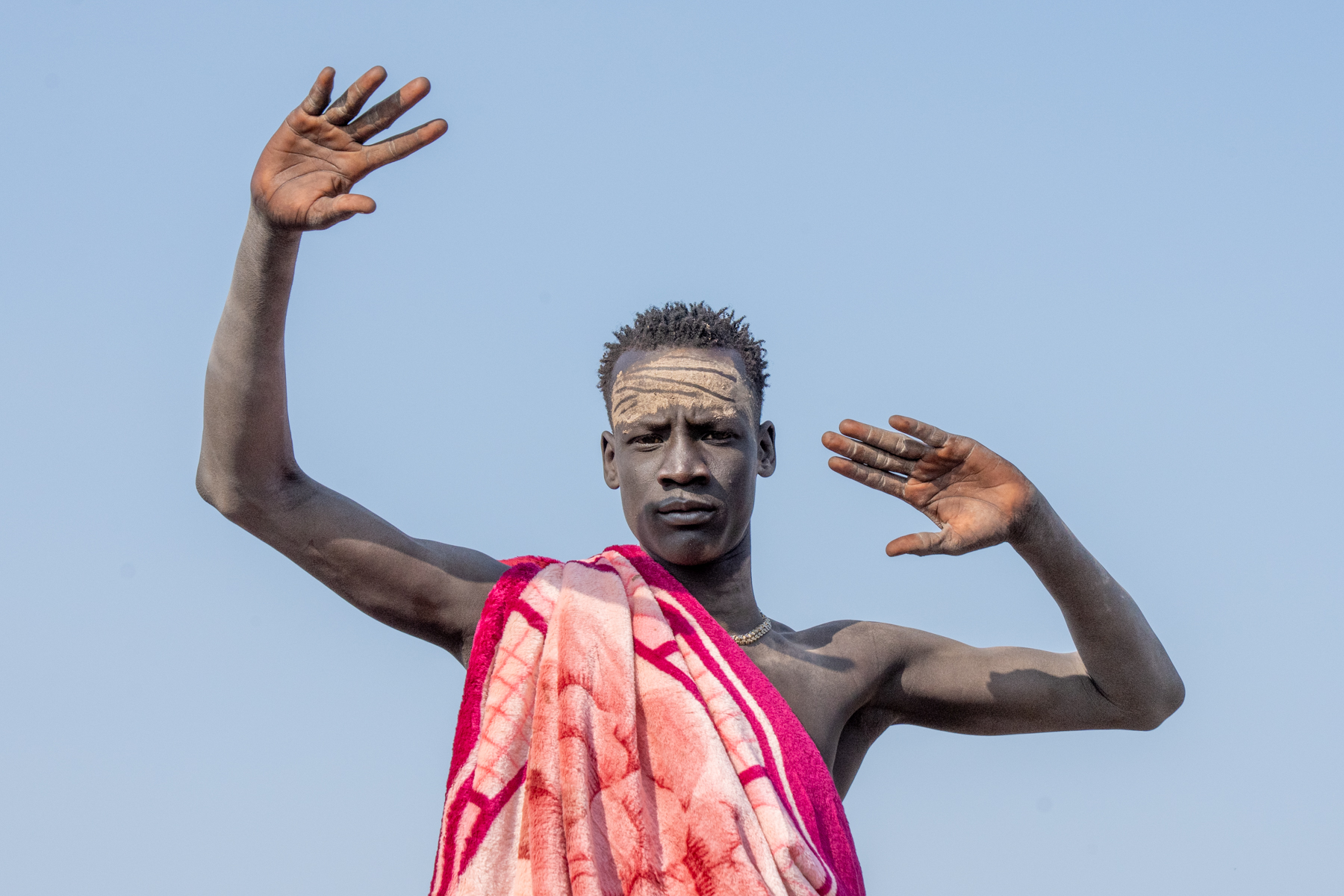
Young Mundari man dressed up for a wrestling match (image by Inger Vandyke)
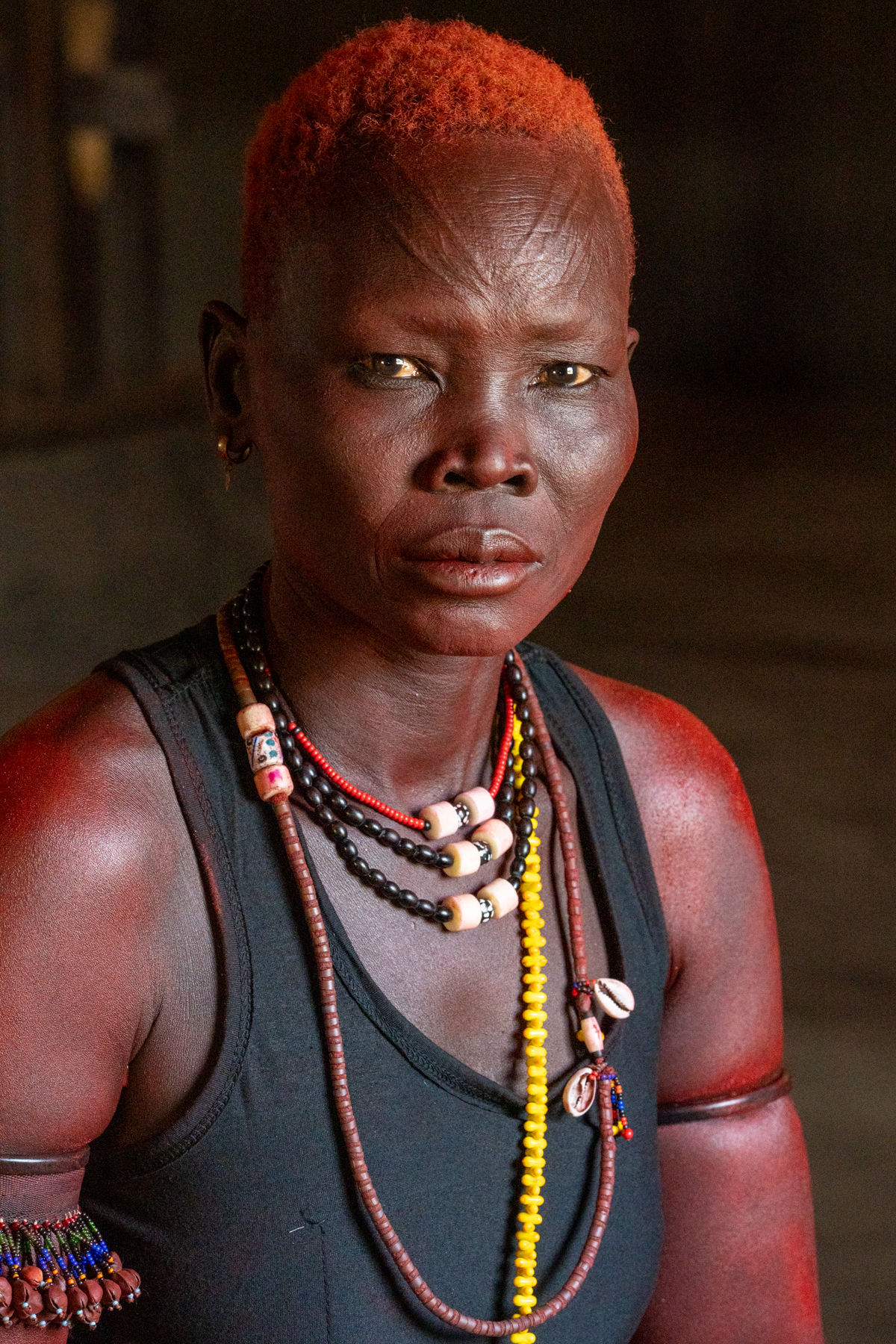
Mundari woman wearing the red ochre she would normally use in ceremonies (image by Inger Vandyke)
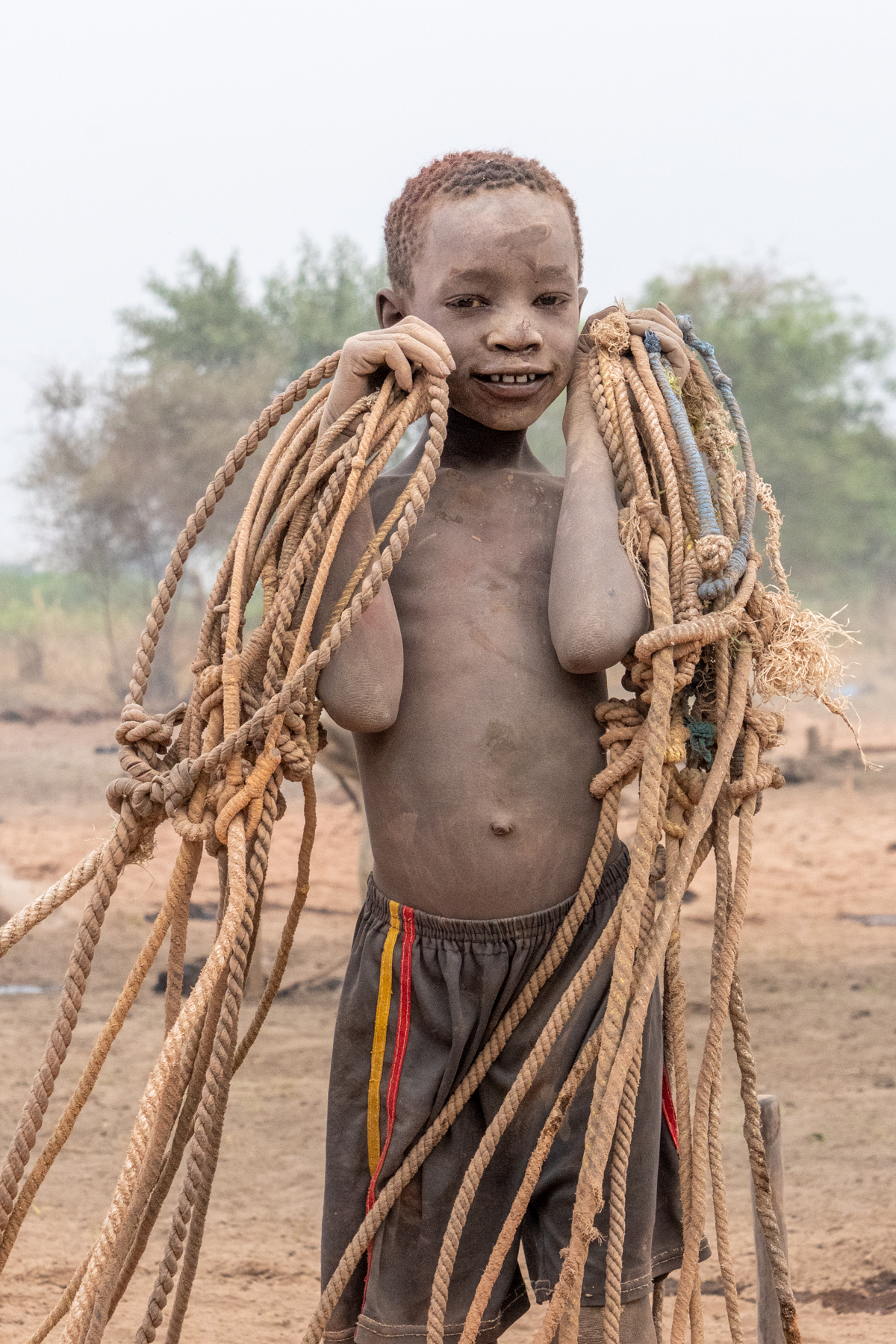
Smiling Mundari boy with tethering ropes (image by Inger Vandyke)
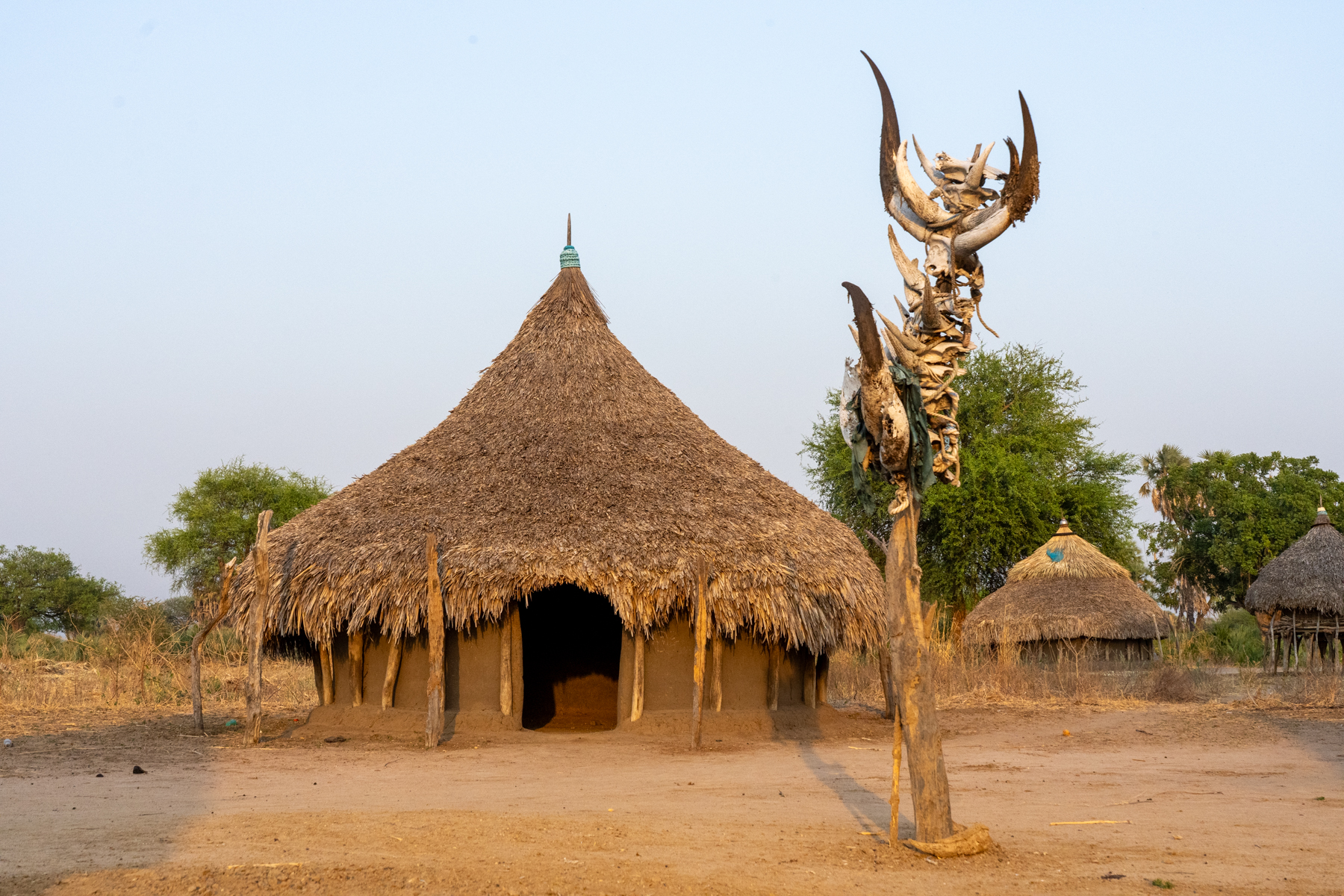
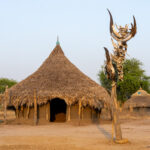
A traditional Mundari home with the marked gravesite of an elder (image by Inger Vandyke)
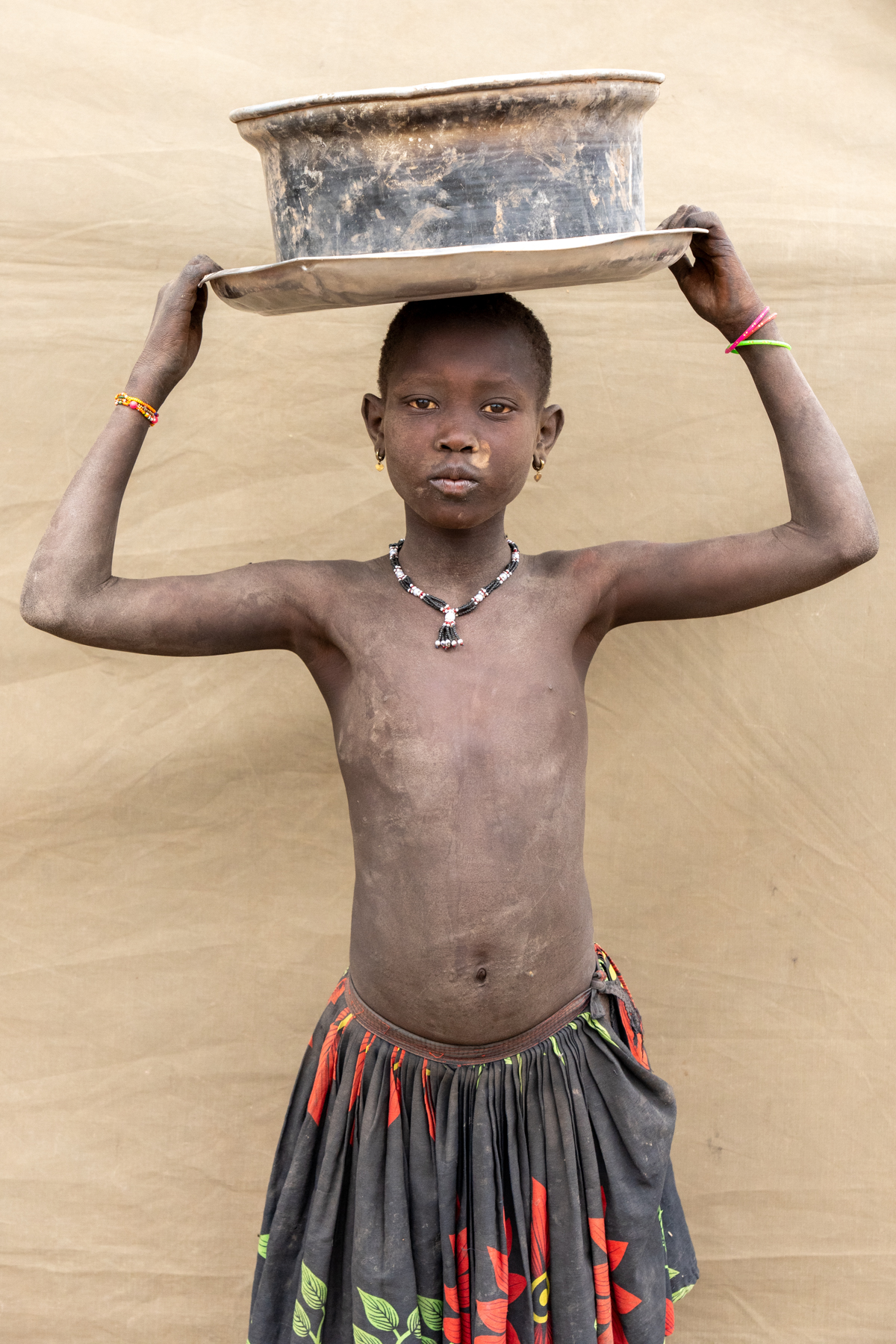
Mundari girl carrying washing bowl (image by Inger Vandyke)
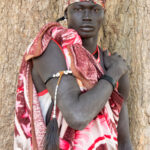

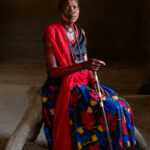
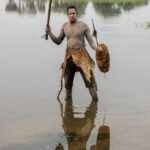
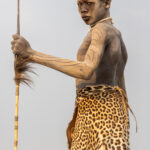
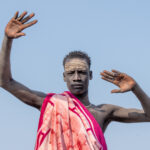


Mundari warrior with spear and shield (image by Inger Vandyke)
Profile of a Mundari woman (image by Inger Vandyke)
Nyanda with her cows (image by Inger Vandyke)
Nyanda wearing Dinka Guet Nom & Yest, the traditional wedding beads, with cows (image by Inger Vandyke)
Grinding fresh peanut butter - delicious! (image by Inger Vandyke)
Mundari children playing games (image by Inger Vandyke)
Clashing Mundari warriors (image by Inger Vandyke)
Mundari children become experts at handling ropes and cows from a young age (image by Inger Vandyke)
Mundari babies (image by Inger Vandyke)
Elegant Mundari woman dressed for a ceremony (image by Inger Vandyke)
Early morning Mundari man draped in a blanket to stay warm (image by Inger Vandyke)
Mundari children are introduced to cows when they are babies (image by Inger Vandyke)
Dramatic afternoon skies herald the end of the dry season (image by Inger Vandyke)
A decorated 'announcement cow' is walked through a camp at sunset (image by Inger Vandyke)
A young boy tasked with herding goats (image by Inger Vandyke)
Mundari cow and sunburst (image by Inger Vandyke)
A young Mundari man 'makes up' his face with ash and dust from the fire (image by Inger Vandyke)
Mundari chief ready to battle (image by Inger Vandyke)
Mundari men paint their faces for traditional celebrations (image by Inger Vandyke)
Beautiful Nyanda wearing a beaded collar in the cattle camp (image by Inger Vandyke)
A Mundari boy sitting in a bucket that he would normally use to collect dung (image by Inger Vandyke)
The atmosphere of Mundari and Dinka cattle camps can only be described as magical (image by Inger Vandyke)
Nyanda and cows (image by Inger Vandyke)
Handsome Mundari man (image by Inger Vandyke)
Young Mundari boy in the buttress roots of a large fig tree (image by Inger Vandyke)
Aker wearing a Dinka crown and necklace (image by Inger Vandyke)
Traditional clay pot used by Mundari women to make yoghurt and curds (image by Inger Vandyke)
Portrait of champion Mundari wrestler (image by Inger Vandyke)
Mundari man with clay decoration (image by Inger Vandyke)
Mundari woman with red ochre (image by Inger Vandyke)
Mundari women are so beautiful (image by Inger Vandyke)
A Mundari woman with dramatic keloid scarification (image by Inger Vandyke)
Mundari warriors (image by Inger Vandyke)
Mundari spear and leopard skin (image by Inger Vandyke)
Mundari man with Tung horn (image by Inger Vandyke)
Mundari women in a village near Terekeka (image by Inger Vandyke)
Mundari woman (image by Inger Vandyke)
Mundari man (image by Inger Vandyke)
A Mundari boy powders his nose (image by Inger Vandyke)
Mundari woman wearing a traditional corset (image by Inger Vandyke)
Mundari chief profile (image by Inger Vandyke)
A Mundari man warms himself by a fire at dusk (image by Inger Vandyke)
A Mundari man holds his hands in the air in the shape of his favourite cow (image by Inger Vandyke)
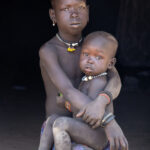
Mundari father and son (image by Inger Vandyke)
Nyanda wearing Dinka wedding beads (image by Inger Vandyke)
Mundari boy wearing the skin of an Egyptian Mongoose (image by Inger Vandyke)
The smoky atmosphere of a cattle camp at sunrise (image by Inger Vandyke)
A beautiful Mundari woman in traditional wedding attire (image by Inger Vandyke)
Portrait of a Mundari fisherman (image by Inger Vandyke)
Mundari children take shelter under a cow skin from a light rain shower (image by Inger Vandyke)
Mundari children make toys out of simple things like land snail shells (image by Inger Vandyke)
Mundari man with traditional clay bun (image by Inger Vandyke)
Traditional Mundari clay pot used to make curds (image by Inger Vandyke)
Mundari scarification and bone bracelet (image by Inger Vandyke)
Mundari cow with its clipped ears (image by Inger Vandyke)
Tiny Mundari boy in a bucket (image by Inger Vandyke)
A group of Mundari women in wedding attire (image by Inger Vandyke)
Haircut day for Mundari cows (image by Inger Vandyke)
Sweet Mundari boy with a tree branch which will be used as the camp broom (image by Inger Vandyke)
A beautiful Mundari woman milking her cow (image by Inger Vandyke)
Giggling Mundari boys hanging out with their favourite calf (image by Inger Vandyke)
Beautiful Aker wearing the traditional Dinka Guet Yest, or wedding beads, next to one of the magnificent cows in camp (image by Inger Vandyke)
Mundari man in battle regalia (image by Inger Vandyke)
Beautiful Mundari woman with her traditional scarification and ochre (image by Inger Vandyke)
Aker and cows (image by Inger Vandyke)
Mundari fishermen in their dugout canoe (image by Inger Vandyke)
Hand-painted Motif adorning a Mundari home (image by Inger Vandyke)
Sunken passenger ferry in the White Nile at dusk (image by Inger Vandyke)
Mundari man with leopard skin and spear (image by Inger Vandyke)
Nyanda wearing traditional Dinka wedding attire (image by Inger Vandyke)
Mundari boy with his favourite cow (image by Inger Vandyke)
The Mundari, when they wear traditional warrior attire, truly look quite formidable (image by Inger Vandyke)
Portrait of a Mundari man playing Tung (image by Inger Vandyke)
Rest time means a chance to smoke a hookah (image by Inger Vandyke)
Delicious Saucerberries (image by Inger Vandyke)
A Mundari fisherman with his Tilapia (image by Inger Vandyke)
Beautiful Mundari fishing camp (image by Inger Vandyke)
Young Mundari boy with cow horns (image by Inger Vandyke)
Unlike many parts of Africa where women build houses, in Mundari culture it is the men who create them. A group of men building the roof of a new home (image by Inger Vandyke)
Getting ready to fight (image by Inger Vandyke)
Mundari woman wearing Guet (image by Inger Vandyke)
A young Dinka girl strokes her favourite cow (image by Inger Vandyke)
A proud Mundari man with his decorated cow (image by Inger Vandyke)
Mundari man and cows in silhouette (image by Inger Vandyke)
Portrait of a traditionally dressed Mundari warrior (image by Inger Vandyke)
A Mundari man dressed for a ceremony (image by Inger Vandyke)
Mundari women dressed for a wedding (image by Inger Vandyke)
Mundari queen (image by Inger Vandyke)
Mundari sisters (image by Inger Vandyke)
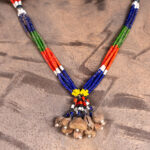
Necklace worn by Mundari men (image by Inger Vandyke)
Mundari decoration detail (image by Inger Vandyke)
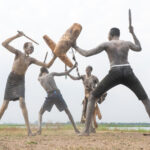
Mundari men practicing fighting using traditional guards, shields and clubs (image by Inger Vandyke)
Mundari man dusting his cow before taking it out for the day to graze (image by Inger Vandyke)
A young Mundari man playing music on a ceremonial Tung horn (image by Inger Vandyke)
A young Dinka girl guides her cow to its tethering post (image by Inger Vandyke)
Young Mundari men embrace after wrestling practice (image by Inger Vandyke)
Beautiful Dinka woman (image by Inger Vandyke)
Mundari woman dressed for a wedding (image by Inger Vandyke)
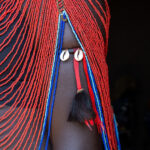
Traditional Mundari corset (image by Inger Vandyke)
Young Mundari man with traditional leopard skin and spear (image by Inger Vandyke)
Ku'u, the traditional Mundari fighting shield, fashioned out of cow skin (image by Inger Vandyke)
Closeup of Mundari decoration (image by Inger Vandyke)
Beautiful Mundari woman wearing her bone bracelet, beaded collar and carring a hand-carved wooden seat (image by Inger Vandyke)
Mundari women wearing beaded collar (image by Inger Vandyke)
A typical Mundari village (image by Inger Vandyke)
Like many Nilotic cultures, Mundari carry flags for celebrations (image by Inger Vandyke)
Mundari woman with beaded collar (image by Inger Vandyke)
A young Mundari boy expertly readying the tethering ropes for the camp cows (image by Inger Vandyke)
Aker with Dinka wedding beads (image by Inger Vandyke)
Freshly caught Tilapia (image by Inger Vandyke)
Mundari man with Tung (horn) (image by Inger Vandyke)
A young Mundari boy guides his calf into camp (image by Inger Vandyke)
Young Mundari man dressed up for a wrestling match (image by Inger Vandyke)
Mundari woman wearing the red ochre she would normally use in ceremonies (image by Inger Vandyke)
Smiling Mundari boy with tethering ropes (image by Inger Vandyke)
A traditional Mundari home with the marked gravesite of an elder (image by Inger Vandyke)
Mundari girl carrying washing bowl (image by Inger Vandyke)


The beautiful Mundari and Dinka people of South Sudan. On my past visits to Africa’s youngest country, I have always enjoyed leading trips there, largely due to the frontier-like feel of exploring the vast expanses of wild Africa and meeting the people that call them home.
The extended tour that Wild Images operates in the country visits remote communities of spectacularly adorned tribal people, including the Jie, Toposa, Larim and Lopit. Finally, they visit the Mundari, and while the Mundari lack the elaborate decoration of the other groups, they make up for it in spades with their tremendous height, subtly beautiful scarification, elegant cow-horn bracelets, and their warm, welcoming nature.
As someone who stands around 188cm (6’2”) tall, I’ve always loved being near the Mundari, who represent some of the tallest people on earth. They, too, find me an odd curiosity for my height, to the point where now many of them jokingly call me “The White Mundari” or “Mama Mundari” when I visit.
Before I led this expedition, I had always wondered what the lives of the Mundari people were like outside the camps. Where did they go? Why did we never meet elderly women? I had so many questions and, after months of reading and researching, then asking my endlessly patient contacts to find out or verify information, I decided to lead an expedition to explore the other side of life for these people, the cattle kings of Africa.
What followed was a spectacular visual odyssey exploring traditional dress, traditional fighting, fishing, home construction, children’s games, worship and food gathering among the Mundari people. I arrived in Juba with zero expectations and left feeling almost overwhelmed by the breadth of our experiences.
Dinner by the White Nile
On this expedition, I was blessed to lead a truly extraordinary group of women photographers whose collective talent and sense for intrepid exploration were revealed over our first dinner in Juba. As we sat at the edge of the fast-flowing waters of the White Nile, we watched a bunch of local families washing and bathing as a full moon rose over the river. Dining outdoors under the shelter of gigantic mango trees, with the warm air, great food, and company, was a wonderful introduction to the trip.
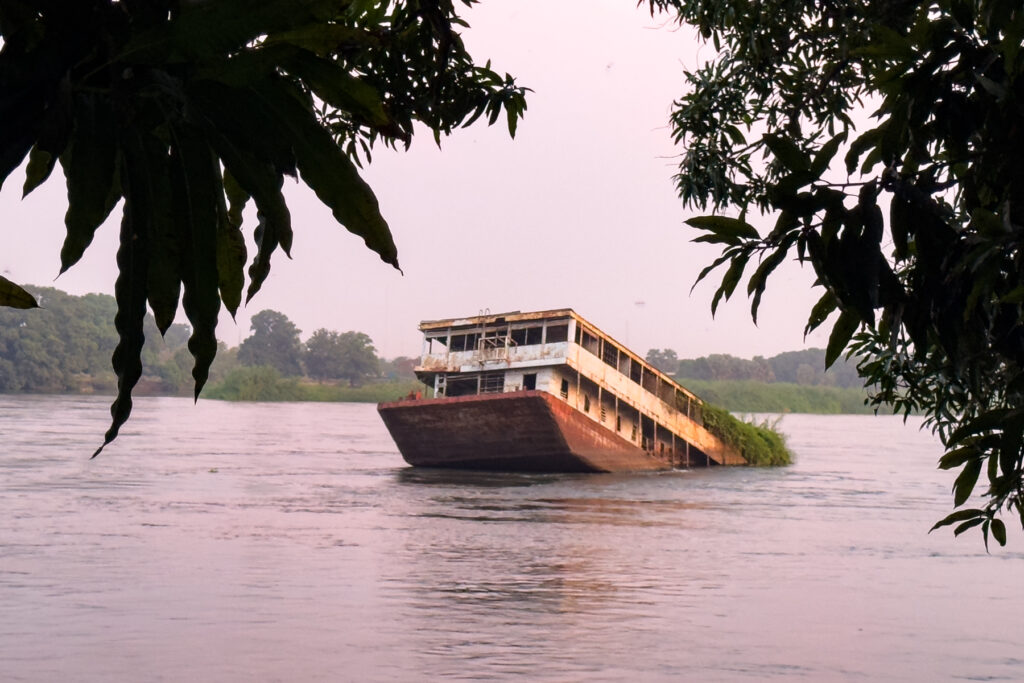
Sunken passenger ferry in the White Nile at dusk (image by Inger Vandyke)
Our First Cattle Camp
After breakfast, we packed up and left for our first cattle camp. We left with enough time to just make it before the morning rush to take the cattle out to graze. Thankfully, the camp was relatively close, geographically, to Juba, and although we were held up on the way out when we stopped to chase a feral dog away from attacking one of the Mundari’s baby goats, we made it just as the last of the cows were leaving for the day.
This camp, a mix of Mundari and Dinka people, was situated beside an evaporating river with a remnant pool of water that hosted a chorus of African Bullfrogs, who serenaded our camp each night.
A typical afternoon in a cattle camp. The dust and smoke creates a magical atmosphere (video by Inger Vandyke)
It was our first introduction to camp life, and while the cows were mostly gone, we spent some time wandering around, meeting our hosts and taking photos until the last cows had left. The friendliness of the Mundari and Dinka people we met already made us all feel so much at home.
Out of the corner of my eye, I spotted my camp team arriving, and I knew it was time to find a retreat from the sun. While they set up, we jumped in our vehicles and went off to visit our first Mundari villages. We passed through two unexpectedly time-consuming check posts, where, obviously, no photography was allowed, so it became a case of ‘smiling and nodding’ to officials asking questions about our permits and vehicle paperwork. Eventually, we were allowed to continue, and the landscape gave way to grazing herds, tiny villages, elaborate graves that featured a mixture of Christian and Mundari stones, totem poles and stands of African Teak trees that seemed to be planted for commercial purposes.
Mundari Villages
The village we stopped at was a satellite community of Terekeka, the largest town in Mundari culture, and it was here that we saw our first Mundari houses and their neighboring stilted granaries used to store a family’s food. It was our first glimpse into Mundari village life, and we delighted in viewing our first hand-painted clay homes that are built by Mundari men.
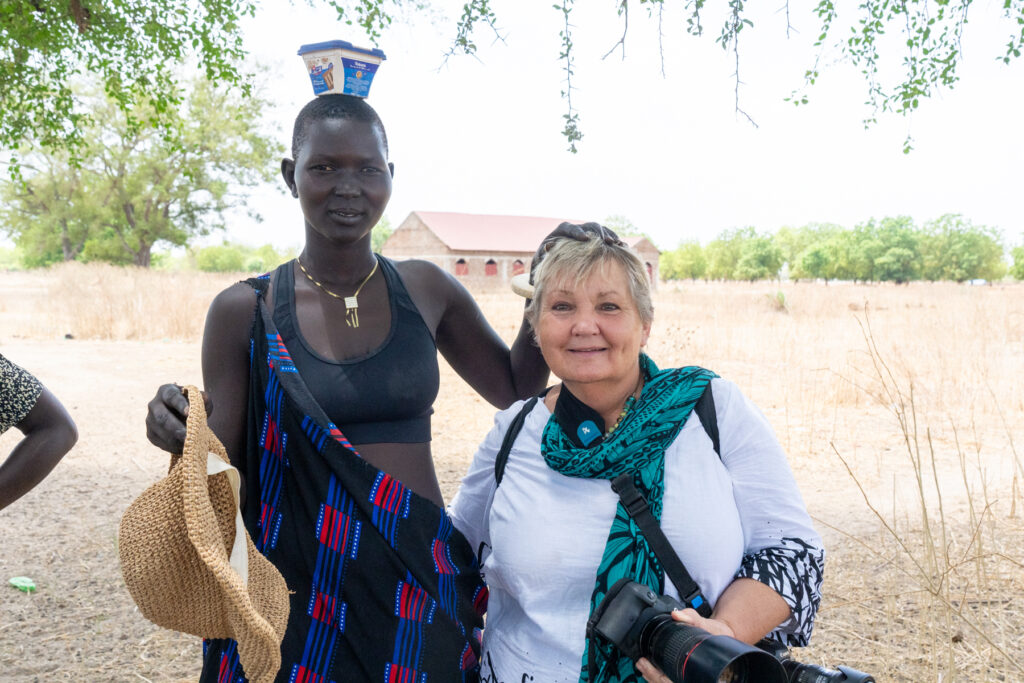
Katie enjoying a hat shuffle with a local Mundari woman (image by Inger Vandyke)
We wandered over to a beautifully painted home, and as we did so, a friendly group of Mundari women approached us to say hello. We asked if they minded us taking photos of their beautiful home, and they kindly agreed. Due to the longer-than-expected time at checkpoints, however, we had arrived in the harshest light of day with the highest temperatures. Photography was difficult, and eventually the Mundari brought over some seats for us all to sit and rest in the shade of a large Saucer Berry tree (Cordia sinensis). It was in fruit, and our Mundari guide asked if we would like to try some. The sweet sticky saucer berries are a much-loved snack for Mundari children in villages, and after trying some, we agreed they were delicious!
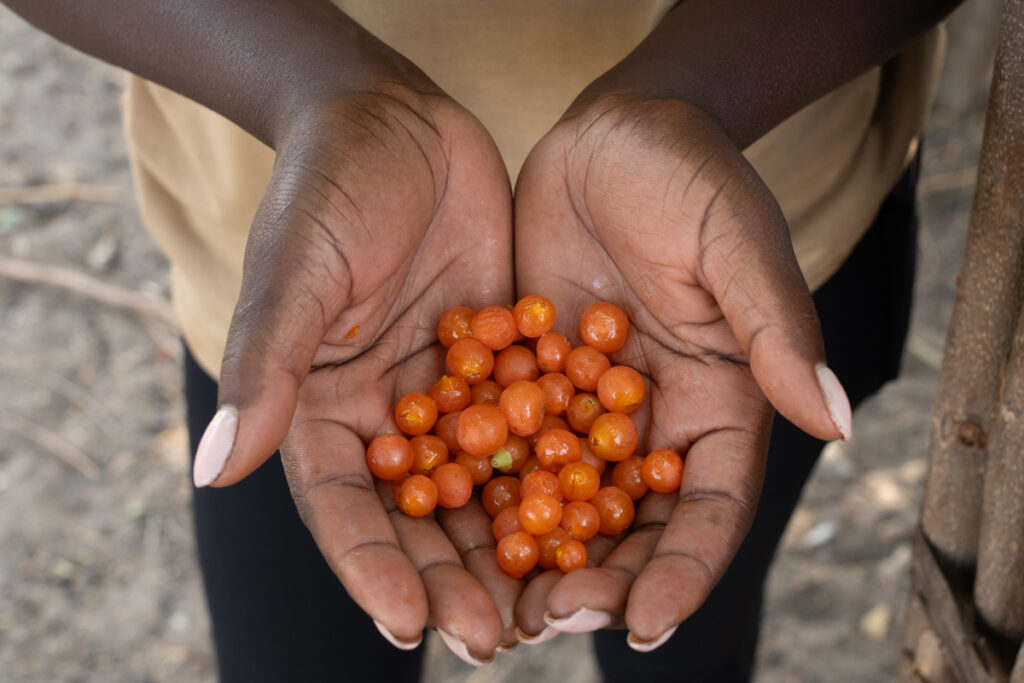
Delicious Saucerberries (image by Inger Vandyke)
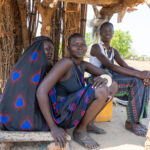
The heat of the day was intensifying, and, concerned for how we were coping with it, our newfound Mundari friends brought over some plastic chairs for us to sit on in the shade. We had a little time to wait while our guide completed the formalities at the village’s check post. When he returned, I dug out some of my antique Dinka jewellery, and we set up a lovely photo shoot with the local women wearing it all in the doorway of a larger, less traditional home. As an all-women group, it was a great way of connecting with our fellow women and our first introduction to traditional Dinka and Mundari adornment.
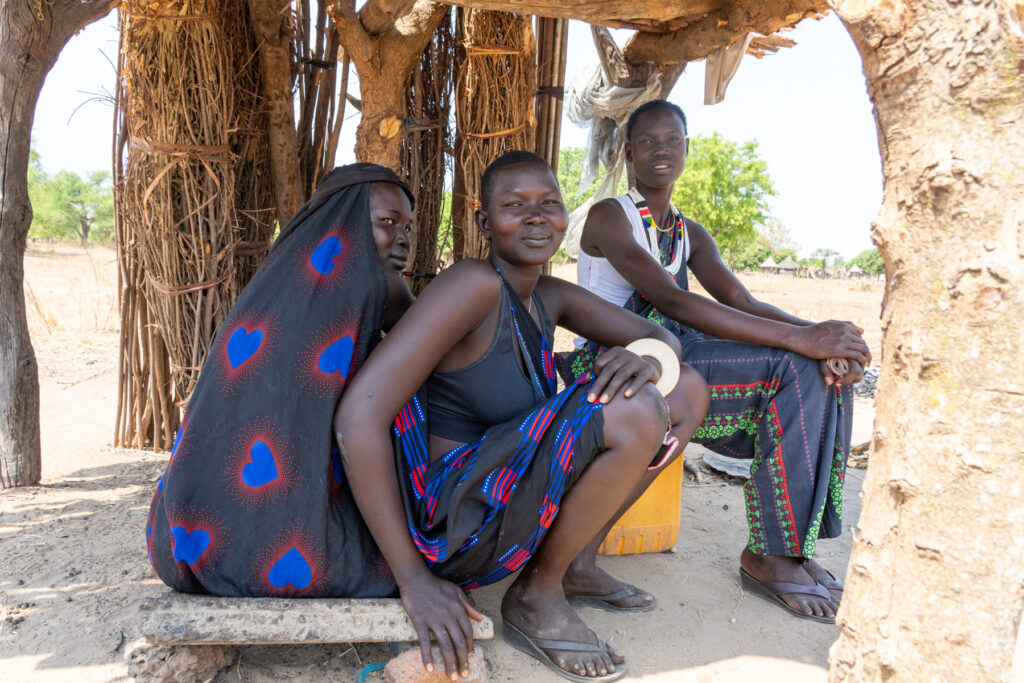
Mundari women in a village near Terekeka (image by Inger Vandyke)
We finally finished up and enjoyed a picnic lunch in a plantation of African Teak trees, before driving back out to our camp for the afternoon.
The ‘Announcement Cow’
We arrived well before the cows had returned for the day, so we took a short break until we heard them coming. Then, as the cows arrived, the smoke started to swirl, and the camp swung into action, tethering the cows, herding the goats into enclosures, starting fires, and preparing for sleep.
While we were wandering around, we heard the clanging of a gigantic cowbell. These huge iron bells are a true Mundari tradition, and to announce something important, the Mundari will attach one to a cow and walk it around, making a loud sound to spread the news. On this day, the newsflash involved Woja, a young Mundari man who was walking around the camp announcing he was ready to marry. I learned later that, in the absence of the large bell, the Mundari people will dress their cows up and parade them around, also to make an announcement, like a marriage, wrestling match or the death of an elder.
Woja with his ‘Announcement Cow’ ringing a giant bell called a Lungit (video by Inger Vandyke)
When the light became too dim for photography, we went back to camp for the first of many delicious meals we would enjoy from our camp cook, Bonny, and, after a very eventful first day in the field, we all fell asleep to a chorus of African Bullfrogs and the distant tinkling of cowbells.
Dawn to Dusk in our First Camp
Our morning began in the dark as we sat, drinking coffee, trying to soak in the atmosphere of our camp and the nearby Mundari camp. We left at first light to enjoy the sunrise with our newfound friends from the camp while they readied their livestock for a day of grazing. This was our first chance to plunge into the world of an average Mundari morning, and we all enjoyed watching young men bathe in streams of cow urine, children wandering around and untethering cows, men dust bathing their cattle, boys rubbing ash into their hair, women milking, and babies joining in on it all by stroking young calves. Older children were tasked with milking and taking other livestock, such as goats and sheep, out to graze after they had been milked.
Today we learned two new things – the Mundari actually have a ‘haircut’ day for their cows, where the tips of the cow tails are trimmed to keep them neat.
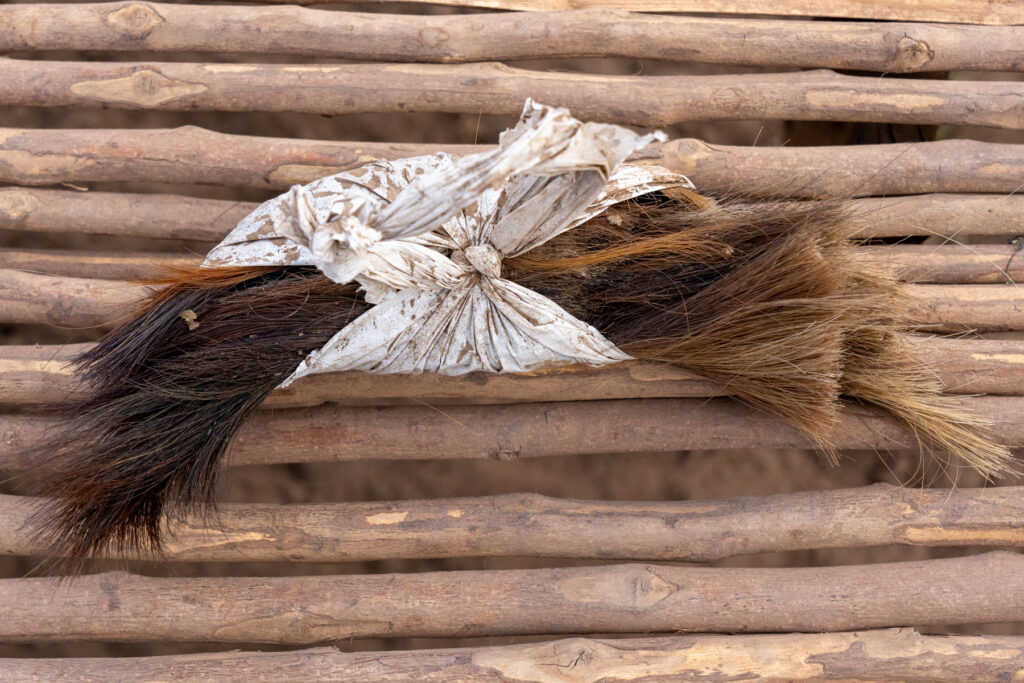
Haircut day for Mundari cows (image by Inger Vandyke)
We also watched a Mundari man fashioning an Amuro for his friend. This beautiful male hairstyle is like a clay bun, formed with animal fats, ash, and red ochre to create an orange coiffure.
We had hoped to see a wrestling match today, which sadly didn’t eventuate. We did, however, get a chance to watch young Mundari boys wrestle in the dust, training for a sport integral to the Mundari way of life.
After an eventful morning, we returned to our camp for one of Bonnie’s outstanding breakfasts, which fueled us all for a series of portraits we decided to take, setting up an impromptu studio in our main dining tent.
We were joined by some wonderful Mundari men, adorned with patterned clay, and bringing both cow horns and traditional musical horns in for a shoot. We had a wonderful morning with them, despite a sudden rain shower that forced us to take shelter for a few minutes.
During our break and lunch, we were met by a steady stream of Mundari kids who seemed fascinated by us staying nearby. It was typically hot and a little too much to stay in our tents, so we just hung around chatting to them and waiting for the light to glow so we could go back to the camp at sunset.
Proper orange sunsets are less common than dusty, cloudy afternoons in Mundari camps, but this afternoon we were blessed by a glorious African sunset that was reddened by our dusty skies. Beautiful. After watching the sun sink below the horizon, we went off to find some campfires, and some of us even stayed into the darkness looking for atmospheric shots before going back to our camp for dinner.
A Morning of Celebrations
That mesmerizing sunset was followed by a sunrise of similar ilk. Incredible. We took a stepladder over to camp this morning to get some elevated shots of the whole camp.
We asked again about the wrestling match, and I think the Mundari were getting quite worried that we’d be really disappointed if we didn’t see it. I also sensed that something might be happening to stop them. In the end, they offered to show us the ceremony they would perform if there was going to be a match, so we all delighted in sharing in the fun of watching them prepare. This involved bathing, creating body paint, curing drums on a smoke fire, playing horns and singing. We were told to meet in a clearing on the Dinka end of the camp, and as we arrived, a group of decorated young Mundari men marched through the camp with flags held high to that arena. When they arrived, a group of Mundari women sang in a choir to celebrate the champion wrestler from their side. It seemed to fly by so quickly, and I don’t think any of us were really ready for it to end. It was our first time witnessing a full-blown Mundari celebration, and it gave us all goosebumps.
A young man bathes in cow urine before dressing up for a ceremony (video by Inger Vandyke)
At the end of it, we asked some of the taller Mundari men if they minded staying behind for a few minutes. They kindly obliged and had fun with us as we posed for photos with them. Besides their gigantic stature, all of us felt like mere mortals, but there was a great deal of laughter all around, and we finally said our goodbyes before we returned to camp, packed up and left.
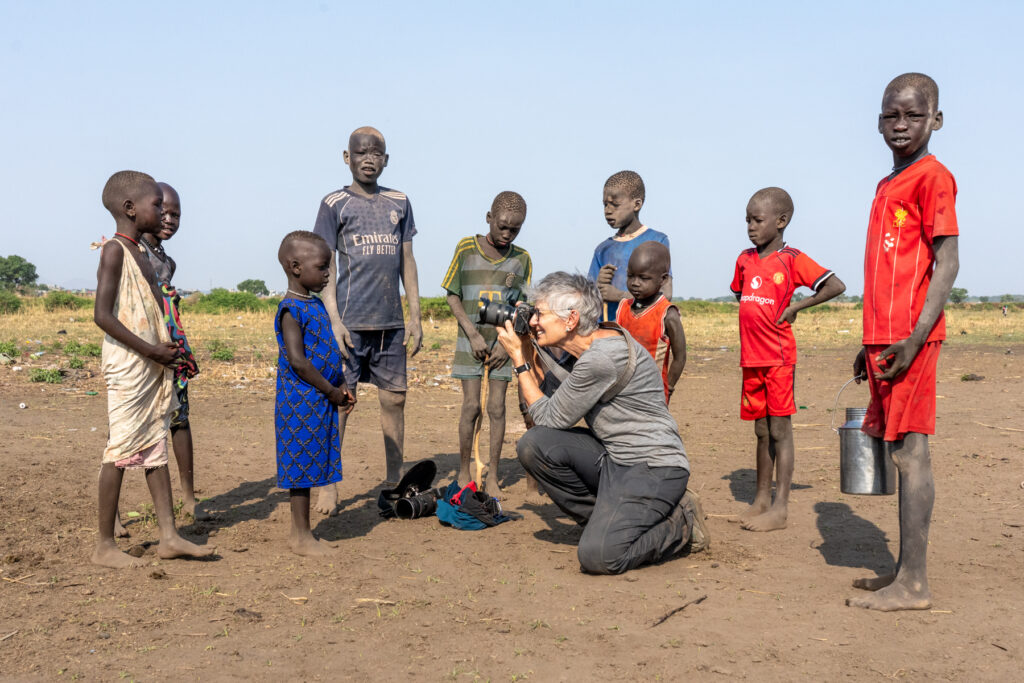
Amy photographing Mundari kids at a ceremony (image by Inger Vandyke)
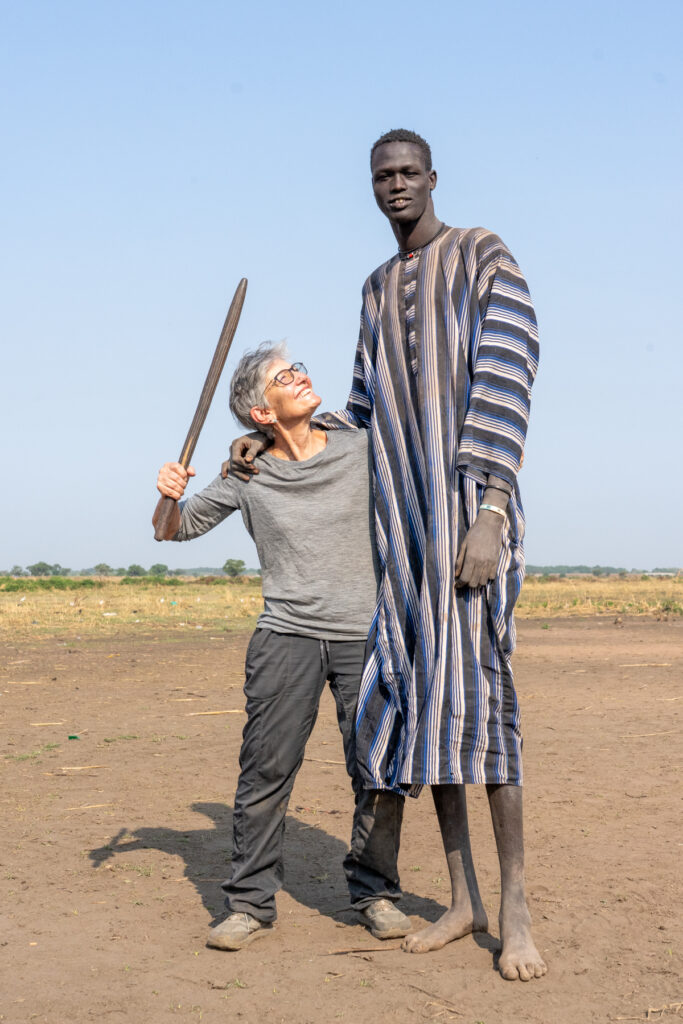
The long and the short of it – guest Amy with the tallest Dinka man of our camp, who was nearly 7ft tall! (image by Inger Vandyke)
Totem Poles and Grave Sites
It was time to go exploring, so we headed out to some remote satellite villages of the Mundari, at the edge of the White Nile. En route, we began to see our first “Nyam”, or Mundari totem poles. These elegant, tall structures are mostly painted in black and white with a crown of cow horns. They can signify the site of a village, a road or a structure of importance.
We also started to see our first Mundari graves, both traditional and mixed-belief, in which a Mundari totem would be placed alongside a standard Christian grave.
We made a few stops to admire and photograph these beautiful markers before the road veered off and we entered a wilderness wonderland of huge Doum Palms, flowering trees, and lake reeds abutting the crystal-clear waters of a Nile tributary. We then started to see Mundari villages with their charismatic painted homes adorning the countryside. It was a fascinating introduction to a side of life that so few outsiders really see.
We arrived at our camp to find a group of children playing a Mancala-style game using palm seeds and small pits in the soil. It was a relief from the heat to watch them excitedly playing this game in the shade of a large tree.
Mundari children playing Tokini, a game similar to Mancala, under a large shady tree (video by Inger Vandyke)
Mundari Wedding Beauty
As we watched, a group of Mundari women arrived, dressed in their finest wedding attire, and what followed was an afternoon of spectacular portraits in the sublime setting of a disused adobe-style church at the edge of the village.
Mundari women rub red ochre into their skins when they head off to ceremonies, and seeing this for the first time, along with their pretty wedding dresses, was truly memorable. We spent time with each of the wedding women taking photos of them in the side light of the church, and we all enjoyed it so much that it was hard to finish.
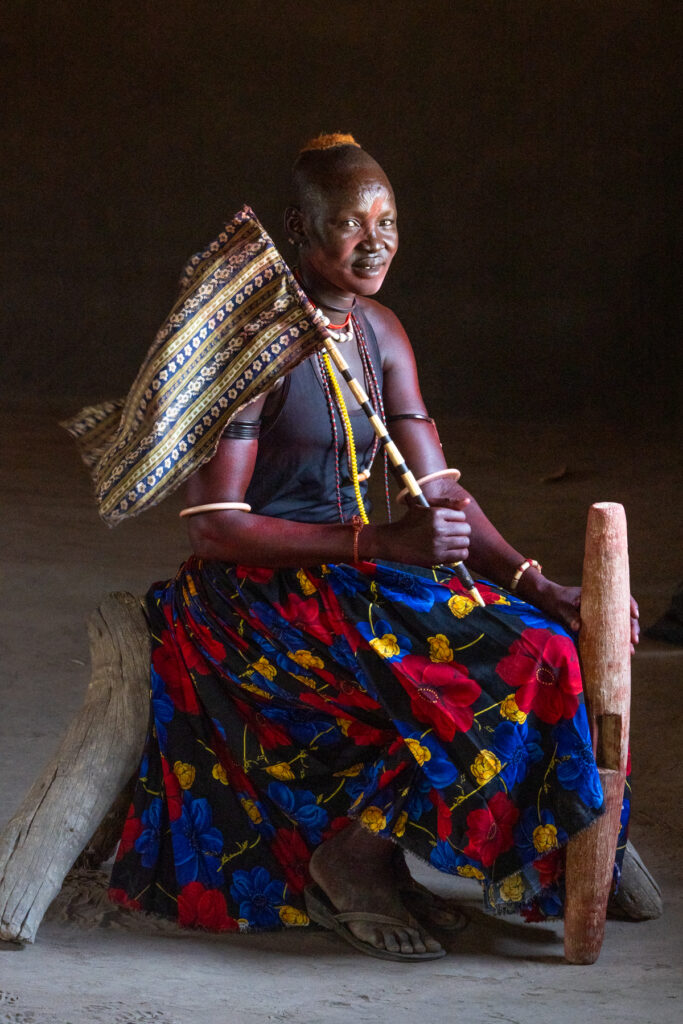
Like many Nilotic cultures, Mundari carry flags for celebrations (image by Inger Vandyke)
Fishing Camp Life
Time was getting away from us, and after hearing that the Mundari usually bring in their largest hauls of fish late in the afternoon, we decided to head down to a remote fishing camp to see what their catch consisted of. We arrived to see two muscular Mundari men deftly paddling their wooden canoe back to the shore from their fishing grounds. Once there, they hauled in a net with some beautiful, large Tilapia. We stopped to take photos of them and also of a couple of young men practising wrestling before going back to our camp.
New House Construction
On the way back to our camp, we stumbled on a group of Mundari guys building the roof of a house. Unlike so many other places in Africa where women build homes, in Mundari culture, it is the men who are responsible for building. We got out to see them making a fantastic roof out of sapling wood thatched with the strong fronds of the local Doum palms. It was amazing to watch them work!
By the time we left, it was getting dark, and the local Mundari women were preparing for the evening. Some of us opted to go for a walk through the local villages back to camp, and it was here that we saw how the Mundari dried and smoked fish. We also enjoyed watching a young Mundari woman making her own peanut butter on a grinding stone.
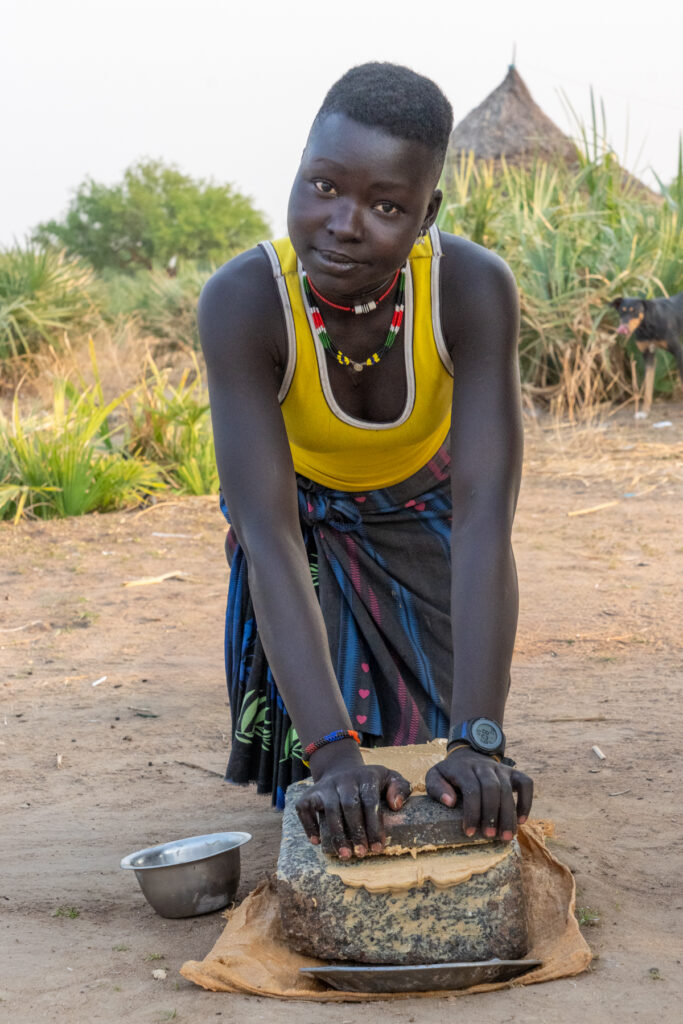
Grinding fresh peanut butter – delicious! (image by Inger Vandyke)
Mundari Night Club
As we sat eating dinner in our lovely campsite, we started to hear a large number of Mundari singing and, as it turned out, our camp was near a Mundari ‘night club’. Unlike clubs around the world, there was little to no alcohol here. There was also no electronic music. It was a group of fantastic young Mundari men and women singing and dancing in circles under a starry sky. We went over to join them and delighted in watching lines of young Mundari kids joining in the fun.
Celebrations went well into the evening, but when we returned from the nightclub to our camp, the singing felt more like a bedtime lullaby, so we all fell asleep to the distant music.
Sunrise with Mundari Warriors
The next morning, before first light, we woke up to a chorus of calling Slender-tailed Nightjars surrounding our camp.
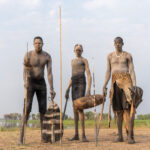
We met up with some prominent young Mundari men to do a photo shoot in the shallows of a nearby lake. I had asked about the traditional dress of warriors and was delighted to find out that young Mundari men would have originally fought with a selection of clubs, spears and shields whilst donning the skin of a leopard. We took them down to the lake with us, and I was amused to find out that their spears were too long to fit in our cars, so we had to drive with them sticking out of the car windows!
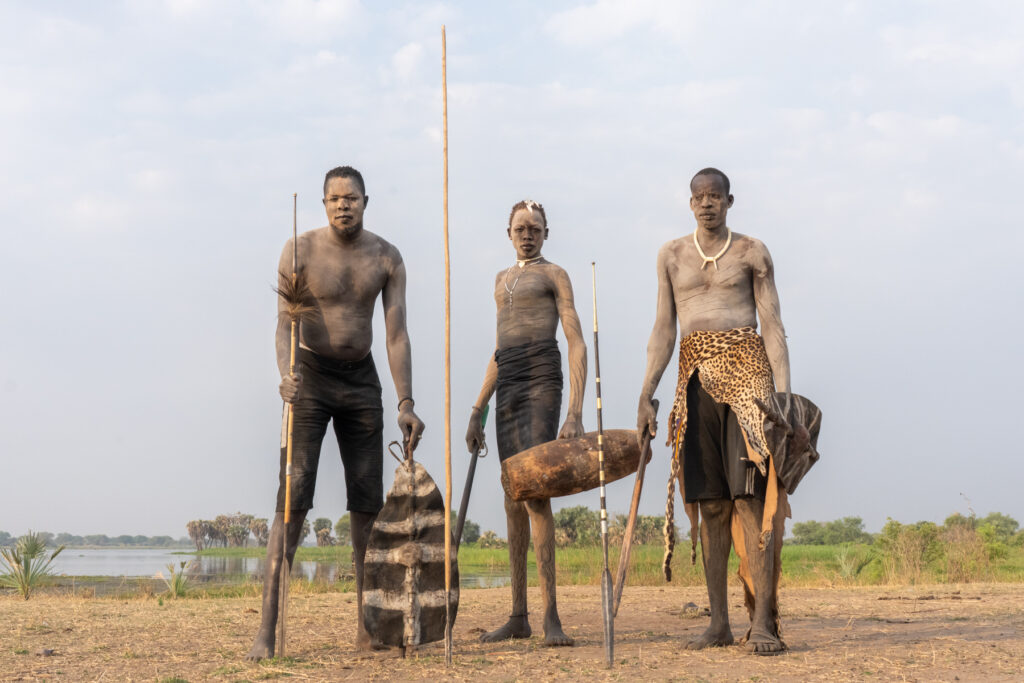
Mundari warriors (image by Inger Vandyke)
Once we arrived at the lake, we enjoyed a wonderful photography session as we watched them prepare, kindly stand in the lake for us to capture their reflections and then engage in mock fighting so we could get shots.
We then took them back to the old church for some wonderful portraits. All of this took place even before we had breakfast! We wrapped up the shoot with many smiles and much gratitude and went back to camp.
Our Last Wander through Mundari Villages
By the time we had finished breakfast, the light was getting harsh, and the heat was intensifying. Some of us chose to stay in the cool of the trees while others went to have a last wander through the Mundari villages, learning more about their way of life and taking photos.
Shortly before we left, I dug out some printed photos to give to our guide, and all of a sudden, we found ourselves surrounded by Mundari people who recognized their friends and family in the photos. These small gifts were a source of great joy, and it was a nice way to say thank you for our visit. We truly did see some beautiful aspects of Mundari life in these villages.
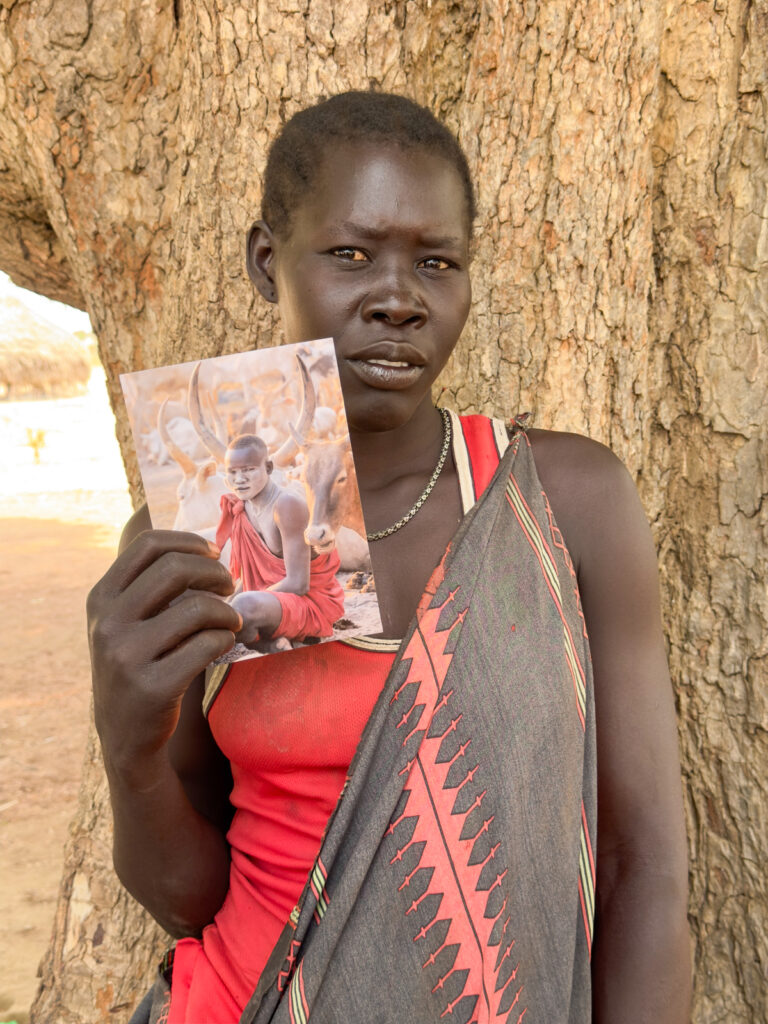
Bidi holding a photo of Gore, her brother in law (image by Inger Vandyke)
Wildflower Identification
On our way out, we made a few short stops to identify some of the flowering bushes of South Sudan, including Solanum, Calitropis and a lovely flowering Stereospermum, or Pink Jacaranda.
I had regretted not taking photos of the delicious Saucer Berries we tried in our first village a few days ago, so we returned for a brief visit and were warmly welcomed by the Mundari women we had photographed. On the only Saucerberry tree in the village, the Mundari children had plucked most of the low-lying fruit to eat, so I took some berries from the higher branches and photographed them in the hands of our lovely guide, Lina, before trying a few more, then giving them to the kids. It was a nice way to say our final goodbyes to that lovely place before the last couple of days of our tour.
Second Cattle Camp
We started driving back towards Juba and initially stopped at a camp the team had planned to stay at for the last couple of days. When I got out and saw that it was mostly surrounded by tall trees, I gently asked if we could move to one that was a bit more open. After profusely apologizing to our Mundari hosts, we shifted to a camp closer to the first camp we stayed at.
It was a good decision in the end, as this one was out in the open and had a large termite mound at its heart, perfect for climbing up to get views of the camp!
On this first afternoon, we were blessed with the most extraordinary sunset, perfect for photographing people and cows in silhouette against the swirling African dust. We saw two Announcement Cows being dressed up and walked around the camp, and we met some wonderful Dinka and Mundari children who were expertly handling the ropes to tether their cows.
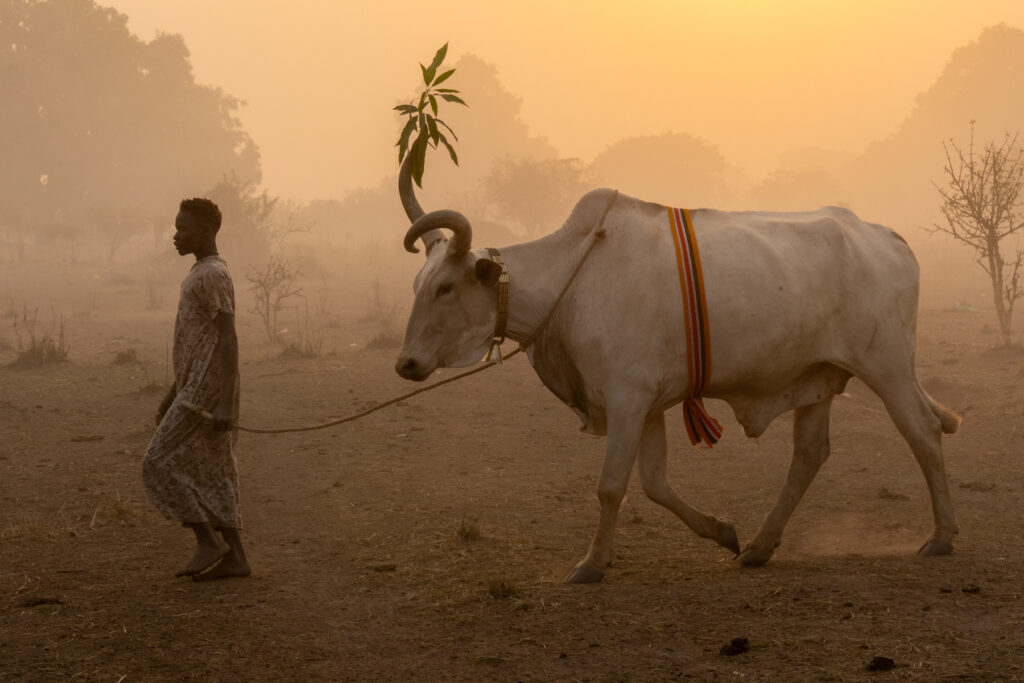
A decorated ‘announcement cow’ is walked through a camp at sunset (image by Inger Vandyke)
While we were wandering around, I met up with an old Mundari friend of mine, Mario, who kindly shared some of his strong, sweet, ginger coffee with me to say hello. It was nice to see him again after all these years.
What a fantastic way to end a day that turned out to be a total odyssey of Mundari culture.
Dinka Beauty
It was here that we were joined by some lovely Dinka friends of mine from Juba – Aker and Nyanda. They had brought with them some traditional Guet, or beads, that Dinka women wear for weddings. This included Guet Nom, or a beaded crown and Guet Yest, the Dinka wedding necklace. They also brought more simple everyday beads called Ajok Bor to wear for us in photos.
Sunrise Glow in our Second Camp
This morning, we left before first light to visit the camp, and we enjoyed an incredible morning under amazing light, photographing everything from young children sleeping next to their cows, milking cows and goats, blowing into the vaginas of cows to make them produce more milk, untethering and cooking sweet milk over the fire for breakfast. We also ran into some Mundari women making their sweet ginger coffee and breakfast for their family. A few of us climbed the termite mound to take scenic shots of the camp. There was so much going on here, it was hard to fathom at times.
We eventually went back to our camp for a late breakfast before setting up our portrait session.
Wedding Beads and Warriors
For our second portrait session of the tour, we decided to simply use the canvas of our tents as a backdrop to our photos. We were joined by Nyanda and Aker, who were beautifully dressed in the clothes that Dinka women wear for weddings. Their natural beauty truly showcased these traditional beads, and photographing them both in our makeshift studio was mesmerizing.
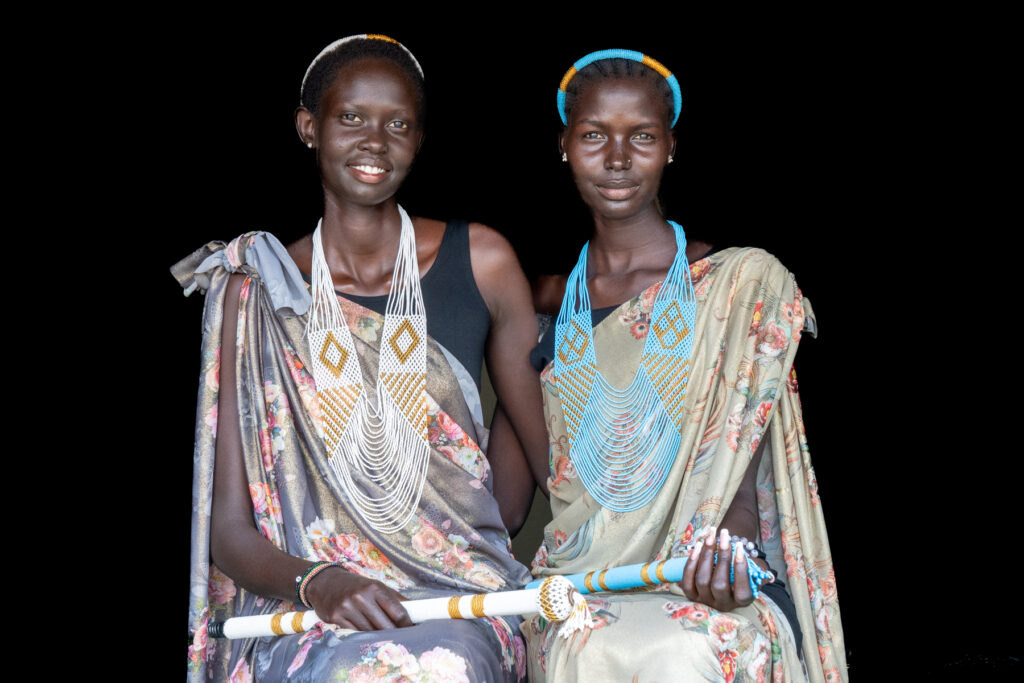
Beautiful Aker and Nyanda in traditional Dinka wedding attire (image by Inger Vandyke)
Afterwards, we were joined by more Mundari men for portraits before we all took a break to escape from the heat of the day.
As the day wore on, I spotted a beautiful Mundari woman named Jende, and I thought she would look nice wearing the antique Dinka necklace I’d brought with me. When I saw her walking past our camp, I asked if she would mind putting it on for us. What followed was an impromptu photo session of her wearing these beads that fit her so perfectly. She looked truly beautiful in them.
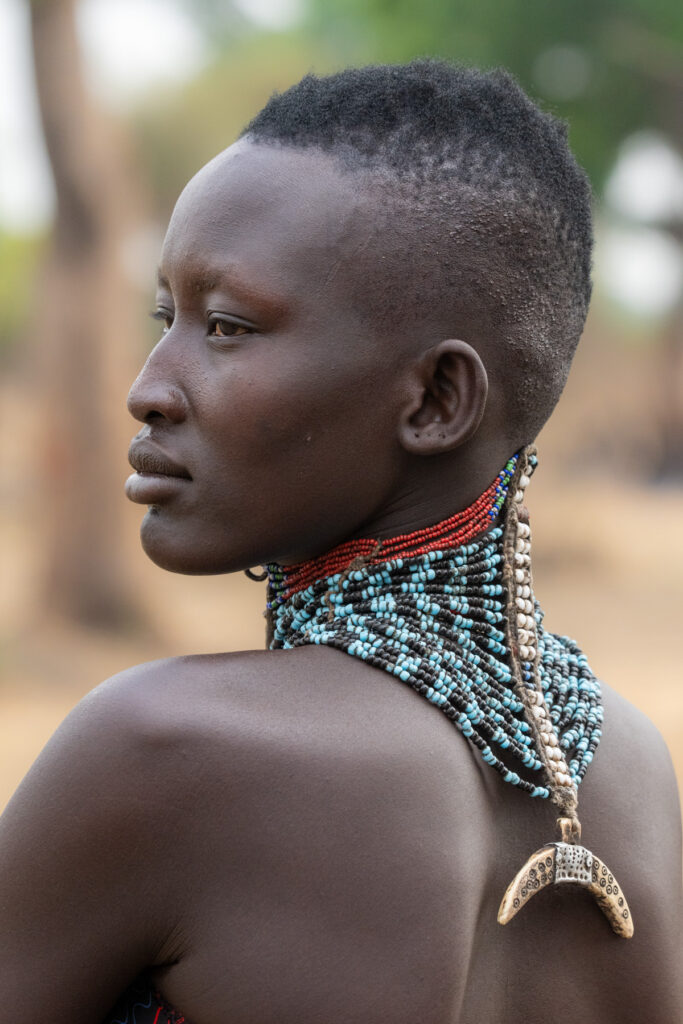
Beautiful Dinka woman (image by Inger Vandyke)
Later that afternoon, we returned to the camp and took photos while we literally waited for the cows to come home. I had asked about the traditional way that Mundari and Dinka children shelter from the rain, as I’d seen an old photo of some kids sitting under a cow’s skin to stay dry. I asked if we could see this, and we ended up with one too many kids under a skin that wasn’t large enough to shelter them. It was fun to watch them all trying to squeeze in, though!
We also had a lovely moment when a young Mundari boy was leading a calf to its mother.
As we wandered around, I was saddened to see that one of the young cows in the camp had died. I wasn’t sure how it died, but the nature of large numbers of animals congregating always entails some attrition. No matter how many times I’ve seen this in my life, I still always feel sad to see an animal that hasn’t made it. I wasn’t sure what the Mundari would do with a dead cow. Traditionally, they don’t kill their cows for meat, but if one dies, they will eat it. Would they eat this one? It was impossible to know at the time.
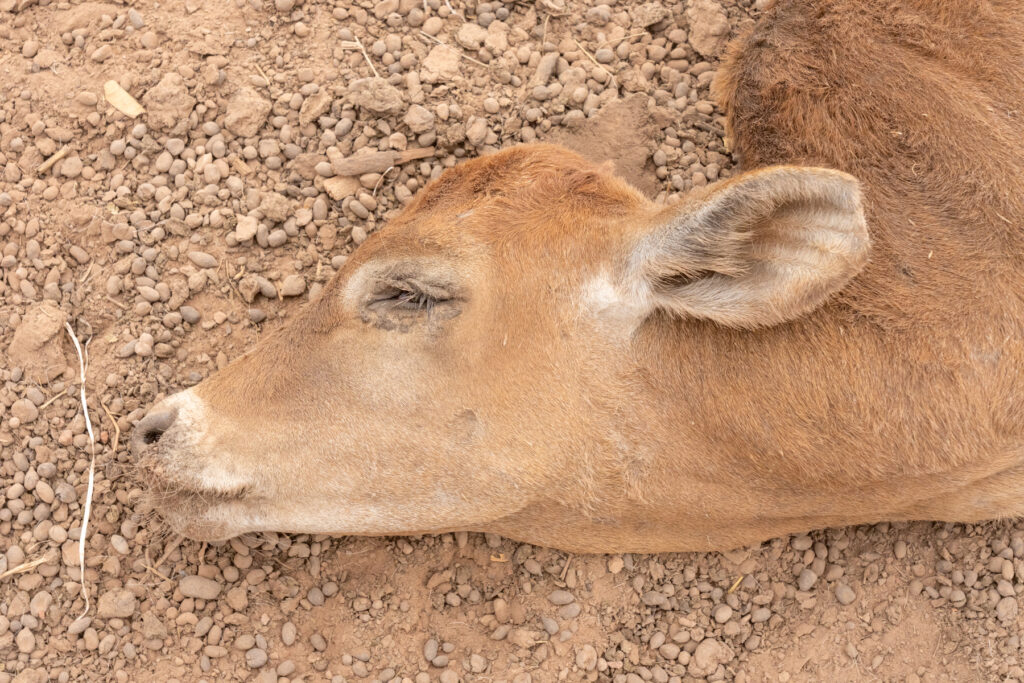
A deceased calf (image by Inger Vandyke)
The wonderful sunset of the previous day didn’t arrive today. Still, the muted light was great when we met Nyanda and Aker in their Dinka beads for photography in the camp. It was beautiful to explore a variety of situations with these stunning girls wearing their traditional beads until it was dark.
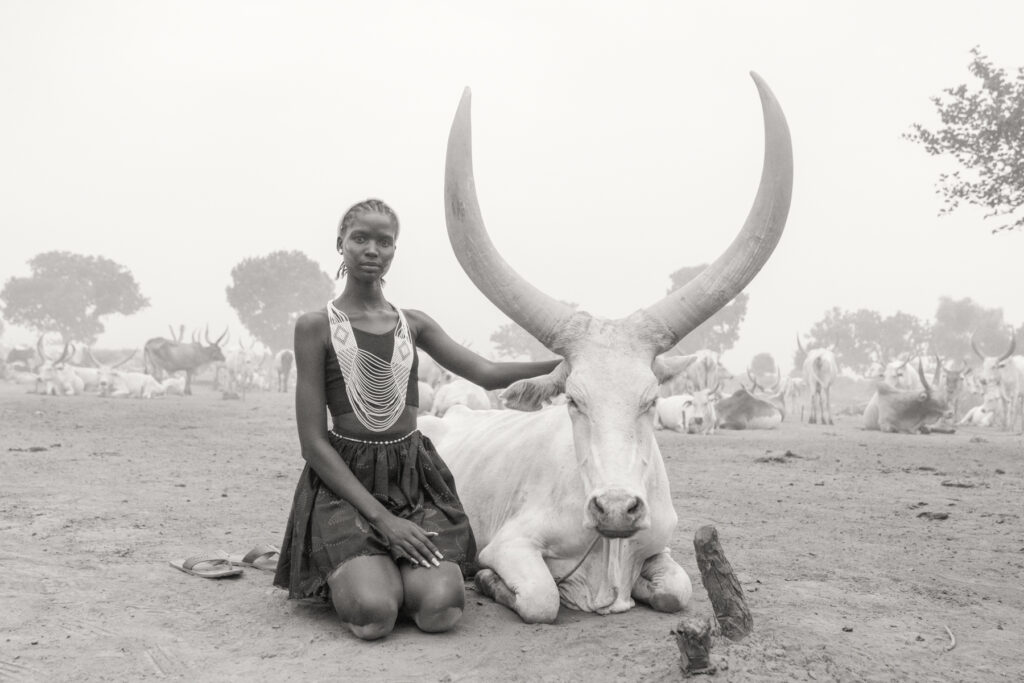
Beautiful Aker wearing the traditional Dinka Guet Yest, or wedding beads, next to one of the magnificent cows in camp (image by Inger Vandyke)
Bonnie’s Birthday!
The next morning was our final of the trip, and we went back into the camp with Nyanda and Aker at sunrise to photograph them wearing my traditional Dinka corset and collar. By this time, a lot of the Mundari had been alerted to their beauty, so their return caused quite a stir. In between the banter, we took some final beautiful photographs of them in the camp before returning to our camp, where we found out it was our cook, Bonnie’s, birthday!
After breakfast, we hung around in the camp while our team packed up. They had a water fight to baptise Bonnie, and we spent some time chatting with the local kids. We met up with one lovely little boy who had been tasked with collecting tree branches to use as a broom, and we also saw another lovely young boy who was simply dressed in the skin of an Egyptian Mongoose. After photographing both, I noticed, out of the corner of my eye, that Black Kites were wheeling around the skies above our heads. The Mundari had decided to slaughter the cow that had died in the camp, and it was fascinating to watch women carrying the carcass back to their camp to cook it while a group of Mundari men threw small bits of entrails to the kites to eat.
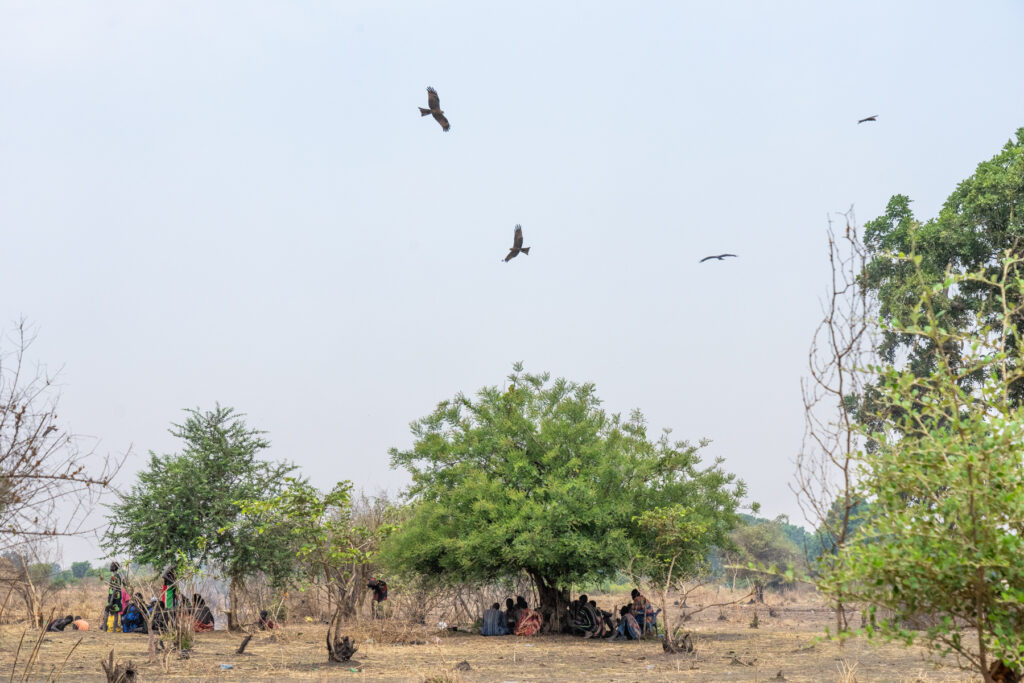
Kites wheeling around a group of Mundari men who were feeding them the entrails of a cow (image by Inger Vandyke)
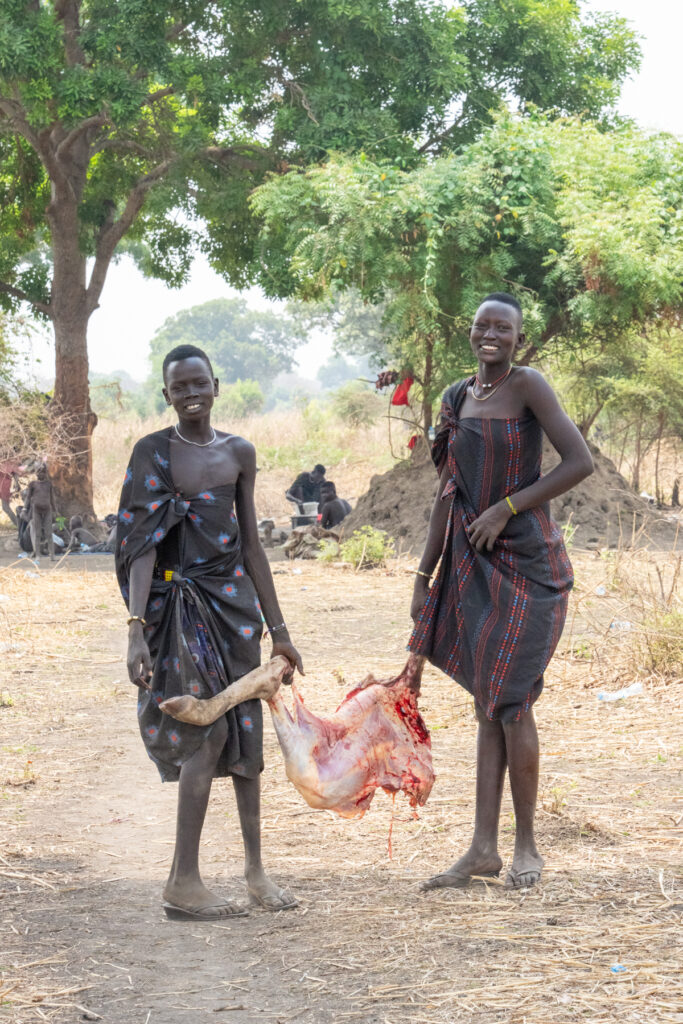
Mundari women carrying the carcass of the dead calf to make stew (image by Inger Vandyke)
We eventually packed up our camp, said goodbye to everyone and drove back to Juba, where our hotel room, complete with air conditioning, hot showers and a soft bed, was waiting for us. We had enough time to have a few hours’ break before our final dinner, and I think we all relished the opportunity to relax.
Birthday Dinner by the White Nile
As it was Bonnie’s Birthday, I organised to take the whole team of our tour out to dinner next to the White Nile. It was a wonderful way to end the trip, with the restaurant staff singing and dancing a Happy Birthday for Bonnie.
Under a warm African evening, we watched the moon rise over the Nile, and I couldn’t think of a more perfect way to celebrate an incredible trip with friends.
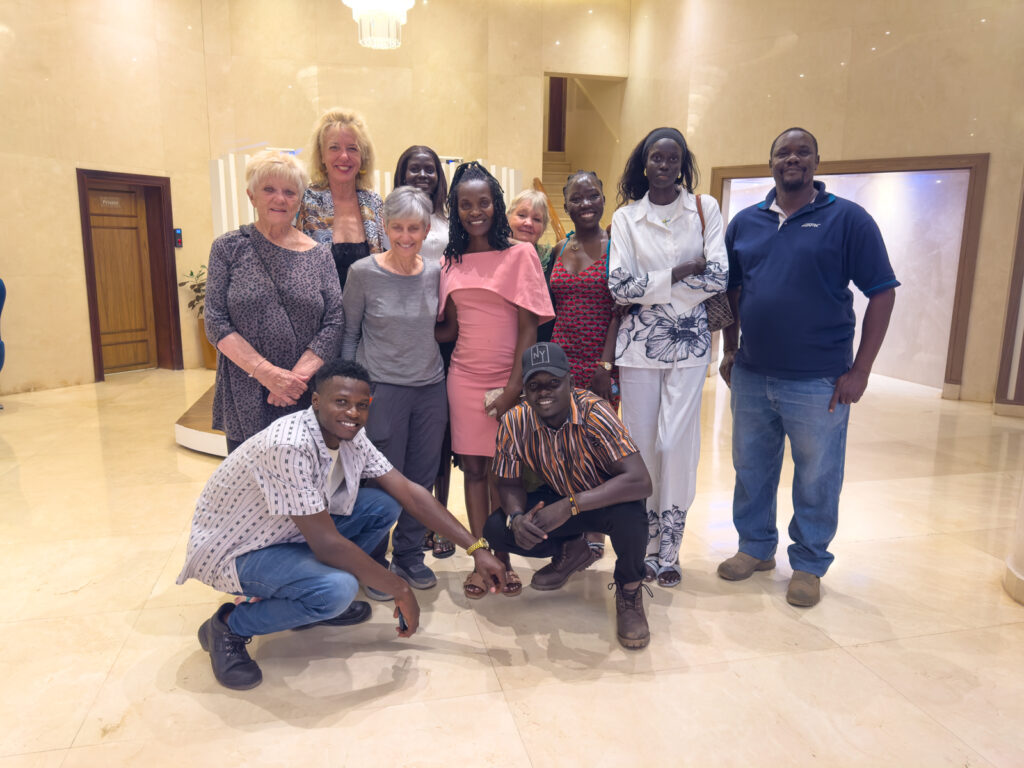
Our 2026 Mundari and Dinka expedition team in Juba (image by Inger Vandyke)
Inger Vandyke
Australian professional wildlife photojournalist and expedition leader Inger Vandyke now lives in the Forest of Bowland in northern England with her partner and fellow Wild Images photographer Mark Beaman. Inger has a long-established photographic career publishing images and stories in over 30 publications worldwide.