
Remote Kenya: Tribes of Lake Turkana, the Chalbi Desert, Ndoto Mountains and Samburu Tour Report 2026
20 September 2026

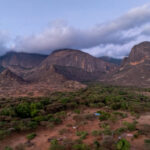
The cracked clay pan of dry season in the Chalbi Desert, Kenya (image by Inger Vandyke)
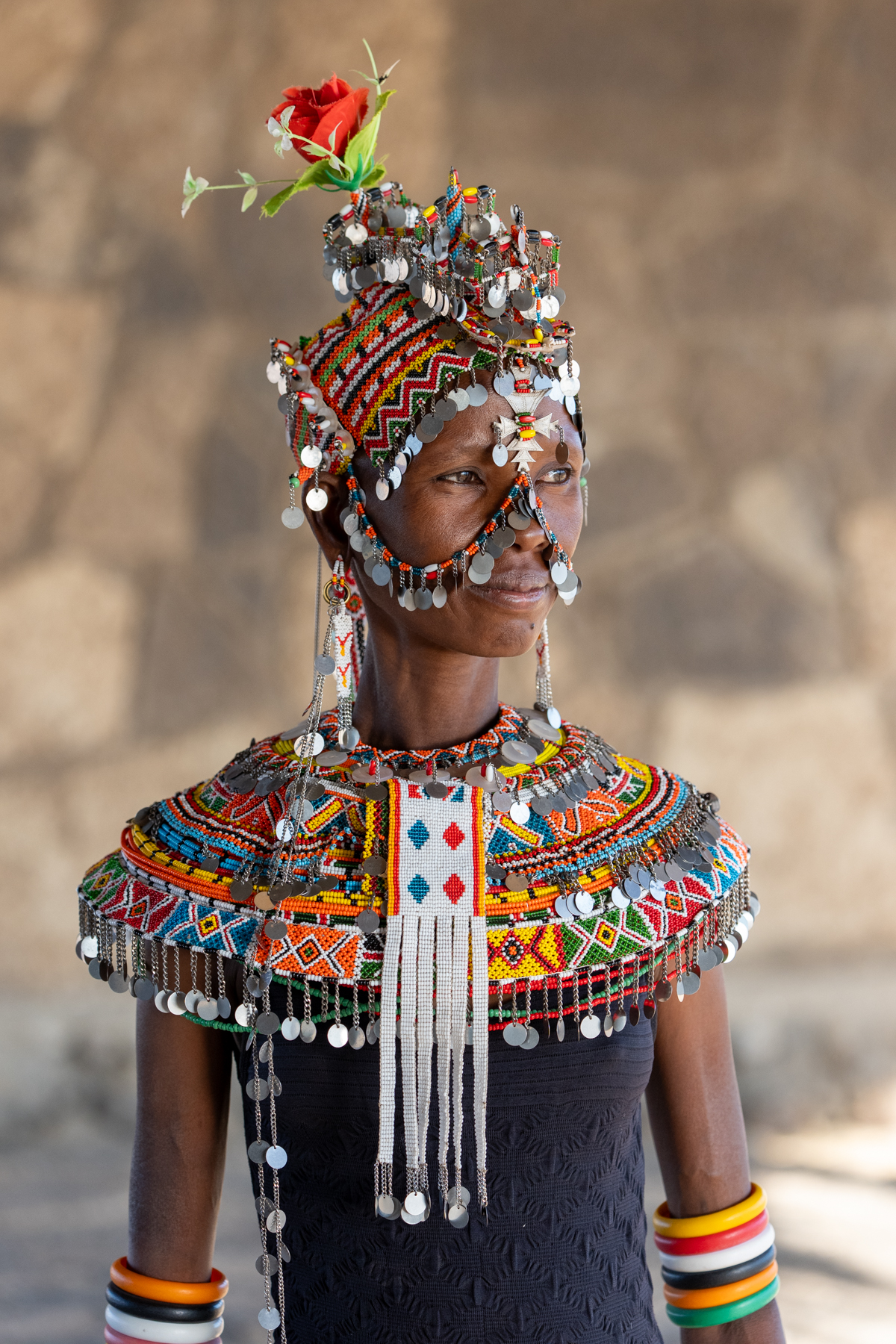
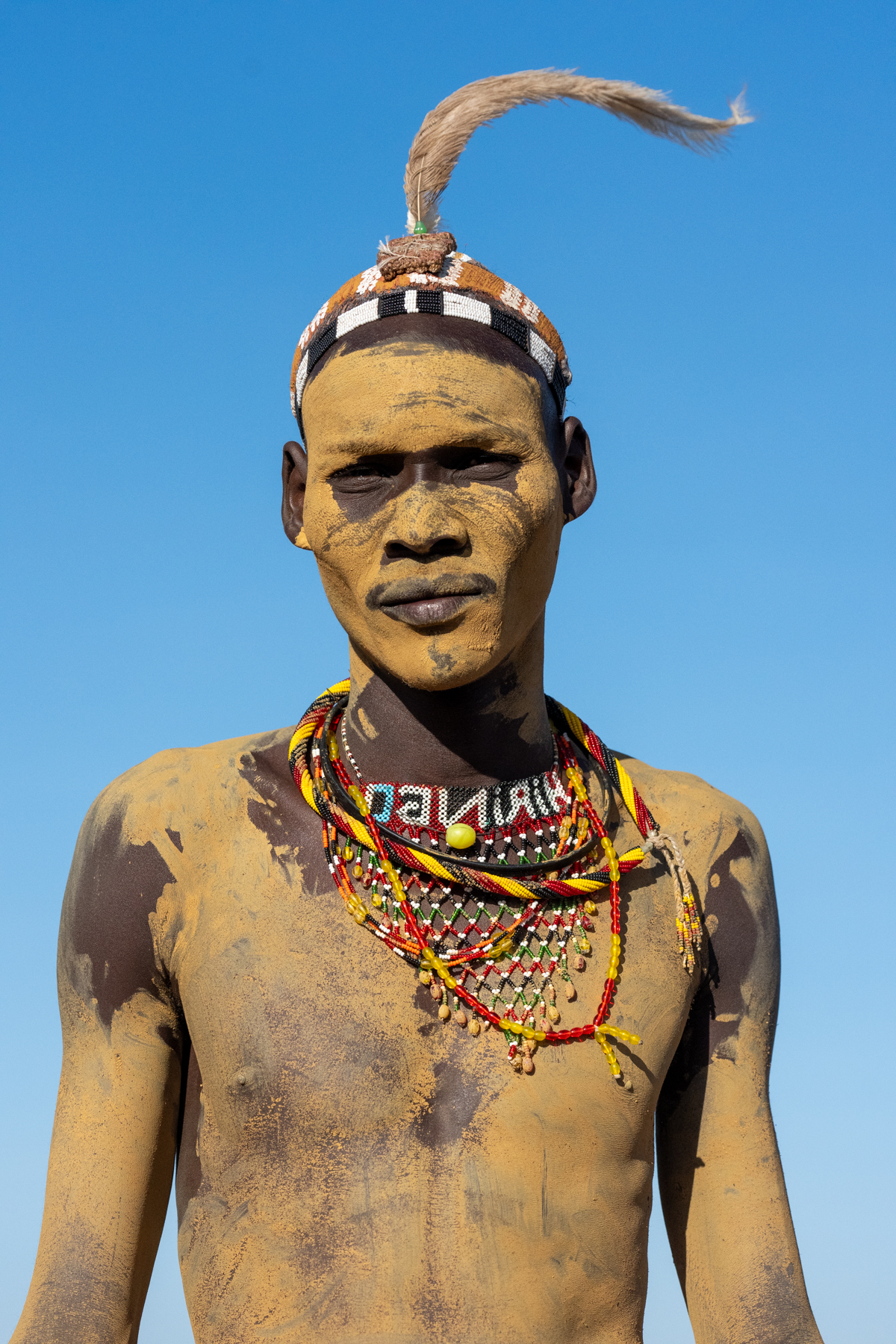
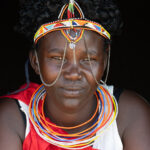
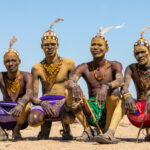
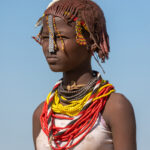
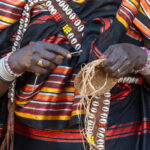
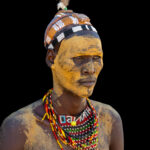
It's hard to imagine tribal decoration looking more detailed than this (image by Inger Vandyke)
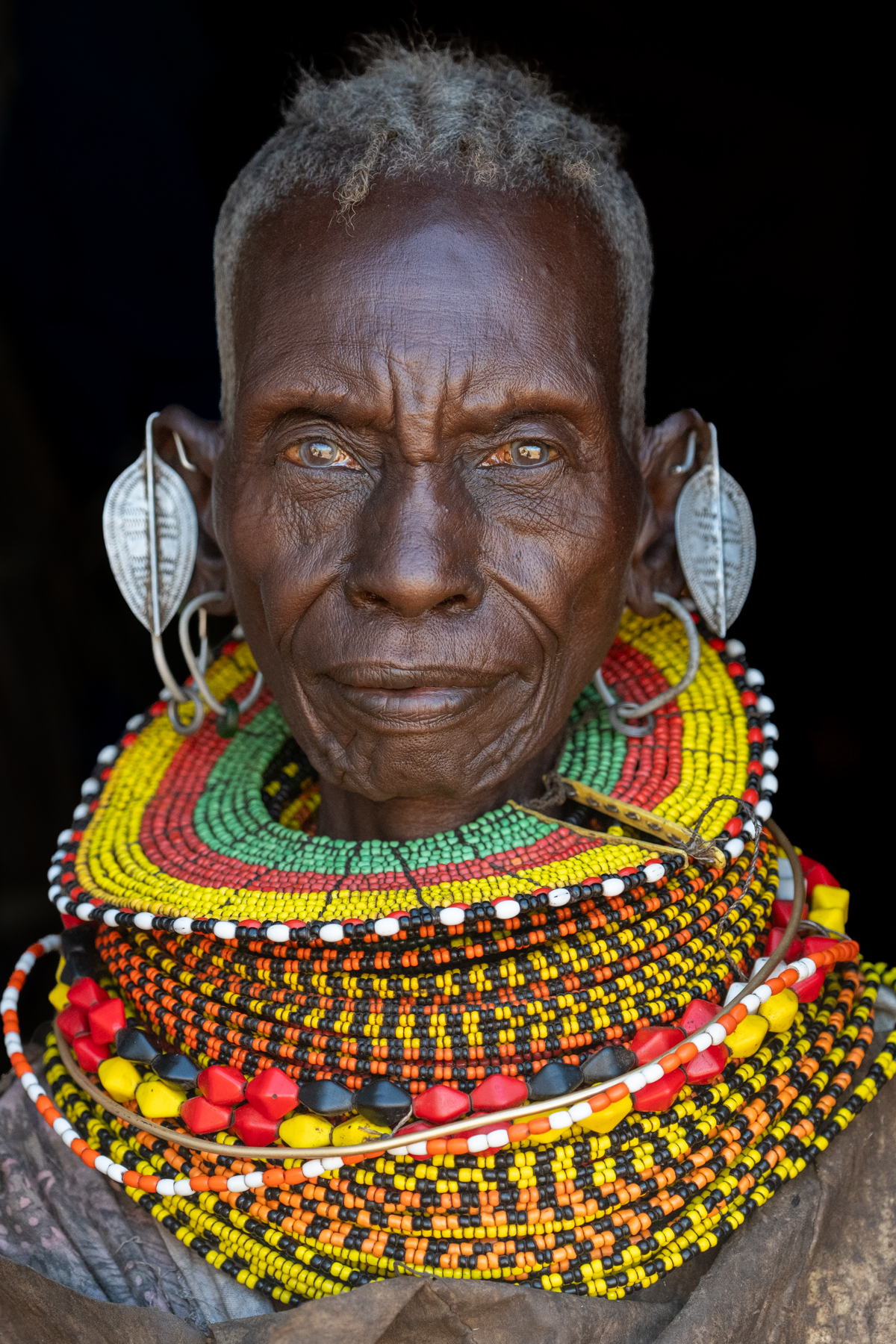
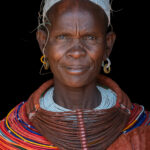
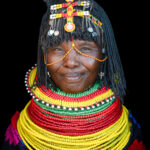
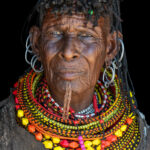
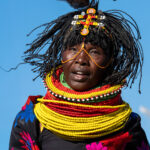
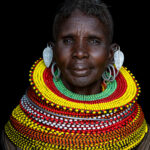
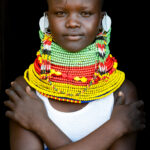
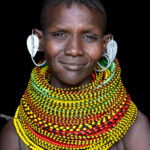
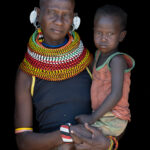
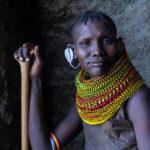
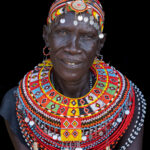
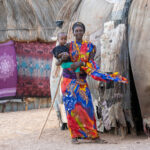
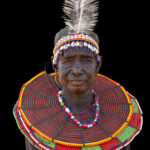
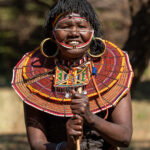
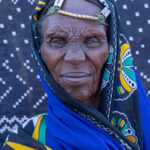
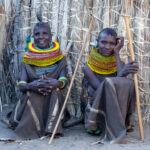
A striking elderly Turkana woman (image by Inger Vandyke)
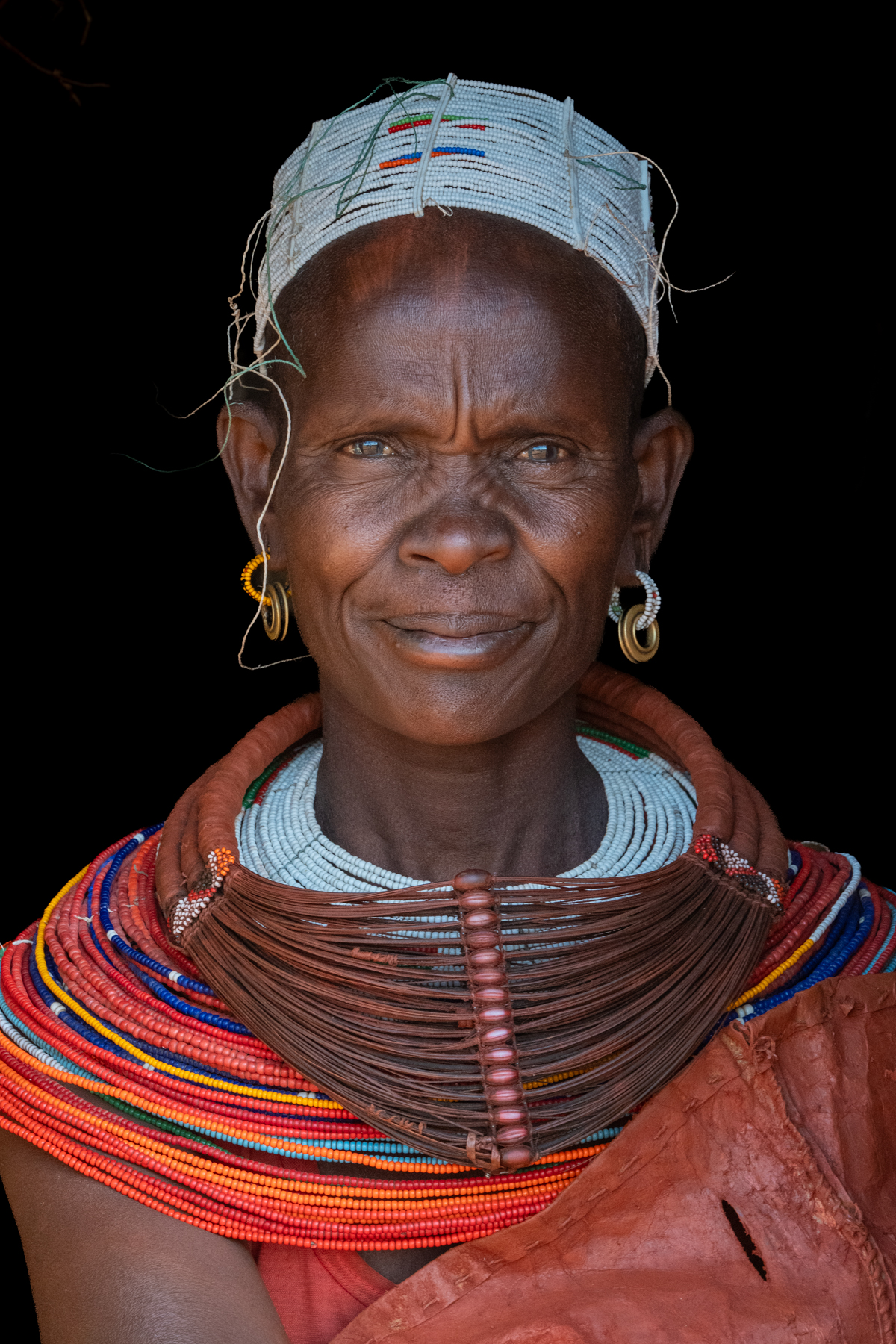
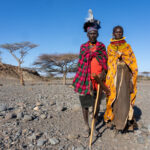
Samburu matriarch (image by Inger Vandyke)
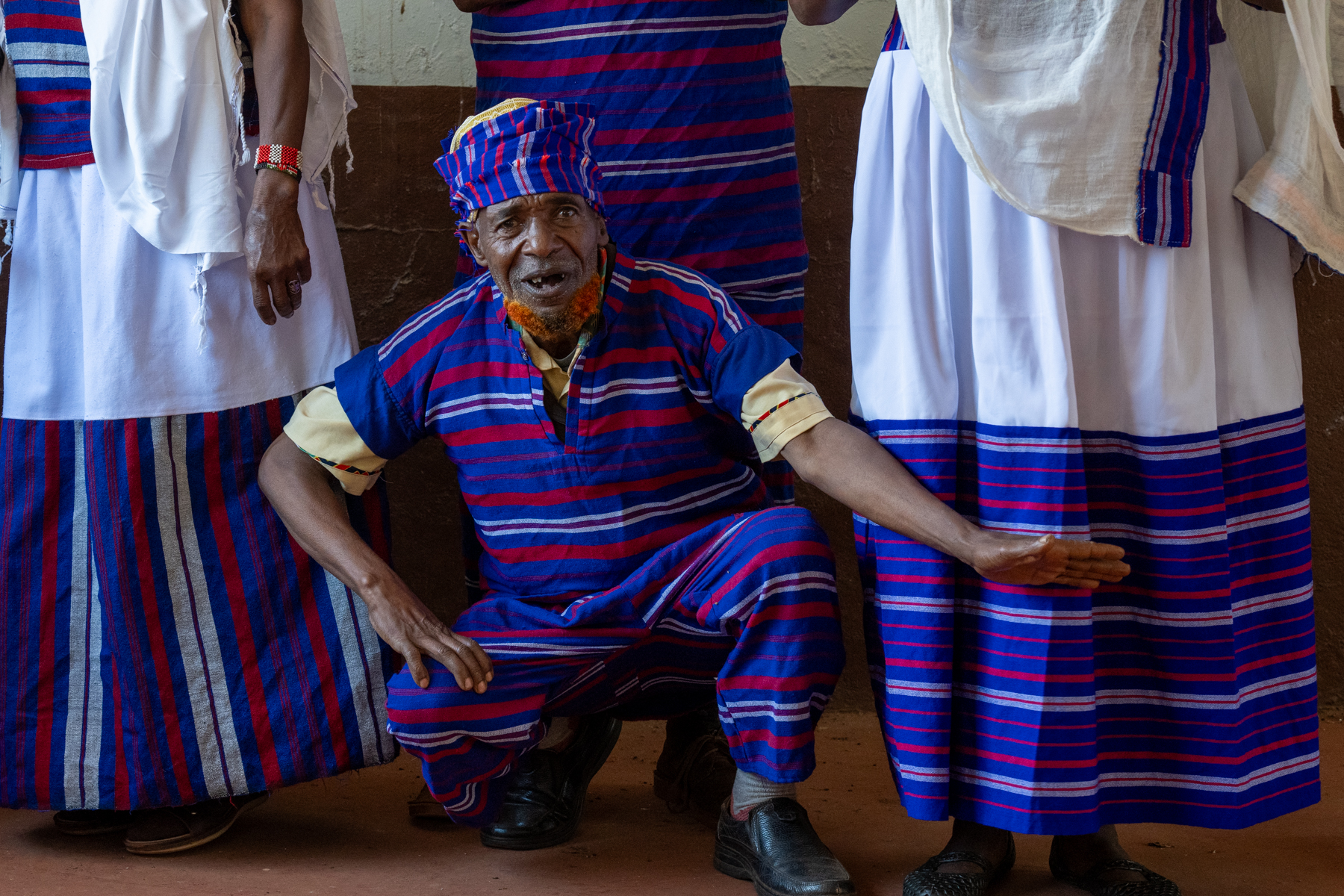
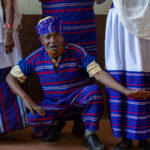
A Burjji elder entertains us (image by Inger Vandyke)
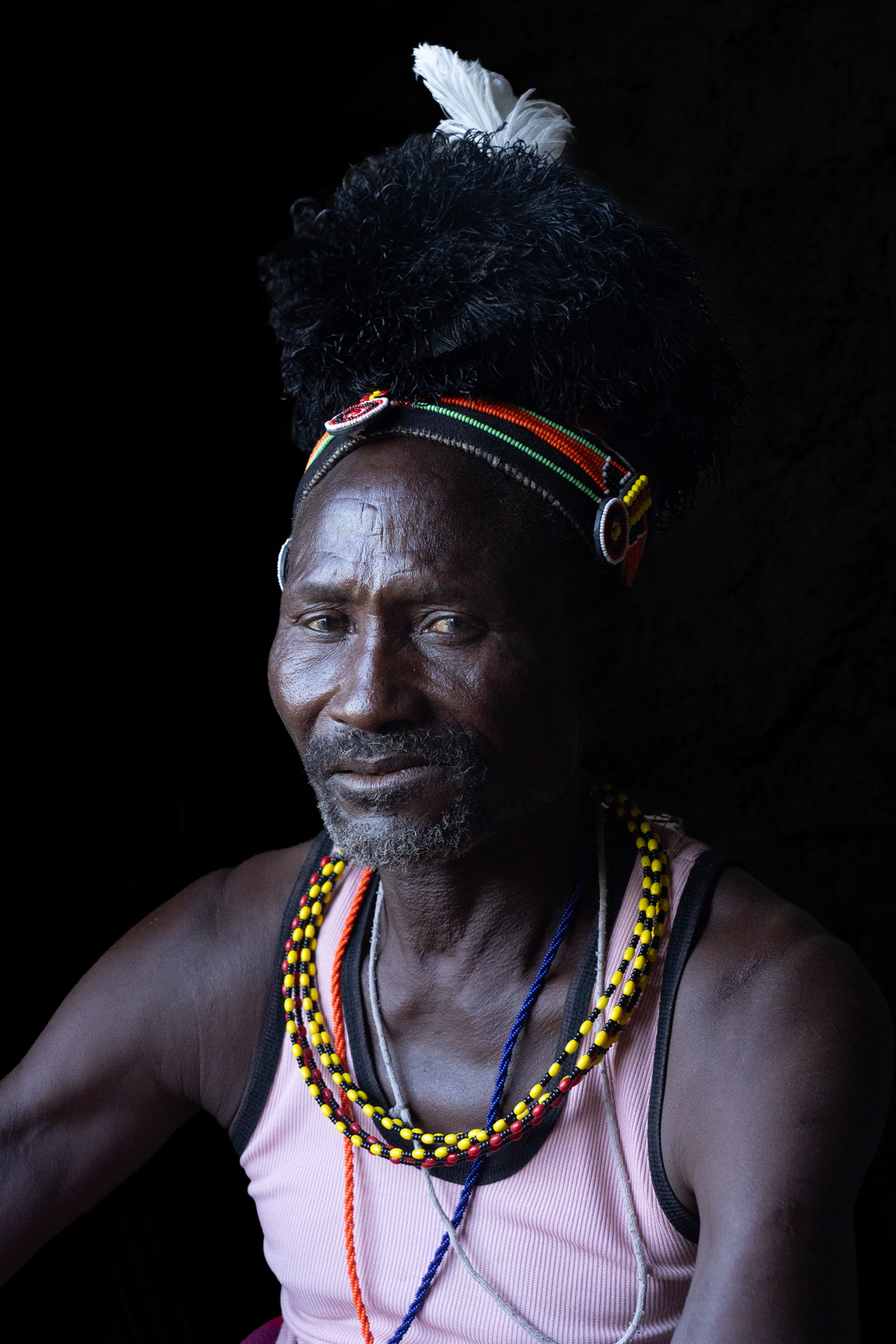
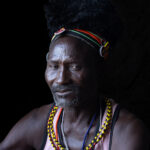
Turkana headman (image by Inger Vandyke)
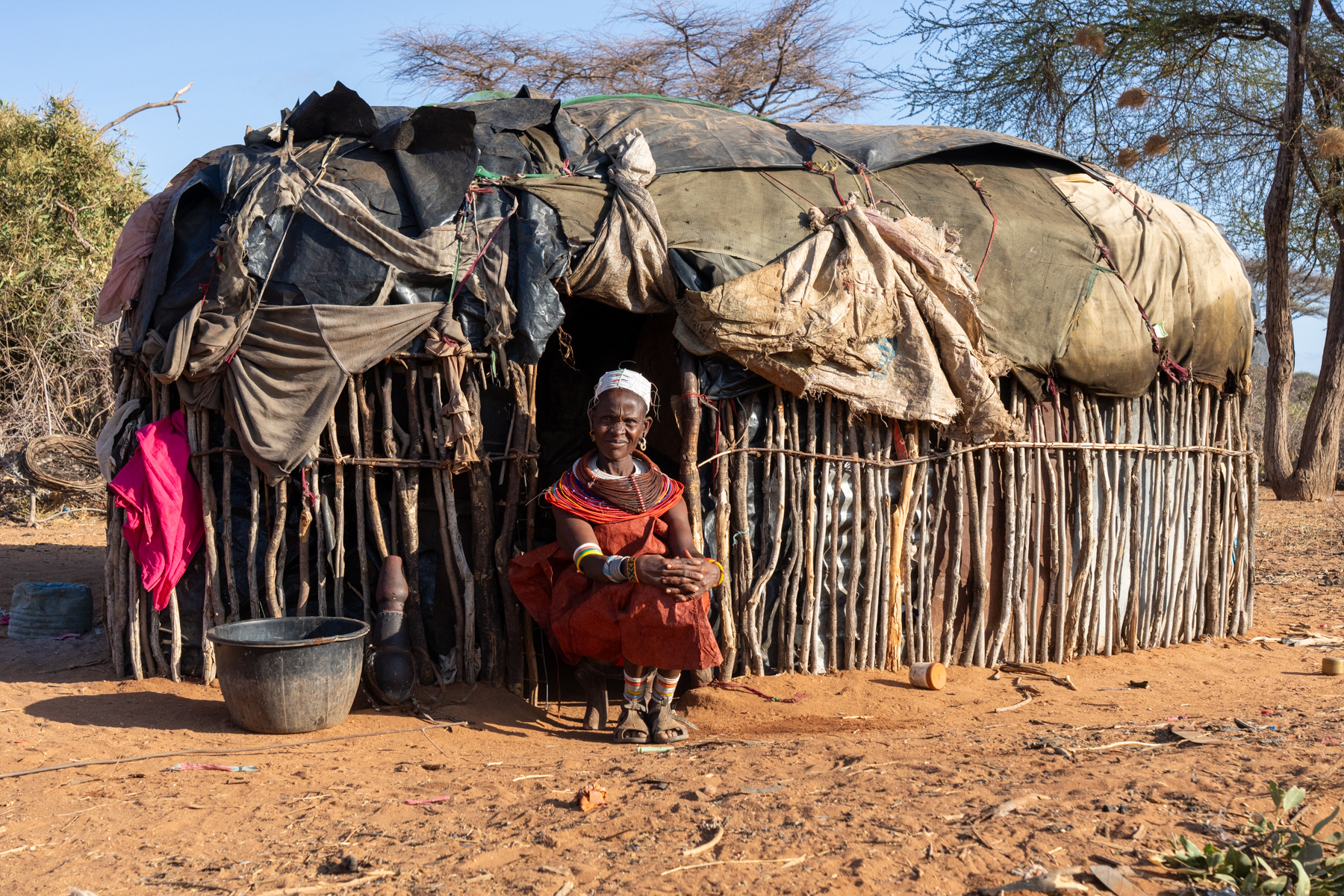
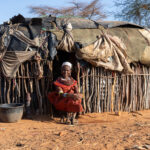
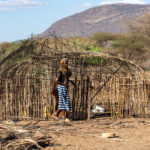
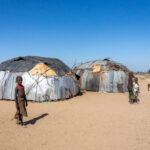
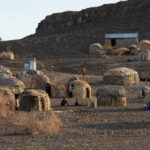
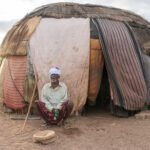
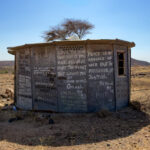
A typical Samburu home (image by Inger Vandyke)
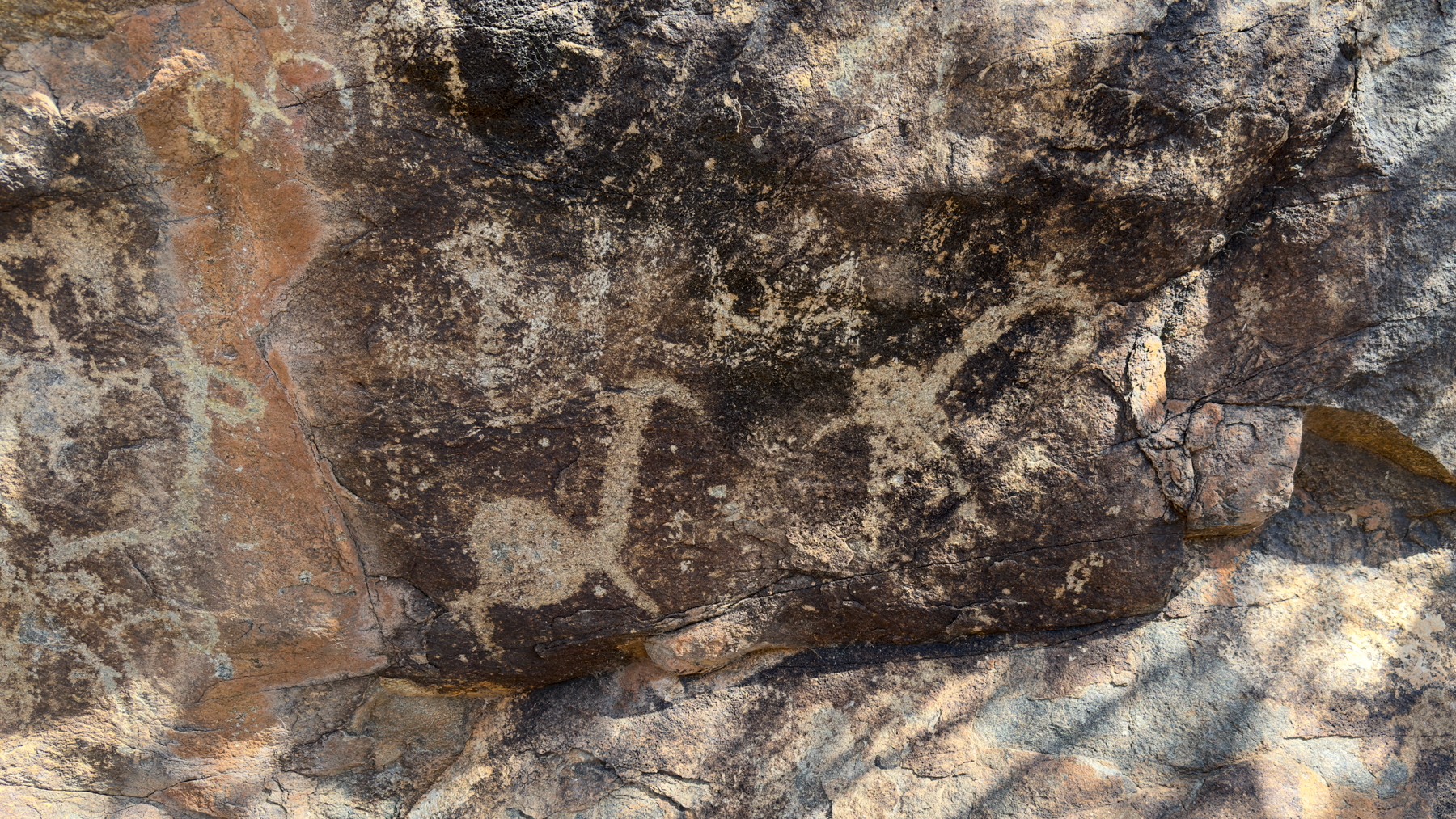
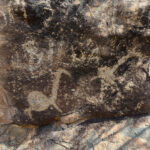
Ancient giraffe engravings near Lake Turkana (image by Inger Vandyke)
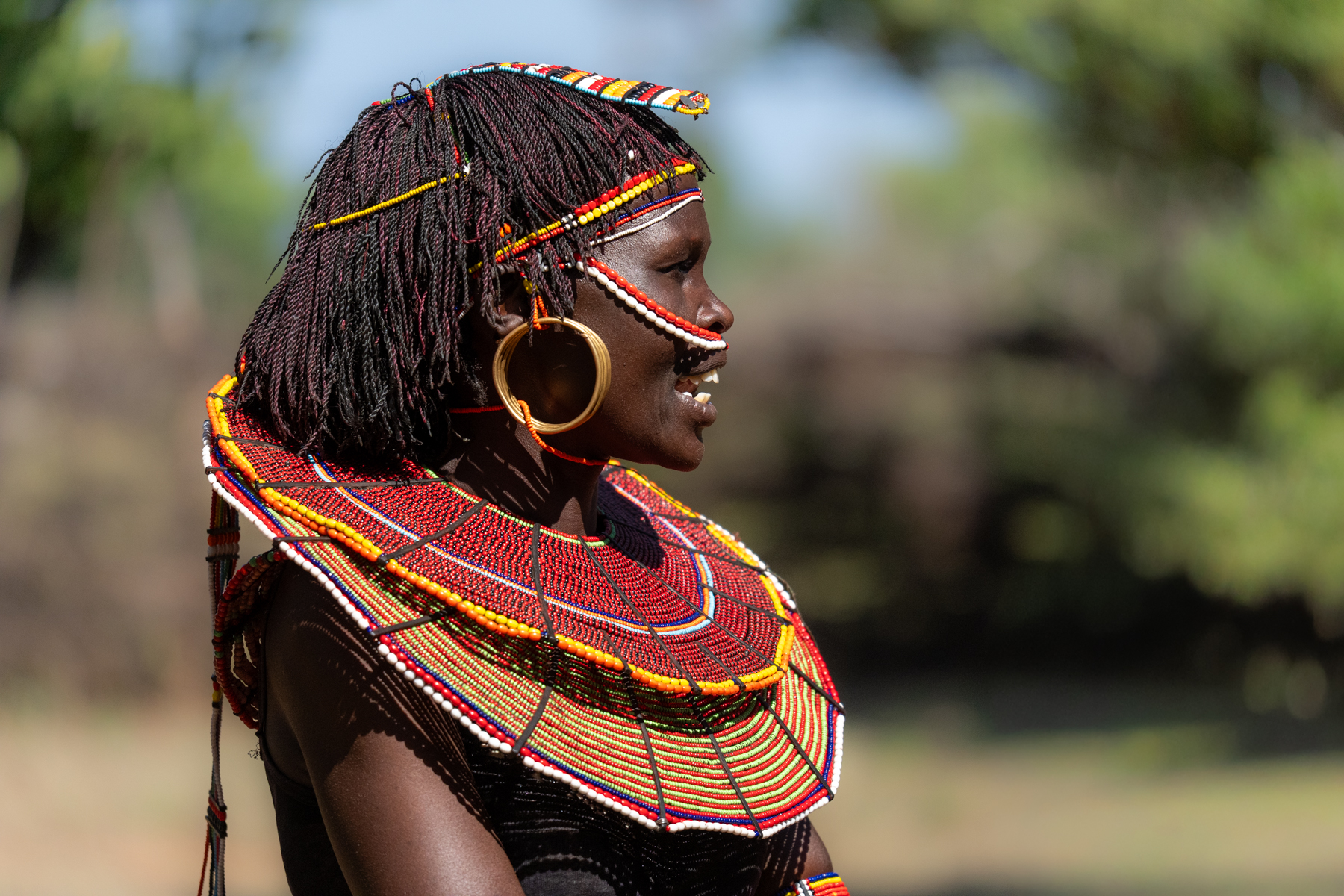
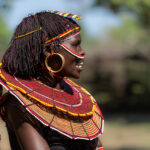
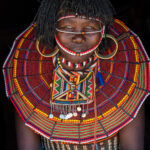
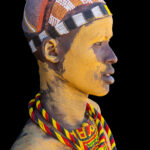
Pokot profile (image by Inger Vandyke)
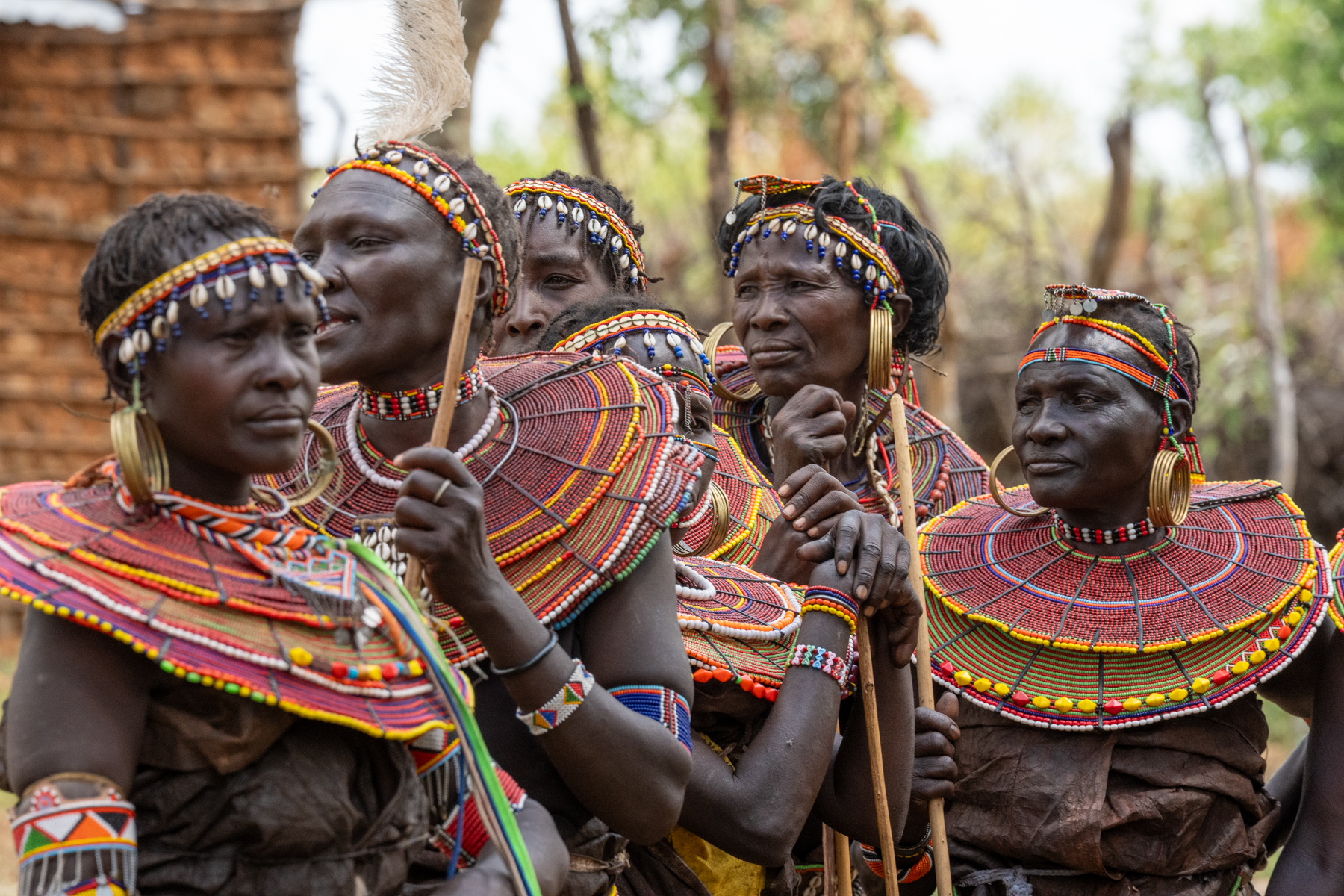
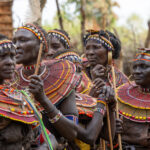
A group of Pokot women at a ceremony in remote Kenya (image by Inger Vandyke)
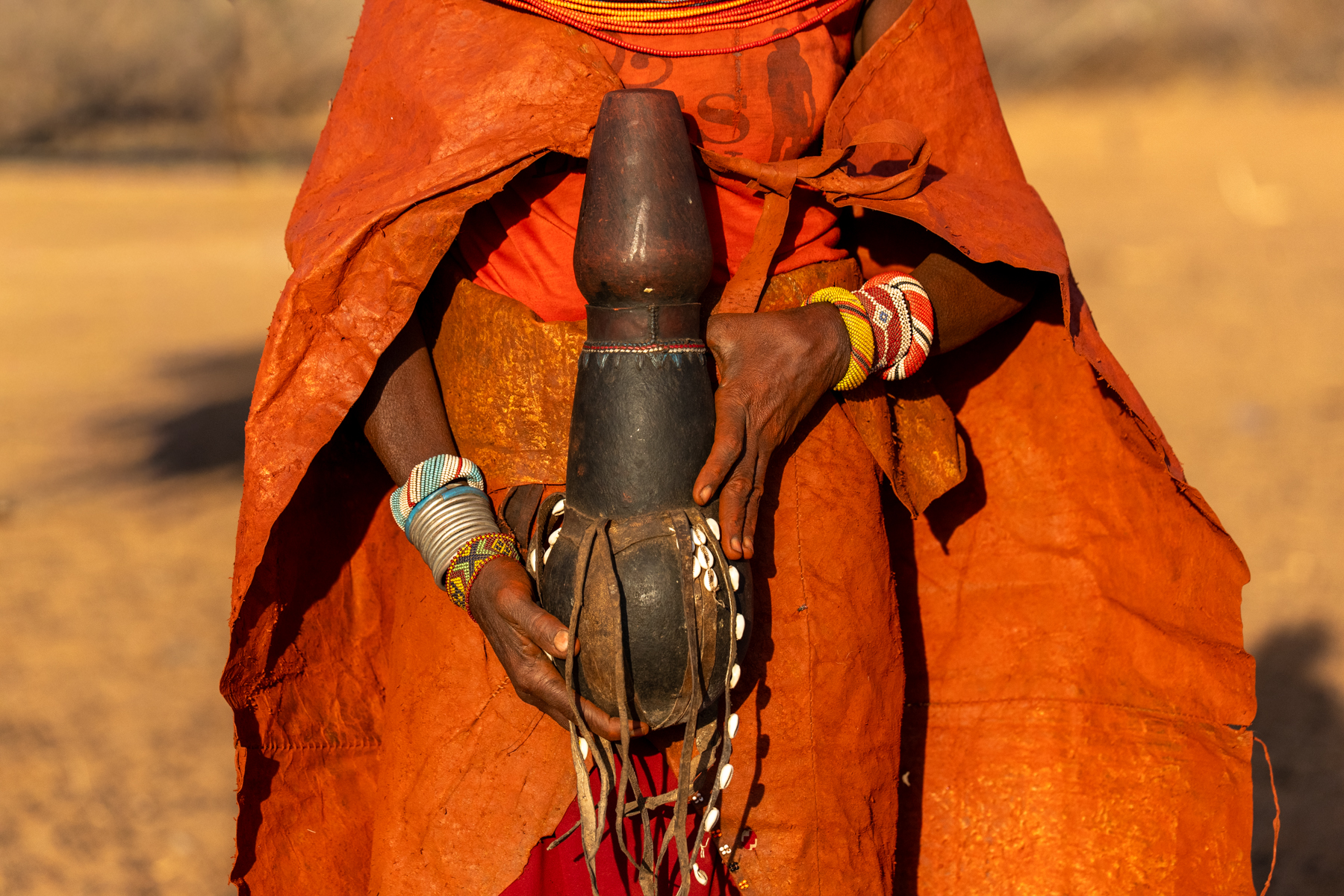
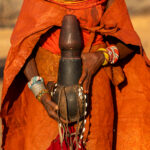
Beautifully decorated Samburu Kalabash (image by Inger Vandyke)
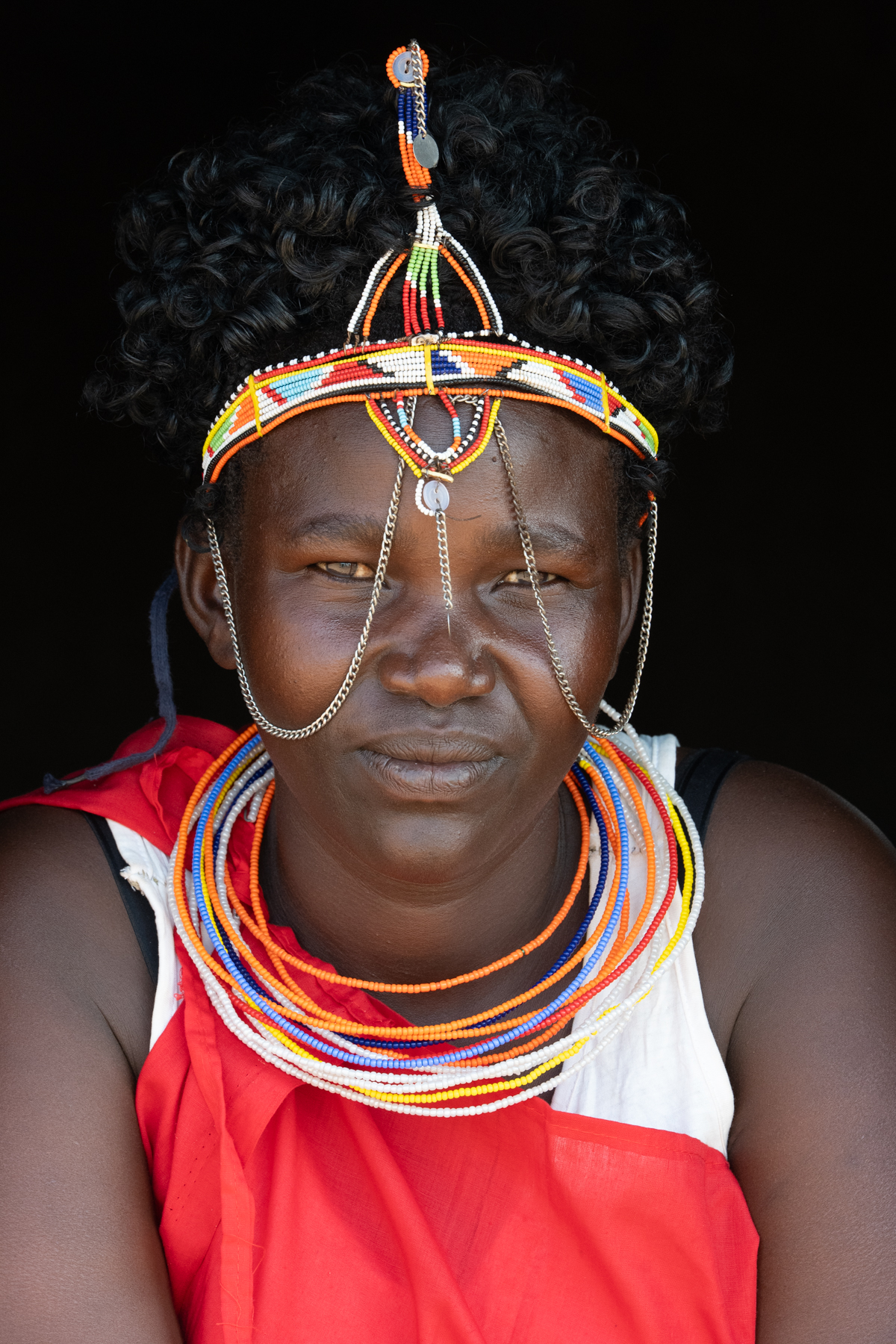
Beautifully decorated Njemps woman (image by Inger Vandyke)
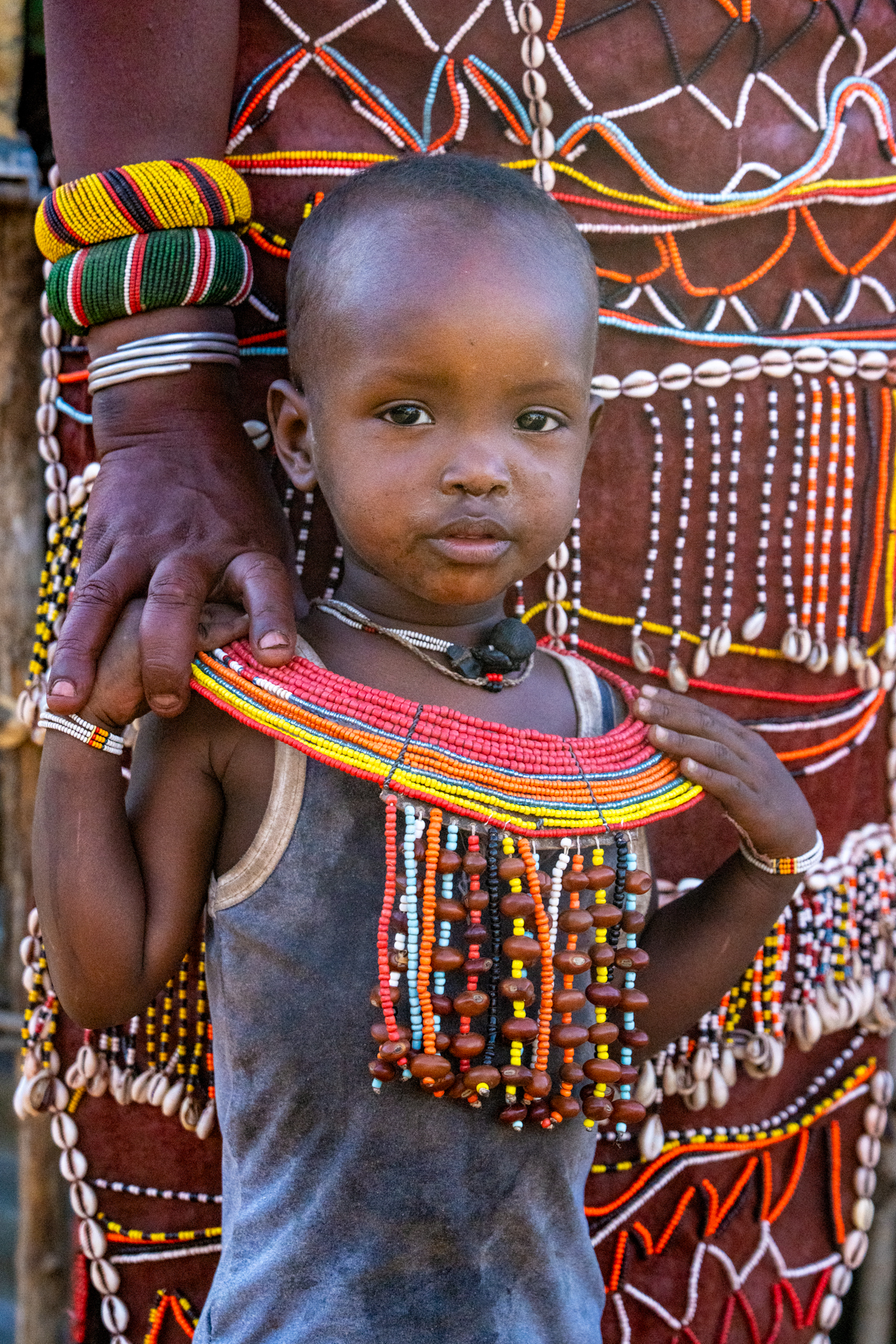
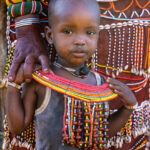
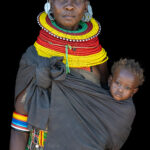
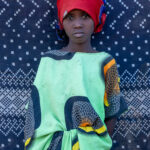
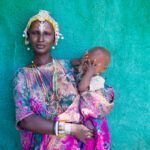
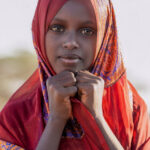
Beautiful Rendille child with her mother's decorations (image by Inger Vandyke)
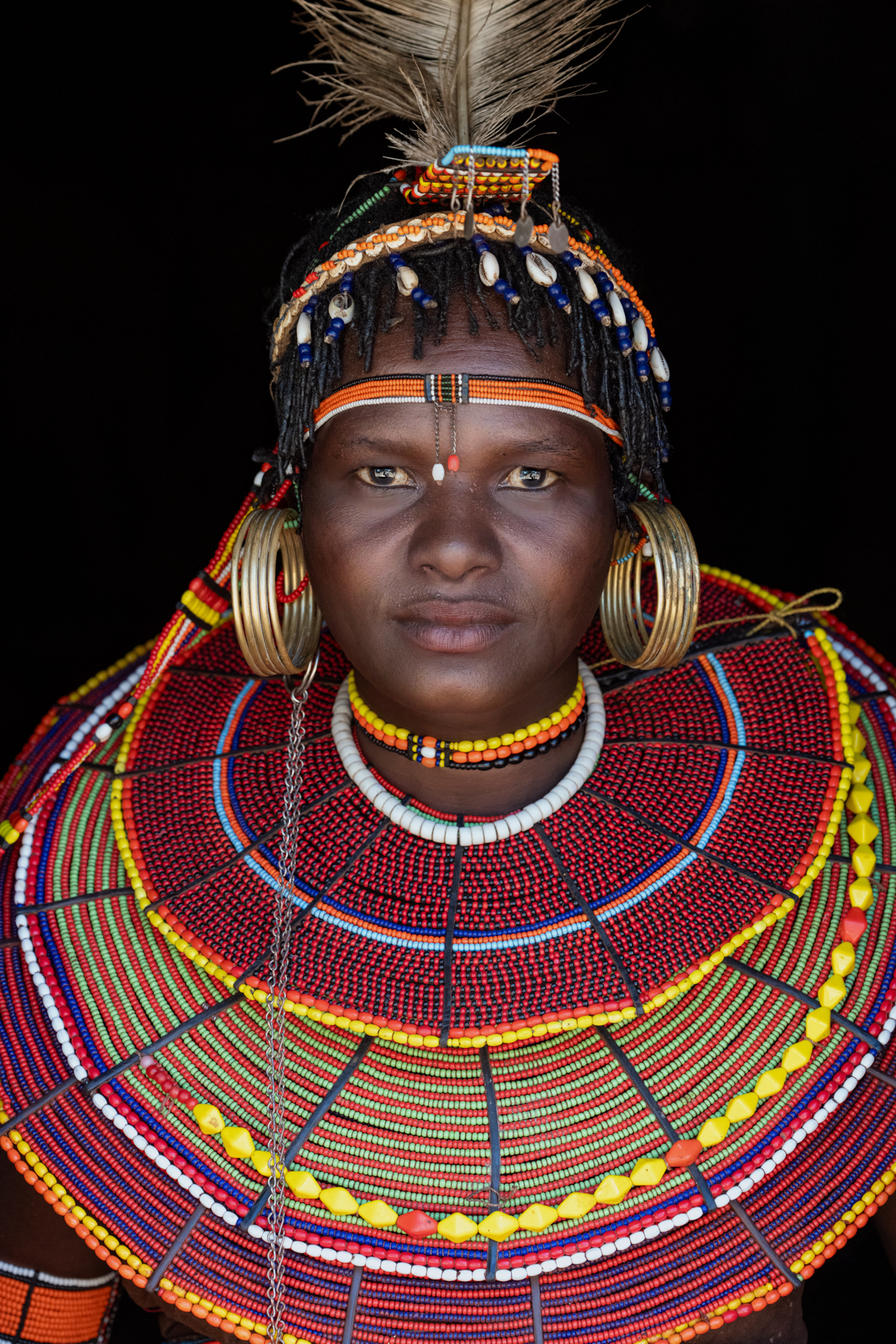
Pokot woman (image by Inger Vandyke)
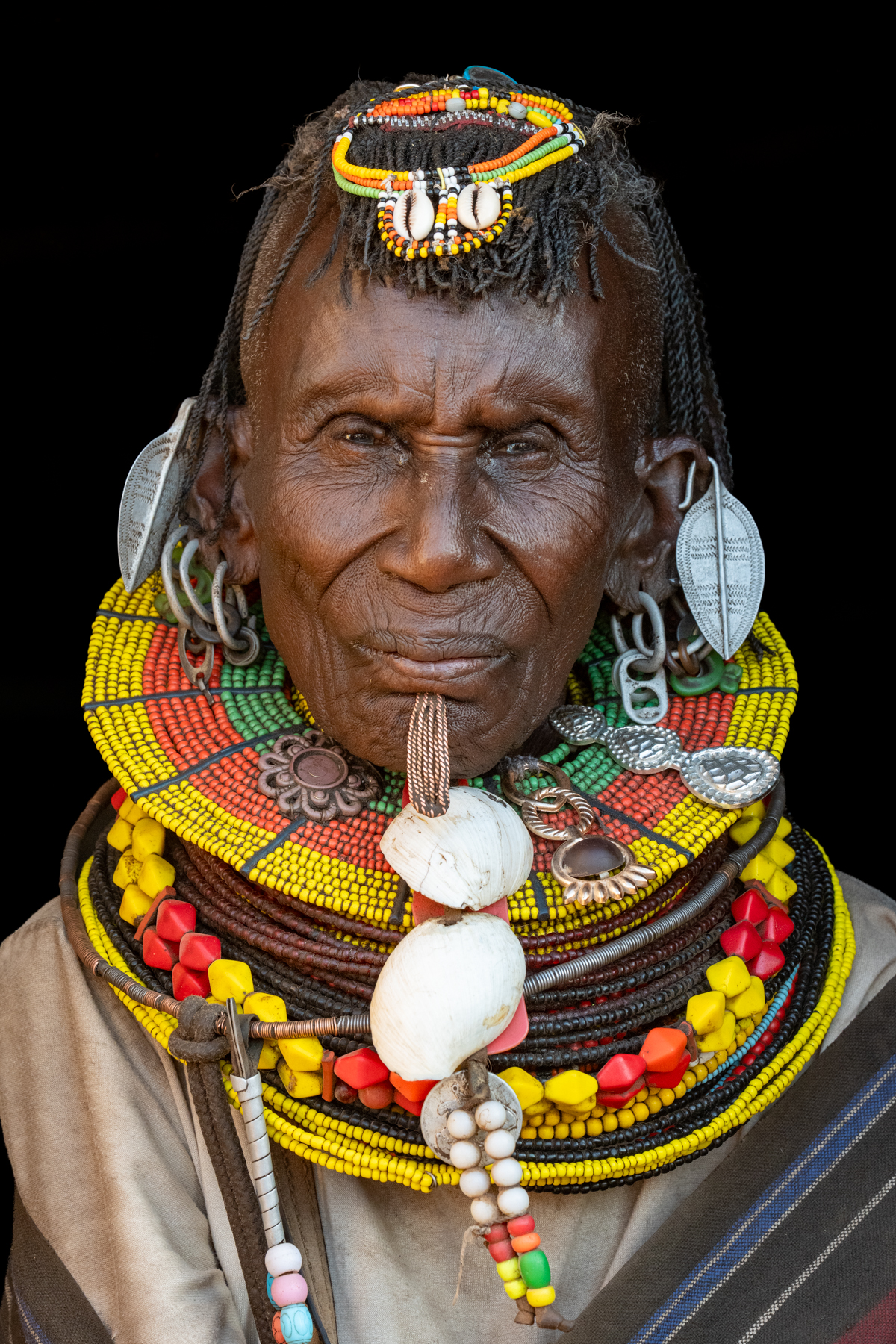
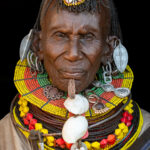
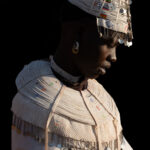
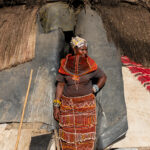
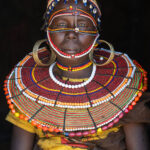
An elderly Turkana woman wearing a spectacular laberet made of snail shells, beads and copper wire (image by Inger Vandyke)
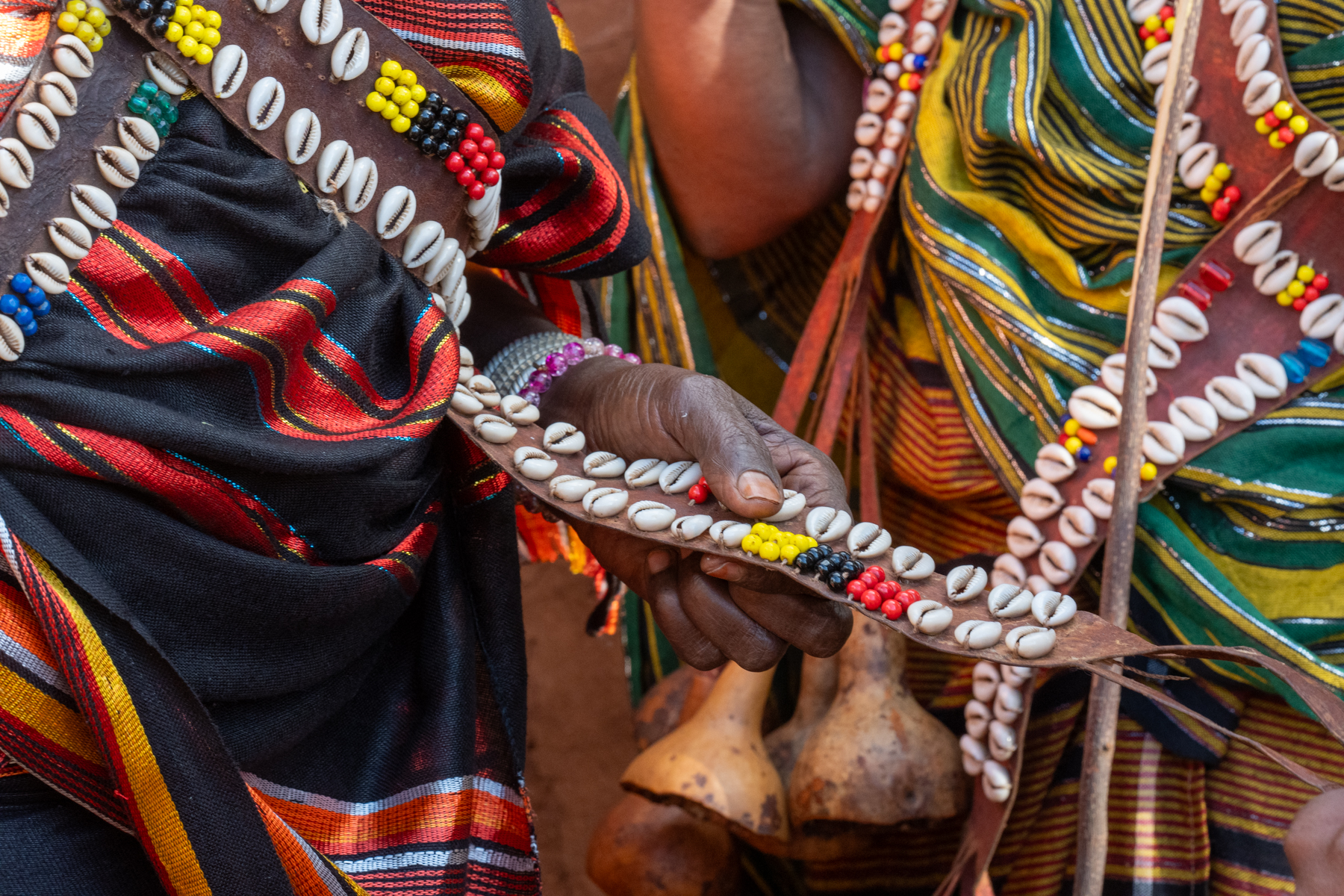
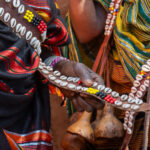
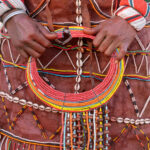
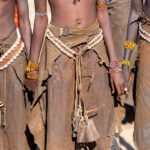
Borana women hold a wedding belt made of goat leather, cowrie shells and beads (image by Inger Vandyke)
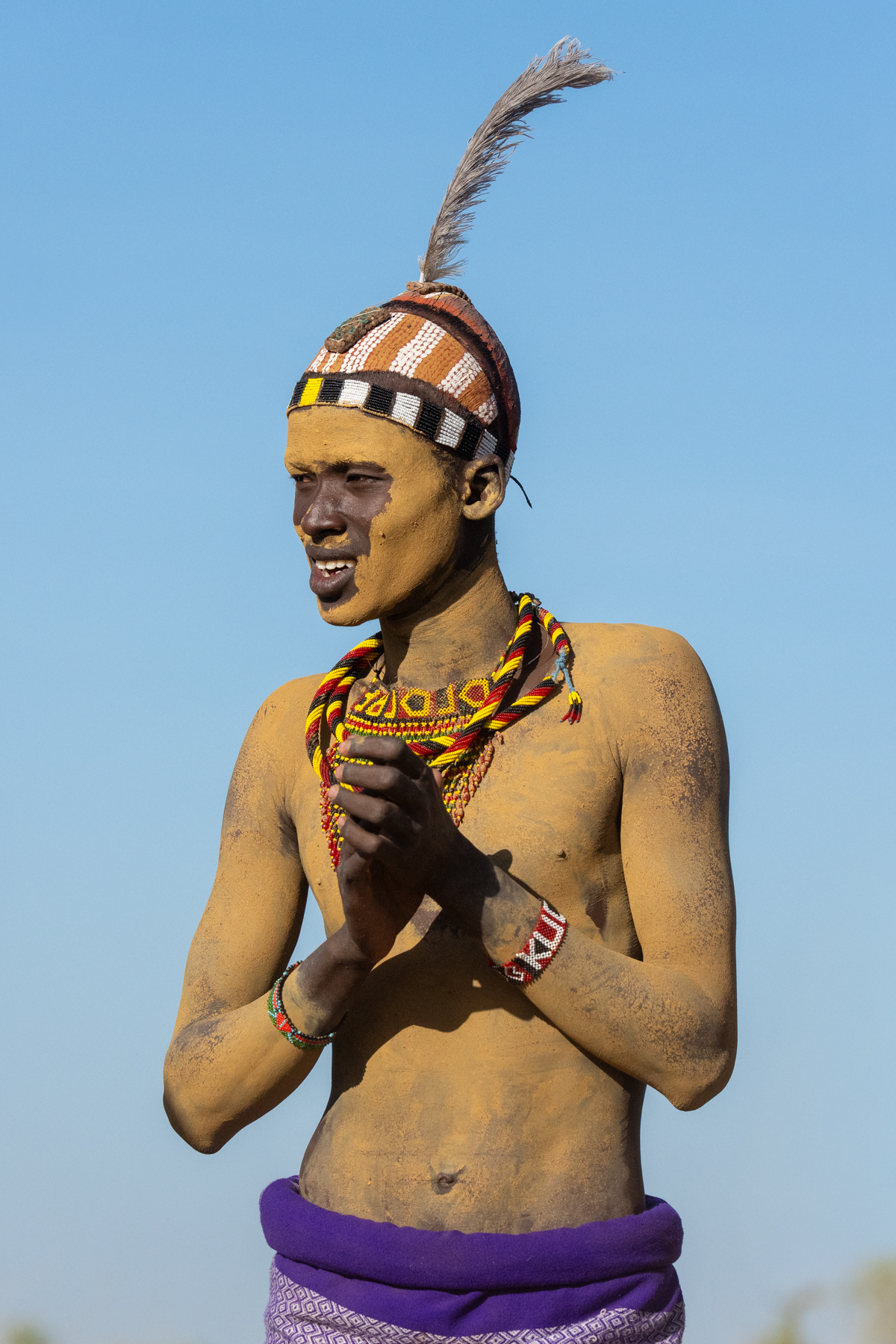
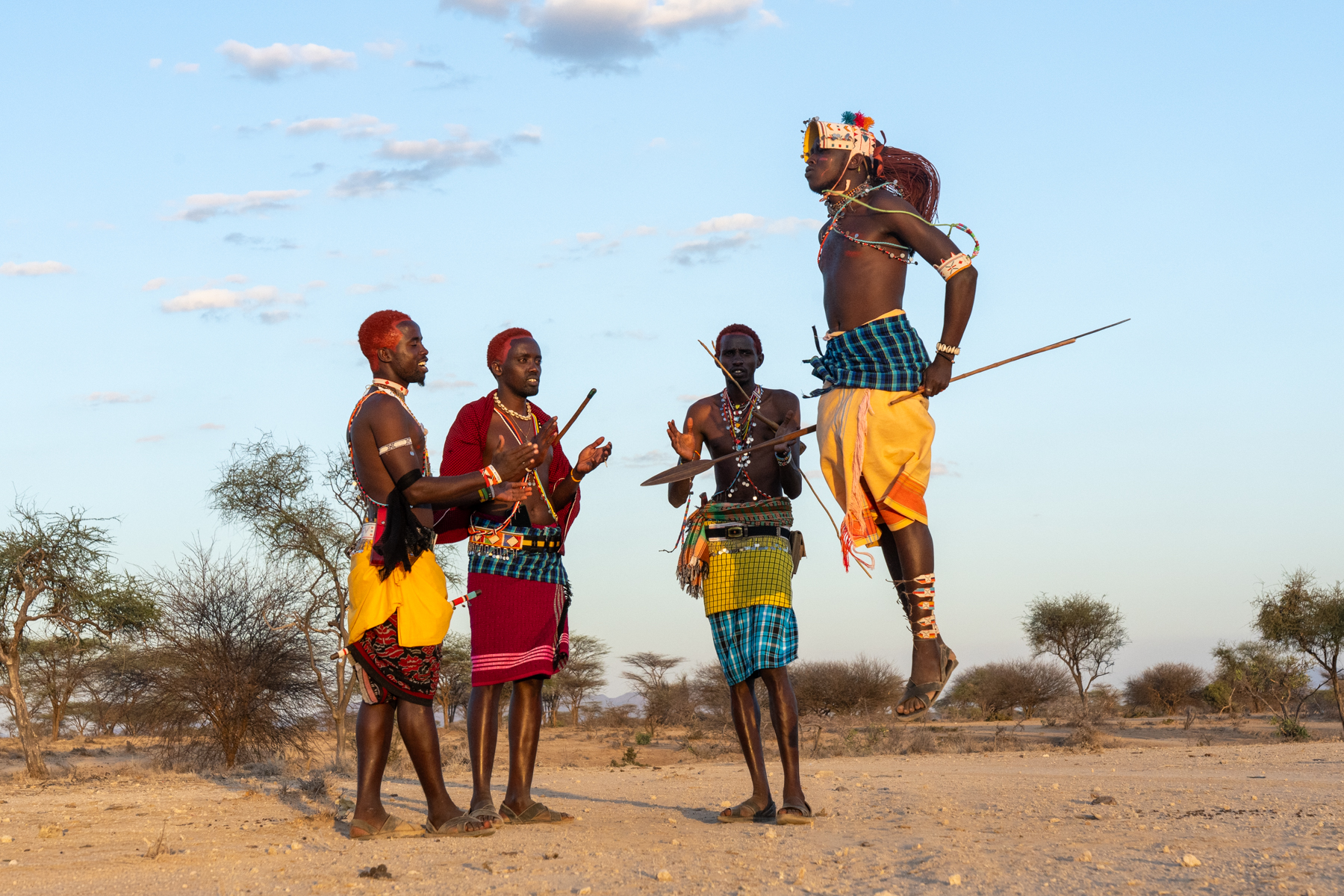
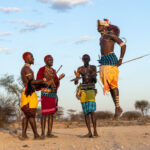
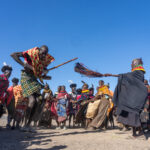
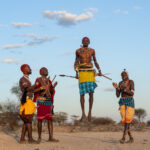
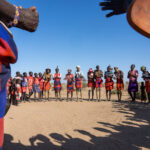
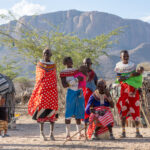
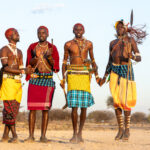
Samburu are culturally related to Maasai and their ceremonies usually involve very high jumps, similar to the Maasai (image by Inger Vandyke)
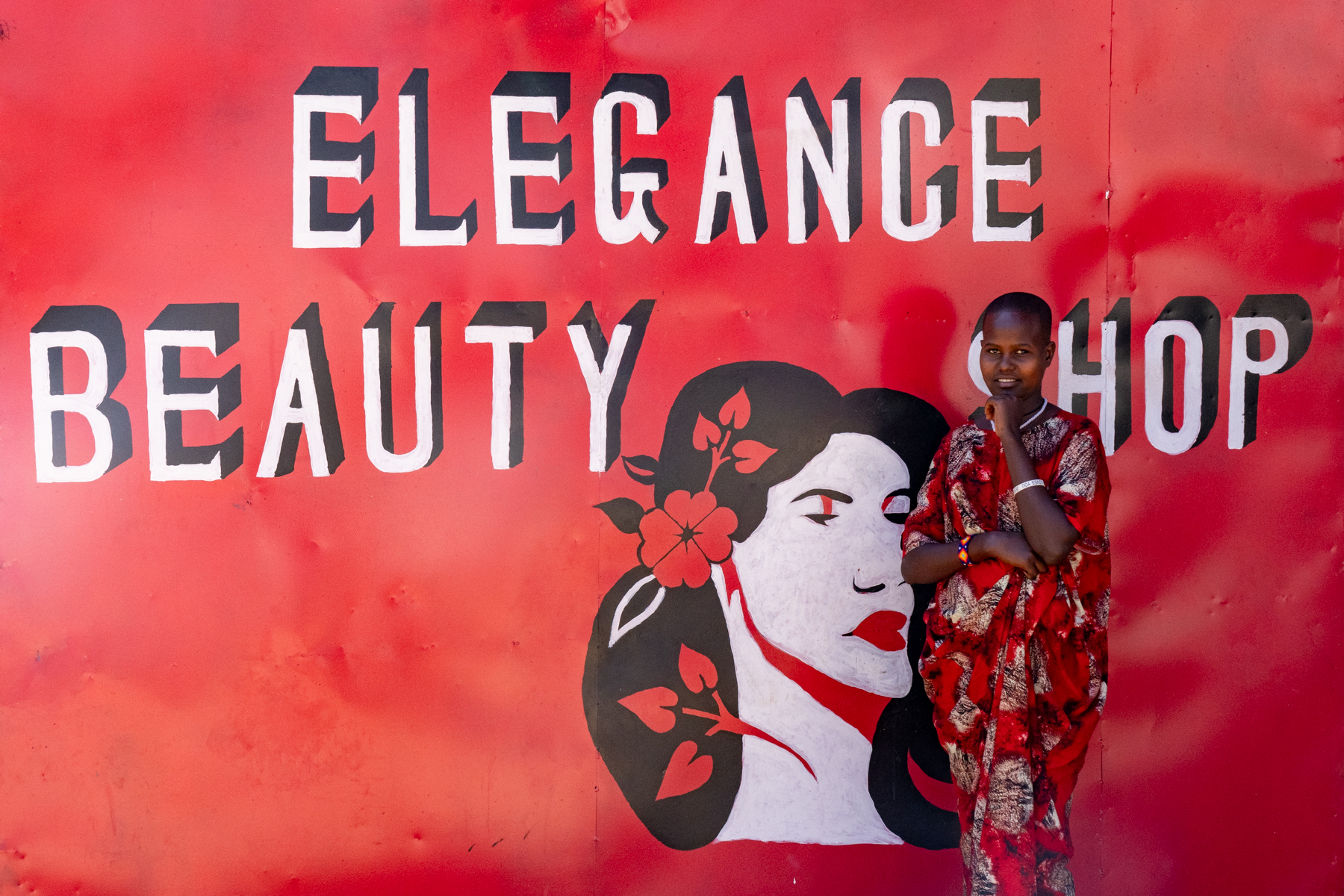
Elegance and beauty in South Horr (image by Inger Vandyke)
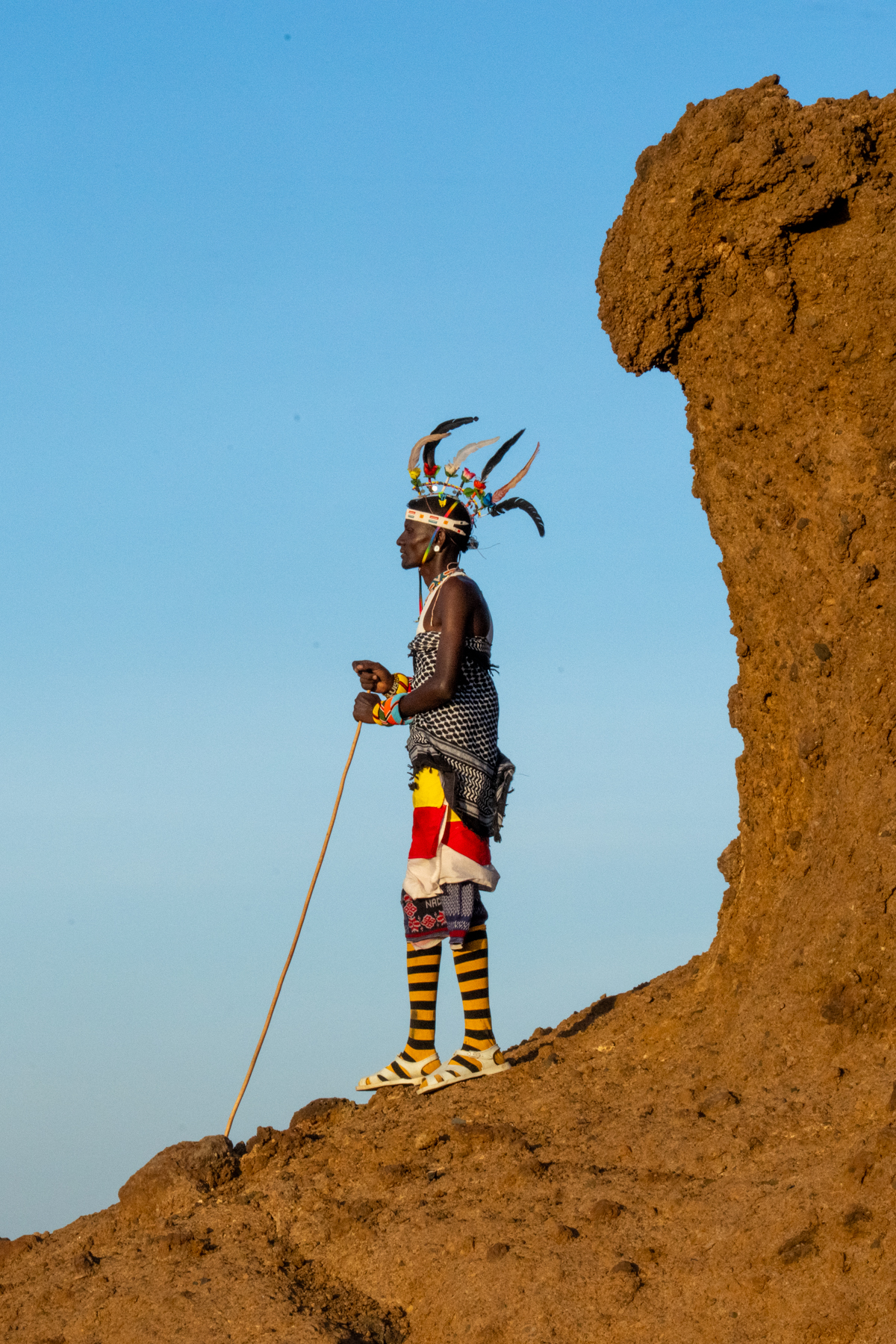
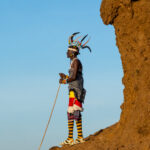
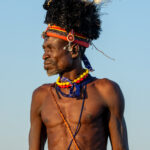
A young Rendille Moran near the shore of Lake Turkana (image by Inger Vandyke)
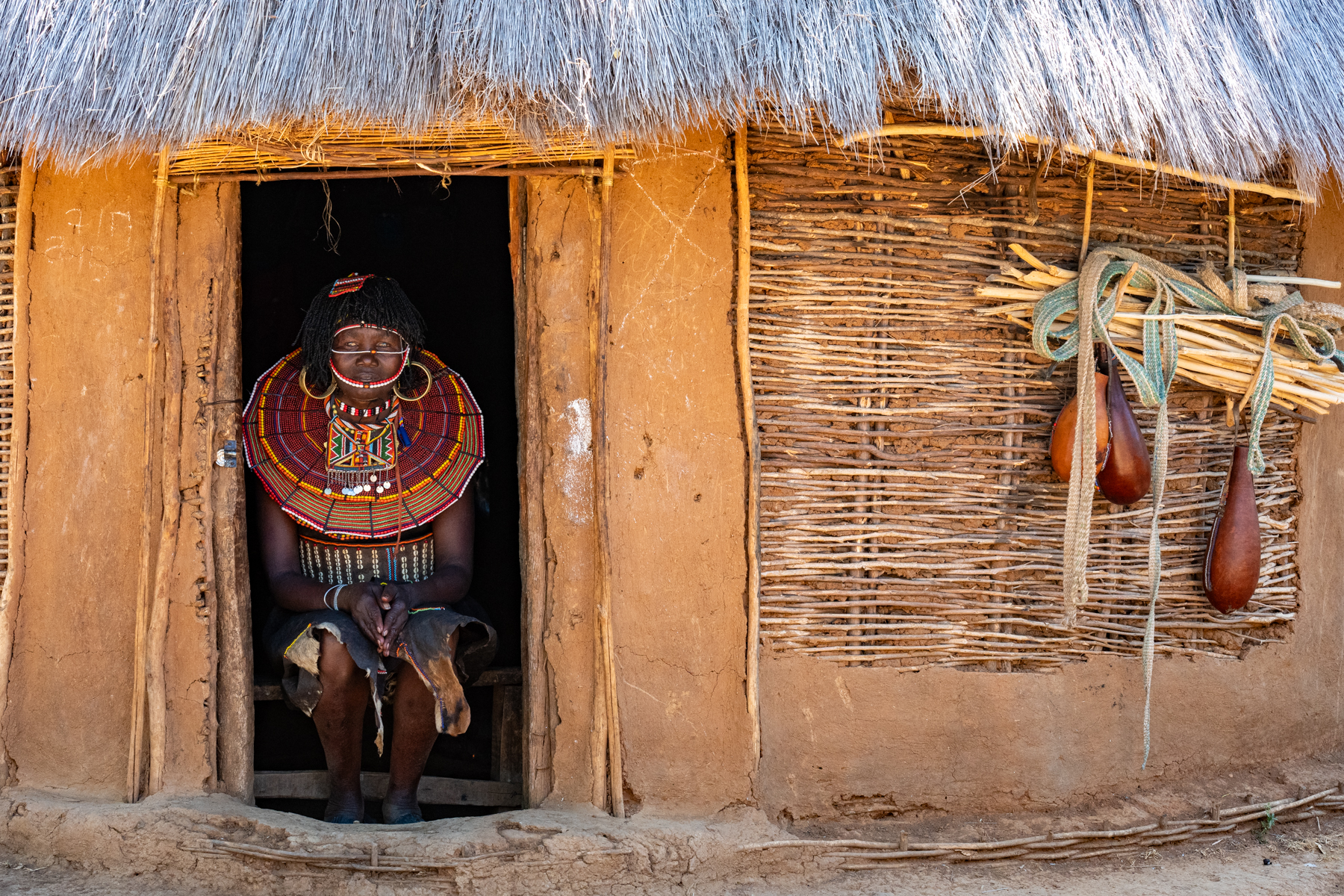
Pokot aesthetics even extend into the construction of their beautiful homes which are, like so many African houses, built by women (image by Inger Vandyke)
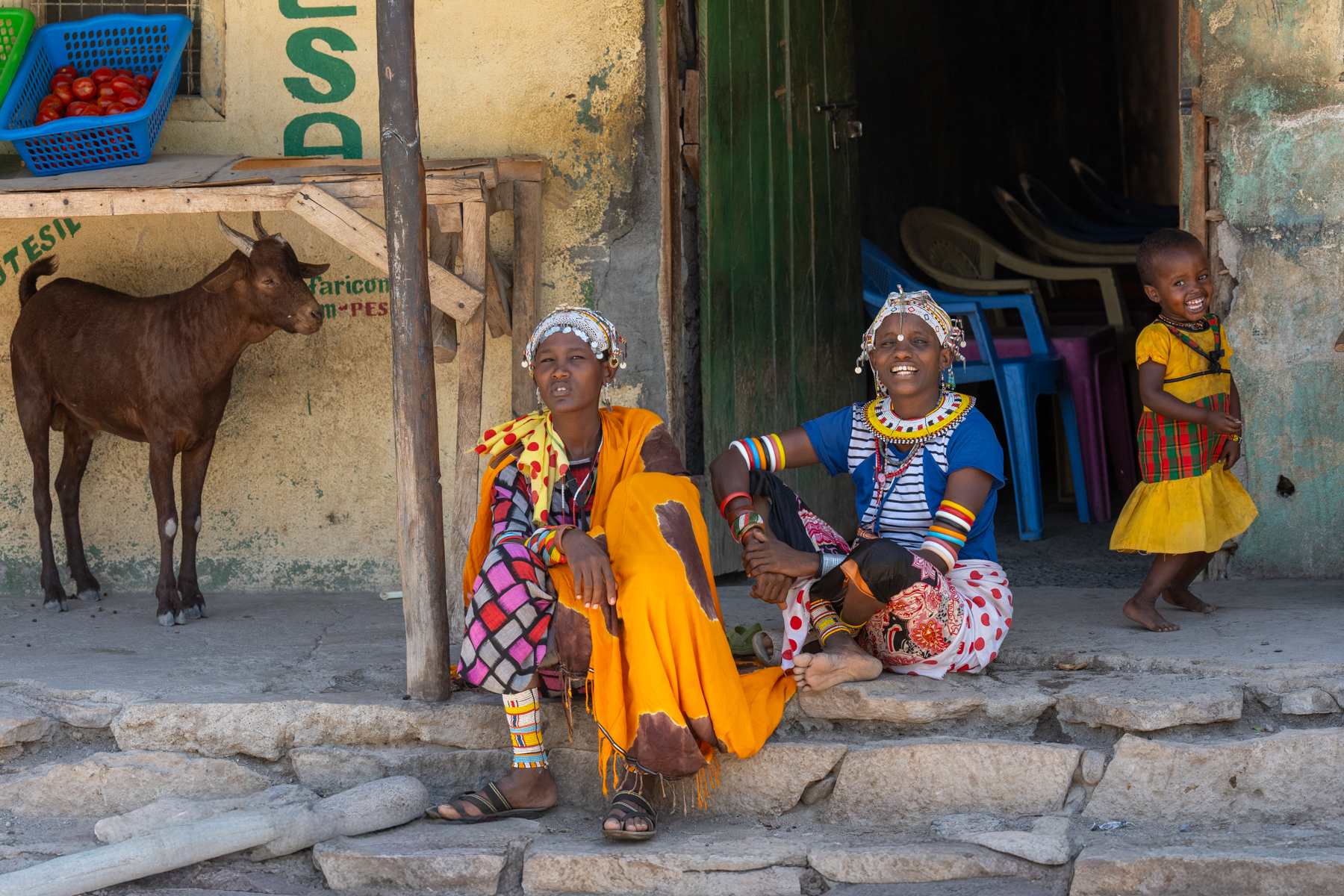
Street scene in Loyangalani (image by Inger Vandyke)
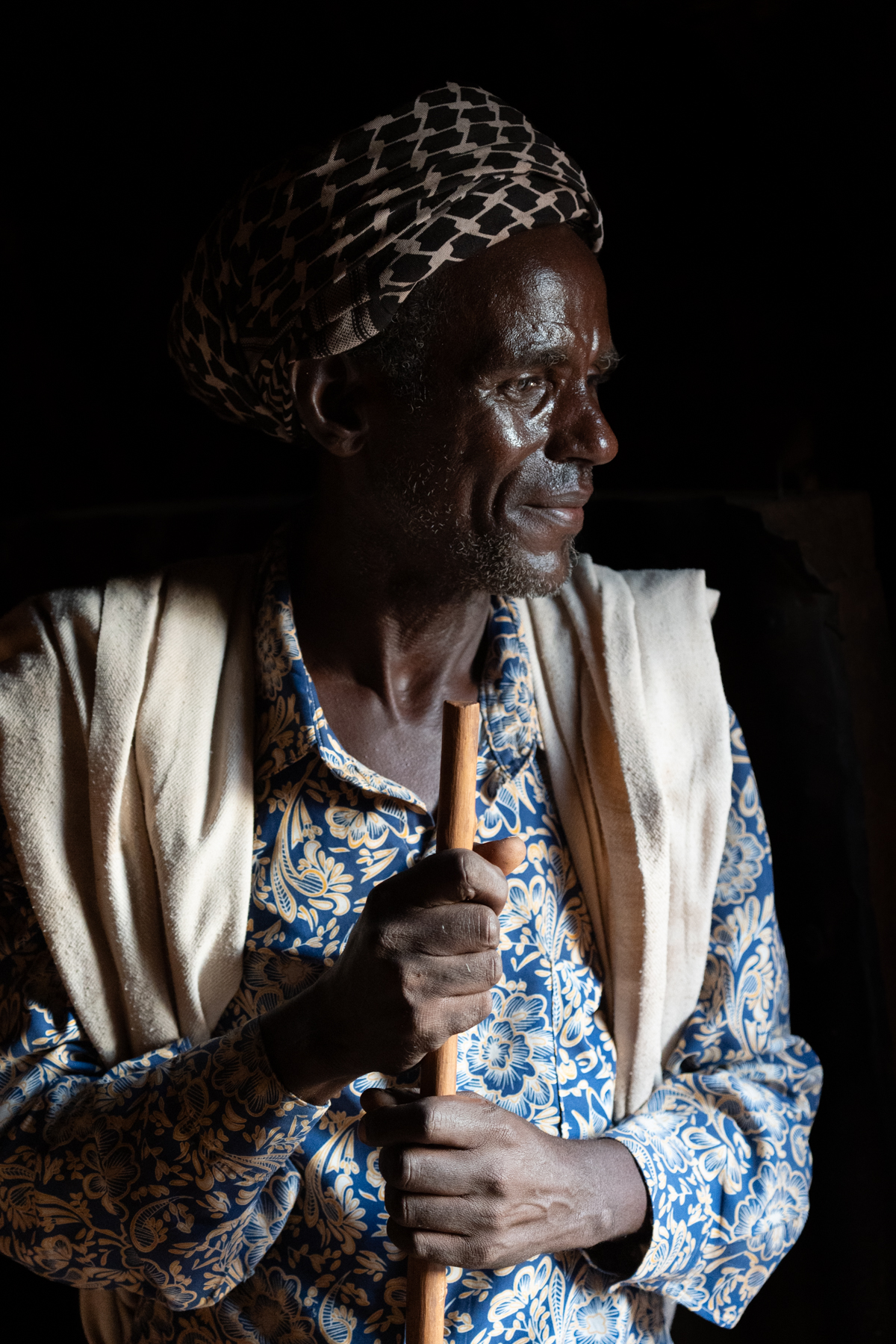
A Gabbra headman enjoys a silent moment at his home (image by Inger Vandyke)
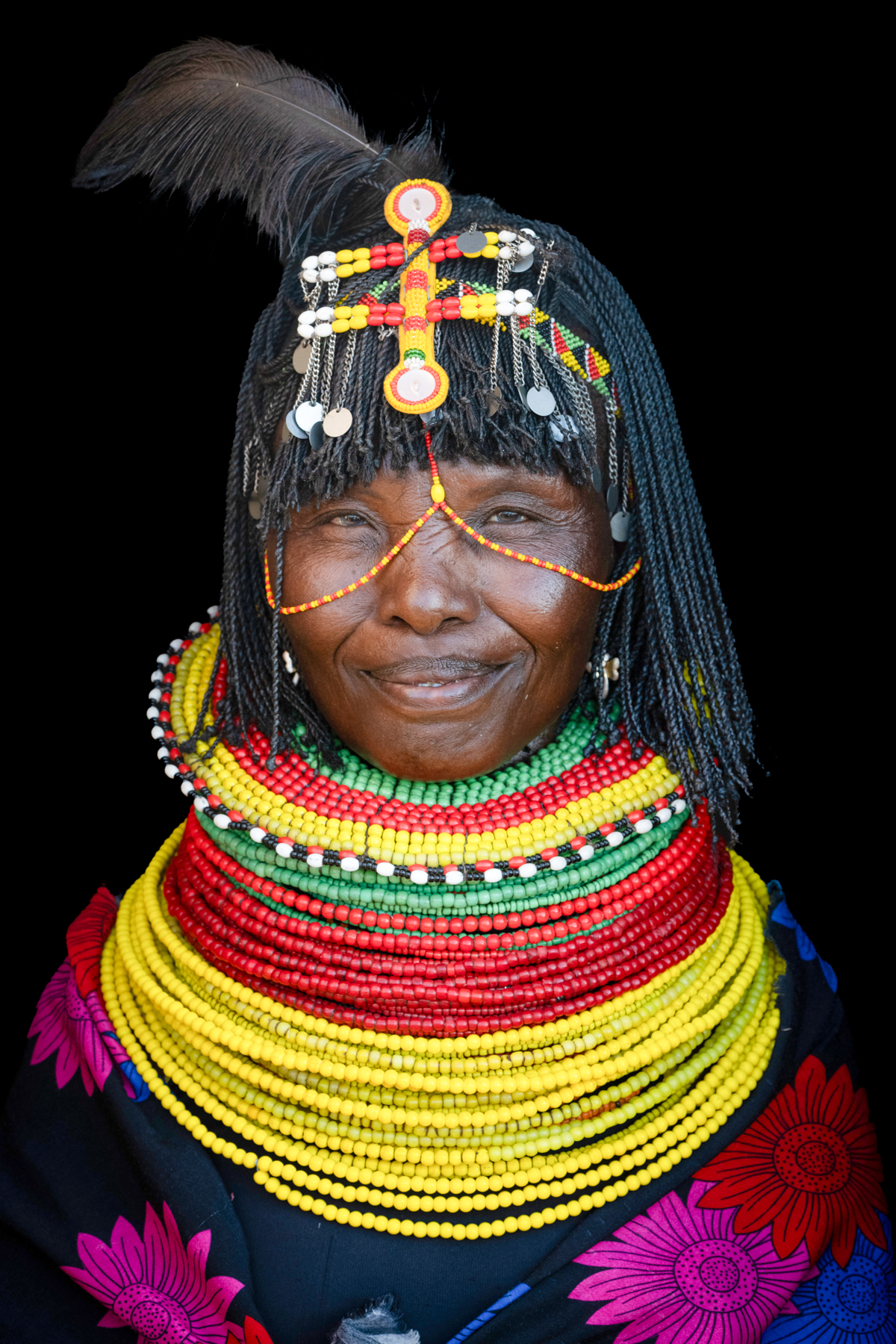
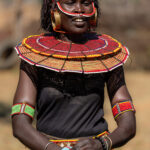
A Turkana woman dressed up to attend a wedding (image by Inger Vandyke)
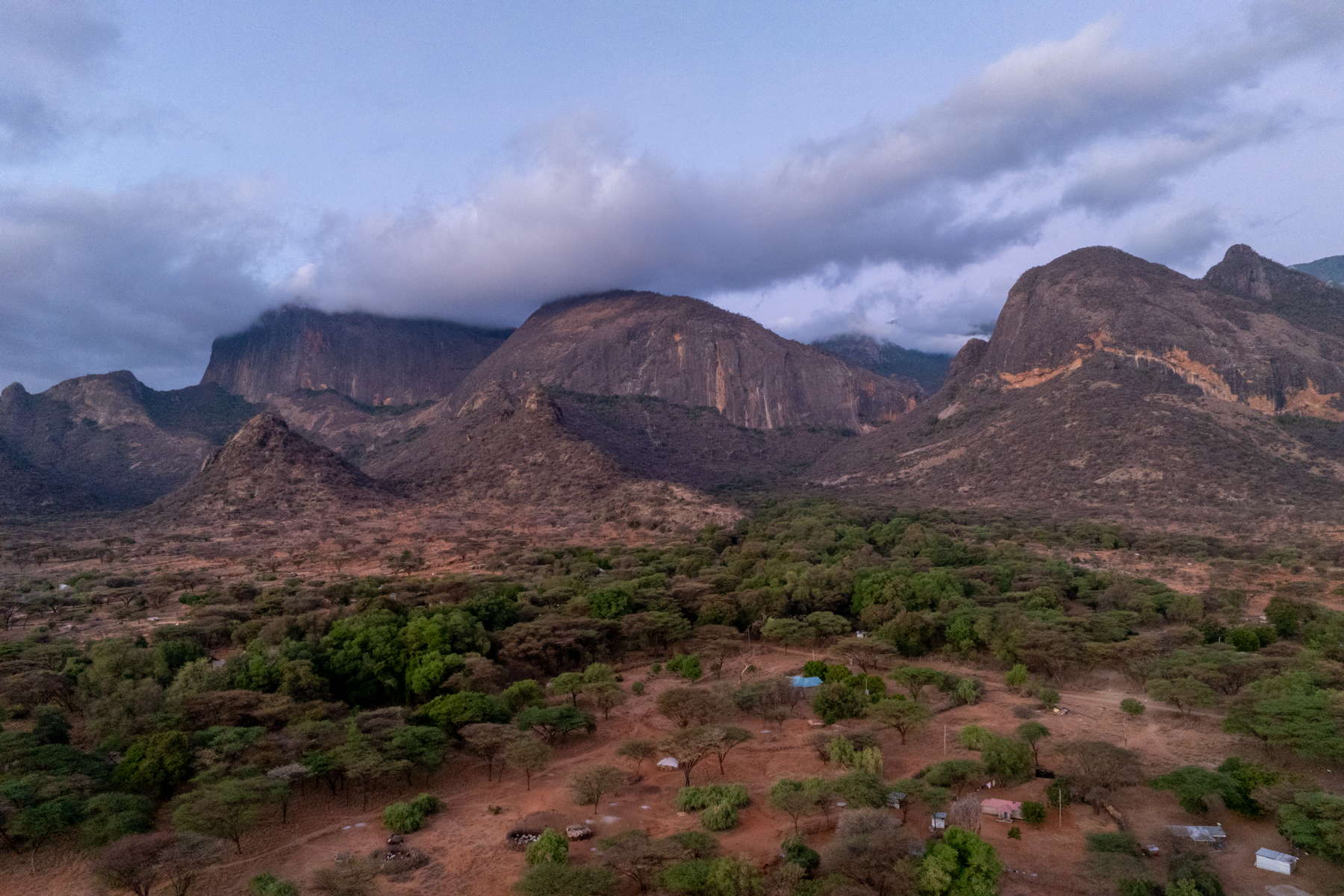
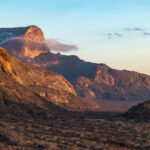
Sunrise in the Ndoto Mountains with Ngurunit in the foreground (image by Inger Vandyke)
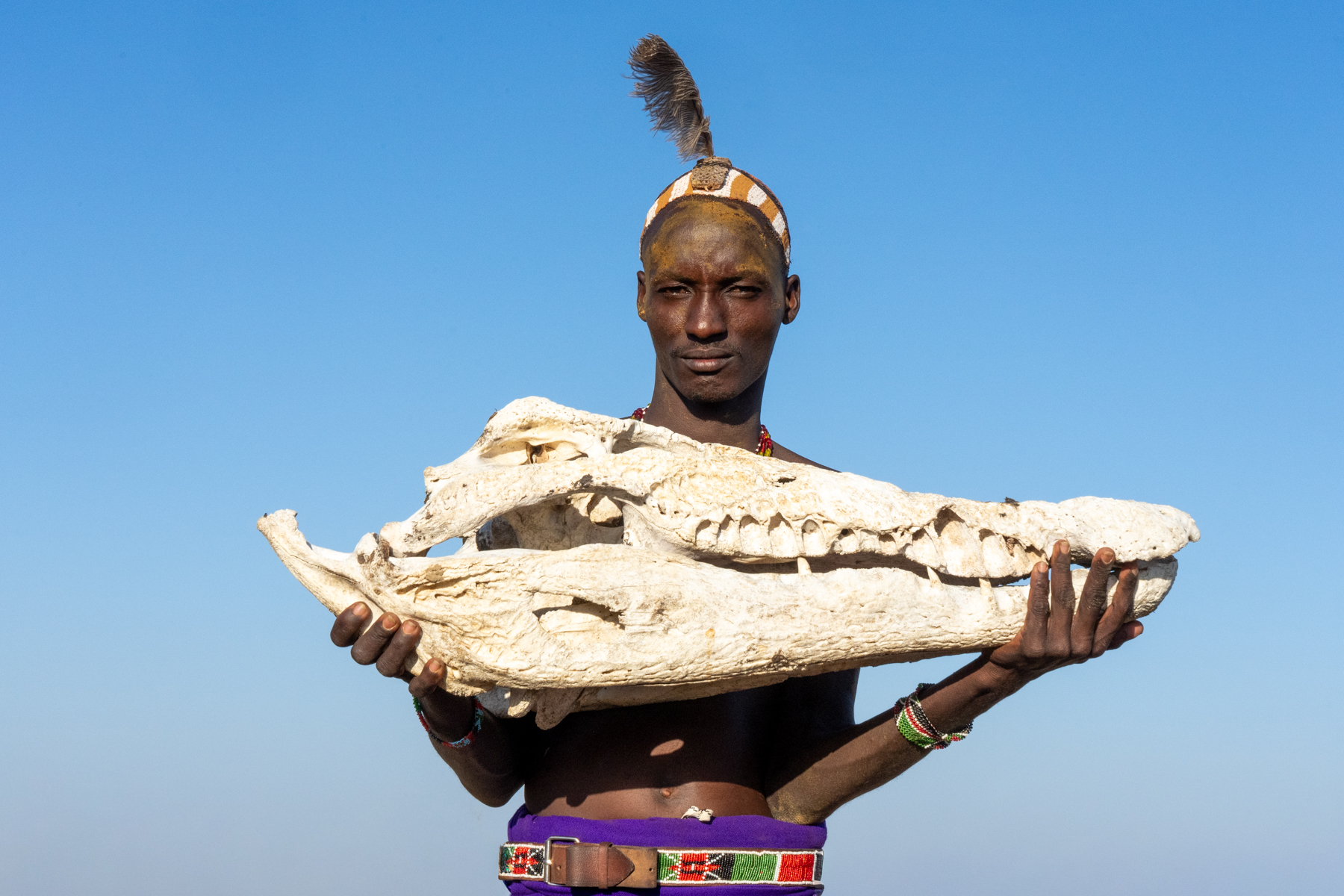
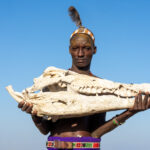
The Dassanech were the original crocodile hunters of Lake Turkana. Although they are no longer allowed to hunt crocodiles, the reminders of that time are everywhere (image by Inger Vandyke)
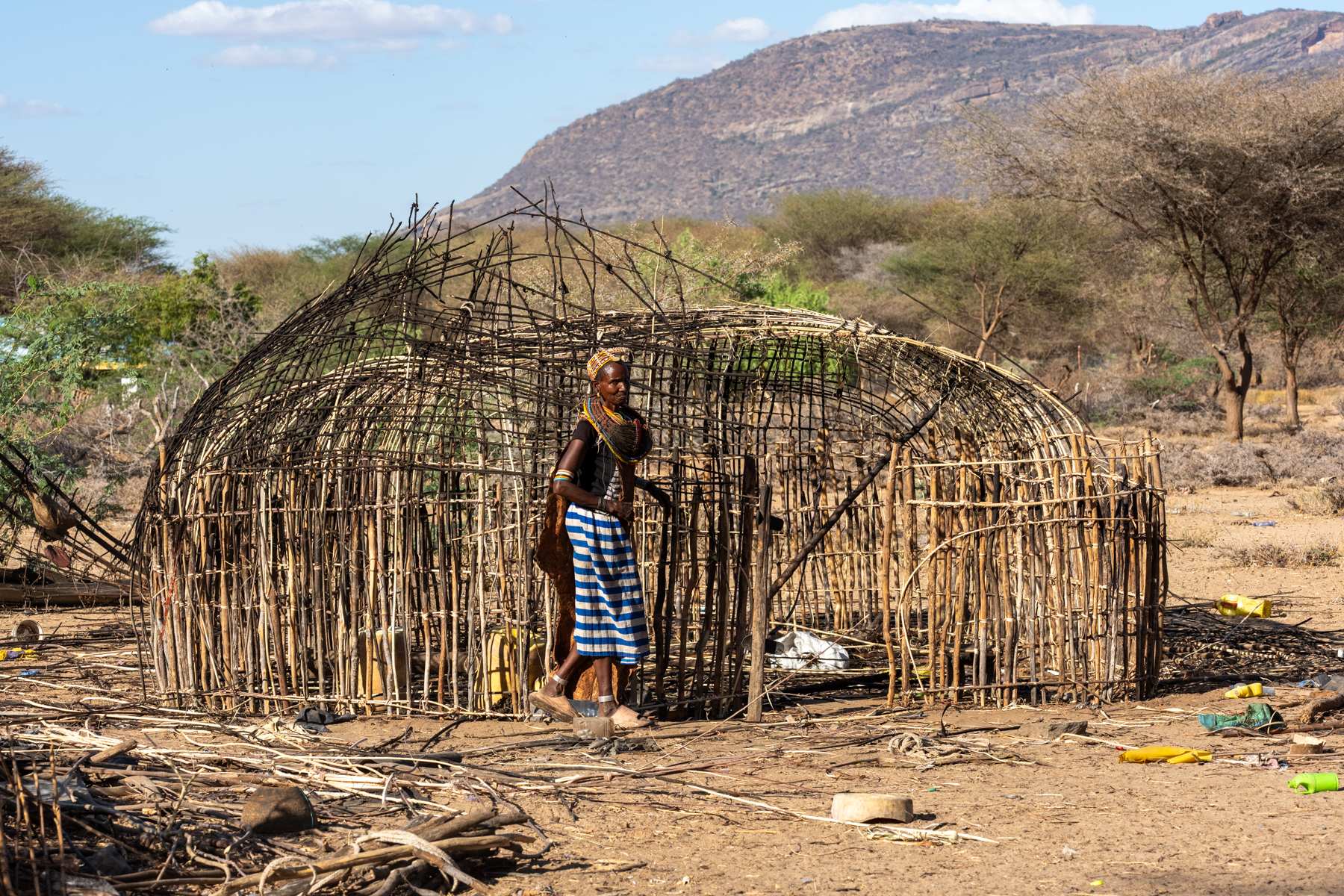
A Rendille woman building a new home (image by Inger Vandyke)
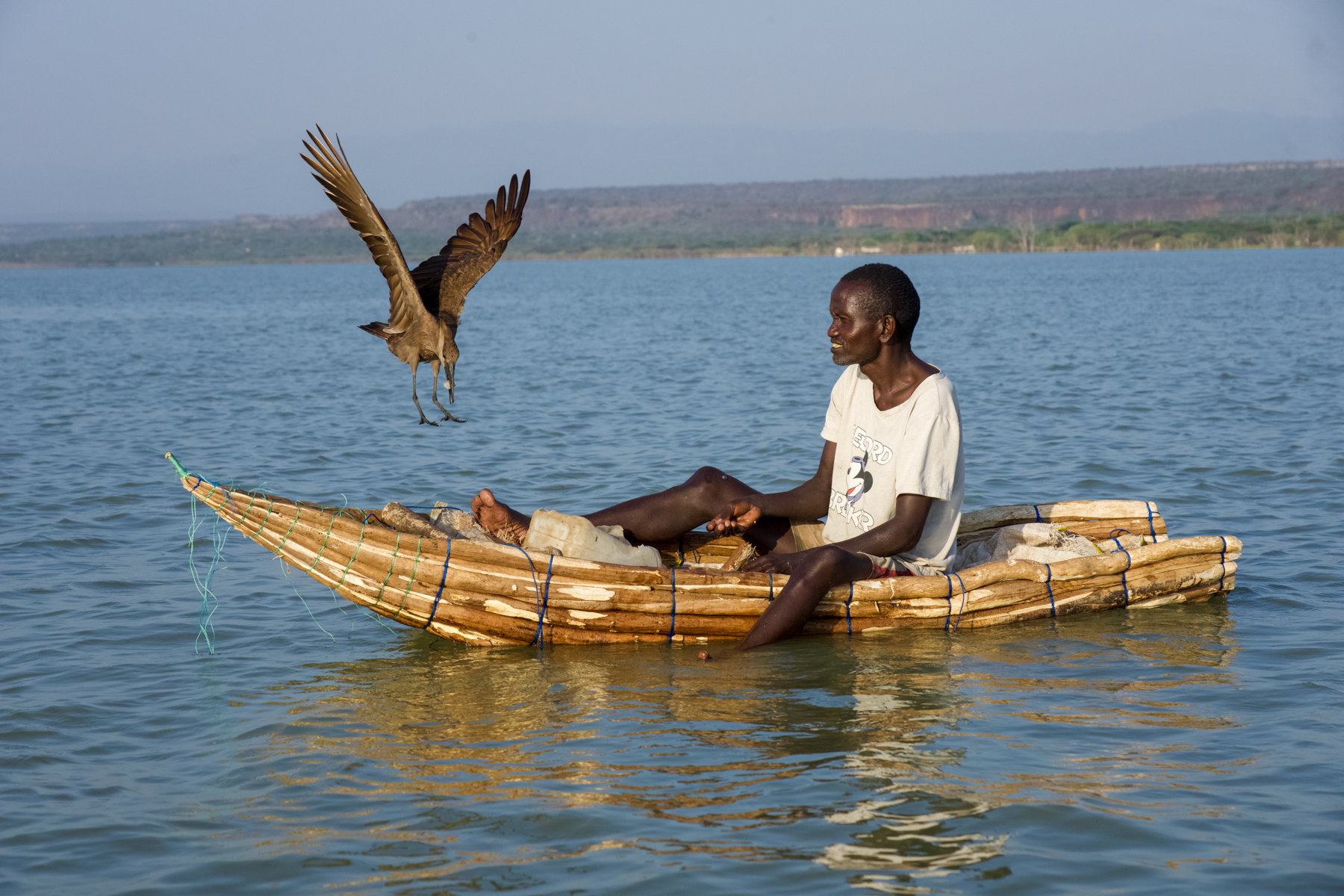
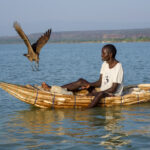
A Kalenjin fisherman giving his Hammerkop friend a treat (image by Inger Vandyke)
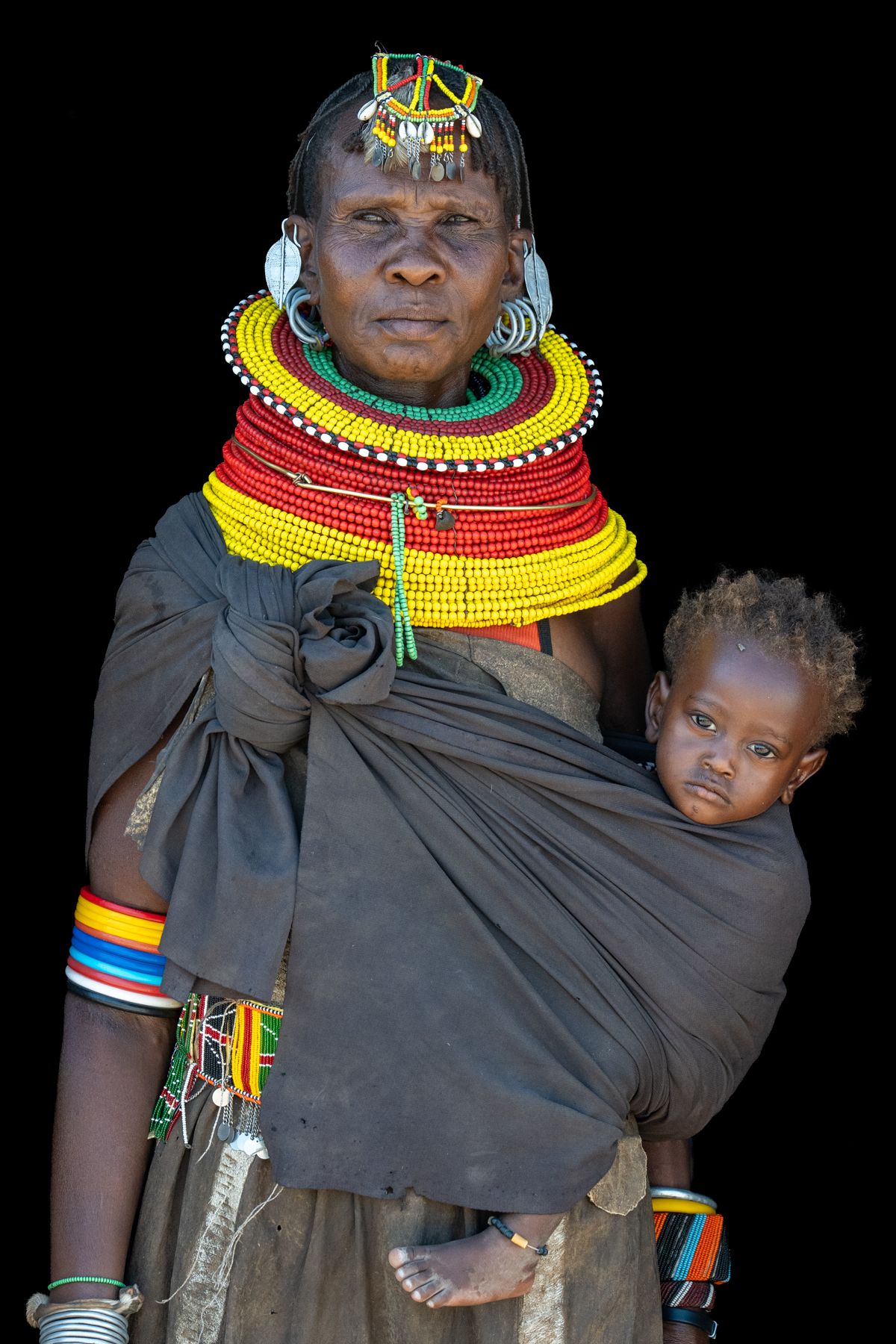
Turkana children grow up surrounded by so much beauty (image by Inger Vandyke)
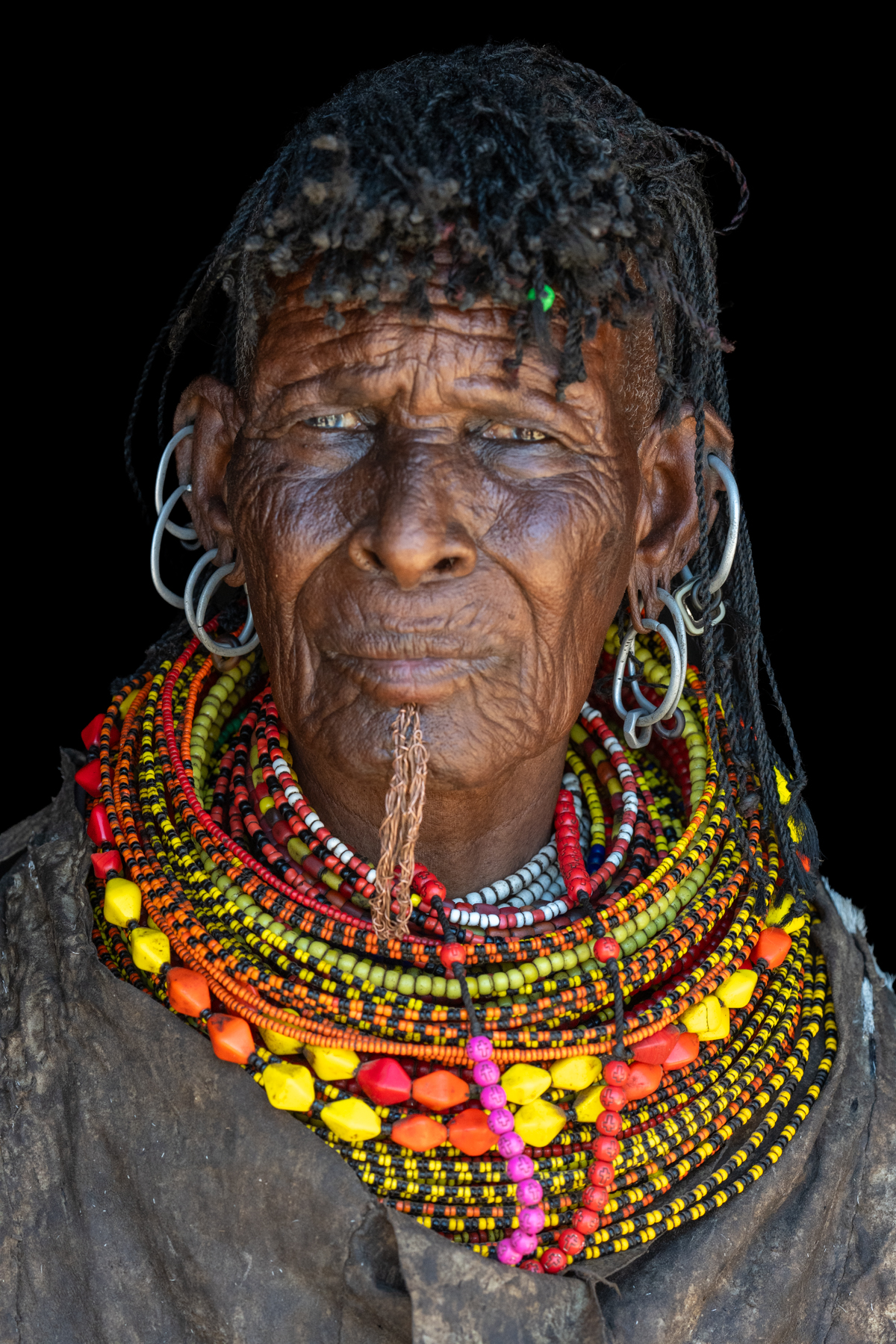
So many stories in one portrait (image by Inger Vandyke)
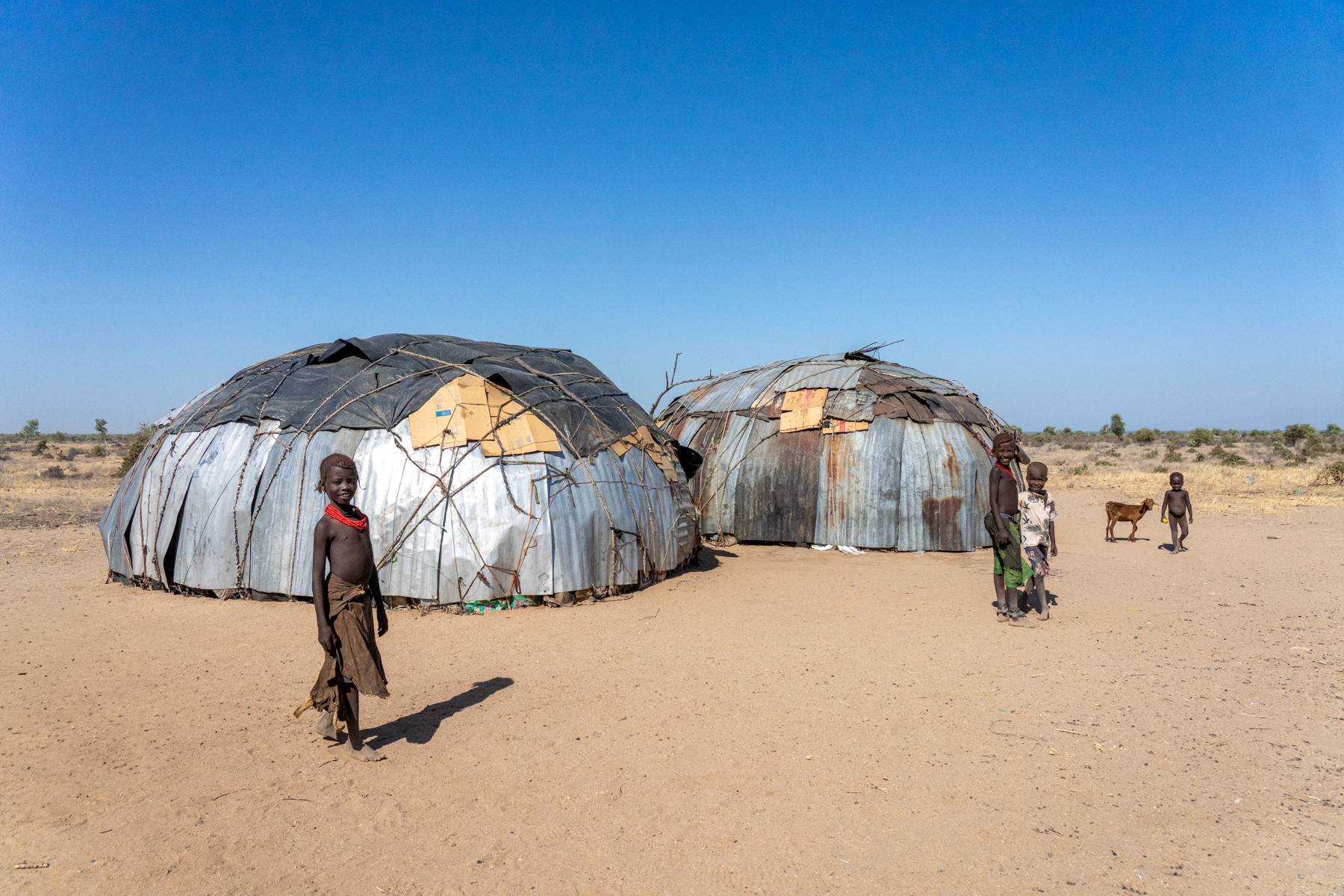
Children play around the large homes of Dassanech people in remote Kenya (image by Inger Vandyke)
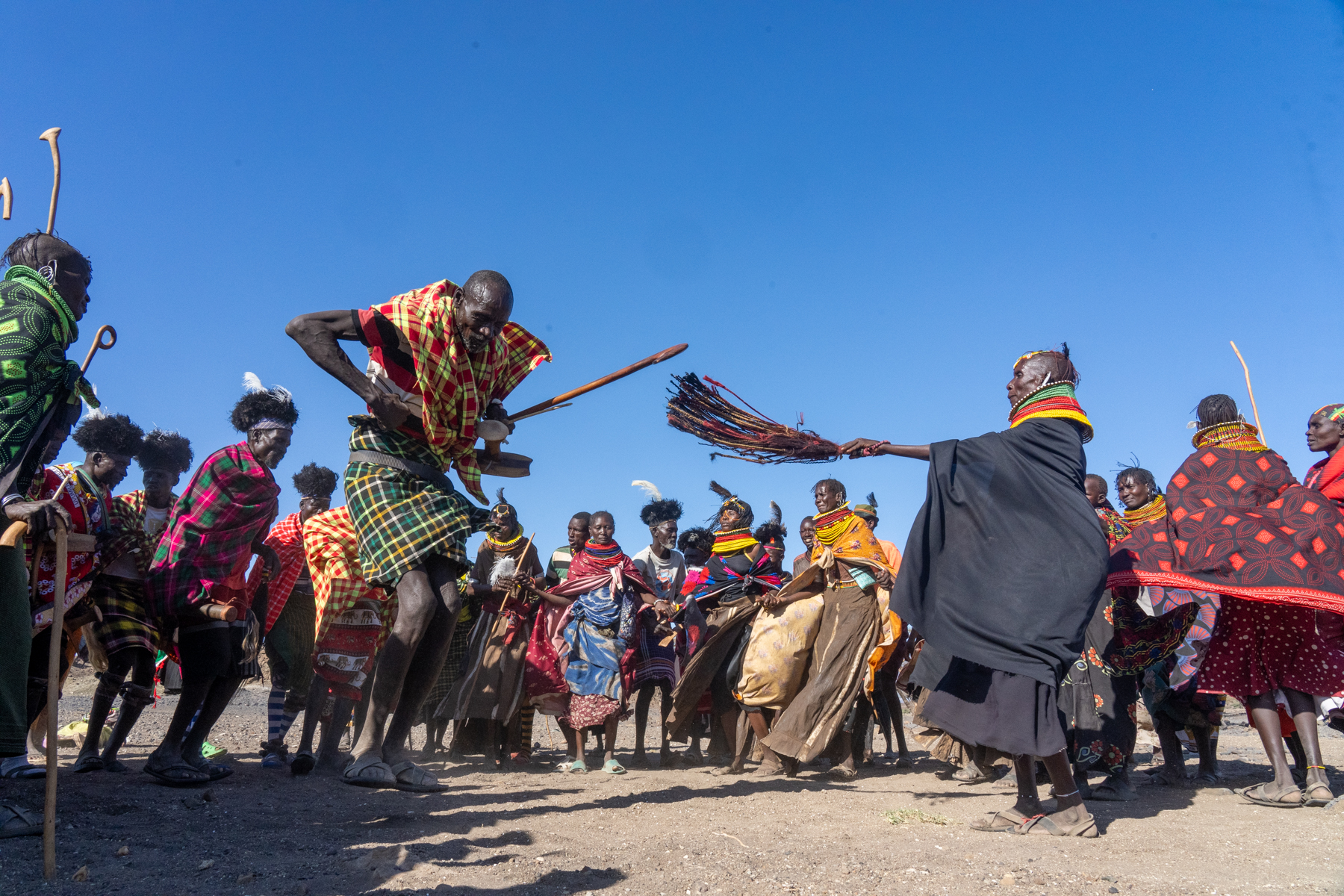
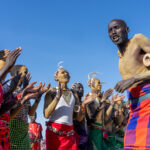
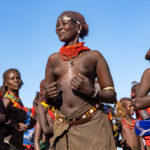
Men and women celebrate a wedding in Turkana culture (image by Inger Vandyke)
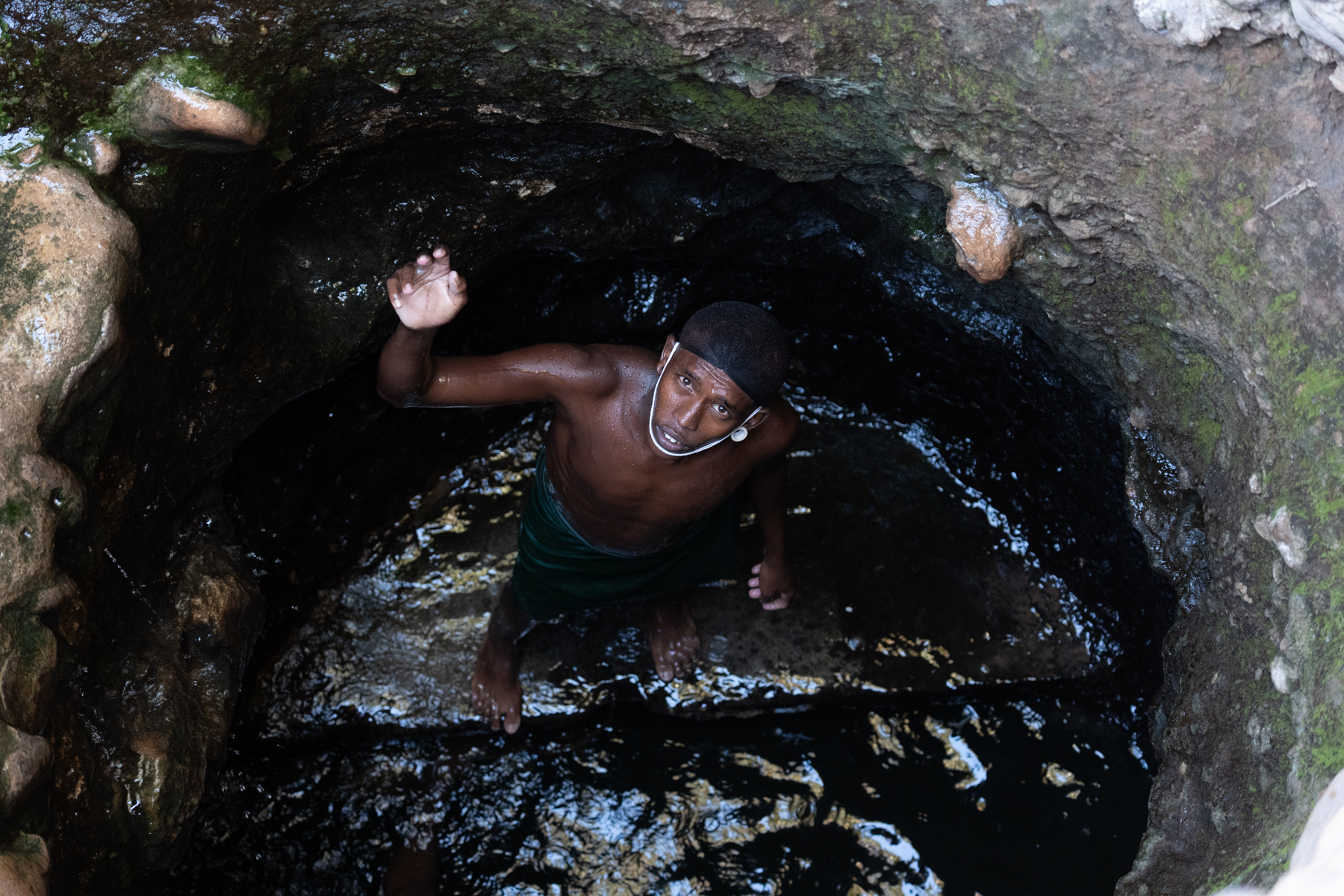
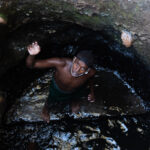
Young Rendille man at the bottom of a singing well (image by Inger Vandyke)
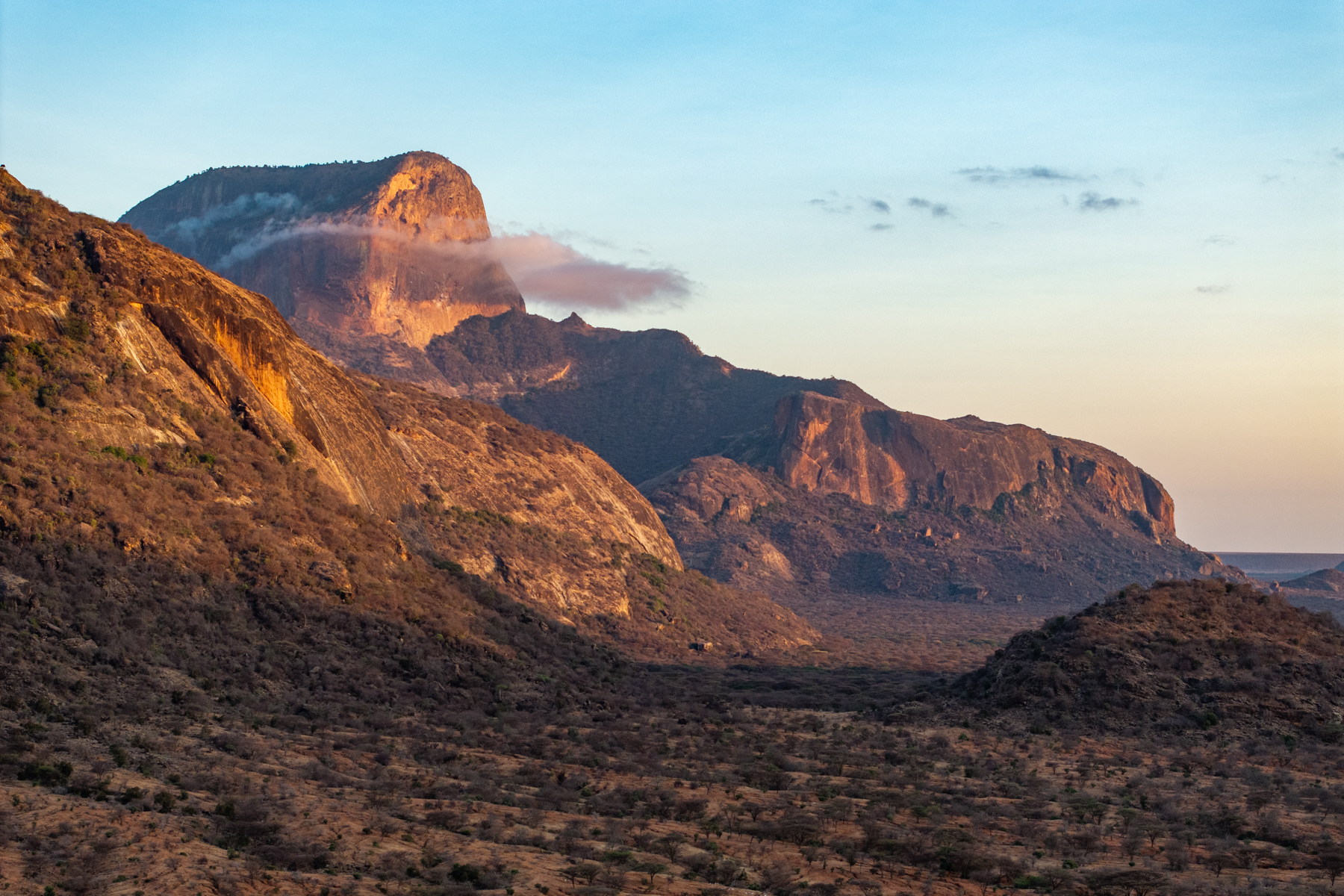
First light in the Ndotos (image by Inger Vandyke)
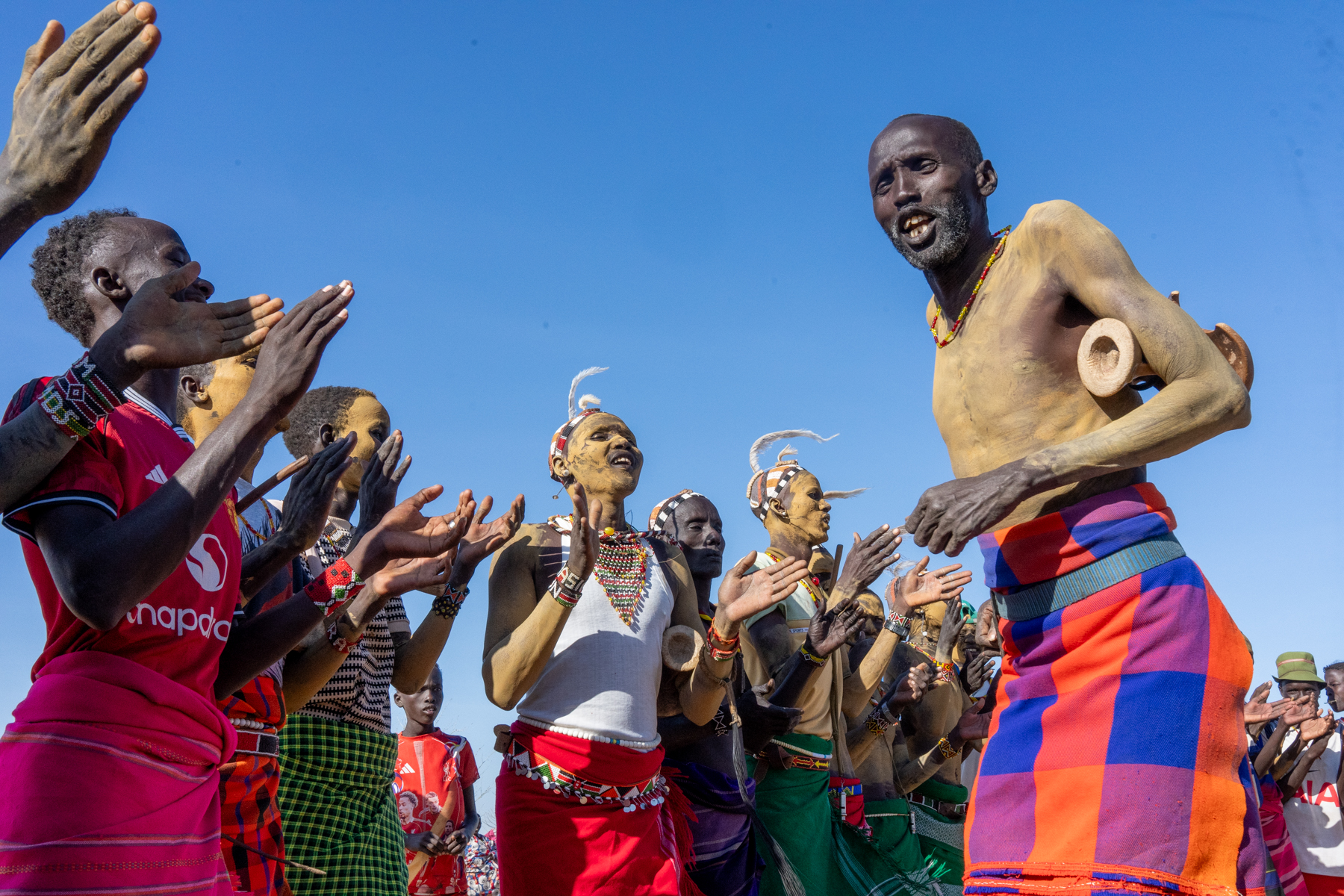
Dassanech man singing at Guol (image by Inger Vandyke)
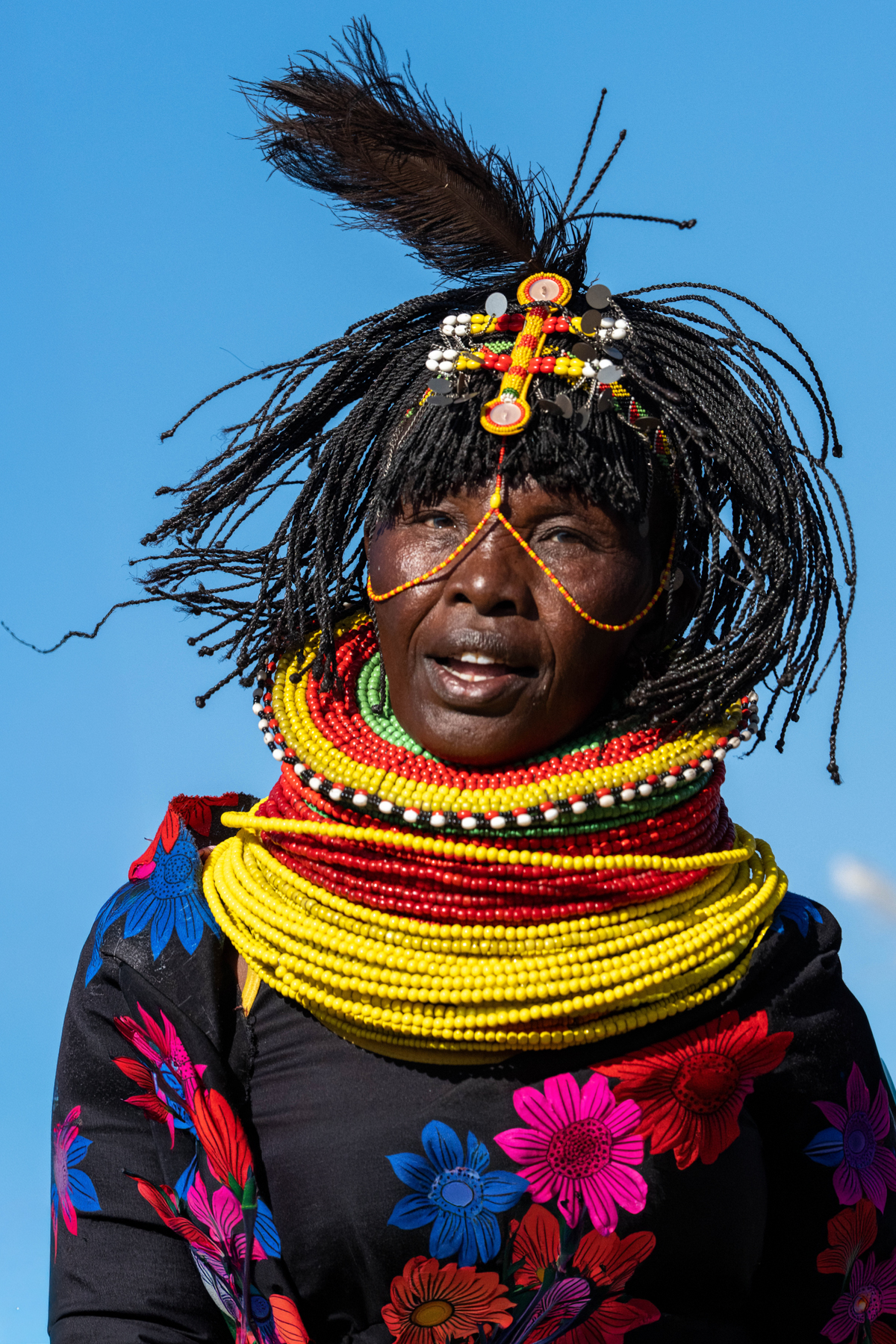
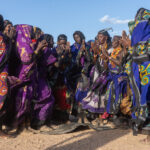
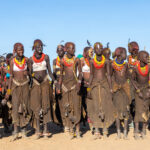
The energetic dancing of Turkana women at a wedding (image by Inger Vandyke)
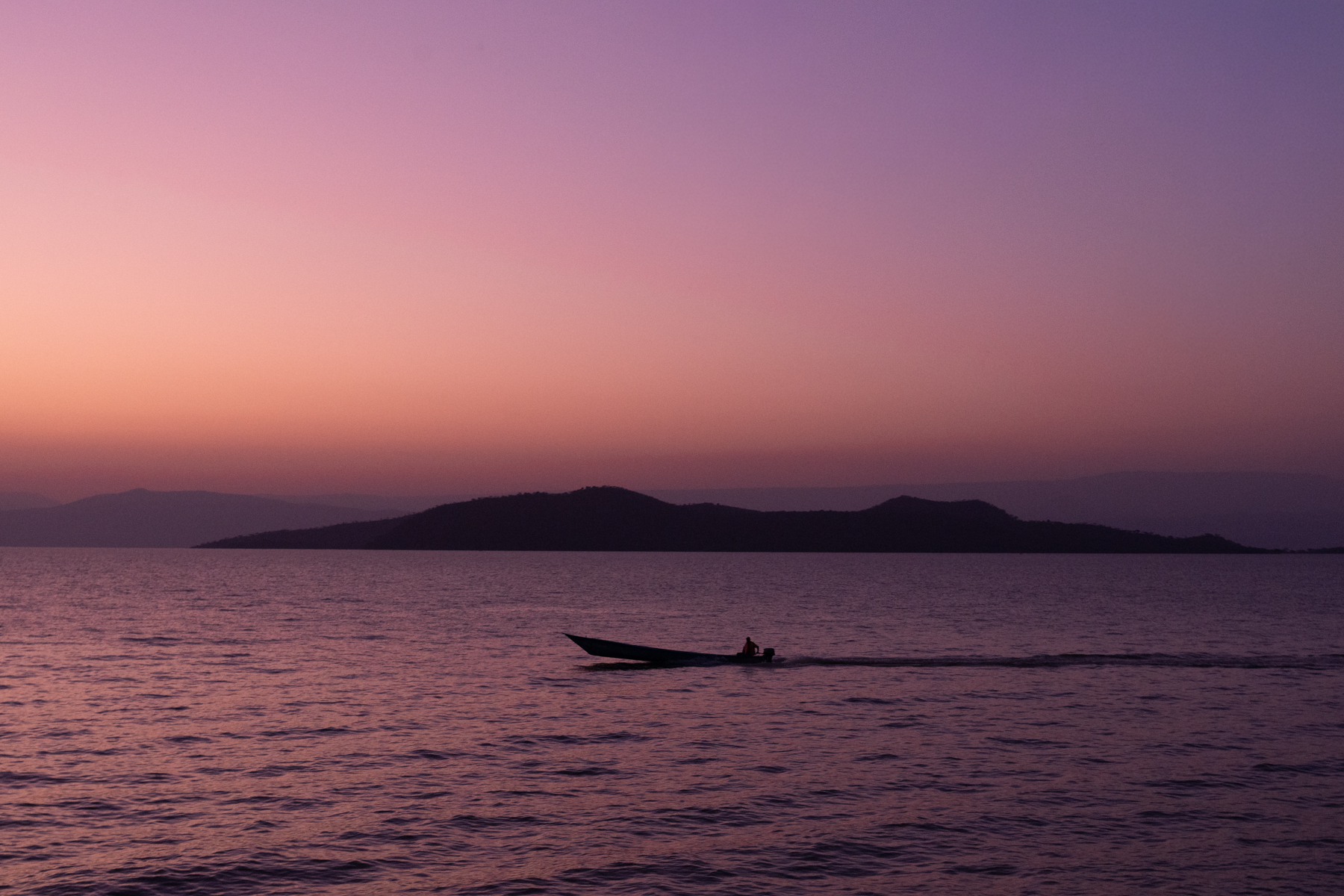
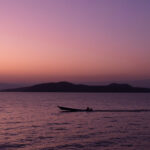
Motorised canoe on Lake Baringo at sunrise (image by Inger Vandyke)
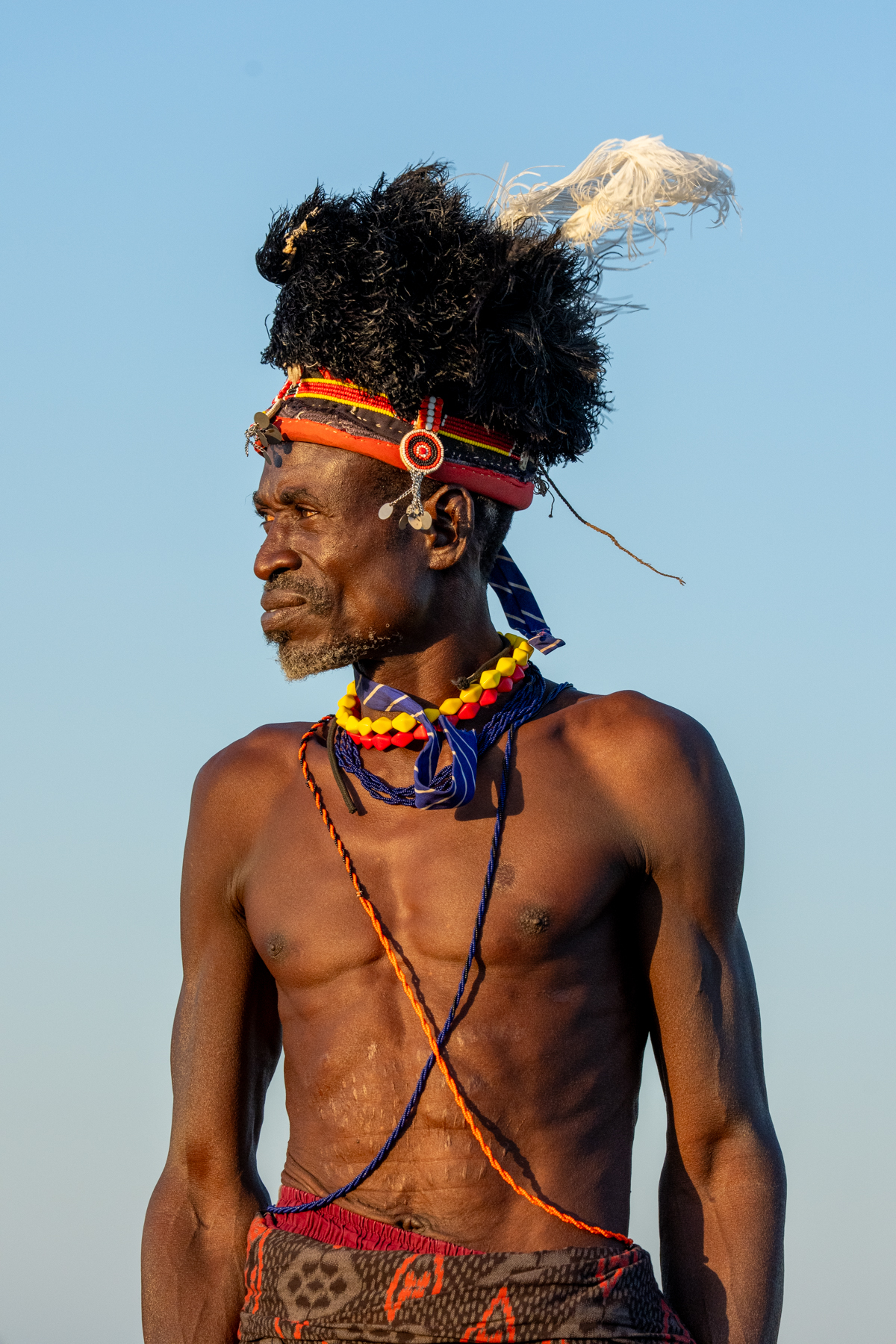
Turkana elder (image by Inger Vandyke)
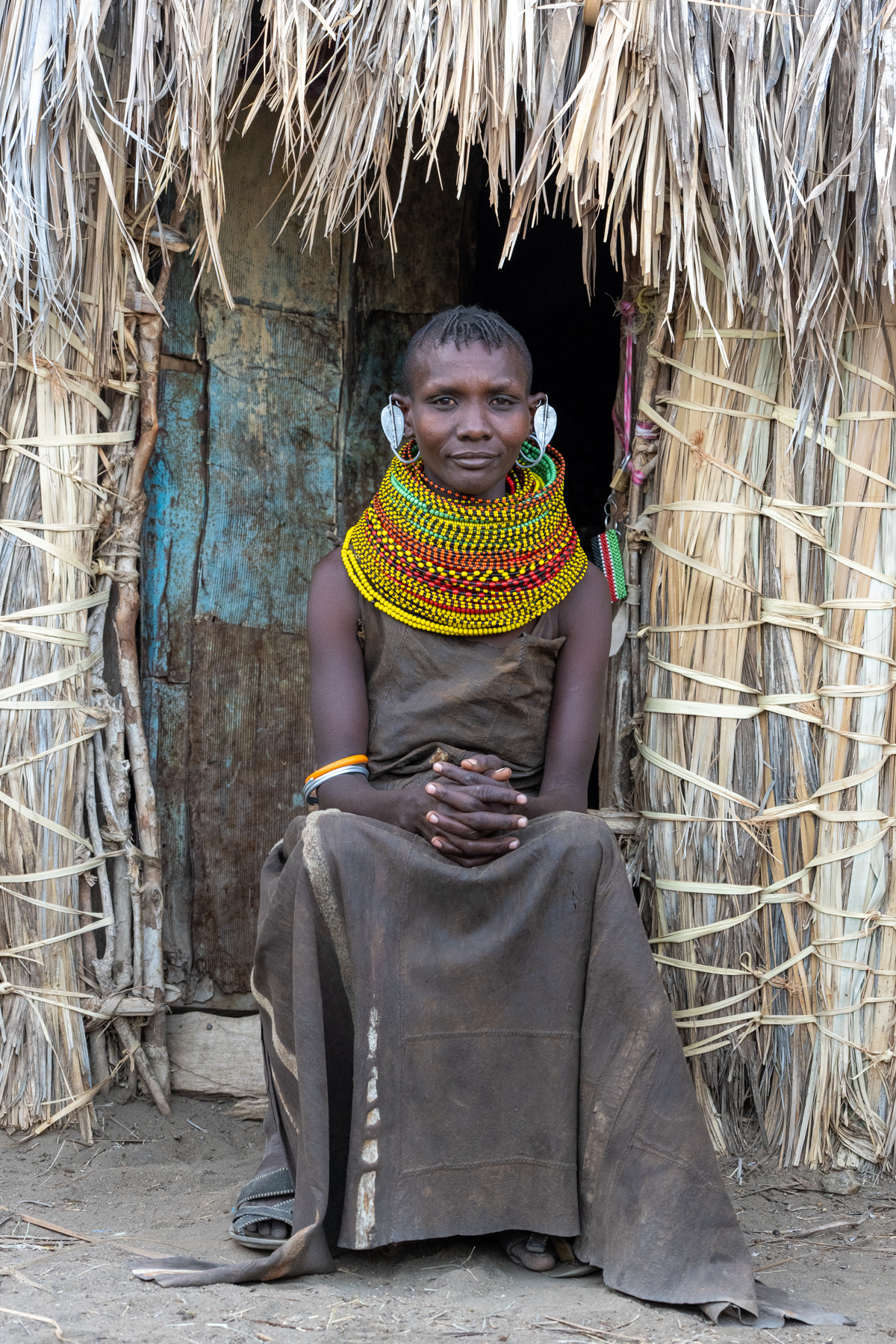
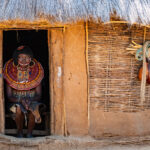
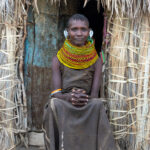
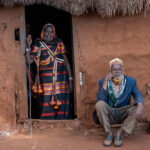
A Turkana woman in the doorway of her home (image by Inger Vandyke)
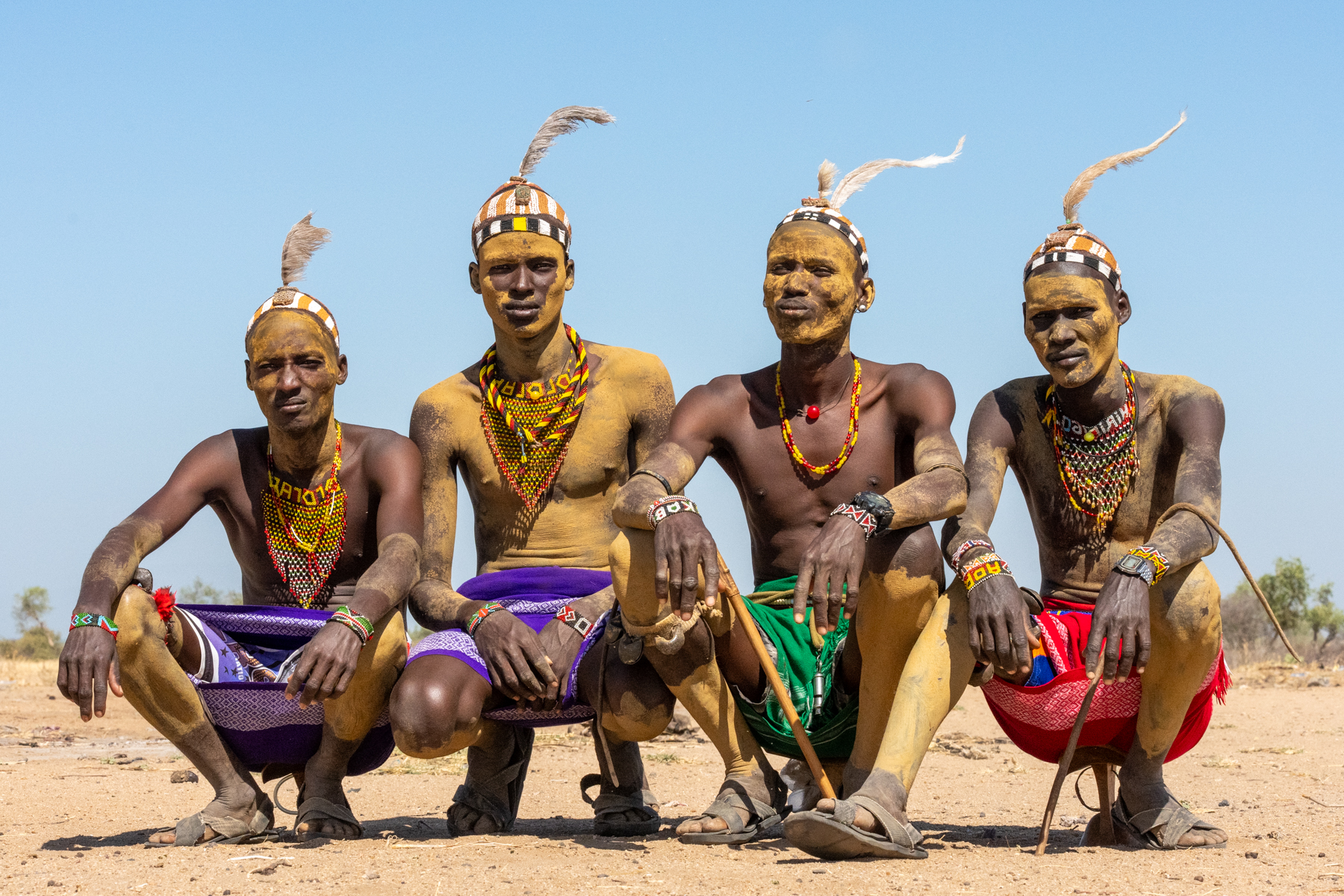
Young Dassanech men take a break from celebrating Guol (image by Inger Vandyke)
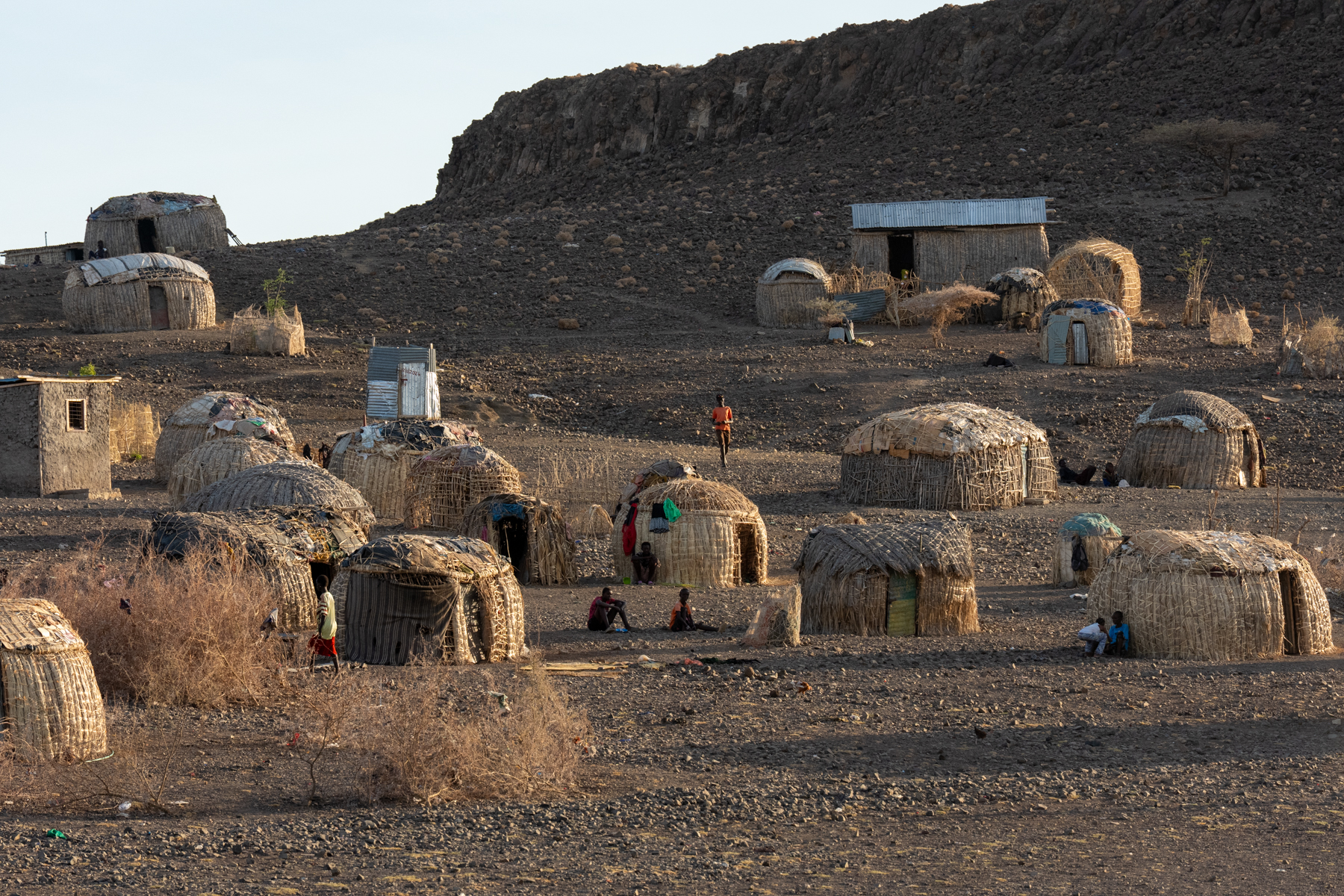
A village of El Molo people. All of these houses have been moved to higher ground in the past few years due to rising lake waters in Turkana (image by Inger Vandyke)
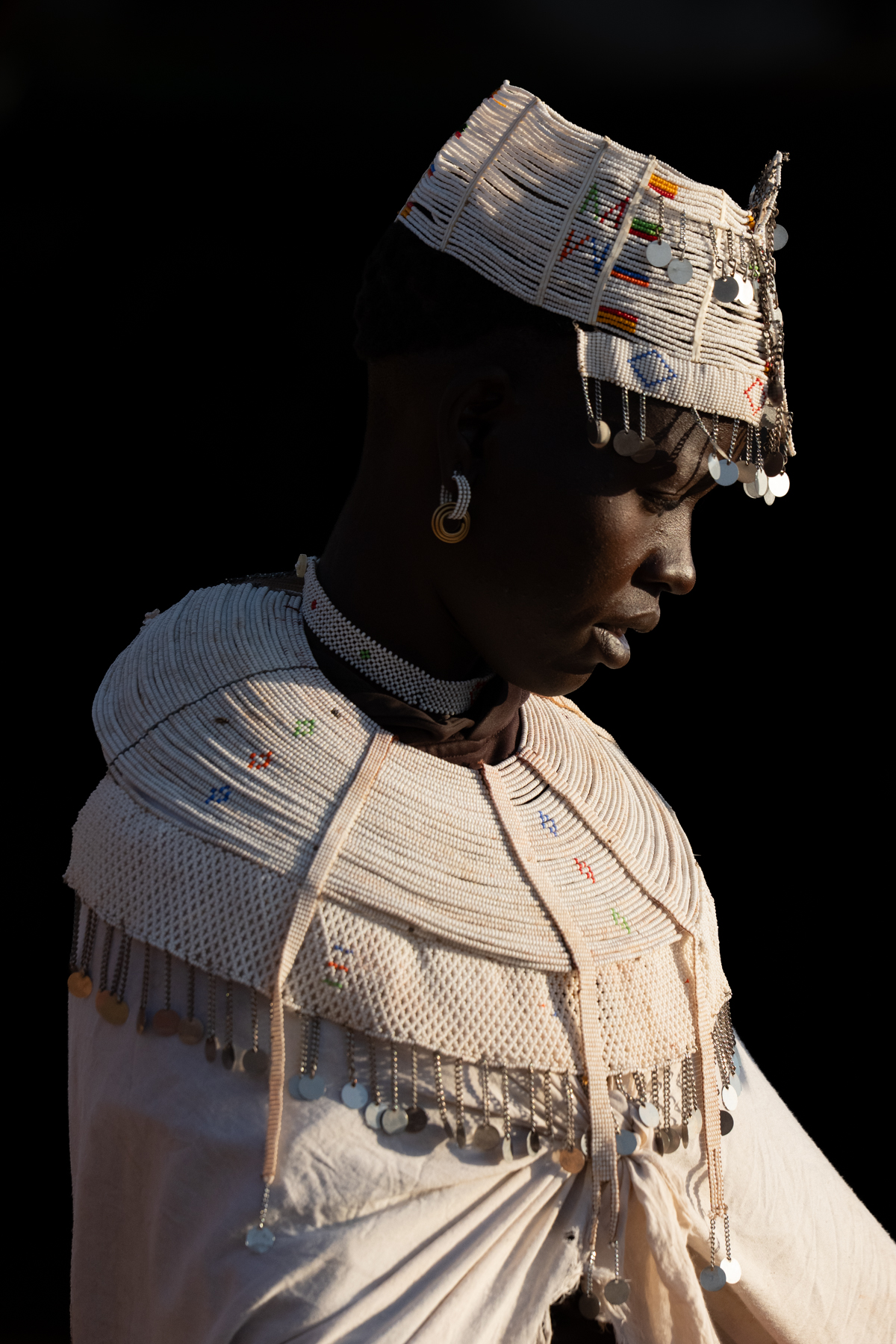
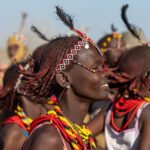
Samburu girl in profile (image by Inger Vandyke)
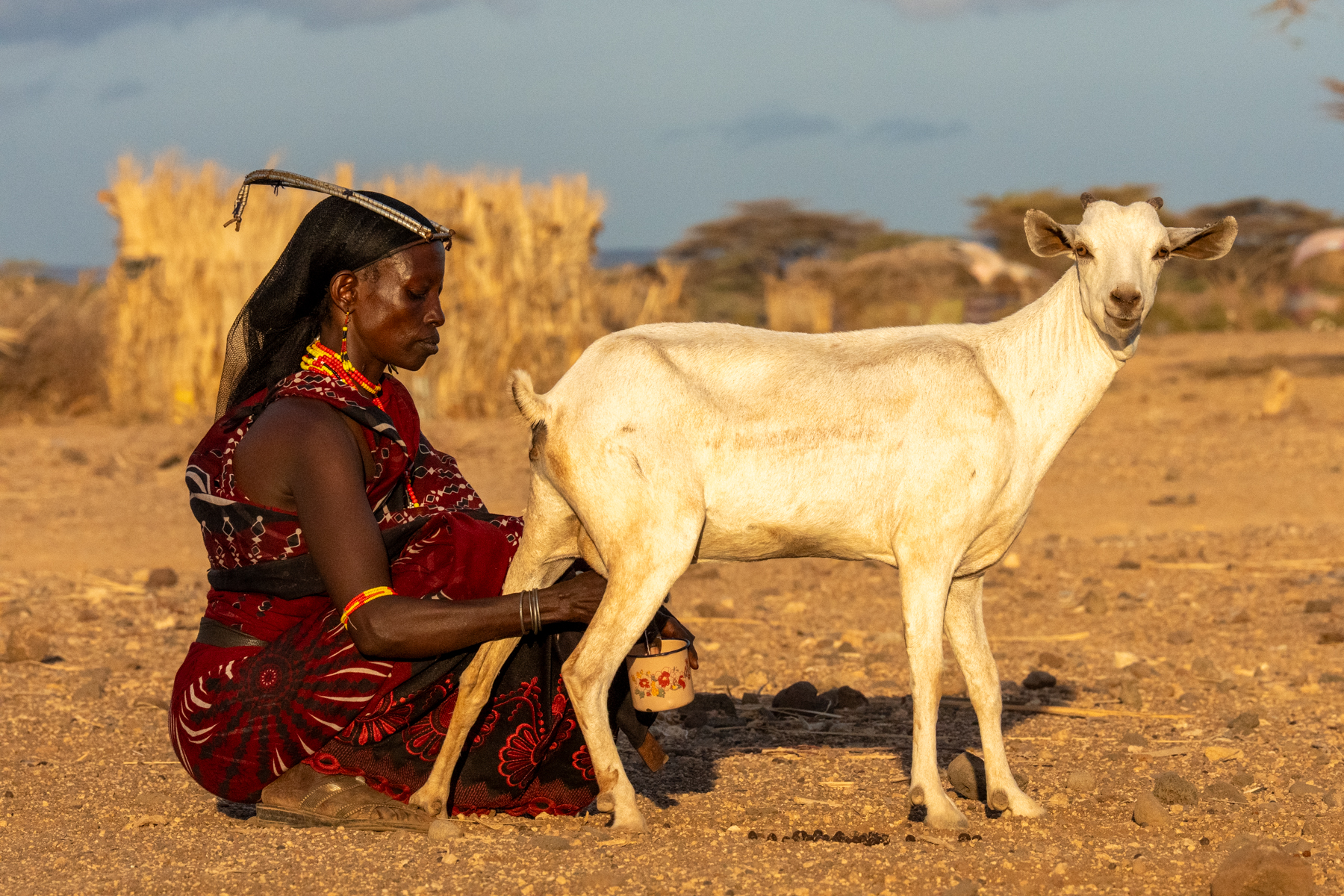
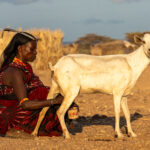
A Gabbra woman milks her goat. (image by Inger Vandyke)
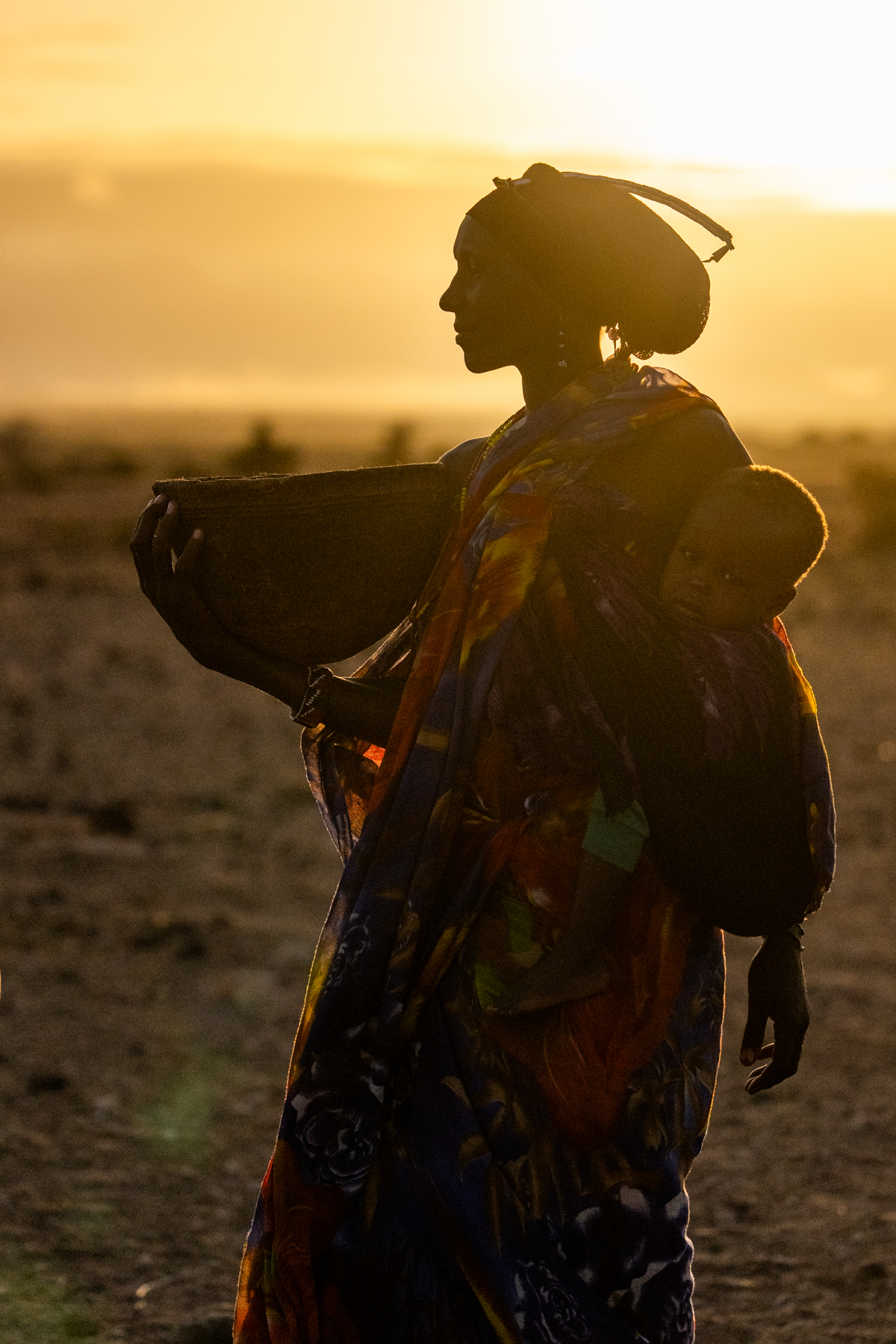
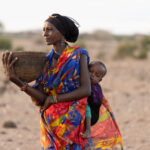
Sunrise at a Gabbra homestead and a beautiful mother carries her milk and baby back to her home (image by Inger Vandyke)
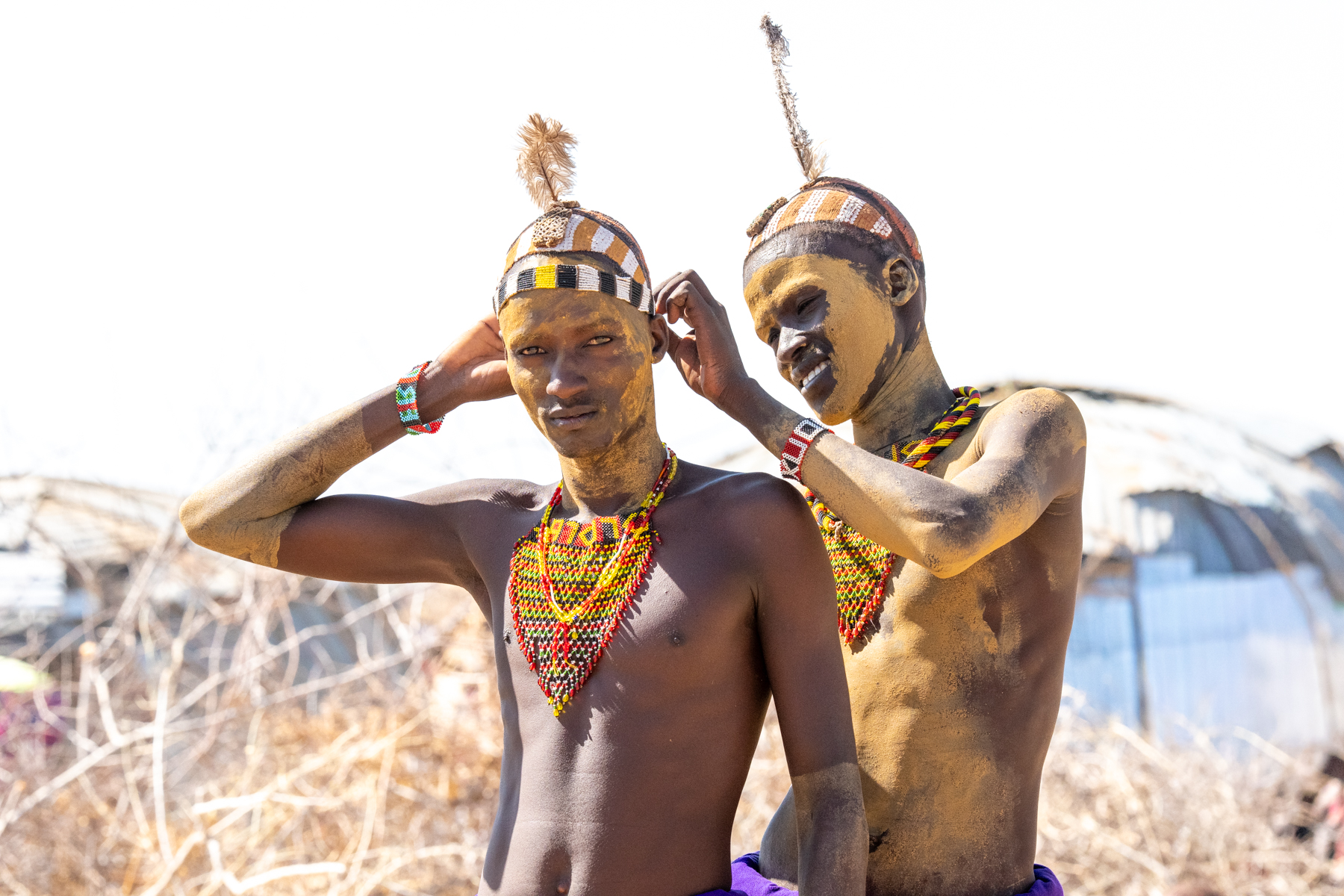
Preparing for a ceremony often takes two (image by Inger Vandyke)
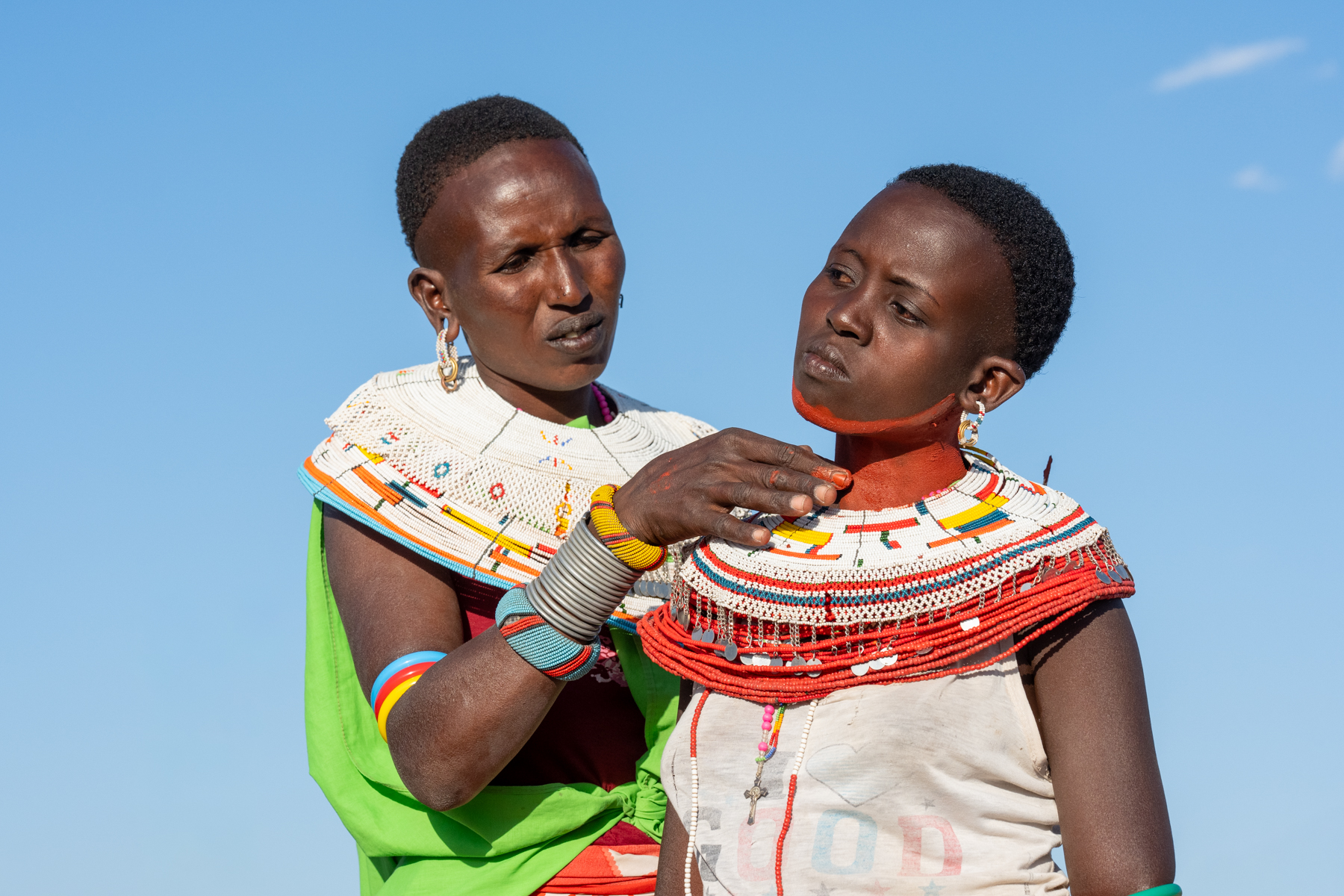
Samburu women painting their red ochre makeup for a ceremony (image by Inger Vandyke)
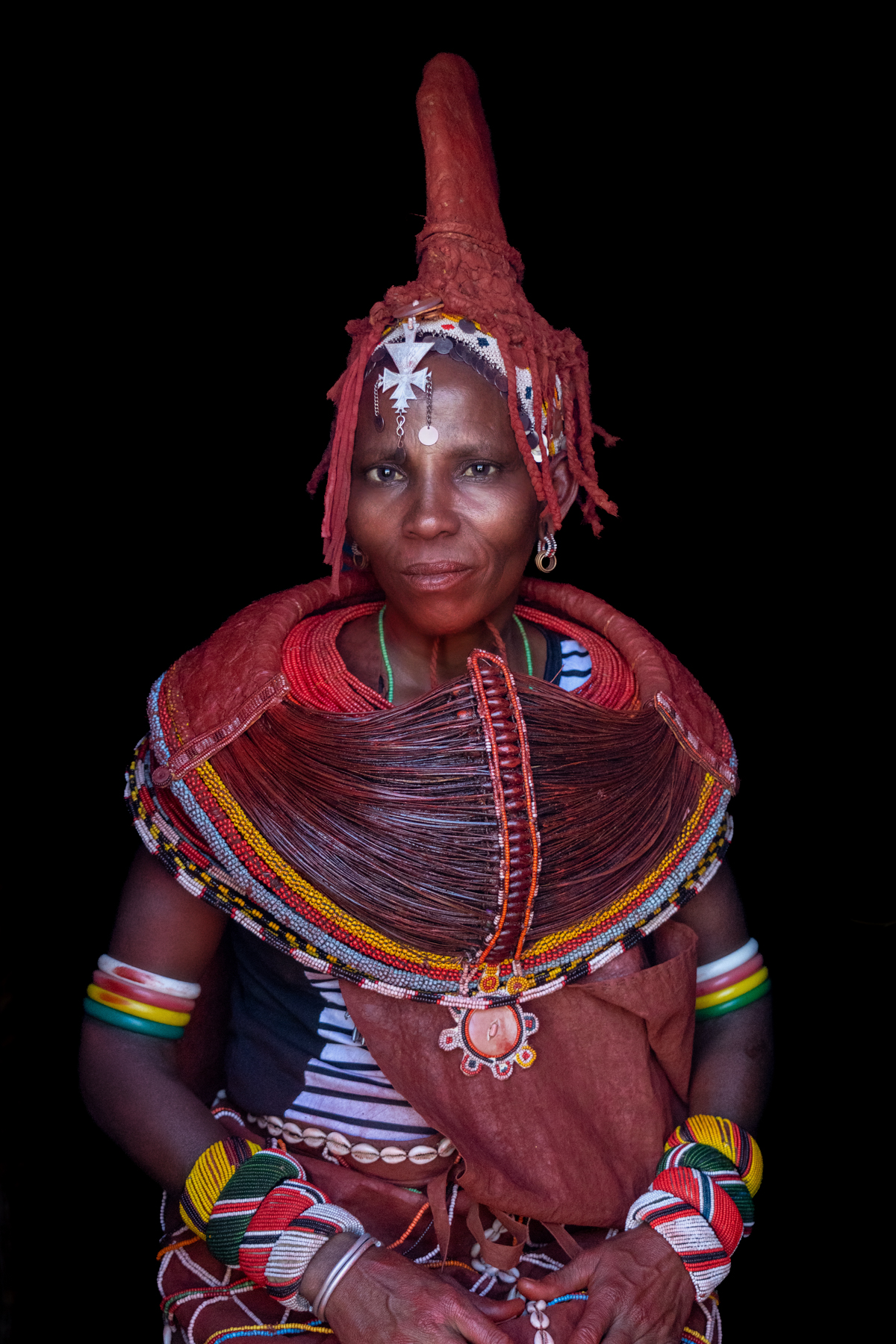
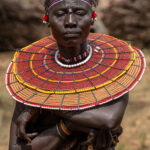
Beautiful Rendille matriarch with her ceremonial Mbaro necklace and Doko headdress (image by Inger Vandyke)
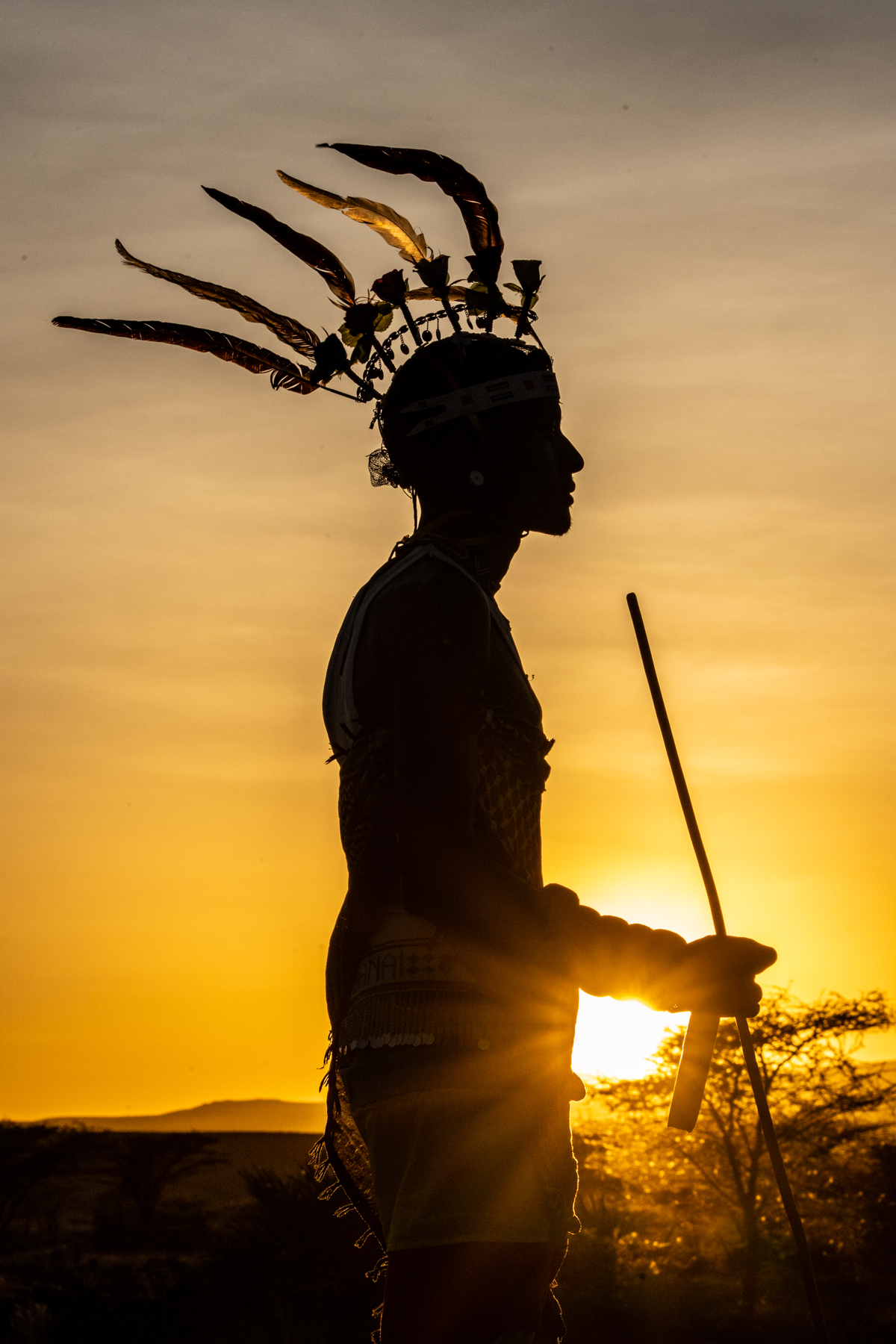
Rendille sunrise (image by Inger Vandyke)
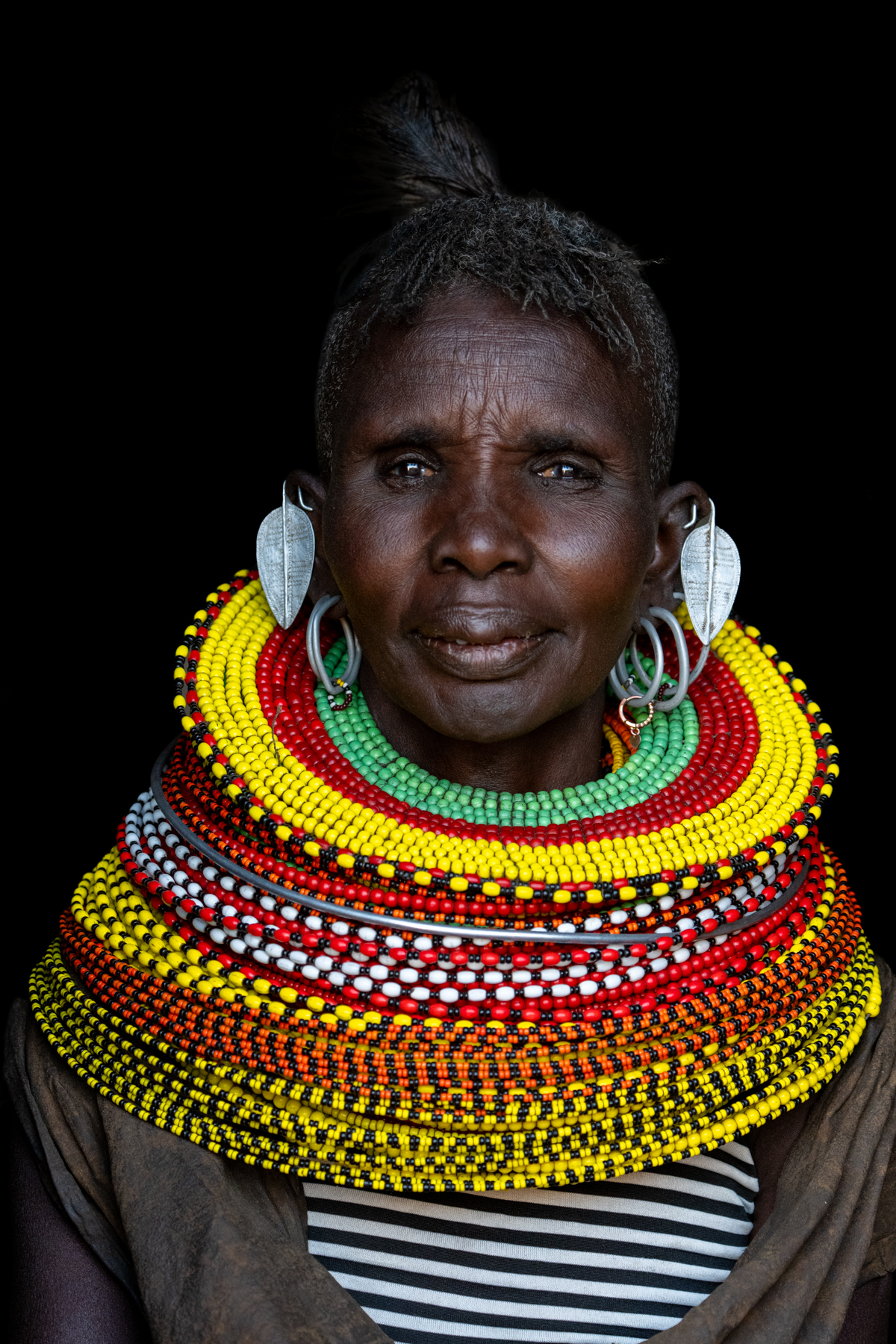
Turkana mother (image by Inger Vandyke)
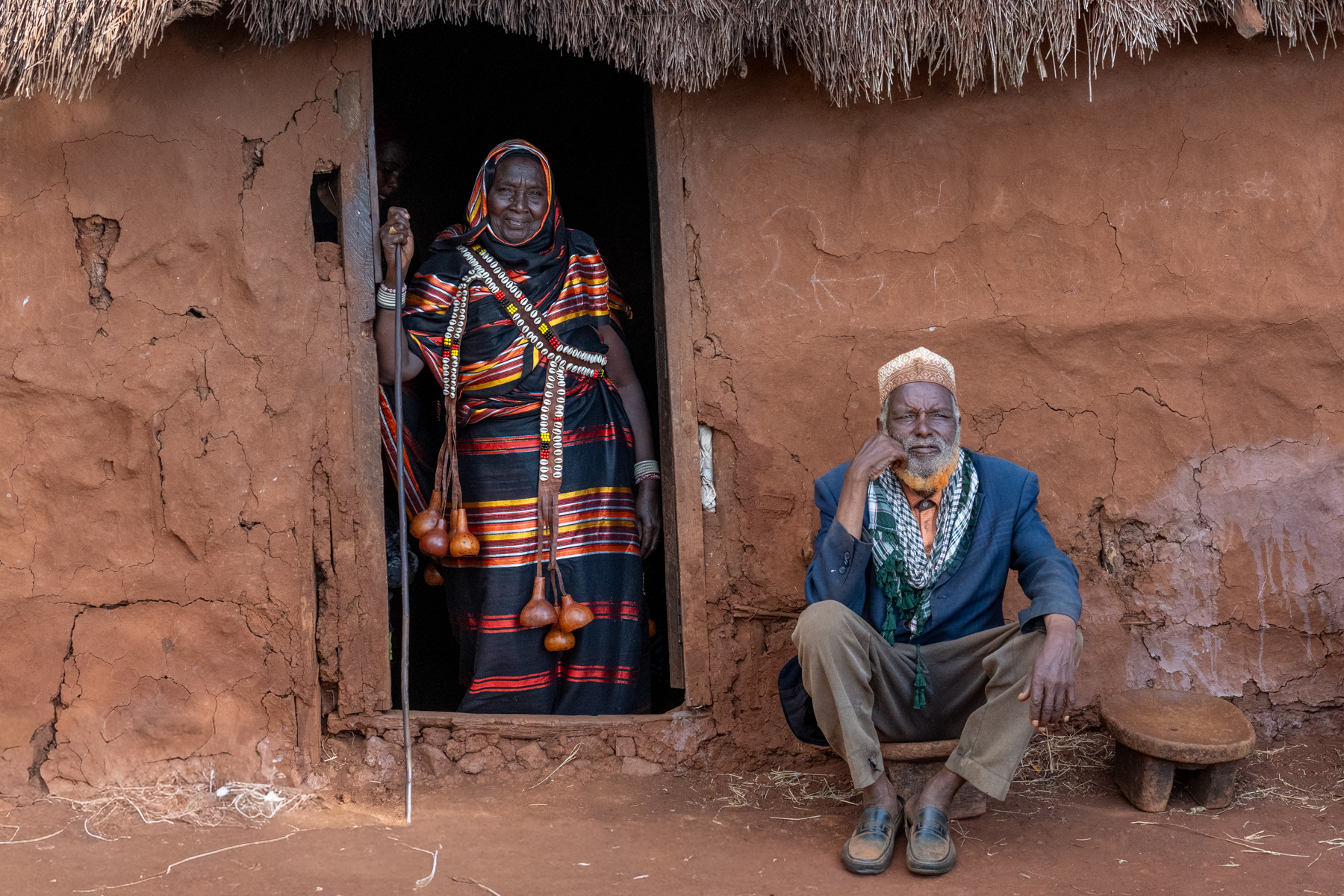
Borana couple at home in Marsabit (image by Inger Vandyke)
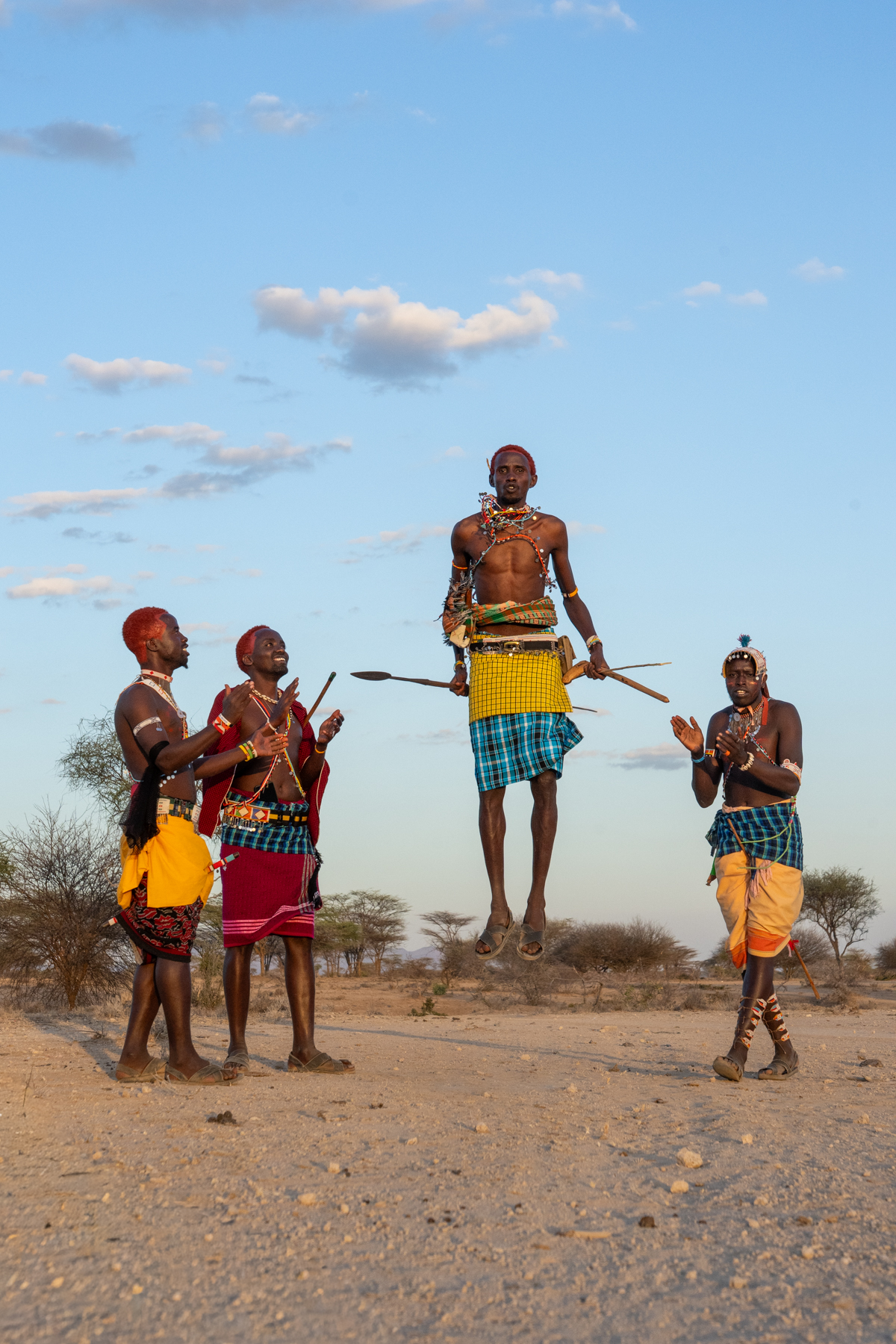
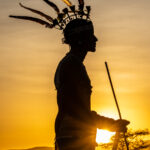
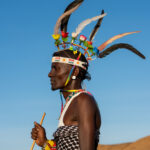
Jumping Samburu Moran (image by Inger Vandyke)
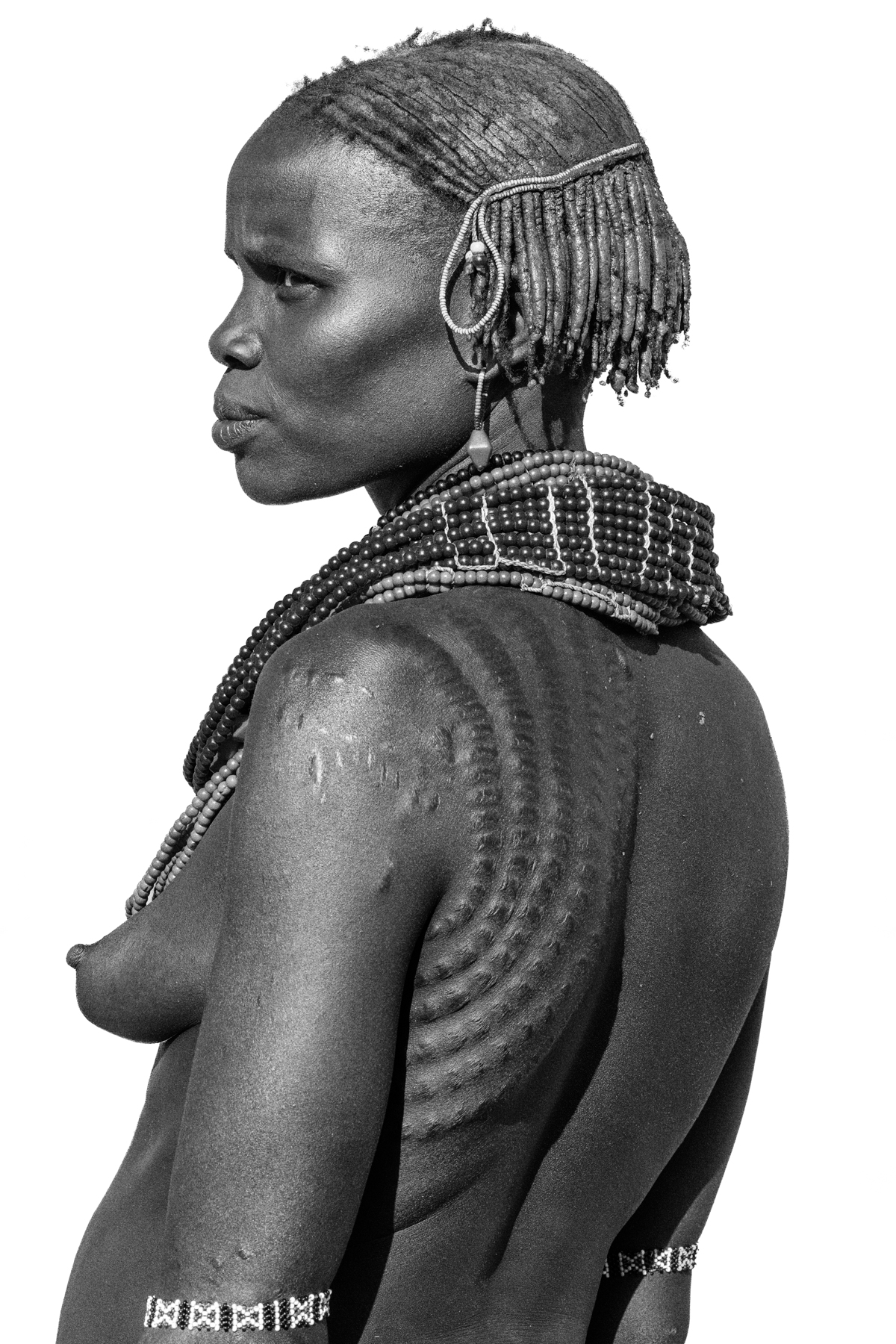
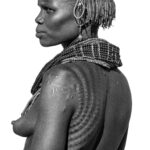
A heavily scarred Dassanech woman from Ethiopia (image by Inger Vandyke)
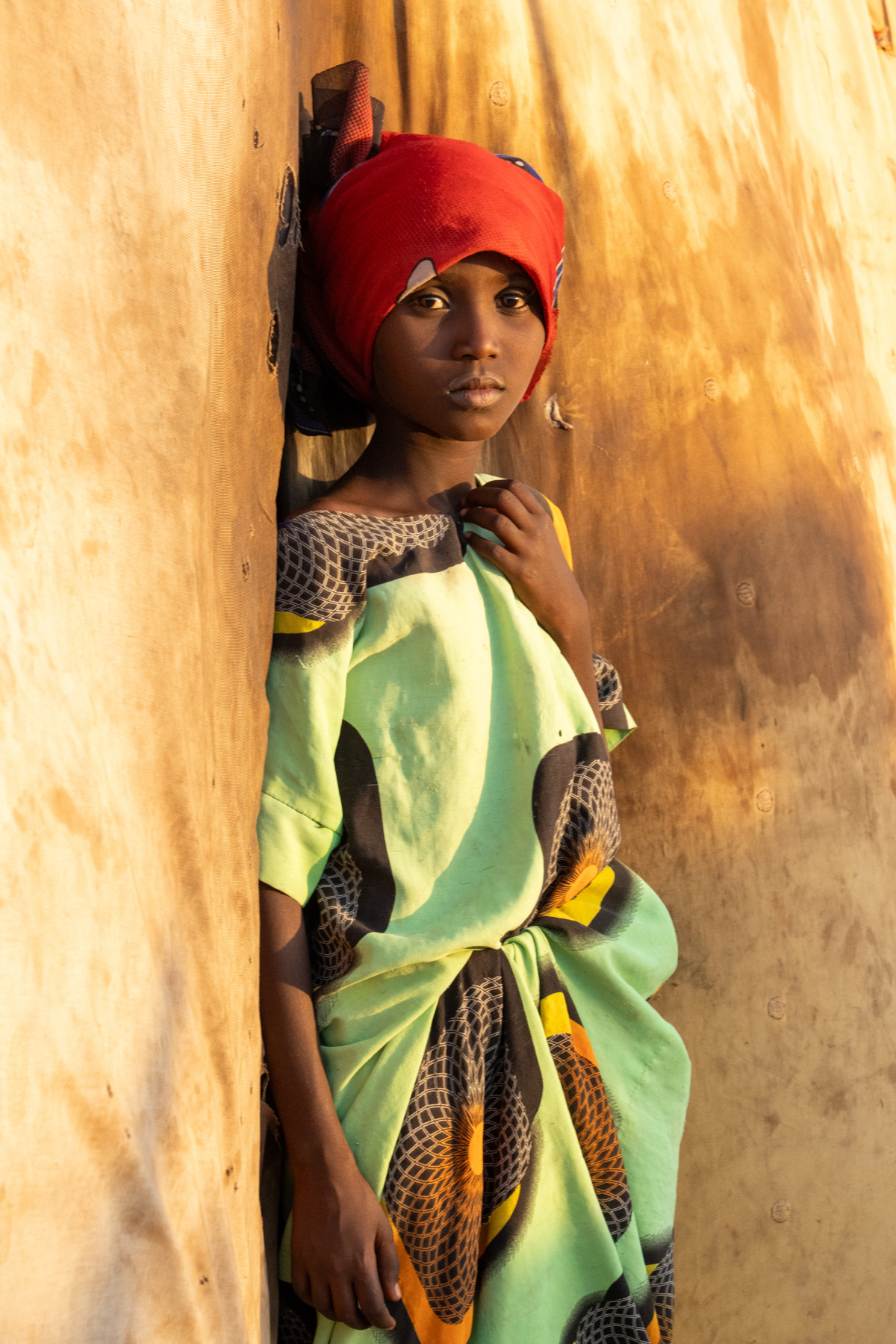
A beautiful young Gabbra girl in the doorway of her home (image by Inger Vandyke)
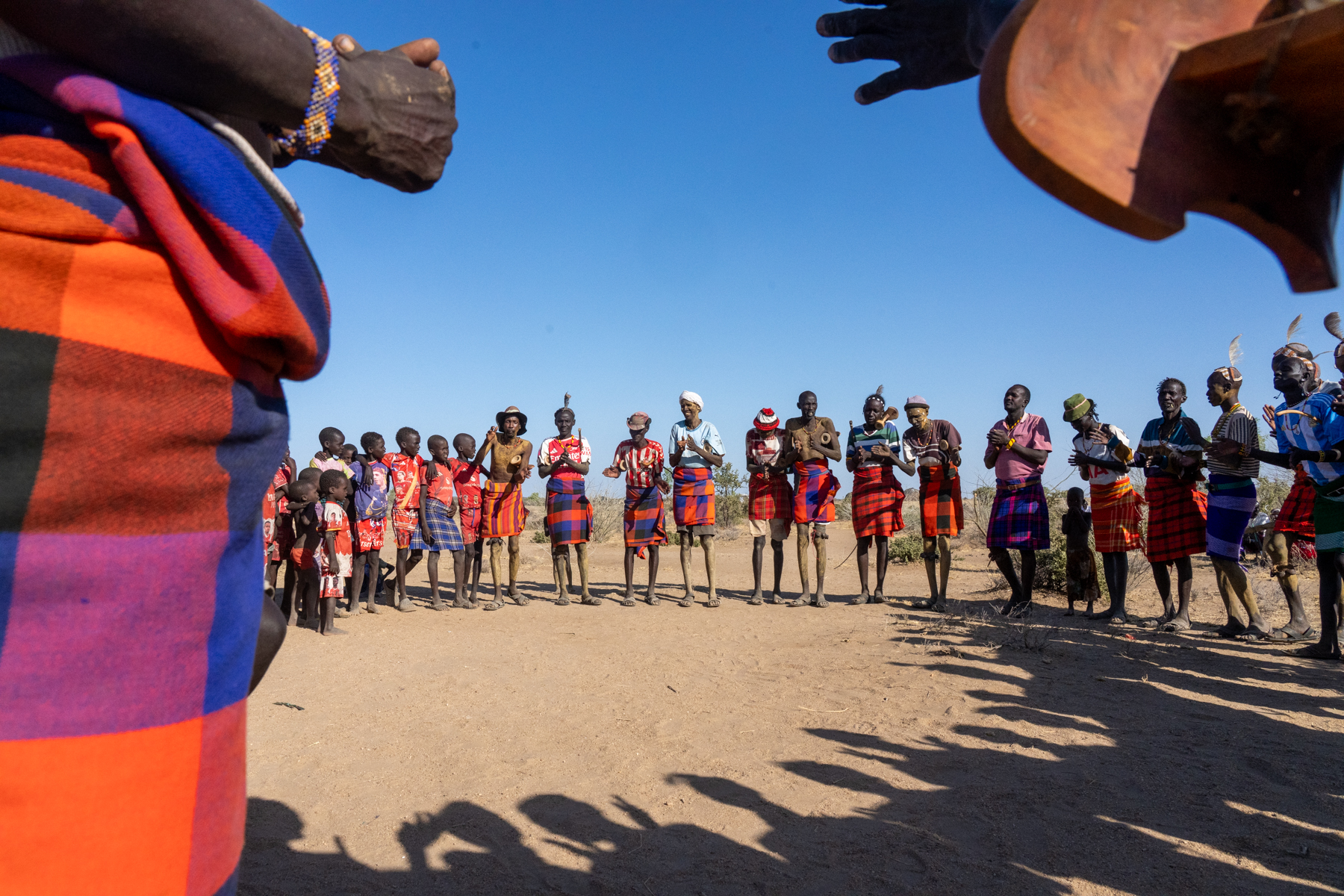
Dassanech people celebrating Guol (image by Inger Vandyke)
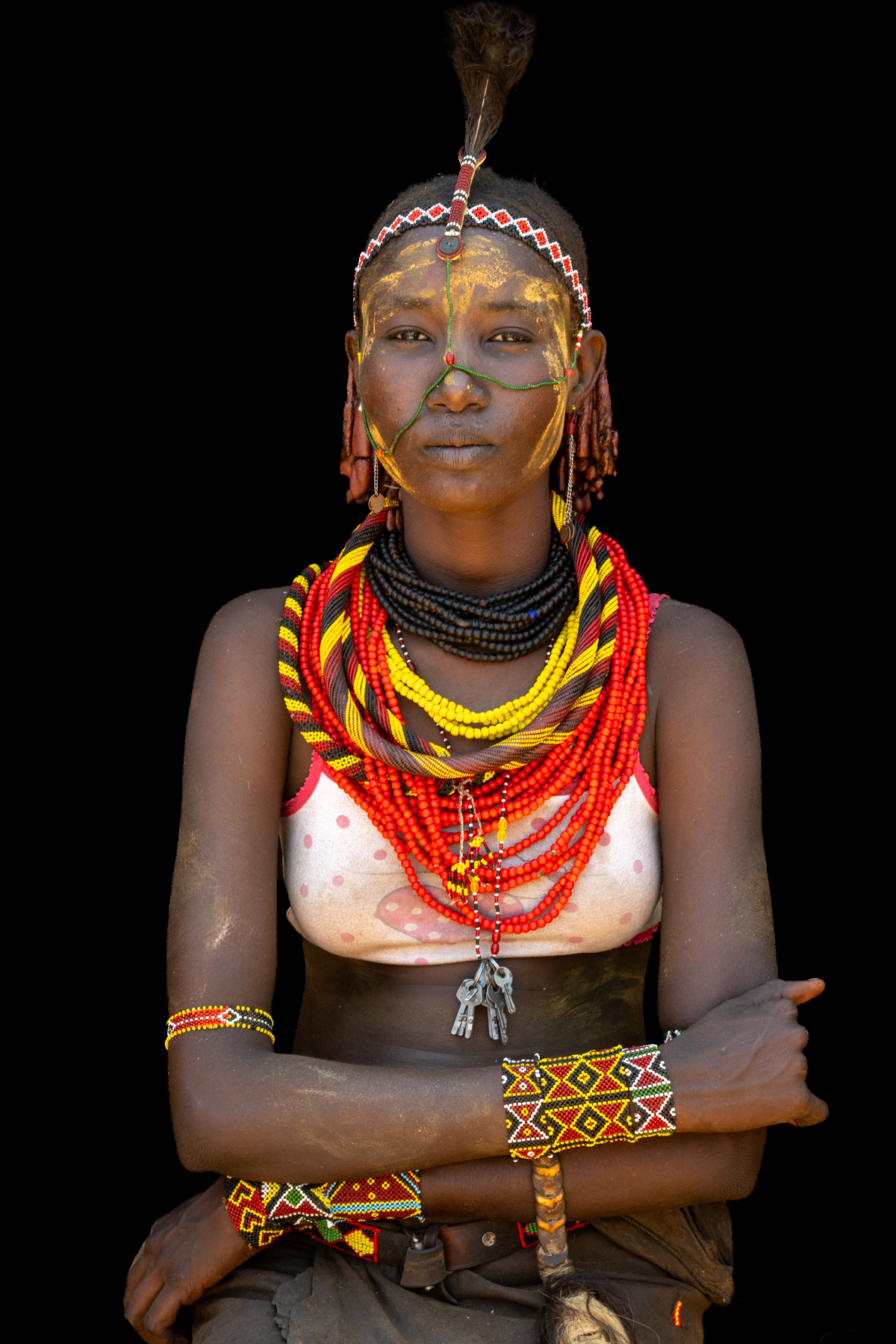
A young Dassanech woman decorated for the White Feather ceremony, or Guol (image by Inger Vandyke)
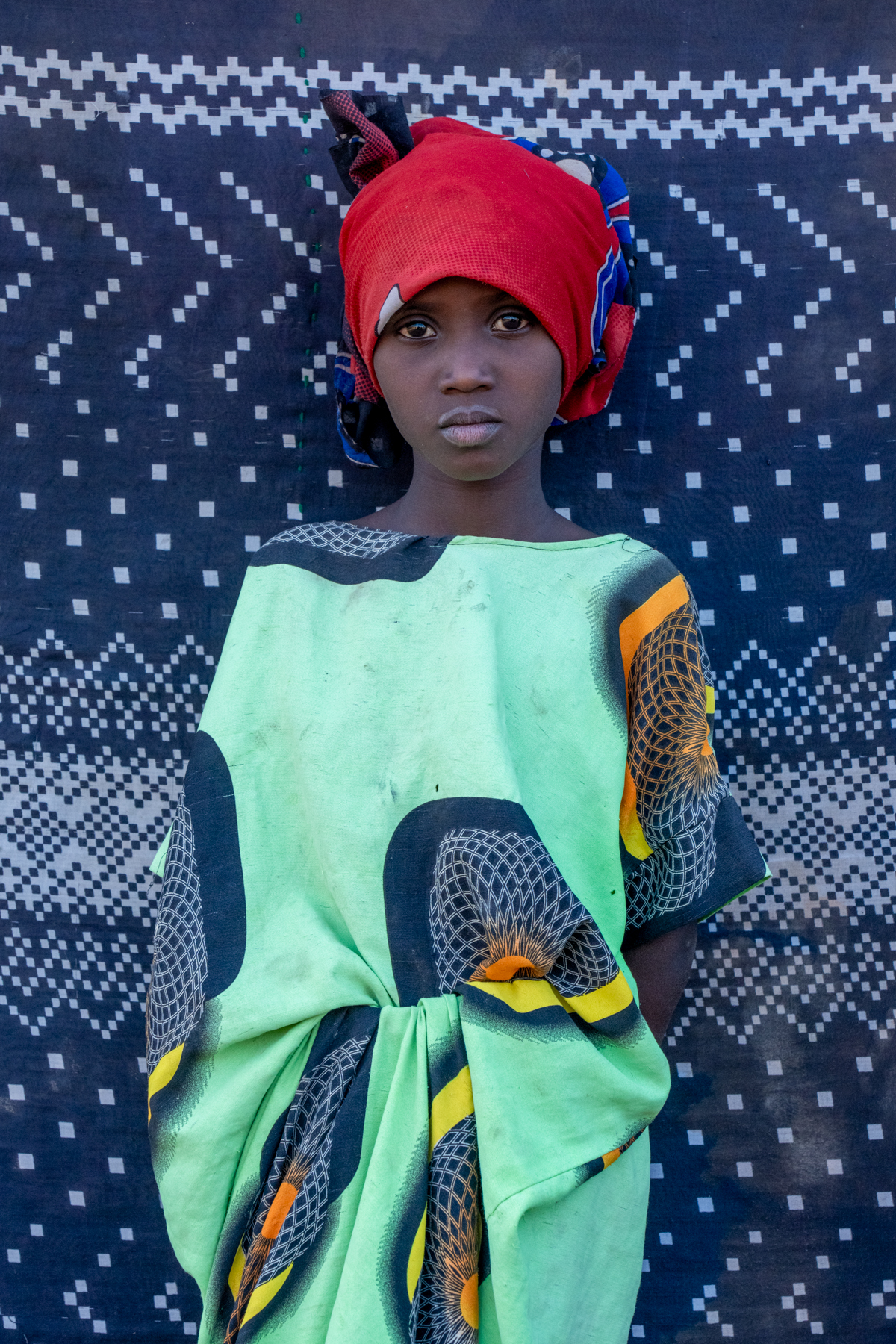
A beautiful young Gabbra girl outside her home (image by Inger Vandyke)
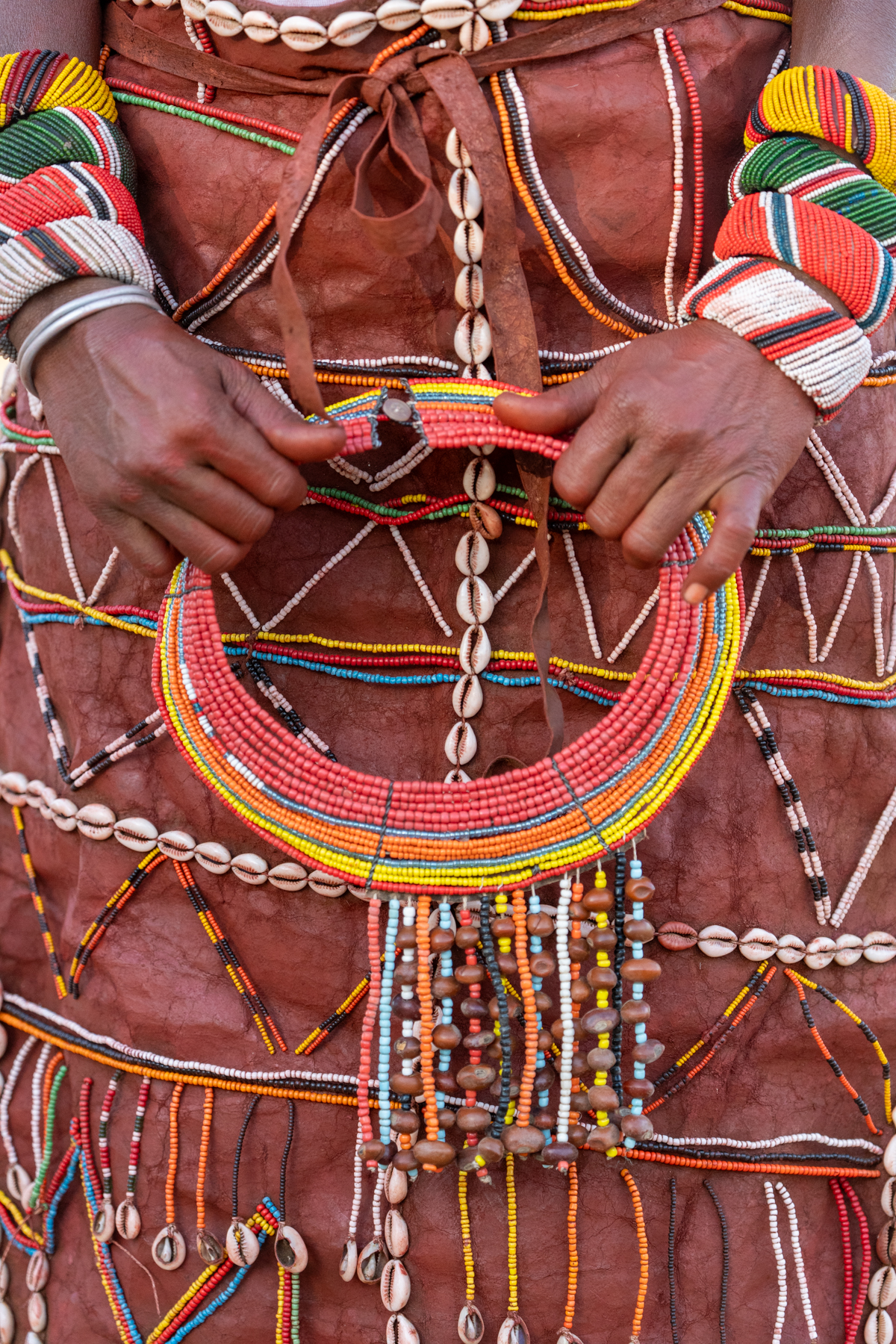
Detail of Rendille traditional dress (image by Inger Vandyke)
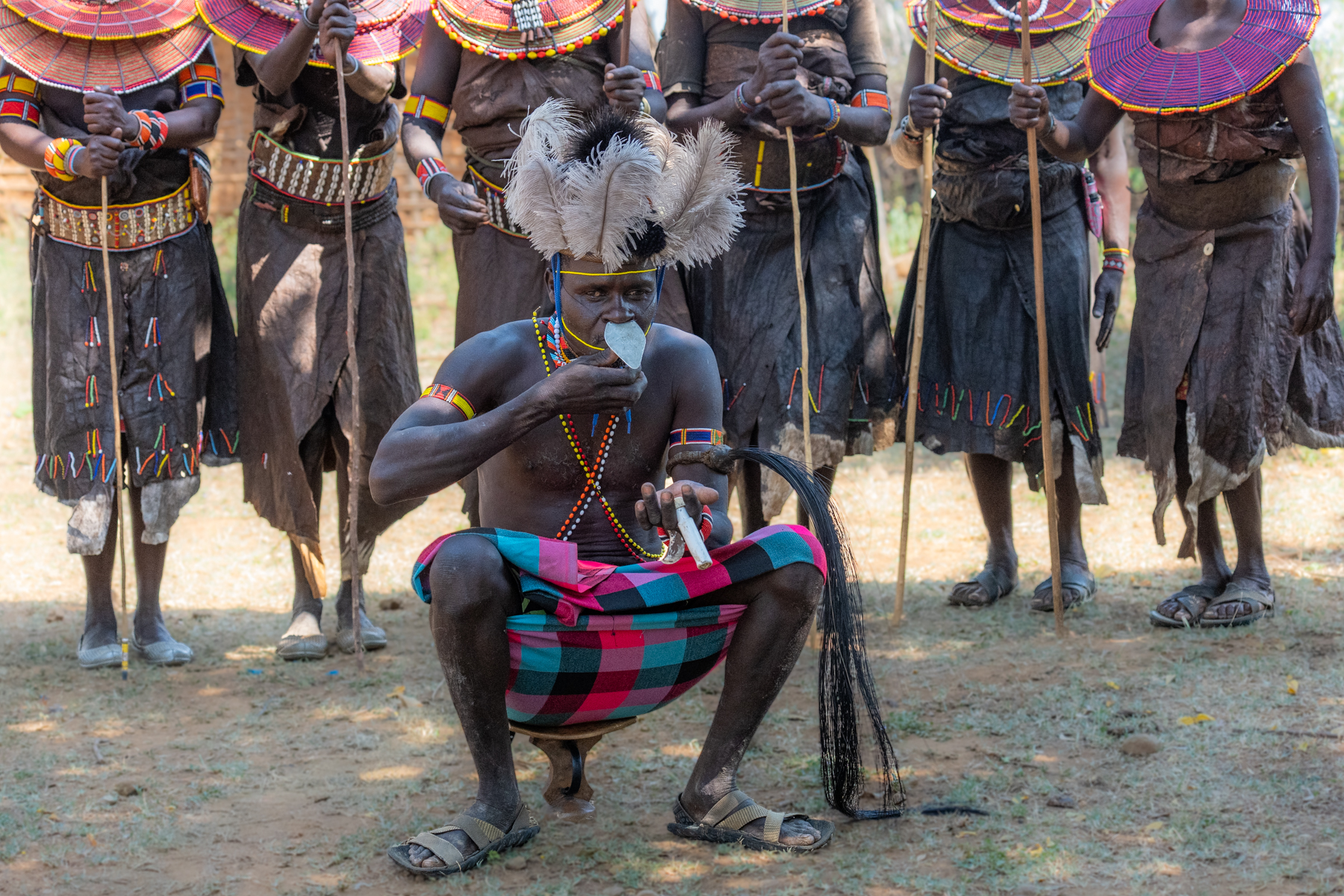
A Pokot headman sniffs some snuff before performing a ceremony (image by Inger Vandyke)
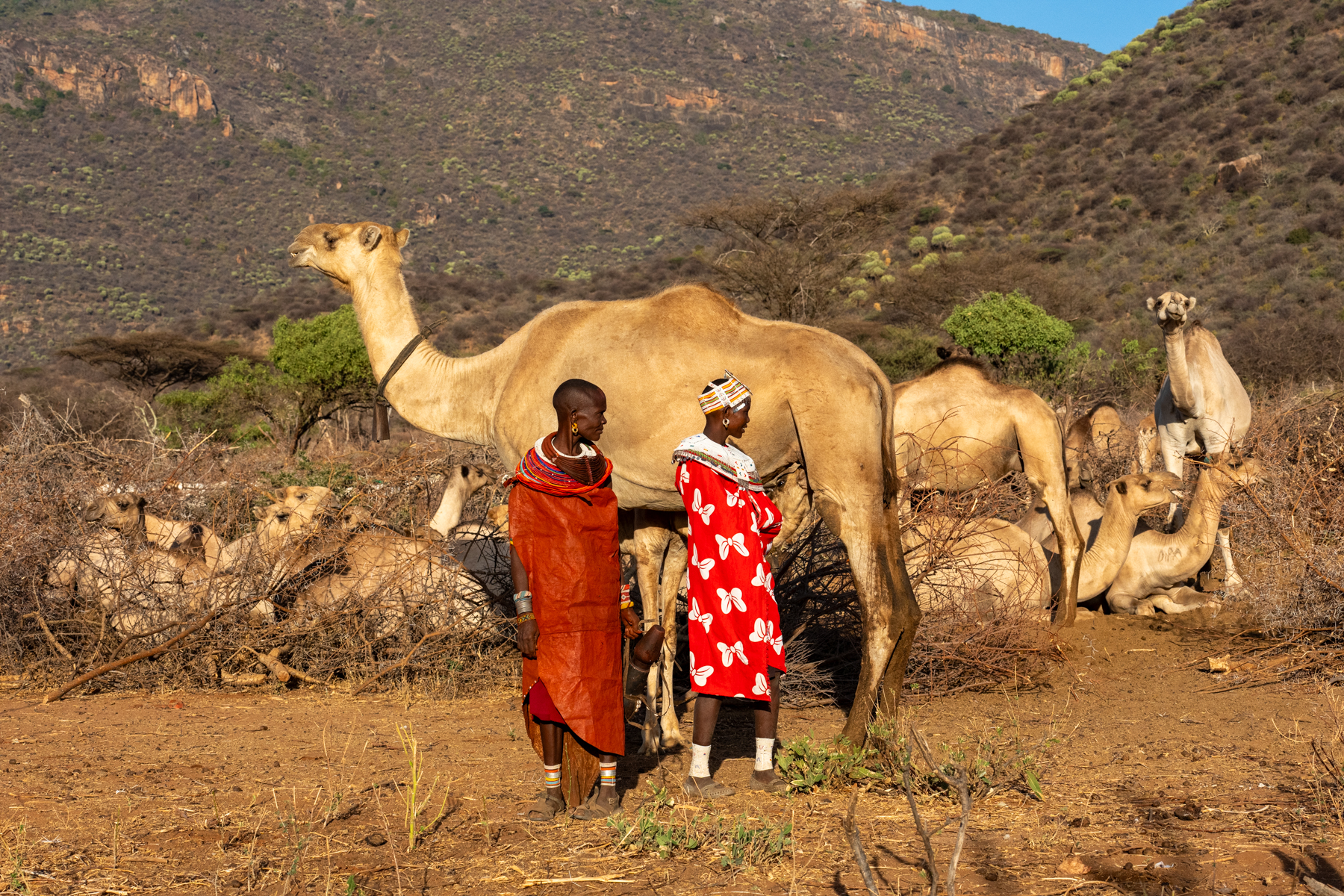
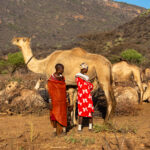
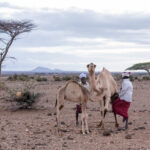
Samburu women assessing which camel to milk (image by Inger Vandyke)
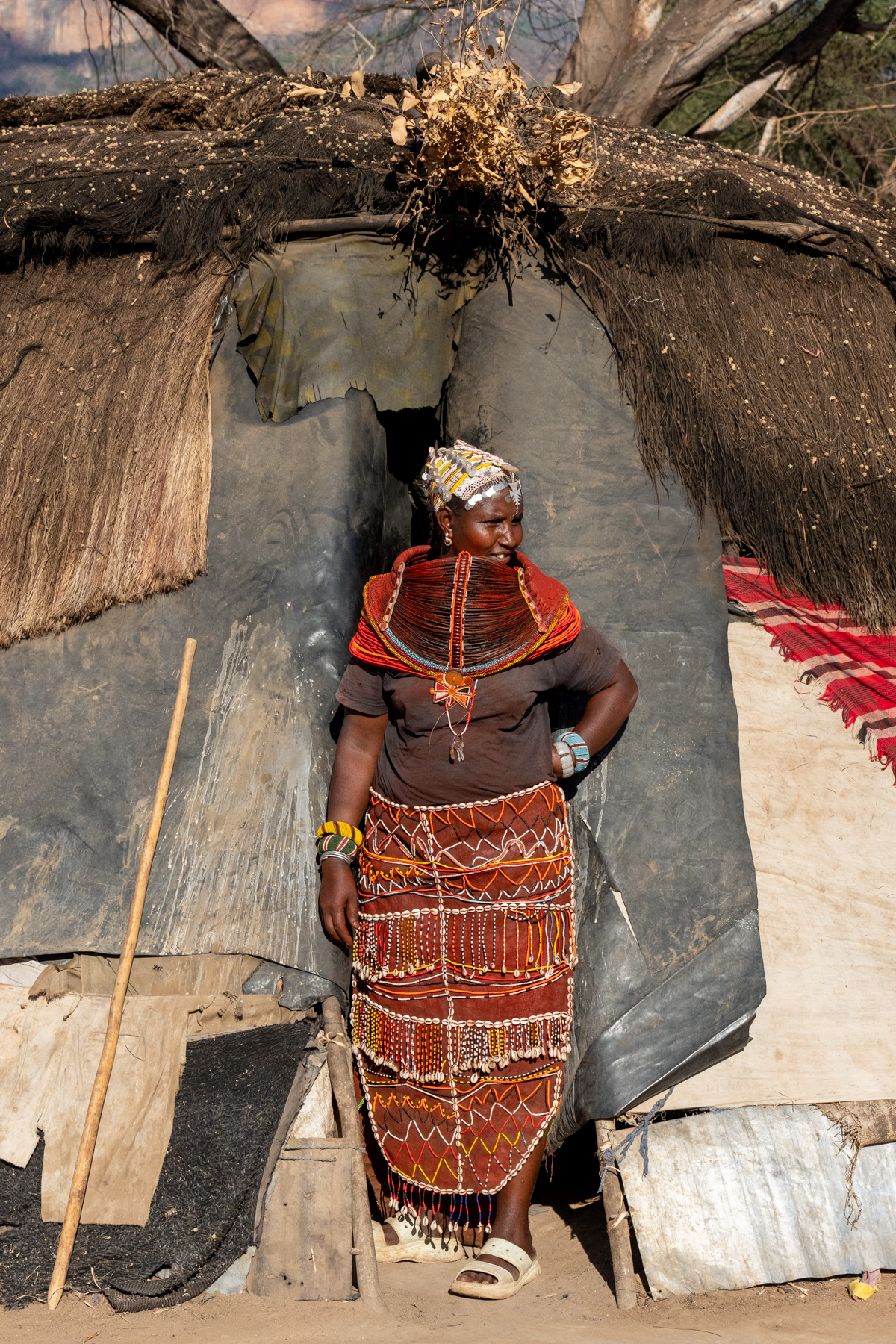
A Rendille woman wearing her Mbaro necklace at the entrance of a local spirit house (image by Inger Vandyke)
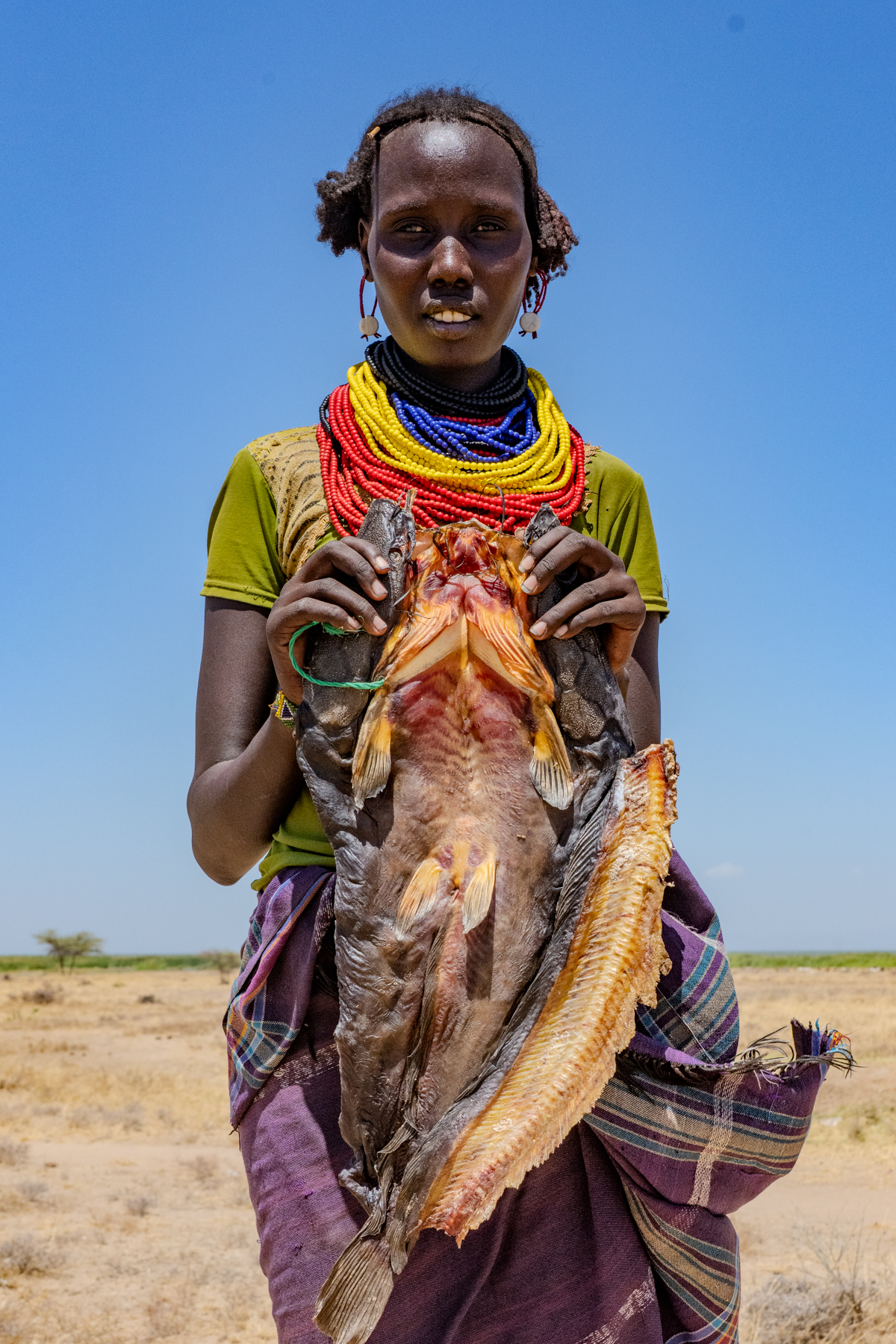
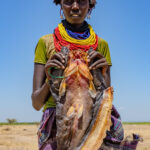
A Dassanech woman carrying a dried mudfish - lunch! (image by Inger Vandyke)
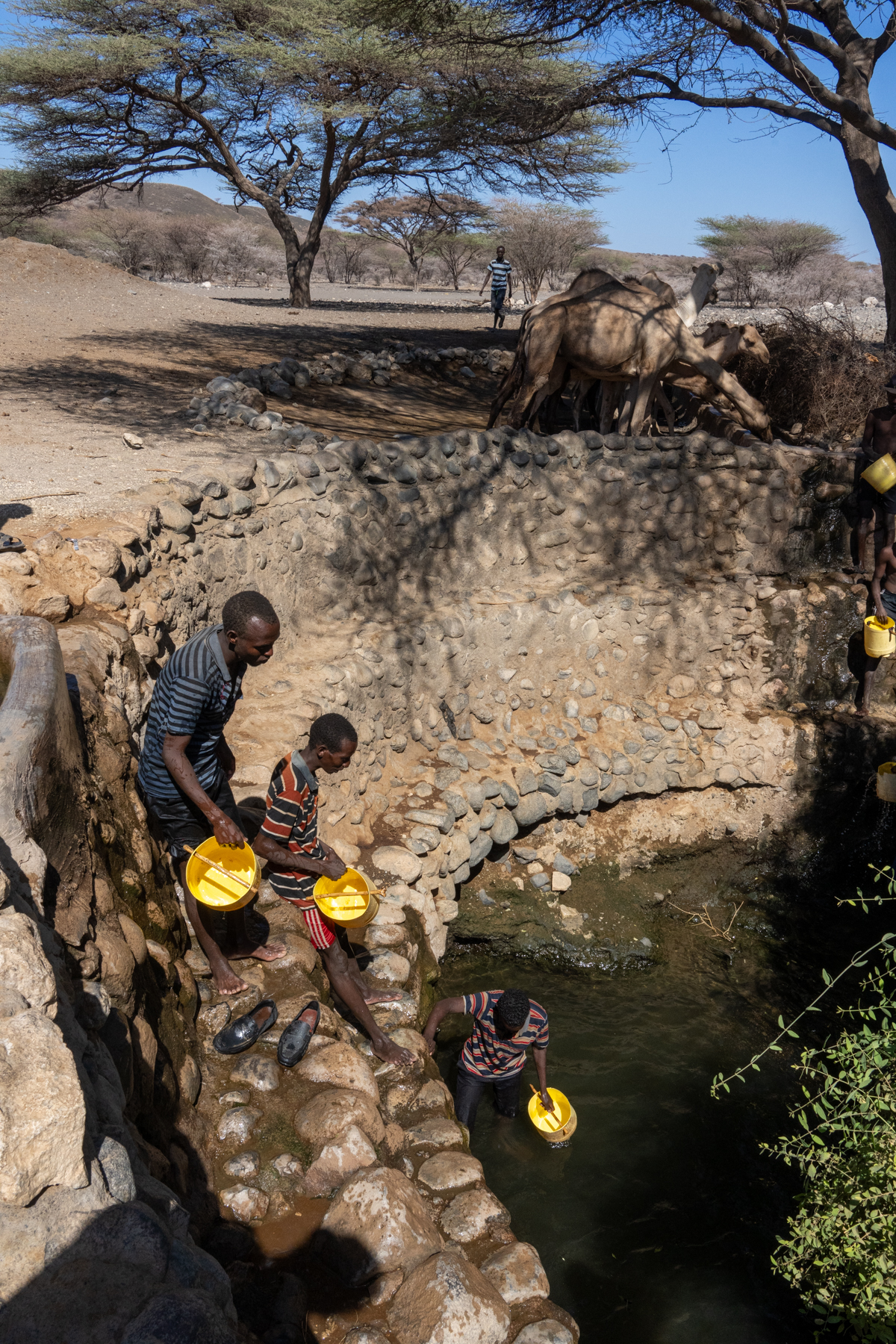
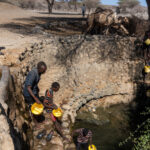
Gabbra men fetching water for their camels at a singing well (image by Inger Vandyke)
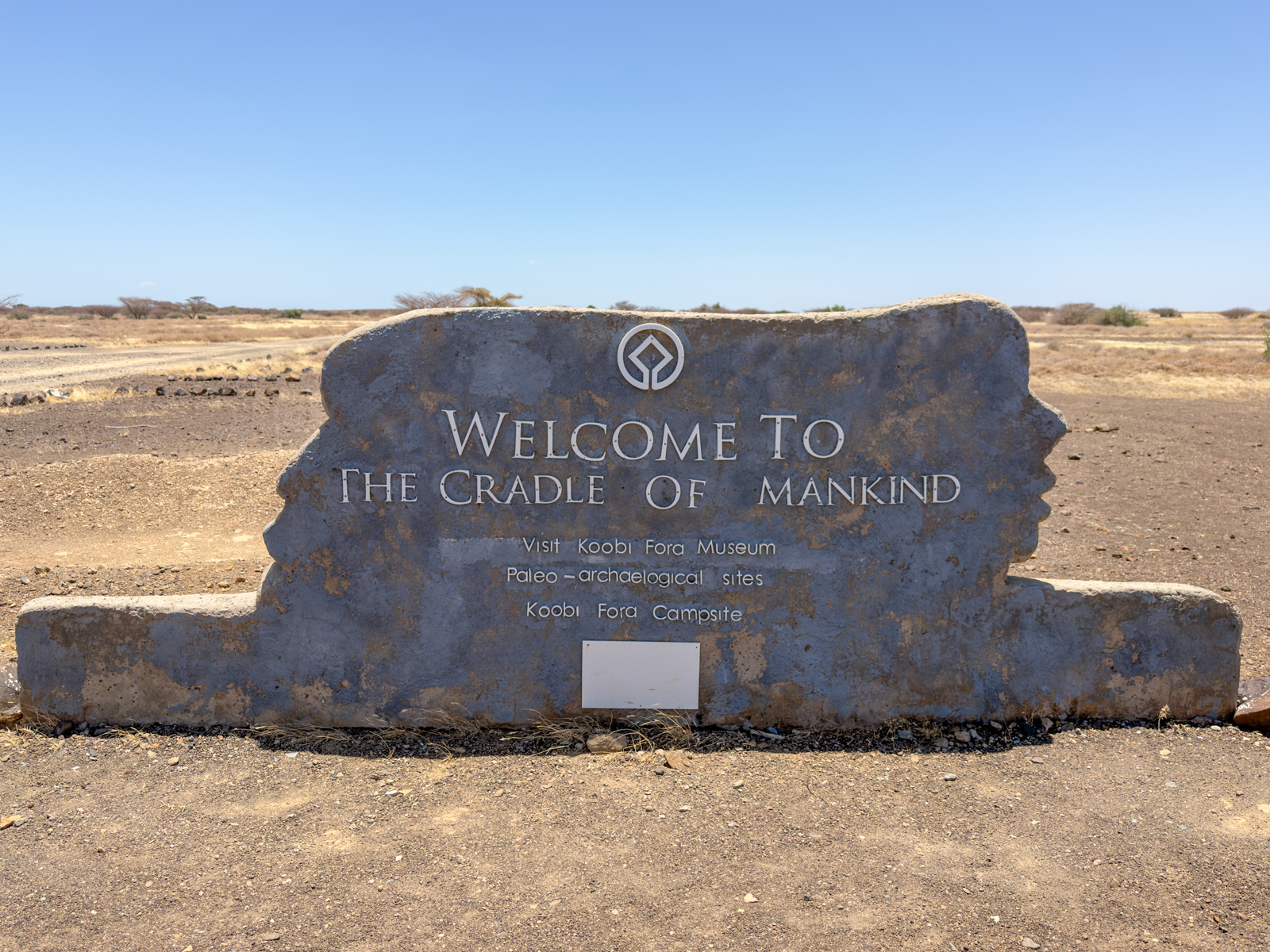
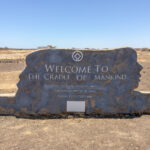
Entrance to the Cradle of Manking. Karsa gate at remote Sibiloi National Park, Kenya (image by Inger Vandyke)
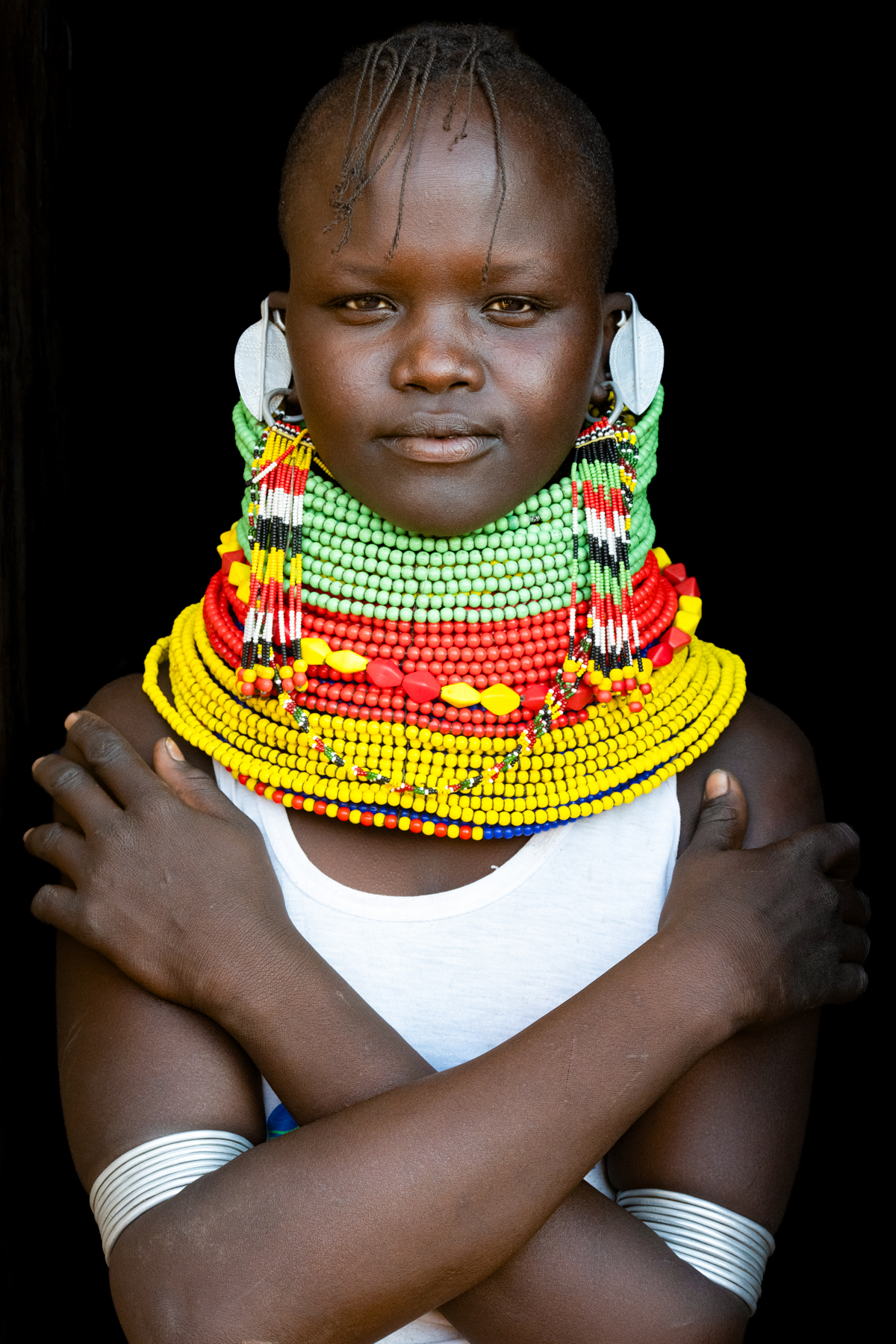
Young Turkana girl (image by Inger Vandyke)
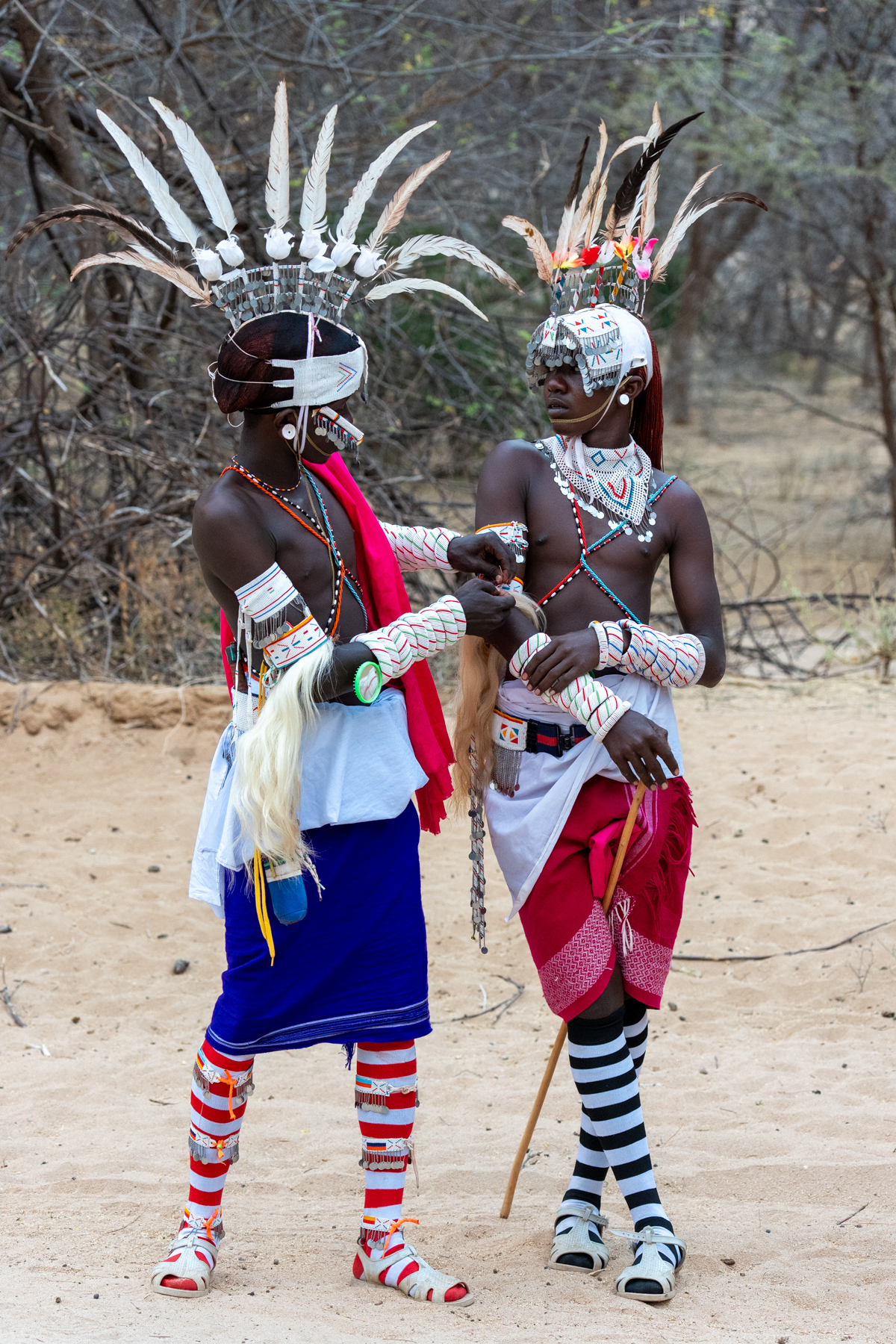
Rendille Morans in the Ndoto Mountains of Kenya (image by Inger Vandyke)
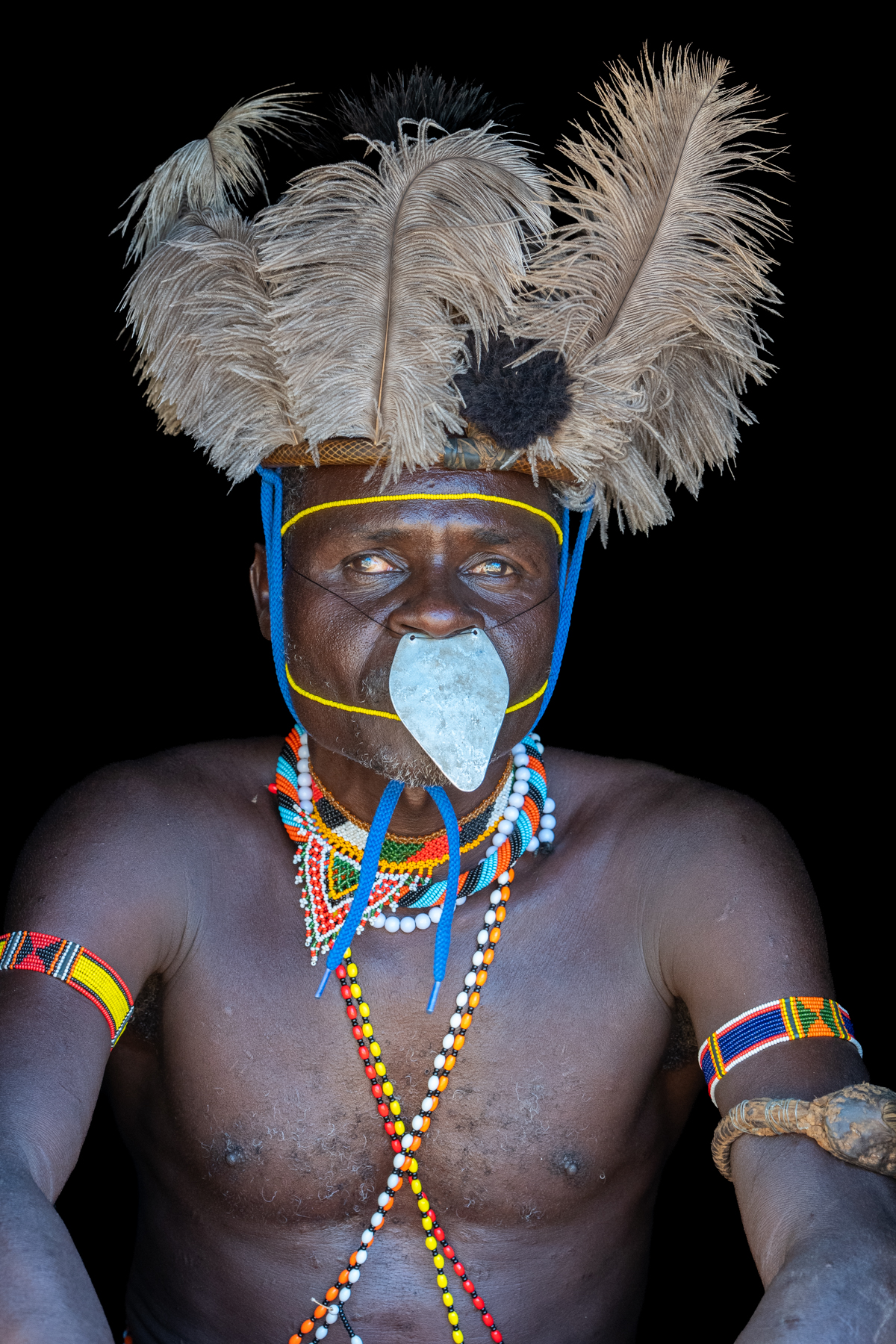
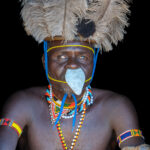
Pokot Headman with his unusual nose plate (image by Inger Vandyke)
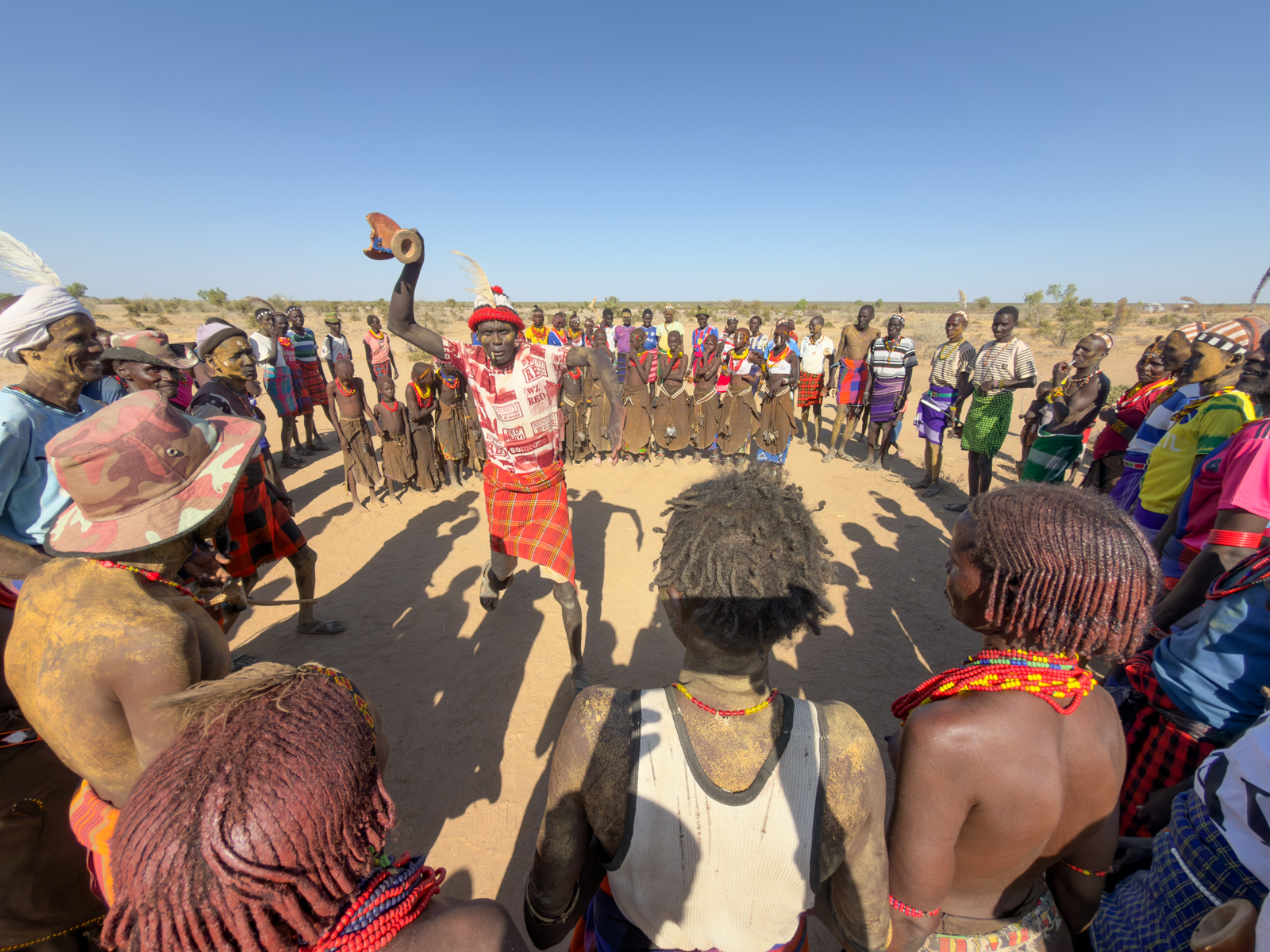
A Dassanech elder entertains the crowd at the ceremony of Guol (image by Inger Vandyke)
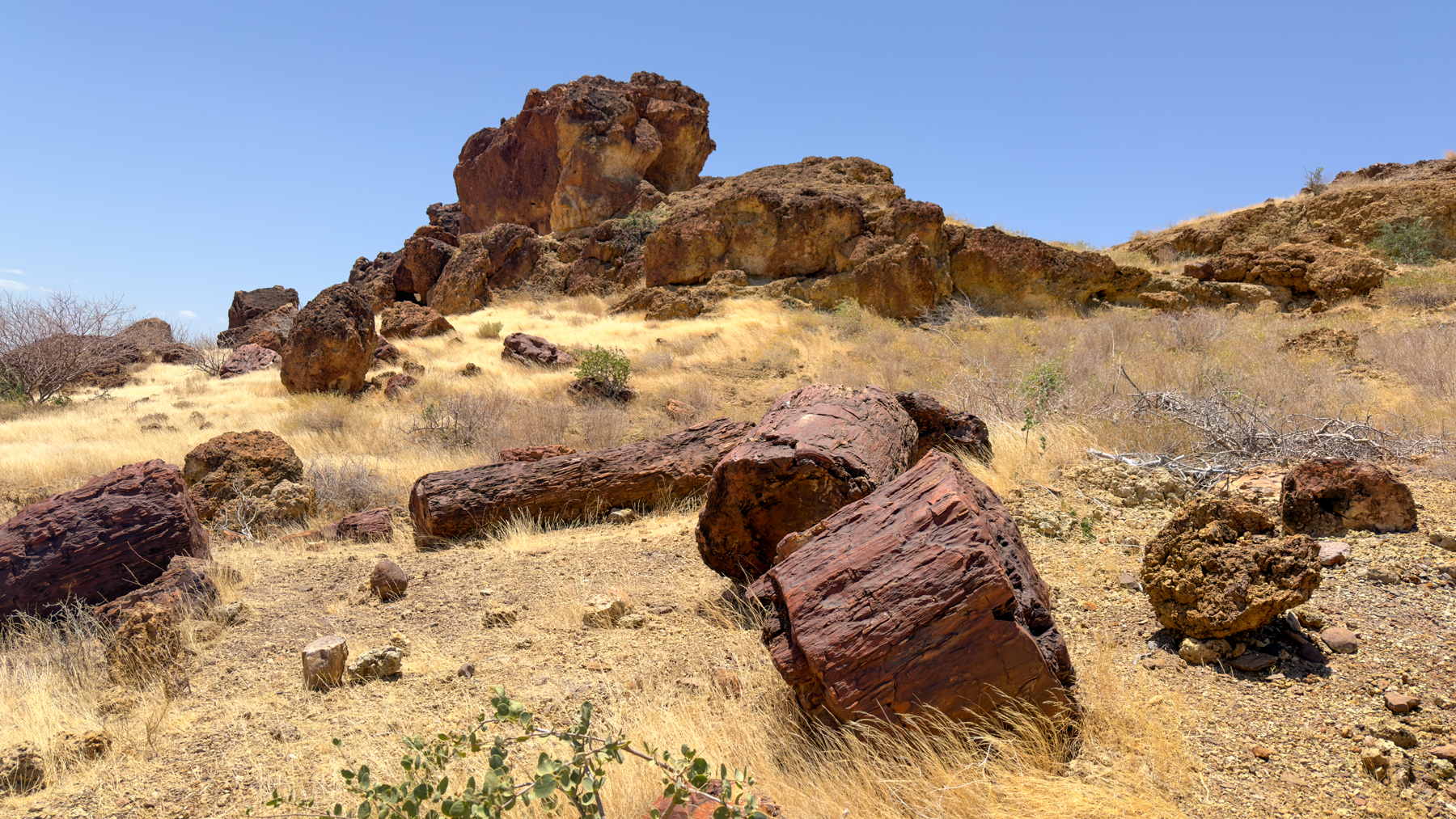
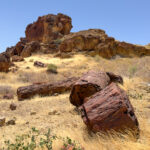
The petrified forest of Sibiloi is one of only two in Africa. The other lies in Namibia (image by Inger Vandyke)
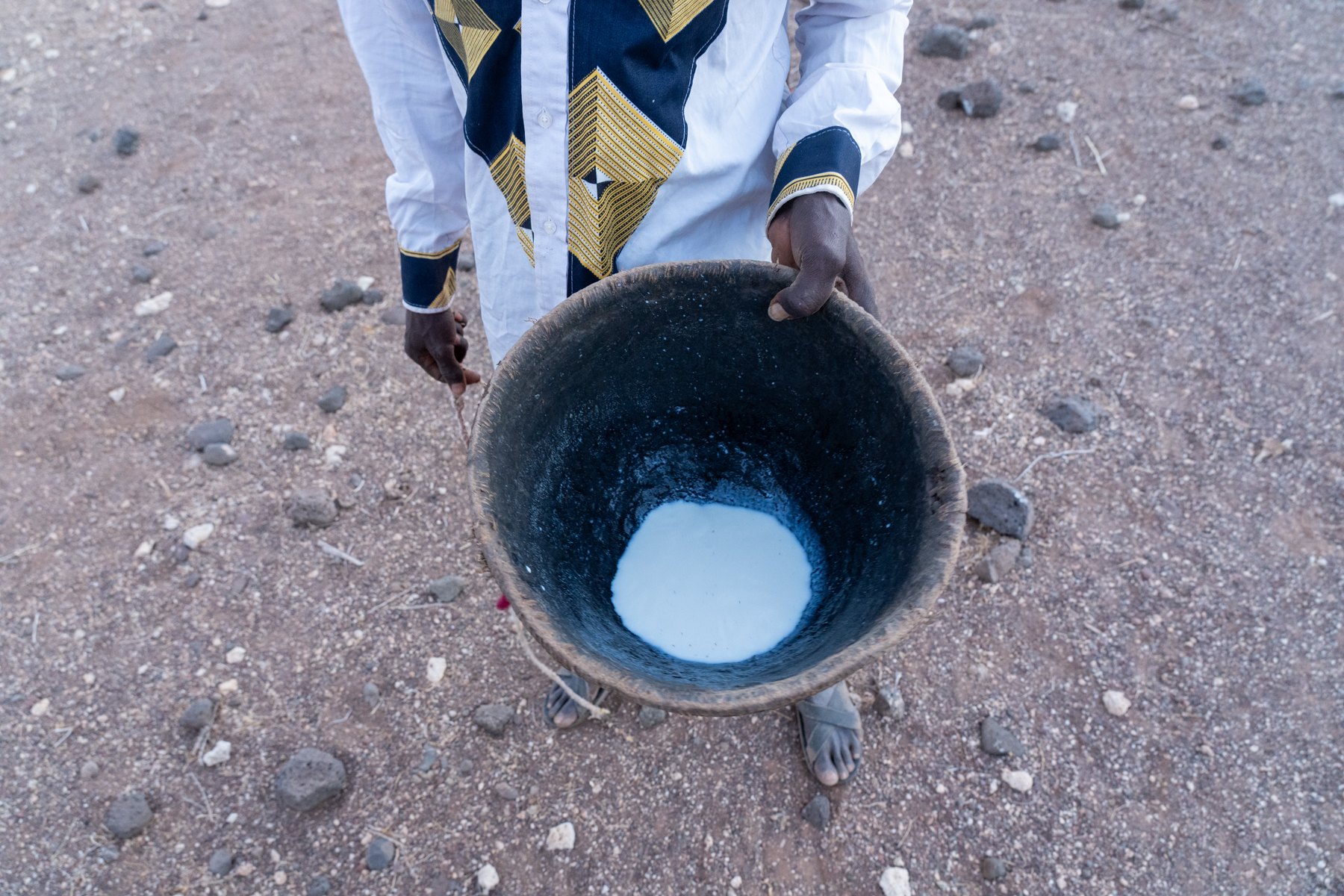
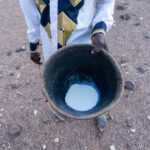
Fresh camel milk for a Gabbra family's breakfast (image by Inger Vandyke)
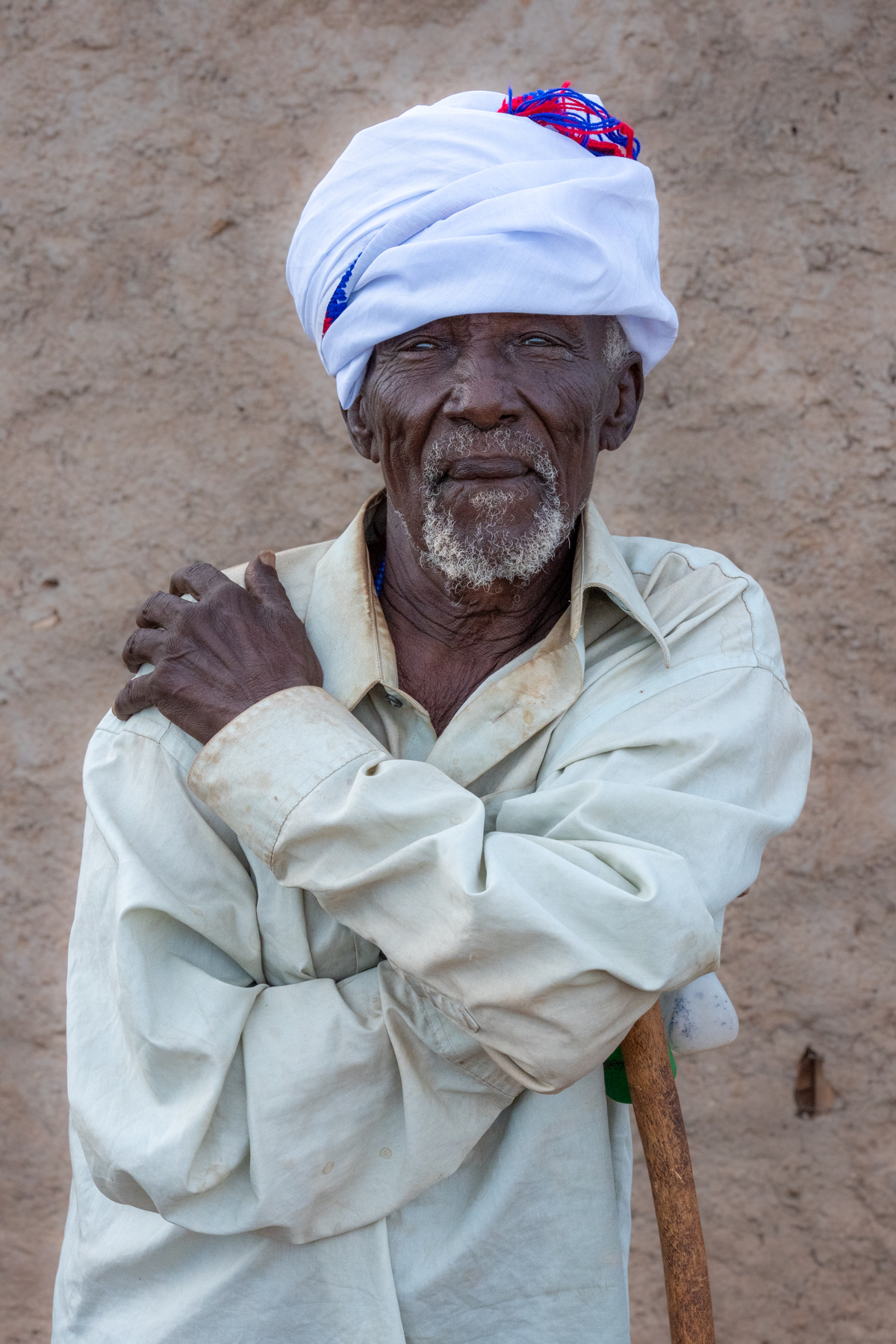
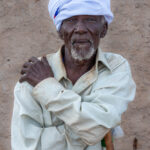
A warm, turbaned Gabbra elder (image by Inger Vandyke)
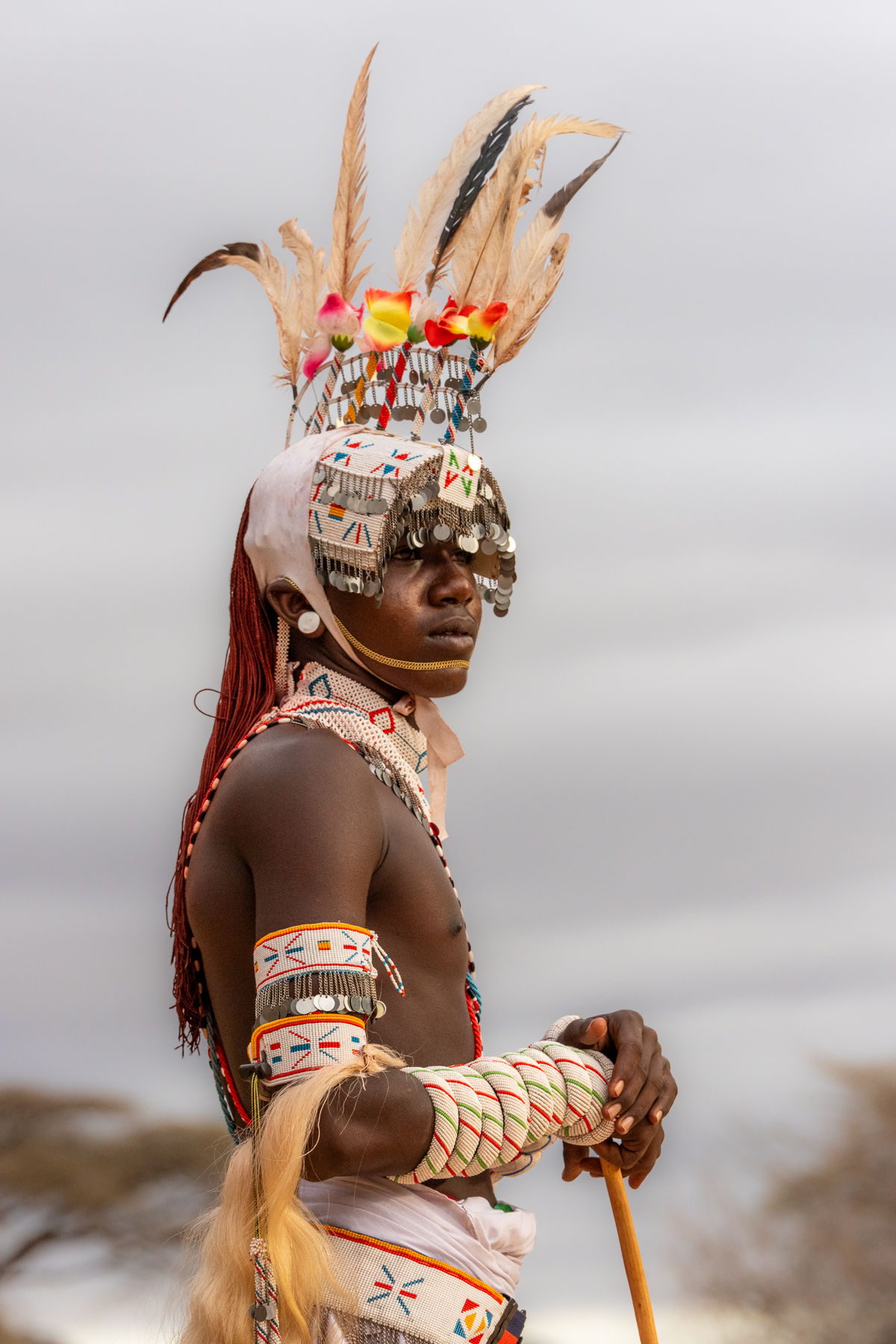
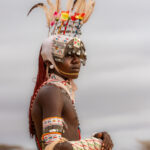
Rendille Moran decoration (image by Inger Vandyke)
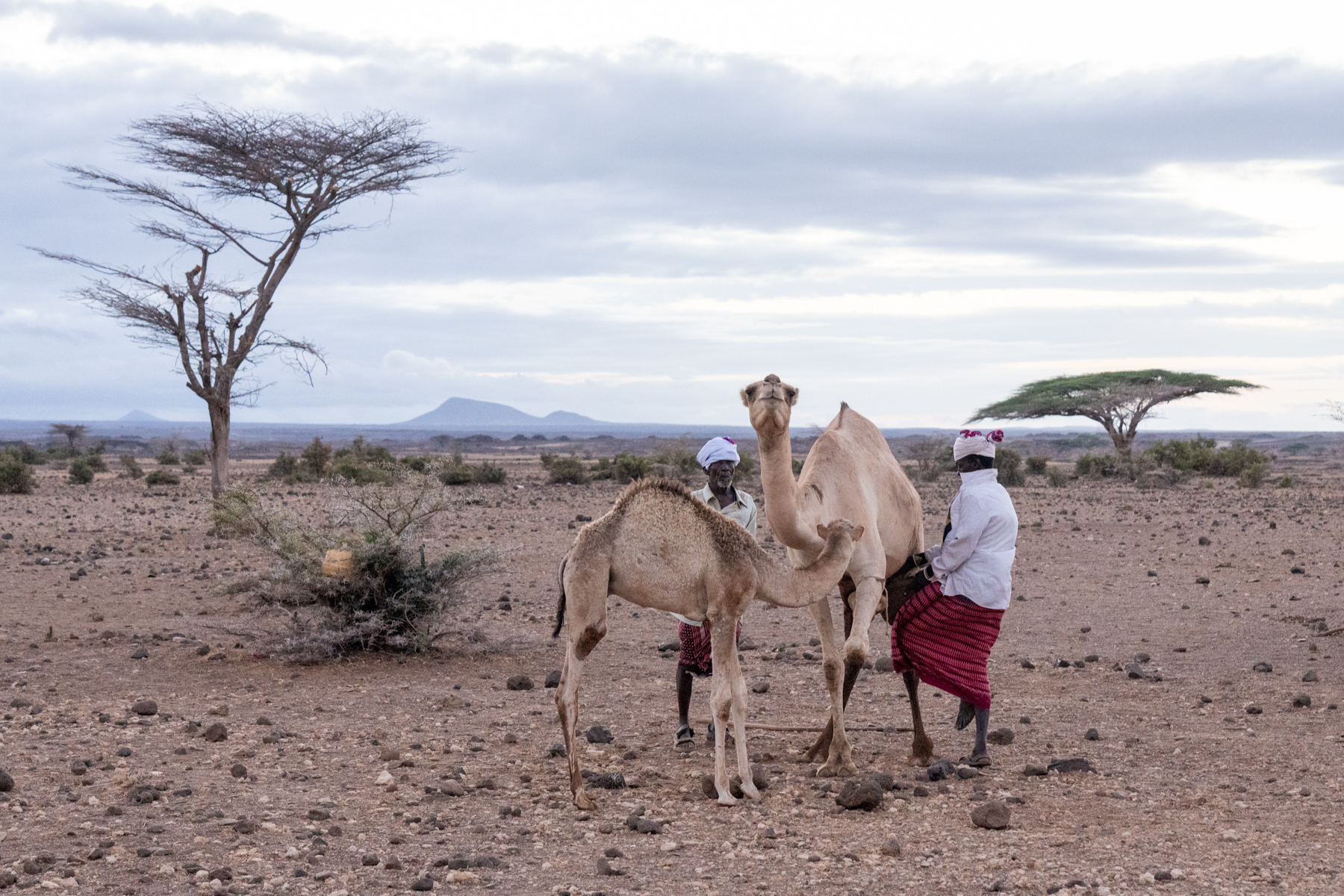
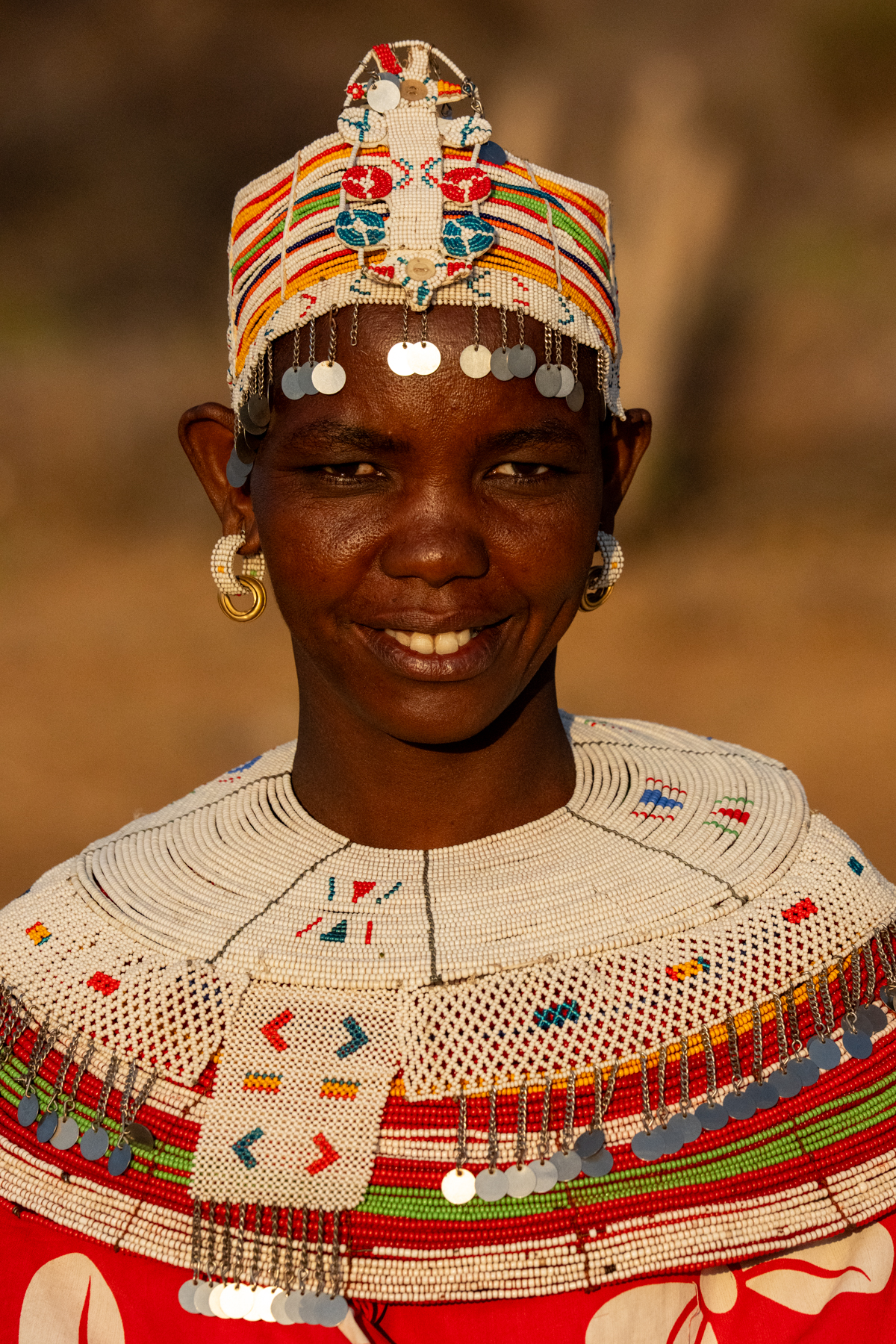
Samburu smile (image by Inger Vandyke)
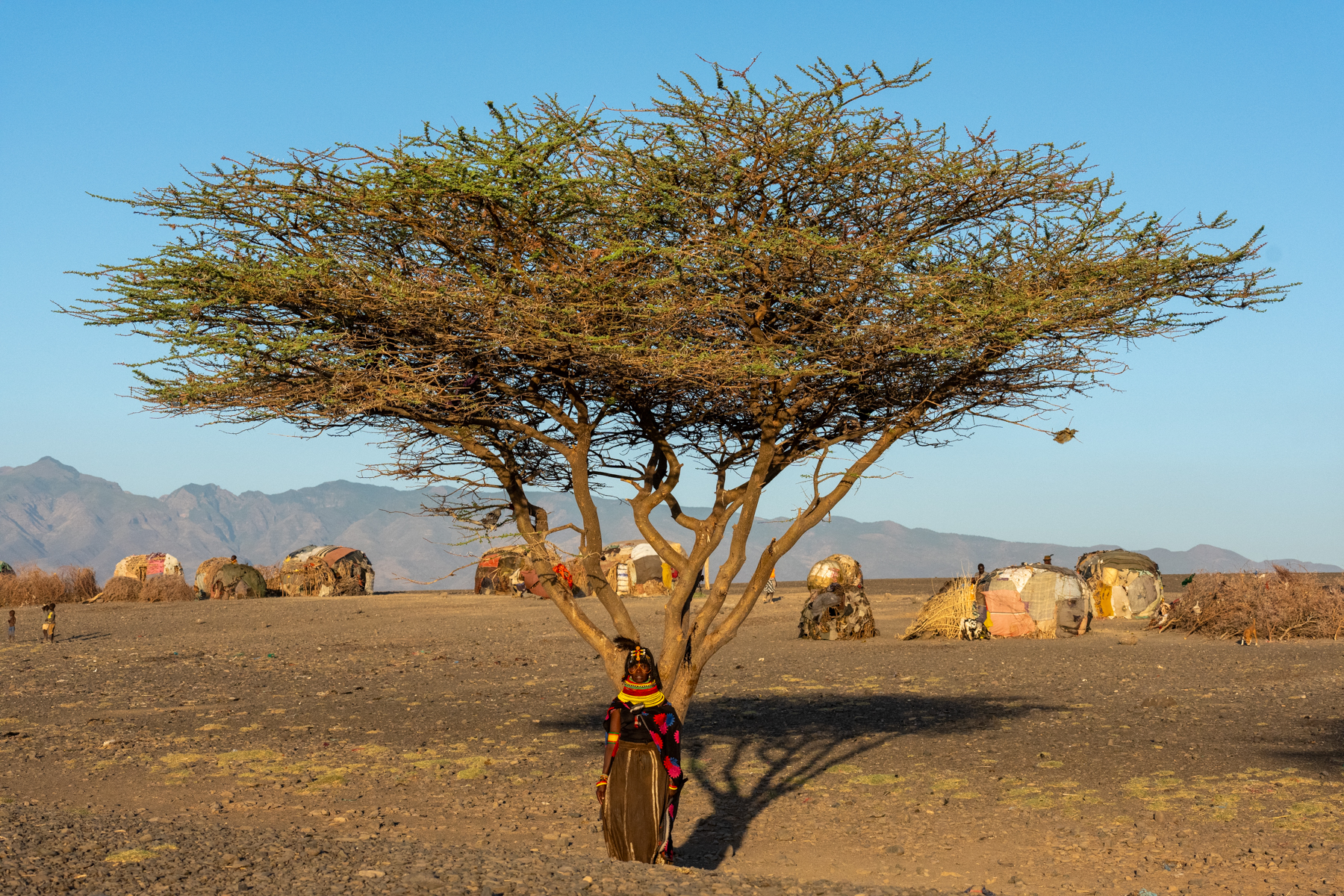
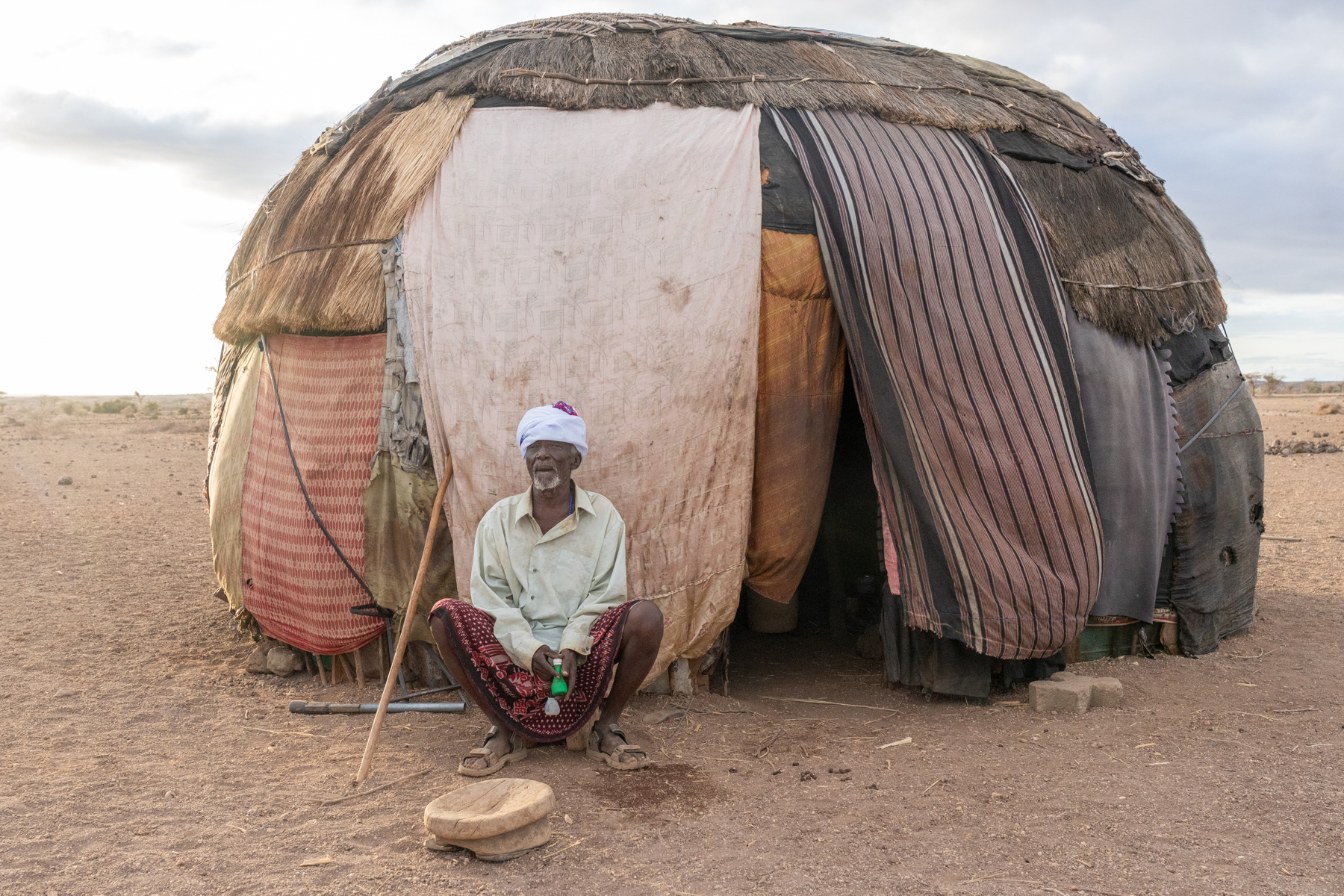
An elderly Gabbra man outside his home (image by Inger Vandyke)
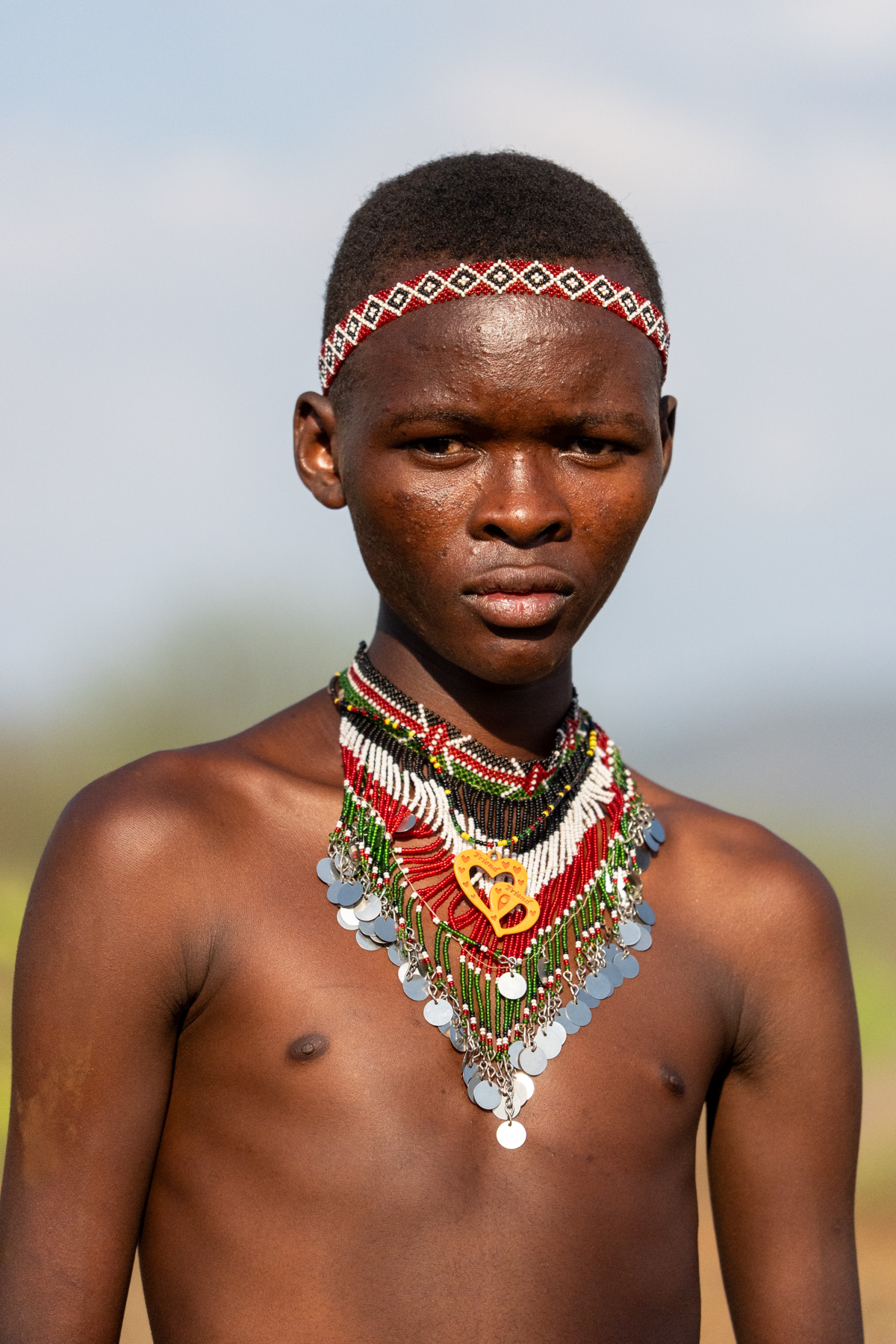
A young Pokot man (image by Inger Vandyke)
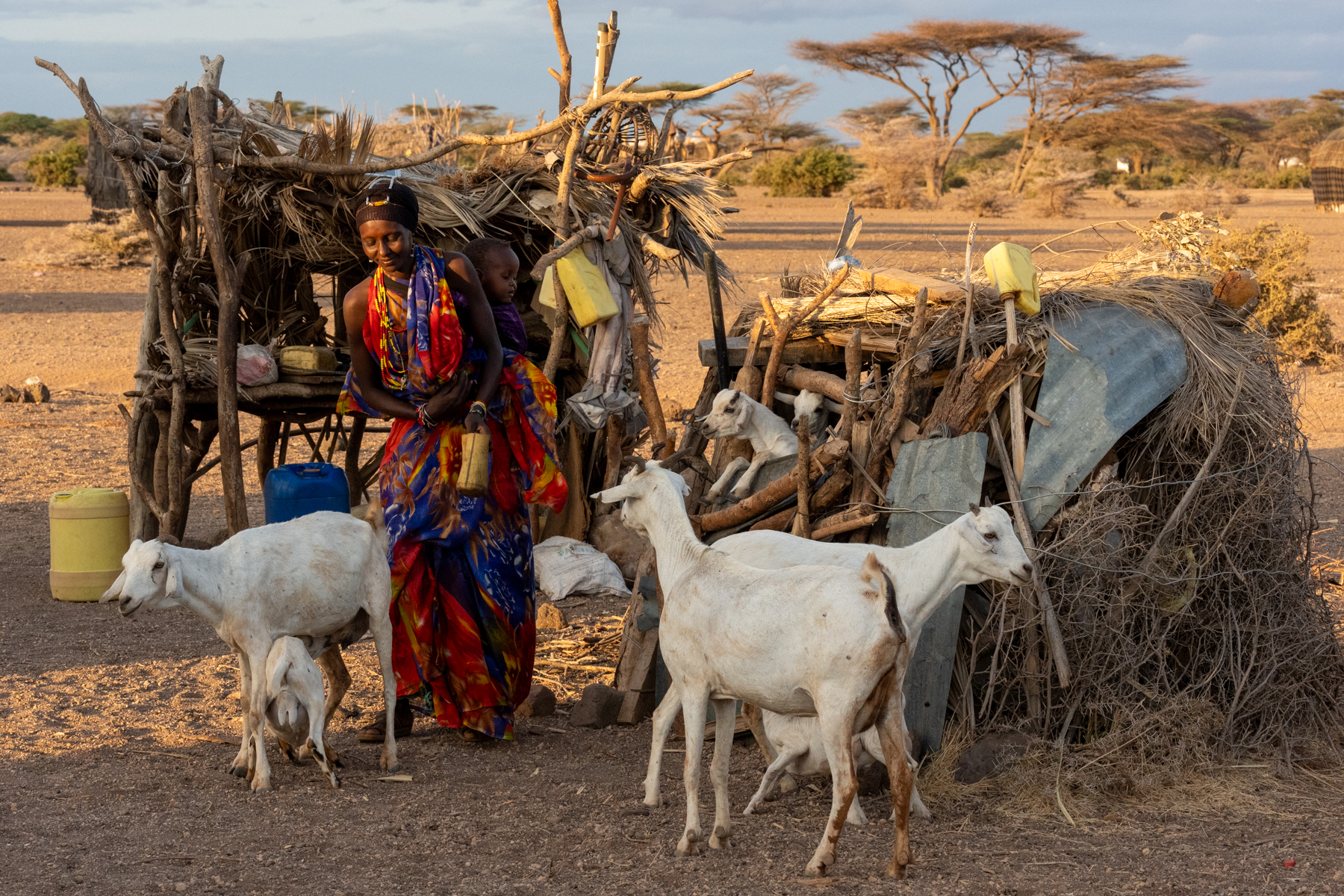
In Gabbra societies, men go out to milk camels in the morning while the women milk goats (image by Inger Vandyke)
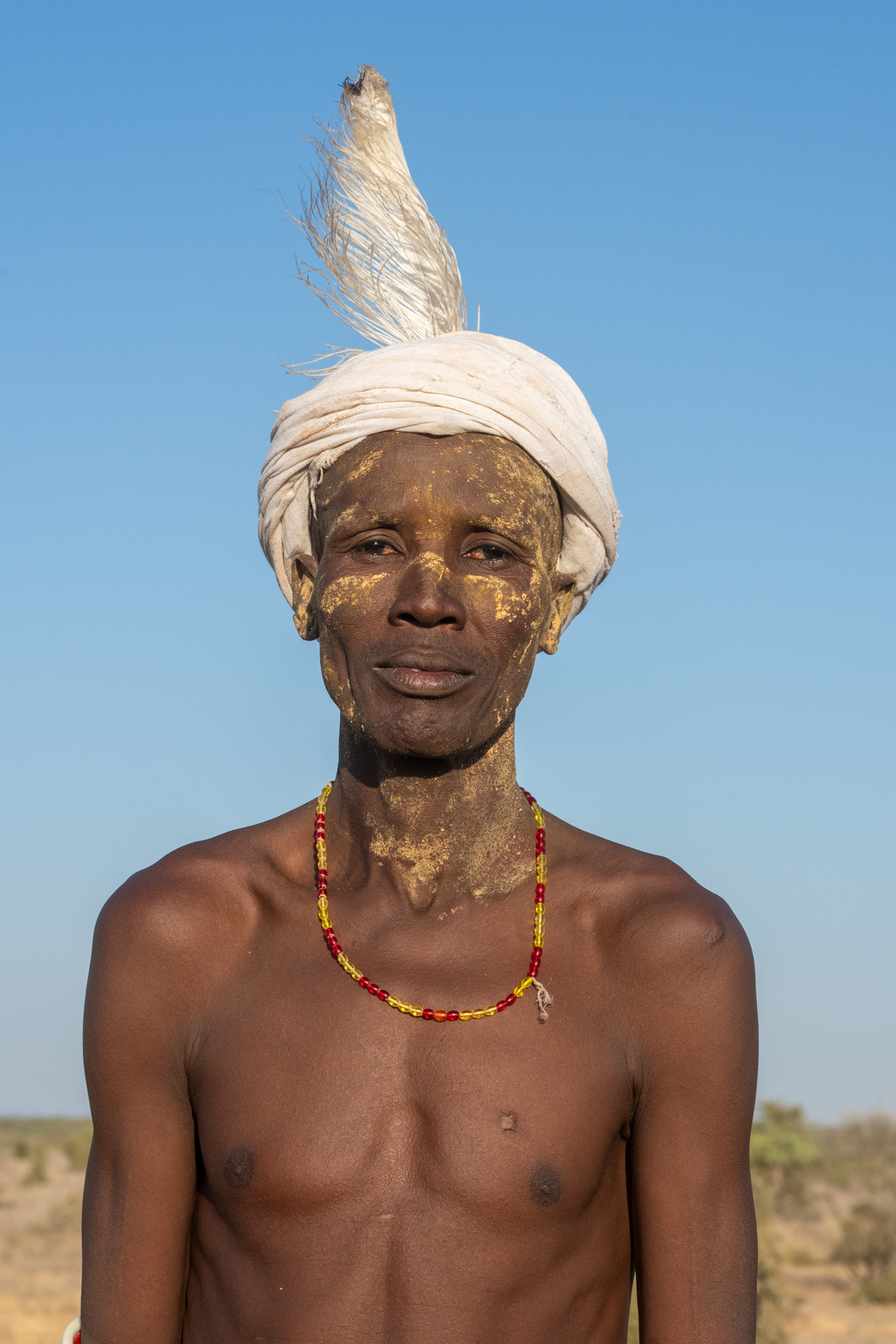
The carrier of the white feather at Guol (image by Inger Vandyke)
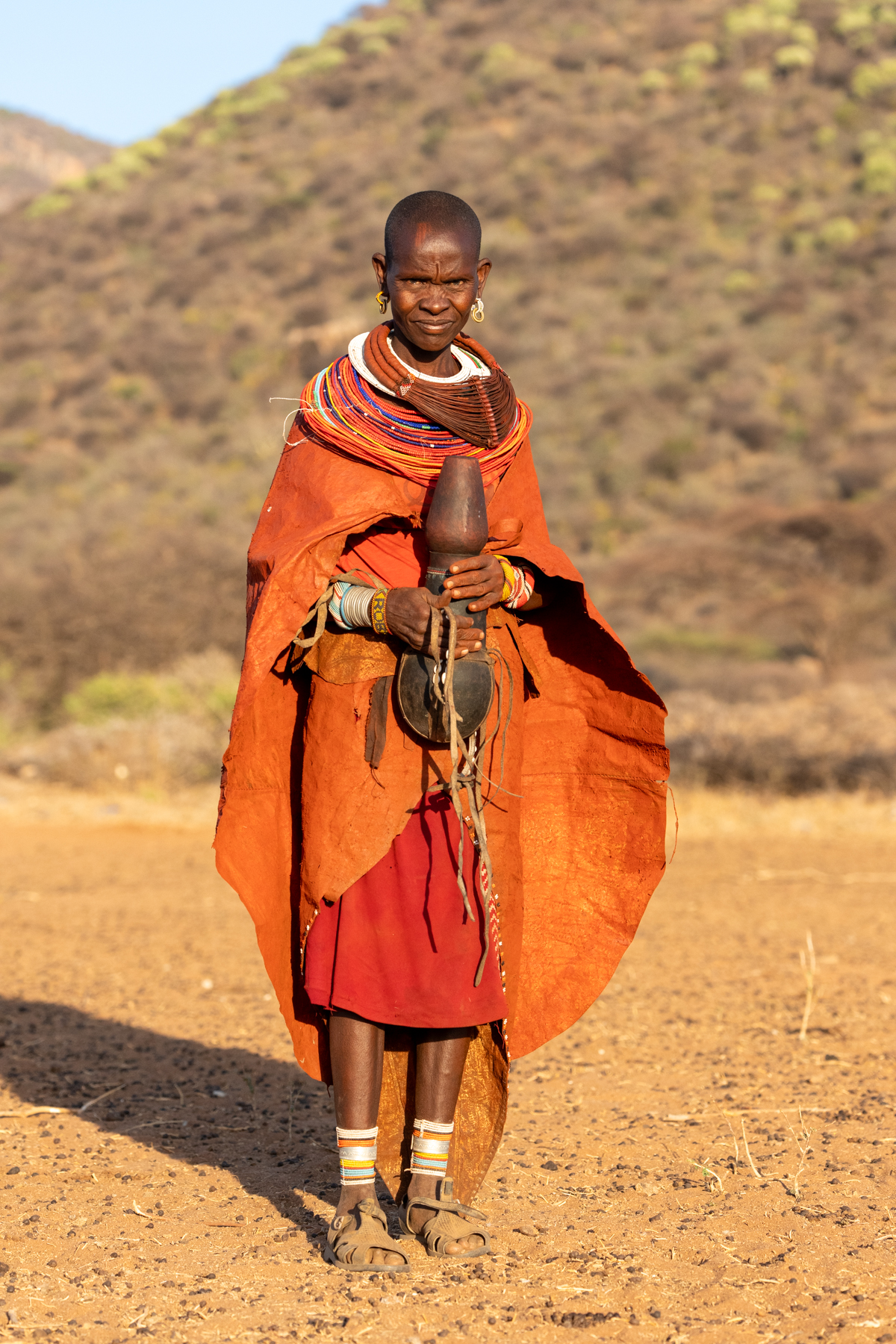
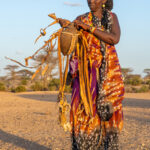
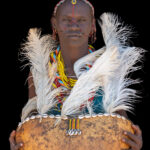
An elderly Samburu matriarch holds the decorated gourd, or Kalabash, she uses to store camel milk (image by Inger Vandyke)
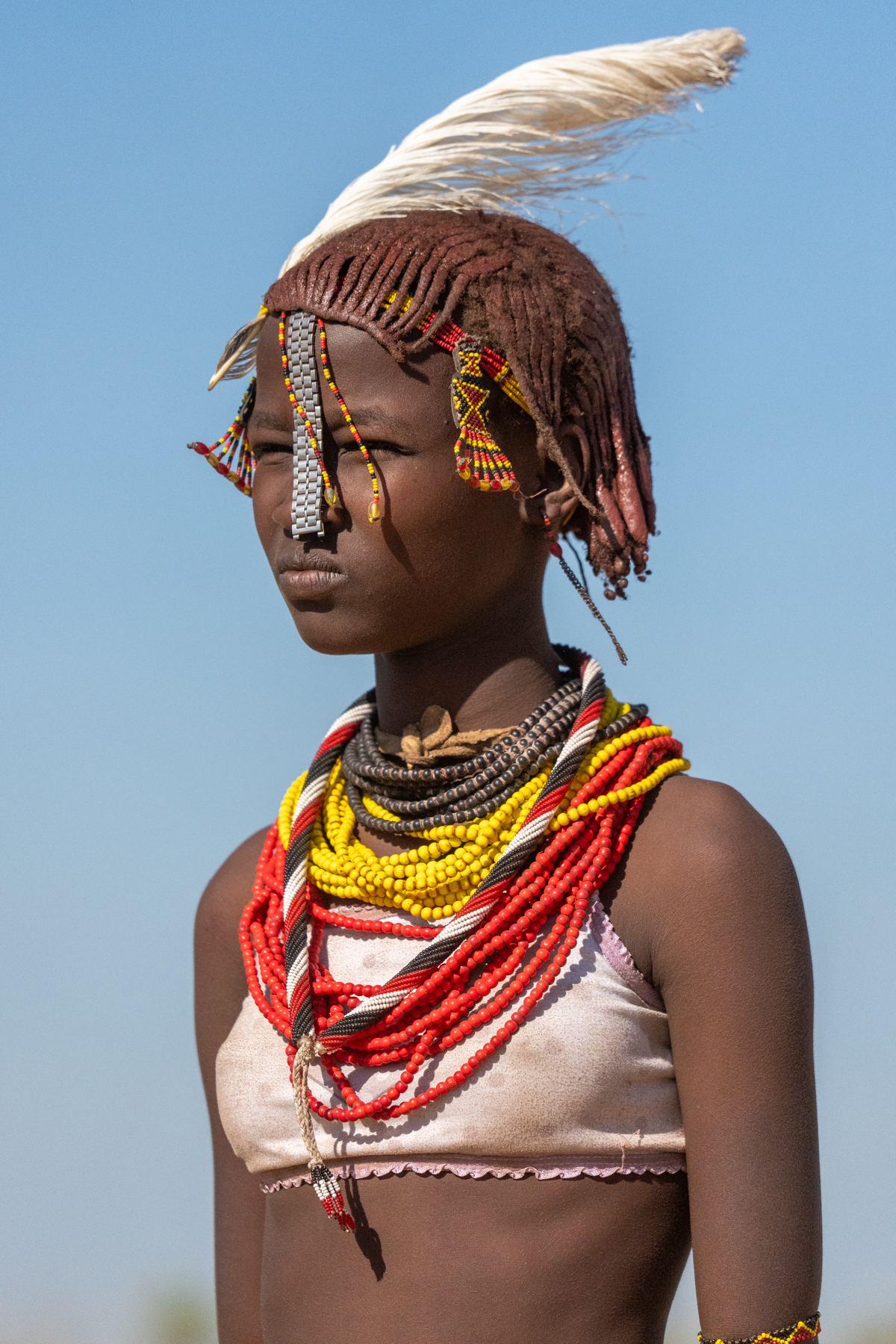
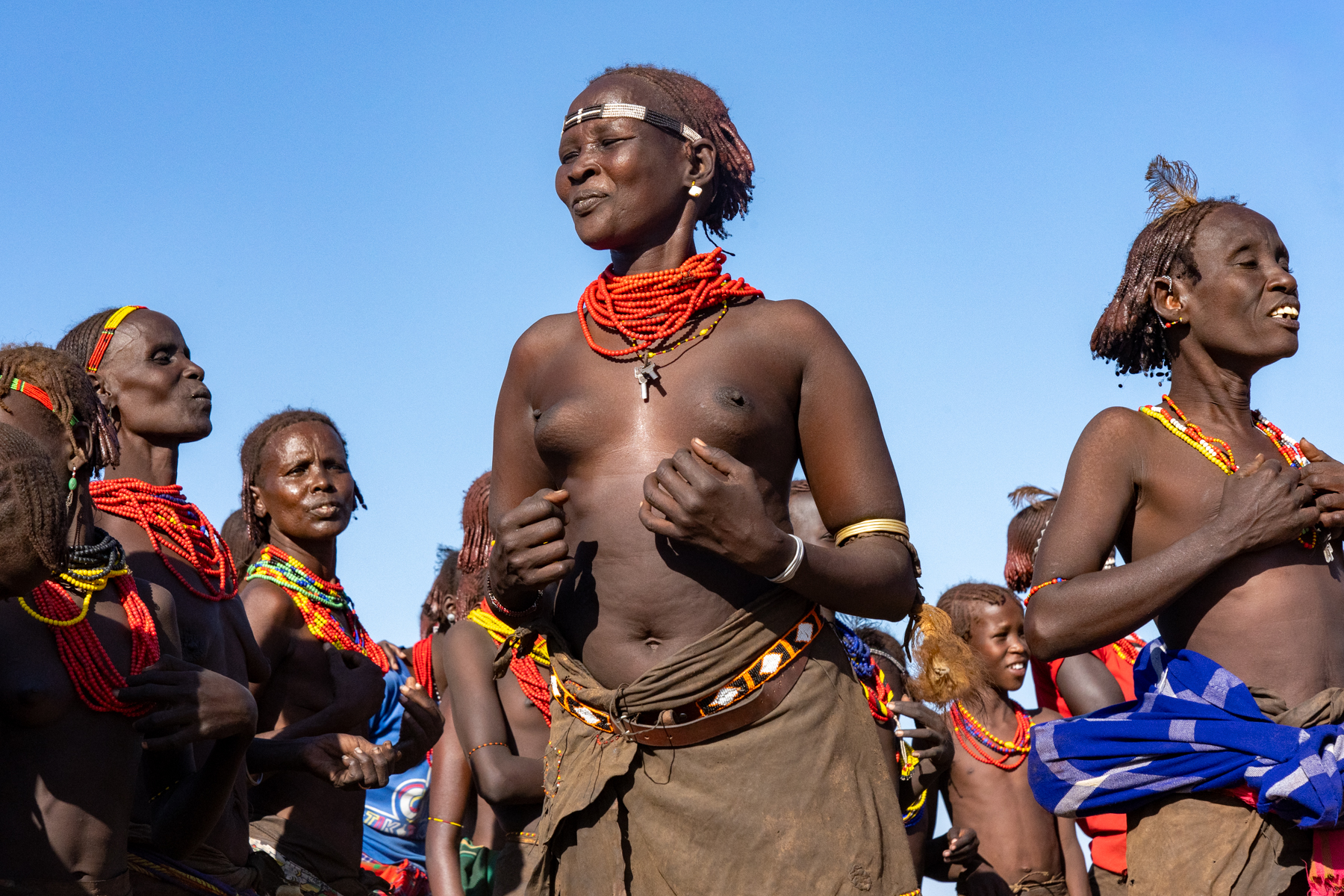
The pride of Dassanech women at Guol, the ceremony where one of their daughters will be selected for marriage (image by Inger Vandyke)
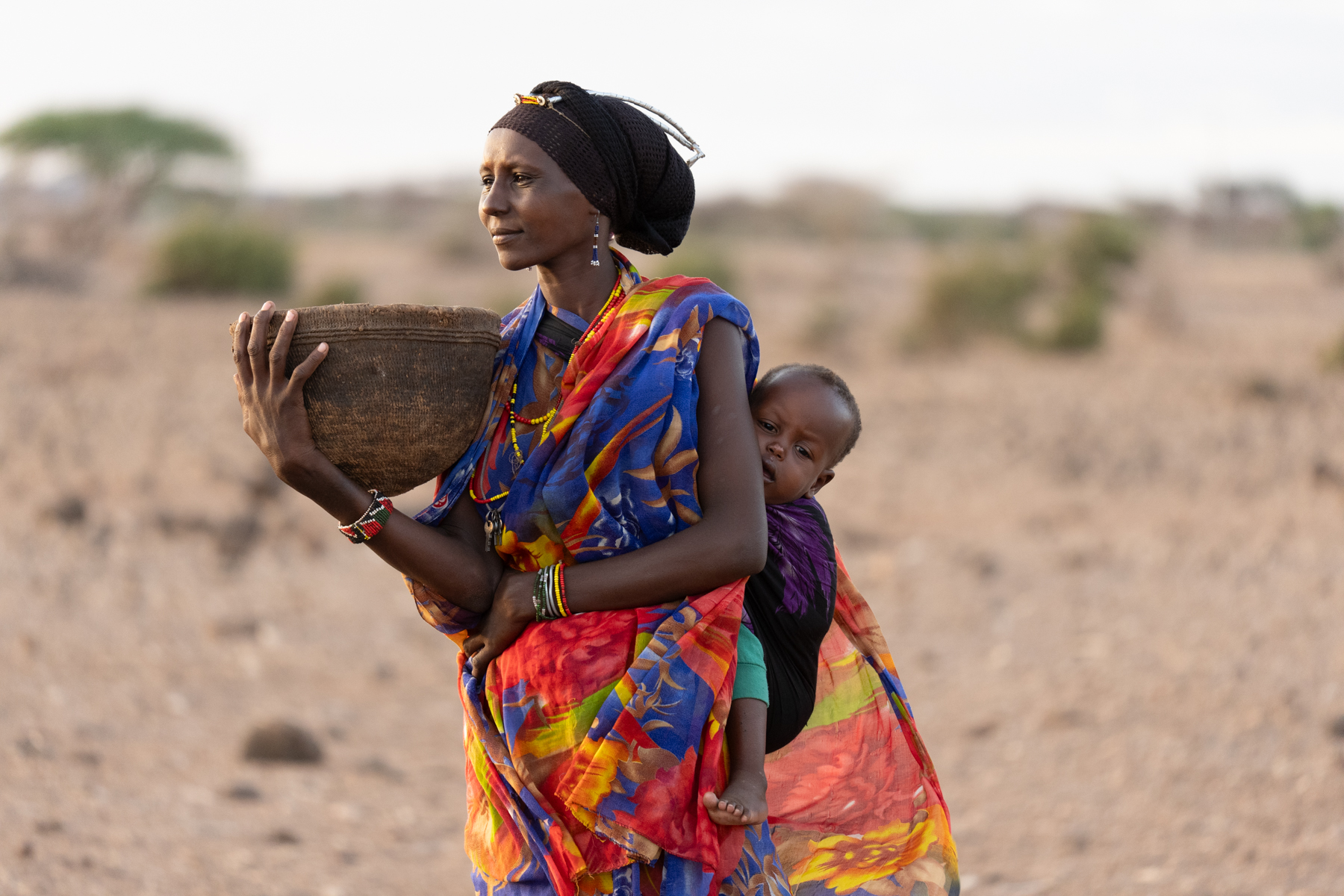
The elegance and beauty of Gabbra mothers (image by Inger Vandyke)
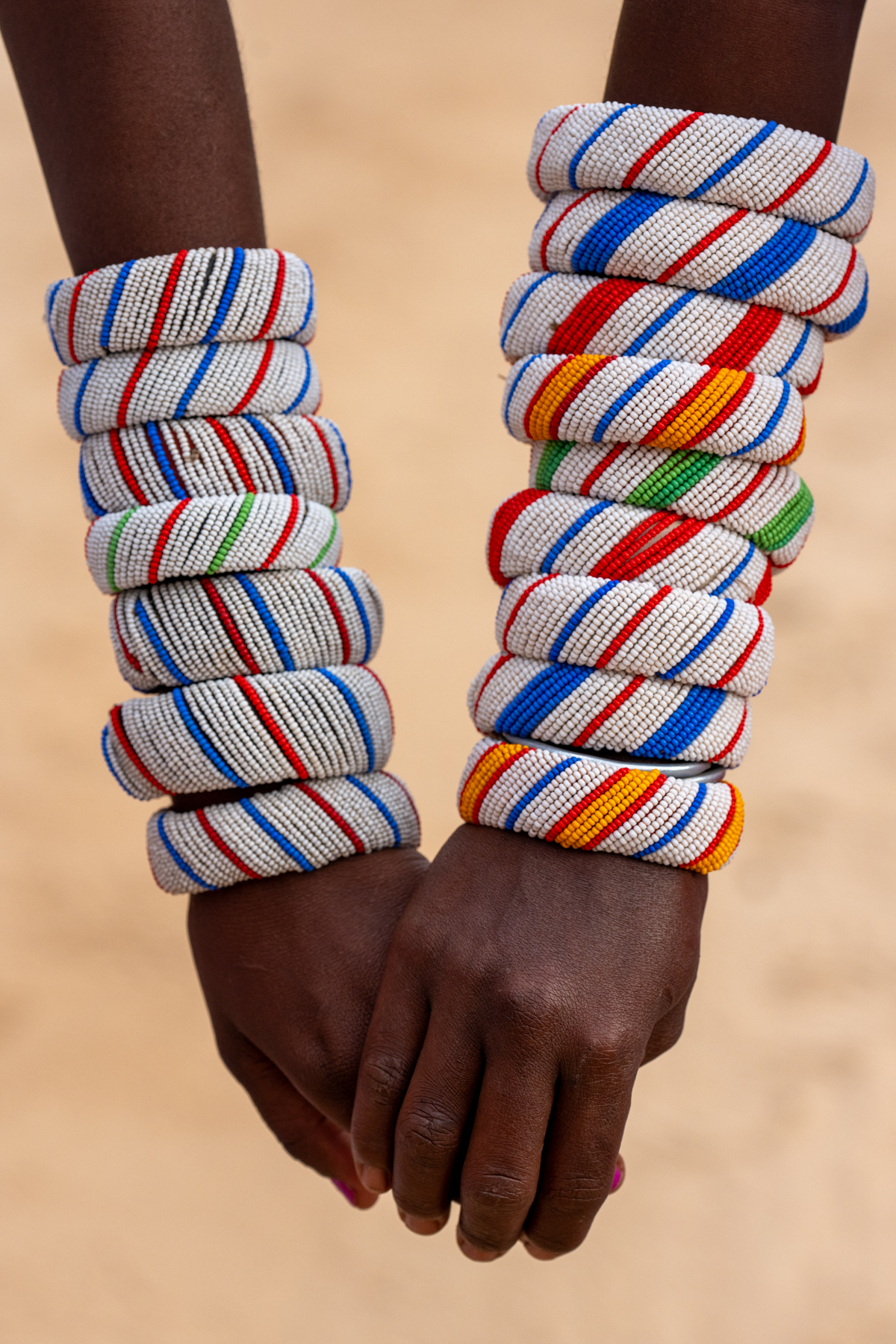
Holding hands (image by Inger Vandyke)
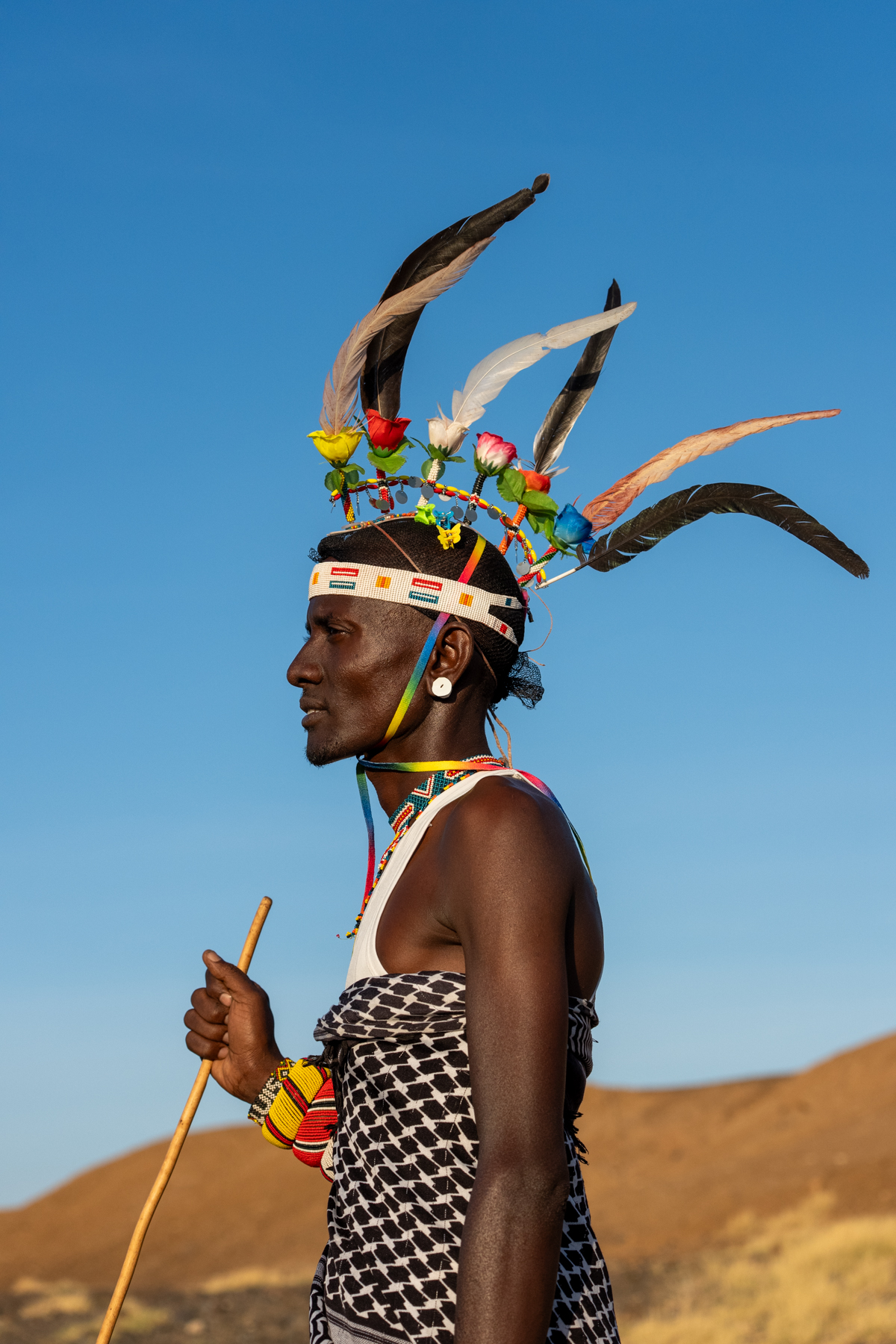
Portrait of a Rendille Moran (image by Inger Vandyke)
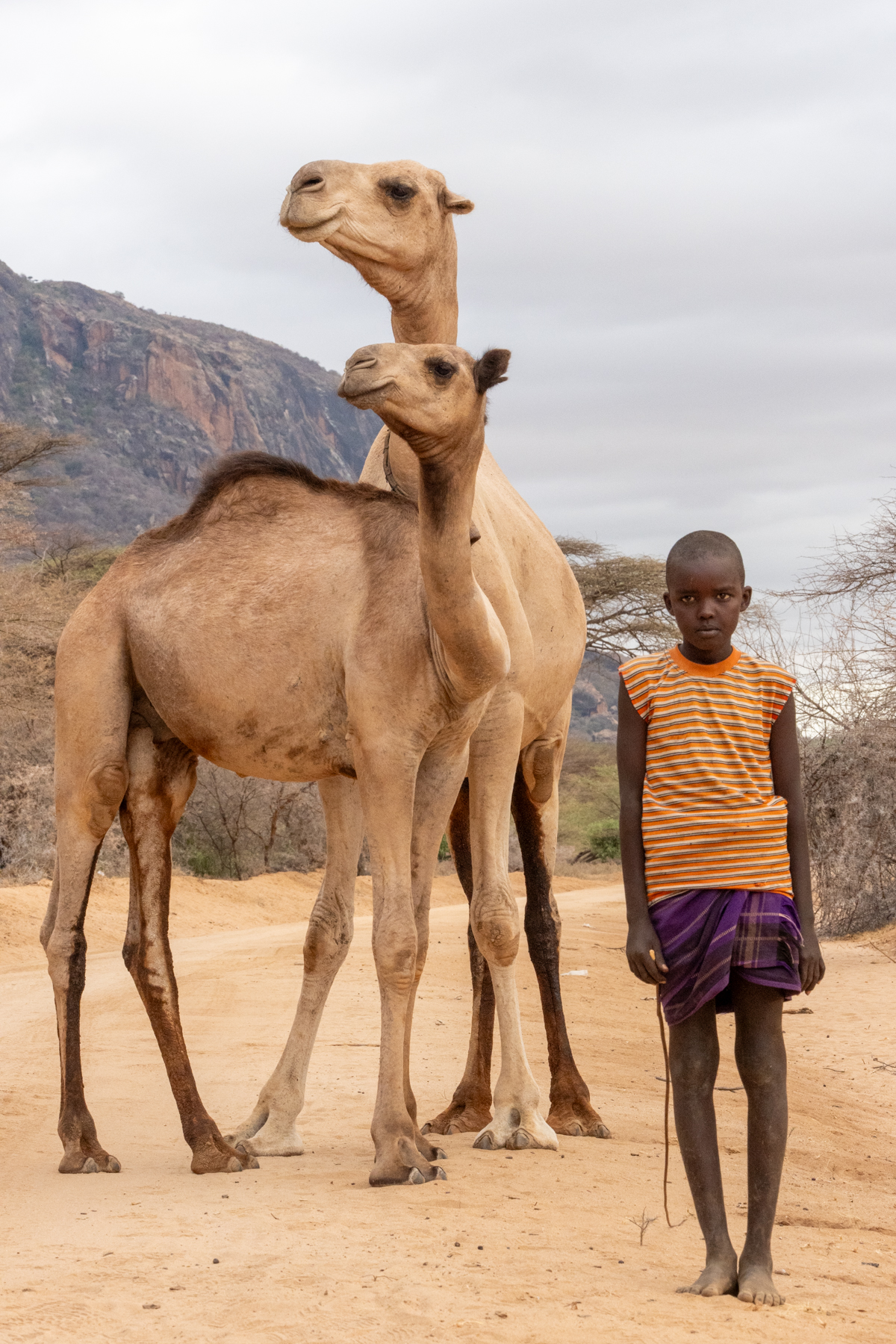
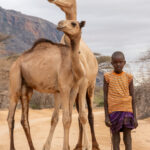
Young Rendille boy with his camels (image by Inger Vandyke)
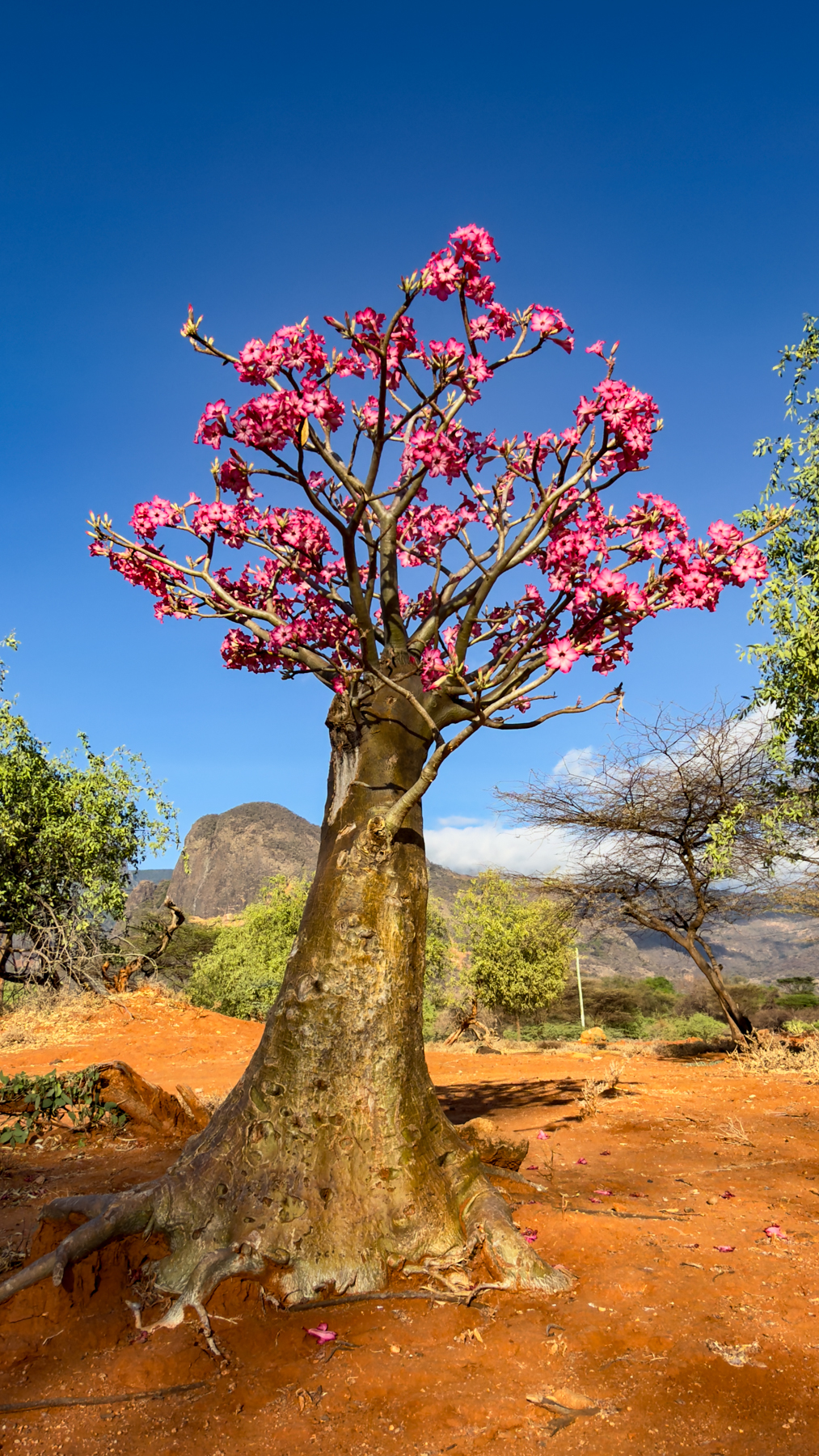
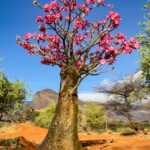
A sculptural Desert Rose in the Ndoto Mountains (image by Inger Vandyke)
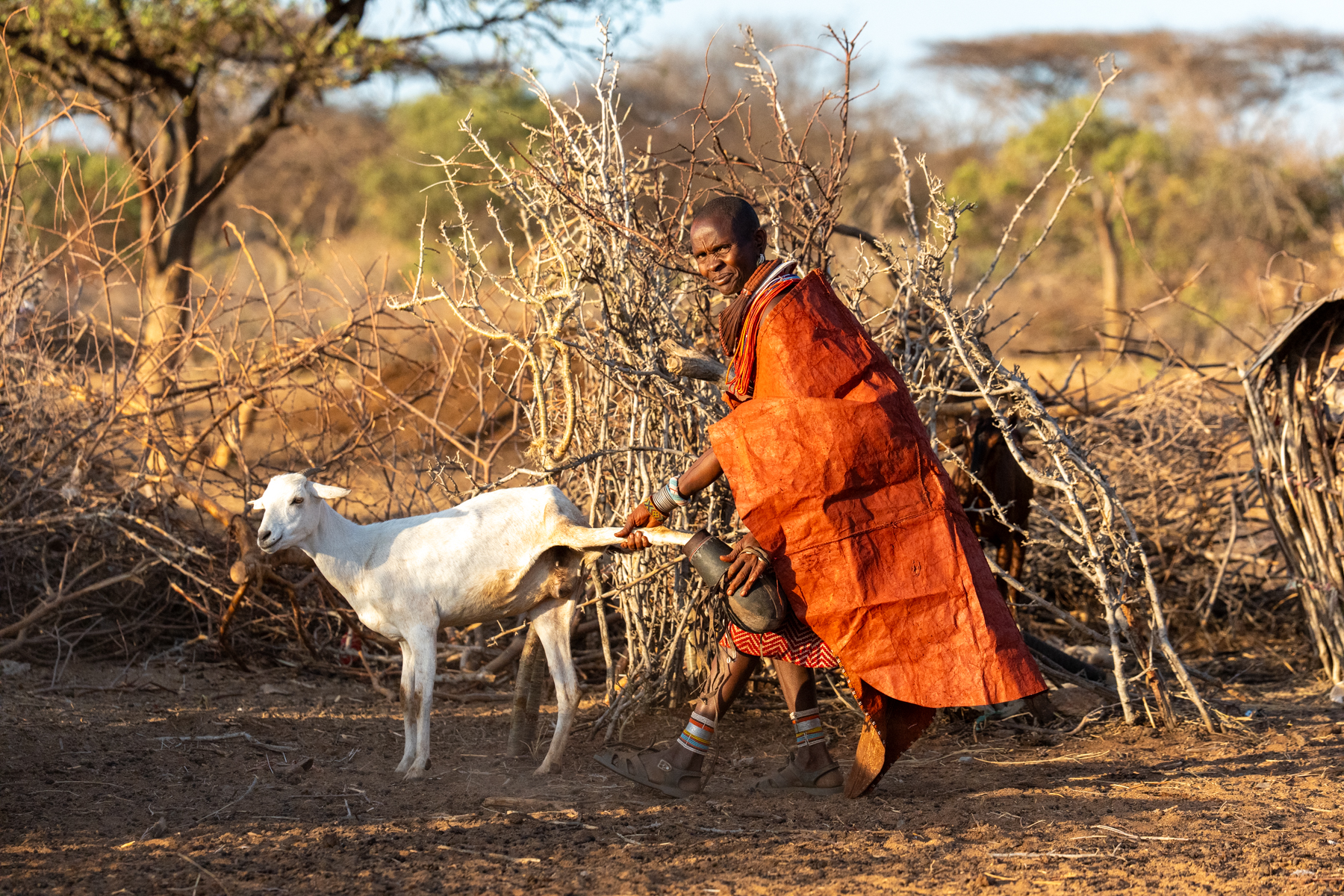
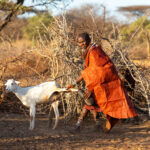
Samburu woman milking her goat (image by Inger Vandyke)
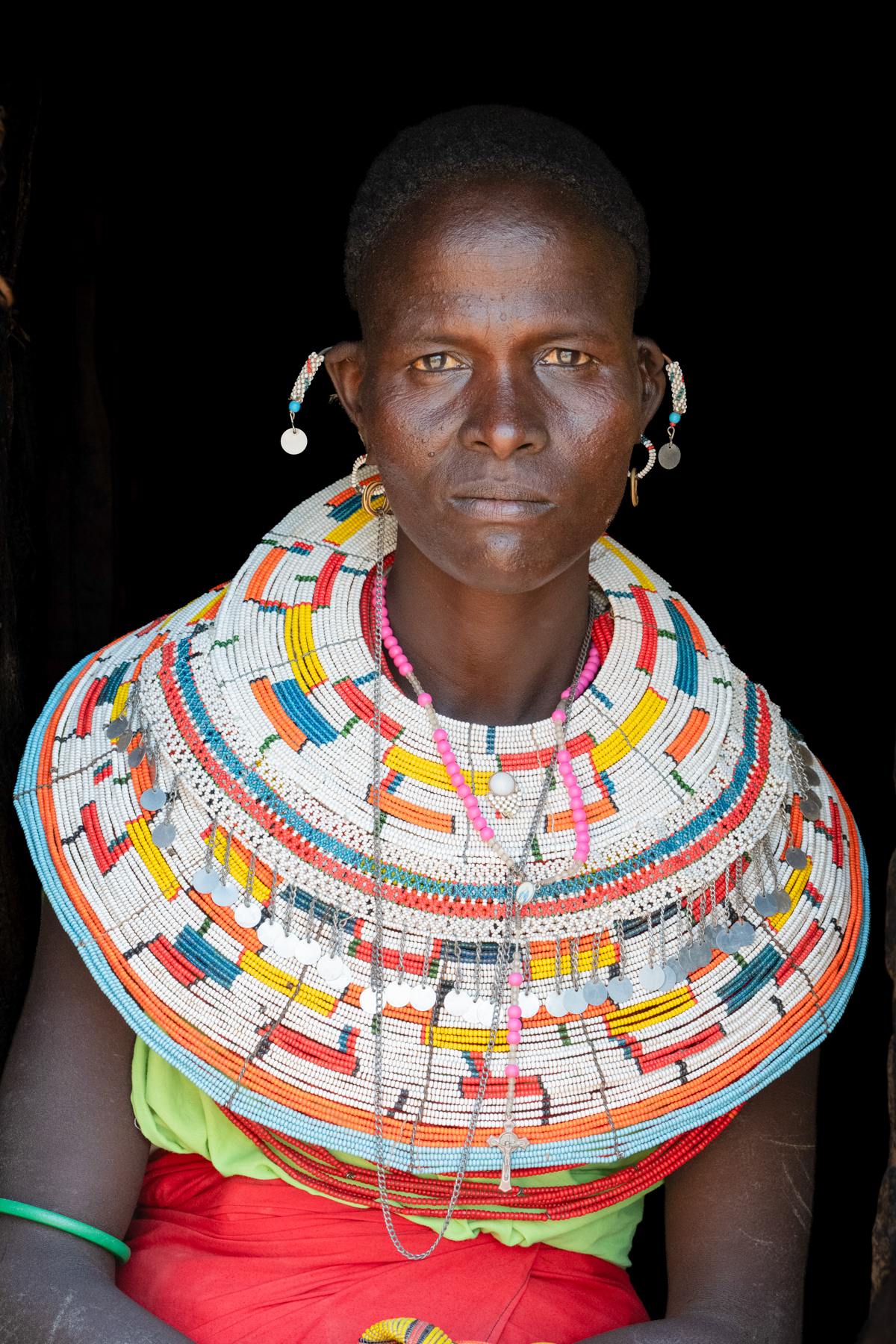
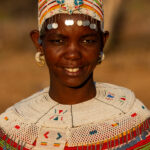
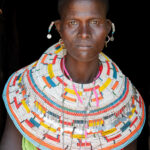
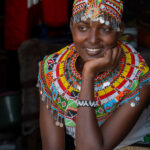
A Samburu woman wearing her ceremonial necklaces (image by Inger Vandyke)
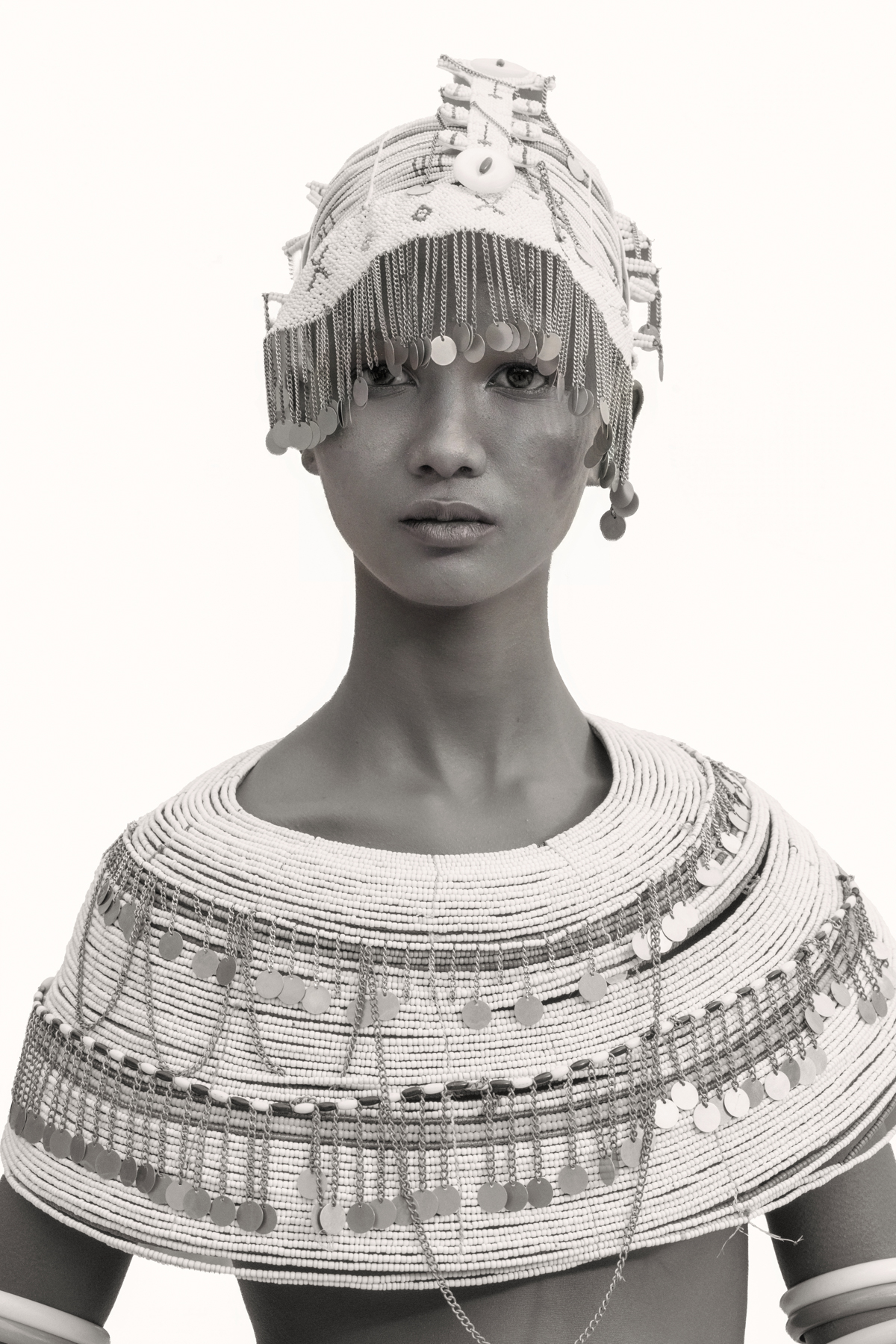
Mesmerisingly beautiful Rendille girl in remote Kenya (image by Inger Vandyke)
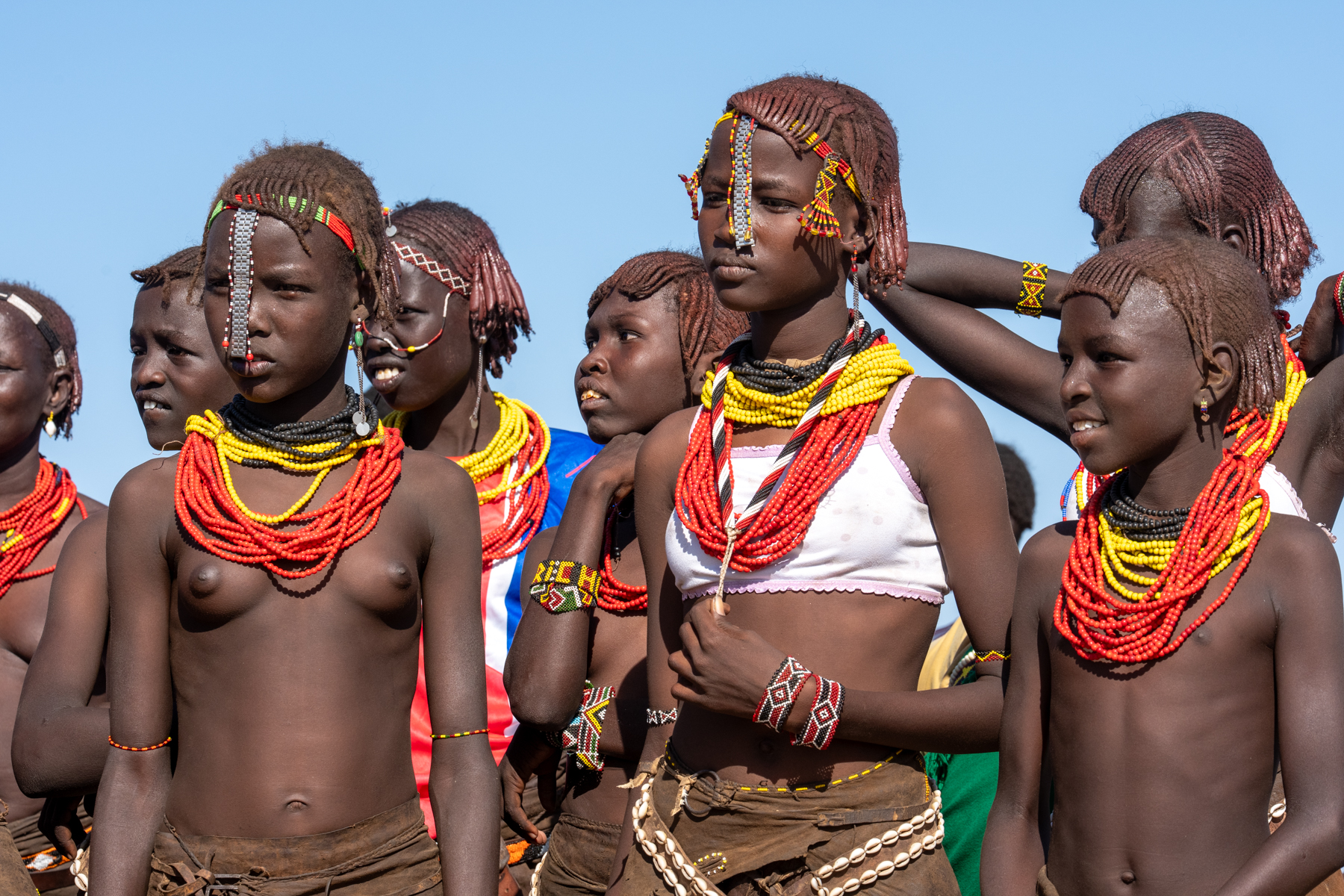
A group of young Dassanech girls at Guol (image by Inger Vandyke)
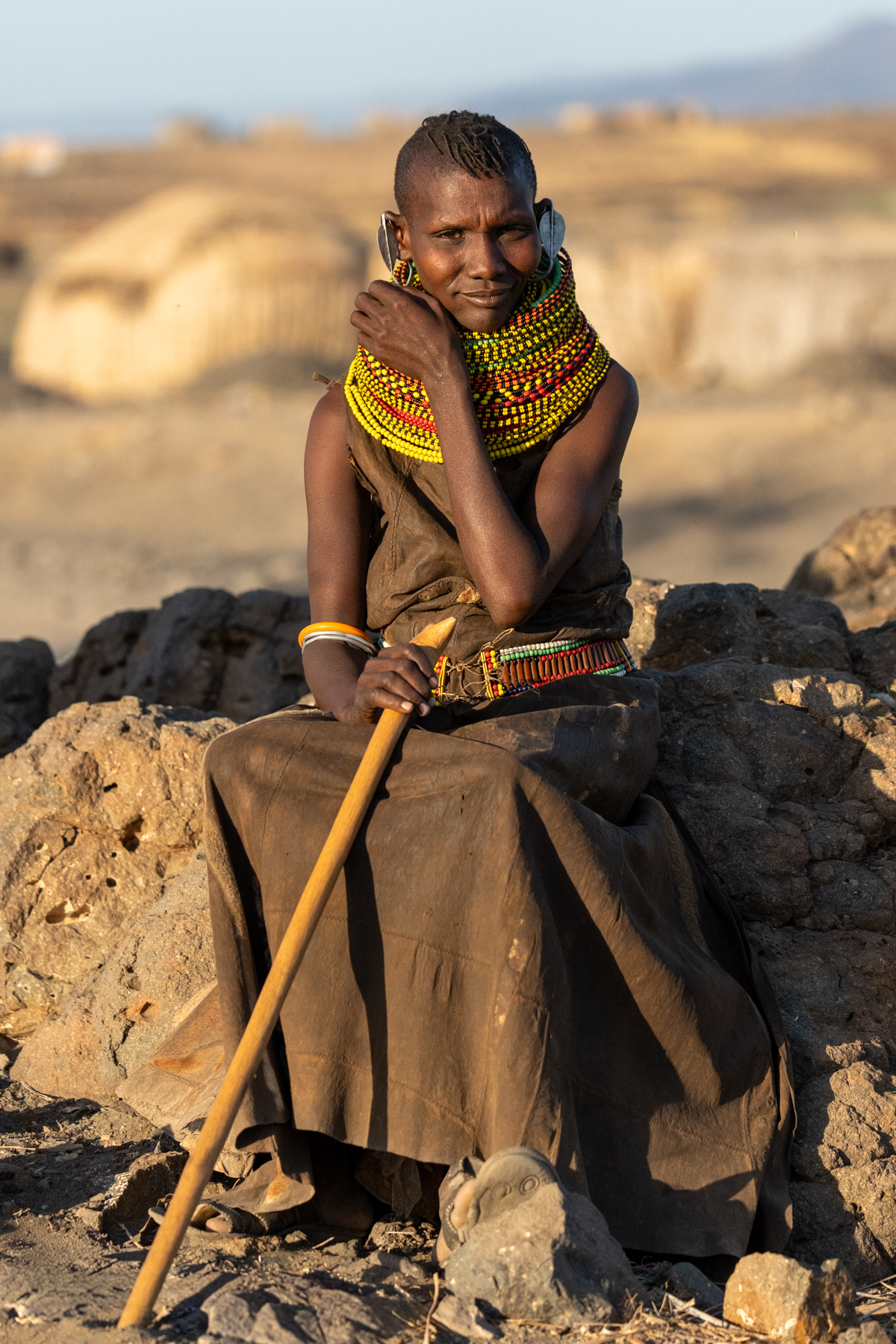
Kenya's beautiful Turkana people (image by Inger Vandyke)
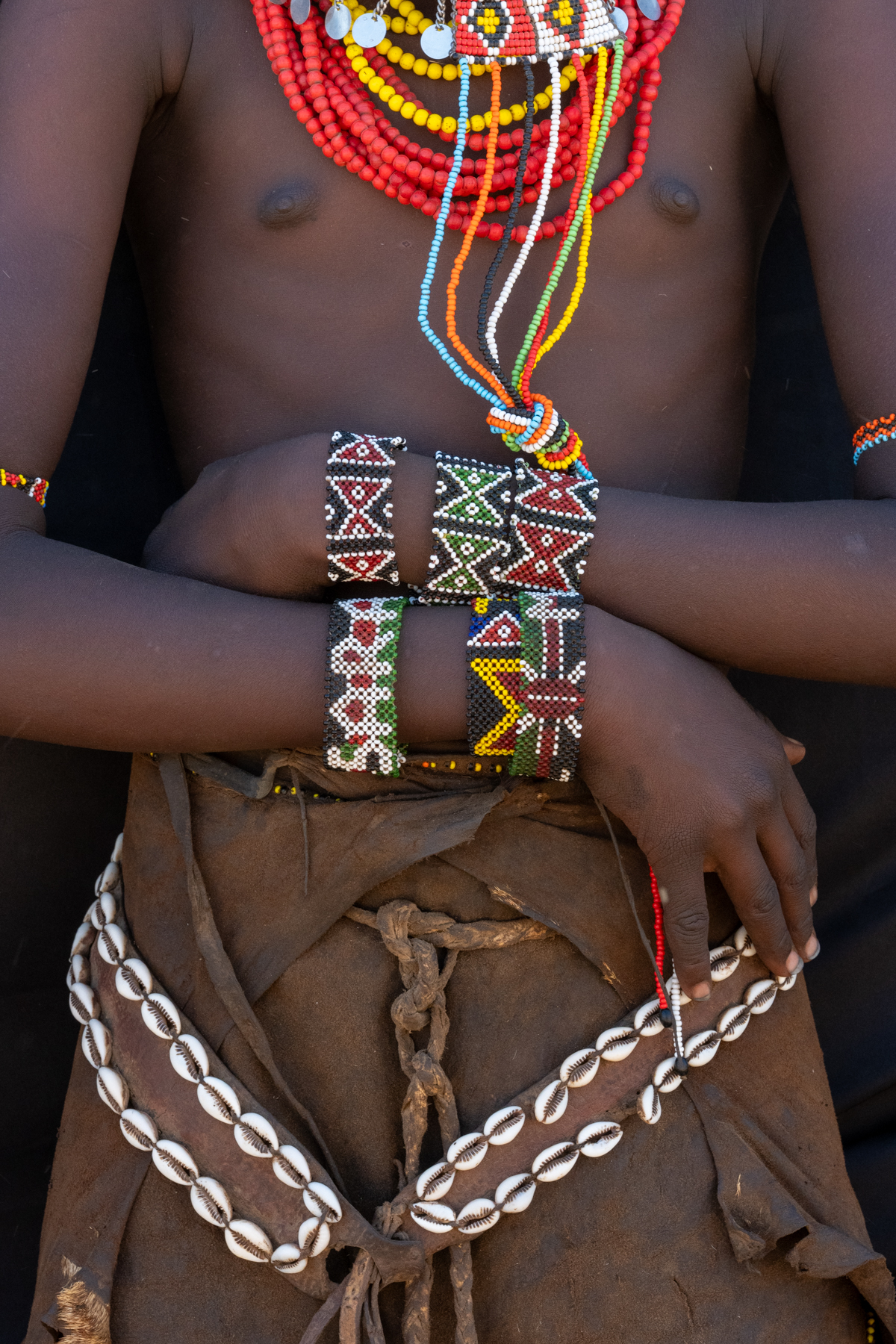
Dassanech decoration (image by Inger Vandyke)
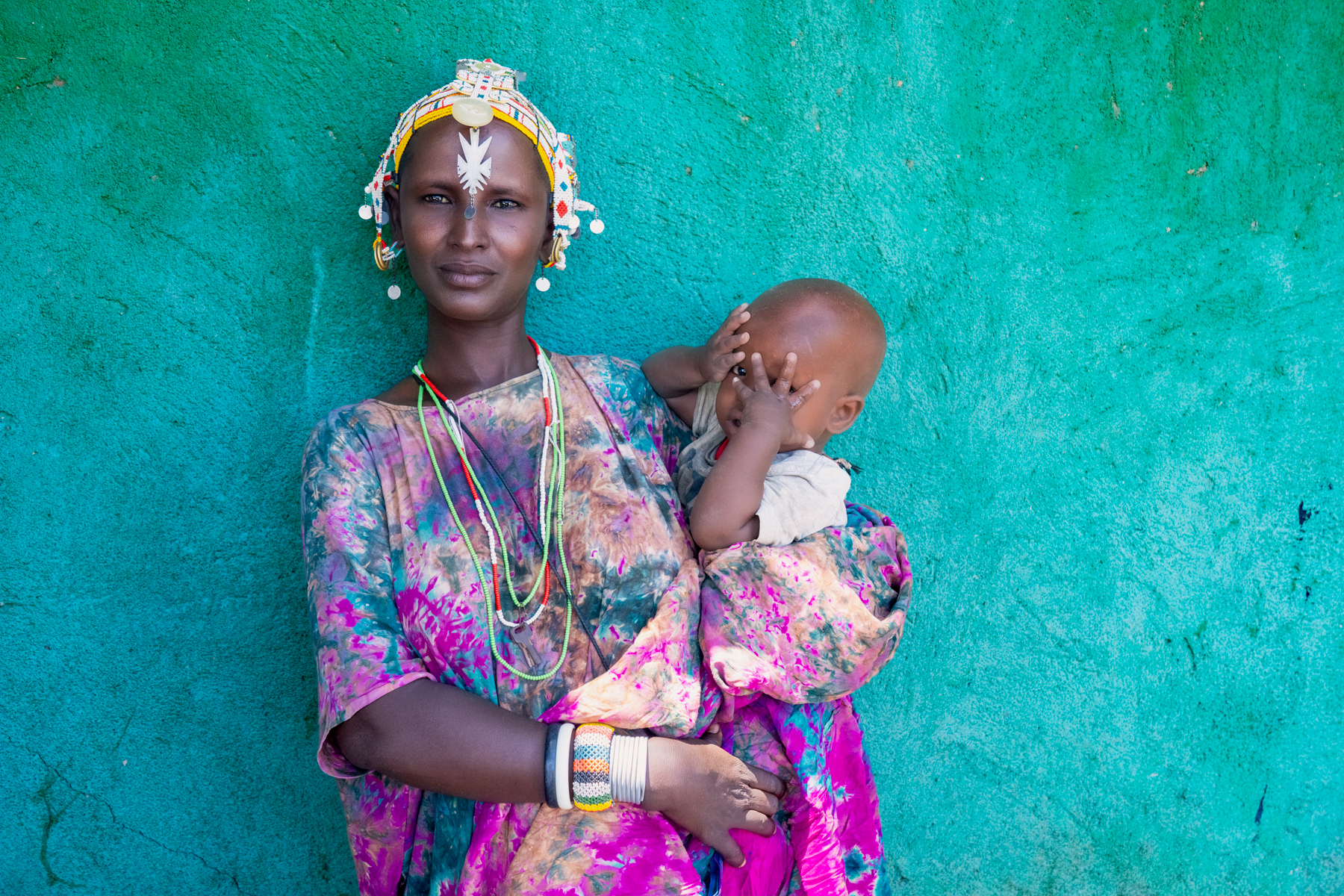
A beautiful Rendille woman with her baby playing peekaboo in Loiyangalani (image by Inger Vandyke)
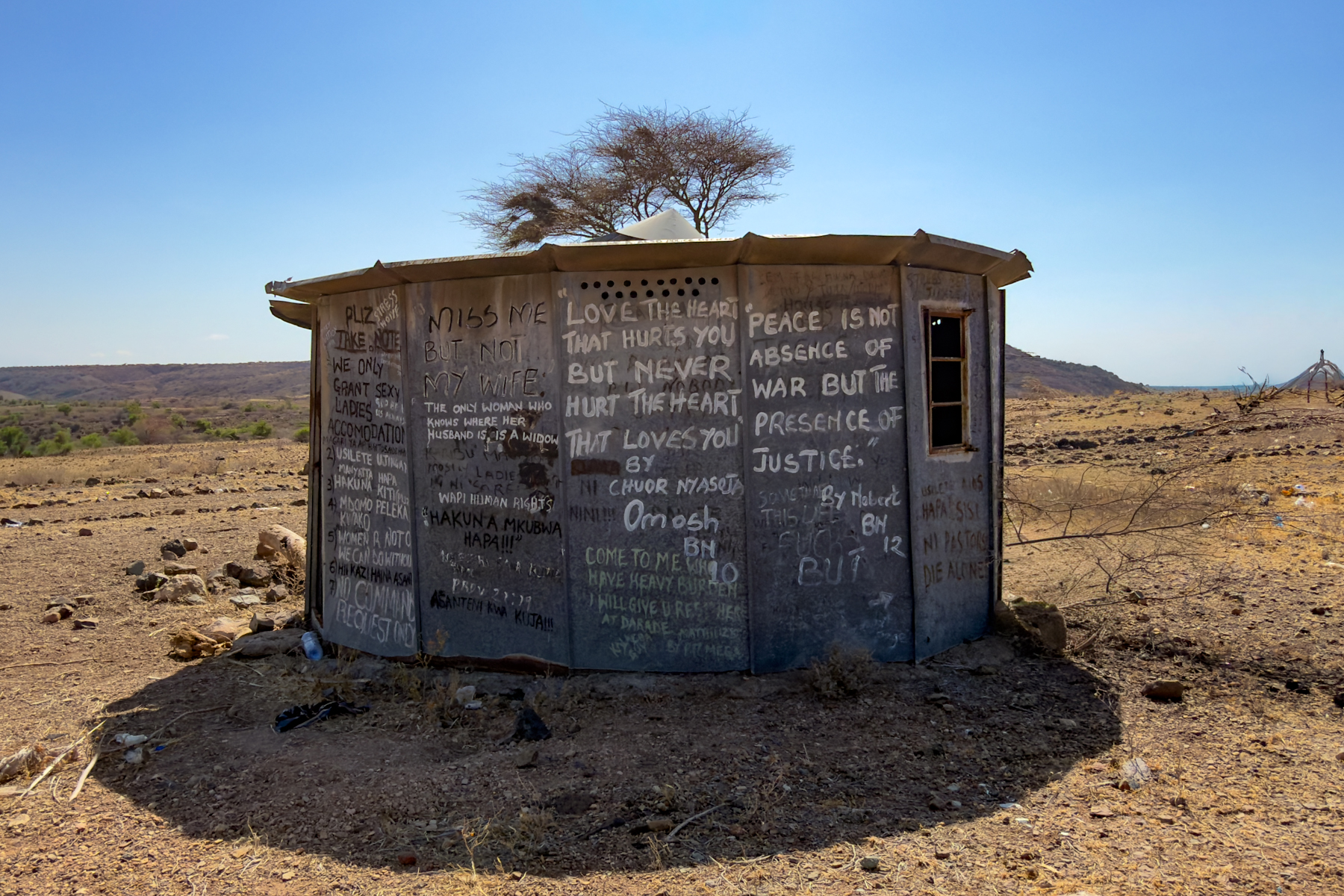
"Love the heart that hurts you but never hurt the heart that loves you". Roadside wisdom in remote Kenya (image by Inger Vandyke)
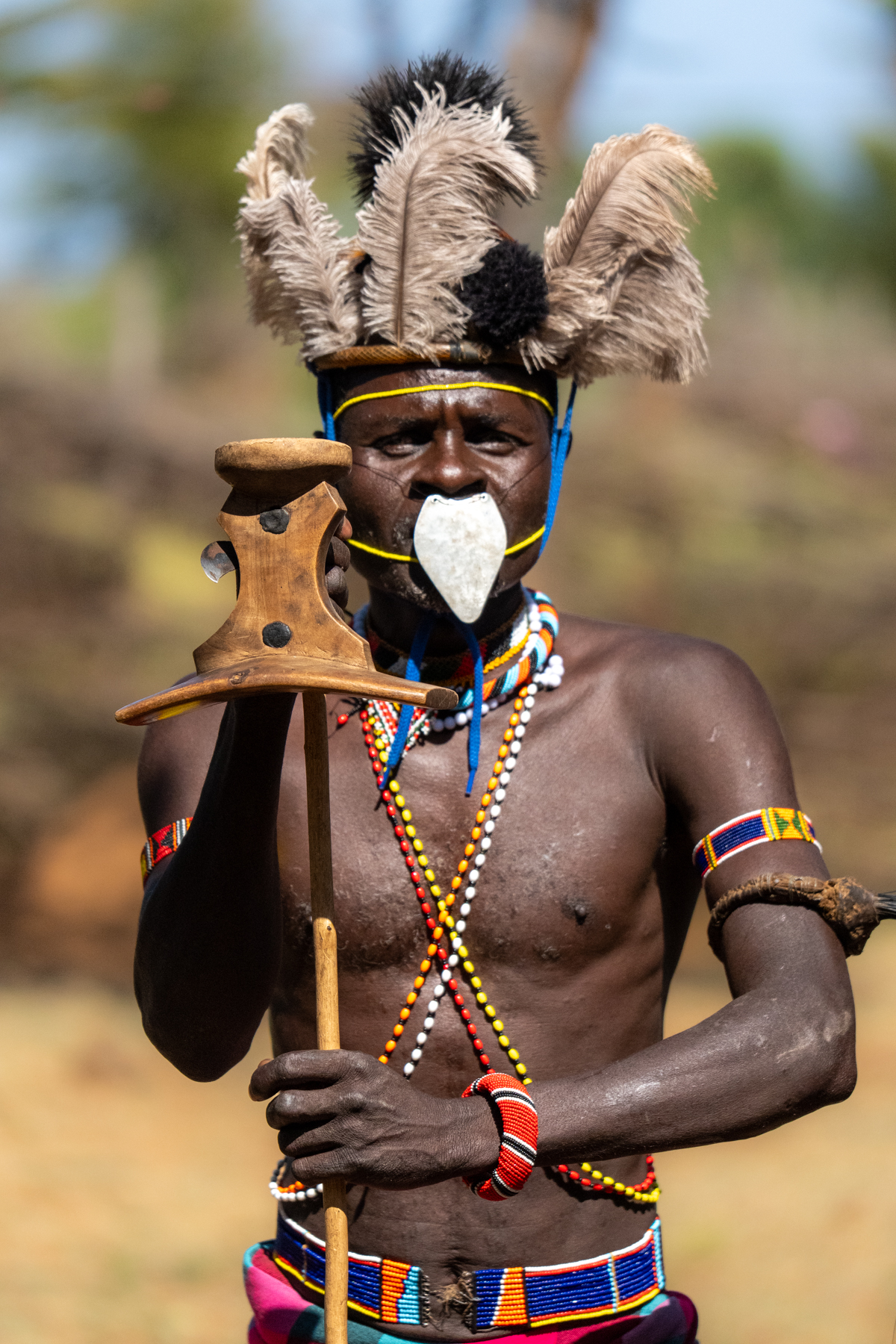
Decorated Pokot headman (image by Inger Vandyke)
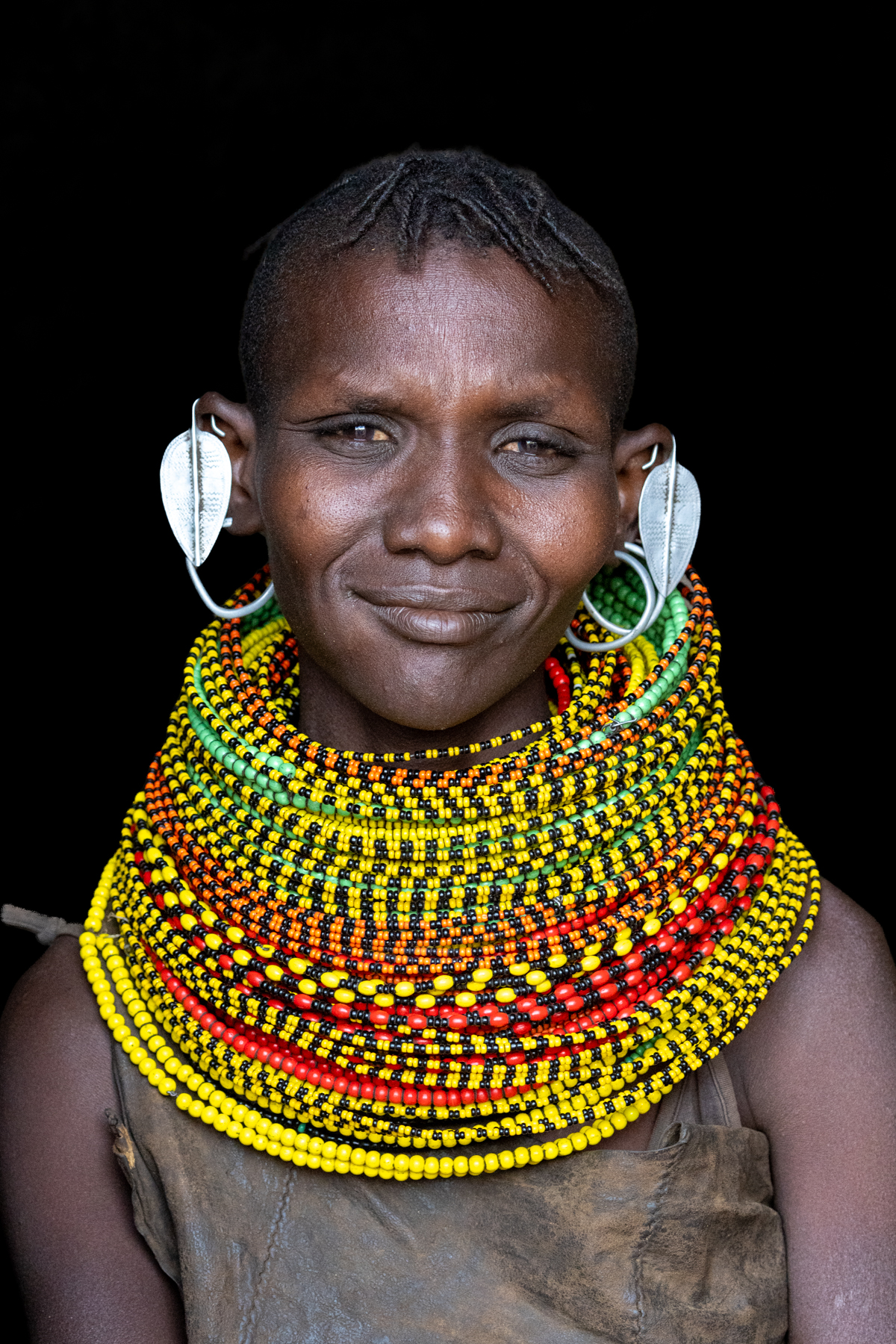
Turkana (image by Inger Vandyke)
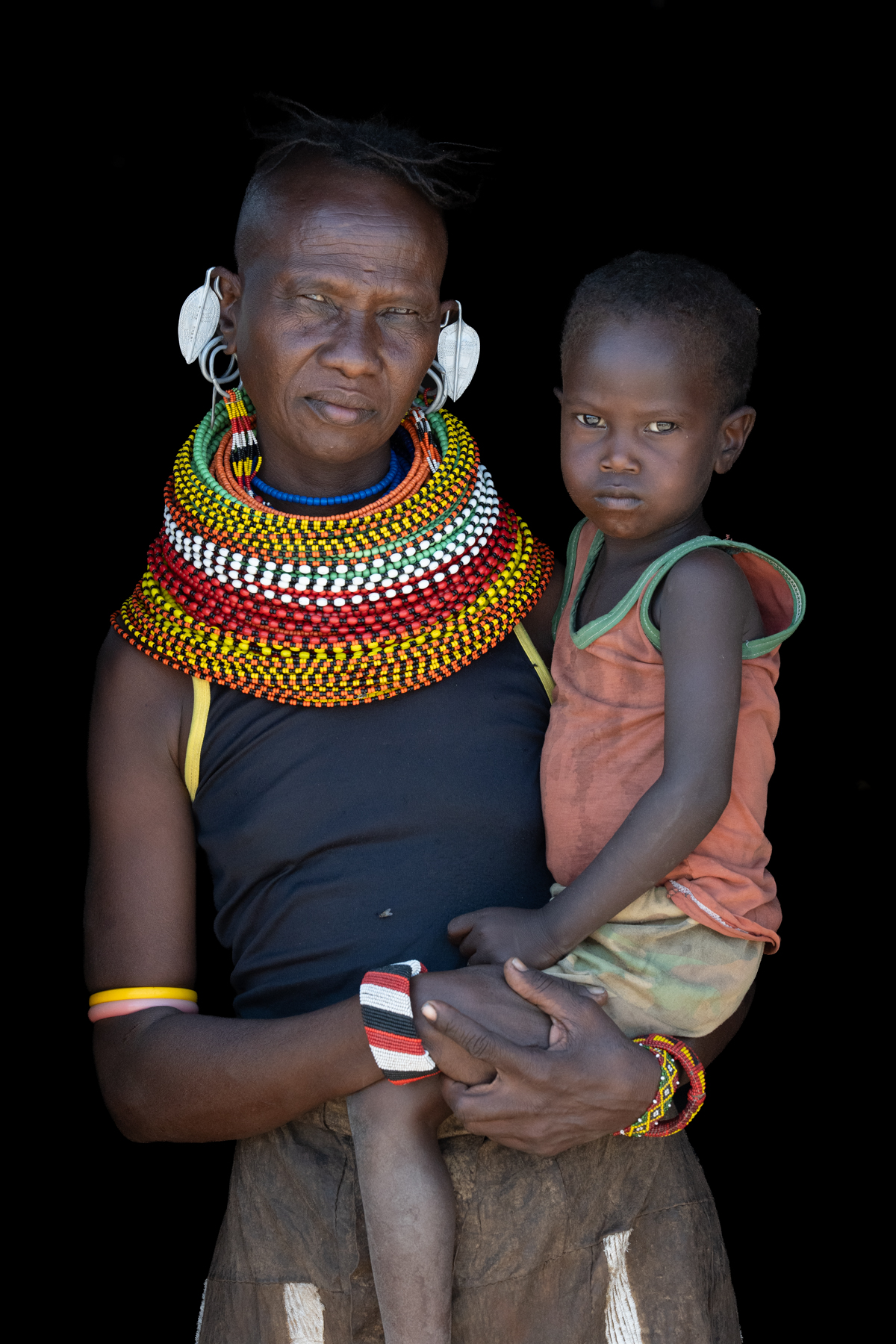
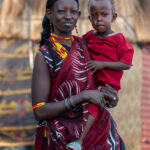
Turkana mother and son (image by Inger Vandyke)
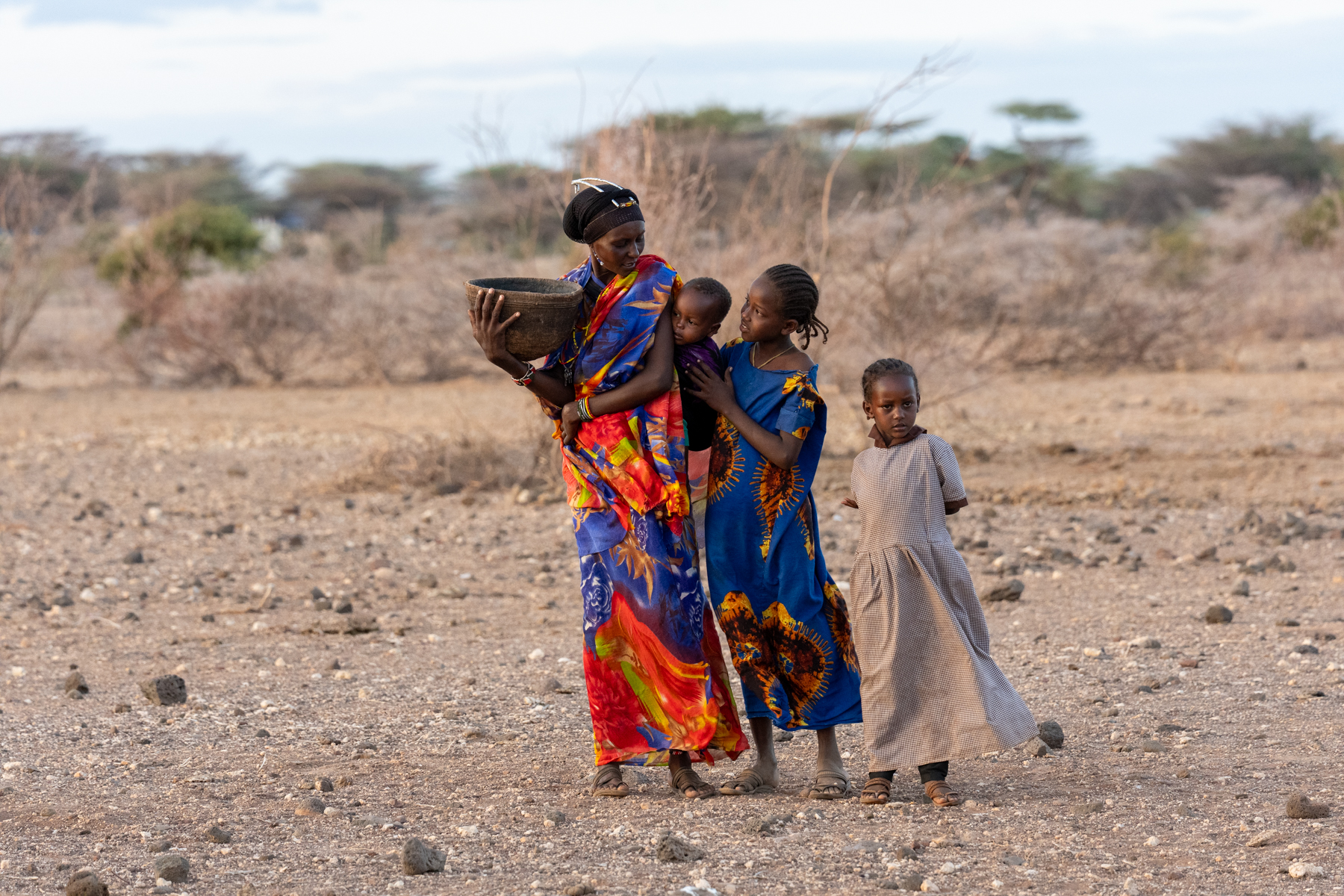
In between milking, older Gabbra kids help out with their younger siblings and get ready for school (image by Inger Vandyke)
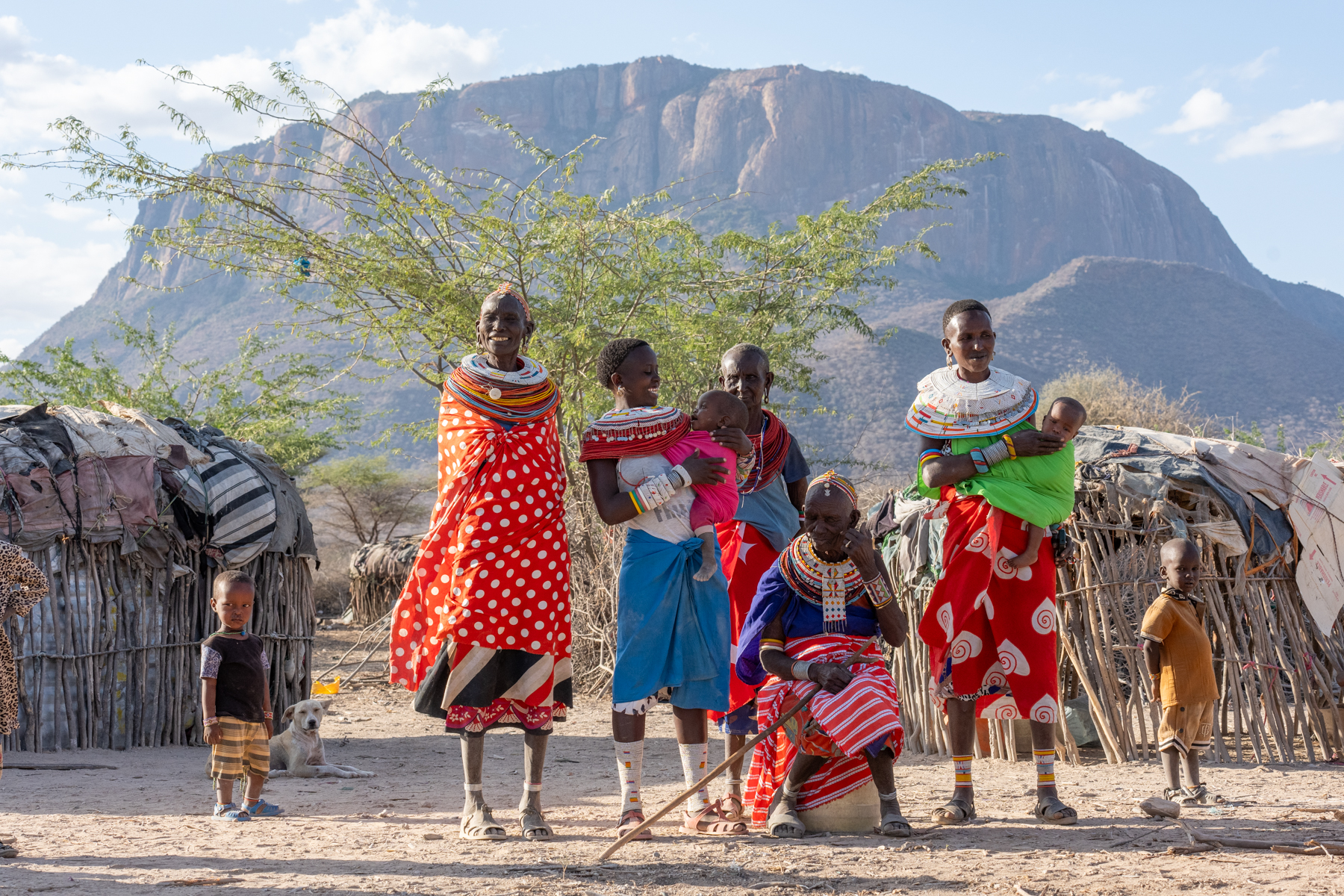
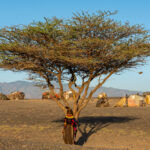
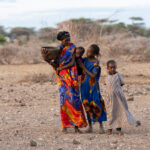
Samburu women at their homestead at the foot of Mount Ololokwe (image by Inger Vandyke)
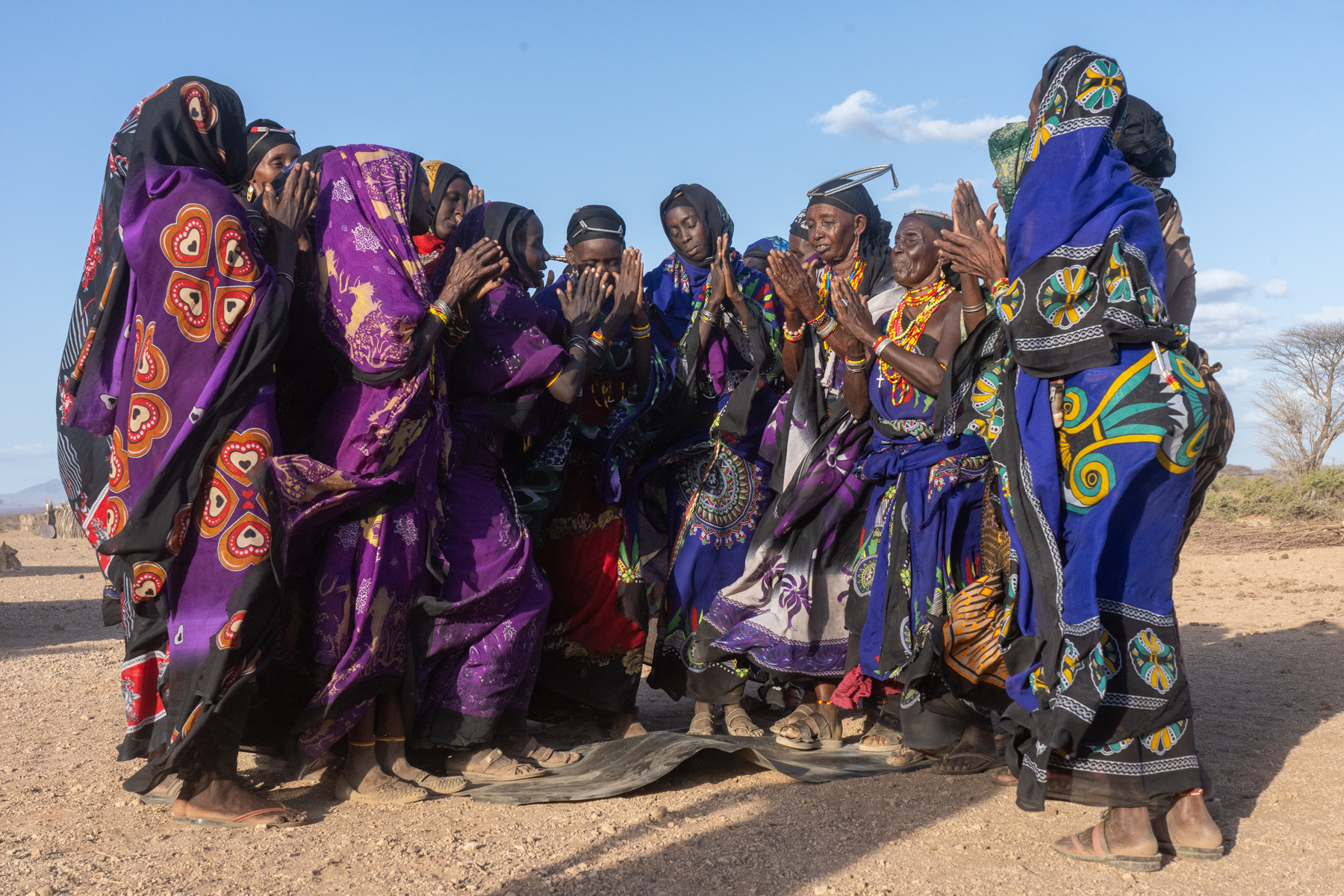
Gabbra women singing for their camels in the Chalbi Desert (image by Inger Vandyke)
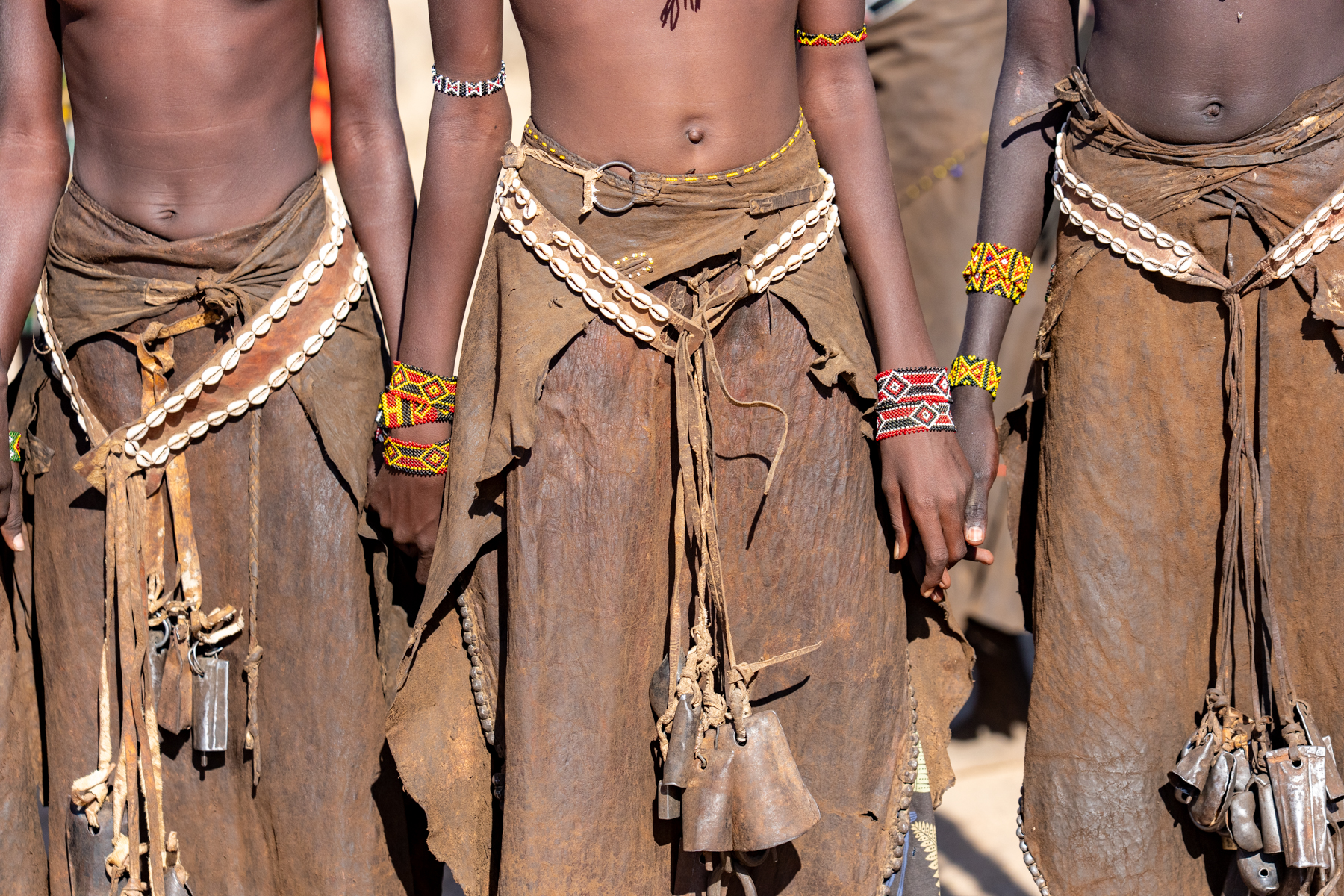
Young Dassanech girls wear goatskin skirts decorated with shells, beads and bells (image by Inger Vandyke)
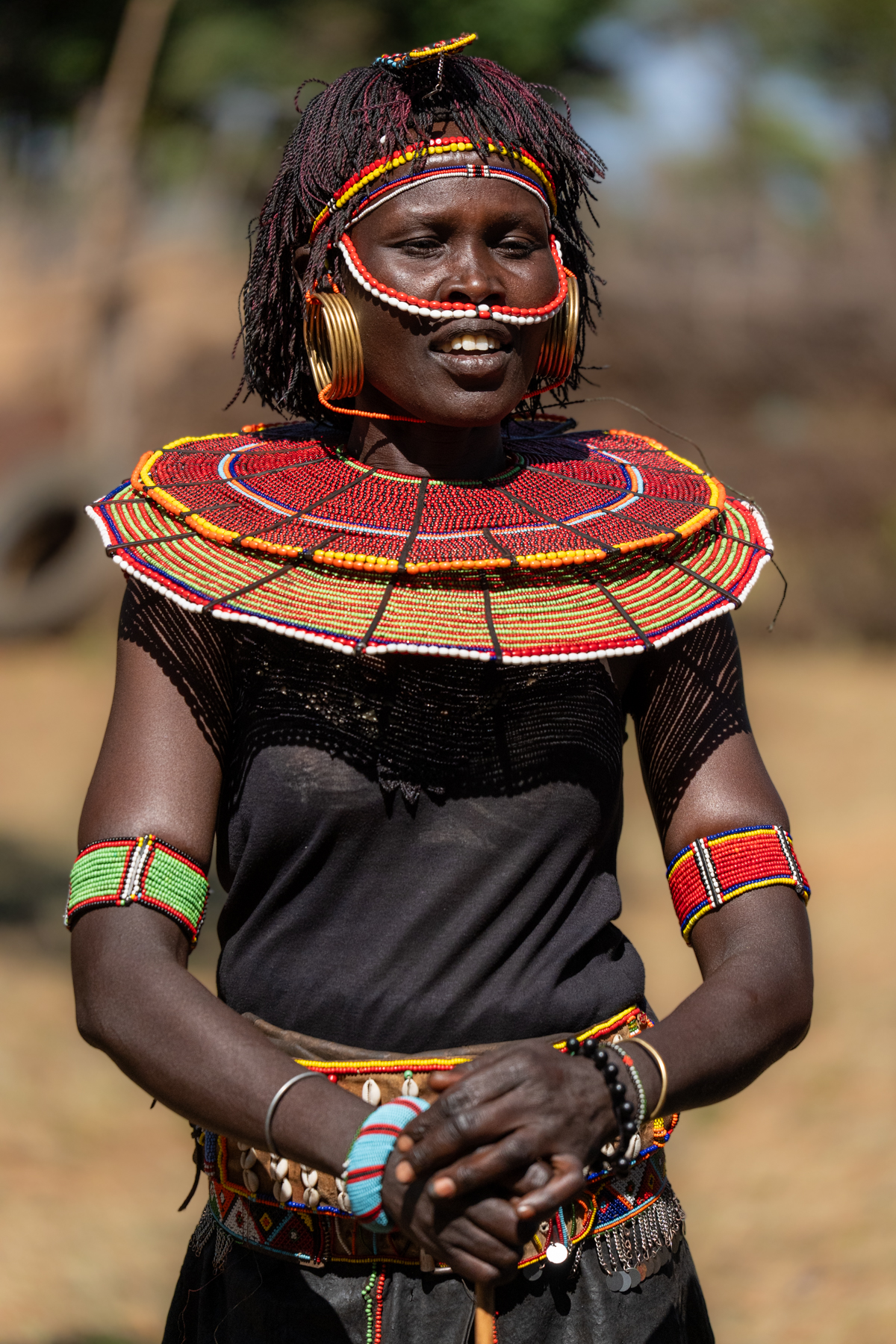
The decoration of Pokot women is breathtaking (image by Inger Vandyke)
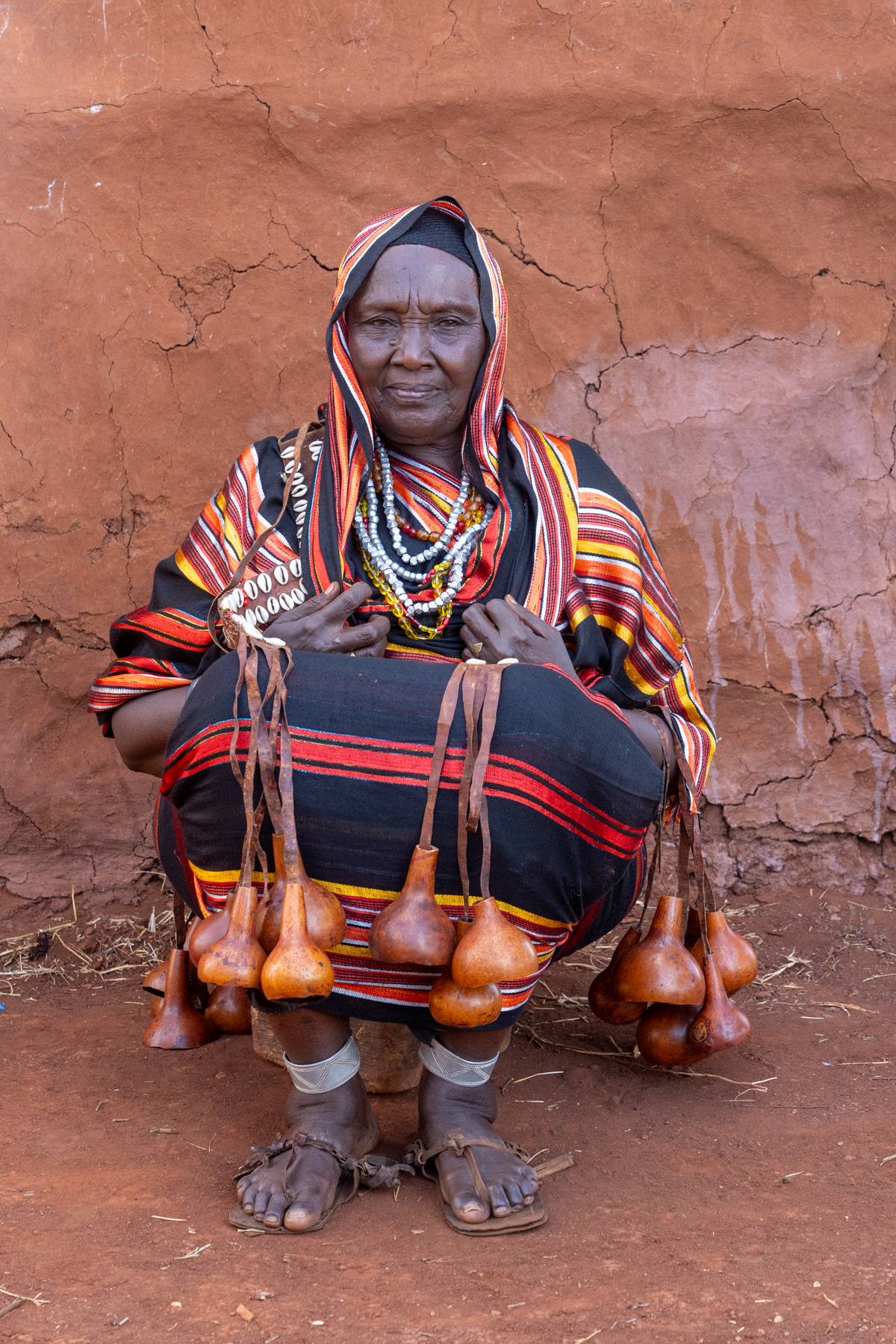
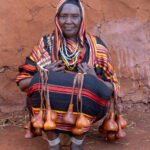
An elderly Borana woman with her decorative calabashes and traditional leather decorations (image by Inger Vandyke)
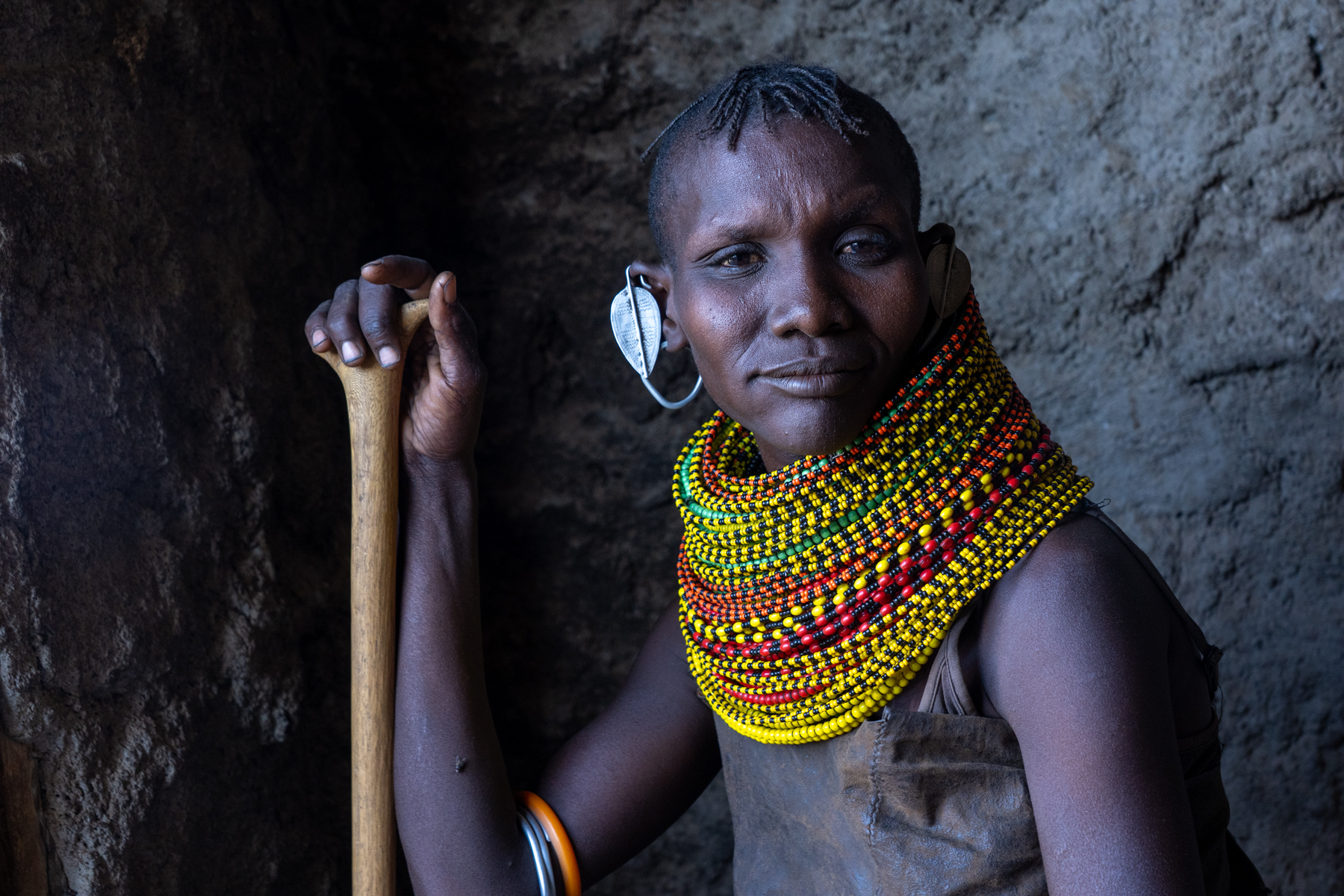
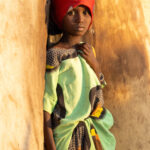
A pensive Turkana woman in the doorway of her family's home (image by Inger Vandyke)
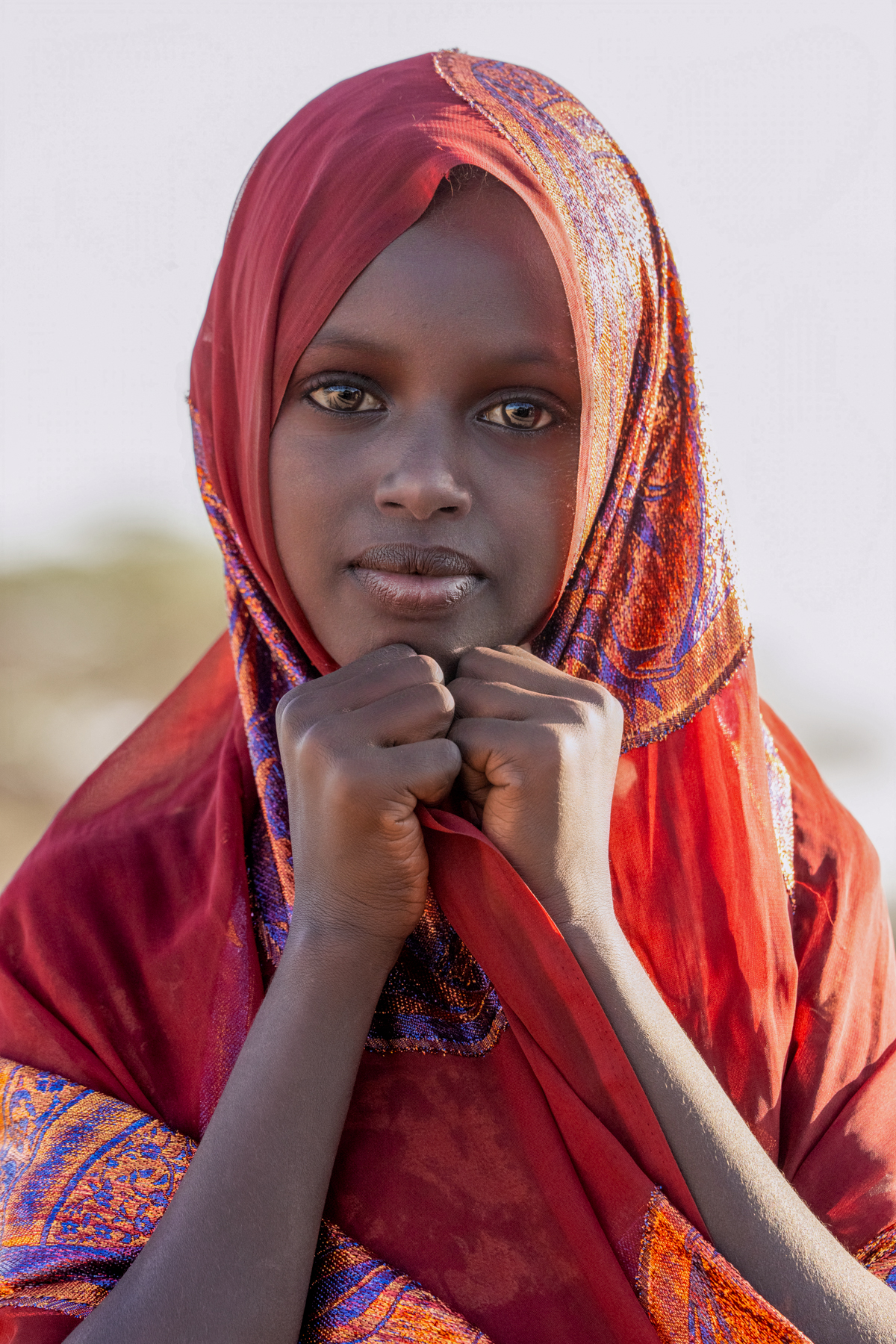
Young Gabbra girl (image by Inger Vandyke)
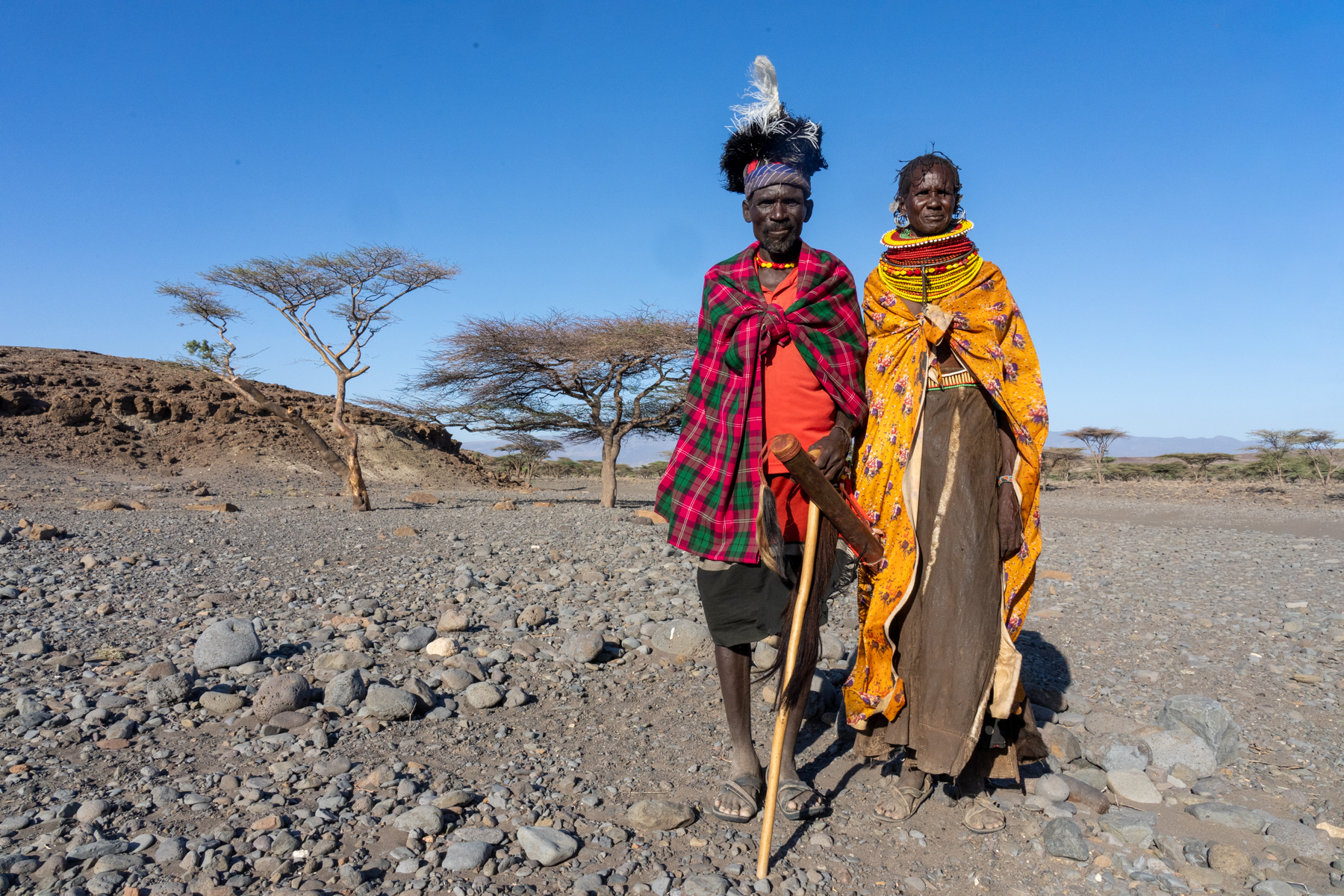
Second time around for an older Turkana couple who celebrated their wedding during our tour (image by Inger Vandyke)
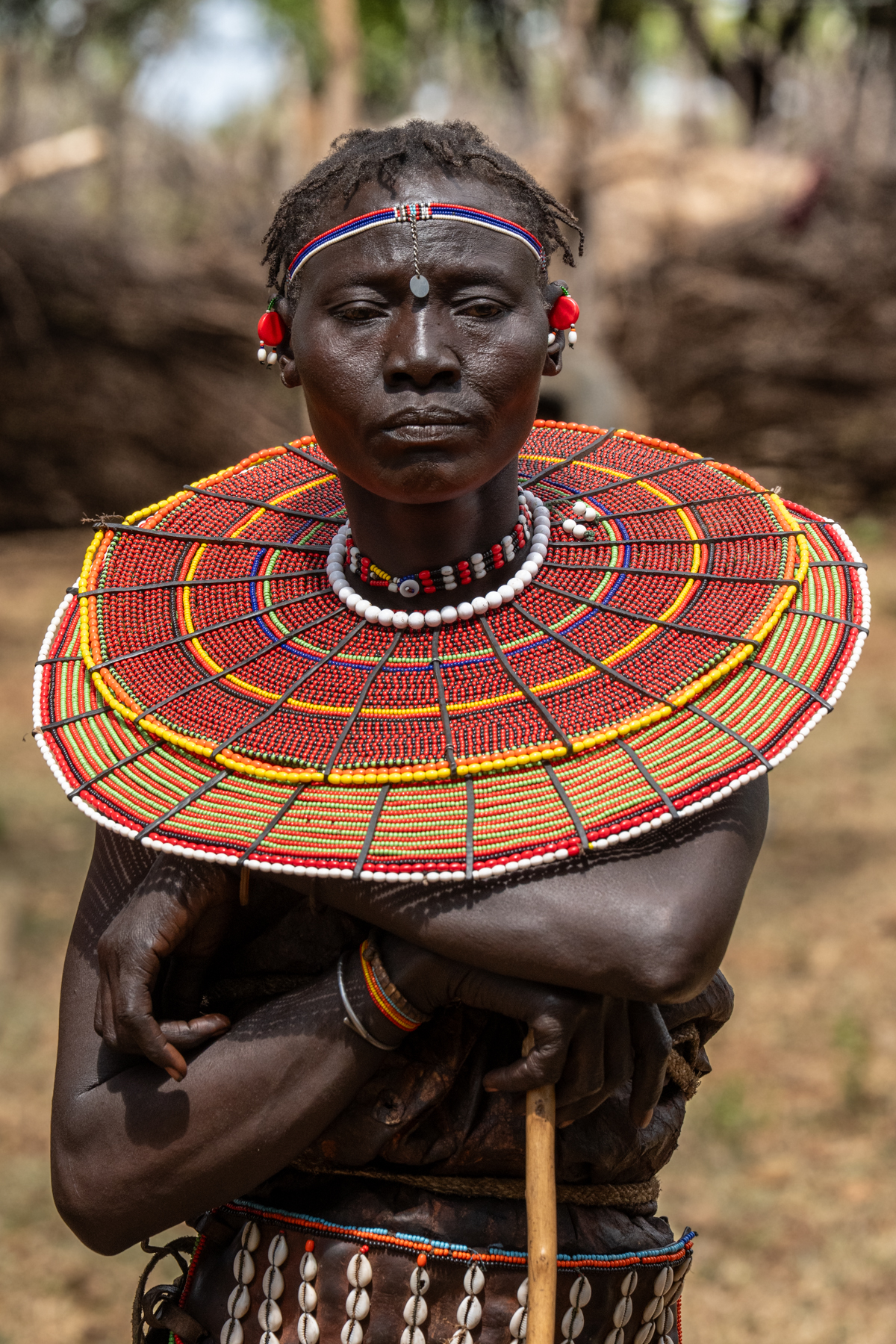
Pokot (image by Inger Vandyke)
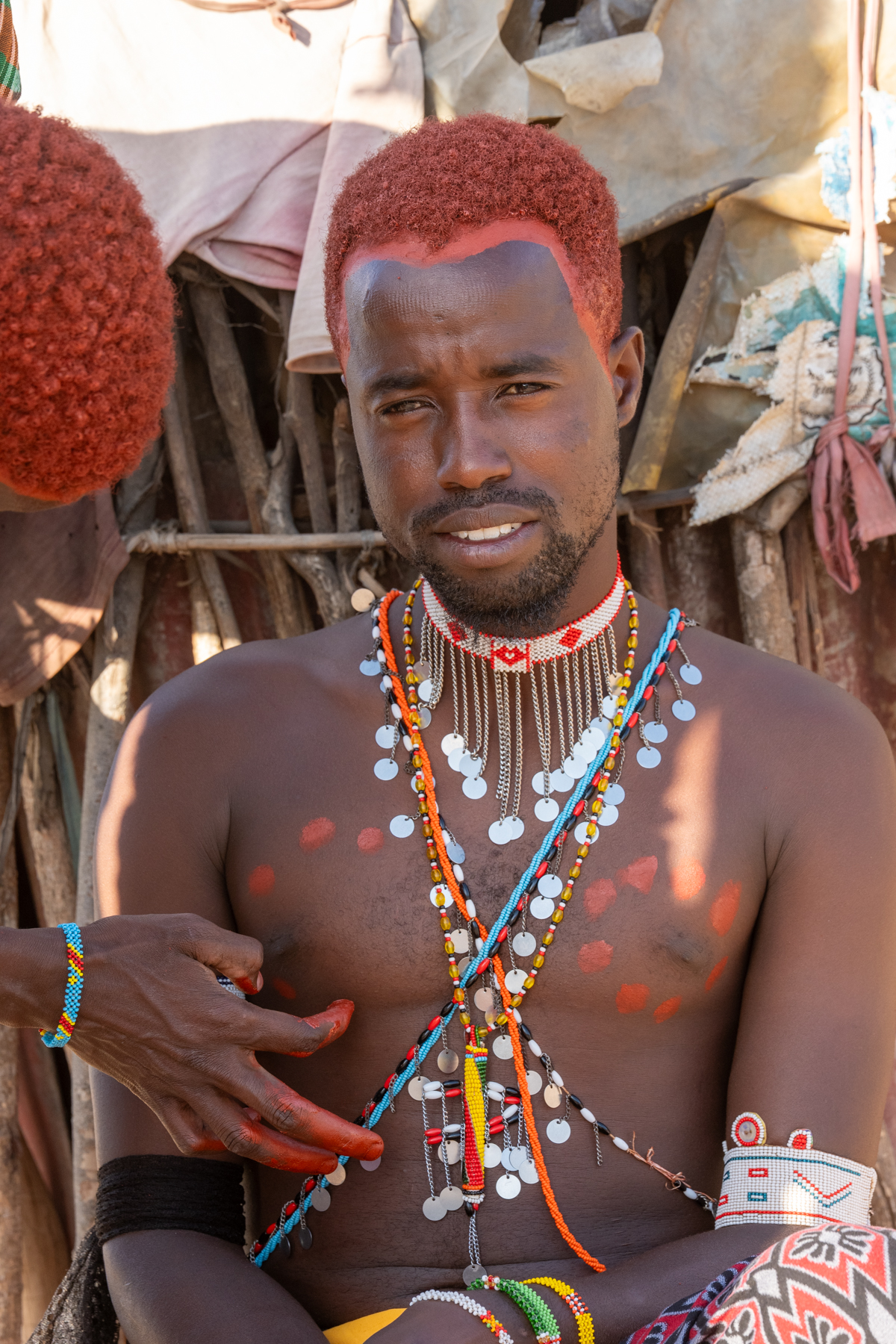
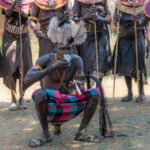
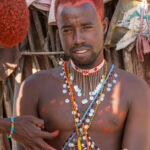
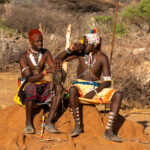
A Samburu Moran sits patiently while his friend paints him with red ochre (image by Inger Vandyke)
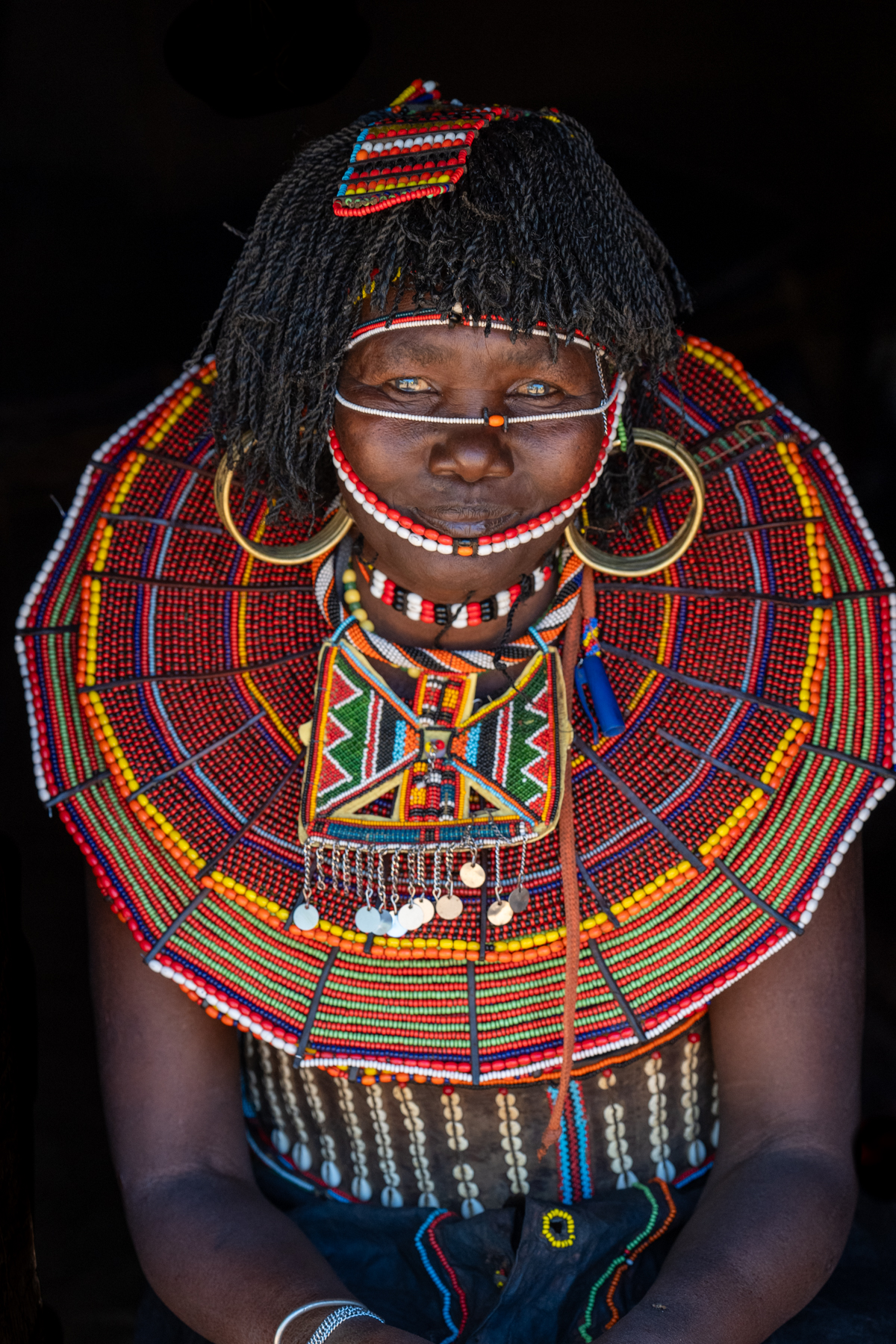
Pokot woman with her stunning jewelry (image by Inger Vandyke)
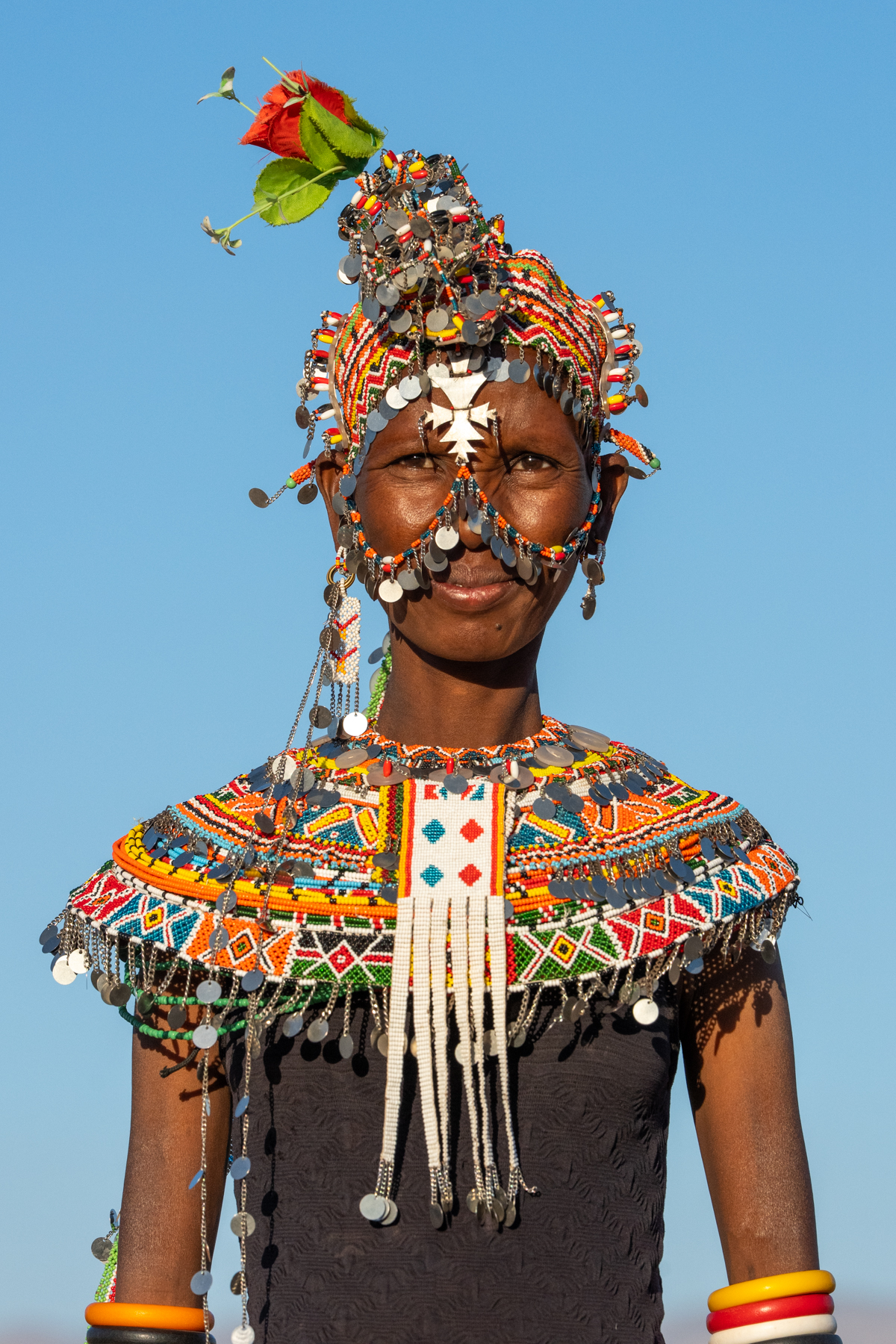
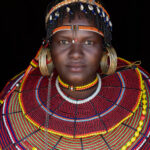
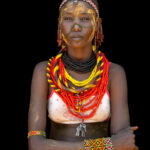
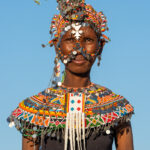
Stunningly decorated Rendille woman (image by Inger Vandyke)
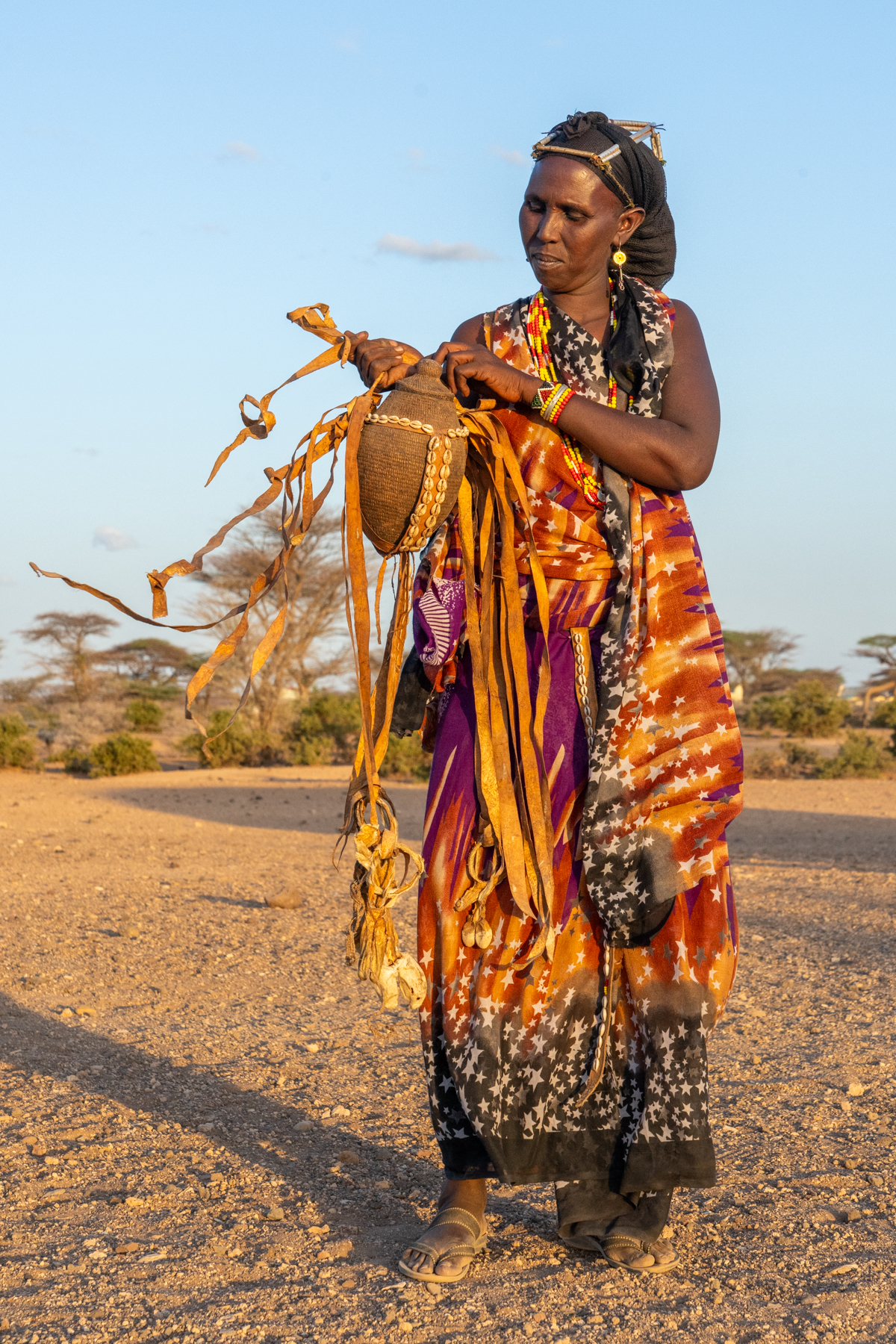
Beautiful Gabbra woman with her decorated kalabash (image by Inger Vandyke)
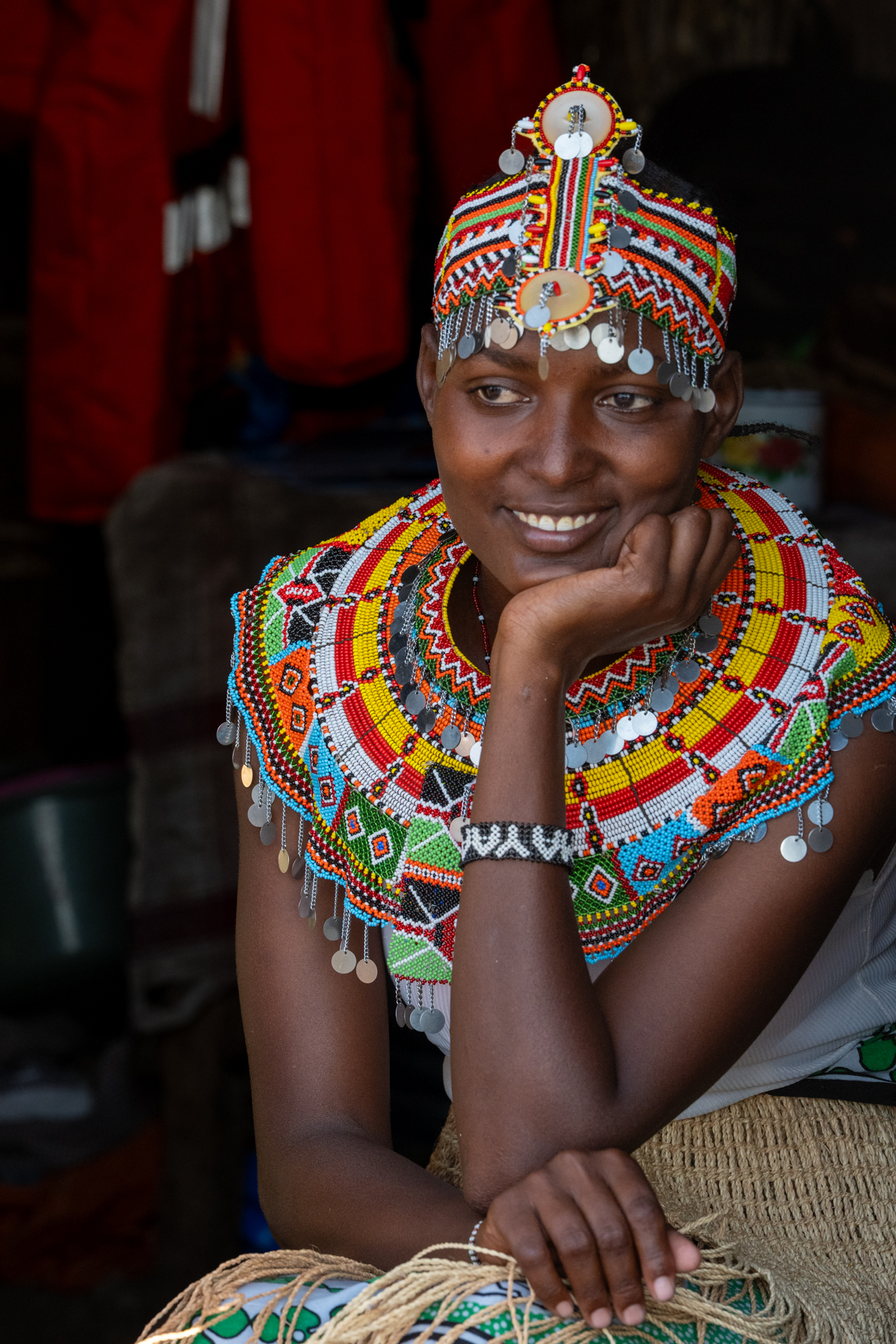
A quiet, happy moment for a pretty El Molo woman (image by Inger Vandyke)
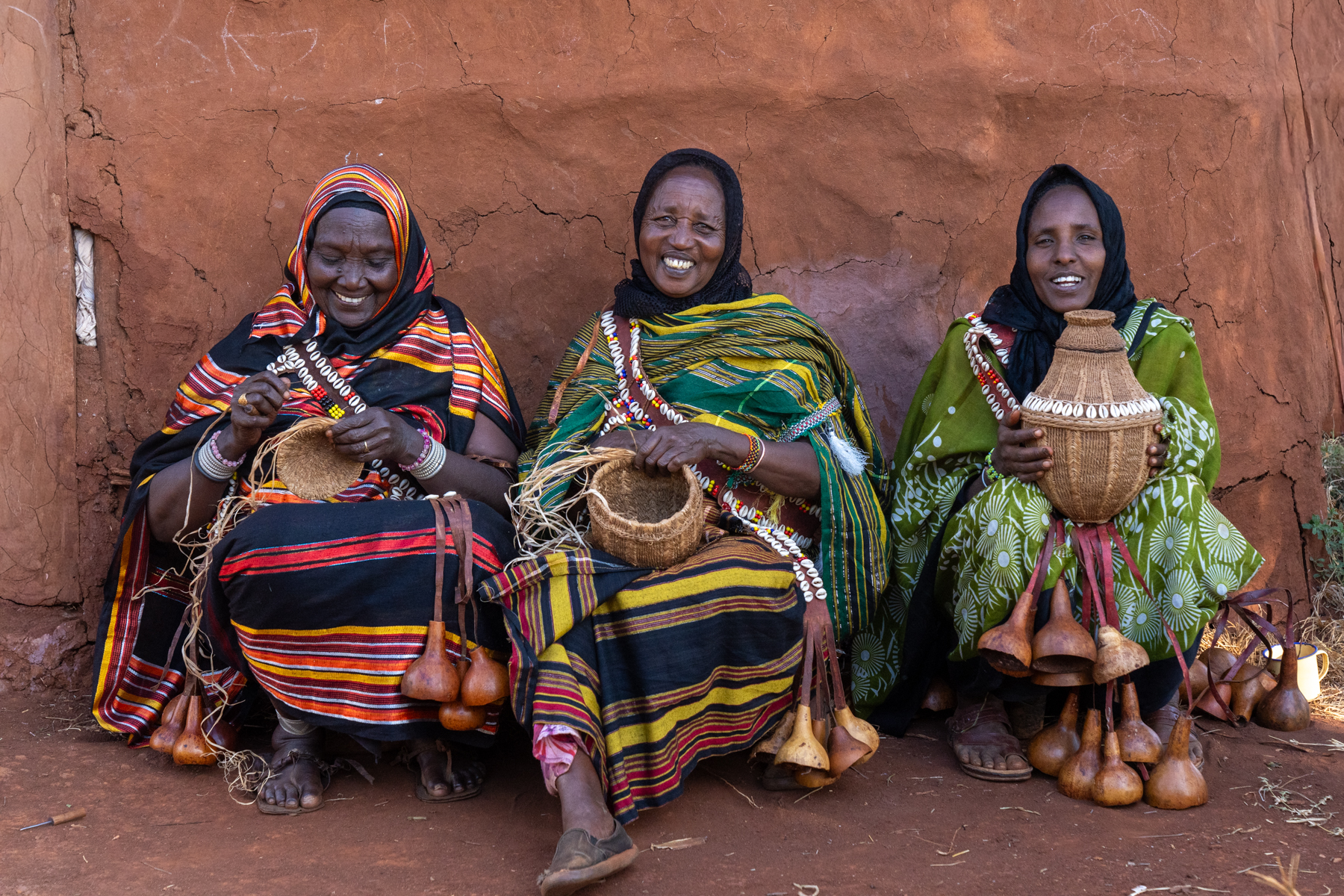
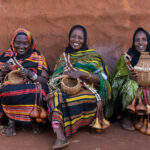
A group of Borana women laugh as they weave baskets (image by Inger Vandyke)
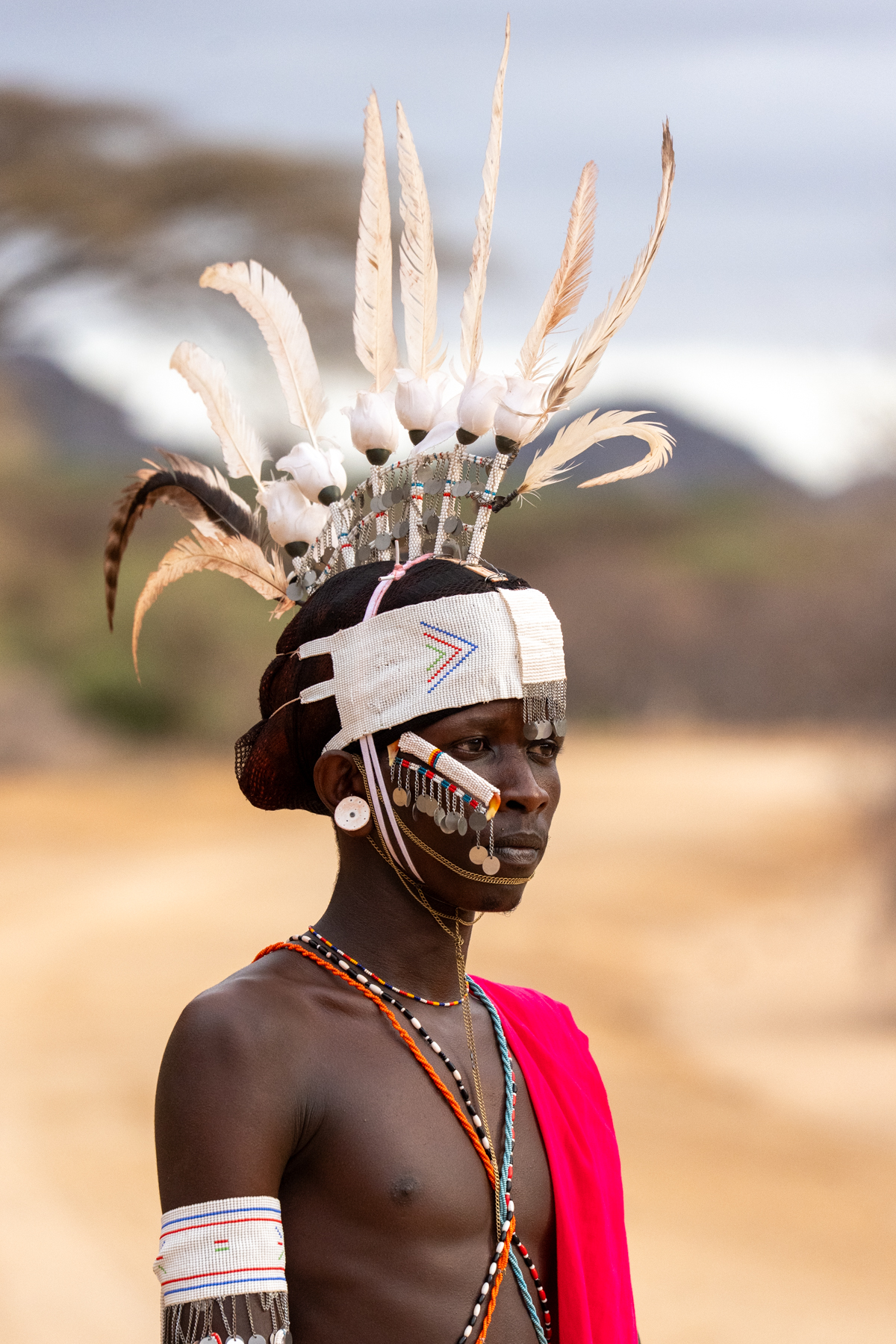
A highly decorated young Rendille Moran (image by Inger Vandyke)
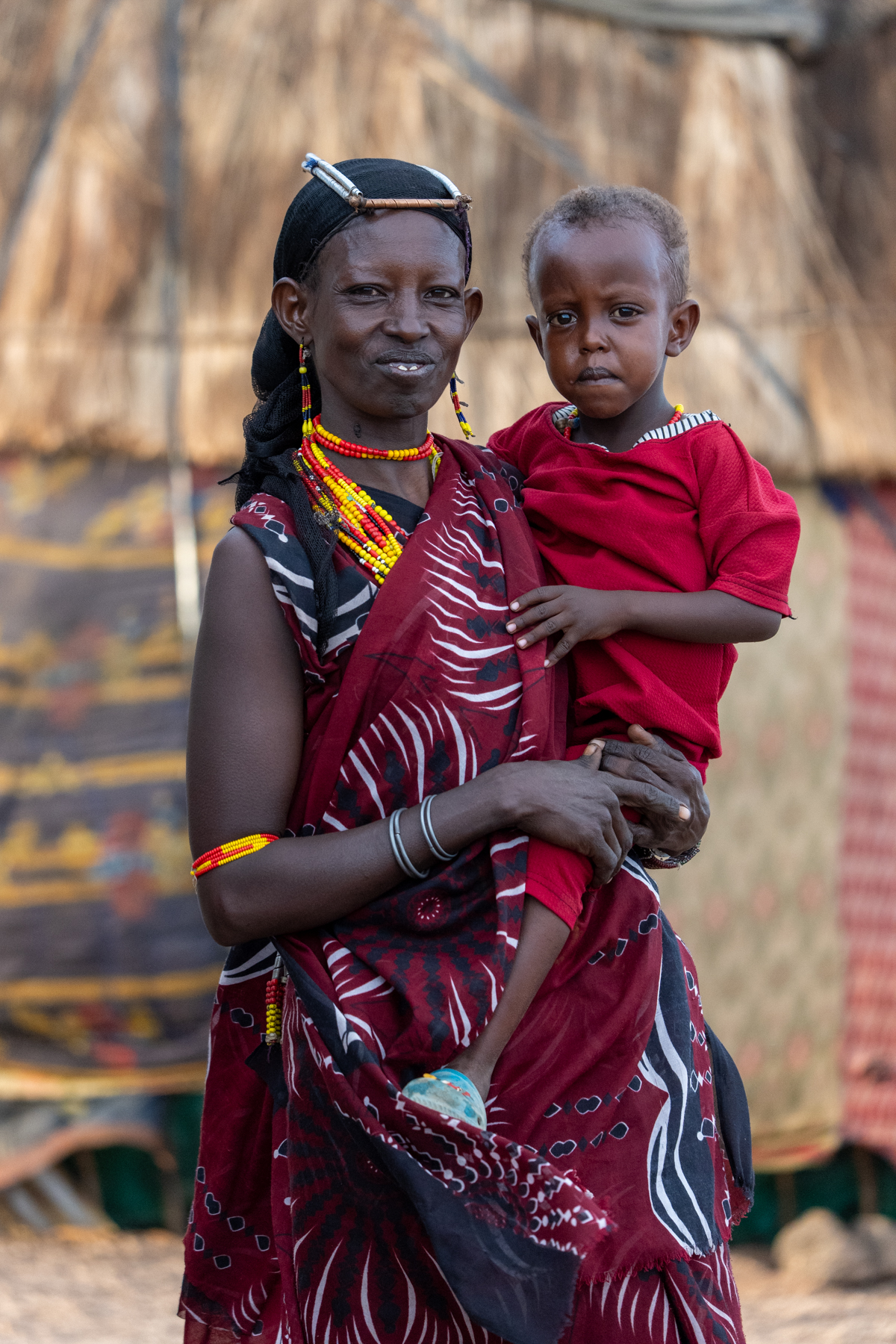
Gabbra woman with her young son (image by Inger Vandyke)
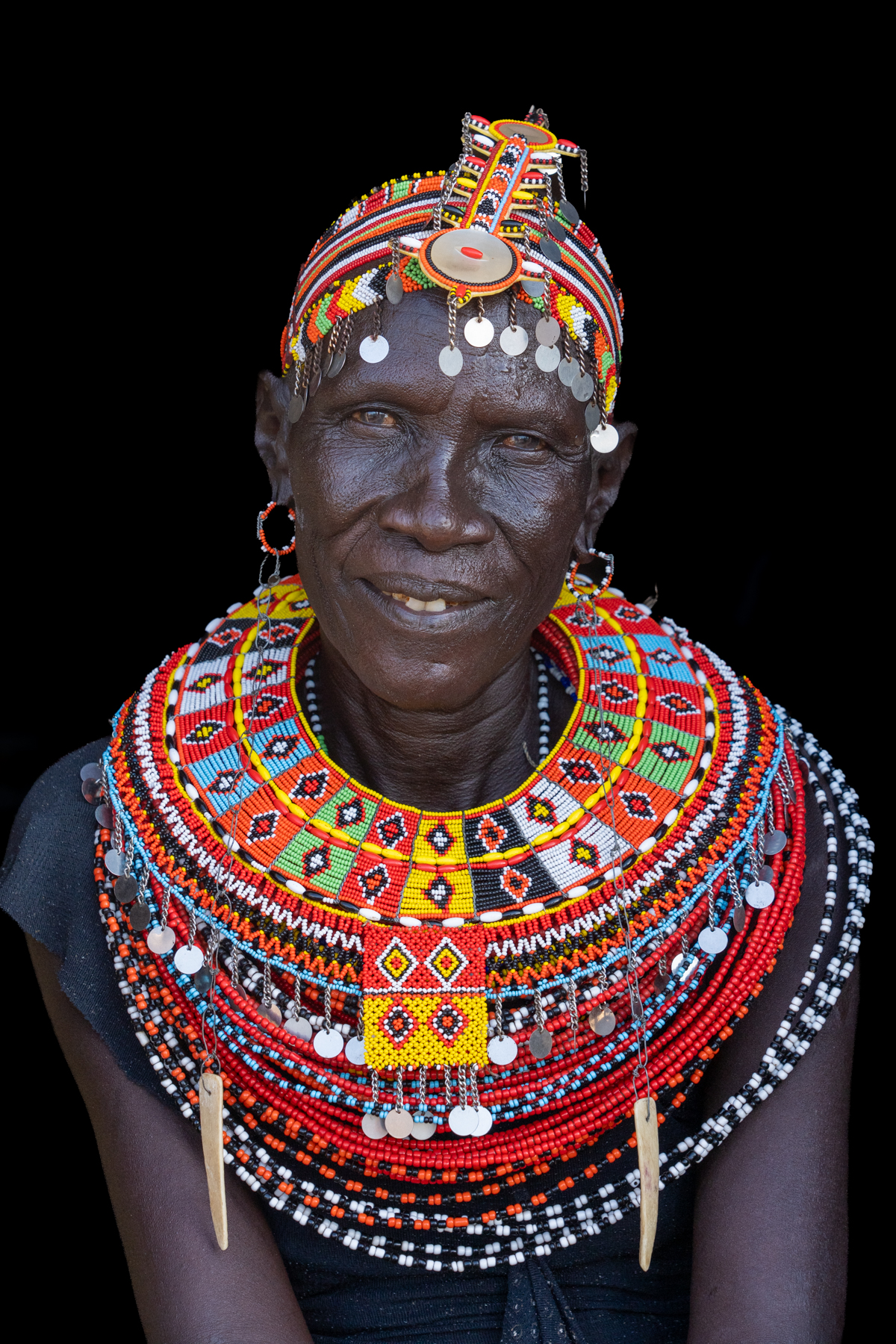
Portrait of an El Molo matriarch (image by Inger Vandyke)
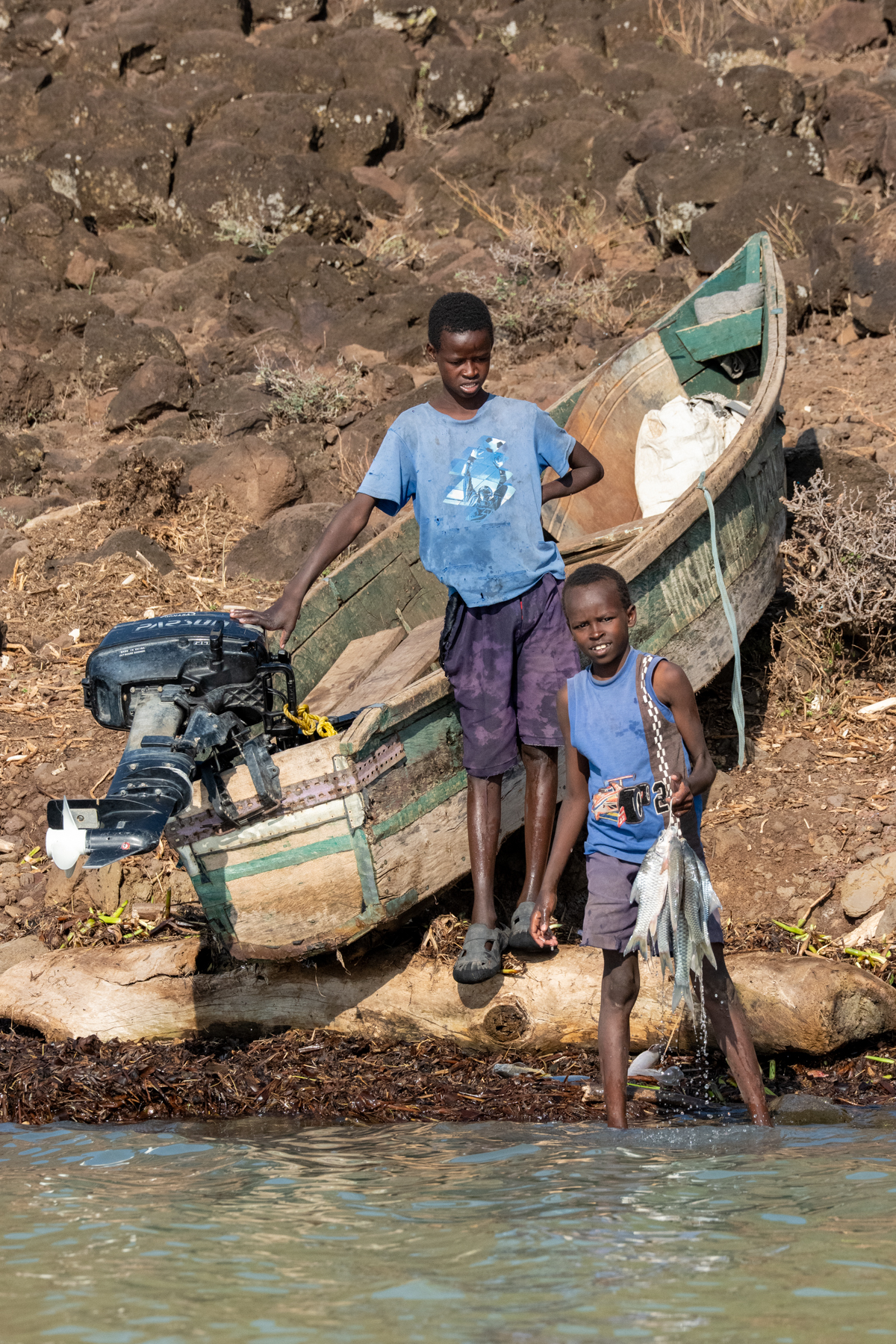
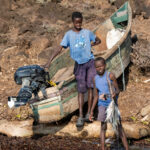
Young Njemps boys landing their catch on Kokwa Island (image by Inger Vandyke)
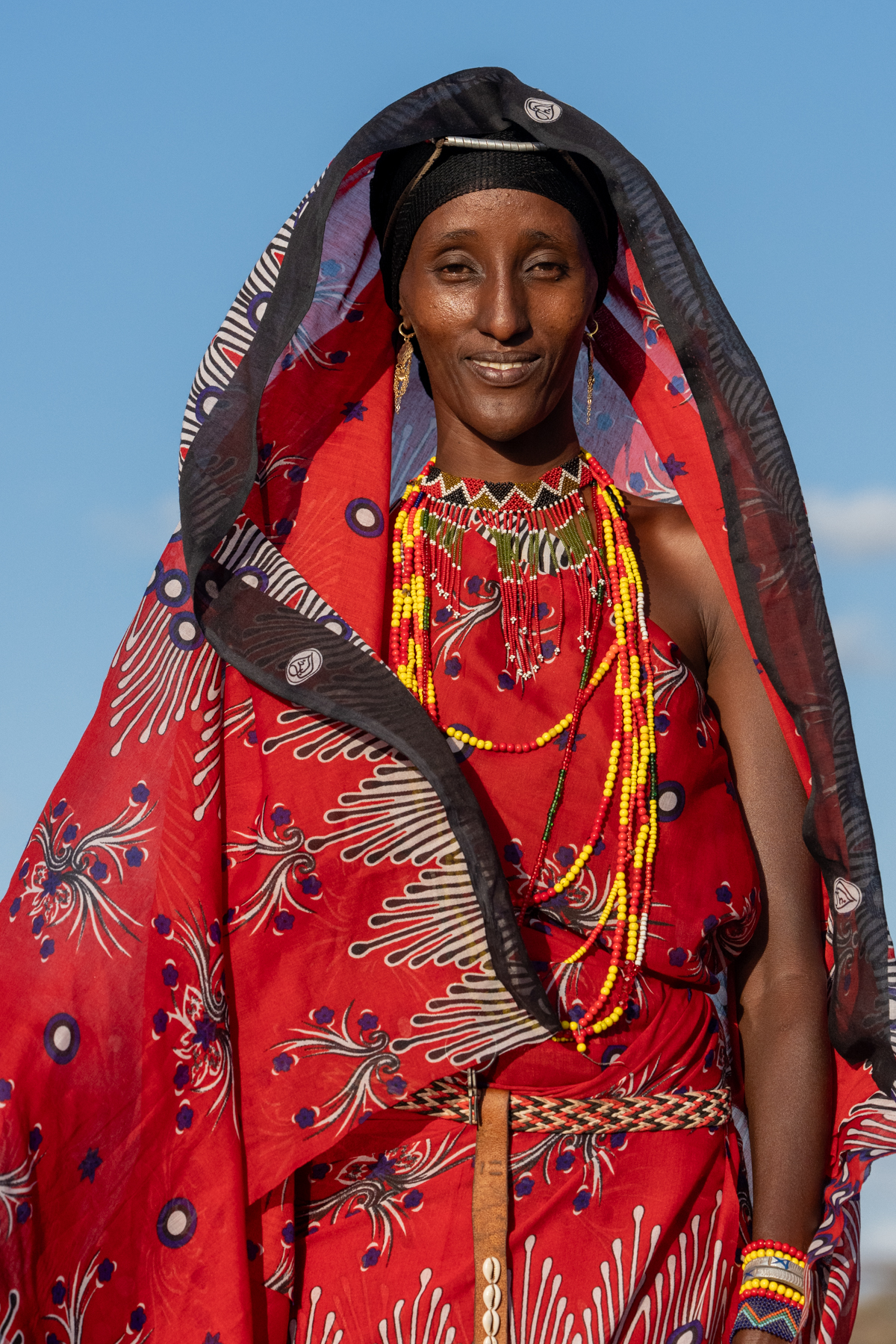
Could the Gabbra be any more beautiful? (image by Inger Vandyke)
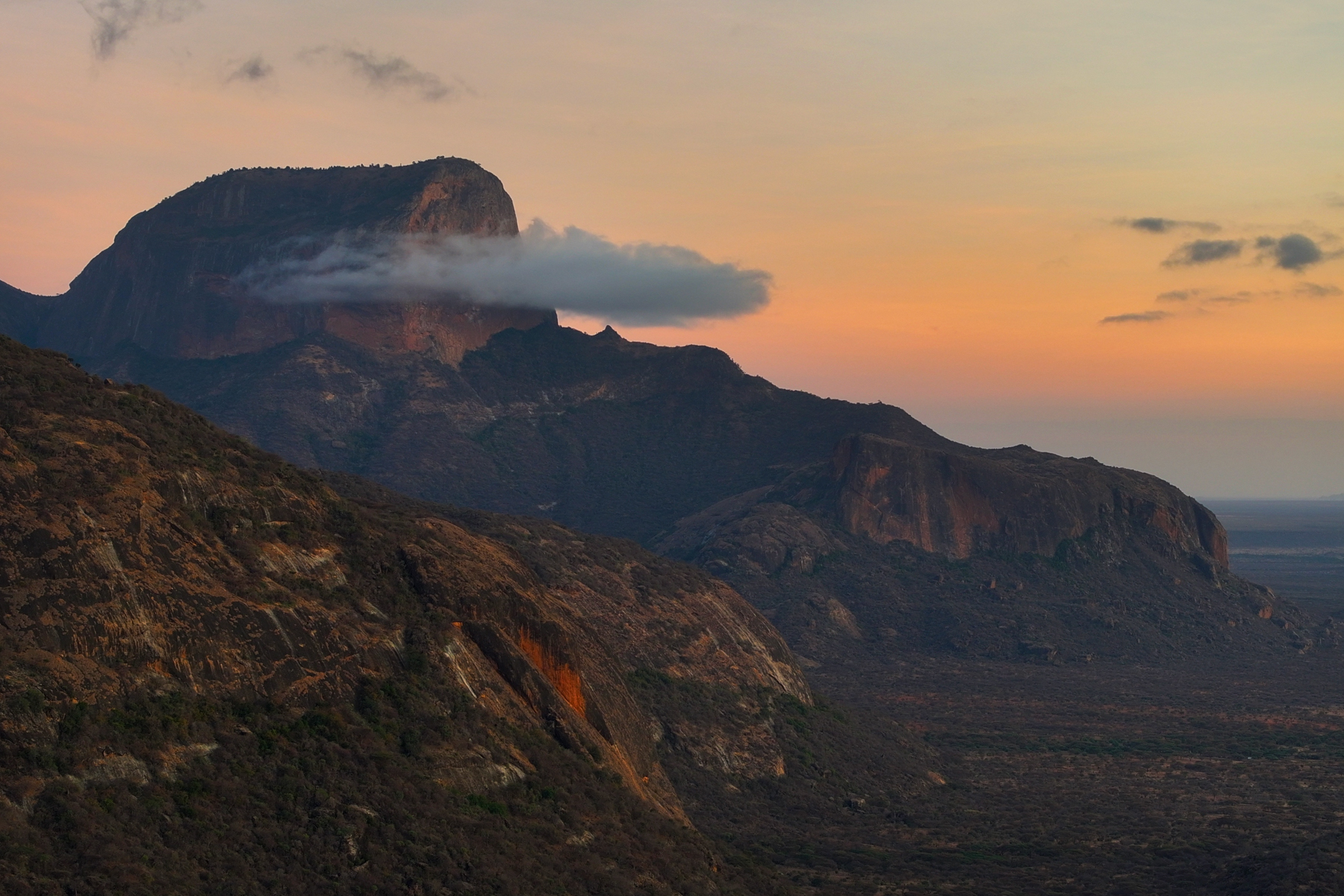
The blush of a new day in Kenya's Ndoto Mountains (image by Inger Vandyke)
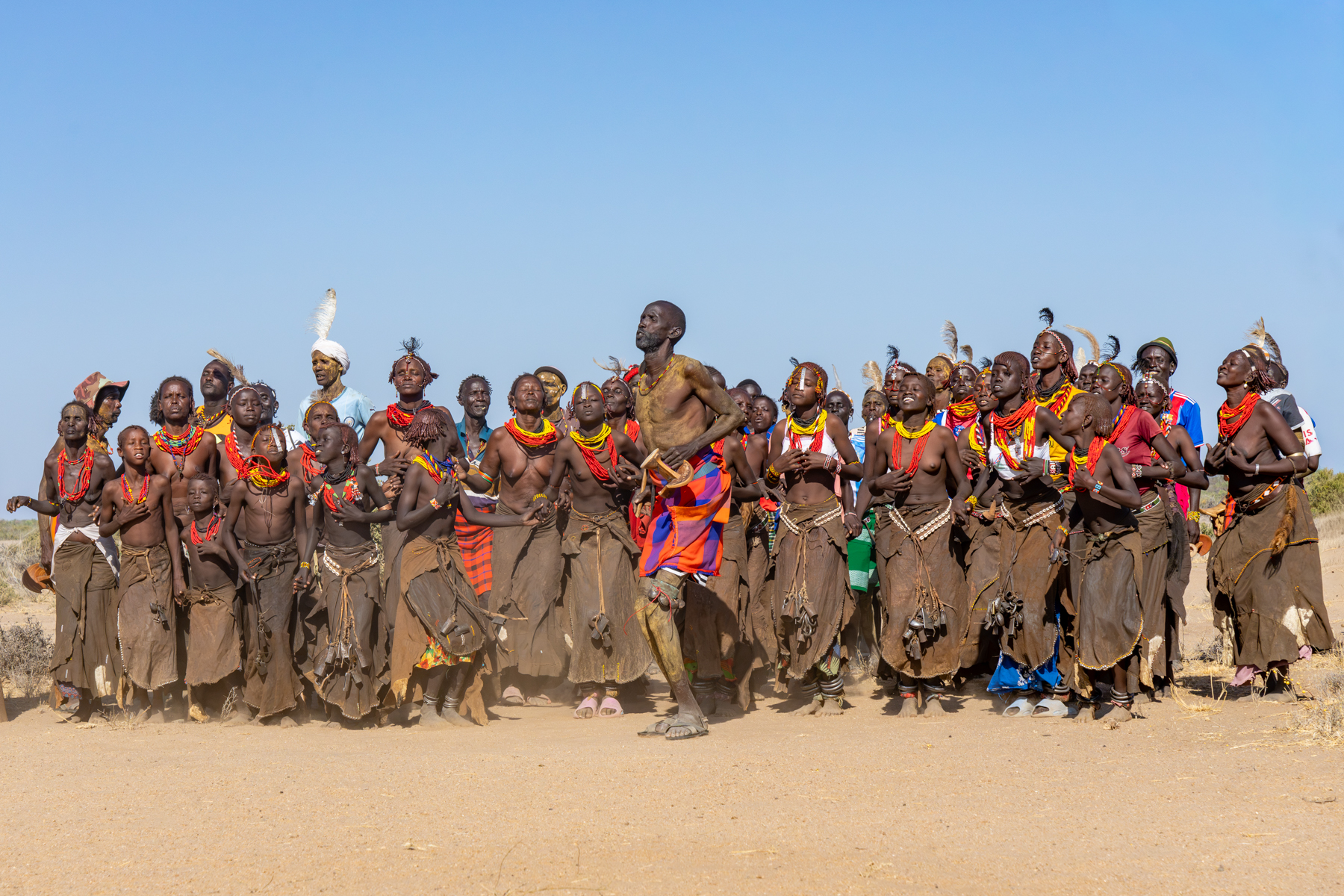
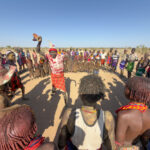
Dassanech people celebrating Guol in remote Kenya (image by Inger Vandyke)
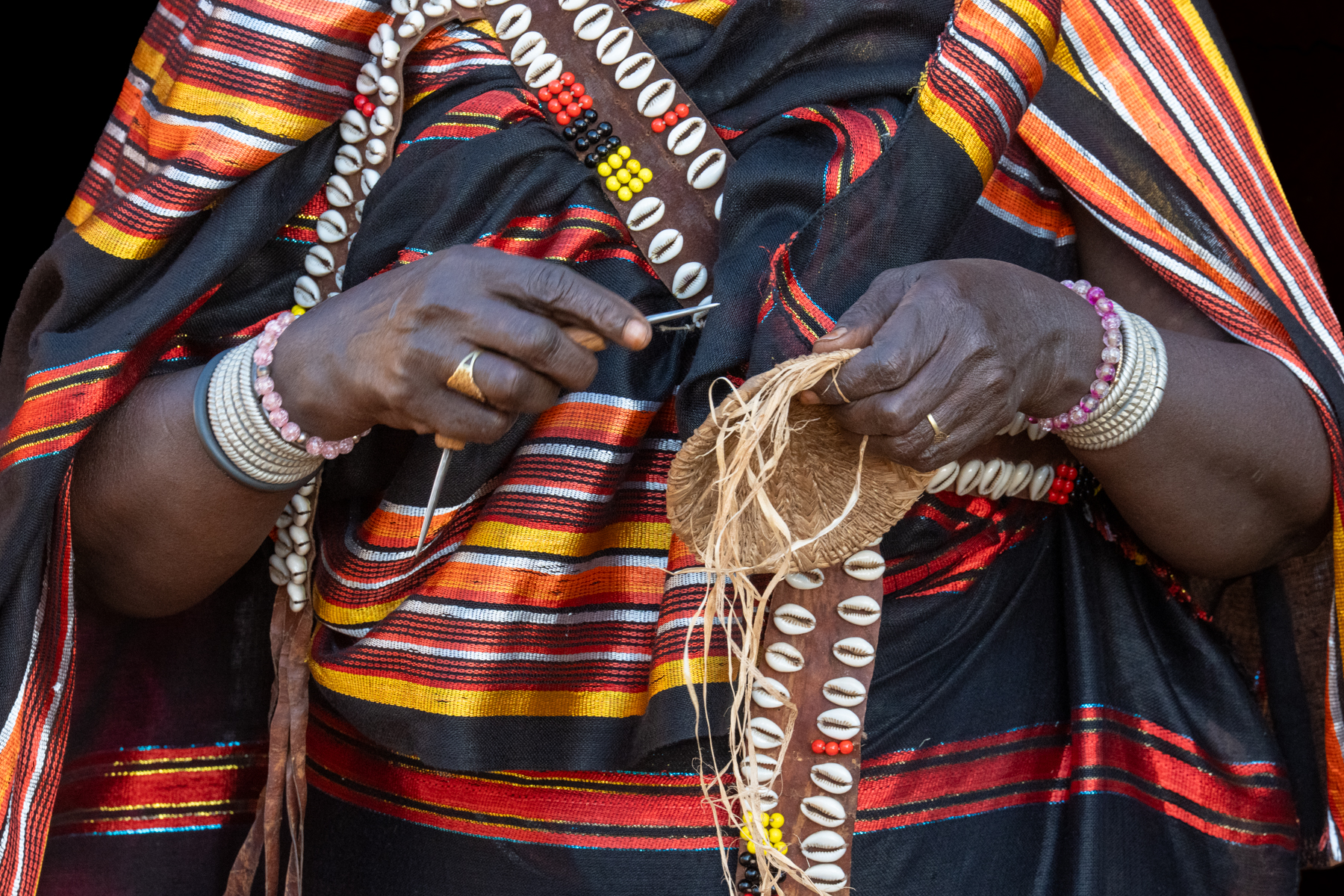
Weaving the strong baskets used to store food in Borana culture (image by Inger Vandyke)
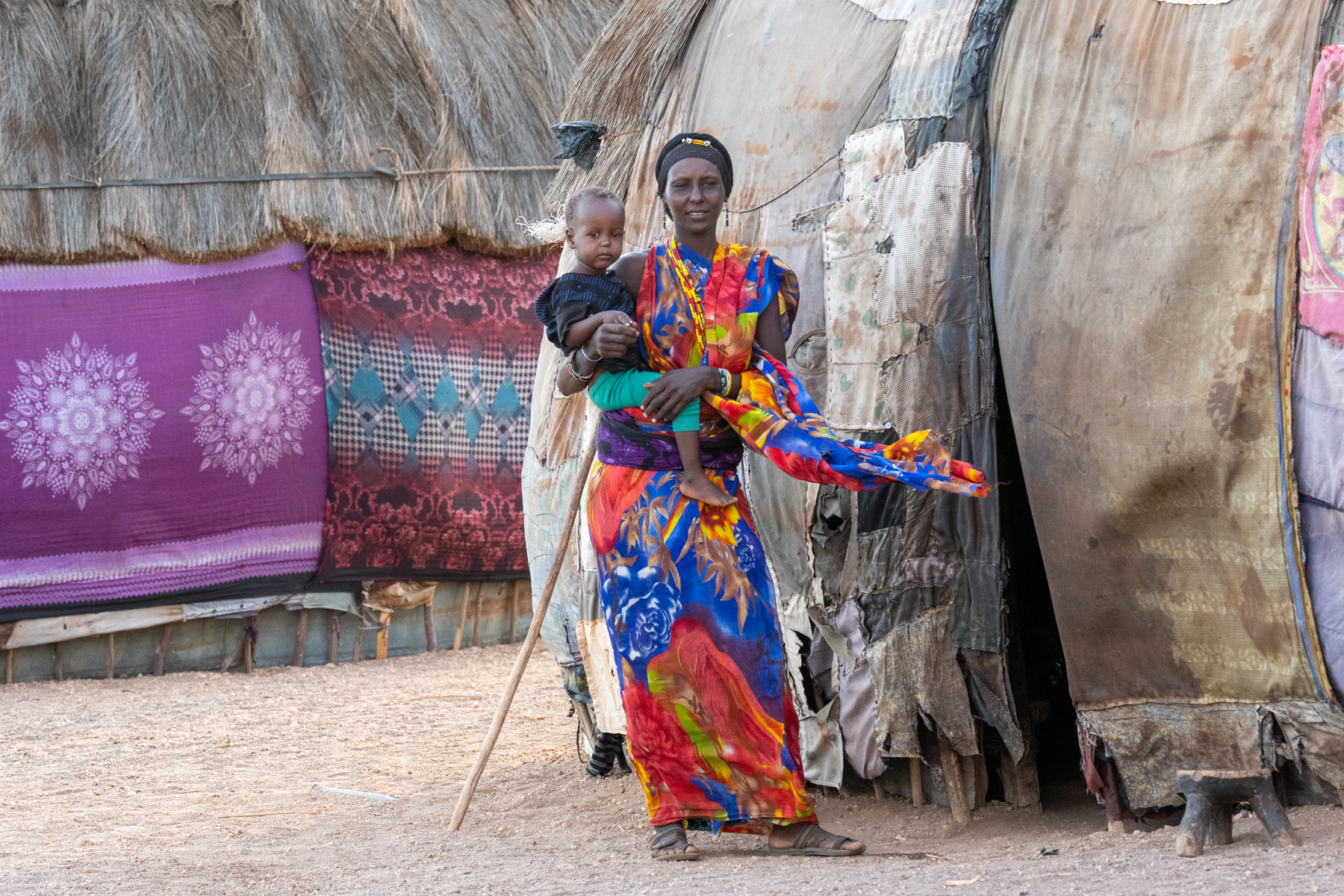
The elegant Gabbra women of Kenya. Every aspect of their lives is beautiful (image by Inger Vandyke)
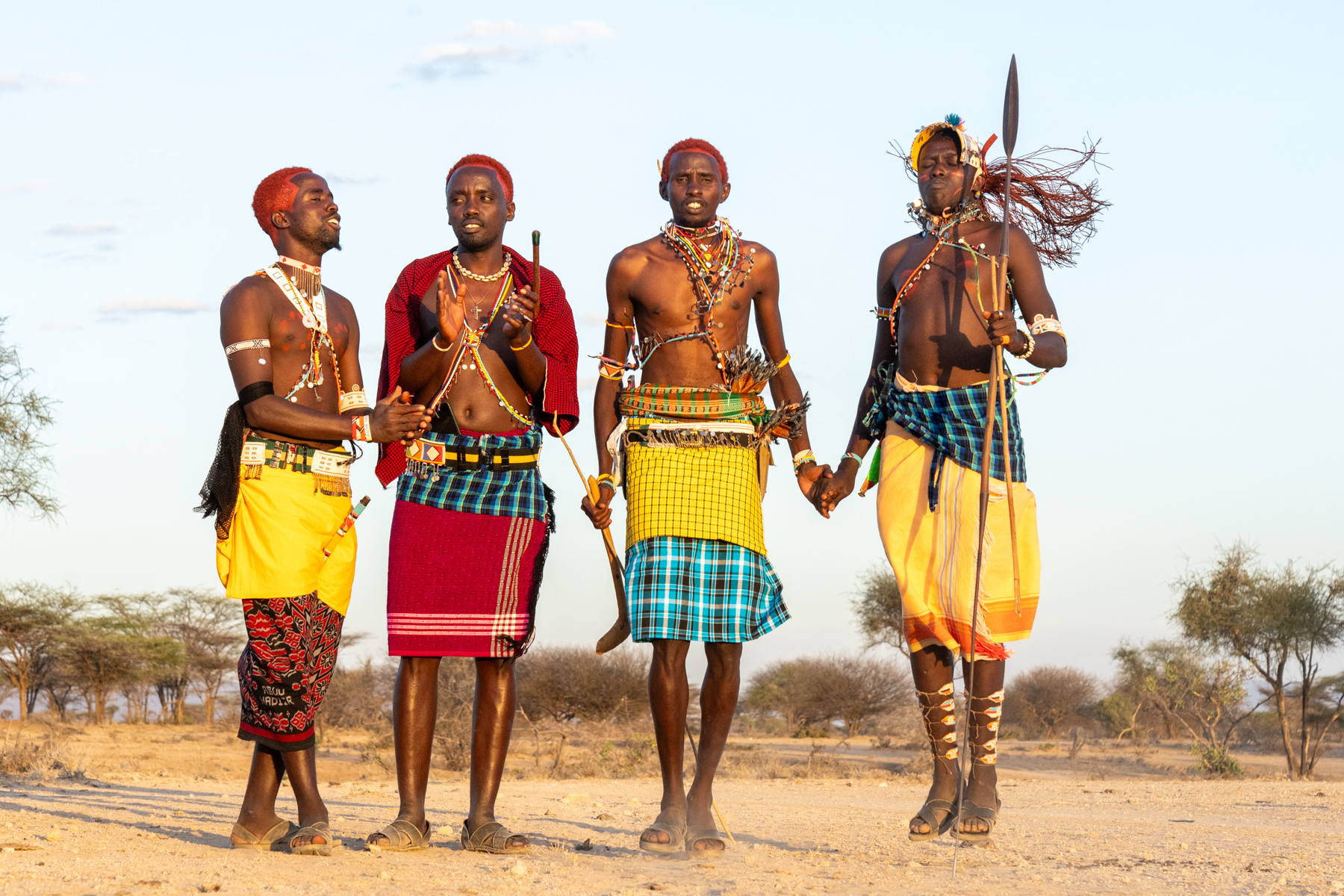
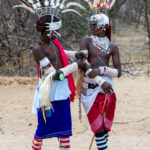
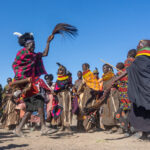
A group of dancing Samburu Morans (image by Inger Vandyke)
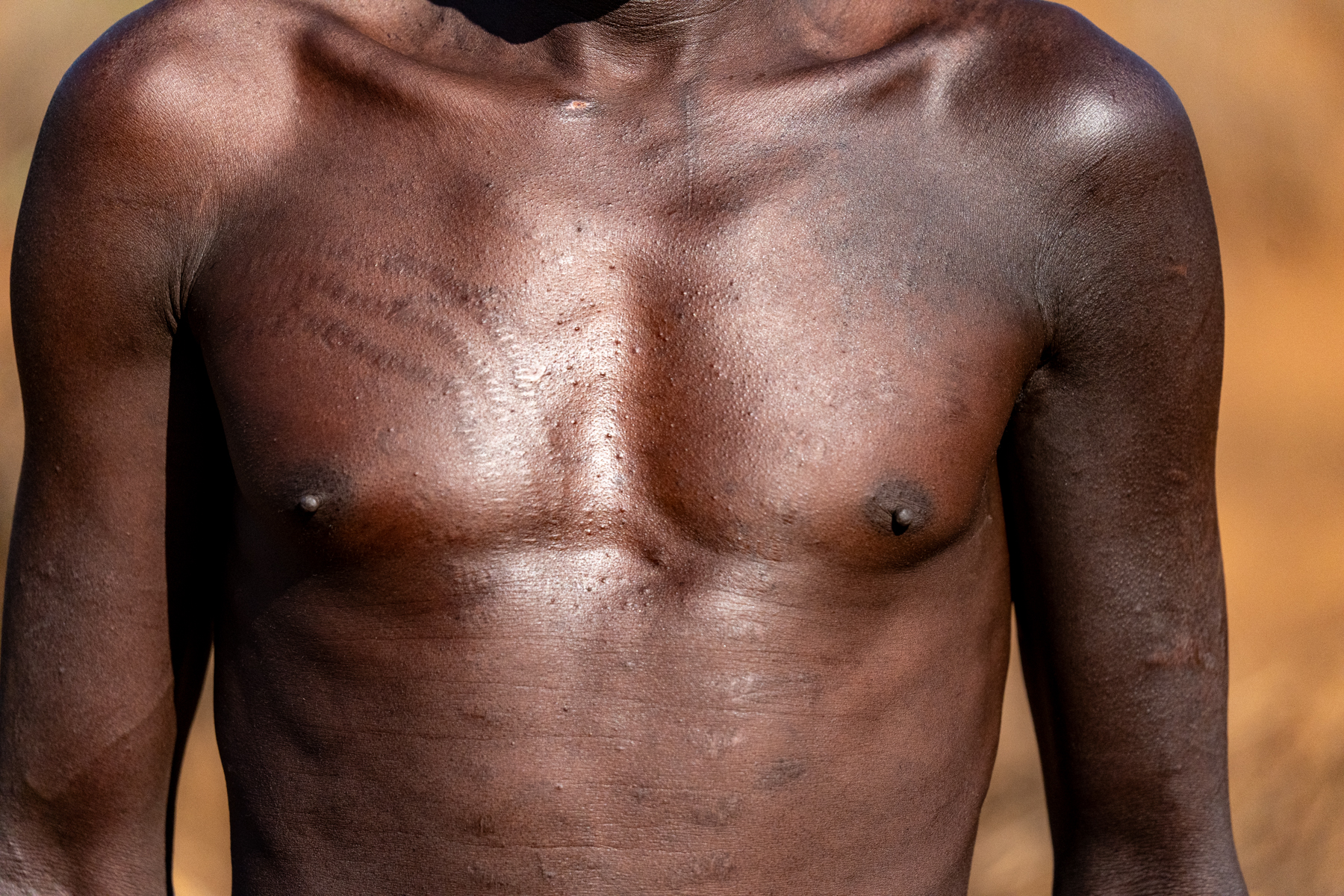
Pokot scarification (image by Inger Vandyke)
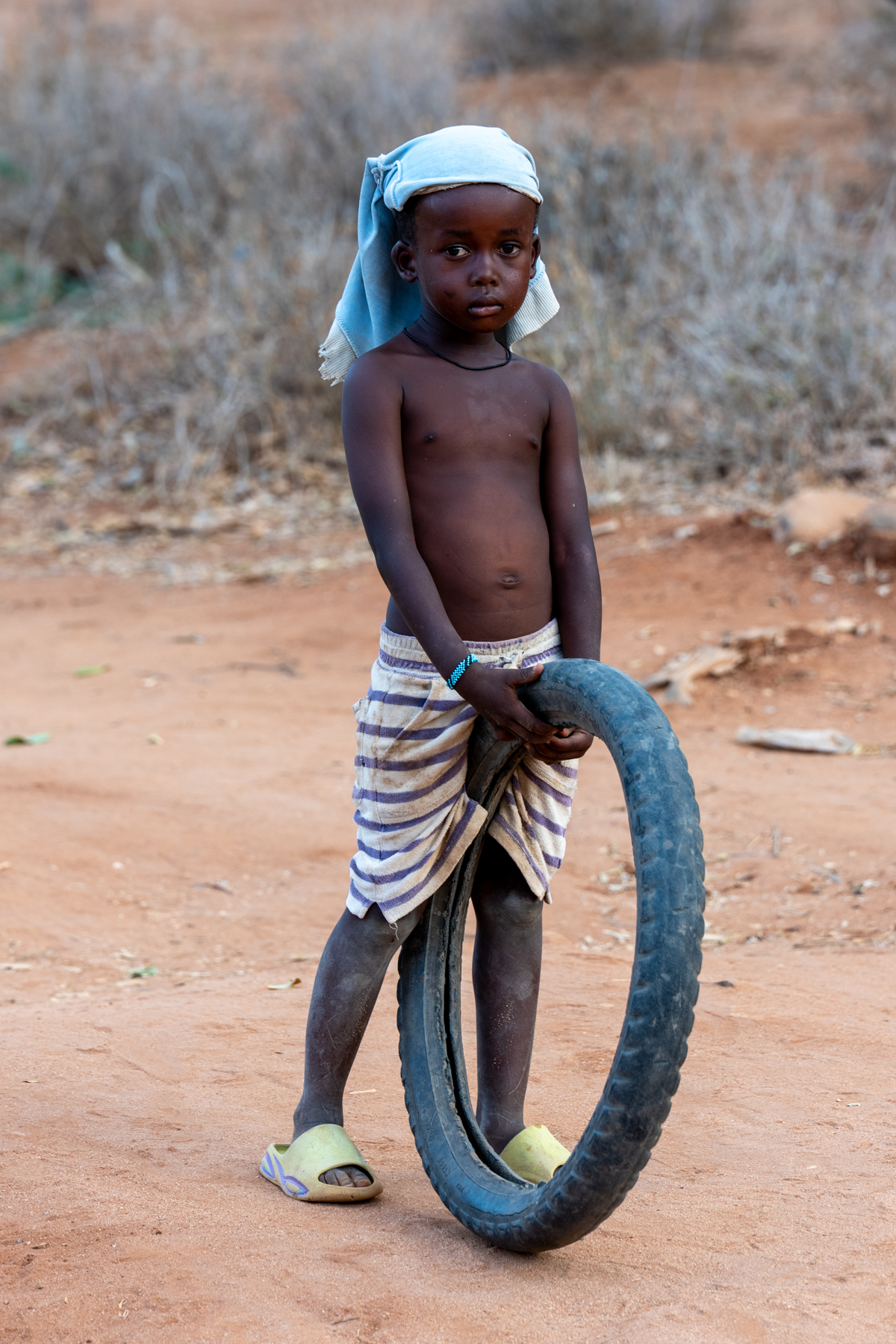
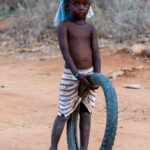
Young Rendille child with his tyre toy (image by Inger Vandyke)
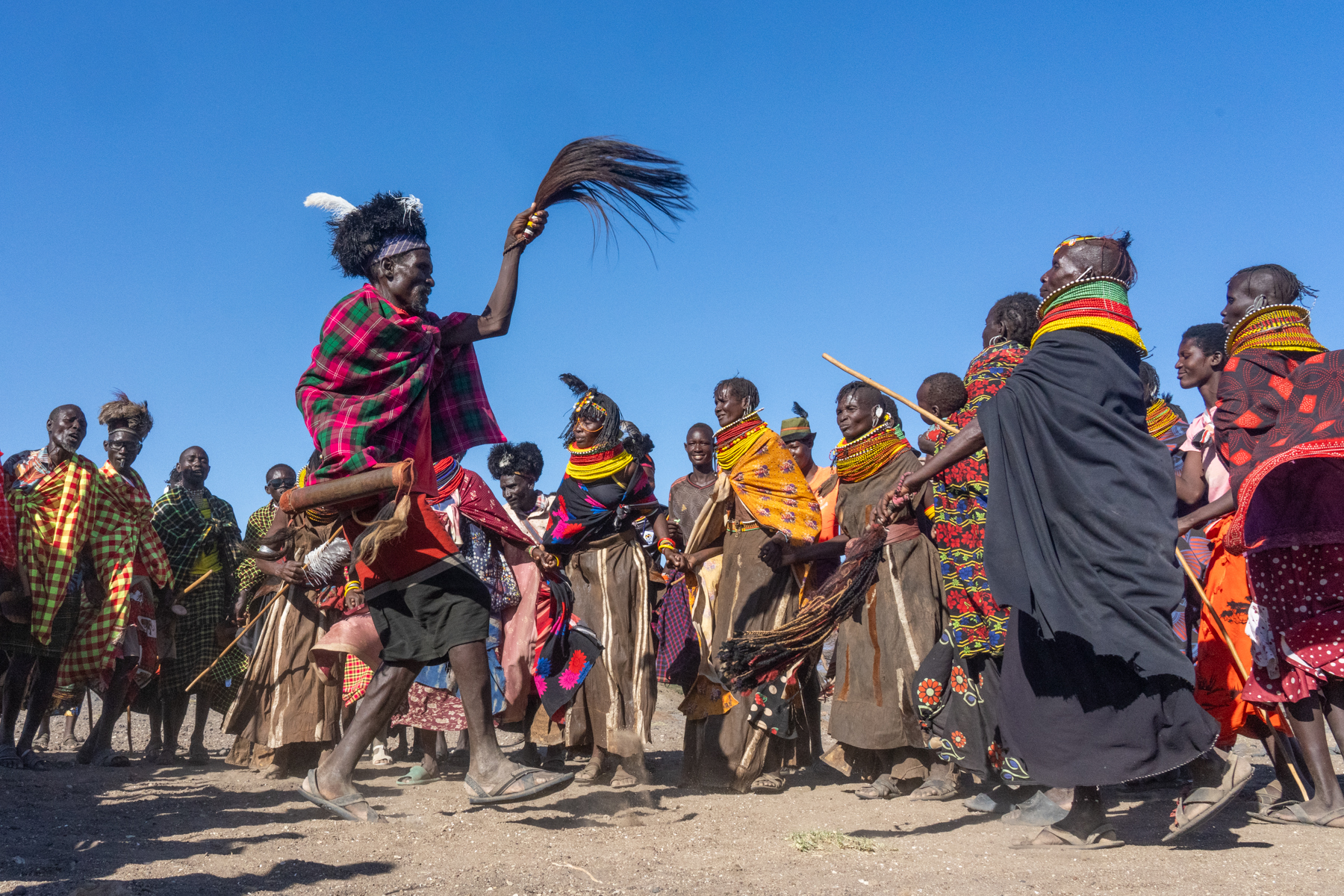
Energetic dances at a Turkana wedding ceremony (image by Inger Vandyke)
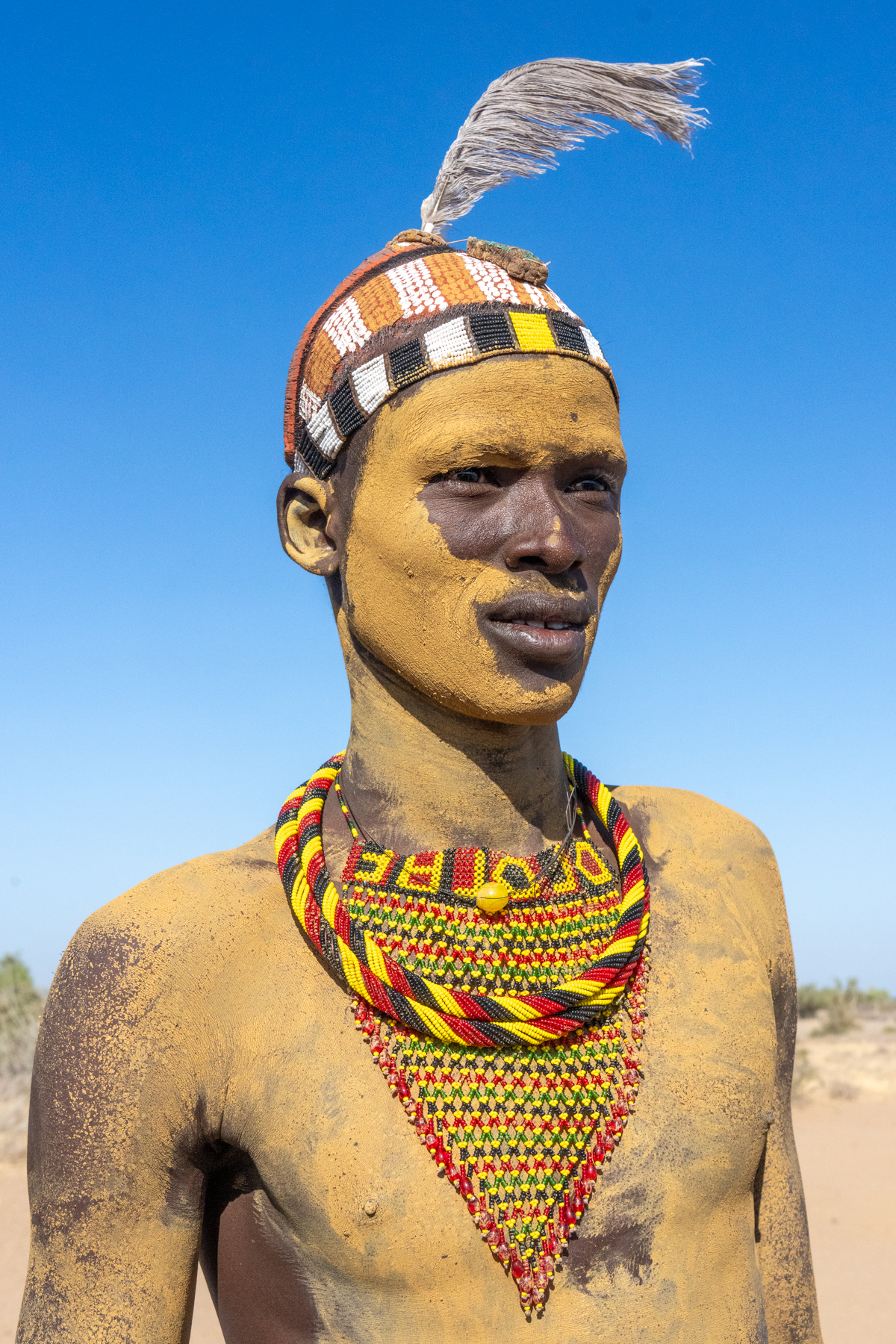
Young Dassanech man at Guol (image by Inger Vandyke)
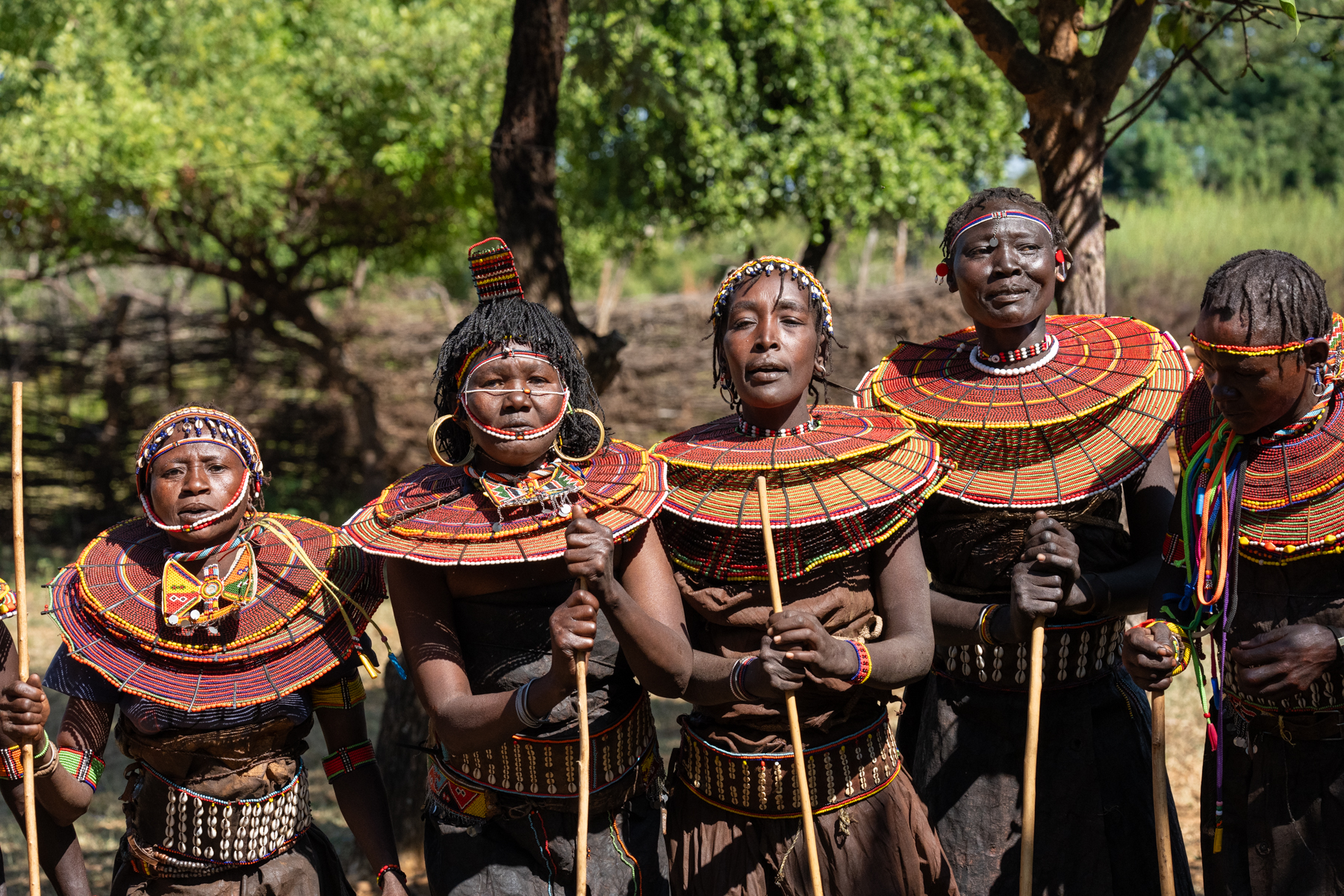
Pokot women at a ceremony in remote Kenya (image by Inger Vandyke)
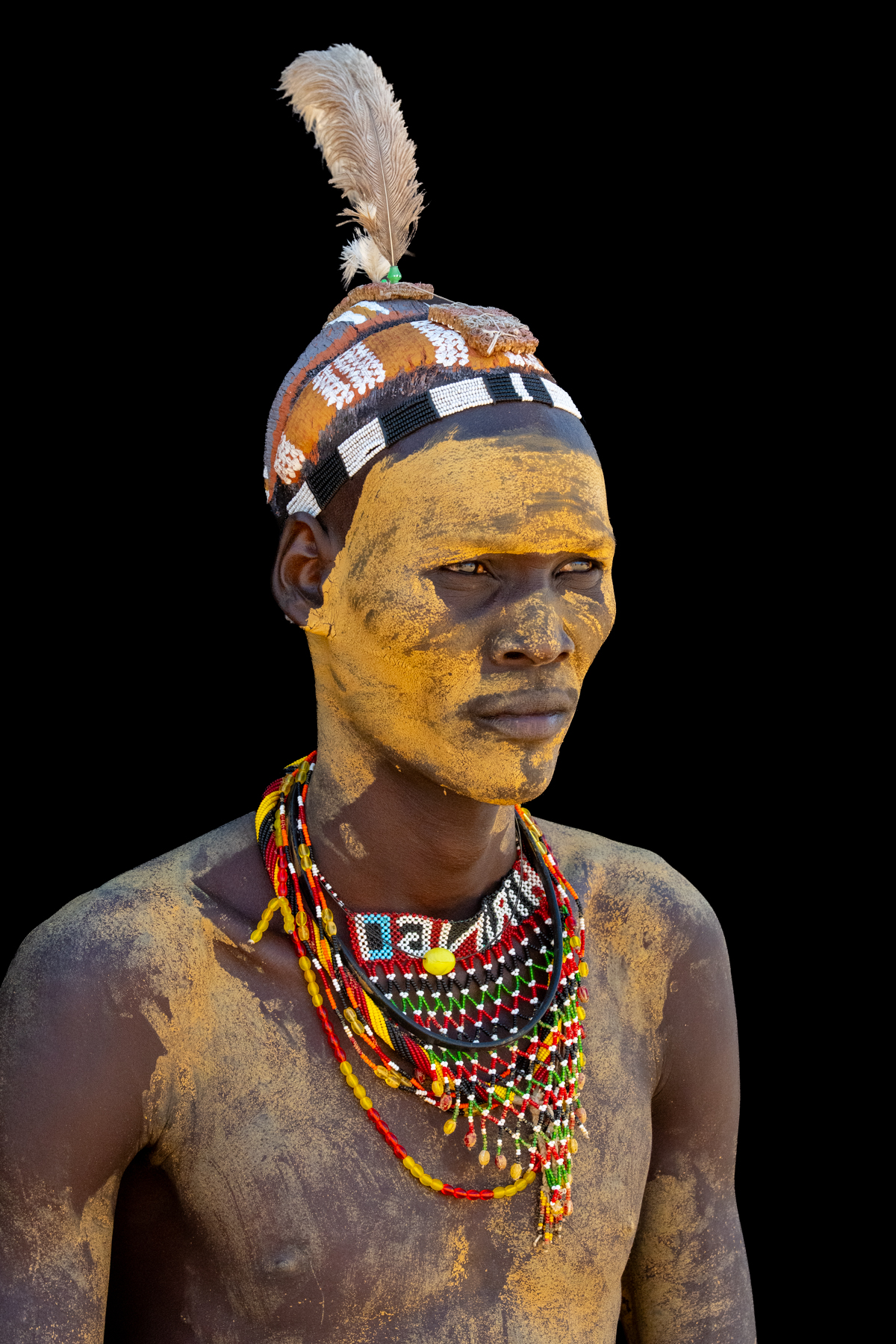
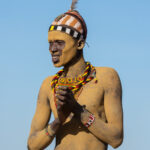
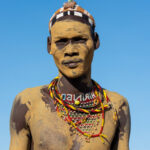
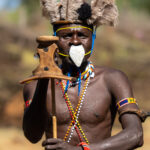
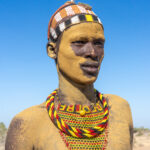
When Dassanech men decorate themselves for a ceremony the result is truly beautiful (image by Inger Vandyke)
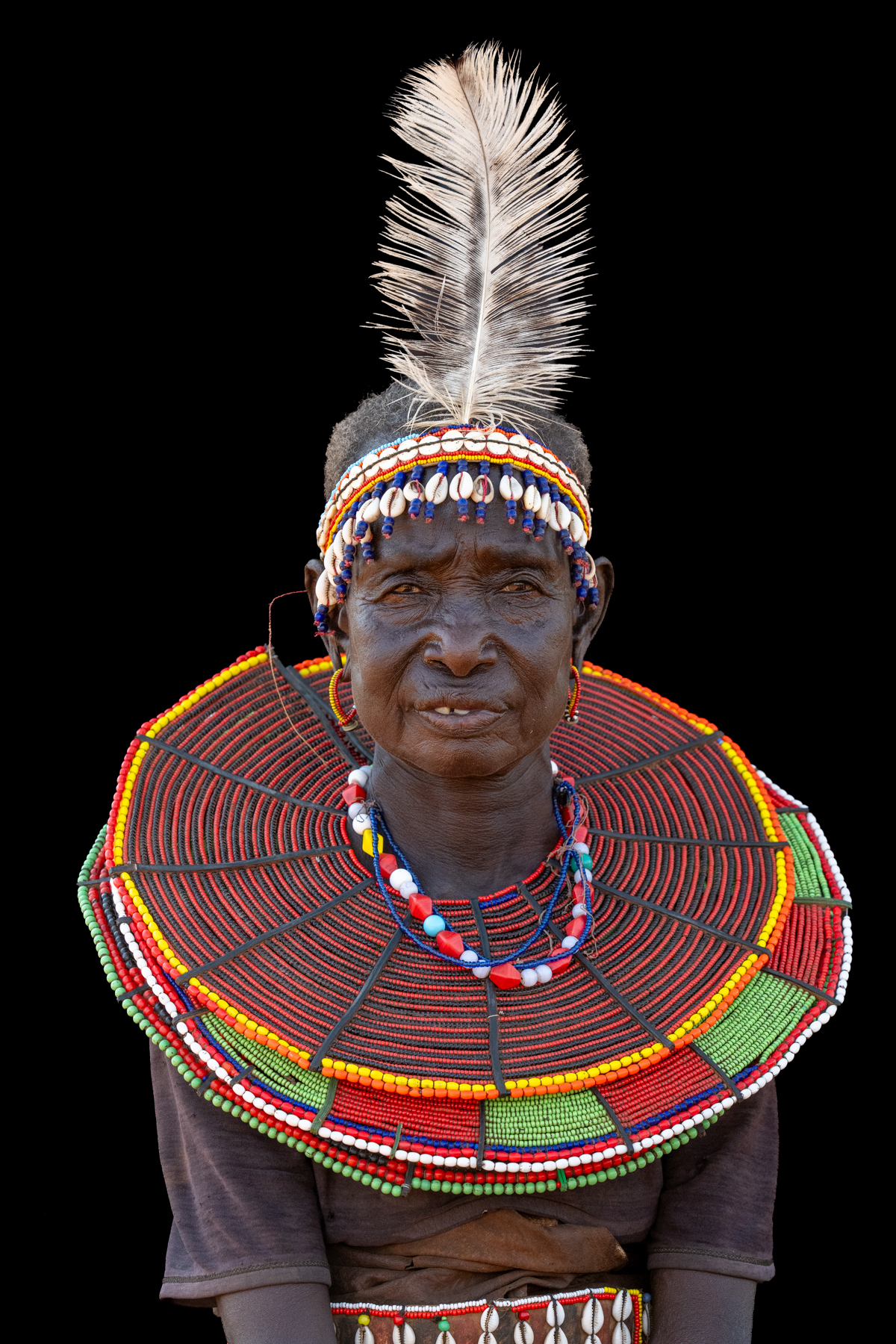
Beautiful Pokot matriarch with her breathtaking necklaces called Karen (image by Inger Vandyke)
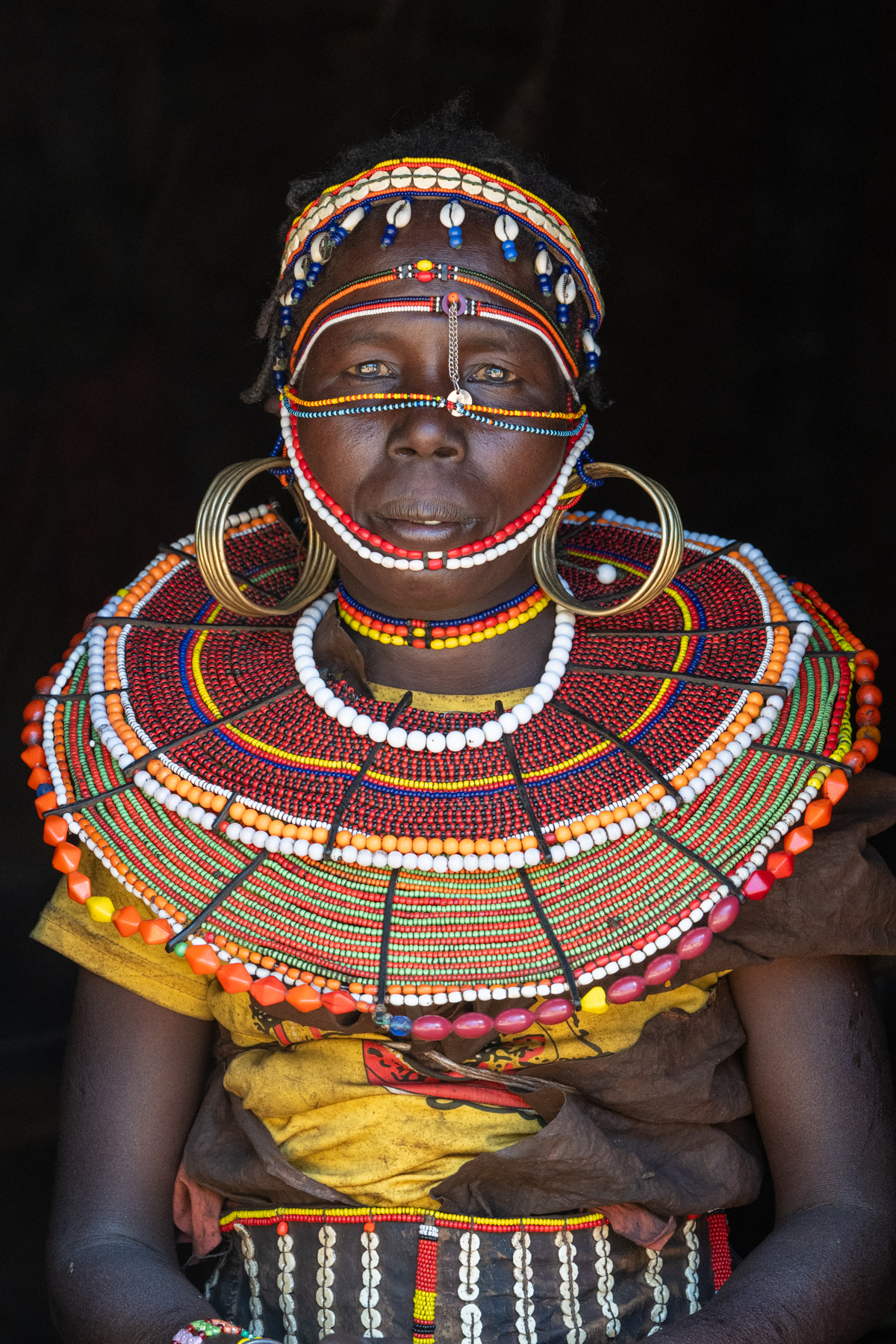
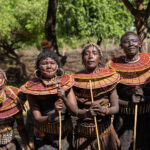
Pokot women are breathtaking (image by Inger Vandyke)
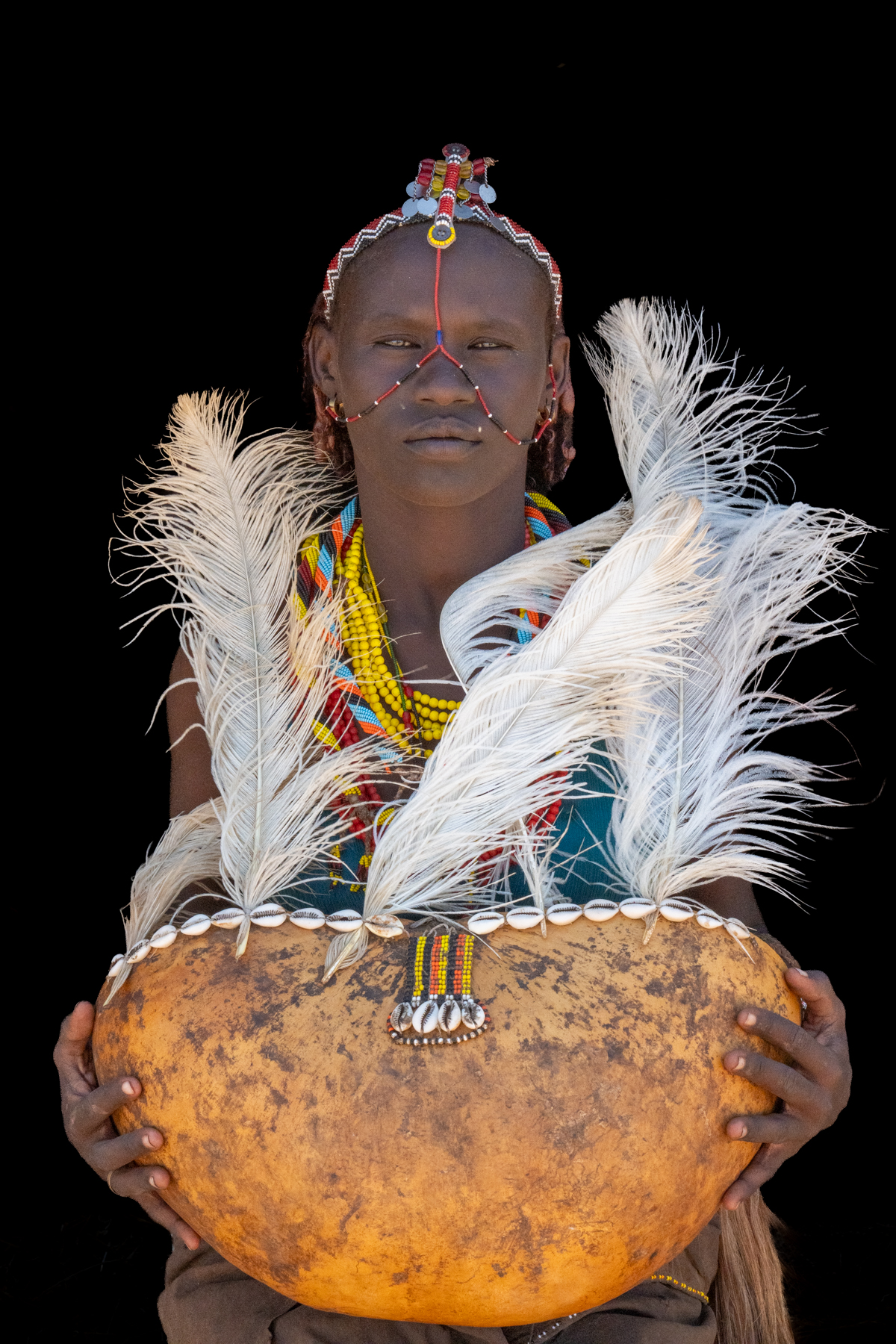
Dassanech girl carrying the decorated Kalabash for Guol (image by Inger Vandyke)
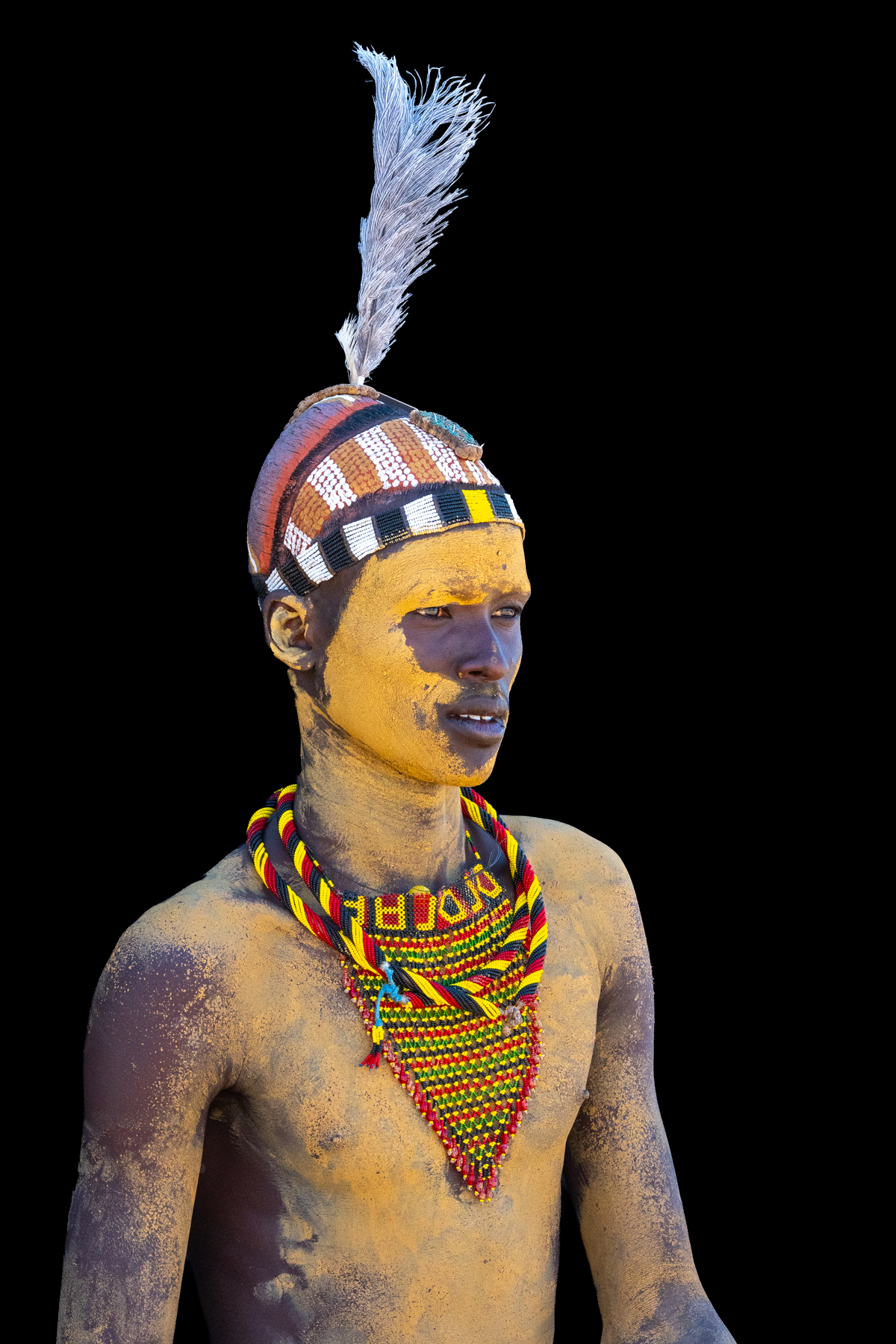
Decorated to thrill at Guol in Dassanech culture (image by Inger Vandyke)
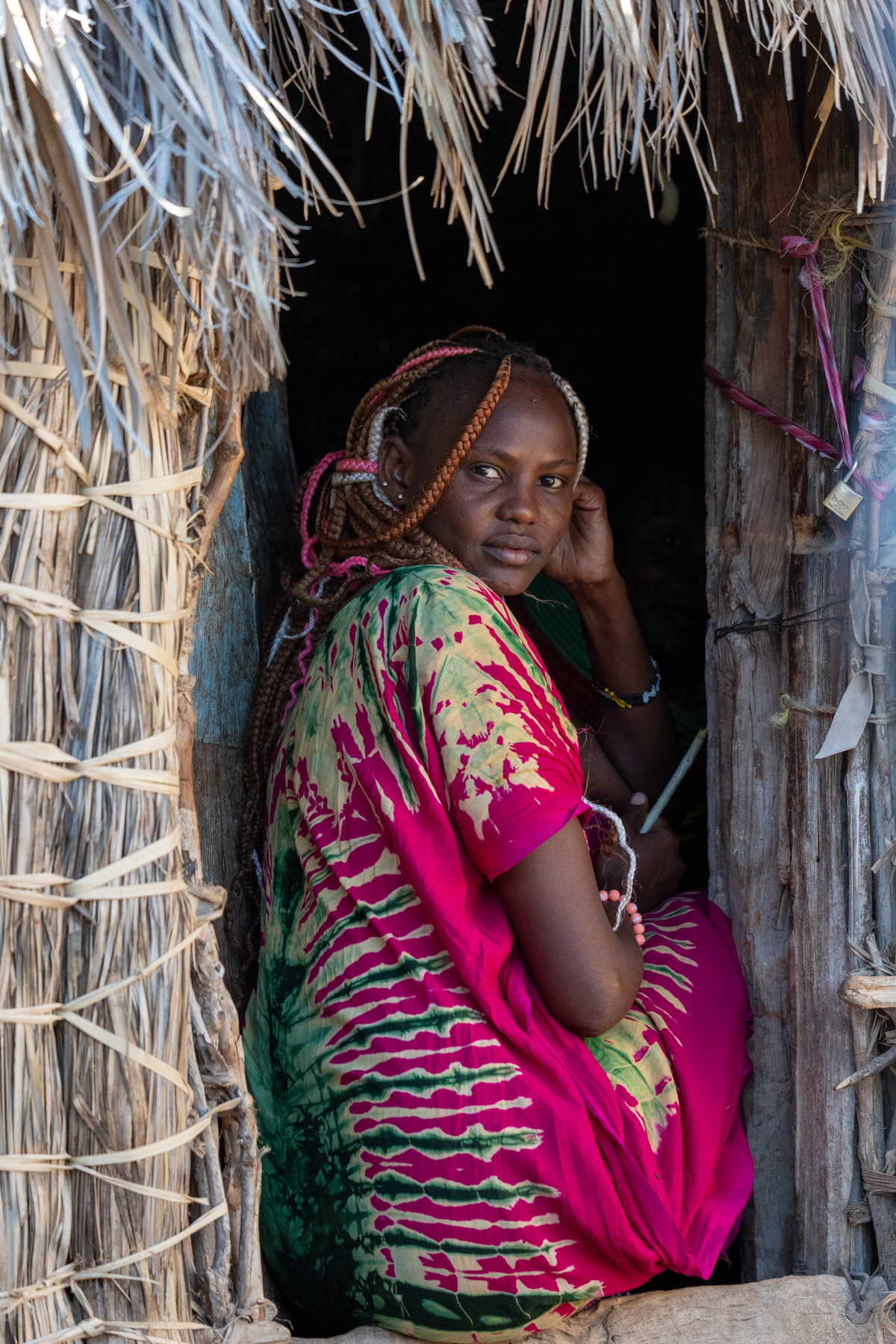
A modern Turkana girl (image by Inger Vandyke)
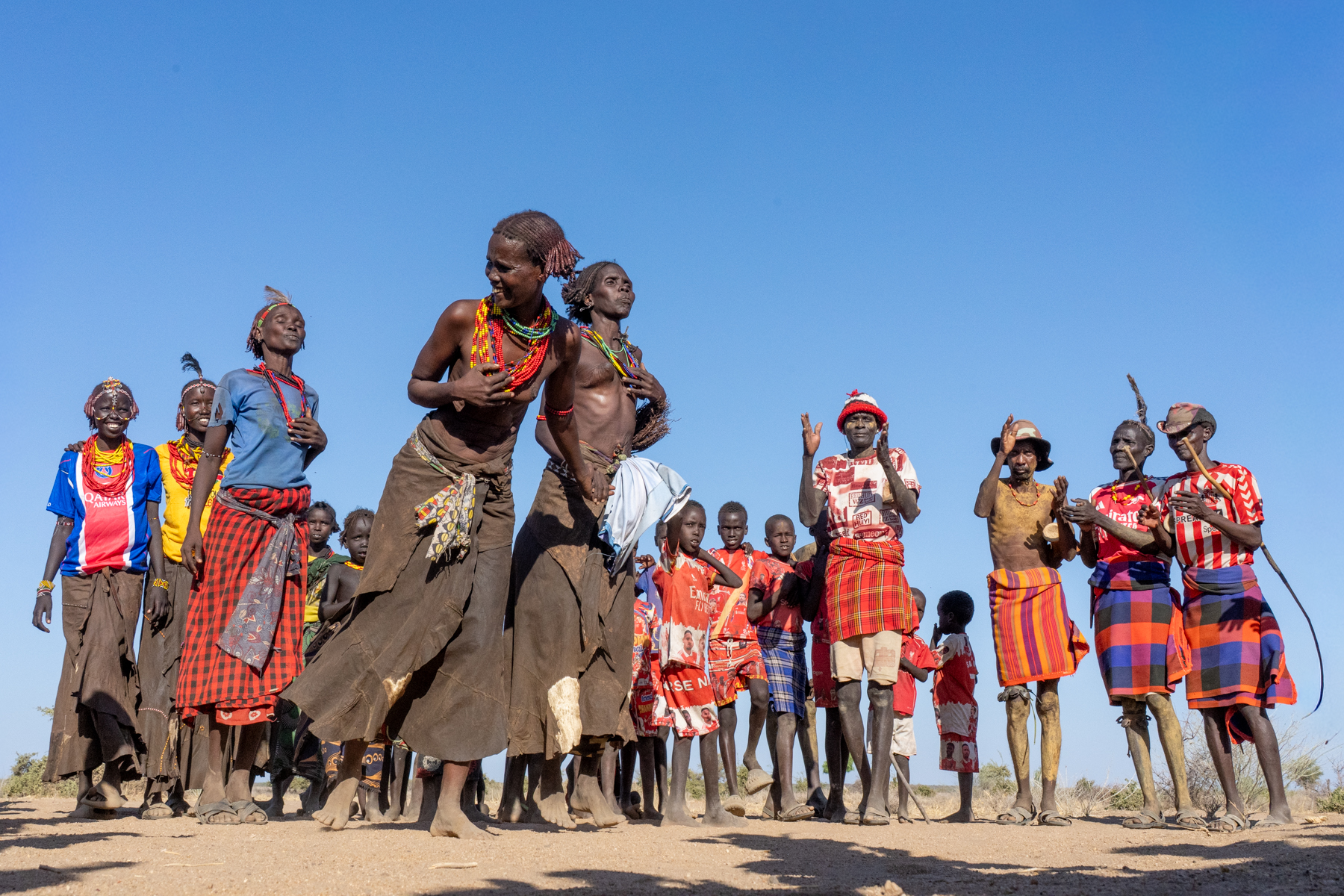
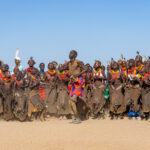
Dassanech men and women celebrating Guol, a part of the wedding ceremonies in their culture (image by Inger Vandyke)
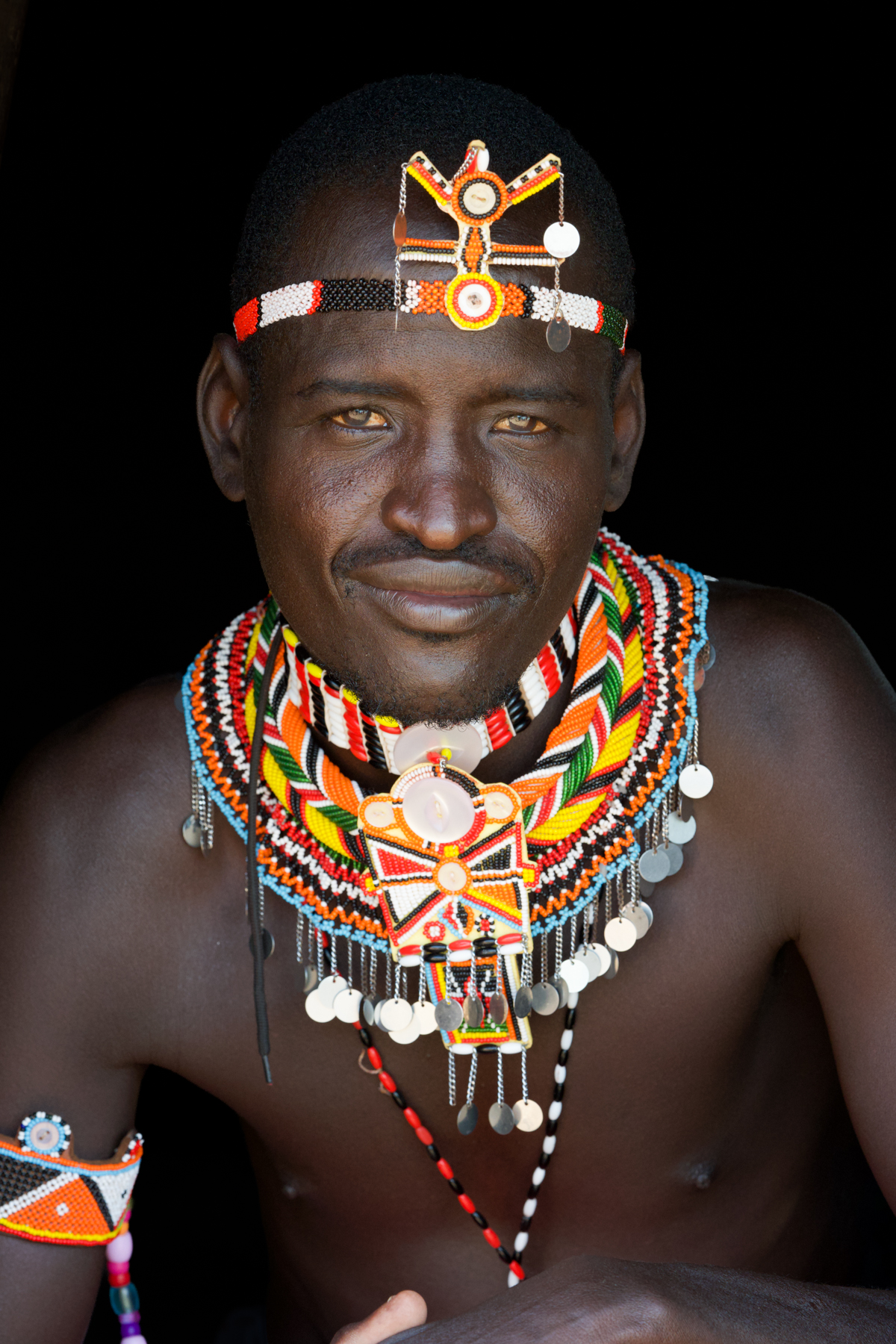
Kenya's Njemps people are the aquatic Maasai. They are the only Maasai culture that fish regularly (image by Inger Vandyke)
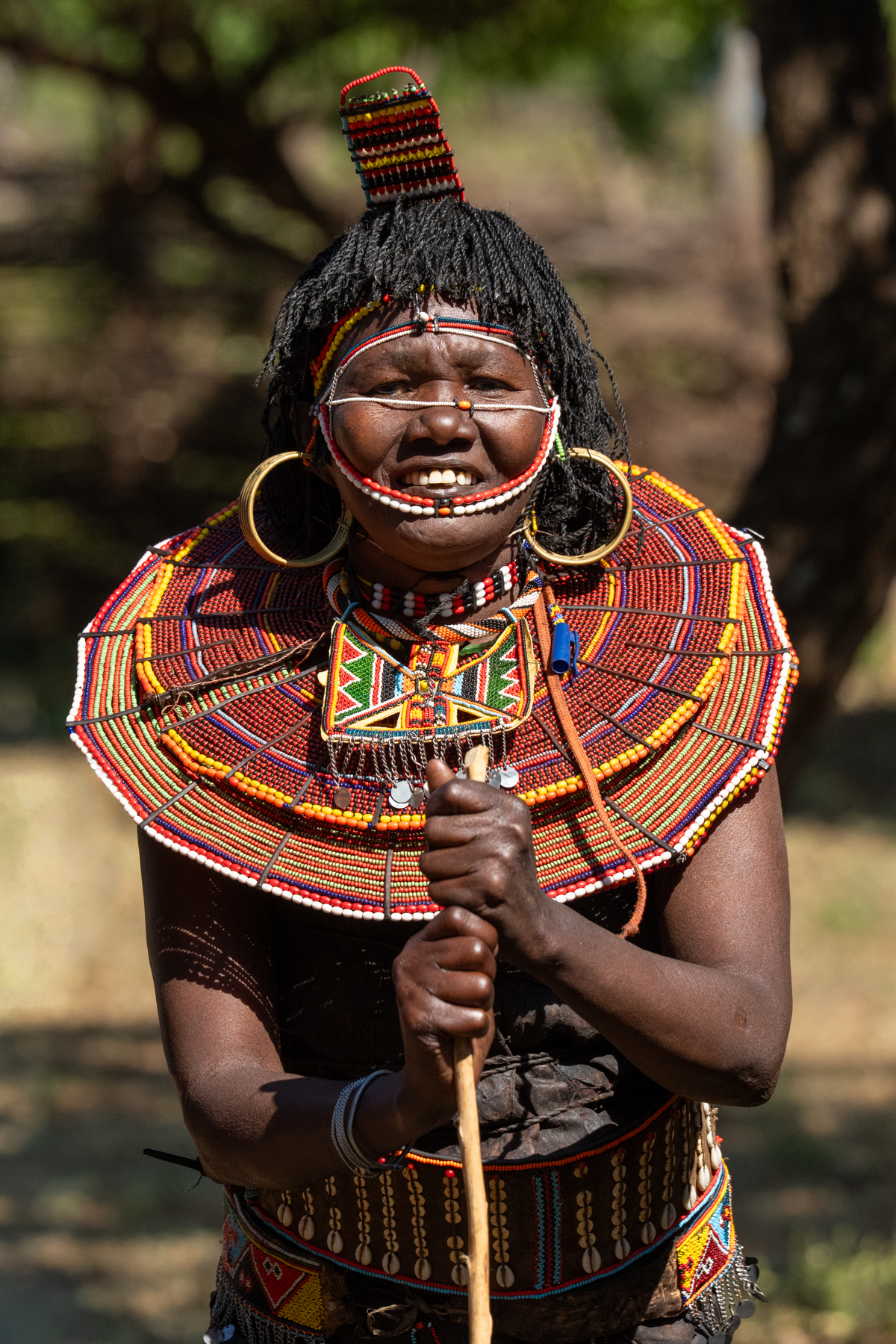
A Pokot woman singing at a ceremony (image by Inger Vandyke)
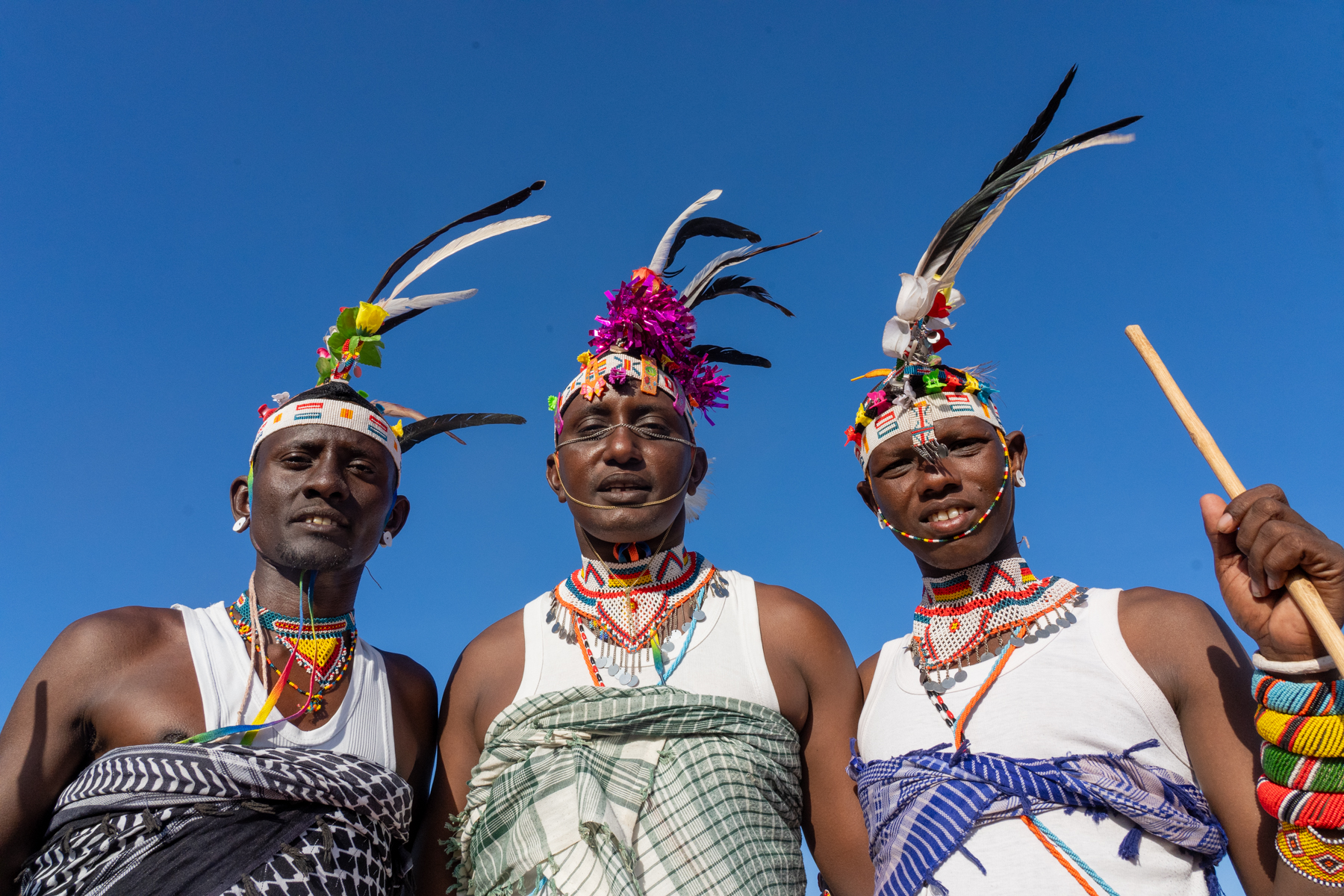
Fun outtake of Rendille Morans who joined us for sunrise in Turkana (image by Inger Vandyke)
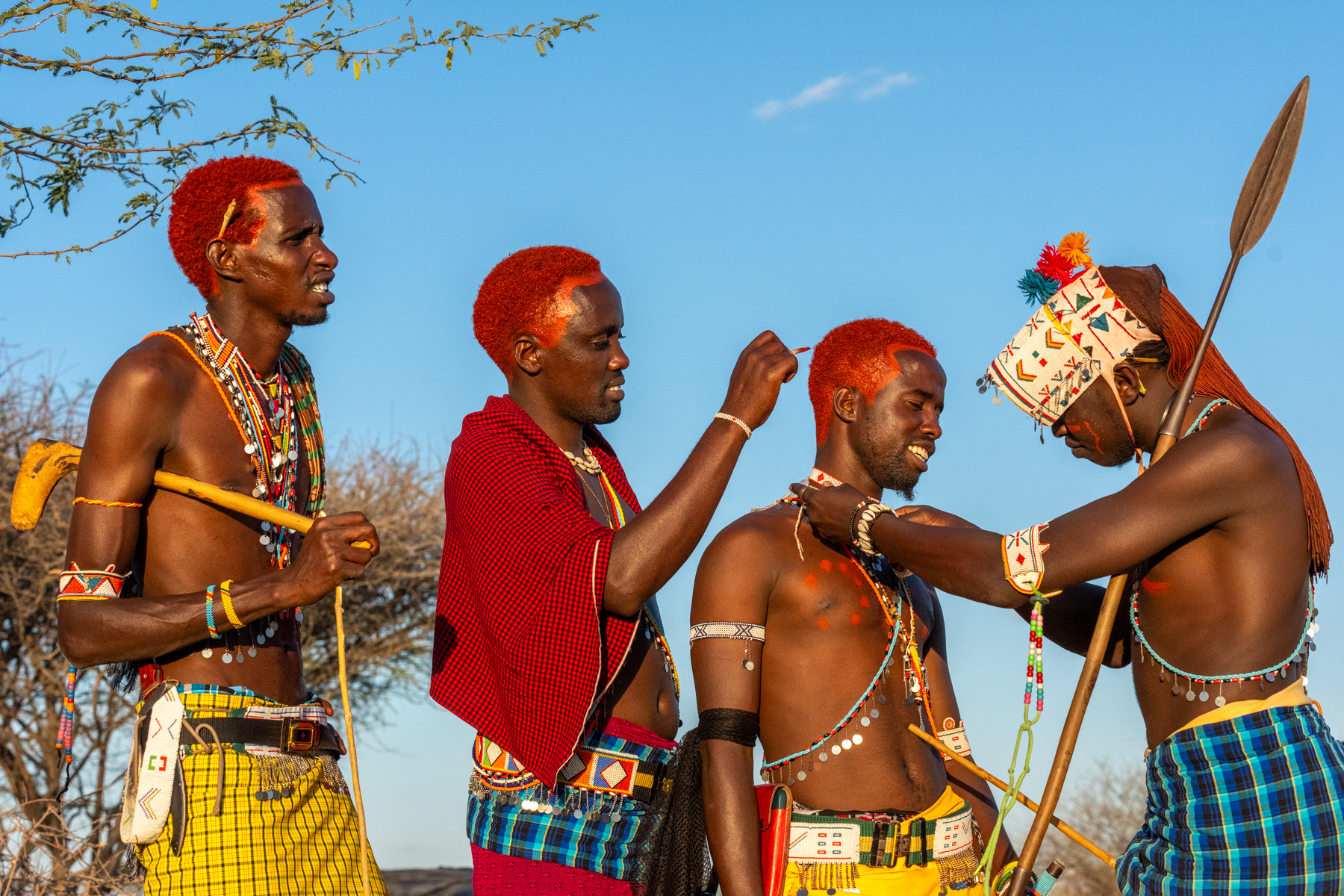
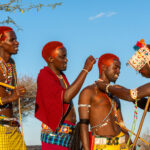
A group of young Samburu morans decorate each other for a ceremony (image by Inger Vandyke)
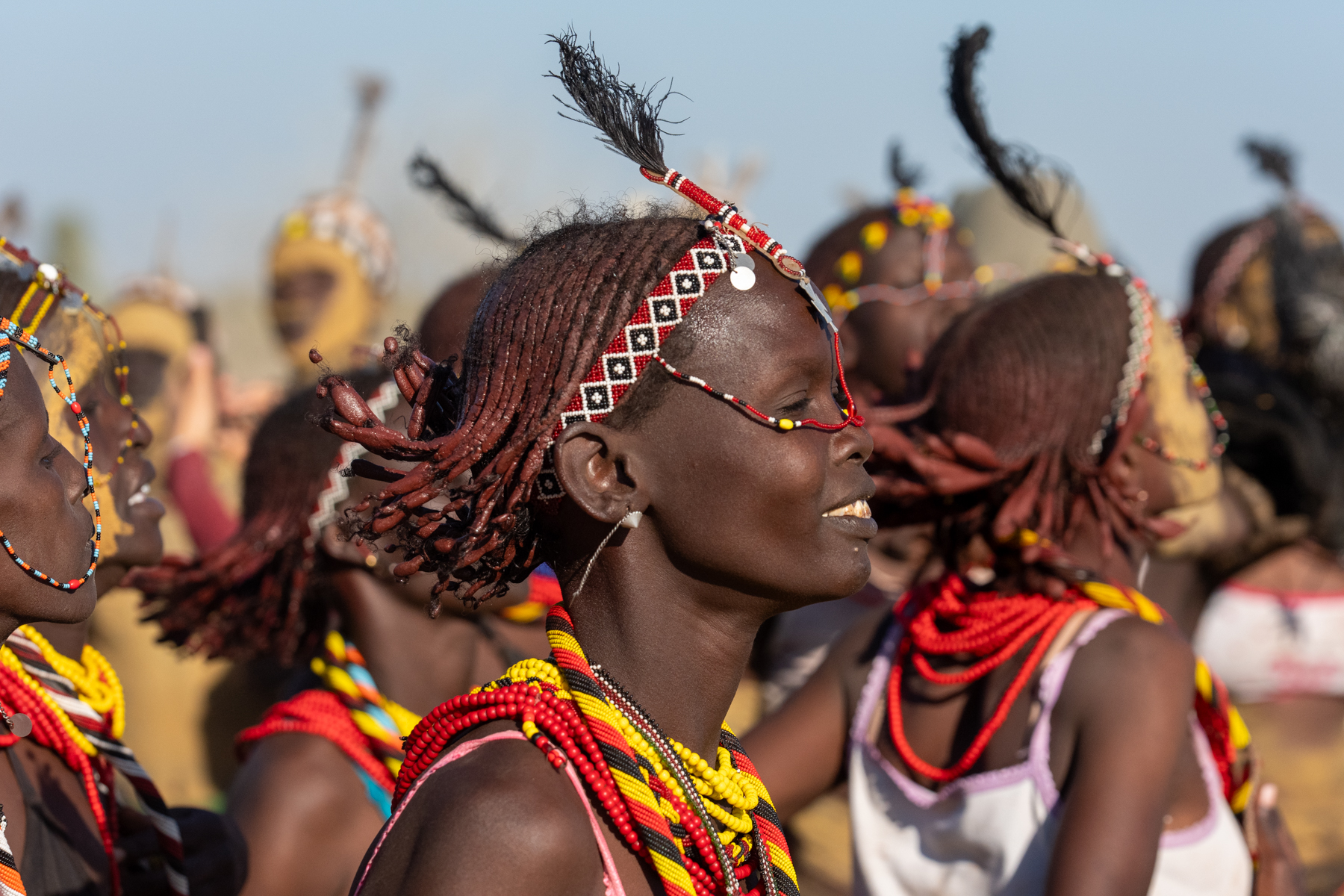
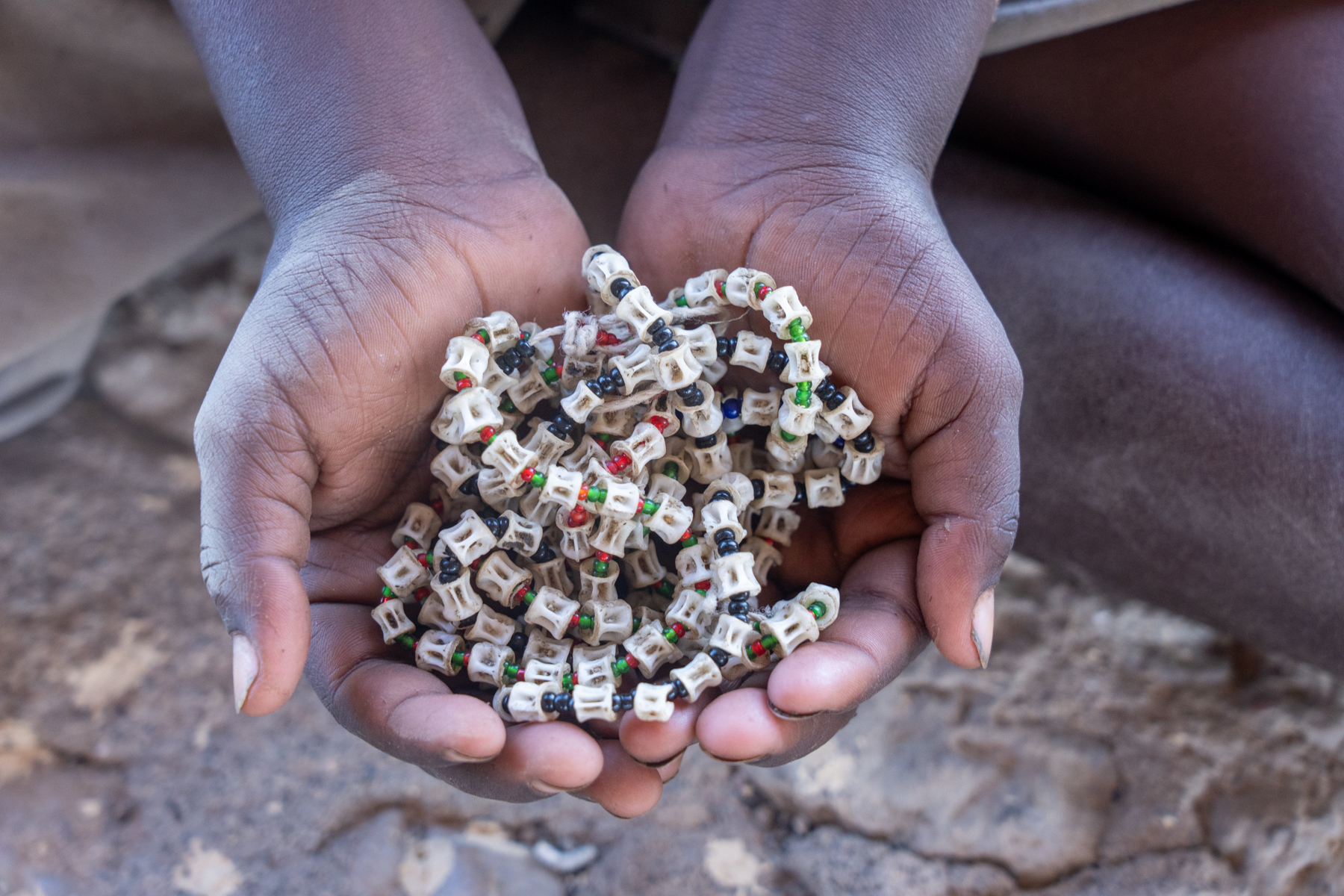
Fish bone necklaces (image by Inger Vandyke)
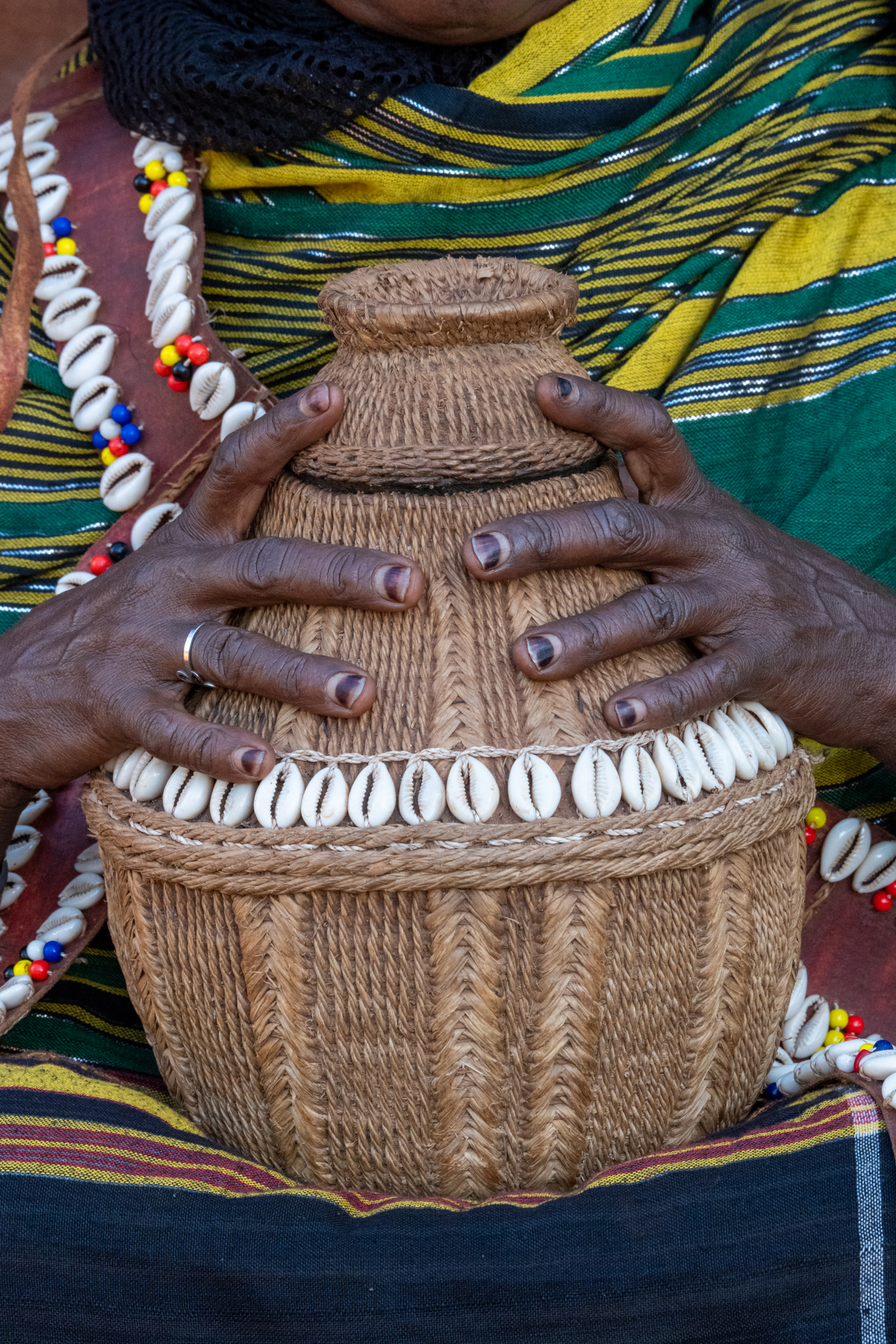
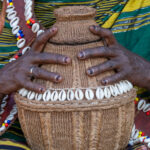
Beautiful Borana basket adorned with cowrie shells (image by Inger Vandyke)
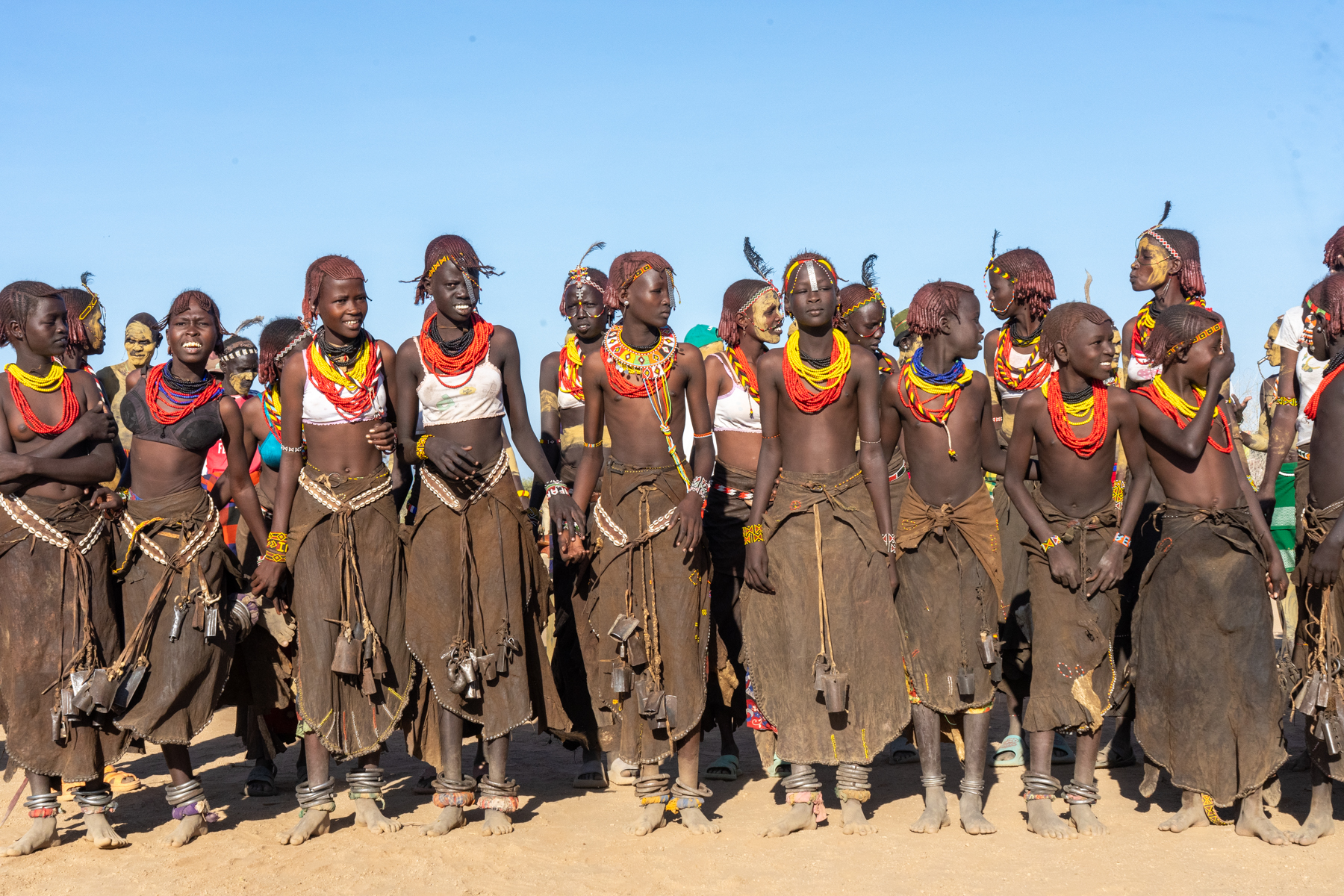
A line of Dassanech girls at the ceremony of Guol (image by Inger Vandyke)
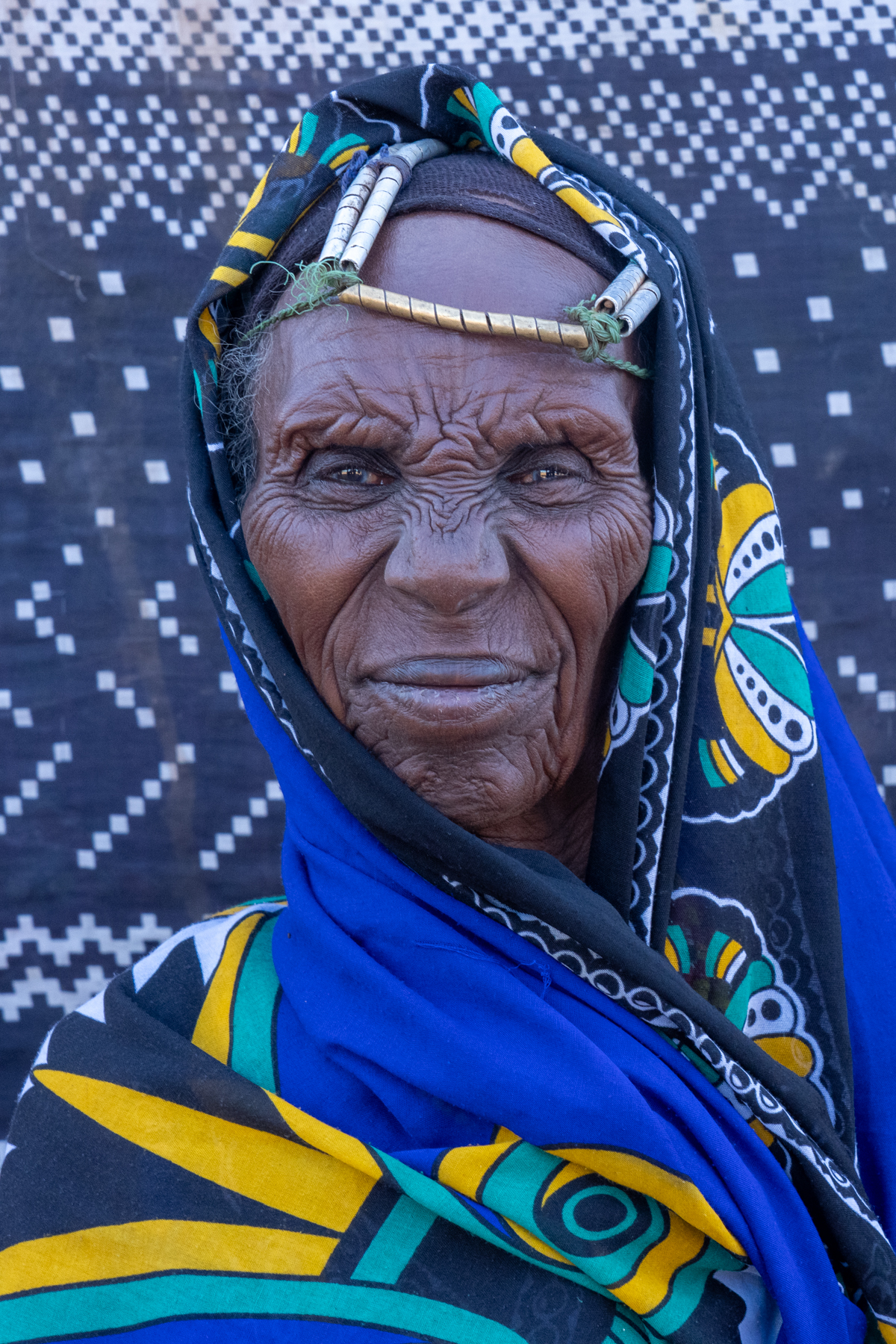
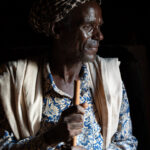
Portrait of Gabbra matriarch. Her face told a thousand stories of the Chalbi Desert (image by Inger Vandyke)
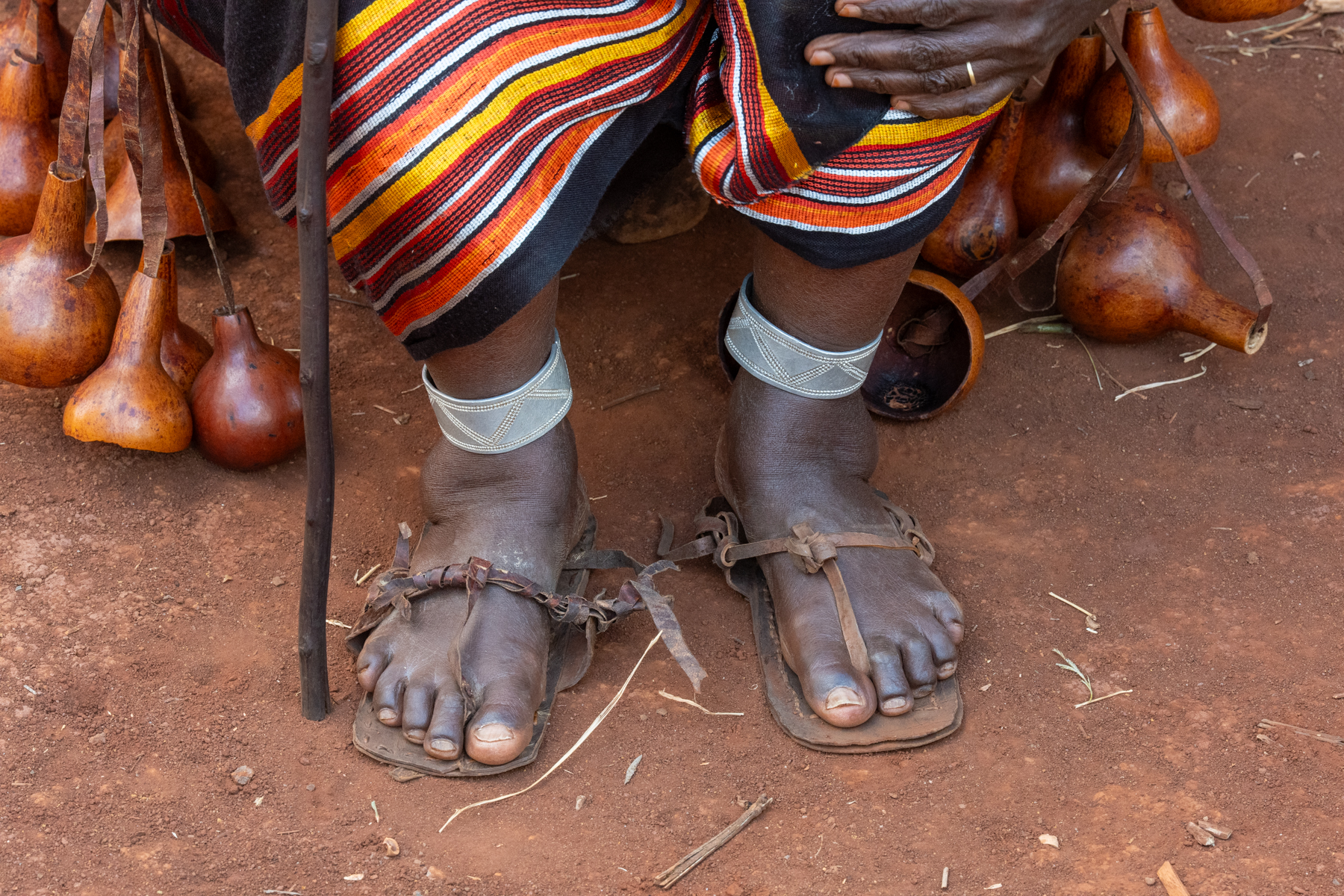
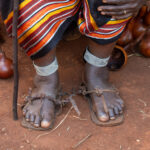
Handmade leather sandals in Borana culture (image by Inger Vandyke)
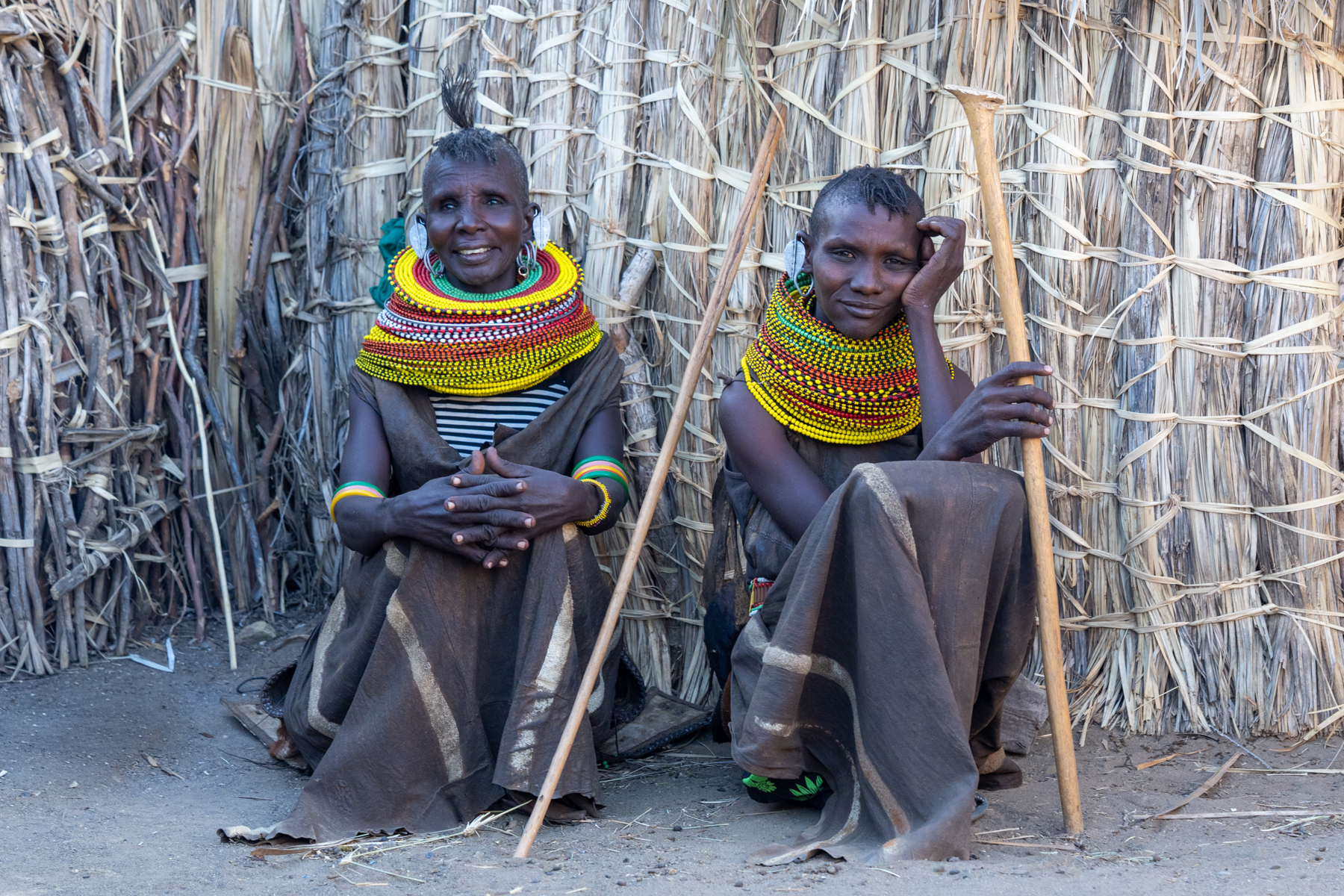
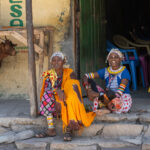
Turkana women rest in the courtyard of a family homestead (image by Inger Vandyke)
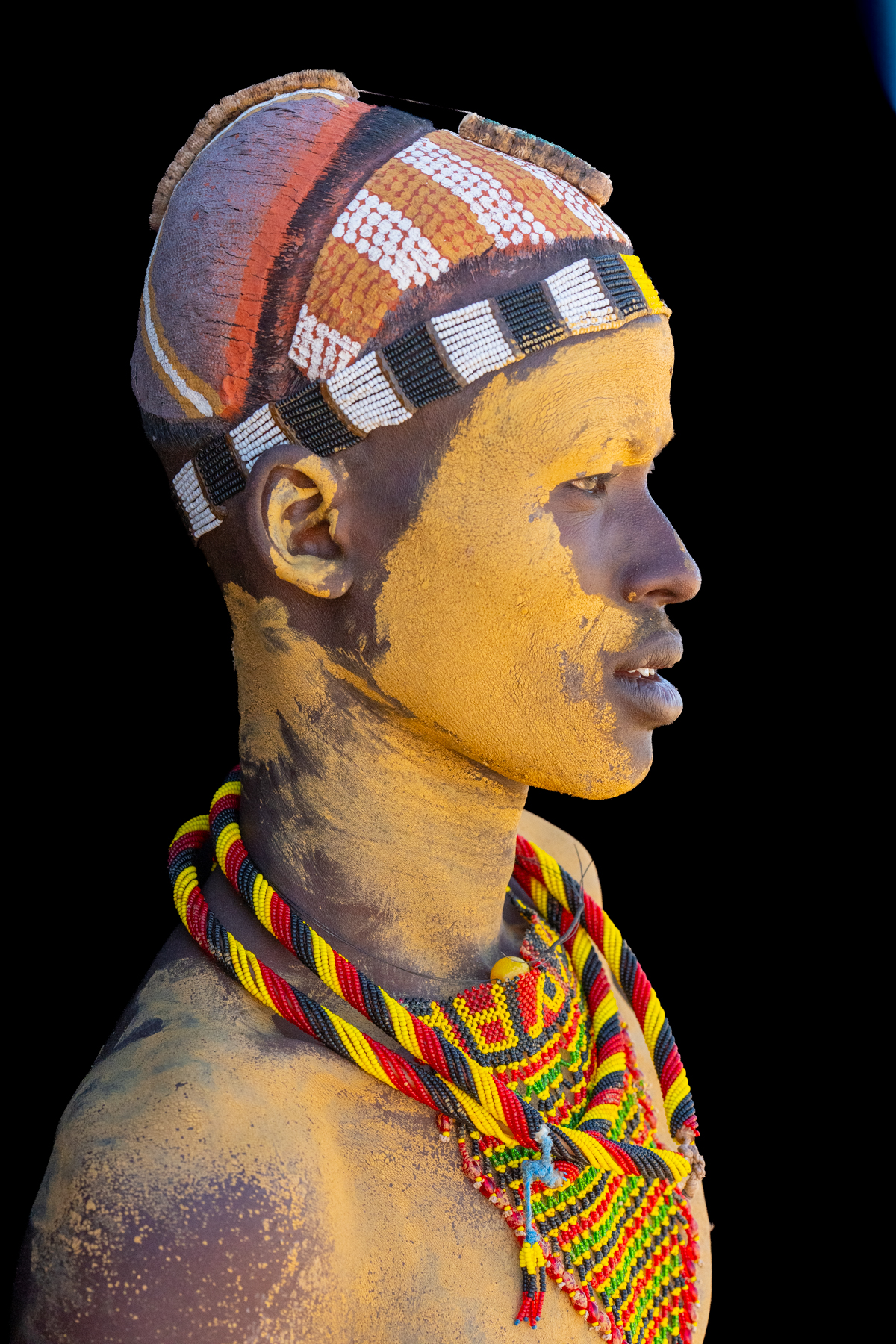
Profile of a young Dassanech man with his beautiful clay hair bun (image by Inger Vandyke)
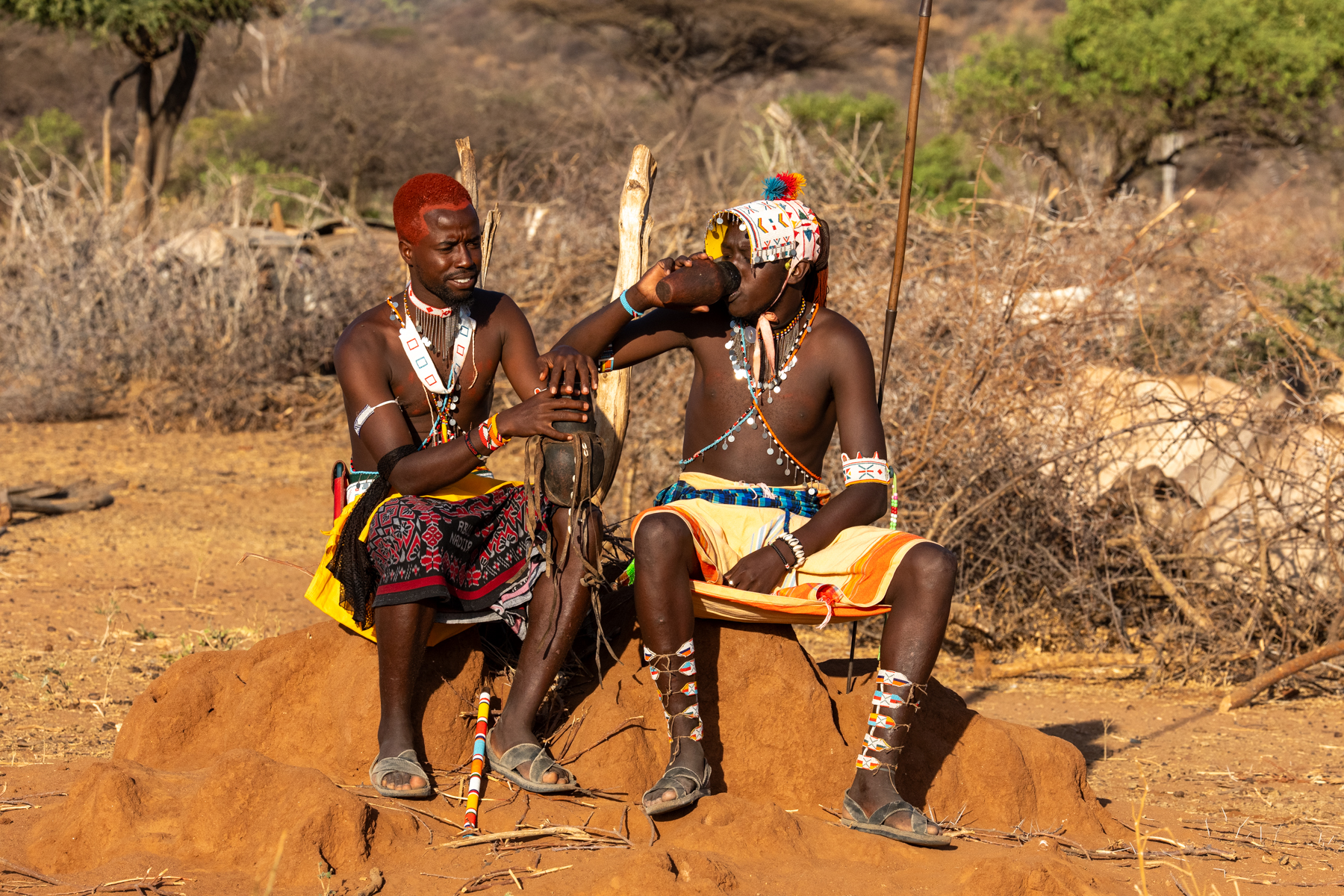
Samburu Morans believe that any milk they receive must be shared (image by Inger Vandyke)
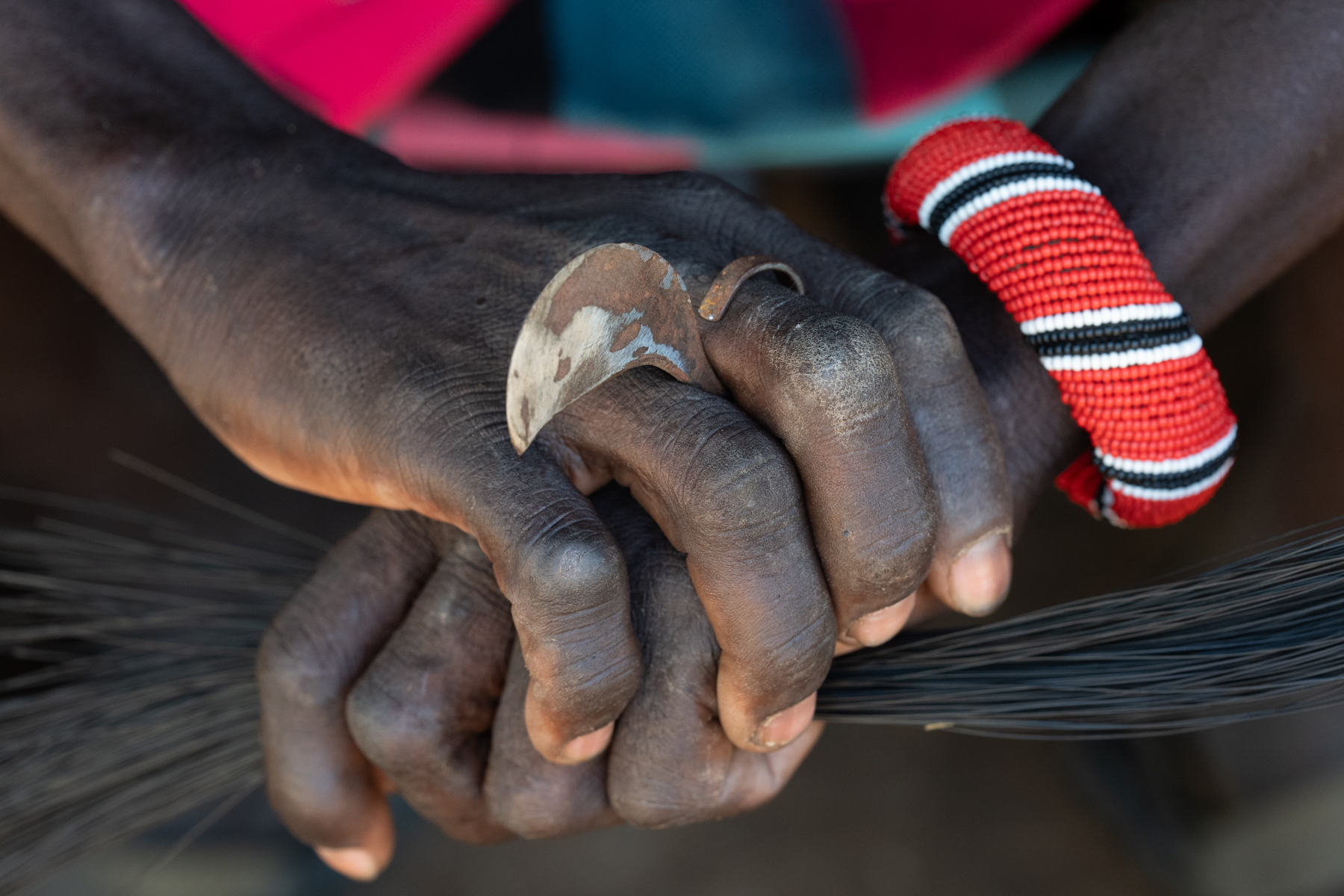
Finger blade worn by a Pokot headman. This tiny weapon is used in fights. (image by Inger Vandyke)




The cracked clay pan of dry season in the Chalbi Desert, Kenya (image by Inger Vandyke)
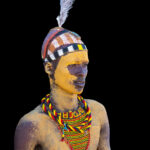
It's hard to imagine tribal decoration looking more detailed than this (image by Inger Vandyke)
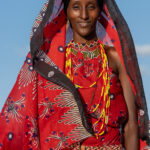
A striking elderly Turkana woman (image by Inger Vandyke)
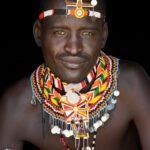
Samburu matriarch (image by Inger Vandyke)
A Burjji elder entertains us (image by Inger Vandyke)
Turkana headman (image by Inger Vandyke)
A typical Samburu home (image by Inger Vandyke)
Ancient giraffe engravings near Lake Turkana (image by Inger Vandyke)
Pokot profile (image by Inger Vandyke)
A group of Pokot women at a ceremony in remote Kenya (image by Inger Vandyke)
Beautifully decorated Samburu Kalabash (image by Inger Vandyke)
Beautifully decorated Njemps woman (image by Inger Vandyke)
Beautiful Rendille child with her mother's decorations (image by Inger Vandyke)
Pokot woman (image by Inger Vandyke)
An elderly Turkana woman wearing a spectacular laberet made of snail shells, beads and copper wire (image by Inger Vandyke)
Borana women hold a wedding belt made of goat leather, cowrie shells and beads (image by Inger Vandyke)
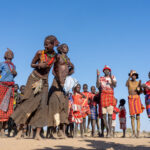
Samburu are culturally related to Maasai and their ceremonies usually involve very high jumps, similar to the Maasai (image by Inger Vandyke)
Elegance and beauty in South Horr (image by Inger Vandyke)
A young Rendille Moran near the shore of Lake Turkana (image by Inger Vandyke)
Pokot aesthetics even extend into the construction of their beautiful homes which are, like so many African houses, built by women (image by Inger Vandyke)
Street scene in Loyangalani (image by Inger Vandyke)
A Gabbra headman enjoys a silent moment at his home (image by Inger Vandyke)
A Turkana woman dressed up to attend a wedding (image by Inger Vandyke)
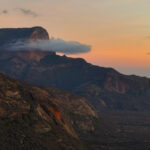
Sunrise in the Ndoto Mountains with Ngurunit in the foreground (image by Inger Vandyke)
The Dassanech were the original crocodile hunters of Lake Turkana. Although they are no longer allowed to hunt crocodiles, the reminders of that time are everywhere (image by Inger Vandyke)
A Rendille woman building a new home (image by Inger Vandyke)
A Kalenjin fisherman giving his Hammerkop friend a treat (image by Inger Vandyke)
Turkana children grow up surrounded by so much beauty (image by Inger Vandyke)
So many stories in one portrait (image by Inger Vandyke)
Children play around the large homes of Dassanech people in remote Kenya (image by Inger Vandyke)
Men and women celebrate a wedding in Turkana culture (image by Inger Vandyke)
Young Rendille man at the bottom of a singing well (image by Inger Vandyke)
First light in the Ndotos (image by Inger Vandyke)
Dassanech man singing at Guol (image by Inger Vandyke)
The energetic dancing of Turkana women at a wedding (image by Inger Vandyke)
Motorised canoe on Lake Baringo at sunrise (image by Inger Vandyke)
Turkana elder (image by Inger Vandyke)
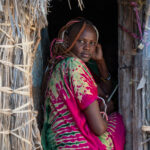
A Turkana woman in the doorway of her home (image by Inger Vandyke)
Young Dassanech men take a break from celebrating Guol (image by Inger Vandyke)
A village of El Molo people. All of these houses have been moved to higher ground in the past few years due to rising lake waters in Turkana (image by Inger Vandyke)
Samburu girl in profile (image by Inger Vandyke)
A Gabbra woman milks her goat. (image by Inger Vandyke)
Sunrise at a Gabbra homestead and a beautiful mother carries her milk and baby back to her home (image by Inger Vandyke)
Preparing for a ceremony often takes two (image by Inger Vandyke)
Samburu women painting their red ochre makeup for a ceremony (image by Inger Vandyke)
Beautiful Rendille matriarch with her ceremonial Mbaro necklace and Doko headdress (image by Inger Vandyke)
Rendille sunrise (image by Inger Vandyke)
Turkana mother (image by Inger Vandyke)
Borana couple at home in Marsabit (image by Inger Vandyke)
Jumping Samburu Moran (image by Inger Vandyke)
A heavily scarred Dassanech woman from Ethiopia (image by Inger Vandyke)
A beautiful young Gabbra girl in the doorway of her home (image by Inger Vandyke)
Dassanech people celebrating Guol (image by Inger Vandyke)
A young Dassanech woman decorated for the White Feather ceremony, or Guol (image by Inger Vandyke)
A beautiful young Gabbra girl outside her home (image by Inger Vandyke)
Detail of Rendille traditional dress (image by Inger Vandyke)
A Pokot headman sniffs some snuff before performing a ceremony (image by Inger Vandyke)
Samburu women assessing which camel to milk (image by Inger Vandyke)
A Rendille woman wearing her Mbaro necklace at the entrance of a local spirit house (image by Inger Vandyke)
A Dassanech woman carrying a dried mudfish - lunch! (image by Inger Vandyke)
Gabbra men fetching water for their camels at a singing well (image by Inger Vandyke)
Entrance to the Cradle of Manking. Karsa gate at remote Sibiloi National Park, Kenya (image by Inger Vandyke)
Young Turkana girl (image by Inger Vandyke)
Rendille Morans in the Ndoto Mountains of Kenya (image by Inger Vandyke)
Pokot Headman with his unusual nose plate (image by Inger Vandyke)
A Dassanech elder entertains the crowd at the ceremony of Guol (image by Inger Vandyke)
The petrified forest of Sibiloi is one of only two in Africa. The other lies in Namibia (image by Inger Vandyke)
Fresh camel milk for a Gabbra family's breakfast (image by Inger Vandyke)
A warm, turbaned Gabbra elder (image by Inger Vandyke)
Rendille Moran decoration (image by Inger Vandyke)
Samburu smile (image by Inger Vandyke)
An elderly Gabbra man outside his home (image by Inger Vandyke)
A young Pokot man (image by Inger Vandyke)
In Gabbra societies, men go out to milk camels in the morning while the women milk goats (image by Inger Vandyke)
The carrier of the white feather at Guol (image by Inger Vandyke)
An elderly Samburu matriarch holds the decorated gourd, or Kalabash, she uses to store camel milk (image by Inger Vandyke)
The pride of Dassanech women at Guol, the ceremony where one of their daughters will be selected for marriage (image by Inger Vandyke)
The elegance and beauty of Gabbra mothers (image by Inger Vandyke)
Holding hands (image by Inger Vandyke)
Portrait of a Rendille Moran (image by Inger Vandyke)
Young Rendille boy with his camels (image by Inger Vandyke)
A sculptural Desert Rose in the Ndoto Mountains (image by Inger Vandyke)
Samburu woman milking her goat (image by Inger Vandyke)
A Samburu woman wearing her ceremonial necklaces (image by Inger Vandyke)
Mesmerisingly beautiful Rendille girl in remote Kenya (image by Inger Vandyke)
A group of young Dassanech girls at Guol (image by Inger Vandyke)
Kenya's beautiful Turkana people (image by Inger Vandyke)
Dassanech decoration (image by Inger Vandyke)
A beautiful Rendille woman with her baby playing peekaboo in Loiyangalani (image by Inger Vandyke)
"Love the heart that hurts you but never hurt the heart that loves you". Roadside wisdom in remote Kenya (image by Inger Vandyke)
Decorated Pokot headman (image by Inger Vandyke)
Turkana (image by Inger Vandyke)
Turkana mother and son (image by Inger Vandyke)
In between milking, older Gabbra kids help out with their younger siblings and get ready for school (image by Inger Vandyke)
Samburu women at their homestead at the foot of Mount Ololokwe (image by Inger Vandyke)
Gabbra women singing for their camels in the Chalbi Desert (image by Inger Vandyke)
Young Dassanech girls wear goatskin skirts decorated with shells, beads and bells (image by Inger Vandyke)
The decoration of Pokot women is breathtaking (image by Inger Vandyke)
An elderly Borana woman with her decorative calabashes and traditional leather decorations (image by Inger Vandyke)
A pensive Turkana woman in the doorway of her family's home (image by Inger Vandyke)
Young Gabbra girl (image by Inger Vandyke)
Second time around for an older Turkana couple who celebrated their wedding during our tour (image by Inger Vandyke)
Pokot (image by Inger Vandyke)
A Samburu Moran sits patiently while his friend paints him with red ochre (image by Inger Vandyke)
Pokot woman with her stunning jewelry (image by Inger Vandyke)
Stunningly decorated Rendille woman (image by Inger Vandyke)
Beautiful Gabbra woman with her decorated kalabash (image by Inger Vandyke)
A quiet, happy moment for a pretty El Molo woman (image by Inger Vandyke)
A group of Borana women laugh as they weave baskets (image by Inger Vandyke)
A highly decorated young Rendille Moran (image by Inger Vandyke)
Gabbra woman with her young son (image by Inger Vandyke)
Portrait of an El Molo matriarch (image by Inger Vandyke)
Young Njemps boys landing their catch on Kokwa Island (image by Inger Vandyke)
Could the Gabbra be any more beautiful? (image by Inger Vandyke)
The blush of a new day in Kenya's Ndoto Mountains (image by Inger Vandyke)
Dassanech people celebrating Guol in remote Kenya (image by Inger Vandyke)
Weaving the strong baskets used to store food in Borana culture (image by Inger Vandyke)
The elegant Gabbra women of Kenya. Every aspect of their lives is beautiful (image by Inger Vandyke)
A group of dancing Samburu Morans (image by Inger Vandyke)
Pokot scarification (image by Inger Vandyke)
Young Rendille child with his tyre toy (image by Inger Vandyke)
Energetic dances at a Turkana wedding ceremony (image by Inger Vandyke)
Young Dassanech man at Guol (image by Inger Vandyke)
Pokot women at a ceremony in remote Kenya (image by Inger Vandyke)
When Dassanech men decorate themselves for a ceremony the result is truly beautiful (image by Inger Vandyke)
Beautiful Pokot matriarch with her breathtaking necklaces called Karen (image by Inger Vandyke)
Pokot women are breathtaking (image by Inger Vandyke)
Dassanech girl carrying the decorated Kalabash for Guol (image by Inger Vandyke)
Decorated to thrill at Guol in Dassanech culture (image by Inger Vandyke)
A modern Turkana girl (image by Inger Vandyke)
Dassanech men and women celebrating Guol, a part of the wedding ceremonies in their culture (image by Inger Vandyke)
Kenya's Njemps people are the aquatic Maasai. They are the only Maasai culture that fish regularly (image by Inger Vandyke)
A Pokot woman singing at a ceremony (image by Inger Vandyke)
Fun outtake of Rendille Morans who joined us for sunrise in Turkana (image by Inger Vandyke)
A group of young Samburu morans decorate each other for a ceremony (image by Inger Vandyke)
Fish bone necklaces (image by Inger Vandyke)
Beautiful Borana basket adorned with cowrie shells (image by Inger Vandyke)
A line of Dassanech girls at the ceremony of Guol (image by Inger Vandyke)
Portrait of Gabbra matriarch. Her face told a thousand stories of the Chalbi Desert (image by Inger Vandyke)
Handmade leather sandals in Borana culture (image by Inger Vandyke)
Turkana women rest in the courtyard of a family homestead (image by Inger Vandyke)
Profile of a young Dassanech man with his beautiful clay hair bun (image by Inger Vandyke)
Samburu Morans believe that any milk they receive must be shared (image by Inger Vandyke)
Finger blade worn by a Pokot headman. This tiny weapon is used in fights. (image by Inger Vandyke)


Kenya’s north. It has long been a favourite location for Wild Images, thanks to its rich tapestry of tribal cultures woven through spectacular landscapes of mountains, lakes, and deserts. It’s a land of rugged, boundless beauty, and the people who inhabit remote Kenya know their landscapes more intimately than the lines on their hands.
This year’s Remote Kenya tribal tour had it all. We visited remote communities that had rarely met outsiders, including isolated groups of Pokot and Samburu people. Through a combination of sheer luck and good connections, we also enjoyed three truly remarkable ceremonies.
First, we witnessed the Adongo ceremony, which helps a Pokot person who has lost something in life find it again. Then, as we explored the culture of the Turkana people, we were spontaneously invited to a pre-wedding celebration involving hundreds of Turkana people singing and dancing under trees near the shore of Lake Turkana, and finally, we saw the incredibly rarely seen ceremony of Guol, or the White Feather Ceremony in the Dassanech people of far northern Kenya.
On our previous trips to the far north, we broke ground as the first photography tour company to witness Micha, the meeting of two nuptial families in Dassanech, so doing it again with yet another breathtaking ceremony truly made this tour memorable.
Lake Baringo – A Quiet Introduction to Tribal Kenya
I always like getting away from Nairobi. There’s nothing like Nairobi per se, but once we left the truck traffic on the highway behind and navigated the back-country roads to Lake Baringo, it felt heavenly. Before we reached the lake, we travelled through the region of the Kalenjin people, a distant relative of the Pokot. They are known for their wild honey harvest and also their fishing prowess. In the first two days of the trip, we saw both. Shortly before we reached the lake, I stopped to buy local honey for my group. The Kalenjin honey not only tastes delicious but is wonderful with lodge breakfast yoghurt, and supporting local women in the honey harvest is a win/win, I think.
As we approached our lodge, we discovered the access road was underwater due to high lake levels, so we parked our cars, unpacked ourselves and our bags into motorised canoes, and took the scenic route to the lodge, past many water birds and locals fishing from boats.
We decided to relax on our first afternoon, then returned to our canoes for a quiet cruise on the lake, looking for wildlife. It was our first chance to see the damage rising lake waters had done to once-luxurious lodges like Soi. Now its ground-floor holidaymakers are Nile Crocodiles and Hippos! We saw some lovely wildlife, and we floated eerily over the buildings of a former resort. We cruised past the flooded lake house of the Leakey family and also the flooded home of a local tribal chief.
It was a lovely and relaxing introduction to Baringo and its wildlife, and since we were all quite tired from the drive out to Nairobi, it was good to be on “lake-time”
Of Fish and Hamerkops
The following morning, we had an early breakfast before boarding our canoes and going out to meet an old friend of mine, a renowned Kalenjin fisherman on the lake. Each day he paddles his traditional floating raft, or Kaldich, out into the middle of the lake to check his nets for Tilapia and, if he has a successful catch, he is joined by two Hamerkop friends, who are rewarded with tidbits of fish entrails for their friendship. I’ve always loved other people’s stories, and his is one I never tire of hearing.
Fishing for Tilapia with the local Hammerkops (video by Inger Vandyke)
We bought some fish from him and travelled further out towards the island of Kokwa in the middle of the lake. On the way, we saw some local N’Jemps fishermen also using Kaldiches, the first time I’ve actually seen them using one. Along the island’s shores, other N’Jemps people sat and line-fished. We stopped to feed a resident pair of African fish eagles, and we also visited some of the sulphur pools on the island’s shoreline. Here, the N’Jemps people come to wash clothes, boil eggs, and even treat skin conditions in the mineral-rich waters of the thermal spring.
Soon after, we arrived at the boat mooring point for the N’Jemps, and we did the short hike uphill to their community. Although it was quite a touristy experience, it still offered a lovely insight into the lives of the N’Jemps people (sometimes called Ichamus) and their world as ‘the fishing Maasai’ on Lake Baringo.
After we left, we went over to see if we could feed the rest of our fish to another Fish Eagle pair, but they weren’t interested, so we returned to the lodge for a rest and lunch.
Pokot
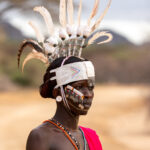
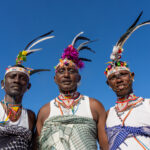
That afternoon we went off to visit our first Pokot people on the trip. Living deep in the wooded areas away from the lake, the highly decorated Pokot people split their worlds between Kenya and neighbouring Uganda. On our first visit, we were enthralled to see some lovely Pokot women with their large disc necklaces and brass earrings. Joining them was a young headman wearing a traditional headdress, or Akope, fashioned out of leather and ostrich feathers. I also ran into some friends from this community I’d met on previous visits, so alongside the lovely photography, it felt really good to see some of them again.
Our local guide told us about another Pokot community that was extremely remote and rarely visited by outsiders. After getting proper, detailed directions, I decided we should try to visit them the next day, at the start of our long journey north.
His directions were impeccable, and what happened the next day blew our minds. We drove out to a very remote community of Pokot people where we were greeted by an elaborately decorated headman wearing an unusual nasal plate. His name translated to “bringer of rain”, and he welcomed us, alongside some of the most intensely decorated Pokot women I’d ever seen in Kenya. Singing and dancing followed, and the head man performed a ceremony of Adongo, which would help a Pokot person to find something they had lost.
Our visit allowed us to see, for the first time, the beautiful vernacular architecture of Pokot people. Like many African cultures, women build homes, and Pokot women make beautiful ones with mud walls, painted motifs, decorative kalabashes, and sapling wood. The roofs are a whimsical thatch spiralling towards the sky.
Towards the end of our visit, the women of the community decided to initiate one of my lady guests and me into Pokot culture, and we were both carefully dressed in beaded headbands, amidst celebrations. It was such a special experience that we all found it hard to leave.
Rendille
After tearing ourselves away from our new Pokot friends, we had to continue our drive north to the Ndoto Mountains. On our way, we passed through the wildlife conservancy of Mugie, Maralal, and crossed the Opiroi Mountains in Samburu territory before reaching Ngurunit in the dark.
The following morning, before dawn, we met for coffee. Joining us were six beautifully decorated young Rendille men and women, all ready for our dawn shoot with them in the mountains. We chose a spot near the roadside for this shoot, and while the clouds overshadowed our sunrise, we all enjoyed photographing these incredibly beautiful people. We even met a lovely young Rendille man who seemed curious about what we were doing, and a young boy herding camels who kindly let us photograph him.
That afternoon, we went to a local Rendille village home to two spirit houses. Since the entrance to one of them was covered in dried milk splashed to welcome visitors, it was reassuring to know these living, breathing buildings were still used for special purposes.
In our wanderings through the village, we met Rendille women building a new home, as well as matriarchal women wearing their spectacular M’Baro leather necklaces and Doko hats made from leather. We lingered until late afternoon, taking portraits and general photos before returning to our tented camp for dinner.
The next morning, our last in the beautiful N’Dotos, the drone pilots in our group took to the skies to photograph a beautiful sunrise over the mountains. The peaks themselves were beautiful, but what surprised us were the sculpted buildings and enclosures of beautiful Rendille manyattas, sitting in the eroded landscapes of the mountain foothills.
We finally landed, had breakfast, and shortly after packed up our bags to leave; we stopped to photograph a couple of beautiful Desert Rose plants in full bloom against the backdrop of the mountains.
On our drive towards Lake Turkana, we stopped at the village of Illaut, which had many watering points for the Rendille people to water their livestock. There, I finally saw an active Rendille Singing Well and, after approaching the young men to ask permission to take photographs, they thankfully accepted, and we all got our first real experience of a working singing well. Literally hundreds of camels were around us, each hoping to get their top-up of 120 l of 120l water needed to survive another week. That meant the Rendille men needed to start fetching water for them at 0200 and then stop for lunch at noon. It was such incredibly tough work, but this centuries-old method of fetching water is still more reliable than any pump system, and we were all mesmerised by the rhythmic fetching of buckets and the repetitive singing as these strong young Rendille men worked.
Young Rendille Morans fetching water for their camels at a singing well (video by Inger Vandyke)
We had to leave for Turkana, and as we drove north, we stopped briefly to do some street photos in South Horr. We drove through Africa’s largest wind farm, and then we entered the region of Lake Turkana.
Turkana – the Jade Sea
Our first view of the lake came at the lookout on Kibrot Pass. When we stopped, a howling wind caught us and almost knocked us off our feet. In the distance, we saw Mount Kulal in the haze.
After crossing the pass, we drove on an adventurous new road built above the lake’s high-water mark. Our old road was now completely underwater. We drove past many herds of Turkana people and some Turkana fishing camps, and we arrived in the tiny Turkana town of Loiyangalani in time for lunch and a break.
The El Molo People – Kenya’s smallest and most impoverished minority
That afternoon we drove out to visit the tiny community of the El Molo people, who have also had to move their village to higher ground as lake waters rose in Turkana. In the end, it was quite a harrowing afternoon. Even with the strong winds, we wandered around their village, learning how the El Molo dry fish, mend nets, and build houses. We also learned about their financial and cultural struggles for survival. Despite the harshness of the visit, it was still interesting, as always, and I ran into some friends in the village I knew from previous visits.
A Day with the Rendille People of Lake Turkana
Lake Turkana is home to a different clan of Rendille people than the ones we met in the Ndoto Mountains. The Turkana Rendille are more colourfully decorated, and they follow a different family structure from those in the mountains. We met up with three beautifully decorated Rendille Morans for a sunrise shoot, but bad winds and quickly diminishing soft light hampered us, so while it was wonderful, being out there in that wind was certainly a challenge!
Later that day, we did a shoot with some stunningly beautiful Rendille women and another decorated Rendille Moran, rounding out our experiences with these beautiful people who adorn Turkana’s stark landscapes.
After our morning shoot, we returned to our guest house for a late breakfast before heading out to explore some of the more academic features of Turkana’s landscapes.
Ancient Giraffes in Stone
Lake Turkana is sometimes called the cradle of mankind. Its shoreline is dotted with hundreds of ancient petroglyphs that date back centuries, to when the first hominids roamed our planet. Many of these are inaccessible, but we visited a site of giraffe engravings worth a look, just to glimpse Turkana’s ancient past.
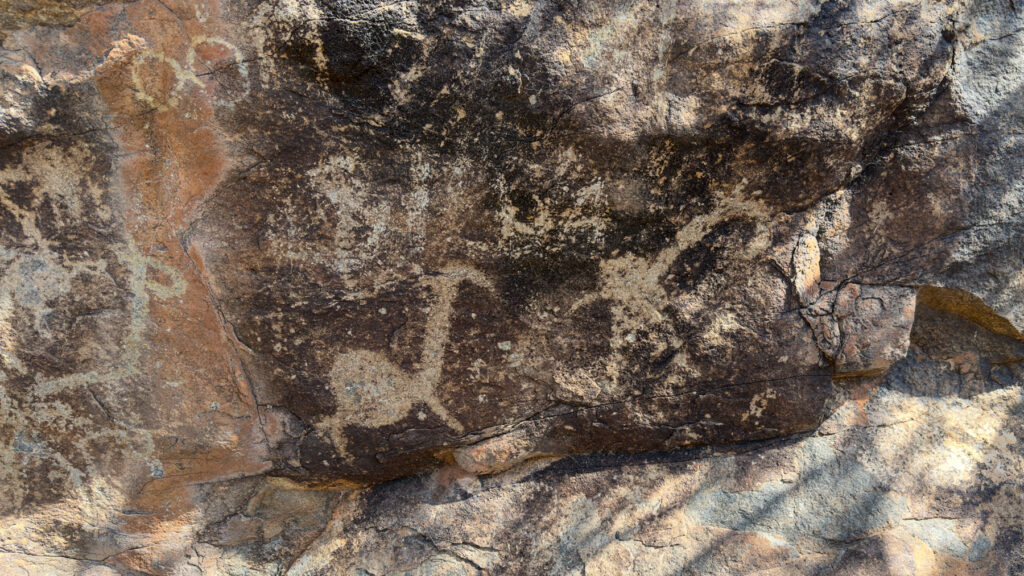
Ancient giraffe engravings near Lake Turkana (image by Inger Vandyke)
The Desert Museum
We ventured down to the wonderful Desert Museum after our engraving experience. There, we met up with an old and very dear friend of mine, the museum’s main guide and exhibit curator. Although tiny, the Desert Museum is home to some wonderful anthropological and archaeological exhibits that tell the vast history of Turkana and the cultures of the people who call it home.
The Breathtaking Turkana People
On our penultimate day in eastern Lake Turkana, we spent a full day exploring and photographing the spectacular culture of the Turkana people.
Sadly, the howling wind that had plagued our entire visit continued past sunrise, and I made a snap decision to move our shoot from a windy lake shoreline to the manyatta of a local Turkana headman friend, who kindly let us visit and shoot there. What followed was a lovely morning with his family and friends, where we took photos of people and Turkana life before breakfast.
After enjoying some much-needed coffee and something to eat at our guest house, we went back out into the villages, searching for the matriarchs of Turkana culture who still maintained their traditional dress, hair, jewellery, and beautiful laberets. We ended up meeting more of them than I expected, including one elderly lady I had met years ago when I first went to Turkana.
Supporting the Loiyangalani Primary School
We then split up into two groups – one that came with me to visit the little primary school at Loiyangalani and the others who opted to go back and rest in our guest house.
Since the start of 2026, Wild Images has joined forces with the wonderful Loiyangalani Trust in supporting the primary school in this tiny, remote town. With students from every culture in the area, the tiny primary school at Loiyangalani faces significant funding challenges, and we are proud to support a young Turkana girl through her education and help fund the school. During our visit, we met with the school principal and her mother and gained valuable insight into the education system, the challenges the school faces, and the many great initiatives underway to keep the school afloat.
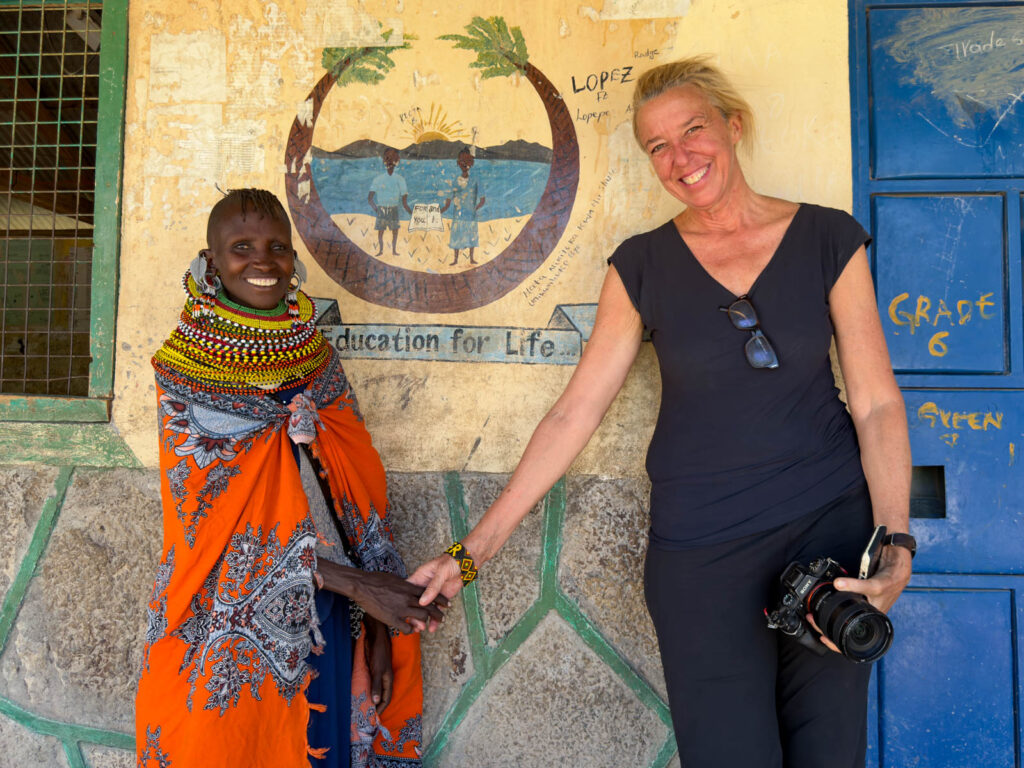
Meeting the mother of a lovely young Turkana girl who we are supporting through high school in Kenya (image by Inger Vandyke)
A Turkana Wedding
After a midday siesta, we went out to a distant Turkana manyatta for an afternoon shoot. On our way, we saw some Turkana girls struggling to carry firewood in the wind. Looking closely, I realised that I knew one of them from a previous visit, so we stopped briefly to say hello before heading over to a larger manyatta on the lake shore.
As we approached, we saw a number of Turkana people gathered to sing and dance under the shade of spindly acacia trees. We realised quickly that something special was happening, and when I climbed out with our guide to find out what it was about, the people asked, “Why is there only one? Where is the rest of them?” And just like that, we found ourselves spontaneously invited to a memorable ceremony that led to a Turkana wedding.
The vibrant wedding celebrations of the Turkana people (video by Inger Vandyke)
As we wandered over to the ceremony, I instantly noticed an old friend of mine dancing with the crowd. The minute we saw each other, we broke off from our celebrations and hugged. It was so good to see her again, and she invited us all to take a break and visit her manyatta, which we did. We took more photos there as we tried again to get out of the wind. Her warm, cosy manyatta was a lovely place to rest.
When we finally left, we noticed the Turkana people still dancing in the high winds and swirling dust. Then, as we approached Loiyangalani, a supermoon rose from behind Mount Kulal, and it was so pretty we just had to stop and watch it. By the time we got back to the guest house, it was dark, and I was surprised to see a gathering of all of my Turkana, El Molo and Rendille friends waiting for me in the car park. They had all come to visit and say farewell, and one of them gave me a necklace she had made specifically for me, with beaded flowers and bands. It is now one of my most cherished gifts.
Leaving Turkana
The following morning we left for the remote north. Our drive took us along the eastern shore of Lake Turkana, where we stopped a few times to look at colonies of waterbirds, including several flocks of flamingos and pelicans. Our target bird species of the day, however, was the severely range-restricted Heuglin’s Bustard, and over the course of the travel day we ended up seeing five! Four were males, and one was female. It was the absolute wildlife highlight of the whole tour!
As we left the edge of Turkana, we also left the territory of the Turkana people. Now squarely in the realm of the Gabbra nomadic people of the north, we started to notice their camel herds, and at one point we saw a beautiful Gabbra woman riding a donkey to collect firewood. Shortly after, we passed a well I’d visited many times before. In the past it had always been empty. This time it wasn’t. Like the Rendille well a few days earlier, Gabbra shepherds brought hundreds of camels to water them the day we visited. We asked if we could stop and take photos of this Gabbra singing well, and to our delight, they said yes!
It was quite something to photograph two different singing wells in one trip, and as the leader of the trip, it was the first time I’d been lucky enough to visit two that were active.
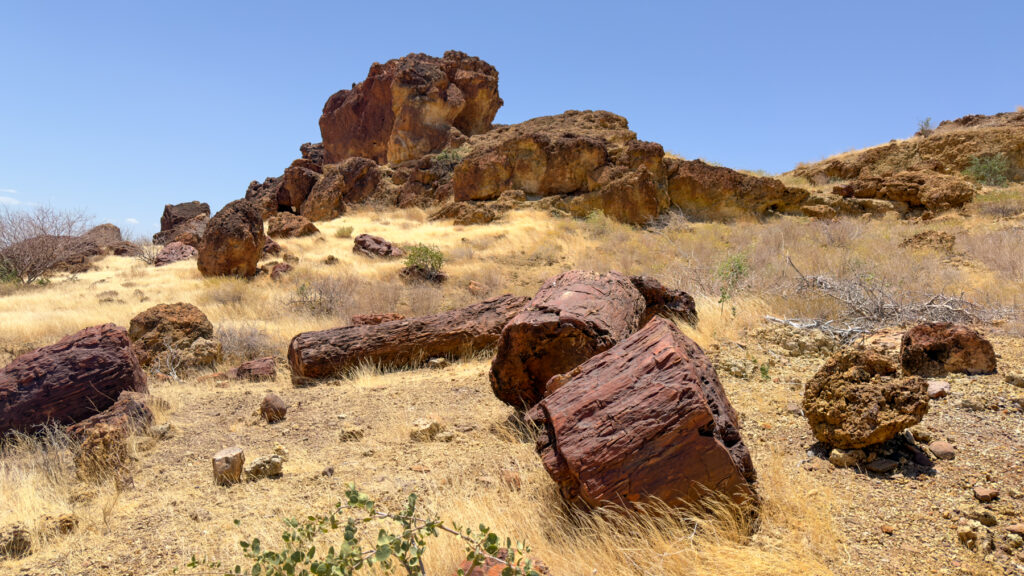
The petrified forest of Sibiloi is one of only two in Africa. The other lies in Namibia (image by Inger Vandyke)
Sibiloi
We had to gently clear the camels off the road to continue our journey north. Shortly before lunch we entered the remote nature reserve of Sibiloi through the Karsa Gate. After completing our park formalities, we drove into the reserve and stopped at its ancient petrified forest. On our arrival, we actually flushed two Kirk’s Dikdiks into the hills. I guess they were quite surprised to see humans in their world in such a remote area.
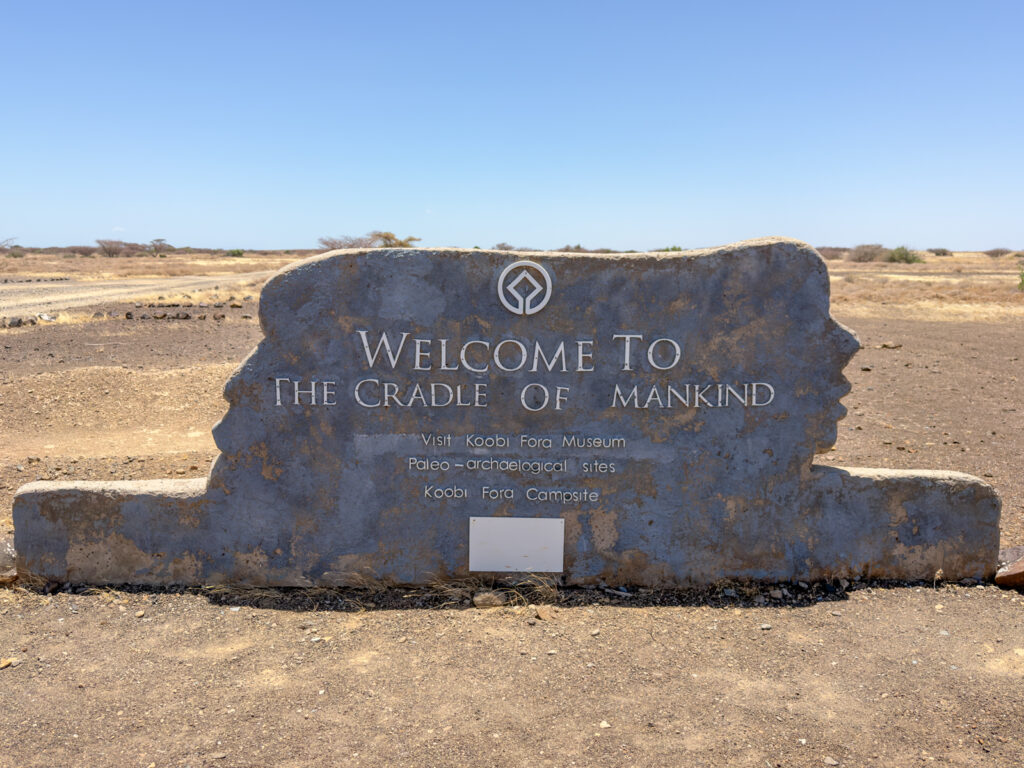
Entrance to the Cradle of Manking. Karsa gate at remote Sibiloi National Park, Kenya (image by Inger Vandyke)
For lunch, we found shade trees near a dried riverbed, then continued out of the park on the road toward Ileret, near the border of Ethiopia.
From the area of Gabbras, we entered the Dassanech area and began to see their beautiful homesteads and herders on the outskirts of one of Kenya’s most remote towns.
The Dassanech Ceremony of Guol – the “White Feather” Ceremony
After meeting with our local guides in Ileret, we left early the next morning to visit a wonderful group of local Dassanech people who had just begun celebrating Guol, or the White Feather ceremony. This is the event where a young Dassanech man chooses his future wife by placing a white ostrich feather in her hair, and it attracts many highly decorated young Dassanech people who dance and sing to celebrate the impending nuptials.
We spent the entire morning photographing the festivities and taking portrait shots before heading to a tiny town for lunch of goat stew, which was delicious. After squeezing in a short break at the guest house, we returned to the ceremony for the rest of the afternoon, and we even met an old friend of mine who used to hunt crocodiles. She turned up to say hello, carrying a large, old Nile crocodile skull that the Dassanech caught years ago. These days, hunting crocodiles is forbidden, so the Dassanech only catch fish from rivers and lakes, while also keeping livestock like goats, sheep, and chickens.
A Return to the Gabbra
The following day we left the north and started on our slow journey back towards Nairobi. The road to North Horr brought us squarely back into Gabbra territory and, after making a couple of short stops to photograph euphorbia and stretch our legs at a checkpoint, we arrived in North Horr in time for a delicious lunch at the home of our local guide, Abdi.
From there we drove further to Kalacha, checked into our guest house, gathered our gear, and that afternoon visited a local Gabbra family in their beautiful homestead. It was our first real taste of Gabbra culture, and we met so many beautiful women who came to sing about their camels for us. We also went inside one of the beautiful Gabbra houses, learned about the creation of decorative kalabashes in Gabbra culture, and heard about their lives as camel nomads at the edge of the Chalbi Desert.
We left the guest house the next morning before sunrise. This time we visited another Gabbra homestead in time for the camel milking before the camels were sent to the desert to graze. It was a beautiful final photography session with these warm nomadic people, and we ended it by returning to our guest house for a delicious late breakfast before crossing the Chalbi Desert.
Crossing the Chalbi
Leaving Kalacha, we soon began our traverse of a giant salt pan at the edge of the Chalbi Desert. Sadly, since my last crossing, a fine layer of silt had washed over the salt, making it impossible to mine, so our much-anticipated Gabbra salt miners weren’t around the day we visited. Still, the drive through the Chalbi is always dramatic.
It took us most of the morning, and by late morning we started to see livestock herds near the small town of Mykona. We drove further and arrived in the lively Kenyan city of Marsabit in time to check in and enjoy a late lunch.
Borana
Later that afternoon, we visited a lovely local Borana family in Marsabit. Hosted by a wonderful, kindly headman, we enjoyed learning about Borana culture while standing in the shade of one of their traditional houses. While we were there, one of the women came and jokingly placed a pretty leather wedding belt over my shoulders. Adorned with shells and beads, it was very beautiful! The head man said to me, “You are such a lovely person. You are always smiling. I think god is with you always,” and as I blushed at his compliments, he and his family gifted me the ceremonial belt they had put on me. I was blown away by their generosity, to the point where I didn’t really know what to say. Now it sits with pride of place on my bookshelf at home as another much-cherished gift.
Burjji
The following morning we went off to visit a lively community of Burjji people in the region of Marsabit. While culturally interesting, visiting the Burjji has always been a challenge for photography because of their preferred meeting place. Still, it was a fascinating morning as we learned about their agricultural prowess and their historical ties to their homeland in southern Ethiopia.
Samburu
We went back to the lodge for an early lunch, then drove further south toward the spectacular Matthews Range. Our drive took us through yet another beautiful region of Rendille people to the Samburu area, our final tribal group of the trip.
Our lodge was situated at the end of a dirt road in a valley at the base of Mount Ololokwe, one of the sacred mountains of Kenya’s Samburu people. After checking in, we met four lovely Samburu Morans, whom we drove out to a remote Samburu manyatta for photos.
This manyatta had rarely been visited by outsiders, and we weren’t sure if some of the children had ever met white people before. Against a beautiful backdrop of a glowing Ololokwe in the afternoon light, we spent time taking photos of the Morans painting each other, portraits of decorated Samburu women and enjoying a spontaneous dance with everyone.
That evening we enjoyed a round of drinks on me as we celebrated our last night of the trip! After dinner, we even had a special surprise guest – a Common Genet visited the restaurant to search for tidbits, reminding us that we were truly in the wilds of Kenya.
During the night, I heard a lion’s roar, which was loud enough to wake me up. Shortly after, I heard alarm calls from olive baboons. Listening to the sounds of wildlife in an African night can be so magical.
The next morning we left at sunrise to visit a manyatta of some Samburu friends of mine. Our Morans joined us, and we spent some time photographing the Samburu people milking goats and sheep and then camels. Oddly, we found they mixed different animal milks to drink, and we learned that Morans must always share milk to encourage duty and responsibility toward each other.
It was our final shoot of the trip, and I was sad to see them all coming to an end. We returned to our lodge for a late breakfast, and we packed our bags to head down to Nairobi, where the tour ended.
What an incredible time! We had some lucky moments on this trip that surpassed our expectations, especially the beautiful ceremonies and the active singing wells.
We will be returning in 2028 for another tribal odyssey in Kenya, and I already wish I were leading it.
Inger Vandyke
Australian professional wildlife photojournalist and expedition leader Inger Vandyke now lives in the Forest of Bowland in northern England with her partner and fellow Wild Images photographer Mark Beaman. Inger has a long-established photographic career publishing images and stories in over 30 publications worldwide.