
PALLAS’S CAT KITTENQUEST TOUR REPORT 2026

2 - 11 July 2026
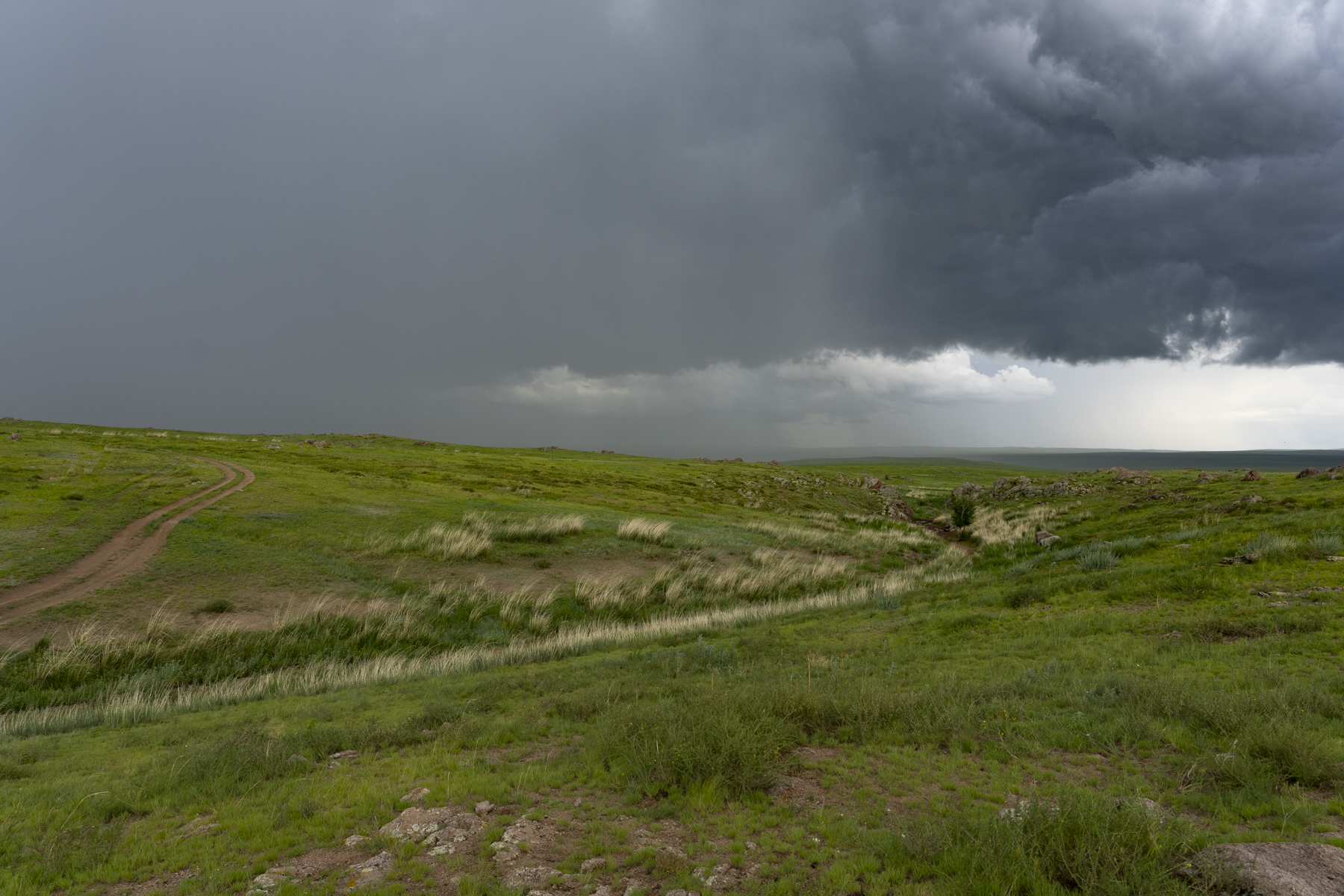
Summer squall in the steppe (image by Mark Beaman)
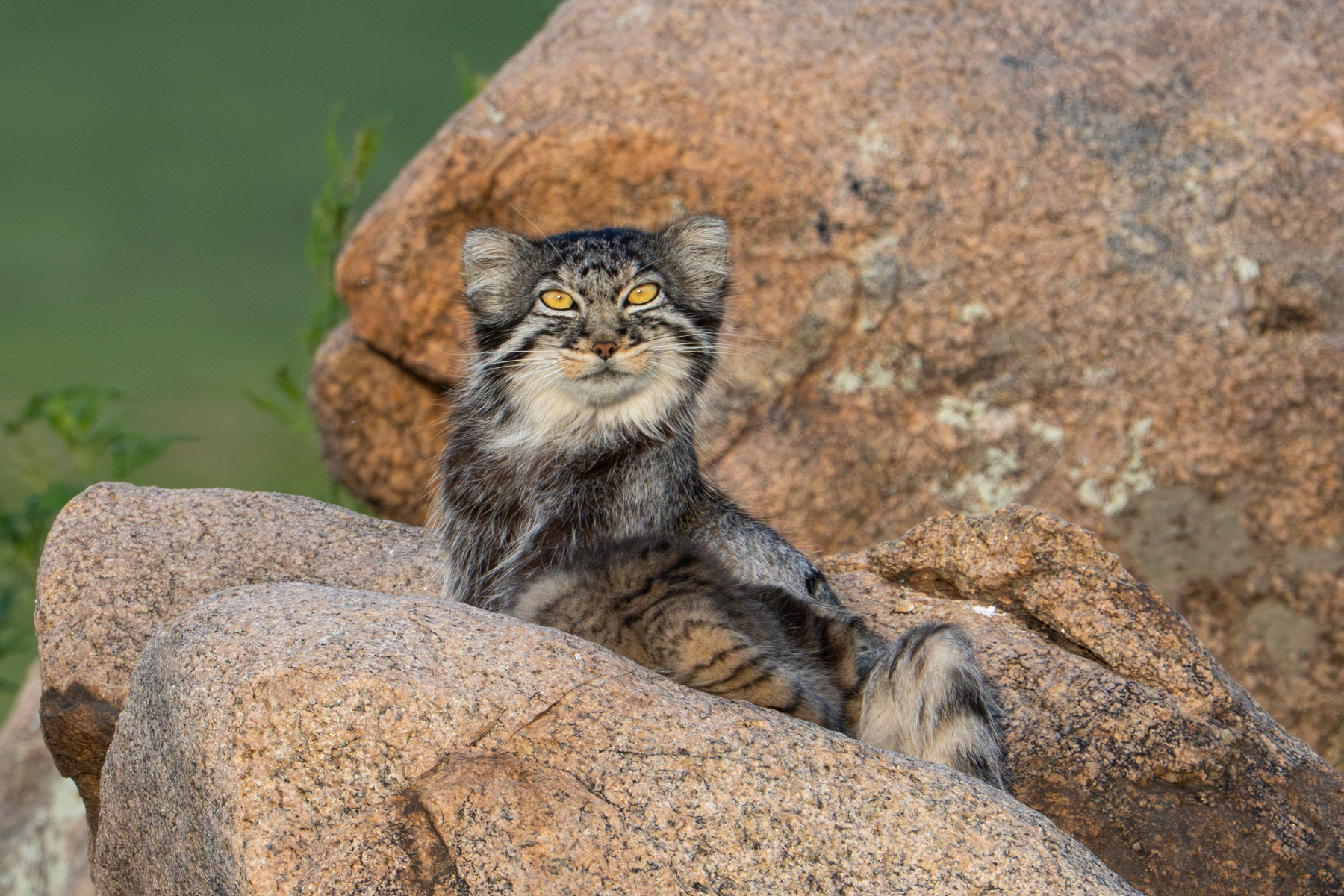
Pallas's Cat at sunset (image by Inger Vandyke)
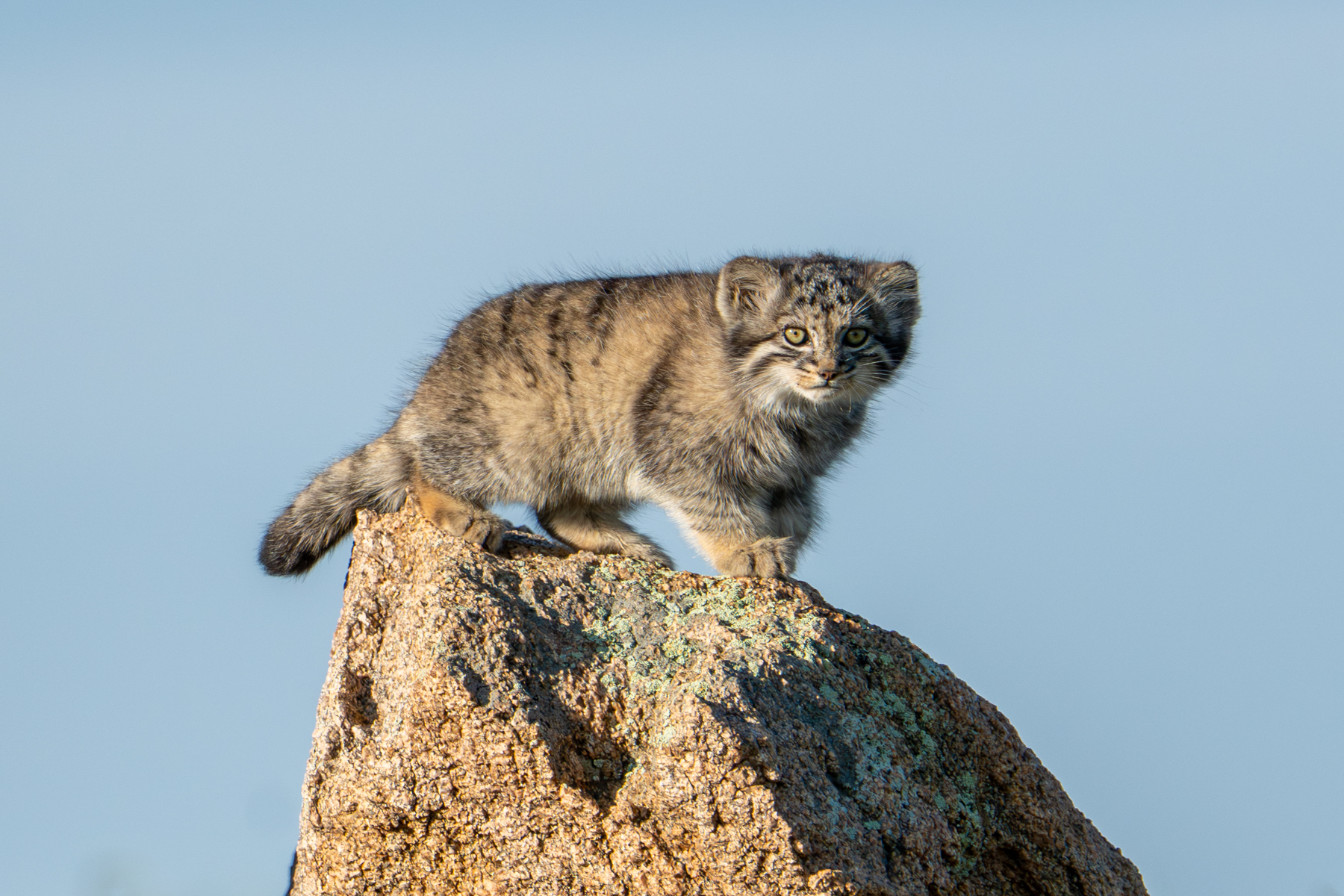
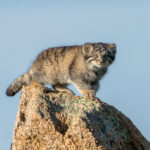
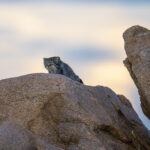
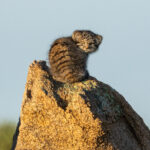
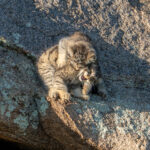
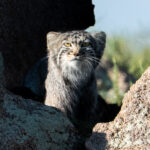
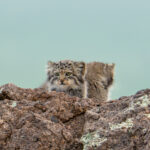
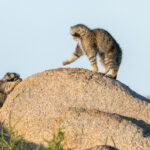
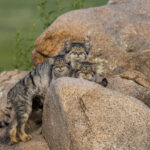
Pallas's Cat kitten king of the rock (image by Inger Vandyke)
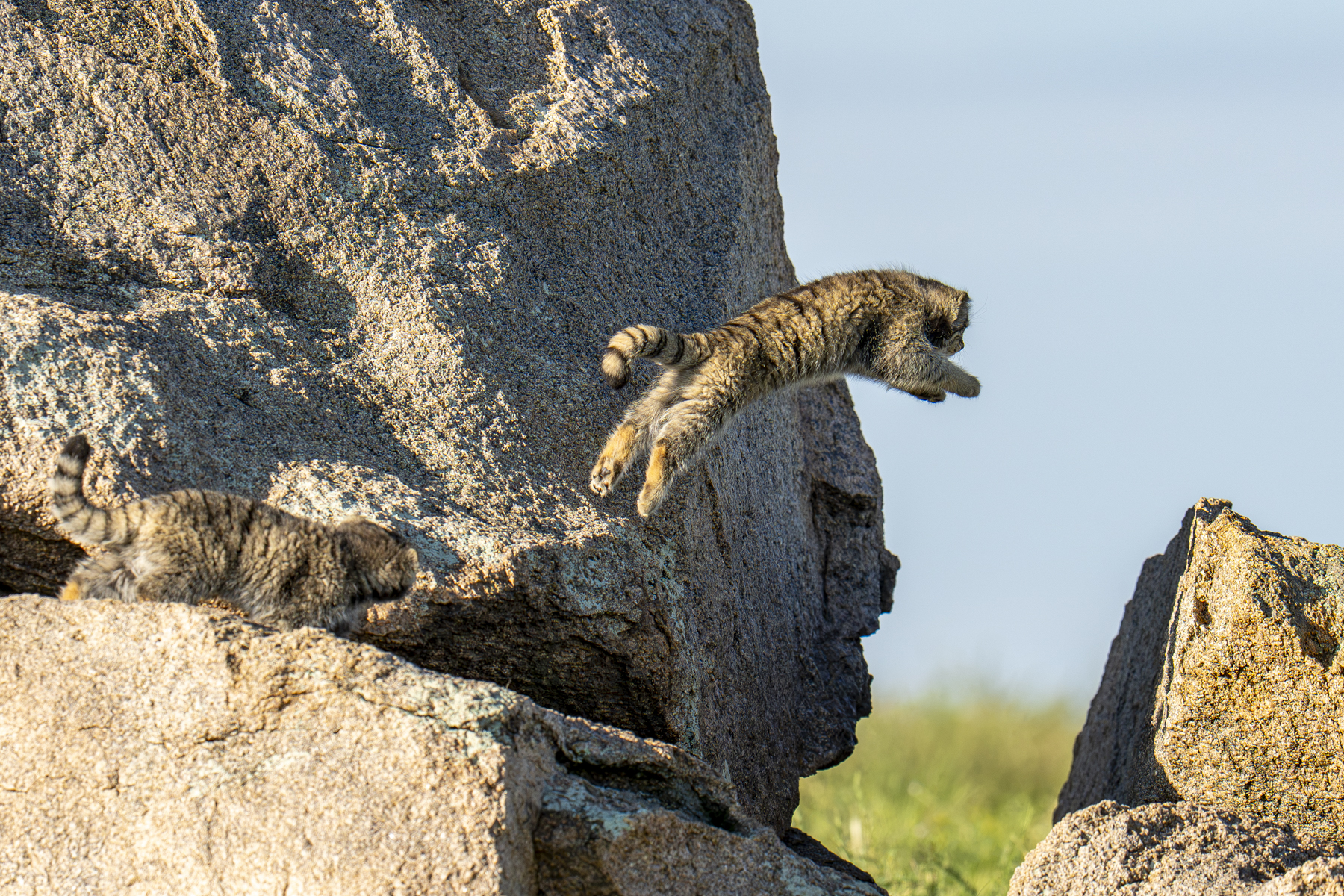
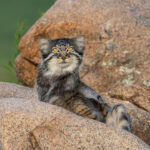
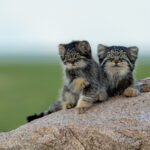
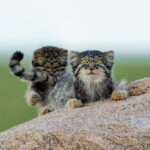
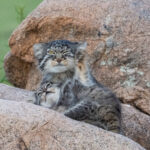
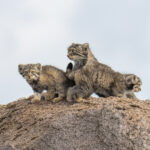
Pallas's Cat kittens (image by Mark Beaman)
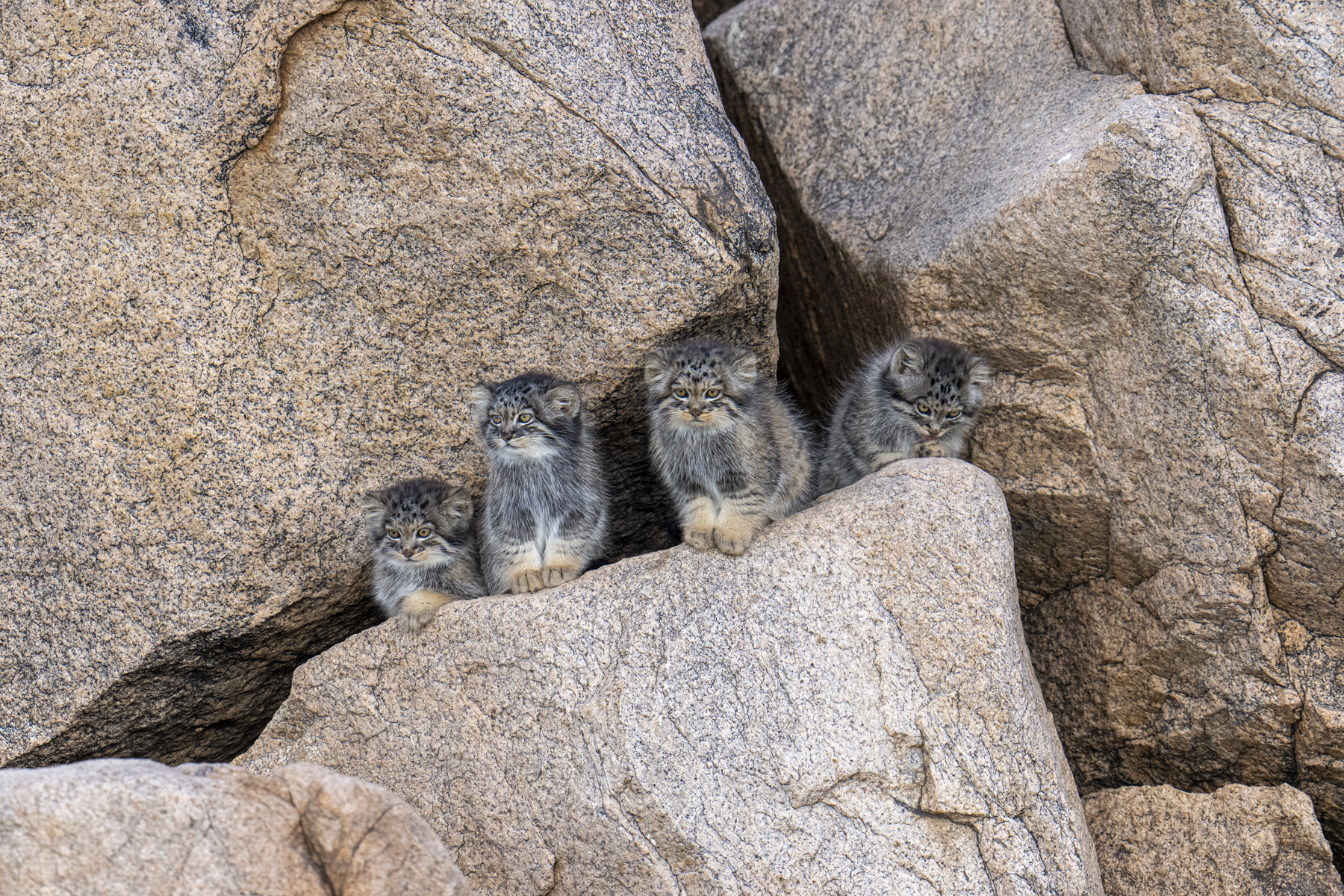
Pallas's Cat kittens (image by Mark Beaman)
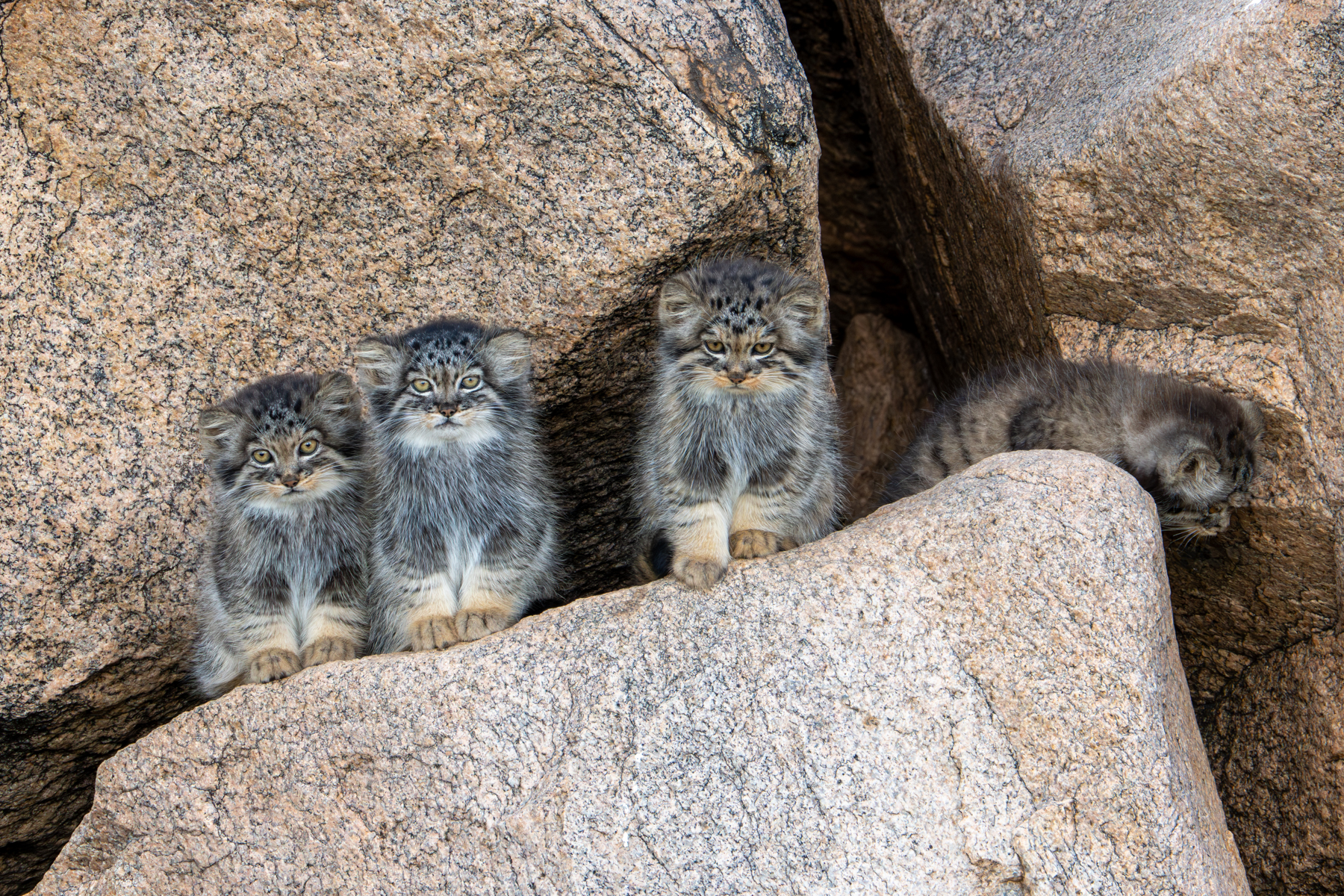
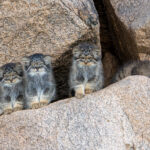
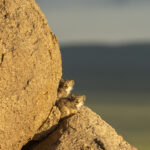
Kittens keeping guard from their den entrance (image by Inger Vandyke)
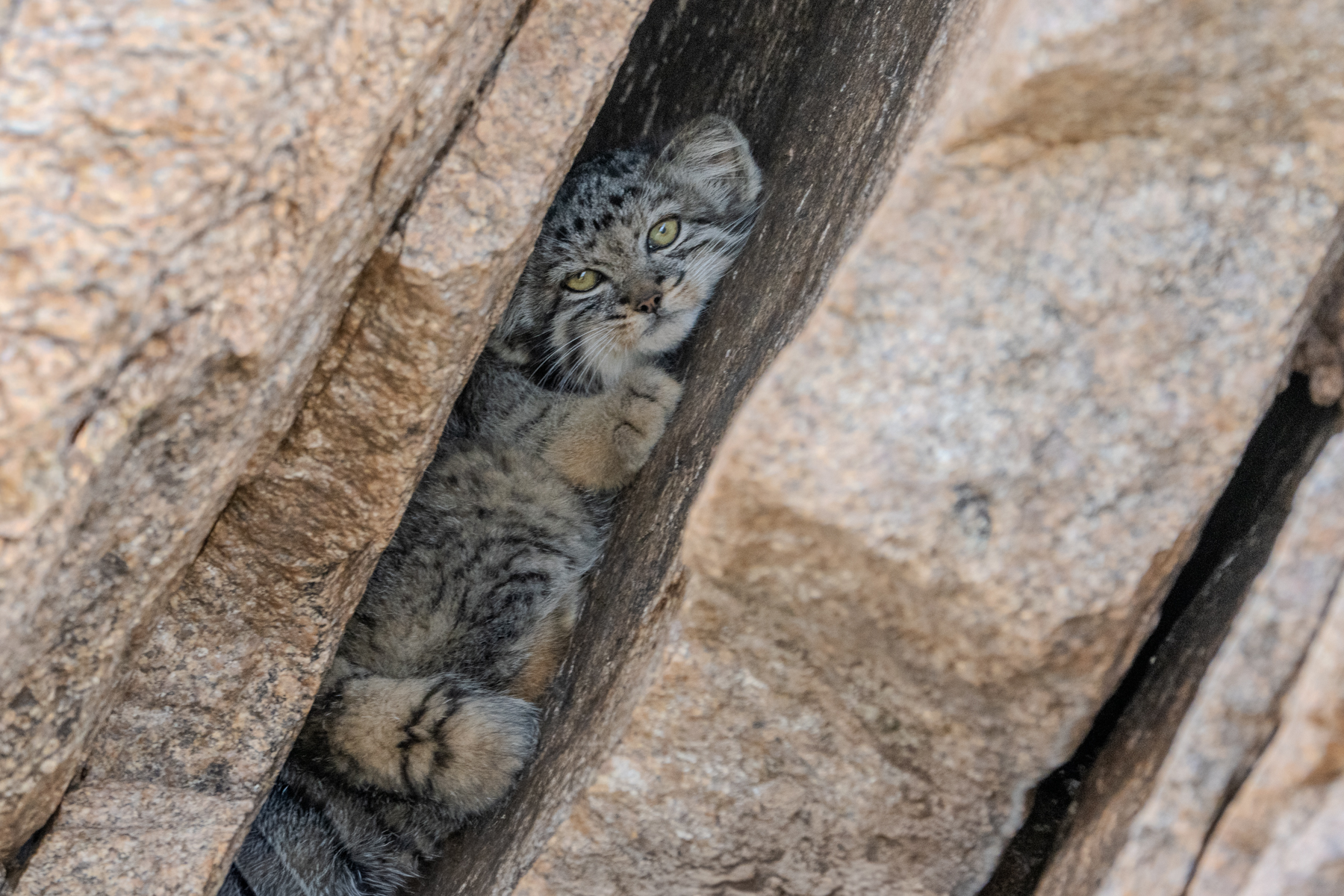
Pallas's Cat kittens in their den (image by Inger Vandyke)
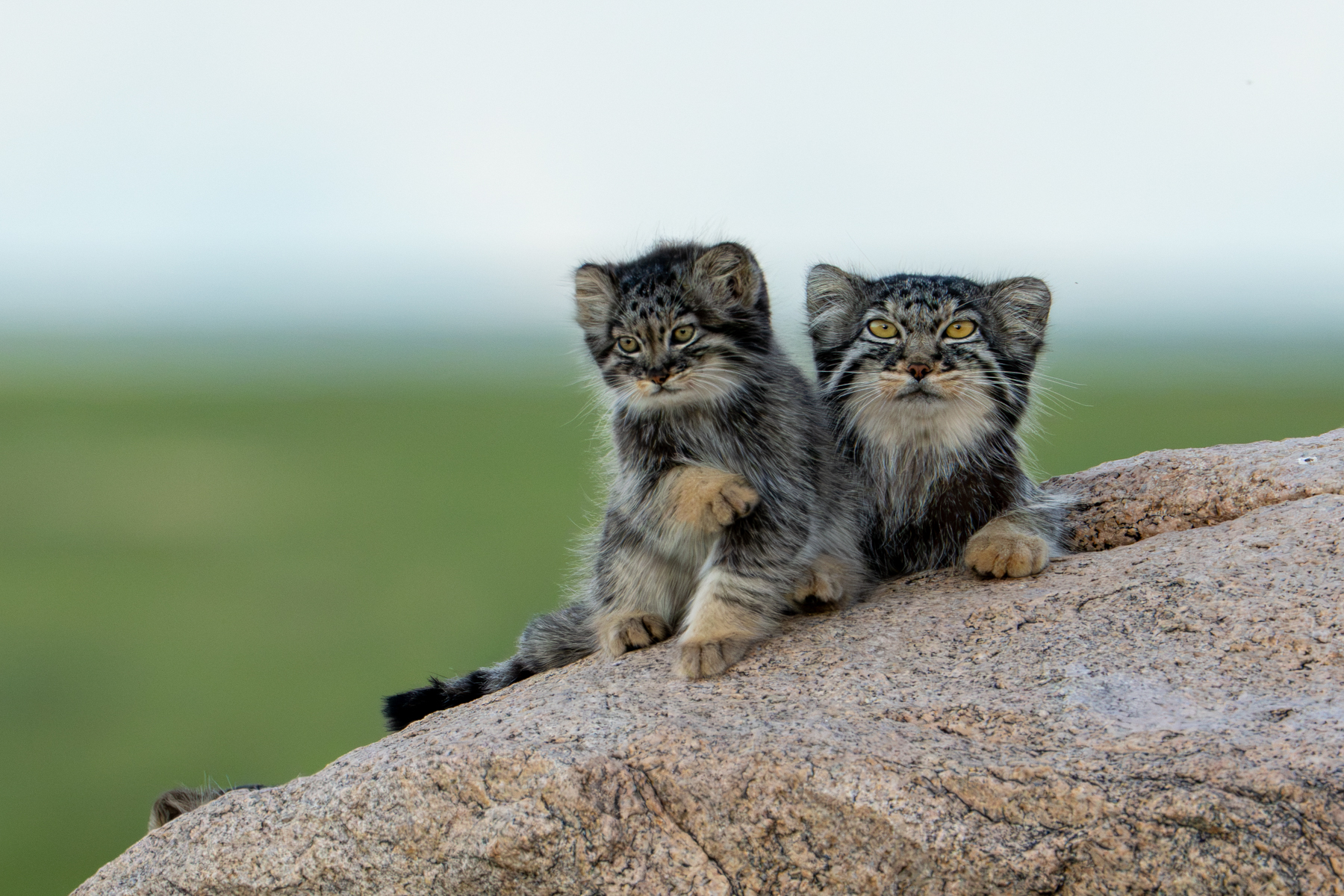
Pallas's Cat mother and kitten at sunset (image by Inger Vandyke)
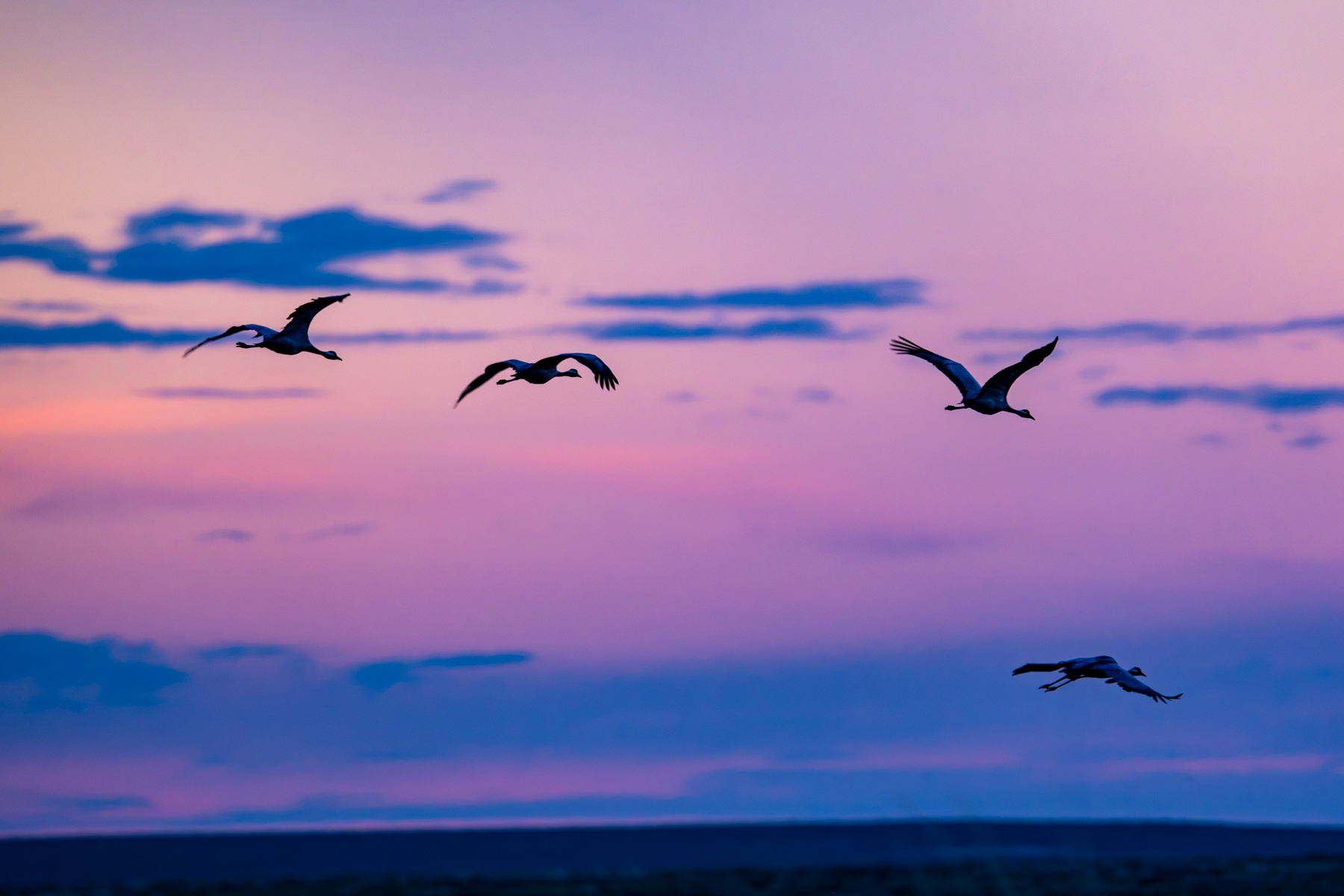
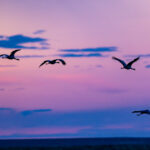
Demoiselle Cranes flying at dusk (image by Inger Vandyke)
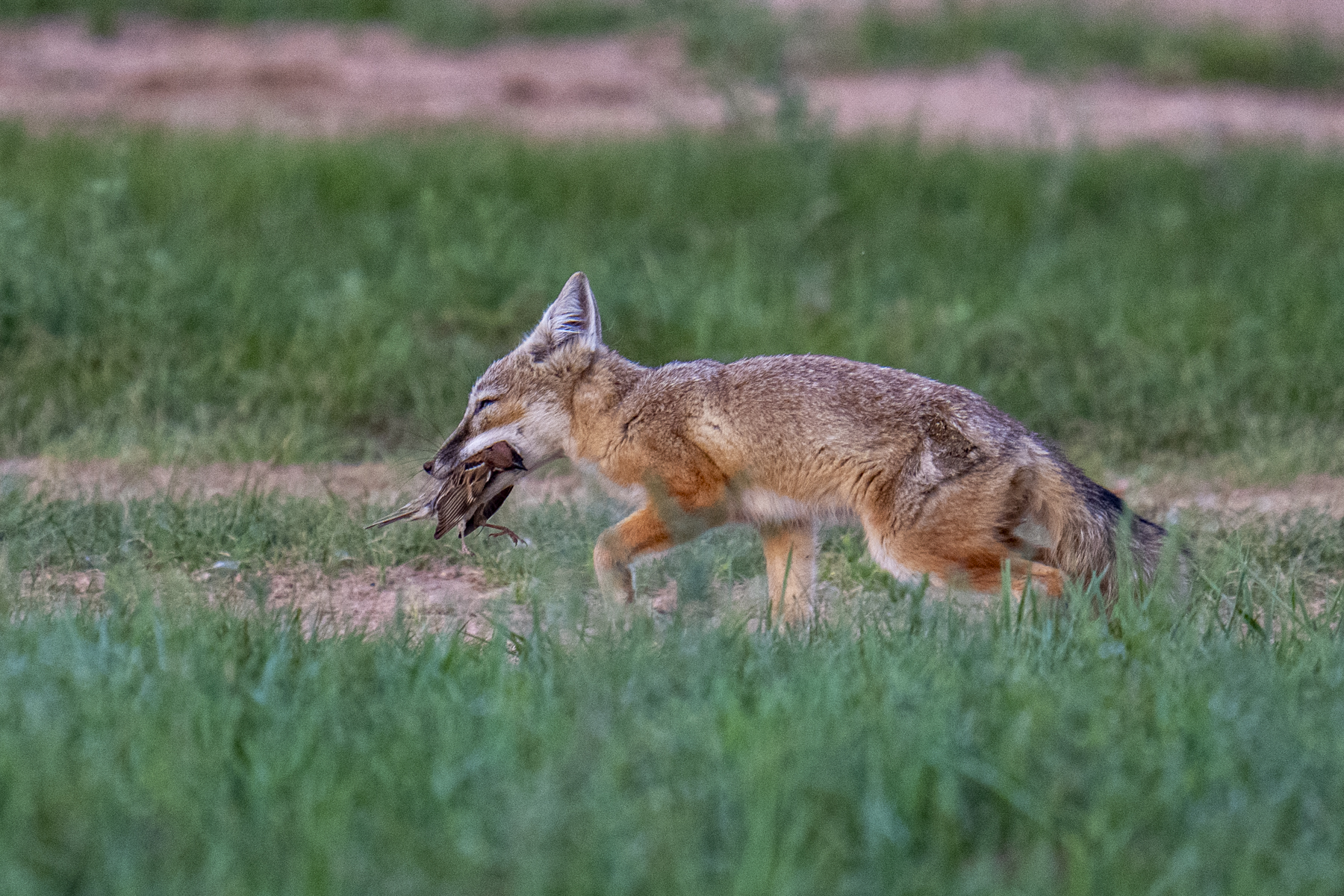
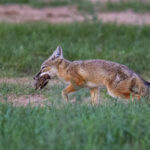
Corsac Fox with Eurasian Tree Sparrow (image by Mark Beaman)
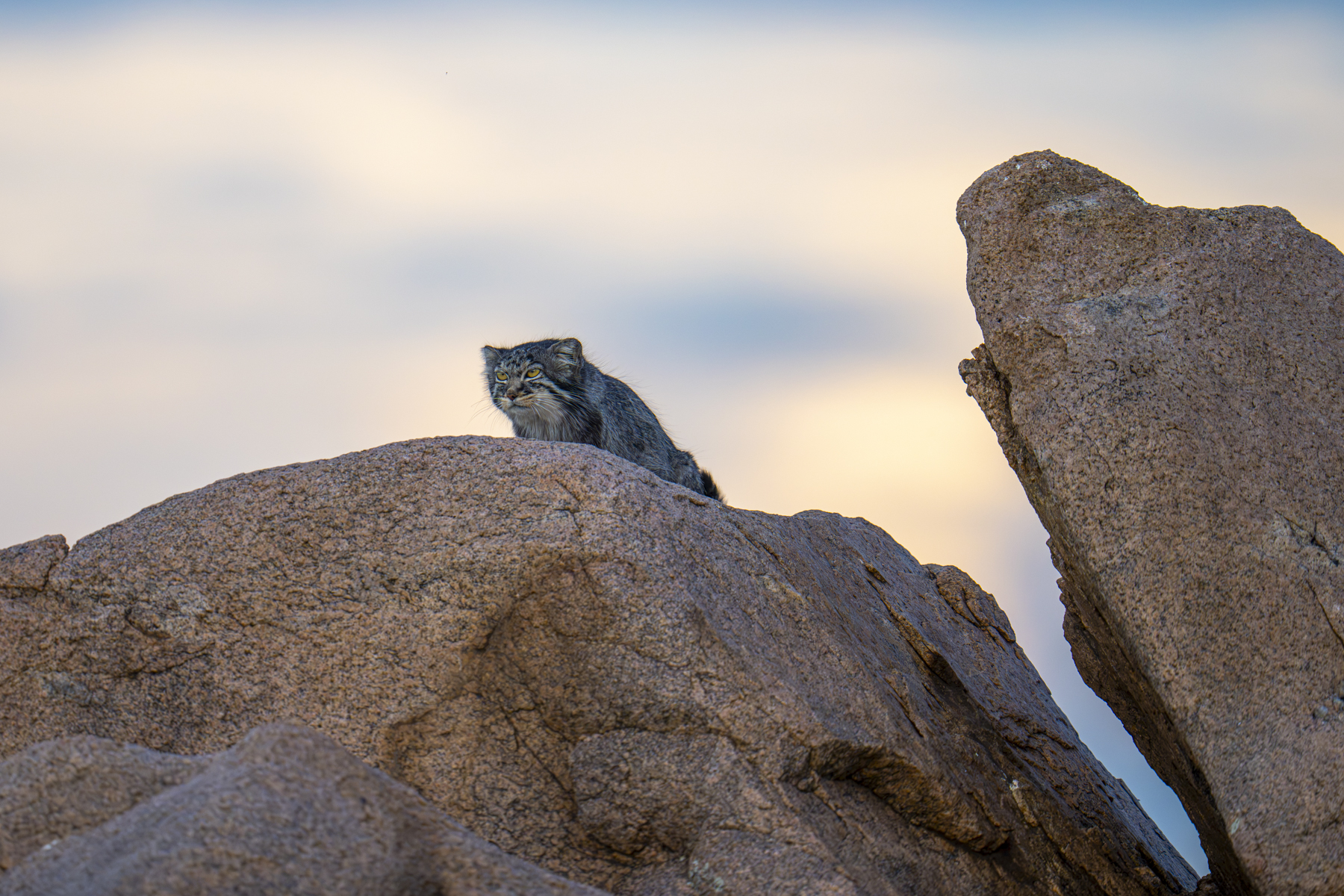
Pallas's Cat (image by Mark Beaman)
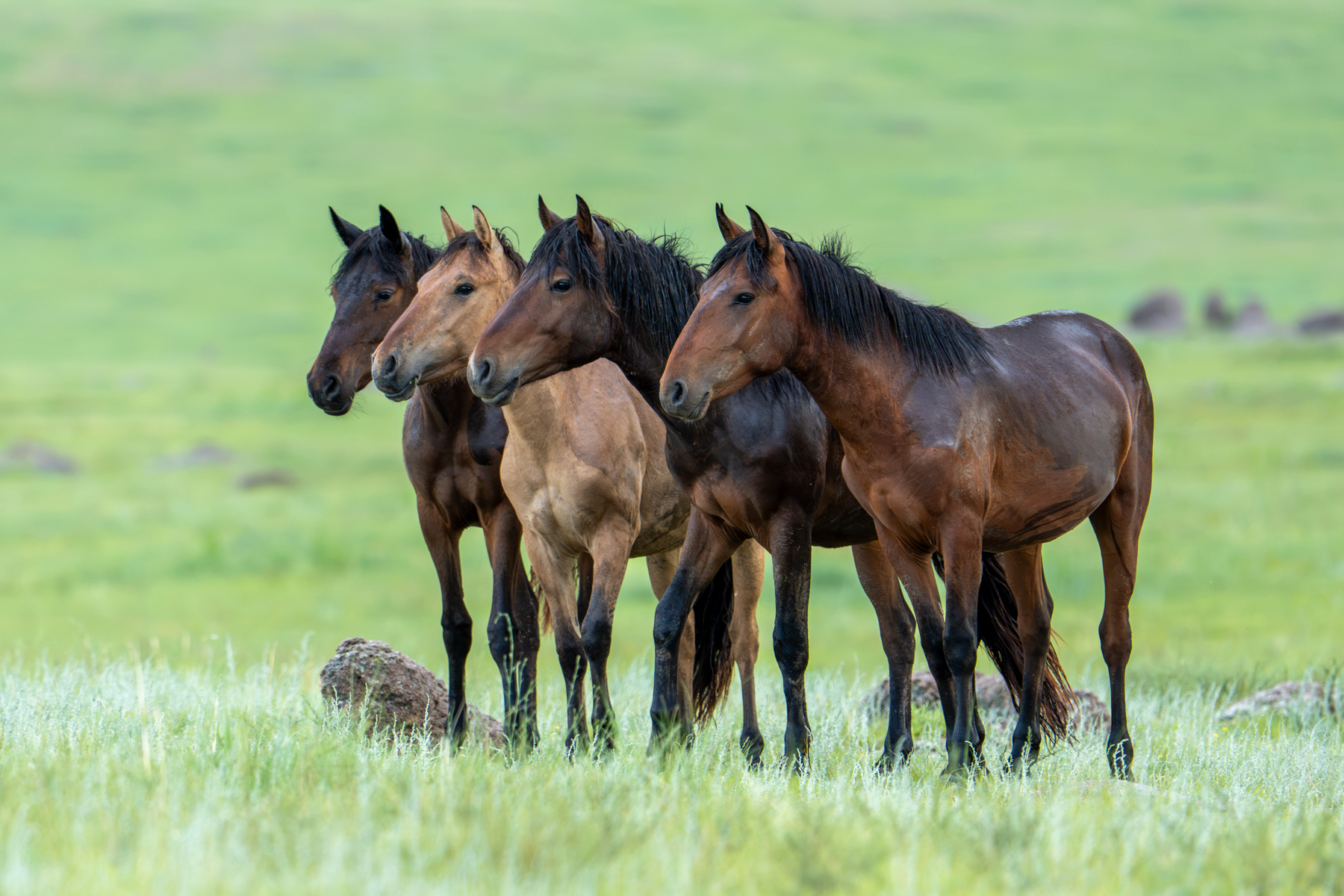
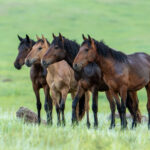
Mongolian horses are watchful of nearby, small, furry creatures (image by Inger Vandyke)
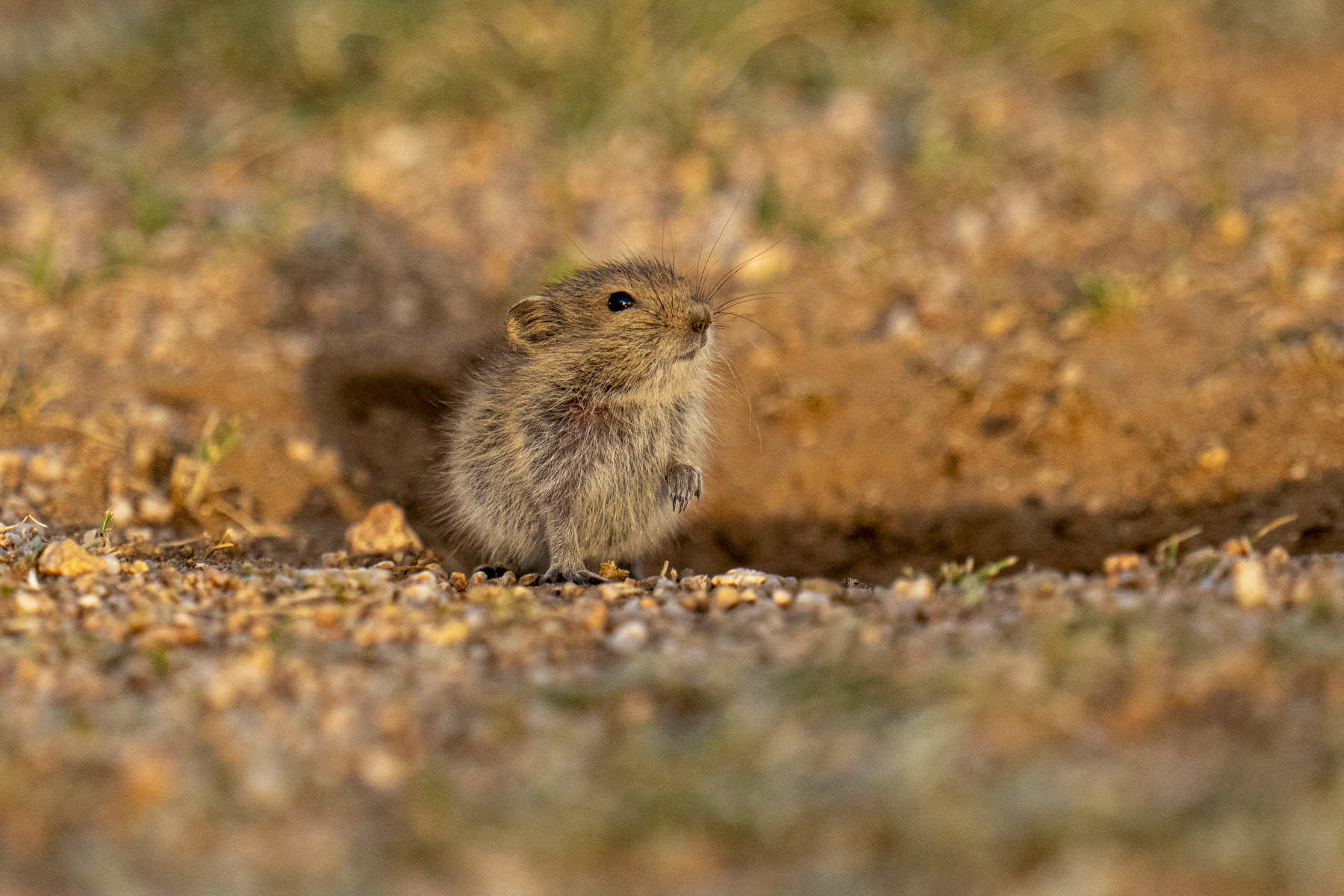
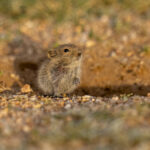
The endearing little Brandt's Vole (image by Mark Beaman)
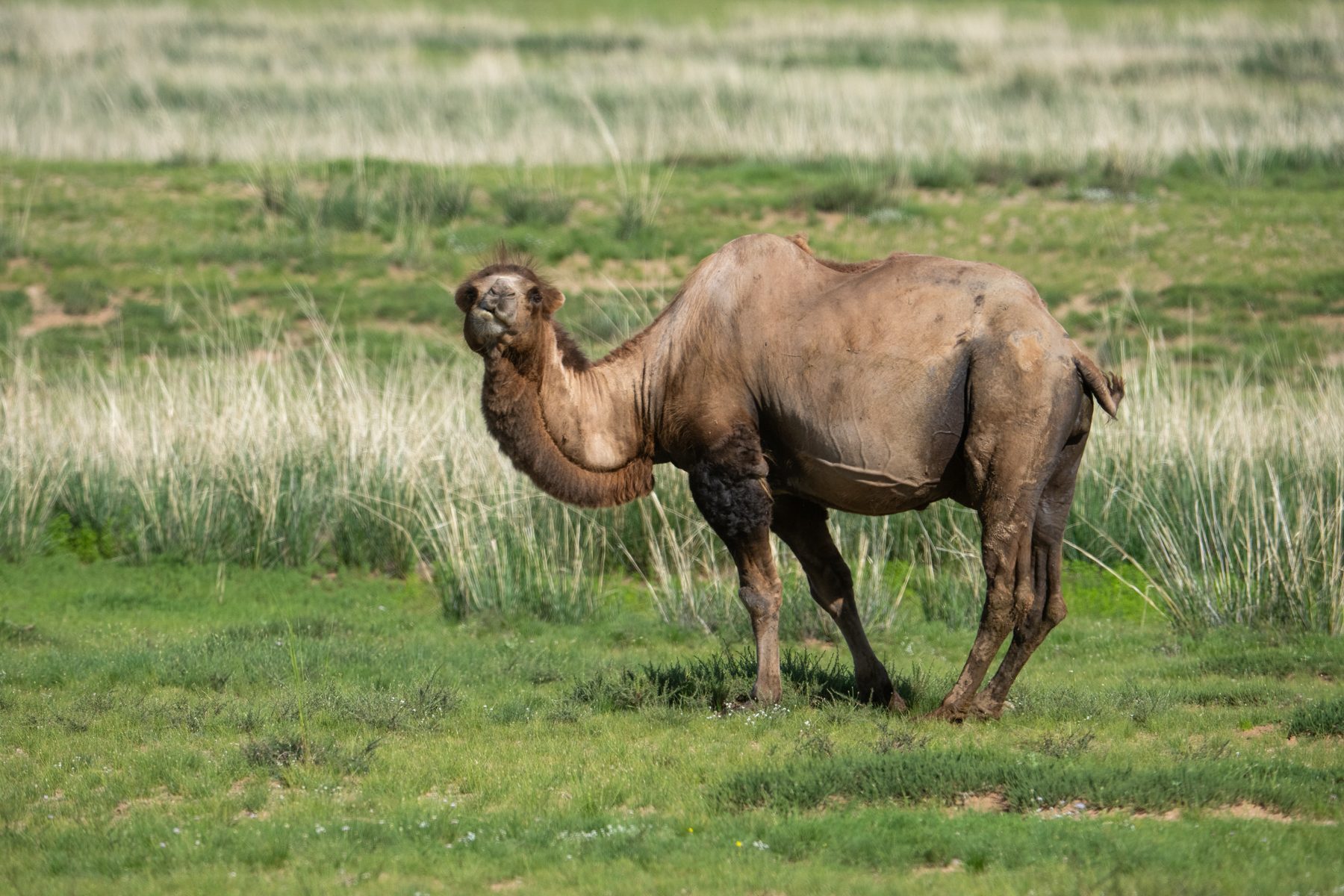
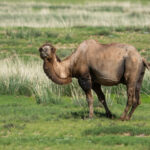
Bactrian Camel (image by Inger Vandyke)
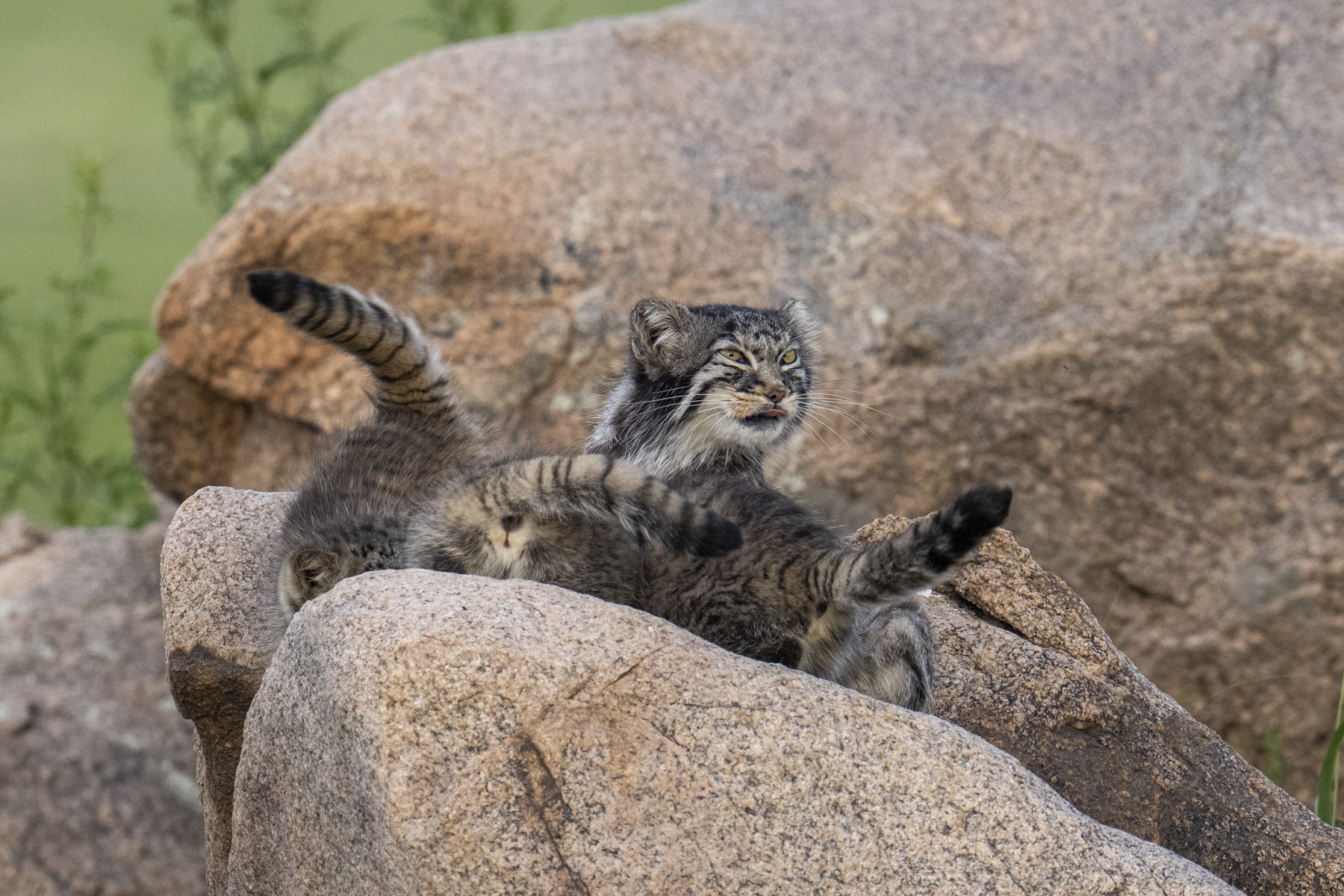
A mother Pallas's Cat suckles her kittens (image by Mark Beaman)
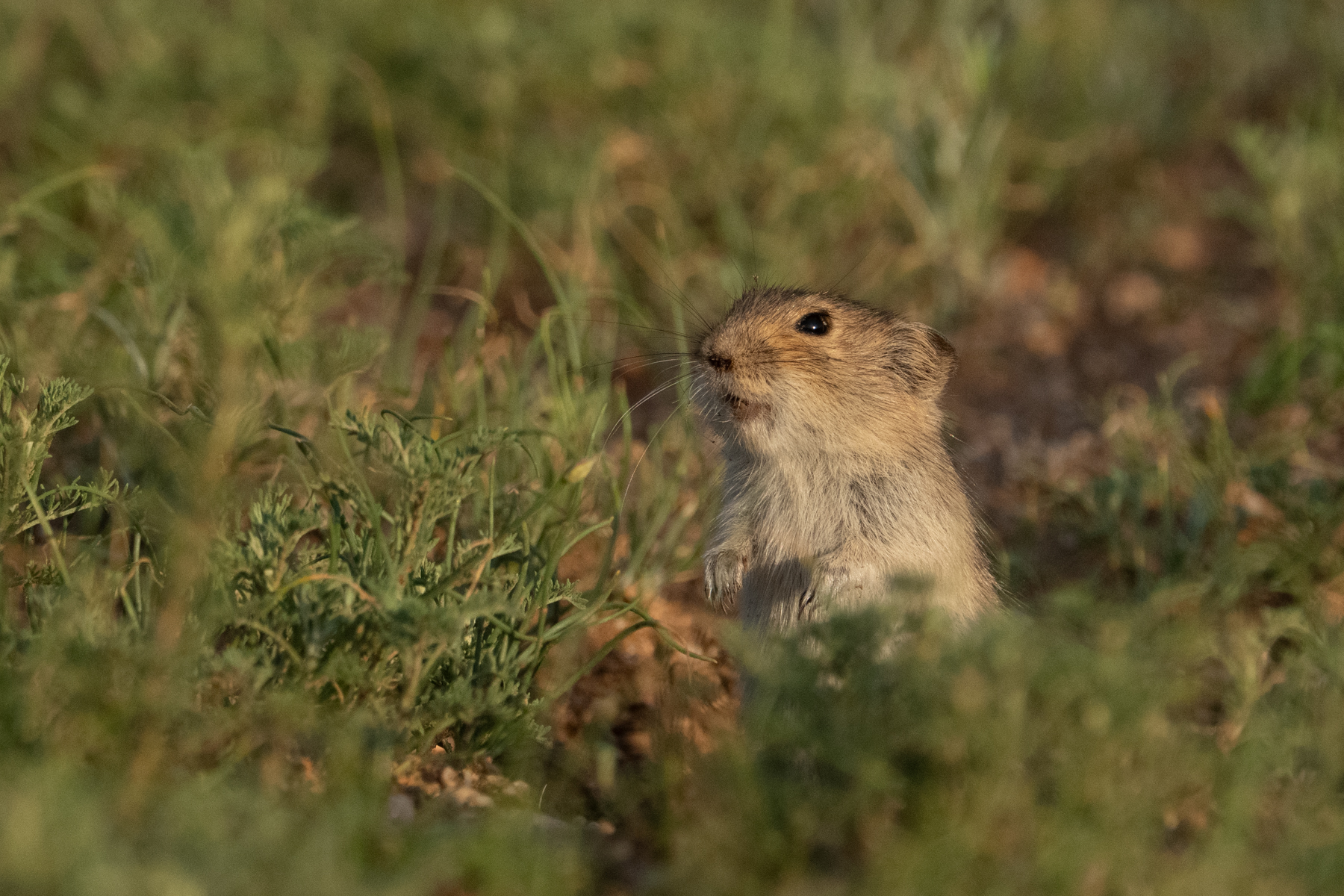
Brandt's Vole (image by Inger Vandyke)
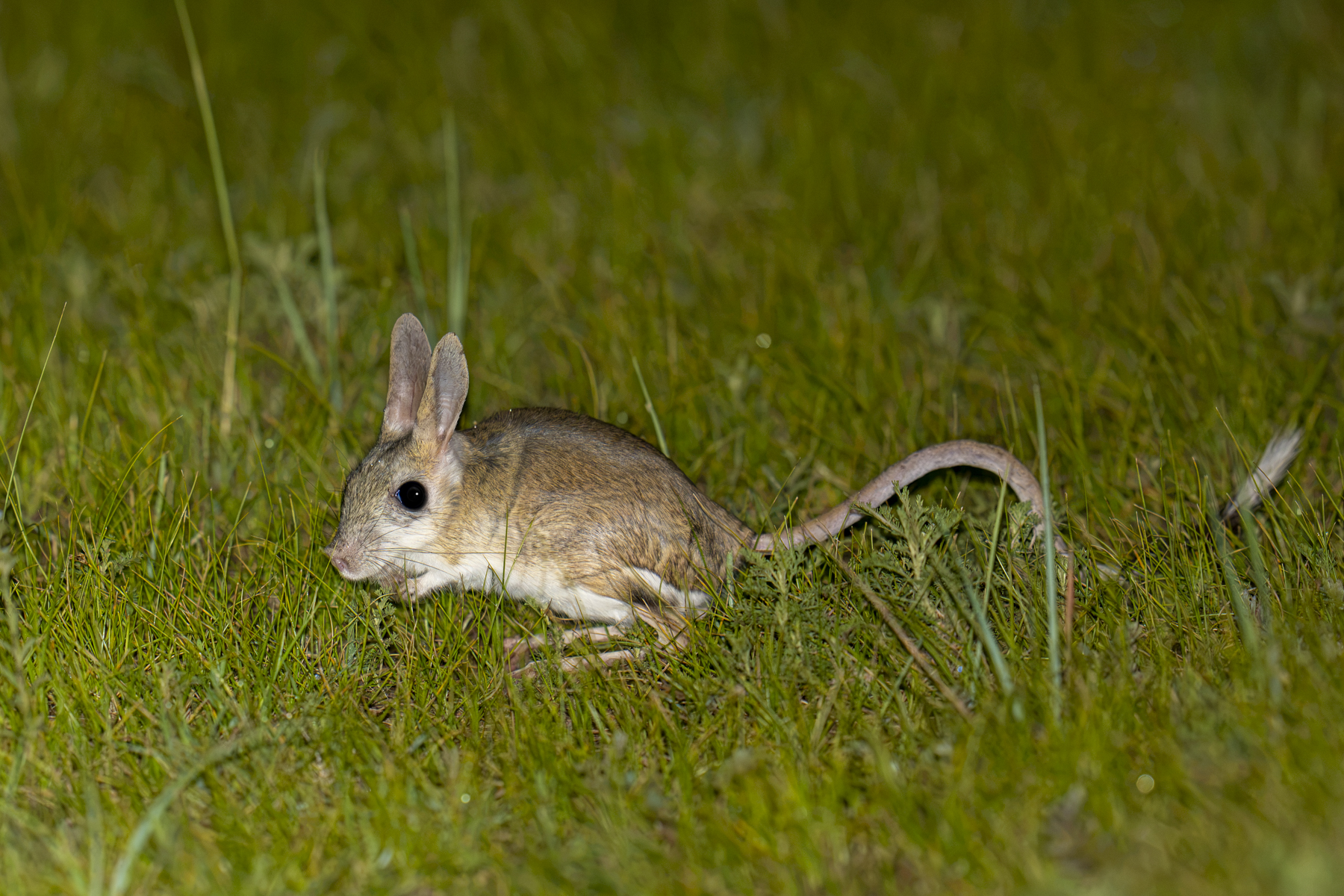
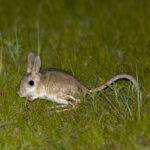
Siberian Jerboa (image by Mark Beaman)
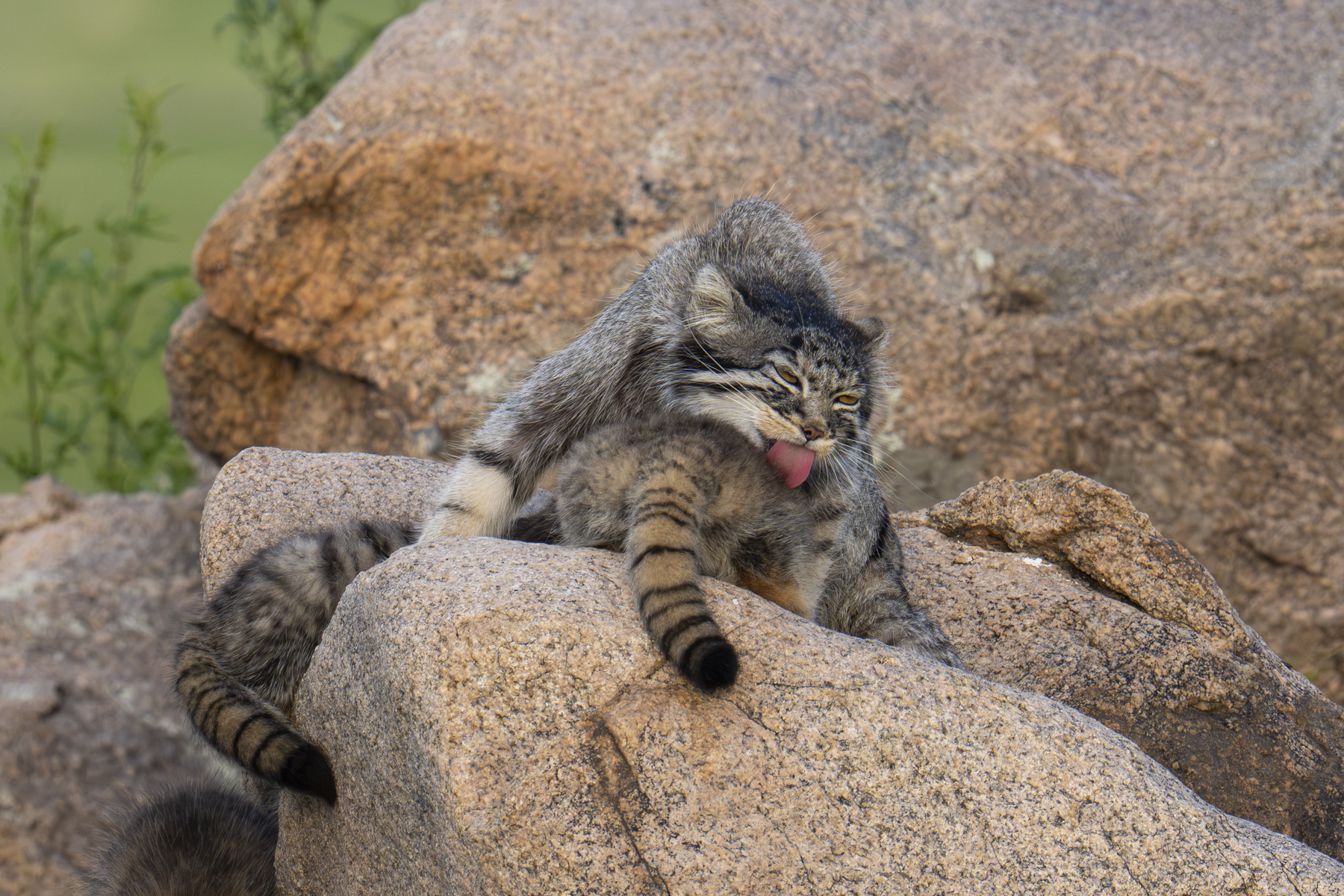
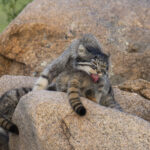
Time to wash those kittens! (image by Mark Beaman)
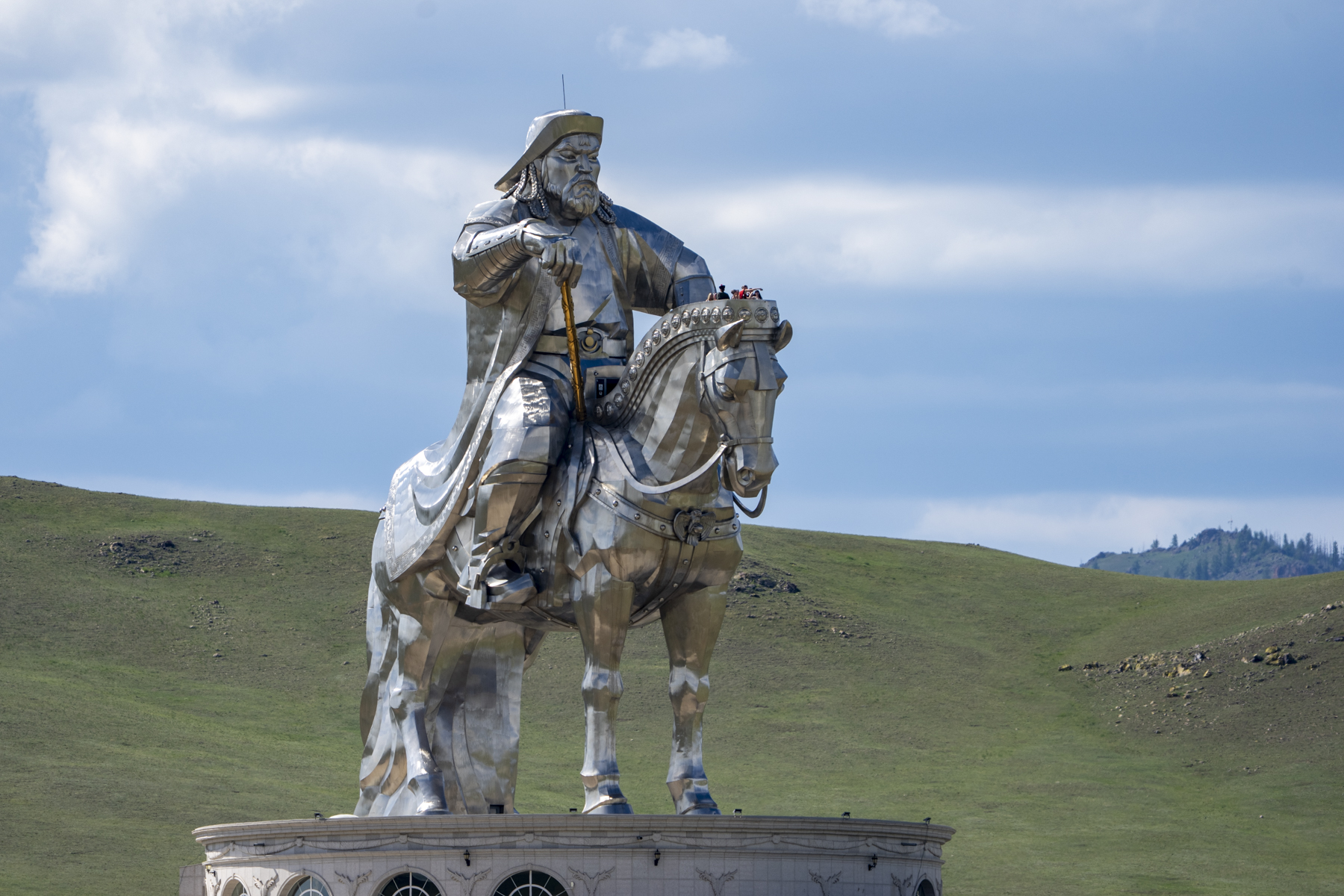
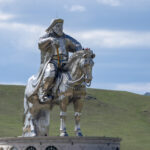
Genghis Khan statue (image by Mark Beaman)
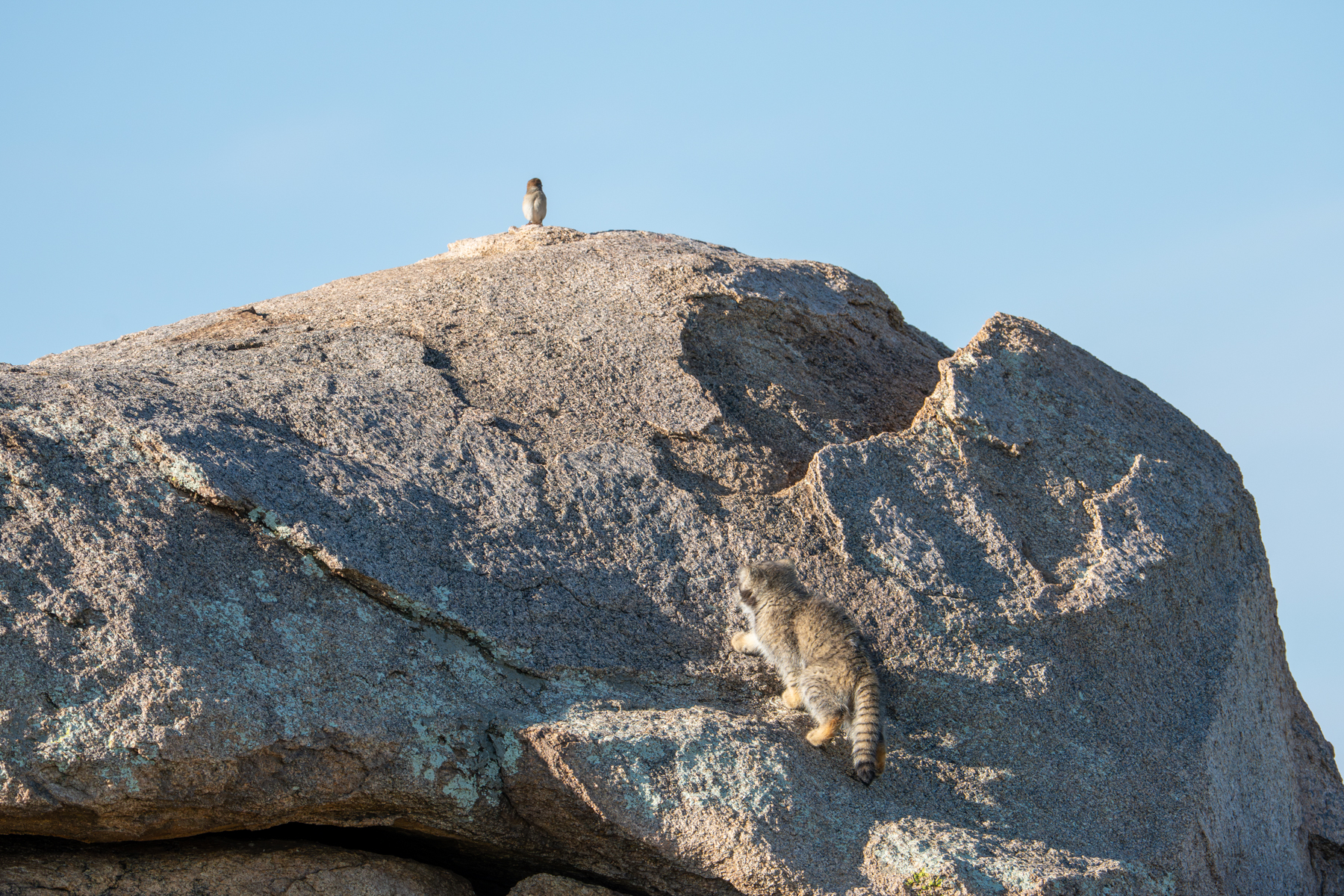
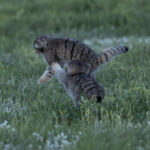
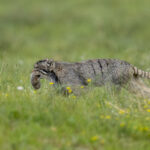
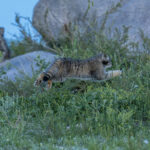
Sneaking up on a bird (image by Inger Vandyke)
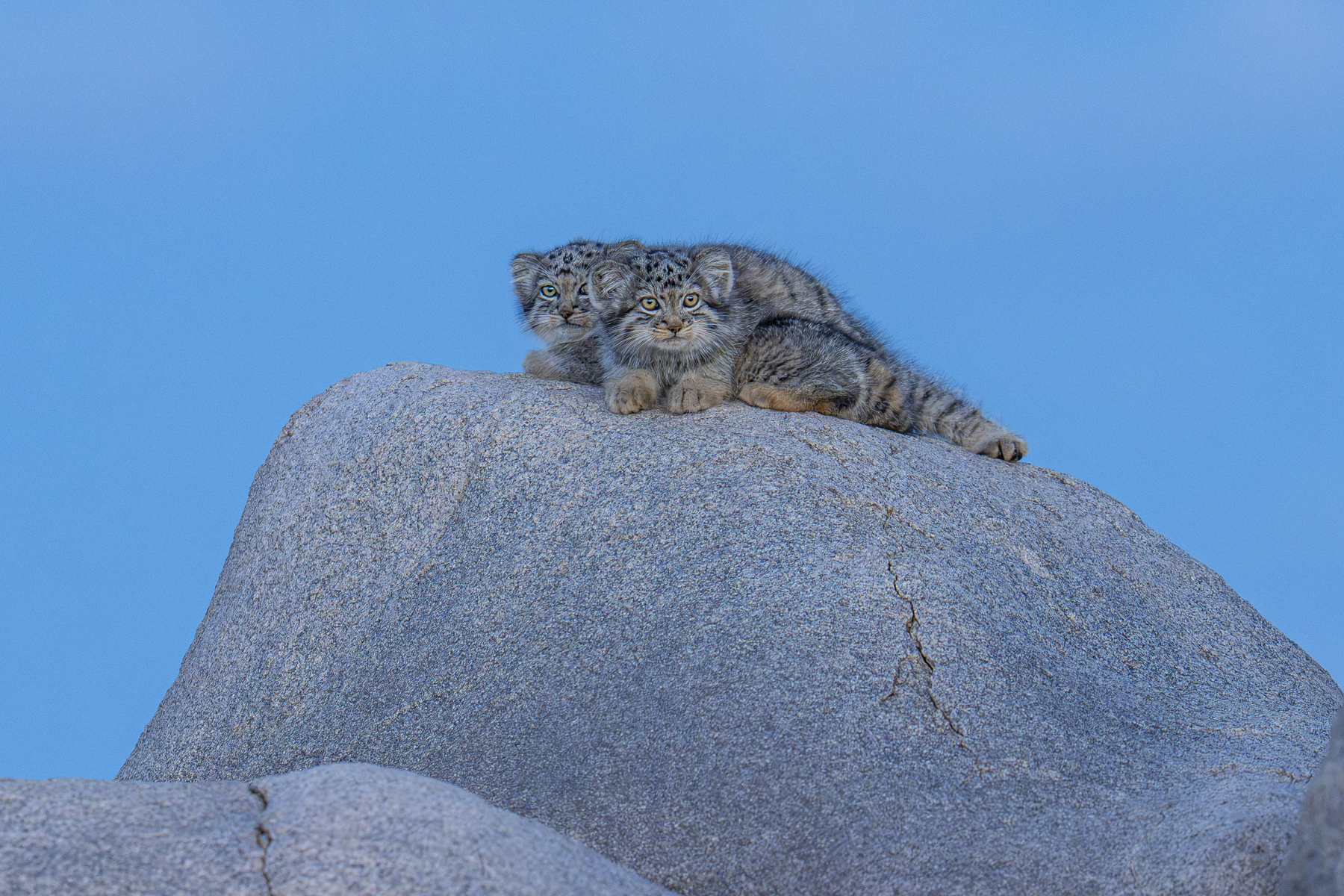
Pallas's Cat kittens (image by Mark Beaman)
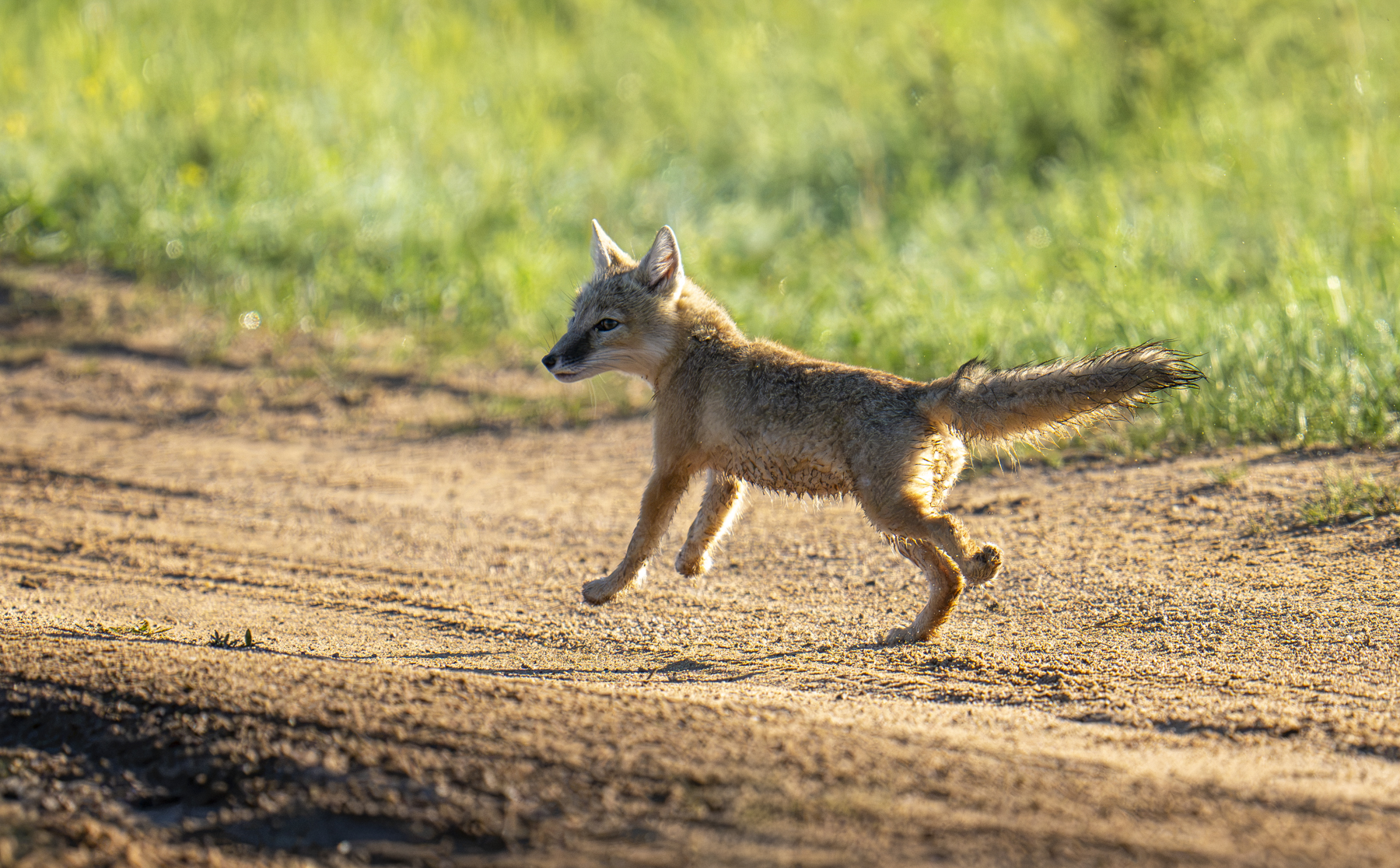
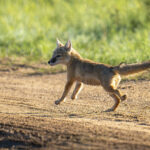
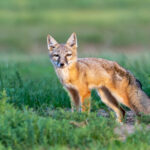
Corsac Fox (image by Mark Beaman)
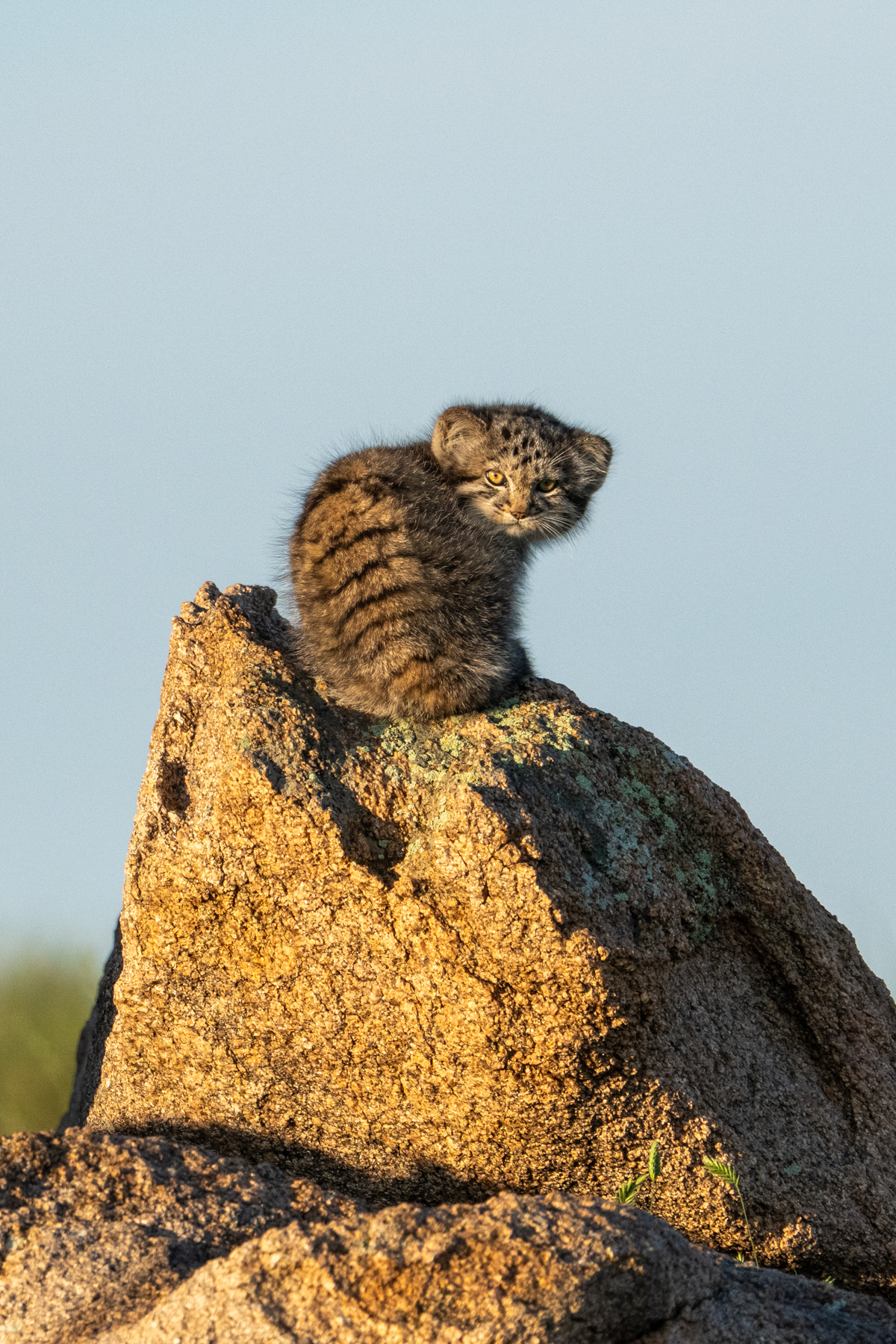
"I've got my eye on you!" (image by Inger Vandyke)
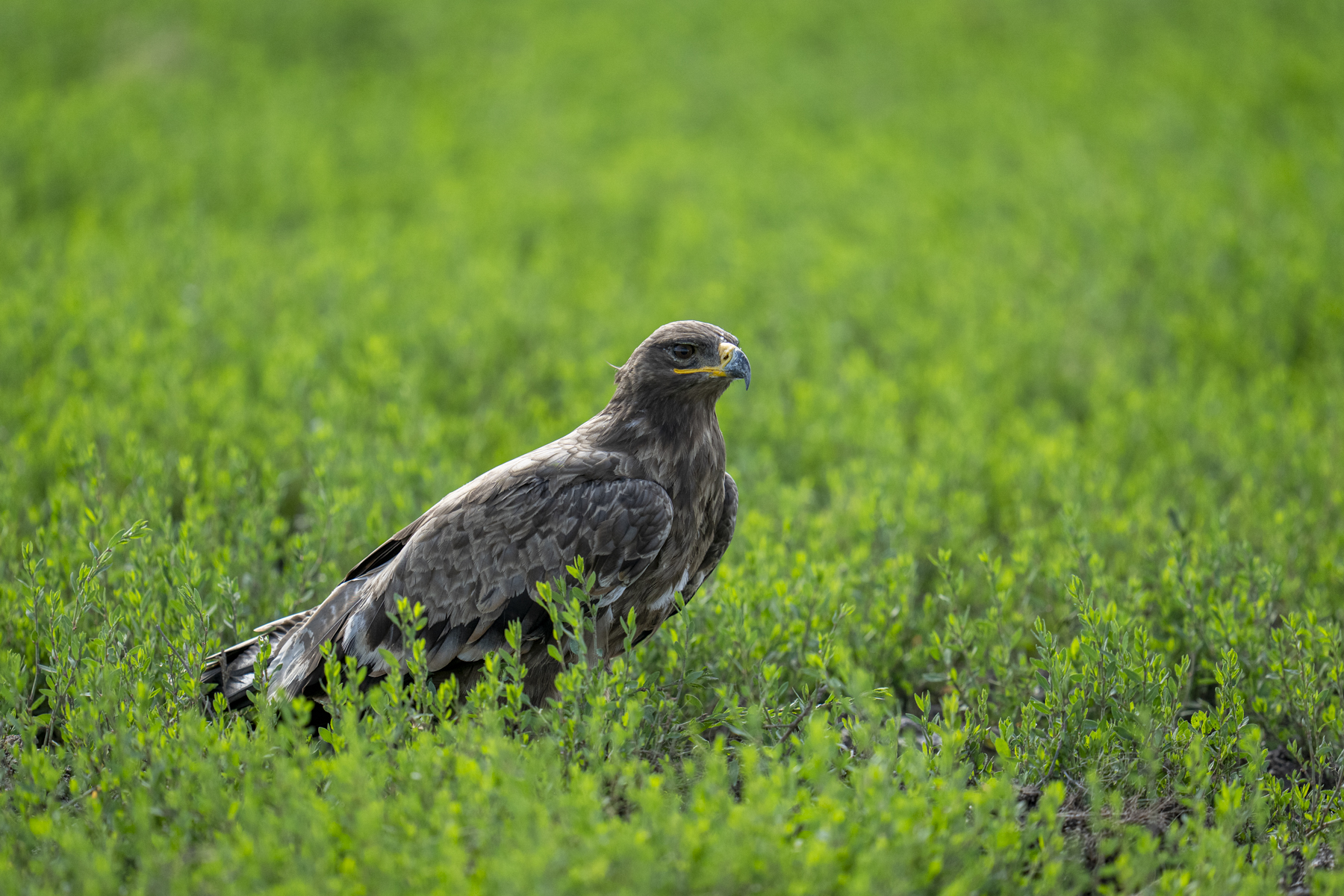
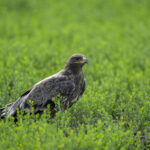
Steppe Eagle (image by Mark Beaman)
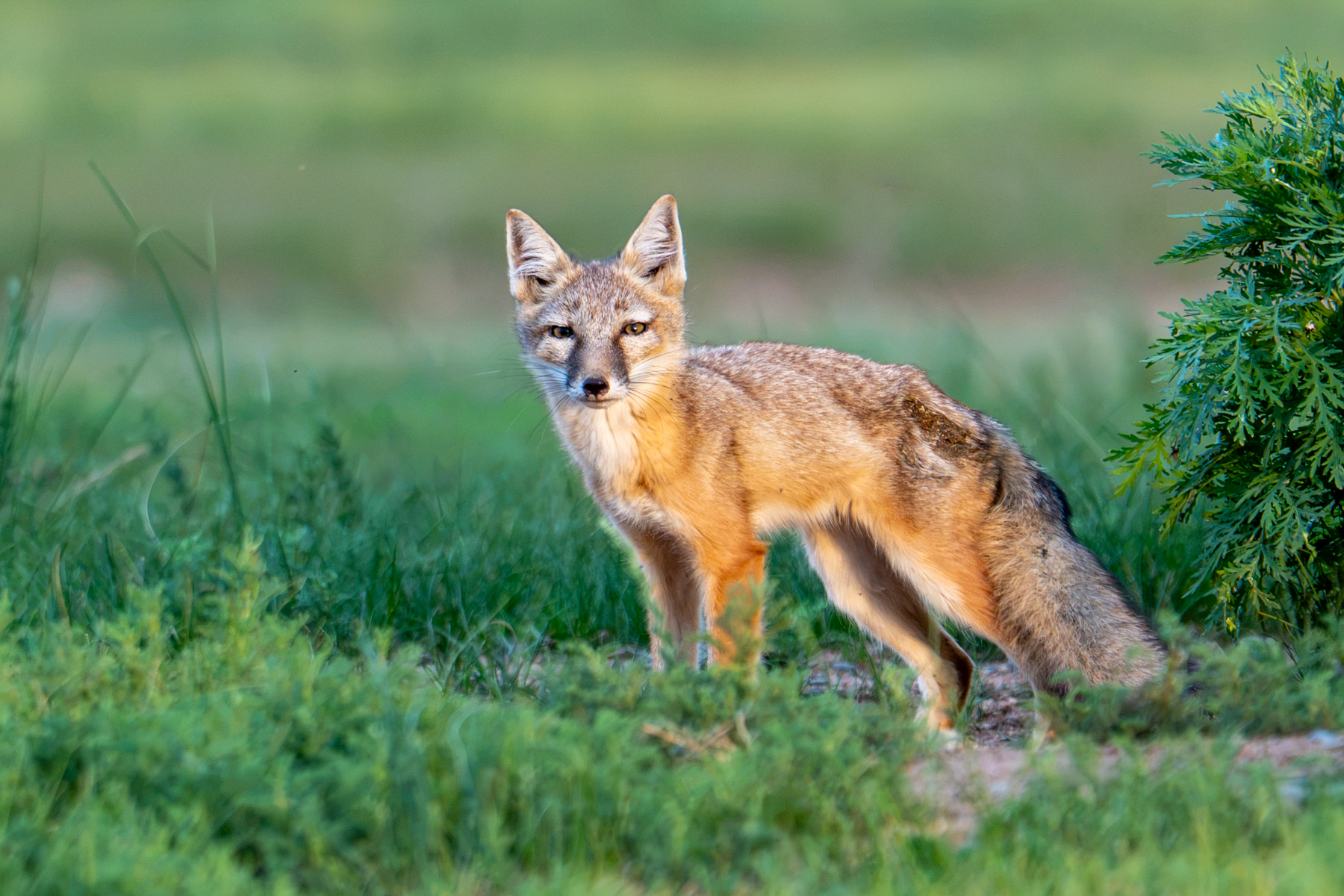
Corsac Fox (image by Inger Vandyke)
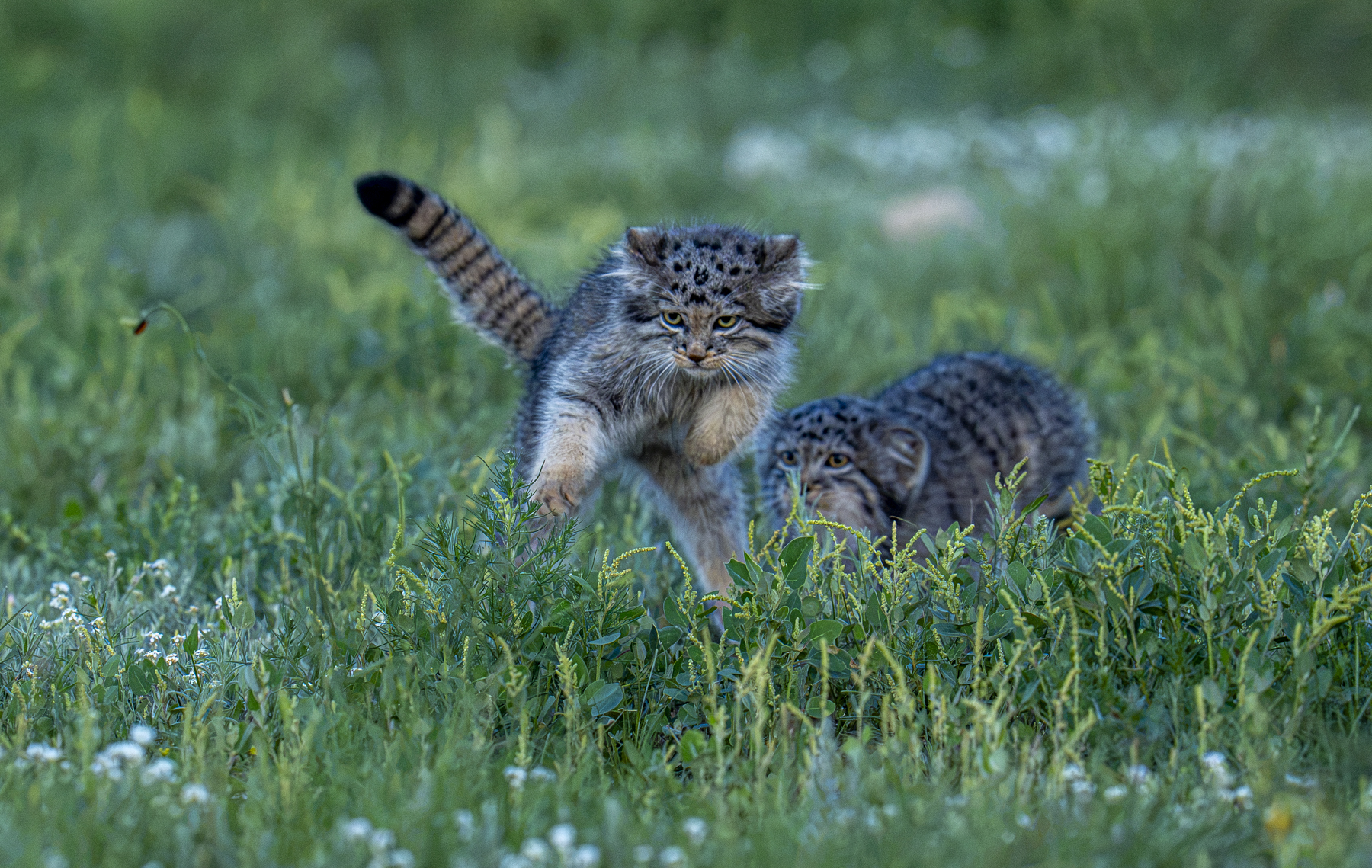
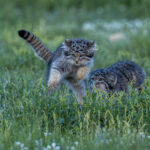
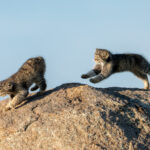
Pallas's Cat kittens playing (image by Mark Beaman)
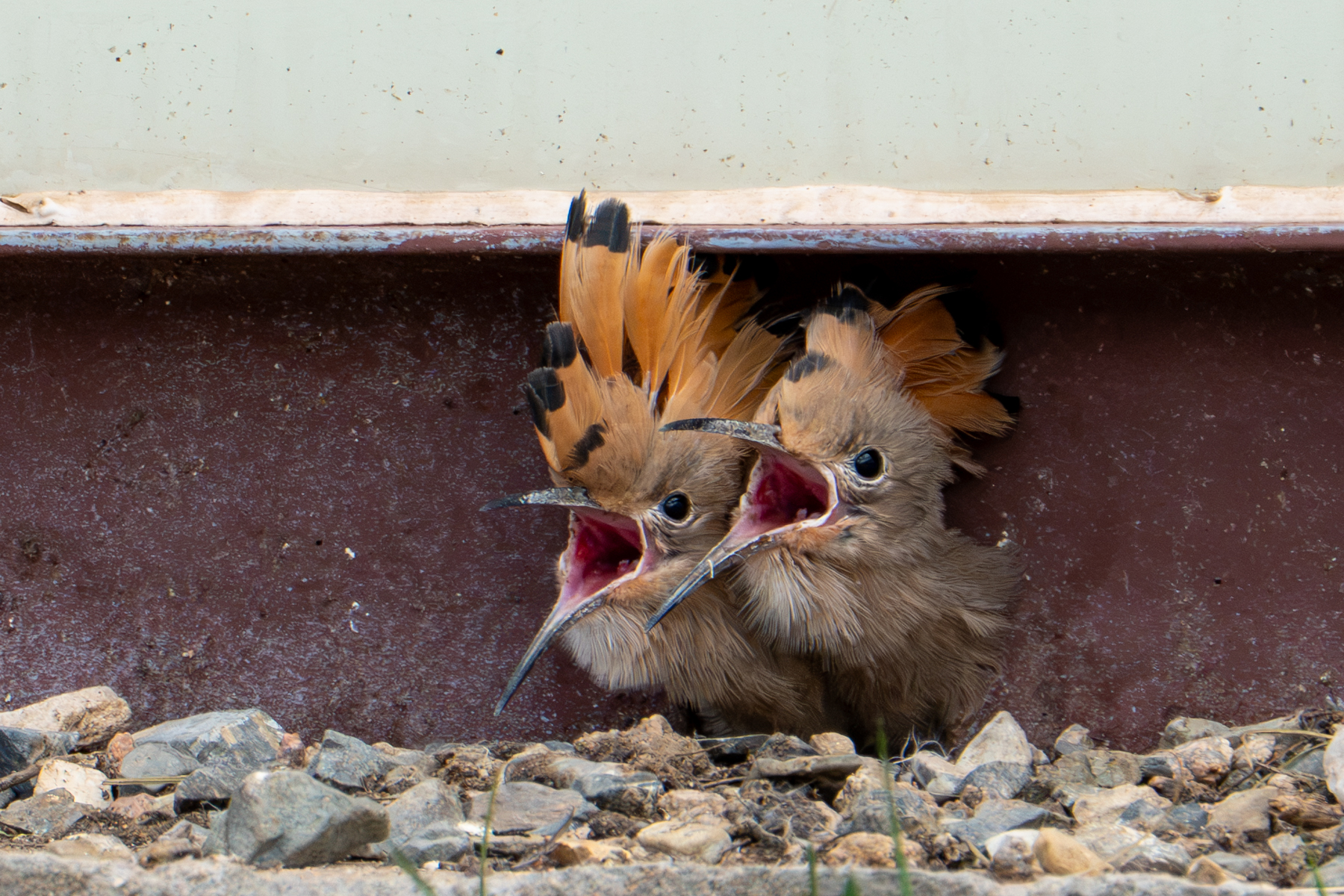
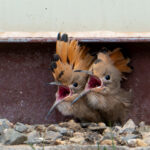
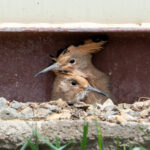
Hungry Hoopoe chicks (image by Inger Vandyke)
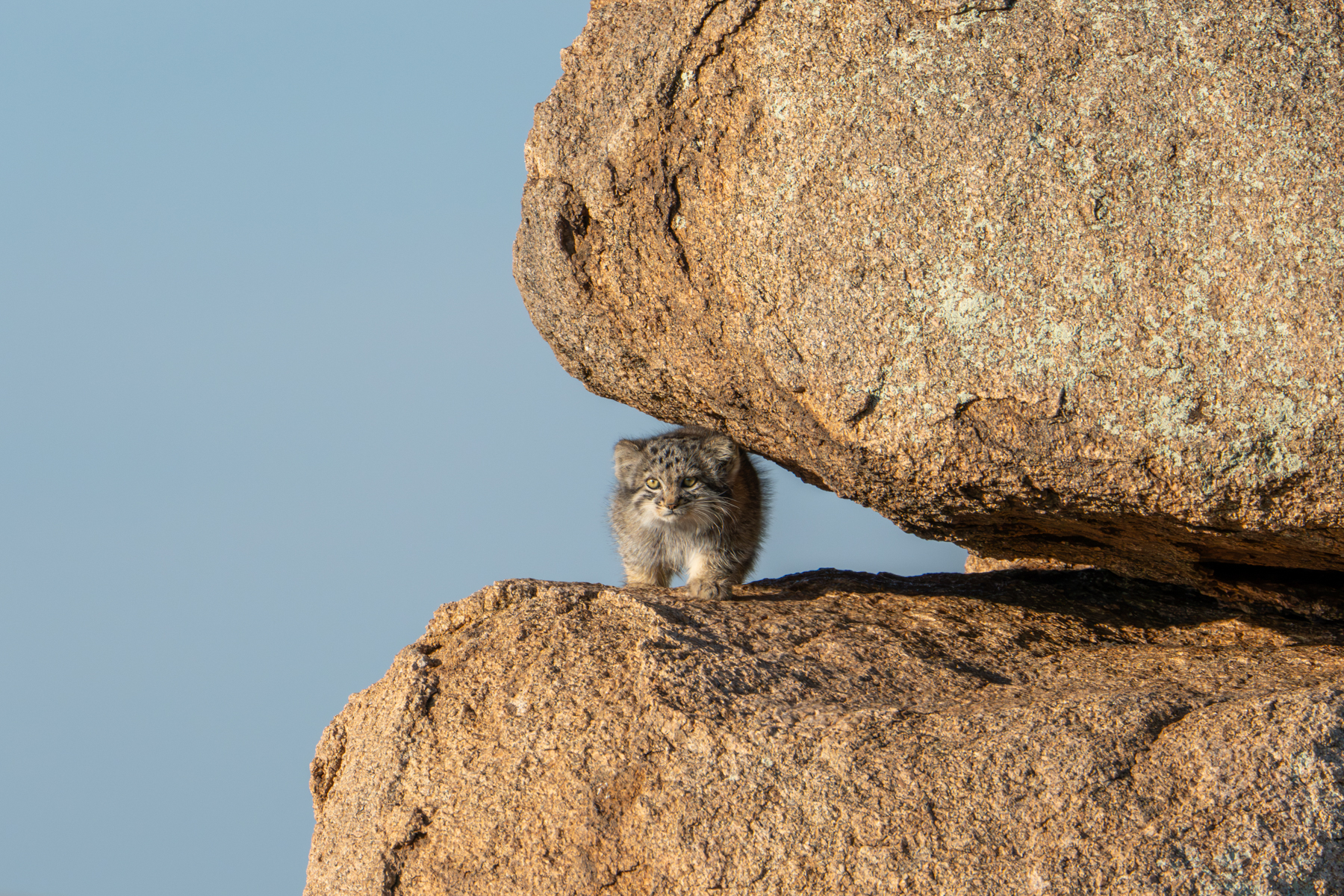
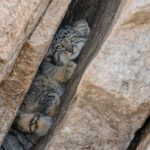
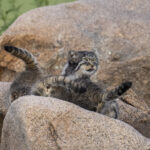
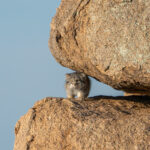
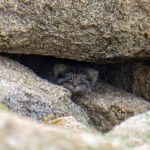
Tiny Pallas's Cat kitten in a rock crack (image by Inger Vandyke)
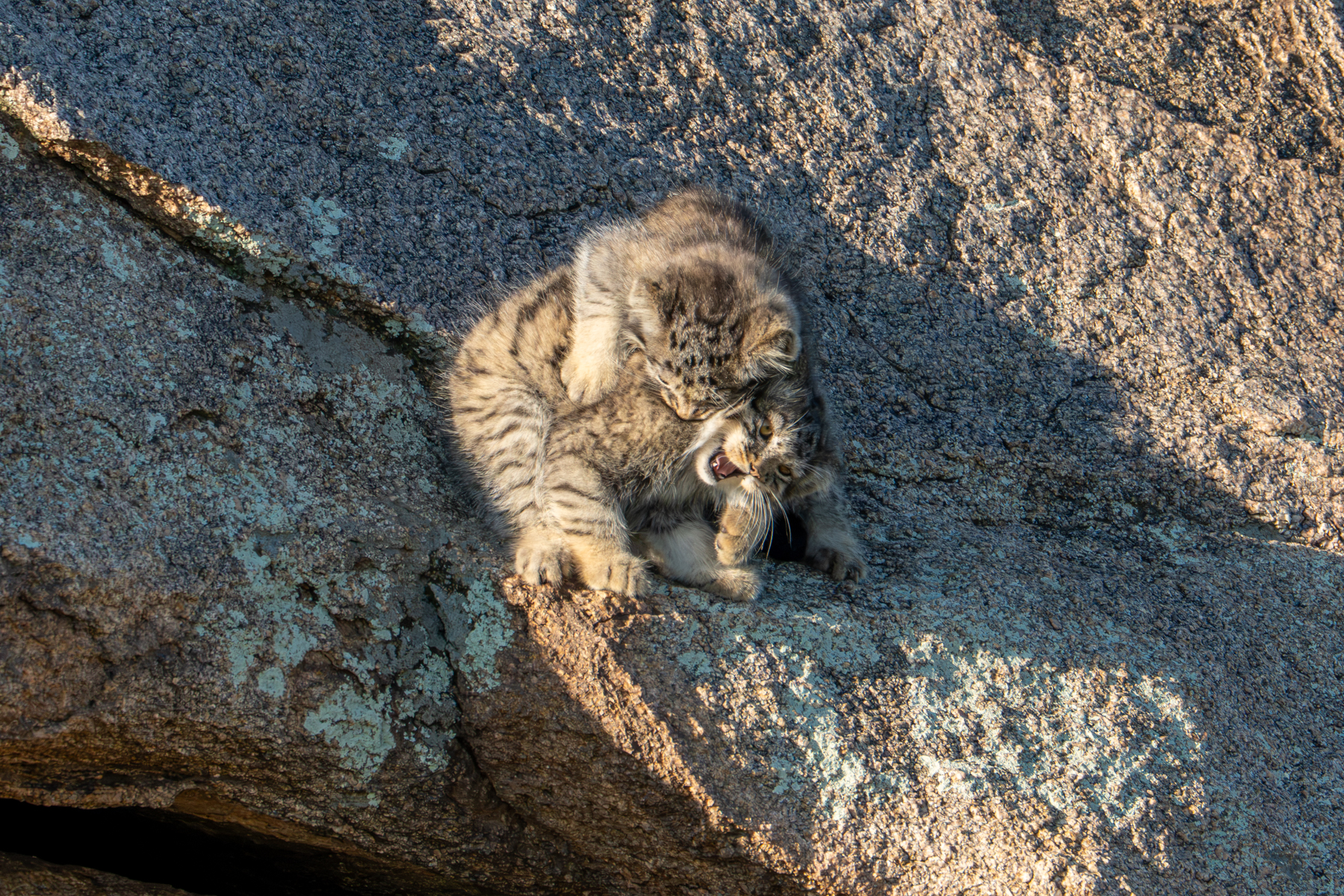
"Got you!" (image by Inger Vandyke)
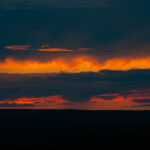
Dramatic sunsets feature spectacularly in Mongolia (image by Inger Vandyke)
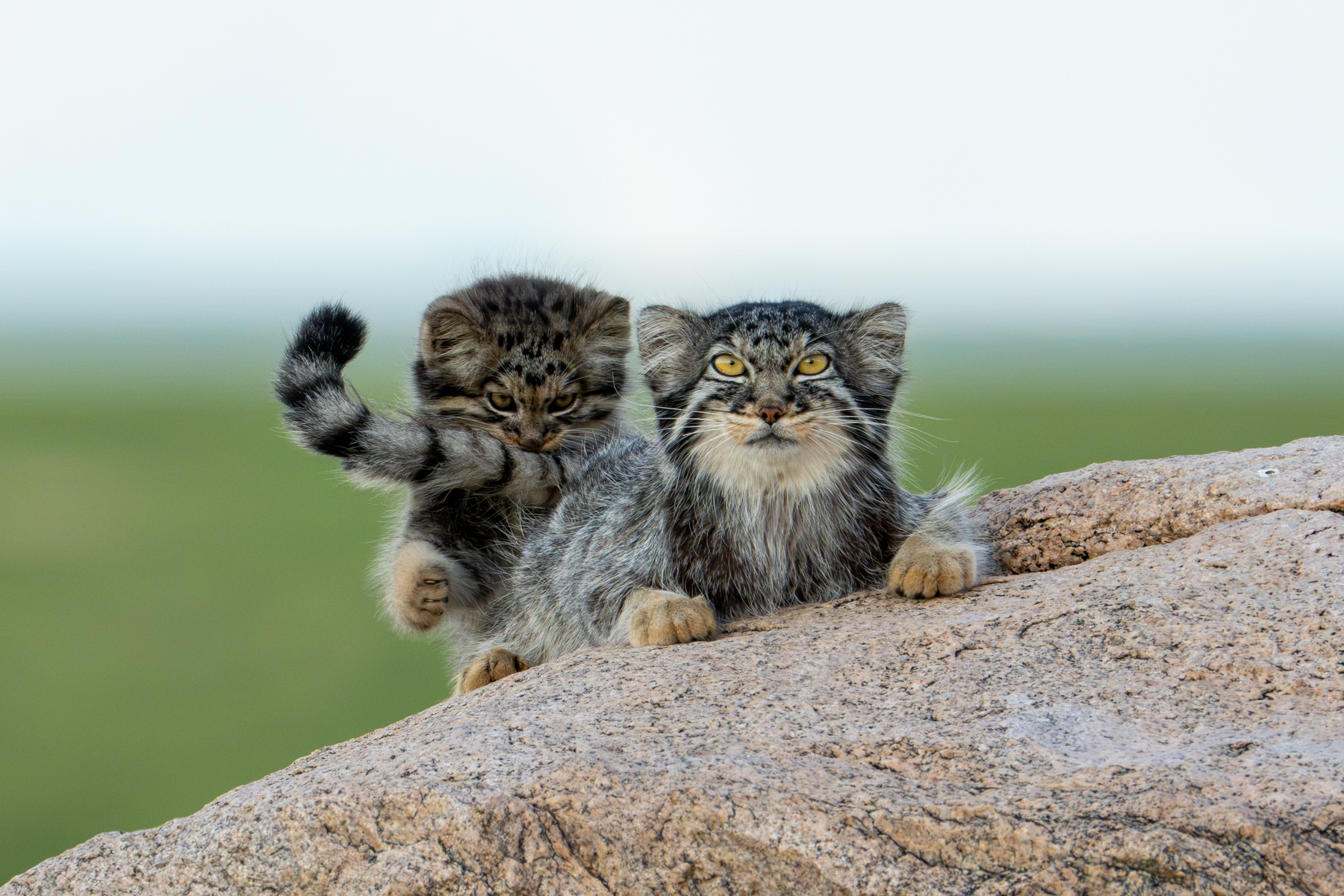
What else is mummy's tail for, other than a plaything? (image by Inger Vandyke)
Pallas's Cat at sunset (image by Mark Beaman)
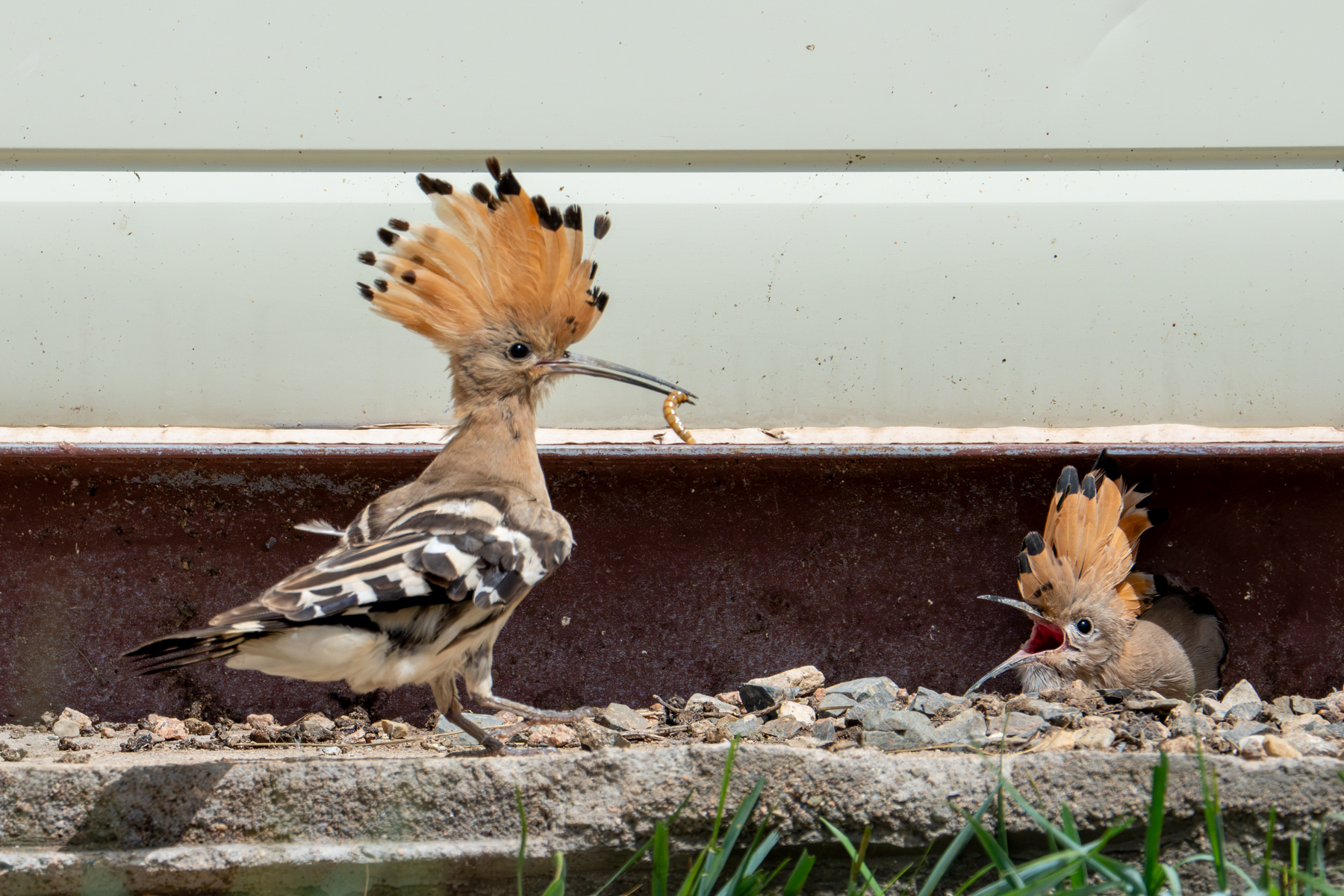
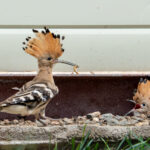
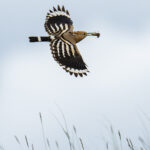
Eurasian Hoopoe bringing food to its hungry chick (image by Inger Vandyke)
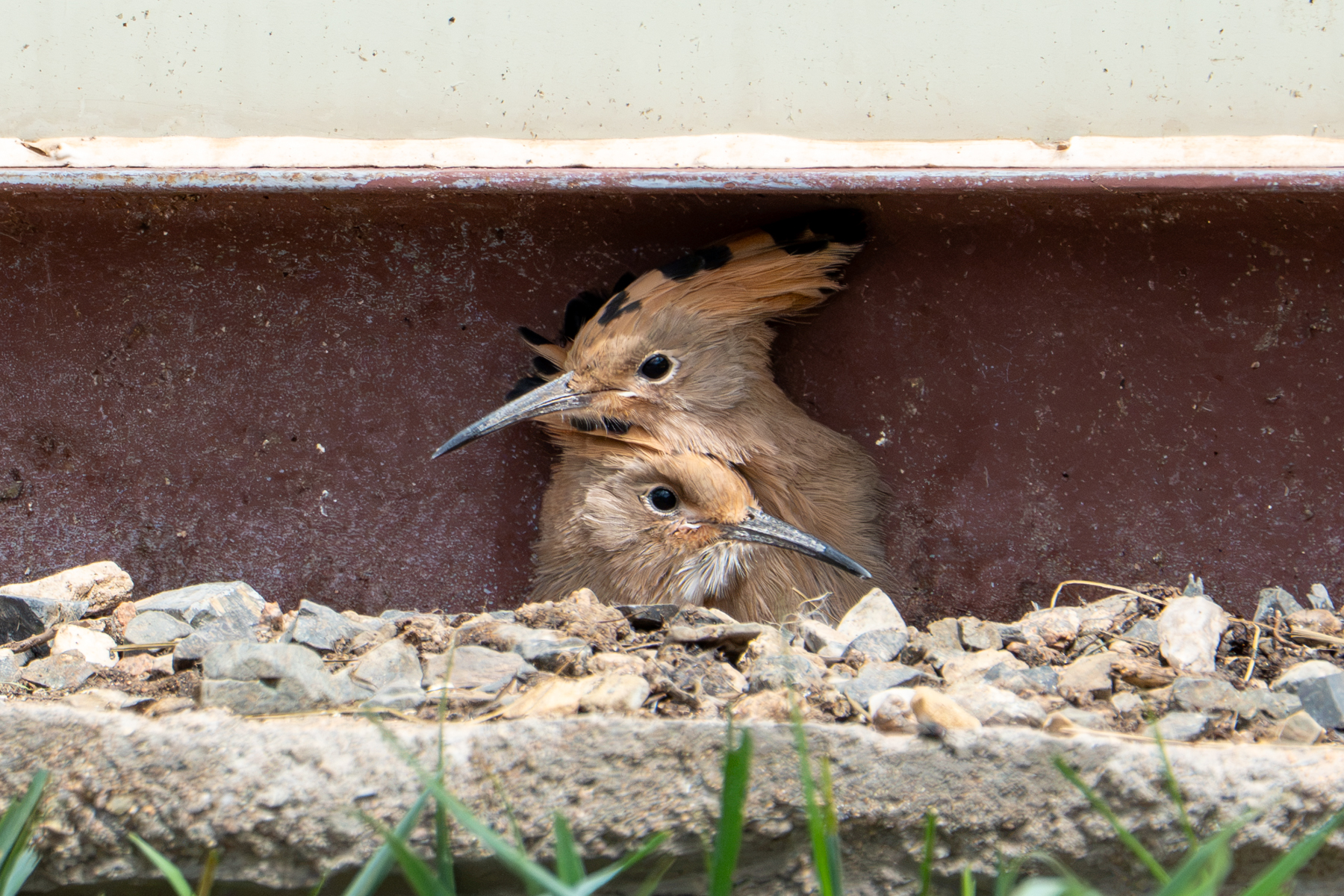
Almost ready to fledge, two Eurasian Hoopoe chicks wait for their parents to return with food (image by Inger Vandyke)
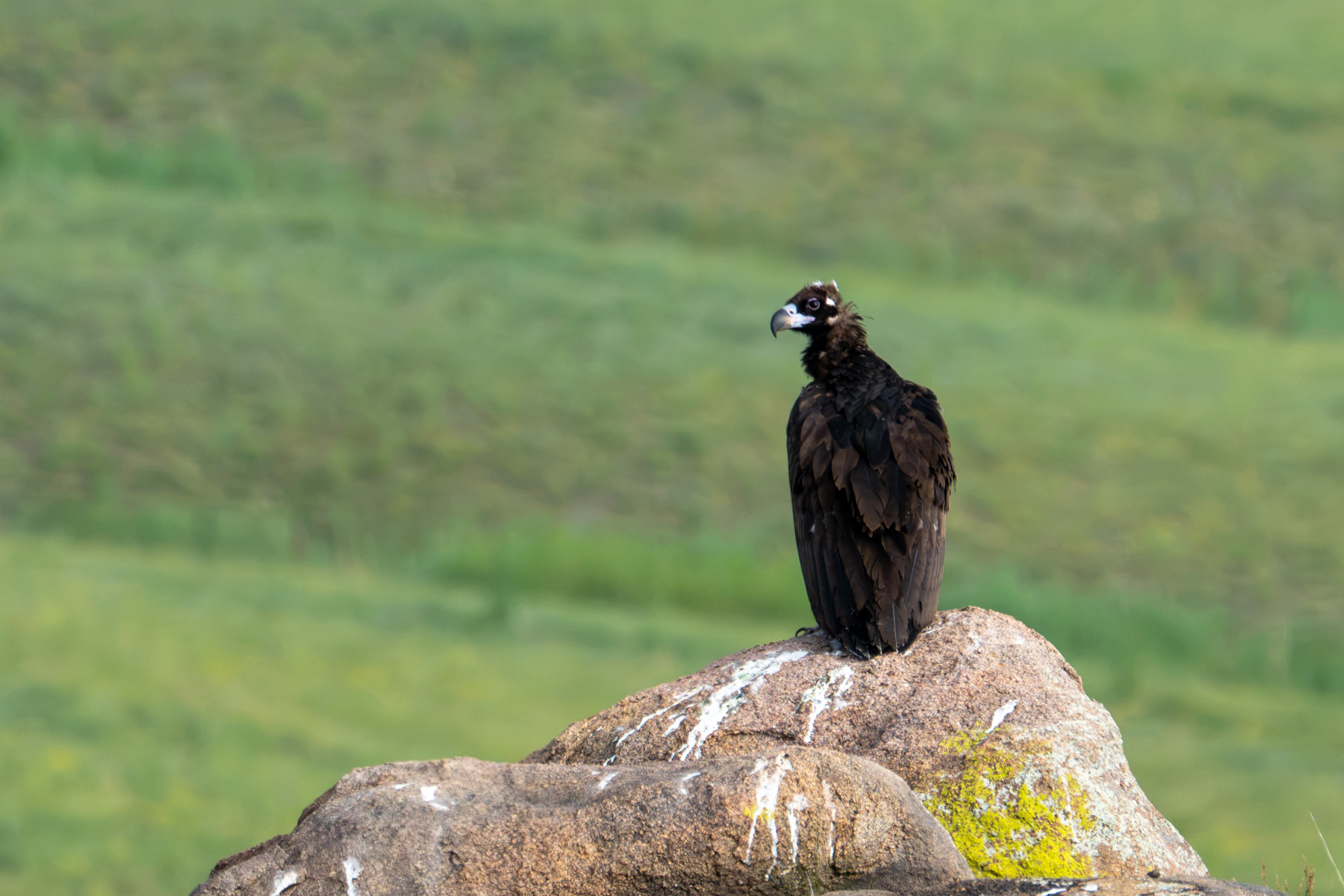
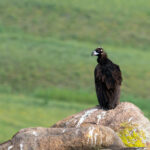
Cinereous Vulture (image by Inger Vandyke)
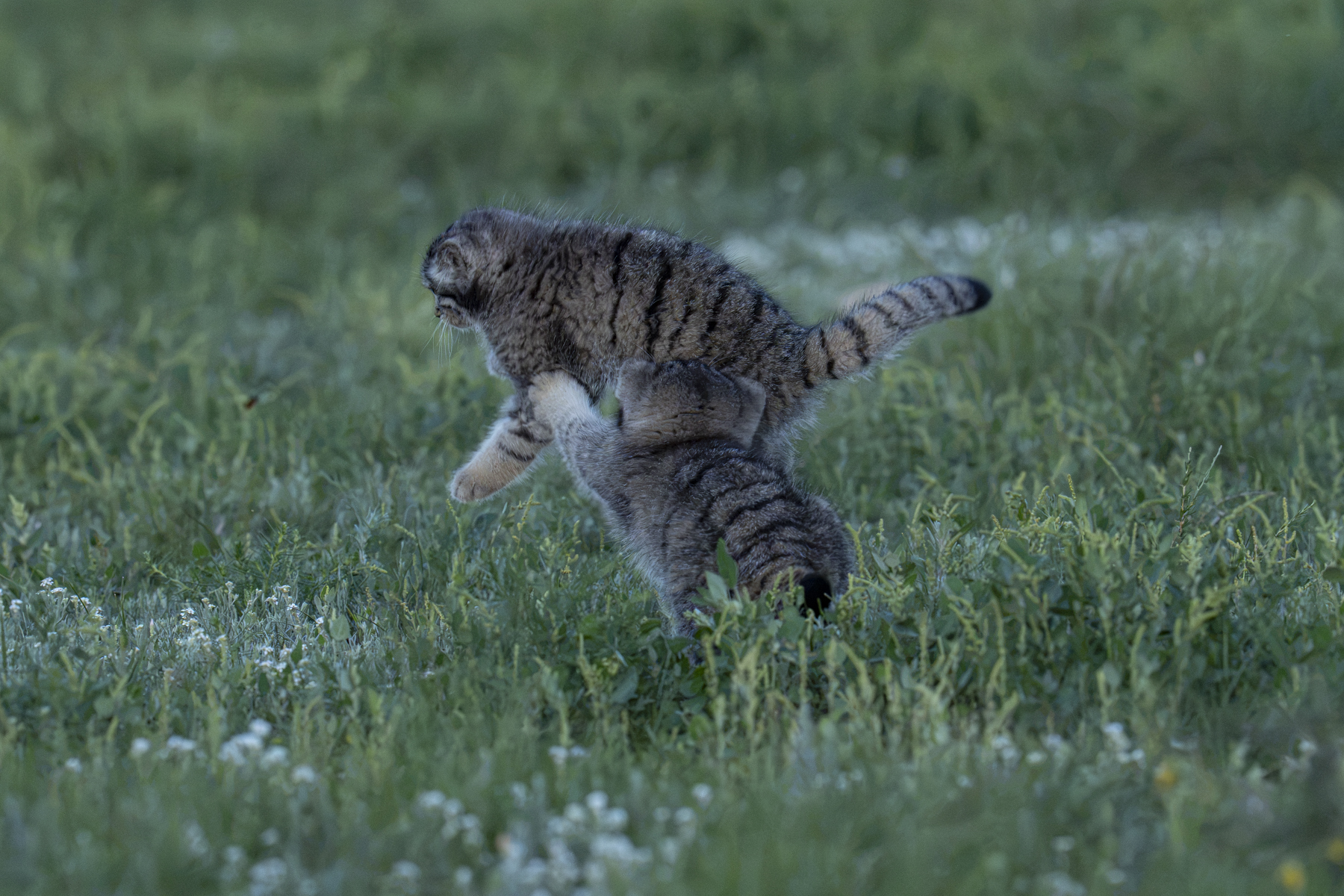
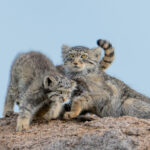
Pallas's Cat kittens (image by Mark Beaman)
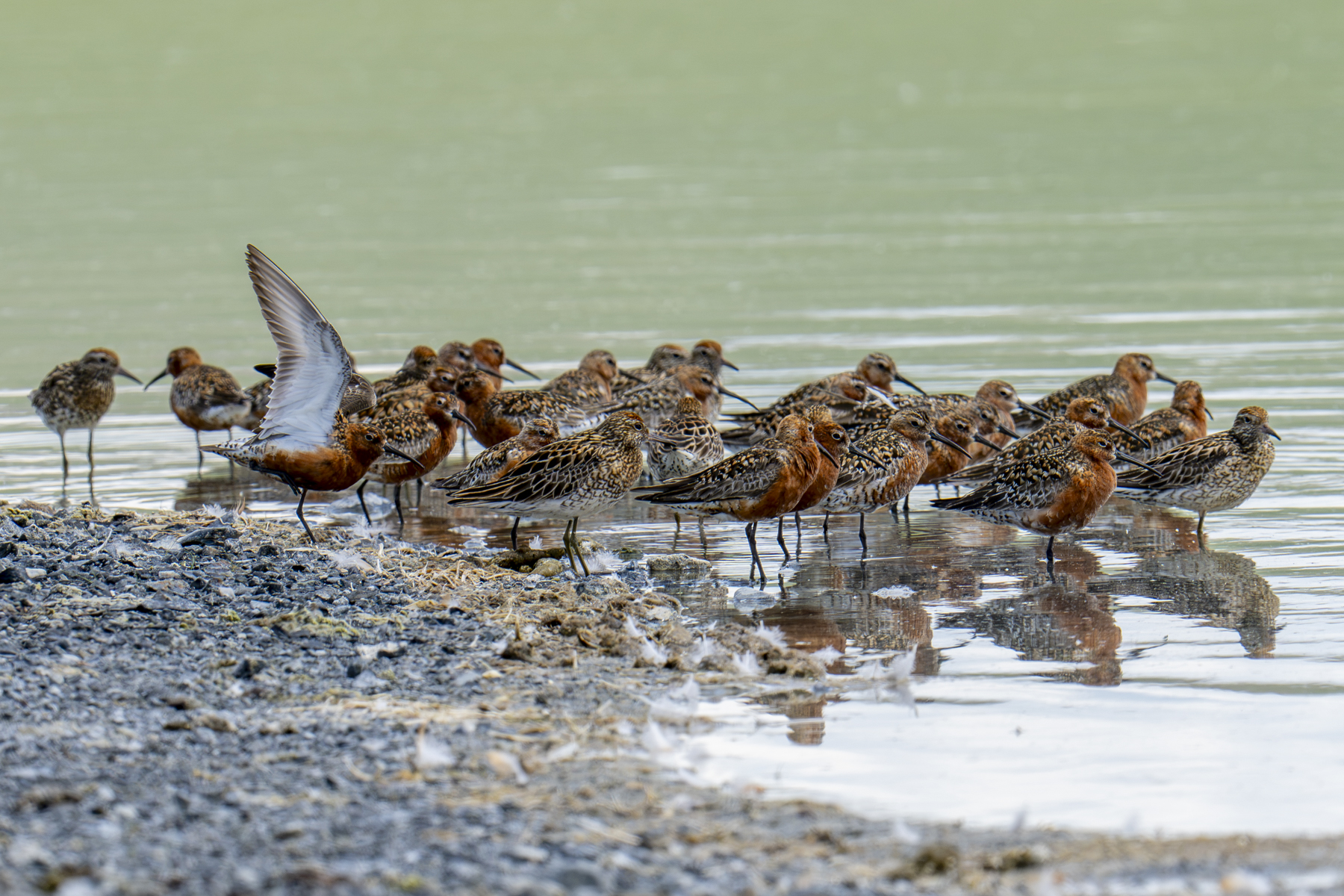
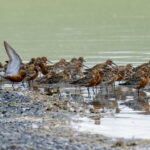
Curlew and Sharp-tailed Sandpipers (image by Mark Beaman)
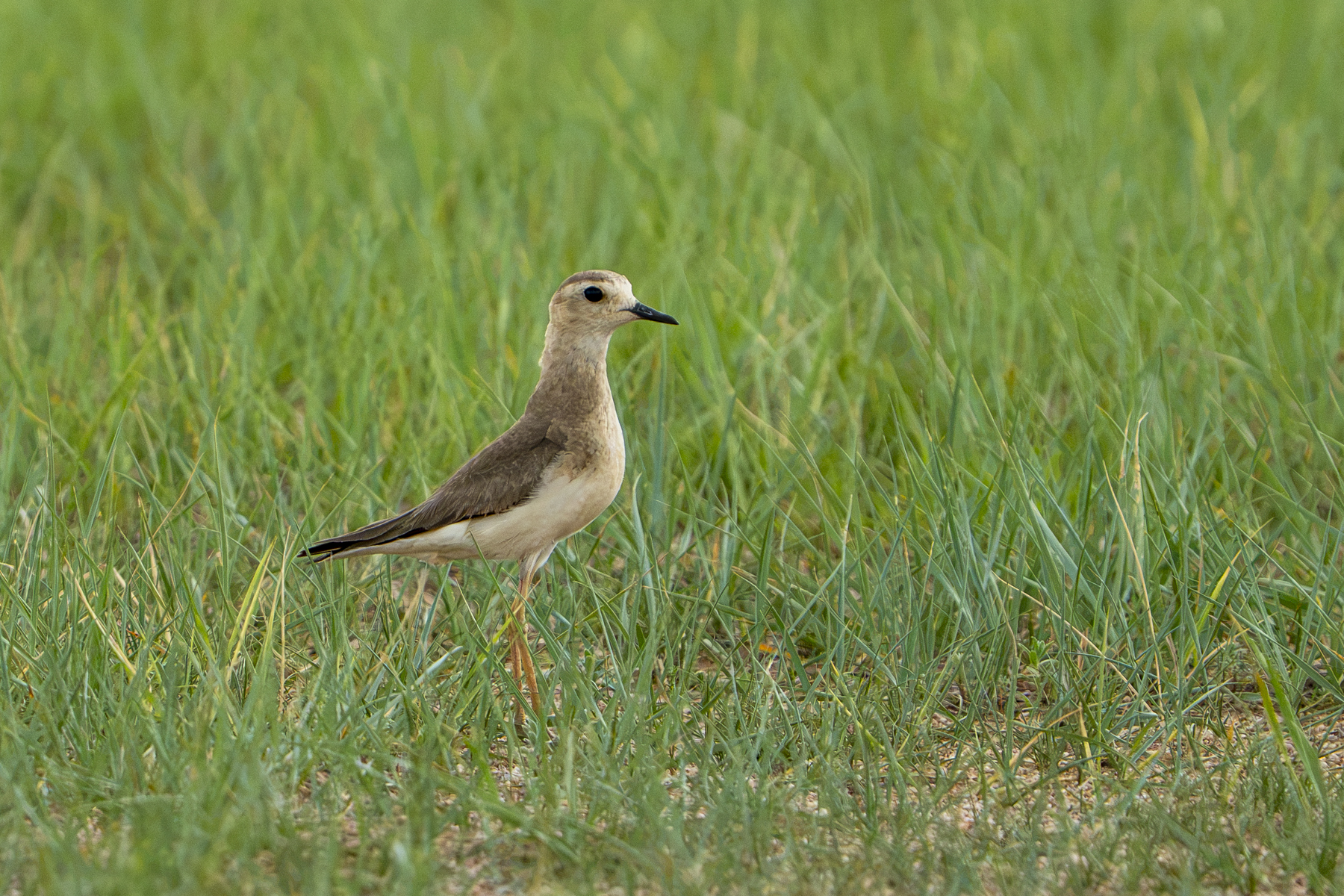
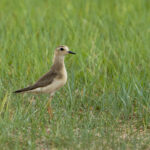
Oriental Plover (image by Mark Beaman)
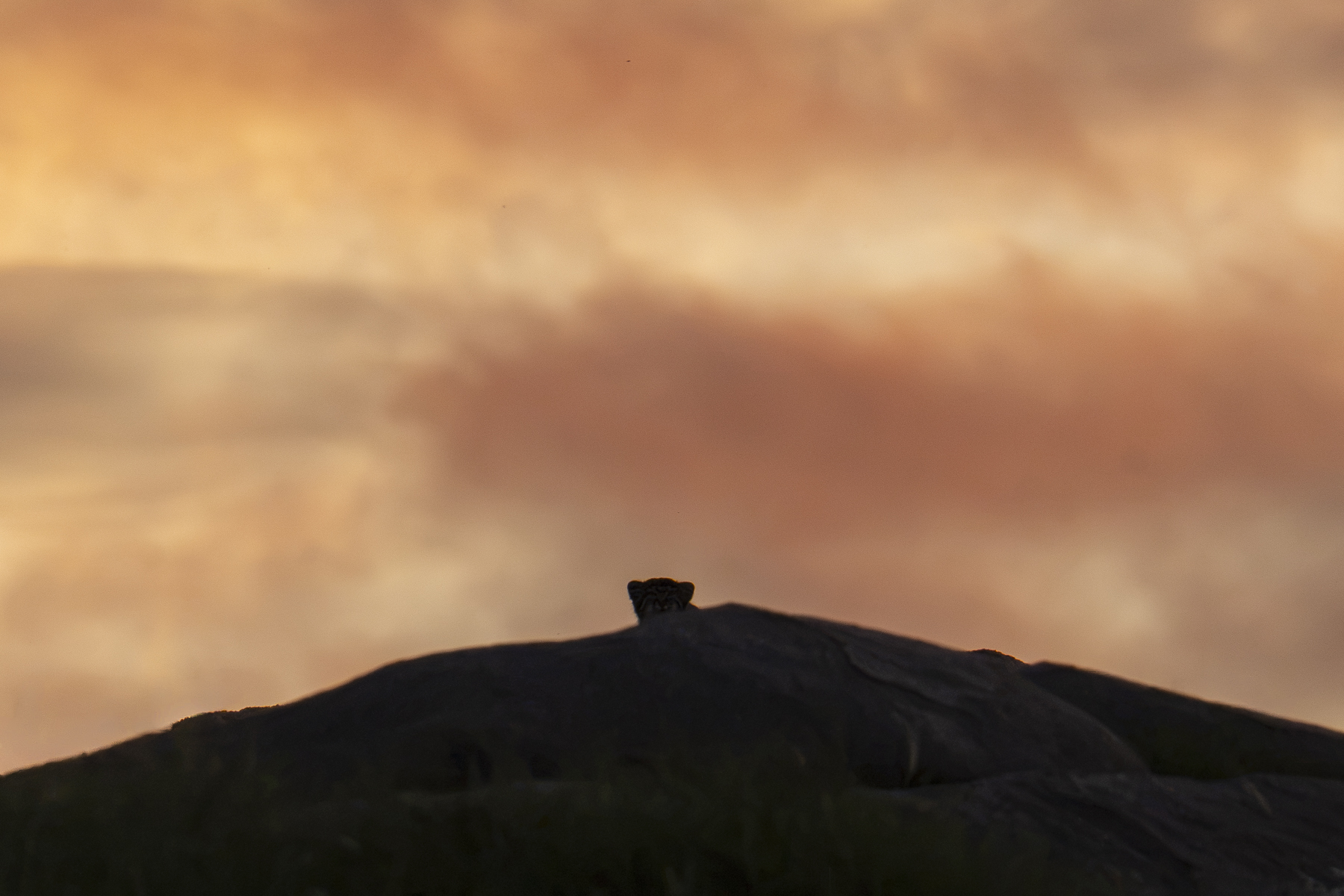
Pallas's Cat at sunset (image by Mark Beaman)
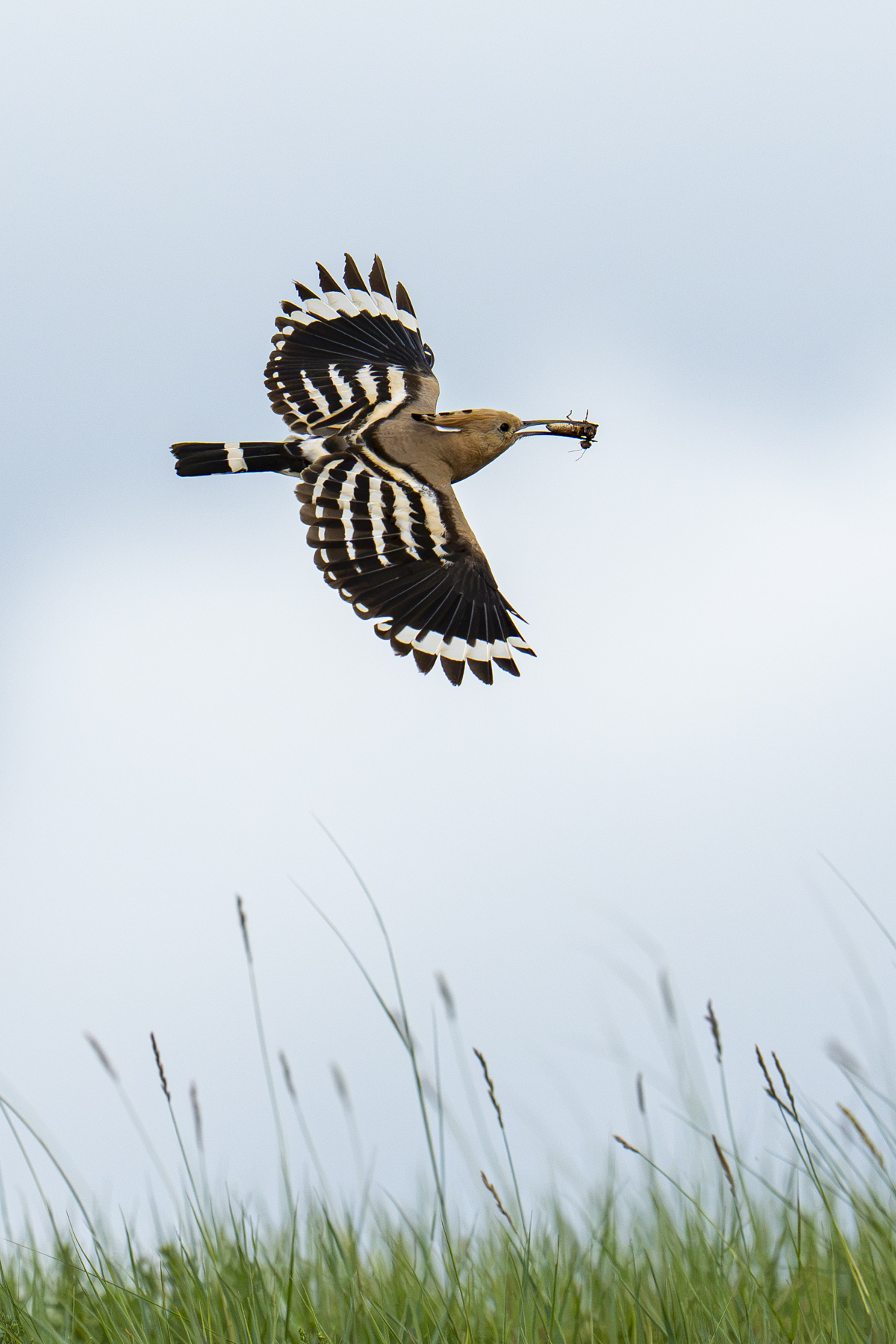
Eurasian Hoopoe with prey (image by Mark Beaman)
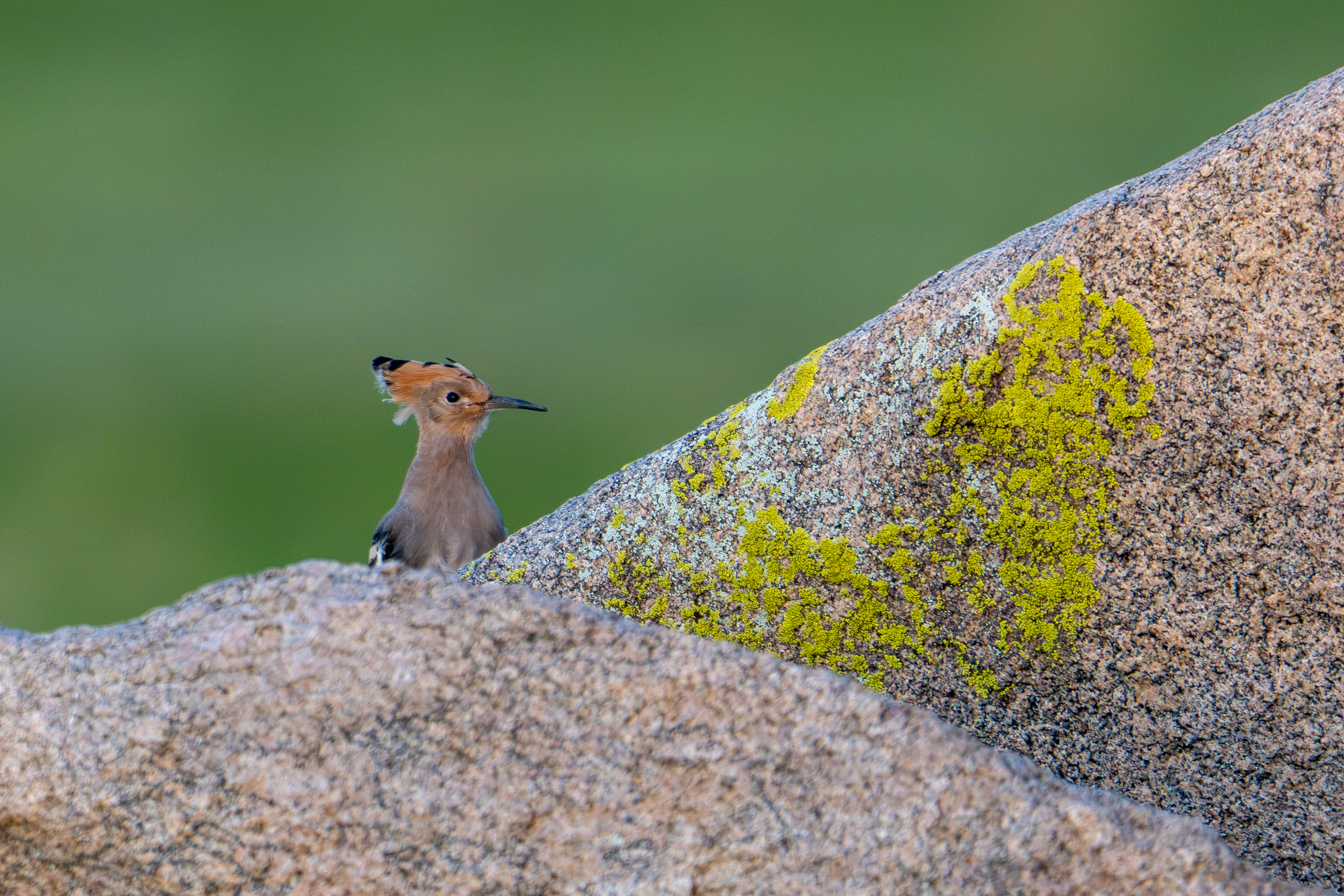
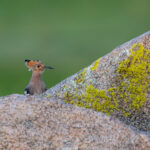
Eurasian Hoopoe on the rocks of the steppe (image by Inger Vandyke)
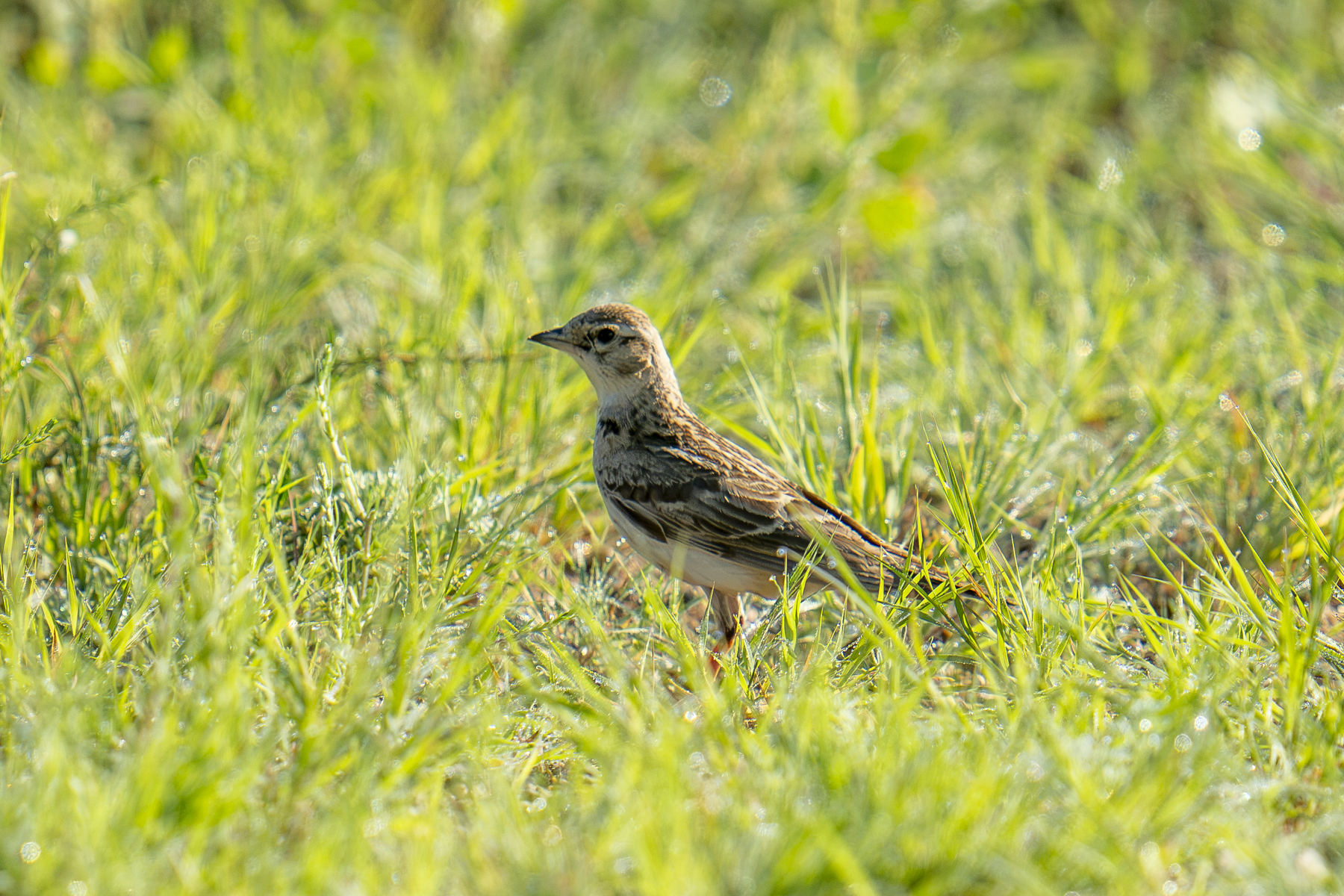
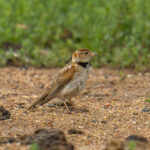
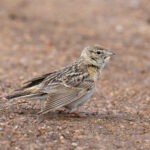
Mongolian Short-toed Lark (image by Mark Beaman)
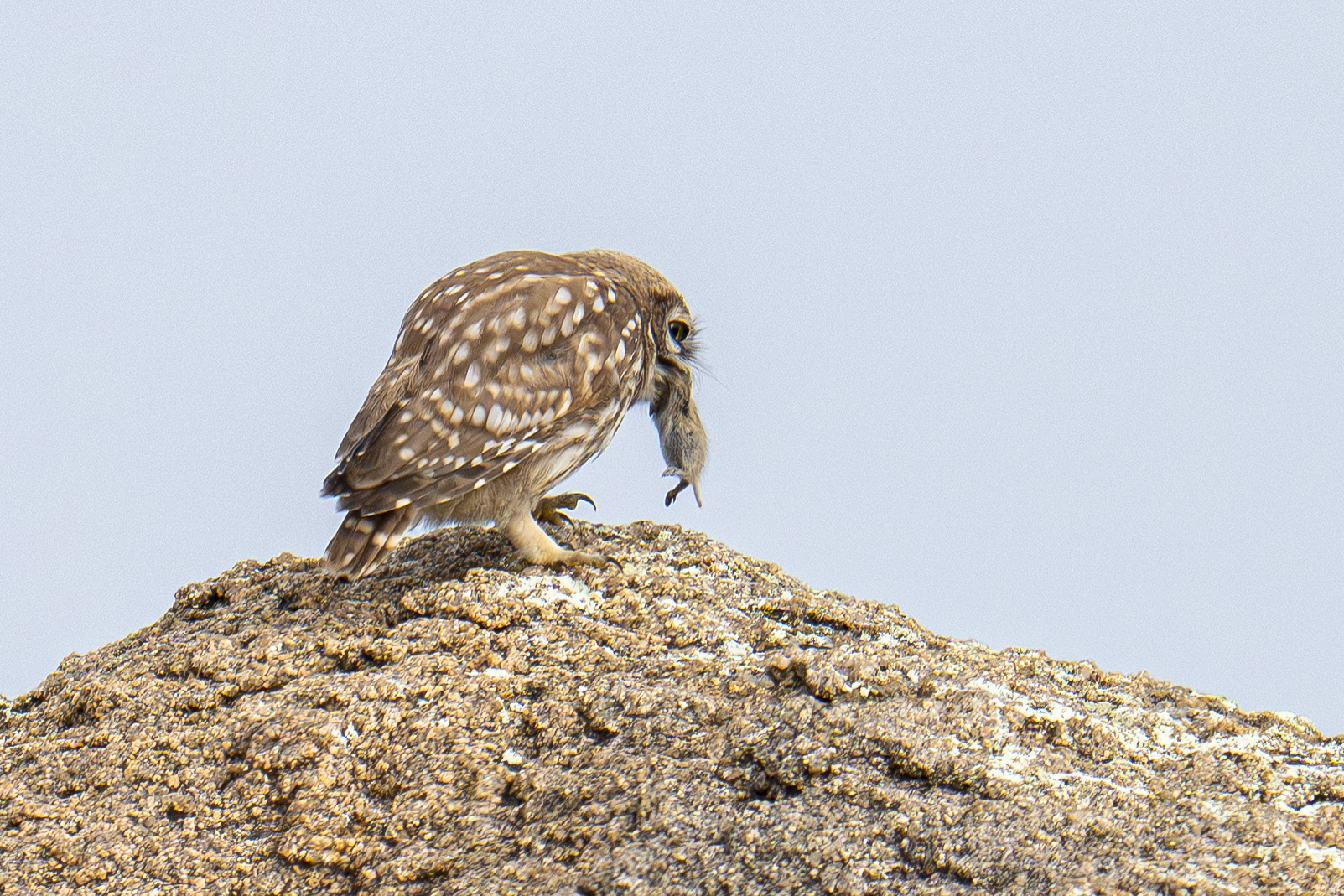
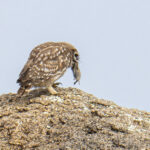
Little Owl eating a Brandt's Vole (image by Mark Beaman)
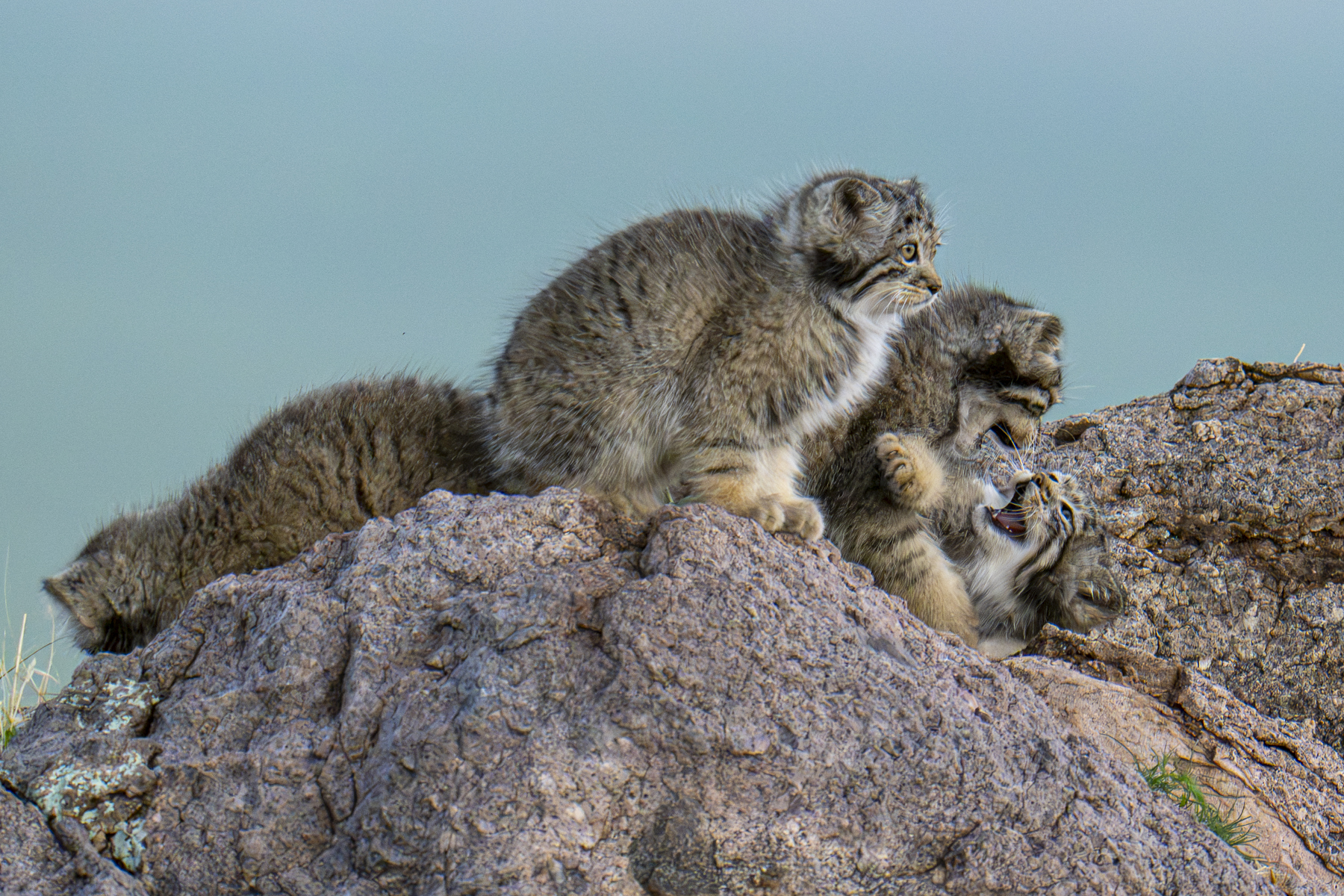
Pallas's Cat kittens (image by Mark Beaman)
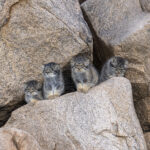
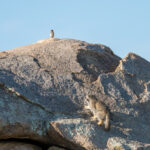
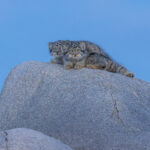
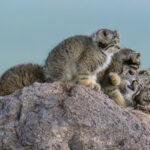
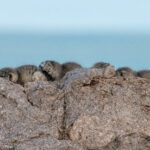
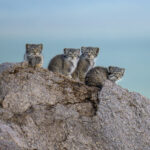
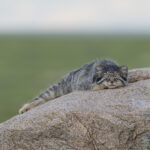
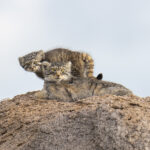
From a distance you would barely notice a group of sleeping kittens on a rock (image by Inger Vandyke)
Pallas's Cat kittens (image by Mark Beaman)
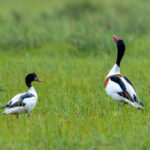
Common Shelduck pair (image by Inger Vandyke)
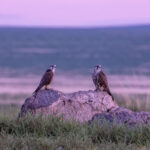
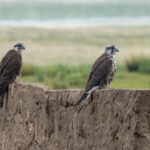
Saker Falcons at dusk (image by Inger Vandyke)
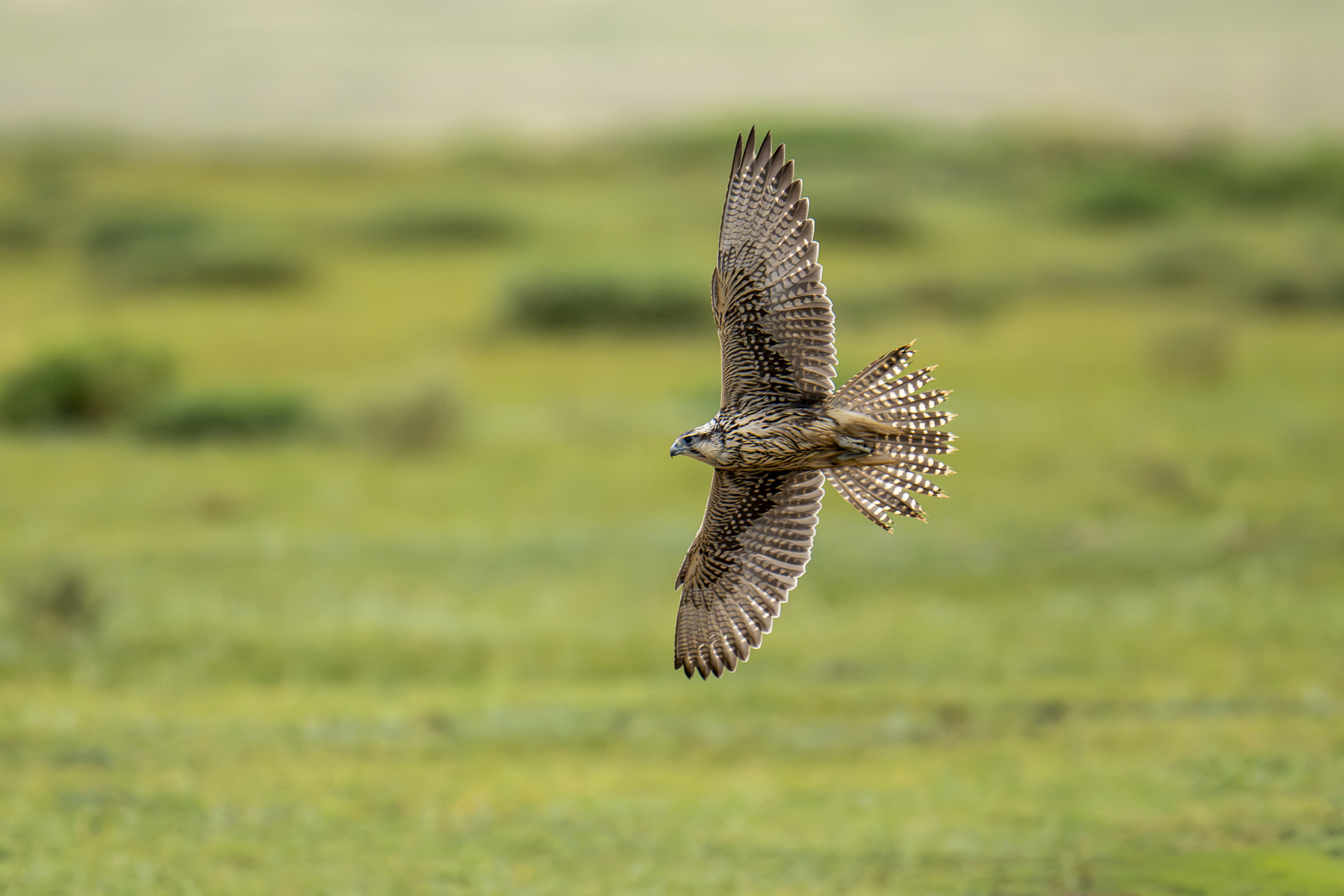
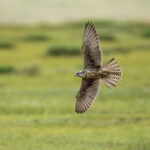
Saker Falcon (image by Mark Beaman)
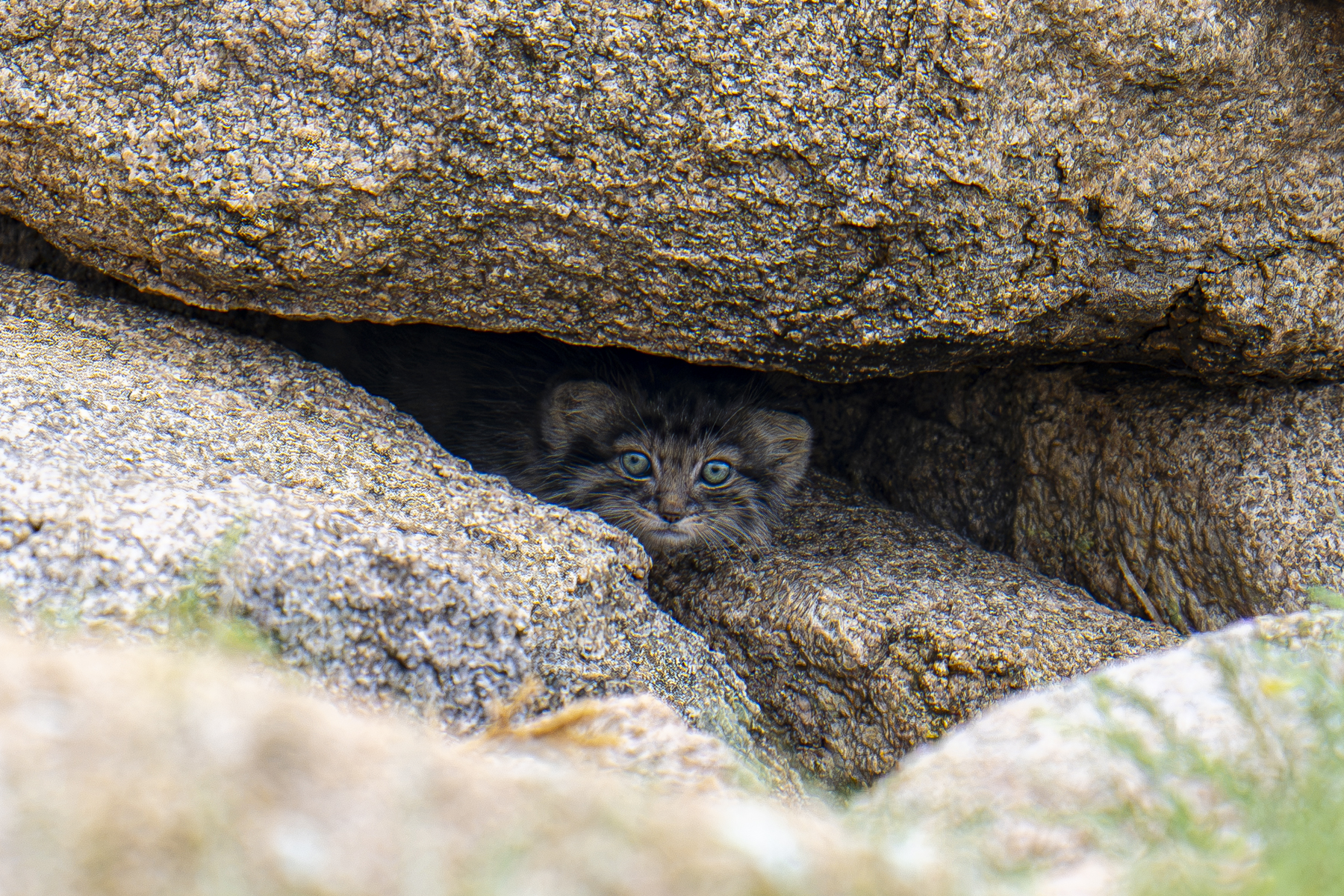
Pallas's Cat kittens have blue-green eyes when very young (image by Mark Beaman)
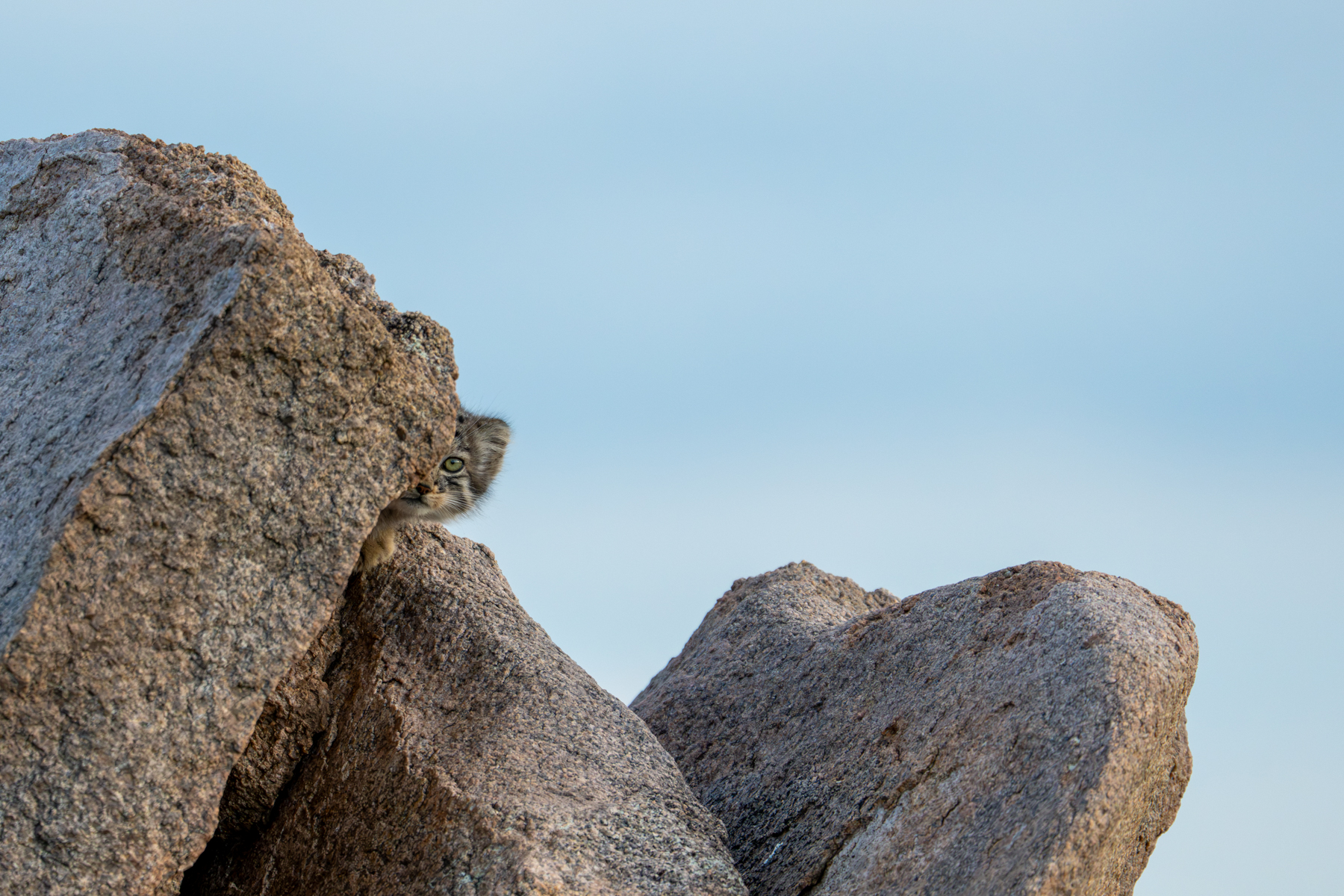
A tiny kitten sneaks a glimpse from behind the rocks (image by Inger Vandyke)
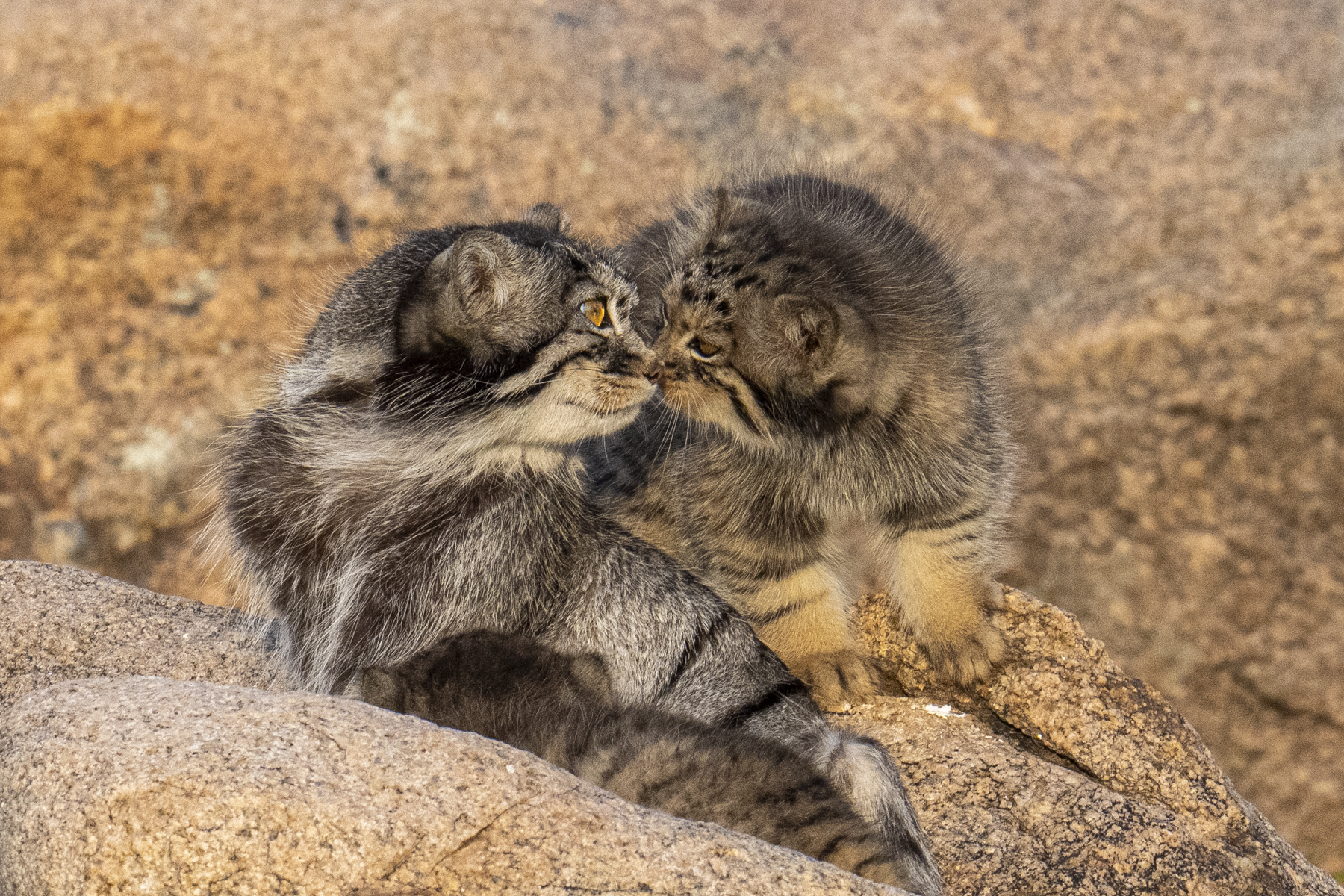
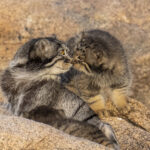
Greetings are important in the cat world (image by Mark Beaman)
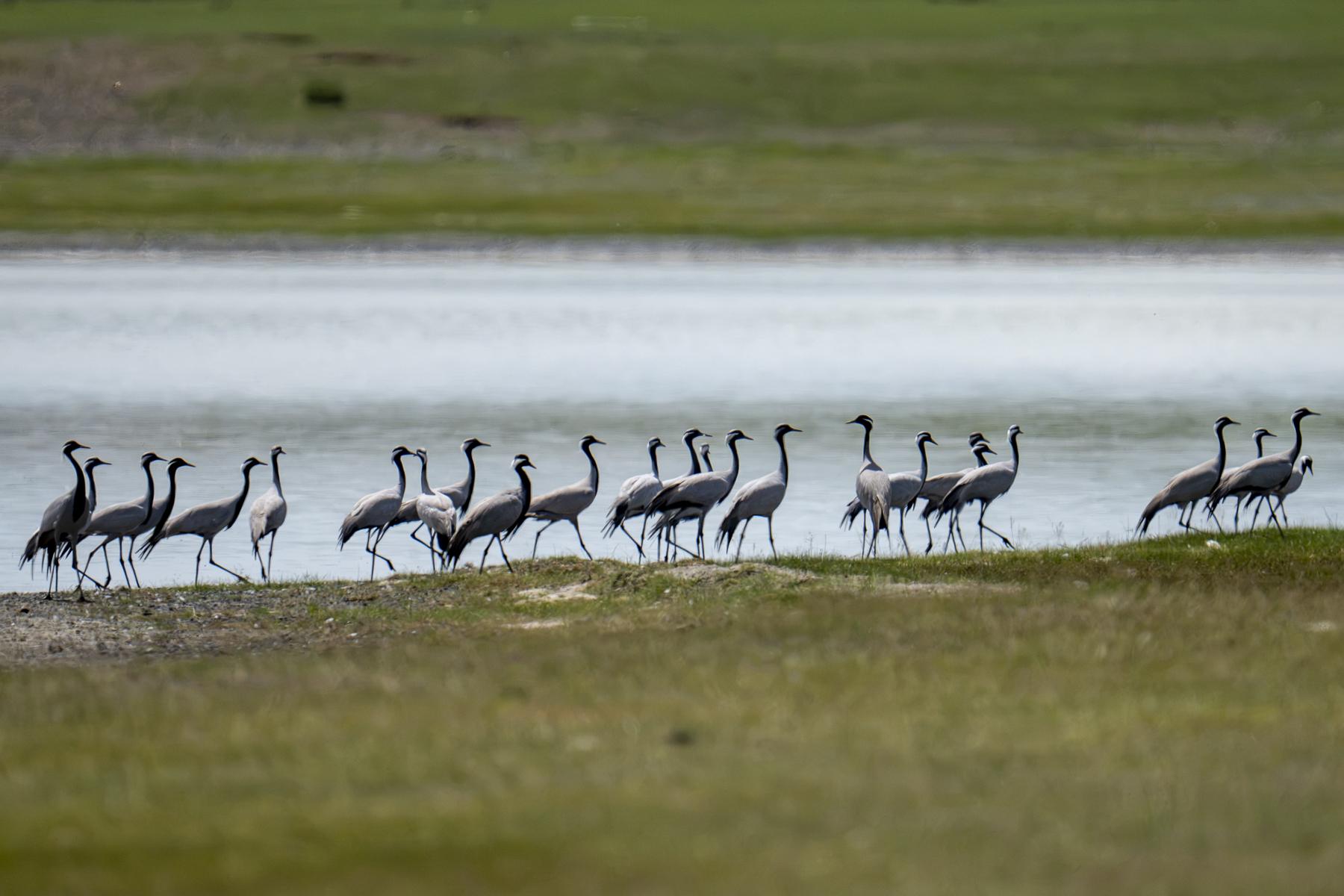
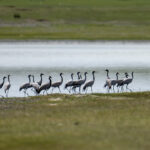
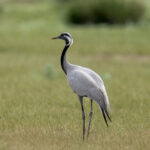
Demoiselle Cranes (image by Mark Beaman)
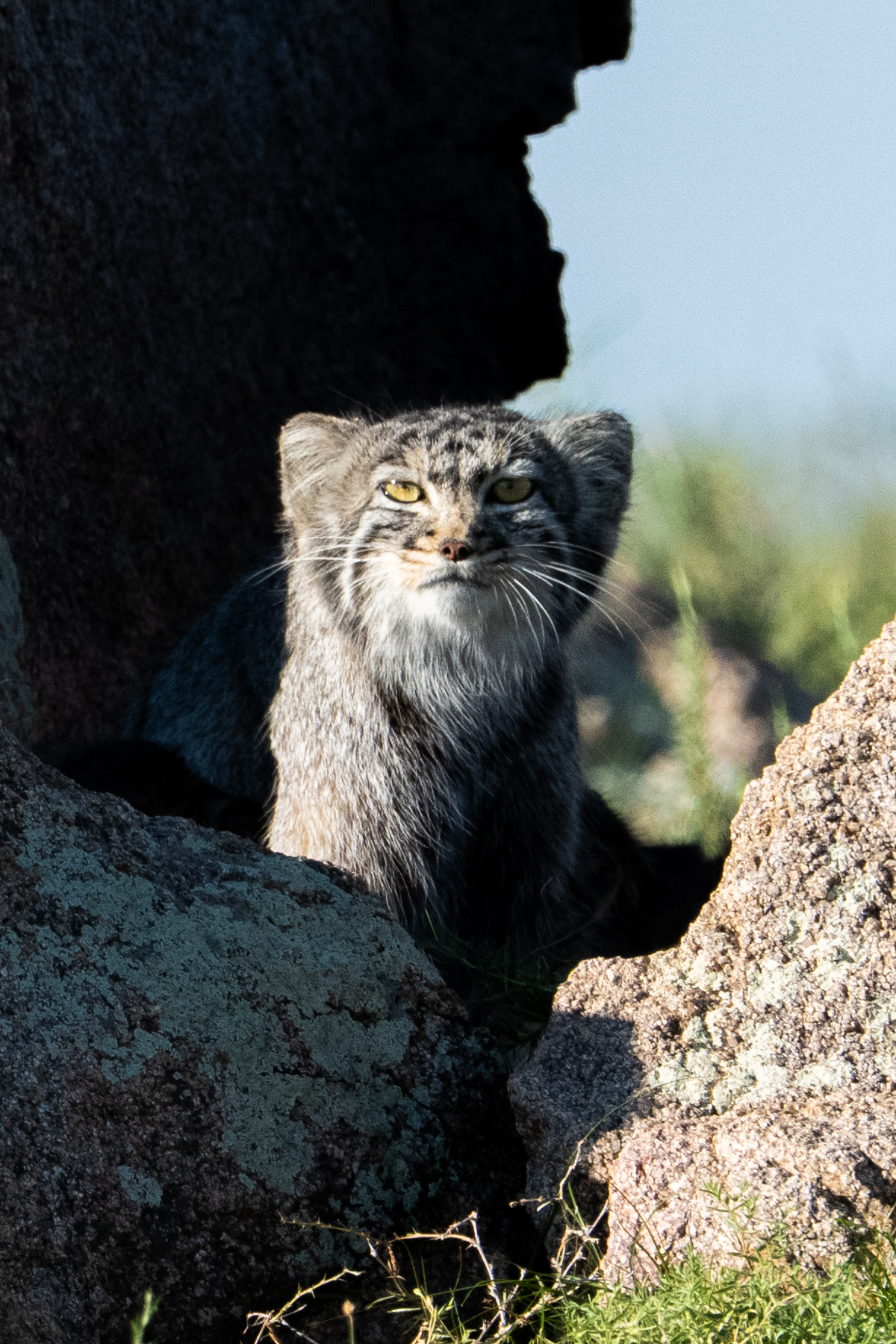
A Pallas's Cat mother enjoys the morning sun (image by Inger Vandyke)
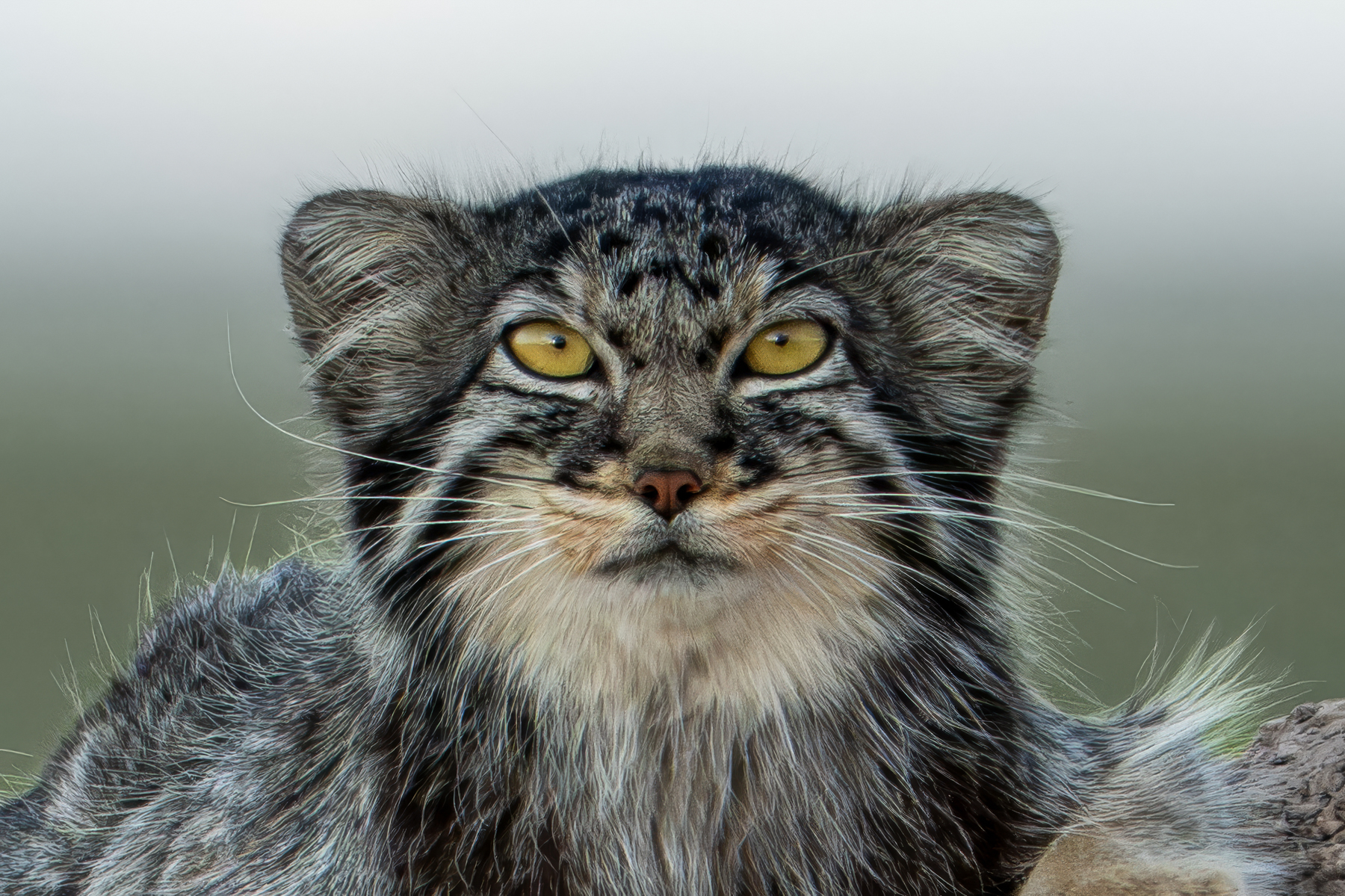
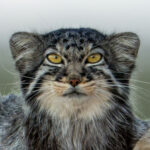
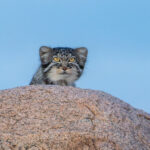
Beautiful Pallas's Cats are possibly one of the world's most charismatic grumpy cats (image by Inger Vandyke)
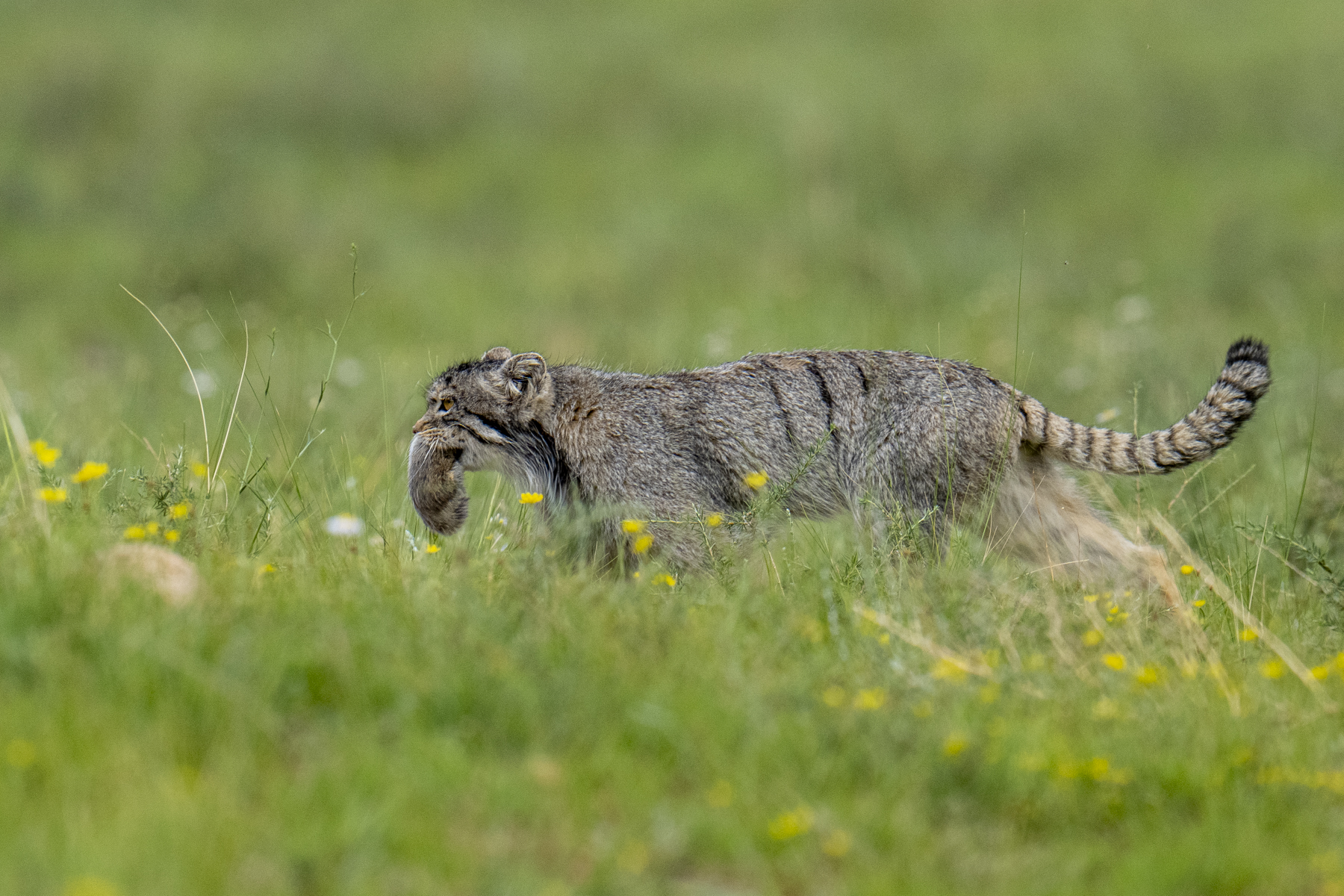
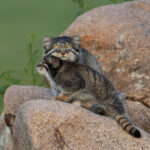
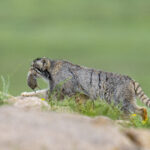
Pallas's Cat mother bringing a Brandt's Vole to her kittens (image by Mark Beaman)
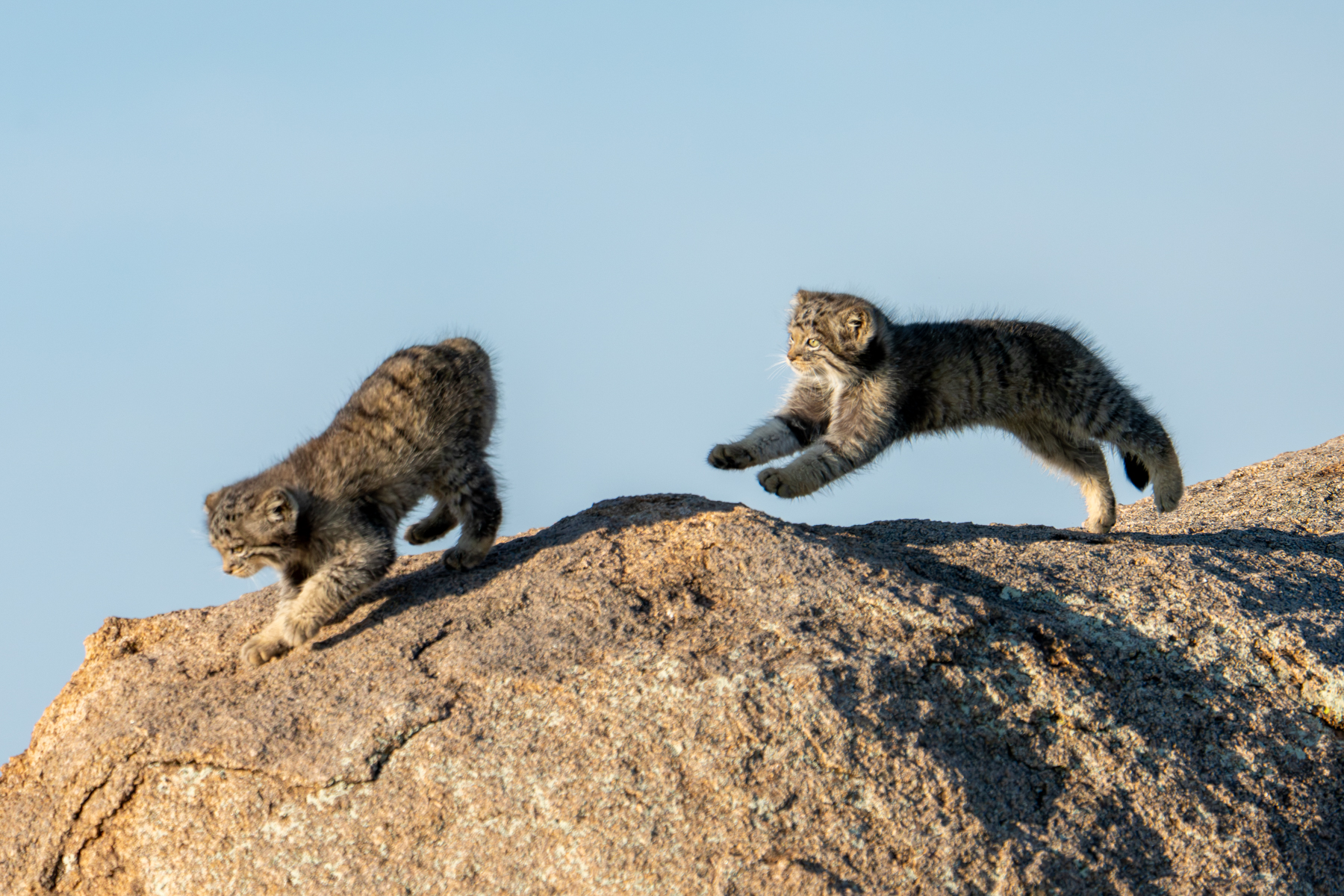
Catch me if you can (image by Inger Vandyke)
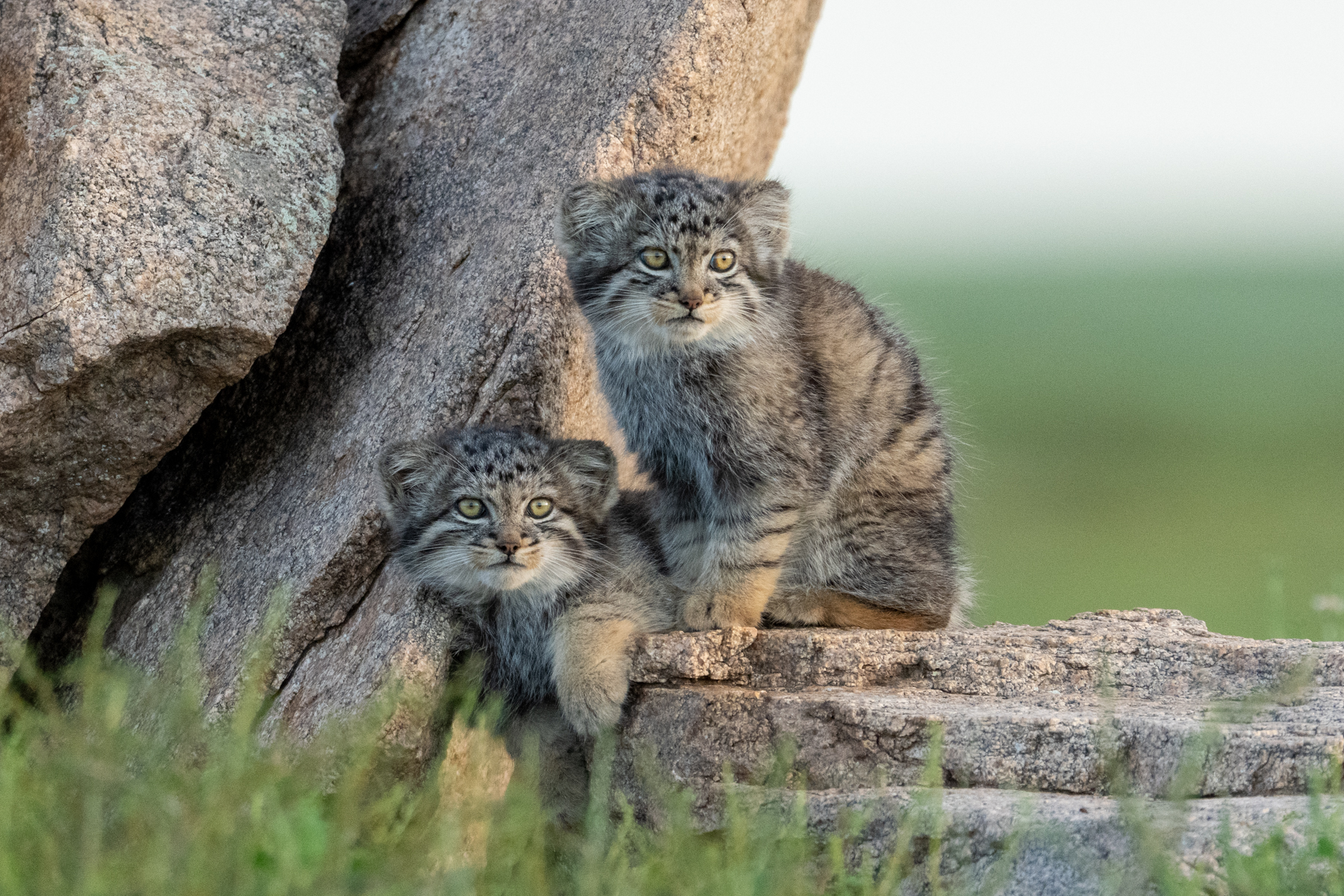
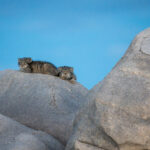
Sunset kittens (image by Inger Vandyke)
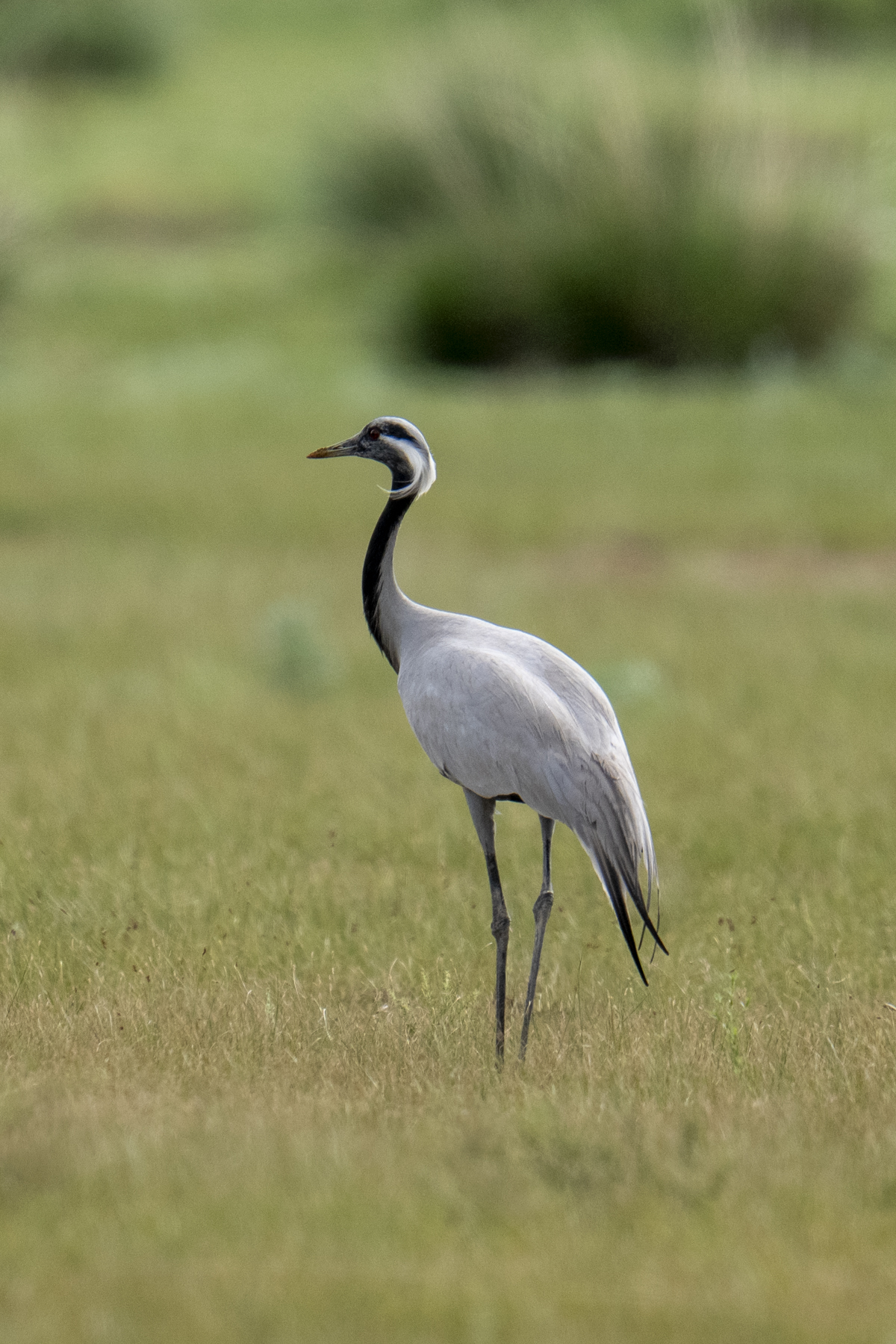
Demoiselle Crane (image by Mark Beaman)
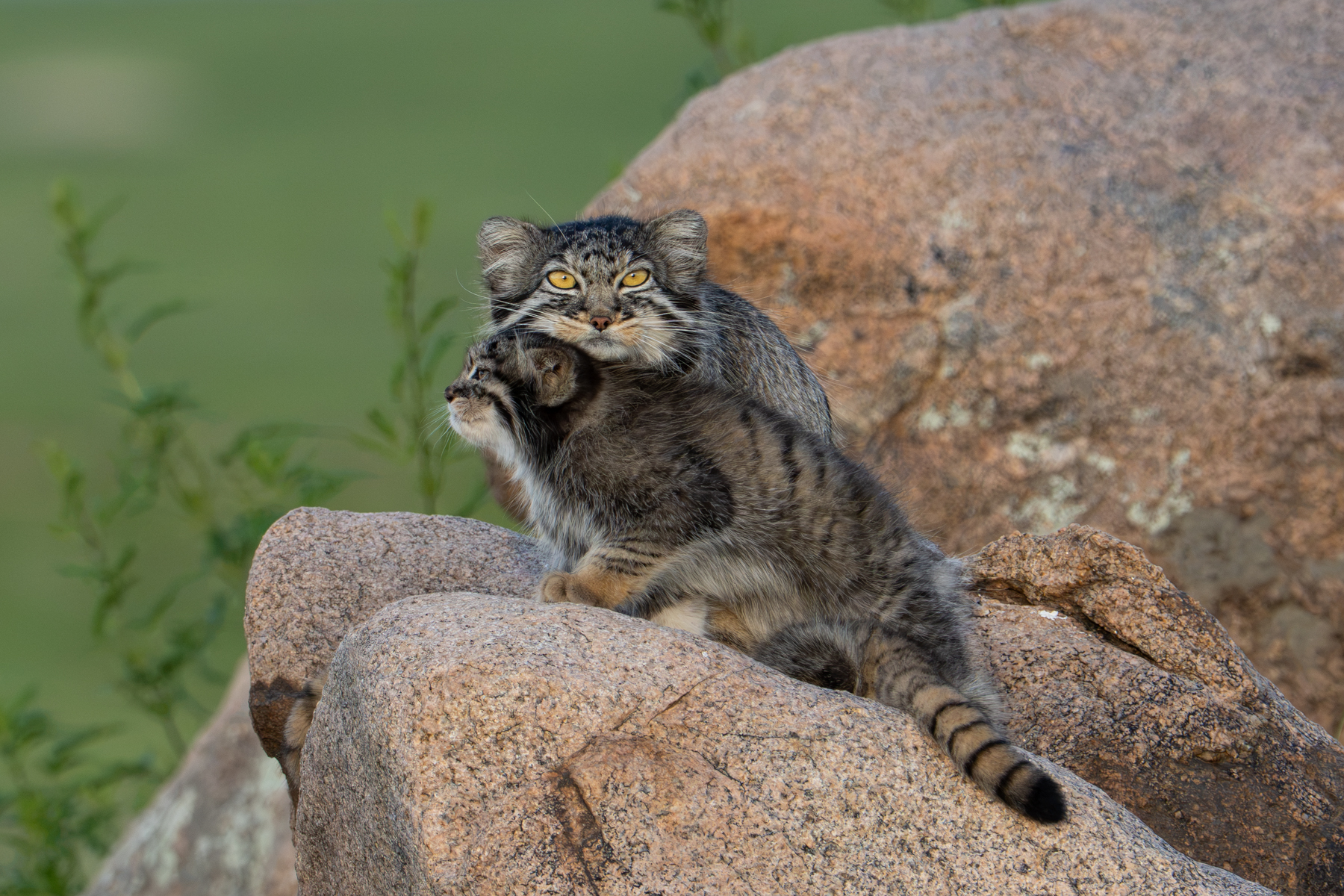
Pallas's Cat mother with her adoring kitten (image by Inger Vandyke)
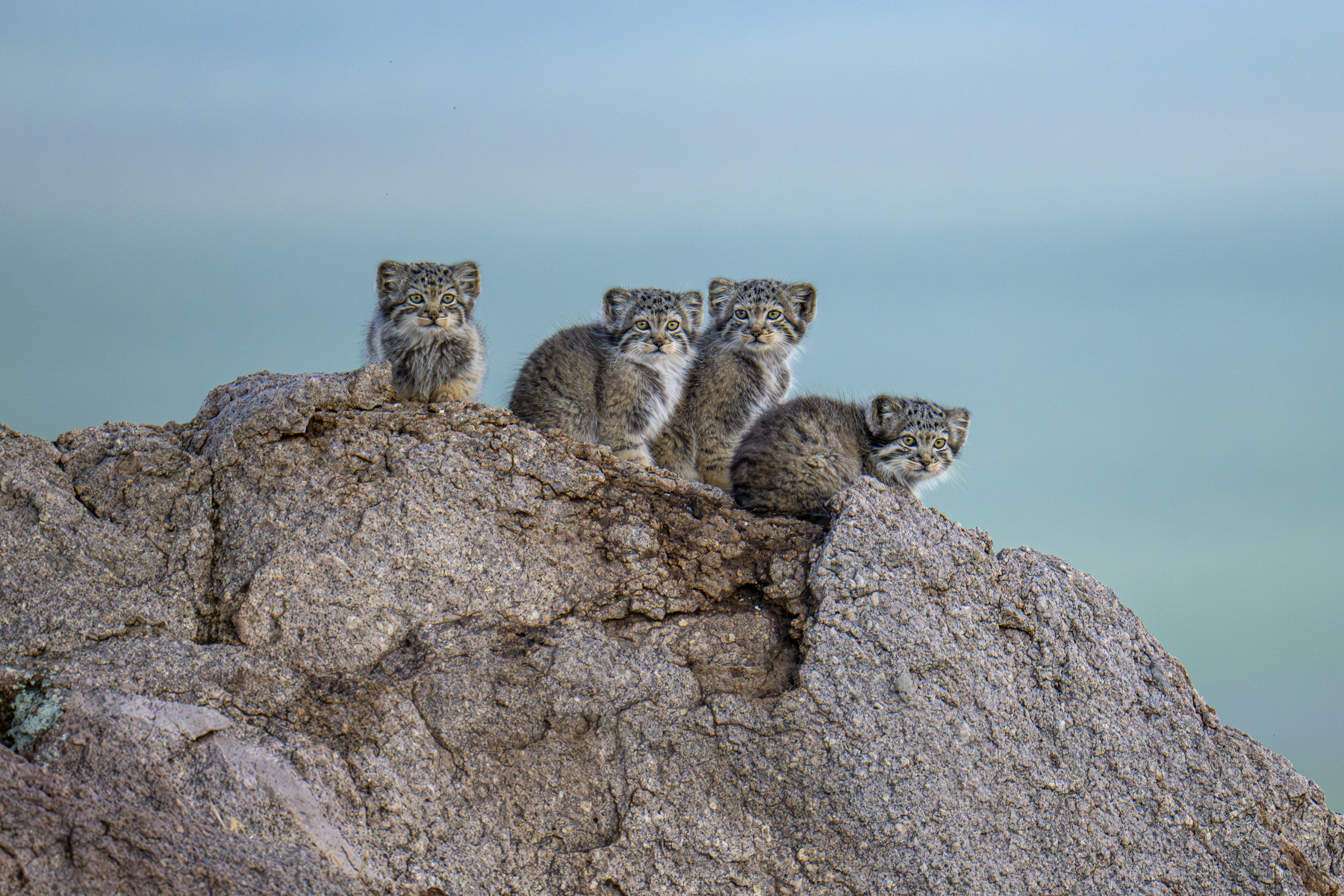
Pallas's Cat kittens (image by Mark Beaman)
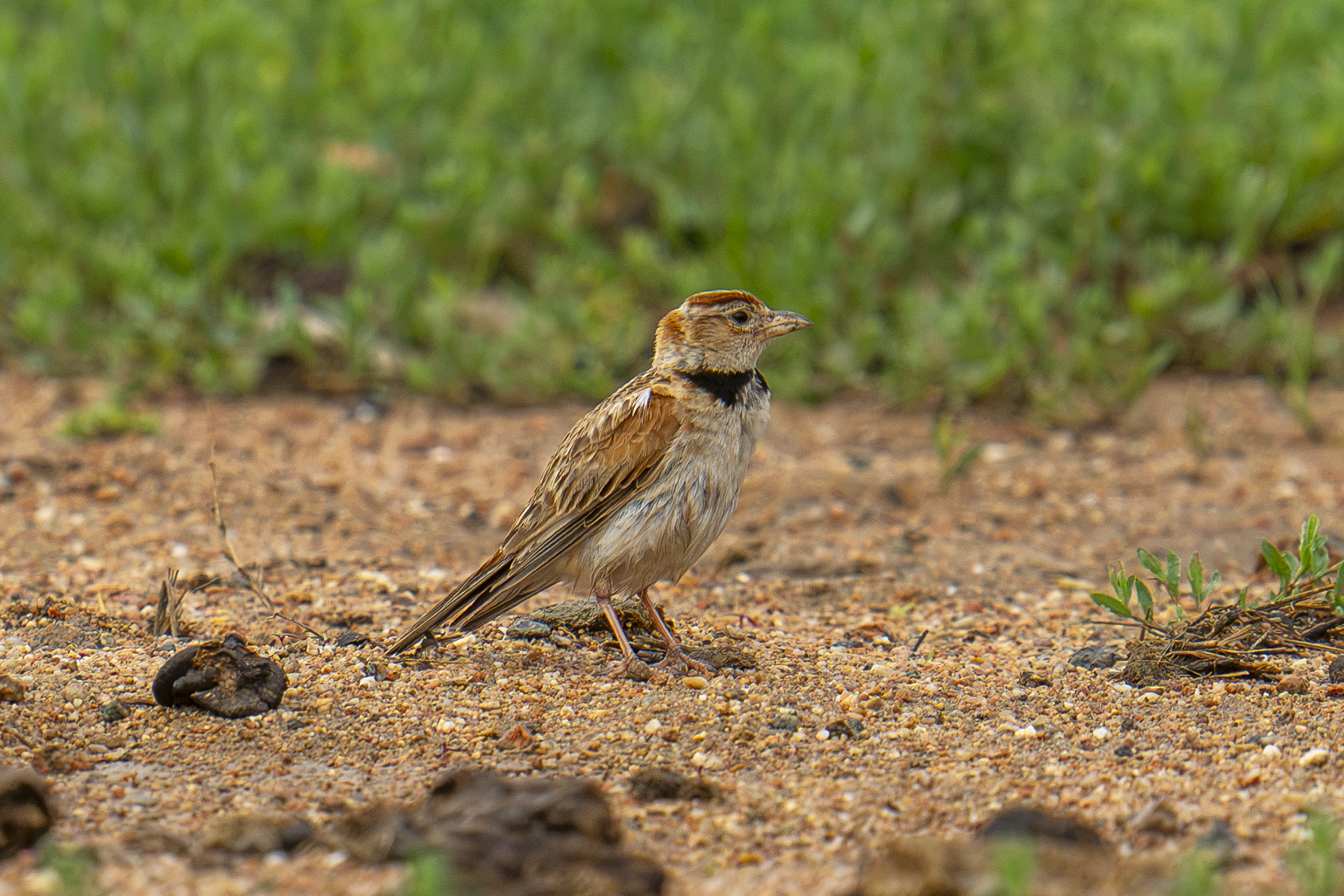
Mongolian Lark (image by Mark Beaman)
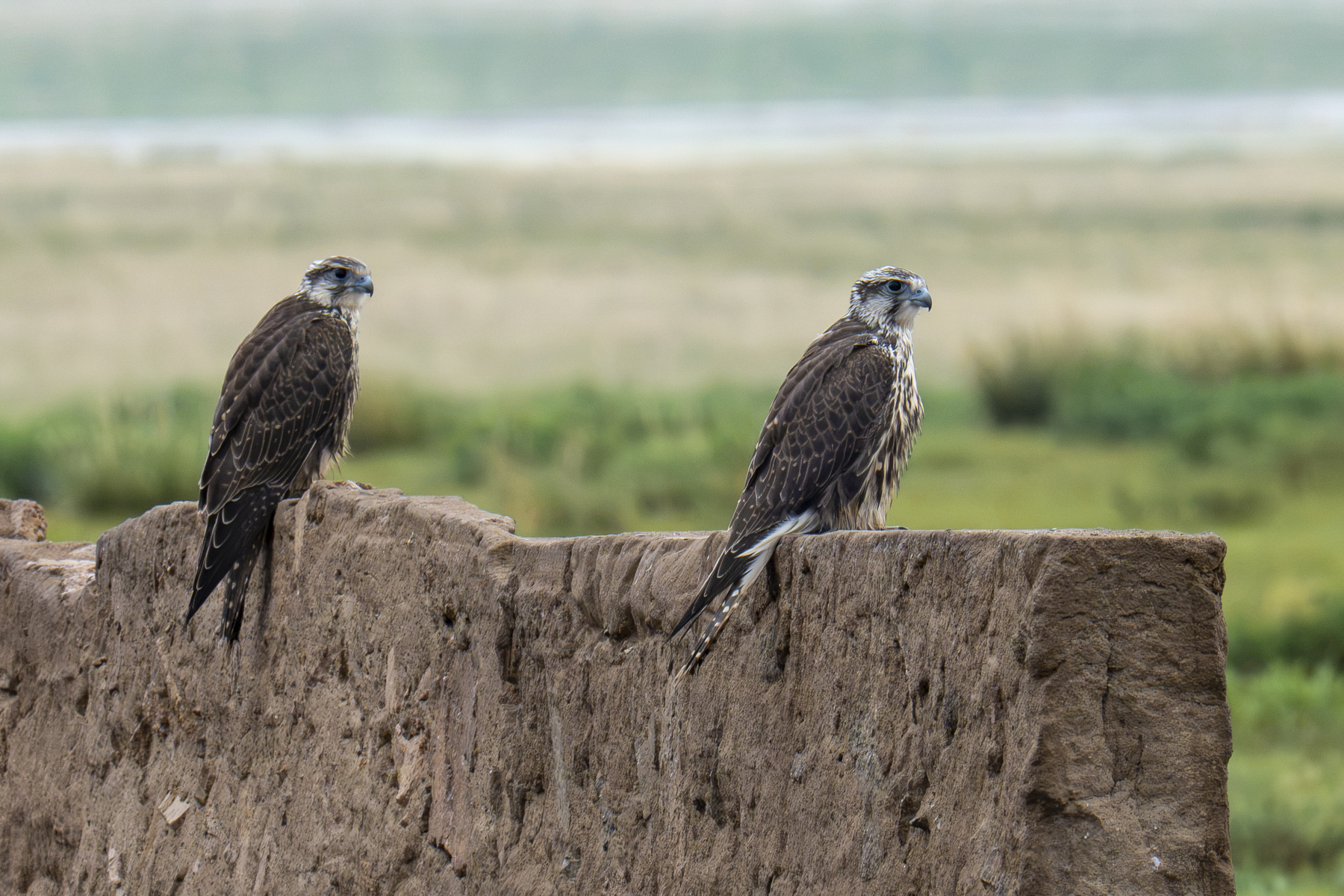
Saker Falcons (image by Mark Beaman)
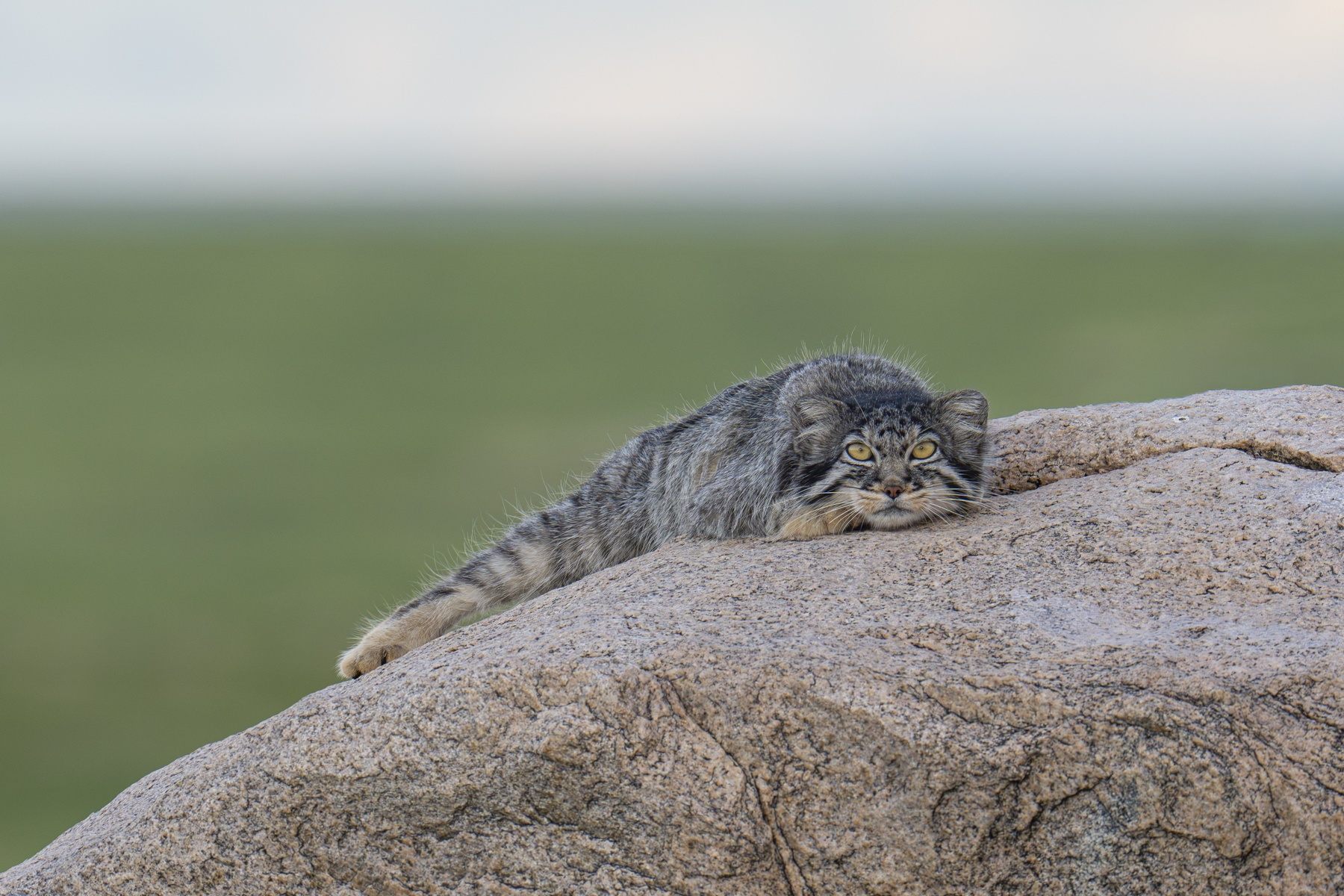
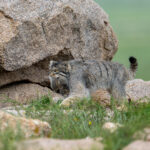
Pallas's Cat (image by Mark Beaman)
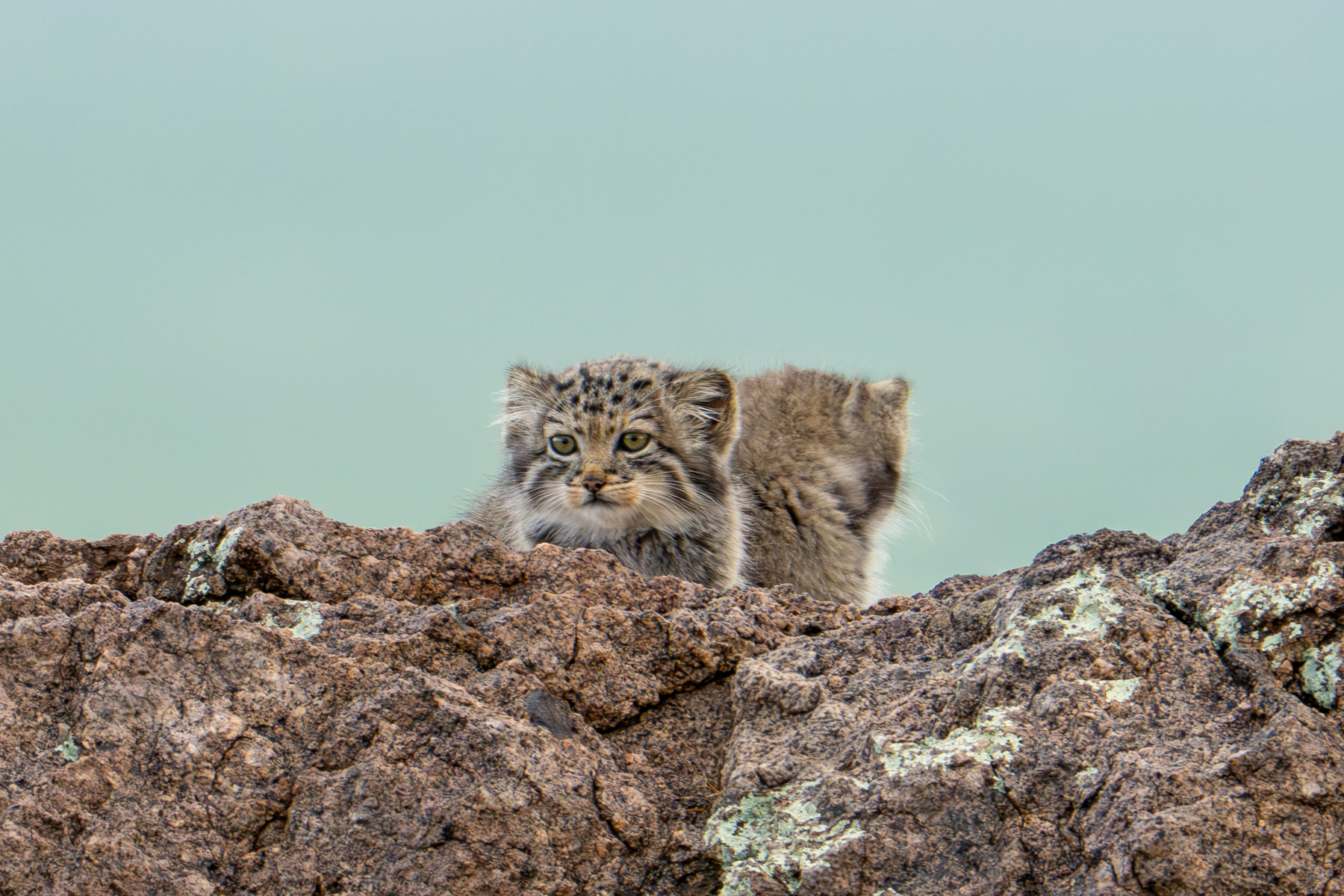
"You look that way! I have your back!" (image by Inger Vandyke)
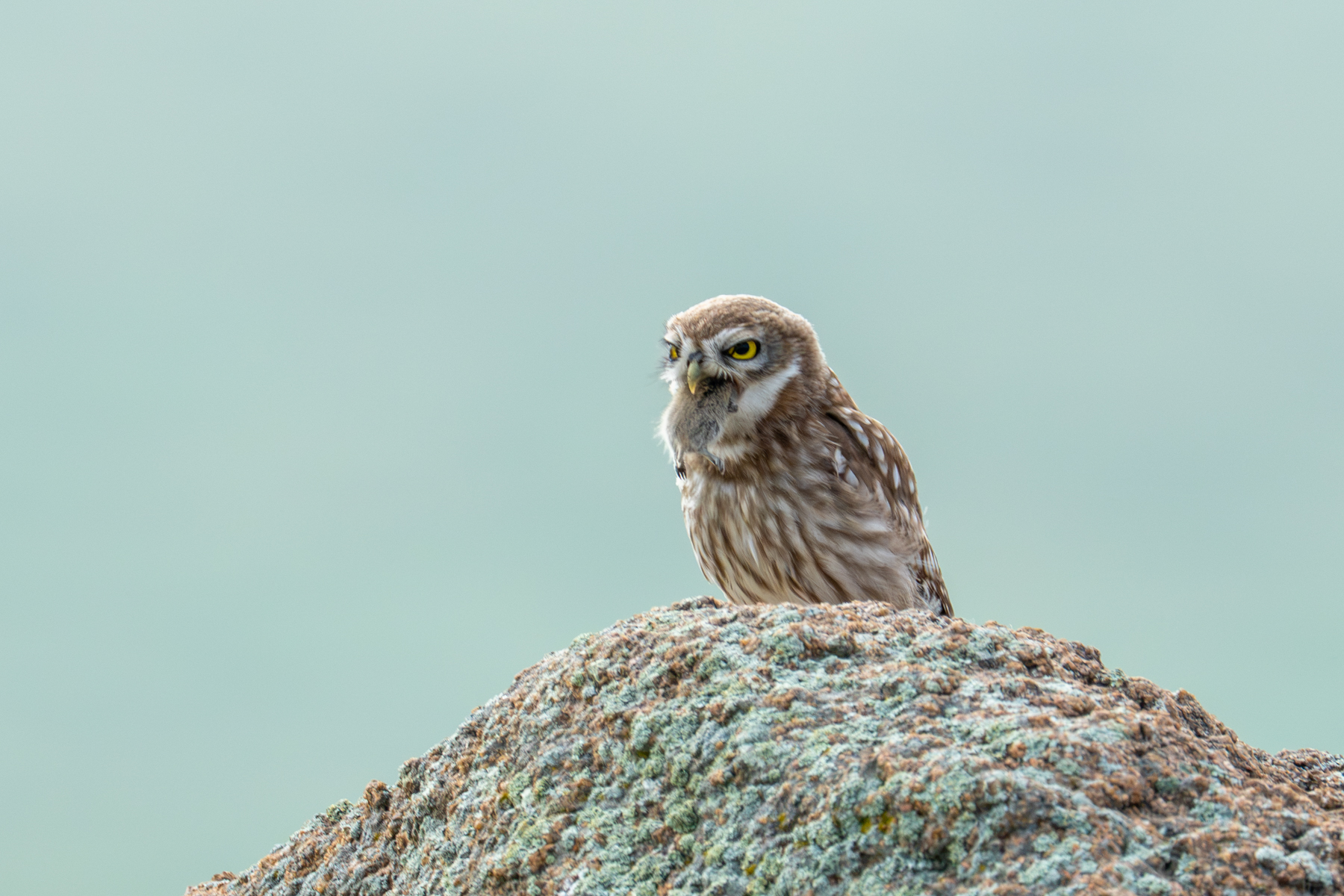
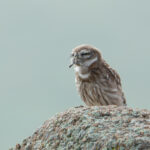
Little Owl with prey (image by Inger Vandyke)
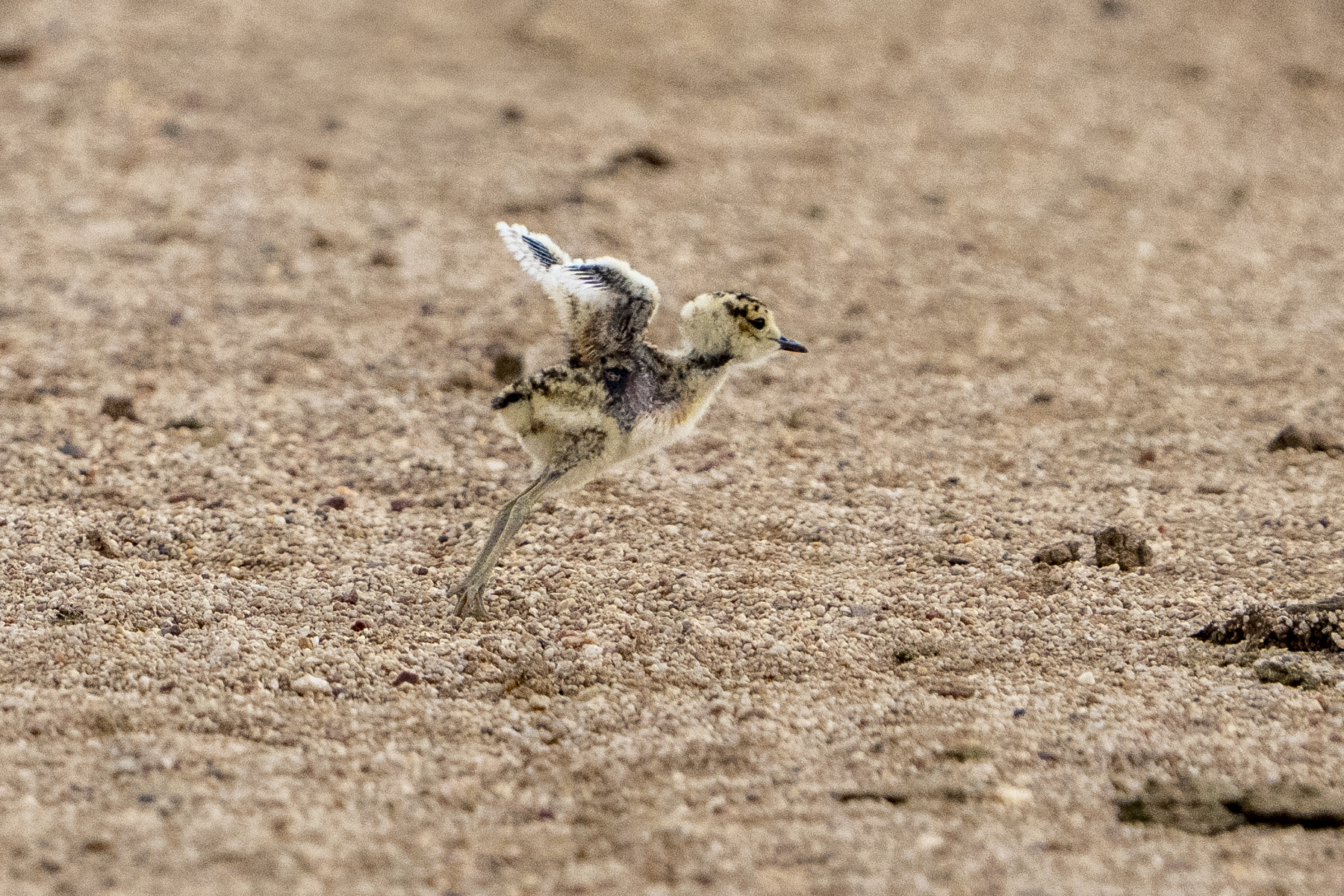
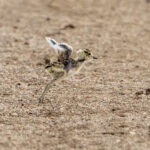
Oriental Plover chick (image by Mark Beaman)
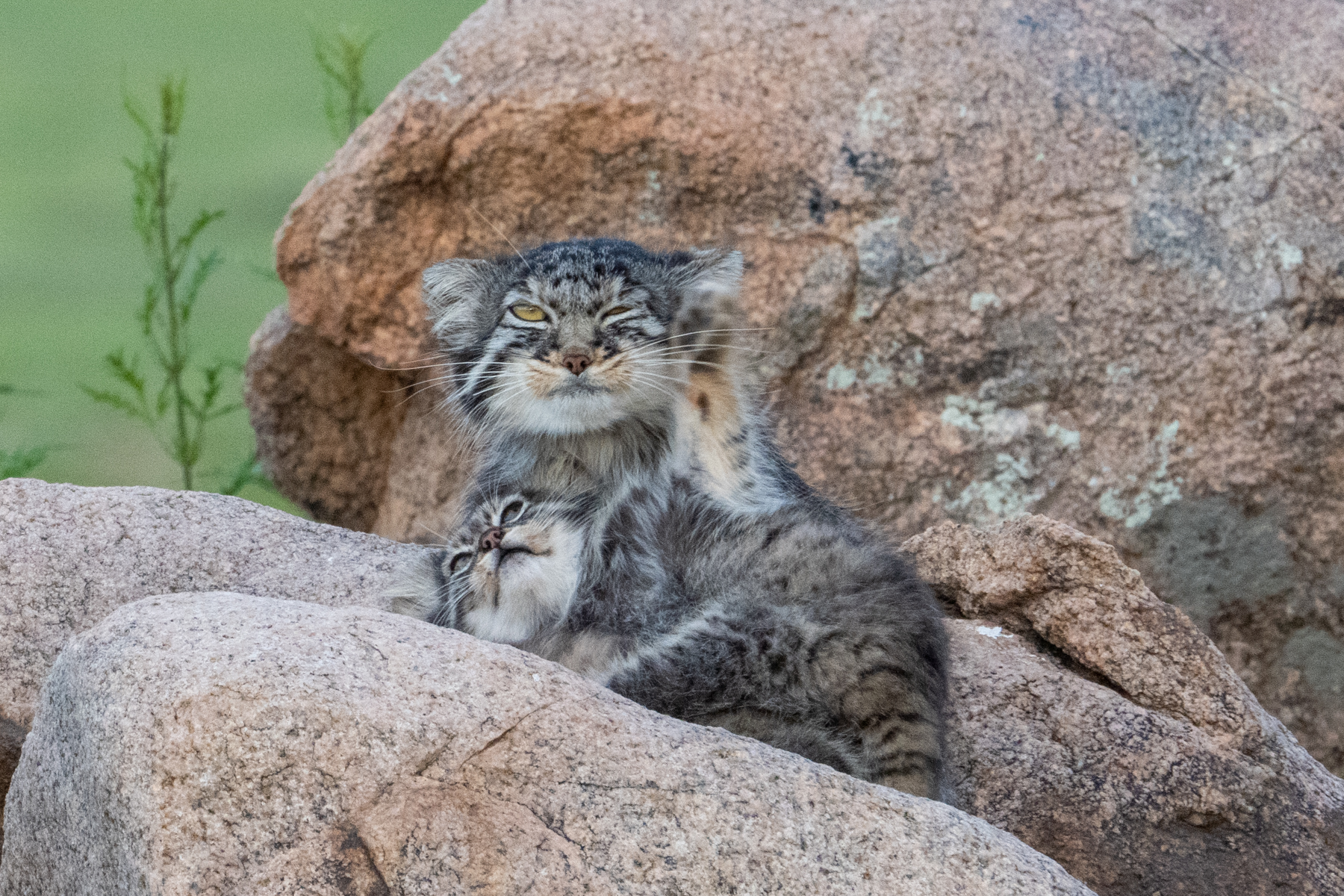
"Please play mummy" (image by Inger Vandyke)
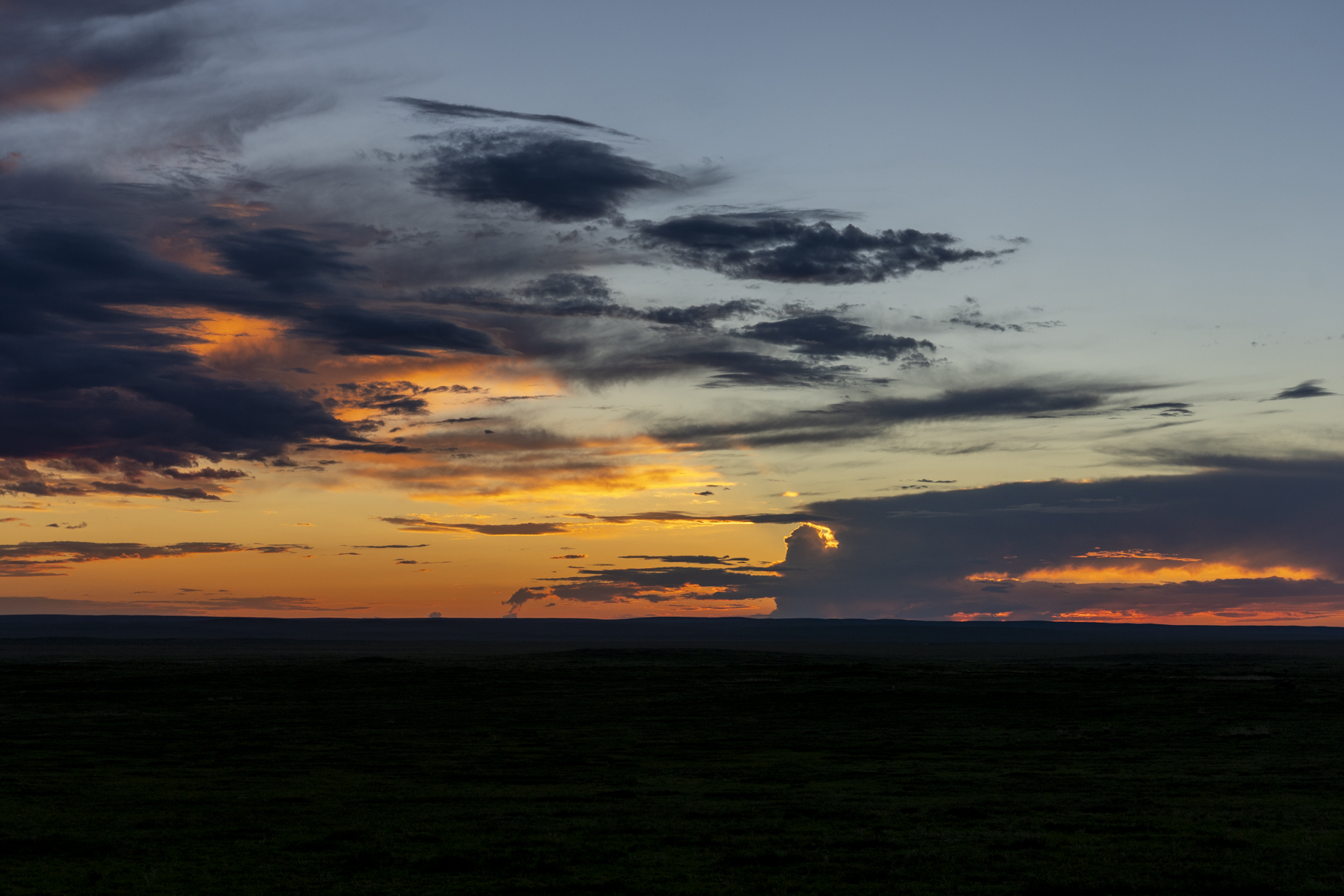
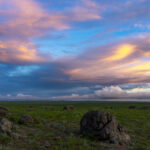
Steppe sunset in Eastern Mongolia (image by Mark Beaman)
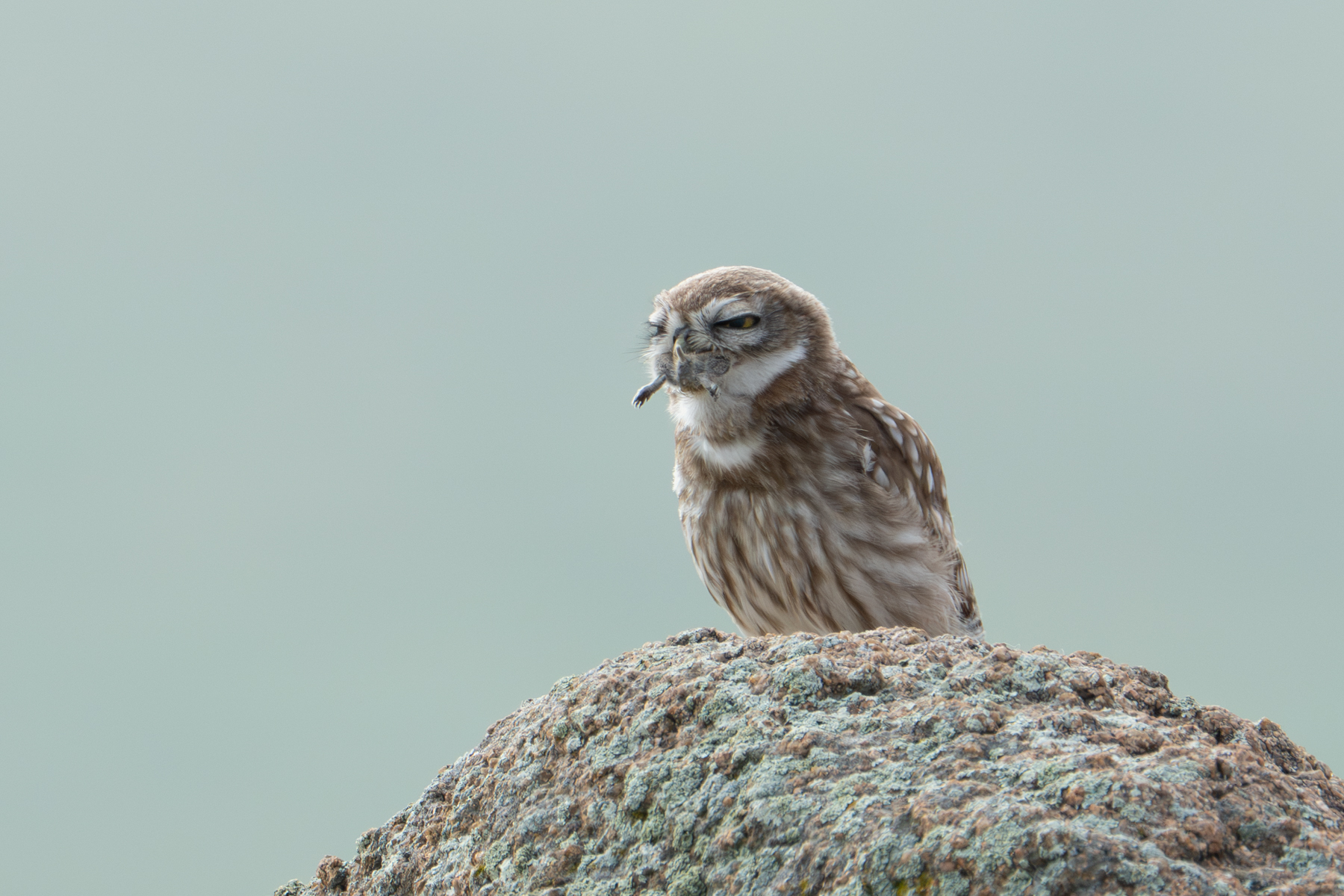
Little Owl struggling to swallow its breakfast of Brandt's Vole (image by Inger Vandyke)
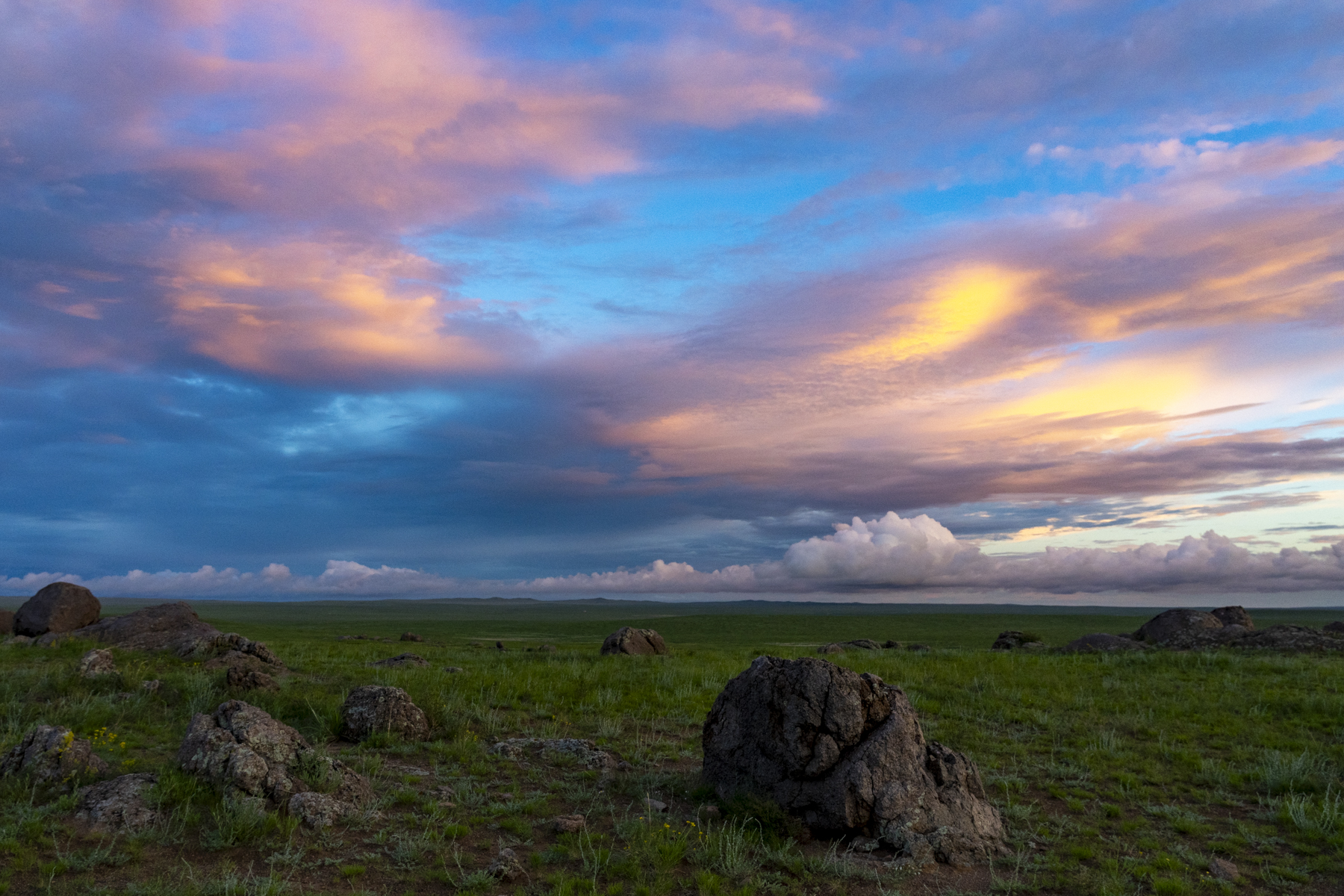
Eastern Mongolia is 'big sky country' (image by Mark Beaman)
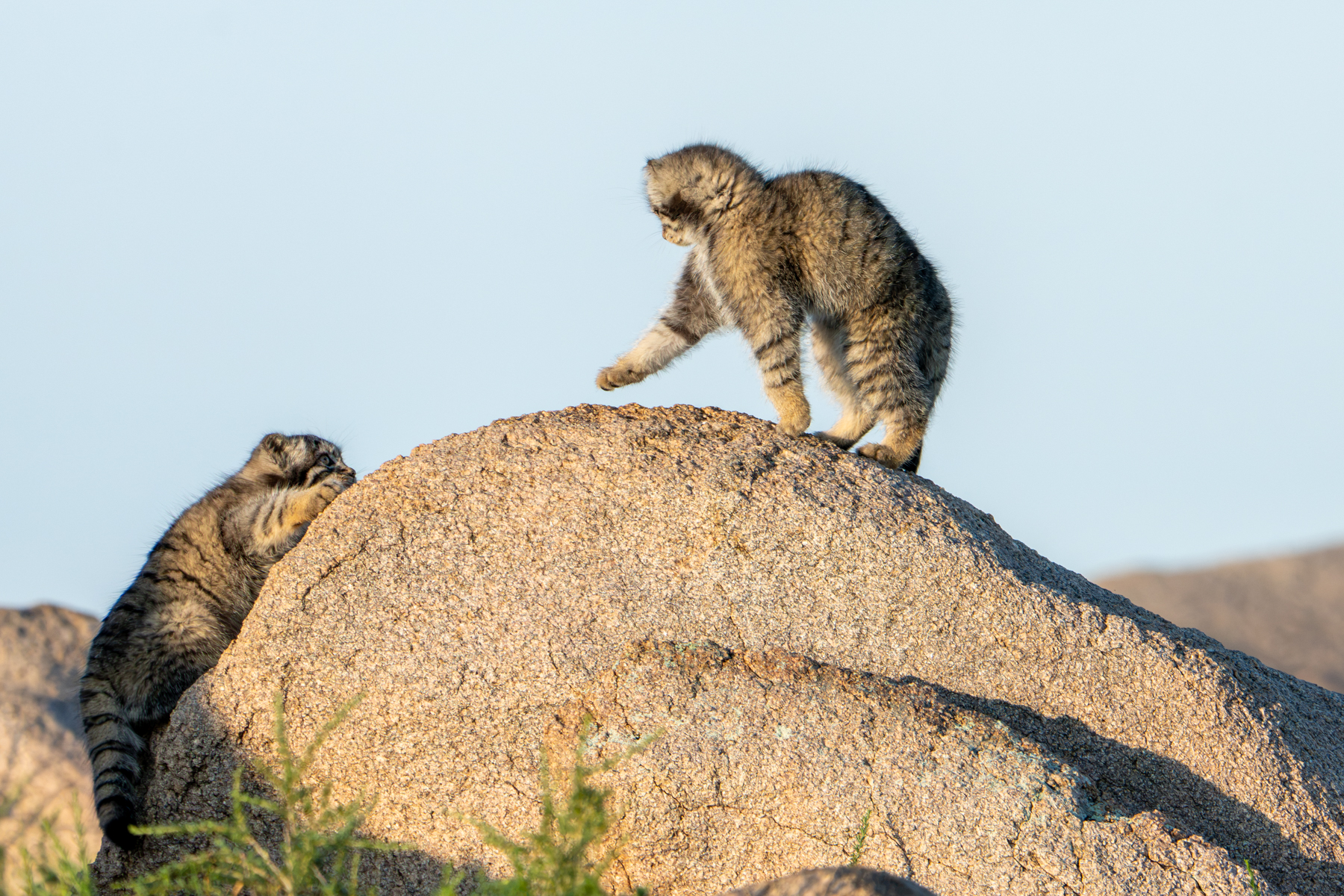
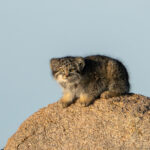
"This rock is mine!" (image by Inger Vandyke)
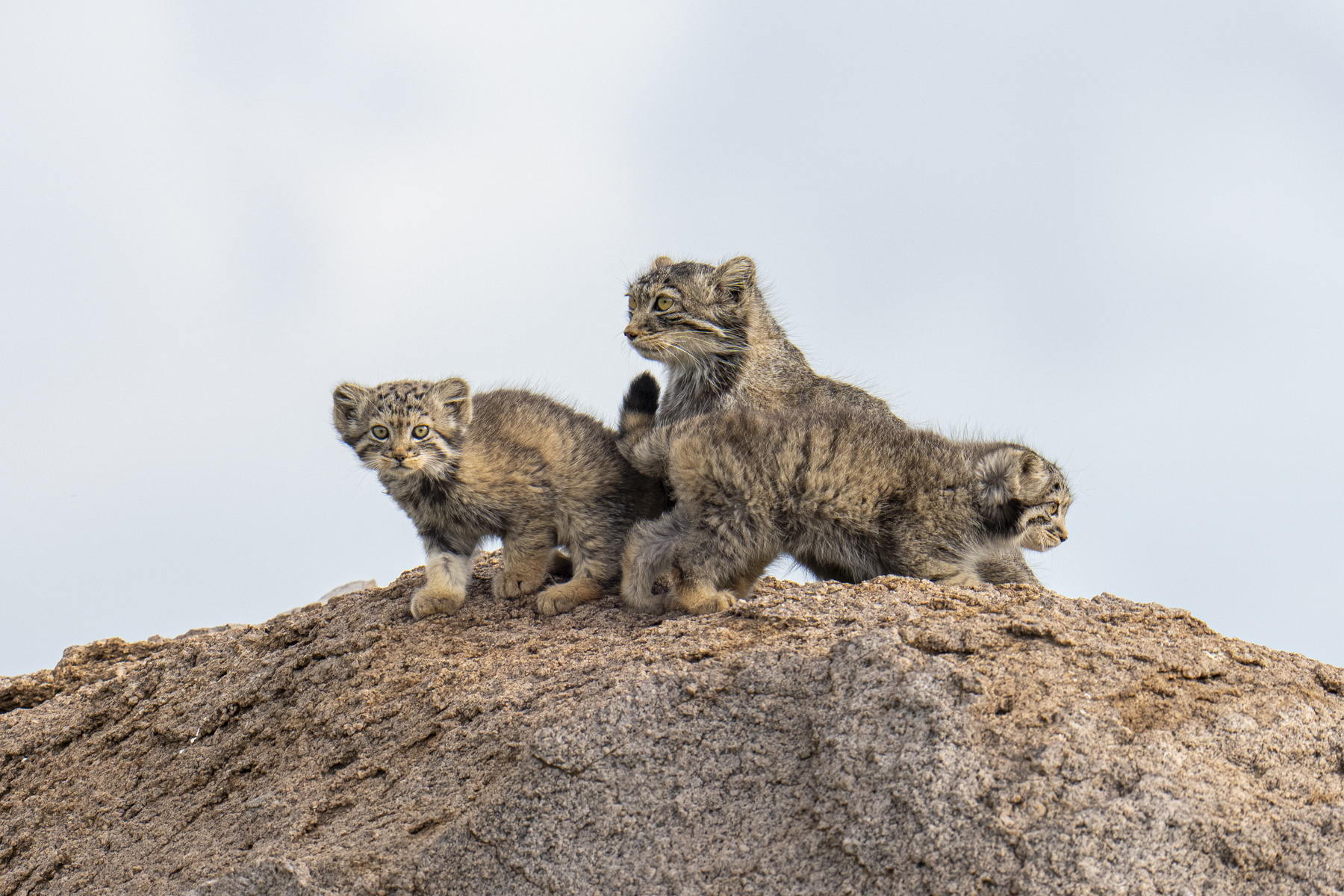
Pallas's Cat mother and kittens (image by Mark Beaman)
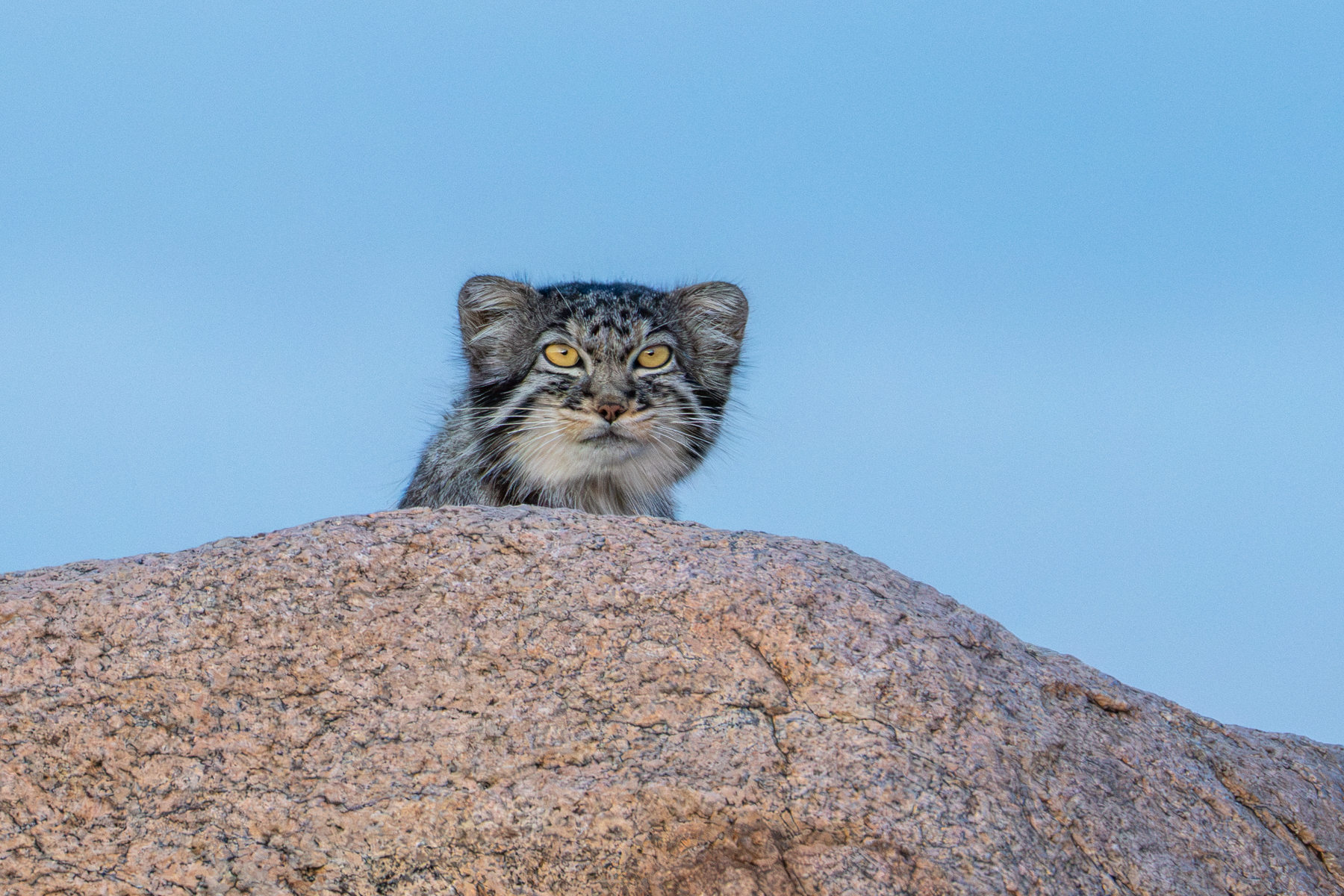
Pallas's Cat in blue hour (image by Inger Vandyke)
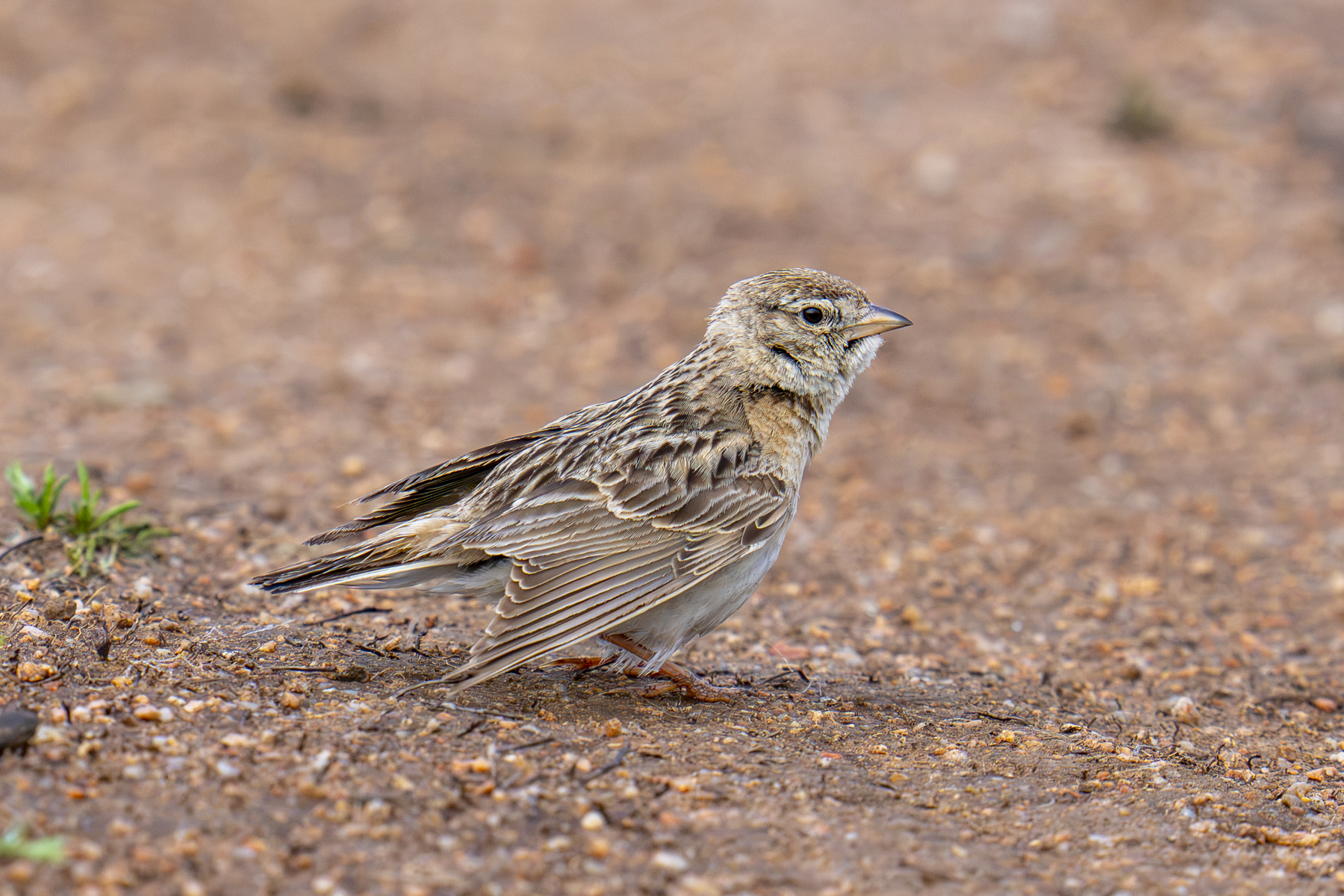
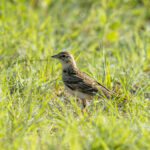
Mongolian Short-toed Lark (image by Mark Beaman)
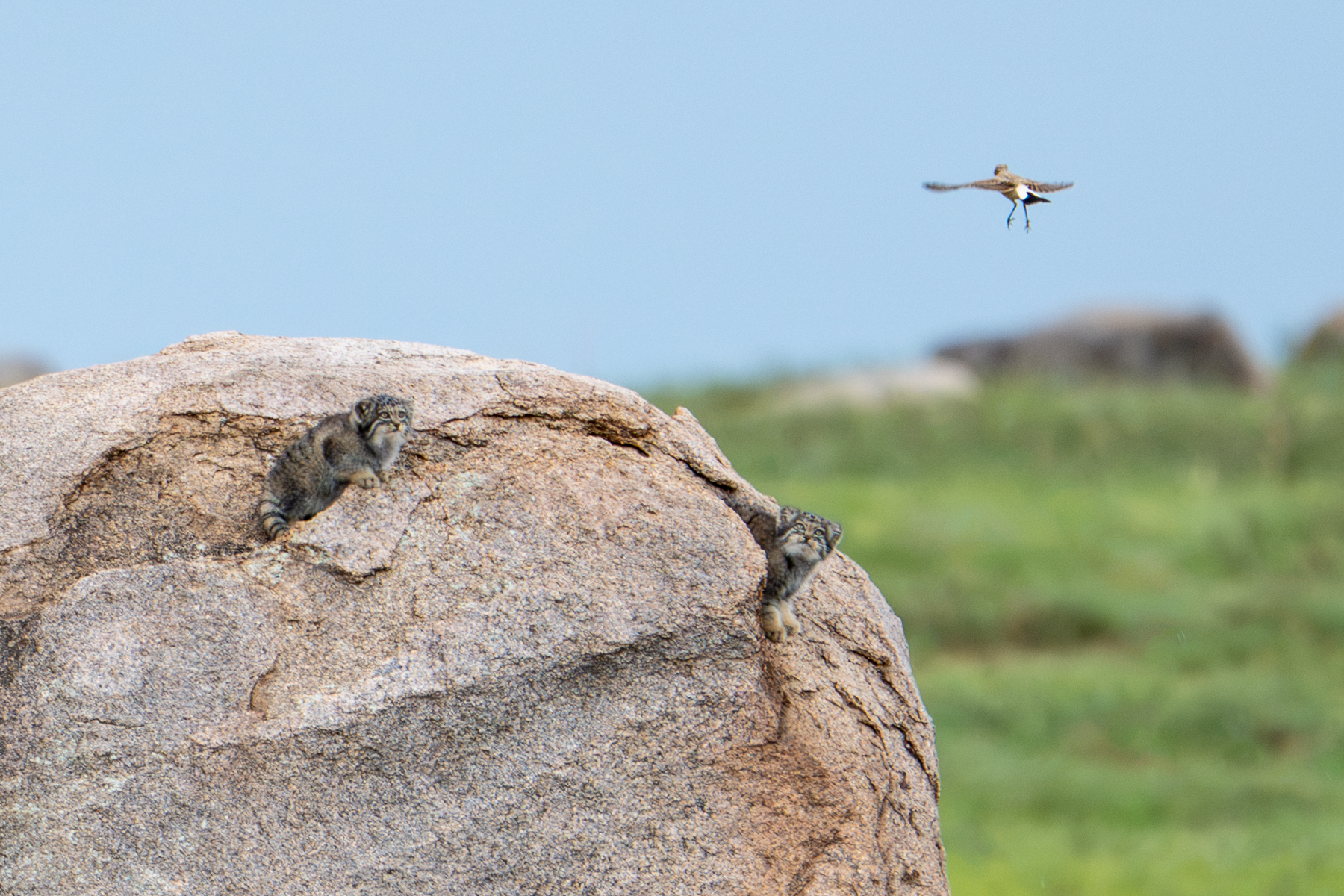
We love birds! Can we jump high enough to catch it? (image by Inger Vandyke)
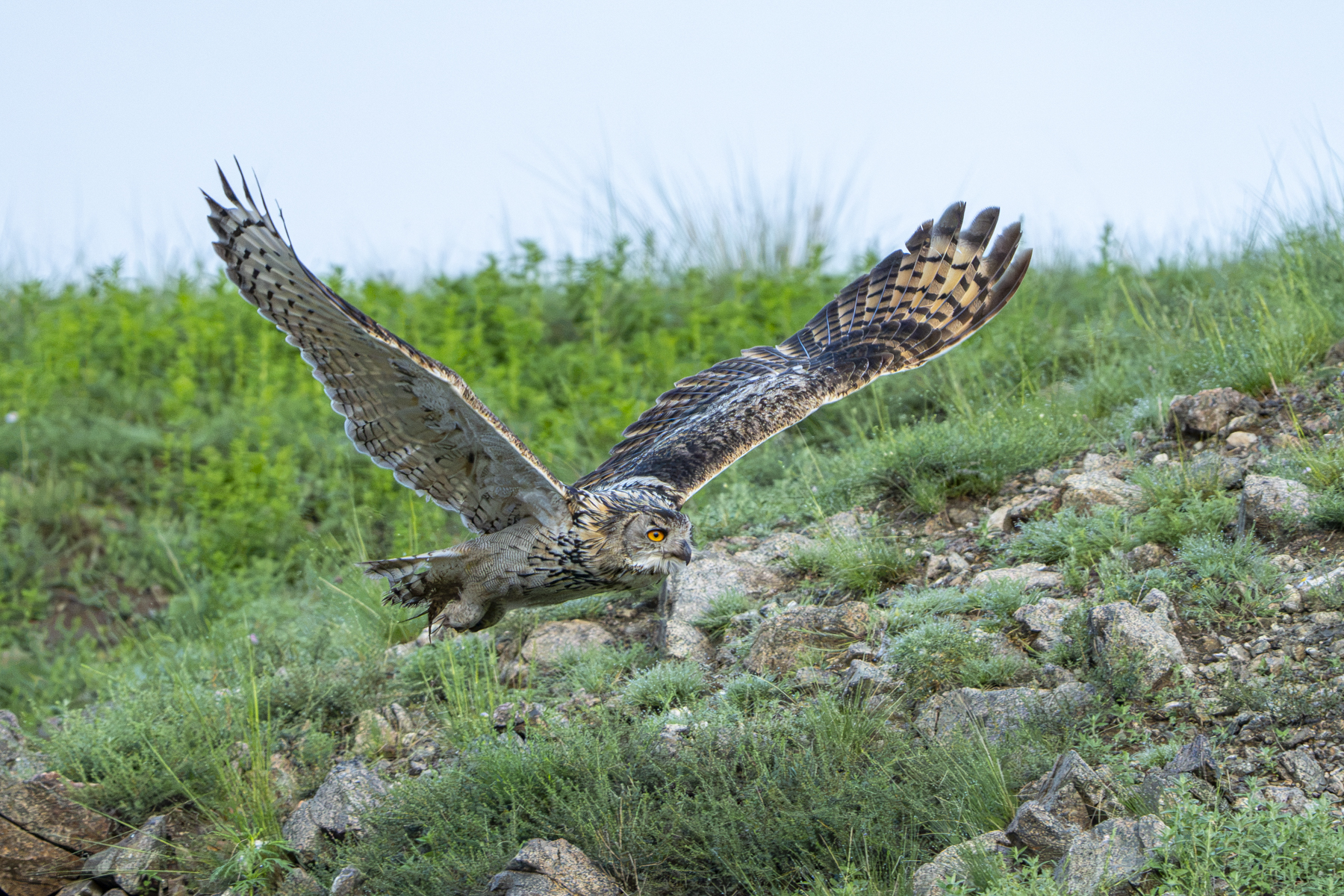
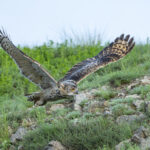
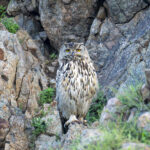
Eurasian Eagle-Owl (image by Mark Beaman)
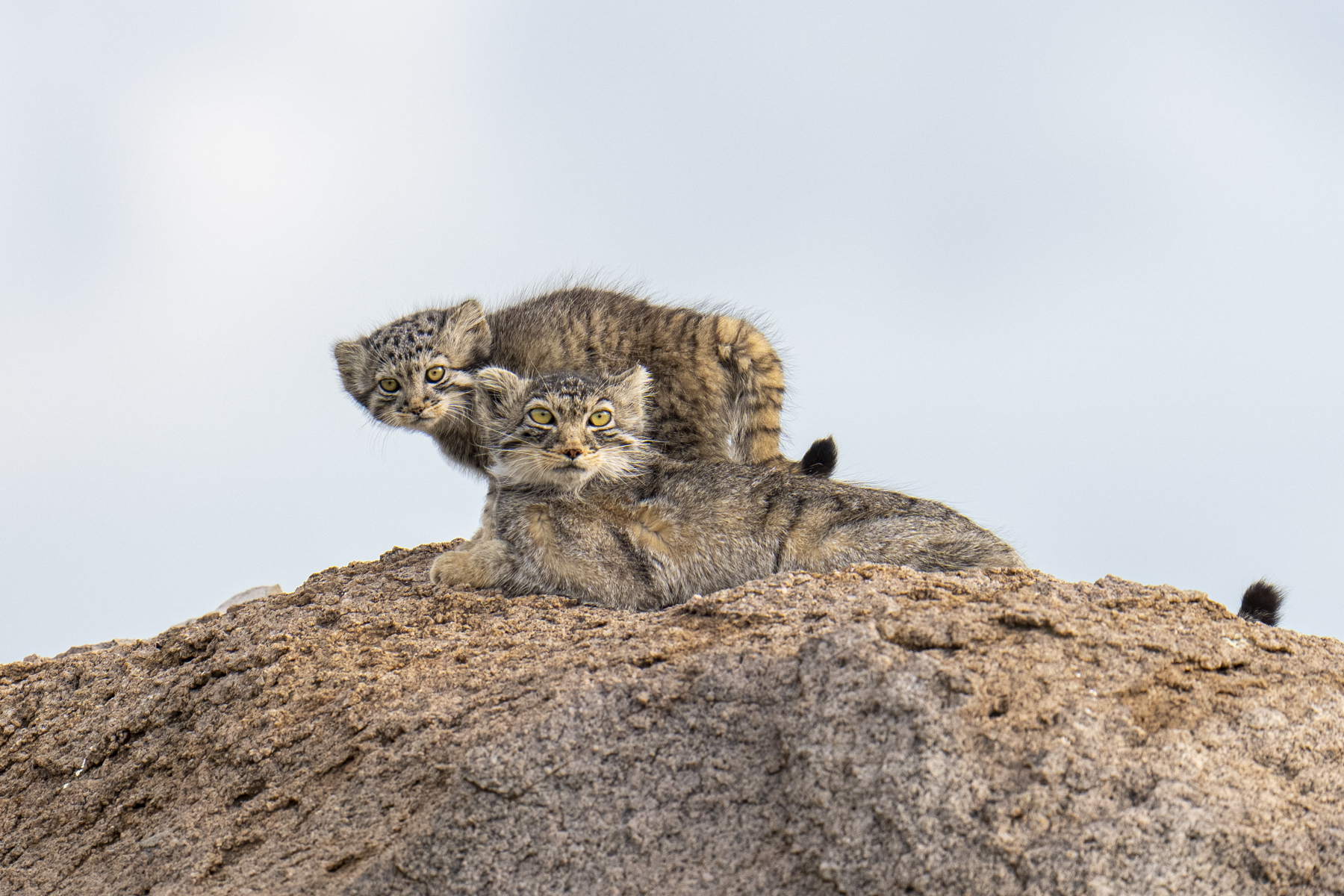
Pallas's Cat kittens (image by Mark Beaman)
Pallas's Cat mother and kitten (image by Mark Beaman)
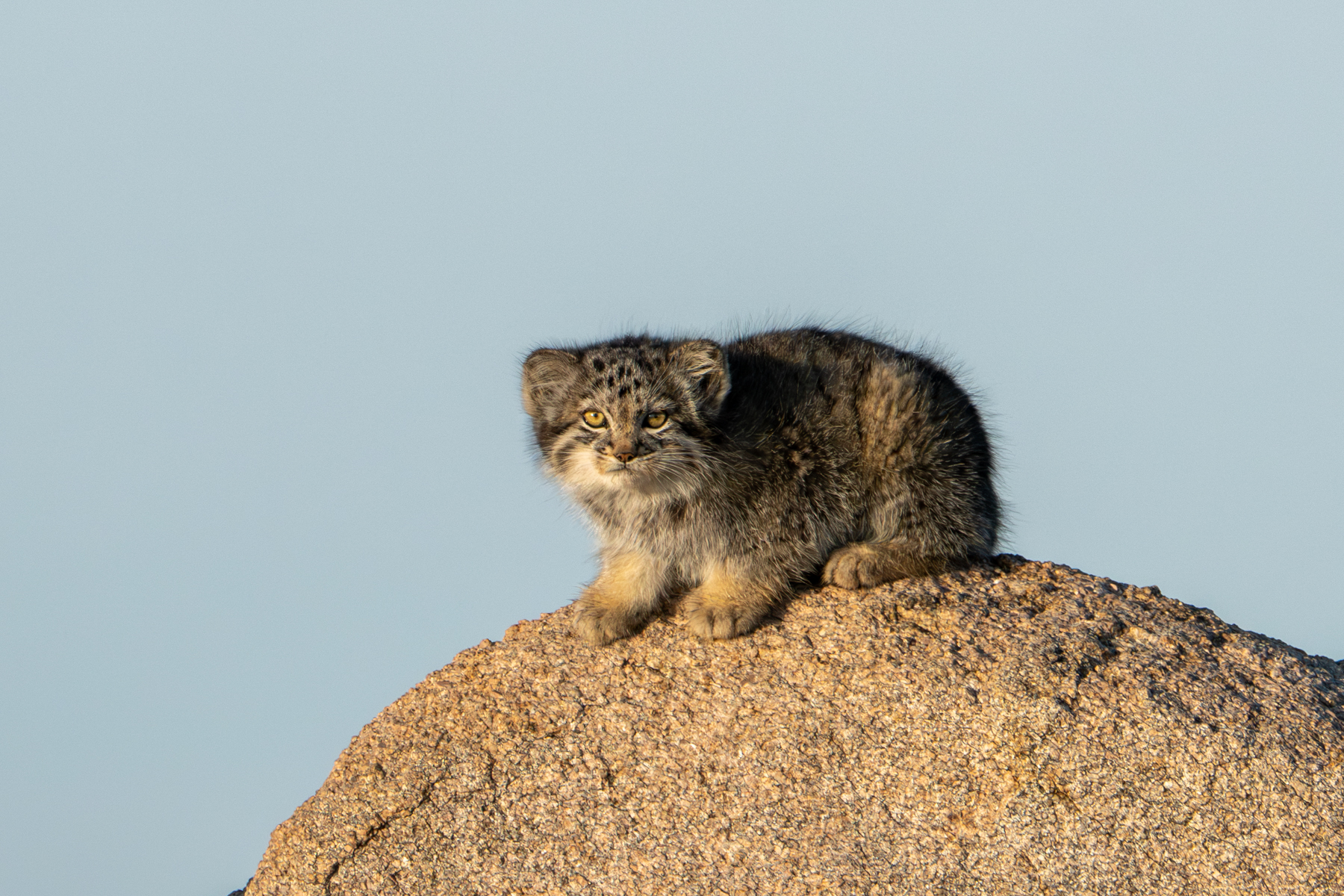
The ultimate grumpy kitten (image by Inger Vandyke)
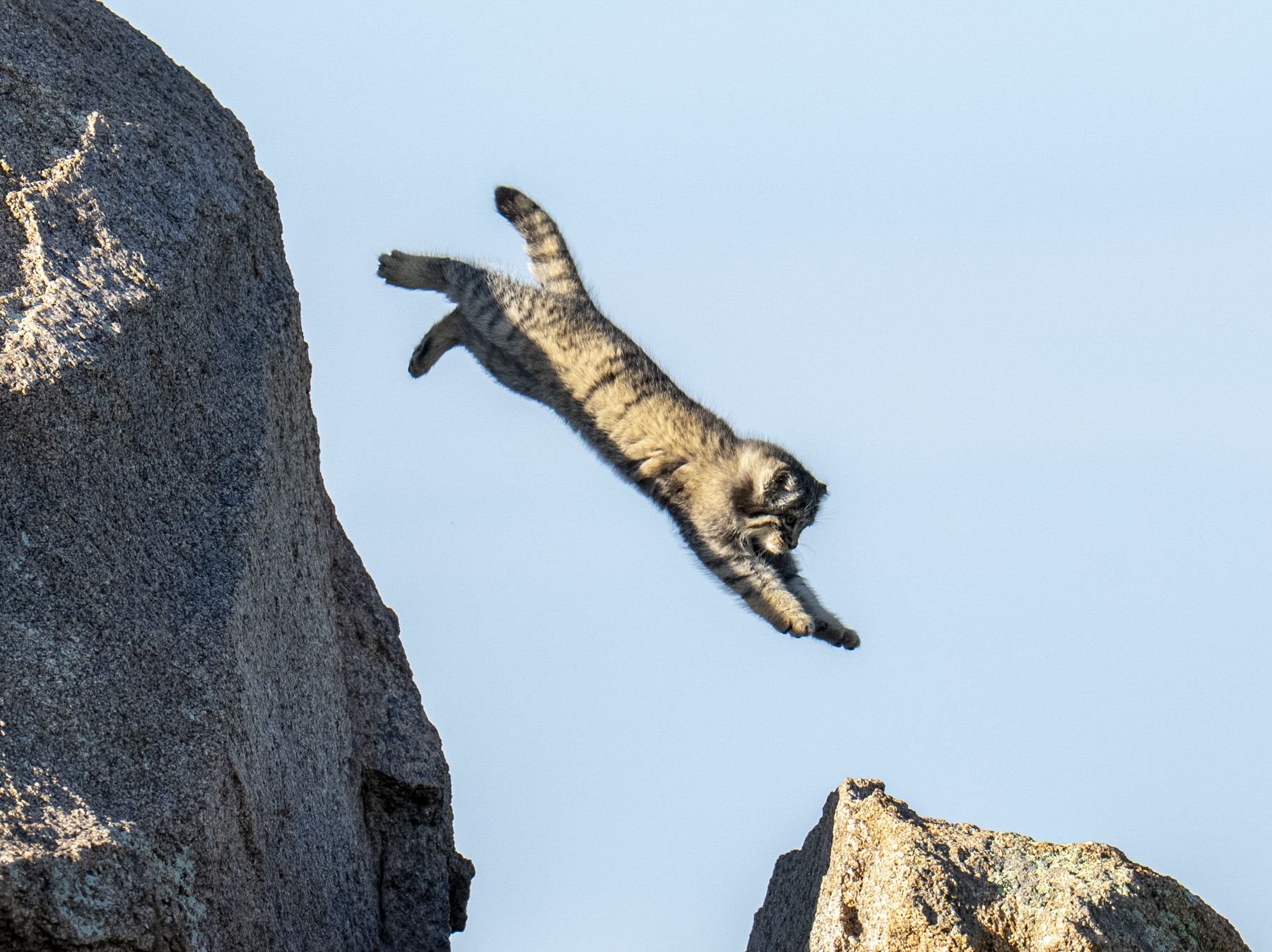
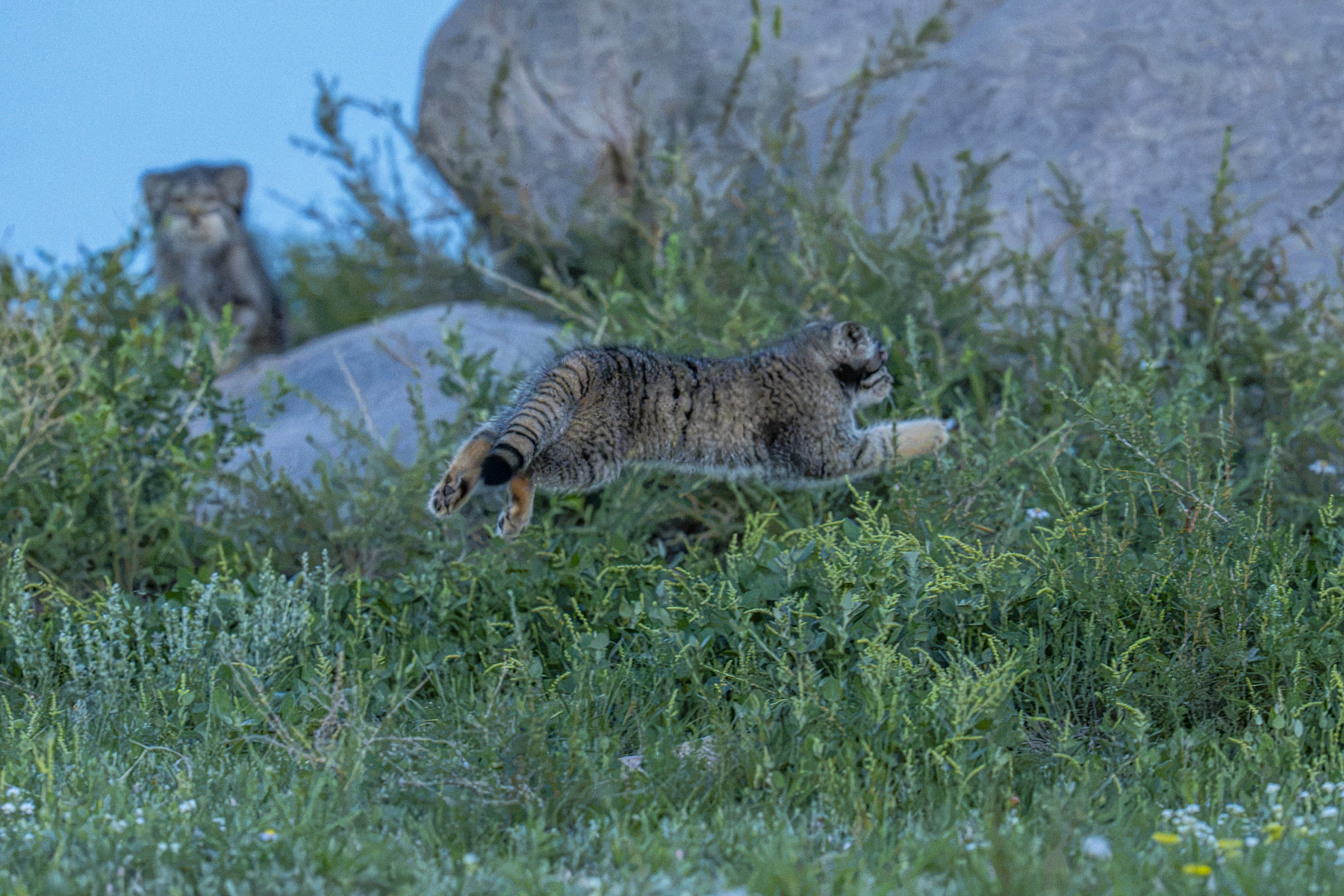
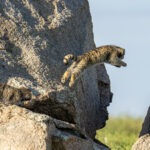
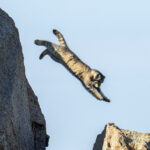
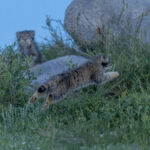
Pallas's Cat kitten 'in flight' (image by Mark Beaman)
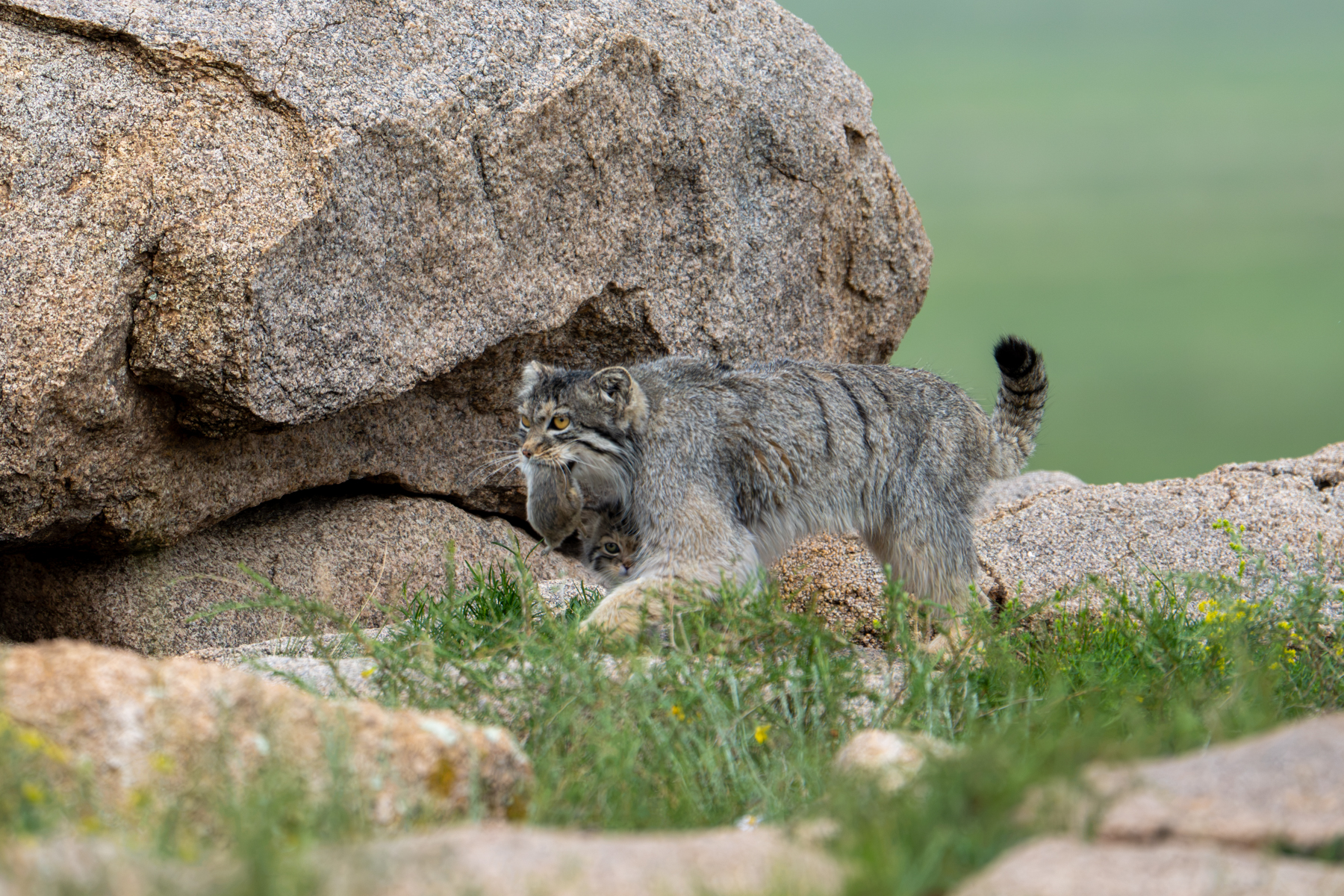
Pallas's Cat mother bringing breakfast to her playful kittens (image by Inger Vandyke)
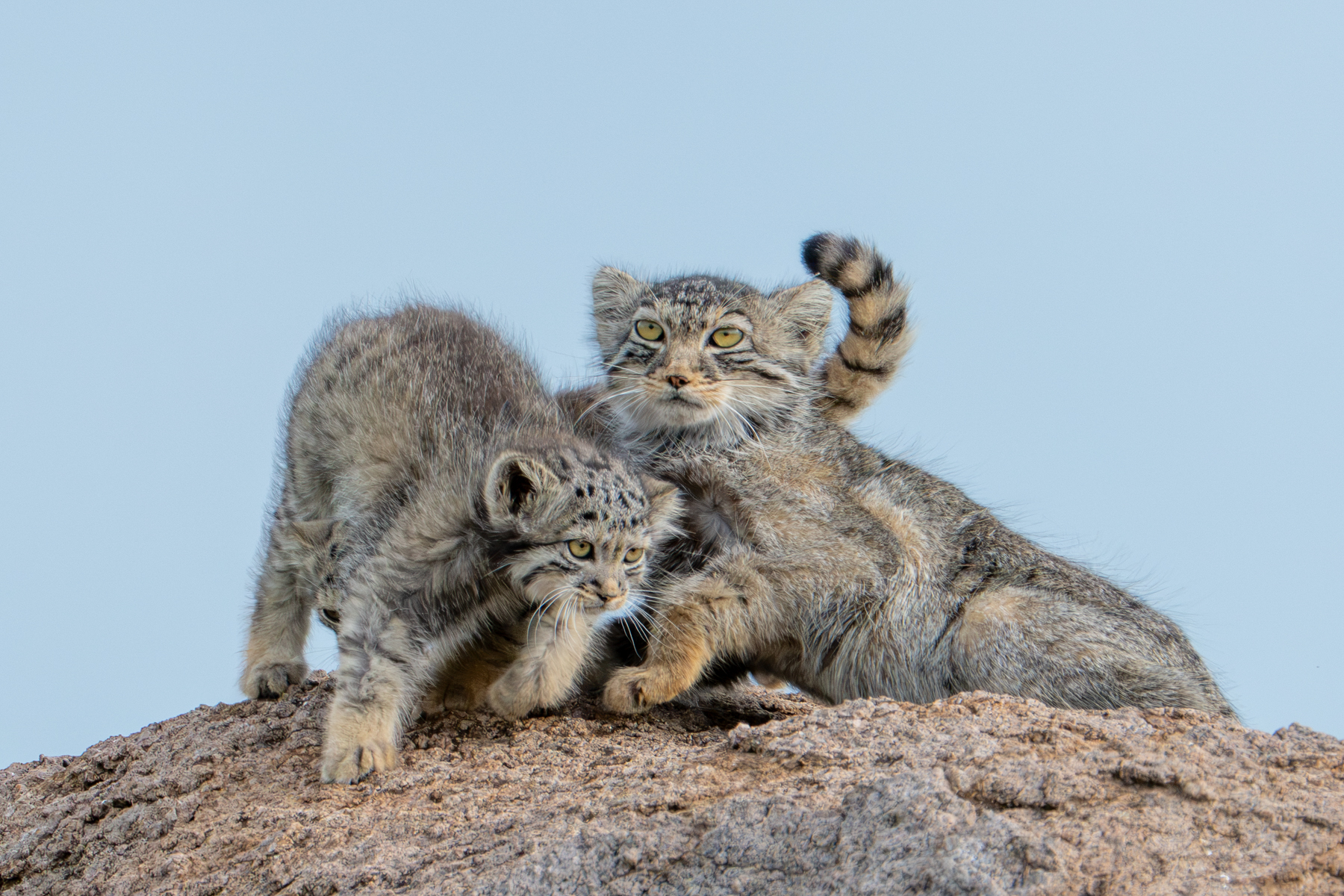
Pallas's Cat mother with her playful kitten wrapped around her (image by Inger Vandyke)
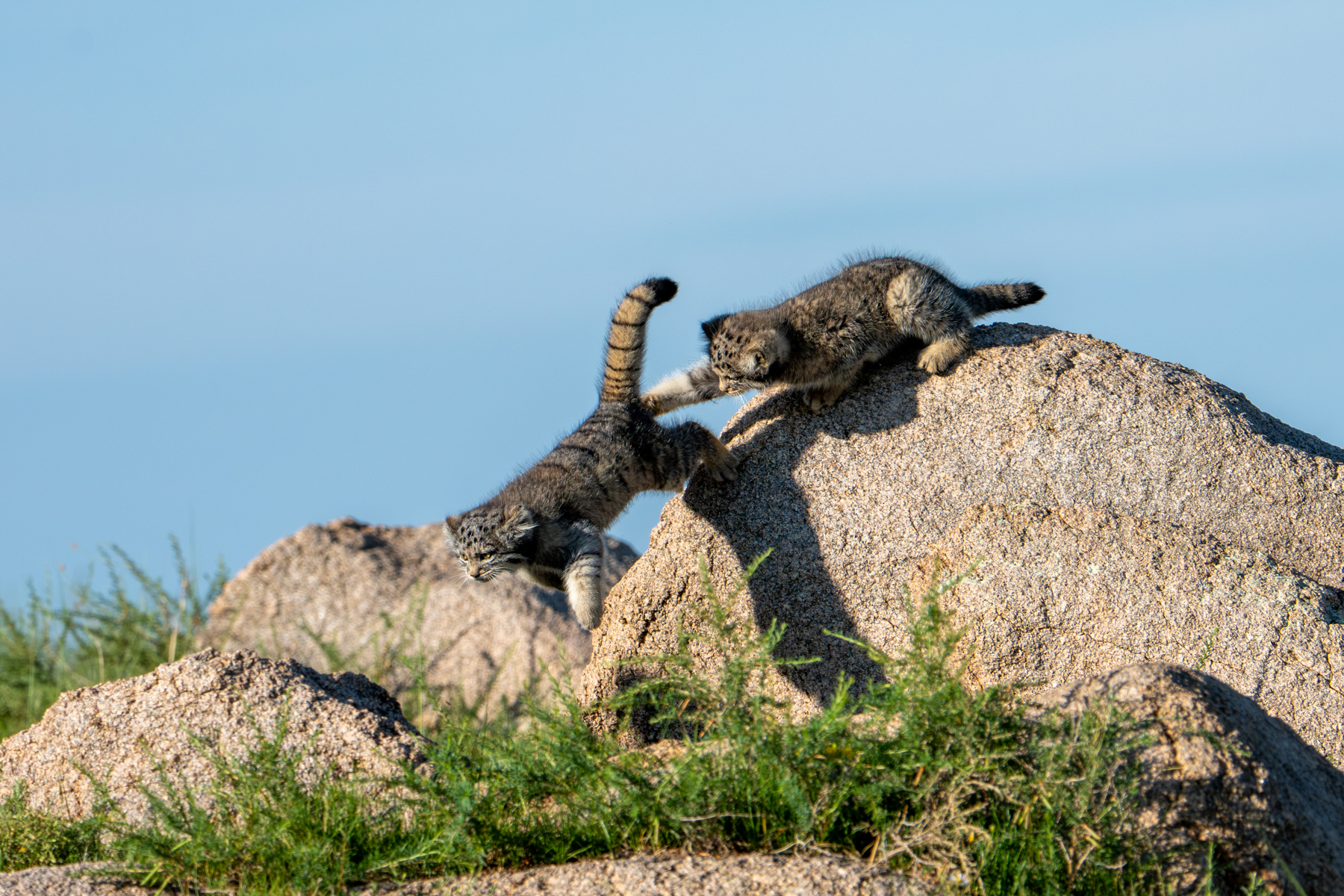
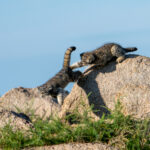
Pallas's Cat kittens playing chase on the rocks (image by Inger Vandyke)
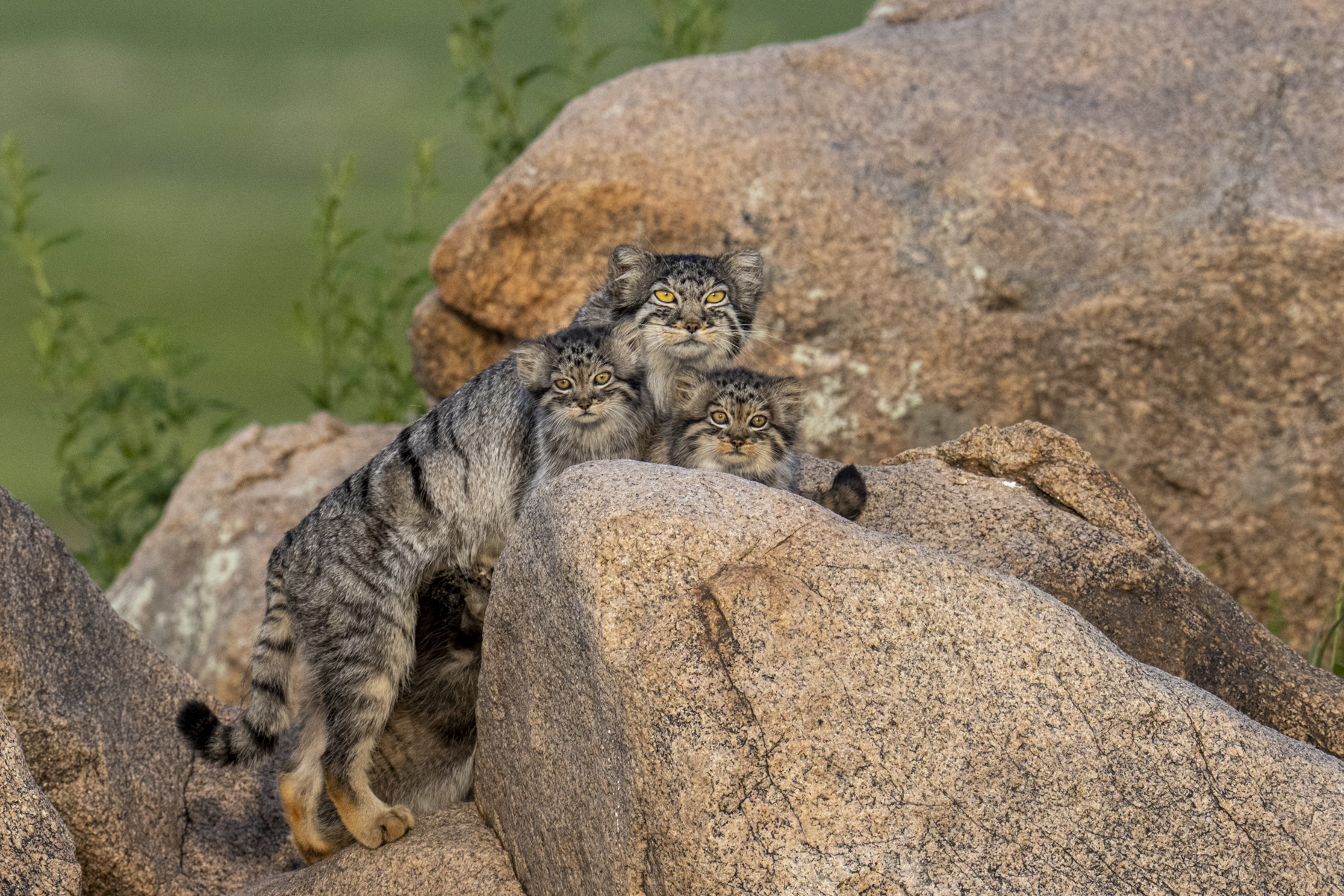
Pallas's Cat mother and kittens (image by Mark Beaman)
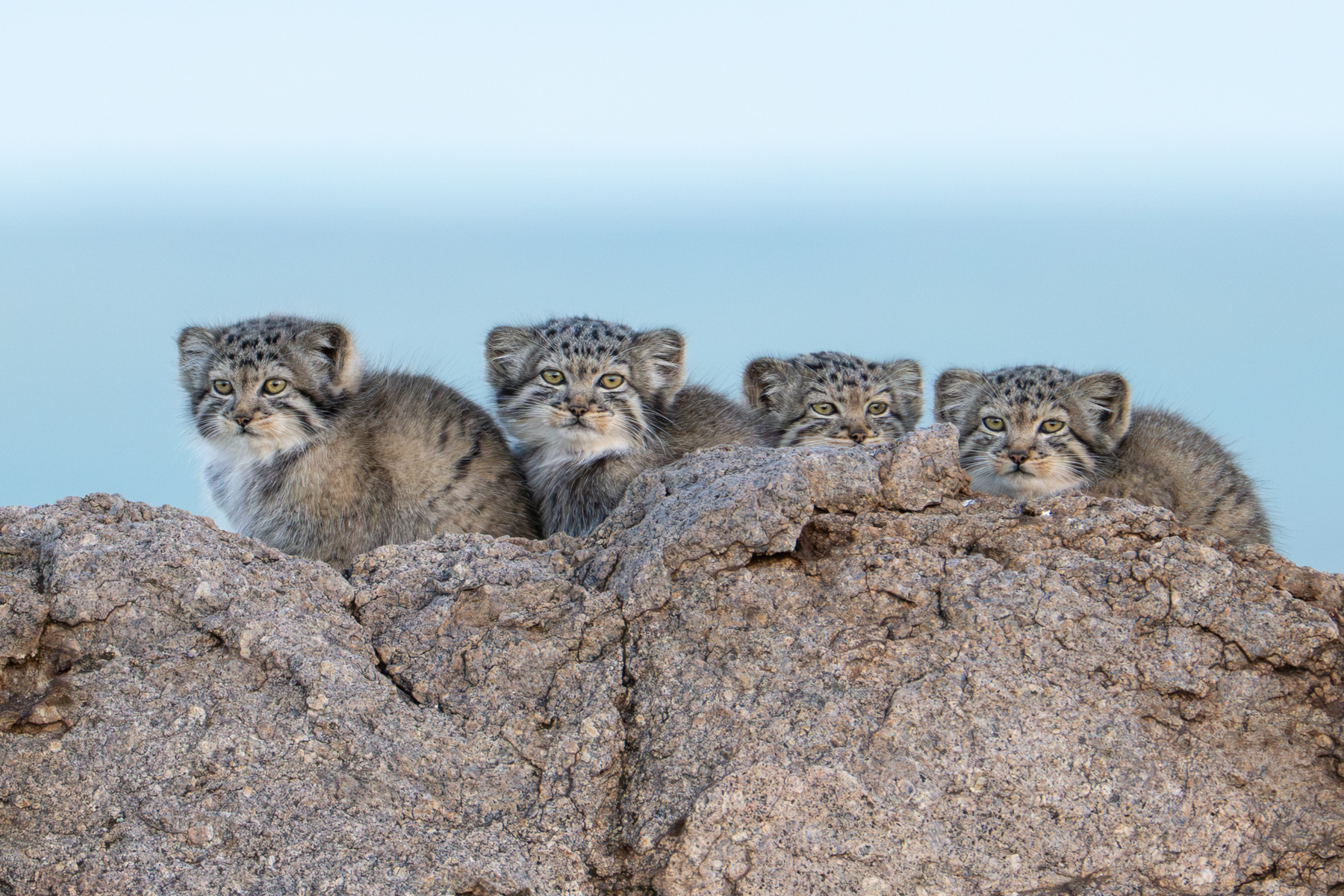
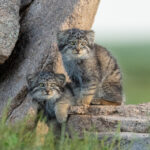
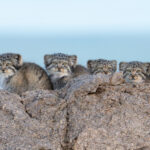
A line of little faces on a large granite boulder in the steppe (image by Inger Vandyke)
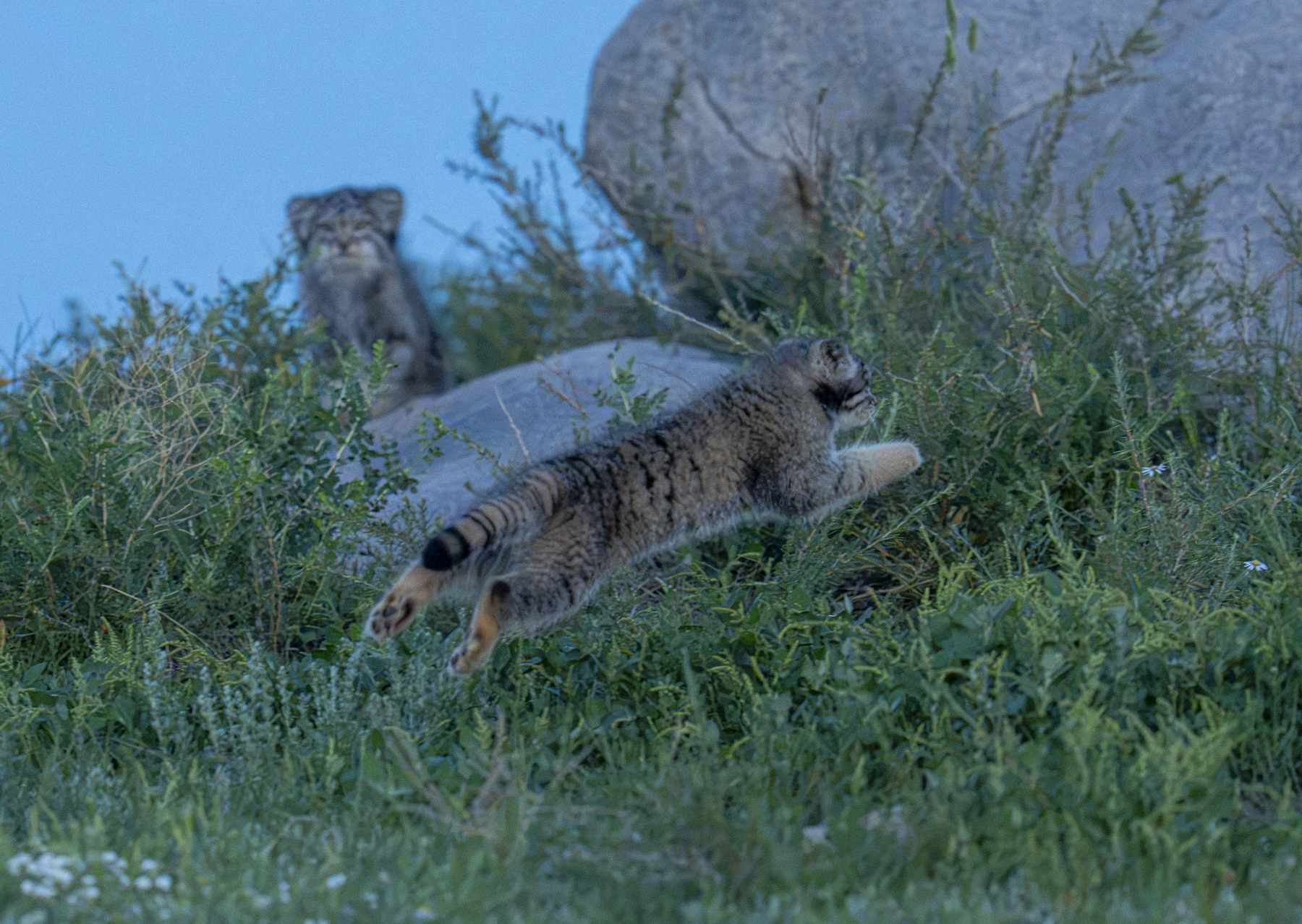
Pallas's Cat kittens (image by Mark Beaman)
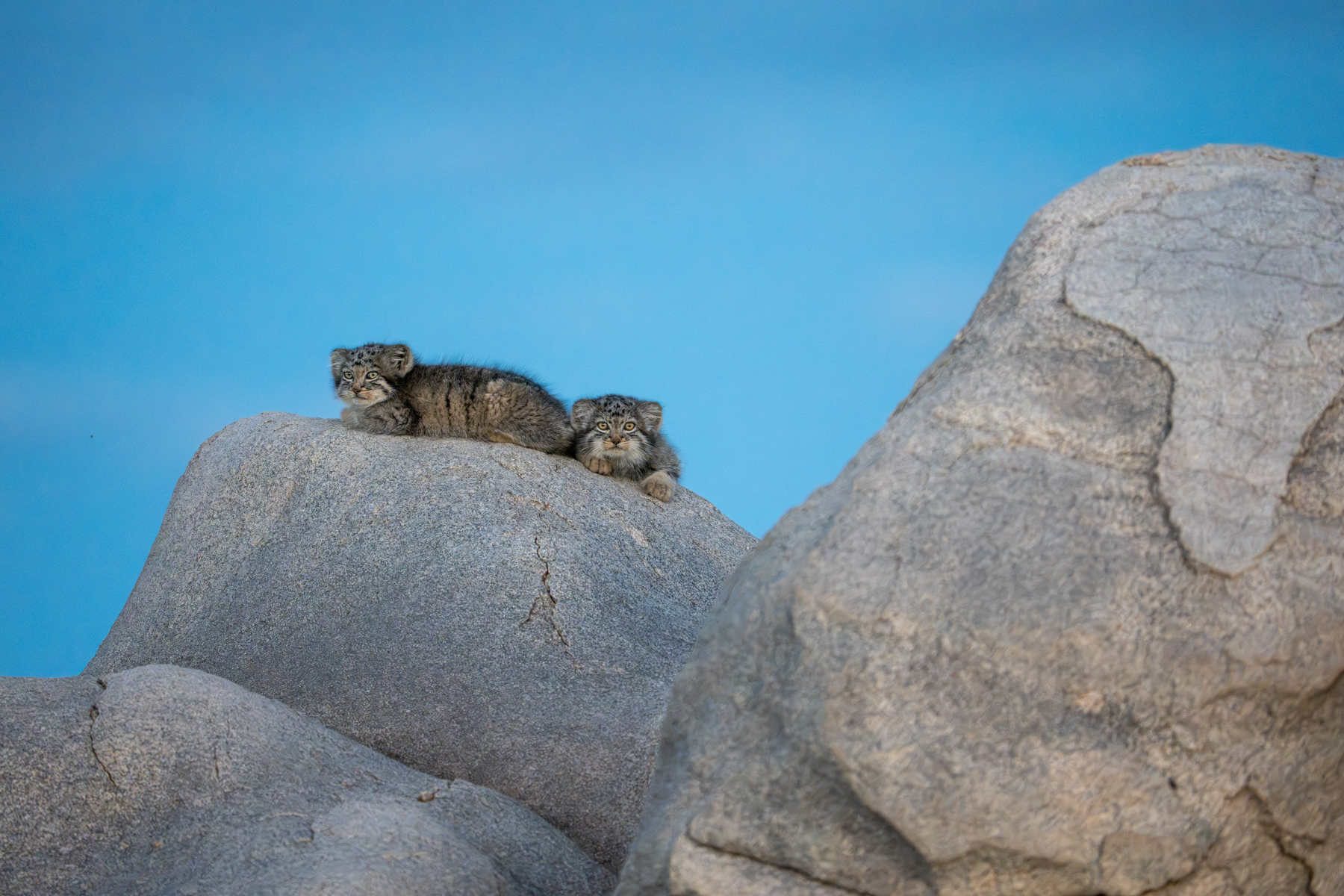
Pallas's Cat kittens in blue hour (image by Inger Vandyke)
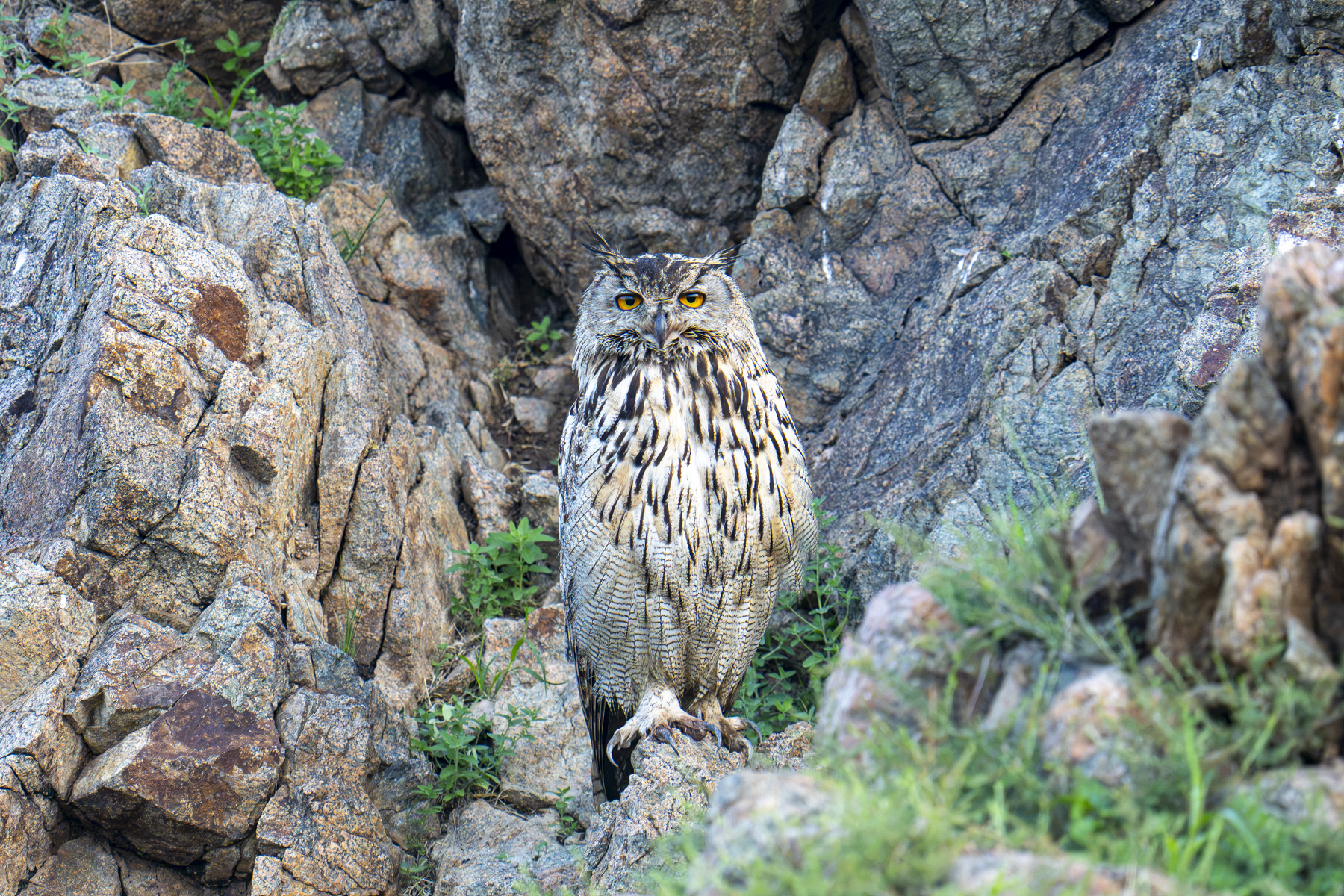
Eurasian Eagle-Owl (image by Mark Beaman)
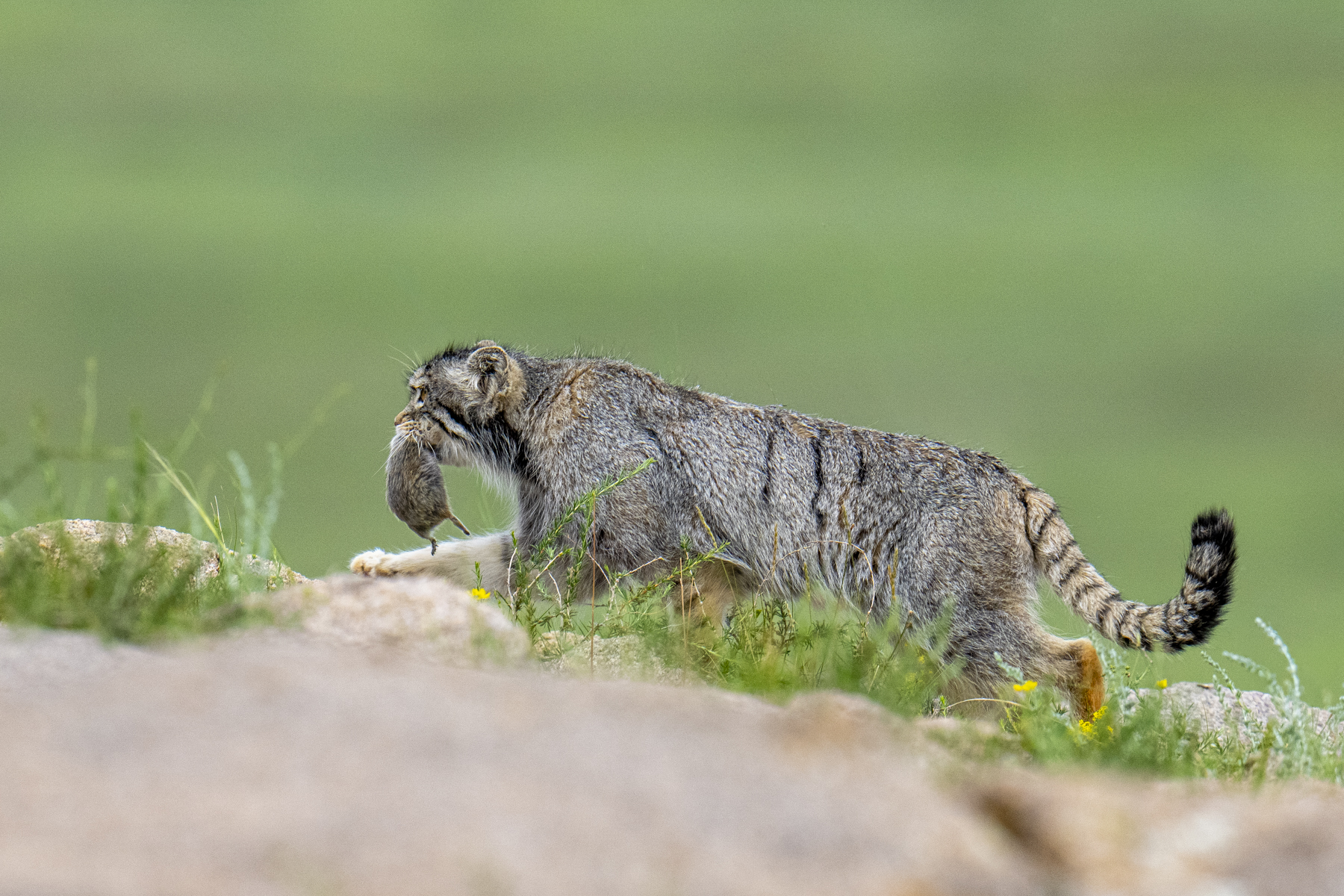
Pallas's Cat mother bringing a Brandt's Vole to her kittens (image by Mark Beaman)
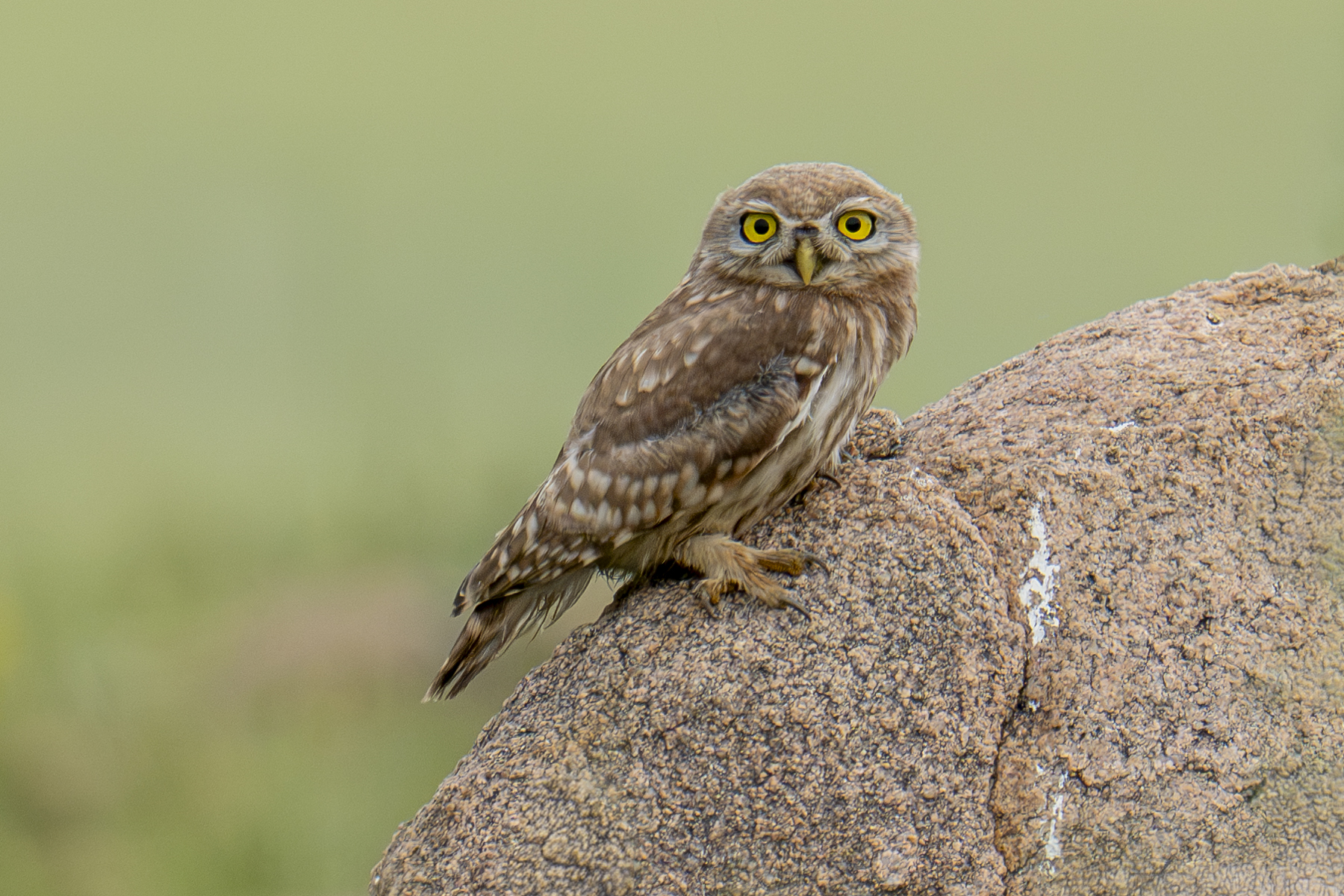
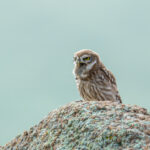
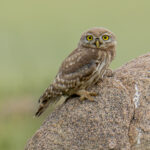
Little Owl (image by Mark Beaman)
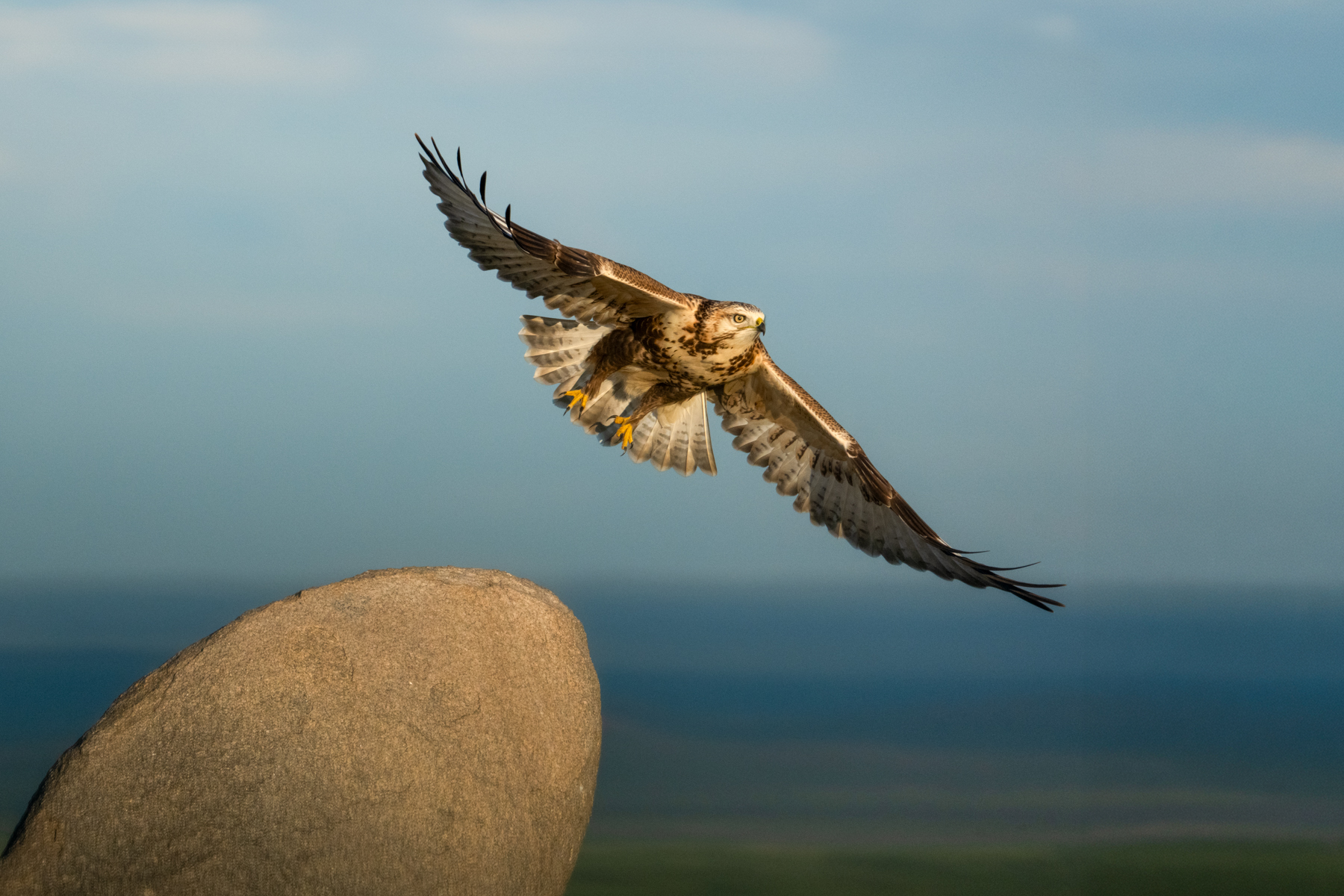
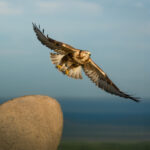
An Upland Buzzard takes flight from its rocky perch on the steppe (image by Inger Vandyke)
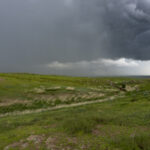
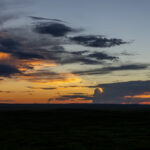


Summer squall in the steppe (image by Mark Beaman)
Pallas's Cat at sunset (image by Inger Vandyke)
Pallas's Cat kitten king of the rock (image by Inger Vandyke)
Pallas's Cat kittens (image by Mark Beaman)
Pallas's Cat kittens (image by Mark Beaman)
Kittens keeping guard from their den entrance (image by Inger Vandyke)
Pallas's Cat kittens in their den (image by Inger Vandyke)
Pallas's Cat mother and kitten at sunset (image by Inger Vandyke)
Demoiselle Cranes flying at dusk (image by Inger Vandyke)
Corsac Fox with Eurasian Tree Sparrow (image by Mark Beaman)
Pallas's Cat (image by Mark Beaman)
Mongolian horses are watchful of nearby, small, furry creatures (image by Inger Vandyke)
The endearing little Brandt's Vole (image by Mark Beaman)
Bactrian Camel (image by Inger Vandyke)
A mother Pallas's Cat suckles her kittens (image by Mark Beaman)
Brandt's Vole (image by Inger Vandyke)
Siberian Jerboa (image by Mark Beaman)
Time to wash those kittens! (image by Mark Beaman)
Genghis Khan statue (image by Mark Beaman)
Sneaking up on a bird (image by Inger Vandyke)
Pallas's Cat kittens (image by Mark Beaman)
Corsac Fox (image by Mark Beaman)
"I've got my eye on you!" (image by Inger Vandyke)
Steppe Eagle (image by Mark Beaman)
Corsac Fox (image by Inger Vandyke)
Pallas's Cat kittens playing (image by Mark Beaman)
Hungry Hoopoe chicks (image by Inger Vandyke)
Tiny Pallas's Cat kitten in a rock crack (image by Inger Vandyke)
"Got you!" (image by Inger Vandyke)
Dramatic sunsets feature spectacularly in Mongolia (image by Inger Vandyke)
What else is mummy's tail for, other than a plaything? (image by Inger Vandyke)
Pallas's Cat at sunset (image by Mark Beaman)
Eurasian Hoopoe bringing food to its hungry chick (image by Inger Vandyke)
Almost ready to fledge, two Eurasian Hoopoe chicks wait for their parents to return with food (image by Inger Vandyke)
Cinereous Vulture (image by Inger Vandyke)
Pallas's Cat kittens (image by Mark Beaman)
Curlew and Sharp-tailed Sandpipers (image by Mark Beaman)
Oriental Plover (image by Mark Beaman)
Pallas's Cat at sunset (image by Mark Beaman)
Eurasian Hoopoe with prey (image by Mark Beaman)
Eurasian Hoopoe on the rocks of the steppe (image by Inger Vandyke)
Mongolian Short-toed Lark (image by Mark Beaman)
Little Owl eating a Brandt's Vole (image by Mark Beaman)
Pallas's Cat kittens (image by Mark Beaman)
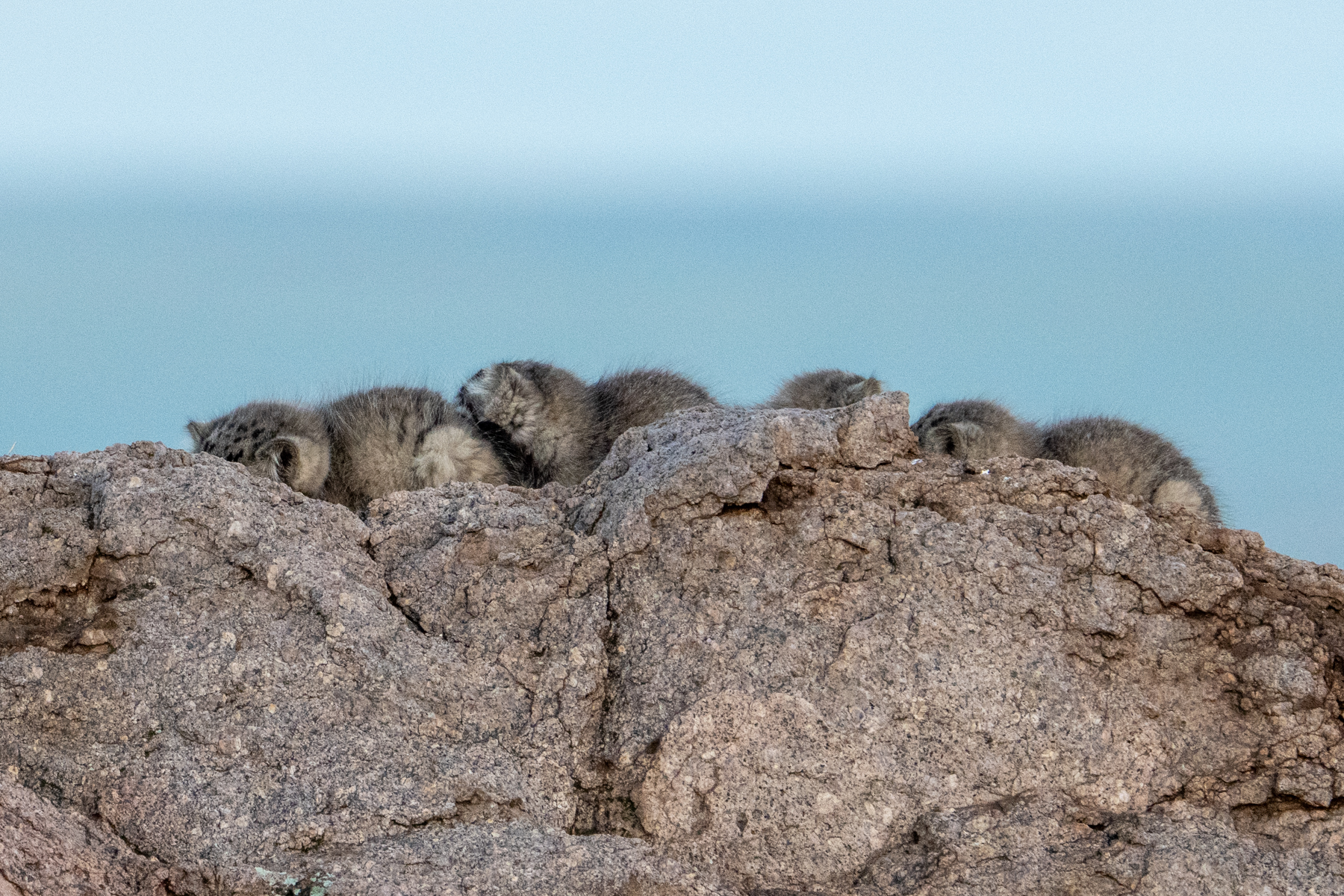
From a distance you would barely notice a group of sleeping kittens on a rock (image by Inger Vandyke)
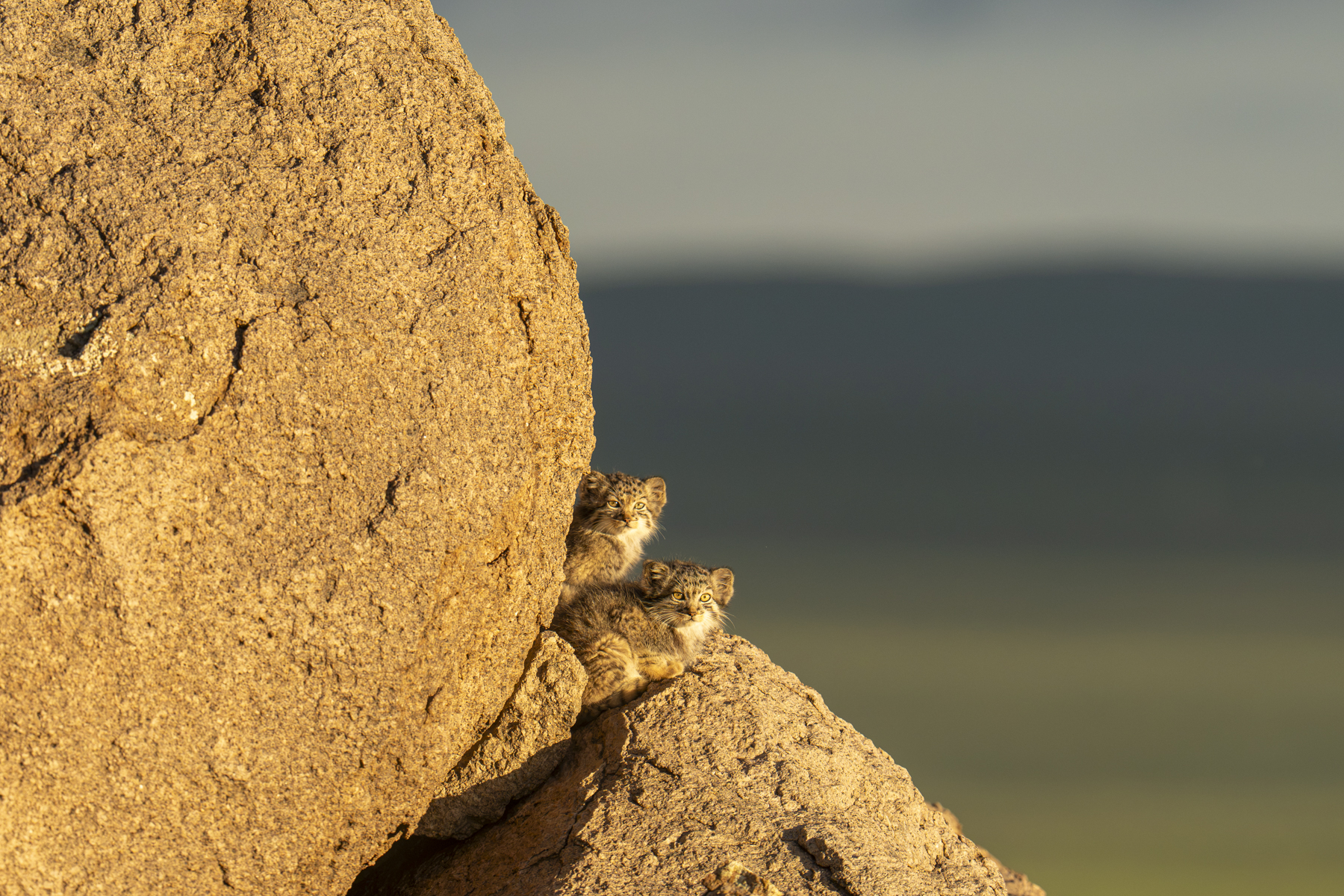
Pallas's Cat kittens (image by Mark Beaman)
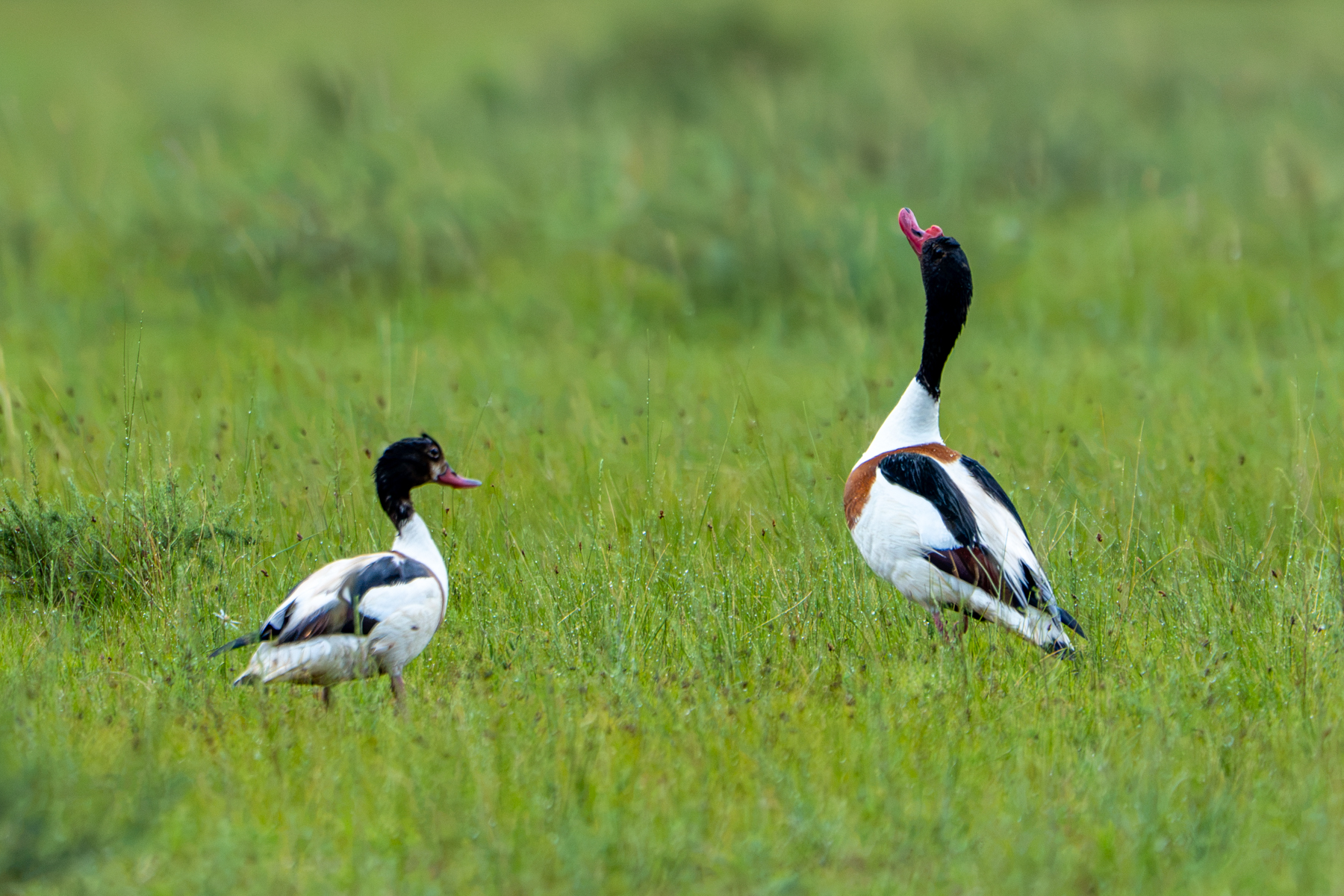
Common Shelduck pair (image by Inger Vandyke)
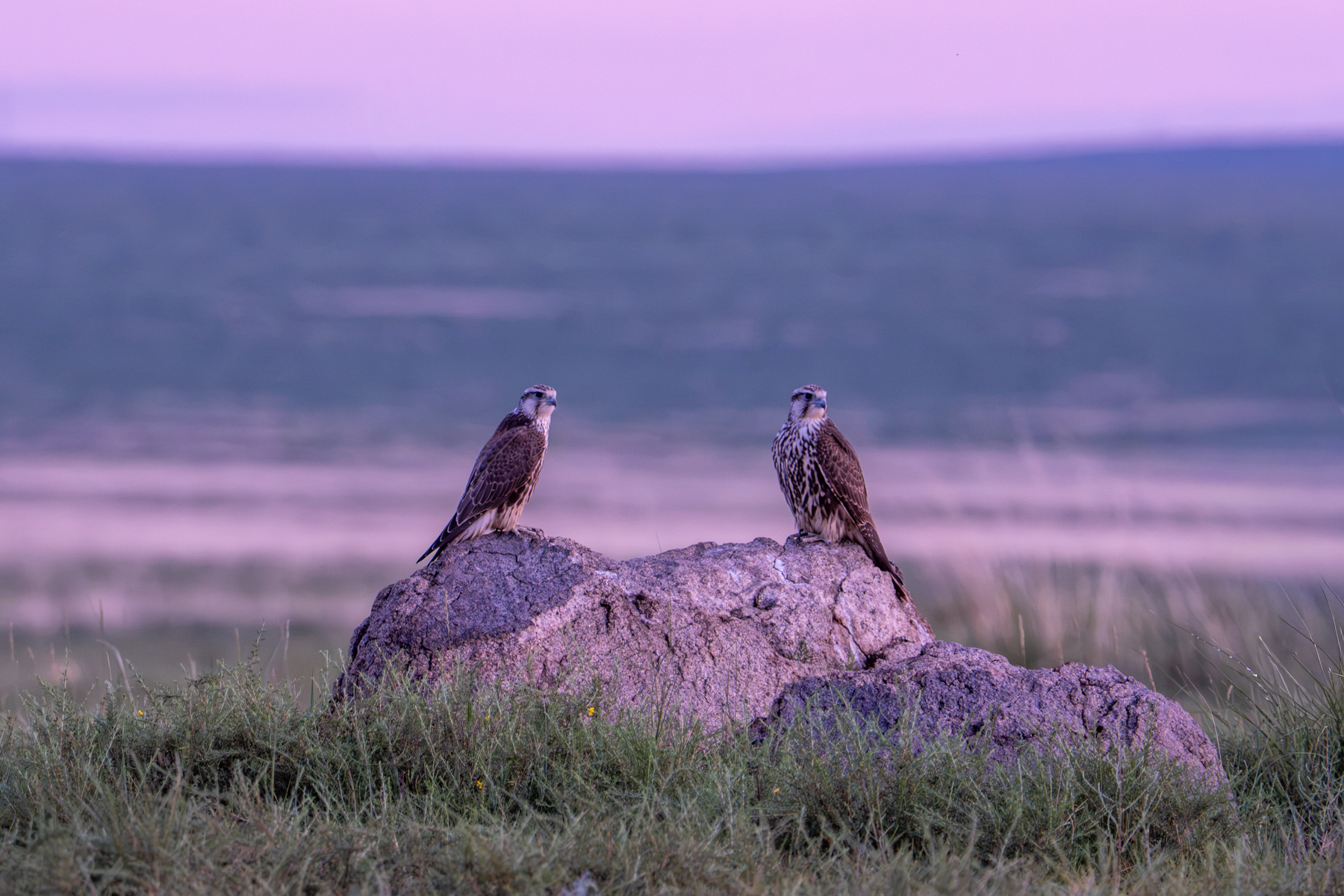
Saker Falcons at dusk (image by Inger Vandyke)
Saker Falcon (image by Mark Beaman)
Pallas's Cat kittens have blue-green eyes when very young (image by Mark Beaman)
A tiny kitten sneaks a glimpse from behind the rocks (image by Inger Vandyke)
Greetings are important in the cat world (image by Mark Beaman)
Demoiselle Cranes (image by Mark Beaman)
A Pallas's Cat mother enjoys the morning sun (image by Inger Vandyke)
Beautiful Pallas's Cats are possibly one of the world's most charismatic grumpy cats (image by Inger Vandyke)
Pallas's Cat mother bringing a Brandt's Vole to her kittens (image by Mark Beaman)
Catch me if you can (image by Inger Vandyke)
Sunset kittens (image by Inger Vandyke)
Demoiselle Crane (image by Mark Beaman)
Pallas's Cat mother with her adoring kitten (image by Inger Vandyke)
Pallas's Cat kittens (image by Mark Beaman)
Mongolian Lark (image by Mark Beaman)
Saker Falcons (image by Mark Beaman)
Pallas's Cat (image by Mark Beaman)
"You look that way! I have your back!" (image by Inger Vandyke)
Little Owl with prey (image by Inger Vandyke)
Oriental Plover chick (image by Mark Beaman)
"Please play mummy" (image by Inger Vandyke)
Steppe sunset in Eastern Mongolia (image by Mark Beaman)
Little Owl struggling to swallow its breakfast of Brandt's Vole (image by Inger Vandyke)
Eastern Mongolia is 'big sky country' (image by Mark Beaman)
"This rock is mine!" (image by Inger Vandyke)
Pallas's Cat mother and kittens (image by Mark Beaman)
Pallas's Cat in blue hour (image by Inger Vandyke)
Mongolian Short-toed Lark (image by Mark Beaman)
We love birds! Can we jump high enough to catch it? (image by Inger Vandyke)
Eurasian Eagle-Owl (image by Mark Beaman)
Pallas's Cat kittens (image by Mark Beaman)
Pallas's Cat mother and kitten (image by Mark Beaman)
The ultimate grumpy kitten (image by Inger Vandyke)
Pallas's Cat kitten 'in flight' (image by Mark Beaman)
Pallas's Cat mother bringing breakfast to her playful kittens (image by Inger Vandyke)
Pallas's Cat mother with her playful kitten wrapped around her (image by Inger Vandyke)
Pallas's Cat kittens playing chase on the rocks (image by Inger Vandyke)
Pallas's Cat mother and kittens (image by Mark Beaman)
A line of little faces on a large granite boulder in the steppe (image by Inger Vandyke)
Pallas's Cat kittens (image by Mark Beaman)
Pallas's Cat kittens in blue hour (image by Inger Vandyke)
Eurasian Eagle-Owl (image by Mark Beaman)
Pallas's Cat mother bringing a Brandt's Vole to her kittens (image by Mark Beaman)
Little Owl (image by Mark Beaman)
An Upland Buzzard takes flight from its rocky perch on the steppe (image by Inger Vandyke)


We had enjoyed many encounters with Pallas’s Cat during our autumn, winter and spring tours in the Himalayas, China and Mongolia, but we were greatly looking forward to our inaugural visit to eastern Mongolia in summer in order to see and photograph Pallas’s Cats with their delightful kittens. We were not to be disappointed!
Our group assembled in Ulaanbaatar, and after a pleasant overnight stay at a good hotel, we started out on the long journey to the Khalzan region of eastern Mongolia. The journey through the mostly empty landscapes of steppes, hills and winding rivers took us much of the day. It was fascinating to see the Mongolian steppes in their bright green ‘summer clothing’, with lush grass (knee-high in places) and a myriad of wildflowers. How very different from the short yellowish grass of autumn and the snowy scenes of winter! Summer is much the wettest time of year in largely dry Mongolia, and indeed it rained for much of the day, moderating the summer heat.
Eventually we reached our base, the Steppe Wildlife Conservation & Research Centre founded by Otgonbayar Baatargal and his wife Buyandelger Suuri (Ogii and Buyanaa for short), the two leading experts on Pallas’s Cats in Mongolia. In spite of the accommodation being in simple gers (ger is Mongolian for yurt), identical to those still used to this day by Mongol nomads but with fancier beds, the camp is quite comfortable. There was a large, well-equipped ‘dining ger’, complete with a filter coffee maker, and a modern toilet and shower block with ample hot water. The pit toilets and simple wash basins are now a thing of the past.
During the summer months, the cats and their kittens are most active from the pre-dawn to a couple of hours after sunrise and again from a couple of hours before sunset until post-dusk. So, our daily regime was set to match theirs to a large degree, although obviously avoiding darkness. We would leave our base in the dark and then return for breakfast, take a long break in the often hot middle of the day (lunch was optional for those preferring to sleep) and then head out again before returning for a late dinner.
We headed out on our first morning with mounting excitement. Would the kittens perform well for us? We were to visit a den with no fewer than six kittens! How hard could it be to get great shots? So began the most frustrating and least rewarding of our six full days at Khalzan!
Hide (or blind) photography for Pallas’s Cat kittens involves sitting behind a portable screen of black nylon material with holes cut for lenses, supported by metal poles and guy cords. We were soon to realise why this kind of hide is vital at this season. The kittens get moved from den to den by their mothers, mostly because she soon runs out of vole and gerbil prey around each den site, so it is more efficient to move the kittens to another of the many rock piles that dot the steppe than travel further afield, never mind the higher risk of leaving the kittens for long periods. The foxes and eagles are always on the lookout.
We arrived at the den site before sunrise and sat behind our screen and waited, and waited. Had the kittens moved? Adding to the frustration, we could see another den about 500 metres away where four kittens were climbing on the rocks, jumping off them, stalking and chasing each other, etcetera etcetera! Finally, after what seemed an age, a first tiny kitten appeared in a rock crevice, peering out at us and displaying the blue-green eyes that only very young kittens show. What a relief! Gradually its siblings appeared, but they were clearly nervous and not willing to risk playing around. Eventually they retreated to sleep in the interior of their rocky fortress, and we left for camp feeling that kitten photography was going to be much more of a challenge than we expected.
Ogii was keen to return to the same den, as six kittens is not something commonplace with Pallas’s Cats, but sadly the afternoon session at the same den was even less rewarding. It took over two hours for a single kitten, or perhaps two different individuals, to appear on either side of the rock pile, and only briefly. What an unexpected introduction!
Well, after that kind of start, I requested that we go to the den with the four topsy-turvy active kittens the next morning, and that changed our fortunes. The whole morning session was amazing, with kittens zooming around, climbing, fighting, tumbling, jumping at annoyingly hovering wheatears, or just peering fearlessly at our hide from the top of the rocks. Even their mother turned up to feed them. What a difference a day makes, as they say!
Ogii suggested that we try out a new den, also with six kittens, in a different area in the late afternoon, and this time it proved a great choice. The kittens at this den were a bit older and braver and put on a superb show for us, with all six visible simultaneously on top of their rocky pile. In the course of a single day, we had gone from almost zero good shots to hundreds!
After this we never looked back, apart from the next morning when overnight rain had rendered the dirt tracks too slippery to negotiate. Even then things had dried out by lunchtime and our afternoon kitten session was splendid. On no day of the expedition did we record under four Pallas’s Cats, whether kittens or adults, and on some days we recorded eleven individuals.
We particularly enjoyed watching the older kittens that had lost their fear of leaving the immediate den site and were busy learning how to stalk prey in the grassy steppe or ambush each other. The ‘kitten zooming’ was a joy to watch as the mock battles continued apace, and sometimes they came just a few metres from us.
Watching the mothers bring prey to the hungry kittens, or groom or suckle them at the dens was another delight. It was noticeable how unconcerned they were. The mother cats always knew we were there and kept an eye on the screen, but they were generally relaxed about our presence, and we enjoyed some memorable encounters with them and their families.
Summer trips into the eastern Mongolian steppes are rightly dominated by Pallas’s Cat encounters, but there was plenty of other wildlife to see. Corsac Foxes were everywhere. We could even see double figures in a day, and sometimes they would stop and watch us rather than race off. The ones around the camp were especially inquisitive and almost fearless. At night, by using a thermal imager, we could watch them hunting cute little Siberian Jerboas and Campbell’s Dwarf Hamsters.
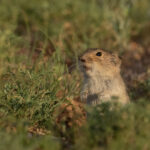
The two main prey species for the Pallas’s Cats are Brandt’s Vole and Mongolian Gerbil, both of which are exceedingly common in the Khalzan region. Not only the cats but also Steppe Eagles, Upland Buzzards, Saker Falcons and Corsac Foxes feast on these easy pickings during summer. The camp itself was alive with Brandt’s Voles, which popped into their many holes when we walked about the area, or raced away to some safer spot. Gerbils were less numerous but equally sweet to watch, sometimes ‘kissing’ each other.
On one occasion we stopped at a rocky gulley where a pair of huge Eurasian Eagle-Owls were nesting. They gave us some great photographic opportunities as they peered at us balefully or flew from rock to rock. At the other end of the scale were the tiny Little Owls that inhabited the same types of rock pile as the Pallas’s Cats.
The steppe was home to many larks, including the big Mongolian Lark and the smaller Mongolian Short-toed Lark, while sandy areas with rodent holes provided nesting places for smart little Pere David’s Snowfinches.
Wetlands were decidedly limited in the Khalzan area, but damper grasslands were home to elegant black, white and silver-grey Demoiselle Cranes while short grass plains held the uncommon and beautiful Oriental Plover, some of which had tiny, long-legged chicks.
Eventually our week at Khalzan was over, but we returned to Ulaanbaatar more than satisfied and with thousands of images of the kittens, their mothers and other wildlife. That frustrating first day was all but forgotten!
Most of our stay had seen pleasant sunny weather, and our run back to the city was no exception. So we managed to make a stop at the Gun Galuut wetlands where, in addition to the beautiful White-naped Cranes that nest there, we came across no fewer than eleven magnificent oversummering Siberian Cranes and even an unexpected Hooded Crane. At the shores of the main lagoon, where numerous Ruddy Shelducks were showing off their finery, we came across a mixed flock of Sharp-tailed Sandpipers and Curlew Sandpipers still showing off their chestnut and russet breeding plumage.
Our final stop before a good dinner and our last evening together was at the gigantic Chinggis (Genghis) Khaan statue to the east of the city. A mix of impressive and hideous, the statue towers above the steppes where the Mongol nation came into being and made its mark on history. In the Khalzan steppes, some two hundred generations of Pallas’s Cats have walked the land since those glory days…
SYSTEMATIC LIST OF SPECIES RECORDED
Species marked with the diamond symbol (◊) are either endemic to the country or local region or considered ‘special’ for some other reason.
MAMMALS
Pallas’s Cat (Manul) ◊ Otocolobus manul
Corsac Fox ◊ Vulpes corsac
Mongolian Gazelle ◊ Procapra gutturosa
Siberian (or Mongolian Five-toed) Jerboa ◊ Orientallactaga sibirica
Brandt’s Vole Lasiopodomys brandtii
Campbell’s Dwarf Hamster ◊ Phodopus campbelli
Mongolian Jird (or Mongolian Gerbil) Meriones unguiculatus
BIRDS
Common Shelduck Tadorna tadorna
Ruddy Shelduck Tadorna ferruginea
Common Goldeneye Bucephala clangula
Common Pochard Aythya ferina
Tufted Duck Aythya fuligula
Northern Shoveler Spatula clypeata
Gadwall Mareca strepera
Eurasian Wigeon Mareca penelope
Mallard Anas platyrhynchos
Green-winged Teal Anas crecca
Hill Pigeon ◊ Columba rupestris
Rock Dove (Rock Pigeon) (feral) Columba livia
Eurasian Coot Fulica atra
Siberian Crane ◊ Leucogeranus leucogeranus
White-naped Crane ◊ Antigone vipio
Demoiselle Crane ◊ Grus virgo
Common Crane Grus grus
Hooded Crane ◊ Grus monacha
Black-winged Stilt Himantopus himantopus
Northern Lapwing Vanellus vanellus
Oriental Plover ◊ Anarhychus veredus
Black-tailed Godwit ◊ [Eastern Black-tailed Godwit] Limosa [limosa] melanuroides
Green Sandpiper Tringa ochropus
Wood Sandpiper Tringa glareola
Common Redshank Tringa totanus
Sharp-tailed Sandpipier ◊ Calidris acuminata
Curlew Sandpiper Calidris ferruginea
Gull-billed Tern Gelochelidon nilotica
Black-headed Gull Chroicocephalus ridibundus
Mongolian Gull ◊ Larus mongolicus
Black Stork Ciconia nigra
Fork-tailed Swift Apus pacificus
Common Swift Apus apus
Little Owl Athene noctua
Eurasian Eagle-Owl Bubo bubo
Cinereous (or Eurasian Black) Vulture Aegypius monachus
Steppe Eagle Aquila nipalensis
Golden Eagle Aquila chrysaetos
Black Kite [Black-eared Kite] Milvus [migrans] lineatus
Upland Buzzard ◊ Buteo hemilasius
Common (or Eurasian) Hoopoe Upupa epops
Common Kestrel Falco tinnunculus
Saker Falcon ◊ Falco cherrug
Isabelline Shrike Lanius isabellinus
Red-billed Chough Pyrrhocorax pyrrhocorax
Eurasian Magpie Pica pica
Daurian Jackdaw ◊ Coloeus dauuricus
Rook ◊ [Oriental Rook] Corvus [frugilegus] pastinator
Northern (or Common) Raven Corvus corax
Eurasian Skylark Alauda arvensis
Horned Lark [Mongolian Horned Lark] ◊ Eremophila [alpestris] brandti
Mongolian Short-toed Lark ◊ Calandrella dukhunensis
Mongolian Lark ◊ Melanocorypha mongolica
Asian Short-toed Lark ◊ Alaudala cheleensis
Barn Swallow Hirundo rustica
Siberian House Martin Delichon lagopodum
White-cheeked Starling ◊ Spodiopsar cineraceus
Pied Wheatear Oenanthe pleschanka
Northern Wheatear Oenanthe oenanthe
Isabelline Wheatear Oenanthe isabellina
Rock Sparrow (or Rock Petronia) Petronia petronia
Pere David’s (or Small) Snowfinch ◊ Pyrgilauda davidiana
Eurasian Tree Sparrow Passer montanus
Blyth’s Pipit ◊ Anthus godlewskii
Twite Linaria flavirostris
Pallas’s Reed Bunting ◊ Emberiza pallasi
Mark Beaman
Mark Beaman lives in the Forest of Bowland in Lancashire with his Australian partner and fellow photographer Inger Vandyke. He is Managing Director of Wild Images. Mark has travelled to every continent, including Antarctica, to view and photograph wildlife and has a worldwide interest in every aspect of wildlife travel.