
Costa Rica: The Forest Jewel of Central America Tour Report 2026
28 May 2026
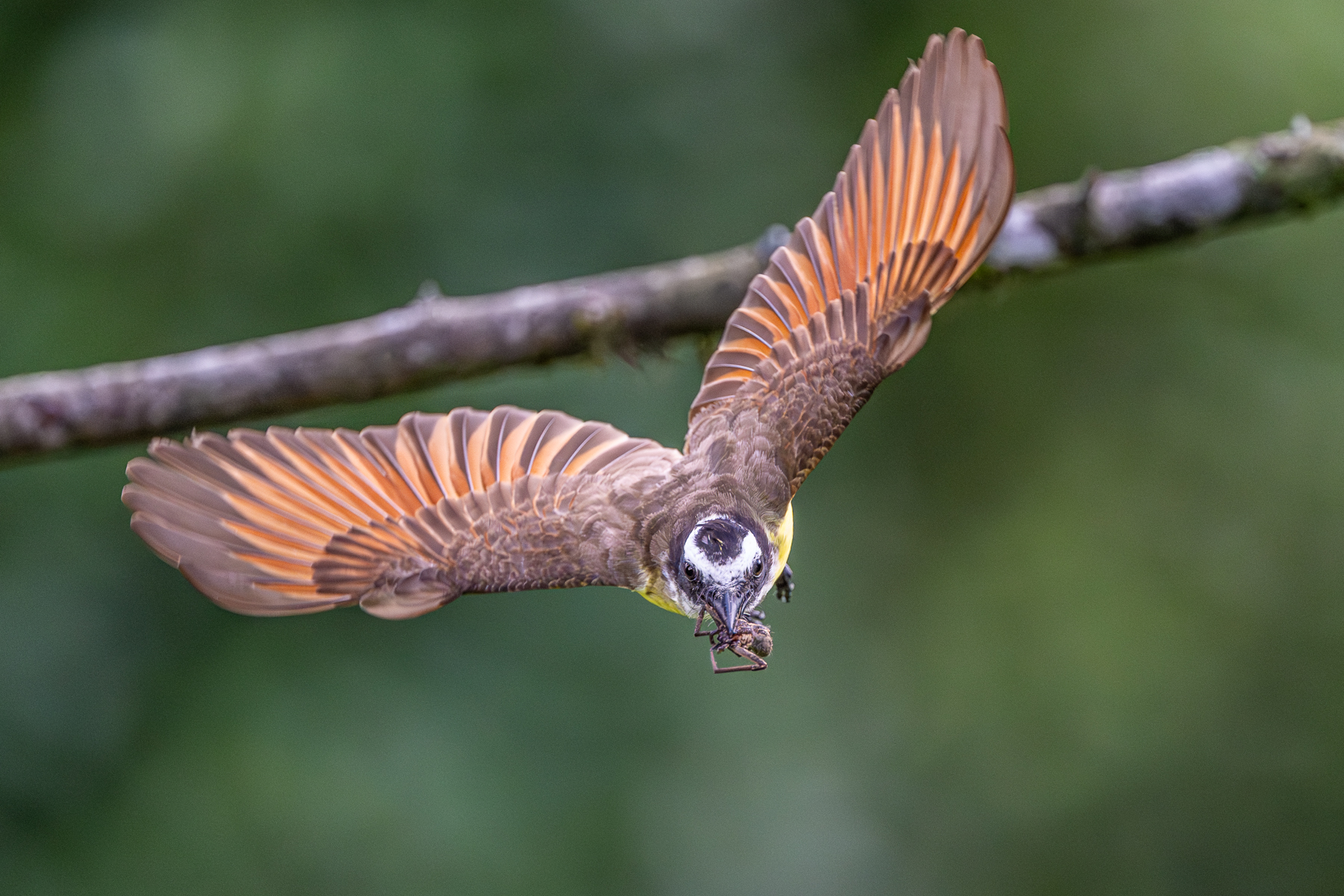
This Great Kiskadee was nesting right behind the observation deck, providing more or less reliable flight paths (image by Oliver Krueger)
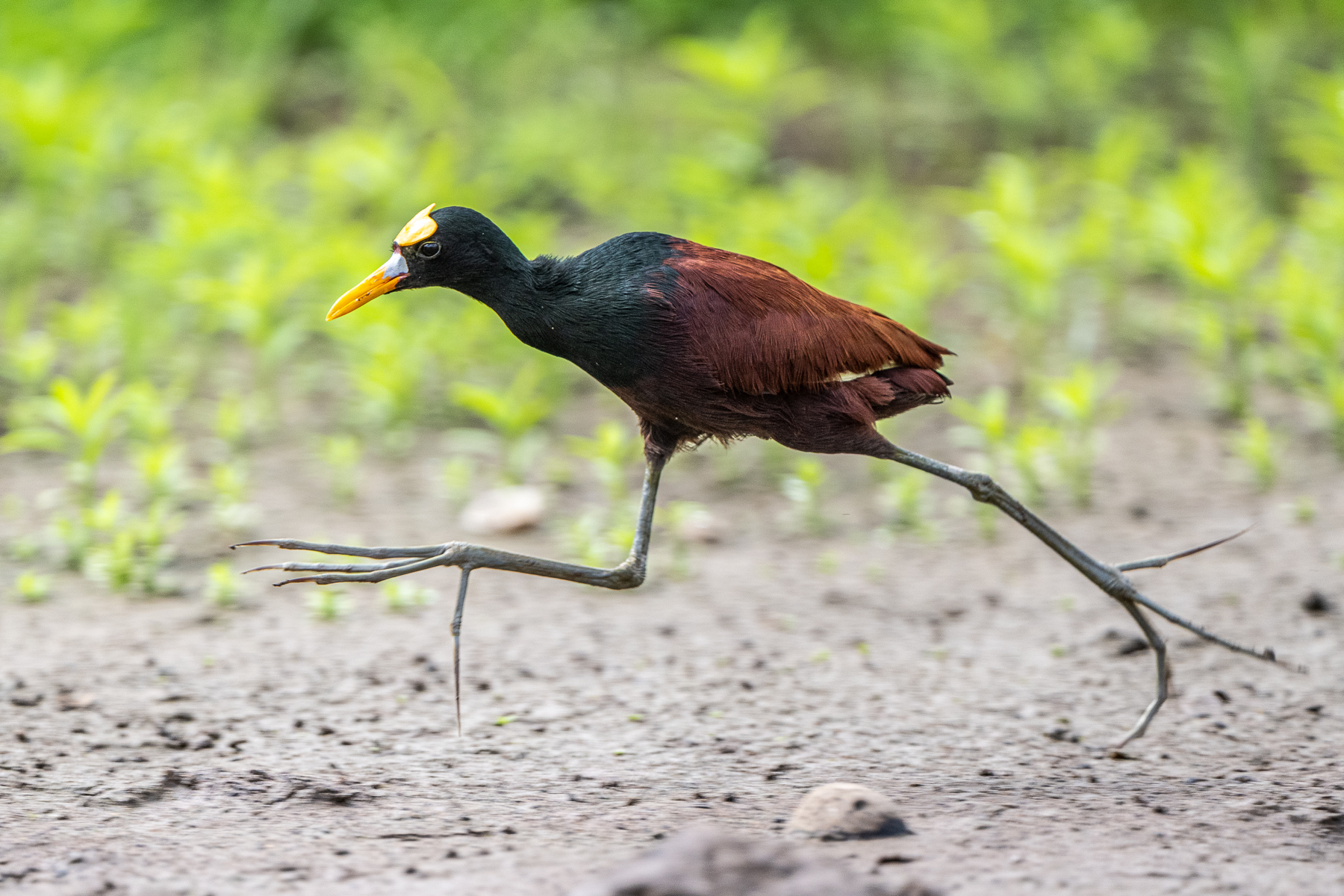
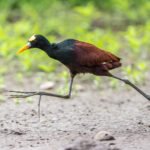
Normally slow, this Northern Jacana dashes by (image by Oliver Krueger)
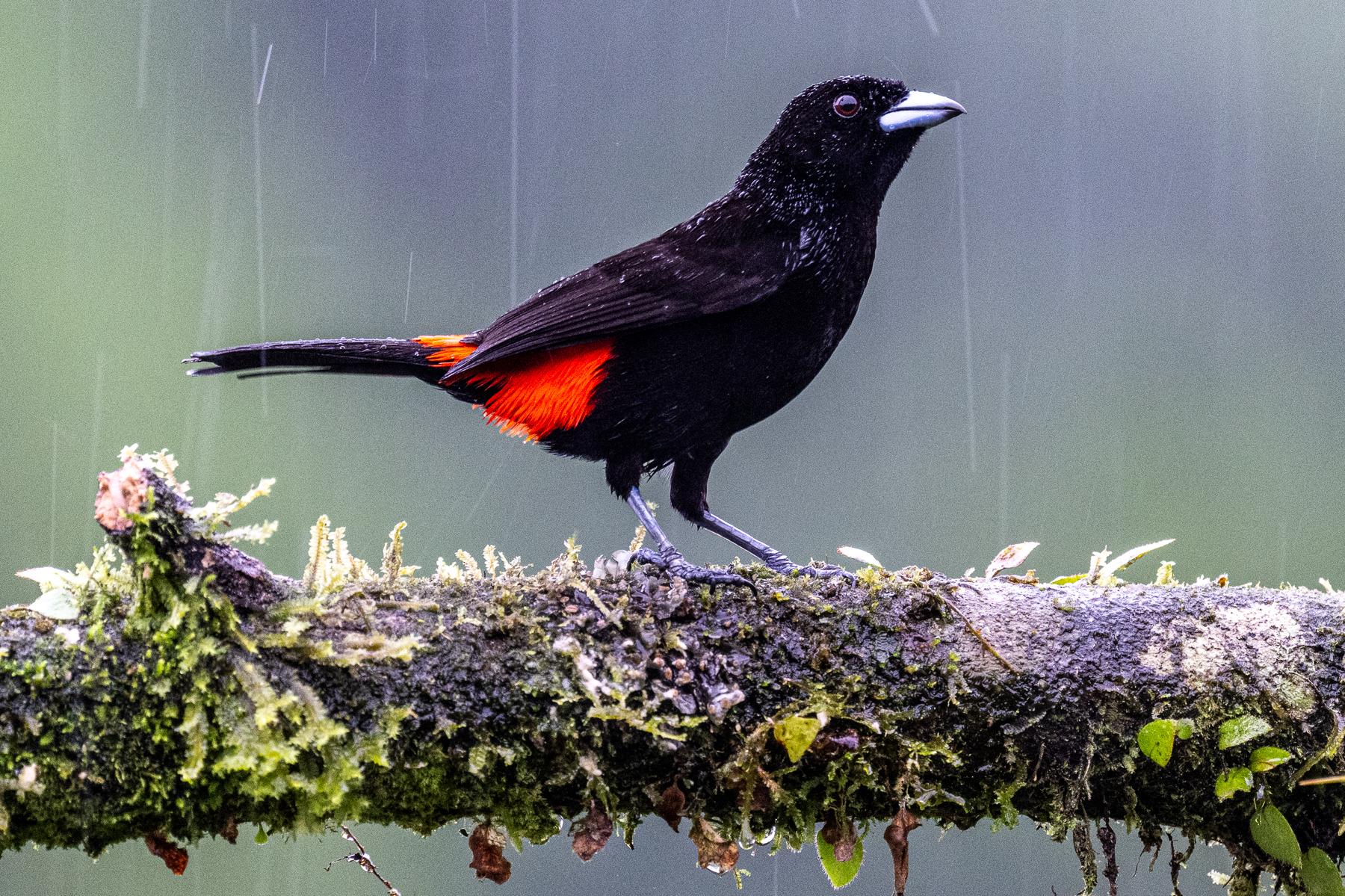
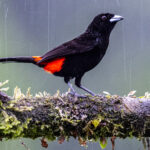
Who cares about the rain if you're a beautiful, Scarlet-rumped Tanager (image by Oliver Krueger)
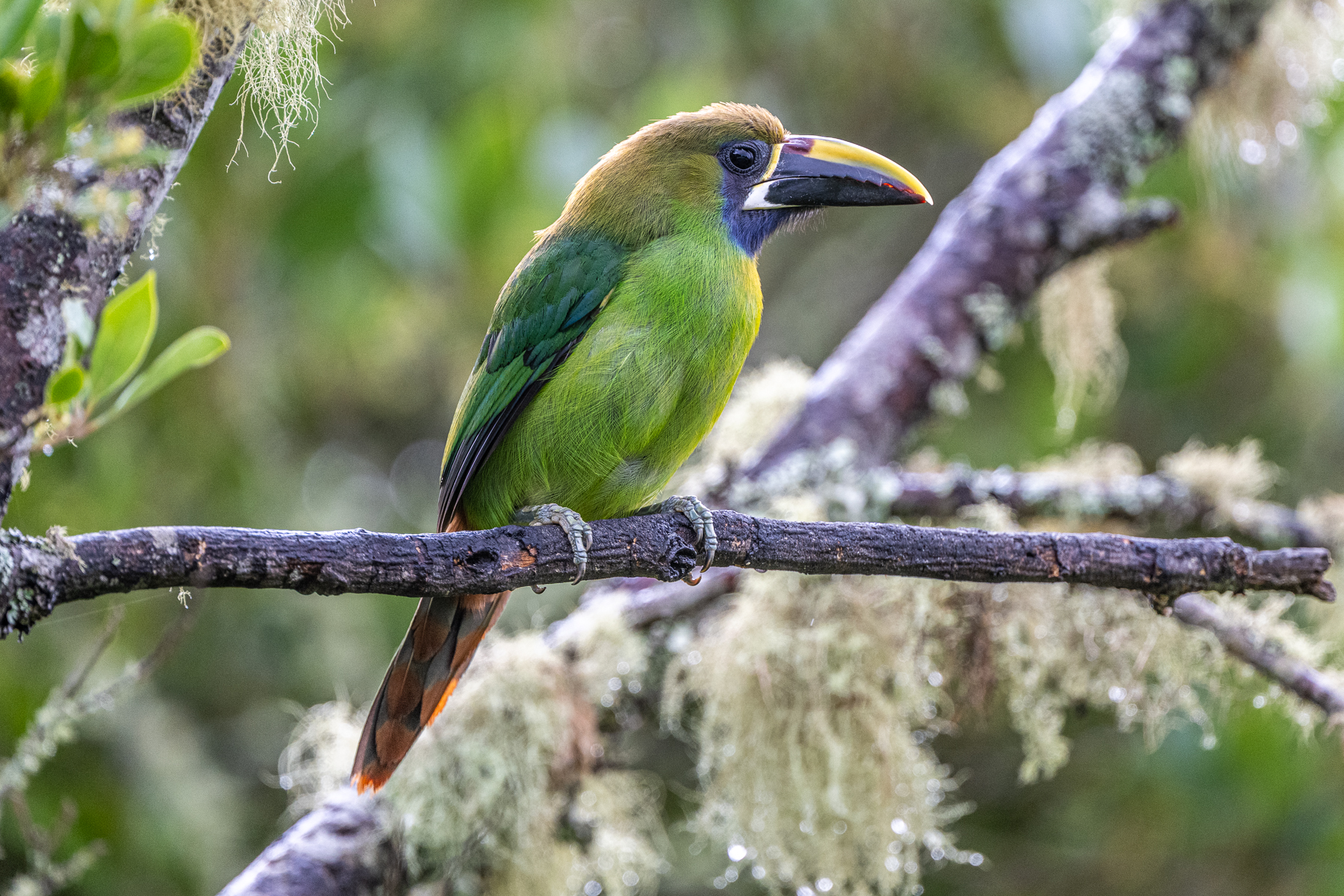
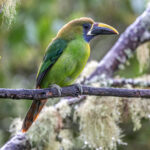
The toucanets are small versions of their bigger cousins, Emerald Toucanet (image by Oliver Krueger)
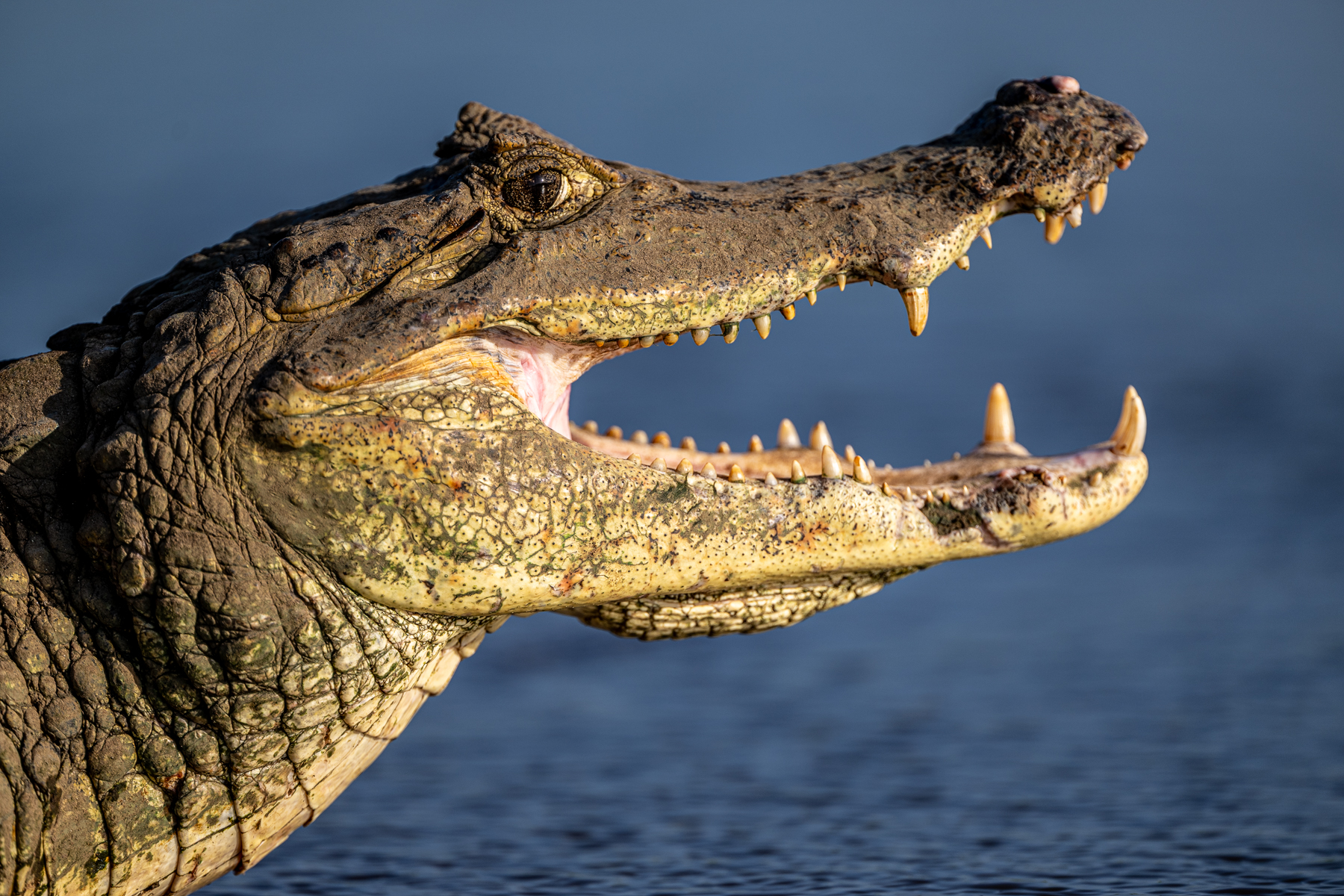
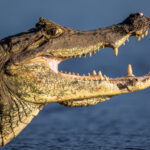
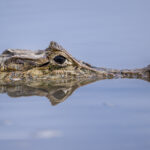
The lagoon of Cano Negro is one of the best places to photograph Spectacled Caimans at close range (image by Oliver Krueger)
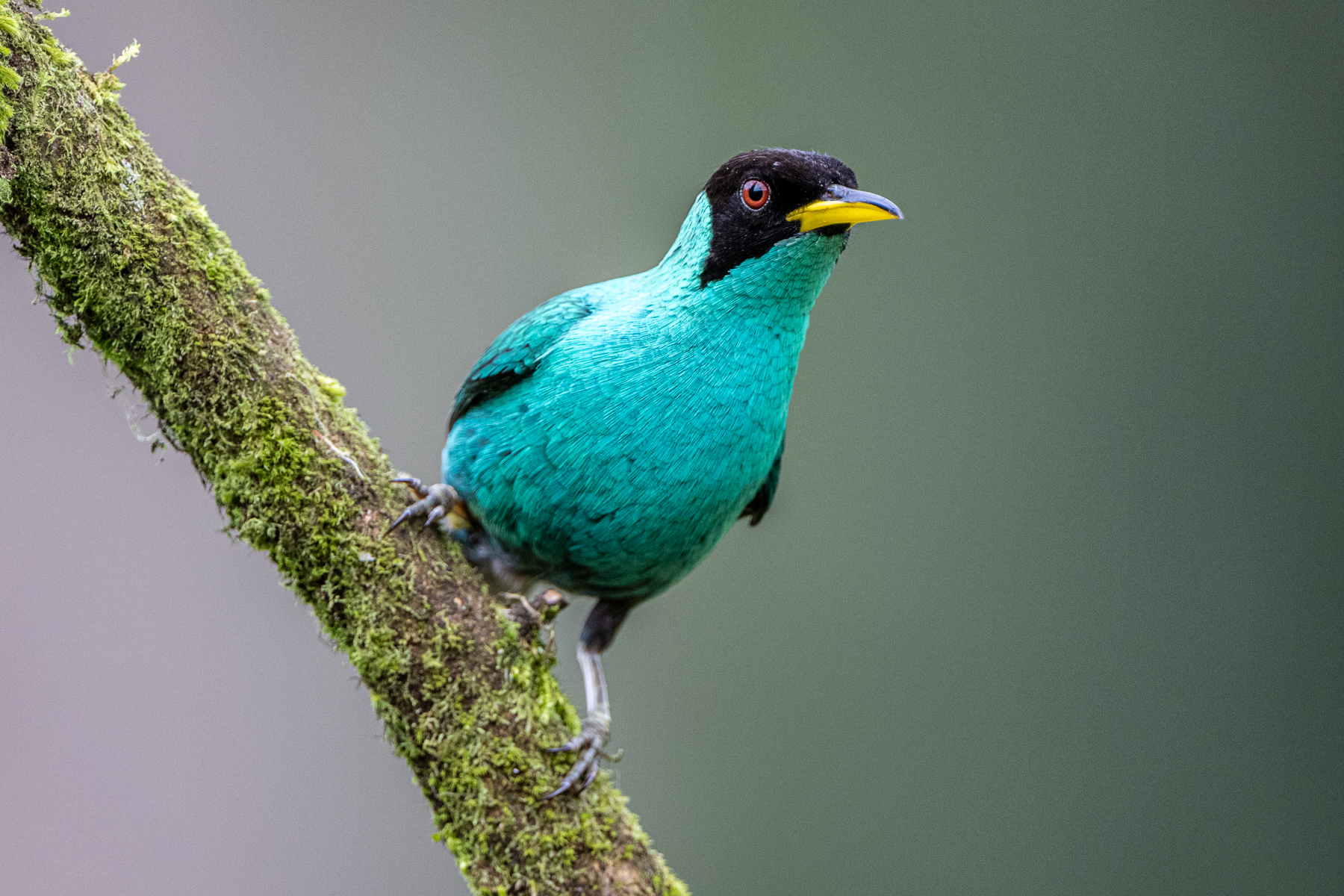
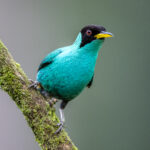
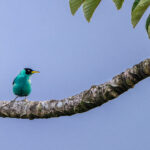
Portrait of a stunning Green Honeycreeper (image by Oliver Krueger)
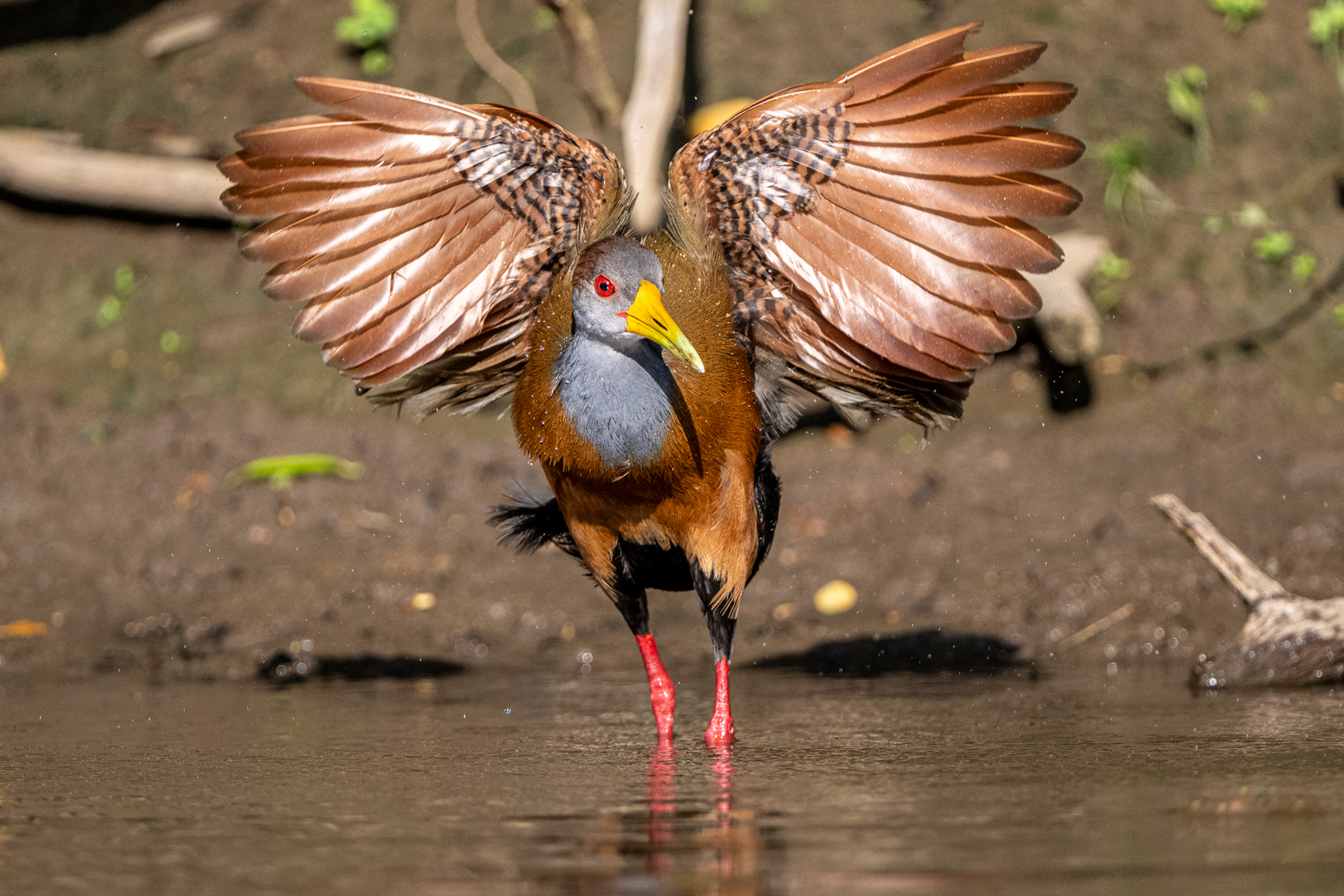
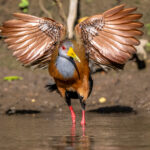
Flexing its wings after a bath, Gray-necked Wood Rail (image by Oliver Krueger)
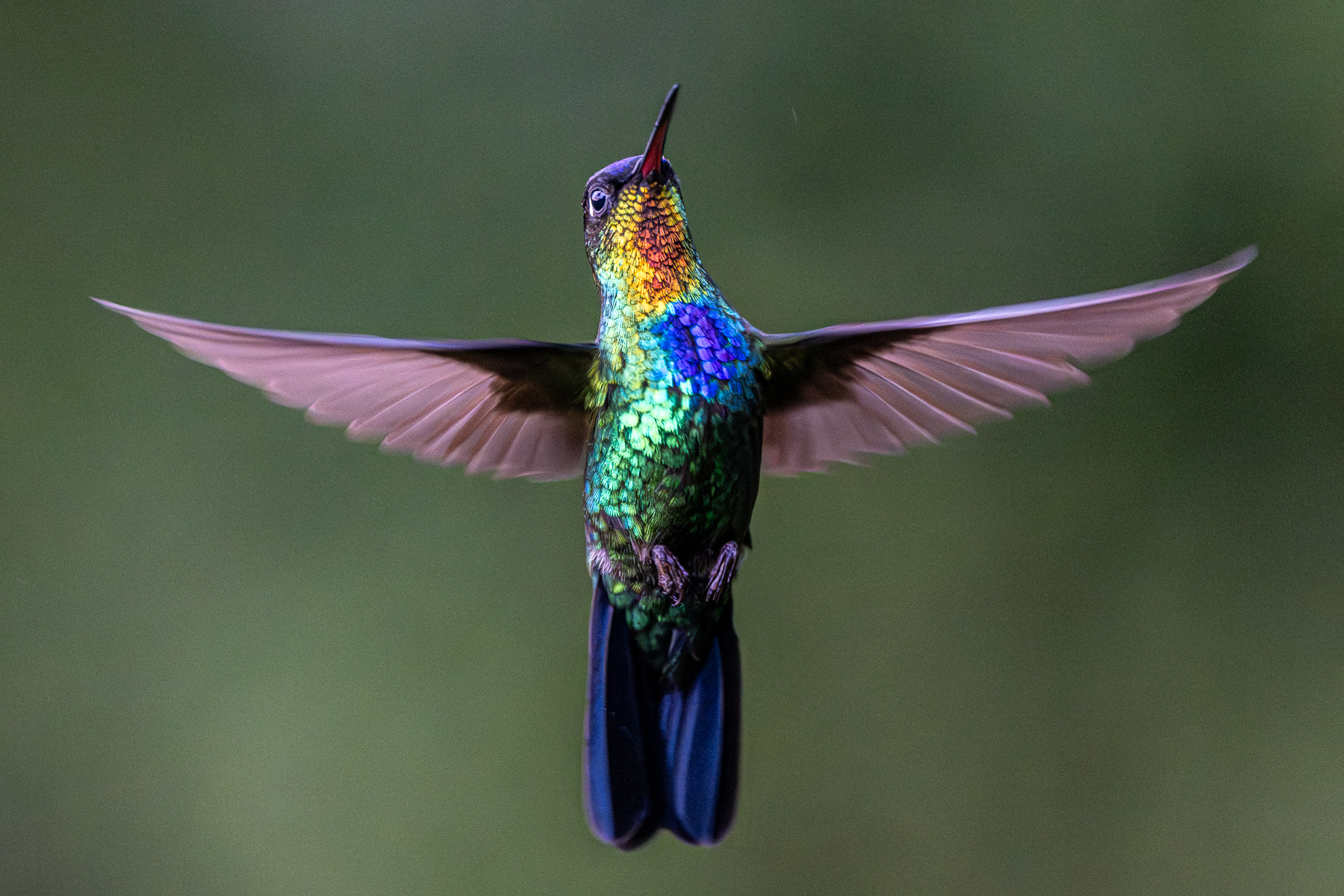
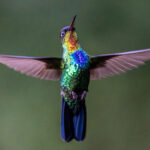
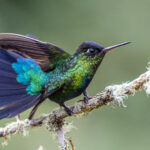
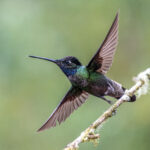
Nothing prepares one for the flash of light of all sorts of colours on a Fiery-throated Hummingbird (image by Oliver Krueger)
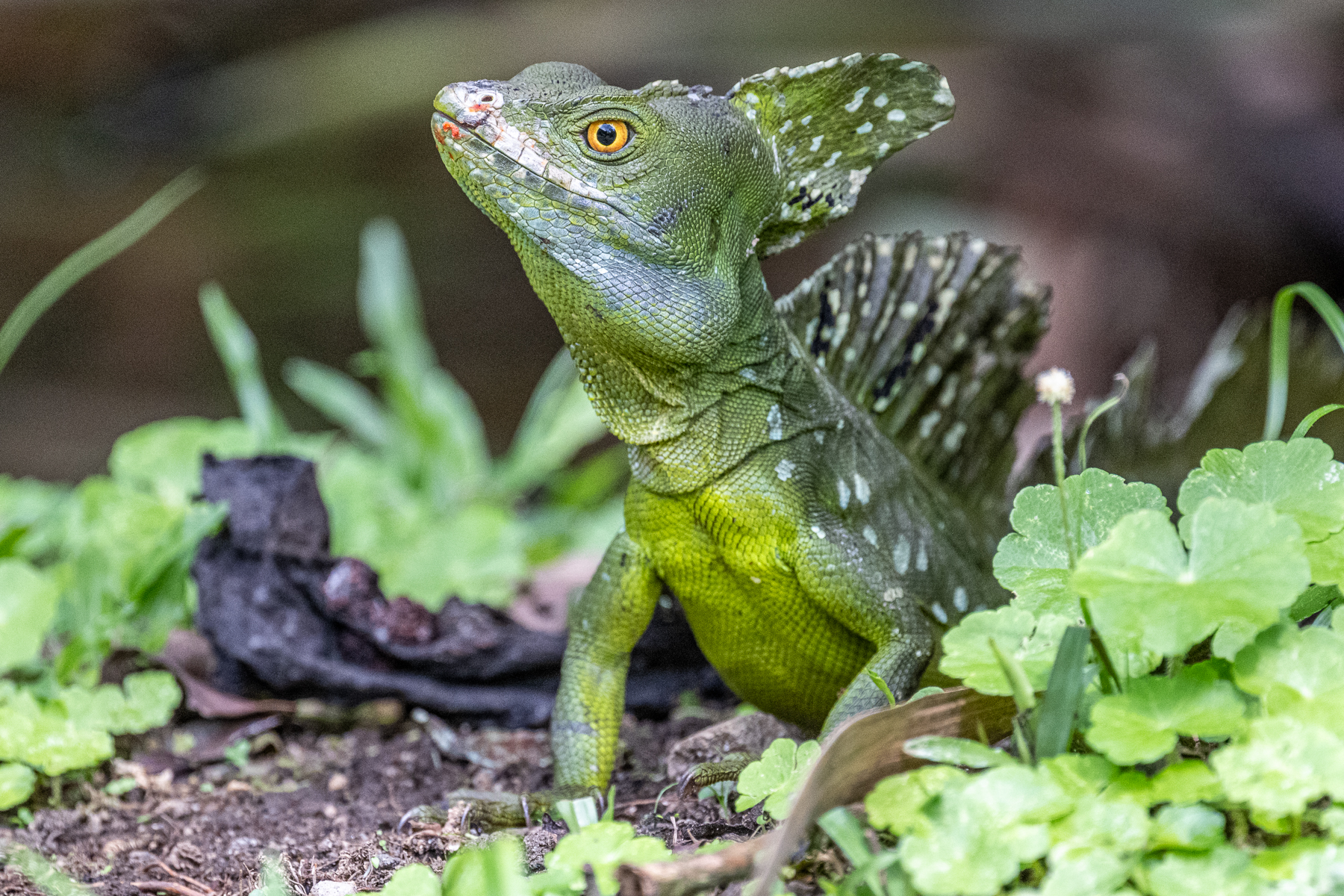
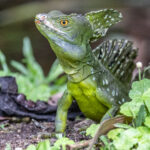
With their long and agile feet, Emerald Basilisks are famous for being able to run over water (image by Oliver Krueger)
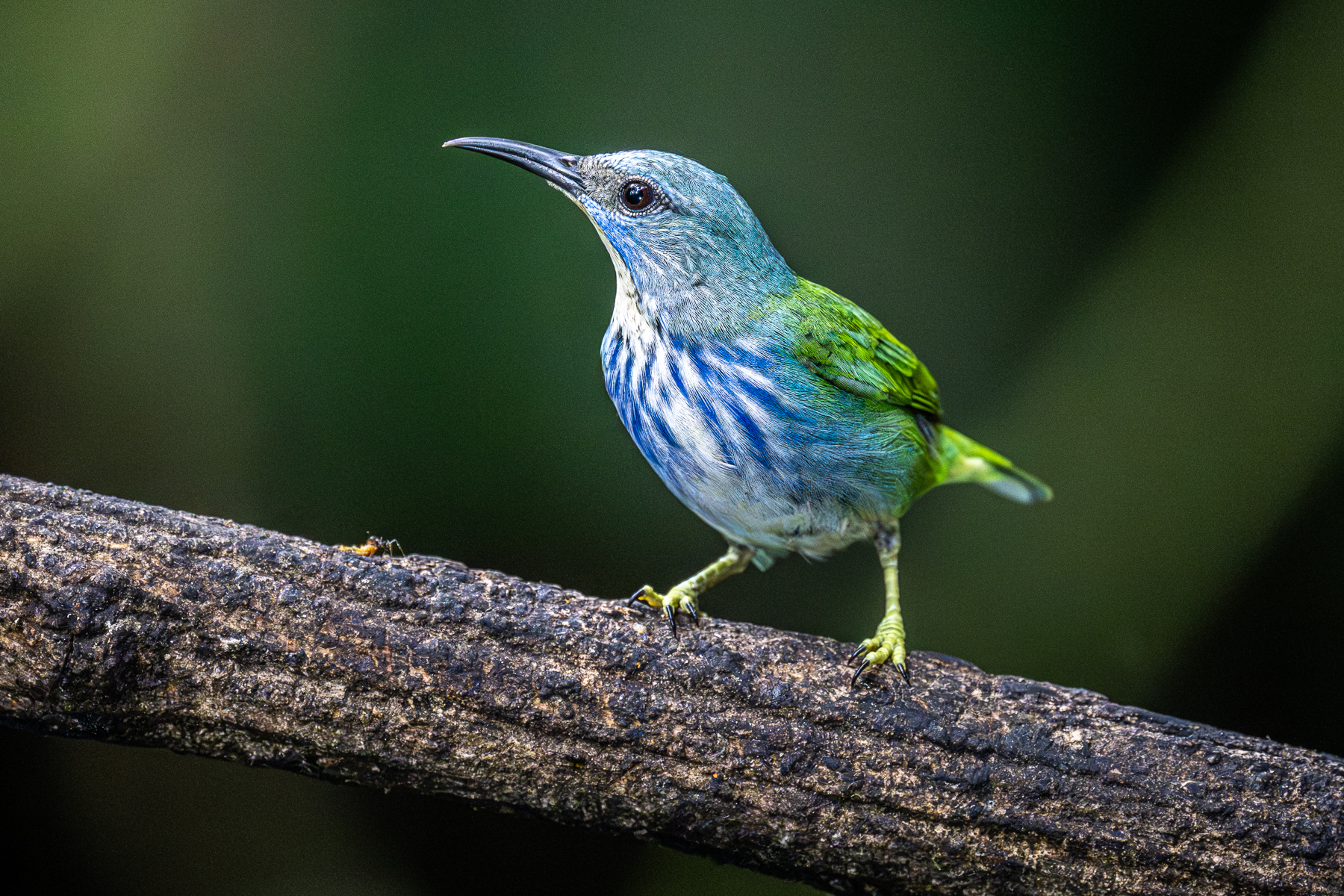
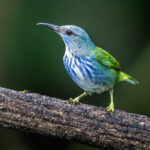
The Shining Honeycreeper female looks beautiful (image by Oliver Krueger)
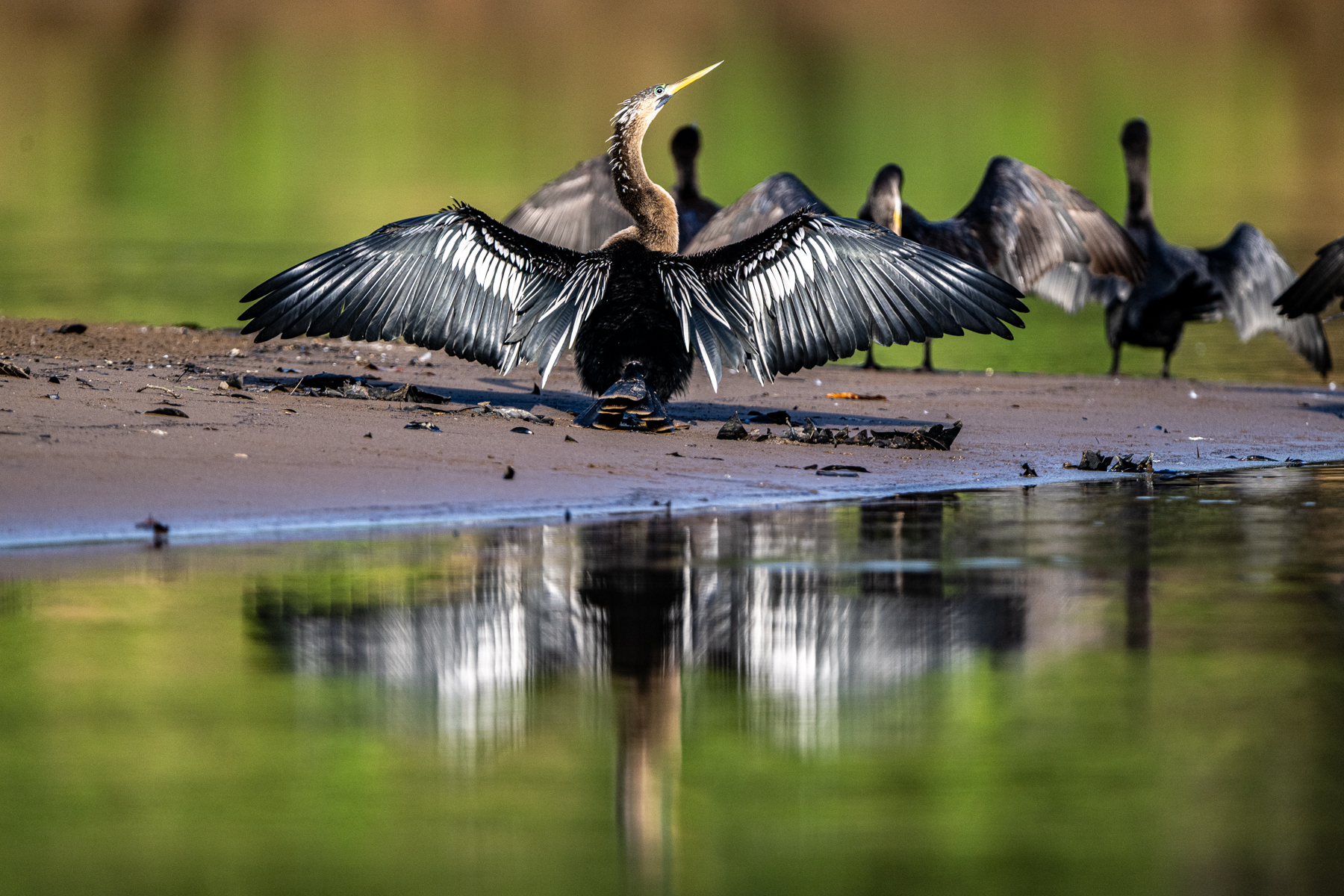
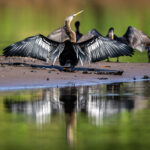
Drying its plumage after a fishing trip, male Anhinga (image by Oliver Krueger)
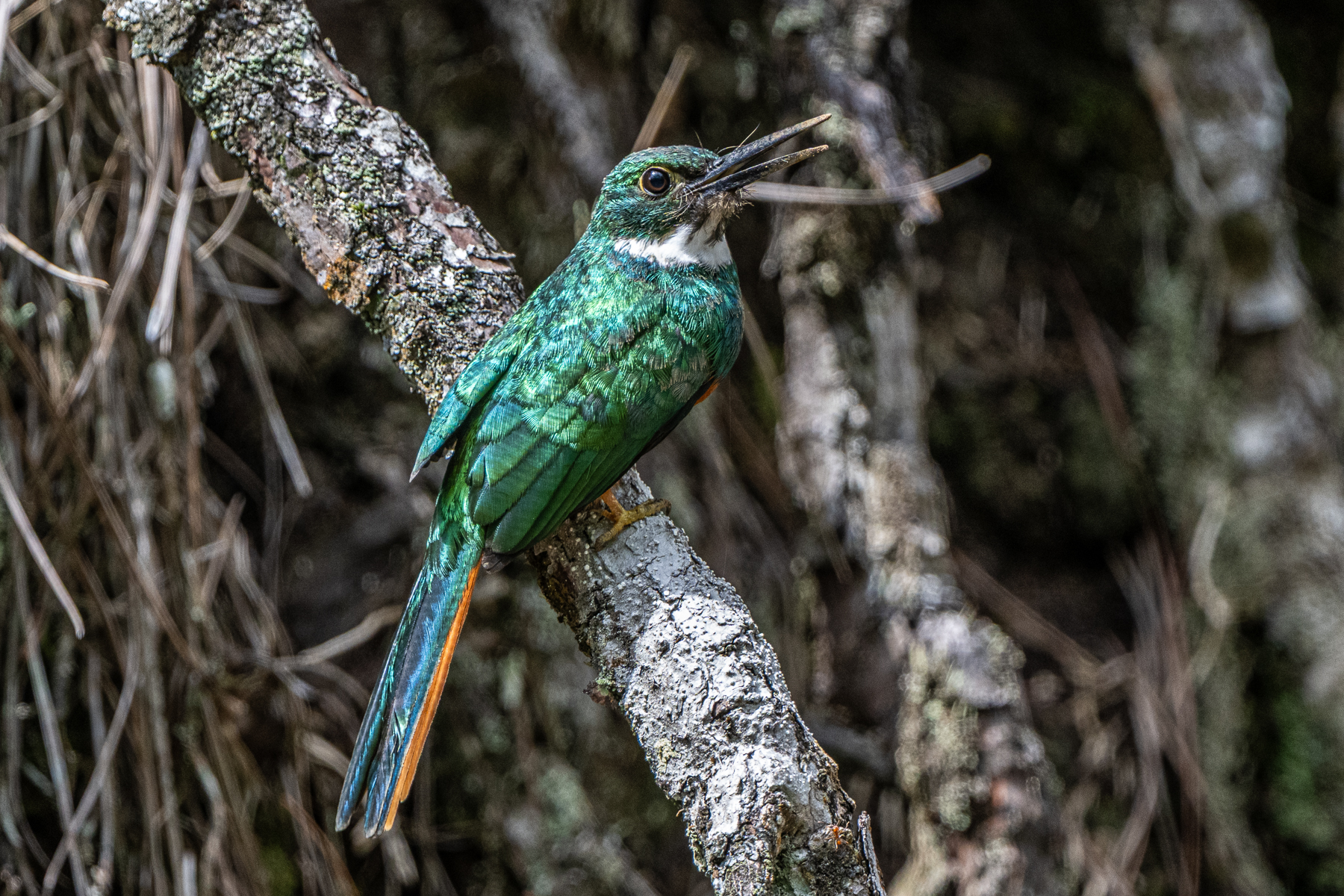
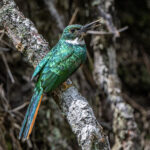
A male Rufous-tailed Jacamar after some hole-digging with its beak (image by Oliver Krueger)
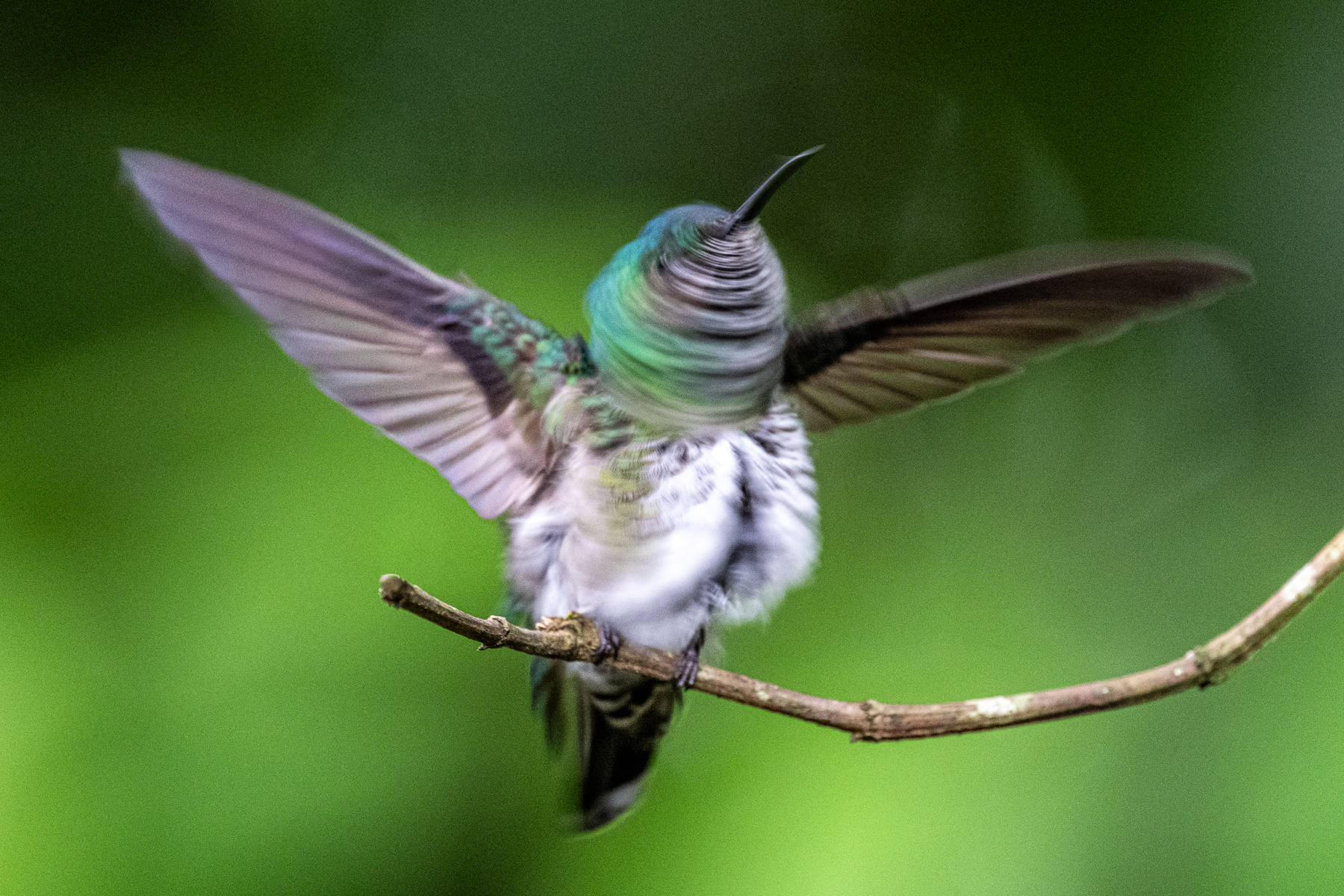
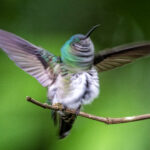
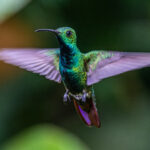
Life happens at fast pace in hummingbirds, even shaking your head, female Green-breasted Mango (image by Oliver Krueger)
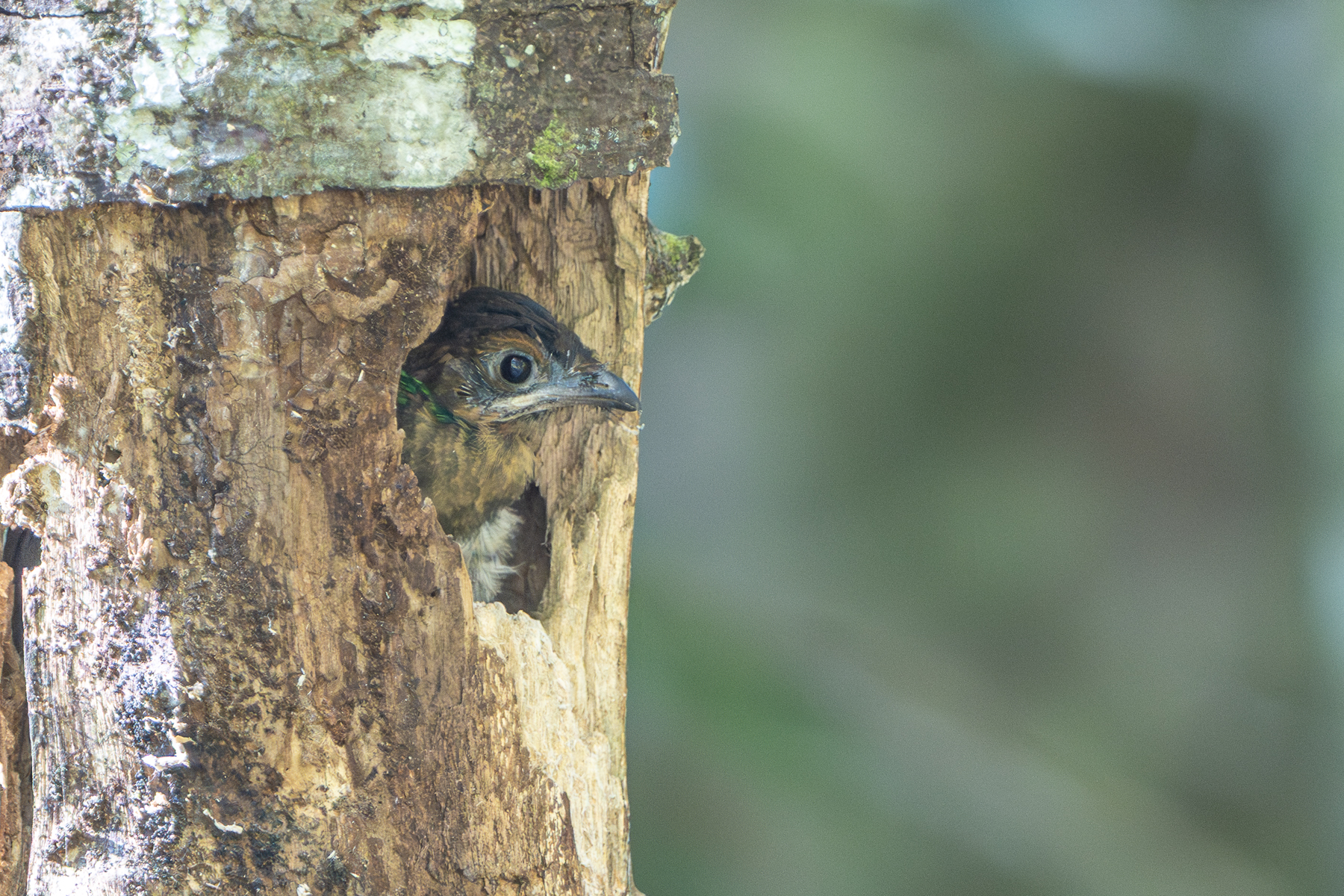
Parental care can pay off. This Resplendent Quetzal chick fledged the next day (image by Oliver Krueger)
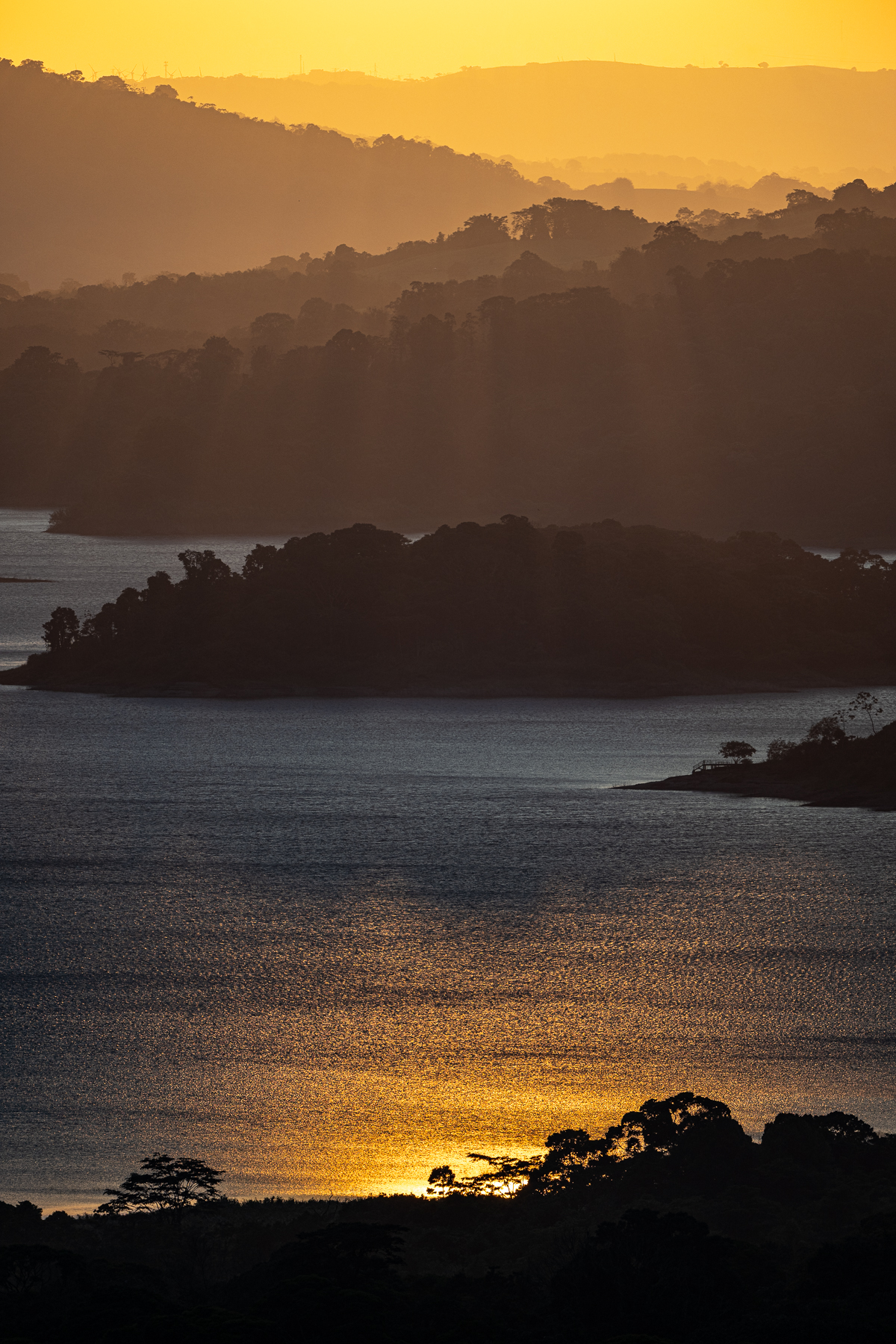
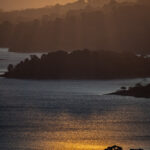
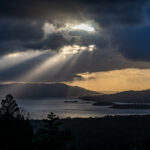
Lake Arenal at the foot of the Arenal Volcano measures 80 km2 and is known for its beautiful sunsets (image by Oliver Krueger)
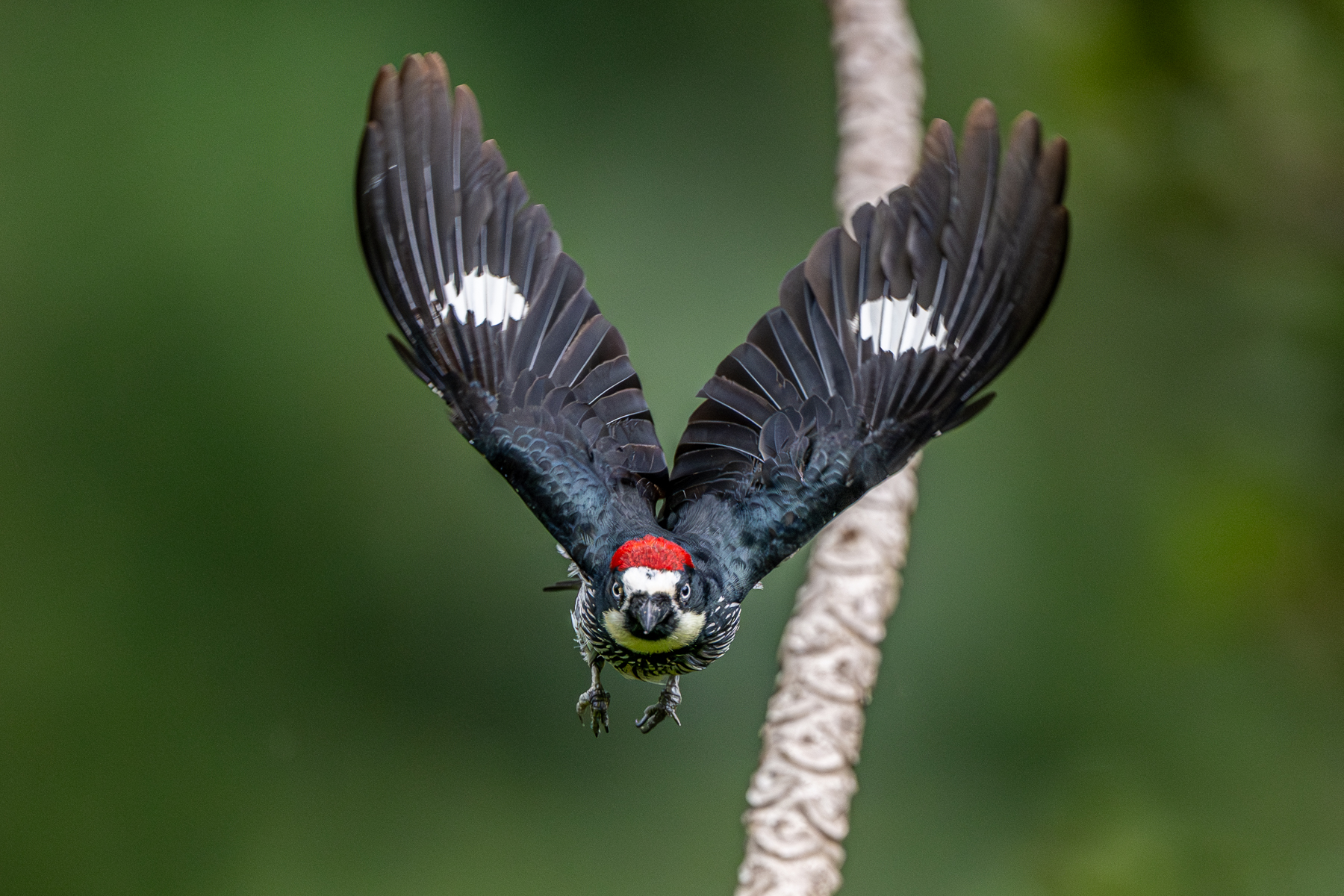
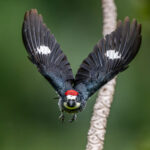
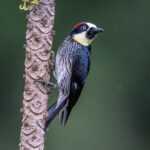
Acorn Woodpecker male on approach (image by Oliver Krueger)
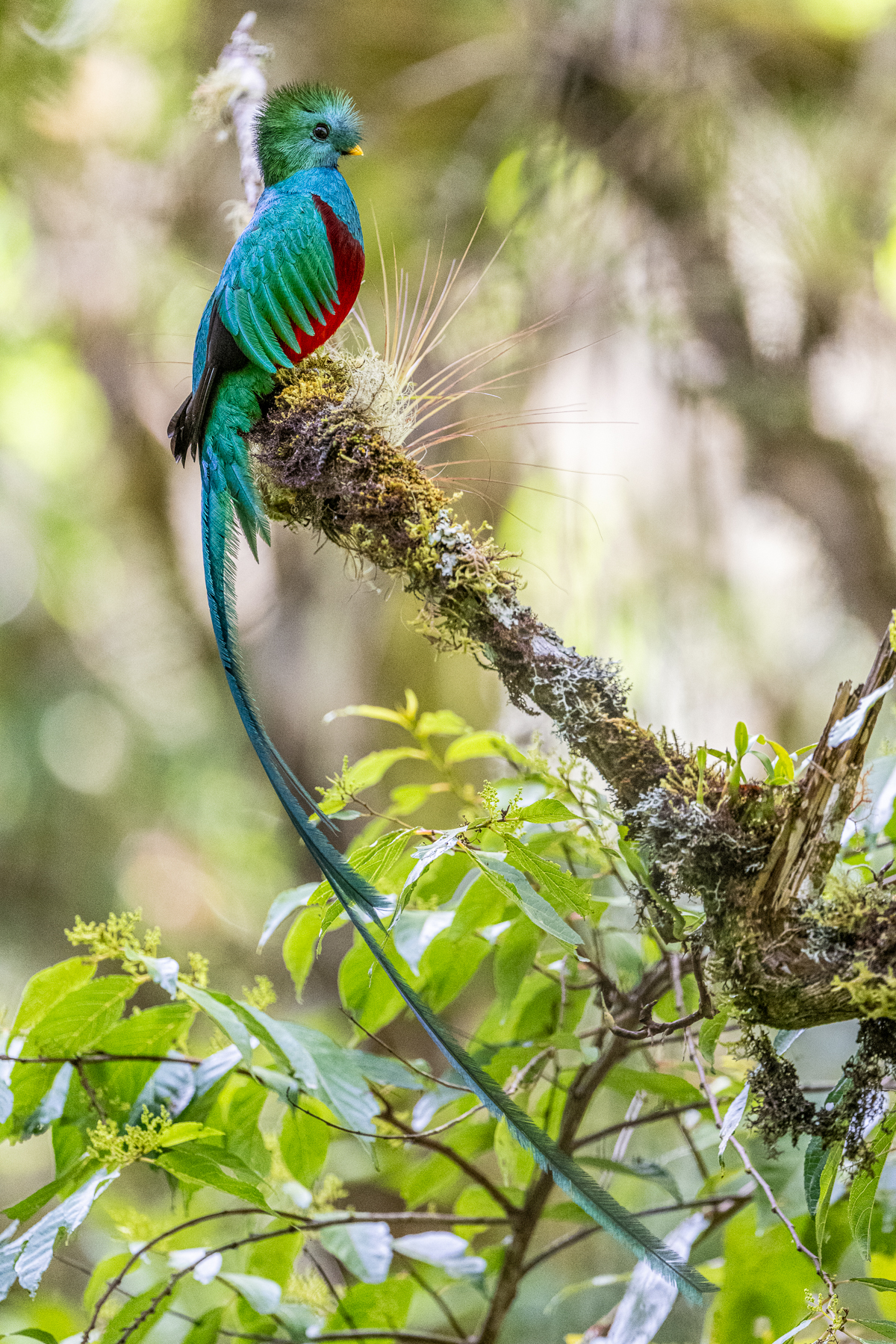
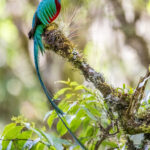
The extraordinary plumage of a male Resplendent Quetzal takes several years to develop (image by Oliver Krueger)
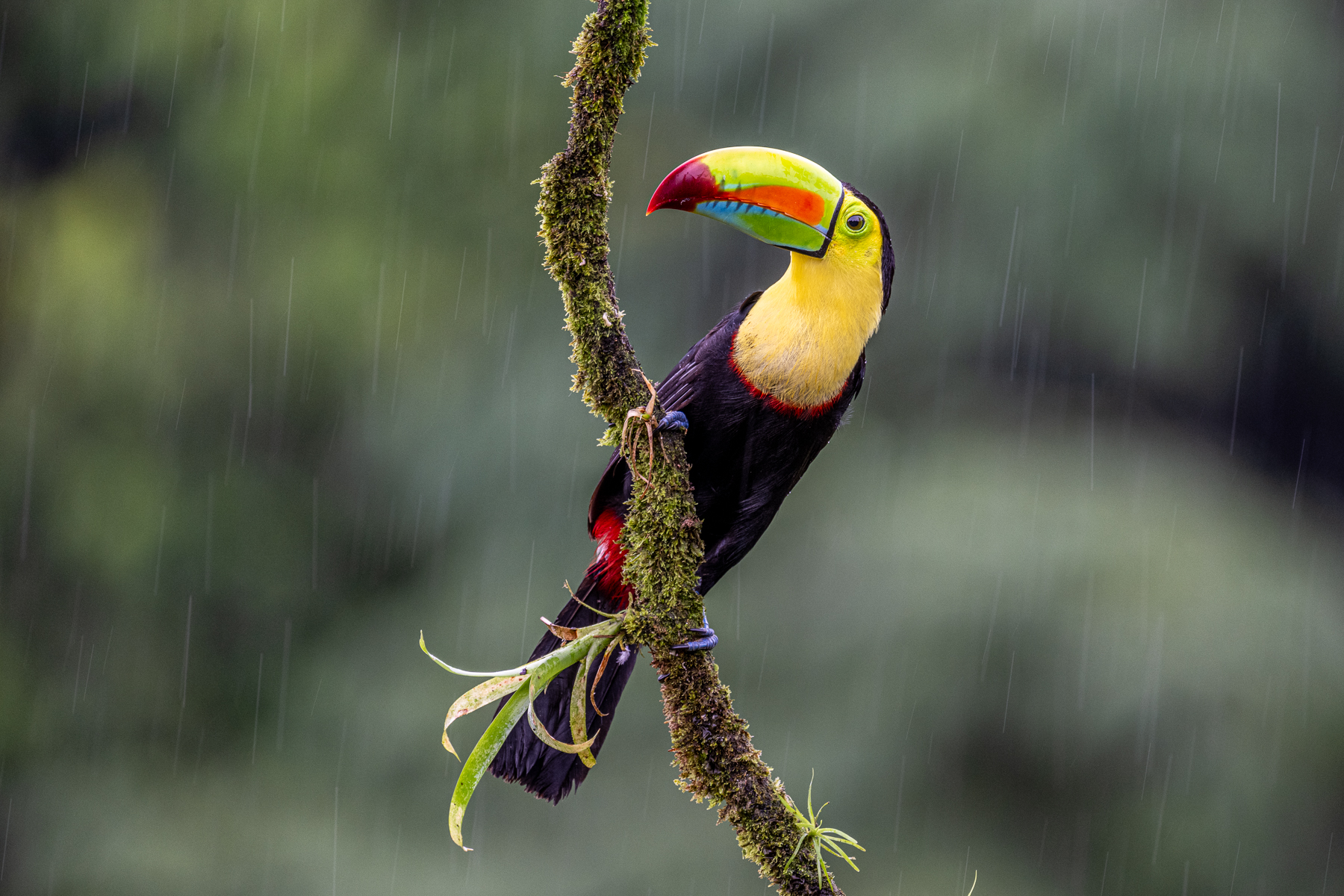
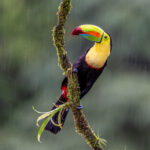
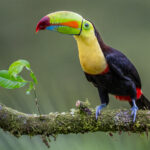
Keel-billed Toucan in the rain (image by Oliver Krueger)
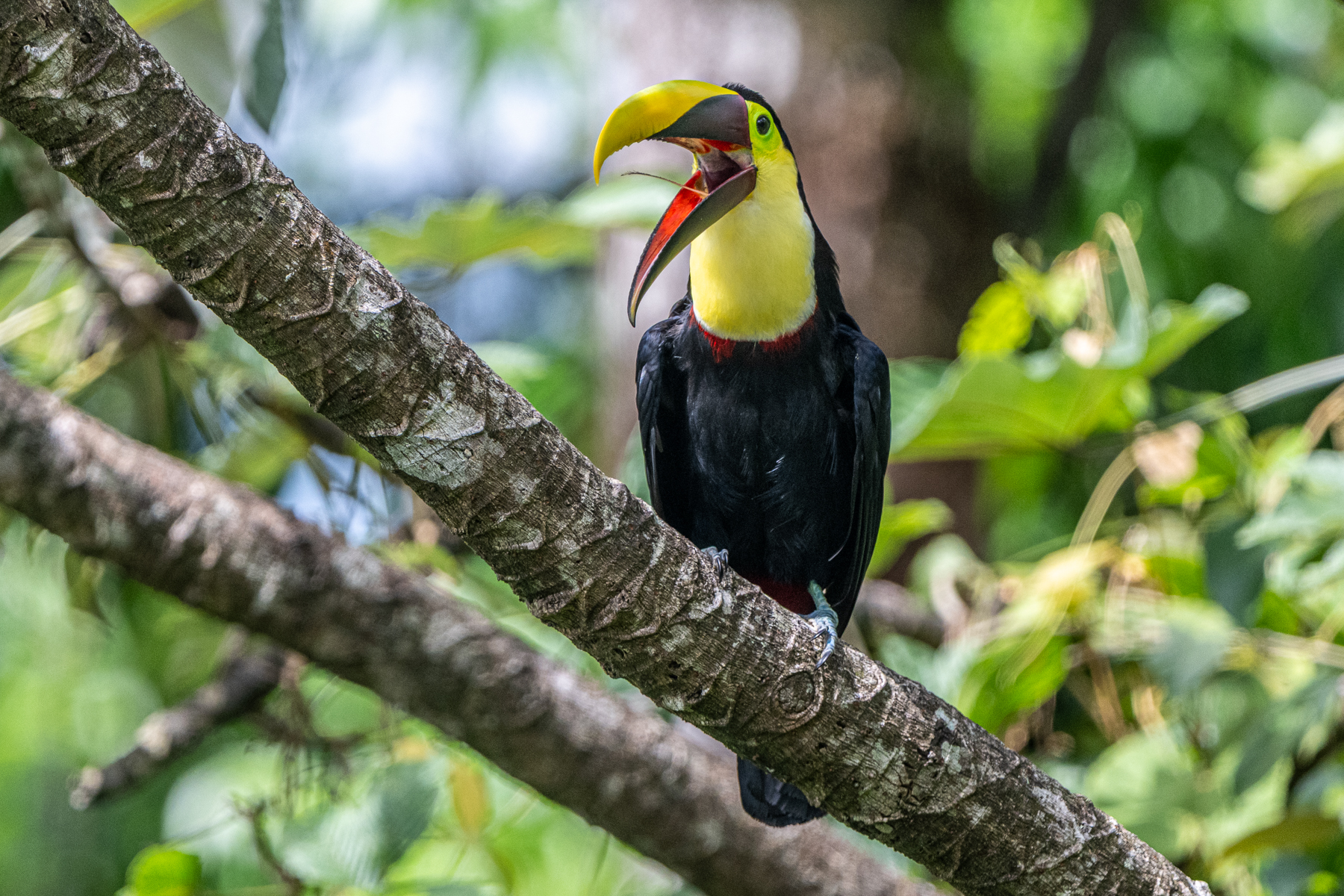
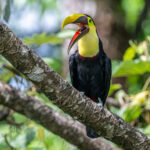
A Yellow-throated Toucan displays its beautiful and delicate tongue (image by Oliver Krueger)
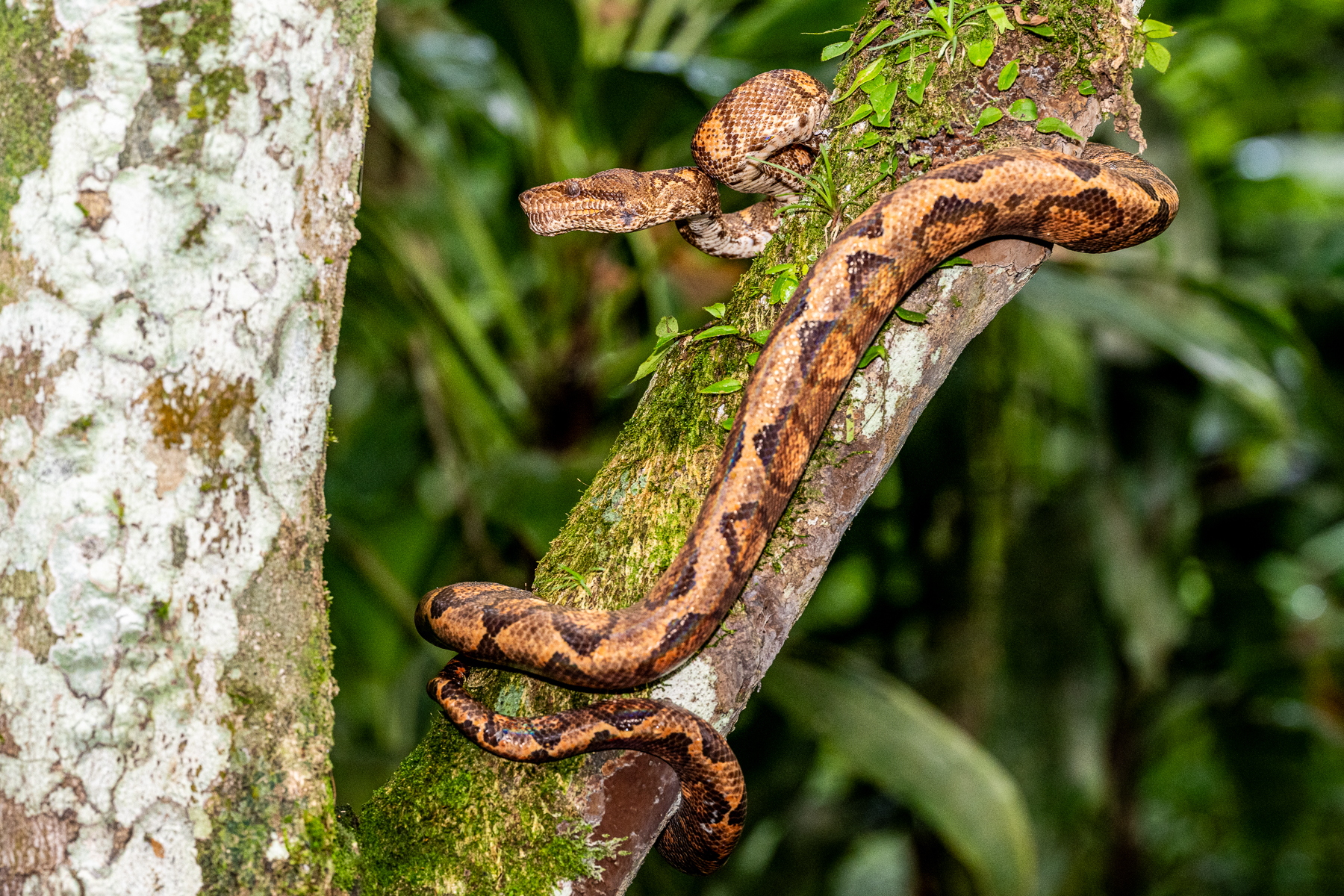
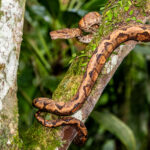
This Annulated Tree Boa displays its extraordinary tree-climbing abilities (image by Oliver Krueger)
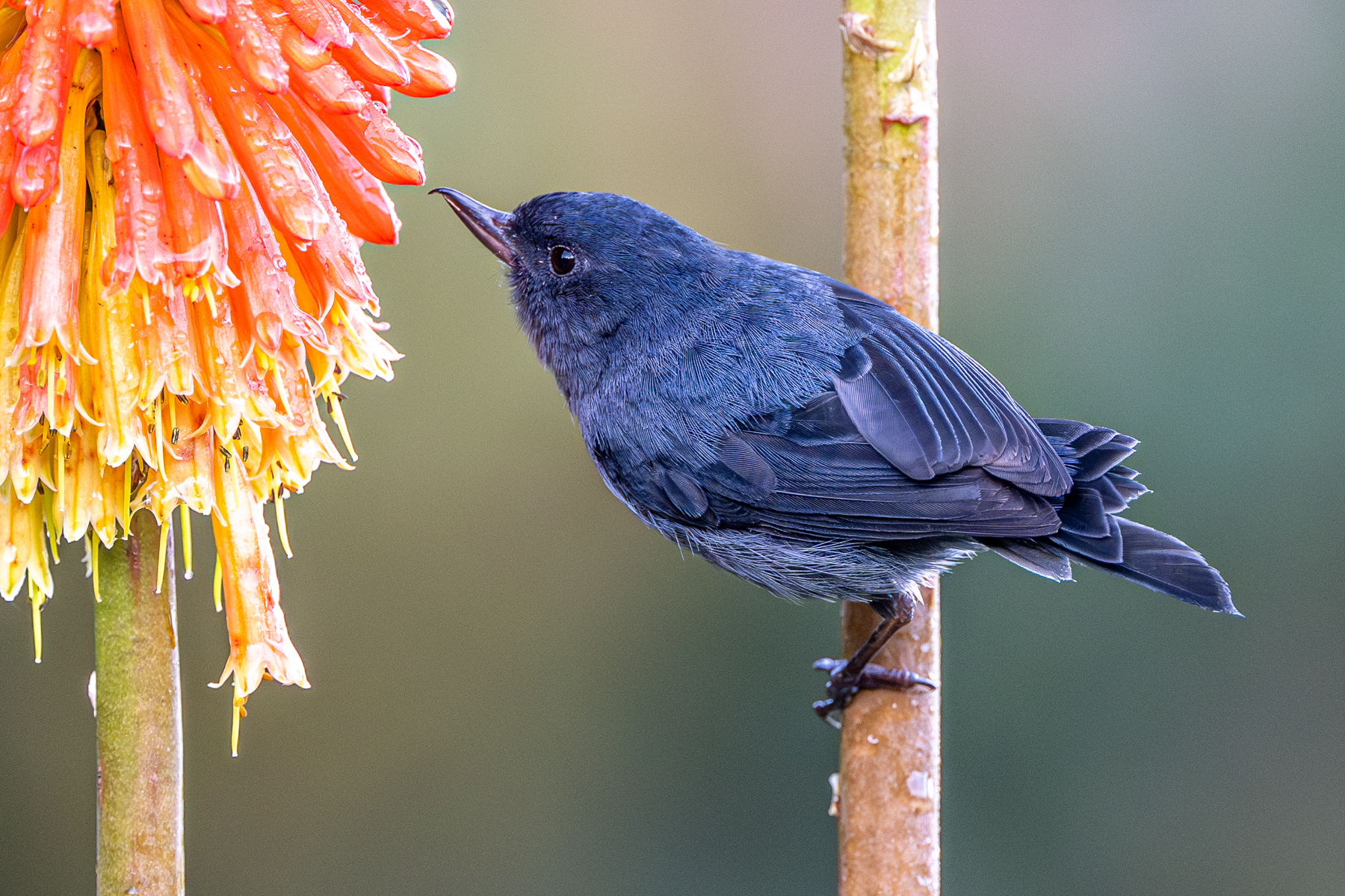
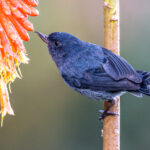
A Slaty Flowerpiercer male at work at a Kniphofia (image by Oliver Krueger)
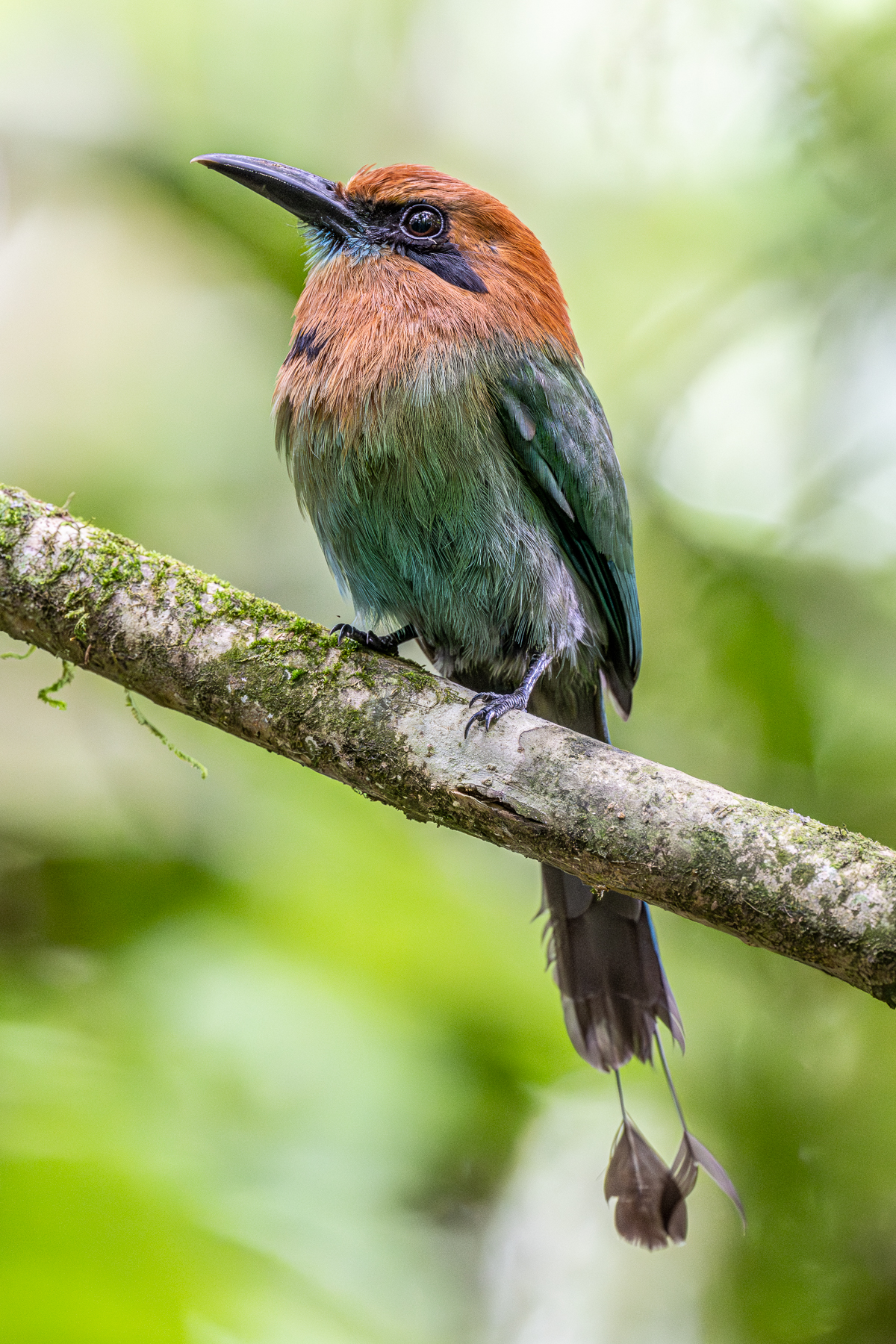
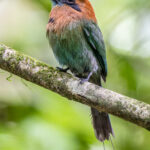
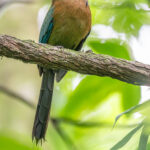
Forest undergrowth makes for a challenging environment to portrait a Broad-billed Motmot (image by Oliver Krueger)
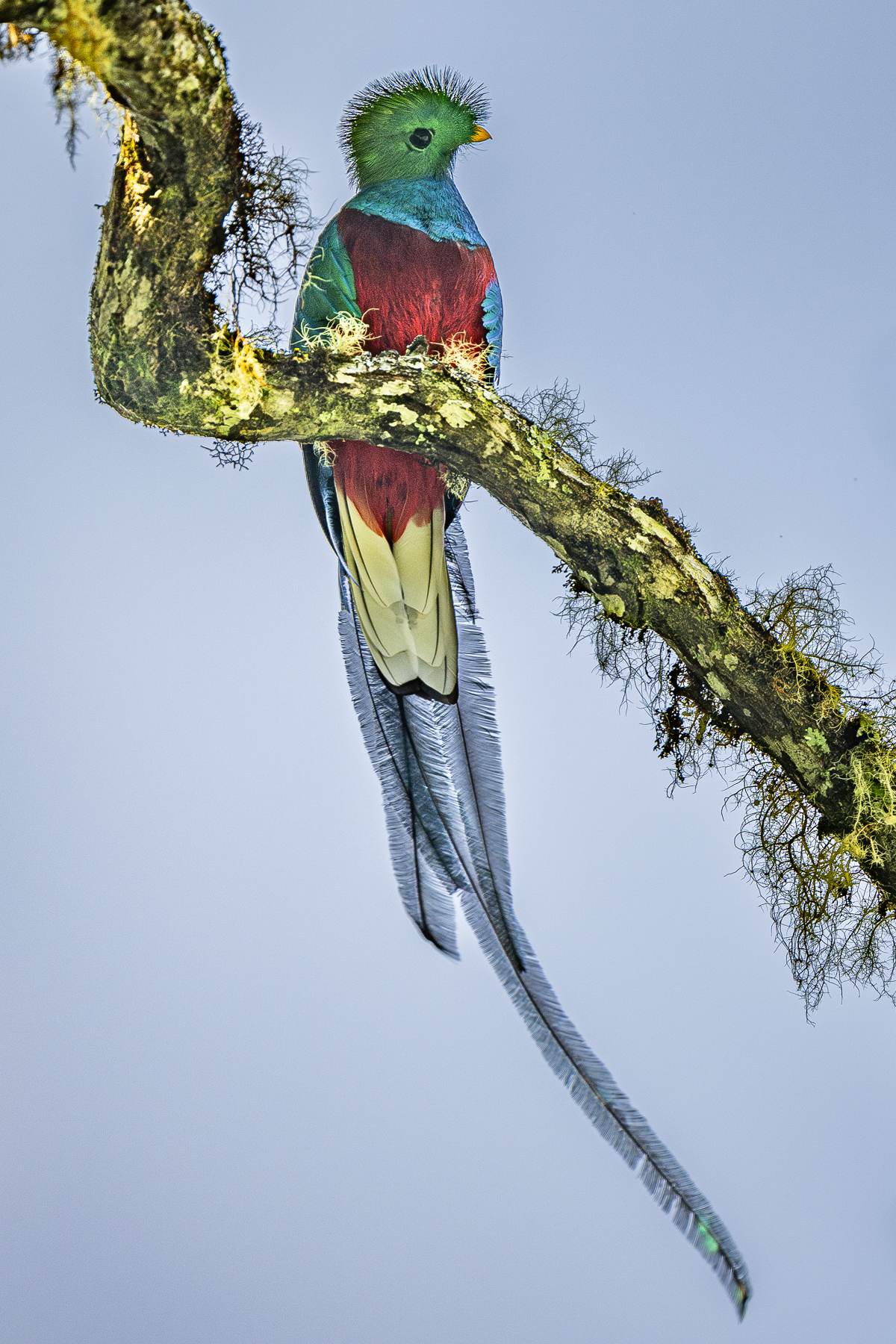
The amazing colour of a male Resplendent Quetzal (image by Oliver Krueger)
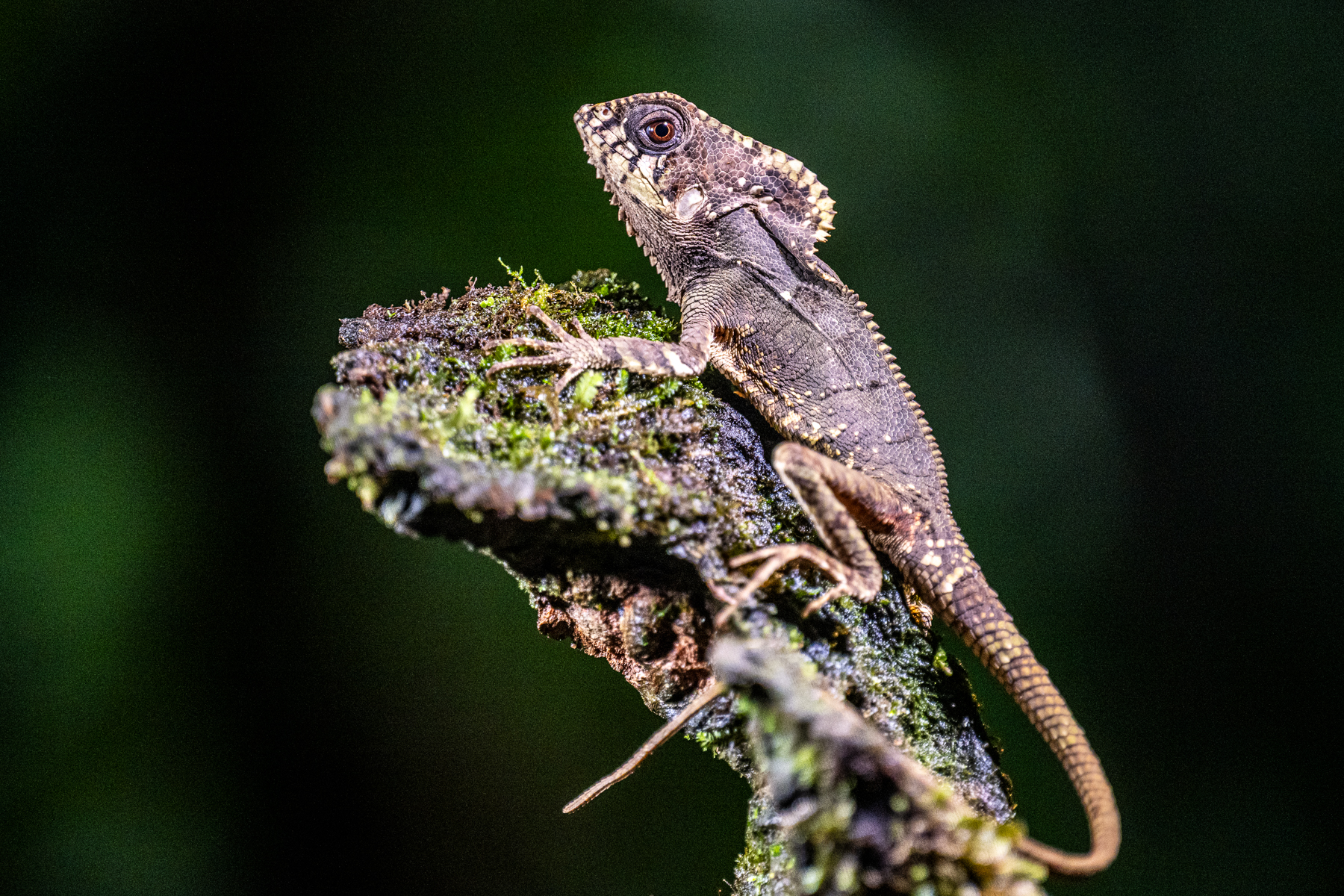
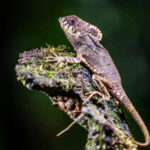
A brown morphed Helmeted Iguana poses on a tree trunk (image by Oliver Krueger)
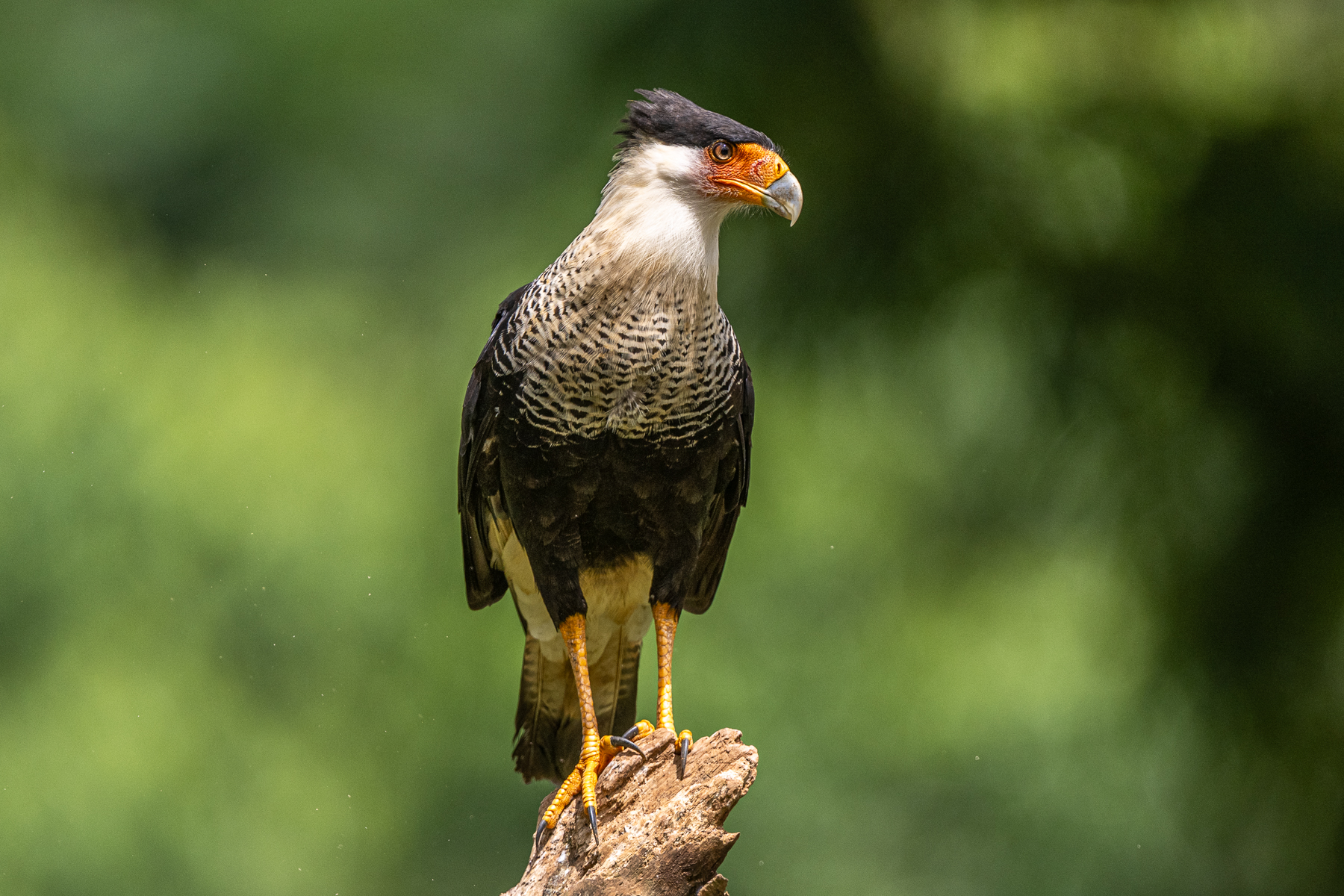
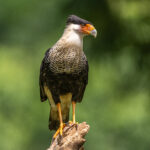
Tiny in comparison to the surrounding vultures, this Crested Caracara nevertheless eventually managed to obtain food (image by Oliver Krueger)
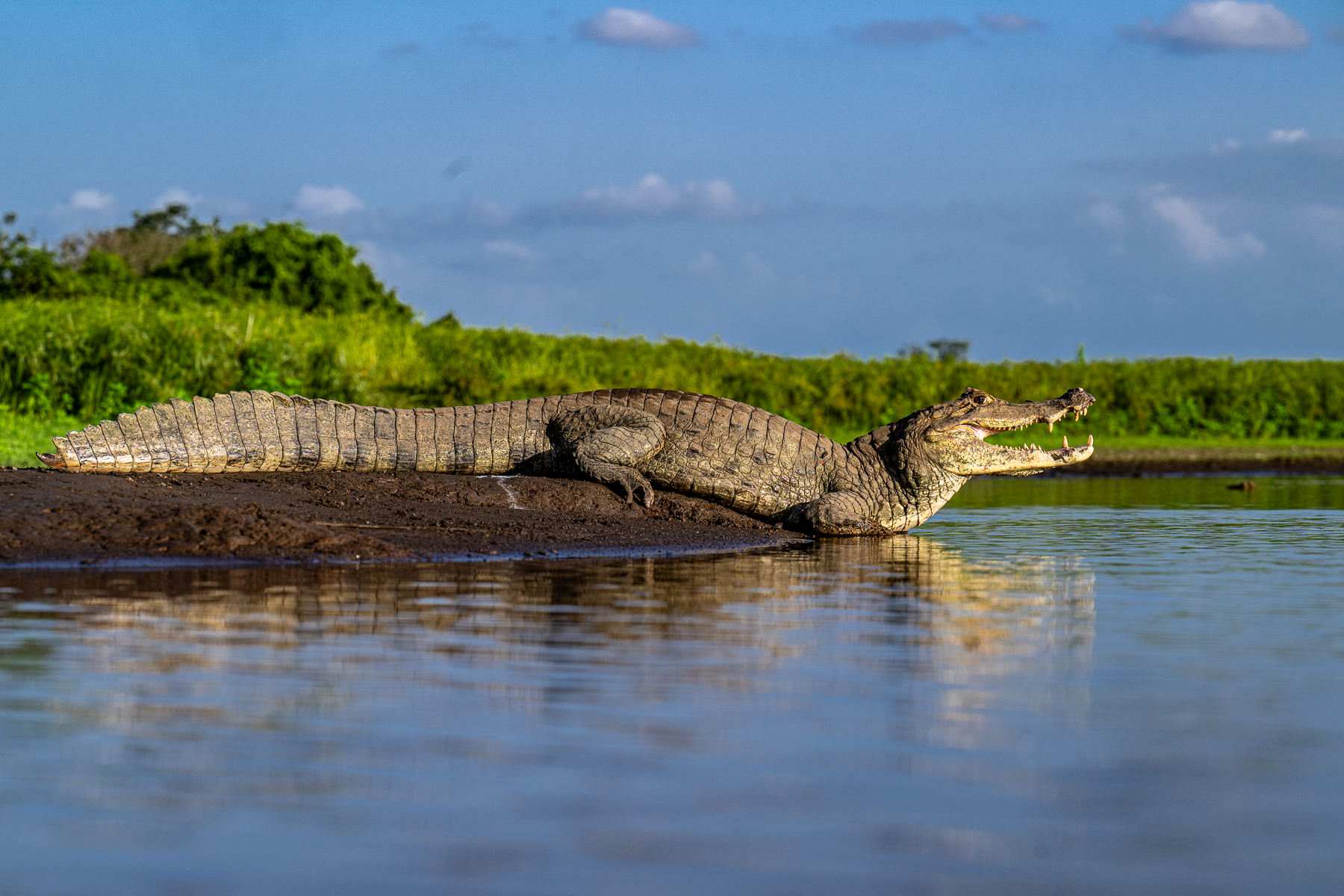
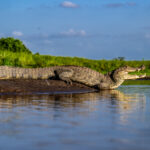
Spectacled Caiman at low angle (image by Oliver Krueger)
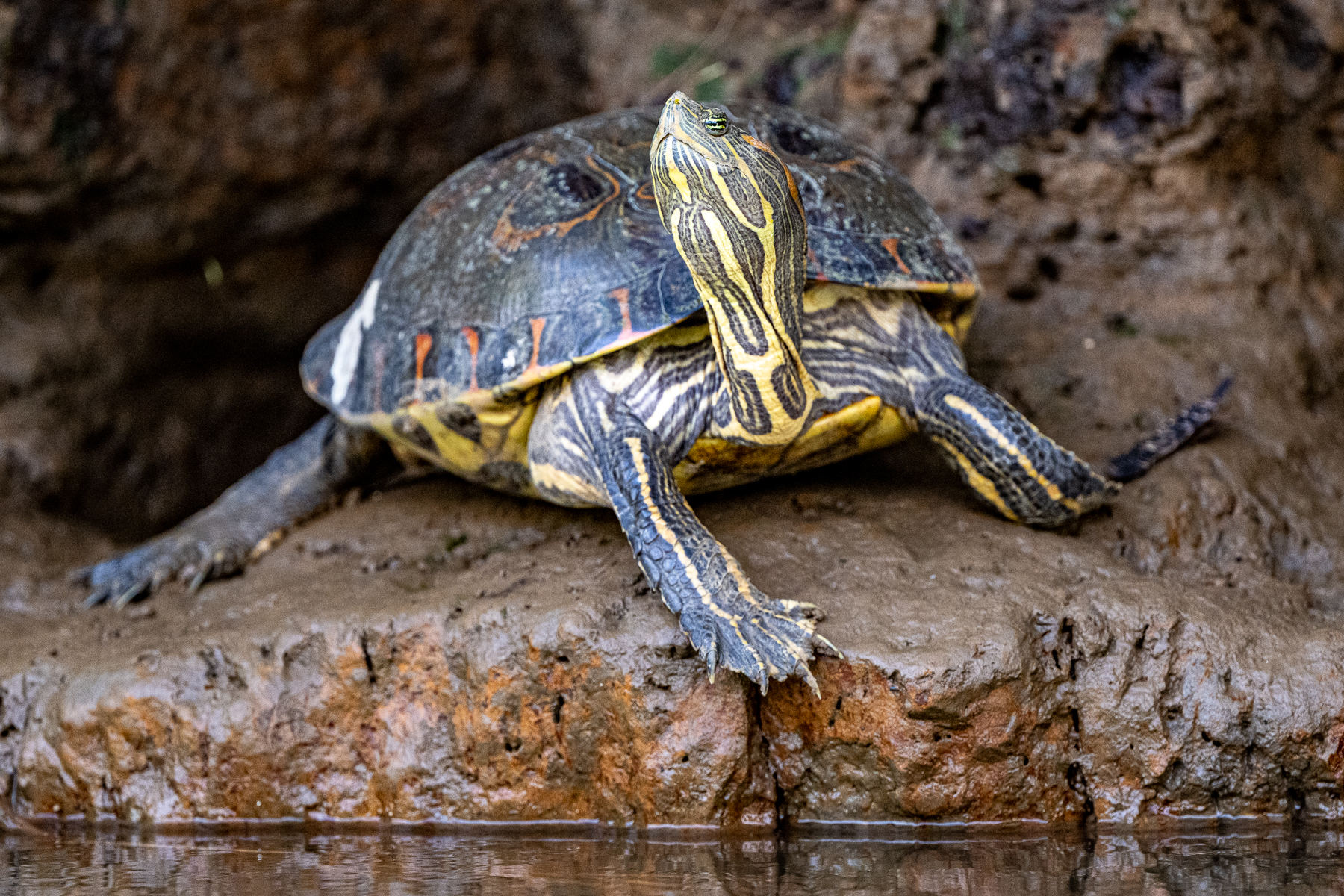
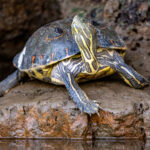
A Nicaraguan Slider Turtle enjoys the afternoon heat on the river bank (image by Oliver Krueger)
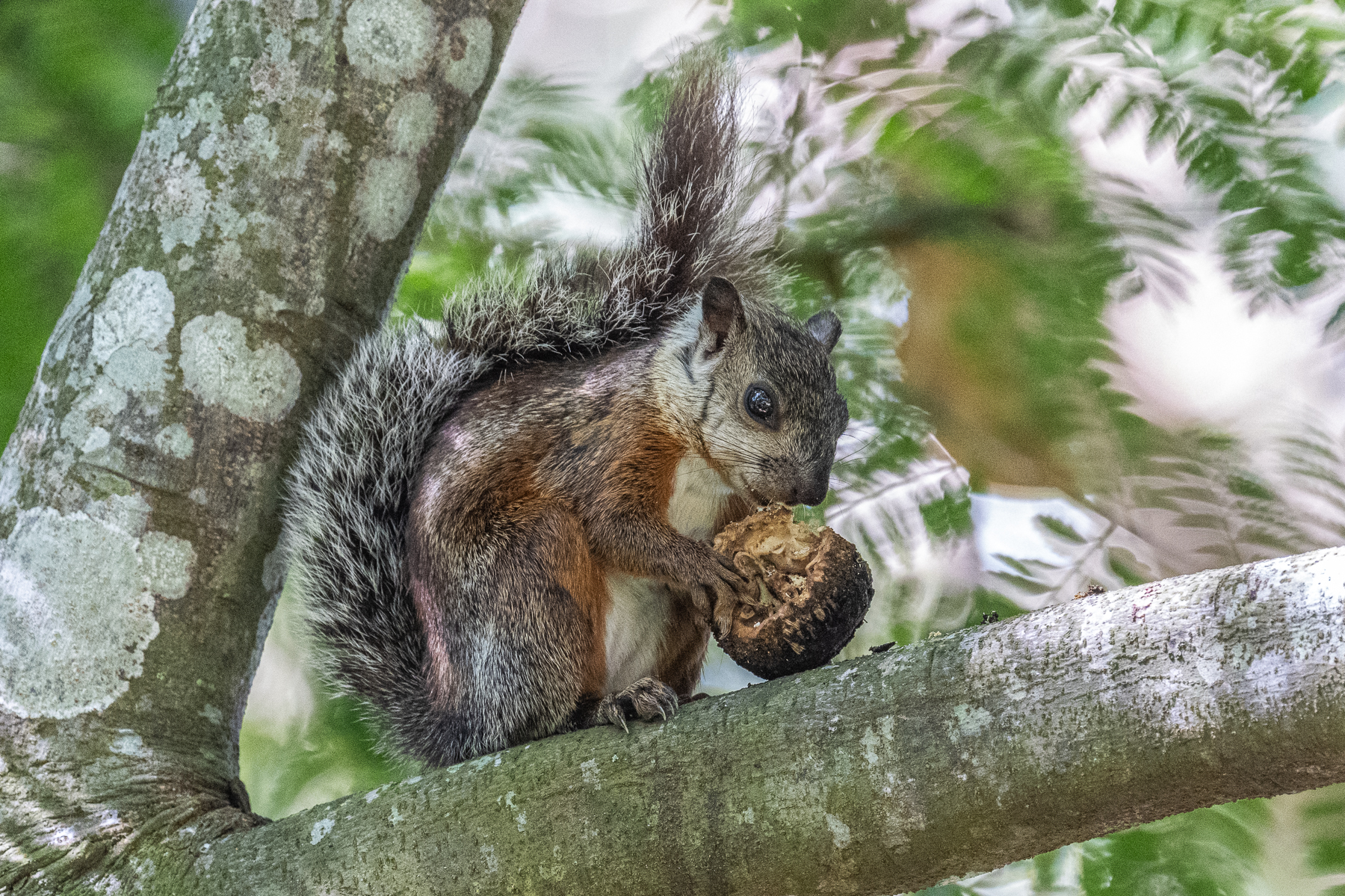
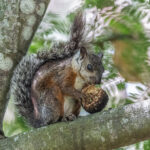
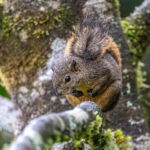
The Variegated Squirrel has incredibly variable coat colouration, this individual is of the standard morph (image by Oliver Krueger)
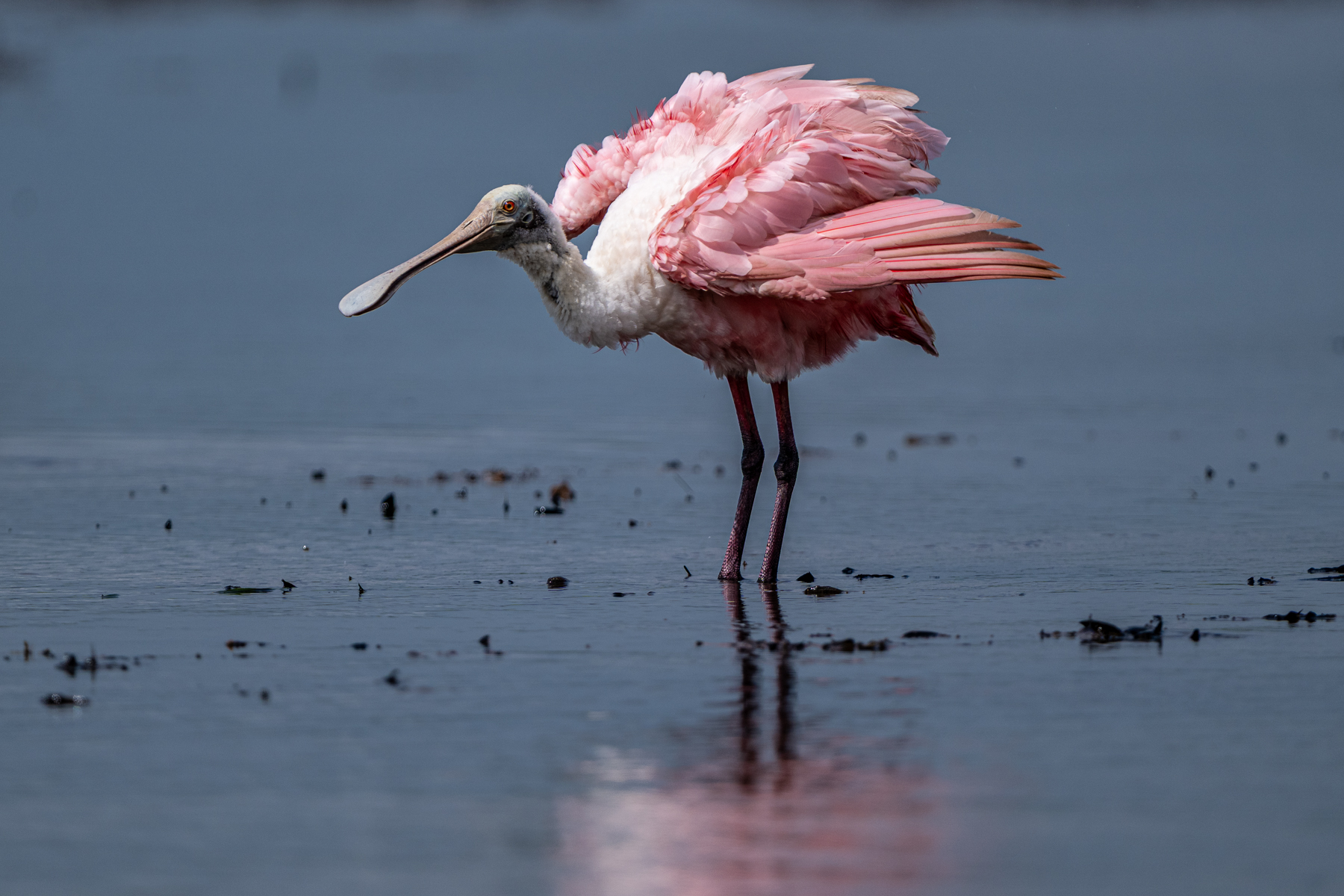
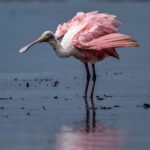
A Roseate Spoonbill ruffles its plumage (image by Oliver Krueger)
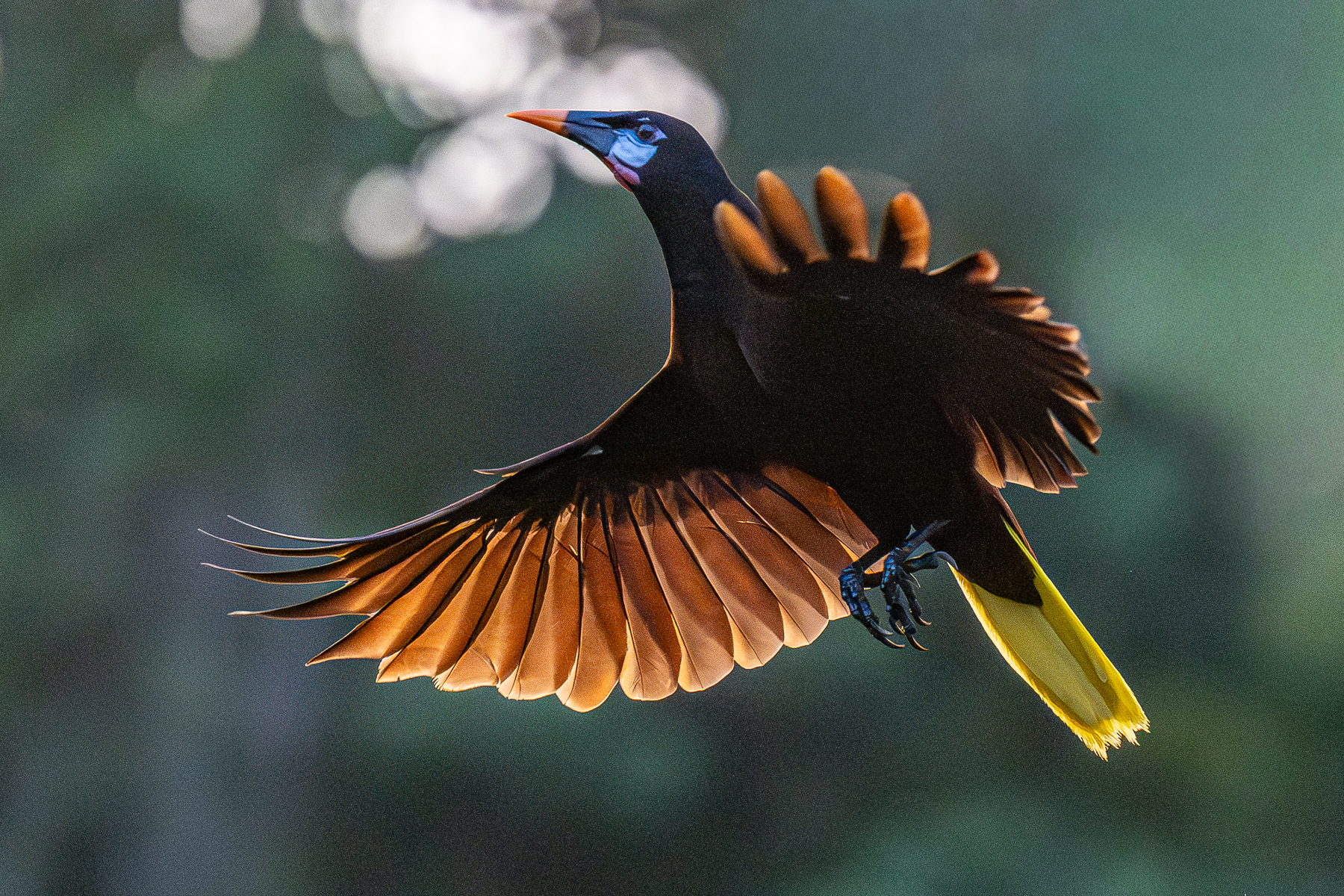
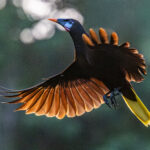
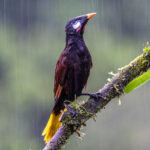
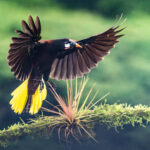
Late in the evening, a Montezuma Oropendola flies back to a perch (image by Oliver Krueger)
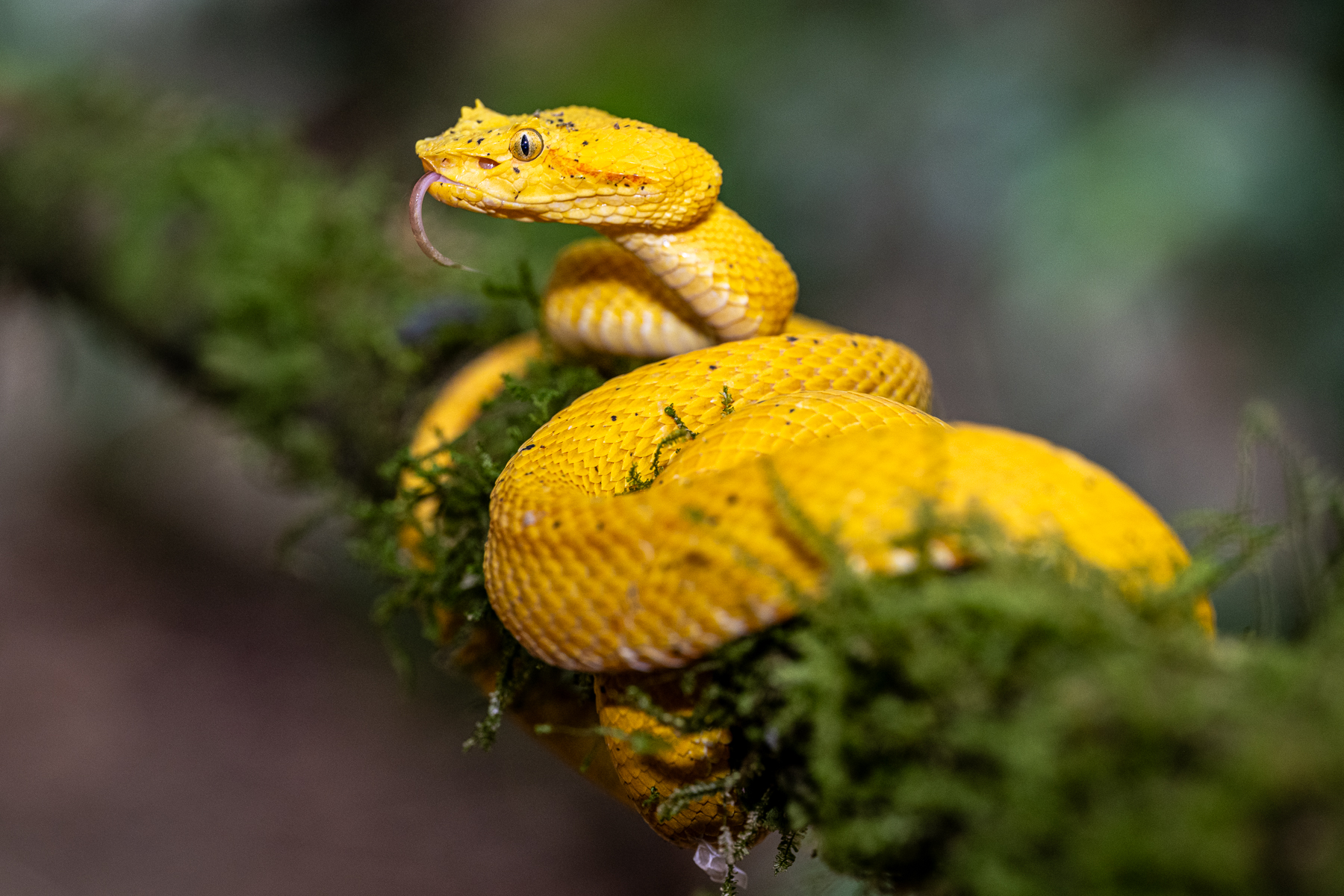
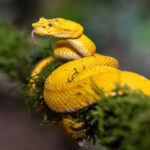
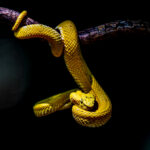
On a branch like this, it is hard to conceive how the yellow colouration could ever provide camouflage (image by Oliver Krueger)
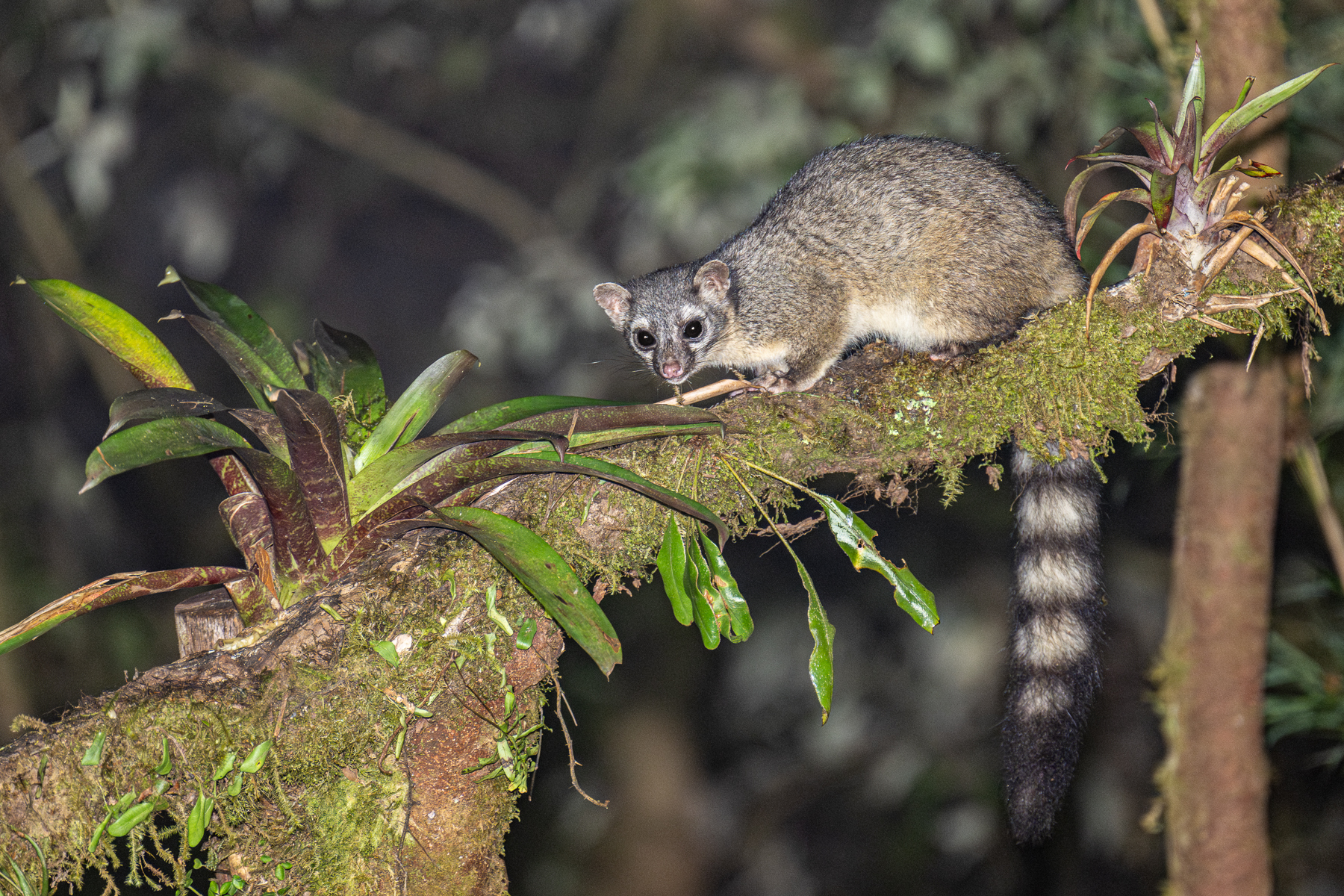
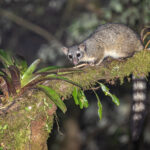
Very rarely encountered in the wild, a Cacomistle, relative of the racoons and coatis (image by Oliver Krueger)
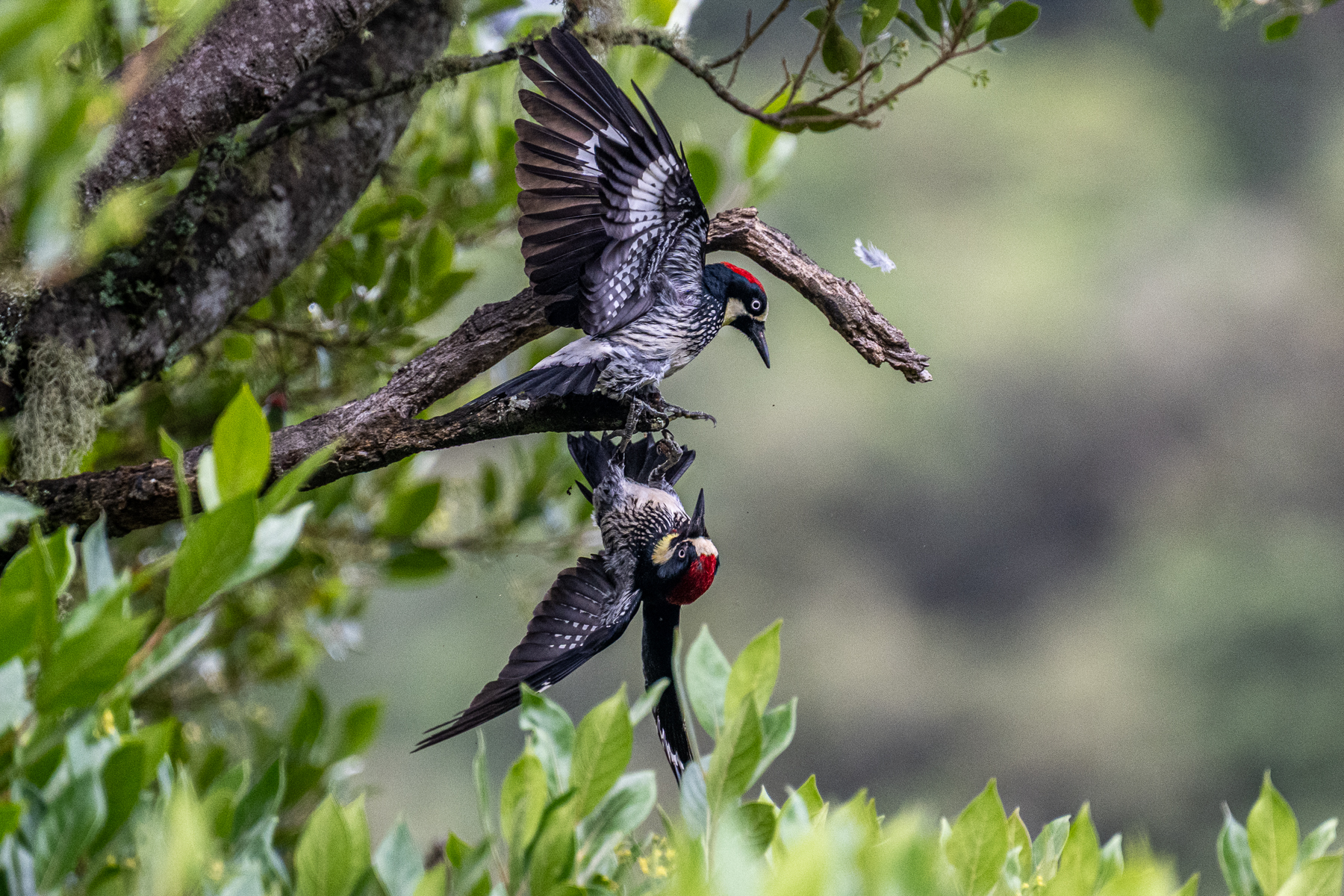
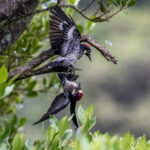
A serious dispute between two Acorn Woodpecker males (image by Oliver Krueger)
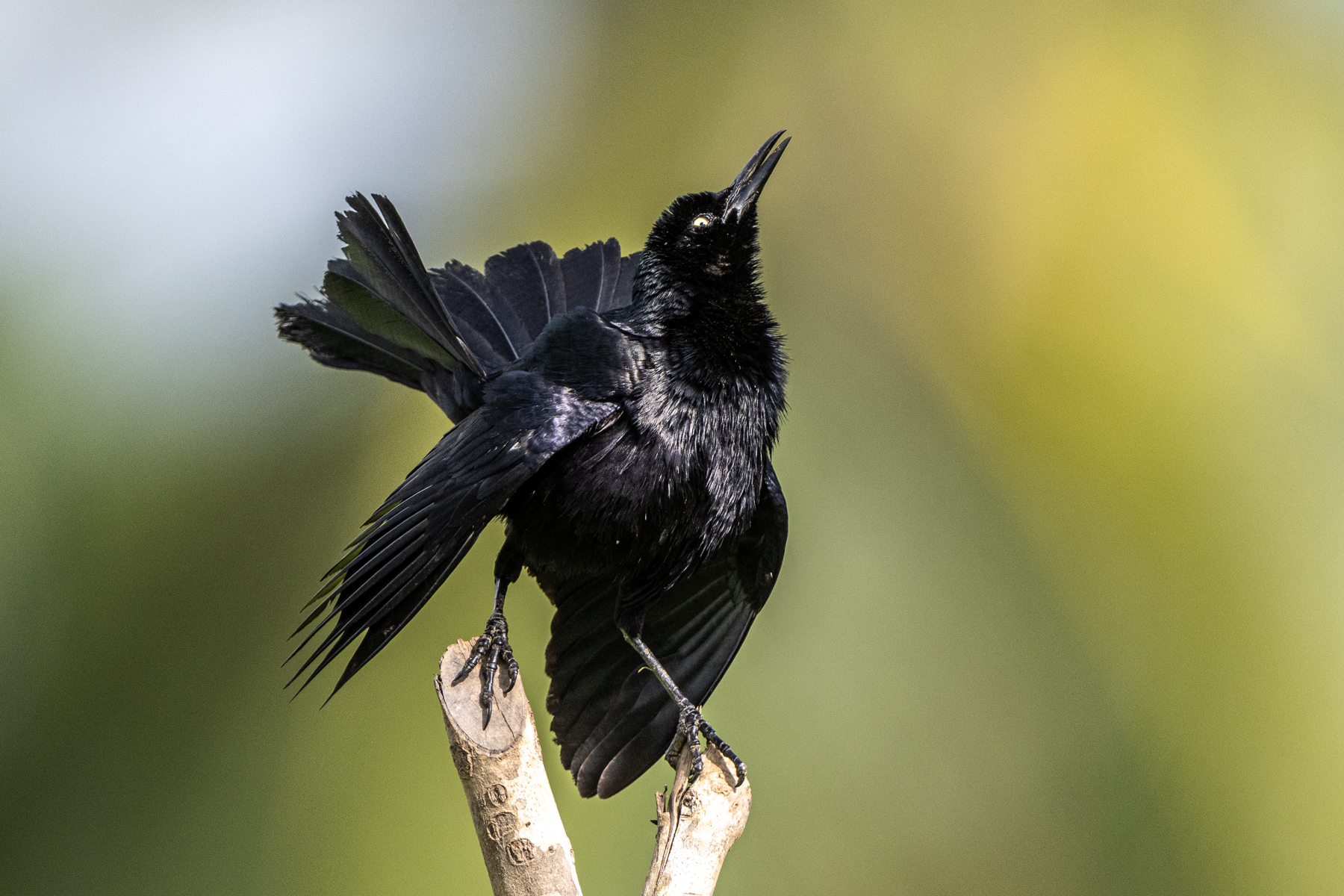
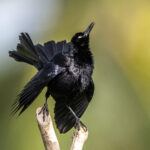
Seeing a male Nicaraguan Grackle in full display is a real treat (image by Oliver Krueger)
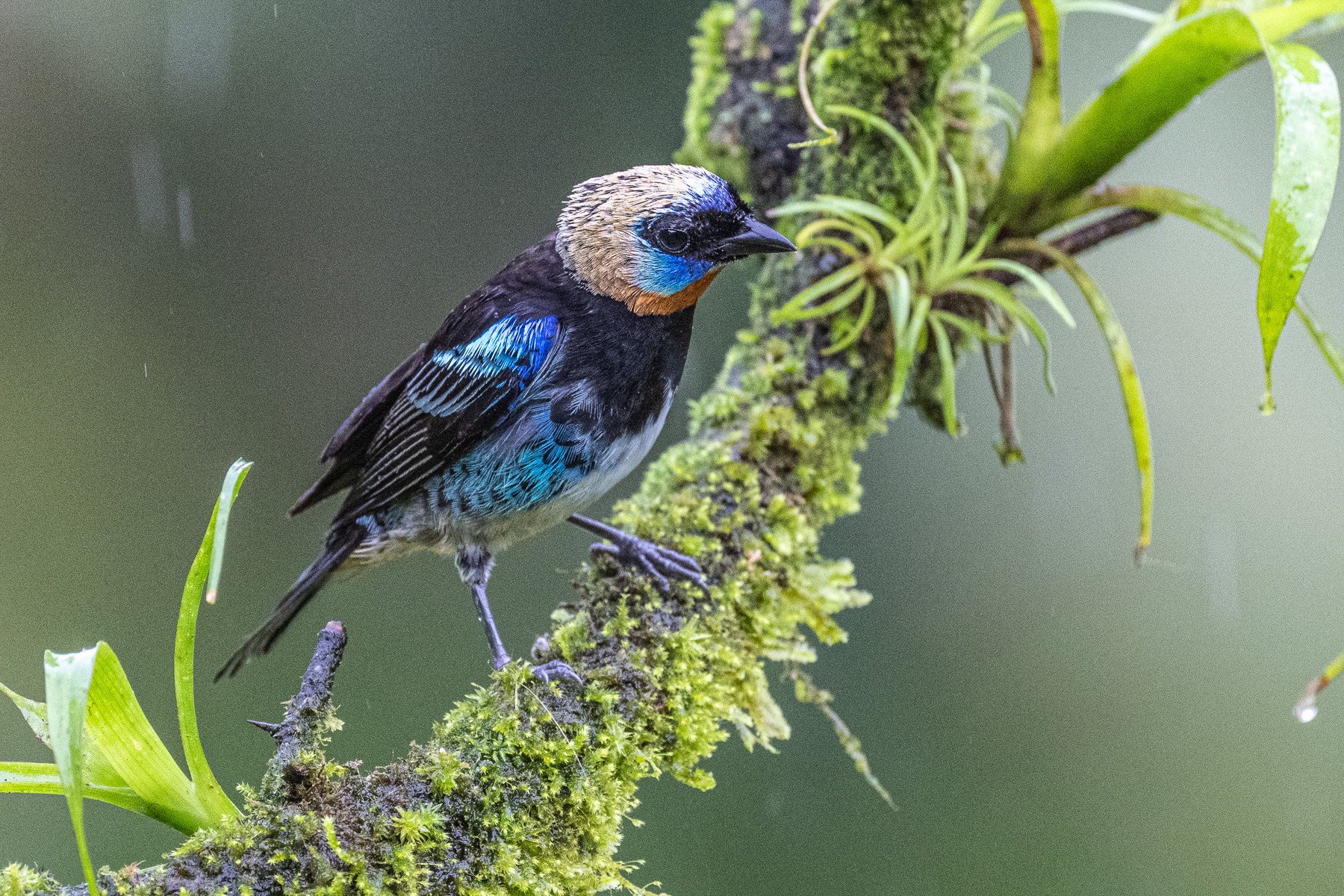
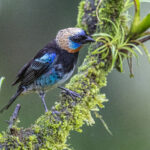
Golden-hooded Tanagers were a rare sight during the trip, but they are gorgeous (image by Oliver Krueger)
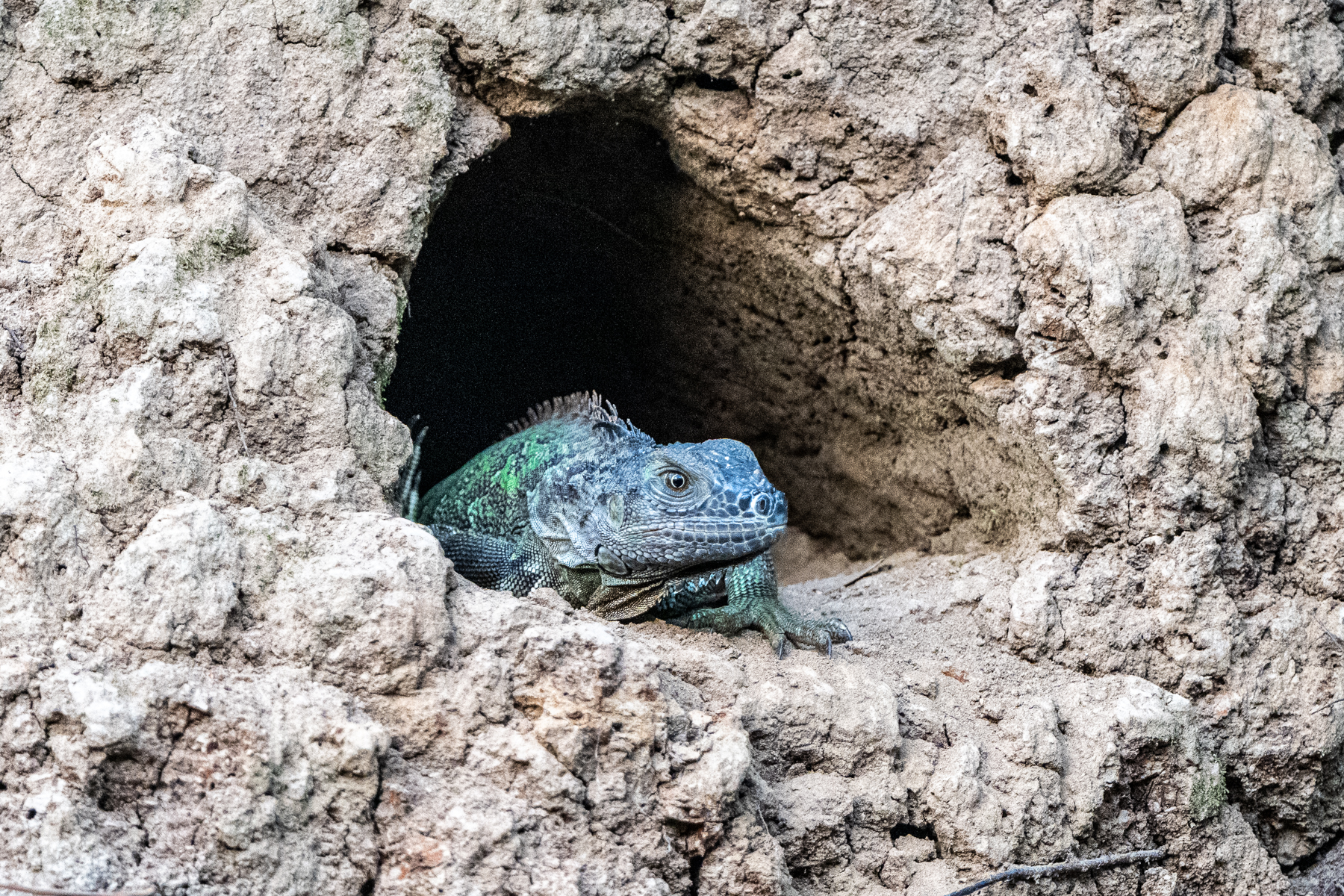
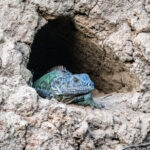
A Green Iguana peeping out of one of the myriad of holes on the river bank (image by Oliver Krueger)
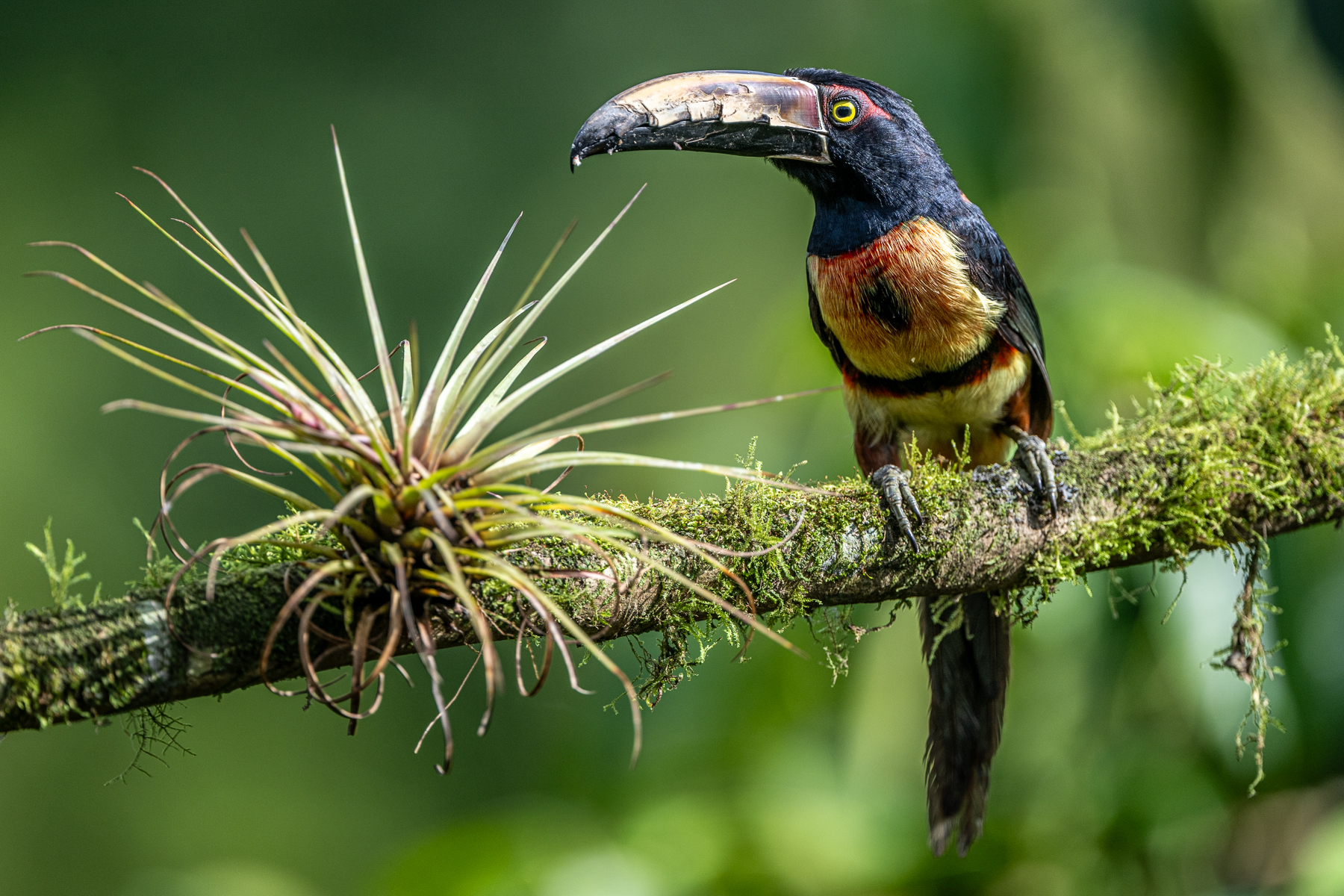
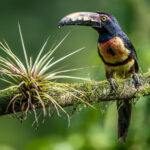
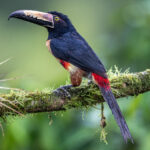
Collared Aracari and an epiphyte (image by Oliver Krueger)
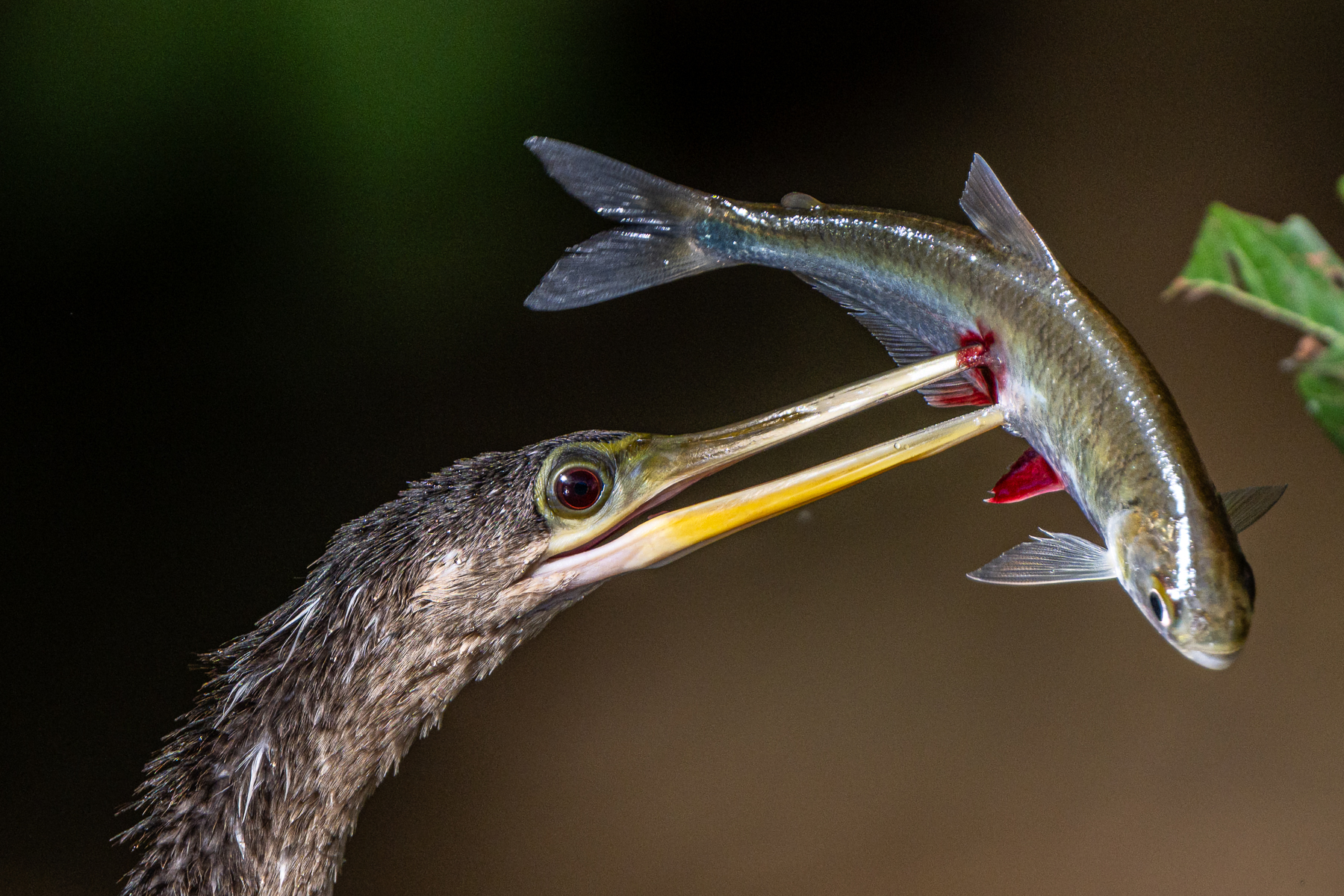
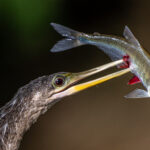
Anhinga with prey (image by Oliver Krueger)
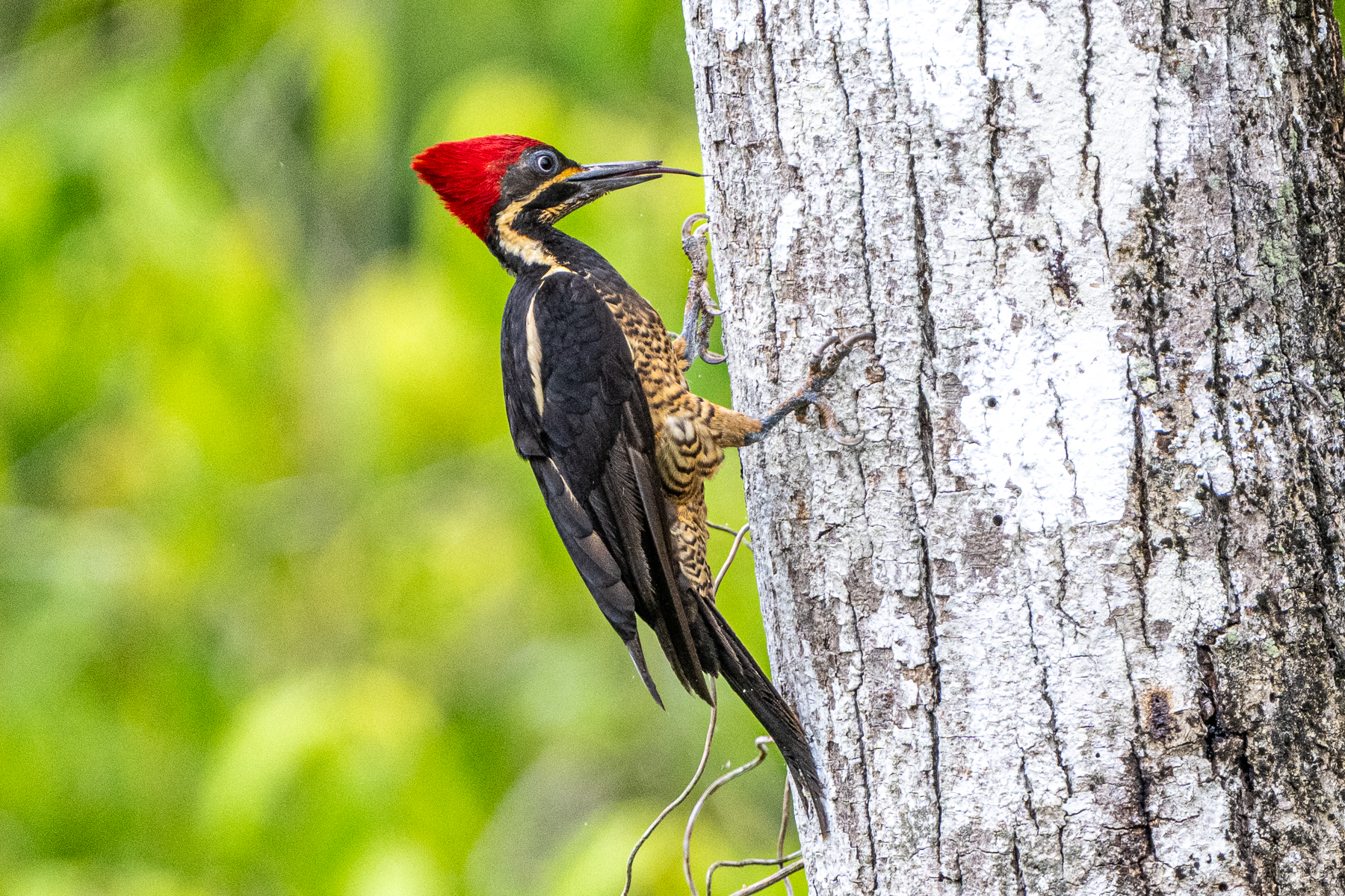
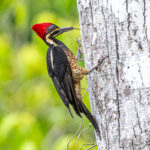
Lineated Woodpecker female exposing its tough tongue (image by Oliver Krueger)
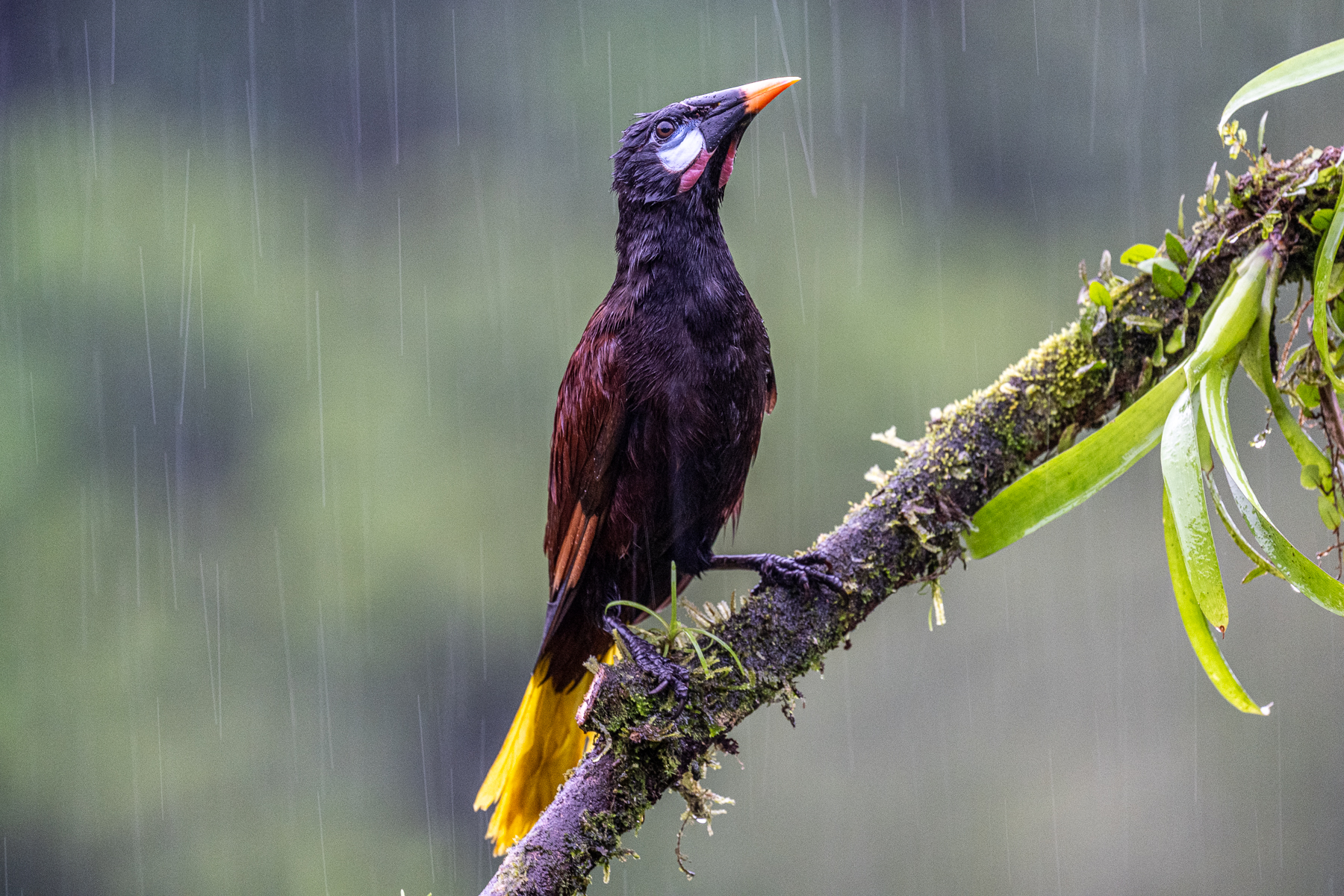
The frequent rain proved an opportunity for bird portraits at slow shutter speeds of around 1/60 sec (image by Oliver Krueger)
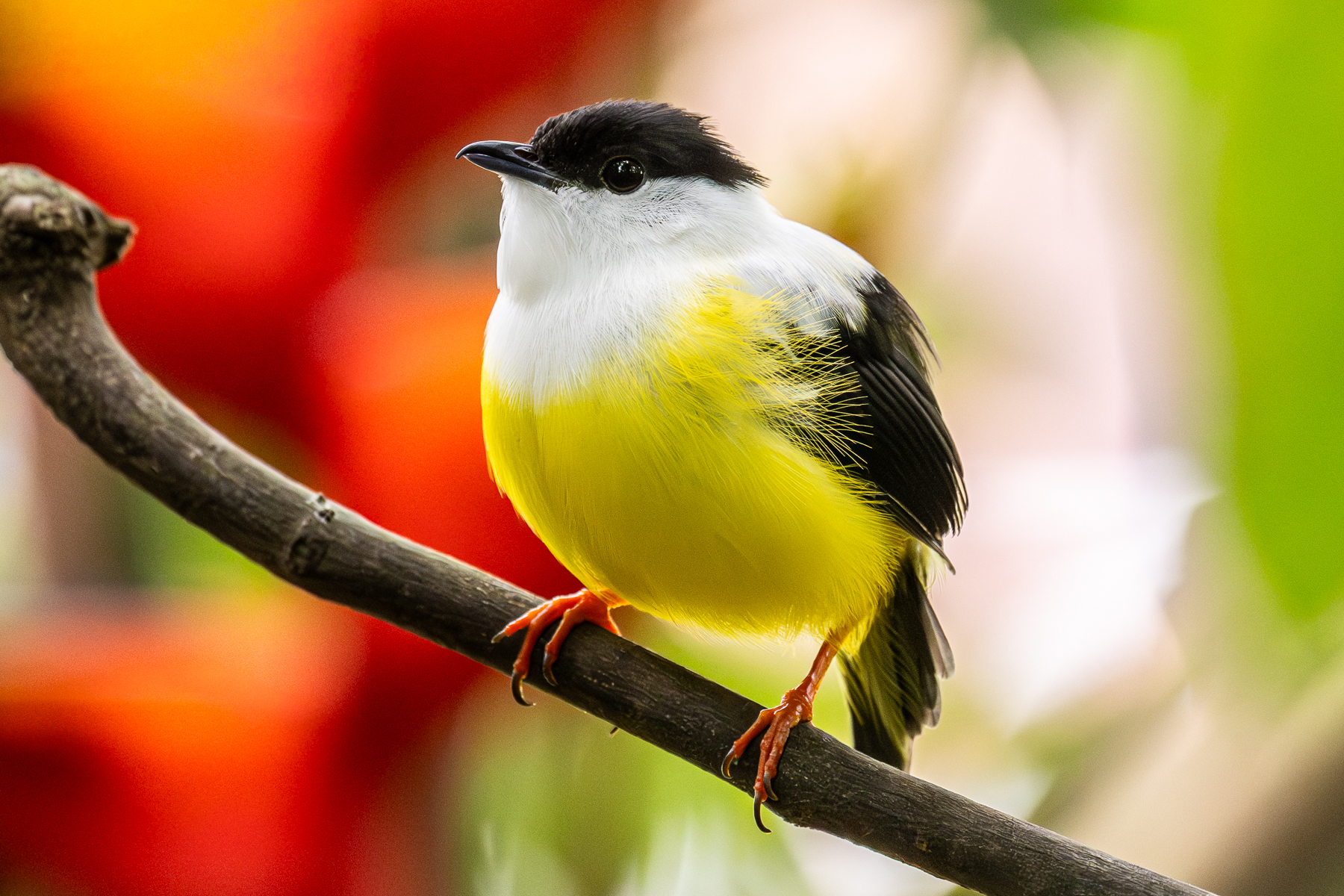
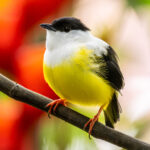
Manakins, like this White-collared Manakin male, have regular display sites known as leks (image by Oliver Krueger)
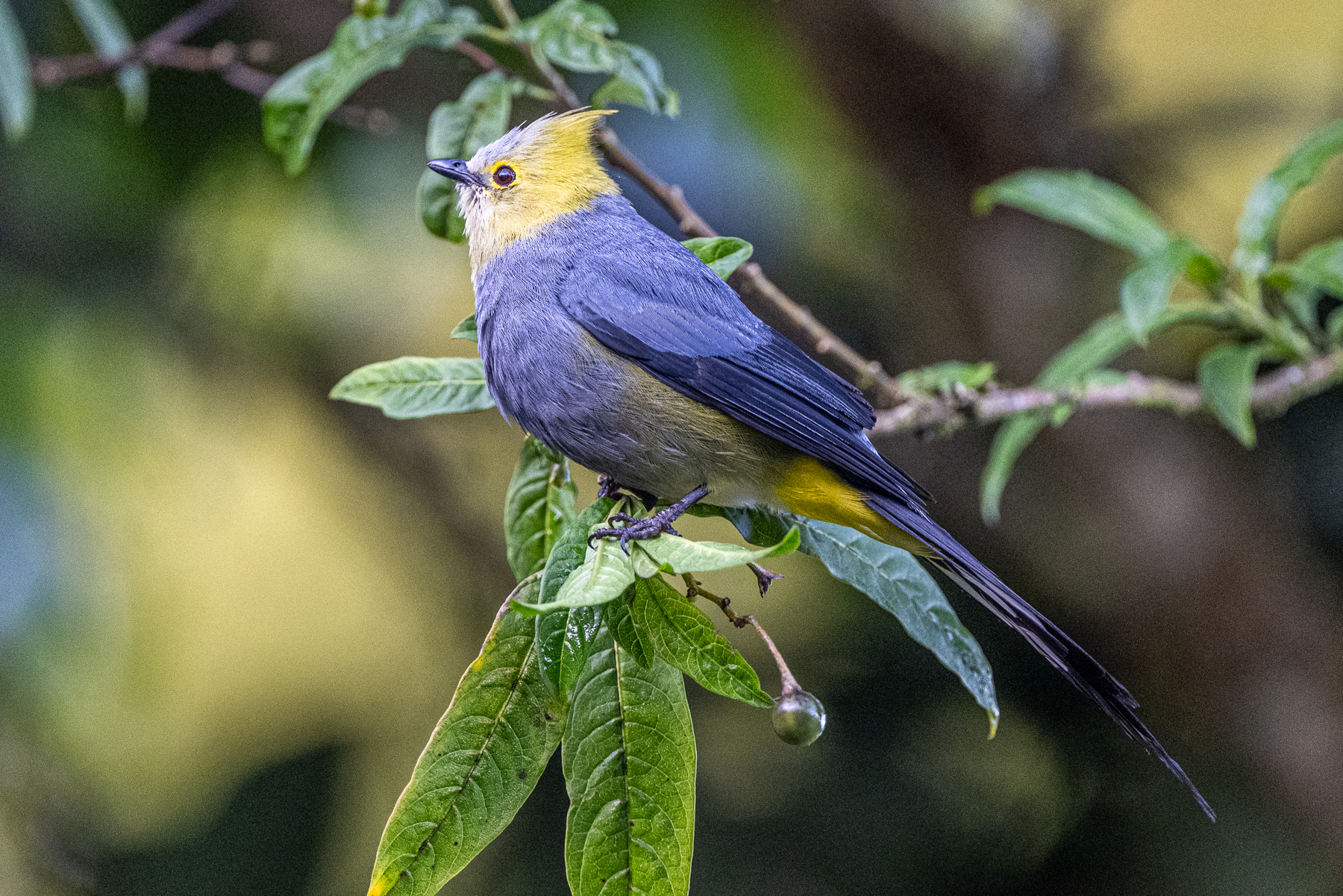
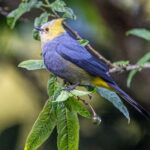
The Long-tailed Silky Flycatcher is simply handsome and luckily not that shy (image by Oliver Krueger)
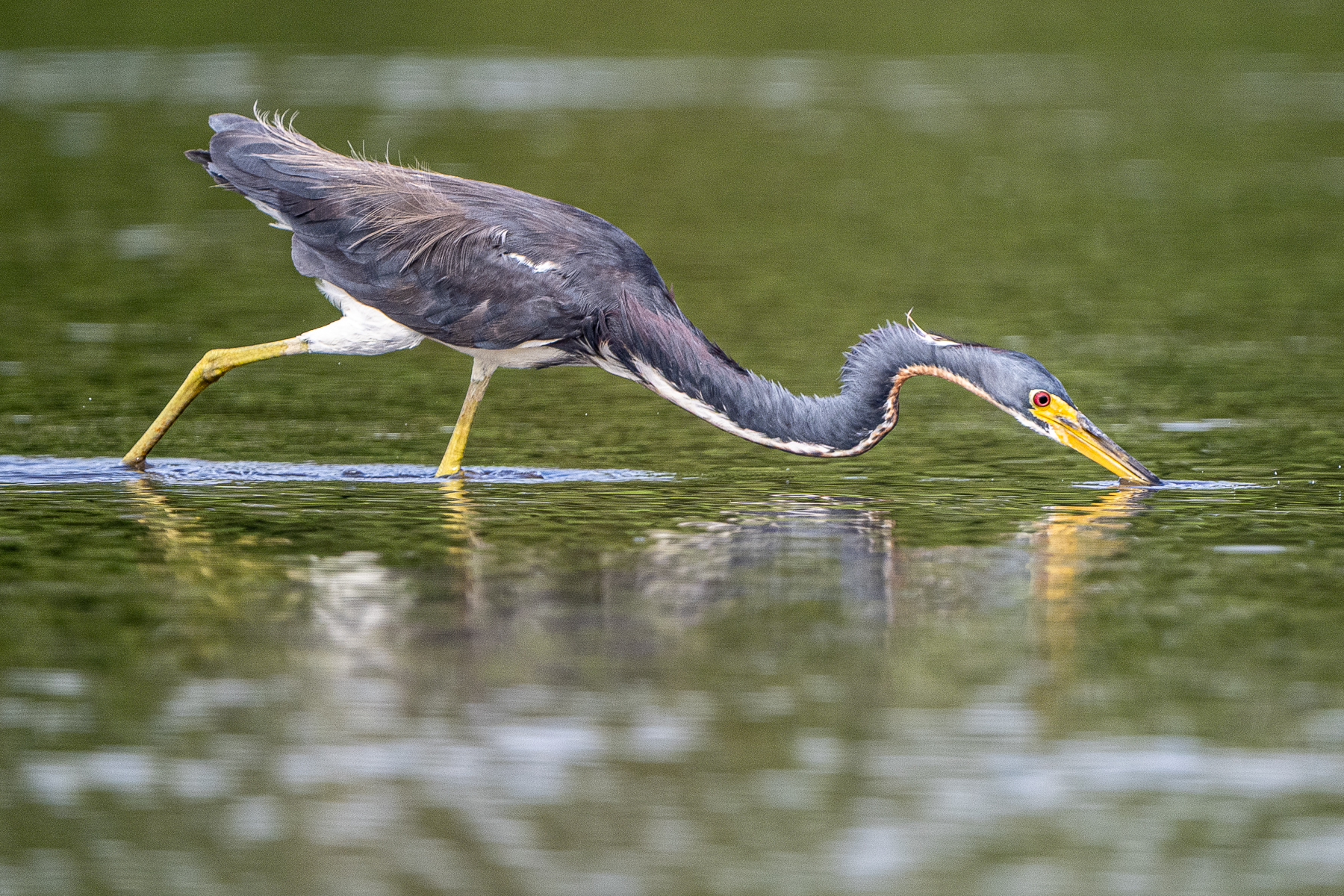
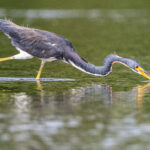
The moment of impact! Tri-coloured Heron (image by Oliver Krueger)
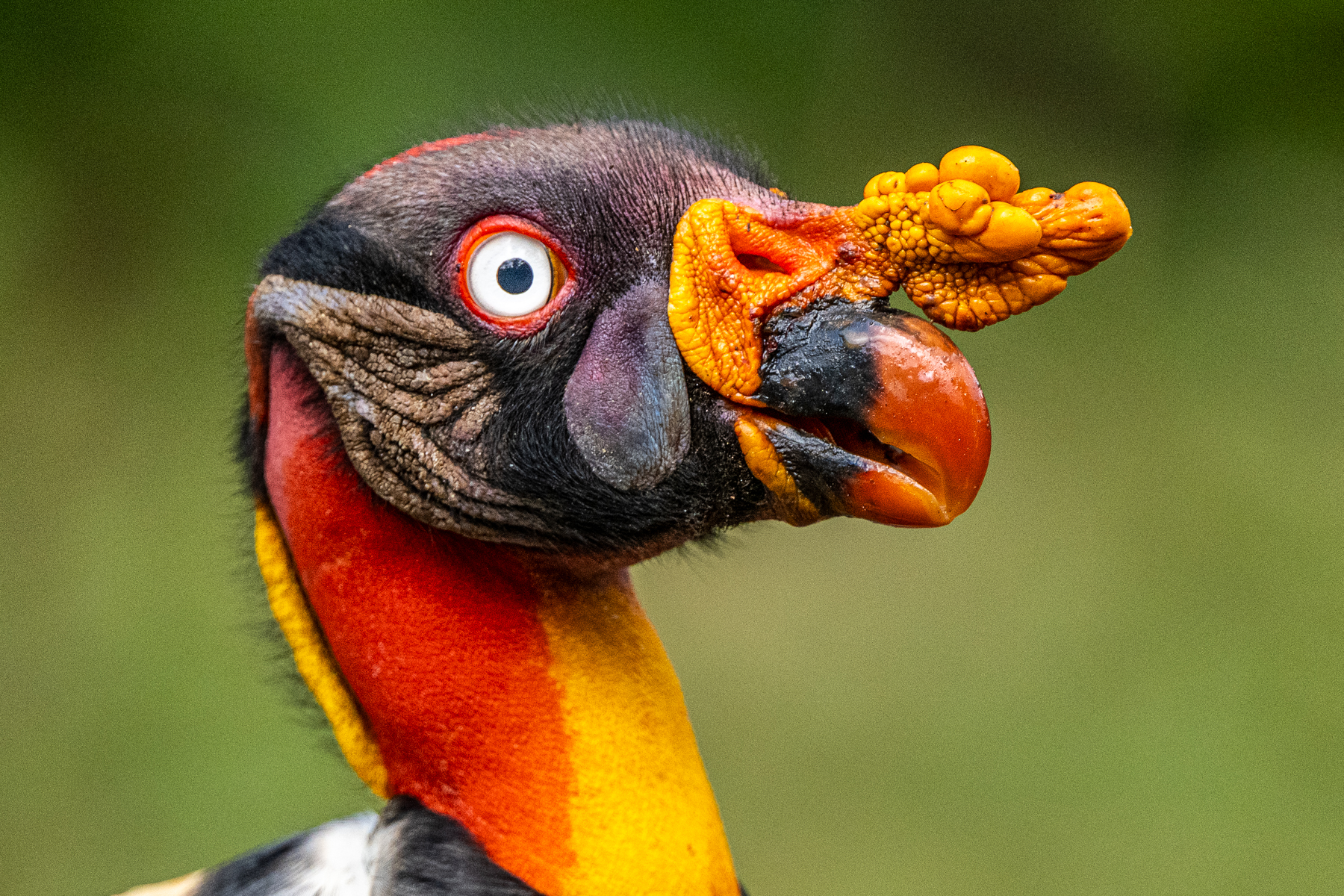
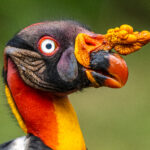
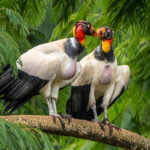
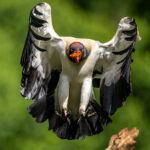
King Vulture heads are the most colourful of any vulture species (image by Oliver Krueger)
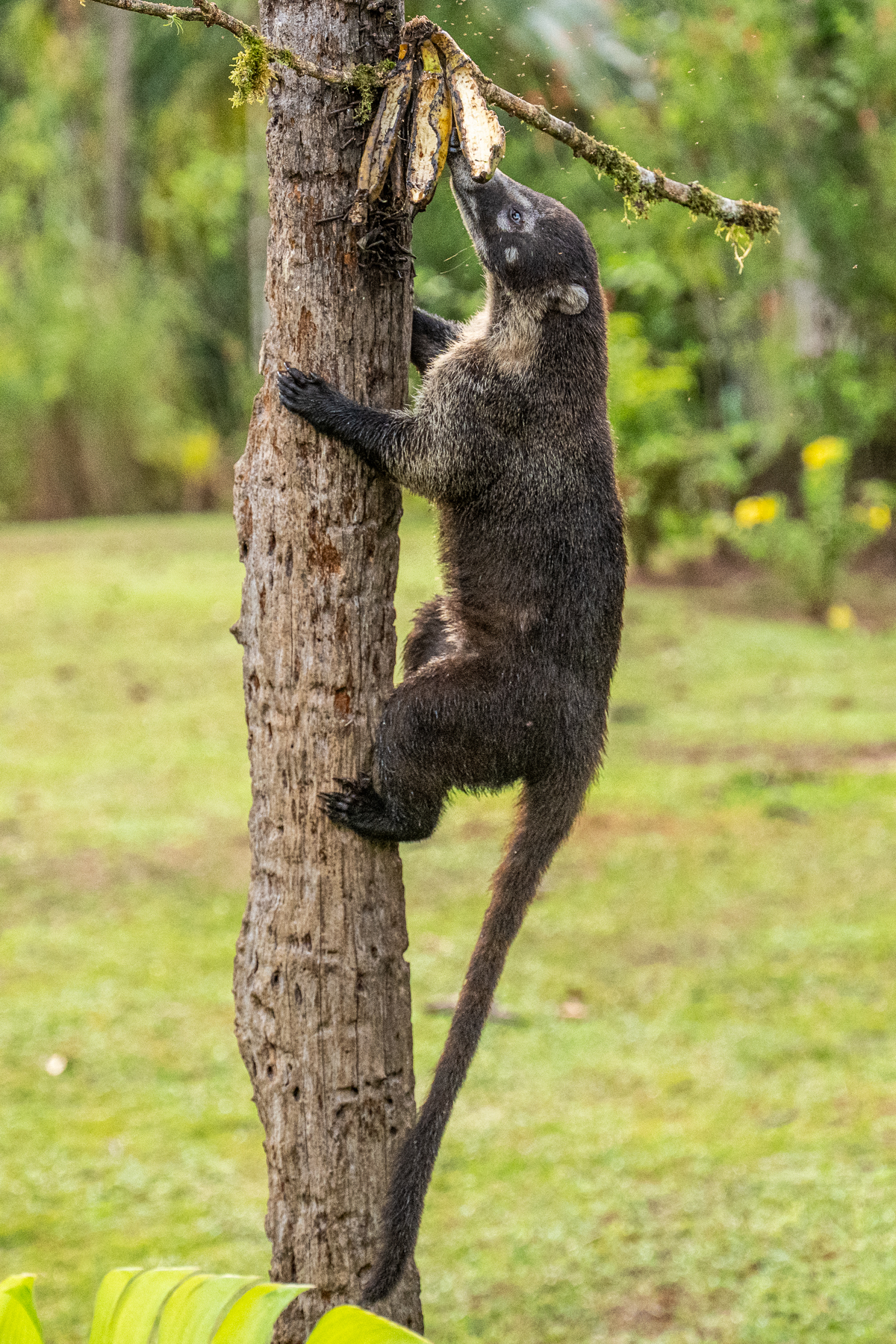
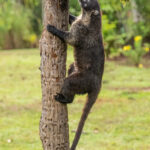
The ever inquisitive White-nosed Coati is lured up a tree by a bunch of bananas (image by Oliver Krueger)
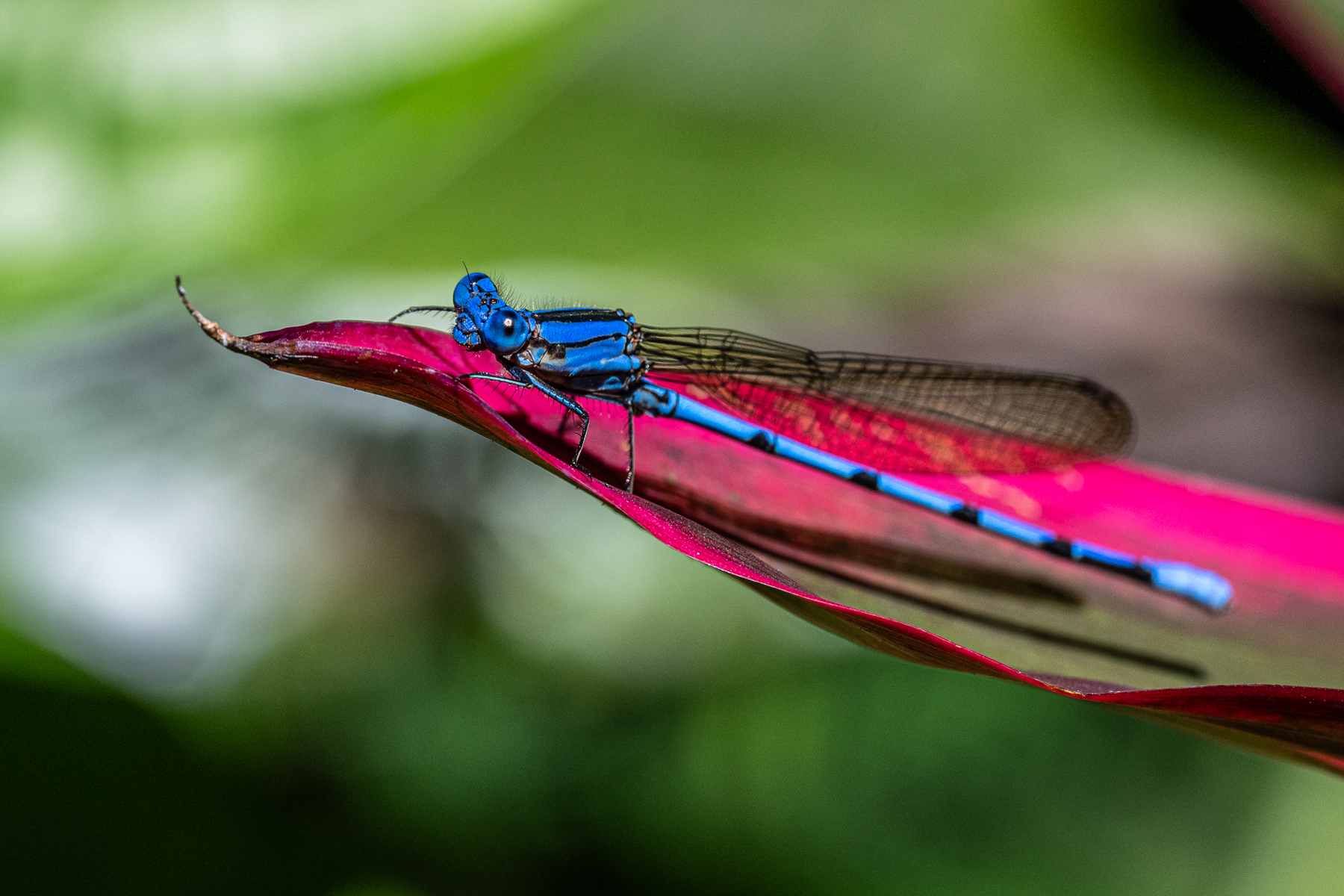
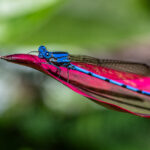
This male Cerulean Dancer of the species Argia anceps sits on a red leaf against a green background, a kaleidoscope of colours (image by Oliver Krueger)
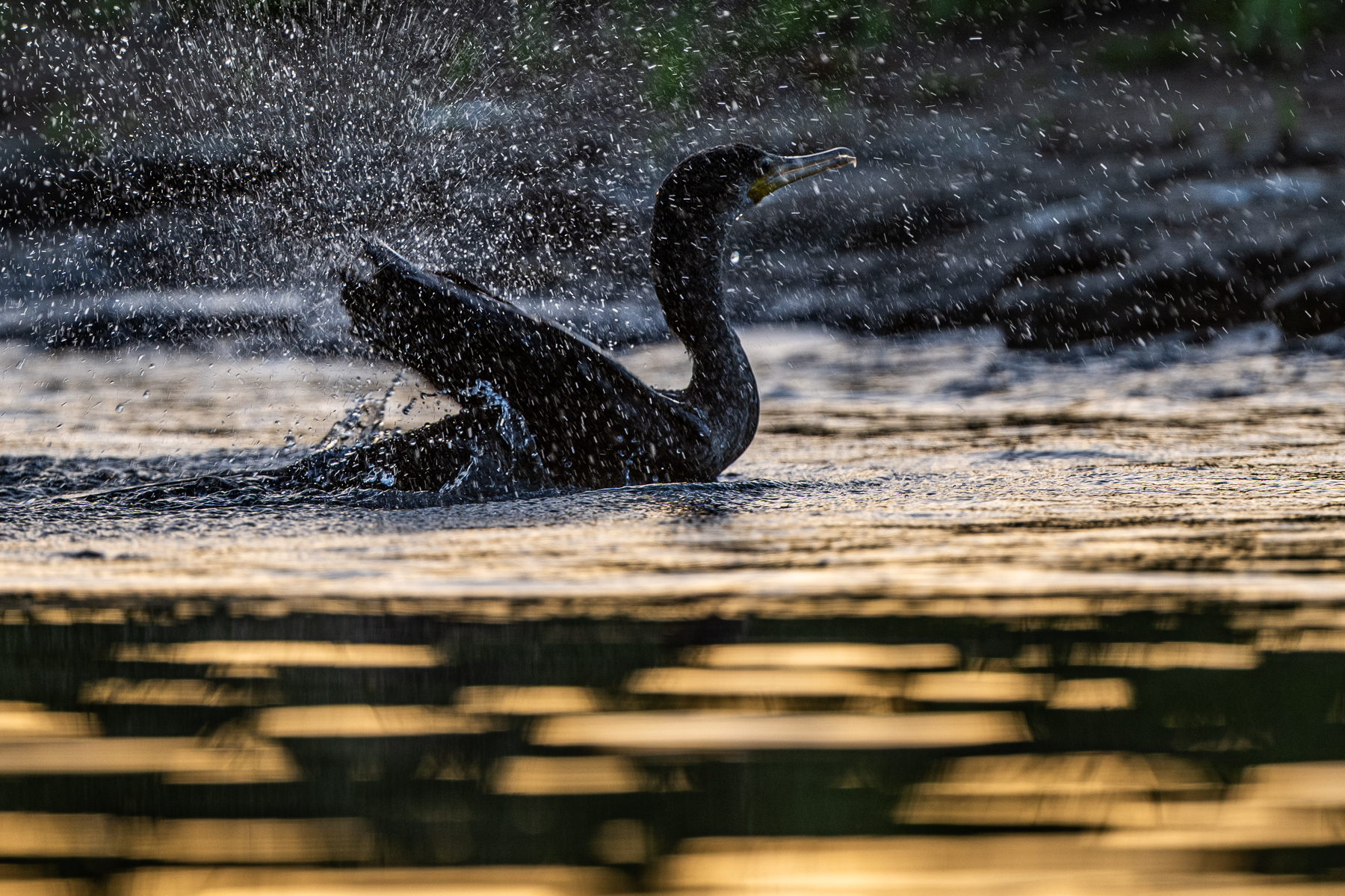
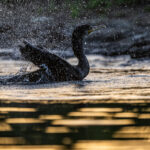
Evening bath for a Neotropical Cormorant (image by Oliver Krueger)
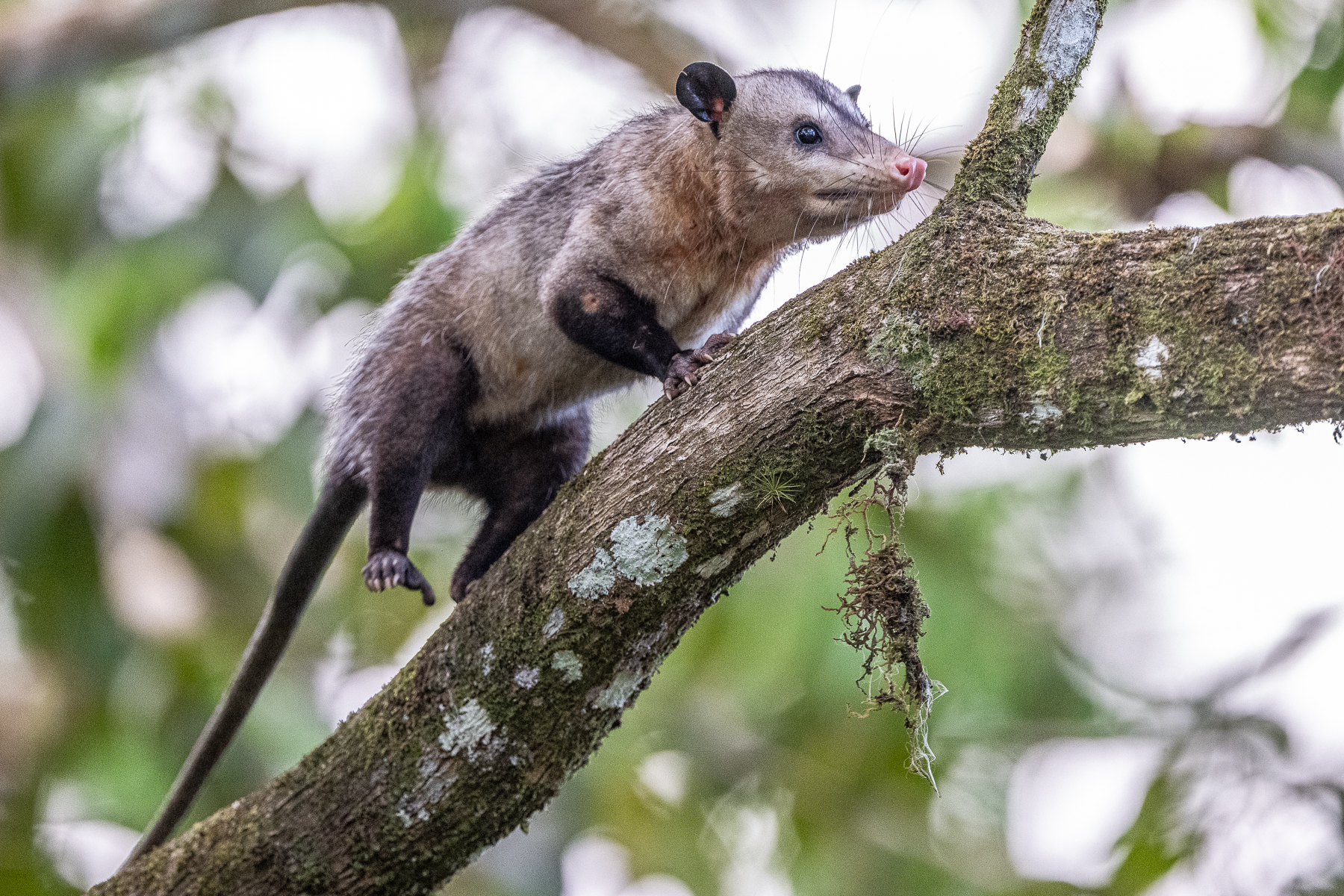
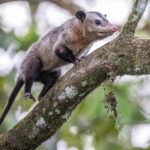
Although common, not commonly encountered in daylight, a Common Opossum (image by Oliver Krueger)
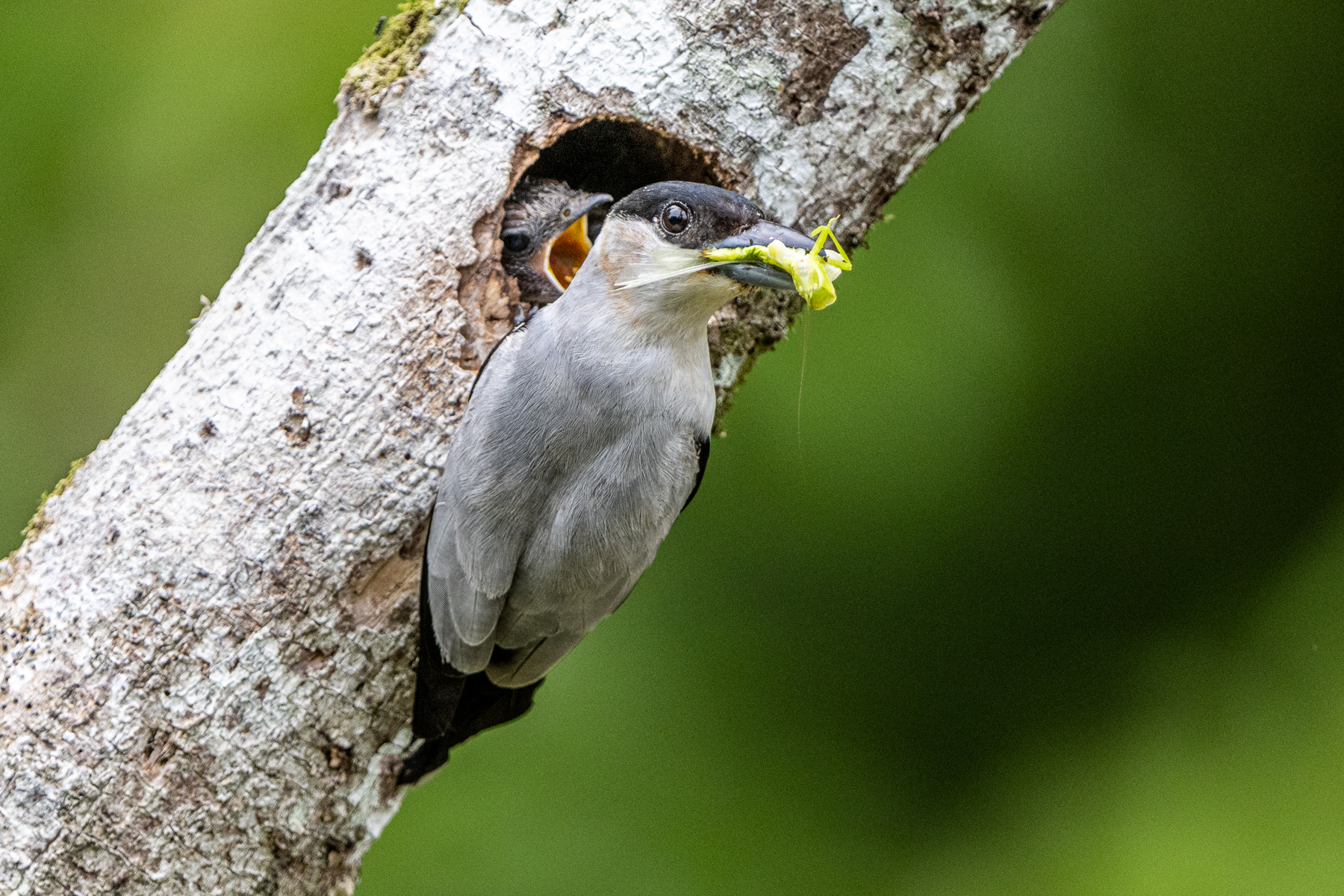
Raising a family is relentless work, also for a Black-crowned Tityra male (image by Oliver Krueger)
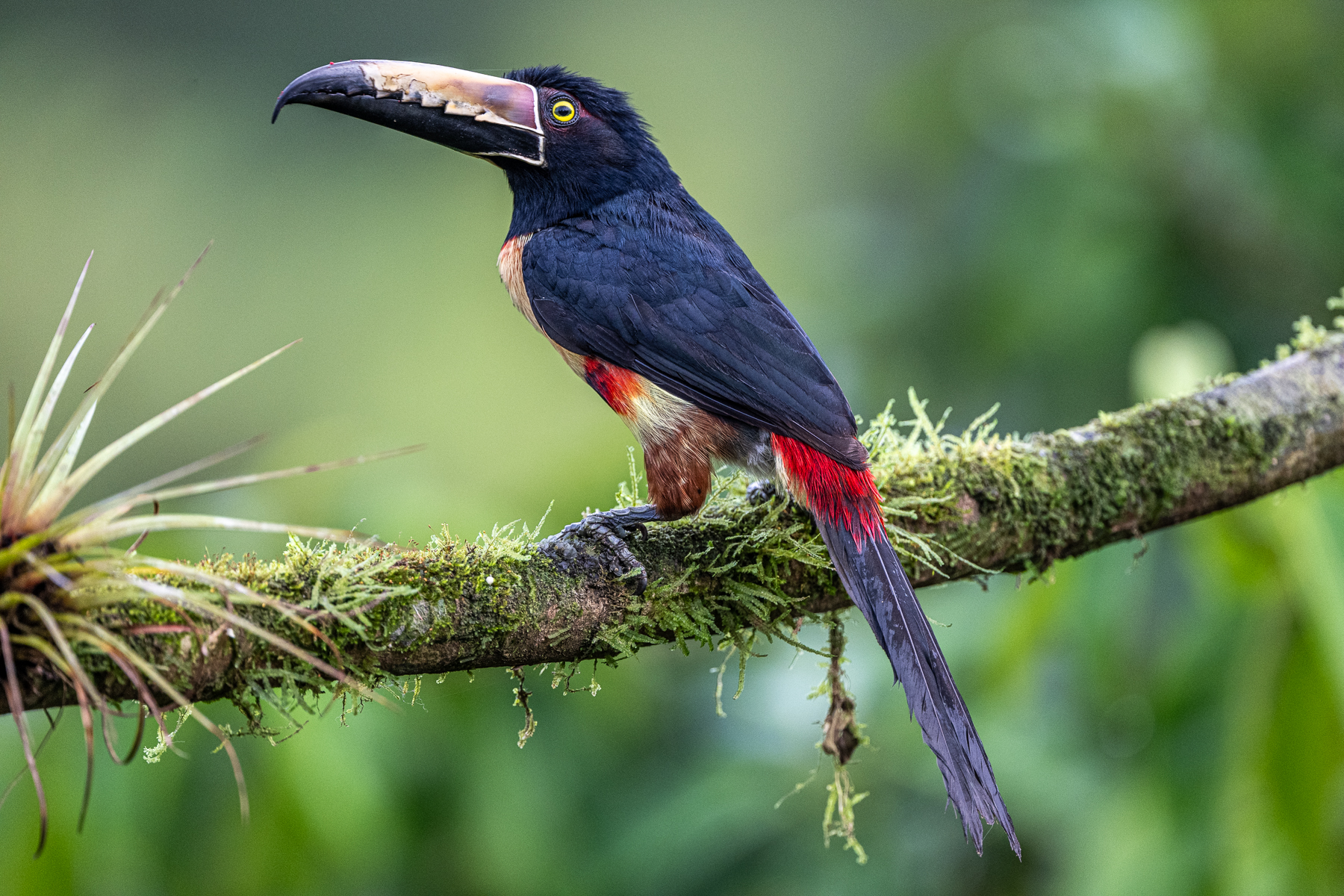
Another member of the Toucan family, the Collared Aracari (image by Oliver Krueger)
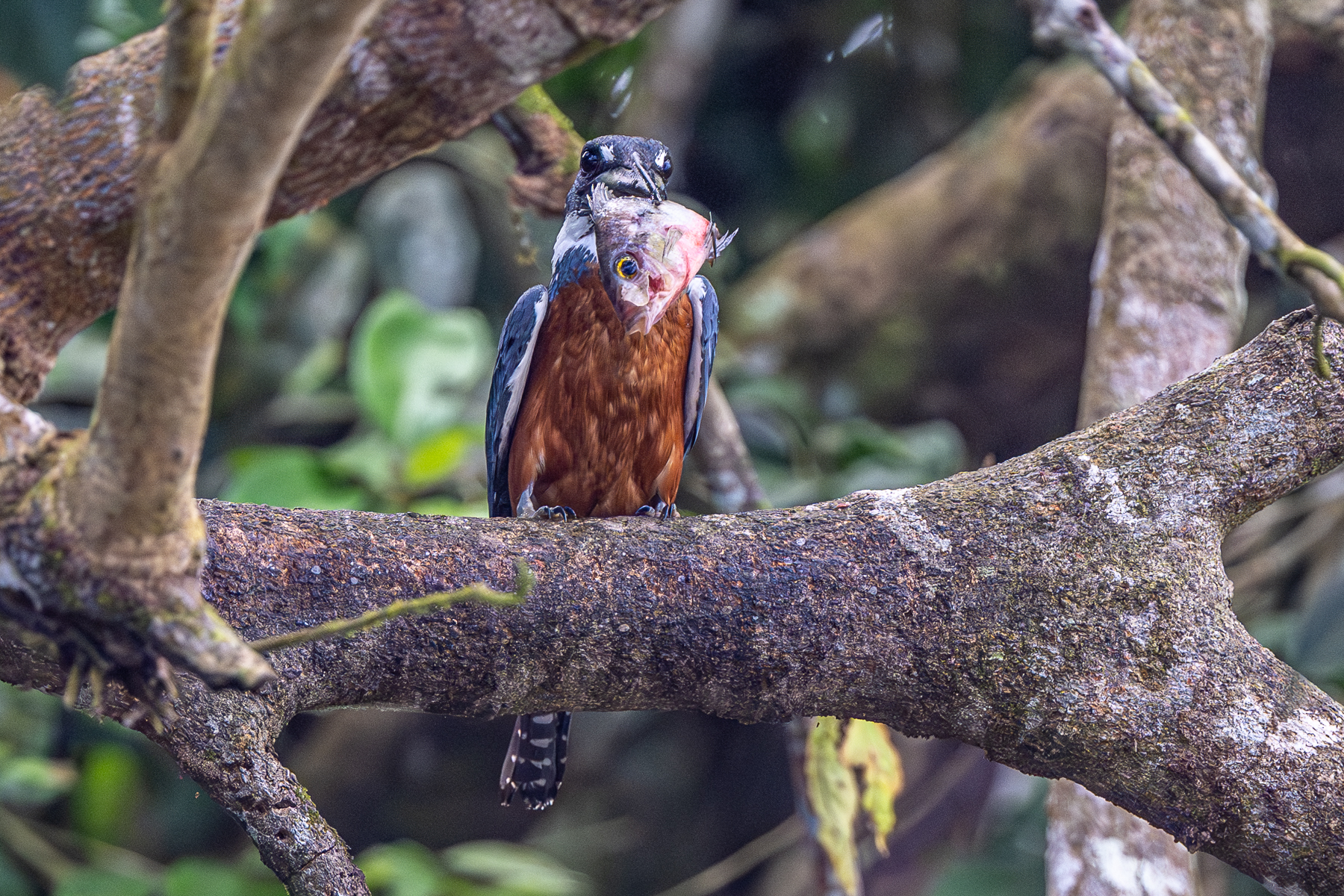
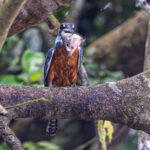
A big catch, even for the biggest Kingfisher of Central America (image by Oliver Krueger)
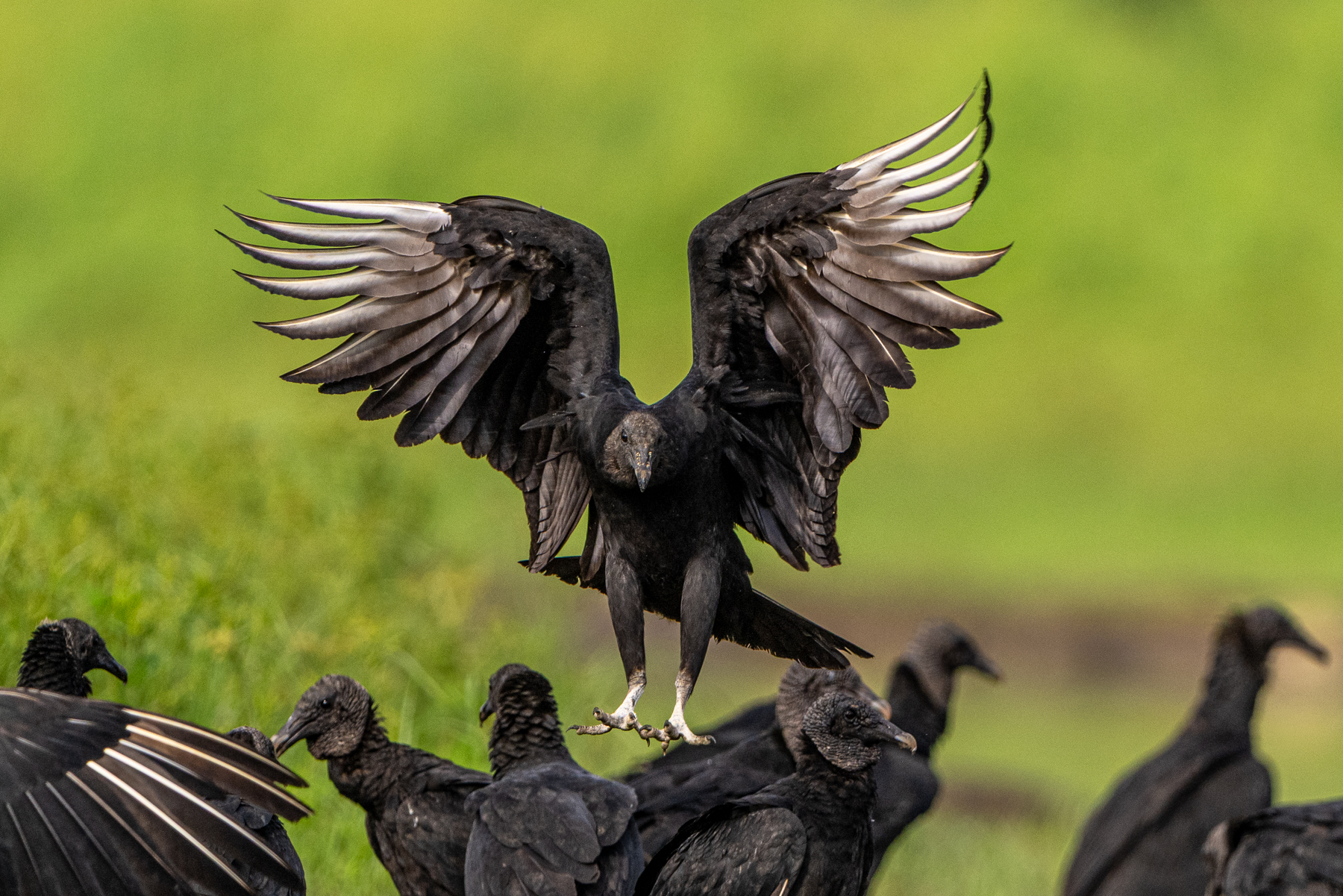
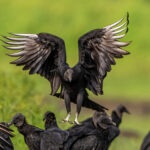
Black can be beautiful, exemplified by a Black Vulture about to land (image by Oliver Krueger)
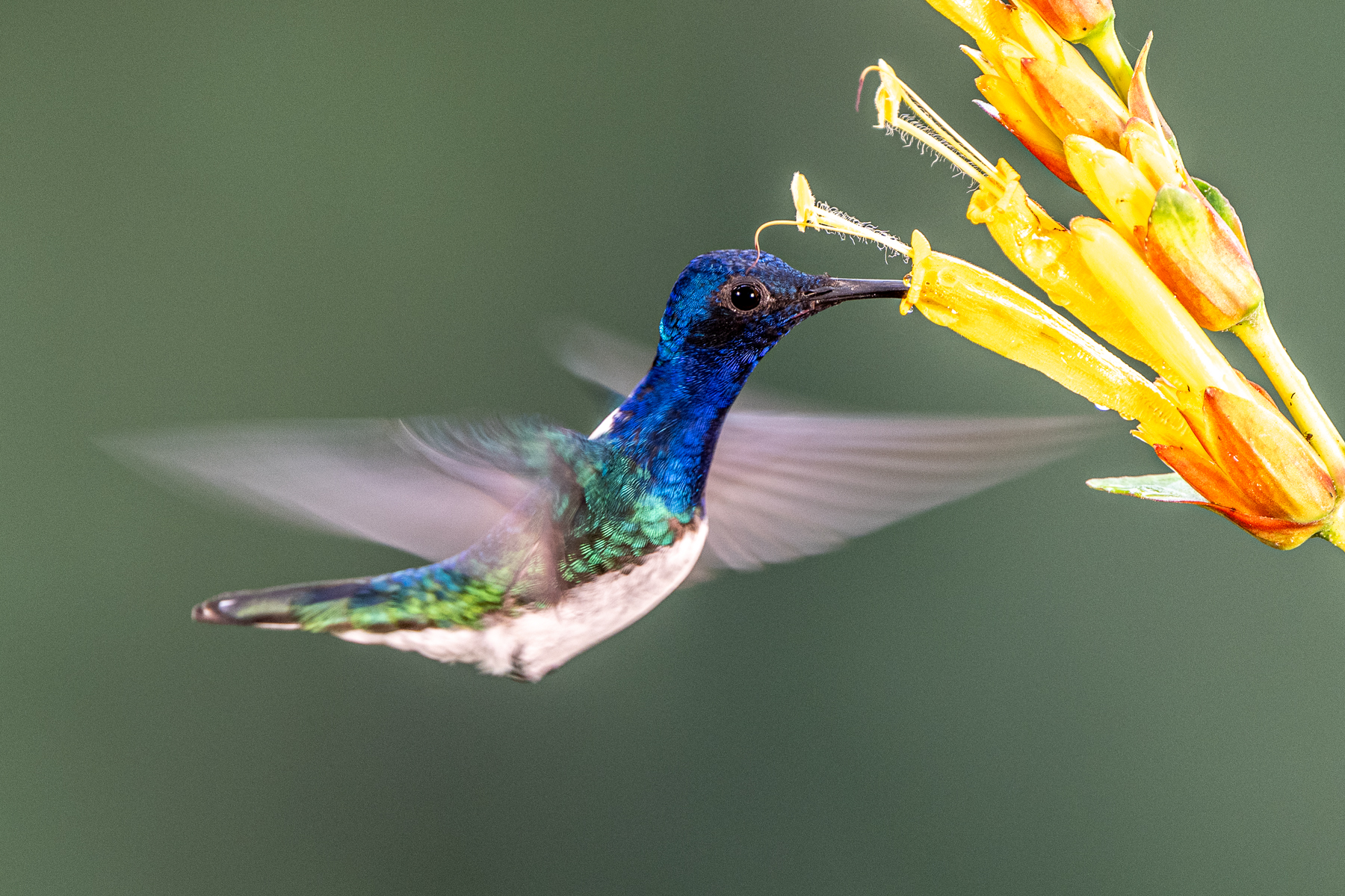
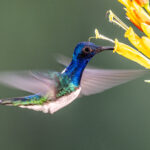
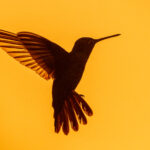
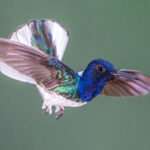
With shutter speeds around 1/125 sec, wing blur expresses the dynamics of White-necked Jacobin flight (image by Oliver Krueger)
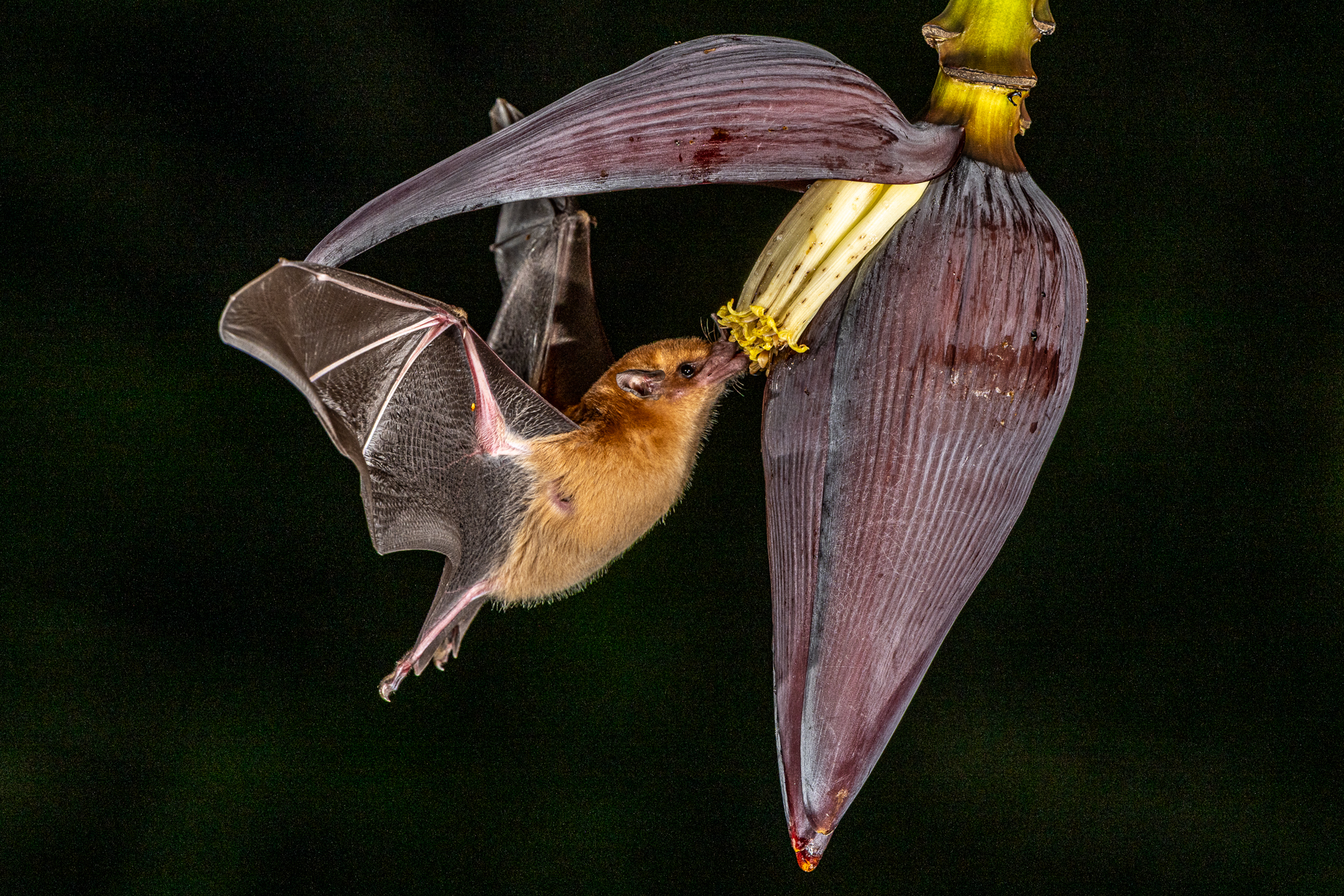
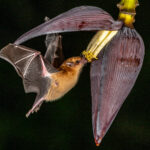
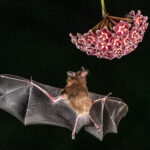
Photographing an Orange Nectar Bat at dark with the help of a multiflash system was a unique learning experience (image by Oliver Krueger)
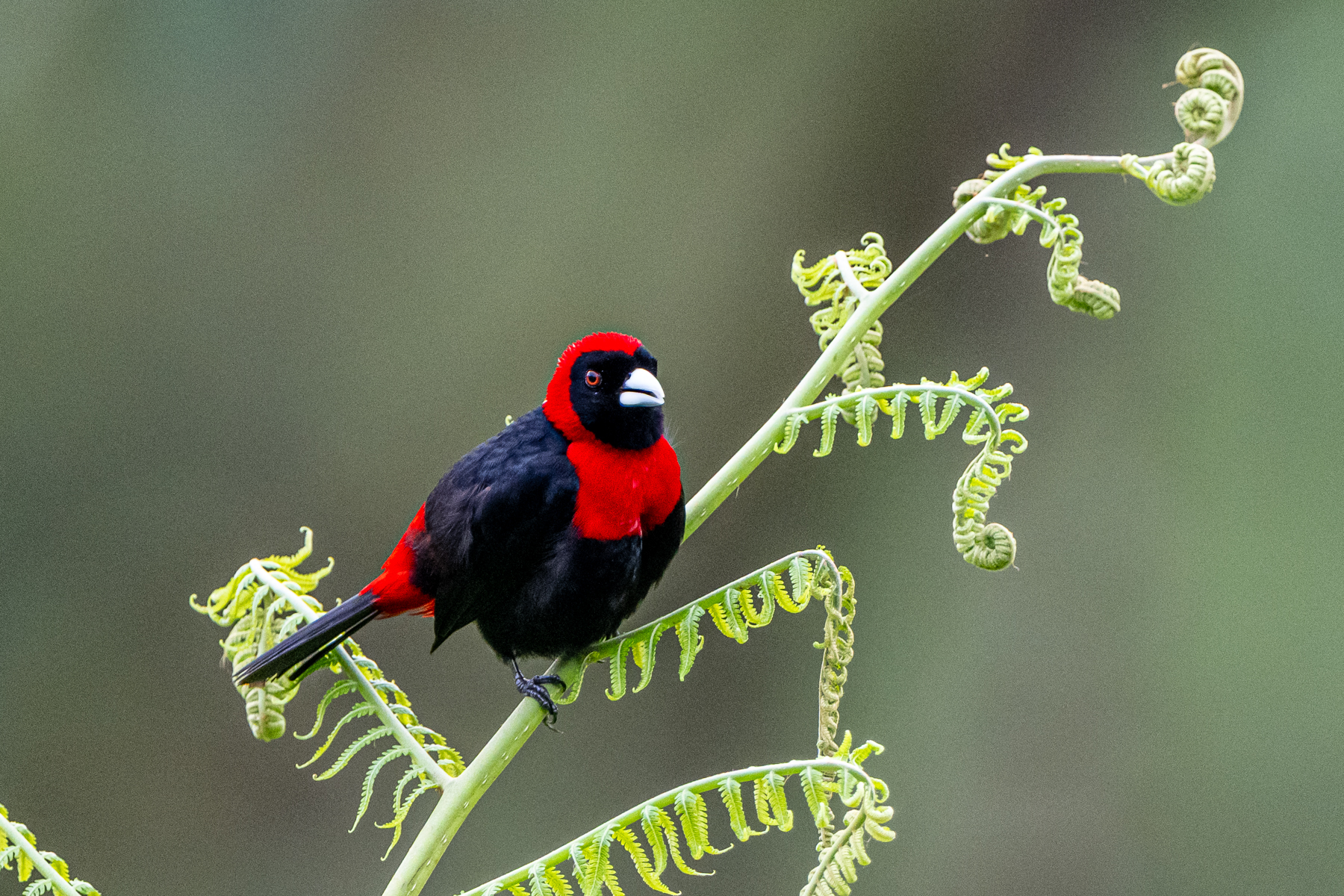
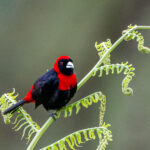
Crimson-collared Tanager males know how to look good on a fern (image by Oliver Krueger)
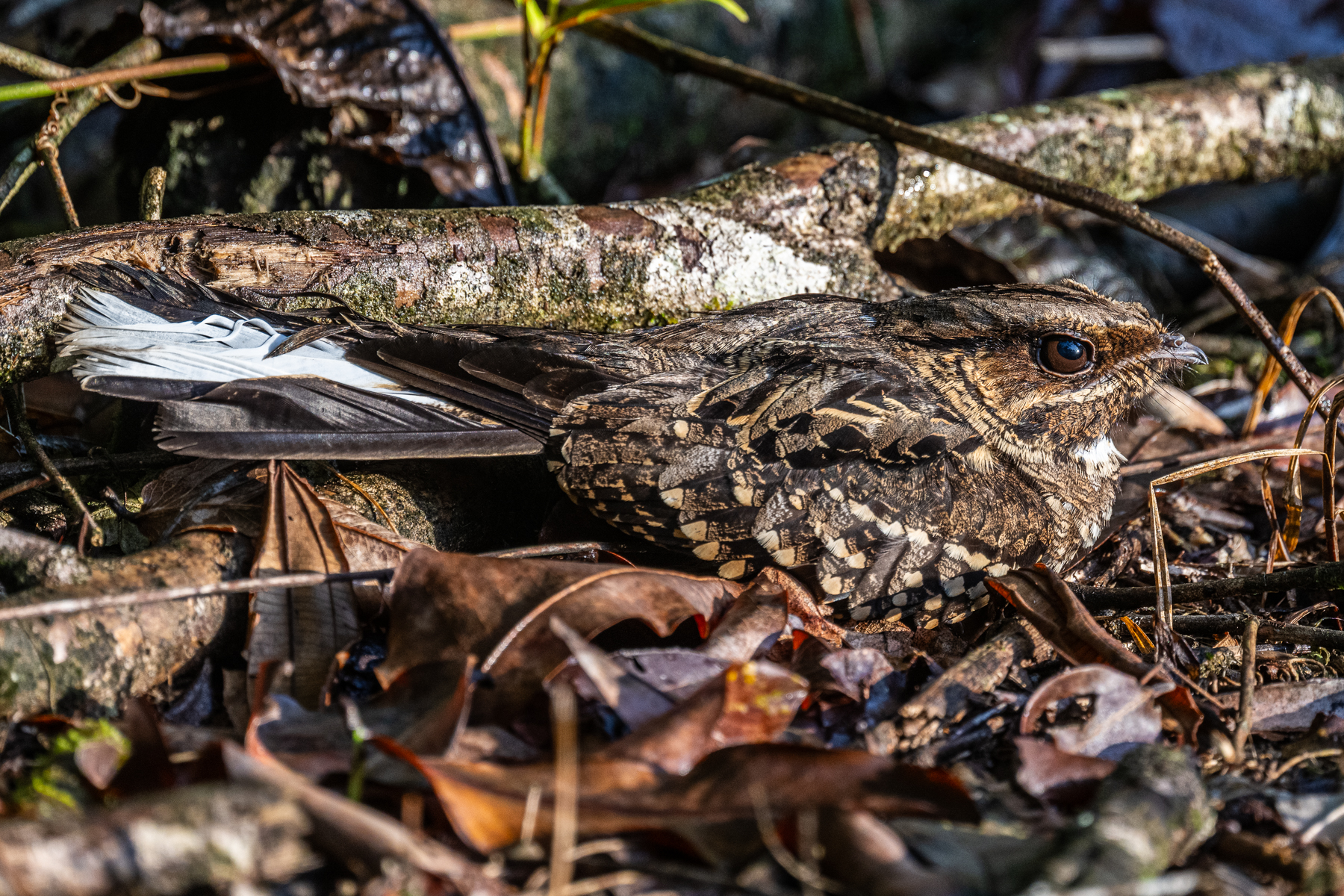
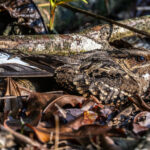
It is very rare to see a Pauraque Nightjar on the ground in broad daylight (image by Oliver Krueger)
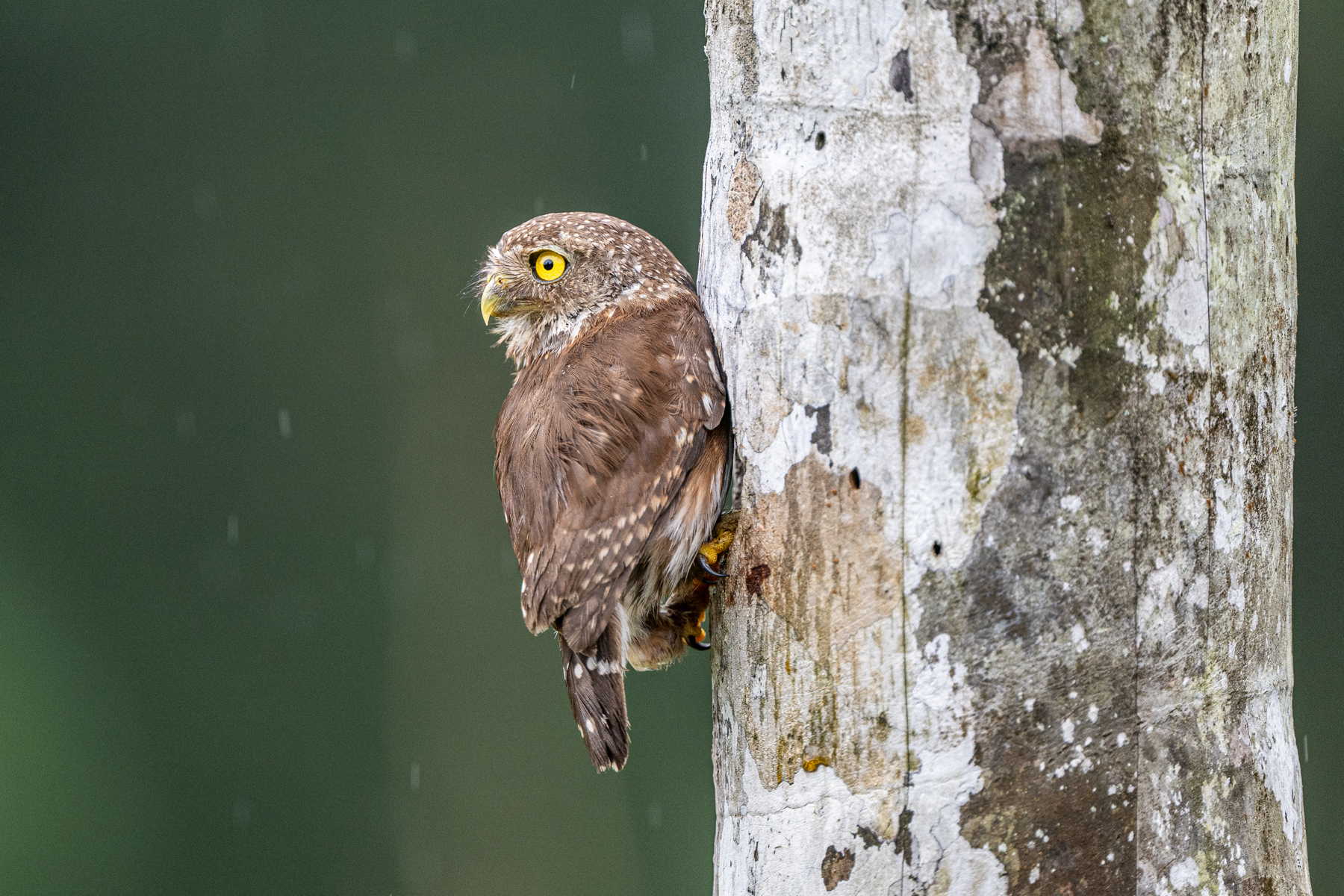
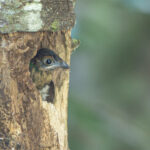
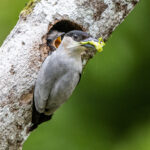
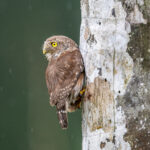
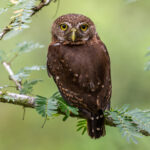
Always watchful, a Central American Pygmy Owl in front of the nest hole (image by Oliver Krueger)
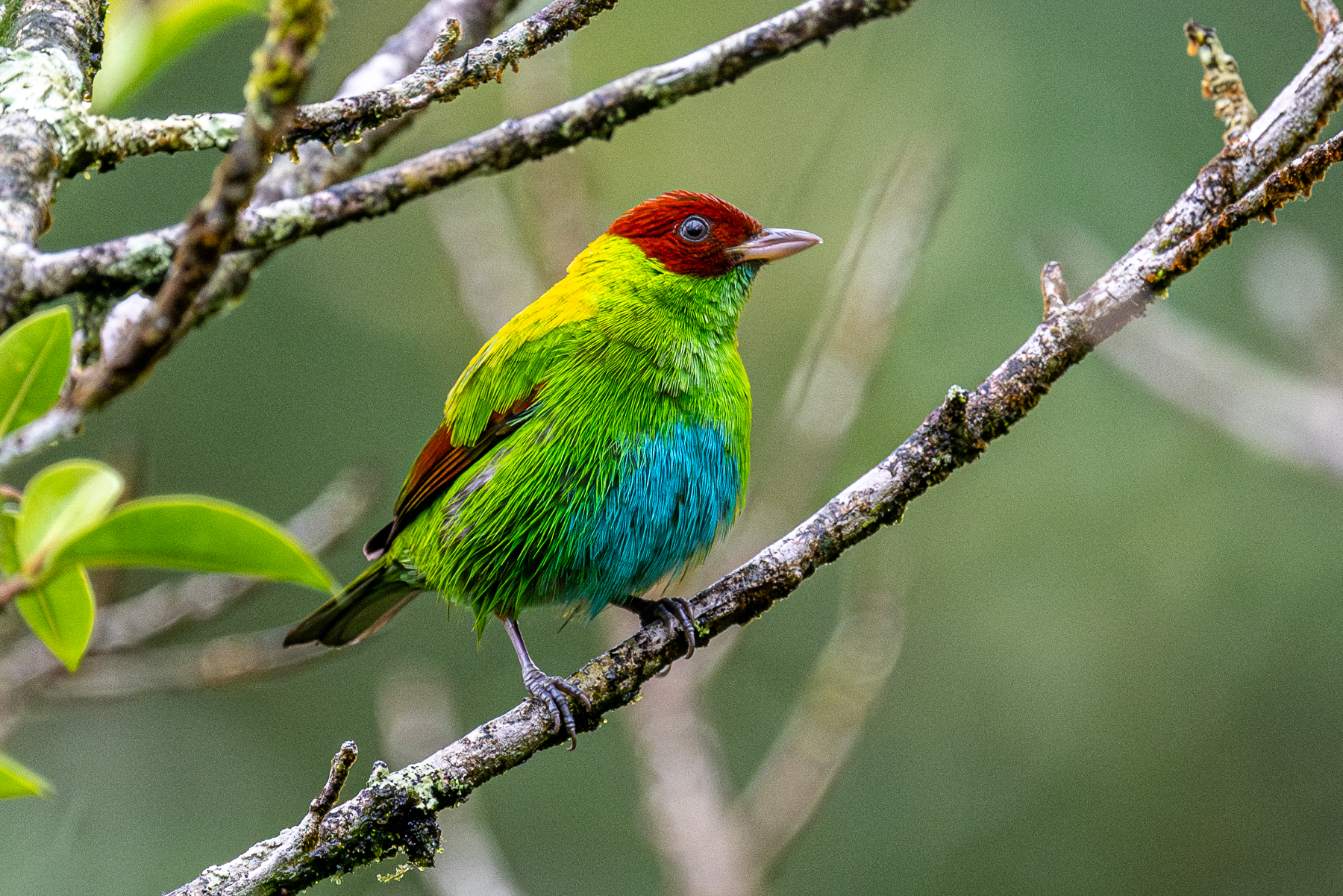
To quote Charles Darwin "Epithet after epithet was found to weak to convey the sensation of delight which the mind experiences", Rufous-winged Tanager (image by Oliver Krueger)
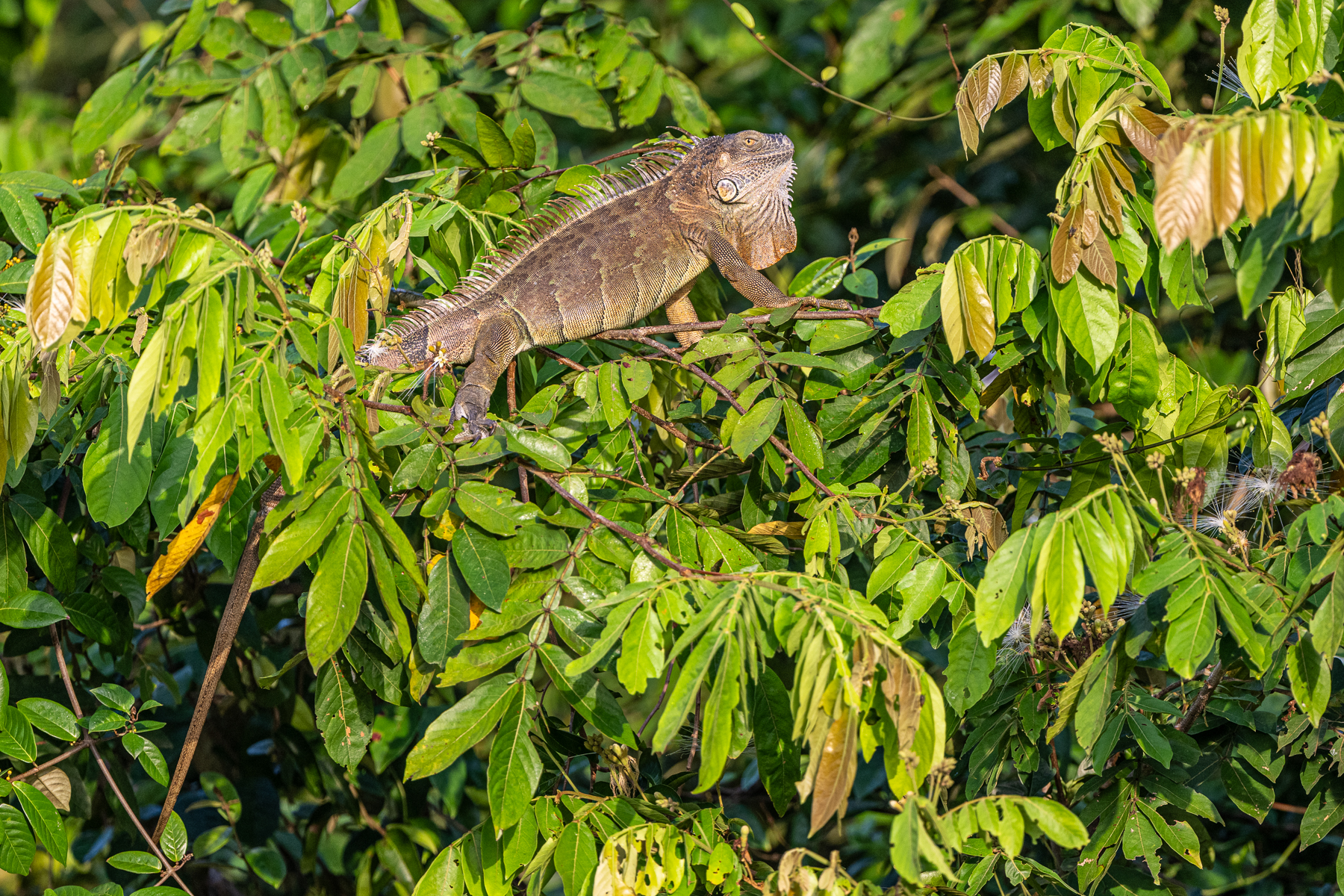
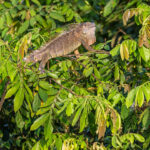
A fully-grown Green Iguana can measure 2.5 metres but is rarely really green (image by Oliver Krueger)
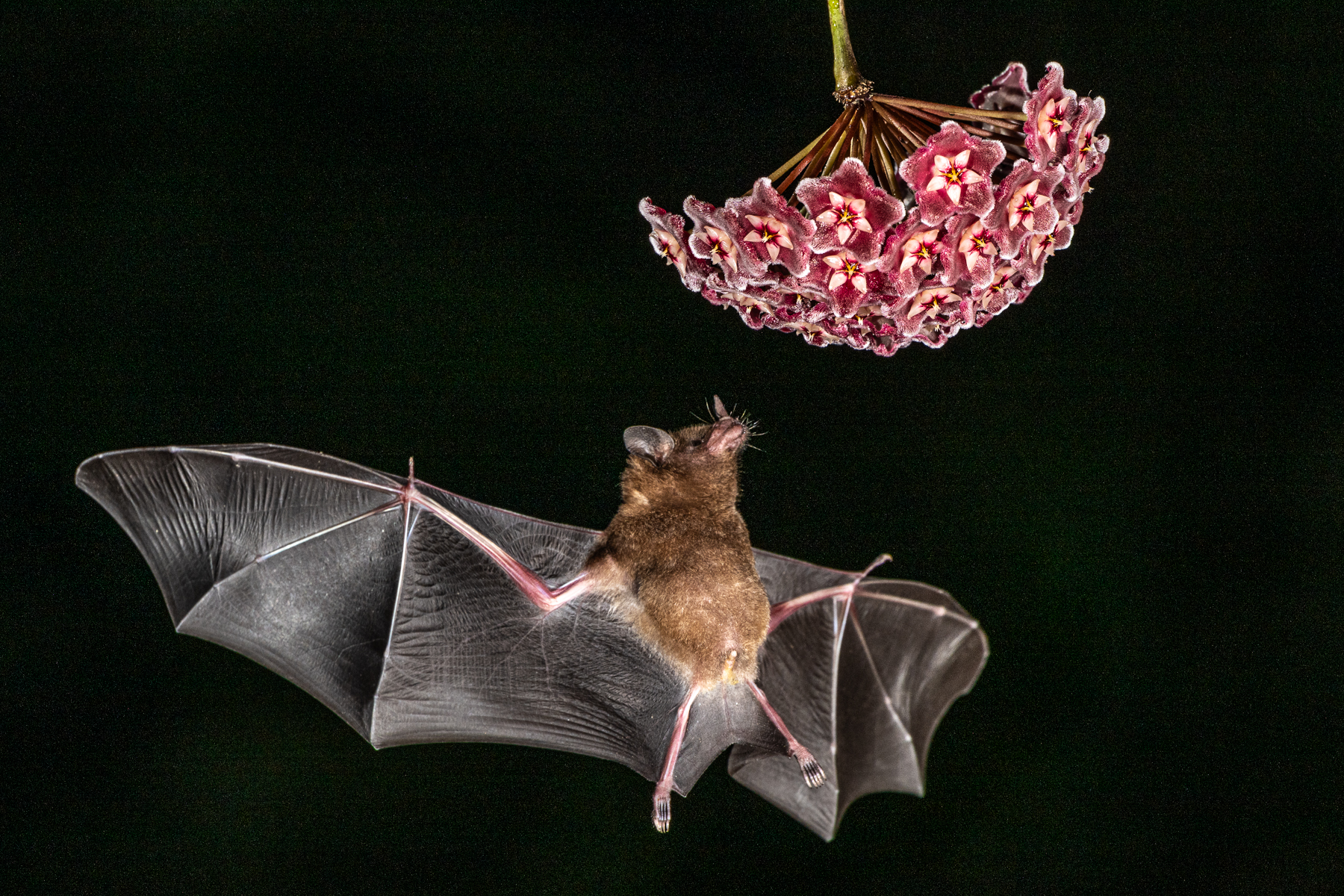
Brown Long-tongued Bats have amongst the highest metabolic rate of any mammal, they need a lot of sugar (image by Oliver Krueger)
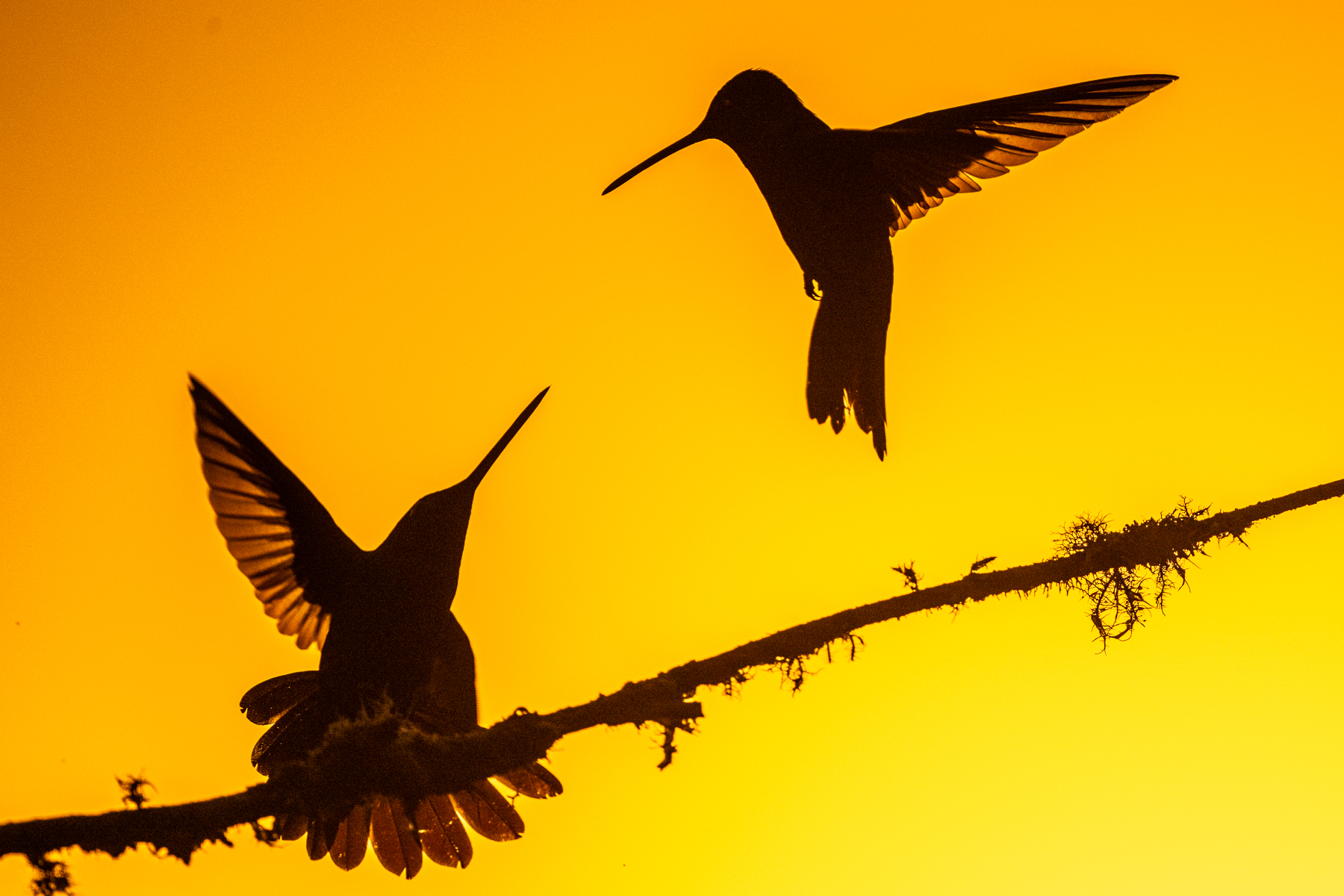
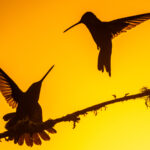
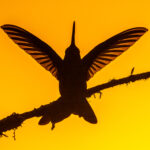
Even at sunset, there are still conflicts to be resolved, Talamanca Hummingbird (image by Oliver Krueger)
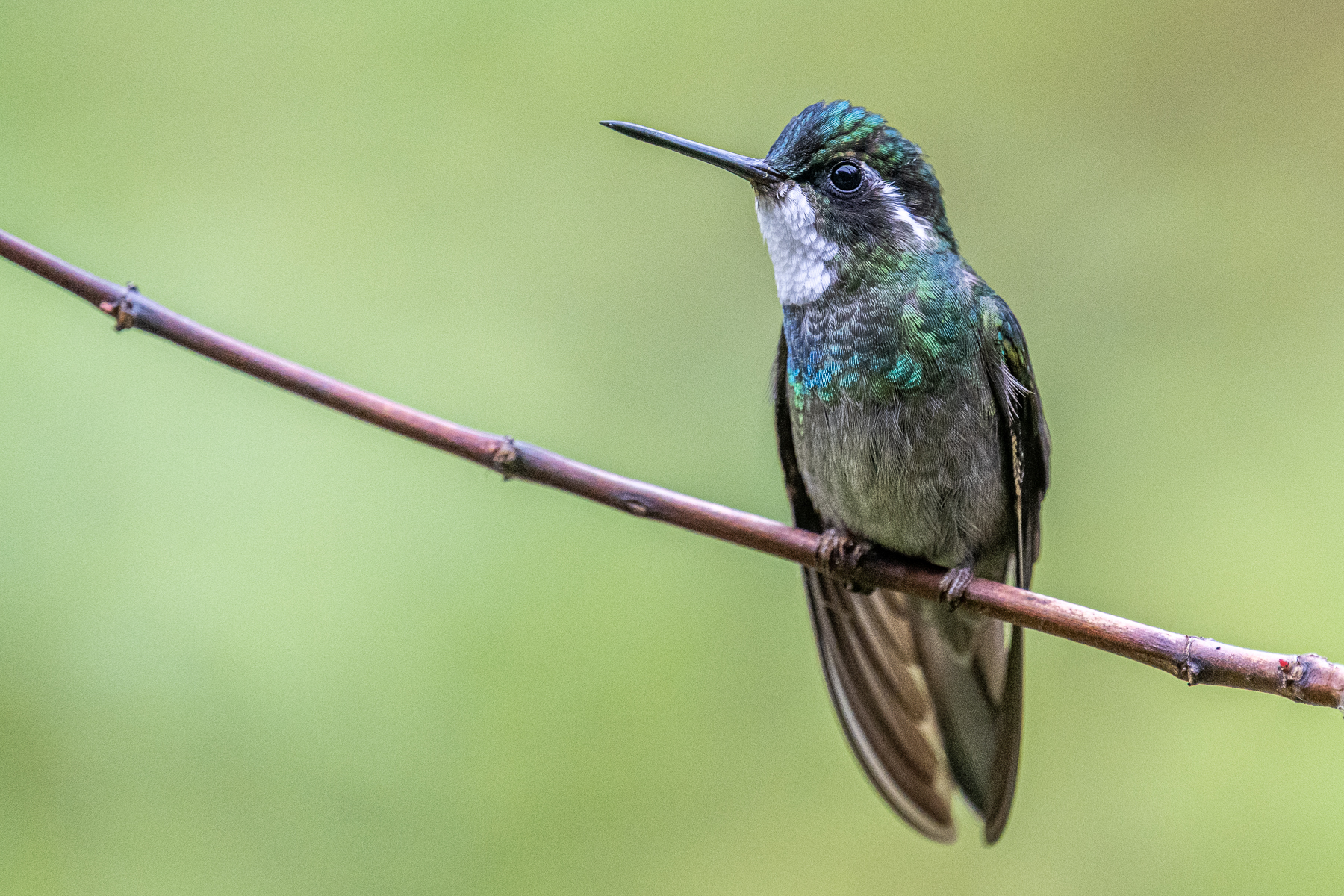
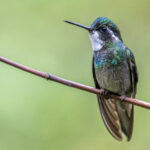
White-throated Mountain Gem male perching between chasing other hummingbirds (image by Oliver Krueger)
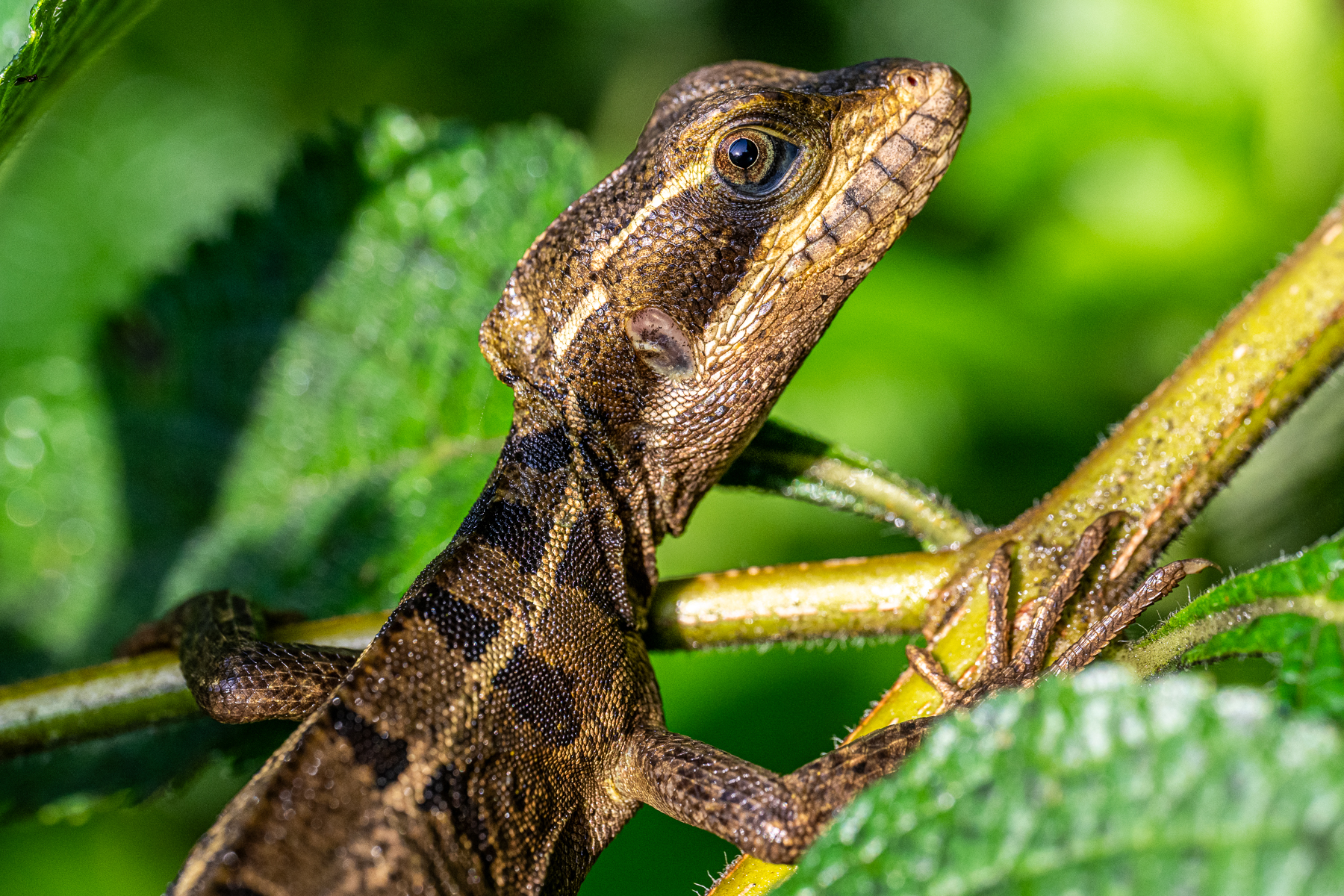
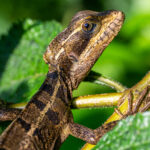
Head portrait of an immature Striped Basilisk sunning itself in the early morning (image by Oliver Krueger)
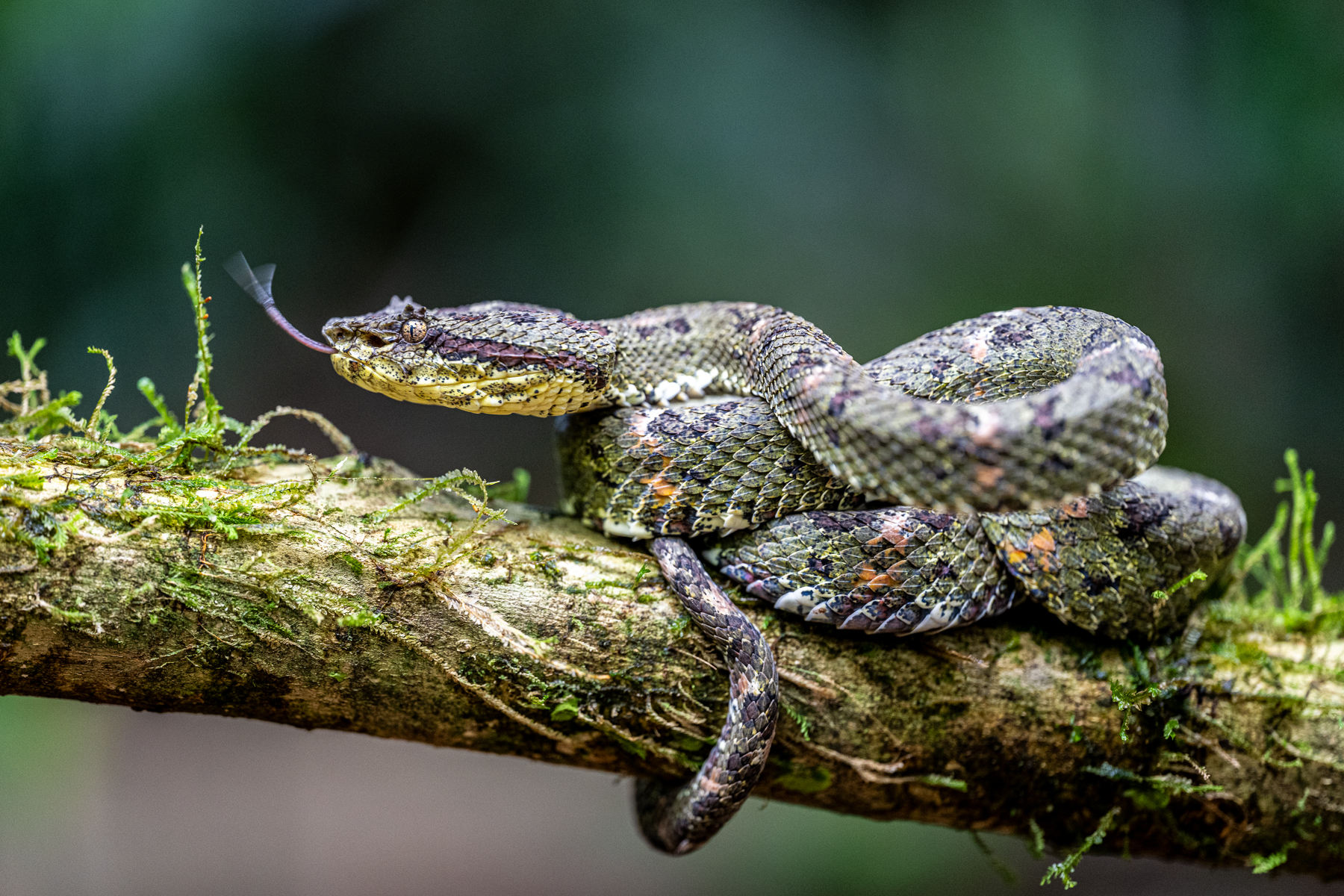
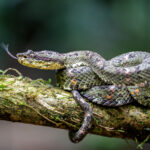
Eyelash Palm-Pitviper of the standard, much more common morph (image by Oliver Krueger)
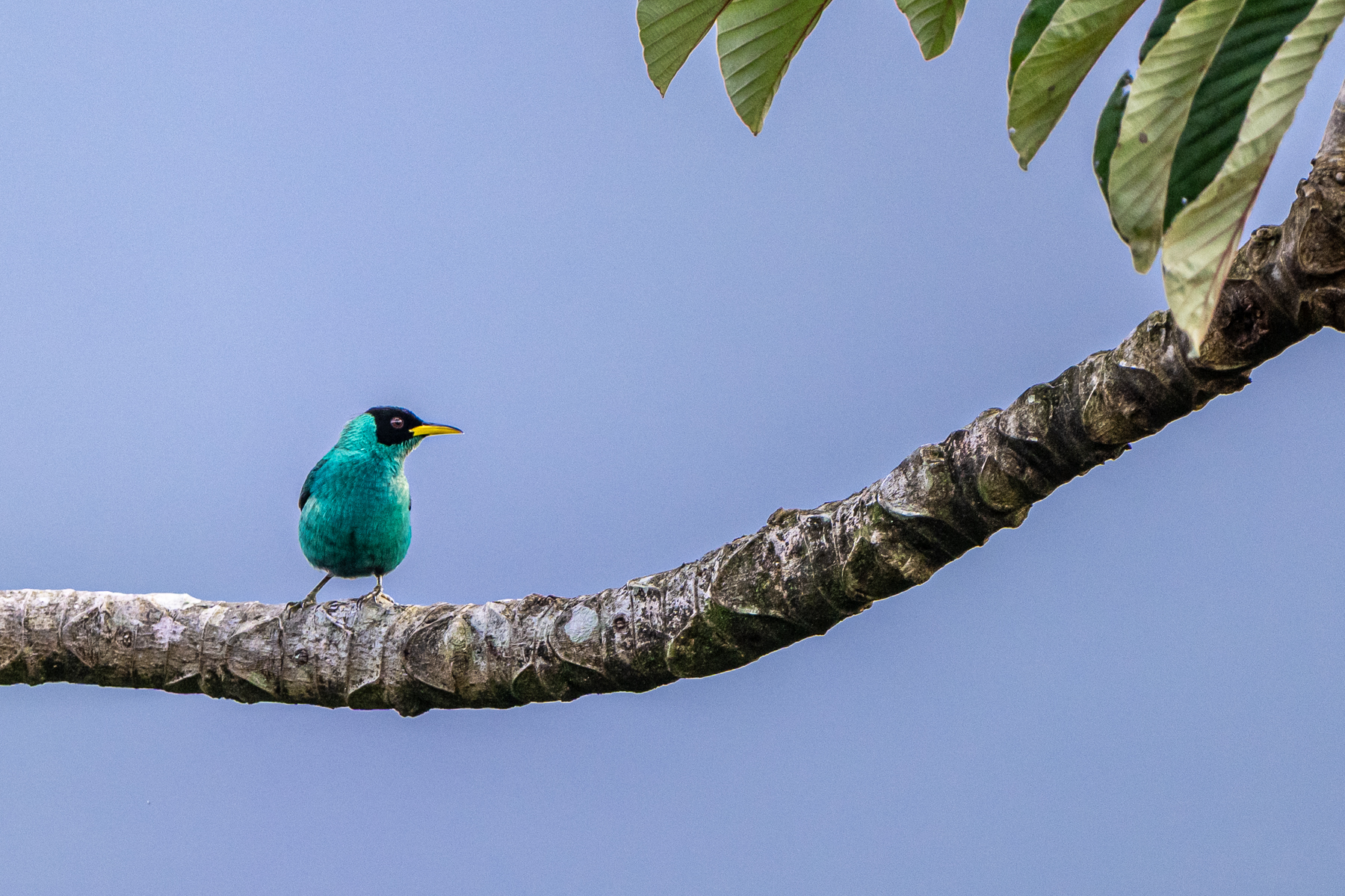
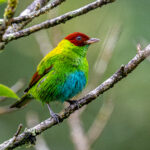
Another stunning honeycreeper, a male Green Honeycreeper in a Cecropia tree (image by Oliver Krueger)
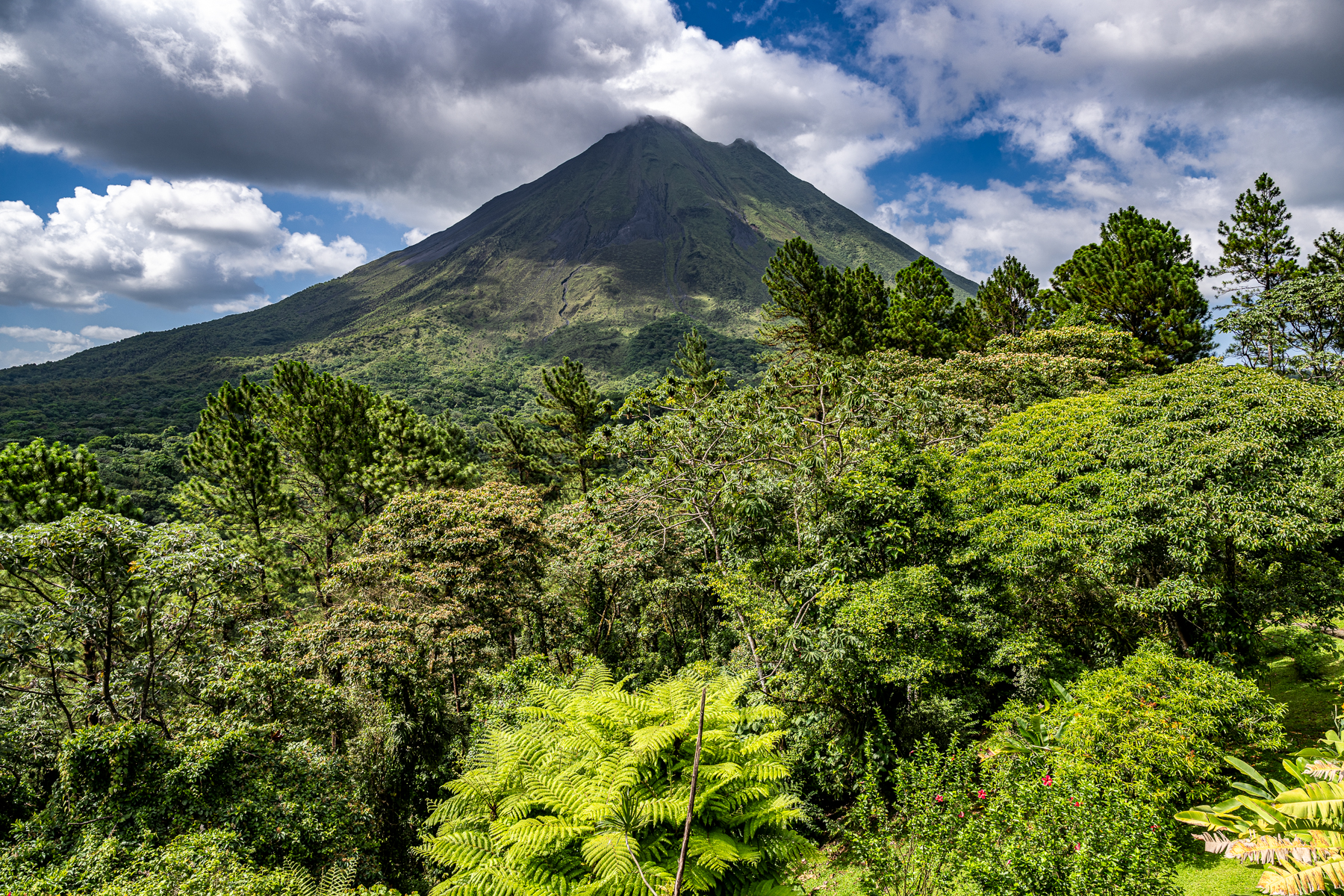
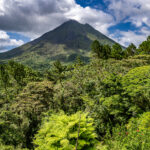
A very rare sight during our stay, Arenal volcano without cloud cover (image by Oliver Krueger)
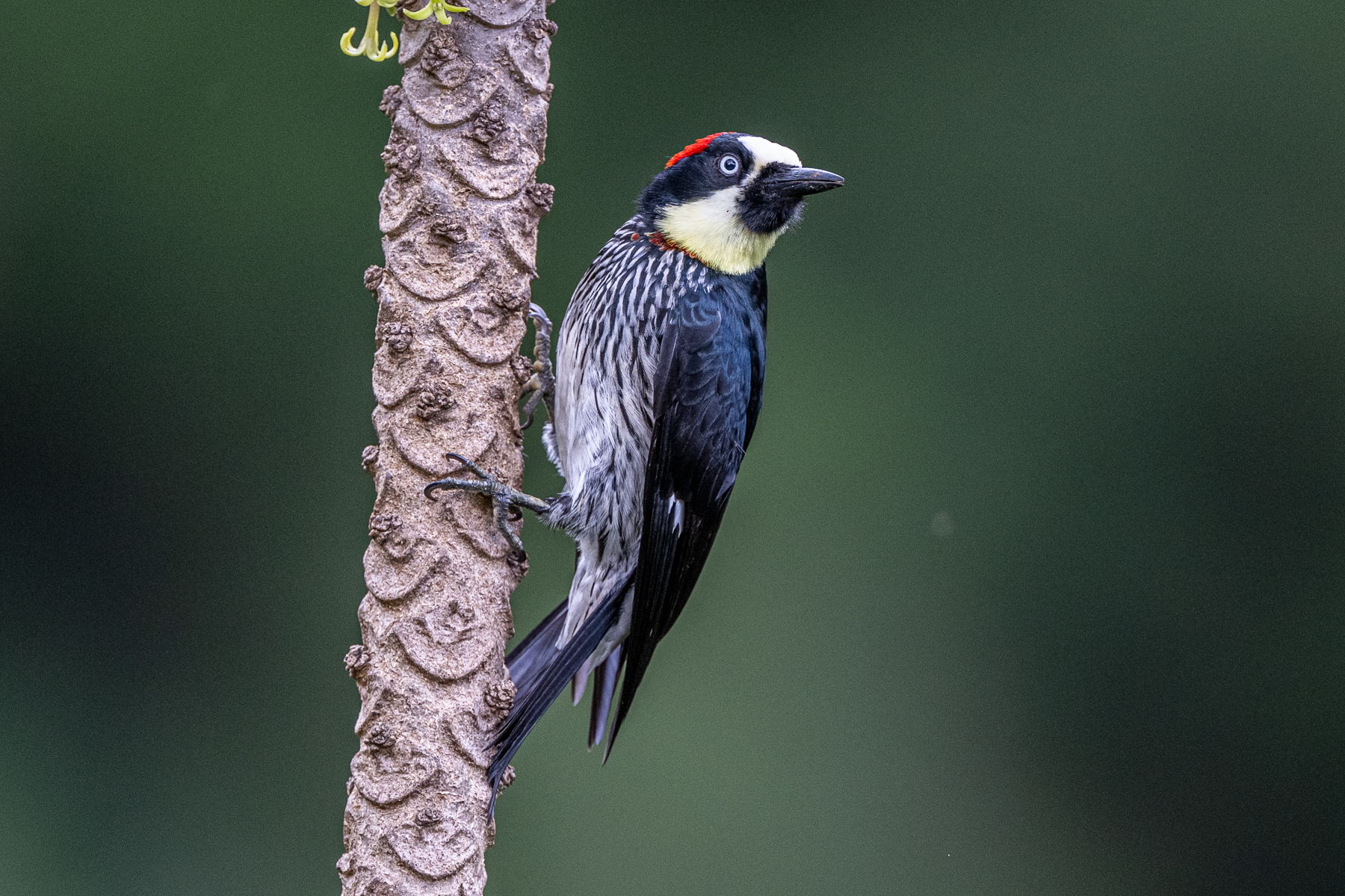
Acorn Woodpecker on a trunk of a Papaya tree (image by Oliver Krueger)
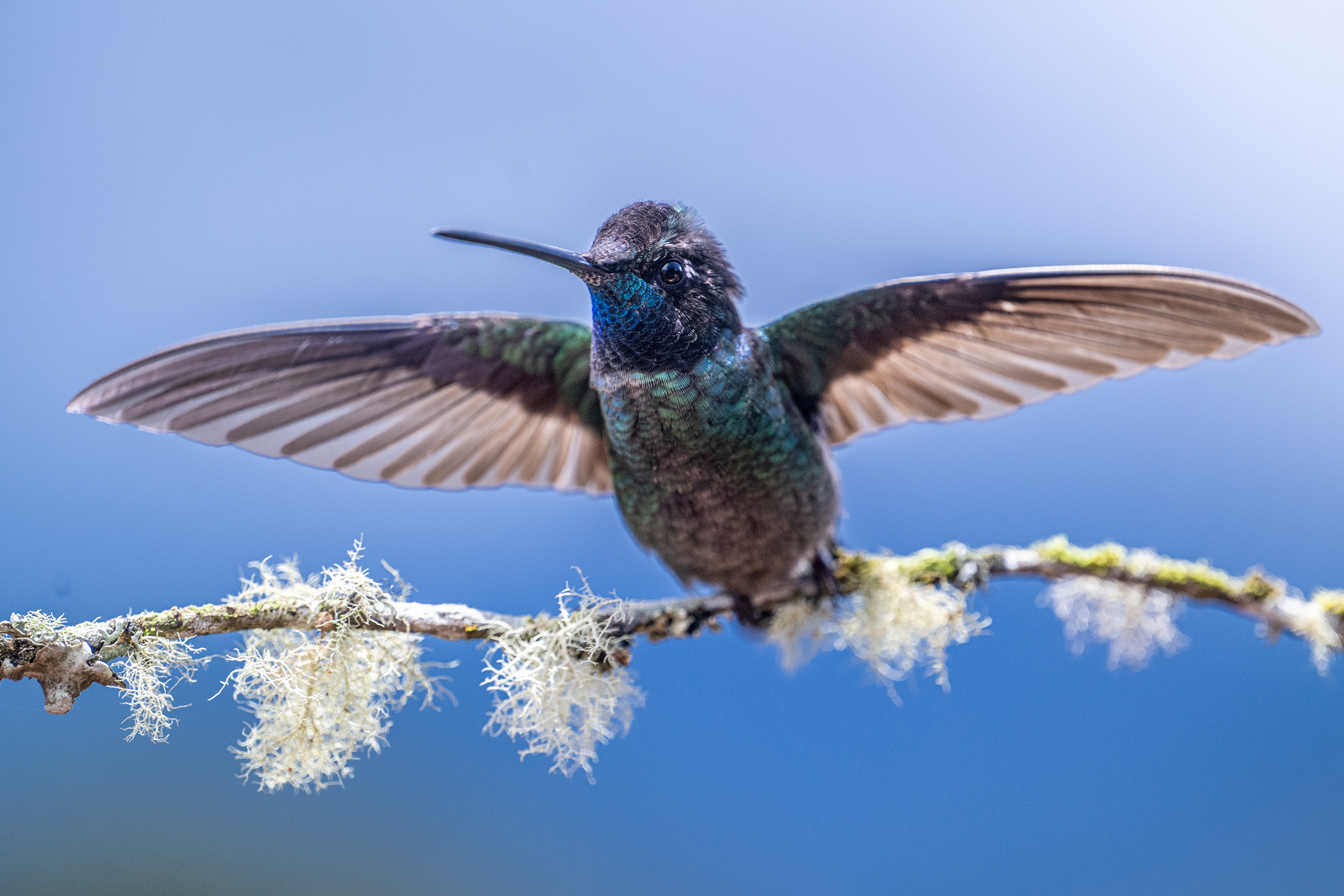
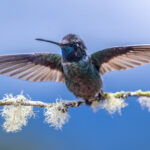
A Talamanca Hummingbird ready for take-off against blue sky (image by Oliver Krueger)
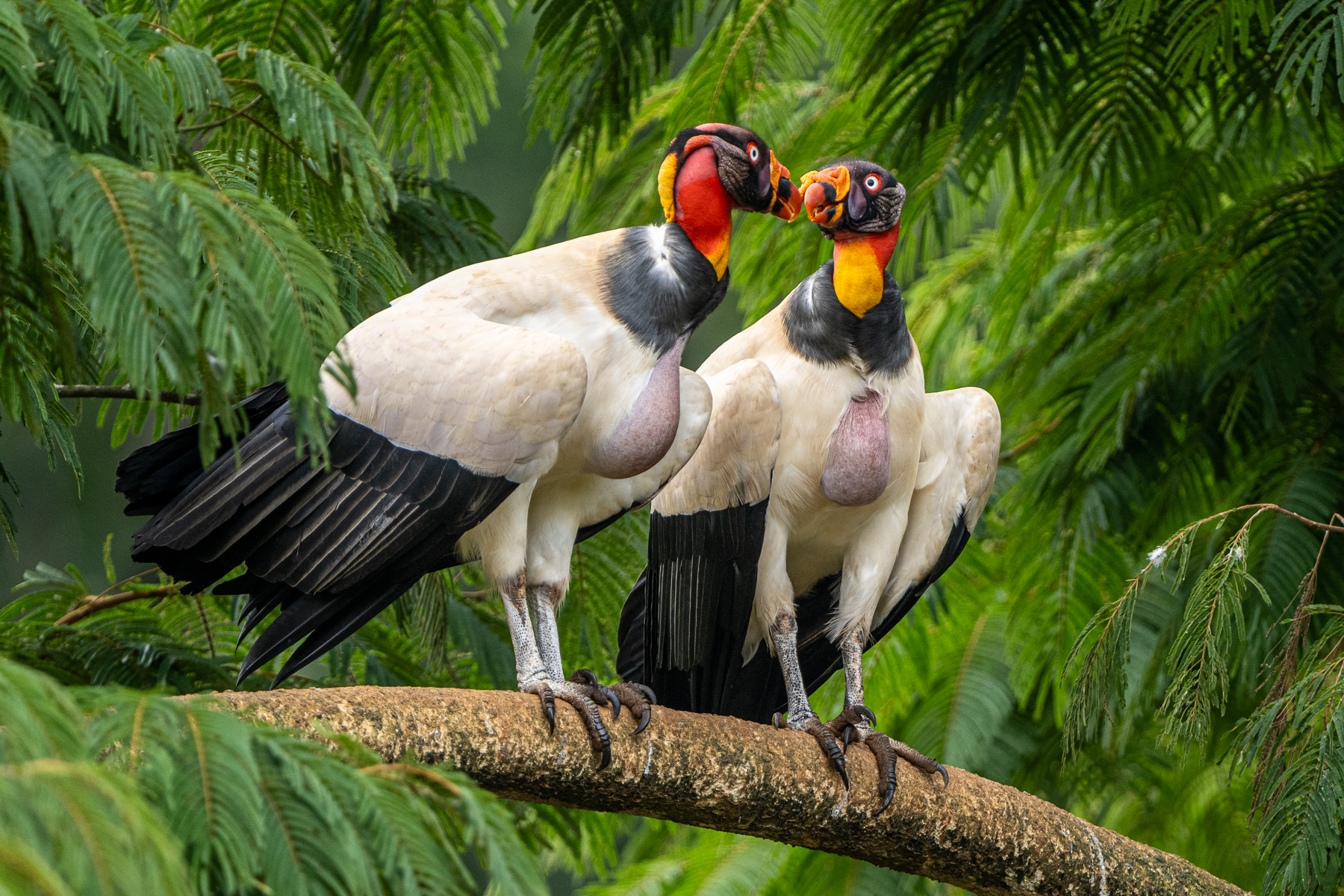
With their crops full, two King Vultures indulge in social grooming (image by Oliver Krueger)
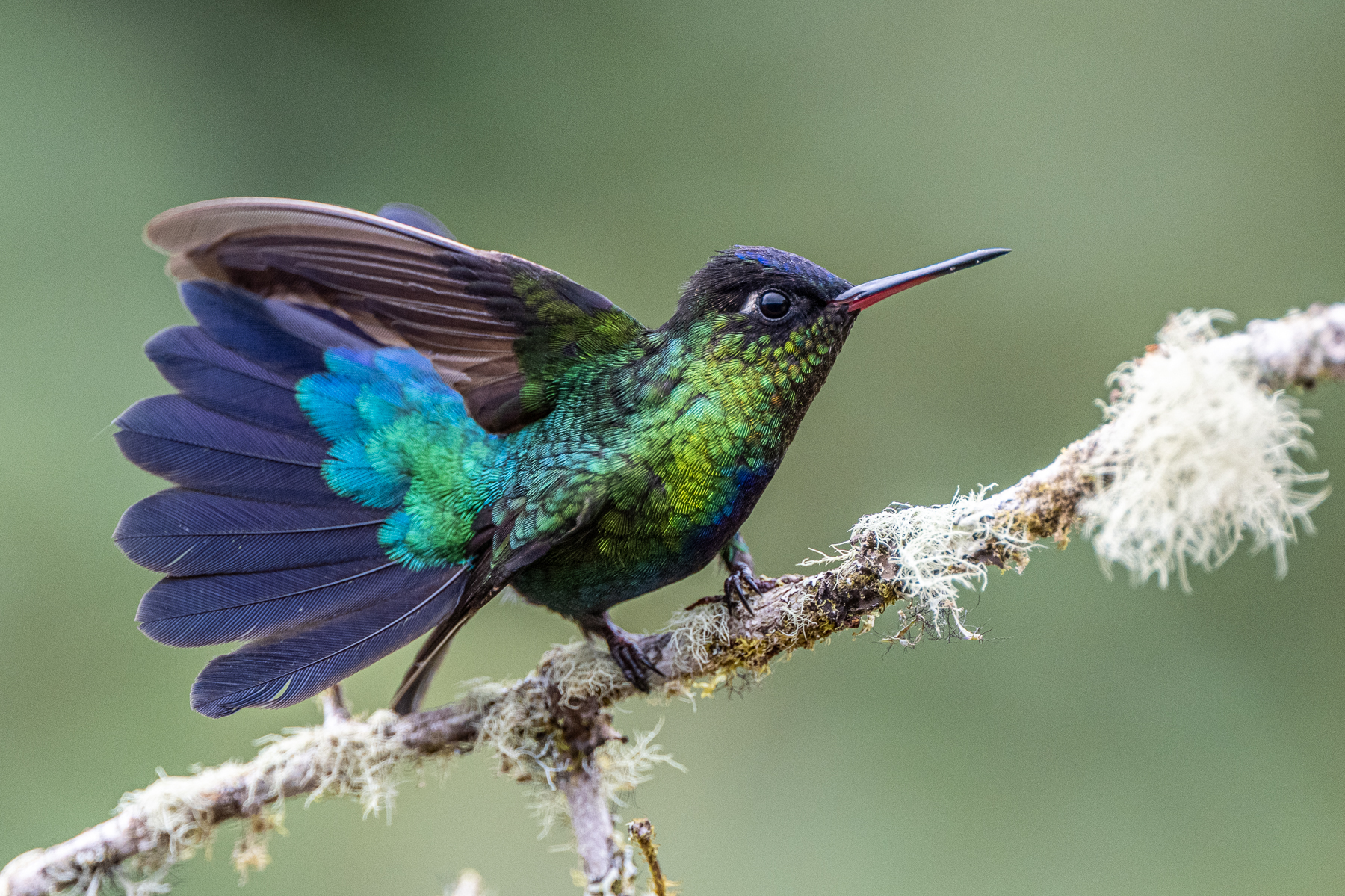
Fiery and feisty, a Fiery-throated Hummingbird spreading its tail as a threat disply (image by Oliver Krueger)
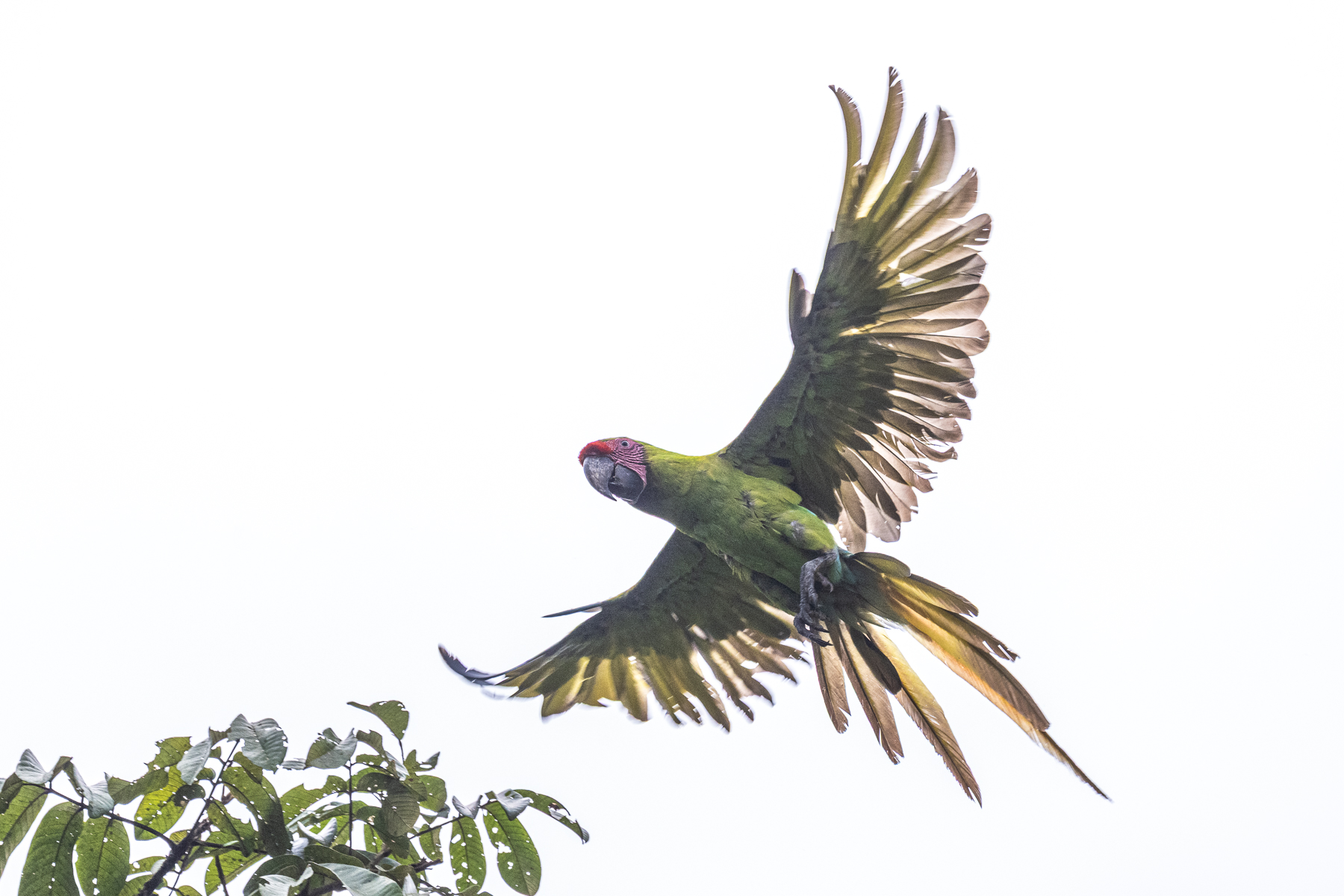
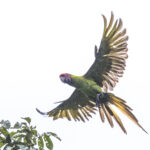
Great Green Macaw: a flash of colours even on a cloudy and rainy afternoon (image by Oliver Krueger)
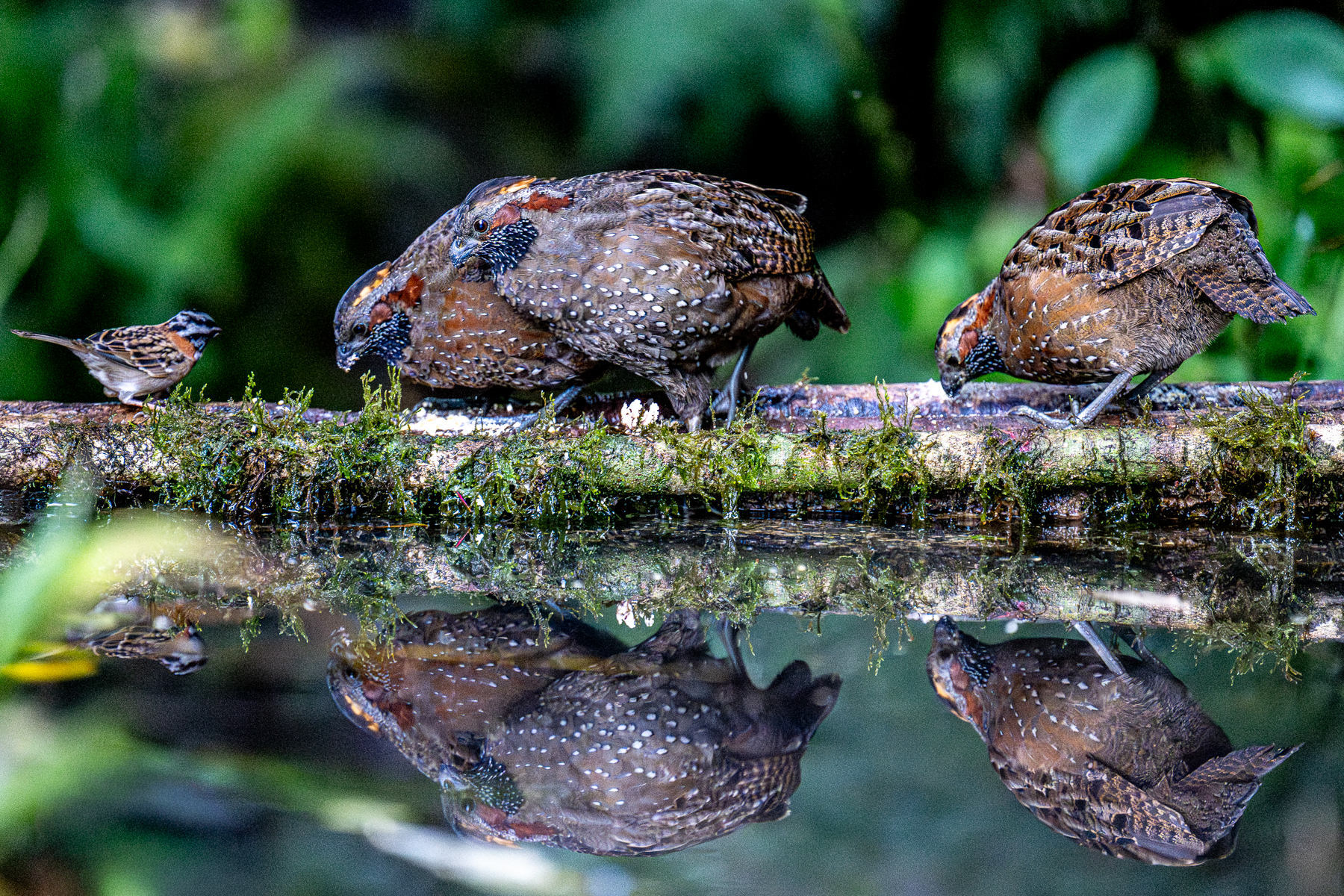
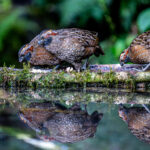
Spotted Wood Quails are normally very shy, not so much at Gema del Bosque lodge (image by Oliver Krueger)
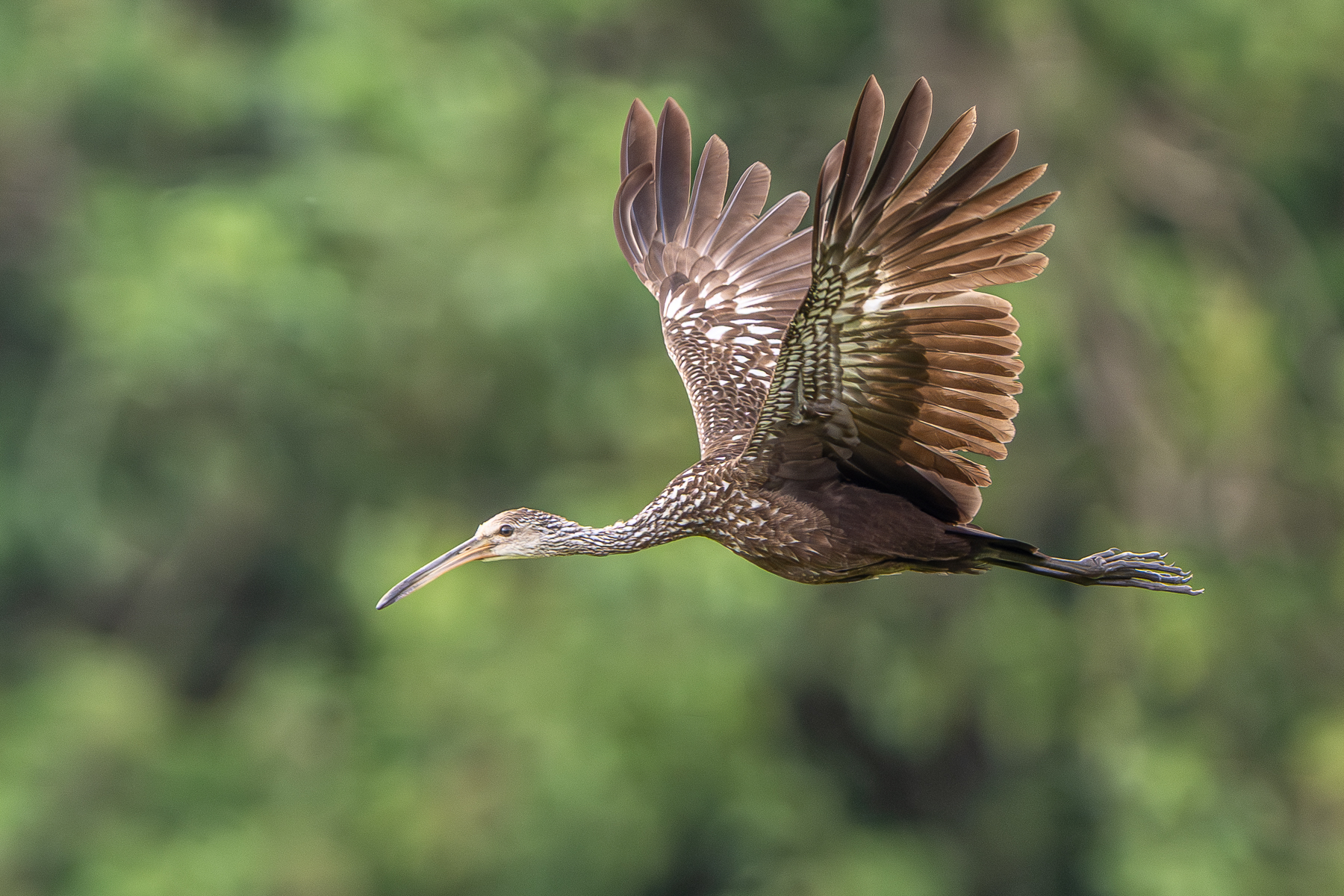
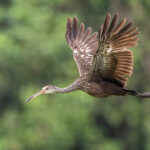
Limpkin flying by (image by Oliver Krueger)
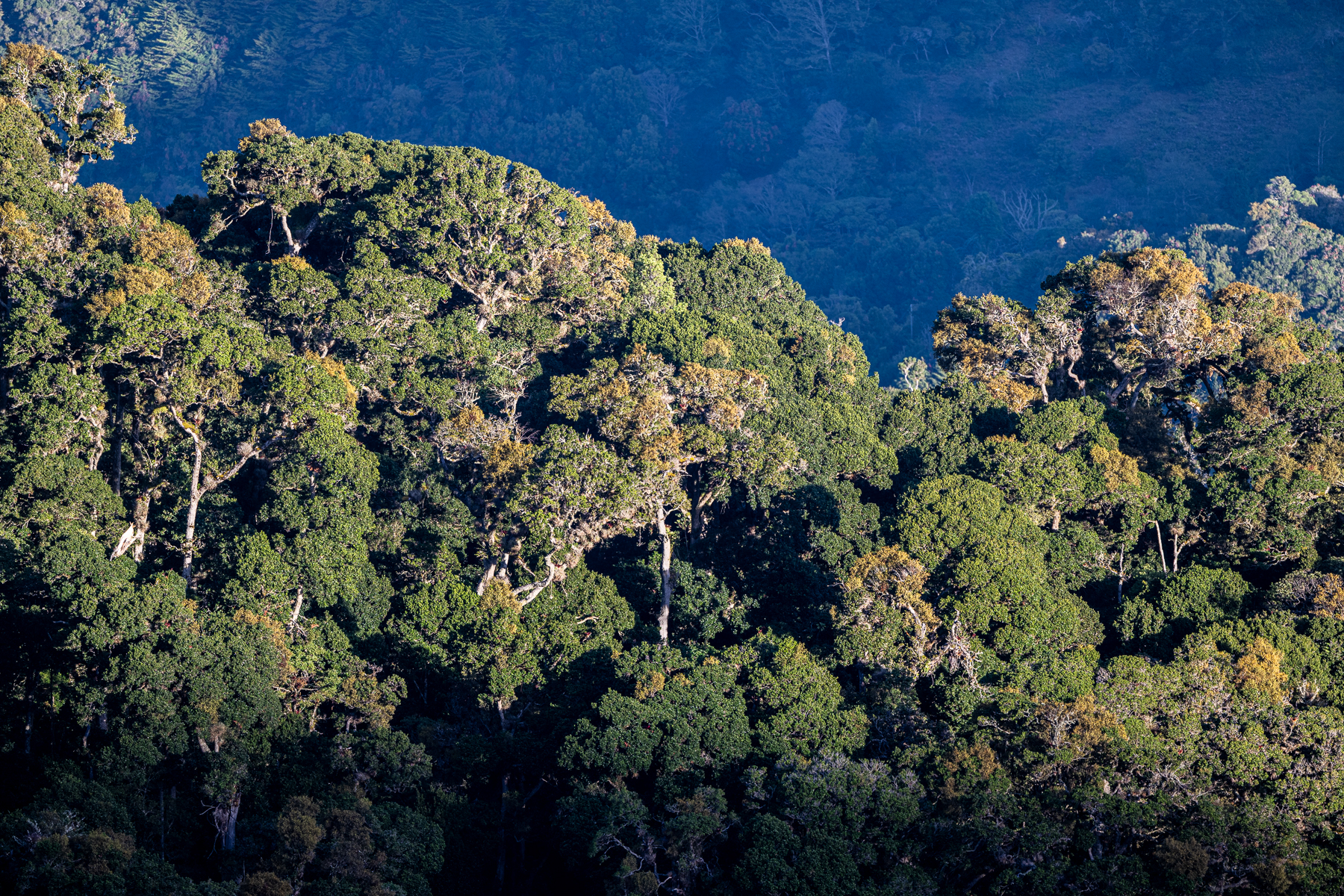
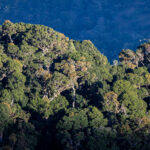
Morning sun over the cloud forest (image by Oliver Krueger)
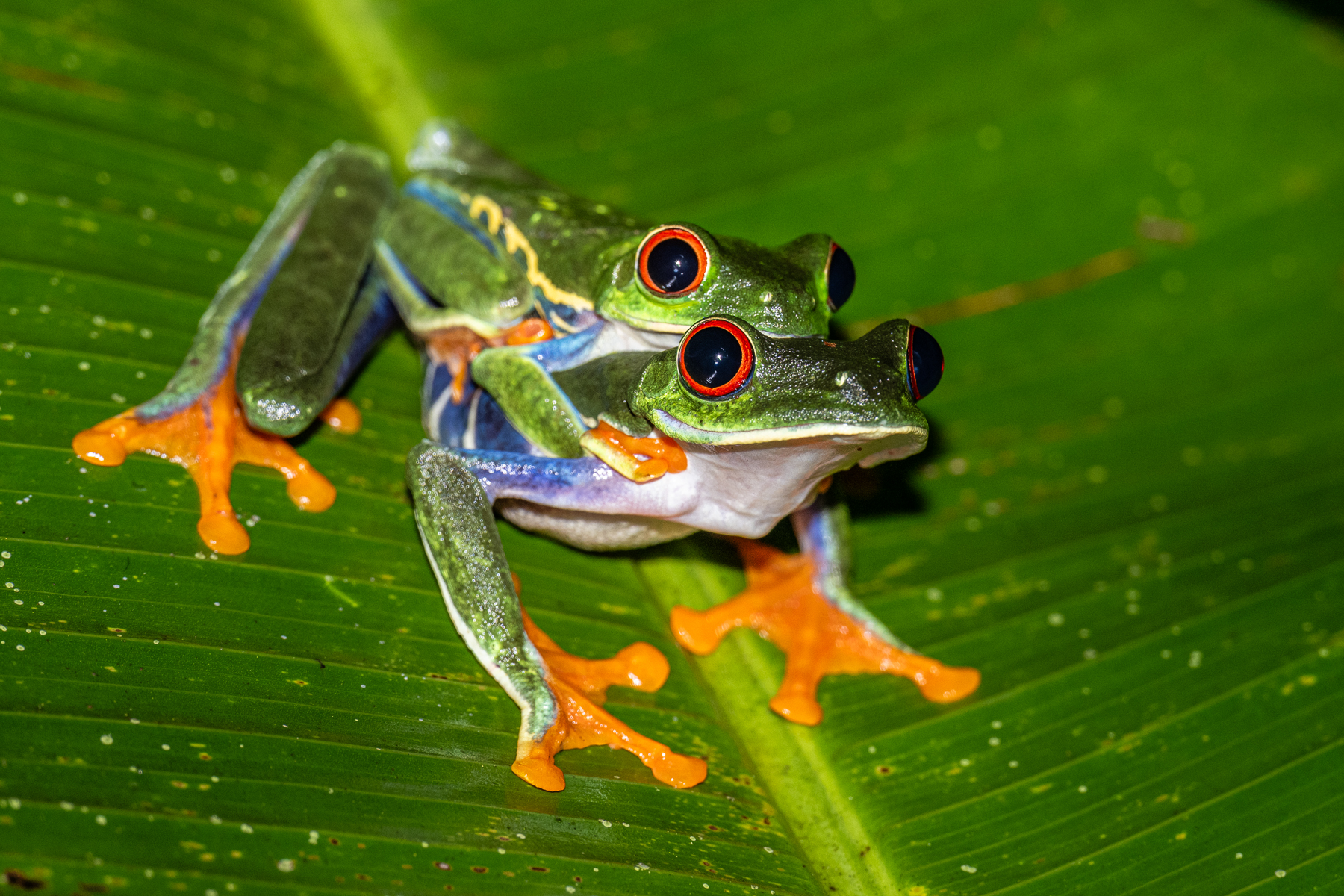
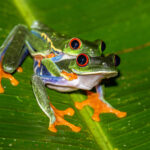
Seeing a Red-eyed Leaf Frog is special, seeing male and female in amplexus is a real gift (image by Oliver Krueger)
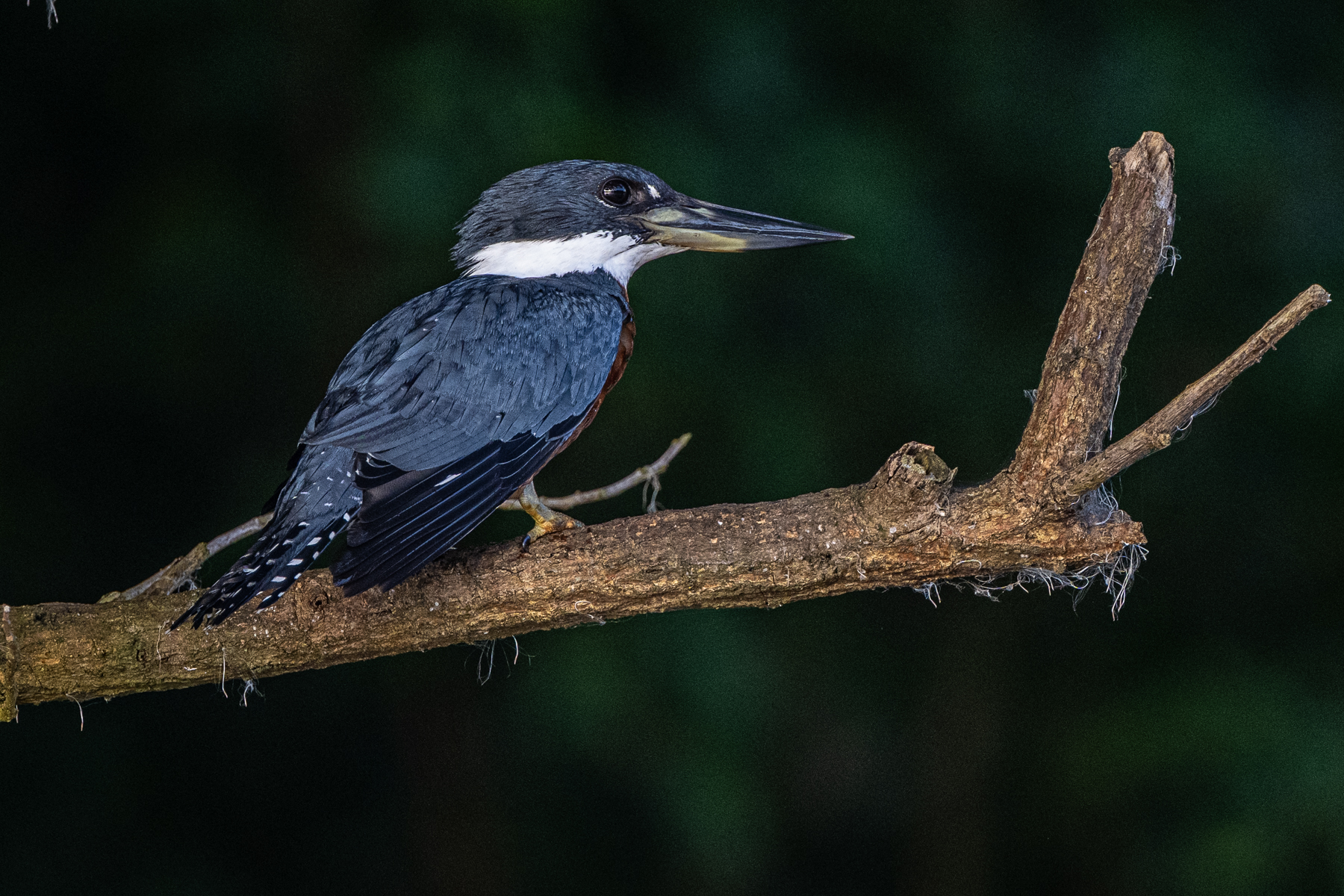
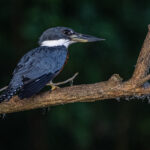
The population density of Ringed Kingfishers at Cano Negro is hard to believe (image by Oliver Krueger)
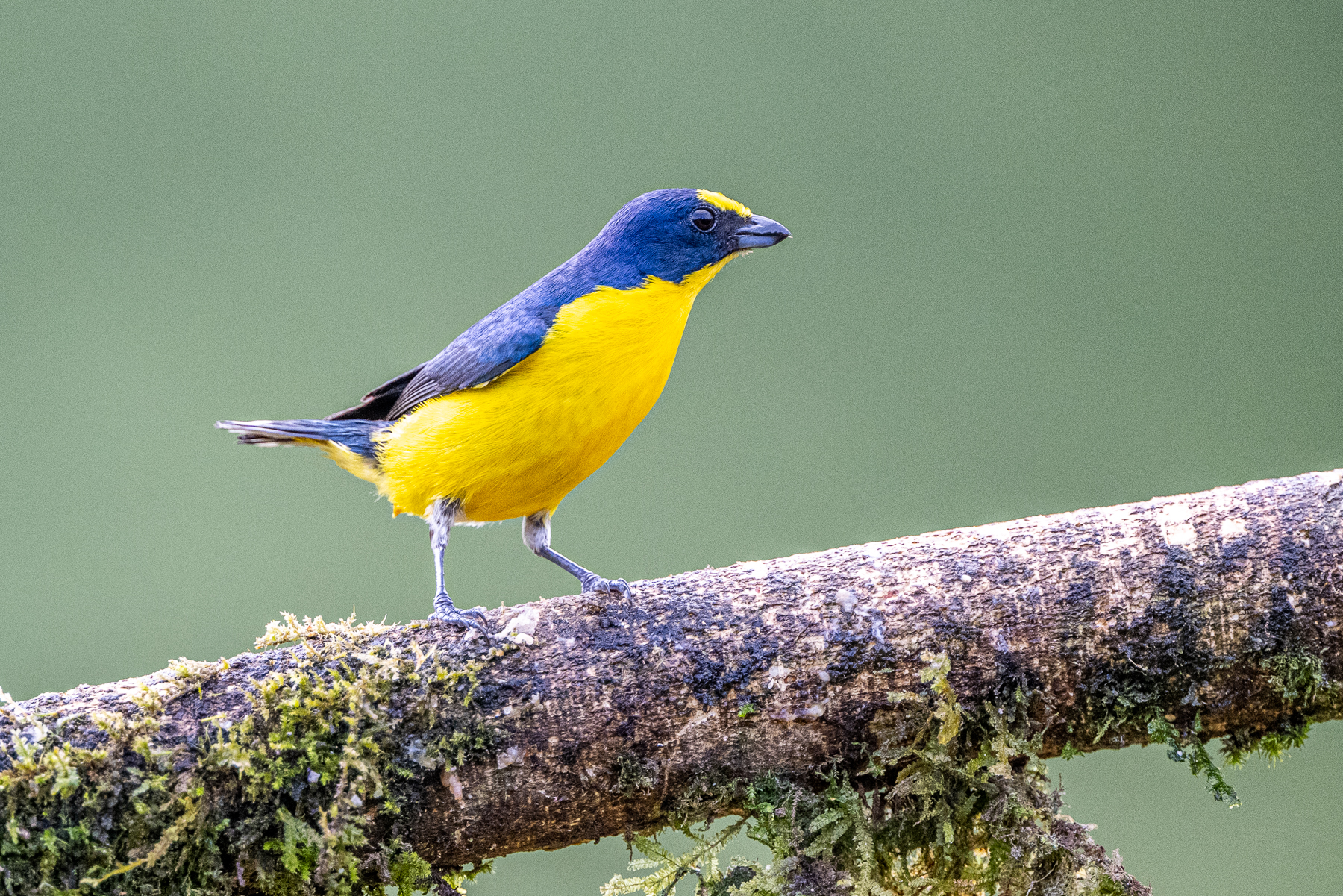
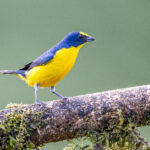
Tiny yet beautiful, a male Yellow-throated Euphonia (image by Oliver Krueger)
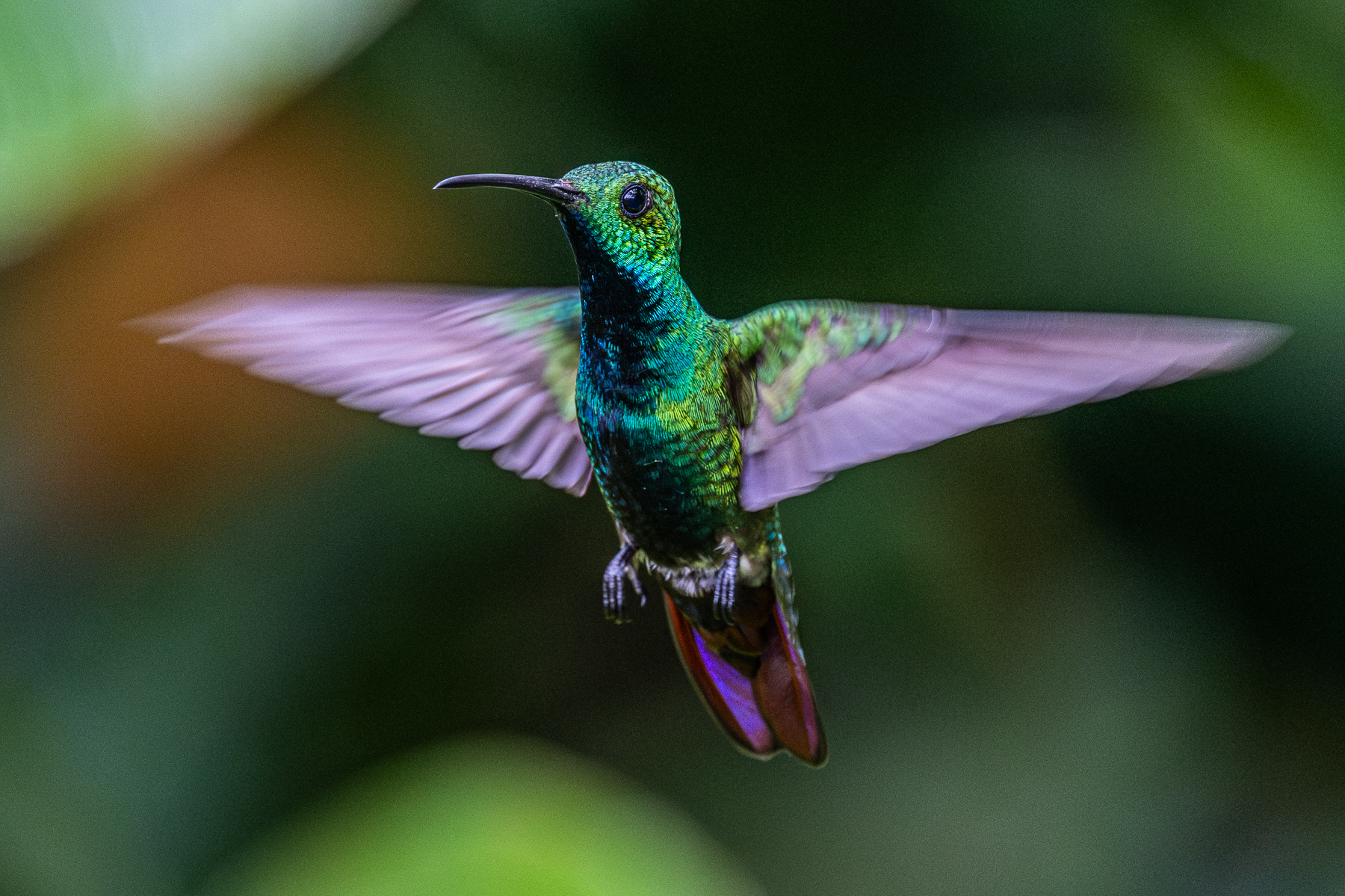
A hovering male Green-breasted Mango (image by Oliver Krueger)
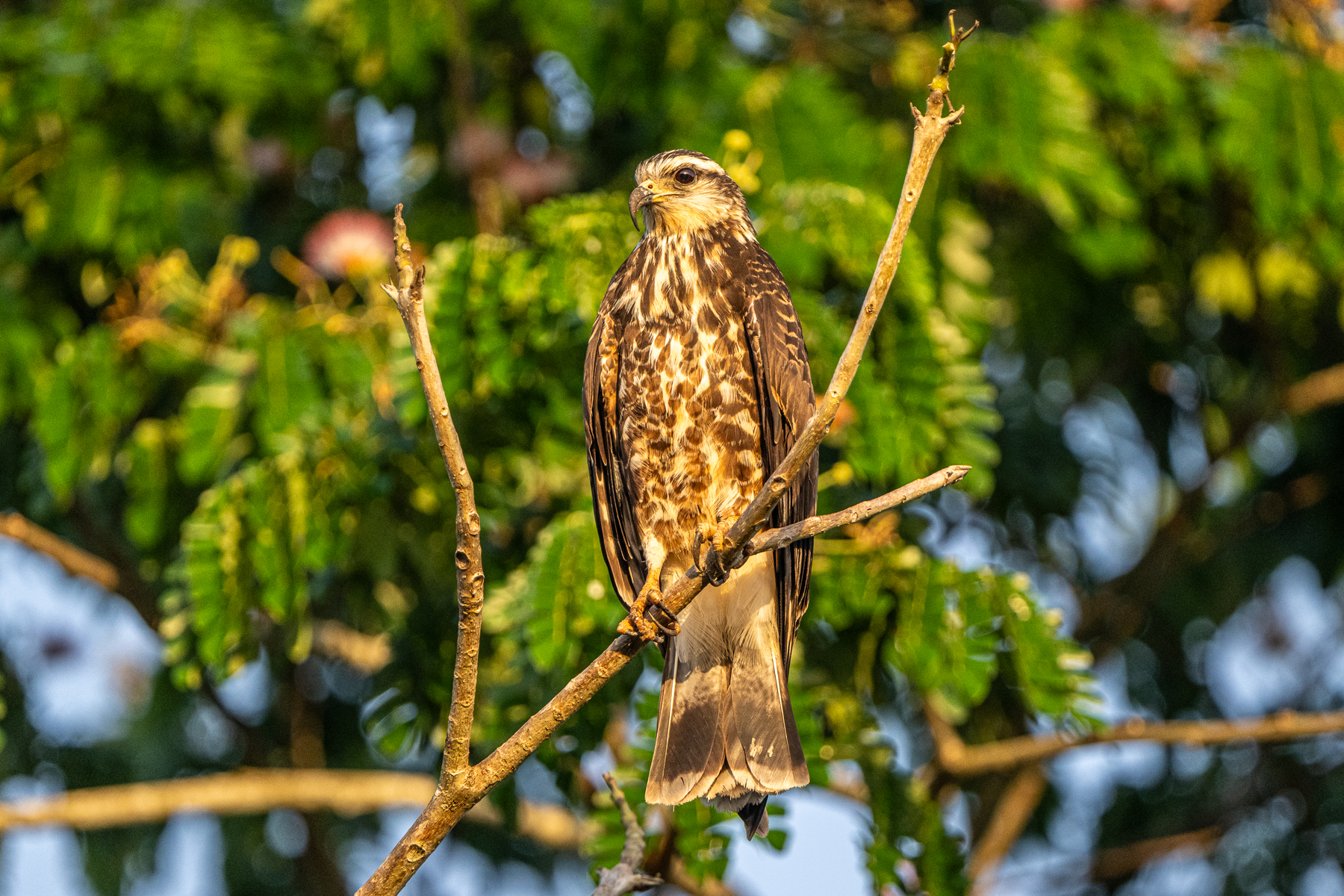
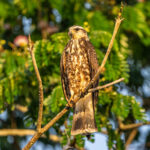
An immature Snail Kite displaying the delicate bill shaped to deal with snails, pretty much its only prey (image by Oliver Krueger)
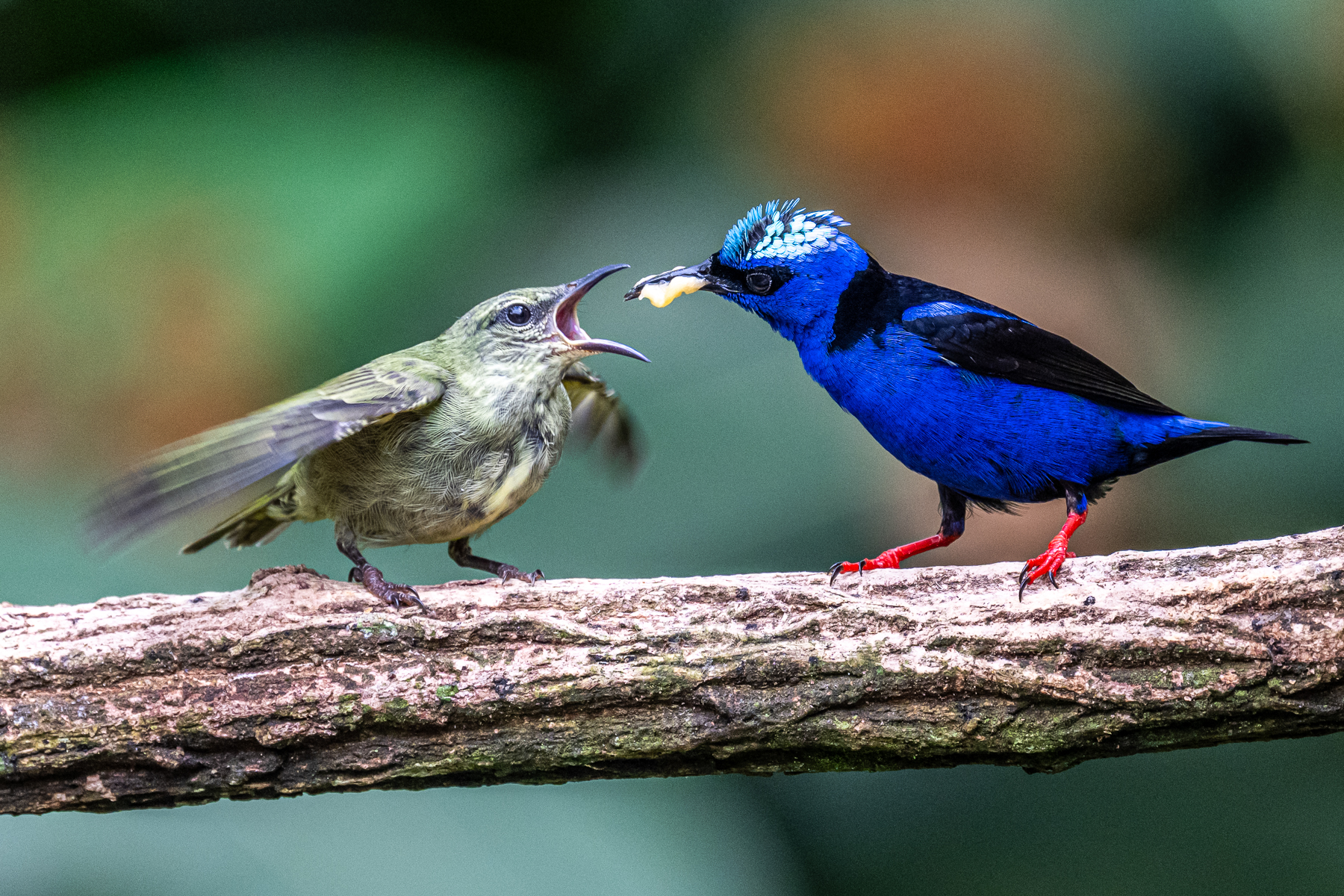
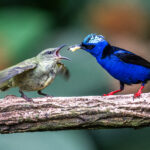
Family life is busy for this stunning Red-legged Honeycreeper male feeding a chick (image by Oliver Krueger)
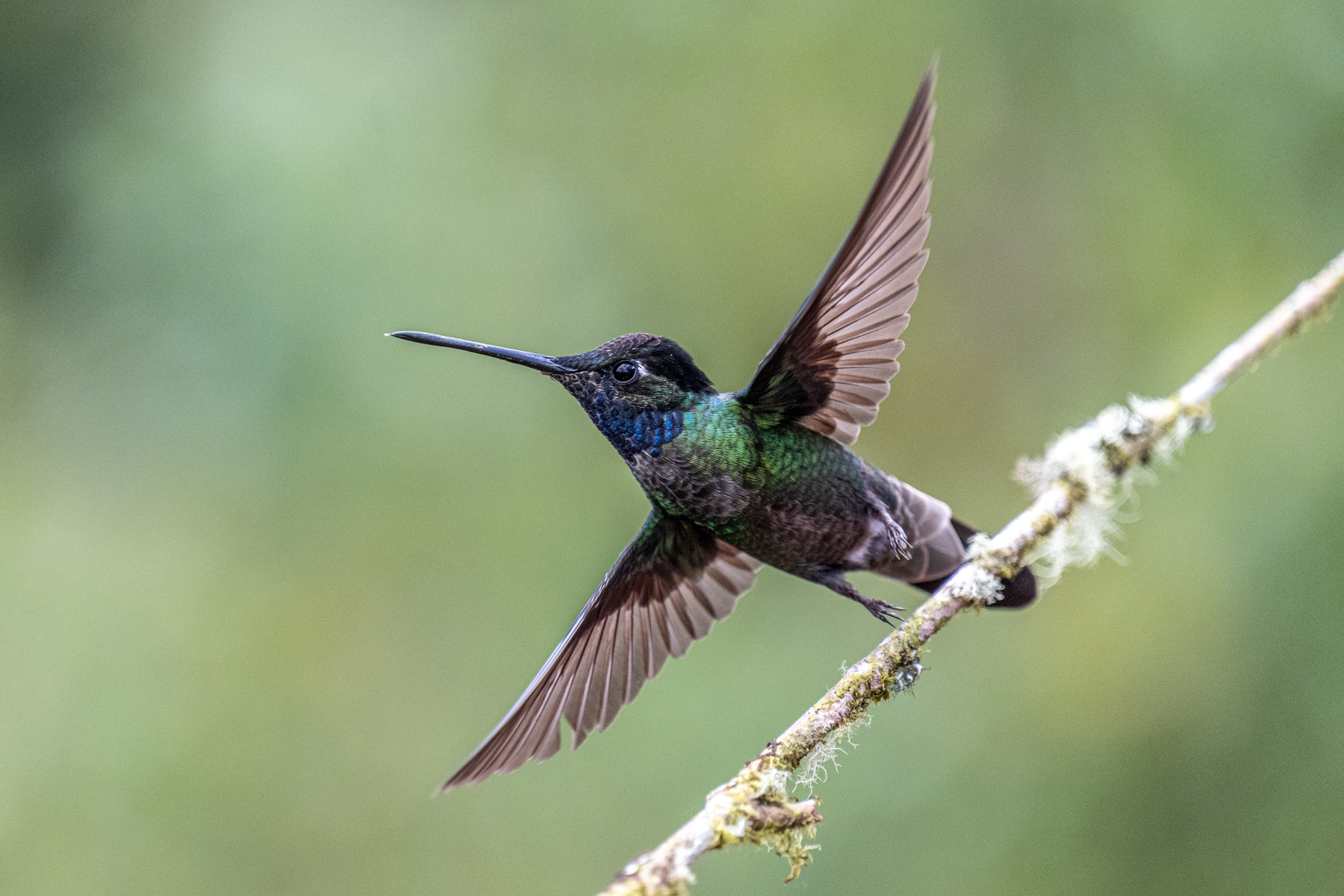
A Talamanca Hummingbird starting at 1/5000 sec shutter speed (image by Oliver Krueger)
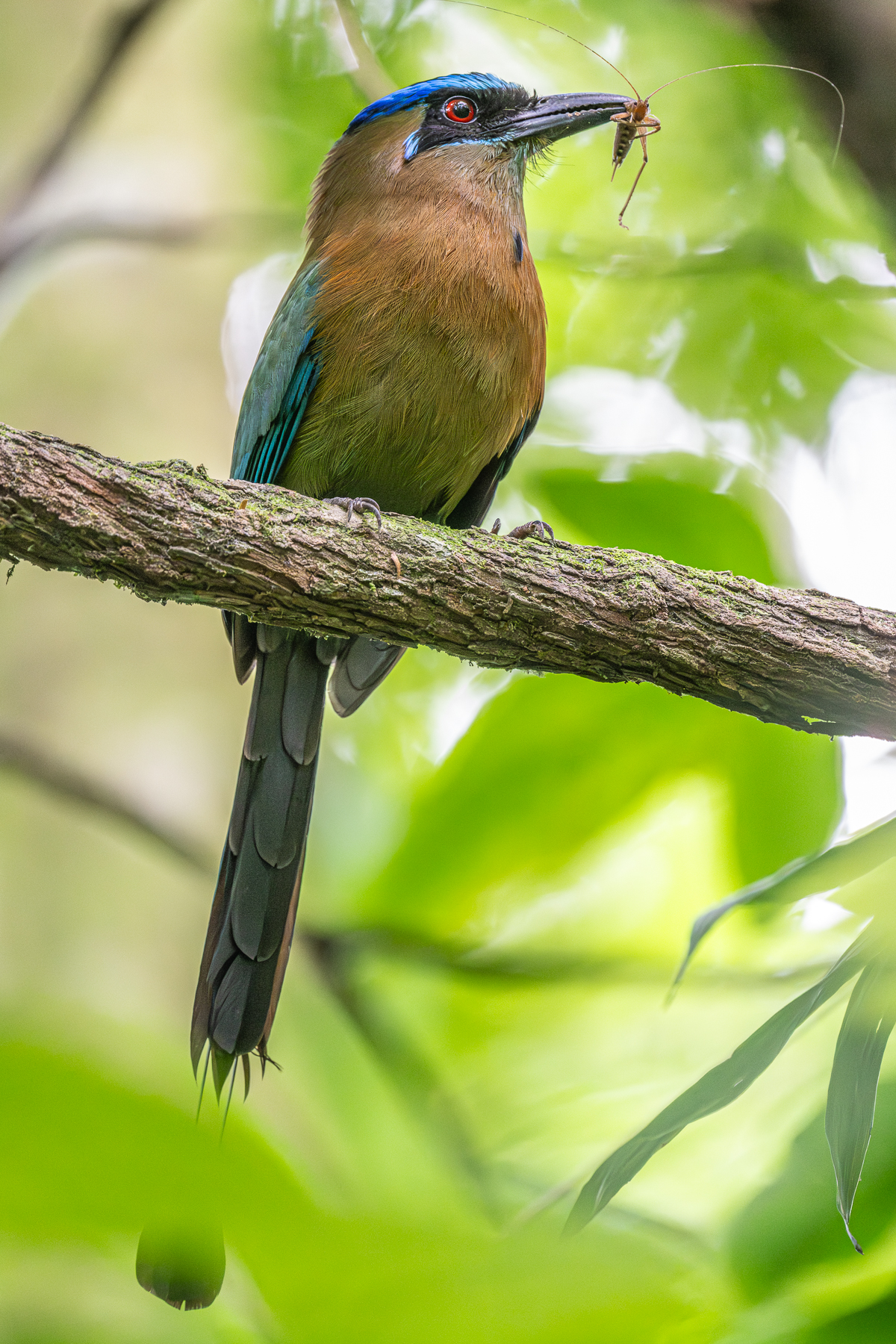
Lesson's Motmot with its cricket prey (image by Oliver Krueger)
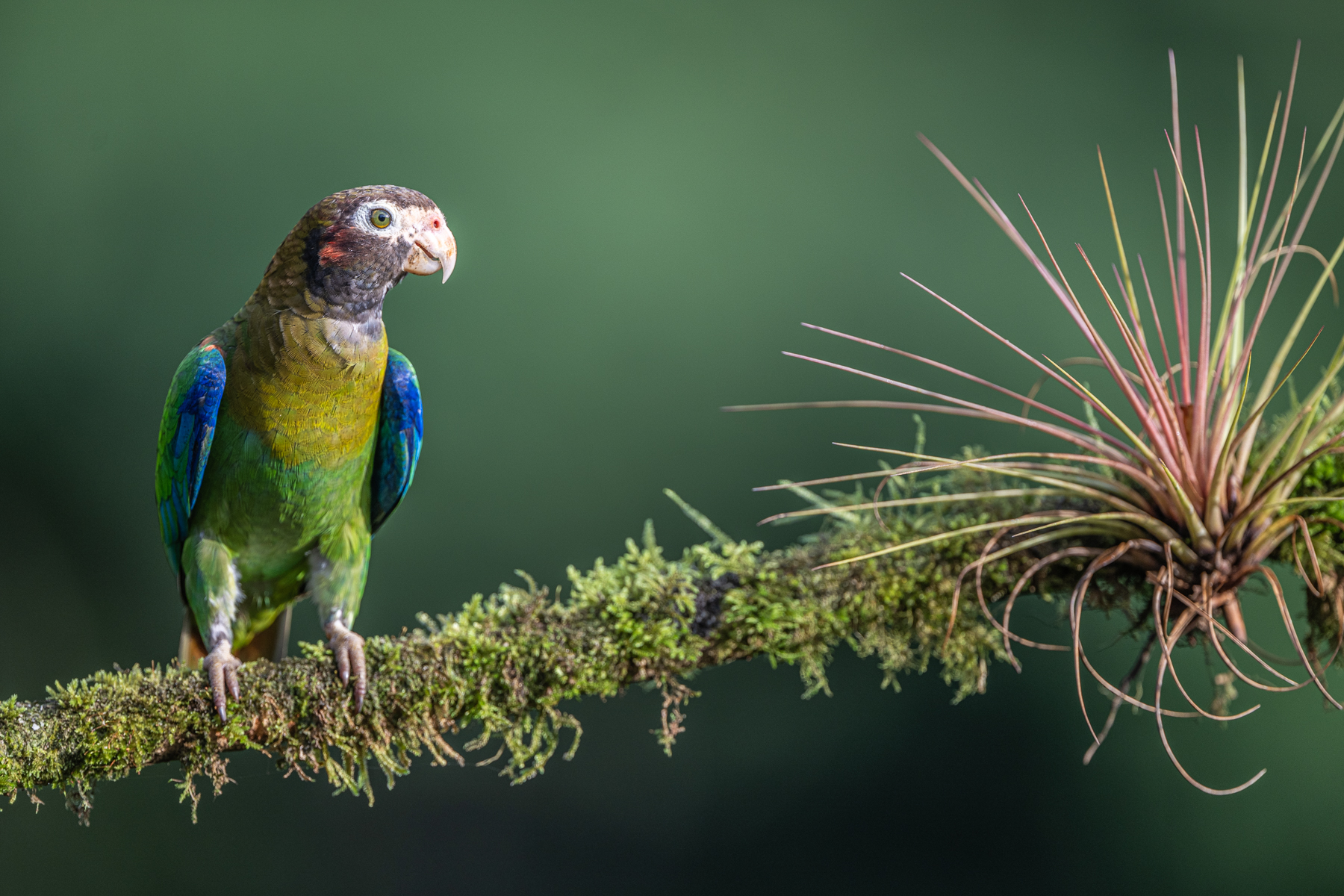
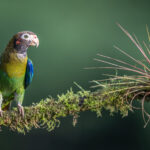
Brown-hooded Parrot and an epiphyte (image by Oliver Krueger)
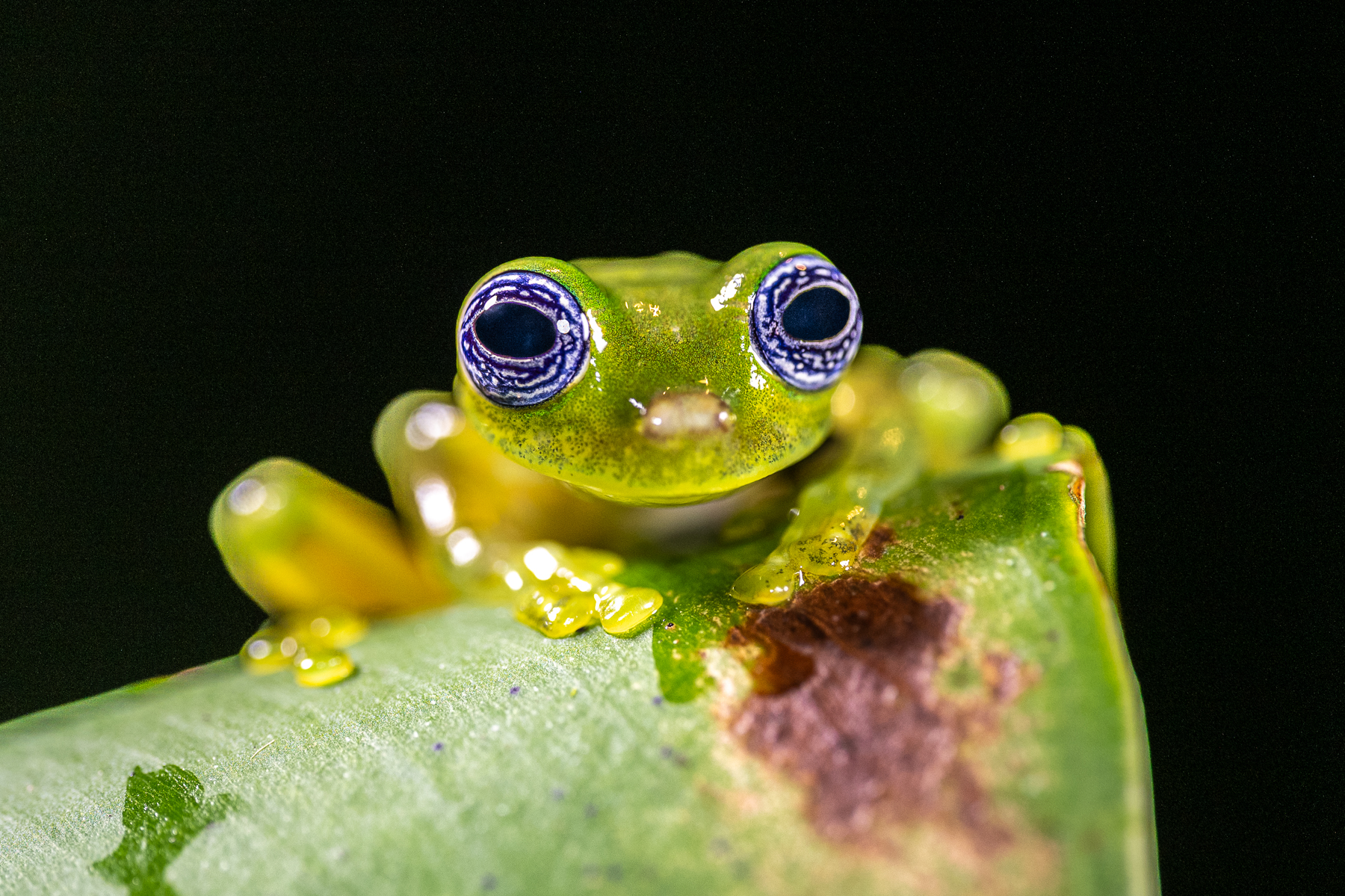
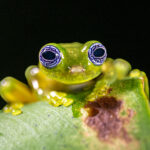
There are hardly any more hypnotising eyes than those of a Ghost Glass Frog (image by Oliver Krueger)
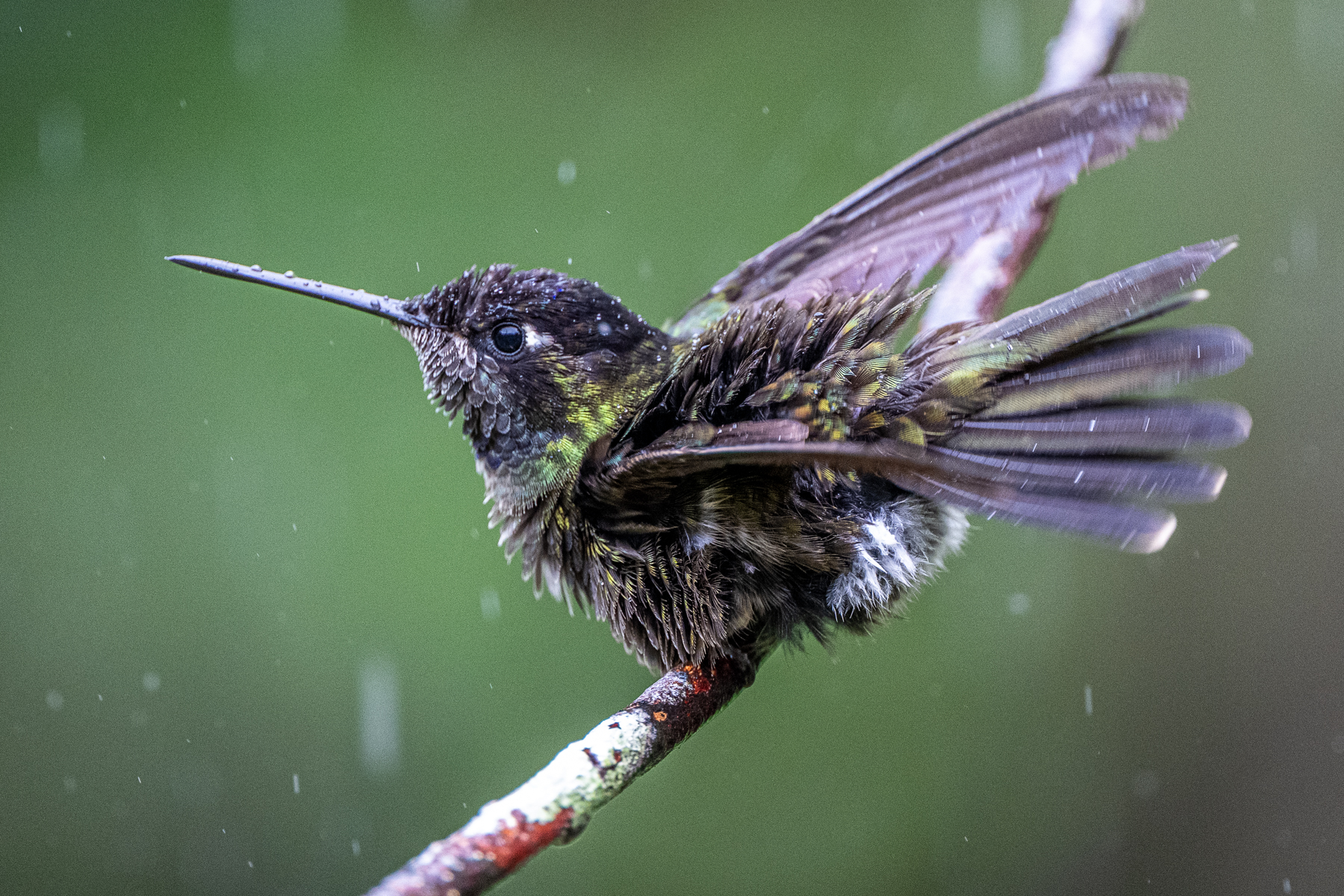
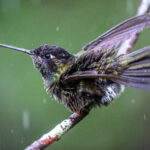
A Talamanca Hummingbird braves the rain and "washes" its plumage (image by Oliver Krueger)
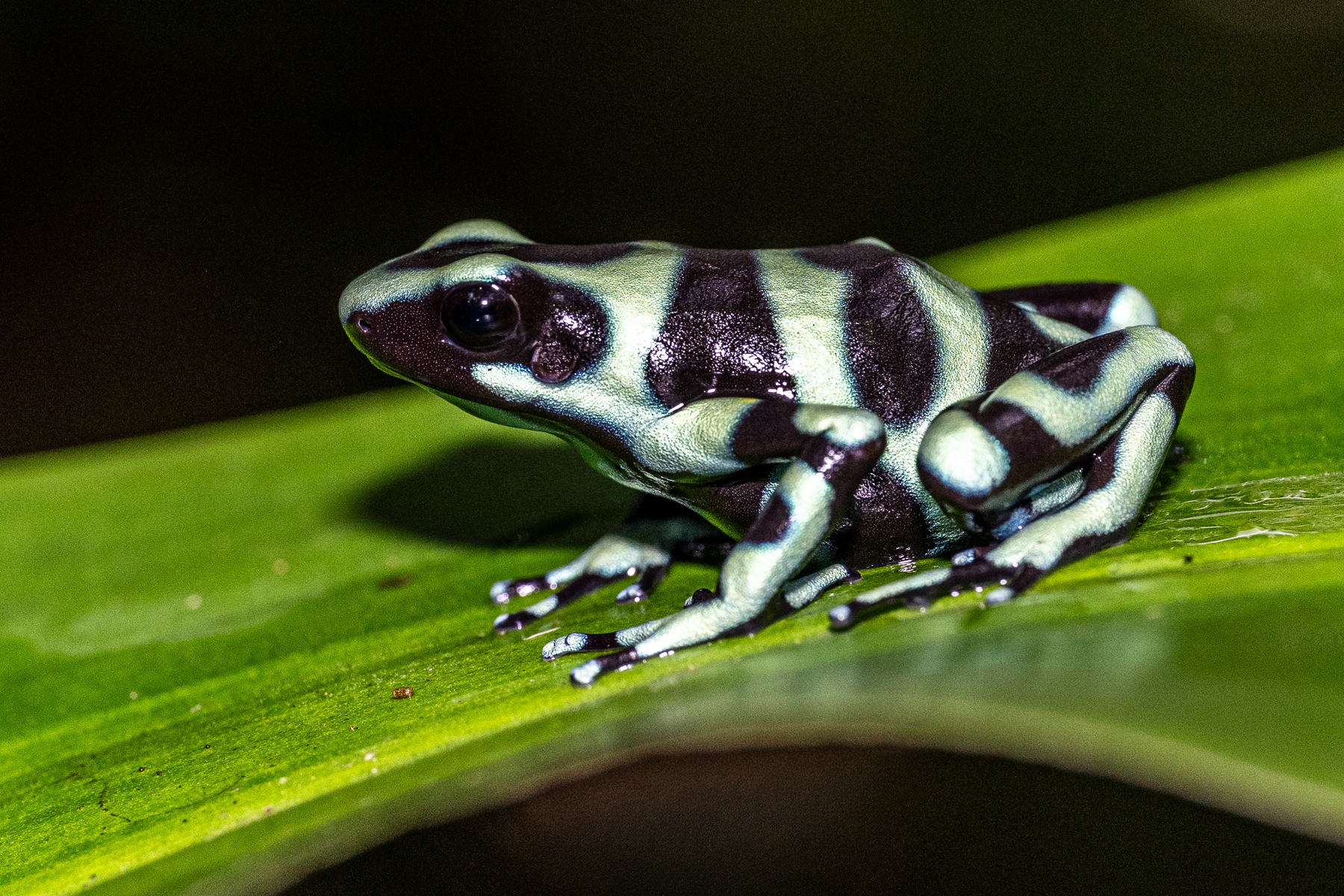
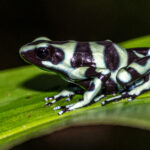
The colour pattern of a Green-and-black Poison Dart Frog is highly variable, almost like a fingerprint (image by Oliver Krueger)
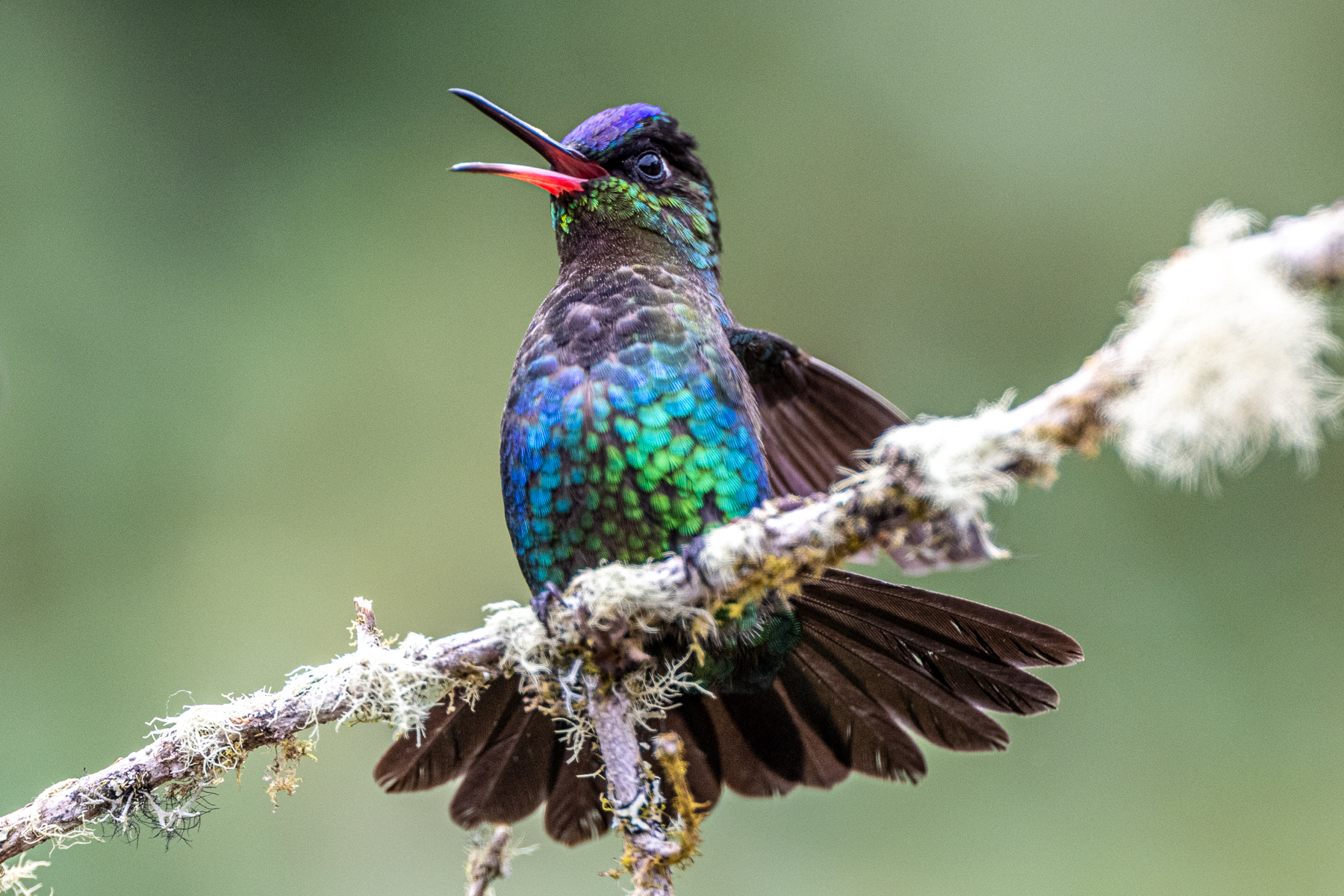
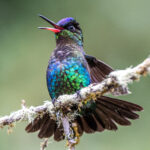
As another threat display, a Fiery-throated Hummingbird gapes at a competitor (image by Oliver Krueger)
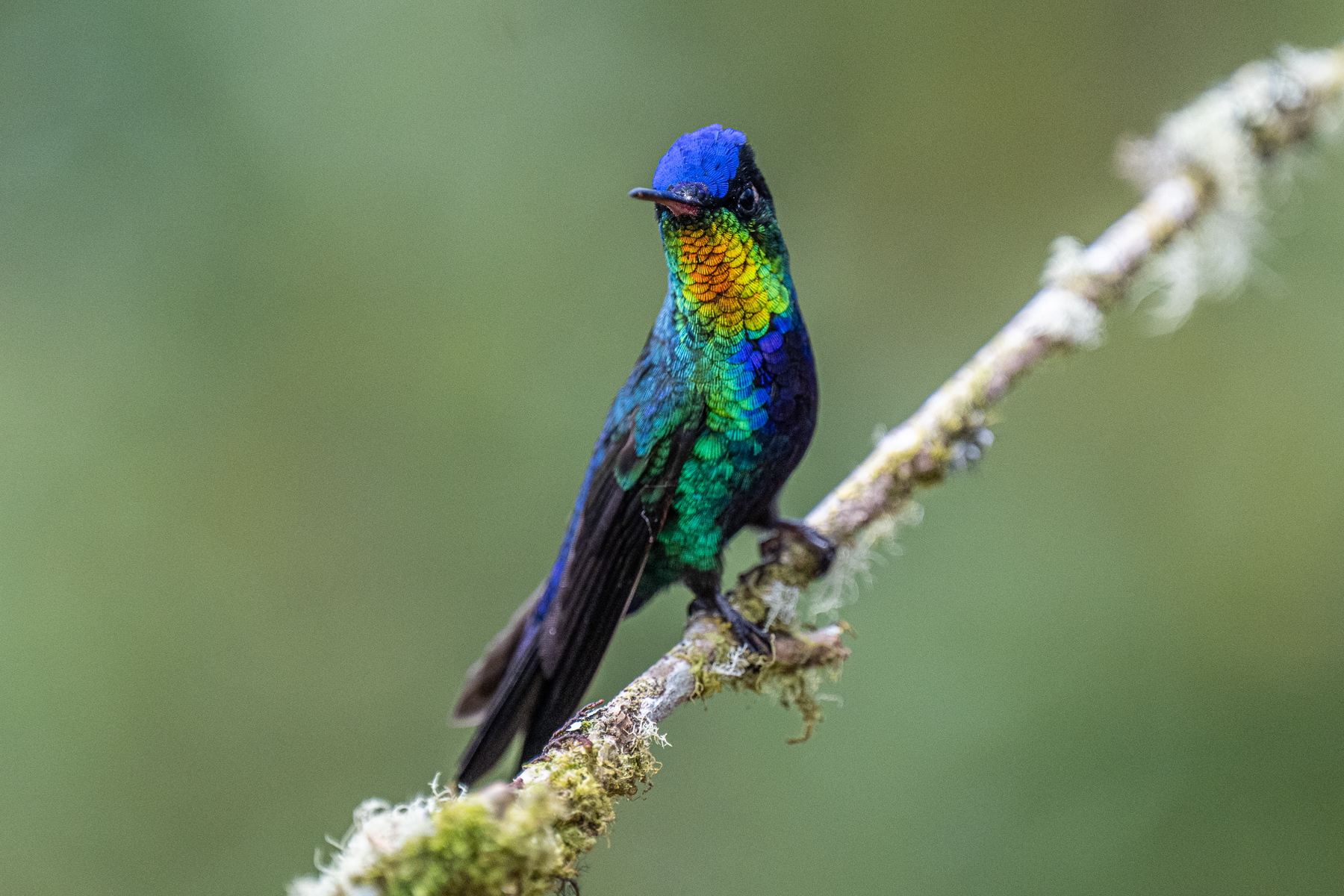
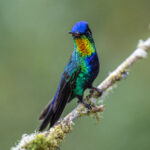
The famous and endemic Fiery-throated Hummingbird when light hits at the right angle (image by Oliver Krueger)
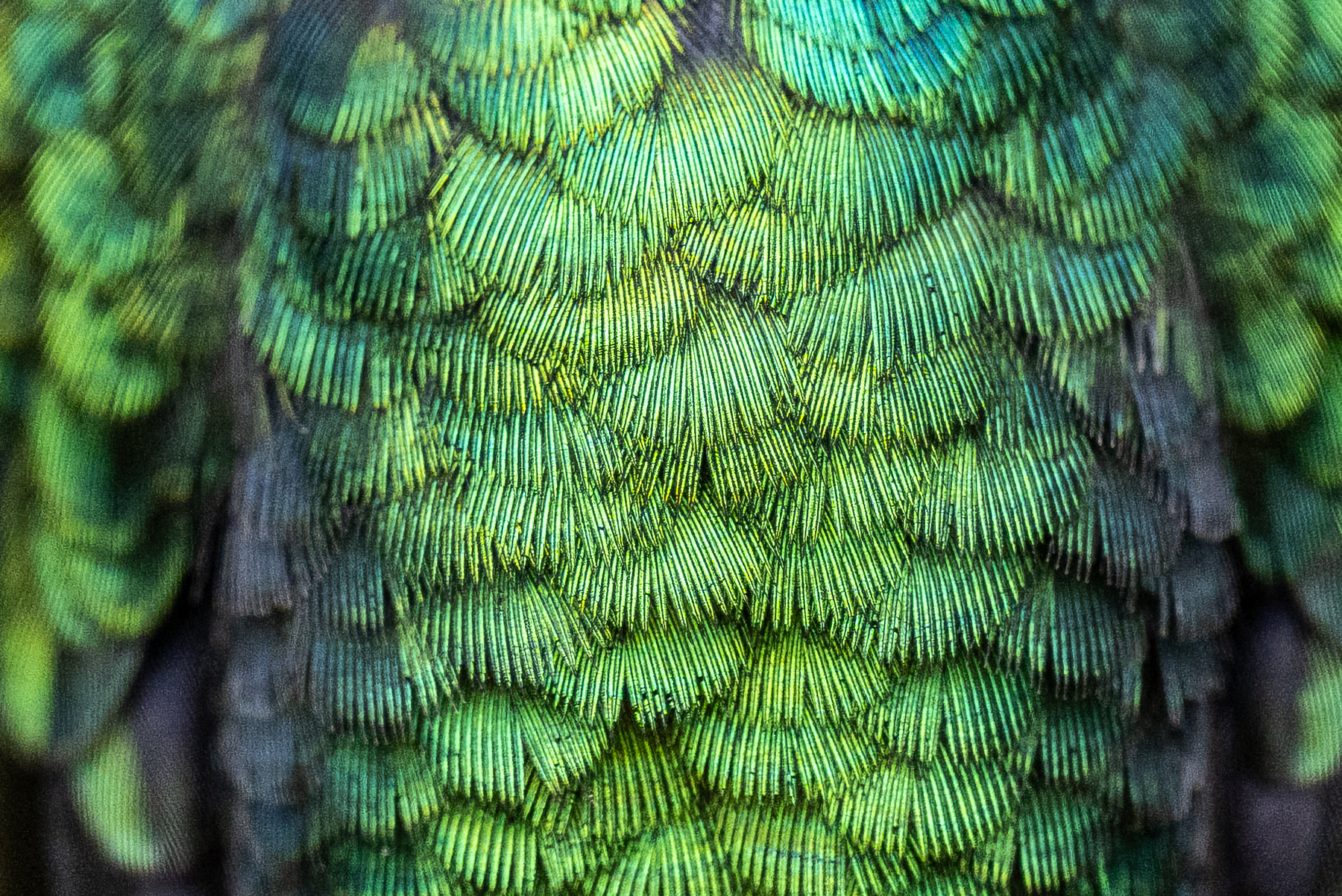
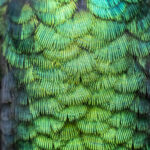
Hummingbird feathers are iridescent: they are dull, but covered with a structural layer of clear cells that act like a prism, reflecting beautiful colors under certain angles (image by Oliver Krueger)
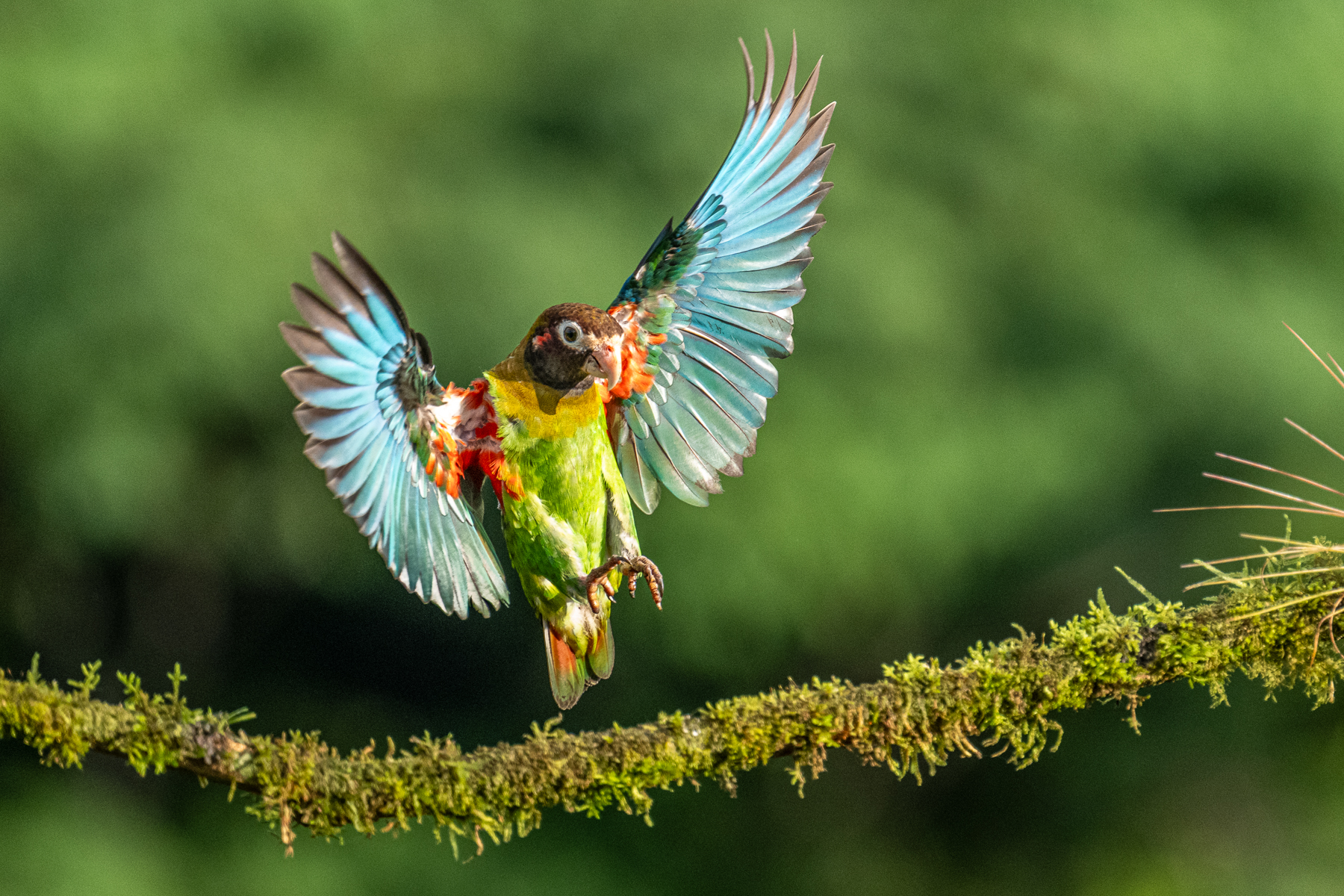
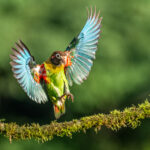
A flash of blue anounces the arrival of a Brown-hooded Parrot (image by Oliver Krueger)
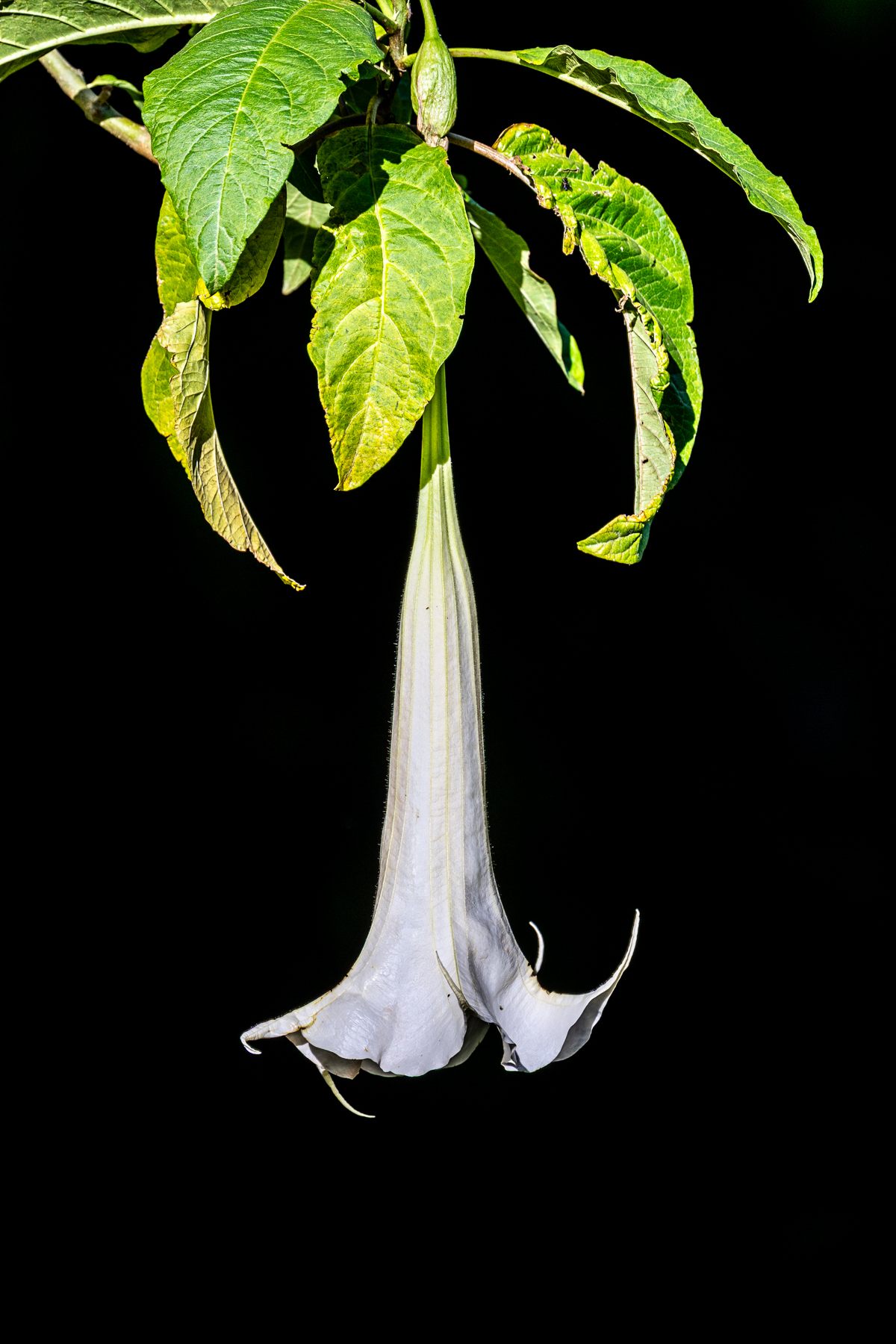
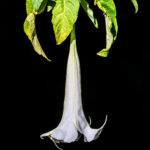
Early morning sunshine on an Angel's Trumpet flower against a dark background (image by Oliver Krueger)
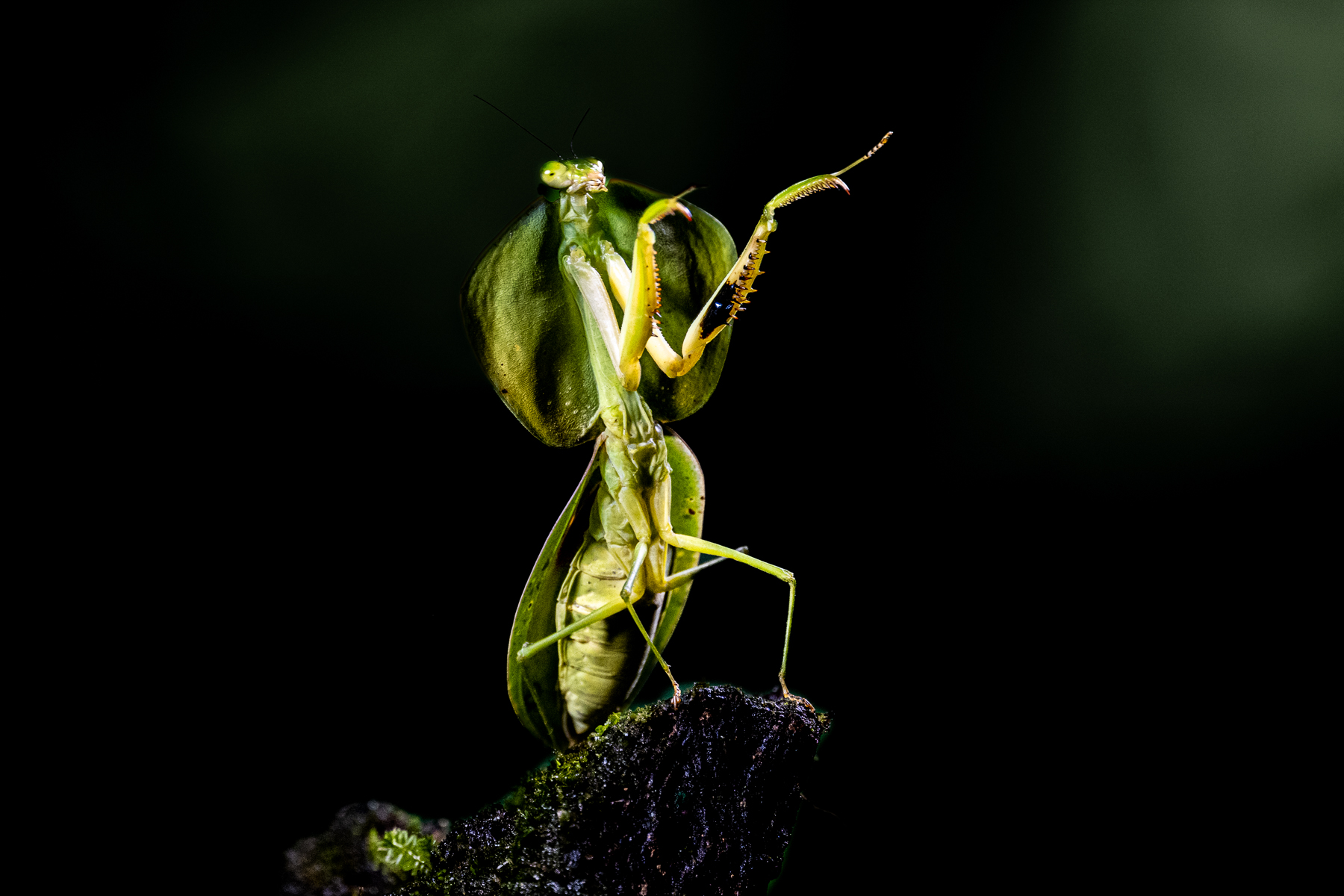
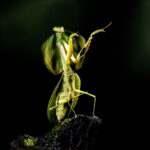
This Shield Mantis seems to enjoy the groove (image by Oliver Krueger)
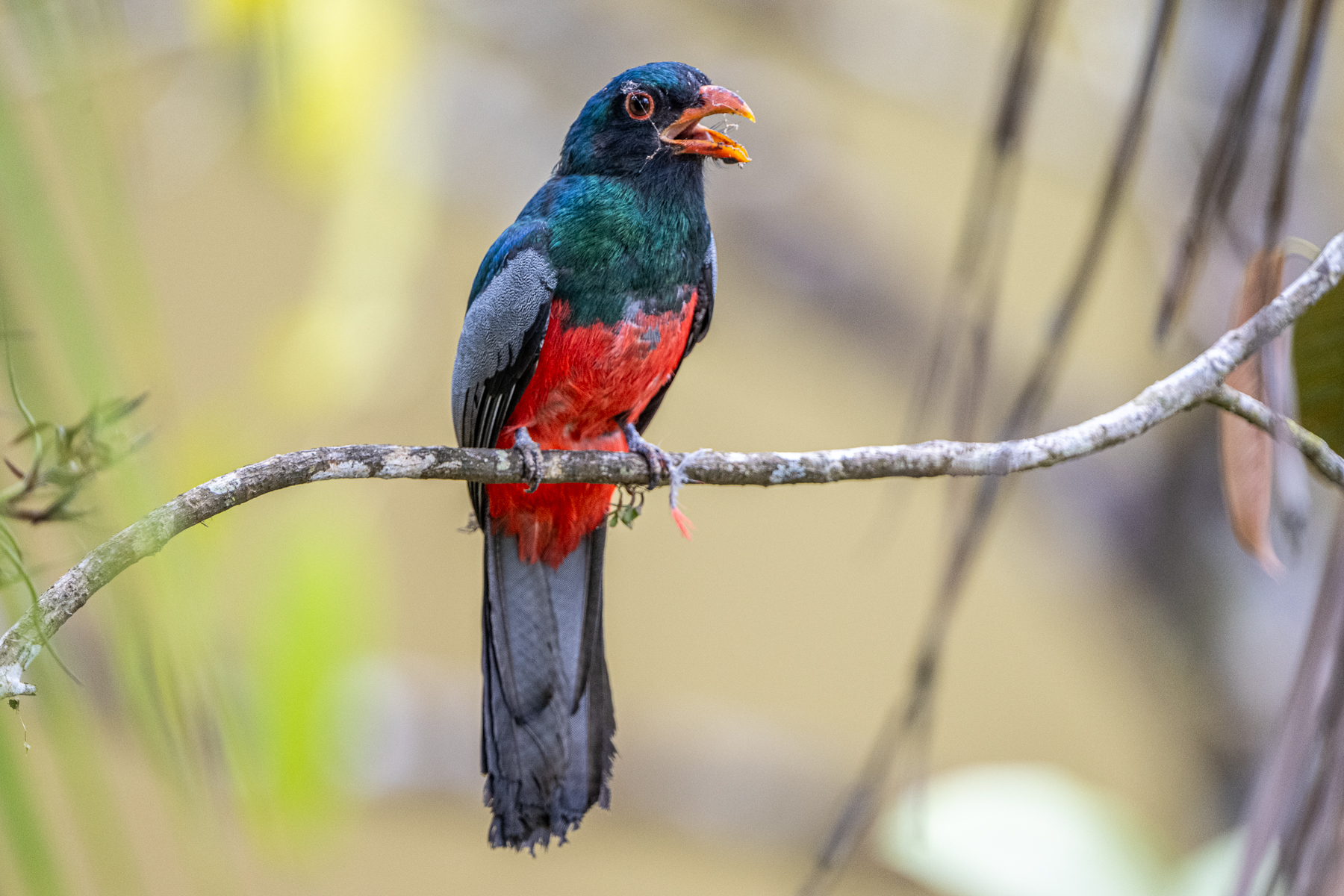
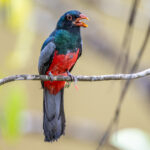
Slaty-tailed Trogons are not as splendid as their more famous relatives, but still beautiful (image by Oliver Krueger)
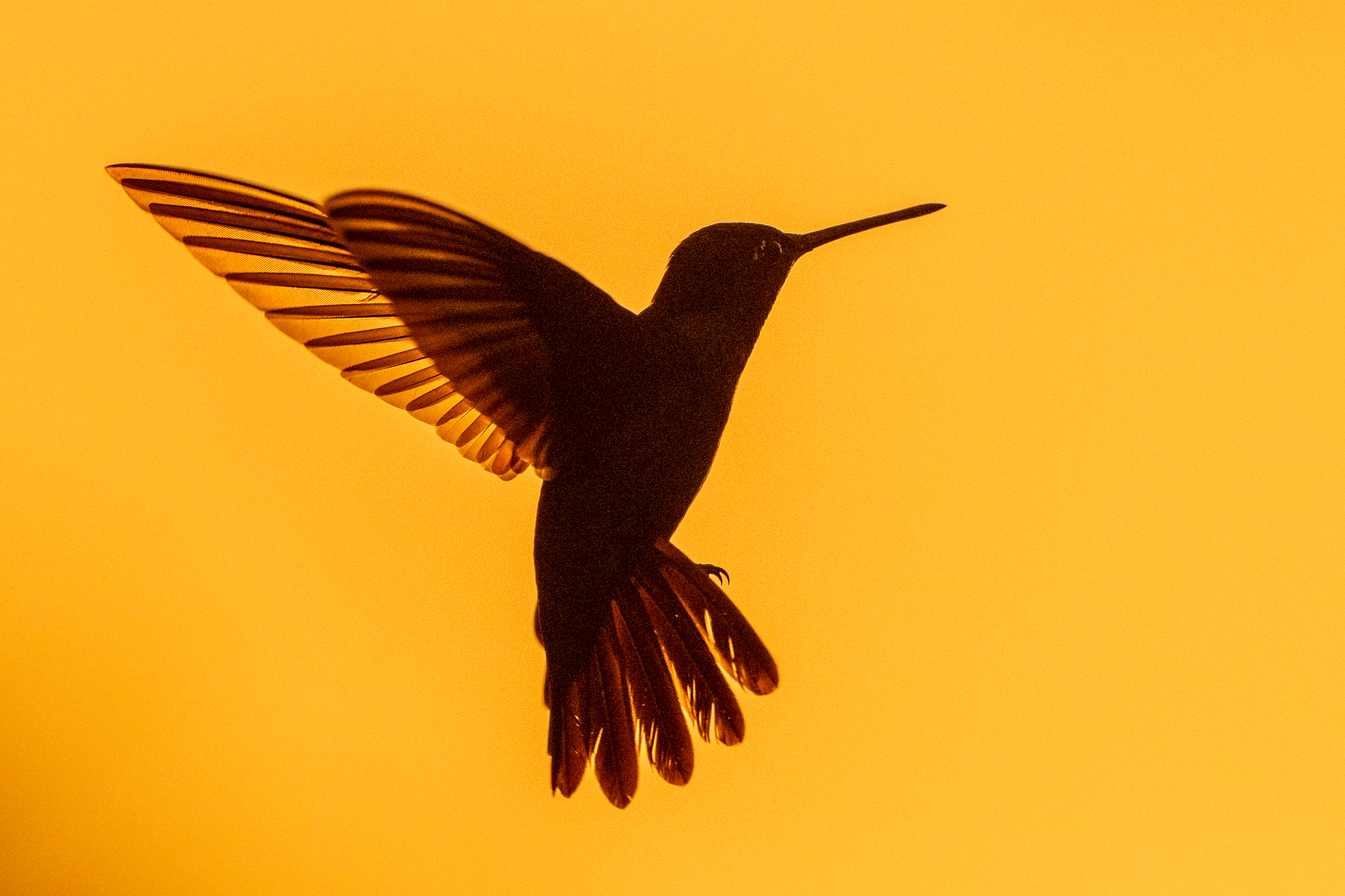
There was a very narrow window of opportunity to do humminbird sunset photography after a real downpour, Talamanca Hummingbird (image by Oliver Krueger)
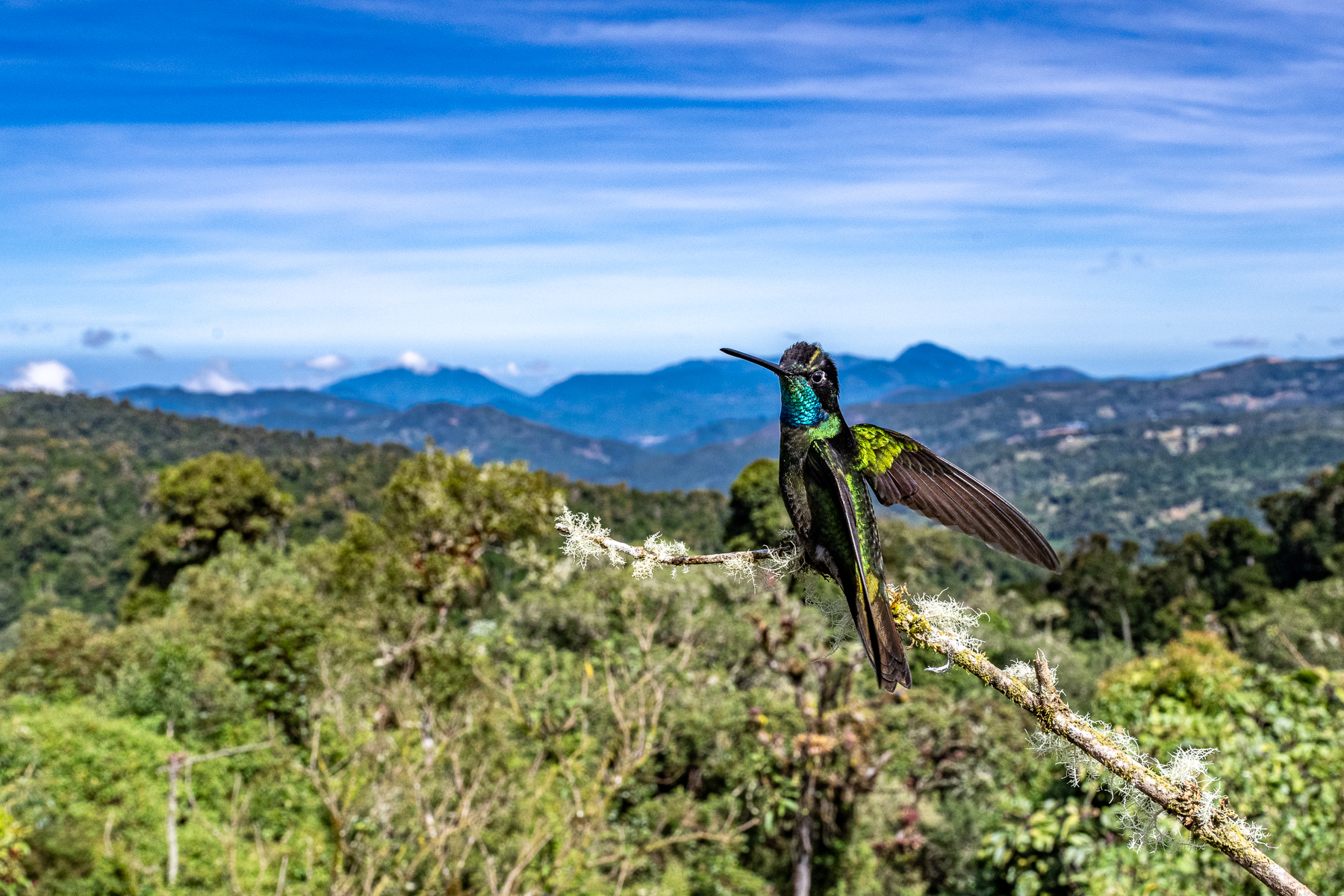
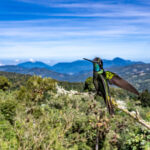
There are not many places where you can capture a wide angle hummingbird shot with its habitat, Talamanca Hummingbird (image by Oliver Krueger)
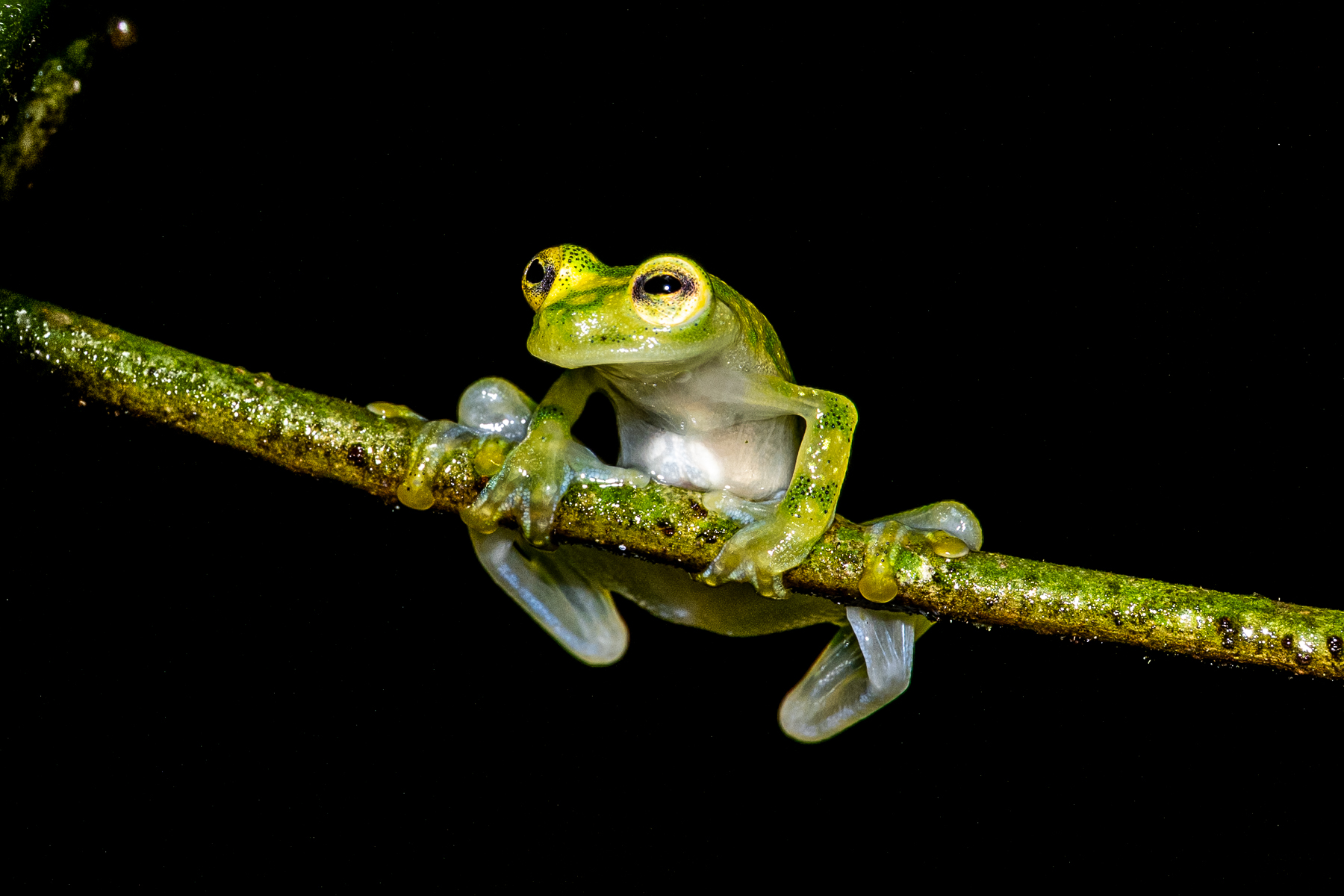
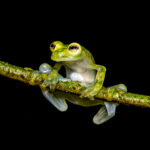
The Bare-hearted Glass Frog might well have been the inspiring species for Kermit the Frog (image by Oliver Krueger)
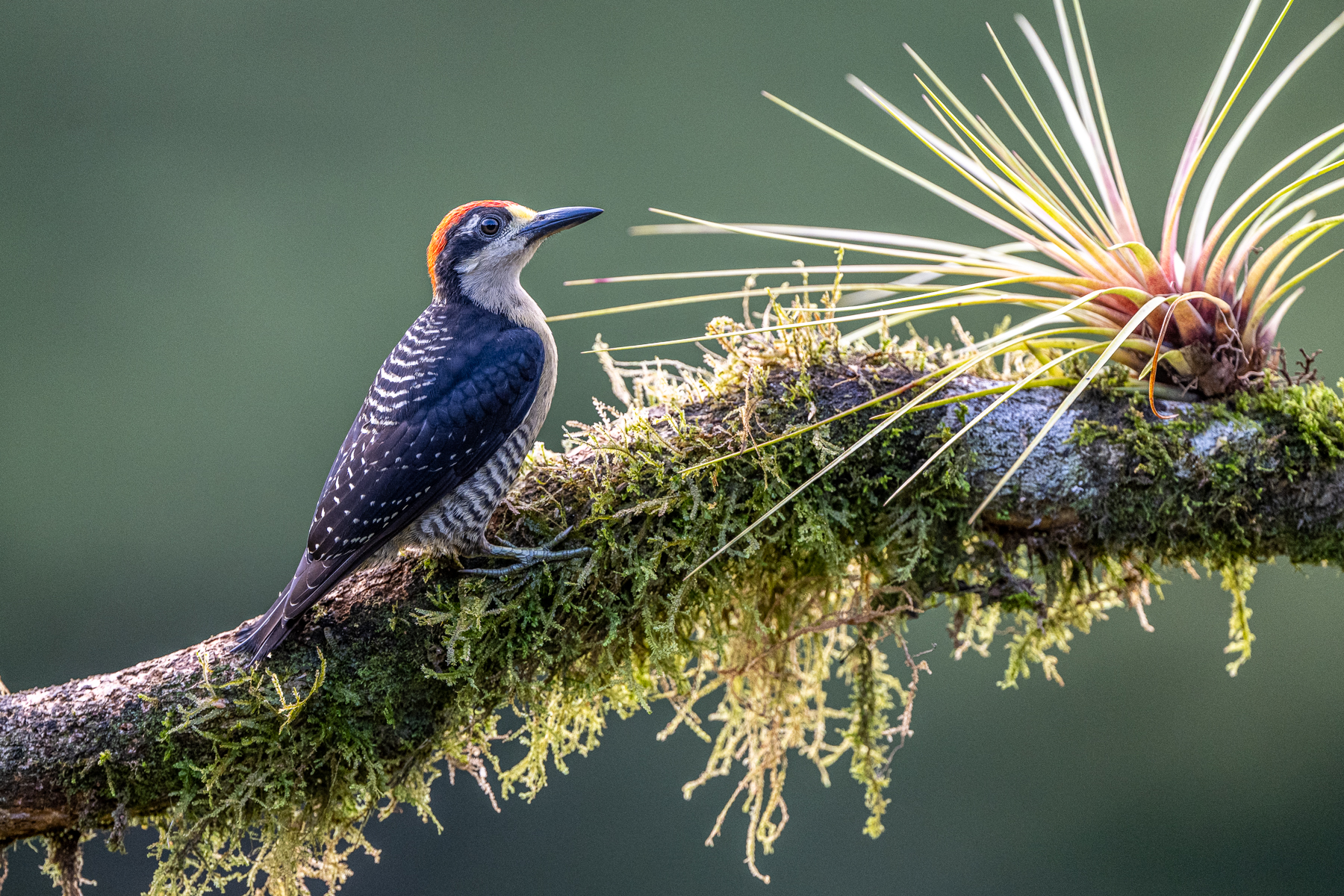
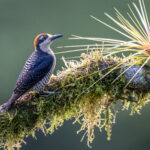
Black-cheeked Woodpecker male on a moss-laden branch (image by Oliver Krueger)
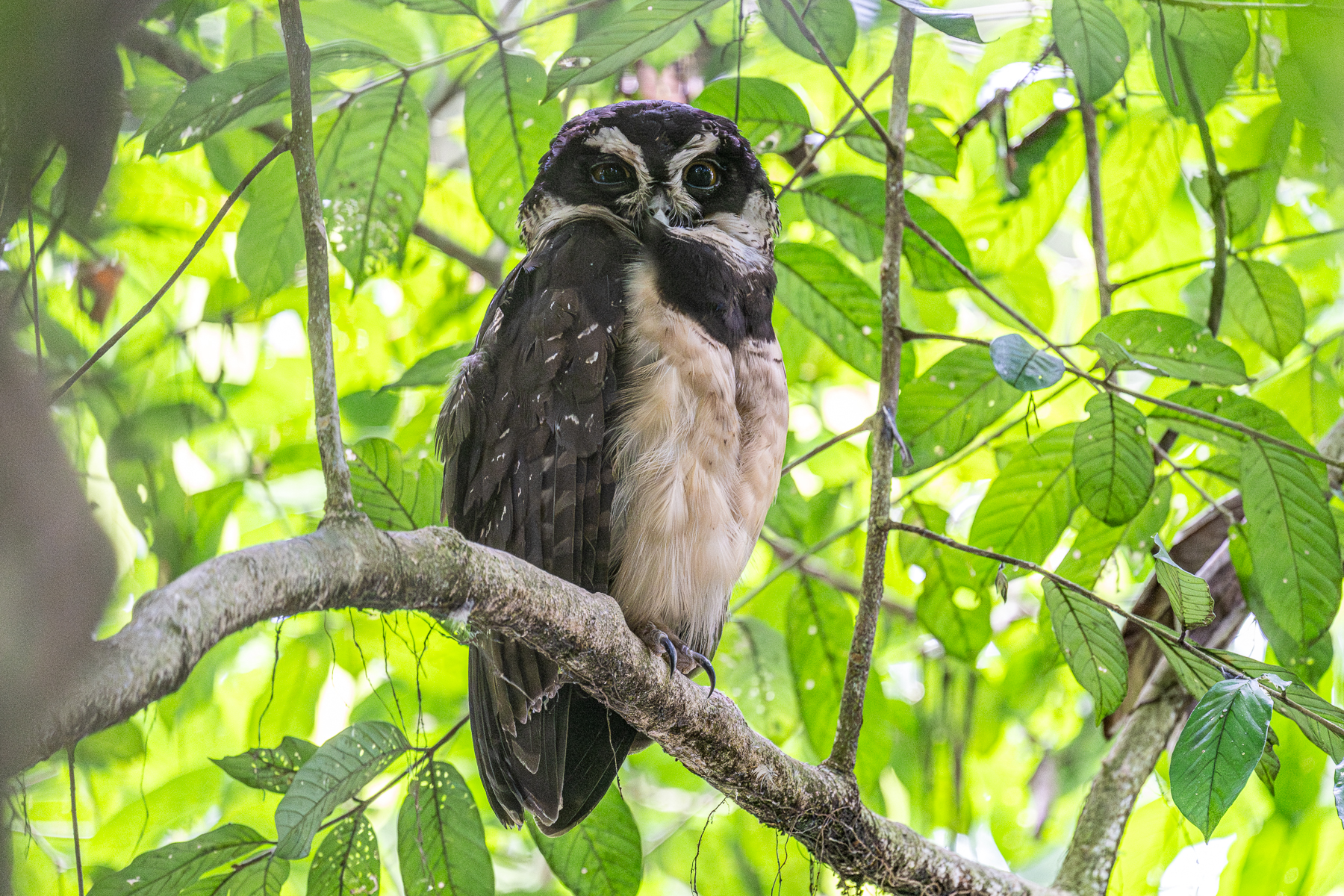
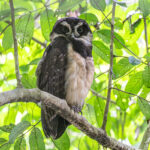
One of the biggest owl species of Central America, the Spectacled Owl (image by Oliver Krueger)
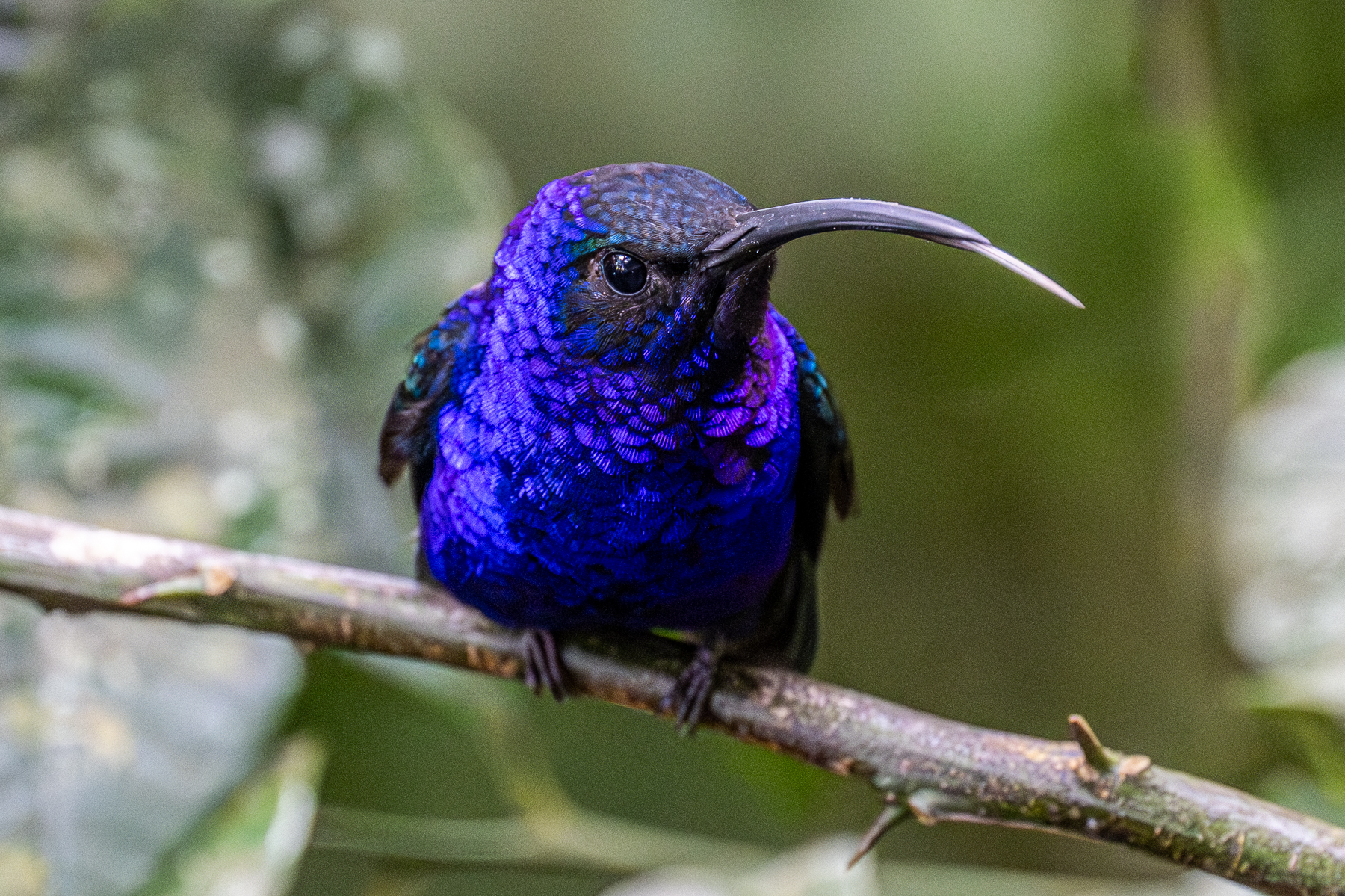
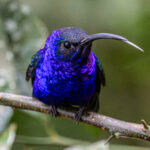
The Violet Sabrewing is very aptly named and simply stunning (image by Oliver Krueger)
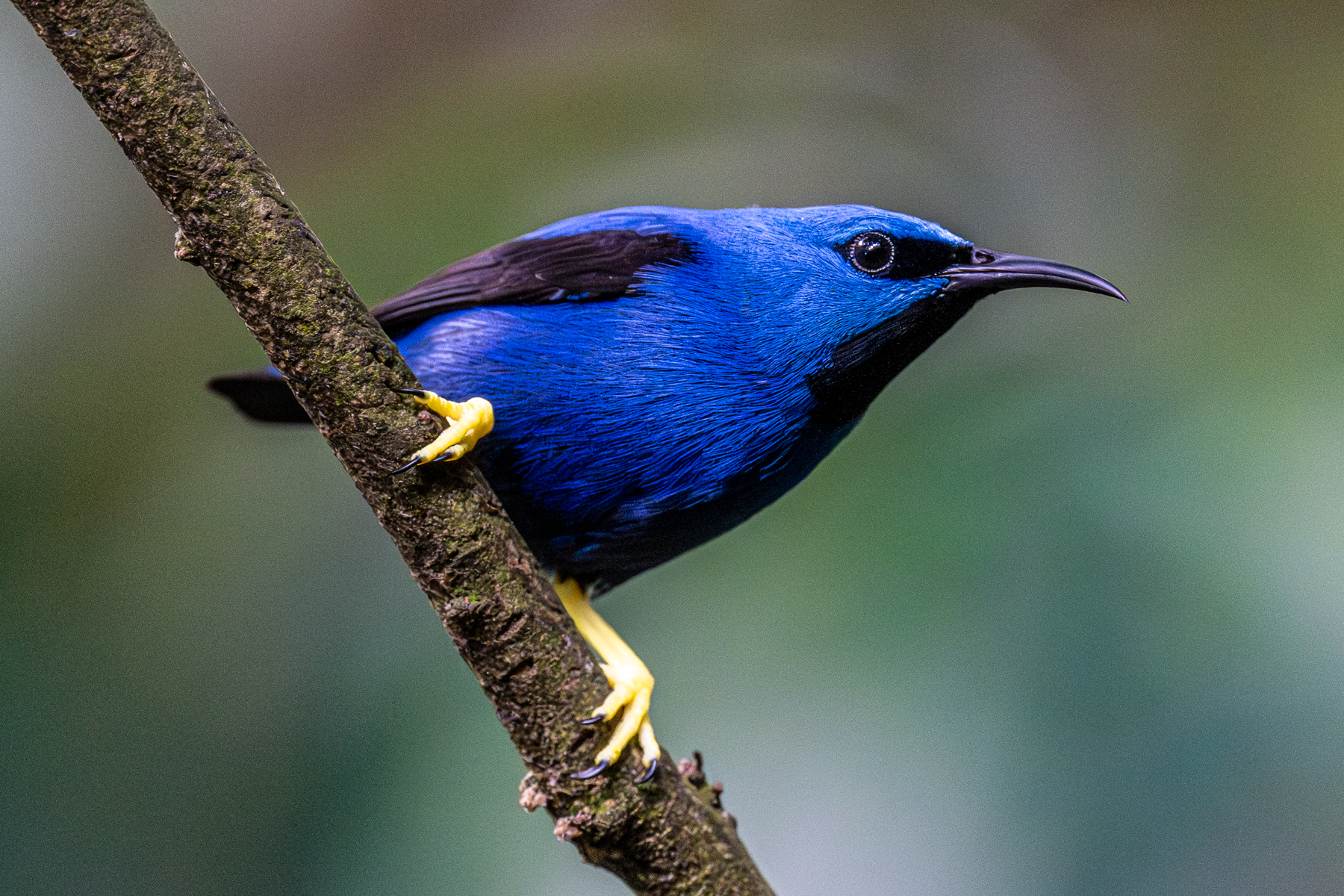
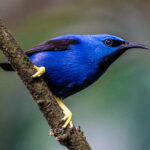
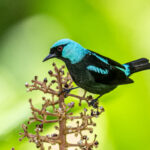
The male Shining Honeycreeper is even more beautiful (image by Oliver Krueger)
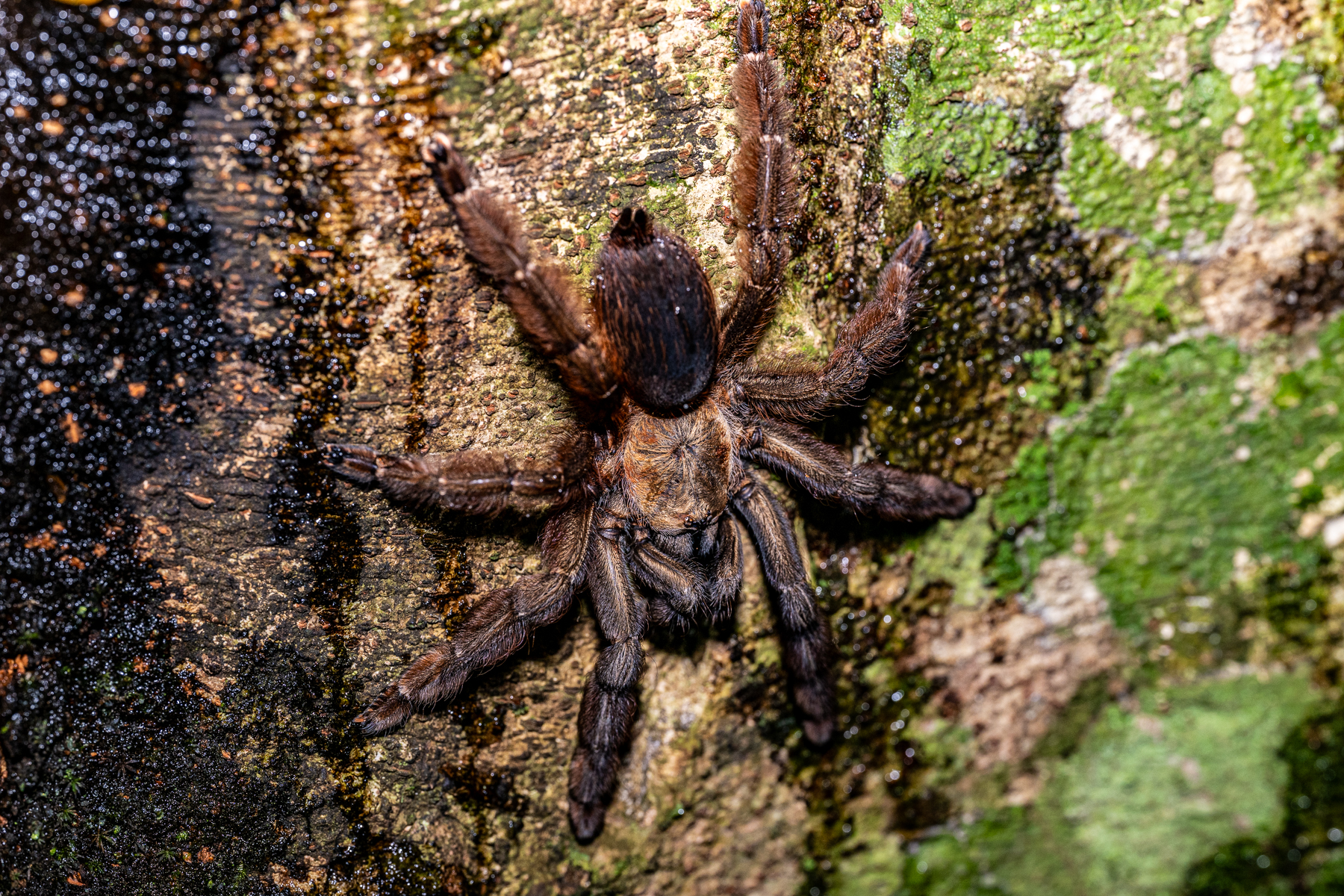
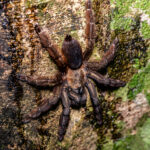
Costa Rica holds ca. 50 species of Tarantula, this is probably the Costa Rican Orangemouth Tarantula (image by Oliver Krueger)
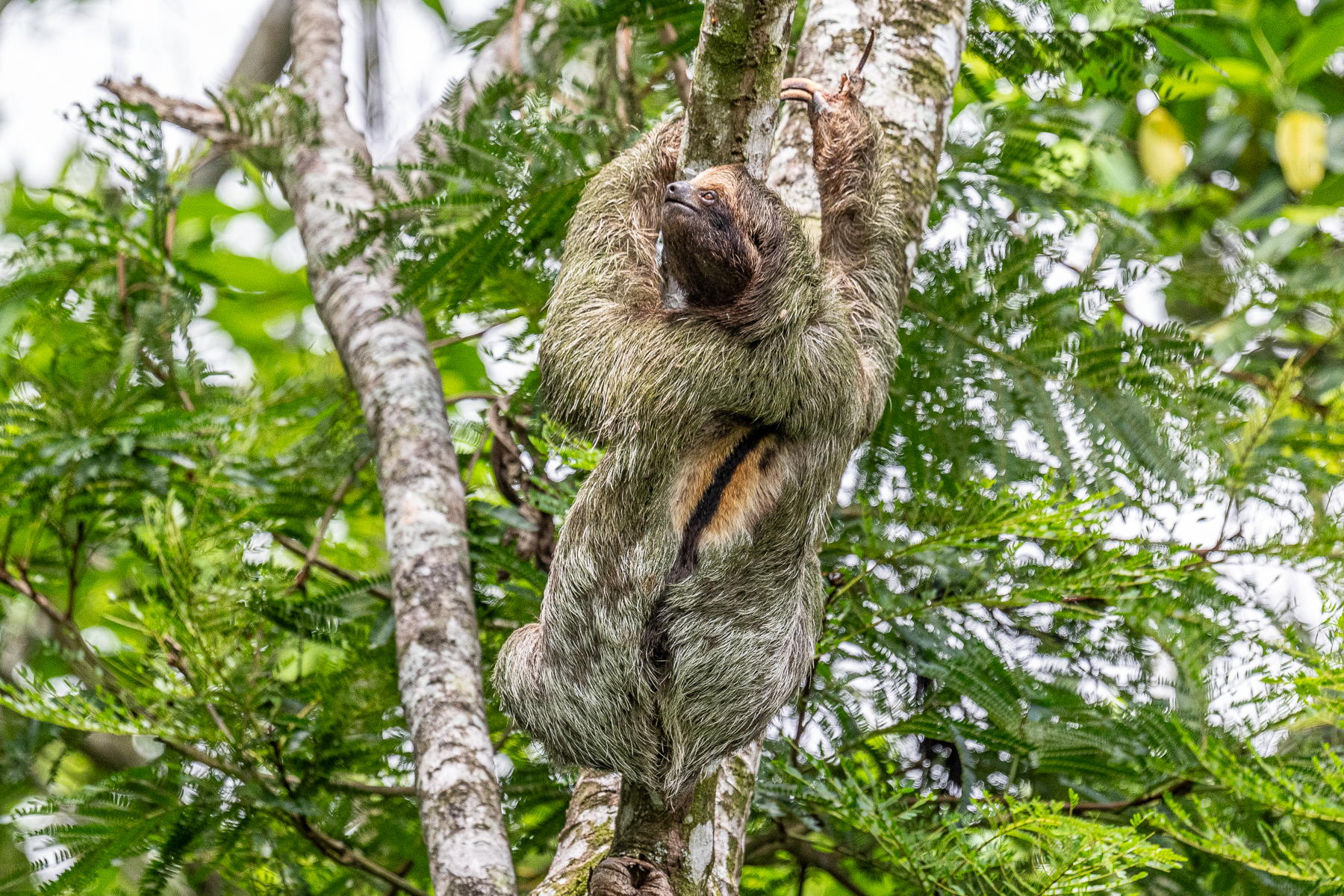
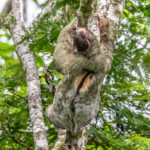
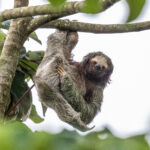
An exceptionally clear view of a Brown-throated Three-toed Sloth (image by Oliver Krueger)
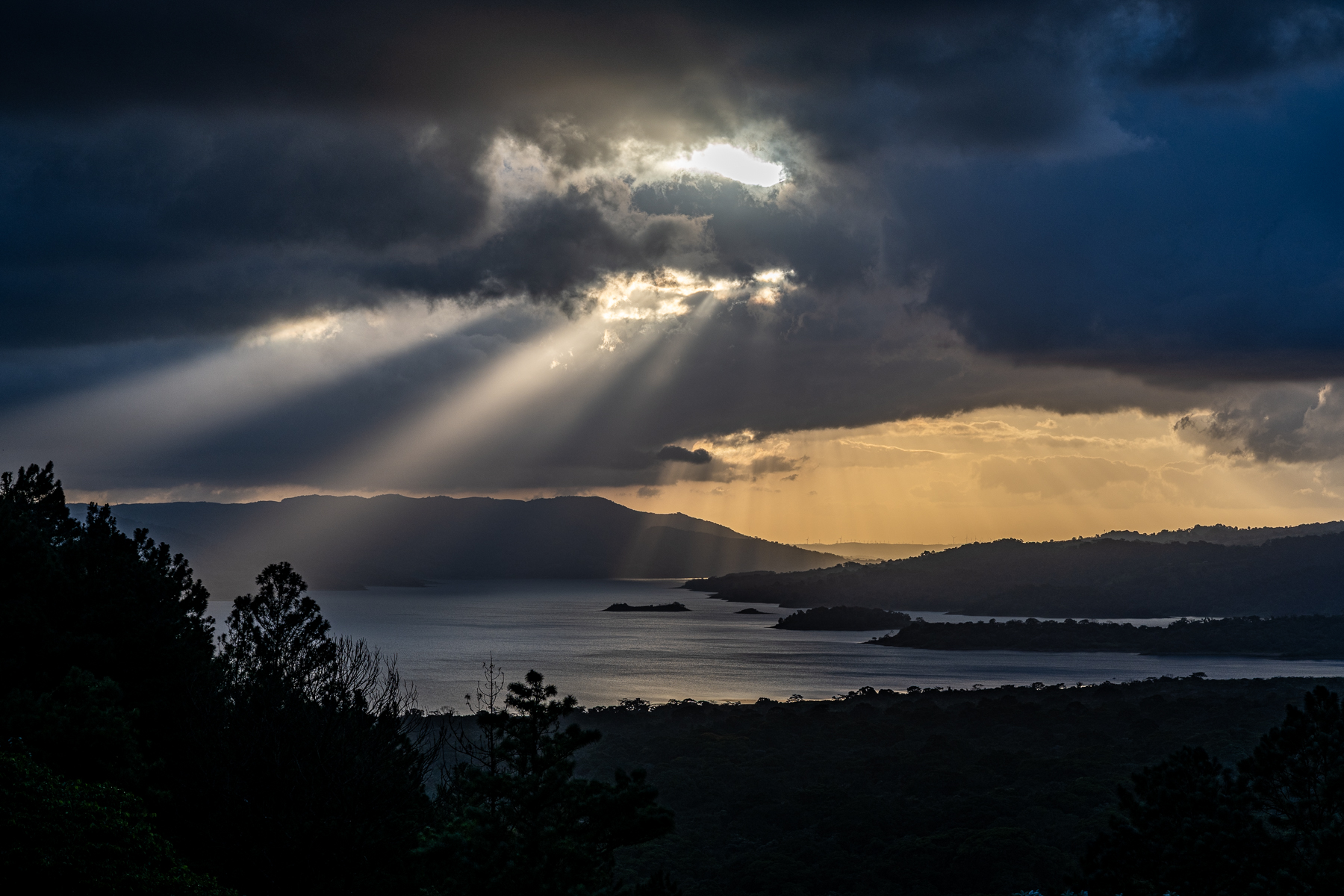
Lake Arenal at the foot of the Arenal Volcano measures 80 km2 and is known for its beautiful sunsets (image by Oliver Krueger)
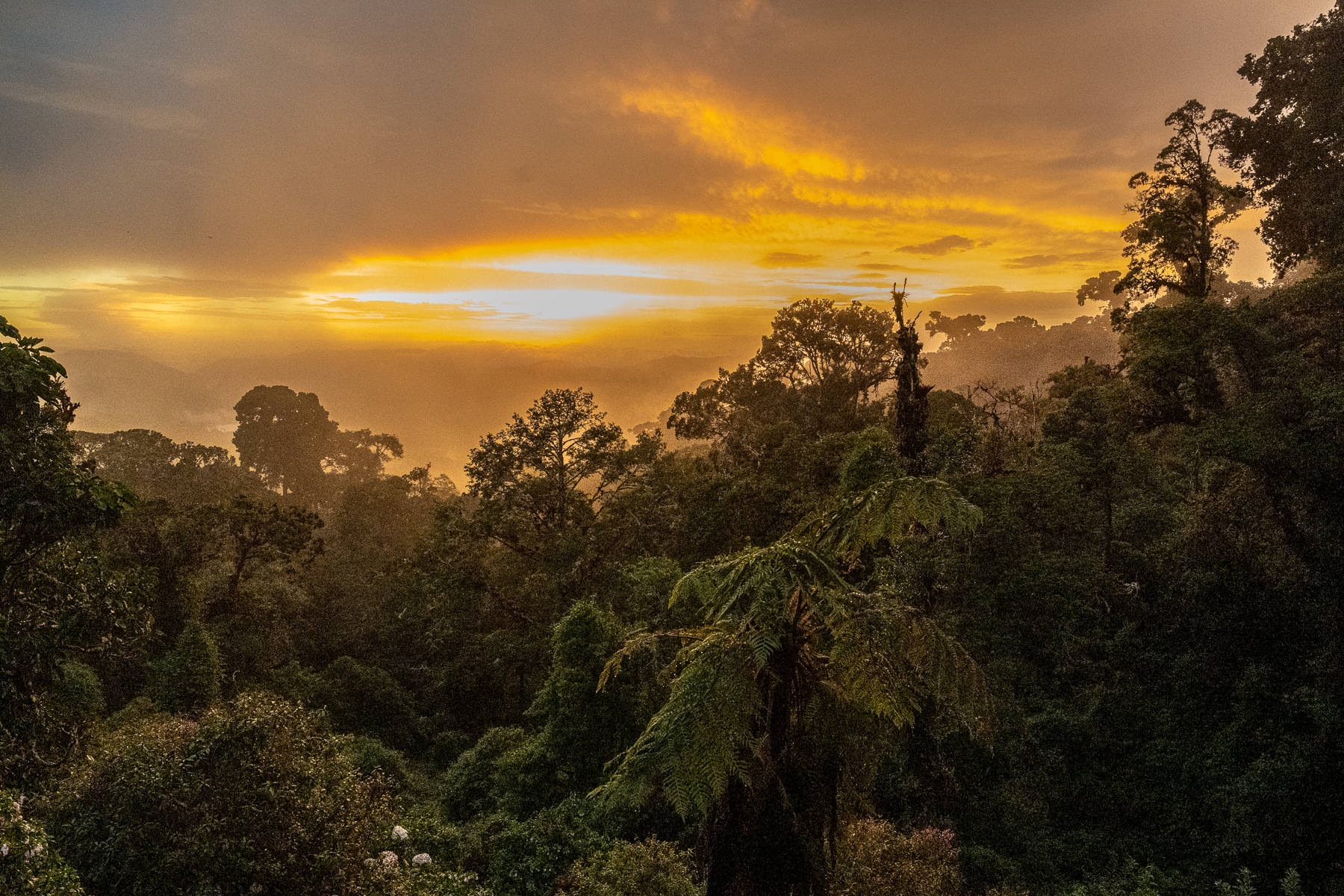
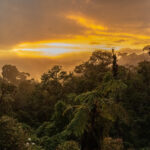
Stunning view of the sunset from Paraiso Quetzal Lodge (image by Oliver Krueger)
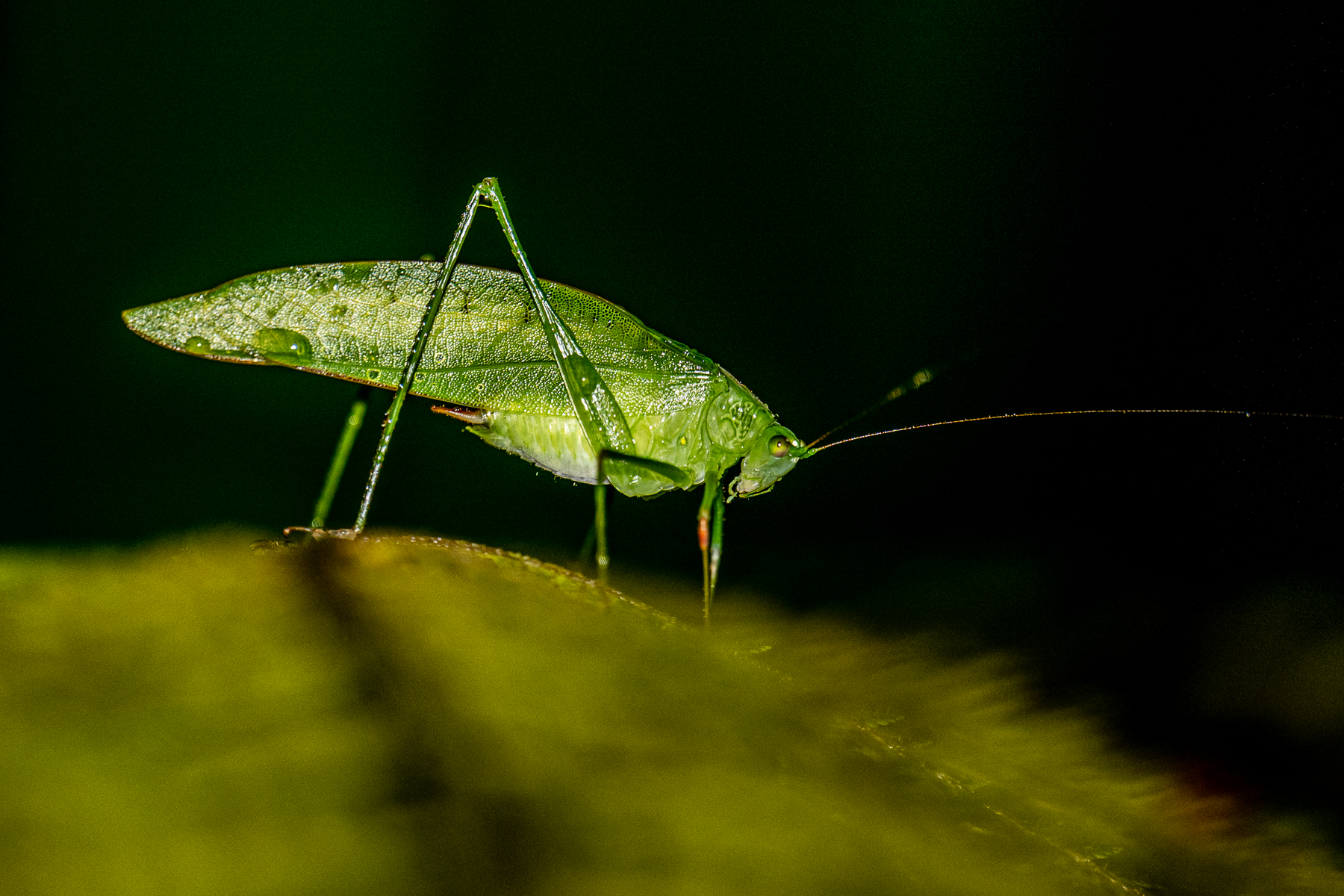
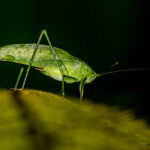
With over 6 cm in body length, this Katydid was rather impressive (image by Oliver Krueger)
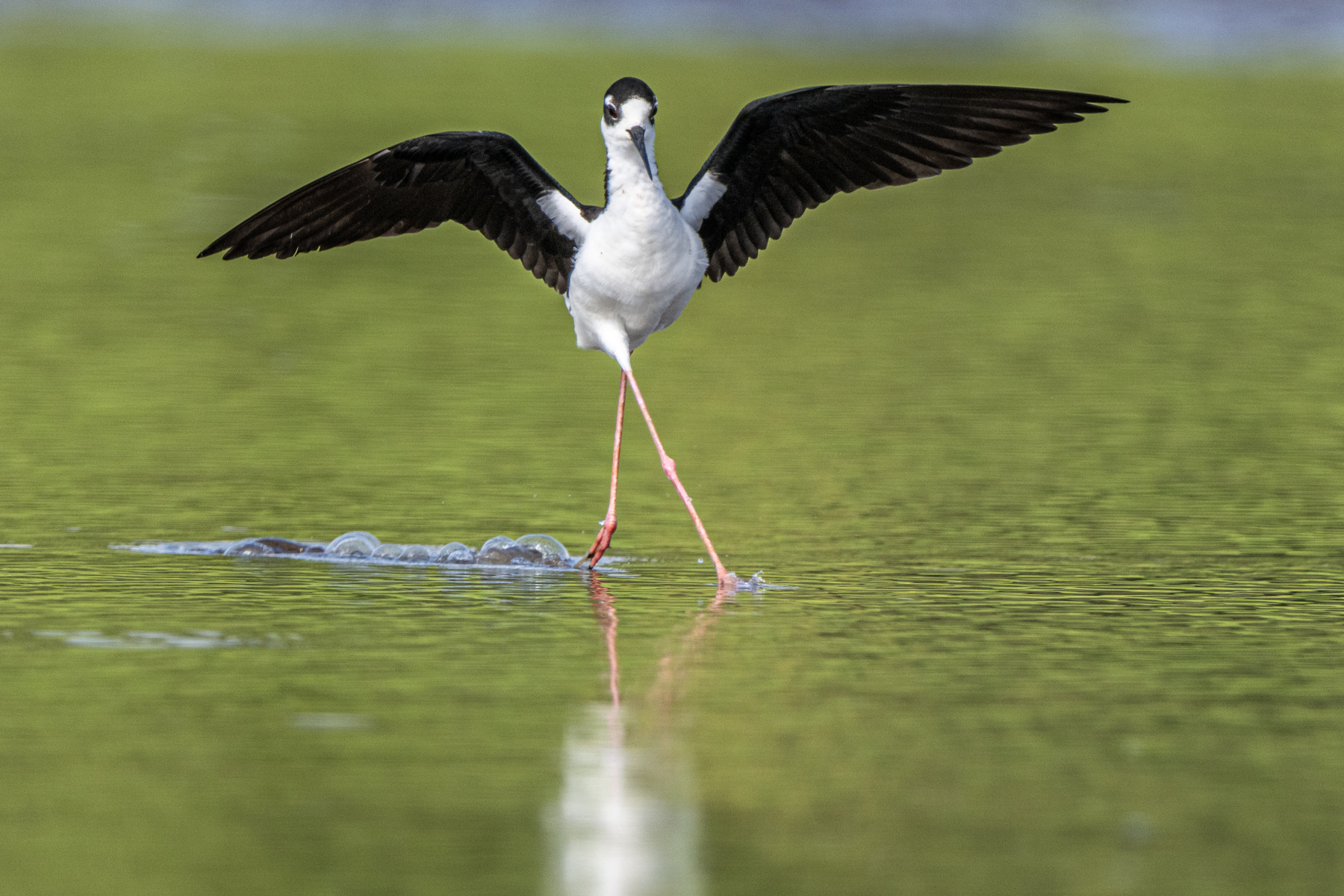
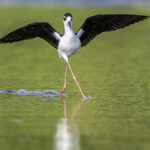
The longest legs relative to body size in the bird world, a Black-necked Stilt (image by Oliver Krueger)
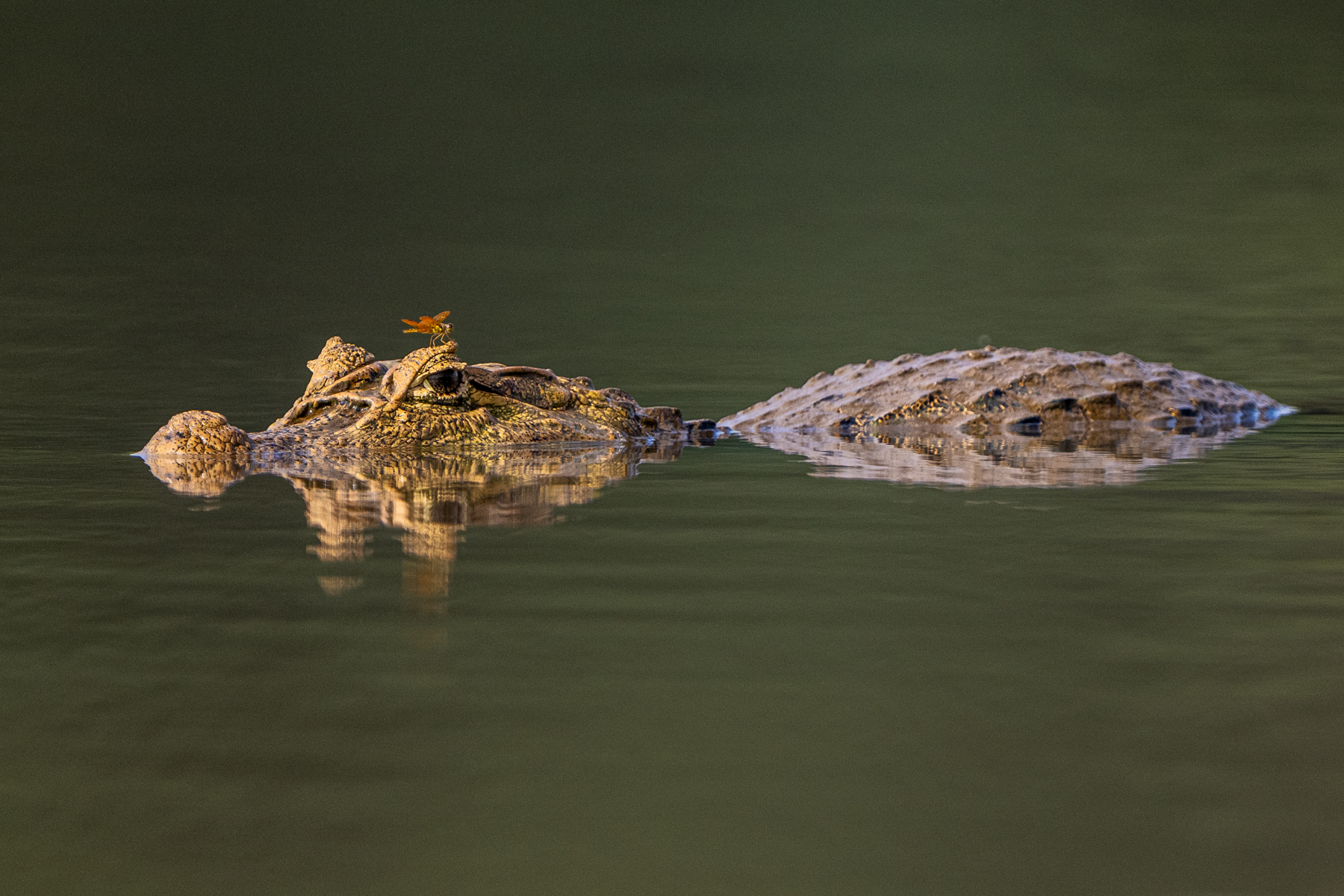
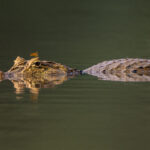
The quiet lagoon of Cano Negro makes mirror images of Spectacled Caiman relatively easy, even with a dragonfly (image by Oliver Krueger)
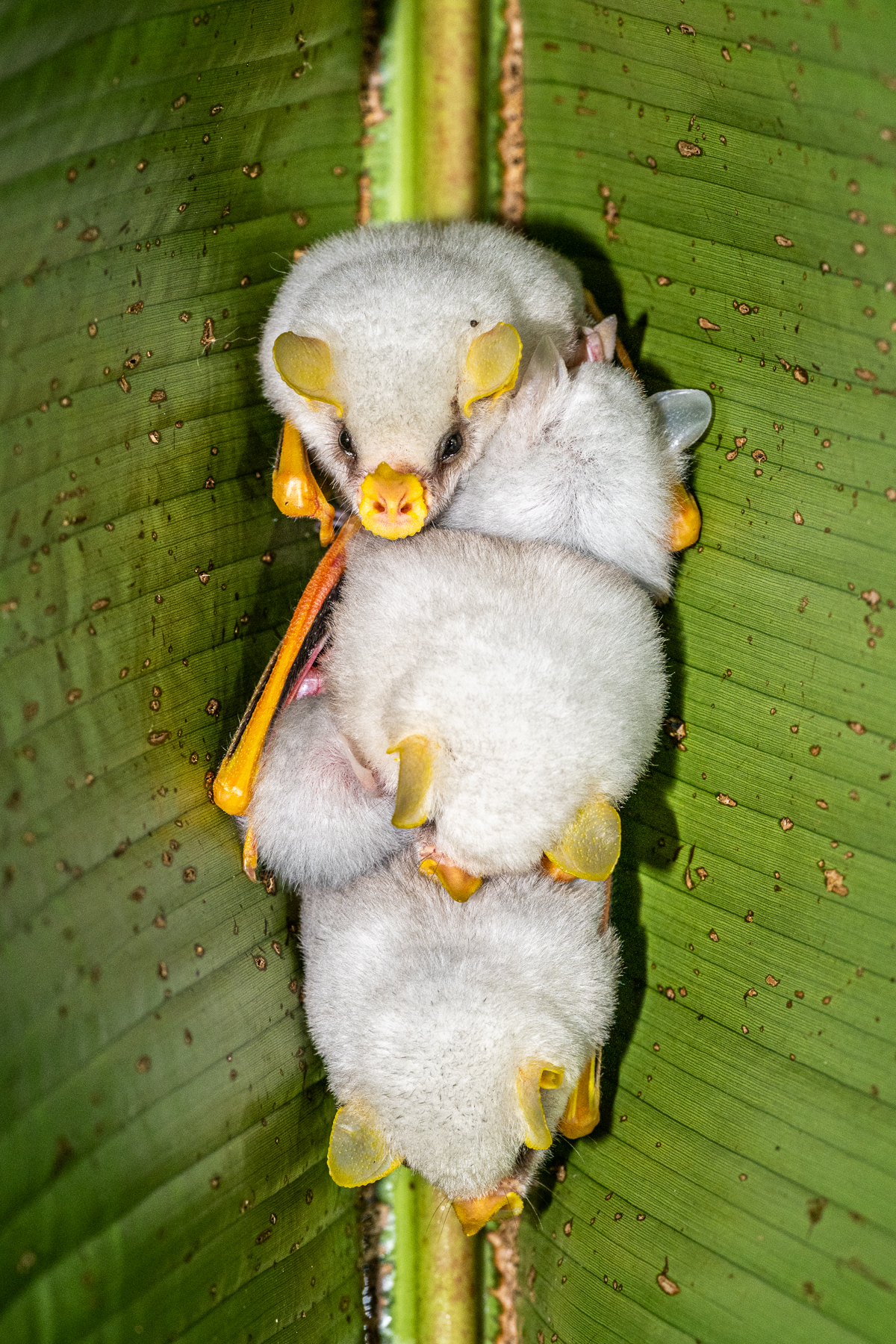
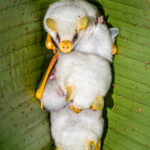
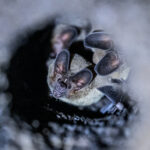
Group-roosting Honduran White Bats surely belong to the cutest species in Costa Rica (image by Oliver Krueger)
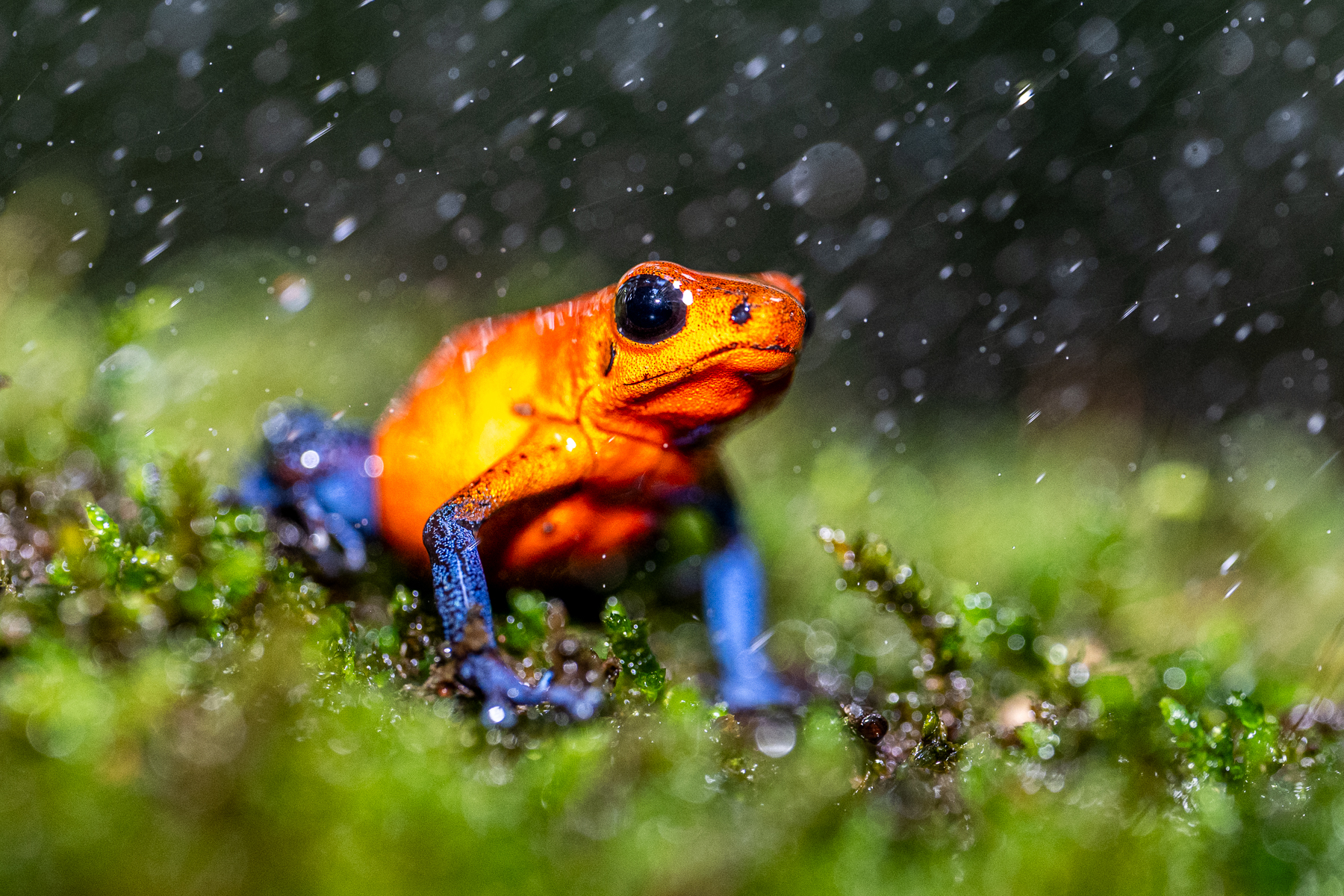
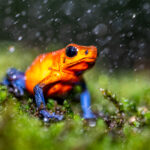
Strawberry Poison Dart Frogs are strictly diurnal which makes them easier to spot, but at 25 mm length, they are tiny (image by Oliver Krueger)
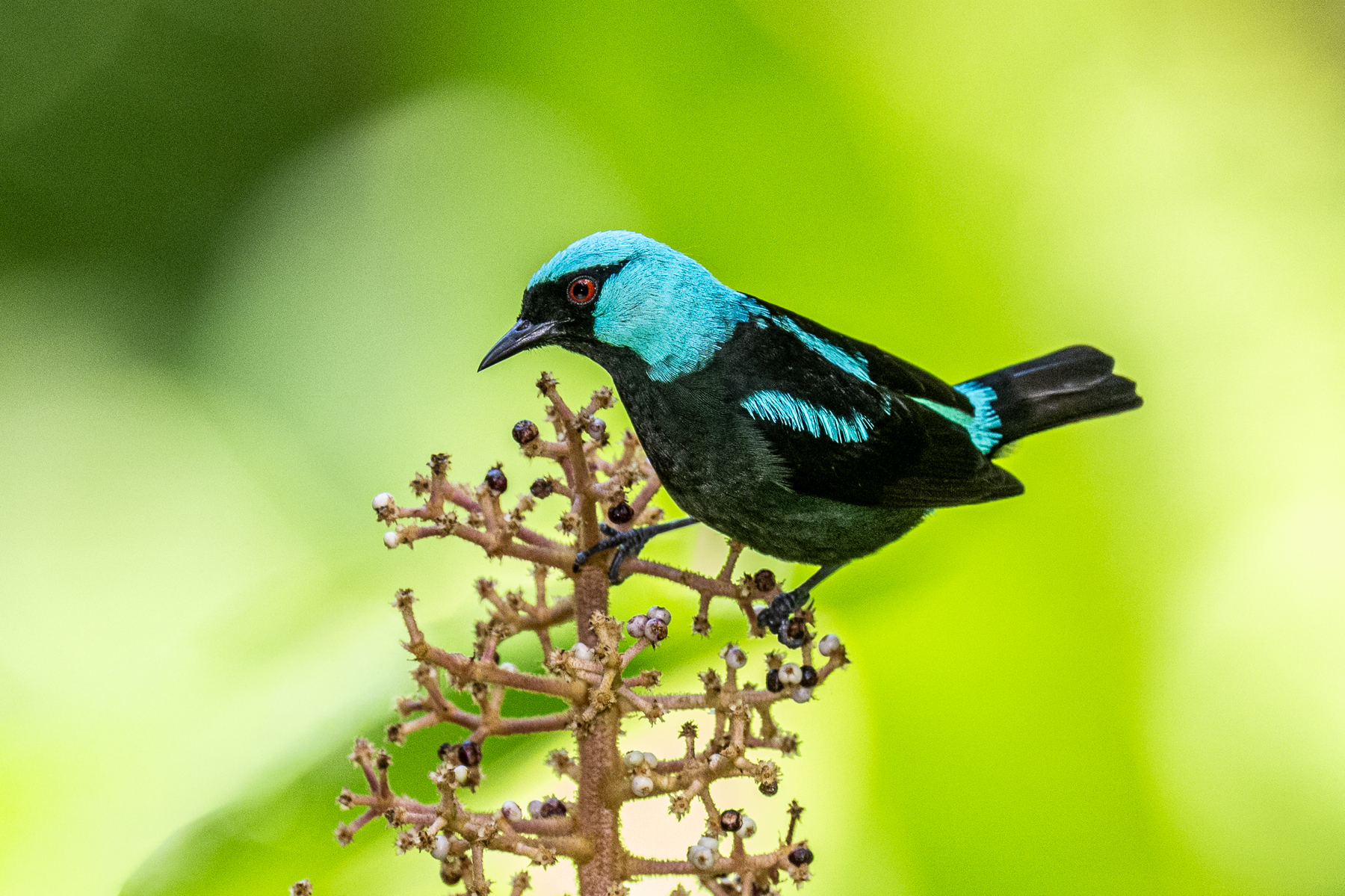
One of the many most beautiful birds of Costa Rica, a male Scarlet-thighed Dacnis (image by Oliver Krueger)
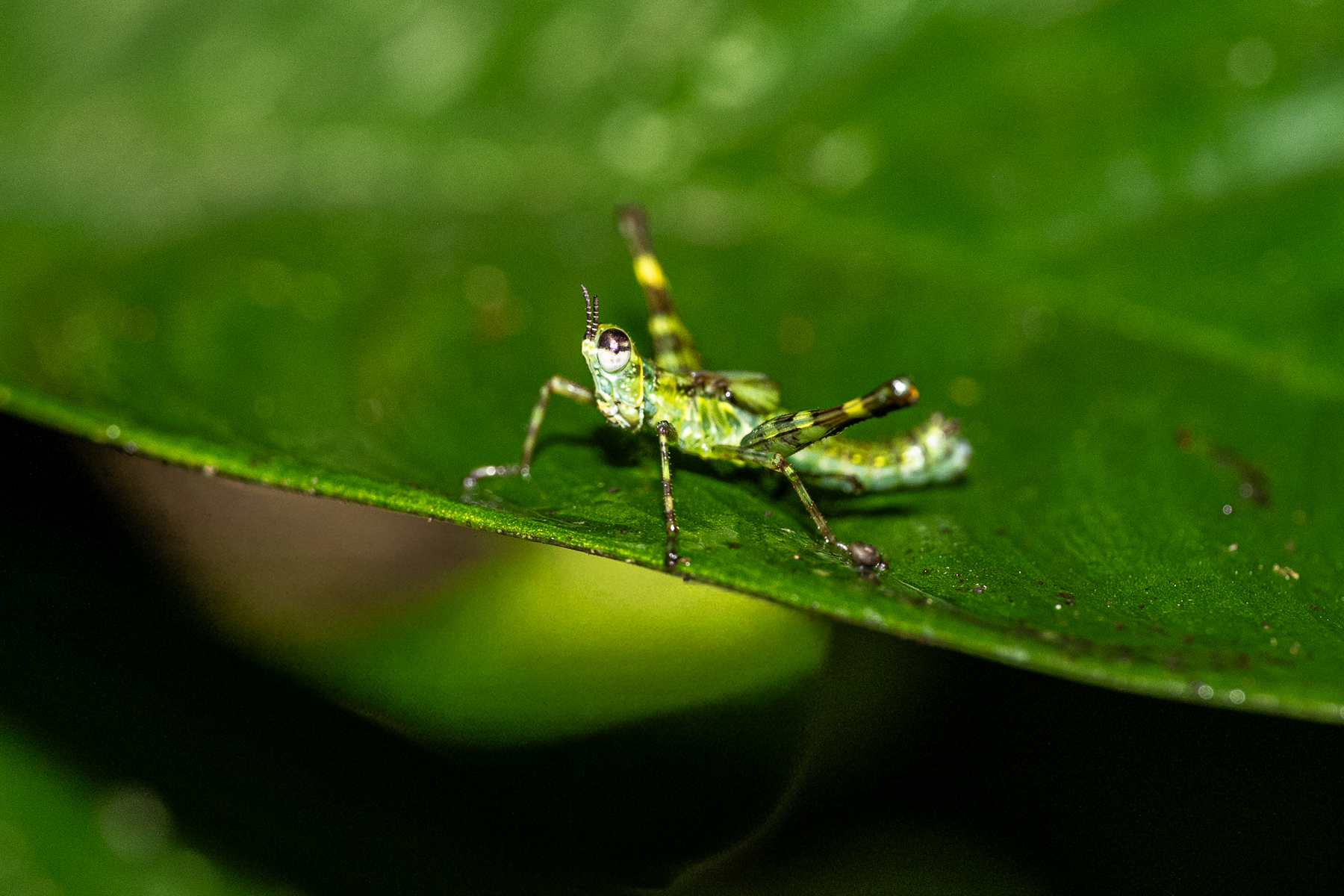
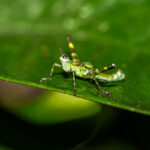
A species of Monkey Grasshopper, holding its legs in the typical orthogonal position in relation to ist body (image by Oliver Krueger)
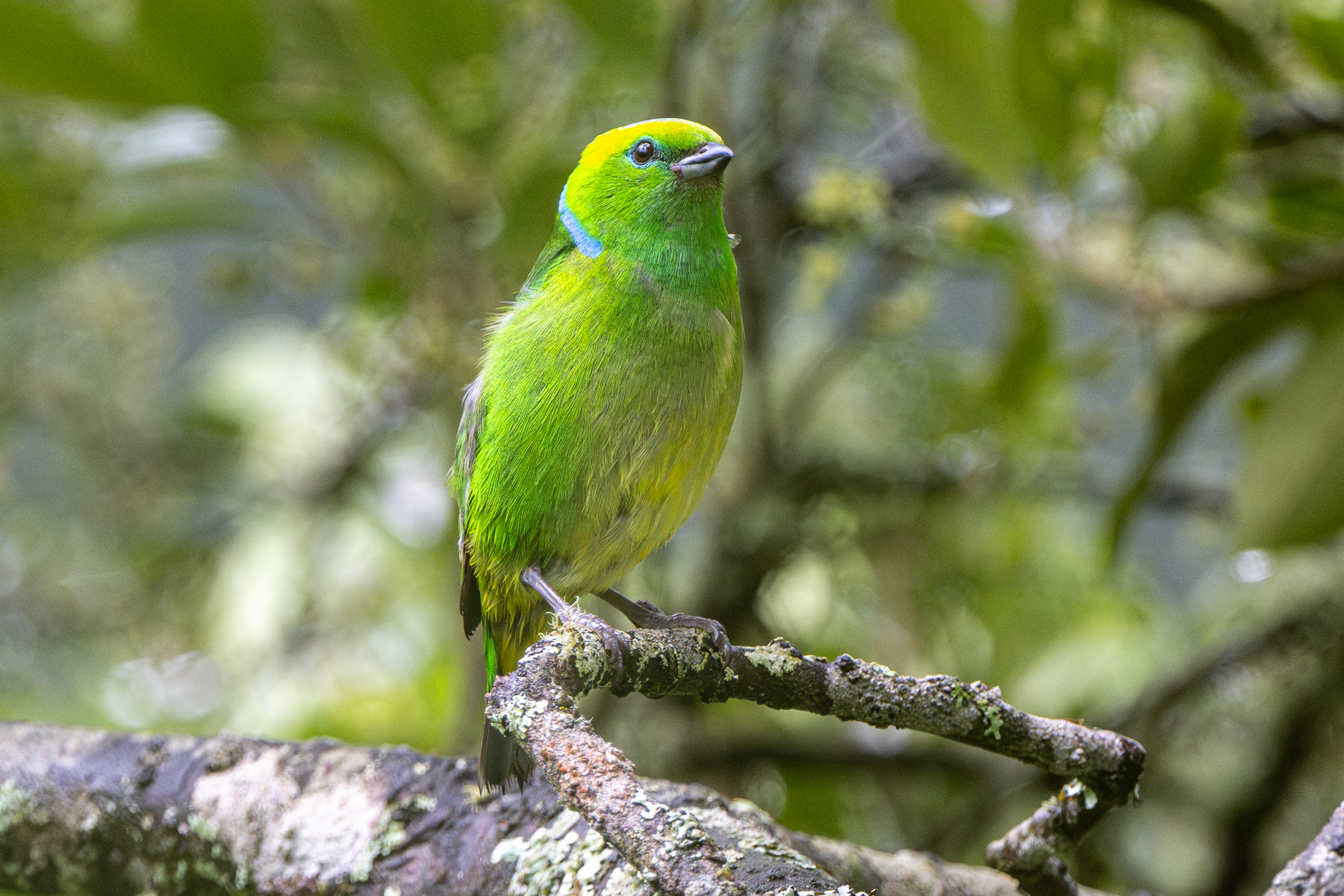
Pretty much the final species we photographed on this tour, the adorable female of a Golden-browed Chlorophonia (image by Oliver Krueger)
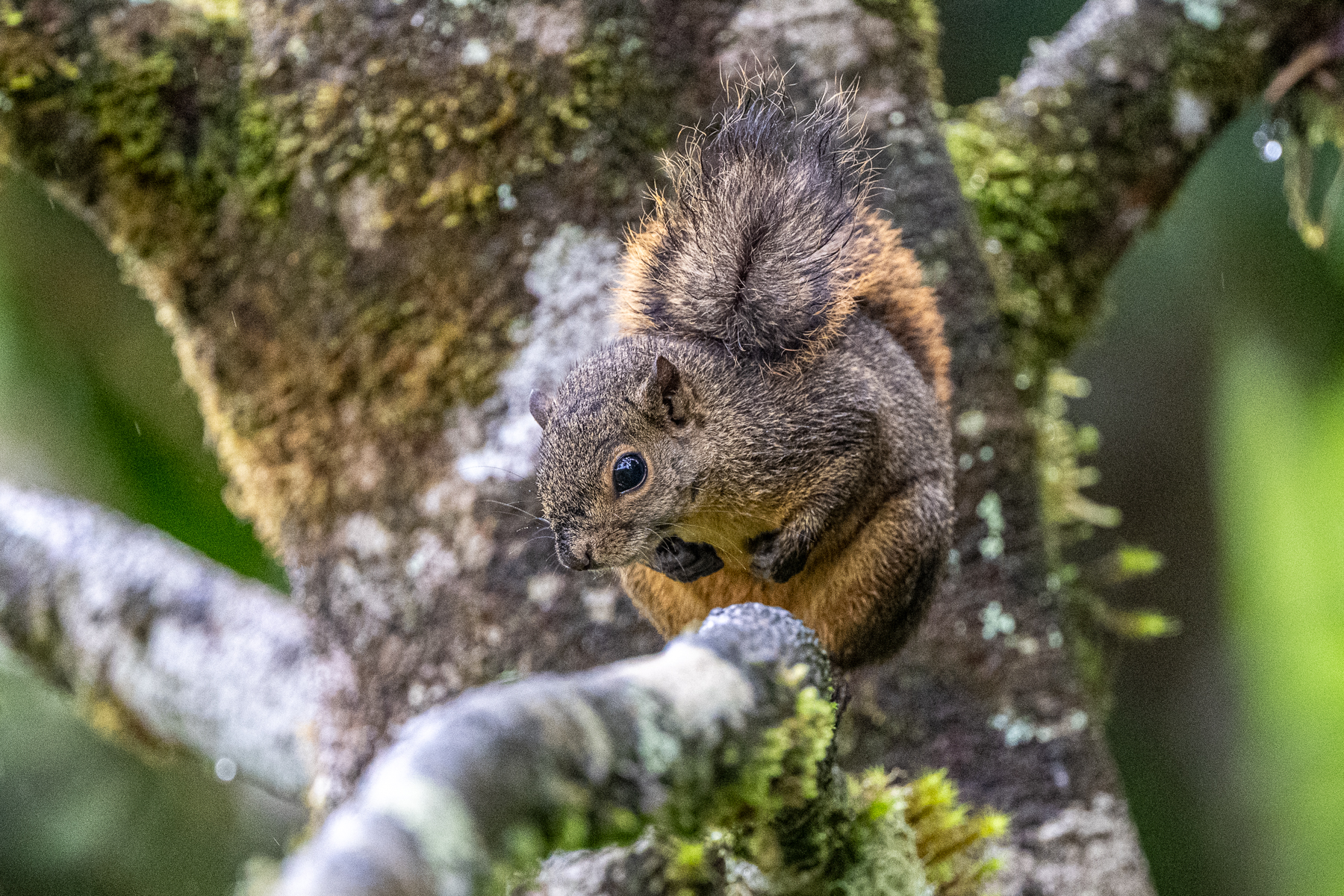
The Red-tailed Squirrel is relatively common in the cloud forest (image by Oliver Krueger)
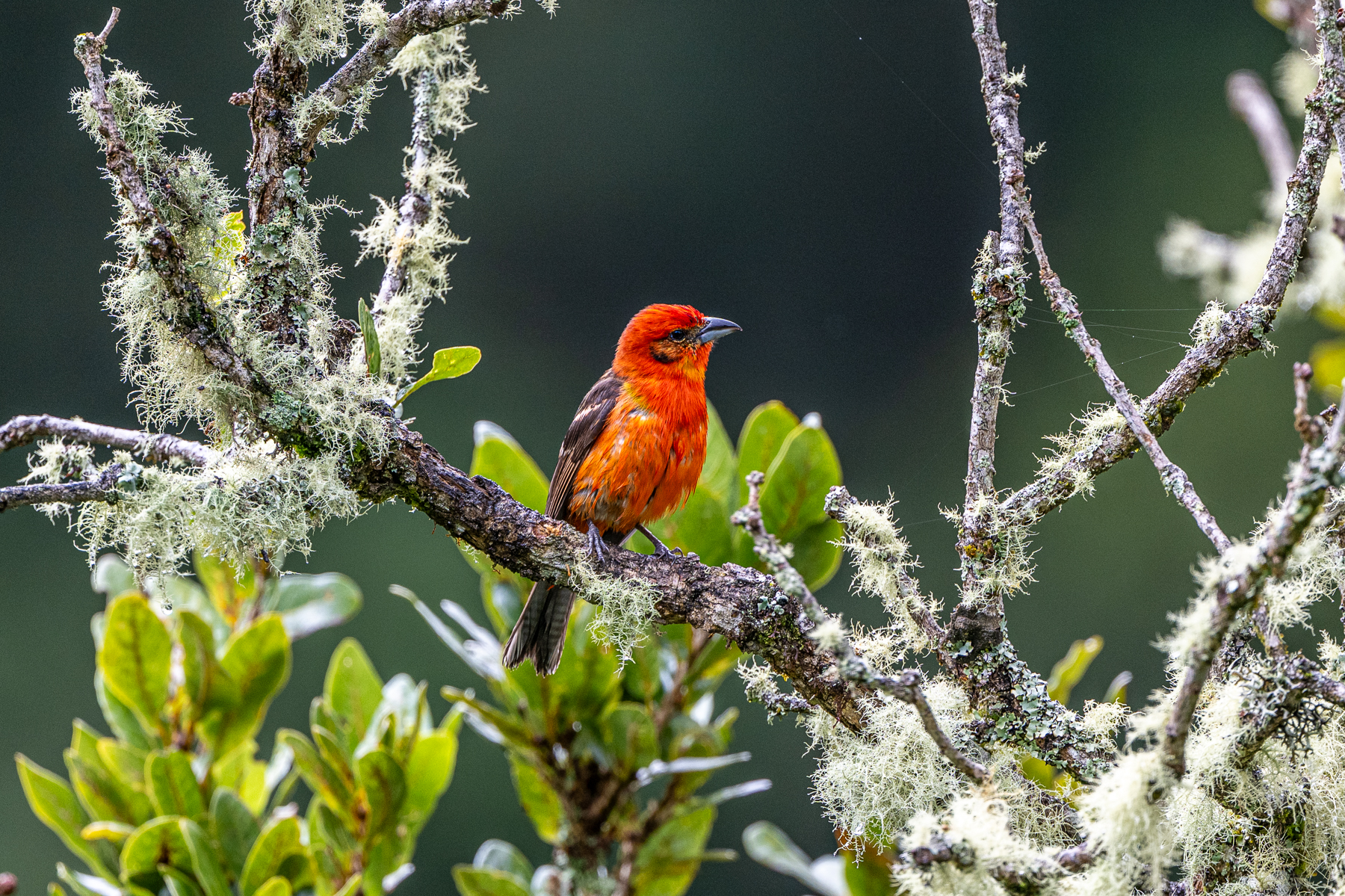
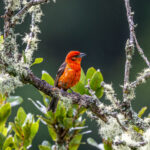
A flash of red light in the cloud forest, Flame-coloured Tanager (image by Oliver Krueger)
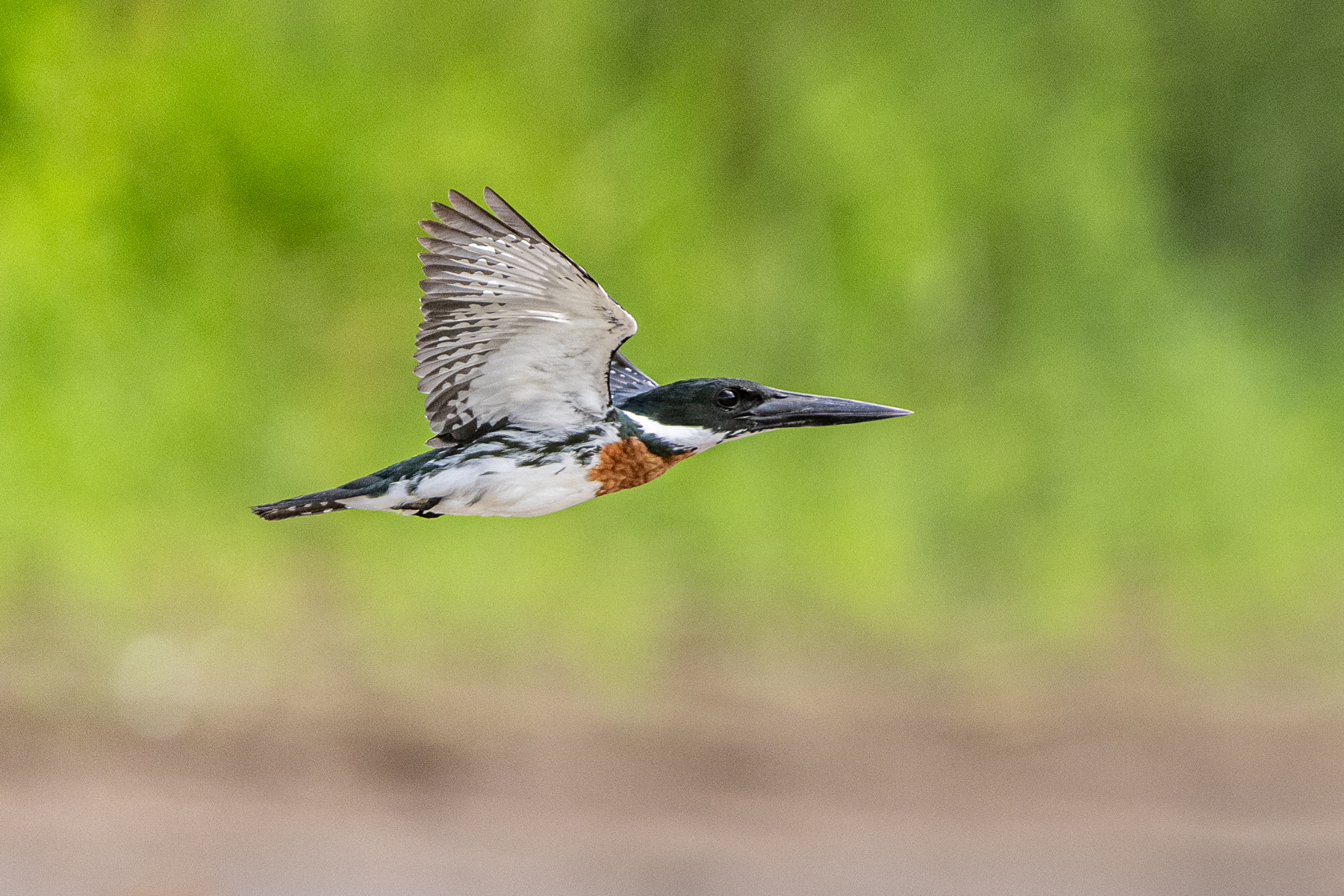
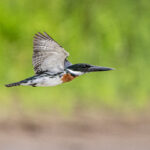
Because of their abundance, obtaining flight shots of Amazon Kingfidhers is a real possibility at Cano Negro (image by Oliver Krueger)
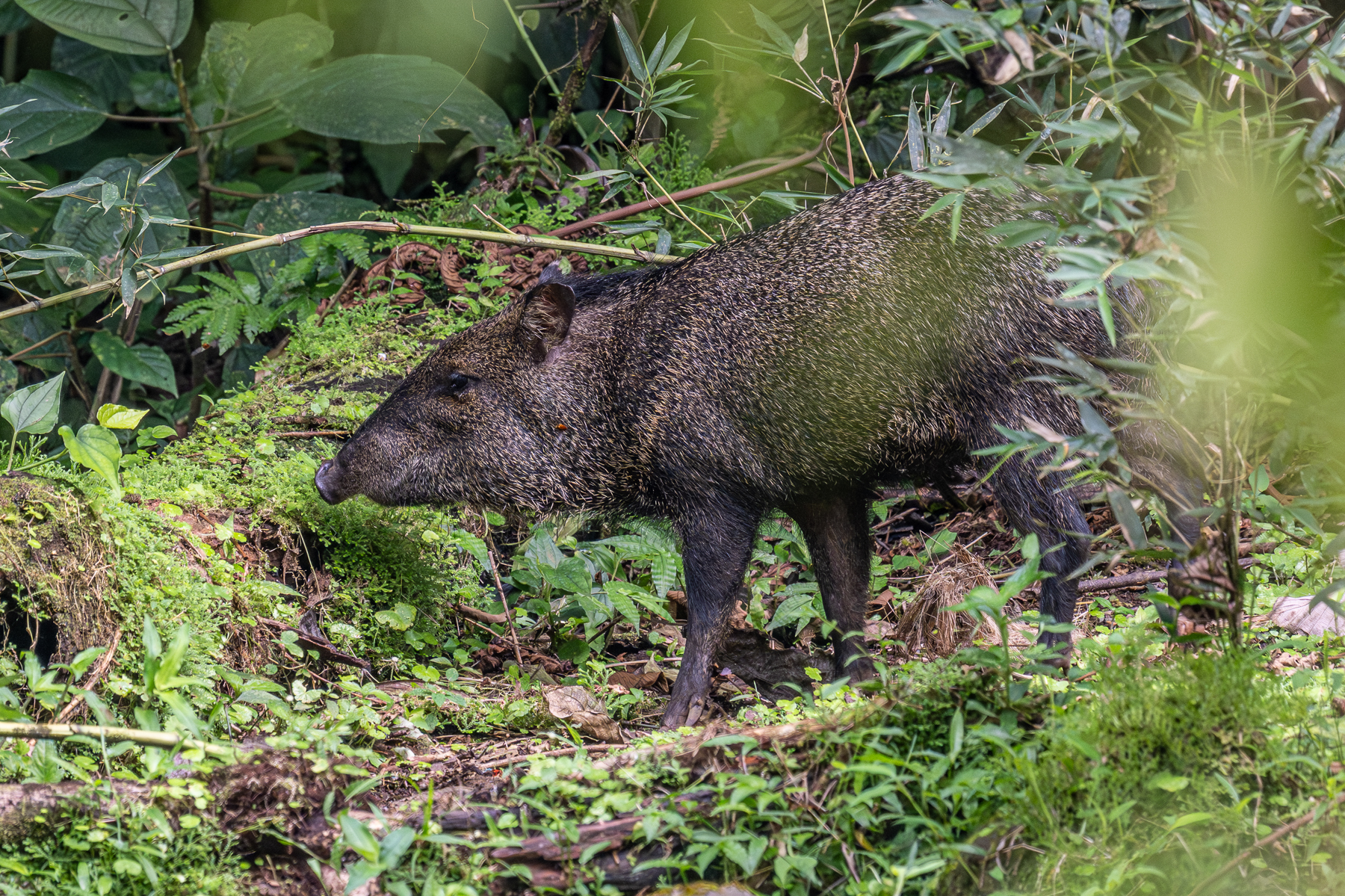
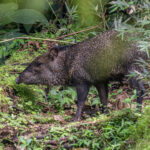
Not exactly rare and not exactly shy, but still often difficult to capture, a Collared Peccary (image by Oliver Krueger)
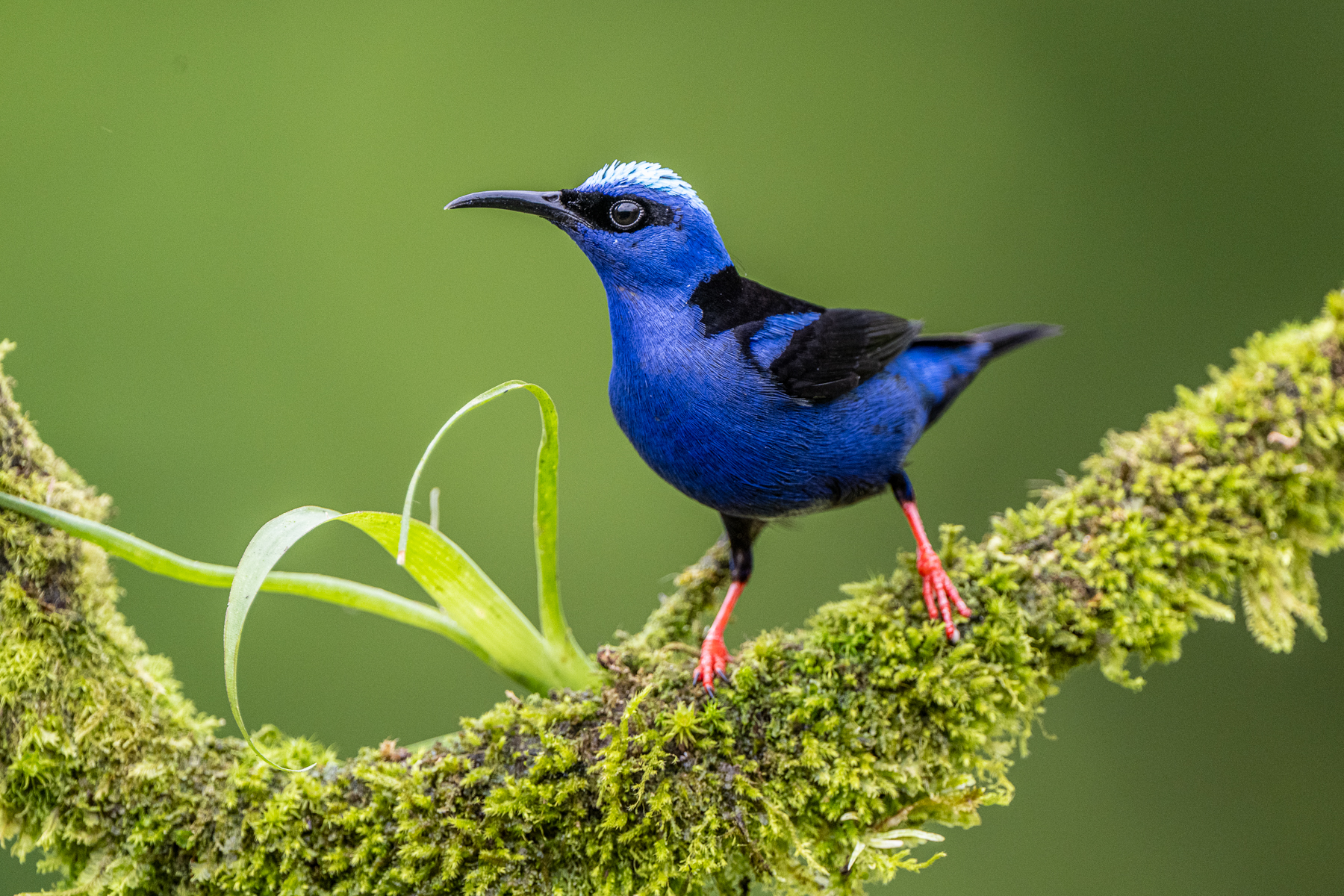
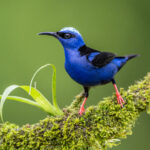
Portrait of an equally stunning Red-legged Honeycreeper (image by Oliver Krueger)
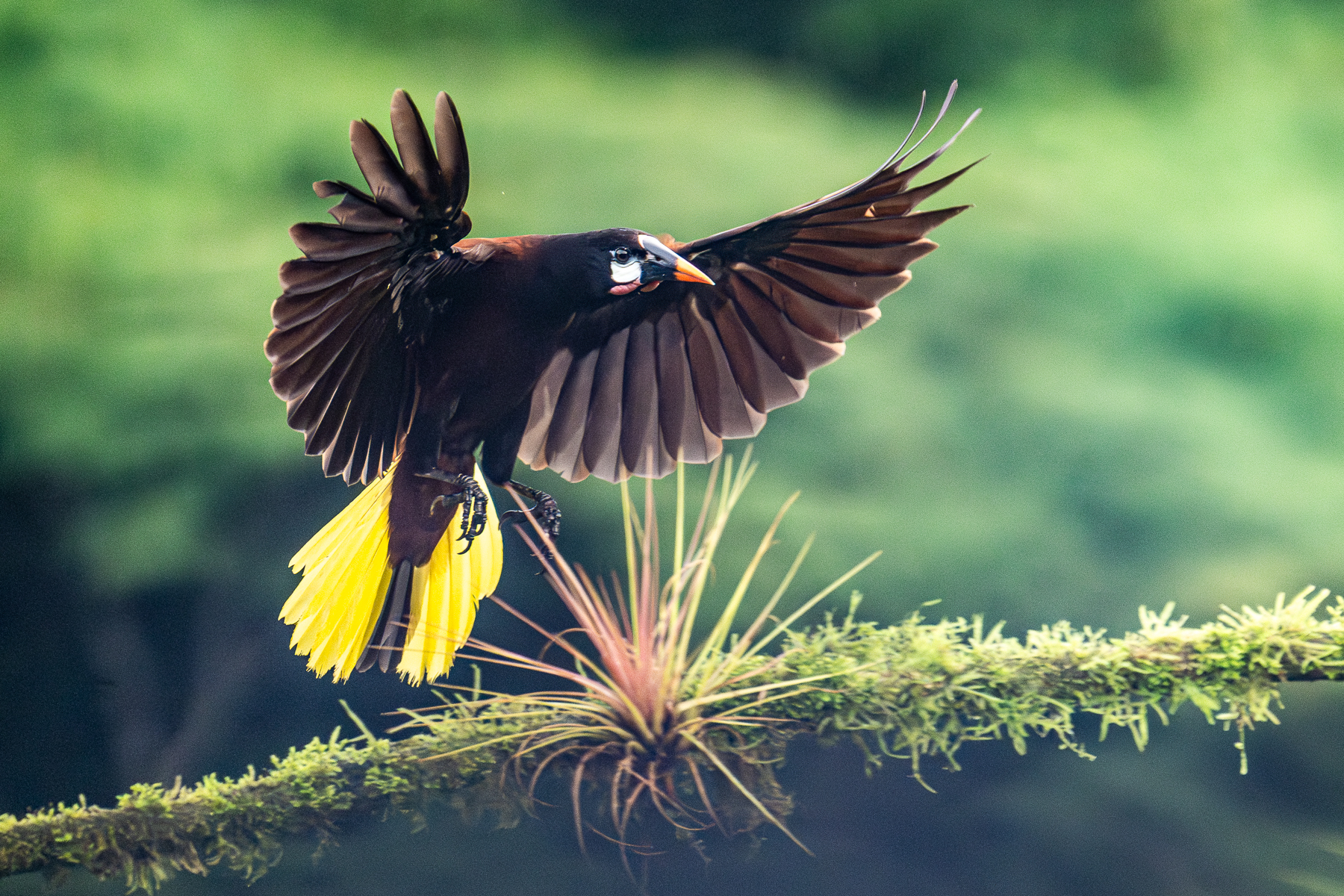
Montezuma Oropendola arriving in the early morning mist (image by Oliver Krueger)
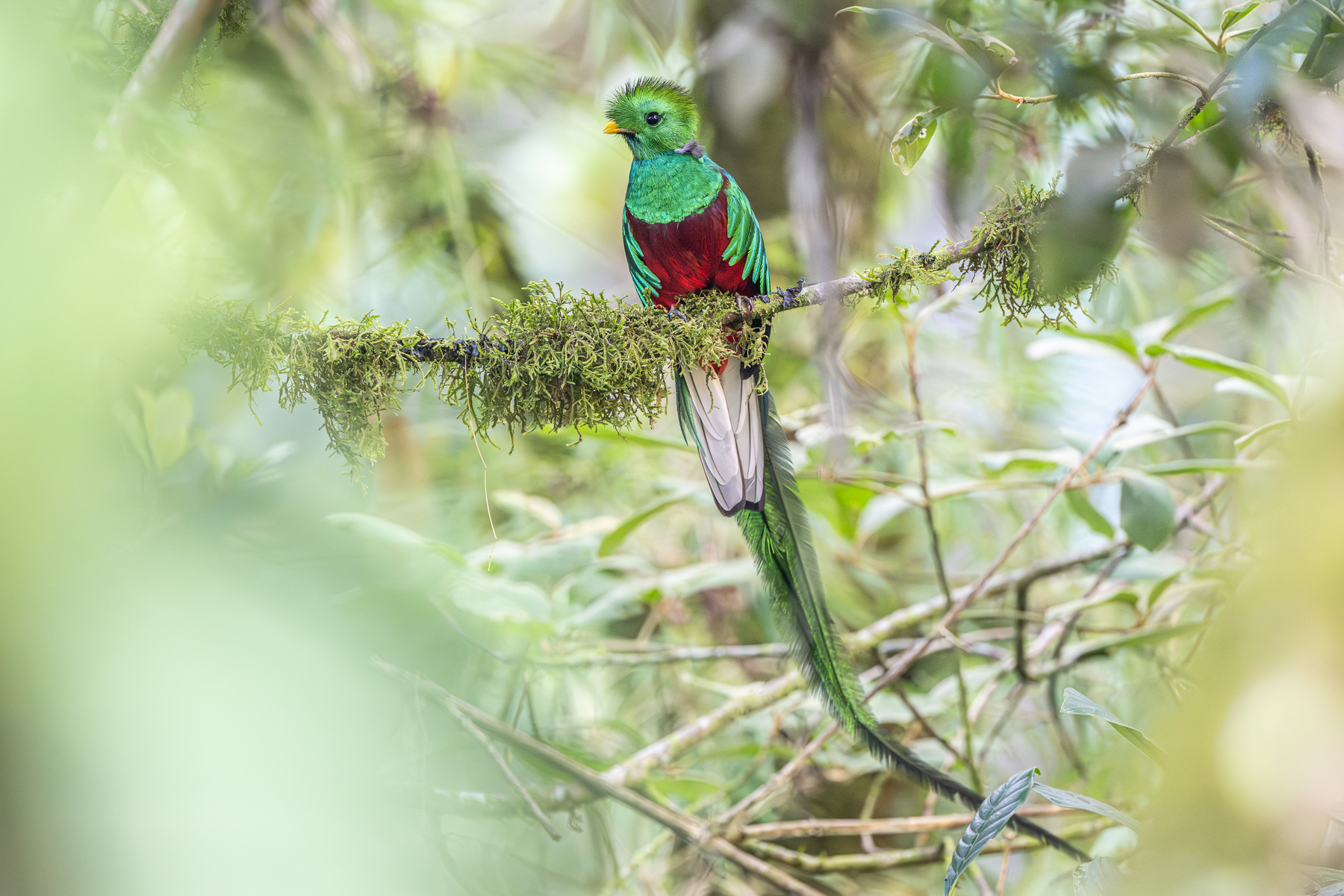
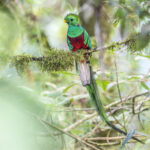
With a bit of luck and patience, a male Resplendent Quetzal in good view in the forest undergrowth (image by Oliver Krueger)
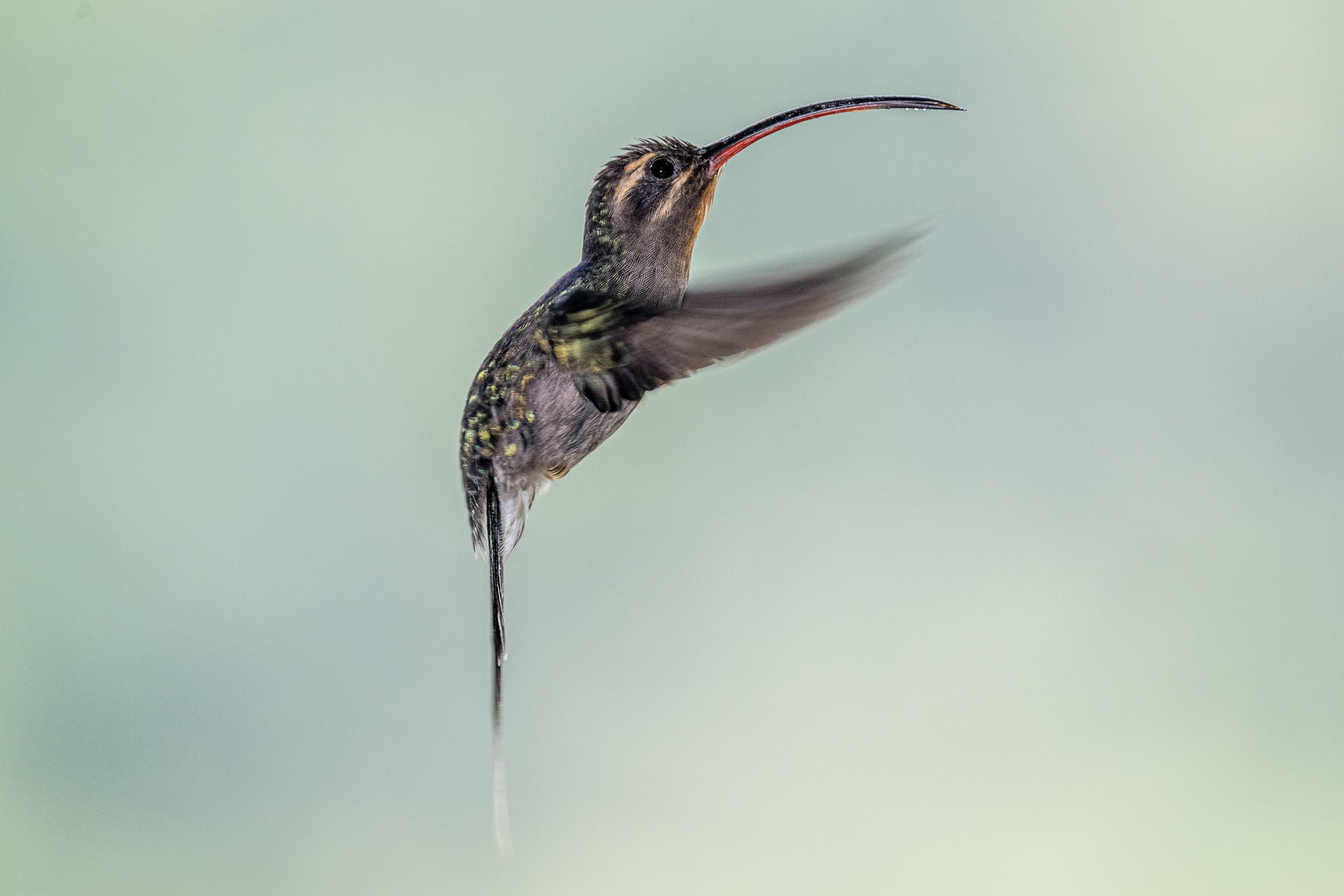
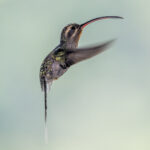
The dynamics of hummingbird flight at lower shutter speeds, exemplified by a Long-billed Hermit (image by Oliver Krueger)
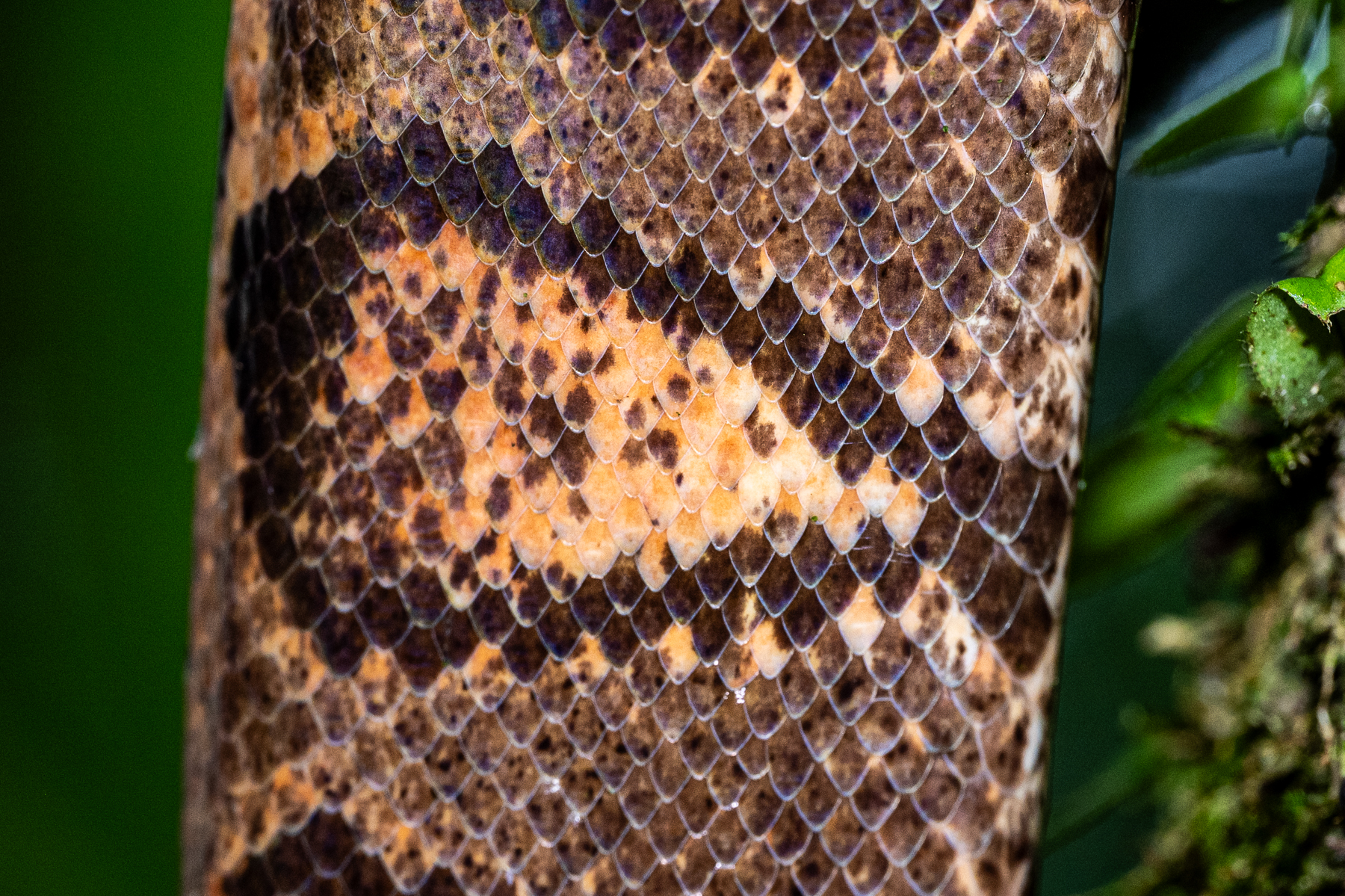
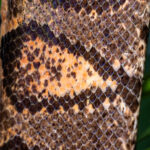
Close-up of the scale pattern of an Annulated Tree Boa (image by Oliver Krueger)
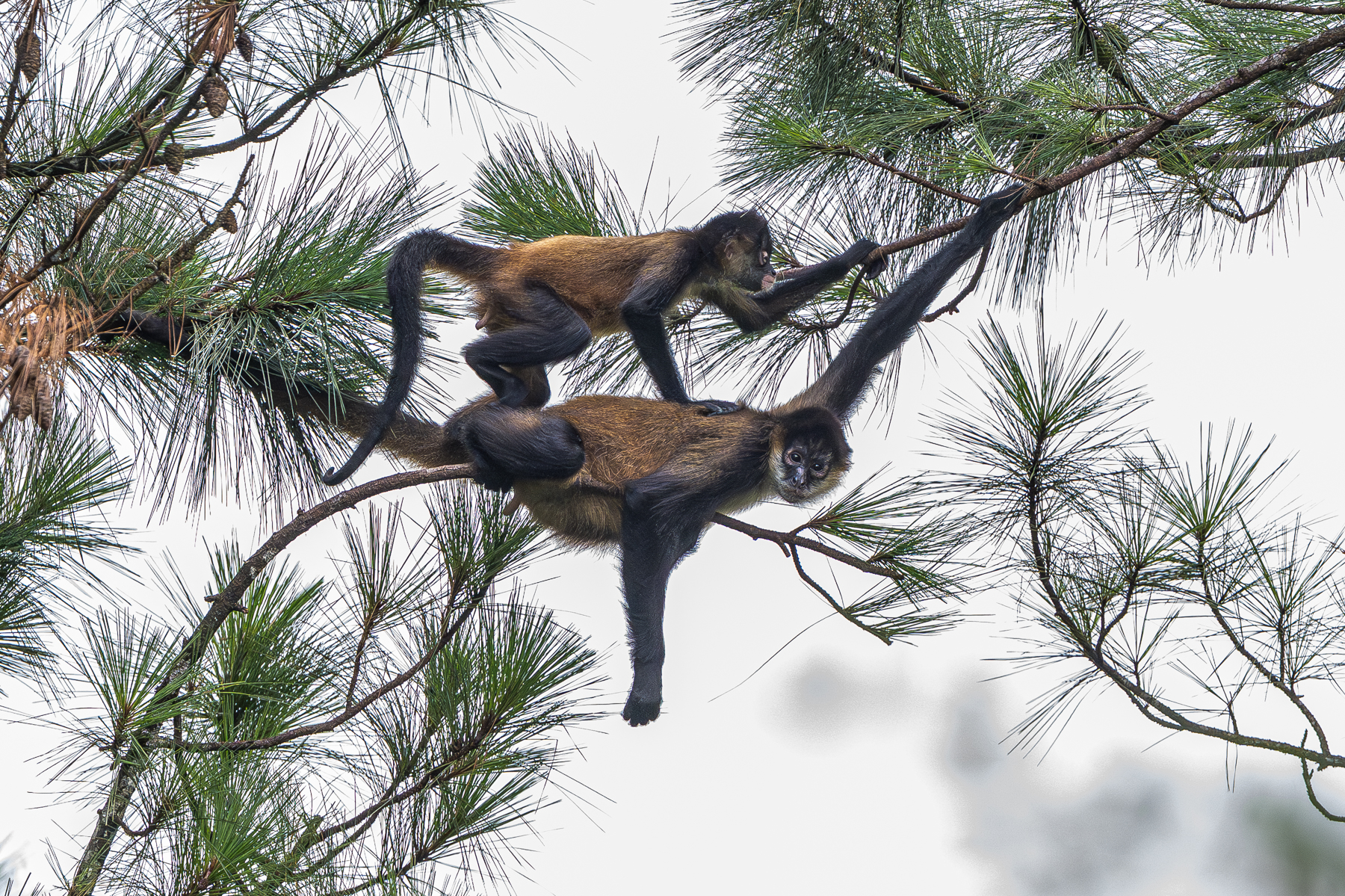
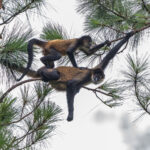
Parental care in Geoffroy's Spider Monkeys also involves making a safe and reliable bridge for your offspring (image by Oliver Krueger)
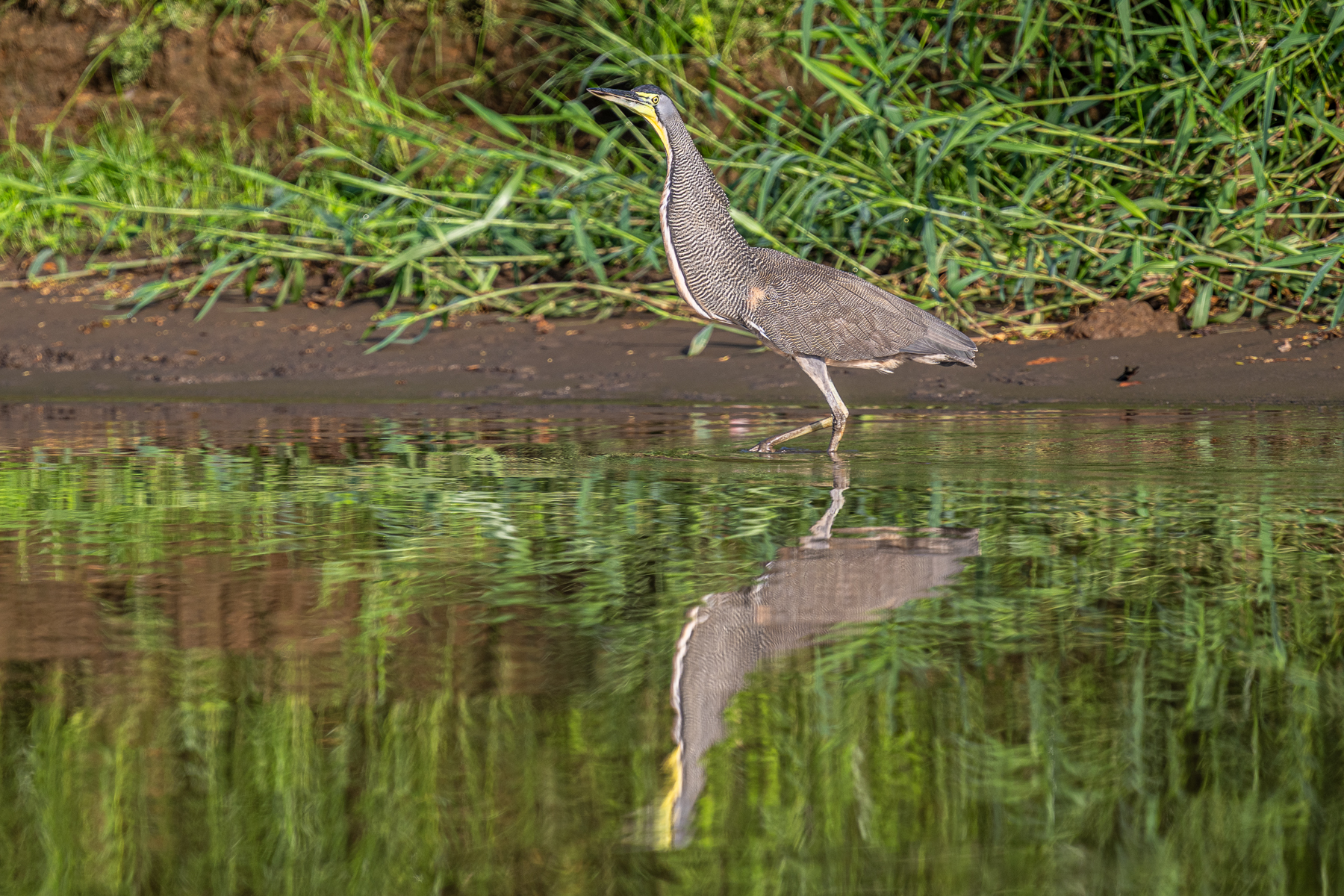
A Bare-throated Tiger Heron walks along the river bank (image by Oliver Krueger)
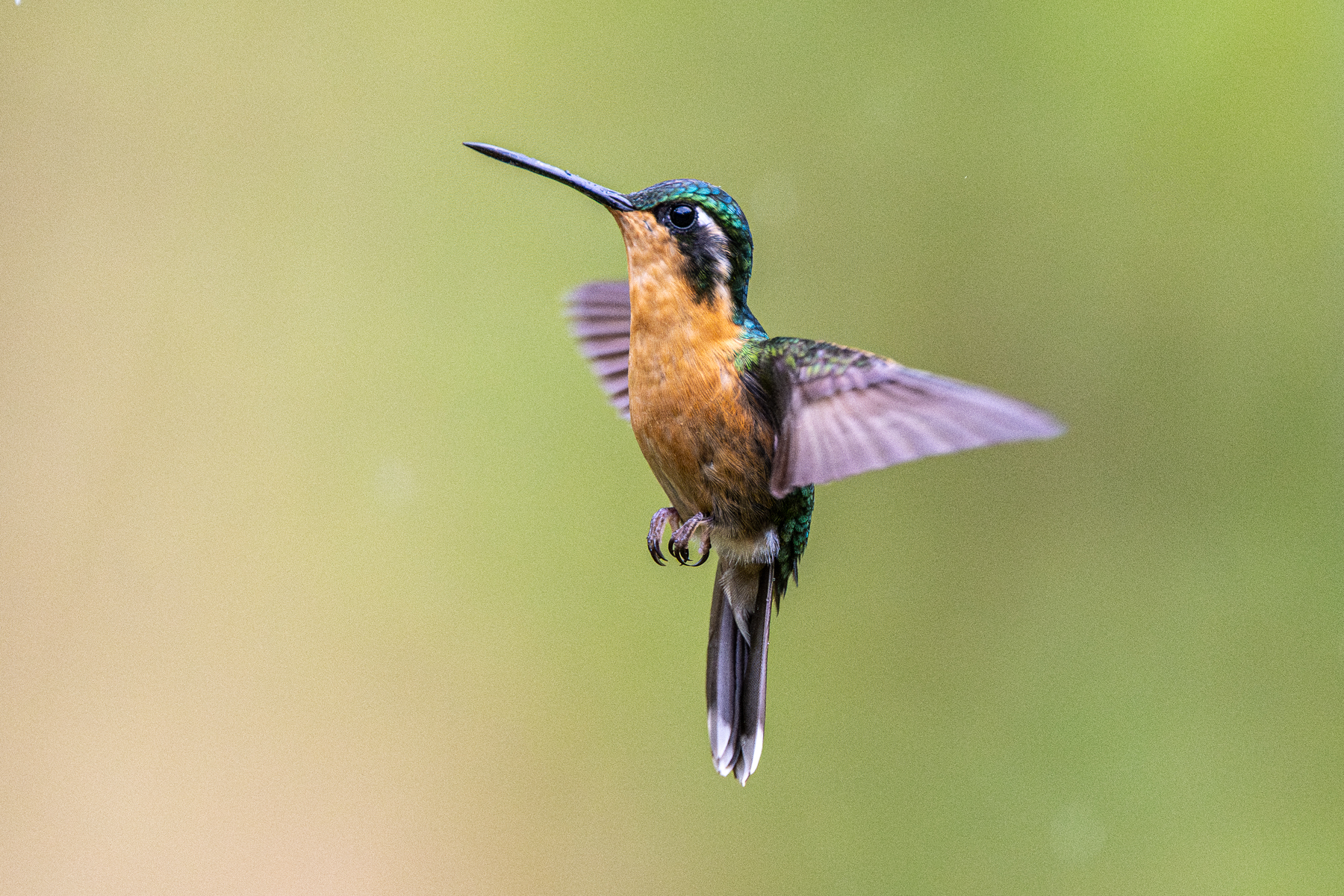
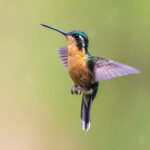
The female White-throated Mountain Gem looks totally different from the male, but is still a gem (image by Oliver Krueger)
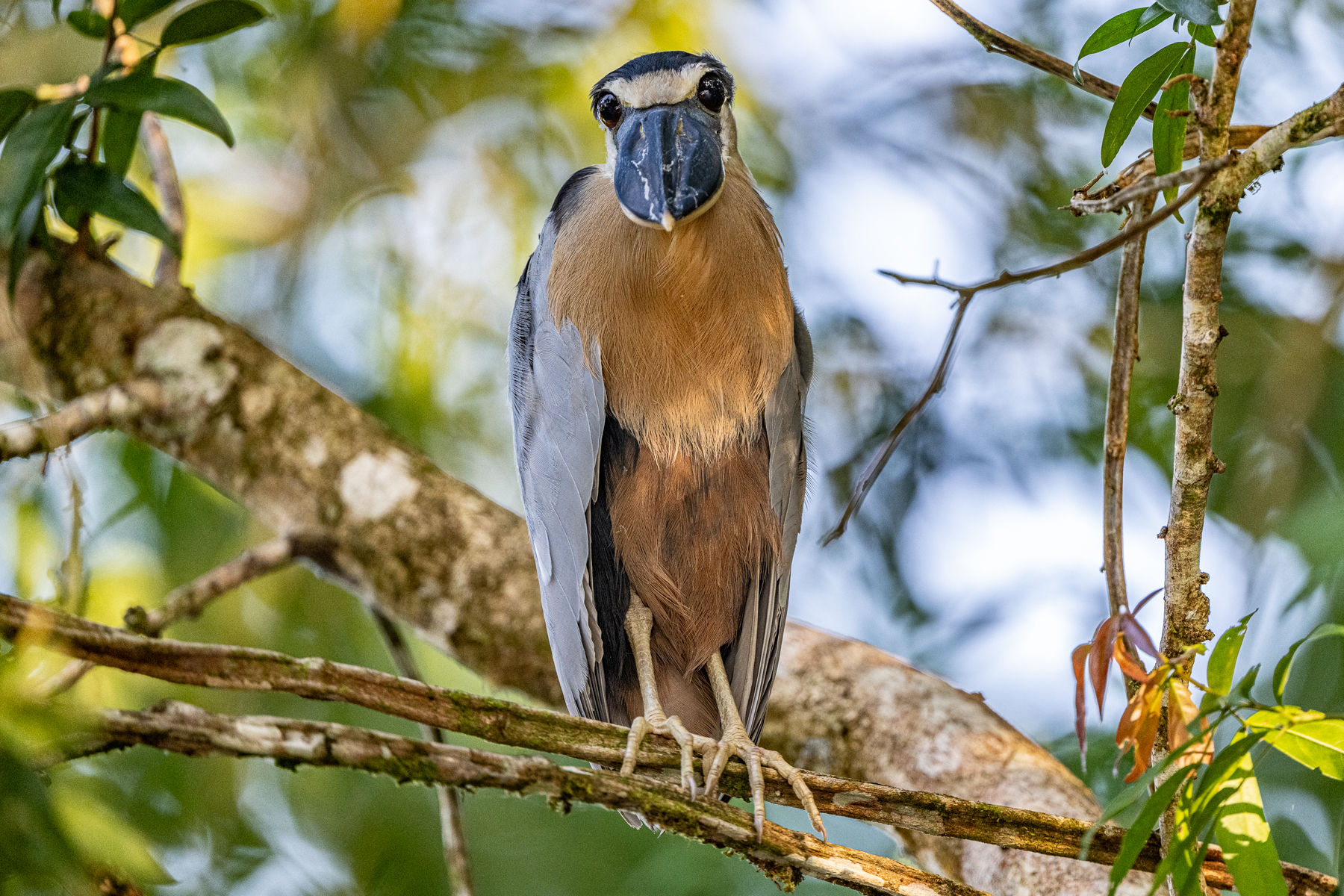
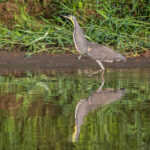
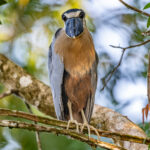
In case anyone wonders where the name Boat-billed Heron comes from (image by Oliver Krueger)
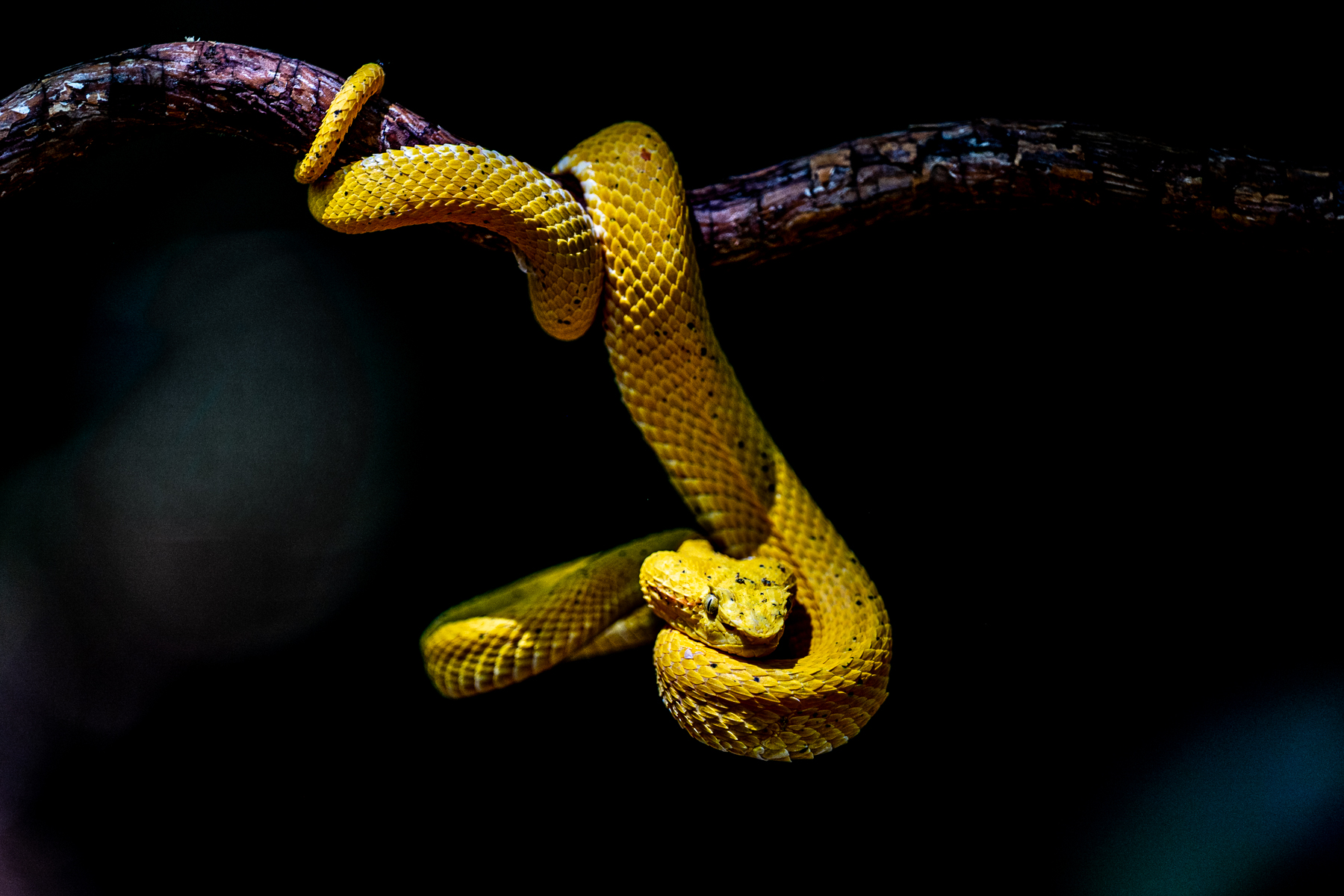
A streak of light illuminates an Eyelash Palm-Pitviper of the yellow morph (image by Oliver Krueger)
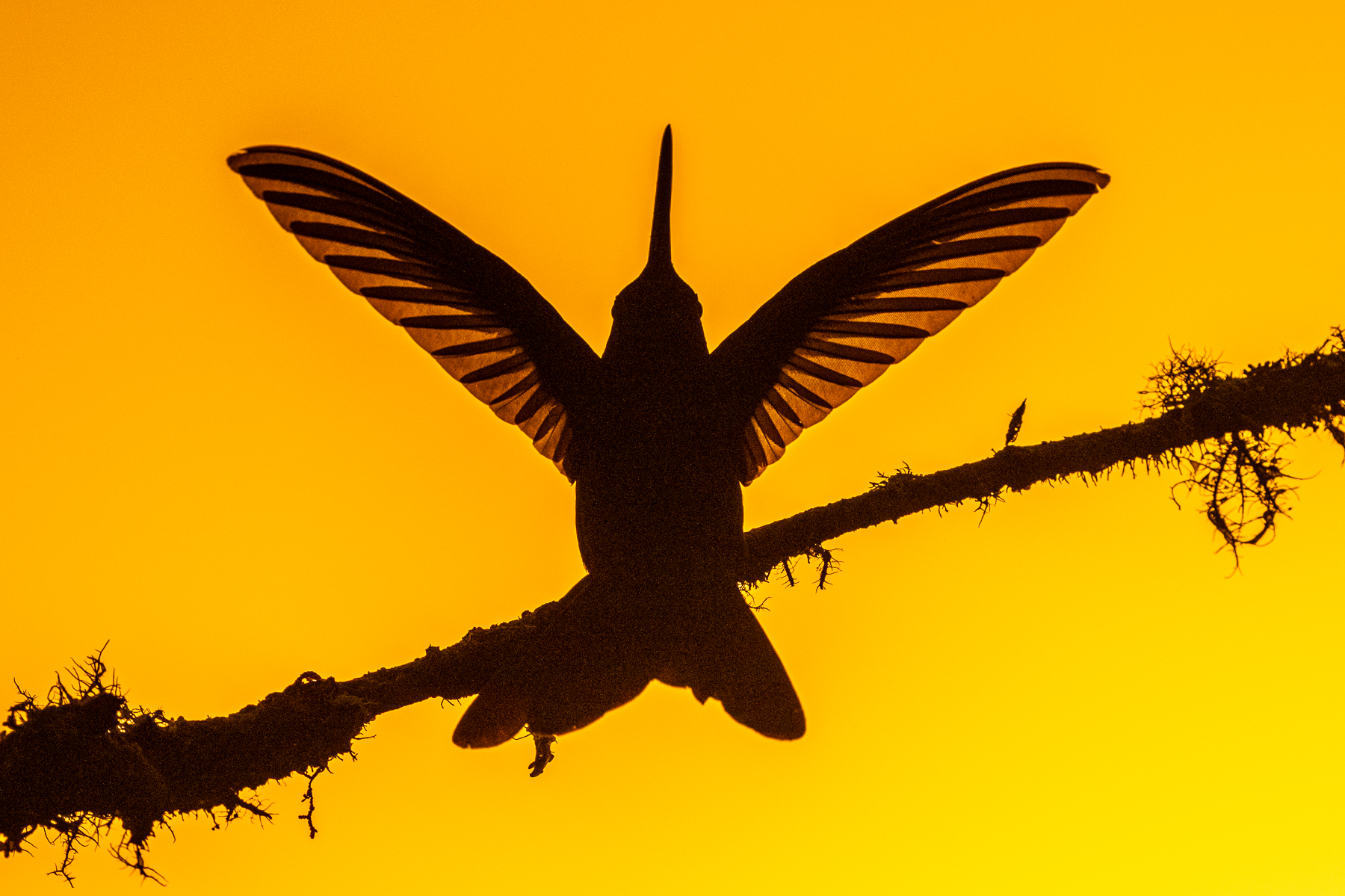
Even when no colours are present on a hummingbird, it can still be beautiful, Talamanca Hummingbird (image by Oliver Krueger)
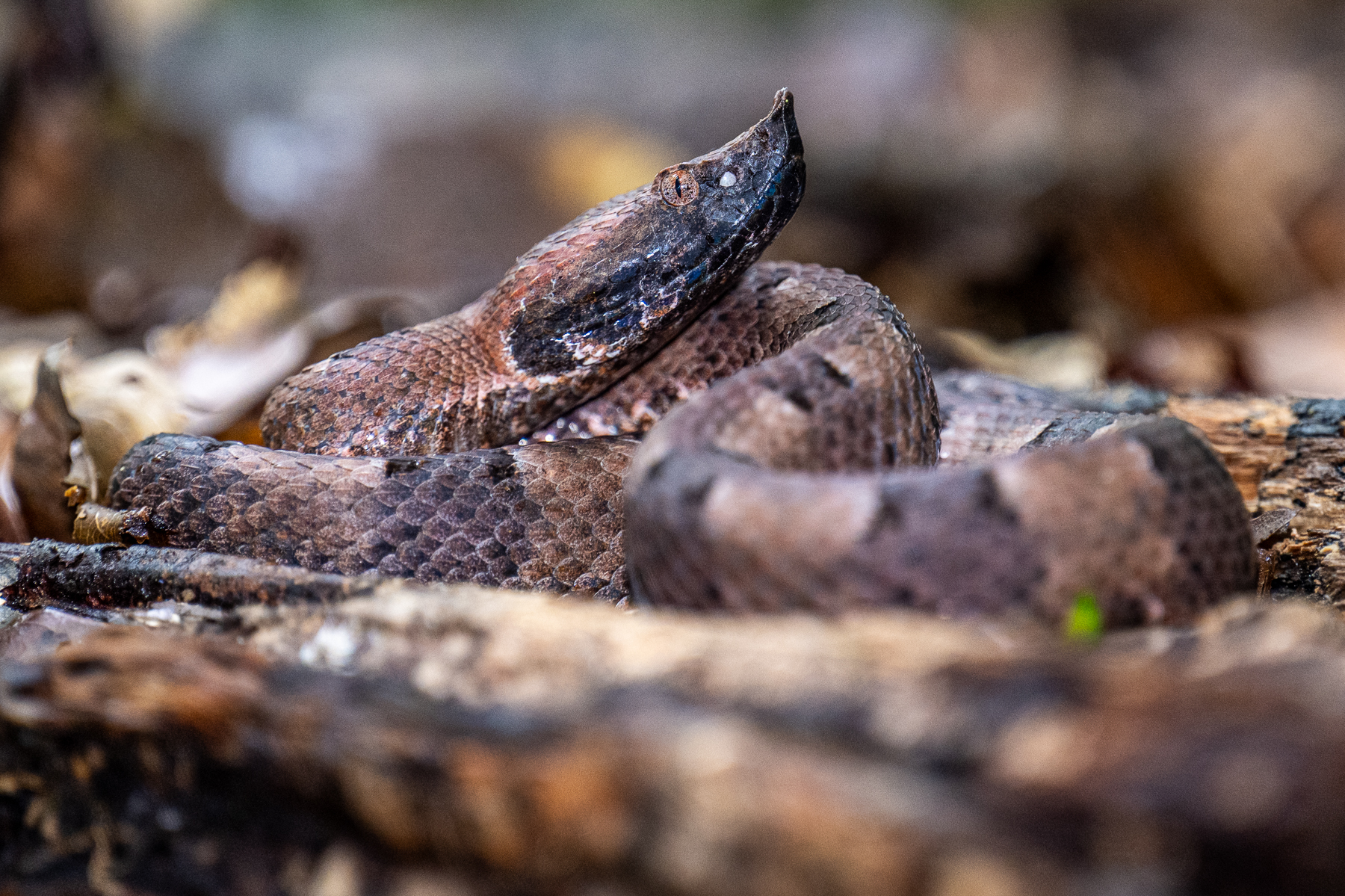
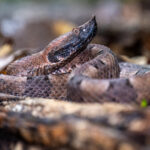
The Hognosed Pitviper blends in perfectly with the leaf litter on which it rests (image by Oliver Krueger)
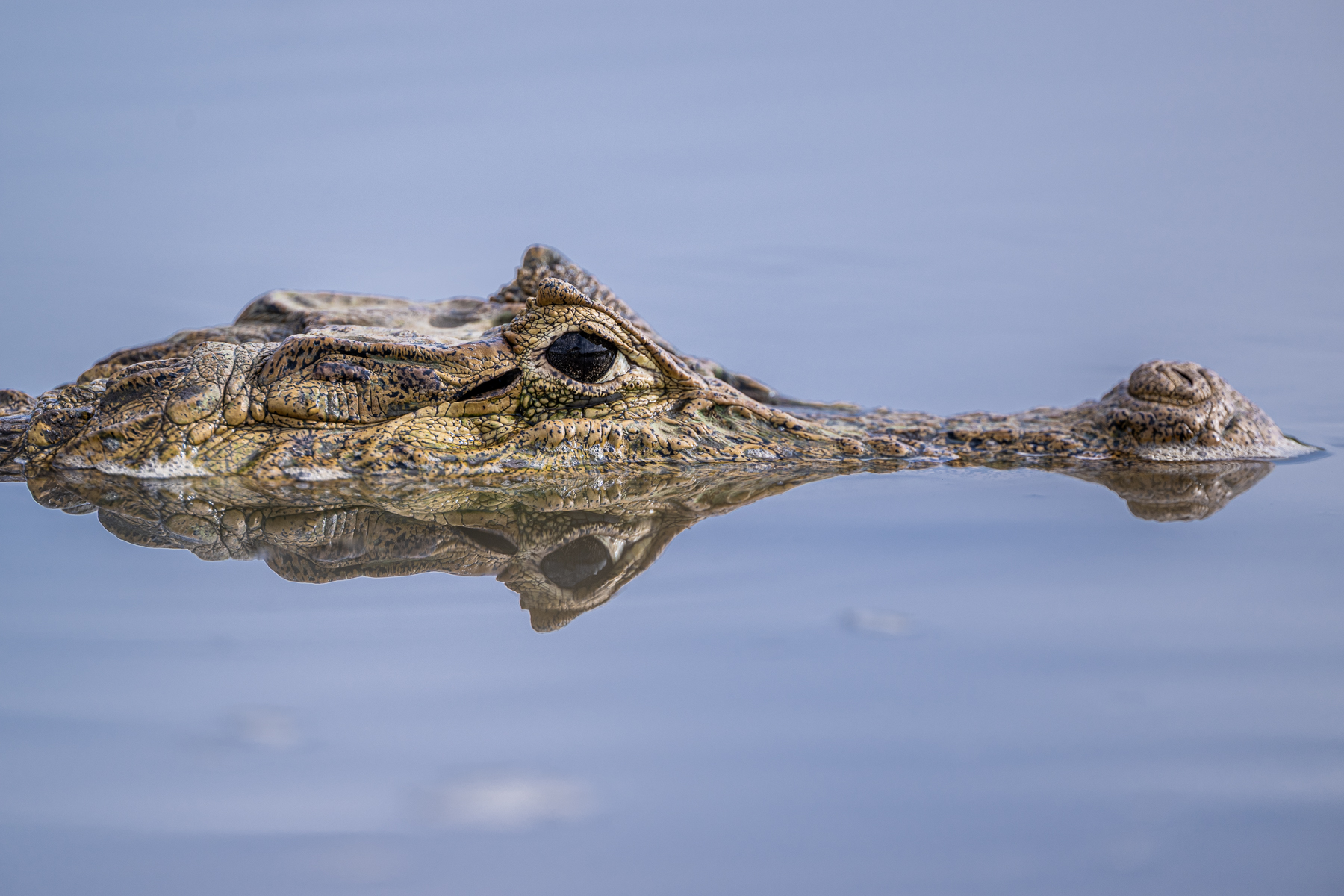
The quiet lagoon of Cano Negro makes mirror images of Spectacled Caiman relatively easy (image by Oliver Krueger)
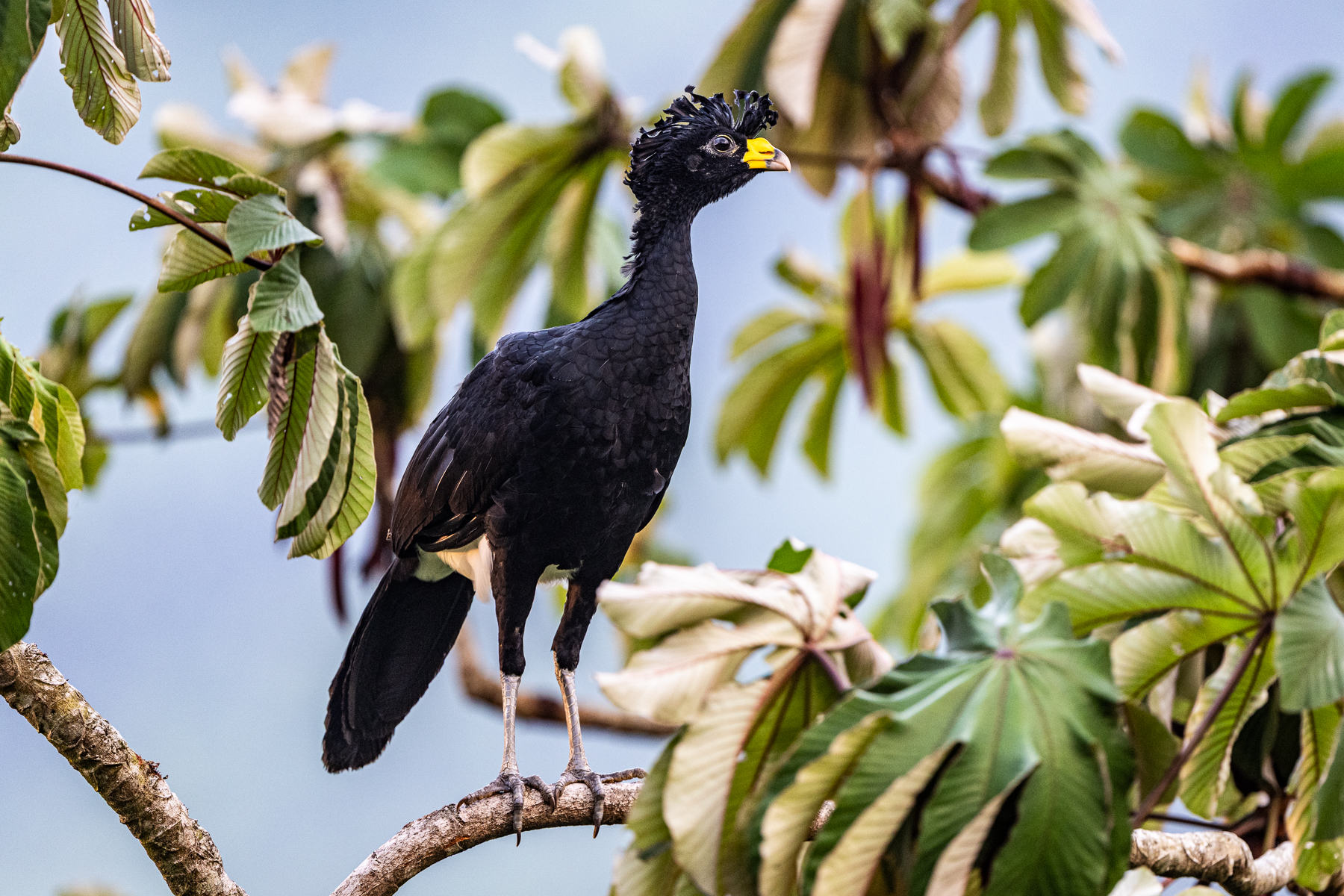
Great Curassows have been hunted to extinction in many parts of their range, but are a common, yet beautiful sight at Arenal (image by Oliver Krueger)
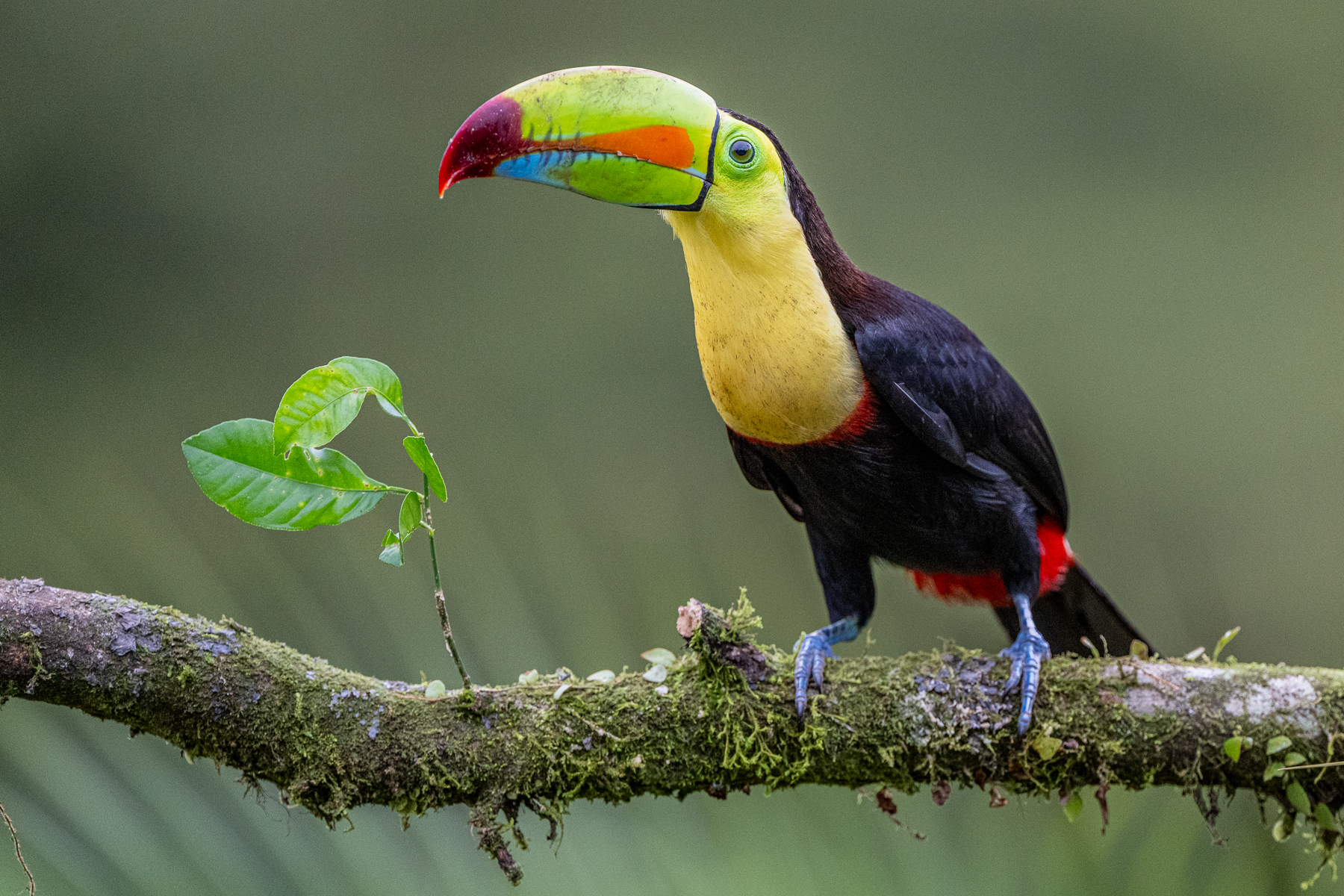
Keel-billed Toucans are both highly inquisitive and highly adorable (image by Oliver Krueger)
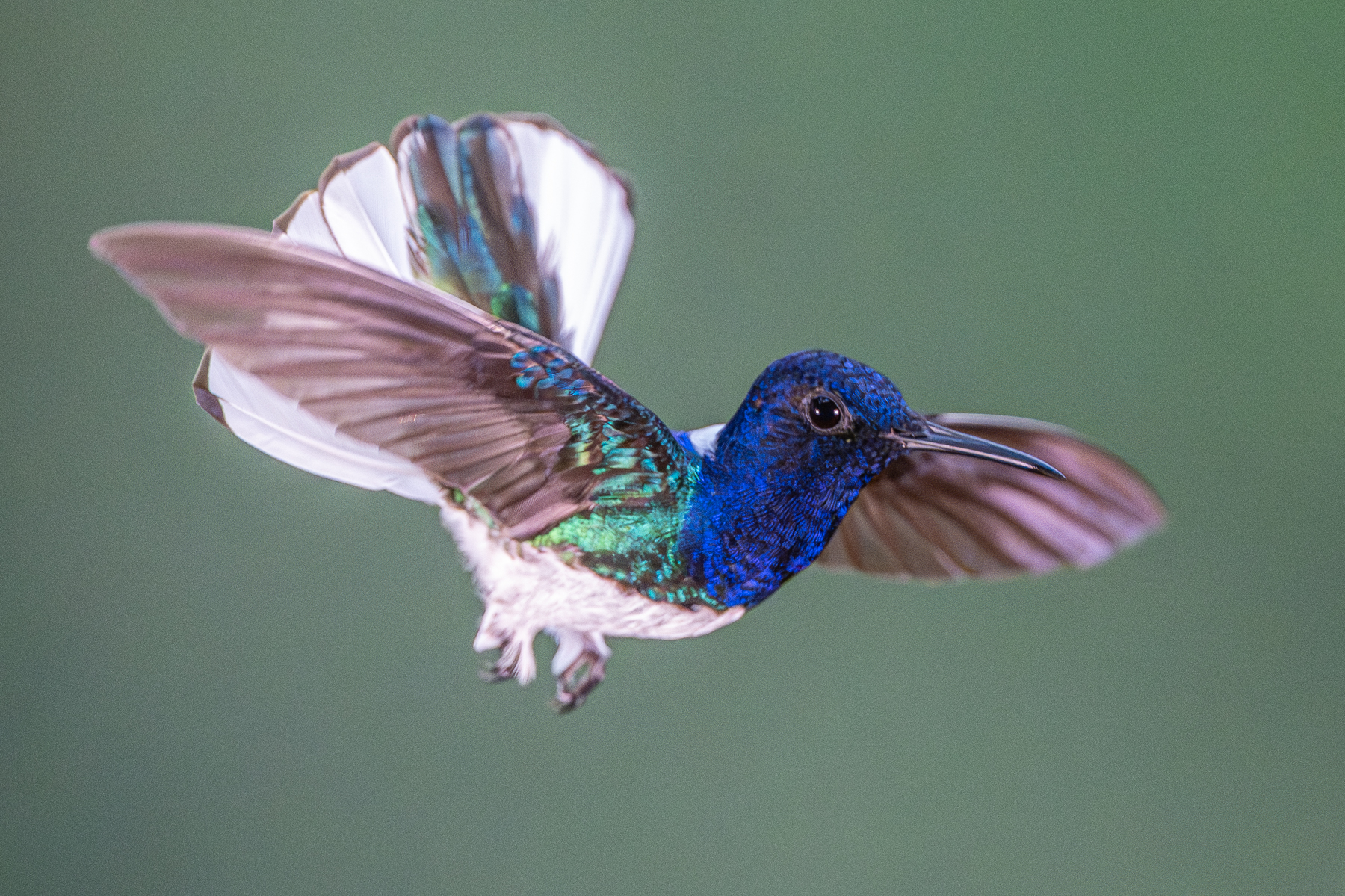
As a threat display, White-necked Jacobins display their outer white tail feathers (image by Oliver Krueger)
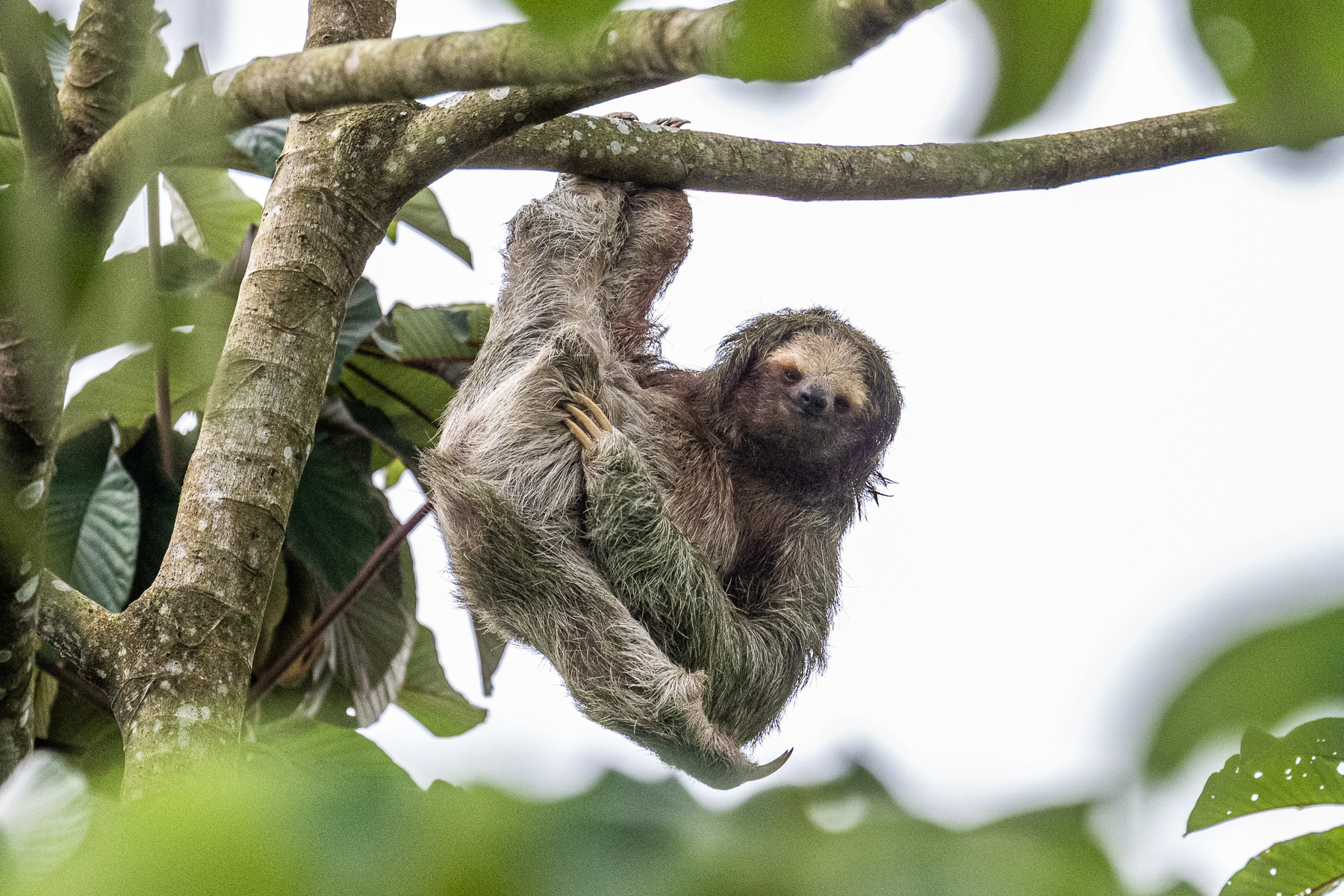
It is rare to get such an intense look by a Brown-throated Three-toed Sloth (image by Oliver Krueger)
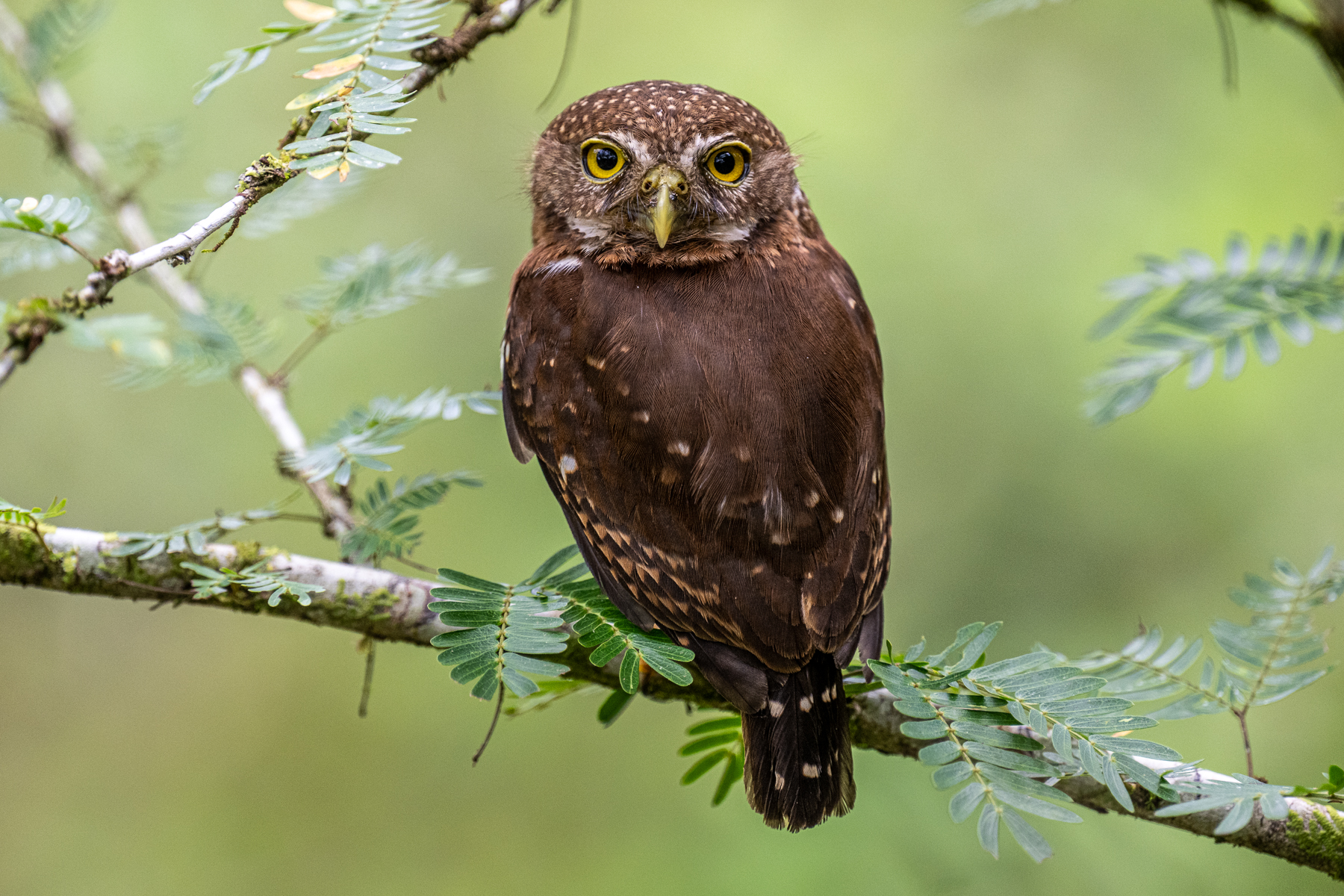
At a mere 16-17 cm and 50 g weight, Central American Pygmy Owls are tiny (image by Oliver Krueger)
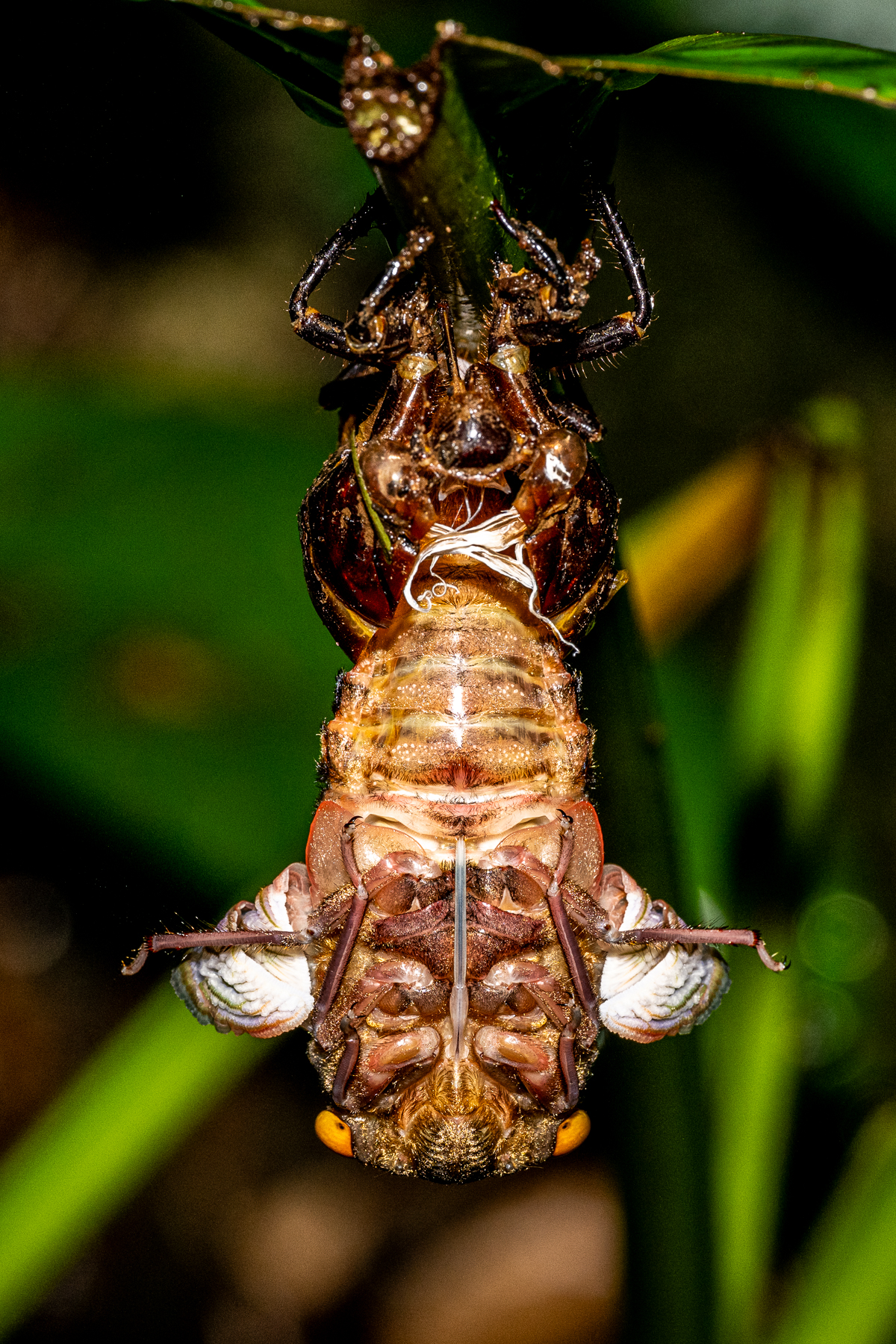
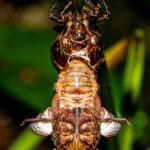
The moment of emergence: with an exoskeleton, after growing, Cicadas need to re-emerge, leaving their exuvia behind (image by Oliver Krueger)
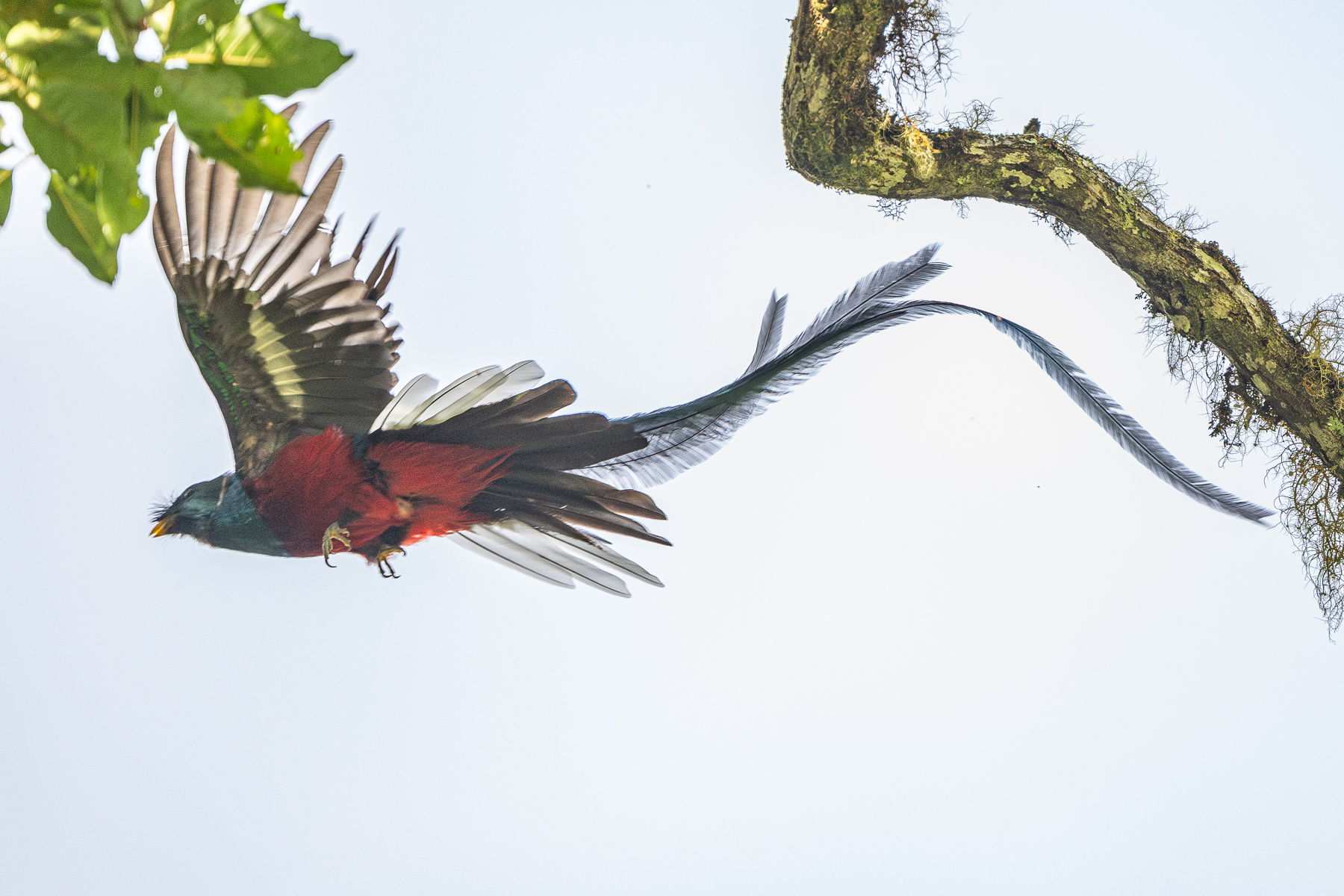
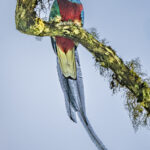
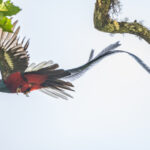
Resplendent Quetzal flyby, a really rare event on our tour (image by Oliver Krueger)
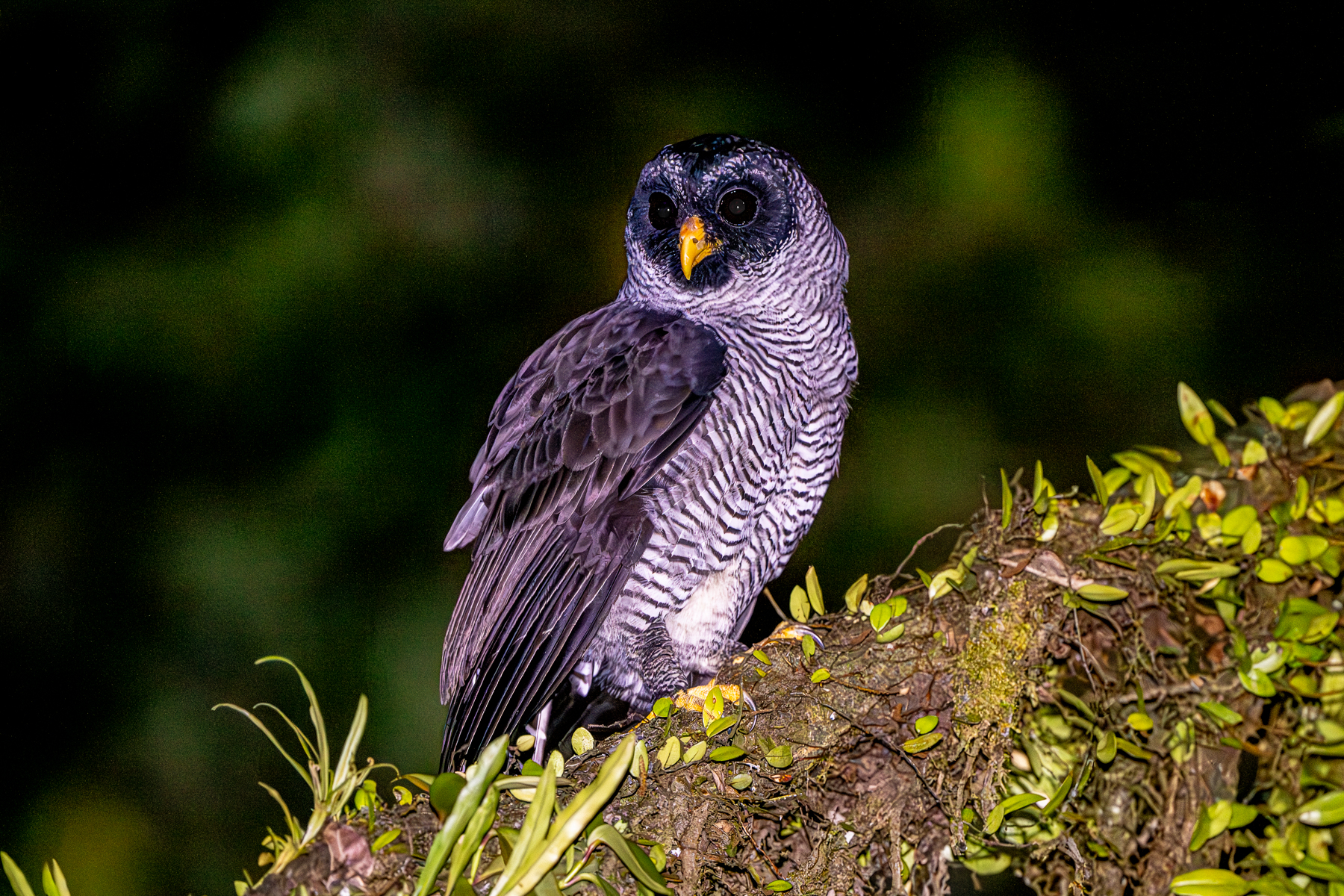
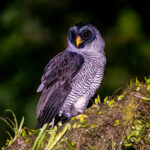
A Black-and-white Owl patrols the vicinity of our lodge at Arenal (image by Oliver Krueger)
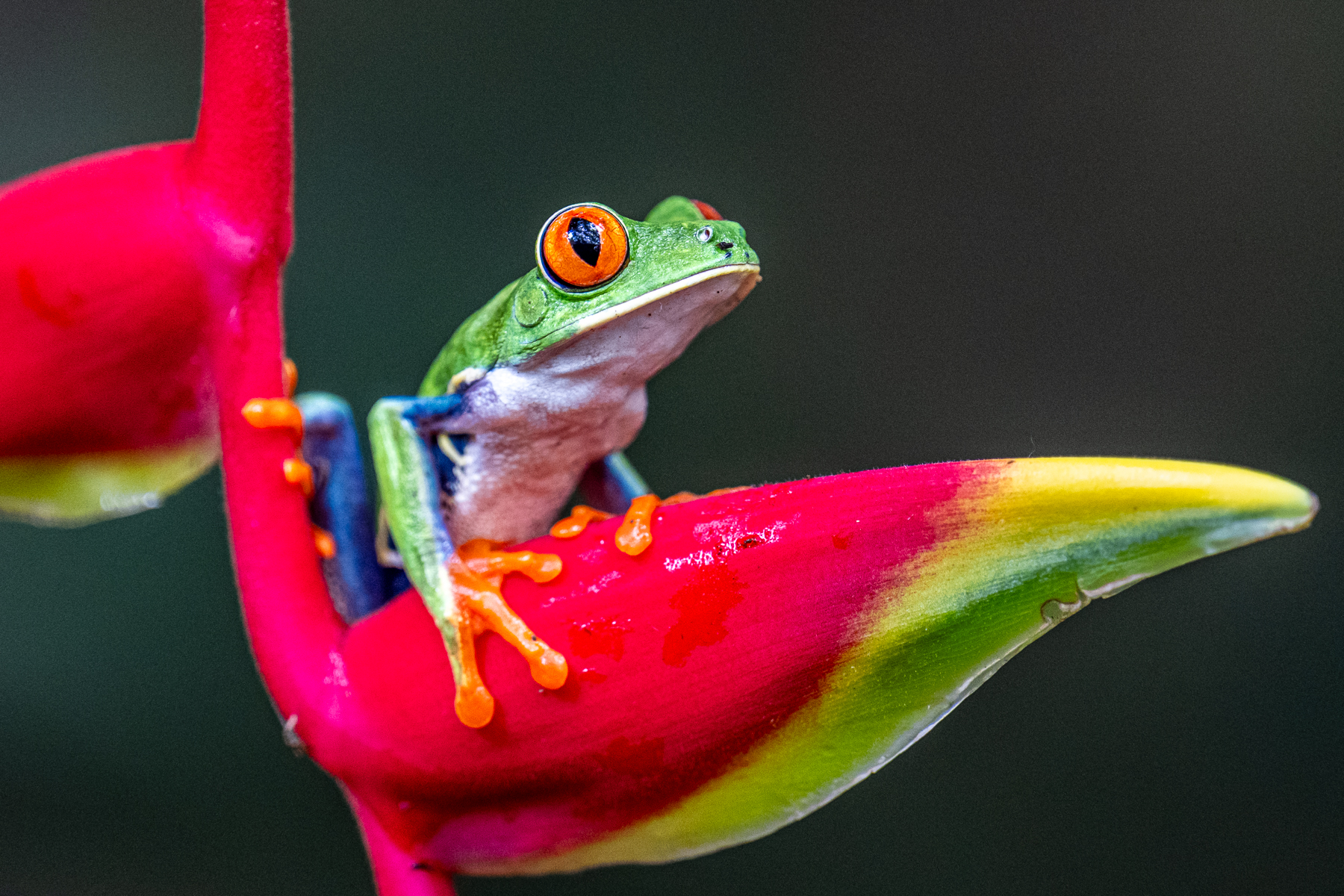
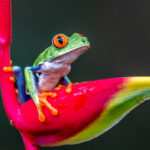
Probably the most beautiful frog of Costa Rica, on a beautiful Heliconia flower, the Red-eyed Leaf Frog (image by Oliver Krueger)
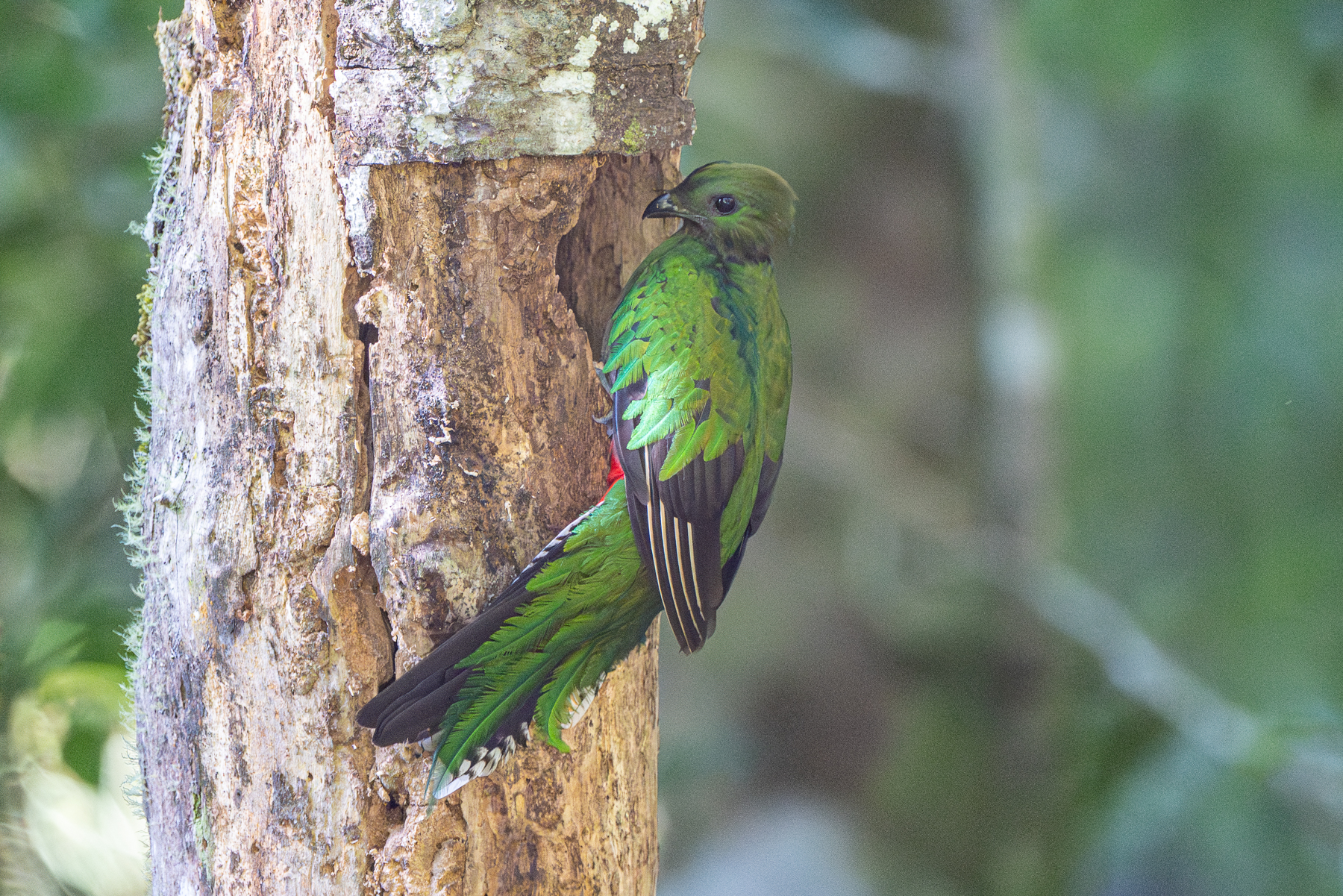
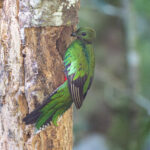
A Resplendent Quetzal female visiting the nest. The only visit we witnessed over two morning sessions (image by Oliver Krueger)
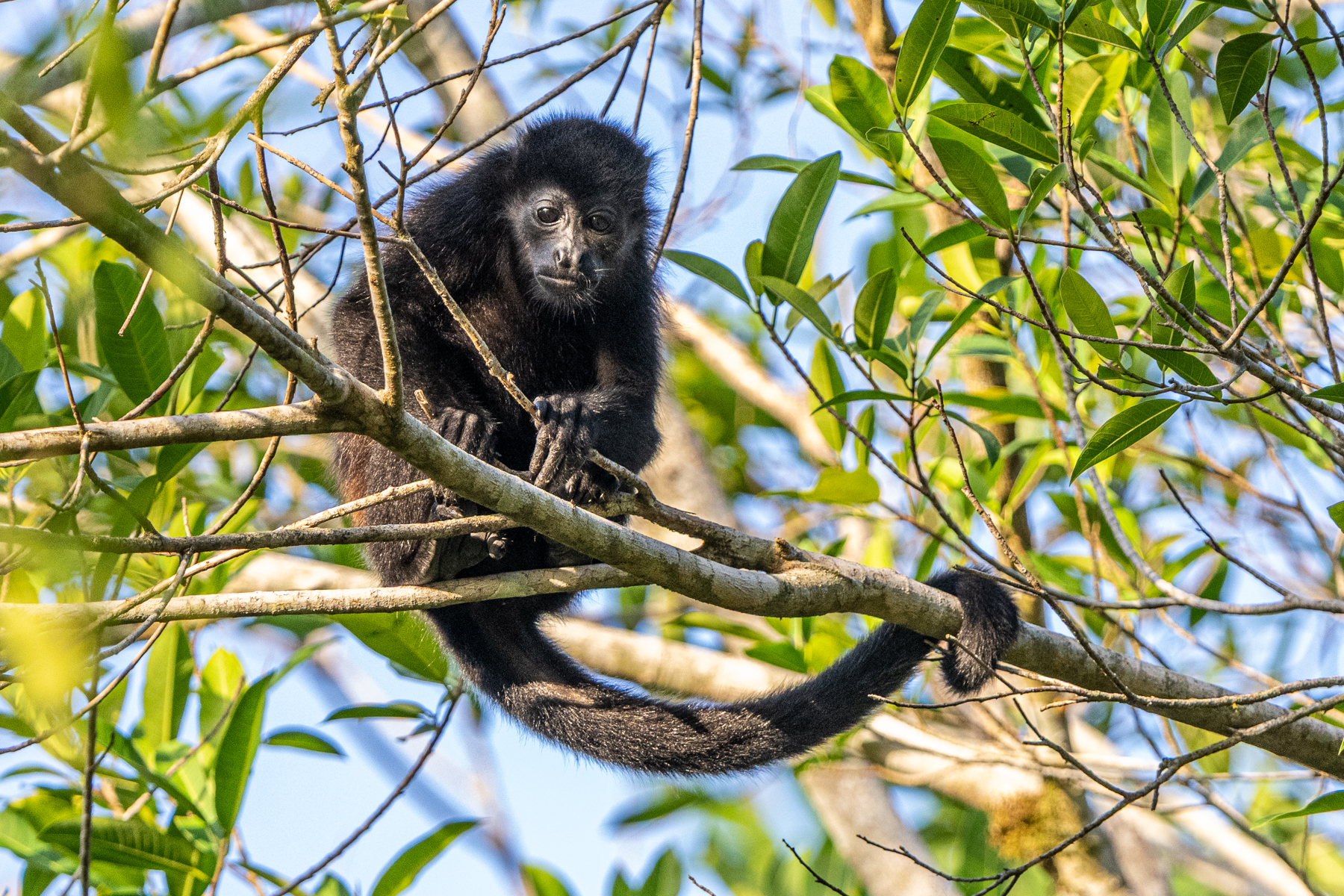
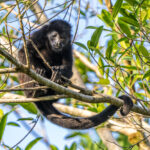
A female Mantled Howler Monkey of the only troop we saw during the trip (image by Oliver Krueger)
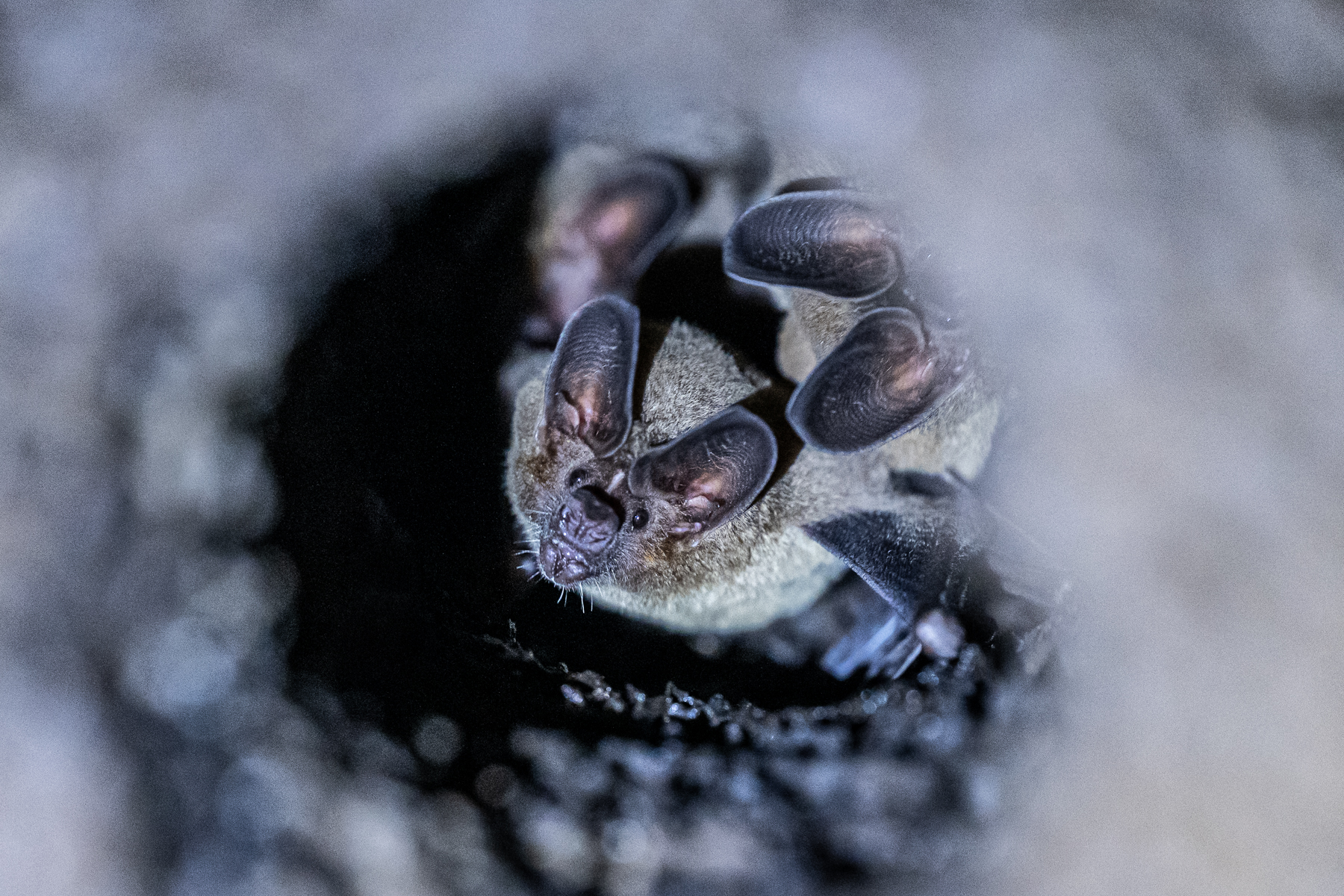
Making a home inside a termite mound is a clever solution of a group of White-throated Round-eared Bats (image by Oliver Krueger)
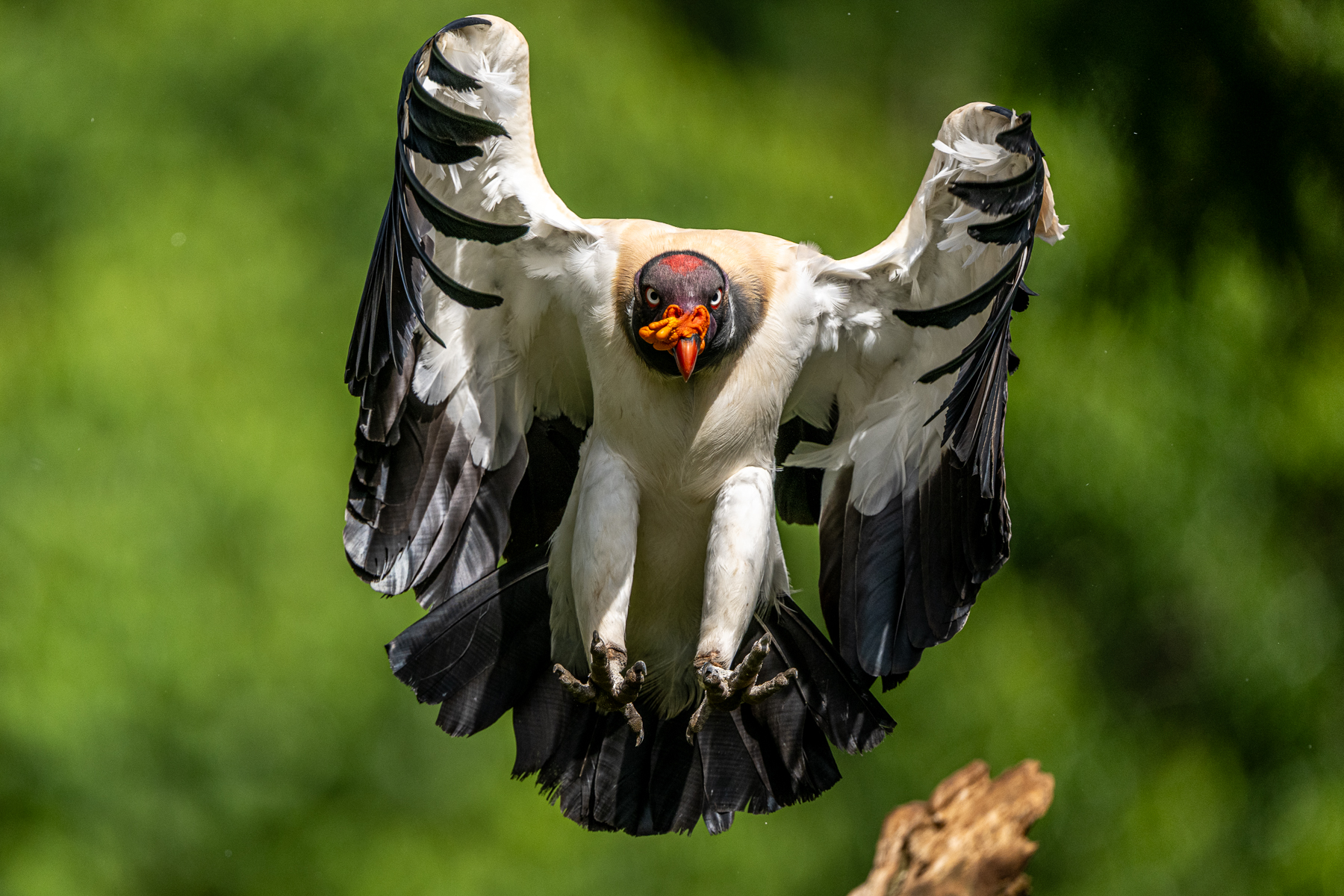
The stare of a King Vulture as it approaches a perch (image by Oliver Krueger)
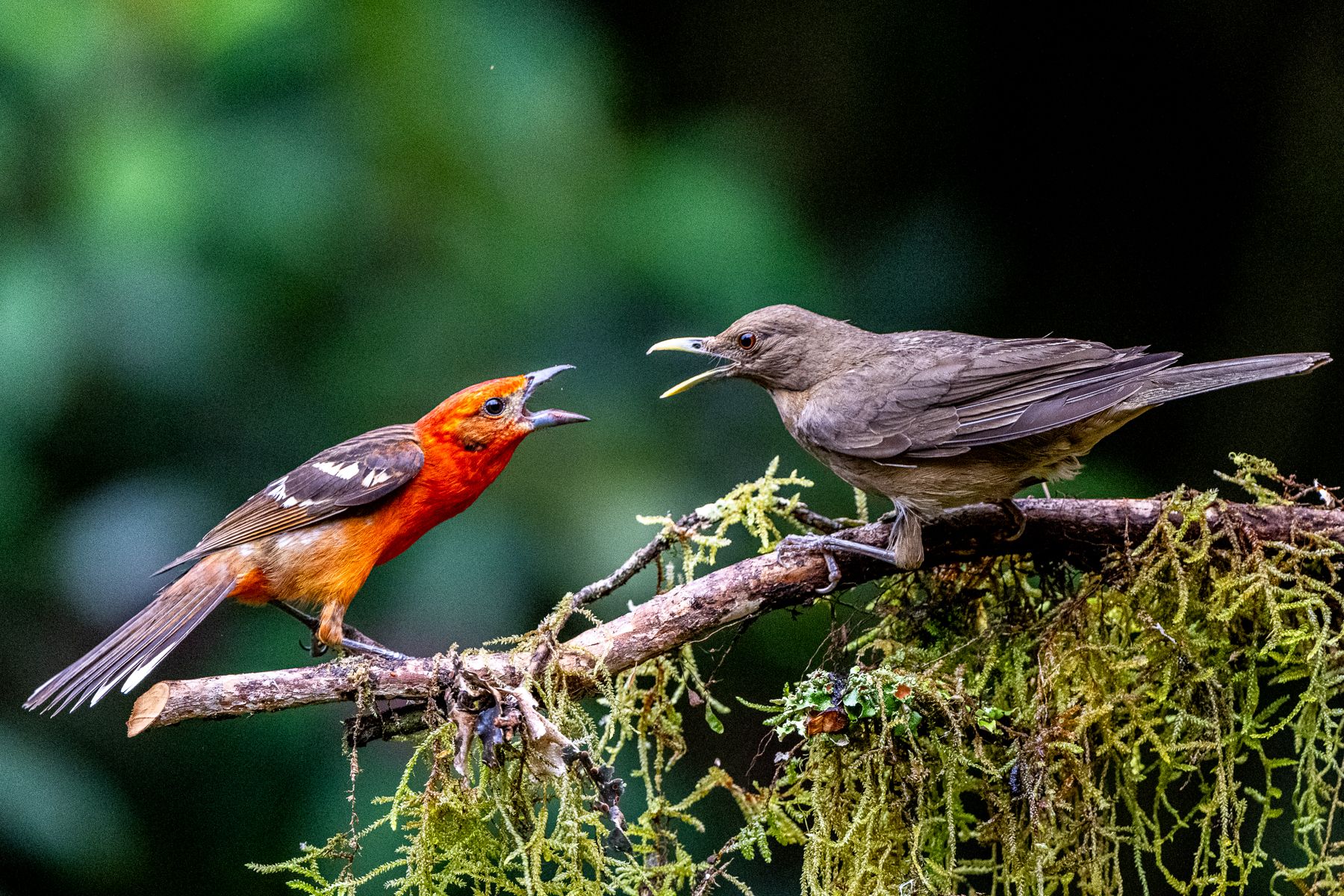
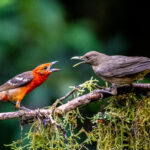
Dispute at the feeder between a Flame-coloured Tanager and a Clay-coloured Thrush (image by Oliver Krueger)
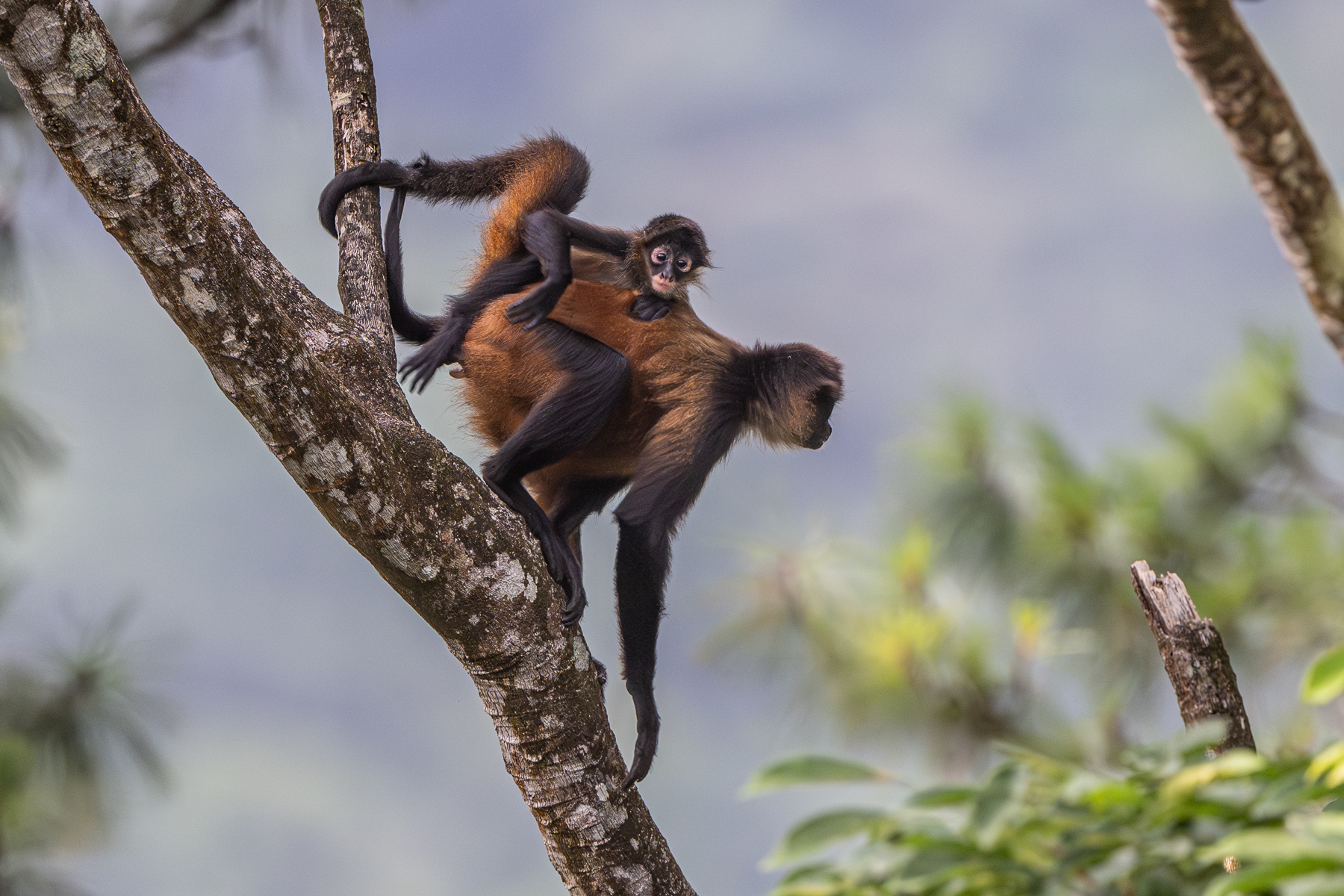
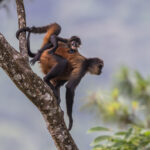
What can be nicer than riding your parent's back along the treetops (image by Oliver Krueger)
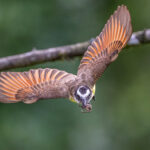


This Great Kiskadee was nesting right behind the observation deck, providing more or less reliable flight paths (image by Oliver Krueger)
Normally slow, this Northern Jacana dashes by (image by Oliver Krueger)
Who cares about the rain if you're a beautiful, Scarlet-rumped Tanager (image by Oliver Krueger)
The toucanets are small versions of their bigger cousins, Emerald Toucanet (image by Oliver Krueger)
The lagoon of Cano Negro is one of the best places to photograph Spectacled Caimans at close range (image by Oliver Krueger)
Portrait of a stunning Green Honeycreeper (image by Oliver Krueger)
Flexing its wings after a bath, Gray-necked Wood Rail (image by Oliver Krueger)
Nothing prepares one for the flash of light of all sorts of colours on a Fiery-throated Hummingbird (image by Oliver Krueger)
With their long and agile feet, Emerald Basilisks are famous for being able to run over water (image by Oliver Krueger)
The Shining Honeycreeper female looks beautiful (image by Oliver Krueger)
Drying its plumage after a fishing trip, male Anhinga (image by Oliver Krueger)
A male Rufous-tailed Jacamar after some hole-digging with its beak (image by Oliver Krueger)
Life happens at fast pace in hummingbirds, even shaking your head, female Green-breasted Mango (image by Oliver Krueger)
Parental care can pay off. This Resplendent Quetzal chick fledged the next day (image by Oliver Krueger)
Lake Arenal at the foot of the Arenal Volcano measures 80 km2 and is known for its beautiful sunsets (image by Oliver Krueger)
Acorn Woodpecker male on approach (image by Oliver Krueger)
The extraordinary plumage of a male Resplendent Quetzal takes several years to develop (image by Oliver Krueger)
Keel-billed Toucan in the rain (image by Oliver Krueger)
A Yellow-throated Toucan displays its beautiful and delicate tongue (image by Oliver Krueger)
This Annulated Tree Boa displays its extraordinary tree-climbing abilities (image by Oliver Krueger)
A Slaty Flowerpiercer male at work at a Kniphofia (image by Oliver Krueger)
Forest undergrowth makes for a challenging environment to portrait a Broad-billed Motmot (image by Oliver Krueger)
The amazing colour of a male Resplendent Quetzal (image by Oliver Krueger)
A brown morphed Helmeted Iguana poses on a tree trunk (image by Oliver Krueger)
Tiny in comparison to the surrounding vultures, this Crested Caracara nevertheless eventually managed to obtain food (image by Oliver Krueger)
Spectacled Caiman at low angle (image by Oliver Krueger)
A Nicaraguan Slider Turtle enjoys the afternoon heat on the river bank (image by Oliver Krueger)
The Variegated Squirrel has incredibly variable coat colouration, this individual is of the standard morph (image by Oliver Krueger)
A Roseate Spoonbill ruffles its plumage (image by Oliver Krueger)
Late in the evening, a Montezuma Oropendola flies back to a perch (image by Oliver Krueger)
On a branch like this, it is hard to conceive how the yellow colouration could ever provide camouflage (image by Oliver Krueger)
Very rarely encountered in the wild, a Cacomistle, relative of the racoons and coatis (image by Oliver Krueger)
A serious dispute between two Acorn Woodpecker males (image by Oliver Krueger)
Seeing a male Nicaraguan Grackle in full display is a real treat (image by Oliver Krueger)
Golden-hooded Tanagers were a rare sight during the trip, but they are gorgeous (image by Oliver Krueger)
A Green Iguana peeping out of one of the myriad of holes on the river bank (image by Oliver Krueger)
Collared Aracari and an epiphyte (image by Oliver Krueger)
Anhinga with prey (image by Oliver Krueger)
Lineated Woodpecker female exposing its tough tongue (image by Oliver Krueger)
The frequent rain proved an opportunity for bird portraits at slow shutter speeds of around 1/60 sec (image by Oliver Krueger)
Manakins, like this White-collared Manakin male, have regular display sites known as leks (image by Oliver Krueger)
The Long-tailed Silky Flycatcher is simply handsome and luckily not that shy (image by Oliver Krueger)
The moment of impact! Tri-coloured Heron (image by Oliver Krueger)
King Vulture heads are the most colourful of any vulture species (image by Oliver Krueger)
The ever inquisitive White-nosed Coati is lured up a tree by a bunch of bananas (image by Oliver Krueger)
This male Cerulean Dancer of the species Argia anceps sits on a red leaf against a green background, a kaleidoscope of colours (image by Oliver Krueger)
Evening bath for a Neotropical Cormorant (image by Oliver Krueger)
Although common, not commonly encountered in daylight, a Common Opossum (image by Oliver Krueger)
Raising a family is relentless work, also for a Black-crowned Tityra male (image by Oliver Krueger)
Another member of the Toucan family, the Collared Aracari (image by Oliver Krueger)
A big catch, even for the biggest Kingfisher of Central America (image by Oliver Krueger)
Black can be beautiful, exemplified by a Black Vulture about to land (image by Oliver Krueger)
With shutter speeds around 1/125 sec, wing blur expresses the dynamics of White-necked Jacobin flight (image by Oliver Krueger)
Photographing an Orange Nectar Bat at dark with the help of a multiflash system was a unique learning experience (image by Oliver Krueger)
Crimson-collared Tanager males know how to look good on a fern (image by Oliver Krueger)
It is very rare to see a Pauraque Nightjar on the ground in broad daylight (image by Oliver Krueger)
Always watchful, a Central American Pygmy Owl in front of the nest hole (image by Oliver Krueger)
To quote Charles Darwin "Epithet after epithet was found to weak to convey the sensation of delight which the mind experiences", Rufous-winged Tanager (image by Oliver Krueger)
A fully-grown Green Iguana can measure 2.5 metres but is rarely really green (image by Oliver Krueger)
Brown Long-tongued Bats have amongst the highest metabolic rate of any mammal, they need a lot of sugar (image by Oliver Krueger)
Even at sunset, there are still conflicts to be resolved, Talamanca Hummingbird (image by Oliver Krueger)
White-throated Mountain Gem male perching between chasing other hummingbirds (image by Oliver Krueger)
Head portrait of an immature Striped Basilisk sunning itself in the early morning (image by Oliver Krueger)
Eyelash Palm-Pitviper of the standard, much more common morph (image by Oliver Krueger)
Another stunning honeycreeper, a male Green Honeycreeper in a Cecropia tree (image by Oliver Krueger)
A very rare sight during our stay, Arenal volcano without cloud cover (image by Oliver Krueger)
Acorn Woodpecker on a trunk of a Papaya tree (image by Oliver Krueger)
A Talamanca Hummingbird ready for take-off against blue sky (image by Oliver Krueger)
With their crops full, two King Vultures indulge in social grooming (image by Oliver Krueger)
Fiery and feisty, a Fiery-throated Hummingbird spreading its tail as a threat disply (image by Oliver Krueger)
Great Green Macaw: a flash of colours even on a cloudy and rainy afternoon (image by Oliver Krueger)
Spotted Wood Quails are normally very shy, not so much at Gema del Bosque lodge (image by Oliver Krueger)
Limpkin flying by (image by Oliver Krueger)
Morning sun over the cloud forest (image by Oliver Krueger)
Seeing a Red-eyed Leaf Frog is special, seeing male and female in amplexus is a real gift (image by Oliver Krueger)
The population density of Ringed Kingfishers at Cano Negro is hard to believe (image by Oliver Krueger)
Tiny yet beautiful, a male Yellow-throated Euphonia (image by Oliver Krueger)
A hovering male Green-breasted Mango (image by Oliver Krueger)
An immature Snail Kite displaying the delicate bill shaped to deal with snails, pretty much its only prey (image by Oliver Krueger)
Family life is busy for this stunning Red-legged Honeycreeper male feeding a chick (image by Oliver Krueger)
A Talamanca Hummingbird starting at 1/5000 sec shutter speed (image by Oliver Krueger)
Lesson's Motmot with its cricket prey (image by Oliver Krueger)
Brown-hooded Parrot and an epiphyte (image by Oliver Krueger)
There are hardly any more hypnotising eyes than those of a Ghost Glass Frog (image by Oliver Krueger)
A Talamanca Hummingbird braves the rain and "washes" its plumage (image by Oliver Krueger)
The colour pattern of a Green-and-black Poison Dart Frog is highly variable, almost like a fingerprint (image by Oliver Krueger)
As another threat display, a Fiery-throated Hummingbird gapes at a competitor (image by Oliver Krueger)
The famous and endemic Fiery-throated Hummingbird when light hits at the right angle (image by Oliver Krueger)
Hummingbird feathers are iridescent: they are dull, but covered with a structural layer of clear cells that act like a prism, reflecting beautiful colors under certain angles (image by Oliver Krueger)
A flash of blue anounces the arrival of a Brown-hooded Parrot (image by Oliver Krueger)
Early morning sunshine on an Angel's Trumpet flower against a dark background (image by Oliver Krueger)
This Shield Mantis seems to enjoy the groove (image by Oliver Krueger)
Slaty-tailed Trogons are not as splendid as their more famous relatives, but still beautiful (image by Oliver Krueger)
There was a very narrow window of opportunity to do humminbird sunset photography after a real downpour, Talamanca Hummingbird (image by Oliver Krueger)
There are not many places where you can capture a wide angle hummingbird shot with its habitat, Talamanca Hummingbird (image by Oliver Krueger)
The Bare-hearted Glass Frog might well have been the inspiring species for Kermit the Frog (image by Oliver Krueger)
Black-cheeked Woodpecker male on a moss-laden branch (image by Oliver Krueger)
One of the biggest owl species of Central America, the Spectacled Owl (image by Oliver Krueger)
The Violet Sabrewing is very aptly named and simply stunning (image by Oliver Krueger)
The male Shining Honeycreeper is even more beautiful (image by Oliver Krueger)
Costa Rica holds ca. 50 species of Tarantula, this is probably the Costa Rican Orangemouth Tarantula (image by Oliver Krueger)
An exceptionally clear view of a Brown-throated Three-toed Sloth (image by Oliver Krueger)
Lake Arenal at the foot of the Arenal Volcano measures 80 km2 and is known for its beautiful sunsets (image by Oliver Krueger)
Stunning view of the sunset from Paraiso Quetzal Lodge (image by Oliver Krueger)
With over 6 cm in body length, this Katydid was rather impressive (image by Oliver Krueger)
The longest legs relative to body size in the bird world, a Black-necked Stilt (image by Oliver Krueger)
The quiet lagoon of Cano Negro makes mirror images of Spectacled Caiman relatively easy, even with a dragonfly (image by Oliver Krueger)
Group-roosting Honduran White Bats surely belong to the cutest species in Costa Rica (image by Oliver Krueger)
Strawberry Poison Dart Frogs are strictly diurnal which makes them easier to spot, but at 25 mm length, they are tiny (image by Oliver Krueger)
One of the many most beautiful birds of Costa Rica, a male Scarlet-thighed Dacnis (image by Oliver Krueger)
A species of Monkey Grasshopper, holding its legs in the typical orthogonal position in relation to ist body (image by Oliver Krueger)
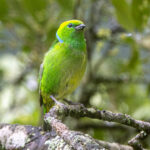
Pretty much the final species we photographed on this tour, the adorable female of a Golden-browed Chlorophonia (image by Oliver Krueger)
The Red-tailed Squirrel is relatively common in the cloud forest (image by Oliver Krueger)
A flash of red light in the cloud forest, Flame-coloured Tanager (image by Oliver Krueger)
Because of their abundance, obtaining flight shots of Amazon Kingfidhers is a real possibility at Cano Negro (image by Oliver Krueger)
Not exactly rare and not exactly shy, but still often difficult to capture, a Collared Peccary (image by Oliver Krueger)
Portrait of an equally stunning Red-legged Honeycreeper (image by Oliver Krueger)
Montezuma Oropendola arriving in the early morning mist (image by Oliver Krueger)
With a bit of luck and patience, a male Resplendent Quetzal in good view in the forest undergrowth (image by Oliver Krueger)
The dynamics of hummingbird flight at lower shutter speeds, exemplified by a Long-billed Hermit (image by Oliver Krueger)
Close-up of the scale pattern of an Annulated Tree Boa (image by Oliver Krueger)
Parental care in Geoffroy's Spider Monkeys also involves making a safe and reliable bridge for your offspring (image by Oliver Krueger)
A Bare-throated Tiger Heron walks along the river bank (image by Oliver Krueger)
The female White-throated Mountain Gem looks totally different from the male, but is still a gem (image by Oliver Krueger)
In case anyone wonders where the name Boat-billed Heron comes from (image by Oliver Krueger)
A streak of light illuminates an Eyelash Palm-Pitviper of the yellow morph (image by Oliver Krueger)
Even when no colours are present on a hummingbird, it can still be beautiful, Talamanca Hummingbird (image by Oliver Krueger)
The Hognosed Pitviper blends in perfectly with the leaf litter on which it rests (image by Oliver Krueger)
The quiet lagoon of Cano Negro makes mirror images of Spectacled Caiman relatively easy (image by Oliver Krueger)
Great Curassows have been hunted to extinction in many parts of their range, but are a common, yet beautiful sight at Arenal (image by Oliver Krueger)
Keel-billed Toucans are both highly inquisitive and highly adorable (image by Oliver Krueger)
As a threat display, White-necked Jacobins display their outer white tail feathers (image by Oliver Krueger)
It is rare to get such an intense look by a Brown-throated Three-toed Sloth (image by Oliver Krueger)
At a mere 16-17 cm and 50 g weight, Central American Pygmy Owls are tiny (image by Oliver Krueger)
The moment of emergence: with an exoskeleton, after growing, Cicadas need to re-emerge, leaving their exuvia behind (image by Oliver Krueger)
Resplendent Quetzal flyby, a really rare event on our tour (image by Oliver Krueger)
A Black-and-white Owl patrols the vicinity of our lodge at Arenal (image by Oliver Krueger)
Probably the most beautiful frog of Costa Rica, on a beautiful Heliconia flower, the Red-eyed Leaf Frog (image by Oliver Krueger)
A Resplendent Quetzal female visiting the nest. The only visit we witnessed over two morning sessions (image by Oliver Krueger)
A female Mantled Howler Monkey of the only troop we saw during the trip (image by Oliver Krueger)
Making a home inside a termite mound is a clever solution of a group of White-throated Round-eared Bats (image by Oliver Krueger)
The stare of a King Vulture as it approaches a perch (image by Oliver Krueger)
Dispute at the feeder between a Flame-coloured Tanager and a Clay-coloured Thrush (image by Oliver Krueger)
What can be nicer than riding your parent's back along the treetops (image by Oliver Krueger)


Costa Rica is so much more than a rich coast; it is a country that is a role model in ecotourism and reforestation, a treasure trove of biodiversity, and hence a prime spot for wildlife photography. From the lowland rainforests to the highland cloud forests, the country glows in more than fifty shades of green and has some of the best spots for photography in such forests worldwide.
Whether it is the ever-present hummingbirds, the harsh call of a Great Green Macaw or the magic of seeing a Resplendent Quetzal, Costa Rica has so many highly charismatic special birds that by the end of the trip, we were wondering why the national bird is the rather dull coloured and omnipresent Clay-coloured Thrush (chosen for its melodious song and wide distribution in the country). Add to this Spectacled Caimans, Green Iguanas and frogs so colourful that they appear in many adverts worldwide, and you have just started to appreciate this tremendous diversity.
Costa Rica packs so much biodiversity into such a small space that it is mind-blowing. With just 51100 km2, it makes up only 0,03% of the land surface of our planet but holds ca. 6% of the planet’s biodiversity. Much of this biodiversity is due to its geographical location, climate and topography. Costa Rica straddles the Mesoamerica isthmus between North and South America, facilitating the migration of plants and animals between continents. Added to this are its neotropical climate, volcanic bedrock producing highly fertile soils, and a wide range of ecosystems. With more than 25% of its land area protected, Costa Rica really deserves its reputation for environmental conservation and sustainability.
Our tour travelled through lowland, mid-altitude, and high-altitude rainforests, aiming for the widest variety of bird and animal life. We were able to dip our toes into this extraordinary biodiversity and photographically capture it by visiting three of the country’s seven provinces, moving between lowland rainforests, lagoons, and mid-altitude to high-altitude forests that were literally in the clouds.
This year’s tour was, of course, not without its challenges. It rained a lot, even considering that a rainforest is defined by at least 100 mm of rain in every month. The humidity in the lowland habitats was sometimes a bit challenging, and so was our goal to see the Resplendent Quetzal. While the lodges we use on this trip normally have several Quetzal nests to choose from, we arrived to find a single nest still active, and the chick fledged just before or during our second morning session.
These challenges notwithstanding, this year’s tour undoubtedly included some amazing wildlife experiences. Getting close to a Red-eyed Leaf Frog, or seeing how a Spider Monkey parent made a bridge between branches for the offspring to climb over, or an intimate session with a Fiery-throated Hummingbird, or finally obtaining a clear view (and photo) of a Resplendent Quetzal male, we all had different special moments. As a scientist who has studied birds of prey for over 30 years, mine was the beautiful encounter with King Vultures that came within five metres of our hide.
Overall, we photographed at least 143 bird species, including 12 hummingbirds. That is a staggering 15% of the entire avifauna of Costa Rica and testimony to both the breadth of places and habitats we visited as well as the photographic determination of the group. In addition, we managed to capture 16 reptile species, 18 mammal species, 21 amphibian species and a plethora of tropical insects, spiders and plants.
So diverse and colourful were our encounters with animals on our tour that I found it hard to select photographs for this tour report: to emphasise the diversity, or the iconic species we saw. I very much hope that the accompanying portfolio transports the tremendous sense of wonder I felt so many times during this trip.
Hotel Bougainvillea
Normally, the initial place to stay does not figure at all in a tour report. Costa Rica is an exception because of the beautiful gardens of the Hotel Bougainvillaea. Not necessarily the hotel itself (although it was lovely and the food was delicious), but the ten acres of botanical gardens that repeatedly win awards for ‘the best garden in Costa Rica’.
Several tour members arrived early, happy to spend a few hours or a whole day wandering the grounds, which are colourful and harbour many birds and other wildlife. Heliconias, bromeliads, orchids and trees attract an abundance of birds, butterflies, frogs and even iguanas. I was mesmerised by the aptly named Jade-coloured Vine. Our initial bird targets included a pair of Mottled Owls roosting in the bamboo, and other avian treats were Lesson’s Motmot, Rufous-tailed Hummingbird, Blue-grey Tanager, Hoffman’s Woodpecker, Crimson-fronted Parakeet and the Clay-coloured Thrush. Located a good 20 min drive from the international airport of San Jose, the Hotel Bougainvillaea’s brimming gardens were a good entry point to the vast wild richness of Costa Rica.
Sarapiqui: Frogs, snakes and lovely lowland rainforest
We left Hotel Bougainvillaea and its garden after breakfast in our spacious bus – driven by our brilliantly laid-back and good-humoured driver, Luis Morales – stocked up on water in the local supermarket, and headed north towards Sarapiqui in the neighbouring Heredia Province. Due to a blocked road, we had to take a significantly longer route, and what should have been a two-and-a-half-hour drive eventually took over four hours.
We passed through a verdant mountain range, and the first giant-leaved Gunnera insignis plants appeared with their leaves that can be over one m2 in size, before stopping for coffee on the lush hillside of La Cinchona. At our viewpoint cafe, hummingbirds were attracted to feeders. Apart from these, many other avian treats included our first tanagers: Silver-throated, Scarlet-rumped and Crimson-collared Tanagers were seen, appreciated and photographed. In addition, our first Red-legged Honeycreeper appeared, as did both Prong-billed and Red-headed Barbets, and the charismatic Emerald Toucanet – an iconic bird of the higher-elevation forests in the Neotropics.
No fewer than five hummingbird species hovered around us on the deck, so close sometimes that we could hear the hum of their wings. We had our first sightings of the aptly named Violet Sabrewing, the Purple-throated Mountain Gem, the Green Thorntail, the Long-billed Hermit, and the shimmering Green-crowned Brilliant. I was especially fond of the gorgeous-looking Violet Sabrewing. Hummingbirds flap their wings at between 50 and 80 beats a second, making them a blur to the human eye. Under special conditions, they might flap their wings at a staggering 200 beats a second, which – coupled with their unusual ability to fly backwards – makes them difficult to photograph unless you achieve really short shutter speeds of at least 1/3000 s. As it was rather cloudy and dark at La Cinchona, such shutter speeds were completely out of the question, but there’s also beauty in photographing them at a slower speed. We focused on resting hummingbirds, or if you can manage to get the eye or part of the body sharp, trying for a speed of 1/125 or below can yield some lovely motion blur. And it is this type of result that can make hummingbird photography so addictive. We were in for our extended first dose of this drug, and I can truly say that we started with hummingbirds and we finished with them on this trip.
Leaving the bird cafe, we arrived at Hacienda La Isla around noon for a typical lunch. In the afternoon, we had our first chance to meet with one of Costa Rica’s best guides and naturalists, the wonderful Donde Copa. He has learned more about rainforests than I will ever know, and he was kind enough to let us use his hide setup around his house and take us to a patch of rainforest. Initially, he showed us a breeding pair of Spectacled Owls, one of the biggest owl species in the Neotropics. Next to the breeding pair, he found a little termite mound that was hollow because White-throated Round-eared Bats were using it as a shelter. Their wonderful faces had to be lit artificially, as it was pitch dark inside the termite nest. From there, he took us on a little side road, and the harsh calls of macaws were soon in our ears. Soon afterwards, we found several Great Green Macaws feasting on nuts and fruit. Many consider this macaw species one of the most beautiful, and while they were high up in the trees, we thoroughly enjoyed watching them eat and interact with each other. Before the rain started, we managed to find a group of roosting Honduran White Bats under a leaf, and their beautiful little faces looked down at us from their roost. One of my favourite mammal species of the tour, these leaf-nosed white fruit bats construct roosting sites out of understory plant leaves – strategically cutting the leaf ribs with their teeth to hold the sides of the leaf together as a defence against potential predators, too much light, and the rain. We returned to Donde’s house just in time as the rain started. From his garden hide, looking out over a small stream and a tiny patch of forest undergrowth, we photographed a surprising array of bird species. It was incredibly dark, with the rain pouring down, but we managed to see our first Green Honeycreeper (the male a glorious turquoise) sitting next to a cobalt-blue Shining Honeycreeper. These were followed by both Montezuma and Red-headed Oropendola, Black-cheeked Woodpecker, Scarlet-rumped Tanager, just to name a few. Hummingbirds included the large Green-breasted Mango and the equally beautiful White-necked Jacobin. As we said goodbye, we were thrilled by the prospect of returning to Donde the day after tomorrow.
After dinner, a few of us met up with local nature guide Randell, for what was undoubtedly the best night walk of our tour – and the first introduction to macro flash photography. As we wandered slowly through the rainforest near the lodge, Randell pointed out a variety of small frog species such as Common Dink Frog, Rain Frog, Glass Frogs and the iconic Red-eyed Leaf Frog, where we found several, including a male and female in Amplexus where the male jumps onto the back of a female and thereby escorts here to the pond in order to be sure to fertilise the eggs. This is undoubtedly one of the most iconic frog species in the world, and we saw five or six of them within 15 minutes. We also had a good sighting of an impressively sized Striped-kneed ‘Zebra’ Tarantula. We also came across the frighteningly named and hefty-looking Bullet Ant, named for the extreme pain they deliver following a sting (akin to being actually shot). The pain tops the famous Schmidt sting pain index for insects at 4.0 and is apparently relentless for 24 hours.
The next morning, many of us explored the rainforest around the lodge before breakfast. We heard a group of Howler Monkeys, but they were too far. The sound of Howler Monkeys carried over several km, and hearing them does not mean seeing them soon thereafter, as we were to find out repeatedly during this trip. We managed to see some new birds, such as the extremely well-camouflaged Pauraque Nightjar
After breakfast, we headed to a Sarapiqui-based conservation project, set up by the nature-loving son of a former extractive farmer, who was persuaded to then conserve wildlife, rather than destroy it. Now, this family-owned refuge is a haven for various frog, snake, and bird species, with its team rescuing snakes that would otherwise be killed by local landowners.
On arrival, we headed to a clearing – close to a group of roosting Lesser White-lined Bats – that had been set up as an outdoor studio to photograph a variety of frog and snake species. Here, we were able to get close to some incredibly striking frog species, all of which were caught that morning and then released into the wild. These included a Boulenger’s Snouted Tree Frog, Green and Blue Poison Dart Frogs and more Strawberry Poison Dart Frogs. The highlight of the frog morning was undoubtedly the Red-eyed Leaf Frog that some of us had seen the previous night. As it climbed around branches, perched very photogenically on a Heliconia flower, we were mesmerised by its stunning eyes and beautiful colouration. We enjoyed the family’s lunch, and the afternoon was devoted to snakes.
The snakes we saw were – without exception – stunning, as many of us had never encountered a snake at really close range. We started with an Eyelash Pit Viper, with individuals from both the yellow morph and the normal, camouflaged morph, followed by a Green Palm Pit Viper, a beautiful specimen of an Annulated Tree Boa and finally the rather poisonous Hog-nosed Pit Viper. Eventually, we called it a day, heading back to our lodge to marvel at the ferocity of a tropical rainstorm unfolding before enjoying a nice dinner on the riverside deck of our lodge.
After an early walk around the lodge, which yielded nice portraits of sunning Brown Basilisks and more Red Poison Arrow Frogs, we drove the short way to a roadside lodge by the name of Guarapa, where we enjoyed a morning of photography at their feeders. Highlights were manifold and included a Red-legged Honeycreeper feeding its chicks, a Yellow-throated Euphonia making a brief appearance and the beautiful Orange-throated Parakeets that finally came to the feeder after initially foraging high up in the trees above us. We also ventured into a small patch of forest in search of a little beauty with a wonderful breeding biology: the White-collared Manakin. With the help of our guide, who imitated the call rather well with two stones, a male appeared repeatedly, giving us a chance to photograph it in the undergrowth. Manakins occur in roughly 50 species and they have a so-called lek breeding system. On a lek, several males come together to display, and females visit the lek to assess the males’ quality. Watching the male of this species was really special, and afterwards, we found our first Brown-throated Three-toed Sloth high in a Cecropia tree. The leaves of Cecropia trees are amongst the favourite food of sloths, and it is always nice to see a sloth in a Cecropia, as these trees are very fast-growing and are hence very open, allowing us to photograph the sloth in a rather unusual pose.
After lunch, we returned to Donde’s garden for more bird photography, while he also gathered a succession of frogs, insects and reptiles from around his house. The absolute highlight: a Ghost Glass Frog – normally incredibly hard to find and see. This tiny translucent frog wowed us all with its hypnotically spangled eyes! Other species from Donde’s surroundings included a wonderful Shield Mantis, which repeatedly lifted up to show us its elaborate first pair of legs modified for catching prey. Finally, it was time to leave Donde’s home, but before he brought out some of his wonderful wildlife artwork. It was once again a great afternoon with a true conservationist in his field.
Before leaving for the Arenal Volcano the next morning, we once again wandered around the lodge, but the howler monkeys were only heard in the distance. We also stopped again at La Cinchona and enjoyed the bird feeders once more and a rather nice lunch, too. We continued for another two-and-a-half hours until we reached the foothill of our destination for the next two nights: the famous Arenal volcano, which was almost fully in view.
Arenal Volcano: Sloths, Curassows and Tanagers
After driving through the bustling tourist town of La Fortuna, a spa town, fed by the many hot springs that arise from the geothermal waters of the hot Tabacon River. Now a thriving mecca for adventure tours of all kinds, it is overlooked by Costa Rica’s most famous volcano, Arenal. After an eruption in 1968 destroyed three towns, Arenal held the title for the ‘world’s most active volcano’ for decades, continually spewing lava until 2010, when it became inactive. We were not really lucky with regard to it during our two days here, with Arenal’s famously commanding peak almost always covered in a fog of cloud. Only very briefly did we manage to glimpse the peak for about ten minutes.
Our lodge in this area was the impressive Arenal Observatory Lodge, featuring 350 hectares of primary rainforest, tropical gardens and pastureland inside the Arenal Volcano National Park. With a wonderful observation deck with feeders, several trails, a frog pond, an observation tower, and gardens, most of our time here was spent attempting to capture some of the species new to us on this trip. New species were spotted and photographed from the observation deck, including Emerald Tanager and Golden-hooded Tanager. Probably my favourite species here were the wonderful Crested Guans and Great Curassows, though, that wandered around the Cecropia trees. In many other places, they were both hunted to extinction, and it was great to see how the individuals in the garden had overcome their shyness and posed for us on numerous occasions, whether on the ground or nicely perched at eye level in the Cecropia trees in front of the observation deck. A pair of Great Kiskadees had a nest just at the entrance of the restaurant, and they worked very hard to feed their chicks. Their relatively predictable flight path from one perch allowed us to practise birds-in-flight photography with a relatively small species, which became almost an obsession for some of us. As a glorious sunset unfolded over Arenal Lake, there were movements in the trees across the observation platform, and soon thereafter, a group of Geoffroy’s Spider Monkey appeared. They are the most agile of the New World monkeys, but also very social. It was very moving to see how an adult used its body and limbs to build a bridge between two trees so that a youngster could cross safely and easily. We enjoyed both the rest of the vivid sunset and a delicious dinner afterwards.
The following morning, we headed back towards La Fortuna after breakfast to a conservation site renowned for its reliable sightings of both Two and Three-toed Sloths. Our guided walk did indeed deliver several sloth sightings, including one Brown-throated Three-toed Sloth climbing a Cecropia tree, with excellent visibility and light. Other wildlife sightings on our walk did not disappoint either. We saw large Green Iguanas, both Green and Striped Basilisks, an immature Black-and-white Owl and a very nice Broad-billed Motmot. We finished with a very nice group of Grey-headed Chachalacas. After lunch in a nice restaurant on the outskirts of La Fortuna, we returned to our lodge and were happy to encounter a group of Collared Peccaries as we entered the National Park.
As the weather held up so far, we have practised more bird photography from the observation deck or along the paths in the garden. On the mammalian side, we had our first encounters with some of the rather tame White-nosed Coatis, a close relative of the Racoon. These inquisitive little carnivores are always on the lookout for a cheap meal, hence one even tried to enter the restaurant. We also wandered through the gardens and climbed up the observation tower. With rain starting, it was getting rather dark, and after dinner, very few of us dared to venture out on a night walk, which yielded three frog species and a beautiful Mottled Snail-eater Snake.
The rain returned during the night and in the morning, but we nevertheless tried to capture some more species from the observation deck before we sadly had to say goodbye to Arenal. A very pleasant surprise was a stunning male Rufous-winged Tanager. As we were anticipating a five-hour drive, we left Arenal Observatory Lodge straight after breakfast for Caño Negro, just 20 km south of the border with Nicaragua. Driving north in the Alajuela Province, up to the small town of Los Chiles, we passed miles of agricultural land: fields for crops such as pineapple, coffee, sugarcane and bananas. We made good progress, and around lunchtime, we reached the Hotel Dos Campos, our home base for exploring Caño Negro.
Caño Negro: Riverine haven for kingfishers, Nicaraguan Grackle and some cool Caimans
Caño Negro is a watery birding paradise. These wetlands – a haven for thousands of migratory waterfowl – are known for their ecological richness and are considered among the best places for bird watching in all of Costa Rica. The main part of the refuge, the Caño Negro Lagoon, is fed by the Rio Frio River, drying up during the dry season into smaller lagoons and pools: just perfect for water birds. After lunch in our cosy little hotel, we made it to the dock for 2:45 pm, in time to jump onto our private boat for a three-hour river cruise to see as much wildlife as we could.
Caño Negro really lived up to its reputation. Ringed and Amazon Kingfishers, as well as Anhinga and Neotropical Cormorants, were our constant companions. In fact, I don’t think I have ever seen as many tropical kingfishers in any one place. We had almost continual sightings of Amazon, Ringed, and also the much smaller Green Kingfisher. Other wetland species began to appear too, such as many herons: Green, Black-crowned Night, Tricoloured, Bare-throated Tiger, Great White, Snowy, Cattle and a favourite of some tour members, the adorable Boat-billed Heron.
As we rounded the curves of the river, a massive American Crocodile came into view. Roughly four metres in length, it was much larger than the Spectacled Caimans we saw at the entrance to the lagoon. They allowed us to approach really, really close, and we managed to take impressive wide-angle, low-angle, and mirror images. As we cruised along the river, we heard Howler Monkeys calling again. Although we had heard them many times before and never saw them, we were hopeful, and after another bend, some troop members came into view. While photographically challenging, these were the only pictures of the Howler Monkey on the trip, so we were all trying our best. Just as we had to turn back, a whole family of Snail Kites were flying around us and perching high up in the trees. The Snail Kite is one of the most specialised birds of prey, with ca. 98% of its diet consisting of large snails. The beak has evolved into a specialised snail opener, perfectly curved for this purpose. As we approached the jetty again, we saw a Nicaraguan Grackle flying by and a nicely lit Nicaraguan Slider Turtle. We had three amazing hours on the river, and the lagoon, and the sun was already rather low. As the sun started to set properly, we finally headed back to our small family-run lodge for dinner.
Rising with dawn the following morning, we had just enough time for coffee, tea and cookies before embarking on another jetty and private boat for our sunrise Caño Negro cruise. We were initially held up by a Common Opossum foraging in the tree above us, which was a nice surprise. The ensuing wildlife voyage was even more fruitful than the night before. We managed to capture both sexes of the three larger Kingfisher species, had a truly wonderful session with a male Nicaraguan Grackle displaying and singing right in front of us, and enjoyed the plethora of herons, egrets, ibises, spoonbills, wood storks and limpkin in the most beautiful morning sunshine. No wonder we used up all four hours allocated to this trip, and even a bit more. Hence, we had to rush back to the lodge, enjoyed a quick breakfast, and by 11 am, we were back on the road. Well, initially, the road was so bad that it was barely a 20 km/h drive. We reluctantly left Caño Negro to head back south again. Although it was only one night, it was surely worth the extra km. At lunch, we stopped at the famous “Iguana Café”, but all the Green Iguanas we saw were in really bad positions, photographically speaking. We therefore decided to skip lunch in order not to arrive too late in the afternoon at our next destination:
Into Alajuela Province: King Vultures, Nesting Pygmy Owls and Spider Monkeys
Our time at Laguna del Lagarto was unquestionably one of the highlights of the tour. The lodge comprises 500 hectares of lowland rainforest and lagoons. But crucially, the lodge has several naturally constructed viewing platforms that enable eye-level photography of a myriad of tropical birds, with plantain feeders and nesting holes at a strategic distance of no more than a few metres.
Especially the large decking, which also served as the restaurant, became the centre of activity of our time here. Being able to sip a coffee or beer, while photographing such colourful birds, well, who among us wouldn’t love this?
Up on this balcony, our bird tally quickly totted up. Most notable were the Keel-billed Toucans and Collared Aracaris, which had avoided us so far on the trip. Other avian delights: Olive-backed and Yellow-throated Euphonia, Golden-hooded and Plain-coloured Tanager, plus good sightings of Black-crowned Tityra. Added to this: a raft of Brown-hooded Parrots, the ever-present Montezuma Oropendola and Black-cheeked Woodpeckers. Under the decking, we clocked mammal sightings of Central American Agouti and the ever-inquisitive White-nosed Coati. A species of particular fascination, for all in our group, was the pair of Central American Pygmy Owls, nesting in another part of the lodge’s grounds. This duo made fairly regular (but sometimes erratically-timed) returns to their nesting hole to feed their chick, carrying the spoils of hunts – mostly hapless insects. Watching the nesting hole, hoping to catch the moment that the hungry owlet half-emerged from the nest hole to meet its parents, became a favourite activity for some of us.
Time passed quickly, and before we knew it, a sunset unfolded, and it was time for dinner. The heat and especially the very high humidity were a bit of a burden for some of us, even while sitting on the observation deck, but it had also been a rather long day and drive and hence everyone was quickly in bed after dinner.
The following day was as full as you could get at this wonderful eco-lodge. Many group members rose before dawn to photograph at their own speed, and after breakfast, we headed down a dirt track for our session in the King Vulture hide. Laguna’s specially-designed hide is one of the few places in the world set up with the express purpose of watching these stunning raptors – as they feast on carrion in front of you. Among the two dozen or so Black Vultures, we were lucky enough to have around four King Vultures higher up in the trees. They flew to the ground one after another, allowing us to practise flight shots of these magnificent birds. With a size of 85 cm and a wingspan of up to two metres, they are one of the largest New World vultures, second only to Condors. Believed, by the Mayans, to be messenger birds who relay information to the gods, King Vultures are very charismatic birds to spend a morning with! We were all satisfied with the hundreds to thousands of pictures we obtained of King Vultures, and after about three hours, we returned to the observation deck. Before lunch, we concentrated on the Pygmy Owl and also found a Slaty-tailed Trogon male perched low in a tree. A bit further from the nesting hole of the Pygmy Owl was another hole, and while we were initially distracted by a beautiful Lineated Woodpecker, we soon realised that this hole was the nest site of a Black-crowned Tityra, and we waited patiently for both male and female to return to the nest to feed the chicks with insects.
After lunch, we rested a bit before we drove to a private garden a short drive from the lodge, looking out onto a meadow backed by towering trees. Here, we turned our attention to more hummingbird photography, but due to the cloud cover, it was once again difficult to reach the necessary short shutter speeds, so some of us used this opportunity to experiment with motion blur. Three species were using the flowers in the garden: White-necked Jacobin, Rufous-tailed Hummingbird and Green-breasted Mango. We also saw one of the tiniest of all flycatchers, the Common Tody-Flycatcher. Just before dinner, we happily drove back to our lodge.
After dinner, most of the group had a stab at bat photography. We drove back to the garden we had visited earlier for hummingbirds, and our guide talked us through the settings and technique. What followed was a 90-minute flash photography masterclass, using a flash set-up and radio triggers and two species of nectarivorous bats as the stars of the show. I think it is a fair assessment that, eventually, all group members were able to produce rather pleasing images of Orange Nectar Bats and Brown Long-tongued Bats.
On our last morning at Laguna del Lagarto, we woke to torrential rain pouring down. This produced rather dark conditions on the observation deck, but allowed us to capture the usual bird species at the feeders with slow shutter speeds of around 1/60 sec, making the rain visible and producing rather atmospheric images. The rain was certainly audible and very noticeable once you left the covered observation deck. As it stopped for a few minutes, we were pleased to see Olive-backed Euphonia and Golden-hooded Tanager making appearances worth capturing.
Most of us agreed we could have stayed at this lodge for at least a week, but we had to press on for the last destination of our wildlife odyssey. More heavy rain thwarted our attempts for a final morning with sunshine, so we said goodbye to the humidity and heat of Laguna del Lagarto and began our five-hour drive to the Talamanca Mountains and high-altitude cloud forest. Passing by San Jose, we said goodbye to tour members Cynthia and Marti, who had to leave at this point.
The rest of us continued and enjoyed a lovely lunch on the outskirts of Cartago, before starting the climb towards 2700 m altitude and the cloud forest.
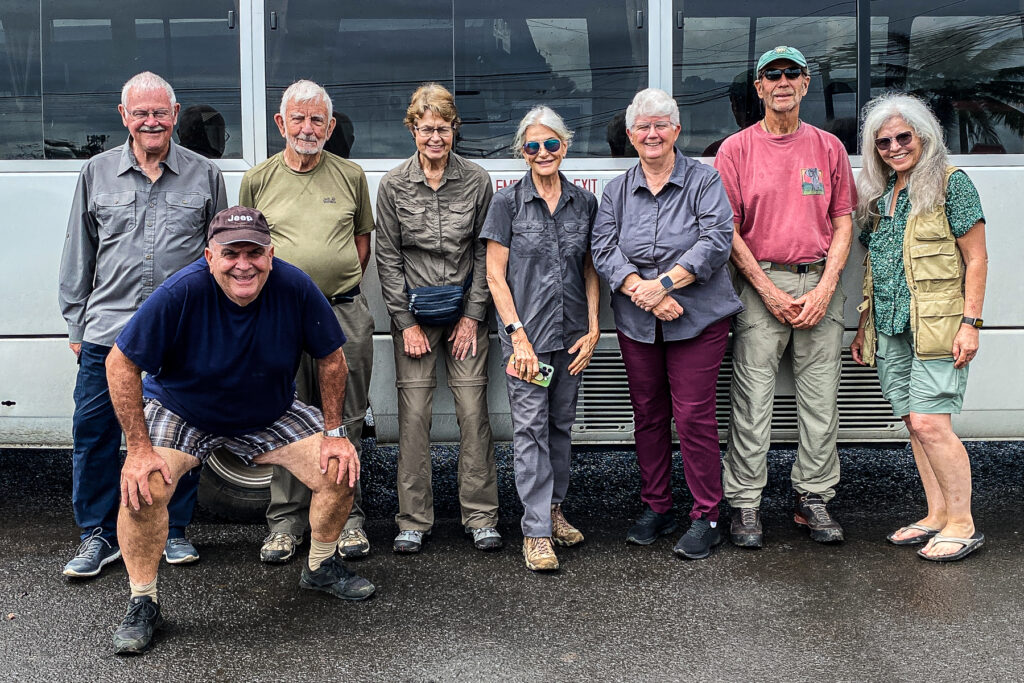
The 2026 Wild Images group with our wonderful driver Luis (image by Oliver Krueger
San Gerardo: Cloud forests, rainbow-hued Hummingbirds and the majestic Resplendent Quetzal
Our base for one night: the recently renovated Gema del Bosque lodge. Getting here is no mean feat, with an altitude of approximately 2,730 metres, which you can definitely feel. Up here, the temperature was noticeably chillier. We reached it with ample time for hummingbird photography. From the tiny Volcano Hummingbird to the colourful White-throated Mountain Gem to the bulky Talamanca Hummingbird, these were new species, and they were all around us. The fruit feeders attracted new species for us, too. Large-footed Finch, Yellow-thighed Finch and the beautiful Flame-coloured Tanager. As we were checking in, the lodge manager and guide mentioned in passing that he had a site which was visited by a cacomistle every night. A Caco what? We asked ourselves, but it turned out that the Cacomistle is a distant relative of the Raccoon and Coati and is hardly ever seen. Well, we surely wanted to try and see it, and before dinner, we walked for a few hundred metres and sat in the forest as it was getting dark. After about 45 minutes, our guide Eric suddenly said, “It is here.” We could not see anything, but as he carefully increased the torch’s light intensity, a creature came into view on a moss-laden branch. Not in the slightest deterred by us, it started feasting on the bananas (although belonging to the carnivores, Cacomistles are rather fond of fruit). It stayed for us for about 20 min and allowed us all to photograph it, what a wonderful and unexpected treat. While dinner was a bit later this evening, we thoroughly enjoyed it after this unusual encounter.
The next morning came early, before 5 am, as we had to leave at 5:15 to reach a Resplendent Quetzal nest. During breeding season (our time here), males grow elongated upper tail feathers that form a long, flowing train of iridescent turquoise streamers. Unlike in previous years, the nest we were going to was not just a few minutes away, but it took us 45 minutes to reach it. Right next to a dirt road in a patch of forest was indeed a rotting tree stump, the usual nesting place of a Quetzal. In the first morning light, the female was nicely perched on a horizontal branch, but it was very dark inside the forest, so a tripod and a slow shutter speed came in very handy. At some point, she left and returned with a wild Avocado that she fed to the chick in the nest. While Quetzals commonly lay between one and three eggs, only one chick often survives and is raised. While it was nice to see the female, the glorious male was nowhere to be seen. Finally, our guide found it, and it had a lizard in its beak. Unfortunately, it was rather shy, and while we saw it, it was very hard to photograph. While we waited patiently, it came closer but never reached the nest, so after three hours we left it to avoid putting the chick at risk.
After a hearty breakfast, we had time to photograph the birds around the lodge, which yielded the first pictures of the endemic (and rather beautiful) Fiery-throated Hummingbird. It is equally famous for its iridescent plumage and feisty, dynamic behaviour. No other hummingbird combines every colour of the rainbow on its throat and breast. This jewel – native to the cloud forests of Costa Rica and western Panama – can display shades of orange, red, yellow and blue on its throat, depending on the angle of light and movement of its feathers. With a metallic green body and shimmering blue crown, this is a truly gorgeous bird.
Just before lunch, we drove for another 30 min to our next lodge, the wonderful Paraiso Quetzal, just outside the small mountain town of San Gerardo de Doto. Guides proclaim that on a clear day, you can see both the Caribbean and Pacific from up here. Private chalets look out onto the primary cloud forest that protects an impressive array of flora and fauna. Thankfully, the lodge had a roaring open fire continuously providing warmth and comfort near the dining room and bar!
As I was checking us all in, I noticed that everyone was distracted. No wonder: out on the outside decking, by the dining room, hung some nectar-feeders, around which hovered some of the most breathtakingly colourful hummingbirds you could ever hope to see. Plenty of Fiery-throated Hummingbirds were in sight. Another beauty at the feeders was the larger Talamanca Hummingbird – a fellow ‘mountain gem’ hummer, also endemic to the highlands of Costa Rica and Panama. Sideways on, male Talamanca Hummingbirds have a dark green gloss and dull head. But when they turn their heads, there’s a flash of metallic turquoise chin and gorget, and a striking violet crown. Other species around the feeders included Volcano Hummingbirds, Lesser Violetear, Long-tailed Silky Flycatchers gorging on berries, and the occasional Slaty Flowerpiercer.
In the afternoon, we set up flowers drenched with sugar syrup for a hummingbird session. It was here on this deck that some particularly confident Fiery-throated Hummingbirds began perching on our lenses, arms and heads. This inevitably led to beautiful ‘selfie with a hummingbird’ shots – but one of those experiences that will remain with many of us forever. Later in the afternoon, the rain set in, and we mostly retreated to our rooms to download the day’s images. Those who peeped out of their rooms were rewarded with a beautiful sunset and a rare opportunity to photograph hummingbirds against a brilliant red sky.
As we sat by the fire for dinner a little later, I had to tell everyone the worrying news that the nest we had visited this morning was the only active Quetzal nest left and that we would be returning to it tomorrow morning. Needless to say, I did not sleep well this night, as I knew that good pictures of the male Quetzal were very high on all of our wish lists.
We started again at 5:15 and reached the nest at 6 am. No Quetzal in sight. With a bit of relief, I responded to our guide Jesus’ call, “Come over here, the male has arrived. It carried an insect, and over the next two hours, we managed to obtain clear views of it and very decent pictures. It never flew to the nest as the chick had probably fledged the previous evening; we could hear it calling from the canopy. We had finally succeeded in obtaining pictures of this almost mythical bird that apparently finished breeding season a bit early this year, and almost too early for us.
After breakfast, we used the special photo deck again, but the rain came even earlier and lasted all afternoon. Some continued to capture Fiery-throated and Talamanca Hummingbirds in flight, while others backed up the thousands of photos this trip had provided.
On our last morning, we decided to take advantage of the morning sunshine to wander around the lodge’s gardens. Besides Slaty Flowerpiercers, Nightingale Thrushes and Long-tailed Silky Flycatchers, we were hoping that the many berries would attract a gem of these forests, the Golden-Browed Chlorophonia. It did not happen. After breakfast, we waved goodbye to the scores of hummingbirds and drove for coffee at Miriam’s – one of the most famous cafes in Costa Rica for their bird feeders. Here, we had brilliant sightings of Acorn Woodpecker, Flame-coloured Tanager, Emerald Toucanet and the four hummingbird species we saw around Paraiso Quetzal lodge. Just before lunch, our wonderful driver, Luis, heard something in the bush, and he simply said “Chlorophonia”. He was right, two females were sitting on a branch, and while not as colourful as the males, they were indeed the icing on a splendid photographic cake we enjoyed at Miriam’s café.
Eventually, it was time to head back to San Jose. What a glorious end to a stunningly diverse Costa Rica tour, packed with a plethora of colourful birds, reptiles, amphibians and mammals. It was a privilege exploring this breathtaking diversity, and I am sure many of us will be back at some point to explore it further. I know for sure that I will. Pura Vida!
Oliver Krüger
German-born Oliver Krüger has studied animal behaviour, ecology and evolution at the Universities of Bielefeld, Oxford and Cambridge. After his PhD in 2000, he moved to the University of Cambridge as a Post-doctoral researcher where he led an independent research group in behavioural ecology from 2003-2009. During his time at Cambridge, he was also Director […]