
Chile: Walking With Pumas Tour Report 2025
17 October 2025
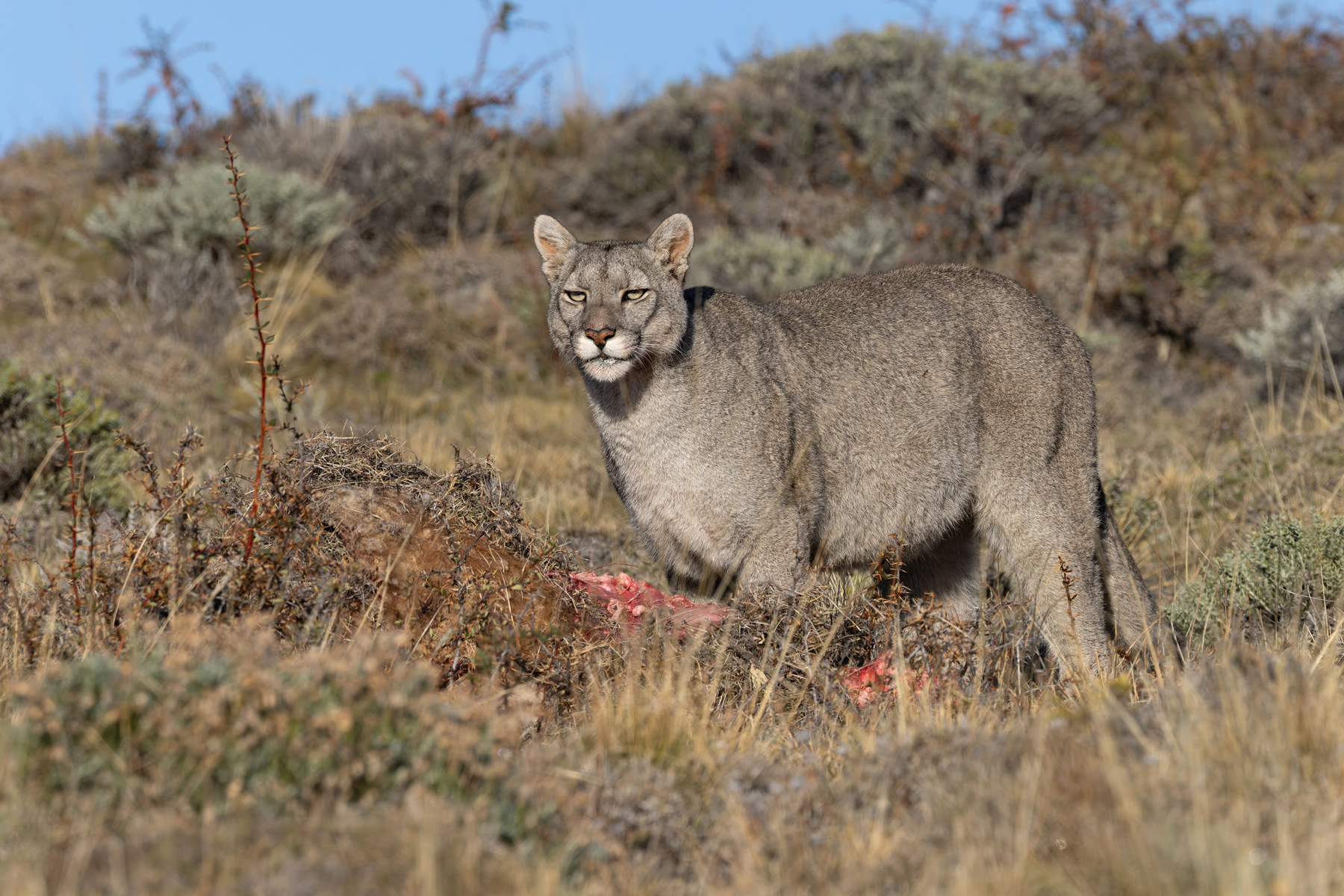
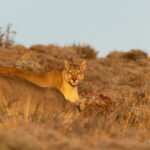
Frost-coated Escarcha had enough to eat now (image by Mike Watson)
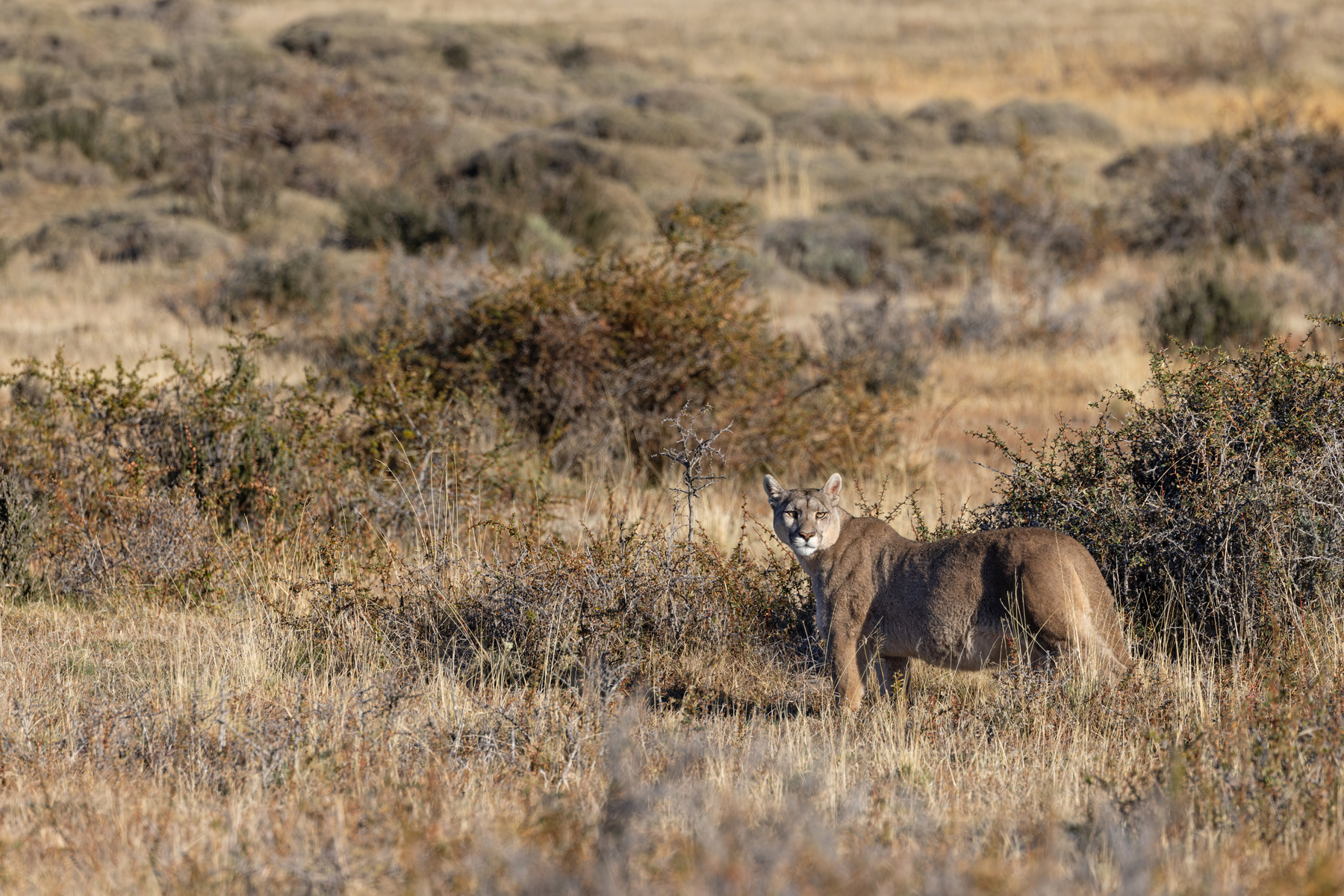
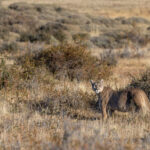
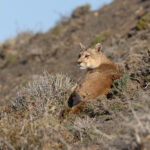
Petaka in the landscape (image by Mike Watson)
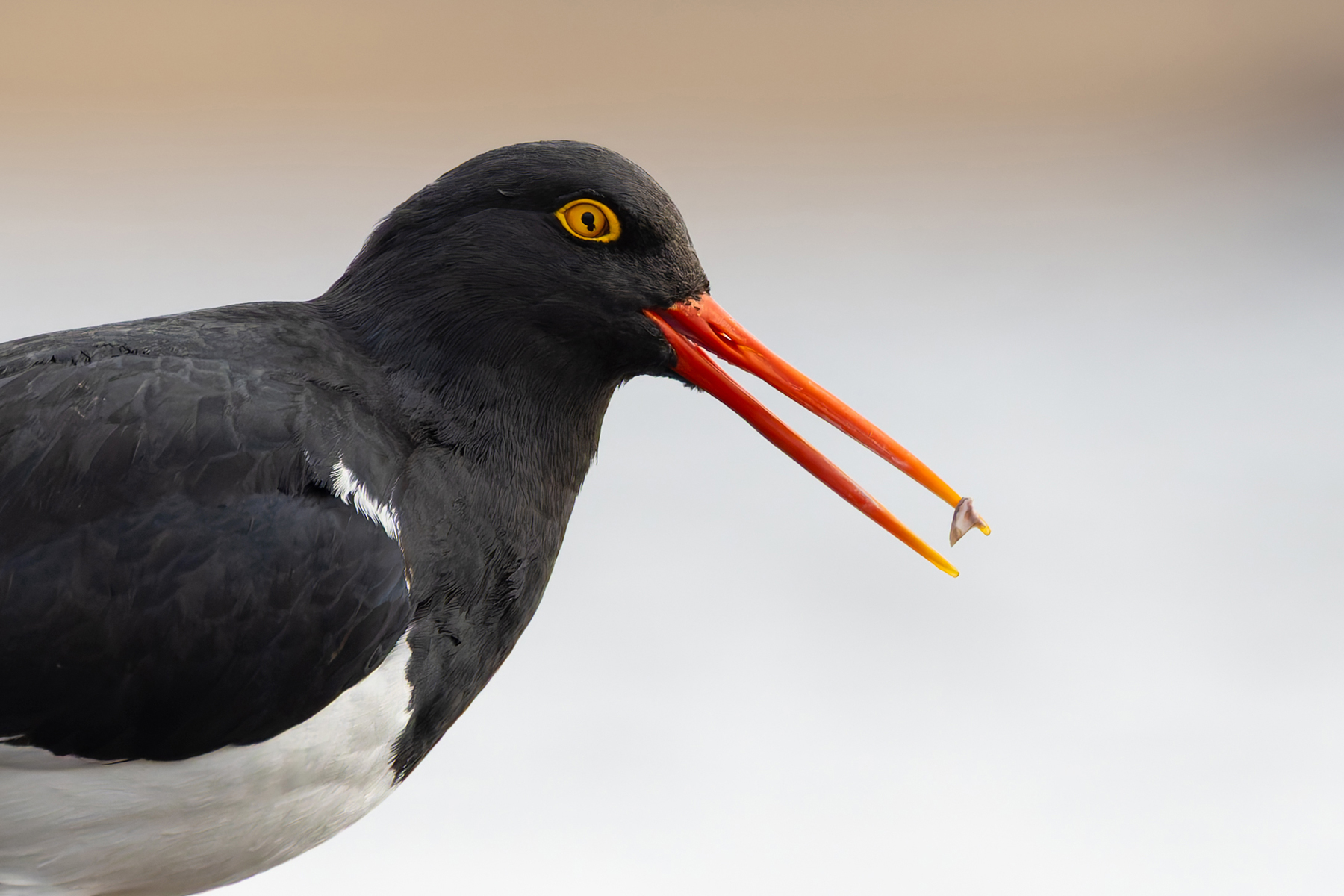
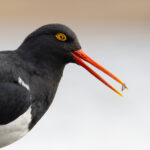
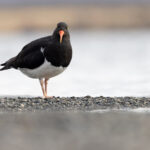
Magellanic Oystercatcher has a very weird pupil! (image by Mike Watson)
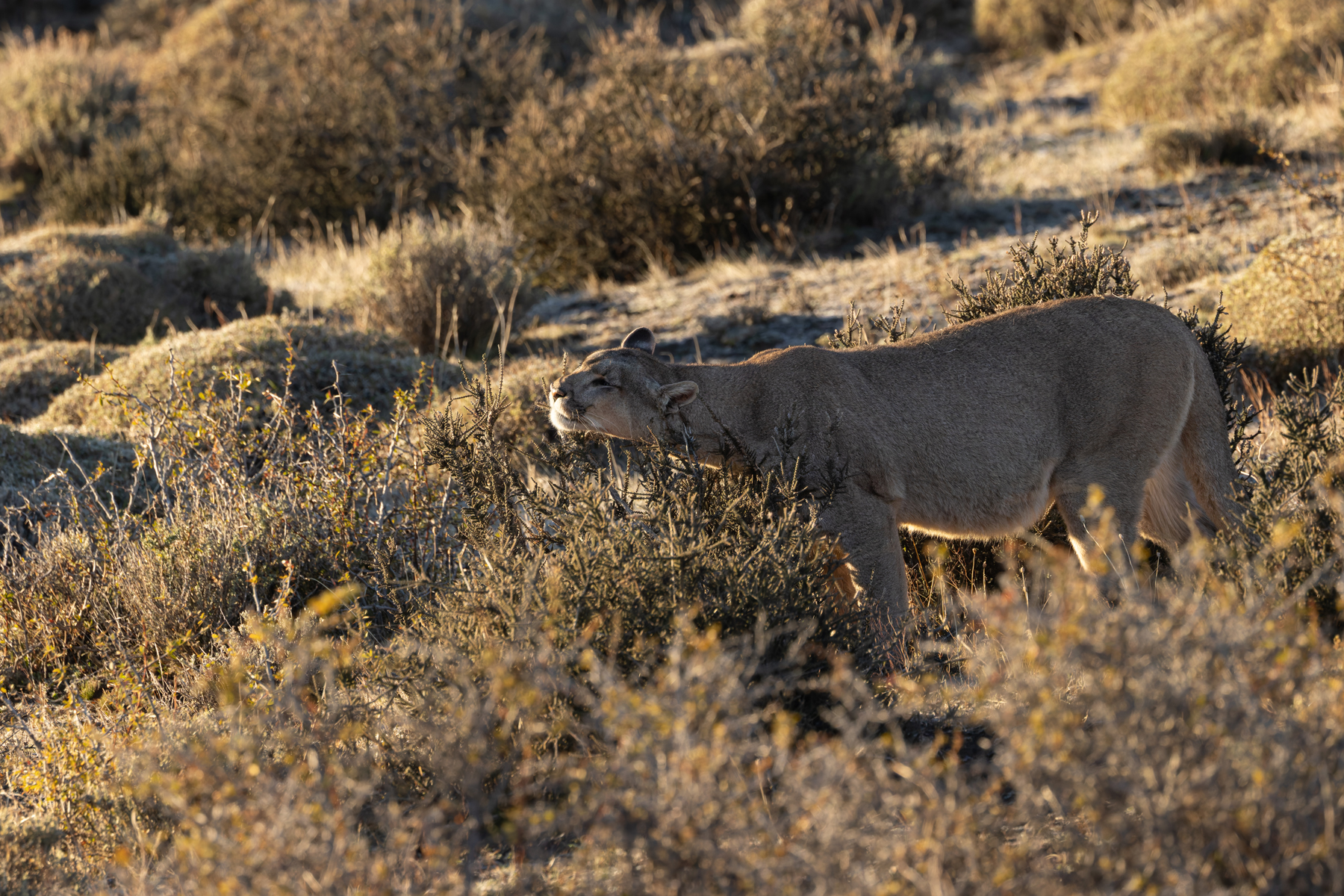
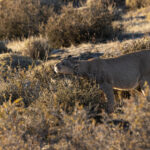
Puma Petaka in the Mata Negra, bush or brush? (image by Mike Watson)
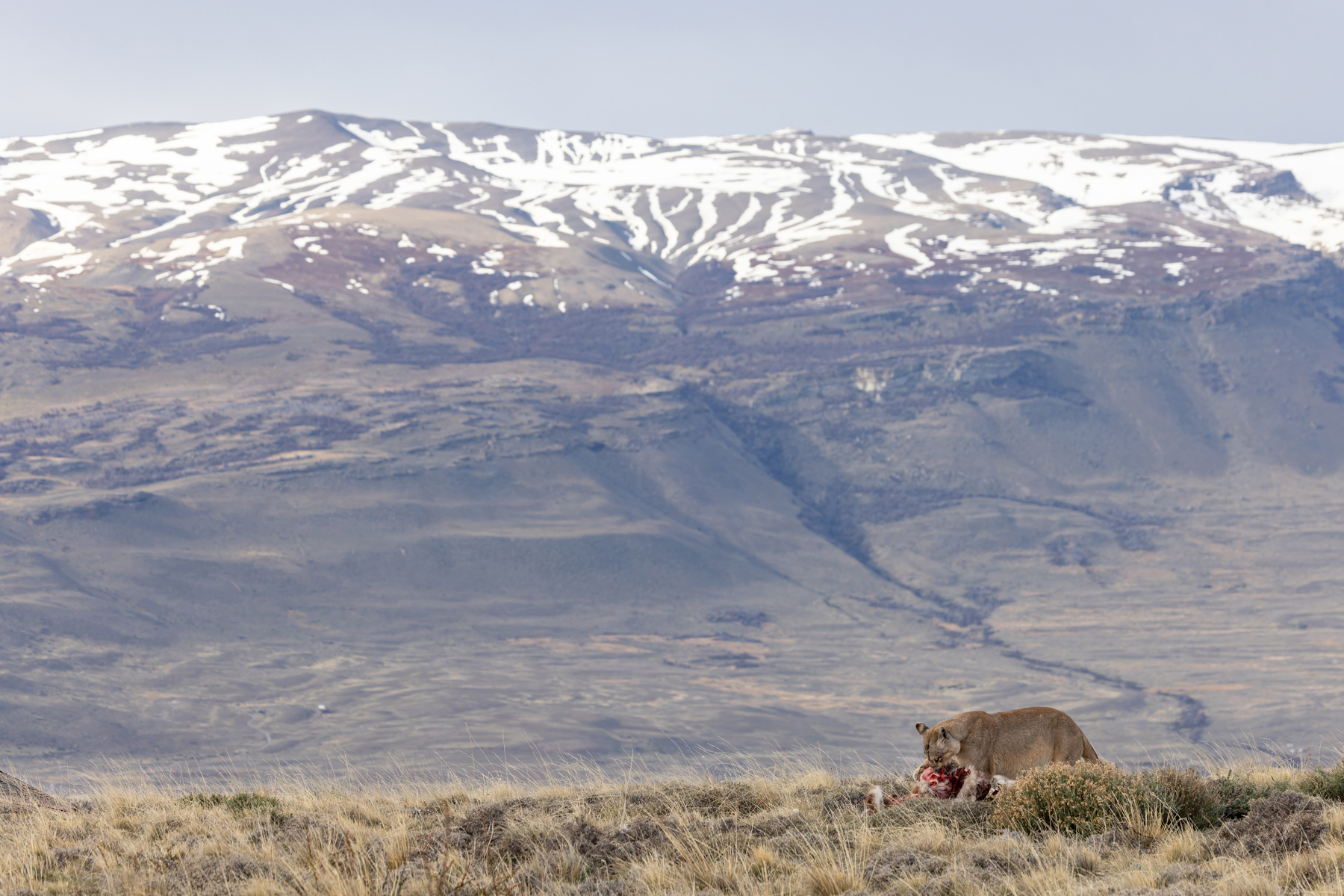
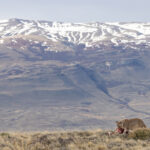
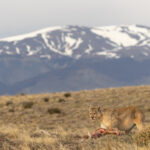
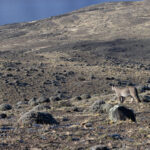
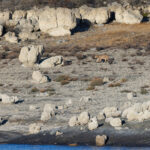
The Situation - Rupestre’s kill in a vast Patagonian landscape (image by Mike Watson)
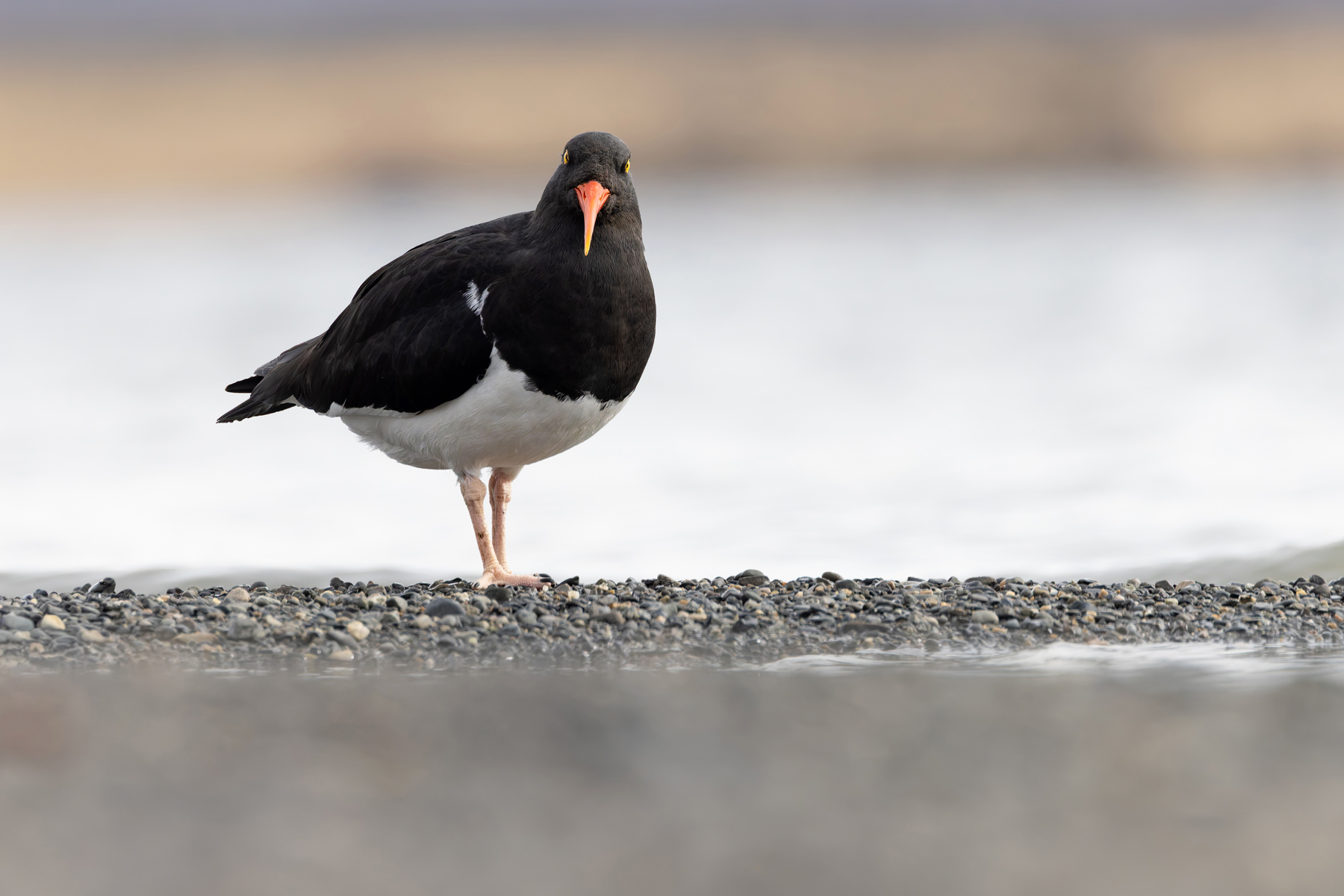
Magellanic Oystercatcher is a thin-billed member of its clan (image by Mike Watson)
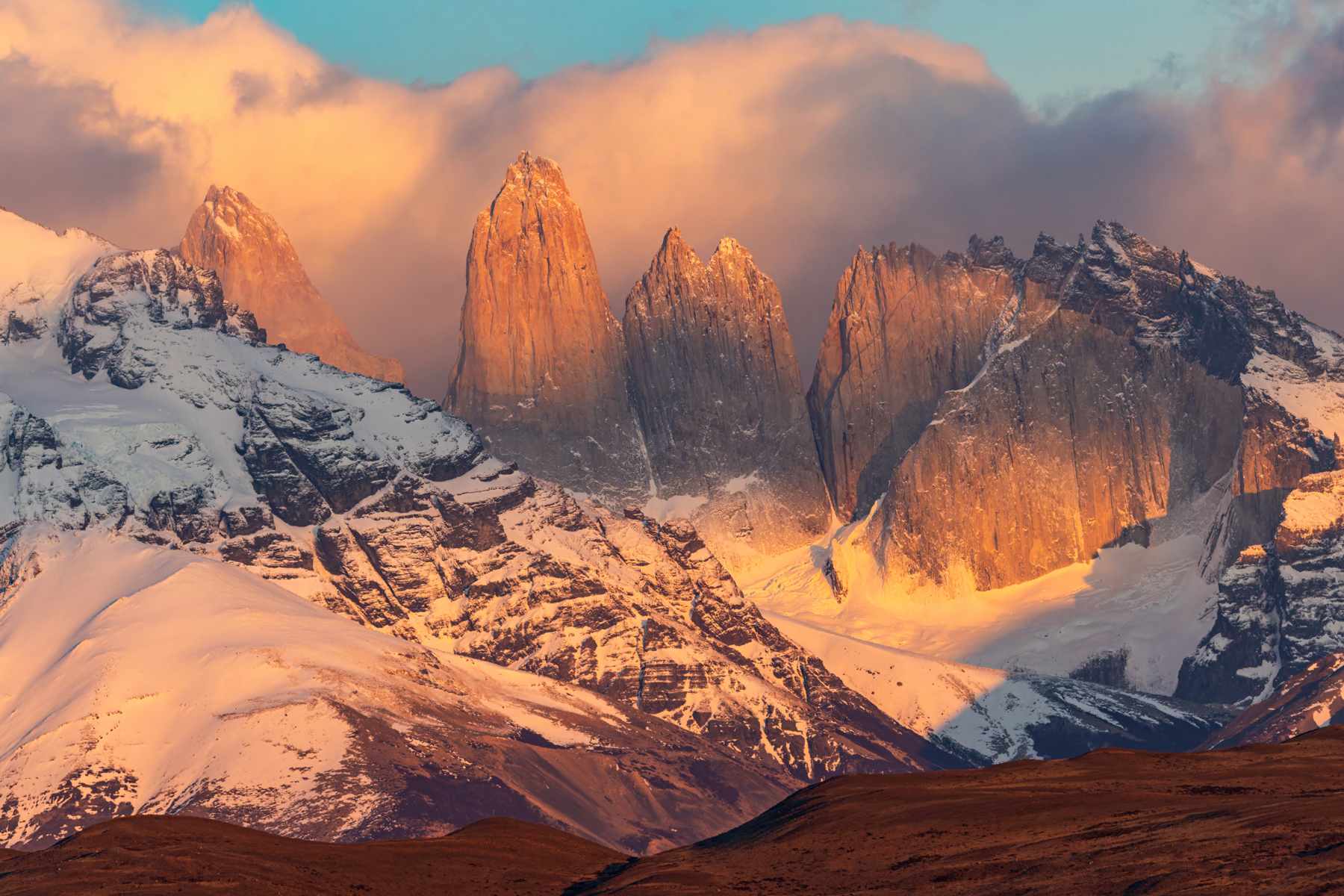
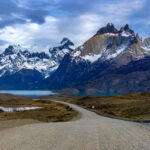
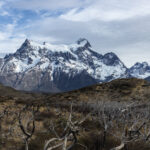
Torres del Paine, an iconic Andean mountain landscape (image by Mike Watson)
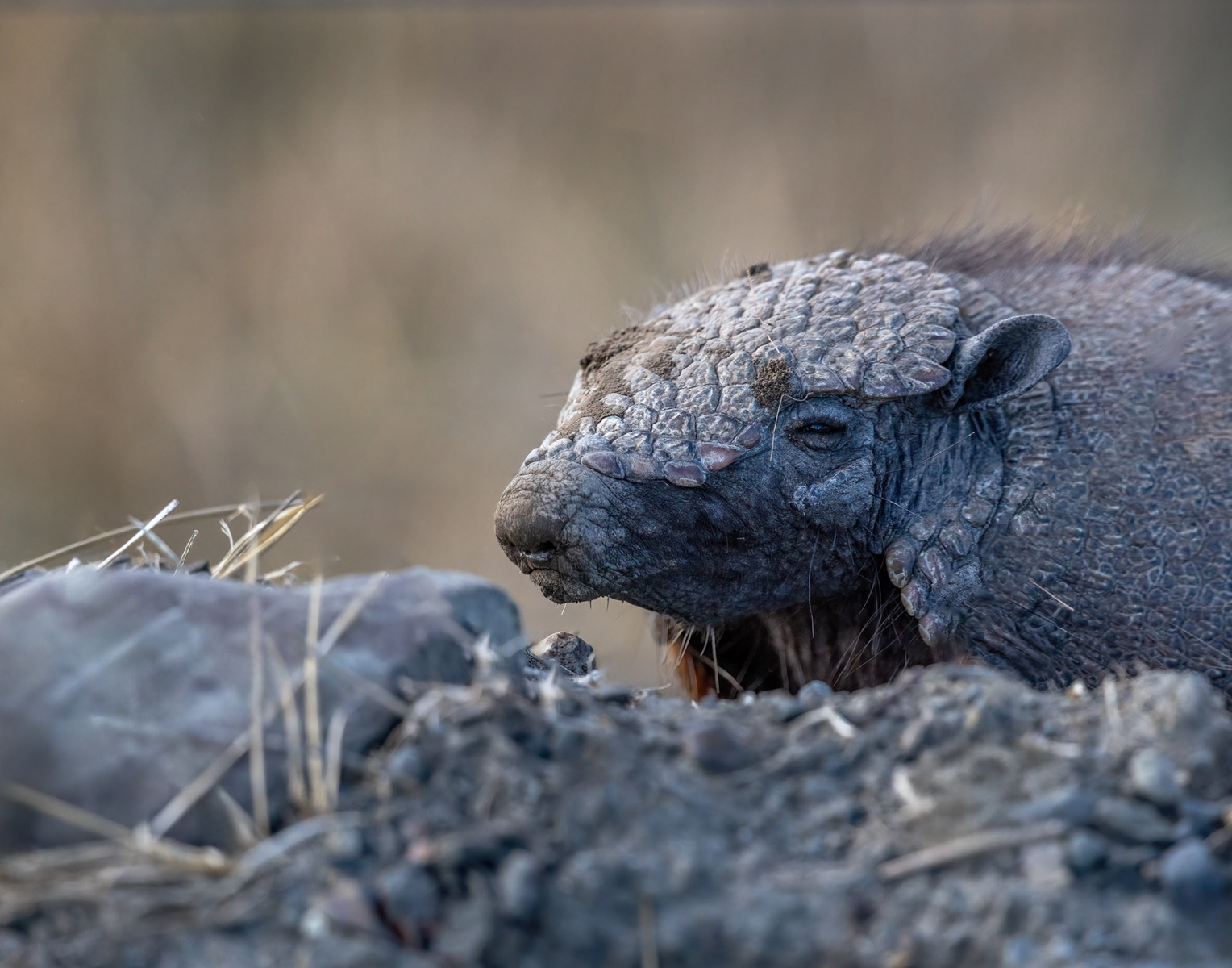
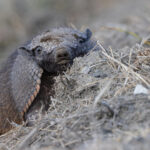
Armadillo (image by Wild Images guest Stuart Hahn)
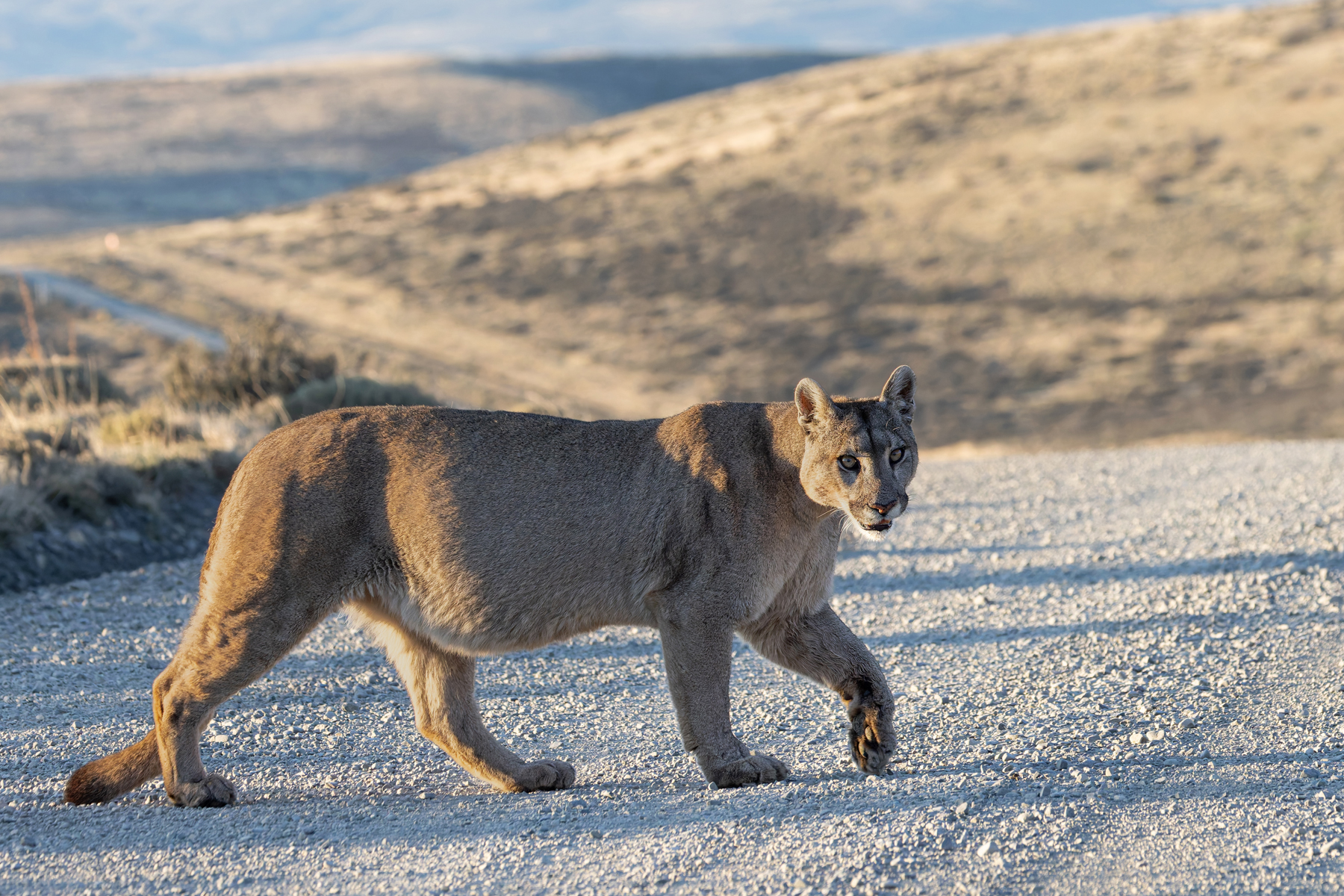
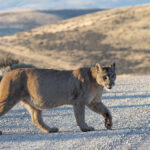
Who ate all the pies? Petaka crosses the road as best she can (image by Mike Watson)
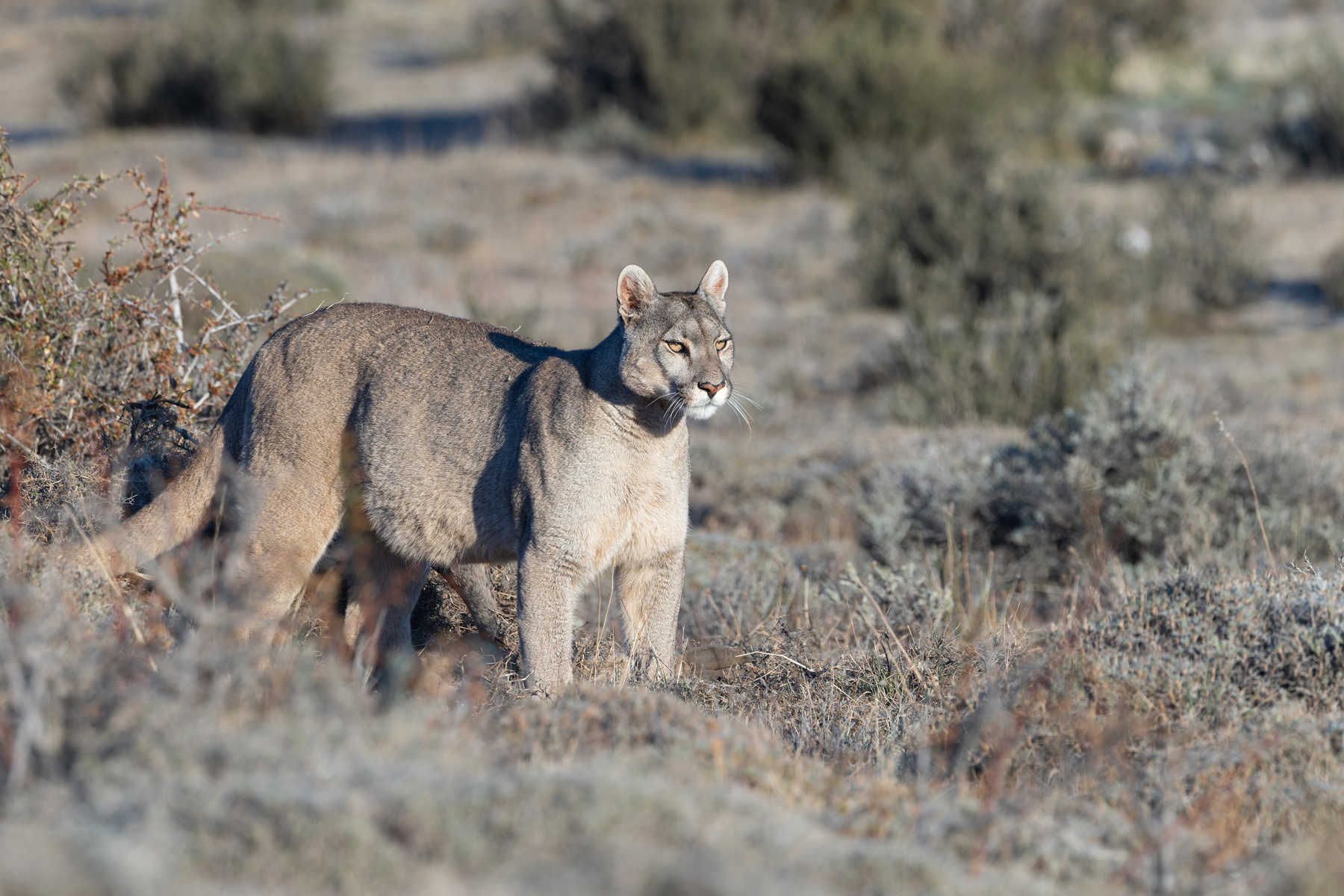
Petaka is also around eight years old and is still a fine looking Puma (image by Mike Watson)
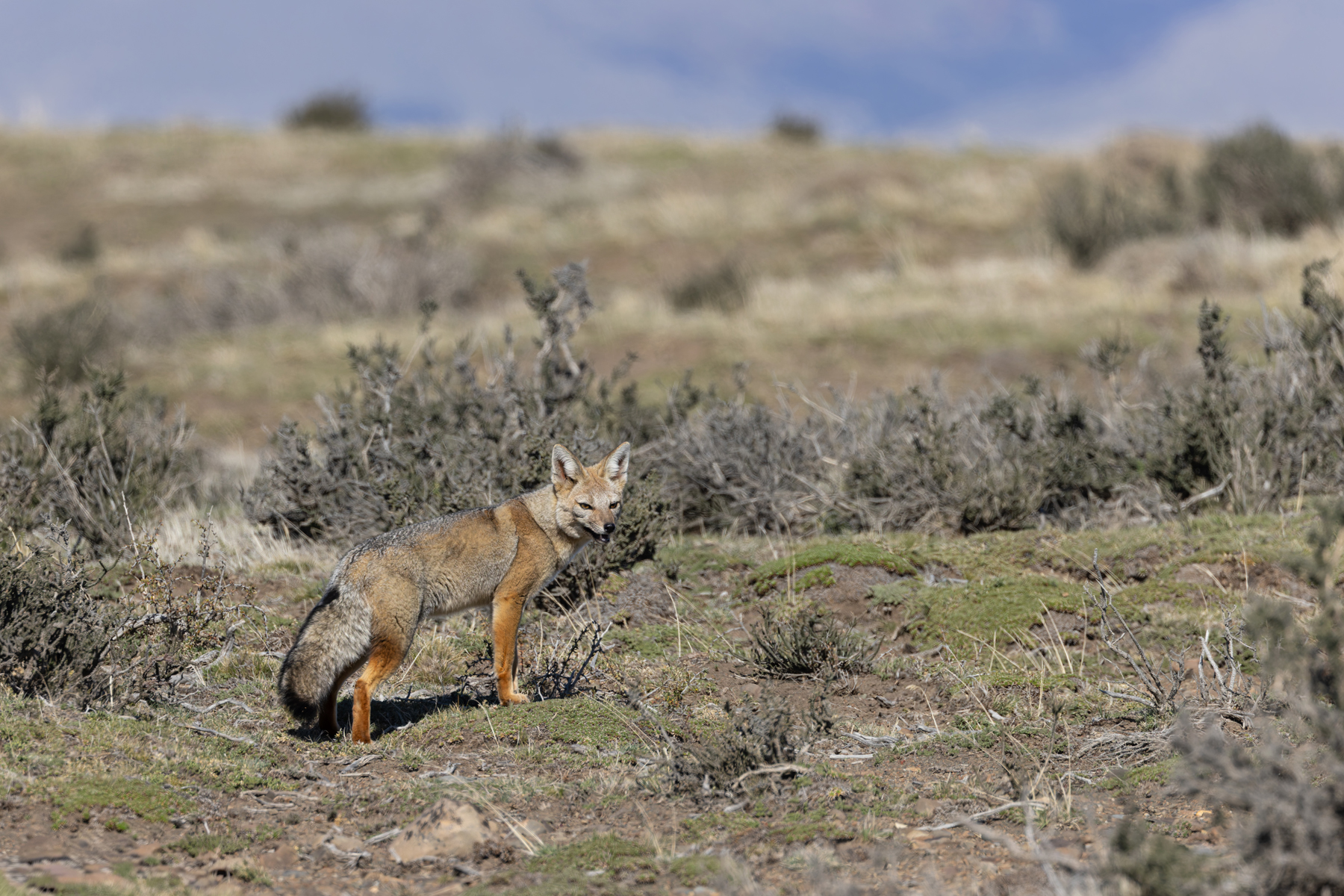
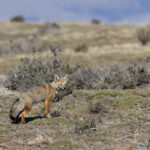
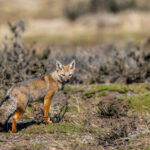
South American Gray Fox, this one was feeding on a mass emergence of stag beetles! (image by Mike Watson)
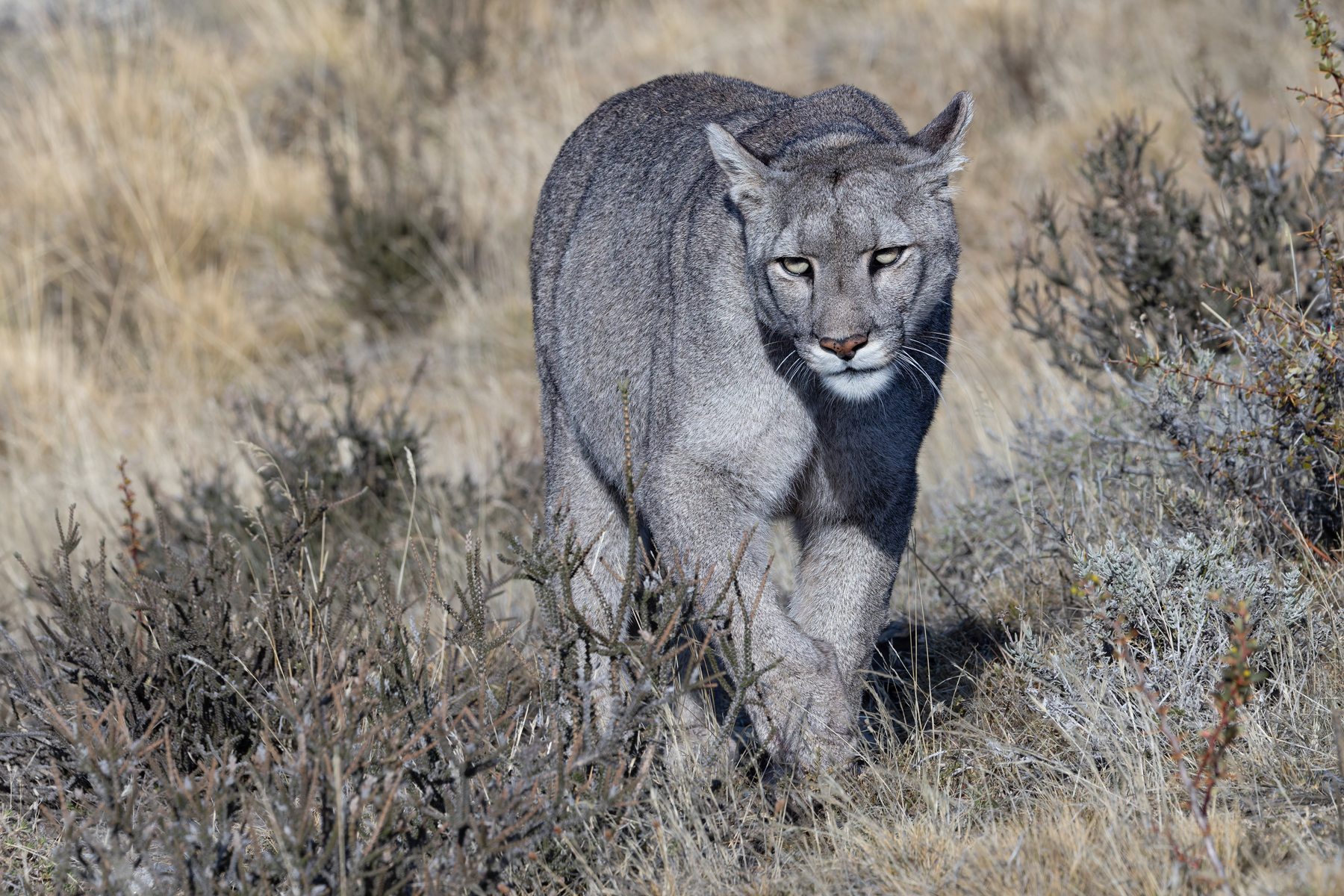
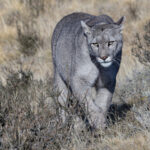
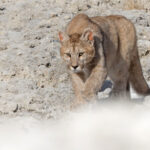
Escarcha has visibly filled out since our encounter last year and not just her belly! (image by Mike Watson)
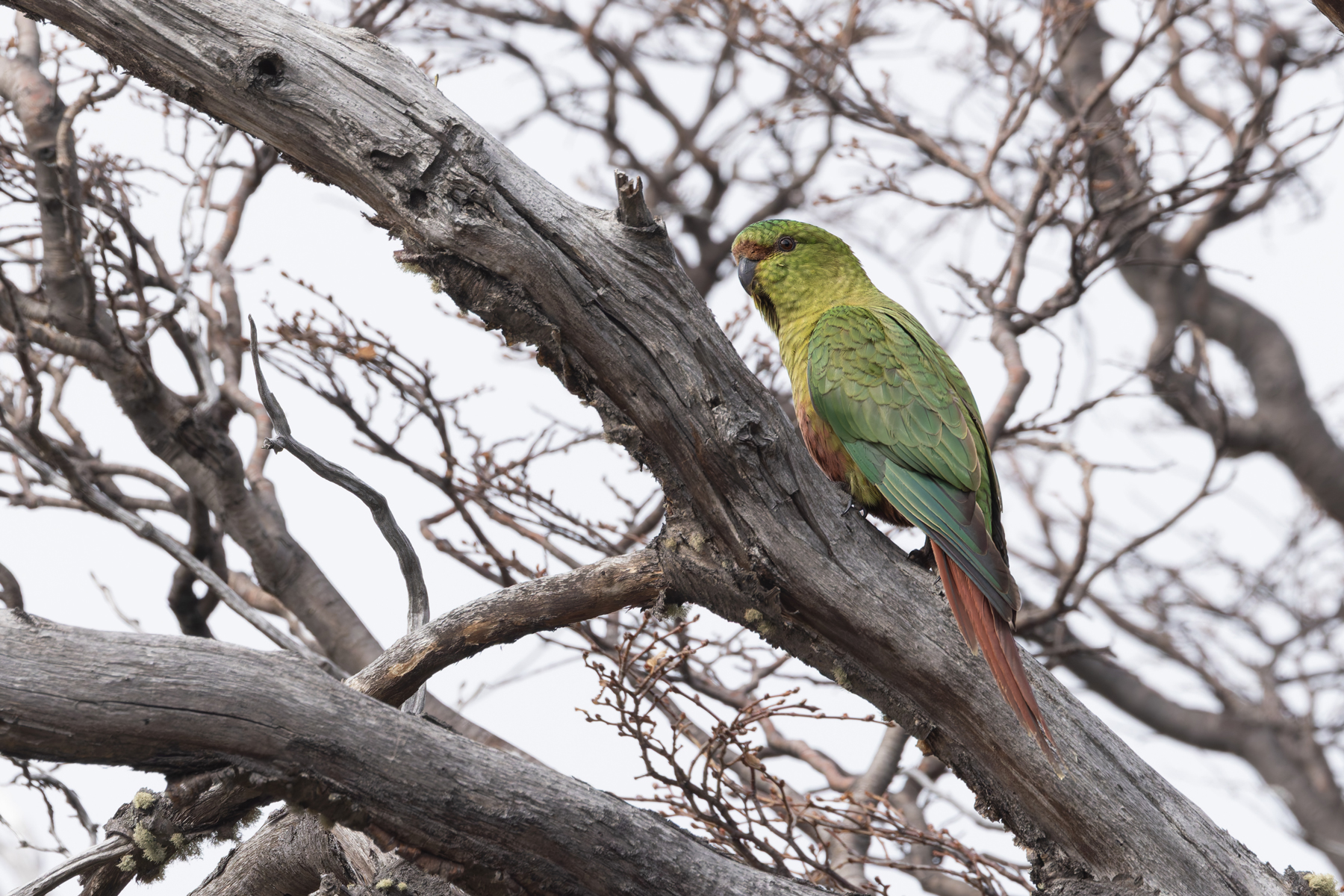
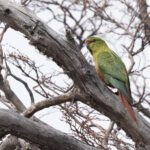
A noisy Austral Parakeet pauses for a photo, they are usually ‘on their way somewhere’ (image by Mike Watson)
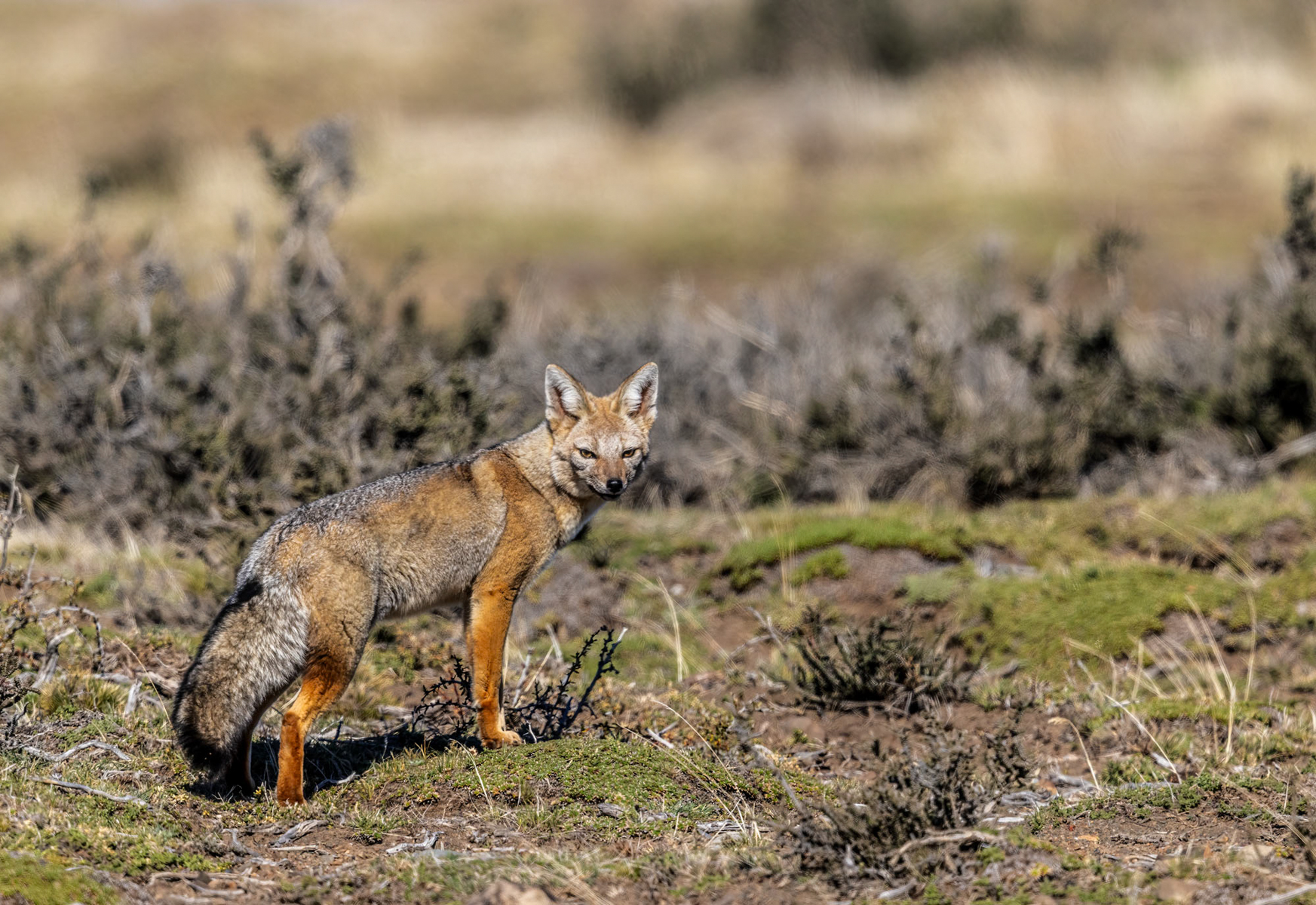
South American Gray Fox (image by Wild Images guest Stuart Hahn)
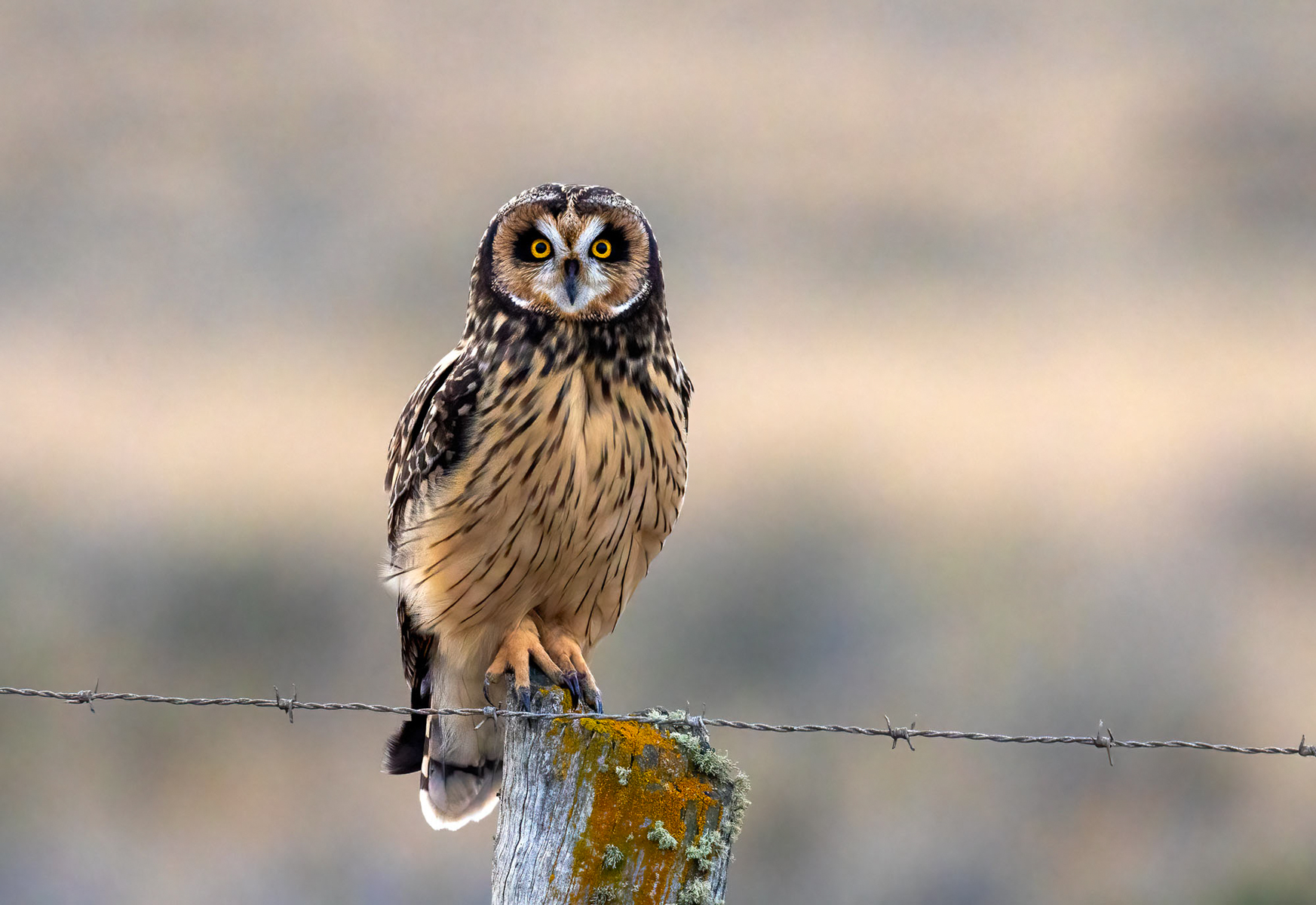
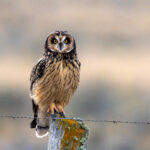
The icy stare of a Short-eared Owl (image by Wild Images guest Stuart Hahn)
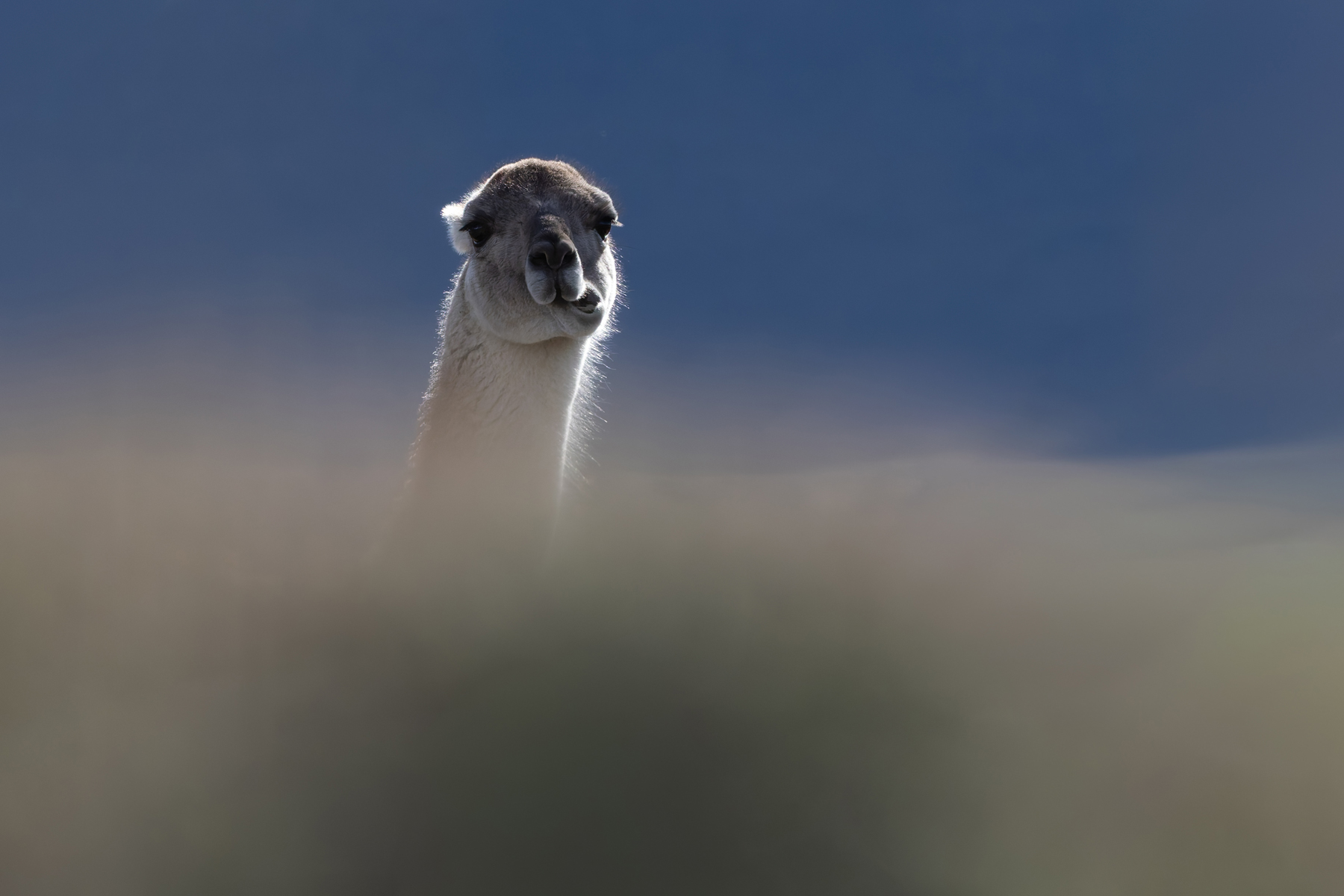
Guanaco, remind us it is a camel in this view (image by Mike Watson)
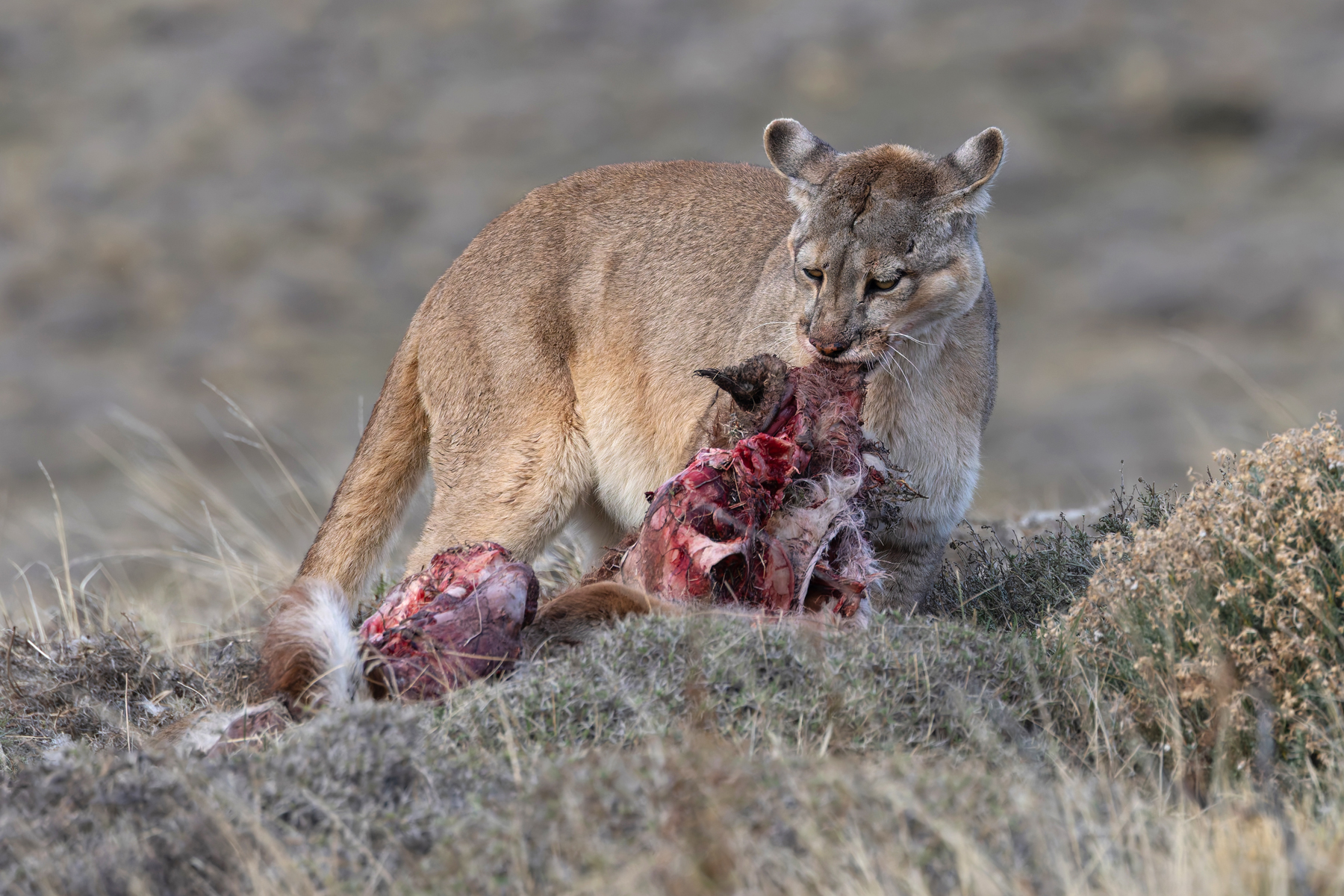
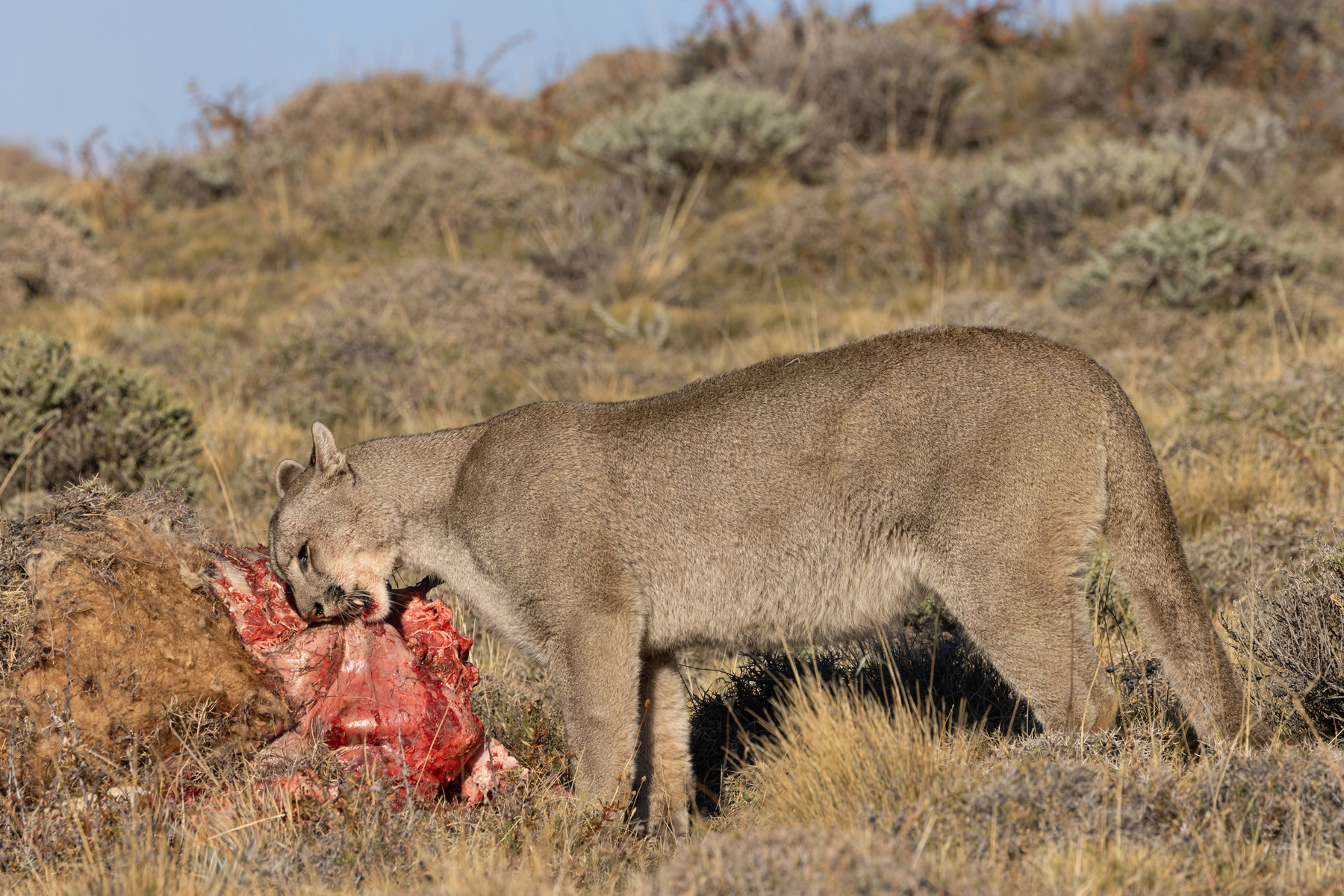
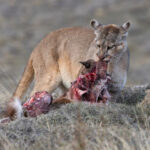
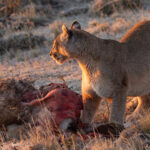
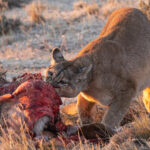
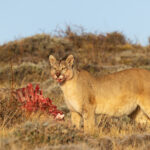
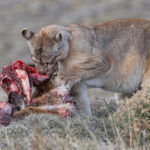
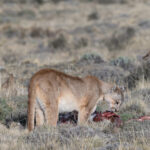
Pumas strip a Guanaco carcass of its flesh down to the bones (image by Mike Watson)
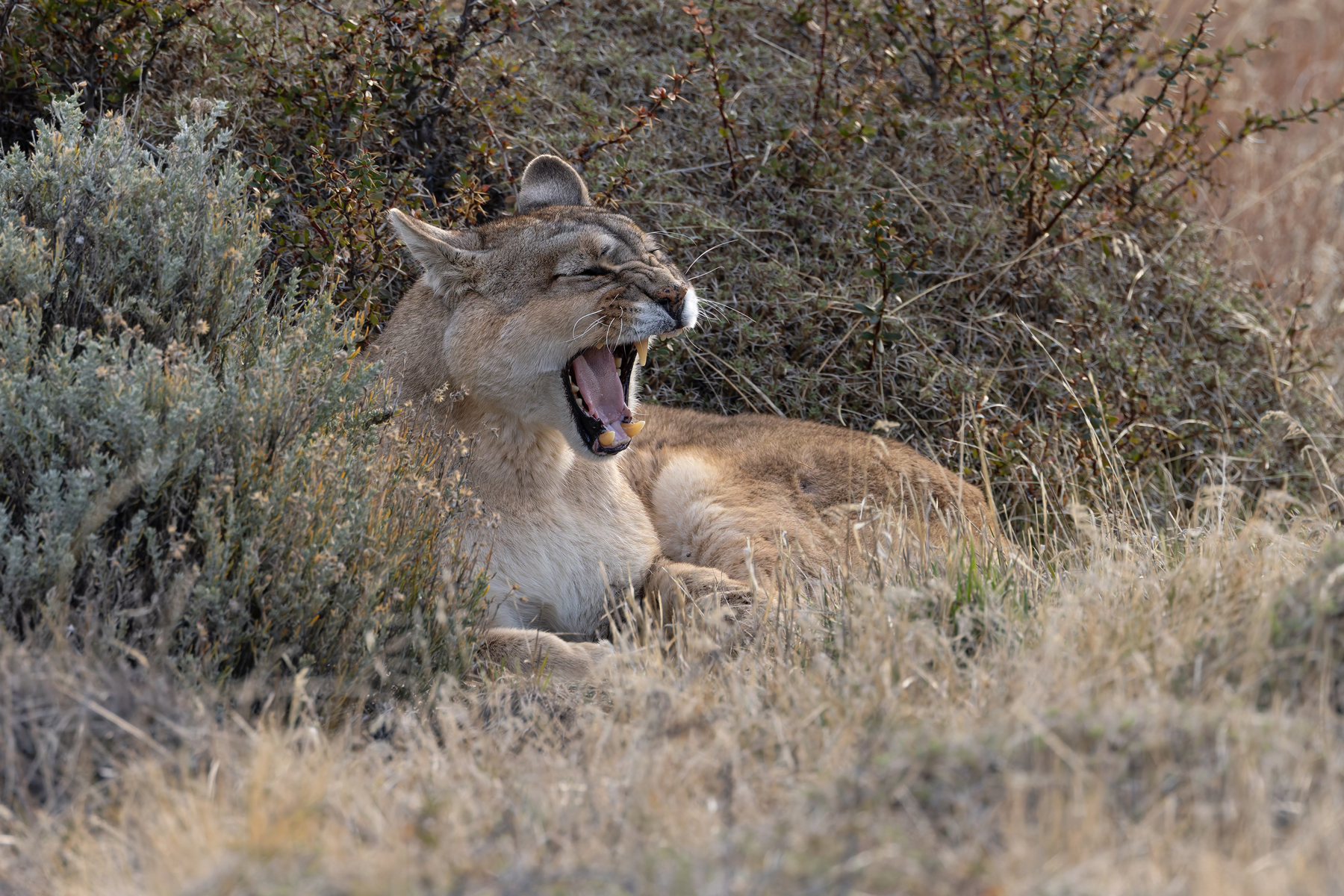
Rupestre is around eight years old now and has lost her upper left canine tooth (image by Mike Watson)

Towers in the mist, a typical view of the Torres del Paine, Torres Central and Norte only (image by Mike Watson)
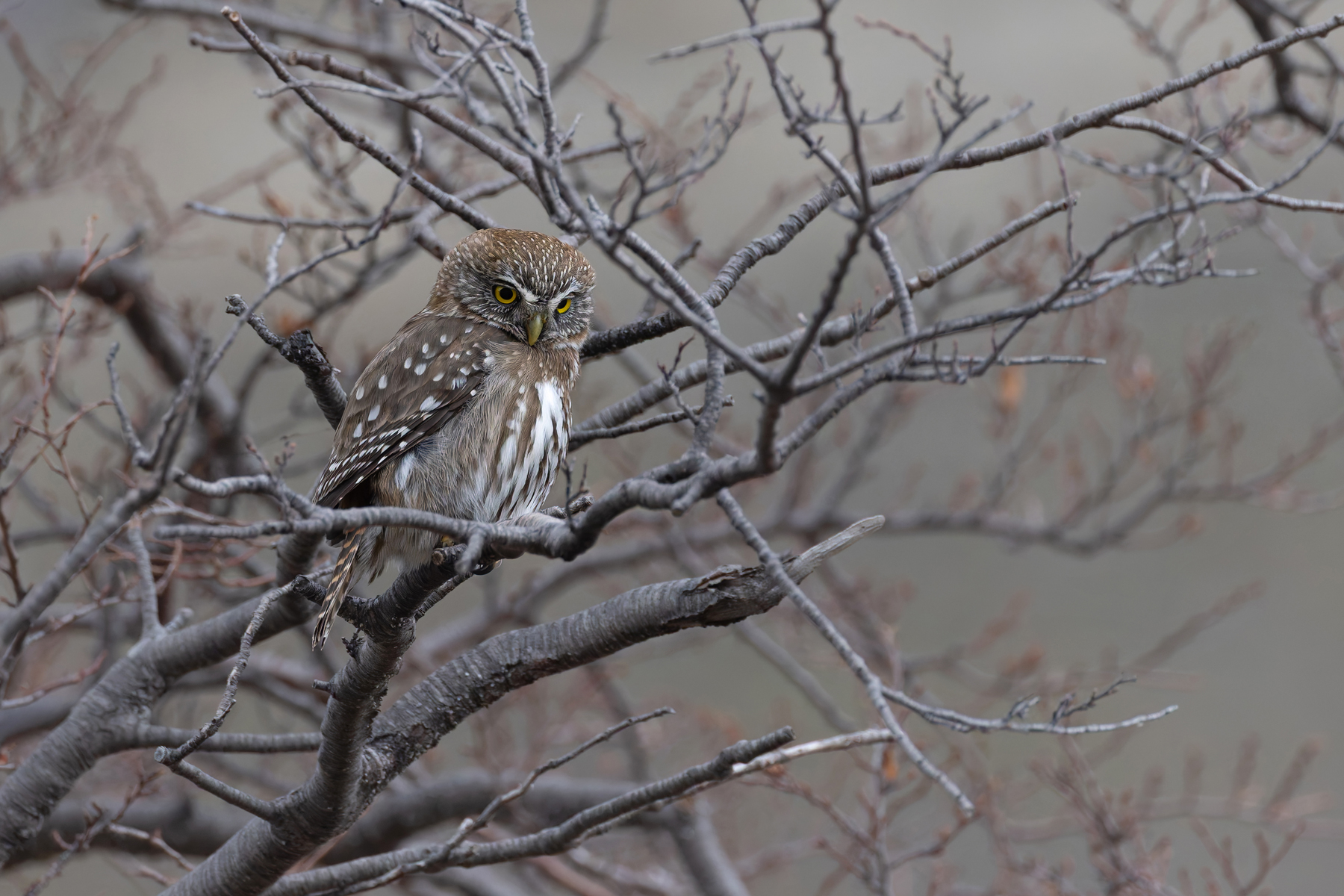
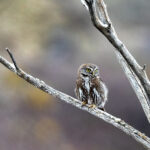
Austral Pygmy Owl is a fearsome predator of the Southern Beech Forests (image by Mike Watson)
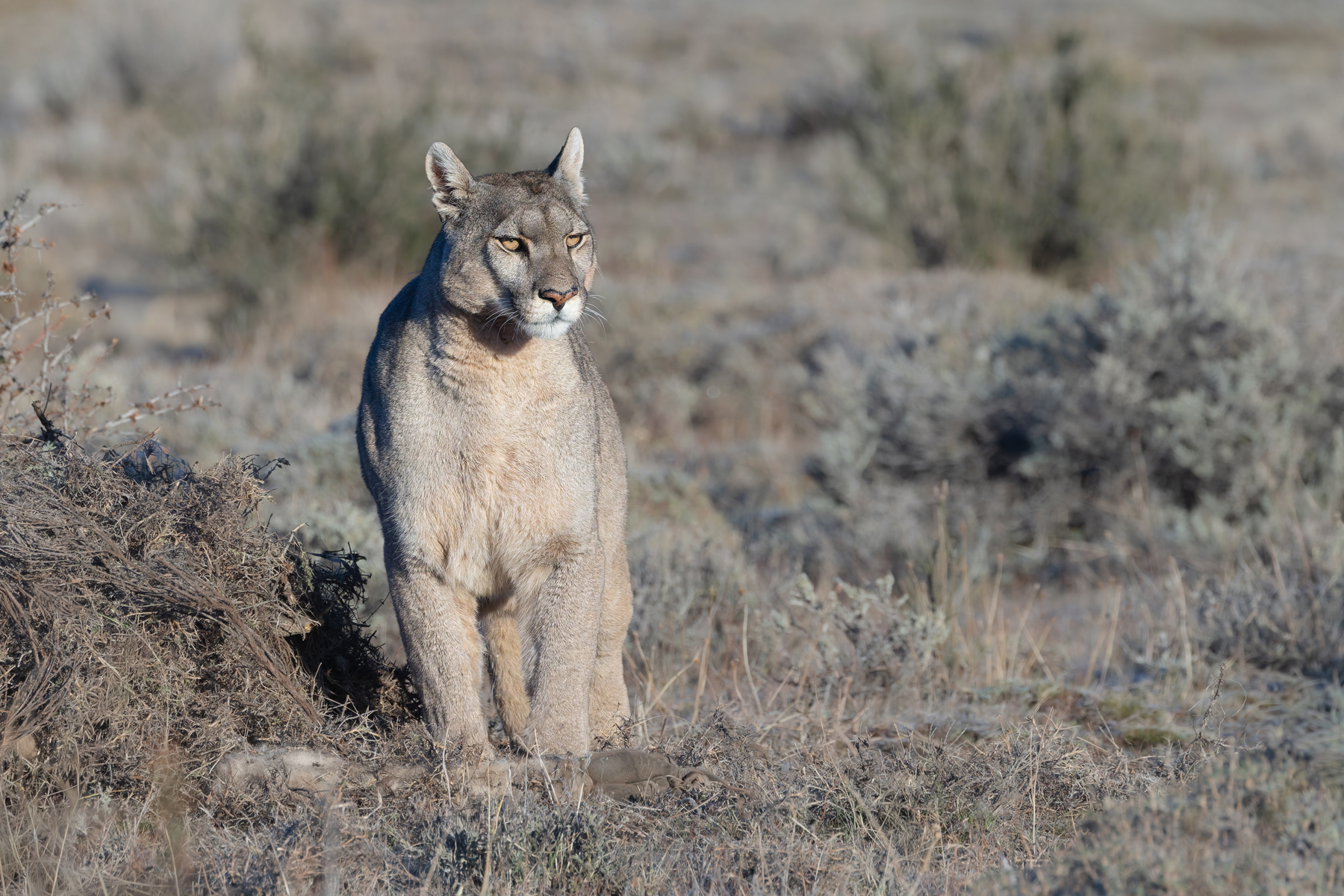
Beautiful Petaka next to her kill! One for the wall? (image by Mike Watson)
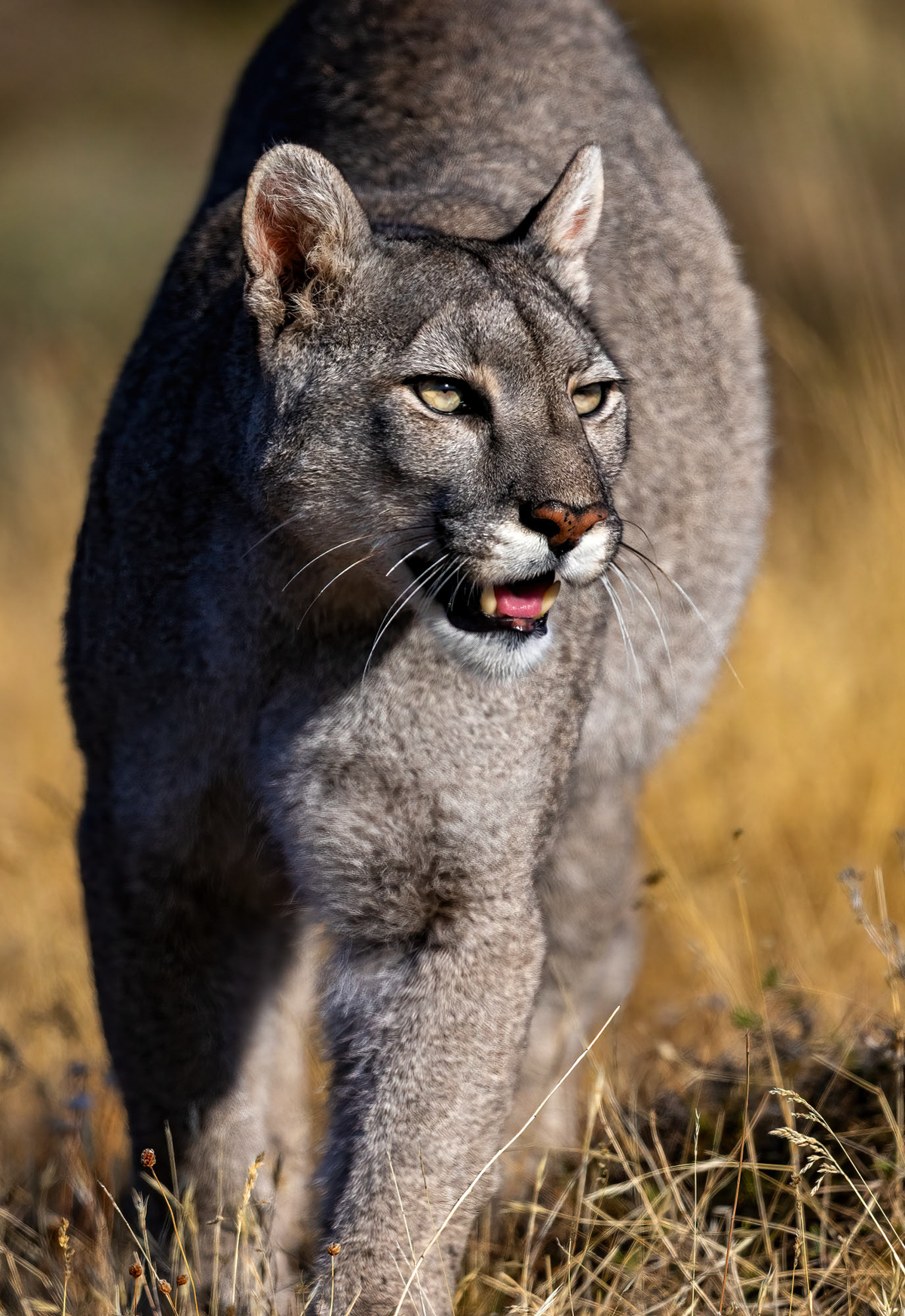
Up close with Pumas (image by Wild Images guest Stuart Hahn)
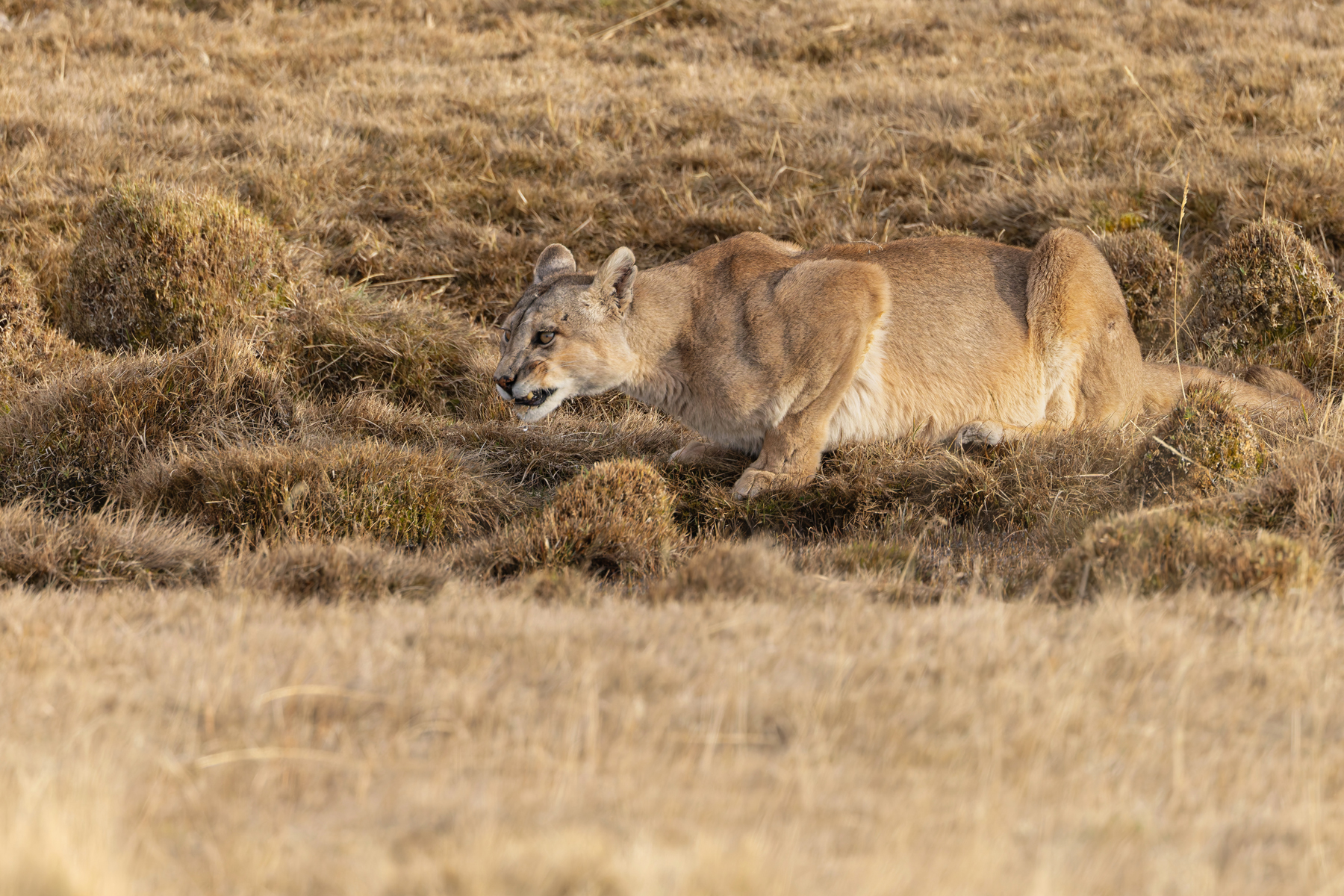
Pumas need to drink a lot after eating so much meat (image by Mike Watson)
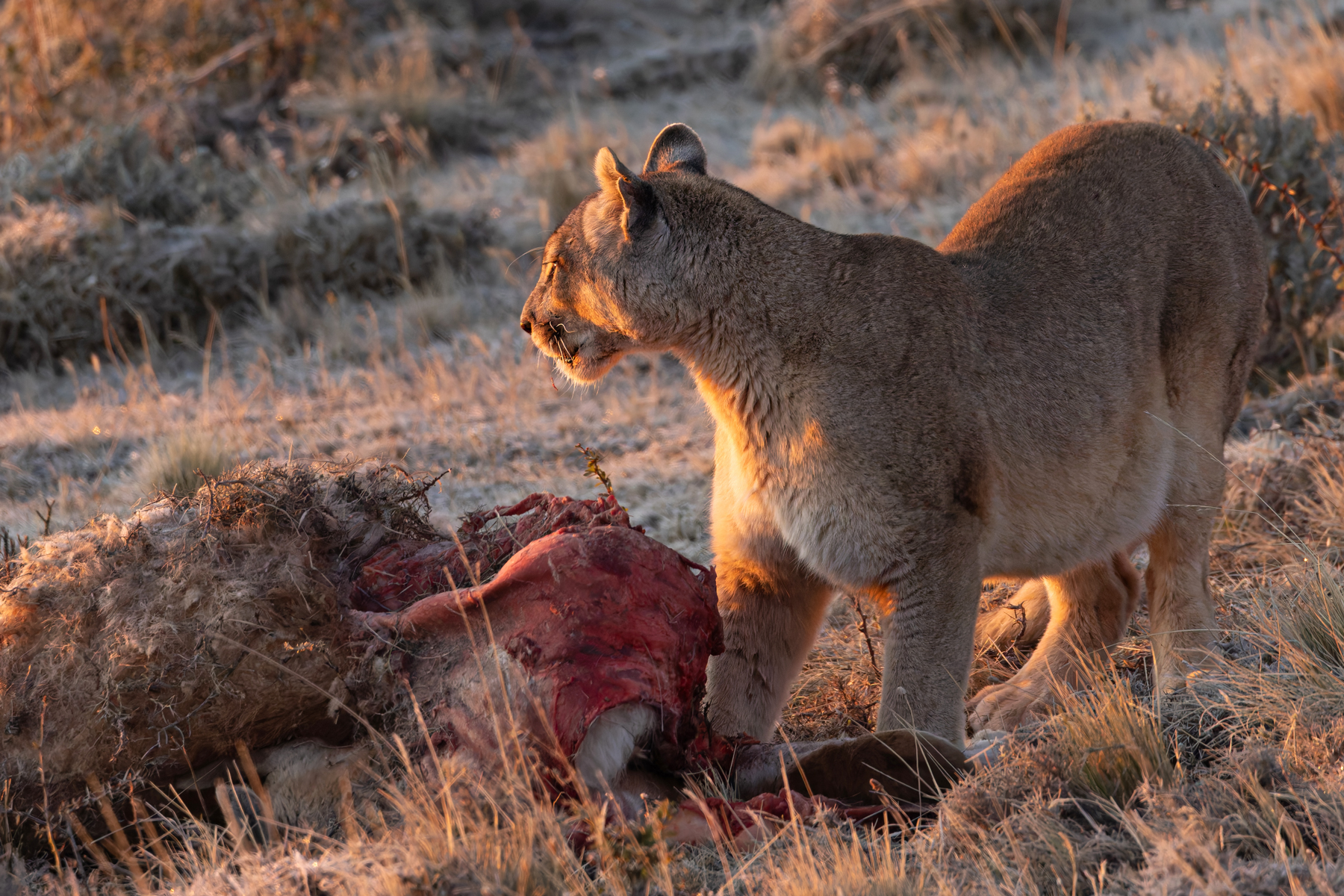
Oh go on, if you must. Generous Rupestre is happy for Escarcha to join her at her kill, we weren’t expecting this behaviour from a big cat but they probably already co-operated at the kill on day 1 of our Puma tracking? (image by Mike Watson)
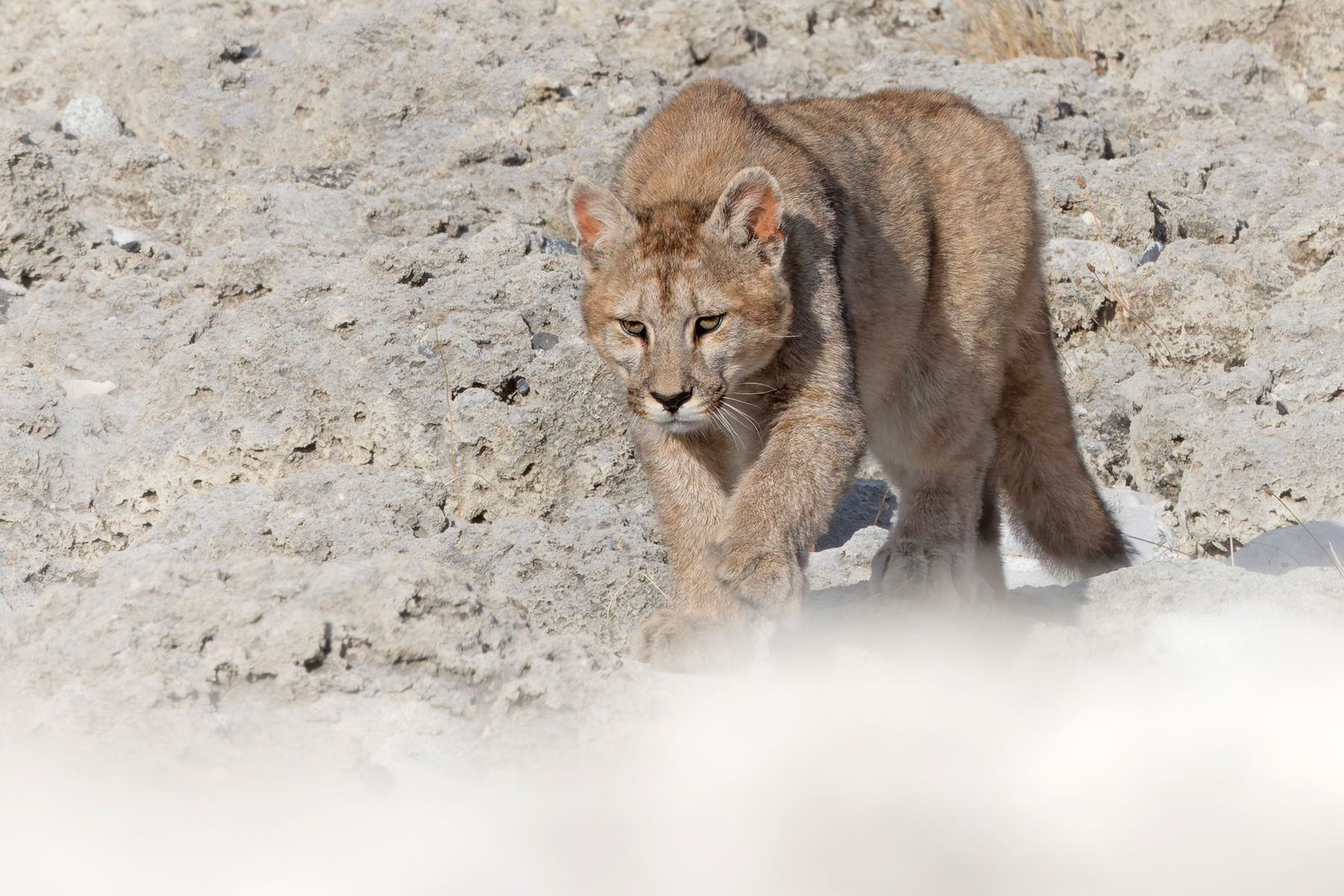
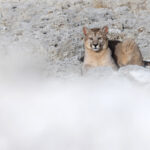
Future boss? Feisty little Granizo (‘Hail’) in the stromatolites (image by Mike Watson)
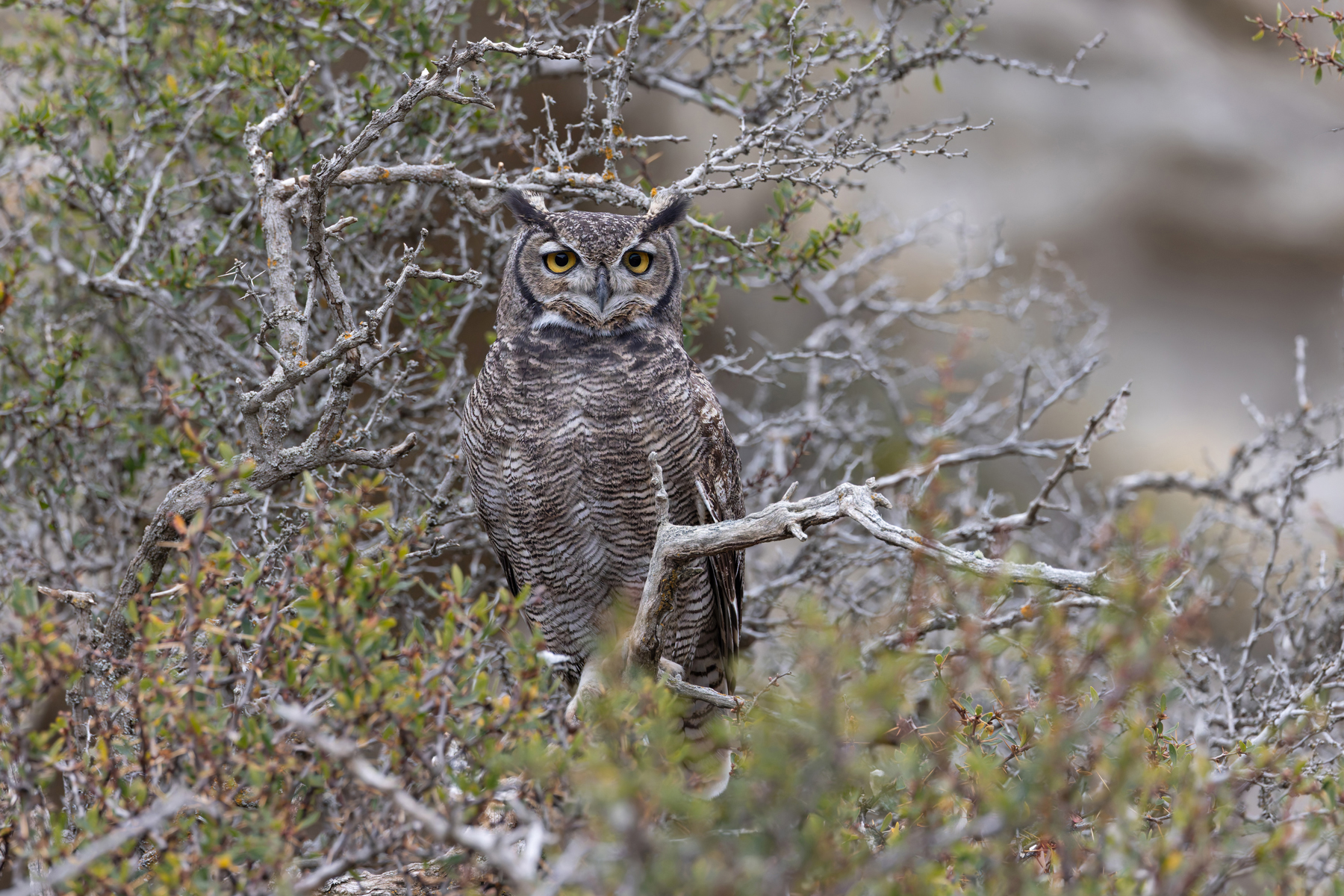
The Lesser (or Magellanic) Horned Owl, which obliged so well for our group (image by Mike Watson)
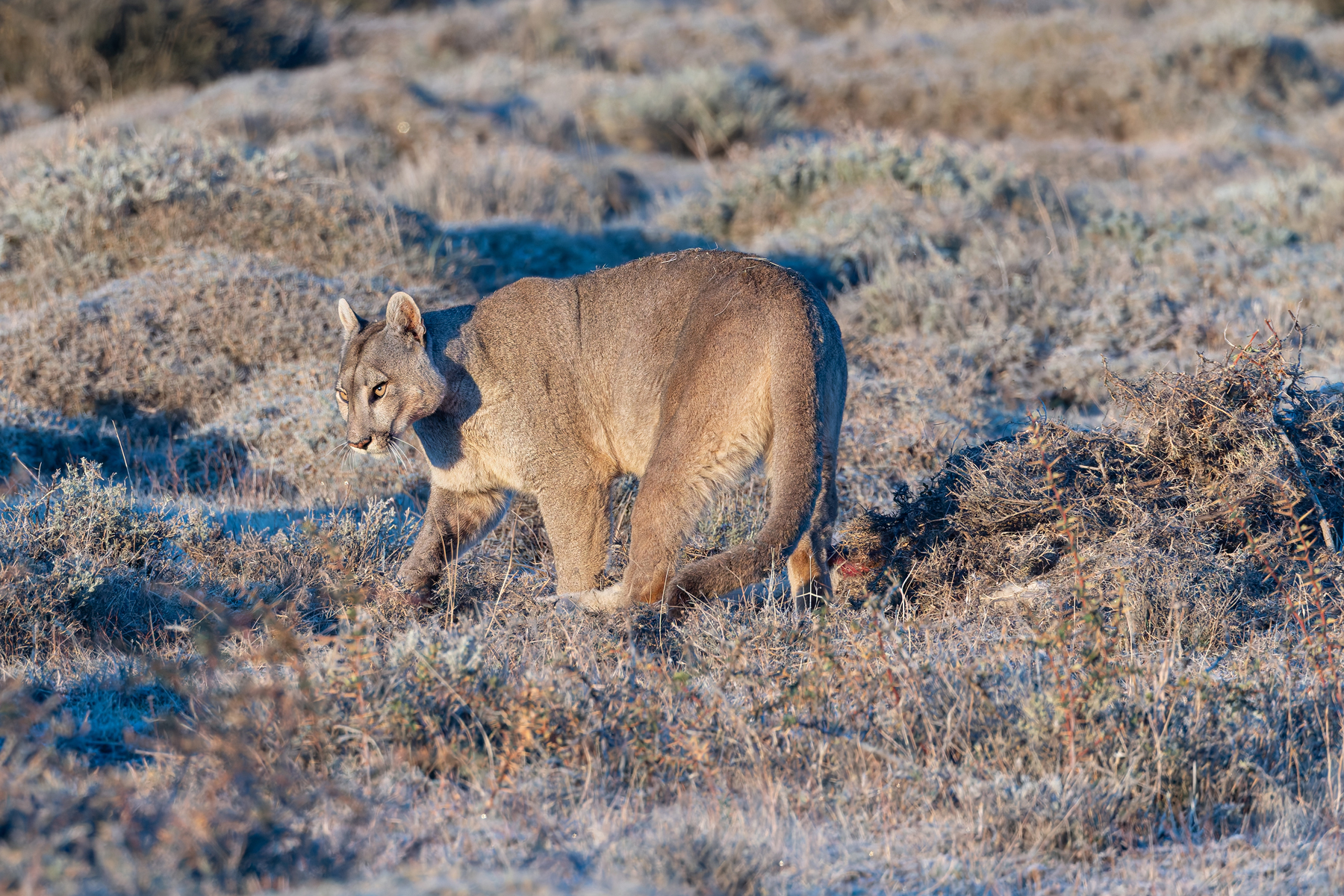
Pumas are visibly anxious when covering kills, presumably keen to get the job done quickly (image by Mike Watson)
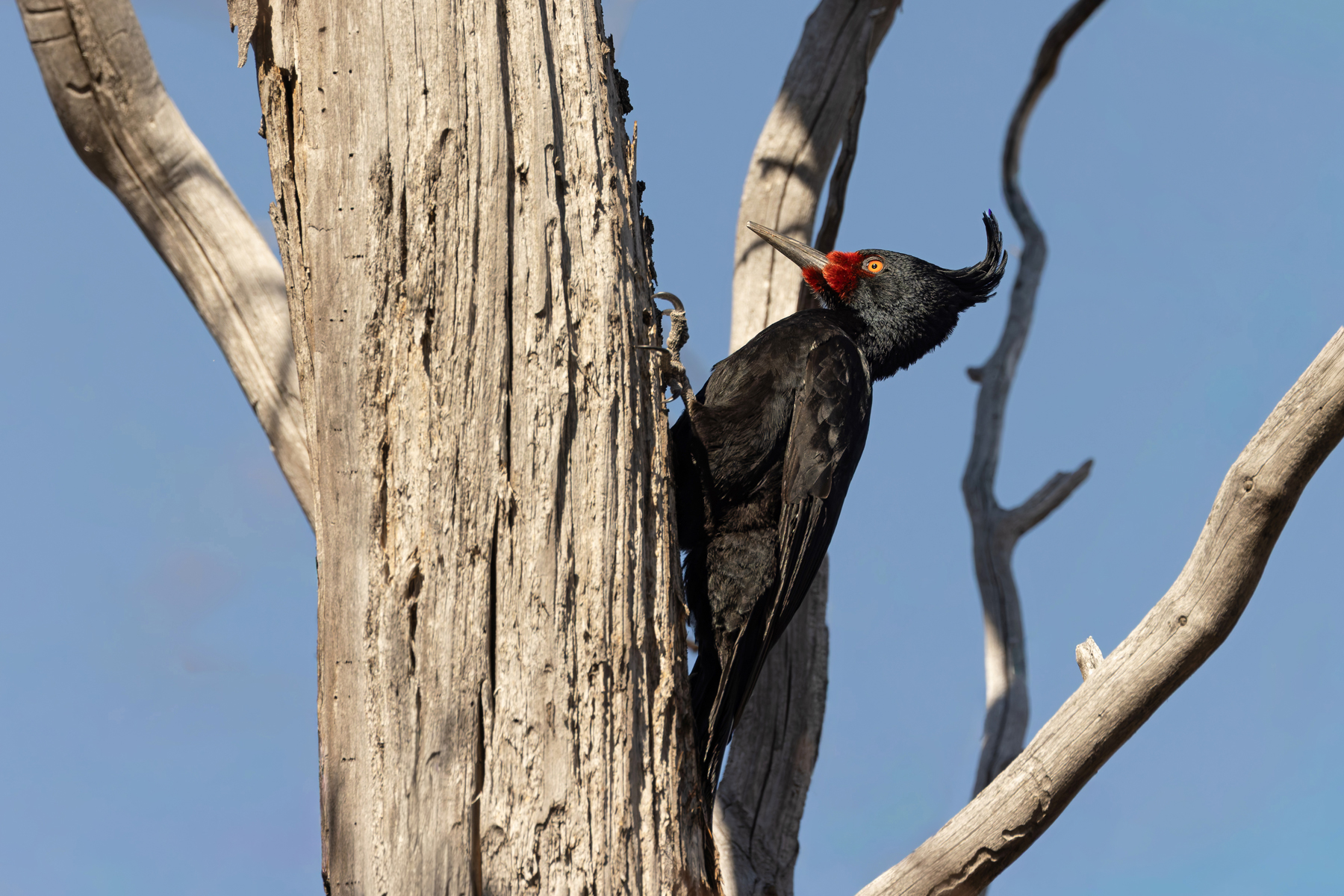
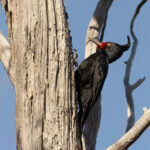
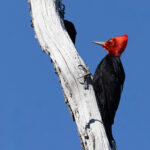
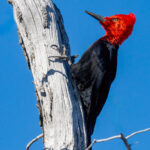
Magellanic Woodpecker, female – the largest extant woodpecker of the Americas (image by Mike Watson)
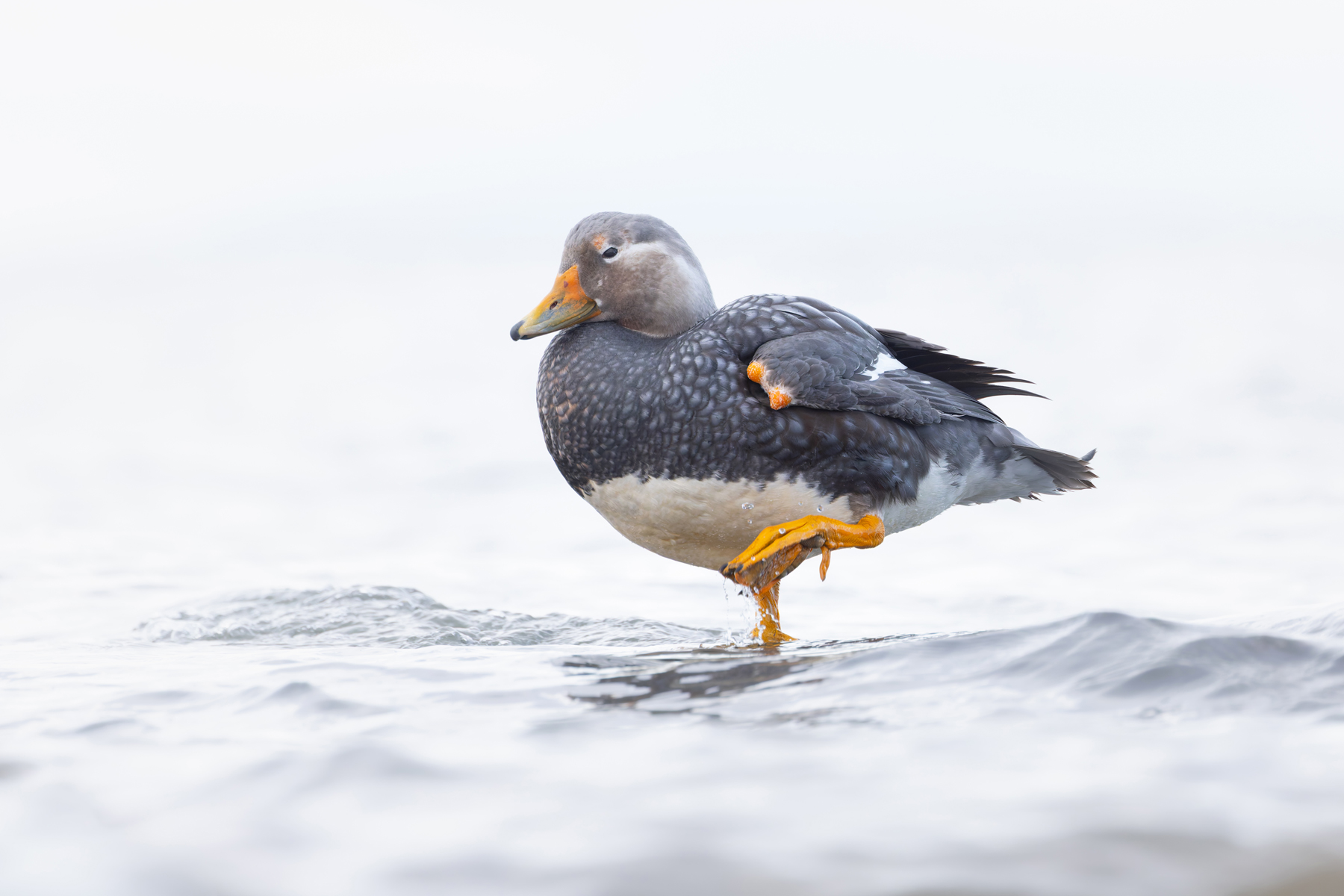
The rather ungainly Flying Steamer Duck looks like old duck technology! (image by Mike Watson)
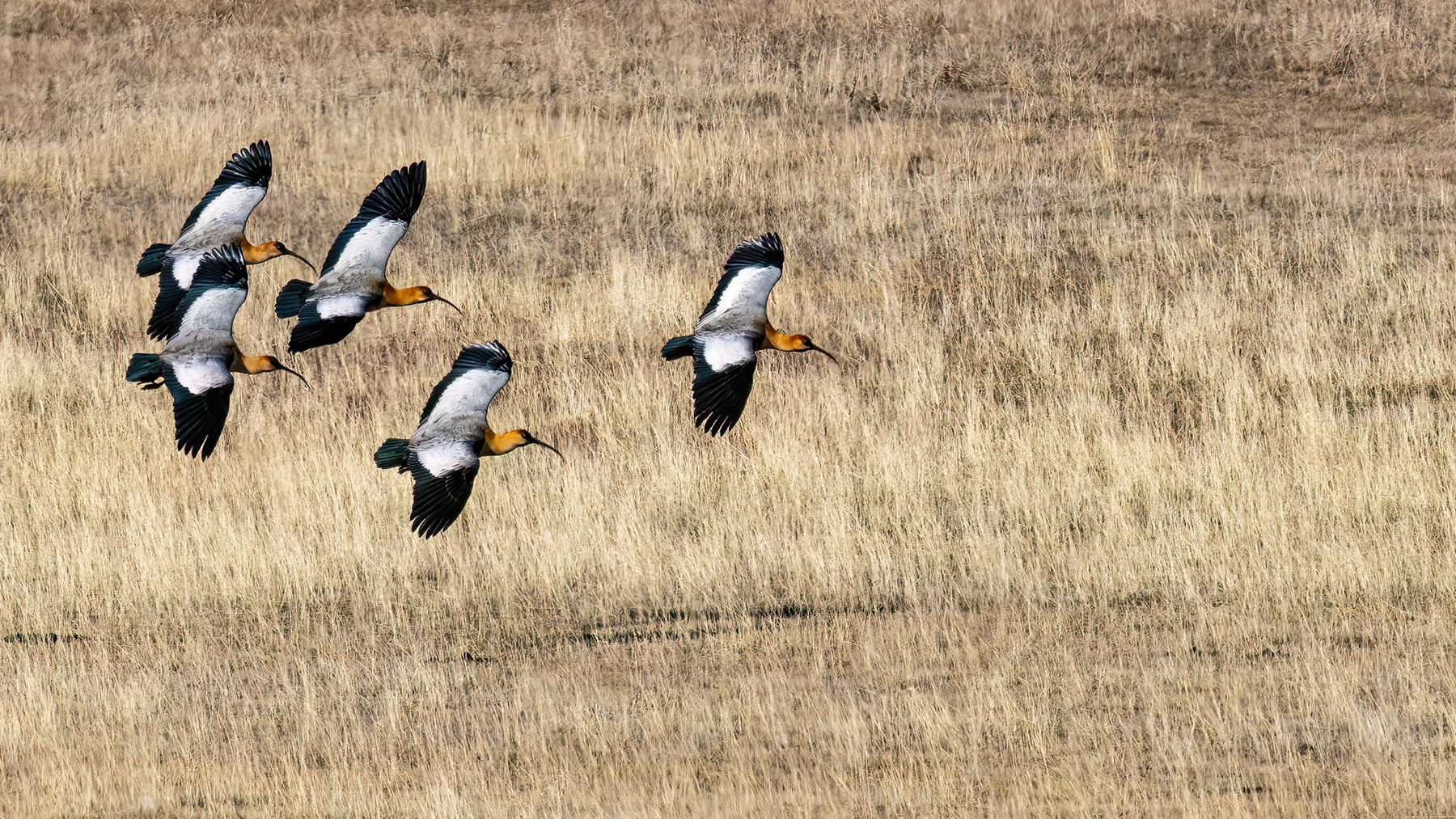
A flock of Black-necked Ibises come to land (image by Wild Images guest Stuart Hahn)
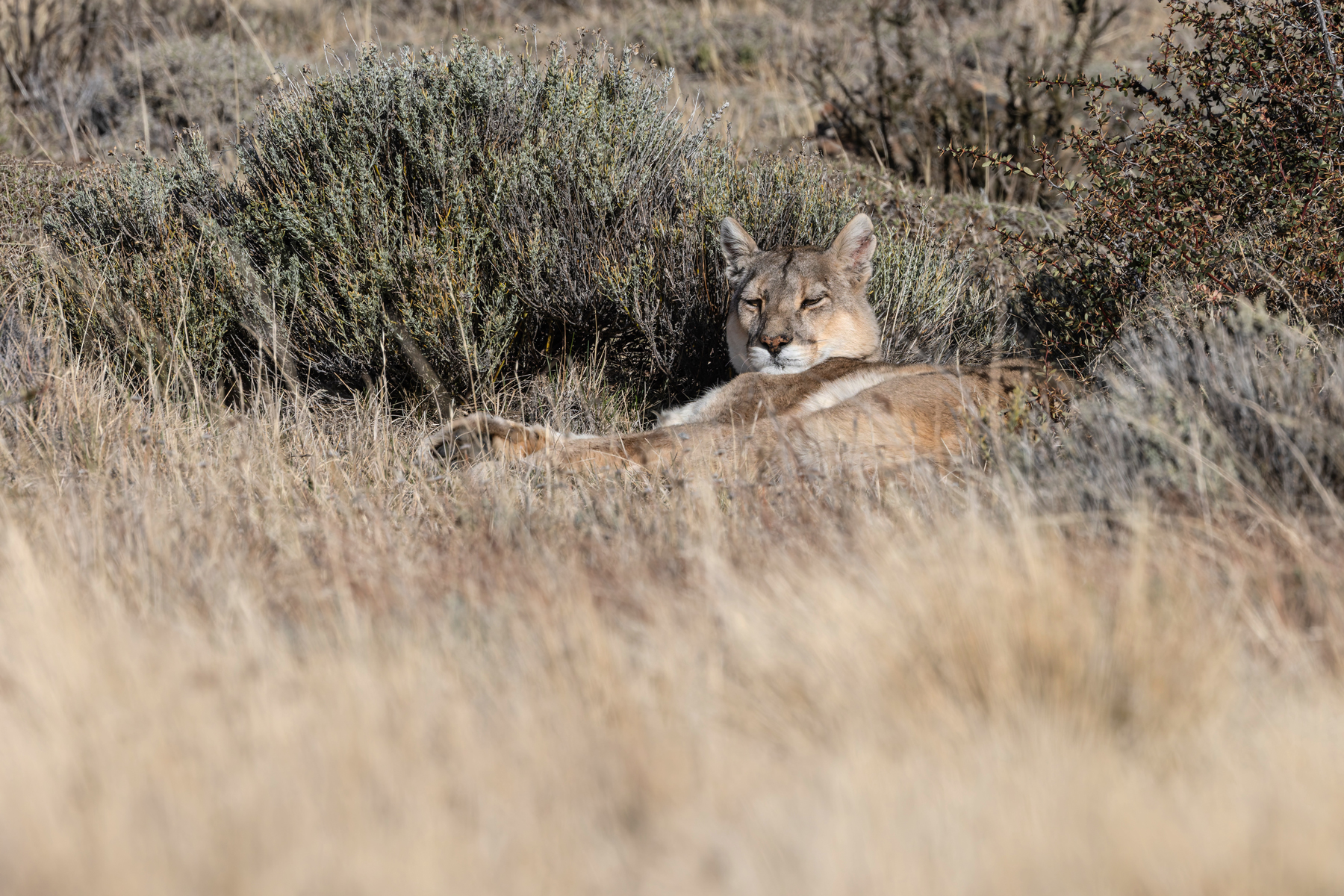
After a day of rain, Rupestre enjoys some afternoon sunshine (image by Mike Watson)
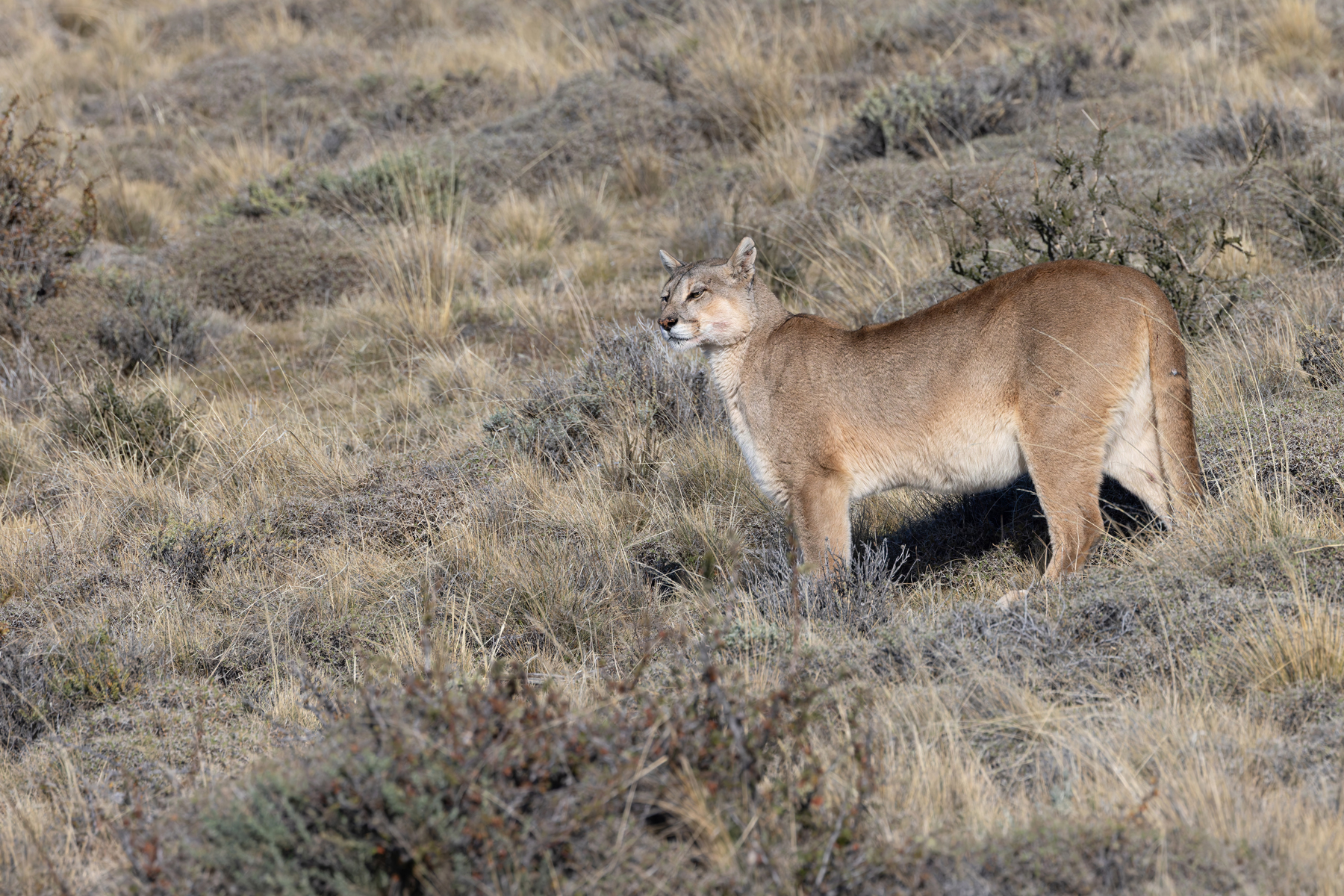
Rupestre is the queen of her dynasty, she has several strong daughters who are continuing her line (image by Mike Watson)
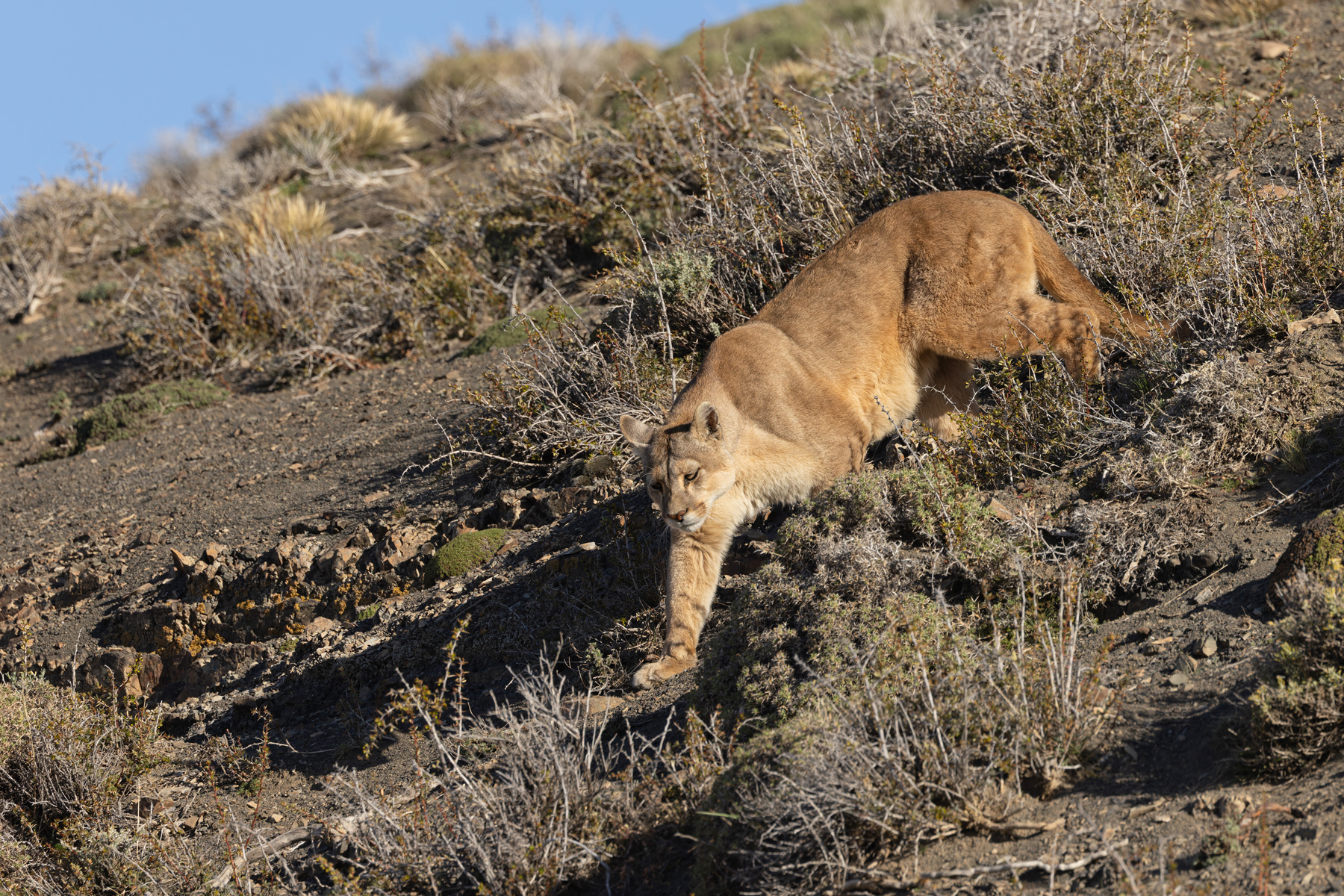
Danya is part of Rupestre’s ginger dynasty, in fat her sister is called Ginger (image by Mike Watson)
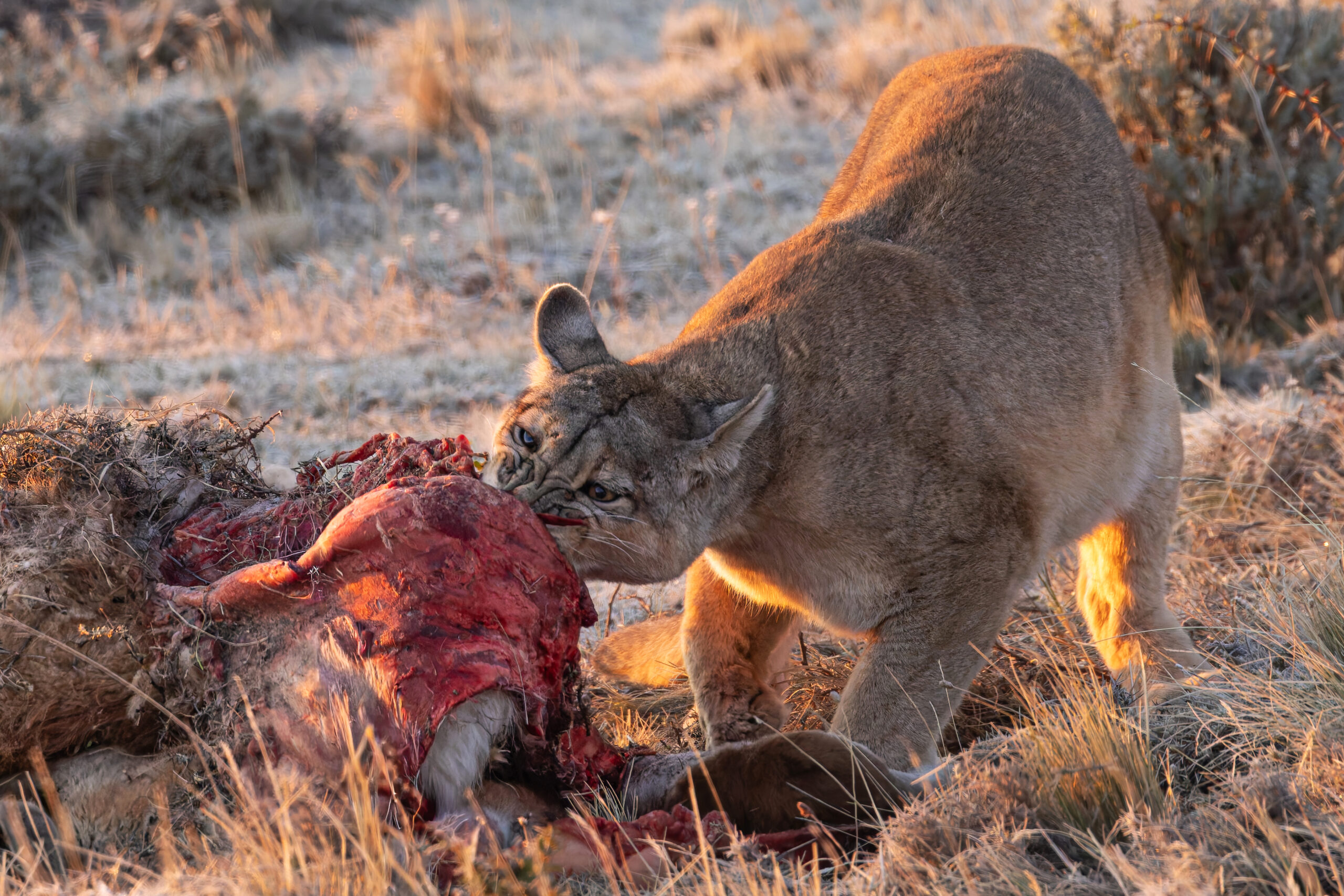
Rupestre gets stuck in, she may have been around the block but she is still a big powerful cat (image by Mike Watson)
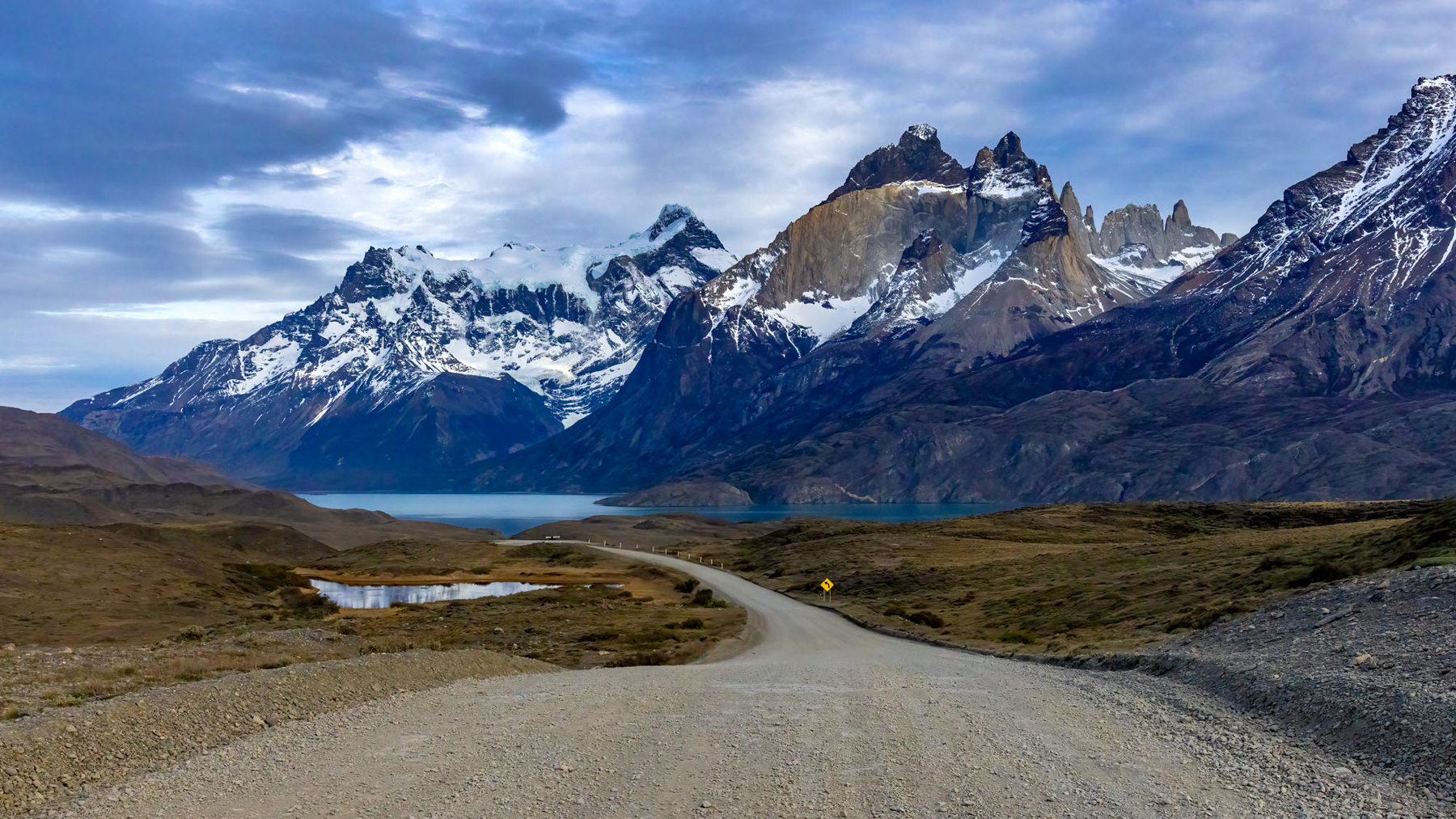
The road to mountain heaven (image by Wild Images guest Stuart Hahn)
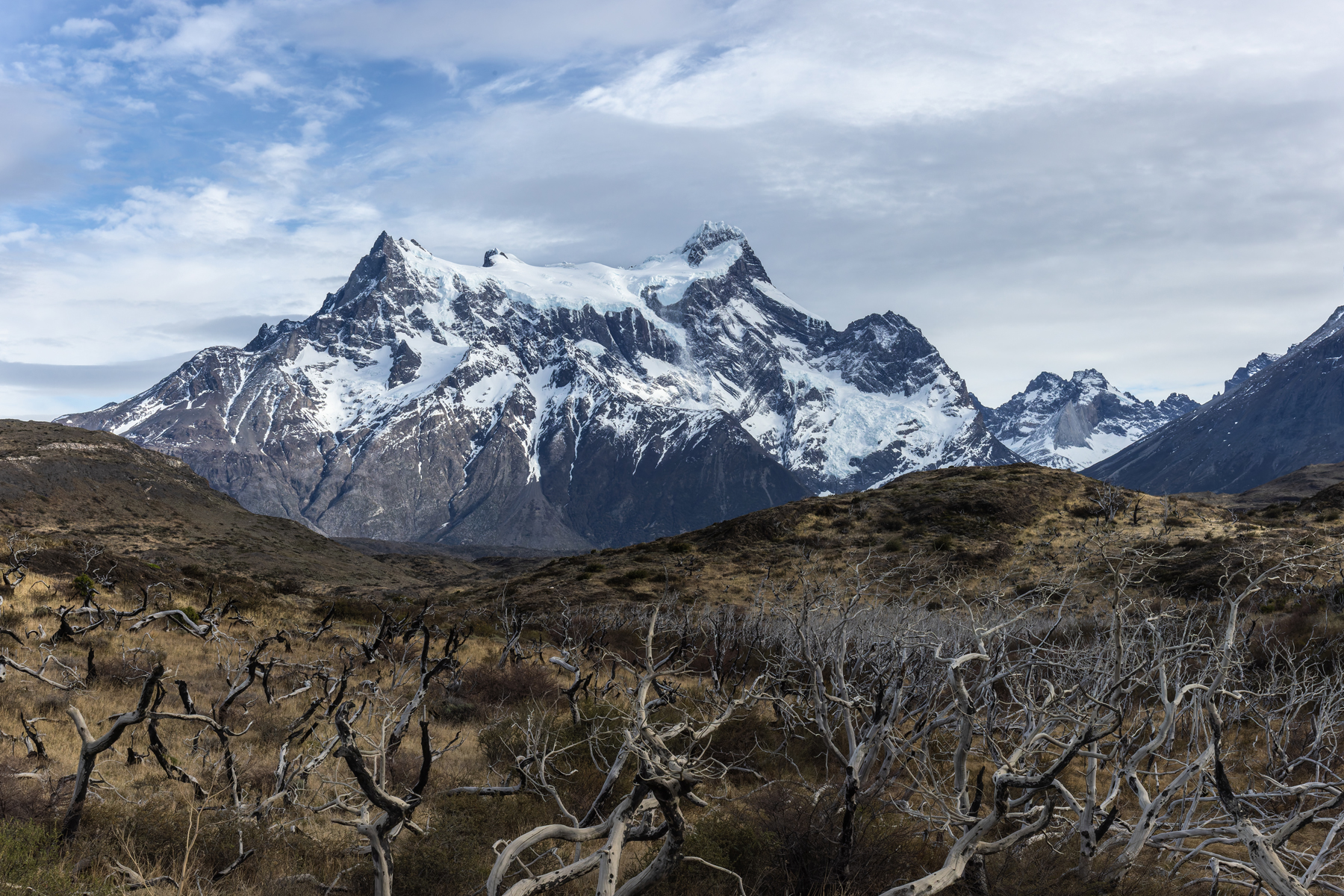
Paine Grande, you can just about see the site of the avalanche (image by Mike Watson)
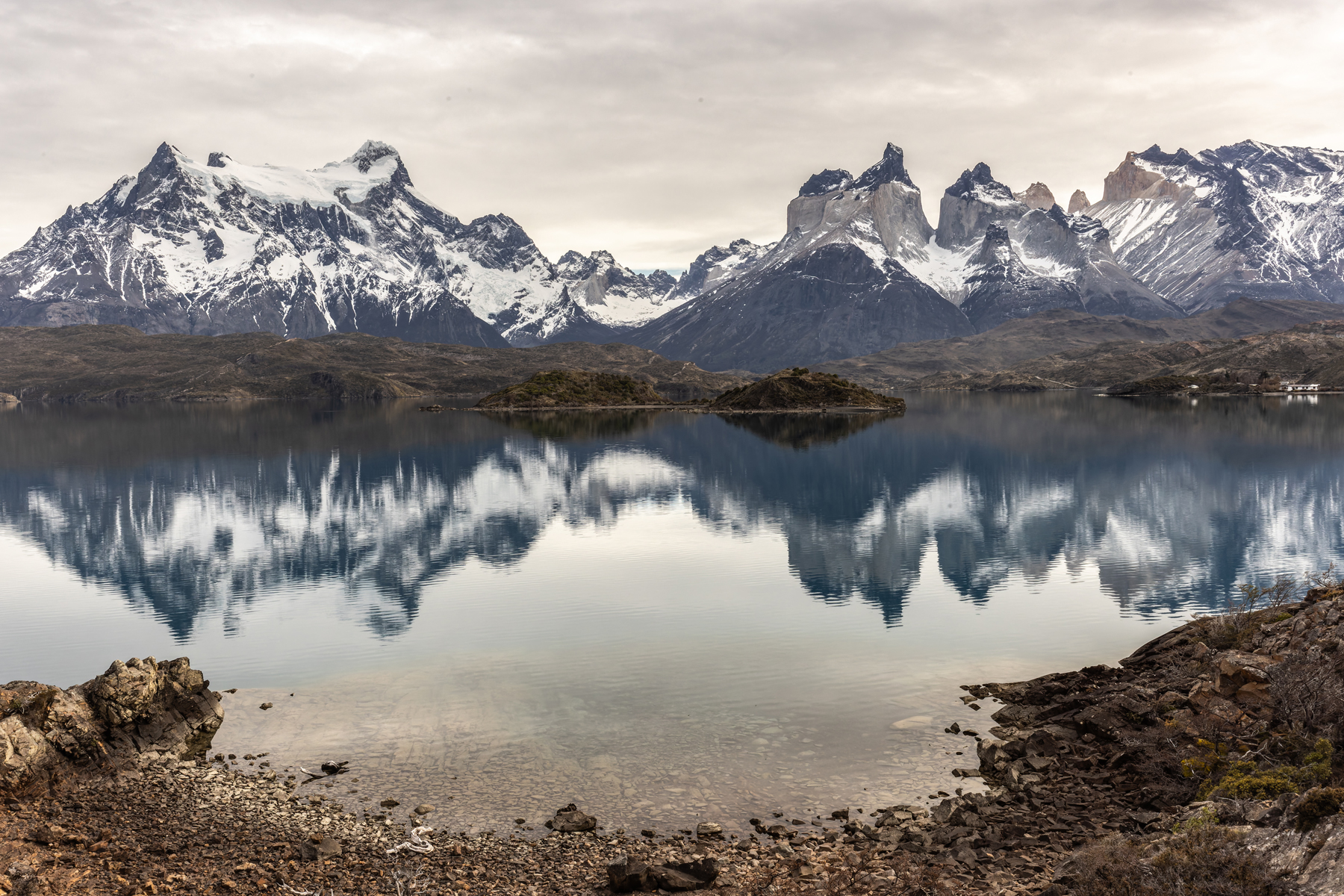
The western end of the Paine Massif is just as spectacular as the eastern end with its towers (image by Mike Watson)
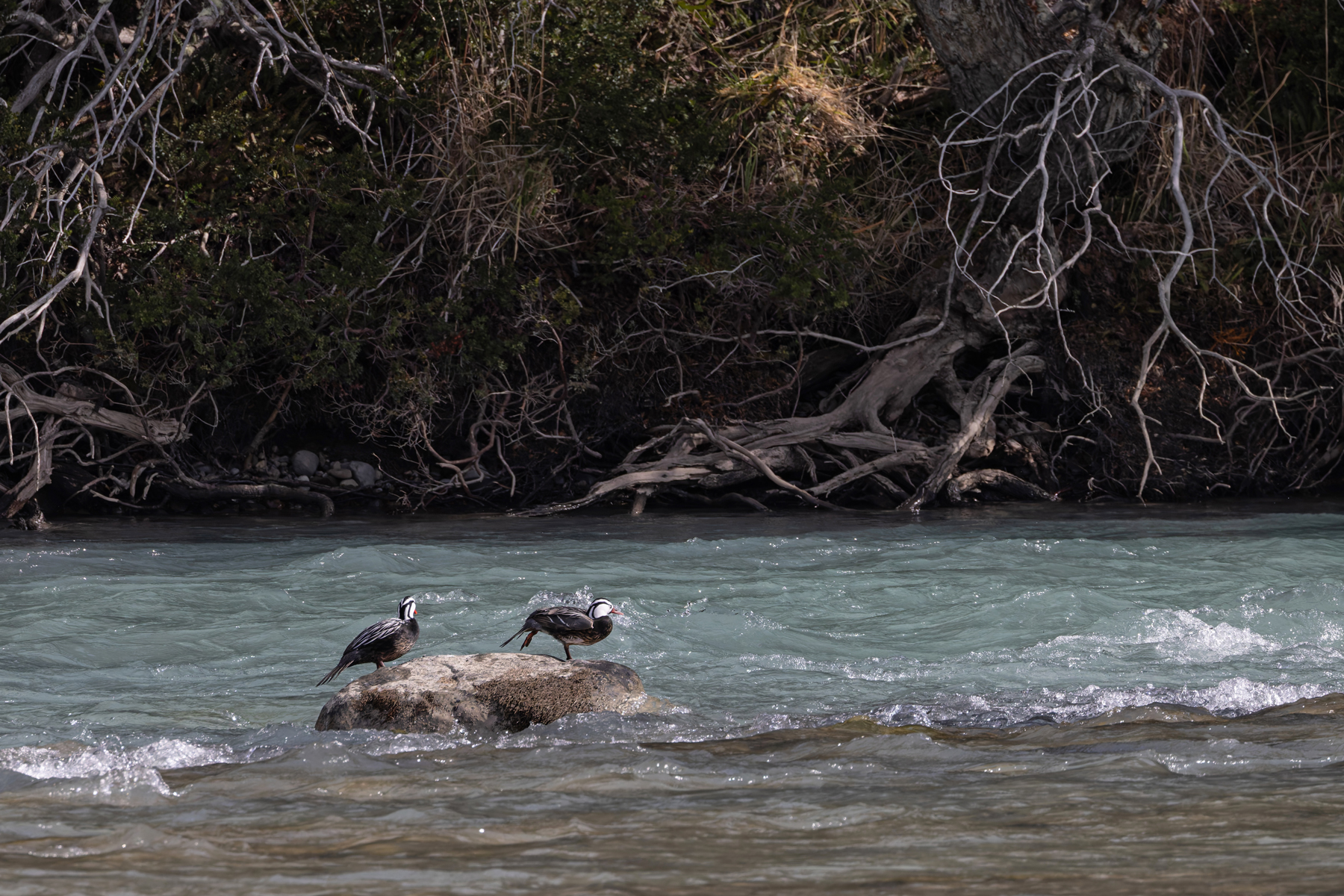
Torrent Ducks inhabit fast-slowing rivers in the Andes (image by Mike Watson)
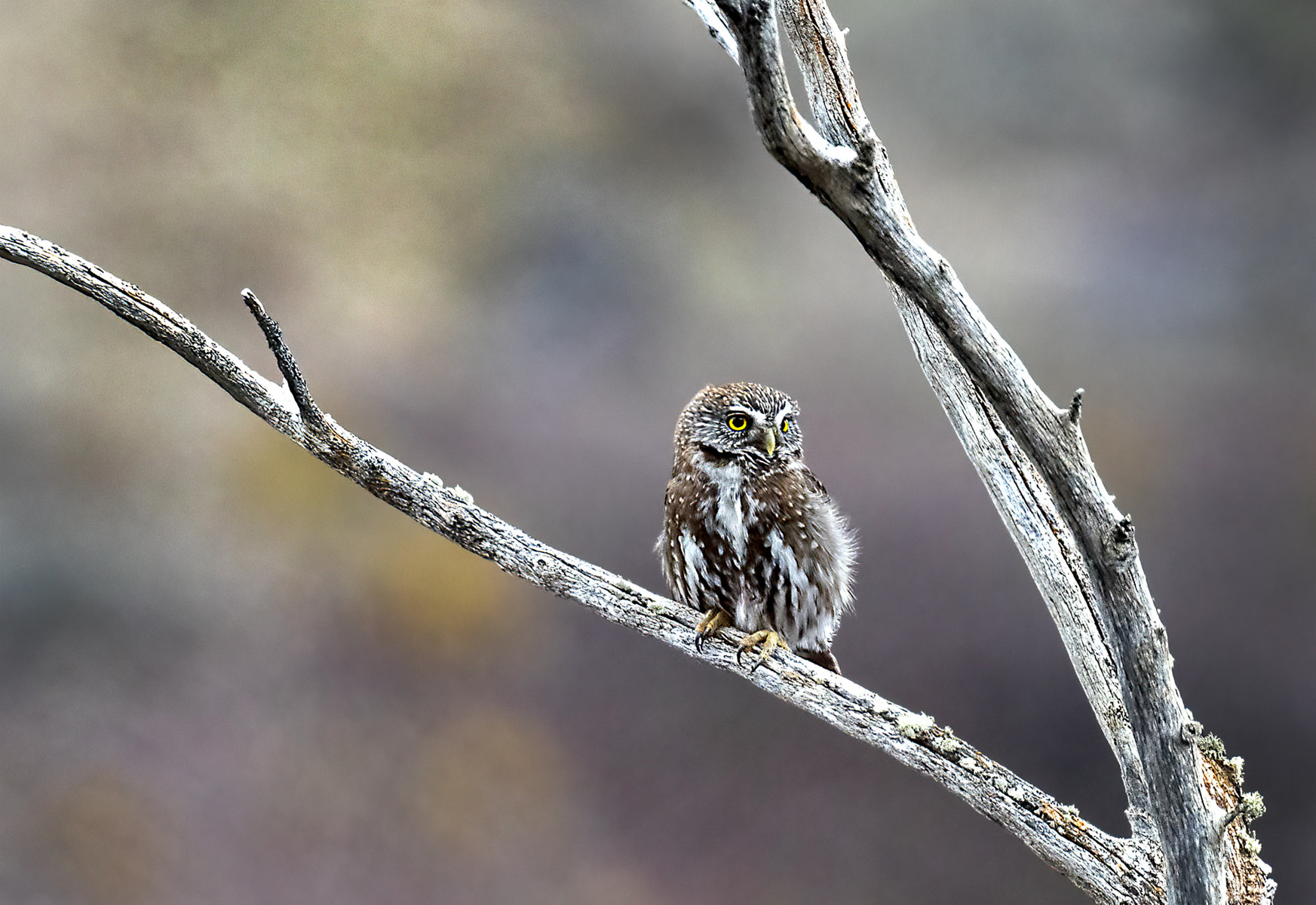
Austral Pygmy Owl (image by Wild Images guest Stuart Hahn)
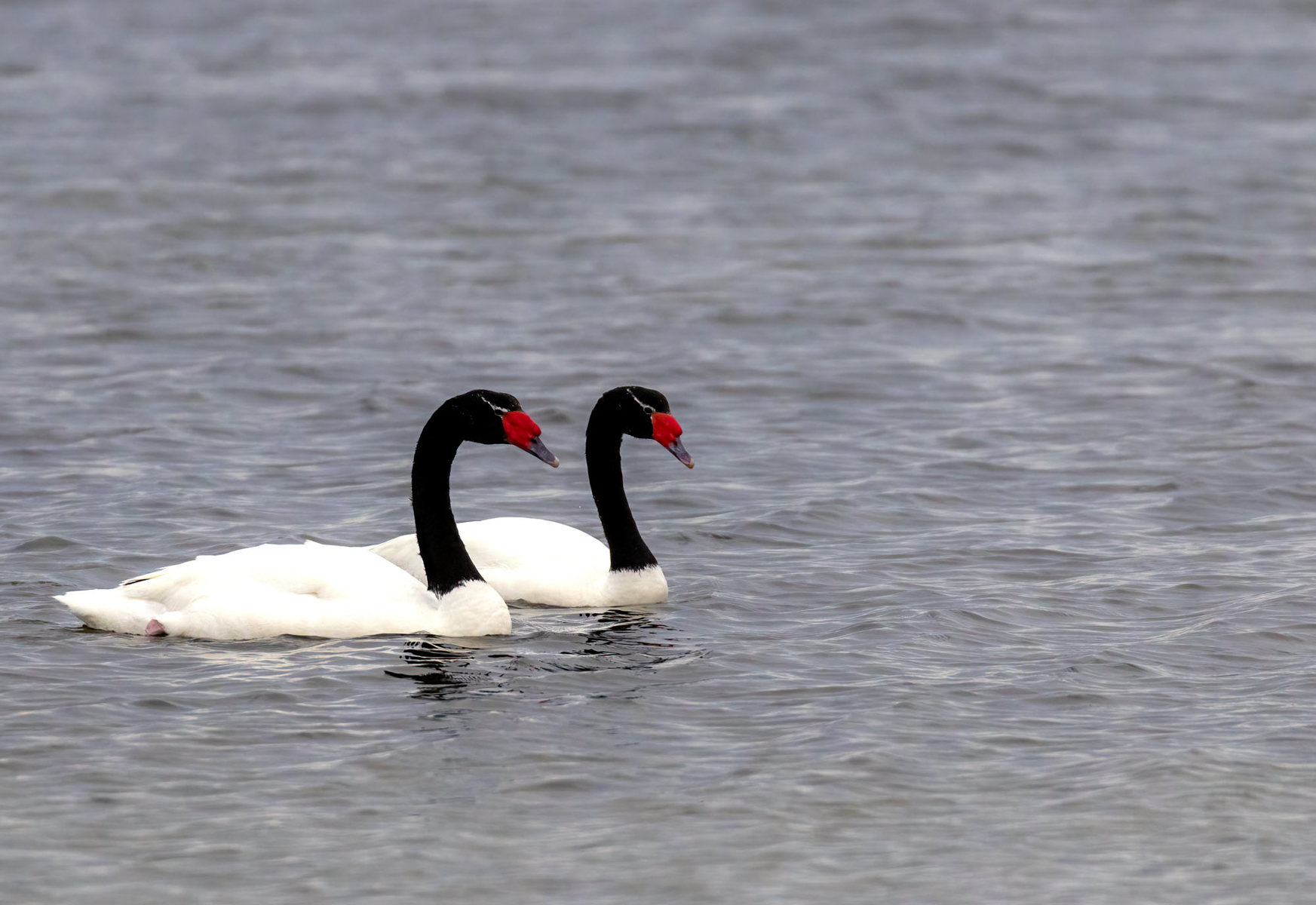
Black-necked Swan pair (image by Wild Images guest Stuart Hahn)
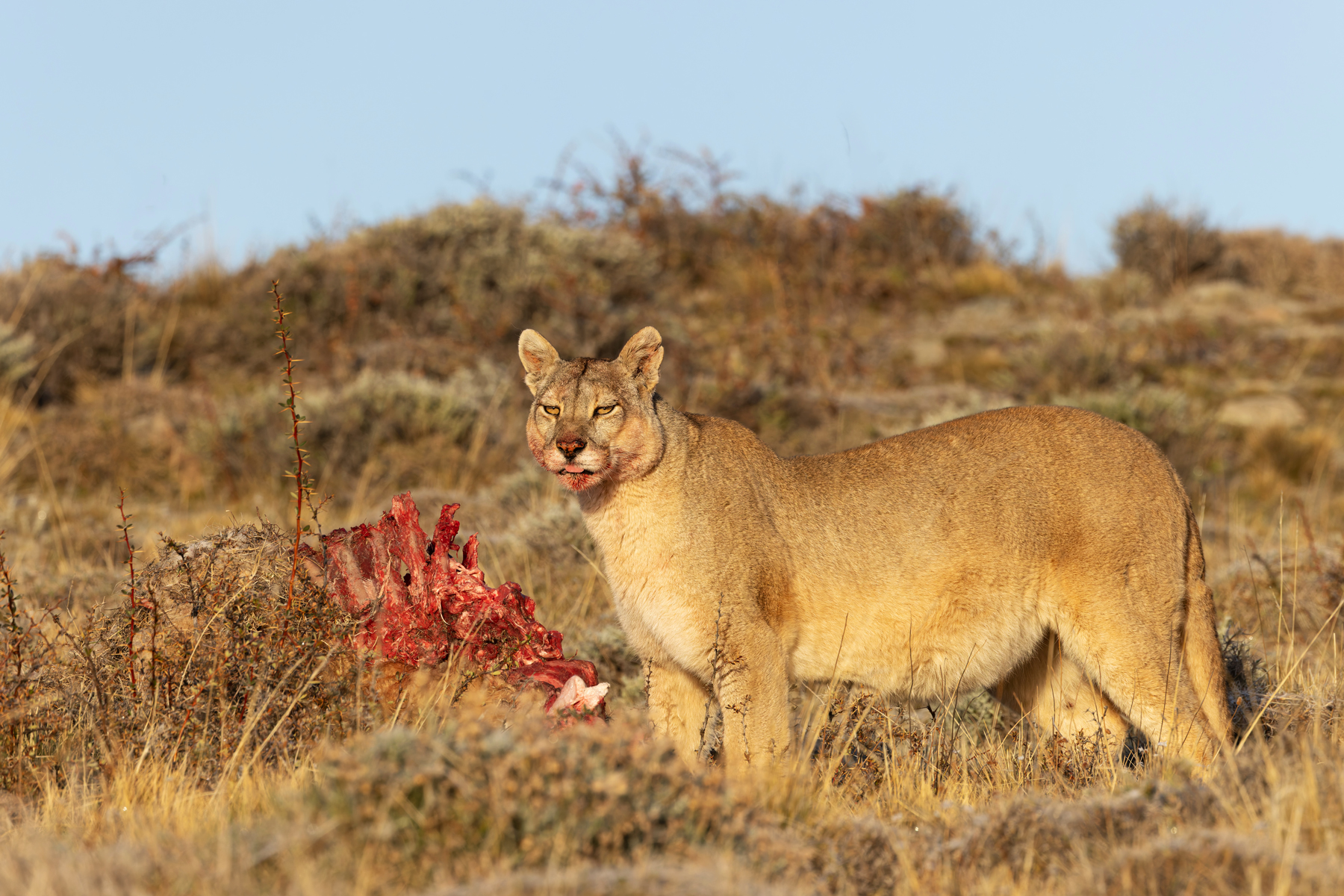
Rupestre, full fit to burst. She is still doing very well, that is two kills in one week (image by Mike Watson)
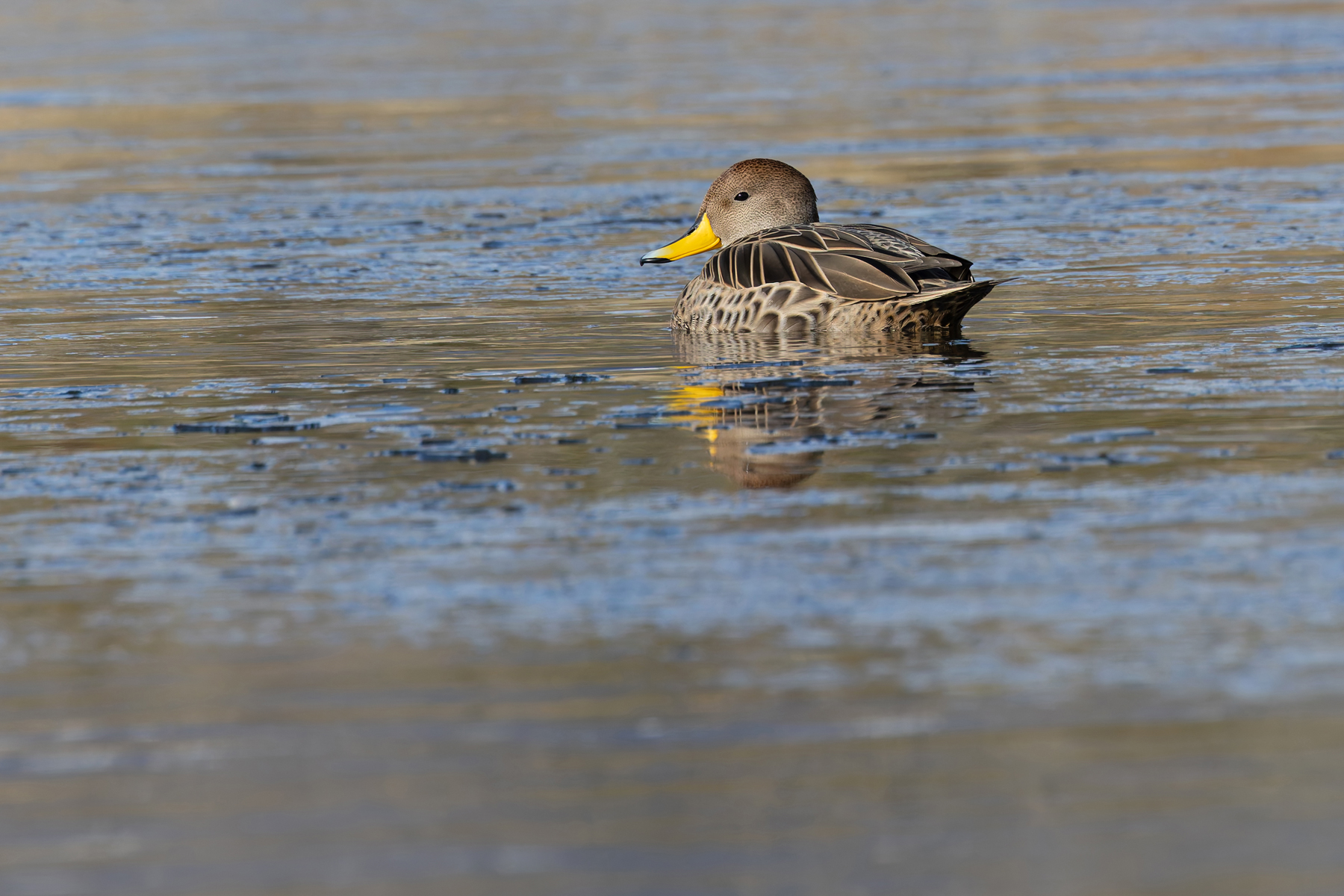
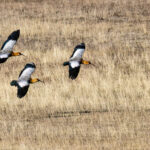
Yellow-billed Pintail by Lake Sarmiento (image by Mike Watson)
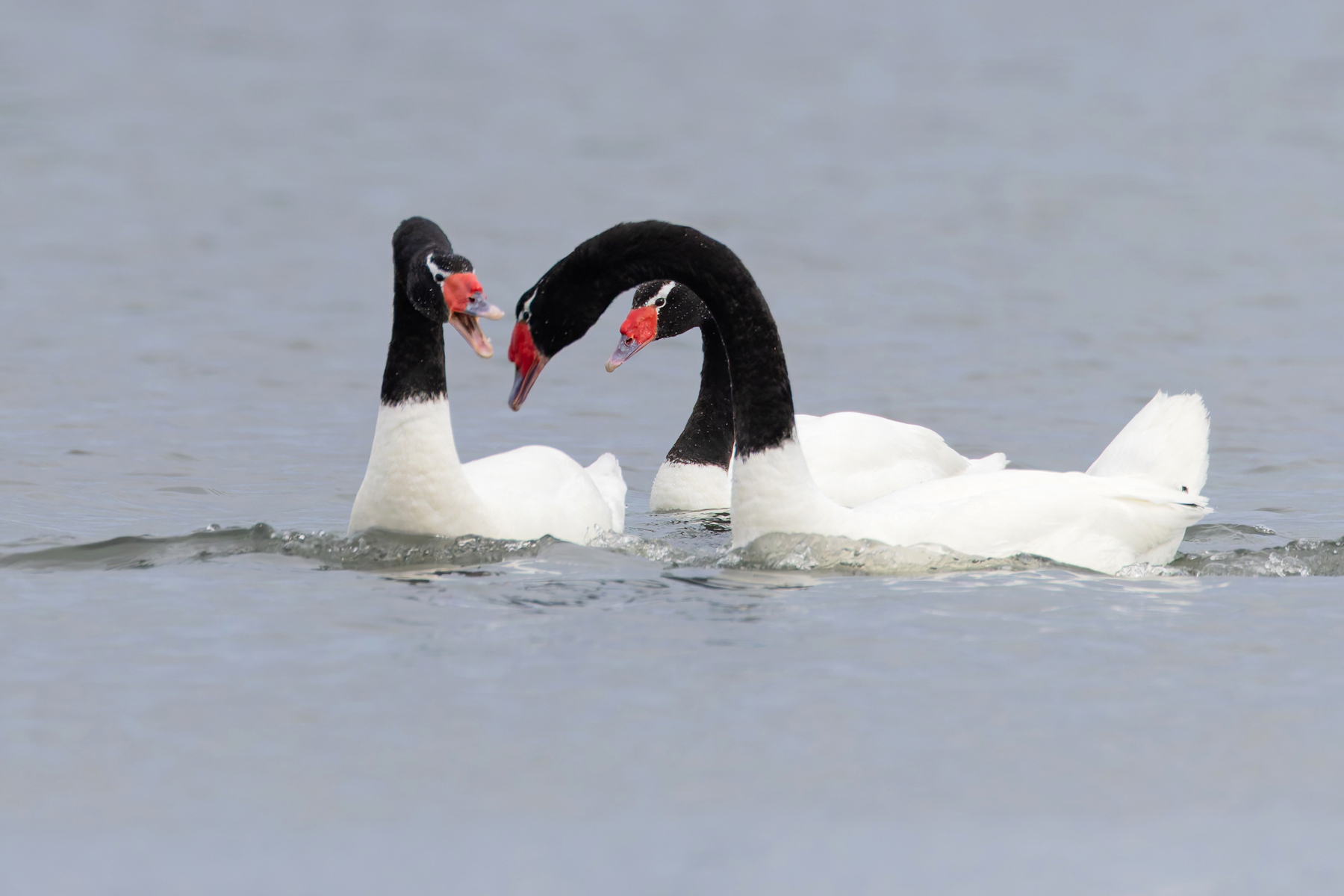
Black-necked Swan, through the archway (image by Mike Watson)
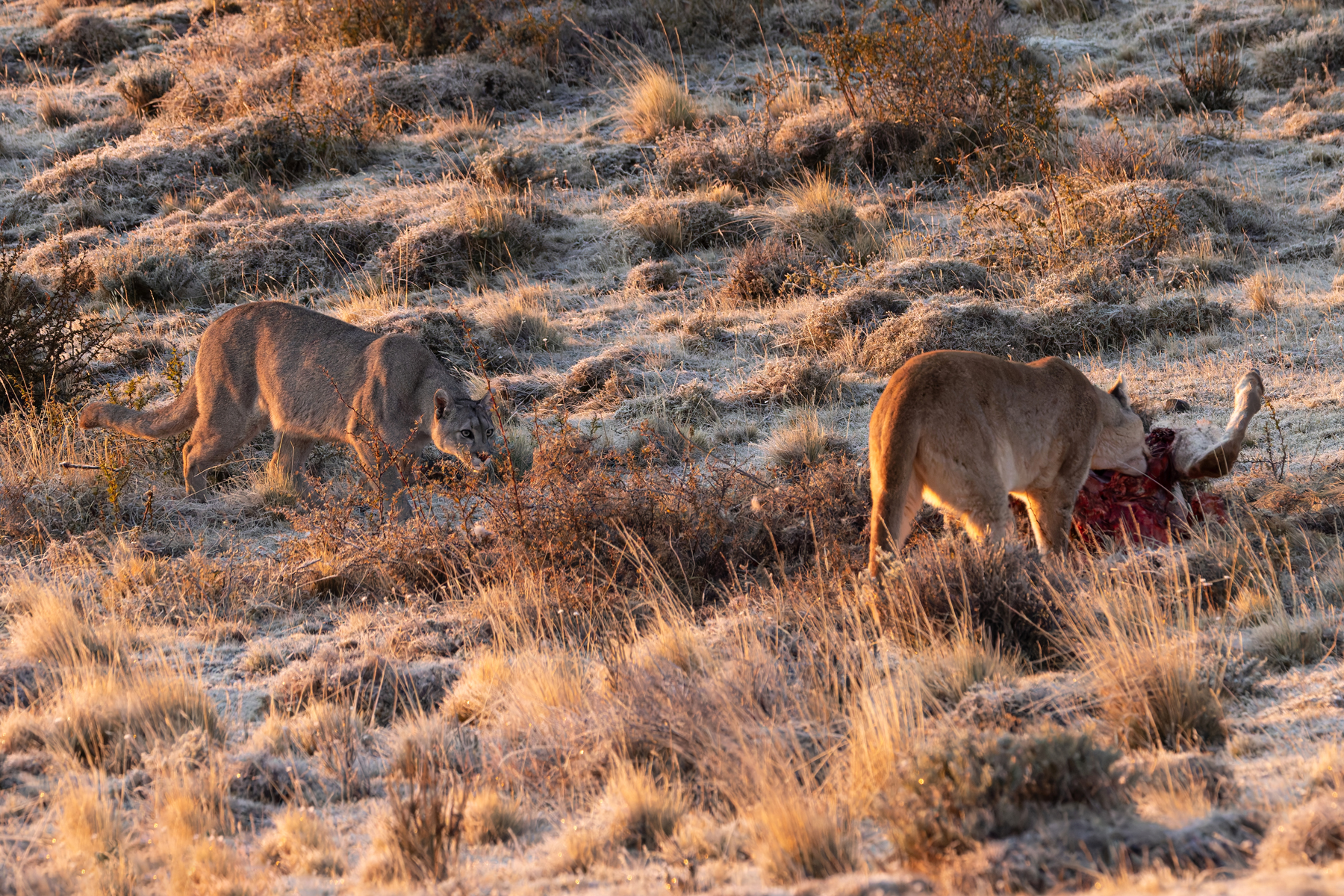
Escarcha adopts a submissive posture as she approaches Rupestre’s kill, may I join you? (image by Mike Watson)
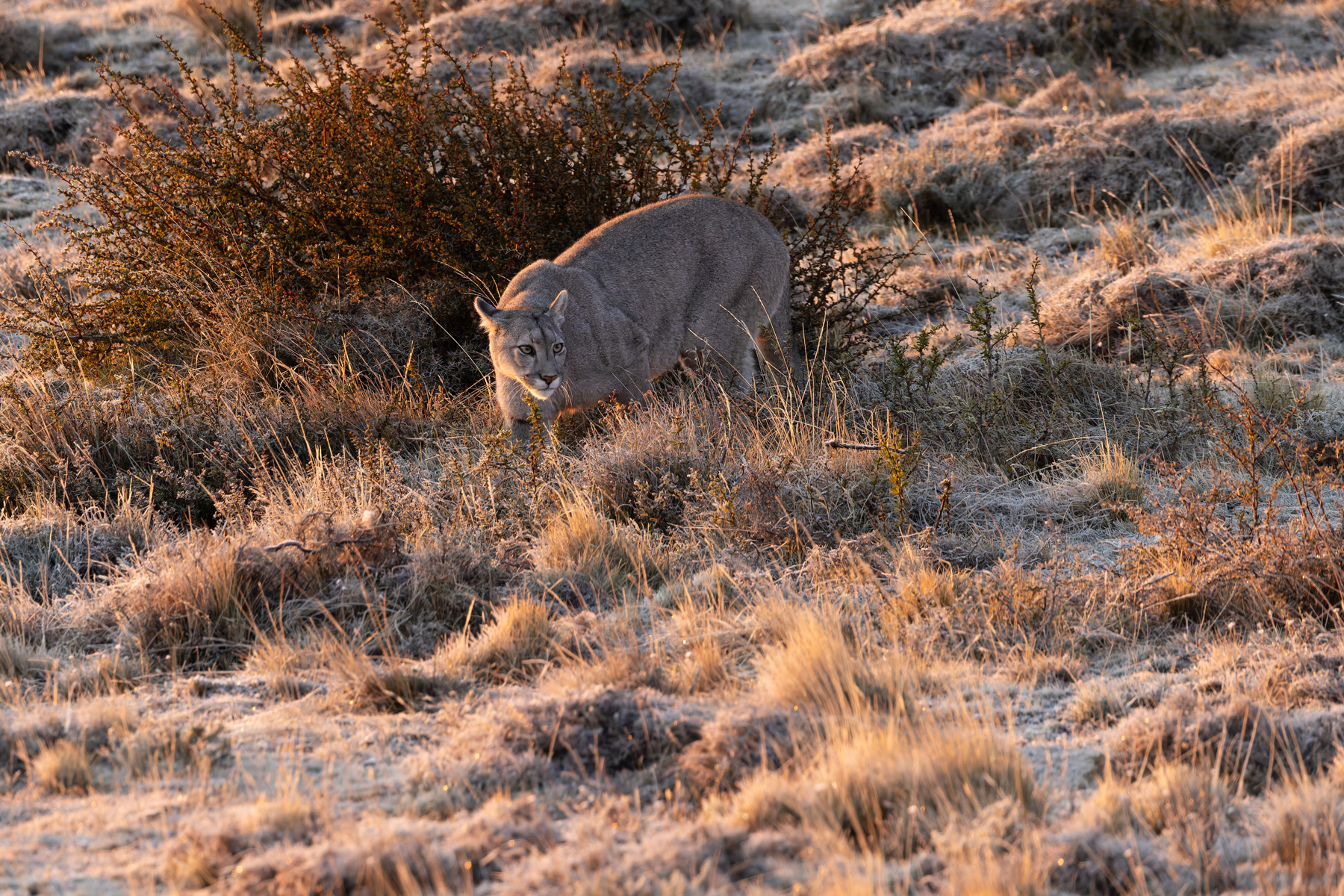
The Frost Princess Escarcha (image by Mike Watson)
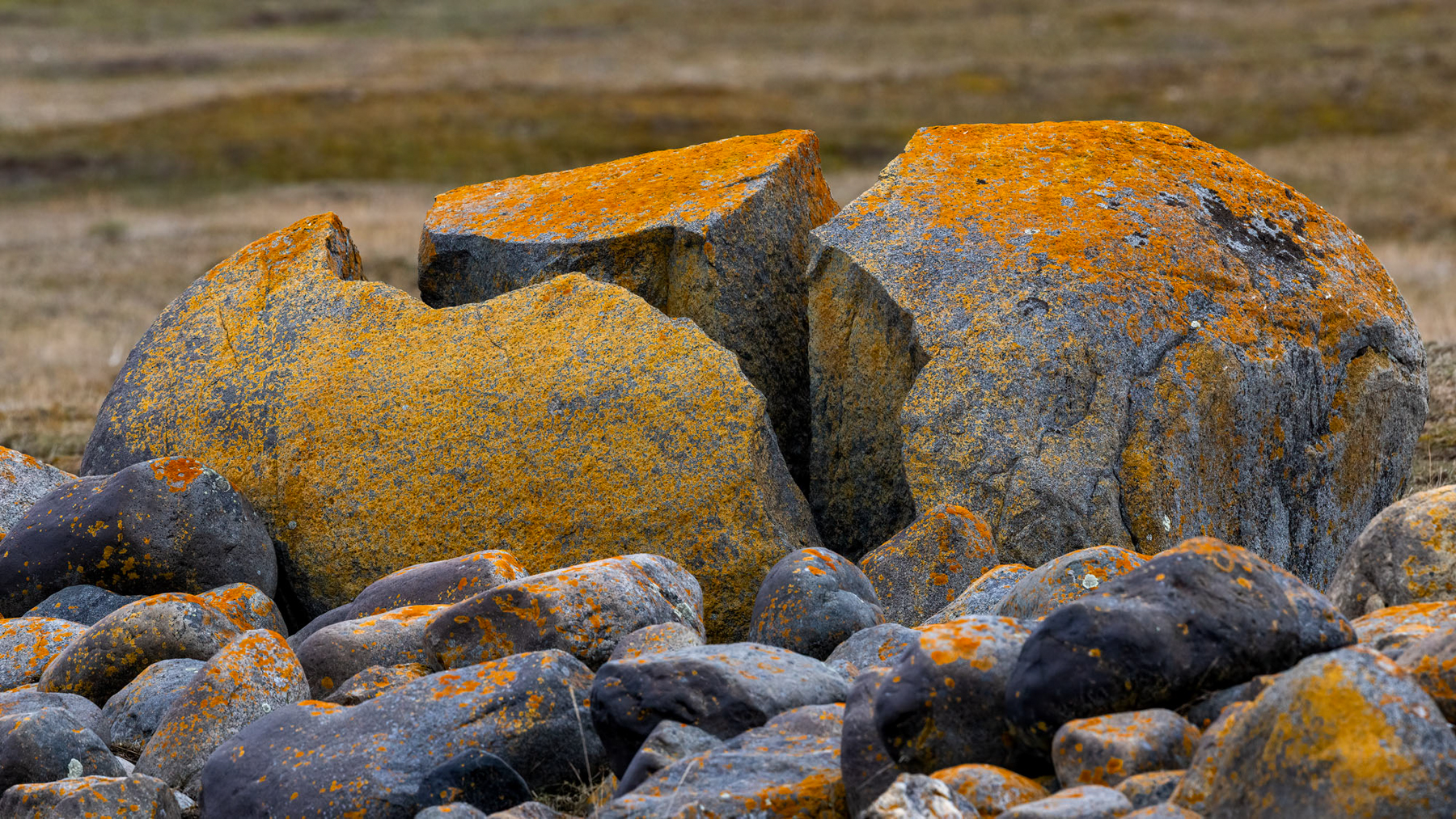
Split rock with lichens (image by Wild Images guest Stuart Hahn)
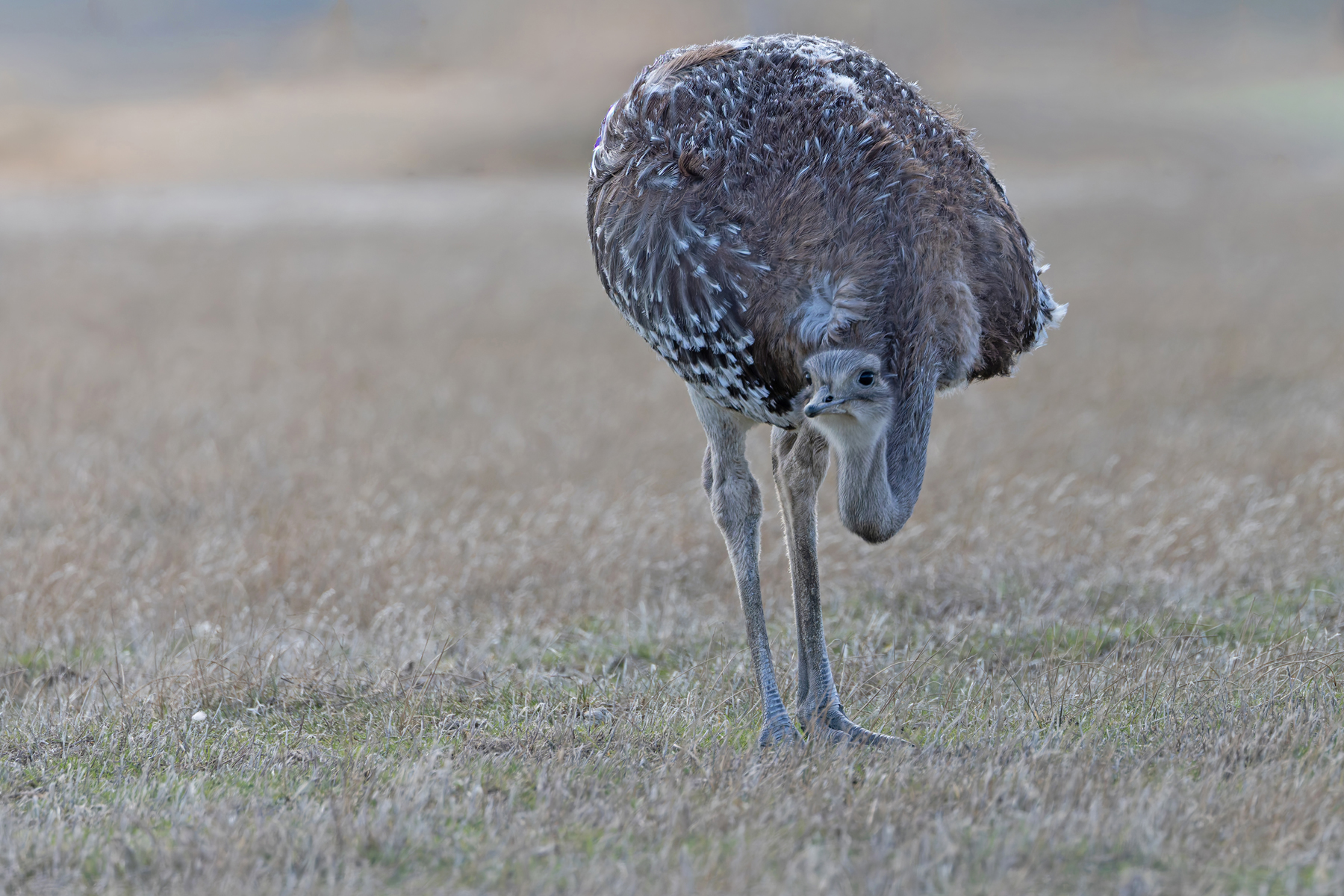
Lesser Rhea, basically a miniature ostrich (image by Mike Watson)
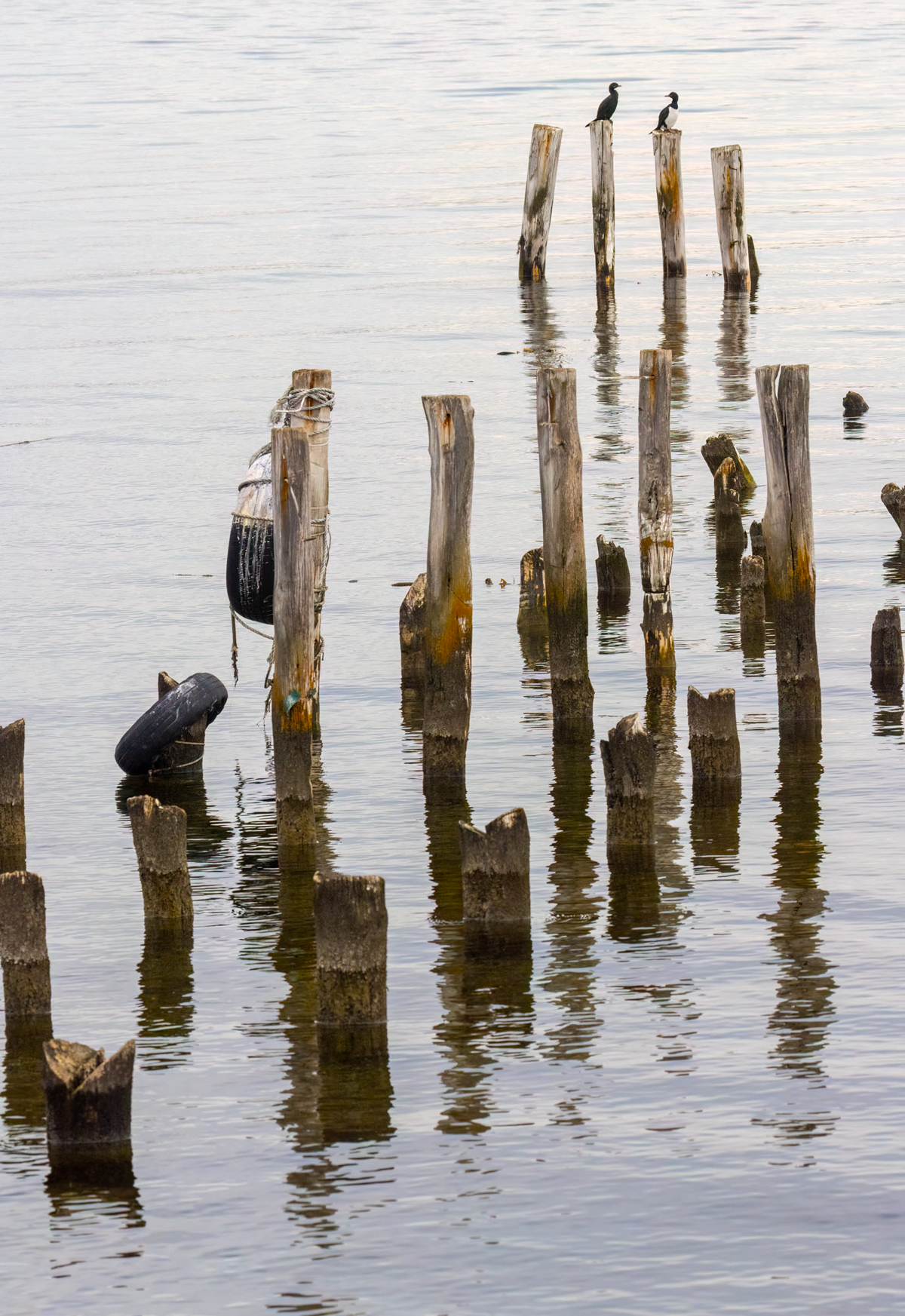
Abstract of Pylons (image by Wild Images guest Stuart Hahn)

Wonderful old fishing trawler (image by Wild Images guest Stuart Hahn)
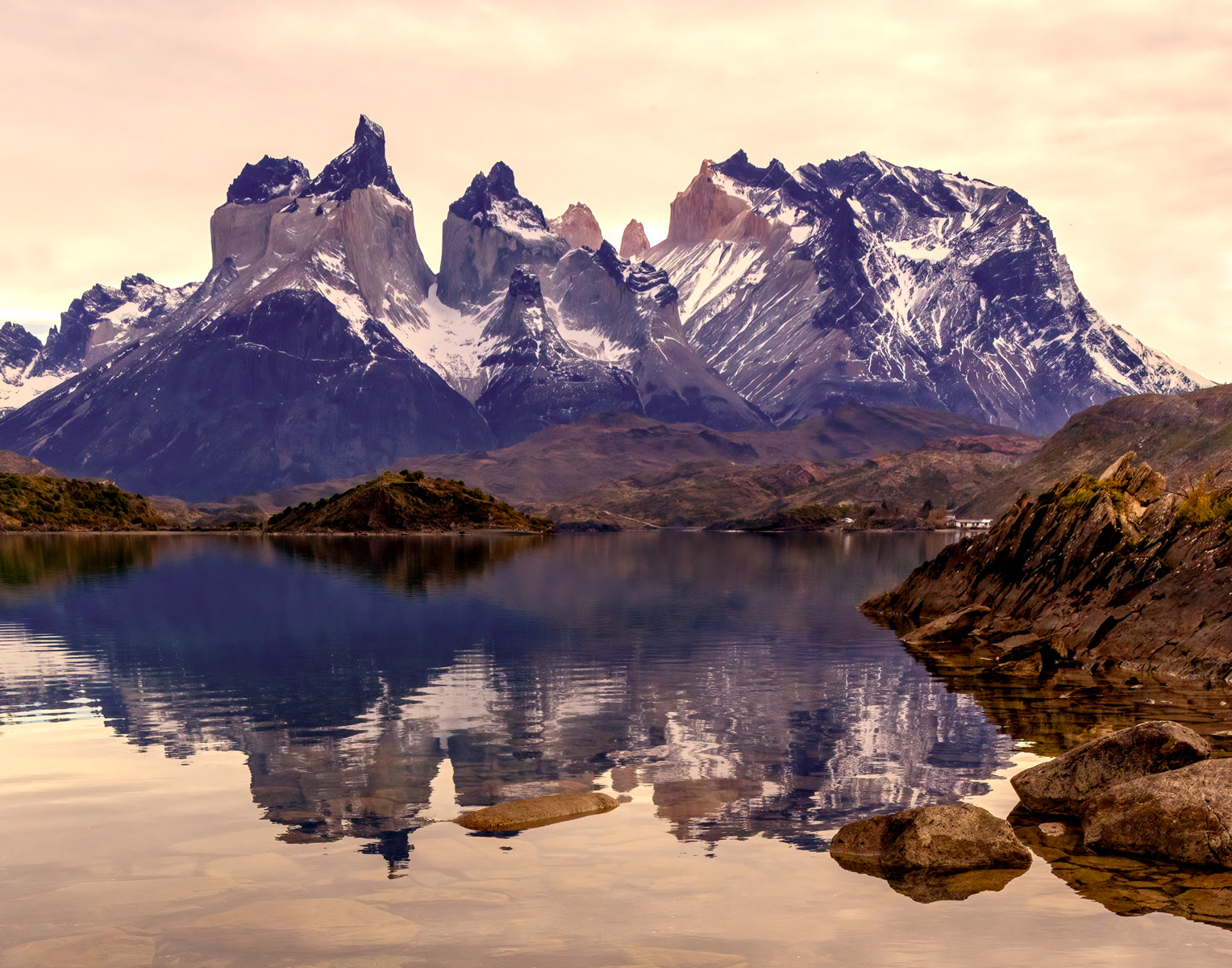
Warm reflections in some of the most spectacular mountains on earth (image by Wild Images guest Stuart Hahn)
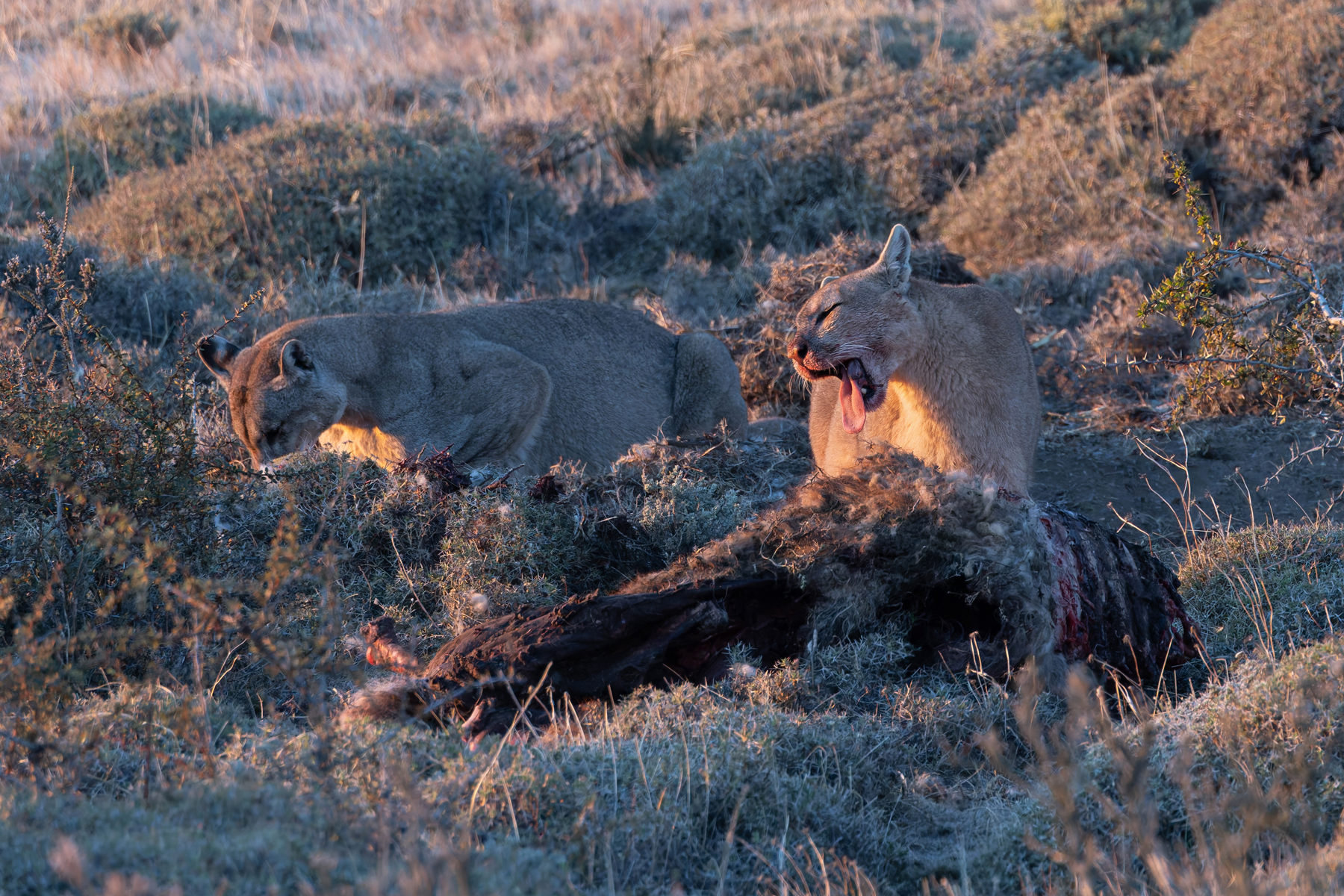
Petaka and Lenga seem more relaxed now, both enjoying some Guanaco meat (image by Mike Watson)
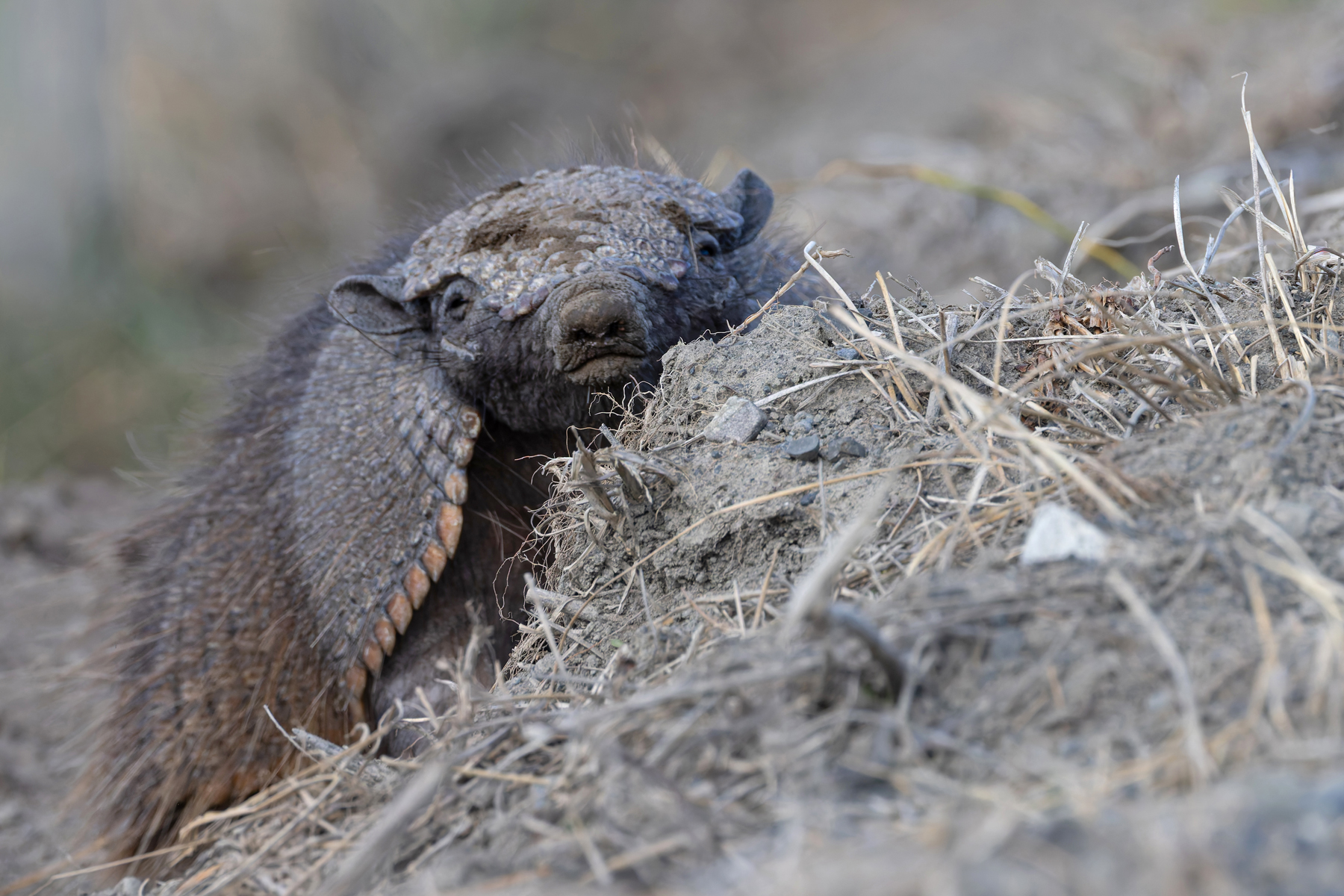
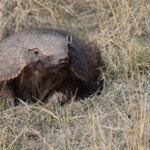
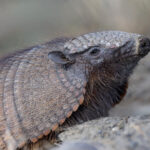
Large Hairy Armadillo is one of the star mammals of this tour (image by Mike Watson)
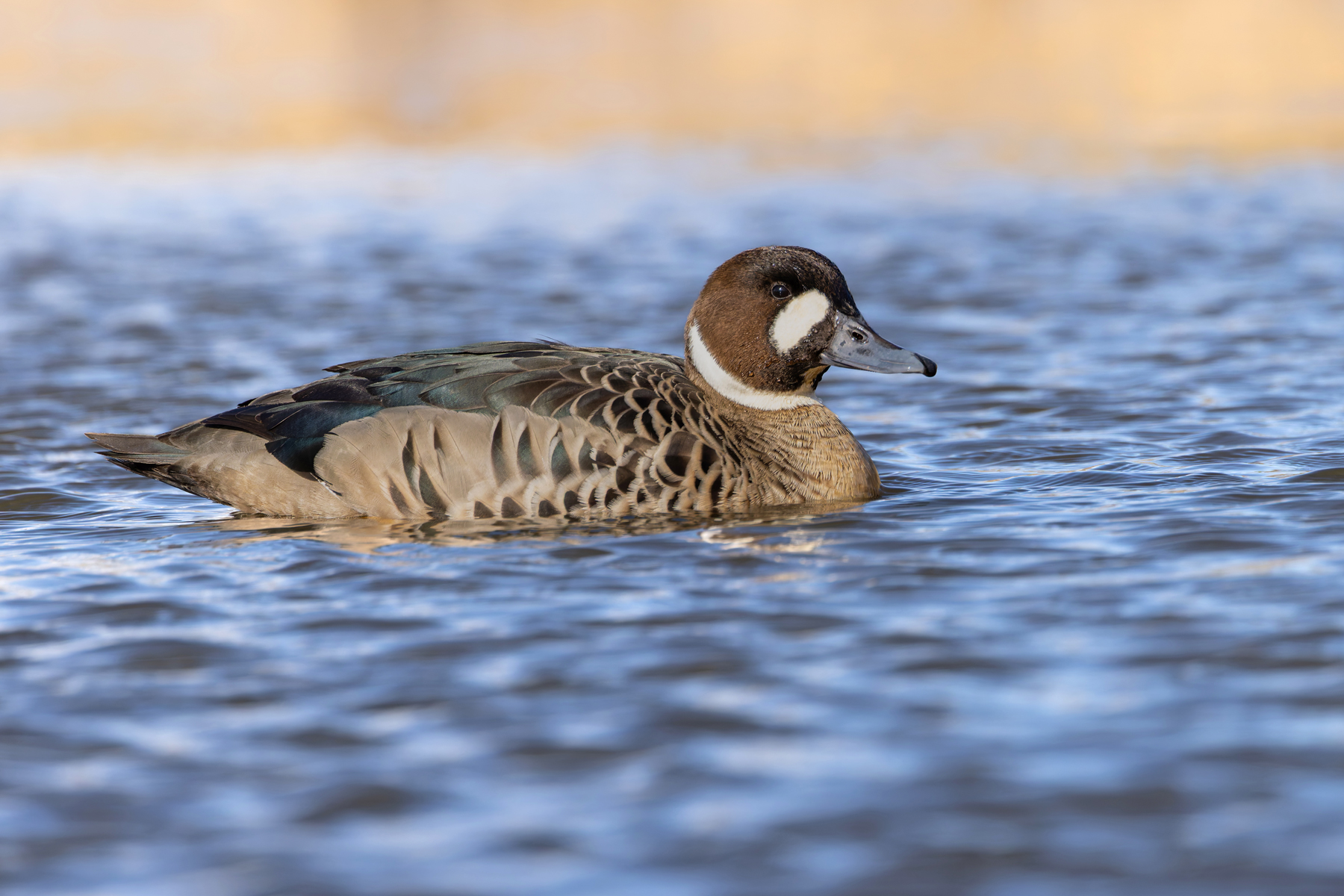
Bronze-winged (or Spectacled) Duck, is one of the smartest South American ducks (image by Mike Watson)

A Southern Giant Petrel soars past a Chilean navy ship (image by Mike Watson)
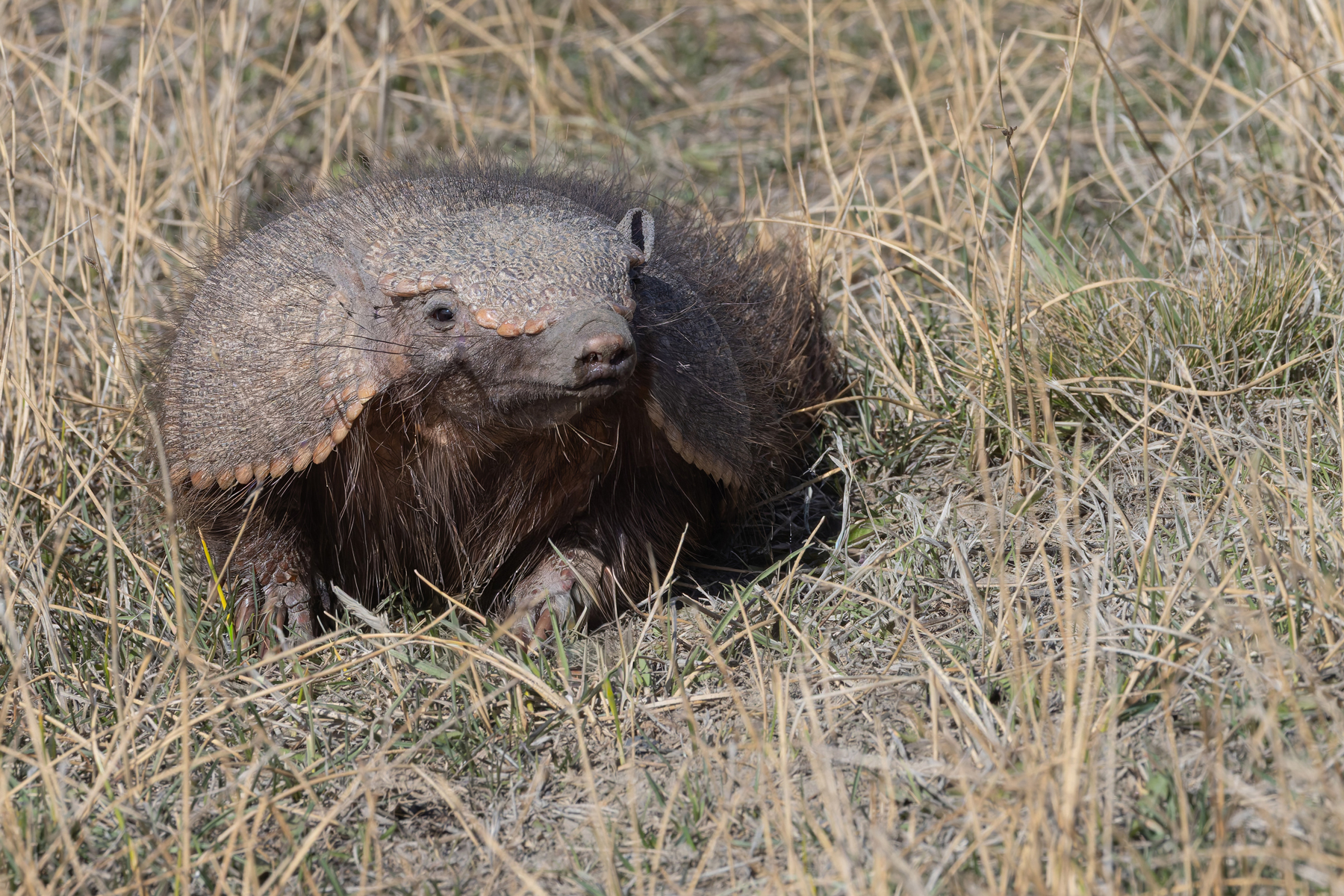
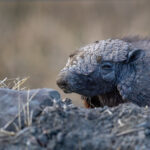
Large Hairy Armadillo, covered in hair as an adaptation to the cold climate of the far south (image by Mike Watson)
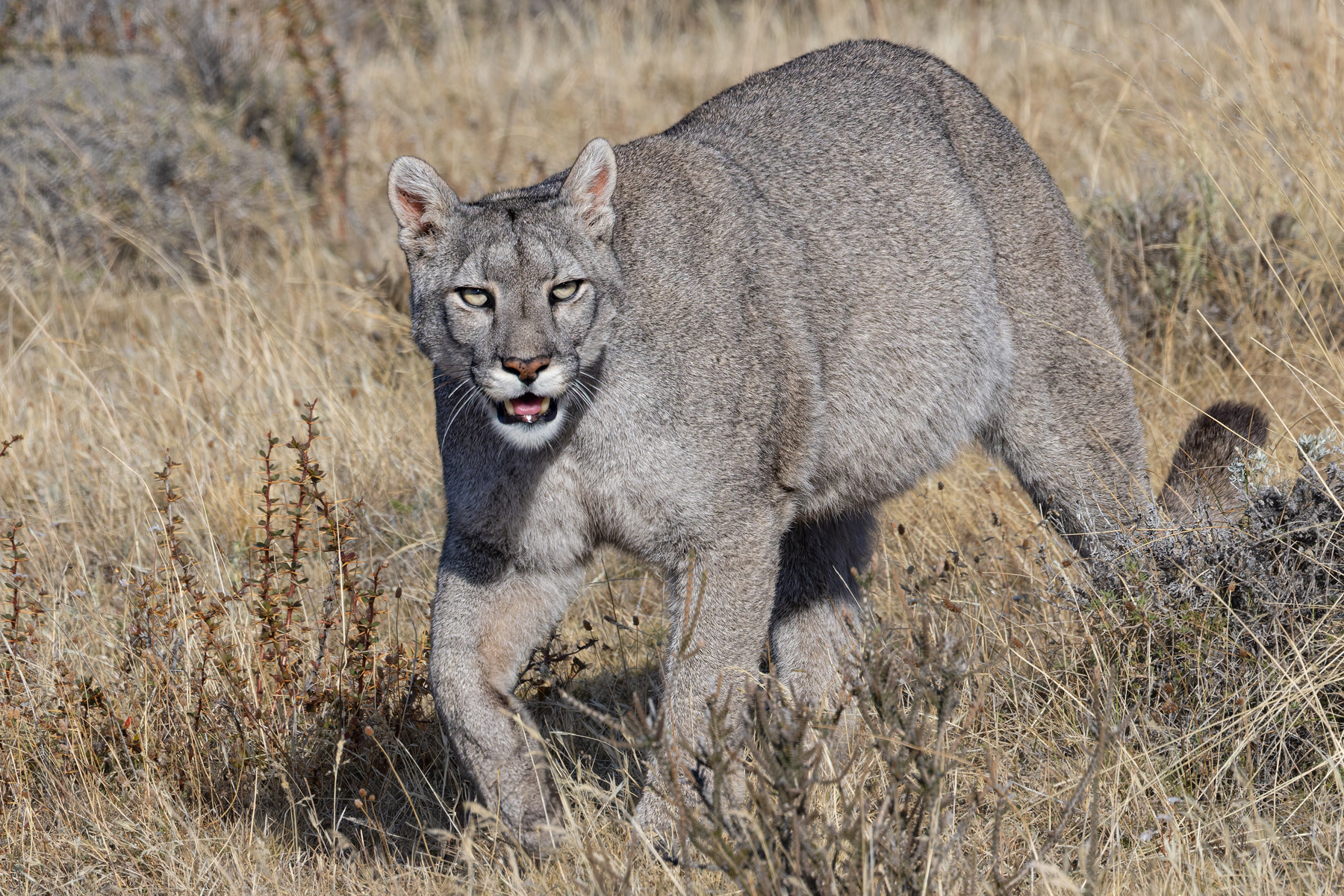
Escarcha in a more relaxed pose (image by Mike Watson)
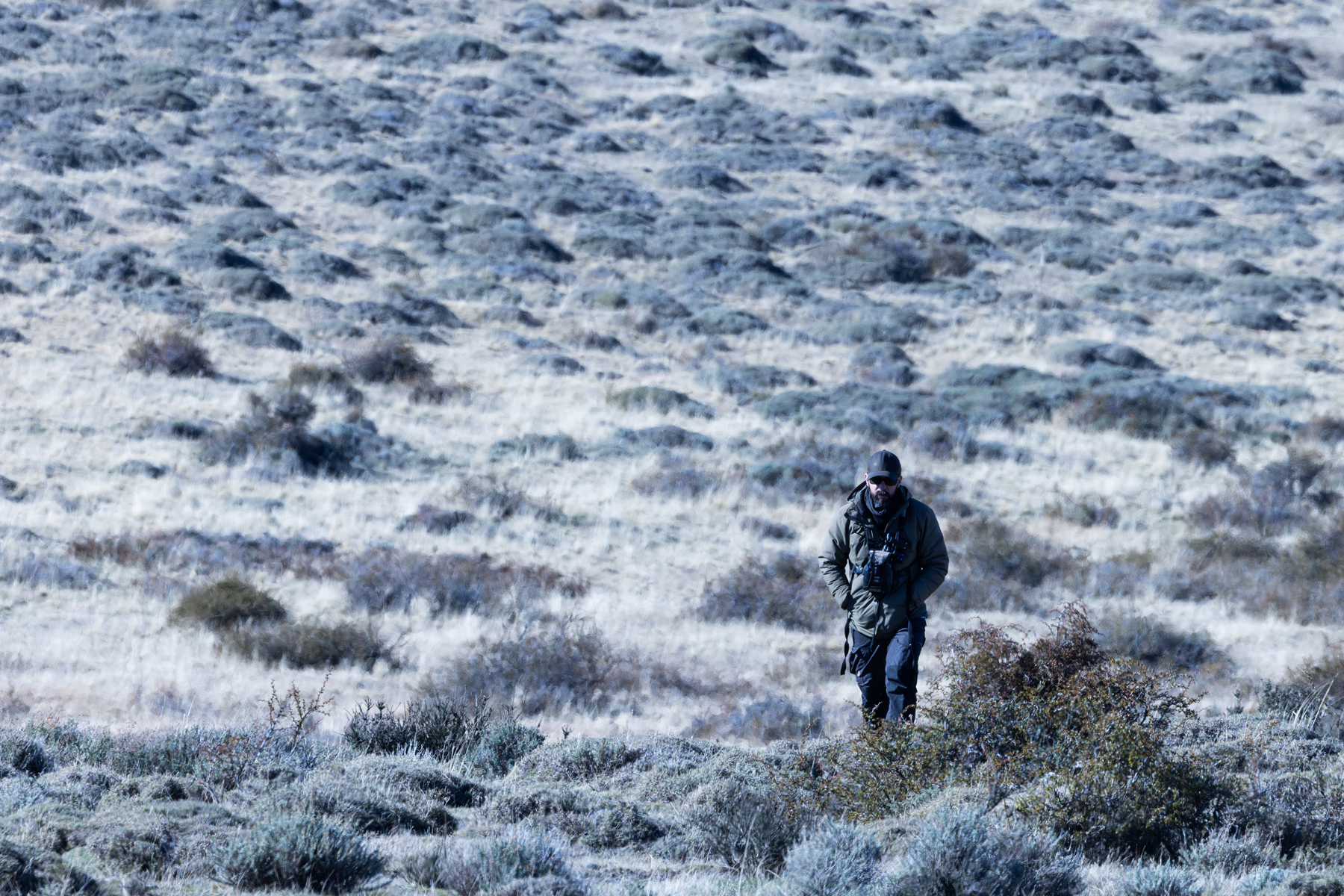
Our ‘recon overwatch’ Puma Tracker, Ladies and Gentleman – the one and only Jorge Cardenas (image by Mike Watson)
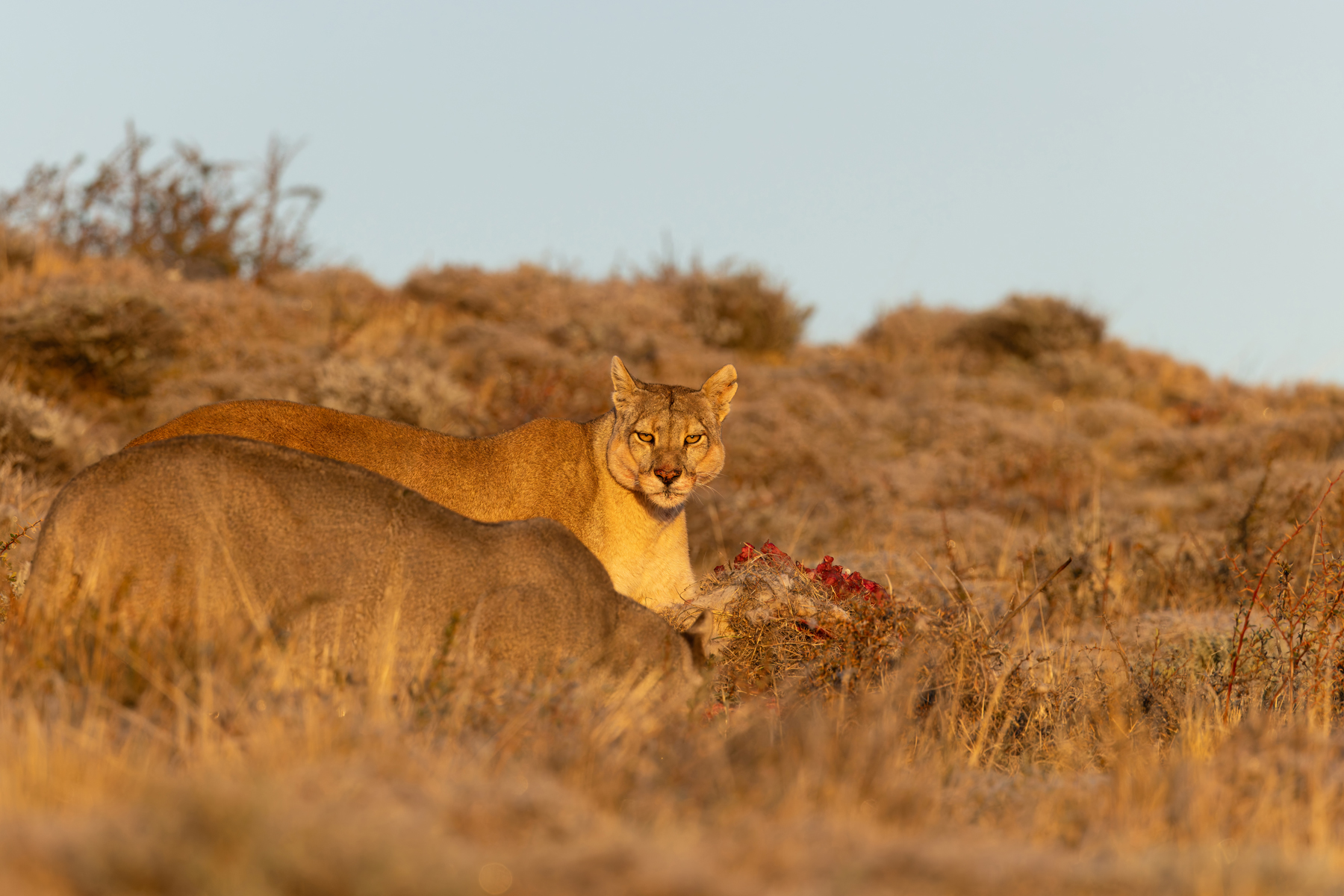
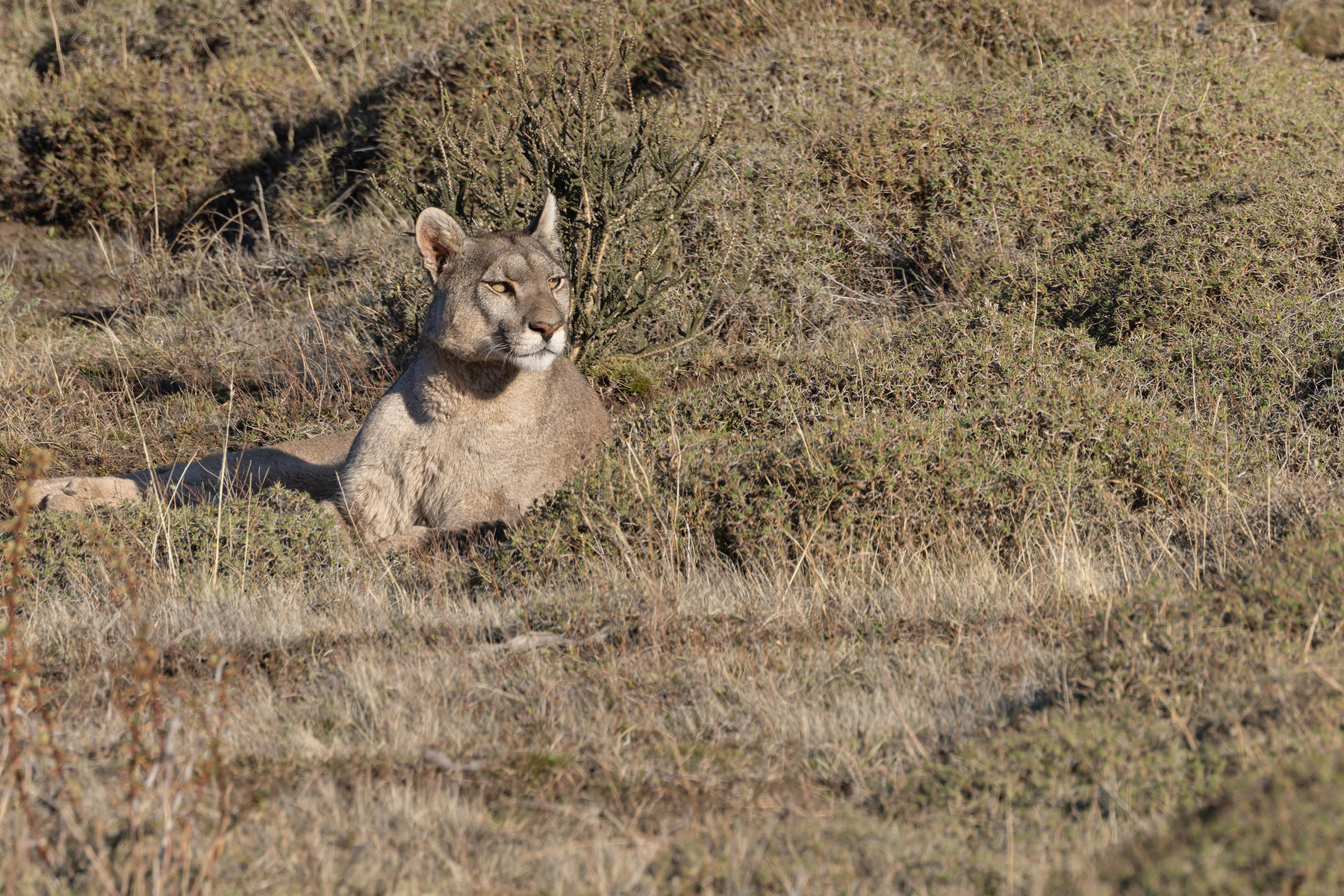
Rupestre has a big broad face and a notch in her left ear (image by Mike Watson)
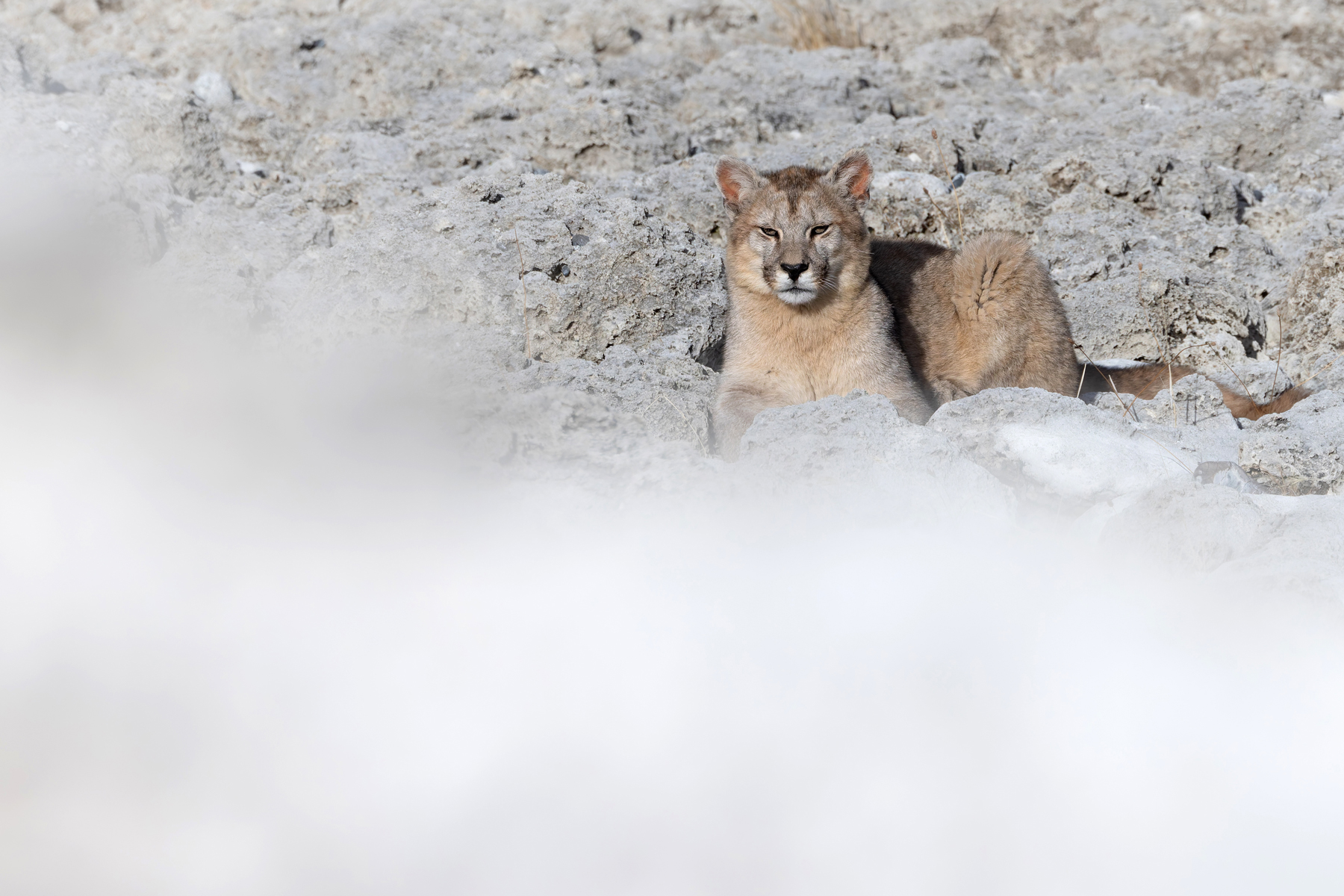
We love the partly obscured at Wild Images! Granizo in the stromatolites (image by Mike Watson)
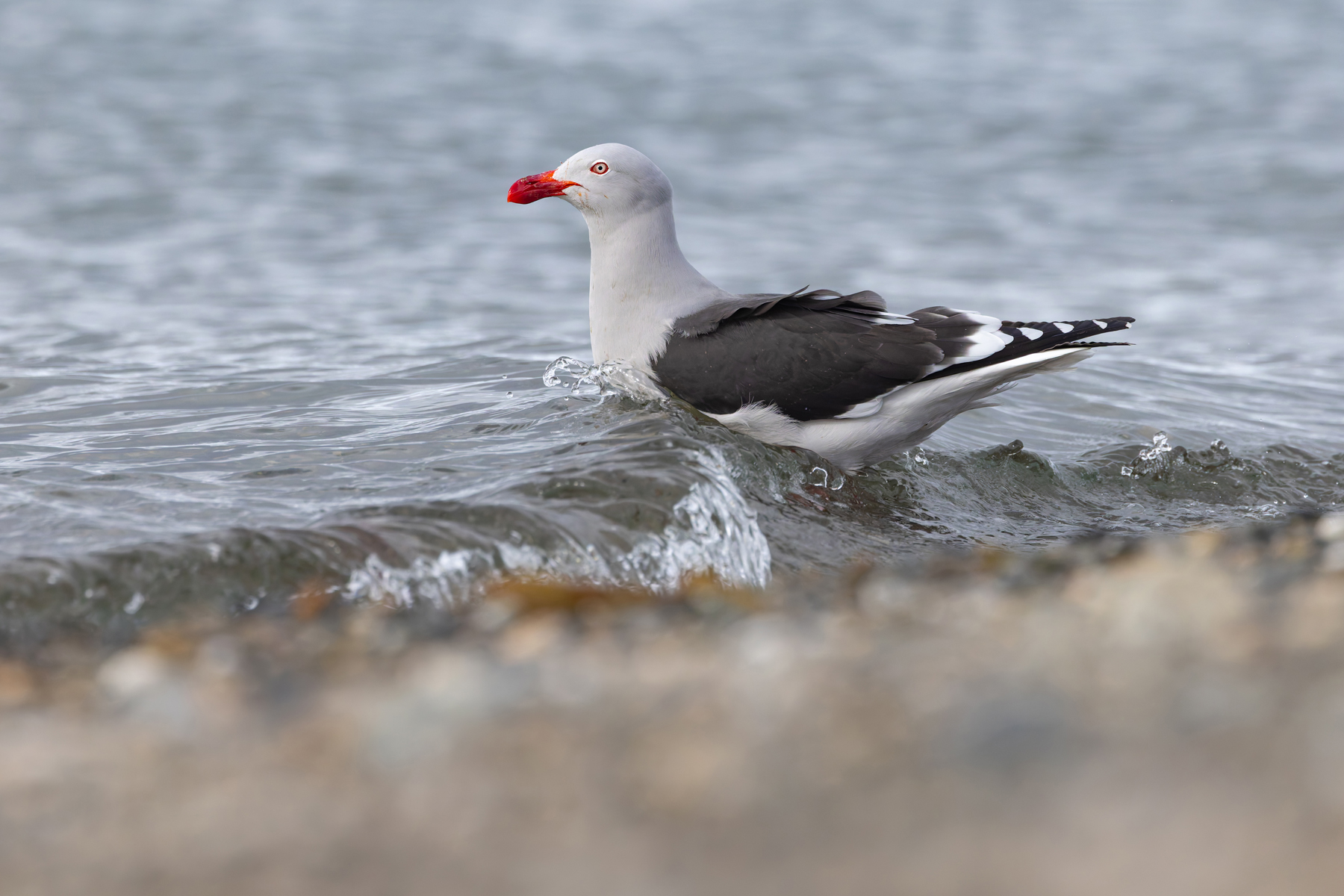
Dolphin Gull is another smart bird only available in the far south (image by Mike Watson)
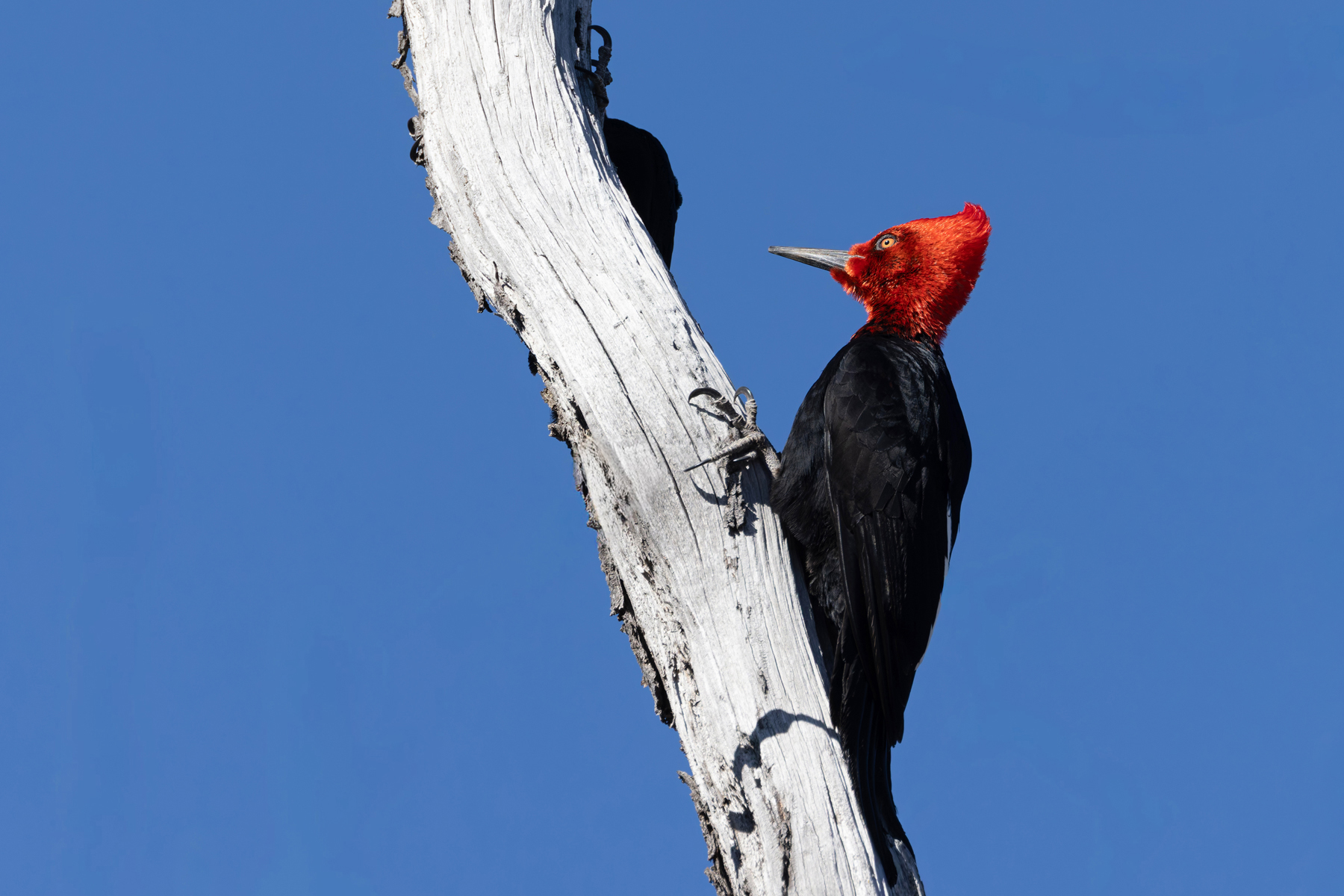
Magellanic Woodpecker, the male is a stunning bird! (image by Mike Watson)
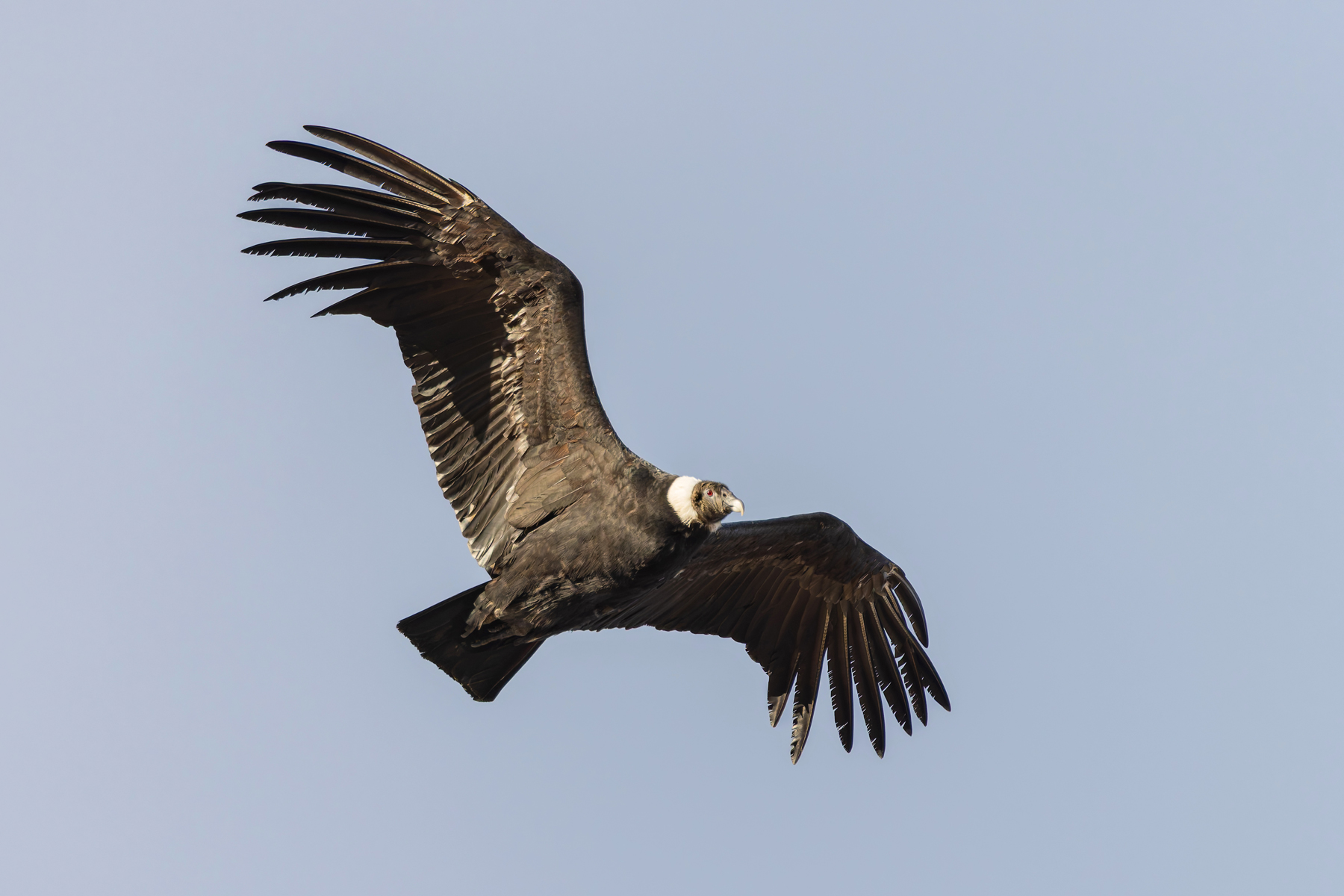
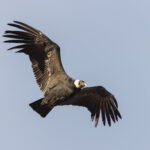
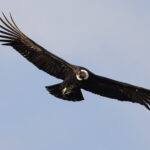
A female Andean Condor does not paossess the massive wattle on its crown (image by Mike Watson)
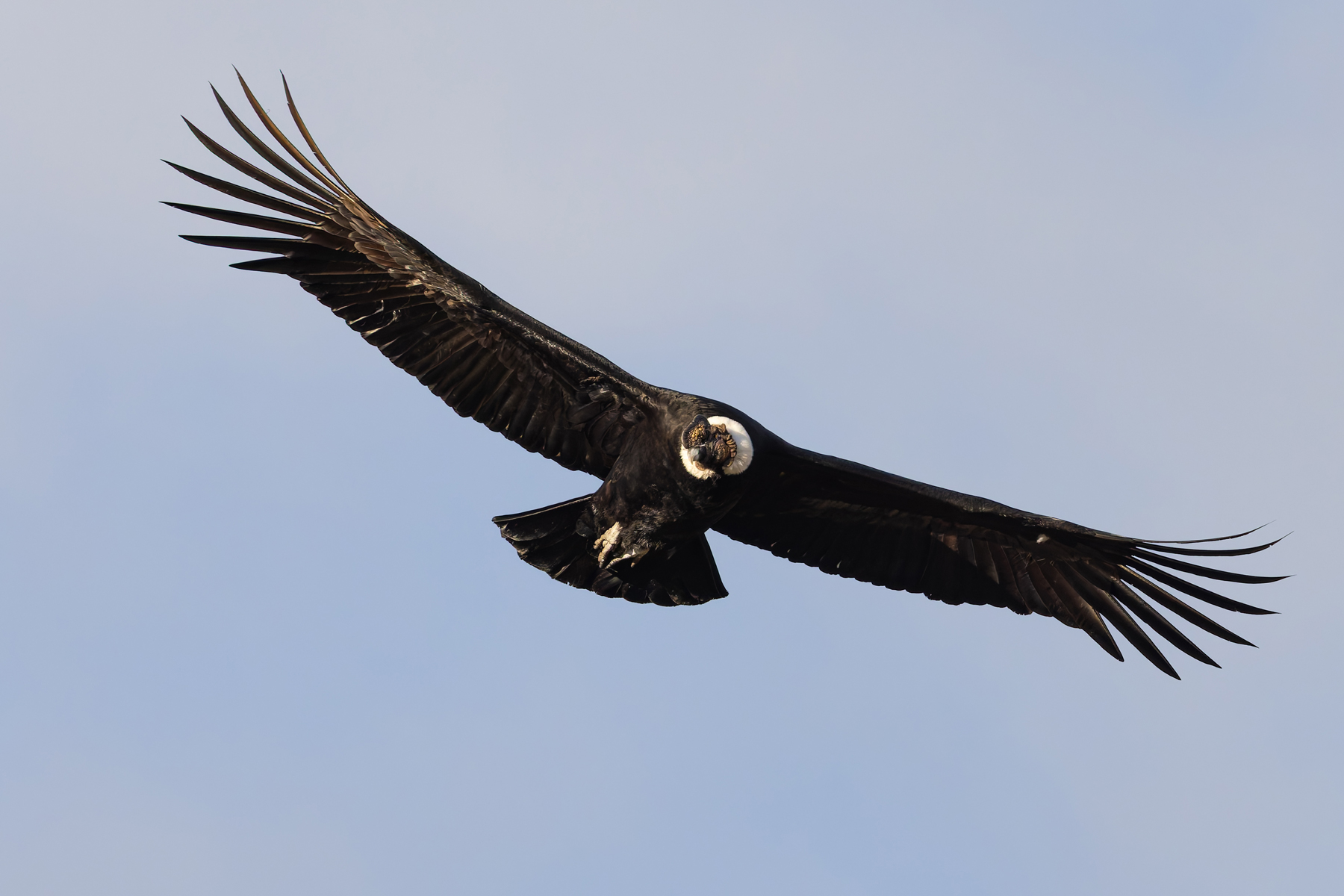
The massive shape of an Andean Condor fills the skies. Its wings have the largest surface area of any bird (image by Mike Watson)
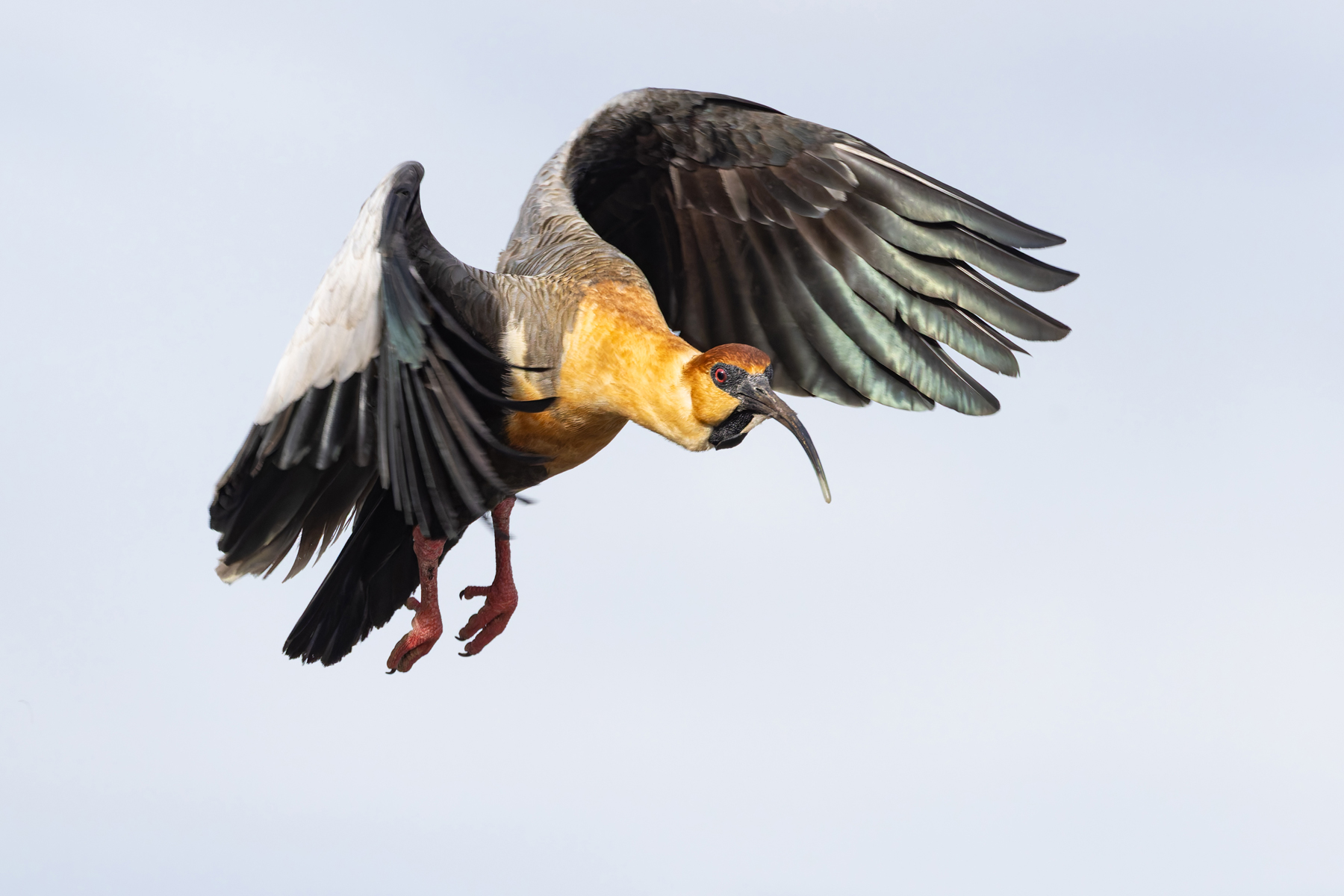
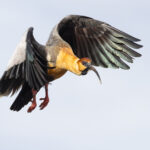
Black-necked Ibis is another ubiquitous bird of Patagonia, found from city centres to the remotest mountains (image by Mike Watson)
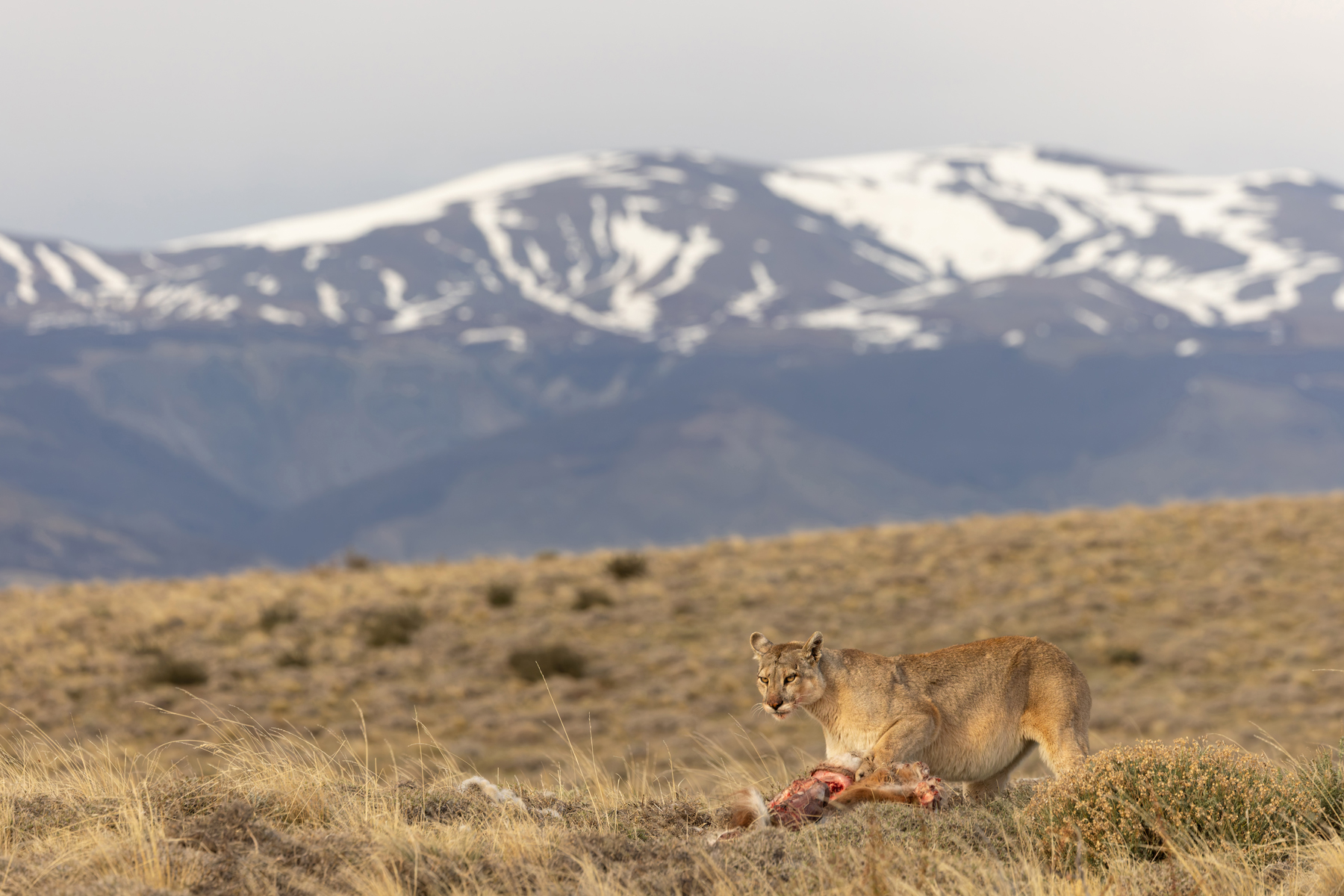
Matriarch Puma Rupestre is nearing the end of her meal (image by Mike Watson)
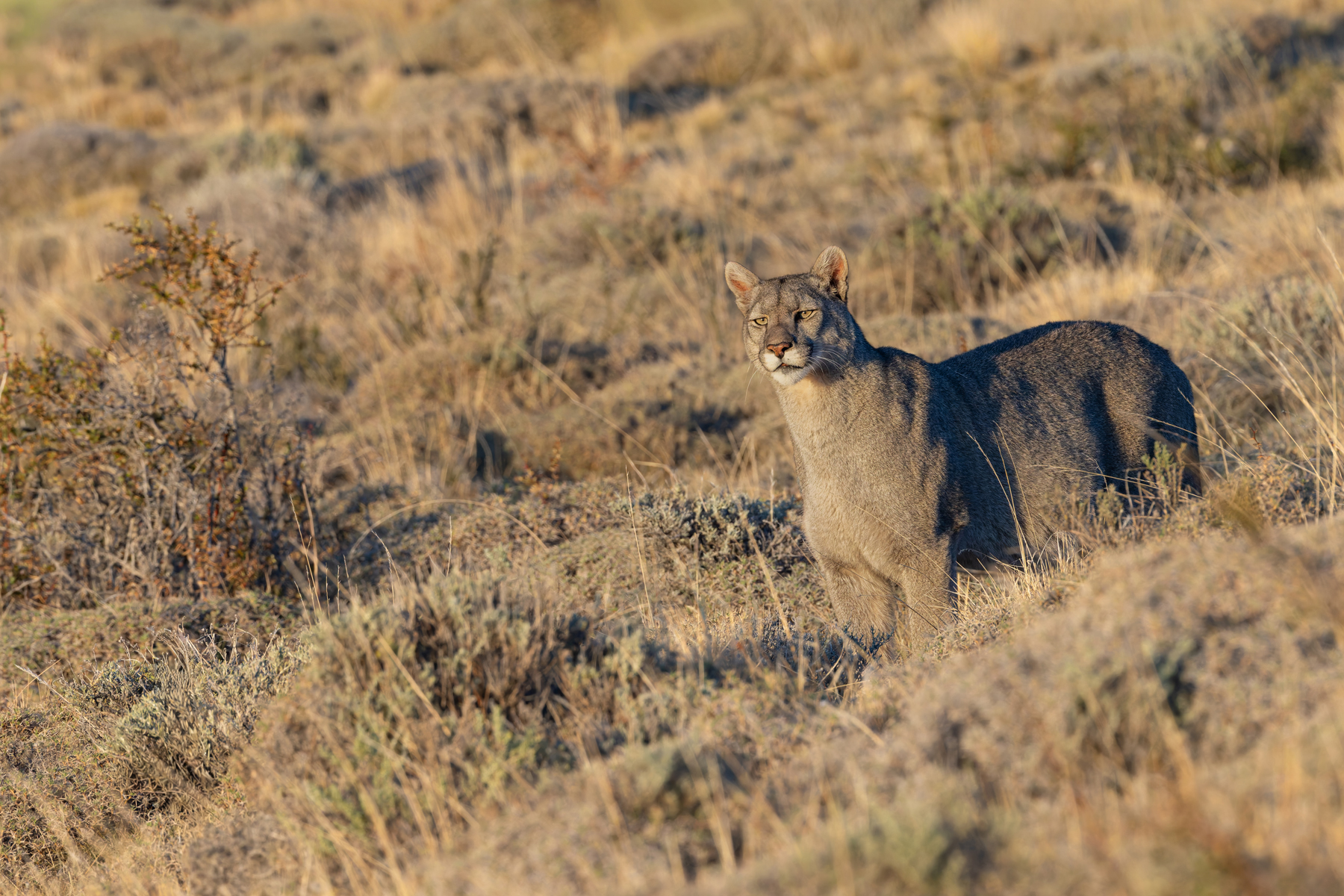
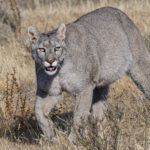
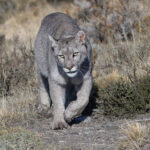
Our old friend Escarcha has turned into a big and powerful Cougar! (image by Mike Watson)
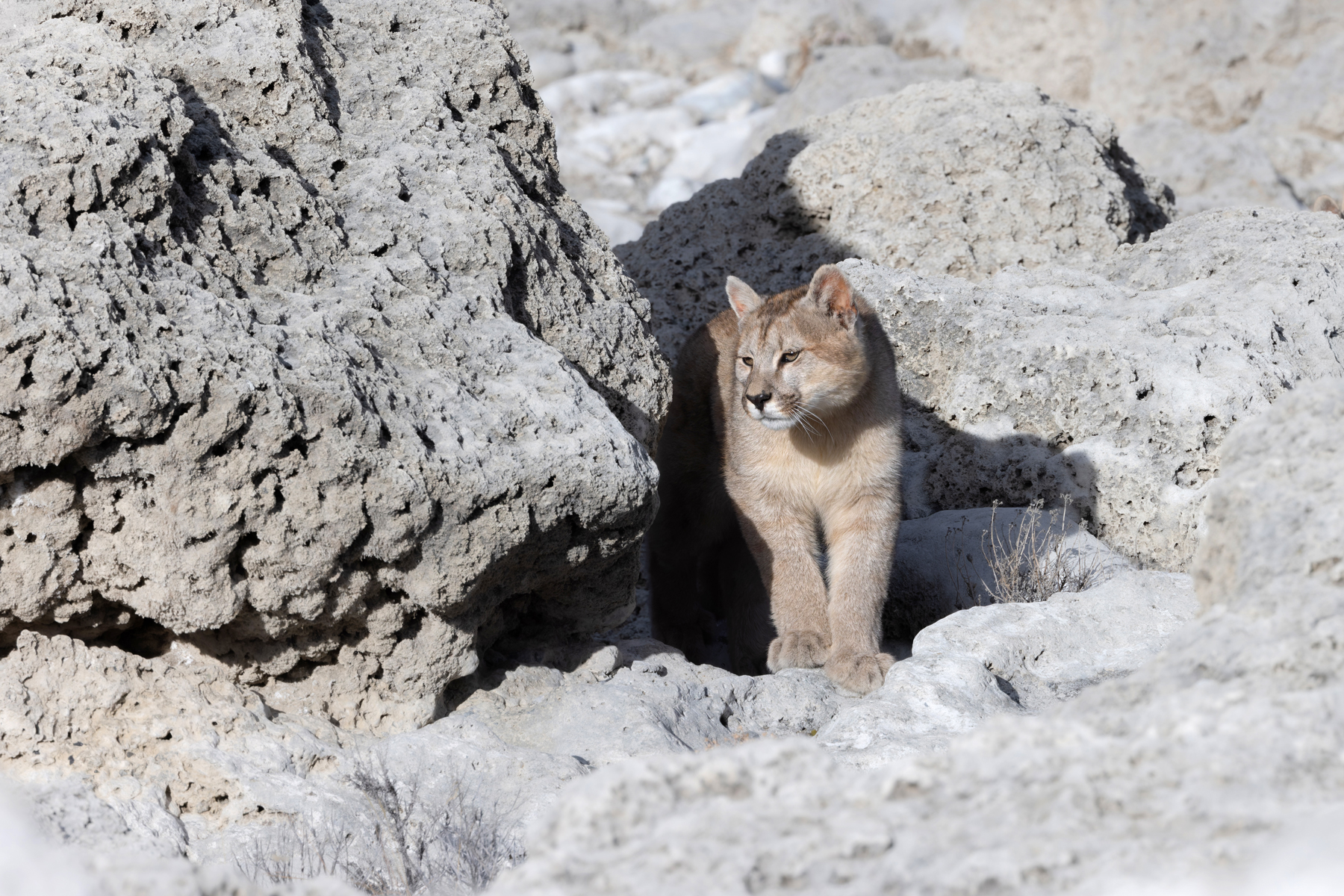
Peek a boo! Granizo is still a kitten (image by Mike Watson)
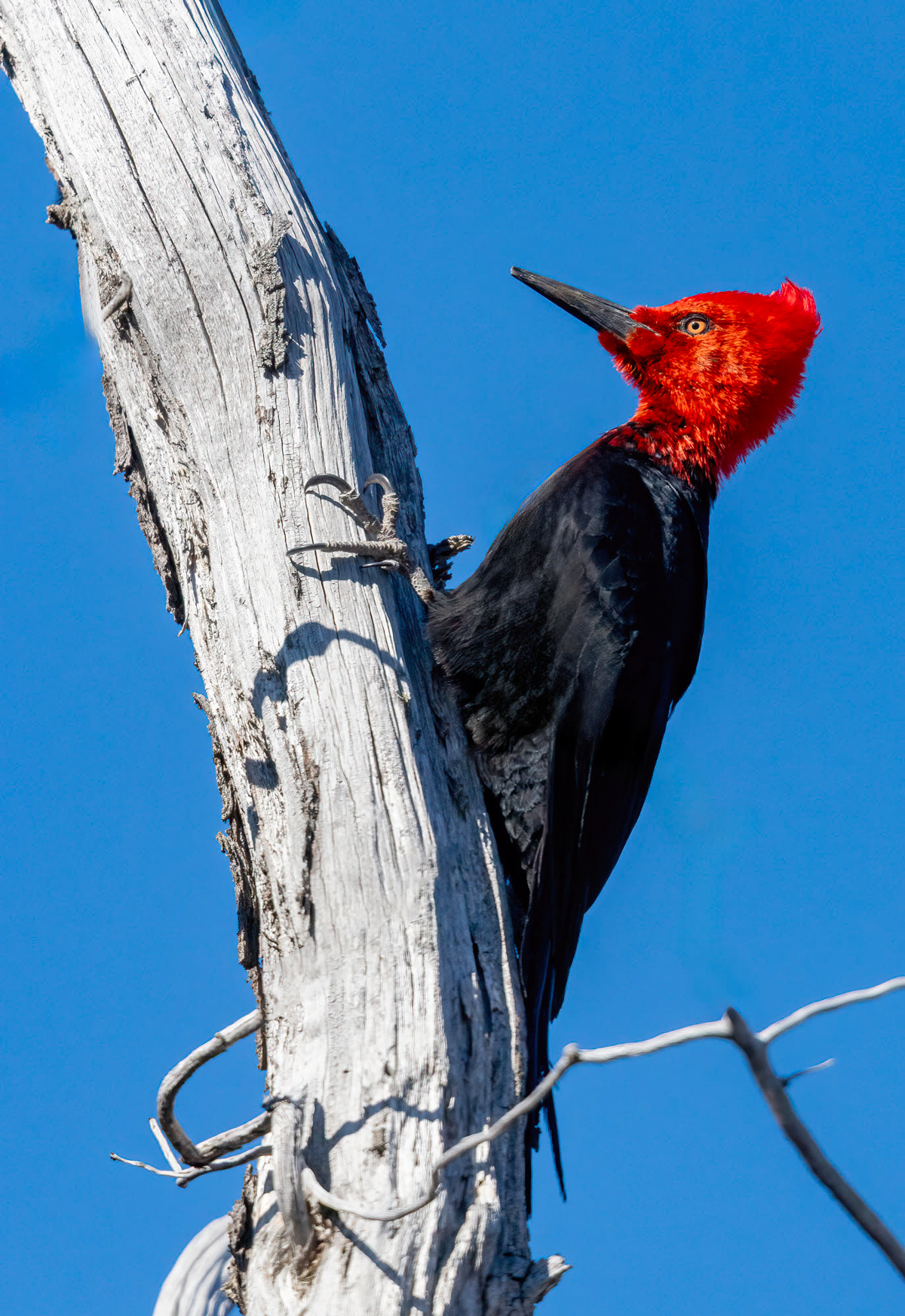
Striking Magellanic Woodpeckers really are the punk rockers of the woodpecker world (image by Wild Images guest Stuart Hahn)
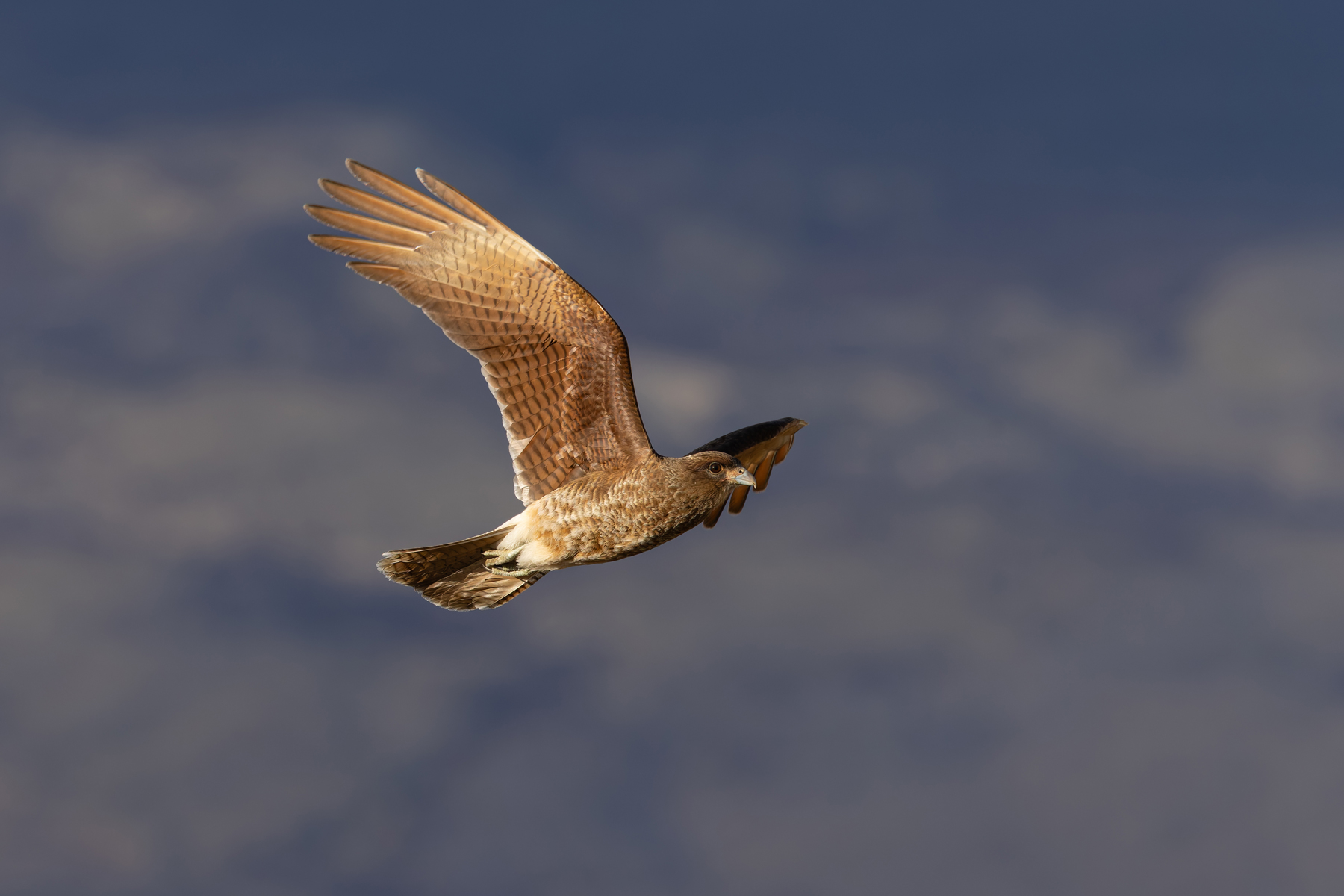
Chimango Caracaras follow Pumas in the hope of an easy meal (image by Mike Watson)
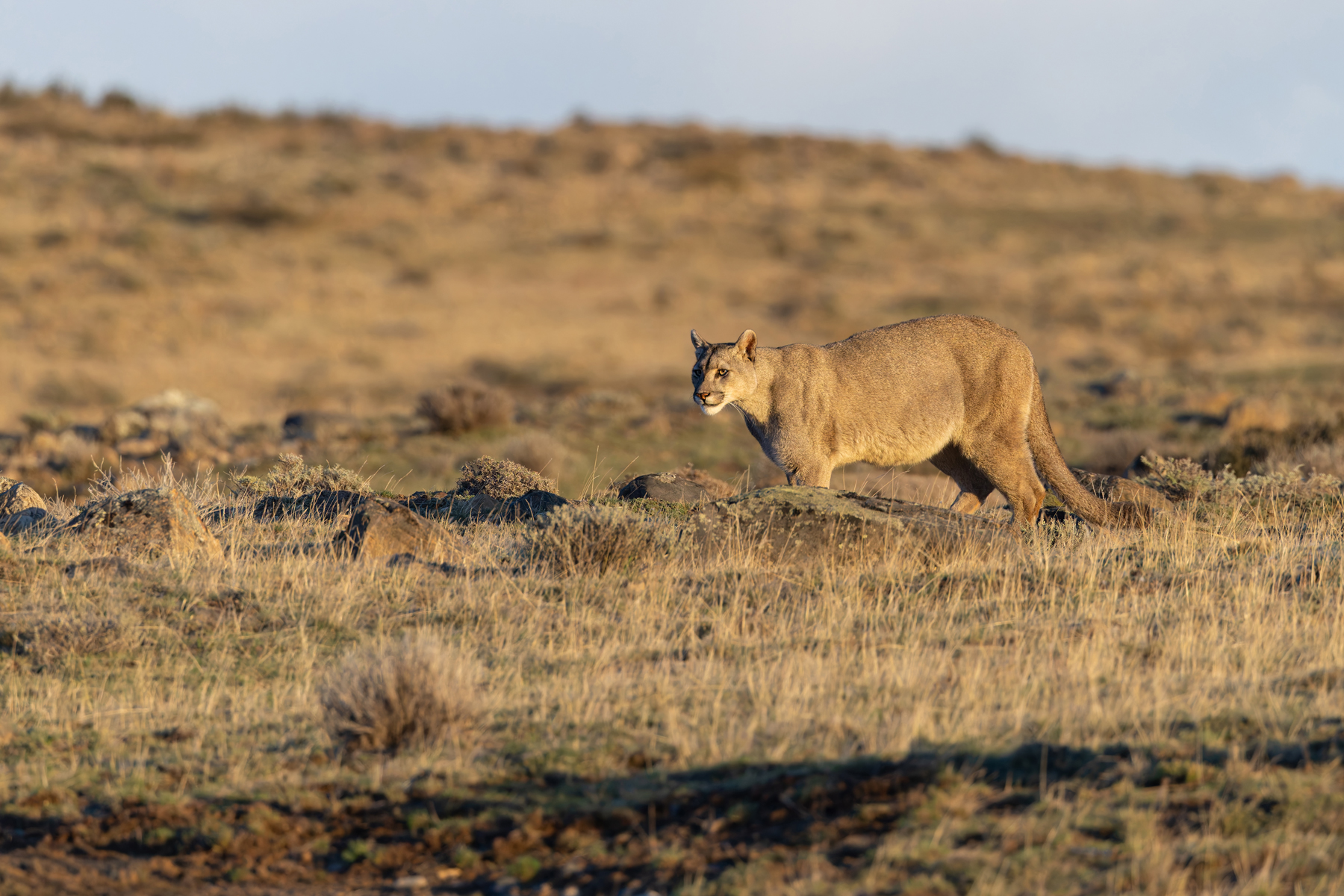
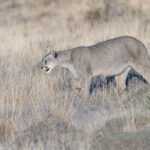
Walking with Escarcha (image by Mike Watson)
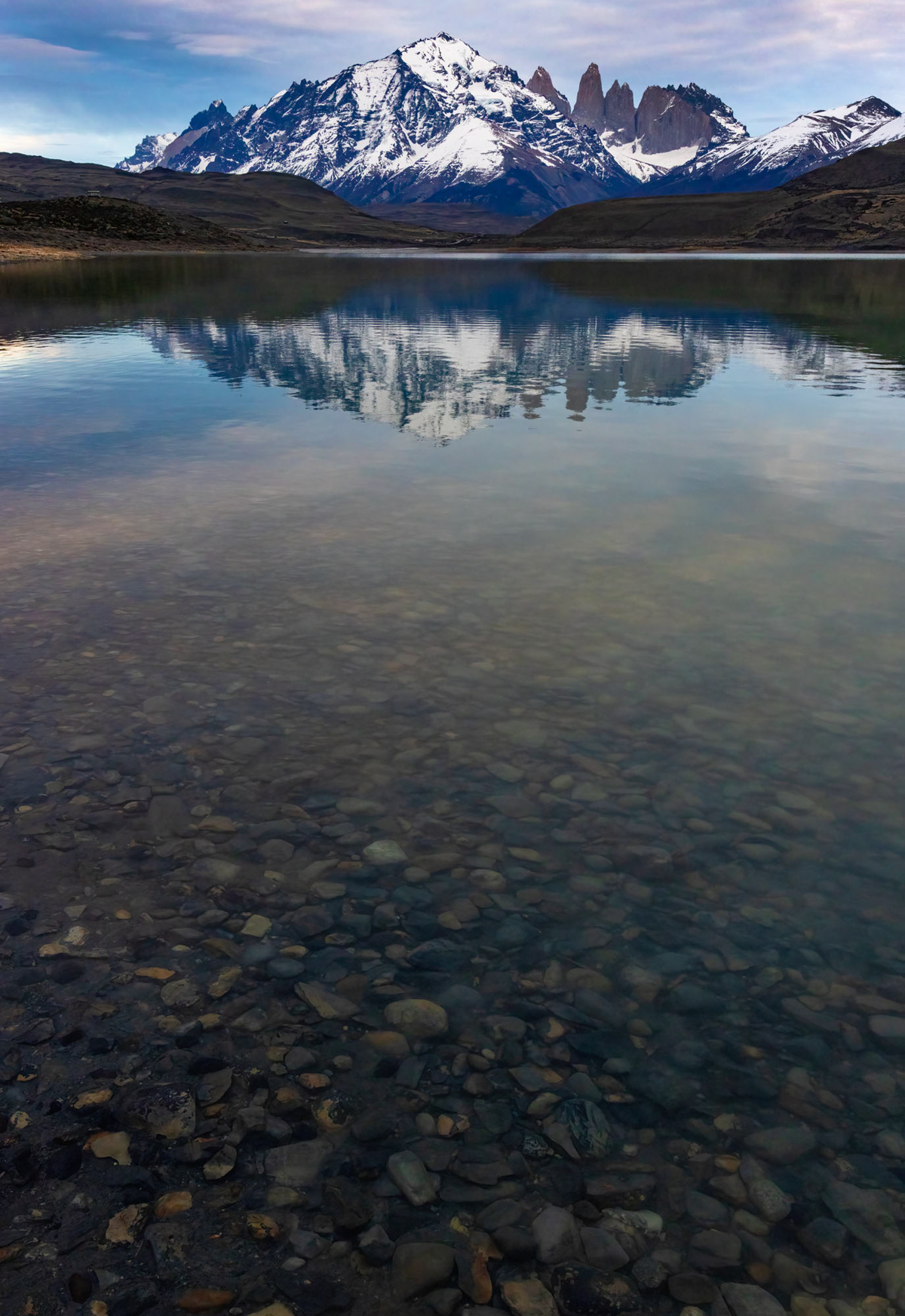
Torres reflections (image by Wild Images guest Stuart Hahn)
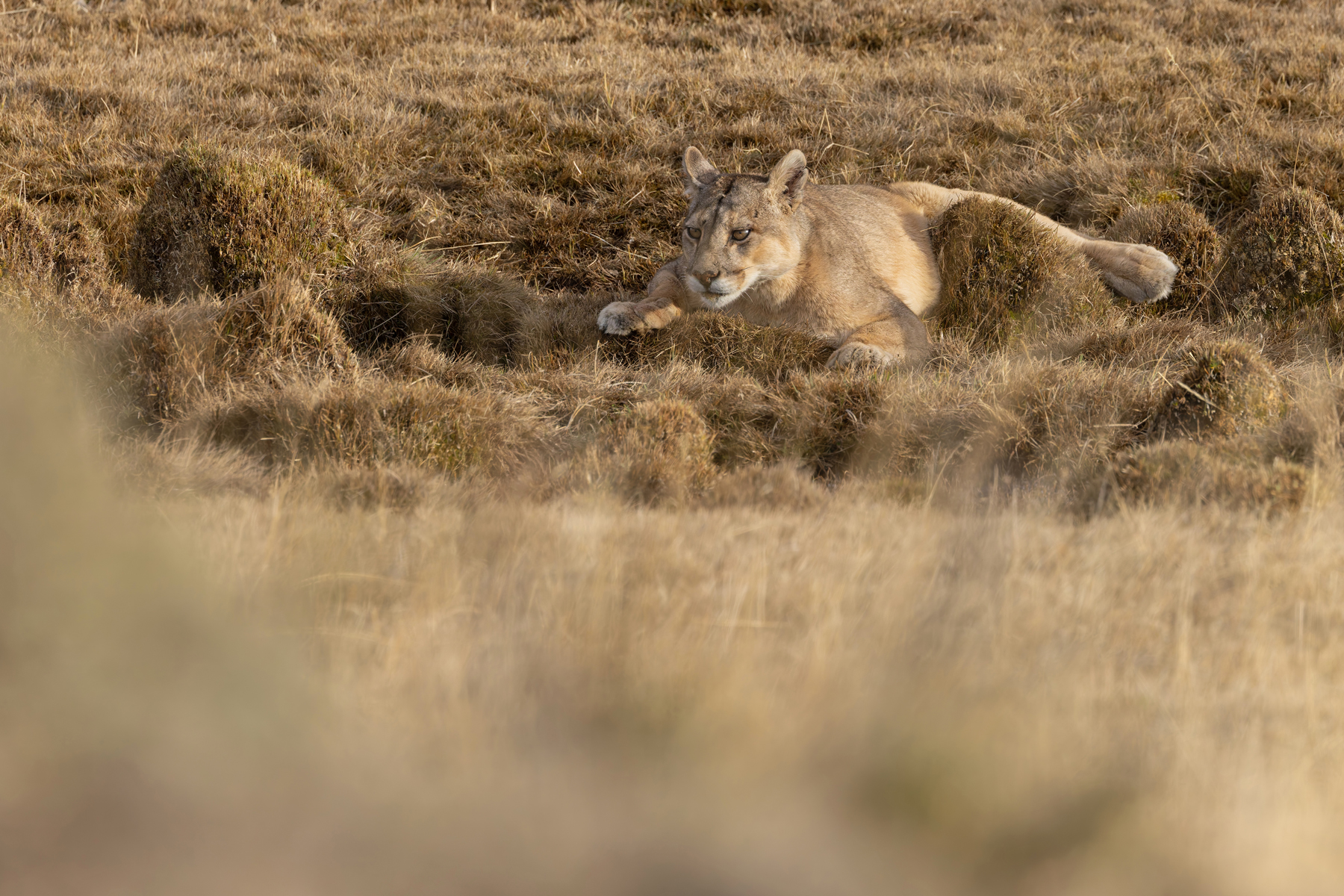
Rupestre is struggling after eating half a camel (image by Mike Watson)
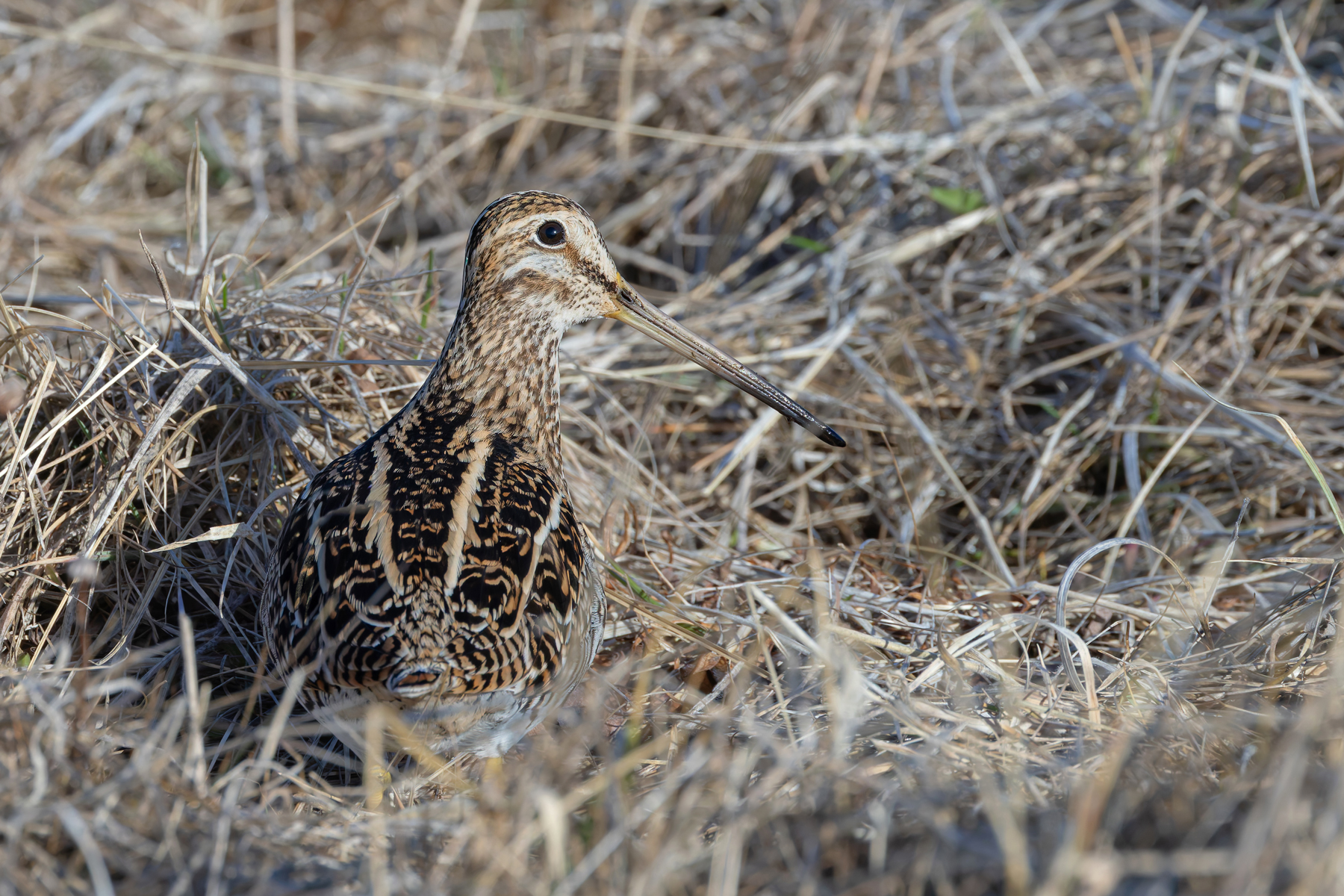
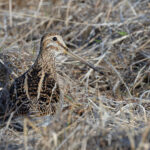
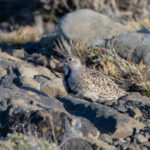
Magellanic Snipe, a variation on the snipe theme (image by Mike Watson)
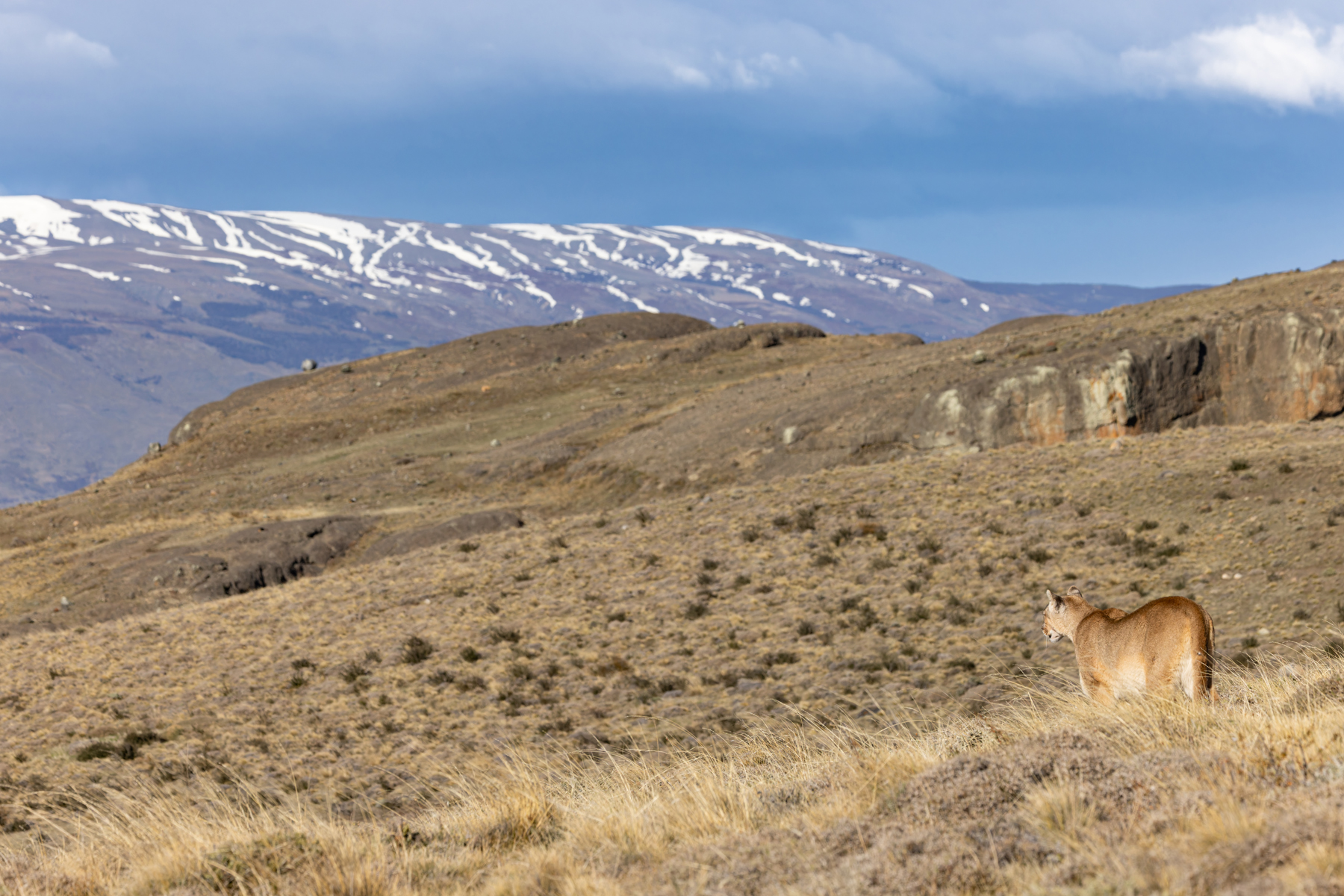
Having finished her meal Rupestre scans the landscape before making her way to a resting spot (image by Mike Watson)
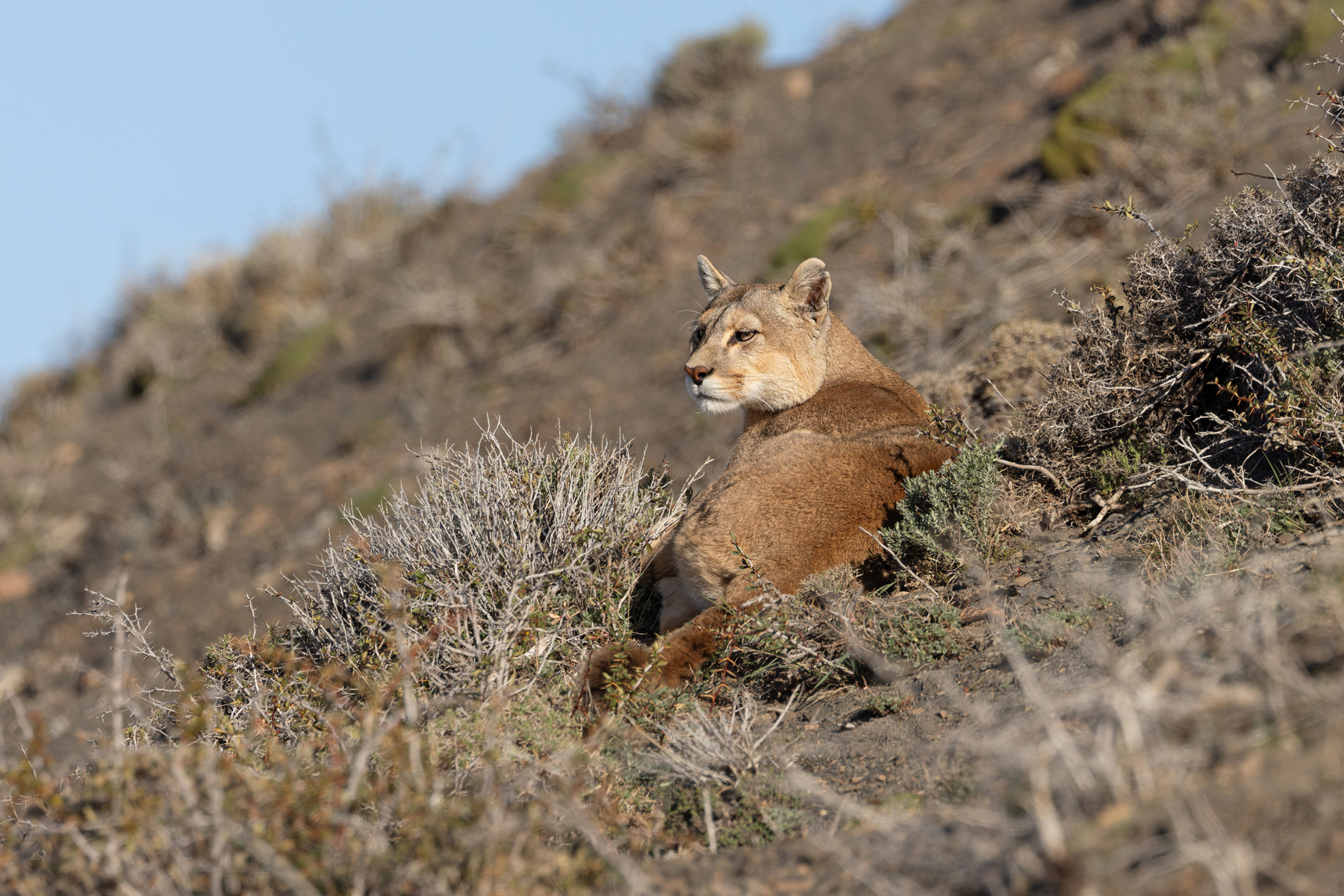
Danya, daughter of Rupestre gave birth less than a week ago and here she is, up and about again already (image by Mike Watson)
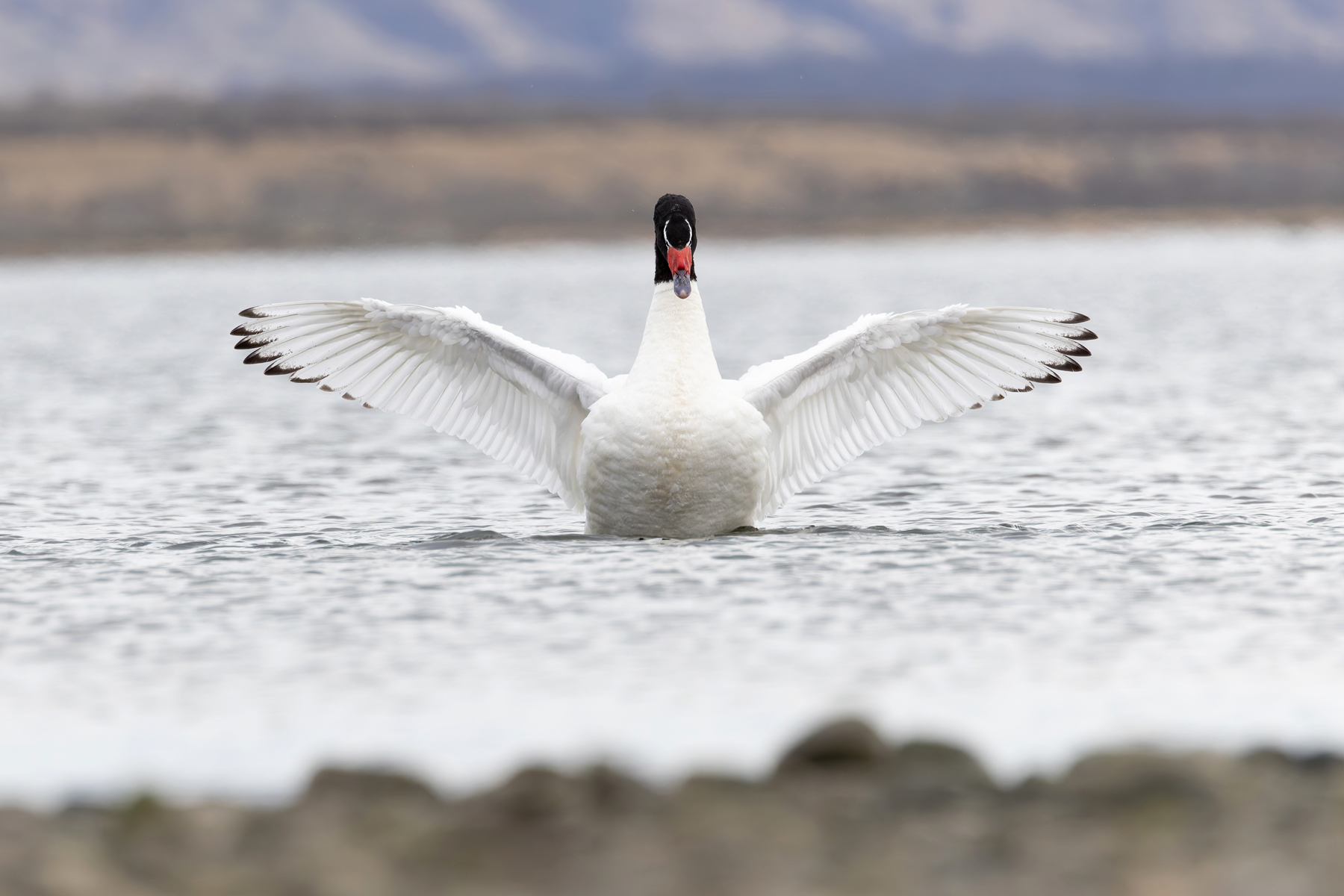
The stately Black-necked Swan is always a popular photo subject (image by Mike Watson)
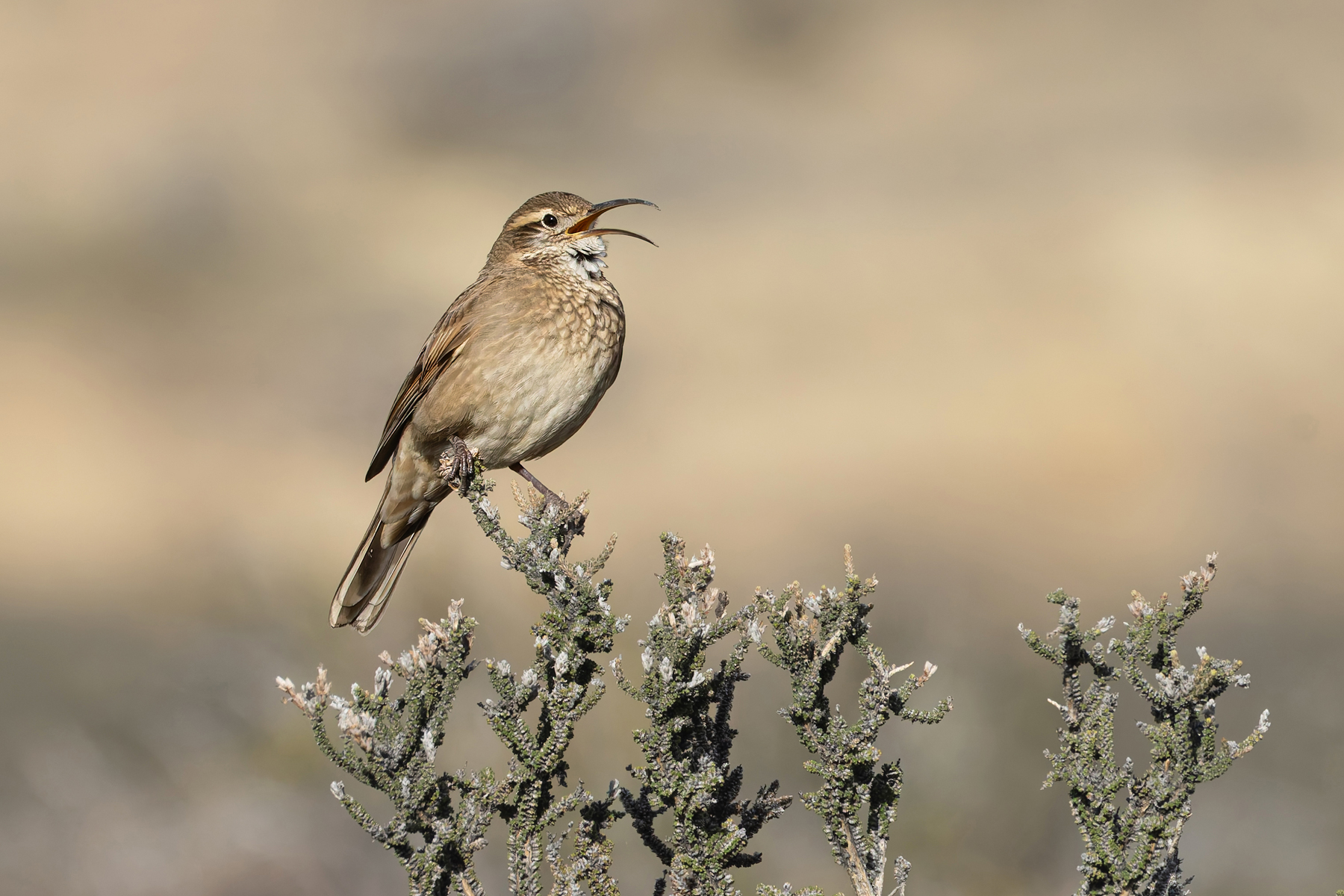
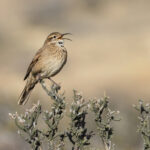
Scale-throated Earthcreeper, its ‘squeaky bicycle wheel’ song is the soundtrack to the Mata Negra (image by Mike Watson)
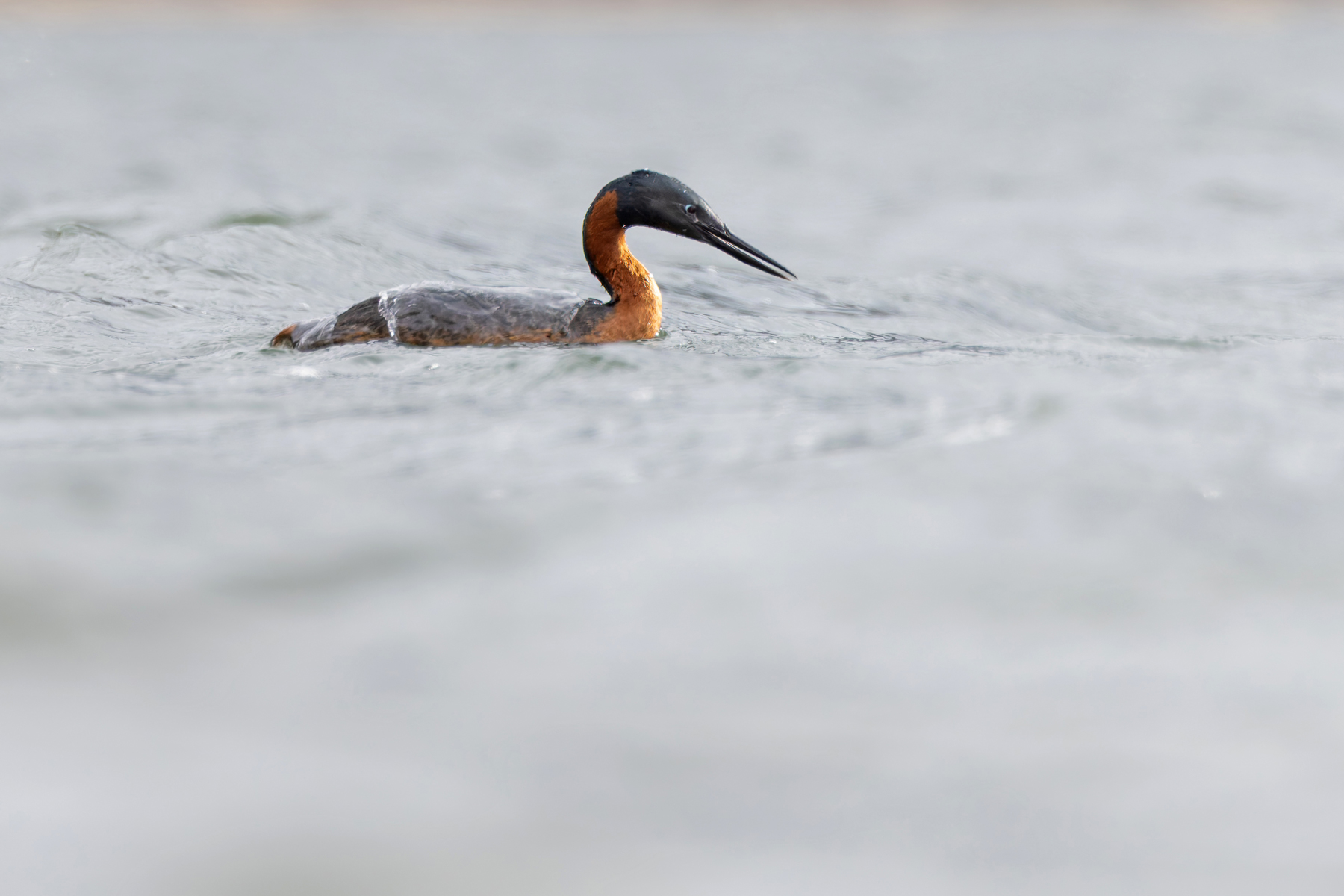
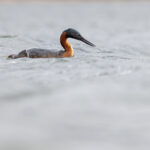
Great Grebes grace large lakes in the Torres del Paine region (image by Mike Watson)
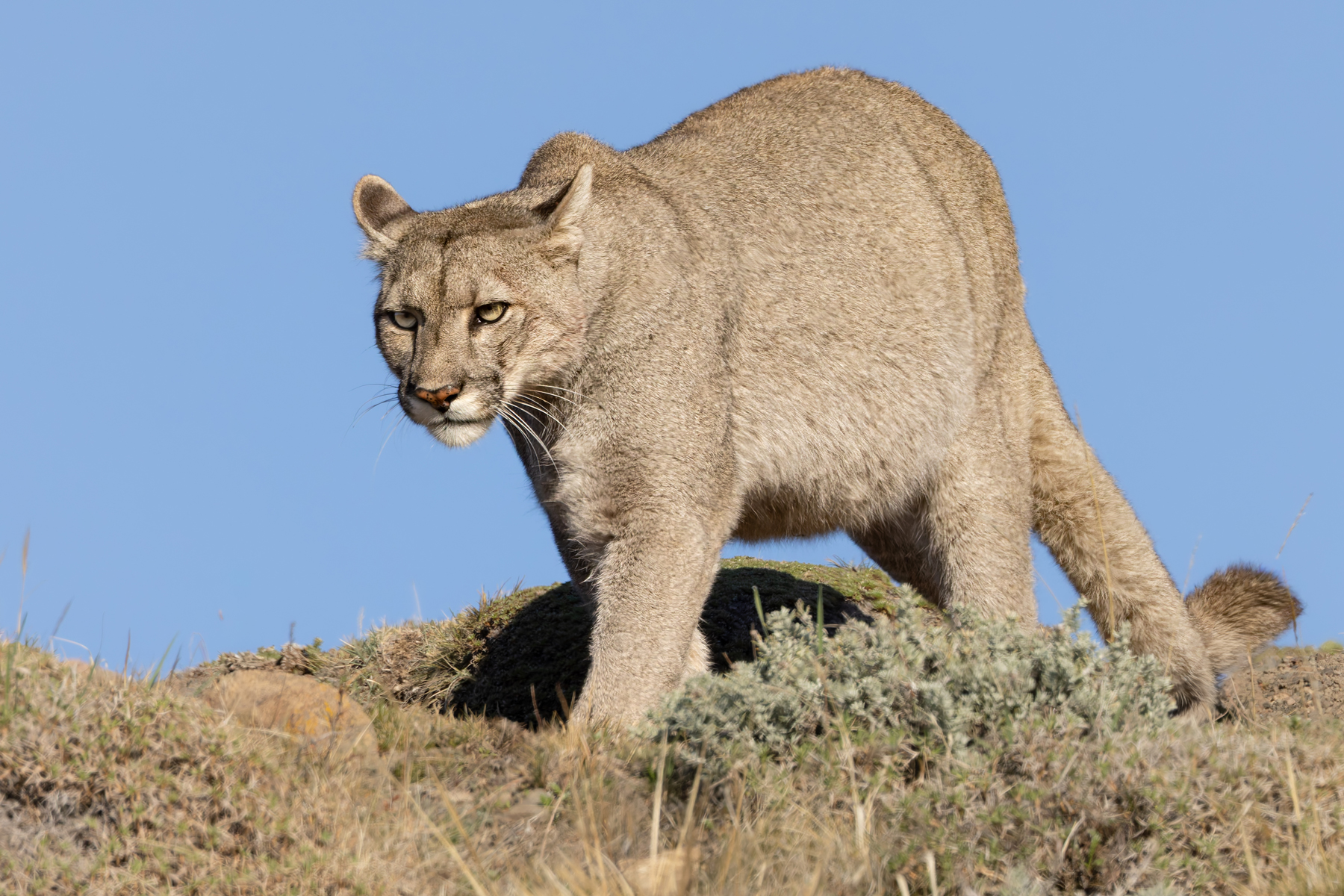
As with all cats, their ears are a clue to their feelings. Escarcha is mildly put out by something (image by Mike Watson)
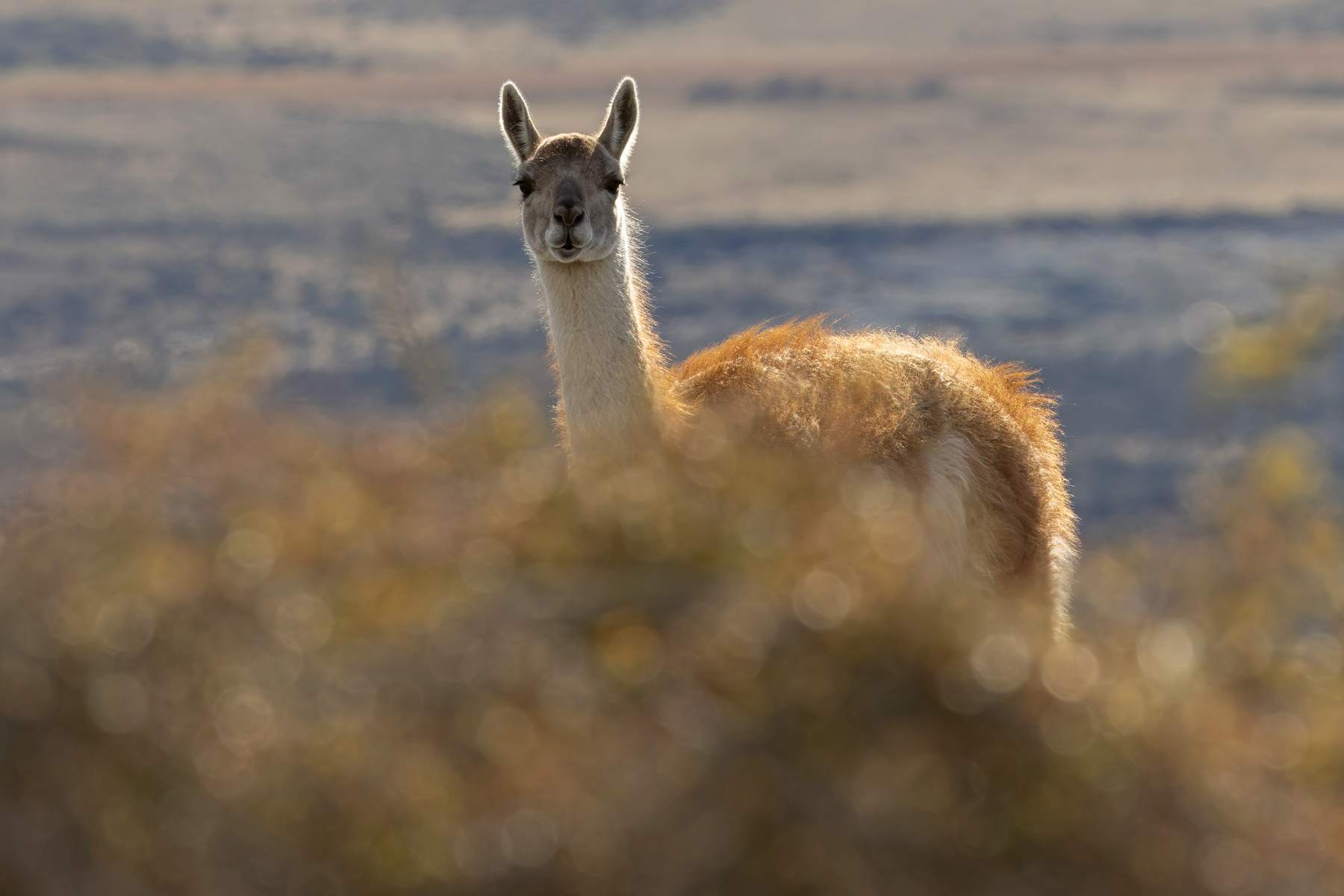
Guanaco, the ancestor of the Llama and favoutite food of Pumas (image by Mike Watson)
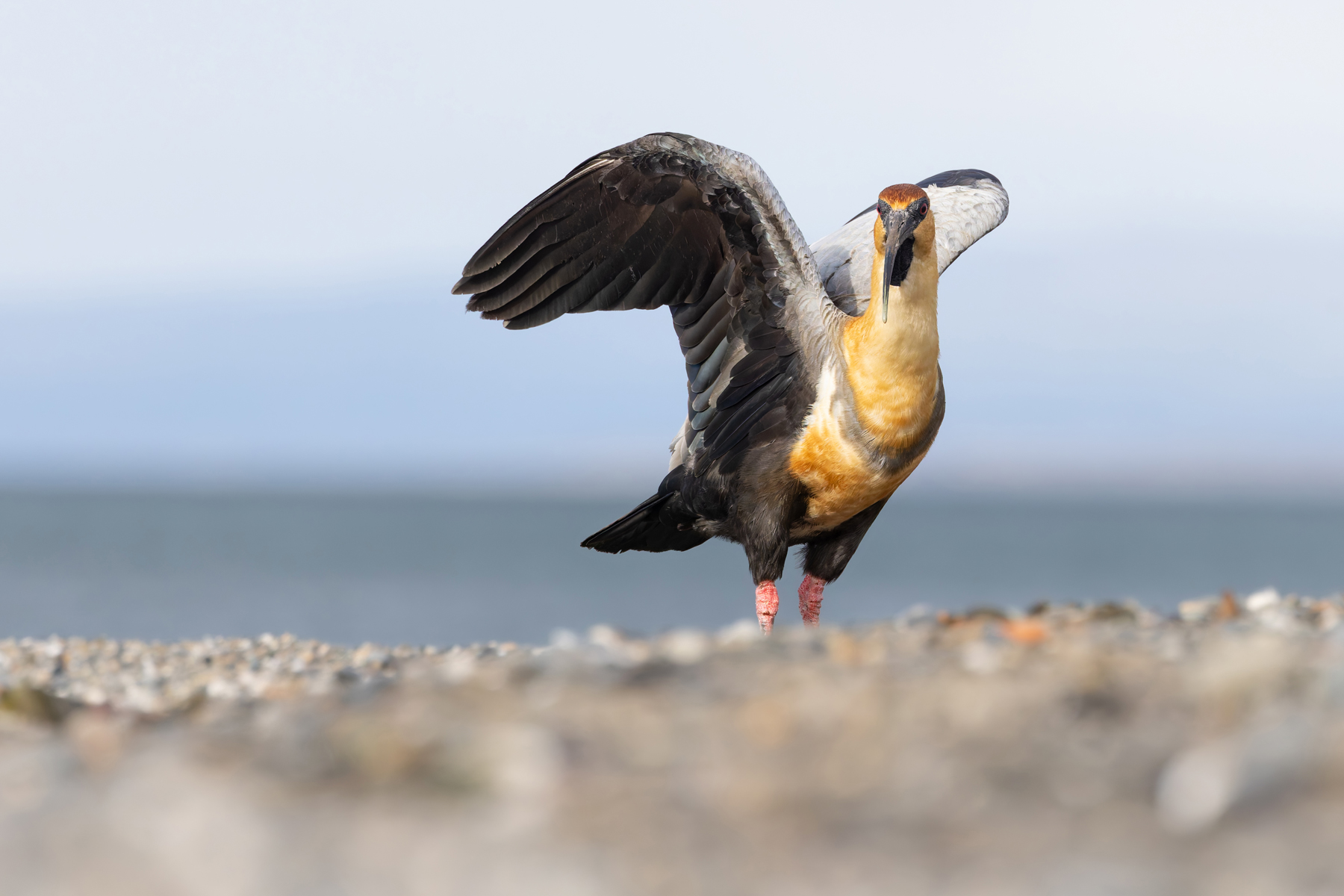
Black-necked Ibis (image by Mike Watson)
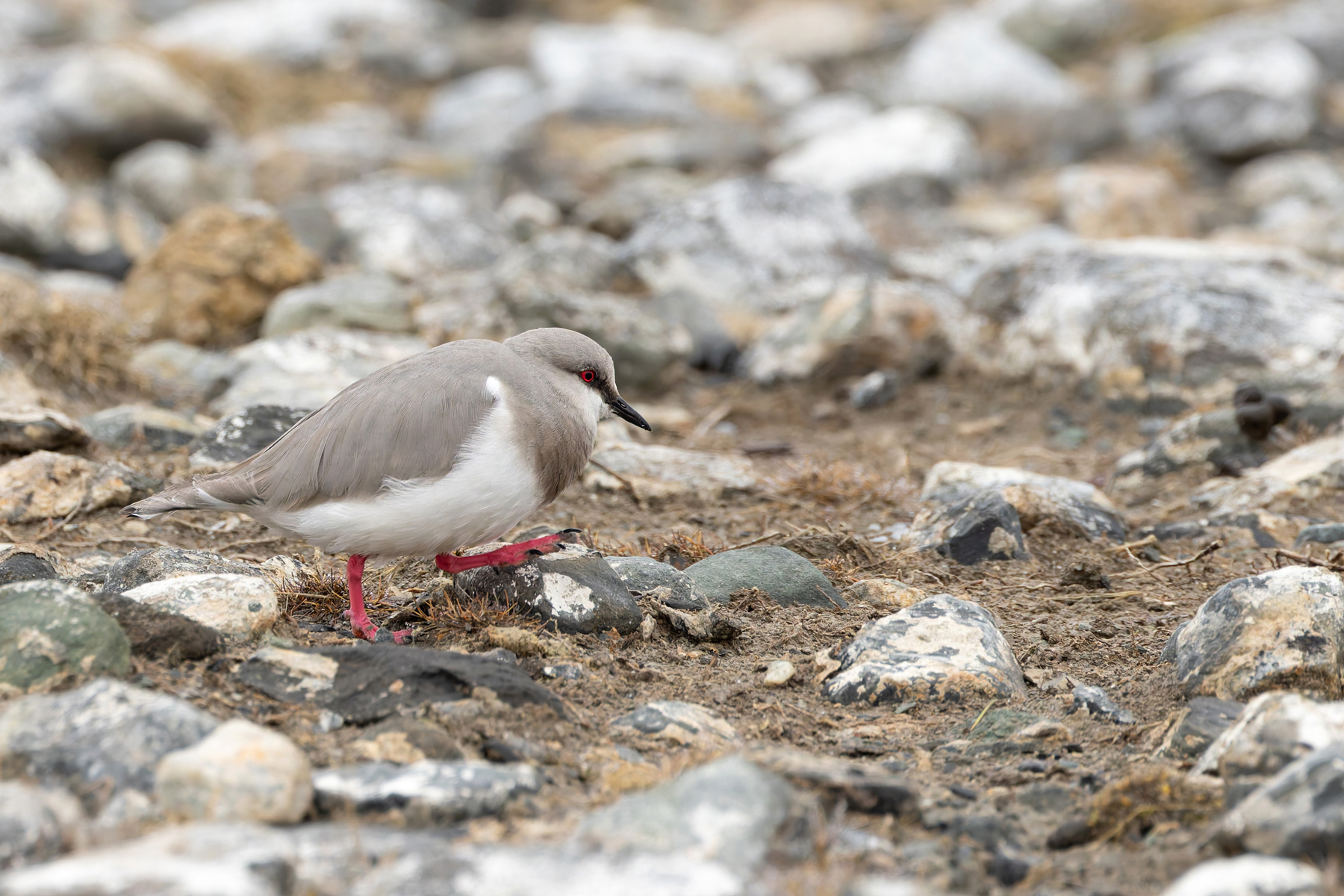
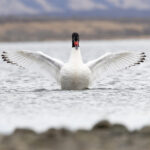
Magellanic Plover, so strange it is the only member of its bird family (image by Mike Watson)
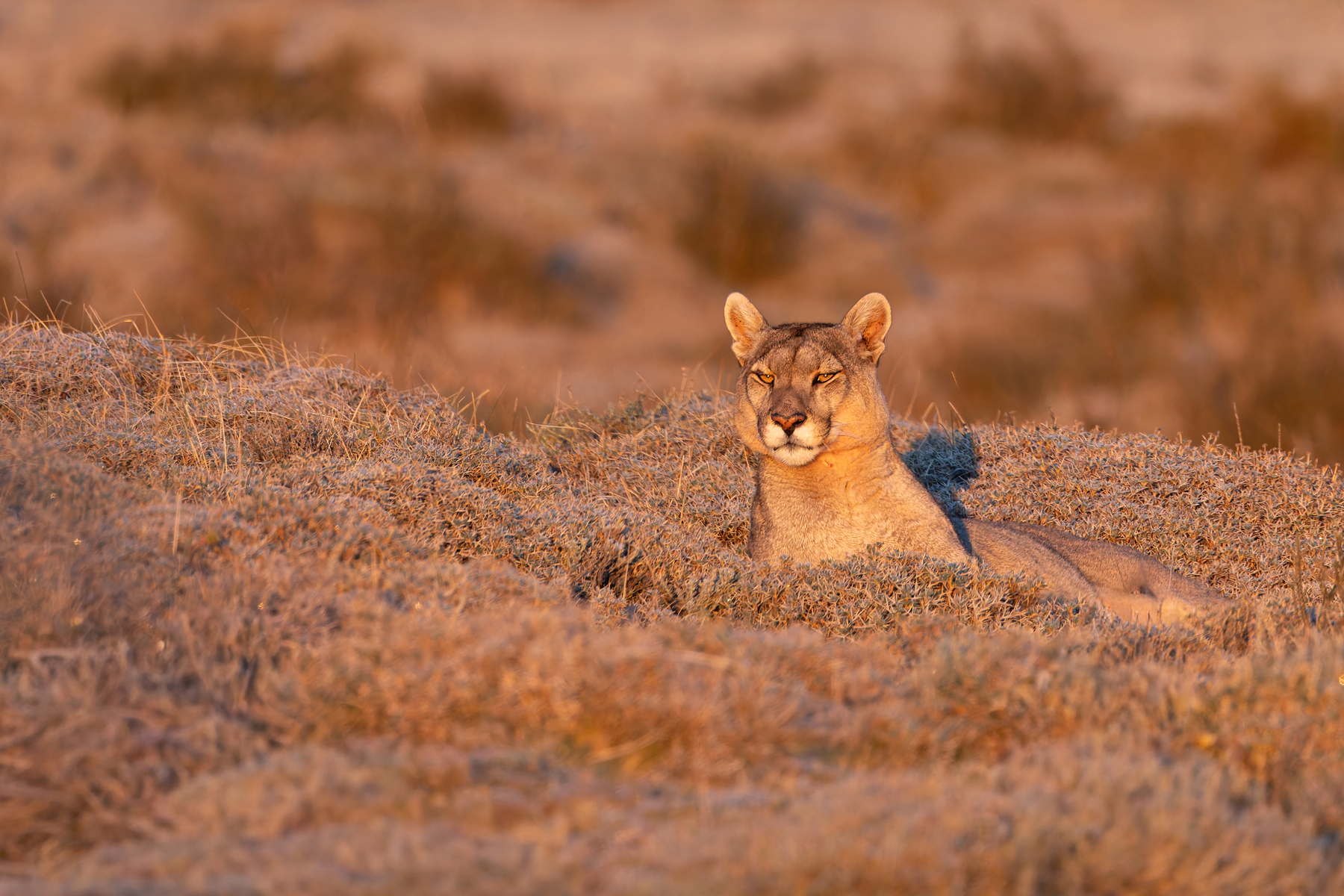
Petaka in the golden hour, this light had the wow factor! (image by Mike Watson)
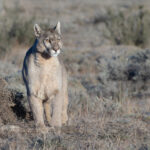
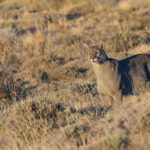
Petaka can see the other Puma on the skyline (image by Mike Watson)
Escarcha - big cats do like to play with their food (image by Mike Watson)
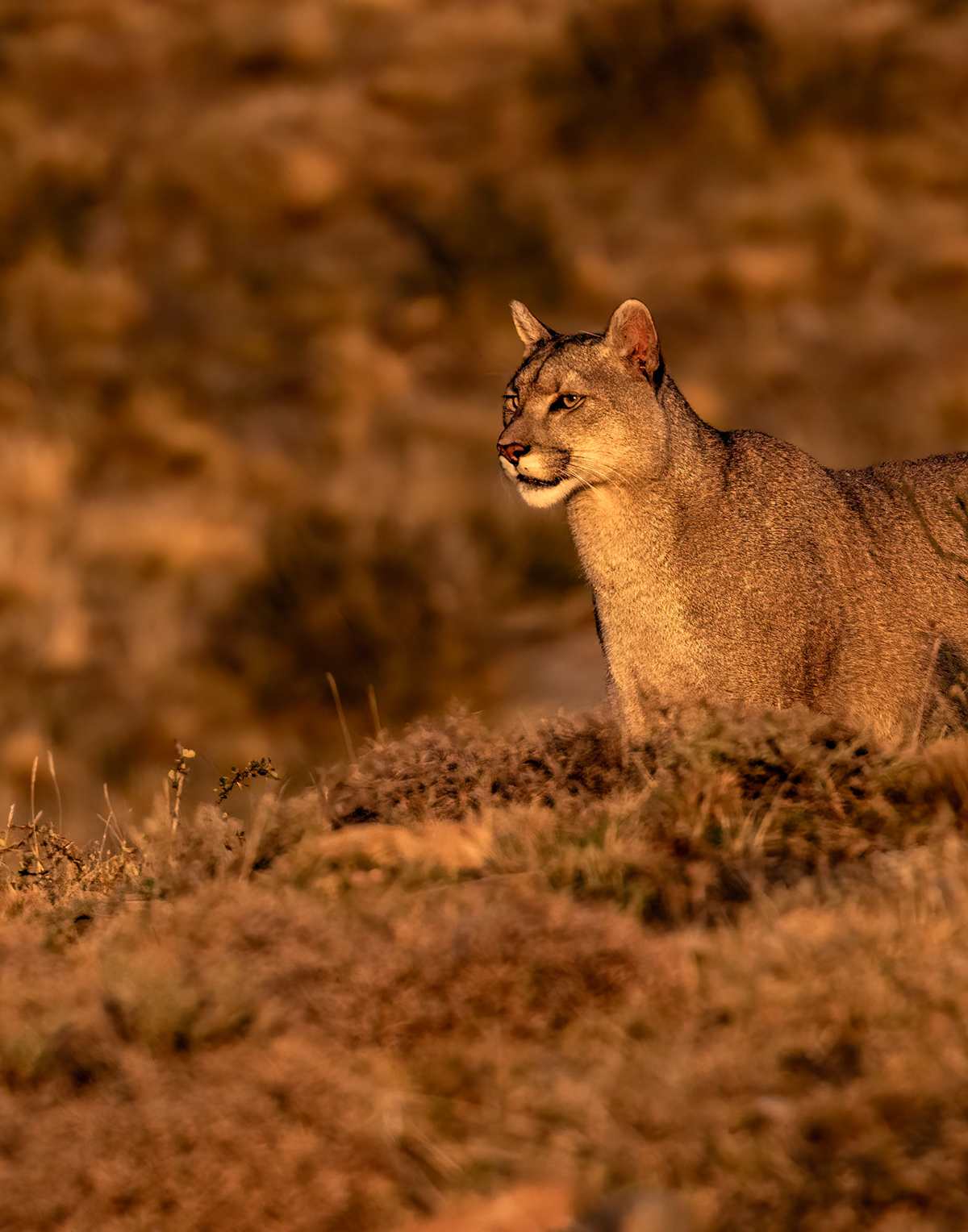
Beautiful Puma in golden light (image by Wild Images guest Stuart Hahn)
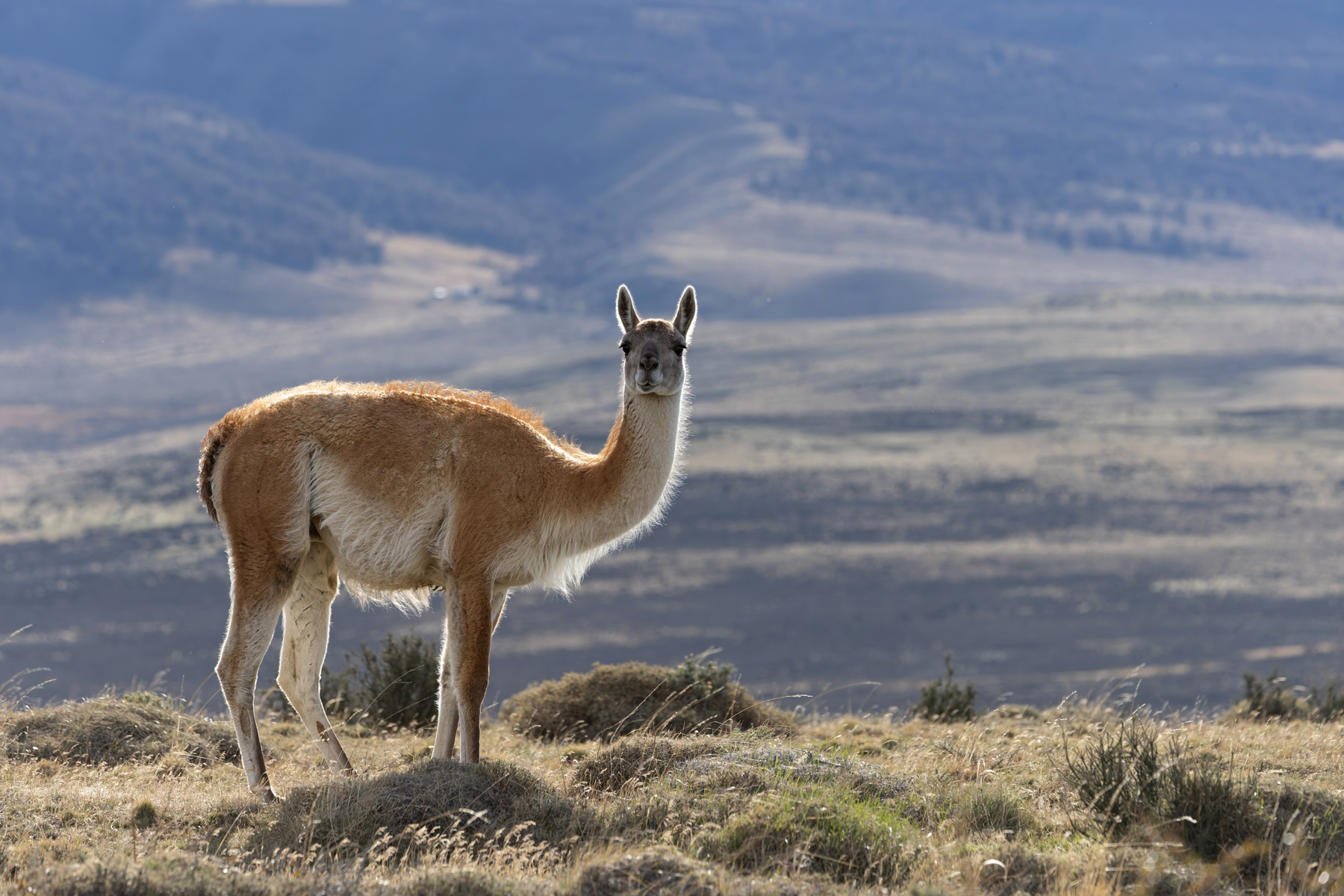
Guanacos are rather beautiful creatures! (image by Mike Watson)
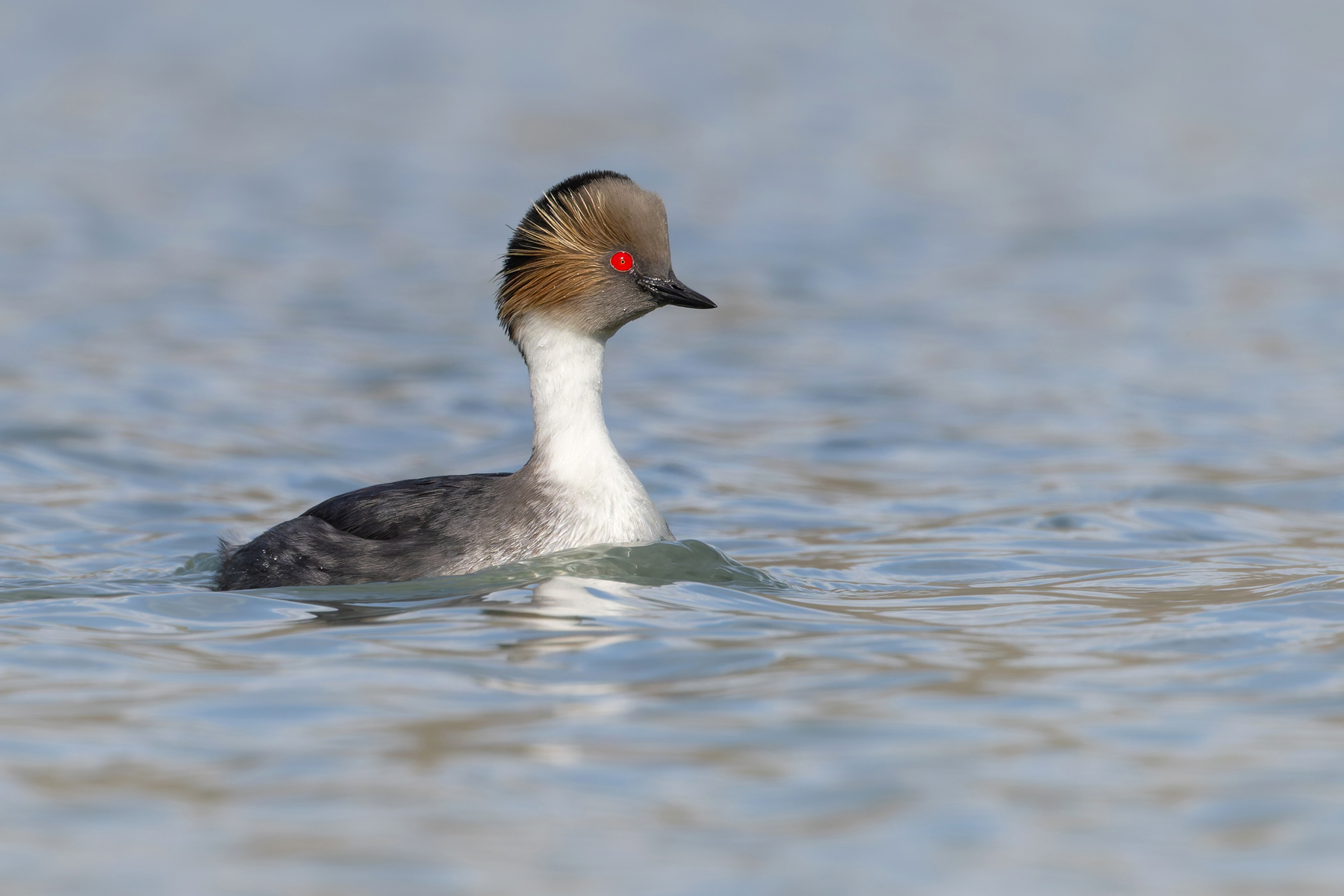
Silvery Grebe, of the Patagonian form - simply gorgeous! (image by Mike Watson)
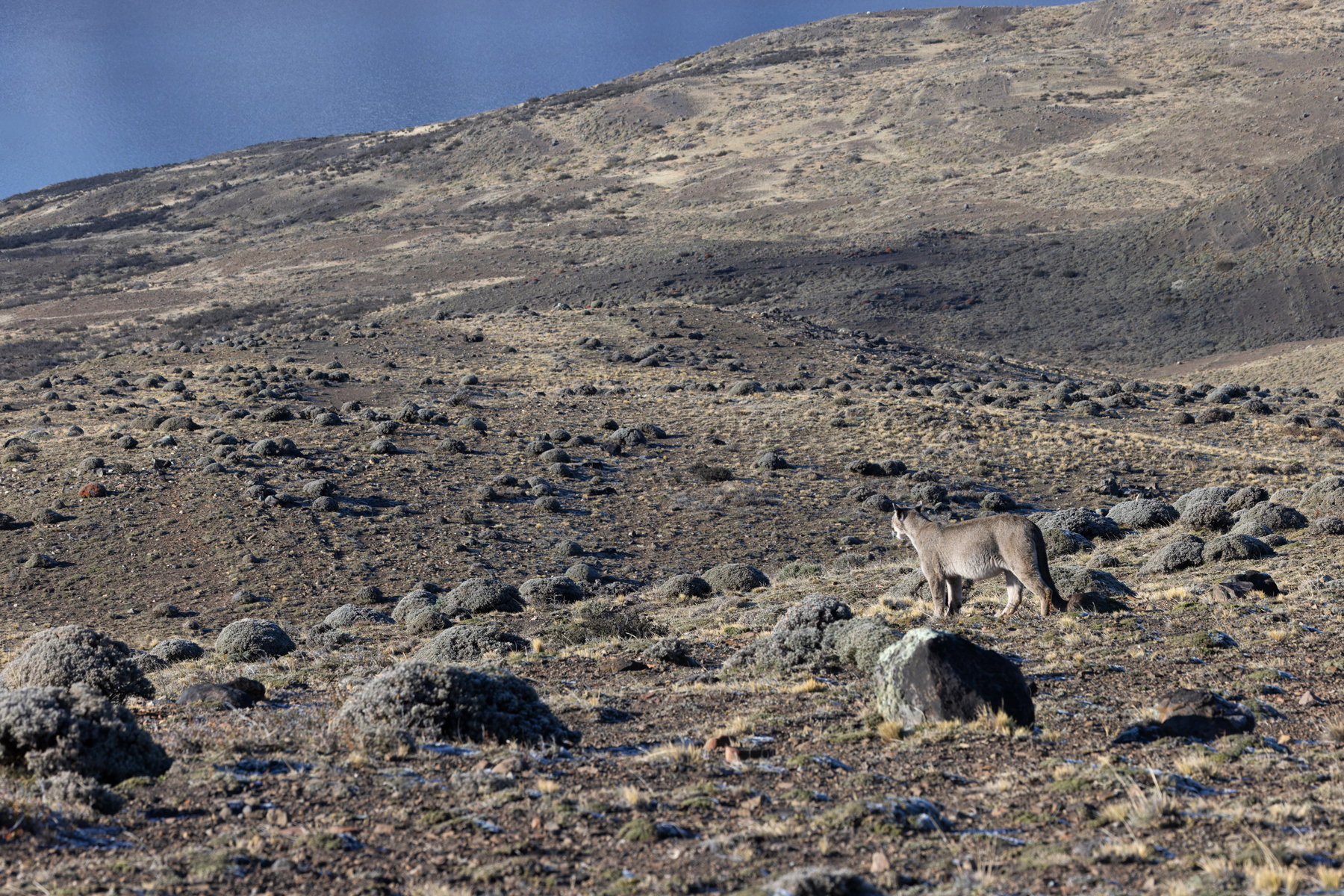
Scanning the landscape, Puma’s eyesight is superb (image by Mike Watson)
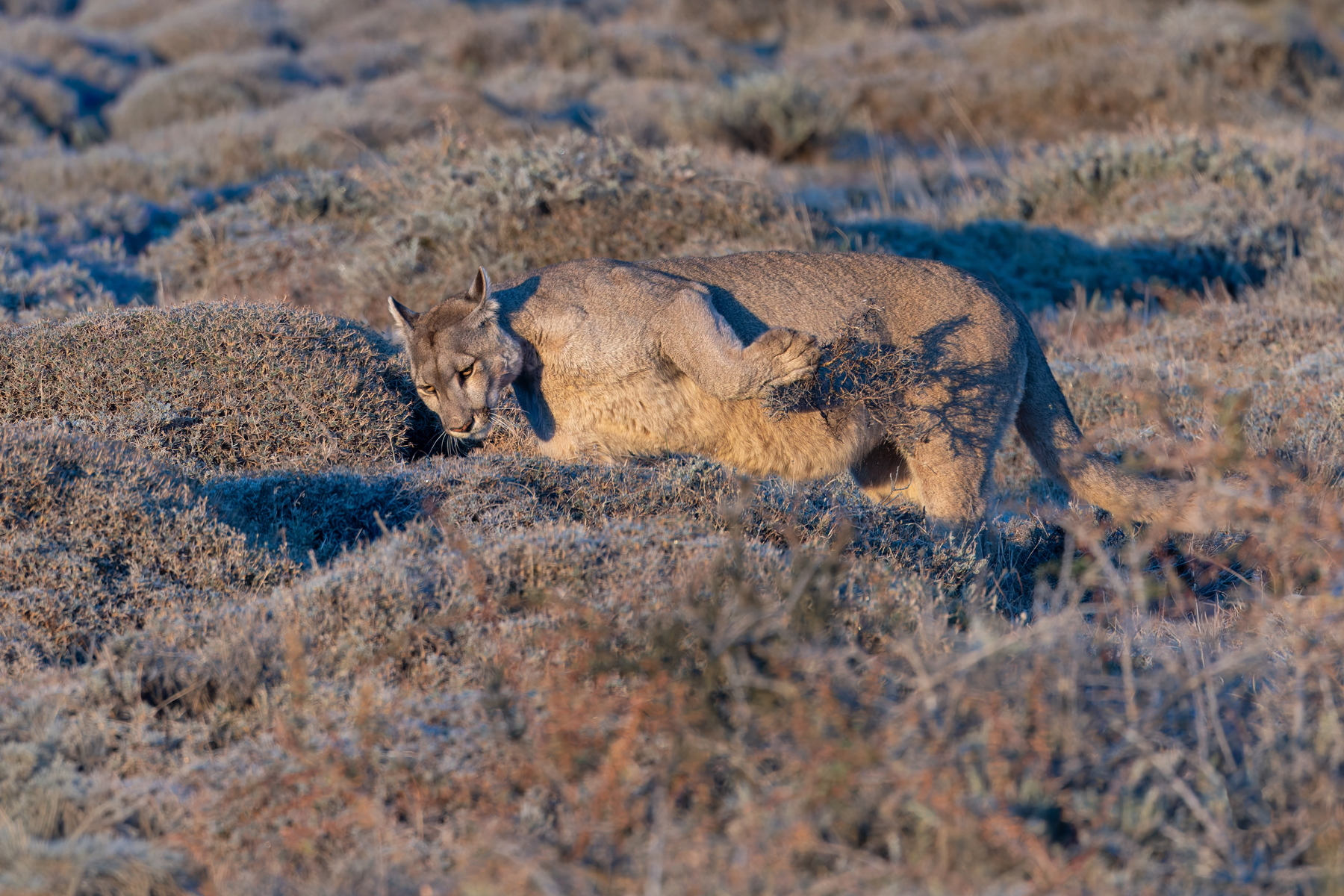
Petaka is an expert in concealing her kills from would be thieves (image by Mike Watson)
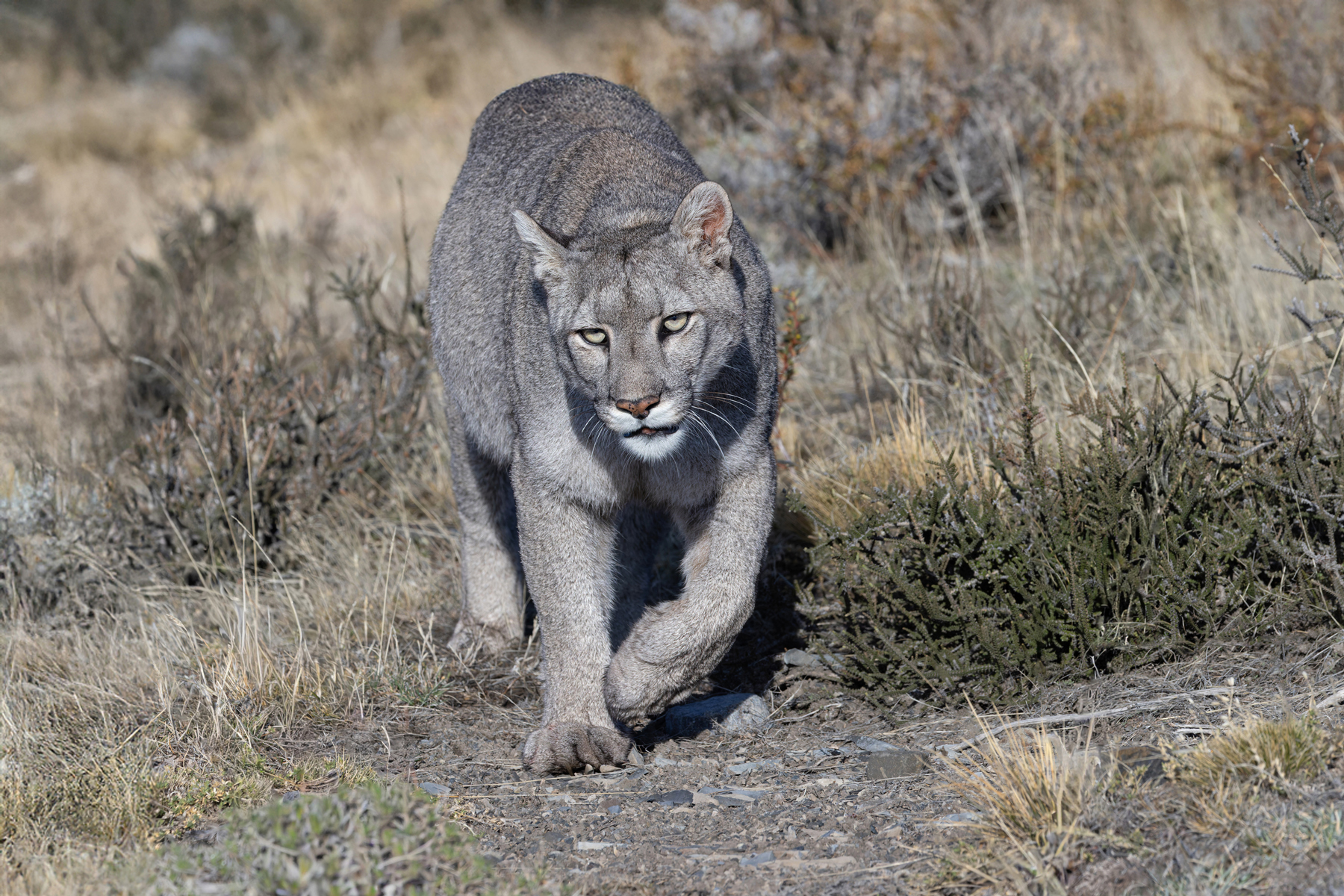
Escarcha has visibly filled out since our encounter last year and not just her belly! (image by Mike Watson)
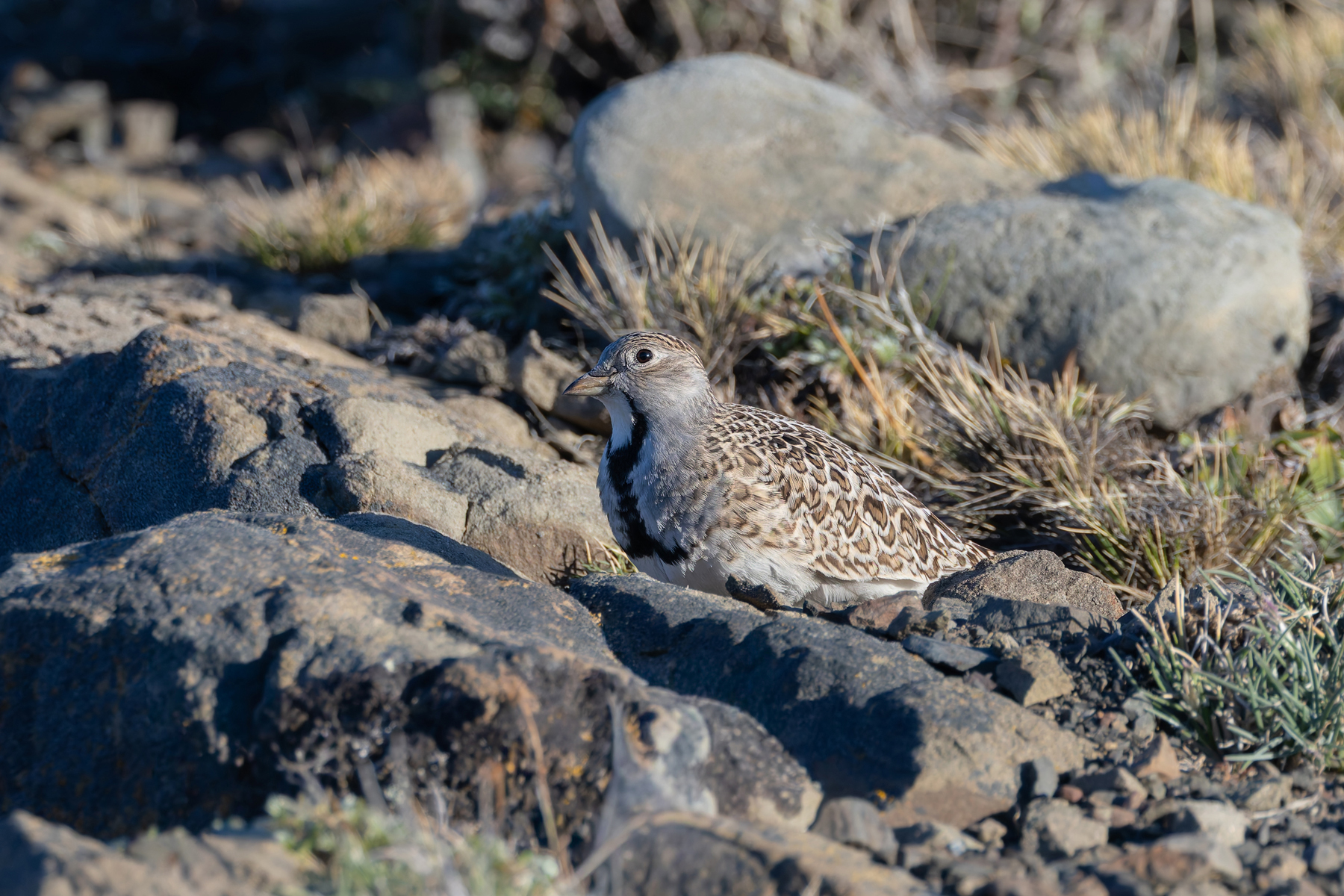
Least Seedsnipe is quite shy and tricky to approach closely (image by Mike Watson)
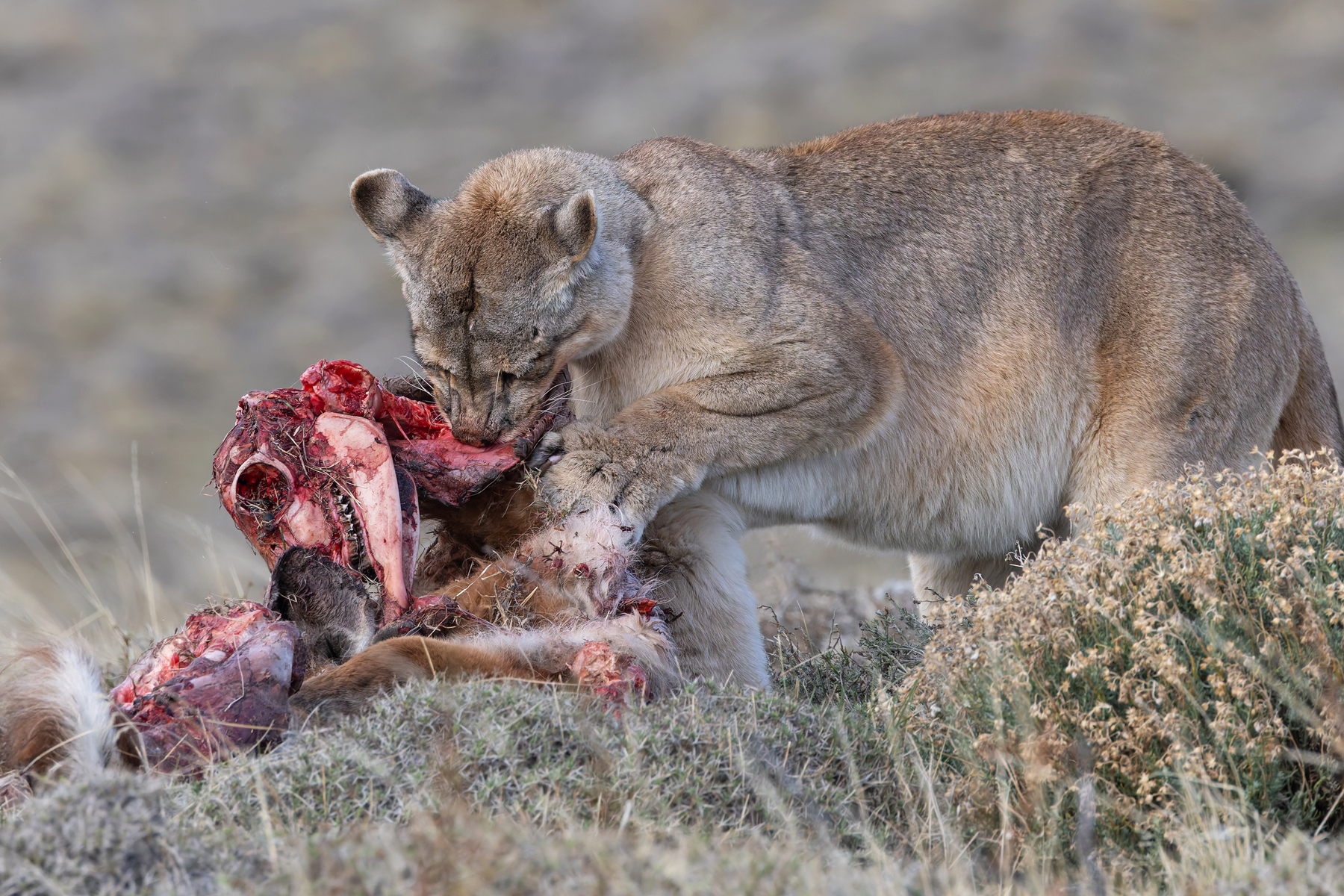
At least the poor Guanaco is getting upcycled as Puma! (image by Mike Watson)
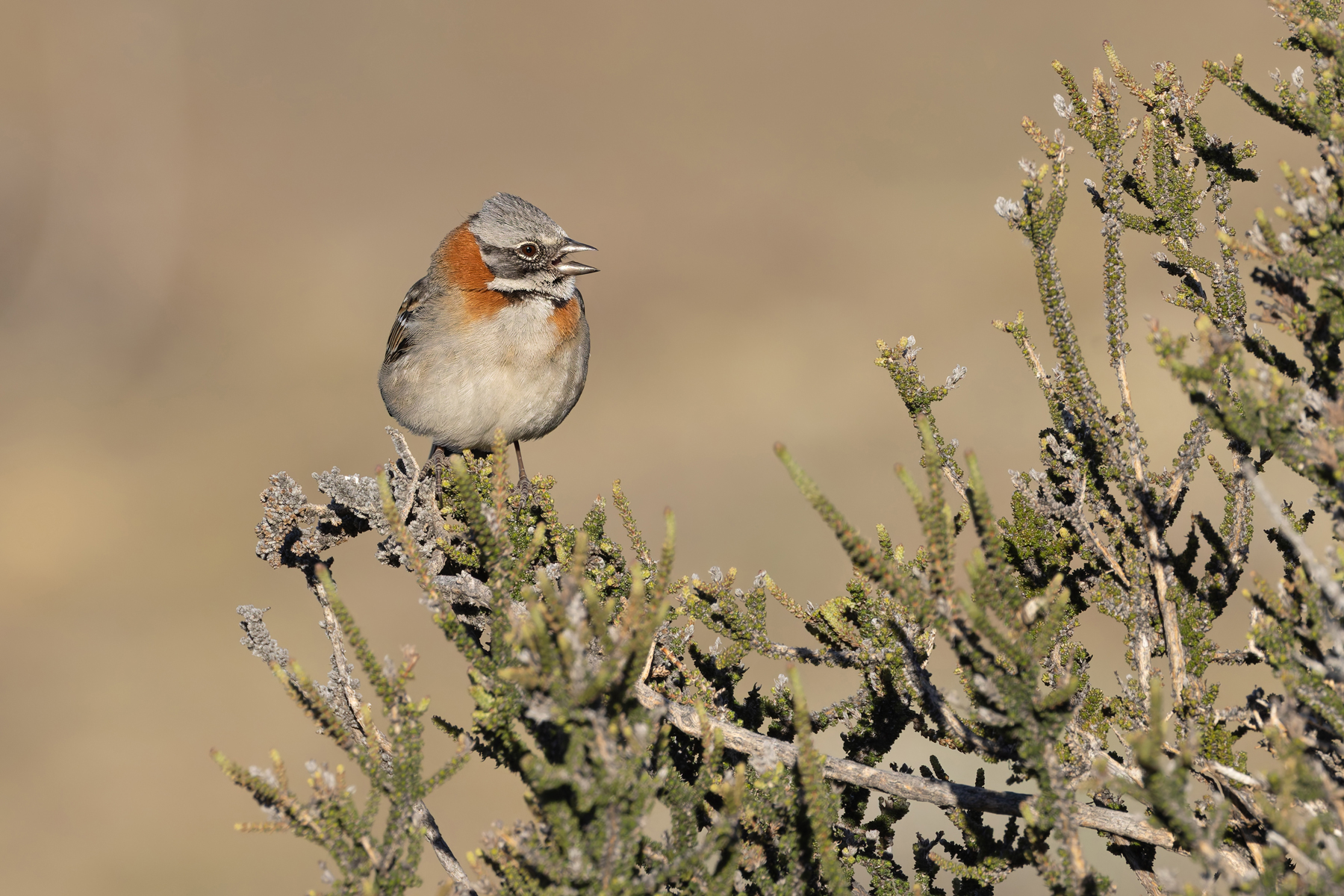
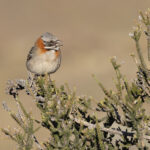
Rufous-collared Sparrow - one of at least a million opportunities (image by Mike Watson)
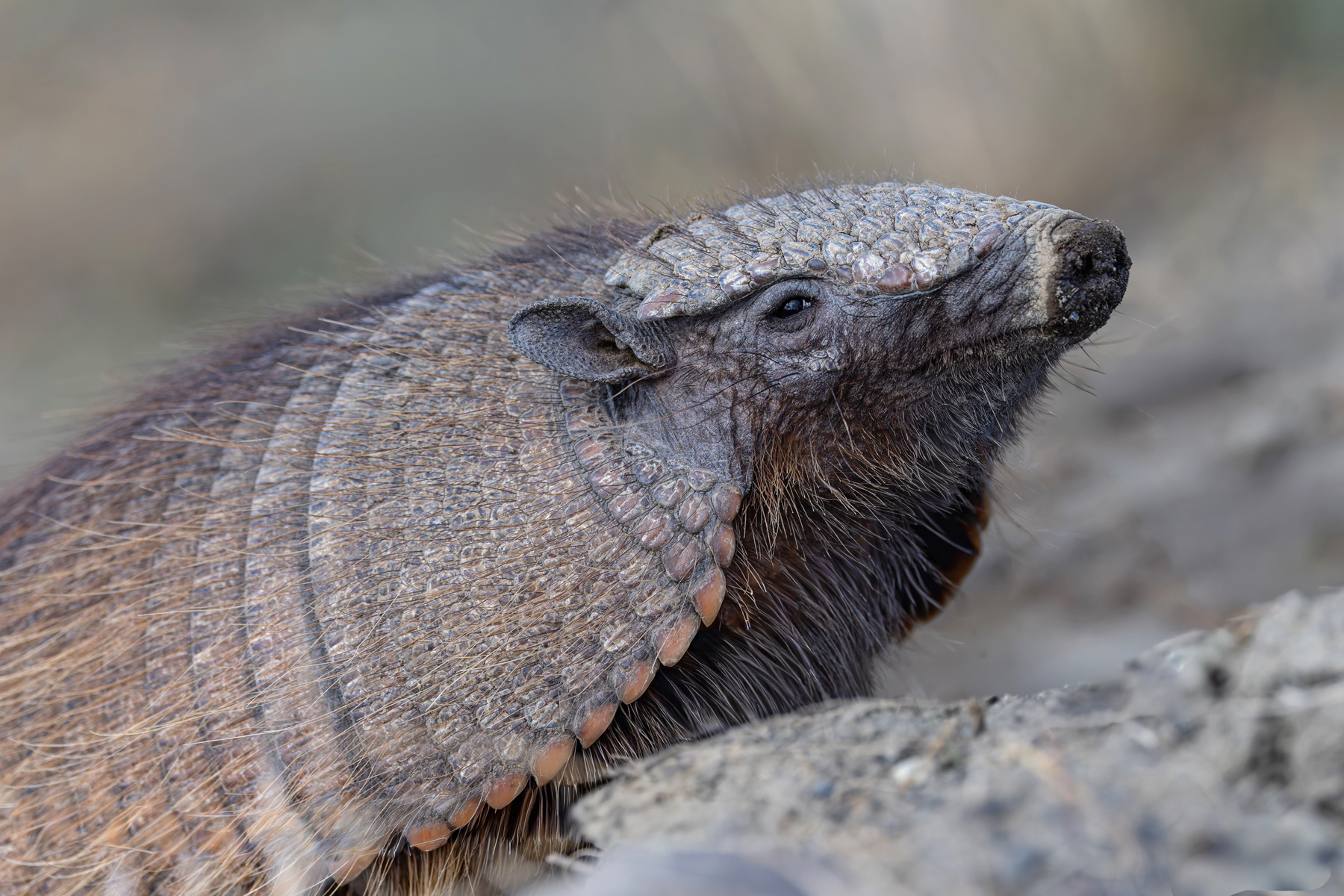
The heavily armoured Large Hairy Armadillo can sometimes be very tame! (image by Mike Watson)
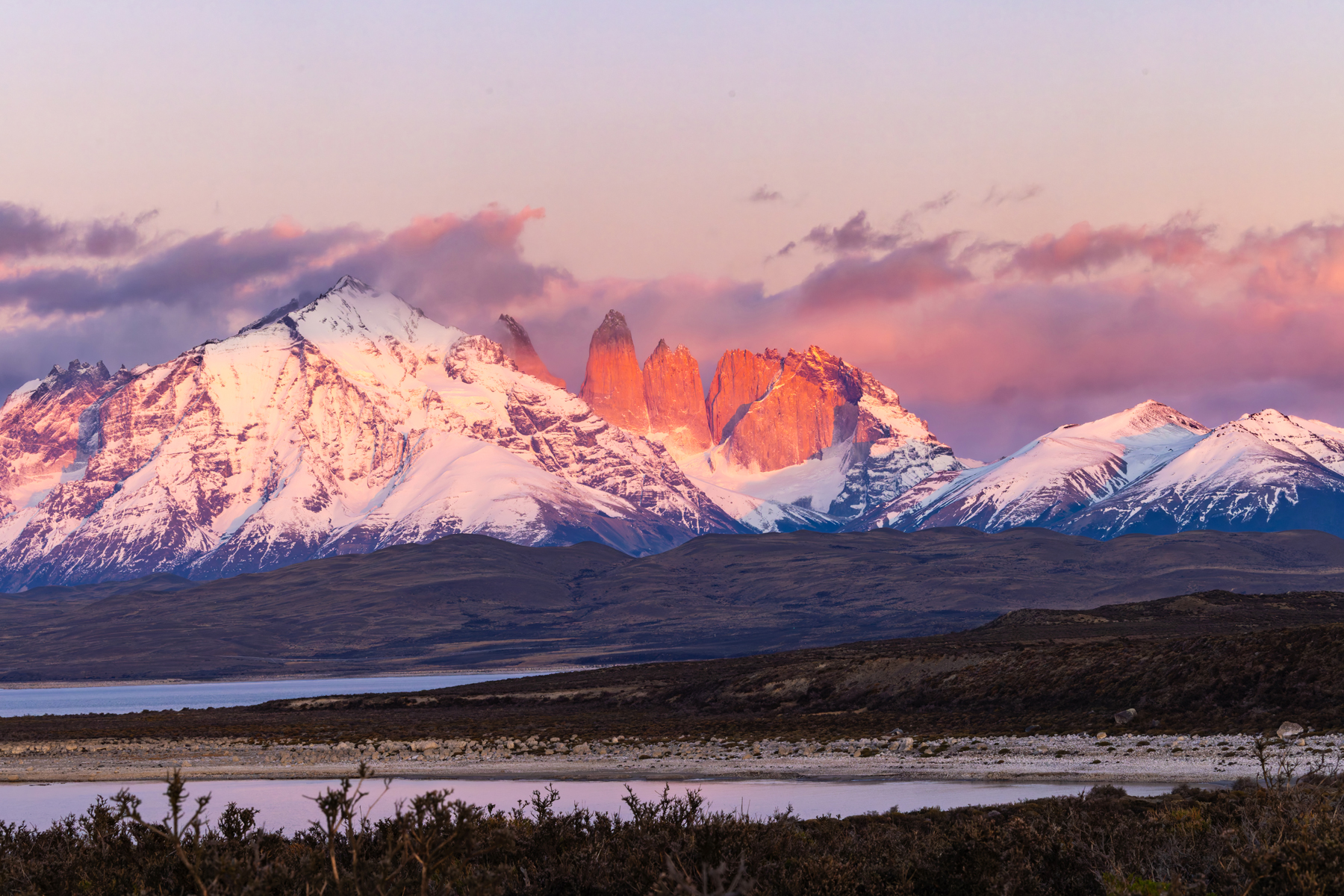
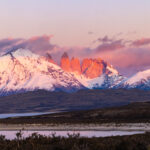
Pink towers at sunrise, Torres del Paine, a wider view (image by Mike Watson)
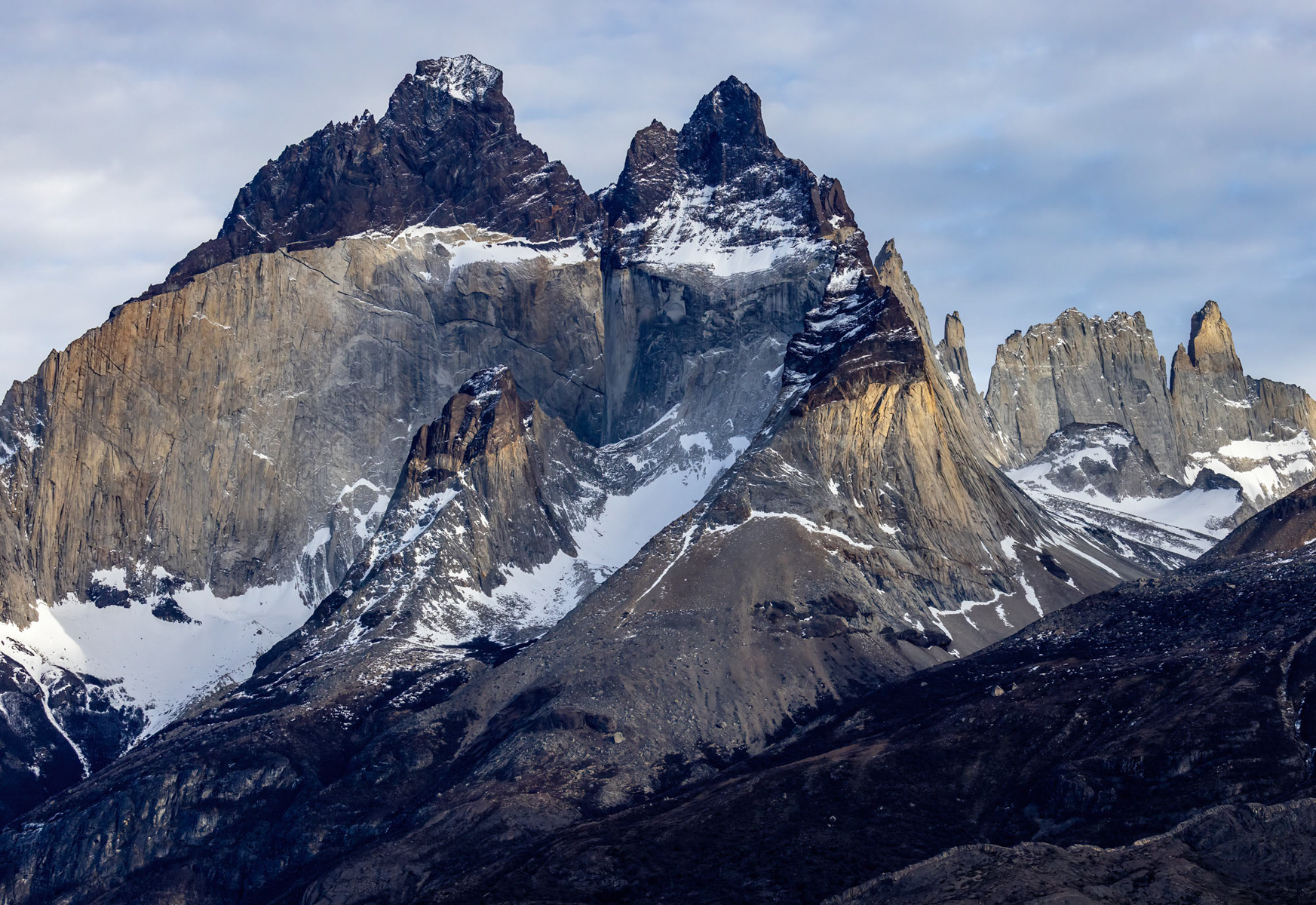
Torres del Paine (image by Wild Images guest Stuart Hahn)
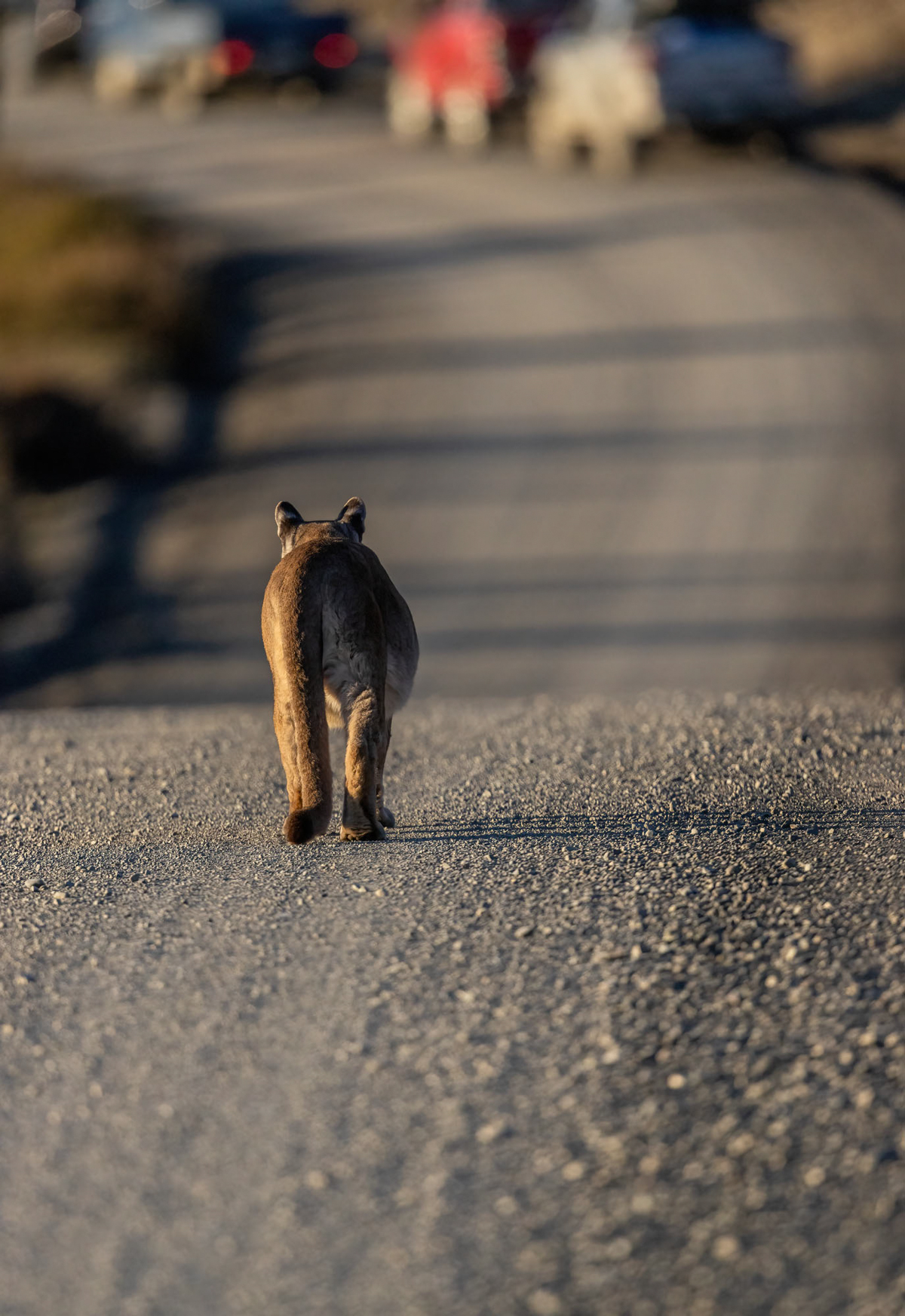
Pumas, like all cats, love to walk on established trails (image by Wild Images guest Stuart Hahn)
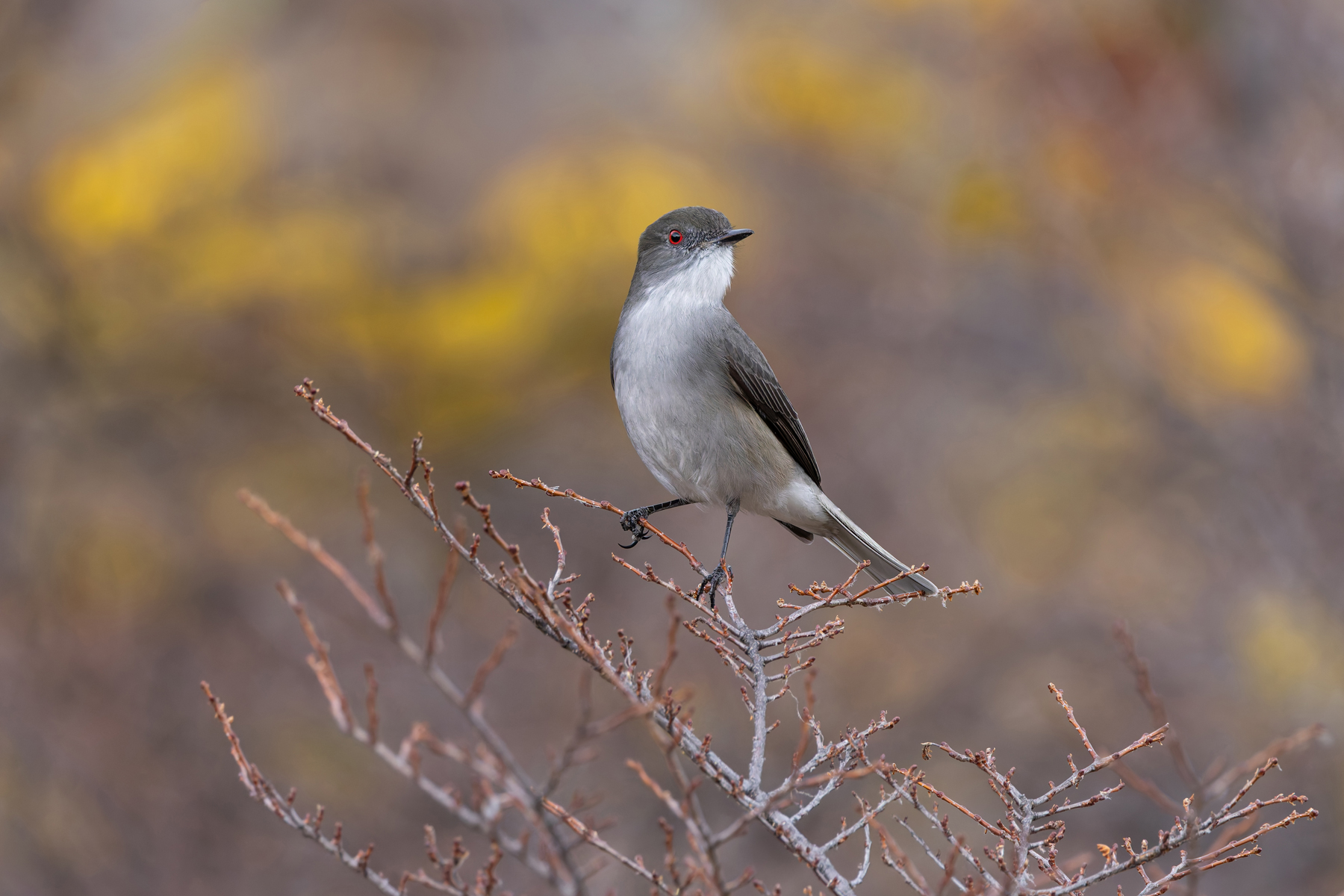
The smart Fire-eyed Diucon is a membe of the Tyrant Flycatcher family, the largest bird family (image by Mike Watson)
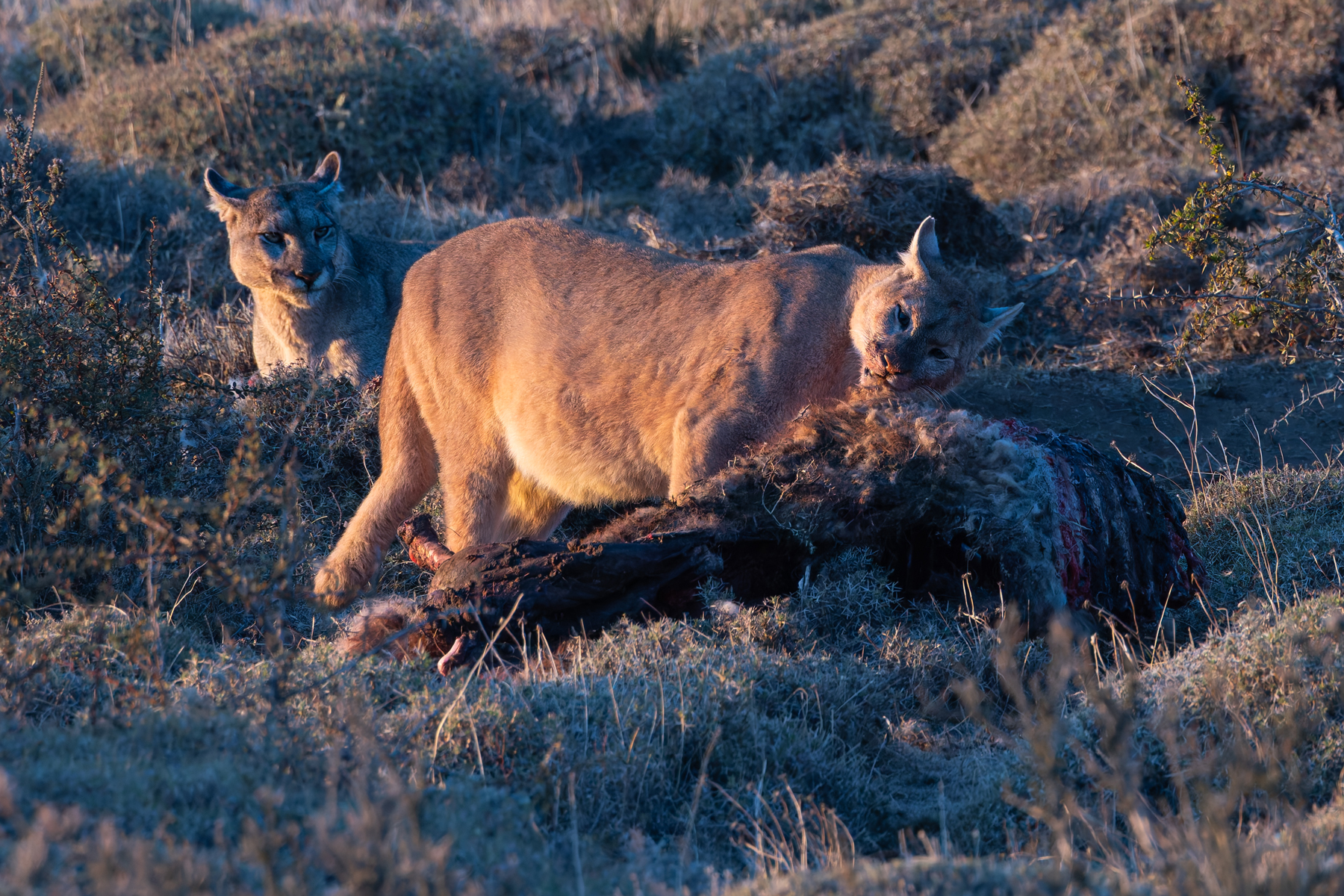
I didn’t say you can eat the whole thing. Petaka visibly disgruntled as Lenga tucks in to her Guanaco buffet (image by Mike Watson)
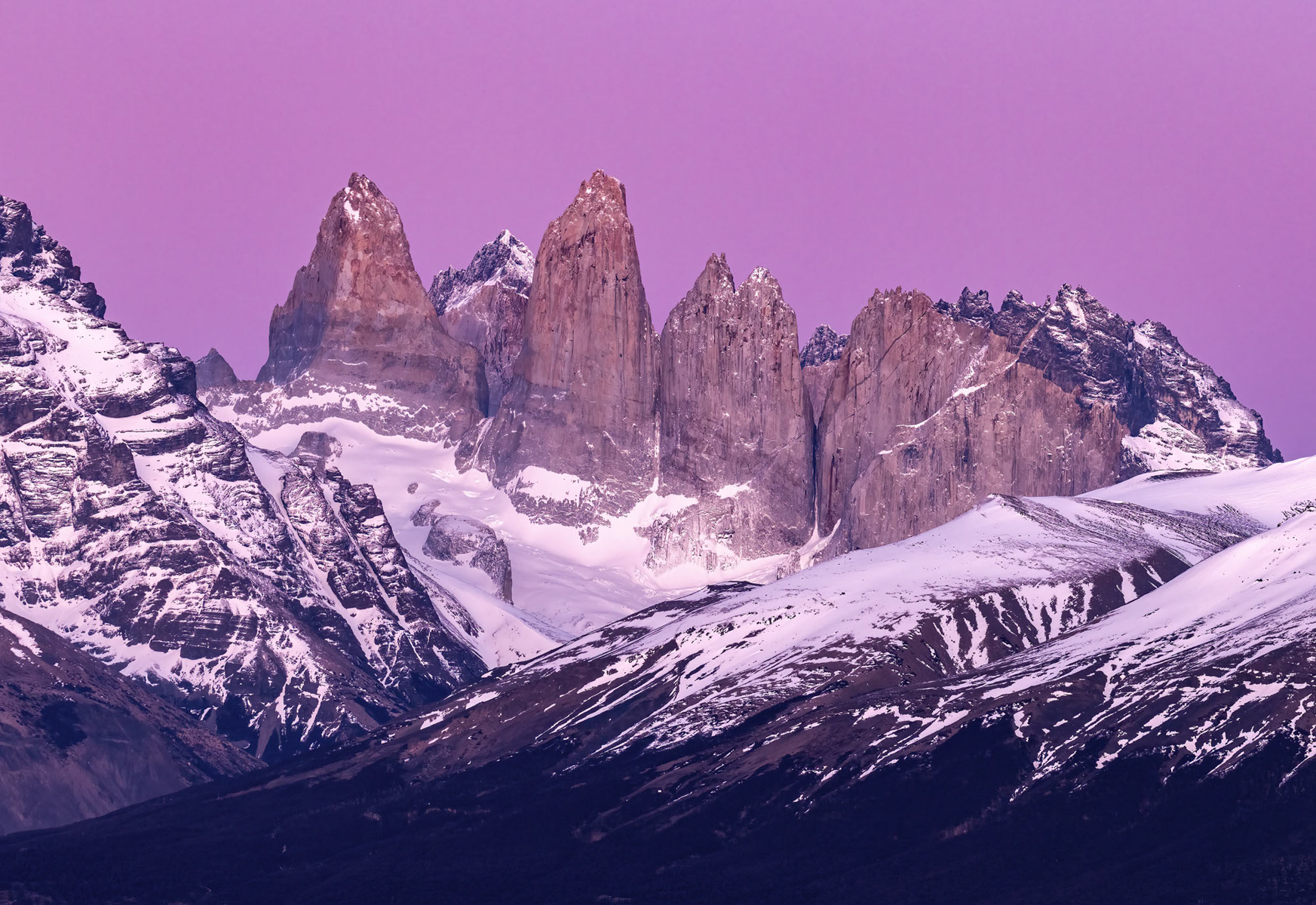
The dramatic peaks of Torres Del Paine at the blush of a new day (image by Wild Images guest Stuart Hahn)
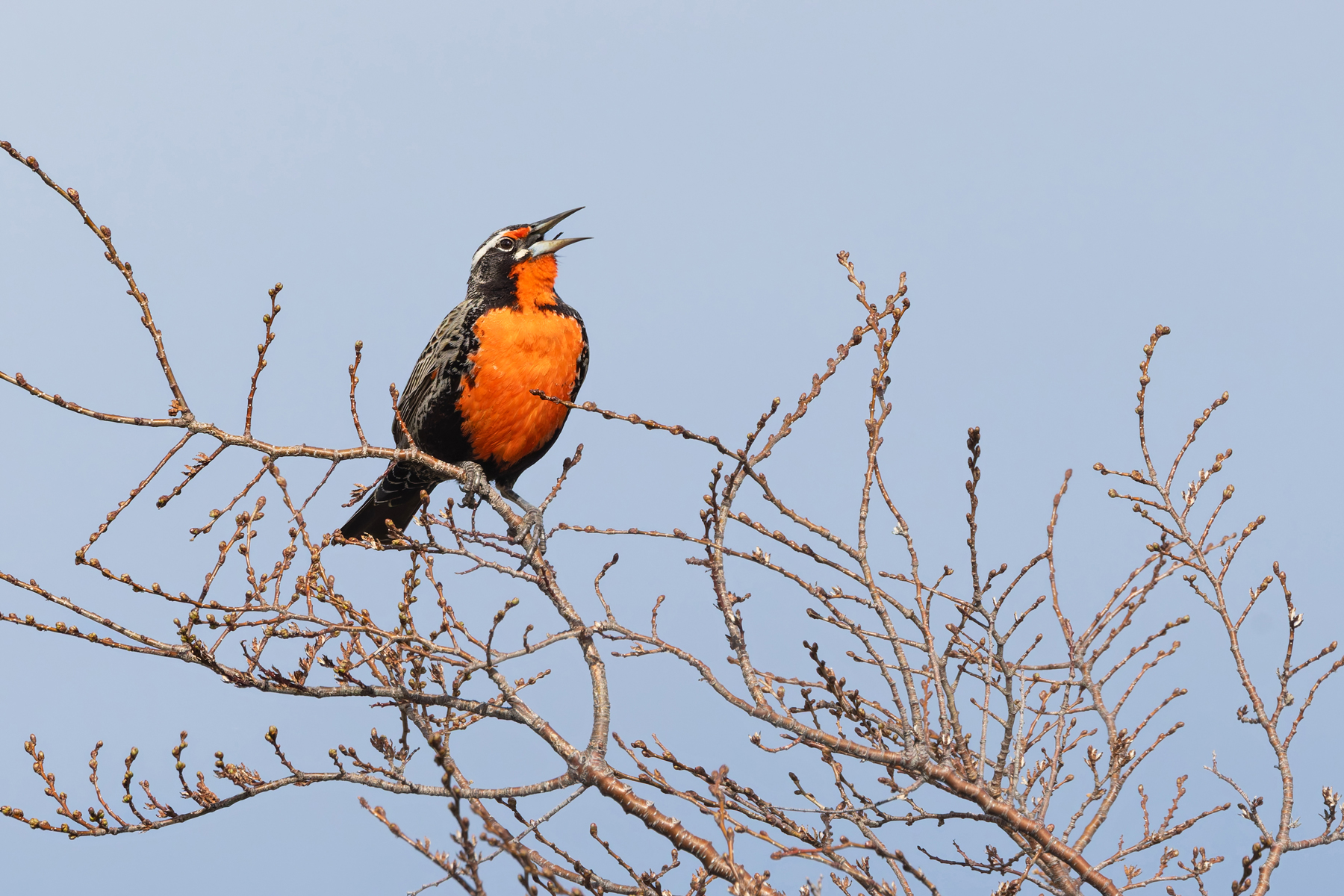
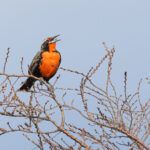
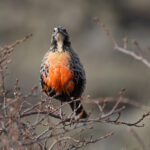
Long-tailed Meadowlark is a common sight in Patagonia (image by Mike Watson)
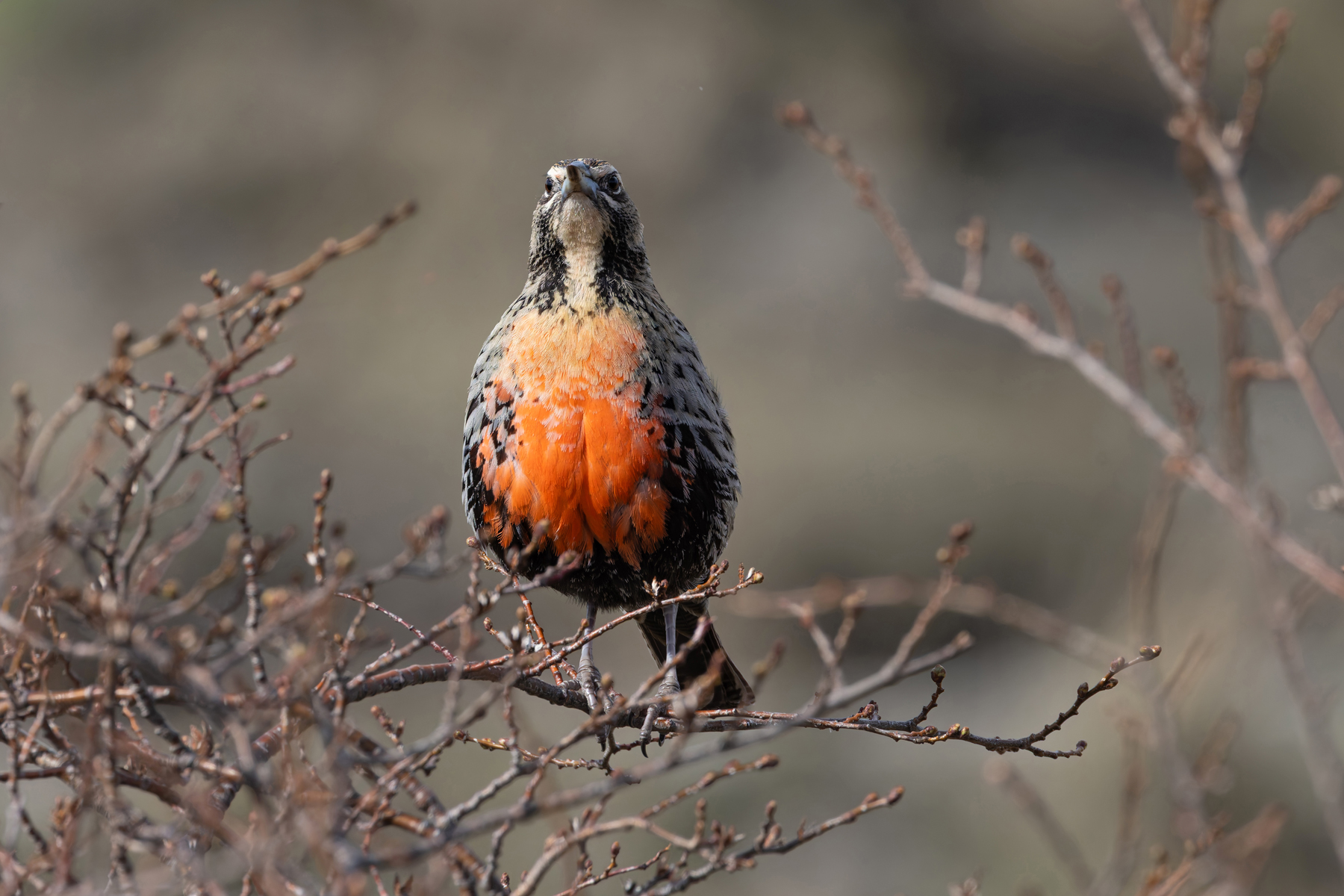
Long-tailed Meadowlark adds some colour to the landscape (image by Mike Watson)
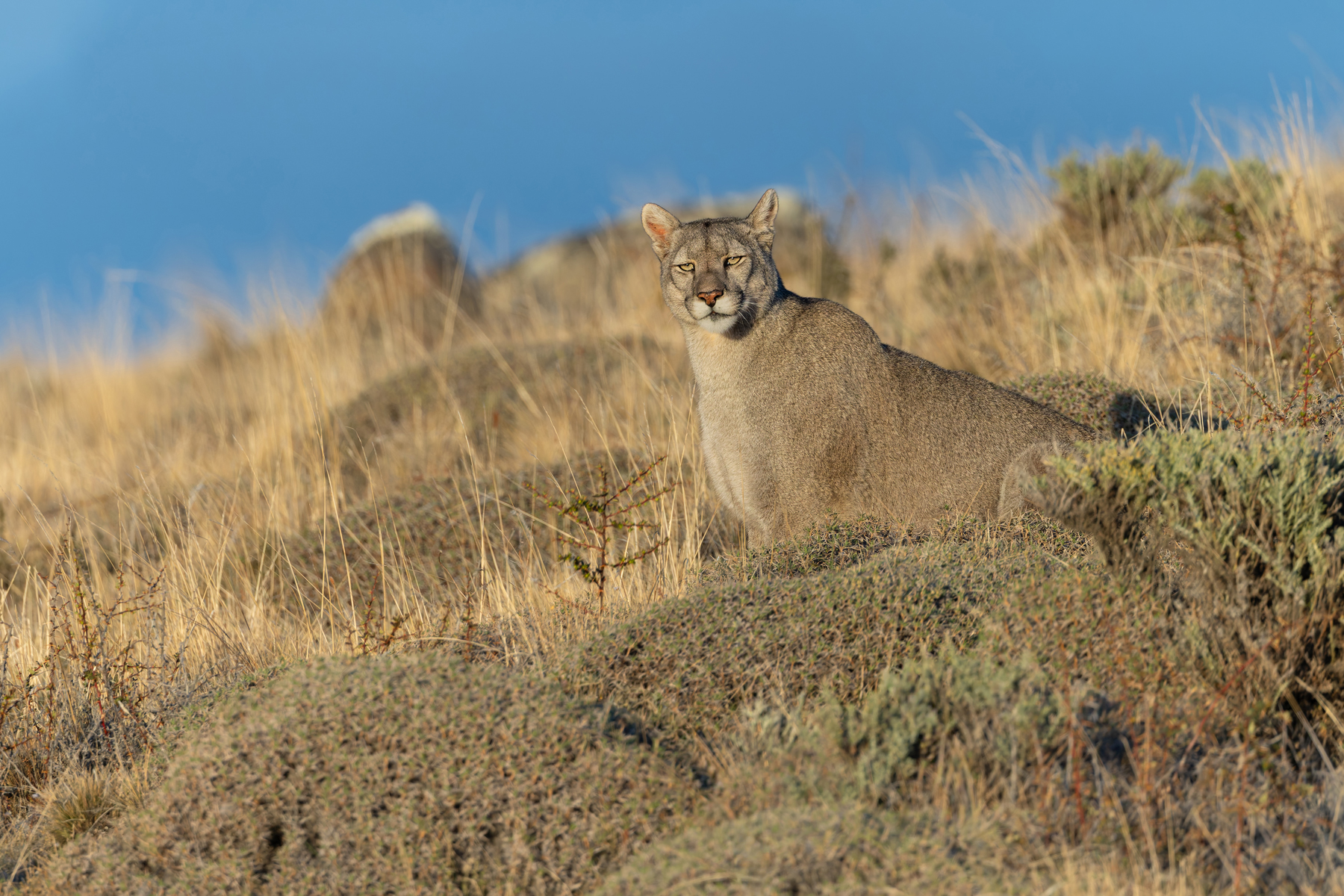
This is what we were waiting for, a glance towards us in the golden hour (image by Mike Watson)
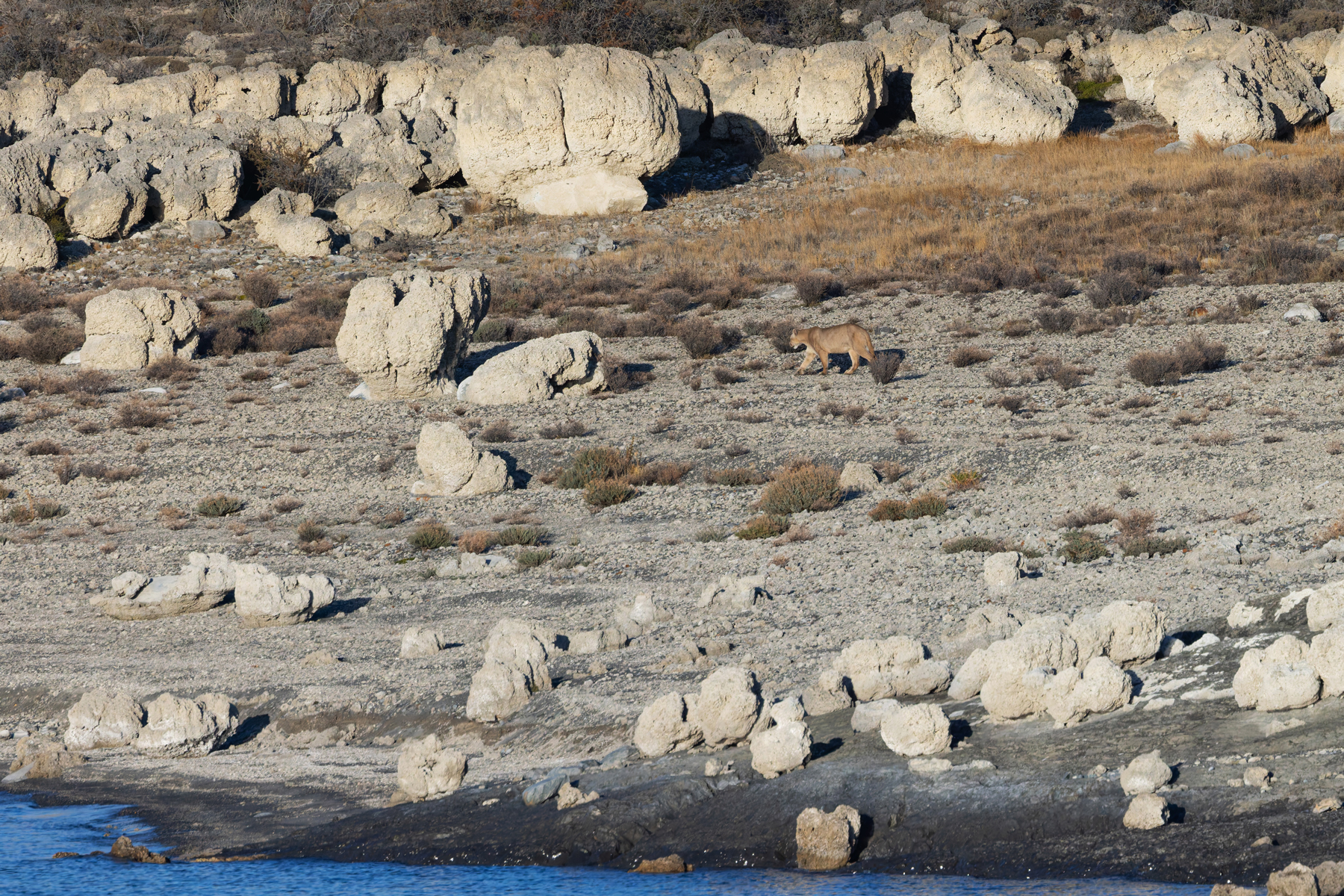
Misanthrope male Puma Cuevas makes a sharp exit on the lakeshore, this was as close as we got to him (image by Mike Watson)
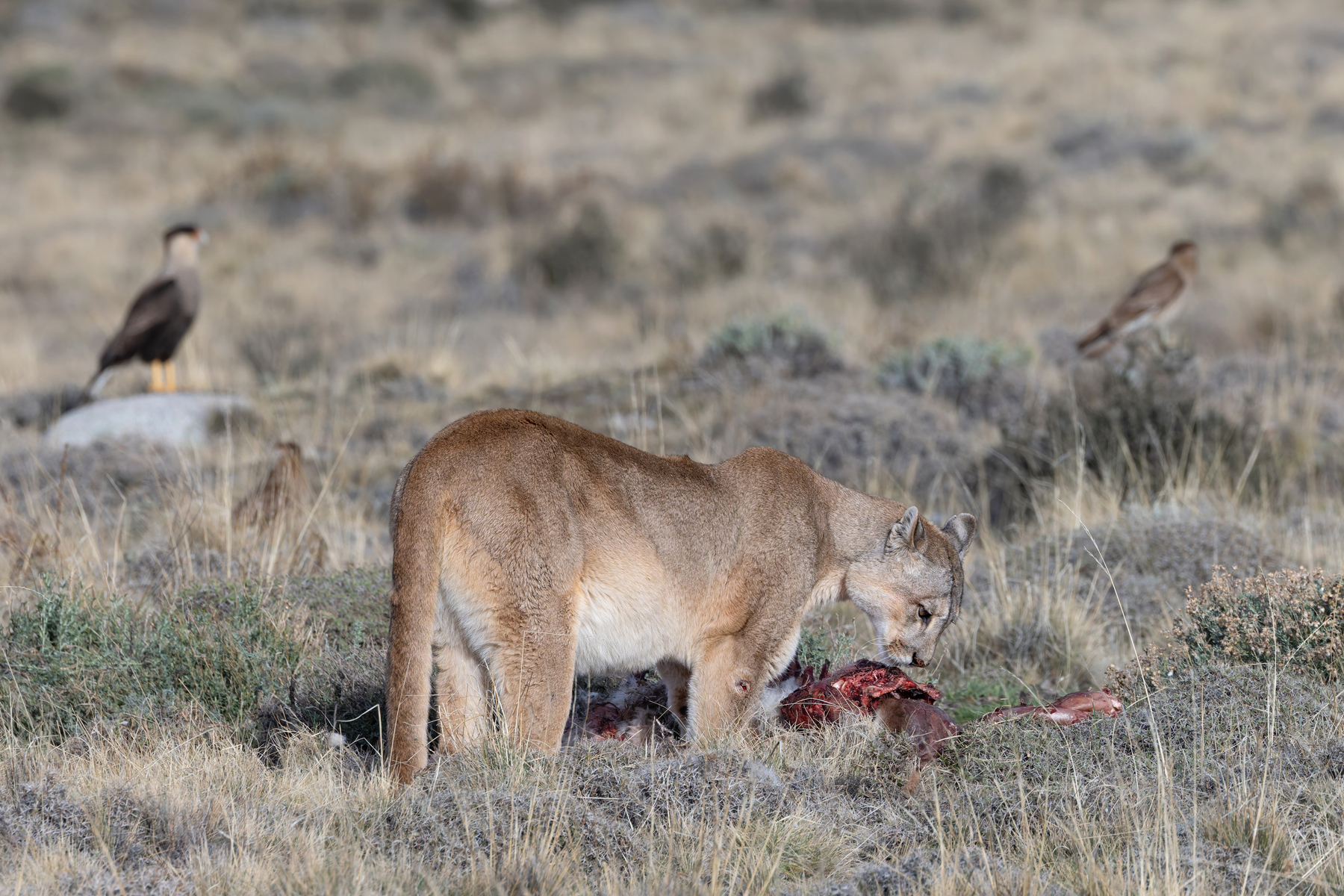
The caracaras have gathered, they can see the Puma is about to leave her feast (image by Mike Watson)
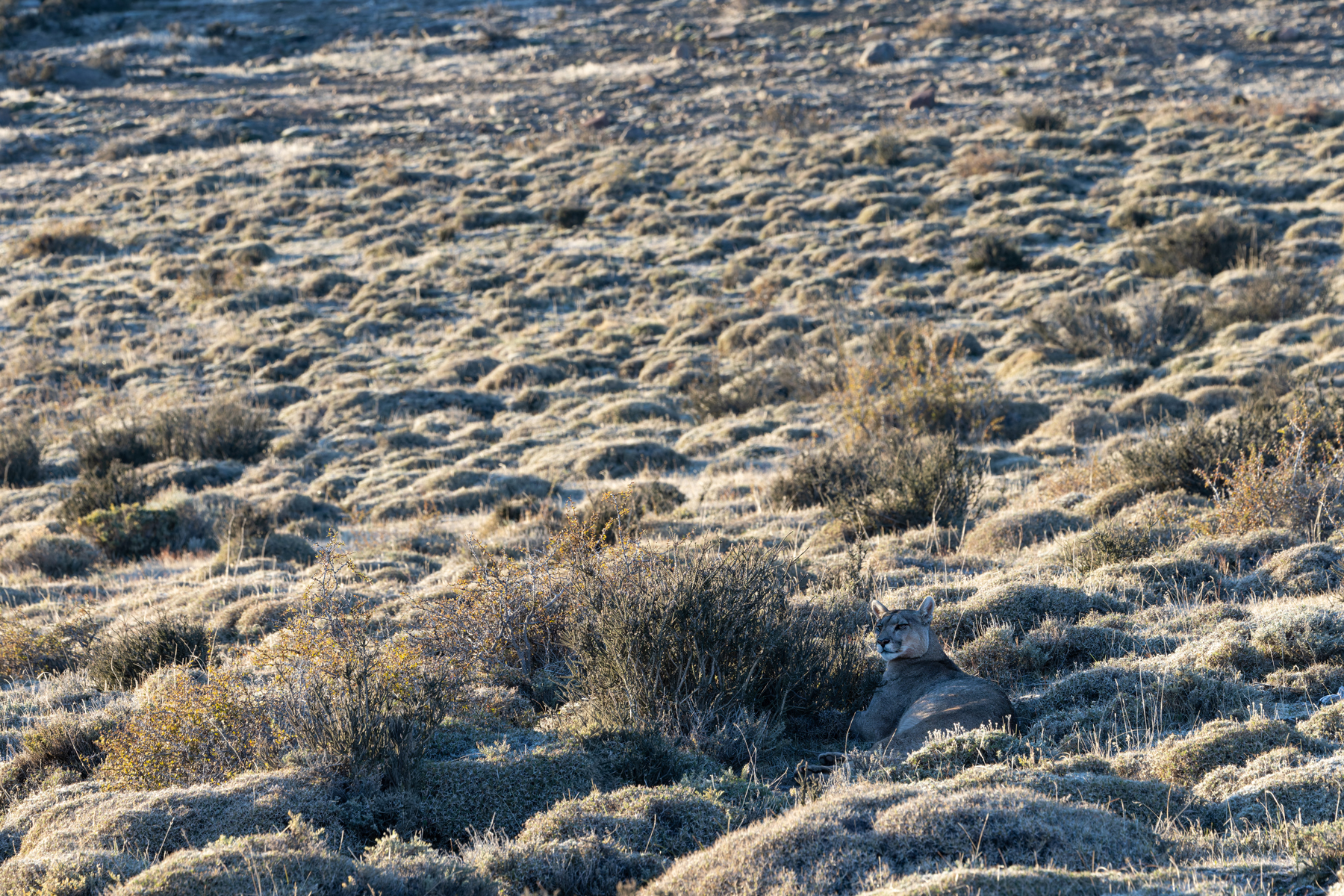
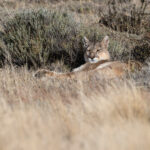
Matriarch Petaka rests in the landscape, it would be easy to miss her without a thermal imager! (image by Mike Watson)
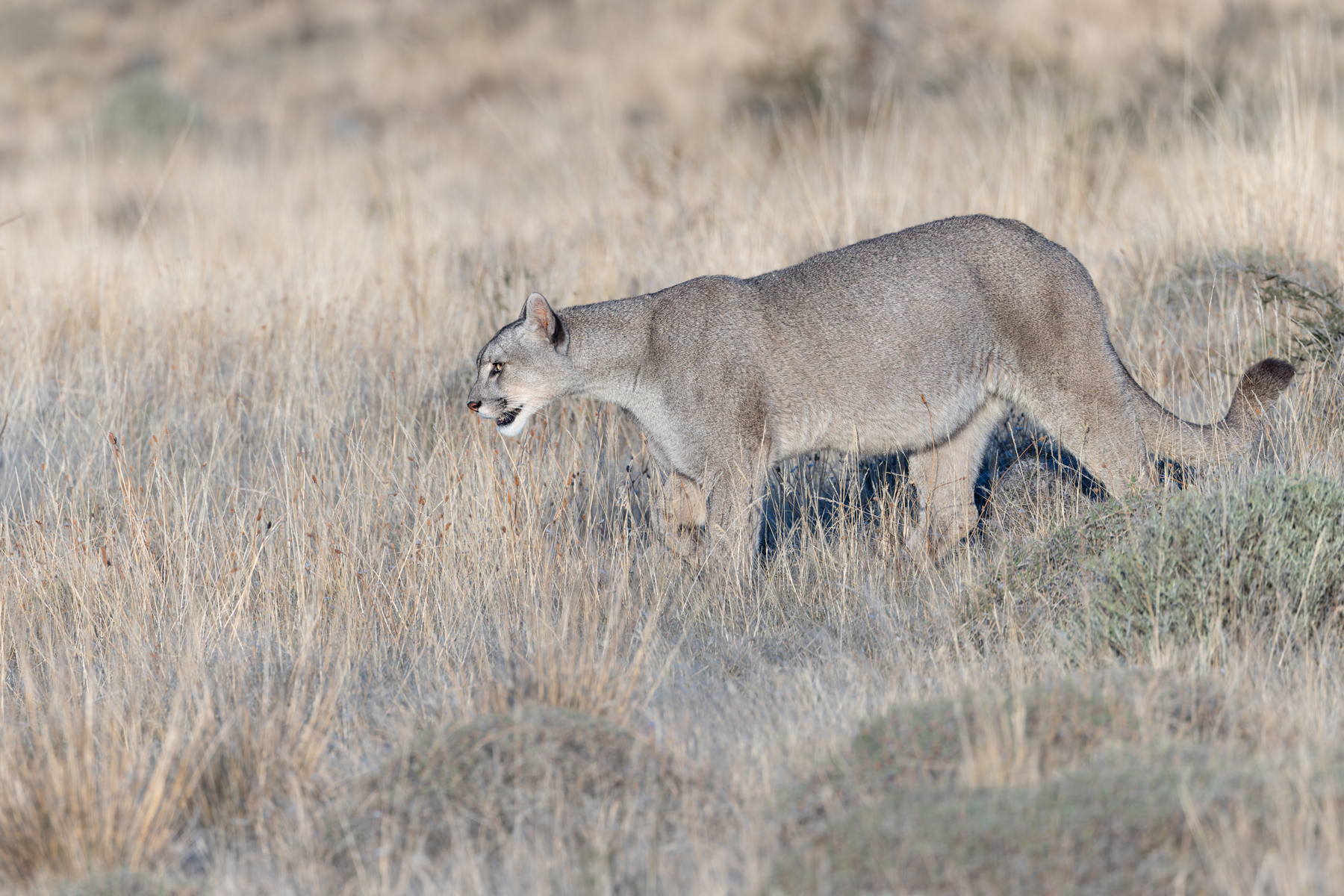
Buckle up! It’s another walk with a Puma, the most beautiful of all, Escarcha! (image by Mike Watson)
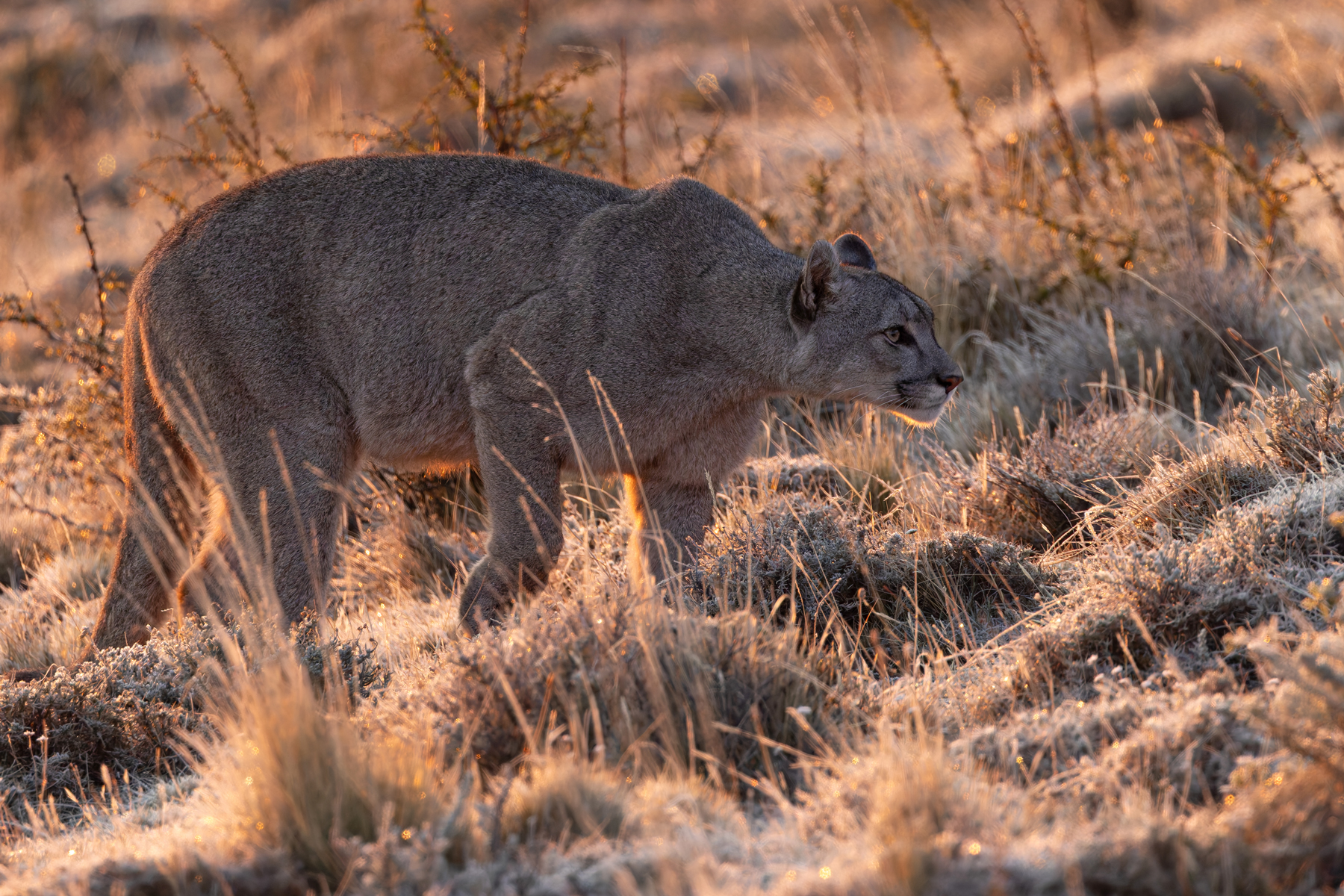
The Frost Princess Escarcha (image by Mike Watson)
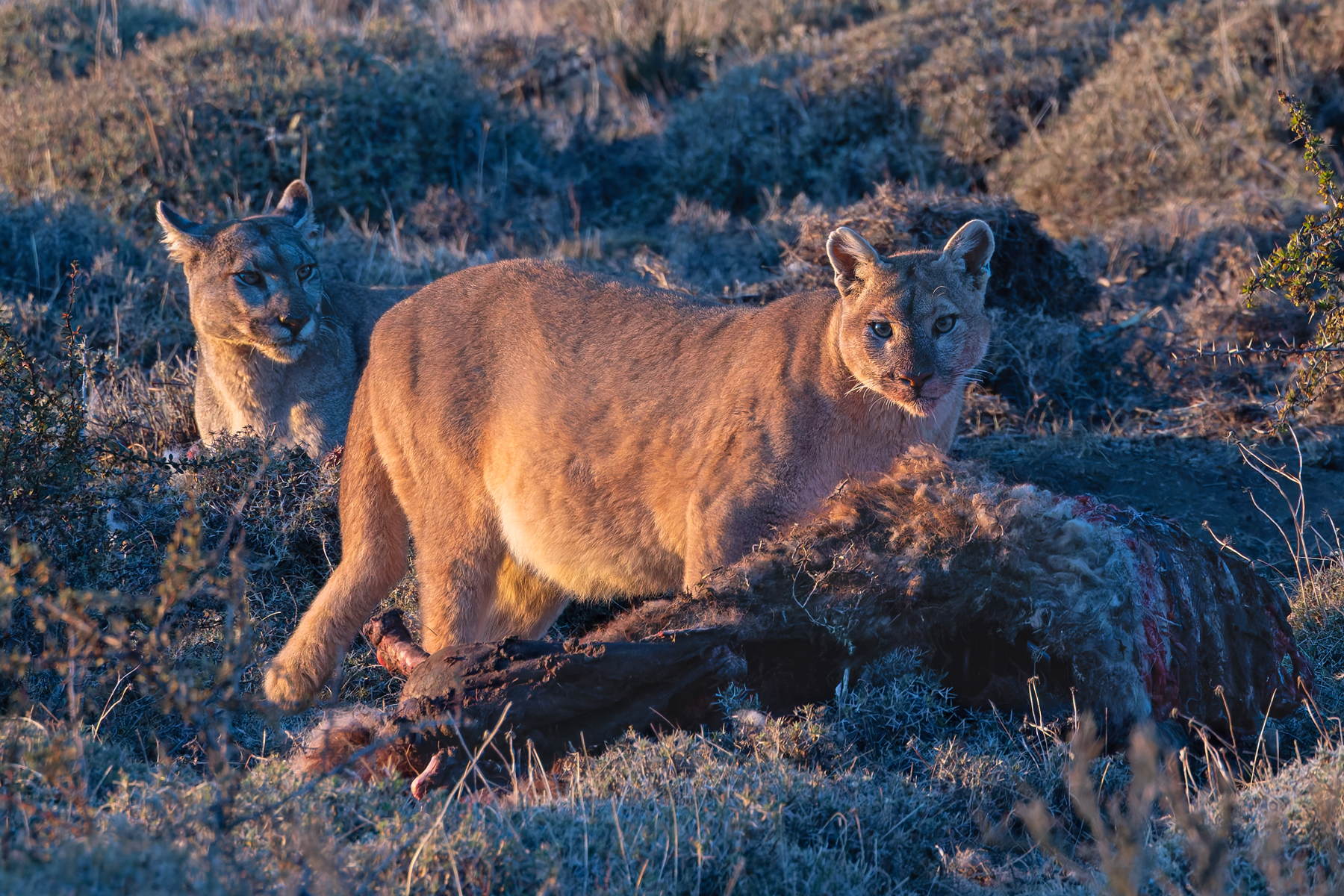
Petaka (left) allows park cat Lenga to join her. Lenga has a distinctively broken tail (image by Mike Watson)
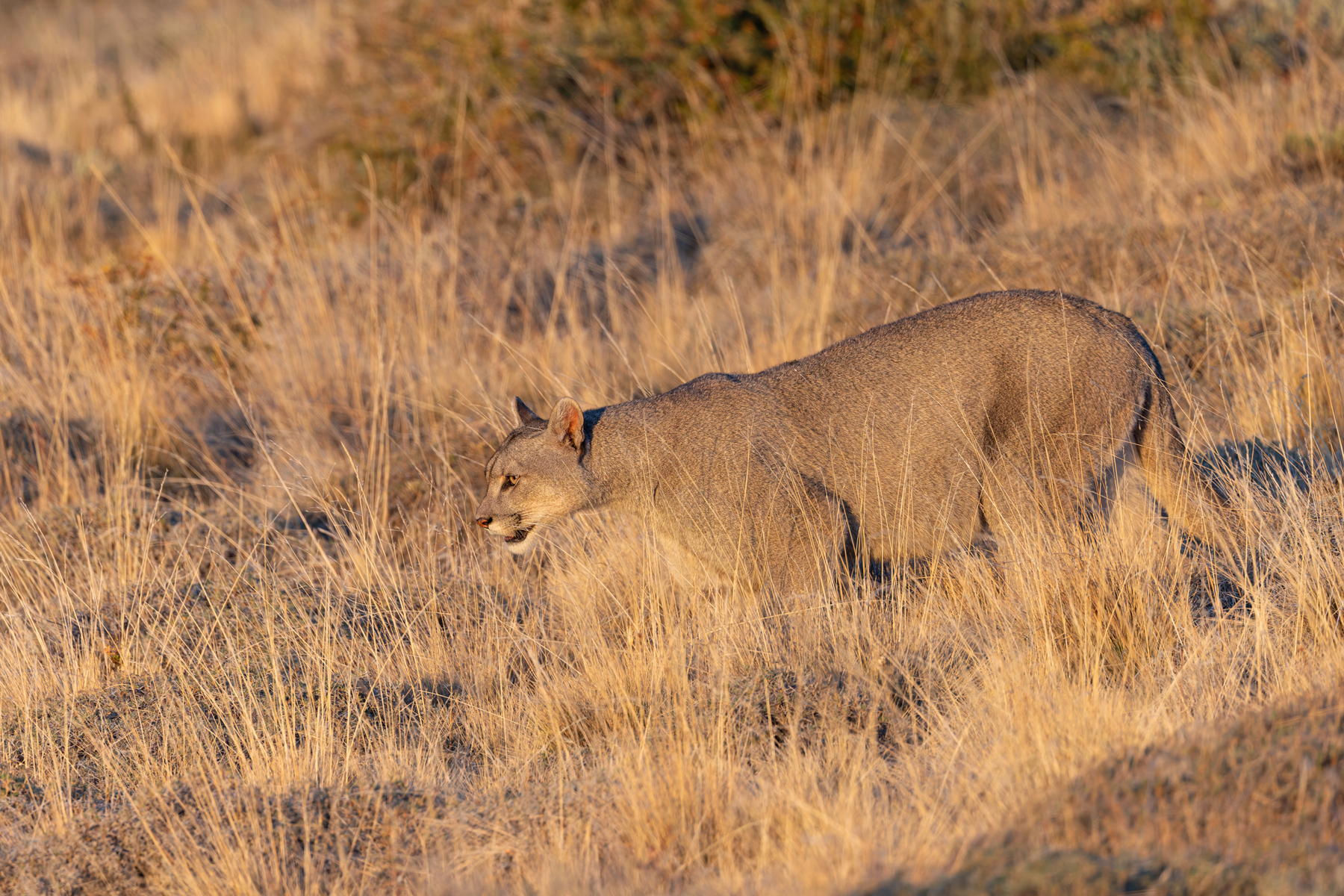
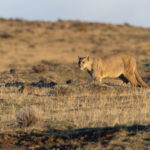
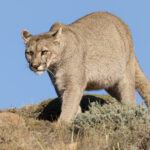
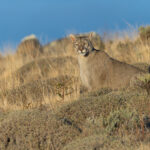
Pumas blend perfectly into the lansdscape even with their unpatterned coats (image by Mike Watson)

Black-necked Swan heart (image by Mike Watson)
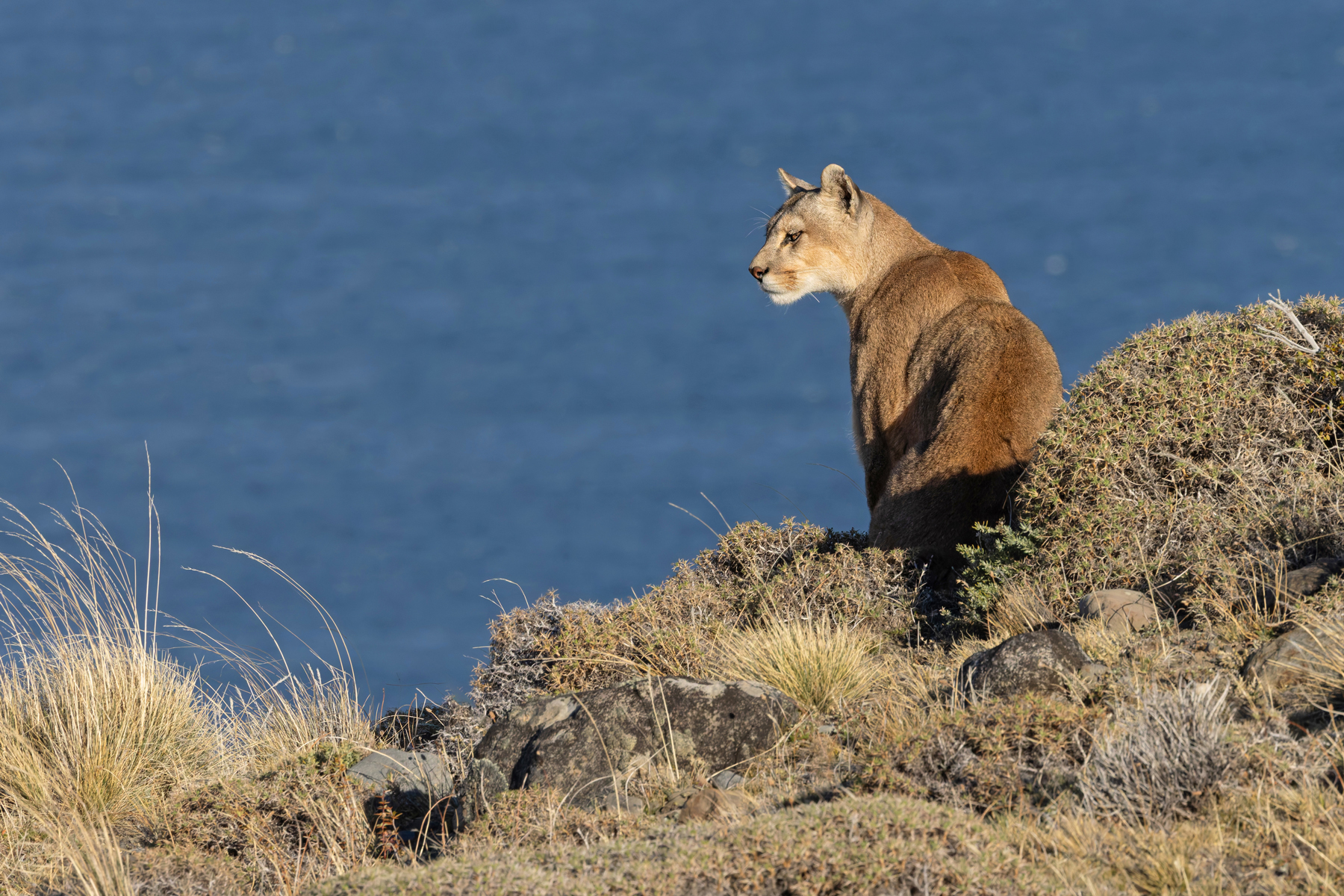
Puma Danya is actually named after one of the ranch owning family! She is a fine looking cat (image by Mike Watson)
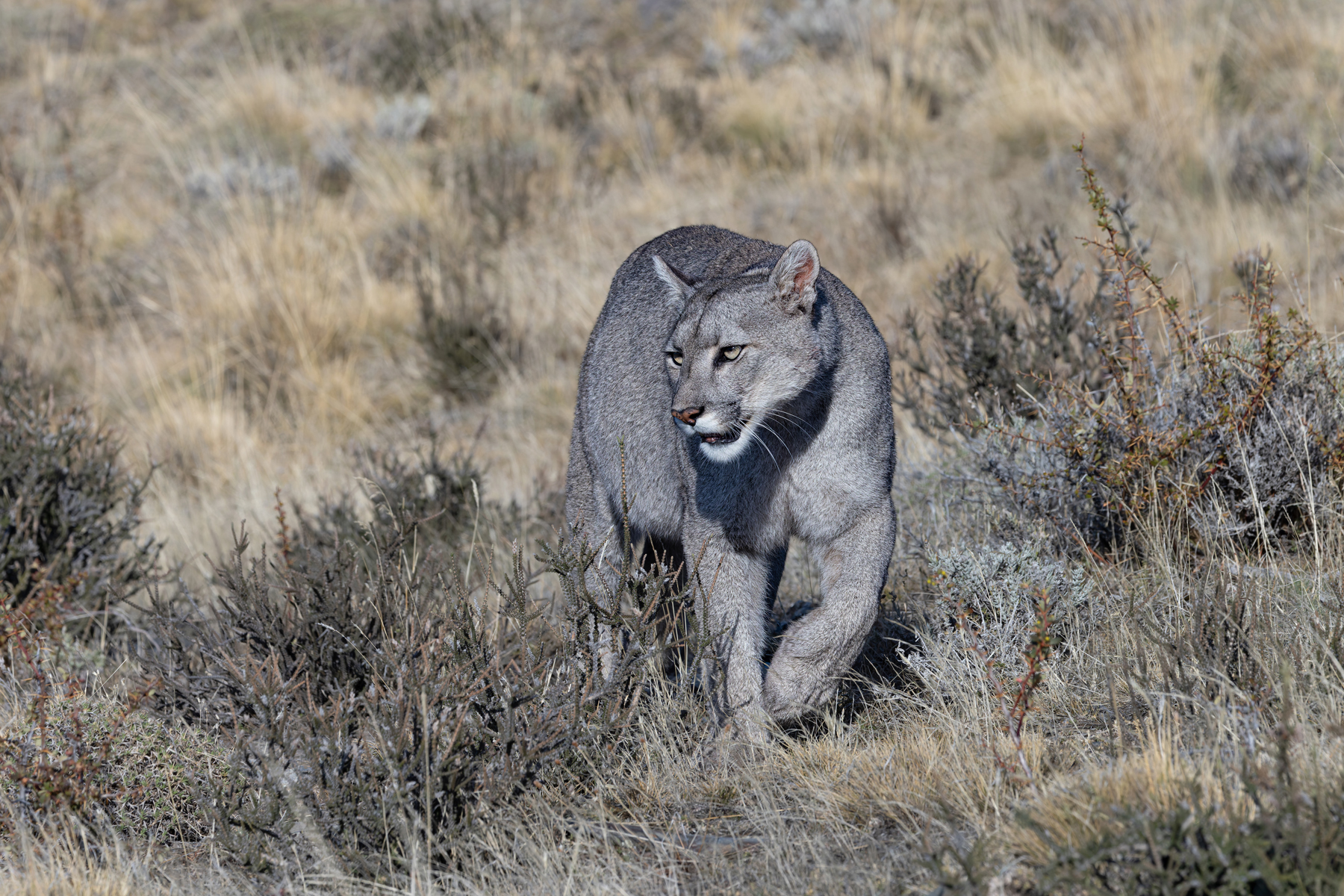
Could you be the most beautiful cat in the world? Escarcha! (image by Mike Watson)
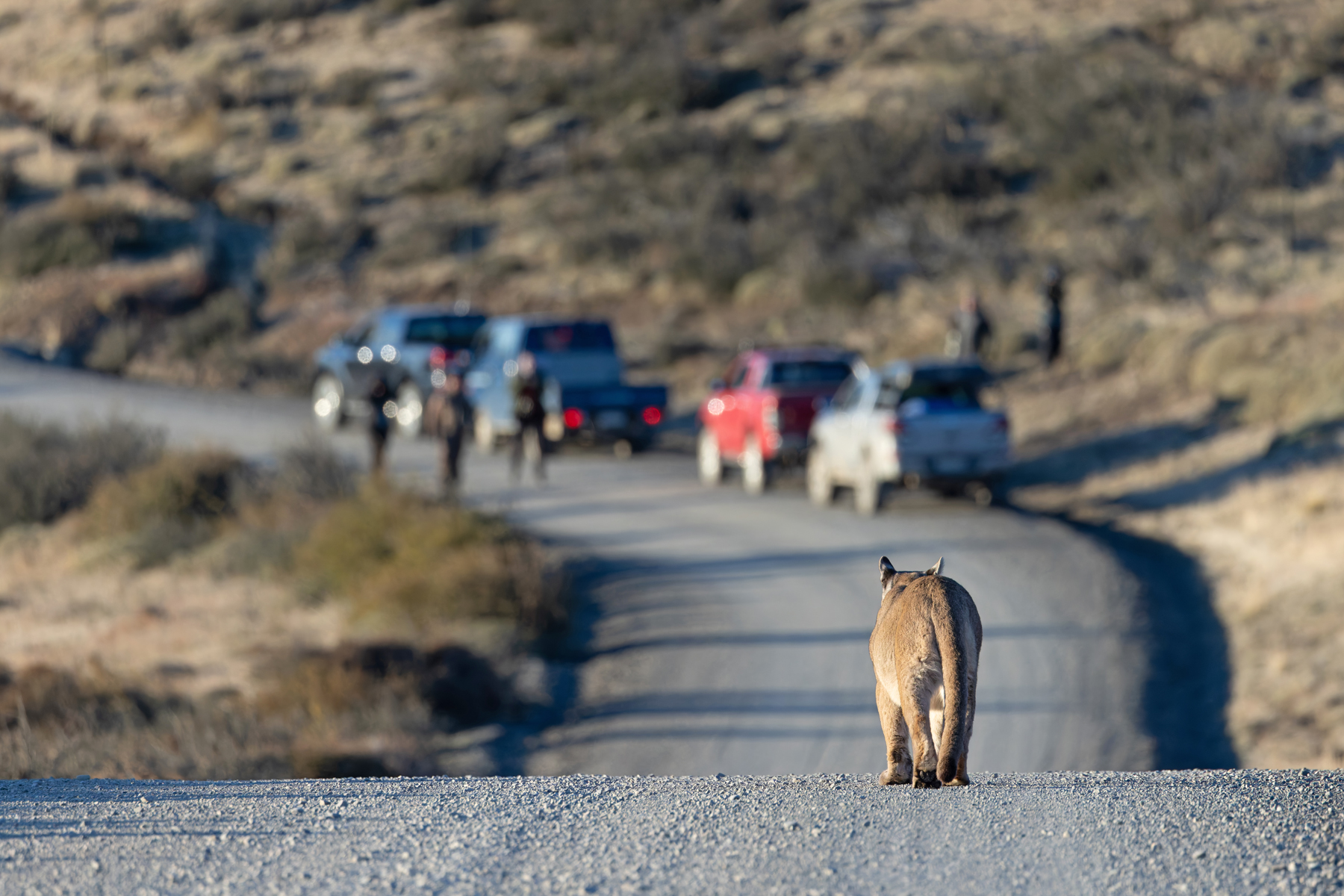
In fact she just follows the road. Petaka goes where she likes (image by Mike Watson)
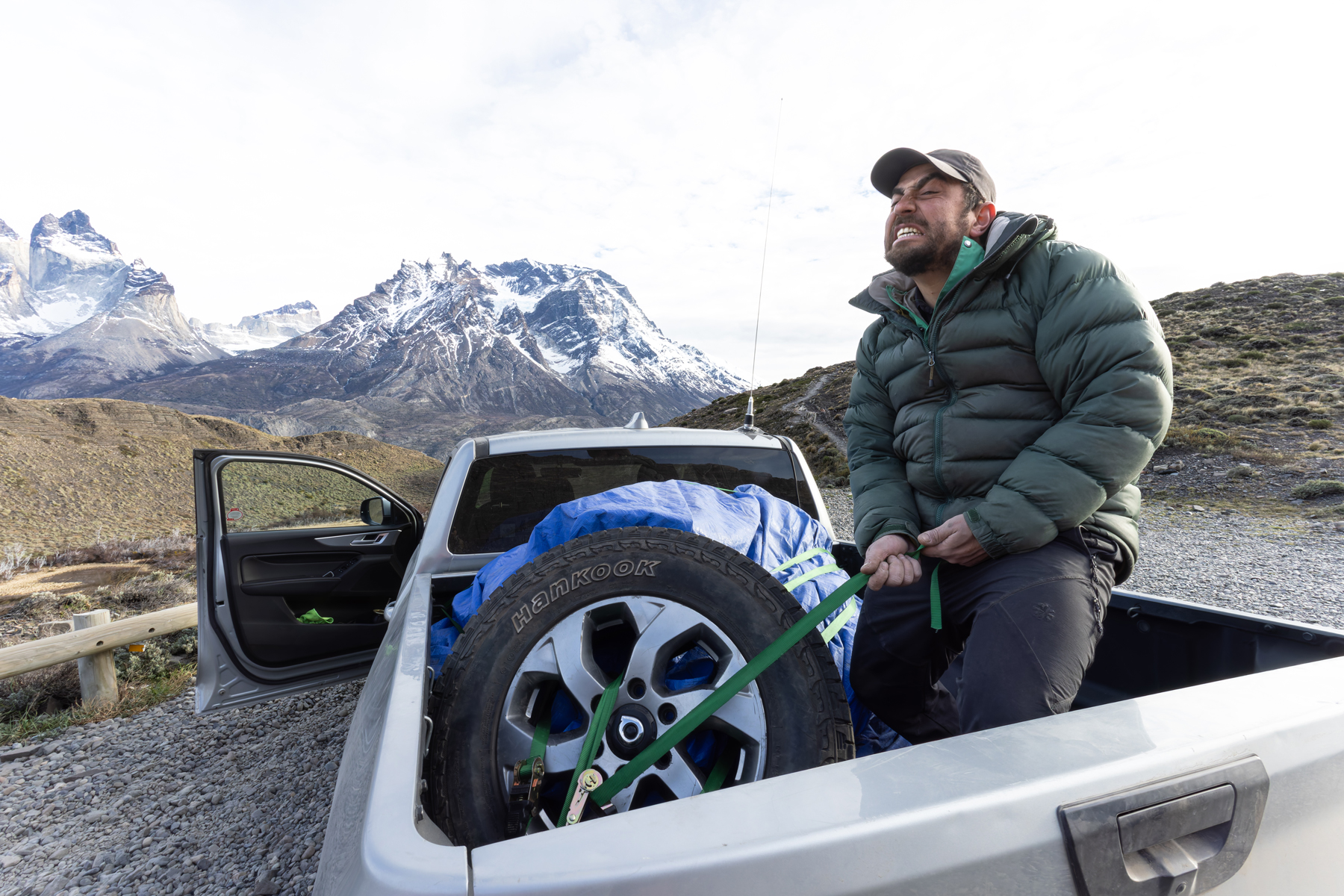
Mauricio hates his tyres (image by Mike Watson)
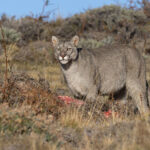

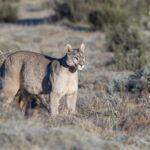

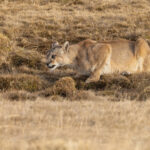
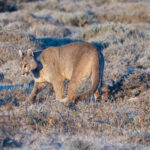

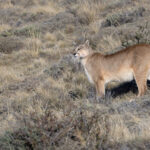











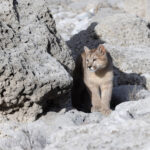

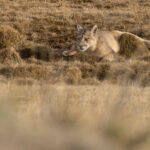
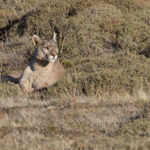

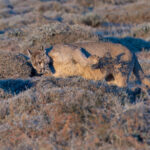
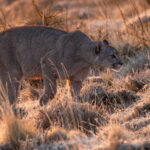
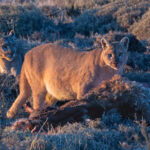
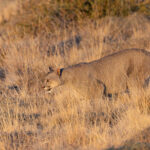

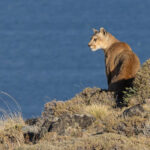



Frost-coated Escarcha had enough to eat now (image by Mike Watson)
Petaka in the landscape (image by Mike Watson)
Magellanic Oystercatcher has a very weird pupil! (image by Mike Watson)
Puma Petaka in the Mata Negra, bush or brush? (image by Mike Watson)
The Situation - Rupestre’s kill in a vast Patagonian landscape (image by Mike Watson)
Magellanic Oystercatcher is a thin-billed member of its clan (image by Mike Watson)
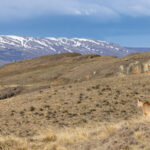
Torres del Paine, an iconic Andean mountain landscape (image by Mike Watson)
Armadillo (image by Wild Images guest Stuart Hahn)
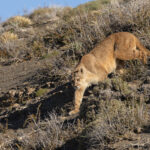
Who ate all the pies? Petaka crosses the road as best she can (image by Mike Watson)
Petaka is also around eight years old and is still a fine looking Puma (image by Mike Watson)
South American Gray Fox, this one was feeding on a mass emergence of stag beetles! (image by Mike Watson)
Escarcha has visibly filled out since our encounter last year and not just her belly! (image by Mike Watson)
A noisy Austral Parakeet pauses for a photo, they are usually ‘on their way somewhere’ (image by Mike Watson)
South American Gray Fox (image by Wild Images guest Stuart Hahn)
The icy stare of a Short-eared Owl (image by Wild Images guest Stuart Hahn)
Guanaco, remind us it is a camel in this view (image by Mike Watson)
Pumas strip a Guanaco carcass of its flesh down to the bones (image by Mike Watson)
Rupestre is around eight years old now and has lost her upper left canine tooth (image by Mike Watson)
Towers in the mist, a typical view of the Torres del Paine, Torres Central and Norte only (image by Mike Watson)
Austral Pygmy Owl is a fearsome predator of the Southern Beech Forests (image by Mike Watson)
Beautiful Petaka next to her kill! One for the wall? (image by Mike Watson)
Up close with Pumas (image by Wild Images guest Stuart Hahn)
Pumas need to drink a lot after eating so much meat (image by Mike Watson)
Oh go on, if you must. Generous Rupestre is happy for Escarcha to join her at her kill, we weren’t expecting this behaviour from a big cat but they probably already co-operated at the kill on day 1 of our Puma tracking? (image by Mike Watson)
Future boss? Feisty little Granizo (‘Hail’) in the stromatolites (image by Mike Watson)
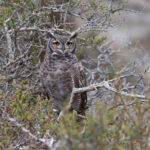
The Lesser (or Magellanic) Horned Owl, which obliged so well for our group (image by Mike Watson)
Pumas are visibly anxious when covering kills, presumably keen to get the job done quickly (image by Mike Watson)
Magellanic Woodpecker, female – the largest extant woodpecker of the Americas (image by Mike Watson)
The rather ungainly Flying Steamer Duck looks like old duck technology! (image by Mike Watson)
A flock of Black-necked Ibises come to land (image by Wild Images guest Stuart Hahn)
After a day of rain, Rupestre enjoys some afternoon sunshine (image by Mike Watson)
Rupestre is the queen of her dynasty, she has several strong daughters who are continuing her line (image by Mike Watson)
Danya is part of Rupestre’s ginger dynasty, in fat her sister is called Ginger (image by Mike Watson)
Rupestre gets stuck in, she may have been around the block but she is still a big powerful cat (image by Mike Watson)
The road to mountain heaven (image by Wild Images guest Stuart Hahn)
Paine Grande, you can just about see the site of the avalanche (image by Mike Watson)
The western end of the Paine Massif is just as spectacular as the eastern end with its towers (image by Mike Watson)
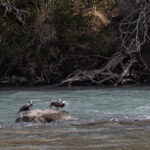
Torrent Ducks inhabit fast-slowing rivers in the Andes (image by Mike Watson)
Austral Pygmy Owl (image by Wild Images guest Stuart Hahn)
Black-necked Swan pair (image by Wild Images guest Stuart Hahn)
Rupestre, full fit to burst. She is still doing very well, that is two kills in one week (image by Mike Watson)
Yellow-billed Pintail by Lake Sarmiento (image by Mike Watson)
Black-necked Swan, through the archway (image by Mike Watson)
Escarcha adopts a submissive posture as she approaches Rupestre’s kill, may I join you? (image by Mike Watson)
The Frost Princess Escarcha (image by Mike Watson)
Split rock with lichens (image by Wild Images guest Stuart Hahn)
Lesser Rhea, basically a miniature ostrich (image by Mike Watson)
Abstract of Pylons (image by Wild Images guest Stuart Hahn)
Wonderful old fishing trawler (image by Wild Images guest Stuart Hahn)
Warm reflections in some of the most spectacular mountains on earth (image by Wild Images guest Stuart Hahn)
Petaka and Lenga seem more relaxed now, both enjoying some Guanaco meat (image by Mike Watson)
Large Hairy Armadillo is one of the star mammals of this tour (image by Mike Watson)
Bronze-winged (or Spectacled) Duck, is one of the smartest South American ducks (image by Mike Watson)
A Southern Giant Petrel soars past a Chilean navy ship (image by Mike Watson)
Large Hairy Armadillo, covered in hair as an adaptation to the cold climate of the far south (image by Mike Watson)
Escarcha in a more relaxed pose (image by Mike Watson)
Our ‘recon overwatch’ Puma Tracker, Ladies and Gentleman – the one and only Jorge Cardenas (image by Mike Watson)
Rupestre has a big broad face and a notch in her left ear (image by Mike Watson)
We love the partly obscured at Wild Images! Granizo in the stromatolites (image by Mike Watson)
Dolphin Gull is another smart bird only available in the far south (image by Mike Watson)
Magellanic Woodpecker, the male is a stunning bird! (image by Mike Watson)
A female Andean Condor does not paossess the massive wattle on its crown (image by Mike Watson)
The massive shape of an Andean Condor fills the skies. Its wings have the largest surface area of any bird (image by Mike Watson)
Black-necked Ibis is another ubiquitous bird of Patagonia, found from city centres to the remotest mountains (image by Mike Watson)
Matriarch Puma Rupestre is nearing the end of her meal (image by Mike Watson)
Our old friend Escarcha has turned into a big and powerful Cougar! (image by Mike Watson)
Peek a boo! Granizo is still a kitten (image by Mike Watson)
Striking Magellanic Woodpeckers really are the punk rockers of the woodpecker world (image by Wild Images guest Stuart Hahn)
Chimango Caracaras follow Pumas in the hope of an easy meal (image by Mike Watson)
Walking with Escarcha (image by Mike Watson)
Torres reflections (image by Wild Images guest Stuart Hahn)
Rupestre is struggling after eating half a camel (image by Mike Watson)
Magellanic Snipe, a variation on the snipe theme (image by Mike Watson)
Having finished her meal Rupestre scans the landscape before making her way to a resting spot (image by Mike Watson)
Danya, daughter of Rupestre gave birth less than a week ago and here she is, up and about again already (image by Mike Watson)
The stately Black-necked Swan is always a popular photo subject (image by Mike Watson)
Scale-throated Earthcreeper, its ‘squeaky bicycle wheel’ song is the soundtrack to the Mata Negra (image by Mike Watson)
Great Grebes grace large lakes in the Torres del Paine region (image by Mike Watson)
As with all cats, their ears are a clue to their feelings. Escarcha is mildly put out by something (image by Mike Watson)
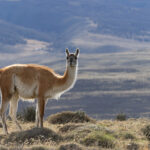
Guanaco, the ancestor of the Llama and favoutite food of Pumas (image by Mike Watson)
Black-necked Ibis (image by Mike Watson)
Magellanic Plover, so strange it is the only member of its bird family (image by Mike Watson)
Petaka in the golden hour, this light had the wow factor! (image by Mike Watson)
Petaka can see the other Puma on the skyline (image by Mike Watson)
Escarcha - big cats do like to play with their food (image by Mike Watson)
Beautiful Puma in golden light (image by Wild Images guest Stuart Hahn)
Guanacos are rather beautiful creatures! (image by Mike Watson)
Silvery Grebe, of the Patagonian form - simply gorgeous! (image by Mike Watson)
Scanning the landscape, Puma’s eyesight is superb (image by Mike Watson)
Petaka is an expert in concealing her kills from would be thieves (image by Mike Watson)
Escarcha has visibly filled out since our encounter last year and not just her belly! (image by Mike Watson)
Least Seedsnipe is quite shy and tricky to approach closely (image by Mike Watson)
At least the poor Guanaco is getting upcycled as Puma! (image by Mike Watson)
Rufous-collared Sparrow - one of at least a million opportunities (image by Mike Watson)
The heavily armoured Large Hairy Armadillo can sometimes be very tame! (image by Mike Watson)
Pink towers at sunrise, Torres del Paine, a wider view (image by Mike Watson)
Torres del Paine (image by Wild Images guest Stuart Hahn)
Pumas, like all cats, love to walk on established trails (image by Wild Images guest Stuart Hahn)
The smart Fire-eyed Diucon is a membe of the Tyrant Flycatcher family, the largest bird family (image by Mike Watson)
I didn’t say you can eat the whole thing. Petaka visibly disgruntled as Lenga tucks in to her Guanaco buffet (image by Mike Watson)
The dramatic peaks of Torres Del Paine at the blush of a new day (image by Wild Images guest Stuart Hahn)
Long-tailed Meadowlark is a common sight in Patagonia (image by Mike Watson)
Long-tailed Meadowlark adds some colour to the landscape (image by Mike Watson)
This is what we were waiting for, a glance towards us in the golden hour (image by Mike Watson)
Misanthrope male Puma Cuevas makes a sharp exit on the lakeshore, this was as close as we got to him (image by Mike Watson)
The caracaras have gathered, they can see the Puma is about to leave her feast (image by Mike Watson)
Matriarch Petaka rests in the landscape, it would be easy to miss her without a thermal imager! (image by Mike Watson)
Buckle up! It’s another walk with a Puma, the most beautiful of all, Escarcha! (image by Mike Watson)
The Frost Princess Escarcha (image by Mike Watson)
Petaka (left) allows park cat Lenga to join her. Lenga has a distinctively broken tail (image by Mike Watson)
Pumas blend perfectly into the lansdscape even with their unpatterned coats (image by Mike Watson)
Black-necked Swan heart (image by Mike Watson)
Puma Danya is actually named after one of the ranch owning family! She is a fine looking cat (image by Mike Watson)
Could you be the most beautiful cat in the world? Escarcha! (image by Mike Watson)
In fact she just follows the road. Petaka goes where she likes (image by Mike Watson)
Mauricio hates his tyres (image by Mike Watson)


Our 2025 Chile: Walking with Pumas tour again went very smoothly indeed and scored 15 Puma sightings in 8 days in the Torres del Paine area. This was down on last year’s total, but that was boosted by a family sighting of five Pumas plus three lots of three! What we lacked in numbers this time we replaced with duration of encounters and particularly that we walked much further with the cats, living up to the tour title!
A minimum of 11 different Pumas included some well-known individuals and internationally famous TV celebrities. In fact, some of the girls are old friends from previous Wild Images tours. It was wonderful to see how Escarcha and Danya have grown into big powerful cougars! The number of sightings afforded numerous photographic opportunities, and we were able to shoot them in a very nice range of different scenarios: close portraits; in-the-landscape; at rest; walking; a six months old cub; eating at three different Guanaco carcasses; co-operation between females; both with and against dramatic early morning light. Thankfully all our folks this time were capable of all the Puma walking, and we had three great hikes alongside these incredible animals, looking through a window into their world.
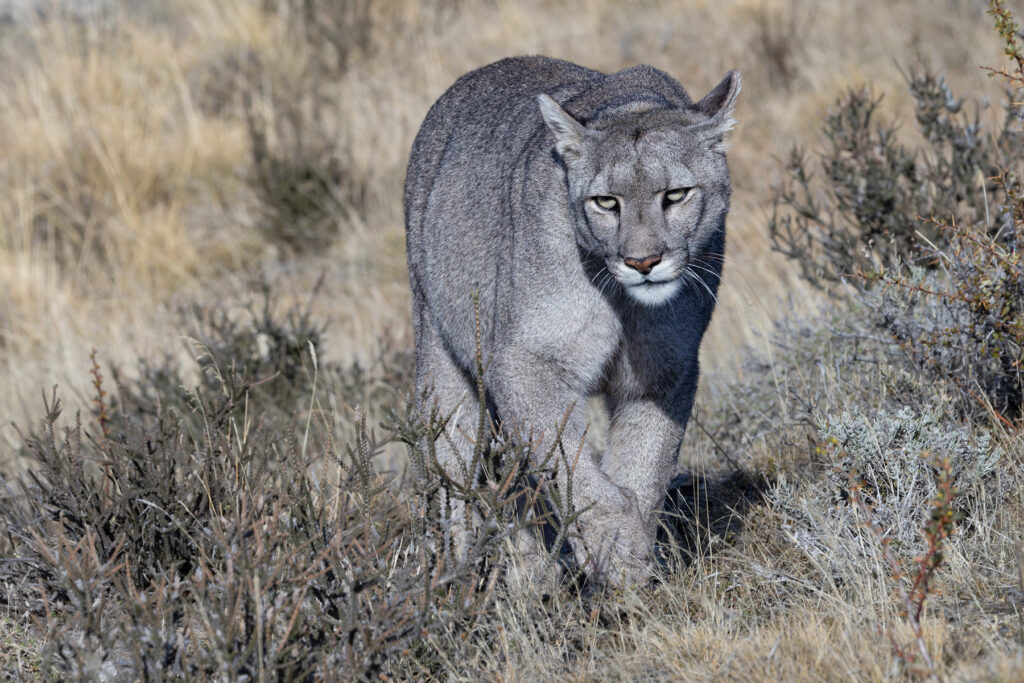
Escarcha has visibly filled out since our encounter last year and not just her belly! (image by Mike Watson)
Although the tour was focused primarily on Pumas and we planned our time in the field with the possibility of cat encounters in mind all the time, there were inevitably other great wildlife experiences to be had in Patagonia. Other highlights this time included: the weird little Magellanic Plover, the iconic bird of the Southern Cone, so strange it is even placed in its own bird family; a pair of Lesser (or Magellanic) Horned Owls in a remote canyon; Black-necked Swans along the rocky shore at Puerto Natales; spectacular Andean Condors in Torres del Paine National Park; Austral Pygmy Owl, pound for pound the most fearsome predator of all in the Nothofagus forests; gorgeous Silvery Grebes on a mountain lake; the massive Magellanic Woodpecker, the largest extant woodpecker of the Americas and the noisy Austral Parakeets that greeted us after lunch at Lago Grey.
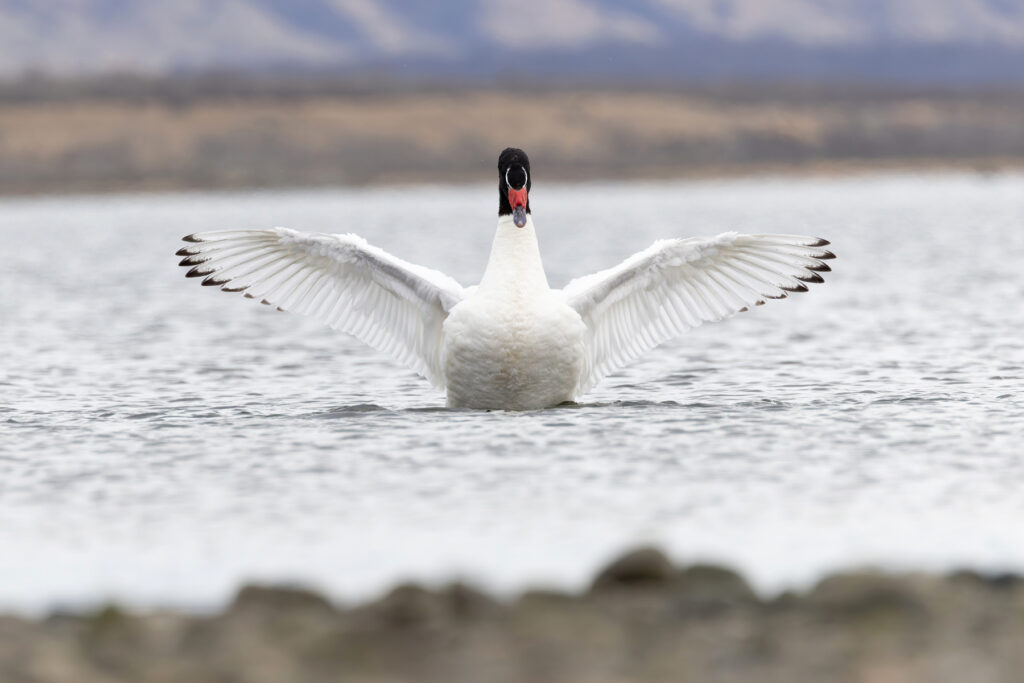
The stately Black-necked Swan is always a popular photo subject (image by Mike Watson)
The Torres del Paine, one of the most iconic mountain ranges in the world, provided a backdrop to our adventures in Patagonia and while we missed out on some hoped-for snow (it is getting a little late by mid-September) we did enjoy some lovely spring weather on the fabulous Laguna Amarga Estancia (= ranch) and were only mildly disrupted by rain on a couple of occasions. The ferocious wind for which Patagonia is infamous was almost completely lacking this time. Add to this: the best Puma trackers; some nice accommodation (particularly in Punta Arenas!); mountains of tasty food and delightfully friendly hosts and we had all the ingredients for another classic tour.
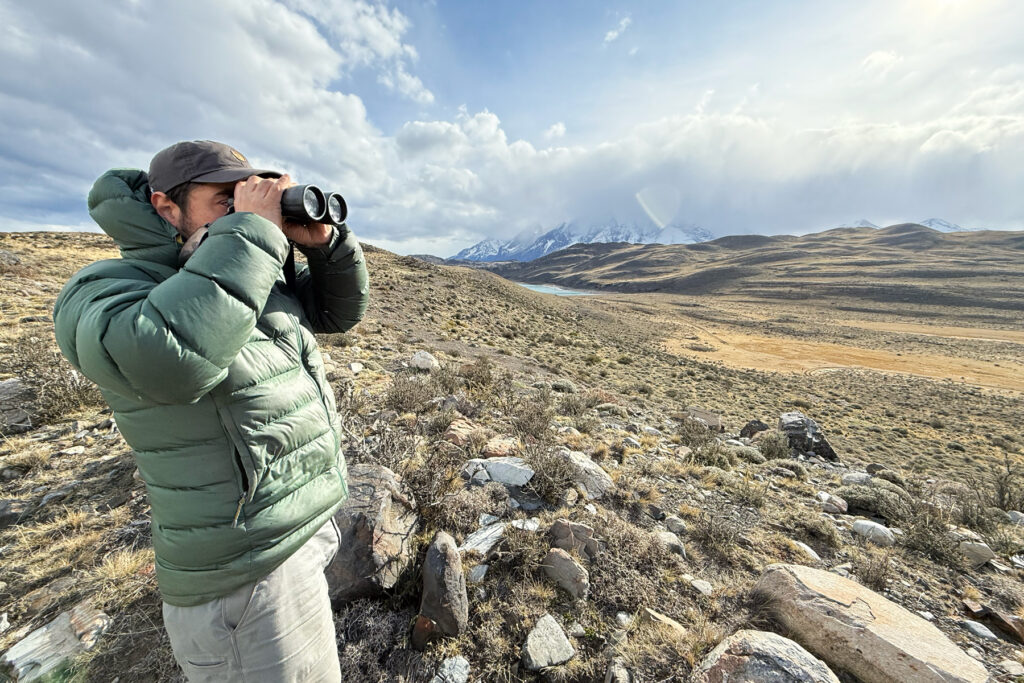
Mauricio scans the landscape for Pumas (image by Mike Watson)
THE TOUR BEGINS IN PUNTA ARENAS
Some background to the setting for our tour start. Punta Arenas (‘Sandy Point’) is a small city, with a population of 145,000 but is of great importance strategically, being the capital of Chile’s southernmost region Magallanes (and Antarctica, for which it serves as a gateway). It is not connected to the rest of Chile by road (one must fly, take a ferry or drive through Argentina to get there). This wild region ‘at the end of the world’ was mostly settled by European immigrants from Russia and particularly Croatia in the late 1800s and it is unusual in having its own time zone (UTC -3), using summertime all year round! Its inhabitants endure strong winds (ropes have even been deployed between buildings downtown!) and harmful UV light owing to the thinning ozone layer. However, being in the rain shadow of the Andes, the precipitation is quite low. The city’s early economic boom days were curtailed thanks to the Panama Canal but more recently it has become a centre for gas and oil and latterly a tourism hub for both Antarctica and access to Torres del Paine. Some of us enjoyed its wide boulevards in the period leading up to the start of the tour, full of interesting shops, bars and restaurants.

Southern Giant Petrel is a common sight along the sea front at Punta Arenas (image by Mike Watson)
The weather was kind to us as we set out on our exploratory day from Punta Arenas, unlike last time! We began with a leisurely walk around the windswept rocky shore of Laguna Los Palos to the north of the city and very much out on the Patagonian Steppe. The Magellanic Plovers from the previous day’s recce delighted, especially in the shallow pools among the rocks above the water’s edge. Magellanic Plover is a unique shorebird, so weird it is the sole member of its own bird family. It even regurgitates food for its young! It has a dumpy body a bit like a plover but a bill that would not look out-of-place on a warbler. Unfortunately, the White-bellied Seedsnipe from the previous day could not be found but there is an almost endless amount of wild rocky habitat for it to hide in. Luckily none of our folks this time were too bothered, we had mostly cat people this year. Other smart shorebirds on show and within reach of the cameras this morning included smart Rufous-chested Dotterels and Two-banded Plovers as well as Least Seedsnipe and migrant Baird’s Sandpipers from Arctic Canada.
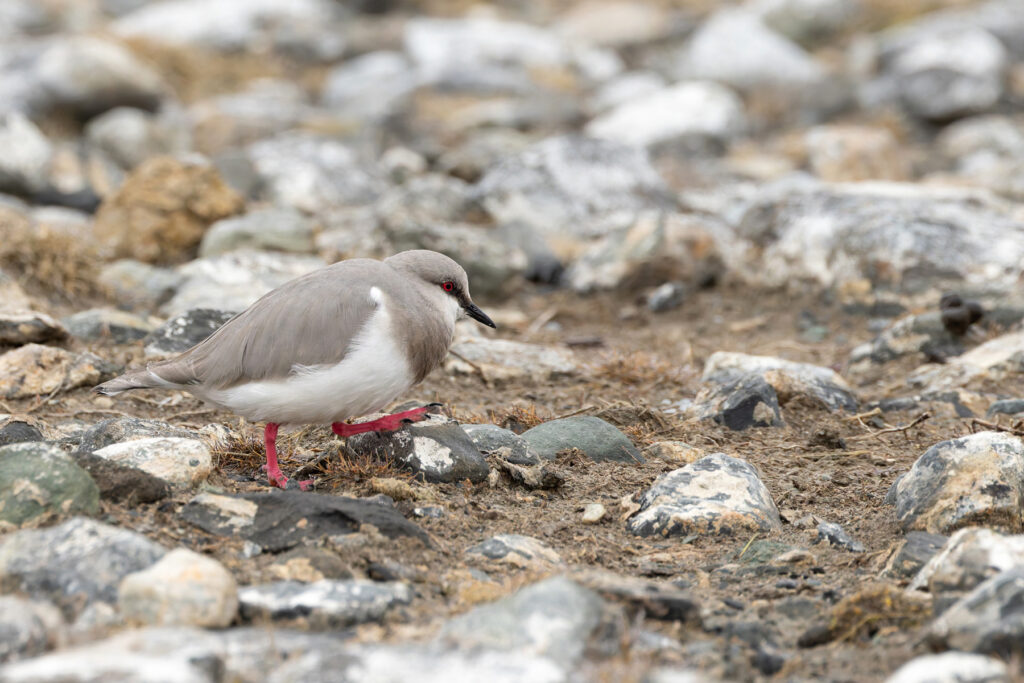
Magellanic Plover, so strange it is the only member of its bird family (image by Mike Watson)
While enthusiasm for birds in this year’s group was mostly lacking, everyone loves an owl right? We could hardly have hoped for a more co-operative pair of Lesser (or Magellanic) Horned Owls in a remote water-sculpted canyon not far from Laguna Los Palos. They simply sat tight while our folks worked angles for the best background and composition. They were totally calm. Fab-u-lous! This short session was so efficient it rather saved the day. After the slightly underwhelming shorebird photography we still had the condor roost to come, as a grand finale. The only problem was that when we got to the famous condor cliffs at Olga Teresa Estancia there were only three birds stood on the high ledges, at the far end of the escarpment and although we waited, and waited in our lofty perch atop the weather-beaten cliffs, no more appeared by the time the evening light faded and it was time to leave. The grand finale went missing. Even our local guide was not sure what happened here, maybe they went on a feeding sortie after days of bad weather, found something large and stayed there for the night? We will watch future sightings with interest, but their non-appearance was not in the script. I need not have worried, as we would have some nice condor encounters later in the tour but at the time it was quite deflating. Some very nice condor feathers for the bookcase were compensation; so there had obviously been plenty of condors around recently! Some of us did manage a handful of flight shots while up on the cliff top, of Black-necked Ibises and Black-chested Buzzard-Eagle, as well as the ubiquitous Rufous-collared Sparrow, and on the drive back to Punta Arenas a Short-eared Owl of the dark South American form obliged on a lichen-covered fence post.
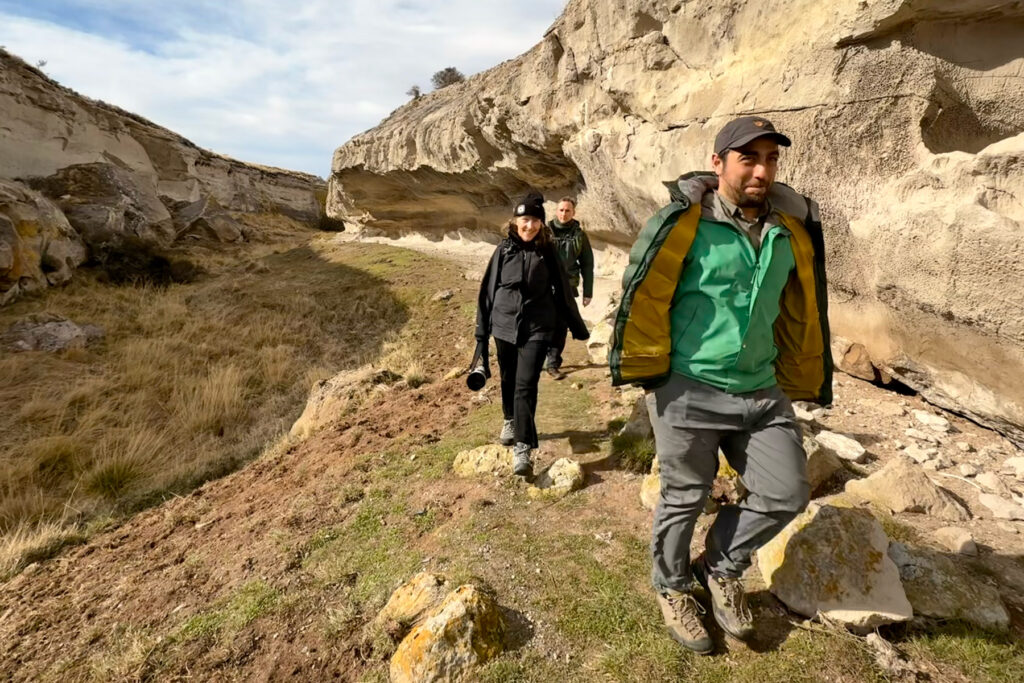
Happy owling! (image by Mike Watson)
ROAD TO THE END OF THE WORLD
This morning, we headed north out of Punta Arenas on the famous Ruta CH-9, bound for Torres del Paine. After a very dry winter, the water in roadside lagoons was quite low, resulting in fewer Chilean Flamingos. Also the light was rather dull today, so we pressed on to Puerto Natales. This is a great spot for the stately Black-necked Swan! We enjoyed a great photo session before lunch with up to 11 of these beauties by the life-size Milodon statue. Later in the tour we passed the Cueva del Milodón Natural Monument, which is a cave, to the north of Puerto Natales. It was inhabited by prehistoric tribes and was the site of the discovery in 1895 of the remains of a 3-4m long Giant Ground Sloth (Mylodon darwini)! Meantime the swans afforded some great low angle shooting from the water’s edge, with some interaction between several pairs. There were also very approachable Brown-hooded Gulls, some with a pinkish flush, and Magellanic Oystercatchers for the cameras. Puerto Natales was also the location of one of our favourite meals of the tour at a fabulous little restaurant, ‘Goose’. Continuing away from the end of the world we pushed on north towards Torres del Paine, passing Lago Figueroa. It was here in the mistletoe-clad beech trees that we had a great encounter with Austral Pygmy Owl, the pint-sized demon of the Patagonian forests, hated by the small birds on which it preys. Thorn-tailed Rayaditos followed it around and the commotion also attracted some smart Fire-eyed Diucons (members of the tyrant flycatcher family), which posed nicely with yellow mistletoe backgrounds. On the lake itself a few Flying Steamer Ducks paddled by, but we were really after the super-sleek Great Grebes, which swam closer in the choppy waters to check us out. We reached our hotel in the delightful small hamlet of Cerro Castillo on a sunny evening in time for an orientation meeting, which included the dos and don’ts (of which there are many!) for our Puma tracking over the coming days. Cerro Castillo was established by Croatian immigrants who maintain a strong cultural identity to this day.
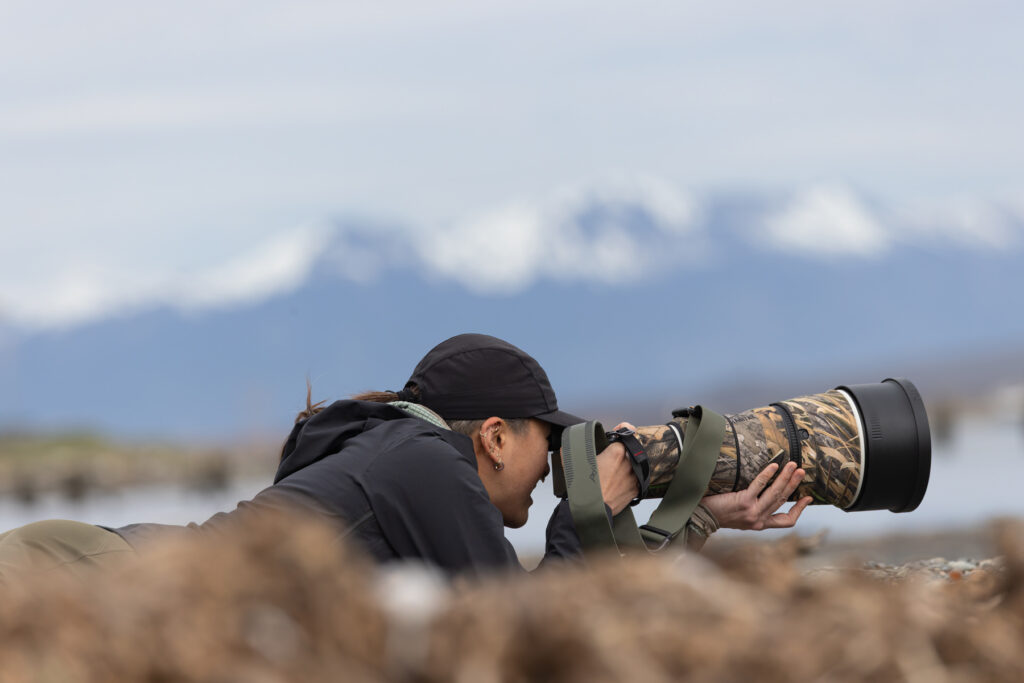
Diana gets down low for another great water level image (image by Mike Watson)
Tucked in a faraway corner of Chile, at 51 degrees South, is the famous Torres del Paine National Park. The national park encompasses 700 square miles of mountains, glaciers and lakes and the Paine Massif itself includes the famous Towers, three towering granite peaks reaching 2500m ASL, as well as the only slightly less impressive Cuernos del Paine (Horns of Paine) on its southwest flank. Thanks to a quarter of a million visitors every year it now has some very strict rules, like you are not allowed to leave the roads through the park except on marked trails, and you are absolutely not allowed to leave trails, even by five metres! This combined with a never-ending procession of other vehicles means that Puma watching inside the park can be very unsatisfactory, as a gaggle of noisy tourists quickly piles up whenever you stop anywhere, even if you are not watching anything. So, there really is no substitute for the wilds of the Laguna Amarga Estancia! There is nowhere else in the world that you can do what we do there! This is owing to off-trail access, more relaxed rules about the distance at which we are allowed to watch a Puma from and the fact that several of the Pumas here are habituated, having lived their whole lives in the proximity of Puma watchers. All of this opens the door to (sometimes stunningly) close encounters with relaxed Pumas. I must pinch myself that they are considered a threat to humans in much of the rest of their range in the Americas, as a Puma wanders past me as if I were invisible!
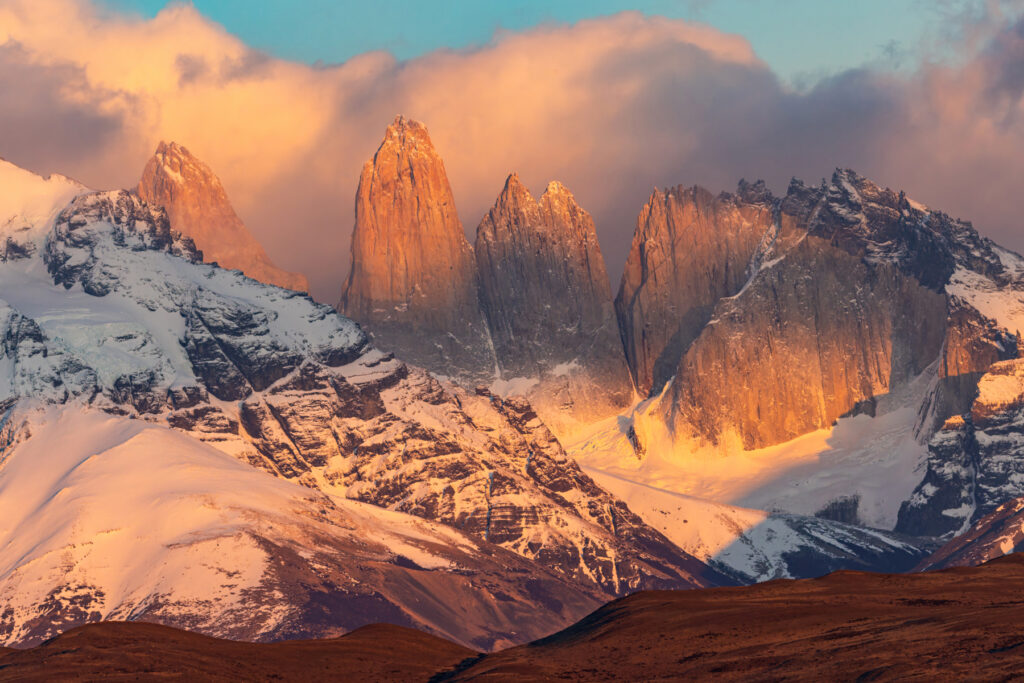
Torres del Paine, an iconic Andean mountain landscape (image by Mike Watson)
The sheep ranch we search in is outside the national park, although it is adjacent to it, has much the same habitat as the park and the animals of the park come and go as they please. The main advantage being that park rules do not apply here. The ranch does not have many sheep, and it is mostly left to the Guanacos, which in turn attract the big cats. The estancia is a rolling land of eroded hills and wild Patagonian steppe, heavily glaciated, evidenced by the conglomerate erratics dumped by glaciers here and there across the bleak grassland.
INSTANT DOUBLE
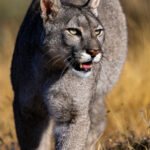
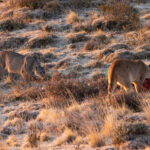
Puma Nos. #1-2. BOOM! Within a few minutes of entering the estancia on our first day of Puma tracking the radio crackled into life with Jorge just saying the word ‘contacto’. Our ‘recon’ Puma tracker Jorge Cardenas had scored immediately, and was watching a friend of ours, Escarcha, walking away from a kill. She was on the move, and the plan was to intercept her on her way downslope towards Lake Sarmiento. Our pace quickened, whizzing around the winding, rutted jeep tracks that led to her. Piling out of our vehicles in a state of mild panic, there she was. Our first Puma. The sun had just risen on a clear morning, and the grassland was still bathed in a golden glow, turning her distinctive grey coat after which she is named, ‘Frost’ in Spanish, a much warmer tone. I saw her a year ago not far away from where we stood today but she now looked a stronger and more powerful cat, a fitting heiress to the Petaka dynasty. Her mother Petaka is probably the most famous Puma, a star of TV documentaries filmed on the Laguna Amarga ranch. Escarcha is also thought to be the daughter of Dark, the erstwhile alpha male of the estancia, now gone AWOL to the south side of the lake, wearing a tracking collar. Equipment was hastily gathered, and we were off on our first walk with a Puma. The thing about these walks is that you never know where or what they might lead to, they could last a few minutes (if the Puma just lays down) or they could go on for hours depending on where she goes and what she does. However, we knew she was leaving a kill, and therefore she would not be hunting, so the former was more likely. Either way it was tremendously exciting to have her in our viewfinders in the golden hour. When she walked, we walked and when she stopped, we stopped. The challenge is to anticipate where to position ourselves for a head-on image, maybe with a nice background too. She obliged several times before reaching the road along the lake shore and entering the lakeside Mata Negra (‘Black Bush’), where we left her. What a terrific start!
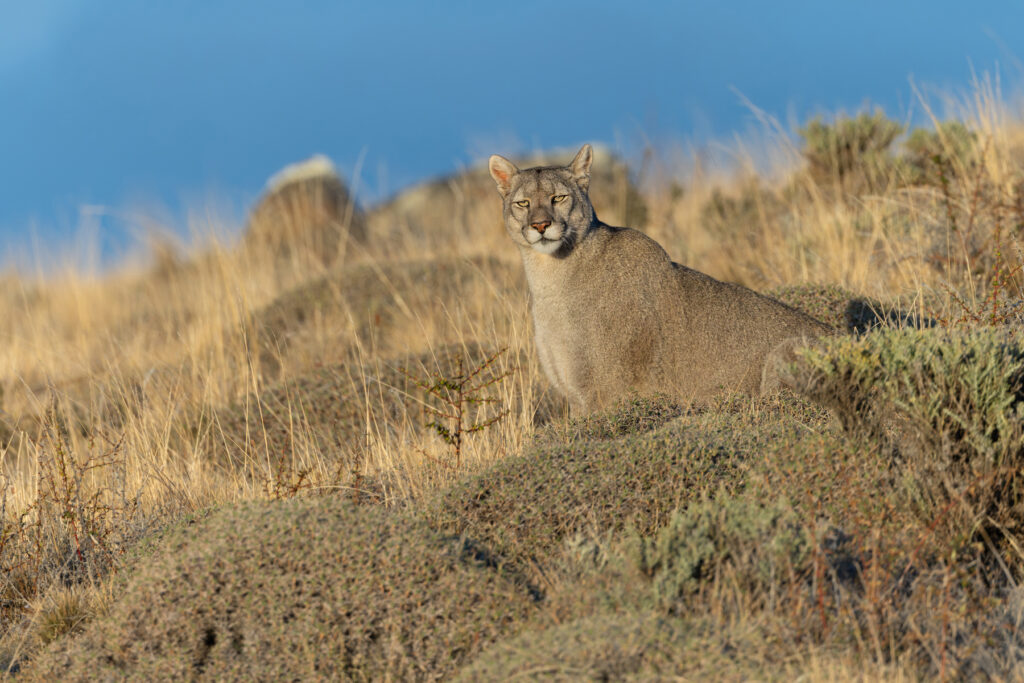
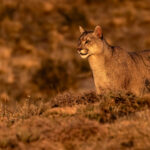
This is what we were waiting for, a glance towards us in the golden hour (image by Mike Watson)
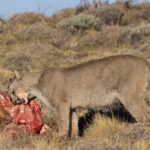
That was just the start, no sooner had we had finished walking with Escarcha, our ‘overwatch’ Jorge directed us back uphill, to Rupestre, the matriarch of her own dynasty. She was resting by a large Calafate bush but soon started walking towards us. She paused to drink for a while from a small streamlet (cats need to drink a lot after a huge meat intake) before heading uphill. We were off again! This was a rather short walk though, back to her Guanaco carcass, presumably what Escarcha had been eating too? Rupestre has a warmer brown coat than Escarcha and is the mother of a couple of cats we saw last year, Ginger and Coirón. She is around eight years old and is showing some signs of wear. The kill was well eaten, with all the flesh stripped from the skull for instance, so it presented a rather gruesome sight. Rupestre was still obviously hungry and crunched on the remains for a while. Another sign it was an old kill was the presence of Crested and Chimango Caracaras, hanging around for their turn once the cats had enough. We managed some good eating images, video clips and then a few in-the-landscape shots, including distant snowy ridges, before she walked out of sight. She didn’t even to bother to cover the kill before she left, a sign that she had enough and wasn’t going to return to it. An intense introduction to Walking with Pumas! We returned to Rupestre during our afternoon session, to find she was resting about 200m downhill, legs in the air and although we waited to see if she would do anything, the chances were against it, and nothing happened. What a great start to our Puma tracking it had been though!
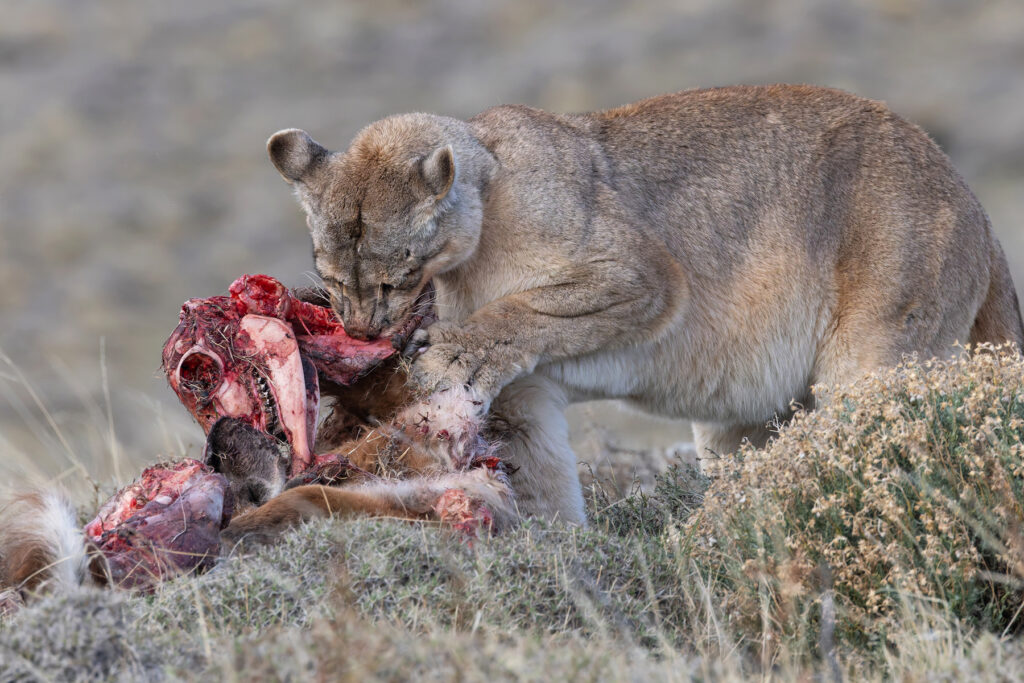
At least the poor Guanaco is getting upcycled as Puma! (image by Mike Watson)
TWO SHY
Puma No. #2. Our second day started with some excitement when sharp-eyed Diana spotted a Puma from the second vehicle. Very impressive and I think it is a first for this tour for a guest to find a Puma? However, it transpired to be a shy youngster, hiding in some large bushes, probably in wait for its mother? We decided not to disturb it, on hearing that there had been a Puma here the previous day, which had hidden all day. After more searching we reached the less productive middle section of the day, and a flat tyre was a cue for some bird photography. We succeeded in some great images of singing Scale-throated Earthcreeper in the Mata Negra and once the wheel was changed, we could approach a family party of Andean Condors that took flight and circled past us beautifully, thoroughly making up for the disappointment of the Olga Teresa Ranch. After this excitement for the bird lovers, we made our way to Laguna Amarga, where, after a little effort, a small flock of distant Silvery Grebes eventually became a point-blank encounter with some lovely water level images. Extra special as they were of the Patagonian subspecies, with more golden feathering around the ears. Light was not great for landscape images (normal for midday) but we made a touristic visit to the pretty Cascade del Paine, the most significant waterfall in the area. There was a pair of Torrent Ducks in the river above the falls, a few Long-tailed Meadowlarks around the car park as well as some ultra tame Rufous-collared Sparrows. We spent the afternoon searching in the less than productive northern section of the ranch, to which we had been allocated and eventually received a ‘contacto’ call from our ‘overwatch’ Jorge. There was a Puma, No.#4, not far from the site of our morning flat tyre. We were there in no time, but it proved to be a very shy cat that scarpered at about 200m range. Also, a shy South American Gray Fox evaded a reasonable view, it was just one of those days. We shouldn’t complain though, any day with two Pumas sightings is a good one.
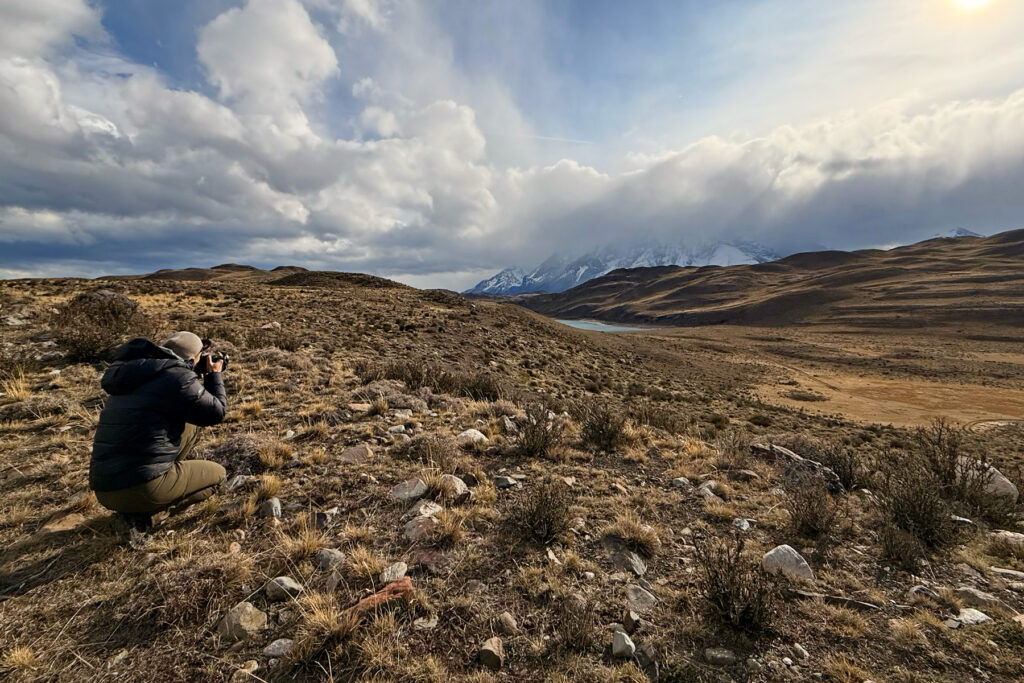
Wild Images photographer Diana enjoys another wonderful view of the Torres del Paine (image by Mike Watson)
OVER THE FENCE
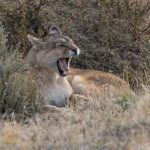
Filthy weather persisted for most of the day, with heavy rain at times, only clearing to sunshine late in the afternoon. A wind from the southwest usually brings this kind of weather. So, we were surprised to hear from Jorge that he had found a cat using the thermal imager. It was a mere pinprick in the landscape and over the fence into the national park. It was resting next to the main road but was visible from the highpoint in the northern section of the ranch. We ventured into the park in the hope that the cat, which turned out to be Rupestre again, No. #5, would get up and walk towards the road, or somewhere else where we could get a better view. As the weather eased, the public road ‘pirates’ gathered, and she appeared to get fed up with the chitter chatter of the gaggle of onlookers in brightly coloured clothes: white, pink and orange (the perennial problem with Puma watching in the park). She walked off in the direction of the ranch and out of sight. This is where our access all areas pass on the ranch’s northern section came into its own. ‘Overwatch’ Jorge had followed her progress from his viewpoint and directed us to the boundary fence from where we could see her behind a large Calafate bush. We could take some portraits with and half against the light, which was eventually rewarded with a couple of full yawns. She only has one upper canine tooth though, having lost the upper left. It is amazing how quickly their bodies can metabolise a large meal, she looked back to normal size today. The weather ruled out any other worthwhile images until the afternoon, when a condor flypast was the best that we could manage.
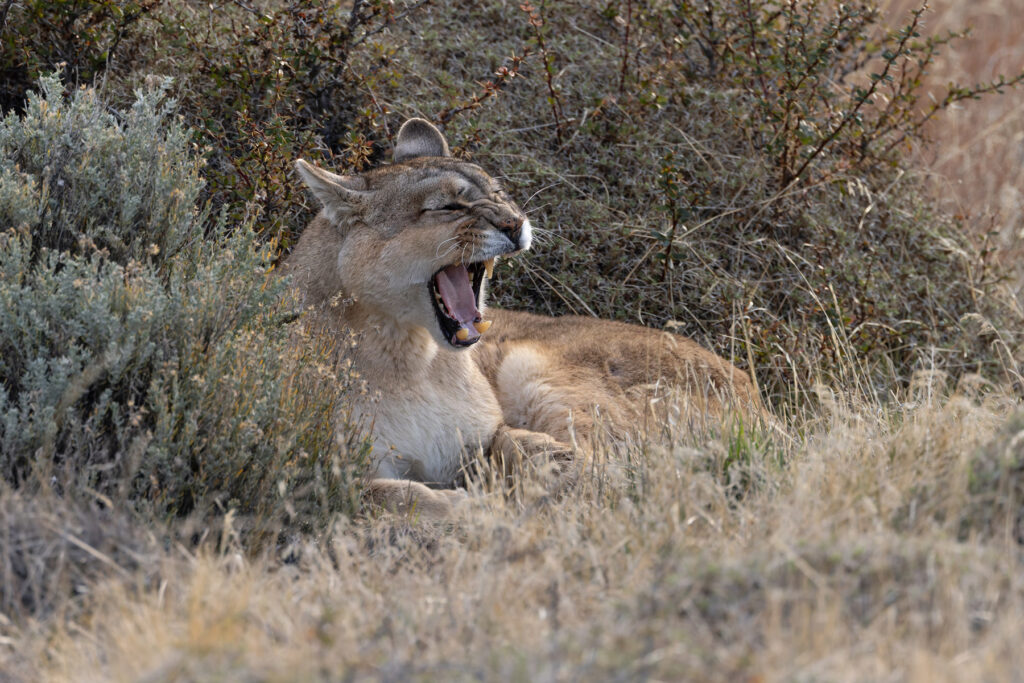
Rupestre is around eight years old now and has lost her upper left canine tooth (image by Mike Watson)
LAKESIDE
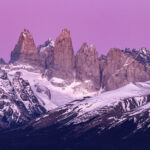
The quintessential landscape image in the Torres del Paine National Park is the towers painted pink at sunrise. Several factors must come together for this to happen and then there is a scale of ‘pinkness’. First you need the sky to be clear to the east for the sun to hit the towers and you need a direct hit from the first low angle rays of sunlight for the red end of the spectrum to just make it through the earth’s atmosphere. Naturally the towers need to be free of cloud too, which is not a daily occurrence. The shot was possible on two of our seven mornings this year, it was only possible on one sunrise on my visit last year. We got something today, although it looks better in camera (and certainly after processing!) than it does to the naked eye, a bit like an aurora. When the sun clears the horizon completely, the towers turn grey again and that’s game over for the day.
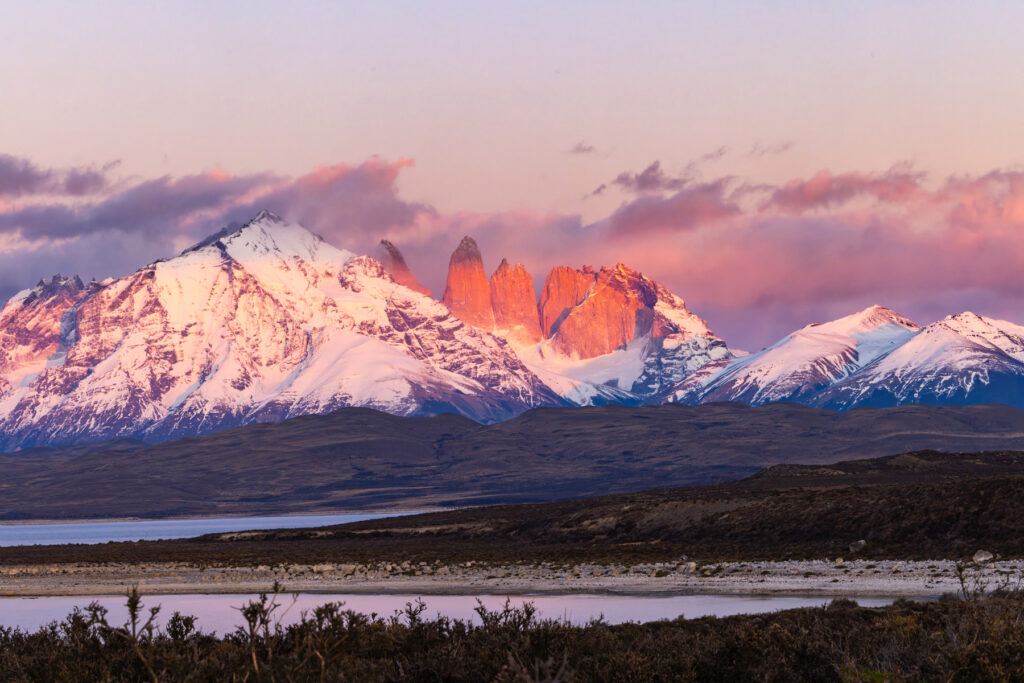
Pink towers at sunrise, Torres del Paine, a wider view (image by Mike Watson)
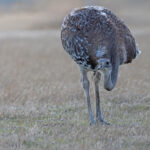
Puma watching today started brightly when I spotted a Puma No. #6 on the lakeshore. I had not seen one on the shore before at all, and I have been hoping for that elusive image of a Puma among the stromatolites (the living coral-like rock formations along the shore). Our very own Gin Wilde managed some incredible images there a week after us last year, including that photo with a White-tufted Grebe prey item. However, we messed up our approach, and the cat evaded us. A shame but it could not be helped, it was the large male Cuevas (aptly named ‘Caves’) and if he doesn’t want to be seen, then it’s not happening. He disappeared into the rocks, and we can’t follow him in there. A nice sunny morning drifted by waiting for news of further sightings and we amused ourselves with some great water level views of a pair of Bronze-winged (or Spectacled) Ducks. Yellow-billed Pintail also obliged on the partly frozen pool here, as did a pair of Magellanic Snipes and some Southern Lapwings. At lunchtime we ventured away from the ranch to the farmland to the east. Lesser Rheas abounded as did more than a thousand Upland Geese, and smaller numbers of Ashy-headed Geese. The highlight, however, was finding a den of Large Hairy Armadillos by the roadside. They were stupidly tame and even sniffed our boots. It was a challenge to get rid of the grasses in their faces and the fence paraphernalia in the background. What fascinating and adorable creatures they are though.
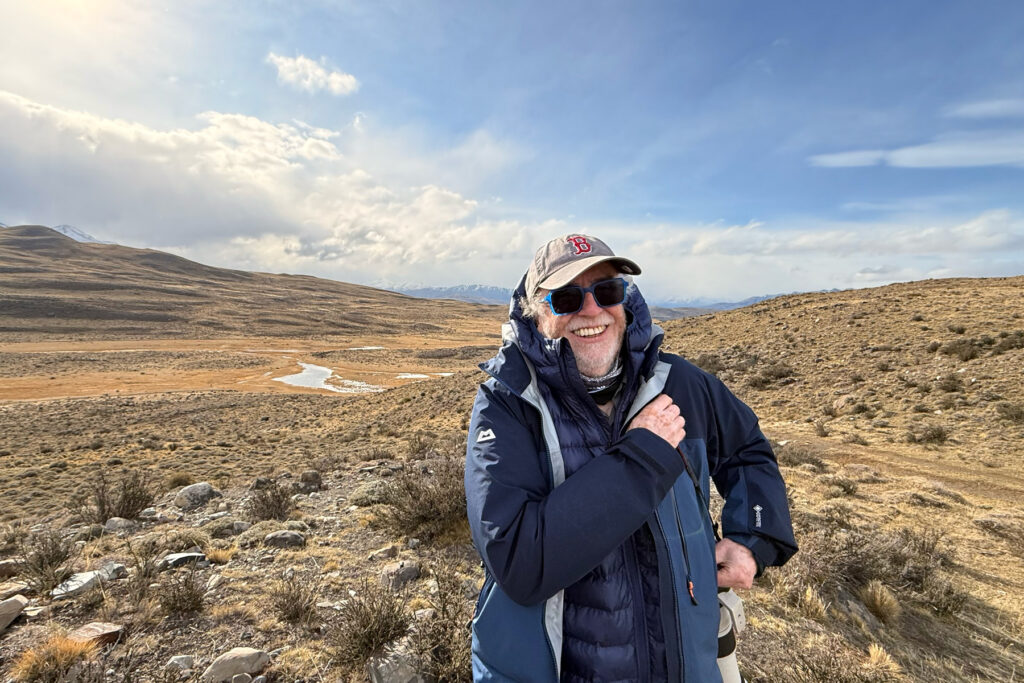
We are all smiles after walking with a Puma (image by Mike Watson)
Jorge was determined to find another Puma today and decided to check a small lake towards the eastern end of the ranch. He did find one! No. #7. But it was being watched by another group who were overdue to leave. It was Danya, a daughter of Rupestre. She had given birth less than a week ago and here she was out and about again. After the other group of Puma watchers left, she got up and the next walk with a Puma began. Danya is another cat that is very relaxed around people, and she did not seem to mind as we followed her progress, taking images as she paused from time to time. Scratching the sandpaper-like Yareta bush (Azorella compacta) to sharpen her claws. We followed her for over a kilometre until she reached a viewpoint over the lake. She was on her way back to her cubs, so we did not continue further. The consensus of the local Puma guides is that they will wait until she introduces the cubs to the watchers rather than check how many she had any earlier, so we will have to wait for news.
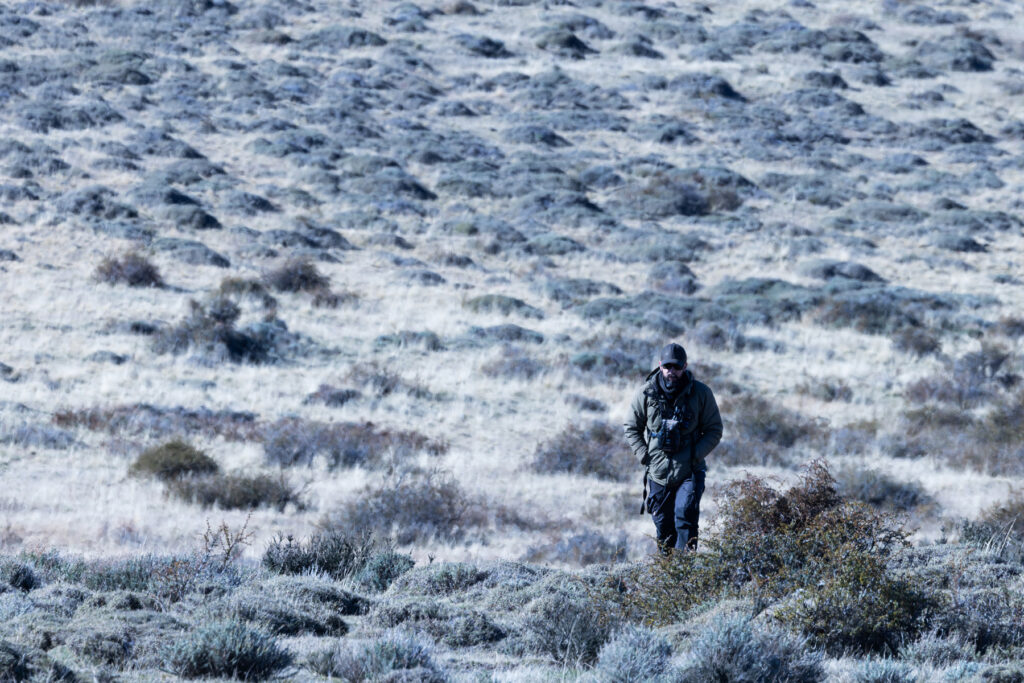
Our ‘recon overwatch’ Puma Tracker, Ladies and Gentleman – the one and only Jorge Cardenas (image by Mike Watson)
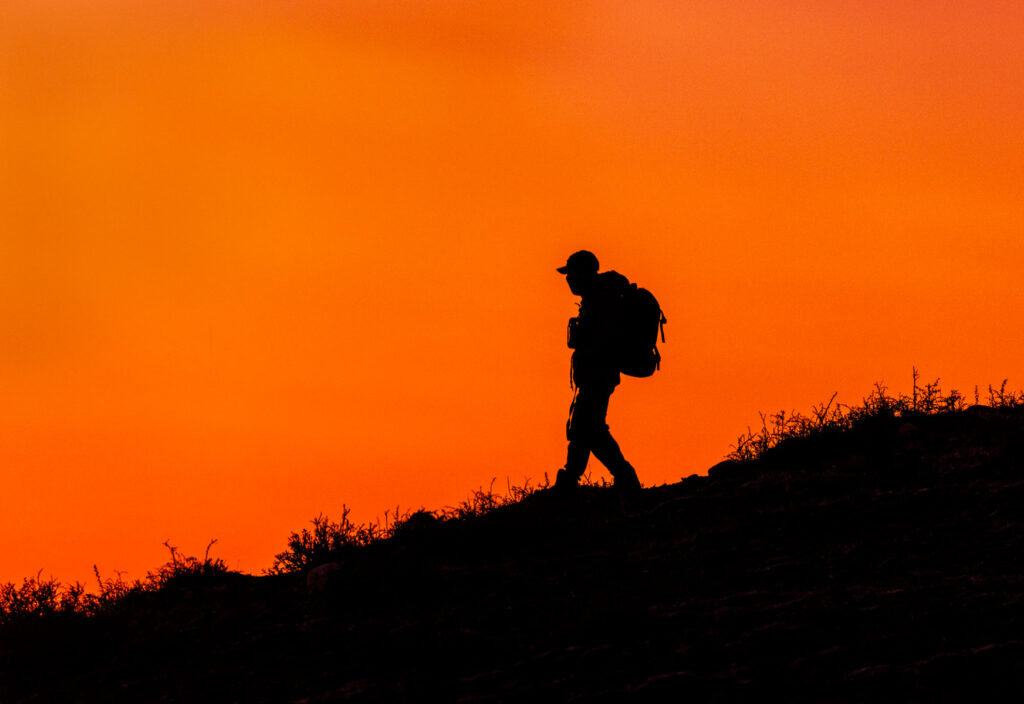
Solo at sunrise (image by Wild Images guest Stuart Hahn)
PETAKA’S KILL: BURYING THE EVIDENCE
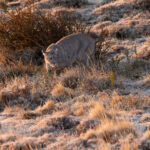
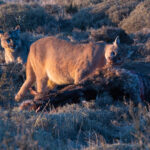
As we reached the east shore of Lake Sarmiento on a frosty morning, it was clear that another pink towers sunrise was on. This time we positioned ourselves to the north of Laguna Amarga with a grandstand view of the towers rather than the more distant wider vista from the mirador at the eastern end of Lake Sarmiento. We were just settling in and adjusting camera settings when the radio crackled into life again… ‘contacto’. Jorge our Puma tracking grandmaster had found Petaka, No. #8, with a kill not far away below us in the valley. Pumas always take priority over landscapes on our tours, so off we went. Petaka had been feeding and was now resting but there was an active pair of Crested Caracaras around so, it was not long before she returned to her Guanaco carcass and piled even more fragments of the thorny Guanaco Bush on it. This made for some interesting stills and video clips in nice light from pre-dawn frosty blue to golden light. However, a frost also means heat haze by mid-morning and poor light for the rest of the day. We waited nearby but she did not make another move today. Instead, we were entertained by a tame South American Gray Fox, which was running around eating the large black beetles, of which there had been a mass emergence, Chilean Stag Beetles. Petaka is a beautiful cat, even if she is knocking on a bit now, at about eight years old and has lost both her upper canine teeth. She can obviously still dispatch a Guanaco. Late in the afternoon some distant Guanaco braying indicated the presence of another Puma, a young cat that appeared on the ridge high above Petaka, No. #9, but it saw us and/or Petaka and made a sharp exit over the brow of the hill. So ended another day of hours spent with a Puma and some good photographic potential. Wonderful stuff!
Petaka at her kill (video by Mike Watson)
FROST AT DAWN
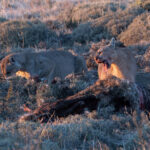
While we had spent the day watching Petaka yesterday, Rupestre had been found with another kill in the northwest section of the Estancia to the delight of other Puma watchers. We were allocated to the northwest section today, so we headed there to check it out. En route to the scene we got a call from Jorge that there were in fact four Pumas in that vicinity, so our pace quickened considerably. By the time we arrived two of them had already wandered out of sight, but Rupestre was still there, No. #10, eating at the carcass and to our delight, just as we approached, Escarcha, No. #11, was also making her way, very carefully towards the kill. Not only that but she was backlit in the frost-covered grass that she is named after. Wow! To our amazement Rupestre pulled a face but simply accepted her at the feast and they both tucked into what was left of the unfortunate Guanaco victim. The most amazing thing was that they are not related and come from opposite sides of the Rupestre/Petaka dynasties. Evidence that unrelated female Pumas do co-operate, a joy to behold. The eating images were not special, owing to the lay of the land, it was difficult to line them up with the snowy mountain peaks in the background and eventually a very full Rupestre walked a short way from the feast to start digesting her meal. Escarcha ate some more but before too long she had enough and set off on what would be the highlight of the tour for most. She walked straight at us. When she decides to go in a certain direction, she makes no effort to give onlookers a wide berth. I was on the end of the line, and this is second time she has made a beeline for me. Nothing personal just she cannot be bothered to deviate much from her chosen path. Some frame-filling head-on images were possible if you were quick enough. So, we set off to follow her again. As usual, when she walked, we walked and when she stopped, so did we etc. Mauri did a great job of anticipating her route and we had another close walk past, oh Escarcha that’s the third time you’ve made my heart beat faster! She is the best-looking cat on the estancia in my opinion and in less harsh light the frosty-grey colour of her coat stands out. She is also absolutely in her prime, with no scars or blemishes and gets her looks from her mum Petaka! Definitely ‘one for the wall’ potential from this series of low angle light/close and head-on views of her against a nice background of the Mata Negra. We trailed her for over a kilometre as she descended towards the main road, but she stopped short and laid down in a clump of vegetation, where we left her to rest. This encounter marked the end of our morning session on the ranch, and we headed off north via the Cascade del Paine for some polarized photography in the midday sunshine, where the Torrent Ducks were still present but too far for worthwhile images. What else to do before we could go back into the estancia for the afternoon/evening session? We visited a pair of Magellanic Woodpeckers, which one of Mauri’s friends had seen a couple of days previously. They were as spectacular as ever but mostly remained behind a curtain of beech branches and twigs, only appearing unobscured briefly and not in the best light. Back on the ranch Rupestre predictably spent the afternoon asleep behind a Calafate bush and a pesky caracara, a white-throated on this occasion, was preoccupied with catching those large black Chilean Stag Beetles Chiasognathus grantii that were everywhere again instead of trying to sneak onto the carcass. Rufous-collared Sparrows were also all around us in the Mata Negra, on their way to roost somewhere nearby, I think. Another classic day of walking with pumas!
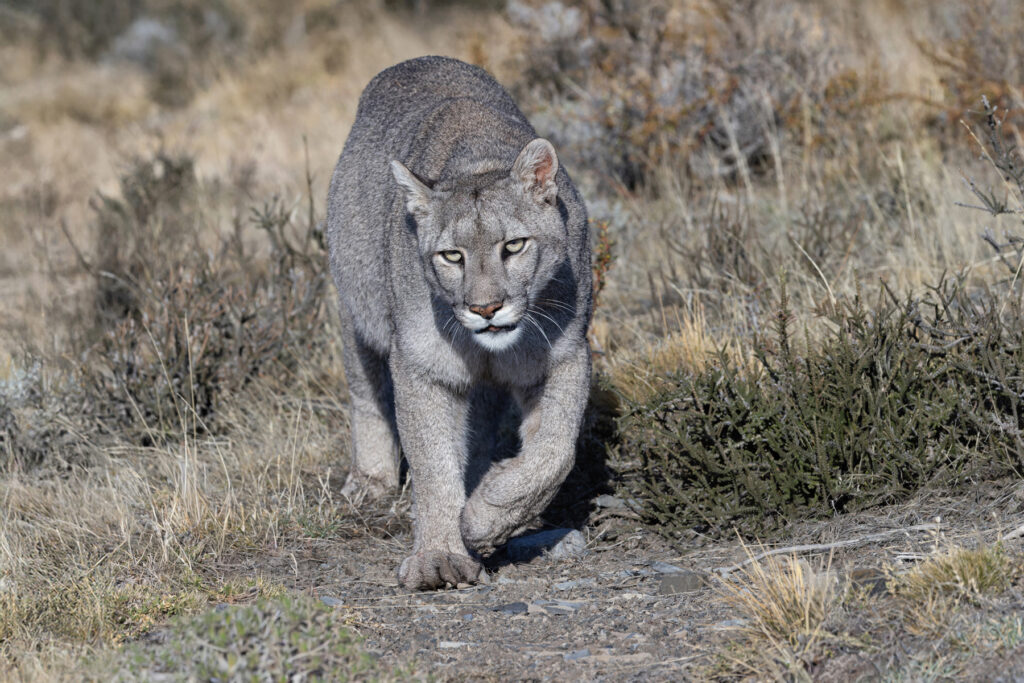
Escarcha has visibly filled out since our encounter last year and not just her belly! (image by Mike Watson)
SNOW AND HAIL
This was our last full day in Puma country and proved to be another classic. We had drawn the north section again but that was OK because we could visit Petaka at her kill, No. #12, and see how things were going. Almost a carbon copy of the previous morning ensued, lucky as we had talked about back-lighting before we set out today. As we approached the kill, so did another Puma, and it was another unrelated female. This is clearly a more common occurrence than I realised. This time it was Lenga, a ginger-coated ‘park cat’ of unknown ancestry, No. #13. Well, we can be pretty sure she is not related to Petaka. Petaka looks disapproving in the images, but she did not budge, and Lenga was quite happy to eat alongside her. Not the kind of behaviour we see in other solitary big cats like Leopards, Cheetahs and Tigers, which do not share their kills except with their offspring. Again, we could take some nice against-the-light images and after the feasting was over, both cats wandered off. We chose to follow Petaka, she is always the most relaxed of all the Pumas and this walk was no exception. Most of us could keep up with her, crunching frosty Guanaco Bushes beneath our feet, and as we walked slowly uphill some good backlit images were had. She then walked onto the road and down it towards the assembled public road ‘pirates’. Folks scattered from her path; she just walks where she wants without a care. She even took a short cut between closely parked vehicles to get to her chosen patch of Mata Negra. She must know the estancia like the back of her paw, so she probably has favourite resting spots. We left her as she disappeared into the bushes to rest.
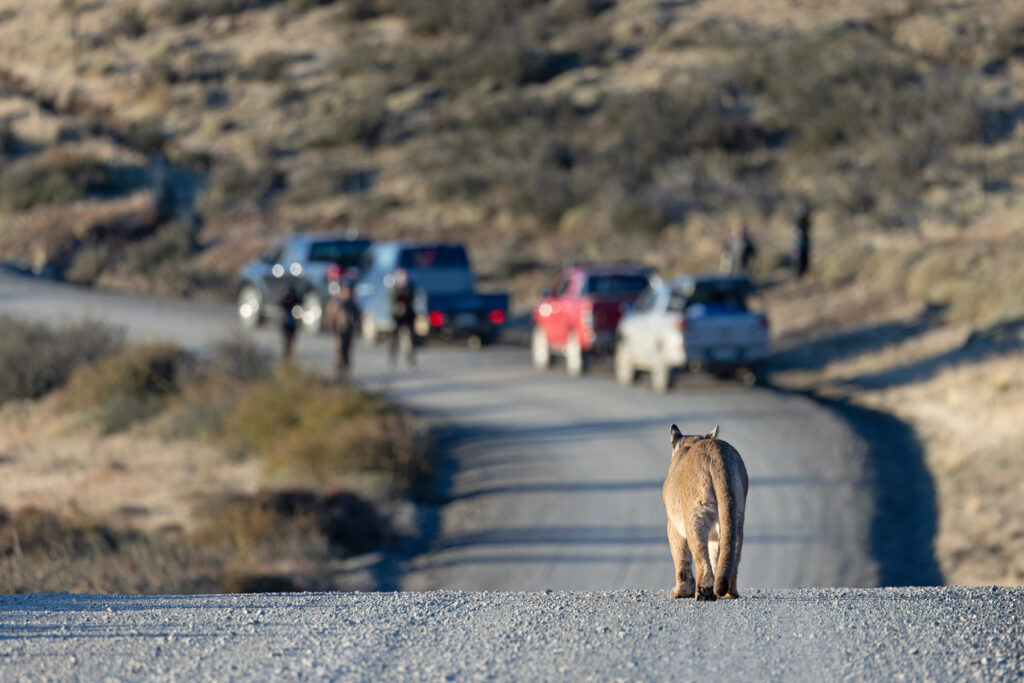
In fact she just follows the road. Petaka goes where she likes (image by Mike Watson)
We were not finished yet. As a special treat Mauri took us to see one of his study cats, Nieve (‘Snow’), No. #14. She is wearing a collar, however, her six months old cub Granizo (‘Hail’) is not, No. #15! We were incredibly privileged to be able to pay them a visit. They were hanging out near Lake Sarmiento and fulfilled my long-standing wish by walking into the stromatolites! Granizo is still at the inquisitive stage and although his mum was ushering him to stay with her, he still crept over to check us out, affording some lovely views among the whiteness of the rocks. Beautiful! A Short-eared Owl flew up while we were here as well as a Magellanic Snipe and a couple of Buff-winged Cinclodes. Magellanic Oystercatchers entertained us at lunch but the afternoon rather petered out without another Puma sighting.
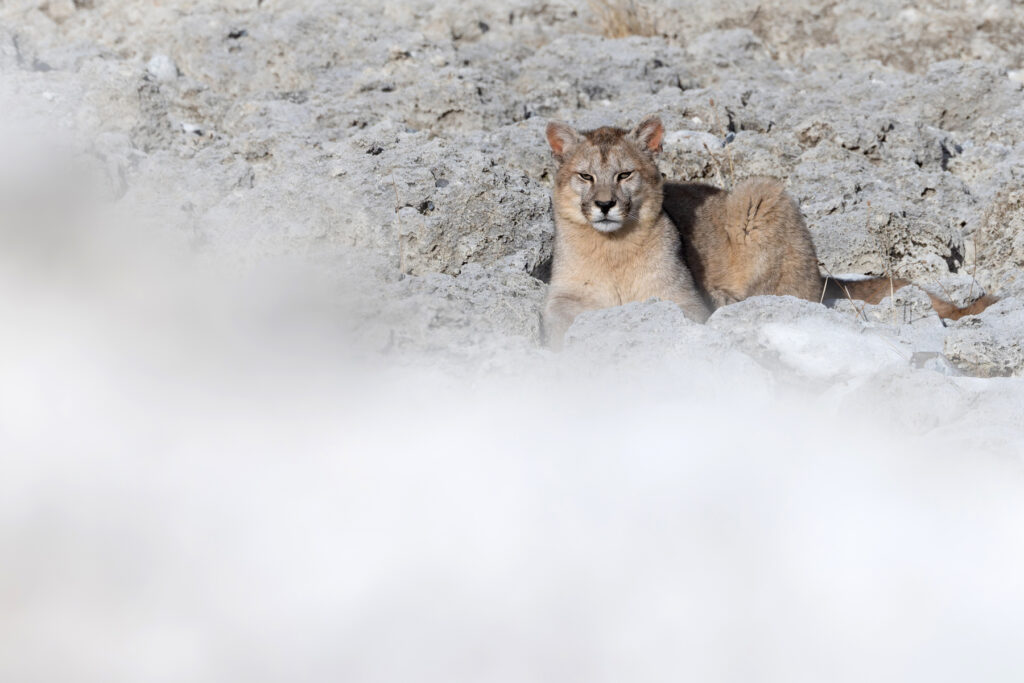
We love the partly obscured at Wild Images! Granizo in the stromatolites (image by Mike Watson)
THE TOWERS AND THE HORNS
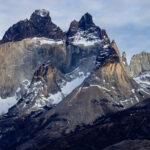
It was time to say goodbye to the Torres del Paine. Most of the day was spent driving across the national park, parallel to the Torres del Paine massif, first the towers from lovely Laguna Amarga (again no painted sunrise today), various miradors along the way, and then the Cuernos del Paine (the ‘horns’). I had not noticed what looks like the image of a lone rider on the huge rock wall on the right side of the horns before! The jagged peaks of the horns consist of Cretaceous sedimentary rocks with a Micoene granite intrusion. We could add a few reflections in the water of Lake Pehoe to our images, but the light was rather flat today, more suitable for black-and-white photography.
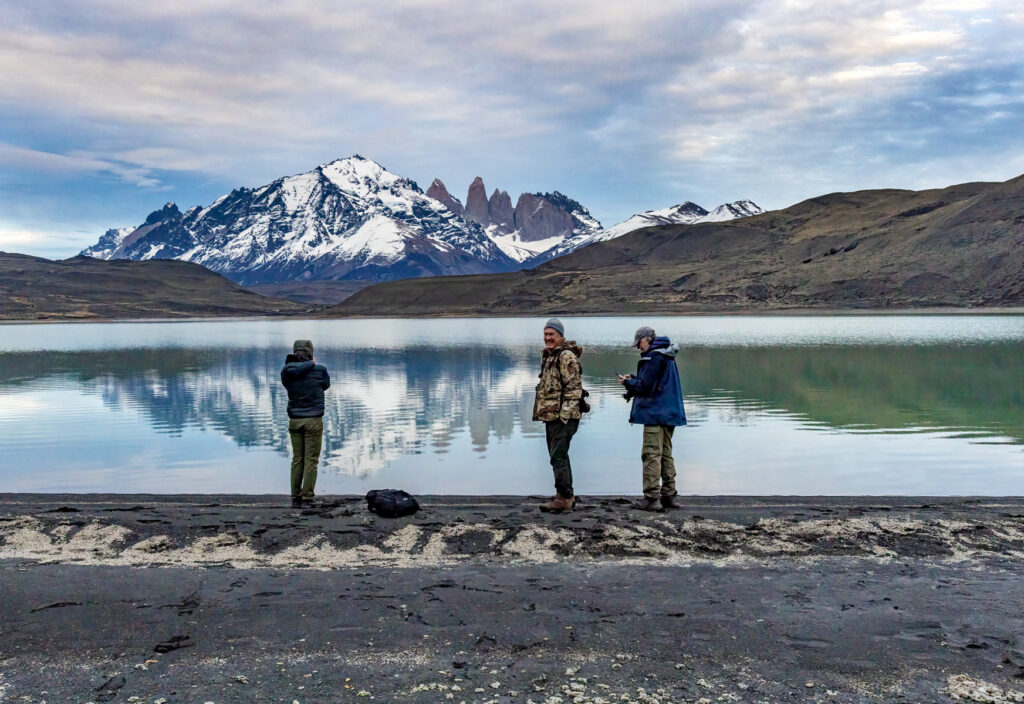
How can anyone ever tire of those landscapes? (image by Wild Images guest Stuart Hahn)
A drive through the charred landscape of dead beech trees followed, thanks to periodic fires mostly started by idiotic tourists, although apparently studies have shown that fires are not just a recent phenomenon! Between them were occasional intact stands of contorted Southern Beech trees, like something out of Lord of the Rings. This is not surprising as the trees are close relatives of those filmed in New Zealand in the epic based on Tolkien’s books. (Did I mention before that he went to school at Stonyhurst, within sight of the Wild Images office!) The Nothofagus genus of beech trees originated in Gondwana during the Cretaceous period, hence its presence on the now scattered fragments in Australia and New Zealand as well as the Southern Cone. We spied a few birds along the way to lunch at the lovely Lago Grey, including Chilean Flicker and Austral Parakeet but sadly the Magellanic Woodpeckers were not at home, it was fortunate we had already ticked this one off. The long drive along the ‘route to the end of the world’ was happily uneventful and we reached Punta Arenas in good time for another fabulous meal at our favourite restaurant, before it was time to say our goodbyes and go our separate ways. It is a long way home from Patagonia. Thanks to our very enthusiastic group and particularly our excellent Puma trackers Jorge and Mauricio for making this another enjoyable and successful tour! We will be back again in Patagonia next year!
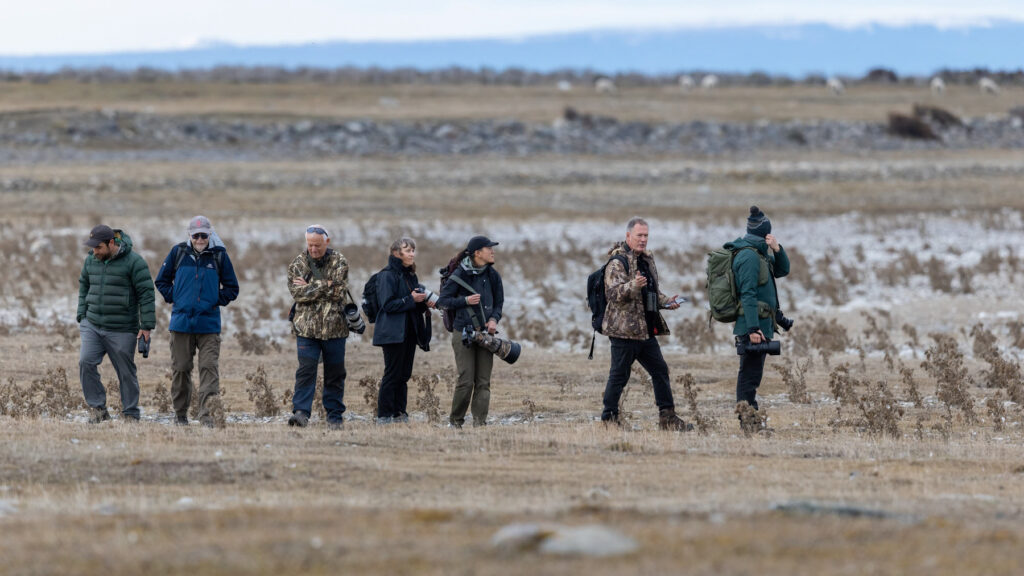
Our WI group in the wilds of Torres Del Paine (image by Wild Images guest Stuart Hahn)
Mike Watson
Mike Watson lives in East Lancashire with his Hungarian partner Évi and their son Alexander. Mike has been an avid photographer for more than 25 years and spends most of his spare time with camera in hand. A keen wildlife enthusiast since childhood, his sharp eyes will surely ensure some great wildlife encounters! Mike is a very approachable guide and always willing to share his photographic knowledge with participants on his tours.