
Brazil’s Pantanal: Jaguars and so much more Photography Tour Report 2026

7 September 2026
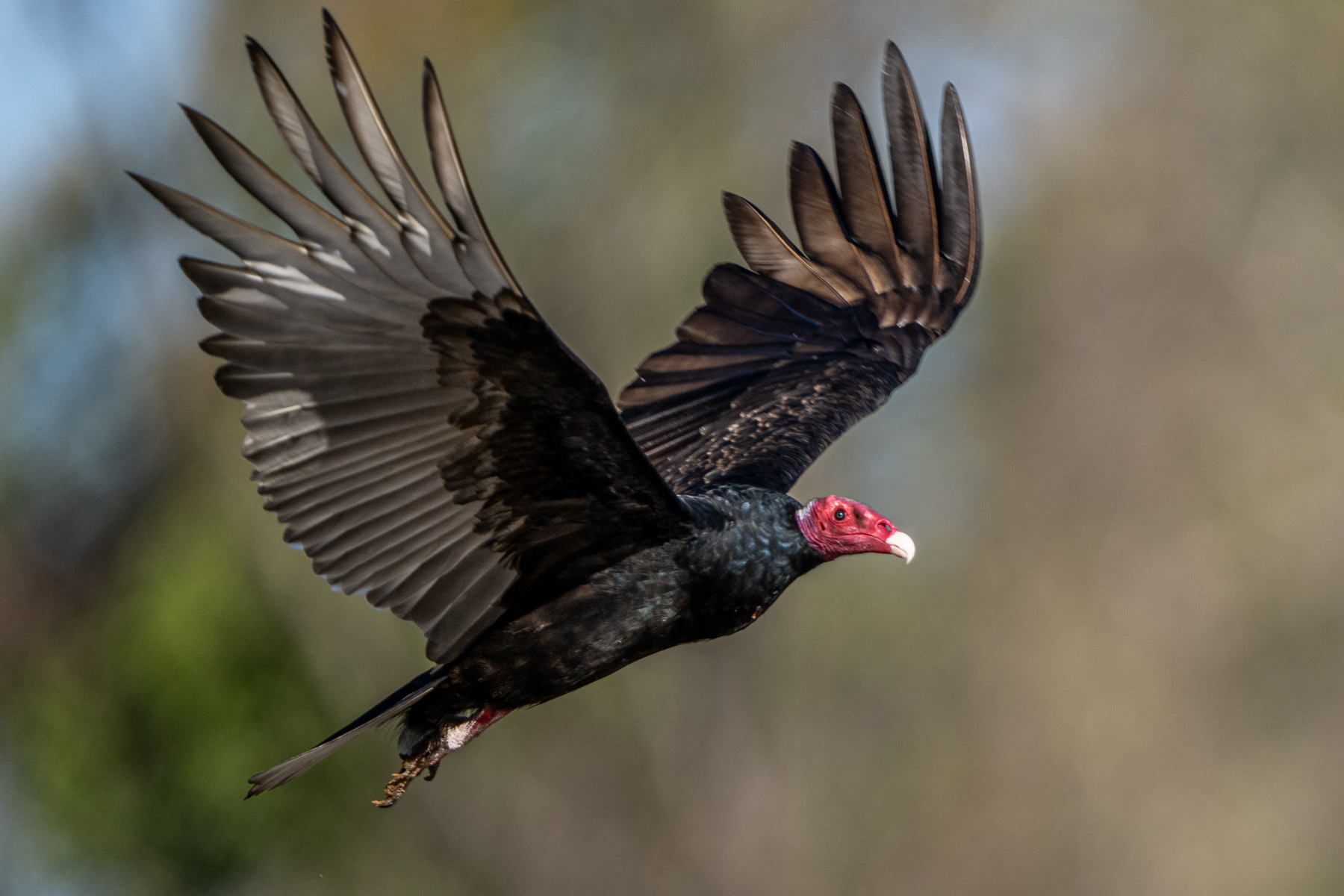
This Turkey Vulture with an intensely coloured head flew by the boat (image by Oliver Krueger)
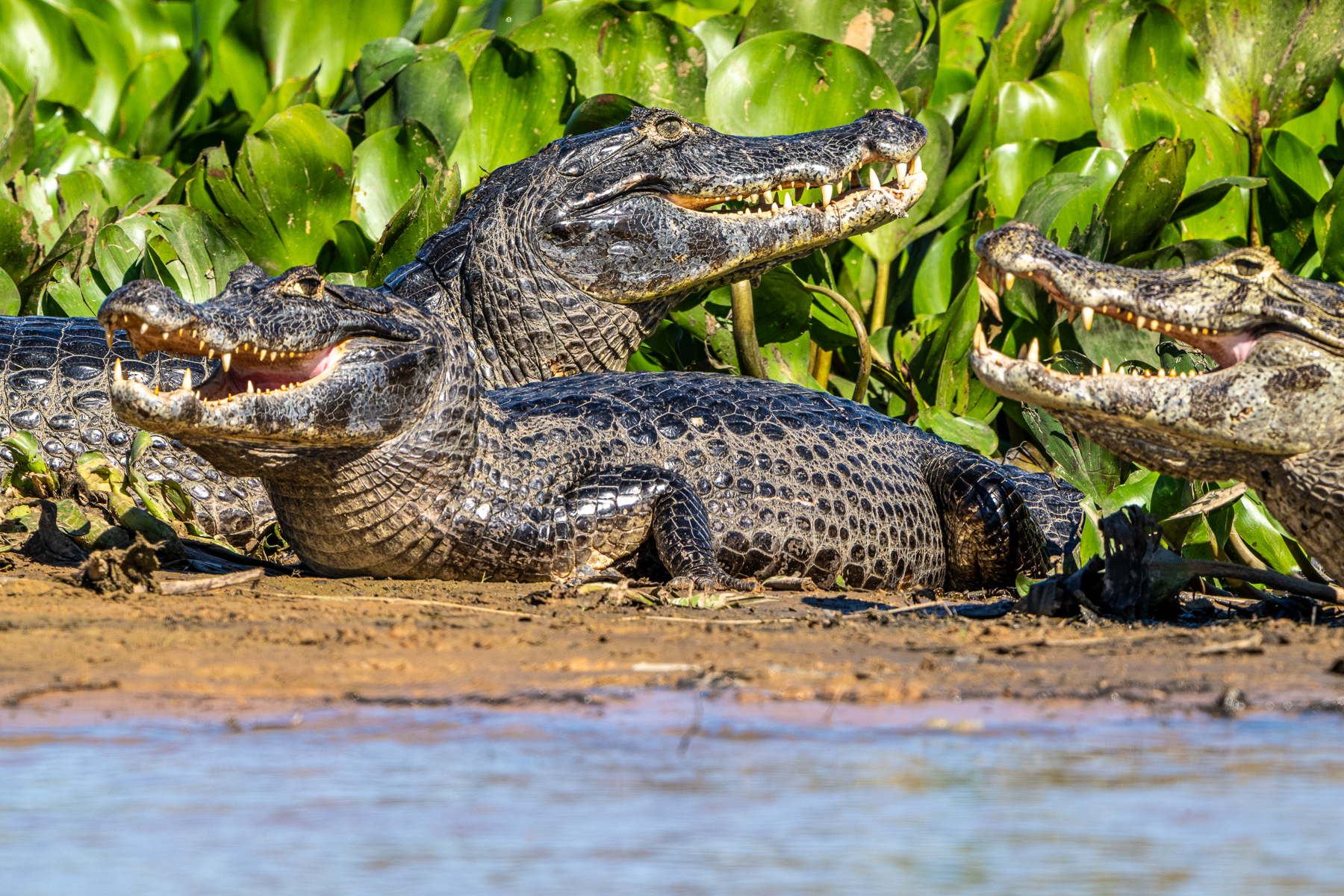
A collection of Yacare Caiman heads with their strong teeth (image by Oliver Krueger)
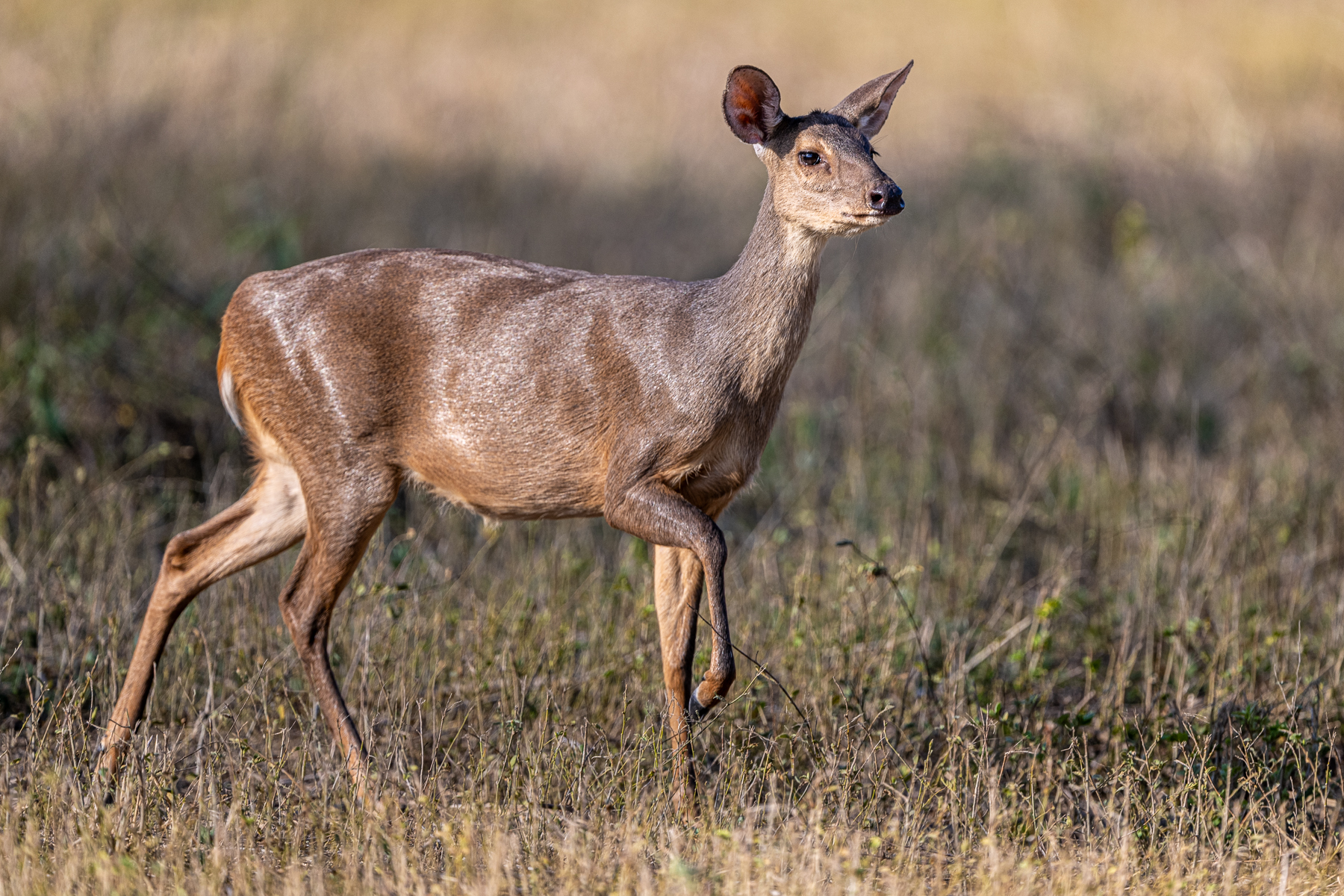
Gray Brocket Deer can be told apart from their red sister species by the large ears (image by Oliver Krueger)
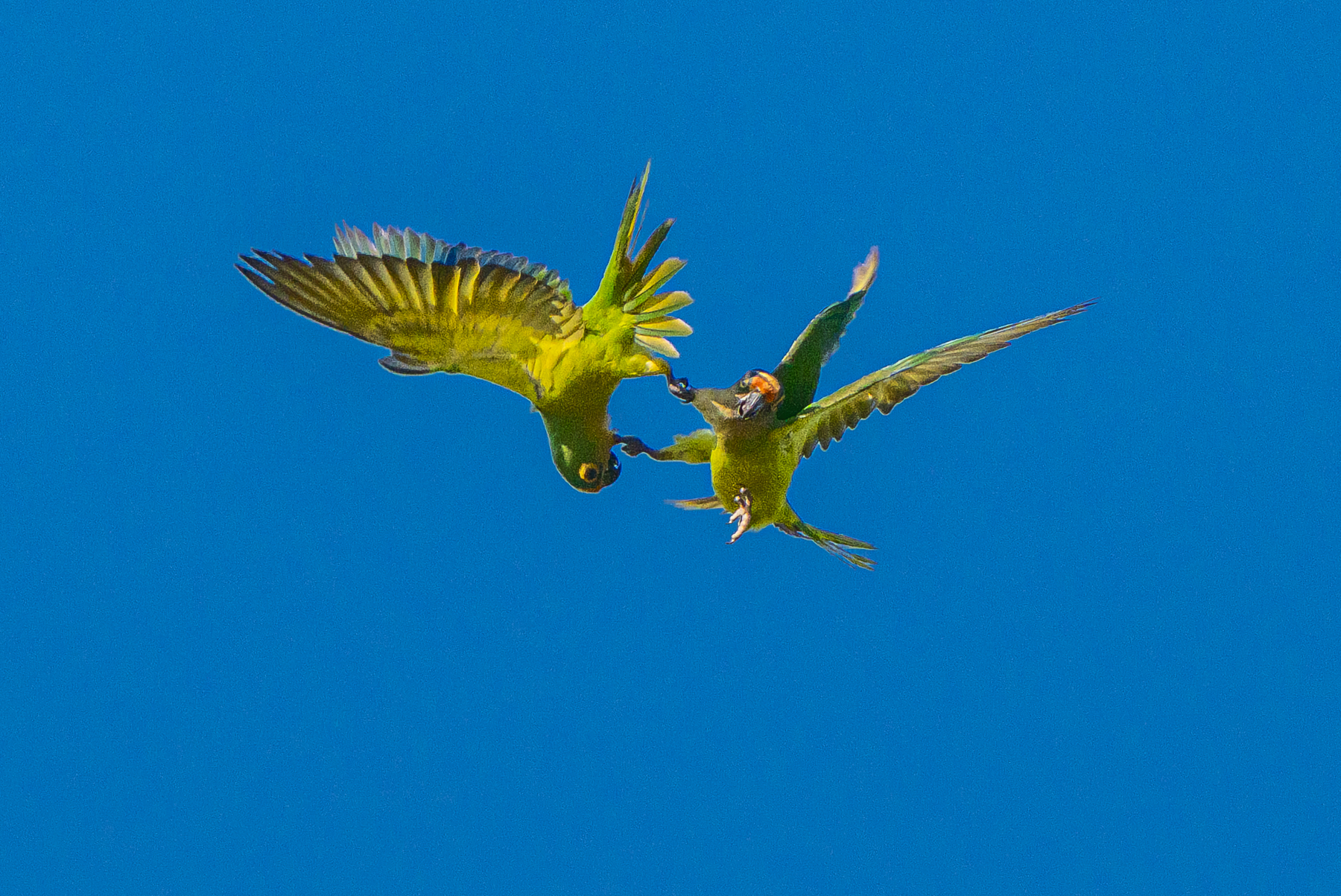
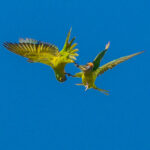
Admittedly far away, but a rare instance of severe aggression between two Peach-fronted Parakeets (image by Oliver Krueger)
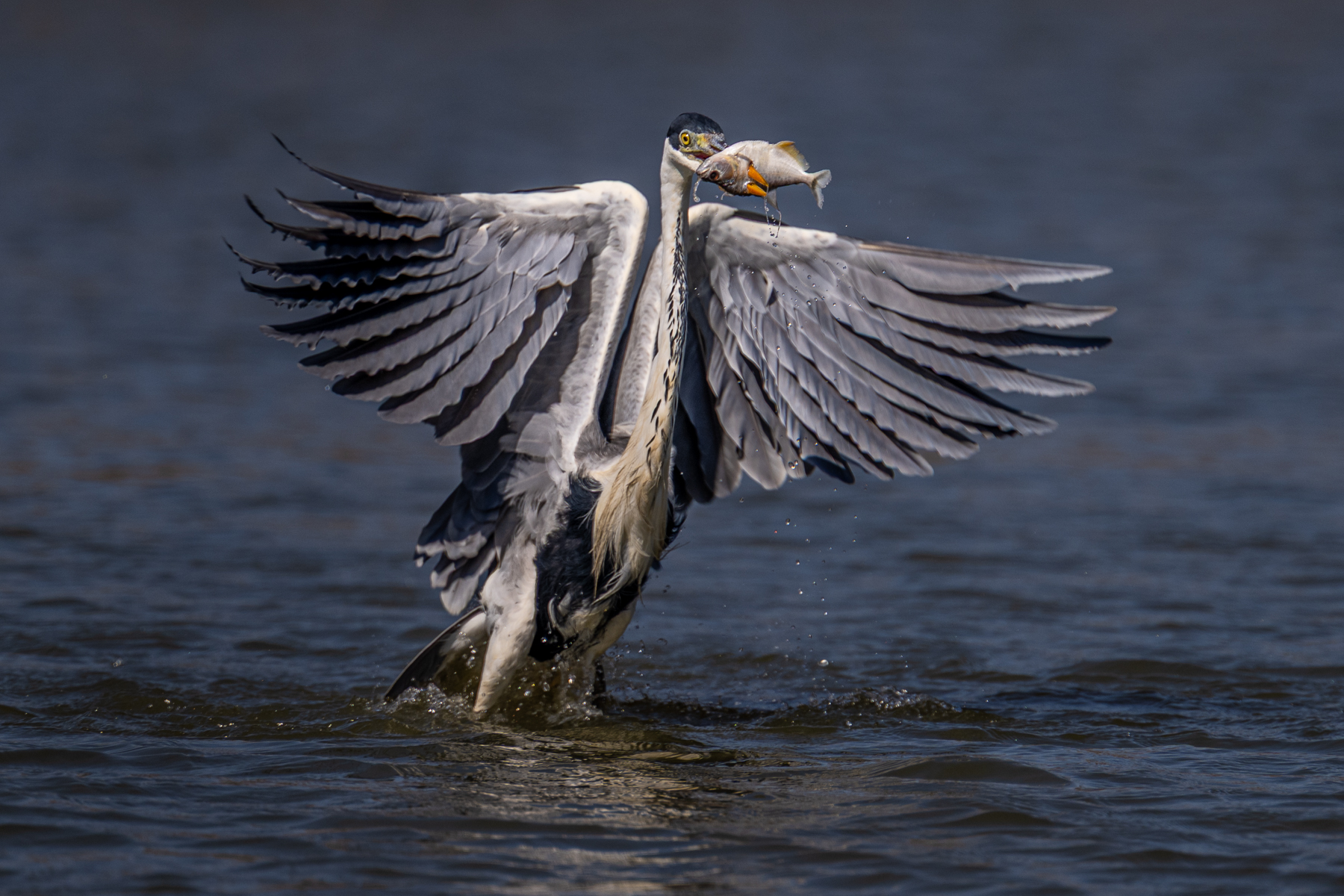
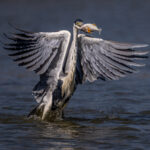
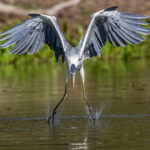
Stabbed by the beak, a Cocoi Heron is about to fly off with its prey (image by Oliver Krueger)
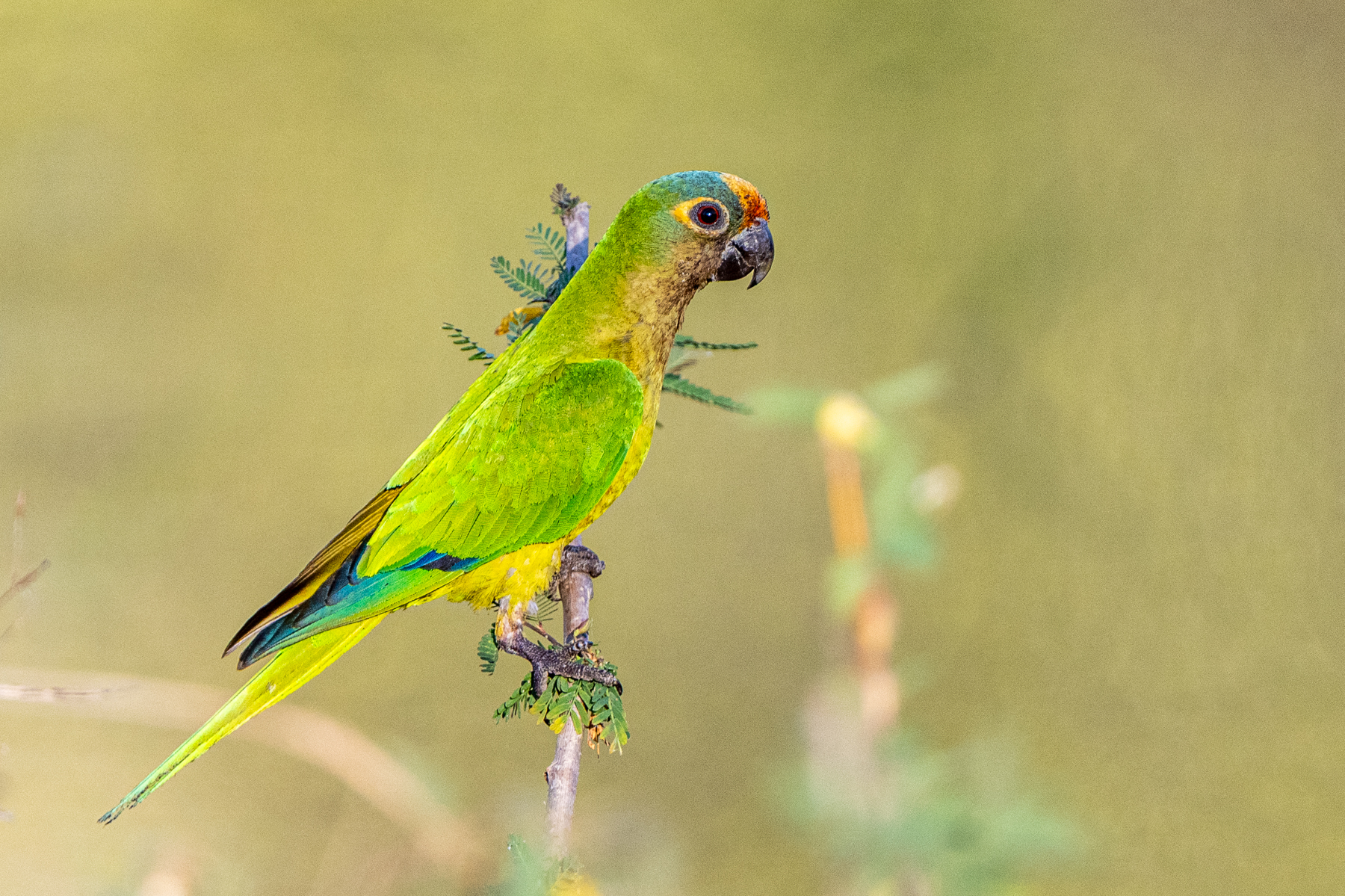
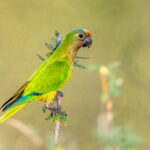
In the evening sun, a Peach-fronted Parakeet on the way to a waterhole (image by Oliver Krueger)
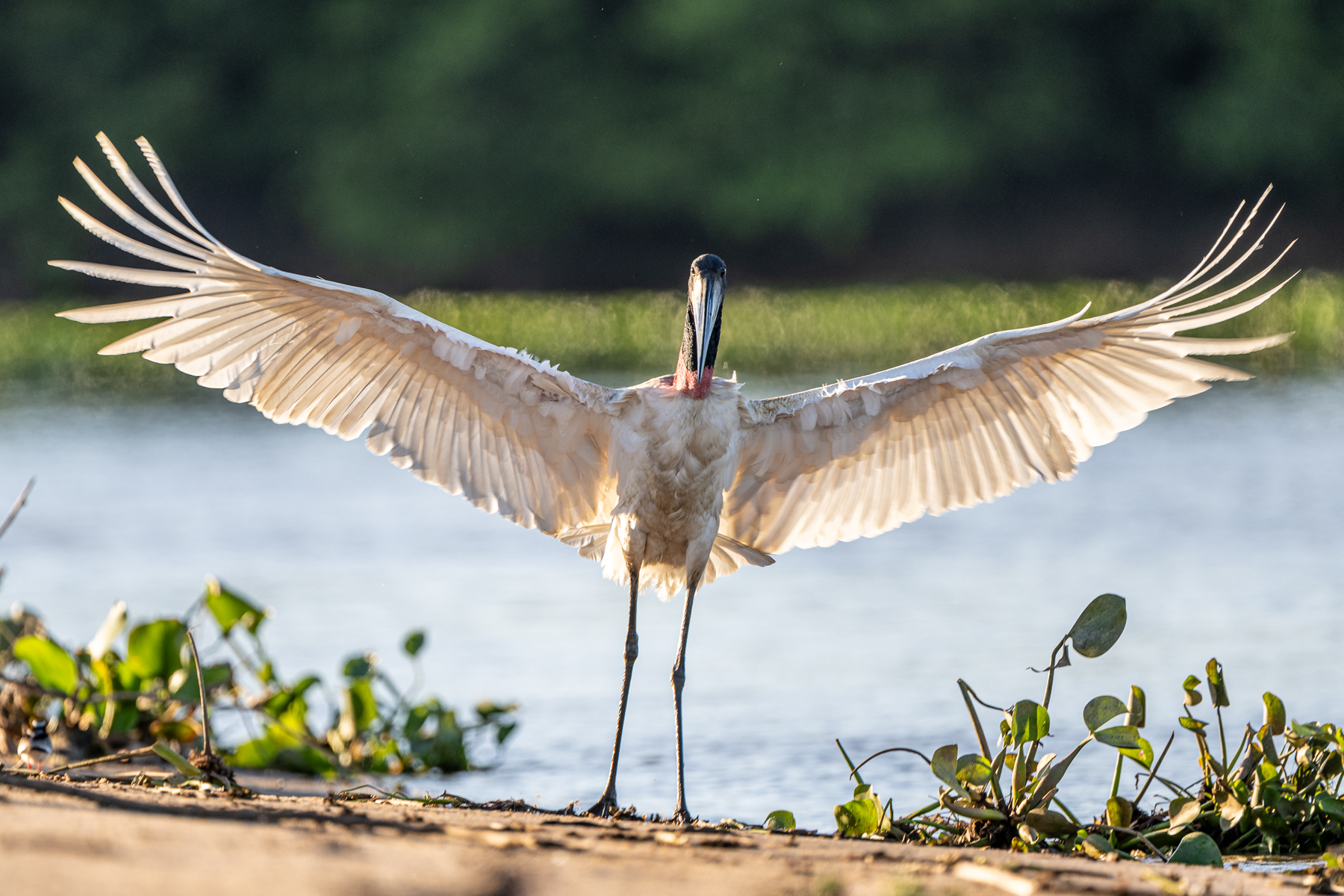
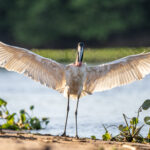
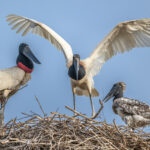
With a wingspan of 2.8 metres, the Jabiru stork is the largest flying bird of South America (image by Oliver Krueger)
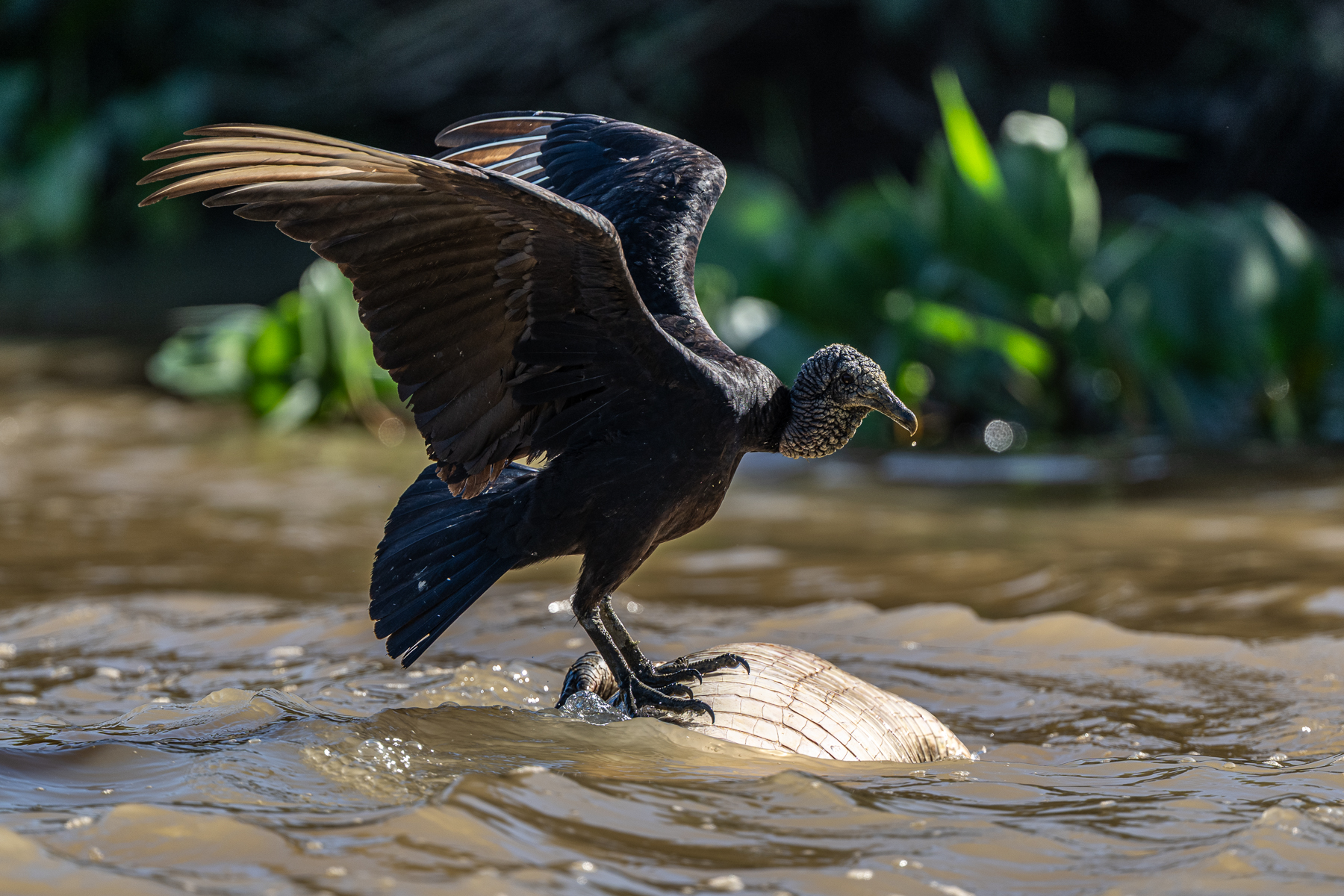
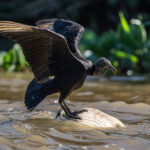
A Caiman's death is a Black Vulture's feast (image by Oliver Krueger)
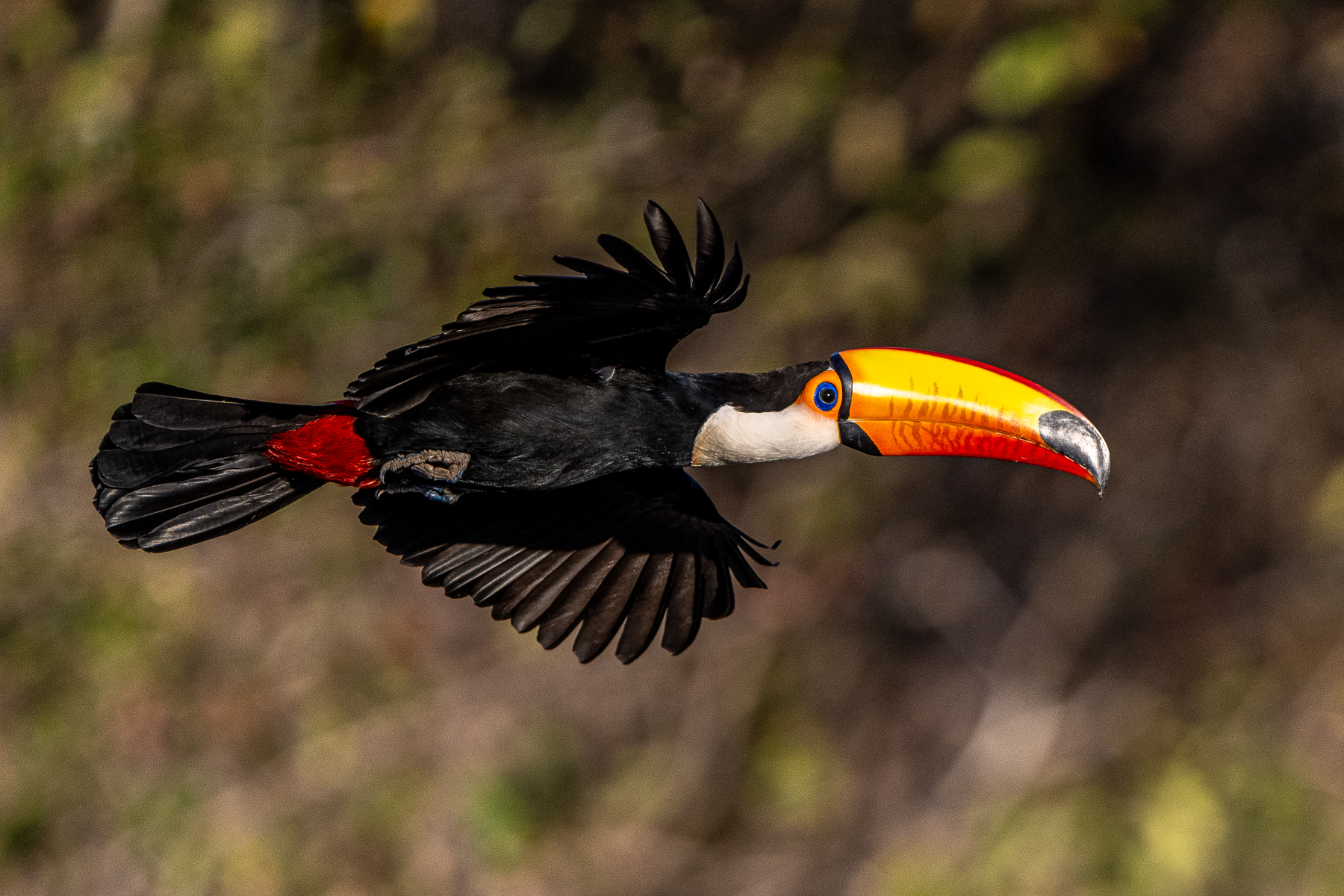
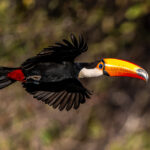
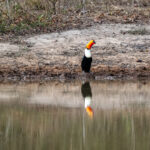
The Toco Toucan is the largest Toucan species in the world, and rather impressive in flight (image by Oliver Krueger)
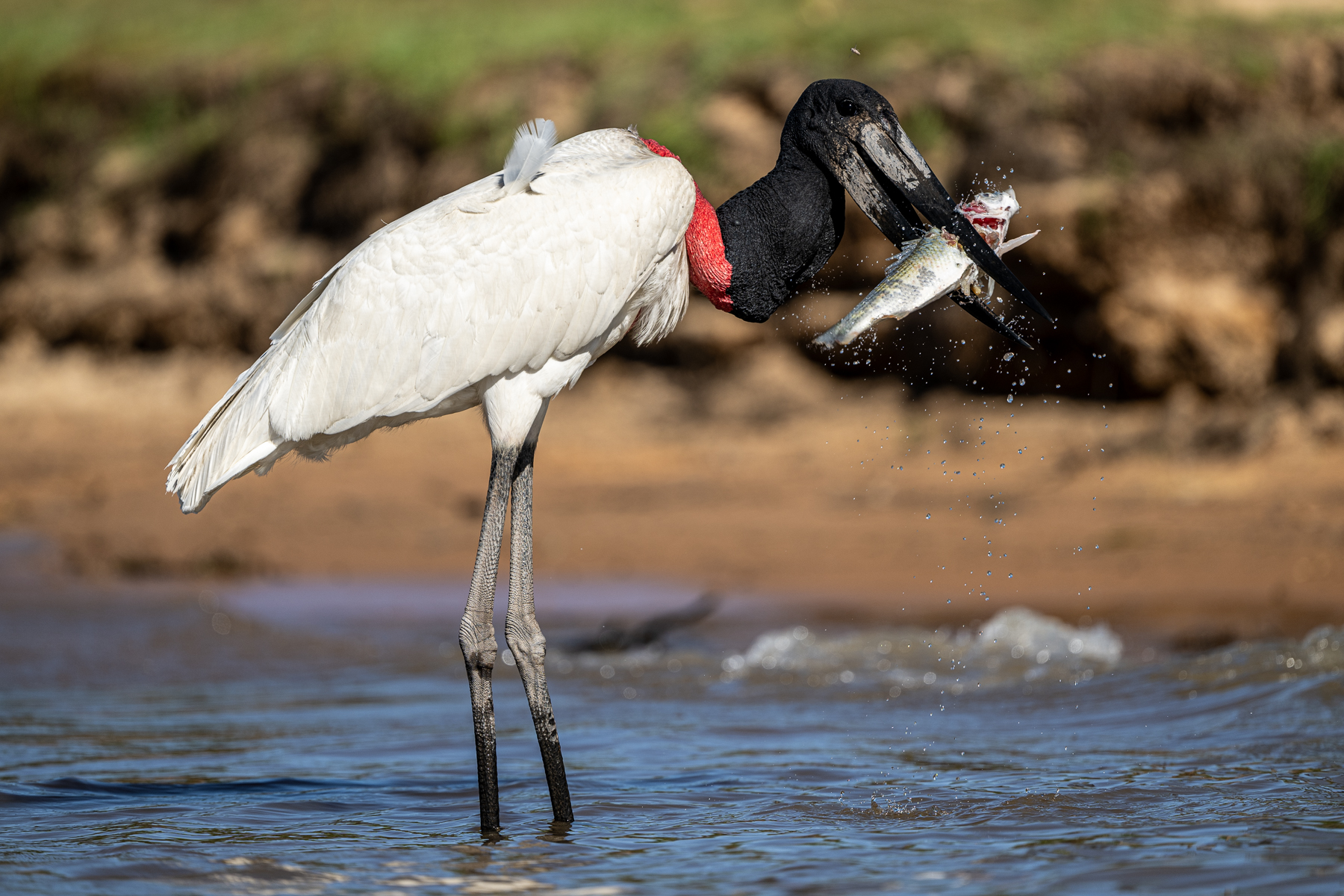
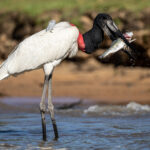
With their strong and sharp beaks, Jabiru storks can also catch large fish (image by Oliver Krueger)
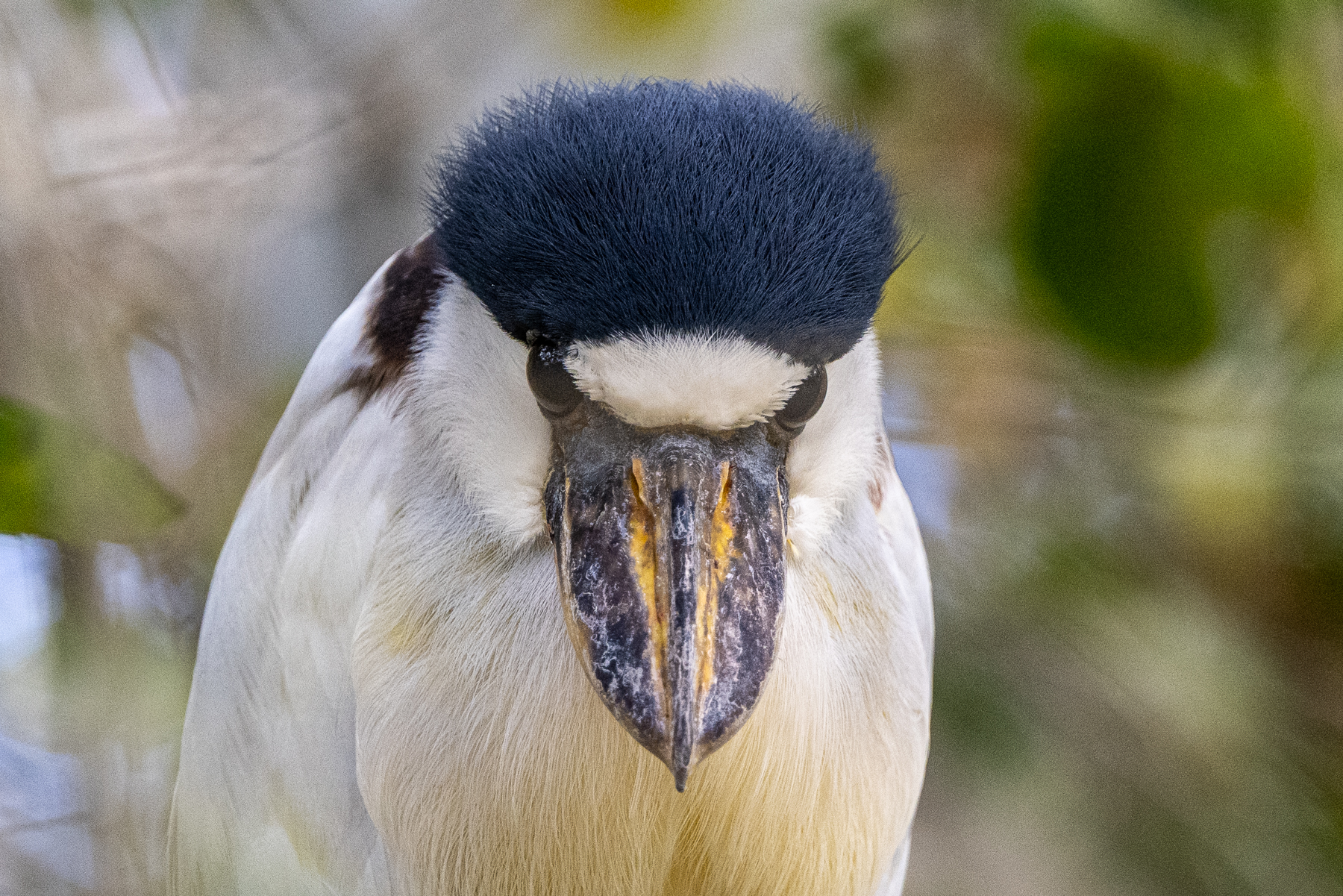
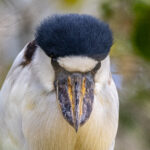
In case anyone wonders where the name Boat-billed Heron comes from (image by Oliver Krueger)
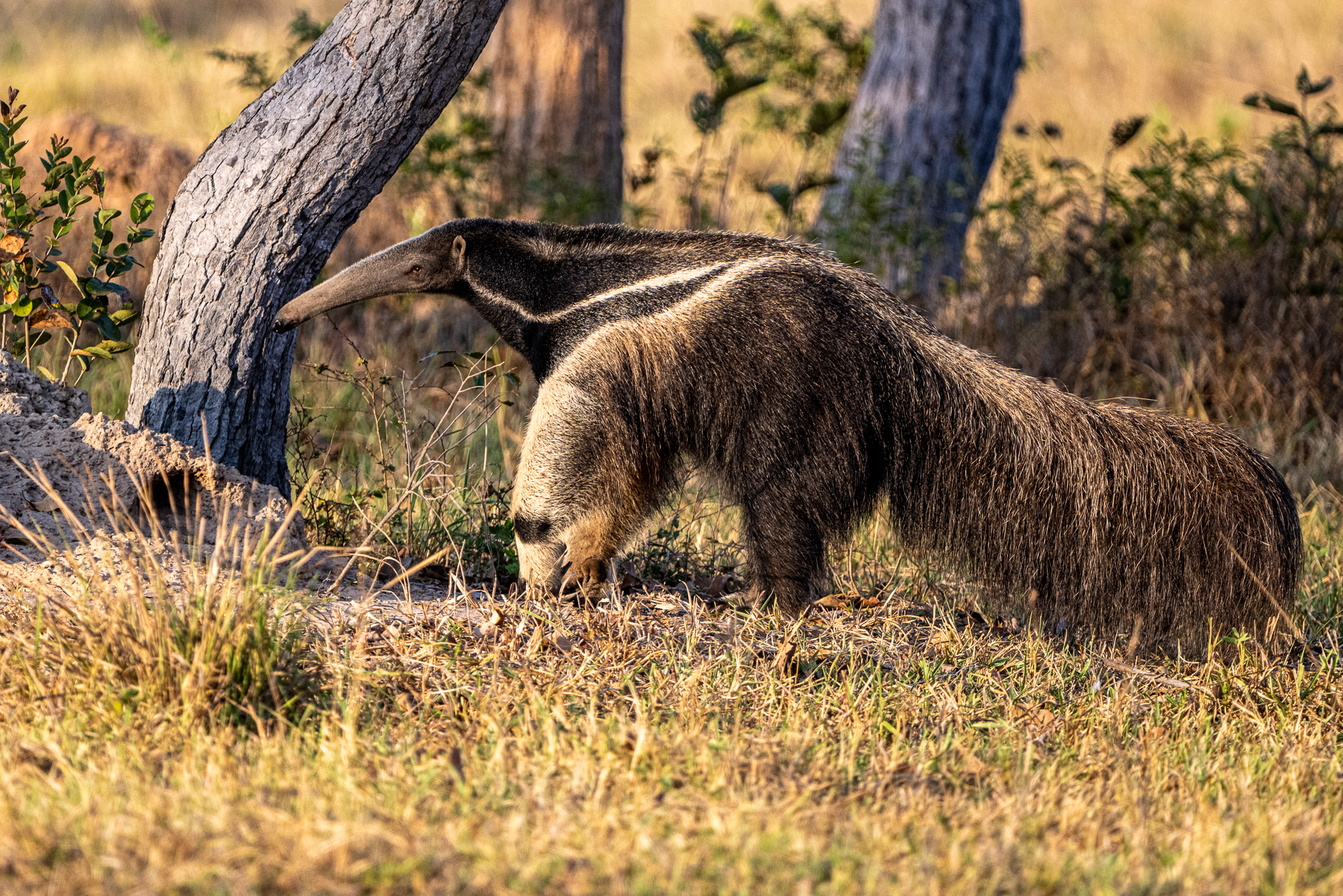
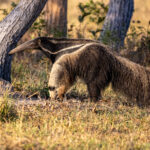
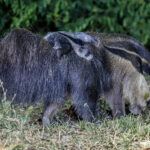
Giant Anteaters need lots and lots of Termites, as they are not very nutritious (image by Oliver Krueger)
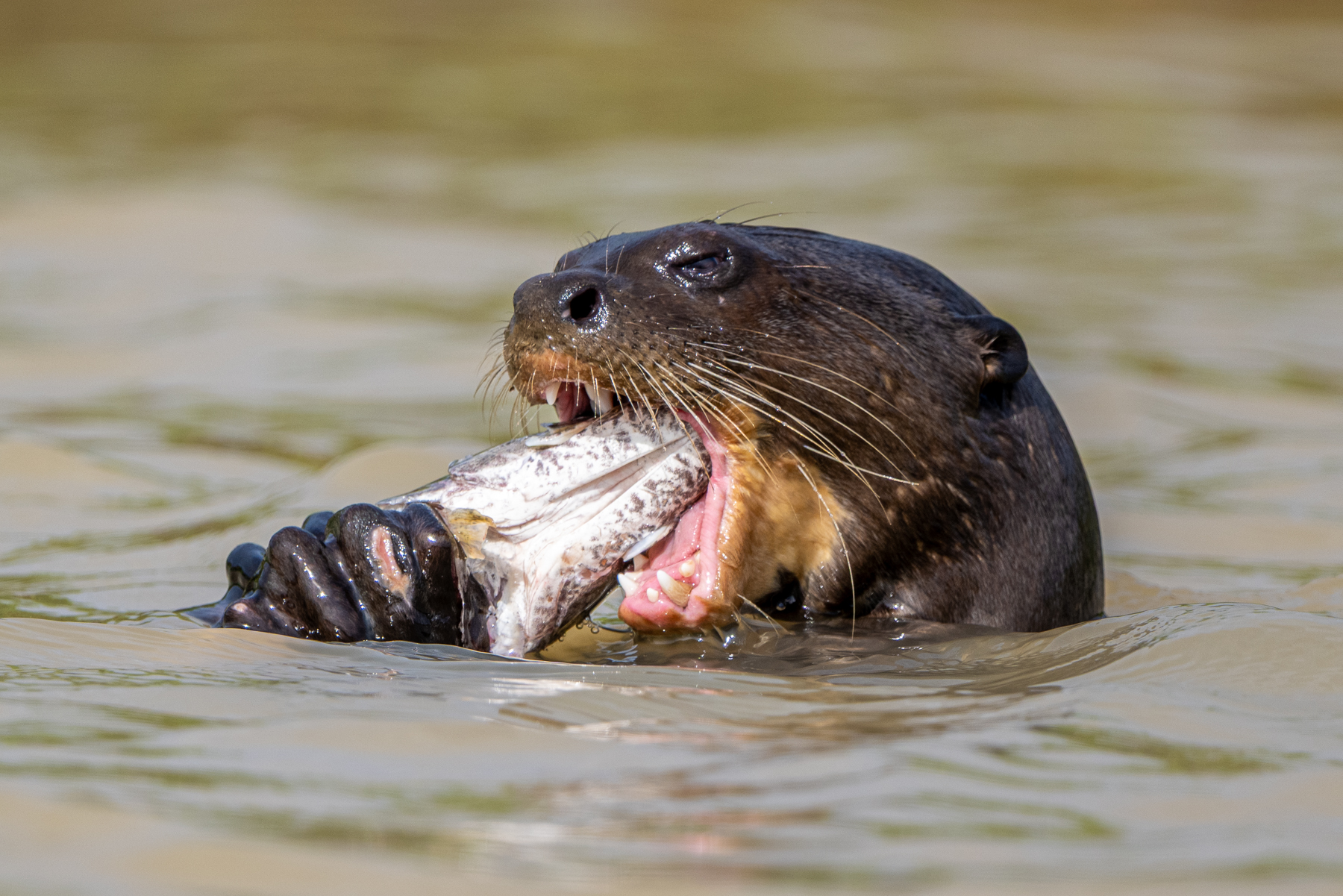
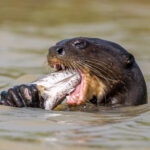
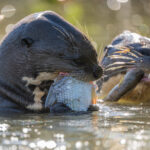
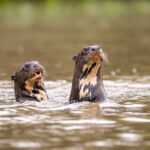
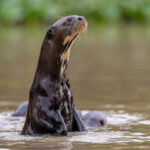
With their very active lifestyle, Giant Otters need a lot of food (image by Oliver Krueger)
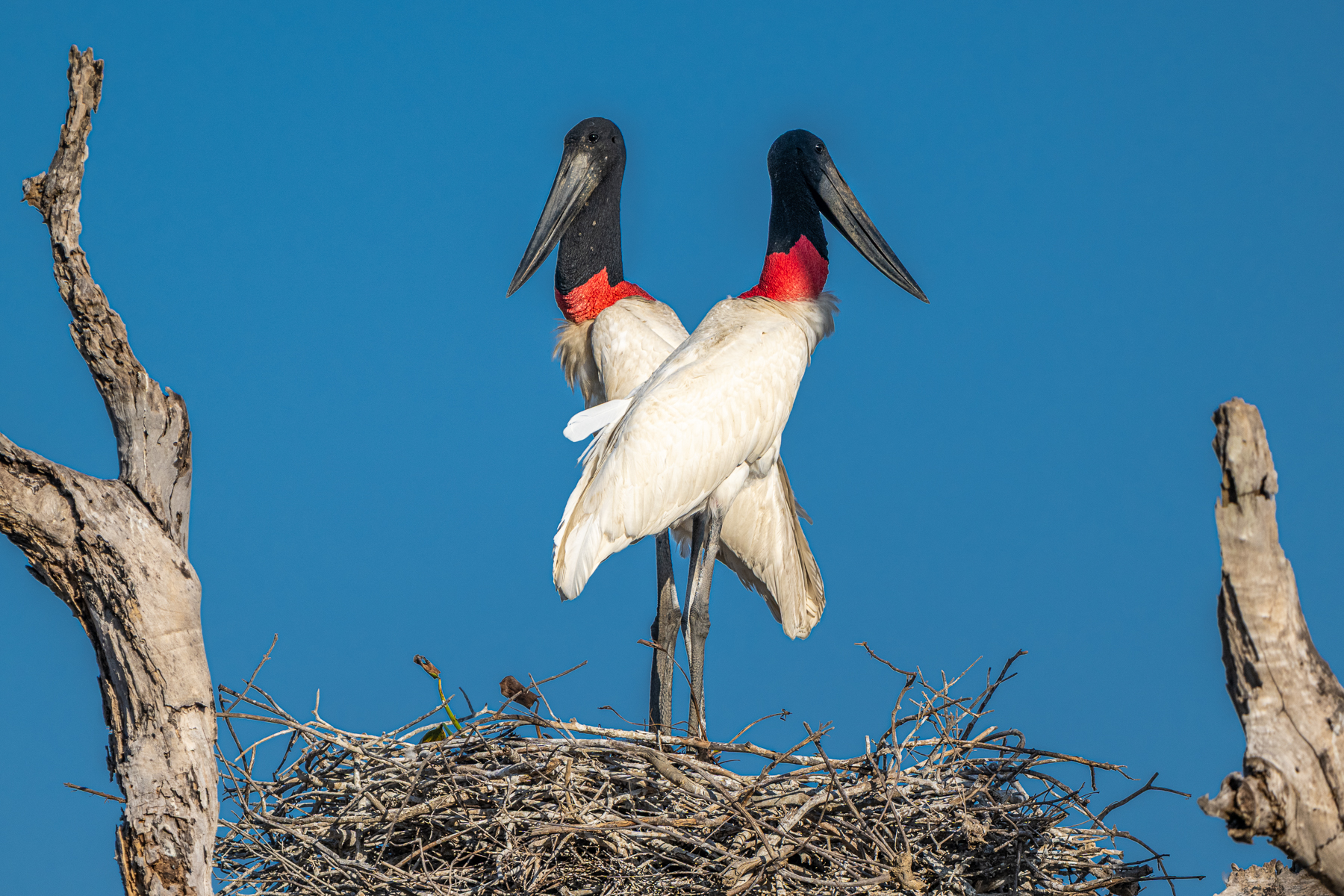
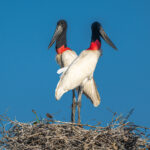
A pair of Jabiru storks on their nest (image by Oliver Krueger)
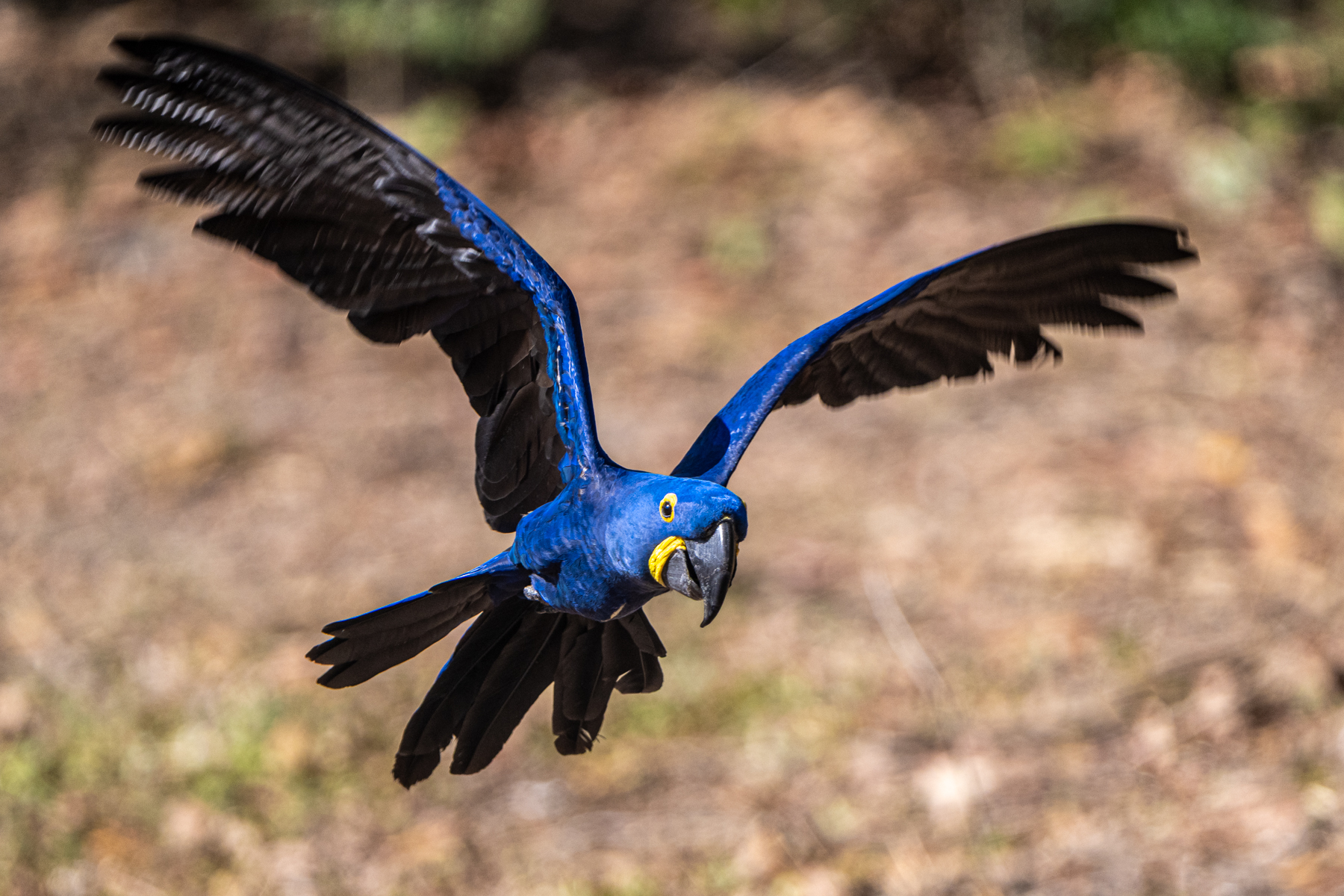
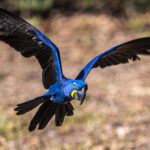
A Hyacinth Macaw in flight is an unforgettable sight of the Pantanal (image by Oliver Krueger)
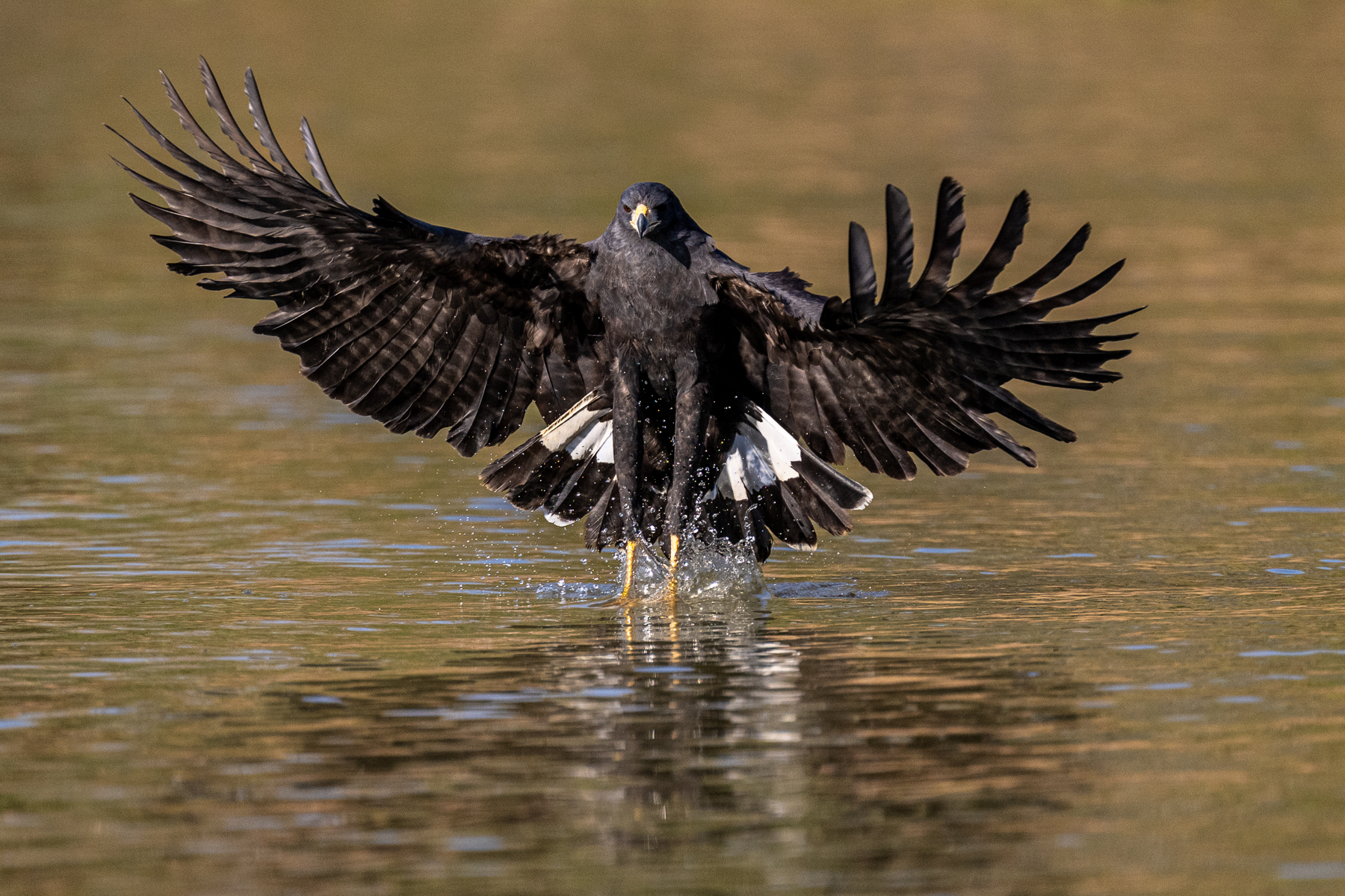
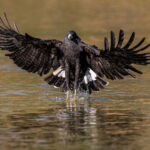
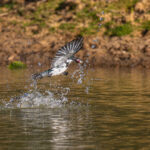
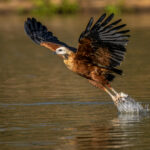
Great Black Hawks rarely collect fish from the water surface, this one did (image by Oliver Krueger)
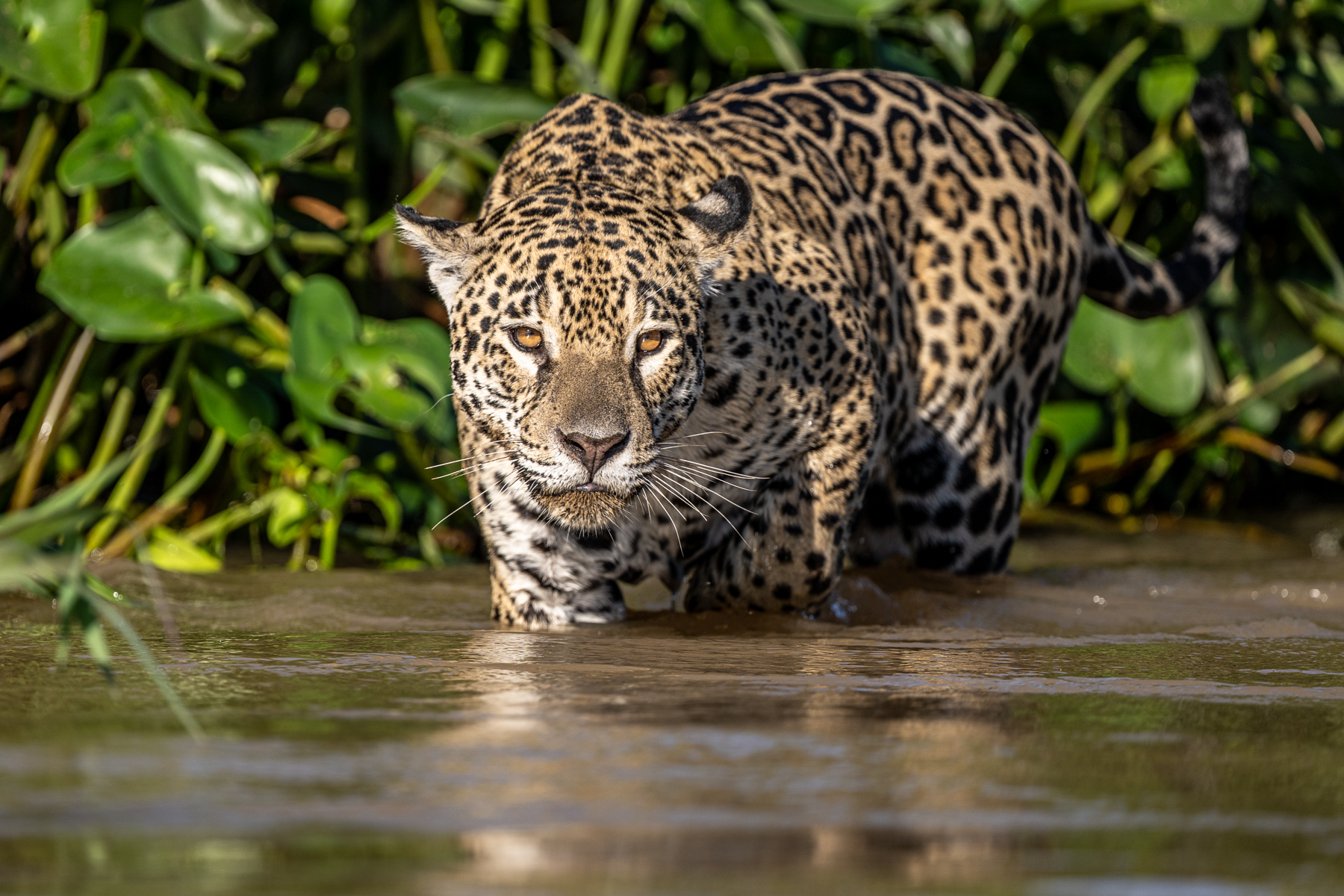
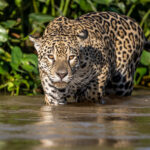
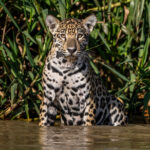
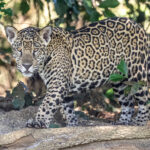
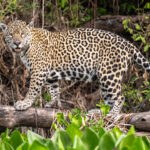
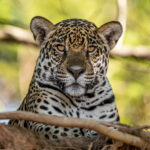
Jaguar female "Marcela" stalking for prey (image by Oliver Krueger)
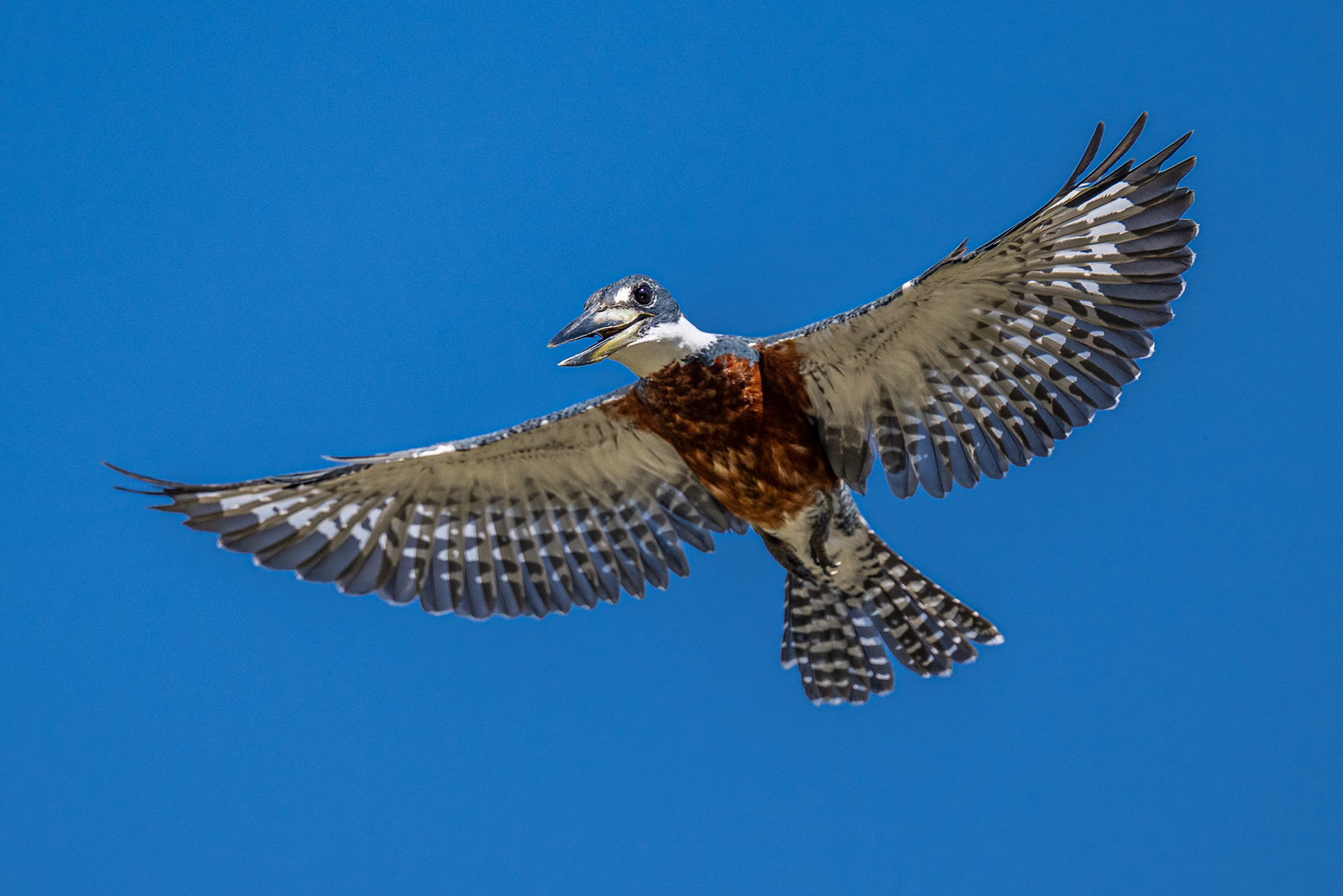
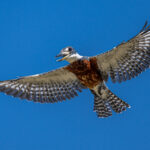
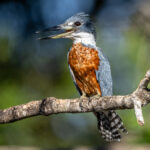
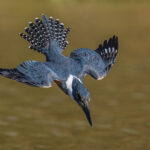
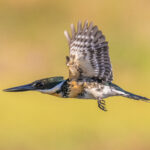
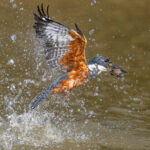
Before a dive, a Ringed Kingfisher sometimes hovers above the water (image by Oliver Krueger)
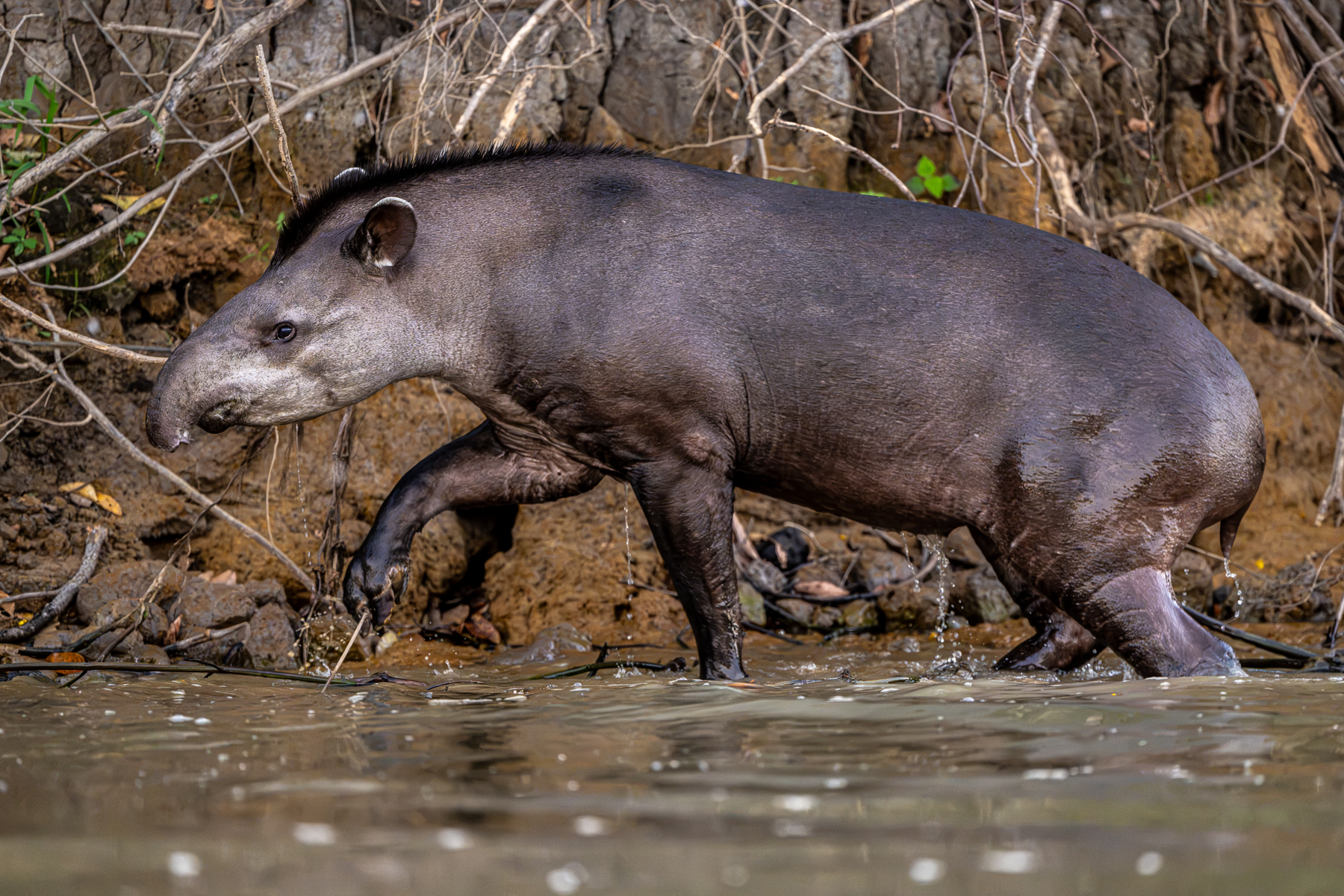
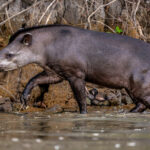
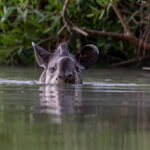
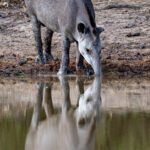
This Tapir wanted to escape our photographic attention but found the river bank too steep (image by Oliver Krueger)
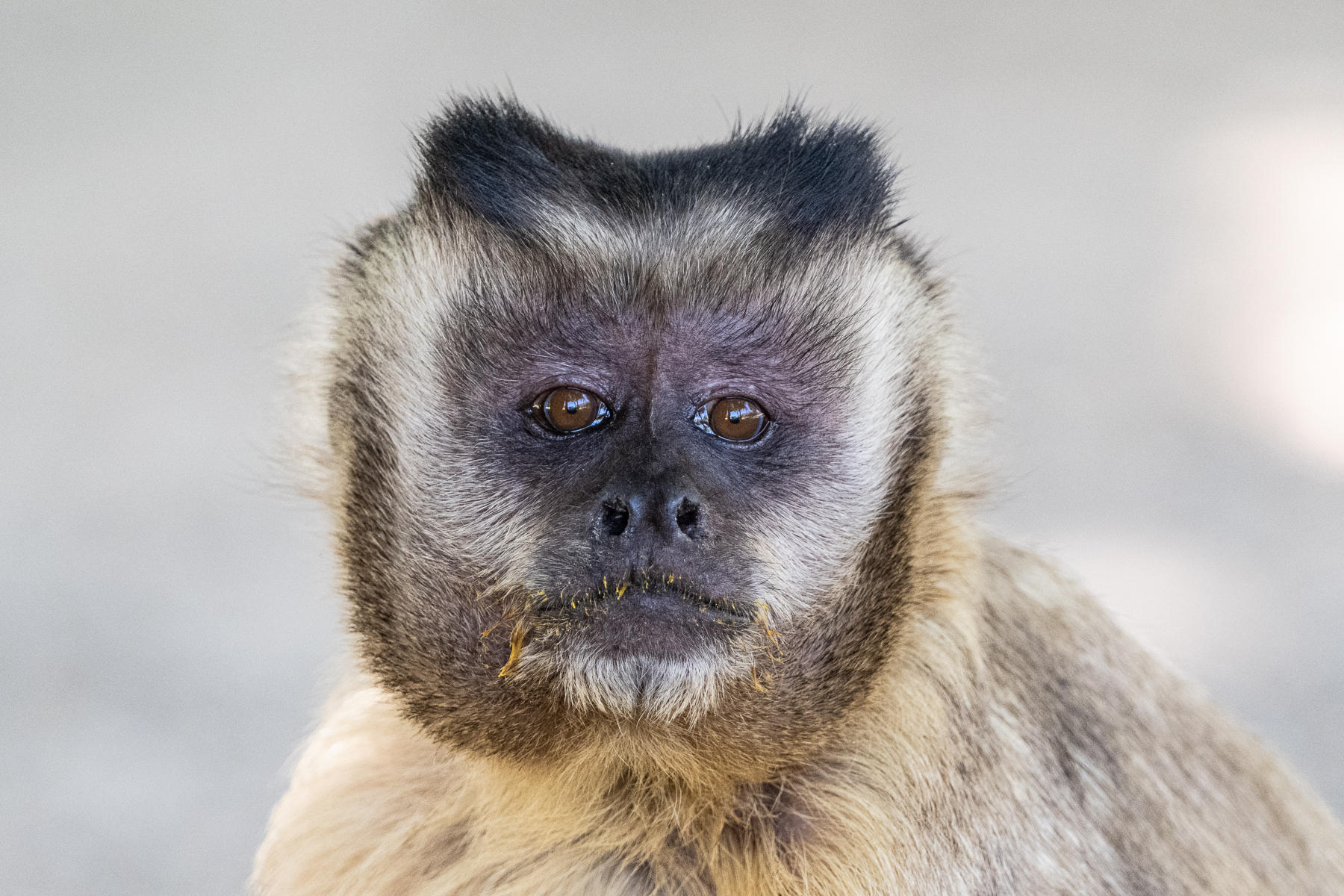
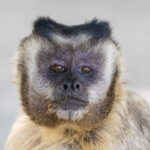
The smartest monkeys in the Pantanal, Azara's Capuchin Monkey (image by Oliver Krueger)
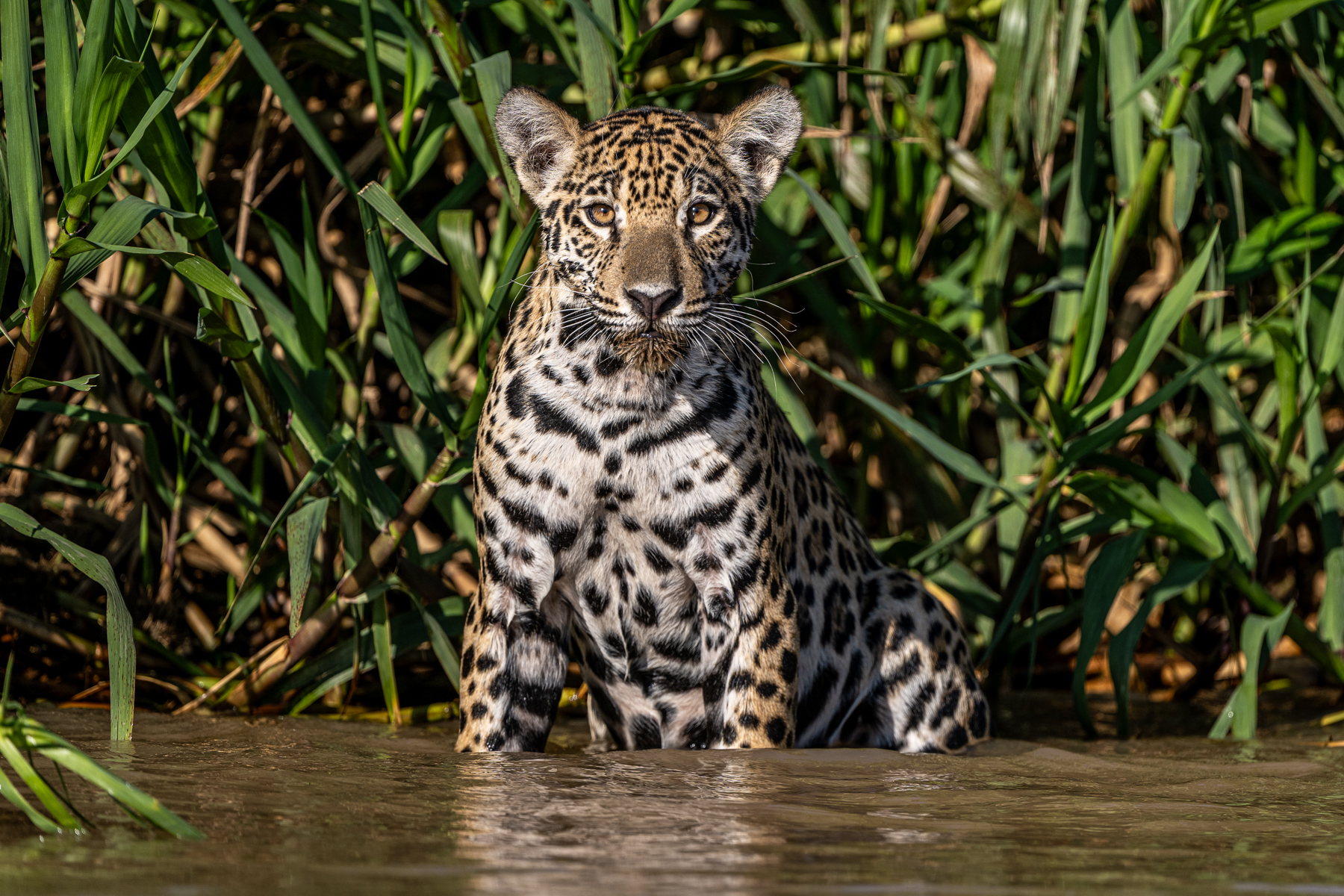
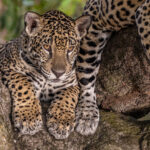
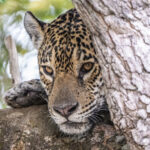
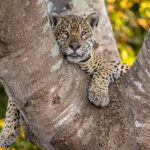
This Jaguar cub is not sure what to think about the photographer (image by Oliver Krueger)
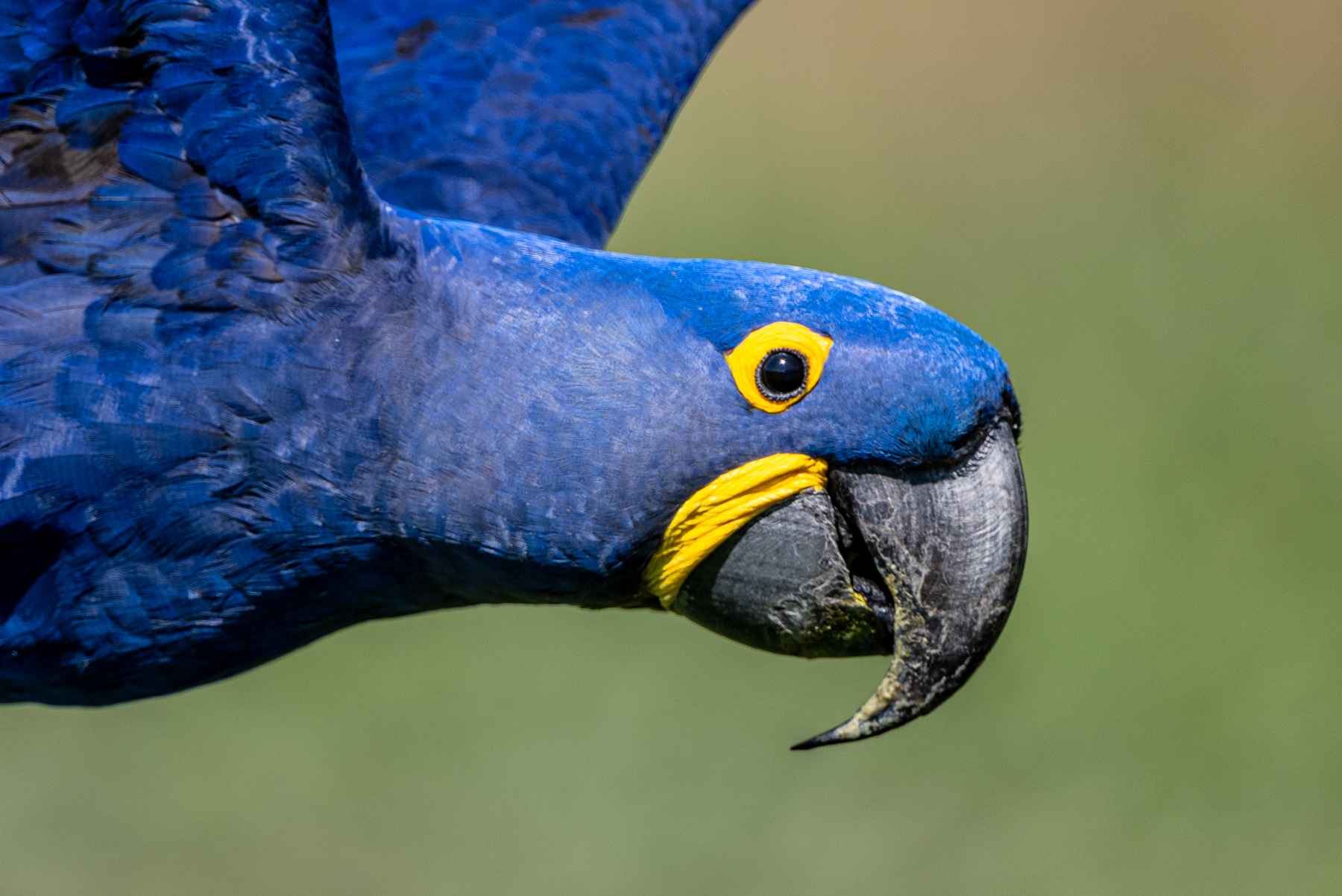
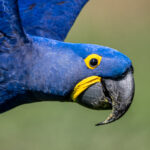
Beautiful blue, portrait of a flying Hyacinth Macaw (image by Oliver Krueger)
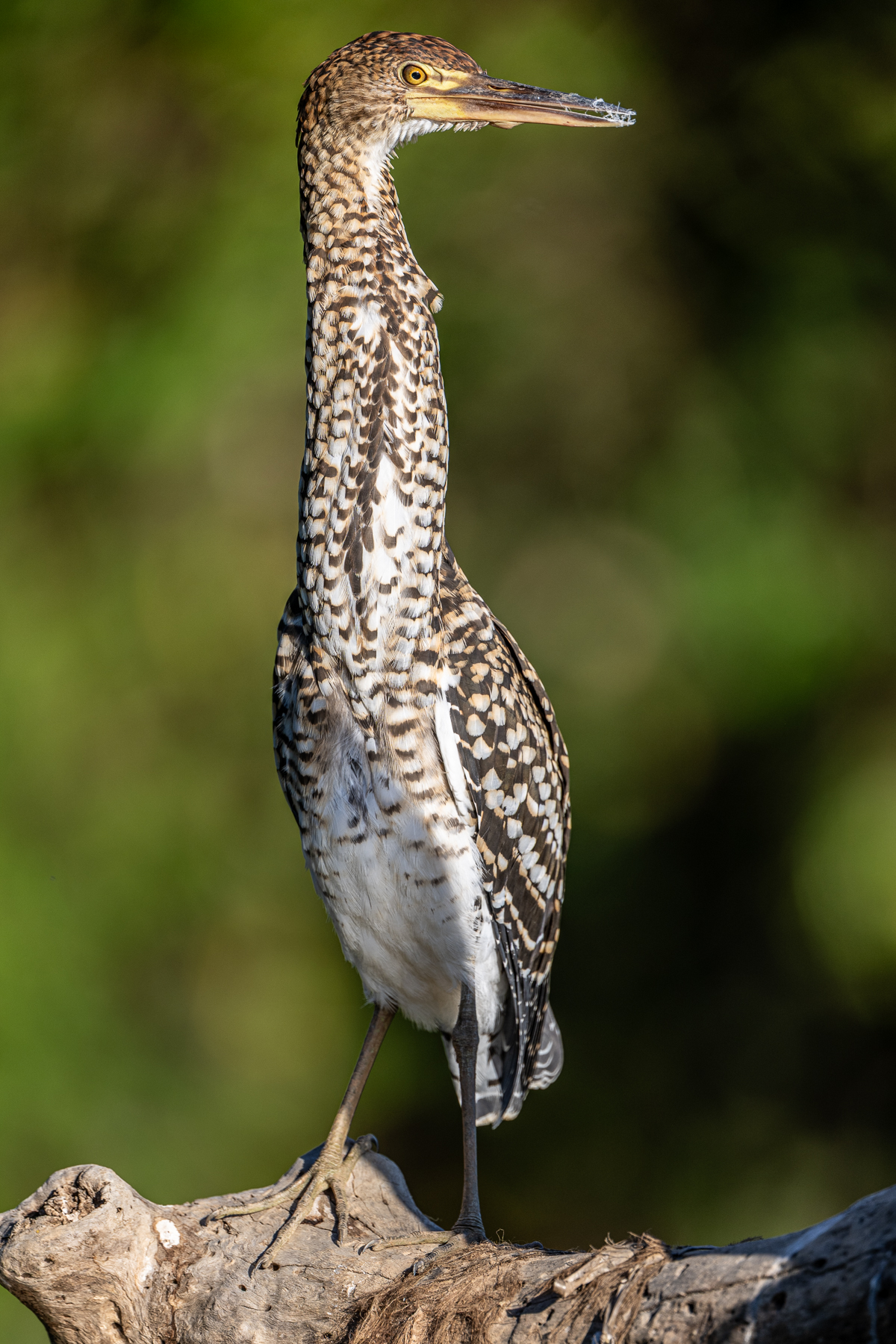
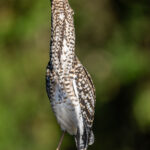
The immature Rufescent Tiger Heron is arguably more pretty than the adult (image by Oliver Krueger)
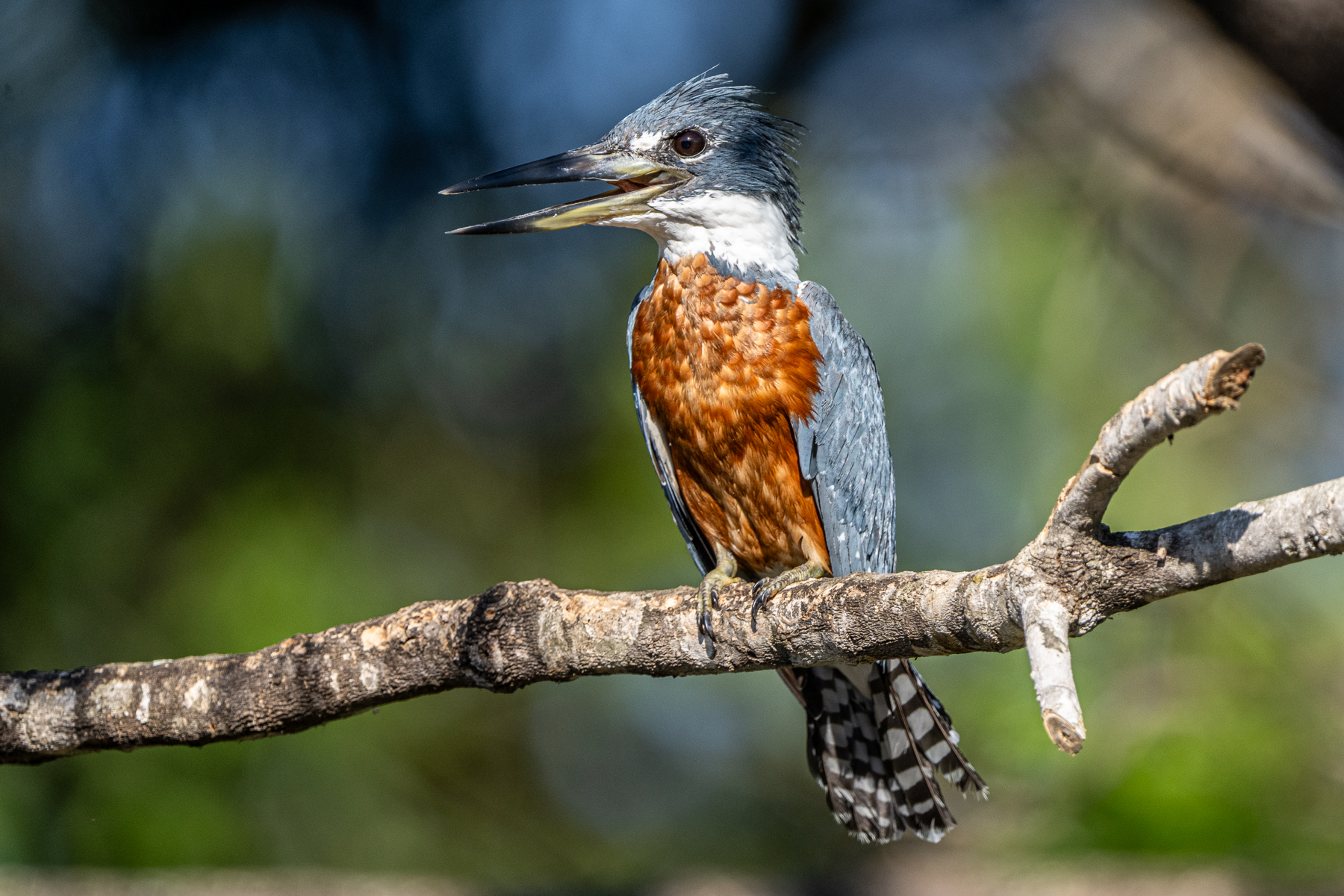
A Ringed Kingfisher male in bright afternoon sunshine looks simply stunning (image by Oliver Krueger)
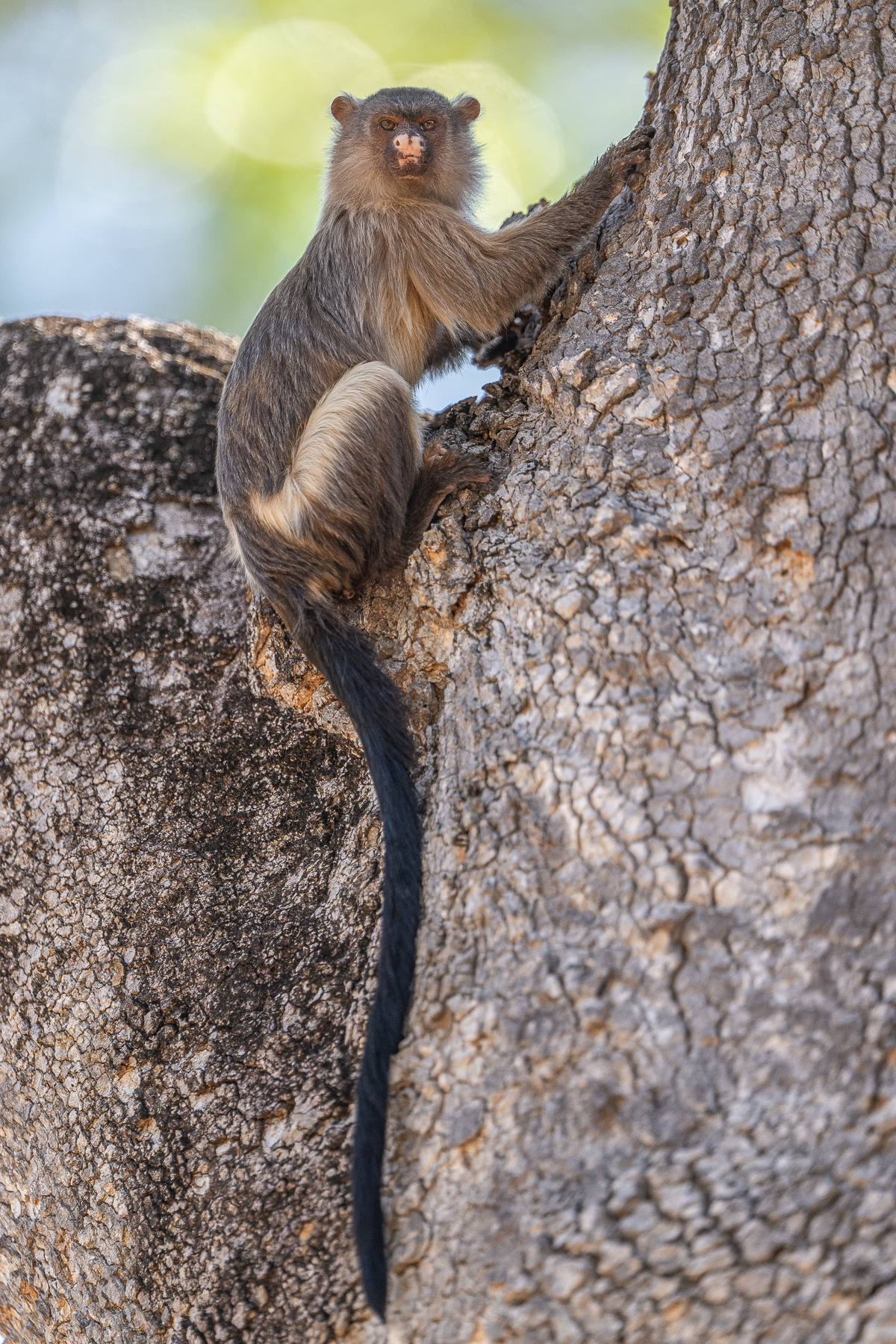
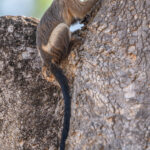
Black-tailed Tamarins rarely stay in one position long, this one luckily did (image by Oliver Krueger)
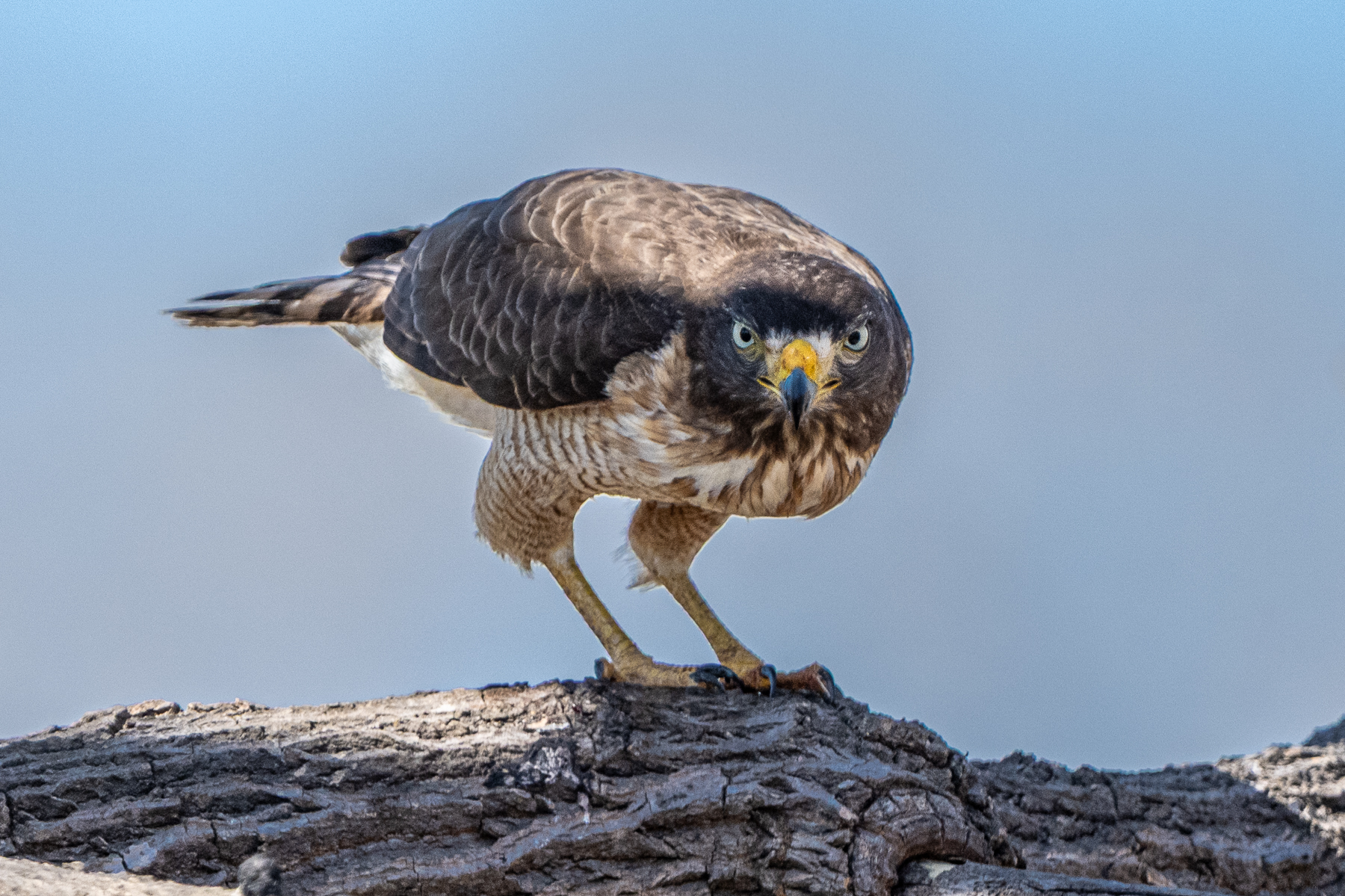
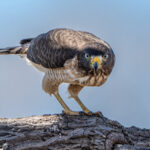
With their supraorbital ridge, birds of prey like this Roadside Hawk, can produce an amazing look (image by Oliver Krueger)
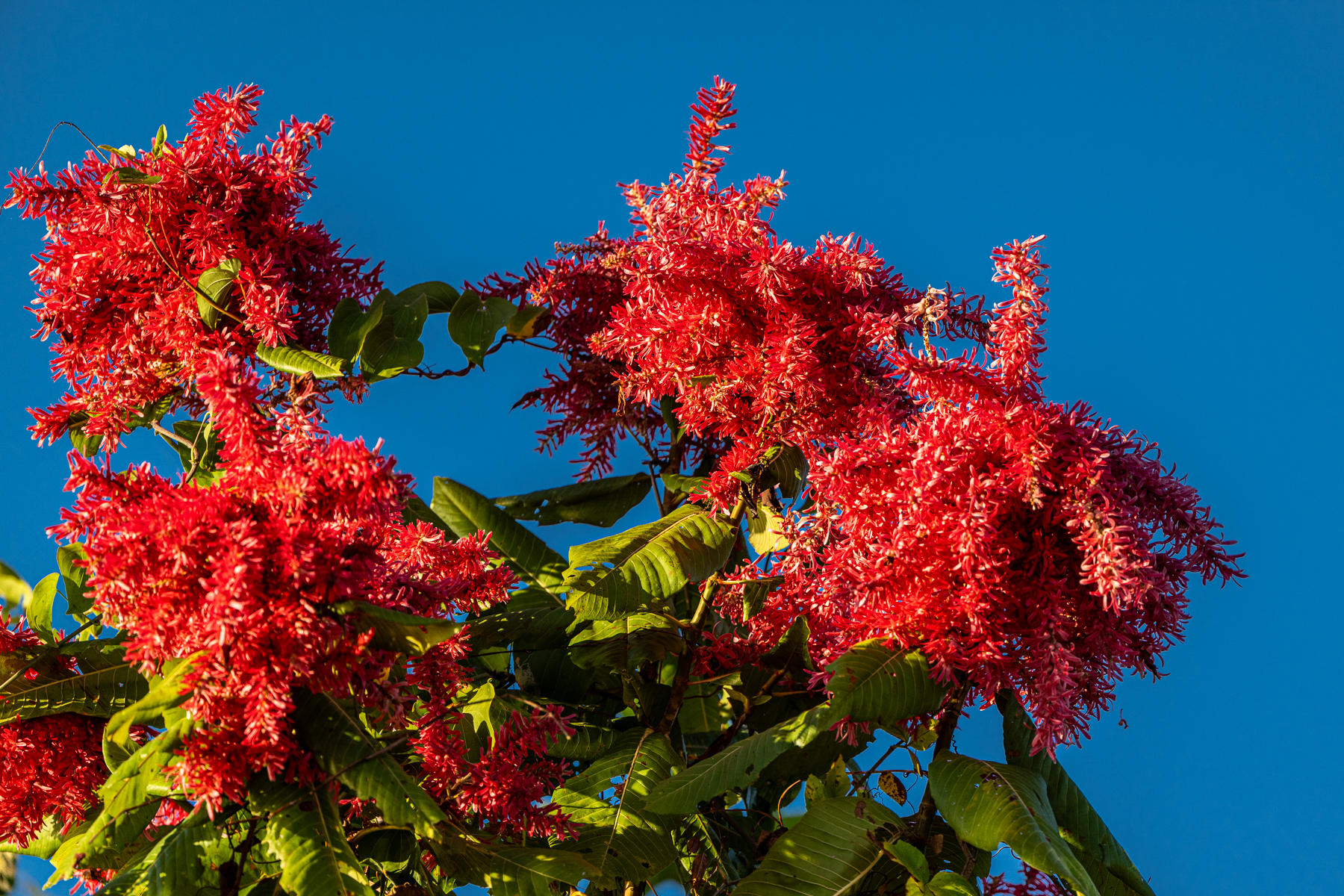
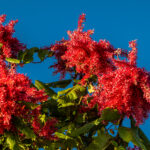
A beacon of bright red light, a flowering Ant Tree (image by Oliver Krueger)
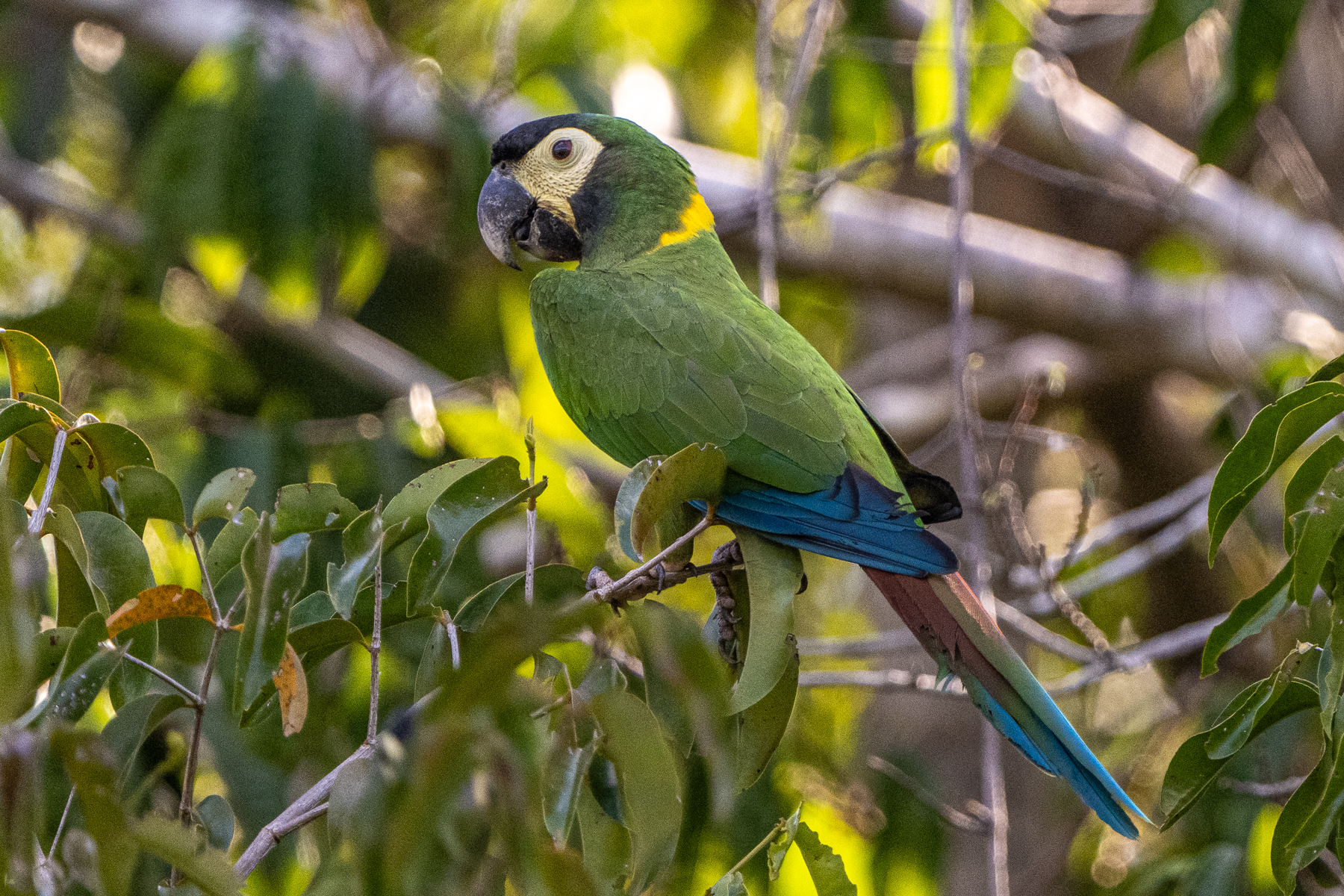
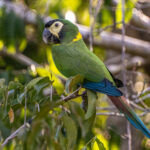
The Pantanal is the centre of distribution of the small Yellow-collared Macaw (image by Oliver Krueger)
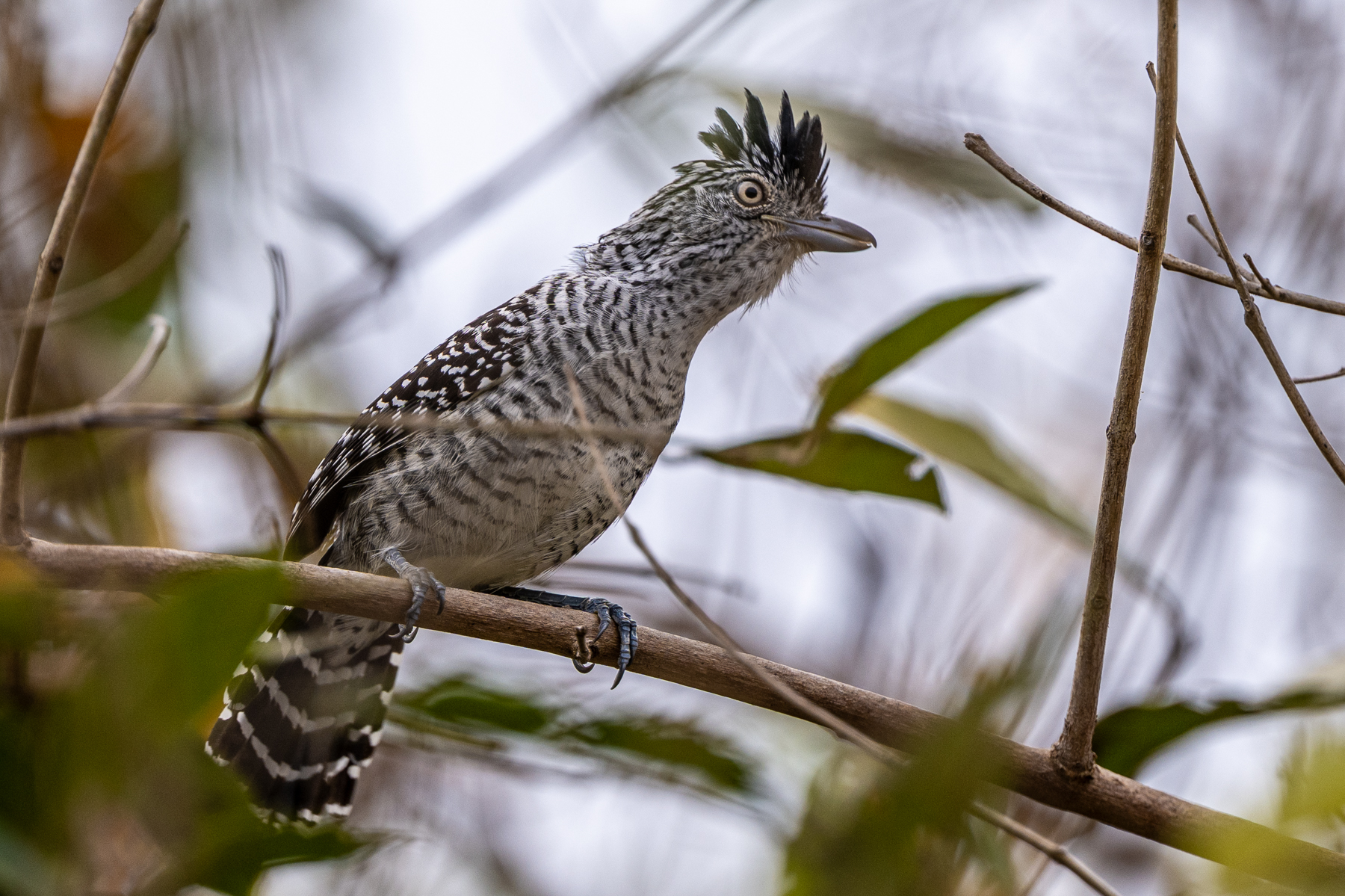
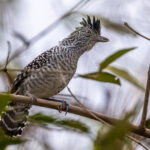
The male Barred Antshrike is one of the most striking small birds in the Pantanal (image by Oliver Krueger)
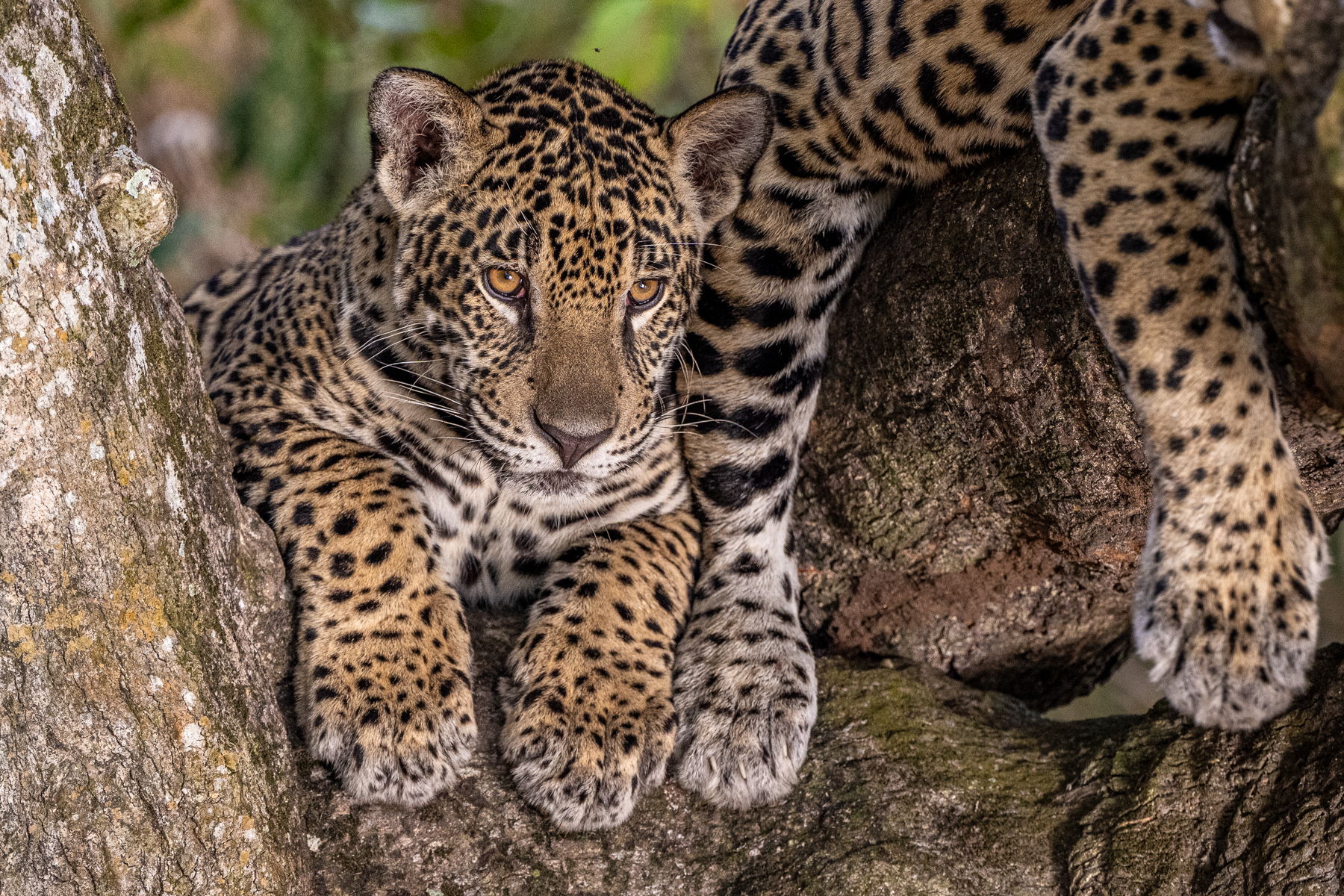
You can look relaxed if mother is right next to you (image by Oliver Krueger)
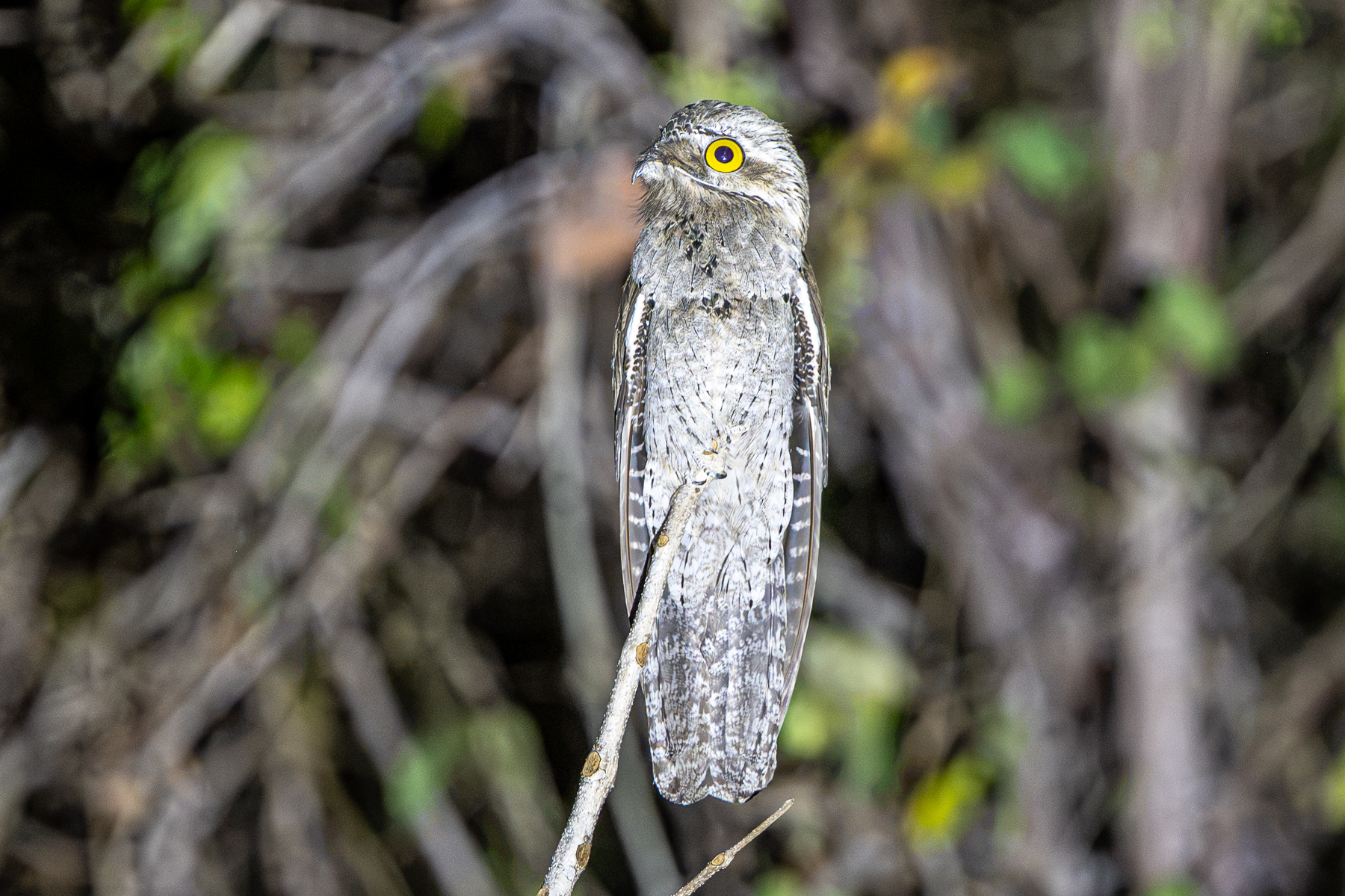
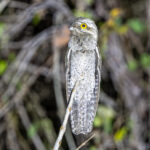
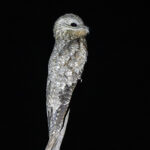
The Common Potoo is a superbly adapted nocturnal insect predator (image by Oliver Krueger)
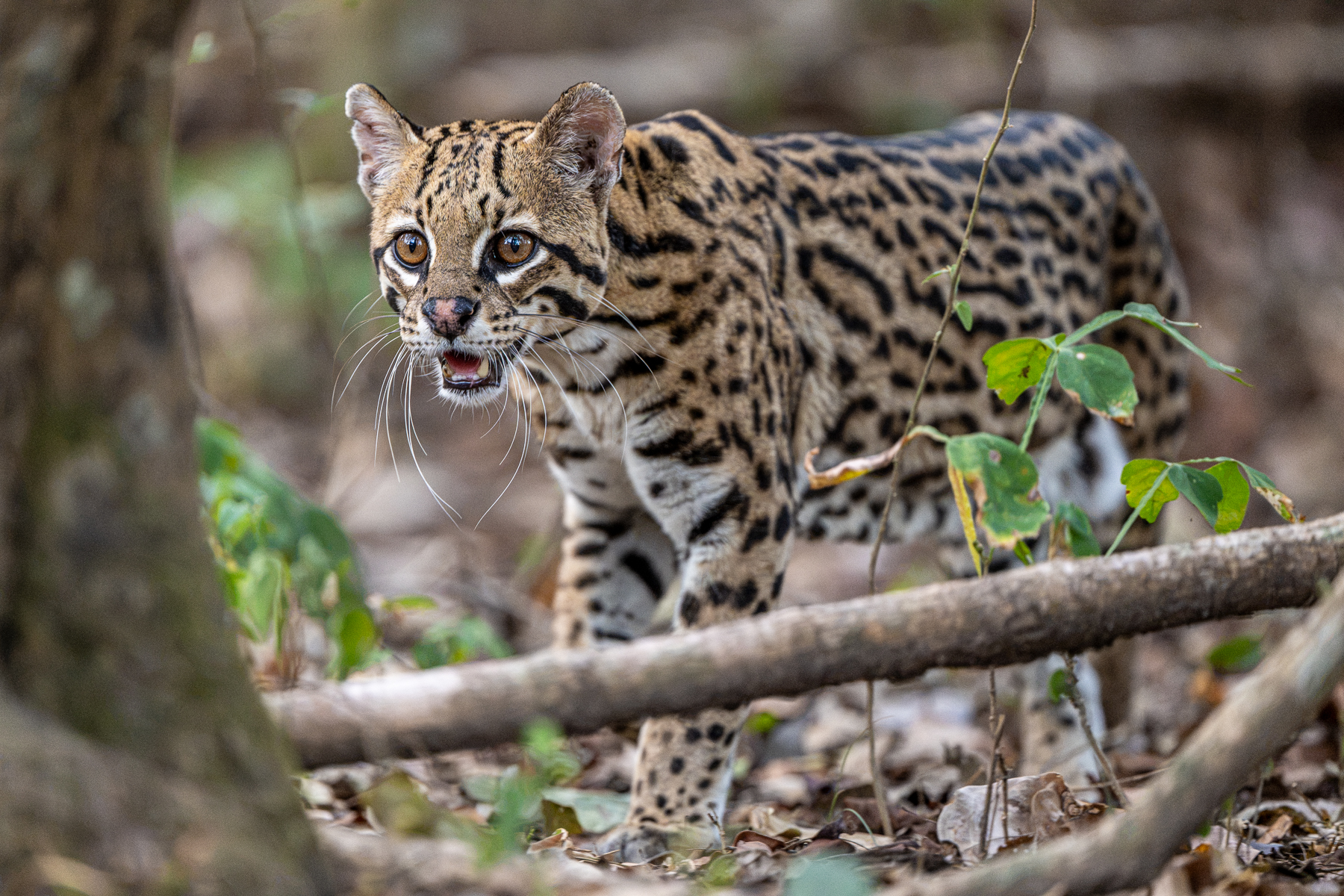
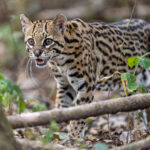
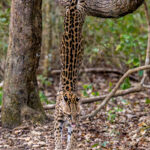
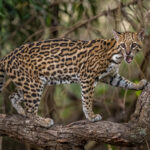
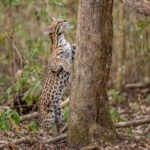
A shy and elusive Ocelot on approach to a feeding station (image by Oliver Krueger)
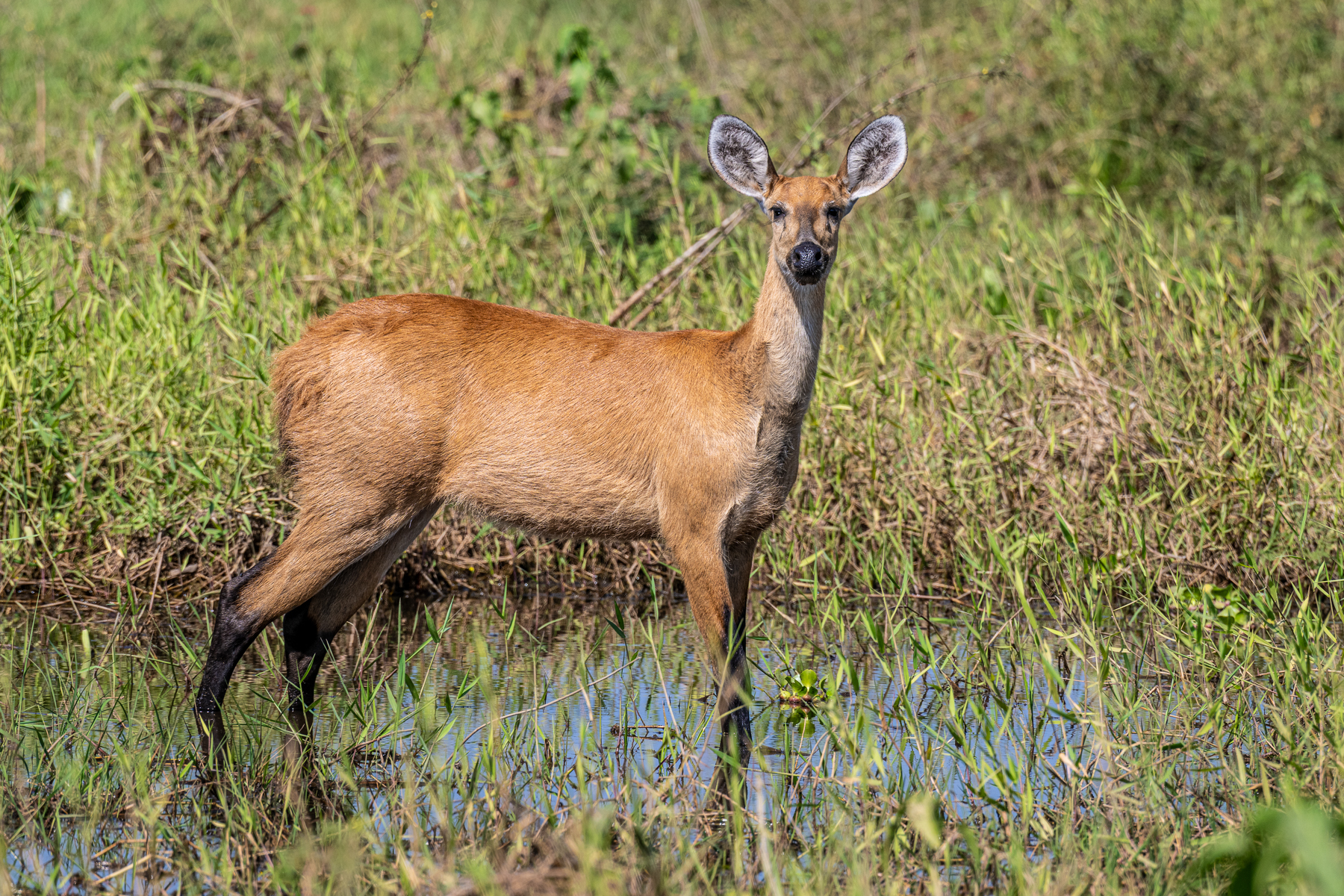
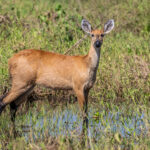
A timid female Marsh Deer displays its long black legs, its black nose and its rather large ears (image by Oliver Krueger)
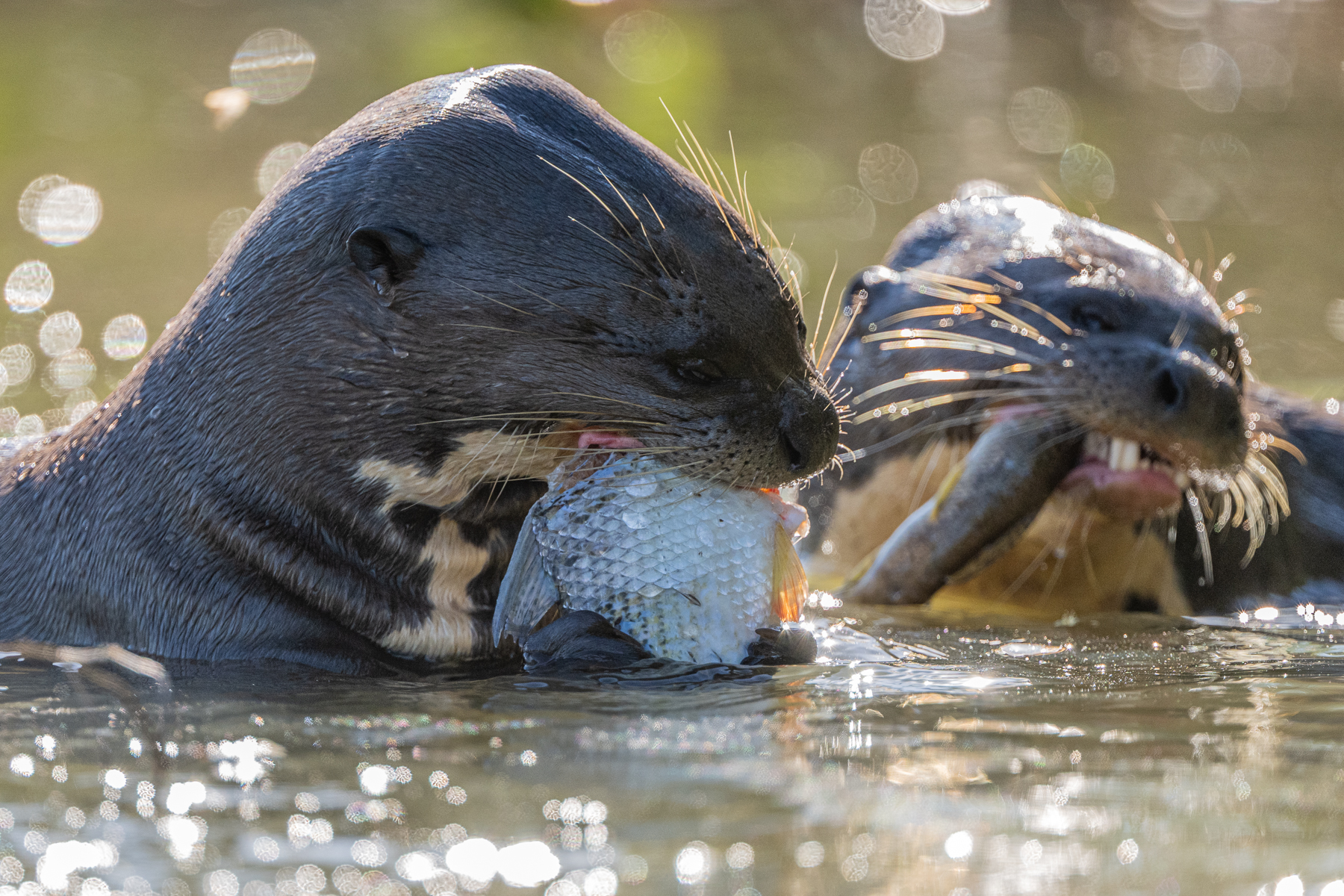
Giant Otters seem to be able to obtain their fish prey at ease (image by Oliver Krueger)
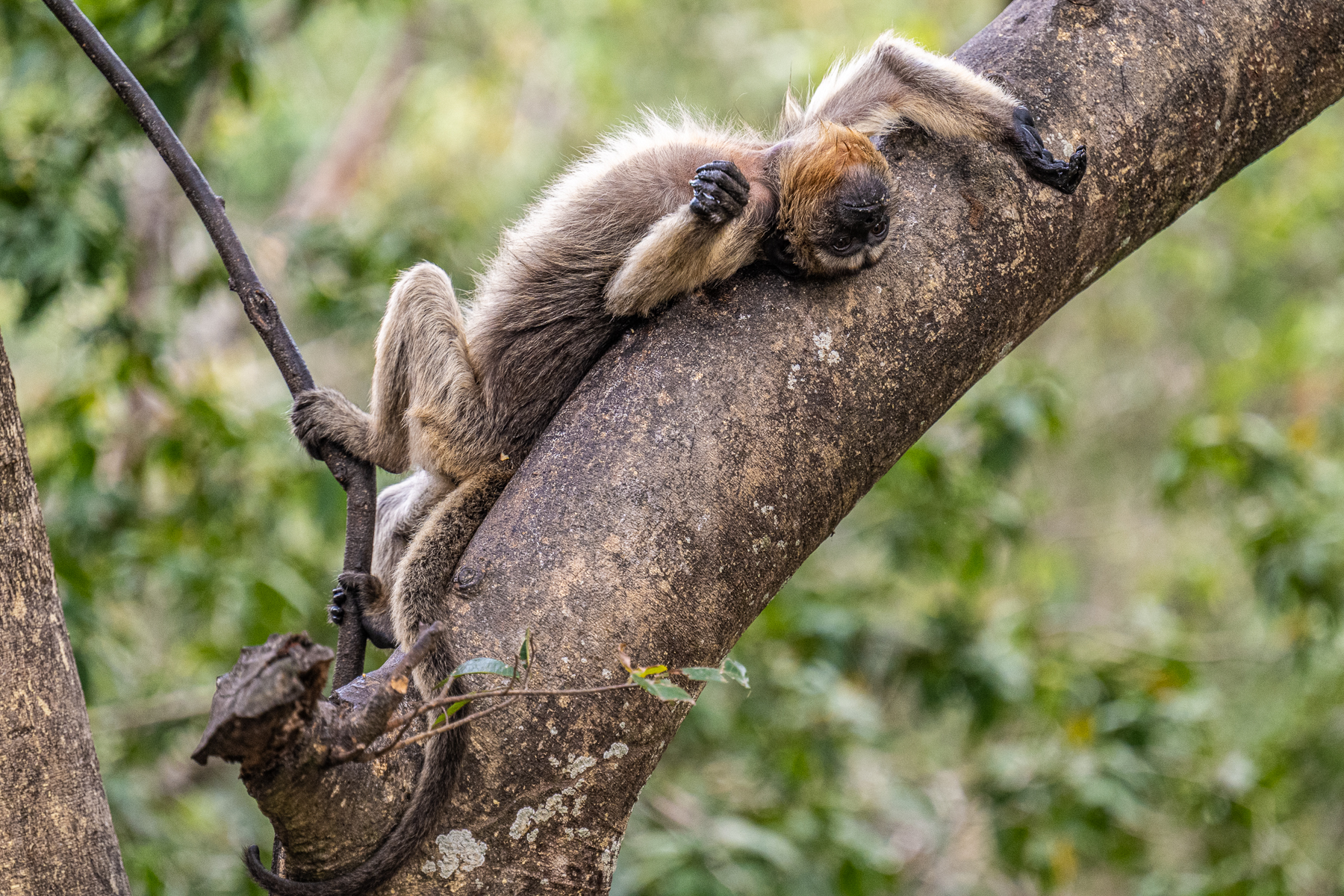
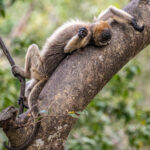
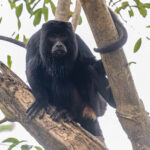
The folivorous diet of Black Howler Monkey means they have to rest a lot, as this female does (image by Oliver Krueger)
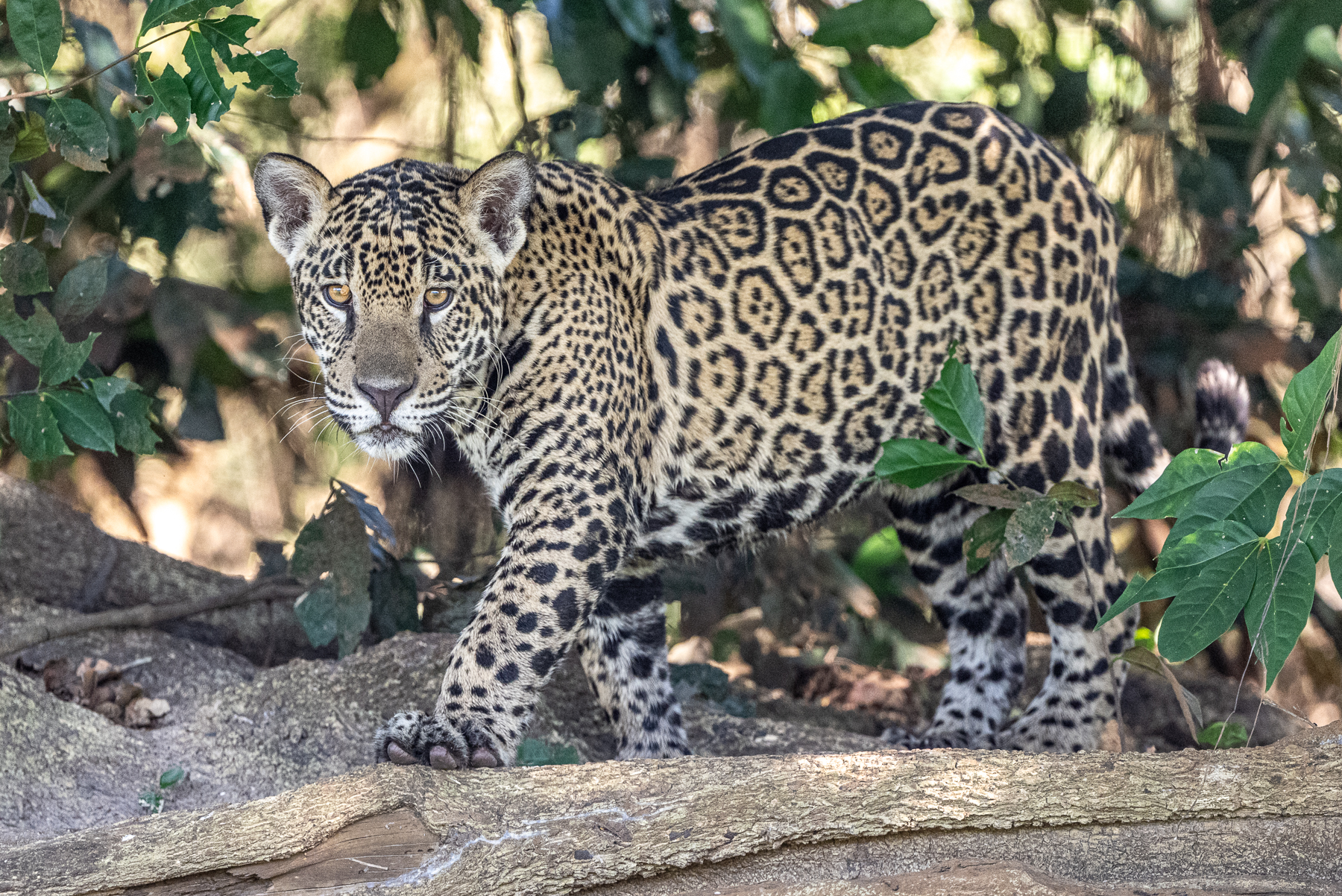
One of the cubs of "Medrosa" explores the river bank (image by Oliver Krueger)
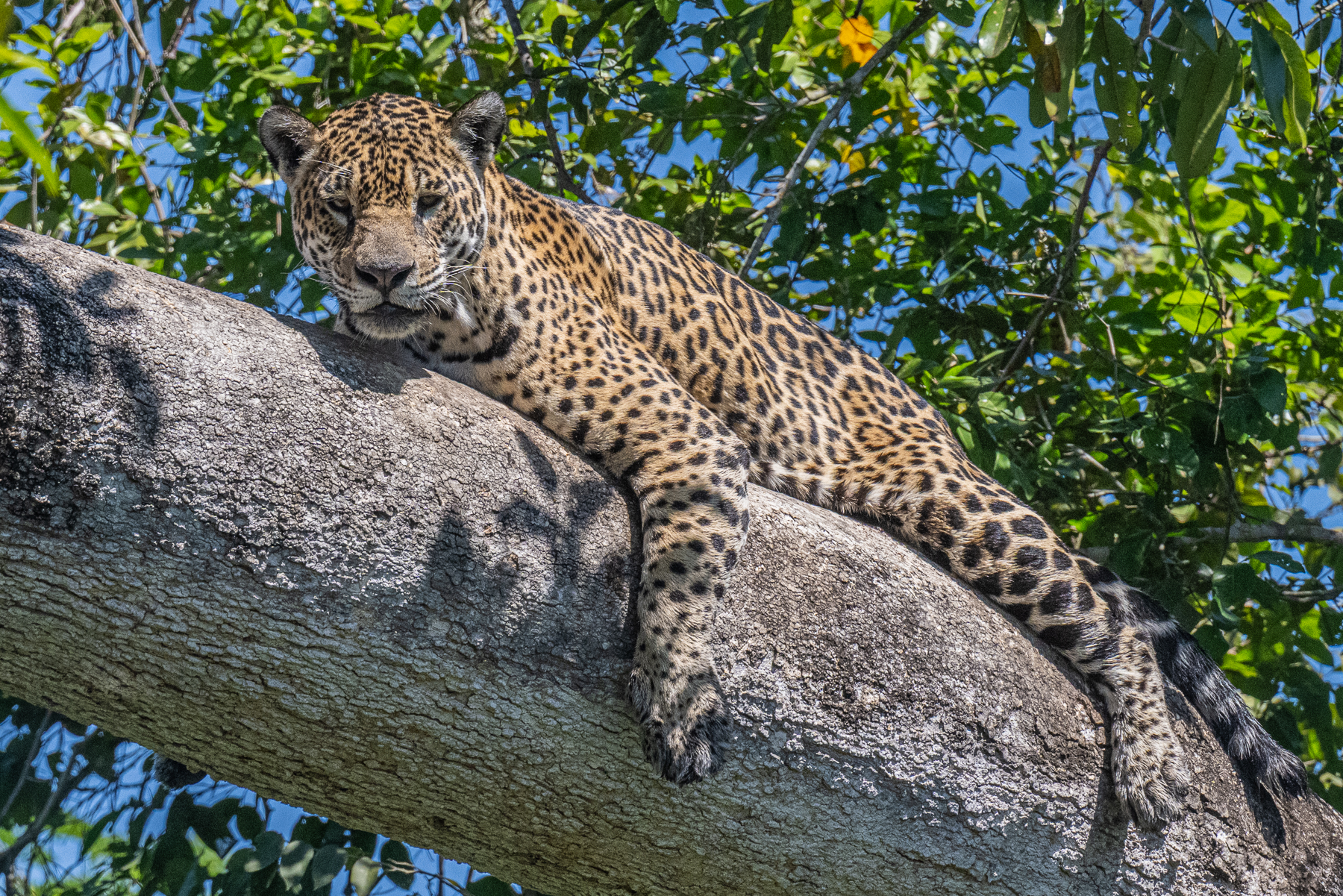
Jaguar female "Medrosa" looking for prey (image by Oliver Krueger)
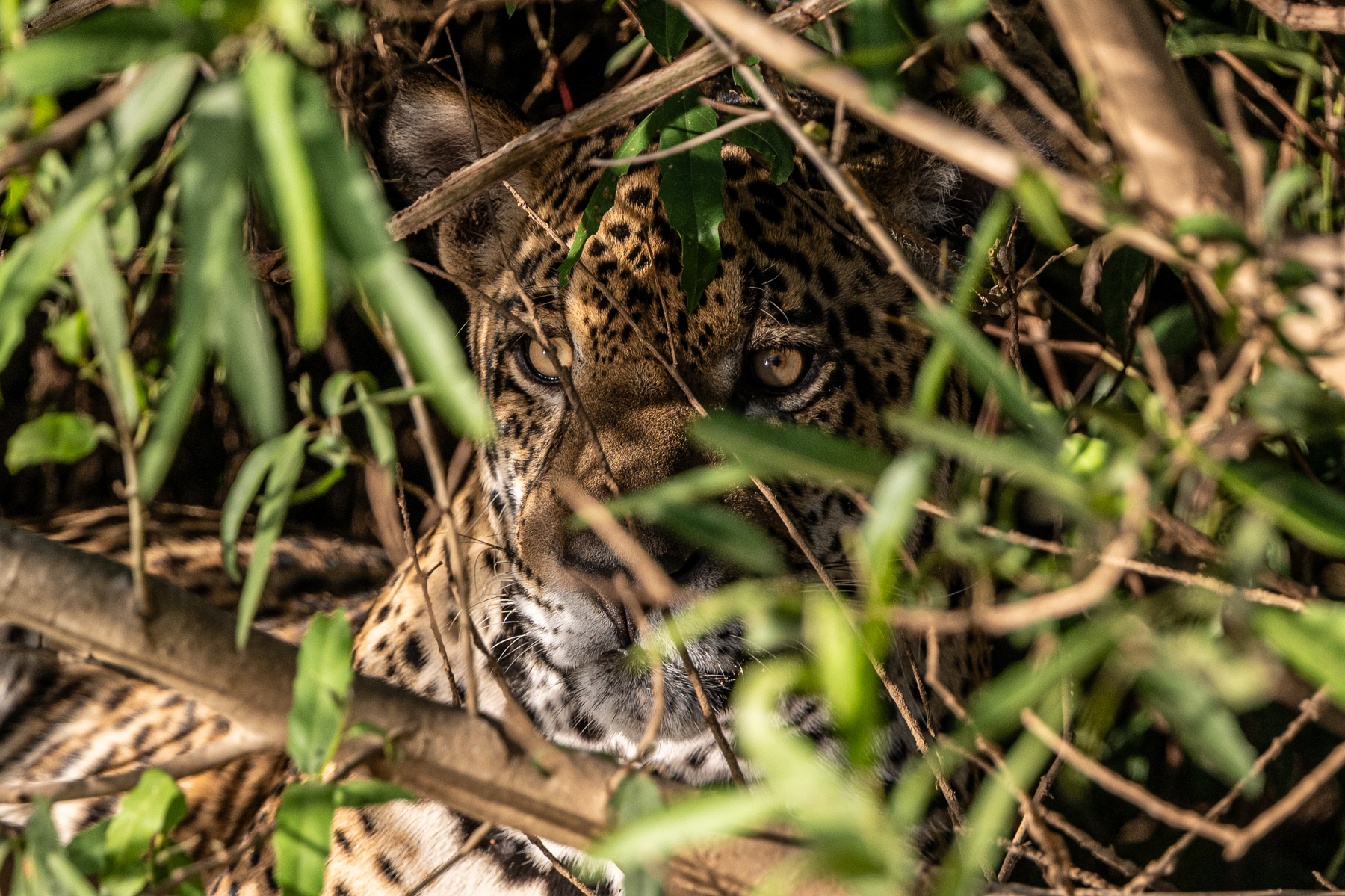
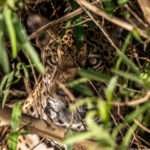
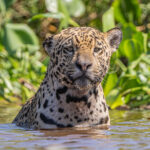
You might not see them, but they might be there, Jaguar in a bush (image by Oliver Krueger)
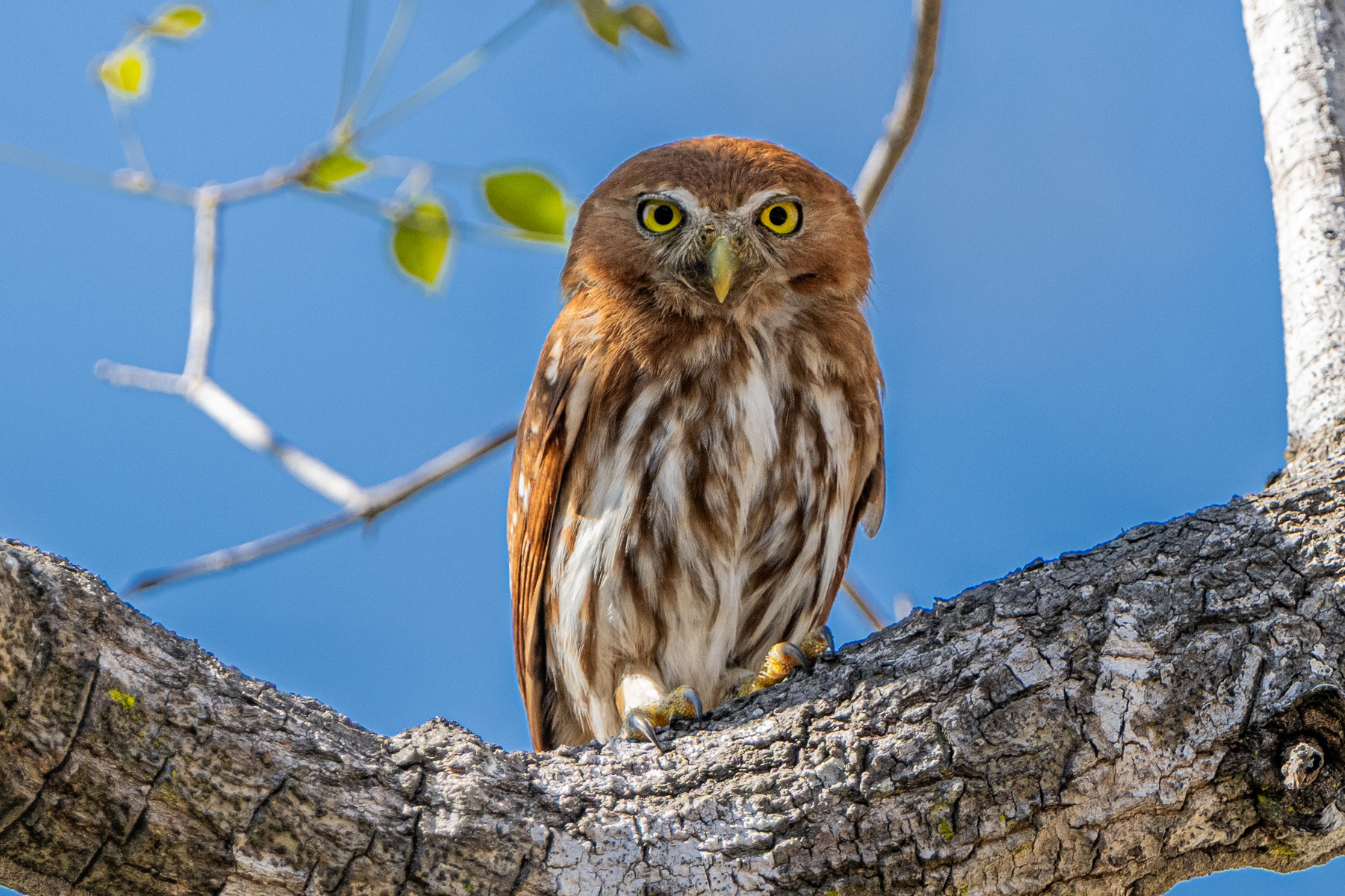
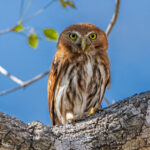
Despite its small size of 16 cm, the Ferruginous Pygmy Owl can tackle prey larger than itself (image by Oliver Krueger)
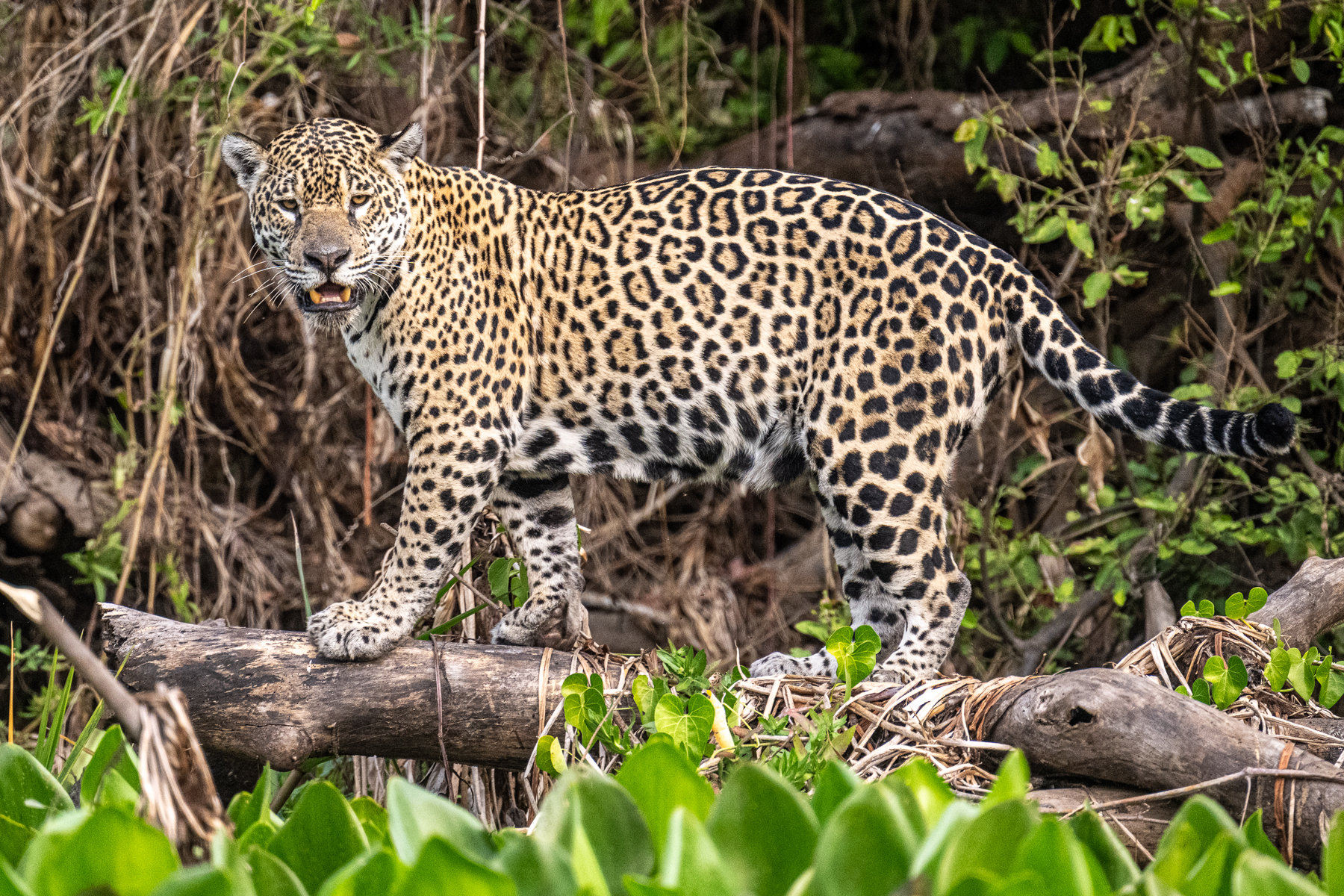
The most famous Jaguar of the Pantanal, the female "Medrosa" (image by Oliver Krueger)
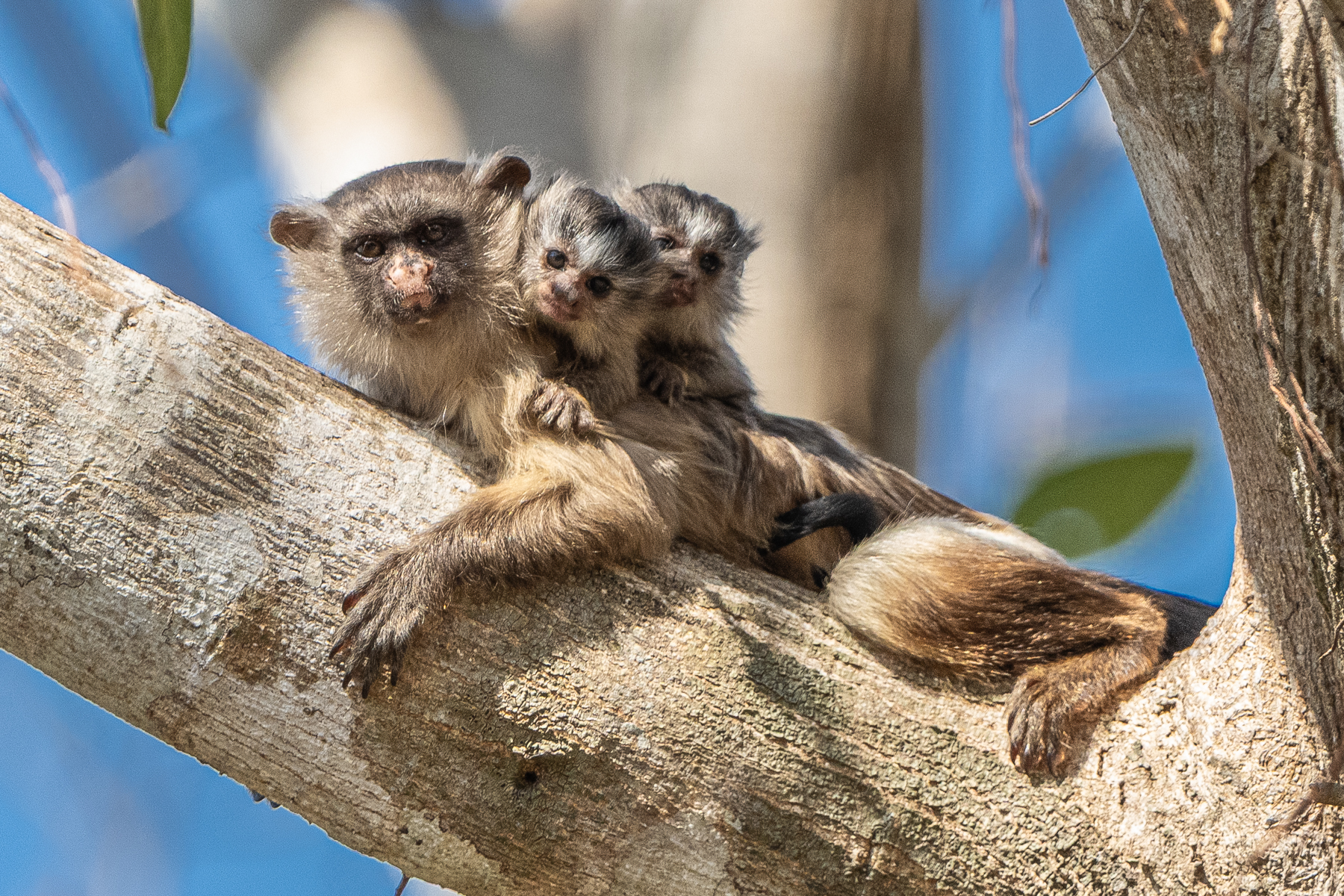
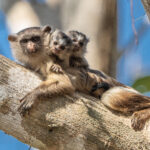
The only group of primates where two babies are born are the Tamarins (image by Oliver Krueger)
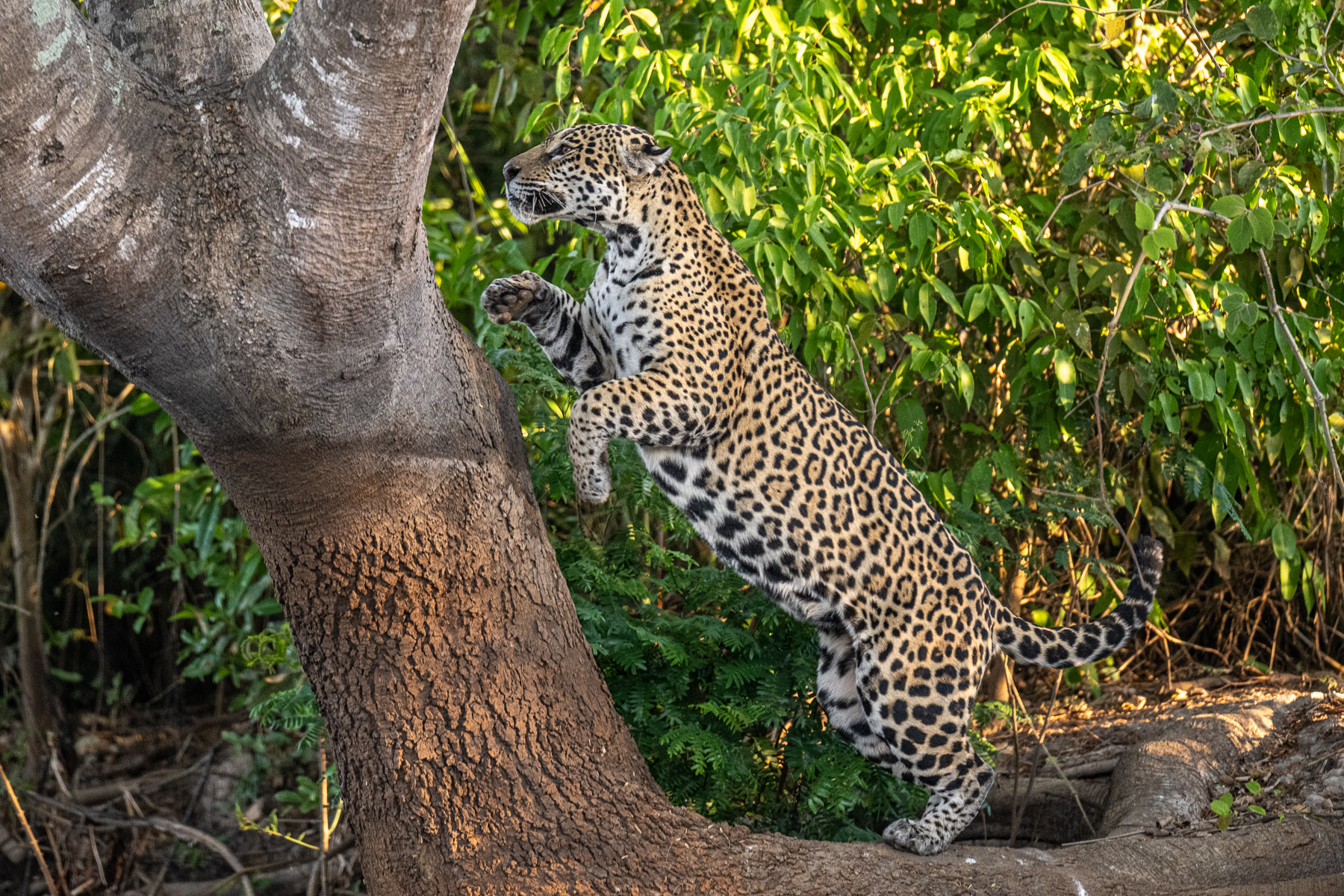
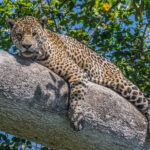
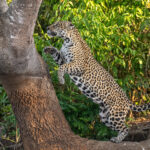
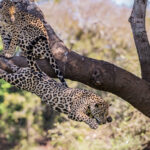
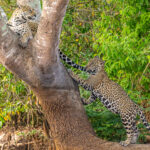
To get to one of her favourite vantage points, Jaguar female "Medrosa" jumps up the tree (image by Oliver Krueger)
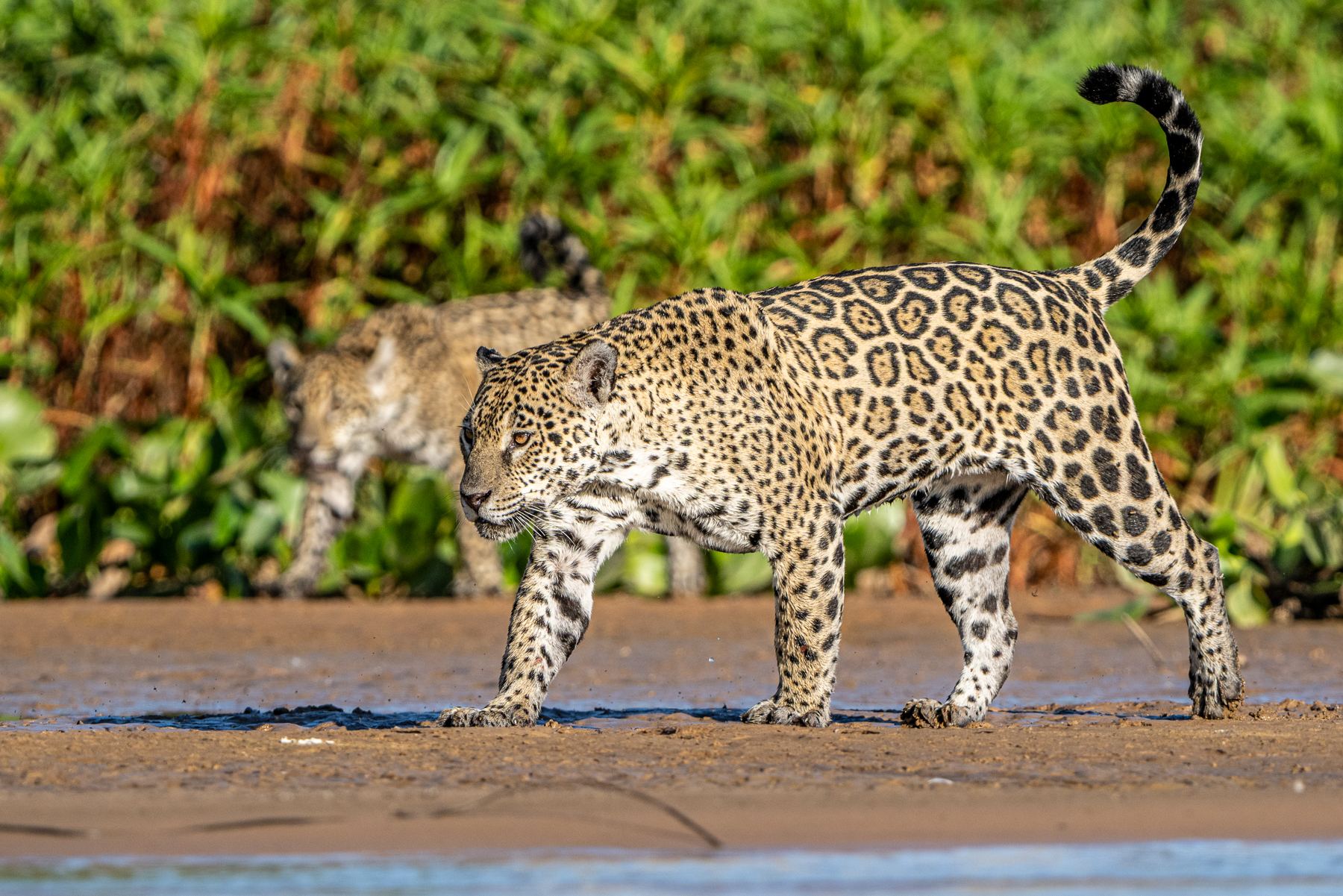
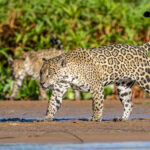
Female Jaguar "Marcela" on the move, with one of her cubs behind her (image by Oliver Krueger)
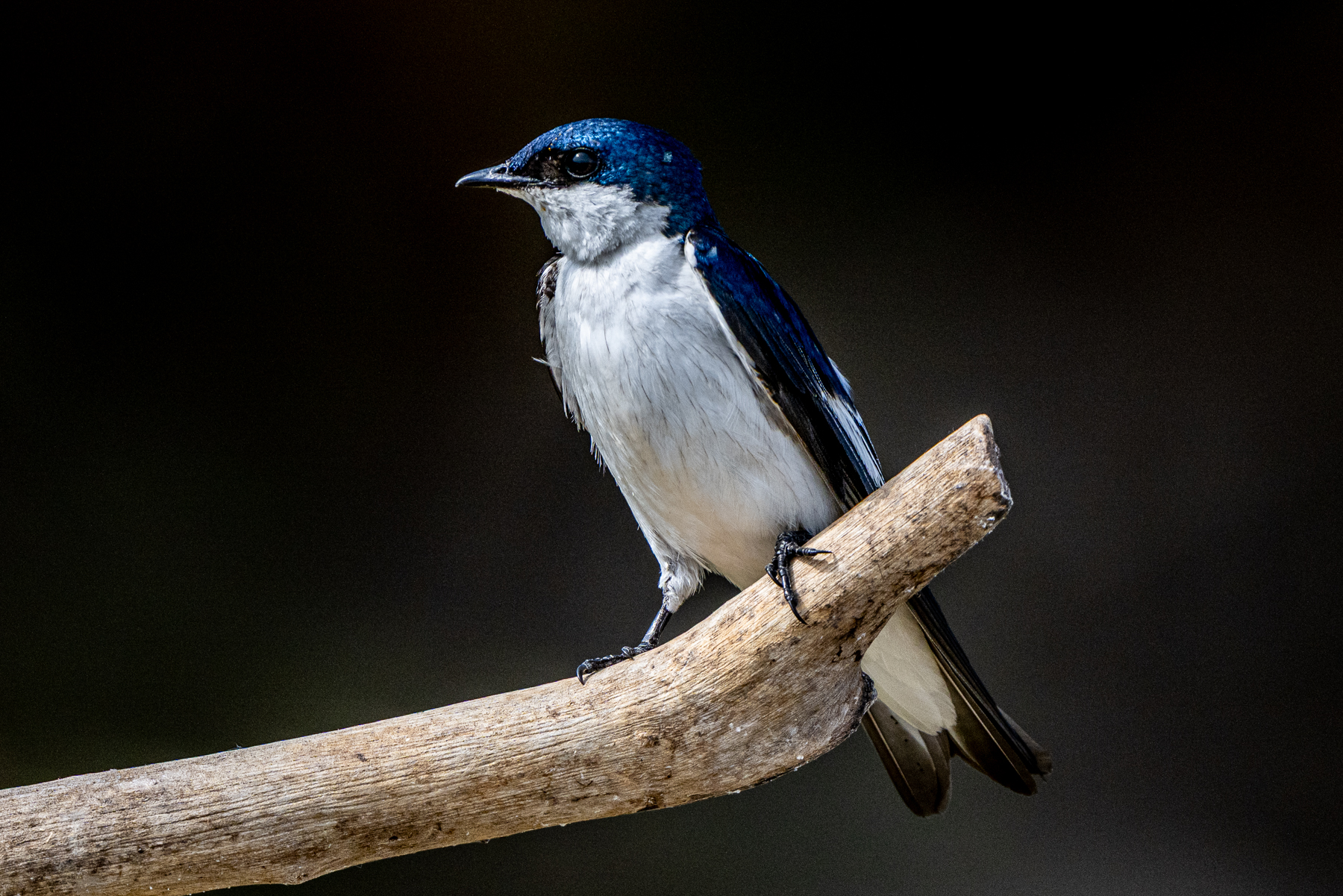
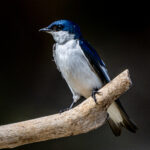
A very common but still beautiful sight, White-winged Swallow (image by Oliver Krueger)
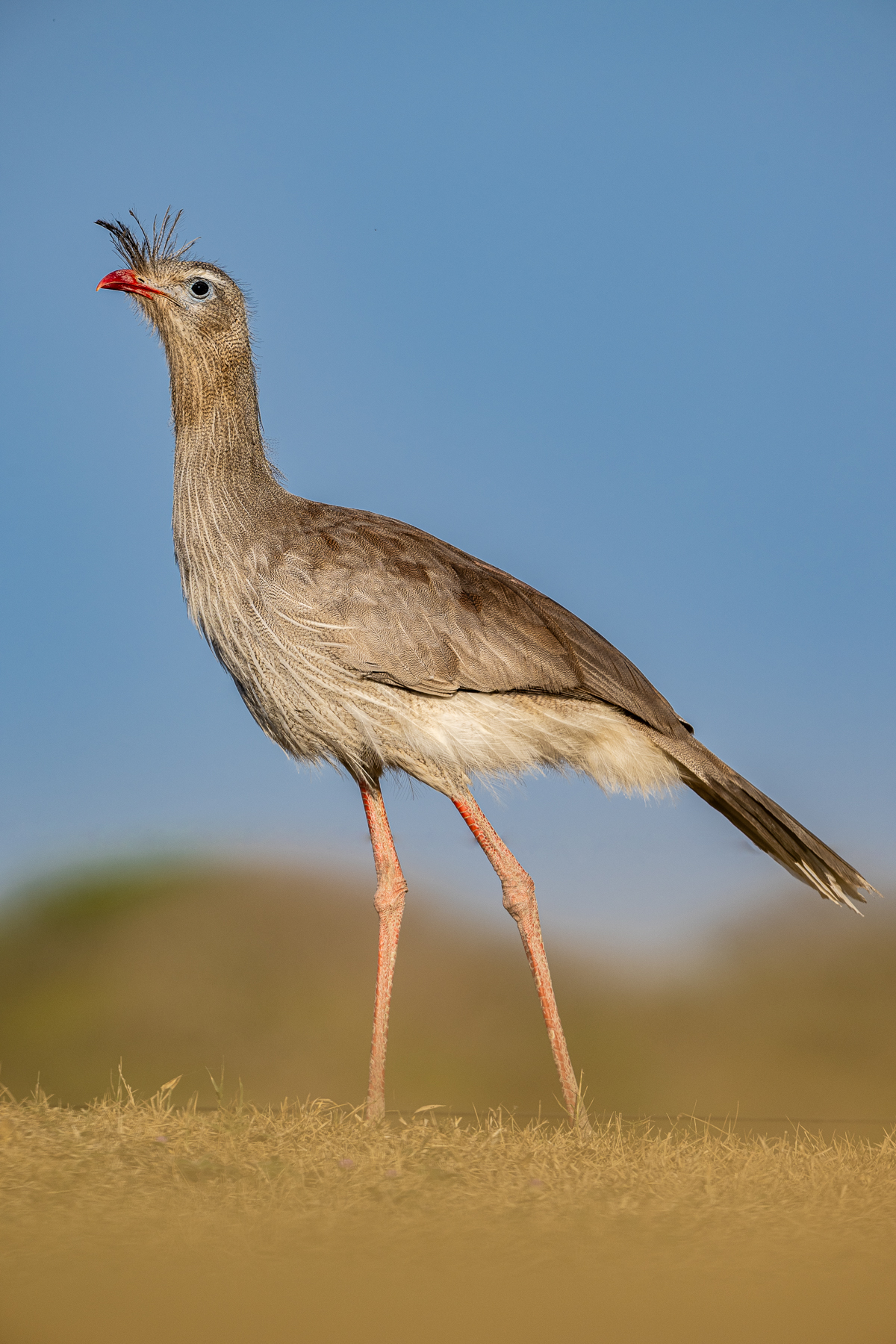
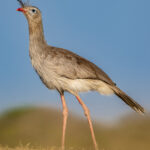
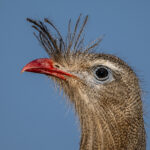
The Red-legged Seriema is normally shy, but can be very approachable at Piuval (image by Oliver Krueger)
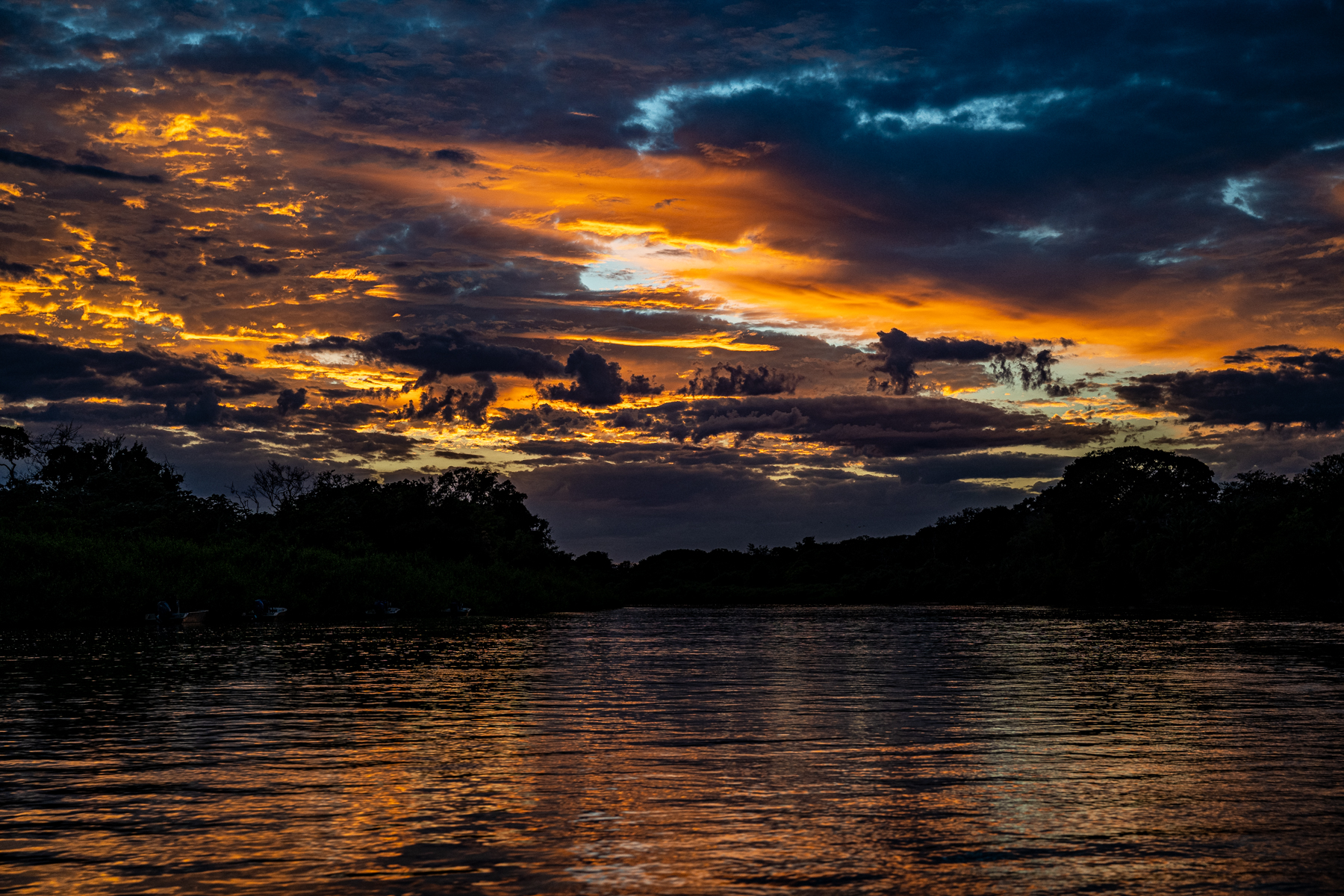
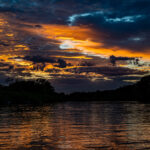
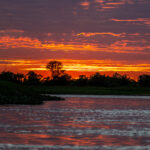
Another beautiful sunrise, Rio Piquiri (image by Oliver Krueger)
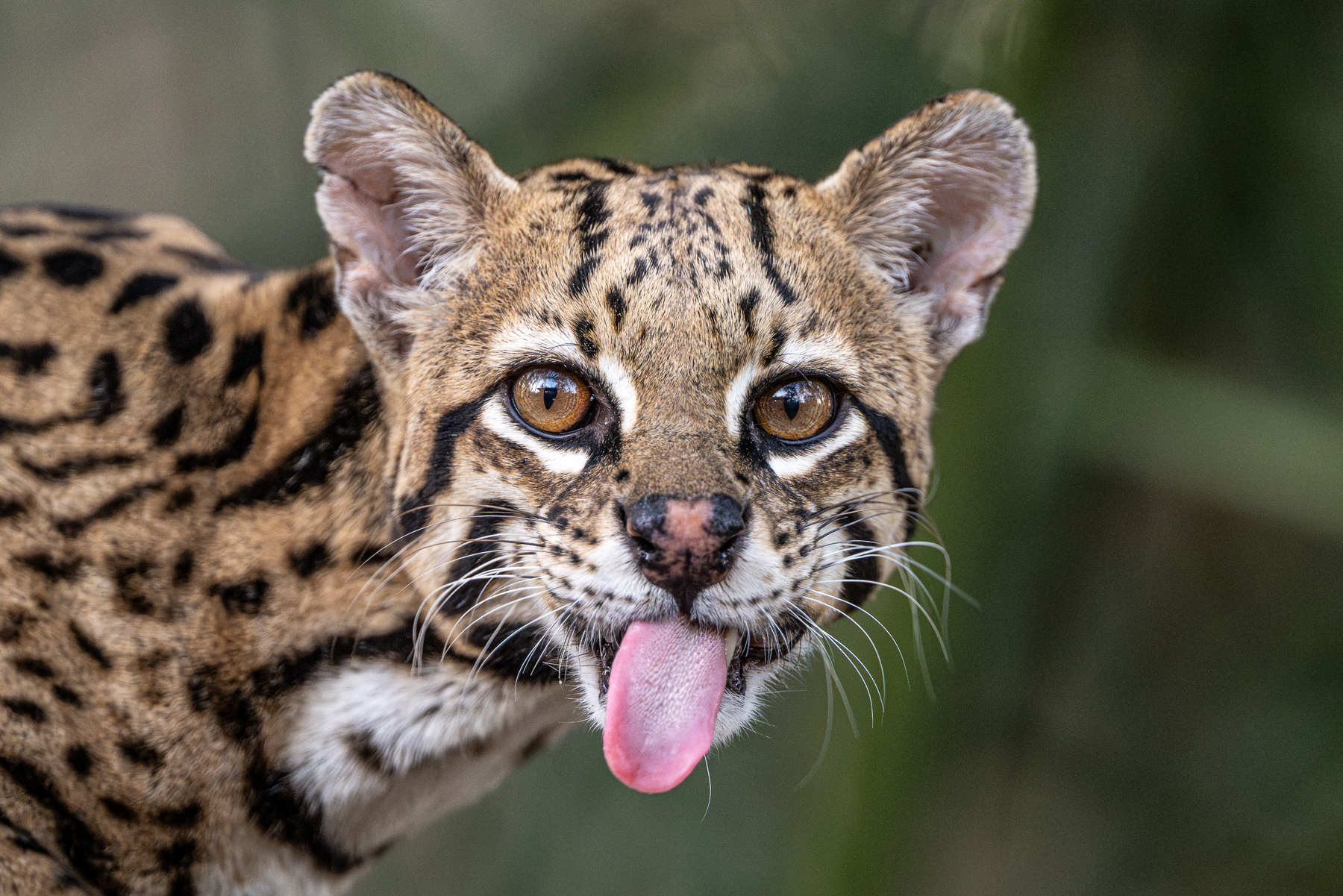
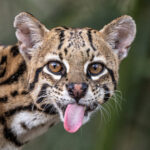
Head portrait of an Ocelot, displaying its rough tongue (image by Oliver Krueger)
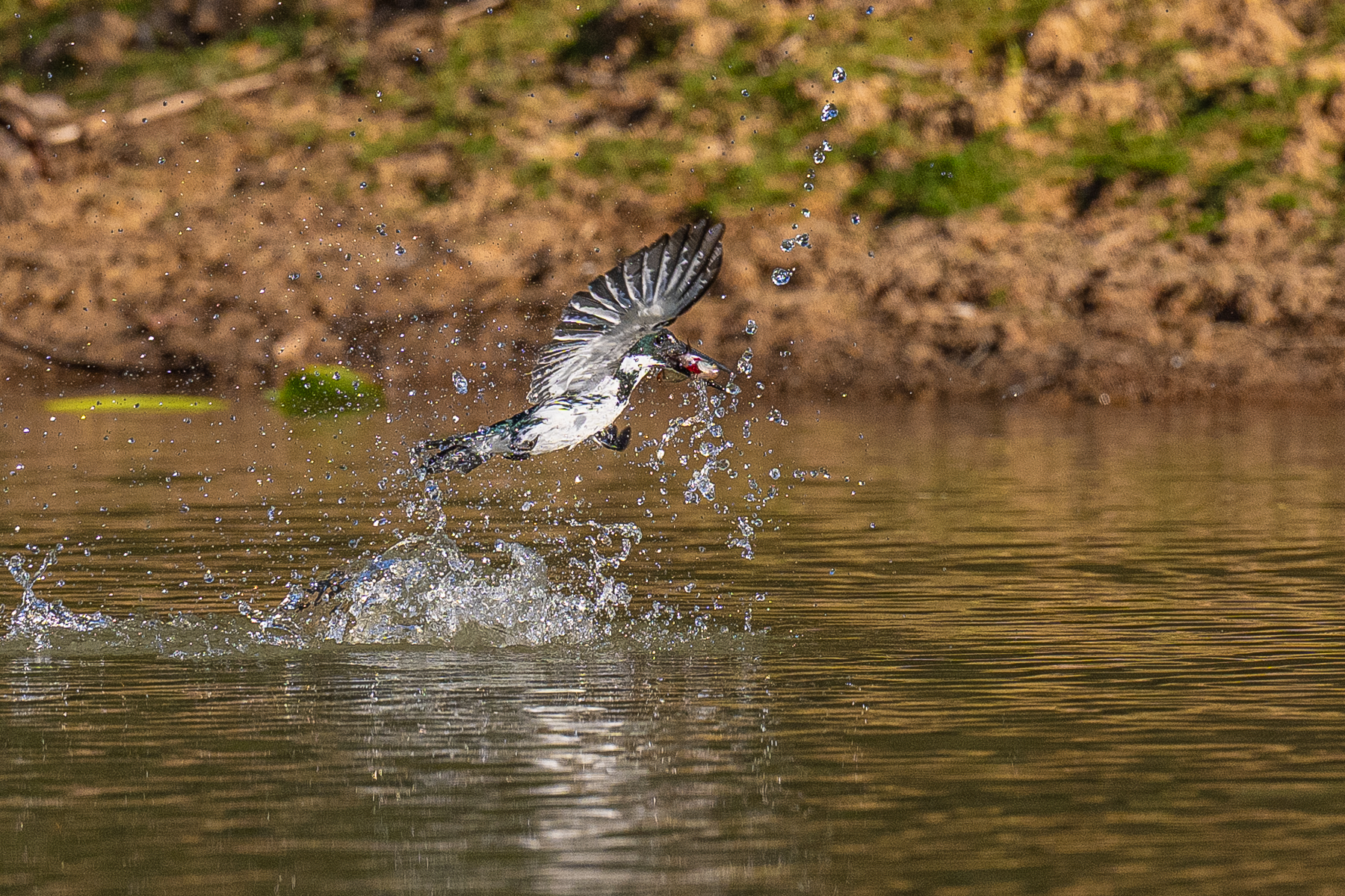
After a successful dive, an Amazon Kingfisher emerges with its prey (image by Oliver Krueger)
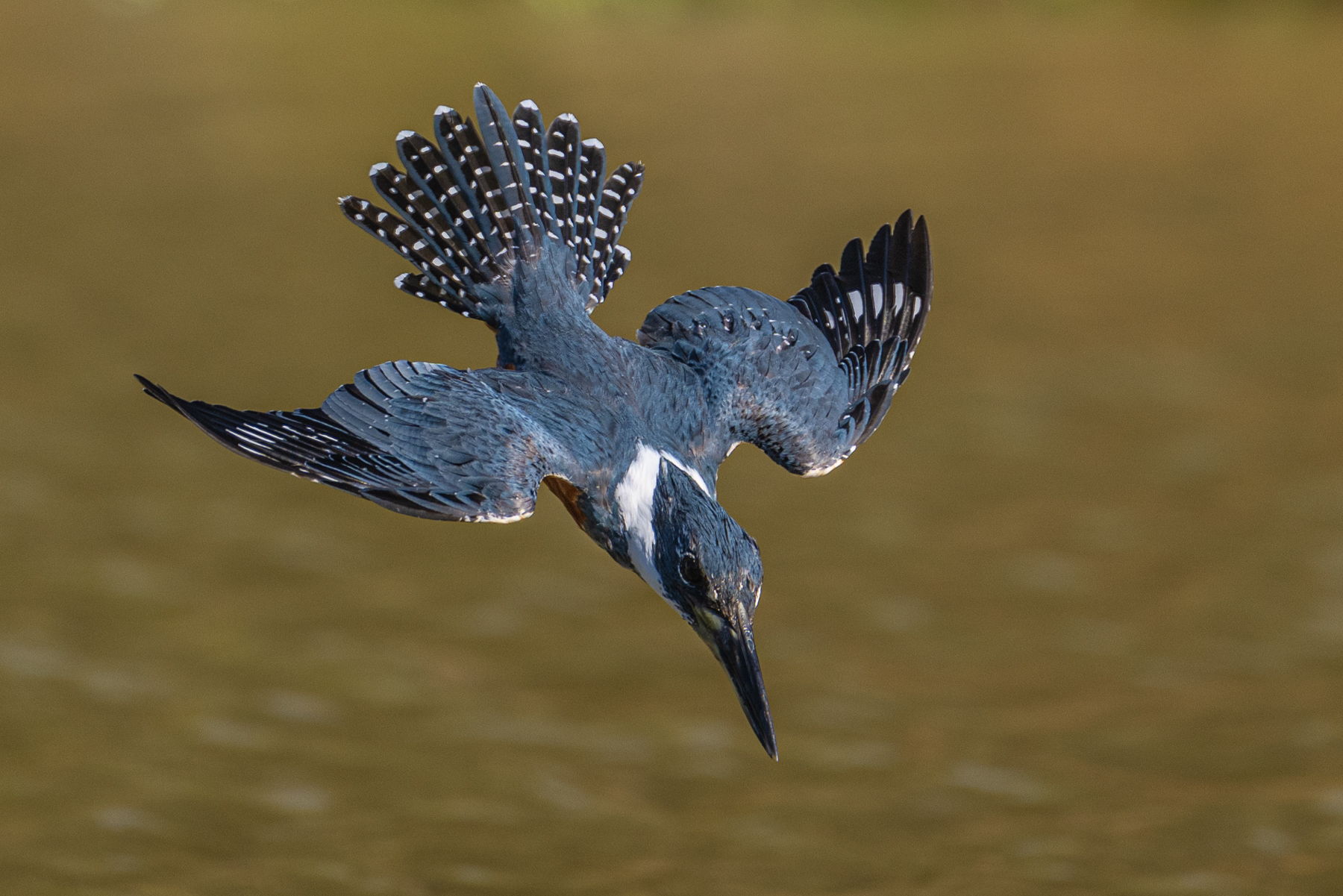
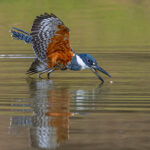
A diving Ringed Kingfisher, the largest species of Kingfisher in South America, is an impressive sight (image by Oliver Krueger)
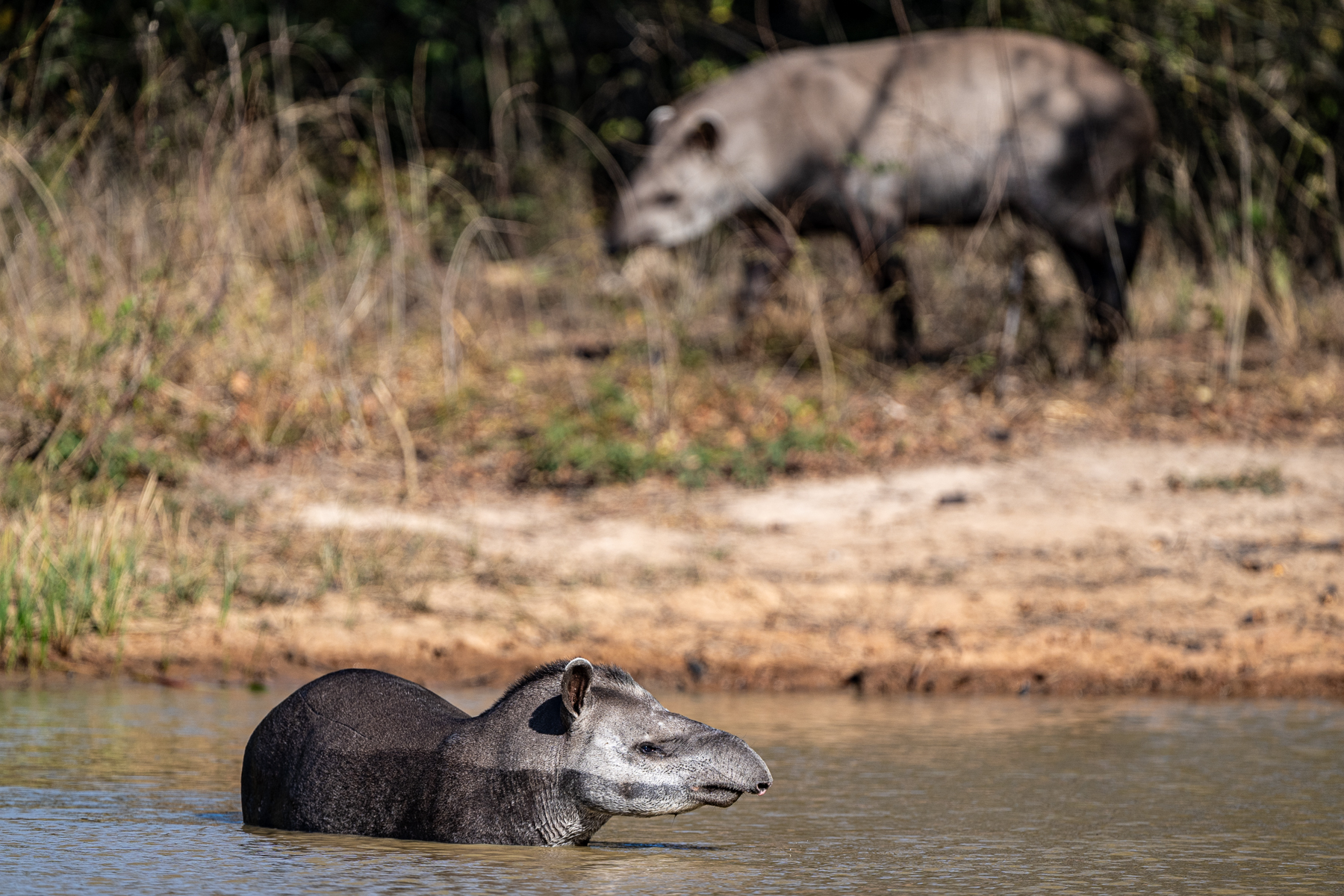
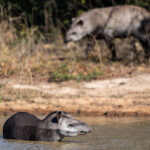
There is only place for one Tapir in a waterhole (image by Oliver Krueger)
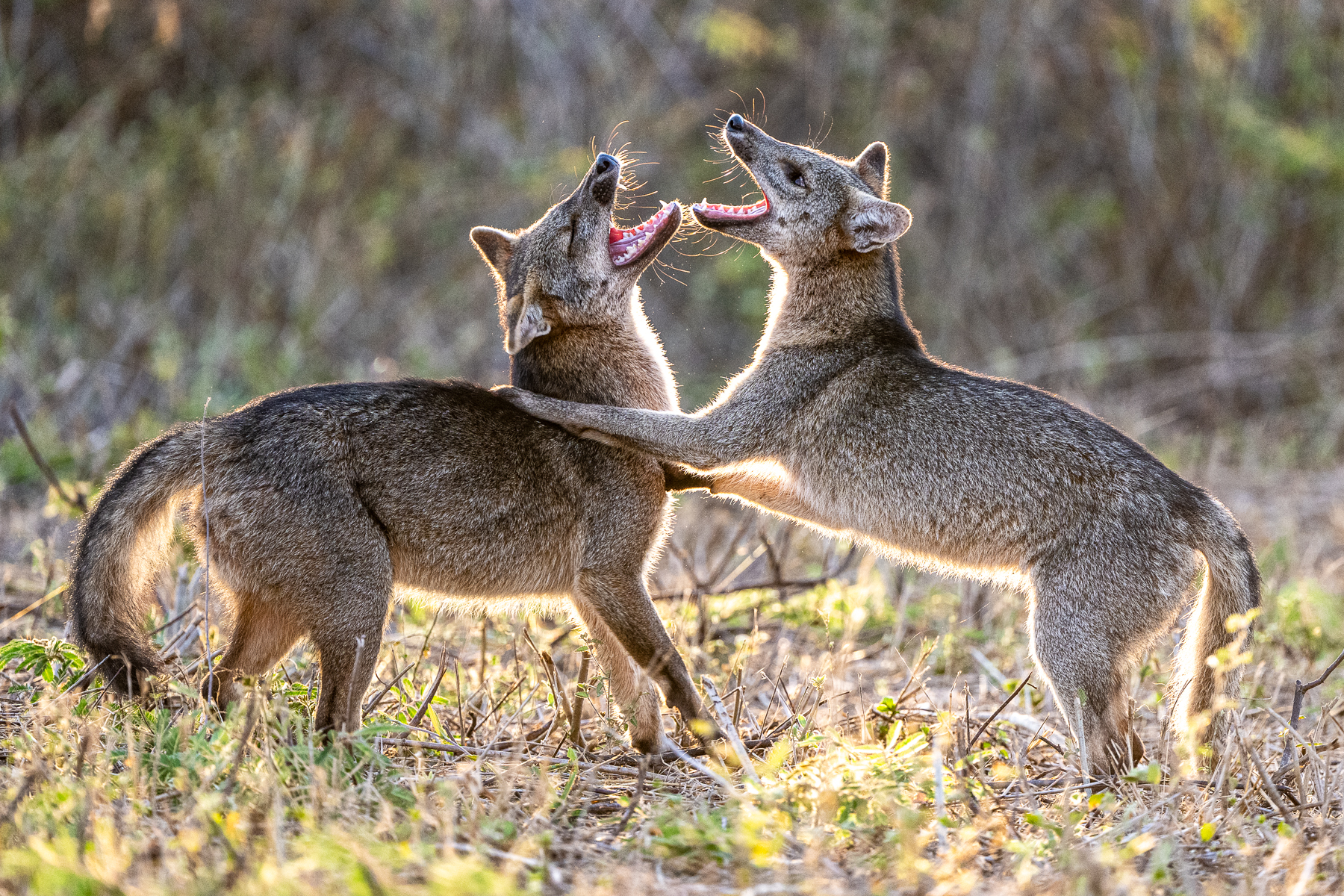
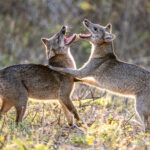
Play time for two Crab-eating Foxes (image by Oliver Krueger)
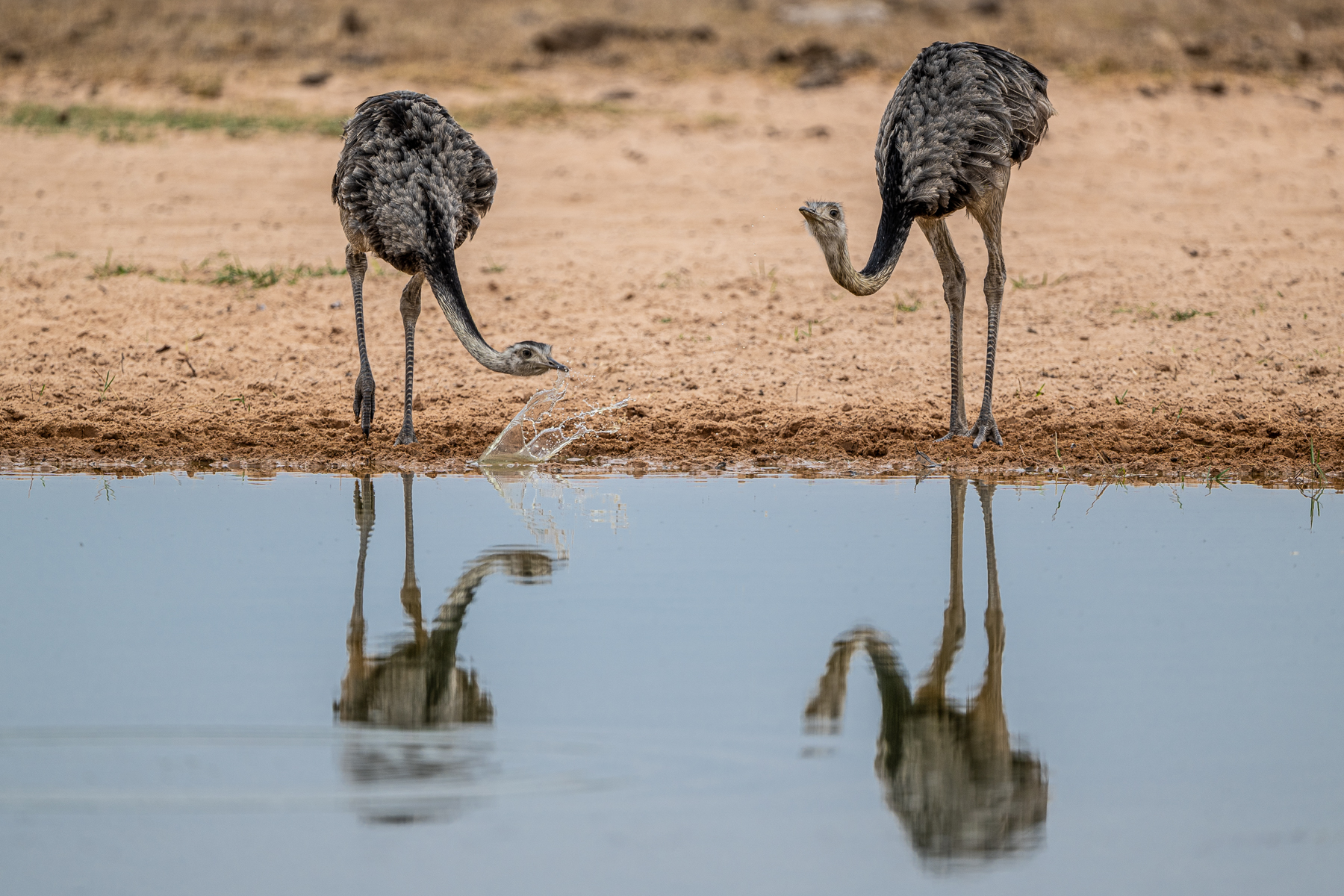
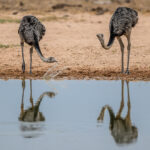
Greater Rhea drink with a sideways sweep of their heads (image by Oliver Krueger)
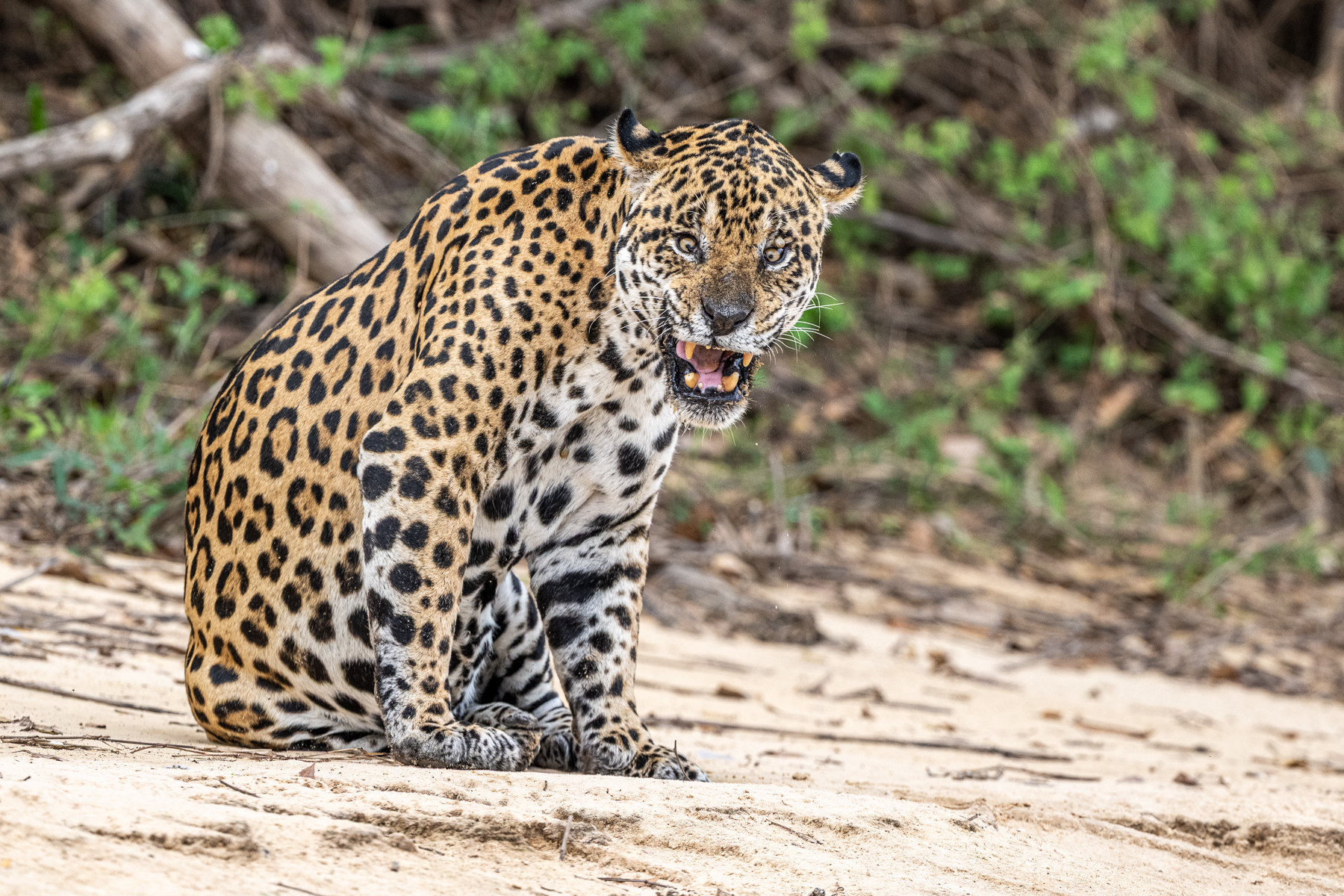
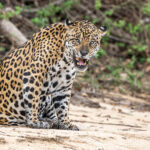
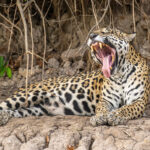
At the end of a yawning session, male Jaguar "Tomas" looks a bit mad (image by Oliver Krueger)
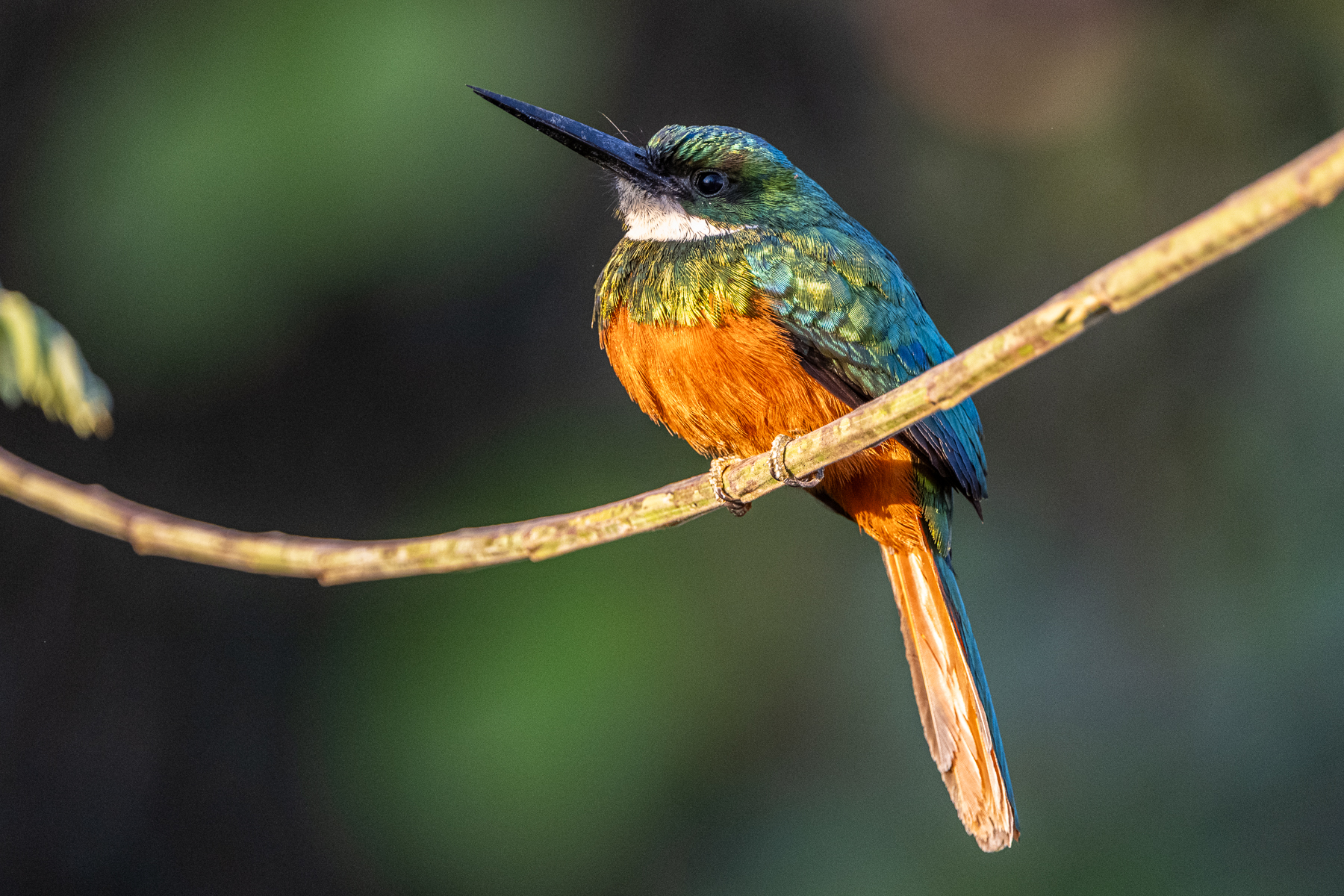
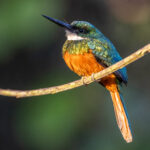
A Rufous-tailed Jacamar male enjoys the morning sunshine (image by Oliver Krueger)
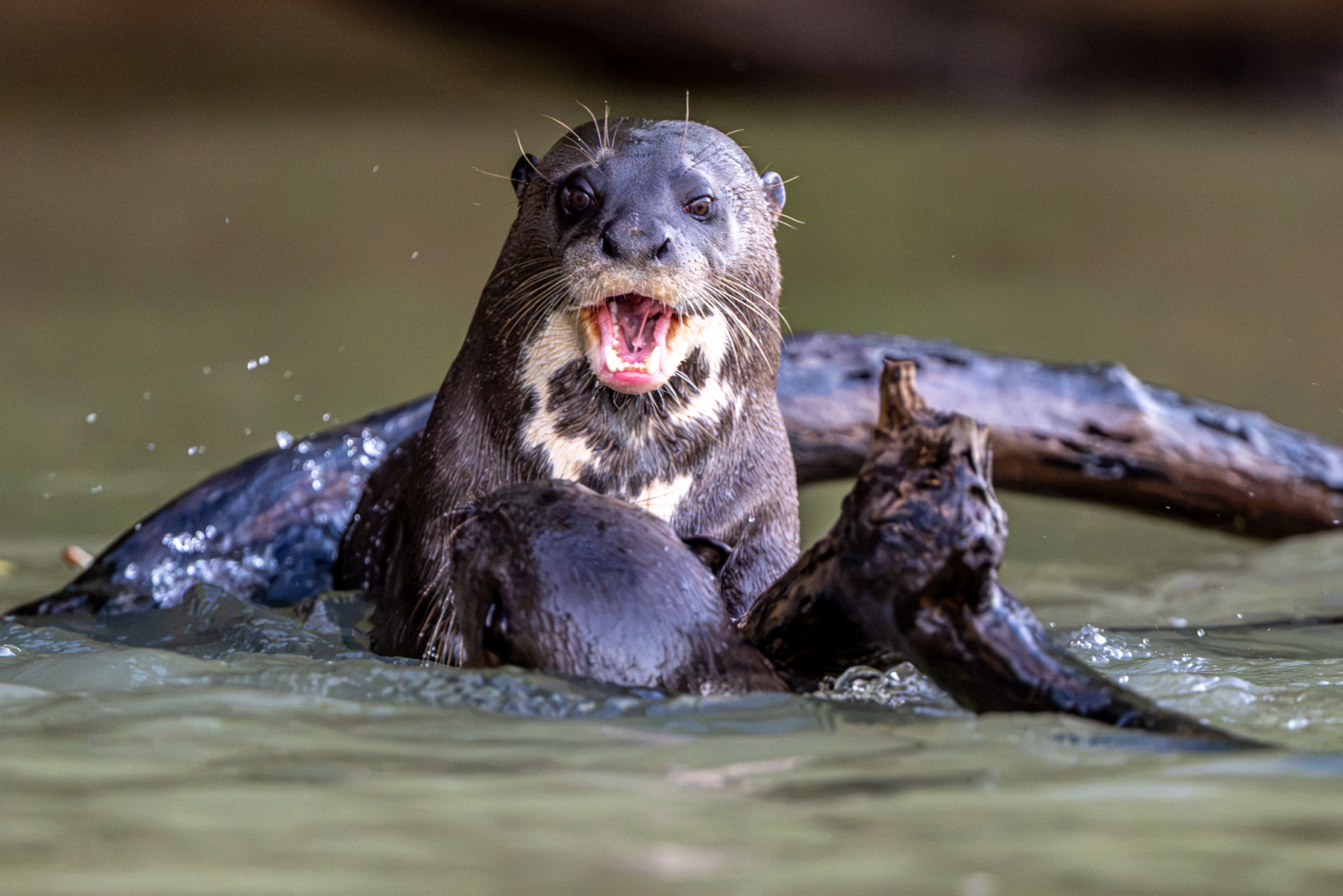
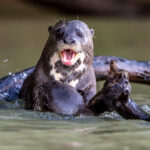
Giant Otters live in family groups and are really playful (image by Oliver Krueger)
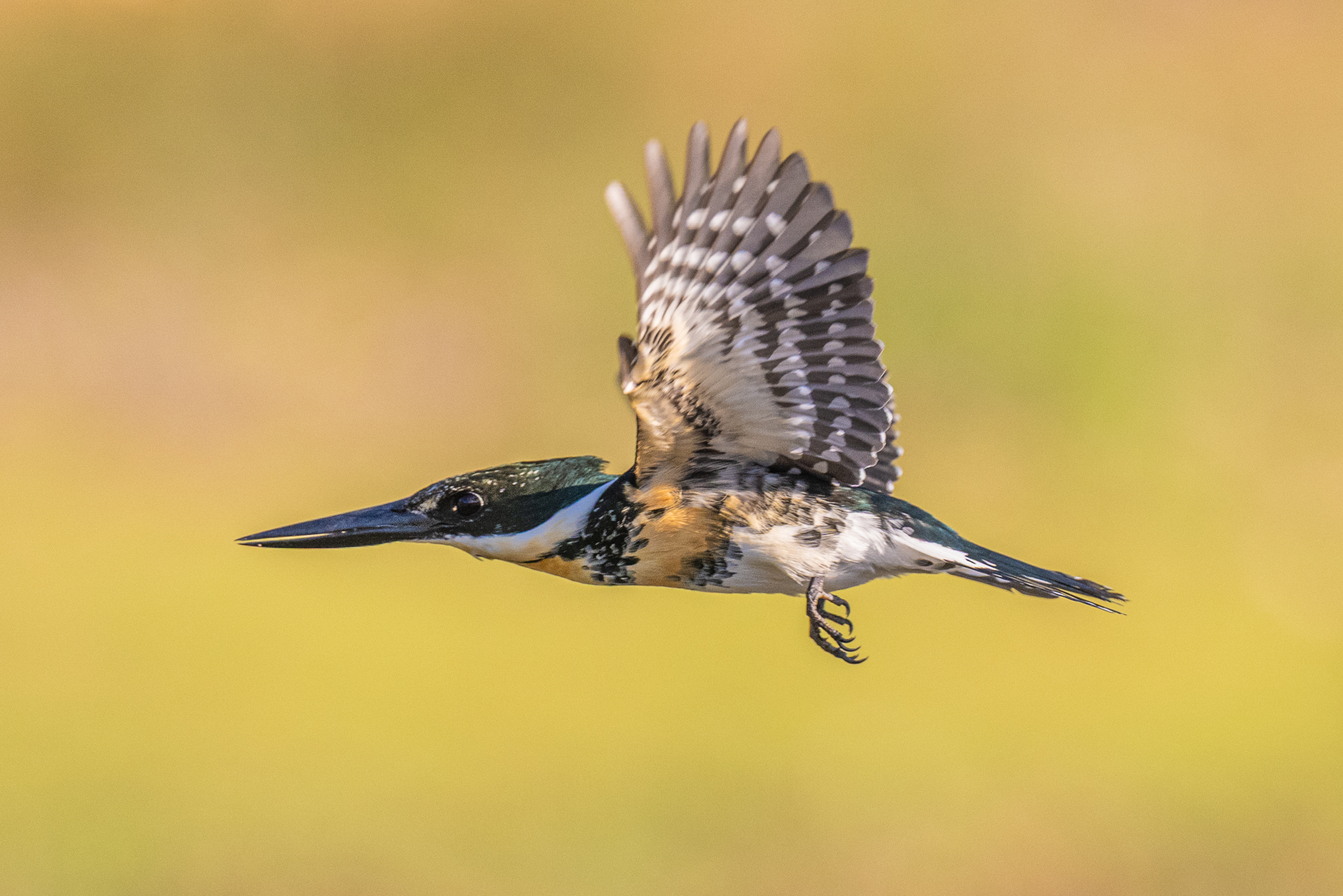
To capture a Green Kingfisher in flight was a real challenge of the trip (image by Oliver Krueger)
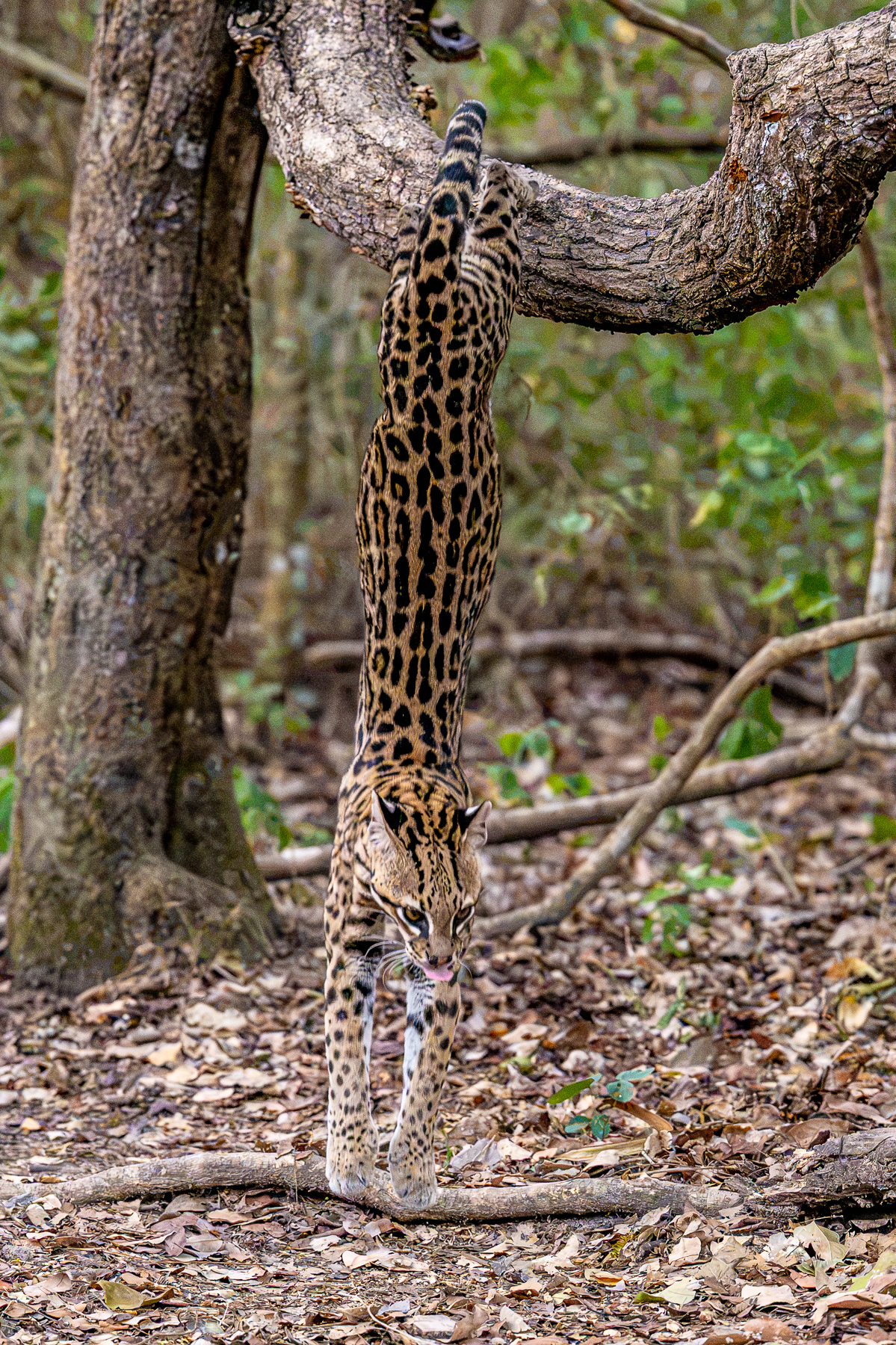
With enough daylight, we could even indulge in Ocelot action photography (image by Oliver Krueger)
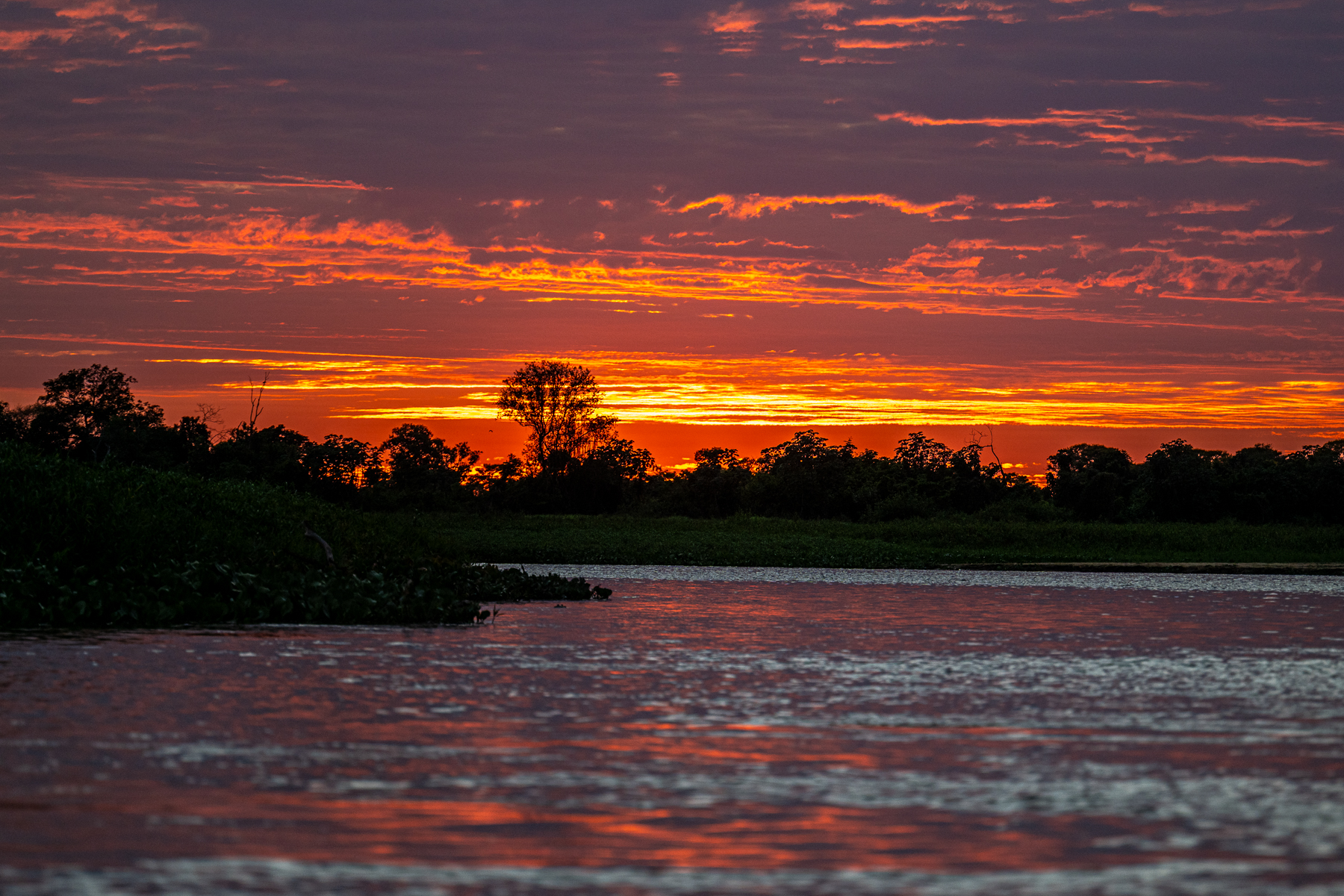
If there is a bit of cloud cover, sunrise on the Rio Cuiaba can be rather spectacular (image by Oliver Krueger)
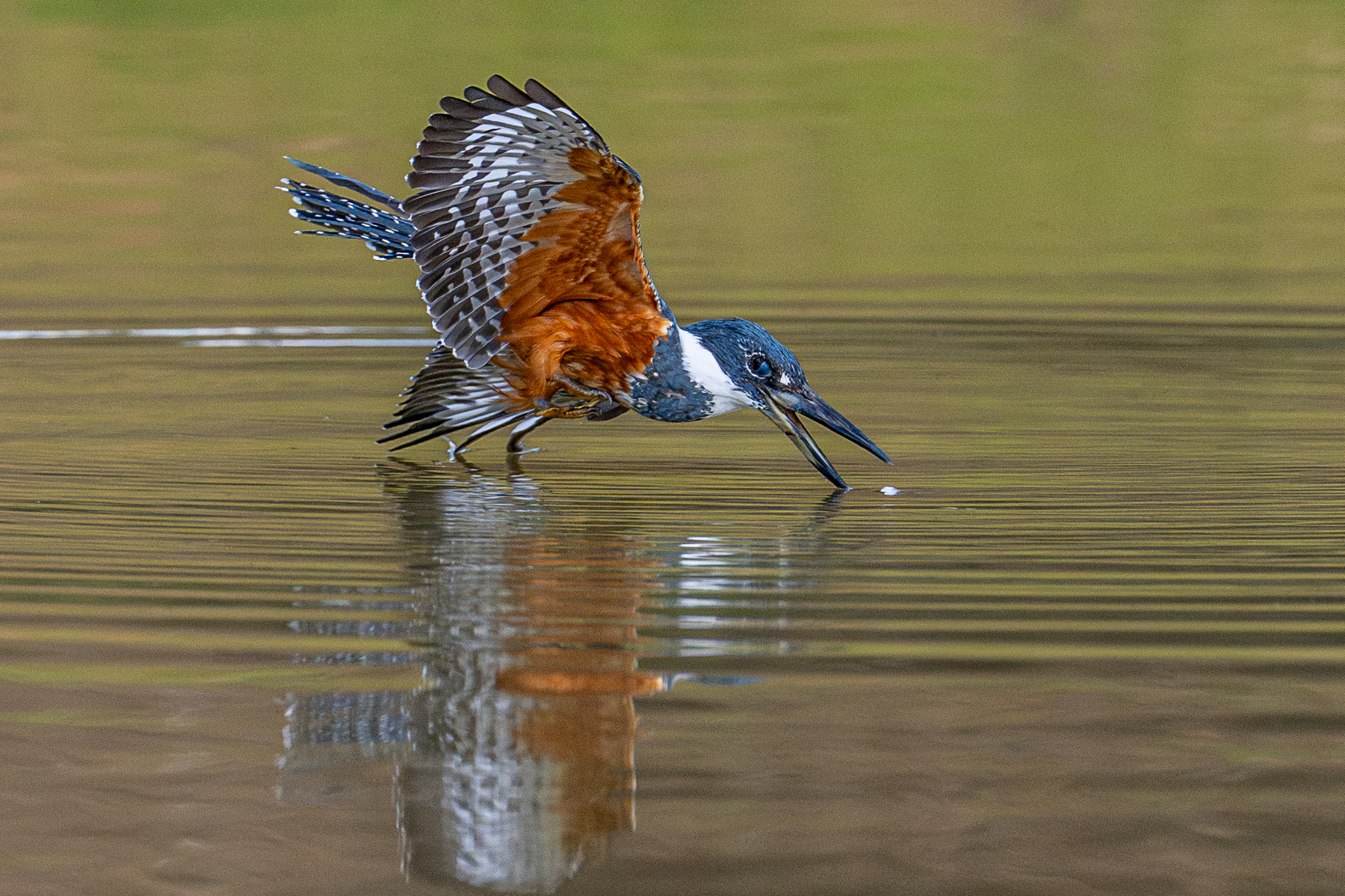
At the moment of impact, a Ringed Kingfisher is about to protect its eyes with the nictitating membrane (image by Oliver Krueger)
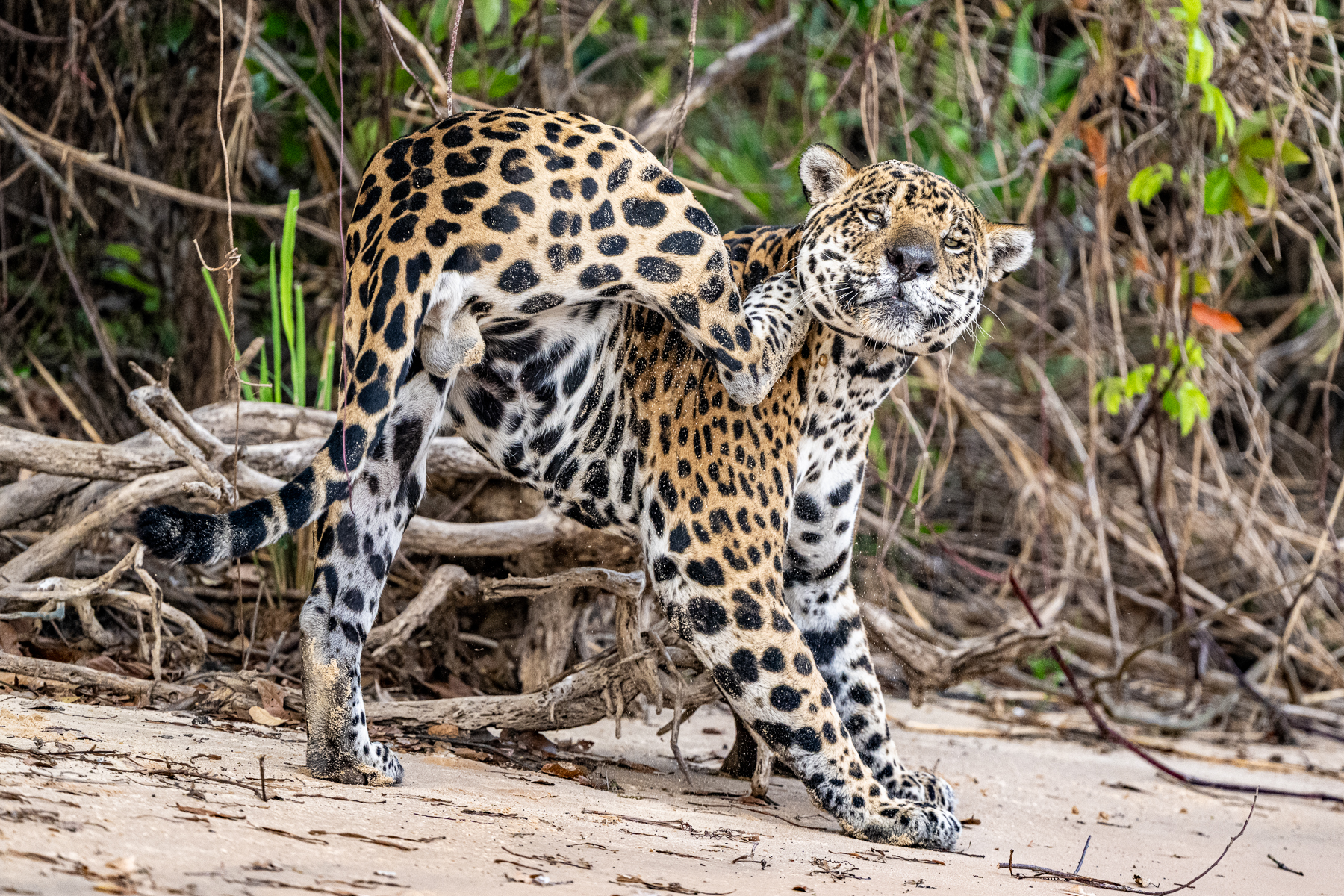
A display of agility by male Jaguar "Tomas" (image by Oliver Krueger)
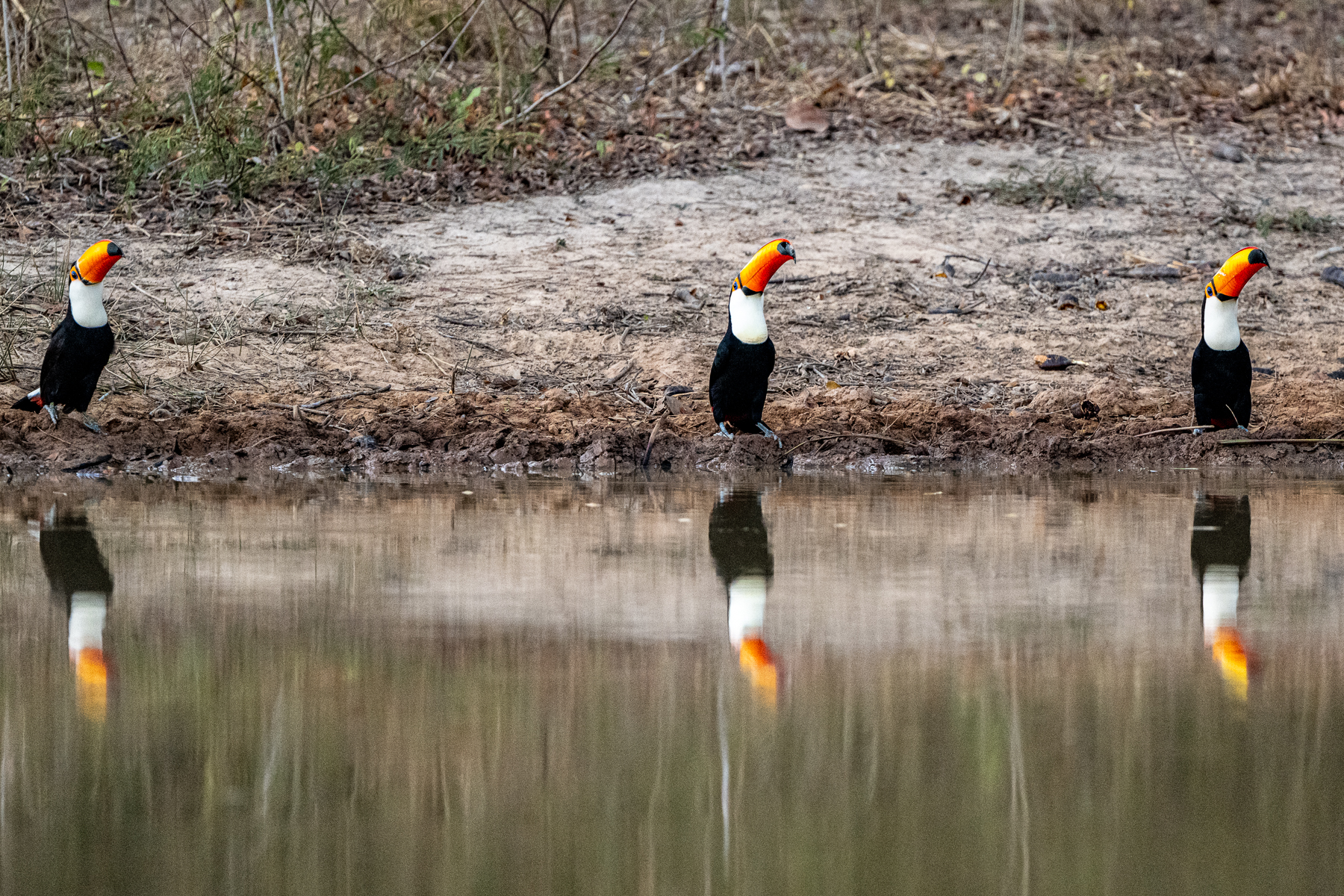
Coming down for a drink is risky for Toco Toucans, so it is better to do it in a group (image by Oliver Krueger)
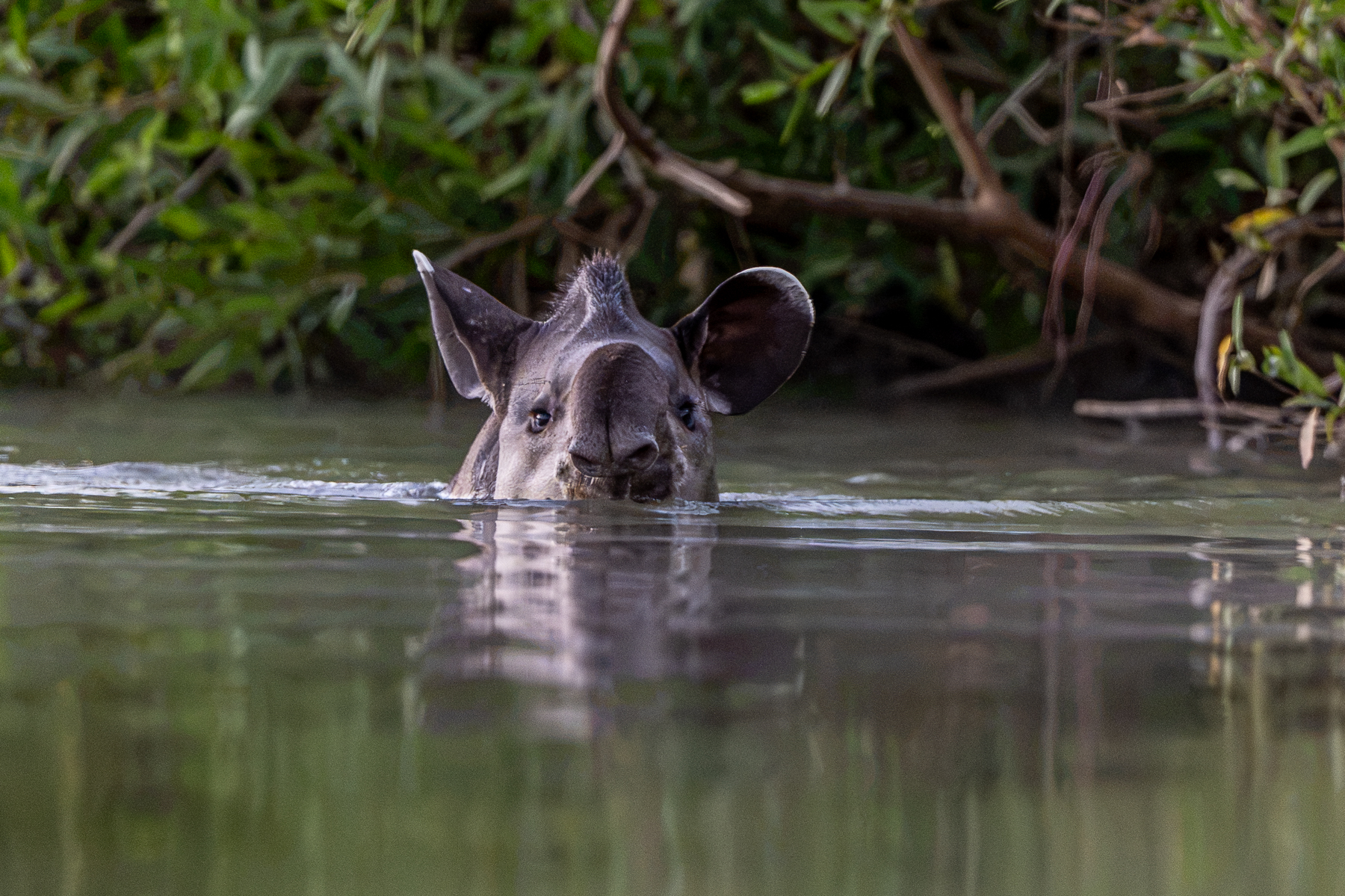
On collision course with a Tapir (image by Oliver Krueger)
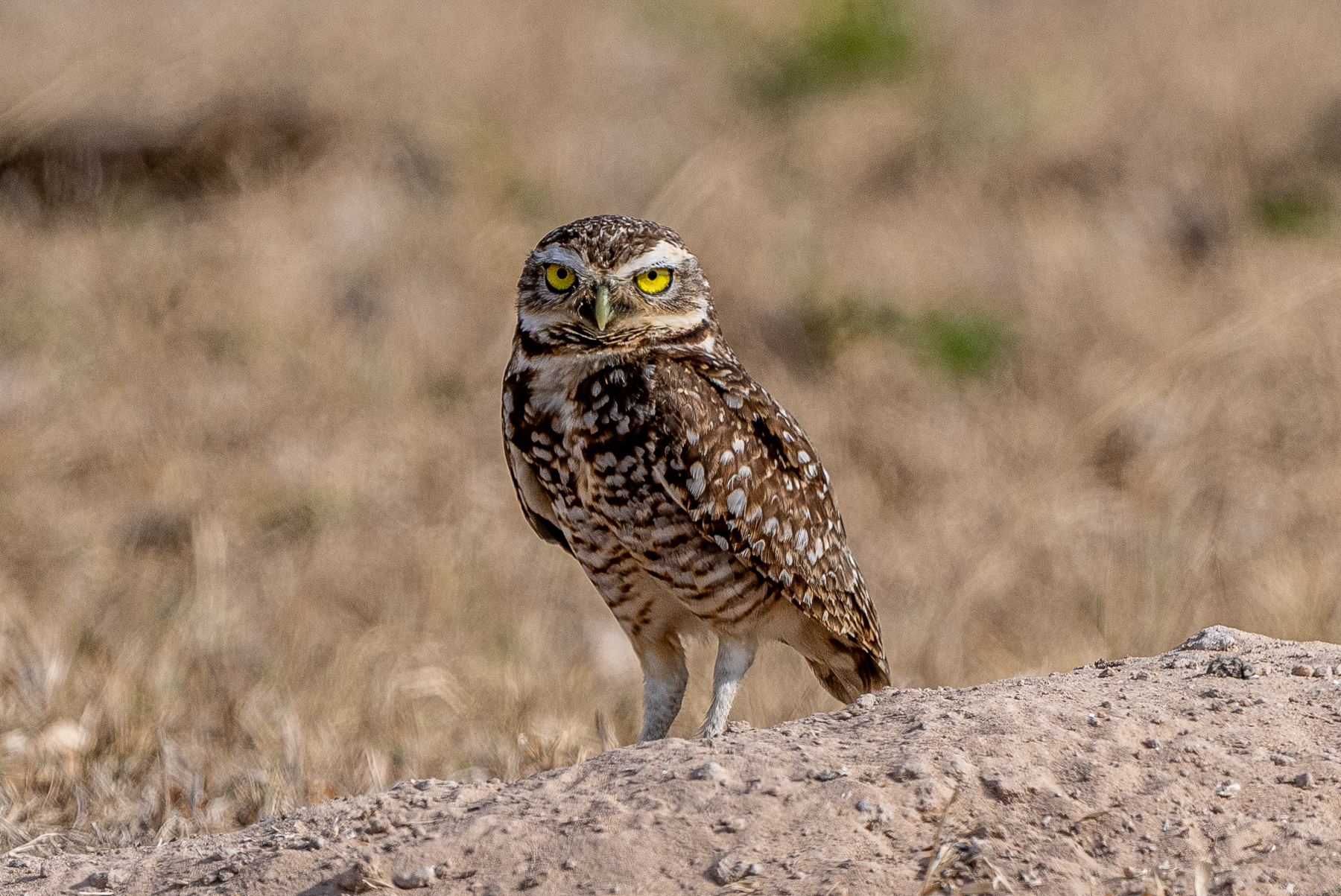
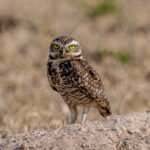
A Burrowing Owl always looks a bit sceptical (image by Oliver Krueger)
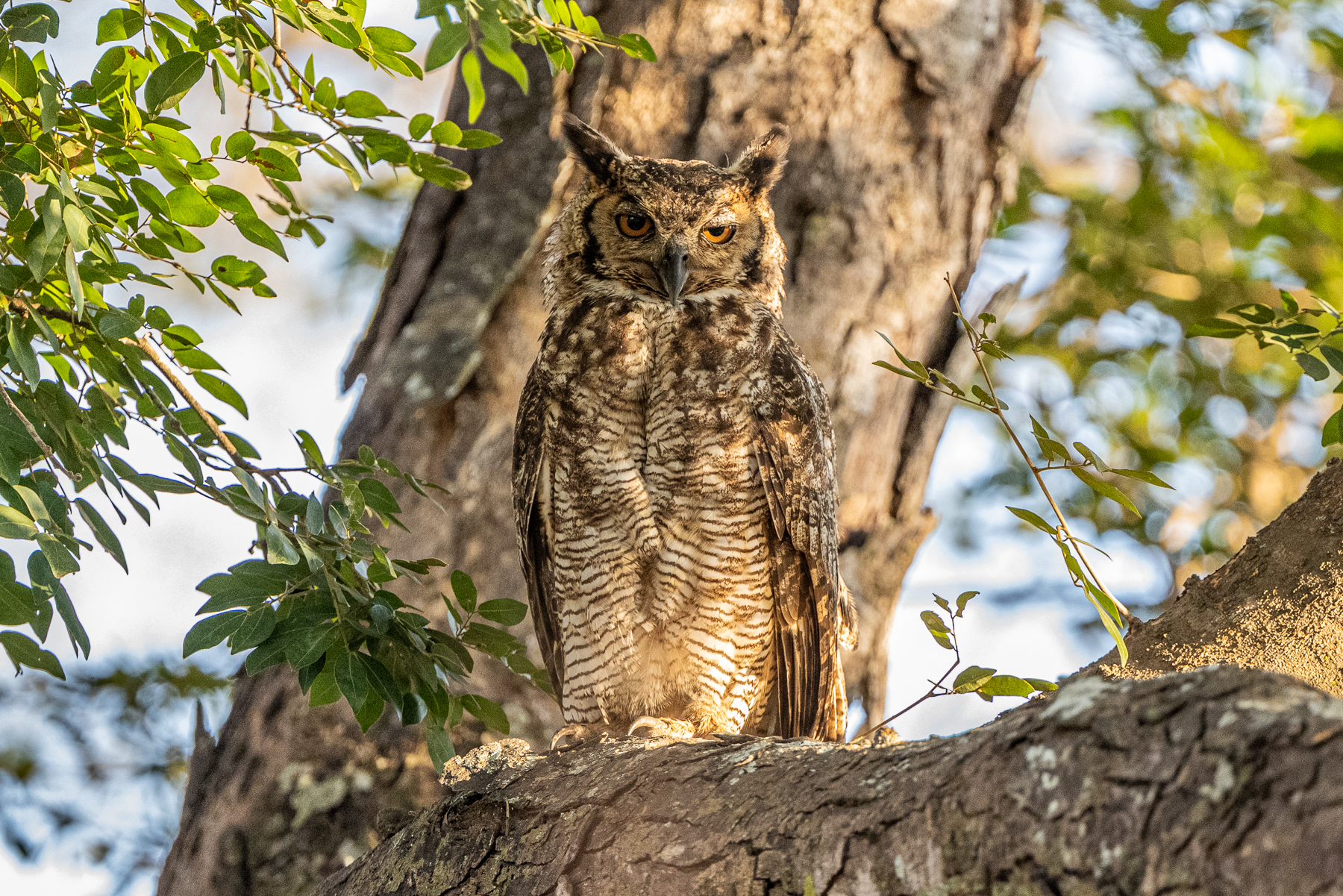
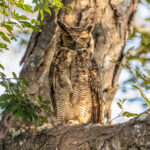
The largest owl of South America, an impressive Great Horned Owl (image by Oliver Krueger)
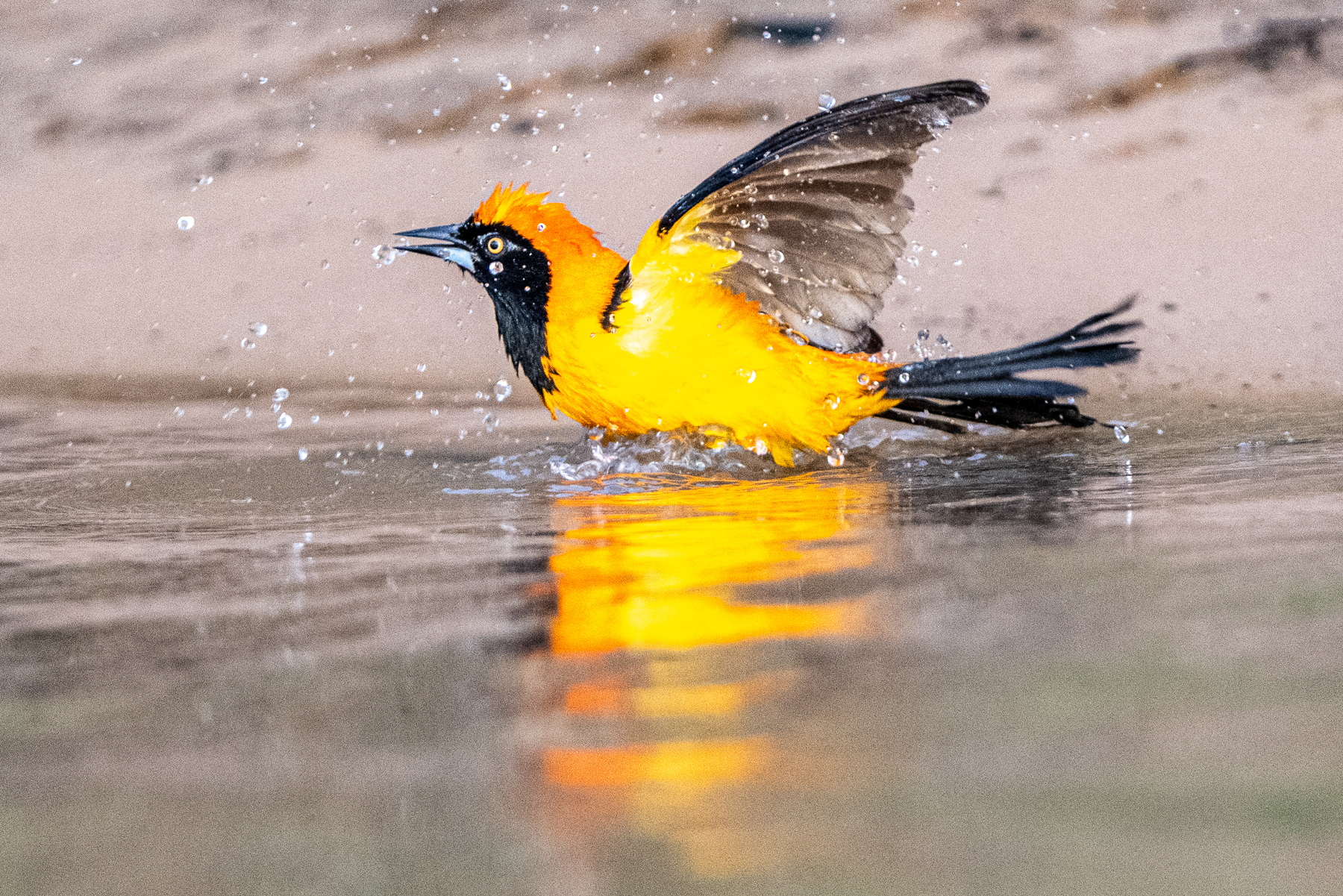
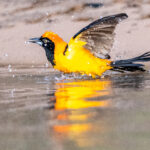
An Orange-backed Troupial enjoys an evening bath on the Rio Piquiri (image by Oliver Krueger)
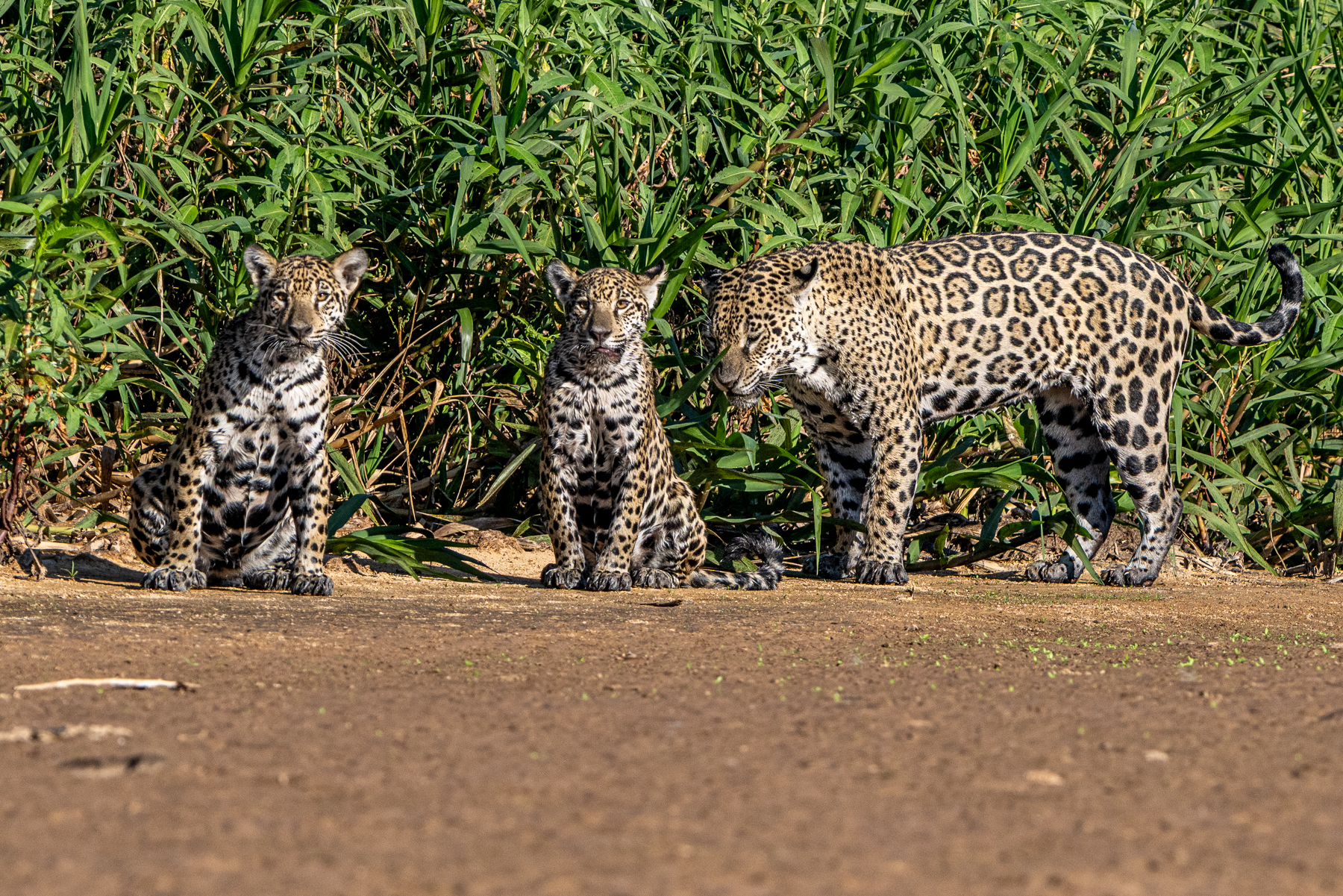
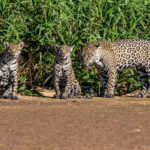
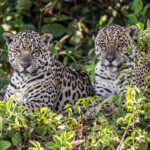
Jaguar family life, "Marcela" with her two cubs (image by Oliver Krueger)
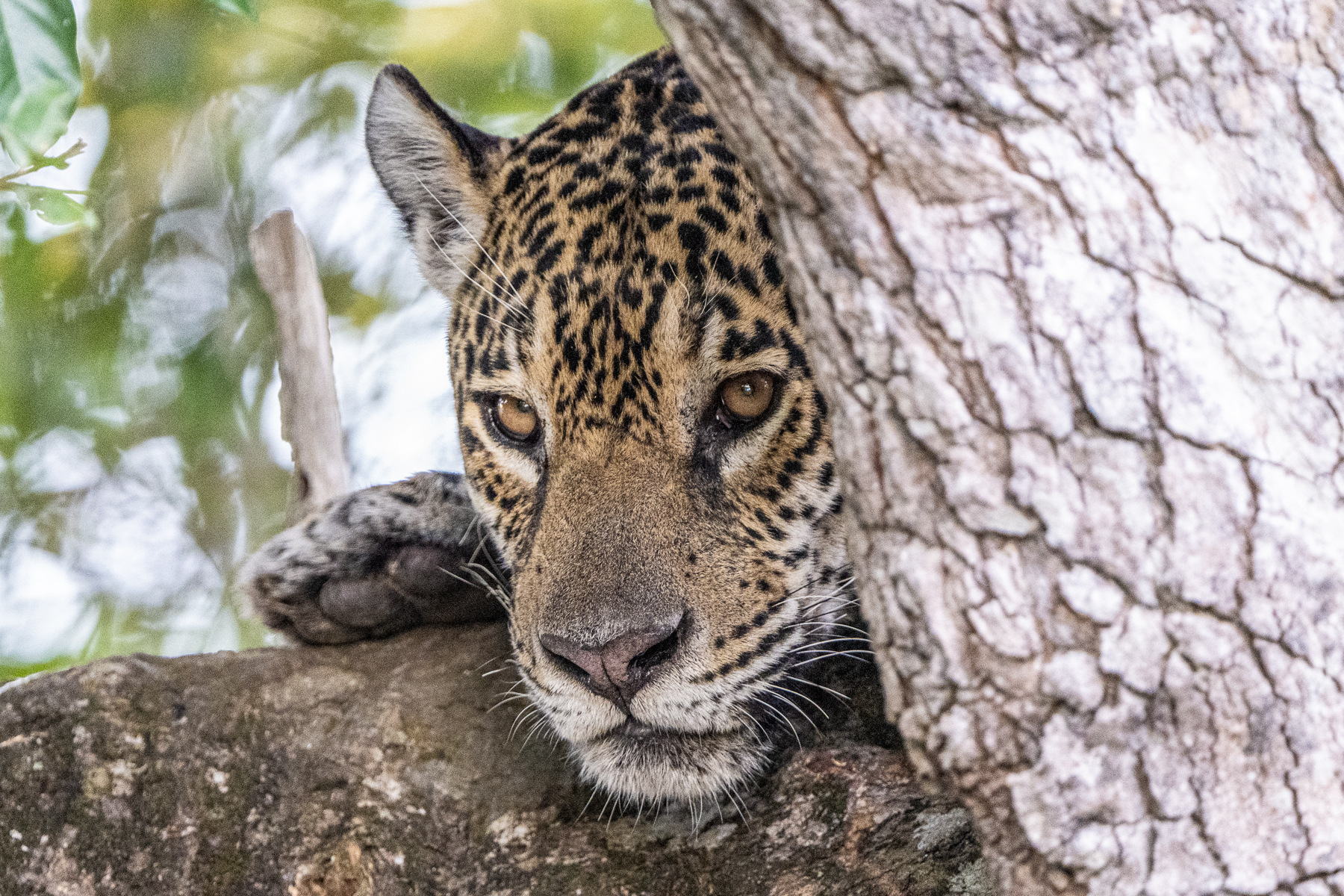
Looking curious behind a tree, Jaguar female "Medrosa" is always looking for potential prey (image by Oliver Krueger)
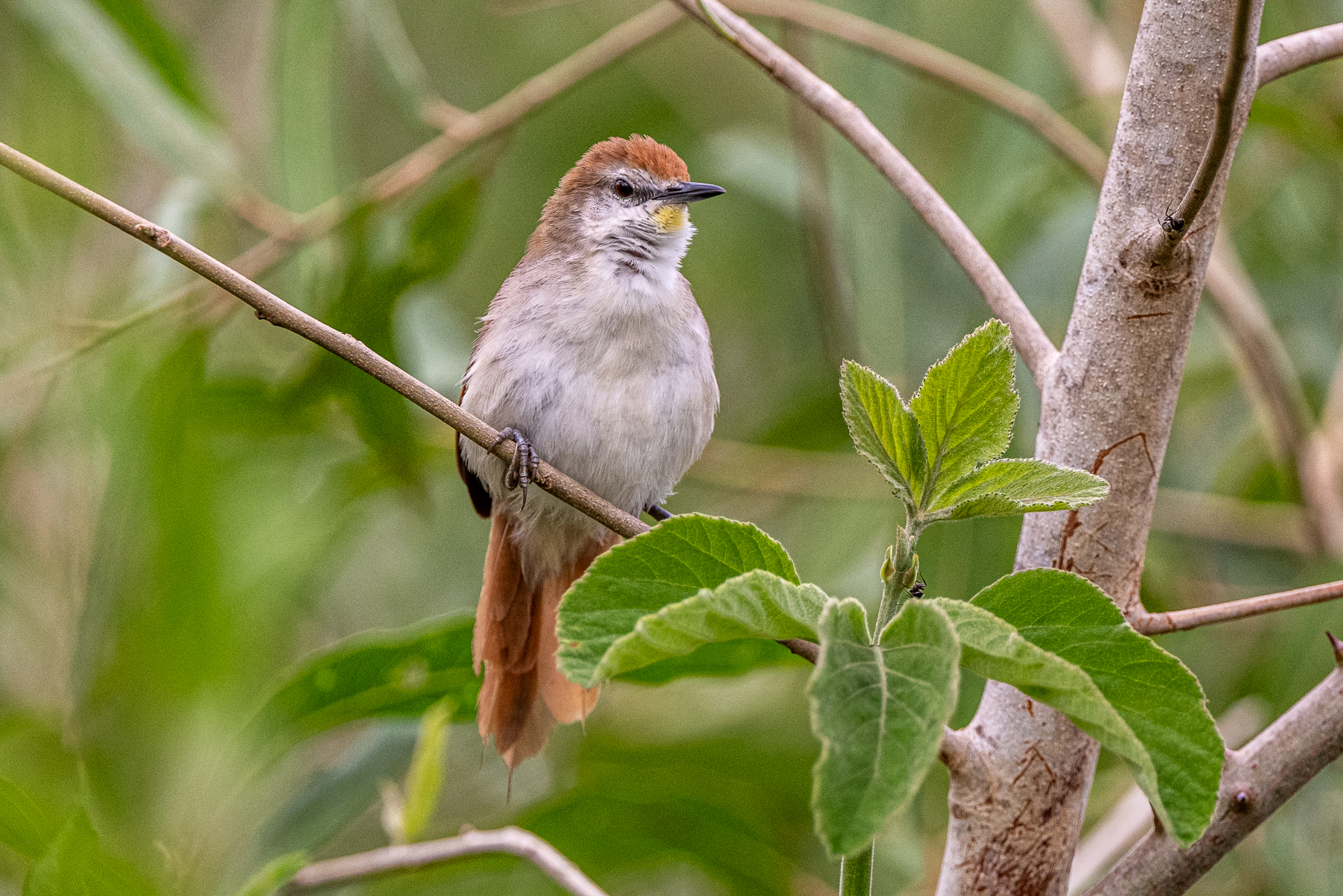
One of the many species of Spinetail, a curious Yellow-throated Spinetail (image by Oliver Krueger)
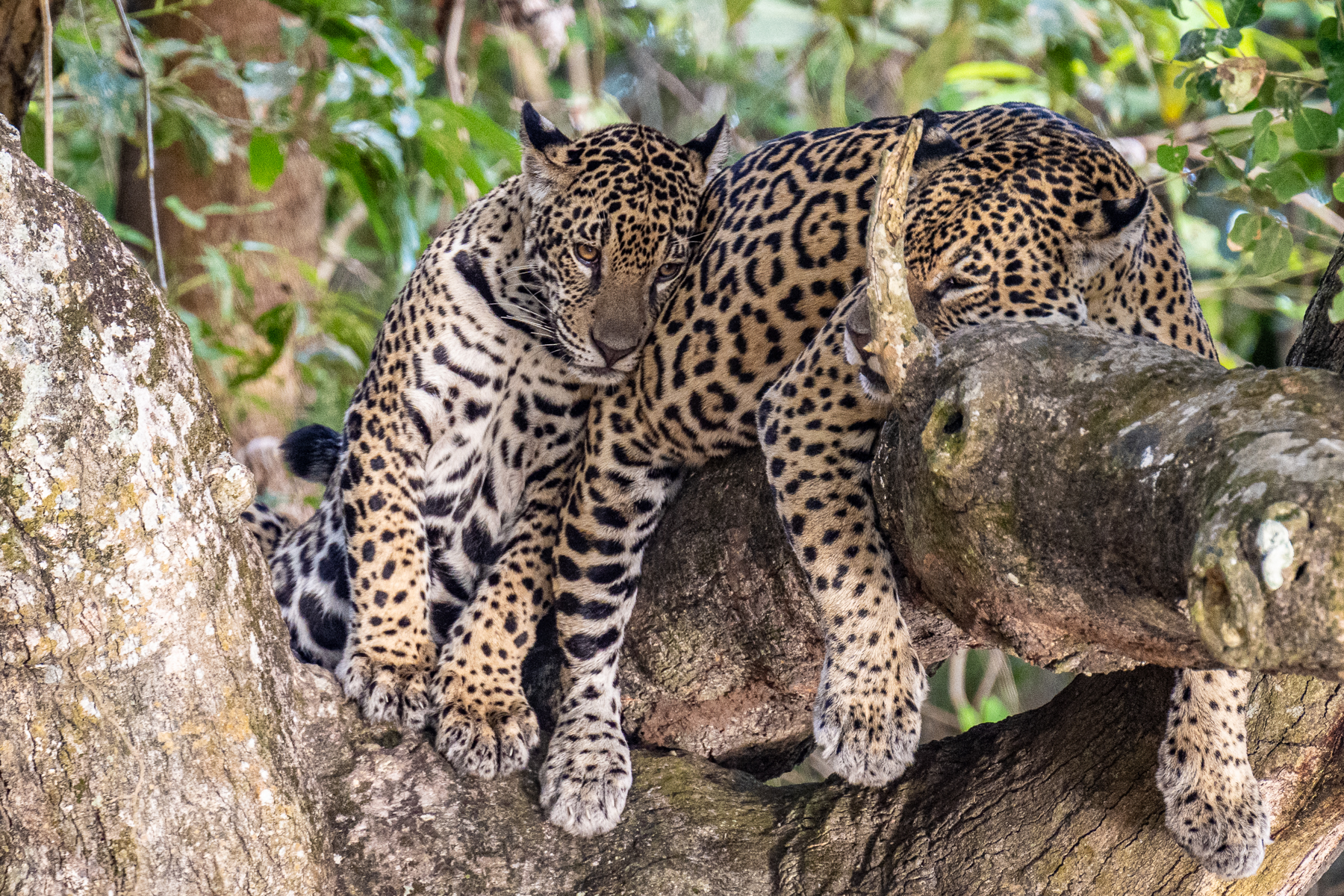
The cub reassures itself at Medrosa's side (image by Oliver Krueger)
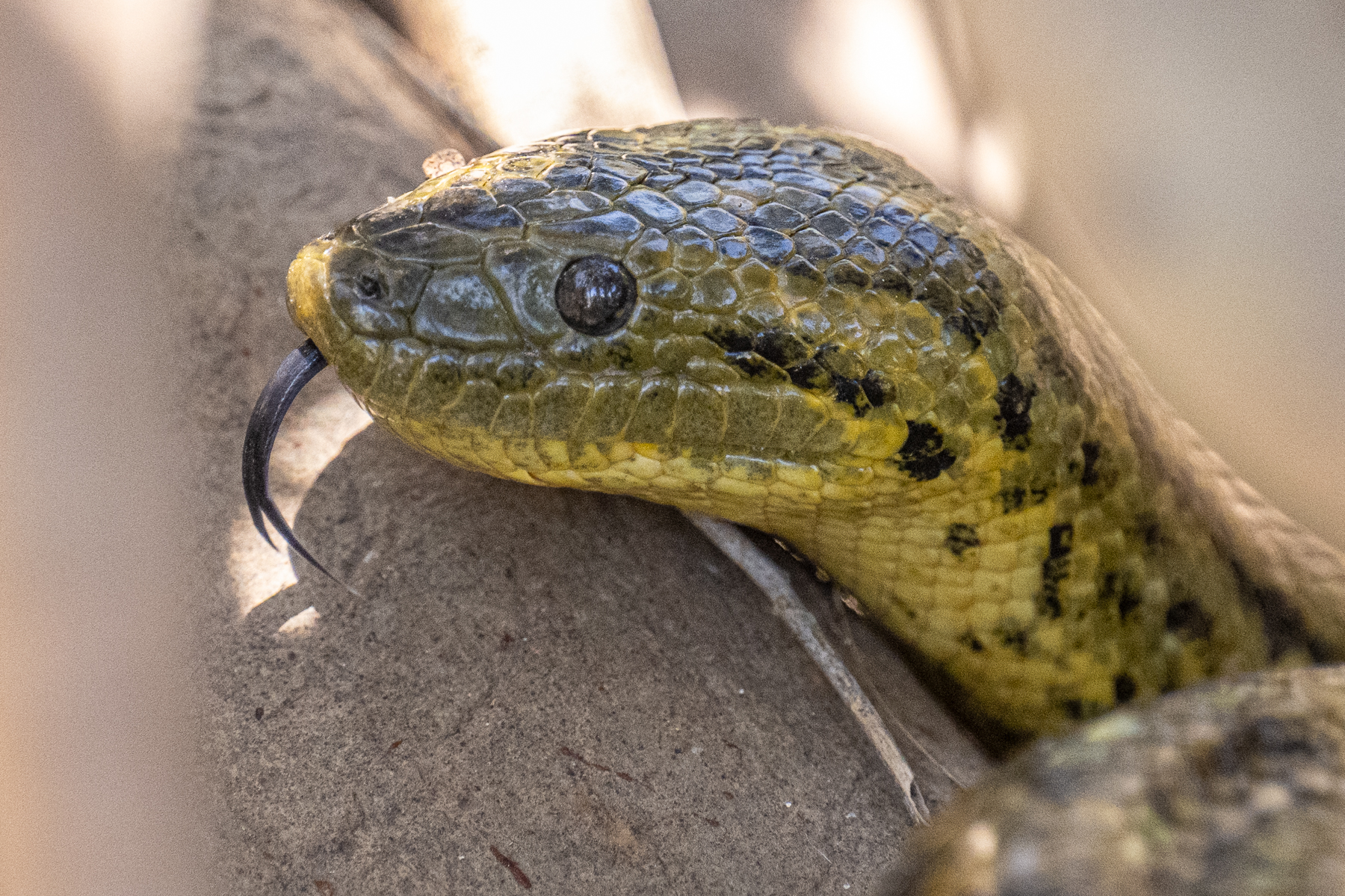
Although we found a total of five Yellow Anaconda, it was still very difficult to obtain an image of the head (image by Oliver Krueger)
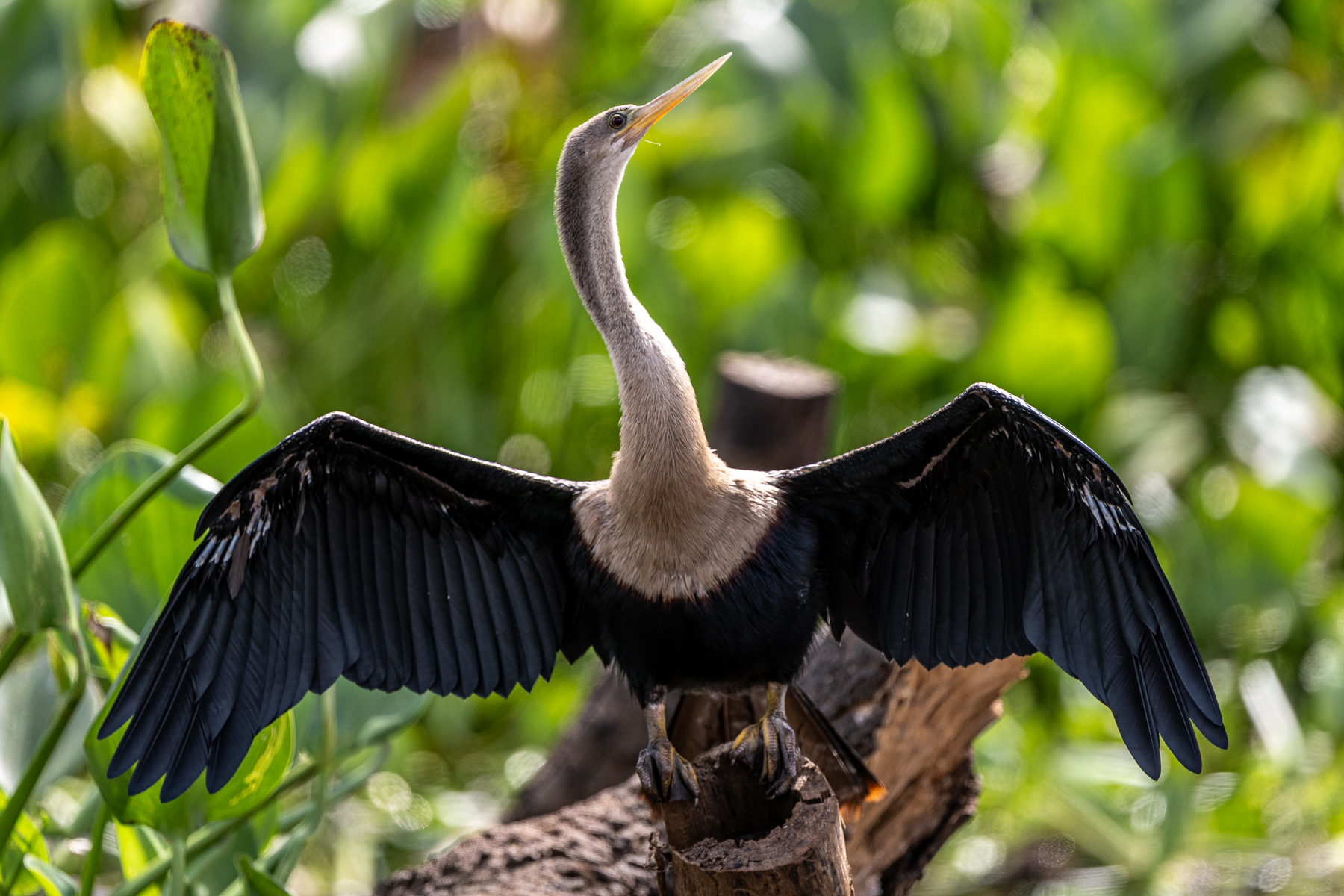
An Anhinga stretches its wings to dry after a fishing trip (image by Oliver Krueger)
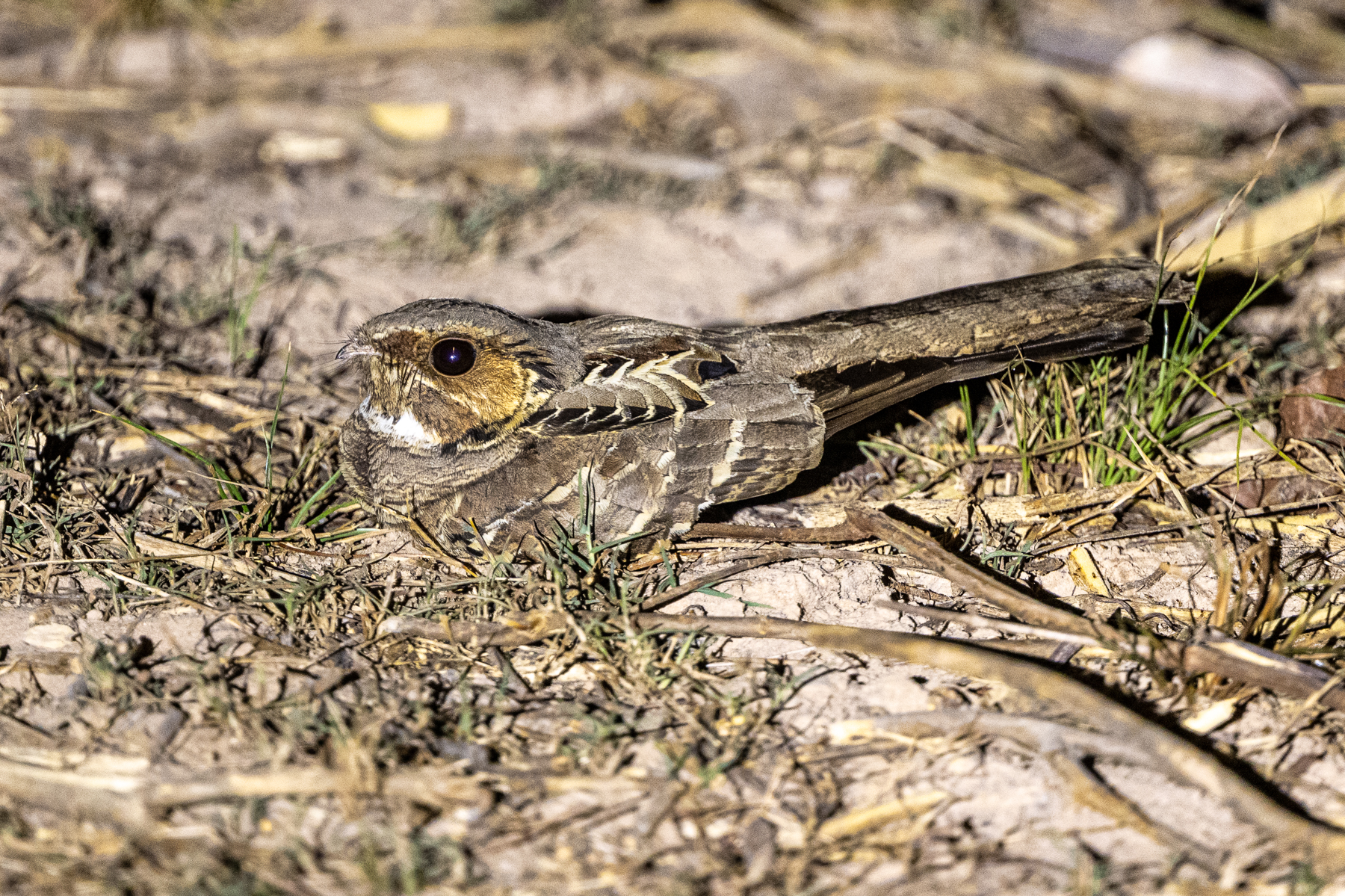
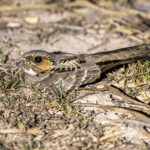
The Common Pauraque is the most common nightjar of the Pantanal (image by Oliver Krueger)
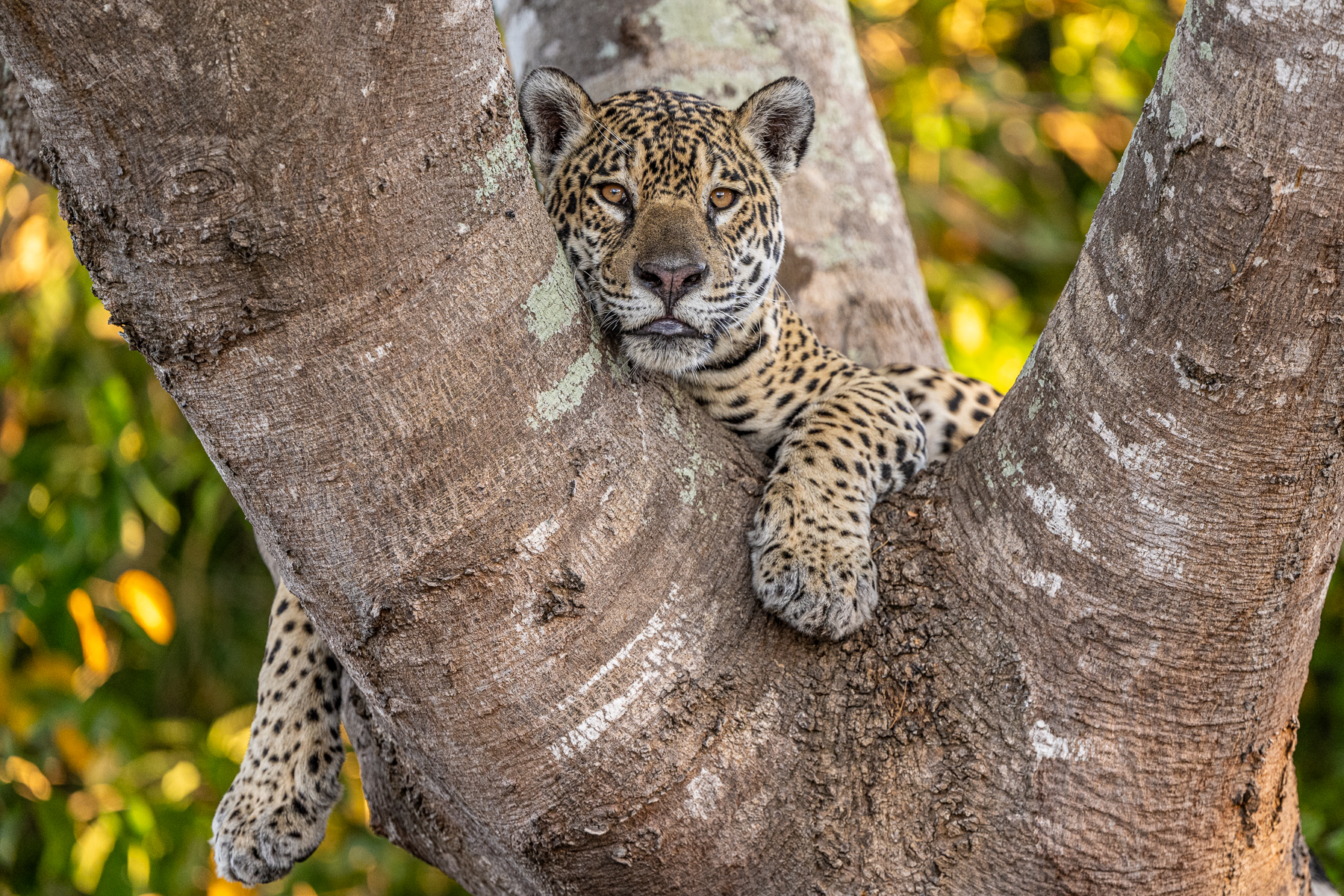
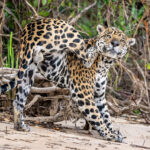
A Jaguar can go from relaxed mode into hunting mode in an instant (image by Oliver Krueger)
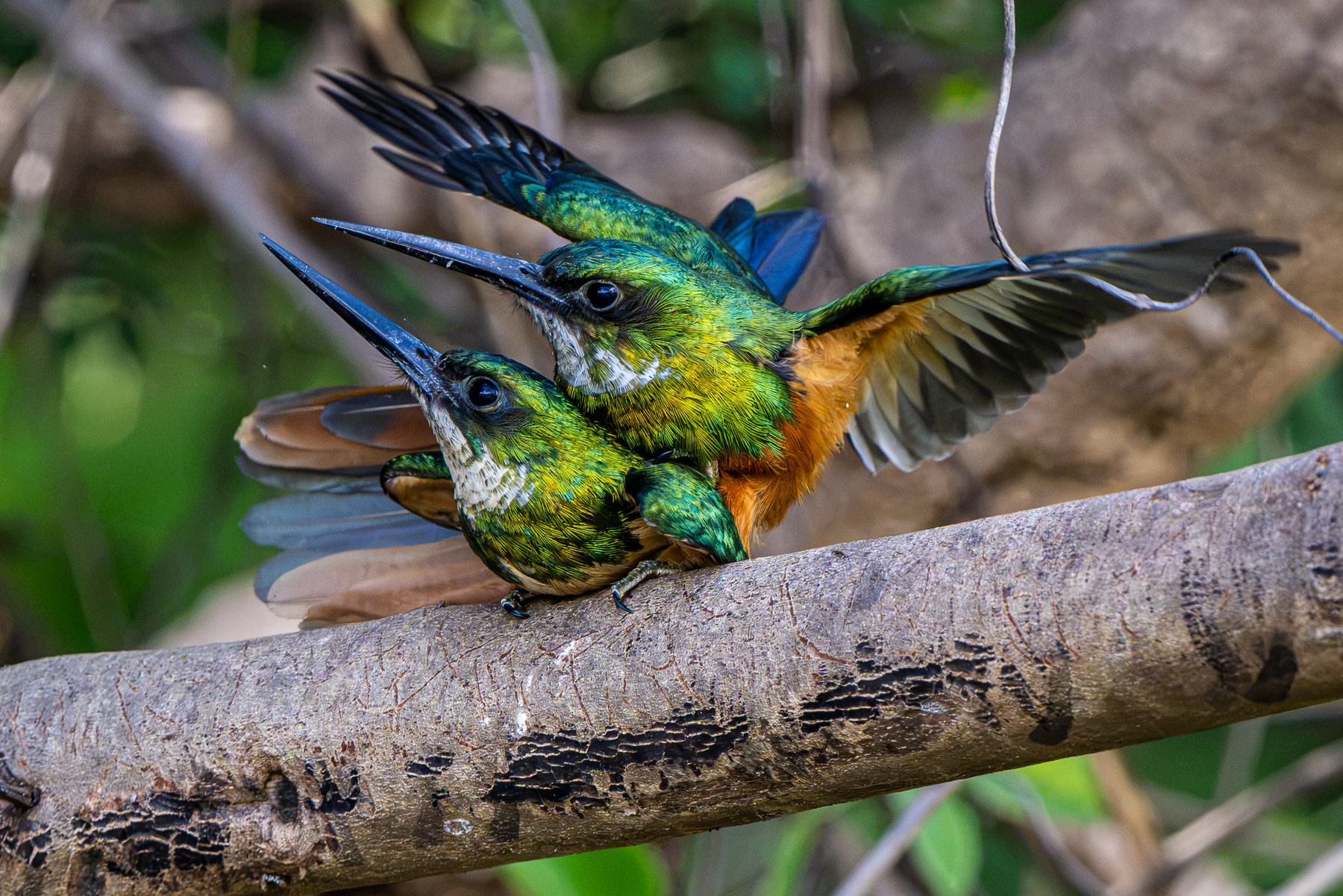
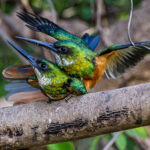
Love is in the air between these two Rufous-tailed Jacamars (image by Oliver Krueger)
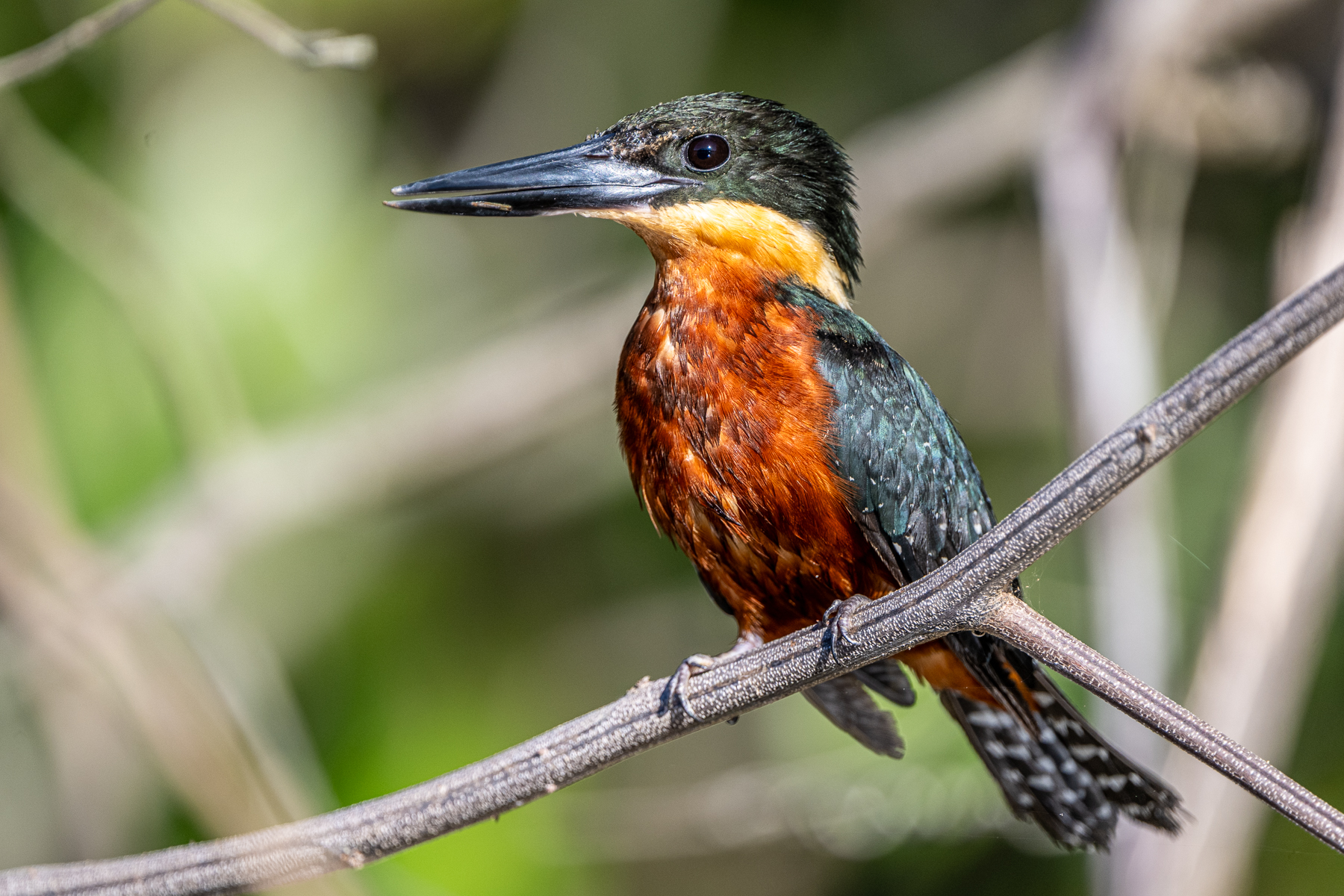
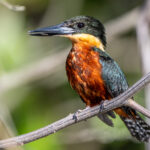
One of the real ornithological highlights of the trip was having a Green-and-rufous Kingfisher next to the boat (image by Oliver Krueger)
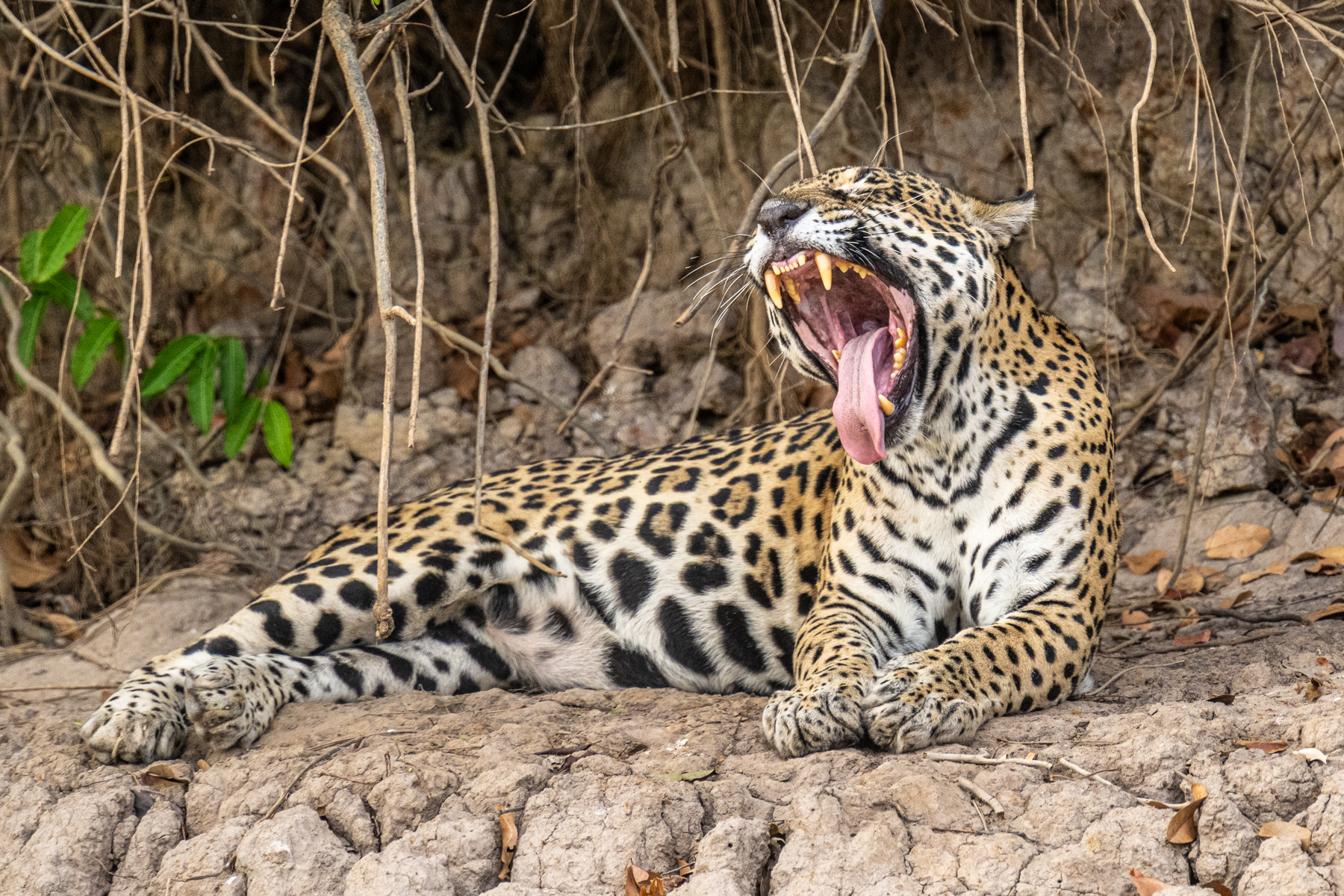
The female Jaguar "Jaju" displays its formidable teeth in a yawn (image by Oliver Krueger)
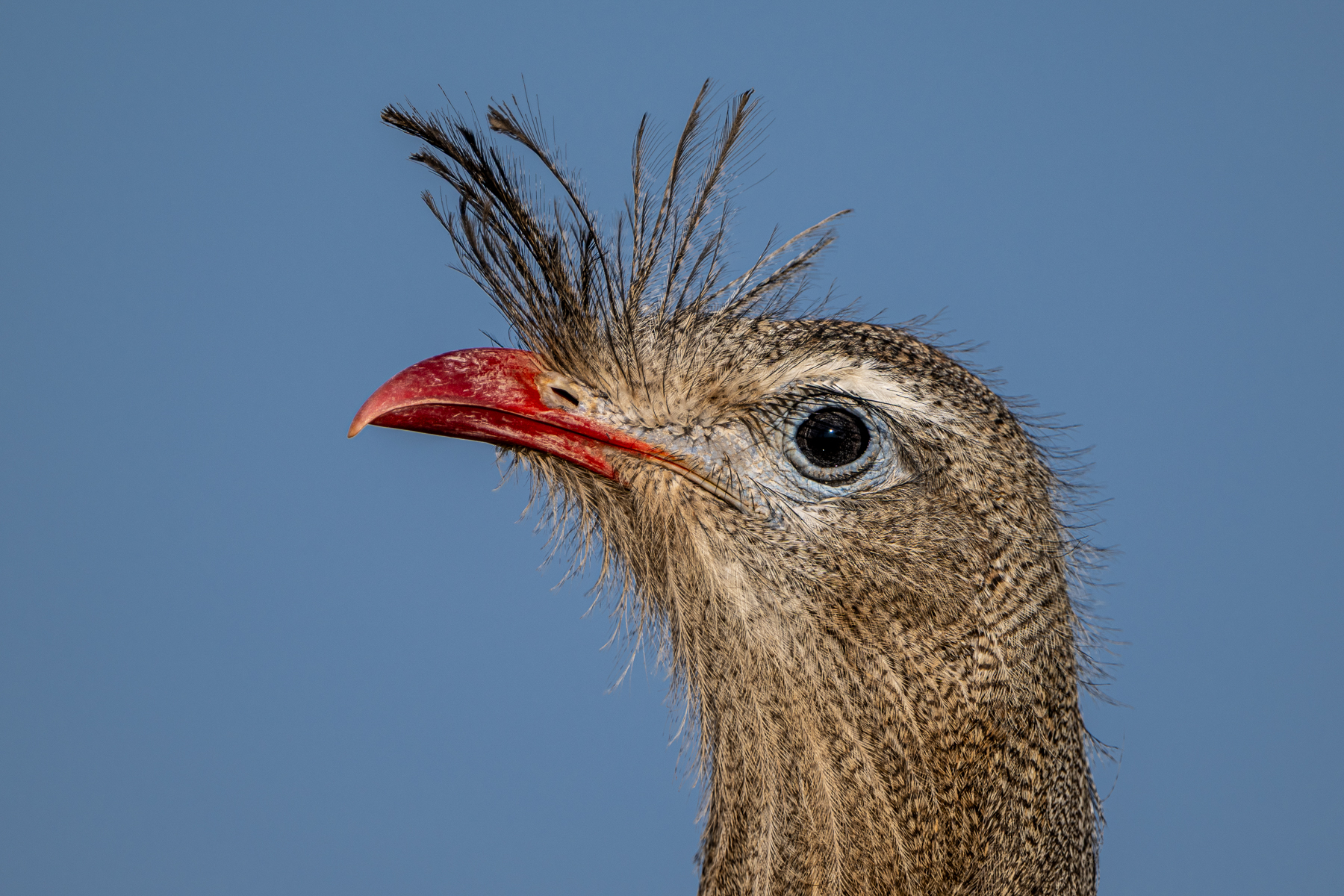
Red-legged Seriema close-up portrait (image by Oliver Krueger)
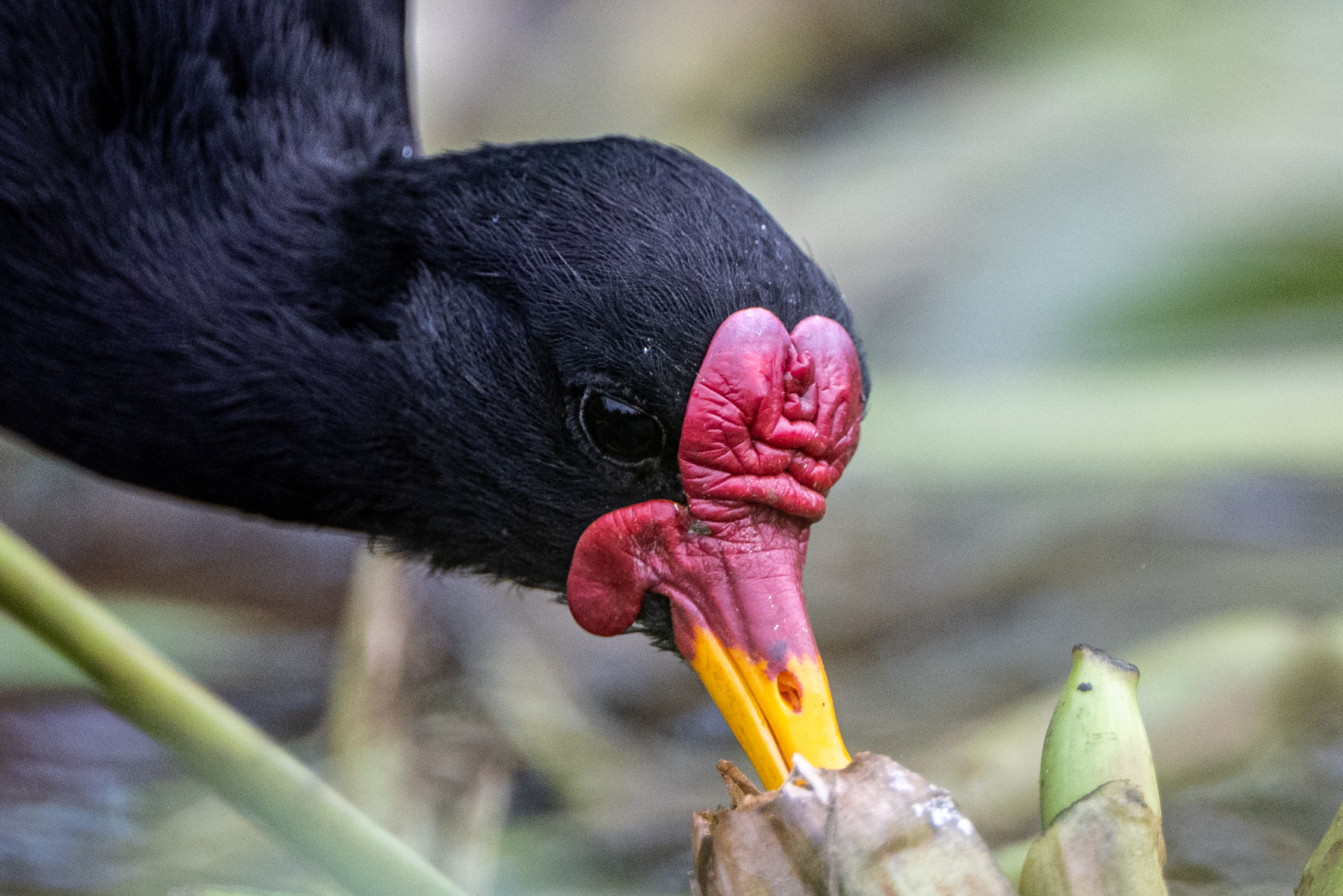
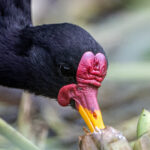
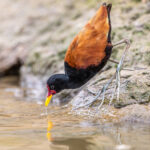
It is rare to get so close to a Wattled Jacana to take a head portrait (image by Oliver Krueger)
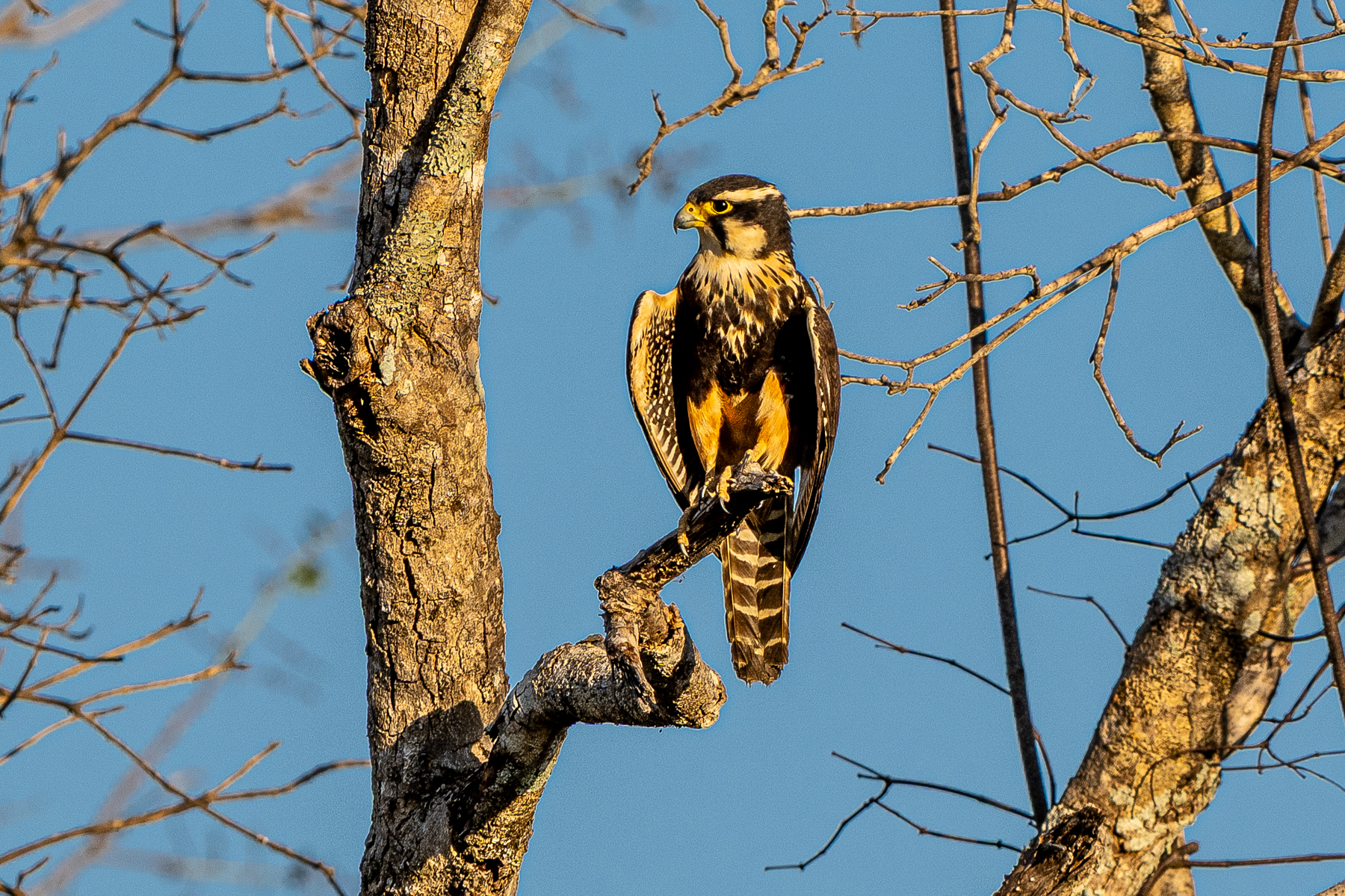
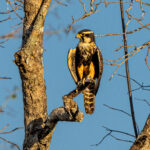
The Aplomado Falcon is a large, slender falcon species and a relatively rare sight in the Pantanal (image by Oliver Krueger)
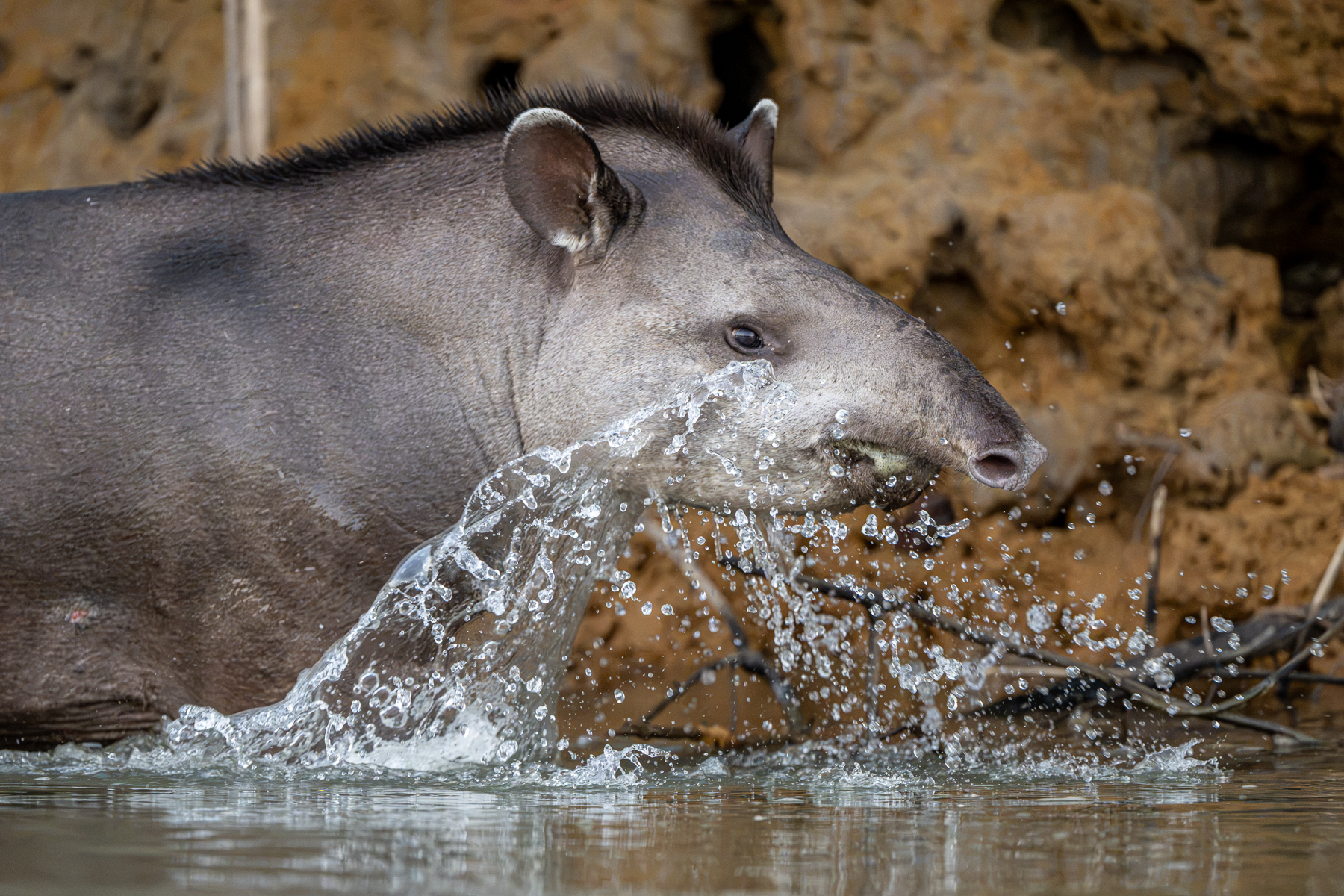
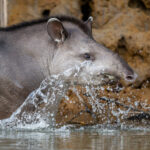
With their big feet and strong legs, Tapirs can make quite a splash (image by Oliver Krueger)
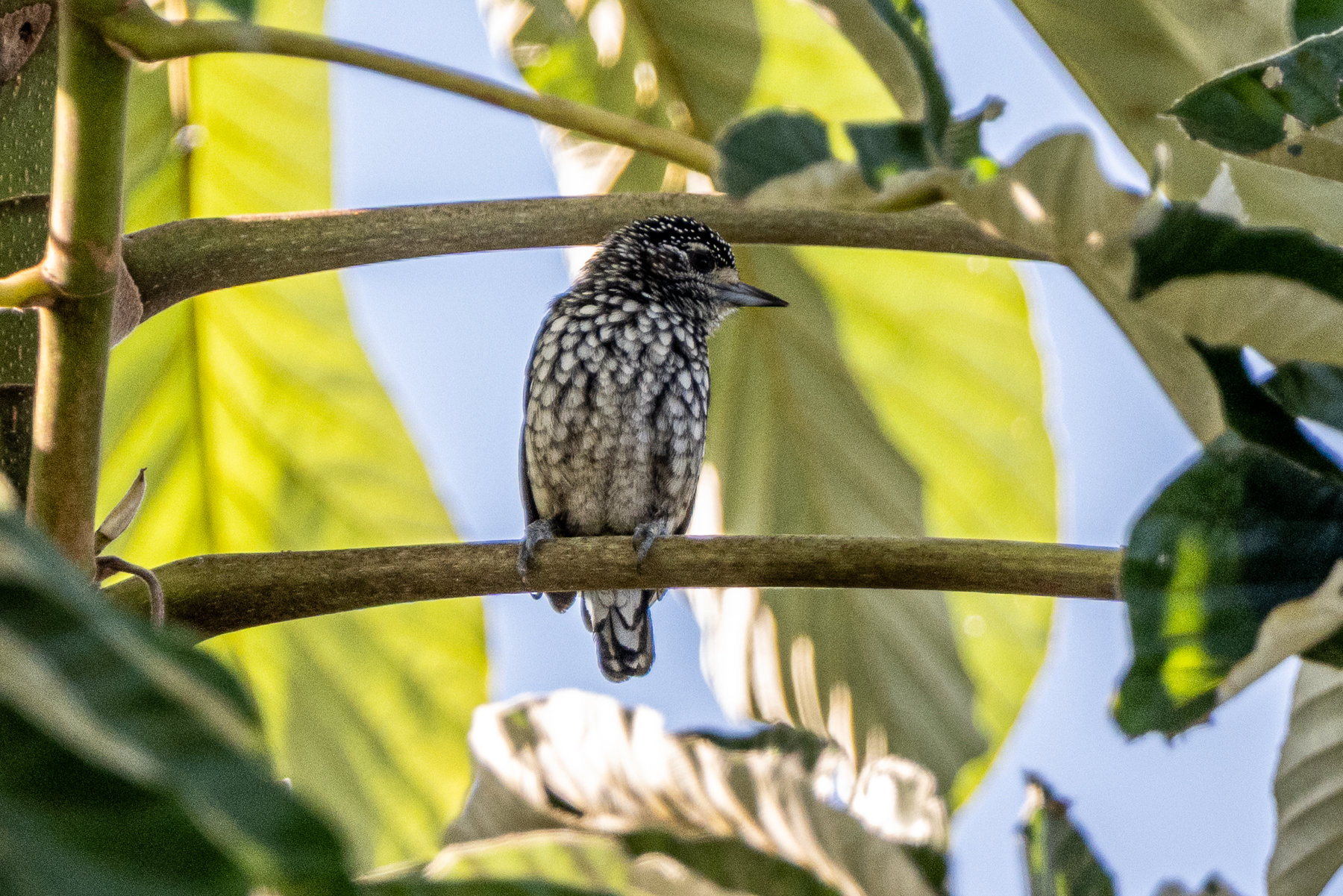
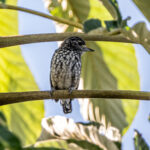
Rare to see and very difficult to photograph, the tiny (9 cm) White-wedged Piculet (image by Oliver Krueger)
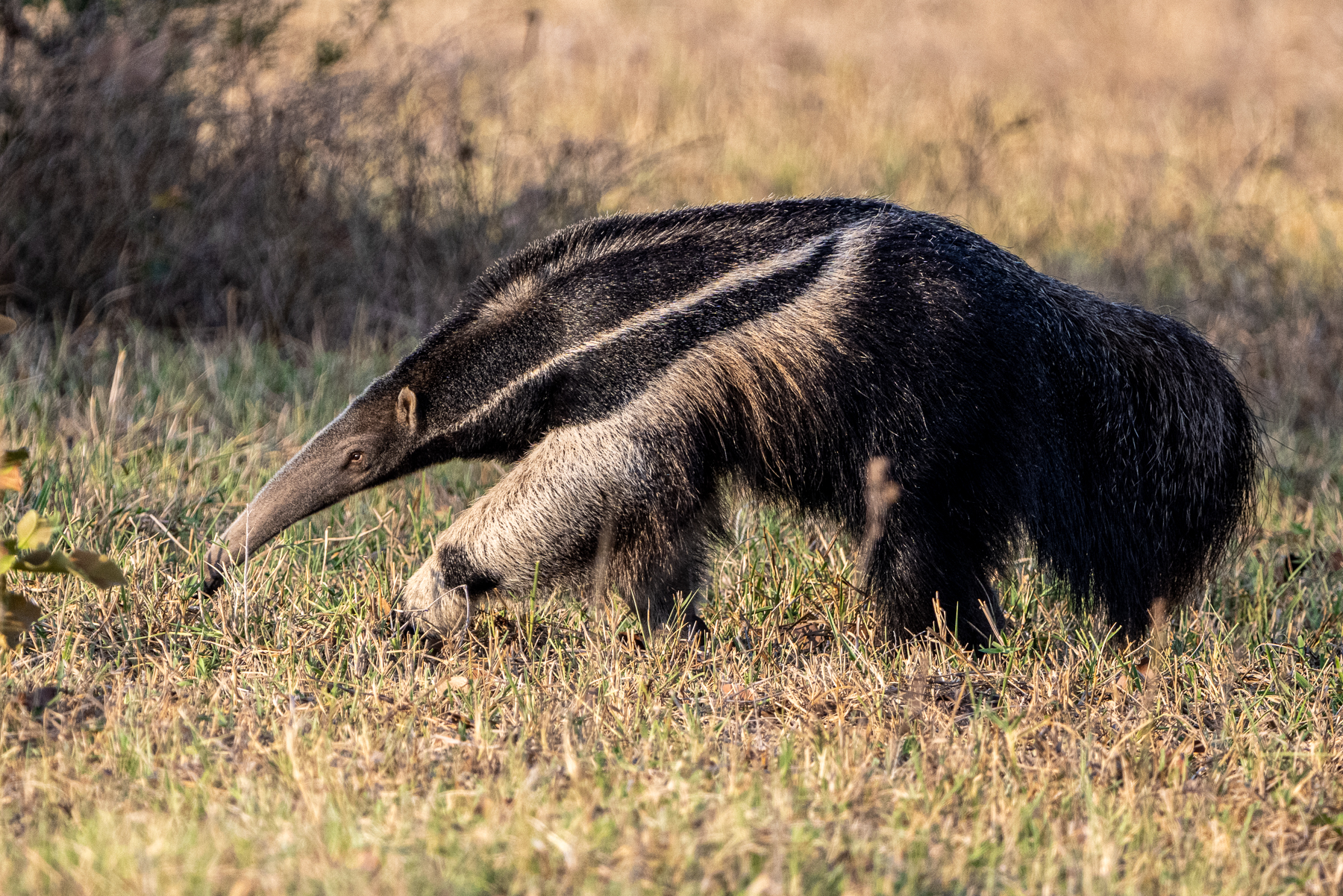
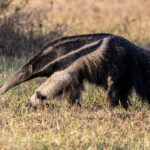
A Giant Anteater explores the savannah in search of Termite nests (image by Oliver Krueger)
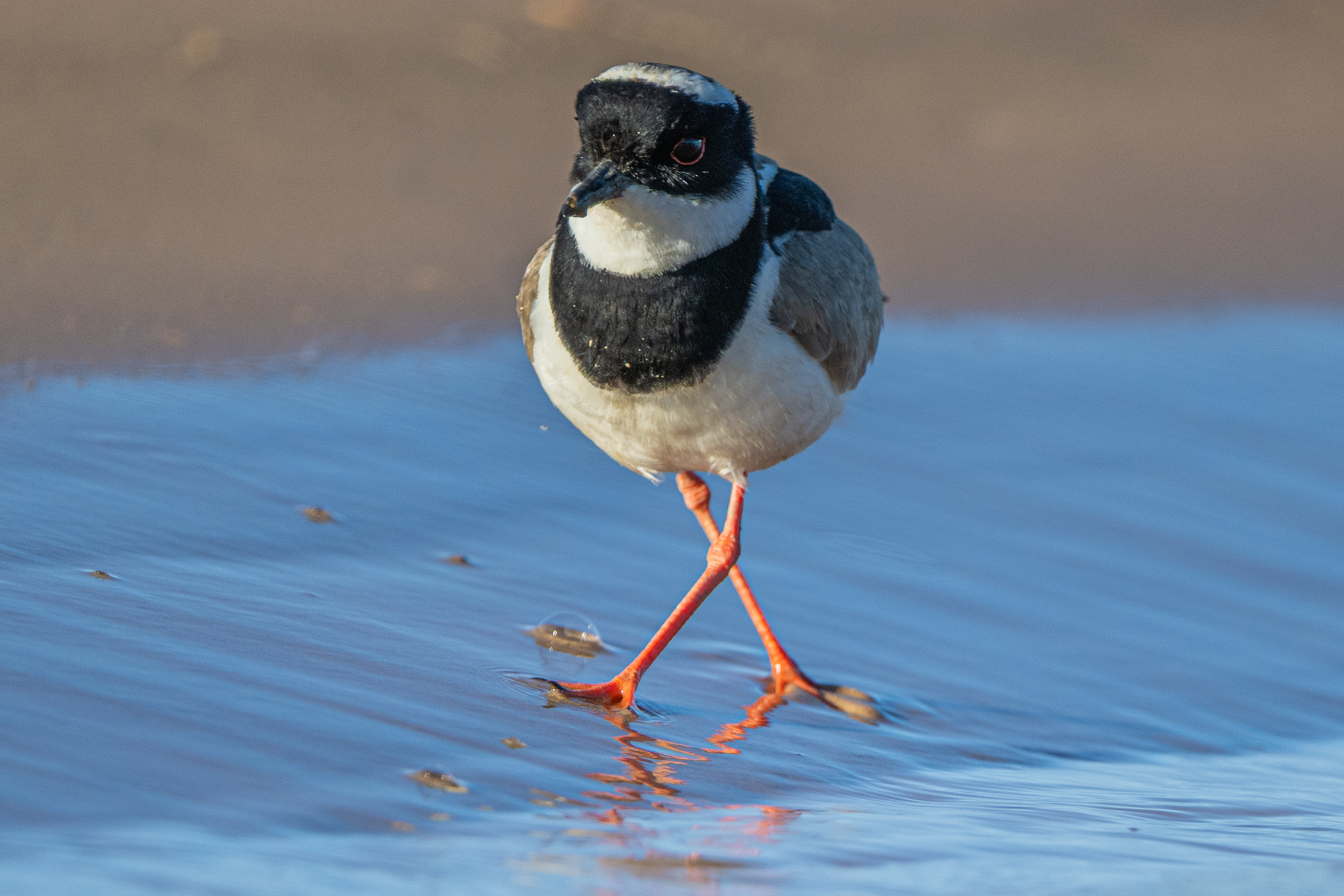
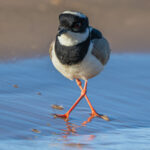
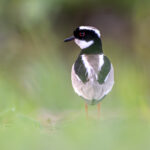
While it looks comical, the Pied Lapwing is very capable of walking the riversides in the Pantanal (image by Oliver Krueger)
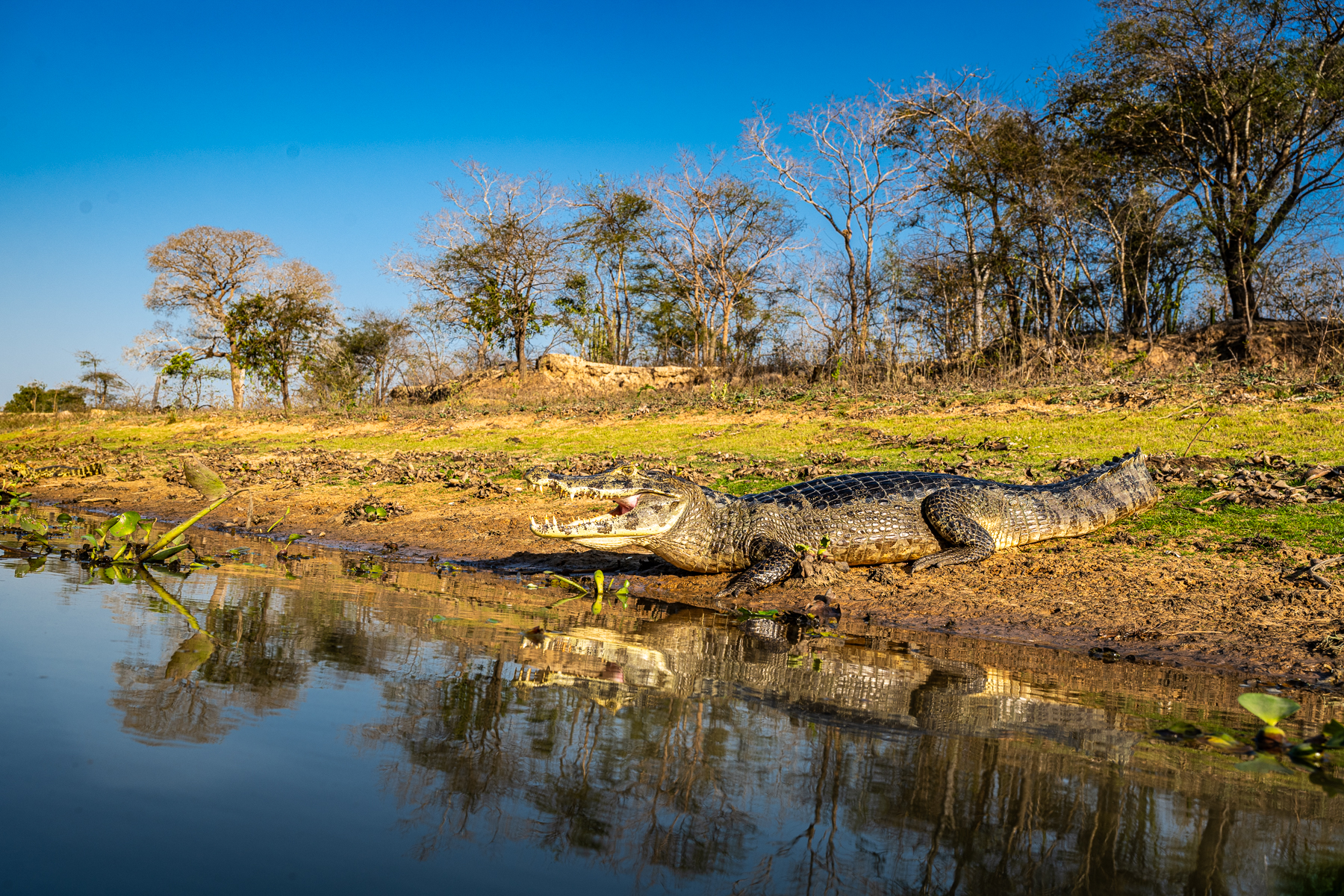
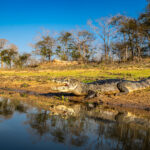
The abundance of Yacare Caimans in the Pantanal is beyond belief, so a wide angle lens can sometimes help (image by Oliver Krueger)
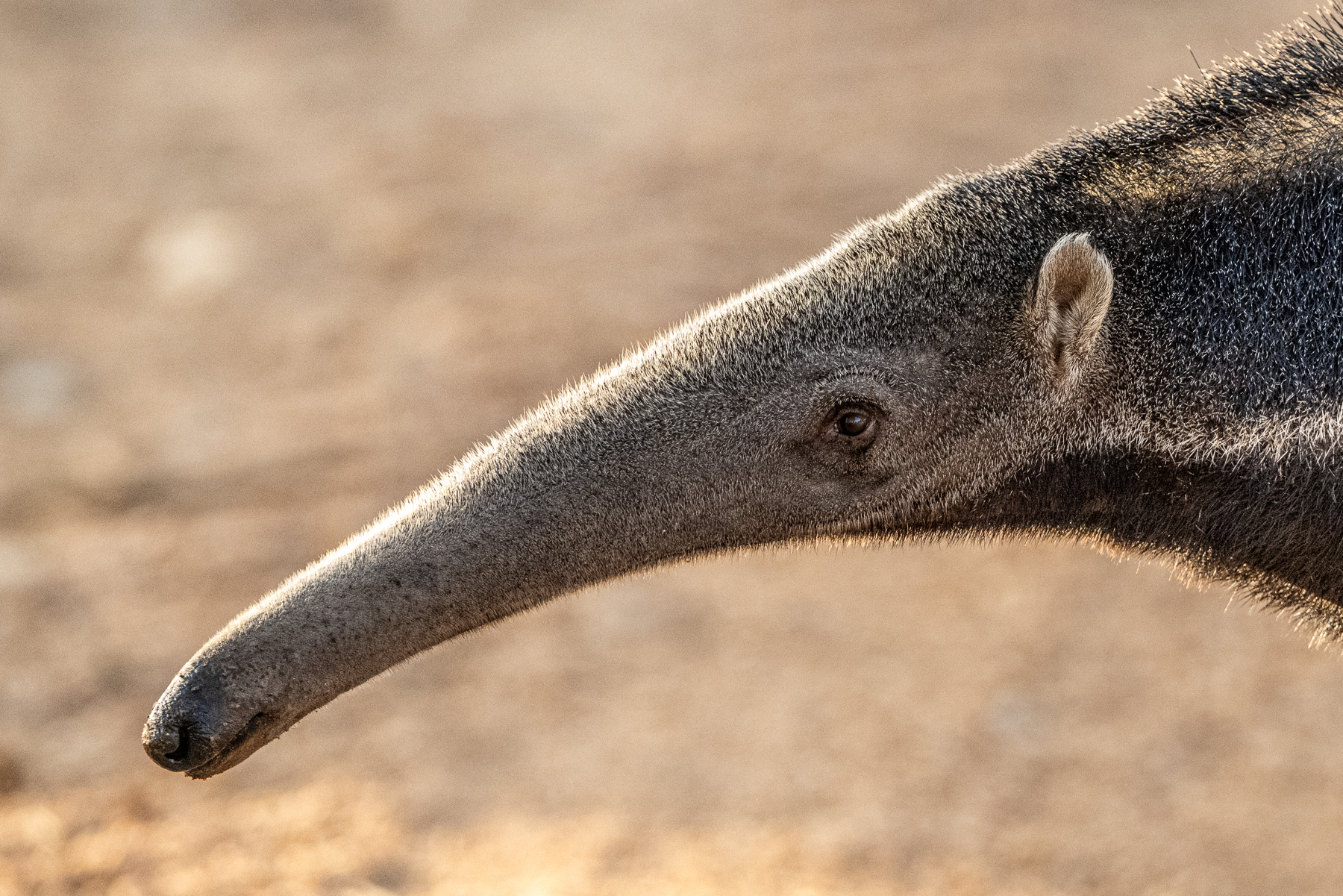
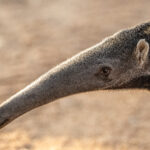
A trusting Giant Anteater came so close to the vehicle that head portraits were possible (image by Oliver Krueger)
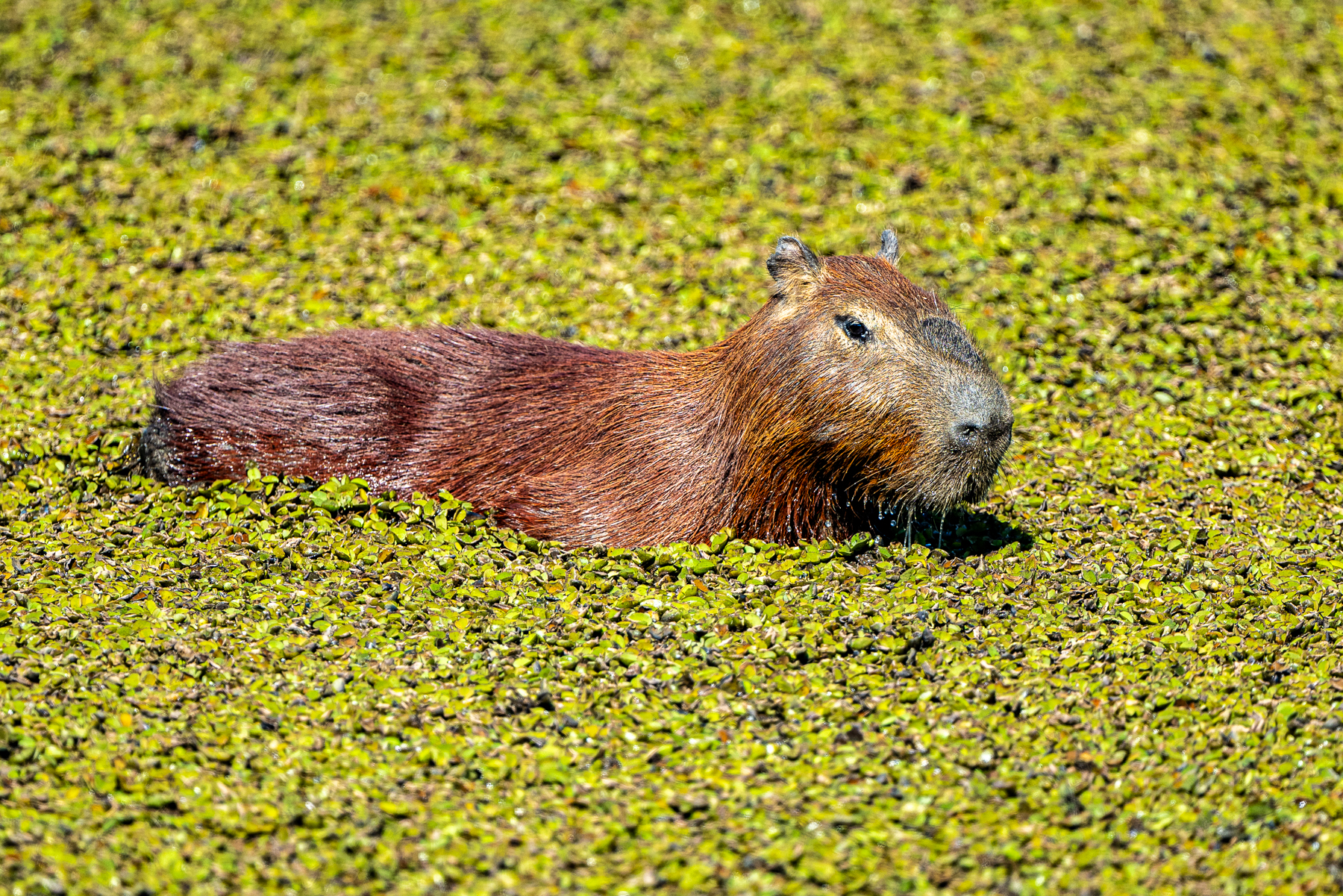
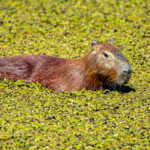
The Capybara is well adapted to life in the swamps of the Pantanal (image by Oliver Krueger)
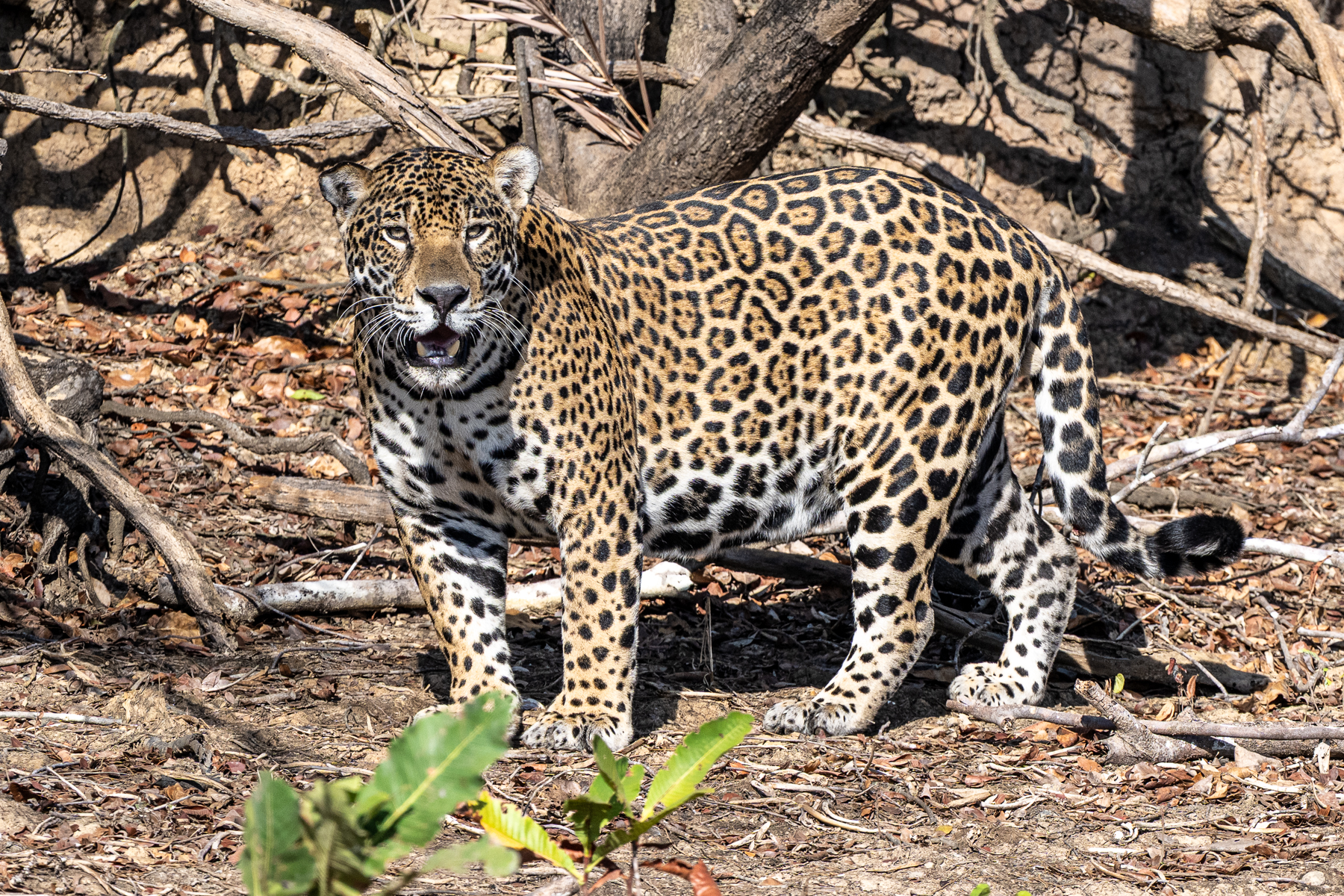
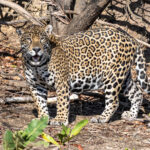
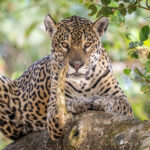
The first Jaguar of the trip, a very impressive male (image by Oliver Krueger)
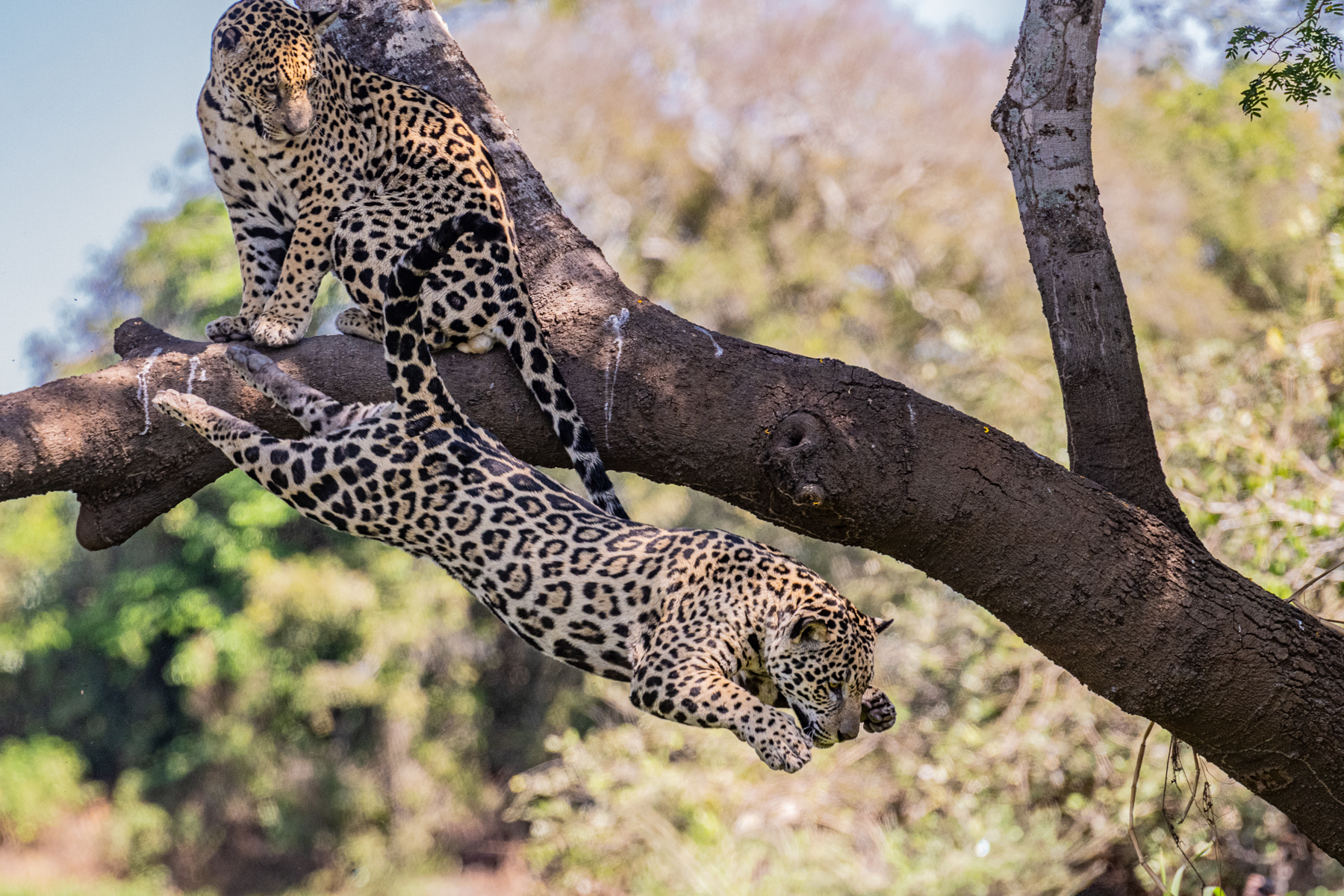
Jaguar "Makala" jumps off the branch that "Pantaneiro" did not really want to share (image by Oliver Krueger)
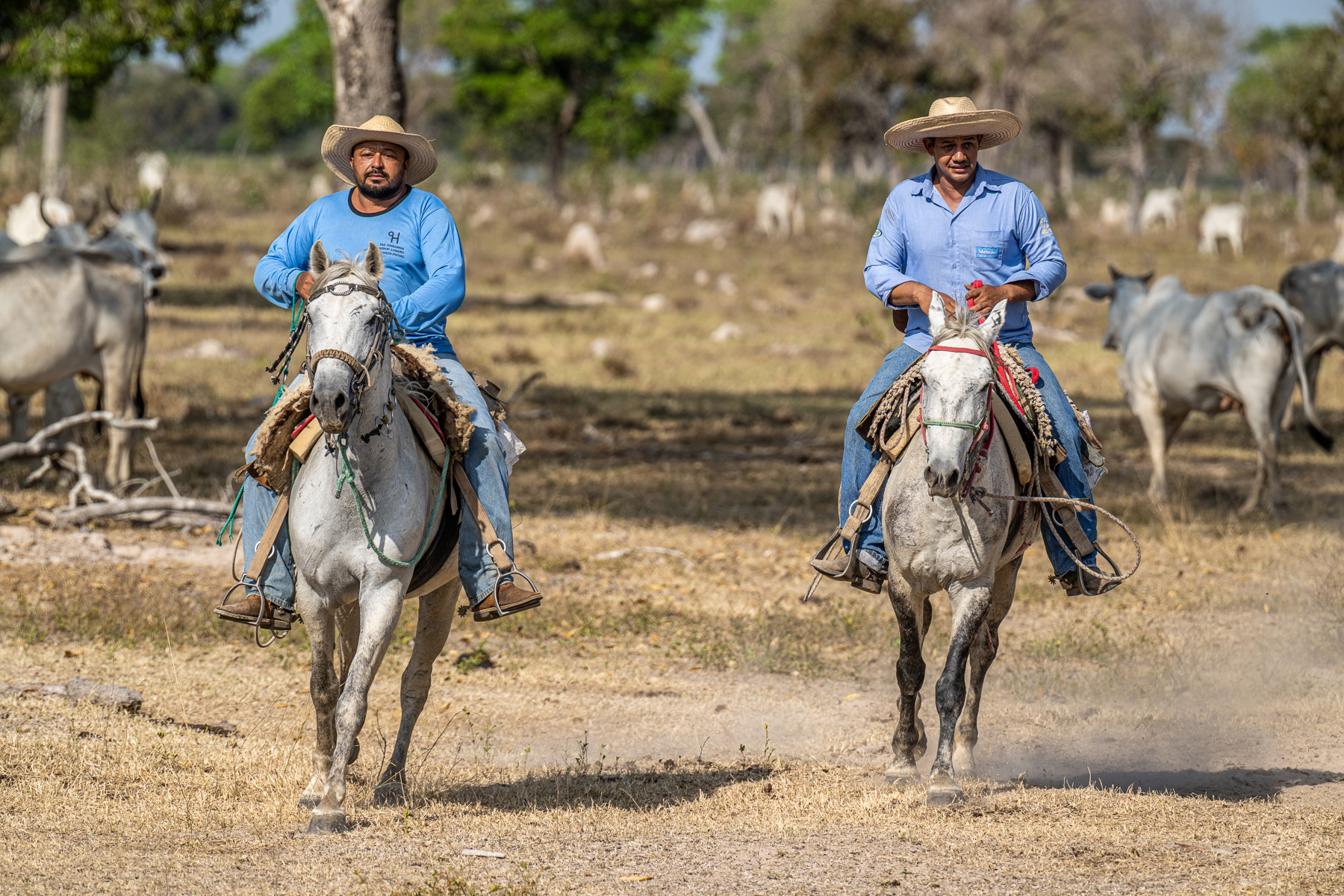
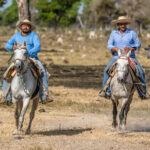
The Pantanal has been farmed for centuries, and the people doing so are called Pantaneiros (image by Oliver Krueger)
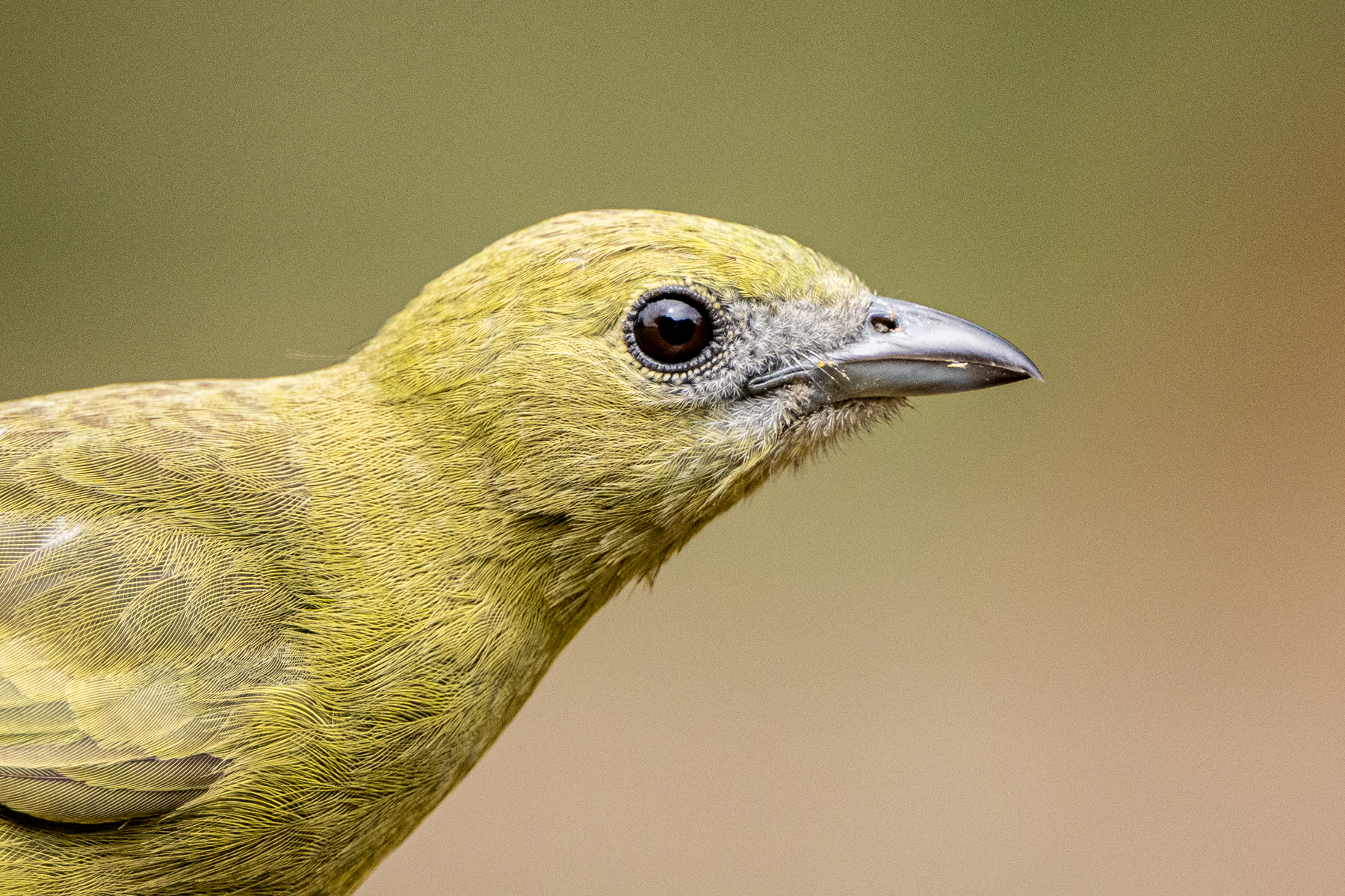
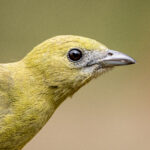
Easily taken for granted as it is very common, the Palm Tanager is still a handsome species (image by Oliver Krueger)
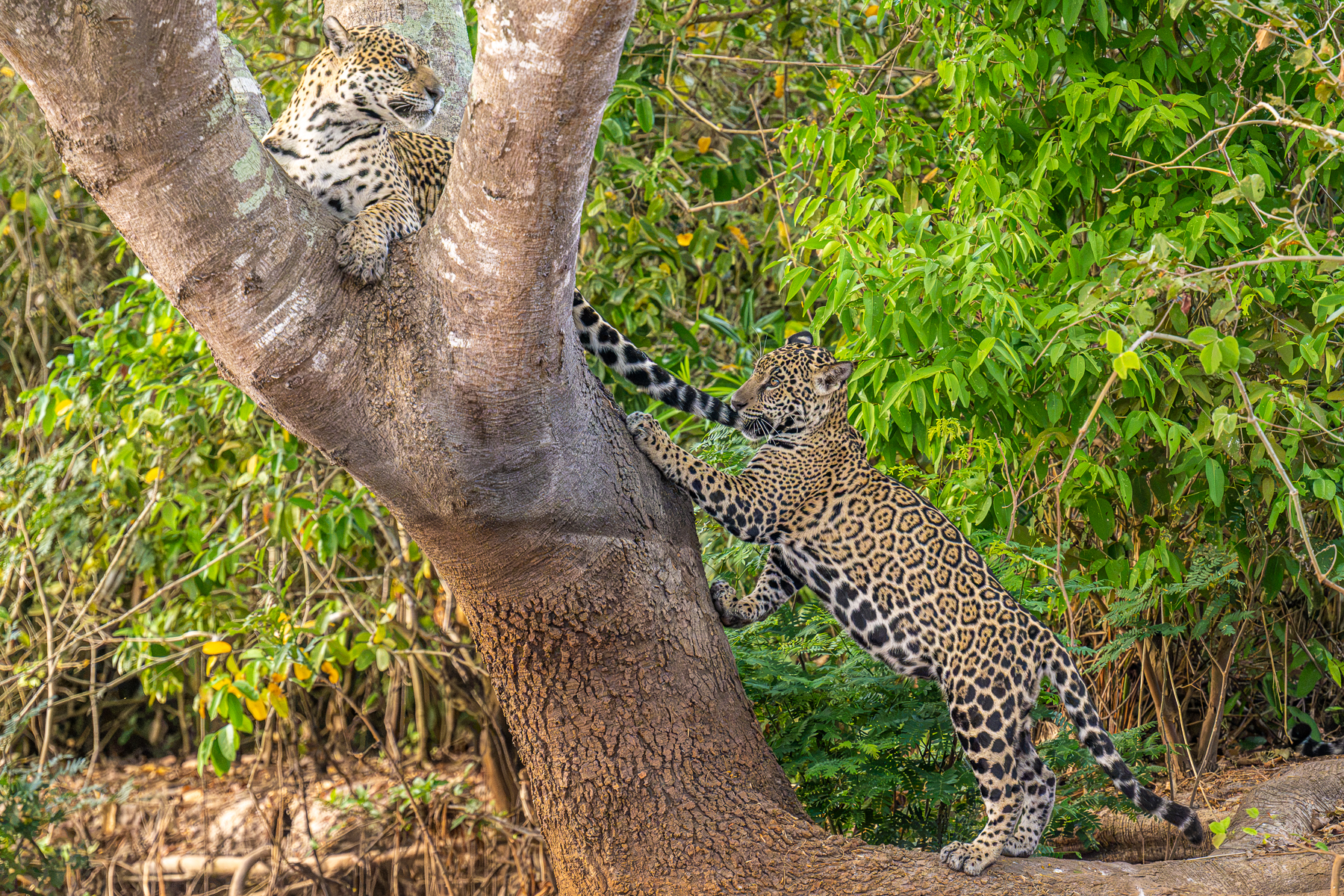
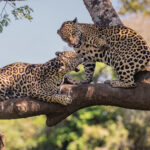
Mother's tale is a wonderful toy for Medrosa's cub (image by Oliver Krueger)
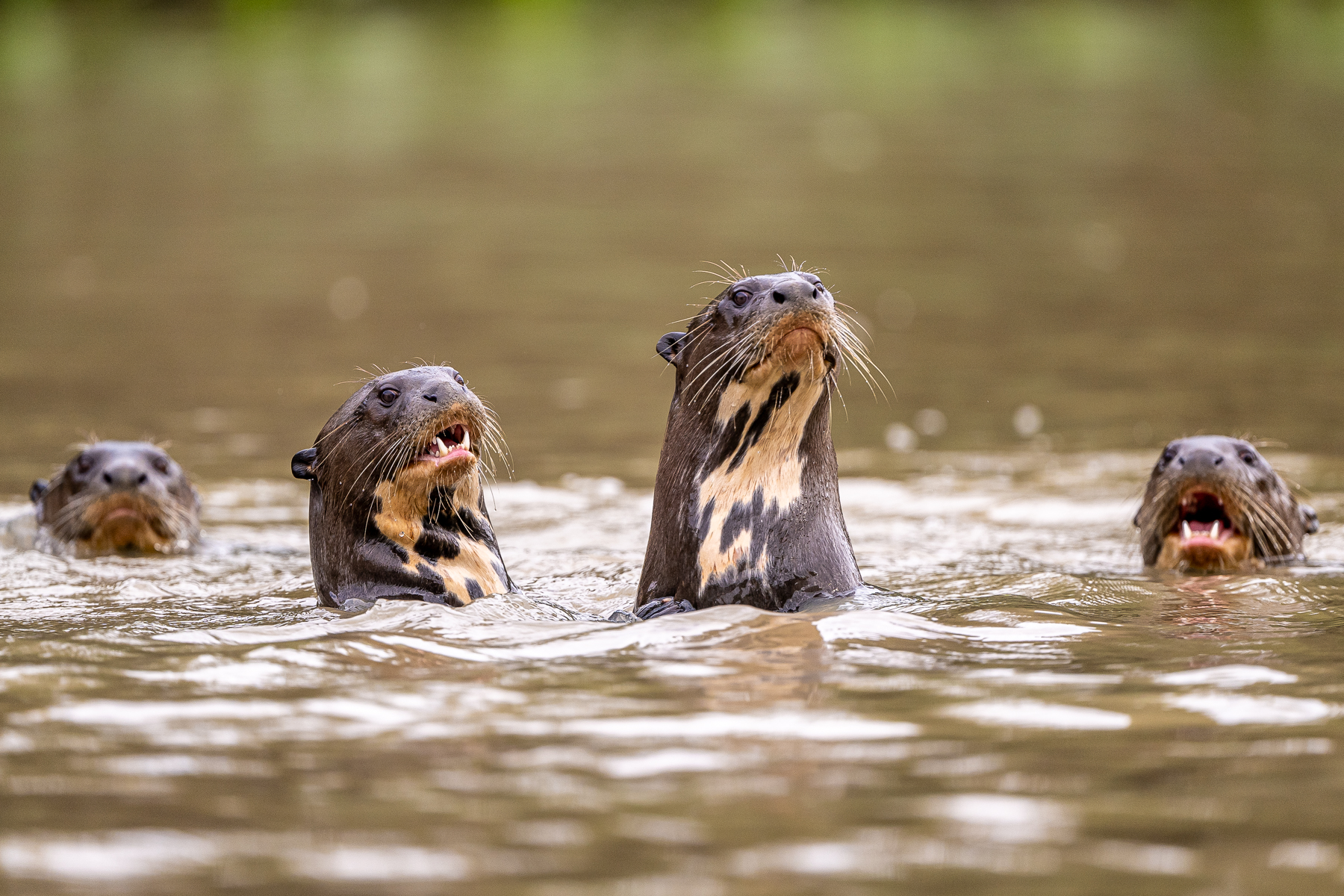
Always alert and curious, a group of Giant Otters inspects (image by Oliver Krueger)
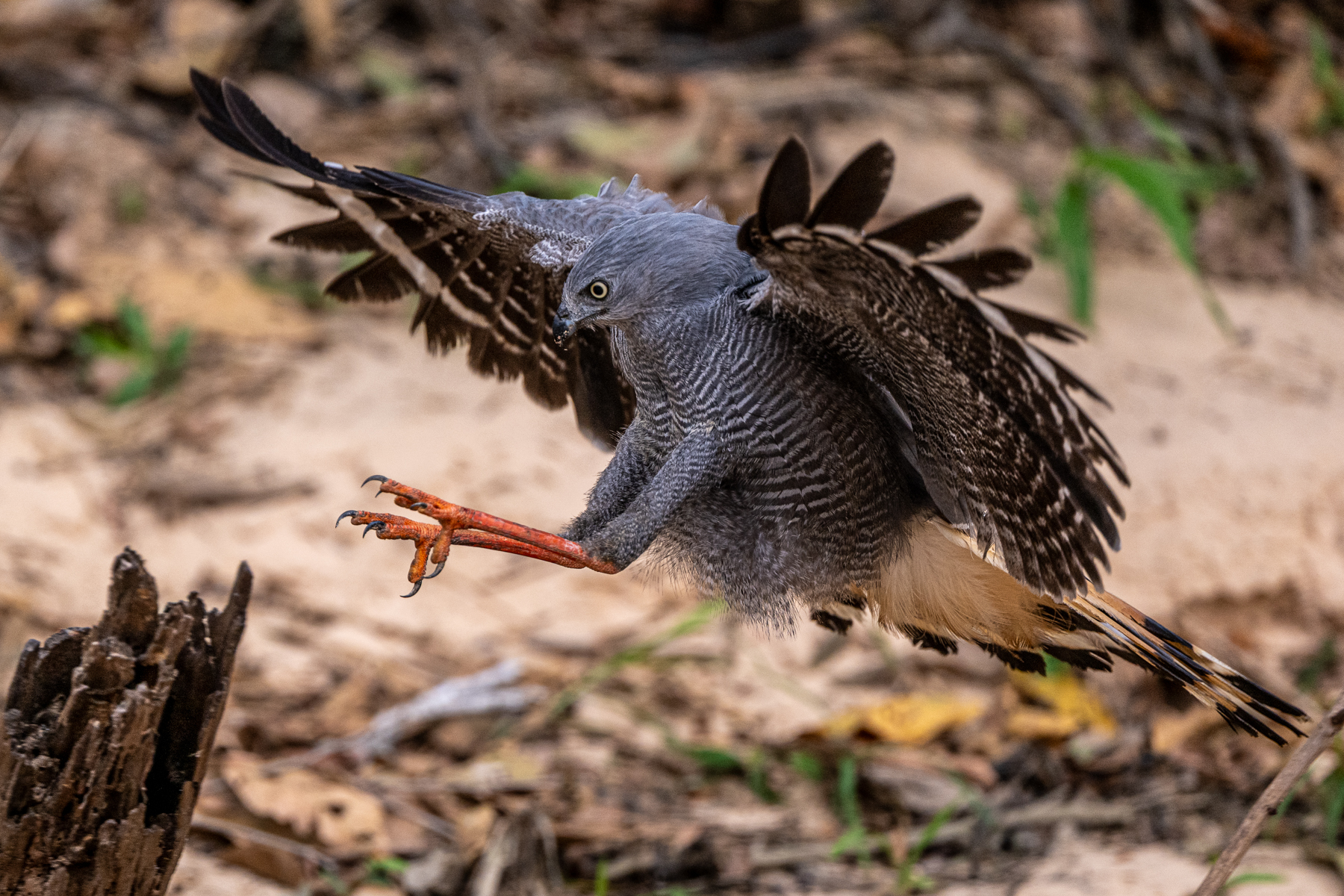
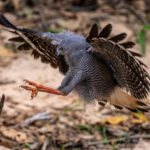
A Crane Hawk stretches its long legs on approach to a perch (image by Oliver Krueger)
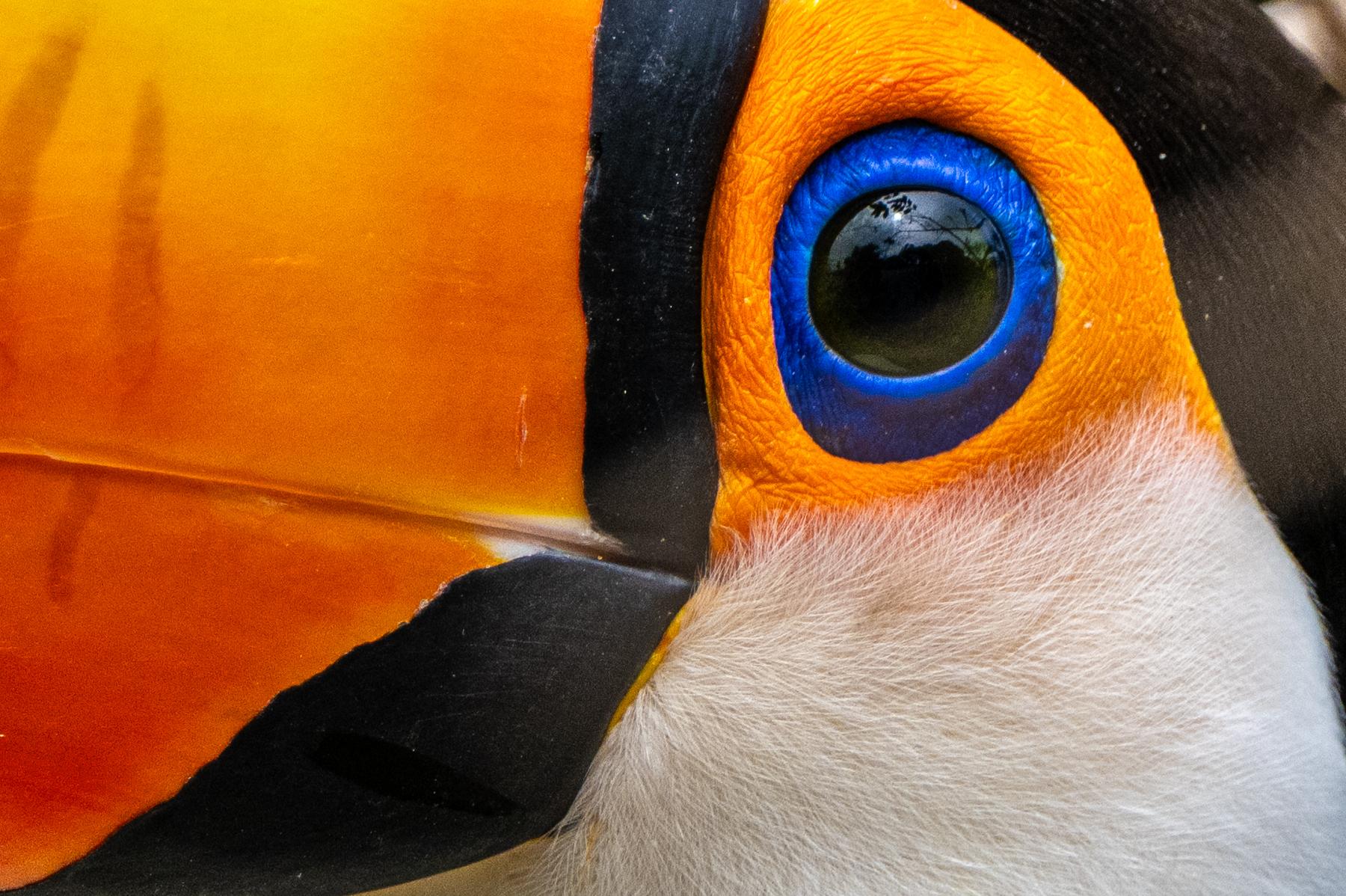
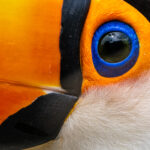
Toco Toucan close-up (image by Oliver Krueger)
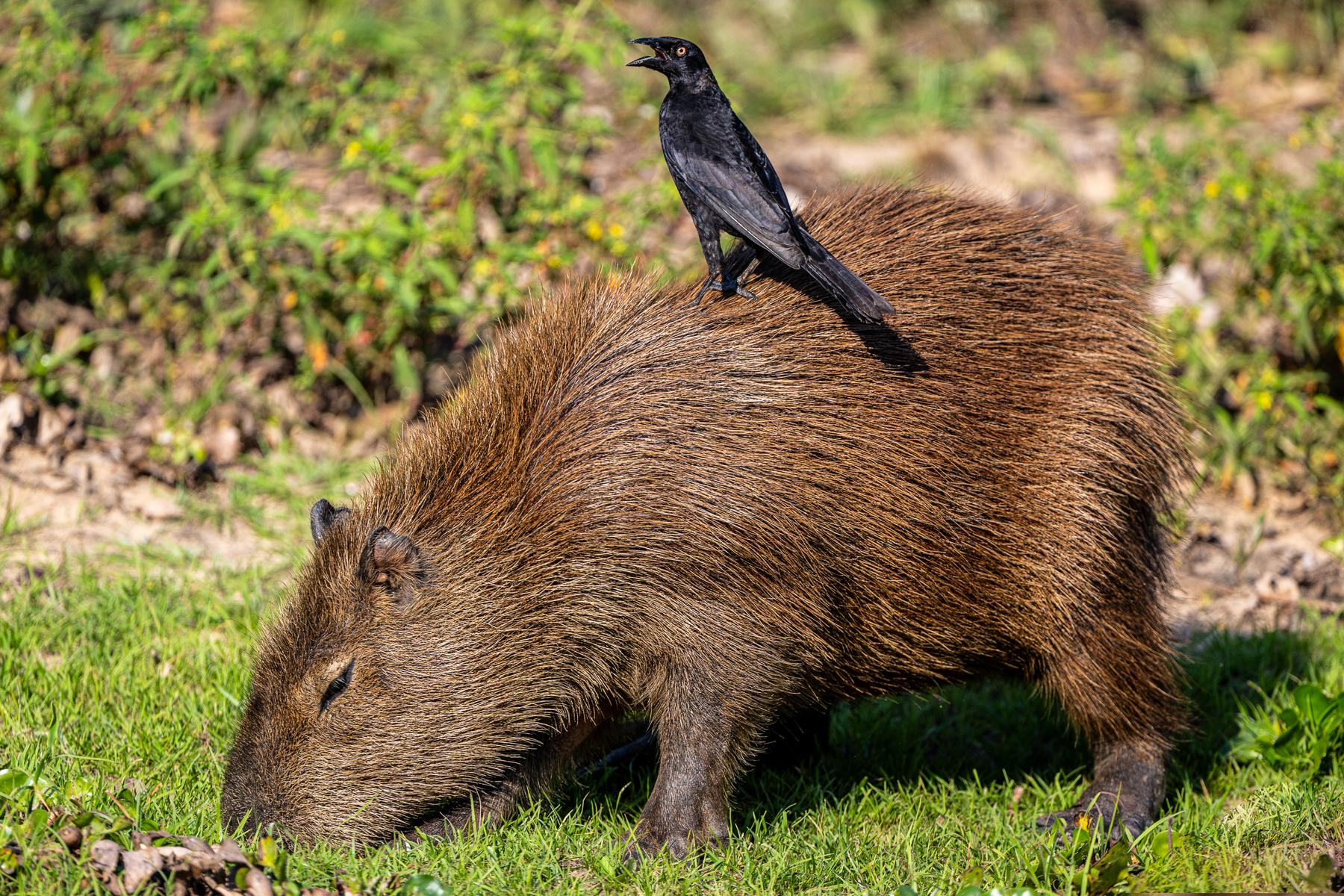
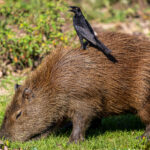
Catching a Capybara for a ride is rather unusual for a Giant Cowbird (image by Oliver Krueger)
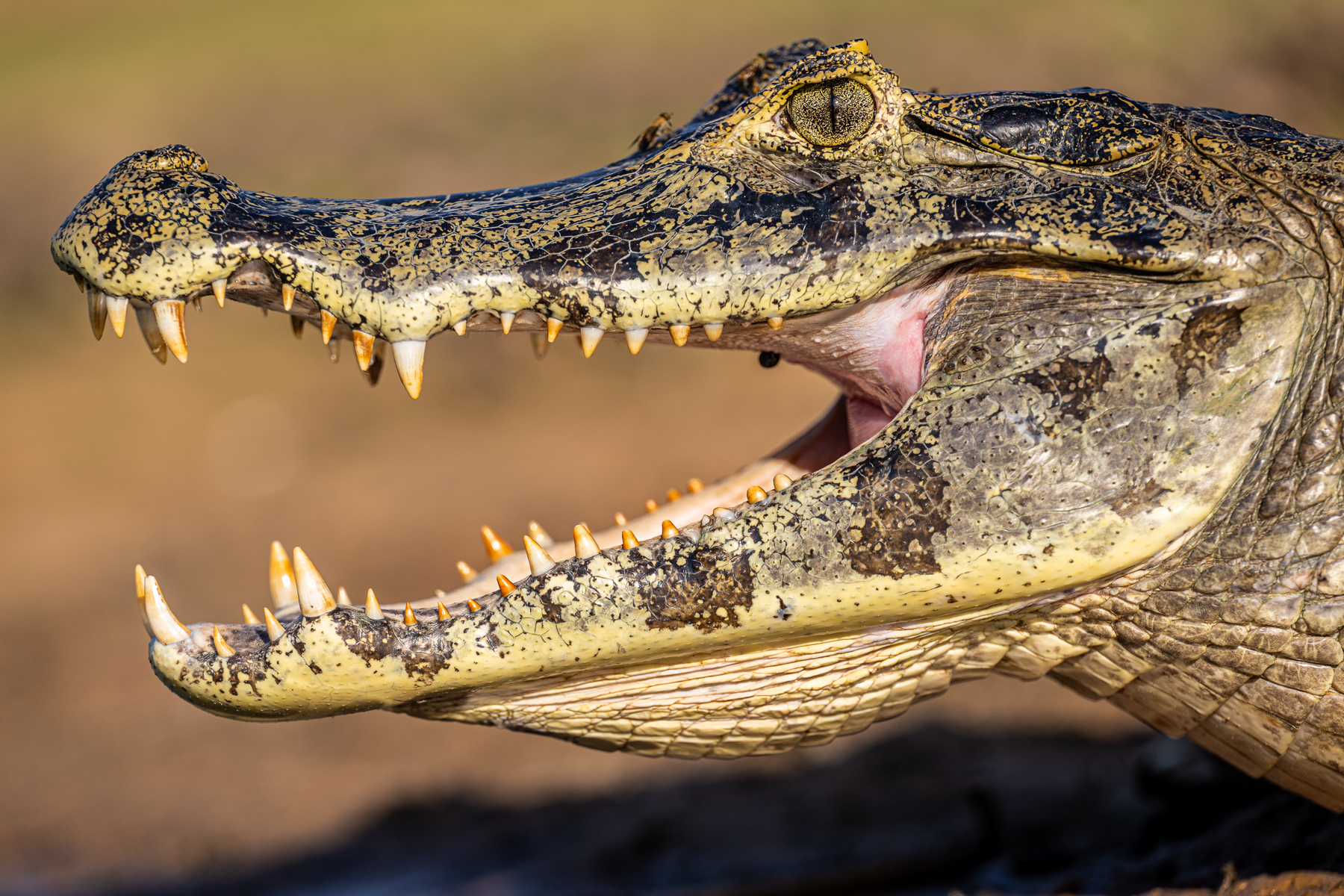
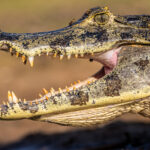
Head portrait of a Yacare Caiman, the most abundant large fish predator of the Pantanal (image by Oliver Krueger)
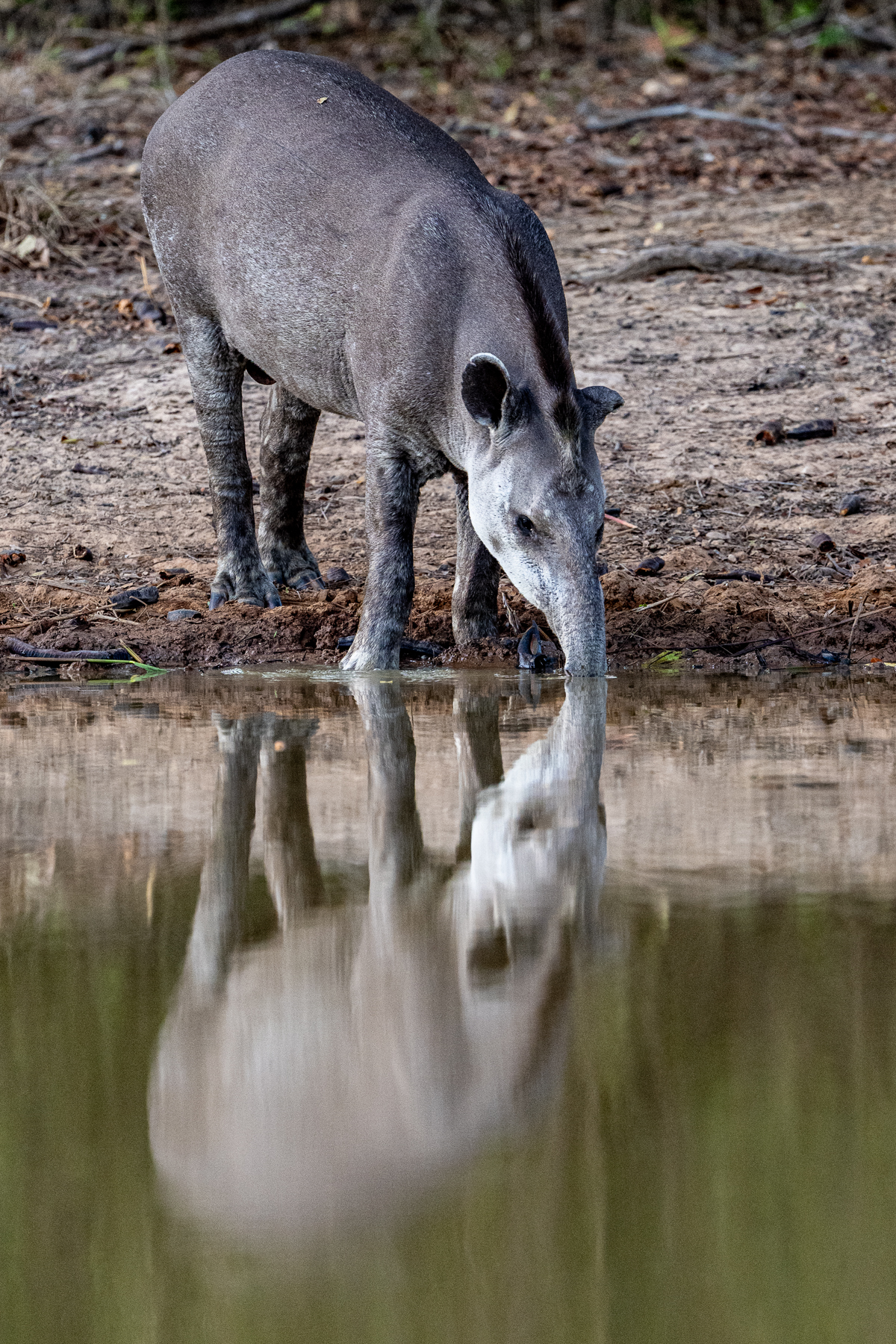
With the severe drought in the Pantanal in 2026, Tapirs regularly came for a drink even in broad daylight (image by Oliver Krueger)
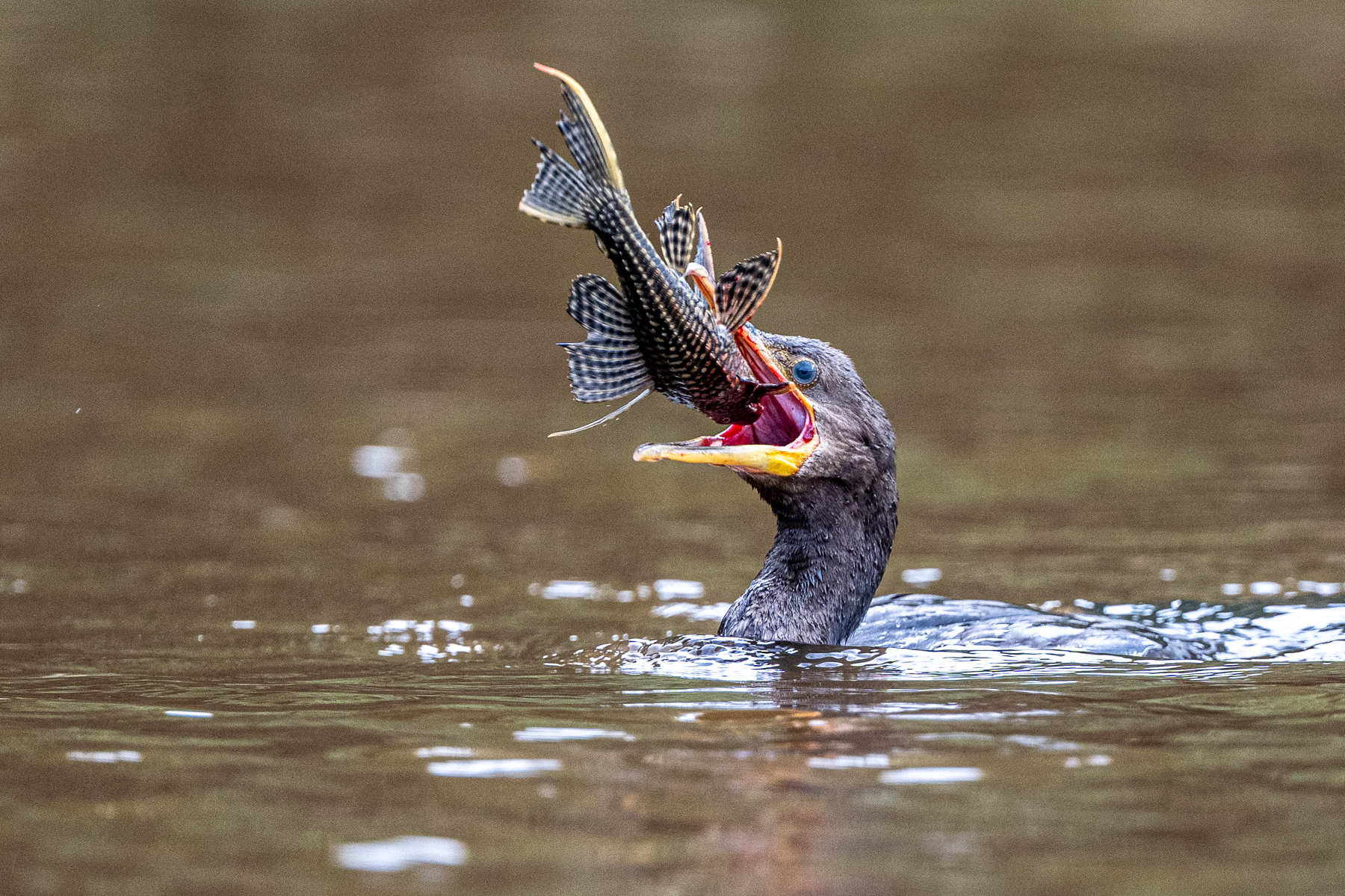
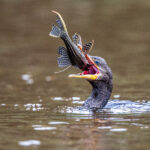
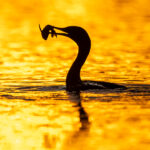
This Neotropical Cormorant caught a Snow Pleco for breakfast (image by Oliver Krueger)
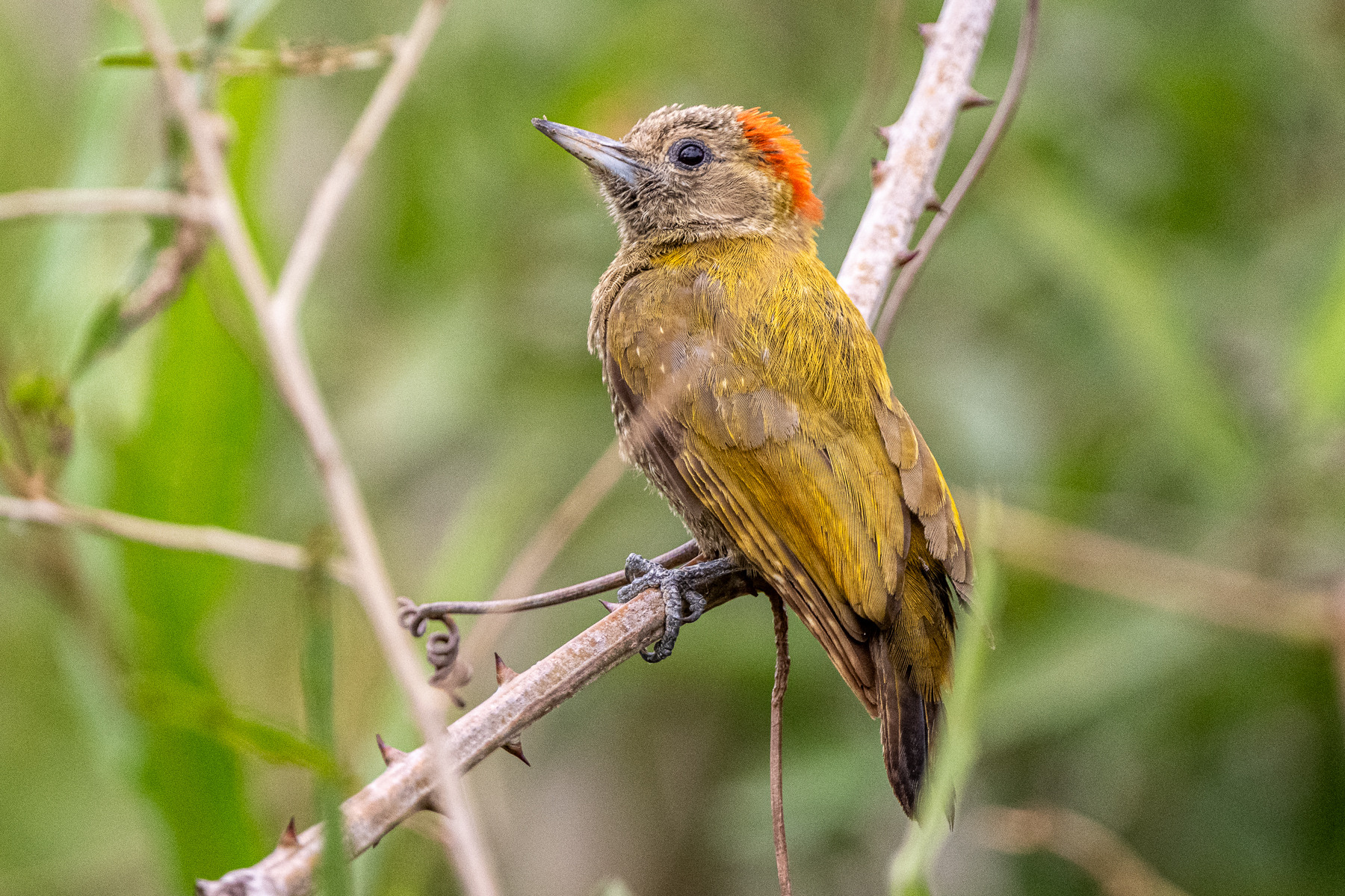
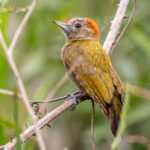
At a mere 15 cm, the Little Woodpecker is tiny, but beautiful (image by Oliver Krueger)
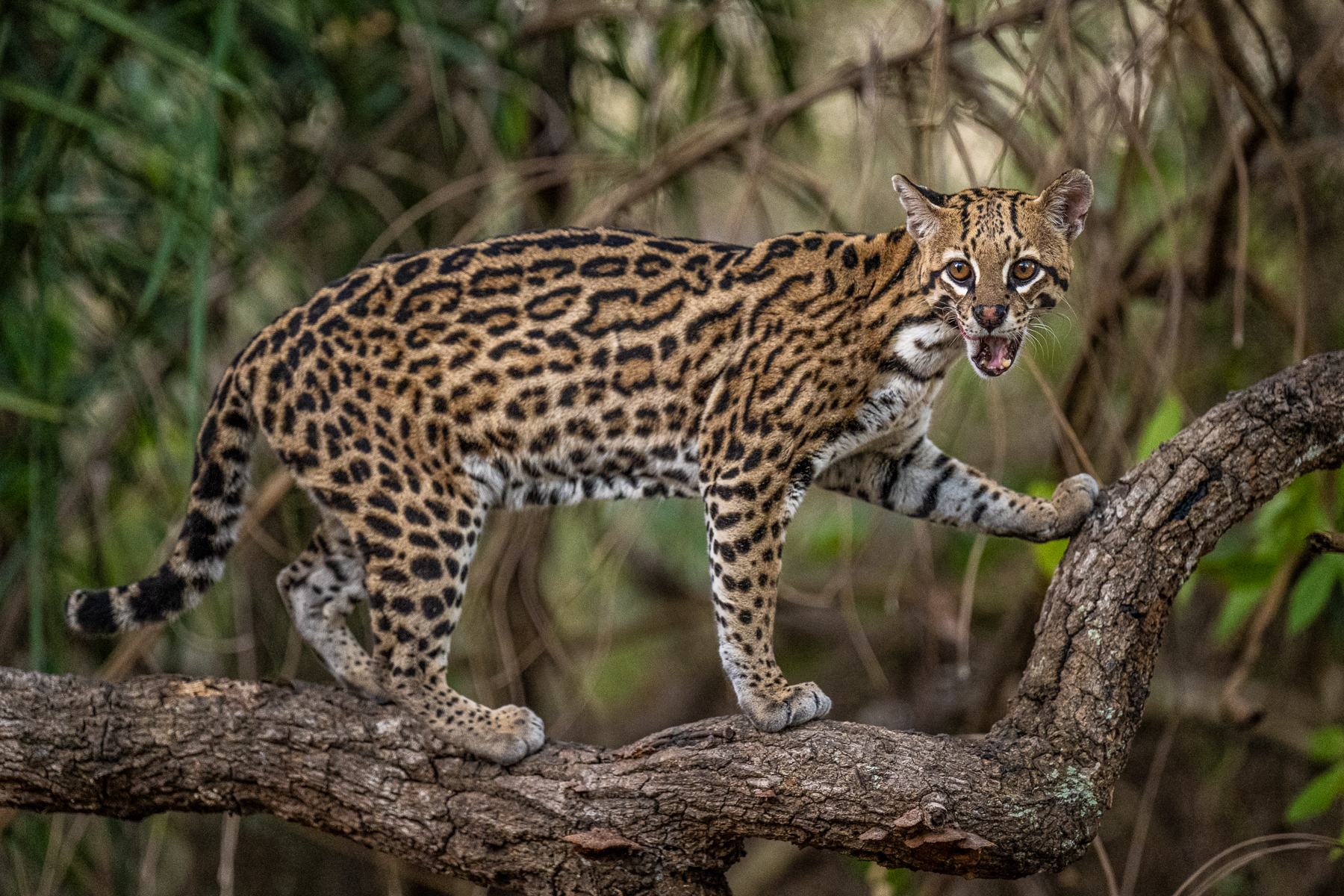
To capture an Ocelot in broad daylight was an undisputed highlight of the trip (image by Oliver Krueger)
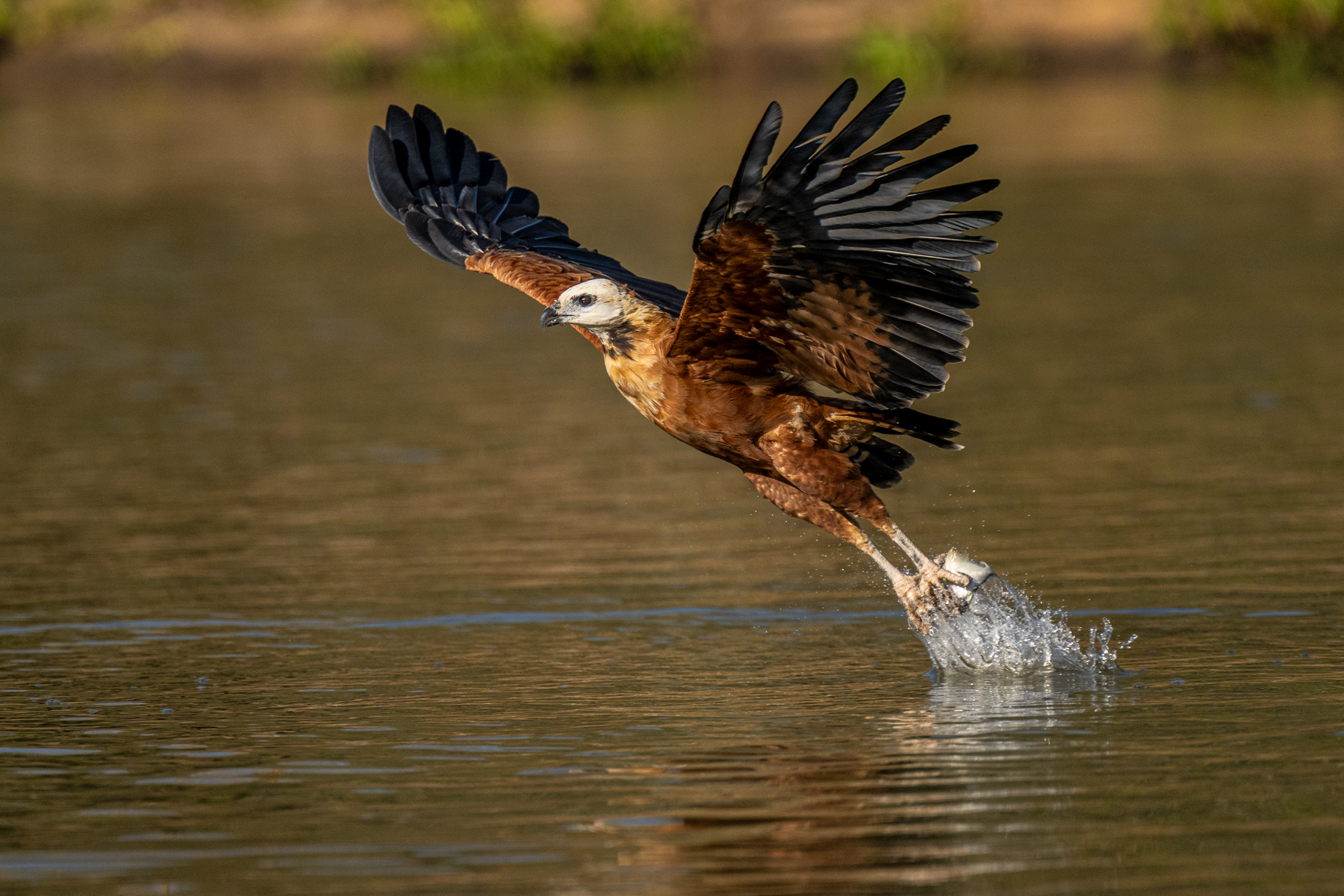
Black-collared Hawks rely heavily on fish for their diet (image by Oliver Krueger)
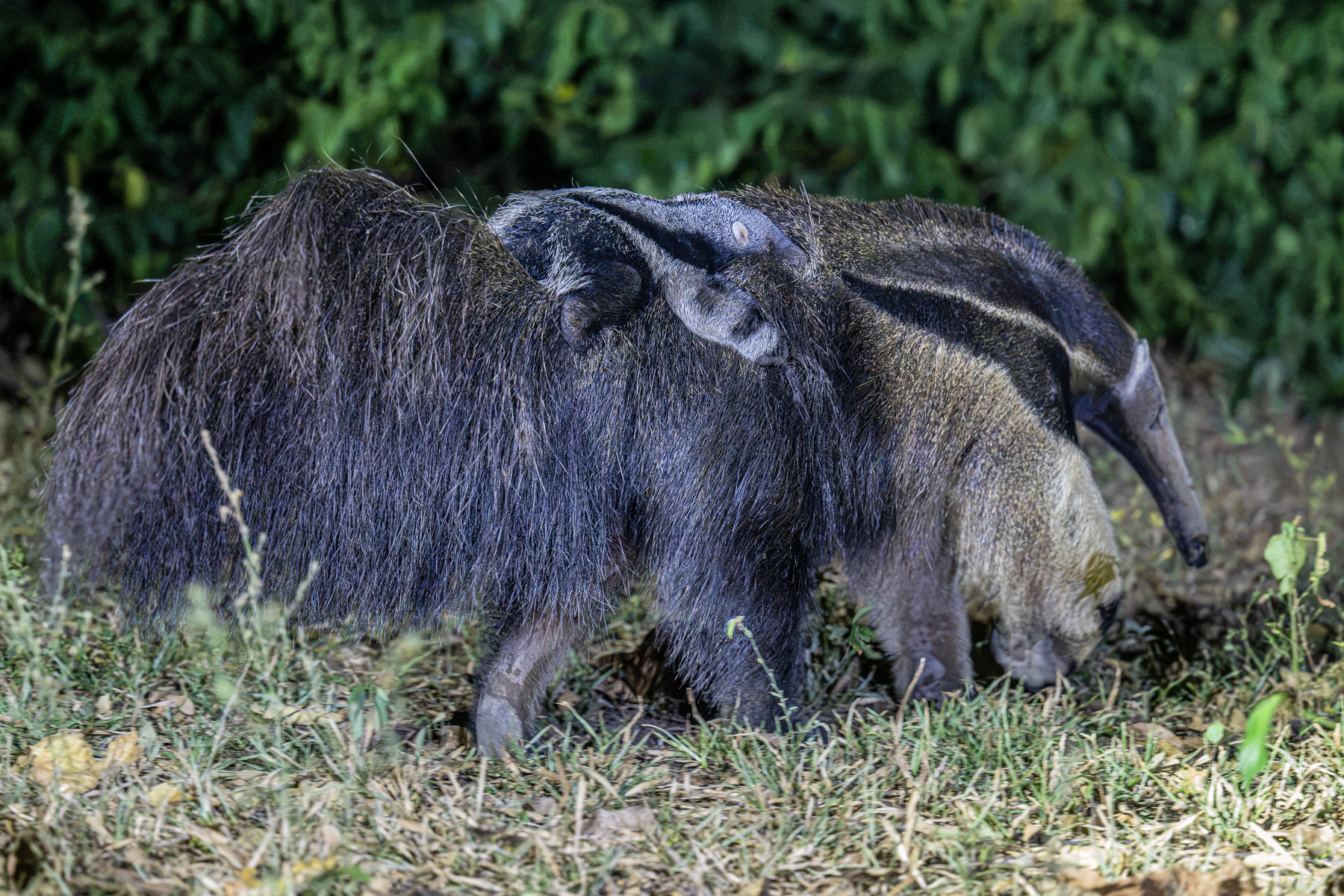
Due to the foraging behaviour and peculiar gait, a Giant Anteater baby has to ride on the mother's back (image by Oliver Krueger)
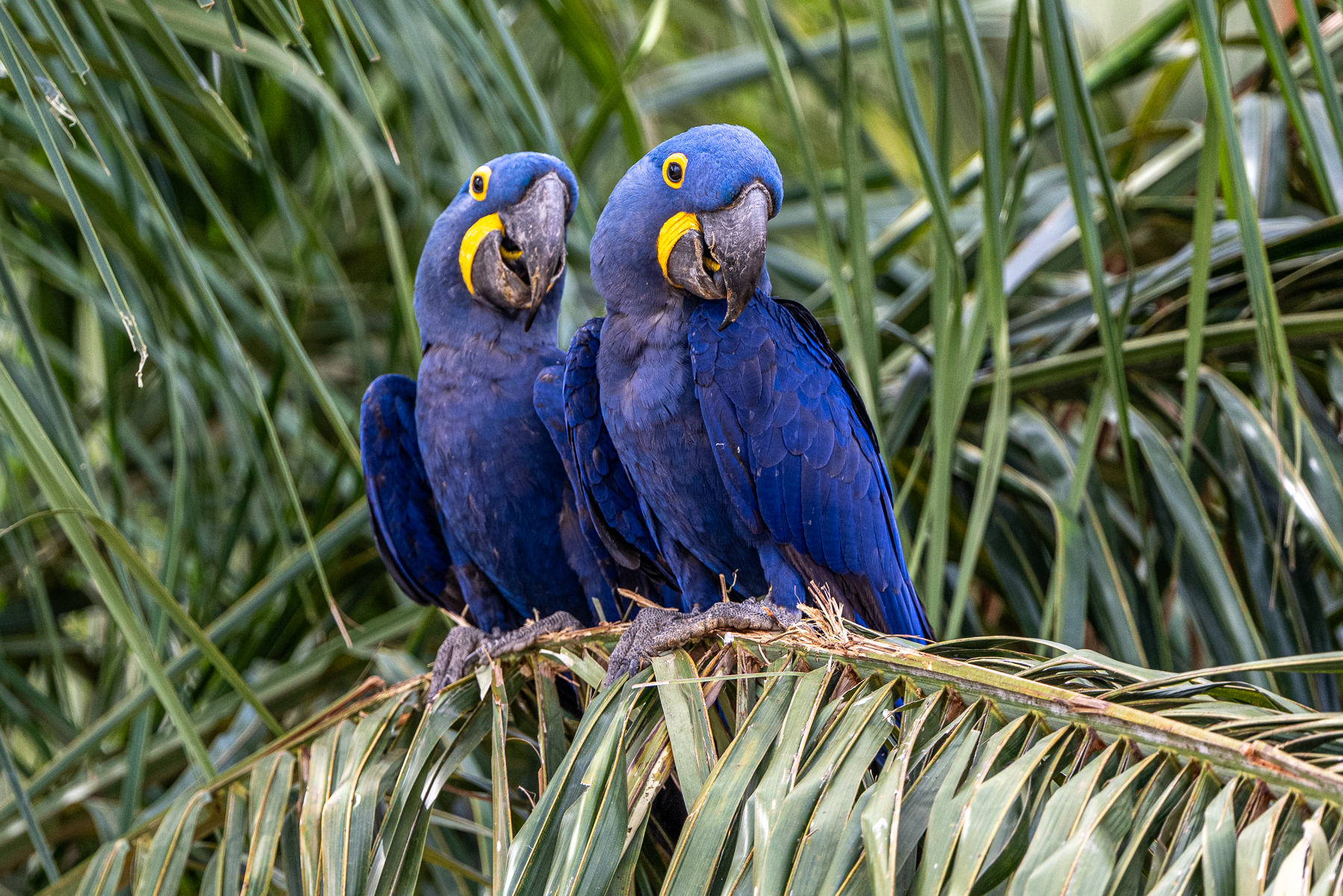
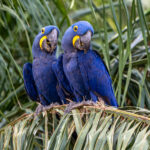
Hyacinth Macaws stay together as a breeding pair for life (image by Oliver Krueger)
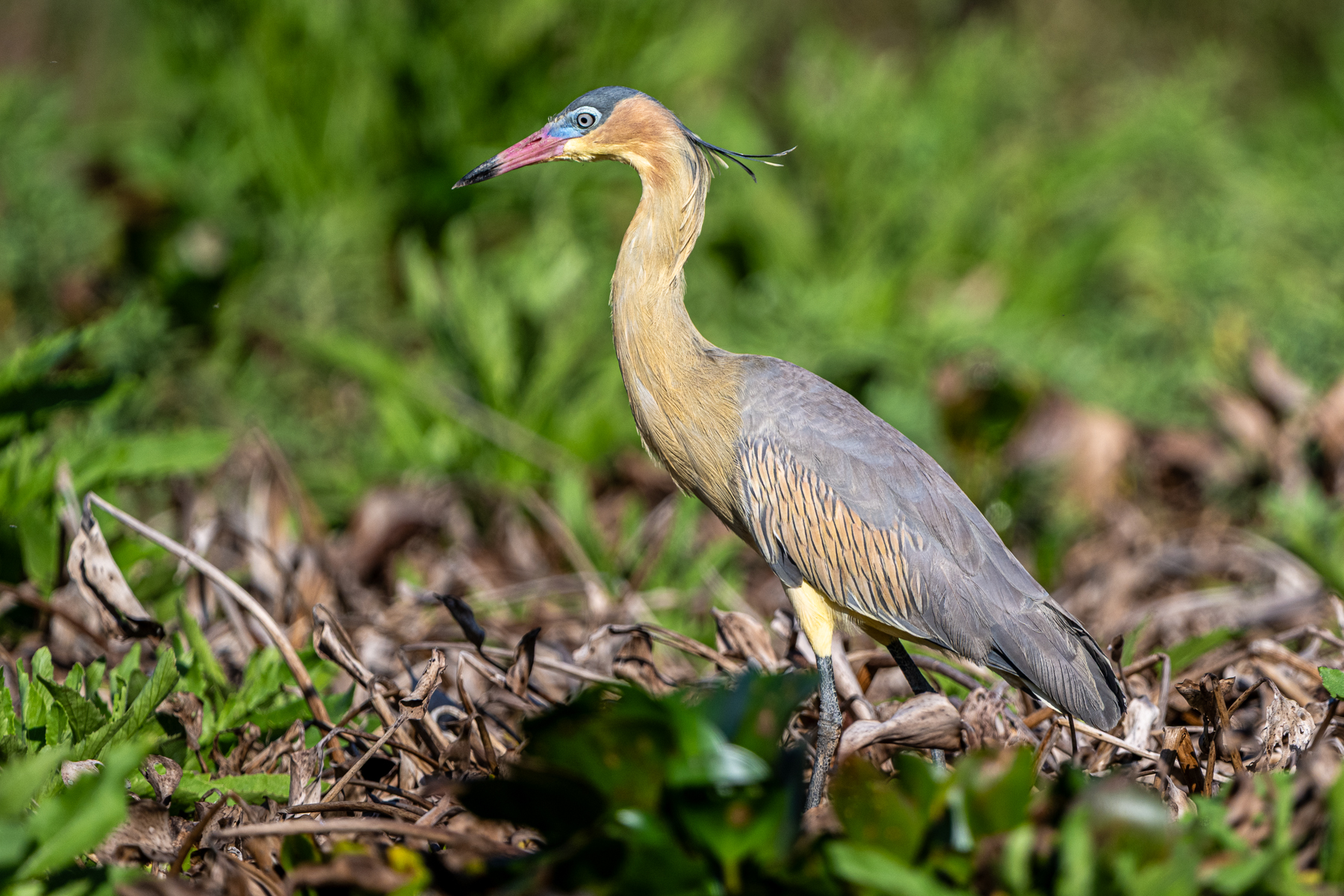
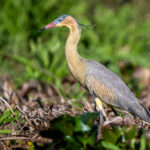
The Whistling Heron has one of the most beautiful plumages of any heron (image by Oliver Krueger)
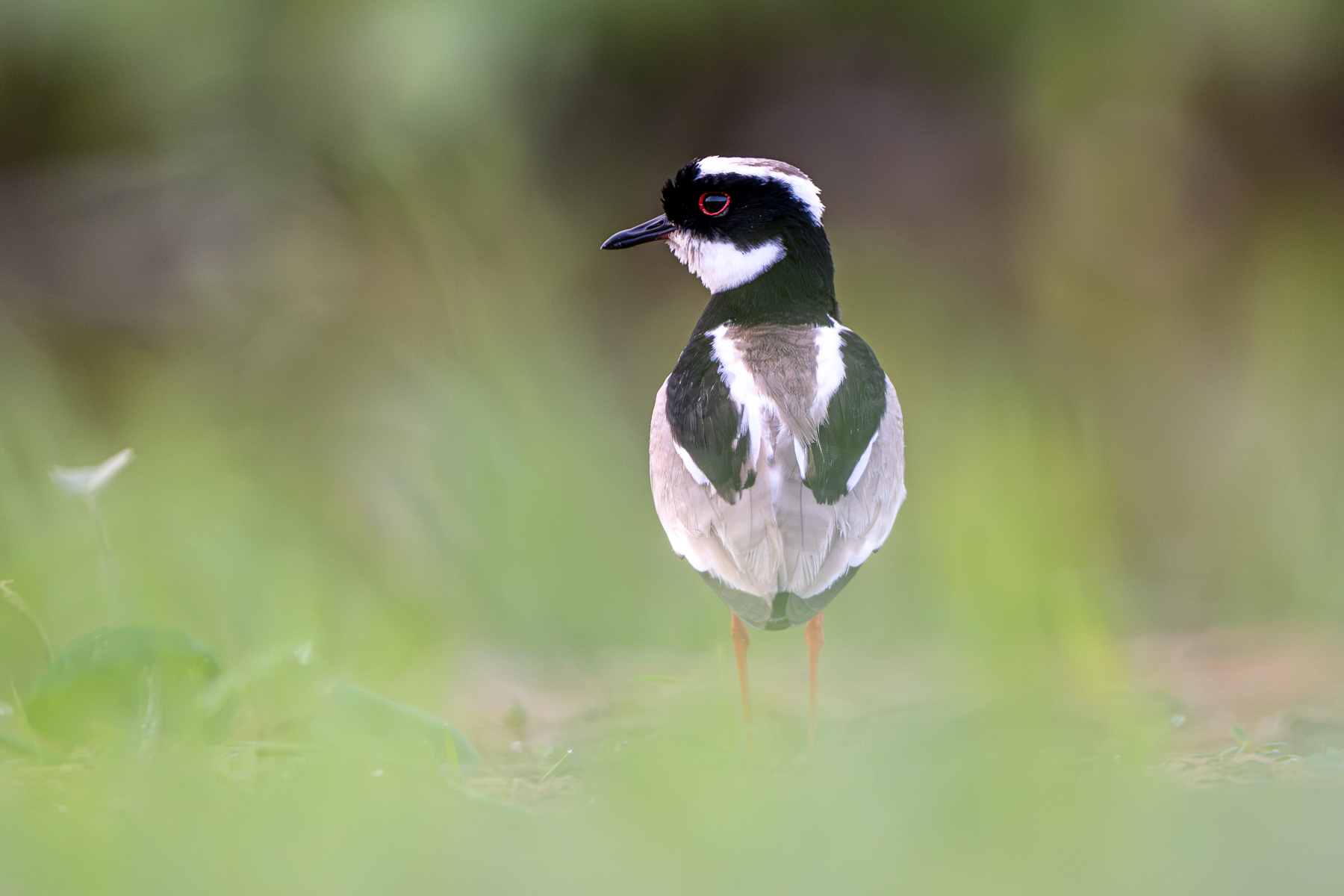
The Pied Lapwing is one of the most beautiful Lapwing species in the world (image by Oliver Krueger)
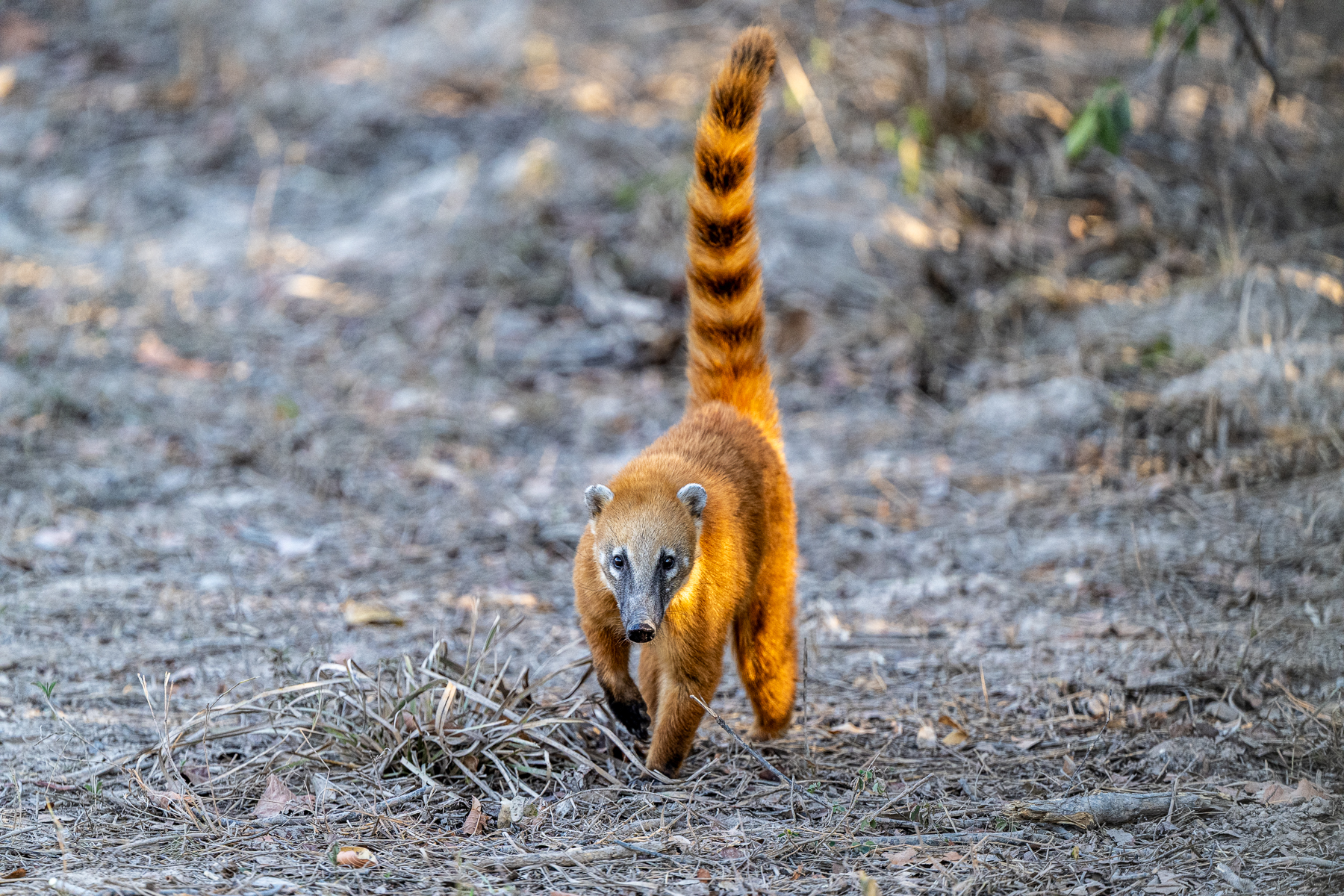
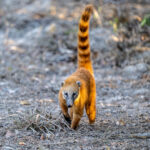
Beautiful colour contrast between the dry grey soil and a rather rufous South American Coati (image by Oliver Krueger)
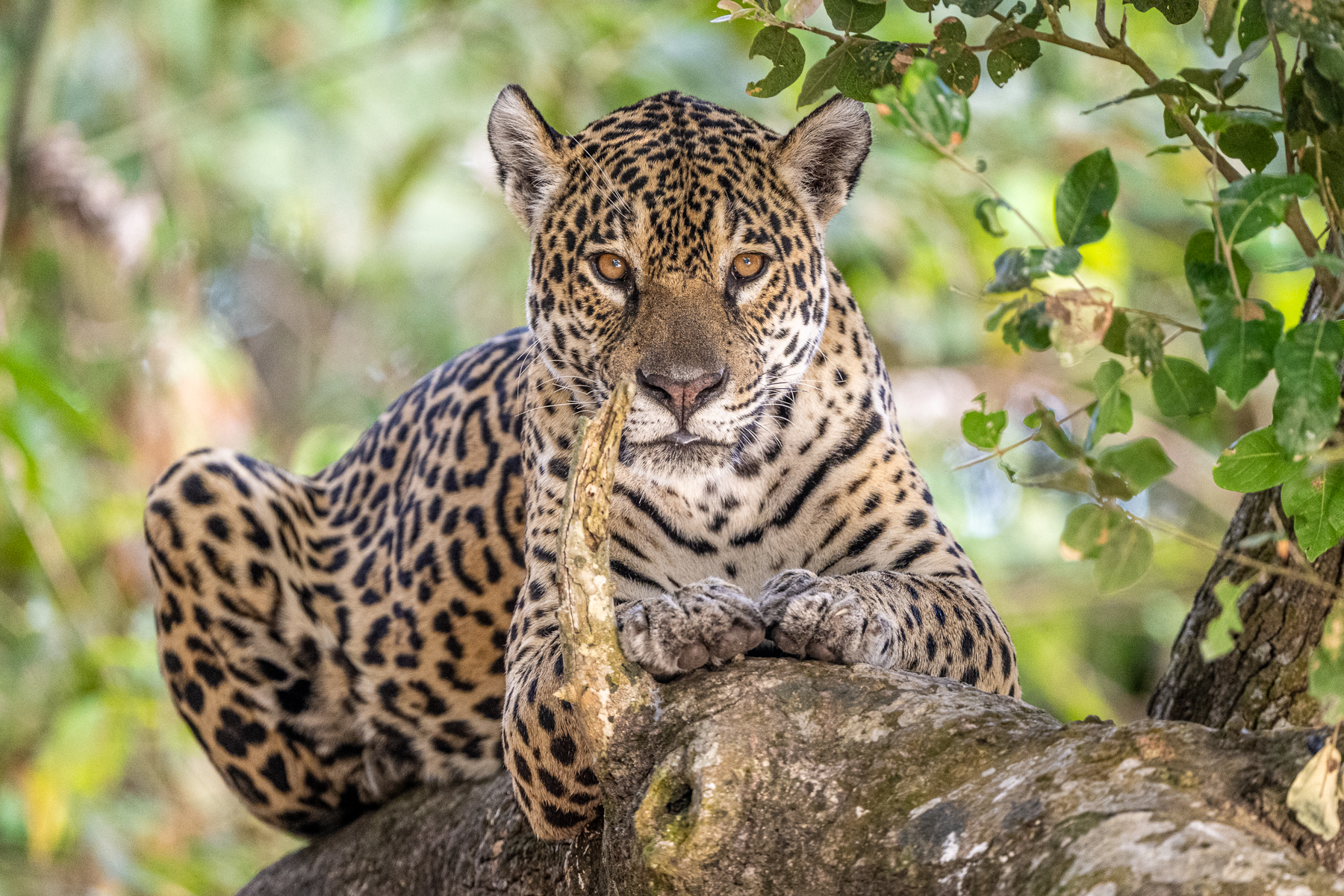
Medrosa is a female Jaguar in her absolute prime at the age of ten (image by Oliver Krueger)
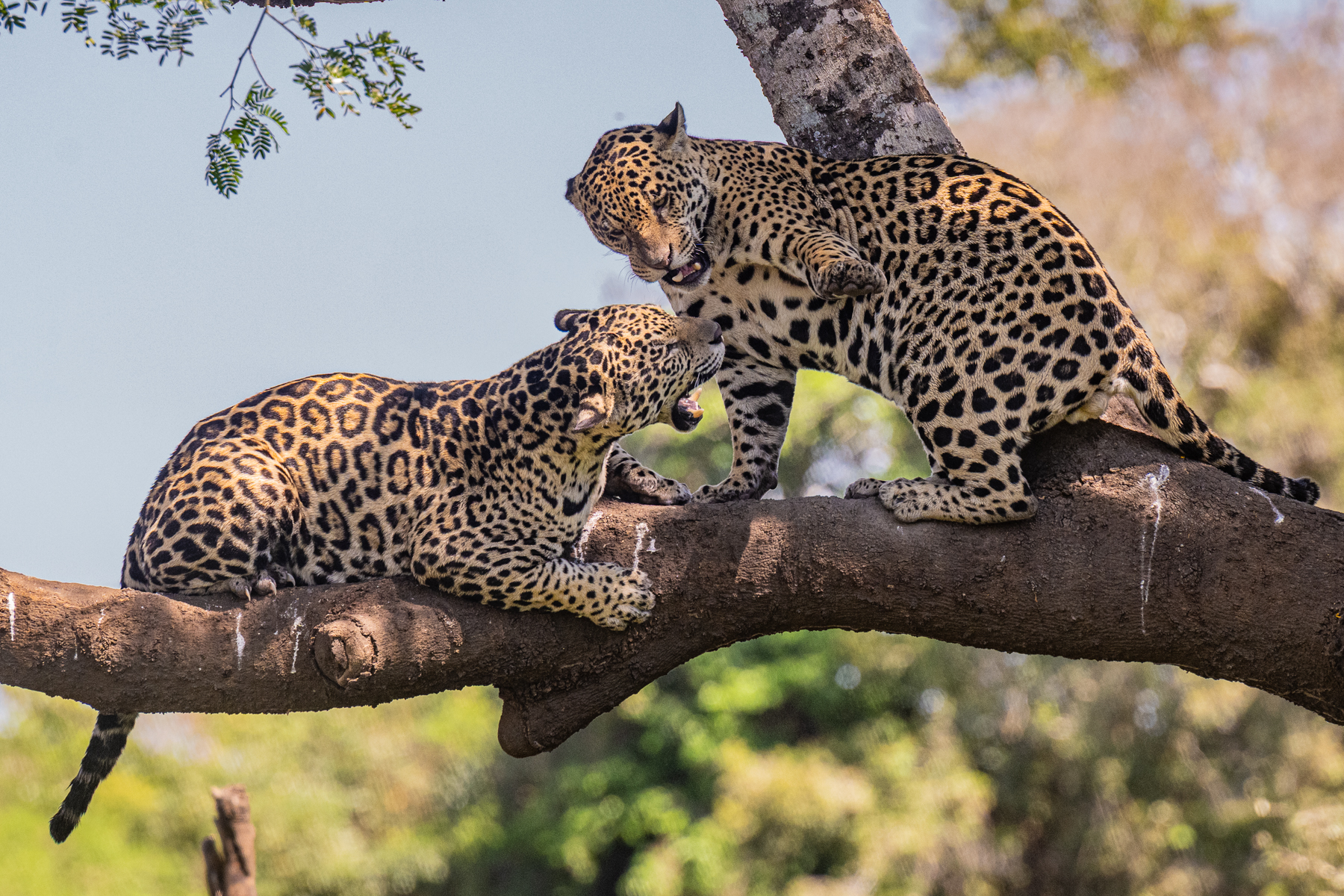
Although they are in a coalition, it is not always entirely peaceful between "Makala" and "Pantaneiro" (image by Oliver Krueger)
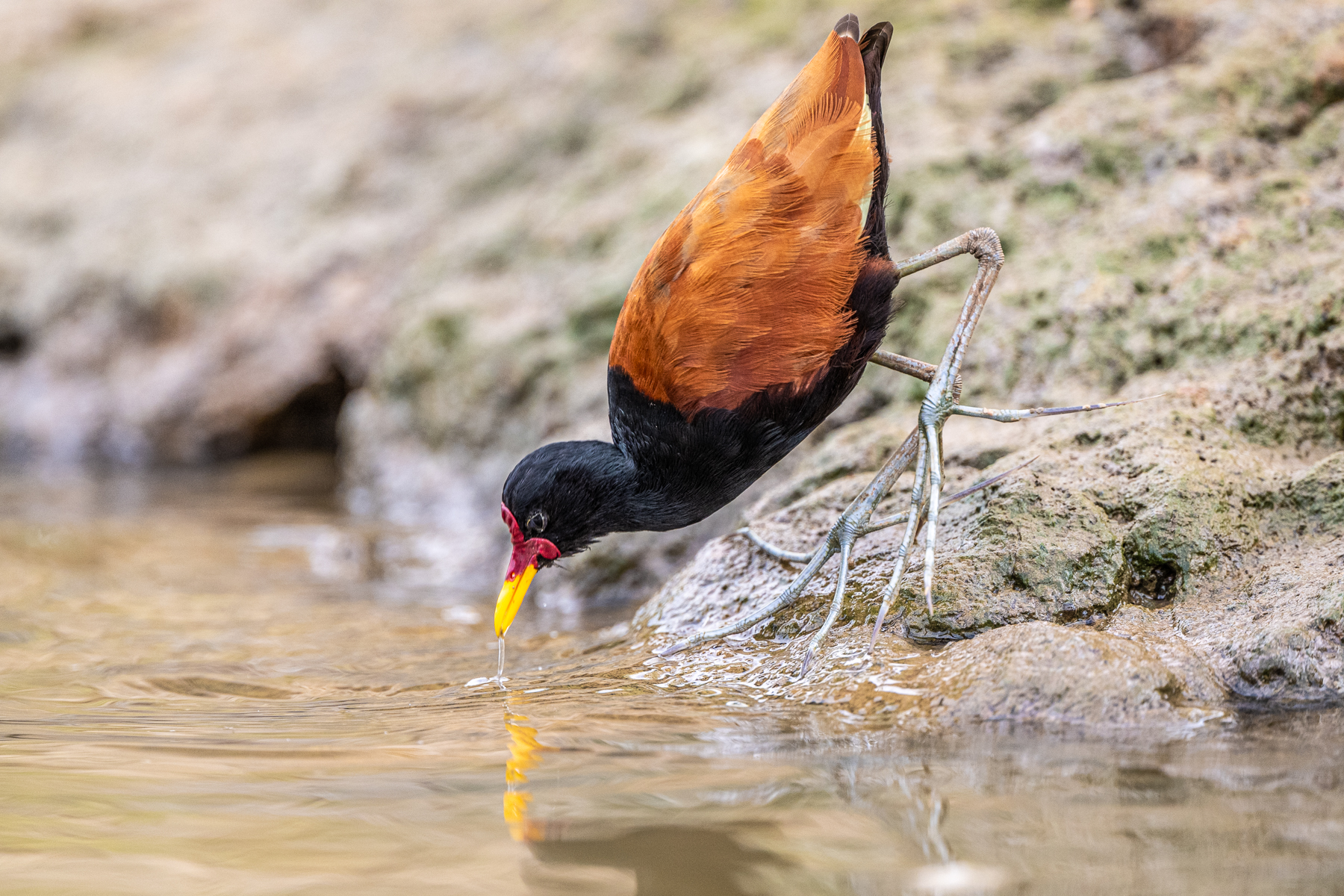
This Wattled Jacana needed a drink in the morning heat (image by Oliver Krueger)
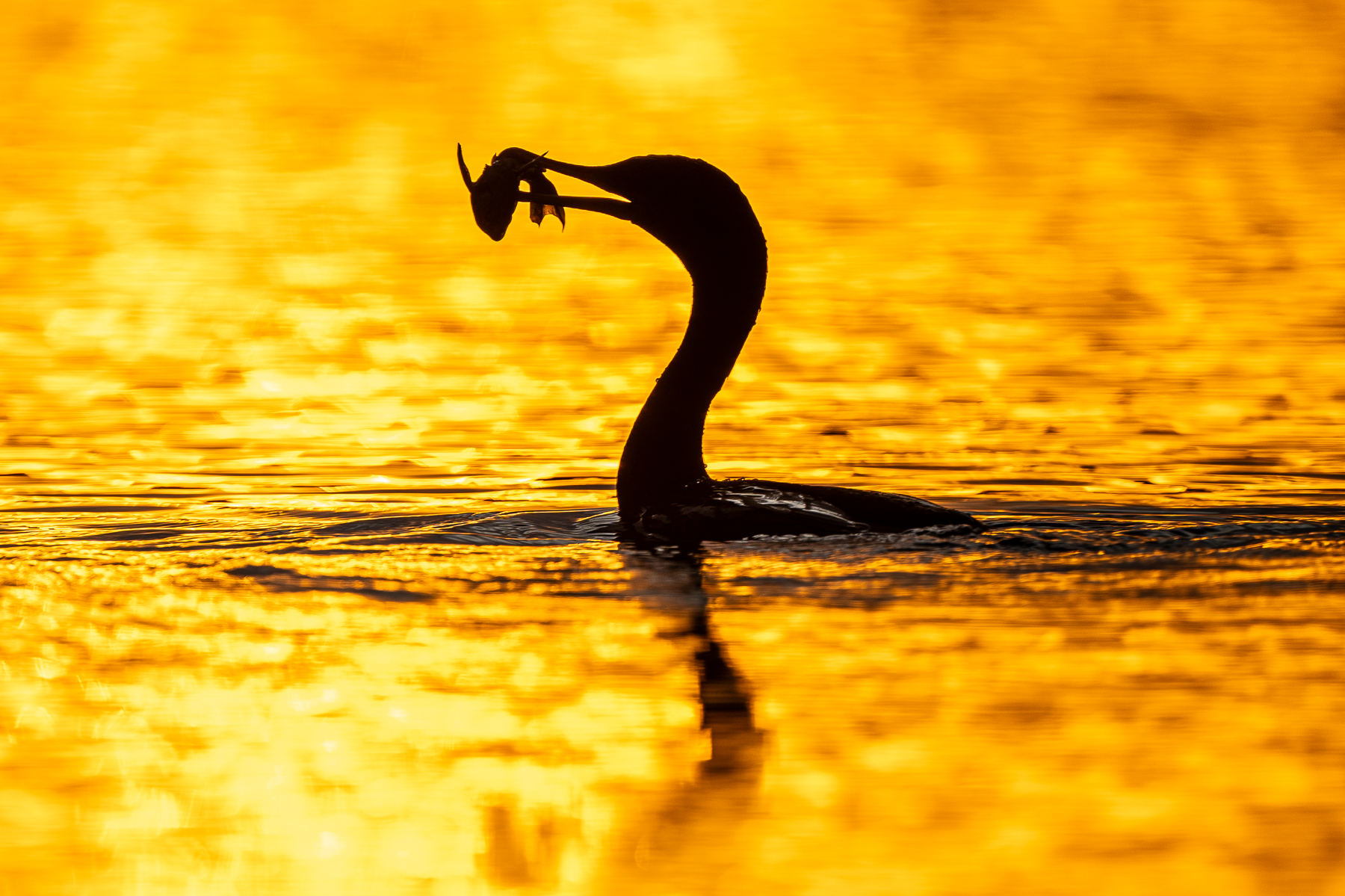
The early Neotropical Cormorant catches the fish (image by Oliver Krueger)
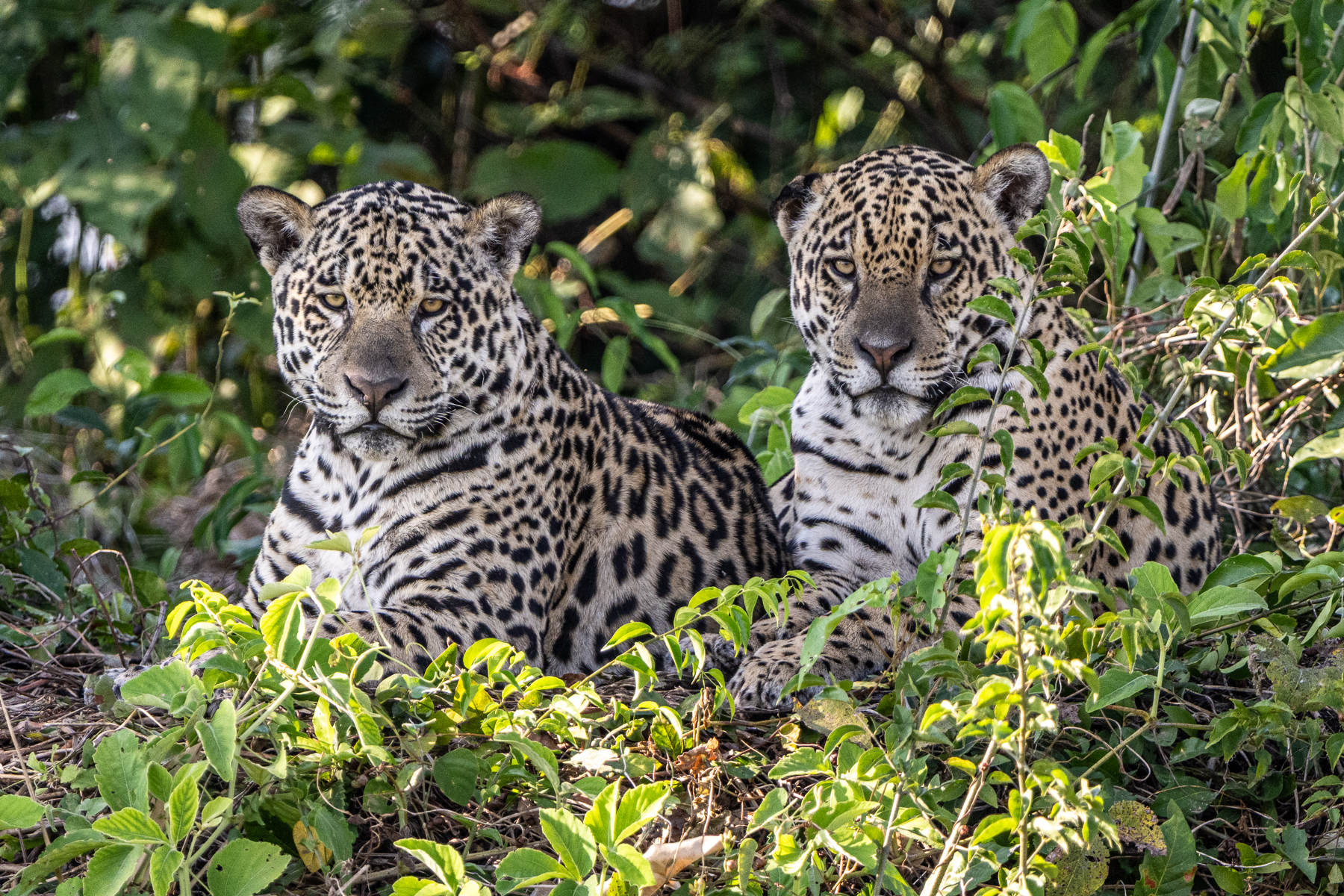
A male coalition can only be observed in the Pantanal, "Makala" and "Pantaneiro" (image by Oliver Krueger)
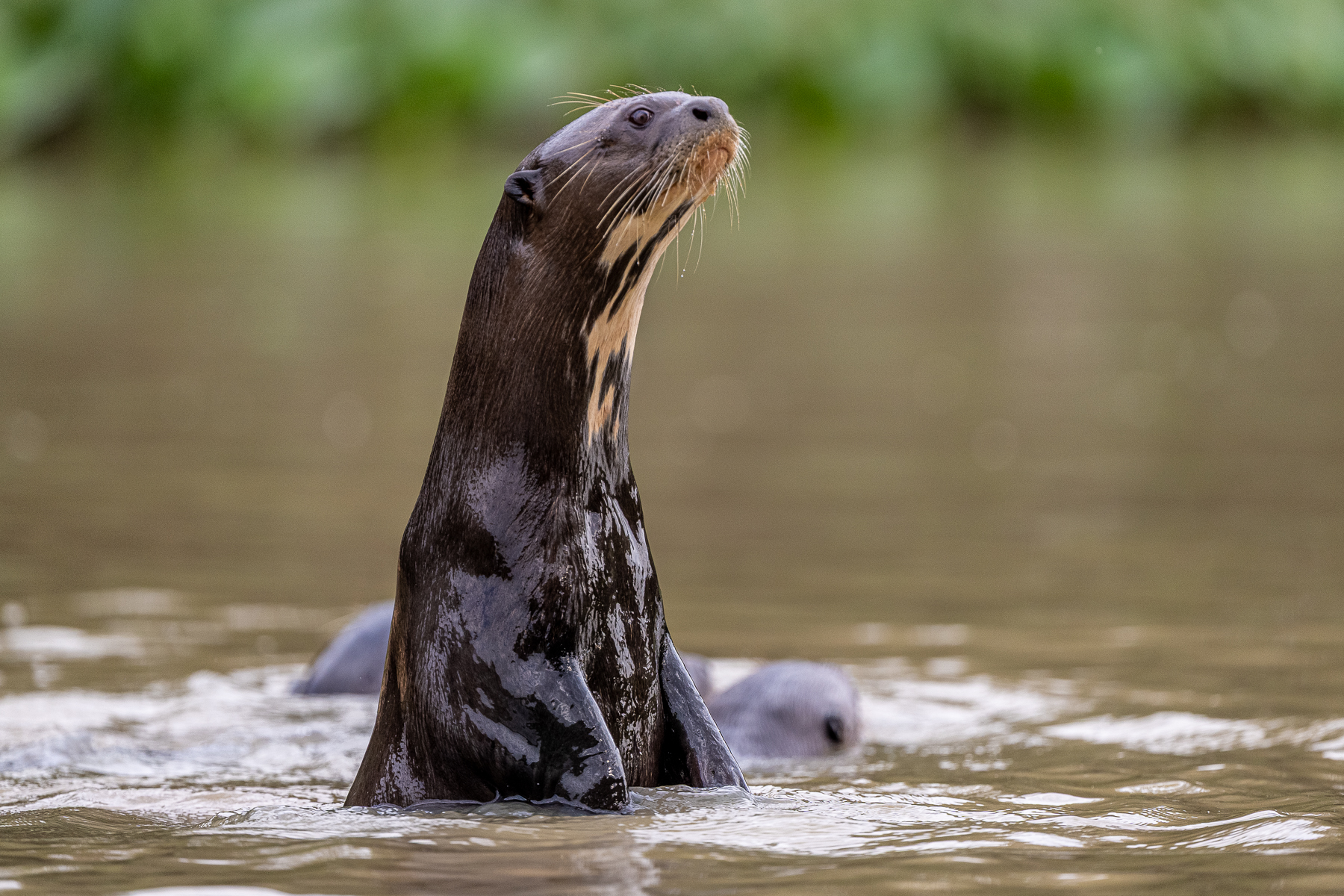
With their powerful tail, Giant Otters can easily spy-hop to see what is going on (image by Oliver Krueger)
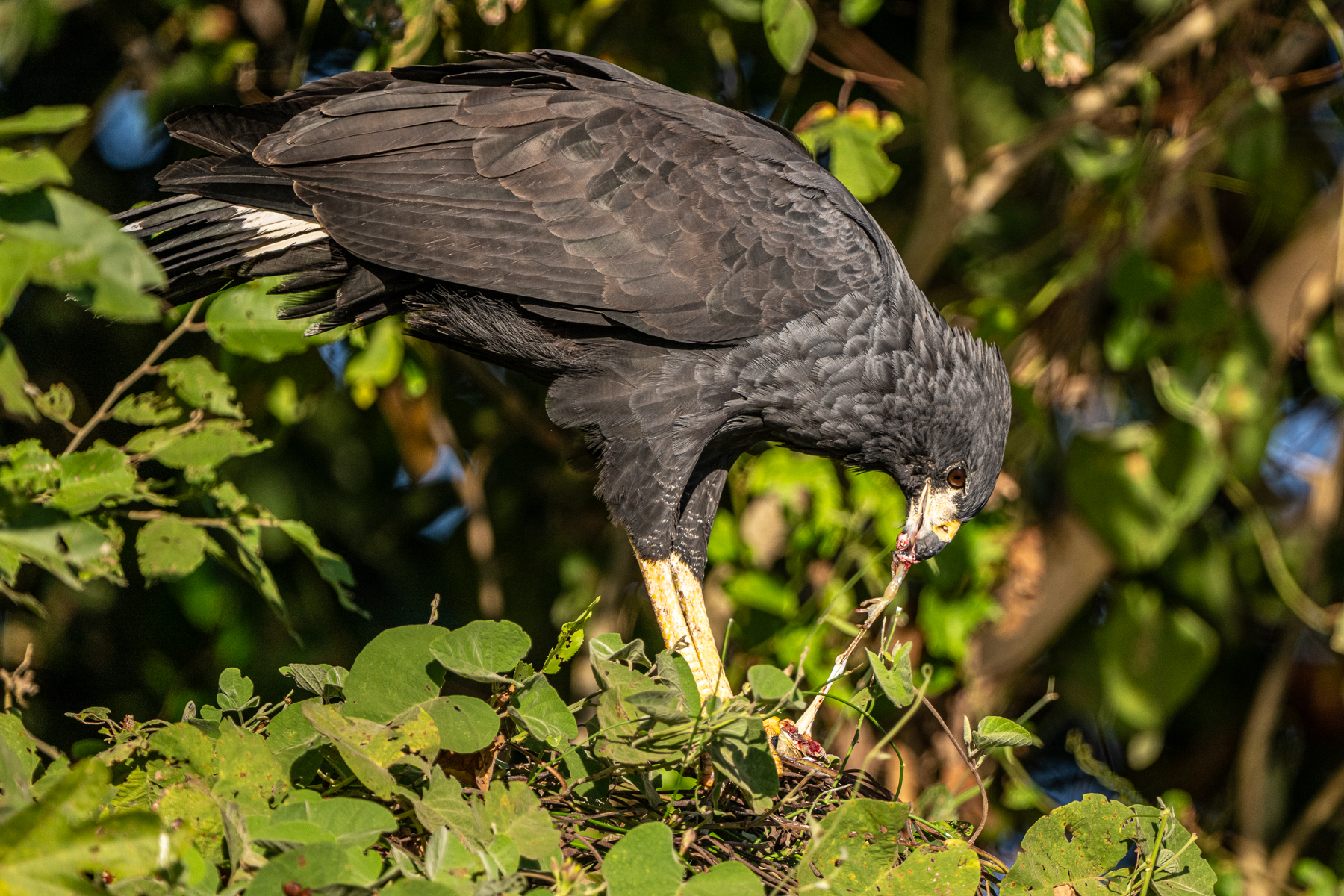
A Great Black Hawk in the process of devouring a tree frog (image by Oliver Krueger)
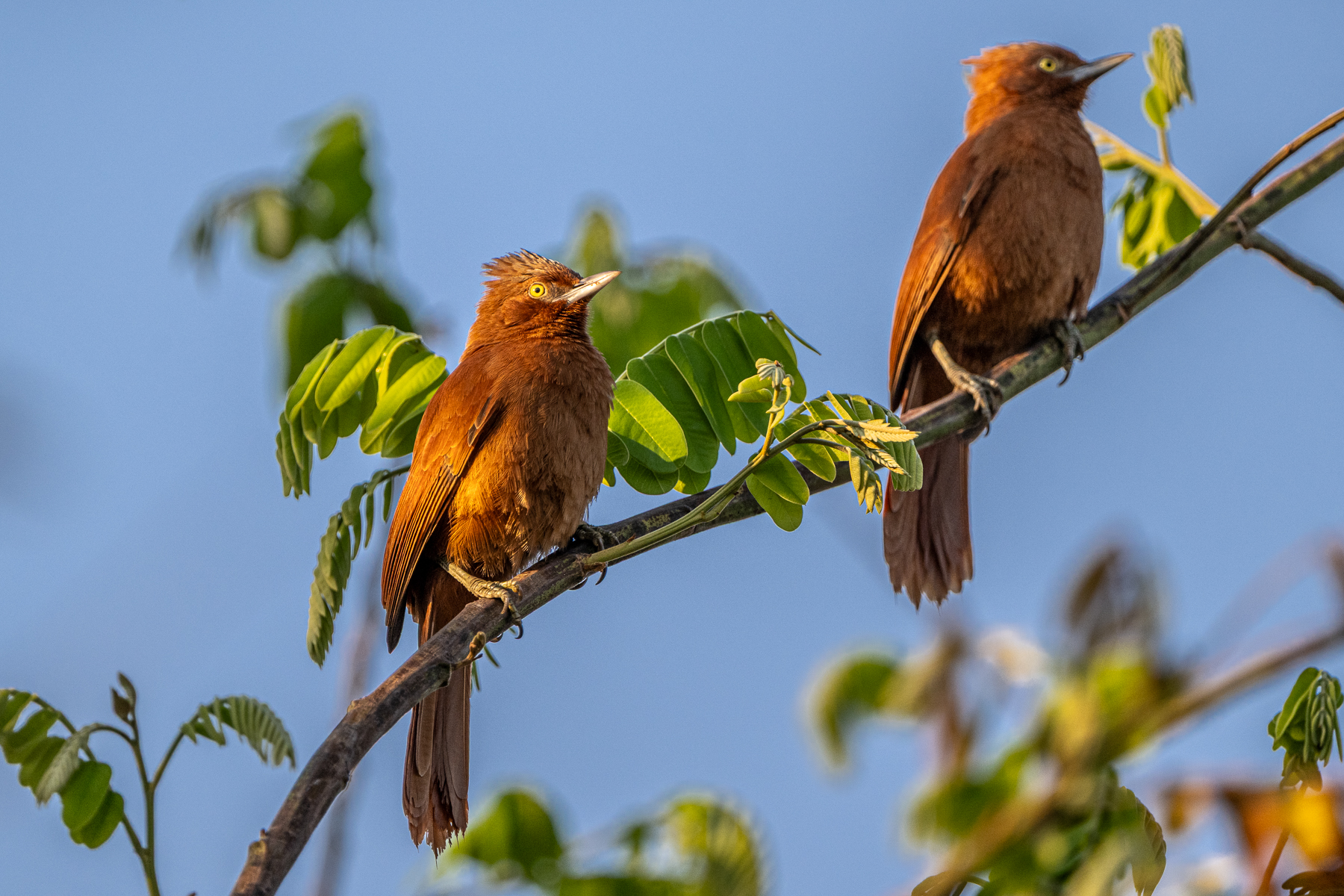
When agitated, Rufous Cachalote "complain" about the disturbance in pairs (image by Oliver Krueger)
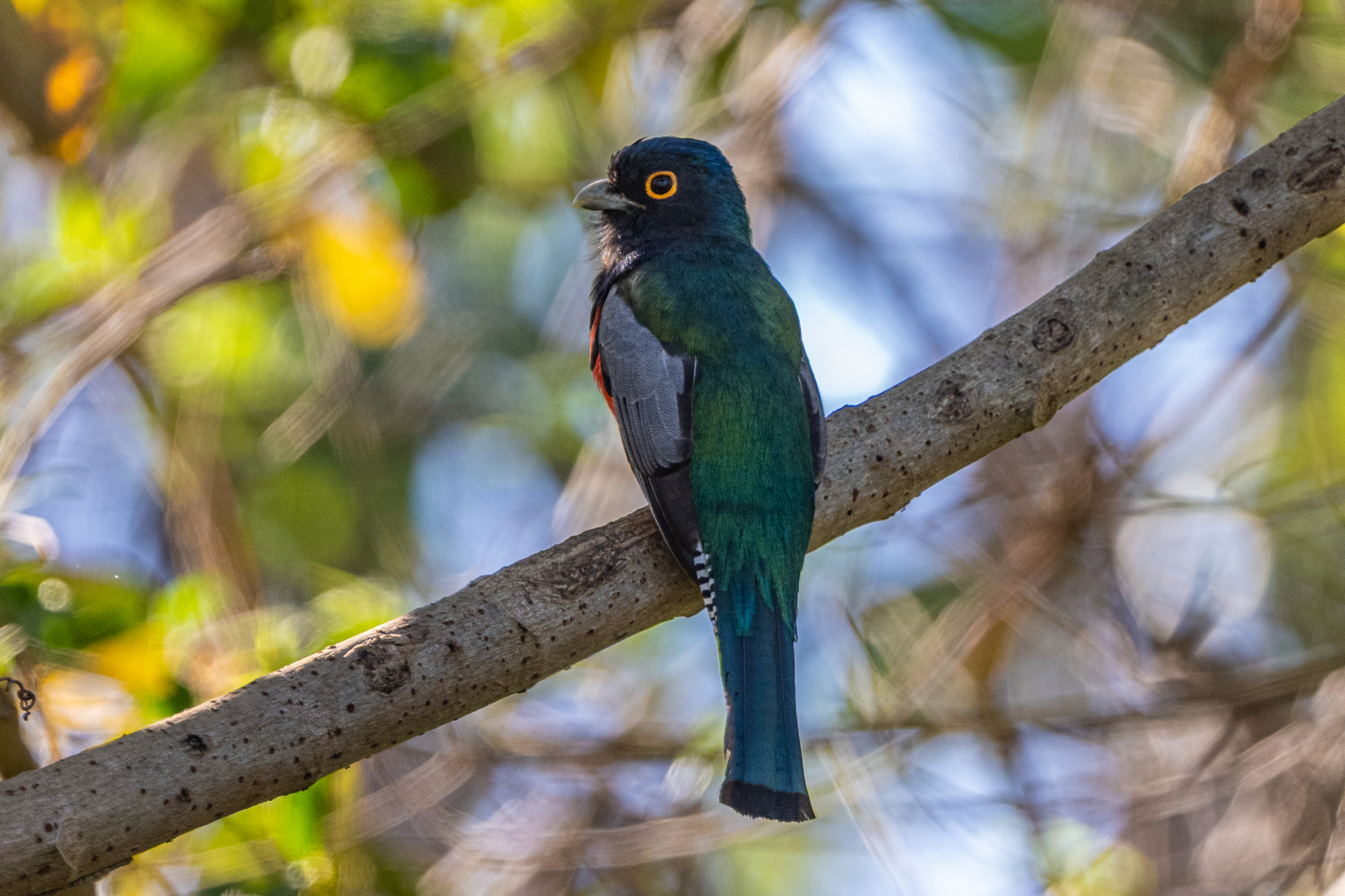
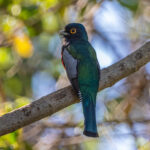
A Blue-crowned Trogon male with the shoulder look (image by Oliver Krueger)
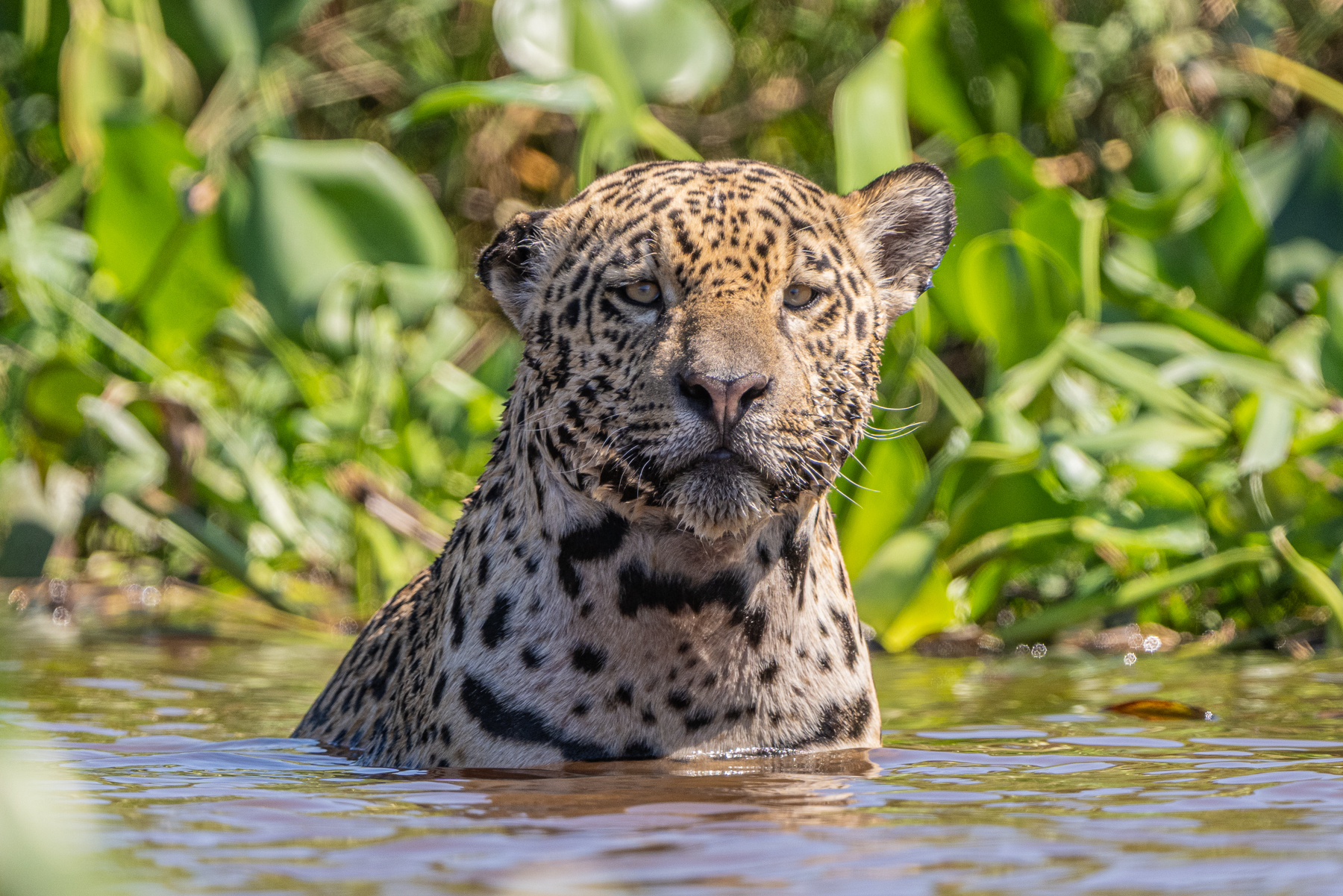
Having lost a bit of its right ear in a fight, Jaguar "Pantaneiro" is looking for prey (image by Oliver Krueger)
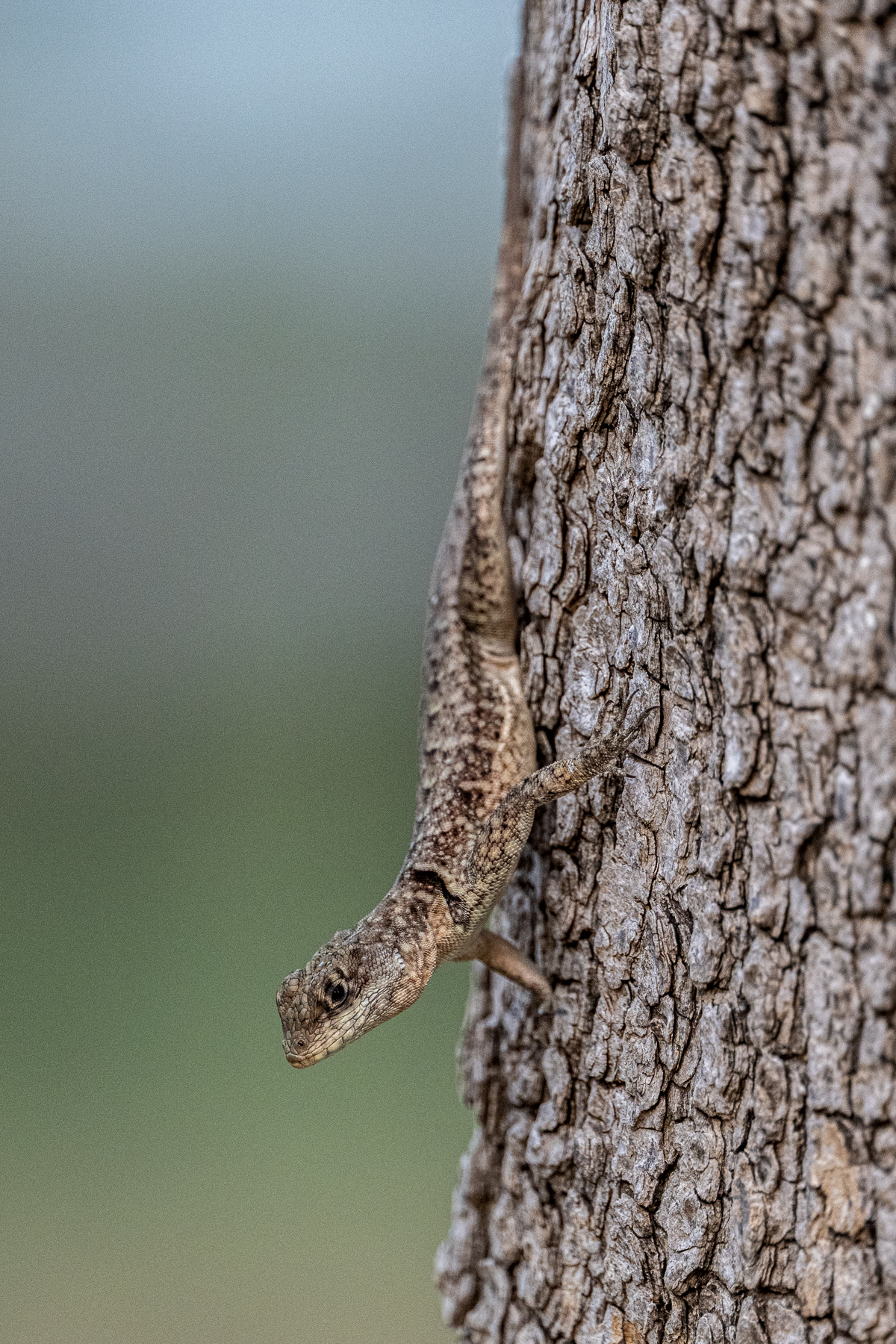
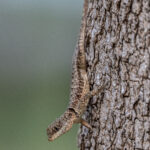
The Amazon Lava Lizard is very swift on the ground and on tree barks (image by Oliver Krueger)
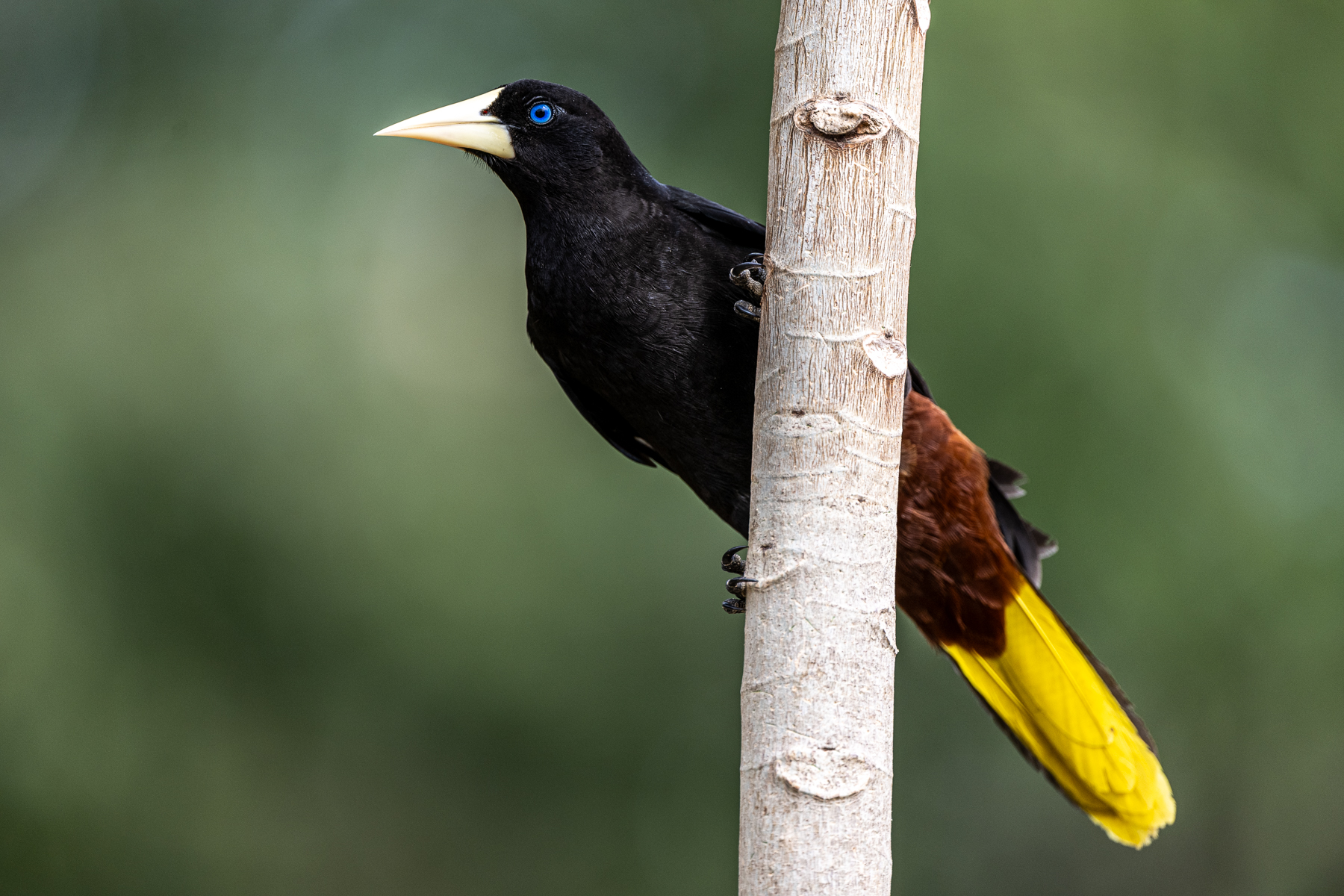
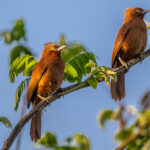
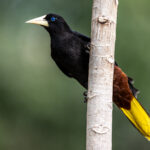
The Crested Oropendola is the largest species of Oropendola found in the Pantanal (image by Oliver Krueger)
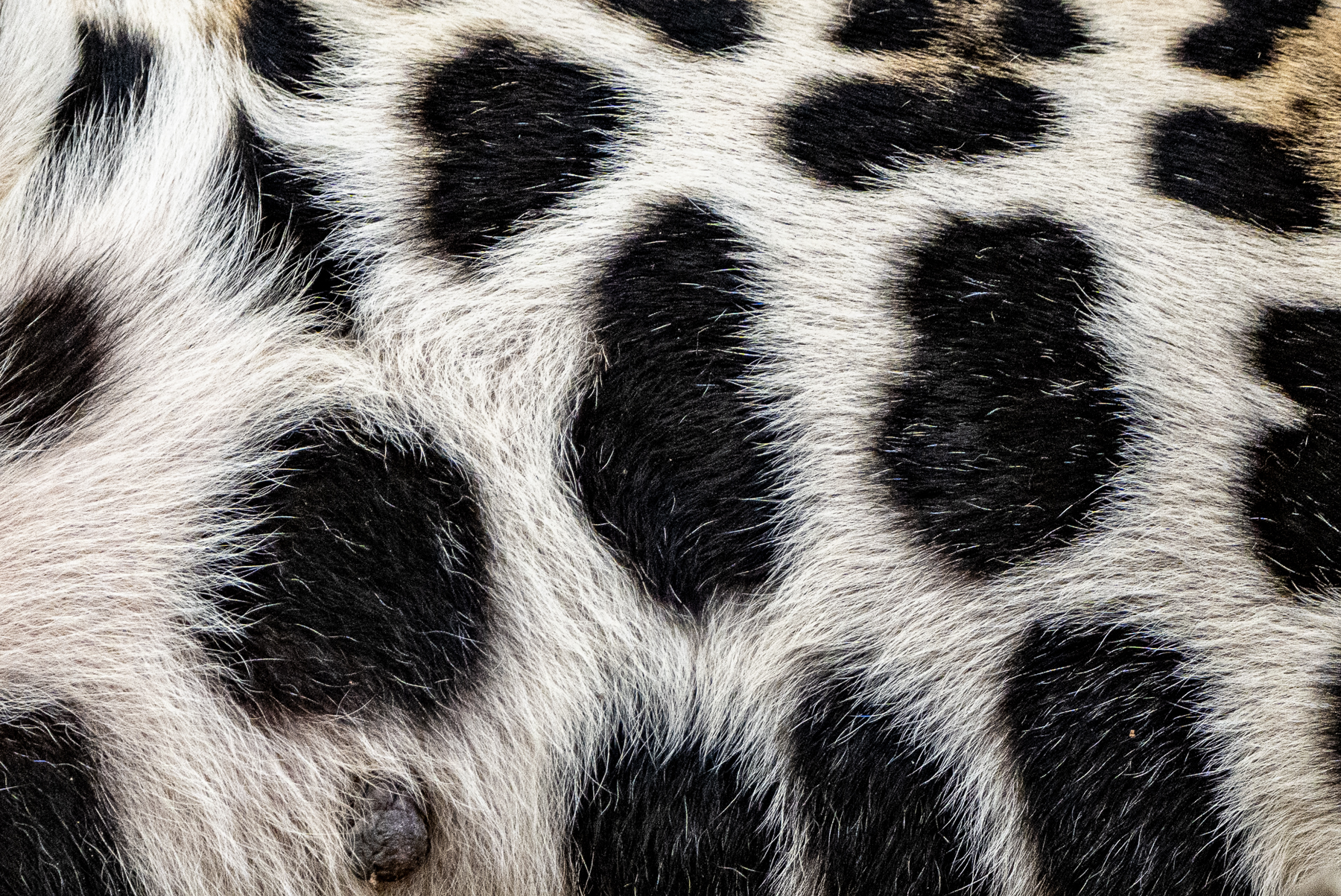
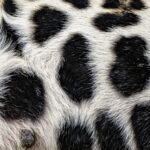
The fur on the belly of a female Jaguar (image by Oliver Krueger)
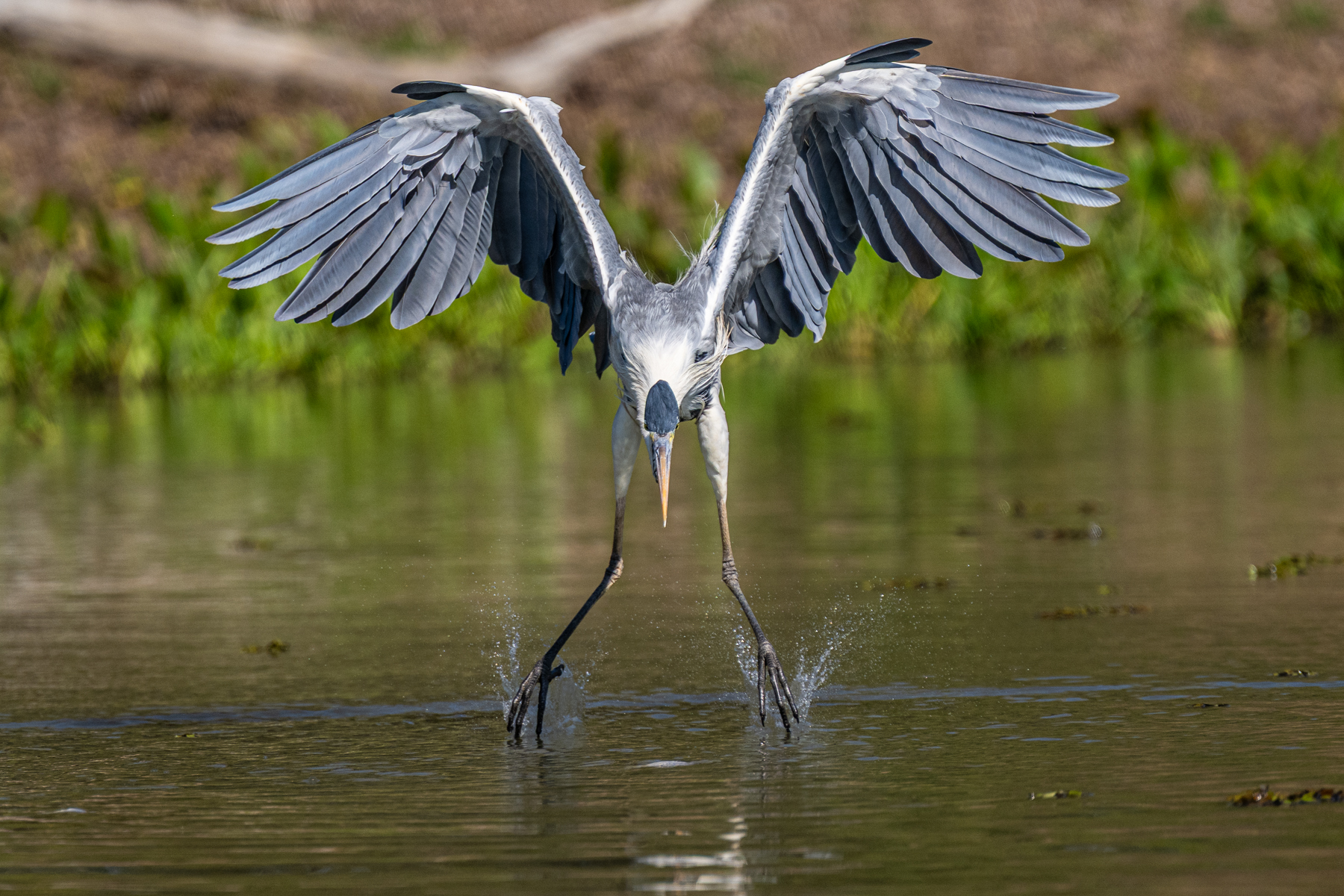
Grabbing a fish from the water is not a speciality of Cocoi Heron (image by Oliver Krueger)
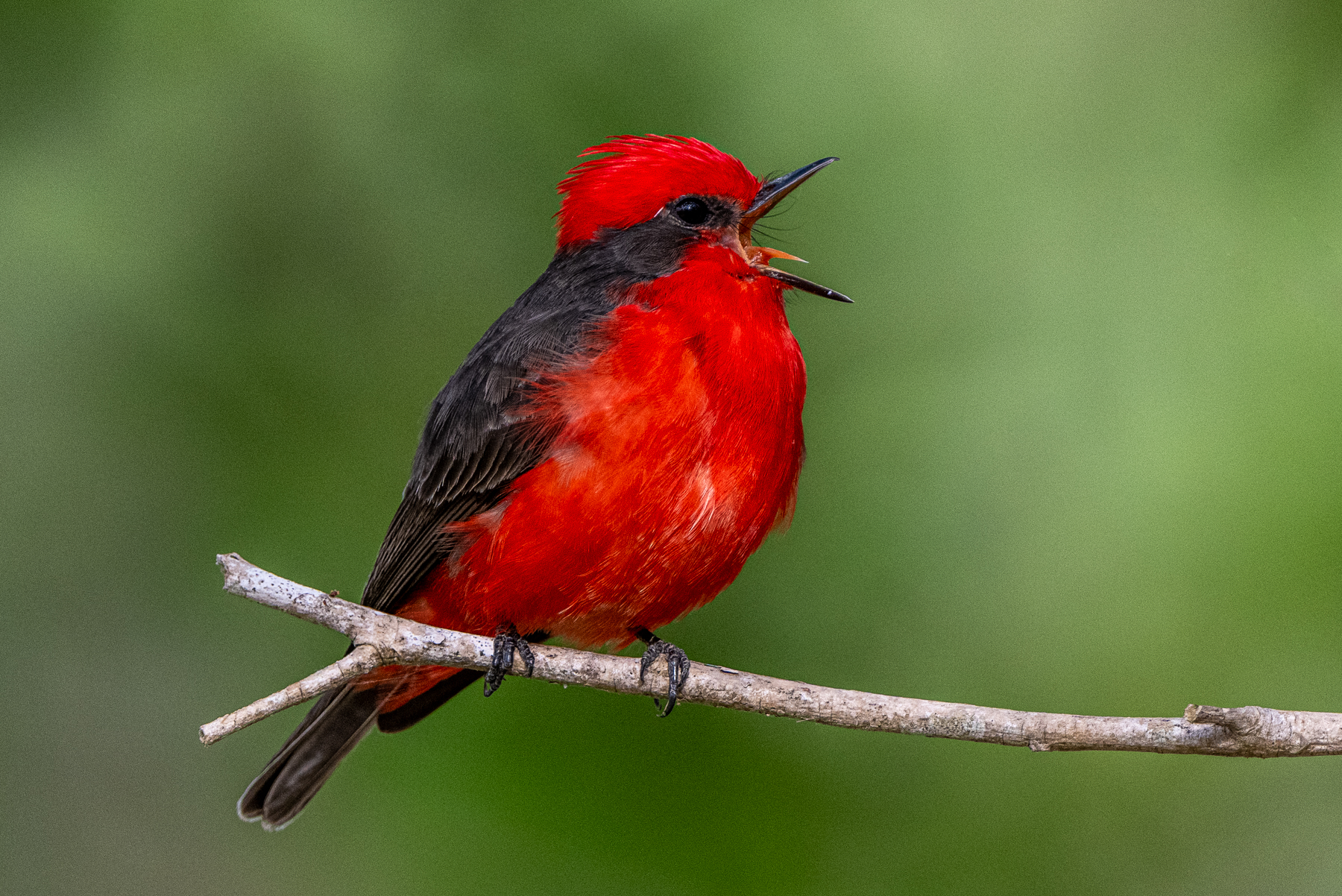
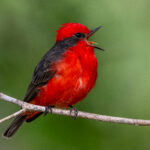
A male Vermillion Flycatcher is simply stunning (image by Oliver Krueger)
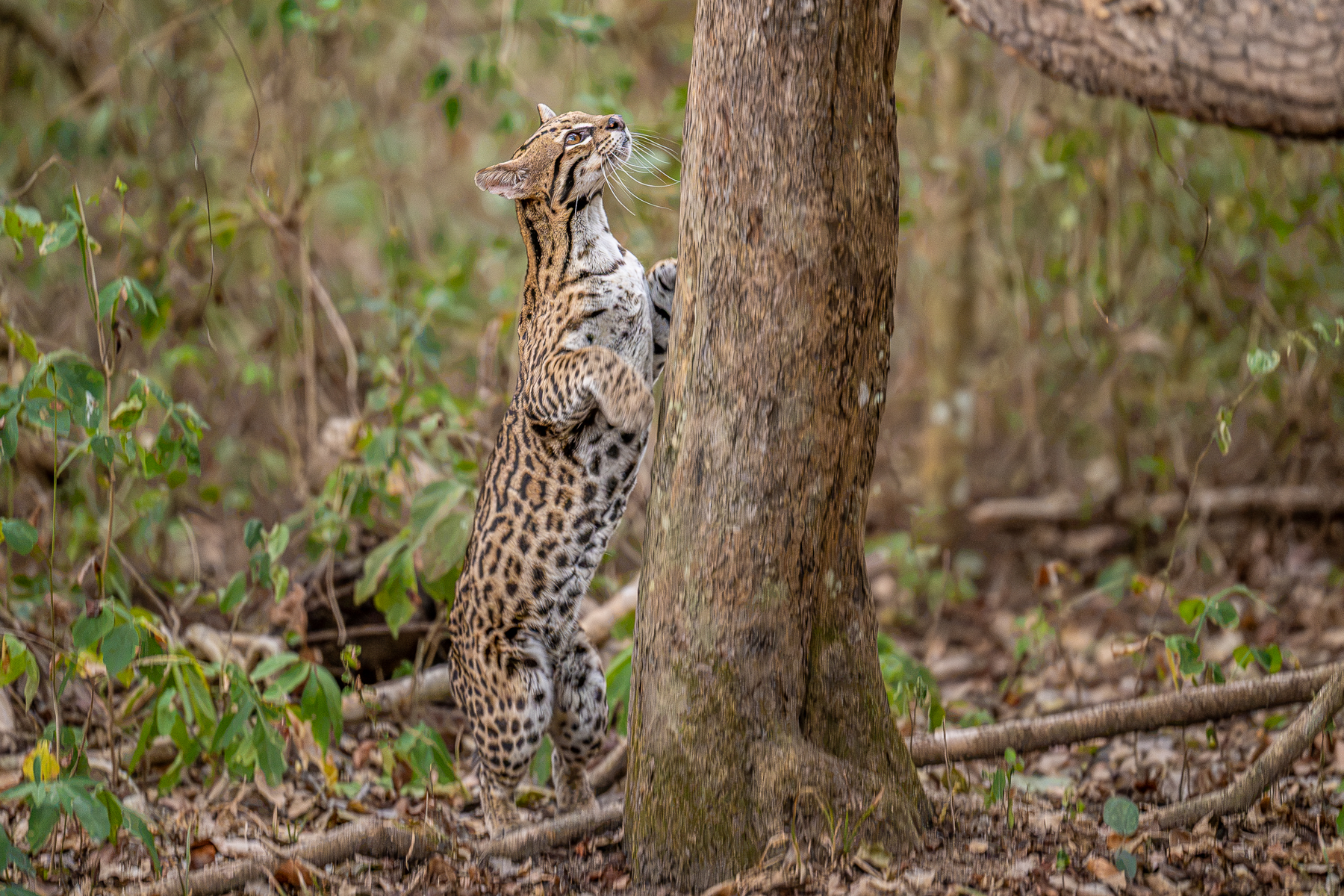
Captivated by the smell of fresh chicken meat, an Ocelot is about to investigate a tree branch (image by Oliver Krueger)
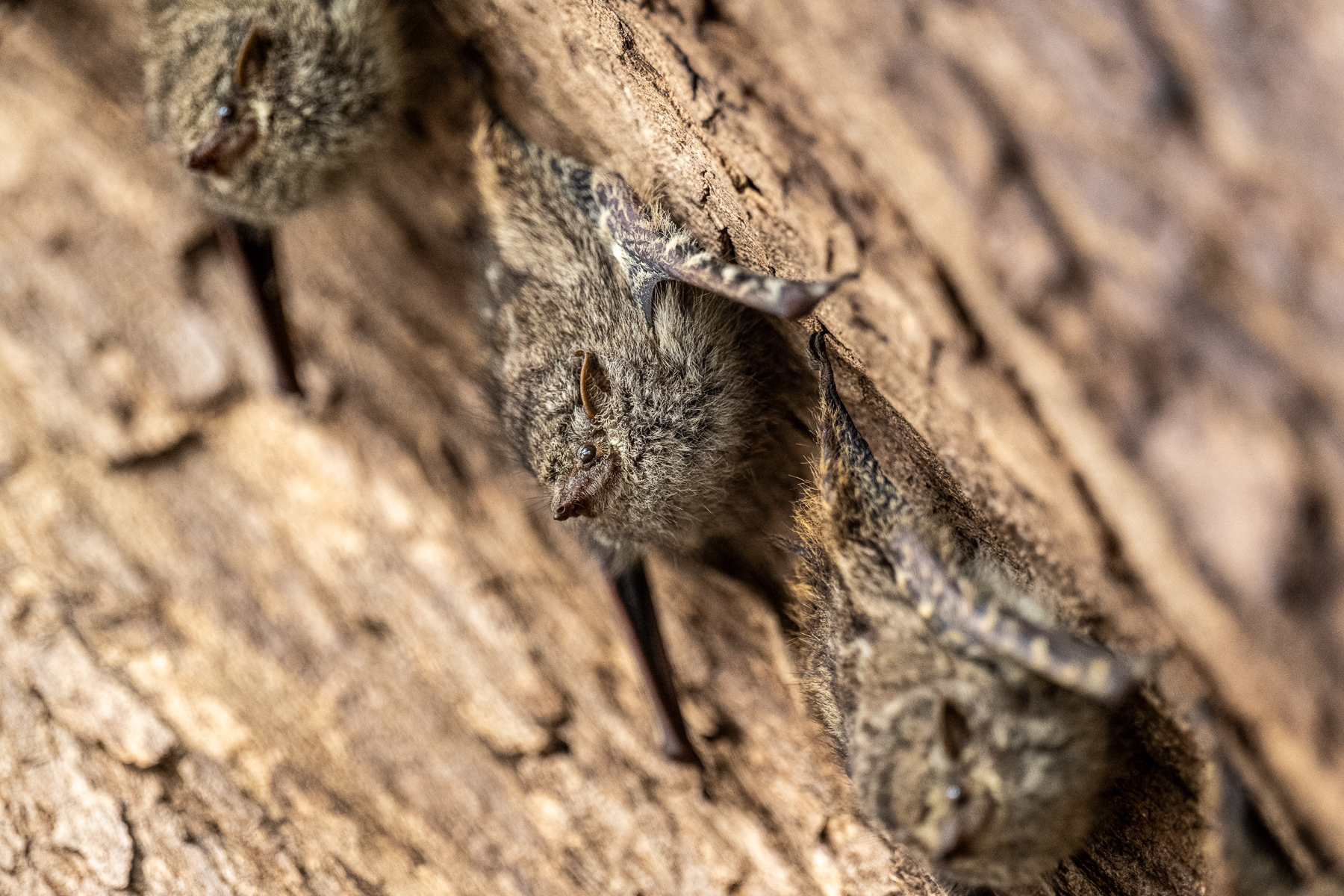
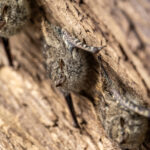
Proboscis Bats commonly roost on trees overhanging the water (image by Oliver Krueger)
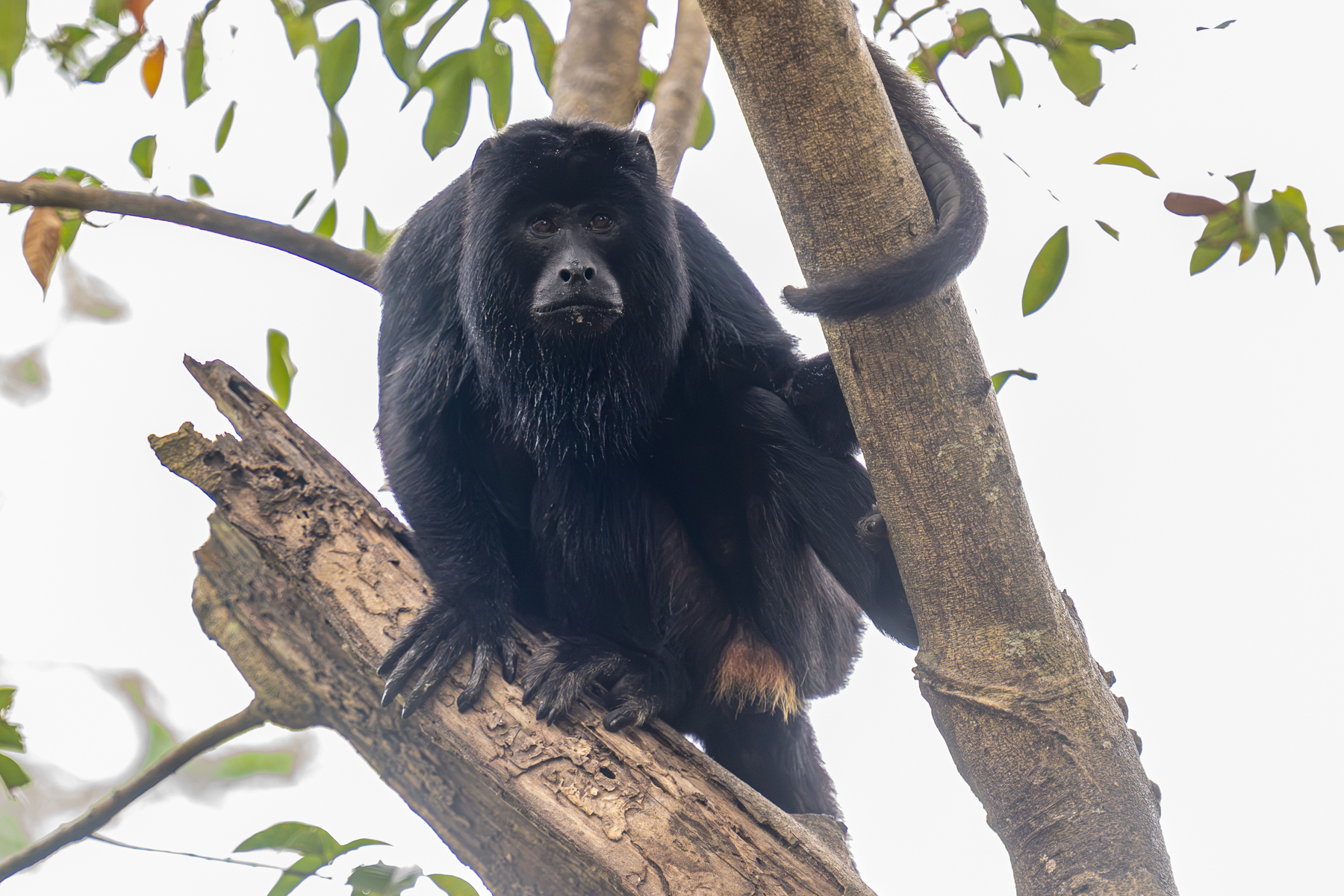
Hard to tell what this male Black Howler Monkey thinks on a rare cloudy morning in the Pantanal (image by Oliver Krueger)
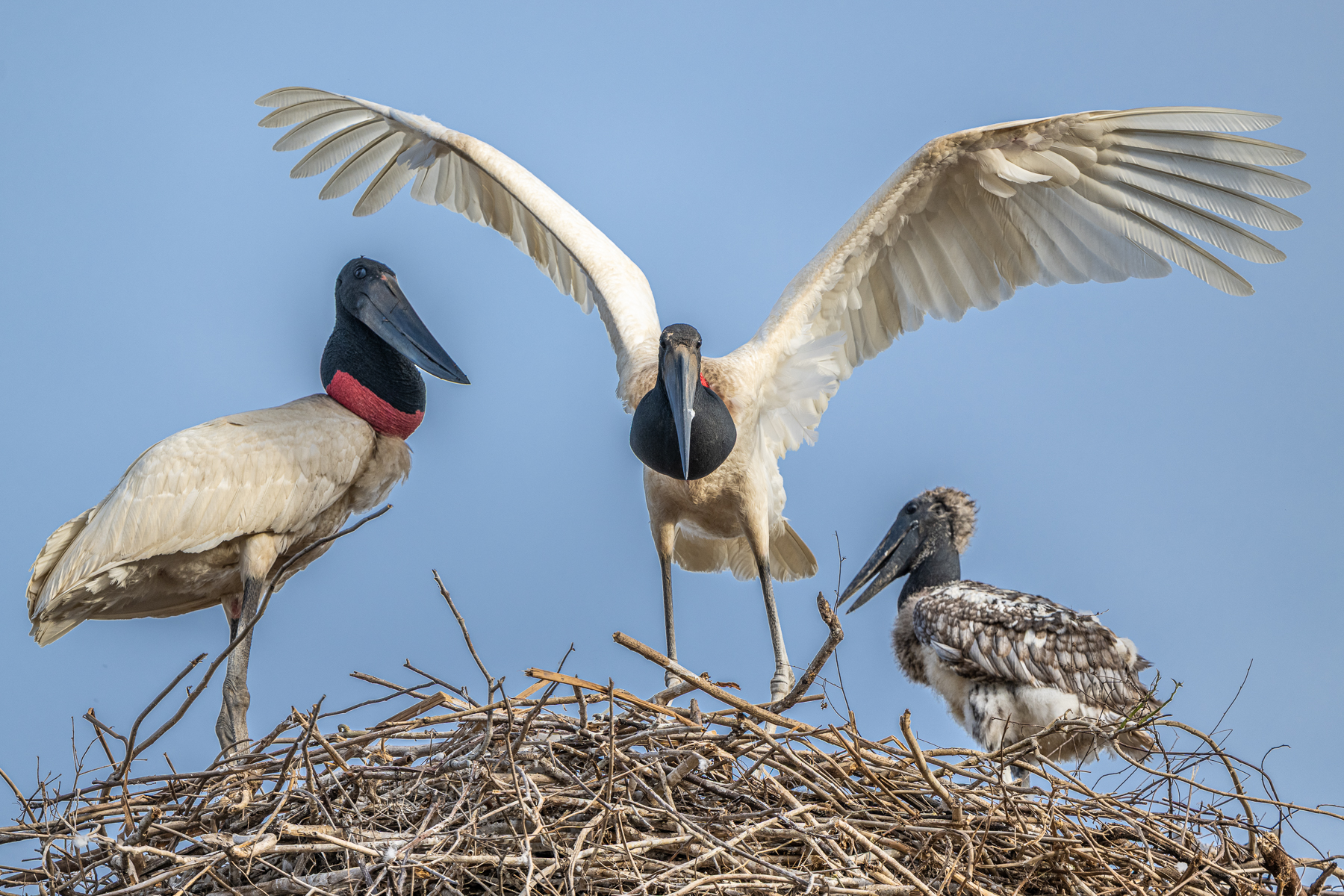
A short moment of family time at the Jabiru nest (image by Oliver Krueger)
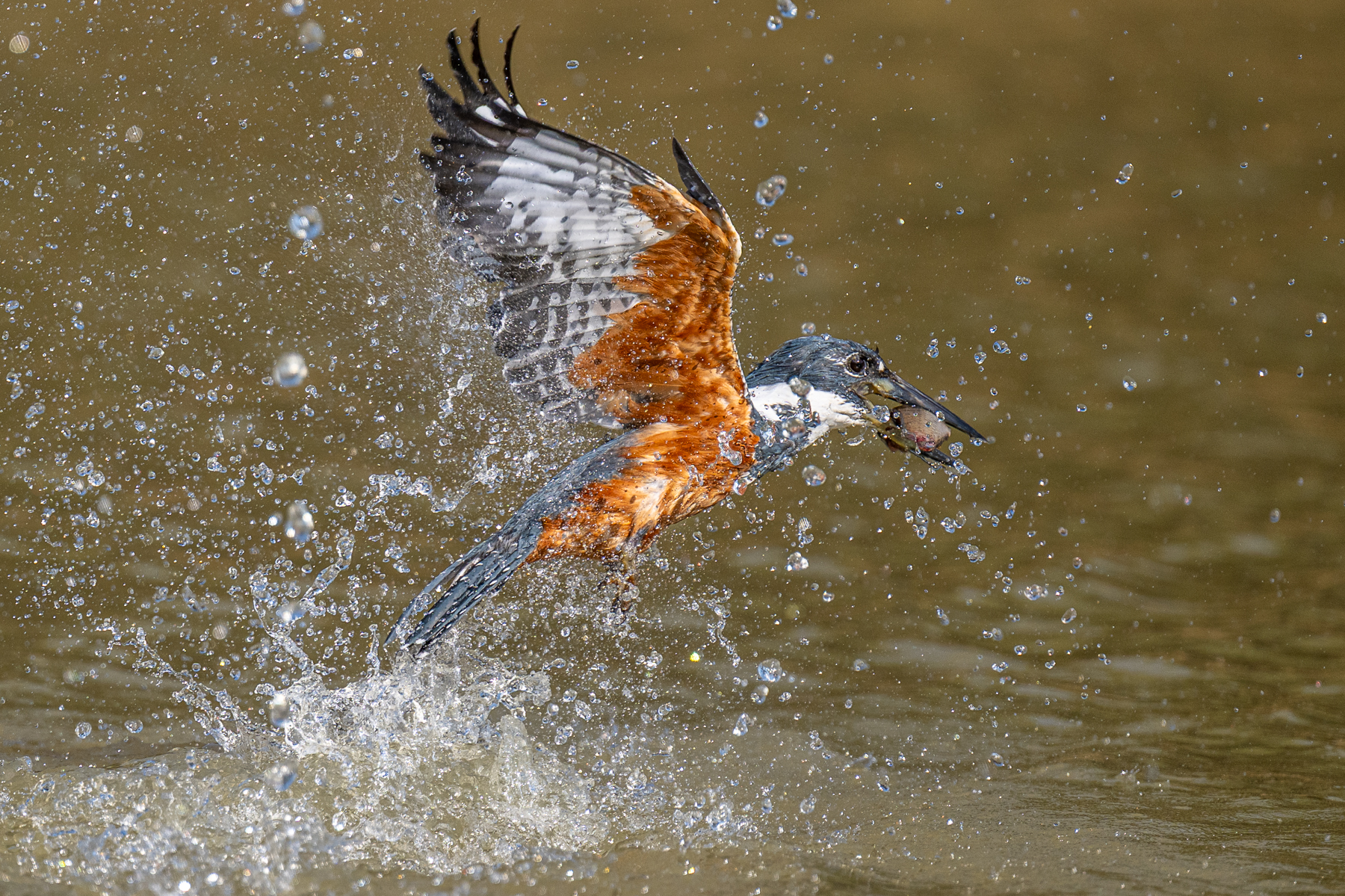
Re-emerging after a successful catch, a Ringed Kingfisher flies immediately back to a perch (image by Oliver Krueger)
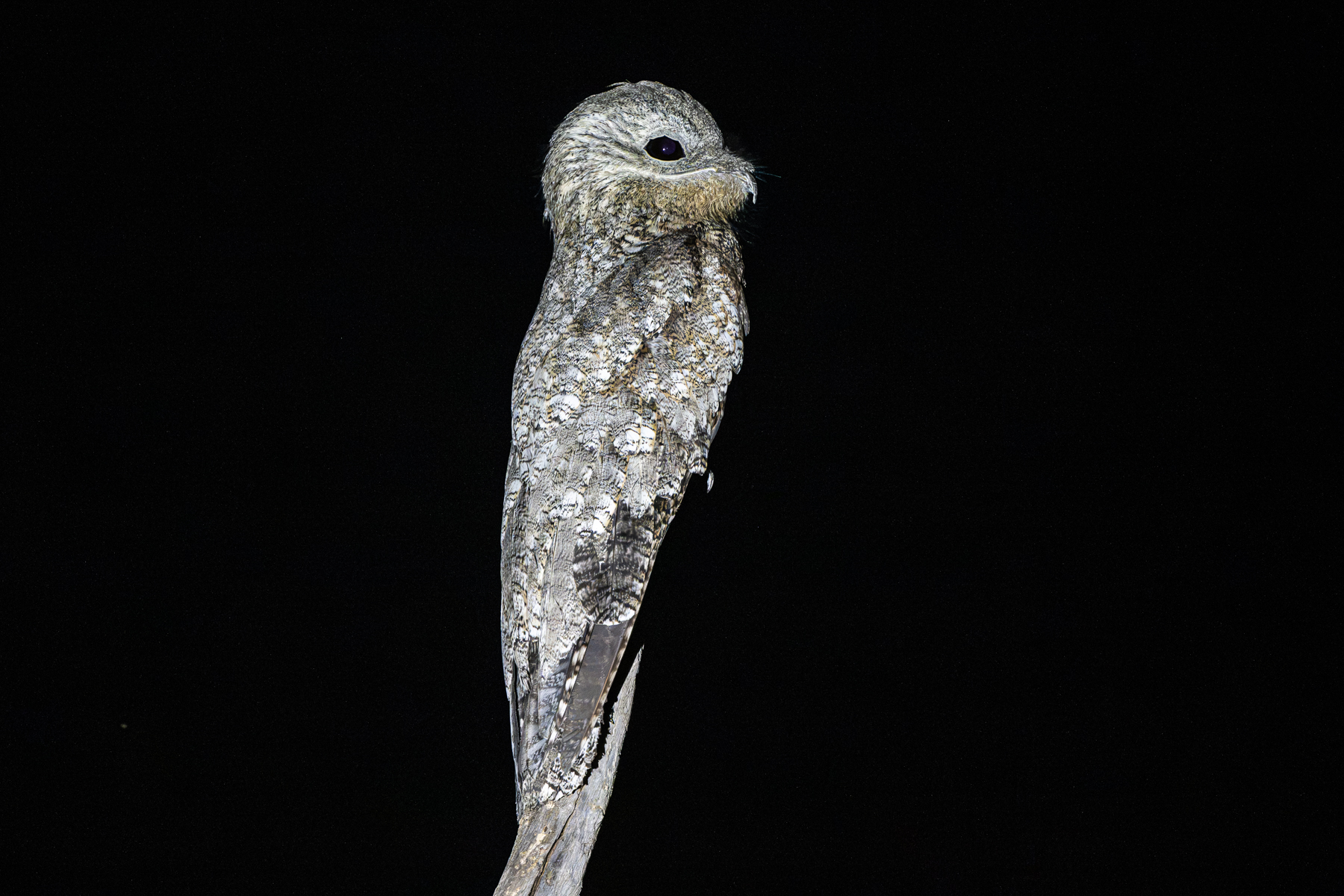
The sight of a Giant Potoo at night is a highlight of any trip to the Pantanal (image by Oliver Krueger)
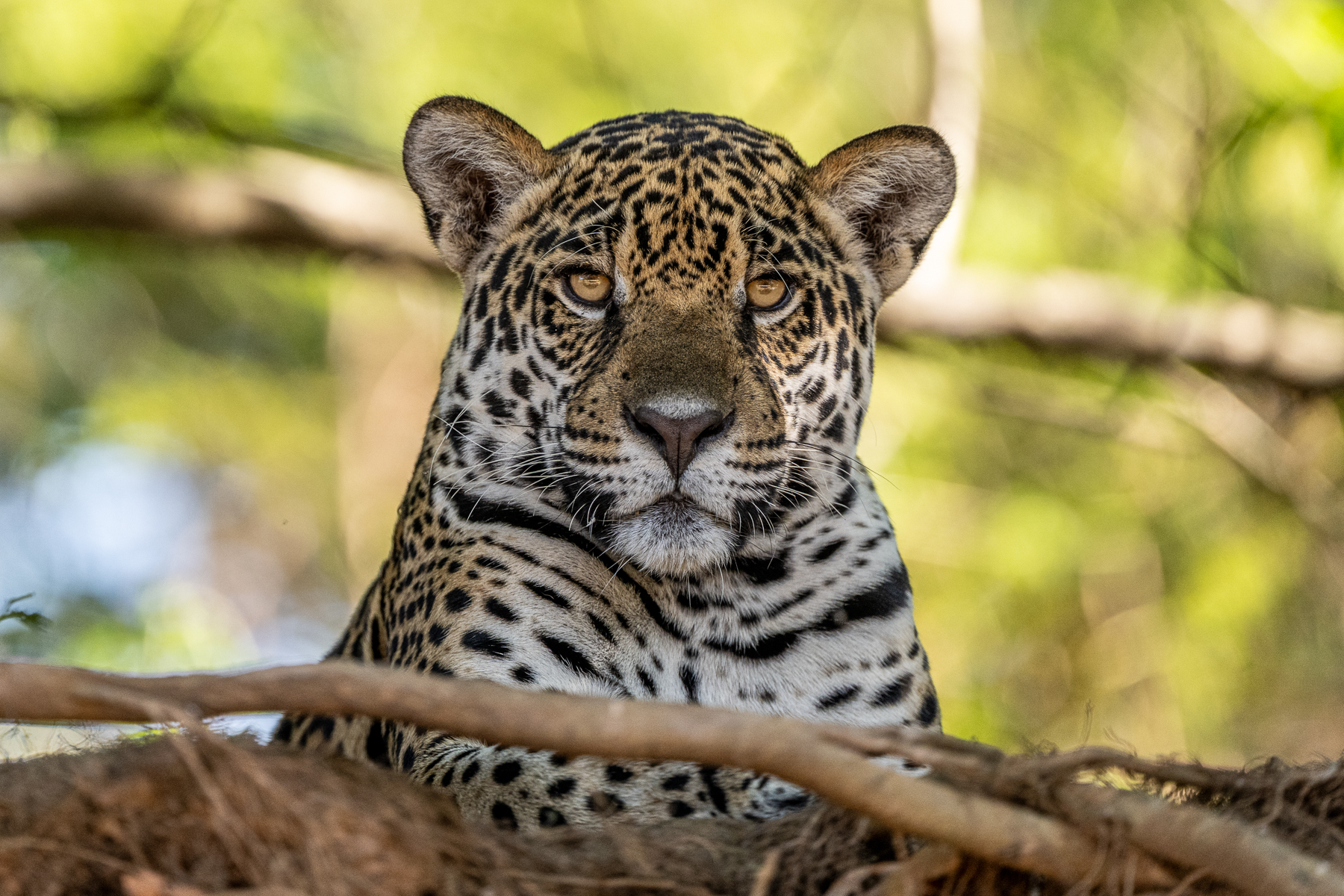
Morning portrait of the Jaguar cub "Jasy" (image by Oliver Krueger)
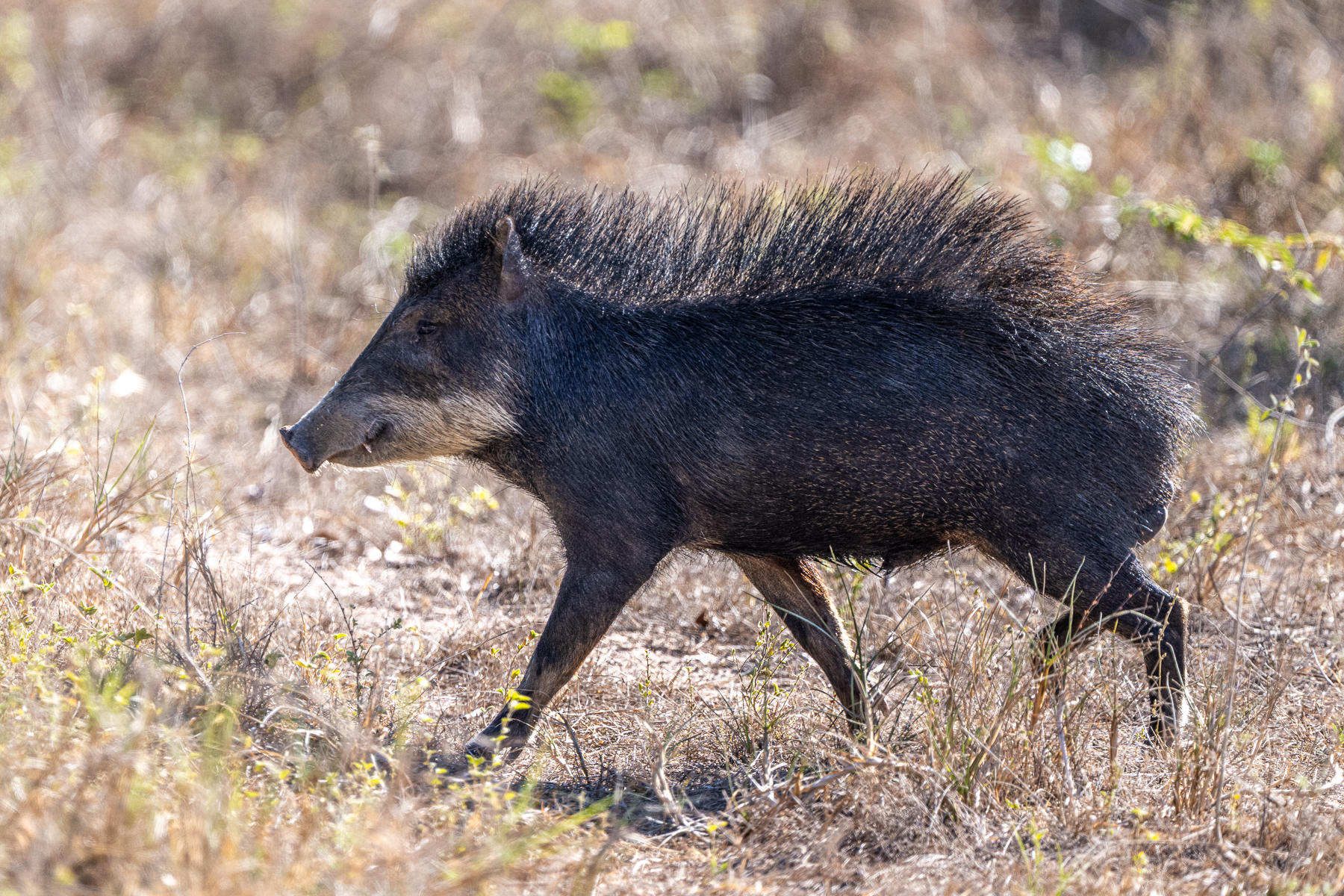
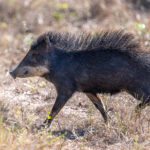
A nervous White-lipped Peccary, indicated by the raised hair on the back, is about to cross the road (image by Oliver Krueger)
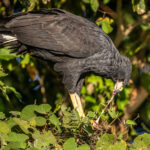


This Turkey Vulture with an intensely coloured head flew by the boat (image by Oliver Krueger)
A collection of Yacare Caiman heads with their strong teeth (image by Oliver Krueger)
Gray Brocket Deer can be told apart from their red sister species by the large ears (image by Oliver Krueger)
Admittedly far away, but a rare instance of severe aggression between two Peach-fronted Parakeets (image by Oliver Krueger)
Stabbed by the beak, a Cocoi Heron is about to fly off with its prey (image by Oliver Krueger)
In the evening sun, a Peach-fronted Parakeet on the way to a waterhole (image by Oliver Krueger)
With a wingspan of 2.8 metres, the Jabiru stork is the largest flying bird of South America (image by Oliver Krueger)
A Caiman's death is a Black Vulture's feast (image by Oliver Krueger)
The Toco Toucan is the largest Toucan species in the world, and rather impressive in flight (image by Oliver Krueger)
With their strong and sharp beaks, Jabiru storks can also catch large fish (image by Oliver Krueger)
In case anyone wonders where the name Boat-billed Heron comes from (image by Oliver Krueger)
Giant Anteaters need lots and lots of Termites, as they are not very nutritious (image by Oliver Krueger)
With their very active lifestyle, Giant Otters need a lot of food (image by Oliver Krueger)
A pair of Jabiru storks on their nest (image by Oliver Krueger)
A Hyacinth Macaw in flight is an unforgettable sight of the Pantanal (image by Oliver Krueger)
Great Black Hawks rarely collect fish from the water surface, this one did (image by Oliver Krueger)
Jaguar female "Marcela" stalking for prey (image by Oliver Krueger)
Before a dive, a Ringed Kingfisher sometimes hovers above the water (image by Oliver Krueger)
This Tapir wanted to escape our photographic attention but found the river bank too steep (image by Oliver Krueger)
The smartest monkeys in the Pantanal, Azara's Capuchin Monkey (image by Oliver Krueger)
This Jaguar cub is not sure what to think about the photographer (image by Oliver Krueger)
Beautiful blue, portrait of a flying Hyacinth Macaw (image by Oliver Krueger)
The immature Rufescent Tiger Heron is arguably more pretty than the adult (image by Oliver Krueger)
A Ringed Kingfisher male in bright afternoon sunshine looks simply stunning (image by Oliver Krueger)
Black-tailed Tamarins rarely stay in one position long, this one luckily did (image by Oliver Krueger)
With their supraorbital ridge, birds of prey like this Roadside Hawk, can produce an amazing look (image by Oliver Krueger)
A beacon of bright red light, a flowering Ant Tree (image by Oliver Krueger)
The Pantanal is the centre of distribution of the small Yellow-collared Macaw (image by Oliver Krueger)
The male Barred Antshrike is one of the most striking small birds in the Pantanal (image by Oliver Krueger)
You can look relaxed if mother is right next to you (image by Oliver Krueger)
The Common Potoo is a superbly adapted nocturnal insect predator (image by Oliver Krueger)
A shy and elusive Ocelot on approach to a feeding station (image by Oliver Krueger)
A timid female Marsh Deer displays its long black legs, its black nose and its rather large ears (image by Oliver Krueger)
Giant Otters seem to be able to obtain their fish prey at ease (image by Oliver Krueger)
The folivorous diet of Black Howler Monkey means they have to rest a lot, as this female does (image by Oliver Krueger)
One of the cubs of "Medrosa" explores the river bank (image by Oliver Krueger)
Jaguar female "Medrosa" looking for prey (image by Oliver Krueger)
You might not see them, but they might be there, Jaguar in a bush (image by Oliver Krueger)
Despite its small size of 16 cm, the Ferruginous Pygmy Owl can tackle prey larger than itself (image by Oliver Krueger)
The most famous Jaguar of the Pantanal, the female "Medrosa" (image by Oliver Krueger)
The only group of primates where two babies are born are the Tamarins (image by Oliver Krueger)
To get to one of her favourite vantage points, Jaguar female "Medrosa" jumps up the tree (image by Oliver Krueger)
Female Jaguar "Marcela" on the move, with one of her cubs behind her (image by Oliver Krueger)
A very common but still beautiful sight, White-winged Swallow (image by Oliver Krueger)
The Red-legged Seriema is normally shy, but can be very approachable at Piuval (image by Oliver Krueger)
Another beautiful sunrise, Rio Piquiri (image by Oliver Krueger)
Head portrait of an Ocelot, displaying its rough tongue (image by Oliver Krueger)
After a successful dive, an Amazon Kingfisher emerges with its prey (image by Oliver Krueger)
A diving Ringed Kingfisher, the largest species of Kingfisher in South America, is an impressive sight (image by Oliver Krueger)
There is only place for one Tapir in a waterhole (image by Oliver Krueger)
Play time for two Crab-eating Foxes (image by Oliver Krueger)
Greater Rhea drink with a sideways sweep of their heads (image by Oliver Krueger)
At the end of a yawning session, male Jaguar "Tomas" looks a bit mad (image by Oliver Krueger)
A Rufous-tailed Jacamar male enjoys the morning sunshine (image by Oliver Krueger)
Giant Otters live in family groups and are really playful (image by Oliver Krueger)
To capture a Green Kingfisher in flight was a real challenge of the trip (image by Oliver Krueger)
With enough daylight, we could even indulge in Ocelot action photography (image by Oliver Krueger)
If there is a bit of cloud cover, sunrise on the Rio Cuiaba can be rather spectacular (image by Oliver Krueger)
At the moment of impact, a Ringed Kingfisher is about to protect its eyes with the nictitating membrane (image by Oliver Krueger)
A display of agility by male Jaguar "Tomas" (image by Oliver Krueger)
Coming down for a drink is risky for Toco Toucans, so it is better to do it in a group (image by Oliver Krueger)
On collision course with a Tapir (image by Oliver Krueger)
A Burrowing Owl always looks a bit sceptical (image by Oliver Krueger)
The largest owl of South America, an impressive Great Horned Owl (image by Oliver Krueger)
An Orange-backed Troupial enjoys an evening bath on the Rio Piquiri (image by Oliver Krueger)
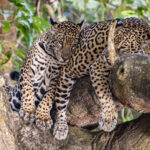
Jaguar family life, "Marcela" with her two cubs (image by Oliver Krueger)
Looking curious behind a tree, Jaguar female "Medrosa" is always looking for potential prey (image by Oliver Krueger)
One of the many species of Spinetail, a curious Yellow-throated Spinetail (image by Oliver Krueger)
The cub reassures itself at Medrosa's side (image by Oliver Krueger)
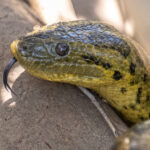
Although we found a total of five Yellow Anaconda, it was still very difficult to obtain an image of the head (image by Oliver Krueger)
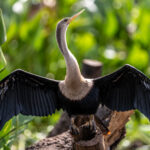
An Anhinga stretches its wings to dry after a fishing trip (image by Oliver Krueger)
The Common Pauraque is the most common nightjar of the Pantanal (image by Oliver Krueger)
A Jaguar can go from relaxed mode into hunting mode in an instant (image by Oliver Krueger)
Love is in the air between these two Rufous-tailed Jacamars (image by Oliver Krueger)
One of the real ornithological highlights of the trip was having a Green-and-rufous Kingfisher next to the boat (image by Oliver Krueger)
The female Jaguar "Jaju" displays its formidable teeth in a yawn (image by Oliver Krueger)
Red-legged Seriema close-up portrait (image by Oliver Krueger)
It is rare to get so close to a Wattled Jacana to take a head portrait (image by Oliver Krueger)
The Aplomado Falcon is a large, slender falcon species and a relatively rare sight in the Pantanal (image by Oliver Krueger)
With their big feet and strong legs, Tapirs can make quite a splash (image by Oliver Krueger)
Rare to see and very difficult to photograph, the tiny (9 cm) White-wedged Piculet (image by Oliver Krueger)
A Giant Anteater explores the savannah in search of Termite nests (image by Oliver Krueger)
While it looks comical, the Pied Lapwing is very capable of walking the riversides in the Pantanal (image by Oliver Krueger)
The abundance of Yacare Caimans in the Pantanal is beyond belief, so a wide angle lens can sometimes help (image by Oliver Krueger)
A trusting Giant Anteater came so close to the vehicle that head portraits were possible (image by Oliver Krueger)
The Capybara is well adapted to life in the swamps of the Pantanal (image by Oliver Krueger)
The first Jaguar of the trip, a very impressive male (image by Oliver Krueger)
Jaguar "Makala" jumps off the branch that "Pantaneiro" did not really want to share (image by Oliver Krueger)
The Pantanal has been farmed for centuries, and the people doing so are called Pantaneiros (image by Oliver Krueger)
Easily taken for granted as it is very common, the Palm Tanager is still a handsome species (image by Oliver Krueger)
Mother's tale is a wonderful toy for Medrosa's cub (image by Oliver Krueger)
Always alert and curious, a group of Giant Otters inspects (image by Oliver Krueger)
A Crane Hawk stretches its long legs on approach to a perch (image by Oliver Krueger)
Toco Toucan close-up (image by Oliver Krueger)
Catching a Capybara for a ride is rather unusual for a Giant Cowbird (image by Oliver Krueger)
Head portrait of a Yacare Caiman, the most abundant large fish predator of the Pantanal (image by Oliver Krueger)
With the severe drought in the Pantanal in 2026, Tapirs regularly came for a drink even in broad daylight (image by Oliver Krueger)
This Neotropical Cormorant caught a Snow Pleco for breakfast (image by Oliver Krueger)
At a mere 15 cm, the Little Woodpecker is tiny, but beautiful (image by Oliver Krueger)
To capture an Ocelot in broad daylight was an undisputed highlight of the trip (image by Oliver Krueger)
Black-collared Hawks rely heavily on fish for their diet (image by Oliver Krueger)
Due to the foraging behaviour and peculiar gait, a Giant Anteater baby has to ride on the mother's back (image by Oliver Krueger)
Hyacinth Macaws stay together as a breeding pair for life (image by Oliver Krueger)
The Whistling Heron has one of the most beautiful plumages of any heron (image by Oliver Krueger)
The Pied Lapwing is one of the most beautiful Lapwing species in the world (image by Oliver Krueger)
Beautiful colour contrast between the dry grey soil and a rather rufous South American Coati (image by Oliver Krueger)
Medrosa is a female Jaguar in her absolute prime at the age of ten (image by Oliver Krueger)
Although they are in a coalition, it is not always entirely peaceful between "Makala" and "Pantaneiro" (image by Oliver Krueger)
This Wattled Jacana needed a drink in the morning heat (image by Oliver Krueger)
The early Neotropical Cormorant catches the fish (image by Oliver Krueger)
A male coalition can only be observed in the Pantanal, "Makala" and "Pantaneiro" (image by Oliver Krueger)
With their powerful tail, Giant Otters can easily spy-hop to see what is going on (image by Oliver Krueger)
A Great Black Hawk in the process of devouring a tree frog (image by Oliver Krueger)
When agitated, Rufous Cachalote "complain" about the disturbance in pairs (image by Oliver Krueger)
A Blue-crowned Trogon male with the shoulder look (image by Oliver Krueger)
Having lost a bit of its right ear in a fight, Jaguar "Pantaneiro" is looking for prey (image by Oliver Krueger)
The Amazon Lava Lizard is very swift on the ground and on tree barks (image by Oliver Krueger)
The Crested Oropendola is the largest species of Oropendola found in the Pantanal (image by Oliver Krueger)
The fur on the belly of a female Jaguar (image by Oliver Krueger)
Grabbing a fish from the water is not a speciality of Cocoi Heron (image by Oliver Krueger)
A male Vermillion Flycatcher is simply stunning (image by Oliver Krueger)
Captivated by the smell of fresh chicken meat, an Ocelot is about to investigate a tree branch (image by Oliver Krueger)
Proboscis Bats commonly roost on trees overhanging the water (image by Oliver Krueger)
Hard to tell what this male Black Howler Monkey thinks on a rare cloudy morning in the Pantanal (image by Oliver Krueger)
A short moment of family time at the Jabiru nest (image by Oliver Krueger)
Re-emerging after a successful catch, a Ringed Kingfisher flies immediately back to a perch (image by Oliver Krueger)
The sight of a Giant Potoo at night is a highlight of any trip to the Pantanal (image by Oliver Krueger)
Morning portrait of the Jaguar cub "Jasy" (image by Oliver Krueger)
A nervous White-lipped Peccary, indicated by the raised hair on the back, is about to cross the road (image by Oliver Krueger)


2026 marked the nineth Wild Images trip to the Pantanal, the largest wetland on the planet. Roughly half the size of Germany, it is one of South America’s greatest ecosystems. As a tour leader, I have to confess that I was a bit nervous, as I had guided the Pantanal tour in 2025, and that tour was a roaring success; hence, I feared that 2026 might not match the previous years.
While comparisons are impossible, I believe we continued the run of highly successful tours to this first and foremost wildlife photography destination in South America. In fact, we had so many thrilling observations that we easily beat previous records for many key species. We had 42 Jaguar encounters, up from the previous record of 25 set in 2025, including a number of rarely seen interactions between mothers and cubs and even between two adult males that formed a coalition. While we did not witness a full sequence of a successful Caiman hunt, we saw Jaguars in the water, in the trees, and even in the air, including several beautiful jumps. Some of our Jaguar encounters lasted two hours, and this does not mean that the Jaguar was sleeping. In fact, hardly any of the Jaguars we encountered were continuously sleeping. This resulted in a rather diversified portfolio of Jaguar pictures. In addition, we photographed over 125 bird species during this trip and, thanks to our wonderful guide, Marlon Mendes, saw quite a few other species, too. Add to this a stunning total of 13 encounters with Tapirs, three Ocelot sightings, five Giant Anteaters, five yellow anacondas and a total of 34 Giant Otters, both playing and catching fish. I hope everyone can understand why many of us were rather low on memory card or disk space by the end of the tour.
It all started, as in previous years, close to Cuiaba airport, more precisely at the Amazon Airport Hotel, where most of us had stayed the previous night(s). Everyone was ready to go and so we took off at a smouldering heat of 37°C already at 9 am, but our air-conditioned van provided a welcome cocoon. Soon, Cuiaba was behind us and the landscape became ever wilder. We noticed how dry the Cerrado was, indeed this year’s dry season was one of the driest on record and this would mostly turn out to be an advantage for the tour, with a few exceptions After driving for about two-and-a-half hours, the first Capybaras, caimans, and Herons came into view, and we left the Transpantaneira Highway and arrived at our first destination, Pouso Alegre. We were welcomed, and the re-modelled former cattle ranch became our base camp for the next two days.
Pouso Alegre
We arrived at the rustic but cosy lodge at noon and enjoyed our first lunch in the bush. Afterwards, we relaxed a bit or photographed the omnipresent Crested Caracaras and South American Coatis. In the afternoon, we explored some of the ranch’s 7000 hectares by truck. We made our way to a waterhole and were held up by a large group of White-lipped Peccaries wallowing in a tiny puddle and looking a bit nervous. We got very nervous for a second or two as our guide Marlon frantically pointed towards the track behind us, and those who did look got a glimpse of a beautiful male Ocelot as it stared at us and quickly disappeared into the bush. When we arrived at the final waterhole, we waited for animals to come for a drink in the late afternoon. And some did. We were excited to see Tinamous coming for a drink, and then a Tapir appeared right next to the truck. It was a bit too nervous to pass right in front of us, so it turned back. As the last rays of sunshine hit the trees, Toco Toucans took to the water, and so did Peach-fronted Parakeets, Jabiru Storks, as well as a group of Coatis and a rather shy Agouti. With the last light fading, we drove back to the lodge and had a nice Tapir sighting at another waterhole. At 300 kg max, the Tapir is South America’s largest land mammal and has been hunted relentlessly in most places. Here in the Pantanal, Pouso Allege is one of the best places to see it, and I was happy we got the first decent photos on the first day. Where we did draw a blank was with the Ocelot at night; Pouso Allege had recently started to feed one Ocelot close to the lodge, and it has apparently not fully habituated yet.
The first morning of the tour started with an early drive in the dark, but at the first waterhole we enjoyed a very successful early-morning session as the sun slowly crept over the horizon. A Tapir occupied the waterhole and was feeding on fruits at the edge. All of a sudden, another appeared from behind us, and although we were quiet and well-behaved, it was surprising to see it walk past us within ten metres. There apparently wasn’t enough space for the two Tapirs, so the first one quickly got out of the way. Soon thereafter, two Crab-eating Foxes appeared. Although rather common in the Pantanal, this was our first opportunity to photograph this species; while it feeds mostly on crustaceans in the wet season, its diet is much more variable in the dry season, and it was a nice photographic session with beautiful back-lit foxes playing. Just before we arrived back at the lodge, we saw a Great Horned Owl, the biggest owl species of South America. The female was staring at us without much interest while a chick clambered in the branches next to her. What a packed morning, and just before breakfast, we paid a short visit to the bird feeders, which yielded a nice sighting of a group of Coatis, Crested Oropendolas, Giant and Shiny Cowbirds, as well as lots of Yellow-billed Cardinals. After breakfast, we did a bit of birding on foot and visited the Great Horned Owls again, and while we were busy photographing them, Marlon heard a Ferruginous Pygmy Owl on the other side of the track, and with a bit of patience, it came clearly into view. From the largest to one of the smallest owls in just ten minutes. Back in the truck, we had a nice encounter with a Roadside Hawk which had captured a lizard, and we watched as it devoured it. As it got hot, we made no further noteworthy observations, and we were back at the lodge around 11 am to relax a bit and download images.
Our afternoon drive started at 3 pm, and once again, we slowly made our way to the two waterholes we had visited in the morning. The first waterhole again produced two beautiful Tapir sightings, and we waited again at the second waterhole. This time, a Tapir came out into the open, went into the water, and waded around. We decided to stay until darkness, and as it became dark, first a Common Potoo appeared, shortly followed by a Giant Potoo. Both species have exceptional night vision, which they use to hunt large insects at night. We watched the Giant Potoo do so over the waterhole, which was not photographable but splendid to see. On the way back to the lodge, another Tapir enjoyed a drink at the first waterhole, bringing our Tapir total for the day to an incredible six! On the entire trip last year, we had seen two. Hence, everyone was very happy but also tired, but the day was not over yet, photographically speaking. Marlon suddenly knocked on our door after dinner to tell us that a Giant Anteater had visited the kitchen for some protein in the form of boiled eggs, and that we should hurry to see it go back to the Cerrado. Sure, we hurried, and after waiting for a bit, it passed us, and it came so close we could have touched it. The female even carried a baby on her back, and we accompanied her back into the darkness. What a day!
The next day started just as early as the first one, but our sightings were more moderate: As the sun slowly rose over the horizon, we made our way to the two waterholes again. We saw agoutis, a Racoon, coatis, and lots of toco toucans coming for an early morning drink. The first of many pairs of Hyacinth Macaws were seen, but the ornithological highlight of the morning was probably a beautiful Rufous-tailed Jacamar, which enjoyed the sunshine as much as we did photographing it. Its shiny green plumage really looks at its best when illuminated by sunshine. We went back for breakfast, loaded our bags onto the van and went for another little game drive. At the first waterhole, Hyacinth Macaws were drinking, and the second was occupied by a group of White-lipped Peccaries. We changed on the fly from our field truck to the van and enjoyed two more Tapir sightings at little water holes along the main track of Pouso Alegre, bringing our total of Tapir sightings to a rather remarkable ten! We finally started to drive to our second destination, SouthWild Santa Tereza lodge.
Santa Tereza
As the distance between the lodges is not that great, we arrived at the SouthWild Santa Tereza lodge in time for lunch. What surprised us was the complete lack of a river in front of the lodge. The Rio Pixaim was non-existent, and we wondered how we were supposed to do the scheduled boat trips without any water. The lodge was smaller and even cosier than Alegre, and we used the time on either side of lunch to photograph birds at the various feeders around the lodge. From Saffron Finches to Yellow-chevroned Parakeets, at this time of the year, water dripping from a pipe was almost as attractive as the feeders.
Our first boat trip started at 2:30 pm from the Hotel Mato Grosso, where the Rio Pixaim still had sufficient water. Like at Santa Tereza, the focus was action photography. With a little help from some small fish brought along by our boat driver, several bird species were attracted and well accustomed to collecting the fish from the water surface. Our guide Marlon announced our presence with a whistle, and within a minute, a Great Black Hawk was nicely perched in anticipation. It came down to the water quickly and grabbed the fish; most of us were rather surprised, and I almost missed this first opportunity for photography. Luckily, several more were to come, including a Black-collared Hawk and a Ringed Kingfisher. Its speed was a different challenge altogether. In addition, it tended to fly away from us after the dive, giving all of us plenty of opportunities to photograph its back and then quickly disappearing. However, by the end of the session, most of us had first some shots of all three species. The remainder of the boat drive yielded some very cooperative Yacare Caimans, so that even wide-angle shots were possible, but soon it was 4:30 pm, and hence we had to drive back to the lodge to quickly refresh, followed by a short walk to an Ocelot hide. SouthWild Santa Tereza lodge is famous for attracting this beautiful cat to a feeder after dawn, and we tried our luck. We waited until 5:15 pm, and after the birds’ alarm calls, an Ocelot appeared. It offered us tremendous photographic opportunities, and it stayed with us for 45 min and only disappeared at sunset, so we had very decent light conditions as well. Not surprisingly, spirits were rather high at dinner time.
The next day started a bit later than at Alegre; breakfast was at 6 am, and by 6:45 am we were on the road to Rio Claro lodge. Once we arrived, we enjoyed a short break and saw Jabirus on their nest, as well as a White-rumped Monjita. Finally, we were cruising the river. Once again, Black Hawk, Black-collared Hawk, and Ringed Kingfisher were attracted to the boat, along with a Cocoi Heron, and we continued to improve our diving portfolio. As we were cruising along the river, we heard and saw our first group of Giant Otters snorting loudly, a sign of nervousness. All of a sudden, a Jaguar appeared on the riverbank, a gorgeous-looking large male. It looked at us, and we were thrilled to see this first Jaguar of the trip, even before Porto Jofre. By 11 am, we were back at the lodge and used the different feeders or simply relaxed.
The afternoon boat drive provided additional opportunities for action photography with Ringed Kingfishers and even an Amazon Kingfisher, while the trees along the river provided perches for a group of Yellow-collared Macaws, a rather small but beautiful macaw species. Once again, we finished around 4 pm to make our way to the Ocelot hide. Once again, we were lucky; the ocelot appeared at 5:25 pm and stayed for 25 min. This allowed us to augment our Ocelot portfolio, and with decent light once more, some of us even used our long tele lenses to take head portraits or used short shutter speeds to capture the ocelot while jumping up or down the branches. Once again, spirits were high at dinner time due to this wonderful encounter with this beautiful little cat species.
The next morning, we shifted focus as we walked to a tower where two monkey species were attracted by bananas and papayas provided by the lodge. Although the light was challenging photographically speaking, we enjoyed comparing the agile, alert Capuchin Monkeys with the more laid-back Black Howler Monkeys. This difference in behaviour stems from their diet: the folivorous Howler Monkeys are constrained in their activity by it. Leaves are hard to digest and much poorer in nutritional value compared with the fruits and nuts that Capuchin Monkeys eat. The difference was obvious. After our time up the observation tower, we did a bit of birding along the Pixaim River. A group of Giant Otters became curious, came within 20 m, and allowed us to take our first decent photos of this charismatic species. They frequently spy-hopped and communicated intensively with grunts and whistles. We also enjoyed good views of smaller birds such as the Yellow-throated Spinetail, Mato Grosso Antbird, and Barred Antshrike.
Back at the lodge, we packed our stuff, and we left at 11 am. After two hours of driving, we felt the need for lunch and enjoyed a very delicious one at the Jaguar Eco Lodge. This proved to be a wonderful decision by Marlon, as Hyacinth Macaws were feeding on palm fruits, oblivious to us, and we were able to take head portraits of these beautiful birds. In addition, Monk Parakeets were building their communal nests, and Yellow-chevroned Parakeets were collecting nest material from Banana plants. A bit further along the Transpantaneira, we saw Maguari Storks by the road as well as a very trusting female Marsh Deer. We finally arrived at the Hotel in Porto Jofre at 2:30 pm. This little village used to be the centre of exploitation of the Pantanal, with thousands of Caiman and Jaguar skins exported from it every year. As ecotourism became a more profitable (and legal) business, it changed people’s livelihoods, the whole ecosystem, and, as we would find out over the next six days, the behaviour of the Jaguars. Initially, we walked around the hotel grounds, which can be very productive for photography. Indeed, we saw a Hyacinth Macaw, a Toco Toucan and a Crested Oropendola, but the photographic highlight of our little stroll was a stunning male Vermillion Flycatcher.
Porto Jofre
After a restless night of anticipation, breakfast started in the dark at 5 am, and at 5:30 am, we were cruising the mighty Rio Cuiaba with our boat driver, Alex. Driving at full speed, Alex got us to prime Jaguar habitat within 25 minutes. At just 18°C, it was a really cold morning by Pantanal standards, and since jaguars don’t like the cold, it was a slow start. After over an hour of searching, we found the female “Jaju”, but she was still fast asleep on the river bank. That changed over the next hour, and she produced fantastic yawns for us before she got up and disappeared into the riverine forest. Shortly thereafter, we saw two males, which would be unheard of anywhere else. But this area is different from anywhere else. With exceptional prey densities (90 % of the diet of these Jaguars consists of Yacare Caiman), traditional large cat territorial behaviour has broken down, and males even form coalitions, otherwise only known from Lions and cheetahs in Africa. As it turns out, the two young males, “Makala” and “Pantaneiro,” were following suit, and it would not be the last time we saw them. Our encounter with them was shortly followed by the Jaguar female “Marcela” and finally, in the Corixo Negro, a small channel off the Tres Irmaos river, we saw “Medrosa” with her two cubs. Currently the most famous Jaguar of the Pantanal, “Medrosa” is known for hunting caiman from trees, but she was not in hunting mood this morning. What a morning! We saw seven different jaguars over six hours; how is that for a start? It took us a bit of time to unwind after lunch, and many of us took a little stroll around the lodge, where up to 20 Toco Toucans gathered in anticipation of fruit. We gathered for the afternoon boat ride, which started at 2.30 pm, and just as we started to rush towards the prime Jaguar habitat, we encountered a group of Giant Otters. One of them had caught a rather big fish and started eating it noisily. We watched the Otter finish its meal and moved on to a particular river stretch where sometimes yellow anacondas are found. We found one curled up in a bush, and it was next to impossible to locate its head and take a decent photo. Afterwards, we searched in the most popular places and were lucky to find “Medrosa” again; she was in one of her favourite trees but did not find a suitable hunting target. Later on, we encountered “Marcela” again; she was patrolling the river bank, and so we had enjoyed nine independent Jaguar sightings in one day. What a first day it had been indeed, and everyone felt a little overwhelmed at dinner.
The next morning, we adapted to the routine of a 5 am breakfast and 5:30 am departure for the morning boat ride. This time, we stopped where the Rio Tres Irmaos meets the Rio Cuiaba, as two Jaguars were lying on the riverbank. While it is very rare to see two Jaguars together apart from a mother and her cub, it turned out these two were fully grown males, “Makala” and “Pantaneiro,” whom we had encountered yesterday. While they were still sleeping, we thought this was a potentially exciting opportunity, and we stayed put, even when most other boats gave up. This proved to be the right decision in my opinion, as they eventually woke up, yawned, and even engaged in mutual grooming. I could hardly believe what I was seeing: two adult male Jaguars side by side, licking each other’s fur. Normally, two males would be very aggressive towards each other, as they are highly territorial. Also, in case anyone wonders, “Makala” and “Pantaneiro” are not brothers, not even half-brothers, probably cousins, and hence relatedness can hardly explain their behaviour either. It is simply that under the exceptional ecological circumstances here, male-male aggression does not pay off, as food is plentiful and the density of females is so high that competition for mating opportunities is also not as fierce as anywhere else. Eventually, they got up and decided to head away from us, but they gave us a nice behavioural show for over an hour. Afterwards, we encountered a female Jaguar very briefly, and finally we went back to Corixo Negro, where “Medrosa” was lying in a tree and was searching for prey. Her two cubs were beneath the tree in the vegetation. As she finally gave up, we did so too, and as we turned around, we saw a male Jaguar with a radio collar, “Ousado”, swimming in the channel. He is the only radio-collared Jaguar, because he was rescued during the severe fires of 2020 and after treating his severe burns and other injuries, he now roams these areas again highly successfully. Just a mere one km after we saw “Ousado” disappear, we found “Makala” and “Pantaneiro” again; they were both in a tree. At some point, “Makala” wanted to leave the tree but was blocked by “Pantaneiro”; after a bit of aggression, “Makala” decided it wasn’t worth it and simply jumped from the tree to the ground. Once again, what an amazing sequence of behaviour.
The afternoon boat ride provided us first with another Yellow Anaconda, once again tightly curled up in a bush. As we rode along the Cuiaba River, we saw two Jabiru storks, and as we watched them, Marlon noticed bird alarm calls and as we turned our heads to the other side of the river, the female “Marcela” emerged, and her two cubs of roughly six months’ age followed her. They swam through the river towards us in glorious afternoon light and moved along the river bank together. They subsequently walked along a beach, and the light was simply stunning. We watched as they disappeared, but decided to stay as Marlon predicted that “Marcela” would go hunting without the cubs. After waiting for about 30 minutes, she indeed emerged from the vegetation, and we followed her until the light faded and she had not found any suitable prey. Summarising the day at dinner, we had enjoyed 10 independent Jaguar encounters, a group of Giant Otters, a Yellow Anaconda and a suite of different bird species, so once again it was almost too much to digest, and after dinner, everyone retreated with a full stomach and full of memories to our rooms.
Our third day at Porto Jofre started as early as the previous ones, but the temperature had risen again, so it did not feel cold anymore in the morning, at least to most of us. This time, we decided to follow the Rio Cuiaba further north and not far from the junction with the Rio Tres Irmaos, we found the female Jaguar “Borboletinha” resting at the riverbank. Soon thereafter, a group of Skimmers was resting on a sandbank; it was fun to watch some of them fly by and even skim the water surface a bit for prey, hence their name. Further still, we had a few minutes with the female Jaguar “Solar” before we decided to stop at a grove of Cecropia trees in search of some of the more difficult-to-find bird species, such as the Blue-crowned Trogon. It was calling from the trees, and eventually both female and male came into view for short periods. Likewise, the absolutely tiny (9 cm) White-wedged Piculet flew from stem to stem. Black-headed Donacobius reacted very well to our playback and perched prominently on riverside vegetation. On the way back, our third female Jaguar this morning, “Guaraci”, was seen checking our usual spots; we found another Yellow Anaconda. This time, its head was clearly visible, allowing us to take head shots. The Yellow Anaconda is the smaller sister species to the Green Anaconda of the Amazon basin. It is not as large, with a maximum reported length of 4.4 metres, but our specimen was probably just over a metre long, still an impressive snake. Regardless of length, it was a beautiful sighting, and we once again returned to the Hotel for lunch, full of memories and full memory cards.
The afternoon boat ride saw us entering the Rio Piquiri, and after a few km, we very briefly saw the butt of a Tapir disappear into the vegetation. We stopped and hoped for it to return for an afternoon drink, but it did not. While we waited quietly, Marlon heard a Kingfisher call and was getting excited, as it was the call of a Green-and-rufous Kingfisher, the rarest and most difficult to find of the five Kingfisher species of the Pantanal. We positioned ourselves where he heard the call, and within a minute, it came to a low perch and afterwards right next to the boat. This was indeed one of the ornithological highlights of the entire trip, as we were able to take beautiful frame-filling photos of this rather elusive Kingfisher in the most glorious afternoon sunlight. As we slowly went home, we briefly encountered the female Jaguar “Oxum”, and as the light was already fading, we bumped into a group of Giant Otters playing in front of their den. Although it was challenging to get fast enough shutter speeds in the fading light, we admired the Otters’ manoeuvrability, speed, and playfulness. Like other social carnivores, group members engage in and seem to enjoy lots of social behaviour. We had to leave as it was getting dark, but we planned to return to their den early the next morning.
So, we did. We arrived just after 6 am, just in time, as the otters emerged one after another from the den and went for a swim around before leaving us in search of fish for breakfast. We would have been there even earlier, but were held up by two Tapirs at the same time, one swimming in the Rio Piquiri towards us and the other one at the opposite river bank. Tapirs are really good swimmers and often dive into the water when confronted with danger. The first Tapir emerged from the river and disappeared into the vegetation, but the second one couldn’t do so because the riverbank was vertical for about three metres. It wandered around with us close by, and as it grew more nervous, we decided to leave it in peace, and that is when we proceeded to the Giant Otter den. After such wonderful sightings besides Jaguars, we continued along the Rio Piquiri for quite a bit until we reached the Piquiri Lodge. The river banks close to the lodge are sometimes frequented by Agami Herons, and we tried our luck, but without success. We sped back and into the Rio Tres Irmaos towards the reported sighting of the female Jaguar “Ibaca” with her cub “Jasy”. The cub looked down on us from the river bank but was otherwise in deep shade. We stayed for a few minutes, then went further and saw another female, and then the female “Jaju” again. But it was back at the Corixo Negro where we had the most decent Jaguar sighting of the morning, as “Medrosa” was looking for Caimans, with her two cubs close by. We stayed with her for over an hour, but she did not make a hunting attempt. We decided to come back after lunch as she seemed the most likely candidate for a successful hunting attempt that was pretty much the only thing missing from our Jaguar portfolio. We spent the entire afternoon in her company, but while she used different vantage points and stared at the water surface with great concentration, no suitable prey item came into her view. Hence, we once more returned with great Jaguar pictures in the evening, but without a hunting sequence.
Our next and final full day at Porto Jofre saw us heading straight into the Rio Piquiri again as an Agami Heron was seen there the previous afternoon. We looked carefully but could not find it, but had a brief encounter with the female Jaguar “Apeiara” instead. We quickly made our way to the Corixo Negro and once more found “Medrosa” and her cubs, and we followed them for the next hour. The cubs repeatedly interfered with their mother’s hunting efforts, and “Medrosa” was not amused. Seeing these intimate details of mother-cub behaviour unfold right in front of our eyes (and lenses) was a real privilege. We continued the morning with some nice bird observations, such as Rufous-tailed Jacamars copulating, a Rufous-browed Peppershrike and a Rusty-backed Spinetail. We ended up in Corixo Negro and found a group of four Giant Otters before we finished the morning session with “Medrosa” again. We planned to return to her in the afternoon, but first checked on a Jaguar sighting at the entrance of the Rio Piquiri, which we heard via radio. This turned out to be a large male jaguar named “Tomas,” at least seven years old. He was mostly sleeping, but that gradually changed as the afternoon progressed, and it certainly did so when we saw a group of Giant Otters. As soon as they saw the Jaguar, they made incredibly loud, deafening alarm calls. They came a bit closer to inspect, but “Tomas” was clearly not interested. While Jaguars regularly hunt Giant Otters, they have to be careful, as the Otters have very sharp canine teeth themselves, with which they can inflict severe injuries. After another hour or so of watching “Tomas” gradually becoming active, it was time to ride home, but we celebrated our wonderful and productive days at Porto Jofre with a glass of champagne on the boat, as the sun slowly set and three beautiful Orange-backed Troupials came to the river bank for a drink and a bath.
The last morning at Porto Jofre and our last boat ride. We quickly found “Medrosa” in a tree at Corixo Negro and hoped for a hunting attempt, but once again the cubs interfered, or no prey was in sight. However, we enjoyed the cubs playing with each other and cuddling with their mother in a tree, so it was once more quality Jaguar time.
After eleven boat trips and 50 hours spent on the various waterways, we had collected 41 Jaguar sightings, bringing the total with the one male Jaguar at Rio Claro to a mind-blowing 42. We saw a Jaguar on every one of our eleven boat trips, and the maximum seen on any one boat trip was seven! But it wasn’t only the record number of sightings; the quality and duration of these sightings also ensured that everyone in the group managed to build a rather diverse Jaguar portfolio. Because of all the time on moving boats, I was compensating with my sense of balance back on land, and so did the other group members. Back at the hotel, we packed our gear, left at 10 am and after a two-hour drive, had lunch at the Mato Grosso Hotel; by 1 pm, we were on the Transpantaneira again, heading north to our final destination, Piuval Lodge.
Piuval
We arrived at Piuval around 2 pm, and while we had to wait for our rooms to be ready, we photographed Greater Rhea as they came to a pond in front of the lodge for a drink. They drank with a quick sideways sweep of their head, which seemed to us to be a rather inefficient way to obtain water. Otherwise, it was extremely dry, by far the driest conditions I had ever seen Piuval to be in.
The afternoon drive started soon thereafter around 3;30 pm, and it was initially a drive through very dry Cerrado without any sightings. As it was the last light, we went close to an observation tower and watched the sun go down. While it did so, we photographed Monk Parakeets, Jabiru Storks and Amazon Lava Lizards. The tranquillity of the last minutes of light was only broken by the evening chorus of Chachalacas. The final highlight of the day was a chance to see and photograph a Striped Cuckoo, although it was a bit far away. We continued into the darkness and for a second or so, we thought we saw a Puma, but the green reflections eventually turned out to be from a Red Brocket Deer. Later on, we had a great encounter with a Giant Potoo and a Common Pauraque, a Nightjar species.
After a good night’s sleep, we set out at 5:30 am and just as the light allowed photography, we found our first Giant Anteater, which was a bit undecided about the direction of travel. So was the second one we saw soon afterwards. As we parked the vehicle in a good position, a third Giant Anteater appeared but was soon heading in a different direction. We finally decided to go back to the main road because we thought one of the Anteaters was heading in this direction. That turned out to be true, as there was only one other vehicle and everyone was silent; the Giant Anteater came closer and closer and eventually crossed the main road just 5 metres in front of our car. What a wonderful observation, and everyone was thrilled to bits. We arrived just in time for breakfast but thought we had a jolly good encounter with one of the weirdest mammal species on earth.
After breakfast, we had a bit of time to unwind or explore the lodge grounds. Luckily for us, a Red-legged Seriema landed in the middle of the lodge, providing us with a rare opportunity to get close-ups of these normally rather shy birds. Their taxonomic position is still disputed, but they might be closely related to the now-extinct Terror Birds. Soon thereafter, we embarked on the final game drive of the tour, which was briefly interrupted by two Pantaneiros moving cattle to a different grazing plot. When they noticed we were watching them with interest, they put on a little show, and we photographed them riding. It was a reminder that the Pantanal is not only a haven for wildlife, but has been farmed for centuries. Later, the driver, Brando, led us to a burrowing owl nest, and one of the parents enjoyed the morning sun while we enjoyed watching it. Soon thereafter, he also spotted a resting Giant Potoo, and none of us would have noticed it, as they pretend to be a dead branch. As we watched it, Marlon heard the very high-pitched calls of Black-tailed Tamarins in trees on the other side of the track. With a bit of luck and patience, they came into clearer view, and we were thrilled to see a mother with two babies on her back. Tamarins are the only group of primates where mothers can give birth to two babies, as males regularly help carrying offspring when they are a bit older.
Eventually, it was time to go, and we hit the road back to Cuiaba after 10 am. The two-and-a-half-hour drive passed quickly, and for lunch, we were invited to the Mirante das Aguas, a nice fish restaurant overlooking the Cuiaba River. As we enjoyed the buffet with fish from all over Brazil and even Caiman from a nearby Caiman farm, our amazing trip came to an end. After lunch, it was time to say goodbye as we arrived at the Amazon Aeropuerto Hotel, twelve days after we started. What an intense twelve days, and they passed in a heartbeat.
What an extraordinary journey through the greatest wetland on earth! I think we all ended up taking many more pictures than we ever expected, thanks to the extreme variety and outstanding sightings. Of course, not everything worked out as I had hoped, but you always need a (photographic) reason to come back.
My final thank you goes to our wonderful guide, Marlon Mendes, who got us through everything and who enriched our tour immensely. I would also like to offer a big thank you to my fellow photographers. It was a real pleasure travelling with you, and I believe we were a real team and learned a great deal from each other.
The next Wild Images tour to the Pantanal will be in August 2027, and I have no doubt that it will be another great success in this greatest of all wetlands!
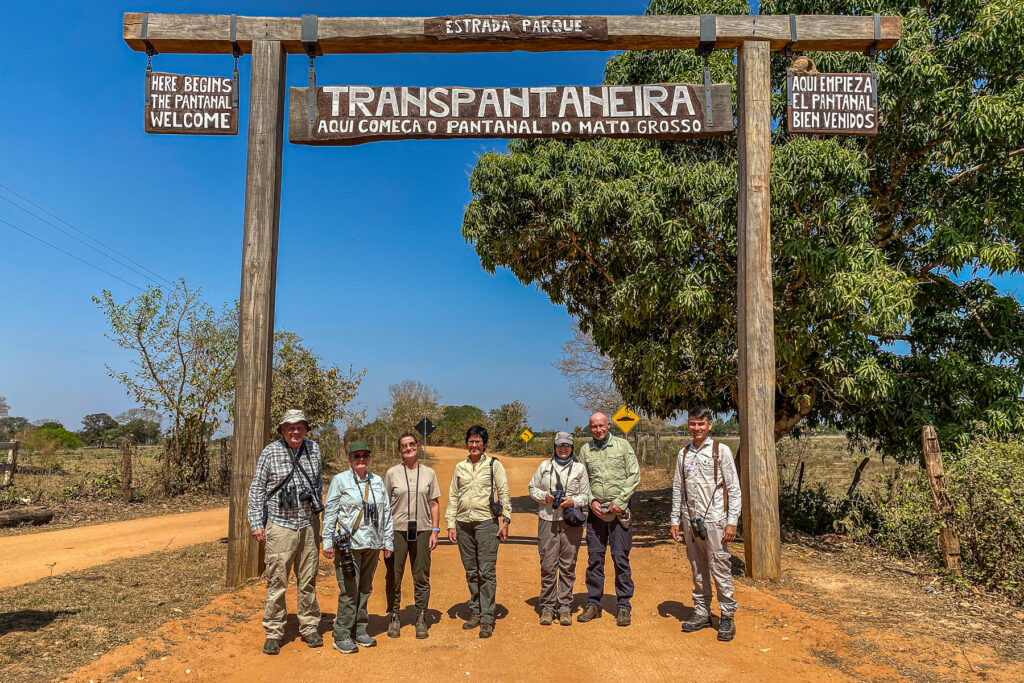
Our wonderful 2026 Pantanal Group at the gateway to the Transpantaneira (image by Oliver Krueger)
Oliver Krüger
German-born Oliver Krüger has studied animal behaviour, ecology and evolution at the Universities of Bielefeld, Oxford and Cambridge. After his PhD in 2000, he moved to the University of Cambridge as a Post-doctoral researcher where he led an independent research group in behavioural ecology from 2003-2009. During his time at Cambridge, he was also Director […]