
Benin: Unseen West Africa Tour Report 2026
17 February 2026
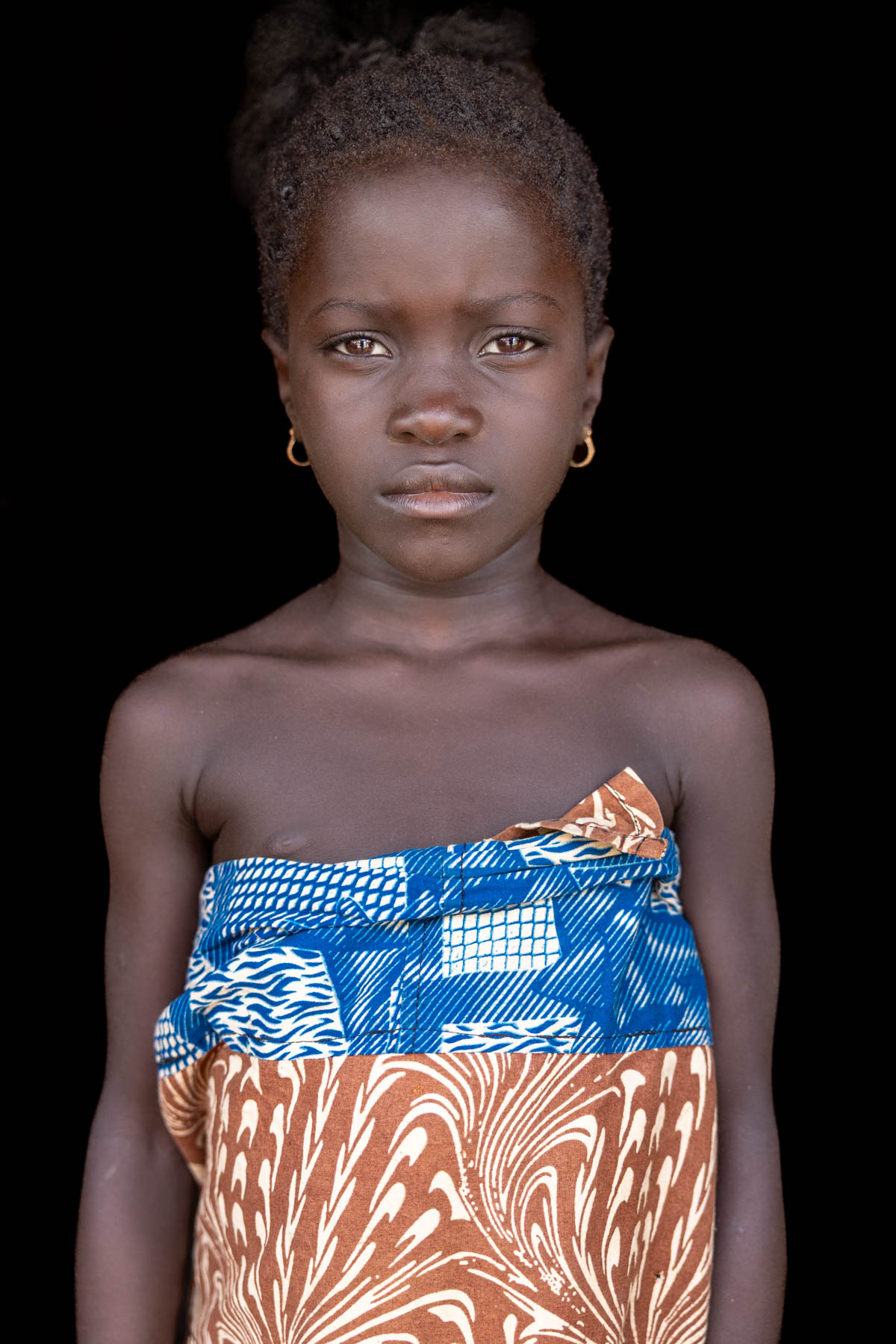
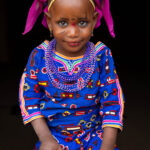
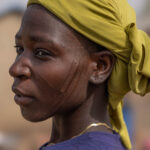
Portrait of a young girl of the Holi tribe (image by Ingrid Koedood)
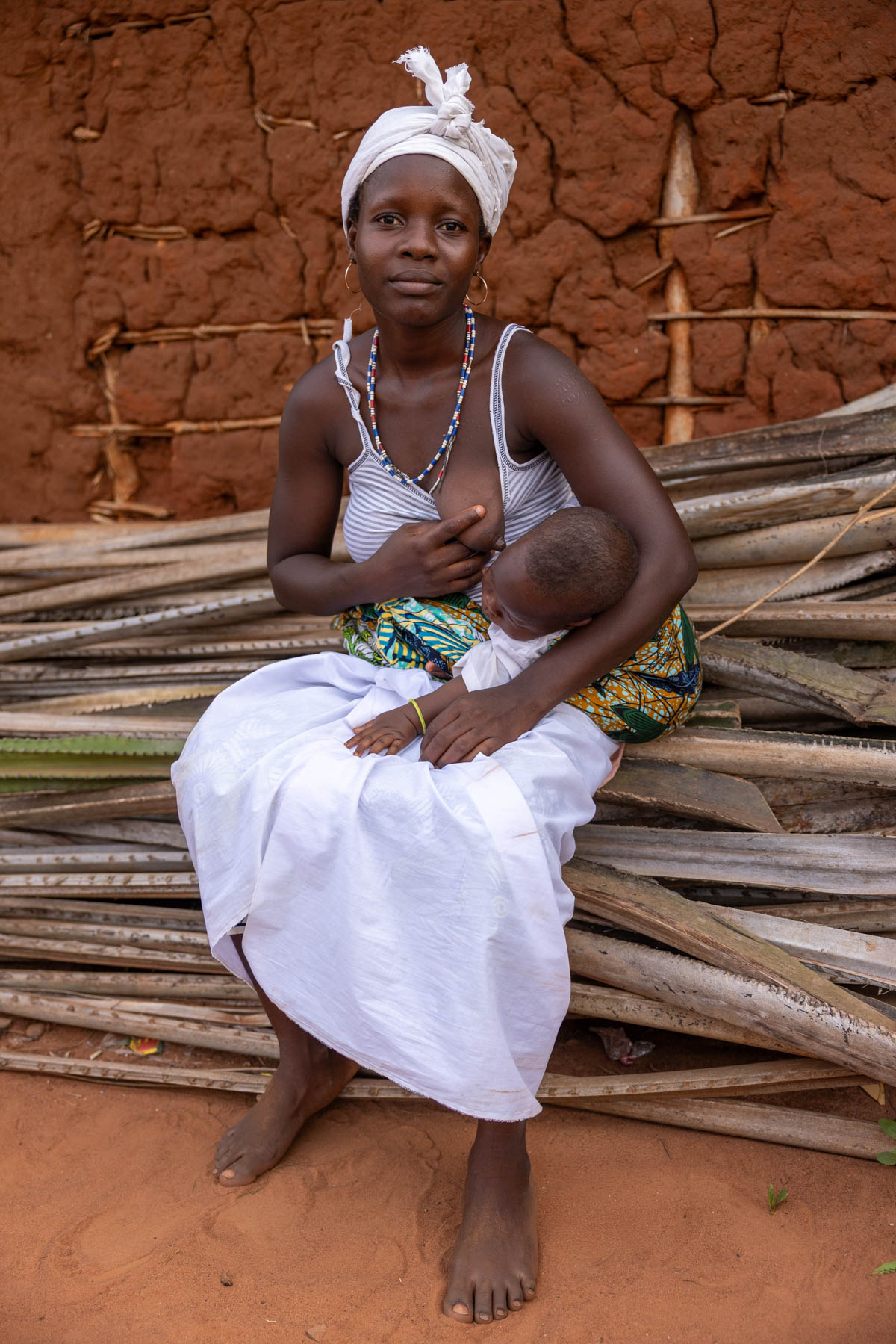
A young woman breastfeeds her child during the Gambada ceremony (image by Ingrid Koedood)
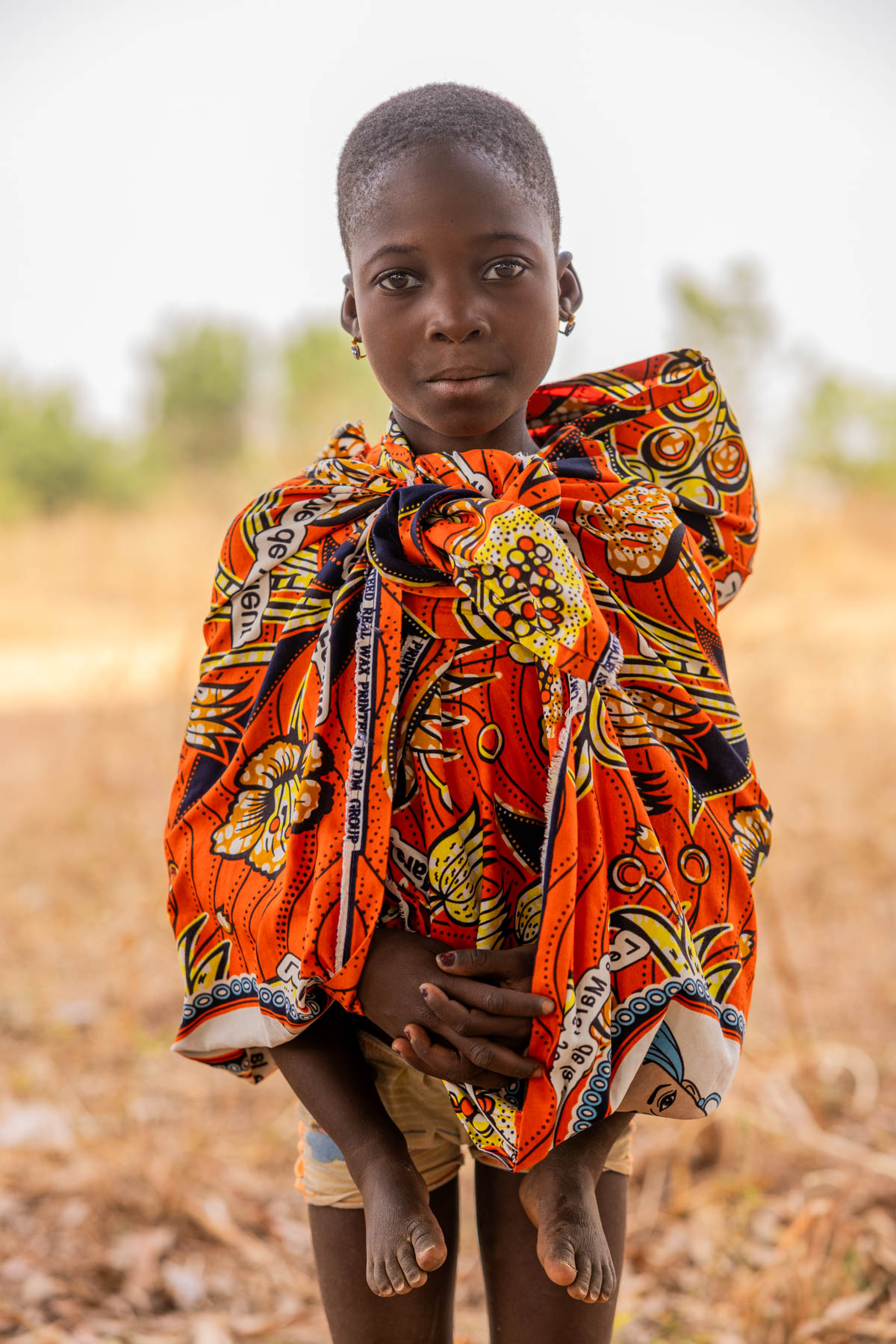
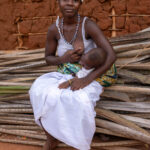
A young Otamari girl with a baby on her back. Even the youngest carry big responsibilities (image by Ingrid Koedood)
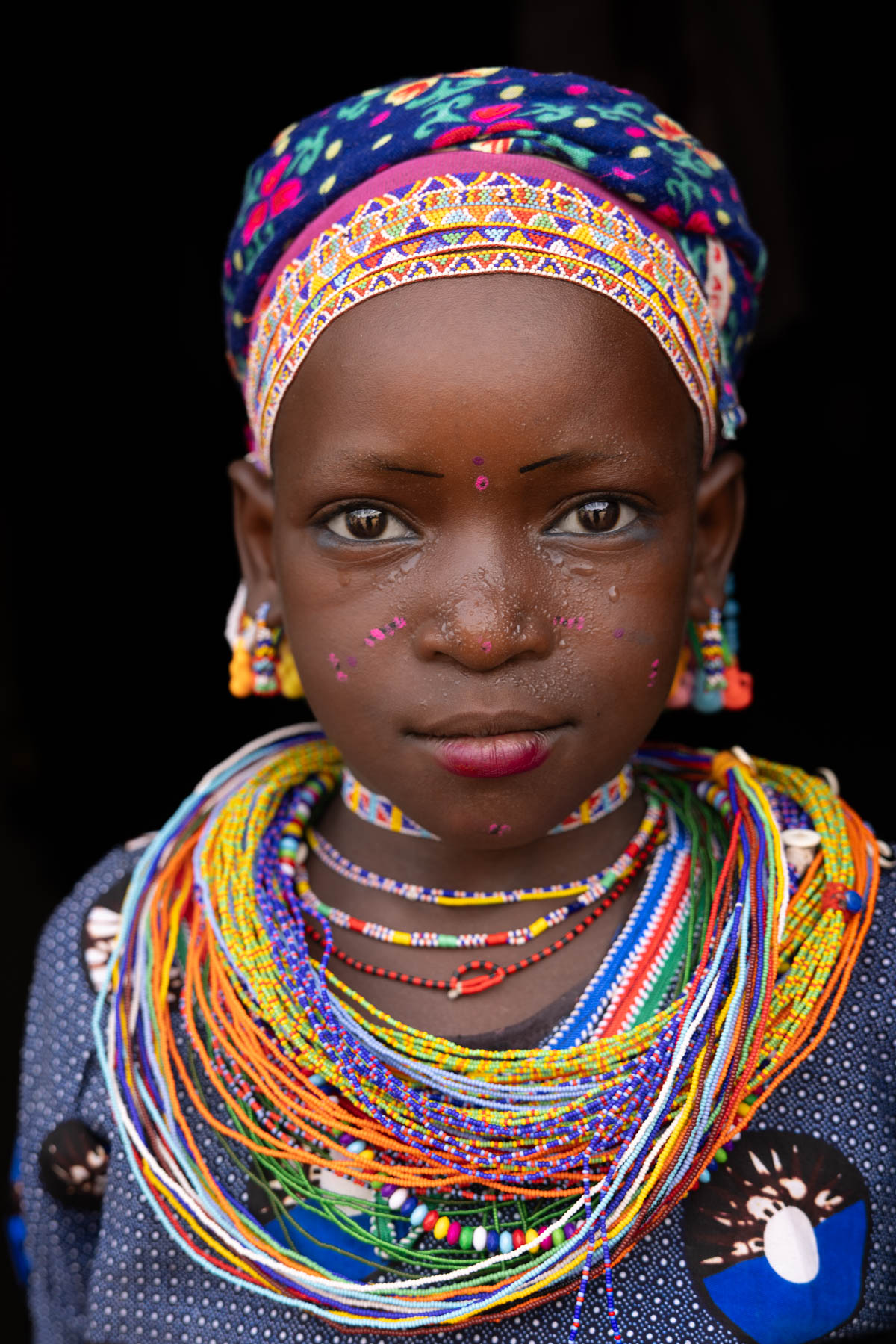
Visiting a Fulani village and meeting these colourful people is a true highlight of our journey through Benin (image by Ingrid Koedood)
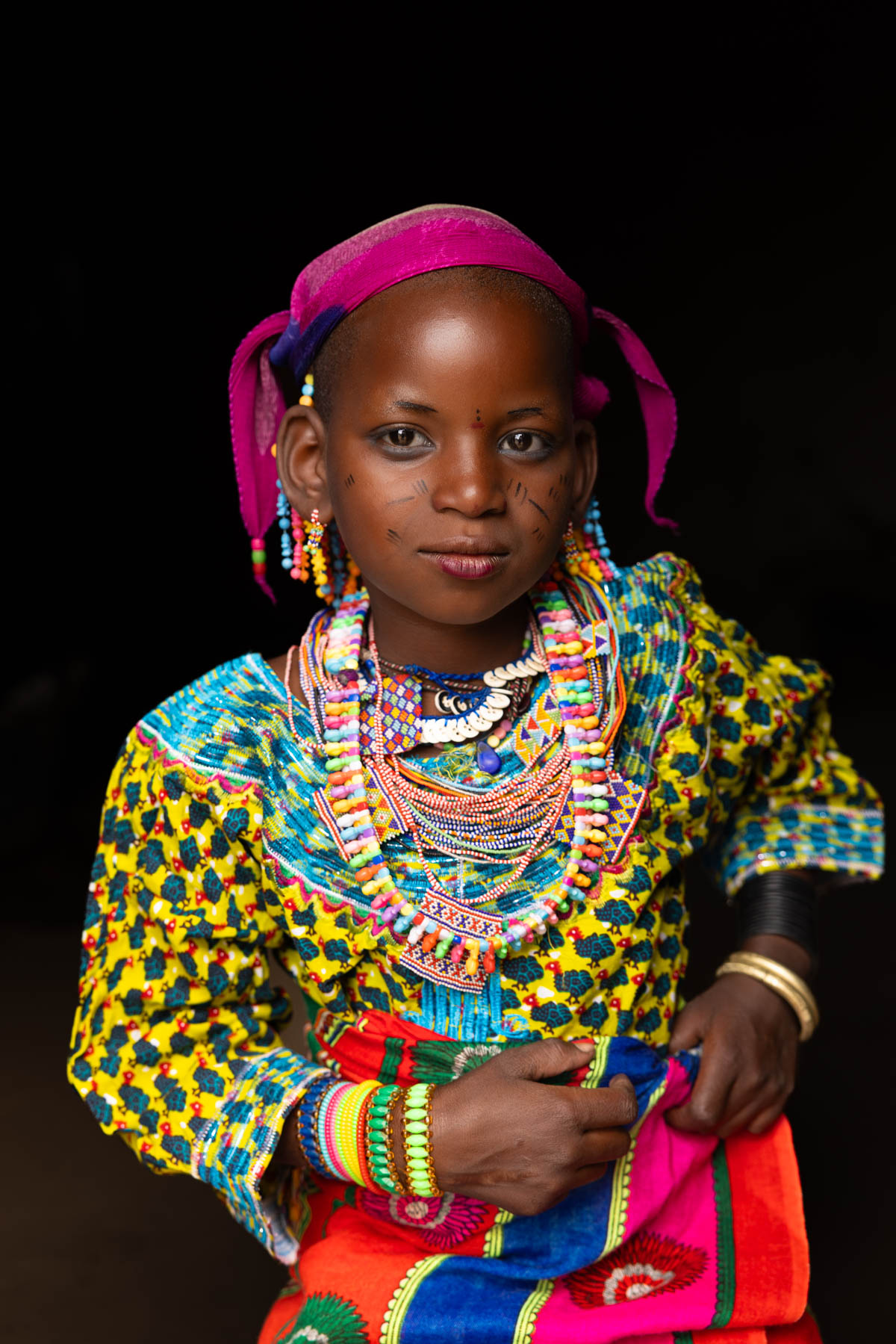
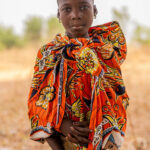
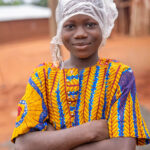
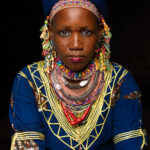
A young Fulani girl dressed in vibrant traditional clothing. Tradition in full colour (image by Ingrid Koedood)
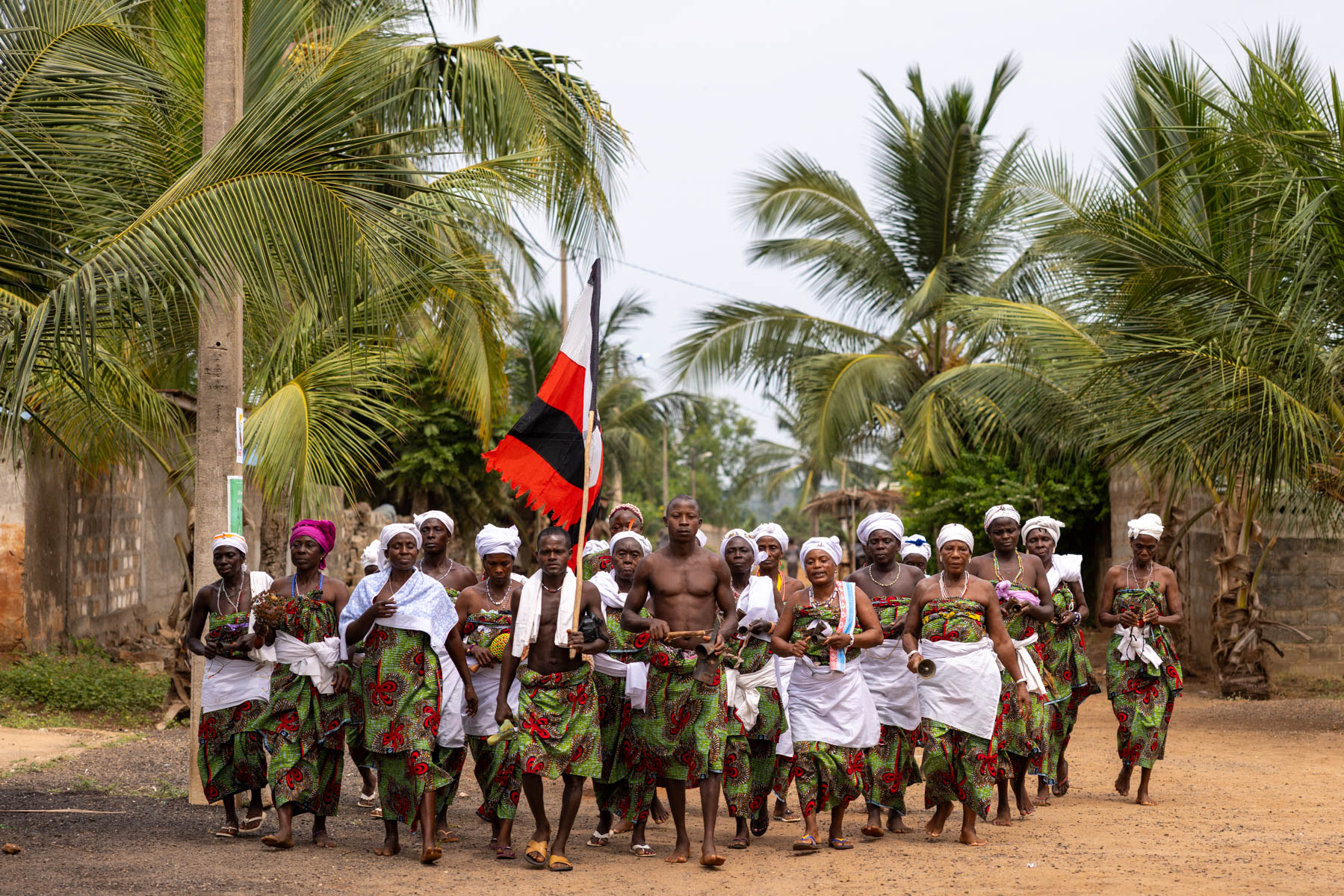
By chance we encountered a Heviosso ceremony. The community was on his way, and we were warmly invited to join (image by Ingrid Koedood)
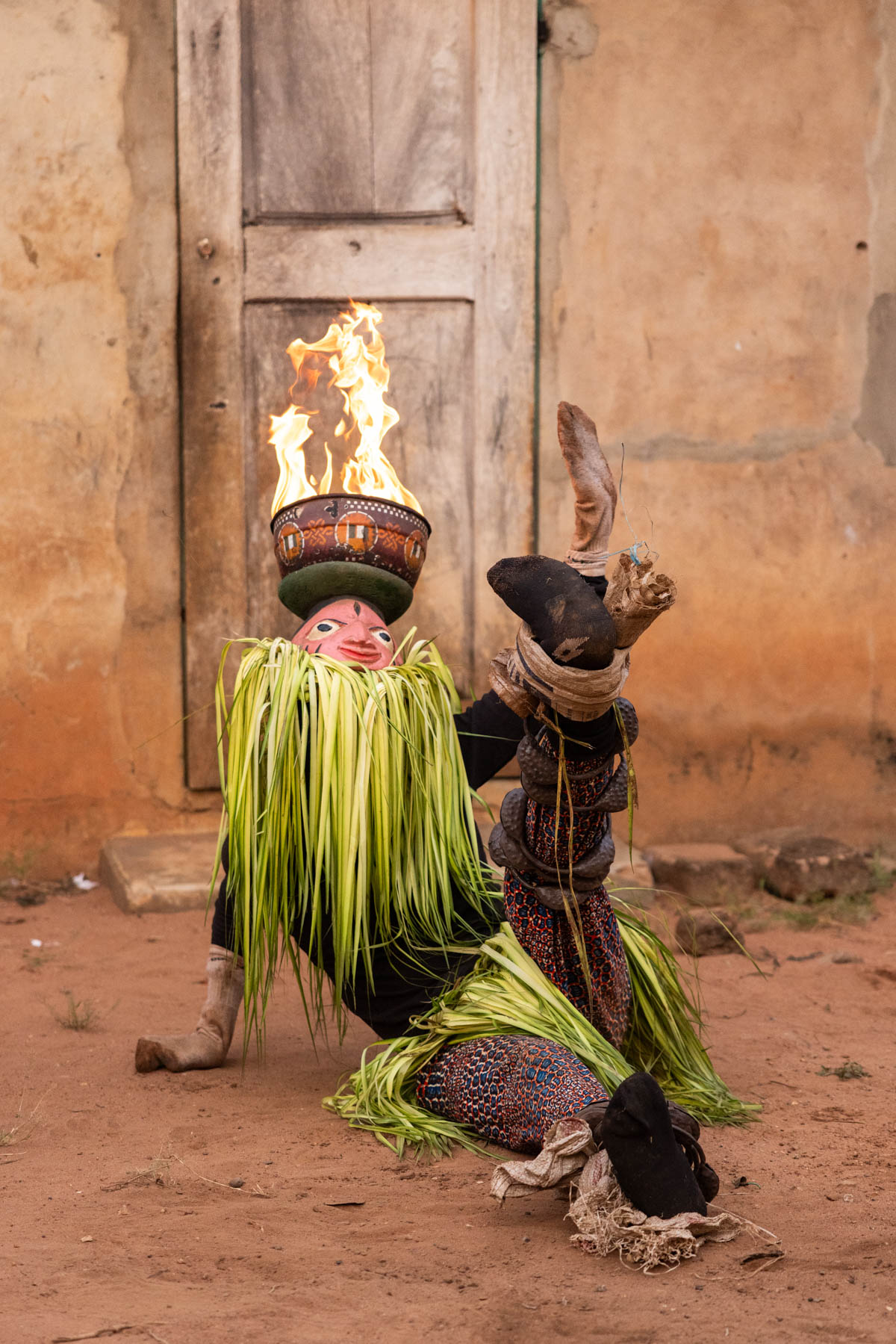
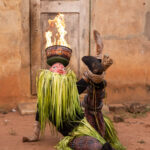
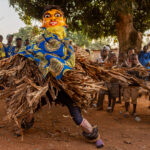
Early in the morning we attended a masked performance with fire as part of the Guèlèdè ceremony (image by Ingrid Koedood)
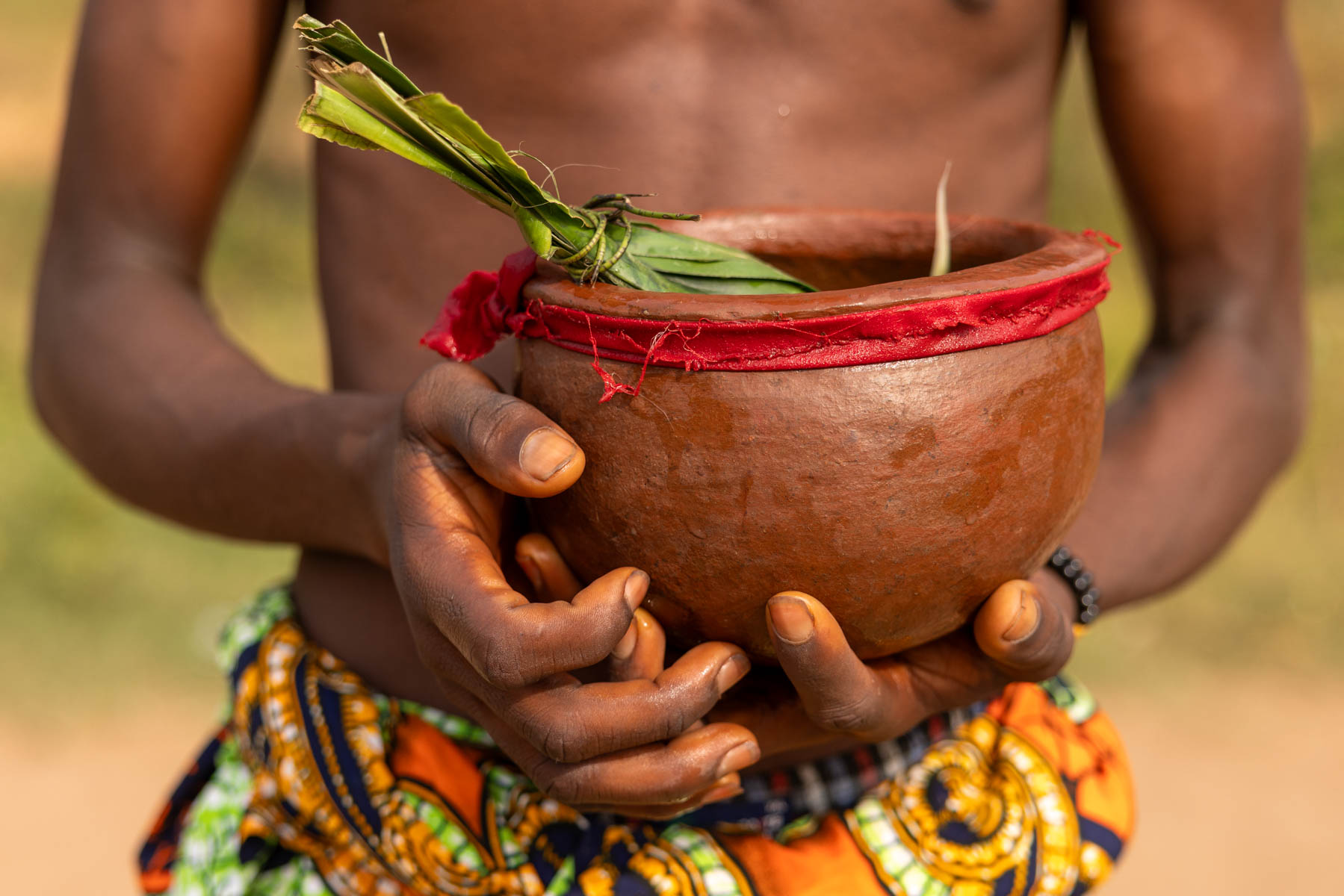
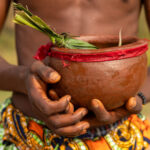
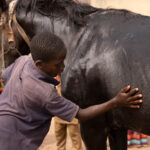
During the Gounouko mask ceremony a young man sprinkled water from a pot as ritual blessing, to purify and protect the ceremony (image by Ingrid Koedood)
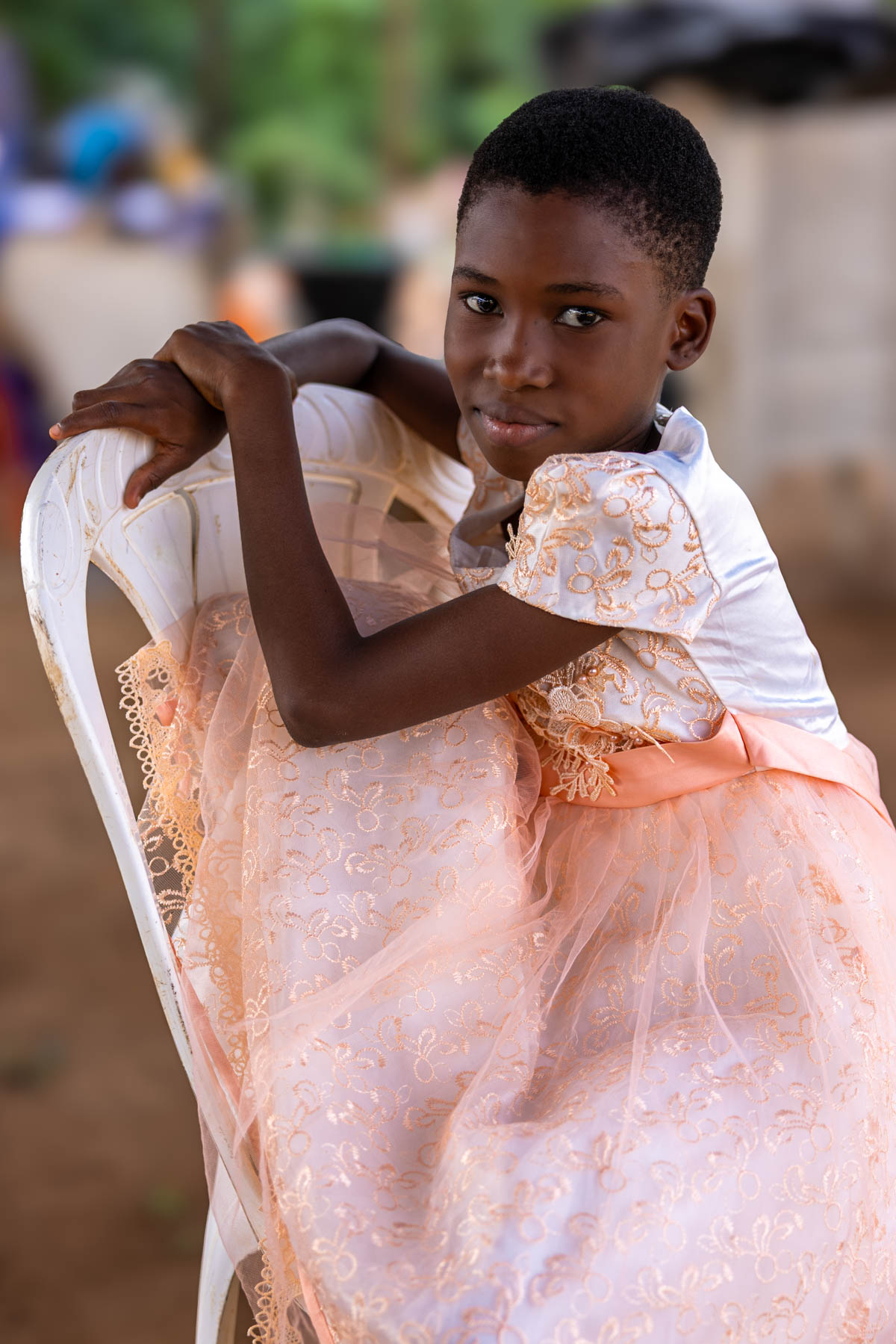
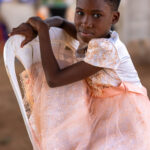
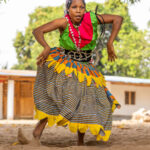
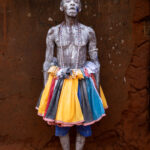
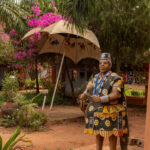
Dressed as a princess for the celebrations of Vodun days (image by Ingrid Koedood)
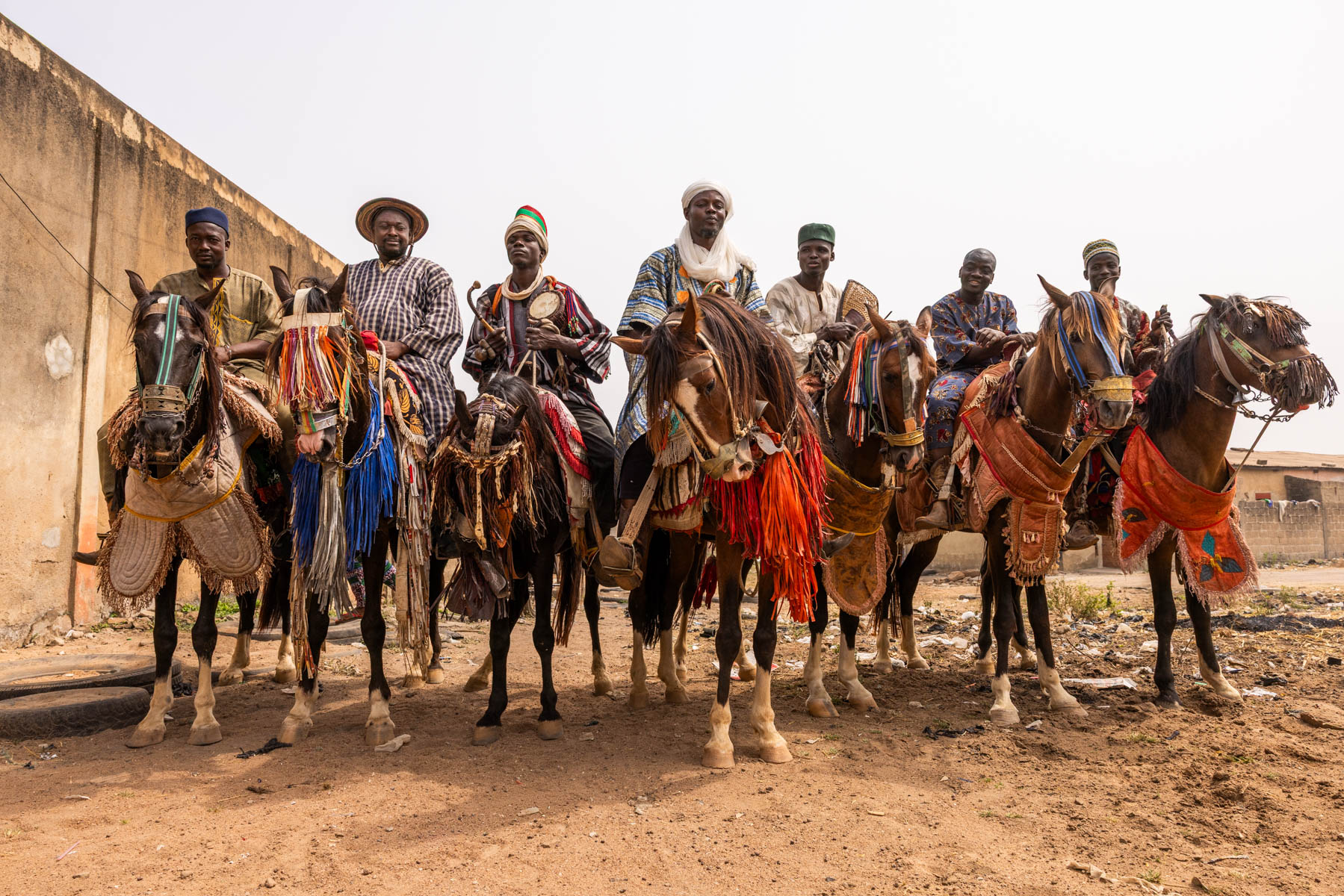
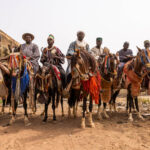
Batonu horsemen of Benin, descendants of the former aristocracy of the Kingdom of Nikki (image by Ingrid Koedood)
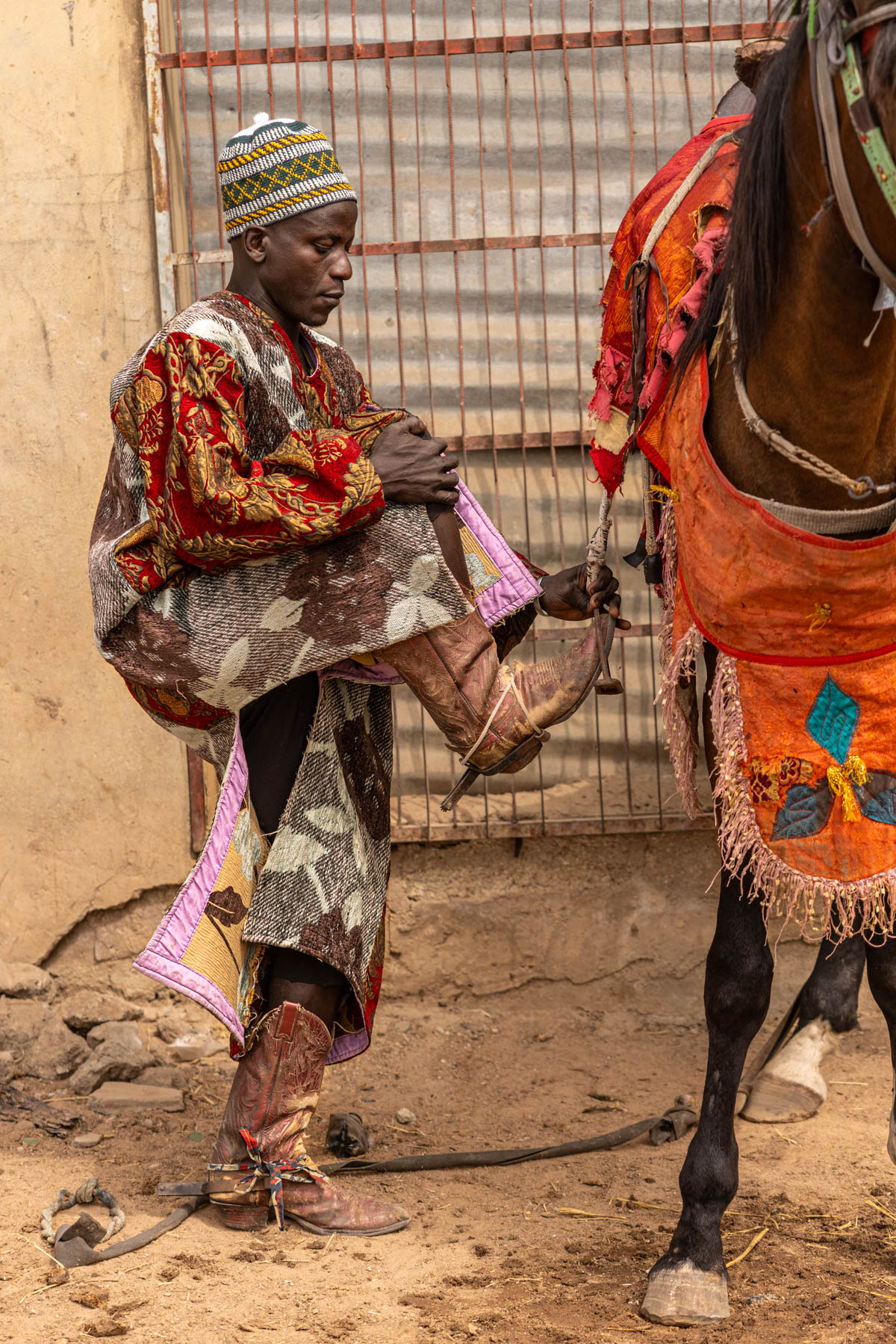
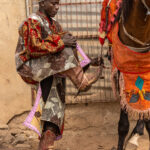
A Batonu horseman prepares to mount. Each strap and buckle is part of a tradition passed down through generations (image by Ingrid Koedood)
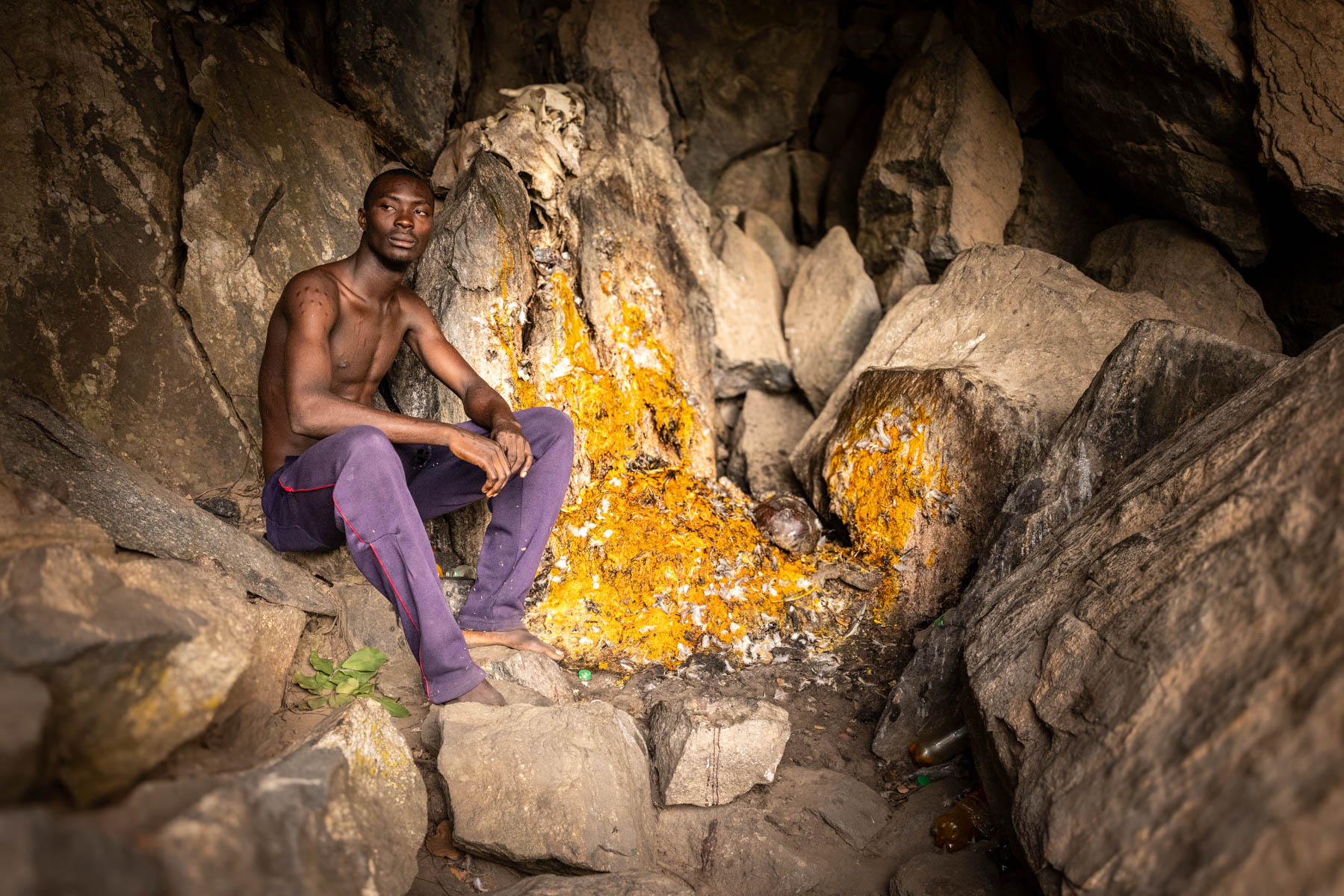
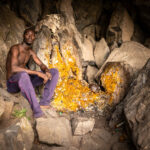
Inside a Sakpata shrine. A hidden sacred space within a rocky cave where prayers for protection and healing are offered (image by Ingrid Koedood)
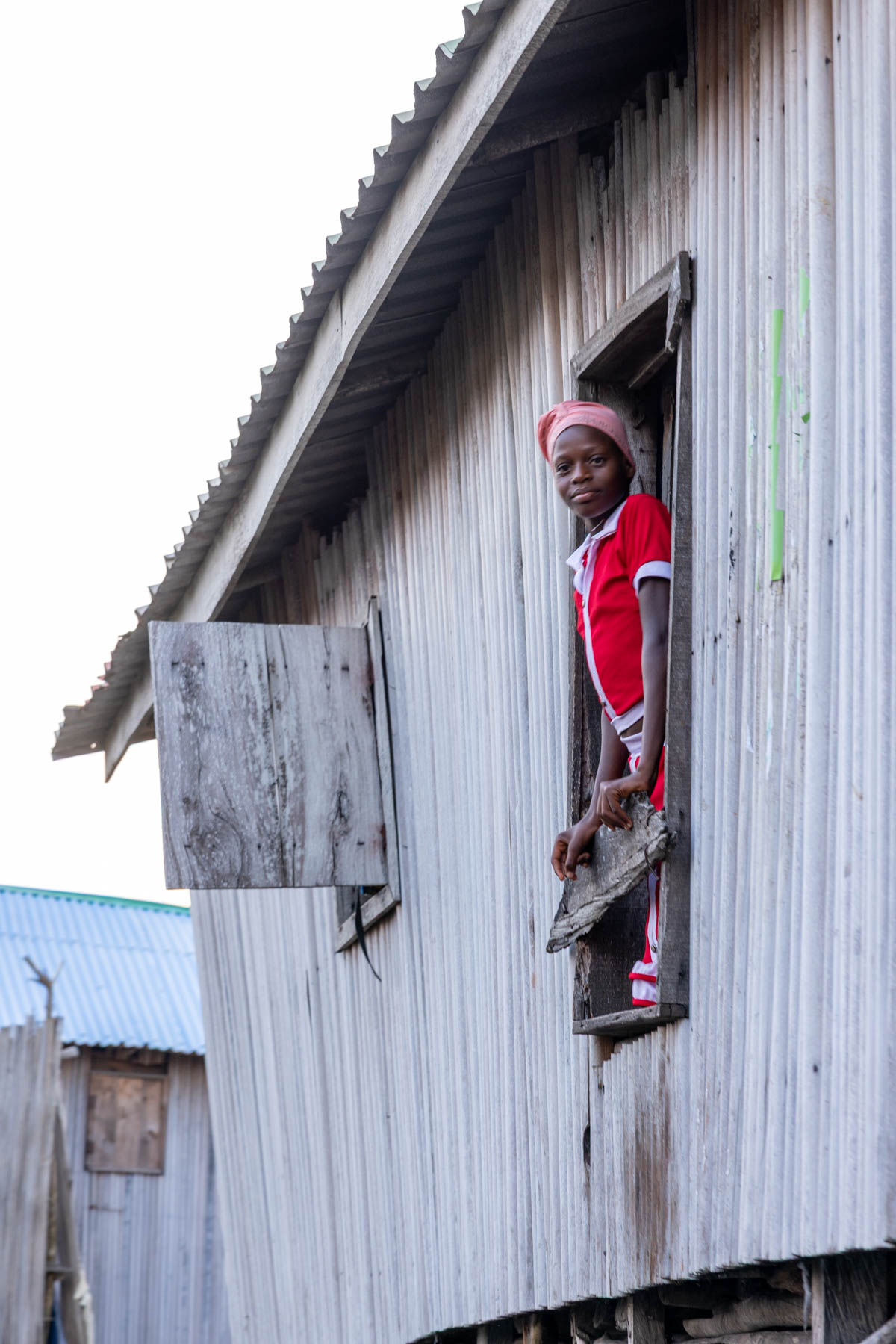
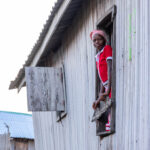
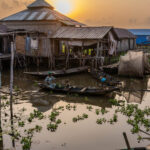
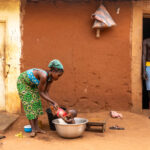
A glimpse of daily life in Ganvié, where homes stand above the water (image by Ingrid Koedood)
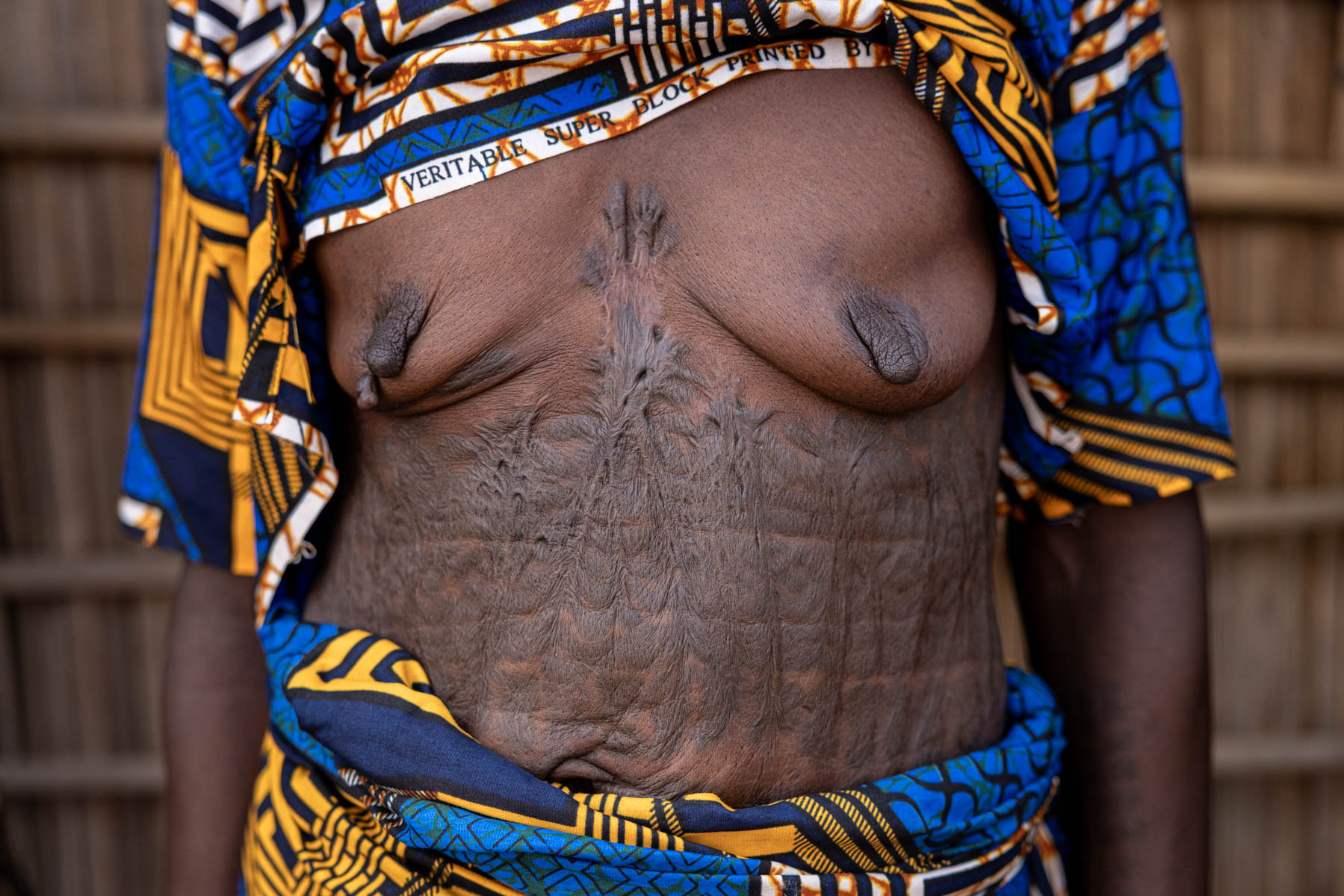
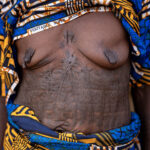
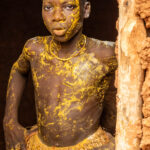
Traditional Holi scarification. Markings on the body as symbols of identity and heritage (image by Ingrid Koedood)
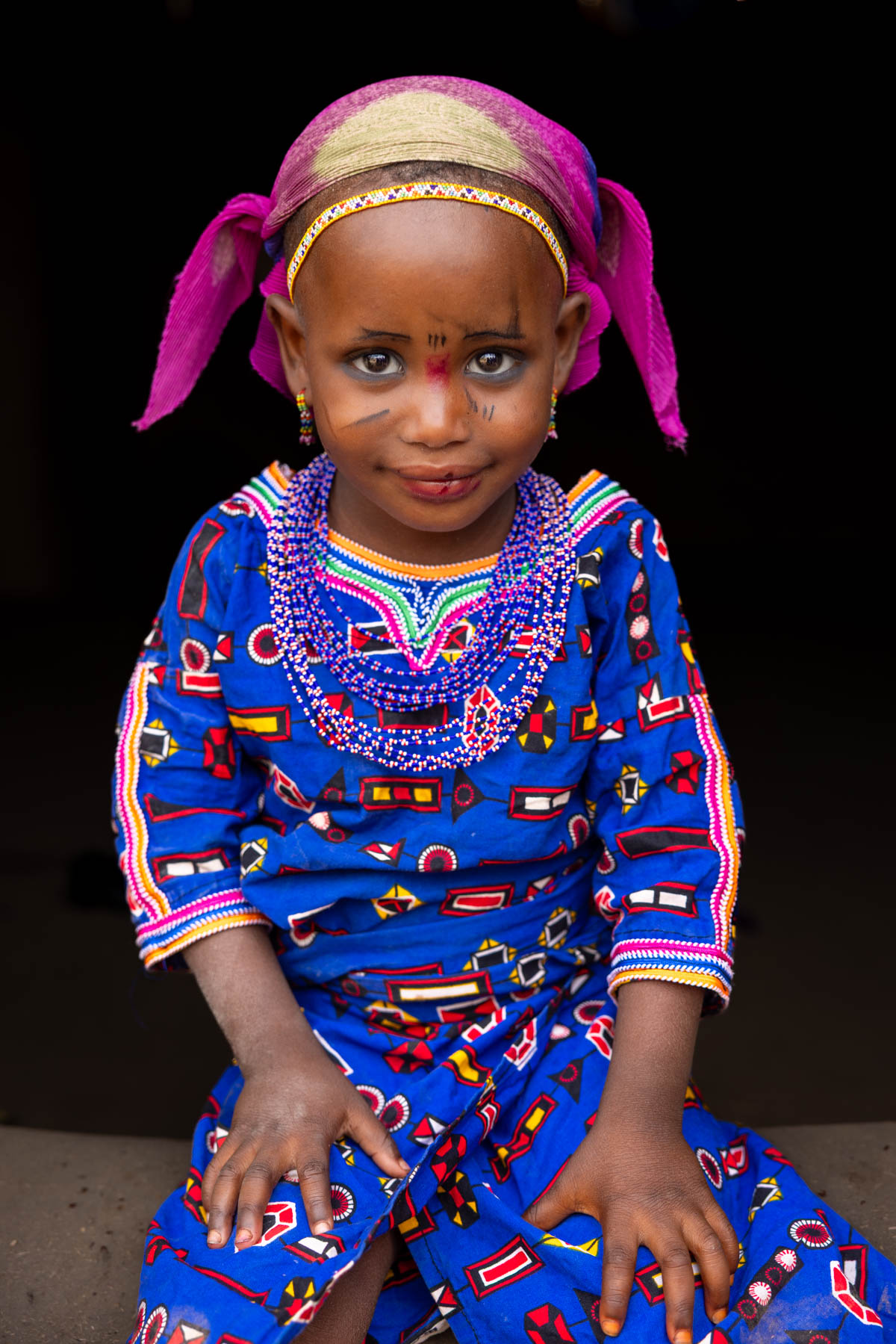
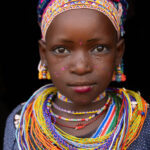
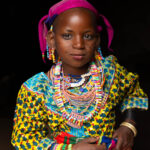
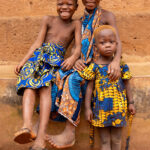
Fulani children are absolutely adorable, dressed in colourful clothes and beautiful ornaments (image by Ingrid Koedood)
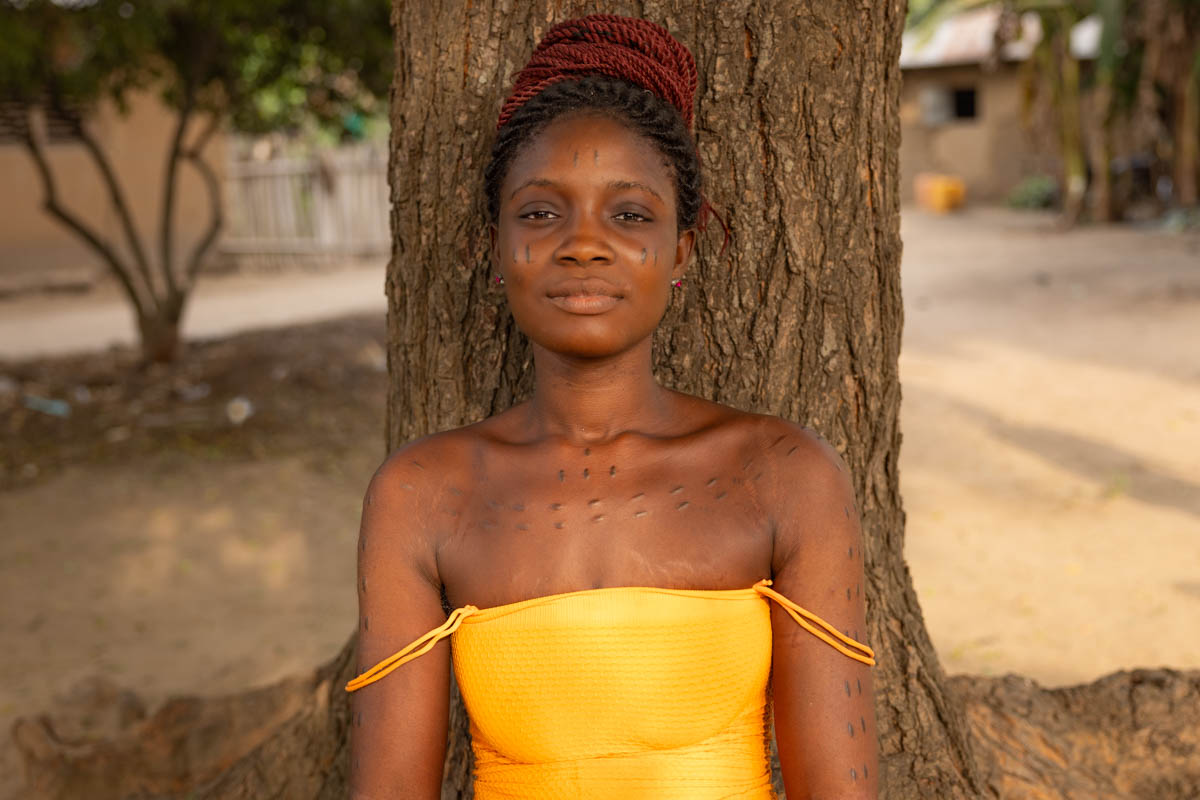
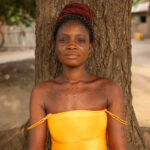
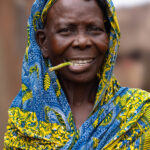
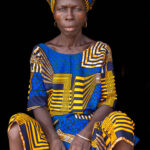
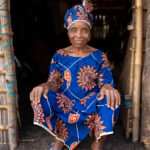
Portrait of a beautiful woman (image by Ingrid Koedood)
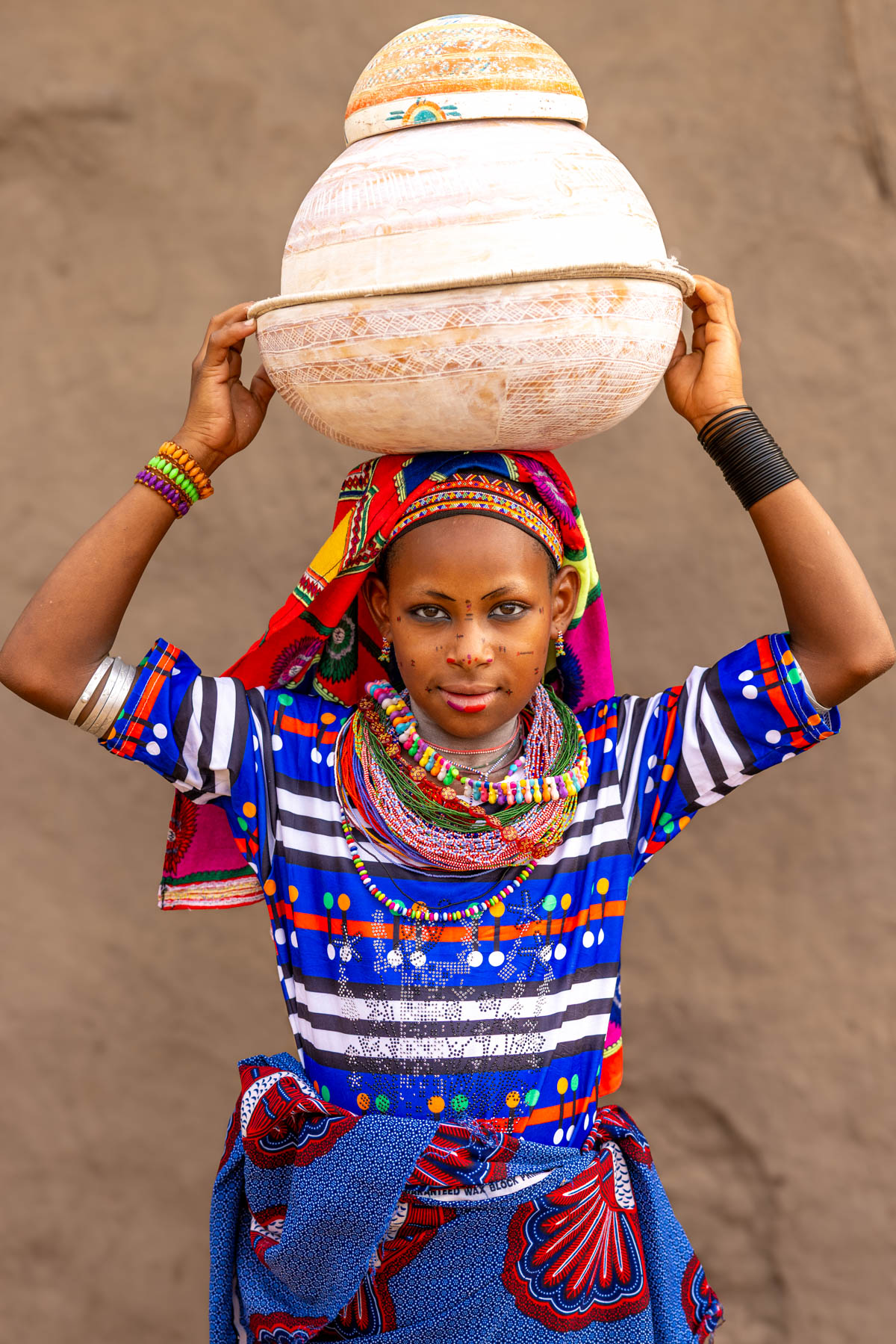
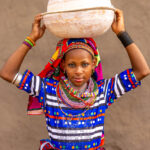
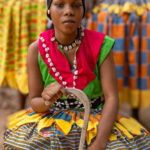
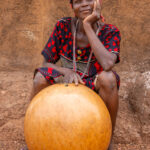
Portrait of a young Fulani woman carrying calabashes on her head (image by Ingrid Koedood)
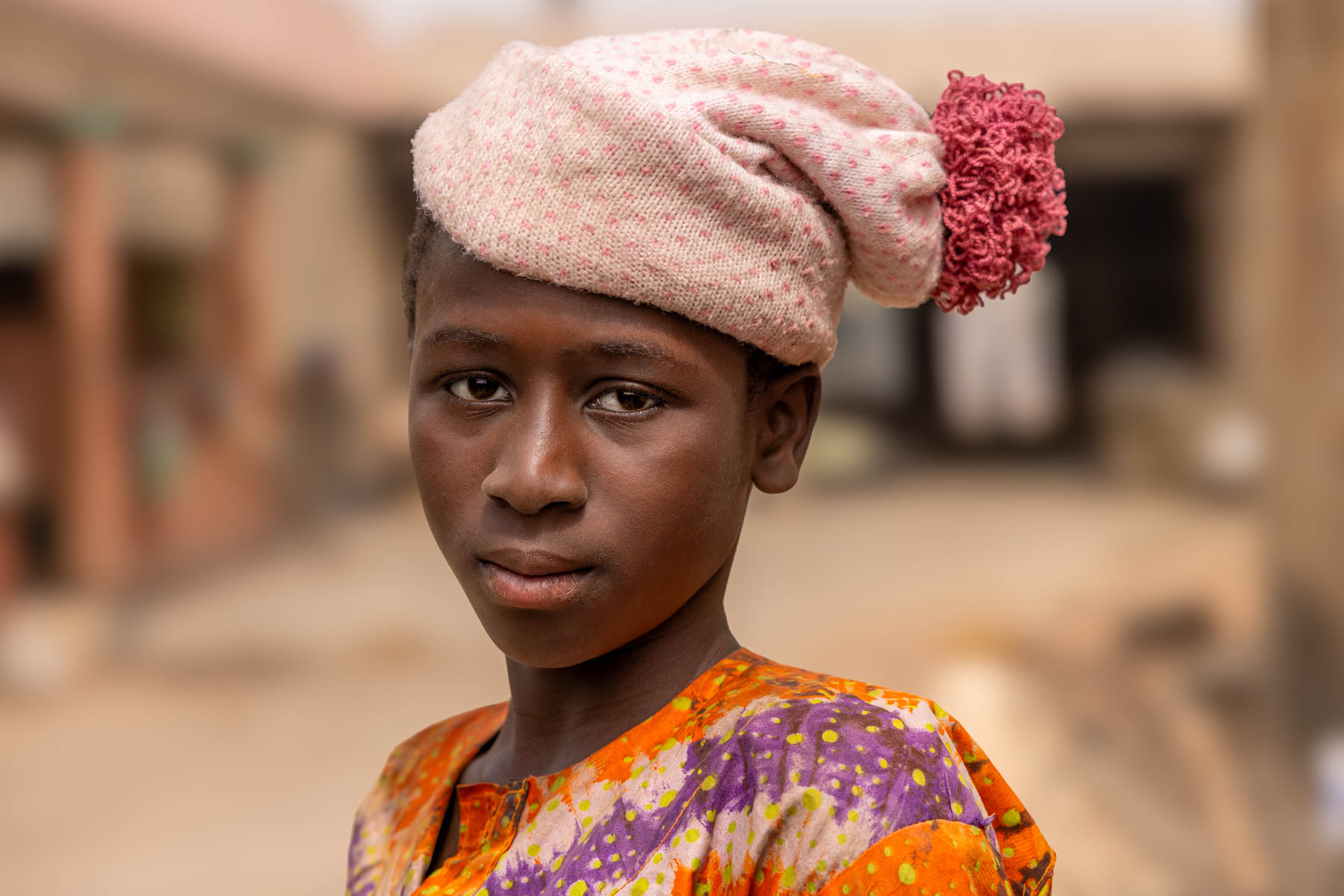
A young boy watching the Batonu horses dance, wrapped in his own style, even in the heat (image by Ingrid Koedood)
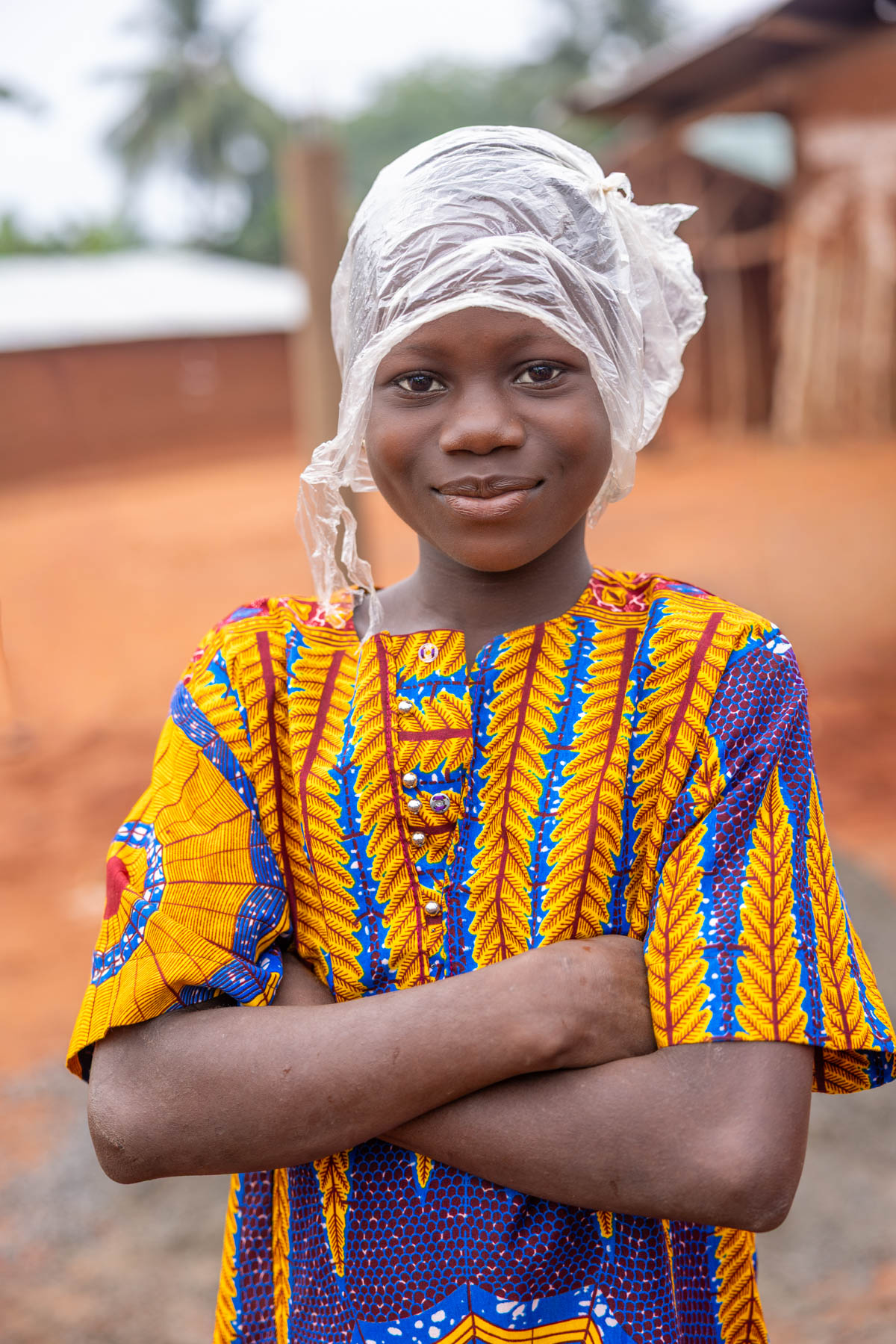
On our way to the Zangbeto ceremony we got caught in heavy rain. This girl came prepared (image by Ingrid Koedood)
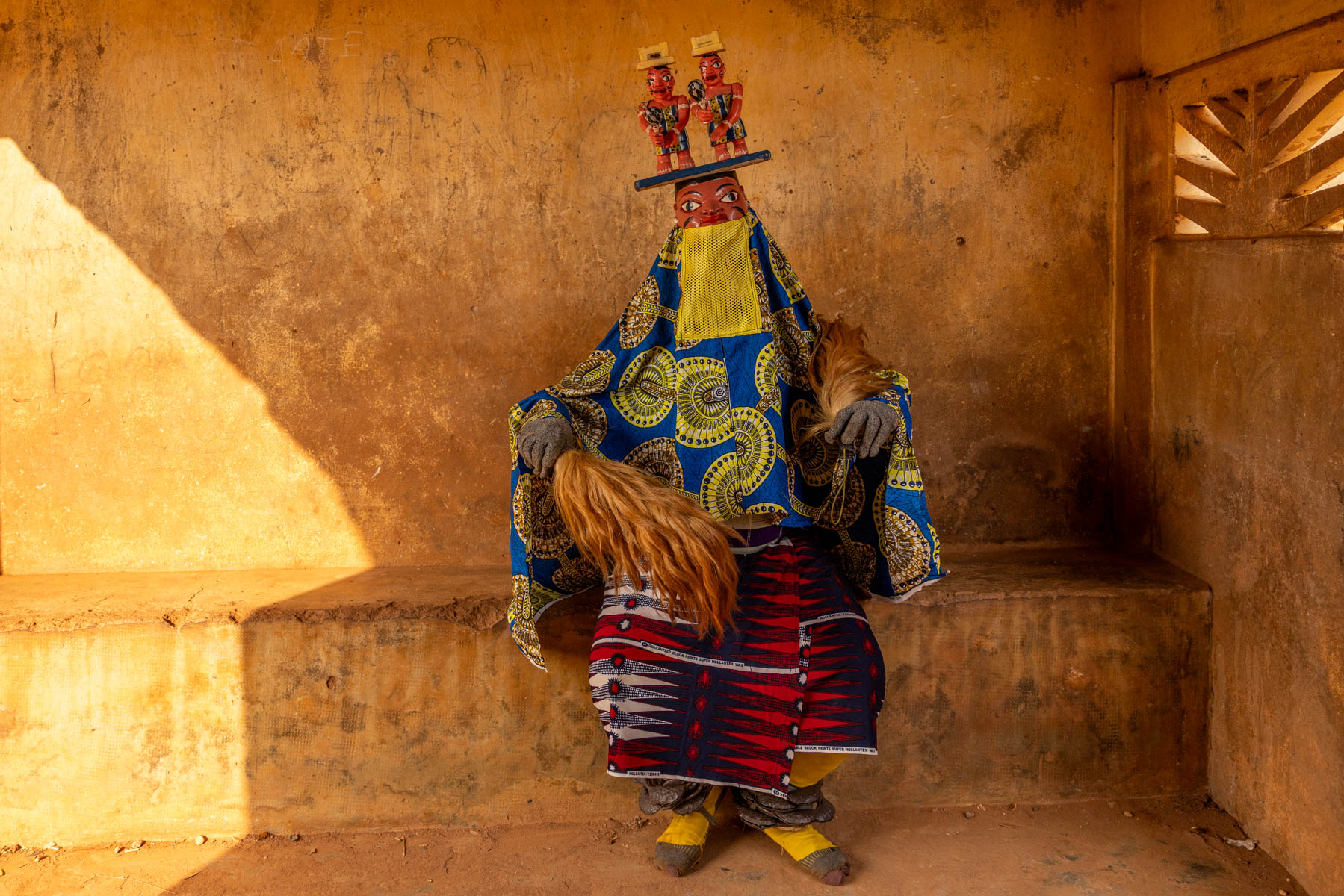
A Guèlèdè performer. Guèlèdè is a Yoruba masked ceremony honouring the power of women and bringing harmony to the community (image by Ingrid Koedood)
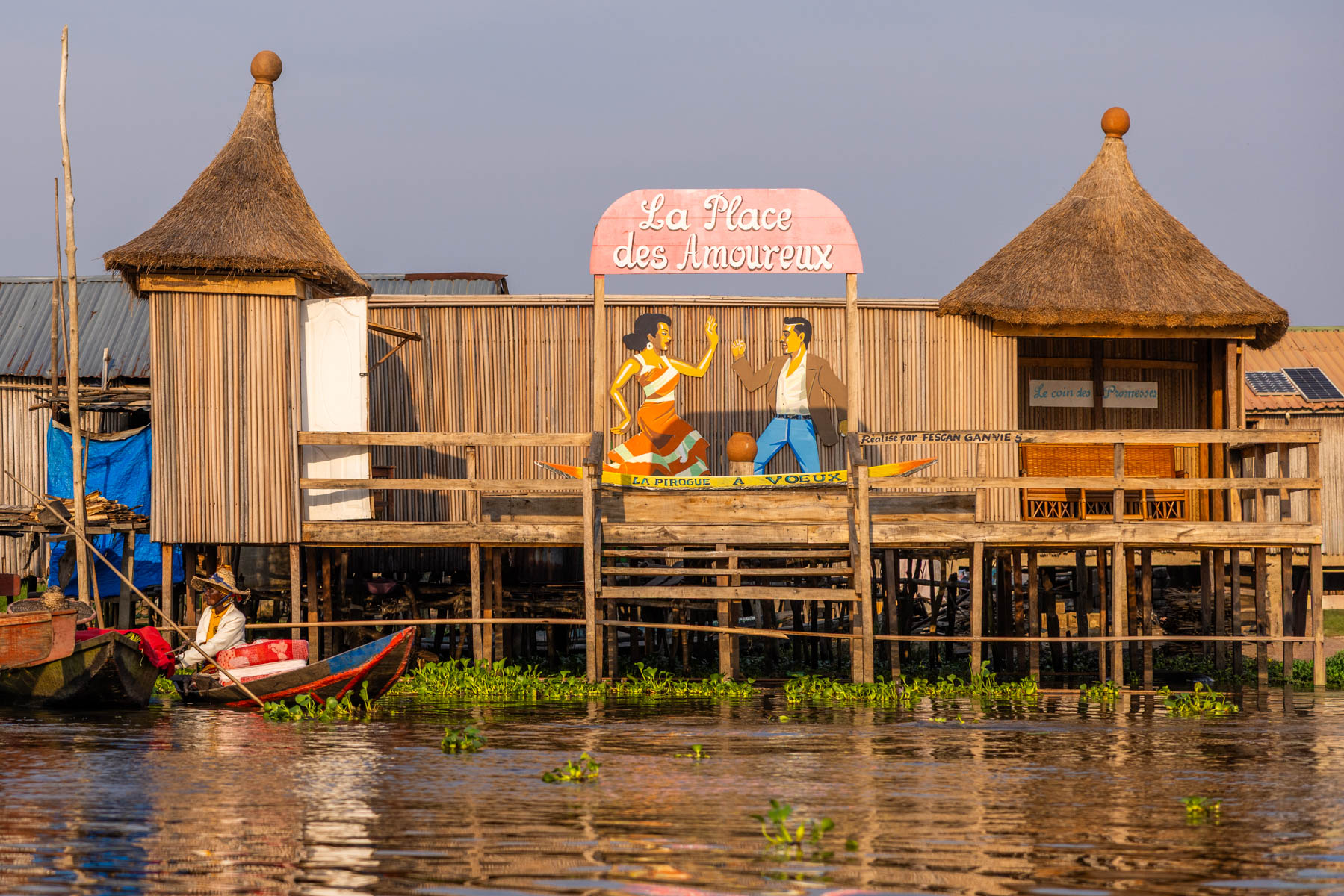
Ganvié, the Venice of Africa – a floating village where love has its own place (image by Ingrid Koedood)
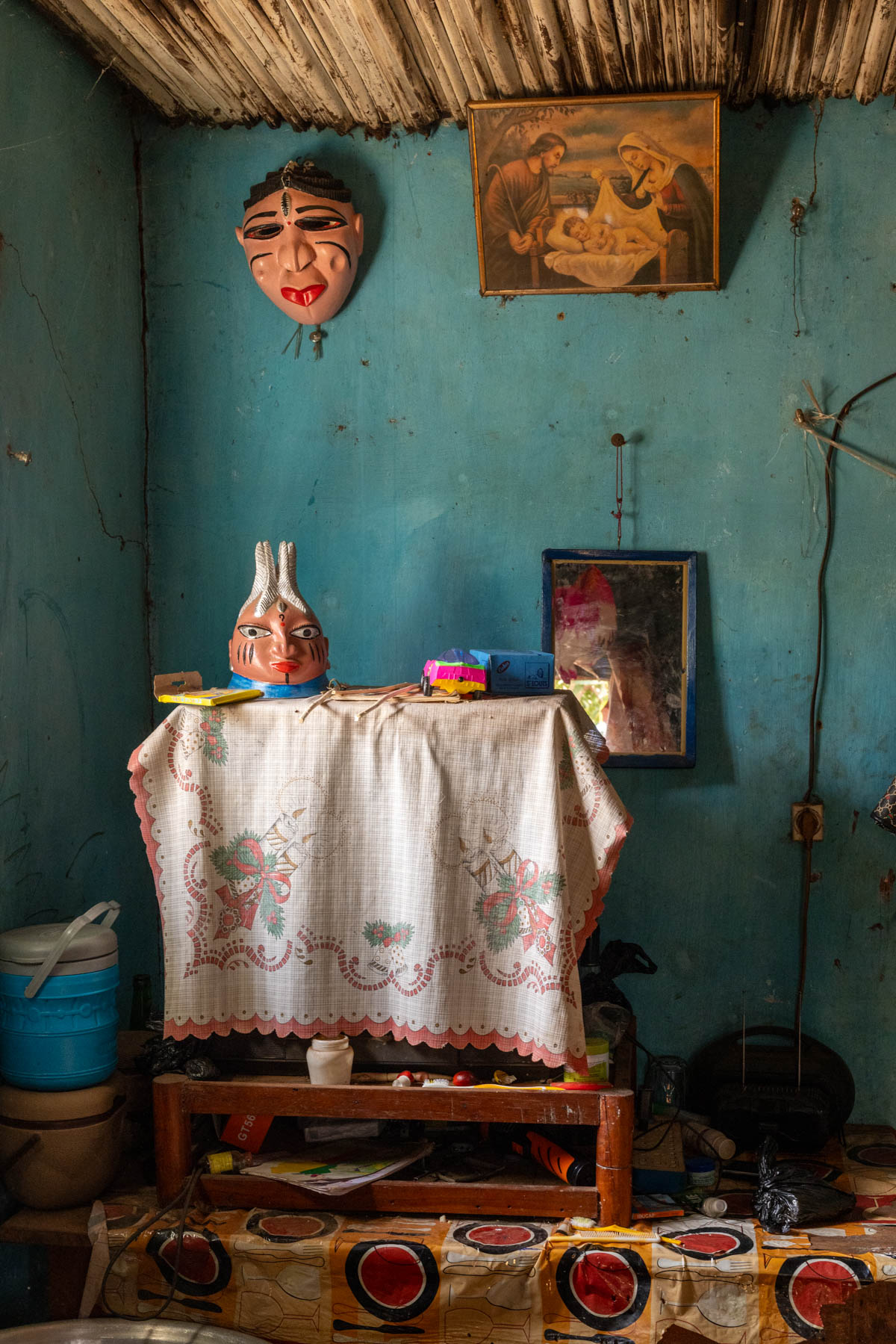
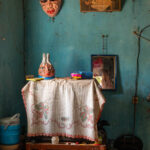
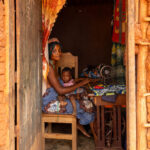
A glimpse into the workshop home of a Guèlèdè mask maker, surrounded by sacred art and everyday life (image by Ingrid Koedood)
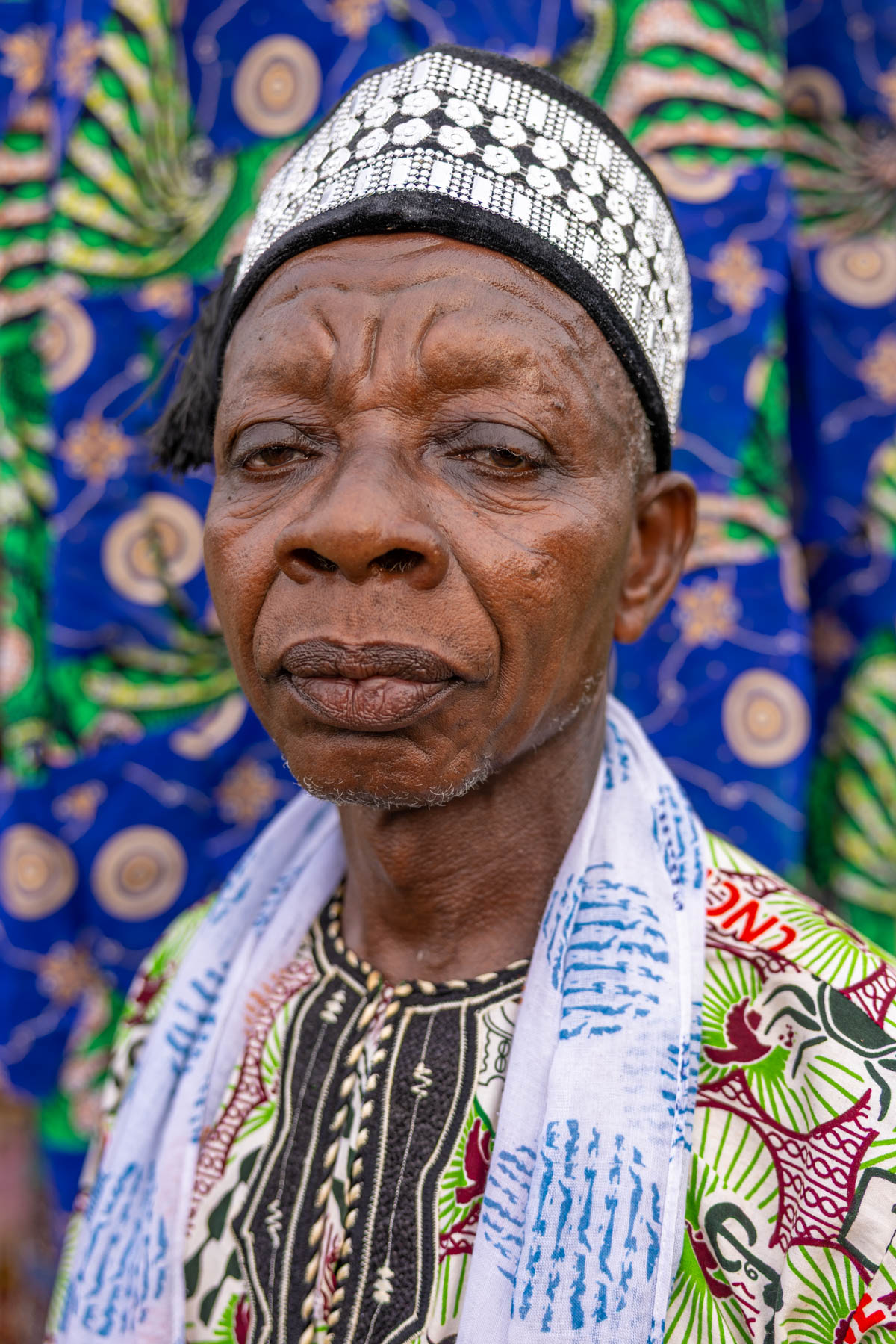
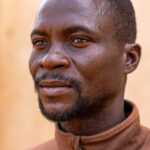
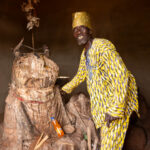
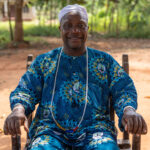
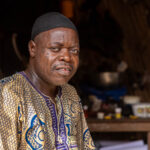
After meeting this man at Vodun Days, we were warmly welcome in his village for the Gounouko ceremony (image by Ingrid Koedood)
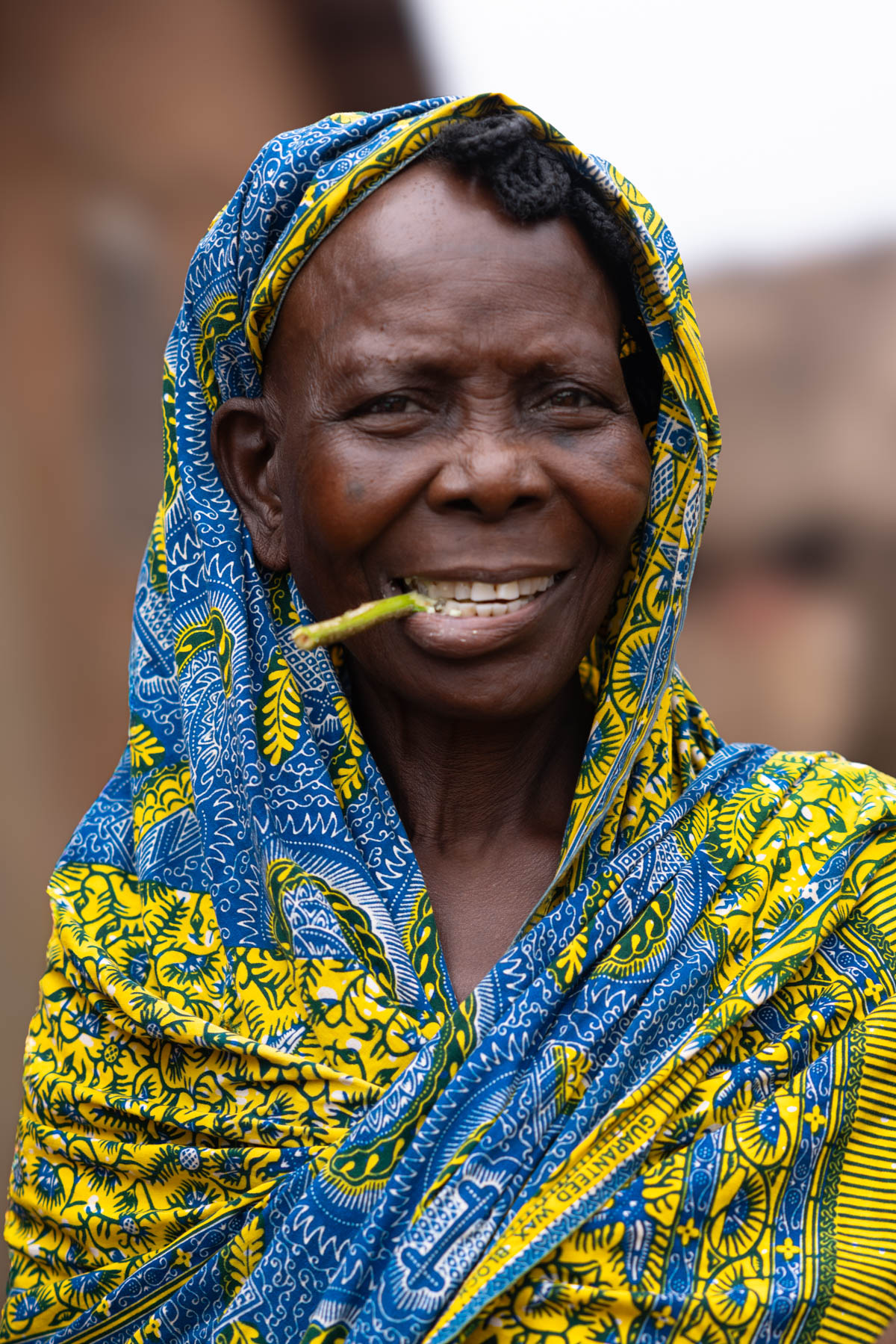
Portrait of a woman watching the Zangbeto ceremony (image by Ingrid Koedood)
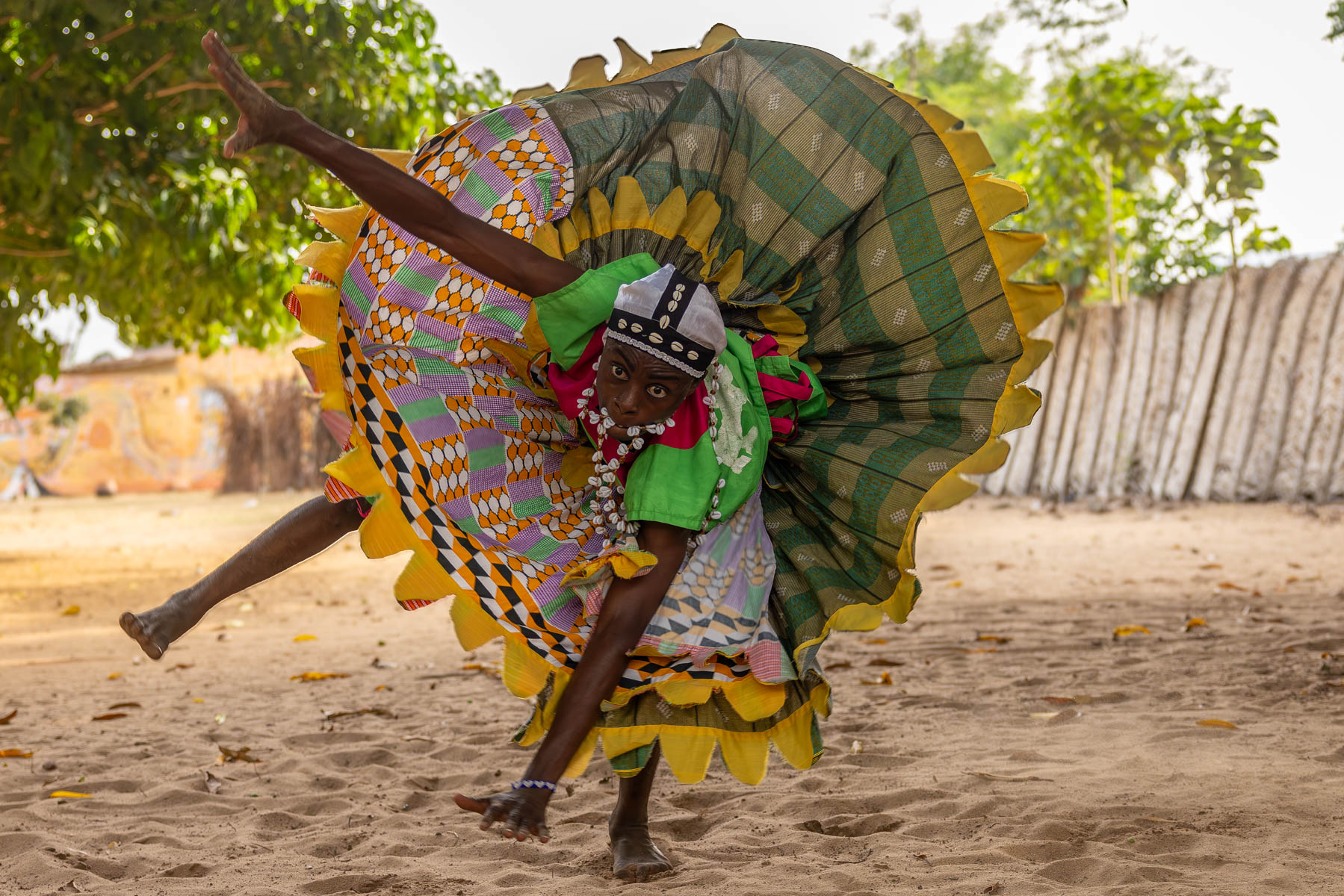
Sakpata ceremony, honouring the Vodun deity of the earth, illness and healing. The intense, athletic dance left us in awe (image by Ingrid Koedood)
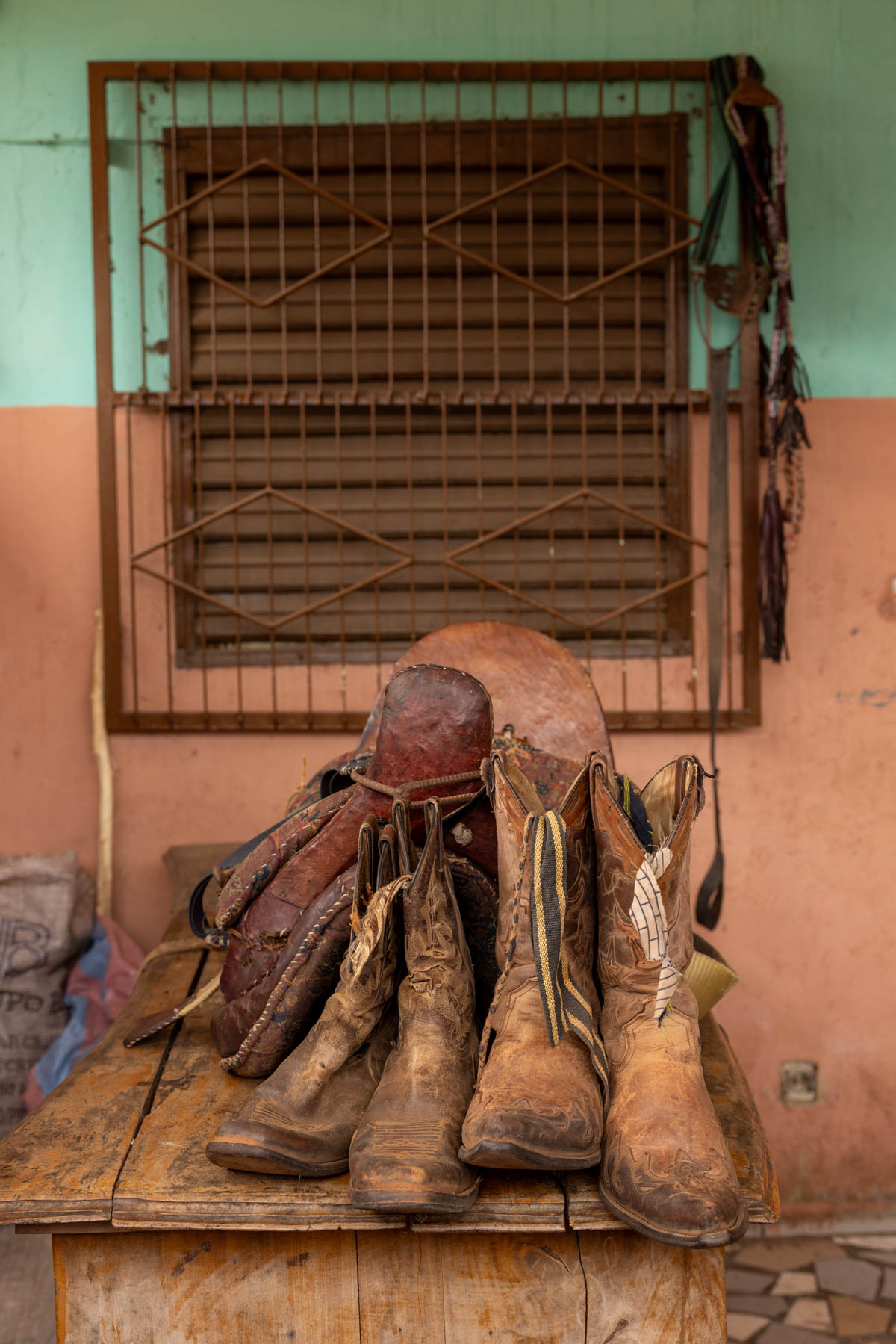
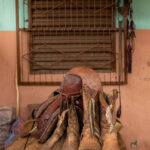
Still life of the Batonu horsemen’s gear (image by Ingrid Koedood)
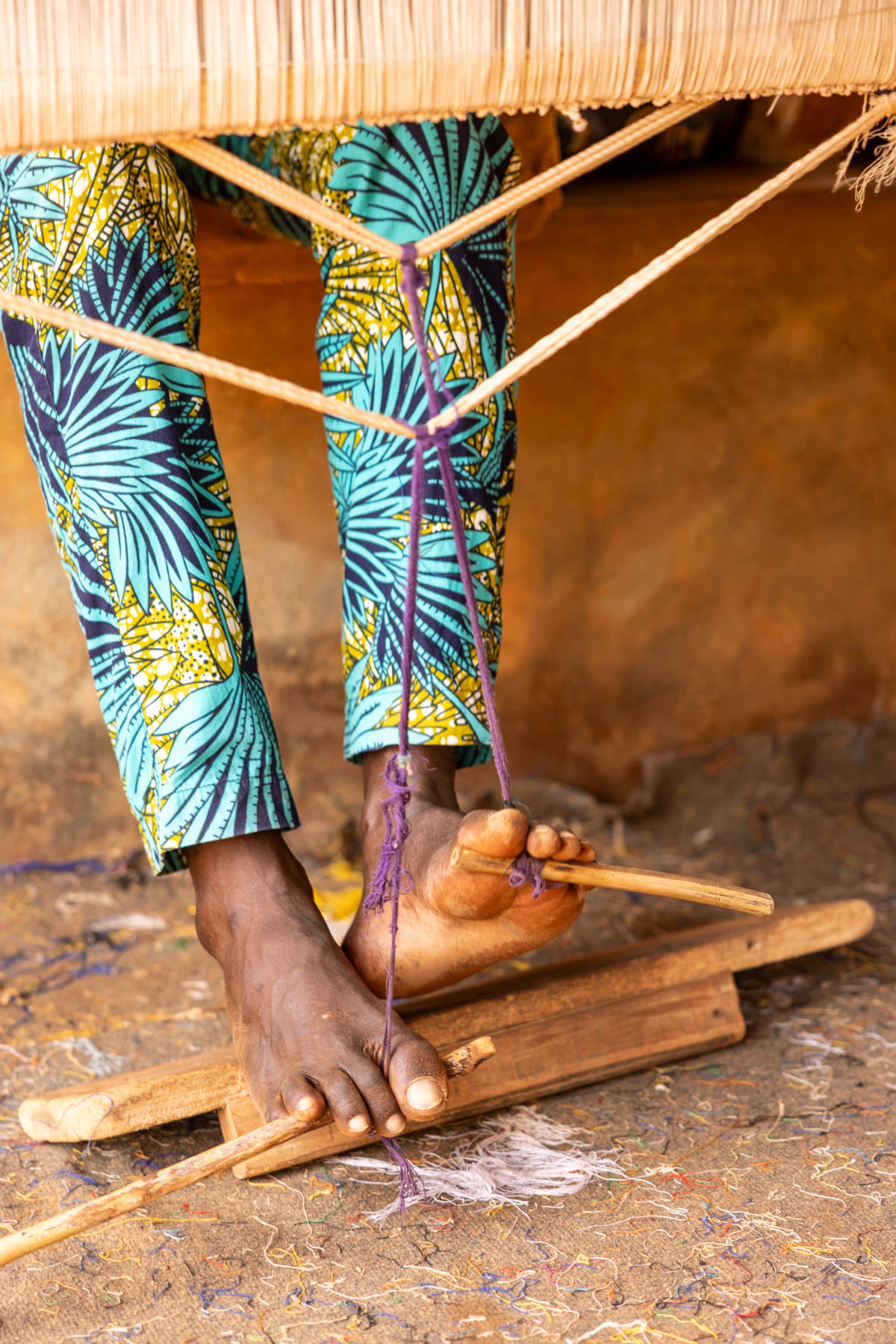
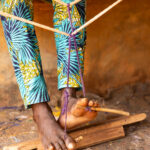
At the palace of King Agonglo in Abomey, we met talented weavers at work, creating the most beautiful cloths, thread by thread (image by Ingrid Koedood)
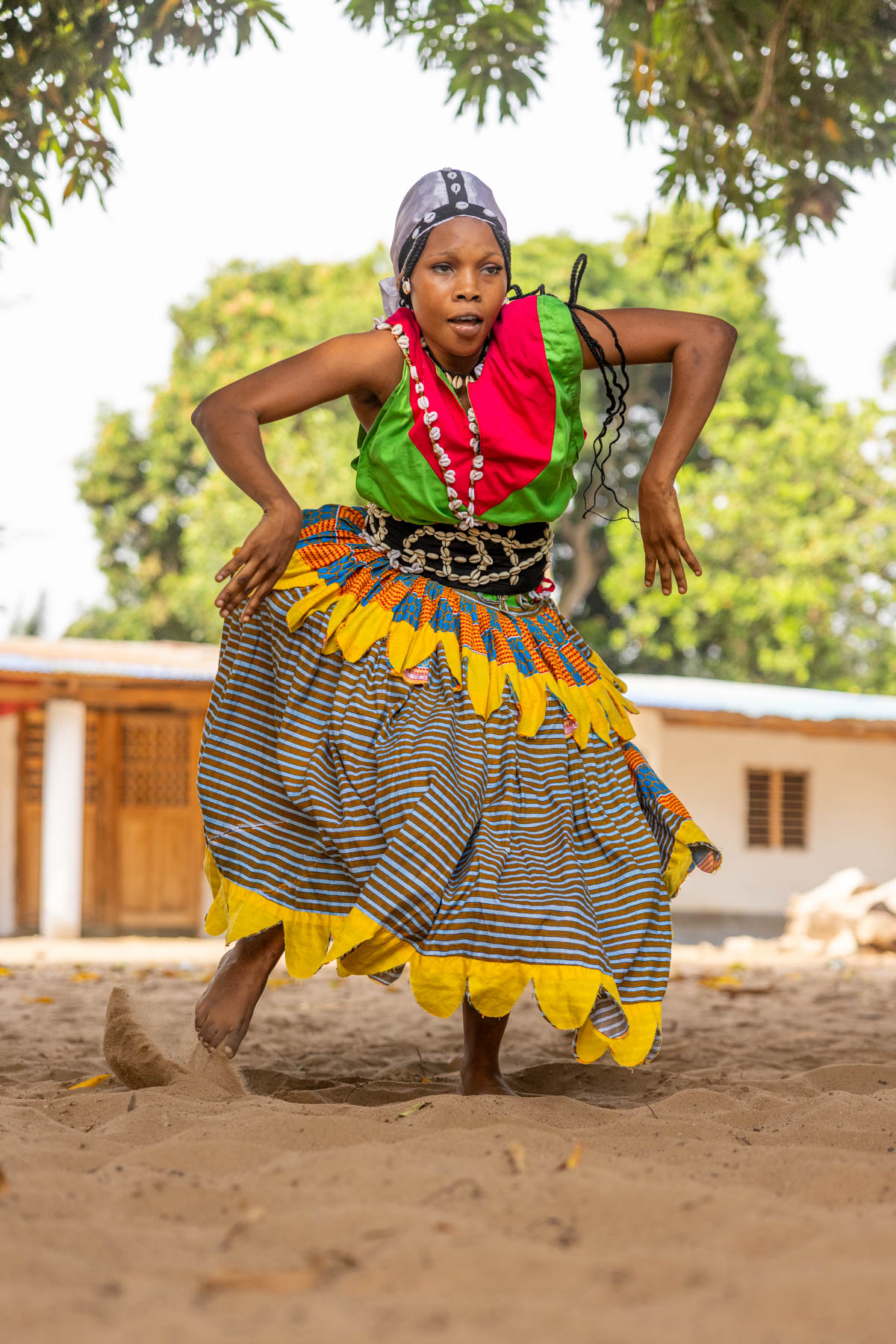
One of the female Sakpata devotees (image by Ingrid Koedood)
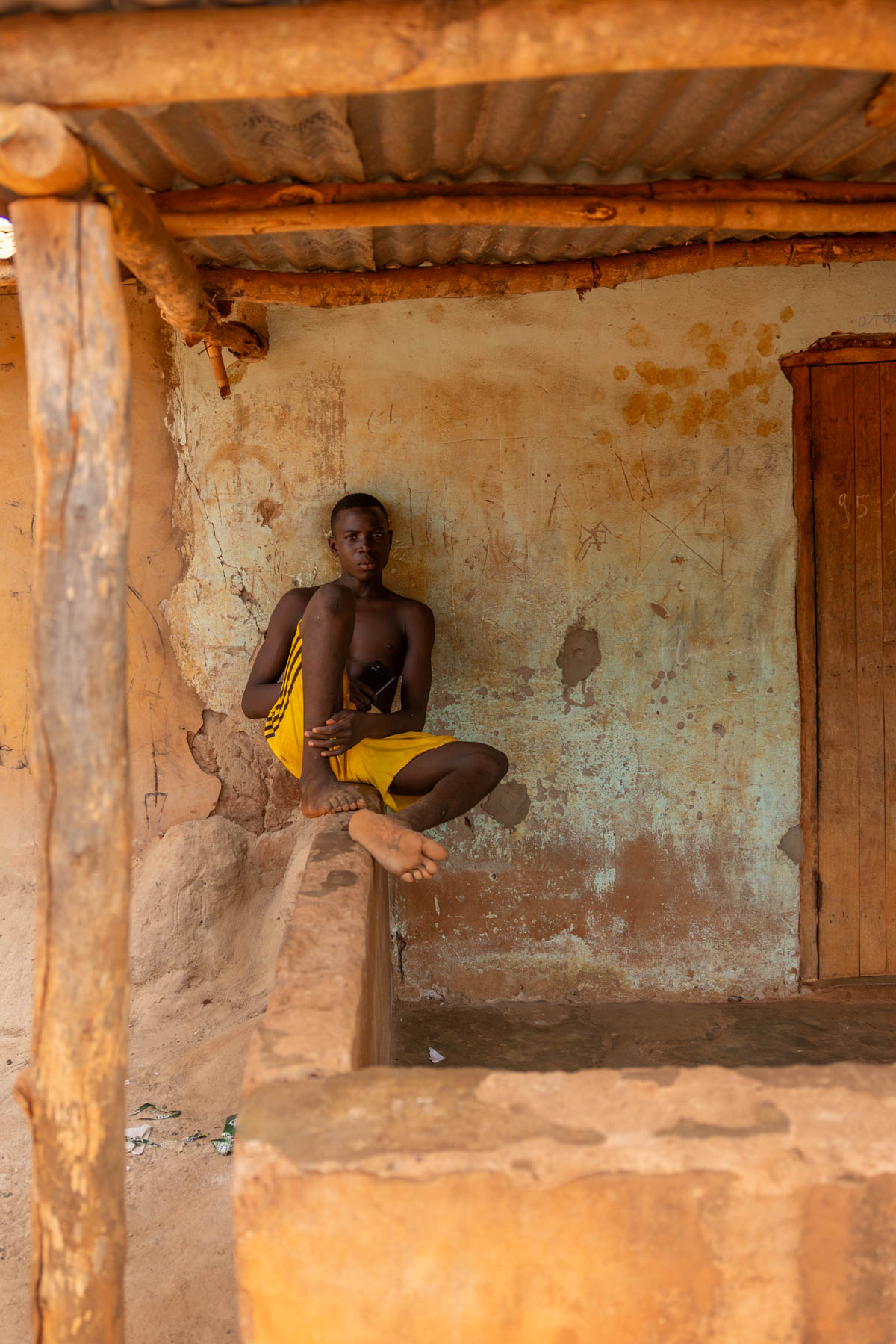
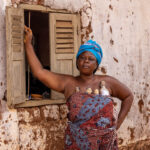
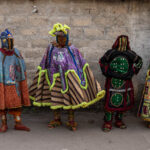
The beauty of worn walls and bright cloth: a palette of earth, sky and sun (image by Ingrid Koedood)
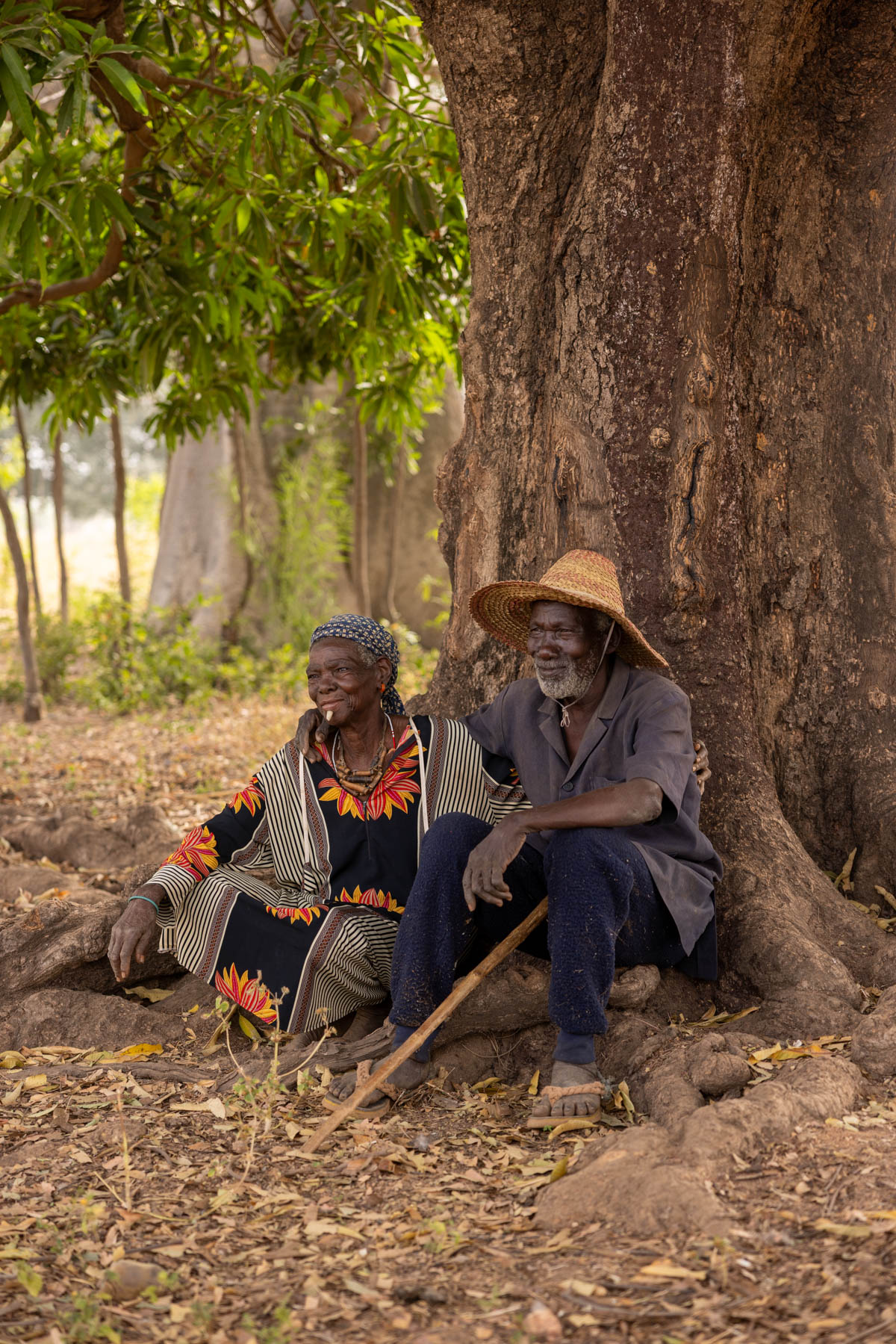
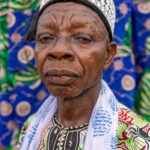
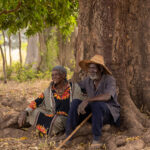
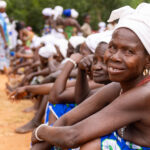
Otamari elders sharing a quiet moment. She still wears a traditional stone labret (lip plug) (image by Ingrid Koedood)
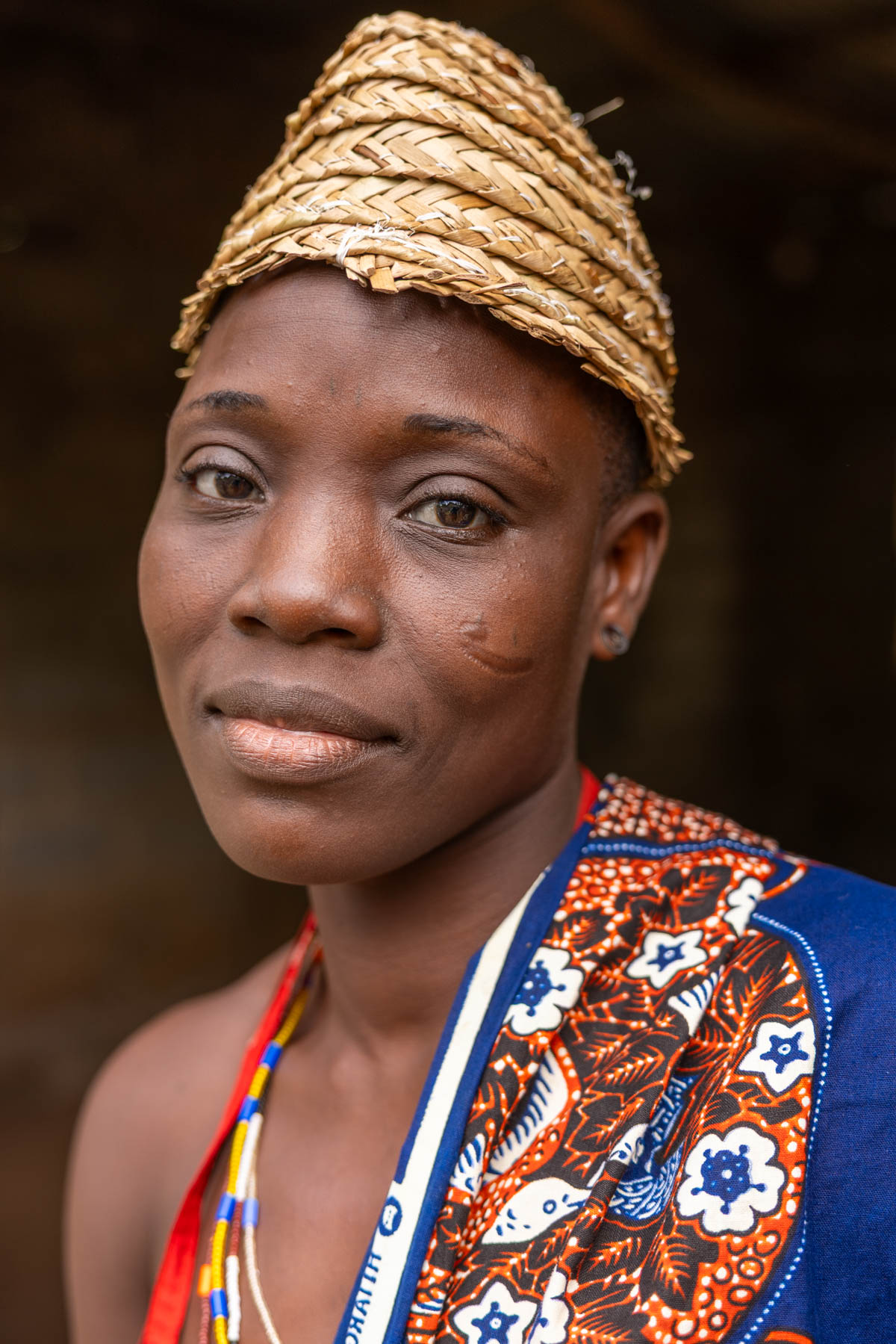
Portrait of a woman during a Heviosso ceremony (image by Ingrid Koedood)
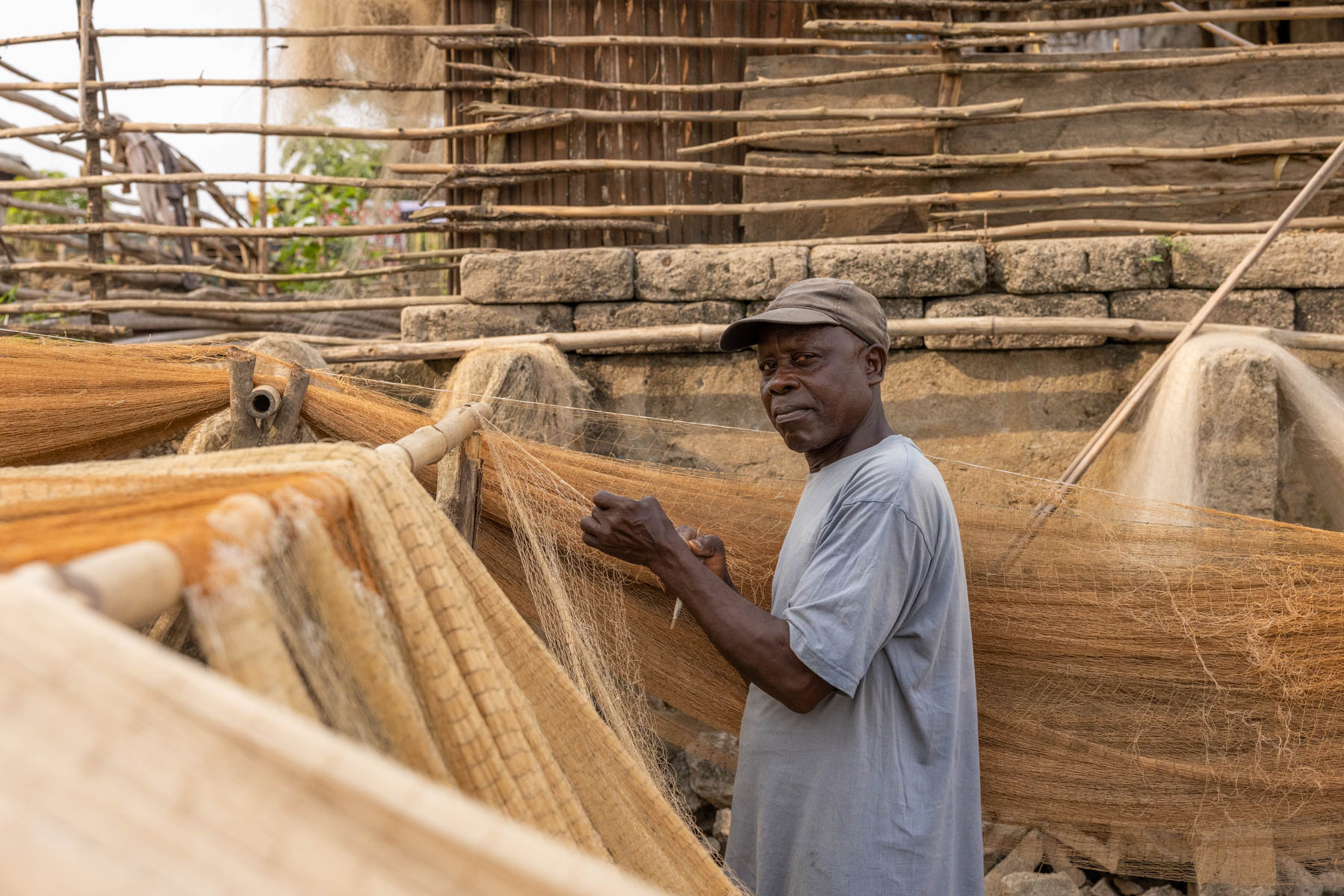
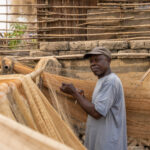
In the small fishing village of Agonvé, a fisherman patiently repair his nets, preparing for the next catch (image by Ingrid Koedood)
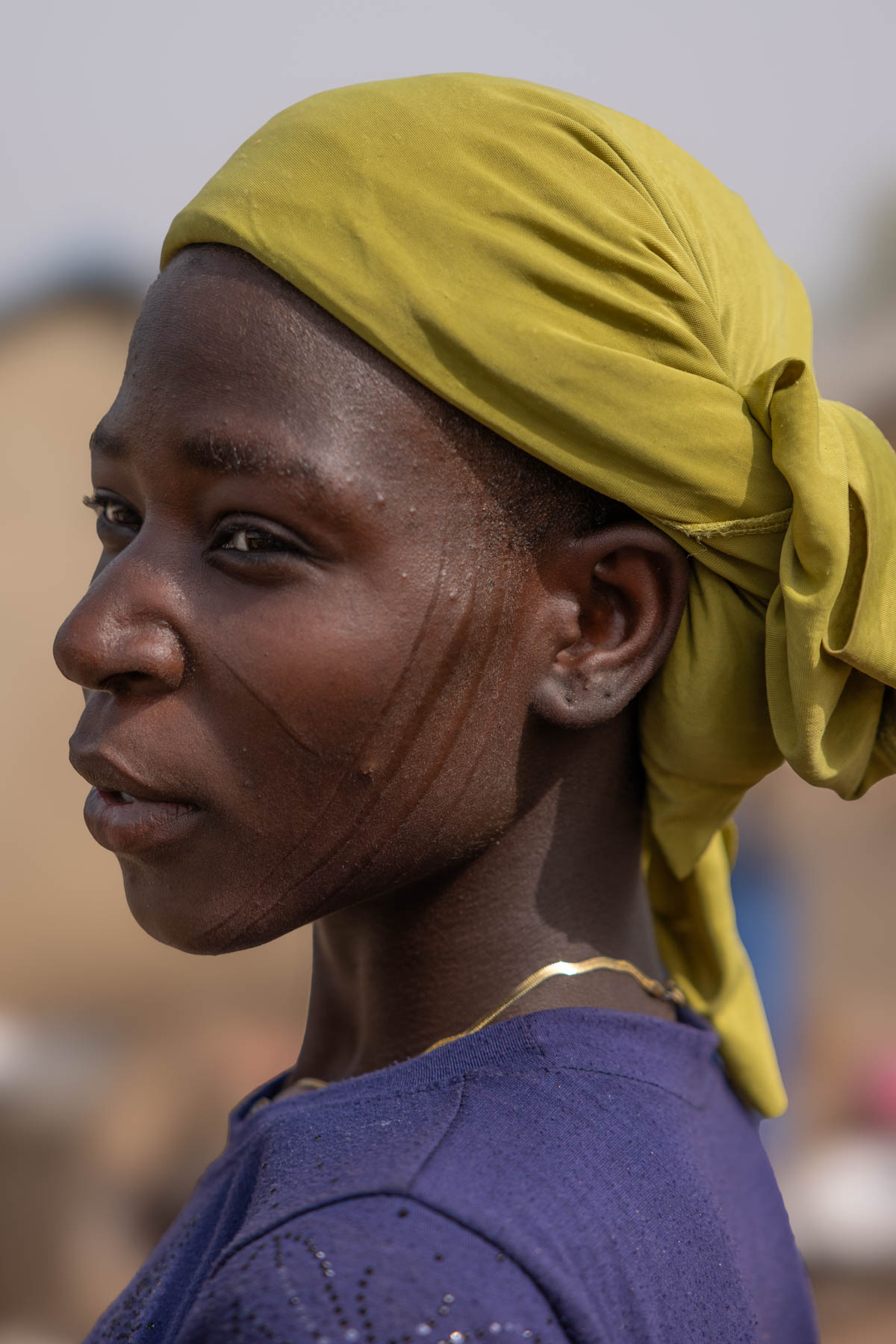
A Taneka woman with facial scarification marks (image by Ingrid Koedood)
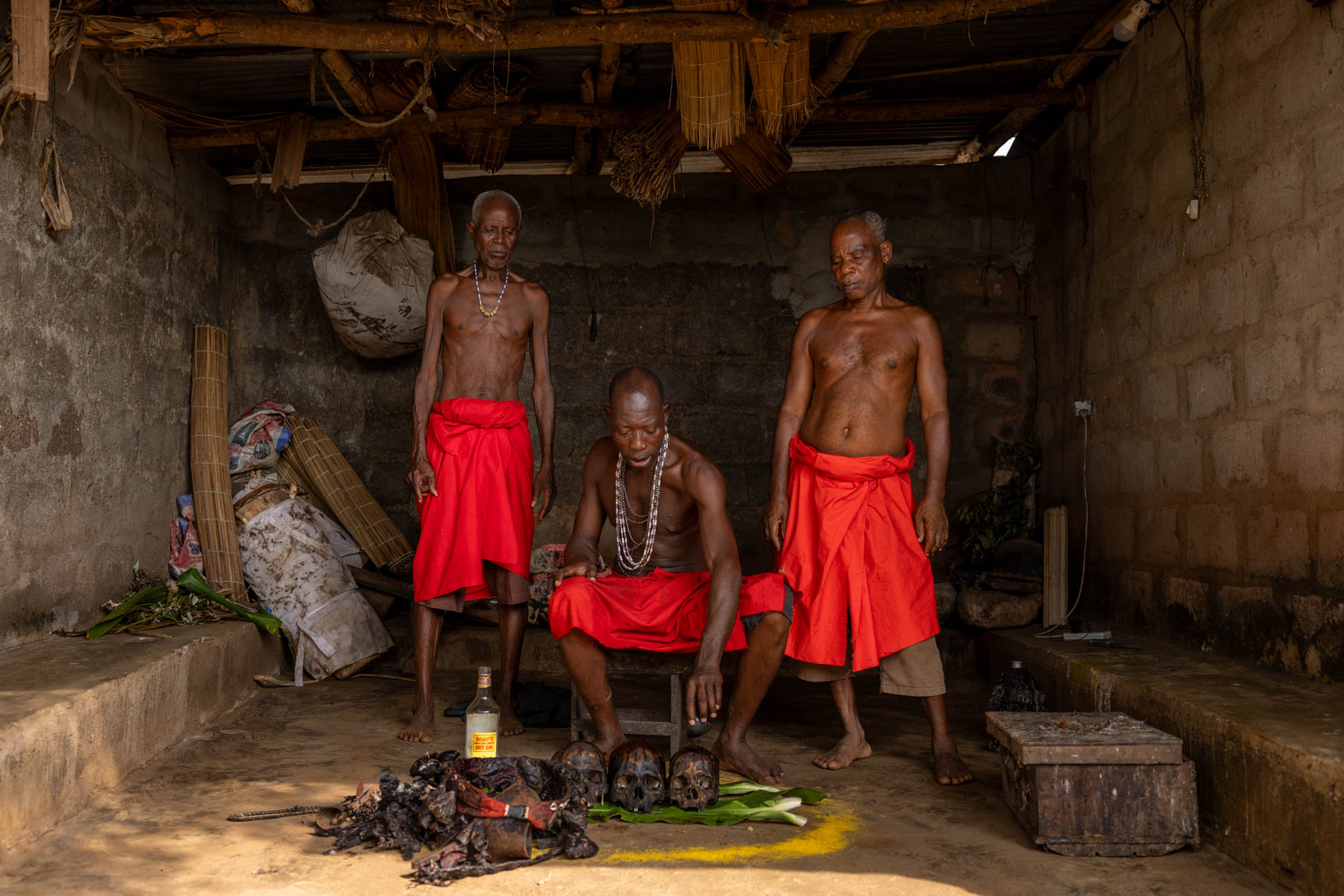
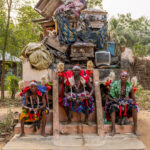
Red cloth, sacred objects, and focused hands: the Shango priests prepare for Shango’s arrival (image by Ingrid Koedood)
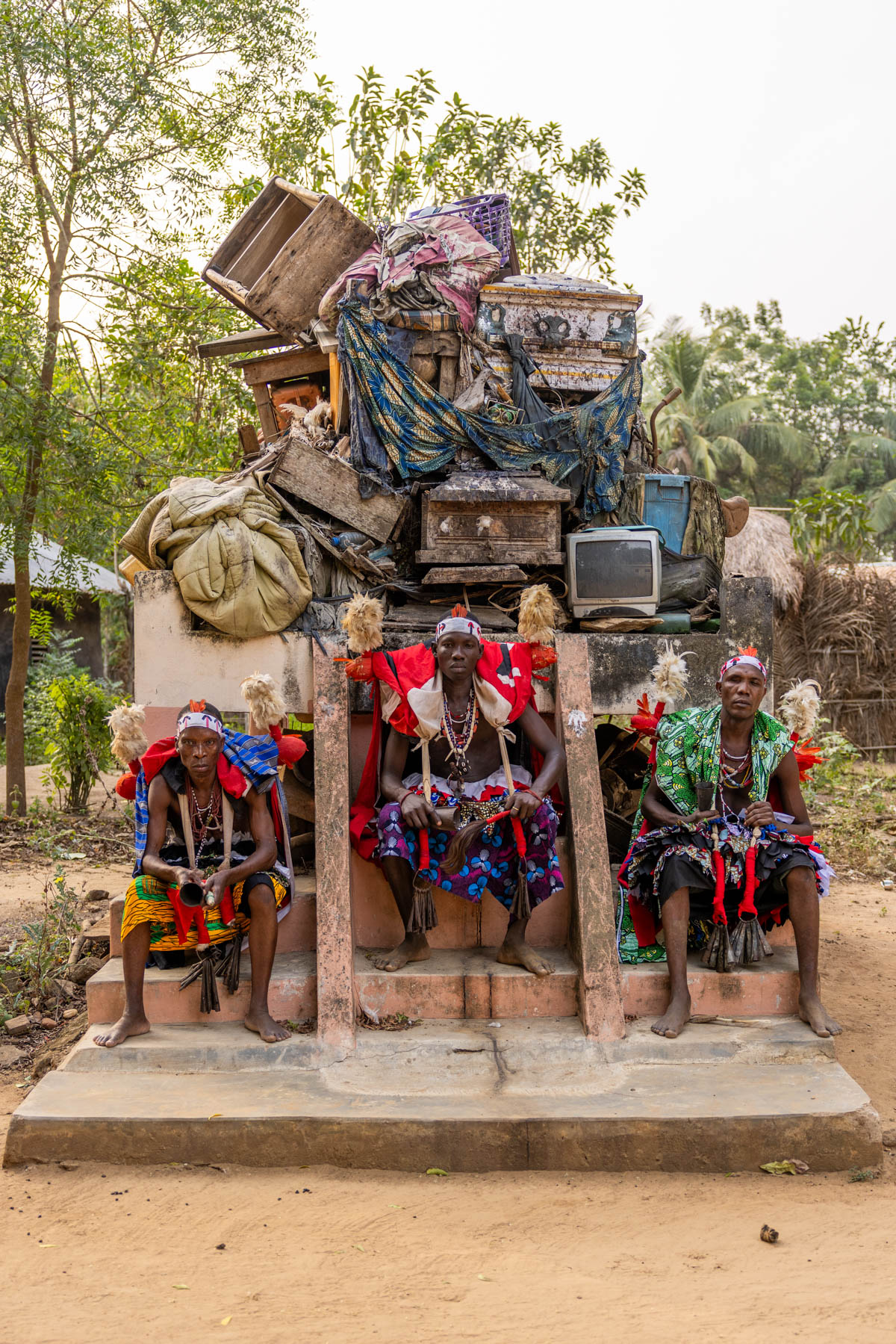
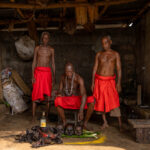
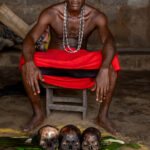
Heviosso Shamans. Heviosso is a powerful Vodun deity associated with thunder, lightning and fire. He is believed to protect the community, punish wrongdoing, and bring justice. They are seated in front of the alter where they expose the bodies and belongings of the bad people killed by the Heviosso (image by Ingrid Koedood)
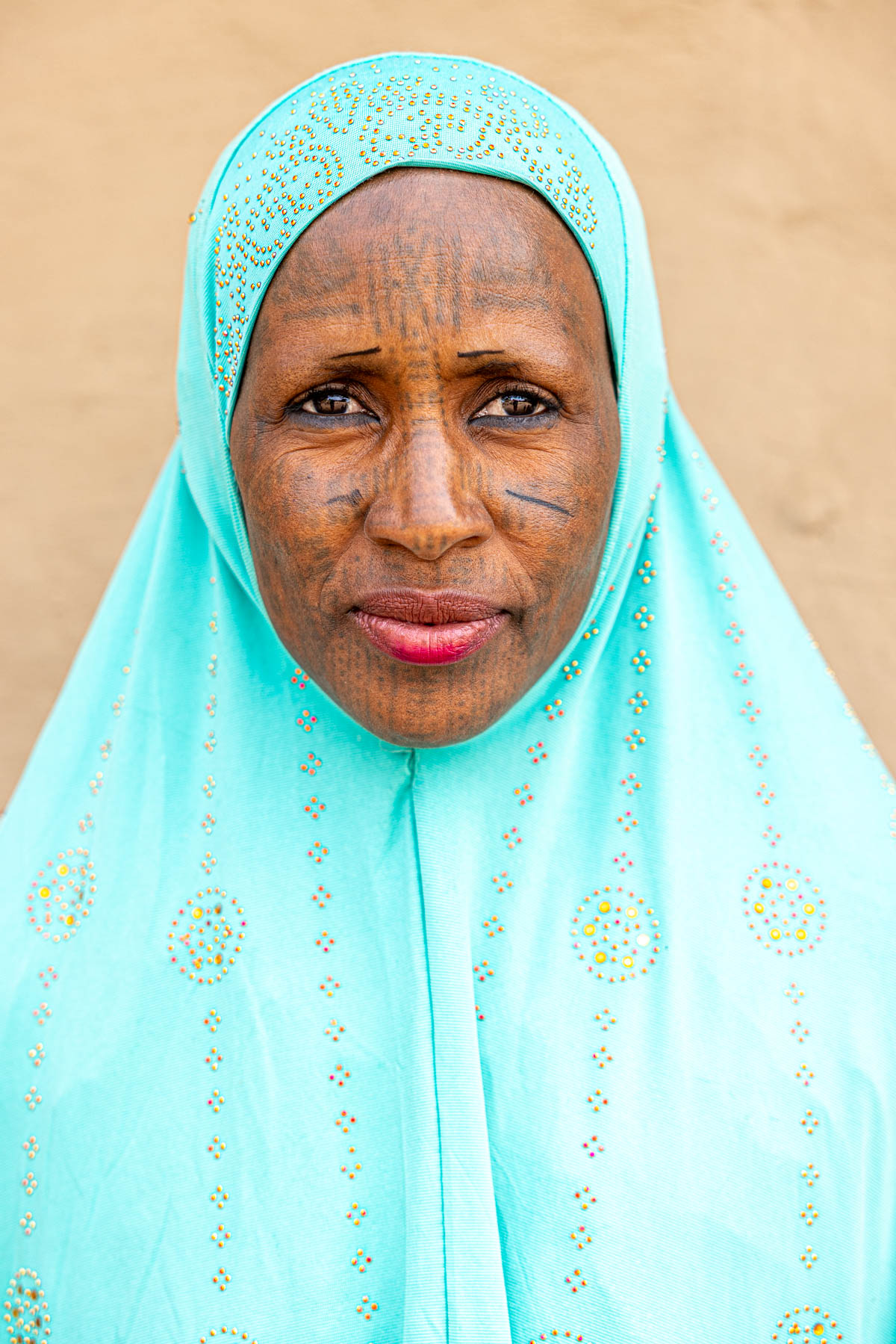
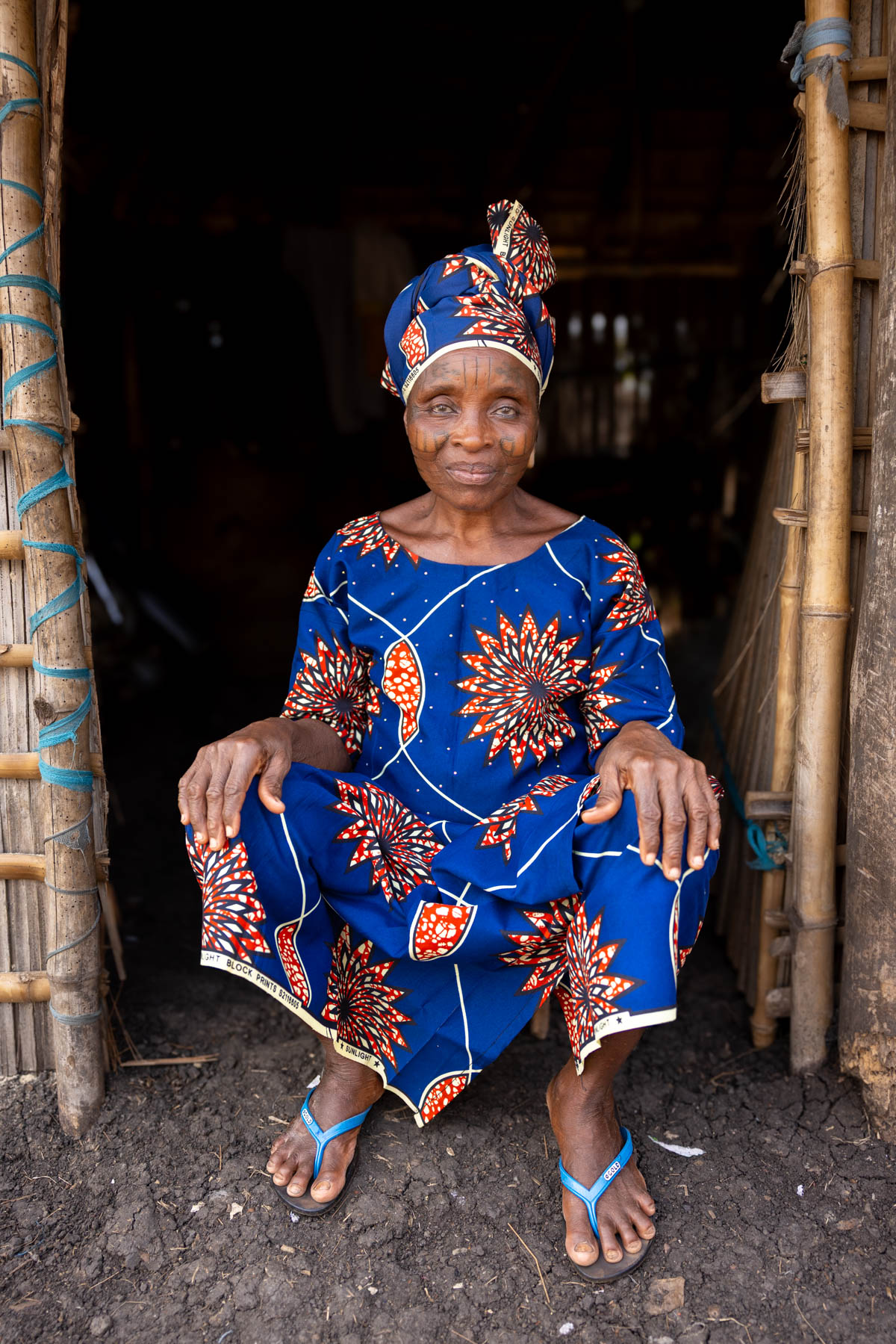
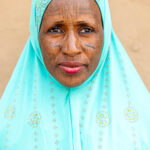
Portrait of a Borgu Fulani woman with traditional facial tattoos (image by Ingrid Koedood)
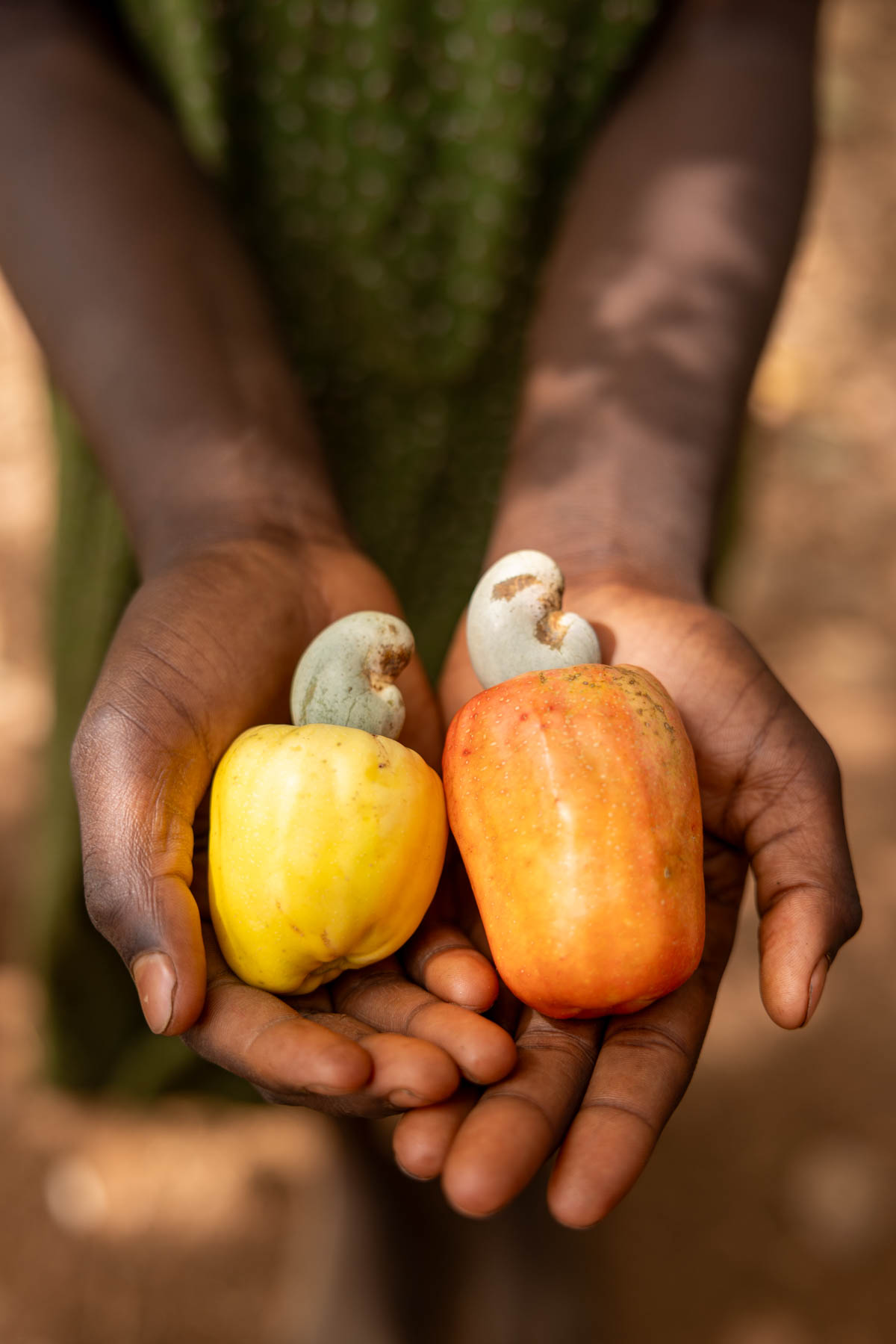
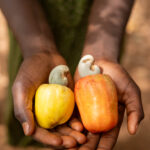
On our way north through Benin, cashew plantations lined the road (image by Ingrid Koedood)
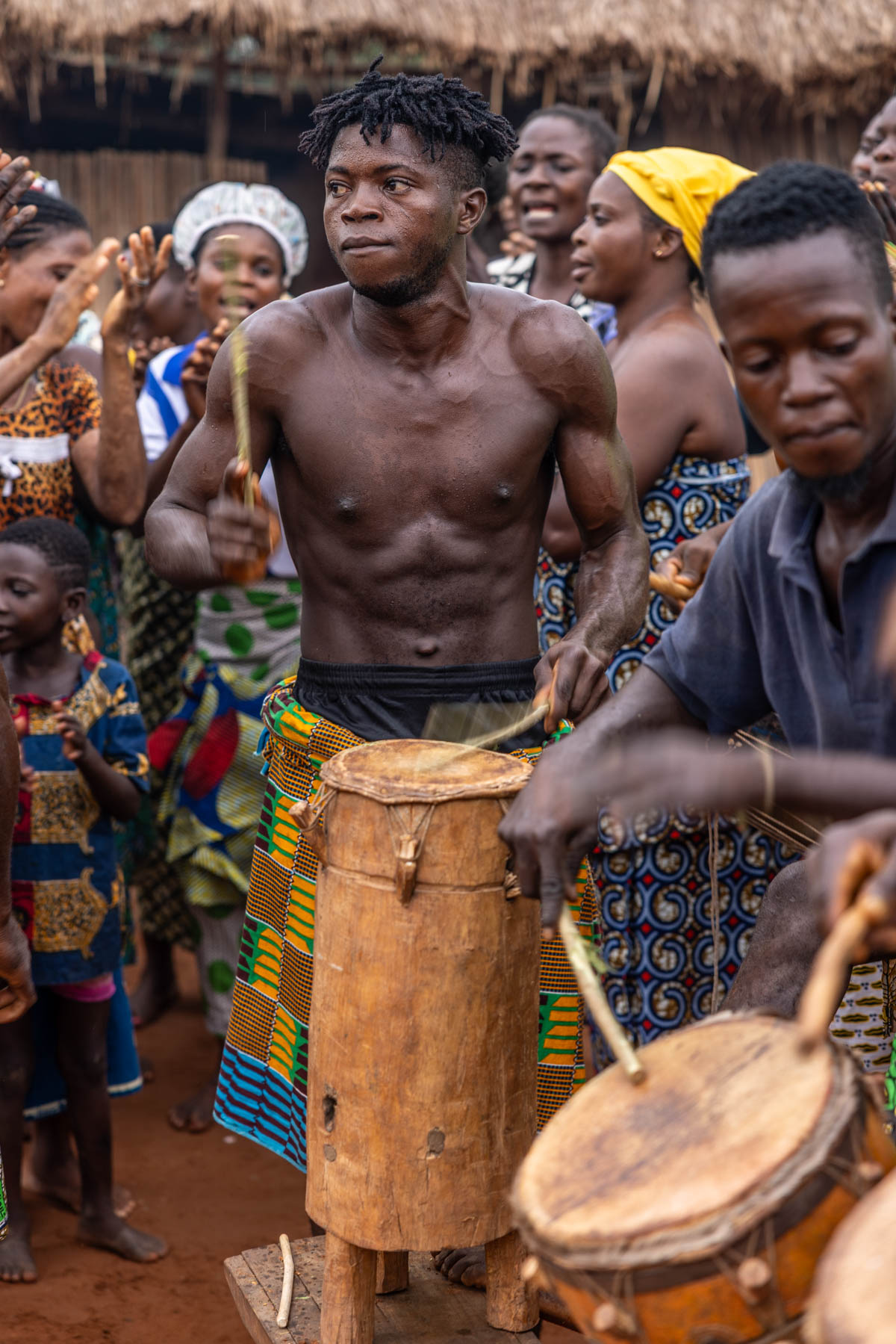
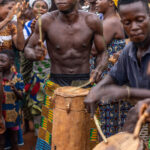
During the Zangbeto ceremony we were welcomed with drums and dance. The drummers play for hours, an act of pure endurance (image by Ingrid Koedood)
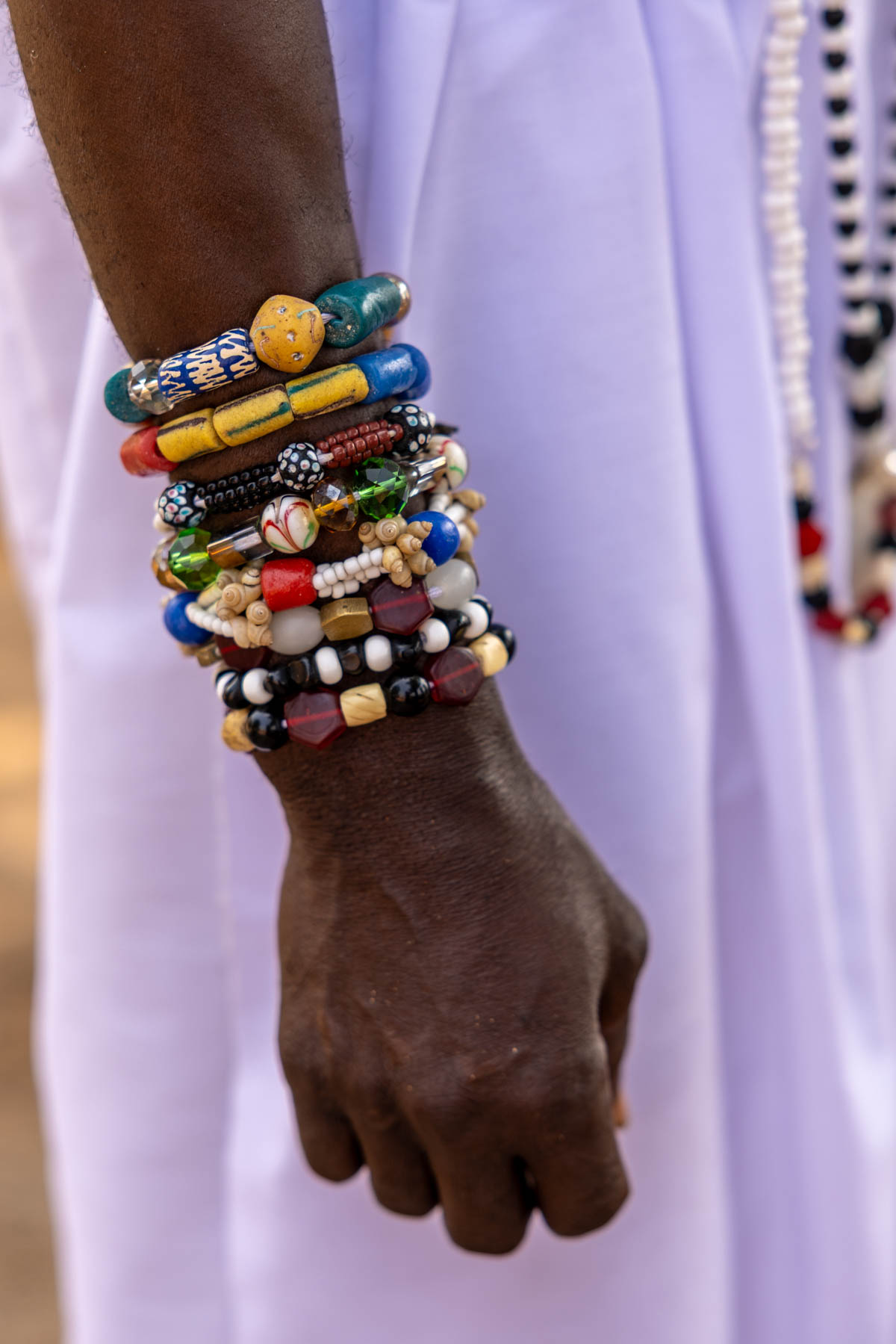
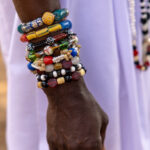
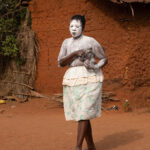
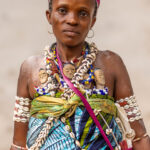
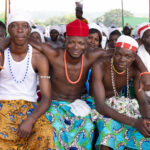
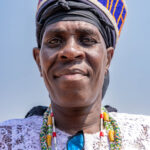
Dressed in white, adorned with colorful beads and bracelets (image by Ingrid Koedood)
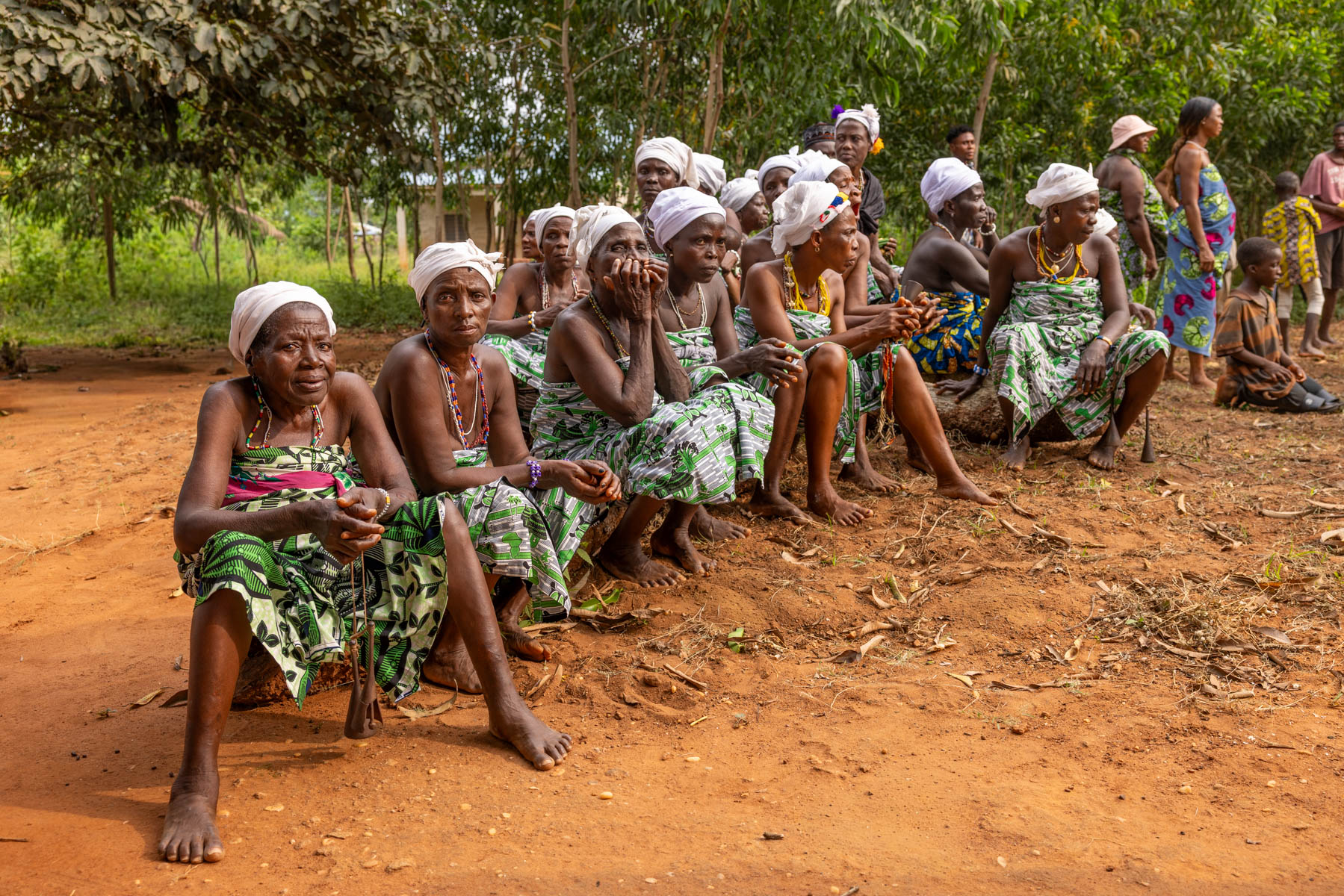
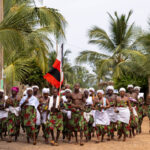
During the annual Vodun Days in Benin, people gather outside the palace of King Agassa, waiting for the ceremonies to begin (image by Ingrid Koedood)
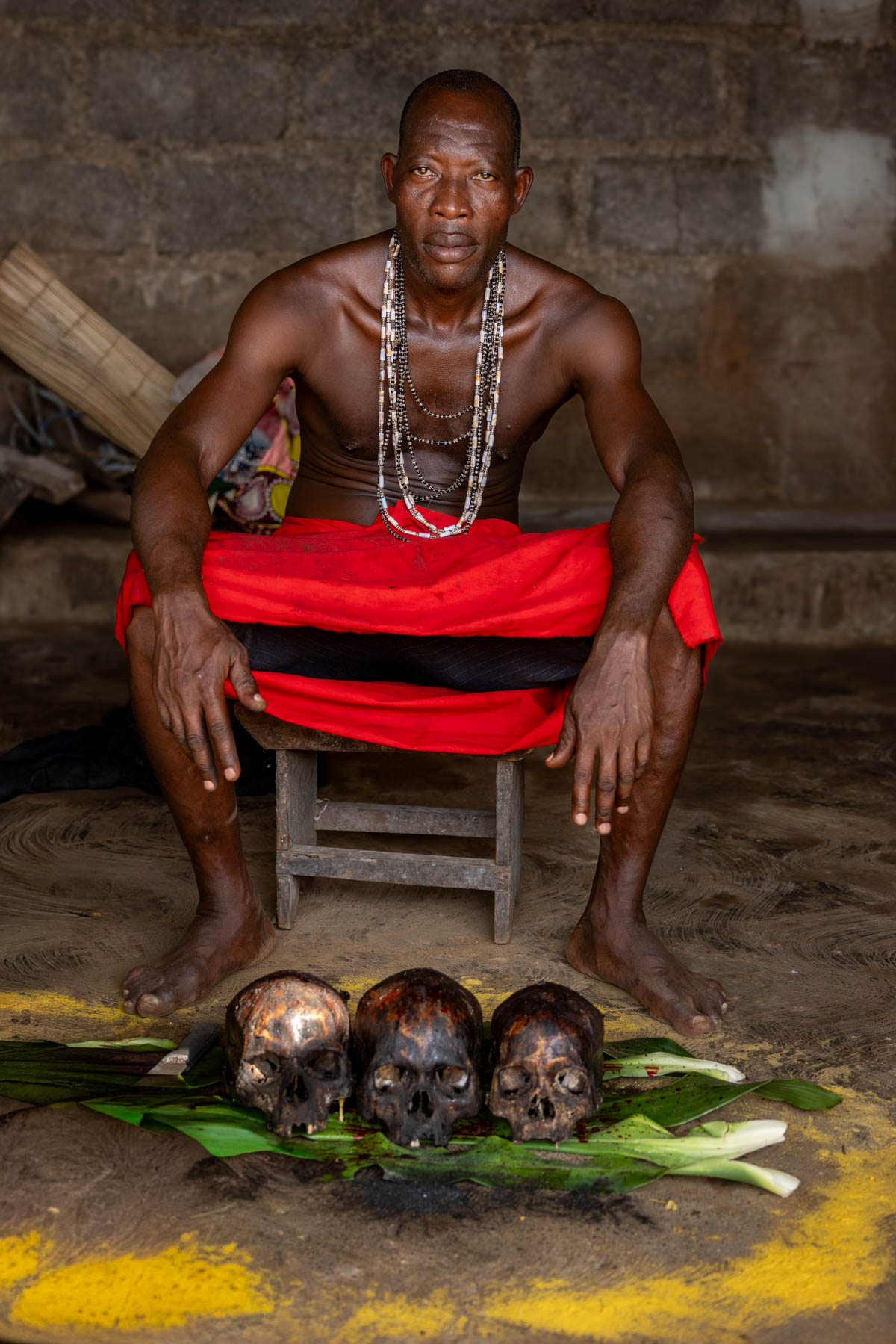
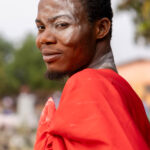
Shango priest. Shango is the Yoruba deity of thunder, lightning and justice (image by Ingrid Koedood)
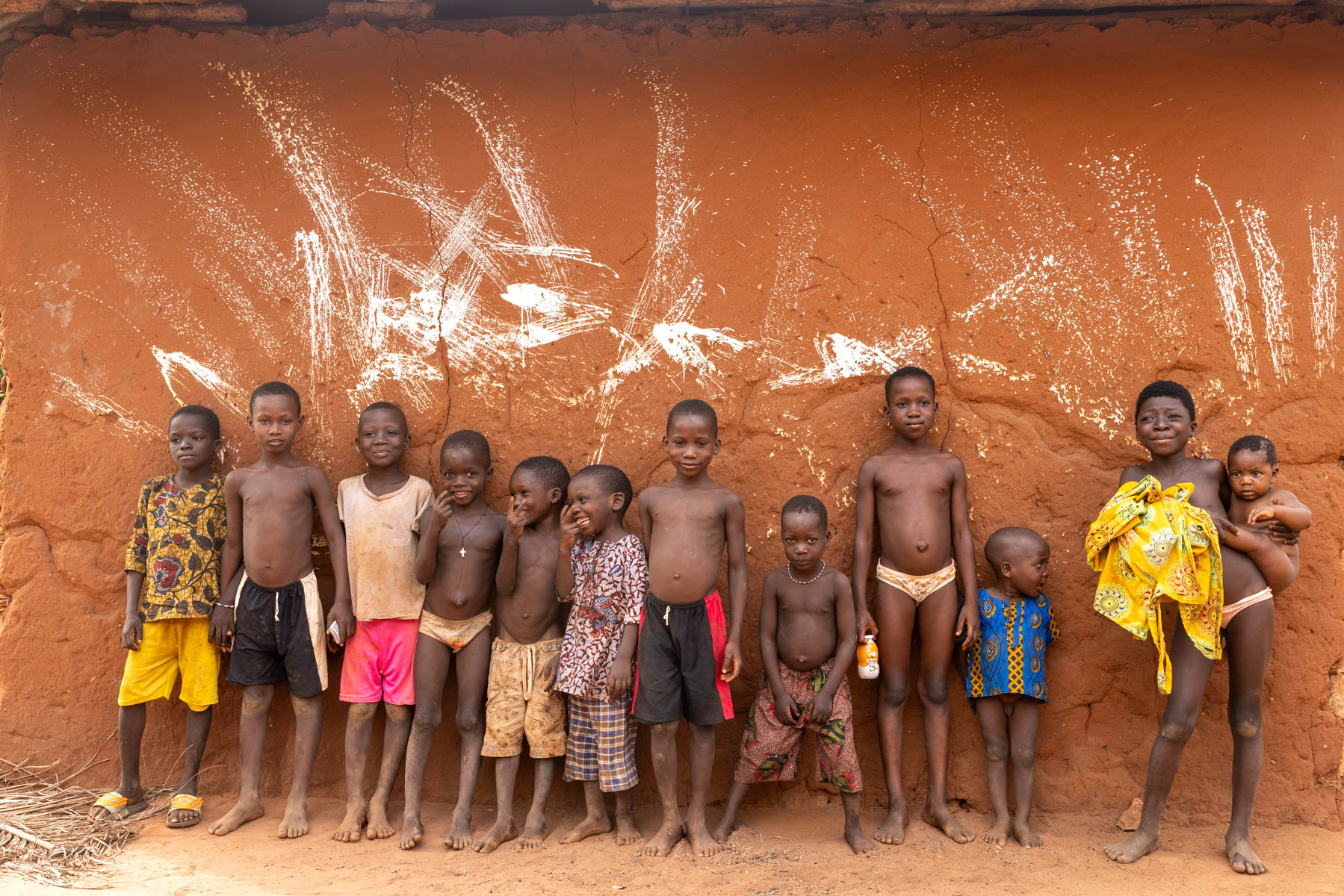
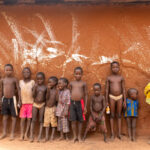
Before the Gambada ceremony began, we had so much fun with the local children. They loved posing for us (image by Ingrid Koedood)
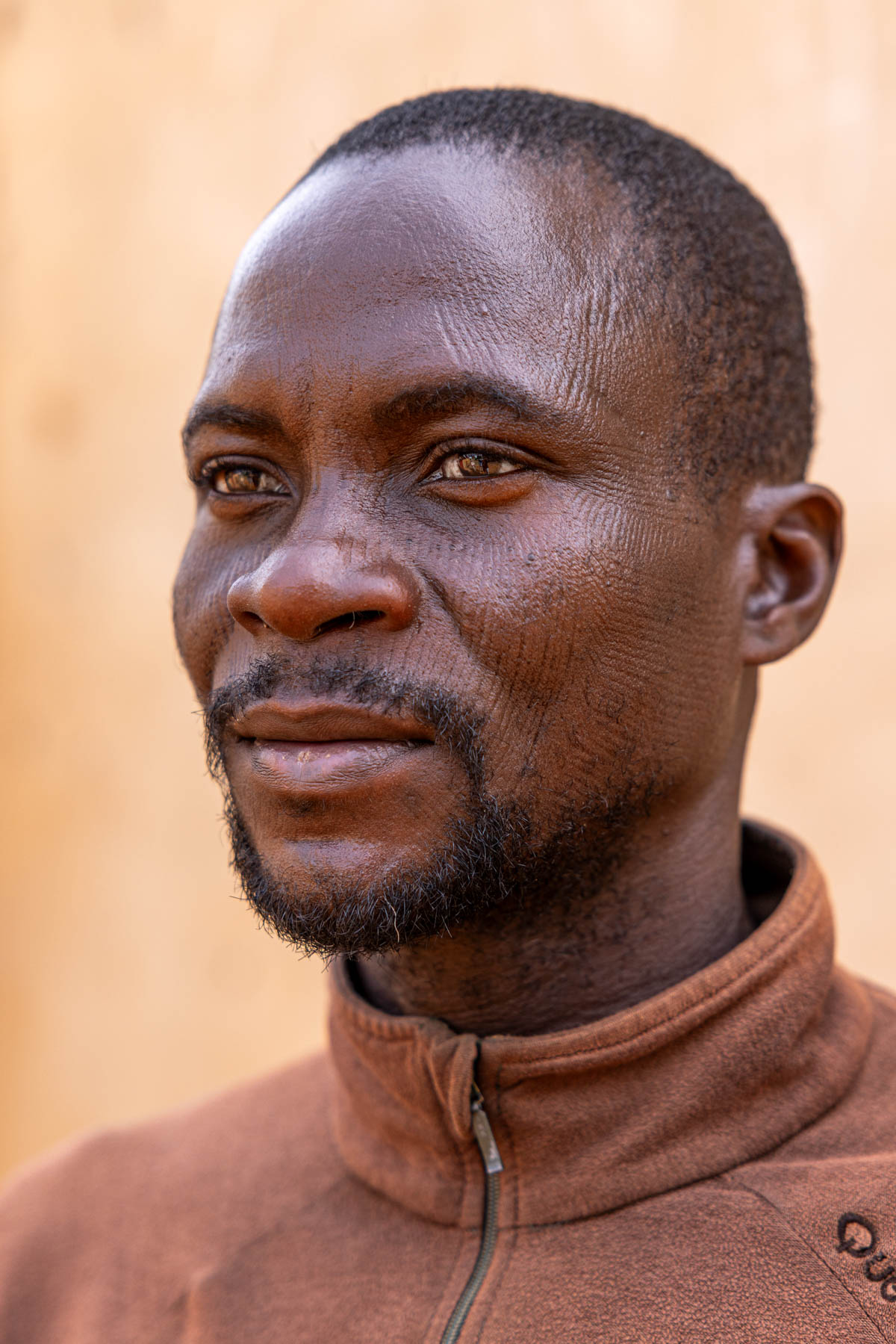
An Otamari man with fine traditional facial scarification (image by Ingrid Koedood)
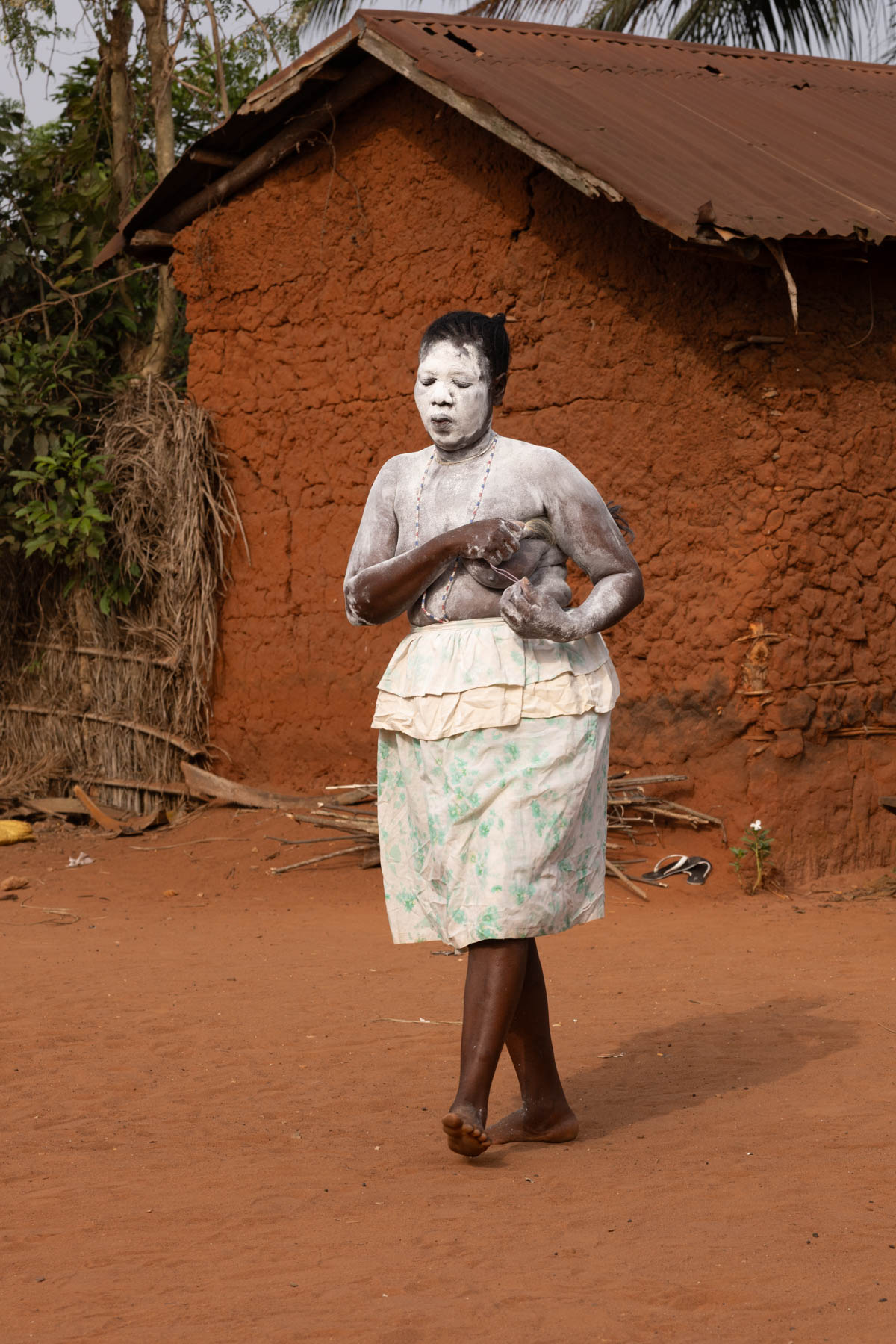
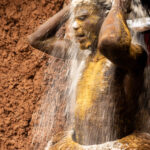
Gambada devotee in trance and covered in kaolin, as a sign of purity drawing closer to the spirit world (image by Ingrid Koedood)
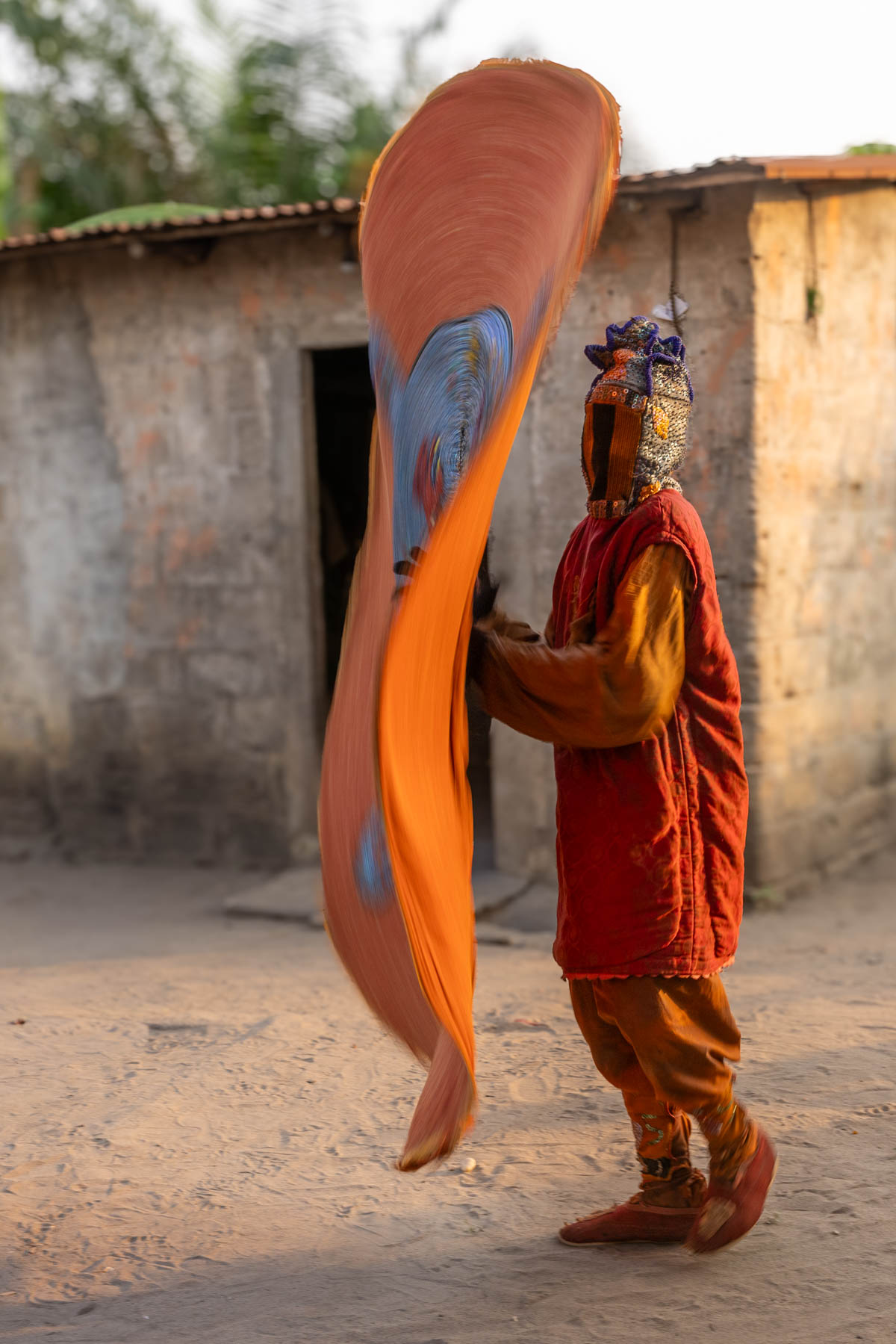
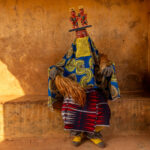
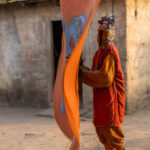
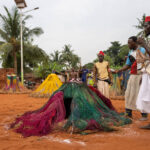
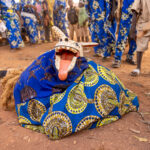
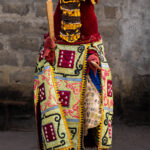
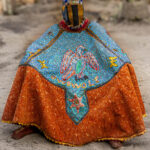
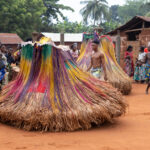
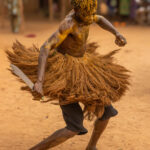
Egungun ceremony, spinning in circles as the costume becomes a living swirl of color (image by Ingrid Koedood)
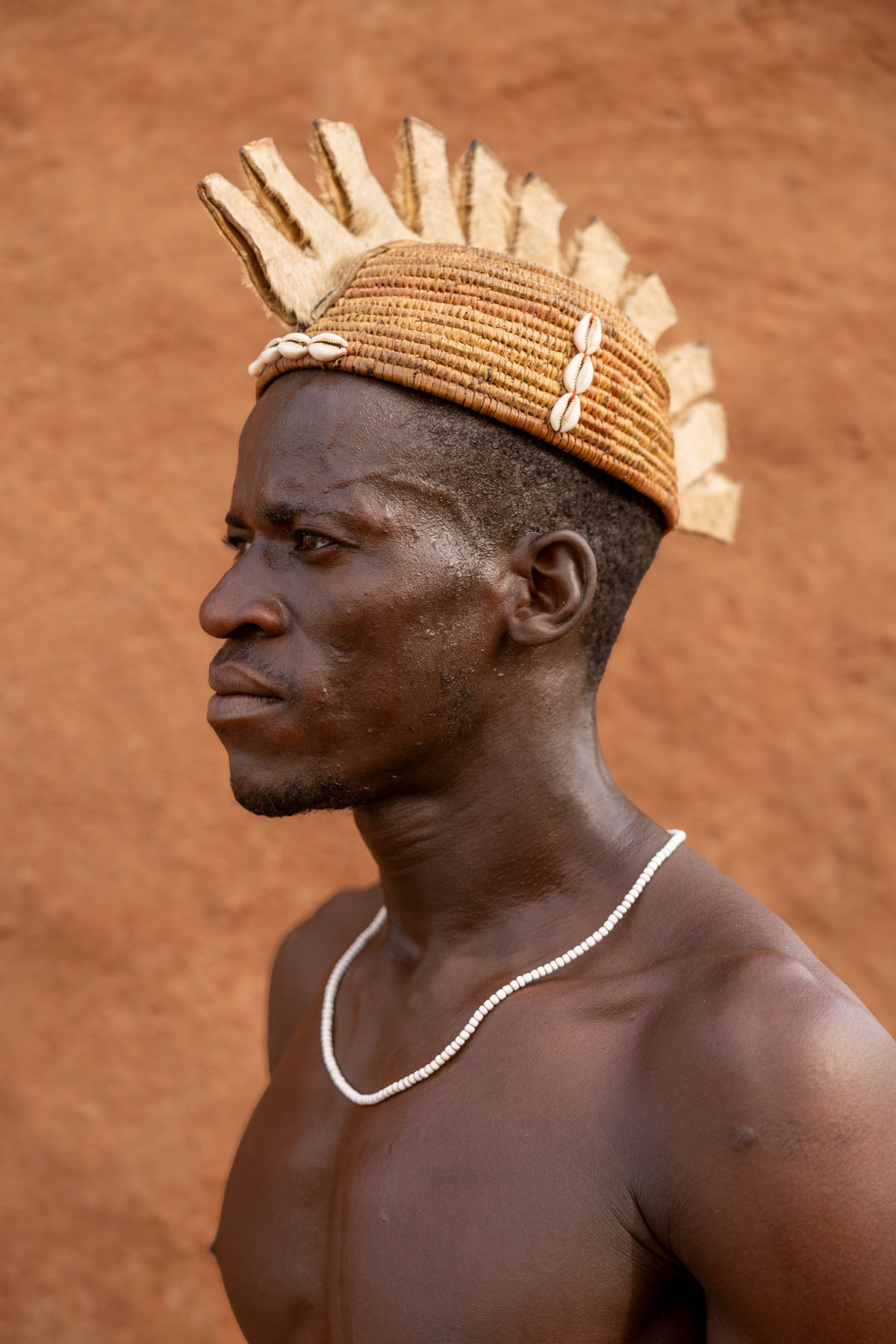
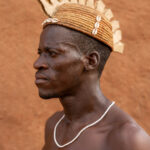
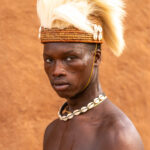
A proud profile portrait of a Batammariba young man after the initiation ceremony (Togo) (image by Ingrid Koedood)
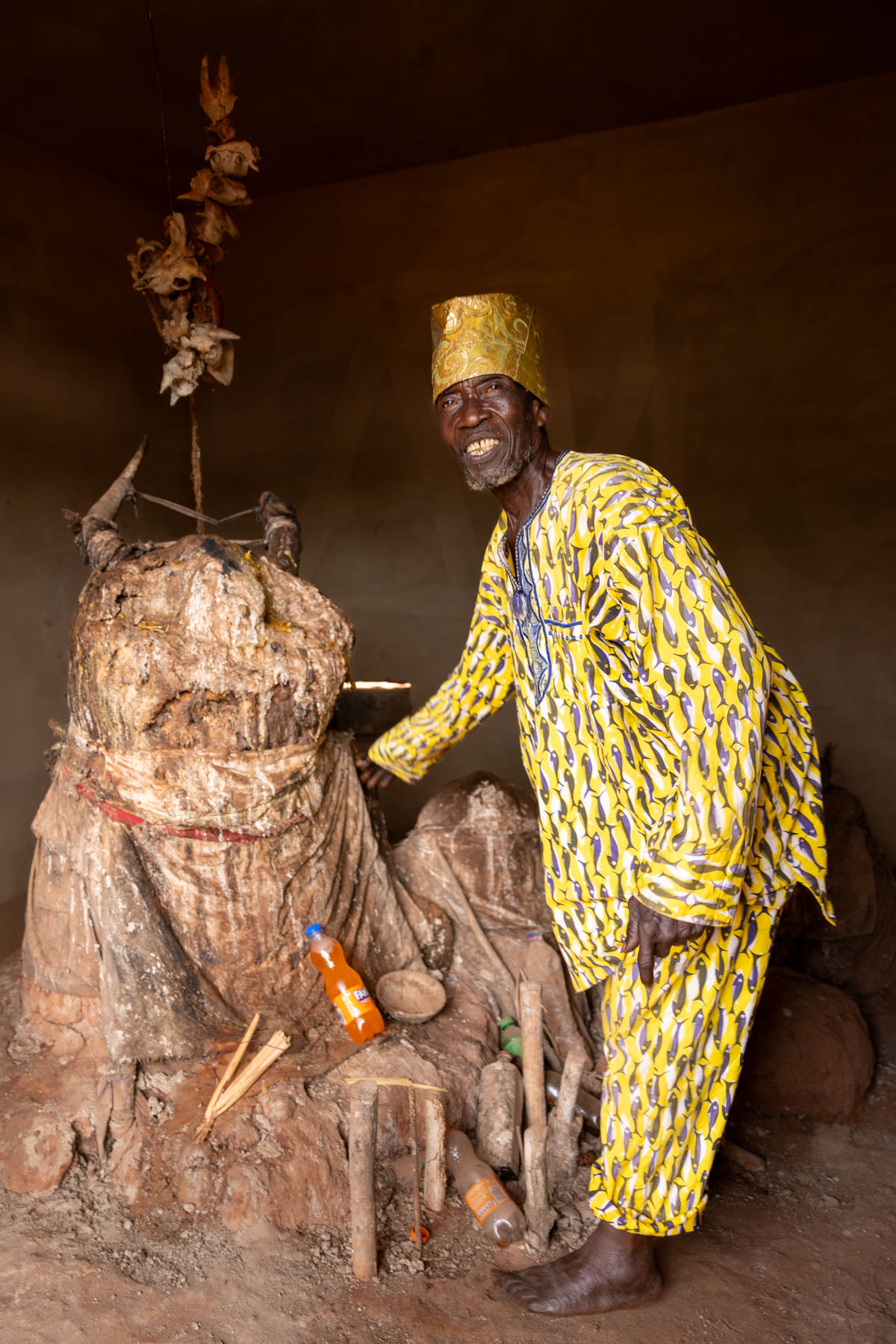
An elderly priest inside the Zangbeto shrine (image by Ingrid Koedood)
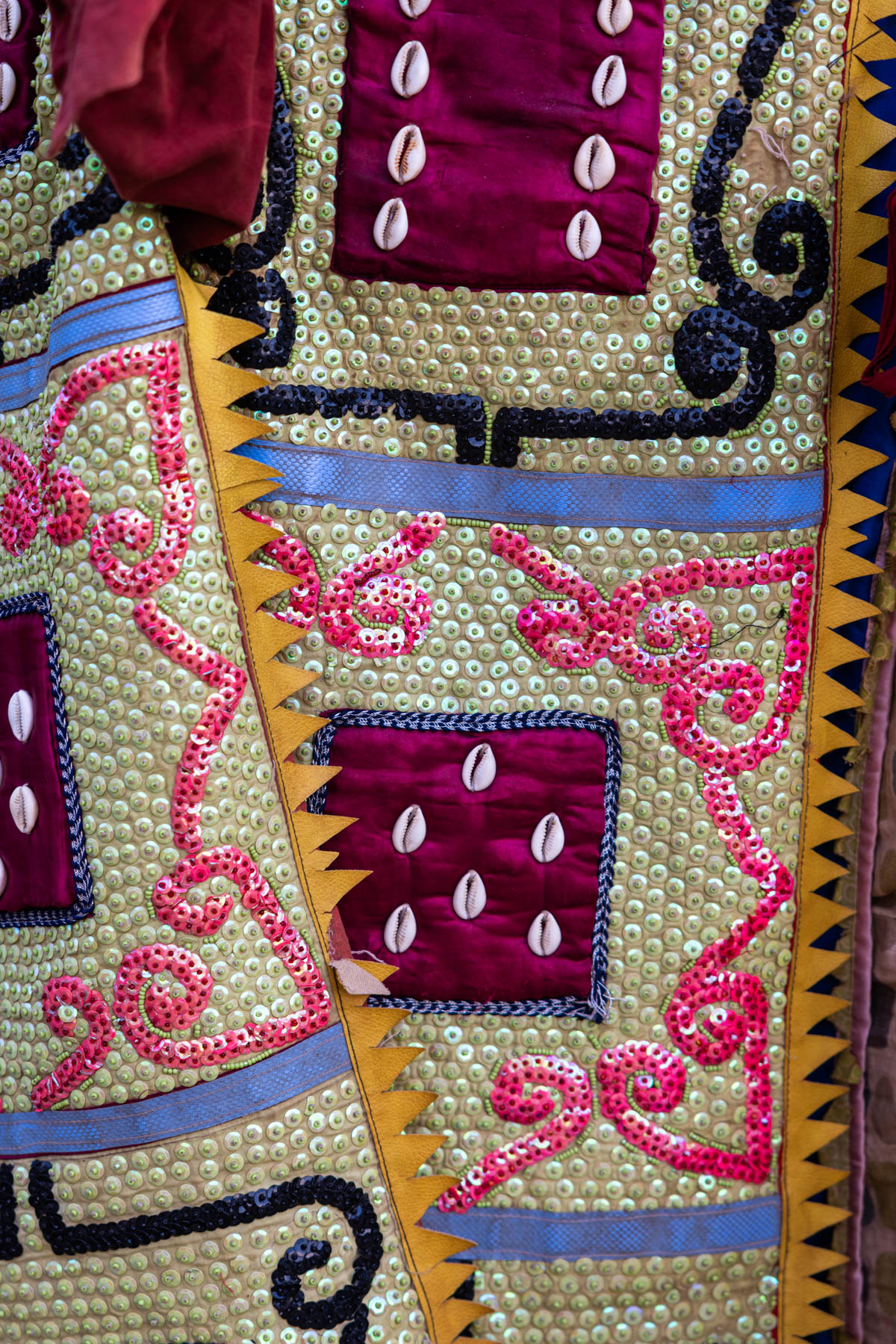
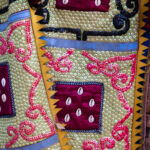
Close up: hand-embroided fabric of an Egungun costume, rich in symbols and color (image by Ingrid Koedood)
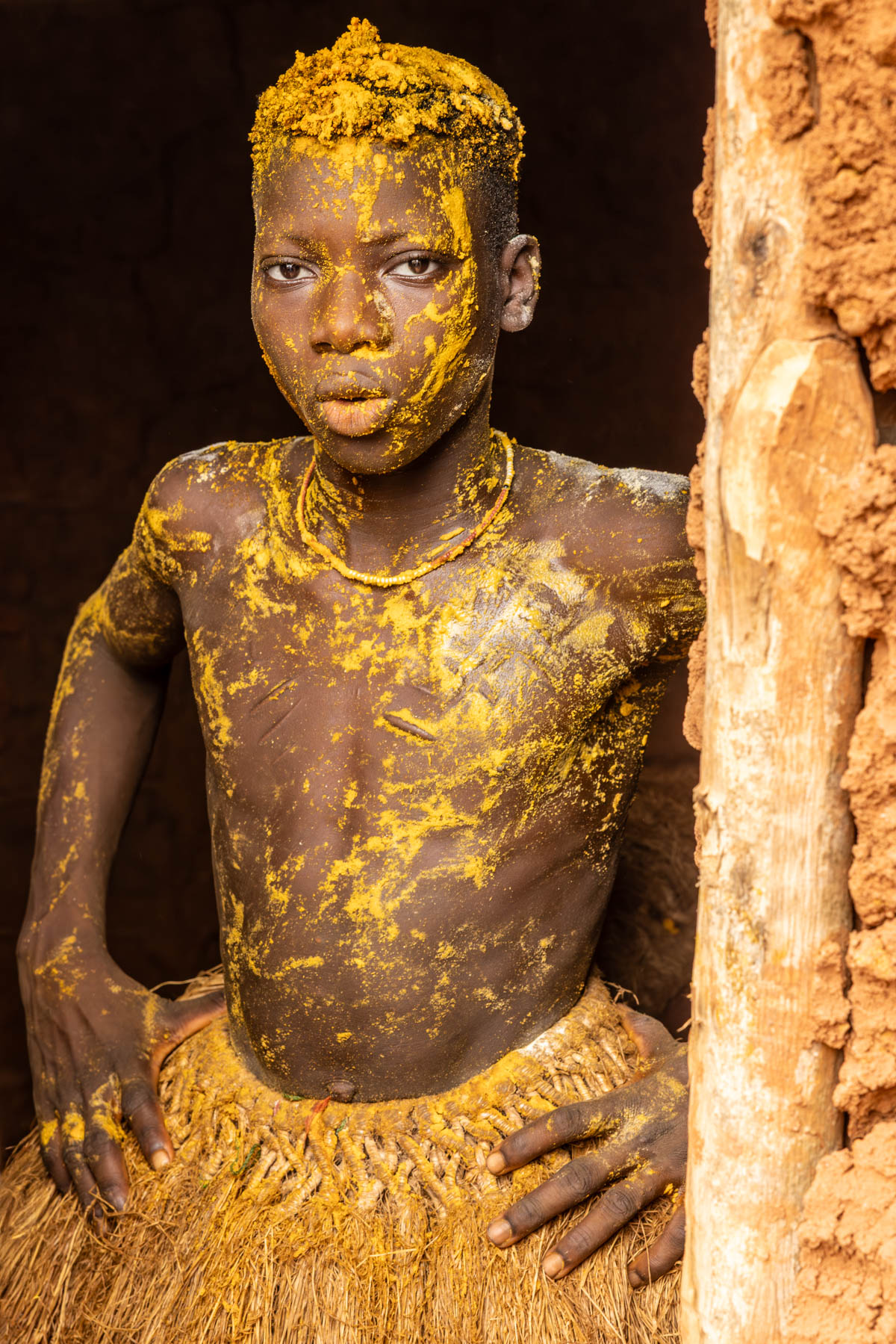
Portrait of a young Kokou devotee (image by Ingrid Koedood)
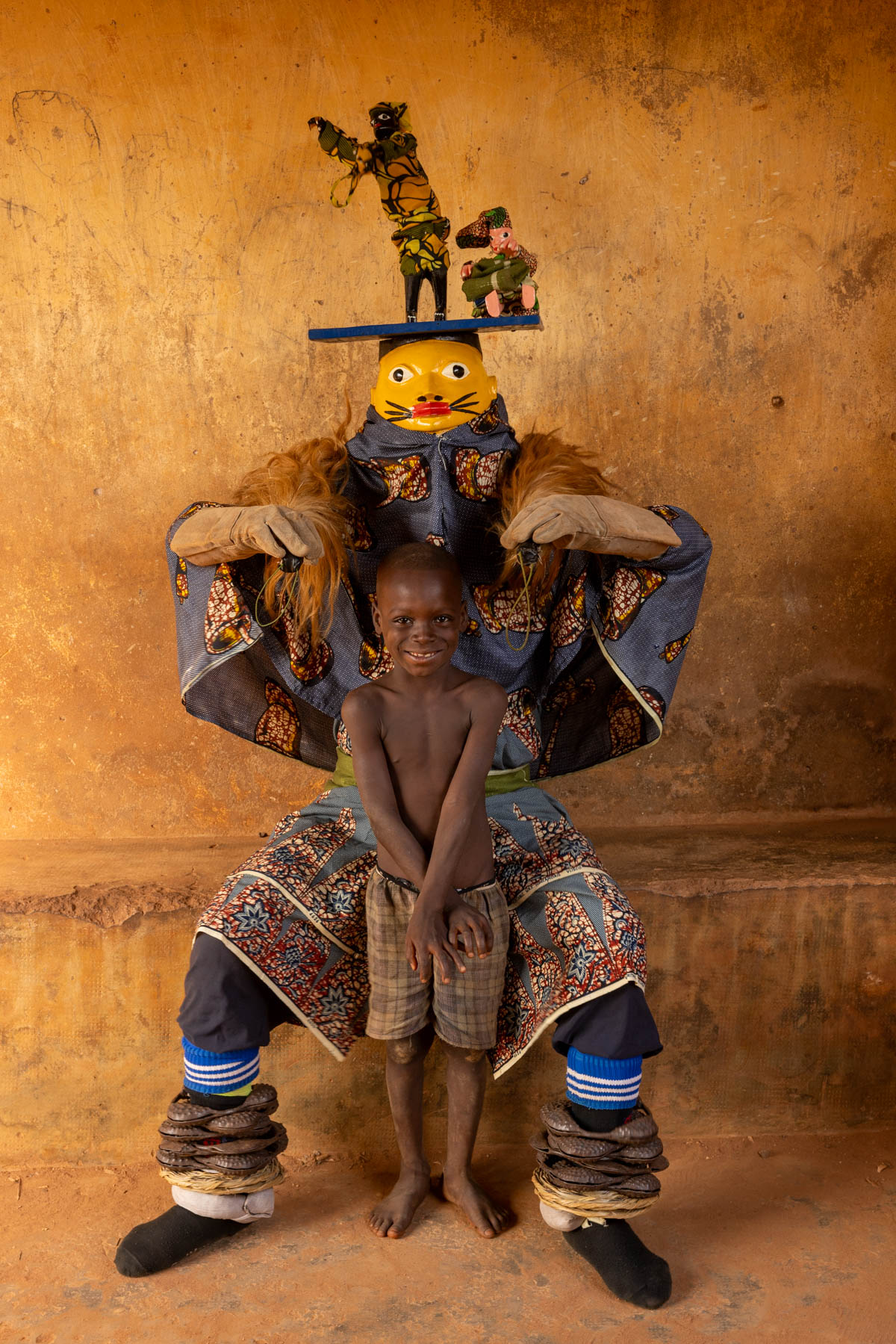
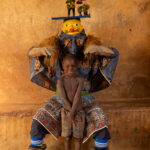
A Guèlèdè performer poses with a young boy. Shy at first, but proud to be part of the moment (image by Ingrid Koedood)
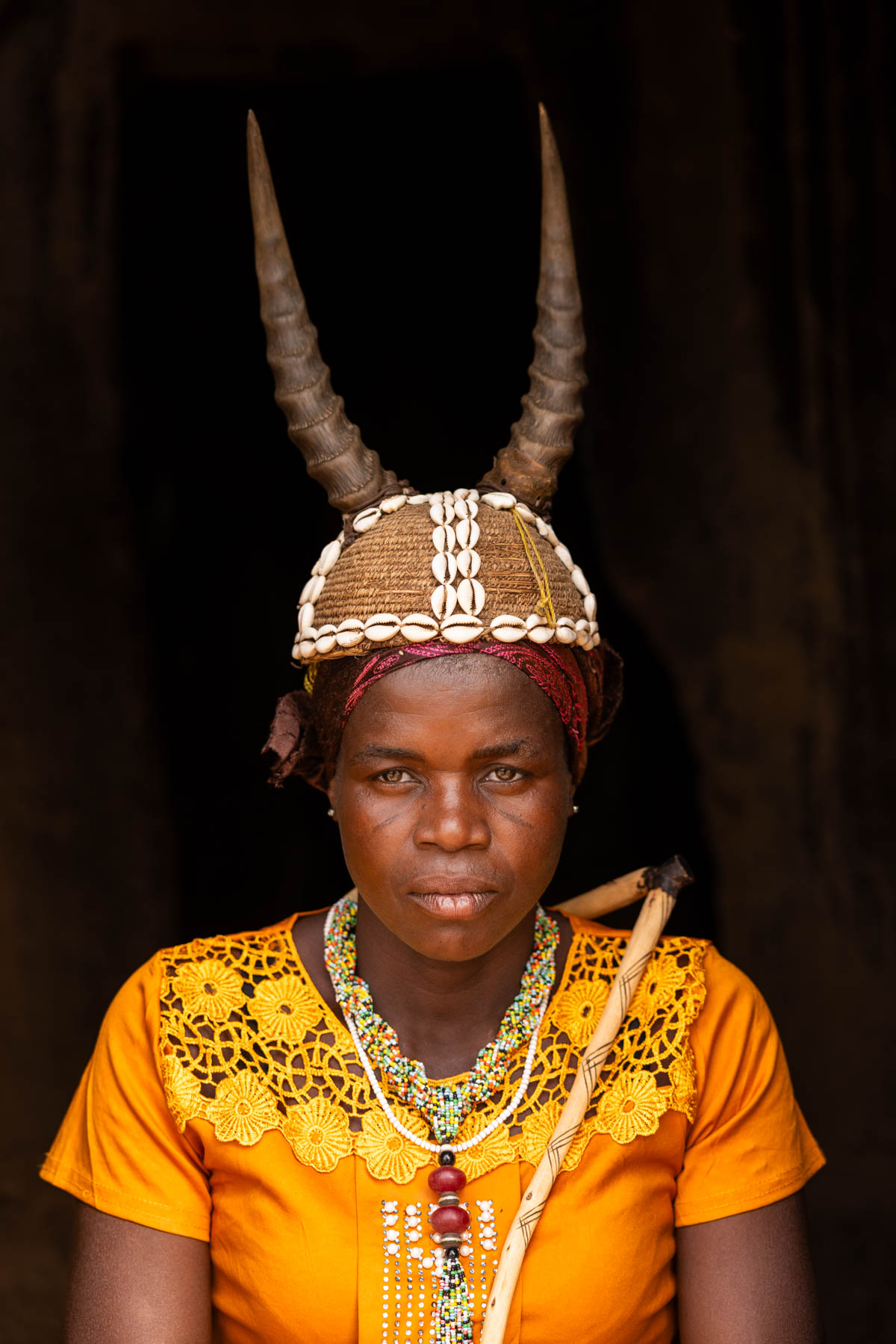
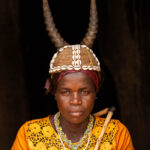
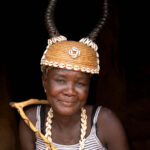
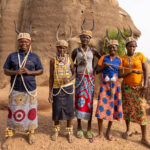
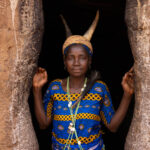
Batammariba woman in ceremonial headwear – cowries and antelope horns (image by Ingrid Koedood)
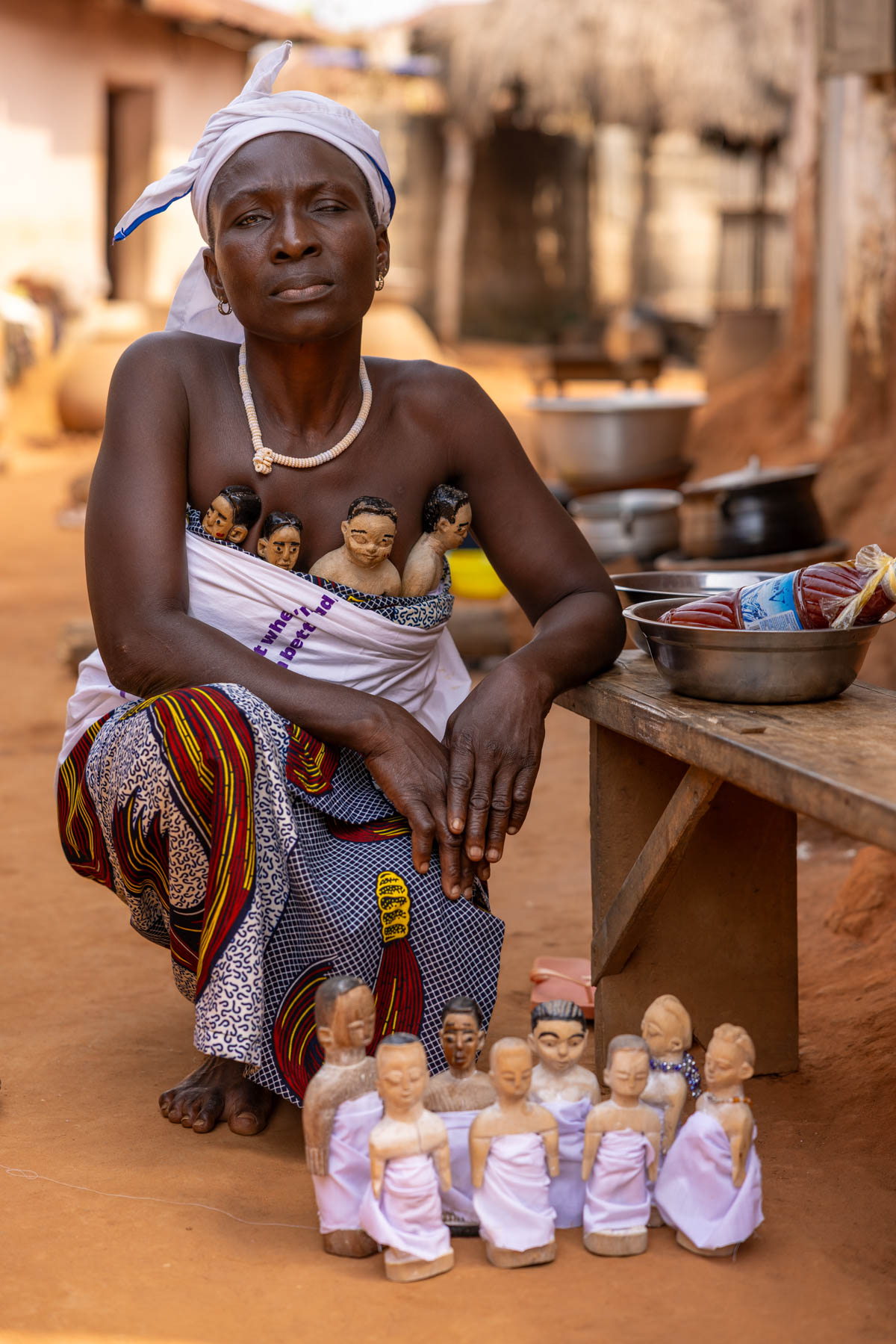
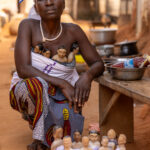
Portrait made after a twin ceremony. Twin dolls are carried and cared for as representations of twins who have died. Benin is known for its high number of twin births compared to the Western world (image by Ingrid Koedood)
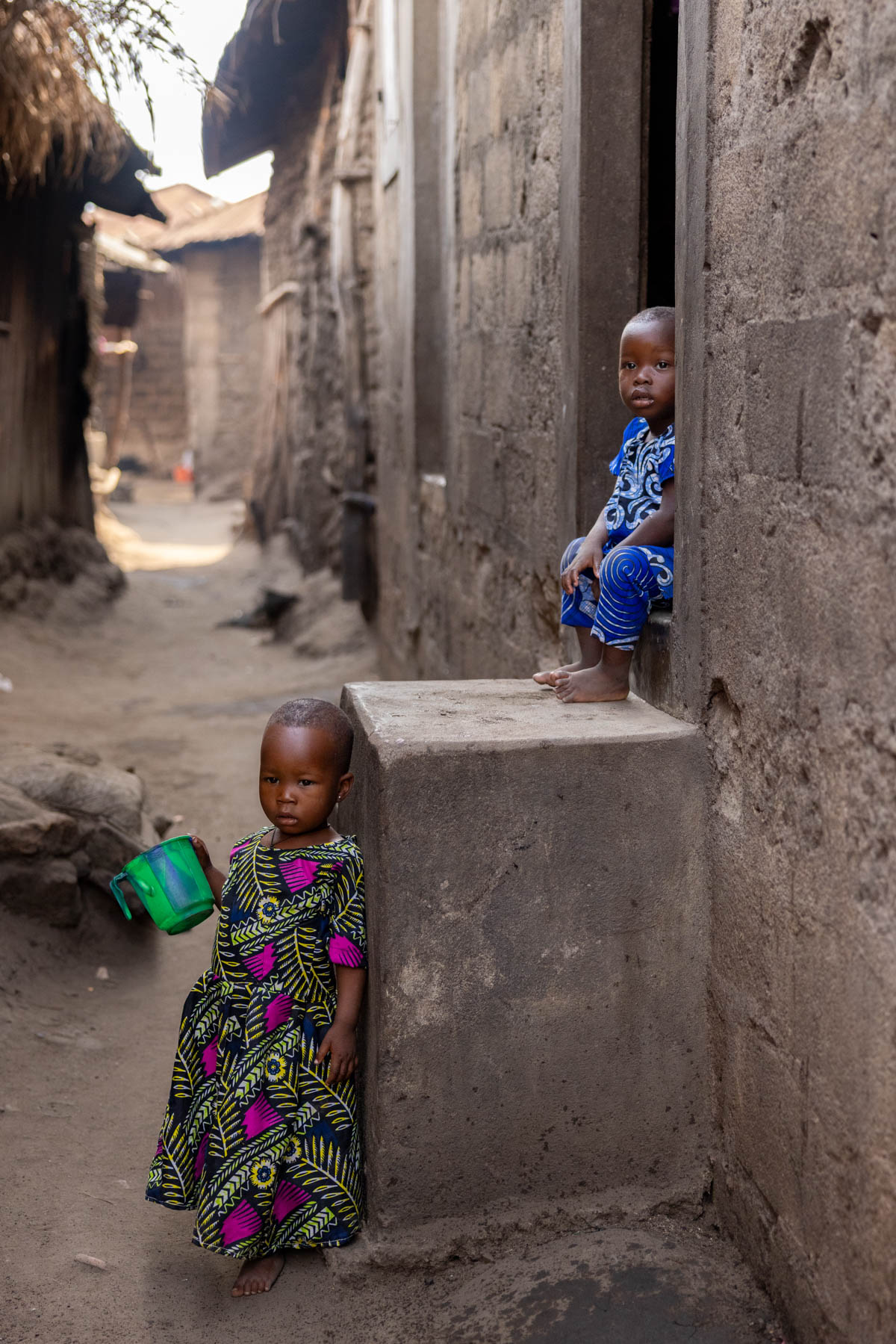
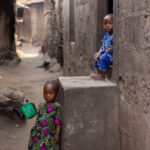
In the narrow alleyways of Agonvé, we met these two curious little souls (image by Ingrid Koedood)
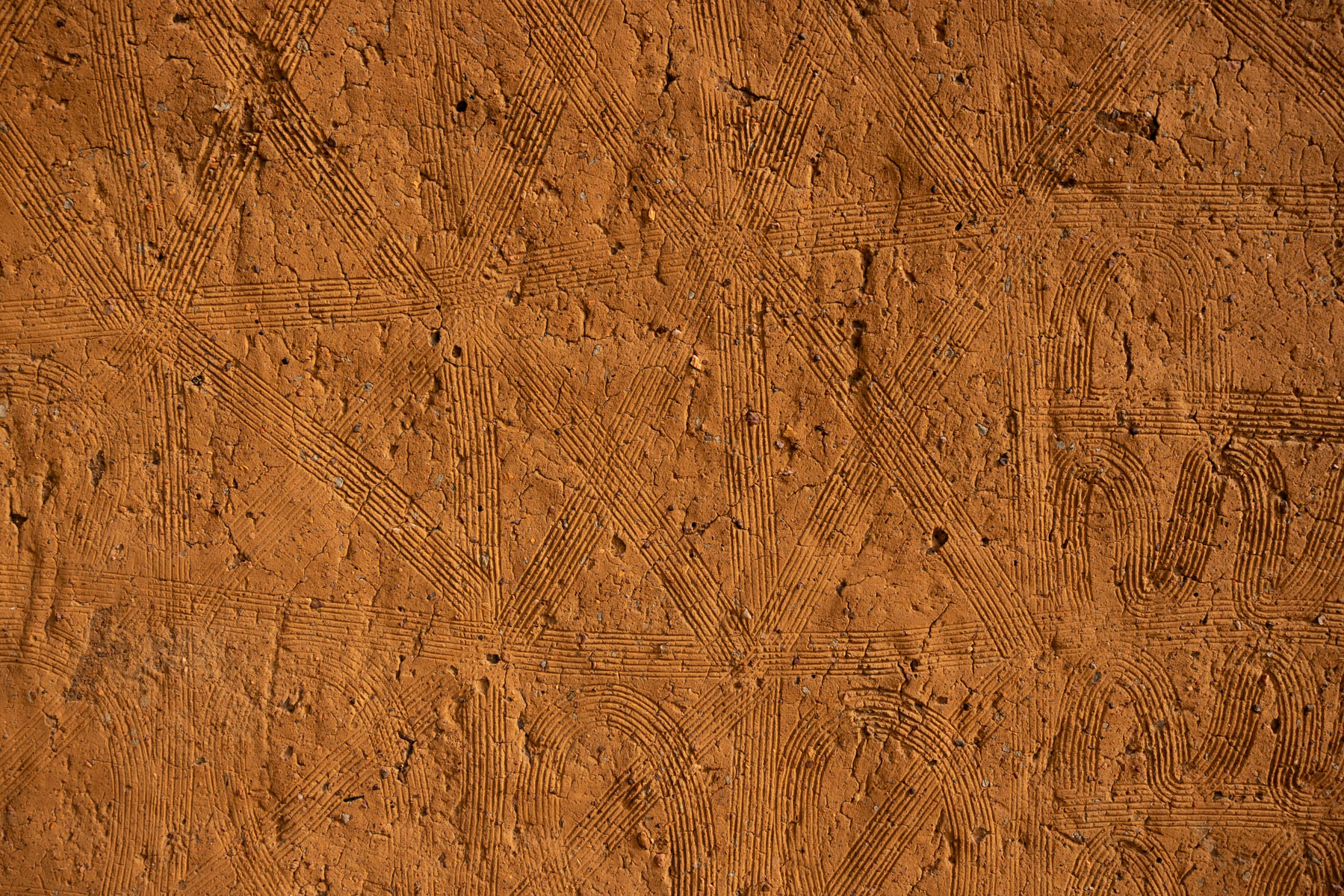
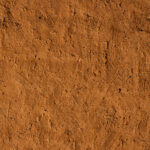
The textured wall of a tata. A UNESCO recognized earthen home, echoing the same lines of identity worn in the face by the Otamari people (image by Ingrid Koedood)
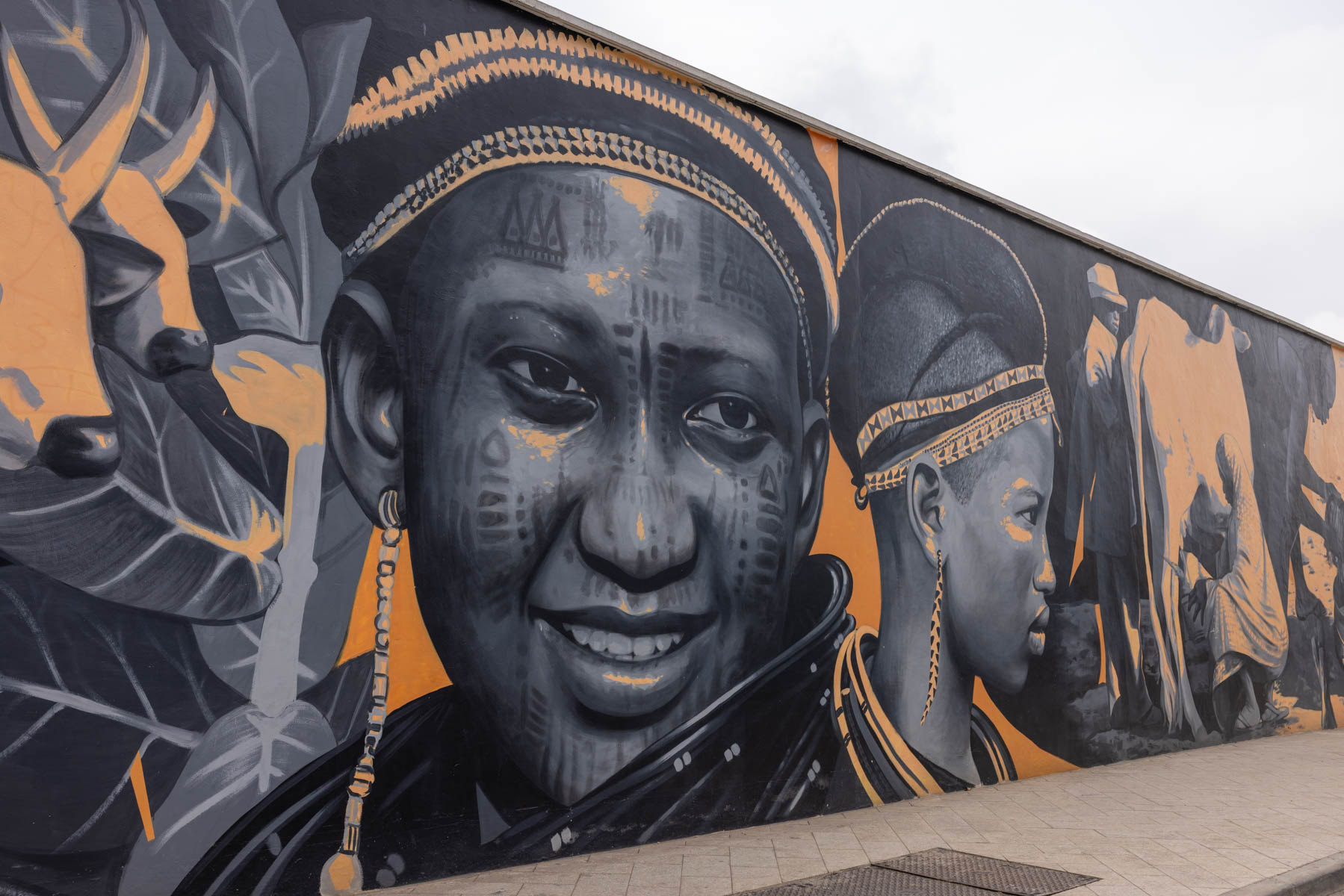
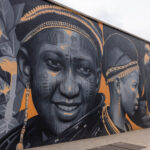
Street art in Cotonou, a colourful tribute to the culture and identity of Benin (image by Ingrid Koedood)
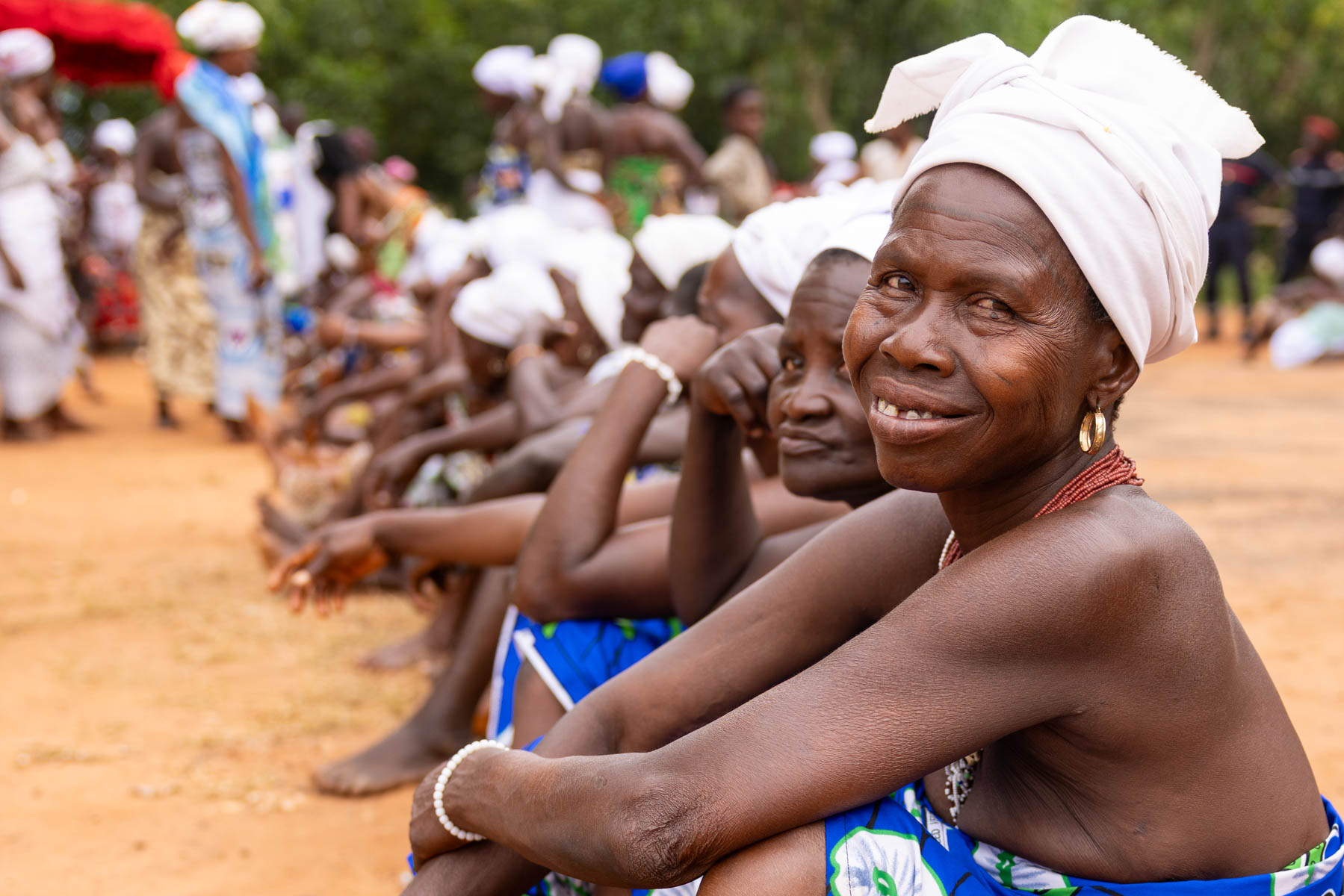
Vodun Days in Bening: gathering at the palace of King Agassa. The leader of Vodun (image by Ingrid Koedood)
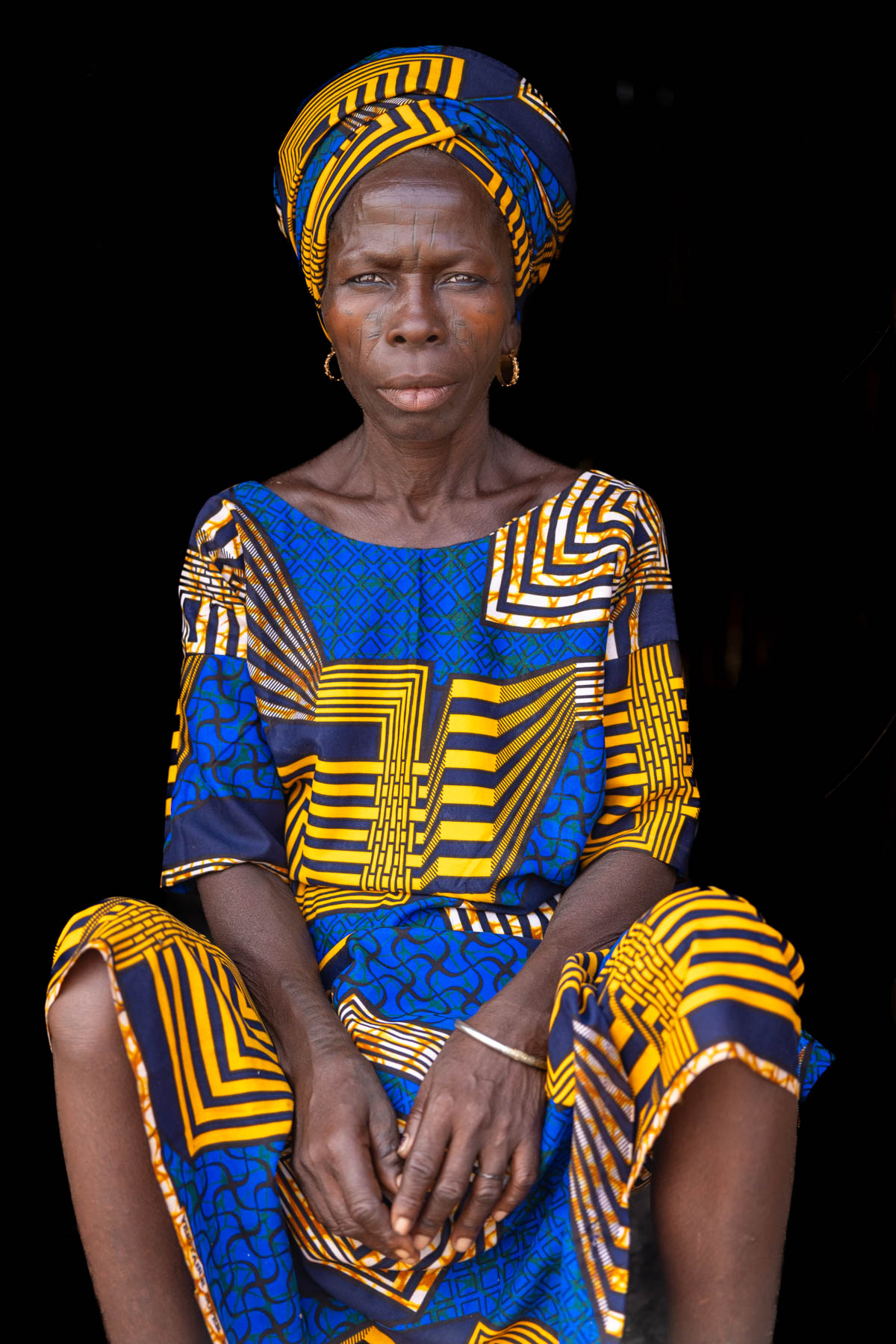
Portrait of beautiful woman of the Holi tribe with traditional scarification on her face (image by Ingrid Koedood)
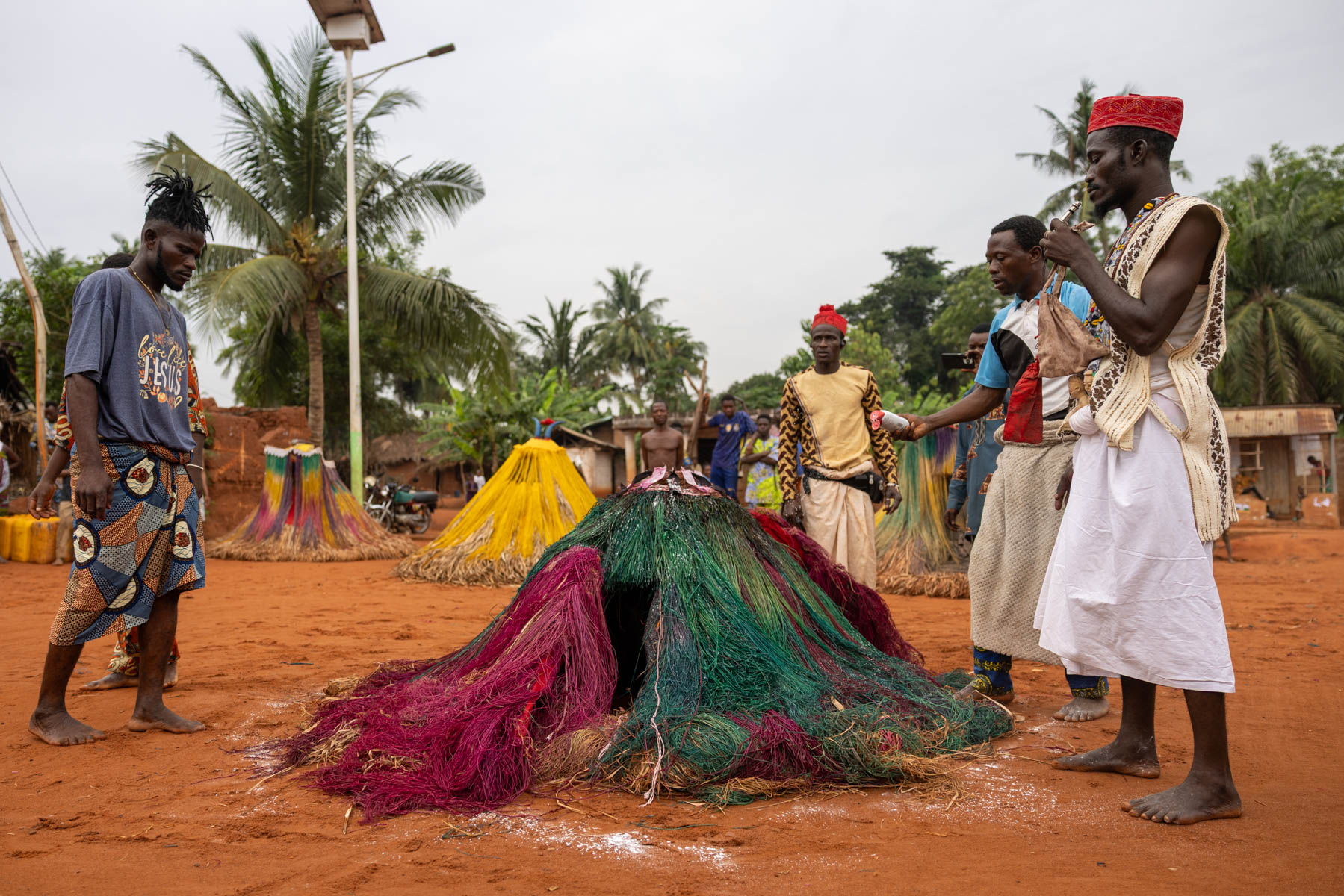
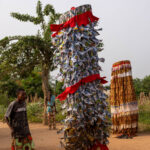
Zangbeto: the night guardians. In a powerful moment of the ceremony, they showed the costume was empty, the costume appears to move on its own (image by Ingrid Koedood)
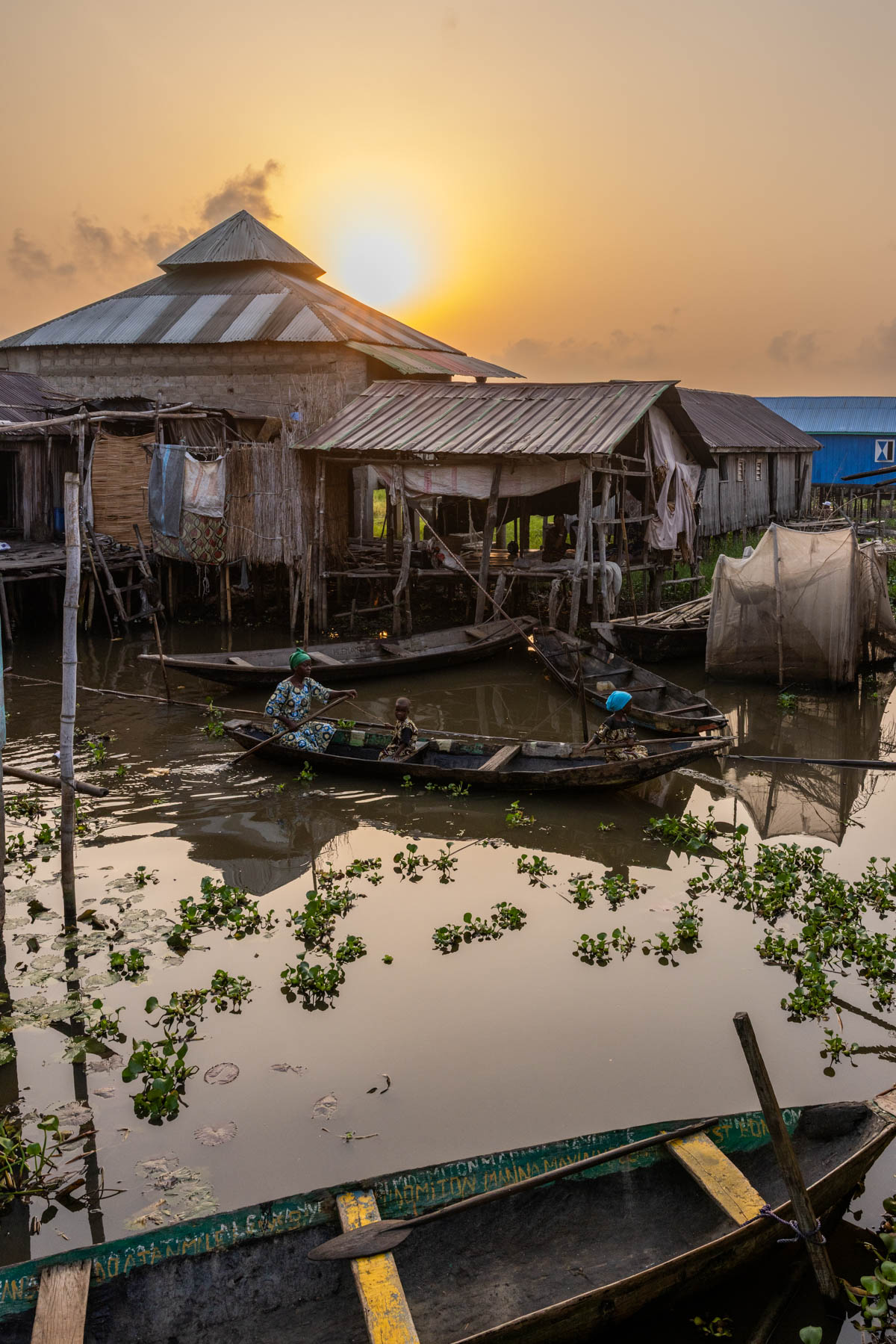
Daily life early in the morning in Ganvié, the Venice of Africa (image by Ingrid Koedood)
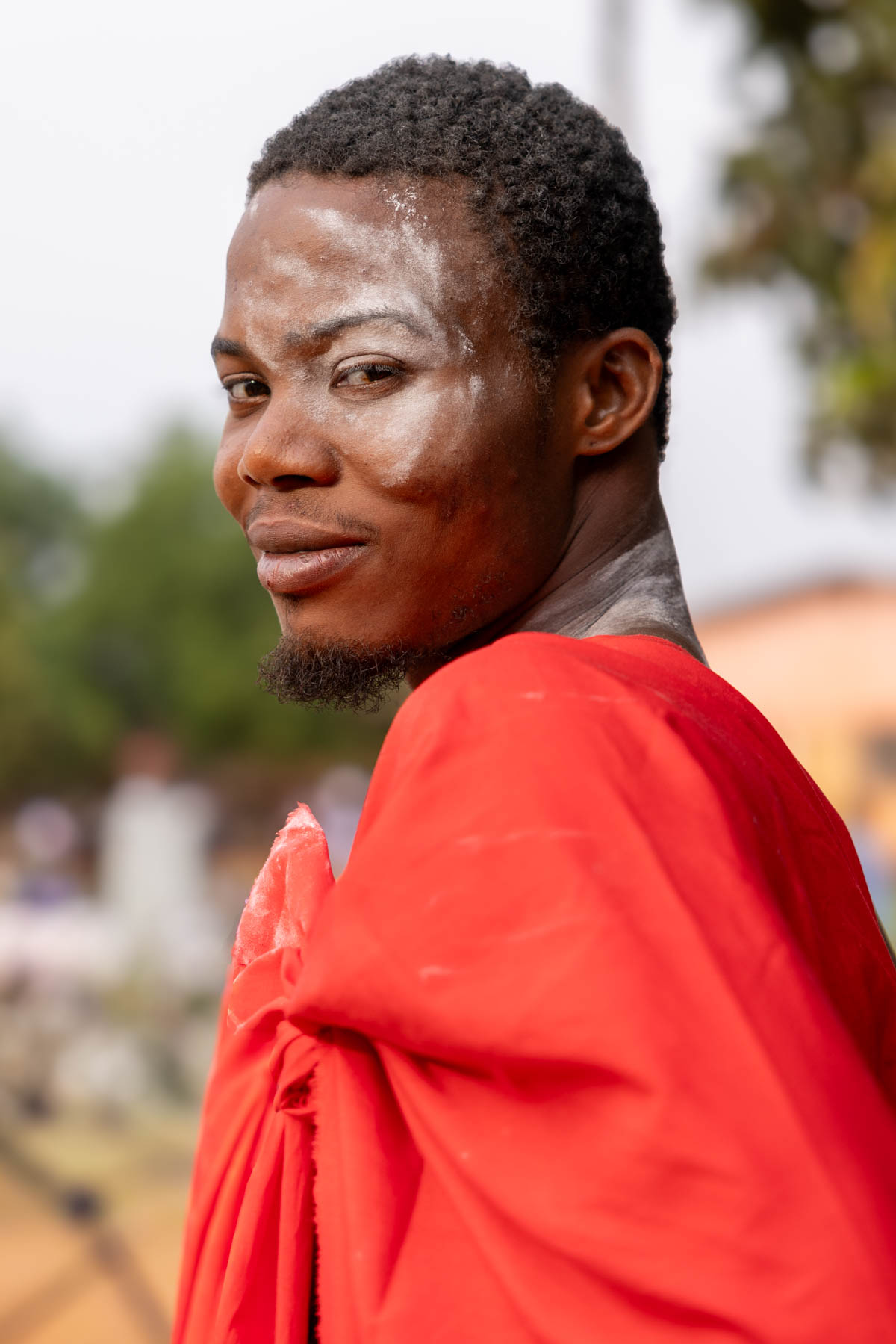
Portrait of a vodun devotee. The white kaolin symbolizes purity, protection and connection to the spirit world (image by Ingrid Koedood)
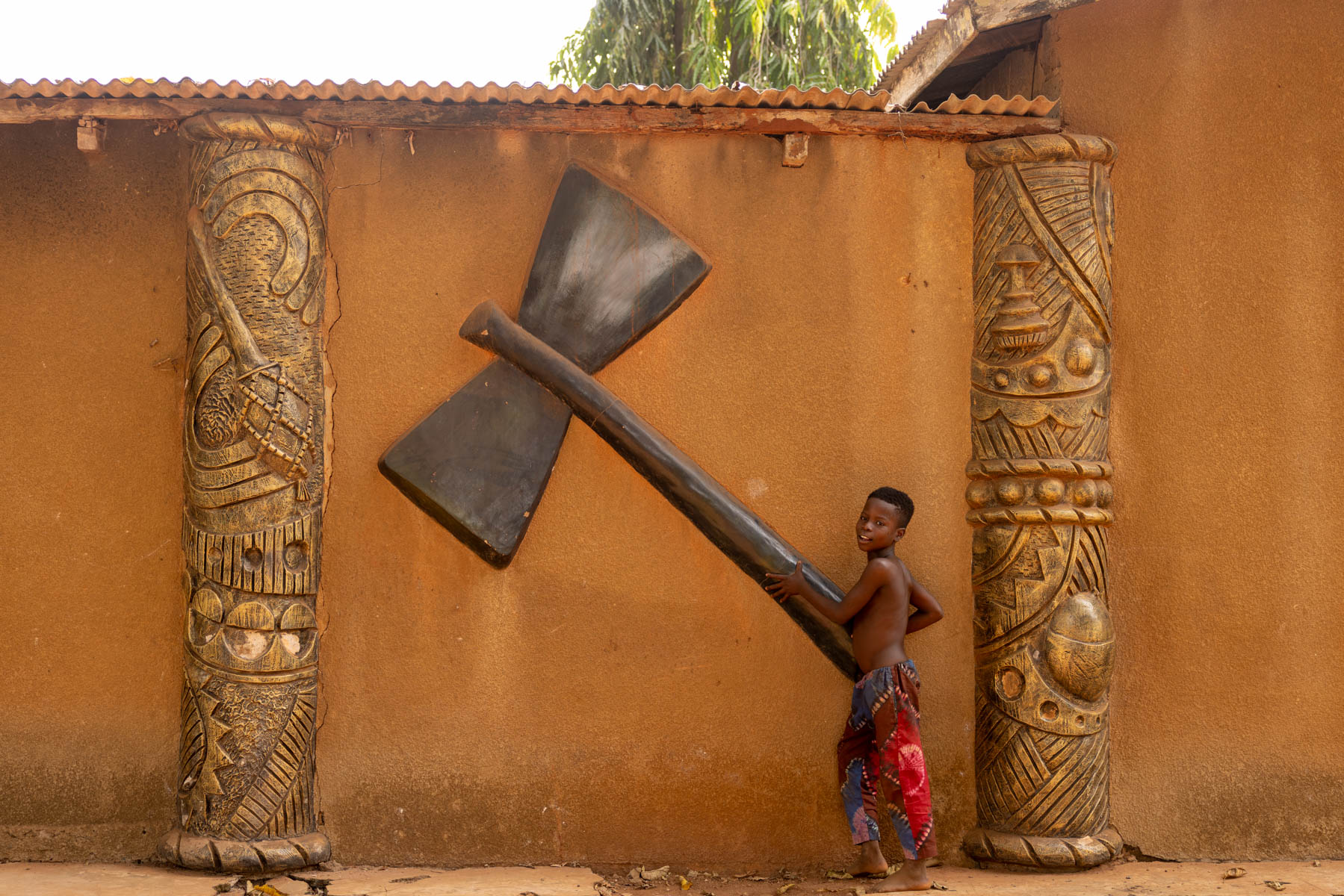
At the Chameleon Temple in Abomey, a young boy proudly posed for us (image by Ingrid Koedood)
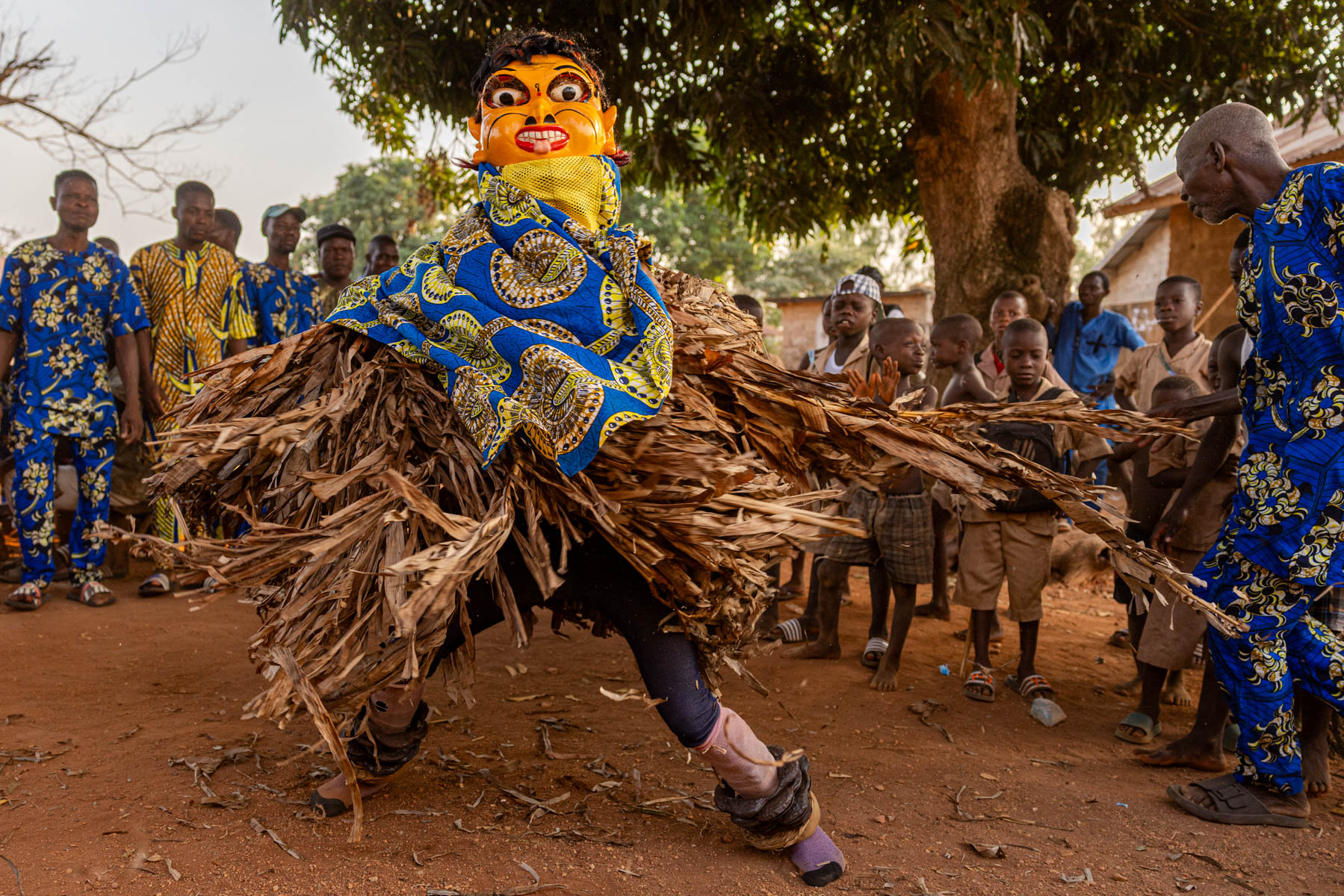
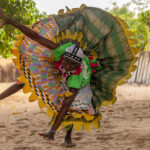
A whirlwind of raffia and colour during the Guèlèdè masquerade (image by Ingrid Koedood)
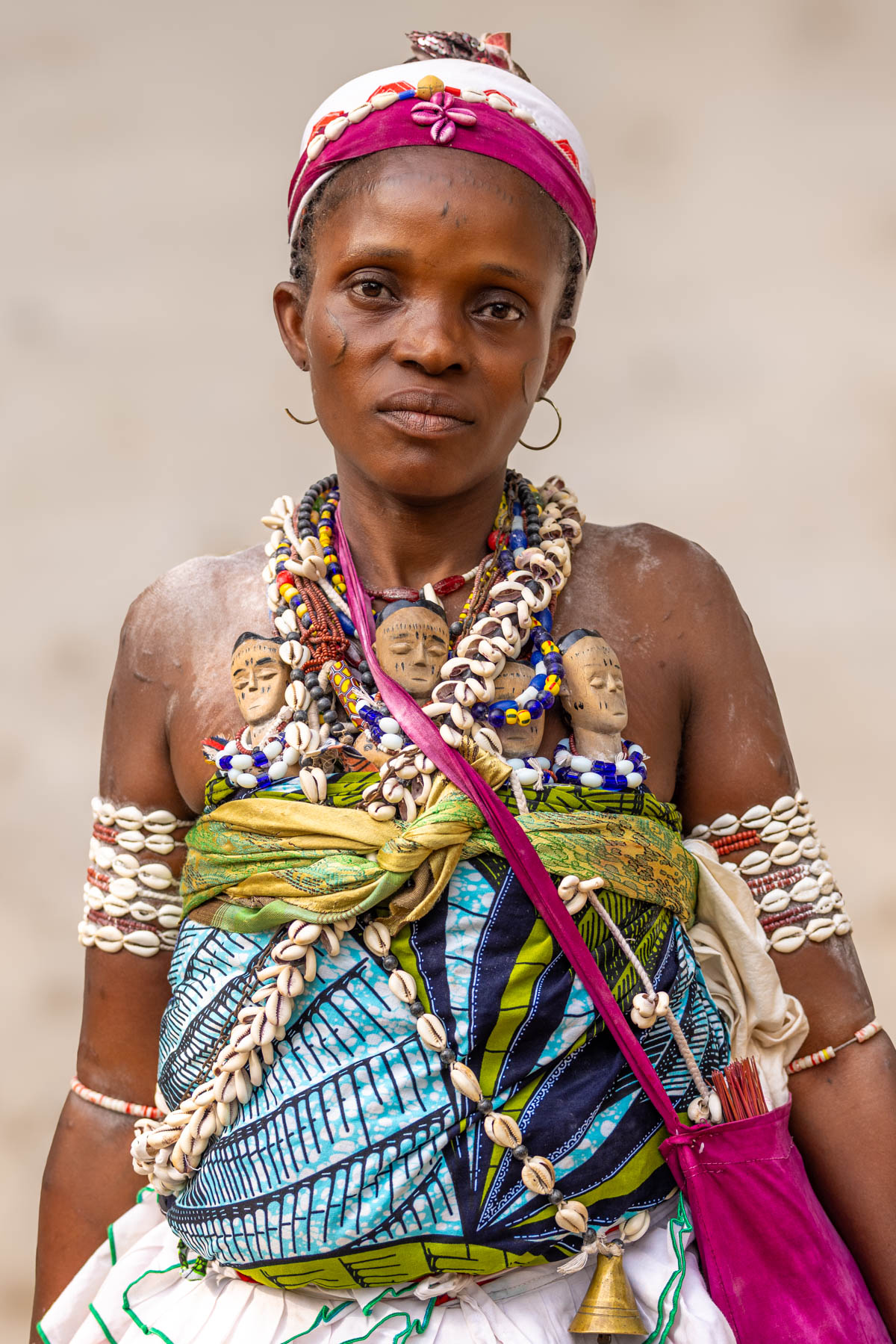
A beautiful Heviosso priestess in remote Benin. The twin dolls (often called ibejis) are carried to honour deceased twins, keeping their memory and spiritual presence alive (image by Ingrid Koedood)
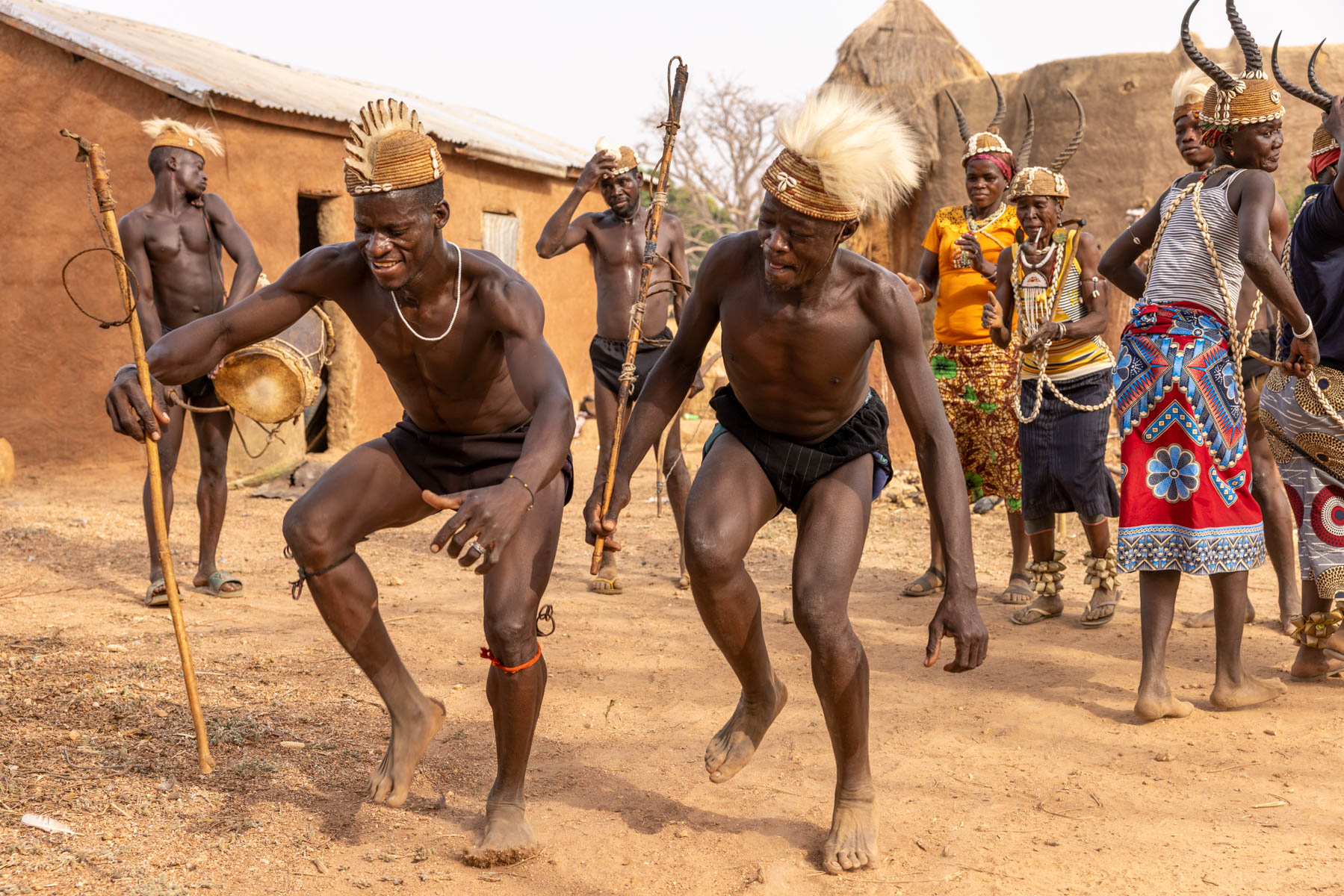
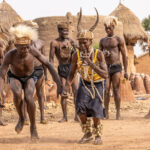
Batammariba men from Togo dancing with joy during an initiation ceremony (image by Ingrid Koedood)
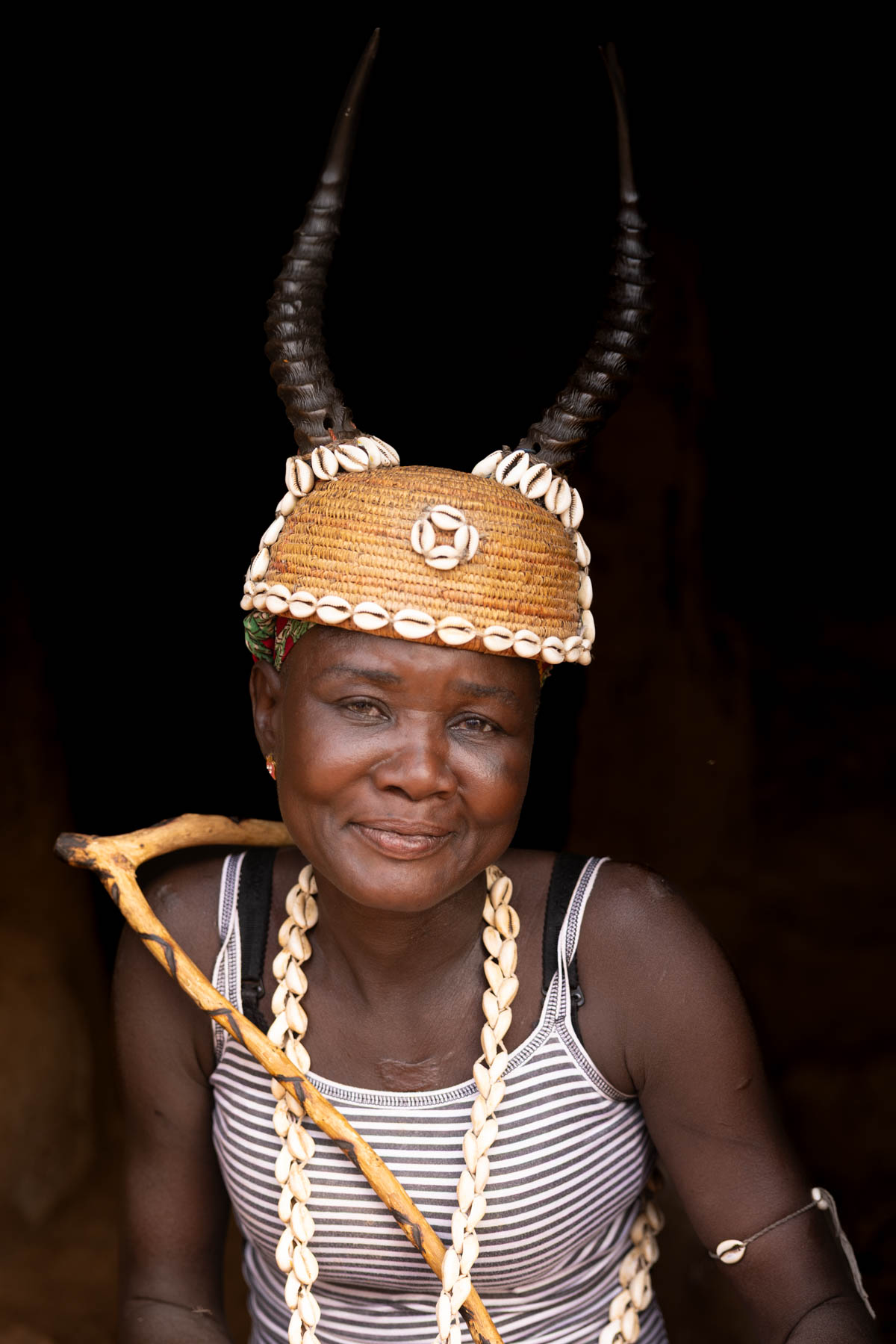
A gentle portrait of a Batammariba woman from Togo in ceremonial headwear: a cowrie-adorned hat with antelope horns (image by Ingrid Koedood)
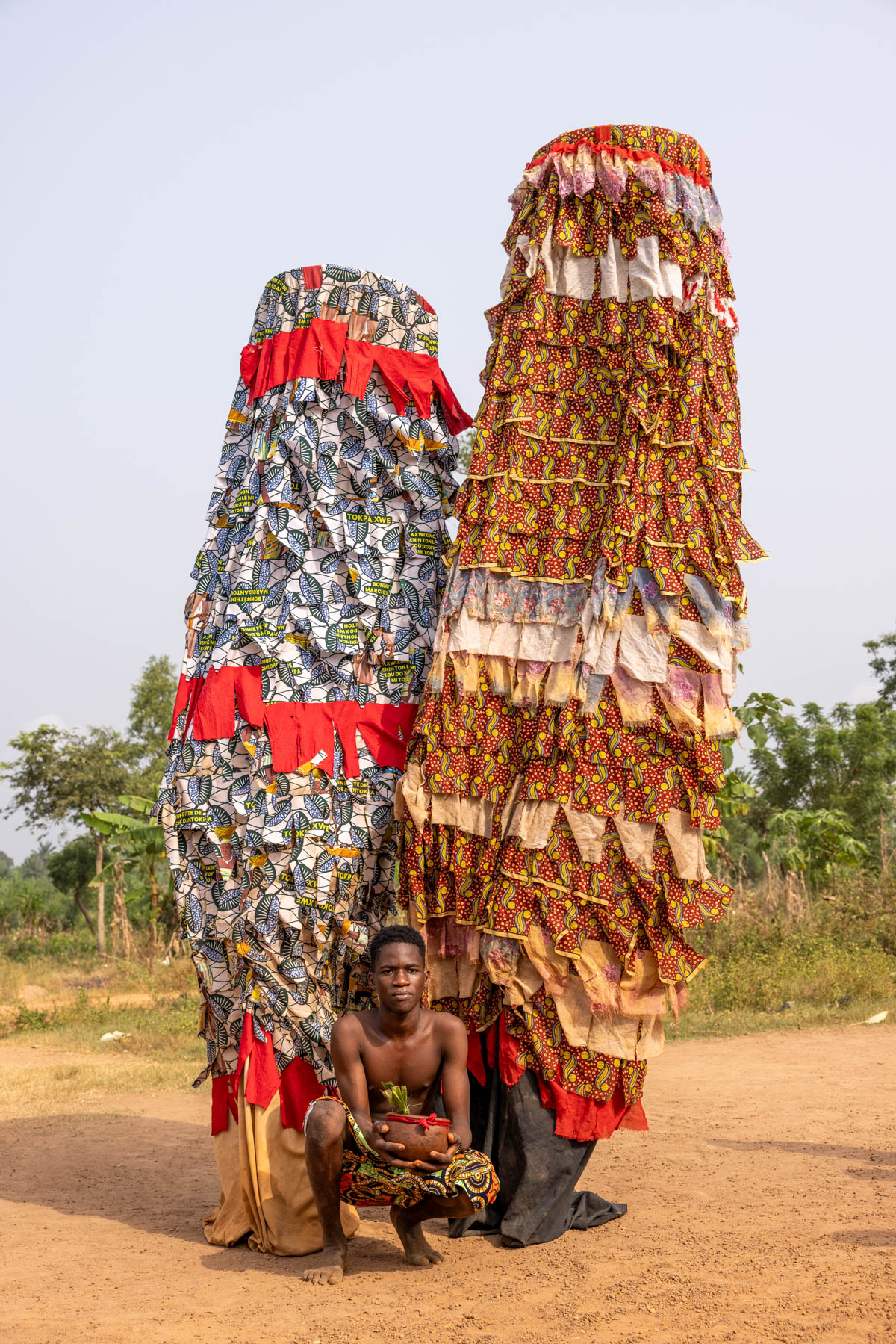
As an unexpected surprise we were welcomed in a remote village to visit a Gounouko mask ceremony. The Gounouko is seen as a living symbol of the four elements (air, fire, water and earth) carrying the fundamental forces of the universe (image by Ingrid Koedood)
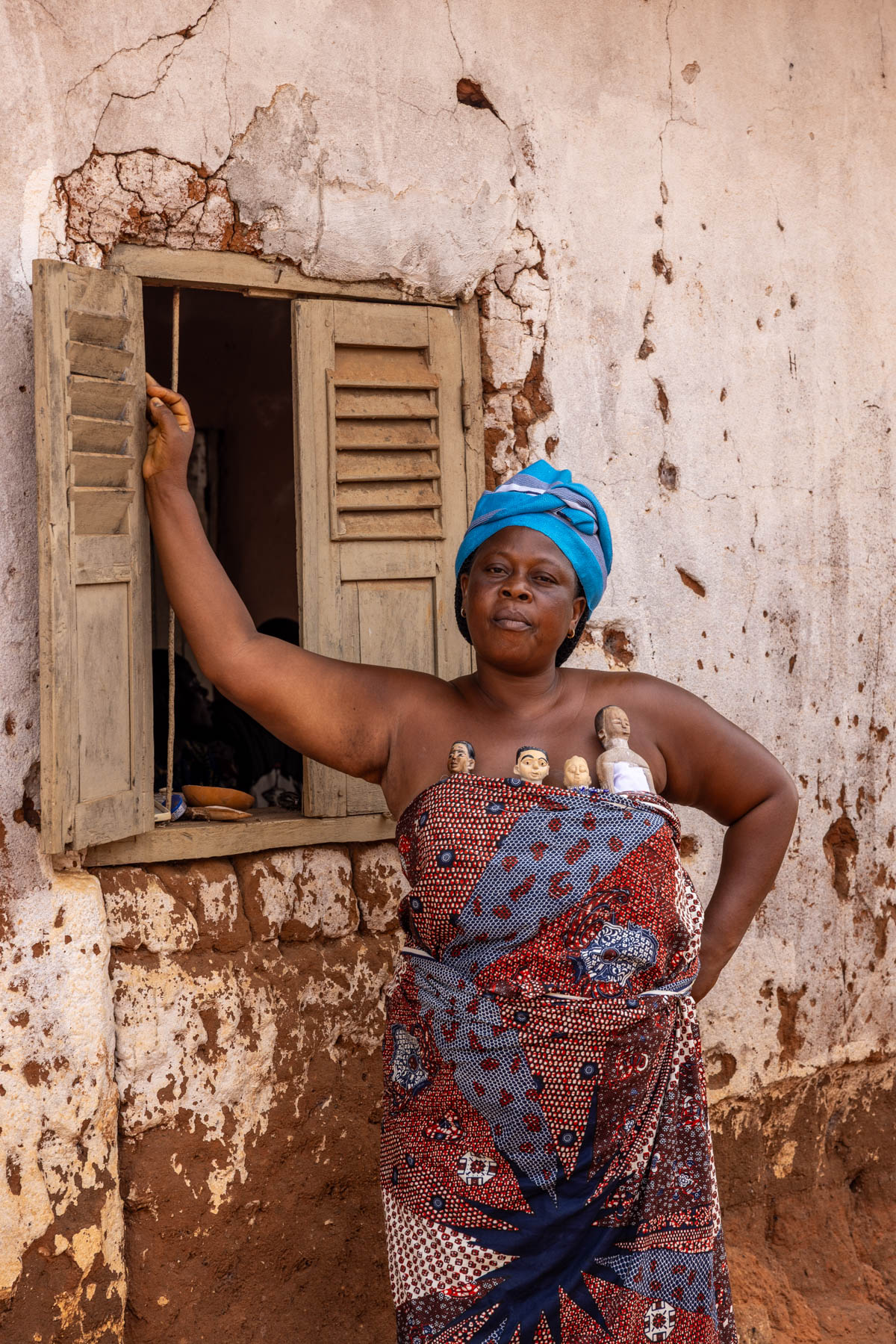
Portrait of a woman carrying twin dolls, also called Ibeji (image by Ingrid Koedood)
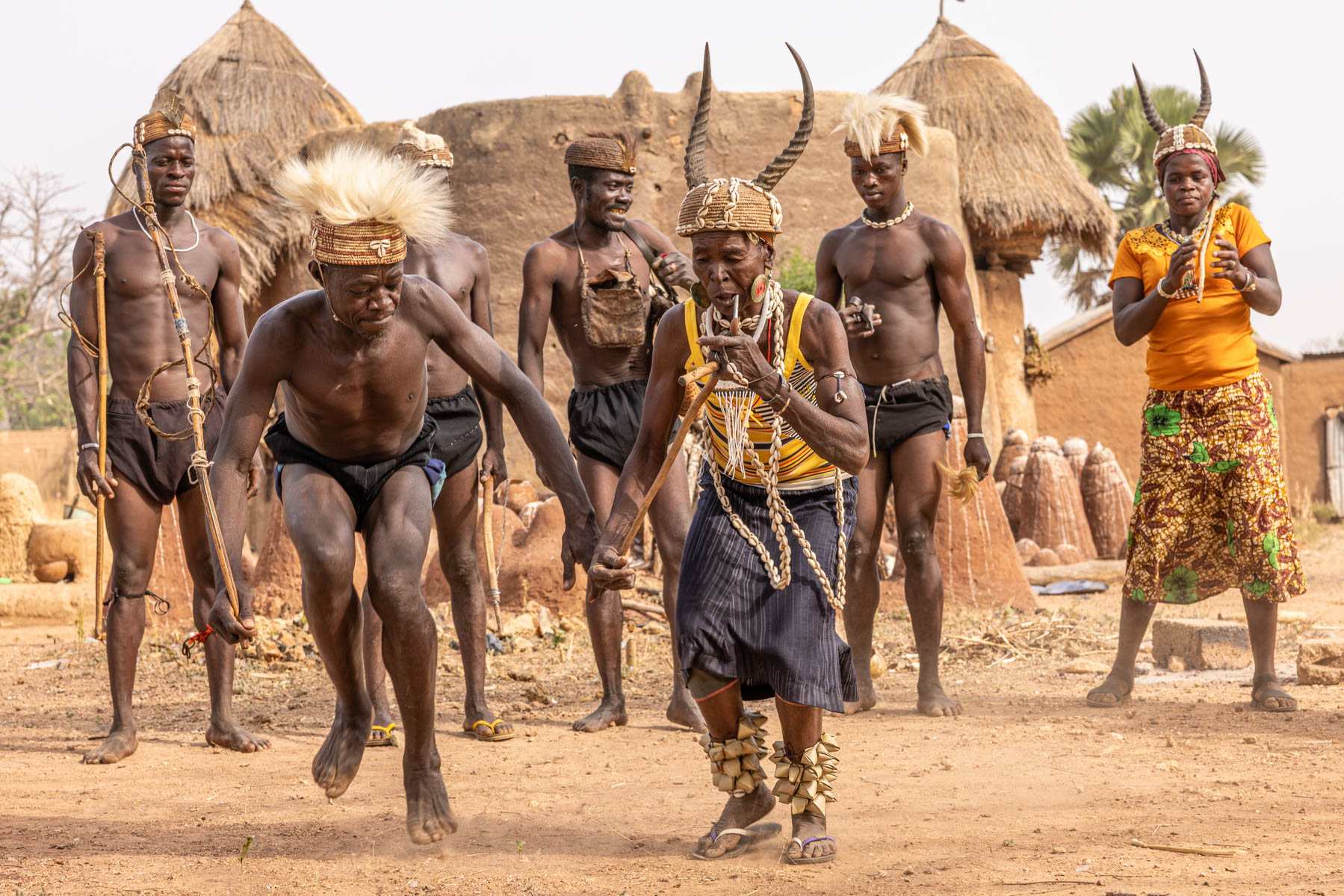
A powerful initiation dance among the Batammariba (also called Tammari or Somba) of Togo (image by Ingrid Koedood)
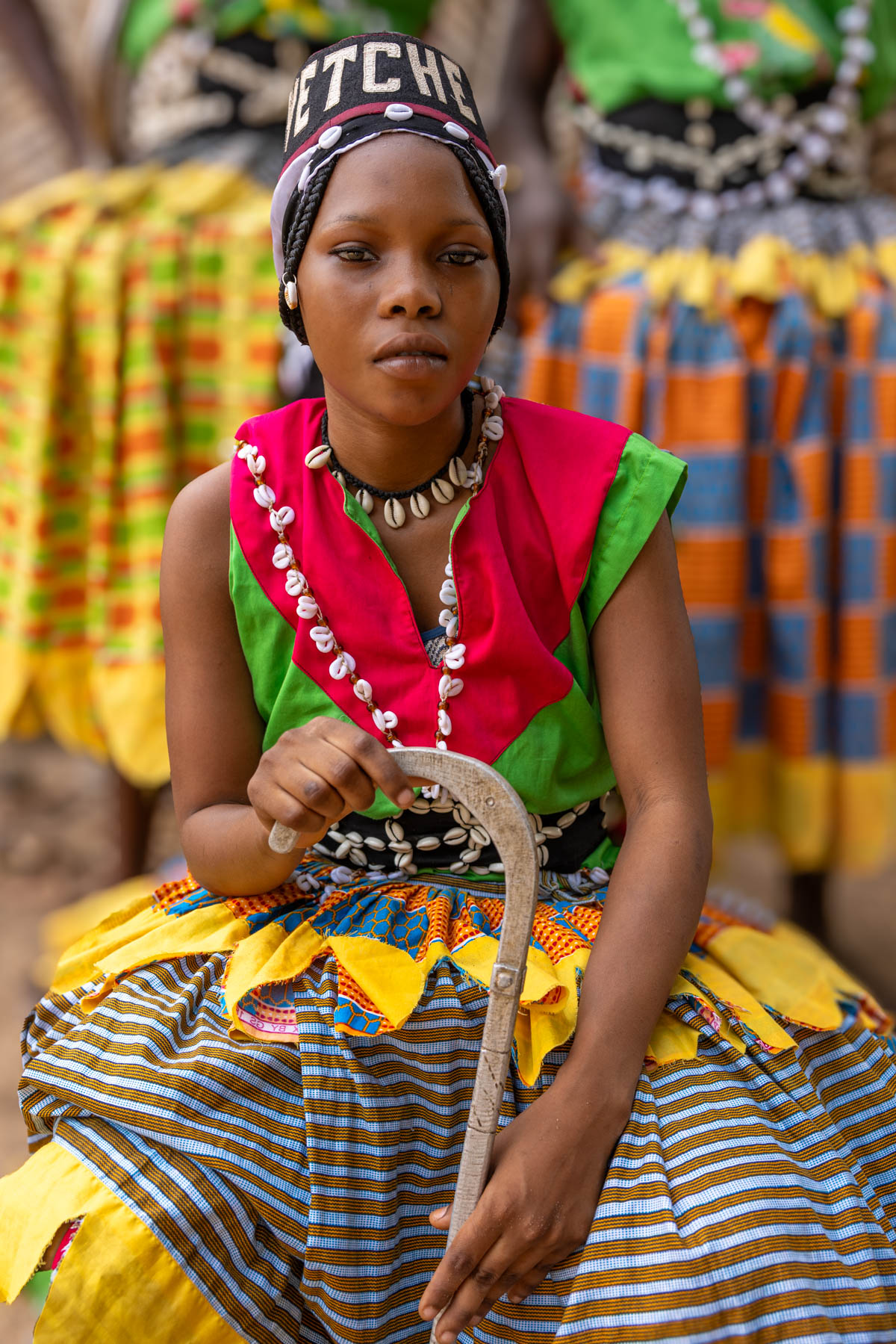
After the Sakpata ceremony we were lucky to take some portraits (image by Ingrid Koedood)
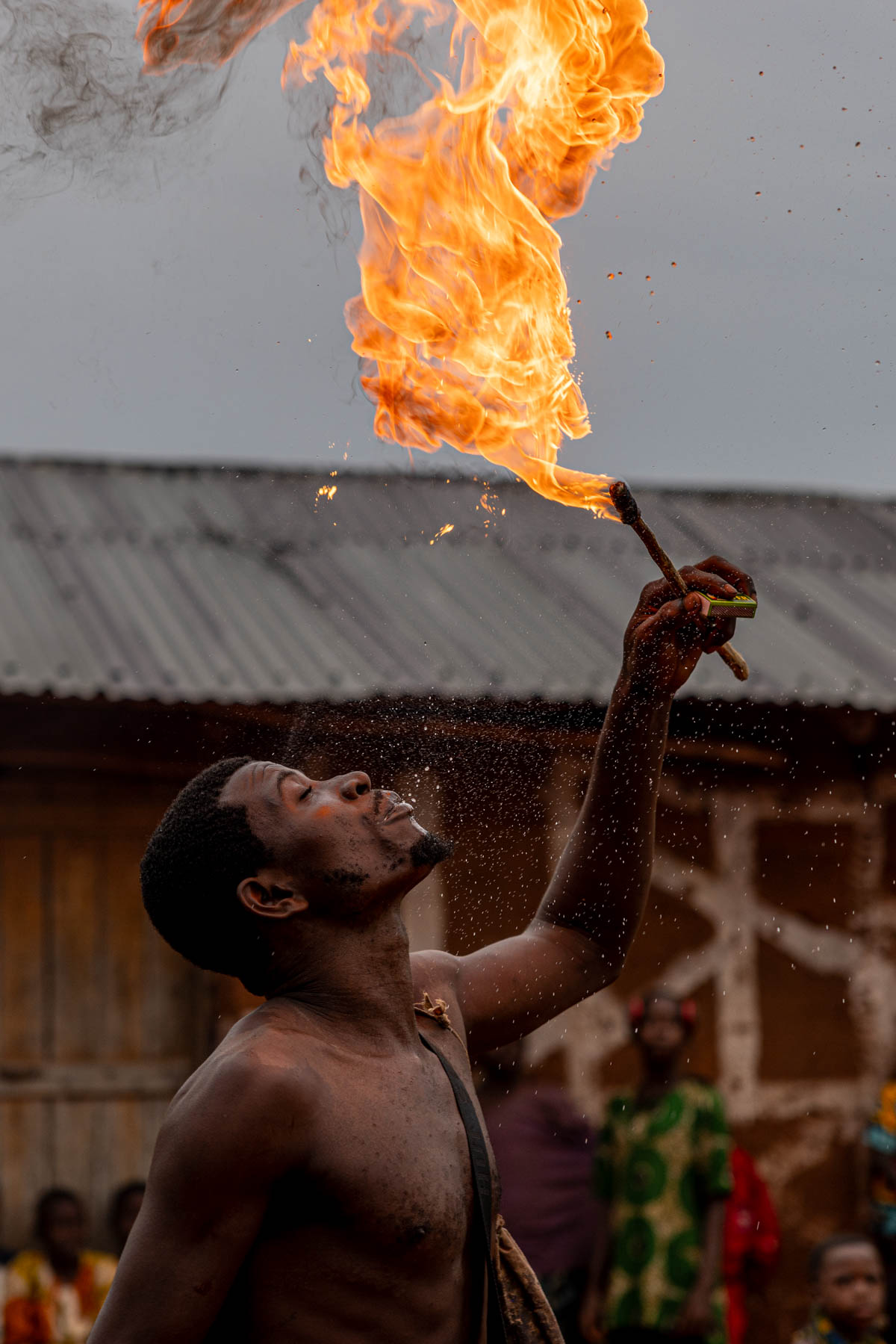
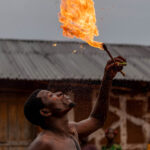
During the Zangbeto ceremony, a performer spits fire, turning ritual into spectacle (image by Ingrid Koedood)
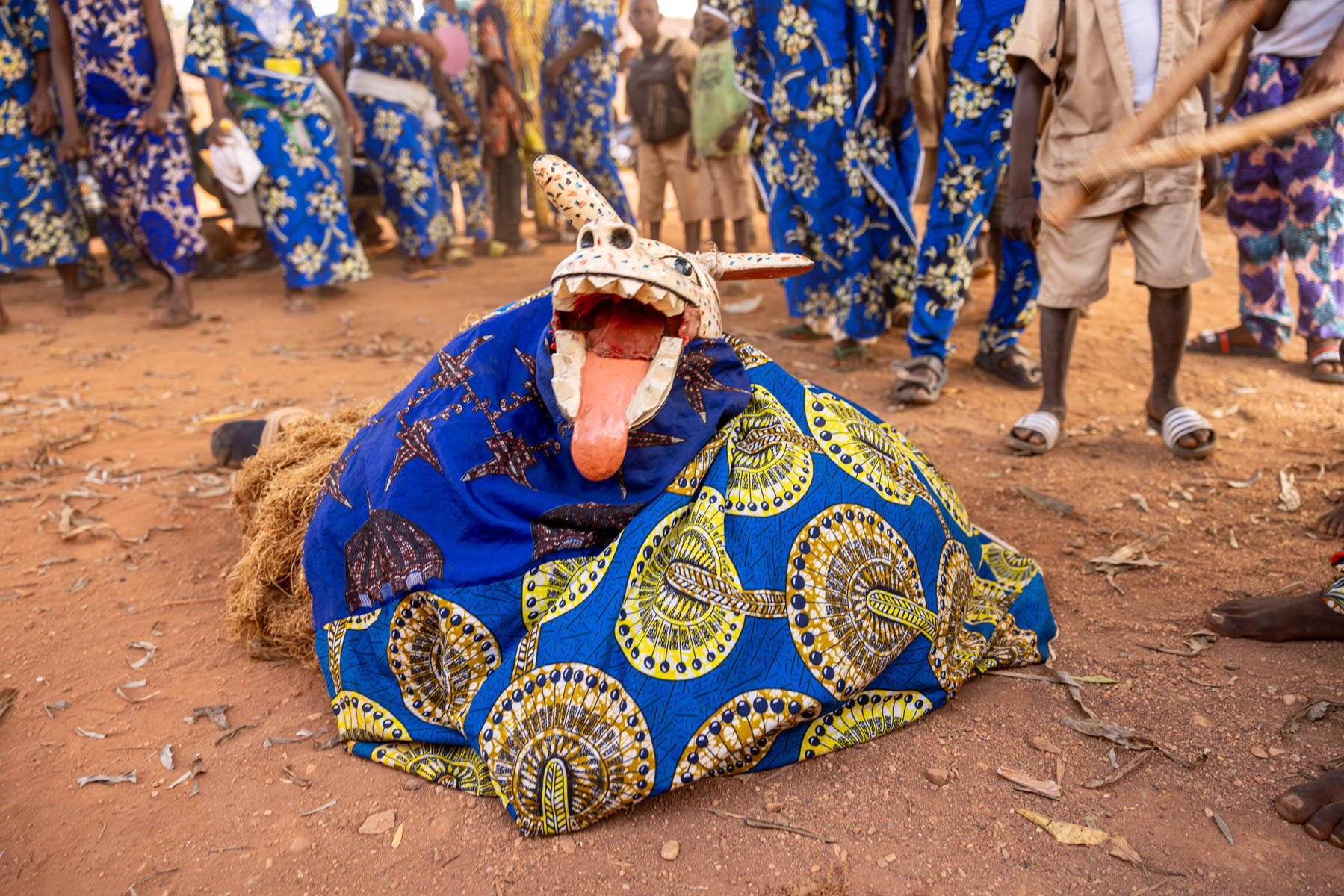
The ‘naughty dog’ closes the Guèlèdè ceremony, playfully scares the children as the crowd cheers (image by Ingrid Koedood)
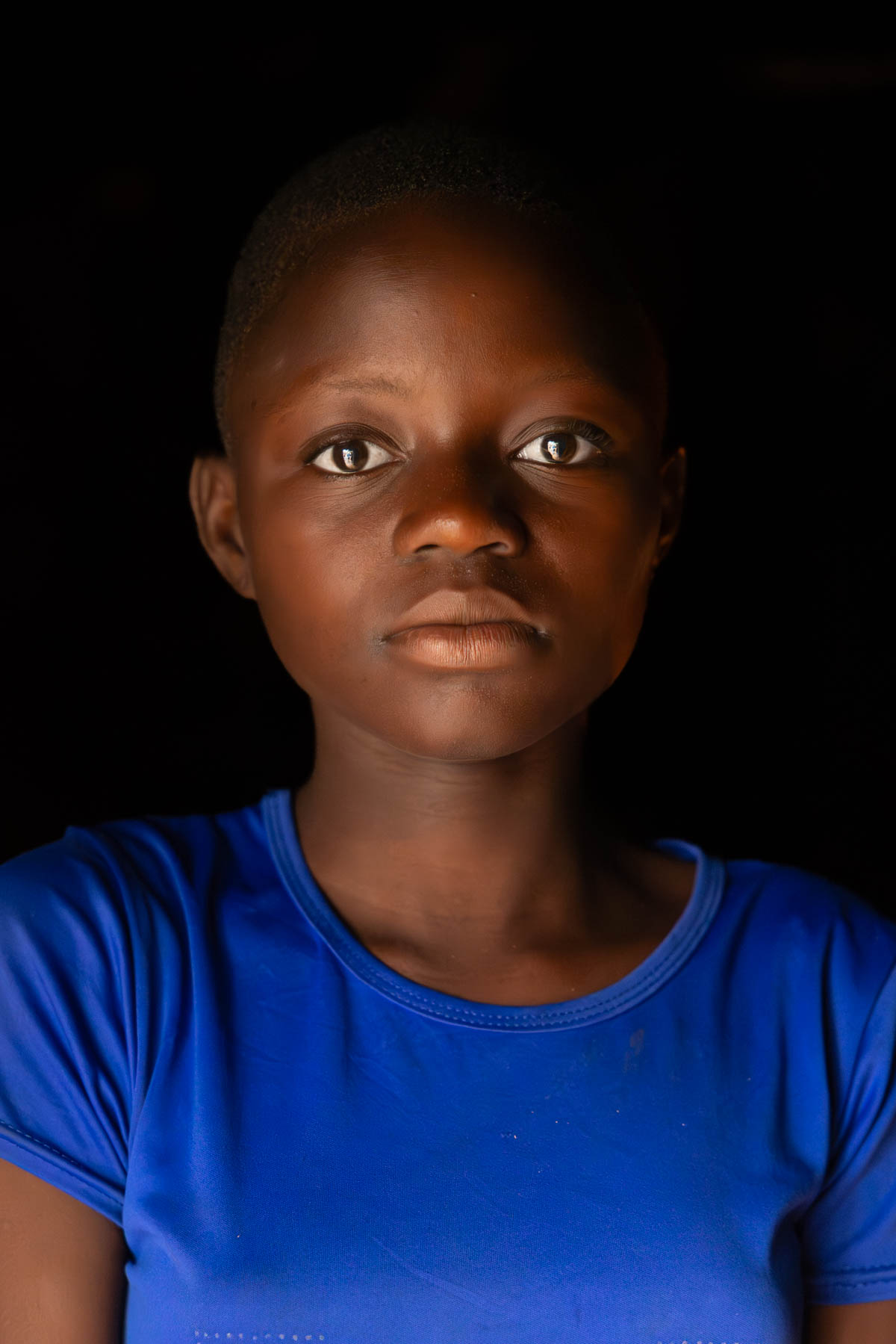
Portrait of a beautiful young woman (image by Ingrid Koedood)
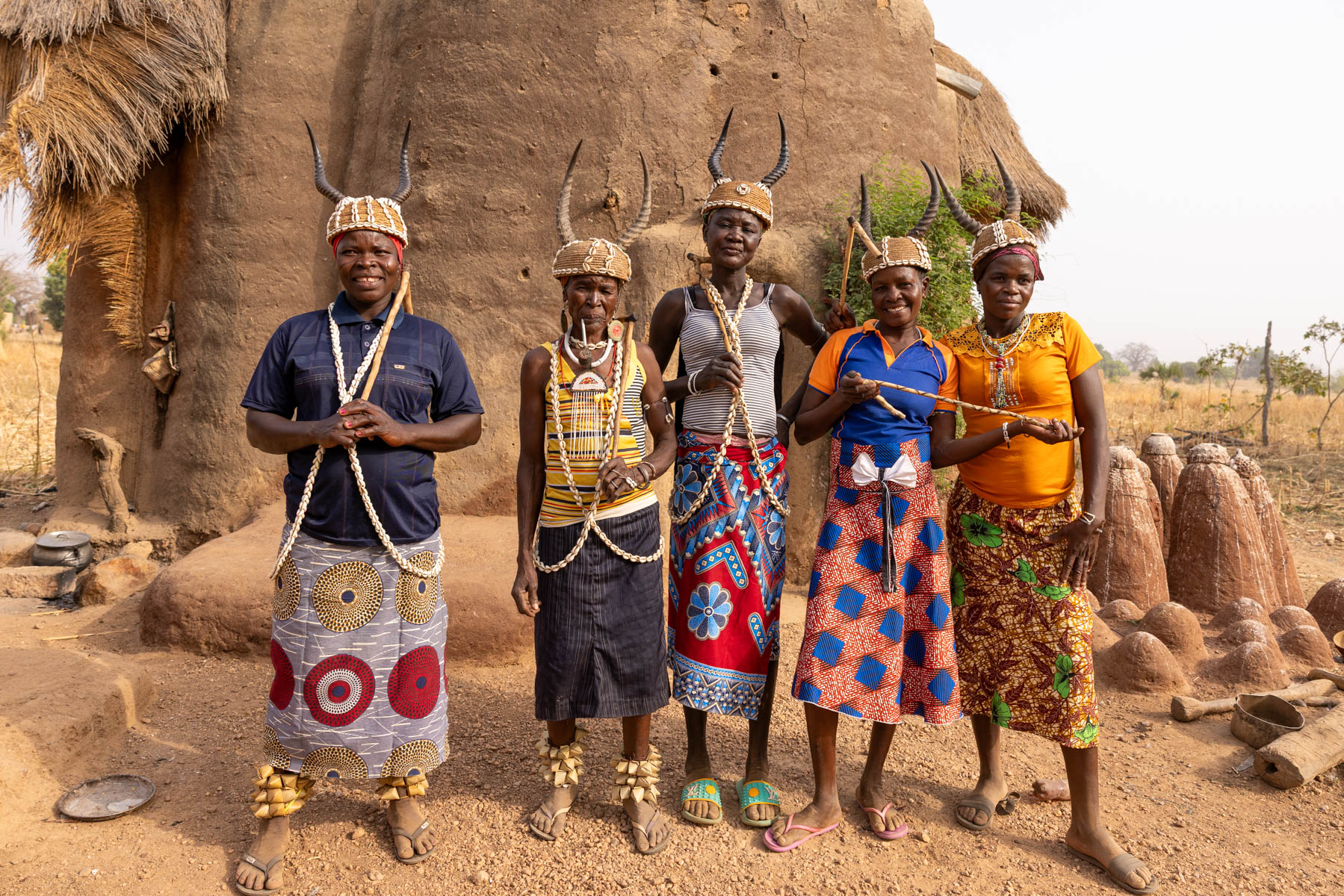
Batammariba women from Togo after a ceremony in front of a tata, wearing traditional hats decorated with cowrie shells and antelope horns (image by Ingrid Koedood)
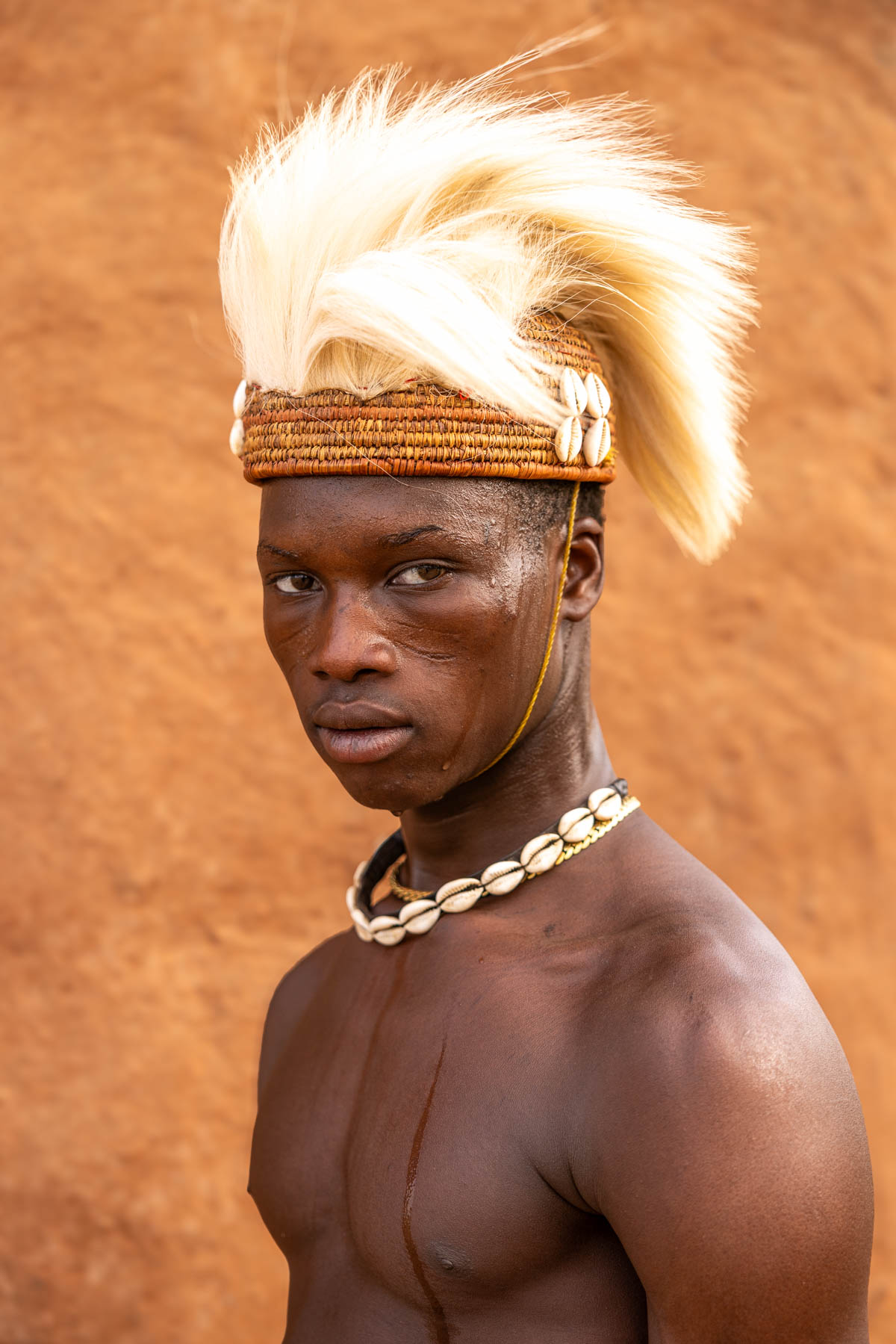
Proud pose after the initiation ceremony – a young Batammariba boy from Togo (image by Ingrid Koedood)
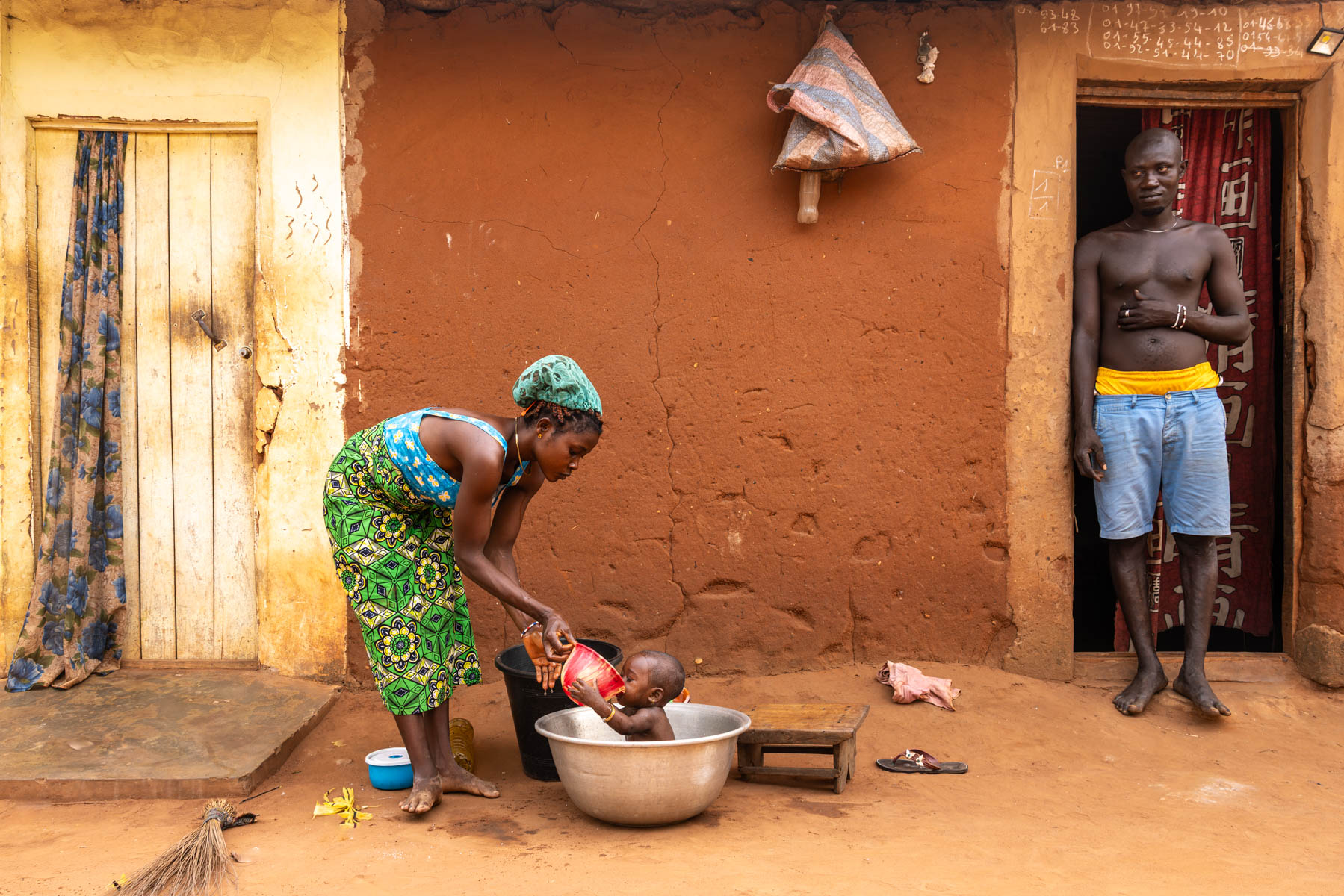
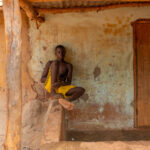
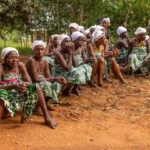
Every day life in the village, a quiet moment before we later witnessed the Gambada ceremony (image by Ingrid Koedood)
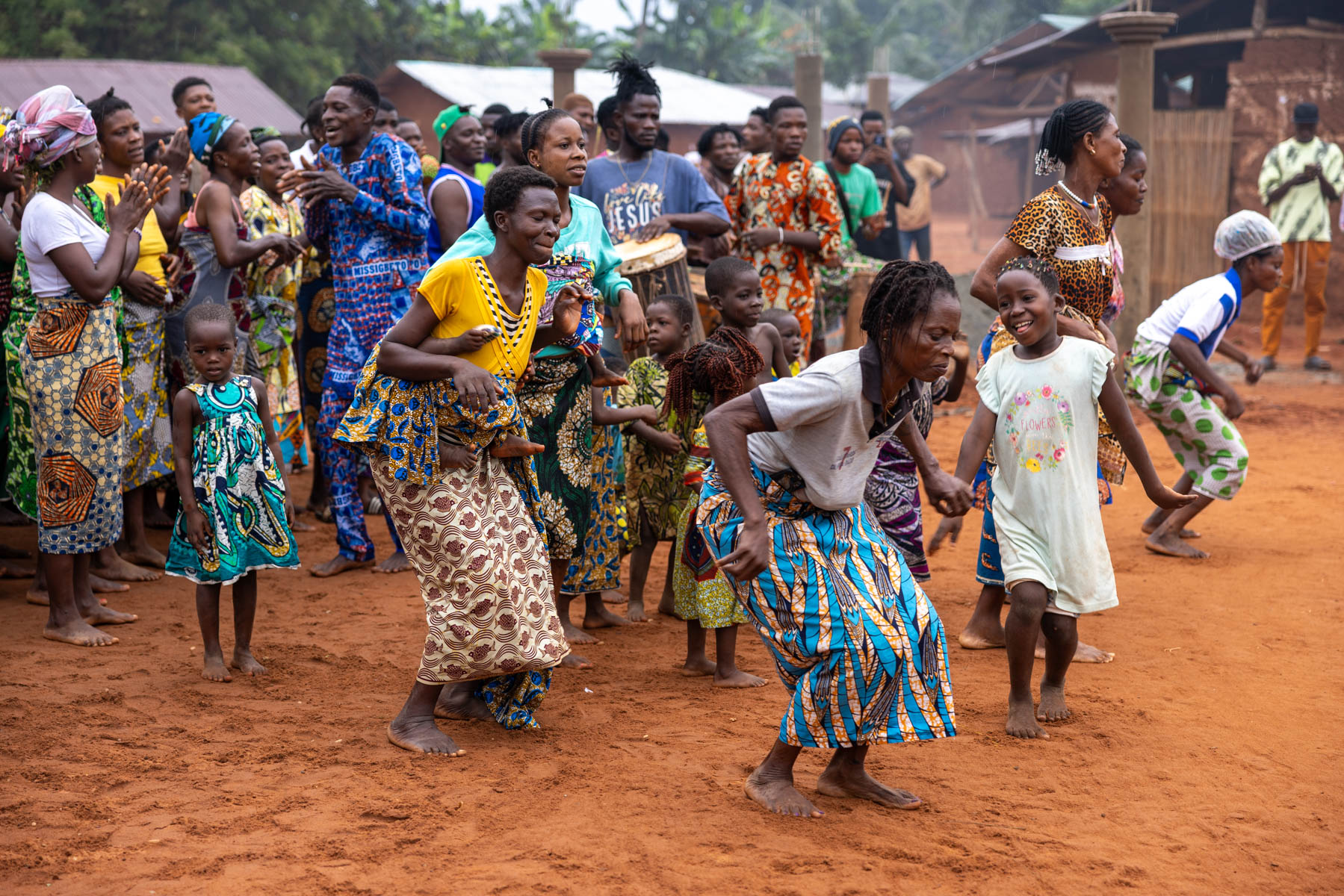
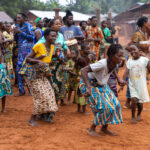
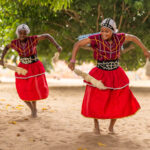
Zangbeto celebration: generations dancing side by side (image by Ingrid Koedood)
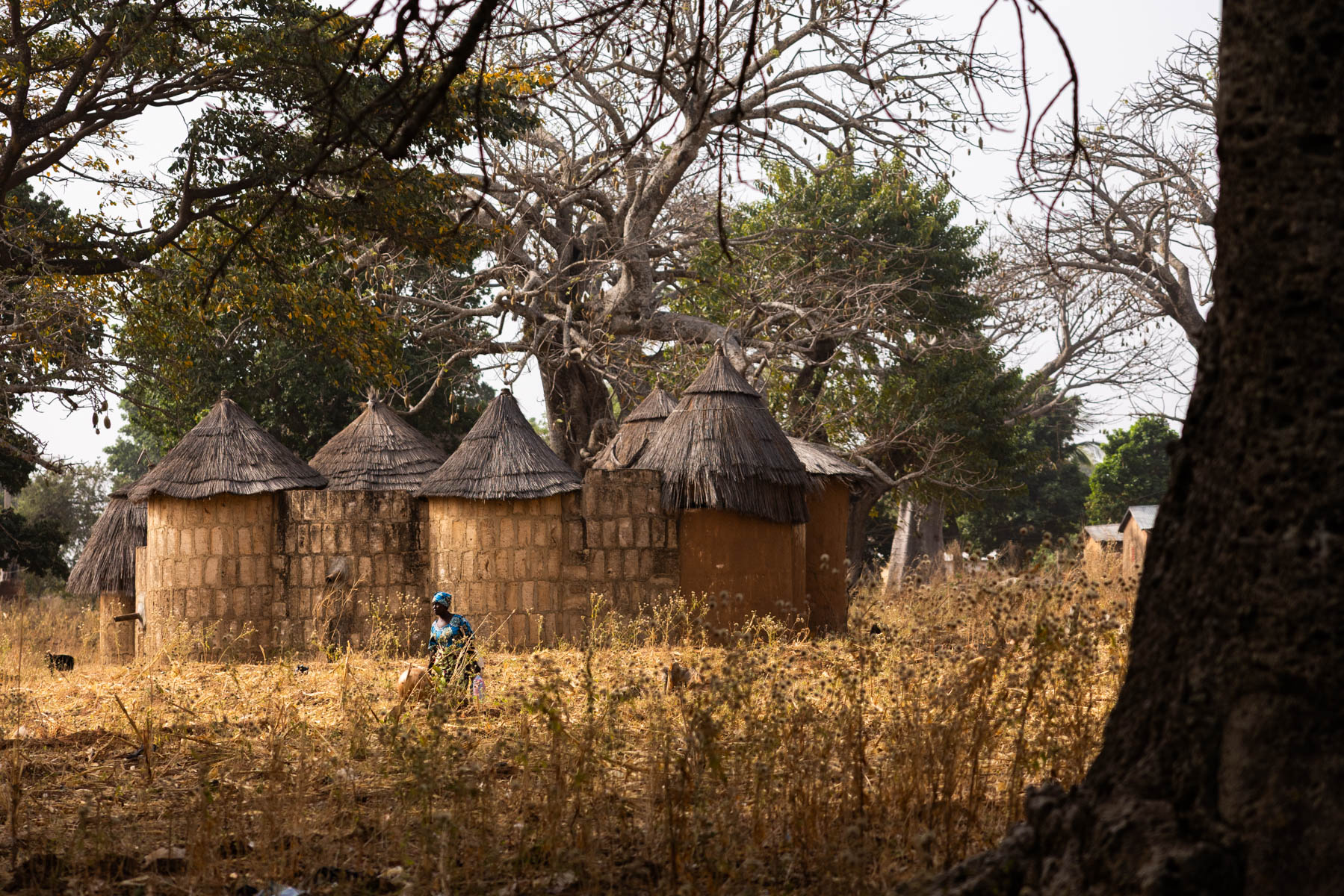
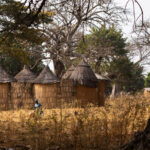
The beautiful traditional tata houses in northern Benin (image by Ingrid Koedood)
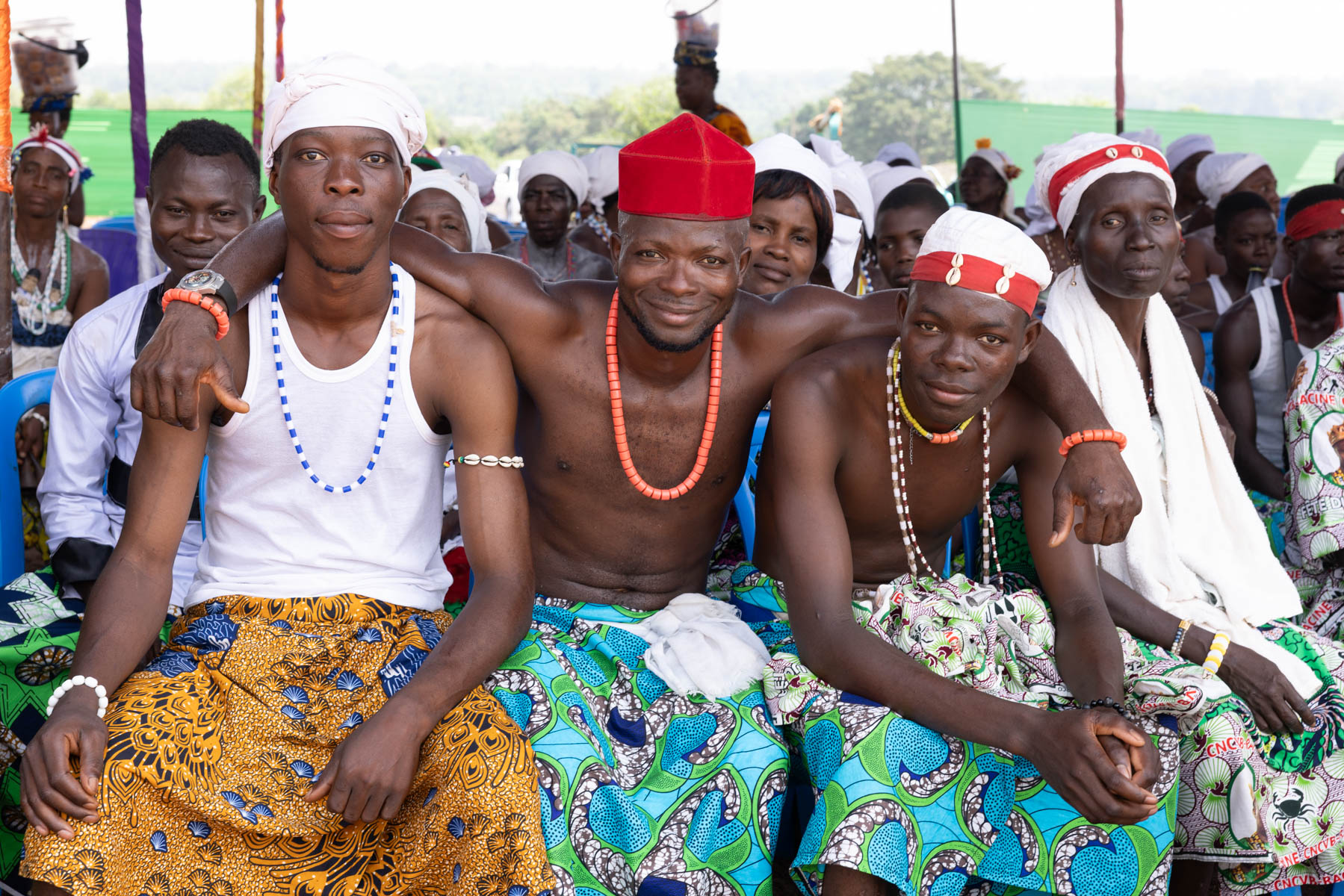
The Heviosso boys were eager to pose, their joy was contagious (image by Ingrid Koedood)

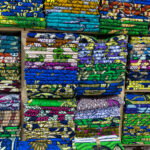
Shopping for African wax prints. The choice was overwhelming (image by Ingrid Koedood)
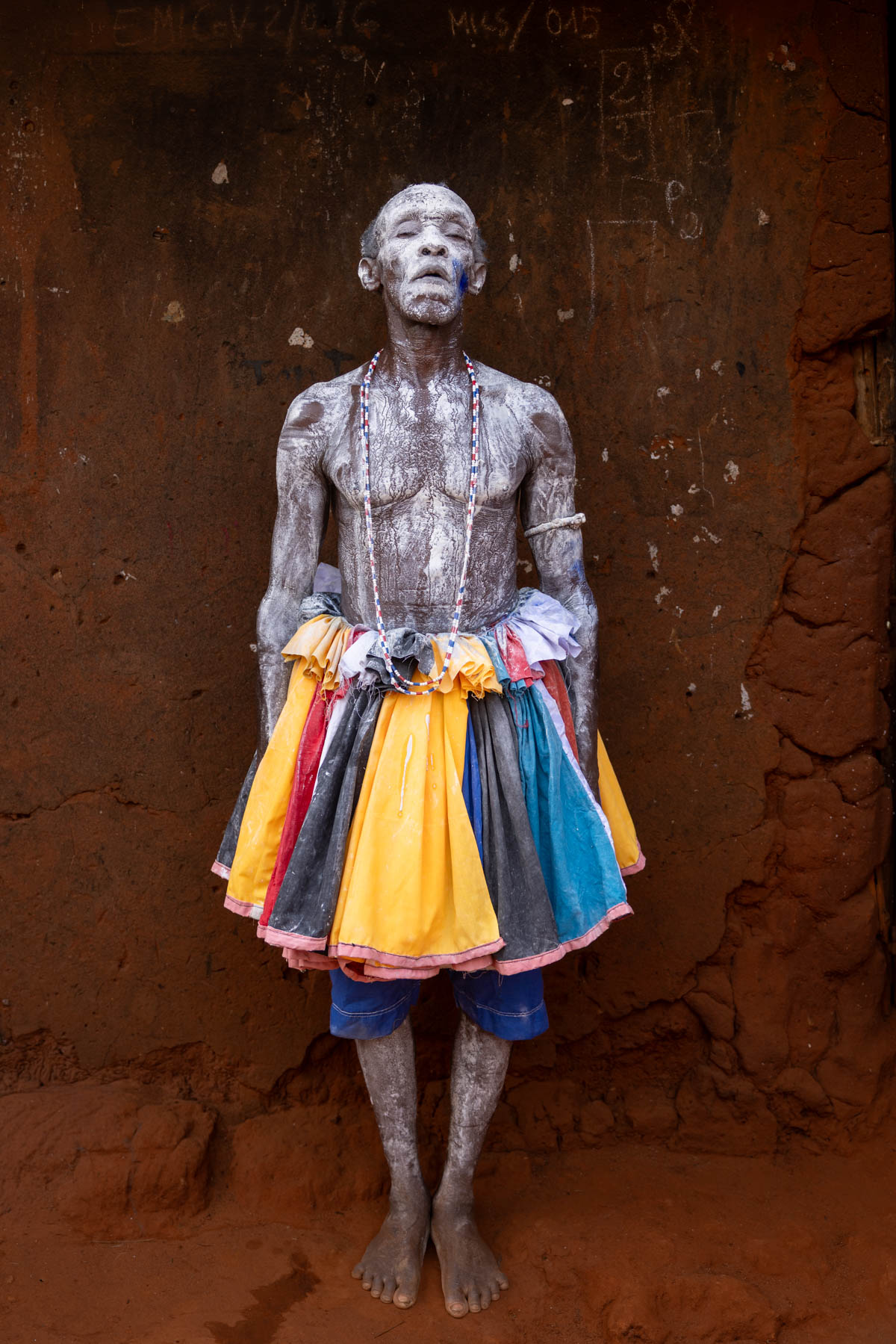
A Gambada devotee still in trance. Gambada is a traditional ceremony celebrating love and connection expressed through music, dance and rhythm (image by Ingrid Koedood)
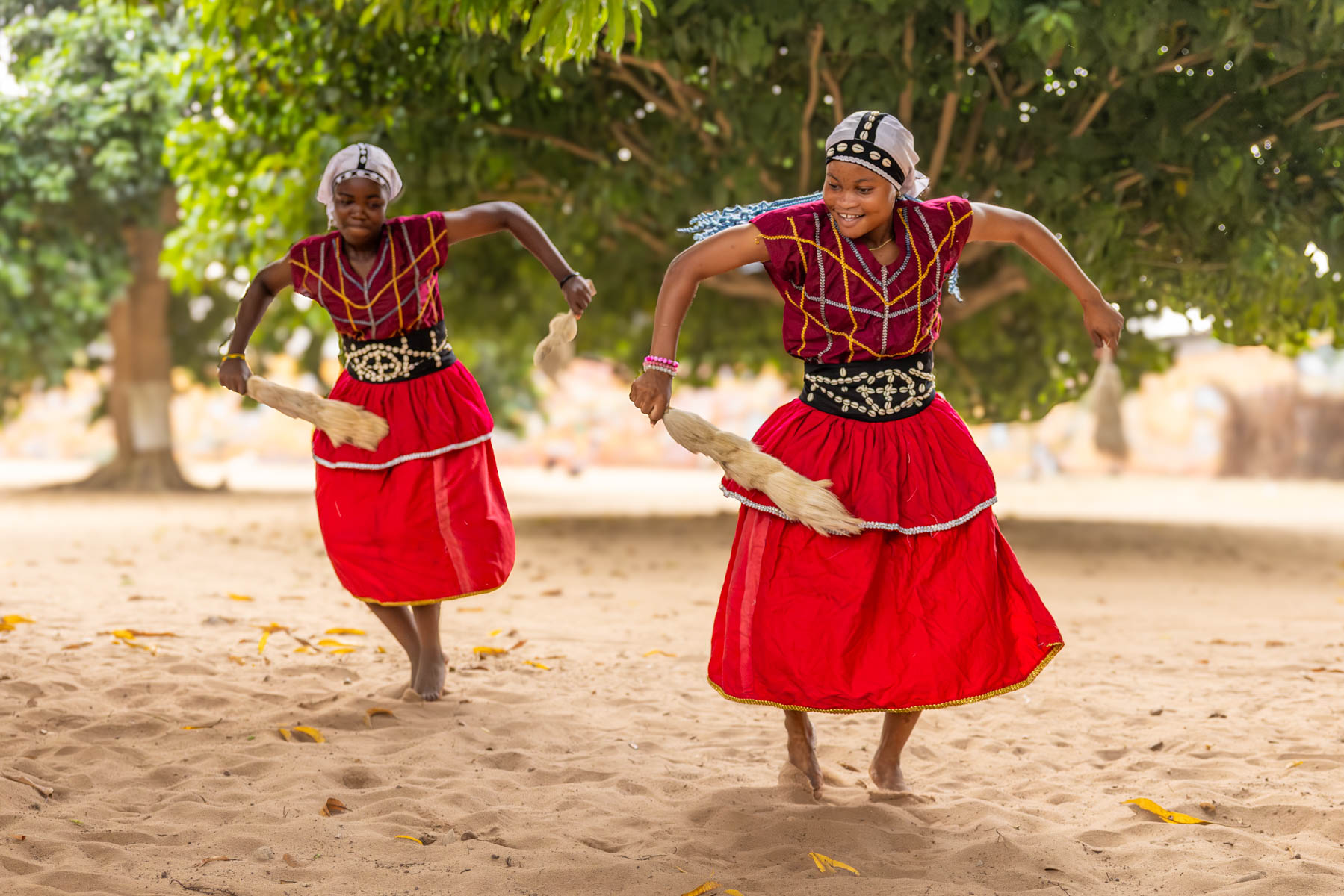
Drum rhythms and dance during the Heviosso fire ceremony (image by Ingrid Koedood)
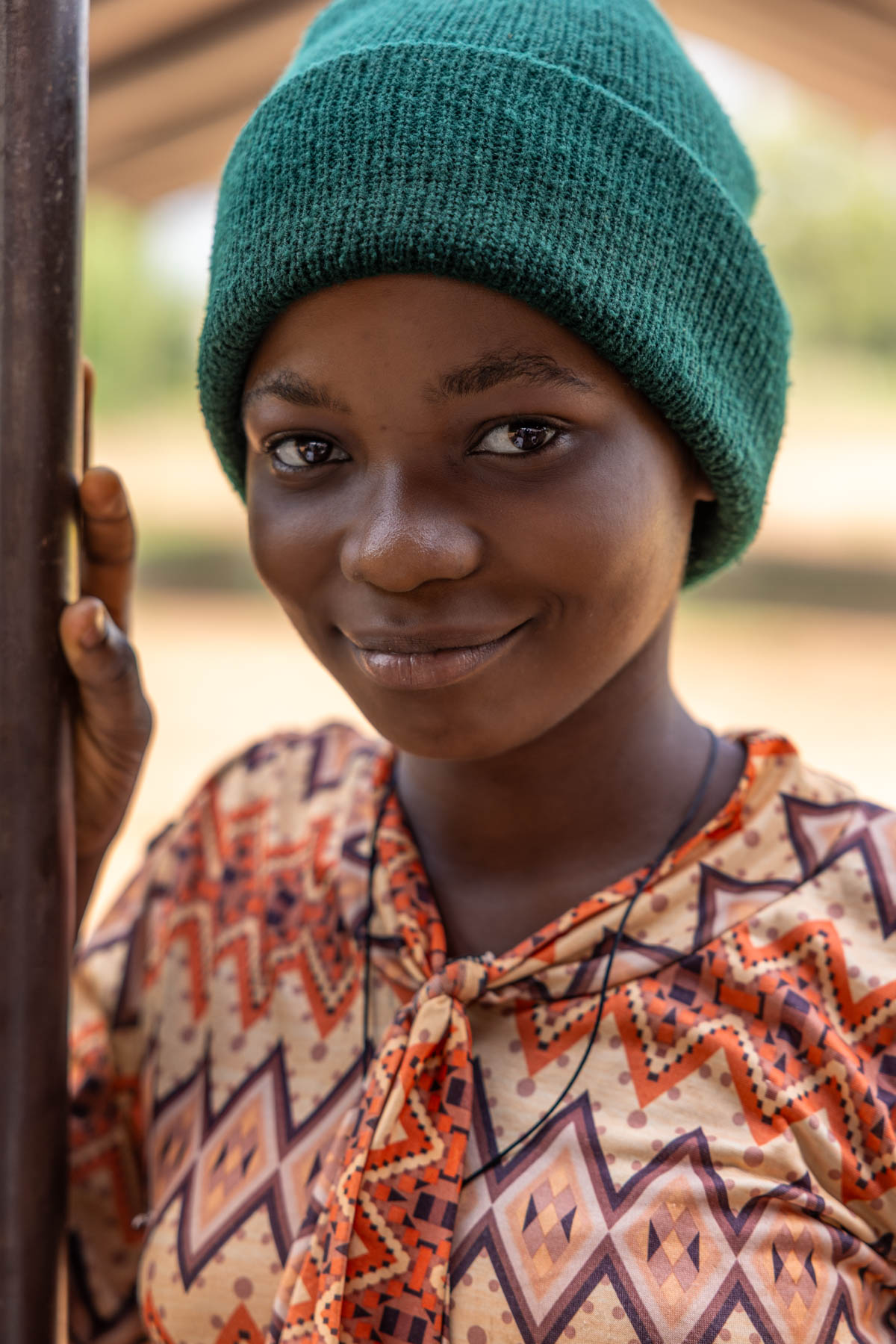
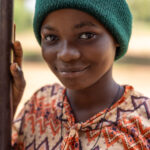
A young woman during Vodun Day, wearing a winter beanie despite the warm Beninese sun (image by Ingrid Koedood)
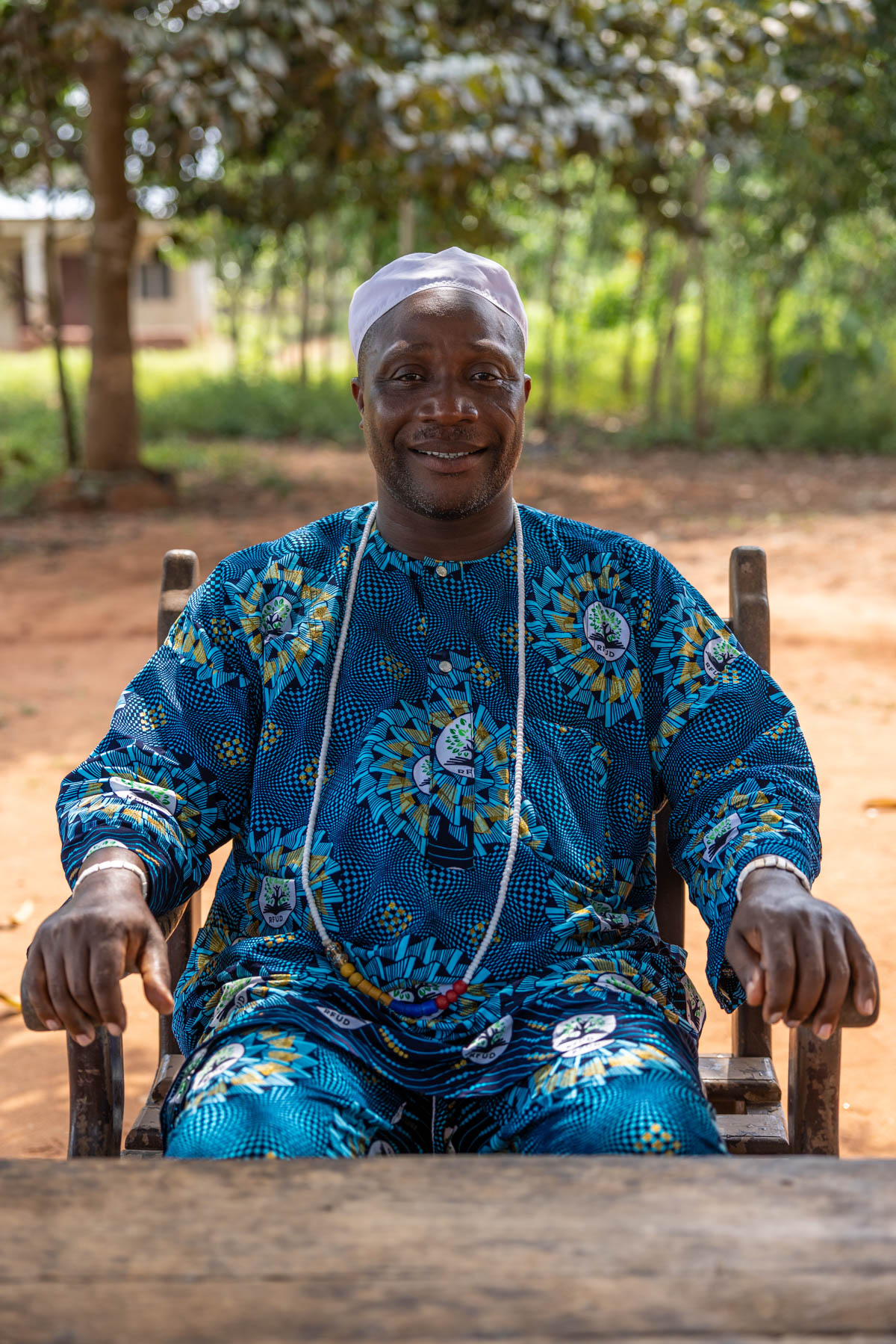
King Agassa, a respected Vodun leader. We met him during our visit, and he generously shared insights while we asked questions about the Vodun tradition (image by Ingrid Koedood)
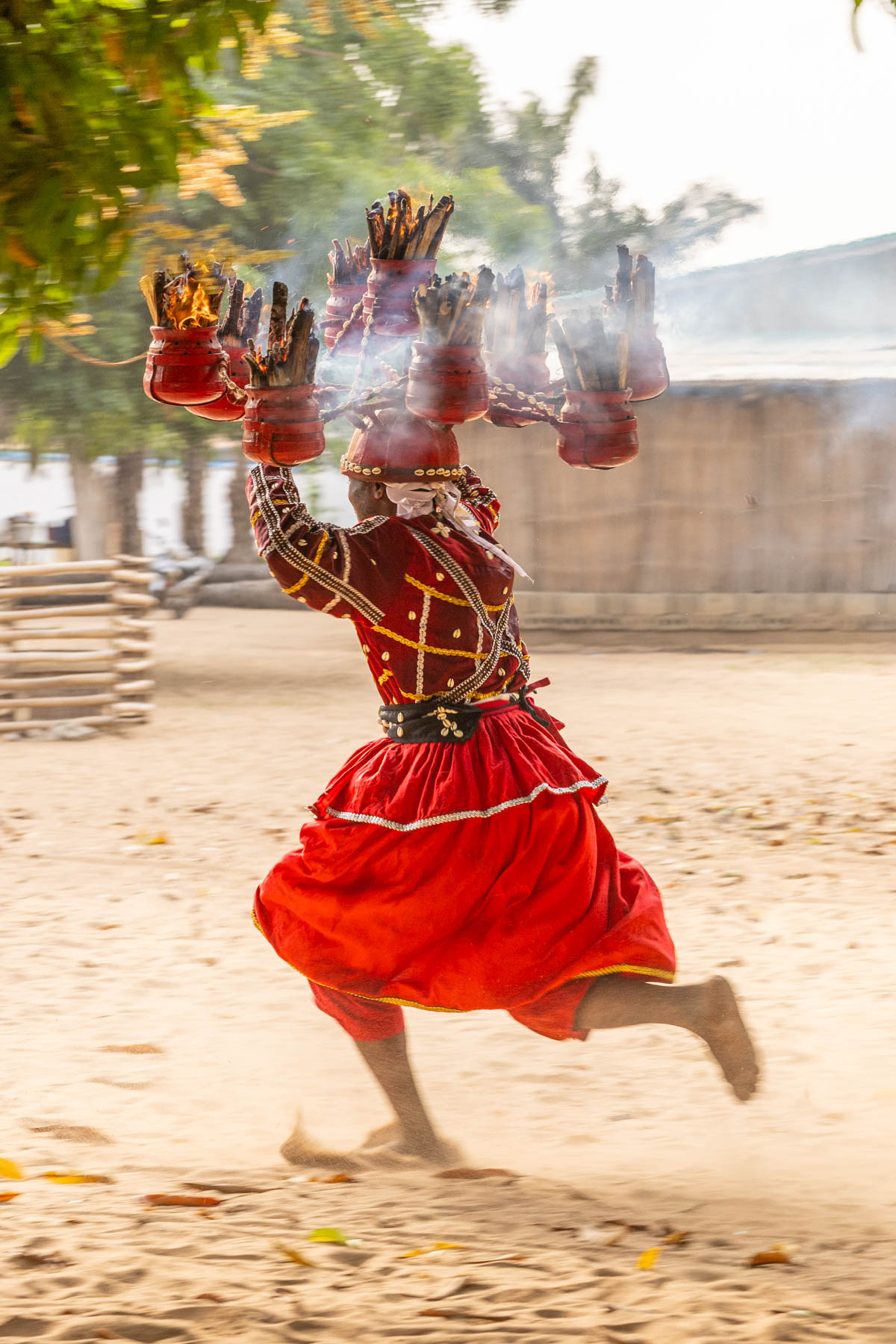
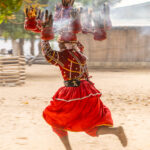
A Heviosso devotee running with a flaming headpiece during the fire ceremony (image by Ingrid Koedood)
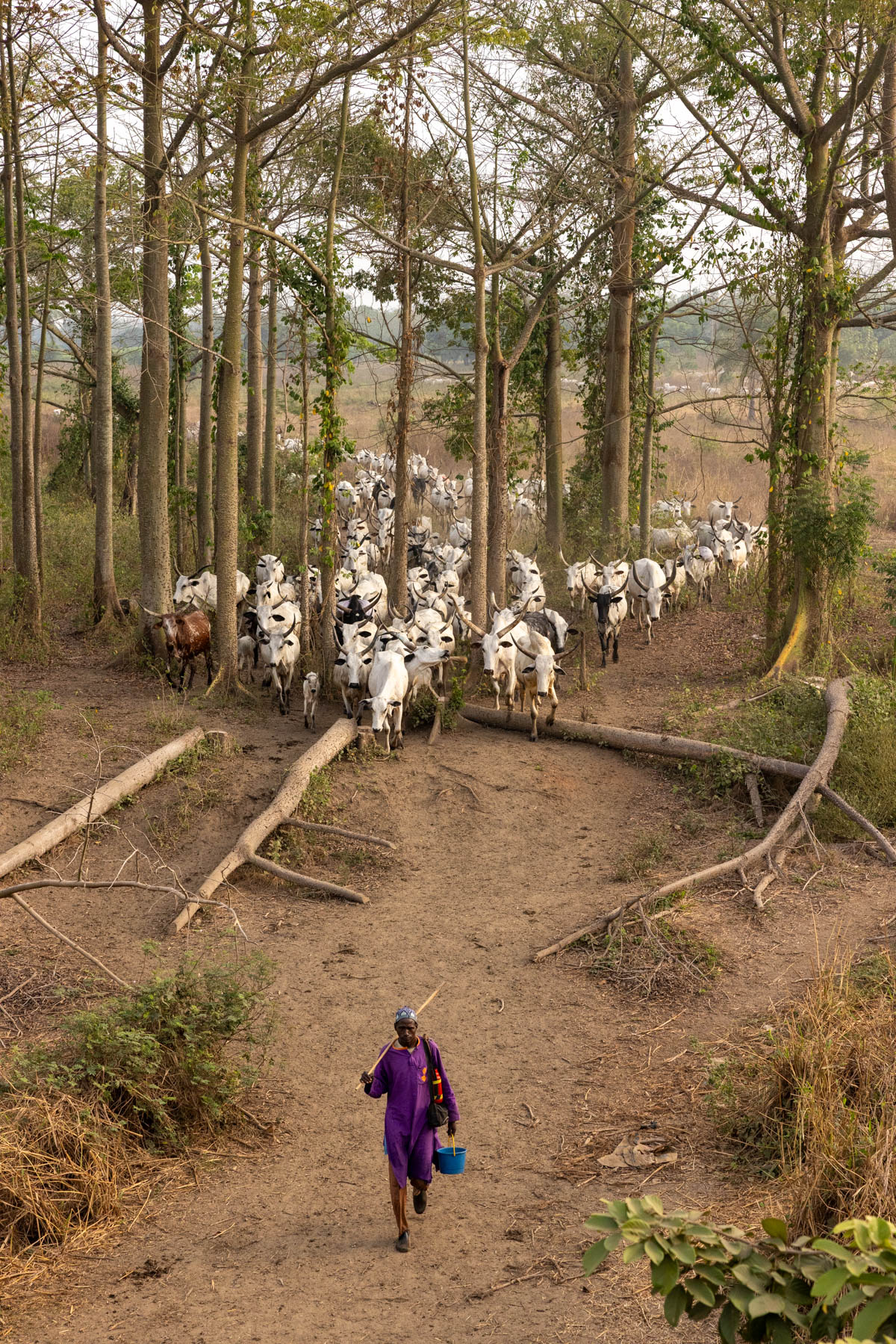
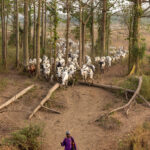
We stopped on the road as a large herd of cattle crossed our path (image by Ingrid Koedood)
Among the Holi tribe in Benin, traditional scarification appears not only on the face but also on the body, including the stomach. These are marks of identity and heritage (image by Ingrid Koedood)
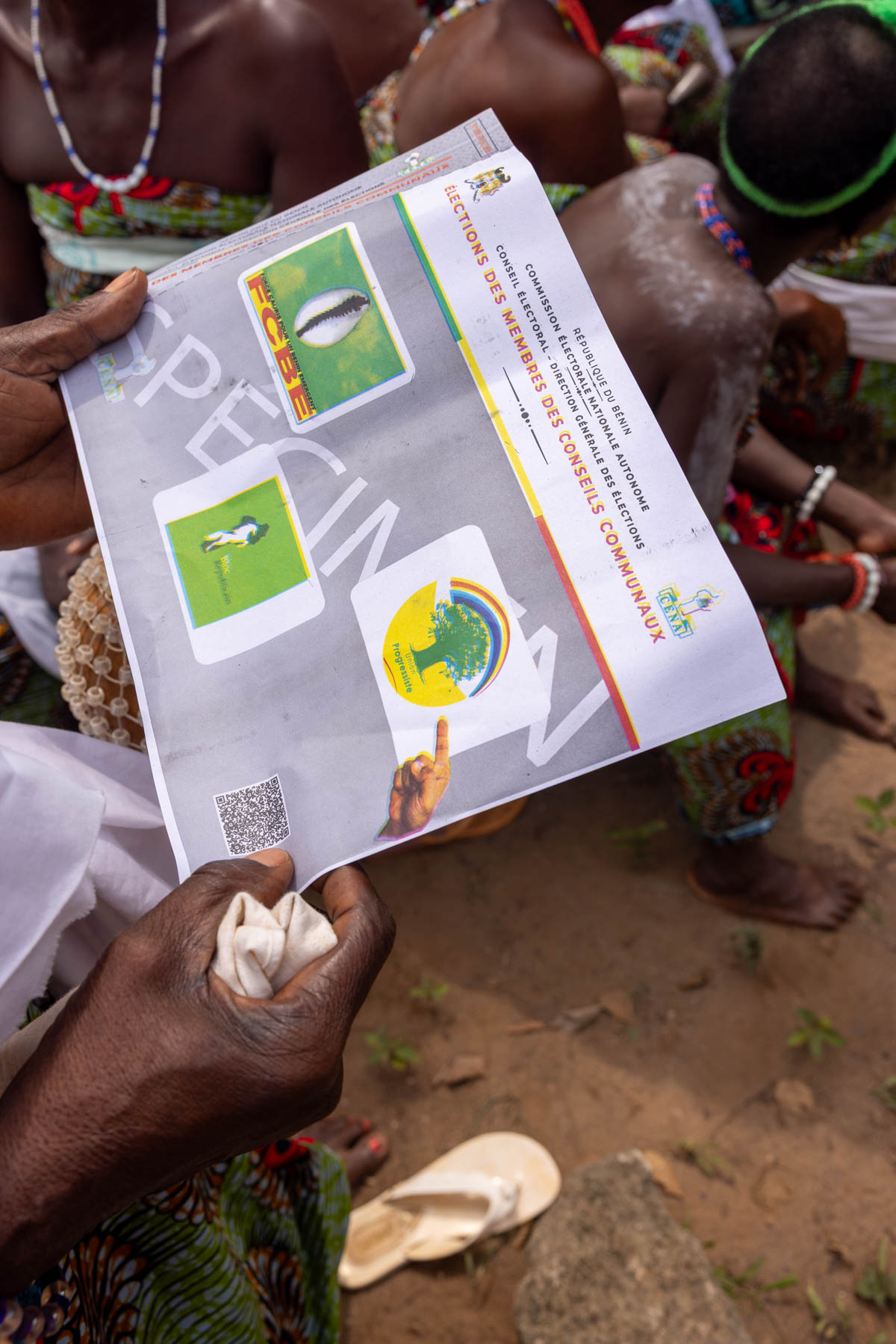
We accidentally arrived at a Heviosso ceremony, which was combined with election education. Pictograms made voting accessible for everyone (image by Ingrid Koedood)
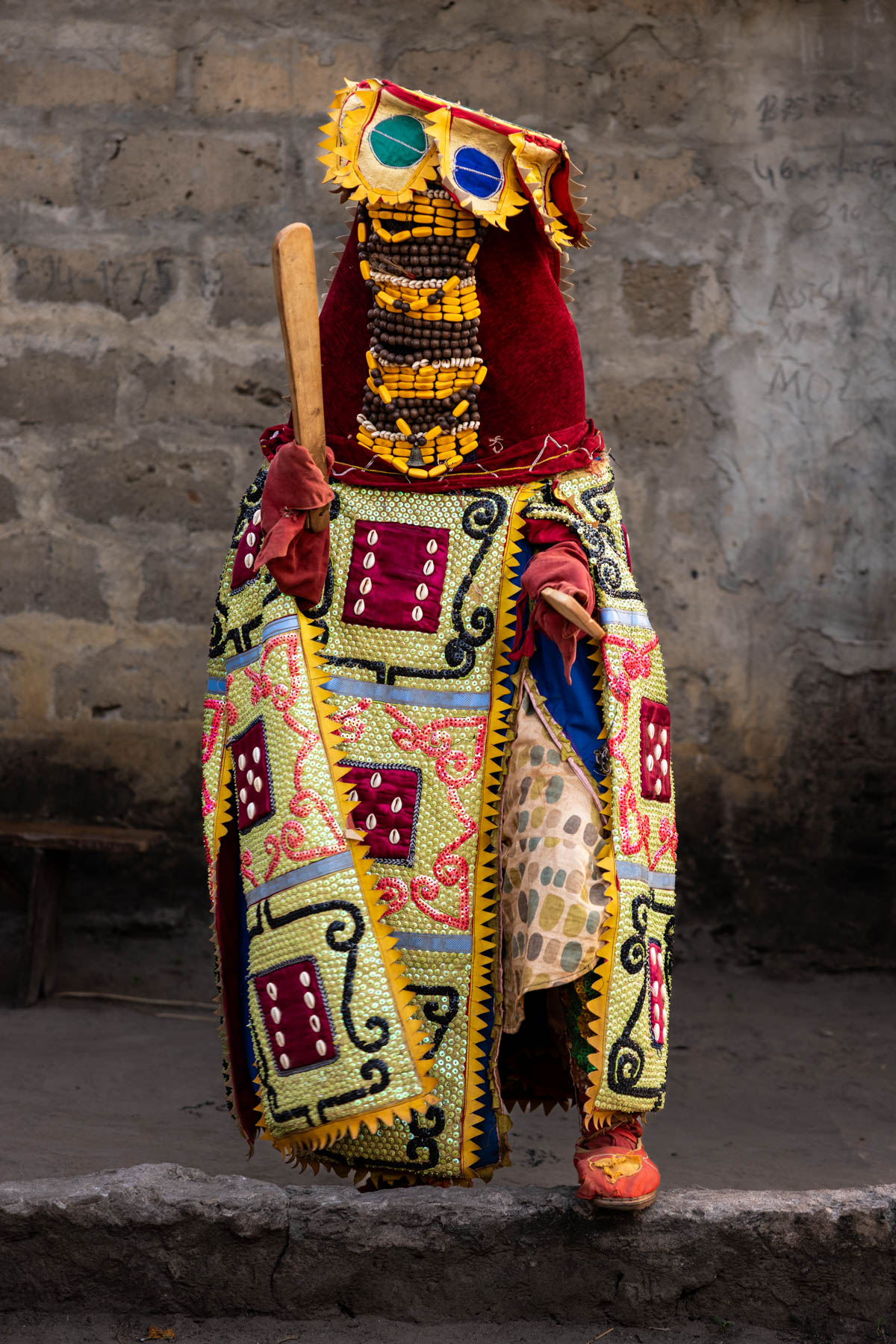
Behind the mask of a Egungun dancer, a presence move and the ancestor returns (image by Ingrid Koedood)
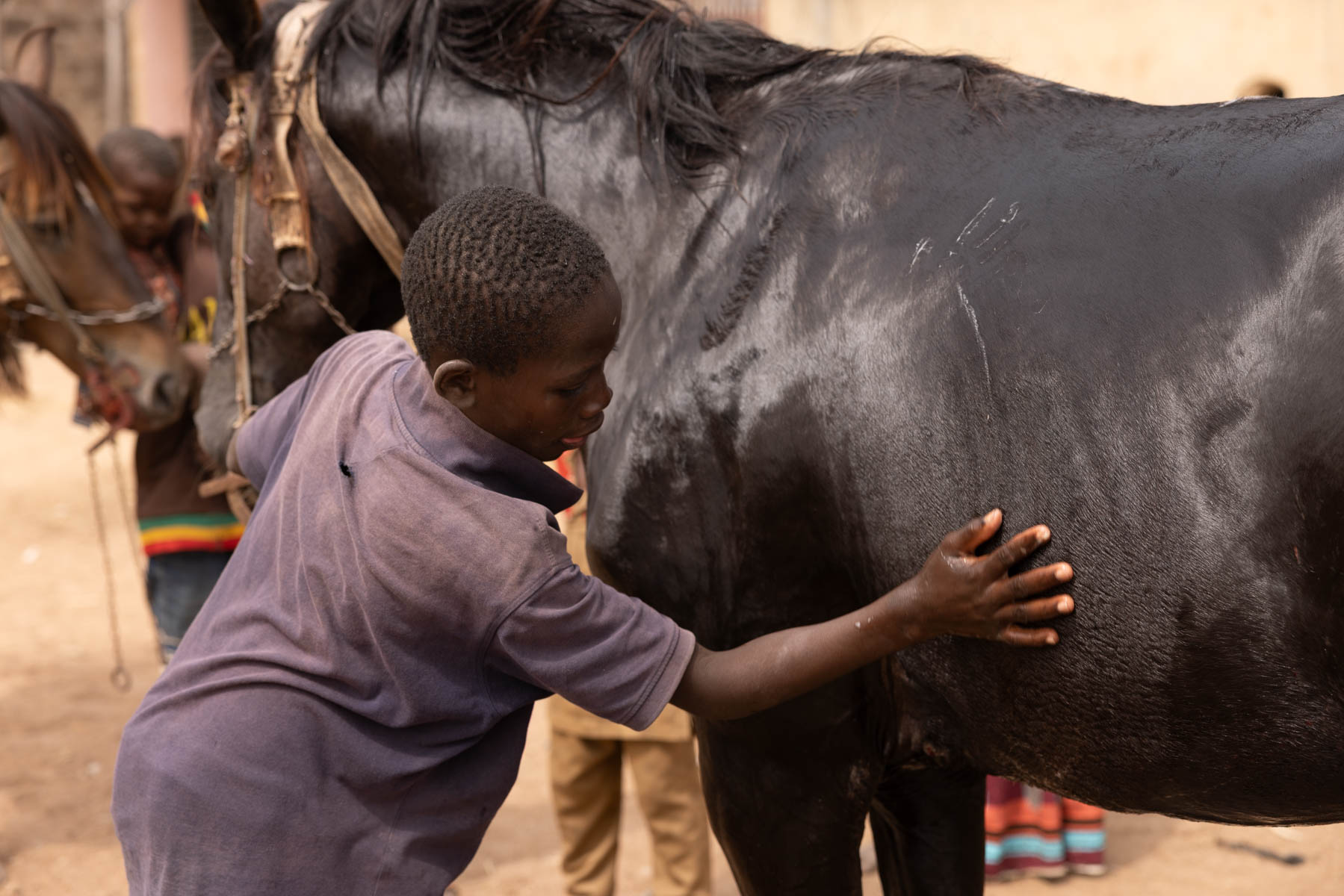
After the ride the Batonu horsemen reward the horses with love and care (image by Ingrid Koedood)
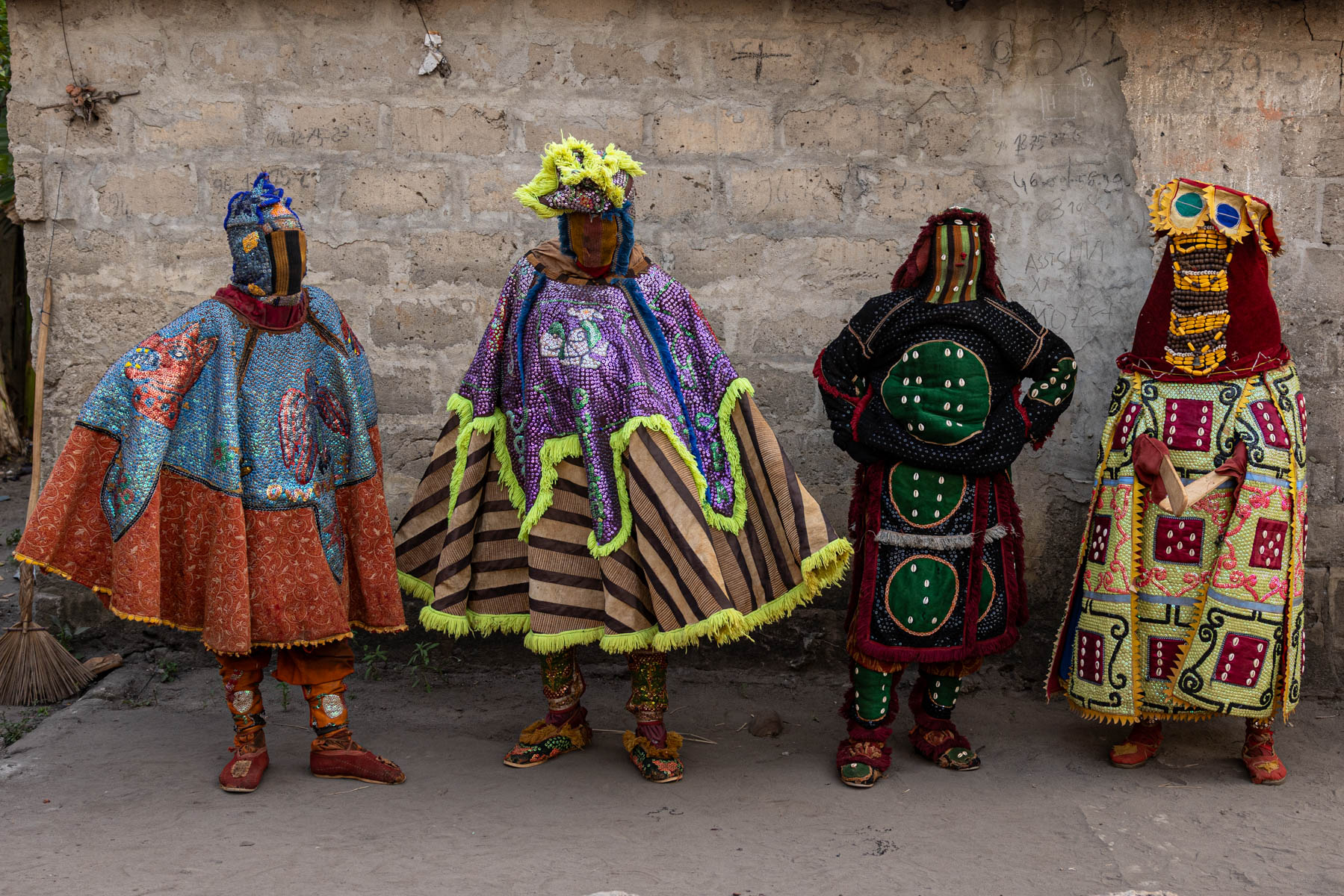
Egungun dancers. During the Egungun ceremony, masked performers embody ancestral spirits, bringing blessings, protection and guidance to the community (image by Ingrid Koedood)
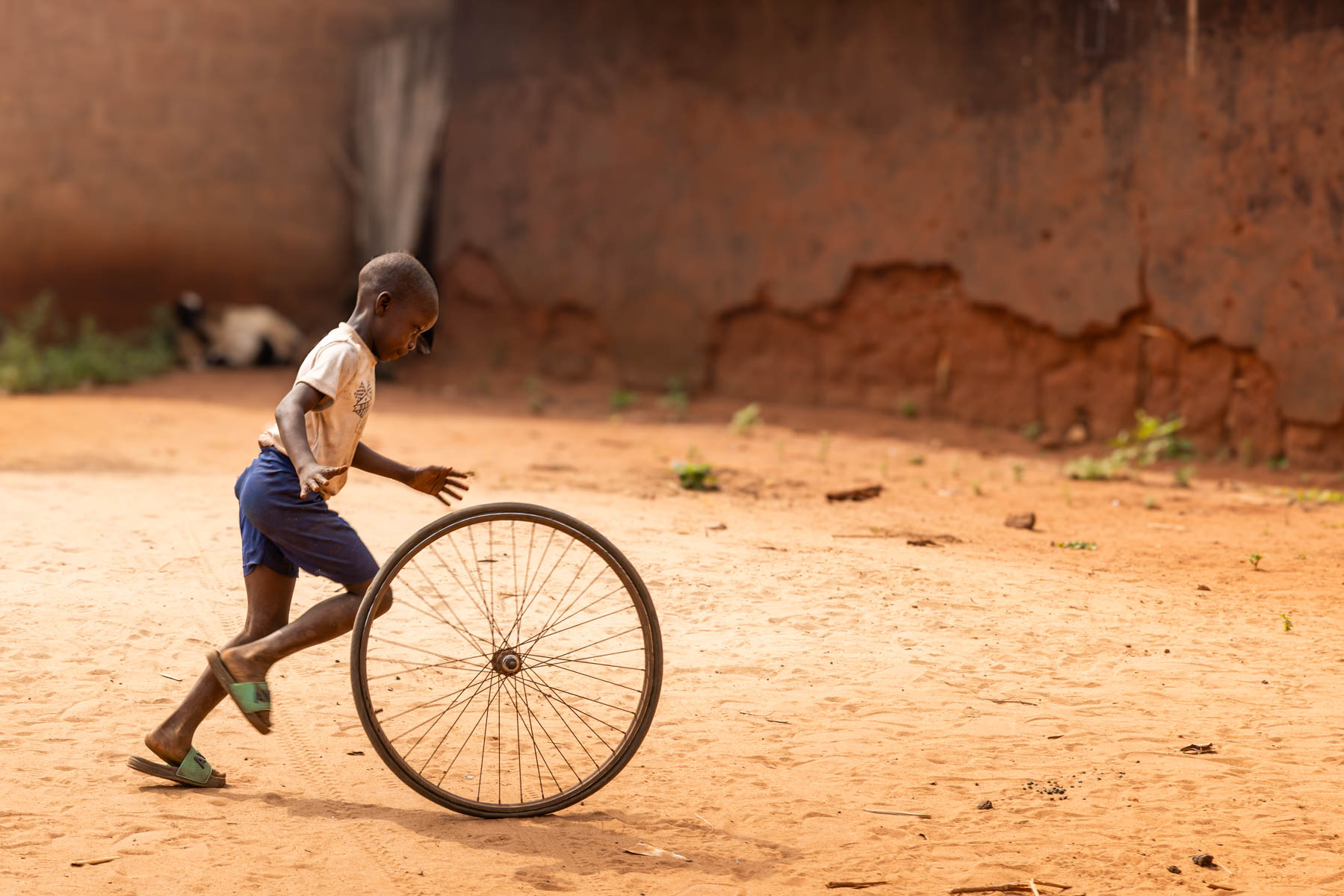
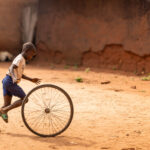
Childhood creativity: a boy playing with a bicycle tyre (image by Ingrid Koedood)
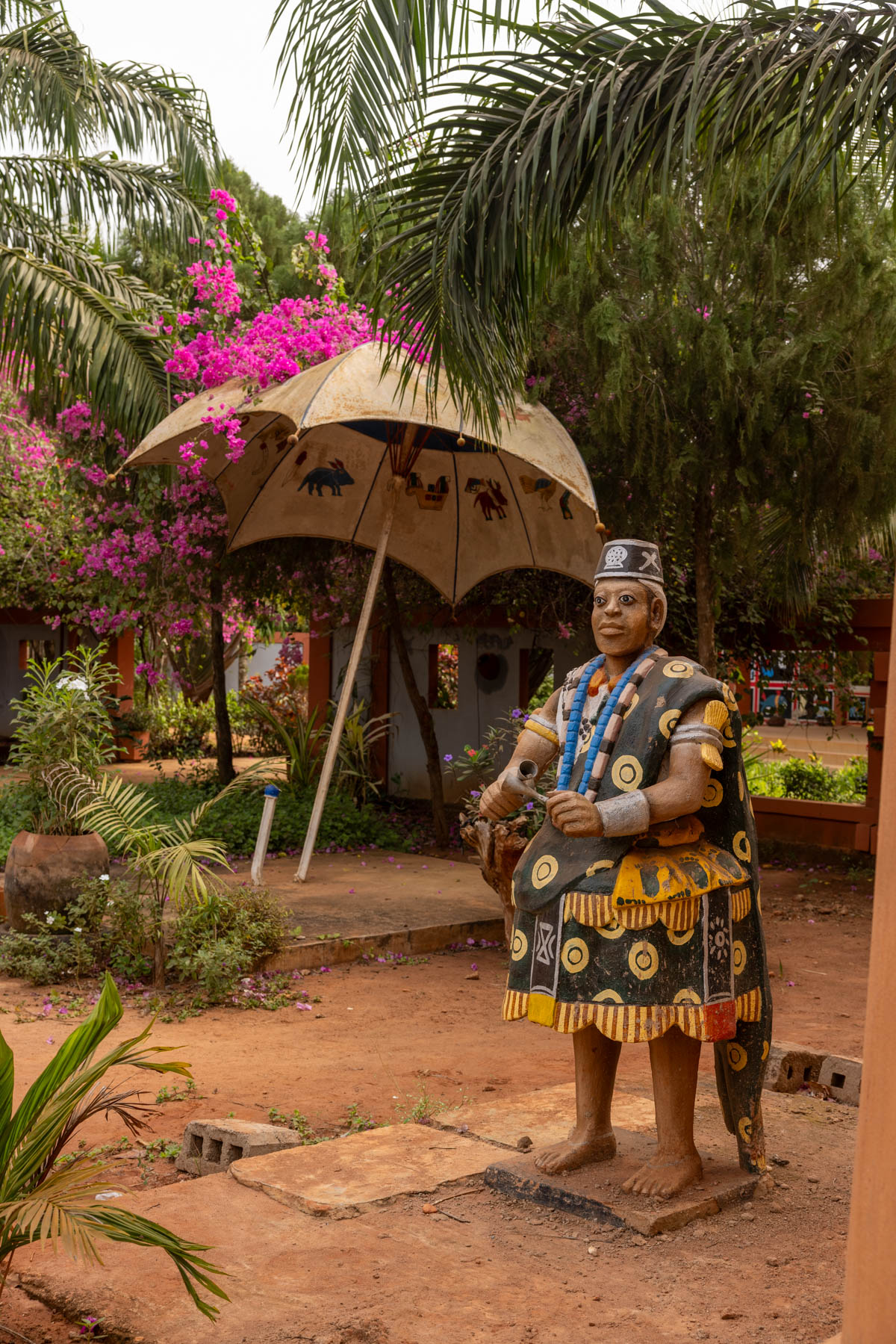
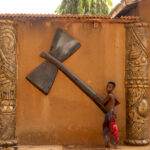
In Abomey, we explored a local gallery showcasing traditional sculptures (image by Ingrid Koedood)
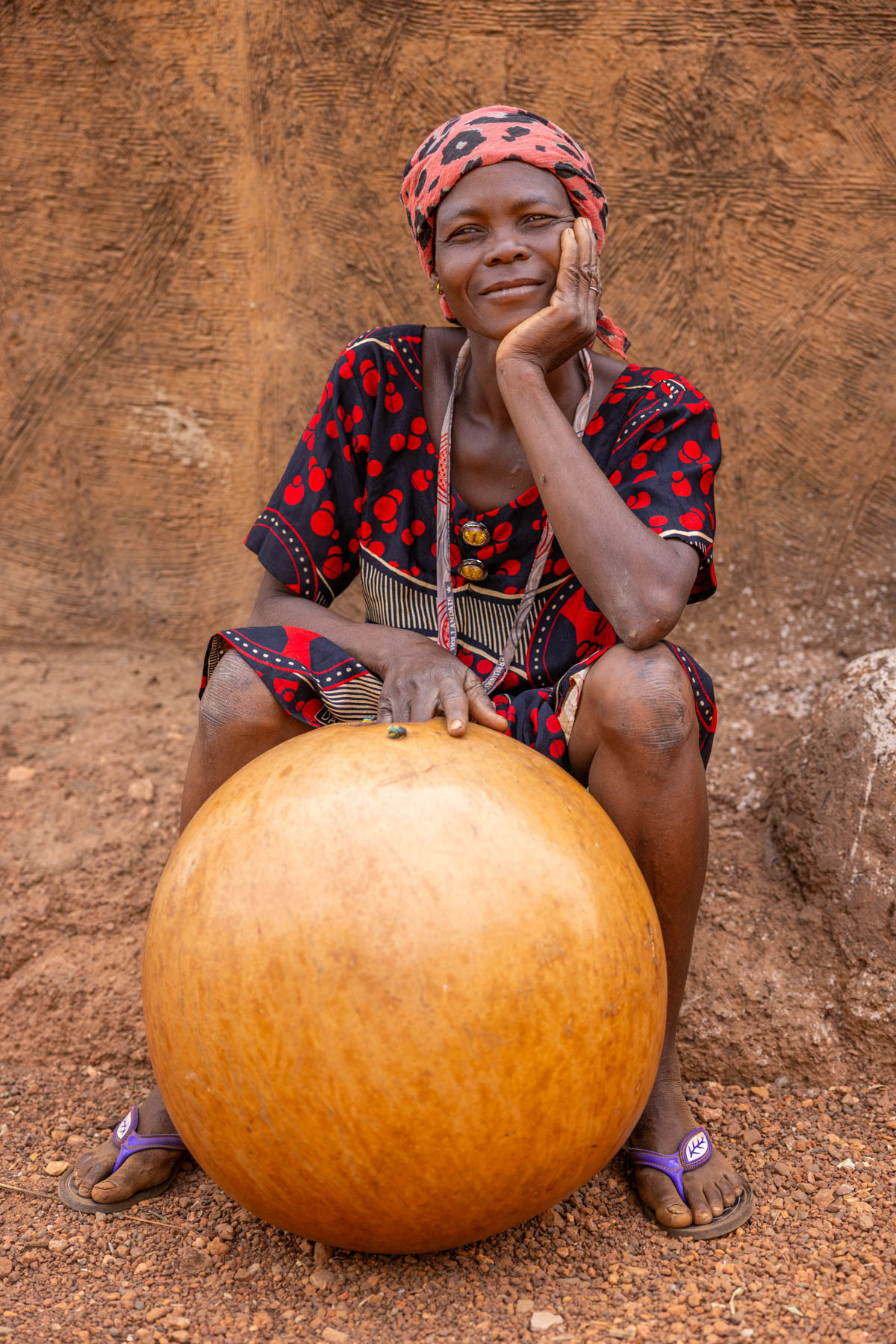
An Otamari woman with her calabash: a simple object, a powerful sound (image by Ingrid Koedood)
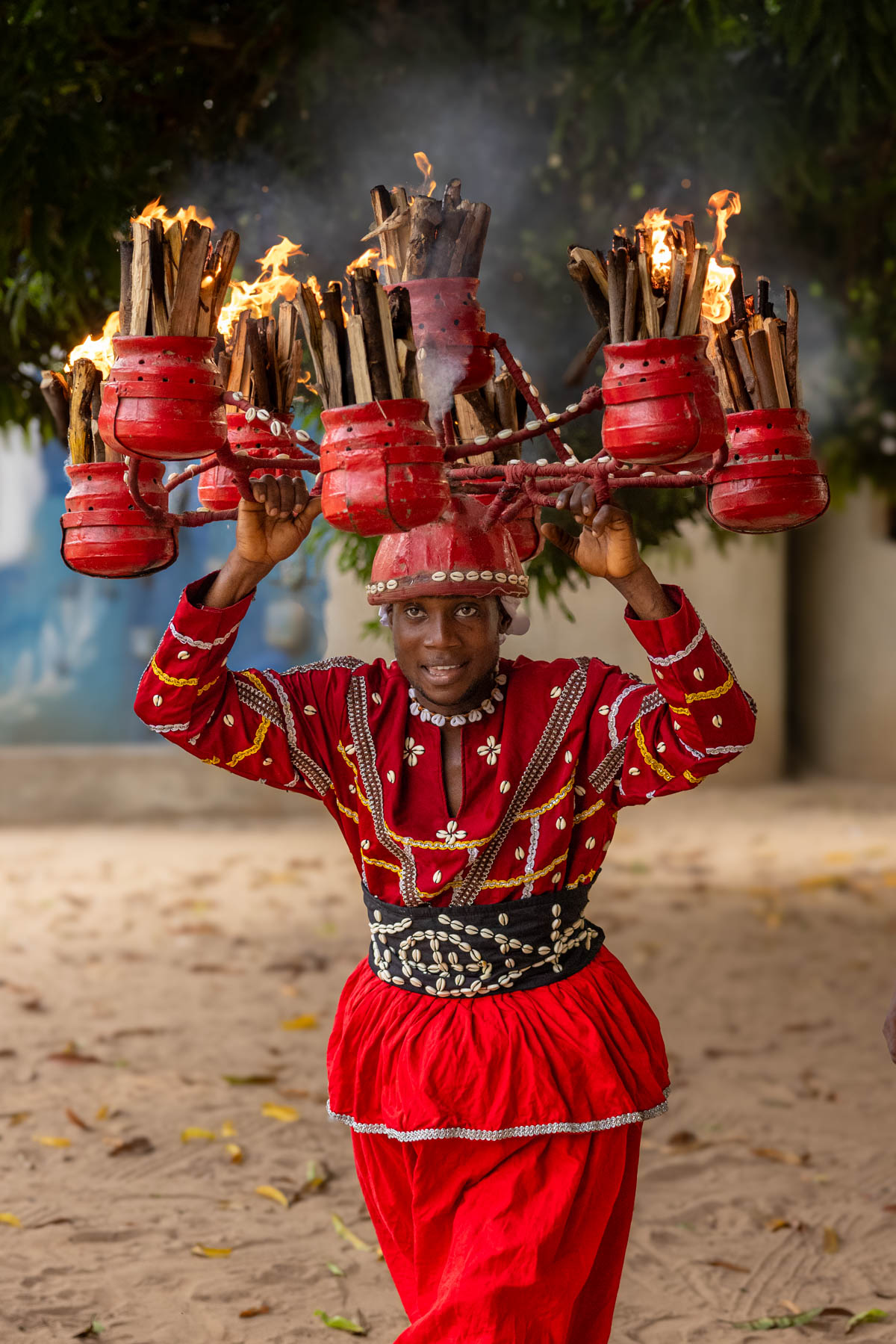
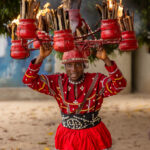
Heviosso fire ceremony: a devotee walks in circle carrying flaming pots on his head. Truly spectacular! (image by Ingrid Koedood)
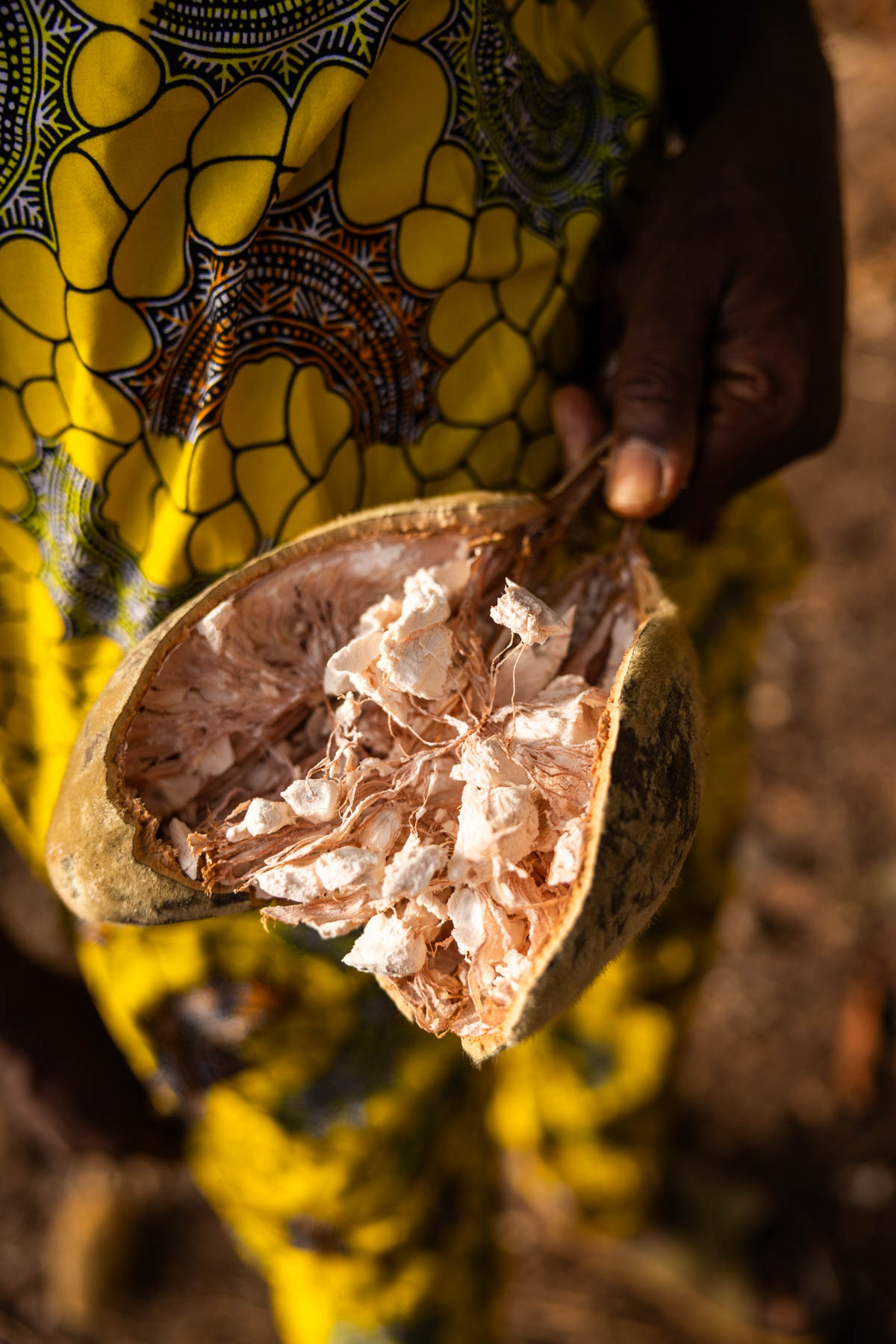
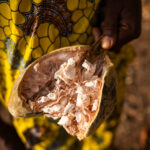
The fruit of Baobab tree (image by Ingrid Koedood)
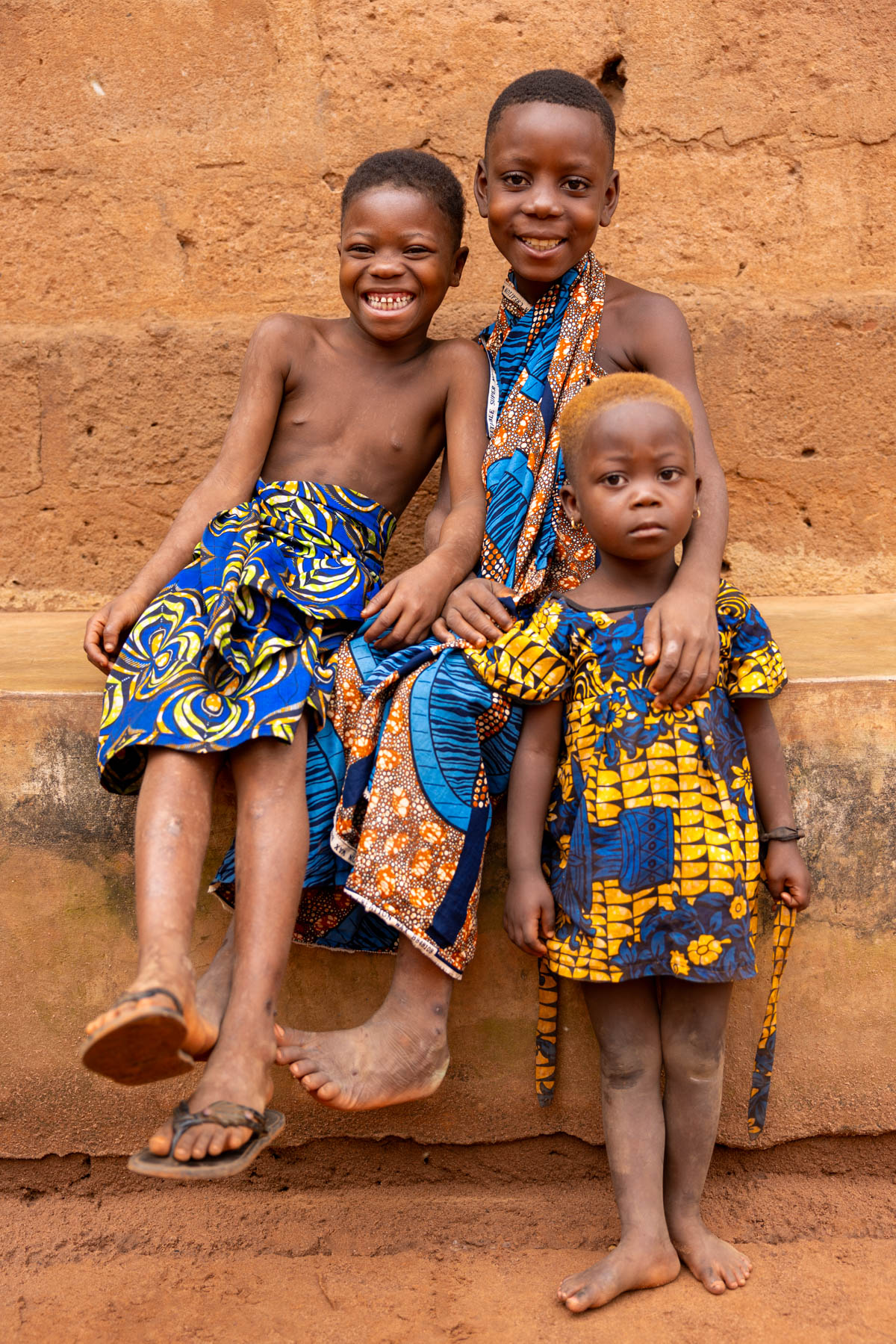
Between the rituals and the drums of a Zangbeto ceremony, the children asked to be photographed (image by Ingrid Koedood)
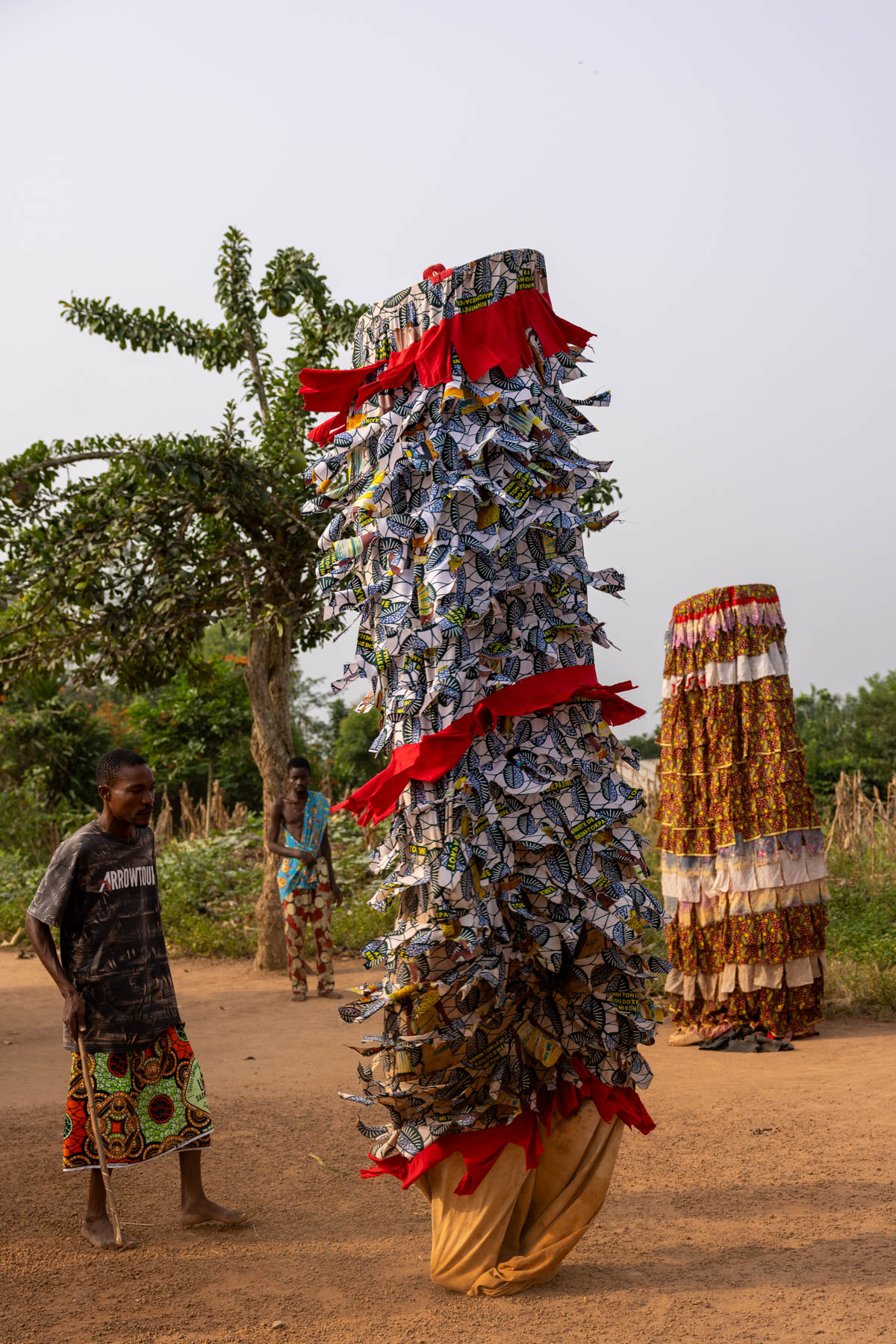
During the Gounouko mask ceremony a guardian keeps watch over the sacred masks (image by Ingrid Koedood)
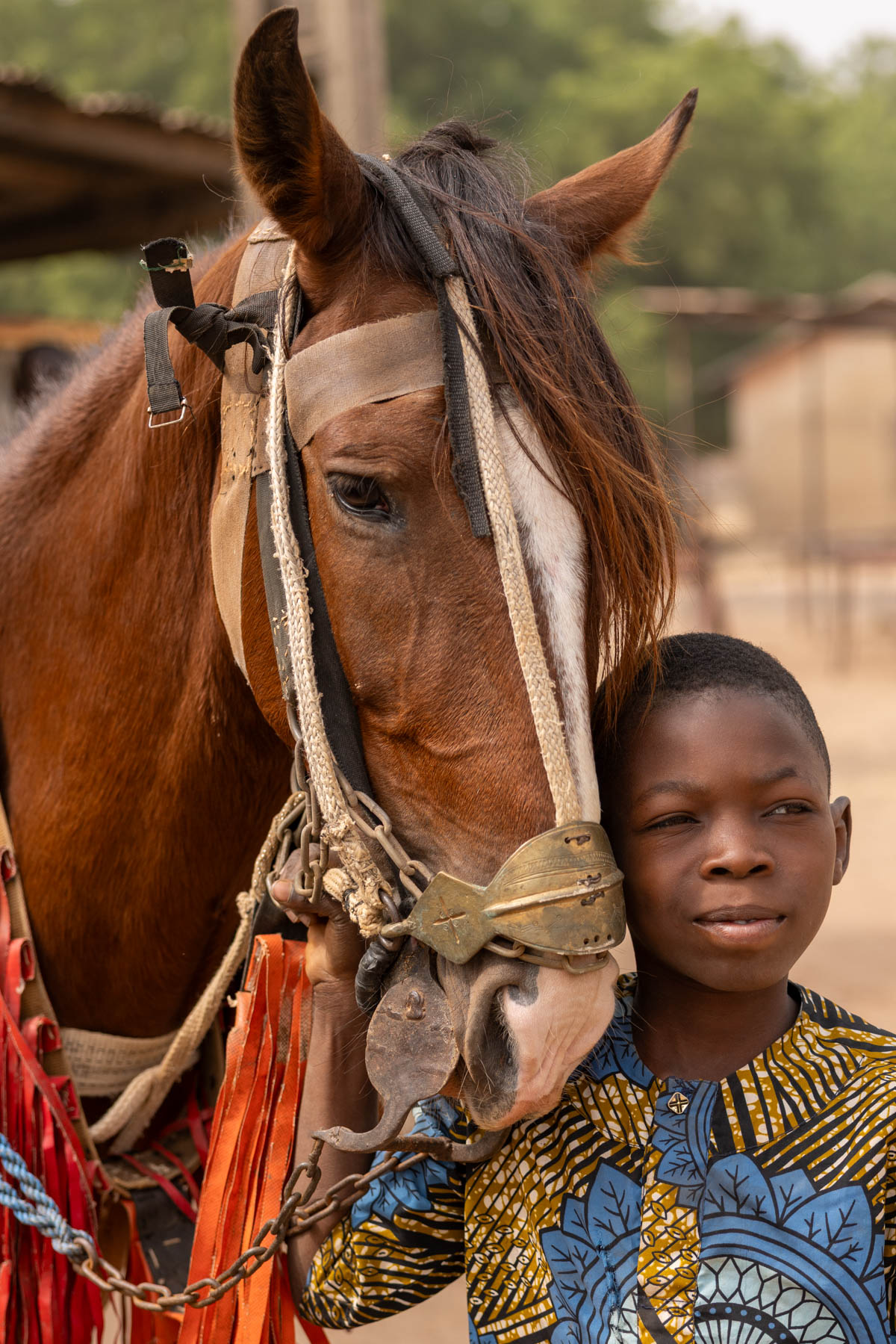
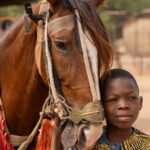
A young boy caring for the horse. Perhaps a future Batonu horseman, carrying tradition into the next generation (image by Ingrid Koedood)
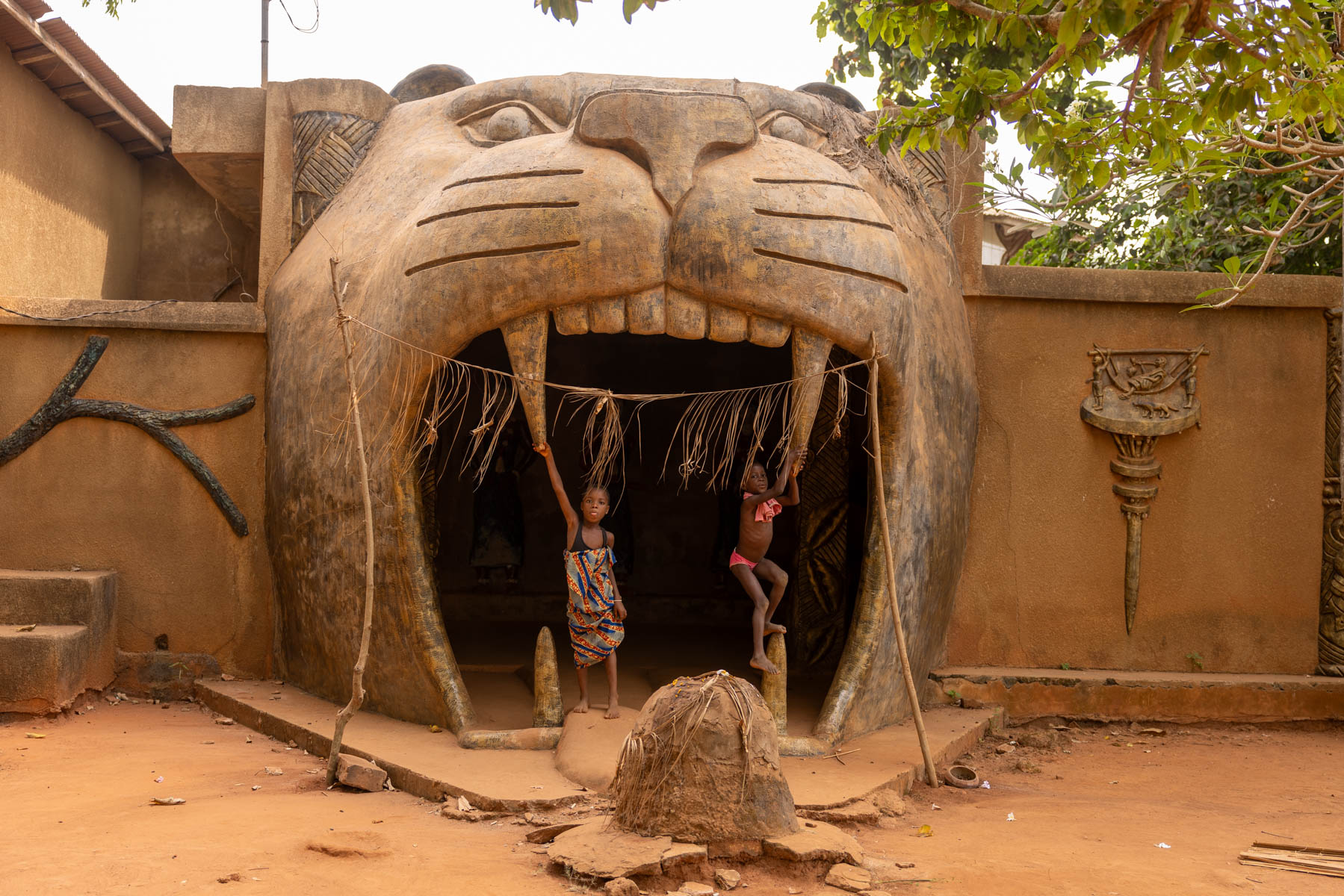
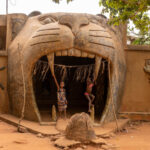
At the Chameleon Temple in Abomey, a place where Vodun beliefs, symbolism and history come alive (image by Ingrid Koedood)
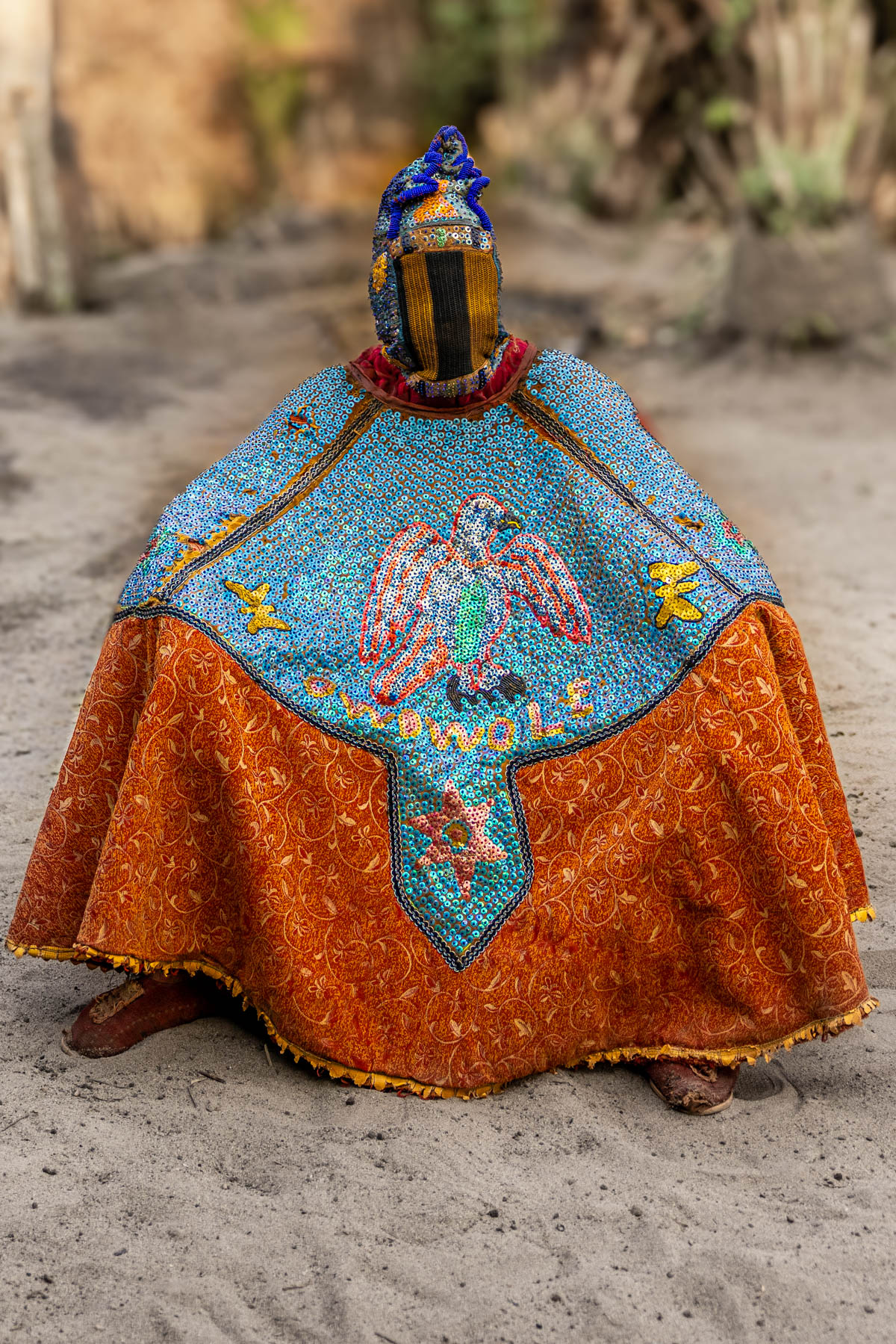
Egungun dancer covered in an elaborate costume of heavy fabrics and embroidery. The dancer becomes the visible form of an ancestor spirit (image by Ingrid Koedood)
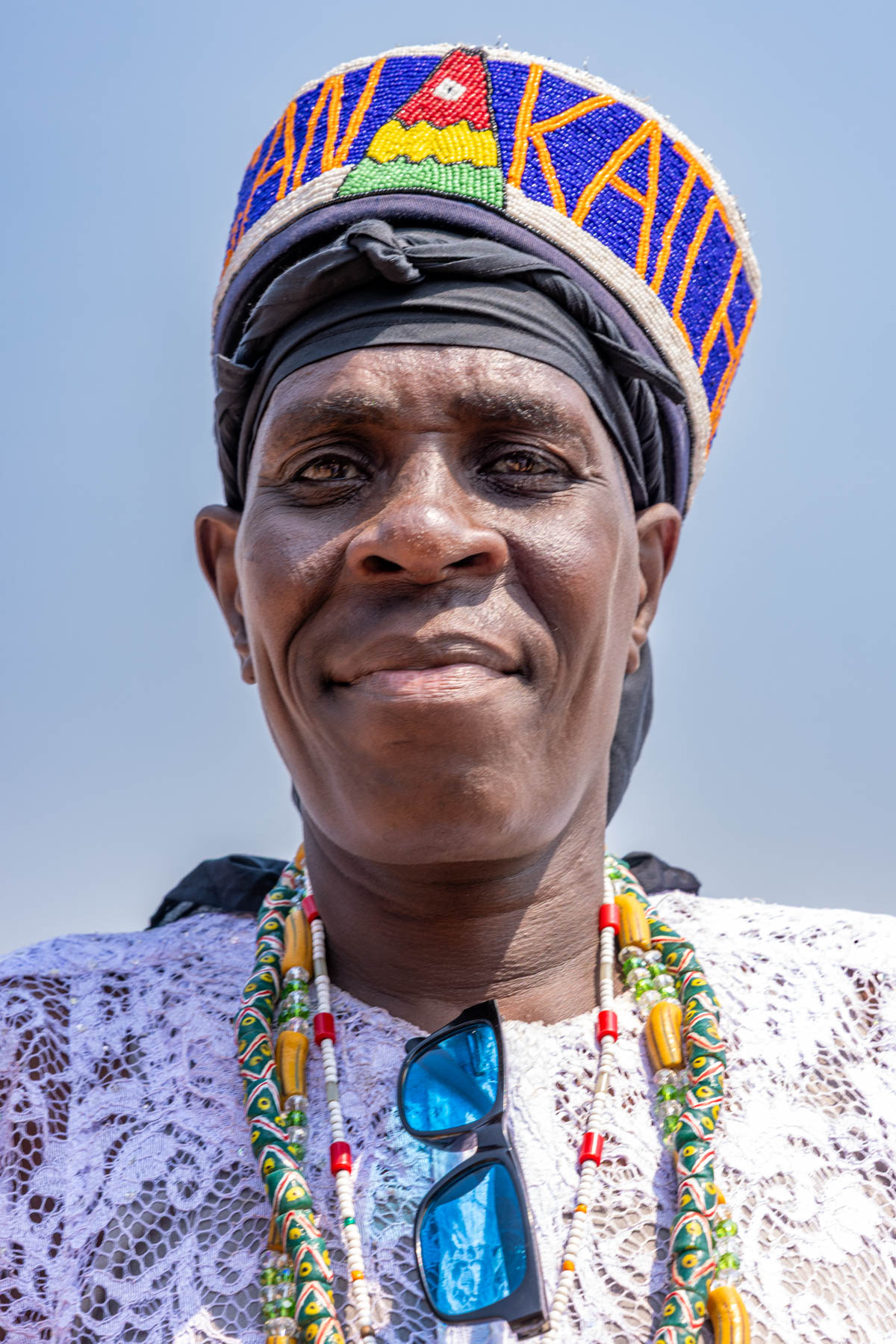
Friendly encounters during the celebrations of Vodun Day (image by Ingrid Koedood)
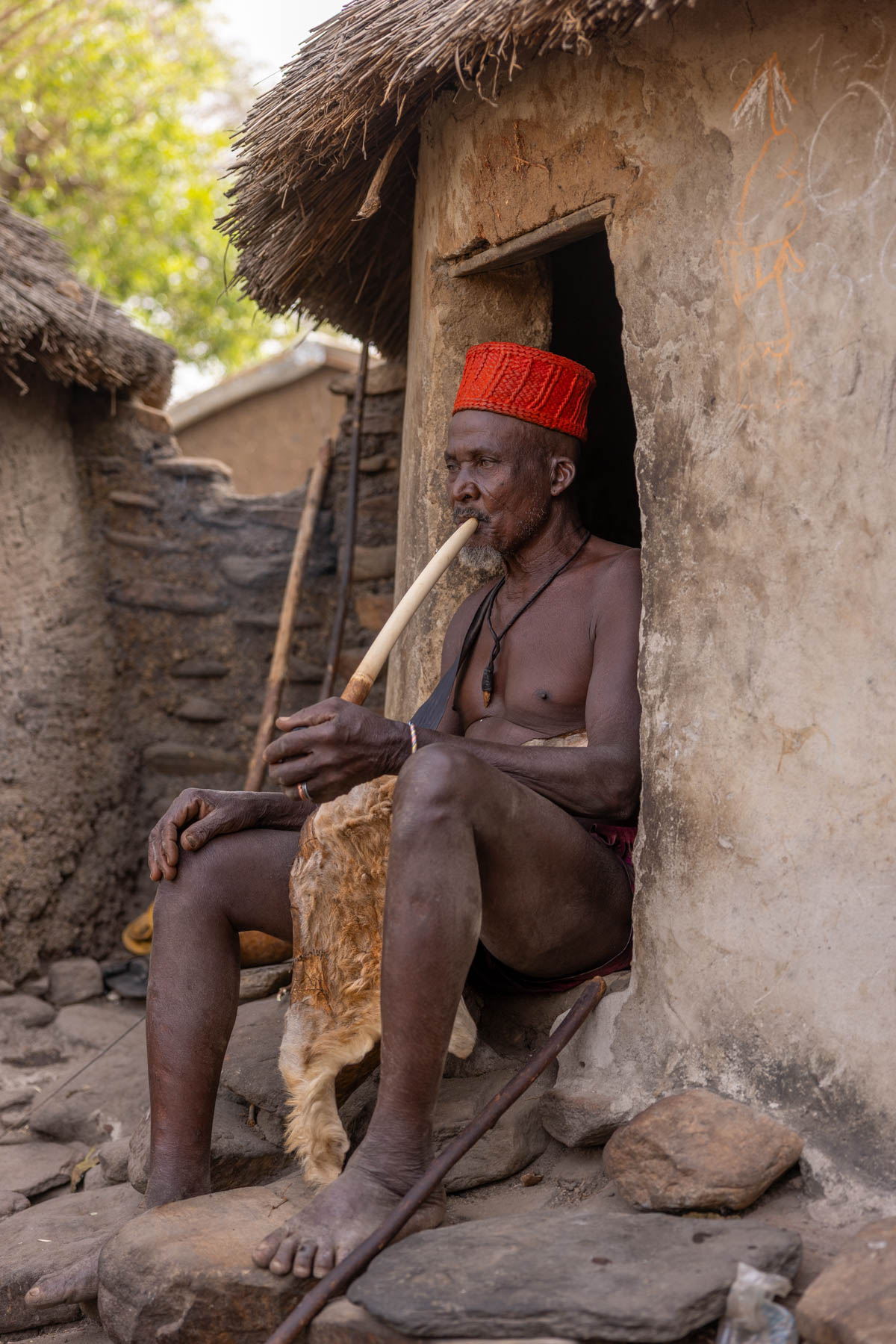
A Taneka priest. The Taneka people live in the foothills of the Atakora mountains (image by Ingrid Koedood)
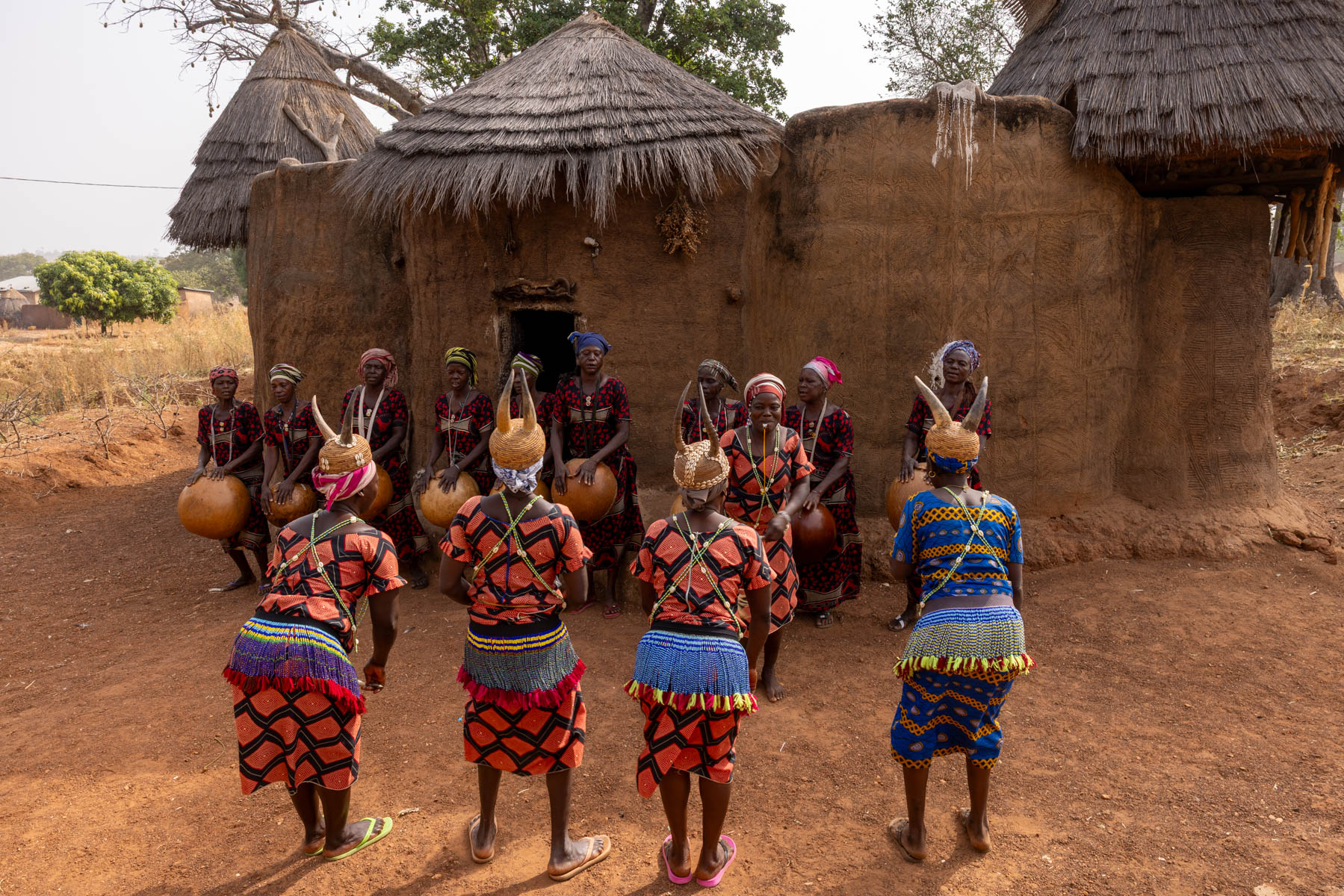
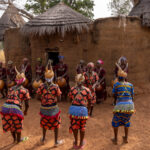
Traditional Otamari dance in front of a tata (image by Ingrid Koedood)
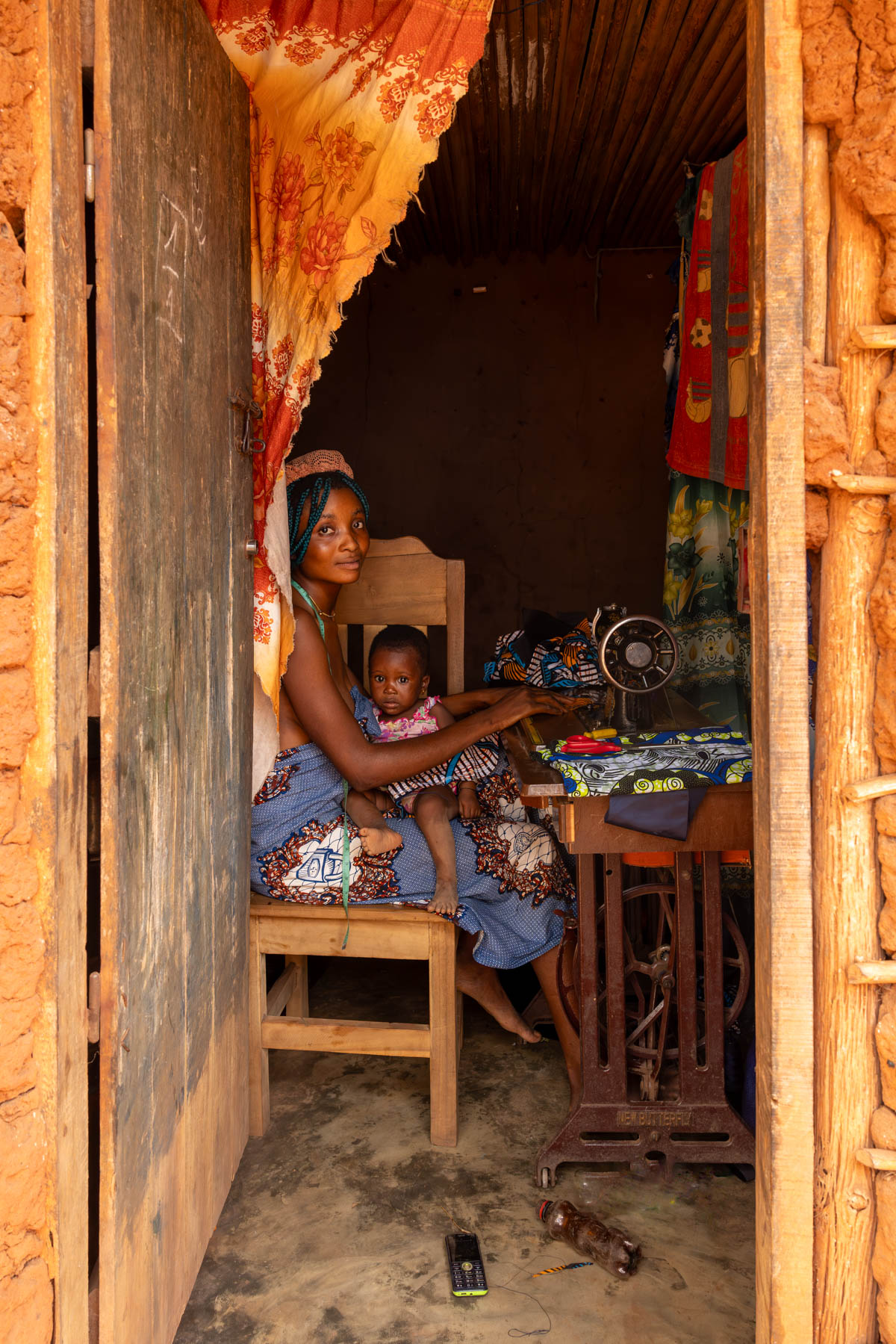
Every mother knows this balance: work in one hand, motherhood in the other (image by Ingrid Koedood)
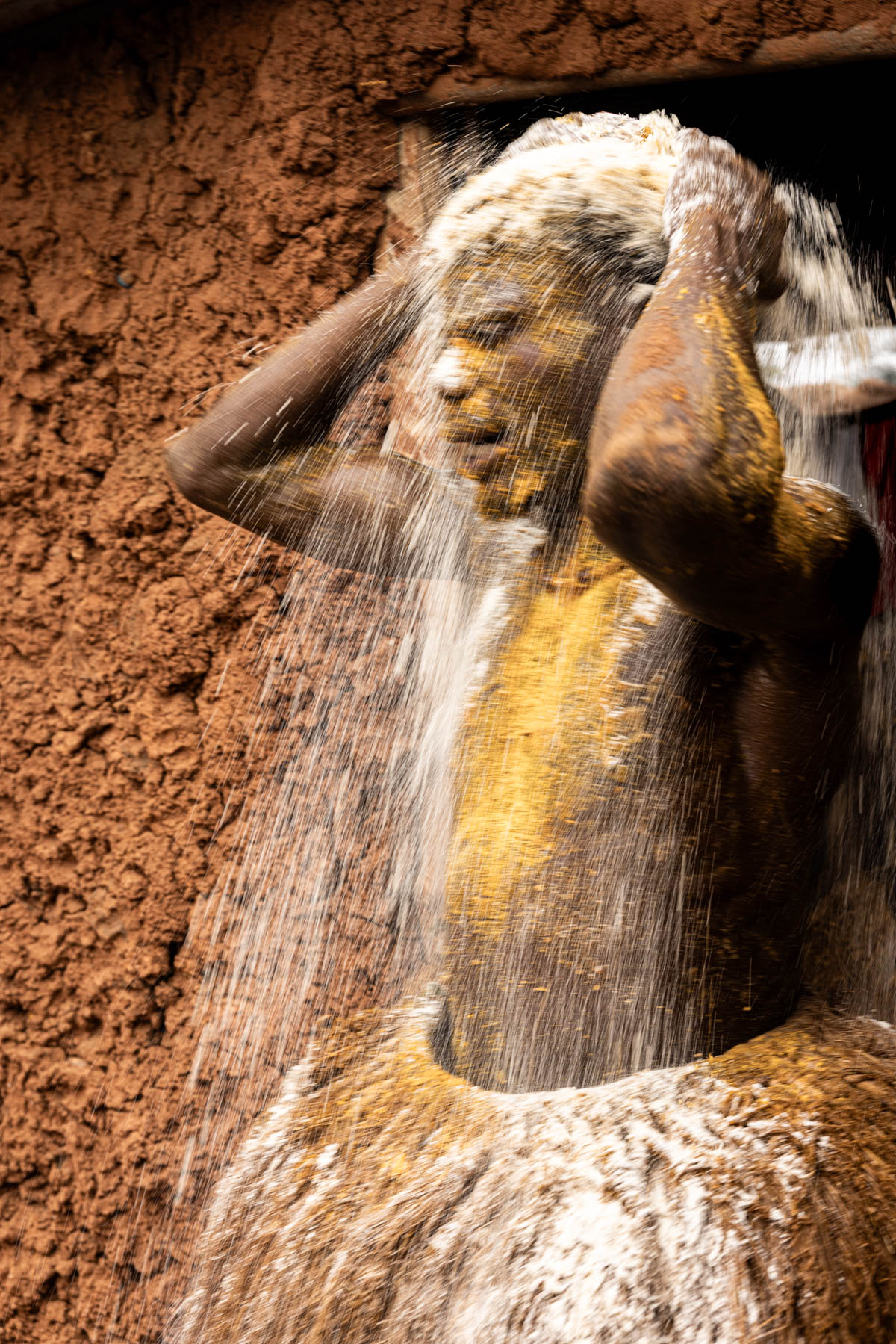
A Kokou devotee still in trance (image by Ingrid Koedood)
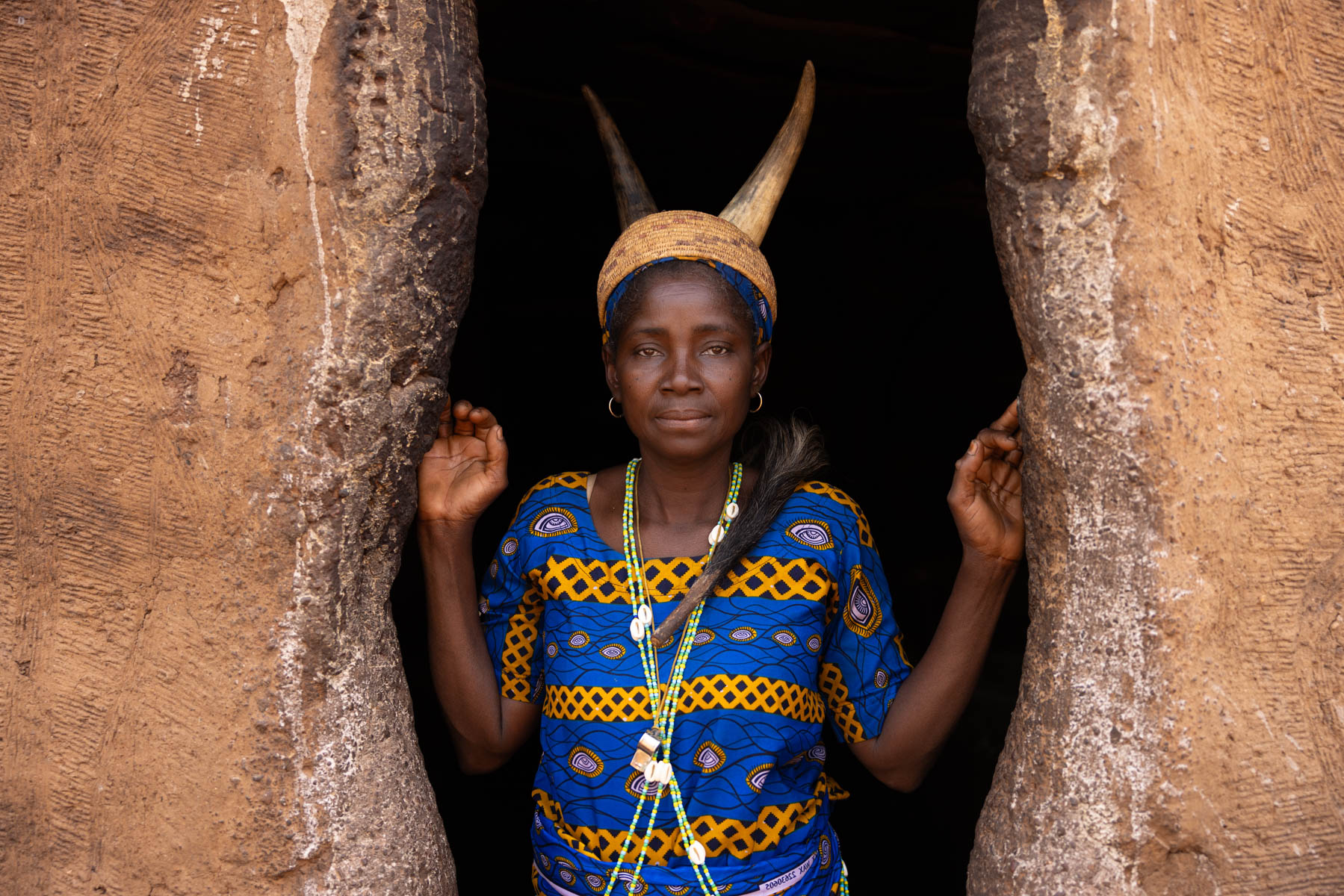
Otamari woman standing in the doorway of a tata (image by Ingrid Koedood)
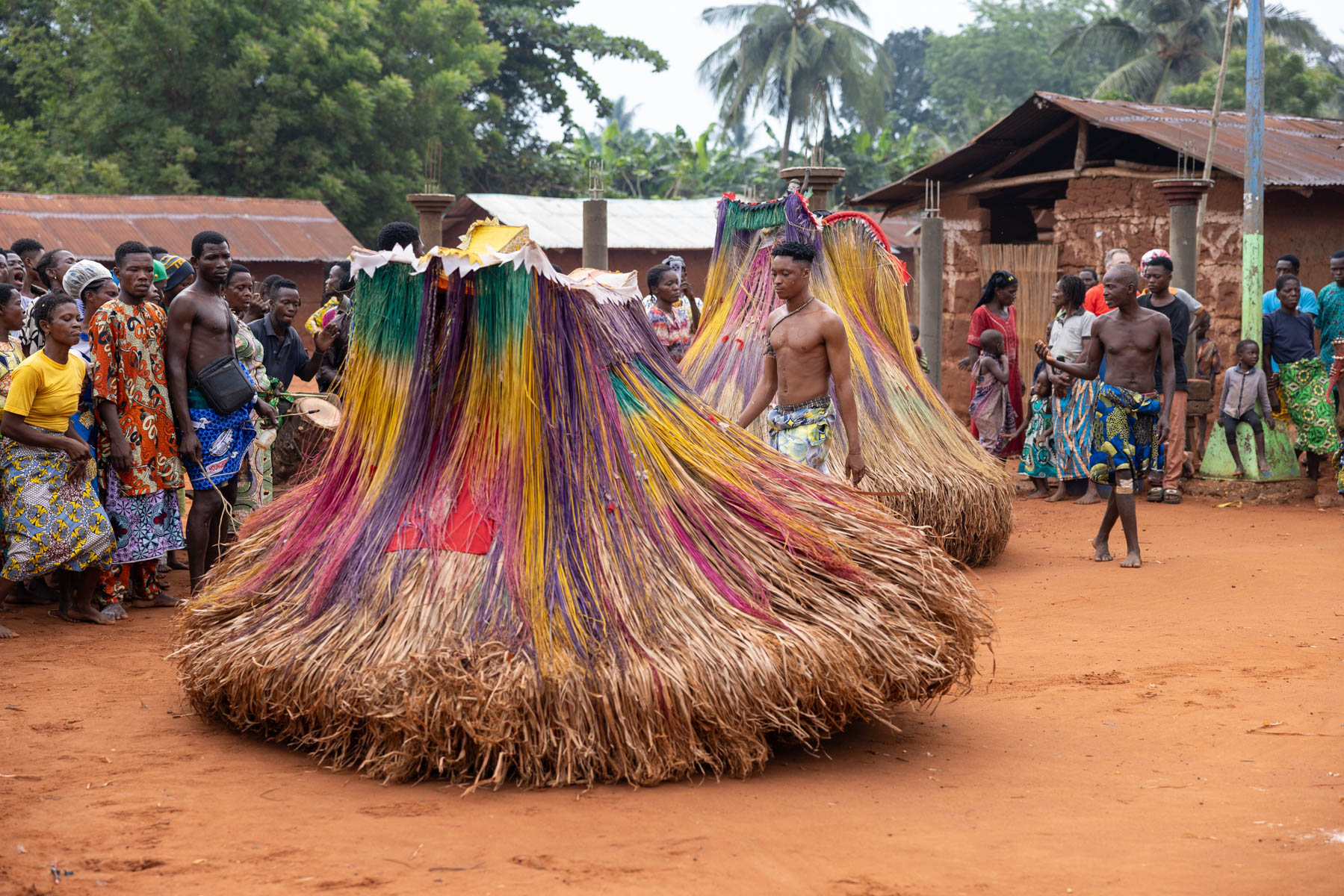
Zangbeto: the night guardians. The spirit figure spins in circles, guided and protected by a guard as it moves through the crowd (image by Ingrid Koedood)
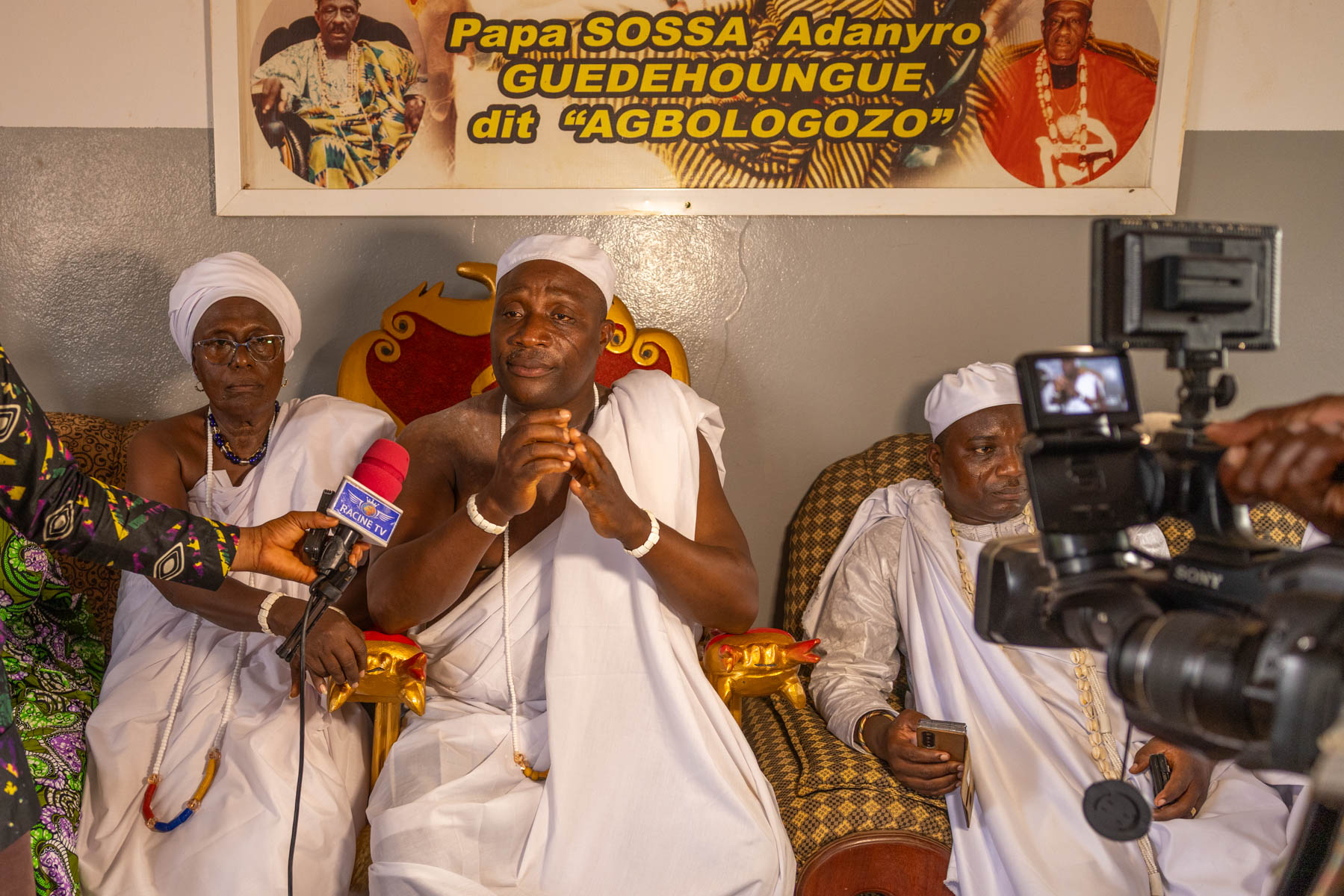
King Agassa, the vodun leader gives an interview for national television (image by Ingrid Koedood)
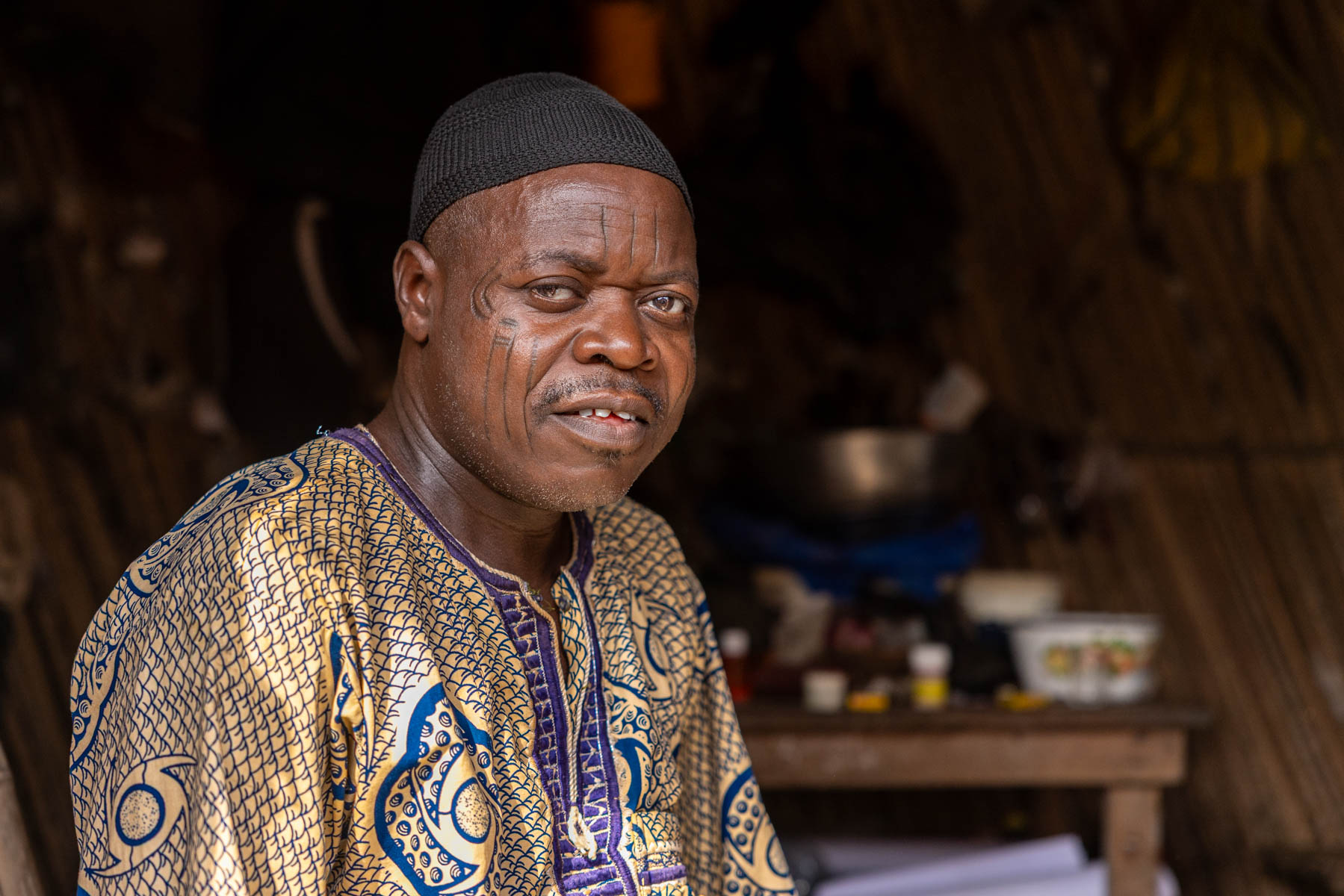
Portrait of a Holi man in front of his house with traditional scarification in his face (image by Ingrid Koedood)
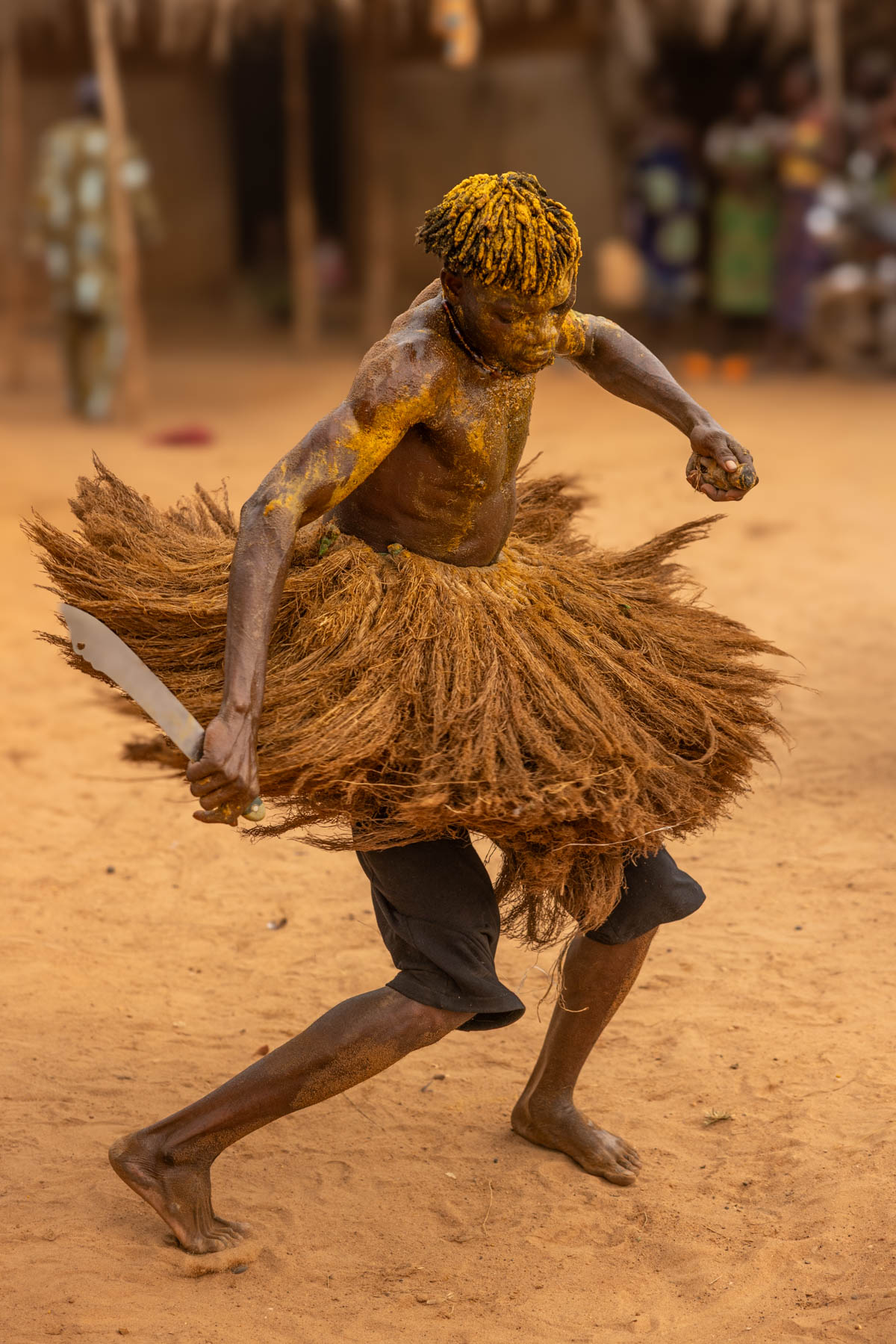
The Kokou ceremony: a Vodun ritual honouring a powerful spirit associated with protection and strength (image by Ingrid Koedood)
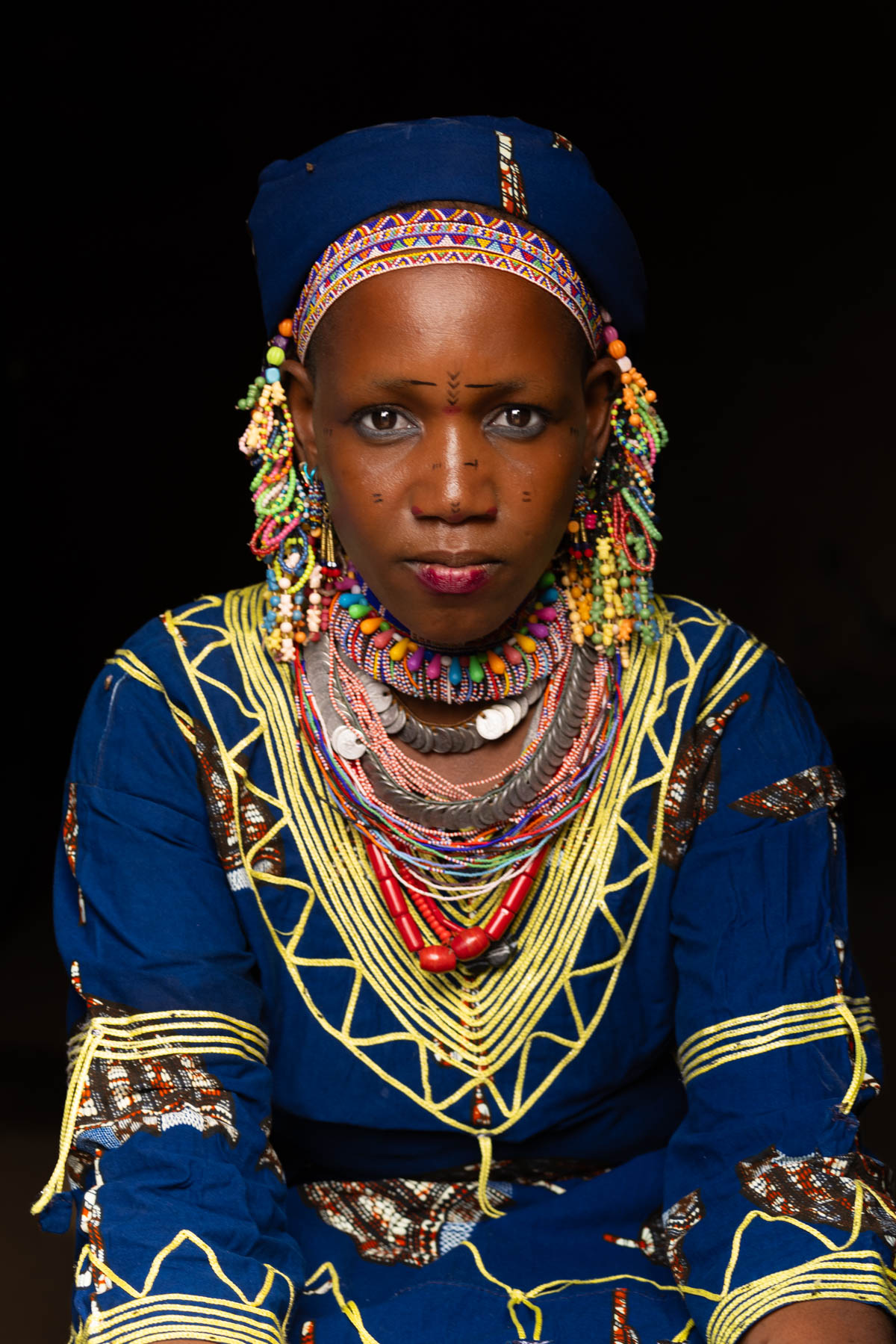
Portrait of young Fulani woman (image by Ingrid Koedood)
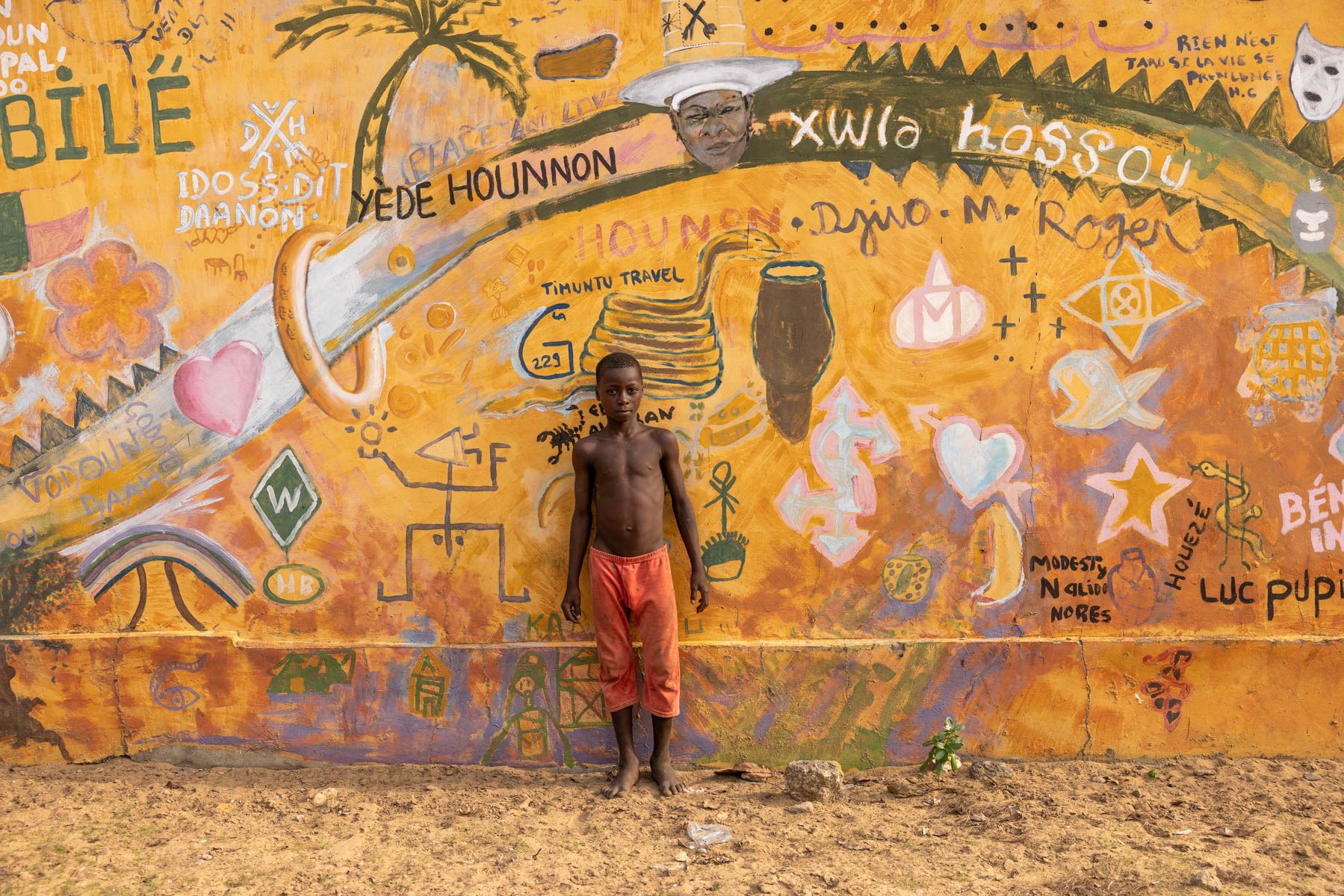
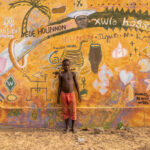
A young boy standing in front of a street art wall in a remote village in Benin (image by Ingrid Koedood)
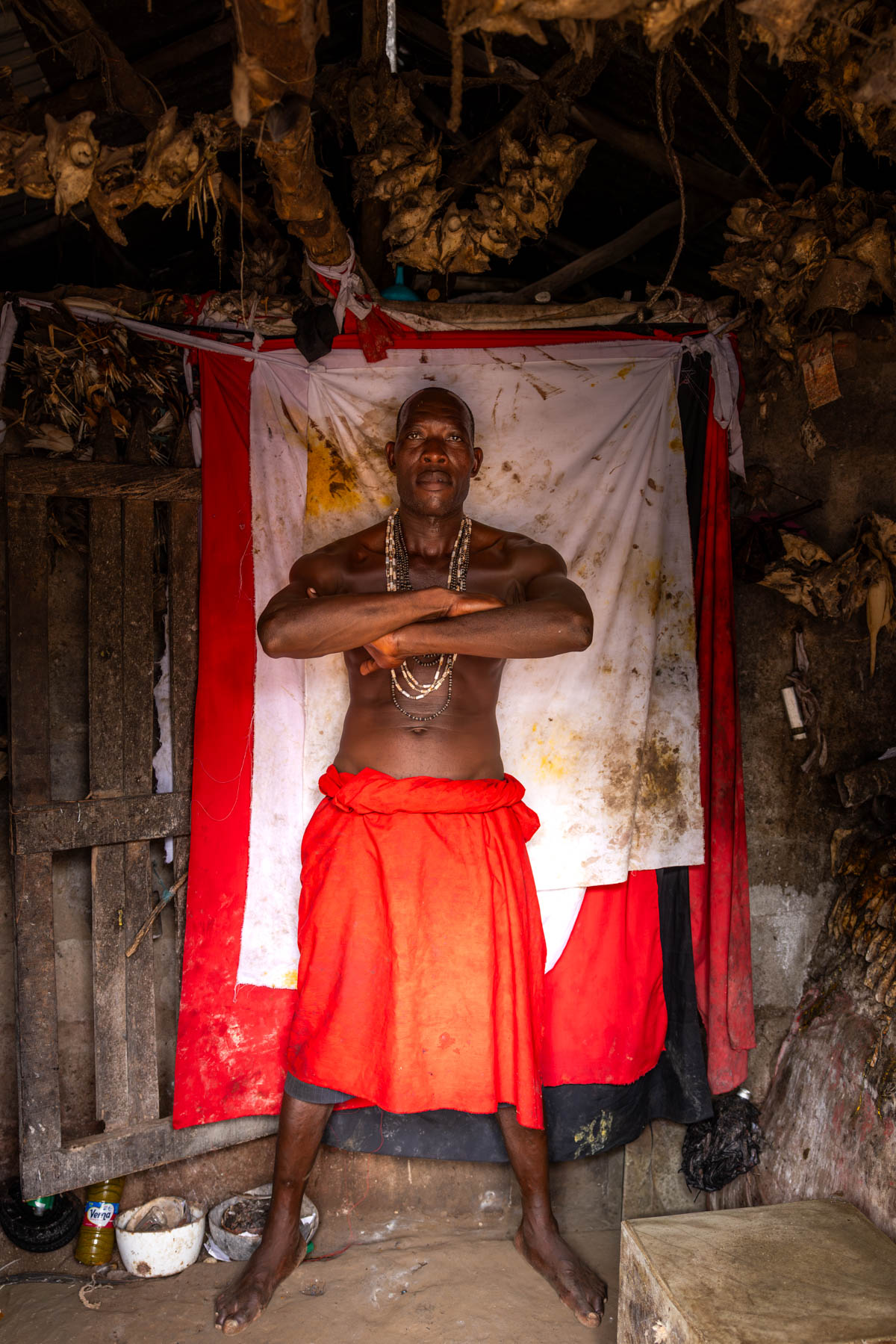
Inside the Shango shrine, where rituals and offerings take place (image by Ingrid Koedood)








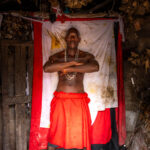


Portrait of a young girl of the Holi tribe (image by Ingrid Koedood)
A young woman breastfeeds her child during the Gambada ceremony (image by Ingrid Koedood)
A young Otamari girl with a baby on her back. Even the youngest carry big responsibilities (image by Ingrid Koedood)
Visiting a Fulani village and meeting these colourful people is a true highlight of our journey through Benin (image by Ingrid Koedood)
A young Fulani girl dressed in vibrant traditional clothing. Tradition in full colour (image by Ingrid Koedood)
By chance we encountered a Heviosso ceremony. The community was on his way, and we were warmly invited to join (image by Ingrid Koedood)
Early in the morning we attended a masked performance with fire as part of the Guèlèdè ceremony (image by Ingrid Koedood)
During the Gounouko mask ceremony a young man sprinkled water from a pot as ritual blessing, to purify and protect the ceremony (image by Ingrid Koedood)
Dressed as a princess for the celebrations of Vodun days (image by Ingrid Koedood)
Batonu horsemen of Benin, descendants of the former aristocracy of the Kingdom of Nikki (image by Ingrid Koedood)
A Batonu horseman prepares to mount. Each strap and buckle is part of a tradition passed down through generations (image by Ingrid Koedood)
Inside a Sakpata shrine. A hidden sacred space within a rocky cave where prayers for protection and healing are offered (image by Ingrid Koedood)
A glimpse of daily life in Ganvié, where homes stand above the water (image by Ingrid Koedood)
Traditional Holi scarification. Markings on the body as symbols of identity and heritage (image by Ingrid Koedood)
Fulani children are absolutely adorable, dressed in colourful clothes and beautiful ornaments (image by Ingrid Koedood)
Portrait of a beautiful woman (image by Ingrid Koedood)
Portrait of a young Fulani woman carrying calabashes on her head (image by Ingrid Koedood)
A young boy watching the Batonu horses dance, wrapped in his own style, even in the heat (image by Ingrid Koedood)
On our way to the Zangbeto ceremony we got caught in heavy rain. This girl came prepared (image by Ingrid Koedood)
A Guèlèdè performer. Guèlèdè is a Yoruba masked ceremony honouring the power of women and bringing harmony to the community (image by Ingrid Koedood)
Ganvié, the Venice of Africa – a floating village where love has its own place (image by Ingrid Koedood)
A glimpse into the workshop home of a Guèlèdè mask maker, surrounded by sacred art and everyday life (image by Ingrid Koedood)
After meeting this man at Vodun Days, we were warmly welcome in his village for the Gounouko ceremony (image by Ingrid Koedood)
Portrait of a woman watching the Zangbeto ceremony (image by Ingrid Koedood)
Sakpata ceremony, honouring the Vodun deity of the earth, illness and healing. The intense, athletic dance left us in awe (image by Ingrid Koedood)
Still life of the Batonu horsemen’s gear (image by Ingrid Koedood)
At the palace of King Agonglo in Abomey, we met talented weavers at work, creating the most beautiful cloths, thread by thread (image by Ingrid Koedood)
One of the female Sakpata devotees (image by Ingrid Koedood)
The beauty of worn walls and bright cloth: a palette of earth, sky and sun (image by Ingrid Koedood)
Otamari elders sharing a quiet moment. She still wears a traditional stone labret (lip plug) (image by Ingrid Koedood)
Portrait of a woman during a Heviosso ceremony (image by Ingrid Koedood)
In the small fishing village of Agonvé, a fisherman patiently repair his nets, preparing for the next catch (image by Ingrid Koedood)
A Taneka woman with facial scarification marks (image by Ingrid Koedood)
Red cloth, sacred objects, and focused hands: the Shango priests prepare for Shango’s arrival (image by Ingrid Koedood)
Heviosso Shamans. Heviosso is a powerful Vodun deity associated with thunder, lightning and fire. He is believed to protect the community, punish wrongdoing, and bring justice. They are seated in front of the alter where they expose the bodies and belongings of the bad people killed by the Heviosso (image by Ingrid Koedood)
Portrait of a Borgu Fulani woman with traditional facial tattoos (image by Ingrid Koedood)
On our way north through Benin, cashew plantations lined the road (image by Ingrid Koedood)
During the Zangbeto ceremony we were welcomed with drums and dance. The drummers play for hours, an act of pure endurance (image by Ingrid Koedood)
Dressed in white, adorned with colorful beads and bracelets (image by Ingrid Koedood)
During the annual Vodun Days in Benin, people gather outside the palace of King Agassa, waiting for the ceremonies to begin (image by Ingrid Koedood)
Shango priest. Shango is the Yoruba deity of thunder, lightning and justice (image by Ingrid Koedood)
Before the Gambada ceremony began, we had so much fun with the local children. They loved posing for us (image by Ingrid Koedood)
An Otamari man with fine traditional facial scarification (image by Ingrid Koedood)
Gambada devotee in trance and covered in kaolin, as a sign of purity drawing closer to the spirit world (image by Ingrid Koedood)
Egungun ceremony, spinning in circles as the costume becomes a living swirl of color (image by Ingrid Koedood)
A proud profile portrait of a Batammariba young man after the initiation ceremony (Togo) (image by Ingrid Koedood)
An elderly priest inside the Zangbeto shrine (image by Ingrid Koedood)
Close up: hand-embroided fabric of an Egungun costume, rich in symbols and color (image by Ingrid Koedood)
Portrait of a young Kokou devotee (image by Ingrid Koedood)
A Guèlèdè performer poses with a young boy. Shy at first, but proud to be part of the moment (image by Ingrid Koedood)
Batammariba woman in ceremonial headwear – cowries and antelope horns (image by Ingrid Koedood)
Portrait made after a twin ceremony. Twin dolls are carried and cared for as representations of twins who have died. Benin is known for its high number of twin births compared to the Western world (image by Ingrid Koedood)
In the narrow alleyways of Agonvé, we met these two curious little souls (image by Ingrid Koedood)
The textured wall of a tata. A UNESCO recognized earthen home, echoing the same lines of identity worn in the face by the Otamari people (image by Ingrid Koedood)
Street art in Cotonou, a colourful tribute to the culture and identity of Benin (image by Ingrid Koedood)
Vodun Days in Bening: gathering at the palace of King Agassa. The leader of Vodun (image by Ingrid Koedood)
Portrait of beautiful woman of the Holi tribe with traditional scarification on her face (image by Ingrid Koedood)
Zangbeto: the night guardians. In a powerful moment of the ceremony, they showed the costume was empty, the costume appears to move on its own (image by Ingrid Koedood)
Daily life early in the morning in Ganvié, the Venice of Africa (image by Ingrid Koedood)
Portrait of a vodun devotee. The white kaolin symbolizes purity, protection and connection to the spirit world (image by Ingrid Koedood)
At the Chameleon Temple in Abomey, a young boy proudly posed for us (image by Ingrid Koedood)
A whirlwind of raffia and colour during the Guèlèdè masquerade (image by Ingrid Koedood)
A beautiful Heviosso priestess in remote Benin. The twin dolls (often called ibejis) are carried to honour deceased twins, keeping their memory and spiritual presence alive (image by Ingrid Koedood)
Batammariba men from Togo dancing with joy during an initiation ceremony (image by Ingrid Koedood)
A gentle portrait of a Batammariba woman from Togo in ceremonial headwear: a cowrie-adorned hat with antelope horns (image by Ingrid Koedood)
As an unexpected surprise we were welcomed in a remote village to visit a Gounouko mask ceremony. The Gounouko is seen as a living symbol of the four elements (air, fire, water and earth) carrying the fundamental forces of the universe (image by Ingrid Koedood)
Portrait of a woman carrying twin dolls, also called Ibeji (image by Ingrid Koedood)
A powerful initiation dance among the Batammariba (also called Tammari or Somba) of Togo (image by Ingrid Koedood)
After the Sakpata ceremony we were lucky to take some portraits (image by Ingrid Koedood)
During the Zangbeto ceremony, a performer spits fire, turning ritual into spectacle (image by Ingrid Koedood)
The ‘naughty dog’ closes the Guèlèdè ceremony, playfully scares the children as the crowd cheers (image by Ingrid Koedood)
Portrait of a beautiful young woman (image by Ingrid Koedood)
Batammariba women from Togo after a ceremony in front of a tata, wearing traditional hats decorated with cowrie shells and antelope horns (image by Ingrid Koedood)
Proud pose after the initiation ceremony – a young Batammariba boy from Togo (image by Ingrid Koedood)
Every day life in the village, a quiet moment before we later witnessed the Gambada ceremony (image by Ingrid Koedood)
Zangbeto celebration: generations dancing side by side (image by Ingrid Koedood)
The beautiful traditional tata houses in northern Benin (image by Ingrid Koedood)
The Heviosso boys were eager to pose, their joy was contagious (image by Ingrid Koedood)
Shopping for African wax prints. The choice was overwhelming (image by Ingrid Koedood)
A Gambada devotee still in trance. Gambada is a traditional ceremony celebrating love and connection expressed through music, dance and rhythm (image by Ingrid Koedood)
Drum rhythms and dance during the Heviosso fire ceremony (image by Ingrid Koedood)
A young woman during Vodun Day, wearing a winter beanie despite the warm Beninese sun (image by Ingrid Koedood)
King Agassa, a respected Vodun leader. We met him during our visit, and he generously shared insights while we asked questions about the Vodun tradition (image by Ingrid Koedood)
A Heviosso devotee running with a flaming headpiece during the fire ceremony (image by Ingrid Koedood)
We stopped on the road as a large herd of cattle crossed our path (image by Ingrid Koedood)
Among the Holi tribe in Benin, traditional scarification appears not only on the face but also on the body, including the stomach. These are marks of identity and heritage (image by Ingrid Koedood)
We accidentally arrived at a Heviosso ceremony, which was combined with election education. Pictograms made voting accessible for everyone (image by Ingrid Koedood)
Behind the mask of a Egungun dancer, a presence move and the ancestor returns (image by Ingrid Koedood)
After the ride the Batonu horsemen reward the horses with love and care (image by Ingrid Koedood)
Egungun dancers. During the Egungun ceremony, masked performers embody ancestral spirits, bringing blessings, protection and guidance to the community (image by Ingrid Koedood)
Childhood creativity: a boy playing with a bicycle tyre (image by Ingrid Koedood)
In Abomey, we explored a local gallery showcasing traditional sculptures (image by Ingrid Koedood)
An Otamari woman with her calabash: a simple object, a powerful sound (image by Ingrid Koedood)
Heviosso fire ceremony: a devotee walks in circle carrying flaming pots on his head. Truly spectacular! (image by Ingrid Koedood)
The fruit of Baobab tree (image by Ingrid Koedood)
Between the rituals and the drums of a Zangbeto ceremony, the children asked to be photographed (image by Ingrid Koedood)
During the Gounouko mask ceremony a guardian keeps watch over the sacred masks (image by Ingrid Koedood)
A young boy caring for the horse. Perhaps a future Batonu horseman, carrying tradition into the next generation (image by Ingrid Koedood)
At the Chameleon Temple in Abomey, a place where Vodun beliefs, symbolism and history come alive (image by Ingrid Koedood)
Egungun dancer covered in an elaborate costume of heavy fabrics and embroidery. The dancer becomes the visible form of an ancestor spirit (image by Ingrid Koedood)
Friendly encounters during the celebrations of Vodun Day (image by Ingrid Koedood)
A Taneka priest. The Taneka people live in the foothills of the Atakora mountains (image by Ingrid Koedood)
Traditional Otamari dance in front of a tata (image by Ingrid Koedood)
Every mother knows this balance: work in one hand, motherhood in the other (image by Ingrid Koedood)
A Kokou devotee still in trance (image by Ingrid Koedood)
Otamari woman standing in the doorway of a tata (image by Ingrid Koedood)
Zangbeto: the night guardians. The spirit figure spins in circles, guided and protected by a guard as it moves through the crowd (image by Ingrid Koedood)
King Agassa, the vodun leader gives an interview for national television (image by Ingrid Koedood)
Portrait of a Holi man in front of his house with traditional scarification in his face (image by Ingrid Koedood)
The Kokou ceremony: a Vodun ritual honouring a powerful spirit associated with protection and strength (image by Ingrid Koedood)
Portrait of young Fulani woman (image by Ingrid Koedood)
A young boy standing in front of a street art wall in a remote village in Benin (image by Ingrid Koedood)
Inside the Shango shrine, where rituals and offerings take place (image by Ingrid Koedood)


Benin is, for many people, still a complete unknown. And whenever I mention the name, I often get the same question: “Benin… do you mean Beijing?” No!
Benin is a small West African country with a big character. It lies between Togo to the west and Nigeria to the east, with Burkina Faso and Niger to the north. And even though it rarely makes the headlines, it is actually far from tiny: Benin is about three times the size of my home country, the Netherlands.
What makes it even more surprising is the population. With its vast landscapes and endless roads, you might expect a much larger country — yet Benin is home to around 13 million people, compared to more than 17 million in the Netherlands. Space is not the issue here, but adventure certainly isn’t either.
But Benin is not only about geography and space. It also holds a fascinating title: it is widely seen as the birthplace of Vodun — better known in the West as Voodoo. For many outsiders, the word immediately triggers images of mystery, fear, or Hollywood clichés. But here, Vodun is not something hidden or “dark”. It is a living spiritual tradition, deeply woven into everyday life, connecting people to their ancestors, to nature, and to the invisible world around them.
And that is exactly why this WildImages phototour is carefully scheduled every year around Vodun Day, celebrated on January 10th. It is one of Benin’s most important cultural moments — a powerful celebration of identity and tradition, filled with ceremonies, music, drums, dancing, symbolism and colour everywhere. For us as photographers, it is not only an incredible visual experience… but also a deeply meaningful one. Over the next two weeks, we would fully immerse ourselves in Benin’s culture — from vibrant ceremonies and rhythmic drumming to everyday life in villages and unforgettable encounters along the road.
Because of the winter weather back in Europe, getting to Benin turned out to be an adventure in itself. Especially for the travellers coming from England, flights were cancelled and delayed and connections became complicated.
As a result, we were not quite complete during our first evening’s welcome dinner on the beach in Cotonou. One of our group members was still on the way, somewhere between airports and rerouted flights. But luckily, by the next day, everyone had arrived safely — and finally, as a complete group, we were ready to begin our journey through Benin.
Shango ceremony – an unforgettable first impression
And then, suddenly, our first day began — not slowly, not gently, but with full intensity. We started the tour with an impressive Shango ceremony, a powerful spiritual experience that immediately set the tone for the journey ahead.
In the Vodun tradition, Shango is known as the Yoruba god of thunder, lightning and justice — a powerful spirit who is not only feared and respected, but also believed to reveal truth and deliver judgment. In that sense, the ceremony is sometimes described as a form of traditional “spiritual court”, where Shango’s presence is called upon to guide decisions and bring clarity.
From the moment we arrived, it was clear we were stepping into something deeply sacred. We were welcomed with warmth, but also carefully guided through a few important rituals of respect. Shoes off. And before entering the courtyard, we were asked to dip our hands into a small bowl of water, a simple but meaningful gesture of cleansing.
The ceremony itself took place in a small courtyard, alive with rhythmic drumming, chanting and dancing. Several Shango priests were preparing, dressed in striking red clothing, a colour that plays an important role in Vodun, often associated with power, energy and spiritual strength.
At the heart of the ritual stood the Shango priest, and as part of the ceremony, a chicken was offered, and his blood was dripped onto the pyre and the area around. It was an intense moment — not staged, not theatrical — but part of a living tradition that is still deeply woven into community life.
After the main ceremony, we were invited behind the scenes into another small courtyard where the ritual continued. At the centre were skulls carefully arranged for a dramatic moment, used to reach a verdict. Suddenly, gunpowder sprinkled on top of the skulls was ignited, and an explosion rang out. It all happened so fast that most of us barely had time to react — let alone capture it properly. Seeing our surprised faces, the priests kindly agreed to repeat the moment once more, giving us a second chance to witness (and photograph) the dramatic verdict.
Afterwards, we were given time to walk around quietly, absorb what we had seen, and photograph. We captured portraits of the priests, and we were even allowed into the shrine to make images — a rare opportunity, especially in such an intimate and sacred place.
And then it was time to leave. Day one had only just begun, yet it had already taken us straight into the powerful spiritual world of Benin. Afterwards, several group members told me how deeply it had affected them. It wasn’t only the energy of the ceremony itself — the rhythm, the movements, the atmosphere — but also the fact that nobody really knew what to expect. They had arrived in Benin with open minds and curious hearts… and within hours, they were already standing right in the middle of something raw, real and unforgettable.
Meeting King Agassa
The morning was still young when we travelled on to the home village of King Agassa — Benin’s respected spiritual leader within the Vodun tradition. In many ways, he holds a role that is difficult to compare with anything in Europe: part king, part guardian of tradition, and part spiritual authority. People come to him for guidance, protection, and to keep rituals and knowledge alive from generation to generation.
When we arrived at his residence, we had to wait for a little while, sitting in the shade of a large tree in front of the entrance. It was one of those calm moments that you only experience on a journey: time slowing down, listening to the sounds around us, and feeling the anticipation build.
Then King Agassa appeared and welcomed us warmly. We were invited to meet him and were given the opportunity to ask questions. One of the most interesting things we learned was about succession: in his family line, it is the second son who becomes the next king.
After taking a few portraits, we thanked him and said goodbye, but not for long. Because this was only the beginning: over the coming days, we would cross paths with King Agassa several more times.
Egungun Ceremony – Spirits of the Ancestors
After lunch in a lovely lakeside restaurant with a wooden pier stretching out over the water, we continued on to our hotel to check in. There was just enough time to settle into our rooms, freshen up, and prepare our cameras for what would be the next highlight of the day: our second ceremony, Egungun.
Egungun belongs to the Yoruba tradition and is often described as the celebration of ancestral spirits. During an Egungun ceremony, masked dancers are not seen as ordinary people in costumes — they are believed to embody the presence of the ancestors, bringing protection, blessings and spiritual connection to the community.
In the afternoon, we set off to a remote village where the ceremony would take place. When we arrived, we had to wait a little while, which turned out to be a lovely moment on its own. Curious children slowly gathered around us, smiling, laughing, and studying our cameras with great fascination.
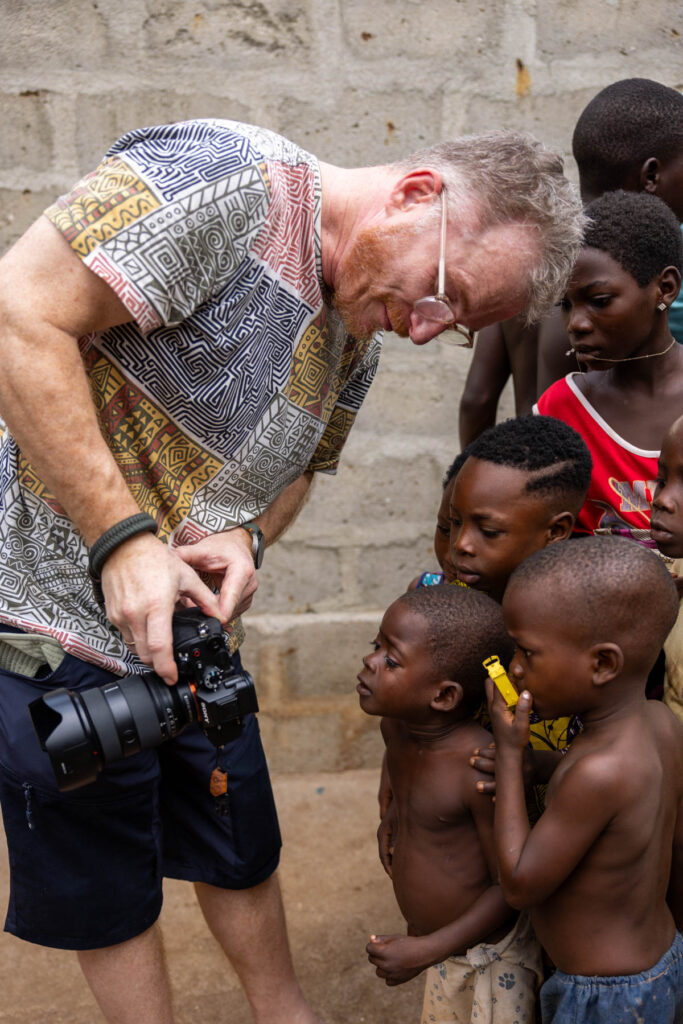
Moments like this are why we travel. Guenter sharing stories through his lens (image by Ingrid Koedood)
From the edge of the village — from the forest — the Egungun appeared. The costumes were stunning: bright colours, richly embroidered fabrics, layers of cloth moving like waves, creating a presence that was both powerful and mysterious.
Soon, the ceremony moved into the village itself, accompanied by drums and rhythm. One Egungun dancer began to twirl at full speed, turning his costume into a storm of colour and fabric.
After the main ceremony, we were kindly given the opportunity to take more photographs — close-up details of the costumes, portraits, and the beautiful expressions of the people who had welcomed us so warmly.
Zangbeto: Do You Believe… or Not?
The next morning we left early from our hotel. Breakfast was planned at a small roadside restaurant — the place needed a few minutes to properly “wake up”. But in no time we had a strong cup of coffee in our hands and enjoyed a fresh baguette with omelette. Simple, warm, and exactly what we needed before another unforgettable cultural highlight.
As we left the restaurant, we suddenly drove straight into a heavy rain shower. For a moment, it felt as if the weather had decided to add its own dramatic touch to the day. But luckily, by the time we arrived at the village, the rain had stopped. Only a few drops returned later during the ceremony. The rain had turned the ochre-coloured earth into a deeper, richer shade, making the scene even more beautiful for photography.
Because this morning, Zangbeto was on the programme.
When we arrived, the welcome was immediate and loud: drums, singing, dancing — and right at the beginning a fire spitter, sending a burst of flames into the air and raising cheers from the crowd. It felt like the entire village had gathered. Young and old, everyone was present, and the atmosphere was full of excitement.
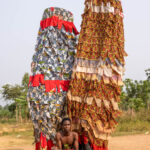
Zangbeto are often described as the “Guardians of the Night” — powerful spiritual protectors in the Vodun tradition. And visually, nothing prepares you for what they look like in real life. The Zangbeto appear as large cone-shaped figures, almost like moving towers, completely covered in long raffia and palm fibres that sweep the ground. Some are in natural straw colours, while others are spectacularly dyed in yellow, purple, green and red — turning the village square into a whirl of colour.
What makes them even more fascinating is the way they move. The Zangbeto don’t walk like ordinary dancers. They can move surprisingly fast, then suddenly stop, sway, or begin to spin and twirl, causing the raffia fibres to fly outward like a spinning storm.
And here comes the mystery.
The guards will tell you that there is no human inside. Only spirits. The Zangbeto are not performers — they are believed to be spirits made visible, moving among the people to protect the village and keep order at night. That’s exactly why the title of this chapter is Do you believe… or not? Because as an outsider, you cannot help but wonder: Is it really possible that nobody is underneath?
One important rule is made very clear: Zangbeto must not be touched. Each one is accompanied by a guard or handler, keeping a respectful distance between the spirit and the crowd.
And then the spectacle truly began.
At one point, one of the Zangbeto revealed two smaller “baby Zangbeto”, emerging from within — a moment that had everyone laughing, cheering and completely amazed. Even more impressive: several times, the Zangbeto were rotated and lifted in such a way that it seemed to prove the point once again: no one was hiding underneath.
It was an extraordinary experience — not just because of the mystery and movement, but also because of the warm hospitality and the sheer joy of the whole village. For many members of our group, this became the favourite ceremony of the entire tour.
A spontaneous encounter with Heviosso
After the Zangbeto ceremony, the plan was to continue on to Ouidah. But with the Vodun Festival taking place, the town was simply far too crowded to visit comfortably. So instead, we stayed on the road and somewhere along the way, we met a Heviosso man. Heviosso is the Vodun spirit of thunder and lightning. Within minutes, what started as a simple encounter turned into a warm invitation. Before we knew it, we were being welcomed to attend a ceremony.
The gathering was vibrant and full of life. There were mainly women present, beautifully dressed in ceremonial clothing, dancing and singing while the rhythm of the drums filled the space. It felt authentic and spontaneous.
What made it even more fascinating was that this ceremony was linked to the coming weekend’s elections. Alongside the traditional ritual, there was someone of a political party sharing information about the election and encouraging people to vote. We saw a voting form listing the different parties — each accompanied by a pictogram, making it accessible for everyone and helping people recognise their chosen party when voting.
It was one of those accidental encounters and a perfect example of how in Benin, tradition, community and modern life can blend together in the most surprising ways.
Vodun days – the beating heart of Benin
After lunch at the lakeside restaurant, we returned once more to the residence of King Agassa, and this time the atmosphere was completely different. What had been calm and quiet during our first visit had now transformed into a scene of pure energy.
The place was packed. People had travelled from near and far, and the courtyard was filled with movement, sound and anticipation. There was music everywhere. Drums echoed through the air. And to our absolute delight, we witnessed more spectacular traditions unfolding in front of us: Zangbeto, and also the impressive Masque Gounouko.
We enjoyed every second of it and once again we crossed paths with King Agassa. After he had finished an interview with national television, some of us took the opportunity to greet him again. It felt special to be welcomed back so naturally, as if we were becoming part of the rhythm of the days leading up to the festival.
The next morning was once again fully dedicated to Vodun Day celebrations. King Agassa visited multiple villages, and jokingly, we followed him like loyal groupies. Everywhere we went, he was welcomed with drums, music and dancing. Each village had its own atmosphere, its own colours and its own excitement.
Eventually, we made our way to the main festival grounds. The area wasn’t constantly crowded. Instead, groups of people would arrive in waves, entering the central part and completing their round. This gave us time to observe, to photograph, and to capture details without feeling overwhelmed. At one point, King Agassa arrived as well and took his place on the grandstand. There were visitors from different countries like Haiti and Nigeria, reminding us that Vodun traditions reach far beyond Benin’s borders. For us, as photographers, we experienced a living tradition, and people were inviting us to take their pictures.
Ganvié – The Venice of Africa
In the afternoon, we drove towards Ganvié, often called the Venice of Africa. Built entirely on Lake Nokoué, it is a remarkable stilt village where life happens on the water: homes on wooden poles, narrow waterways instead of streets, and boats replacing cars.
Ganvié is not only visually unique, but it is also historically significant. The village dates back to the time of slave raids, when the Tofinu people sought refuge on the lake to avoid being captured and sold into slavery. The water offered protection, and according to local belief and history, slave raiders were often unwilling to pursue people onto the lake, partly due to spiritual taboos connected to water.
Today, around 20,000 people live here, making it one of the largest stilt villages in Africa. The site has been on the UNESCO World Heritage Tentative List since October 31, 1996, a recognition of its cultural importance.
From the mainland, we took a boat across the lake to the auberge where we would spend the night. After arriving, we checked into our basic rooms. Simple, but perfectly placed for what we came for: the atmosphere of Ganvié.
Not long after, we grabbed a canoe and explored the quieter backwaters. The light slowly softened, and in the calm channels behind the main village, we could observe the everyday rhythm of life on the lake. Around sunset, we returned to the auberge.
Photographing people here can be challenging. The local population is not always comfortable being photographed, so we worked slowly and respectfully, waiting for the right moments and letting things happen naturally.
The next morning, we got up before sunrise. From the restaurant area, we had a wonderful view over the lake, and the early light revealed Ganvié at its most authentic. The auberge is located near a water station, and even at dawn, it was already busy. Boats lined up one after another, waiting while jerrycans were filled with clean water.
After breakfast, we took the boat back towards the mainland. And on the way, we were treated to a surprise: a boat filled with young boys and music. They approached us with huge smiles, moved towards an open space on the water, and began to play, dance and splash around. This allowed us to make photographs of this joyful scene.
Porto Novo
We drove on to Porto-Novo, the official capital of Benin, even though the government and most administrative activity are based in Cotonou, the country’s economic centre.
In Porto-Novo, we took some time to walk around and visit one of the most striking landmarks of the city: the Great Mosque. What makes it so unique is its architecture. Unlike many mosques in North or East Africa, this one is built in a distinctive Afro-Brazilian style, with a façade that almost feels like a church at first glance.
This architectural influence is closely connected to Benin’s history. In the 19th century, a number of formerly enslaved people returned from Brazil to West Africa, bringing with them building techniques and cultural influences that became part of the coastal cities, especially Porto-Novo.
We didn’t stay too long in town, as part of the group was not feeling very well that day. So after a short visit and a few photographs, we continued our journey.
Holi Villages – Marks of Identity
In the afternoon, we visited two Holi villages, where we had the chance to meet the Holi people. They live close to the Nigerian border in the south of Benin and are also known as the Ilje or Ohori. The Holi are considered part of the wider Yoruba culture, with strong traditions that are still very visible in daily life.
The Holi are especially known for their traditional body scarification rituals. These markings are not random. Each pattern — carved carefully into the skin — is connected to family identity. In fact, people can often tell where someone comes from simply by looking at the scars on their face.
Scarification is also common among women, particularly on the stomach. These marks are traditionally seen as a sign of beauty, and there is also a belief that the more scarifications a woman has, the more children she may give birth to.
In the first village, we photographed several women and created portraits showing both their faces and their stomach scarifications. It was an impressive experience.
In the second village, we met a man with strong facial scarifications. He proudly showed us photographs he had received during earlier visits from Inger, and it was clear that these encounters had stayed with him. In front of his house, we made new portraits of him, a beautiful moment of connection and continuity, where photography becomes something lasting.
A fiery start with Gèlèdè
After our visit to the Holi villages, we drove further north towards Cové.
The next day began in the most spectacular way, with a Gèlèdè ceremony featuring fire. To make sure we still had a bit of darkness, we went out before breakfast, when the morning light was only just beginning to appear.
Two performers dressed in elaborate costumes and beautifully crafted masks welcomed us with an unforgettable show. They were true fire spitters, performing with flames and fire balancing on their heads. The music came from the rhythmic sound of metal ankle bells, strapped around their ankles, creating a sharp and hypnotic beat with every step. What an exciting start of the day!
After the performance, and even while the fire was still burning, the dancers kindly allowed us — one by one — to take a photograph with them. It was a real fun moment.
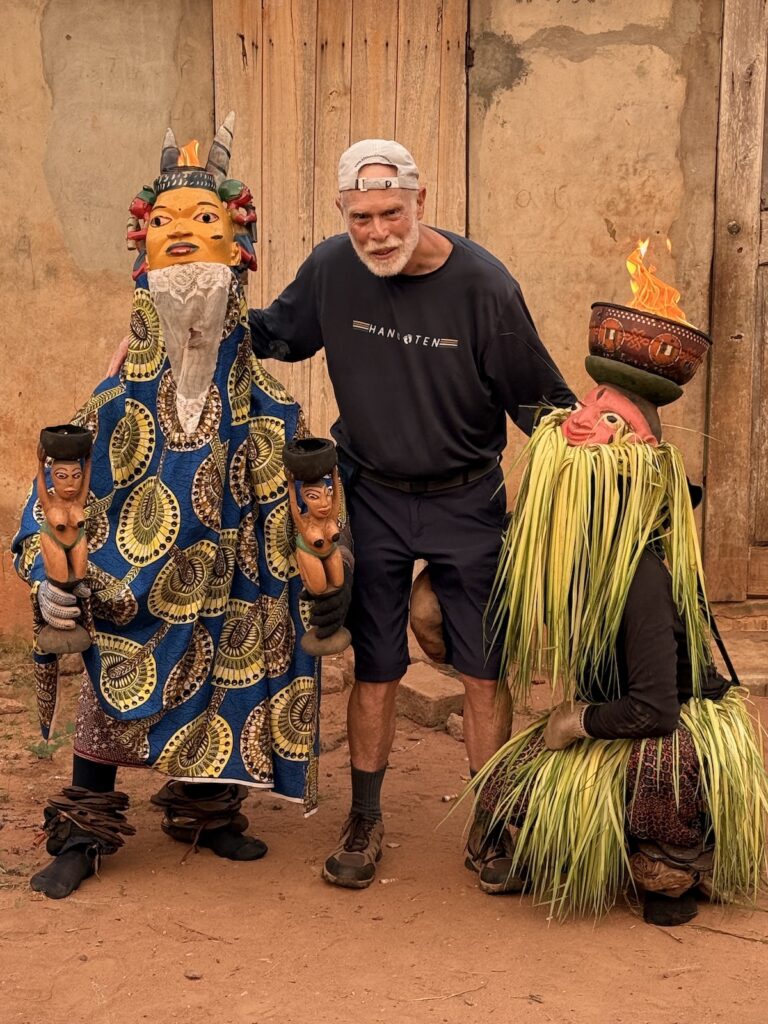
Stu posing met Guèlèdè. Mask, tradition and fire. Benin is pure magic (image by Ingrid Koedood)
Agonvè – A small fishing village
After breakfast, we continued towards Agonvè, a small fishing village that can only be reached by a short boat ride.
As soon as we arrived on land, we saw the signs of daily life by the water: fishing nets everywhere, spread out to dry, and several men busy repairing and preparing them for the next trip onto the lake.
We walked through the village along its narrow sandy lanes, passing simple houses and smiling children. Agonvè is a charming little place — quiet, welcoming and full of small photographic moments. The people were friendly and curious, and it felt good to simply slow down and observe village life for a while.
Gèlèdè – Masks, humour and the power of women
The afternoon was dedicated to one of Benin’s most fascinating cultural traditions: the Gèlèdè ceremony. Gèlèdè is a Yoruba mask tradition that celebrates — and honours — the power of women, especially the respected role of mothers and elder women within the community. But what makes Gèlèdè truly special is the way this deep respect is combined with humour, sarcasm and social commentary.
The masks are often creative and surprising. Some are beautifully elegant, while others look strange or exaggerated on purpose — not to offend, but to make people think and laugh. Certain masks are designed to be playful and satirical, sometimes showing scenes from daily life or behaviour within the village. We even saw masks featuring objects such as a cooking pot balanced on top, a humorous reminder of ordinary life and social roles — and a clever way to deliver commentary without words.
Before the ceremony began, we first visited the workshop of Victor, a talented mask maker. Seeing the masks up close — and realising how much craftsmanship goes into them — gave us a deeper appreciation of what we were about to witness. Victor’s masks were also for sale, and it was clear that for him, this was not only art but also heritage.
Afterwards, we walked back to the ceremony location, under a large mango tree. A comfortable sofa with cushions had been prepared for us, which felt like a warm welcome and made it easy to settle in and observe everything happening around us.
Even before the main ceremony started, we had a wonderful photographic moment with an elderly Mahé woman, dressed in her most beautiful outfit. She proudly invited us to take portraits — and even welcomed us to have a look at her home nearby. Later, she joined us, smiling, chatting, and occasionally dancing along when the music picked up.
When the ceremony began, the atmosphere slowly came to life. We watched dancers in colourful costumes wearing a variety of masks — creative, playful and sometimes deliberately “strange”. The rhythm came from drums and the sound of rattle-like ankle ornaments, adding a sharp, metallic beat to every movement of the Gèlèdè dancers.
And then, as the afternoon progressed, the energy shifted: the children came out of school, and suddenly everything became even more lively. Laughter, curiosity, small crowds forming and moving around — the village felt completely awake.
At one point, we had the chance to take photographs together with a Gèlèdè dancer, accompanied by a young boy. At first, the boy looked nervous and a little unsure, but within minutes, he relaxed, and soon he was smiling and dancing happily alongside the masked performer.
The final act was unforgettable: a naughty dog on short stilts, moving through the crowd and teasing people. It was funny and chaotic until, in one dramatic moment, the dog suddenly “attacked” a young boy. He was completely terrified and burst into tears, needing comfort afterwards.
It was an afternoon full of energy and storytelling: tradition, humour, community life, and countless photographic moments, all under the shade of the mango tree.
Dankoli fetish
The next morning, we left our hotel in Cové, ready for a long travel day. Our destination was Naititingou, in the far north of Benin, close to the border with Togo.
We stopped for breakfast in Dassa, where we enjoyed fresh croissants and yoghurt — a small and simple moment of comfort before continuing the drive.
Along the way, we visited one of Benin’s most remarkable spiritual places: Dankoli Fetish. Dankoli is an important sacred site in the Vodun tradition, known as a place where people come to ask for protection, luck, healing and guidance. The area is filled with offerings — clay figures, objects, and ritual items — left behind as part of prayers and promises. It is a powerful site, both visually and emotionally, and it offered us an intense first impression of how deeply spirituality is rooted in everyday life throughout Benin.
Not far from there, we stopped again — this time for something completely different. We found cashew trees and took a closer look at the cashew fruits and nuts. In this region of Benin are a lot of cashew plantations.
Taneka village
Later in the afternoon, we arrived at a Taneka village, located at the foothills of the Atacora Mountains. Here we were invited to meet the local king: Tinigasawa Dorite 4. It was the second time during this trip that we had the honour of speaking with a king. We were warmly welcomed, asked questions and allowed to photograph him.
Afterwards, we walked through the village, observing daily life and taking in the atmosphere of this beautiful region. The children were everywhere, and before we knew i,t we literally didn’t have enough hands. They held onto our hands and walked along with us through the village, as if we had known each other for years.
Otamari and Batammariba People and Tata Houses
Even though the temperature in northern Benin was higher than in Cotonou, the climate felt completely different. The humidity here was only around 21%, compared to about 78% in Cotonou, making it far more comfortable and pleasant to photograph and travel.
We began the day with a visit to one of the most iconic sights of this region: a Tata house, the traditional fortified home of the Otamari people. These remarkable mud-built homes are so culturally important that the architecture is recognised on the UNESCO World Heritage List.
A Tata is much more than a house. It is a complete, multi-level family structure built for living, protection, storage and tradition. The layout is fascinating: the ground level is used for daily life, animals and storage, while the upper level is used for sleeping. The flat roof also plays an important role, often used to dry harvested crops in the sun. We climbed up onto one Tata and were rewarded with a beautiful view.
Afterwards, we visited several more Tata homes and photographed everyday village life, quiet scenes that showed how strong tradition still is here.
Later, we met a group of Otamari women, well known for the delicate fine-line scarifications on their faces. They performed music and dancing in what is called a Dikountri ceremony. The rhythm came from calabashes, played as percussion instruments, and the ceremony took place in front of a traditional Tata. It was a perfect cultural and photographic setting.
By lunchtime, we arrived at the home of Valerie, where we were welcomed into her beautiful garden with incredible warmth and hospitality. It was truly “what the pot provides”, and it was delicious. She had prepared a wonderful chicken meal, and after everyone had eaten, she came around personally to ask if we enjoyed it. A small gesture, but one that says everything about the friendliness we experienced throughout Benin.
After lunch, we continued to an Otamari village to meet an elderly woman with a striking cultural tradition: a stone lip plug. Before we could photograph her, she asked for a moment to change, proudly putting on her most beautiful dress. Only then did she return, fully prepared and dignified, ready for her portraits.
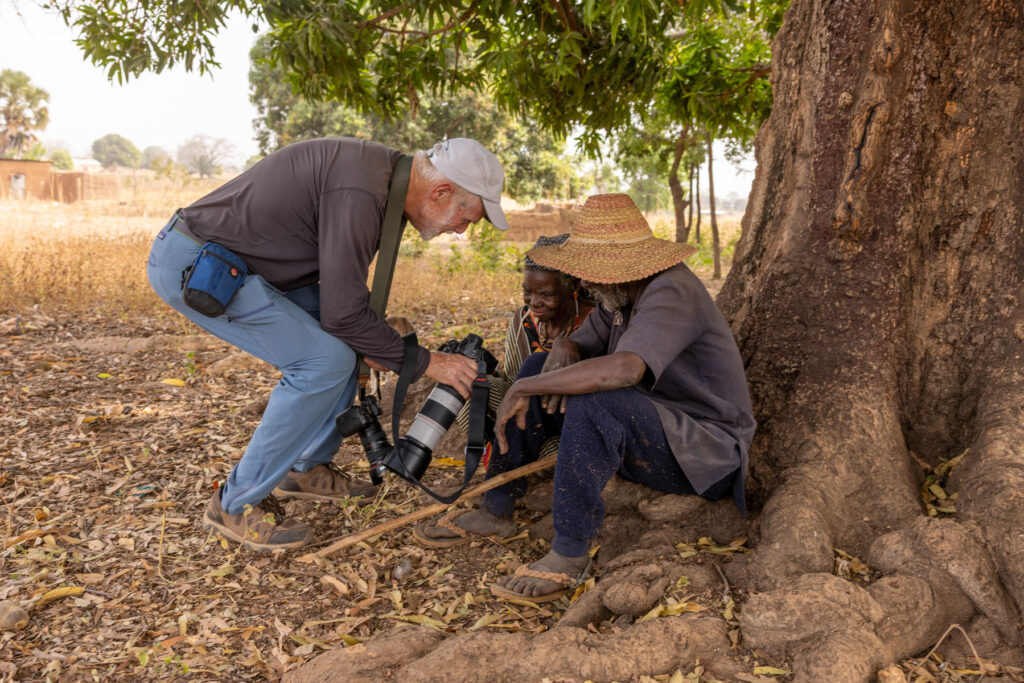
A moment of connection under the trees. Stu sharing his image with the Otamari people (image by Ingrid Koedood)
That afternoon, our guide had planned a surprise. We were meant to attend a ceremony withthe Otamari people from Togo, but at the last moment it was no longer possible for us to cross the border ourselves. Instead, a new plan was made: the group would come to us.
A special ceremony performed by the Batammariba/Tammari people of Togo. They came across to visit us! (video by Ingrid Koedood)
We waited for a while, and then finally a small vehicle arrived, people jumping out with big smiles, ready to perform. They were Otamari from Togo: the Batammariba / Tammari. They held a wonderful ceremony for us with drumming and dancing. Afterwards, they kindly allowed us to photograph them in a full portrait series. After saying goodbye, we crossed the border out of Benin and found ourselves in no man’s land.
Meeting Antoine
Back at the hotel, after dinner, we had a very special encounter. We met Antoine and his mother, a young boy whose story has stayed with many people who travelled here before us.
With the help of Inger and former tour guests, funds had been raised to support Antoine. He was born with bowed legs, and through these donations, he was able to receive the surgery he needed, including financial support so that his family could stay close to him during the recovery period and rehabilitation.
The result was incredible. Antoine can now walk like any other boy, and he proudly showed us just that. With a big smile, he lifted his knees high and walked around with confidence,
It was a powerful reminder that these journeys are not only about photography. Sometimes, they also create connections that truly change lives.
On the road to Parakou – Horsemen of the Bantonu
Early in the morning, we left Naititingou behind and set off towards Parakou, located in the eastern part of Benin, not far from the Nigerian border.
On the wa,y we made an unexpected stop at a Catholic school. We were kindly allowed to use the priest’s bathroom, and we were also invited to take a quick look inside the school. A small moment of hospitality.
Parakou is well known for its proud tradition of horse culture, linked to the Bantonu (also known as Bariba) people. They are historically connected to the powerful Nikki Kingdom, a well-known pre-colonial kingdom in northern Benin. To this day, horses remain a strong symbol of identity, status and heritage and seeing the horsemen in action is unforgettable.
When we arrived, the horses were already beautifully decorated, and the riders wore traditional clothing. At first, there was a dance-like performance with the horses controlled, rhythmic and full of style.
Later, the riders began to gallop back and forth, and within minutes, we witnessed a series of impressive performances showcasing their skills. Horses and riders moved at full speed through the streets of Parakou, turning the city into a stage of power and tradition.
For photography, it was both thrilling and challenging. The action was fast and unpredictable, and we constantly had to stay aware of our surroundings: not only to get the shot, but also to keep ourselves safe.
Borgou Fulani village – Colourful encounters
After checking into our hotel in Parakou and having lunch, we set off in the afternoon to visit a remote village inhabited by Borgou Fulani people.
The Fulani are one of the largest ethnic groups across West Africa. Traditionally, many Fulani communities are nomadic or semi-nomadic, well known for cattle herding. They are also famous for their vibrant clothing and decorated accessories, often full of colour and detail.
As soon as we arrived, we were welcomed with warmth and curiosity. We met many children, beautifully dressed in colourful outfits, smiling and eager to interact with us. It was one of those moments where photography feels easy, not because it is staged, but because the atmosphere is simply open and joyful.
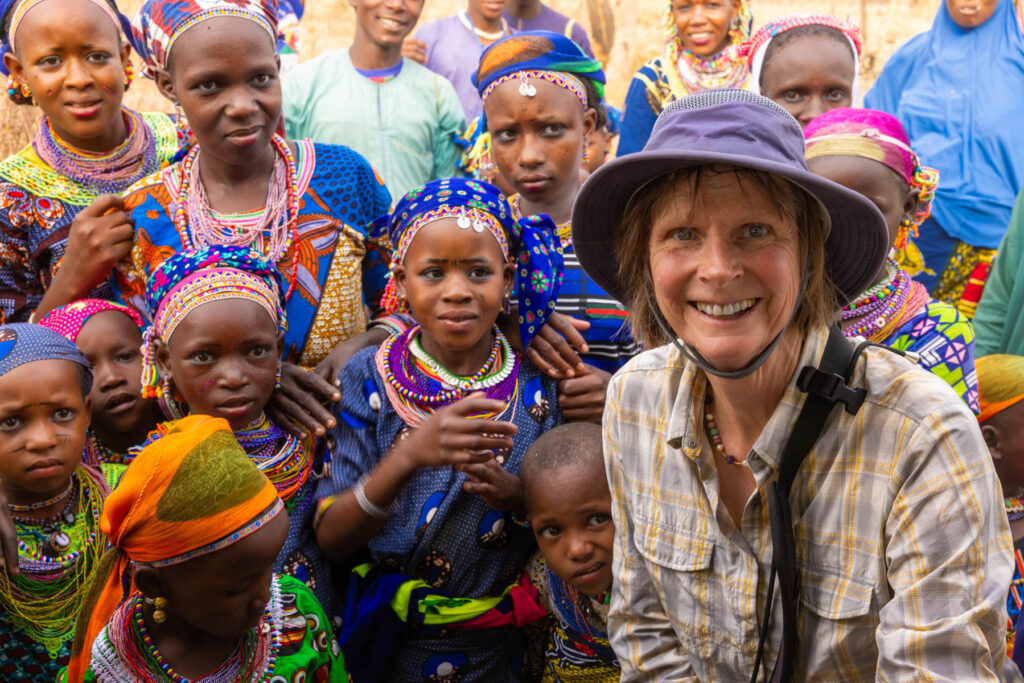
Anne and Fulani children (image by Ingrid Koedood)
After our visit, something very touching happened: much of the village walked with us all the way back to the bus, waving and saying goodbye. It turned into a cheerful little procession, full of laughter and energy: a joyful ending to a wonderful afternoon.
Atingali – A powerful encounter by chance
The next day, we left Parakou and started driving towards Dassa. An important ceremony was planned for that day: a Sakpata ceremony, but unfortunately, it was cancelled at the last moment.
As so often, that simply opened the door for something unexpected.
By coincidence, we arrived in a village where an Atingali ceremony was taking place. Atingali is a highly respected cult in Benin, originally influenced by spiritual traditions from Ghana, and strongly connected to healing and protection, especially in the fight against witchcraft and harmful forces.
Atingali is not a ceremony you casually “watch”. It carries a heavy spiritual charge. The followers call upon a deity associated with multiple spirits, and people bring offerings to strengthen its power, asking for health, fertility and protection.
When we arrived, we immediately saw how serious the gathering was: two cows and a goat had been sacrificed as offerings. The village was filled with music and chanting, and before long, people entered a trance and began to dance, completely carried by the rhythm and the energy of the moment.
We were offered chairs and invited to sit and observe. It felt like a rare privilege: to be allowed to witness such an intense ceremony as outsiders, not as part of a staged performance, but as a real spiritual event in the life of the community.
We stayed until it was almost dark. Before returning to our hotel, we made one more short stop: we visited the location where the Sakpata ceremony would take place the next morning.
Abomey – Kingdoms, palaces and the chameleon
The next morning, we returned to the location where the Sakpata ceremony was supposed to take place. However, not much was happening there. After making a few striking portraits of a Sakpata man in a shrine in a small rocky hollow, we decided not to wait any longer. It was time to move on.
Our next destination: Abomey.
Abomey is one of the most historically important towns in Benin. It was once the capital of the powerful Kingdom of Dahomey, one of West Africa’s most influential pre-colonial kingdoms. For centuries, Abomey was the political and spiritual centre of the region, shaped by a line of kings whose legacy is still strongly present today.
One of our first visits was to the Gallery of Modern Art, where we explored some sculptures and contemporary interpretations of Beninese identity and history. It was a refreshing contrast to the traditional ceremonies we had been witnessing.
Afterwards, we visited the Palace of Agonglo, one of the kings of Dahomey. Abomey is famous for the royal palace complex linked to a long line of rulers traditionally counted as twelve kings who shaped the kingdom and its expansion over time. We walked through the grounds and could observe local weavers at work producing textiles in the traditional way.
In the shop, we also took the chance to buy a few souvenirs.
Another stop was the visit to the Chameleon Temple. The chameleon is an important symbol in Dahomey culture. It represents adaptability, patience and resilience. The ability to survive by adjusting to circumstances, and the wisdom to move carefully rather than quickly.
After that, we made a short stop at the home of our guide, followed by a quick visit to the local market.
Gambada – Dance, unity and transformation
In the afternoon, we drove to Lokossa for a Gambada ceremony. Gambada is often described as a celebration focusing on love, unity and relationships, bringing people together through music, dance and collective energy.
Before the ceremony began, we first walked through the village to photograph daily life. It was a peaceful start: people sitting in the shade, children playing, and small scenes unfolding naturally. The kind of moments that make travel photography so rewarding.
Later, the ceremony started, and the atmosphere changed completely. The energy rose quickly as the rhythm of drums and music filled the village. What followed was intense, wild and expressive dancing.
A key feature of Gambada is the use of kaolin powder. The white powder is traditionally linked to purity, blessing and spiritual transformation, and it creates a striking visual contrast in photographs: white markings on skin, clothing and faces, mixed with sweat, dust and movement.
We were extremely fortunate to be given a rare opportunity after the ceremony: we were allowed to capture portraits of people who were still deeply in the moment. Photographing those faces, covered in kaolin and emotion, was powerful and unforgettable.
Kokou Ceremony – The warrior spirit
The next day, we witnessed one of the most intense and remarkable ceremonies of the entire journey: the Kokou ceremony.
Kokou is known as a powerful warrior spirit, associated with strength, protection and spiritual power. The ceremony is not a performance. It is a deeply spiritual event, and it can be confronting to witness — especially for those seeing it for the first time.
As the ceremony began, participants entered a state of trance. Their bodies were prepared through ritual actions, including being anointed with palm oil — a sacred substance believed to help connect the body and spirit to the divine. Soon, dancers were covered in white and yellow powder, adding to the dramatic and symbolic appearance. Each dancer wore a woven grass skirt, moving with every step and jump.
When the trance fully took hold, the energy shifted. The dancers moved wildly, with intense strength and focus, believed to be possessed by the spirit of Kokou. At times, the ritual became extremely intense, including moments of self-cutting, yet the participants appeared to feel no pain — completely carried by the spiritual state they were in.
Last year, after the ceremony, we were allowed to take a photograph. This time, however, we were given something even rarer: the opportunity to witness — and photograph — the process of bringing the dancers back out of trance.
It was extraordinary to observe this transition. People gently supported the dancers, blowing into their ears, washing them and guiding them back into their normal state. Throughout this entire moment, we were allowed to photograph, and it offered a powerful insight into the ritual beyond the dramatic peak — revealing the care, structure and tradition behind it.
Meeting the highest leader of Heviosso
After the intensity of the Kokou ceremony, we stopped in a small village and attended a local church service. It was full of movement and joy with singing, clapping and plenty of dancing.
After lunch, we took a short moment to relax, and later in the afternoon, we continued to the next highlight: a Vodounsi ceremony.
Before the ceremony began, we were given time to photograph. We made portraits of the women as well as the Heviosso shamans.
Afterwards, we were invited to visit the highest Heviosso leader. Entering his presence required respect: we bowed low to the ground before greeting him, and we were allowed to ask questions. Then we were offered beer, which we enjoyed together on the terrace while waiting for the ceremony to begin. The participants had moved to the temple.
The Voudounsi ceremony specifically centres around priestesses and their initiation or training in Voodoo spiritual practices. It’s common to see shamans and other spiritual leaders guiding the participants. The presence of shamans dressed in red is often a sign of their role in directing the spiritual energy during the ceremony.
Gounouko – a surprise morning
The morning began with a change in the programme. The Sakpata ceremony had been moved to the afternoon, which suddenly gave us an unexpected free morning and with that, a surprise.
Instead of slowing down, we were taken to witness a Gounouko ceremony. It was the last full day of the tour, and the schedule was packed. But this surprise ceremony turned out to be the perfect way to start the day.
We were warmly welcomed into the village, and very soon we realised we were not among strangers. The highest-ranking man of the village turned out to be someone we had already met earlier during Vodun Days, when we visited the garden of King Agassa.
We walked through the village, taking in the calm of daily life. And then, suddenly, the mood shifted.
Out of nowhere, the masked Gounouko appeared.
Gounouko is far more than a mask dance. It is seen as a living symbol of the fundamental forces of the universe: the bearer of spiritual power. In Vodun tradition, Gounouko embodies the balance of the four elements:
- Fire, linked to Ogou
- Water, represented by Shango
- Earth, embodied by Sakpata
- and the spiritual force connected to Ayidohouêdo, the cosmic serpent, is often linked to creation and balance.
In other words, Gounouko represents the forces that shape life itself.
Two tall, elongated masks moved into view — towering figures made of layered fabric, their forms shifting with every step. Their appearance was both elegant and slightly unreal, like moving spirits. Later, a third mask appeared: smaller, faster, and far more playful. At one point, it even jumped up onto a table, turning the ceremony into an energetic and unexpected spectacle.
The otherworldly spectacle of Gounouko (video by Ingrid Koedood)
The sound of drums and dancing completed the scene, and within minutes, the village felt fully alive. It was an incredible surprise.
Twins – Spirit, protection and twin dolls
The morning was still early when we left to attend a twins ceremony.
West Africa is known for having a remarkably high number of twin births compared to the Western world, and Benin is no exception. Twins are not only seen as a biological event, but as something deeply spiritual. They are often believed to carry special power: a blessing, but also something that requires respect, care and ritual protection.
The ceremony took place at a small shrine dedicated to twins. It was a quiet and intimate space, filled with offerings and devotion. In Benin and other parts of the region, if one or both twins pass away, the family often continues to care for their spirit through special carved wooden figures. The famous twin dolls (also known in some traditions as ibeji). These dolls are treated as more than objects: they represent the presence of the deceased twin and are cared for as part of the family. They may be washed, dressed, carried and presented with food: acts of love and spiritual responsibility.
During our tour, we had already noticed several people walking around with twin dolls, held carefully in their arms or wrapped like a baby.
During the ceremony, a chicken was offered as part of the traditional sacrifices and blessings. The atmosphere was respectful and powerful, and it felt like a rare privilege to be allowed to observe such a deeply personal tradition as outsiders.
After the ceremony, we were once again given time to take photographs, capturing portraits and details of the shrine, the people, and the twin dolls.
Ouidah – Pythons and the Gate of No Return
After the twins’ ceremony, we drove to Ouidah, where we stopped for lunch, souvenir shopping, and two of the town’s most important landmarks: the Python Temple and the Gate of No Return.
Ouidah is often described as one of the spiritual heartlands of Vodun. One of the clearest examples of this is the Python Temple, where pythons are considered sacred. They are traditionally protected and respected, believed to be linked to spiritual power, protection and good fortune.
We were given a guided tour and explanation. The temple itself looked almost like a construction site, as it is currently being expanded and modernised, but the spiritual meaning of the place is very much alive.
During the visit, we also learned about the sacred trees in the area. Some trees are wrapped in white cloth, and seeing such a tree is significant. Visitors may place their left hand on the tree and make a wish, but with an important rule: the wish must be positive. It should never be something harmful or negative towards another person.
Naturally, the visit ended in the most memorable way possible: for those who wanted to, a python was placed around the neck, creating an unforgettable photo opportunity and a moment that made many of us both nervous and amused at the same time.
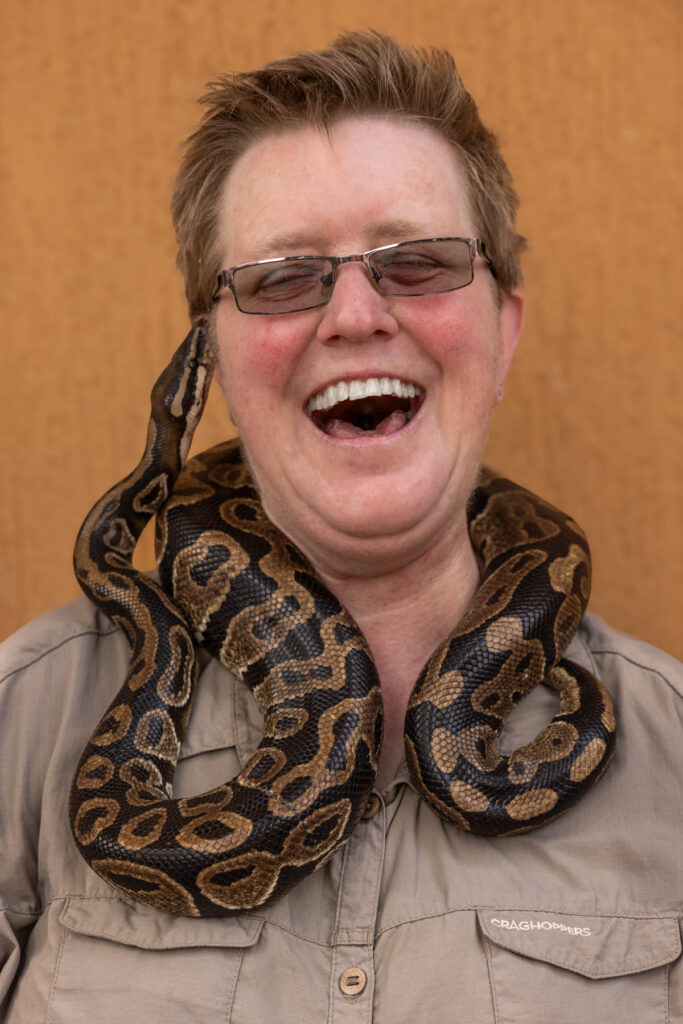
Chrys and the python: a surprisingly cozy meet-up (image by Ingrid Koedood)
Afterwards, we continued towards the coast and the beach area of Ouidah, a place that carries a very different weight.
Because Ouidah is not only known as a centre of Vodun tradition. It is also one of the best-known historical locations connected to the Atlantic slave trade. For centuries, enslaved people were brought here and forced to walk the final route towards the sea.
I talked about the heartbreaking ritual connected to the “Tree of Forgetfulness”. Men were forced to walk around the tree nine times, and women seven times — a symbolic attempt to strip them of their past, their identity and their memories before being shipped across the Atlantic. From there, they were marched along the long sandy path towards the ocean, where they were loaded onto ships and transported into slavery.
Even after abolition laws were introduced, the slave trade continued illegally for years, leaving a painful legacy that still shapes this coastline today.
Standing at the Gate of No Return, facing the ocean, was a powerful and emotional moment. It reminded us that Benin is a country of incredible culture and spiritual depth, but also a place where history has left deep scars that cannot, and should not, be forgotten.
Sakpata – Earth, health and an incredible performance
After being postponed several times during the tour, we were finally able to attend the Sakpata ceremony in the afternoon.
Sakpata is one of the most important Vodun deities in Benin. He is strongly connected to the earth and with that, to health, healing and protection. Sakpata is traditionally associated with illness and recovery, and people turn to him to seek balance and spiritual support, especially in matters connected to the body, well-being and community health.
The ceremony took place outdoors, in an open space, and we were seated under the trees in the shade, a calm setting for what turned into an incredibly powerful performance.
Four dancers entered the space, dressed in beautiful ceremonial clothing, and from the first moment, the energy was intense. Their movements were athletic and powerful — at times almost acrobatic — demanding enormous physical strength and endurance. It was hard not to be impressed by the sheer effort and discipline it took to perform at this level.
The ceremony was accompanied by strong drums, rhythms and music, driving the performance forward. There was no crowd — we were the only guests, which made the experience feel even more personal and special.
Afterwards, we had time to photograph not only the performers, but also the surroundings. One unexpected highlight was a striking graffiti wall, creating a beautiful contrast between tradition and modern visual culture.
Final Day – Heviosso Fire and Farewell to Benin
And then it was already our last day — and our final ceremony.
And what a ceremony it turned out to be.
Once again, our guide had arranged a special surprise for us: a Heviosso fire ceremony. The ritual took place in the same outdoor location where we had witnessed the Sakpata ceremony, seated under the trees in the shade. And just like Sakpata, this ceremony featured incredibly athletic dancers — full of speed, strength and precision.
But this time the focus was fire.
One performer appeared carrying a large structure on his head — a dramatic construction of red vessels filled with burning wood. Once it was lit, flames rose into the air, and smoke drifted through the scene as he began to move around the clearing. It must have been extremely heavy — and unbelievably hot — because throughout the performance he was constantly being sprayed with water to cool him down.
The colour of the costumes was a striking deep red, a powerful visual element that matched perfectly with the fire, the smoke and the raw energy of the ritual. For us as photographers, it was an intense and unforgettable scene to capture — and a truly spectacular ending to the tour.
After saying goodbye, we began our journey back towards Cotonou.
In Cotonou, we made a short visit to the Dantokpa Market, as some group members still wished to see the famous fetish market. The area was crowded and busy, and people made it very clear that photography was not welcome — something we fully respected. From the fetish market, we took a fun little ride back in a tuk-tuk, returning to our van.
We continued with lunch at a local African restaurant and stopped by a shop selling beautiful African wax textiles. Later, we also visited the large street art wall in Cotonou, including several striking statues — one final chance to capture Benin’s colours and creativity in a more modern form.
In the evening, we ended the tour with a farewell dinner — a final moment together to reflect on everything we had seen, experienced and photographed. It had been a successful journey, and one we will not soon forget.
And if, one day, some details fade… we will always have the photographs.
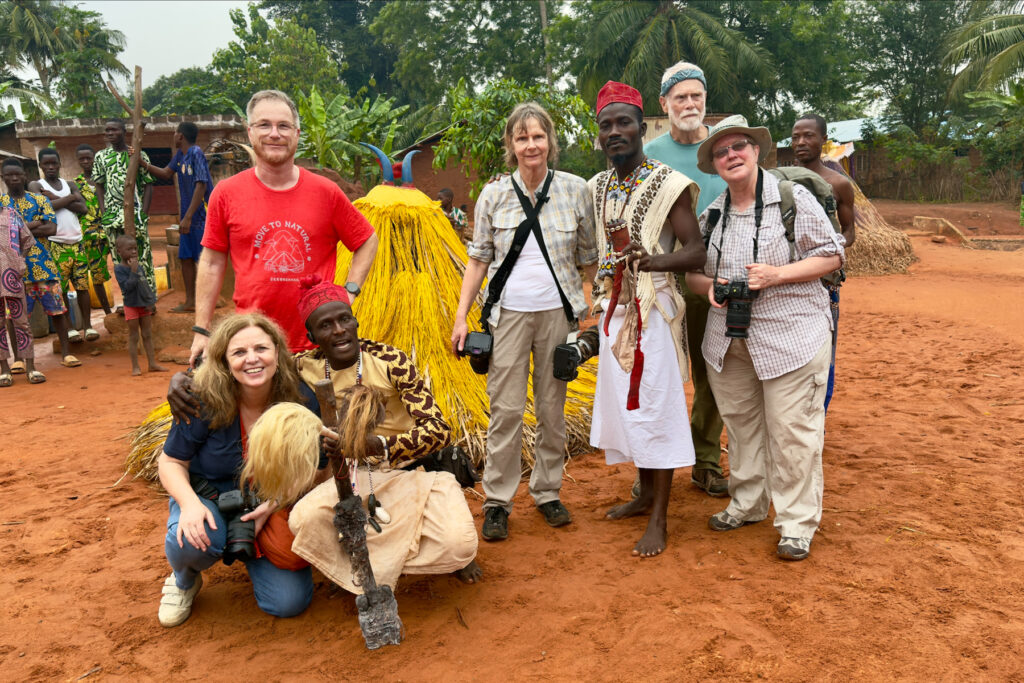
Our 2025 group at the magical Zangbeto ceremony (image by Ingrid Koedood)
Ingrid Koedood
Ingrid Koedood was born and raised in the Netherlands and has been involved with photography from a young age. As a young girl, she was captivated by her father’s photography hobby, spending countless hours in the darkroom developing photos. This early exposure ignited her passion. While she later pursued an MBA, working on significant projects […]