
Bangladesh: The Ship Breakers and More Tour Report 2025
11 May 2025
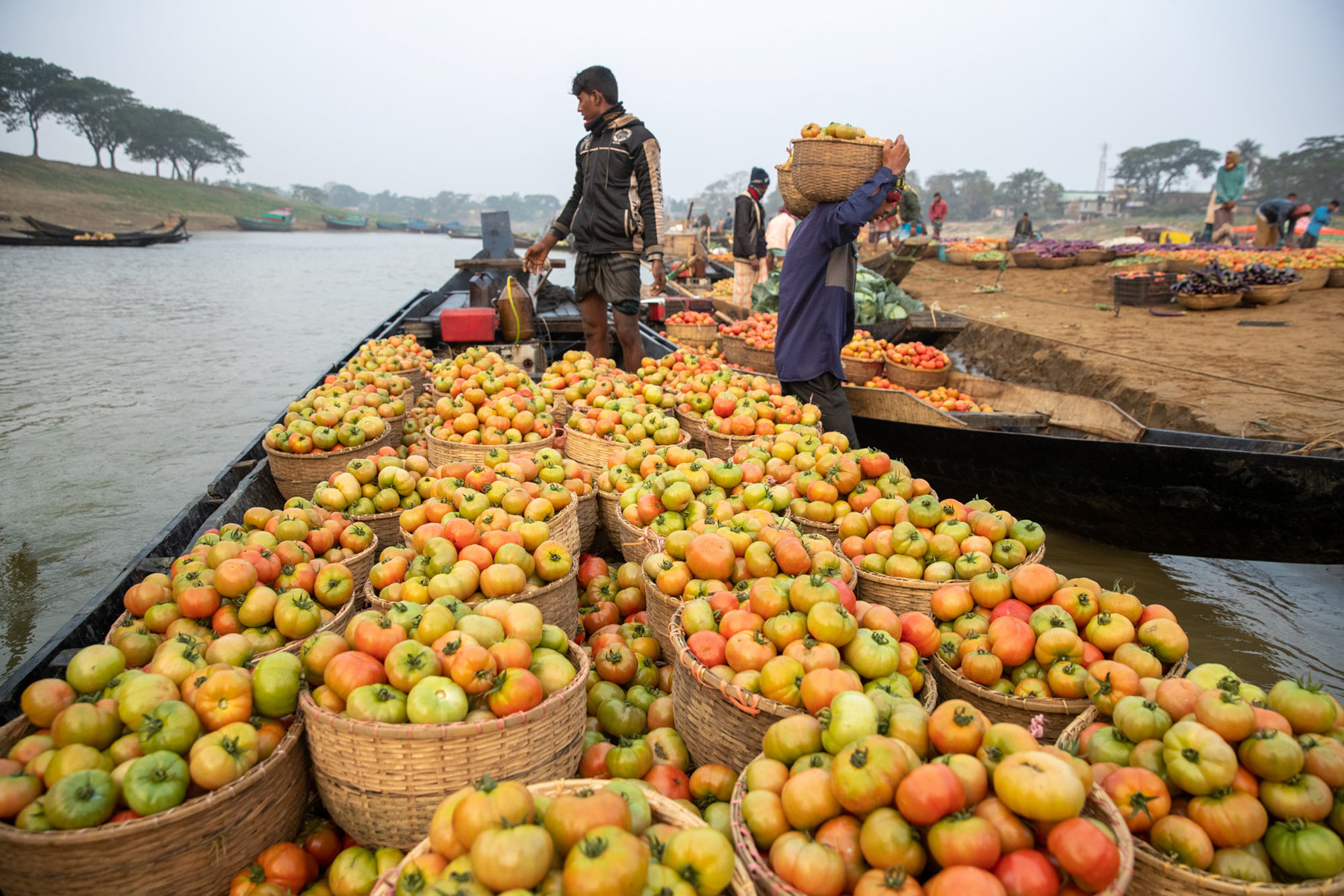
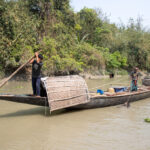
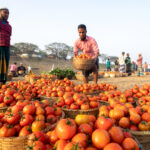
Tomatoes being transported by canoe to the floating market (image by Yousuf Tushar)
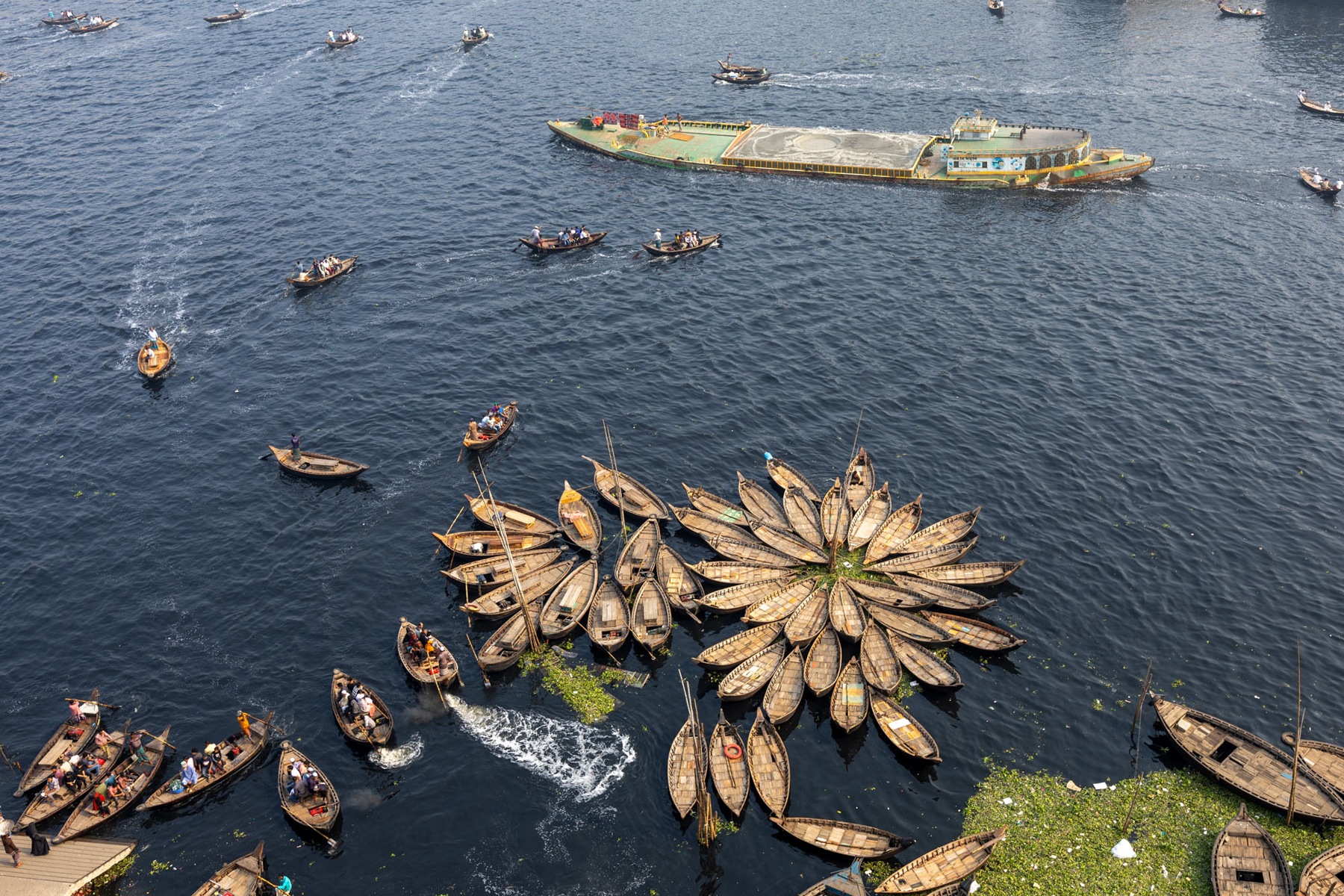
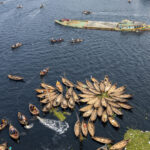
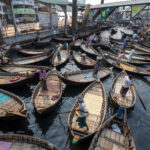
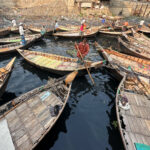
The lotus flower shaped moorings of tiny wooden taxi boats on the Buriganga (image by Yousuf Tushar)
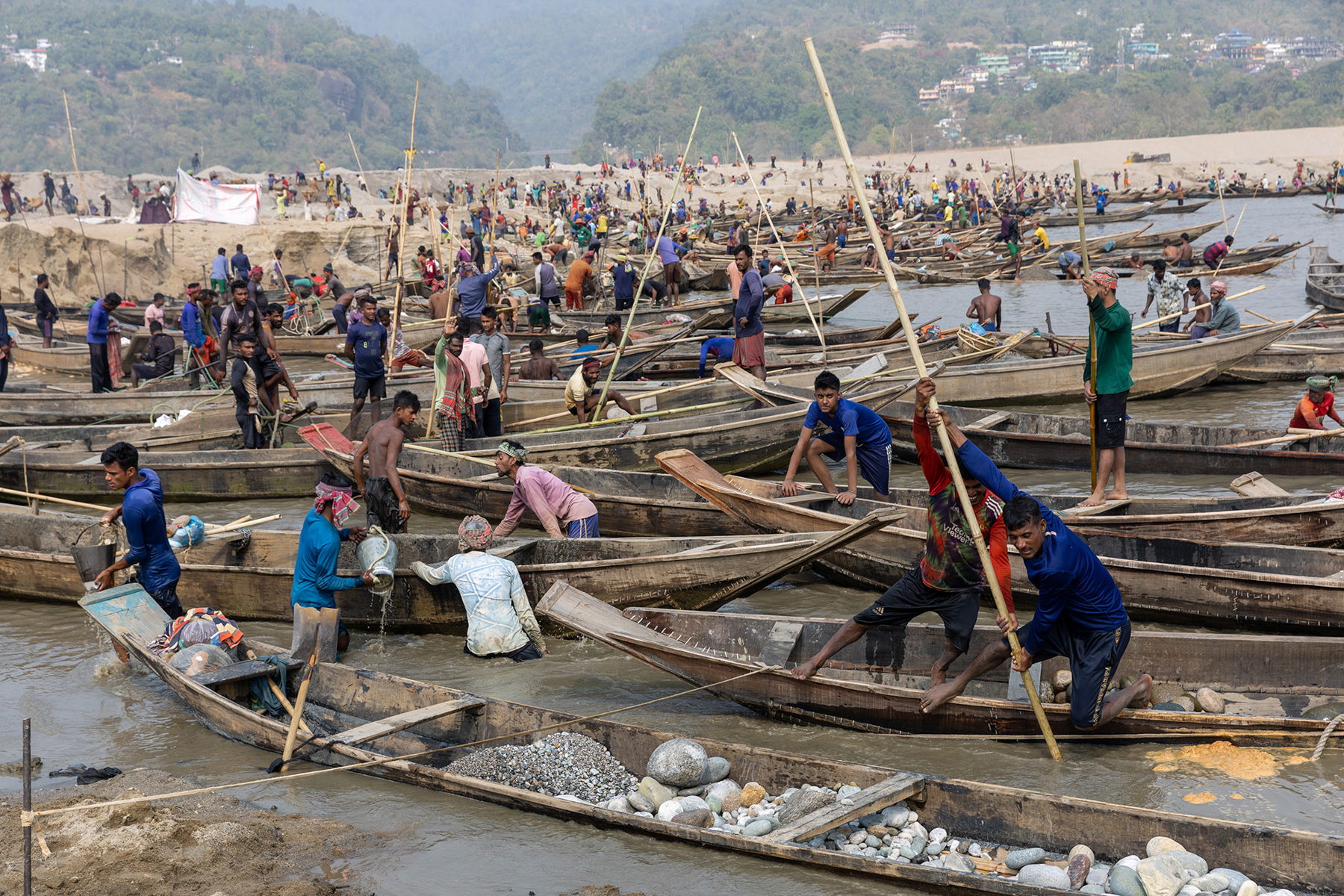
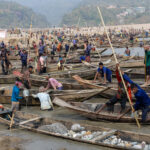
Hundreds of boats line up in the stone mines of a river (image by Yousuf Tushar)

Mending nets (image by Yousuf Tushar)
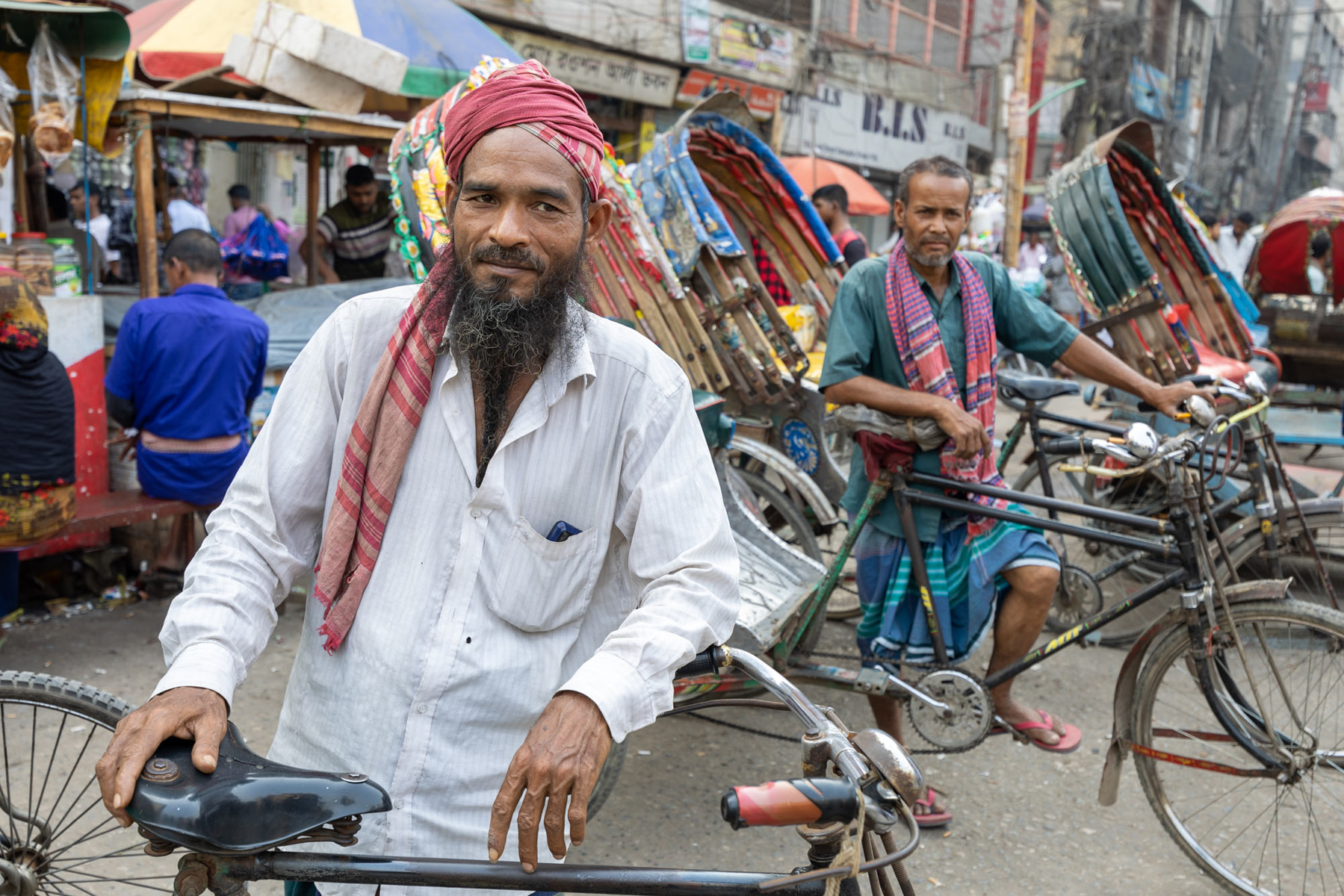
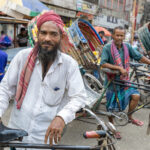
The ever friendly and brave cycle rickshaw drivers in Dhaka (image by Yousuf Tushar)
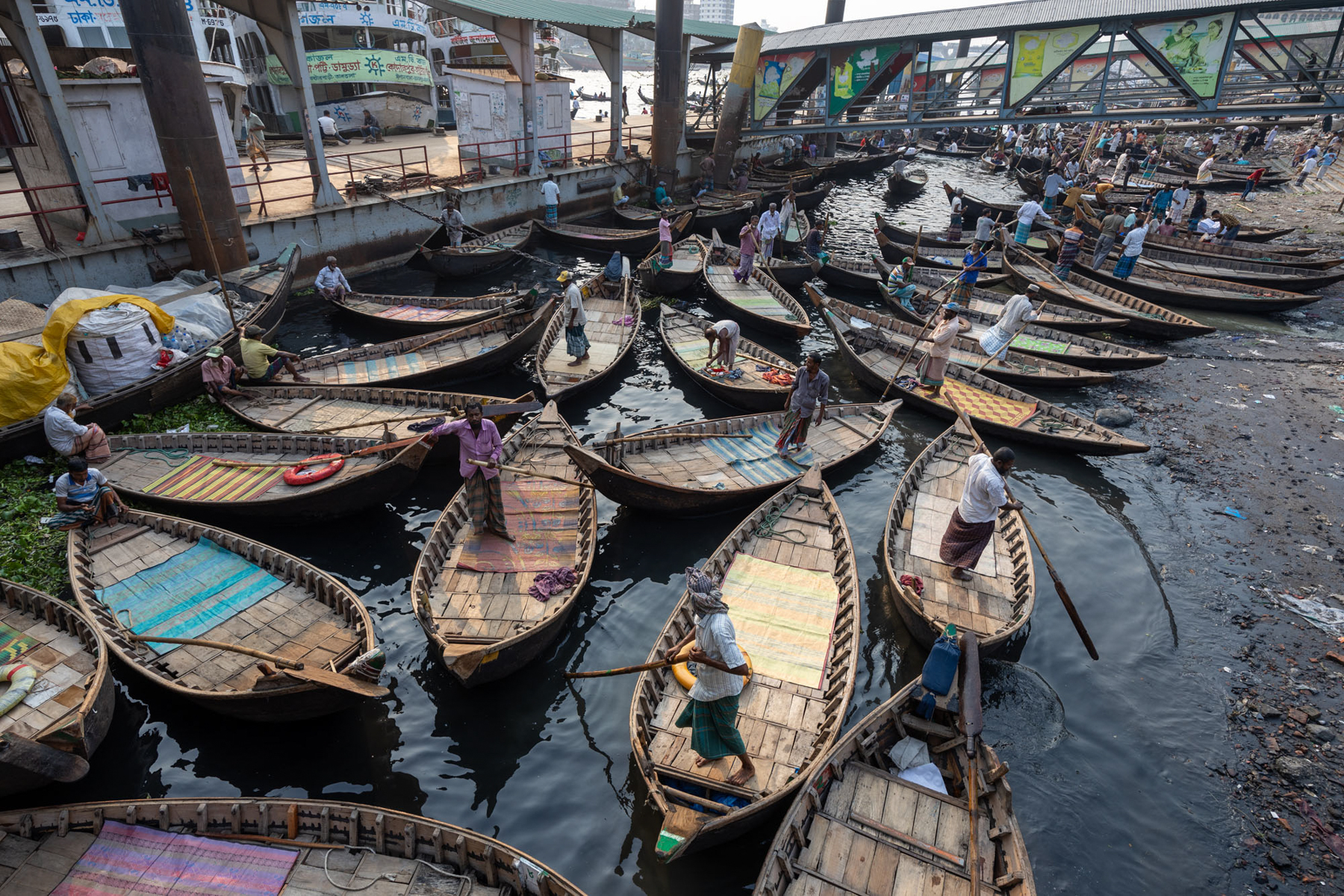
The line up of charismatic, wooden taxi boats on the Buriganga (image by Yousuf Tushar)
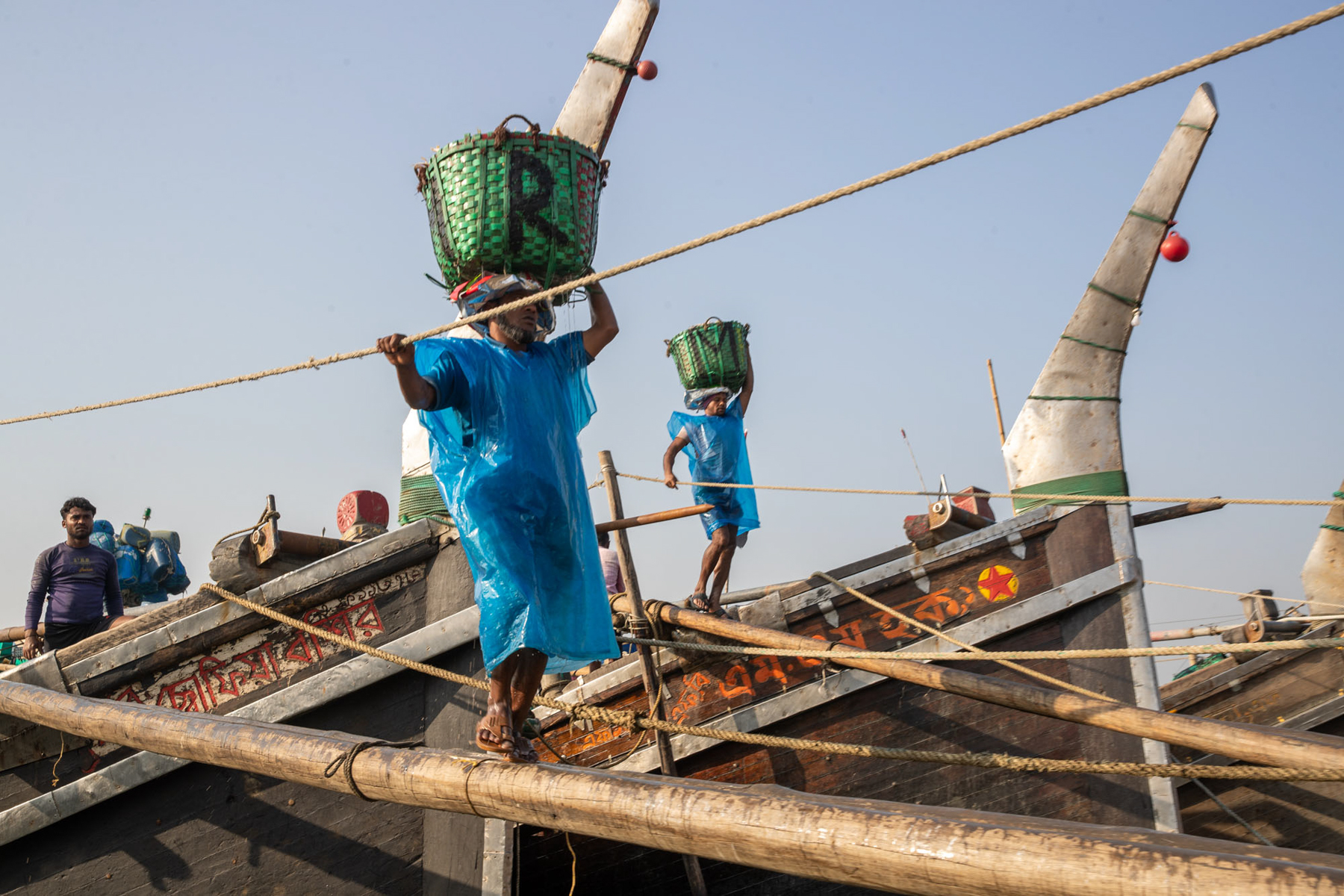
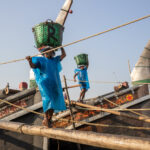
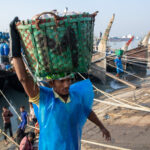
Fish carriers offloading fish from local trawlers (image by Yousuf Tushar)
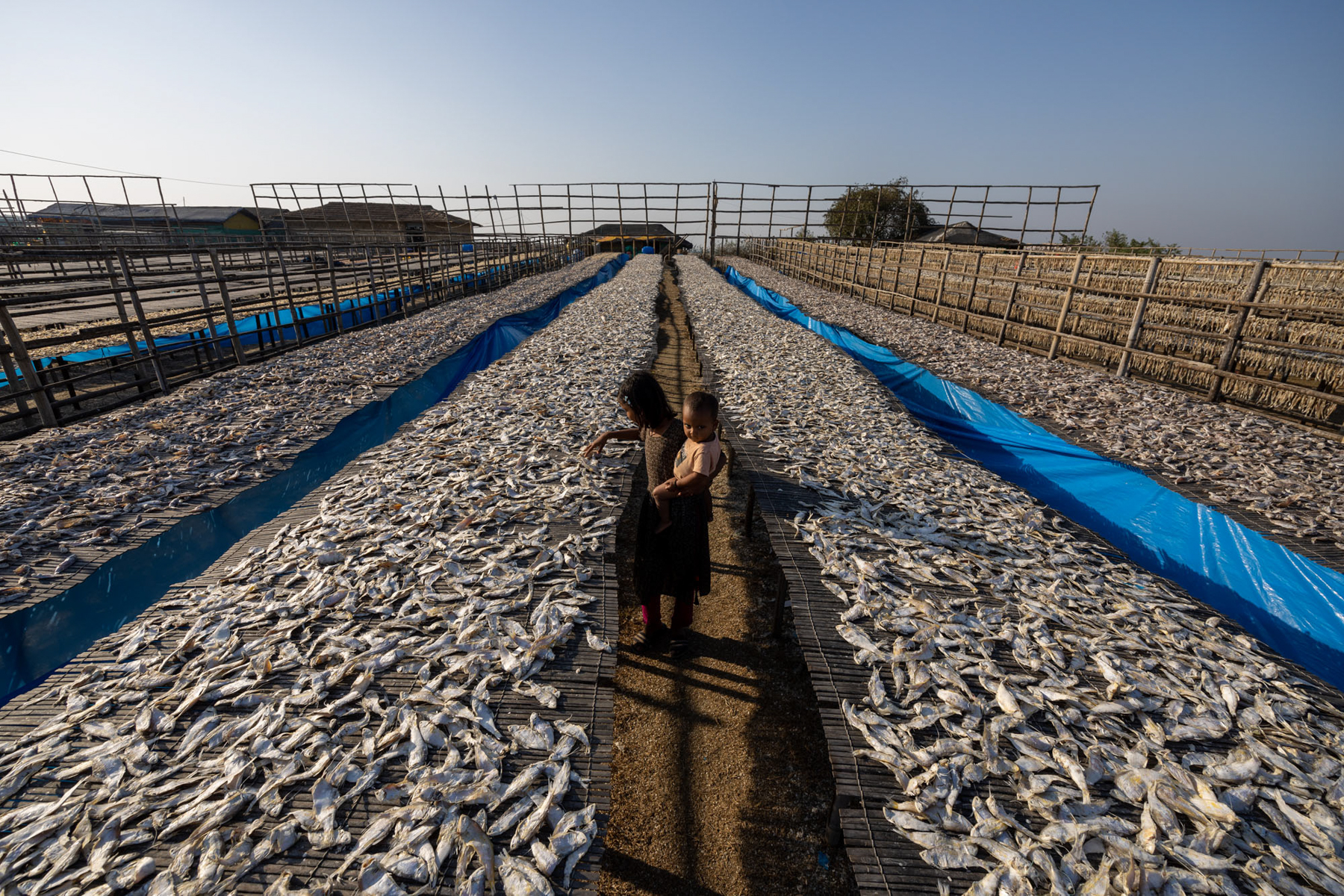
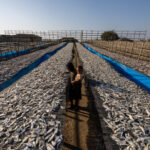
A young woman works with her baby in hand at one of Bangladesh's largest fish drying yards (image by Yousuf Tushar)
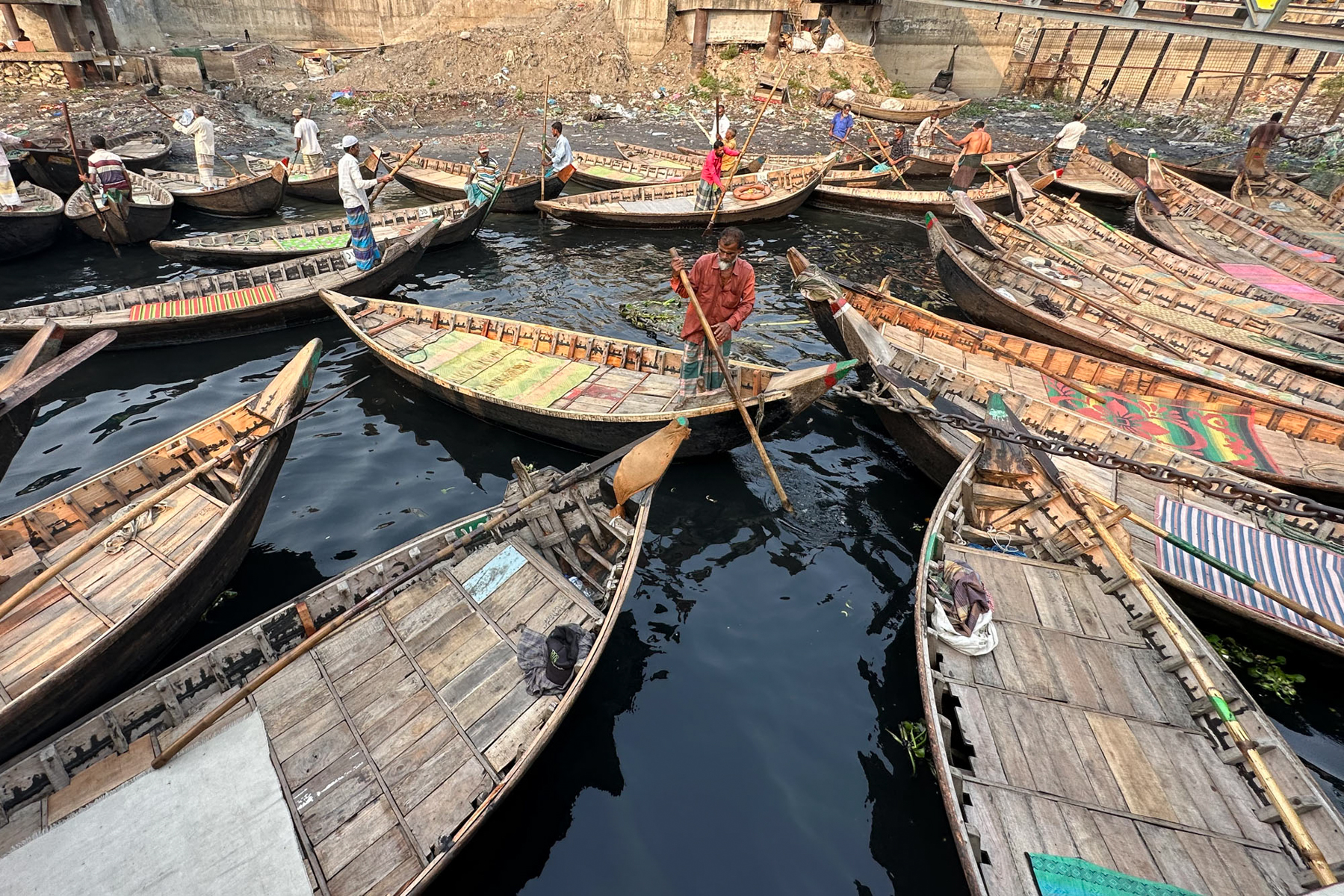
Every day, the city commuters of Dhaka cross the Buriganga in charismatic wooden boats. This is a typical 'taxi rank' (image by Yousuf Tushar)
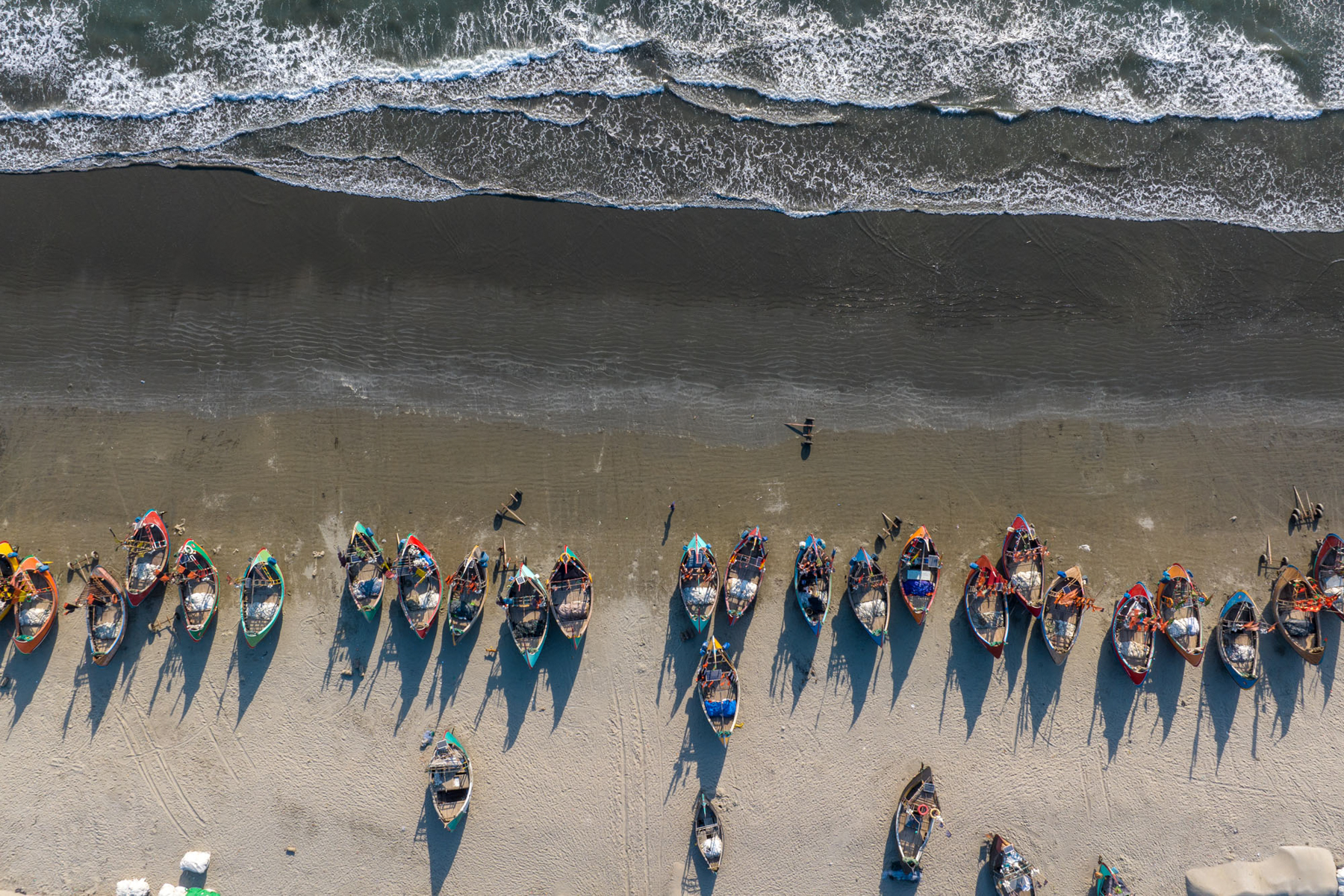
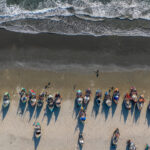
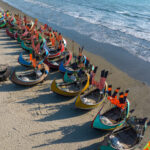
Lines of moon boats on the beach (image by Yousuf Tushar)
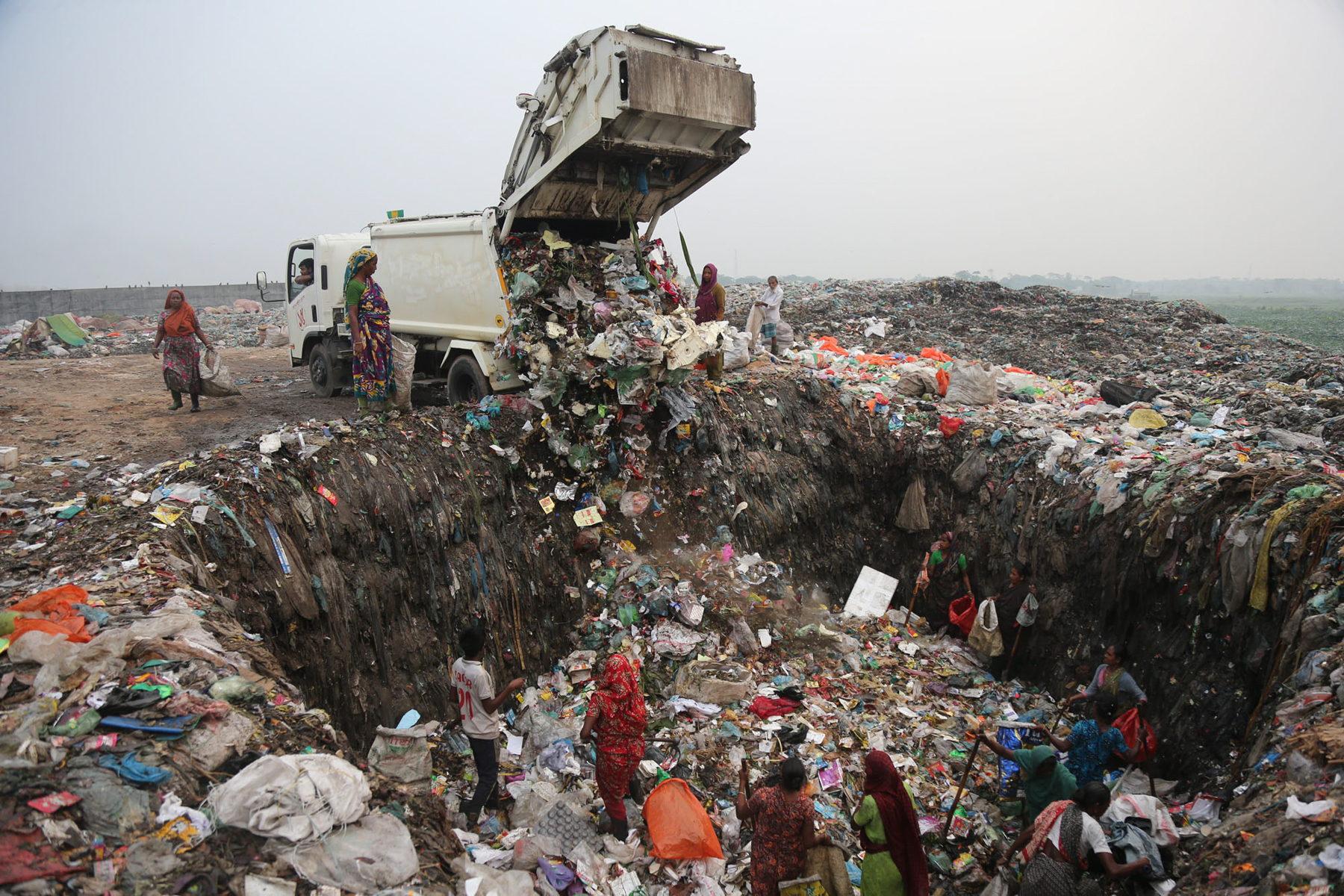
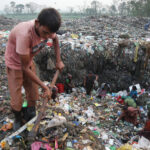
The waste pickers in Bangladesh are possibly one of the most confronting photography experiences of our tour (image by Yousuf Tushar)
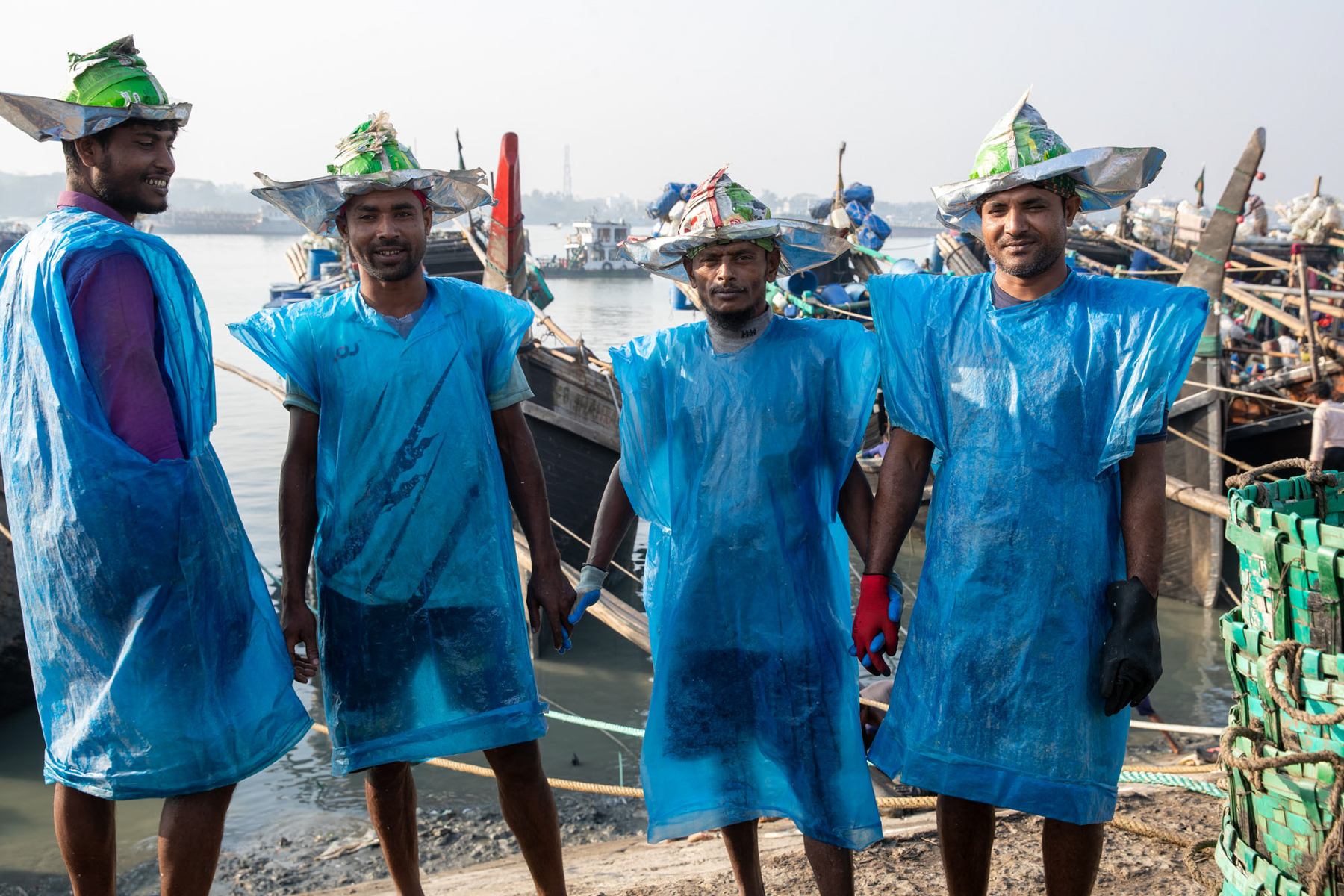
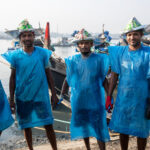
Fish carriers take a brief moment to stop for a photo (image by Yousuf Tushar)
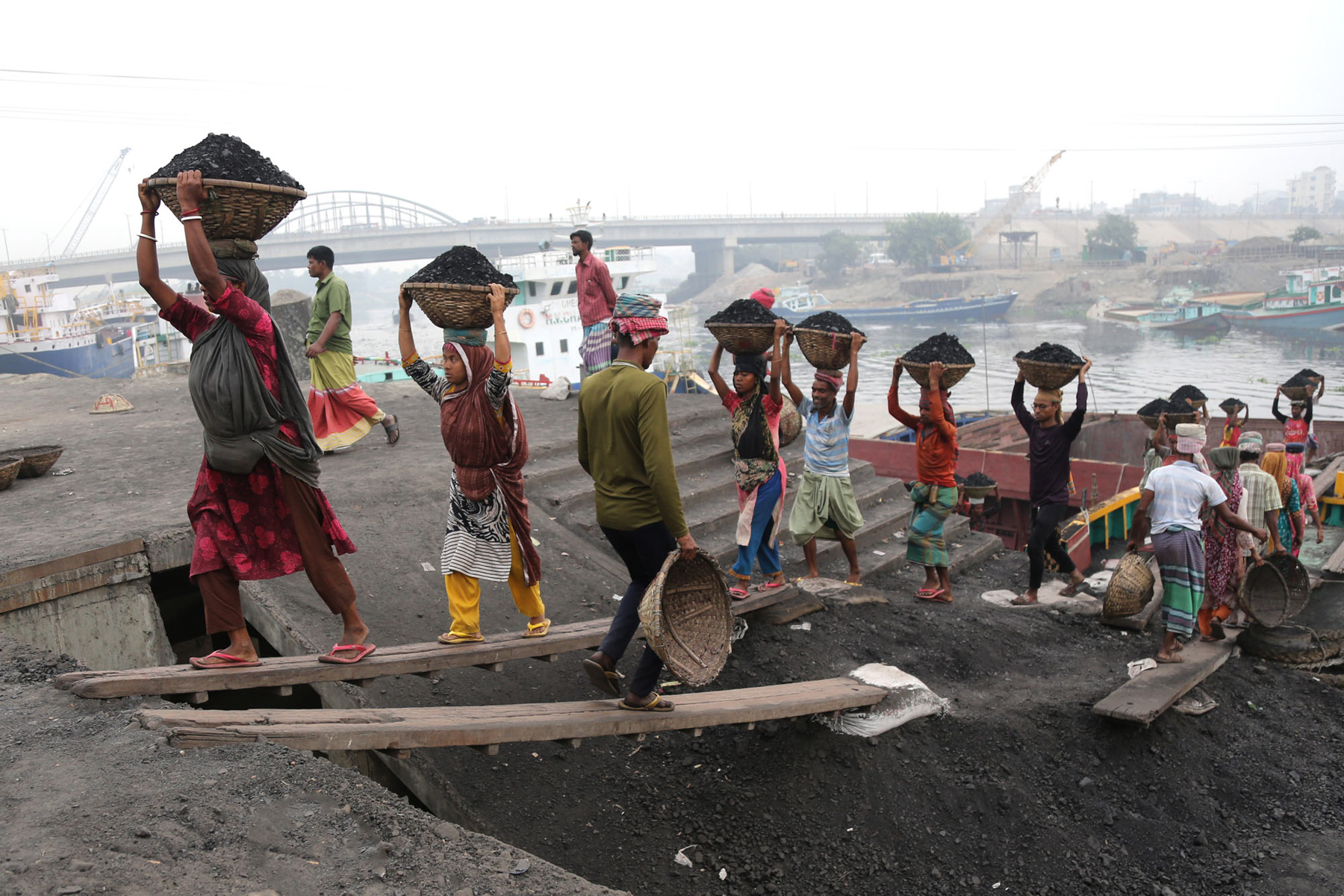
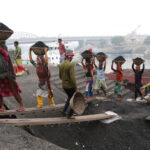
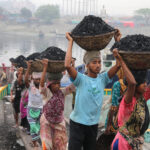
Workers carrying coal off a freight ship (image by Yousuf Tushar)
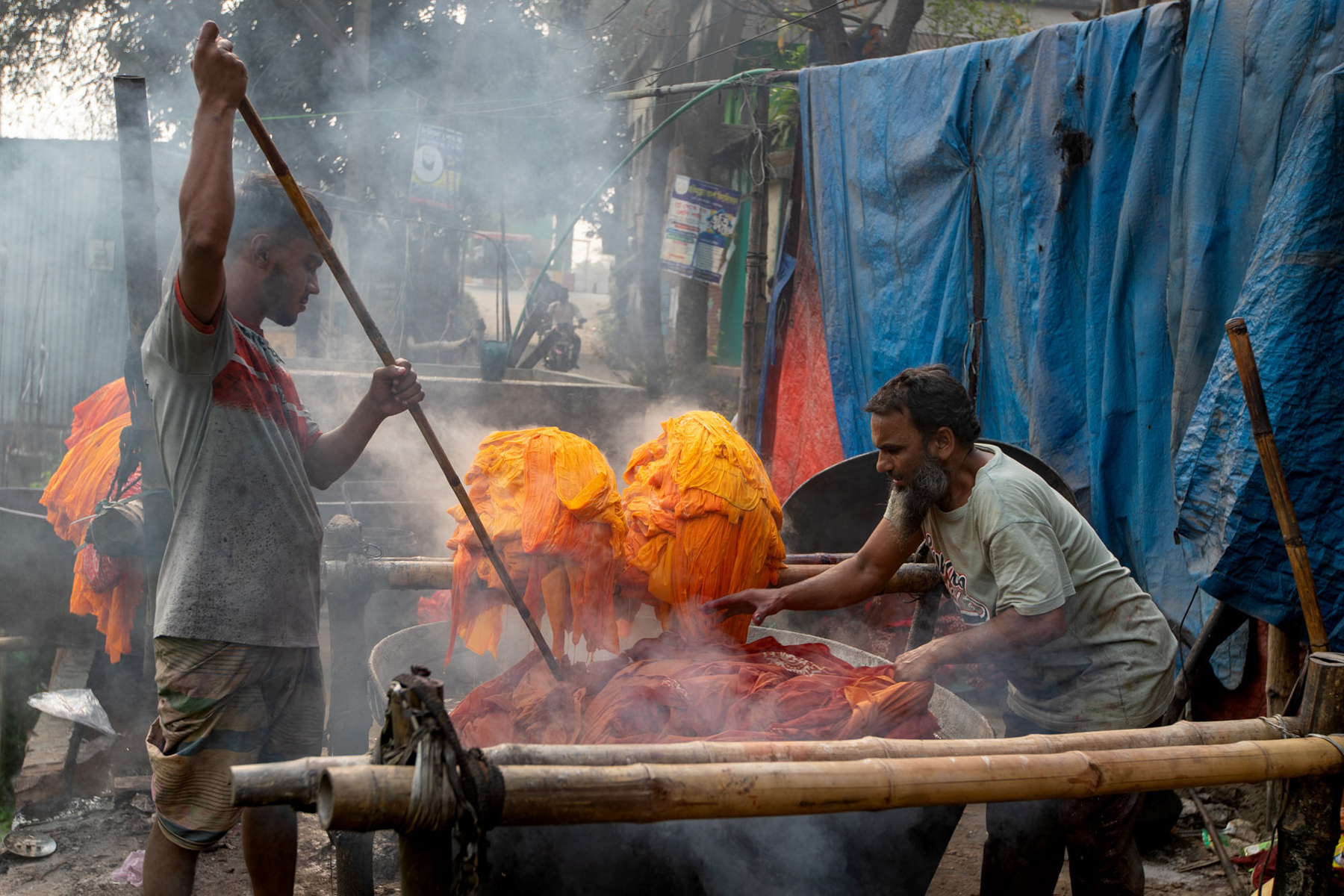
Dying cloth (image by Yousuf Tushar)
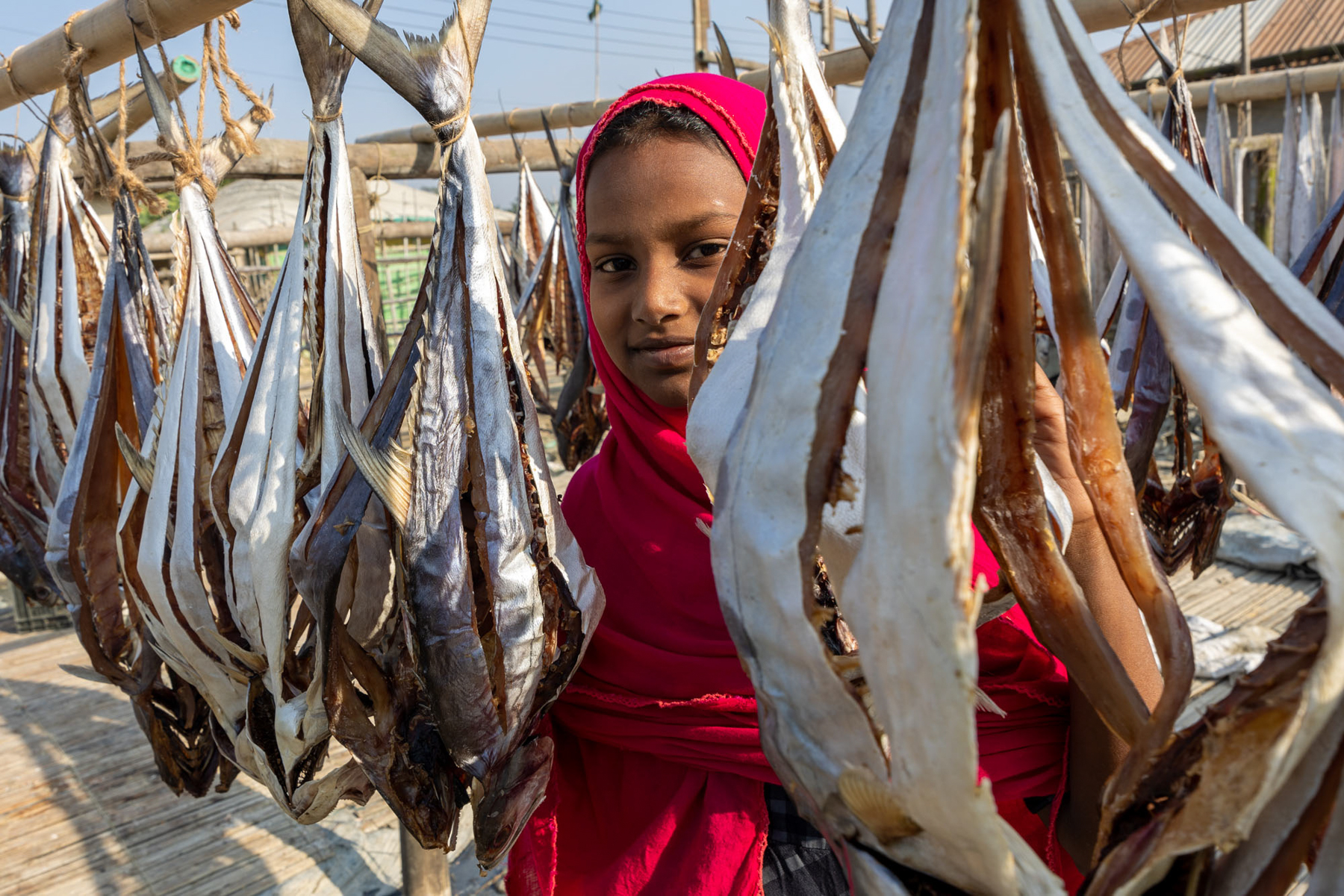
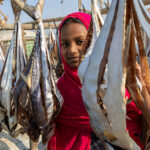
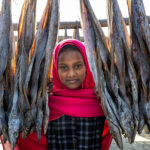
Portrait of a young girl in the fish drying yards (image by Yousuf Tushar)
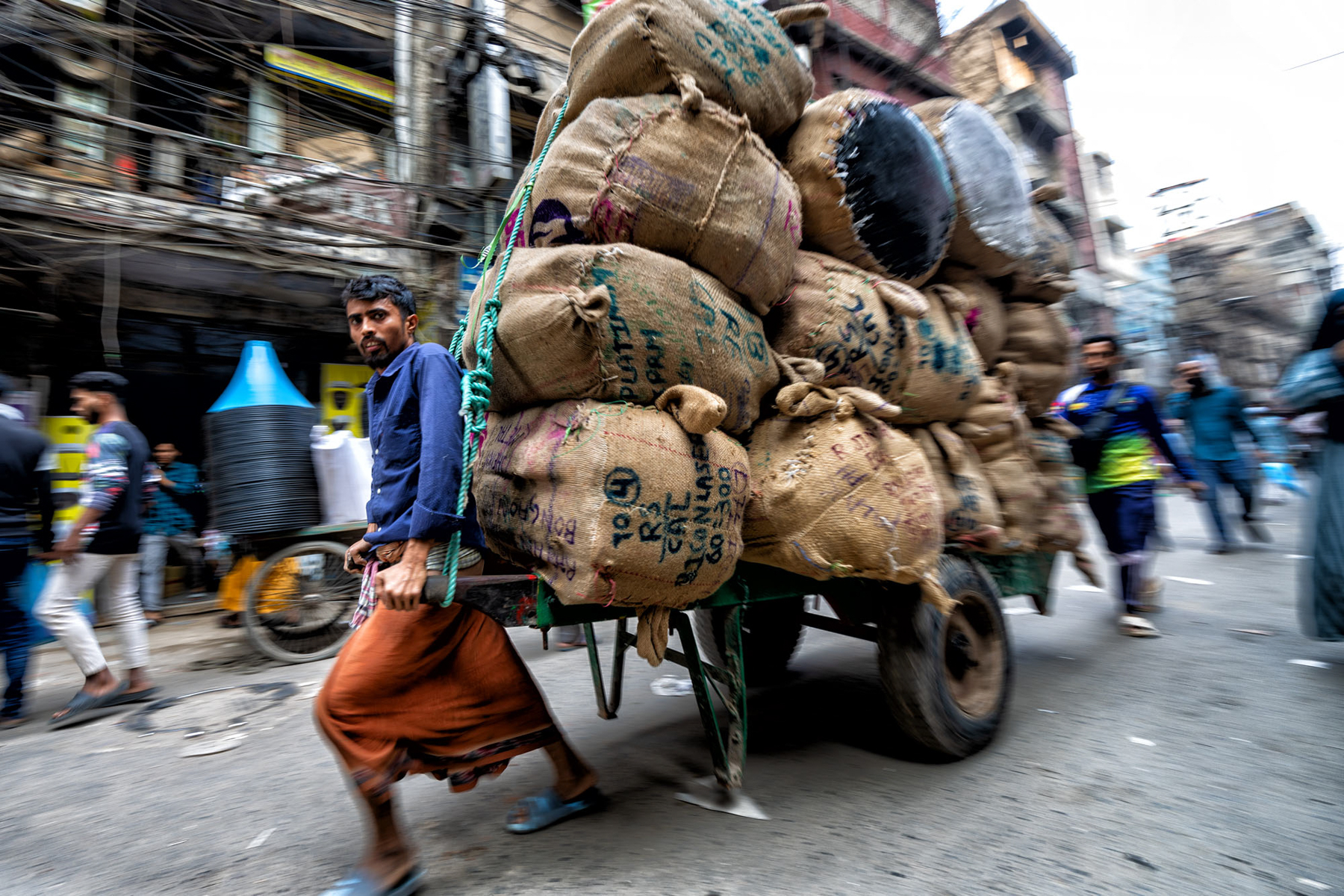
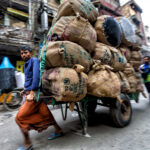
Motion blur of the streets of Dhaka (image by Yousuf Tushar)
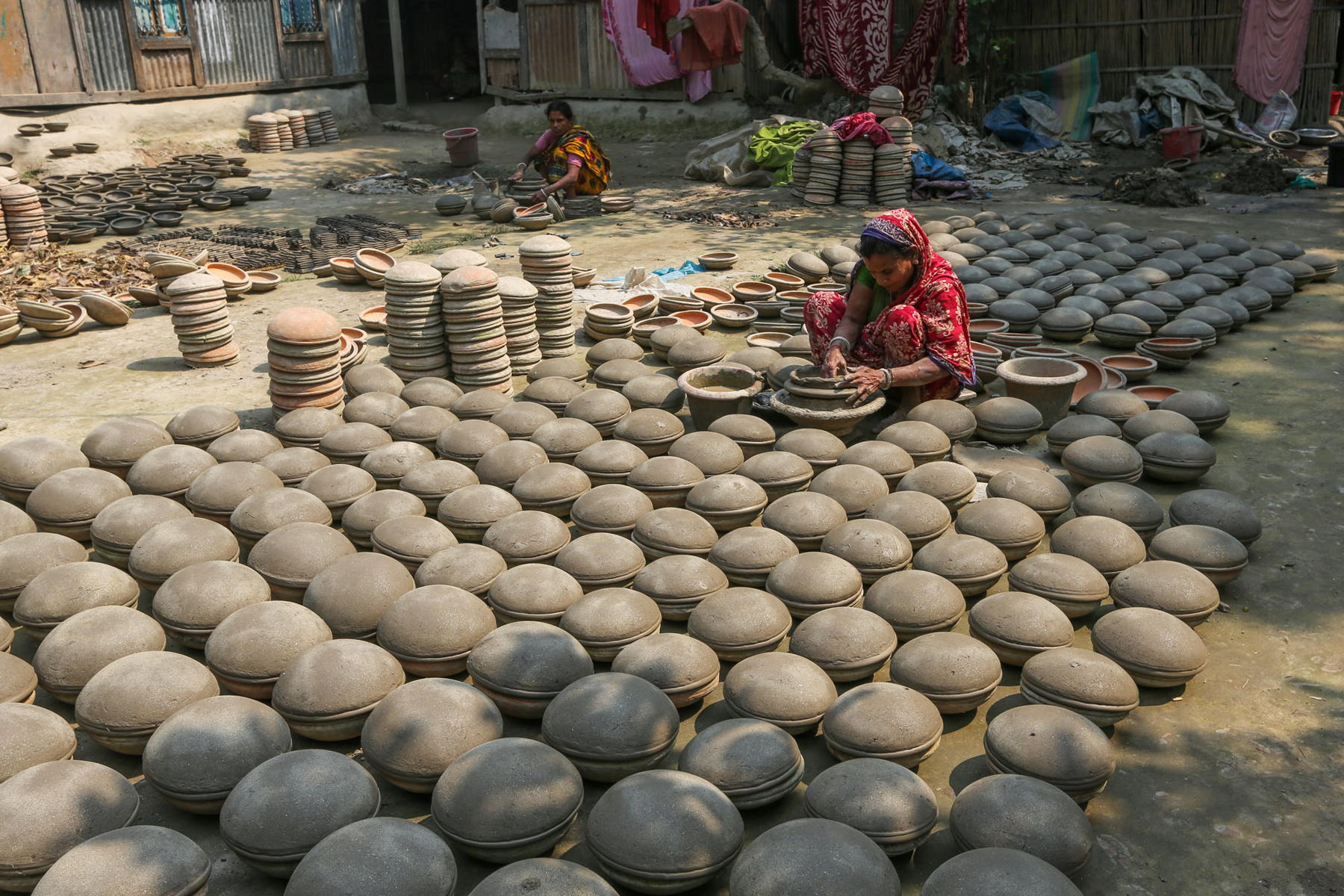
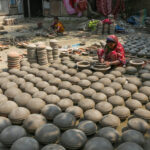
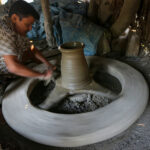
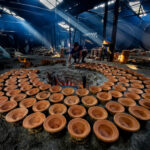
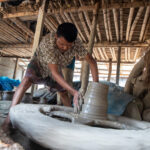
Making pots by hand in rural Bangladesh (image by Yousuf Tushar)
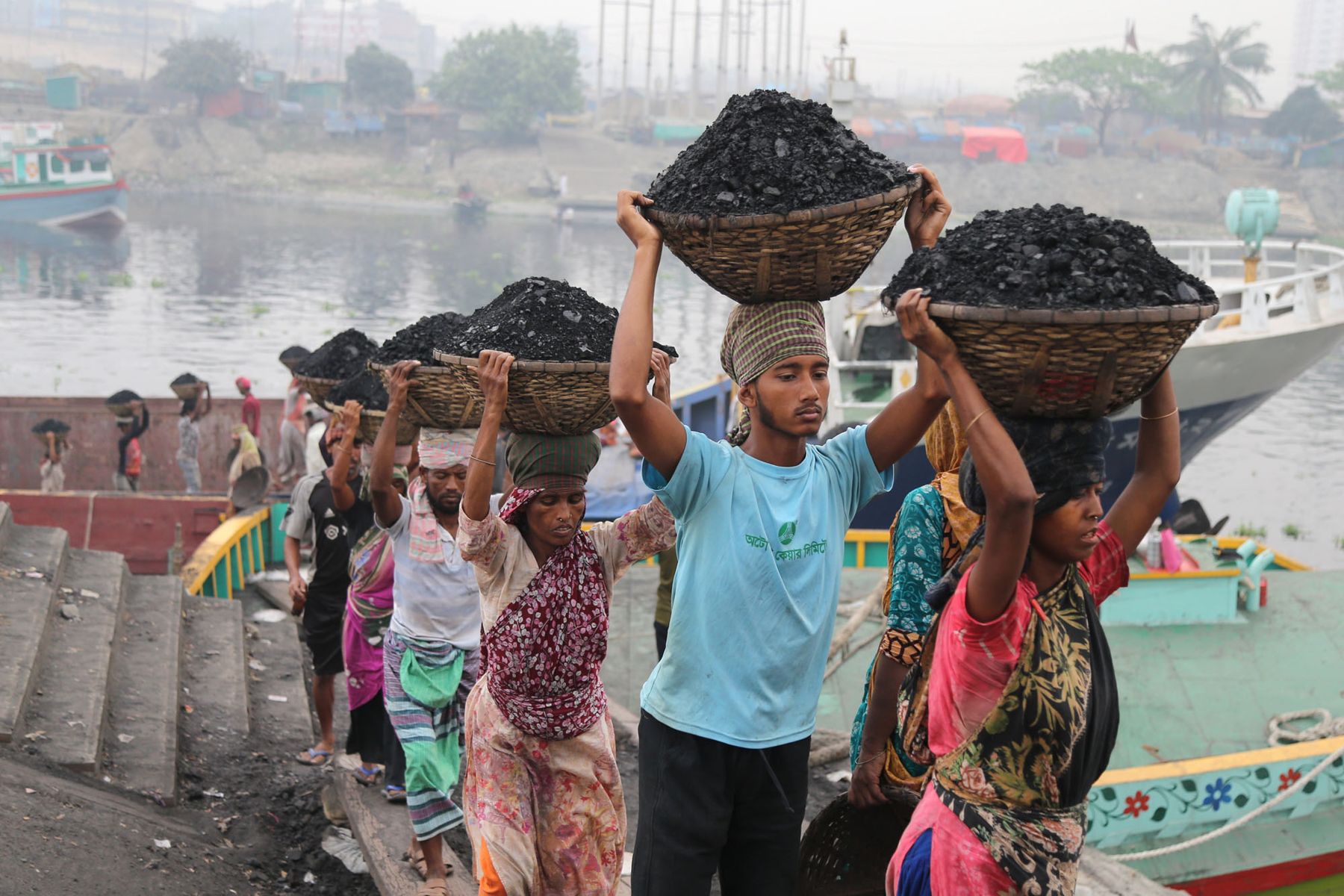
Each day hundreds of tonnes of coal are offloaded from cargo ships by hand (image by Yousuf Tushar)
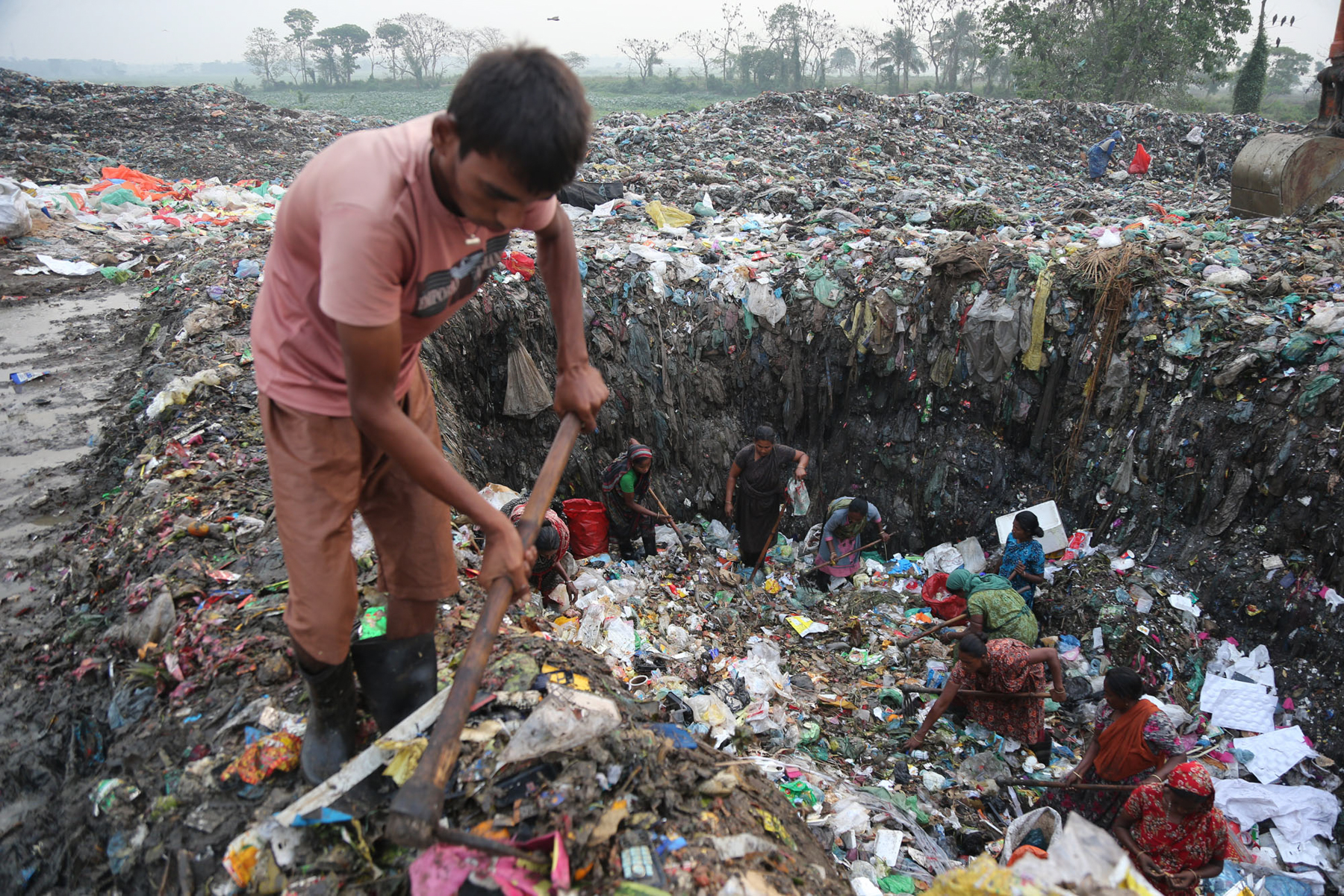
Waste pickers in remote Bangladesh (image by Yousuf Tushar)
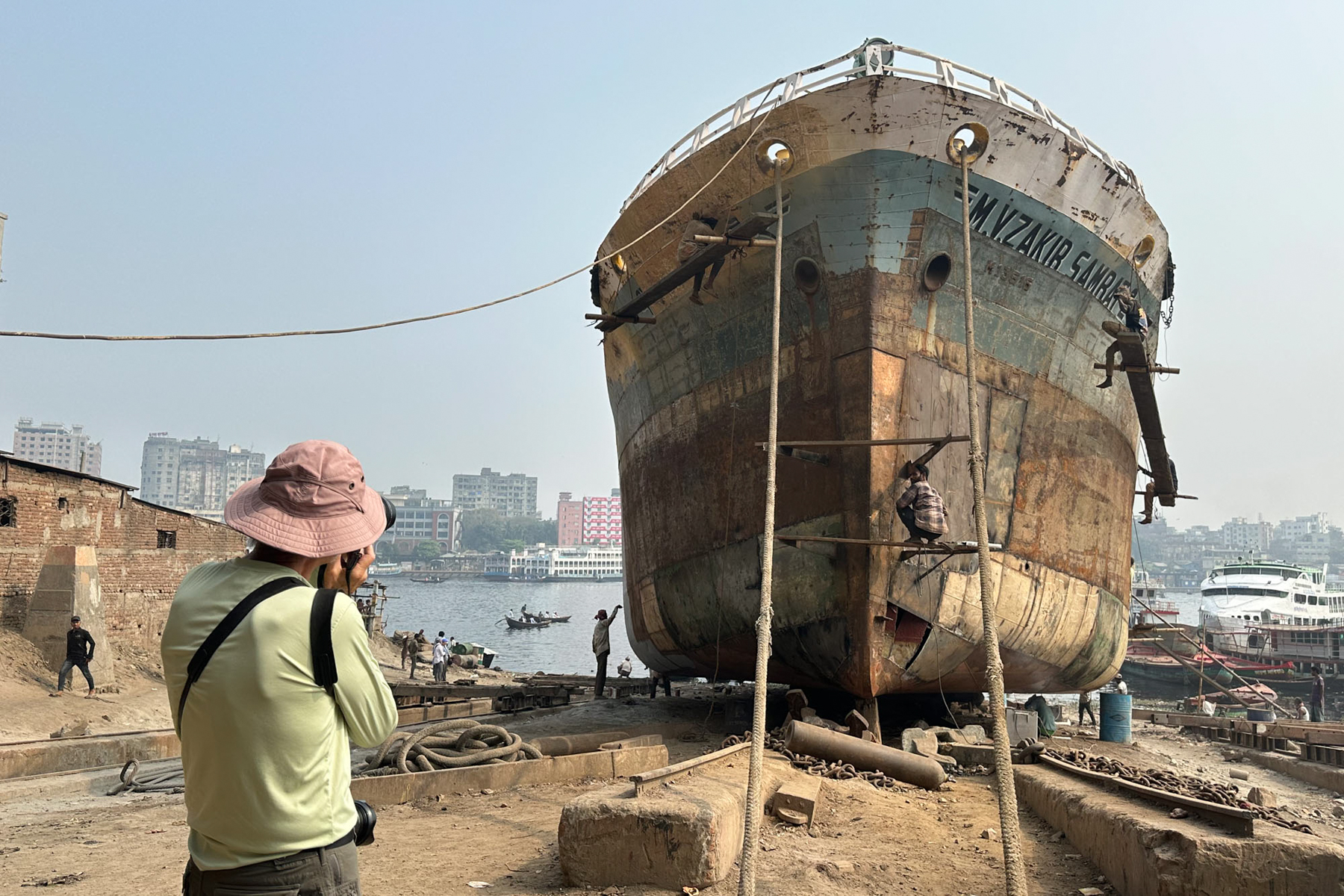
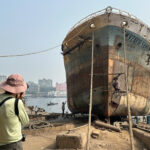
Standing well back from the action to photograph the ship breaking yards in Bangladesh (image by Yousuf Tushar)
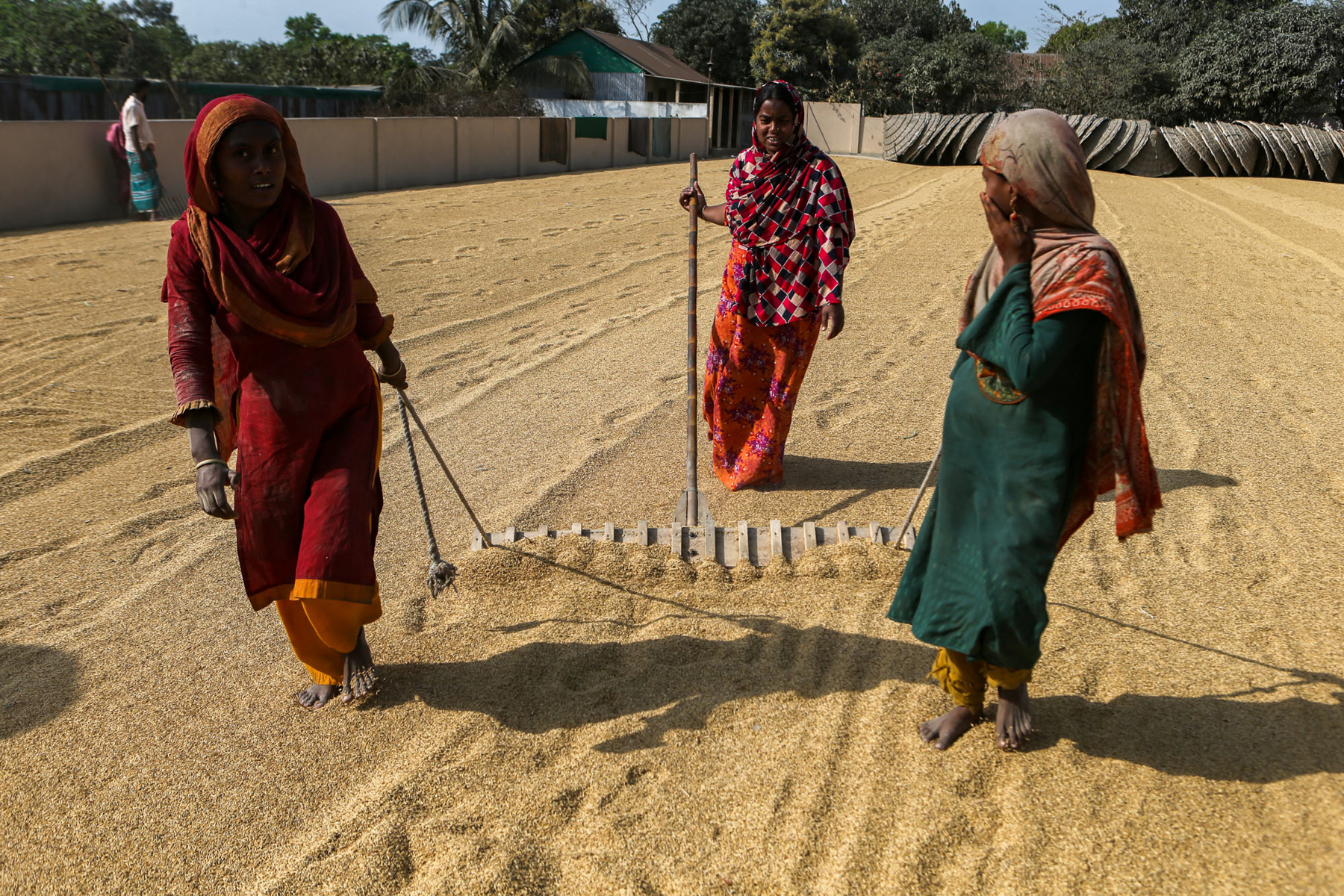
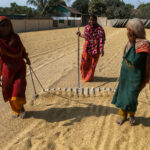
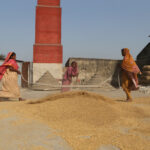
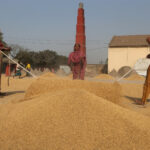
Women work to rake out rice that will dry in the courtyards at the centre of their homes (image by Yousuf Tushar)
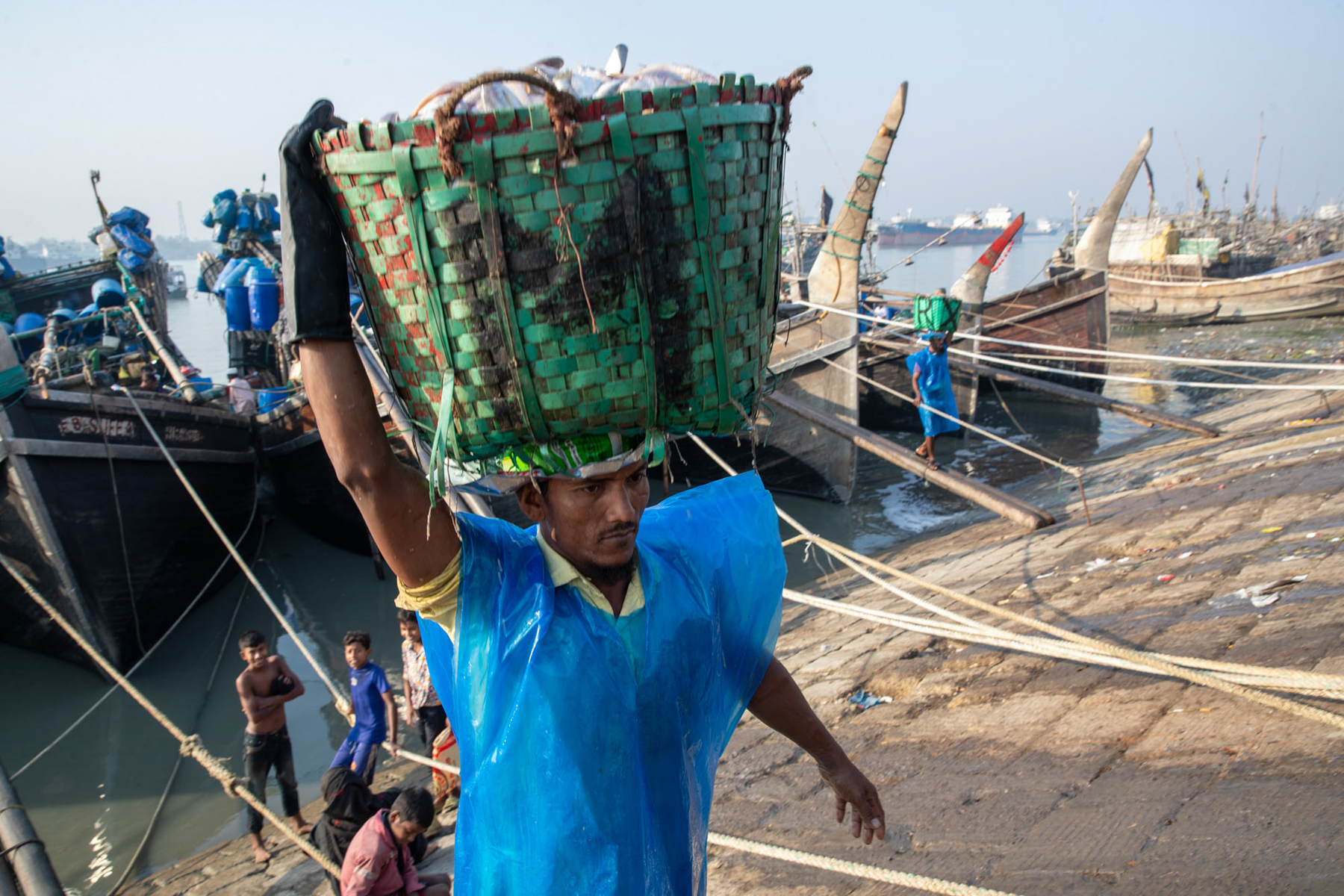
Offloading the fishing trawlers (image by Yousuf Tushar)
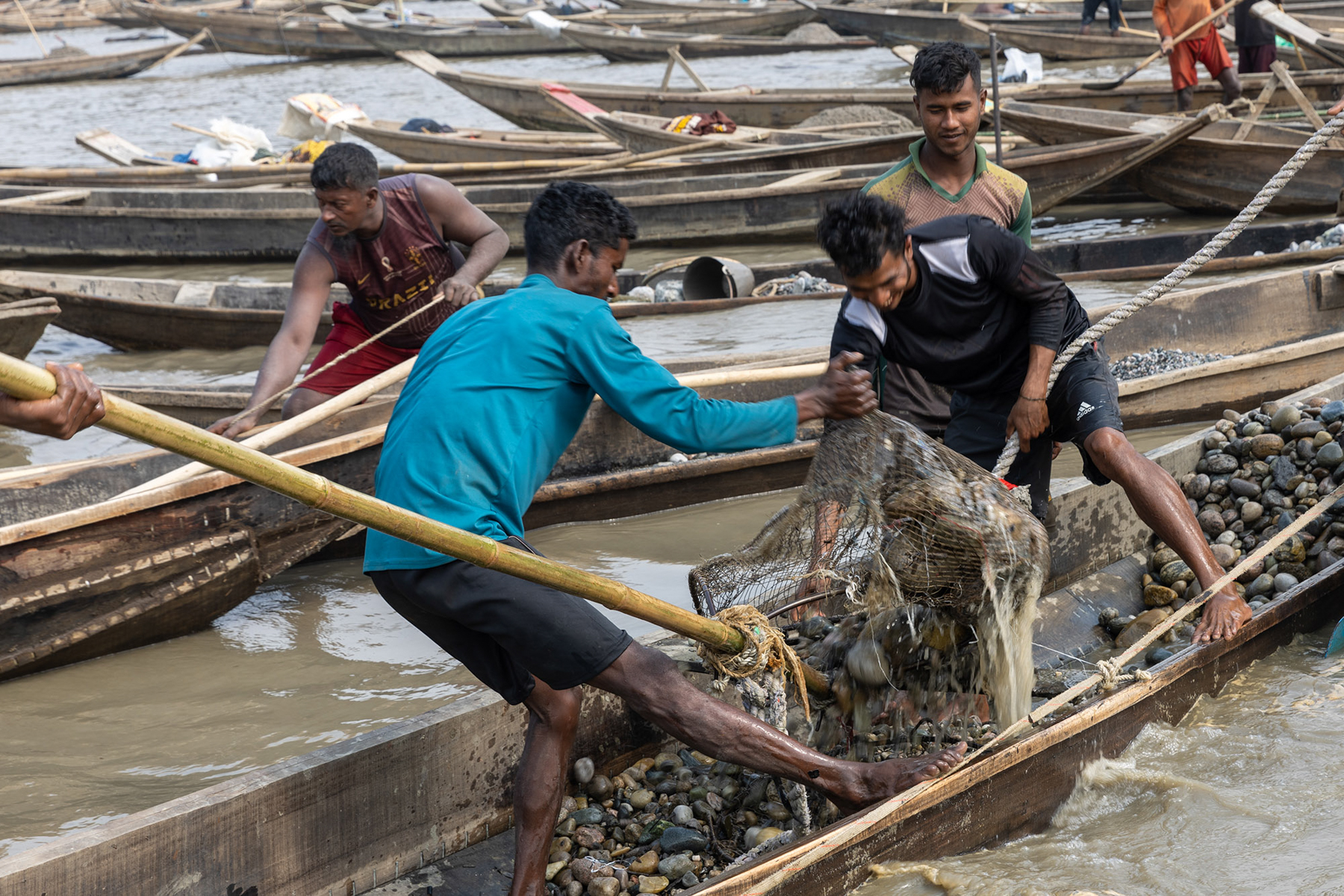
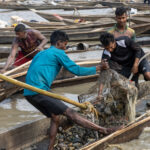
Even though their work is very tough, a couple of young Bangladeshi stone miners make jokes while hauling rocks (image by Yousuf Tushar)
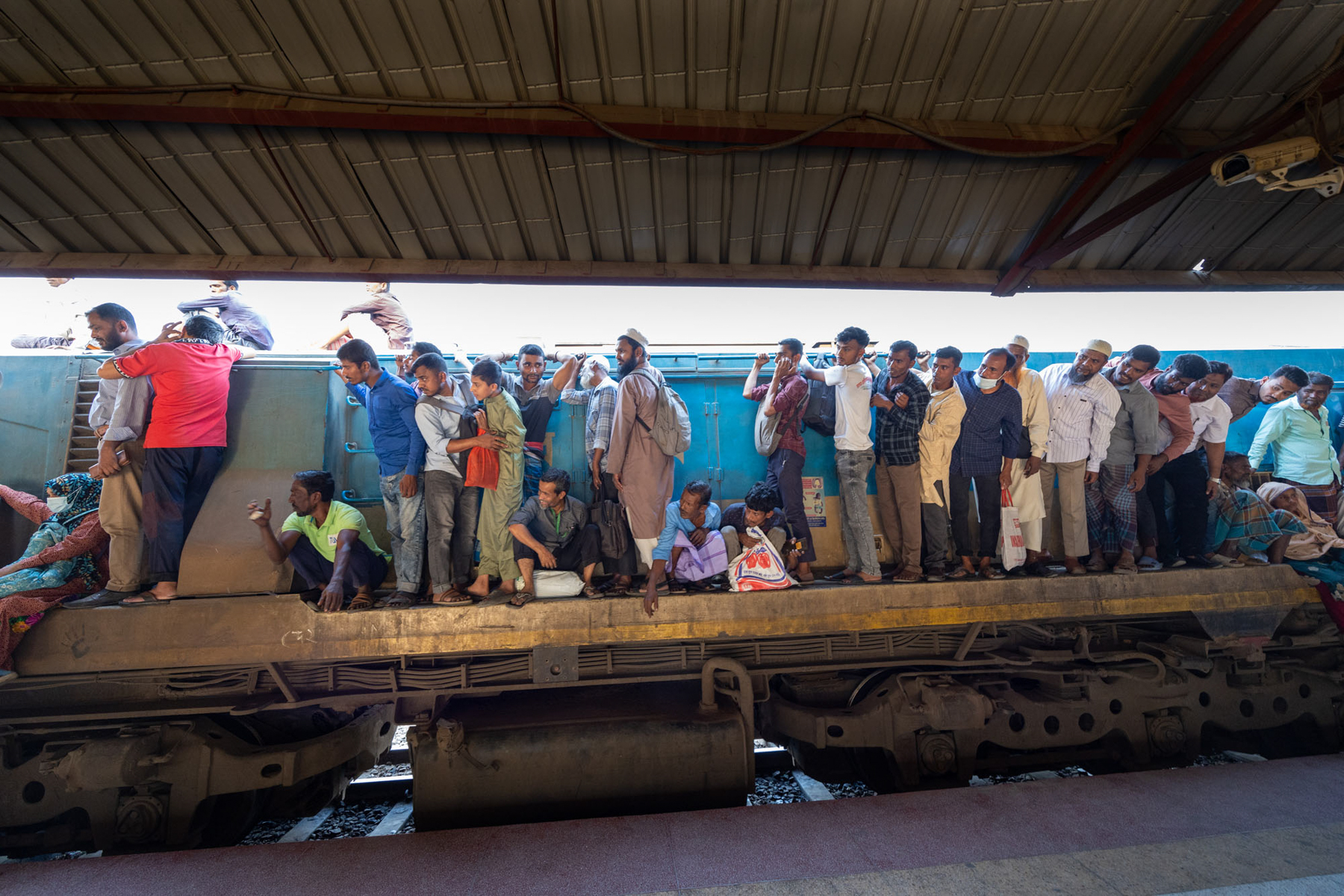
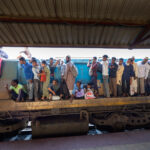
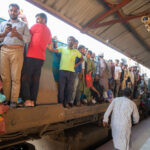
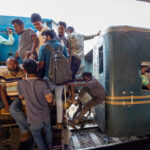
Lines of commuters pack a local train in Dhaka (image by Yousuf Tushar)
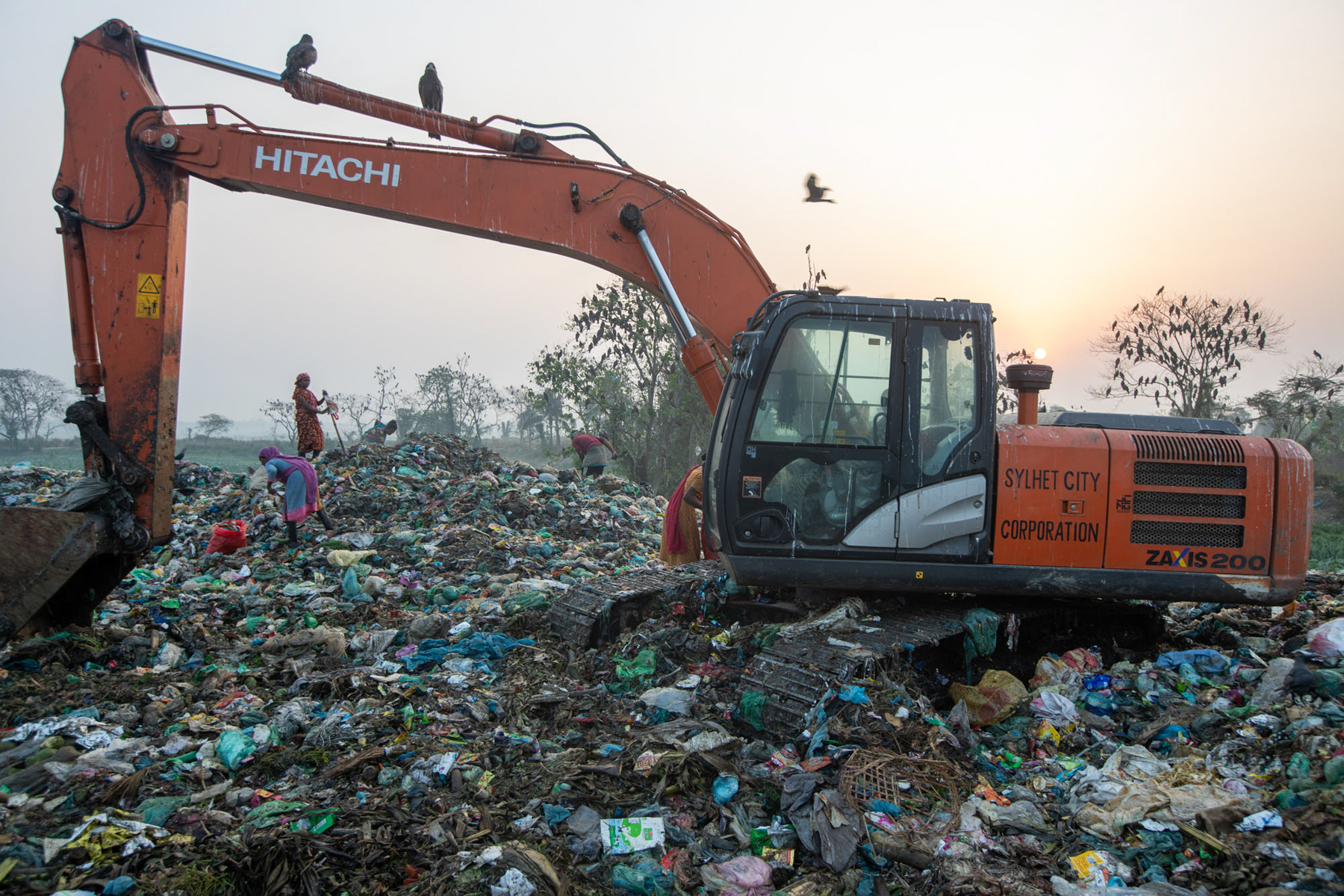
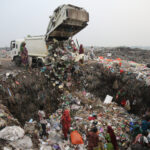
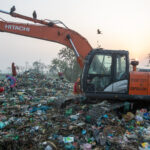
Waste workers in Sylhet are assisted by large machine diggers (image by Yousuf Tushar)
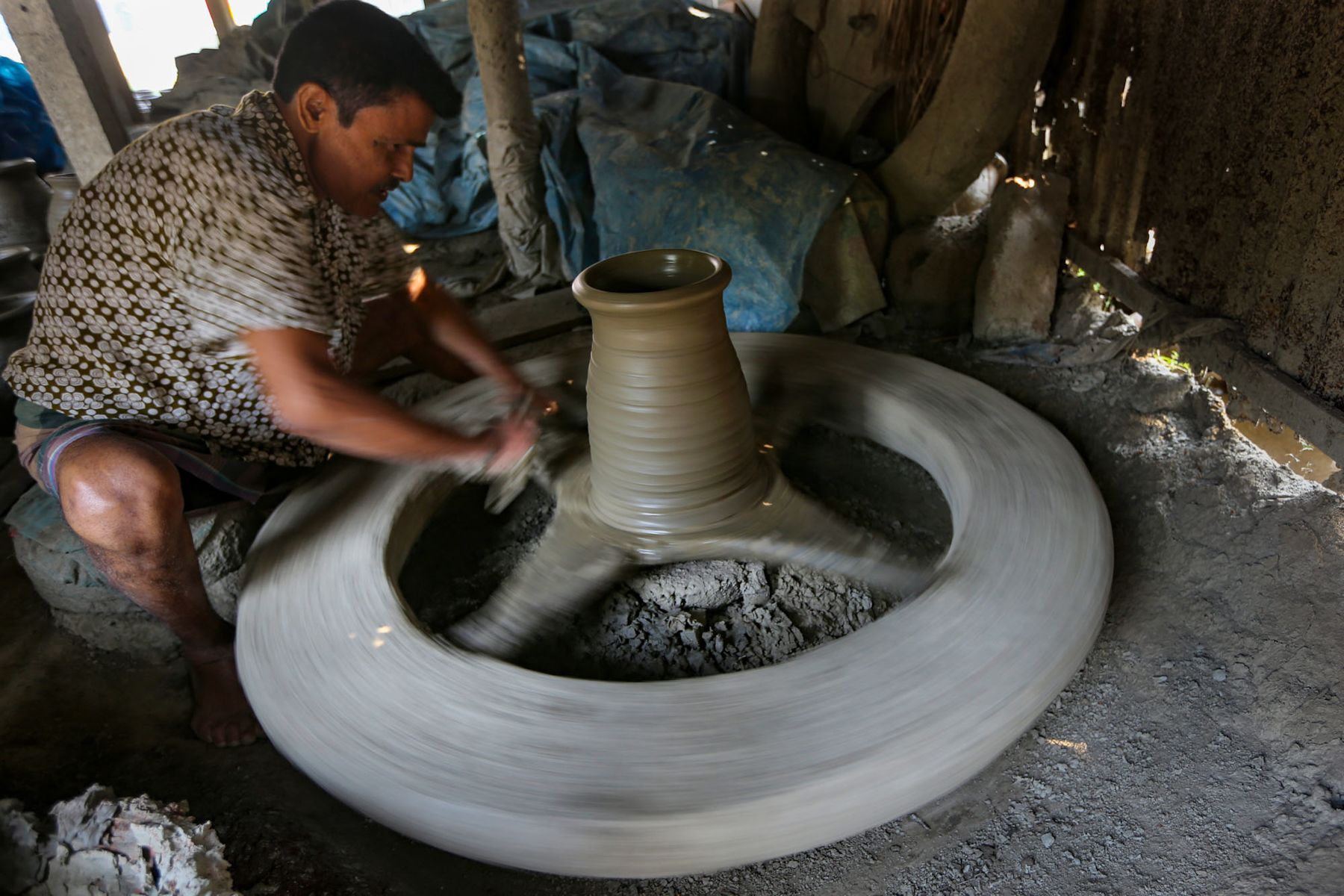
Spinning the wheel in a local pottery making facility (image by Yousuf Tushar)
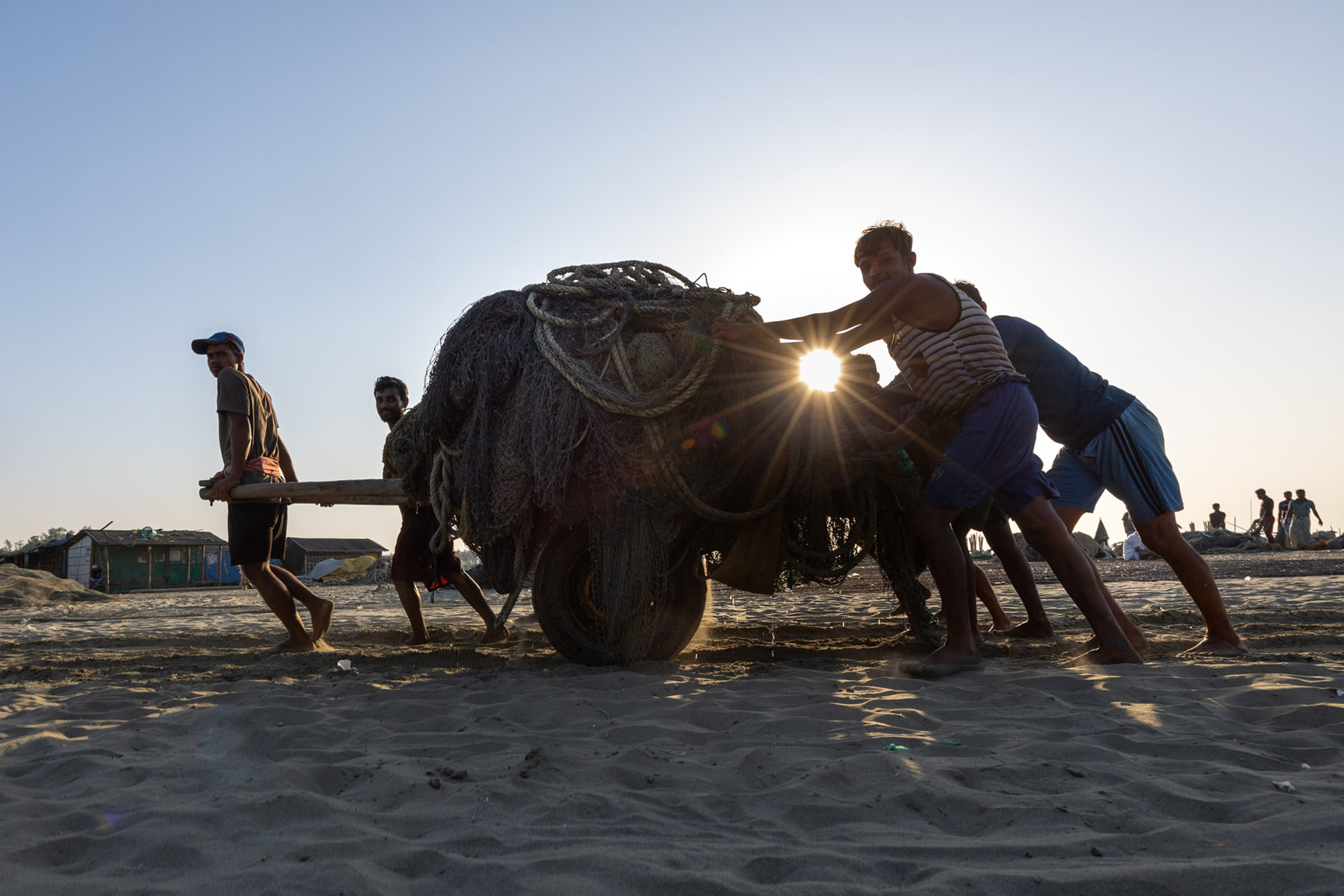
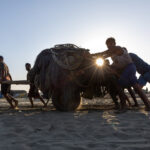
Sun burst in the net haulers (image by Yousuf Tushar)
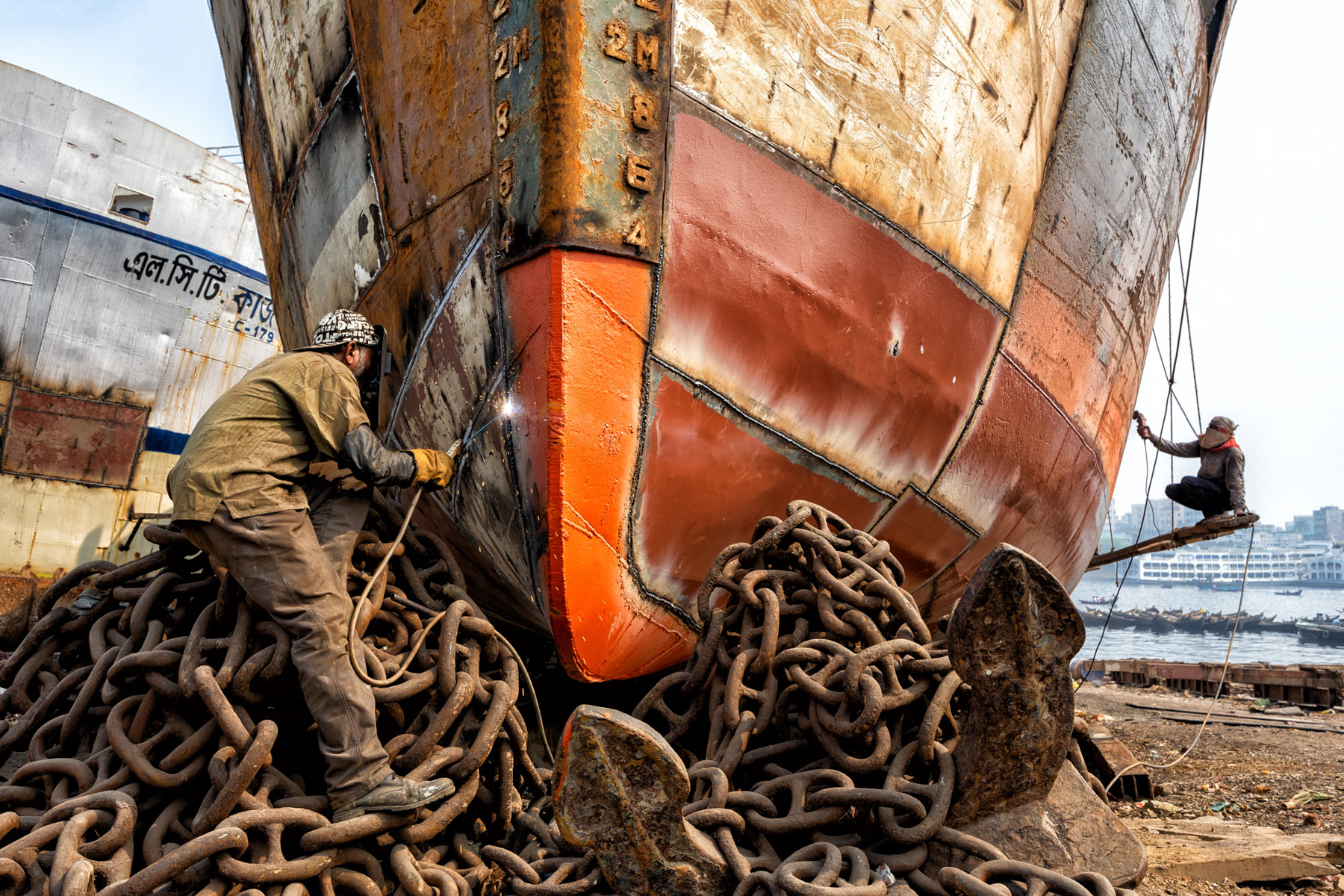
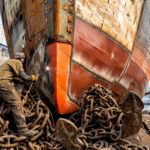
Ship breakers in Dhaka work to dismantle and rebuild many of the world's ships (image by Yousuf Tushar)
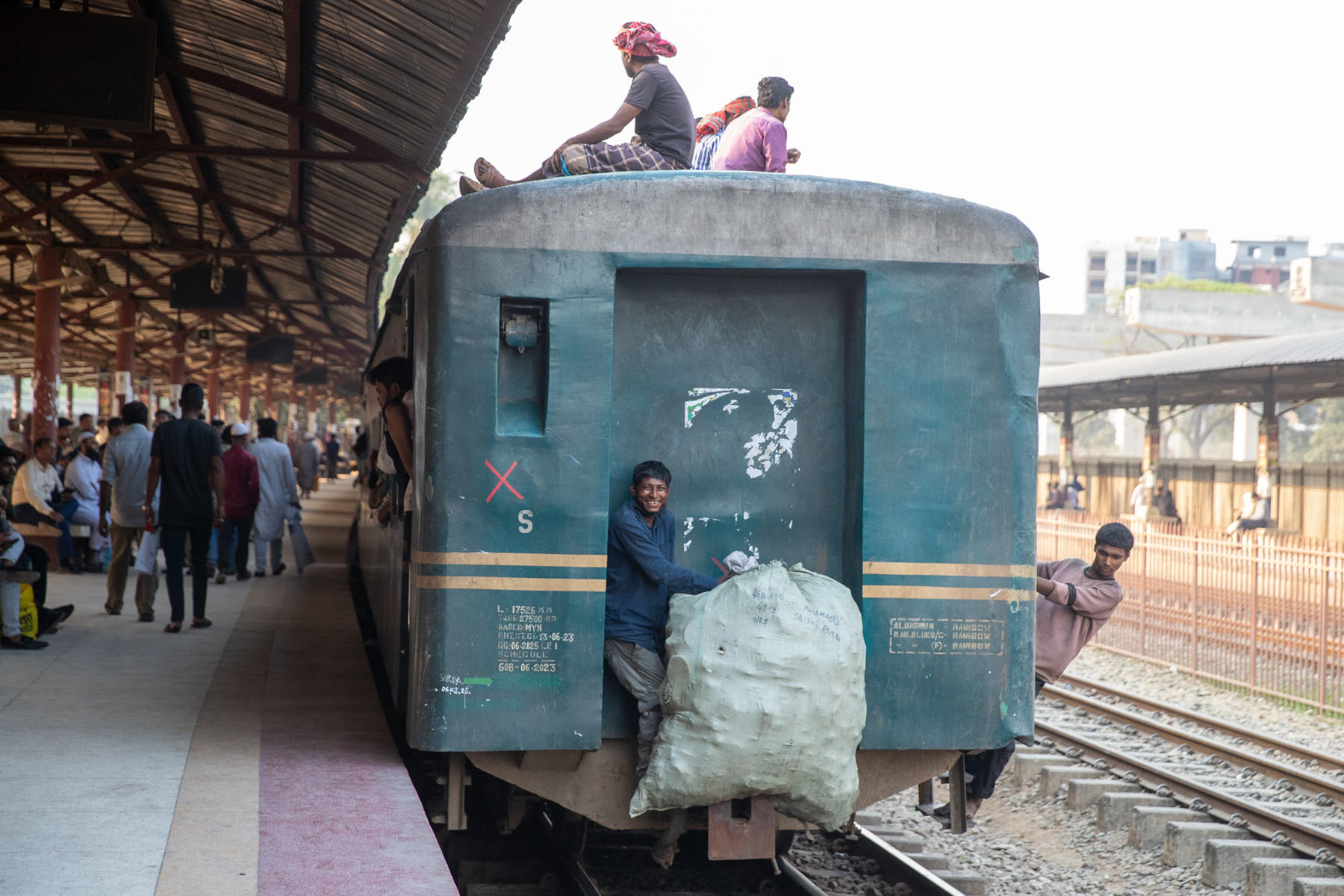
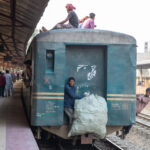
Even the back step of a local train has a smiling passenger (image by Yousuf Tushar)
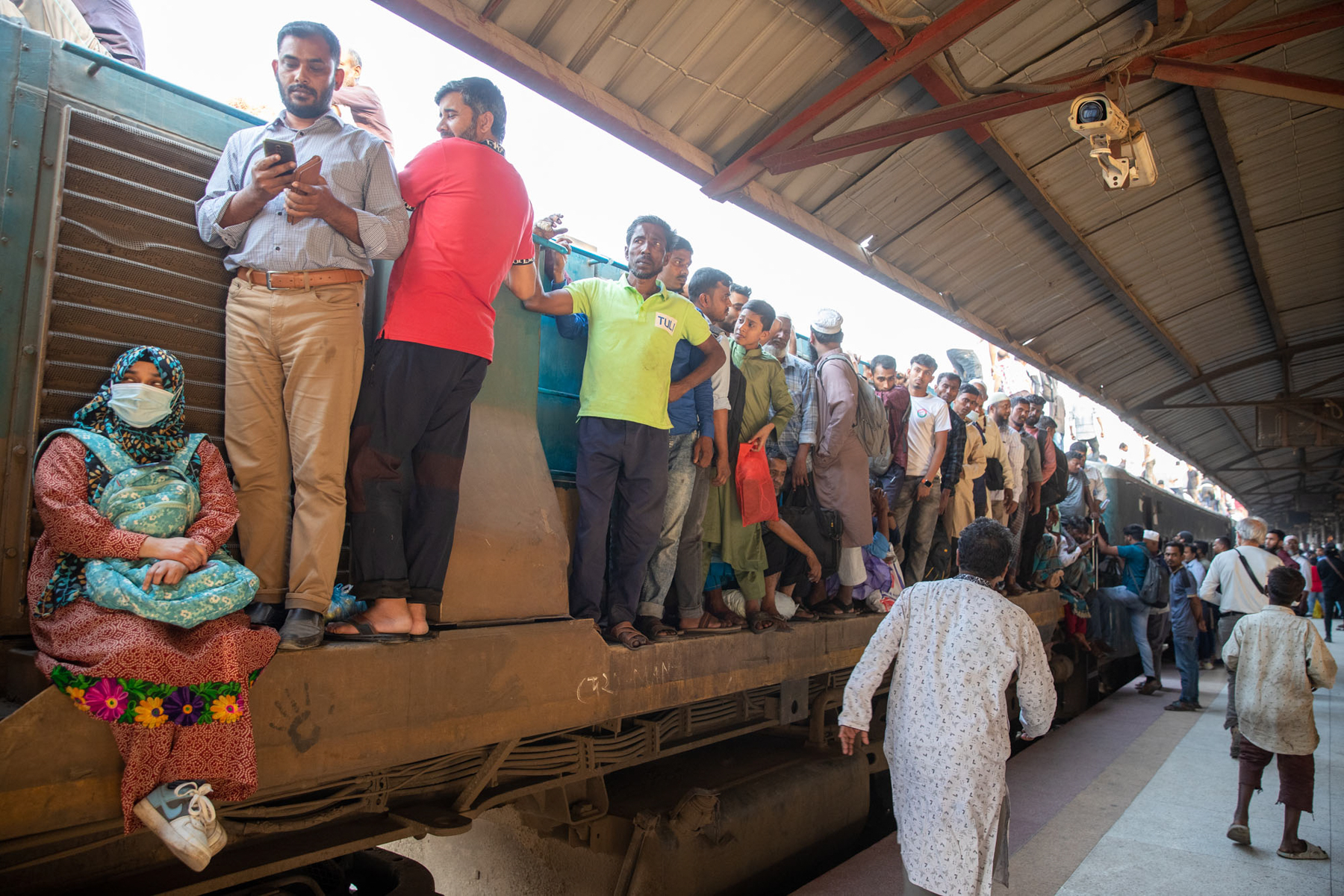
Overcrowded trains in Dhaka (image by Yousuf Tushar)
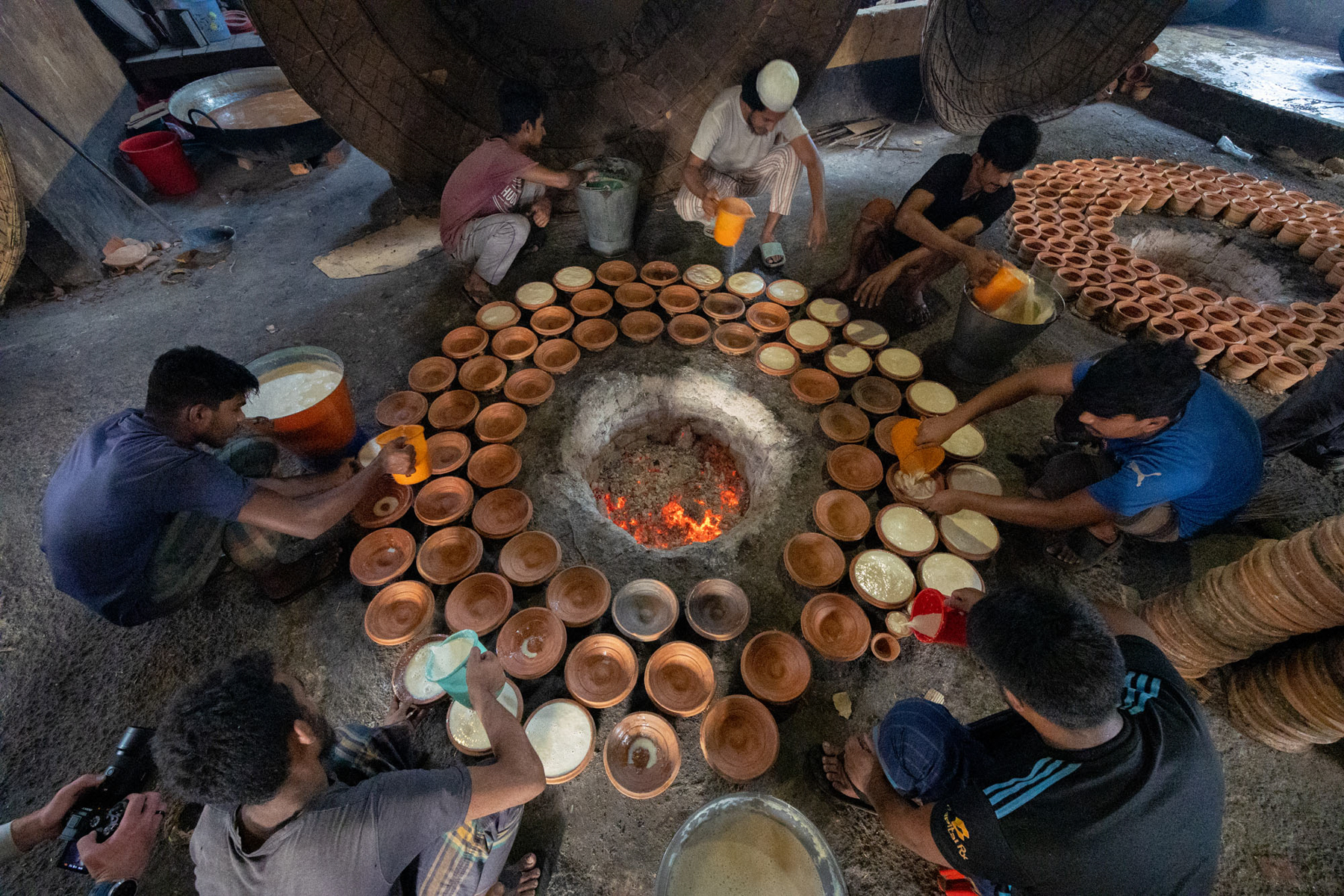
Inside one of Bangladesh's delicious yoghurt making factories (image by Yousuf Tushar)
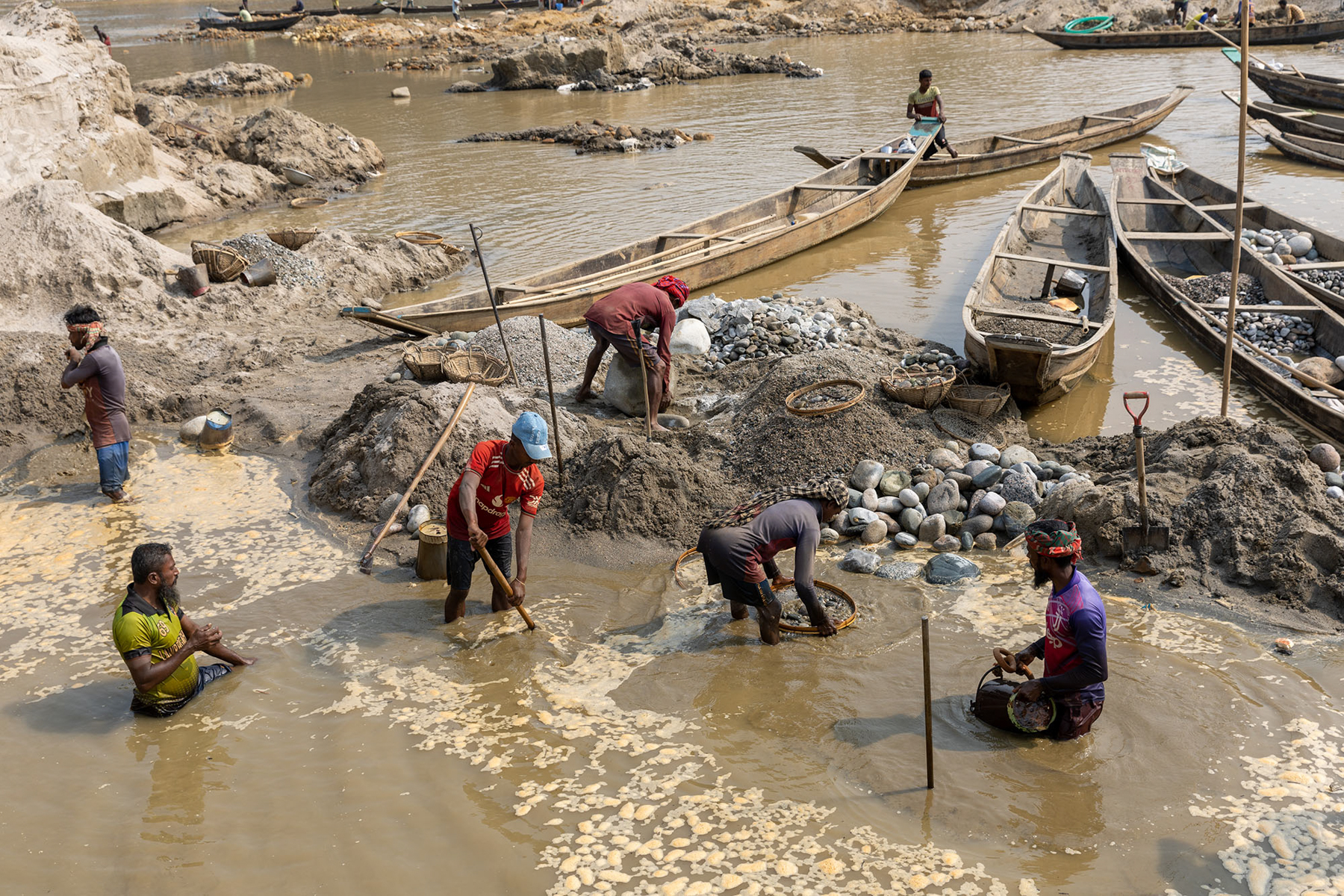
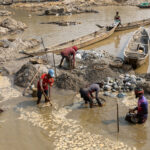
River rocks are dug by the hands of hundreds of workers (image by Yousuf Tushar)
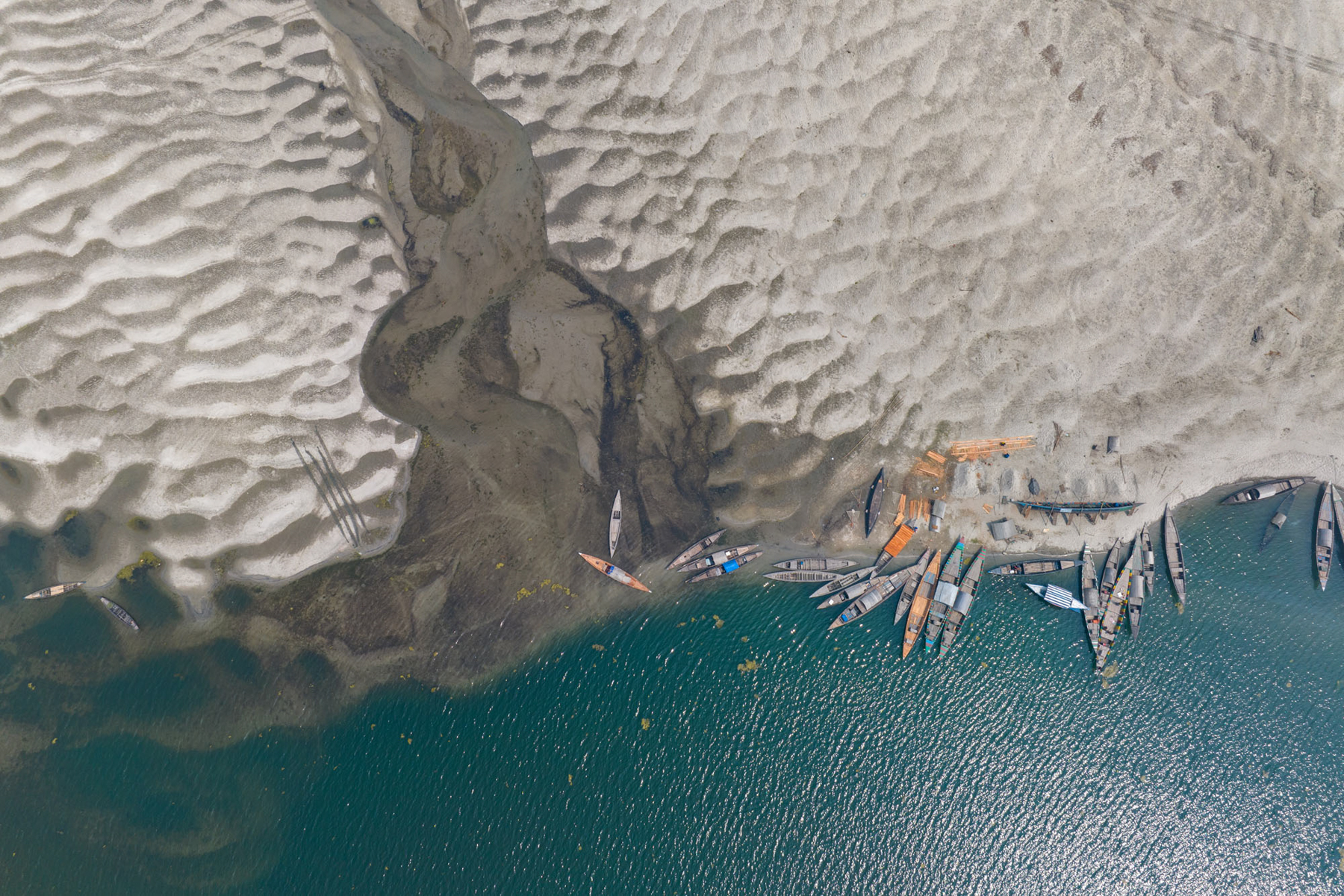
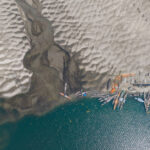
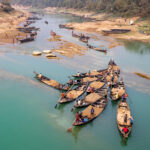
Aerial view of riverboats at the mouth of a tributary (image by Yousuf Tushar)
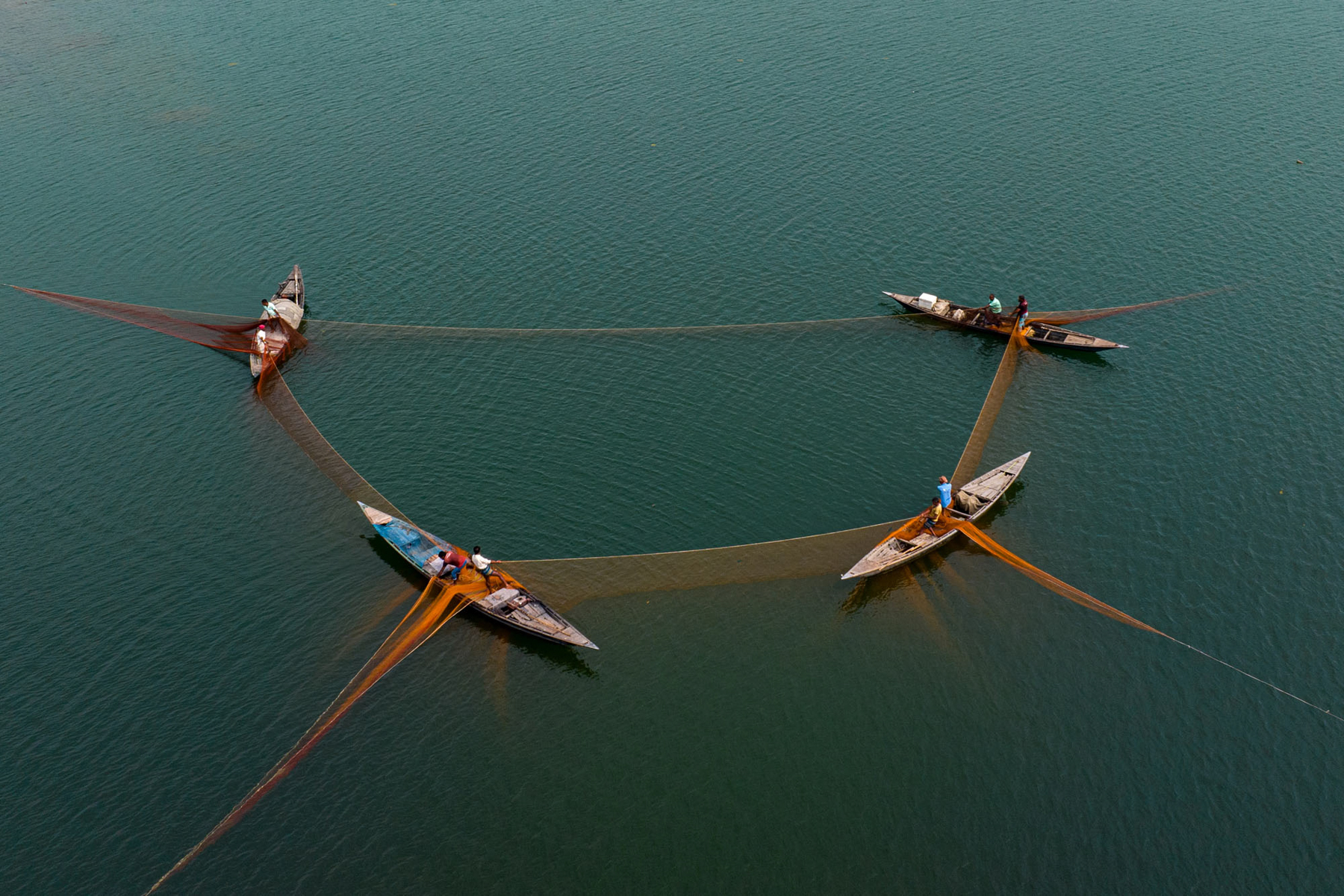
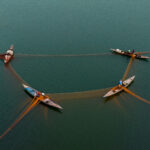
Four-boat fishing in the river (image by Yousuf Tushar)
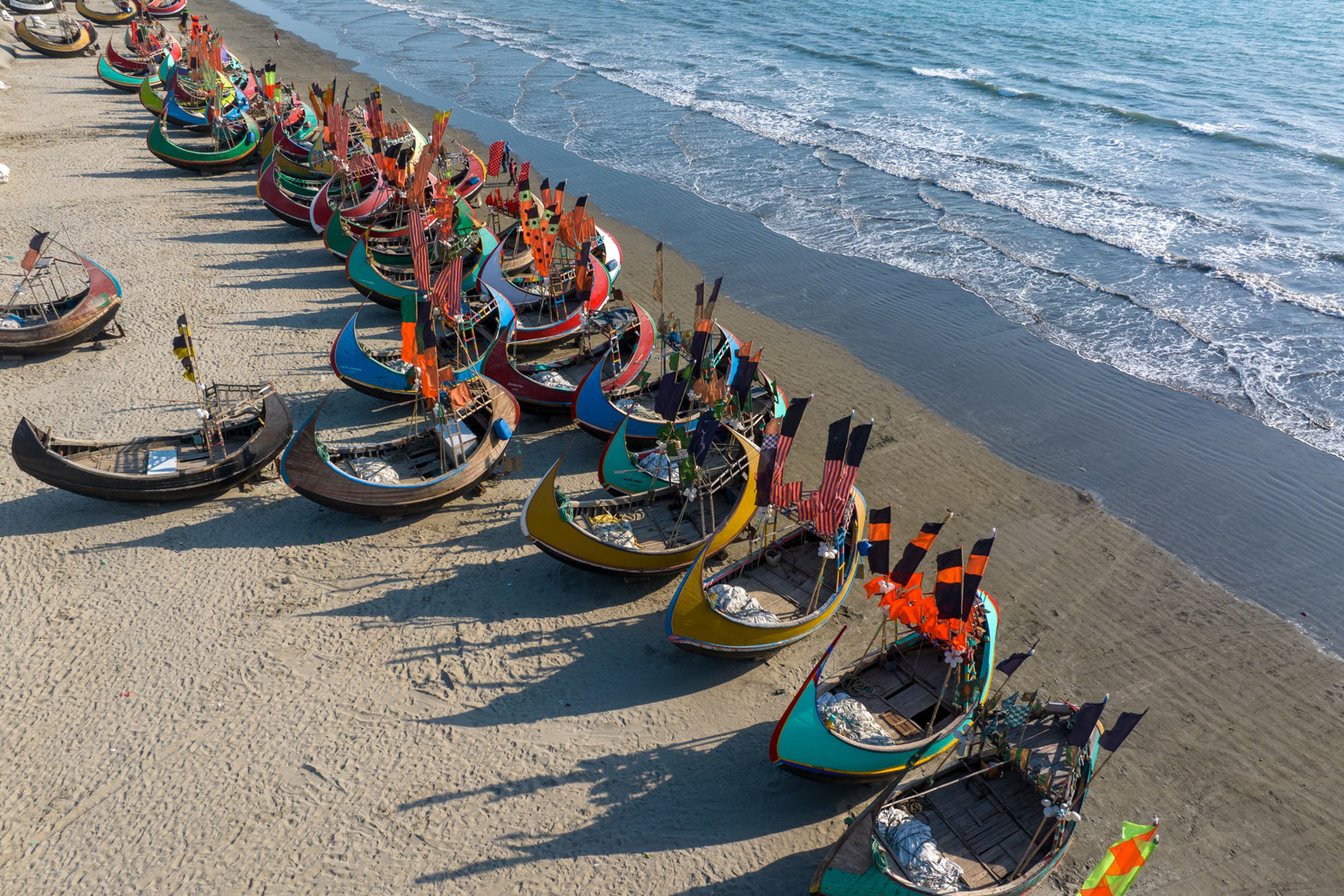
Aerial view of Bangladesh's stunning moon boats lining the high tide mark at Cox's Bazaar (image by Yousuf Tushar)
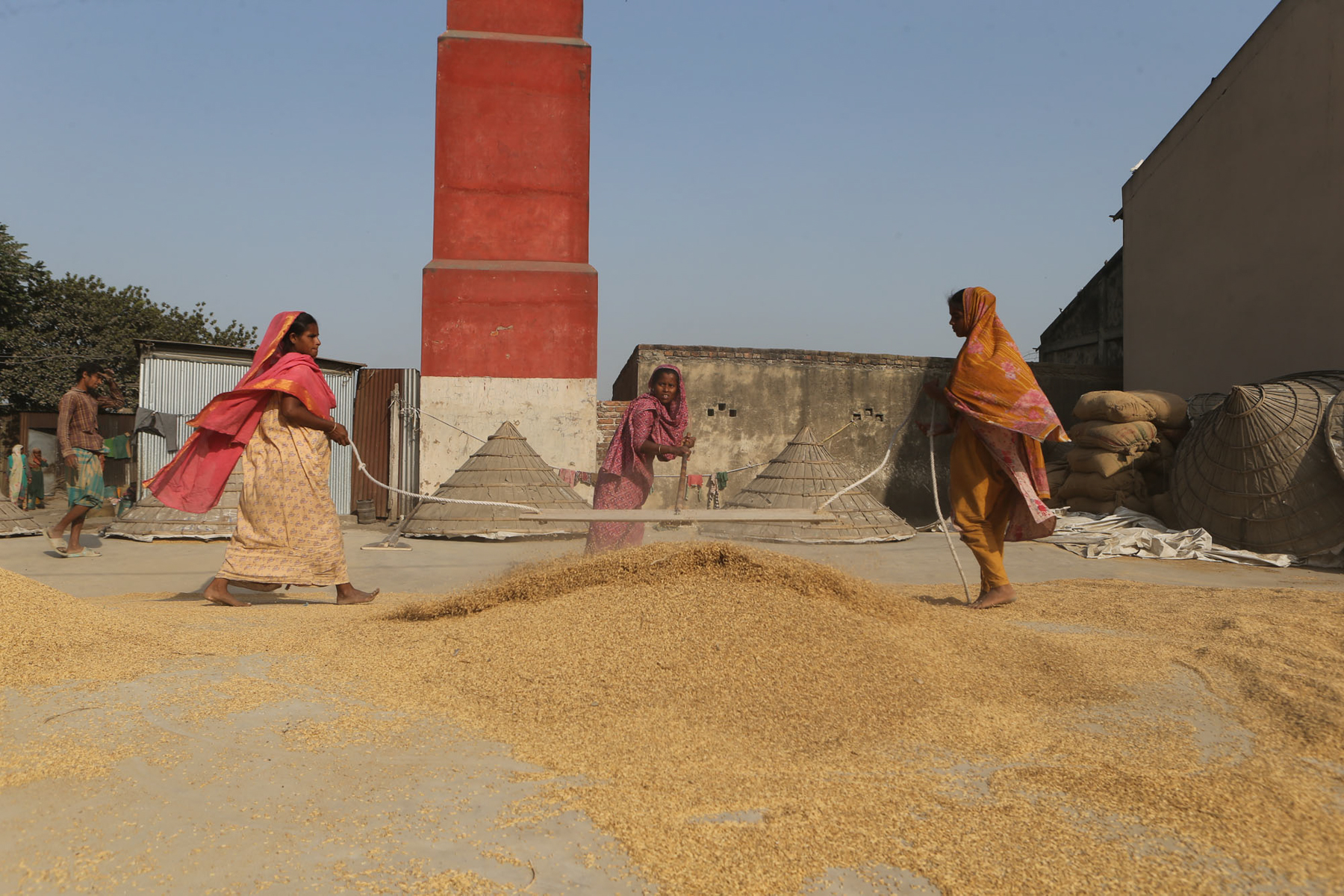
Rice workers hand threshing (image by Yousuf Tushar)
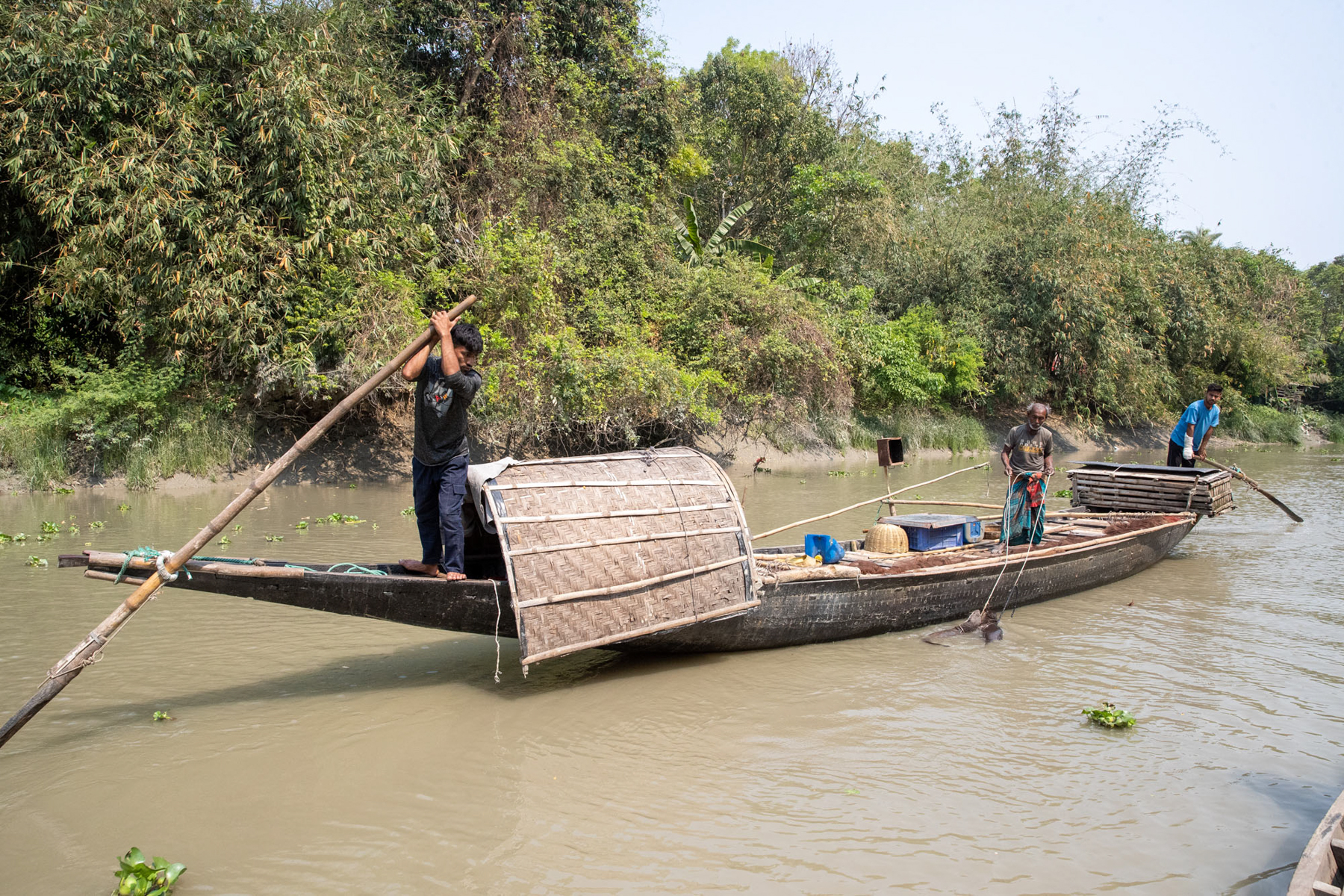
The fascinating and ancient pratice of fishing with otters, at the edge of the Sundarban wilderness (image by Yousuf Tushar)
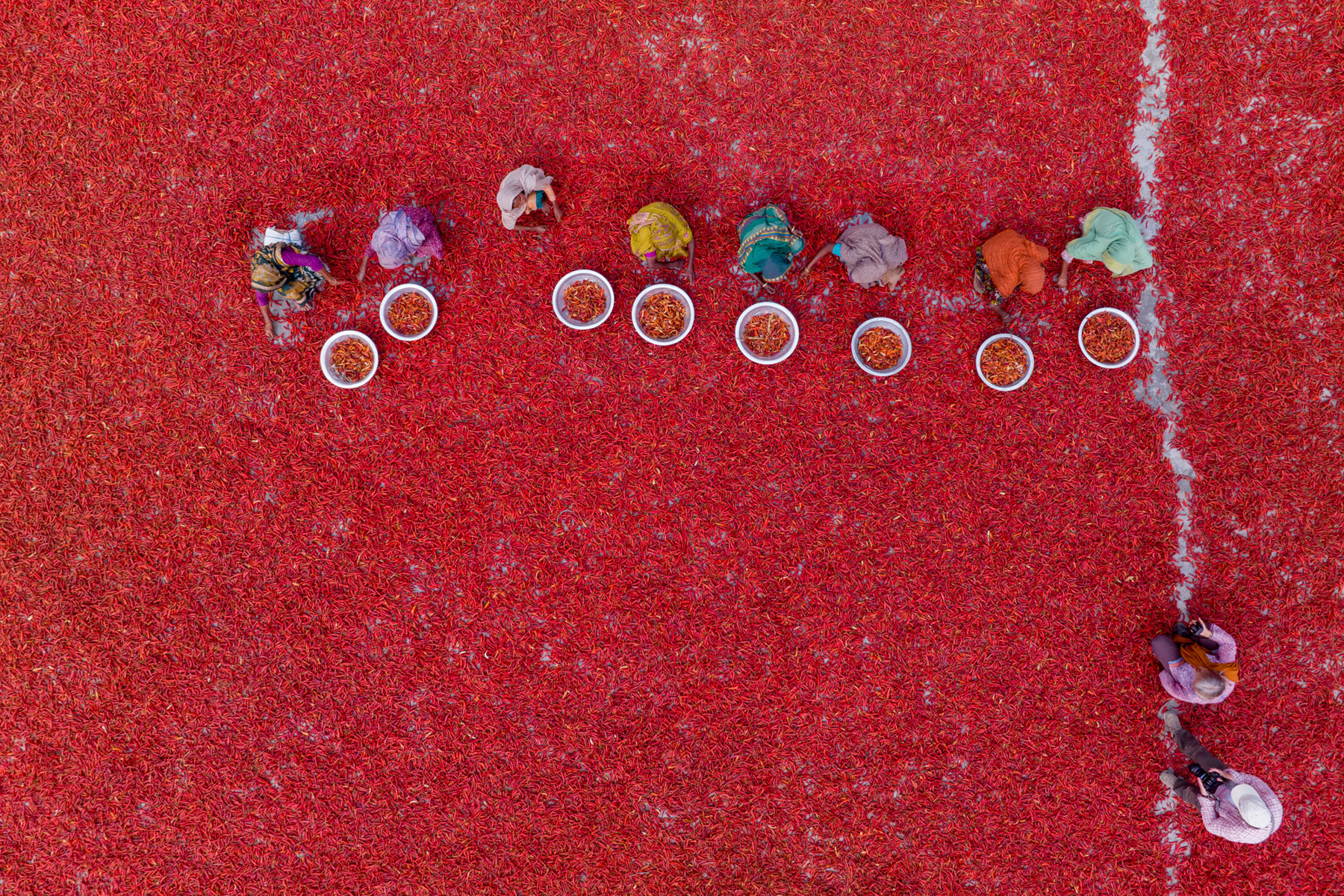
Sky view of our group members photographing the chilli harvesting in Bangladesh (image by Yousuf Tushar)
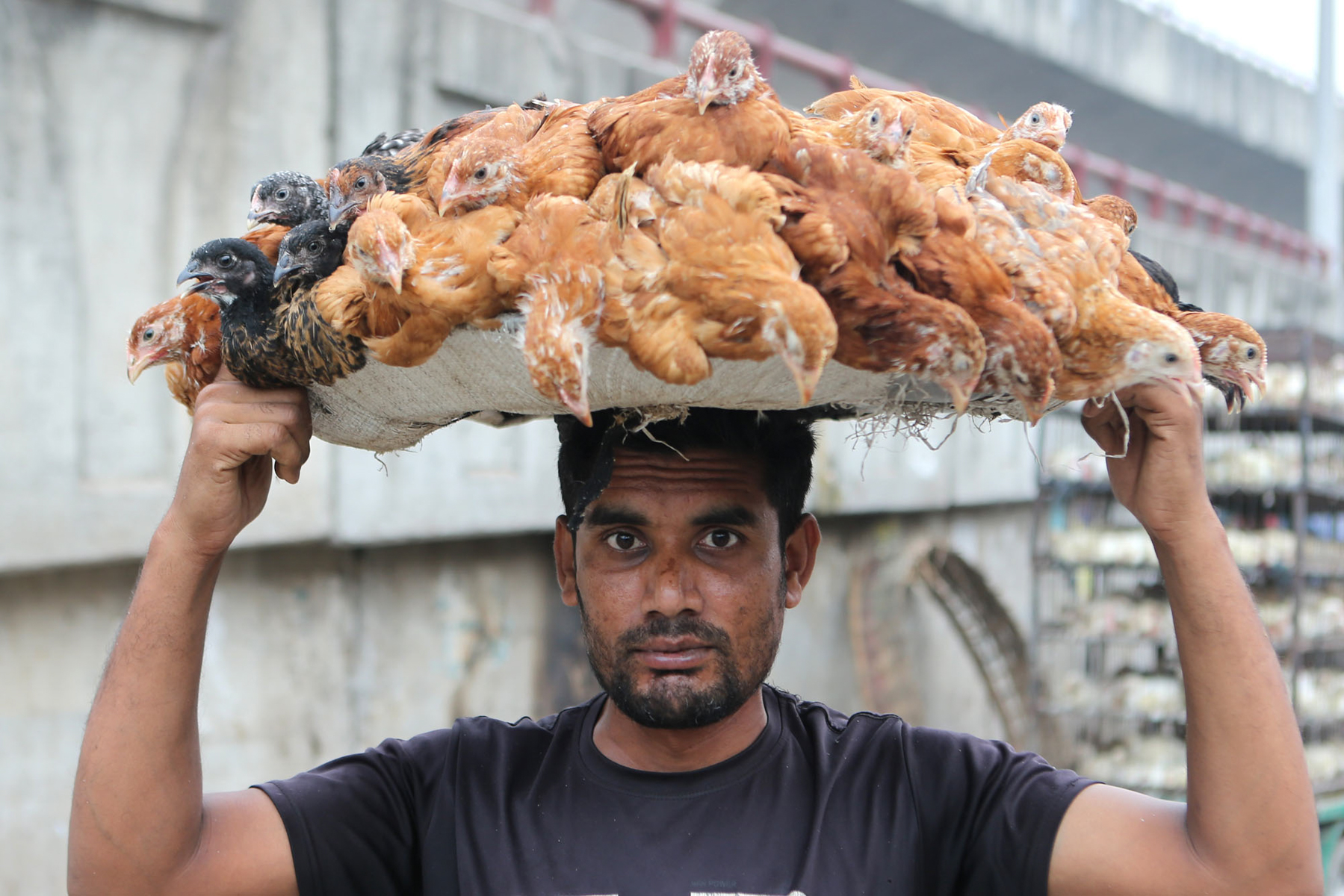
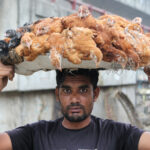
Selling chickens in Dhaka (image by Yousuf Tushar)
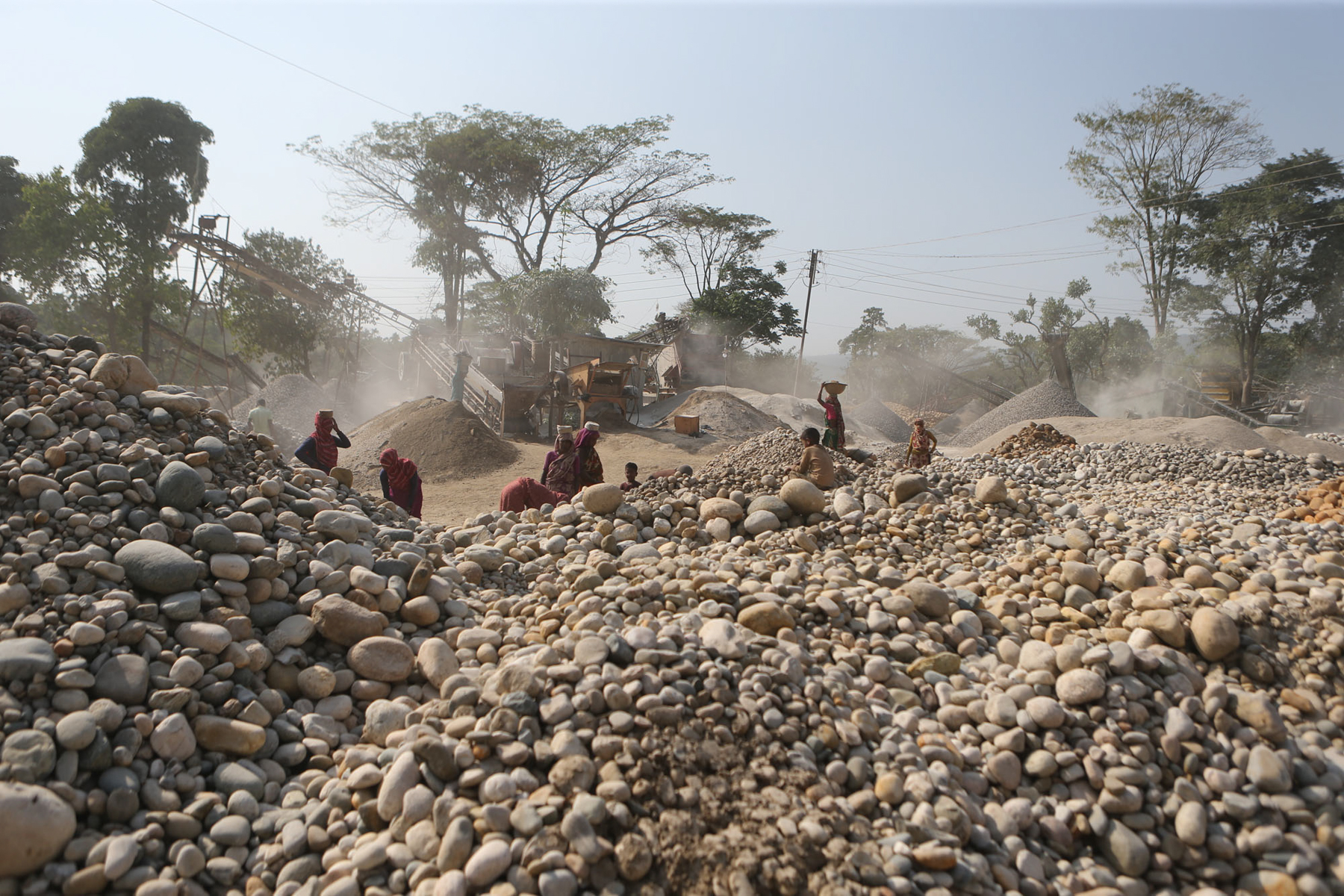
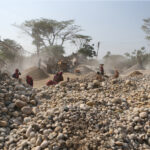
Rock mine workers in remote Bangladesh (image by Yousuf Tushar)
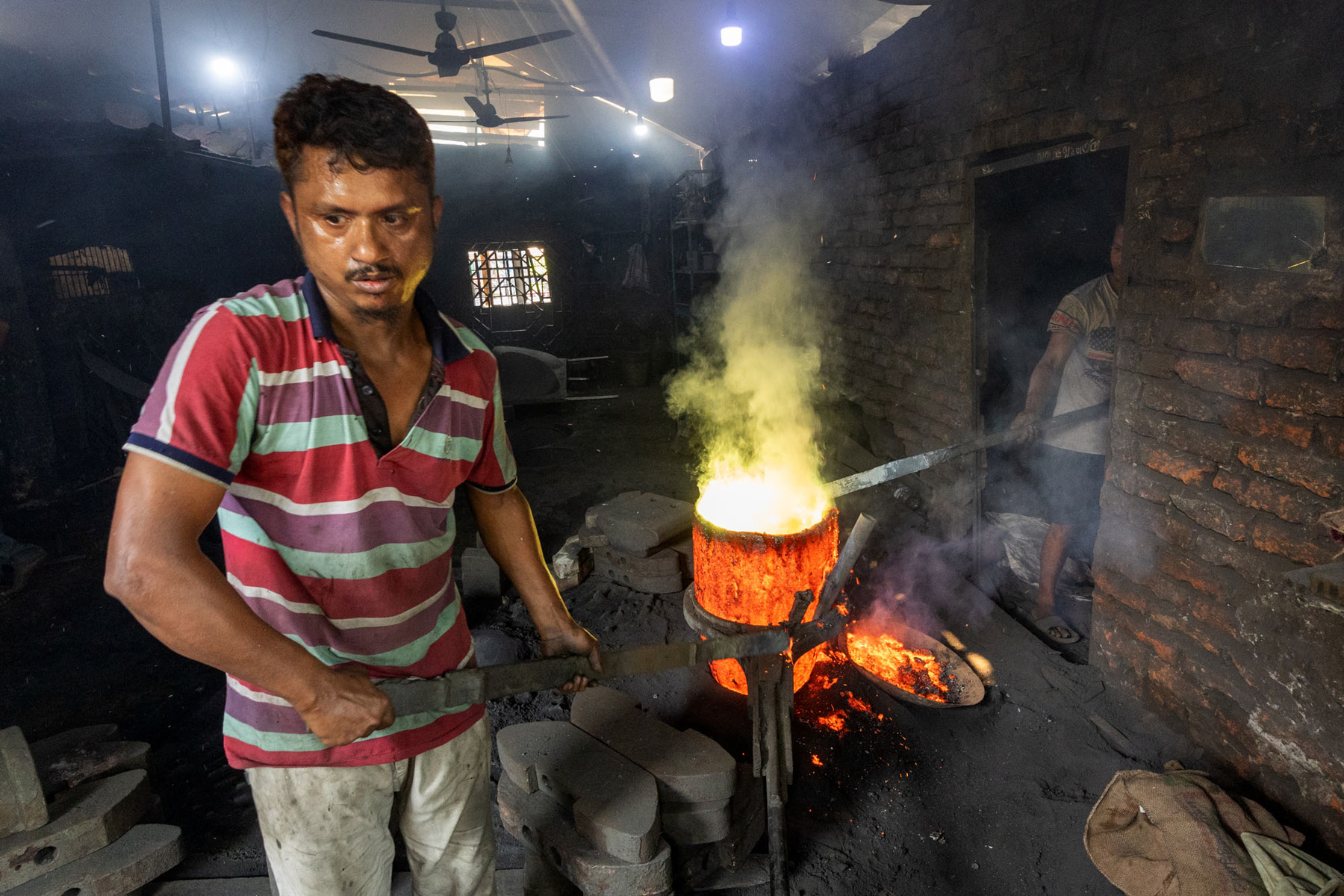
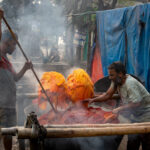
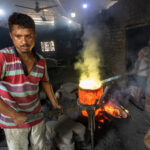
Workers sweat in the tremendous heat from a blast furnace used to melt down broken ships in Dhaka (image by Yousuf Tushar)
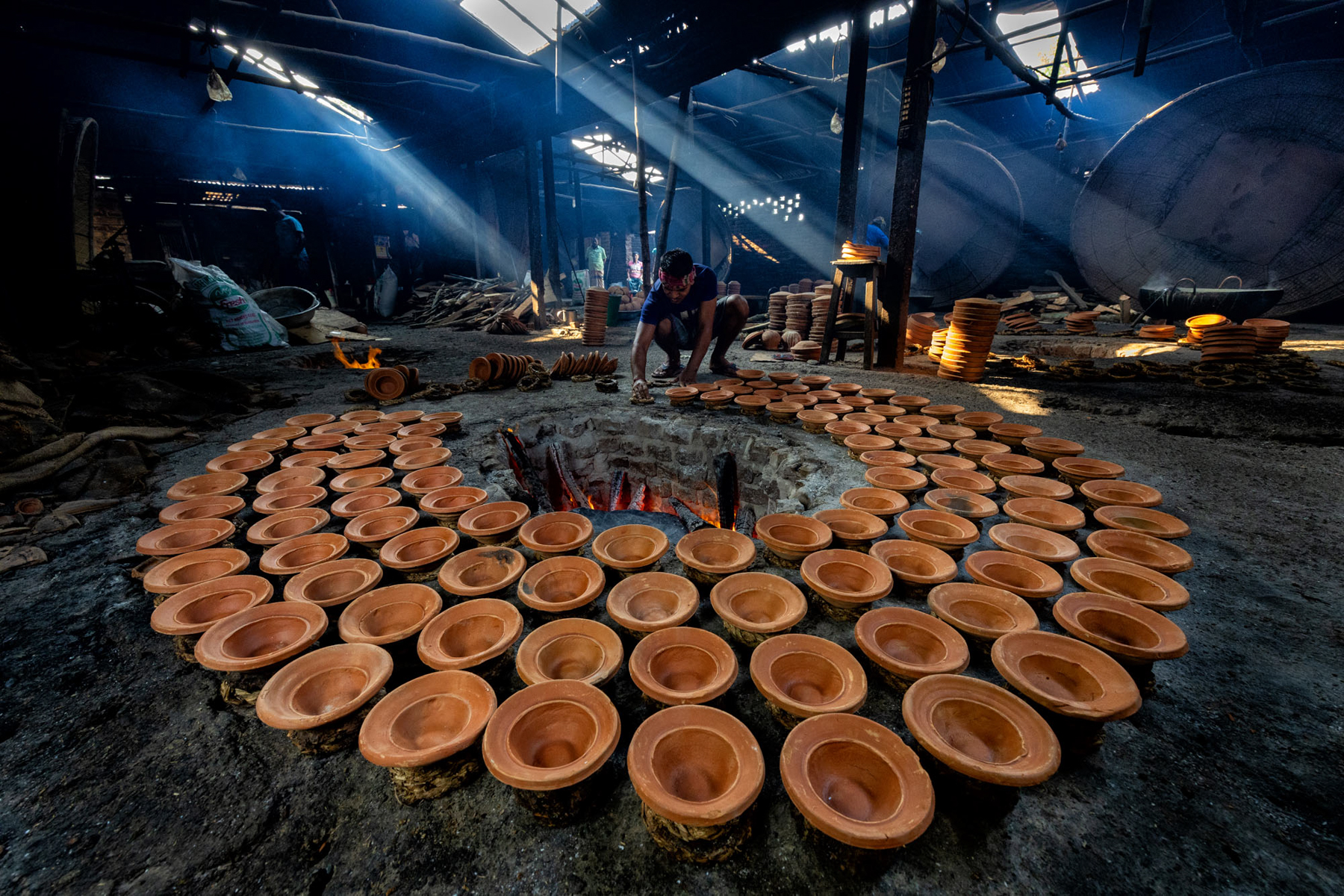
Shards of light pierce the floor of a yoghurt making factory in remote Bangladesh (image by Yousuf Tushar)
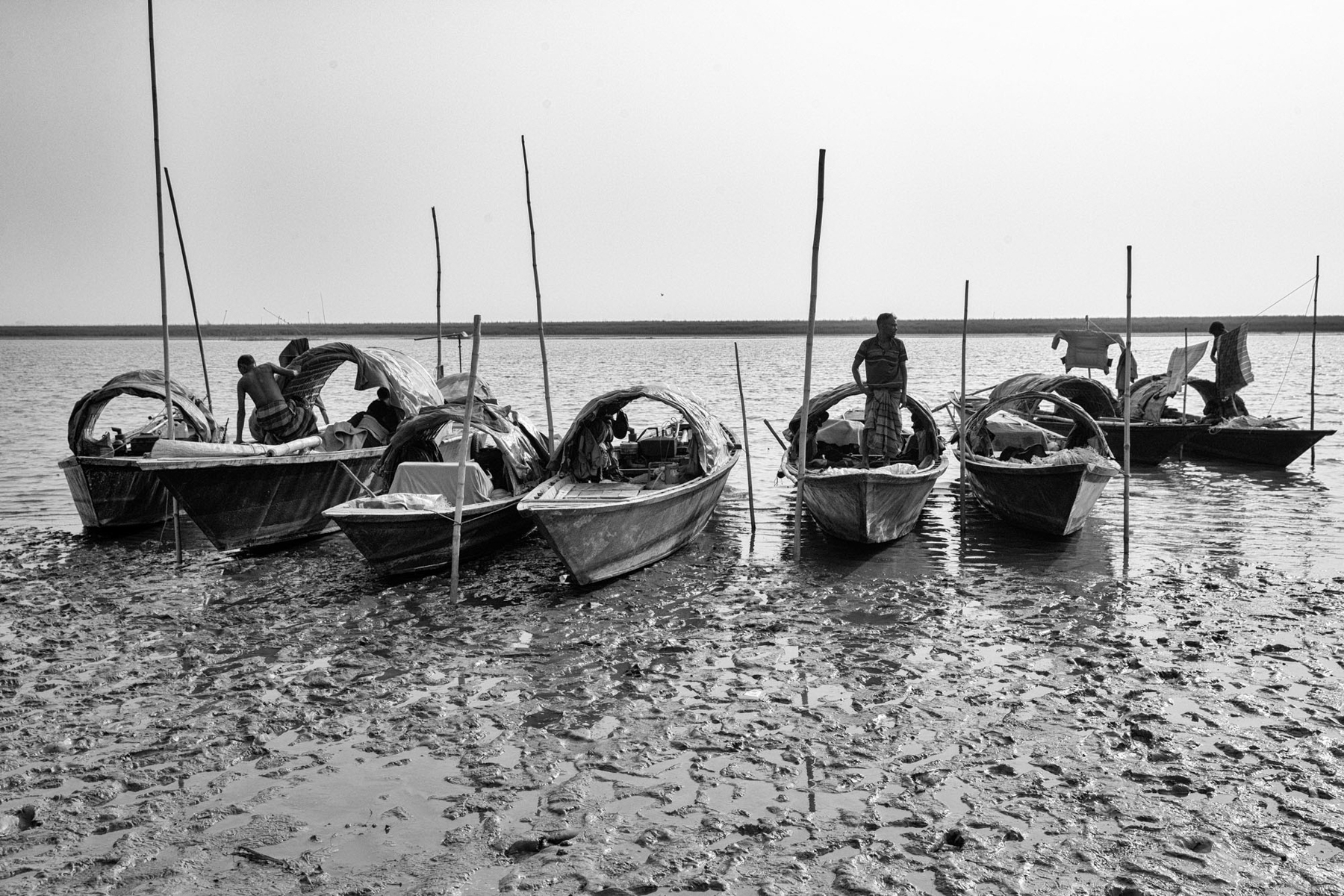
A line up of river boats (image by Yousuf Tushar)
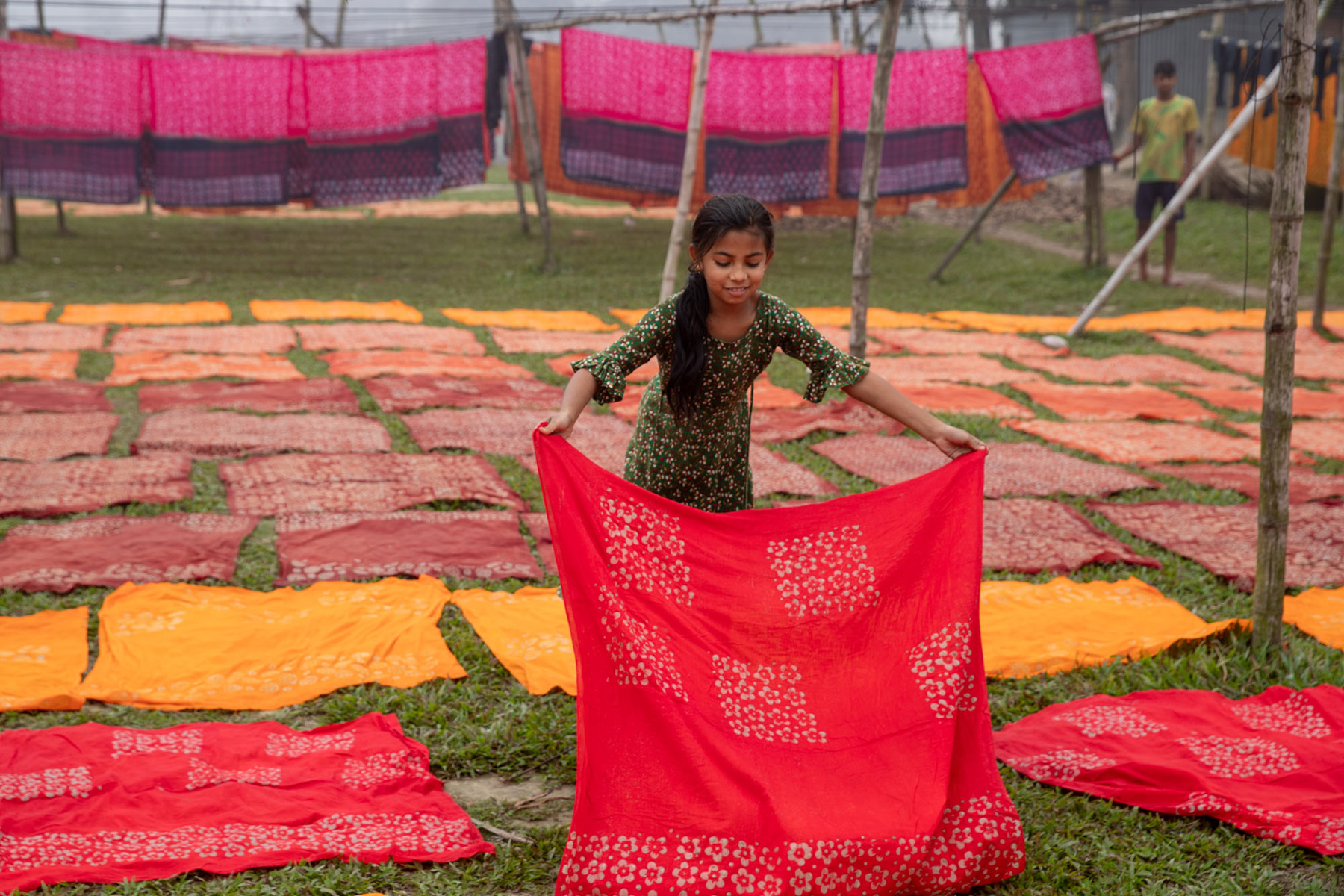
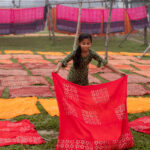
A young girl lays out newly dyed cloth to dry (image by Yousuf Tushar)
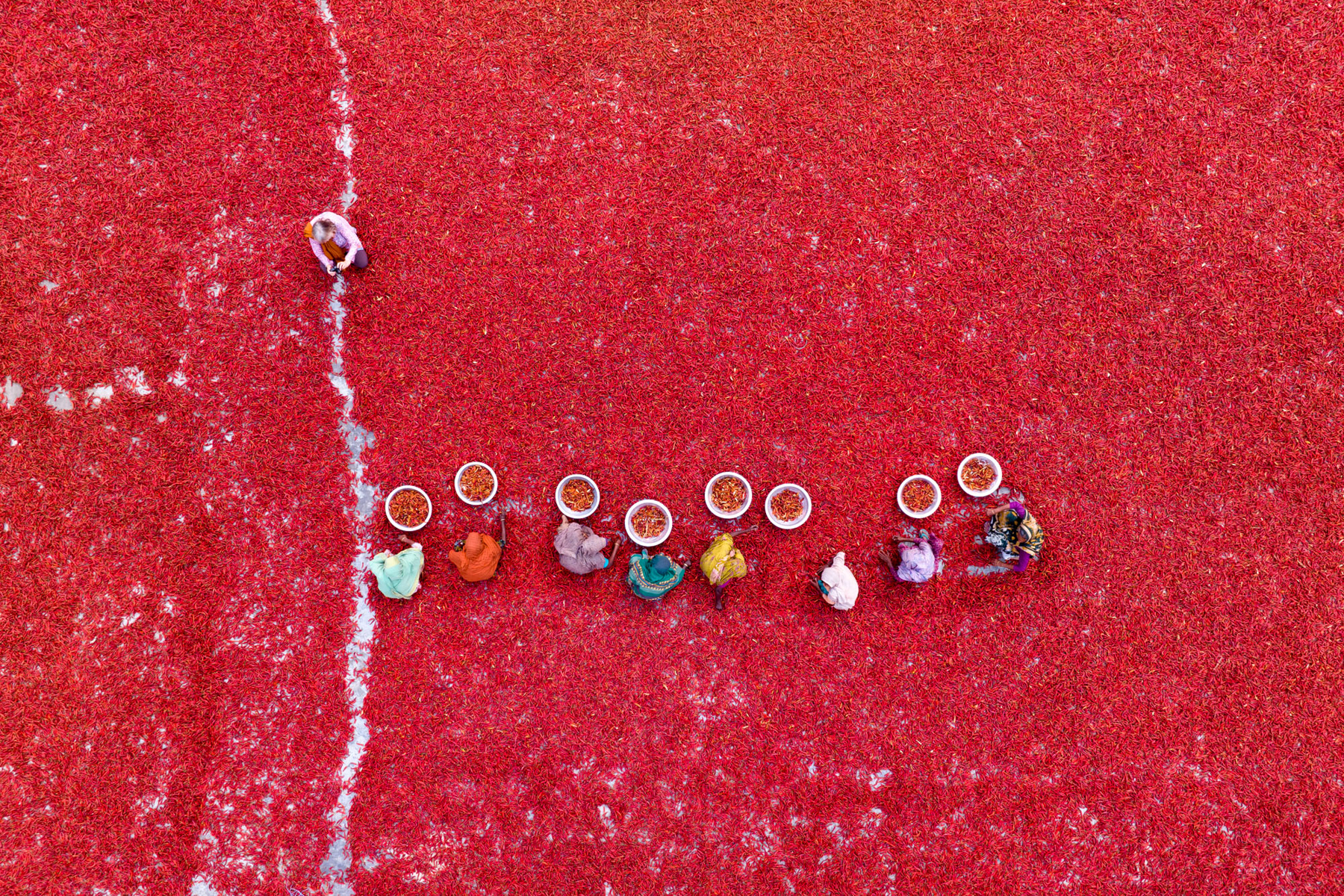
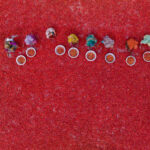
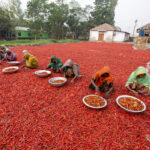
Bangladesh's incredible chilli drying yards (image by Yousuf Tushar)
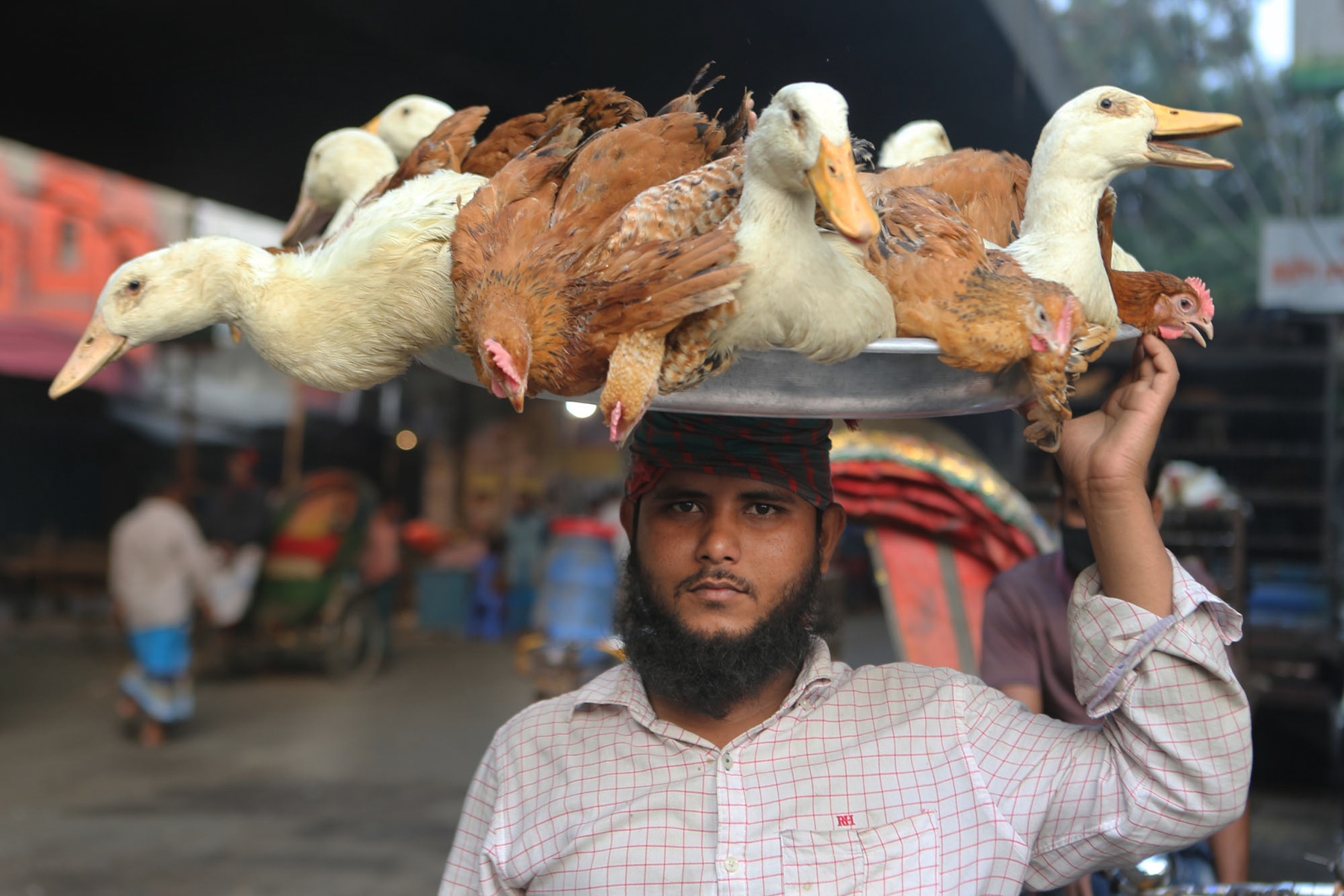
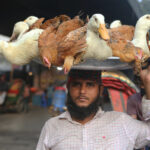
The duck merchant (image by Yousuf Tushar)
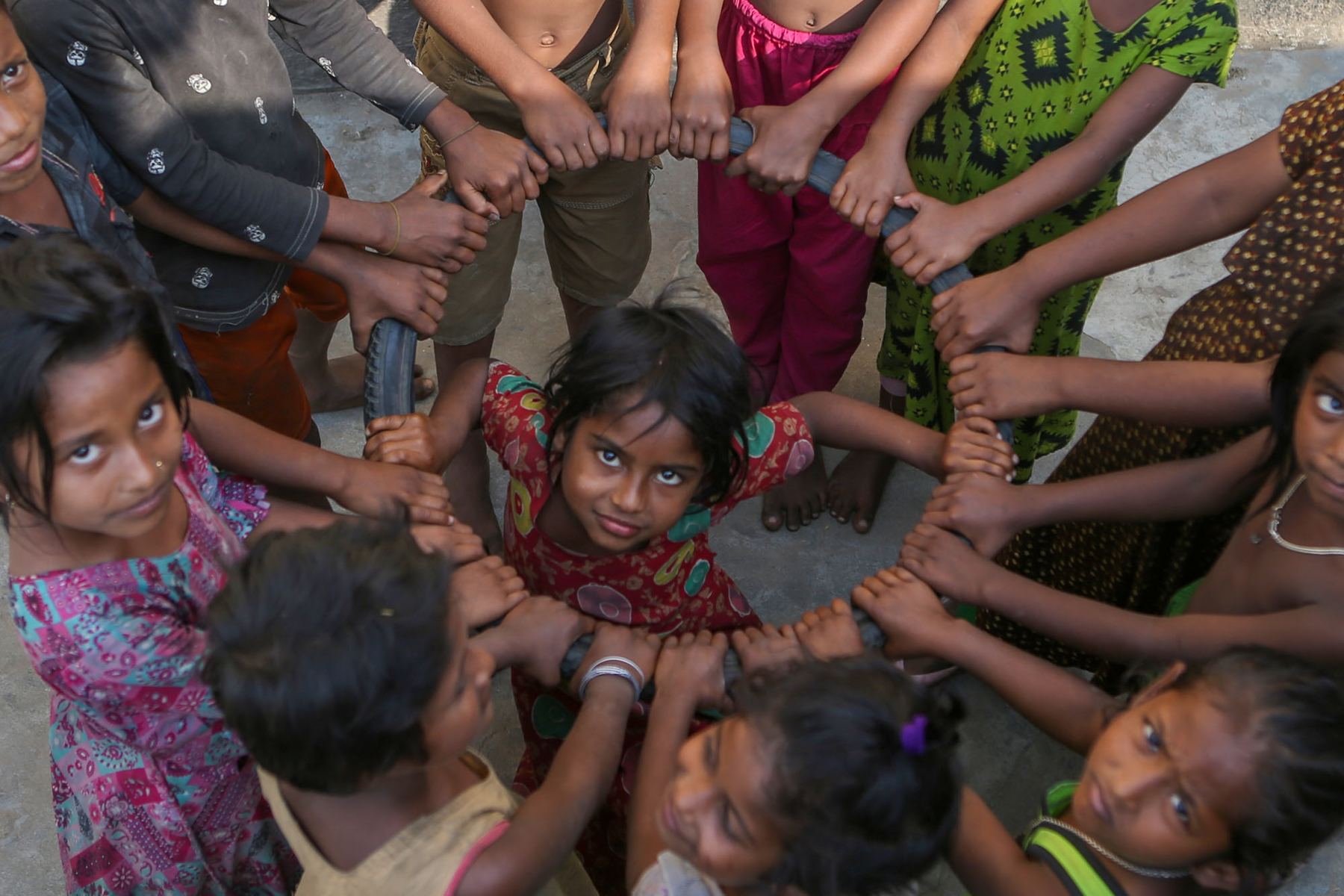
Children of the rice courtyard (image by Yousuf Tushar)
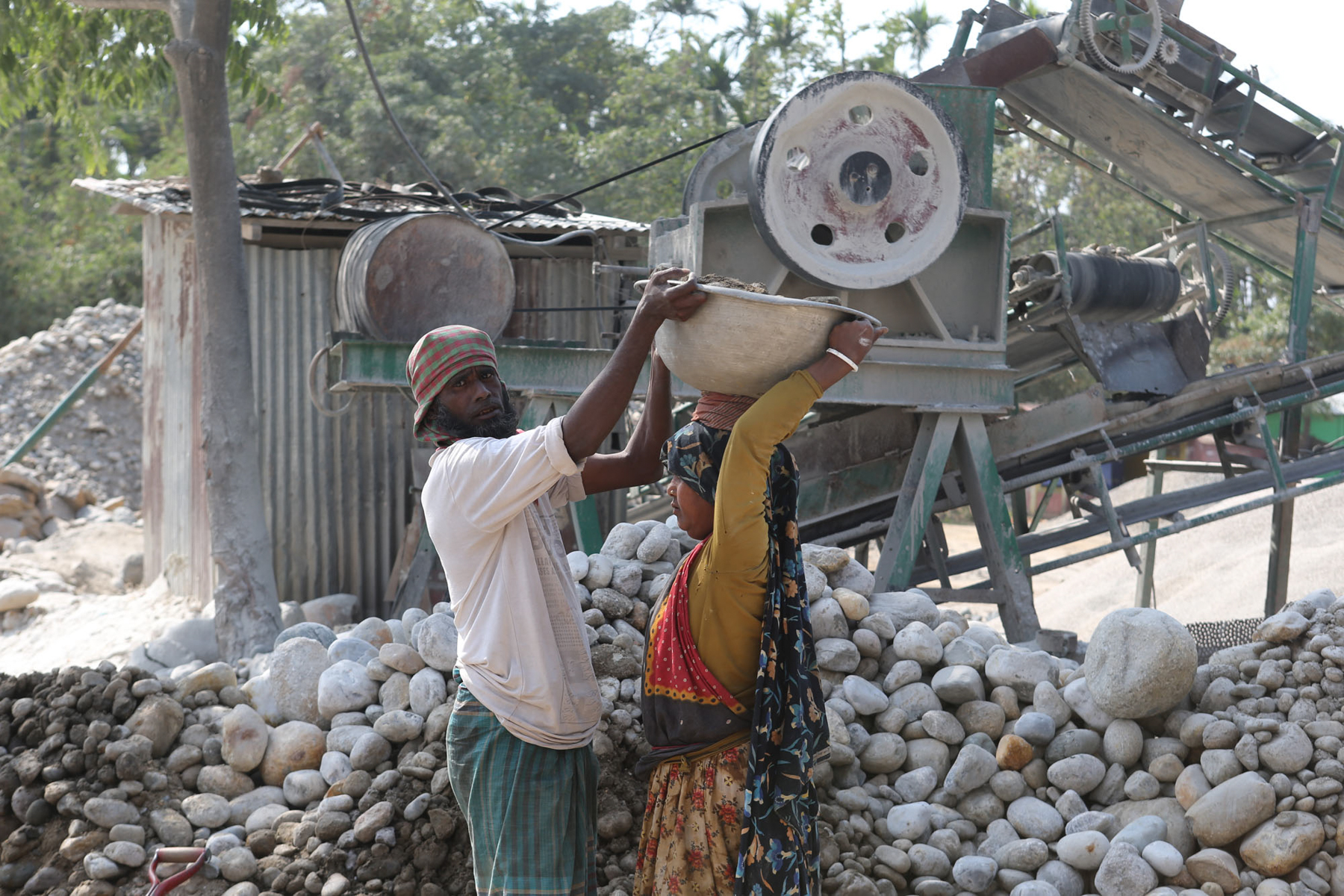
Rock sorting and polishing (image by Yousuf Tushar)
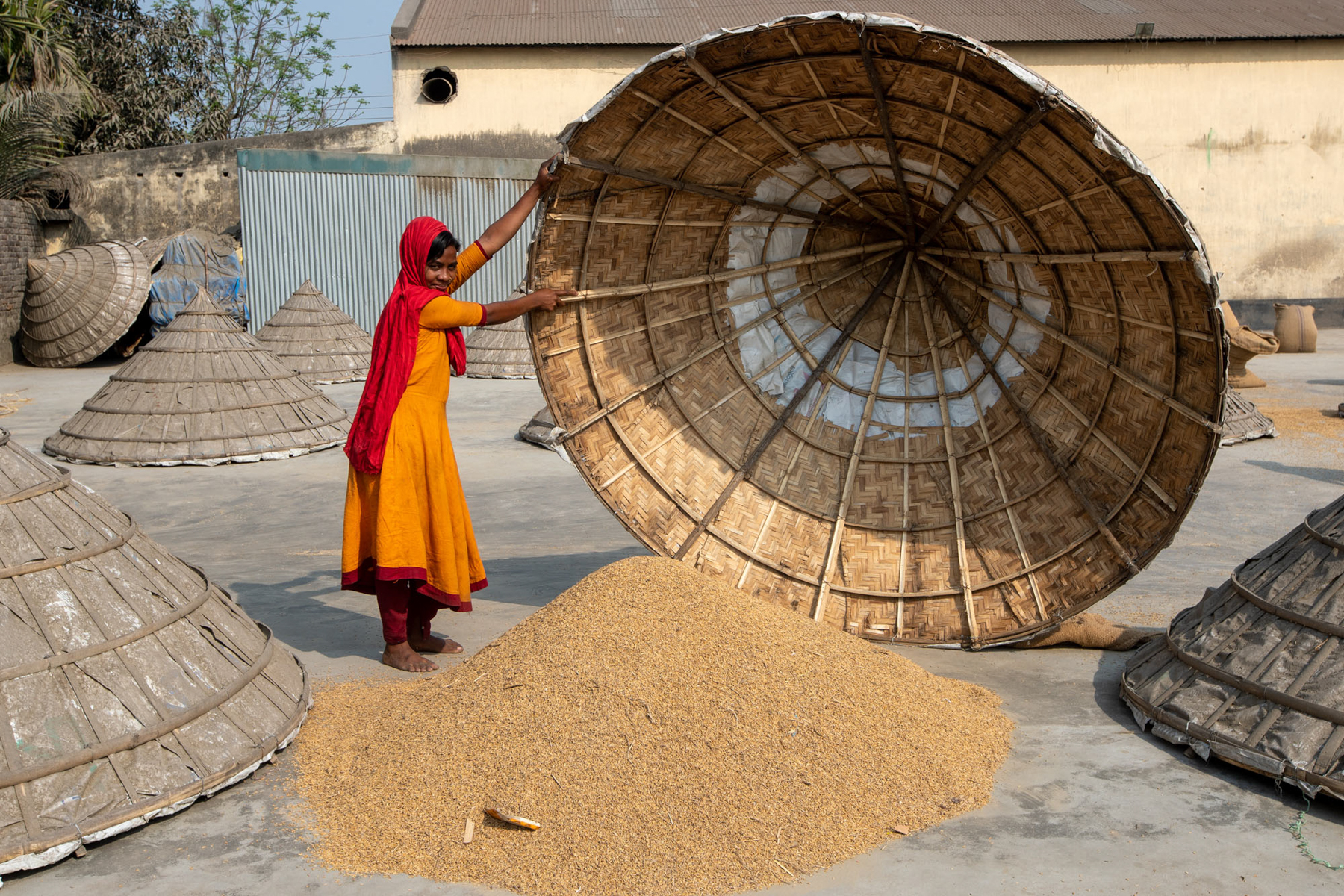
A young woman covers swept rice to protect if from birds and insects (image by Yousuf Tushar)
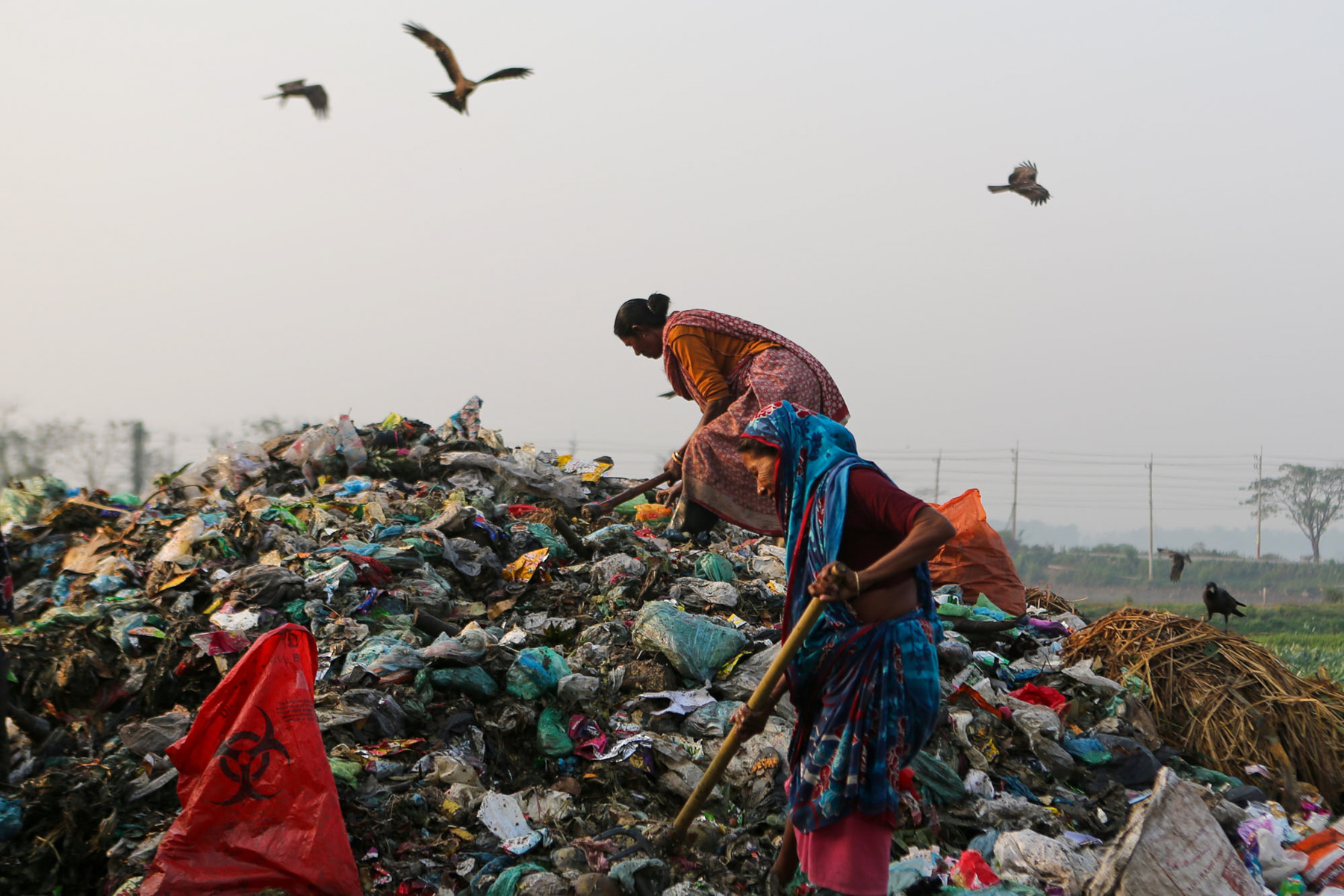
Bangladesh's waste pickers toil in some of the most extreme conditions you can ever imagine (image by Yousuf Tushar)
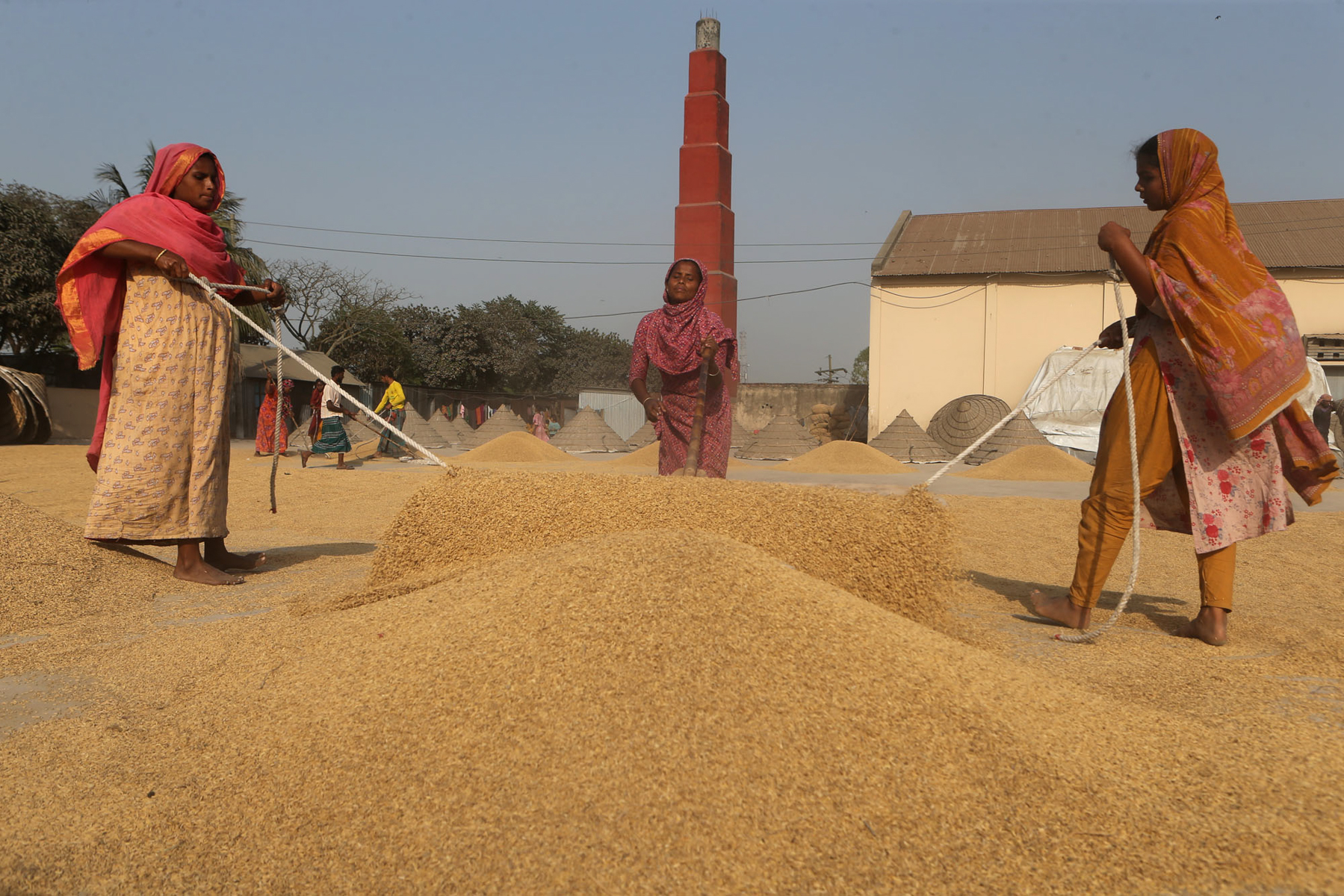
Women working in the rice drying courtyards (image by Yousuf Tushar)
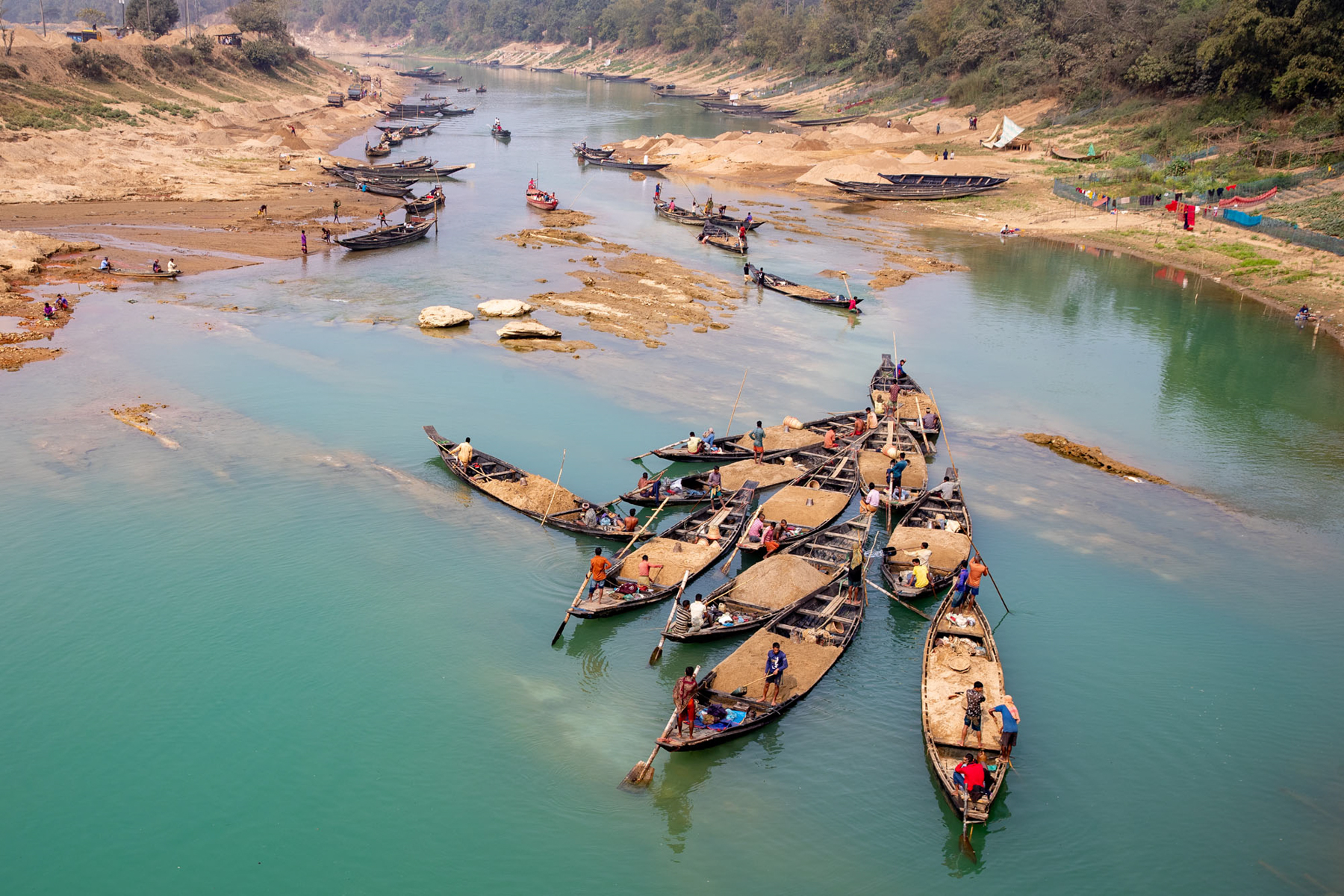
Sand mining boats line up to be loaded on a remote river in Bangladesh (image by Yousuf Tushar)
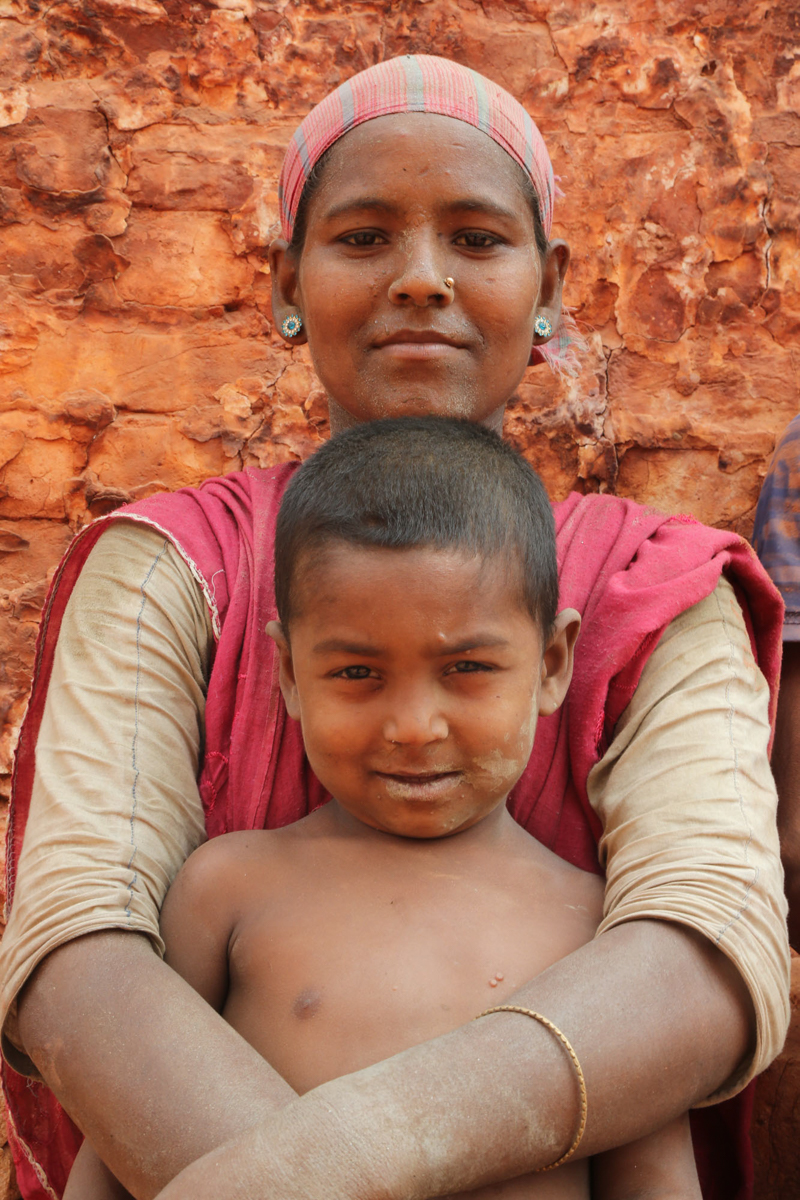
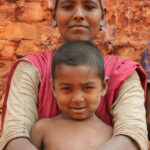
A young woman brick worker with her son (image by Yousuf Tushar)
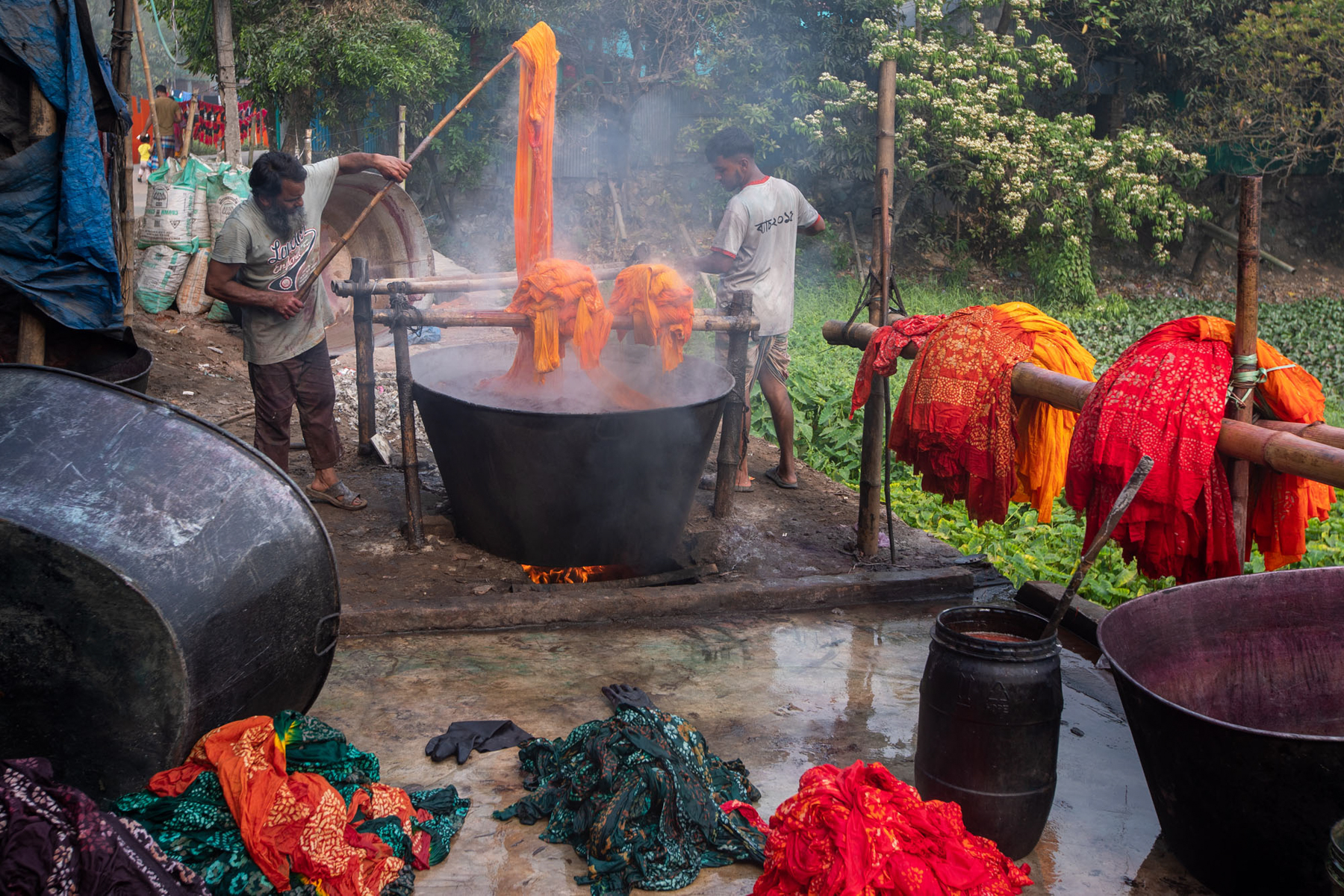
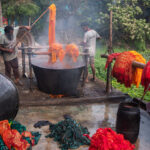
Workers toil in the steaming cloth dying industry of Bangladesh (image by Yousuf Tushar)
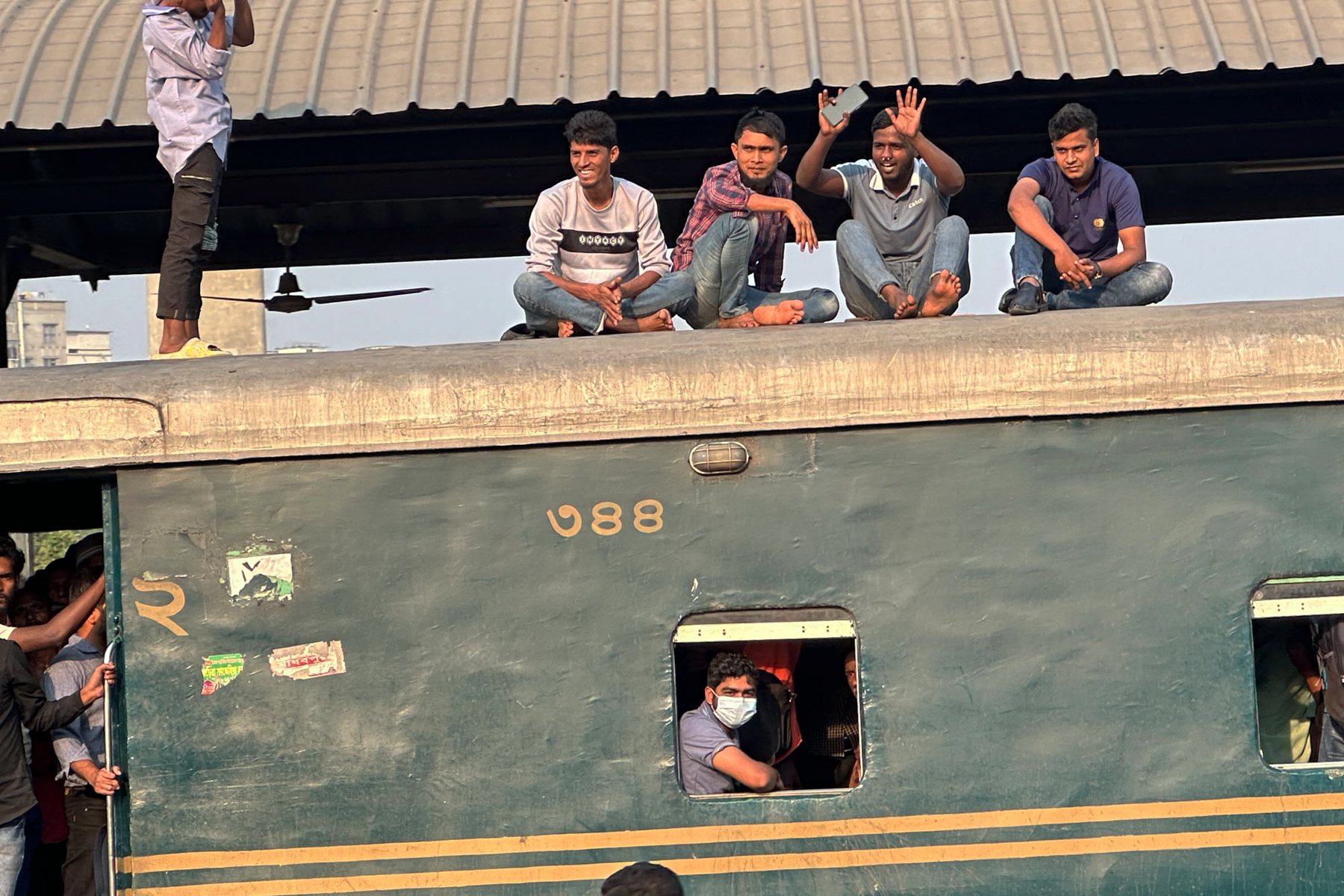
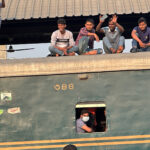
Riding on the roofs of trains (image by Yousuf Tushar)
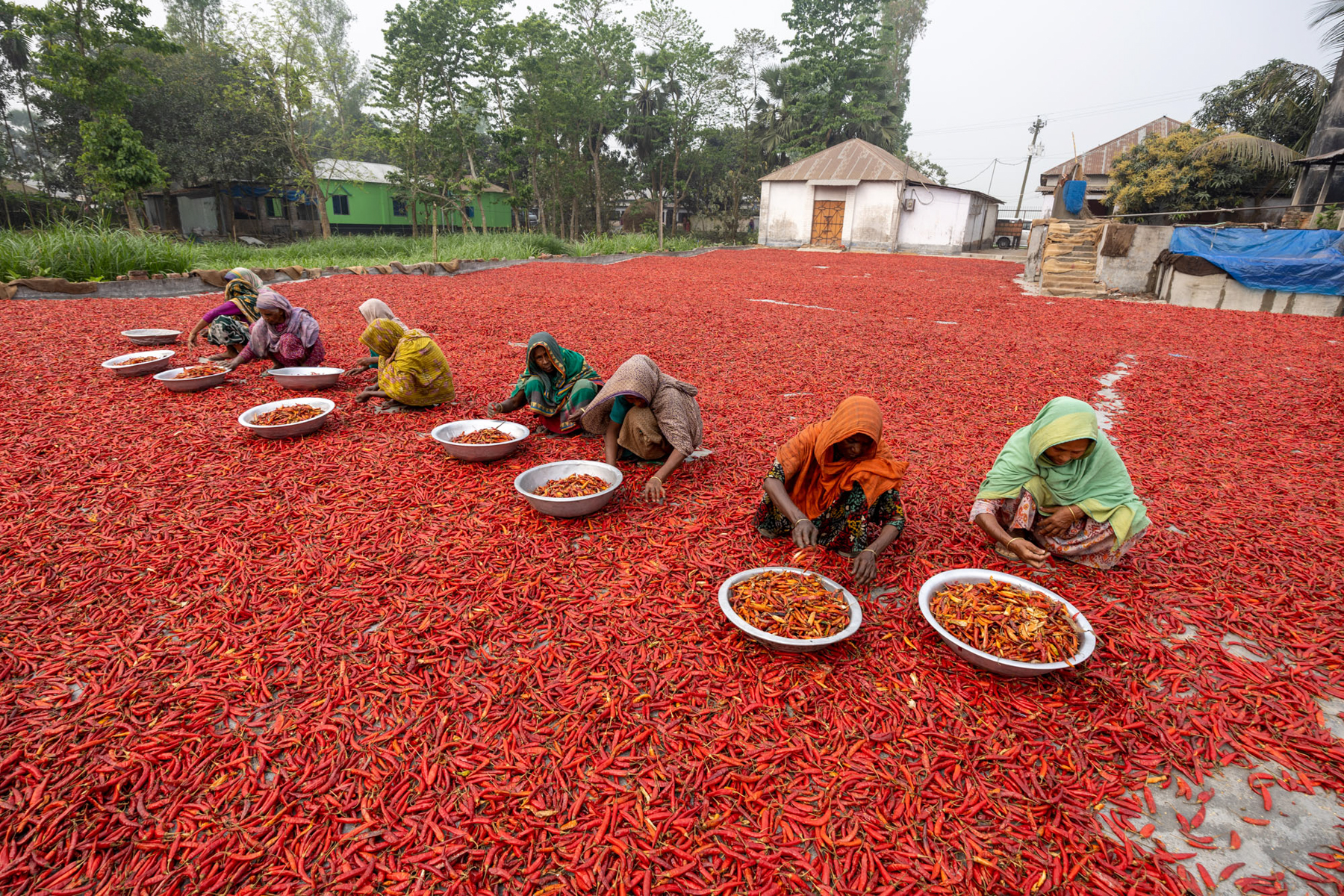
Women work to sort chillies by hand (image by Yousuf Tushar)
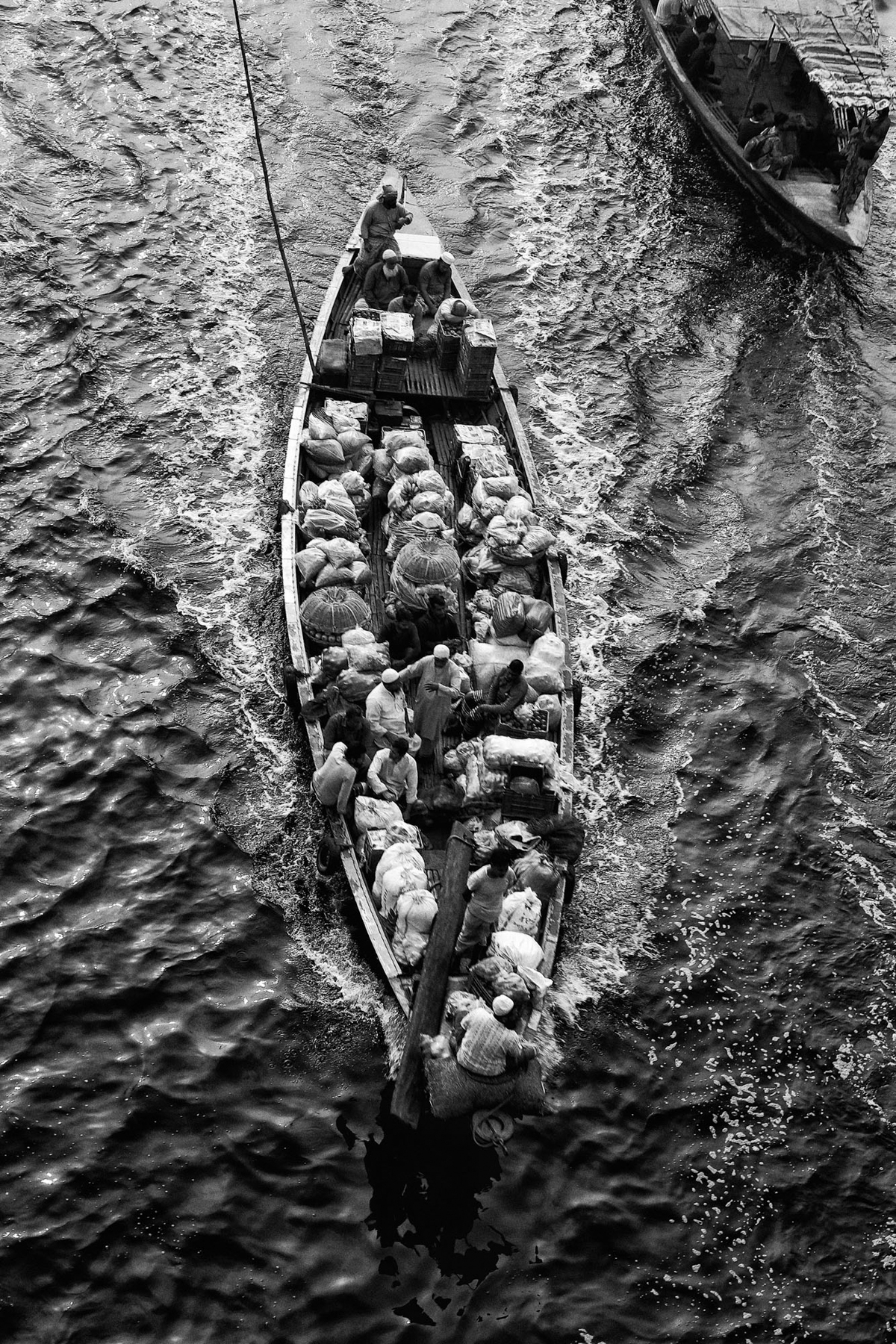
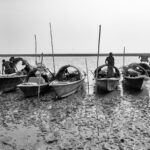
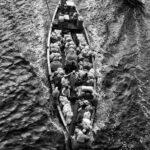
Buriganga cargo boat in black and white (image by Yousuf Tushar)
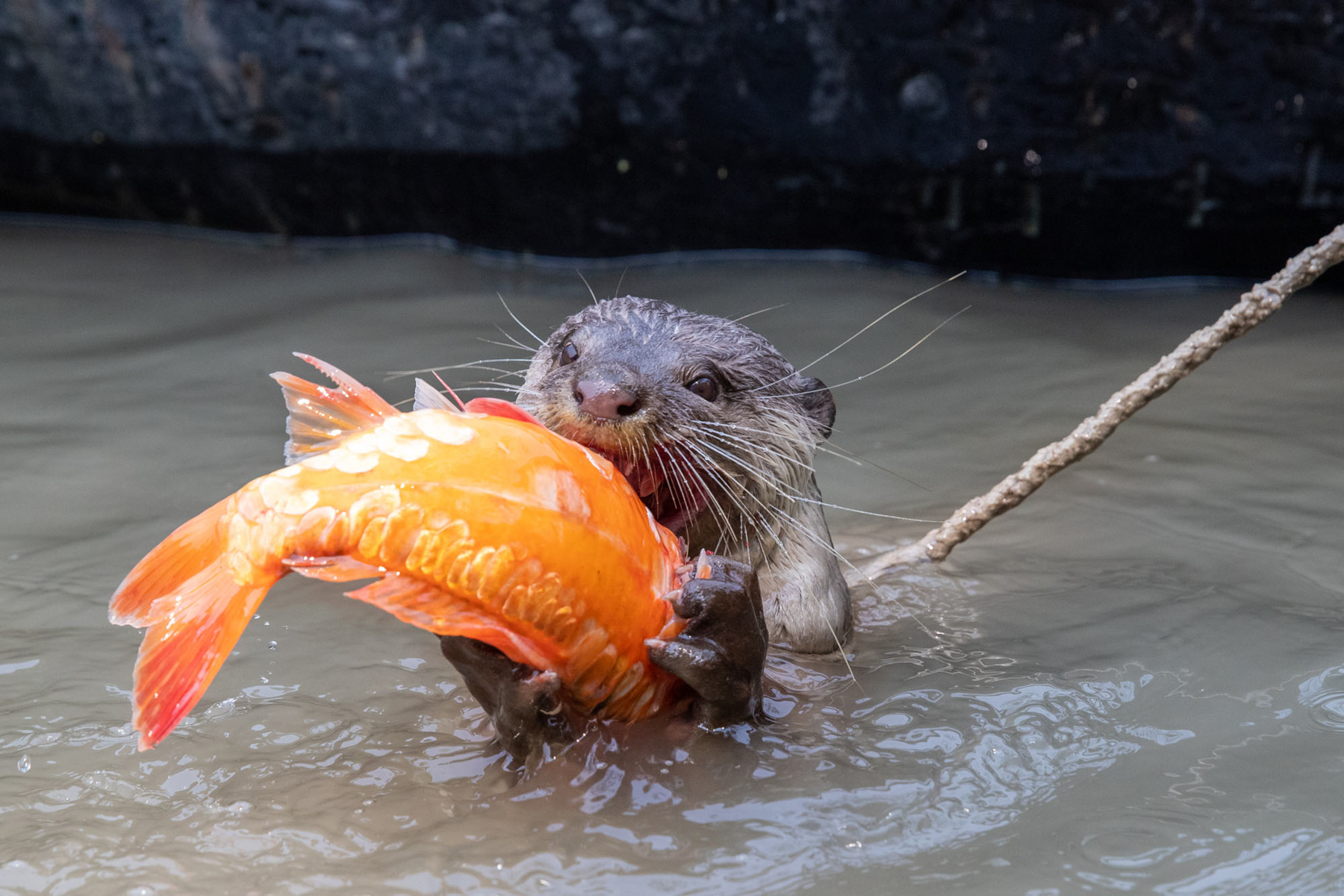
An Otter with his prized fish catch (image by Yousuf Tushar)
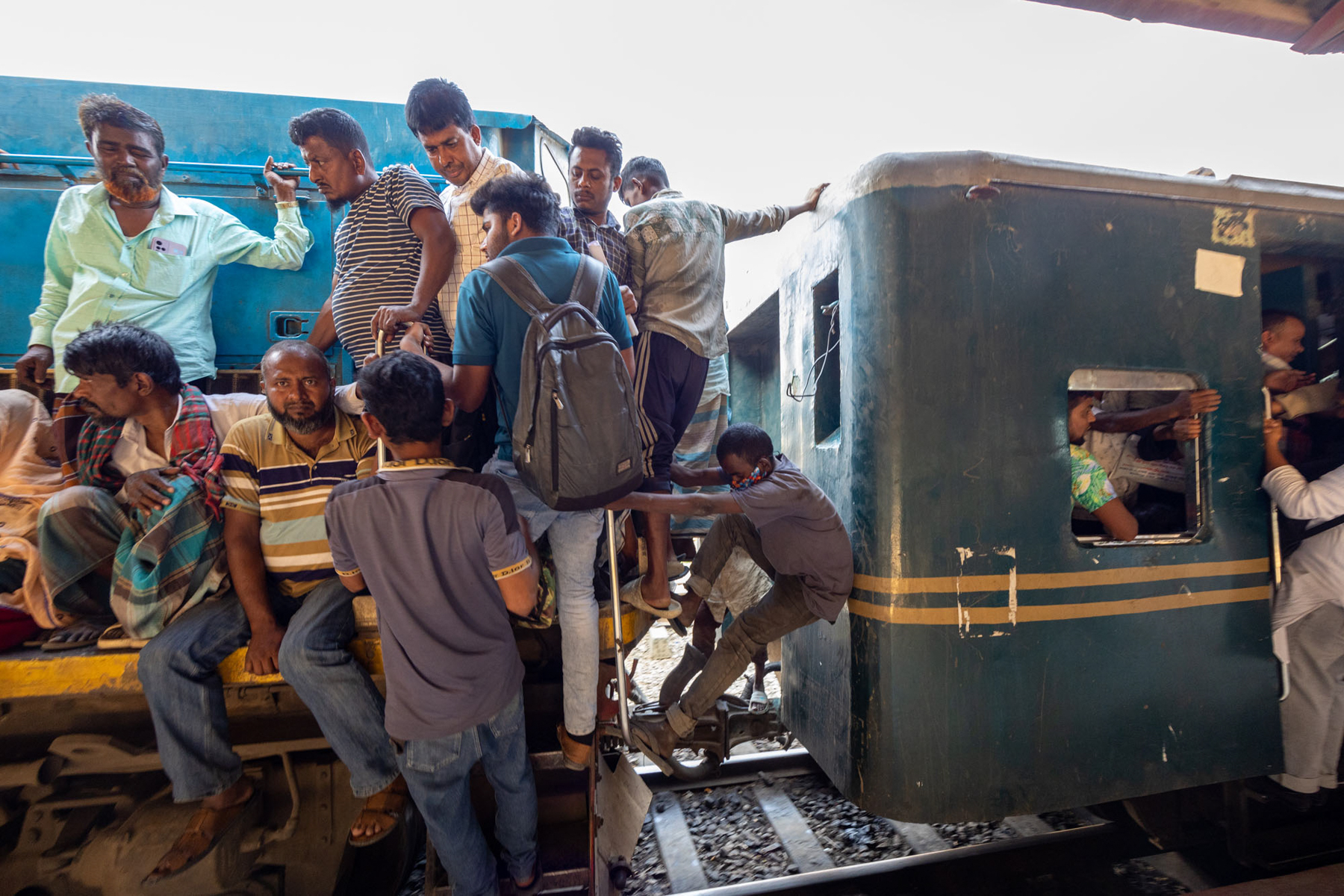
Rush hour in a crowded train station of Dhaka (image by Yousuf Tushar)
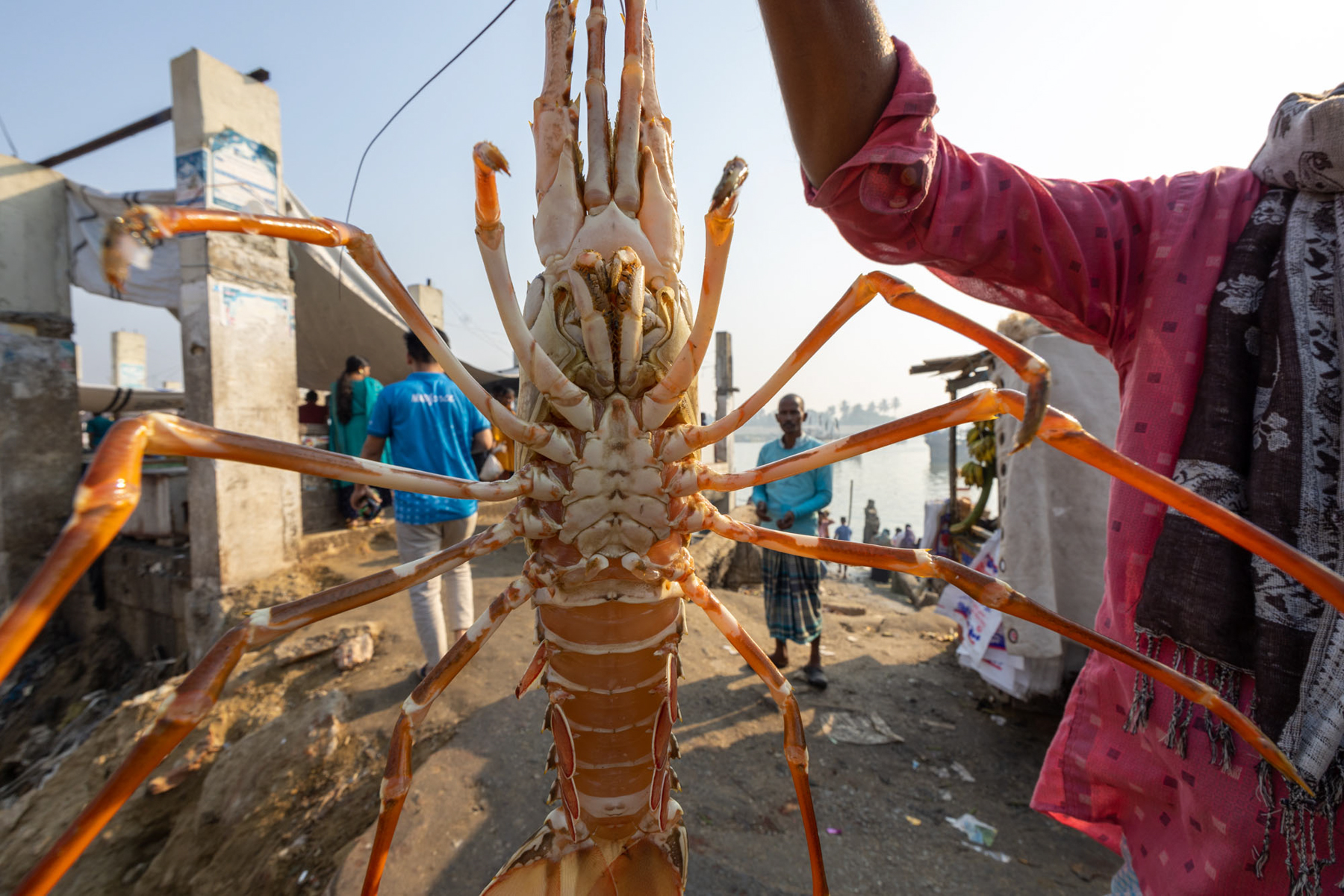
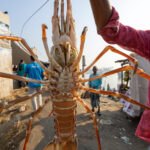
Fresh lobster at Cox's Bazaar (image by Yousuf Tushar)
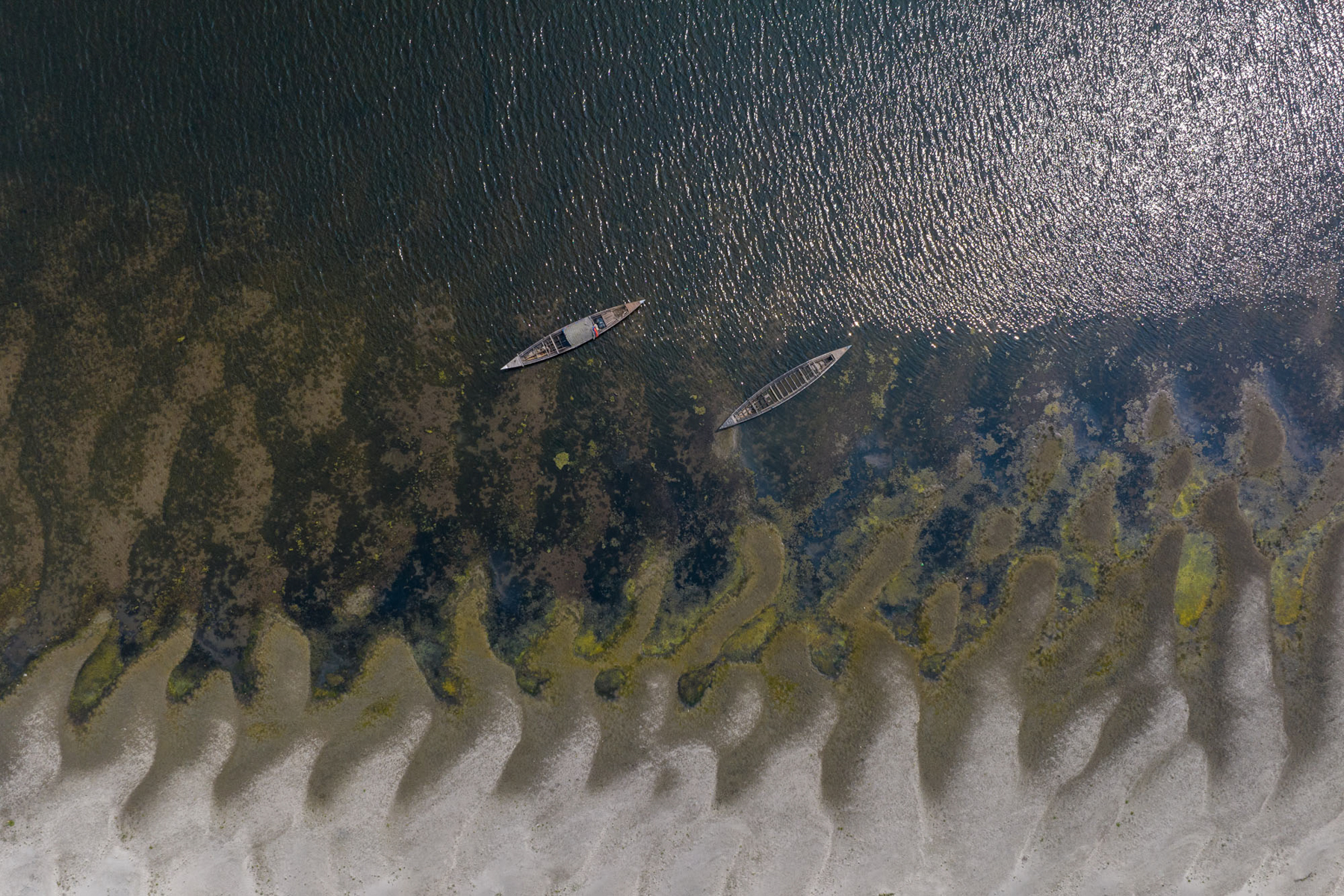
River house boats pierce the soft lines of evaporating waters in Bangladesh (image by Yousuf Tushar)
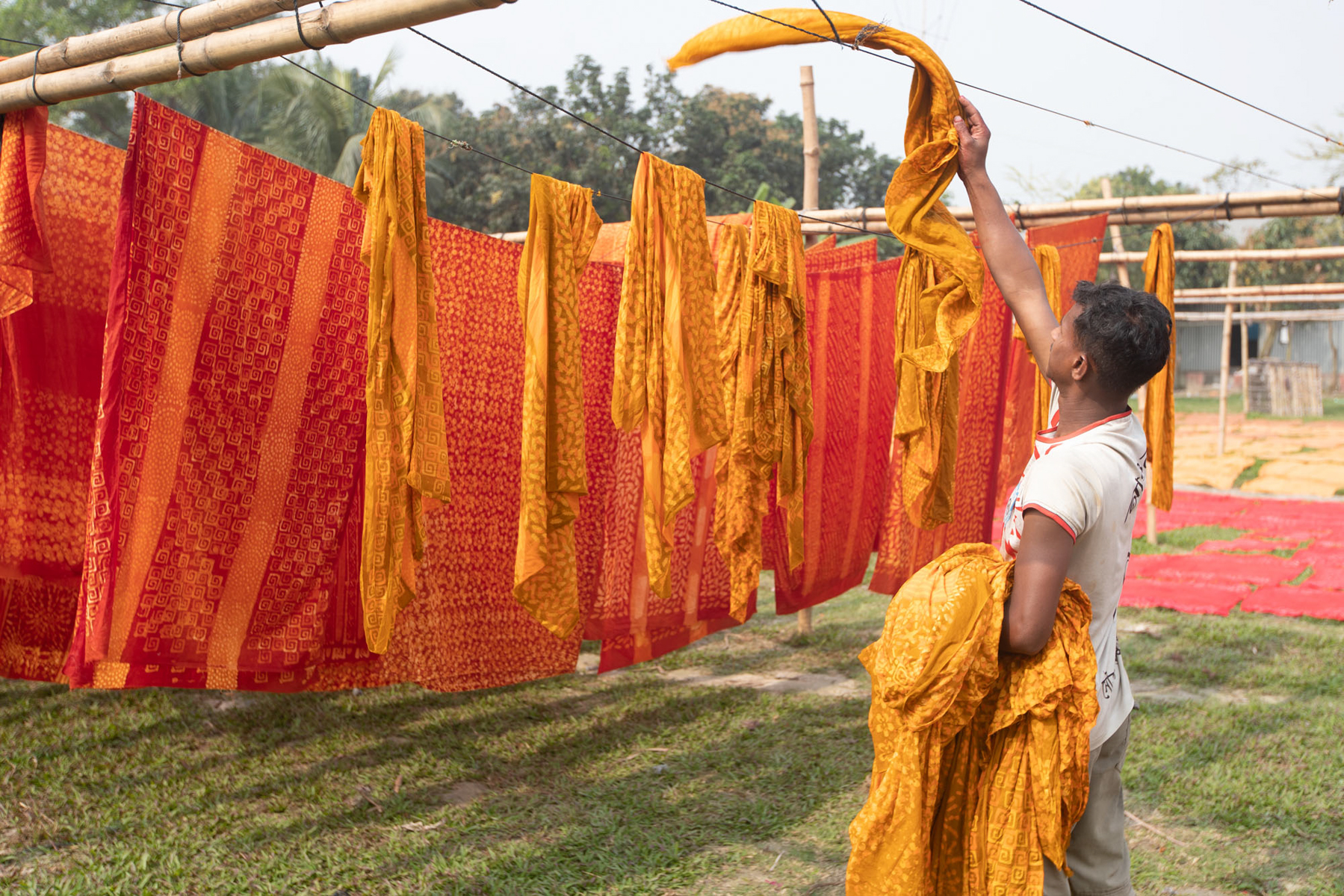
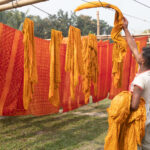
Drying pieces of marigold coloured cloth in rural Bangladesh (image by Yousuf Tushar)
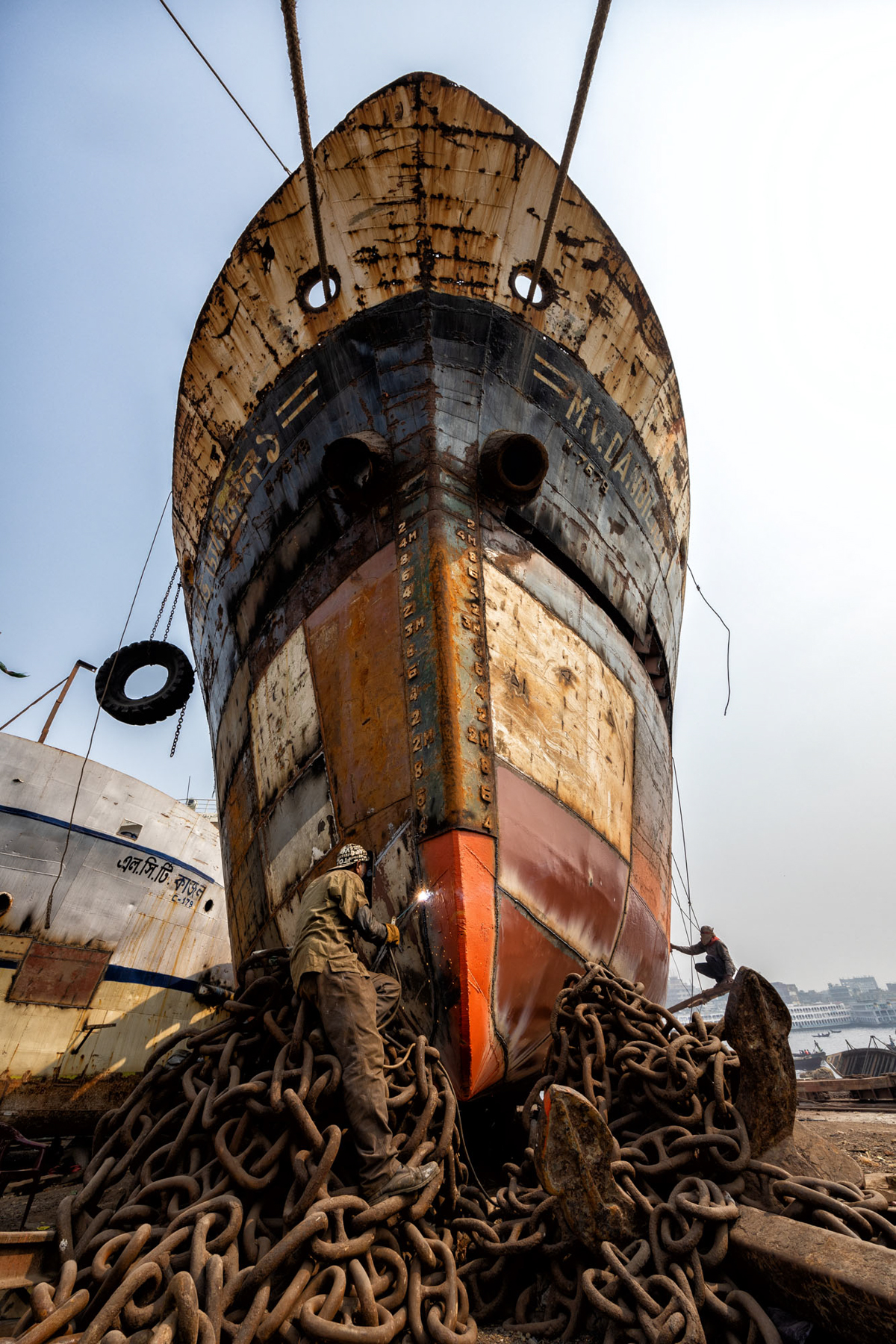
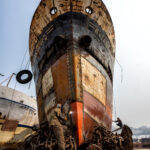
The famous ship breaking yards in Dhaka (image by Yousuf Tushar)
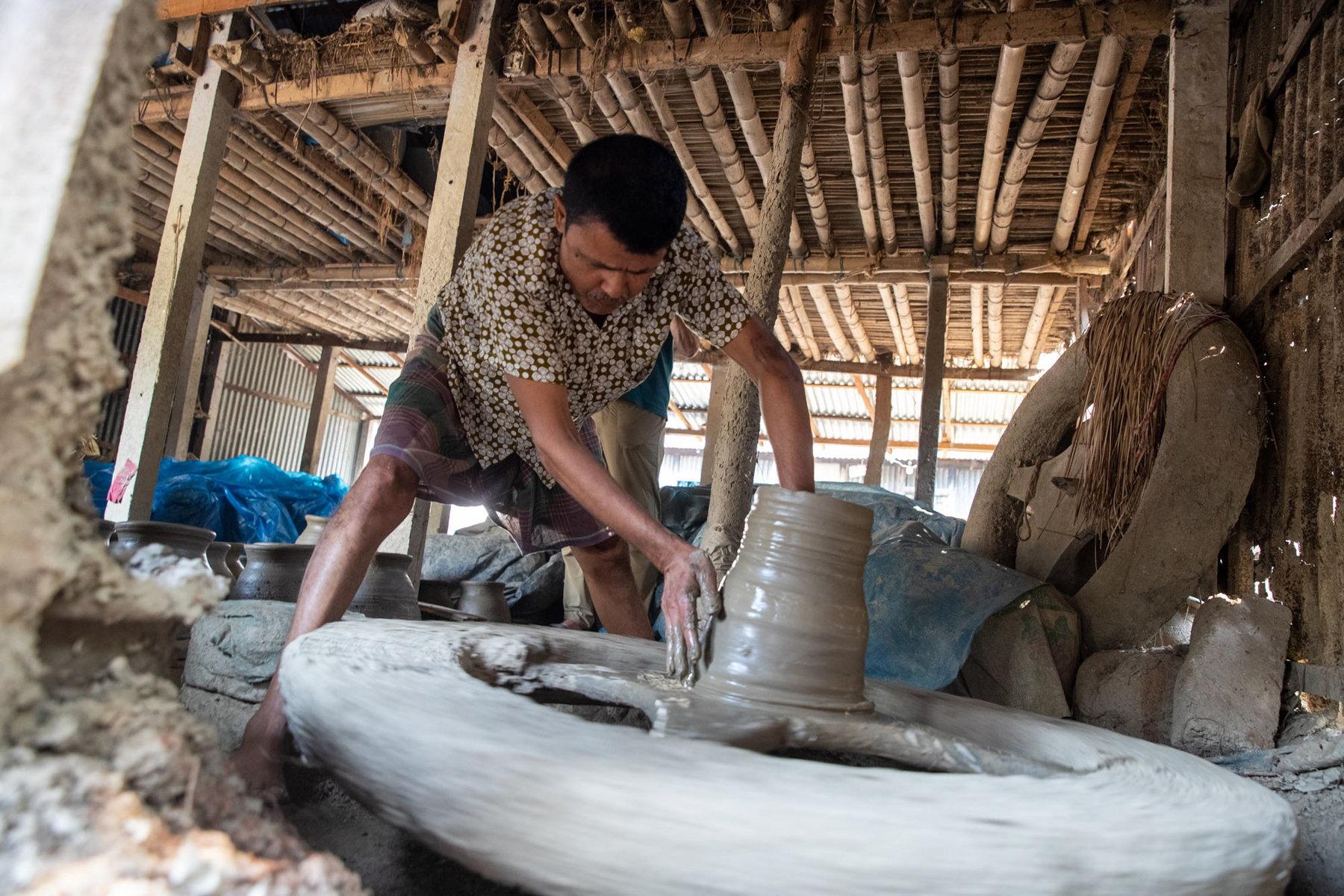
Making pots and other clay vessels by hand (image by Yousuf Tushar)
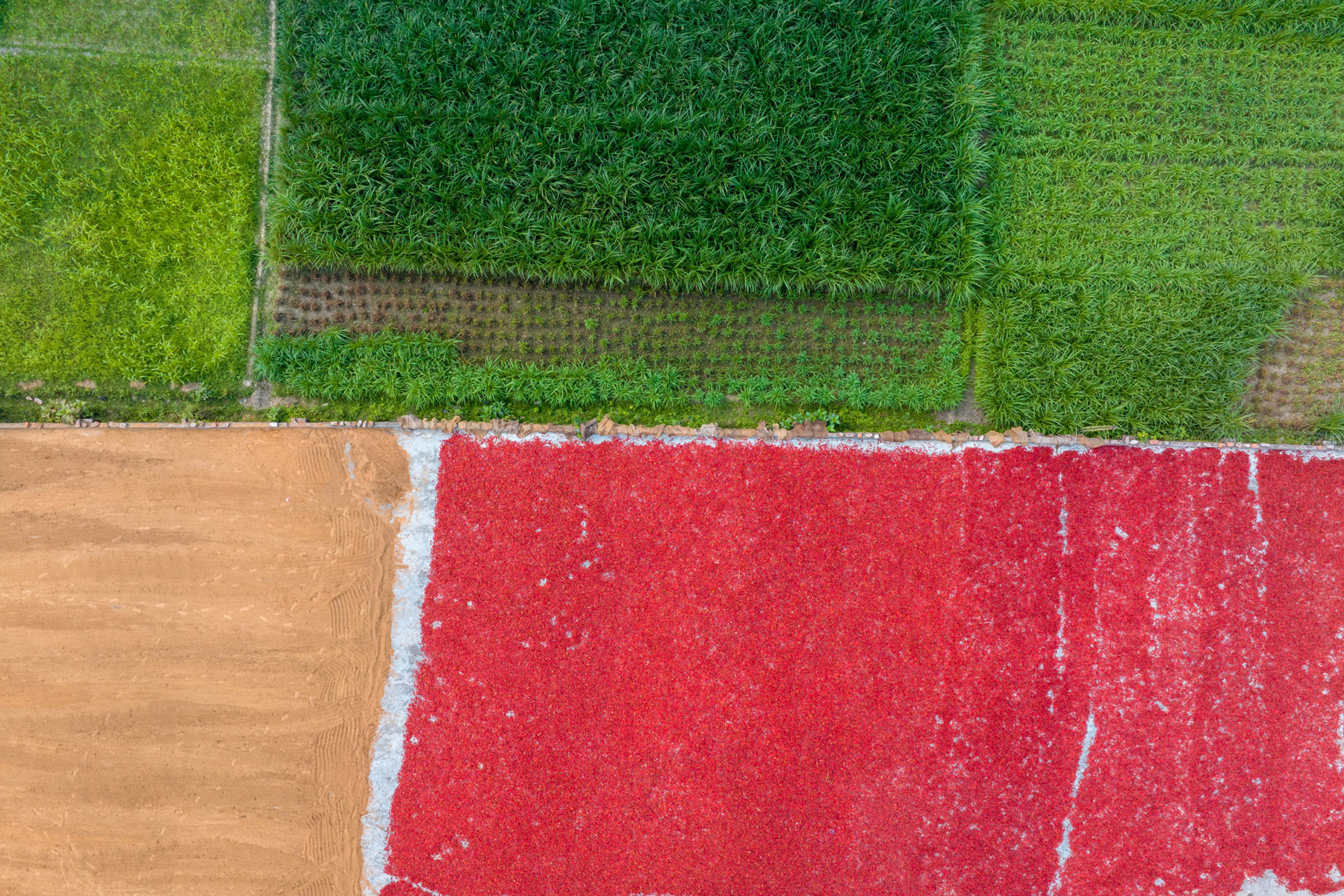
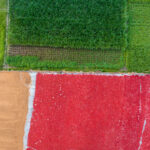
Fields of rice, drying rice and drying chillies. When seen from the air they look like a colourful tapestry (image by Yousuf Tushar)
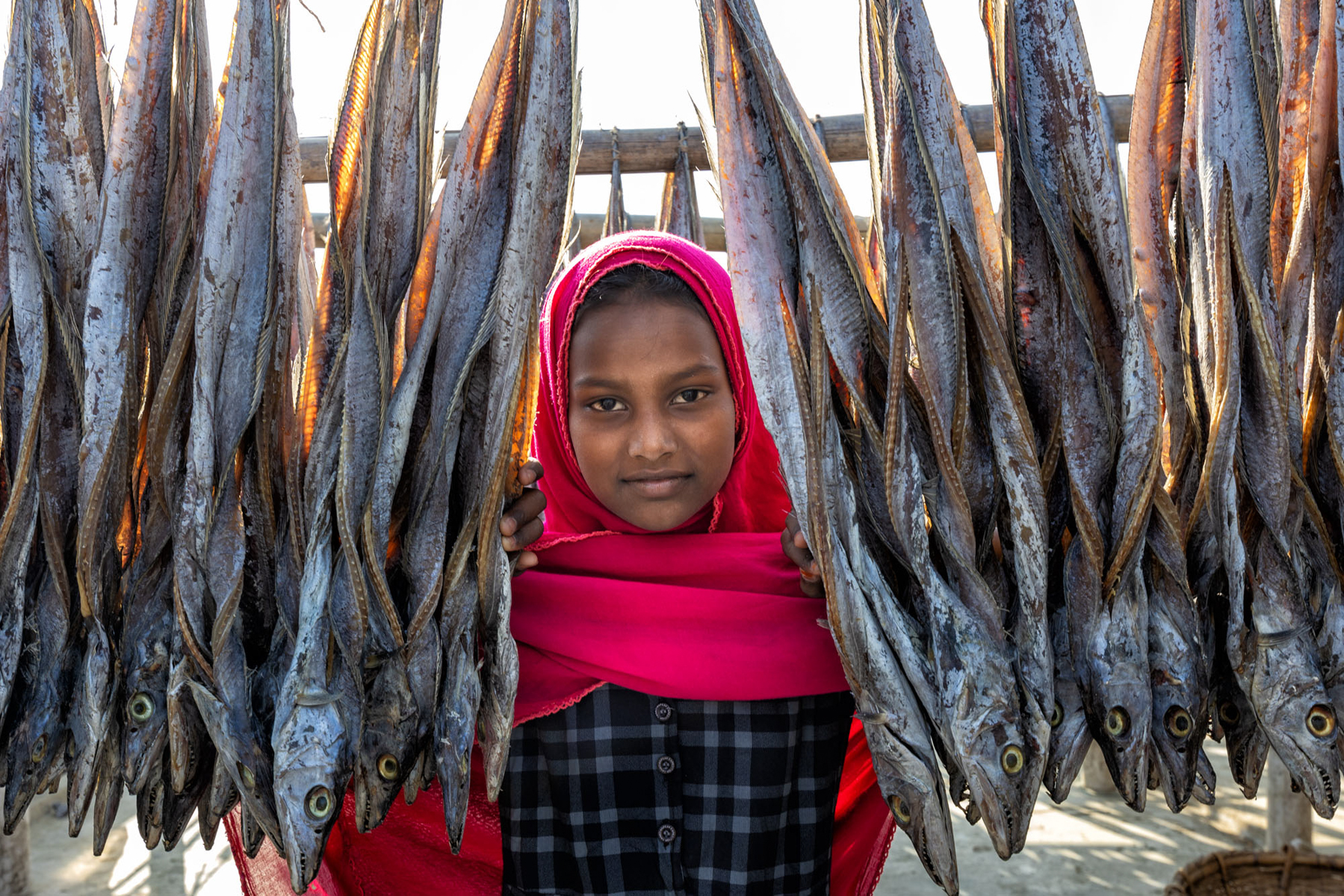
Young girl in the fish drying yards (image by Yousuf Tushar)
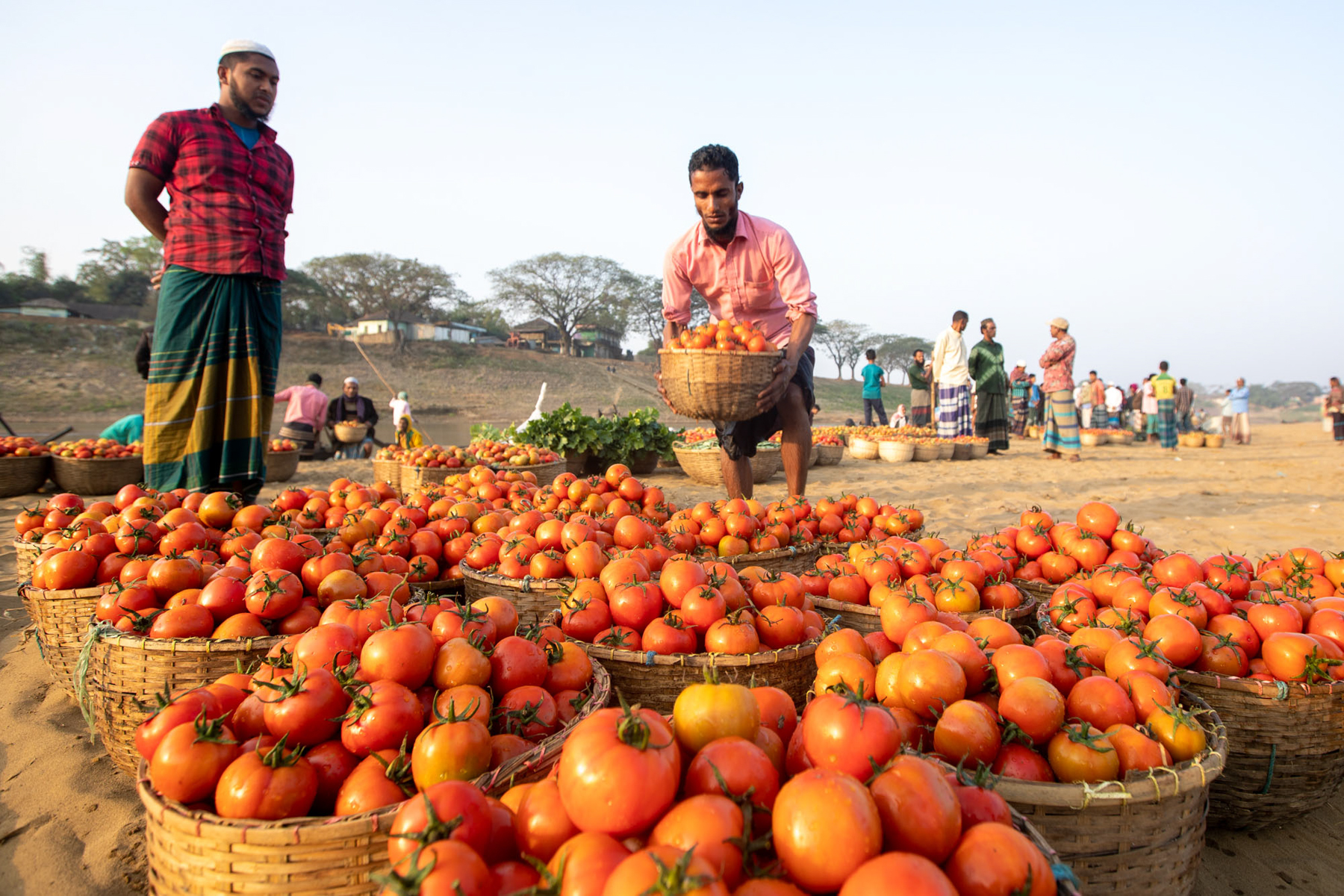
Loading tomatoes at a remote vegetable market (image by Yousuf Tushar)
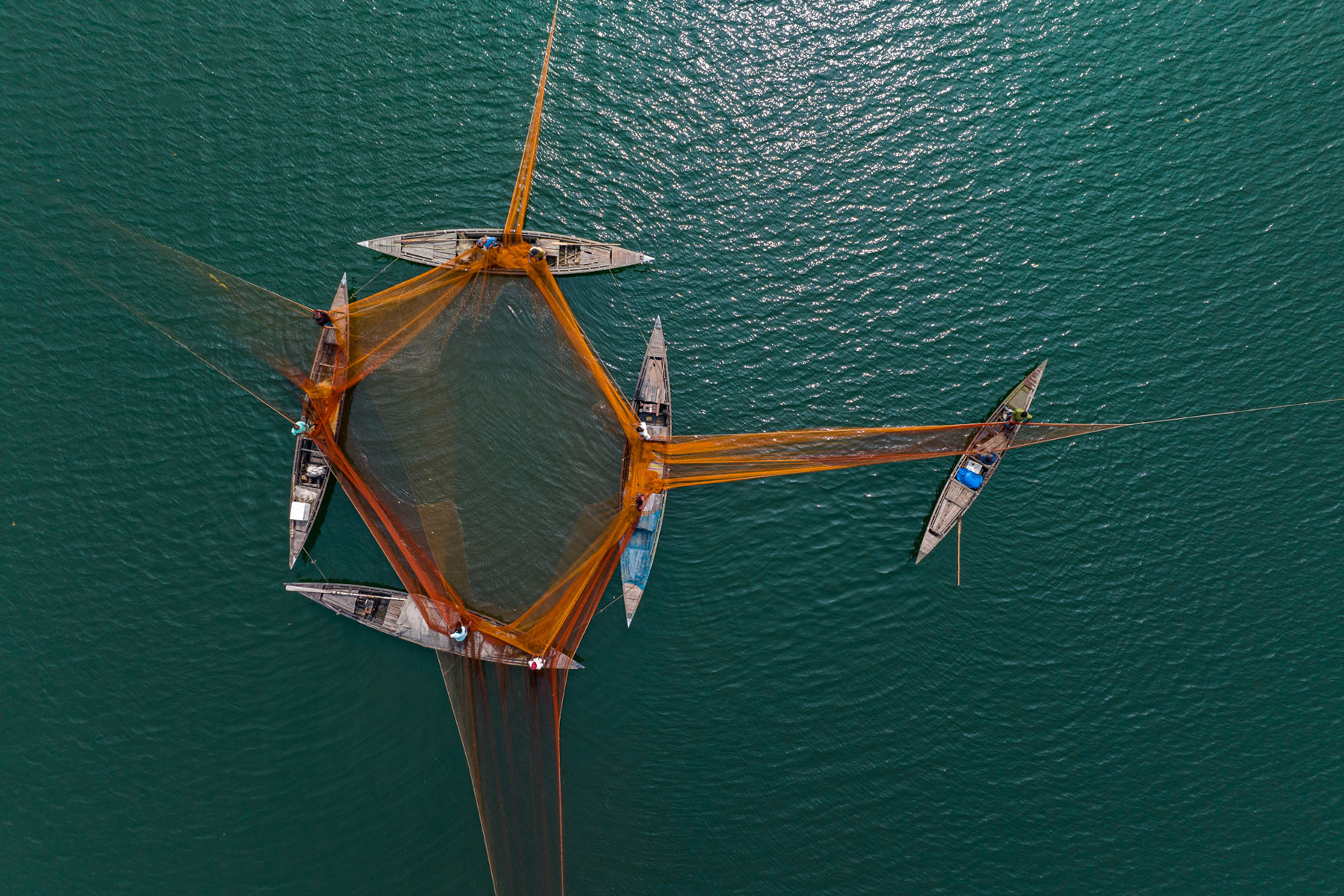
View of a four-boat fishing operation with the fifth boat acting as a lead vessel (image by Yousuf Tushar)


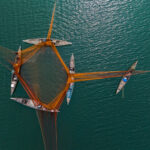


Tomatoes being transported by canoe to the floating market (image by Yousuf Tushar)
The lotus flower shaped moorings of tiny wooden taxi boats on the Buriganga (image by Yousuf Tushar)
Hundreds of boats line up in the stone mines of a river (image by Yousuf Tushar)
Mending nets (image by Yousuf Tushar)
The ever friendly and brave cycle rickshaw drivers in Dhaka (image by Yousuf Tushar)
The line up of charismatic, wooden taxi boats on the Buriganga (image by Yousuf Tushar)
Fish carriers offloading fish from local trawlers (image by Yousuf Tushar)
A young woman works with her baby in hand at one of Bangladesh's largest fish drying yards (image by Yousuf Tushar)
Every day, the city commuters of Dhaka cross the Buriganga in charismatic wooden boats. This is a typical 'taxi rank' (image by Yousuf Tushar)
Lines of moon boats on the beach (image by Yousuf Tushar)
The waste pickers in Bangladesh are possibly one of the most confronting photography experiences of our tour (image by Yousuf Tushar)
Fish carriers take a brief moment to stop for a photo (image by Yousuf Tushar)
Workers carrying coal off a freight ship (image by Yousuf Tushar)
Dying cloth (image by Yousuf Tushar)
Portrait of a young girl in the fish drying yards (image by Yousuf Tushar)
Motion blur of the streets of Dhaka (image by Yousuf Tushar)
Making pots by hand in rural Bangladesh (image by Yousuf Tushar)
Each day hundreds of tonnes of coal are offloaded from cargo ships by hand (image by Yousuf Tushar)
Waste pickers in remote Bangladesh (image by Yousuf Tushar)
Standing well back from the action to photograph the ship breaking yards in Bangladesh (image by Yousuf Tushar)
Women work to rake out rice that will dry in the courtyards at the centre of their homes (image by Yousuf Tushar)
Offloading the fishing trawlers (image by Yousuf Tushar)
Even though their work is very tough, a couple of young Bangladeshi stone miners make jokes while hauling rocks (image by Yousuf Tushar)
Lines of commuters pack a local train in Dhaka (image by Yousuf Tushar)
Waste workers in Sylhet are assisted by large machine diggers (image by Yousuf Tushar)
Spinning the wheel in a local pottery making facility (image by Yousuf Tushar)
Sun burst in the net haulers (image by Yousuf Tushar)
Ship breakers in Dhaka work to dismantle and rebuild many of the world's ships (image by Yousuf Tushar)
Even the back step of a local train has a smiling passenger (image by Yousuf Tushar)
Overcrowded trains in Dhaka (image by Yousuf Tushar)
Inside one of Bangladesh's delicious yoghurt making factories (image by Yousuf Tushar)
River rocks are dug by the hands of hundreds of workers (image by Yousuf Tushar)
Aerial view of riverboats at the mouth of a tributary (image by Yousuf Tushar)
Four-boat fishing in the river (image by Yousuf Tushar)
Aerial view of Bangladesh's stunning moon boats lining the high tide mark at Cox's Bazaar (image by Yousuf Tushar)
Rice workers hand threshing (image by Yousuf Tushar)
The fascinating and ancient pratice of fishing with otters, at the edge of the Sundarban wilderness (image by Yousuf Tushar)
Sky view of our group members photographing the chilli harvesting in Bangladesh (image by Yousuf Tushar)
Selling chickens in Dhaka (image by Yousuf Tushar)
Rock mine workers in remote Bangladesh (image by Yousuf Tushar)
Workers sweat in the tremendous heat from a blast furnace used to melt down broken ships in Dhaka (image by Yousuf Tushar)
Shards of light pierce the floor of a yoghurt making factory in remote Bangladesh (image by Yousuf Tushar)
A line up of river boats (image by Yousuf Tushar)
A young girl lays out newly dyed cloth to dry (image by Yousuf Tushar)
Bangladesh's incredible chilli drying yards (image by Yousuf Tushar)
The duck merchant (image by Yousuf Tushar)
Children of the rice courtyard (image by Yousuf Tushar)
Rock sorting and polishing (image by Yousuf Tushar)
A young woman covers swept rice to protect if from birds and insects (image by Yousuf Tushar)
Bangladesh's waste pickers toil in some of the most extreme conditions you can ever imagine (image by Yousuf Tushar)
Women working in the rice drying courtyards (image by Yousuf Tushar)
Sand mining boats line up to be loaded on a remote river in Bangladesh (image by Yousuf Tushar)
A young woman brick worker with her son (image by Yousuf Tushar)
Workers toil in the steaming cloth dying industry of Bangladesh (image by Yousuf Tushar)
Riding on the roofs of trains (image by Yousuf Tushar)
Women work to sort chillies by hand (image by Yousuf Tushar)
Buriganga cargo boat in black and white (image by Yousuf Tushar)
An Otter with his prized fish catch (image by Yousuf Tushar)
Rush hour in a crowded train station of Dhaka (image by Yousuf Tushar)
Fresh lobster at Cox's Bazaar (image by Yousuf Tushar)
River house boats pierce the soft lines of evaporating waters in Bangladesh (image by Yousuf Tushar)
Drying pieces of marigold coloured cloth in rural Bangladesh (image by Yousuf Tushar)
The famous ship breaking yards in Dhaka (image by Yousuf Tushar)
Making pots and other clay vessels by hand (image by Yousuf Tushar)
Fields of rice, drying rice and drying chillies. When seen from the air they look like a colourful tapestry (image by Yousuf Tushar)
Young girl in the fish drying yards (image by Yousuf Tushar)
Loading tomatoes at a remote vegetable market (image by Yousuf Tushar)
View of a four-boat fishing operation with the fifth boat acting as a lead vessel (image by Yousuf Tushar)


It’s my great pleasure to be the second-time tour leader for the Bangladesh: The Ship Breakers and More Tour 2025 organized by Wild Images. I enjoyed it a lot, and I am delighted to help our guests.
We were well prepared to successful the tour. All of our guests arrived one day before, so they had some enough time to take a rest then start our first afternoon with some street photography in the streets of old Dhaka.
Dhaka
Dhaka is the capital and largest city of Bangladesh. With its colorful history and rich cultural traditions. Today it has grown into a mega city of about 8.5 million people, with an area of about 1353 sq. km. It is the beating heart of Bangladesh, filled with colourful cycle rickshaws, street vendors, markets and some of Dhaka’s most iconic colonial buildings. It is the sort of place you could return to repeatedly and come away with completely different images. We have started our first shooting on colorful rikshaws in the old Dhaka city.
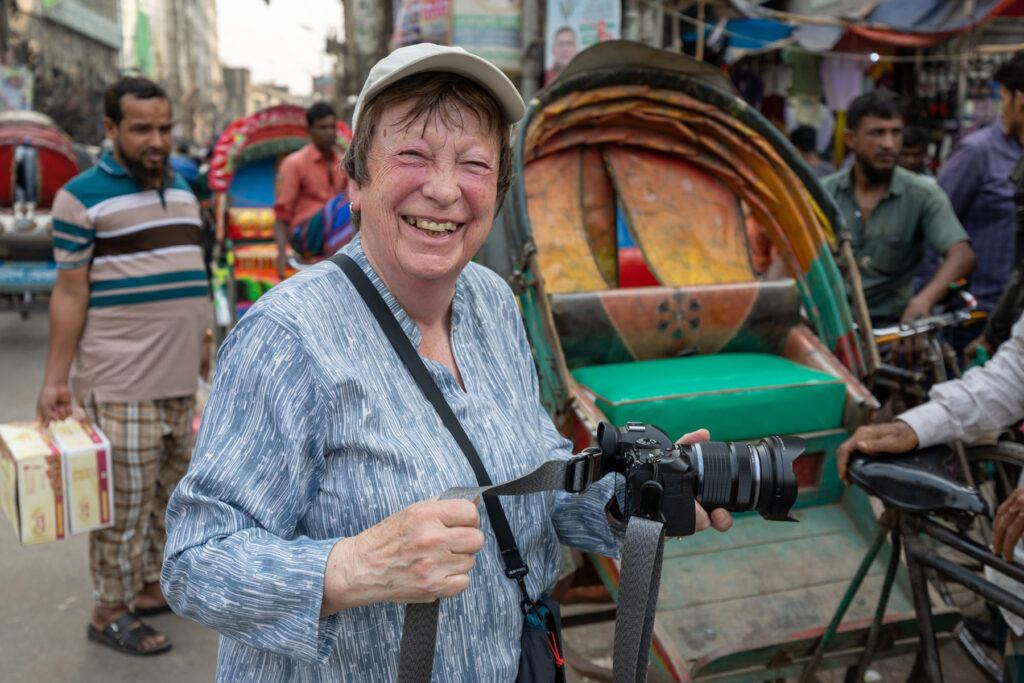
All smiles on the streets of Dhaka (image by Yousuf Tushar)
It is a always a little bit crowded here but it was nice to see rickshaws gathering and everybody loved it. Some of our guests hoped to shoot portraits of the rikshaw drivers and rikshaws drivers are always happy to pose so we enjoyed capturing the characters of these fit and brave men who brave the streets of Dhaka on bikes every day. It was amazing to visit the narrow streets of old Dhaka, some streets were full of traffic by rikshaws. We also enjoyed shooting street people, vendors, the boat station and the Sadarghat ferry port.
On our first evening, before dinner, I gave a presentation for our participants, discussing with them our whole journey and showing them images of each day where we will go and what we have opportunities to shooting. Everybody enjoyed the presentation and thanked me.
The following morning, we headed back to old Dhaka, stopping on the bridge that connects old Dhaka to outside of Dhaka. It spans the Buriganga River, a bustling waterway that runs through the heart of the city. Local boats, including “country boats” and ferries, play a vital role in transportation and offer a unique perspective on the city’s life and from the bridge we photographed some of local loaded boats crossing the river.
I told our group about the tiny commute boats of the Buriganga were moored up in the shape of flowers not too far away so we walked the busy street to reach a point where, indeed, we literally saw ‘flowers in the Buriganga’ with a series of pretty wooden boats all moored up in a symmetrical flower formation. Close to here, we saw men building the little boat taxis and also saw a series of run-down, or ramshackle, huts which seemed to be the homes of the boat drivers. I informed our guests who brought drones, to fly them from here in order to capture the ‘boat flowers’ in the river and we caught some amazing images of these from the sky. For the ground photographers who weren’t flyibng, we visited the roof of a nearby building to get an above-view of their beauty.
We also visited small garments factories and shot photos of garments workers making dresses.
Asia’s Largest shipyard
Next, we entered the ship breaking yard of Dhaka, a slum and labyrinth-like city in which giant skeletons of old ships provide work for around 15,000 workers. Each day they work to dismantle ships, repair and create new boats with the recovered parts. We saw the bustling activity of one of the largest cargo ship maintenance facilities in the city and observed the skilled workers performing various tasks, such as molding new propellers from recycled metal, grinding the ship’s carcass, and replacing damaged sections of the hulls with huge metal plates. We also learned about the harsh working conditions and low wages that these workers endure while capturing portraits of them at work in one of Asia’s largest ship graveyards.
Some of the boats we photographed were almost done with their repairs and were being painted a vivid variety of colours, before they were re-launched.
Fabric Dyeing
The next morning, we checked out of our hotel and drove through to the Northeast districts of Bangladesh.
On the way, our first photography location was the Fabric dyeing village. In the village we visited several fabrics dyeing plants where we learned how local workers dyed fabrics while photographing them dyeing fabrics or block painting cloth. Afterwards the newly dyed fabrics were laid out on a nearby green field so they could dry in the sun. It is always beautiful to photograph these lines and rows of colorful fabric.
We also spent some time walking the narrow roads of the villages visiting several fabric dyeing factories.
Lunch at a local restaurant gave our guests a chance to enjoy some real Bengal food, take a rest for around an hour and enjoy the shade before we continued with our day.
Rice Drying Courtyards
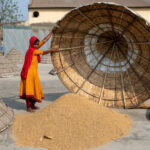
That afternoon we continued our visual odyssey, visiting courtyards where village people were drying rice by the sun, and we delved into the captivating world of rice factories. Amidst the rhythmic symphony of bustling workers, our cameras artfully framed the choreography of labor, capturing the intricate processes that transform rice from field to table. The lines of rice paddies stretch their lush green hues, a testament to nature’s bounty.
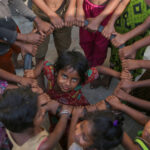
Here, rice rice-drying laborers live beside courtyards in small houses and we have learned about their daily life, shooting portraits of children running in the courtyards and playing with wheels. At the end of the day we photographed the rice being swept into piles and covered with topas (cones). It was beautiful to photograph the lines and shades of hundreds of cones with children playing in the courtyard. It was amazing and we all found it very hard to leave but we were faced with quite a long drive to Sylhet, so we had to get on the road.
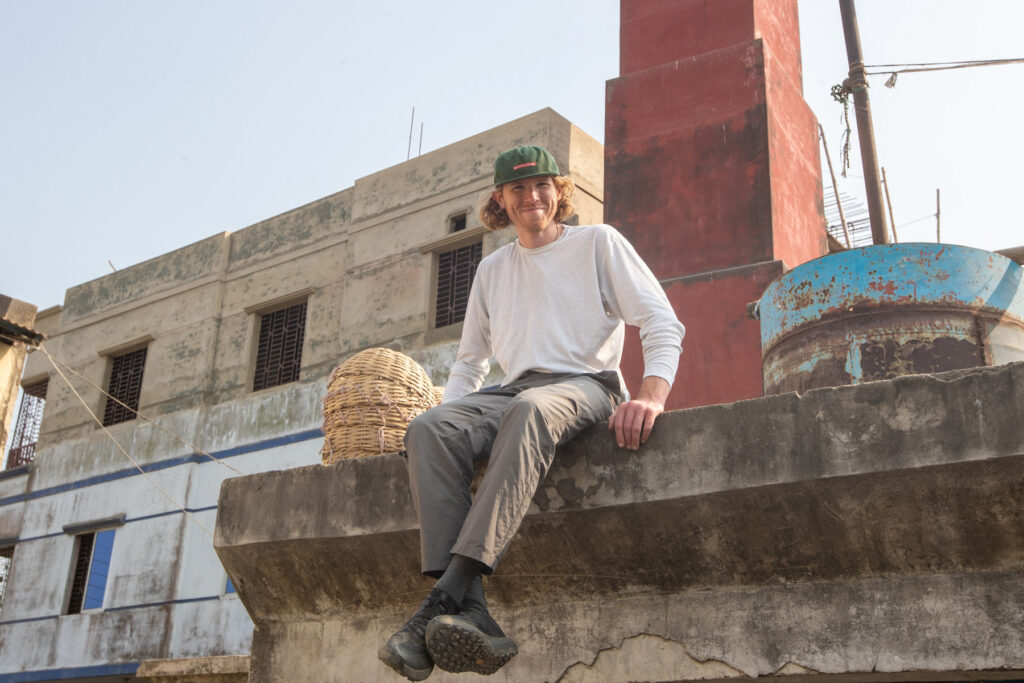
Alexander enjoying the rice drying courtyards from the roof of a nearby building (image by Yousuf Tushar)
The Floating Market
Early the next morning we drove to a rural floating market on the river. Arriving at the river a little early, we were surprised that there were no boats in the market. However, within a few minutes we found many country boats coming to the riverside loaded with produce including tomatoes, cauliflowers, cabbages and other vegetables. Within half an hour hundreds of loaded vegetable boats were gathered on the floating market. All of us were amazed to see so many boats and traders. We wandered around taking photos including exciting wide angle images taken in the market, of the lines of boats, farmers unloading vegetables from boats and arranging the produce baskets in rows on the red sand of the riverbank.
Some of us flew drones to capture the most amazing birds-eye view shots of the floating market.
The green river
The next stop on our journey was at a green river where we photographed the daily labourers unloading buckets of sand by hand and delivering them to nearby quarries. Some of us flew drones over this amazing scene, finding wooden boats stirring up the yellow sand into the green water of the river.
Stone Mine
Then we proceeded to the largest stone quarry in Bangladesh, located on a river close to the Indian border. During the rainy season, stones from India are deposited here, and during the dry season, hundreds of laborers come here to extract these stones.
We arrived at this large quarry before noon, and at the beginning, we climbed a watch tower where we could inspect the entire area and get a complete idea of where we could take our best photos. We also took some great pictures from this watch tower which were similar to drone shots. From the tower I pointed out the best places to take photos to our group. We located an area where huge stone laborers were searching for stones. We had lunch at the local restaurant and we took a rest. After our break we were transported across the water on one of the sand mining boats, which was empty of sand, of course. It was a charming experience to ride on the sand and stone quarry boat. For most people photography in this area is restricted, but due to the connections I have with local businessmen engaged in stone mining, they allowed us in to photograph the mine. We got some extraordinary images from this location. One of our participants was a very serious documentary photographer and he rode several stone boats to shoot close ups of workers searching for stones. It was one of the most memorable shooting locations of the tour for us.
The Waste Pickers
This was the most emotional part of the tour. We went out the next morning to photograph a group of people who work in the garbage field to find junk for resale.
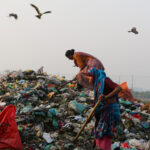
Before going to the garbage field, I bought plastic bags to cover our legs and shoes. I also bought masks to put on before we entered the garbage grounds. Upon our arrival, massive flocks of Black Kites and House Crows took to the skies, almost heralding our arrival. In this location, I also have a good connection with these junk collectors, which was helpful for us to do photography there.
It is very heart wrenching to photograph a section of the society that is very poor and where people come to collect junk which they sell to get some money.
We saw some small children working here, working with their parents and help them to find junk to sell.
While we were taking photos we saw garbage-loaded cars from the city come to dump their garbage and the workers jumped into the garbage to find things.
A surprising element to the photos here is the hundreds of black kites and crows are flying above the worker’s heads, adding a new dimension to our images.
These people are working in this difficult reality yet, whenever we took portraits of them, they always looked at us with a smile.
This is an emotional moment for us where sometimes we couldn’t stop our tears.
We eventually went back to our hotel in Sylhet where we had a late breakfast, packed up our luggage and got ready to leave for Dhaka.
Revisiting the Rice Drying Courtyards
On the way back to Dhaka, we had a second chance to visit the beautiful rice-drying courtyards. One courtyard had almost finished work for the day, but it was a very good time for us to shoot the rice being swept into piles and covered with topas, before driving back to Dhaka.
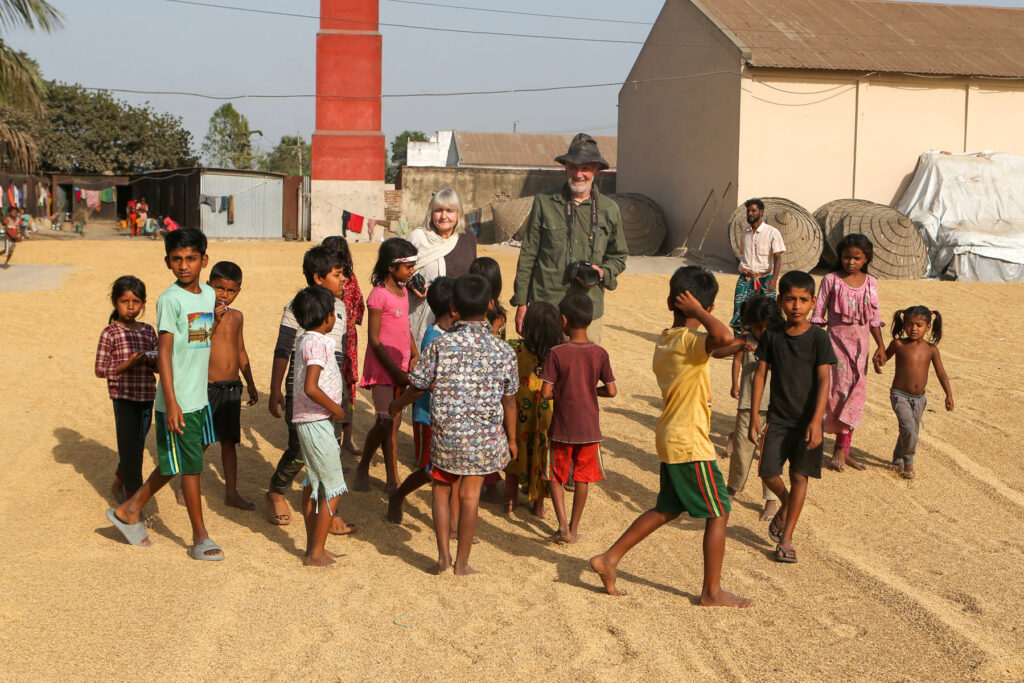
Julie and Clinton enjoying the company of the rice drying courtyard children (image by Yousuf Tushar)
Brick fields
The following morning after breakfast, we headed to the southern city of Chittagong, the second largest city of Bangladesh. On the way, we stopped to take photos in the brick fields.
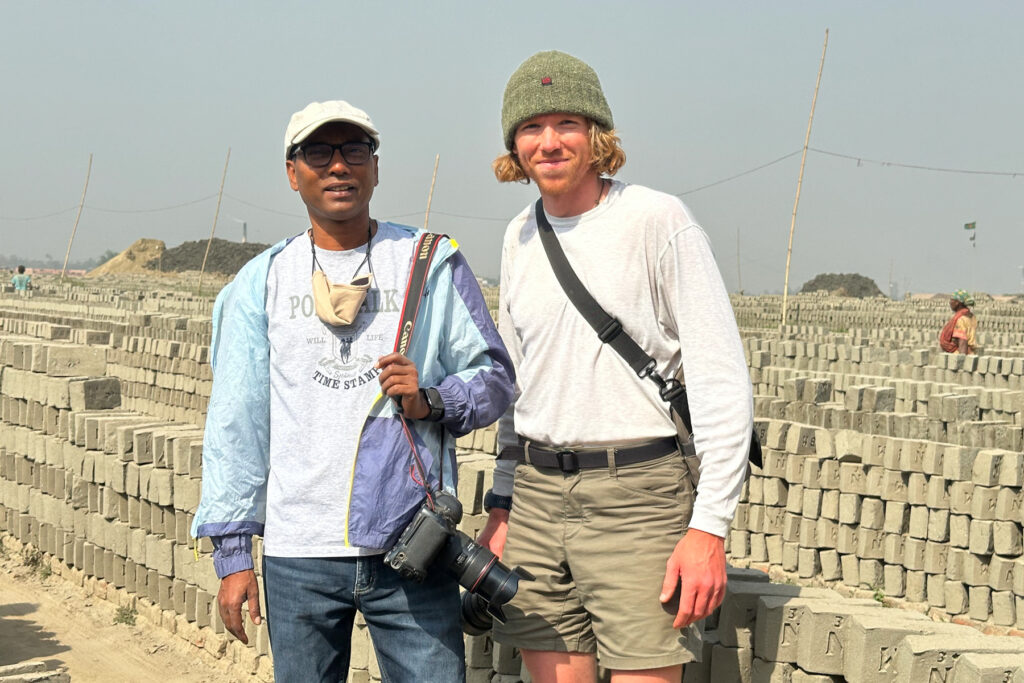
Yousuf and Alex in the brick works (image by Yousuf Tushar)
Around 300 brick fields surround Dhaka City, where brick laborers make bricks by hand in traditional processes. It starts with workers collecting clay and loading it into molds. After the raw bricks are formed by hand, workers stack them in rows to dry in the sun. After drying in the sun, raw bricks are carried by workers on their heads to the brick kiln for firing. We captured portraits of the workers with red dust covering their faces and we explored the brick laborers’ living conditions in small slums around the brick field.
We visited several brick yards photographing the entire brick-making process before continuing on to Chittagong for the evening.
Chittagong Fishing Port
Chittagong fishing port is the biggest fishing port of Bangladesh. The following morning we stopped at the fishing port on the bank of the Kornofuly river, which is connected with the sea by a very short distance.
We captured the fish landing, a daily spectacle that is a hive of activity where everyone has their a role to play, from kids to elders, women and men. As the sun’s rays pierce the horizon, we have seen the fishing boats returning after days at sea.
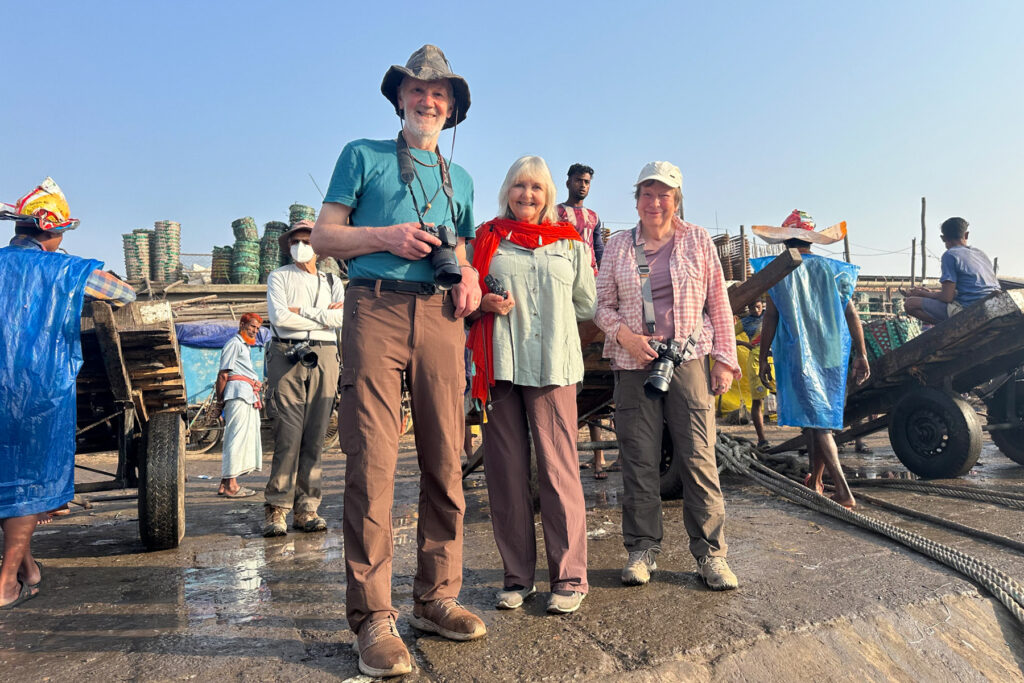
Enjoying a morning at the fish market (image by Yousuf Tushar)
We were amazed to see these fishing boats, each with its unique design. They are a testament to the area’s rich maritime heritage. We have made a conscious effort to isolate stories and photos out of the buzzing activity, each frame telling a story – of the fishermen’s struggle, their camaraderie, the anticipation of the vendors, the excitement of the locals, the ecosystem and the rivalries.
From there we drove out to Cox’s Bazar, a tourist destination in southeastern Bangladesh that is famous for having the longest uninterrupted natural beach in the world.
Fish drying villages
After a short break at the hotel we went out to photograph the largest fish drying village in the country. We spent the rest of the afternoon shooting the activities of the fish drying process, including arranging dried fish on rows of bamboo and children playing under the fish drying racks in this incredible atmosphere.
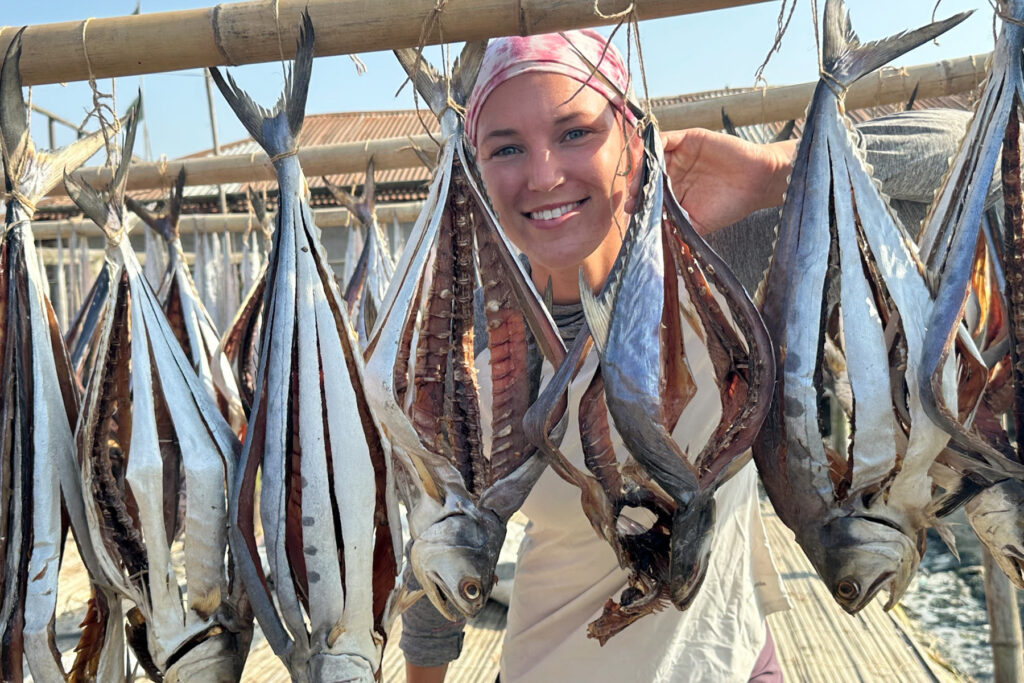
Bria smiles in the fish drying yards of Bangladesh (image by Yousuf Tushar)
Continuing our photographic exploration, we ventured towards the sea beach, where the world’s longest sea beach stretches out in all its splendor. Here, we were immersed in a tapestry of fishing activities as we photographed the innocent joy of children at play and fishermen repairing their nets. After enjoying a beautiful sunset over the sea we dined on a delicious seafood barbecue before going back to our hotel.
World longest sea beach
In the morning, we started our journey to explore the longest uninterrupted natural beach in the world, which stretches for about 120 km along the Bay of Bengal.
Weopted to drive a pretty road which was a little narrow but it allowed us to glimpse the sea and make stops for photos. We stopped at several sea beach points where we captured hundreds of colorful moon boats standing in a line on the sea beach. We had the chance to see fishermen pulling fishing nets full of fish out of the sea. It was truly a colourful world, with pretty moon-shaped fishing boats and their rainbow hued fishing nets. We were excited to capture images of fishermen pulling fishing nets. We also saw some fishing boats leaving for the deep sea and some coming back with loaded boats of fish.
For lunch we enjoyed a fresh seafood meal at a beautiful restaurant beside the sea. From the restaurant, we could watch the moon boat fishing activities. After lunch we spent the rest of the afternoon, until sunset, with these ethereal fishing boats on the coast, before returning to Cox’s Bazar for dinner.
Cox’s Bazar to Dhaka
The following morning we started early to visit the fish market of Cox’s Bazar, where we photographed large fish being unloaded from boats. We had a chance to ride in the fishing boats and we also we photographed the wholesale fish market just beside fishing port. Afterwards we returned to the hotel for a late breakfast and packing our bags as we prepared for our short domestic flight back to Dhaka.
Train station in Dhaka and Surprise overloaded local train
After we arrived at Dhaka airport we went directly to visit one of the local train stations in Dhaka. This large, open train station is a regular spot for commuters and we had the chance to see a few trains stopped, arriving and leaving. In this station we photographed one commuter train that was fully loaded to depart from Dhaka and travel to a nearby district. It was so loaded with people that many passengers were travelling on the roof!
Otter fishing in Bangladesh
The ancient tradition of otter fishing is almost lost to oour modern world but in Bangladesh it still exists so our next destination was to visit the last remaining families of people who catch fish using trained otters.
Although Otter fishing is disappearing, we spent a few hours lying on our bellies photographing a local Hindu family release Dolu, Kushi, and Khali, three tame ‘pet’ otters, into the river to catch fish for them.
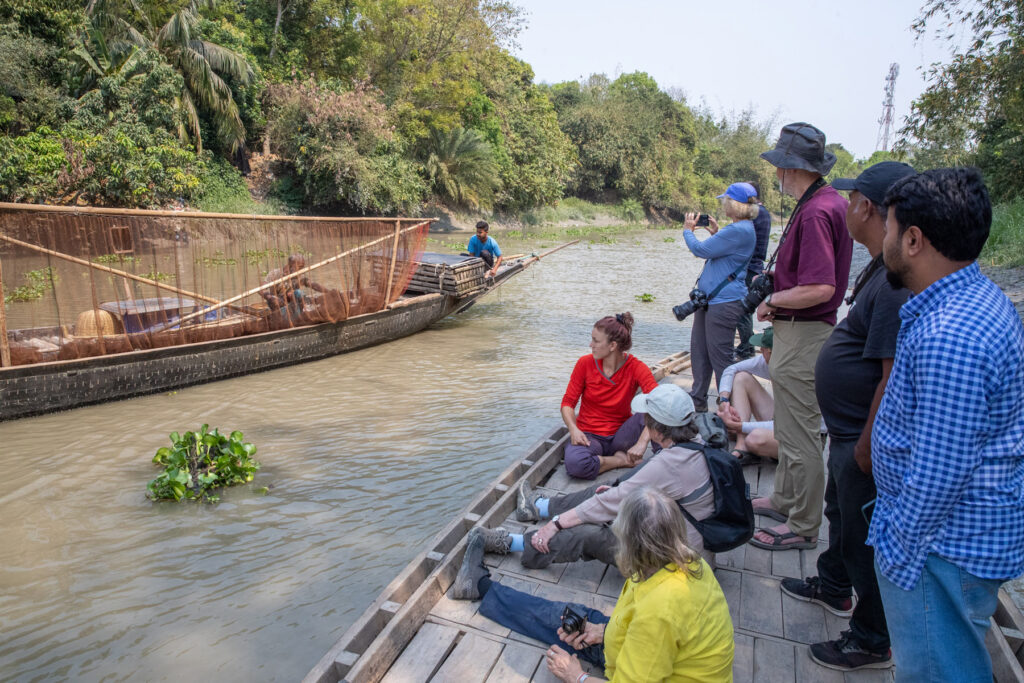
Spending time with the famous otter fishers in Bangladesh (image by Yousuf Tushar)
On our way back to Dhaka, we stopped at the banks of the Padma River to photograph some local boats and see the longest bridge of Bangladesh – Padma bridge which is 6.15 kilometres long.
The Coal Port
The following morning we continued our journey to northern Bangladesh to enjoy the rural beauty of the country.
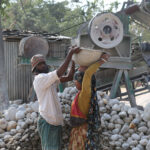
On the way, we stopped at a riverside coal port unloading area, where we were amazed to see hundreds of daily workers’ working hard to unload tons of coal, cement, and sands from ships. We witness the incredible strength and endurance of these workers, who carry heavy loads of coal, cement, and sand on their shoulders, heads, or backs all day every day.
Yogurt and curd-making factories
That afternoon we visited several yoghurt factories, where we enjoyed a wonderful experience of photography of the fully traditional yoghurt-making process.
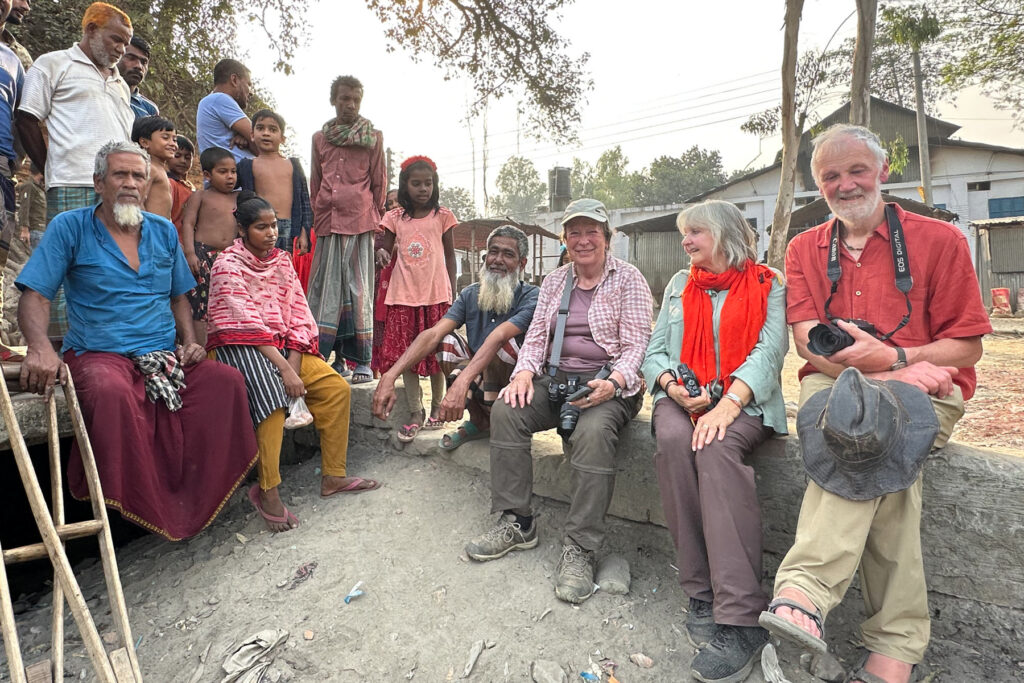
Our group enjoying the company of the locals (image by Yousuf Tushar)
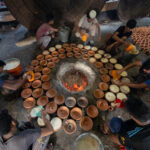
These yoghurt buildings were at once both difficult and beautiful to photograph. In the main building, the heat of cooking fires was so intense that most of us had to shield our eyes from the smoke and only go in at short bursts. For those of us who braved longer periods in it, we were rewarded with incredible dark room photography where shafts of light came through holes in the ceiling to illuminate yoghurt workers pouring large spoonfuls of yoghurts into steaming vats to aerate it. In other parts, we watched workers making the charcoal for the pits, washing curds in large swathes of muslin and also pouring yoghurt into small ceramic pots for it to be set and sold. These circles of yoghurt pots were then covered by large conical covers until they had set.
Red Chilies drying and sorting in courtyards
The next morning, we spent our first few hours photographing the spectacular red chilli harvest of Bangladesh. We entered the biggest hub of the red pepper/chilli indusgtry in Bangladesh exploring spectacular scenes of village people drying red chilies in a courtyard, women sitting in lines to sort the chillis and then pack the chillies into sacks to sell.
Nearby to this fantastic spectacle of red, we visited the yellow rice courtyards.
From the air, the red, green and yellow colours of these industries was very beautiful for our drone flyers.
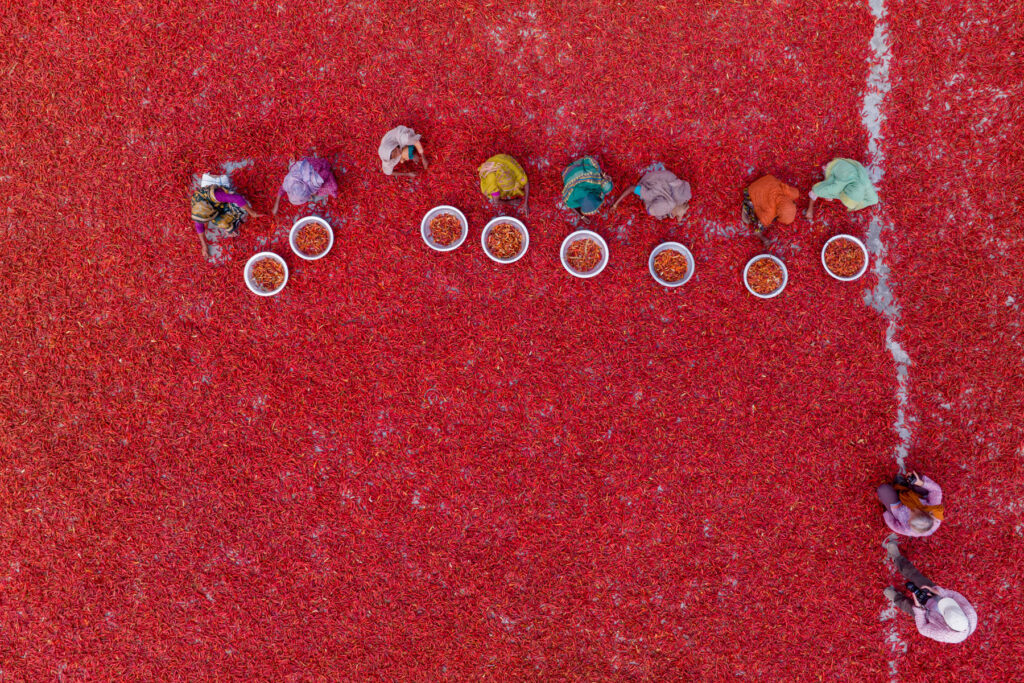
Sky view of our group members photographing the chilli harvesting in Bangladesh (image by Yousuf Tushar)
We then went to a nearby village for some great street photos before visiting the peninsula itself, which featured eye-level chilli fields, workers and boat traffic on the river.
Four-Boat Fishing
On the way back to Dhaka we stopped at the bank of the Jamuna River where I arranged for a group of local fishermen to show us traditional four-boat fishing. We all captured some excellent images of this fishing by drone and also from the ground level.
The Poultry Market
Towars the end of our tour we entered the biggest poultry market of Dhaka.
In this market, thousands of live chickens, ducks and other birds are sold in pyramid-shaped baskets each day.
I asked some of the vendors to show us how they catch and take out chicken from the baskets so we could photograph them. We also saw some merchants going to the city to sell chickens that they displayed in pots on their heads. It was our last shooting location on the tour and a wonderful way to finish two weeks of spectacular photography.
We hope your memories of the tour are unforgettable and that you call again to my land for more incredible photography in Bangladesh.
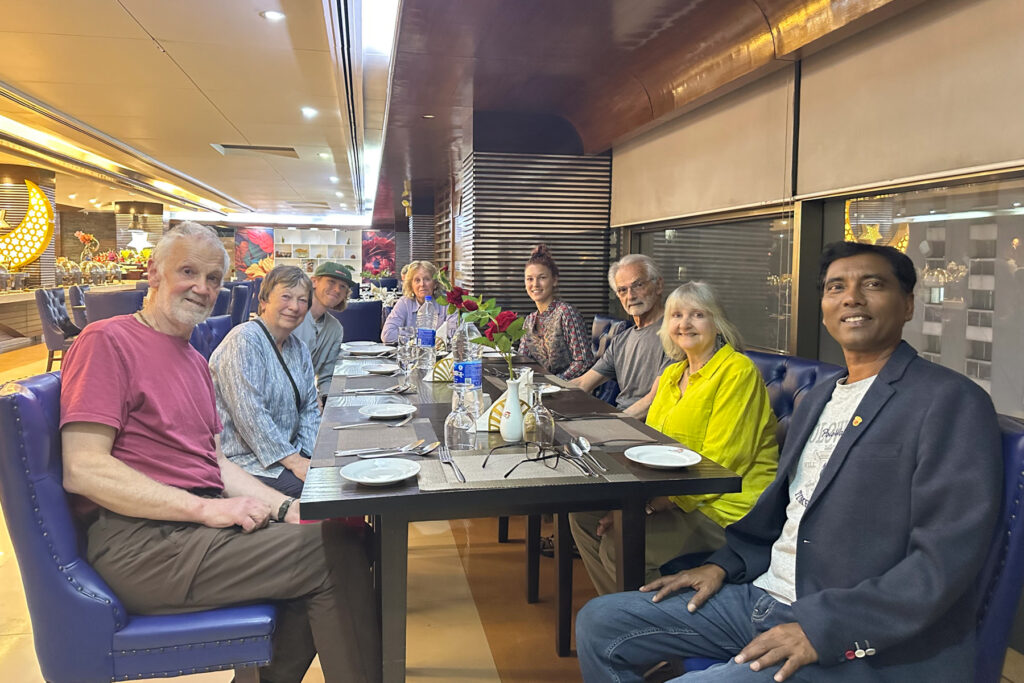
The photography in Bangladesh is incredible. Coming in a close second is the amazing food (image by Yousuf Tushar)
Yousuf Tushar
Yousuf Tushar is recognized as one of the leading freelance documentary photographers in Bangladesh. Photography is not only his profession, it is his passion, hobby and life. After graduating from Dhaka University he started his professional career and since then he has been working full-time documenting the human rights issues, environment and people of Bangladesh […]