
Europe (including Svalbard)
HUNGARY: BIRD PHOTOGRAPHY – Enjoying the Finest Hide Network in Europe

A male Little Crake in the wetlands. (Image by János Oláh)

Eurasian Hoopoes look comical with their elaborate crests! (Image by János Oláh)

Eurasian Hoopoe in flight in Hungary (Image by János Oláh)

A beautiful Black Stork from the Egret, Heron and Stork hide. (Image by János Oláh)

A Little Owl perches in a poppy field in Hungary. (Image by János Oláh)

Striking portrait of a Collared Flycatcher. (Image by János Oláh)

Mating Red-Footed Falcons. (Image by János Oláh)

The wetlands hide provides great opportunities to photograph White-winged Terns in flight. (Image by János Oláh)

Red-footed Falcons are a highly sought after bird to photograph in Europe. (Image by János Oláh)

A beautiful Hawfinch in spring. (Image by János Oláh)

A Collared Flycatcher in flight. (Image by János Oláh)

Portrait of a Ferruginous Duck. (Image by János Oláh)

Hide photography is the ideal way to get up close, action shots of European Bee-eaters. (Image by János Oláh)

Portrait of a Black Woodpecker at sunset. (Image by János Oláh)

Portrait of a juvenile Hawfinch. (Image by János Oláh)

European Bee-eaters often land only a few metres from the hides in Hungary! (Image by János Oláh)

Red-footed Falcon. (Image by János Oláh)


A male Little Crake in the wetlands. (Image by János Oláh)
Eurasian Hoopoes look comical with their elaborate crests! (Image by János Oláh)
Eurasian Hoopoe in flight in Hungary (Image by János Oláh)
A beautiful Black Stork from the Egret, Heron and Stork hide. (Image by János Oláh)
A Little Owl perches in a poppy field in Hungary. (Image by János Oláh)
Striking portrait of a Collared Flycatcher. (Image by János Oláh)
Mating Red-Footed Falcons. (Image by János Oláh)
The wetlands hide provides great opportunities to photograph White-winged Terns in flight. (Image by János Oláh)
Red-footed Falcons are a highly sought after bird to photograph in Europe. (Image by János Oláh)
A beautiful Hawfinch in spring. (Image by János Oláh)
A Collared Flycatcher in flight. (Image by János Oláh)
Portrait of a Ferruginous Duck. (Image by János Oláh)
Hide photography is the ideal way to get up close, action shots of European Bee-eaters. (Image by János Oláh)
Portrait of a Black Woodpecker at sunset. (Image by János Oláh)
Portrait of a juvenile Hawfinch. (Image by János Oláh)
European Bee-eaters often land only a few metres from the hides in Hungary! (Image by János Oláh)
Red-footed Falcon. (Image by János Oláh)


|
Sunday 30th May –
Saturday 5th June 2027 Leaders: János Oláh and other members of János's photographic team |
7 Days | Group Size Limit 8 (tour guaranteed) |
|
Tuesday 30th May –
Monday 5th June 2028 Leaders: János Oláh and other members of János's photographic team |
7 Days | Group Size Limit 8 |
HUNGARY BIRD PHOTOGRAPHY TOURS WITH WILD IMAGES
Our friend and colleague János Oláh has been instrumental in setting up a series of superb bird photography hides (or blinds) in Eastern Hungary, in and around the Hortobágy National Park. These offer superb opportunities to photograph a number of otherwise difficult-to-approach bird species, as well as many commoner species.
The variety and nature of the bird photography hides make this a wonderful venue for up to eight wildlife photographers at a time (spread across the various hides and rotating between them).
Mid-May to early June is prime time for late-spring bird photography in Hungary. Ferruginous Ducks are regular at the waterbird hides, and migrants supplement the breeding passerines at the drinking pools. This is a good time for breeding-plumaged shorebirds, and with a bit of luck, you can photograph Ruffs. Besides shorebird and passerine migration, this is also the most active time for breeding Red-footed Falcons. They are busily fighting for the best nesting areas, and settled pairs mate several times daily, creating superb photography opportunities. Another main target is the Eurasian Hoopoe, which is usually harder to photograph later in the season.
Our group bird photography tour focuses on late-arriving and breeding birds such as the colourful European Bee-eater and European Roller. They are both settled in their breeding areas by this time of year, and we will have many opportunities to photograph these wonderful birds. Although migration is more or less finished, the breeding birds at the waterbird hides are still very good. Whiskered Terns and egrets also turn up alongside the ducks. The drinking pools attract up to 20 species daily, and Hawfinch is one of the most common visitors. The Red-footed Falcons are incubating, but at certain times of day, interesting activity can make for rewarding bird photography.
Our partners in Hungary are constantly developing new hides, and recent additions to the range of options include hides for feeding herons, egrets, and storks (including the shy Black Stork), as well as Pygmy Cormorant.
HIDE DEVELOPMENT
The most critical issue in bird photography is getting close enough to your subject, and a hide is often necessary to achieve this with shy bird species. Recently, hide technology has improved greatly, and natural hides may represent a revolutionary innovation in nature conservation, since they not only hide the wildlife photographer but also appear as a natural part of the landscape. They integrate into the natural setting and are quickly accepted by the birds. They create new feeding, roosting, and even nesting habitats for birds, and follow the principles and practices of habitat restoration, bird protection, and ethical bird photography. Our natural hide network has been developed and constructed in various bird habitats in and around Hortobágy National Park and designed to blend into the landscape, allowing you, the wildlife photographer, to feel part of the natural environment.
- The hides are designed to let you get close to the birds and photograph them in relative comfort.
- The hides are built from natural substances in perfect harmony with their natural surroundings.
- The unique glass window is covered with a special layer that is not one-way glass, but reflects the photon spectrum of the environment’s natural colours.
- The large panoramic glass windows make bird photography an unforgettable experience, as you feel integrated into nature and at the centre of the bird action. Movement behind the glass generally does not disturb the birds.
- The special glass layering does not interfere with the contrast and sharpness of your pictures, so you can get perfect results (though you do lose around 1.3 stops in light).
- Most of the hides in the network are located in the world-famous Hortobágy National Park, and you can experience the special atmosphere of this World Heritage Site in a very different way from the hides.
- Half-day sessions are available in all hides except where stated below.
HIDE COMFORT
The hides have wide photo-through panorama windows looking in one, two, three or even four directions. The panoramic hides are divided inside into mobile, flexible compartments with curtains, so the photo-through glass can operate properly and effectively. The hides are spacious and comfortable enough for up to three wildlife photographers. Winter hides are heated. Some hides have padded chairs with back support, while others have mattresses.
SPECIFIC BIRD PHOTOGRAPHY HIDES AVAILABLE IN EASTERN HUNGARY
AQUATIC HIDES
These hides operate from mid-March to mid-November, though the Little Bittern hide only operates from May to August.
PYGMY CORMORANT HIDE
This hide is located in a fishpond system in the western part of the Hortobágy National Park and was installed in March 2008. The fishpond is used as a bird feeding pond, and there is no fishery activity for most of the year. In summer, most of the pond is covered with floating Yellow Floating Heart, which serves as a lovely yellow background for wildlife photography. The hide sits at the edge of the reedbed, with a circular island in front of it that birds use to rest, preen, feed, etc. Several branches around the hide also provide perching spots for birds. It is about a 100 m walk through reeds to reach the hide, with about 50cm deep water in the last section (rubber boots are provided). The bottom of the hide is about 5cm above water level, so you can take pictures from a very low angle. The hide is on pillars and is comfortable for two photographers. This hide is available only for all-day sessions to avoid disturbing the birds.
EGRET, HERON & STORK HIDE
This hide is located on the northern edge of Hortobágy National Park and was installed in summer 2013. It was built in a steppe habitat near a small wetland. The storks and egrets are fed fish. It is accessible by car and is comfortable for up to three photographers. Black Storks are regular visitors in spring, depending on the weather, along with White Storks, Black-crowned Night Herons, Grey Herons, Great Egrets, and Eurasian Spoonbills. Bird photography here focuses on capturing feeding and action shots. This hide is available only for all-day sessions to avoid disturbing the birds.
REEDBED HIDE
This hide is situated in one of the fishponds in the Hortobágy National Park and was completed in March 2009. It is accessed via a boardwalk. The bottom of the hide is about 5cm above water level, so you can take pictures from a very low angle. The hide is on pillars and is comfortable for two or three photographers.
Some of the more interesting bird species one may be able to photograph from these aquatic hides include Red-necked Grebe, Pygmy Cormorant, Little Bittern, Black-crowned Night Heron, Squacco and Purple Herons, Glossy Ibis, Eurasian Spoonbill, Garganey, Ferruginous Duck, Smew, Western Marsh Harrier, Little Crake, Water Rail, Ruff, Spotted Redshank, Yellow-legged Gull, Caspian Gull, Whiskered Tern, Black Tern, Common Kingfisher, Yellow Wagtail, Bluethroat, Savi’s Warbler, Great Reed Warbler, Bearded Reedling and European Penduline Tit.
PASSERINE DRINKING HIDES/FEEDING STATIONS
Two hides operate year-round in the Debrecen Great Wood reserve, a superb old oak forest. A drinking pool sits in front of the hides, and woodpeckers and seed-eating birds are fed throughout the winter. It is a short 5-10 minute walk to the hides, which are comfortable for three photographers.
Some of the more interesting bird species that may feature in photography opportunities at these hides include Common Buzzard, Eurasian Sparrowhawk, Northern Goshawk, European Turtle Dove, Black, European Green, Grey-headed, Great Spotted, Middle Spotted and Lesser Spotted Woodpeckers, Eurasian Wryneck, Common Nightingale, Common Redstart, Redwing, Lesser Whitethroat, Wood Warbler, Spotted, Pied and Collared Flycatchers, Marsh Tit, Long-tailed Bushtit, Eurasian Nuthatch, Short-toed Treecreeper, Eurasian Golden Oriole, Brambling, Eurasian Siskin, European Serin and Hawfinch.
CANOPY DRINKING HIDE
The canopy drinking hide targets Golden Oriole and Common Cuckoo. The hide is 5 metres off the ground in front of an eye-level drinking pool and is accessed by a ladder. It is air-conditioned, has electricity and has seats and shelves inside and is accessed by a gentle 200m walk.
RED-FOOTED FALCON TOWER HIDE
This hide operates from late April to mid-July. The hide is located in the eastern part of Hortobágy National Park, in a wood that is a regular breeding area for the falcons. It was installed in March 2008. Nest boxes are placed around the hide, and several strategically placed branches (with good backgrounds) let the falcons perch in front of the hide. You can drive to the hide, which is 5m above ground level and has windows on either side. It comfortably accommodates four bird photographers.
As well as the Red-footed Falcon, some of the more interesting bird species one may be able to photograph from this hide include Common Crane, Western Marsh Harrier, Common Kestrel, Saker Falcon, European Turtle Dove, Common Cuckoo, European Roller, Eurasian Hoopoe, Black Redstart, Marsh Warbler, Lesser and Common Whitethroats, and Red-backed and Lesser Grey Shrikes. This hide is available only for all-day sessions to avoid disturbing the birds.
HOOPOE HIDES
Up to three hoopoe hides can be in operation, where you can photograph birds visiting their nest boxes. These offer a great opportunity for flight photography shots as well as birds on perches. The hides can easily accommodate up to two photographers.
BEE-EATER AND ROLLER HIDES
One bee-eater and two roller hides are usually available, situated near breeding sites where the birds can be photographed on regular perches. These small hides accommodate up to two photographers for sessions lasting 3-5 hours at a time.
CRANE HIDES
These hides operate from September to early November; the prime season is the first two weeks of September, when there are fewer cranes, and they are more predictable in their bathing and gathering habits. The hides used for Common Crane photography are in the northern part of Hortobágy National Park. They are usually located near shallow water in a temporary grazed wetland or close to a dyke where cranes drink and bathe. Usually, you need only a short walk to reach the hide. The hides are comfortable for three photographers, with the sole photography focus being on the cranes.
It is worth bearing in mind that, with regular additions to their bird photography hide network, our partners usually have more options available than there are hide sessions on this tour, so we hope that you will enjoy it so much that you will want to return to this lovely part of Hungary to try some of the subjects that you miss the first time around!
Accommodation & Road Transport
The hotel is of a good standard. Road transport is by minibus, and roads in Hungary are good.
Walking
Walking in Hungary is easy throughout.
Climate
At this time of year, many days in Hungary are warm, dry, and sunny, but cool, overcast weather with some rain is not unusual.
BUDAPEST CITY BREAKS
Budapest is one of Europe’s most attractive and interesting capital cities and is only around a 30-minute taxi ride from Budapest airport. Why not take the opportunity to have an extra night or two here in the famous capital of Hungary? Please contact us for more details.
VIEW OUR GUESTS’ PHOTOS
As my first birding tour ever, the week in Hortobágy National Park with Wild Images proved very rewarding and a real eye opener. I was fortunate to be in the company of accomplished birders, five Brits and one German and the group seemed to jell early on.
They were extremely knowledgeable about birds and birding destinations and more than keen to share their wealth of experience with me. We were hosted in a beautiful lodge set by a lake on the edge of the Park. Bibic lodge is run by a lovely couple who did their best to cocoon demanding guests. Each day, two or three photographers were assigned one hide among eight (ground hide, tower hide, aquatic hide…) on a rotation basis. New to the concept ofphotography hides, I am already a convert as it is just amazing how close you can get and how much you can see in terms of behaviours and actions when the birds don’t see you and barely hear you. It’s a whole new world that you can access with plenty of unique scenes.
In five full days of observations from dawn to dusk, we saw a Hoopoe catching a cricket in its long beak, its crest raised in excitement, several pairs of Red-footed falcons mating, a Eurasian kestrel catching a rodent, a Hawfinch cracking a seed in its massive bill, a female Sparrowhawk splish-splashing in a pond and then spreading out its wings and drying out its plumage, and two Pygmy cormorants squabbling over a perch, just to name a few sightings. The highlight turned out to be the picture-perfect Bee-eaters. The European bee-eaters (Merops apiaster) winter in Southern Africa and migrate to Europe around may. They nest in small colonies of up to eight pairs (a case of safety in numbers !) and dig their burrows in the ground. The colonies are located near nectar and pollen-rich flowers which act as a magnet for their favorite preys ie bees. Of course the hide was located next to these flowers. A bee-eater can eat around 250 bees a day. During this period of intense courtship the male showcases its agility and vibrant plumage trying to impress the female. Males catch their prey (bees, wasps, beetles) in flight and offer them to their partner. This interesting behaviour is called courtship feeding. The gift serves to reinforce the pair’s bond and commitment. A very brief copulation follows the courtship.
Overall a very satisfying birding tour which makes me want to explore new horizons with Wild Images – Alain Loss (guest on our 2025 Hungary tour). To view a gallery of Alain’s beautiful images, please click here.
Photographic Highlights
- The comings and goings of the delightfully dainty Red-footed Falcon on a close-range natural perch from a tower hide by its nesting colony
- Waiting for that all important raised crest shot of a hoopoe as it perches near its nest full of hungry mouths to feed, often with something photogenic in its bill
- Hear the whirr of a bee-eater’s wings as it too brings something interesting back to its nest hole, often pausing to perch in front of us first
- Hear the whirr of a bee-eater’s wings as it too brings something interesting back to its nest hole, often pausing to perch in front of us first
- What has the colourful roller brought for its youngsters this time, a large cricket or maybe even a young grass snake?
- On the reed-fringed banks of a fishpond, a smart Ferruginous Duck floats by, while a Pygmy Cormorant takes a rest on a strategically placed perch
- Fish loving Black Storks frequent a small wetland pool in front of our photo hide, often joined by spoonbills, herons and egrets
- Drinking pool photo hides deep in the forest are like’ Bird Photo TV’, with a wide range of possibilities like Black Woodpecker, Collared Flycatcher and Hawfinch, but we can also dream of a thirsty raptor
- If the canopy hide is attracting birds at the time of our visit, we might complete our collection of ‘pretties’ with a stunning Golden Oriole
OUTLINE ITINERARY
- Day 1: Midday tour start at Budapest airport. Transfer to the Hortobágy.
- Days 2-6: Five full days of hide photography in the Hortobágy region.
- Day 7: Final Hortobágy session, then return to Budapest airport for afternoon tour end.
To see a larger map, click on the square-like ‘enlarge’ icon in the upper right of the map box.
To see (or hide) the ‘map legend’, click on the icon with an arrow in the upper left of the map box.
To change to a satellite view, which is great for seeing the physical terrain (and for seeing really fine details by repetitive use of the + button), click on the square ‘map view’ icon in the lower left corner of the ‘map legend’.
PRICE INFORMATION
Wild Images Inclusions: Our tour prices include transportation, accommodations, meals and entrance fees.
Exclusions: Tips/gratuities for the hotel are not included.
Deposit: 20% of the total tour price. Our office will let you know what deposit amount is due, in order to confirm your booking, following receipt of your online booking form.
TO BOOK THIS TOUR: Click here (you will need the tour dates)
2027: £1620, $2220, €1900, AUD3110. Budapest/Budapest.
2028: £1670, $2290, €1960, AUD3200. Budapest/Budapest.
Single Supplement: 2027: £170, $240, €210, AUD340.
Single Supplement: 2028: £180, $250, €220, AUD360.
If you are travelling alone, the single supplement will not apply if you are willing to share a room and there is a room-mate of the same sex available.
This tour is priced in Euros. Amounts shown in other currencies are indicative.
HUNGARY BIRD PHOTOGRAPHY TOUR: DETAILED ITINERARY
Hungary: Day 1
Our Hungary bird photography tour begins this afternoon in Budapest, Hungary’s capital, where we will transfer to Hortabágy in eastern Hungary for a six-night stay.
Hungary: Days 2 – 6
We will have five full days for bird photography, allowing us to enjoy a variety of the hides on offer. The exact programme will be determined by the available subjects and the photographers’ preferences, though everyone will have ample opportunity to enjoy each of the active hides.
Hungary: Day 7
After some final time in the Hortabágy, we will return to Budapest Airport, where our Hungary bird photography tour ends this afternoon.
Other Wild Images Tours particularly good for bird photography
Asia (including its islands)
February 2027
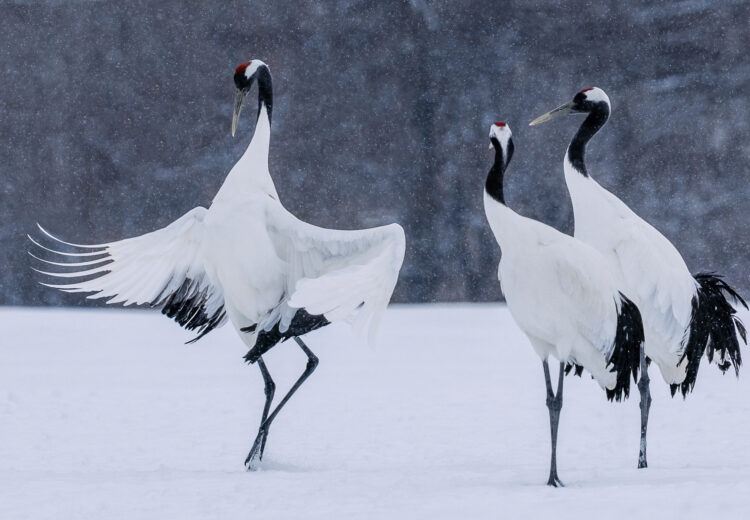
JAPAN: WINTER WILDLIFE SPECTACULAR – Cranes, Eagles, Swans & Snow Monkeys
South America (including Galapagos)
May 2027
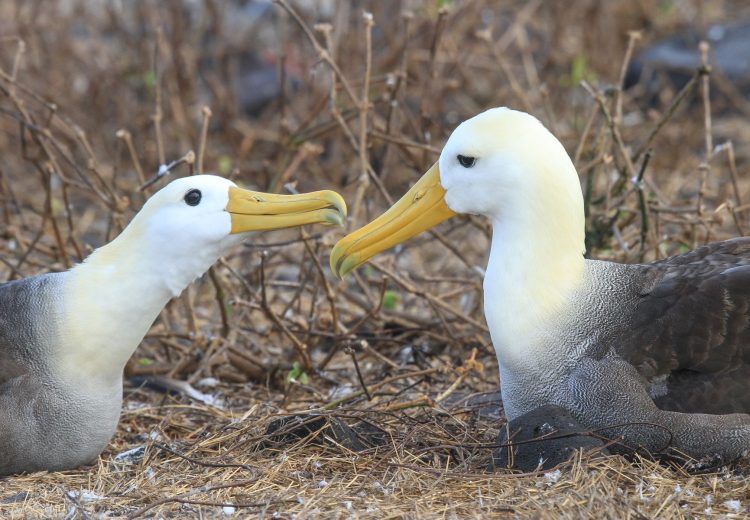
GALAPAGOS ISLANDS: Extraordinary wildlife photography in the footsteps of Darwin

Europe (including Svalbard)
June 2027
ROMANIA’S DANUBE DELTA: BIRD PHOTOGRAPHY – Europe’s largest wetland and surrounding steppes

North & Central America
December 2028