
Eagle Hunters of Western Mongolia Tour Report 2026
1 October 2026
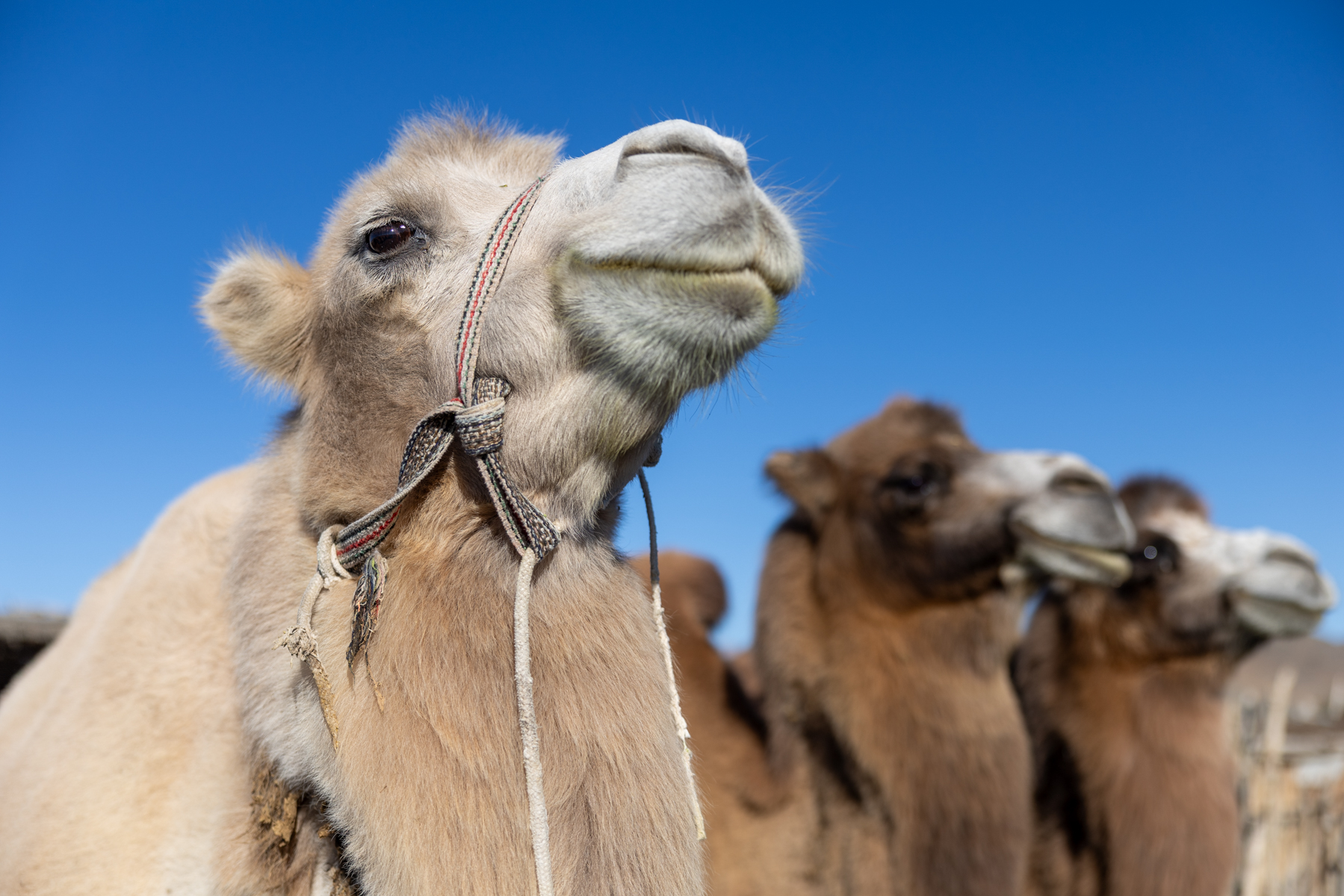
Visiting a local family in western Mongolia, where Bactrian camels are central to everyday nomadic life (image by Ingrid Koedood)
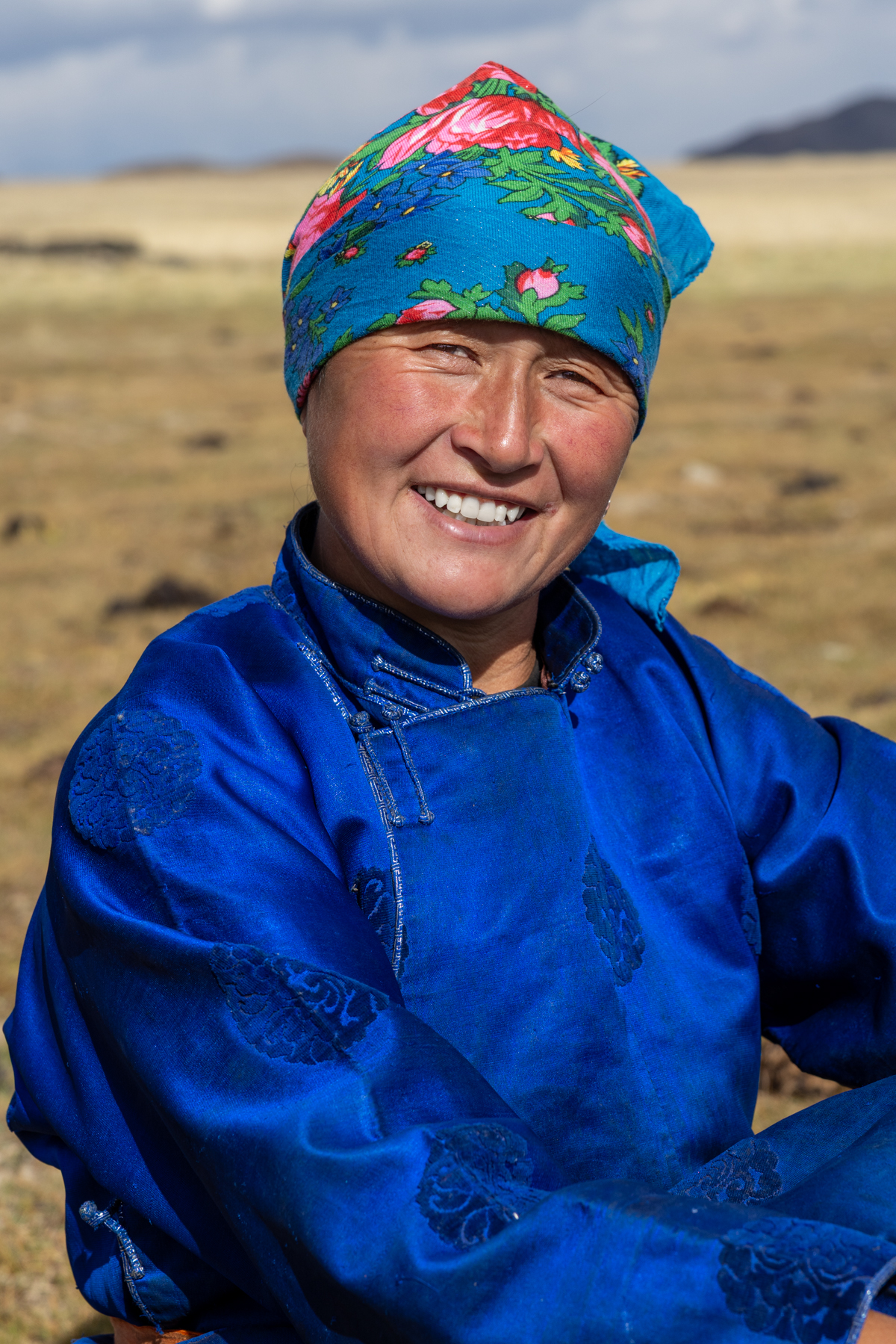
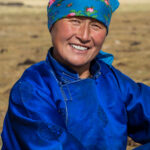
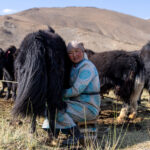
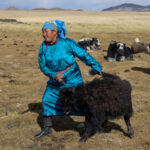
We met this Kazakh woman during the morning milking of the yaks (image by Ingrid Koedood)
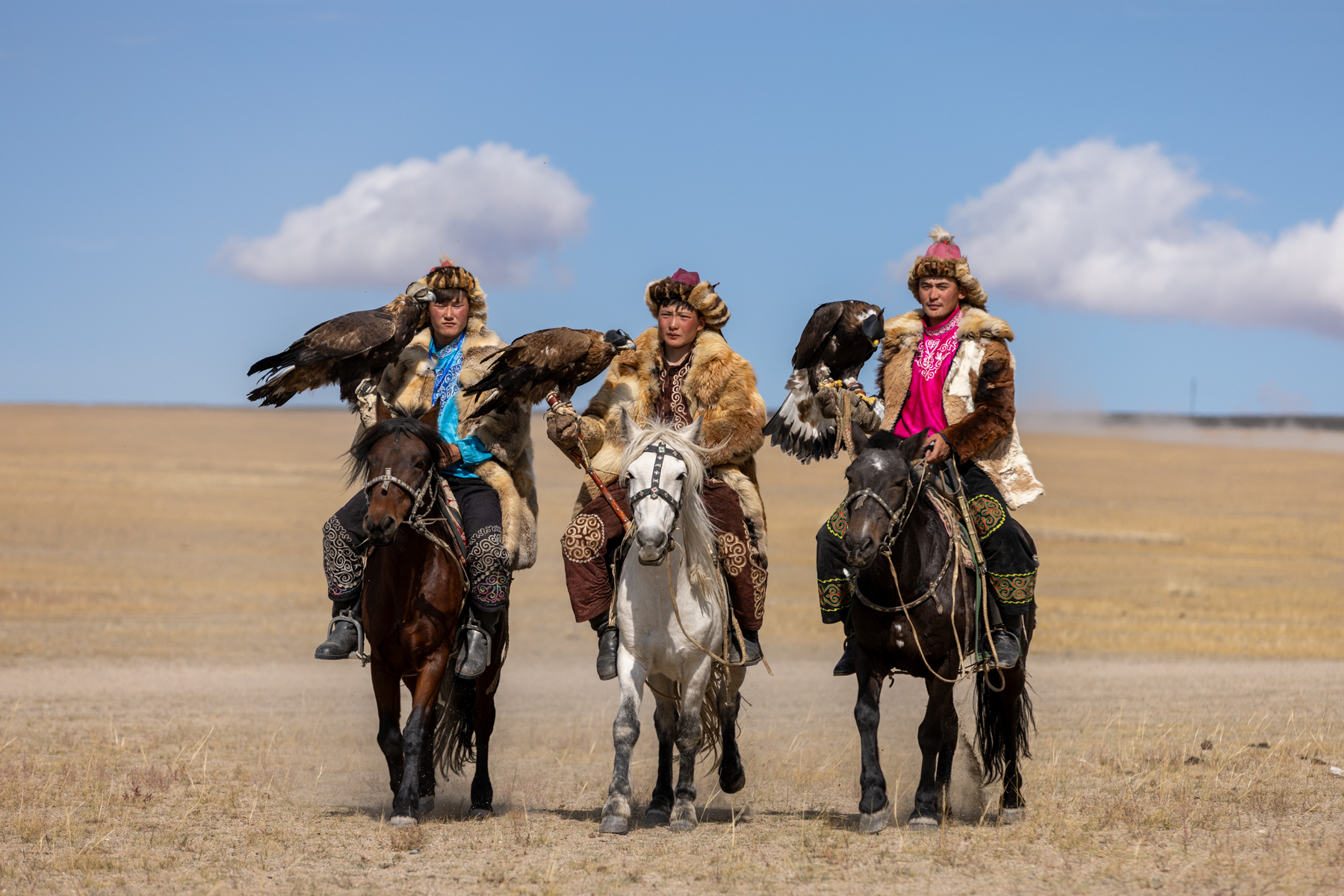
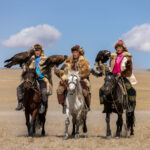
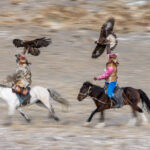
Three young eagle hunters competing at the Eagle Hunters festival (image by Ingrid Koedood)
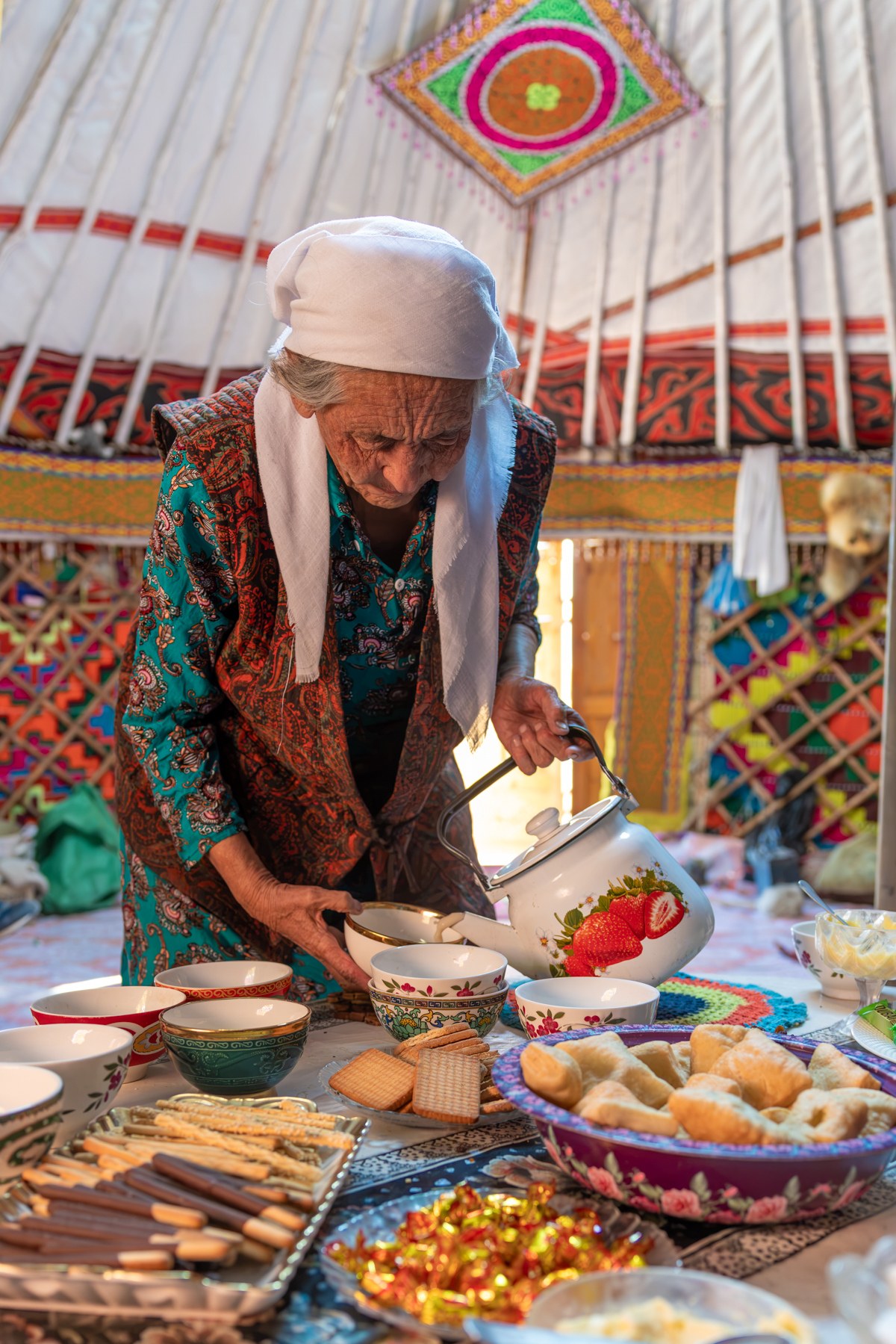
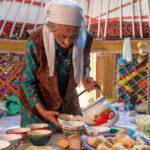
Wherever we visited, we were warmly welcomed with milk tea, biscuits and sweets. A tradition of hospitality iImage by Ingrid Koedood)
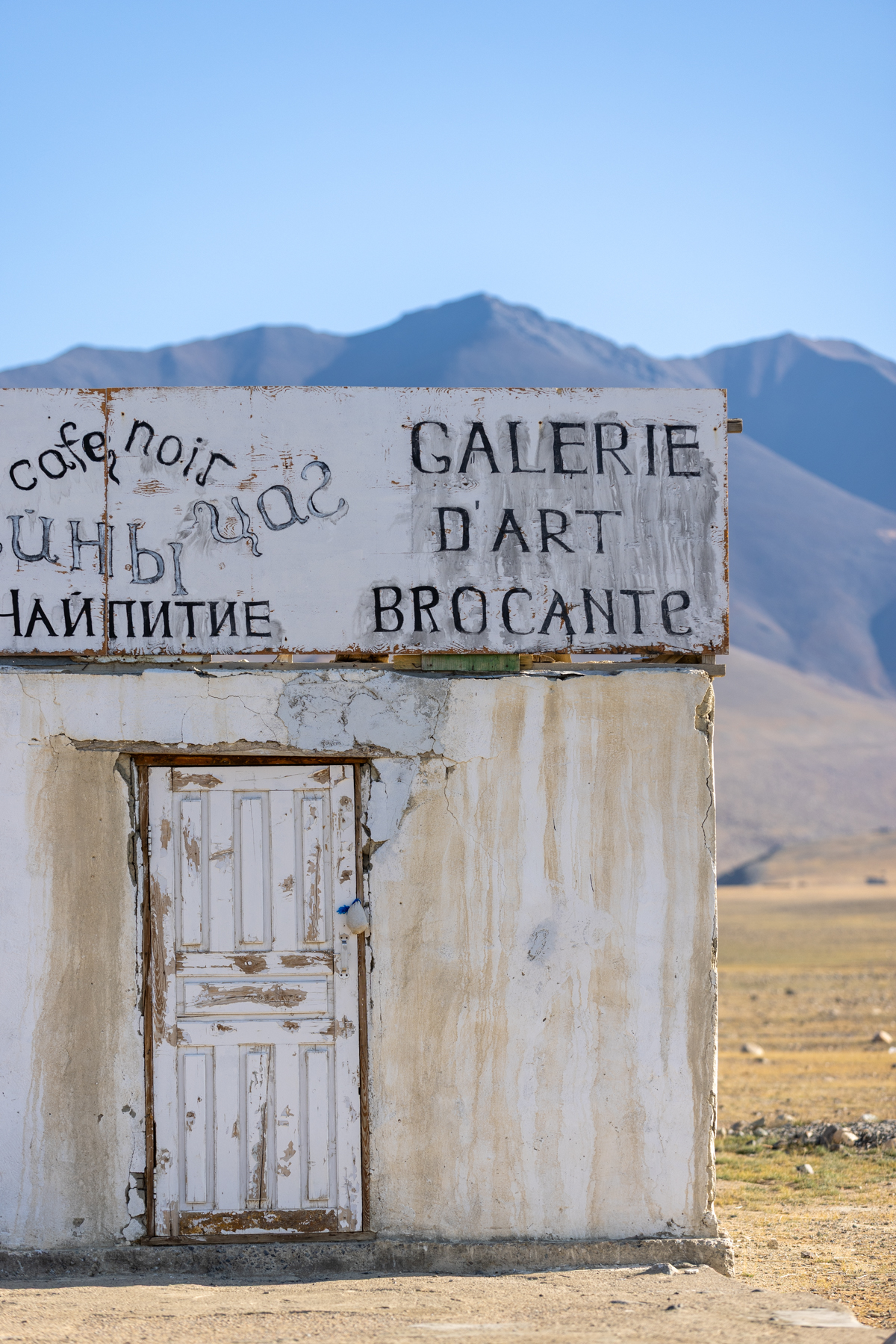
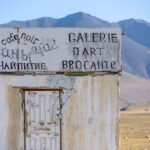
An abandoned place in the vast Mongolian landscape (image by Ingrid Koedood)
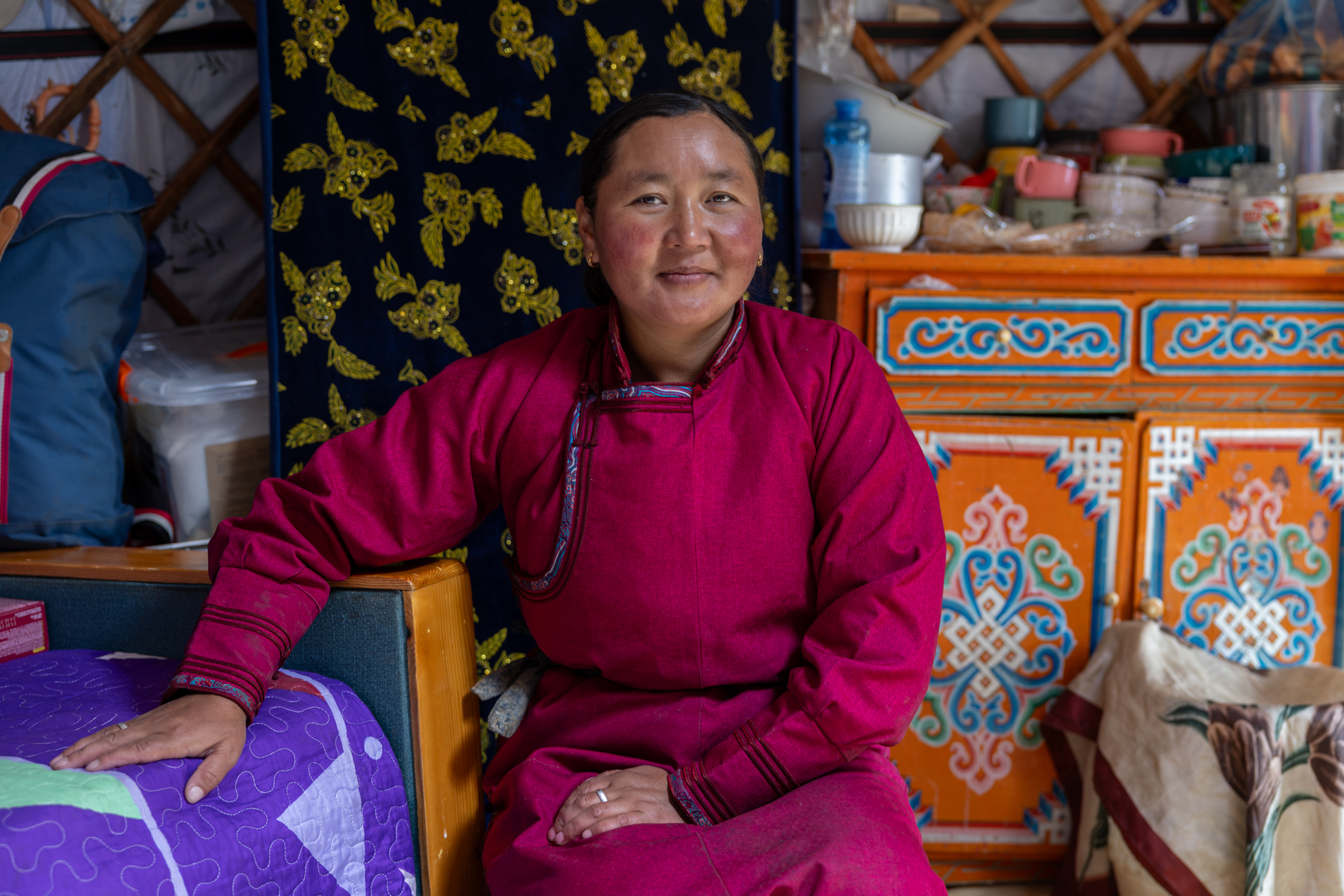
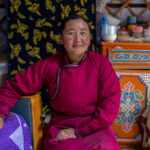
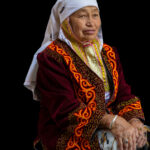
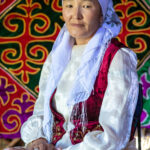
A Kazakh woman photographed in her yurt (image by Ingrid Koedood)
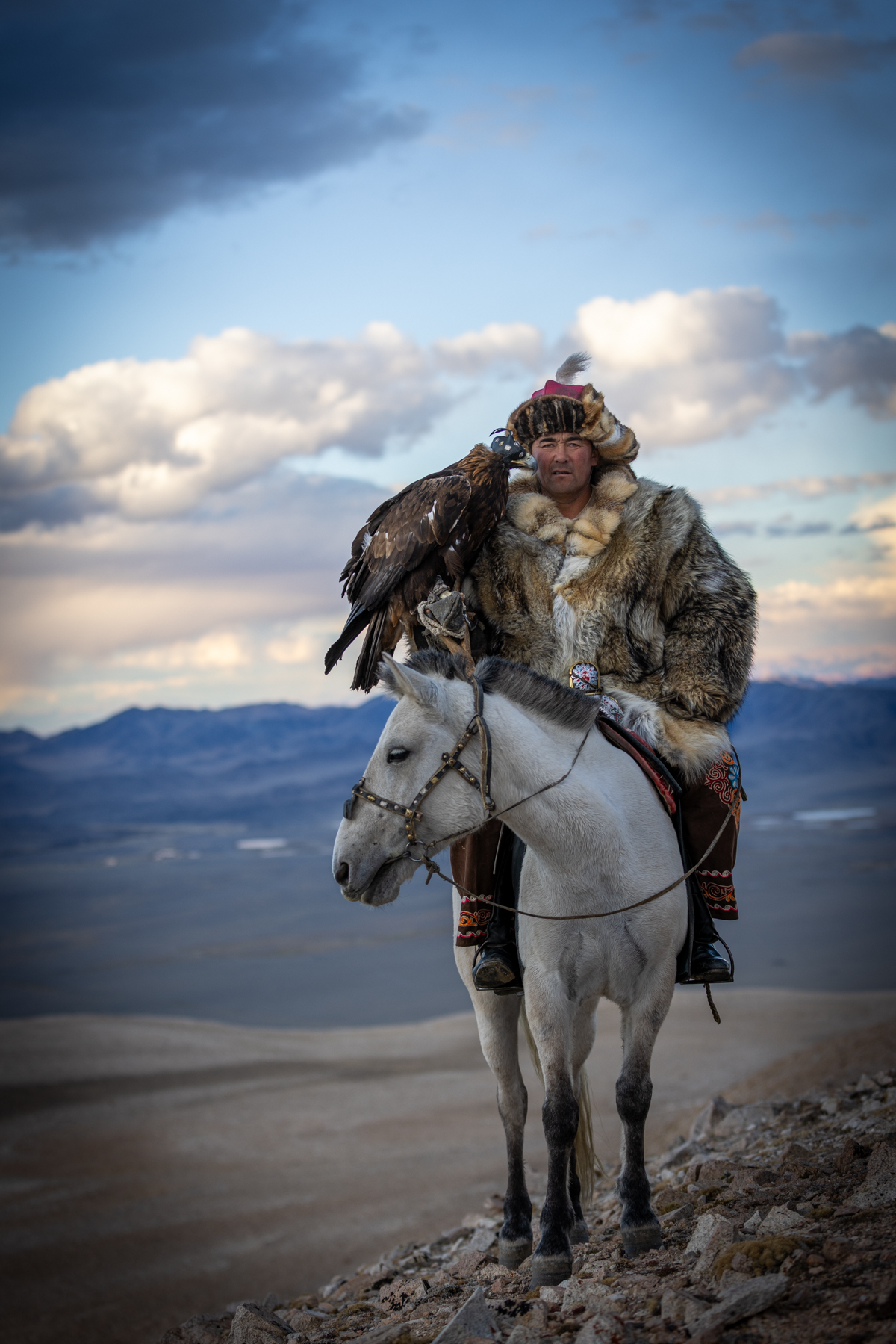
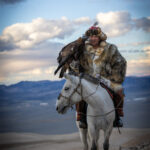
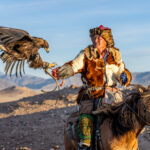
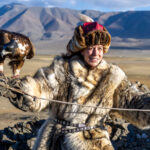
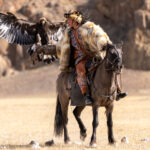
In the mountains, Baurjan poses with his eagle and horse (image by Ingrid Koedood)
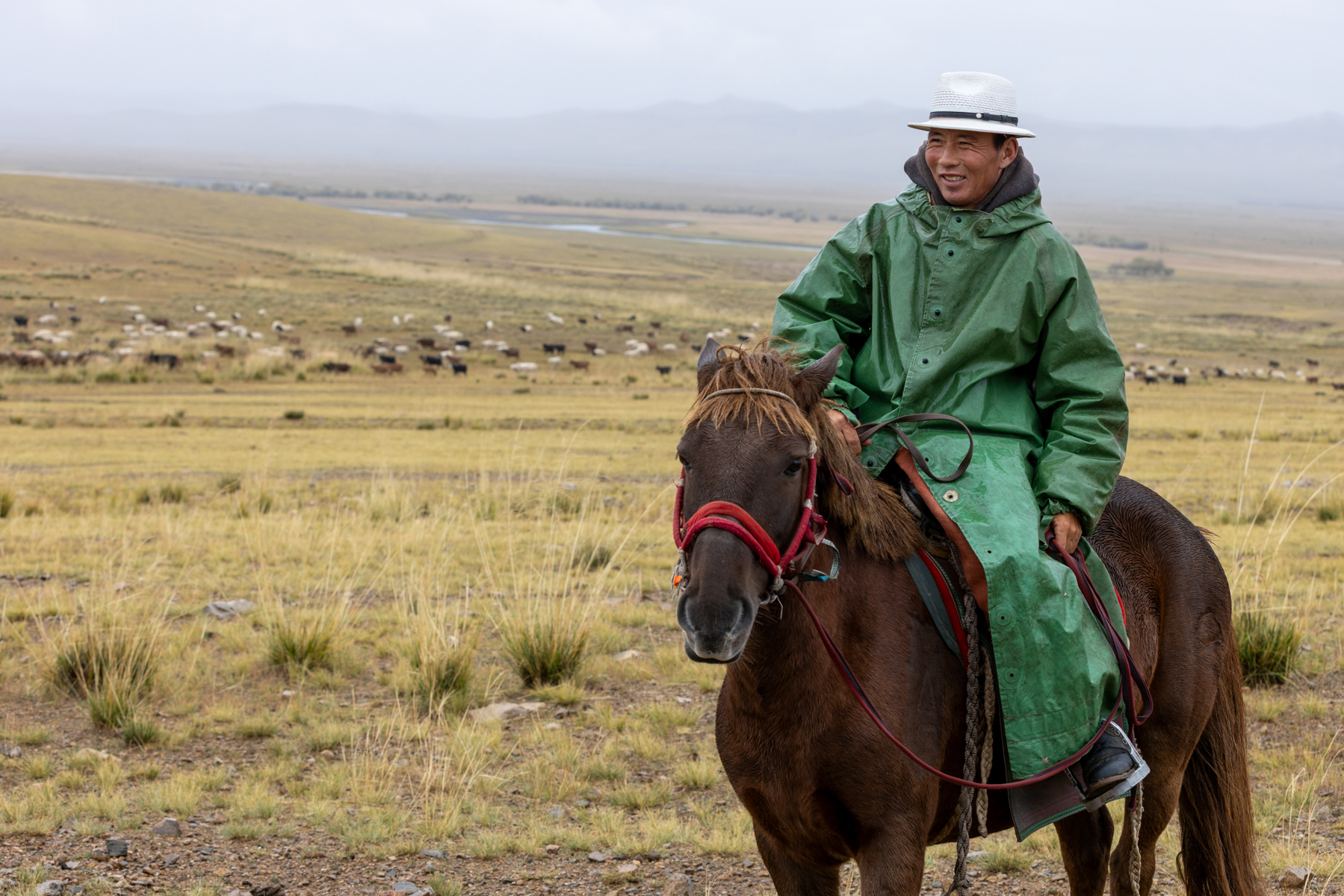
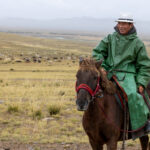
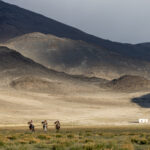
On the road from Hustai National Park to Ulaanbaatar, we passed this herder riding across the open steppe with his livestock (image by Ingrid Koedood)
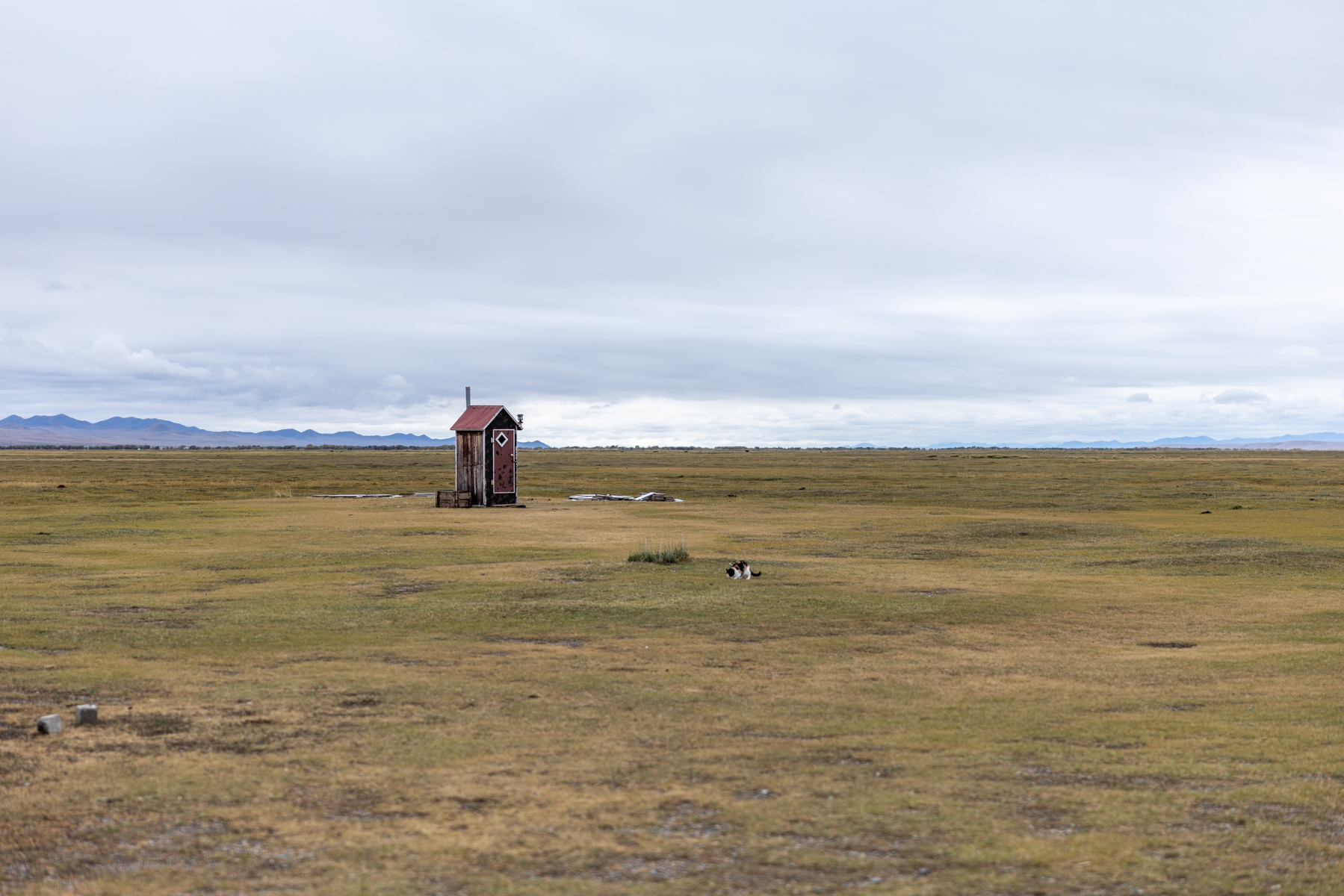
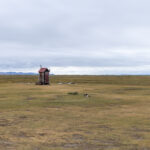
A tiny toilet stands alone in the vast landscape during our visit to a Mongolian family near Hustai (image by Ingrid Koedood)
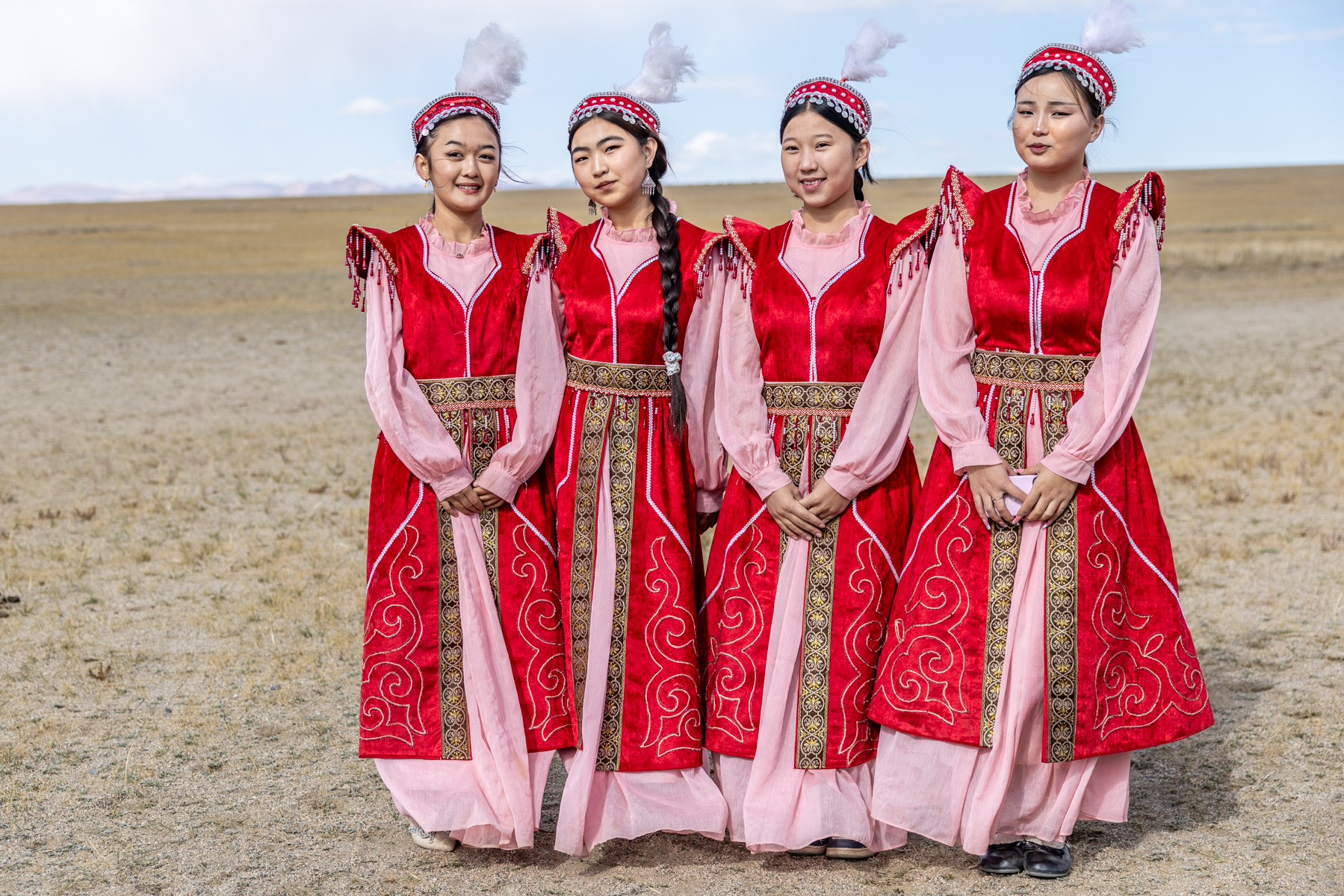
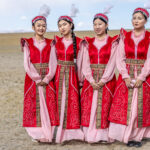
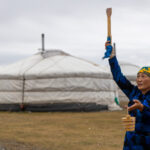
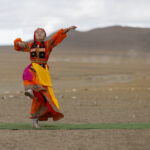
Young dancers rehearse in traditional dress before their performance at the Eagle festival (image by Ingrid Koedood)
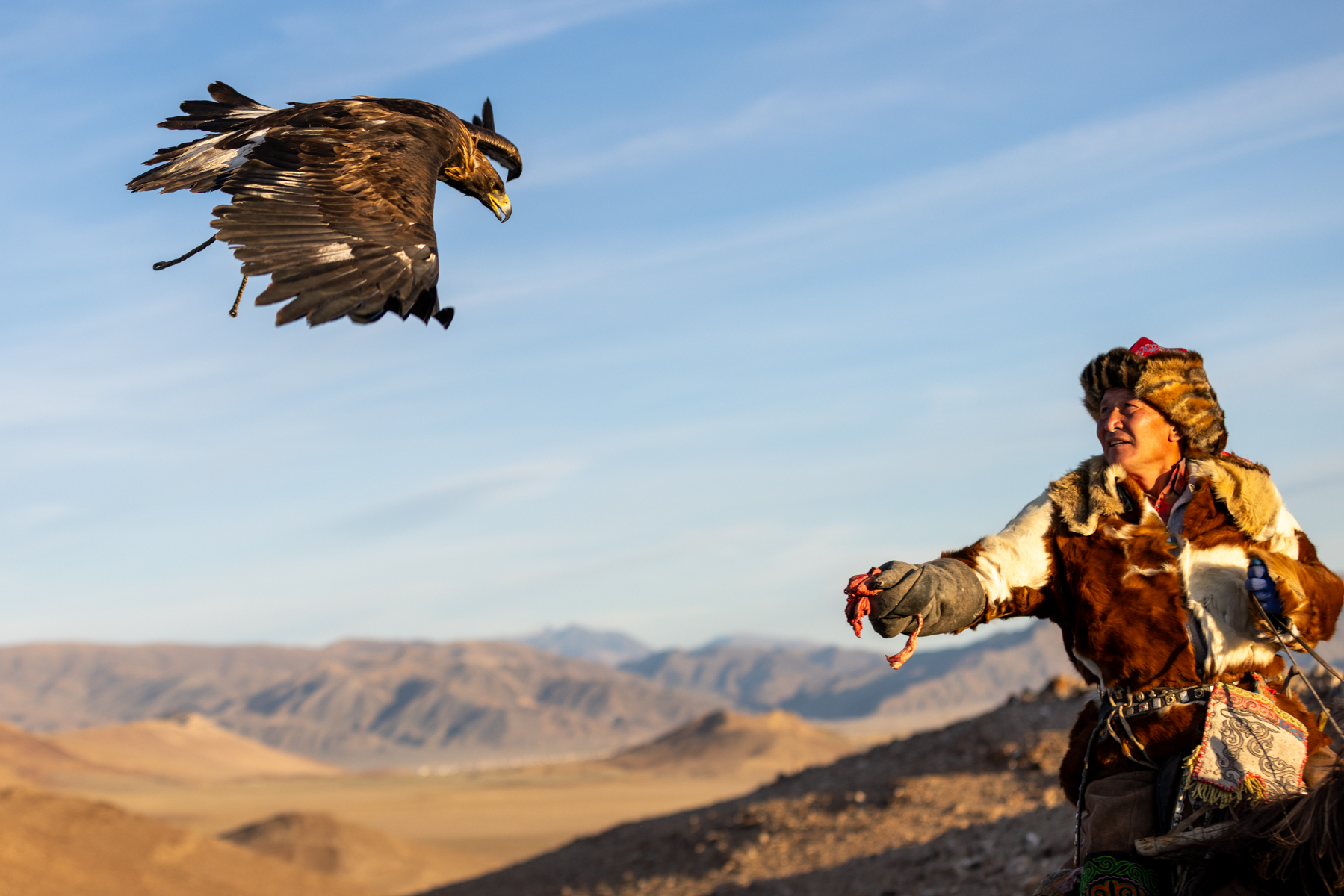
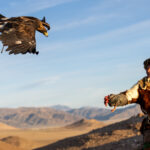
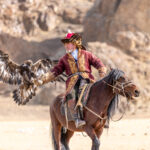
Shakiru training with his golden eagle. The eagle is released from high on the mountain and responds to his call, flying down to land on his gloved hand (image by Ingrid Koedood)
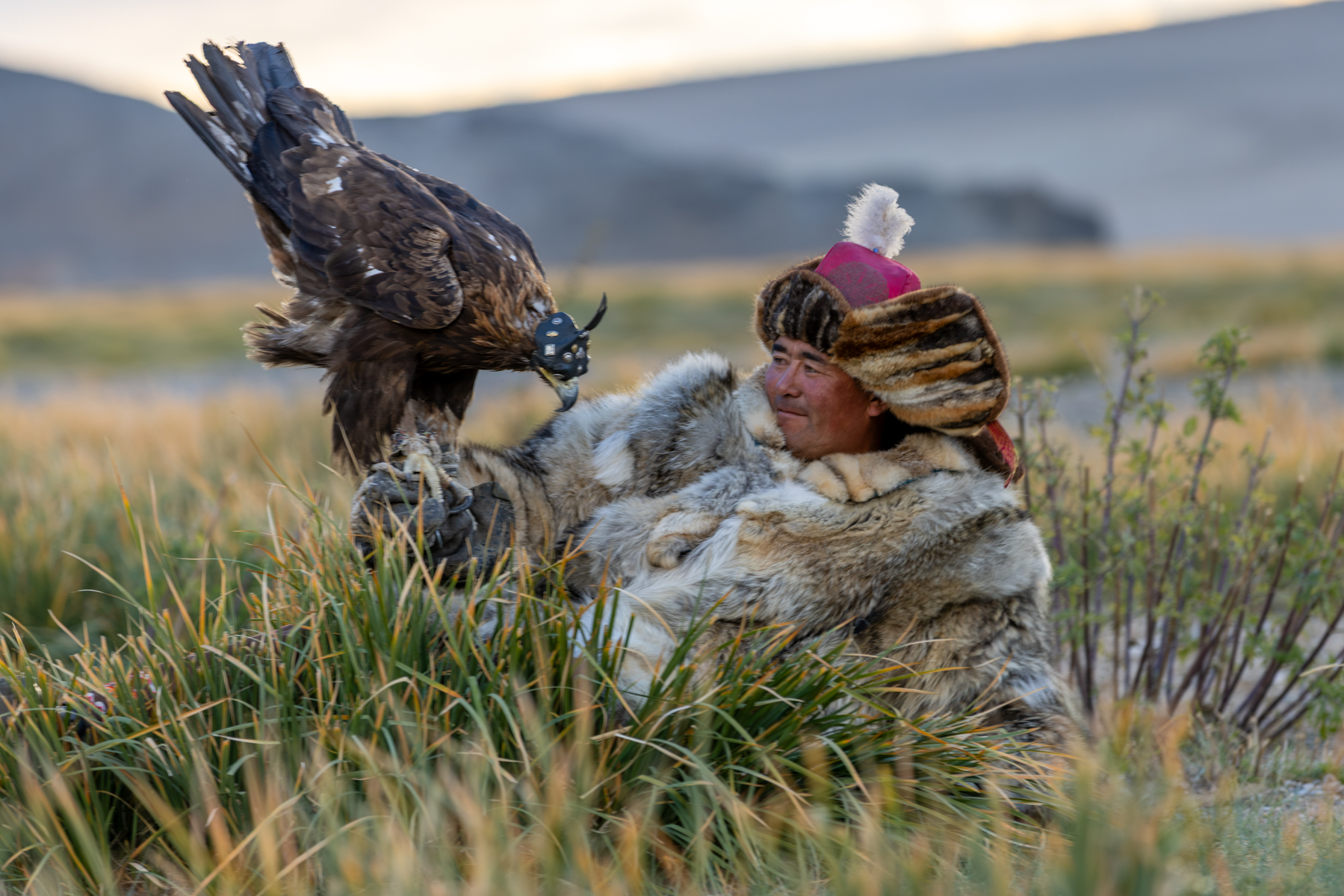
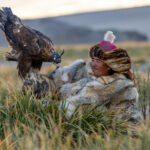
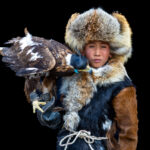
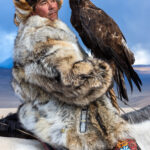
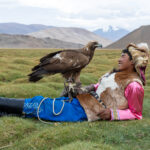
Baurjan resting with his golden eagle in the early morning, wrapped in a traditional fur coat to protect against the cold of western Mongolia (image by Ingrid Koedood)
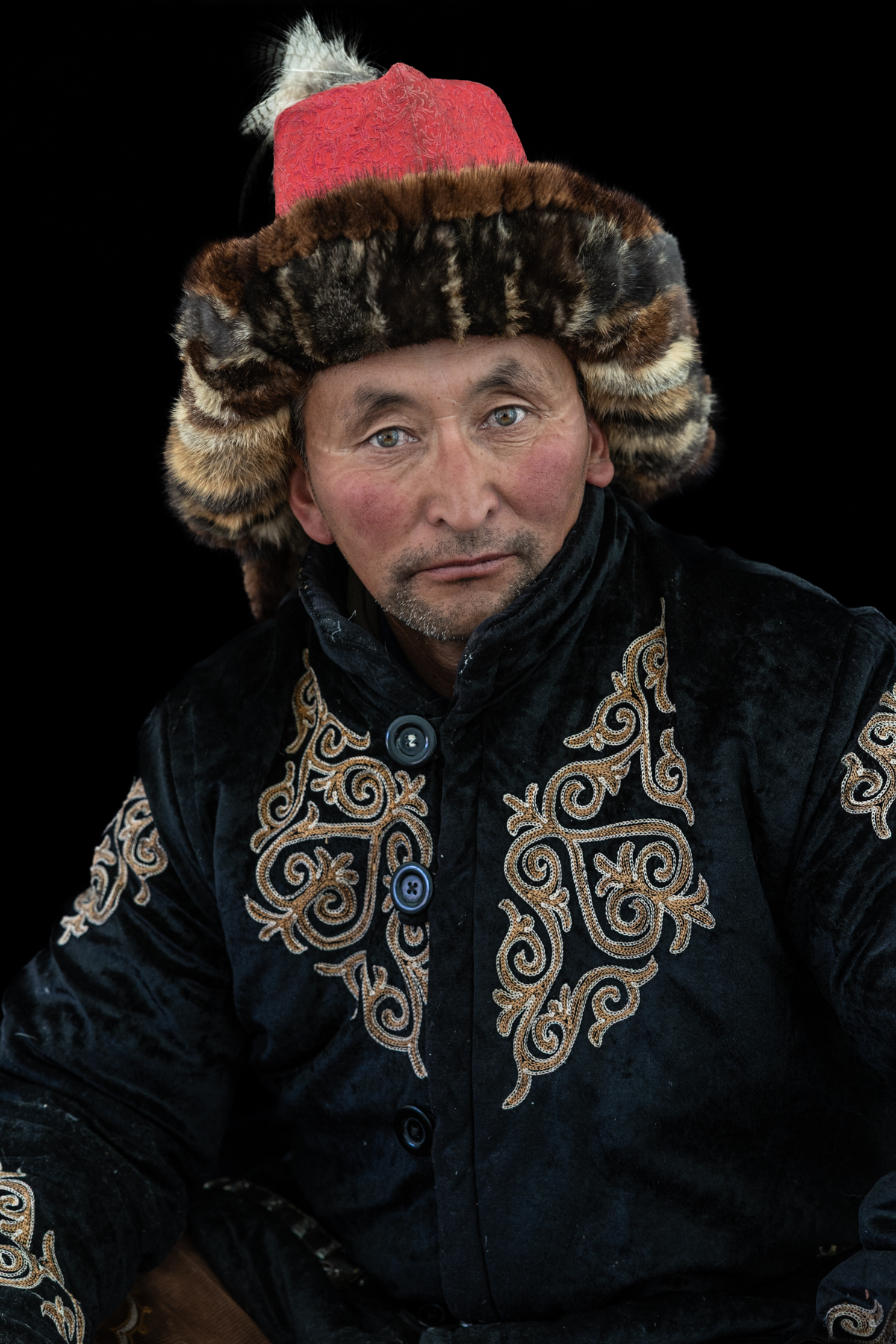
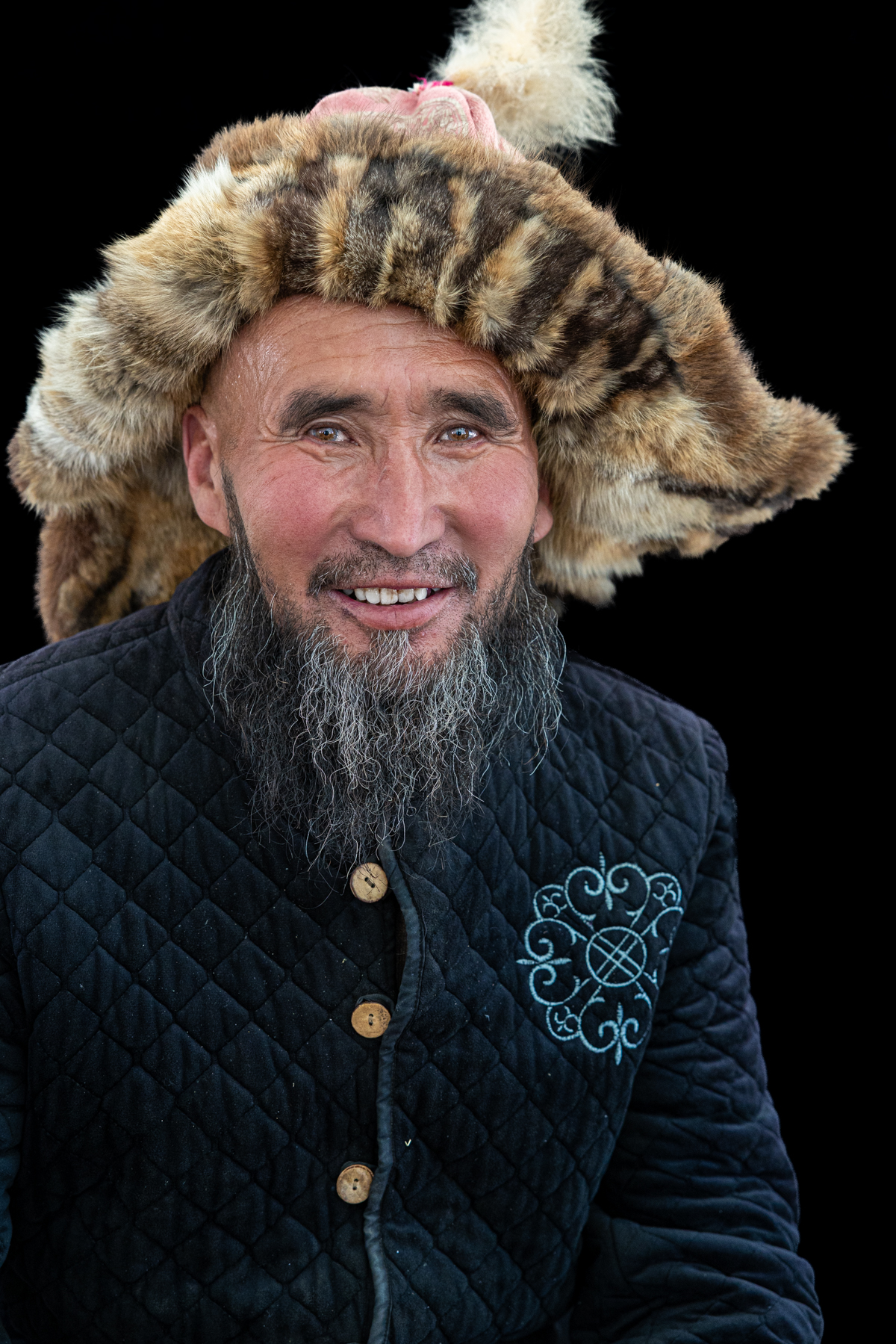
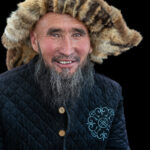
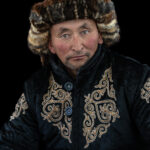
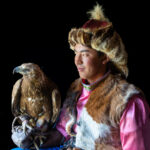
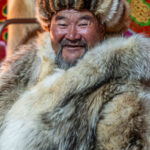
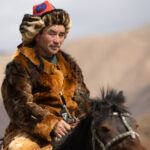
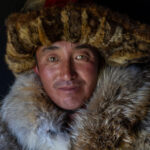
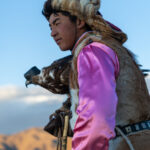
Portrait of a eagle hunter at the festival (image by Ingrid Koedood)
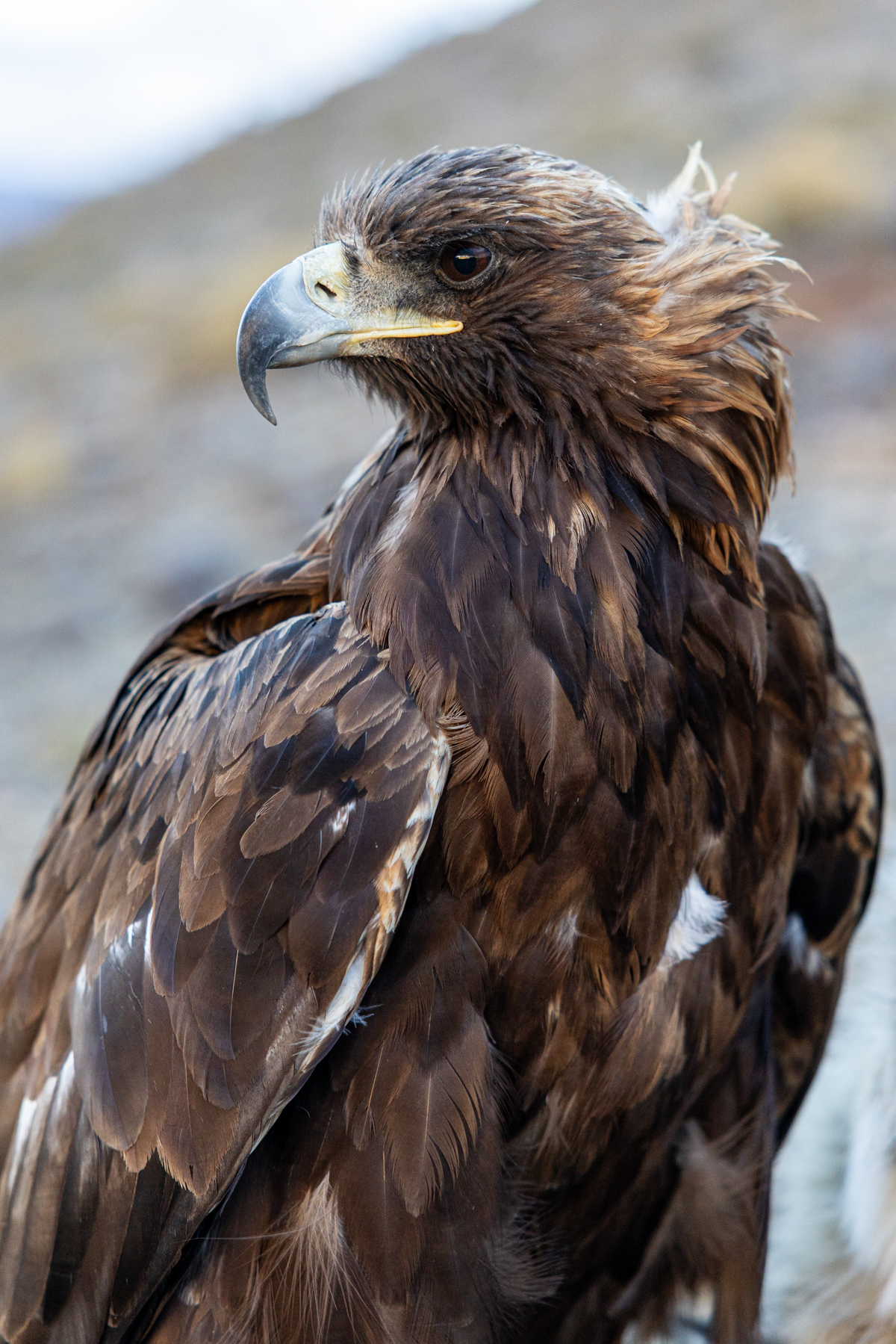
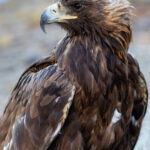
A close-up of a golden eagle. Female eagles, traditionally favoured by Kazakh eagle hunters, can weigh over six kilos and are larger and more powerful than the males (image by Ingrid Koedood)
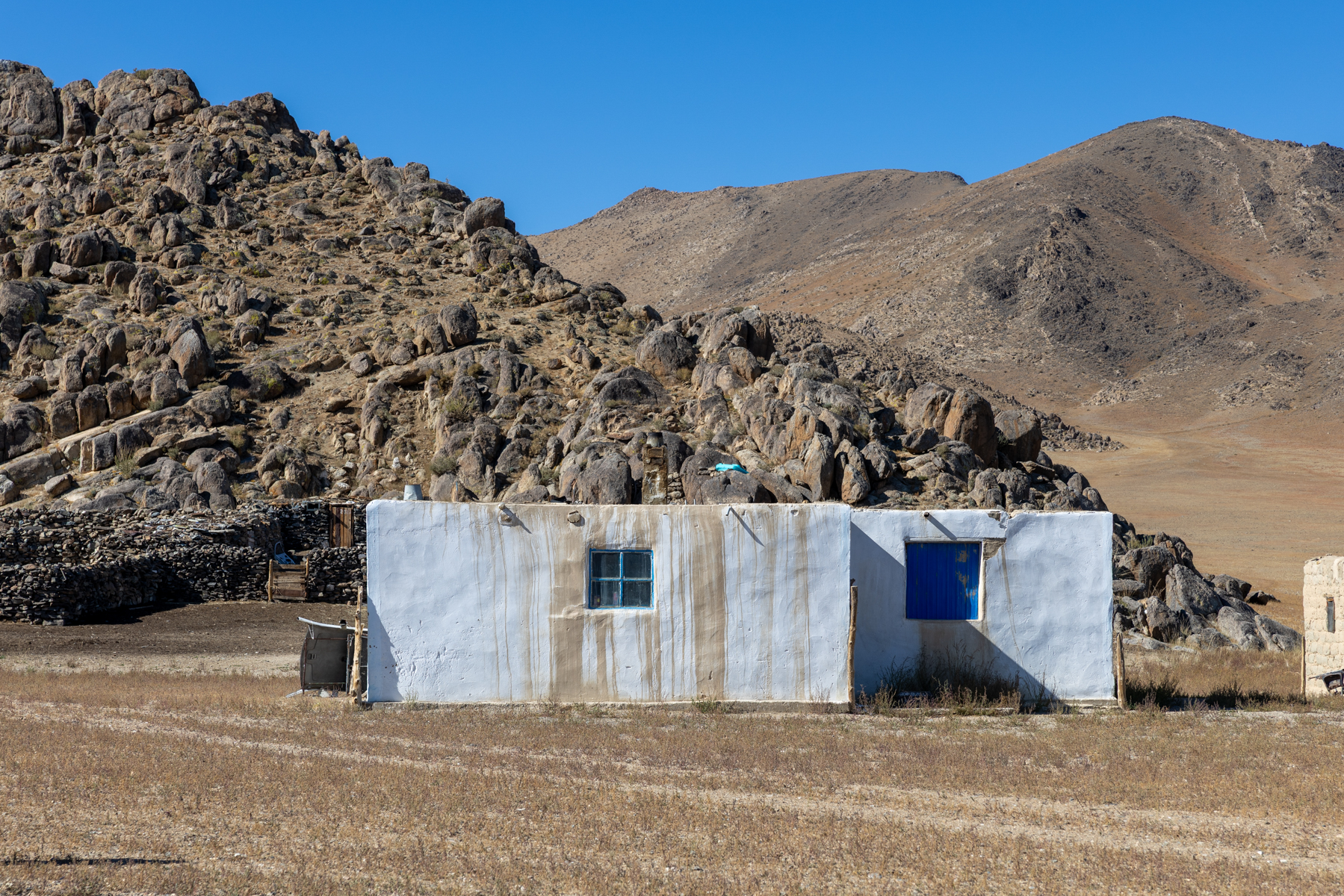
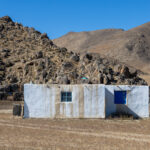
A traditional winter residence. During the colder months, some nomadic families move from their yurts/gers to permanent stone or mud-brick houses, offering better protection from the harsh winter weather (image by Ingrid Koedood)
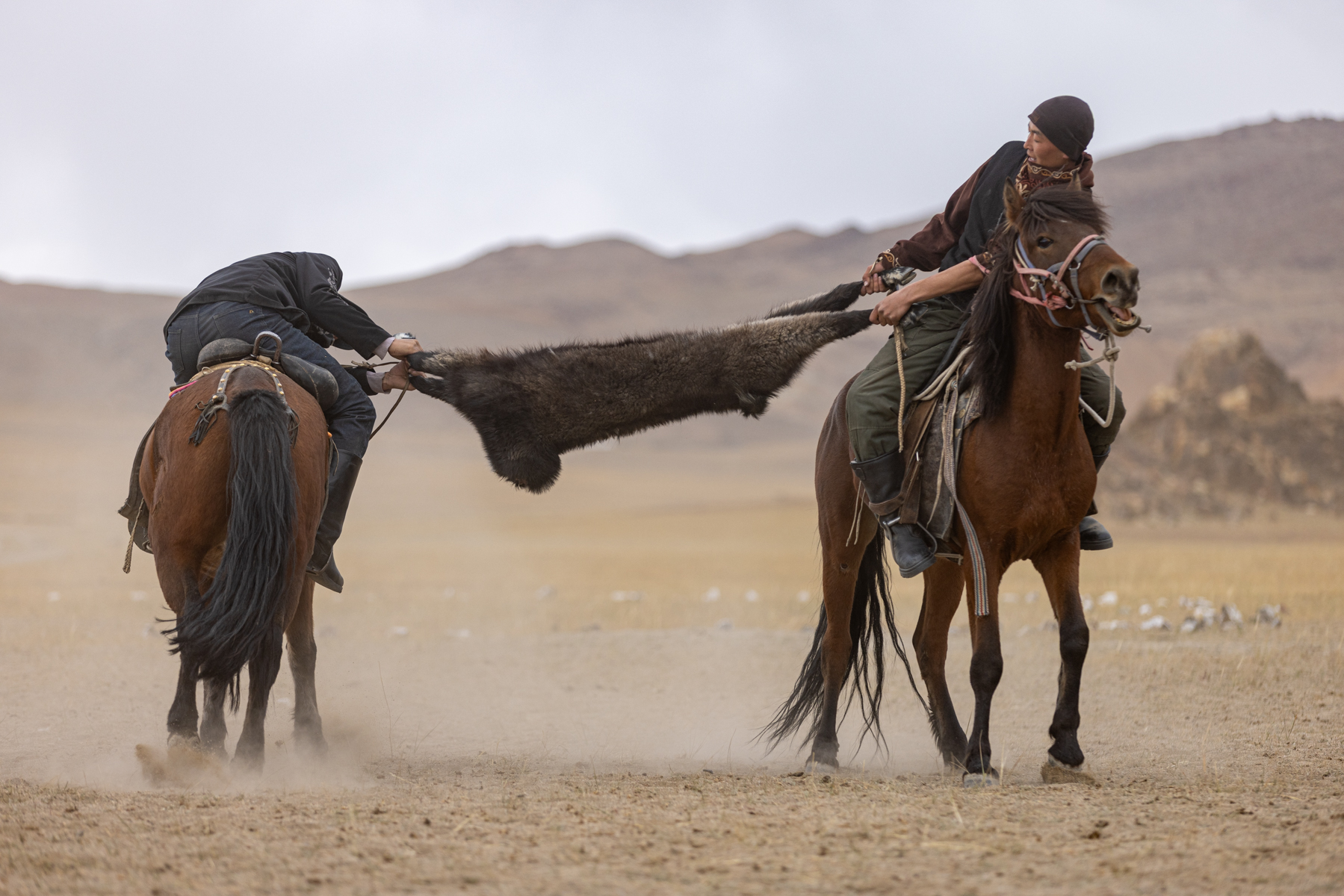
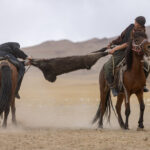
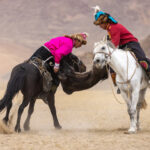
Kokbar, the mounted horseback tug-of-war using the headless carcass of a goat (image by Ingrid Koedood)
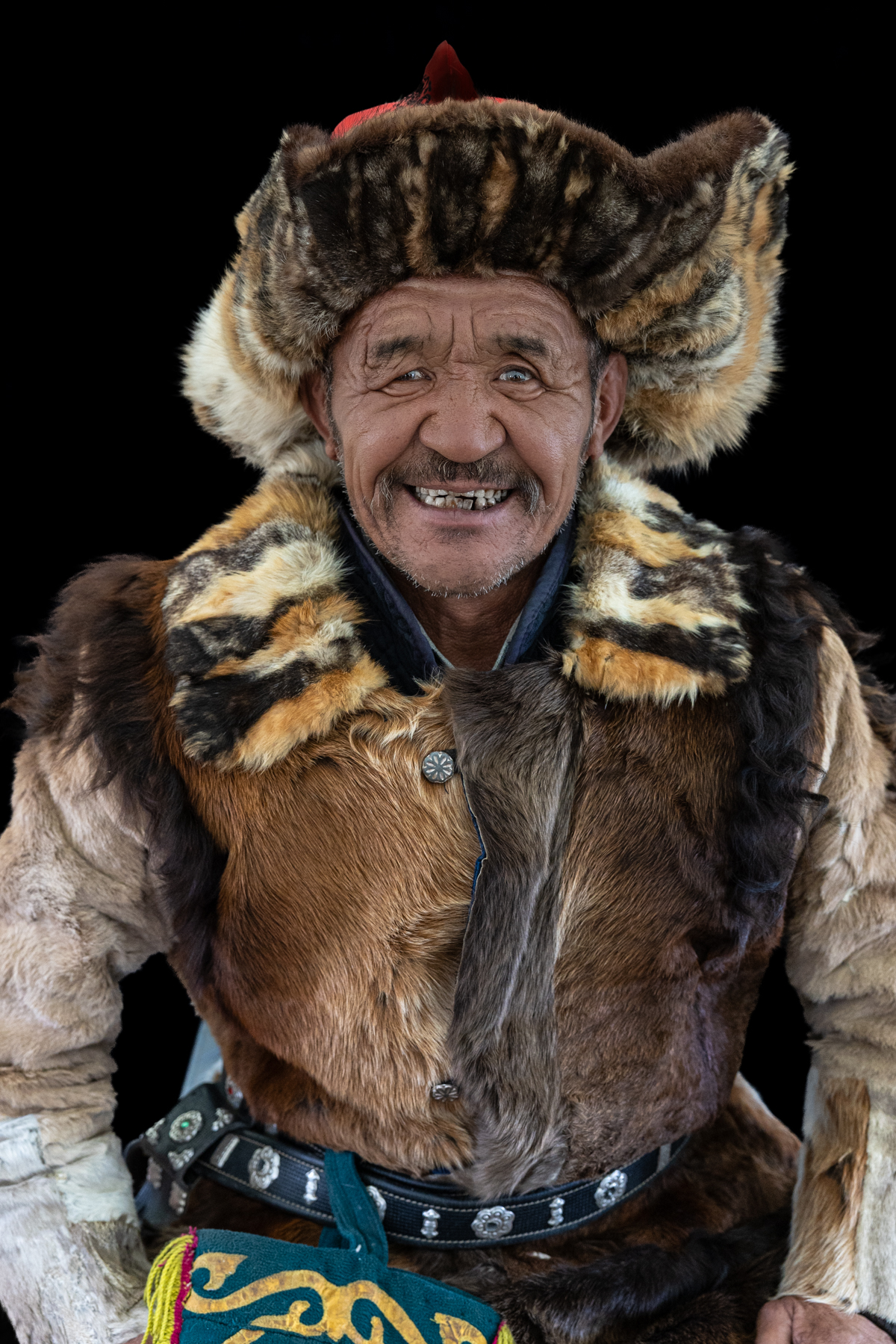
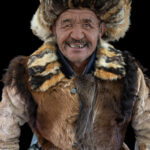
Portrait of an eagle hunter in our lunch tent during the Eagle Festival, showing off his biggest smile for the camera (image by Ingrid Koedood)
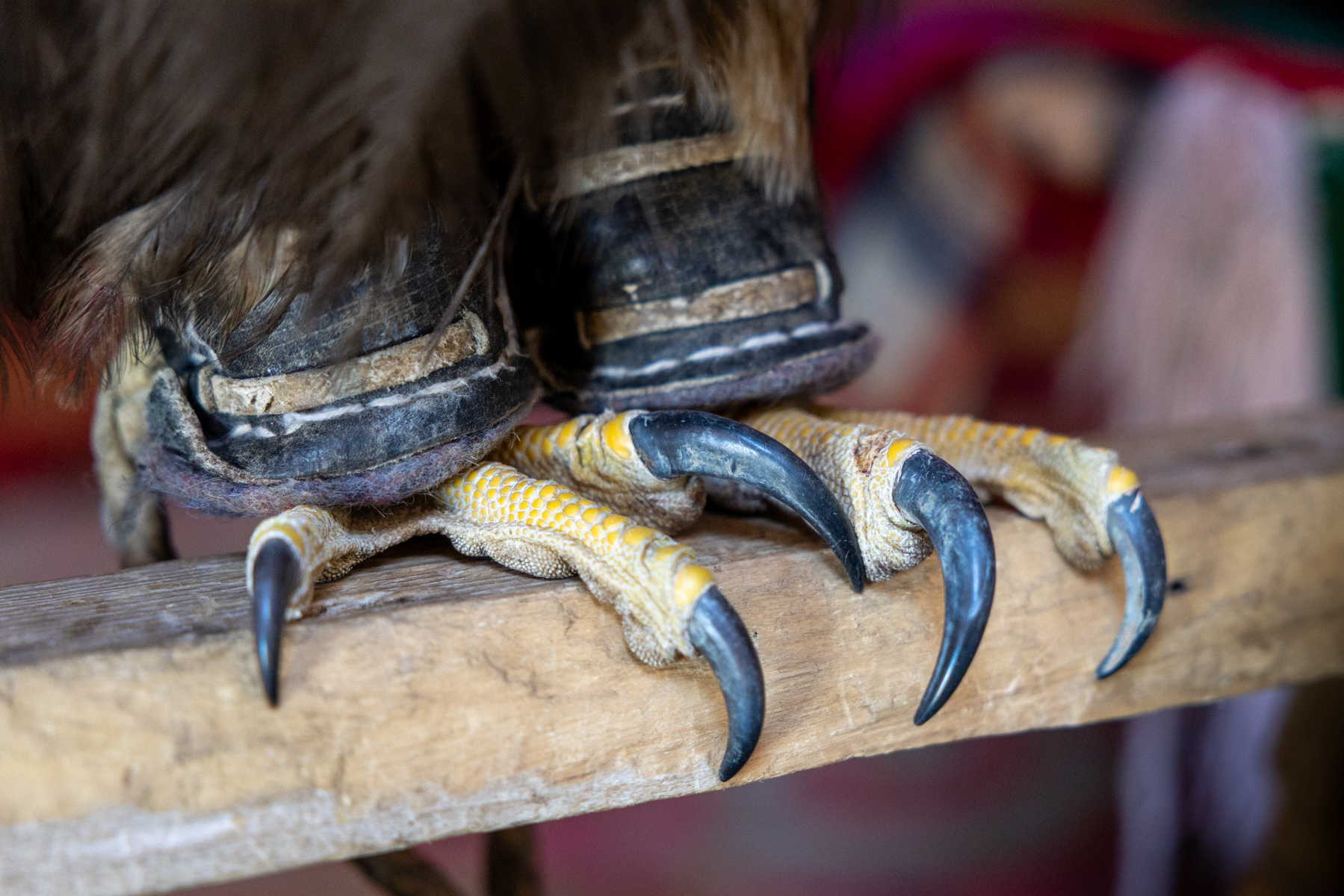
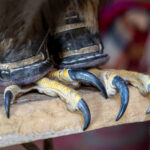
Built for the hunt. The powerful talons of a golden eagle, designed to grip and capture its prey (image by Ingrid Koedood)
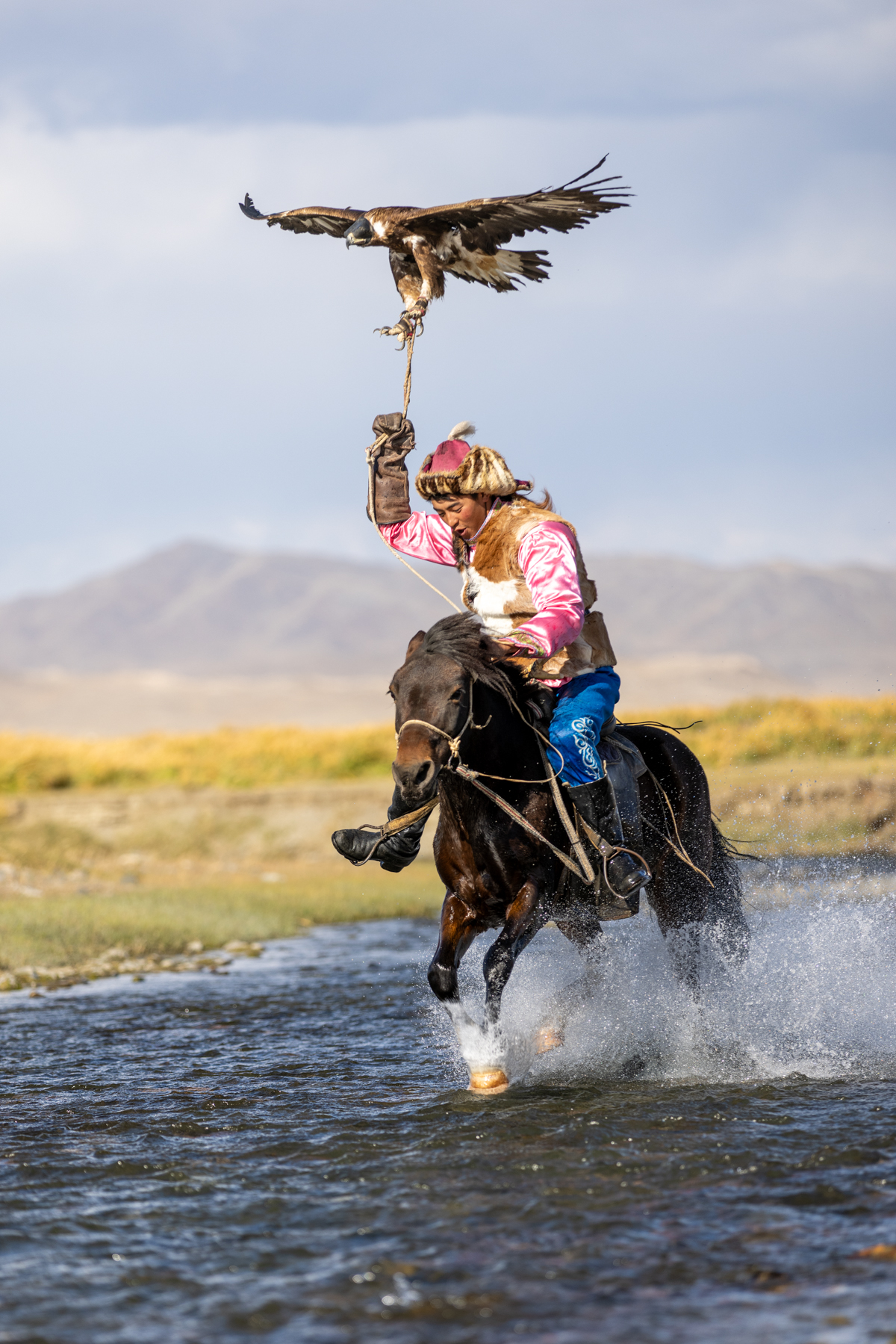
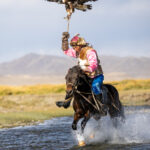
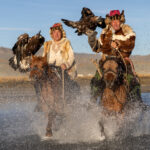
Tilekjan is clearly enjoying himself, galloping through the water with his golden eagle (image by Ingrid Koedood)
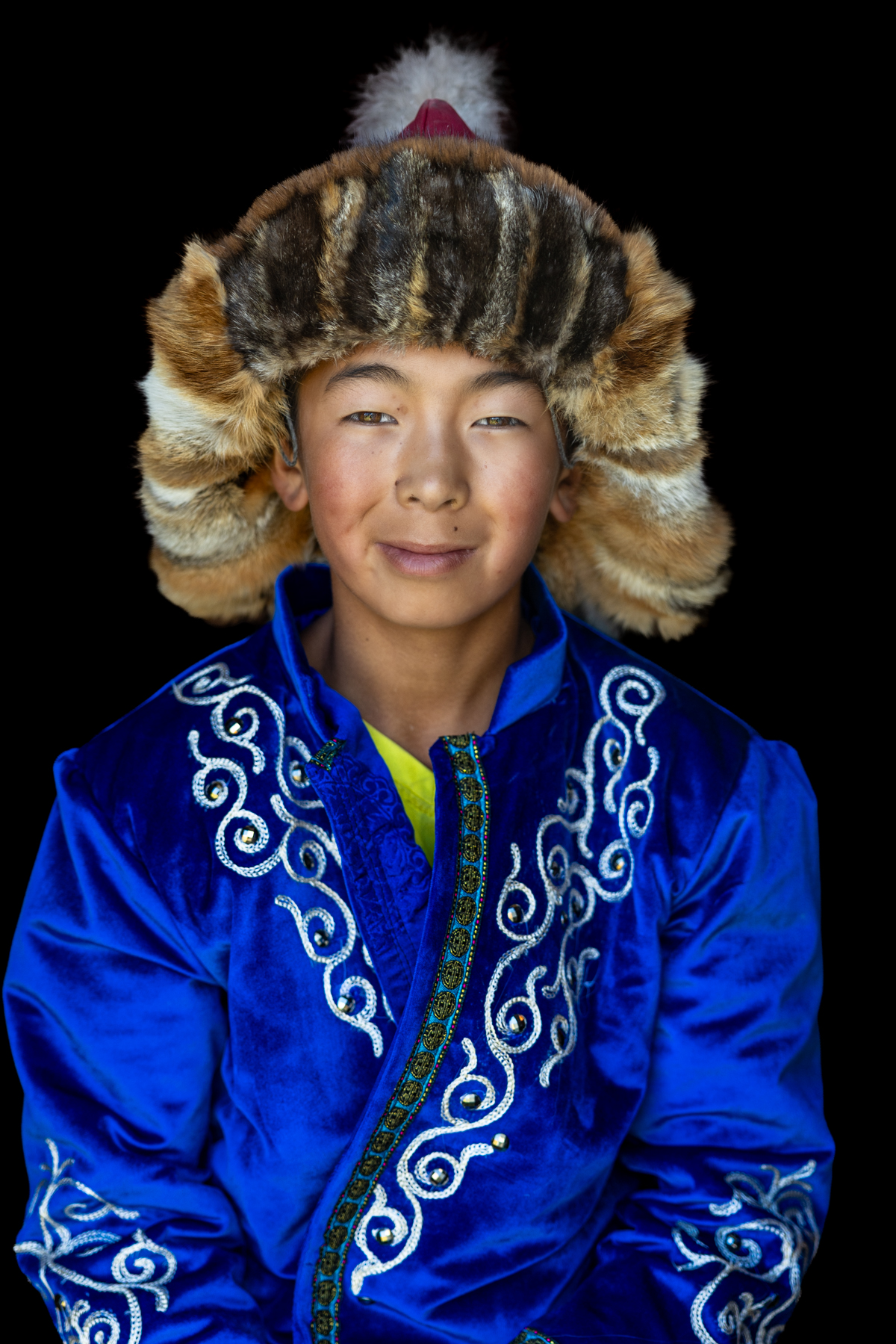
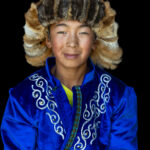
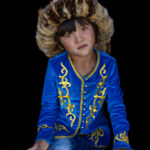
Portrait of a young Kazakh boy (image by Ingrid Koedood)
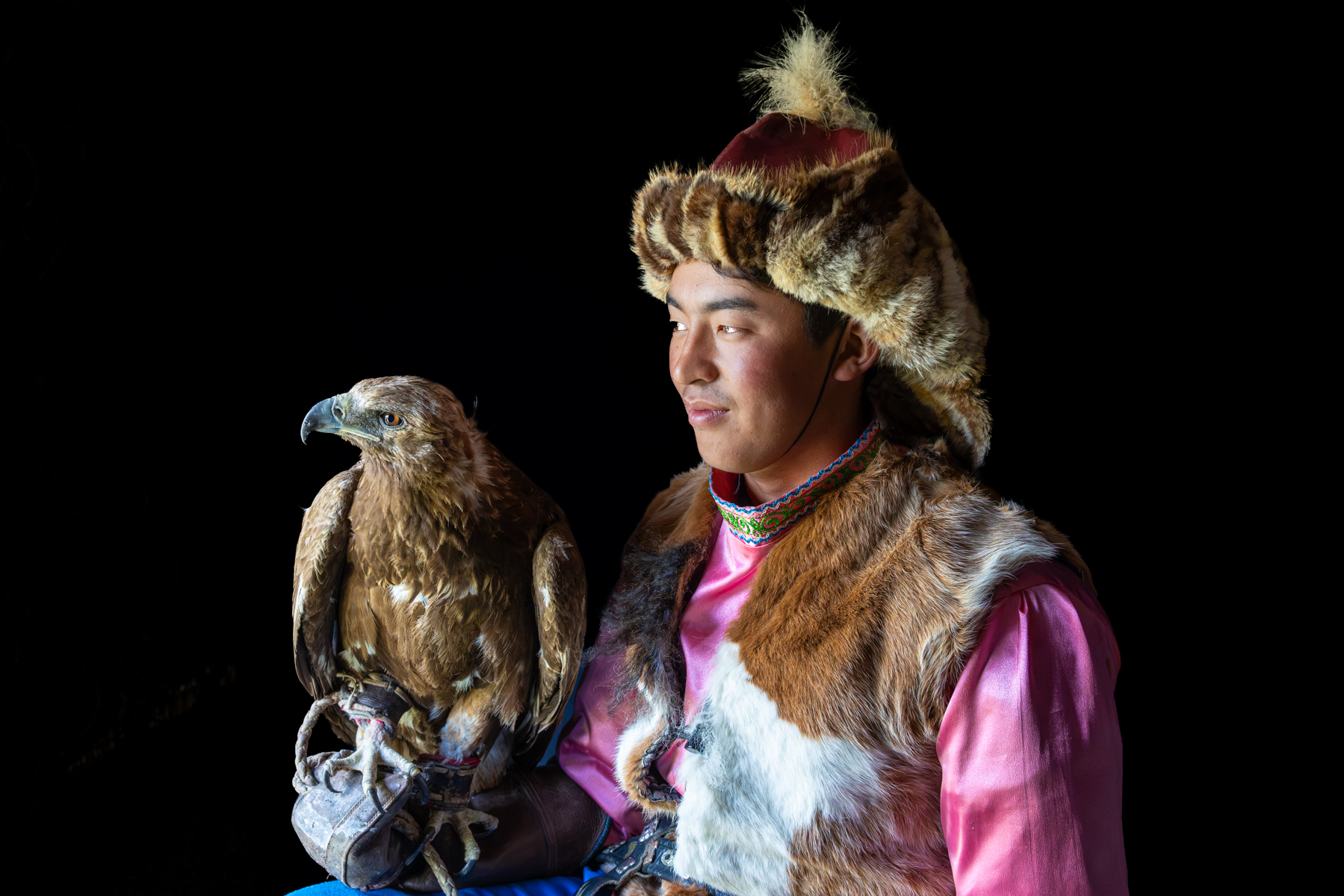
Tilekjan and his golden eagle during a portrait session inside the family yurt where we were staying (image by Ingrid Koedood)
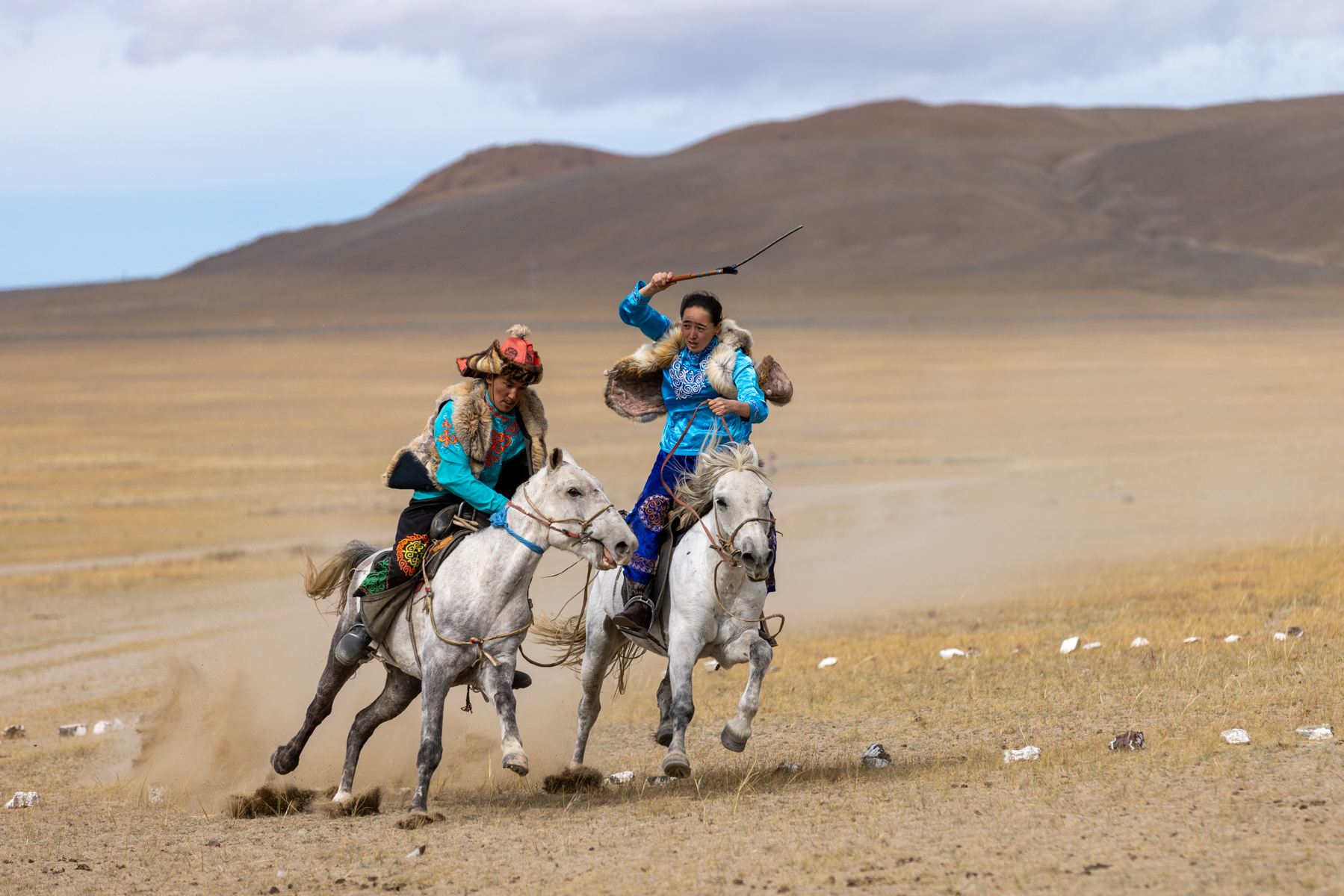
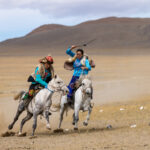
The game of Kuzkuar, where Kazakh women race after their male partners, trying to whip them (image by Ingrid Koedood)
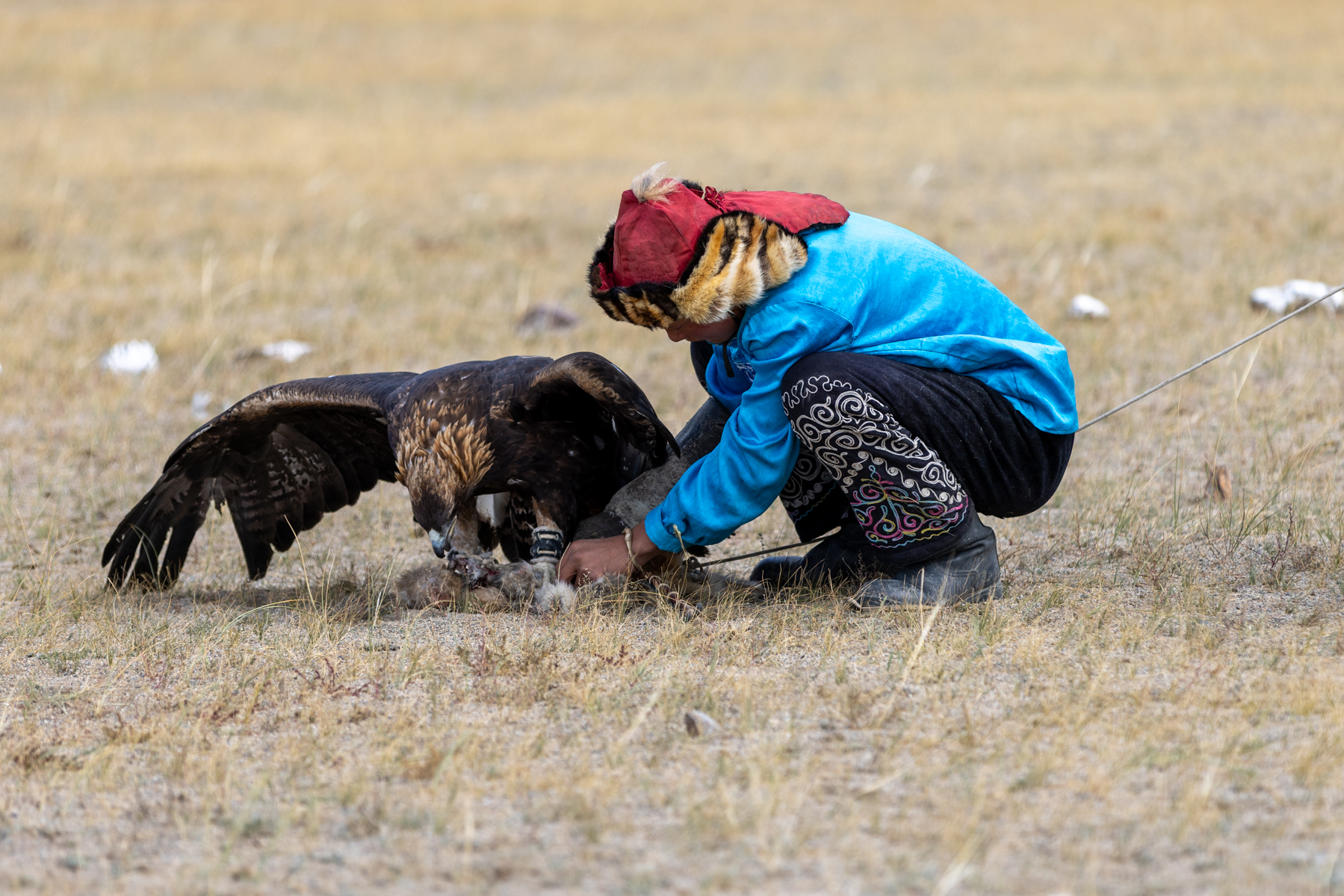
During the shyrga competition at the Eagle Hunters festival, the golden eagle must seize a fox skin used as a lure. Once the eagle has taken hold of its ‘prey’, the hunter has the not-always-easy task of getting it to let go again (image by Ingrid Koedood)
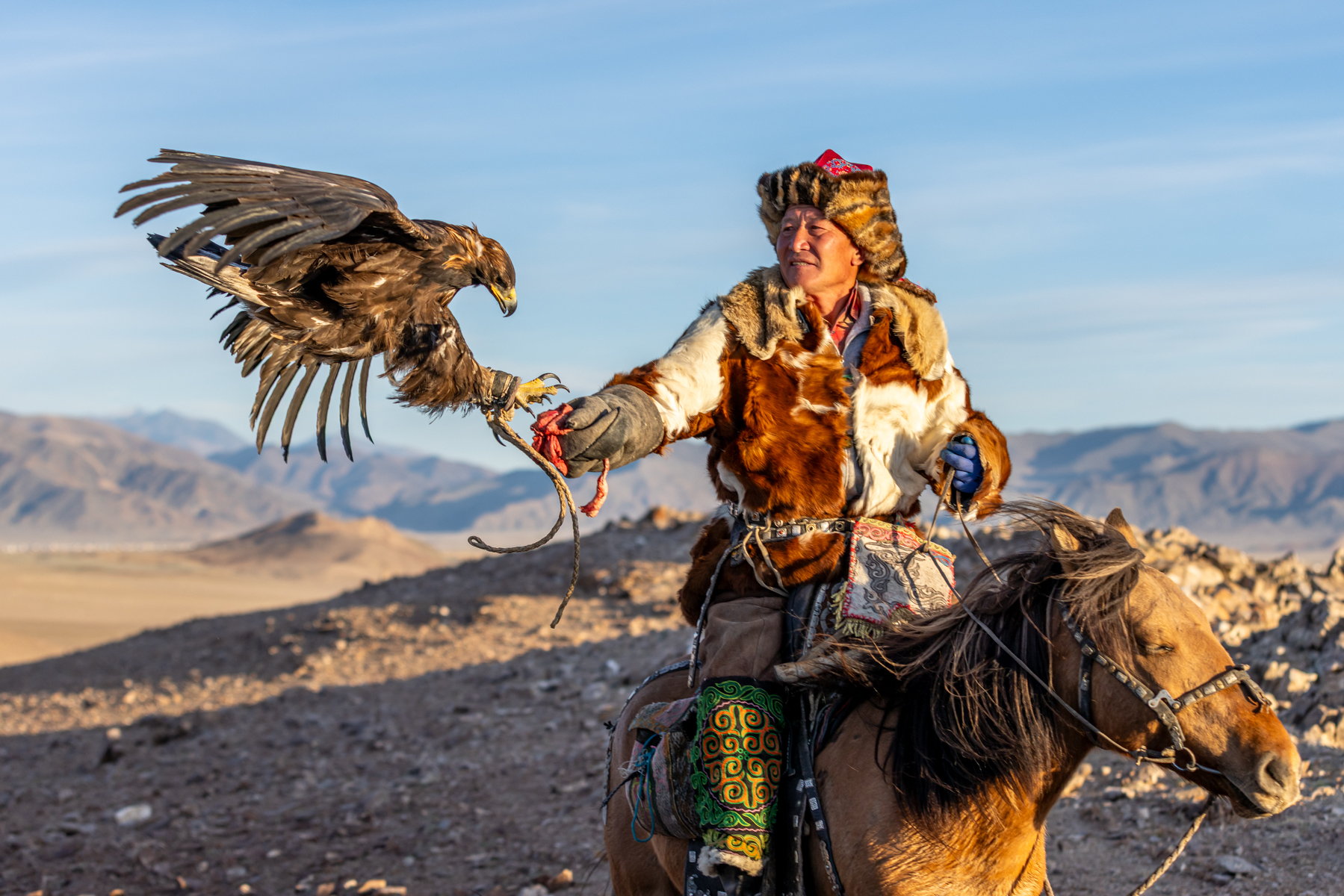
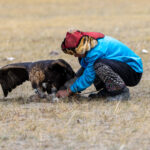
Training the eagle in preparation for the festival (image by Ingrid Koedood)
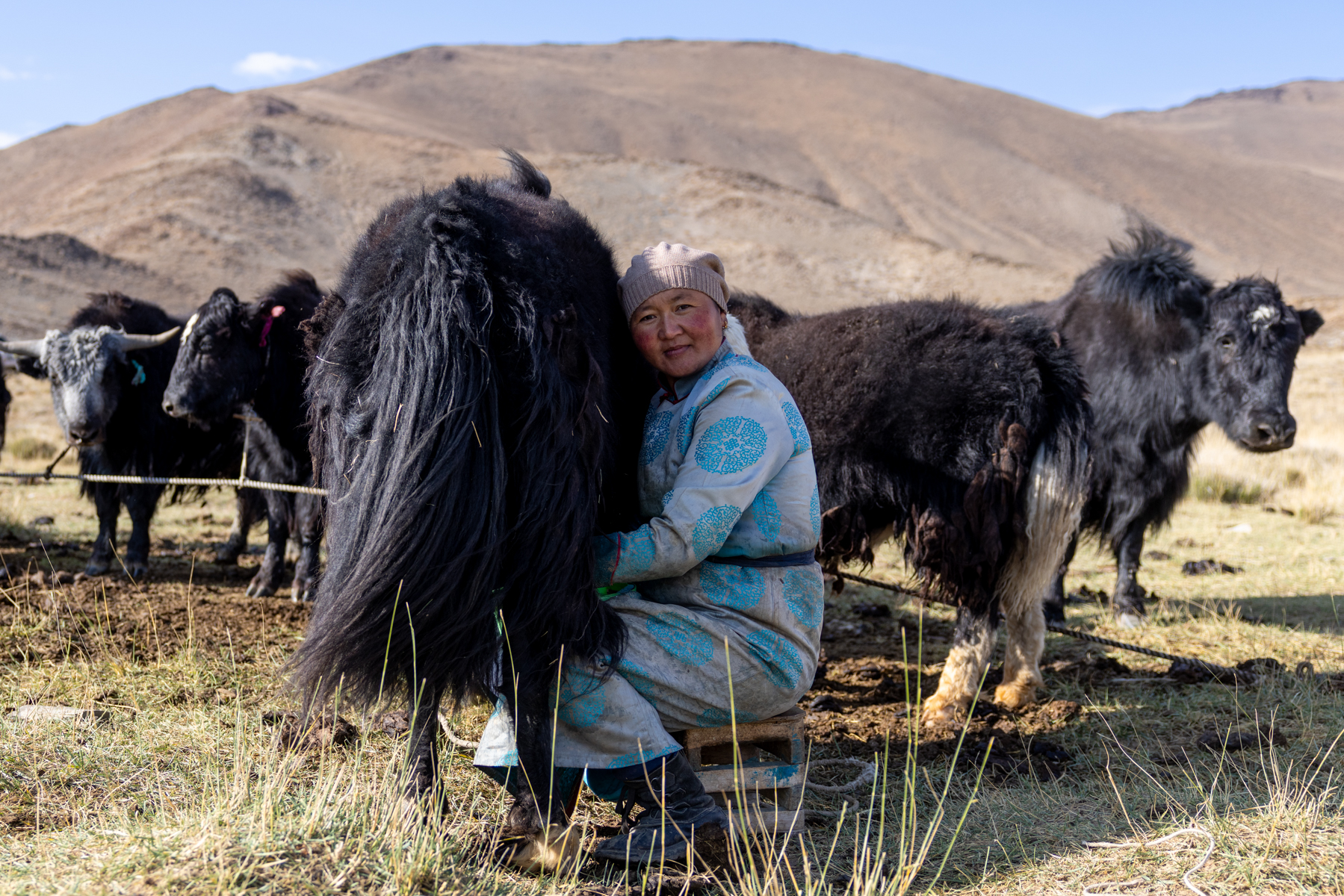
Daily routine: milking the livestock (image by Ingrid Koedood)
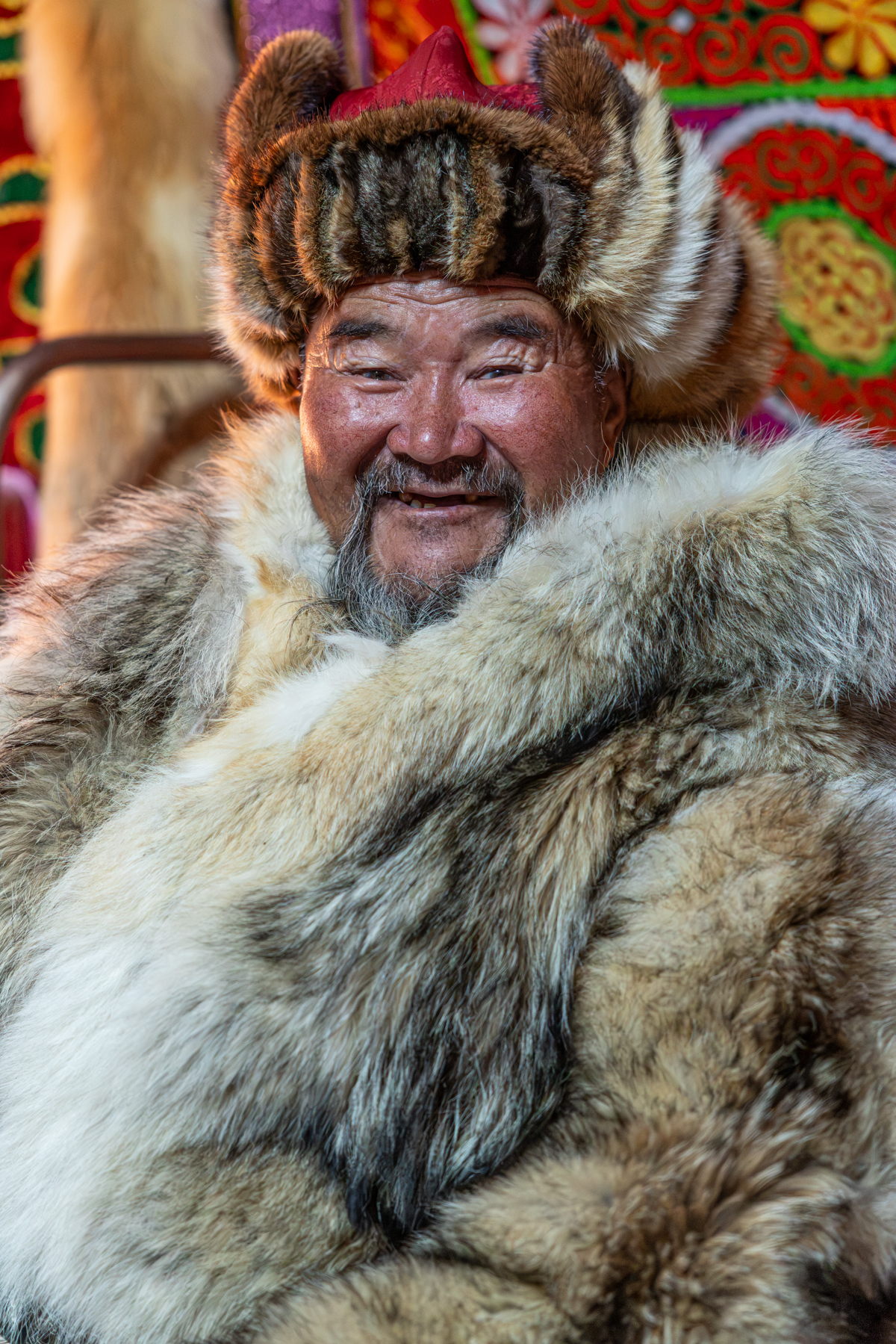
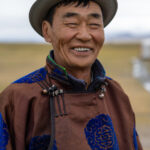
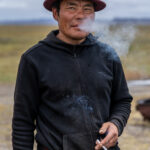
Portrait of a Mongolian herder whose family we visited during our journey. The family raises Bactrian camels and invited us into their home to photograph their daily life (image by Ingrid Koedood)
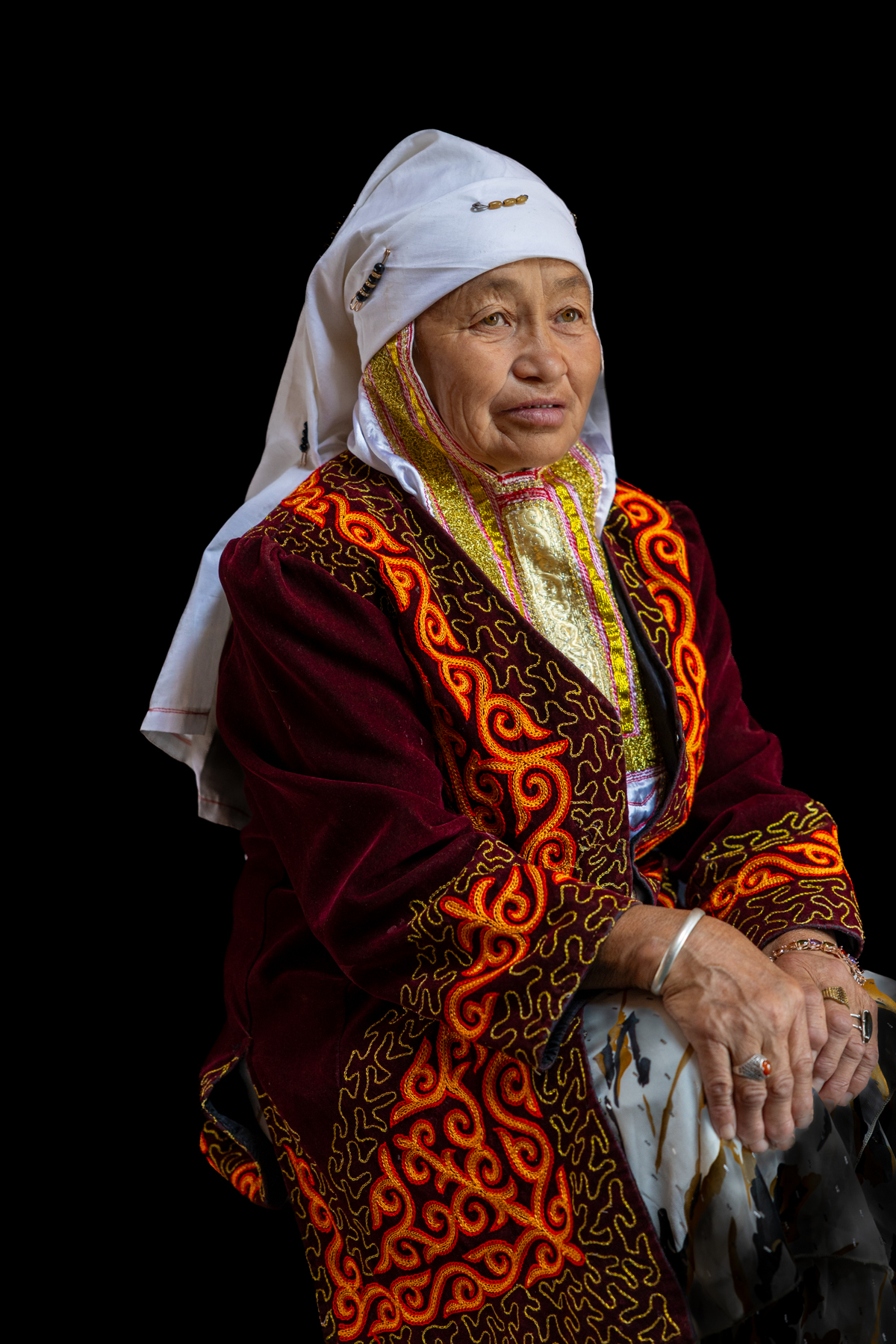
Jamalan, wife of renowned Kazakh eagle hunter Bashakan (image by Ingrid Koedood)
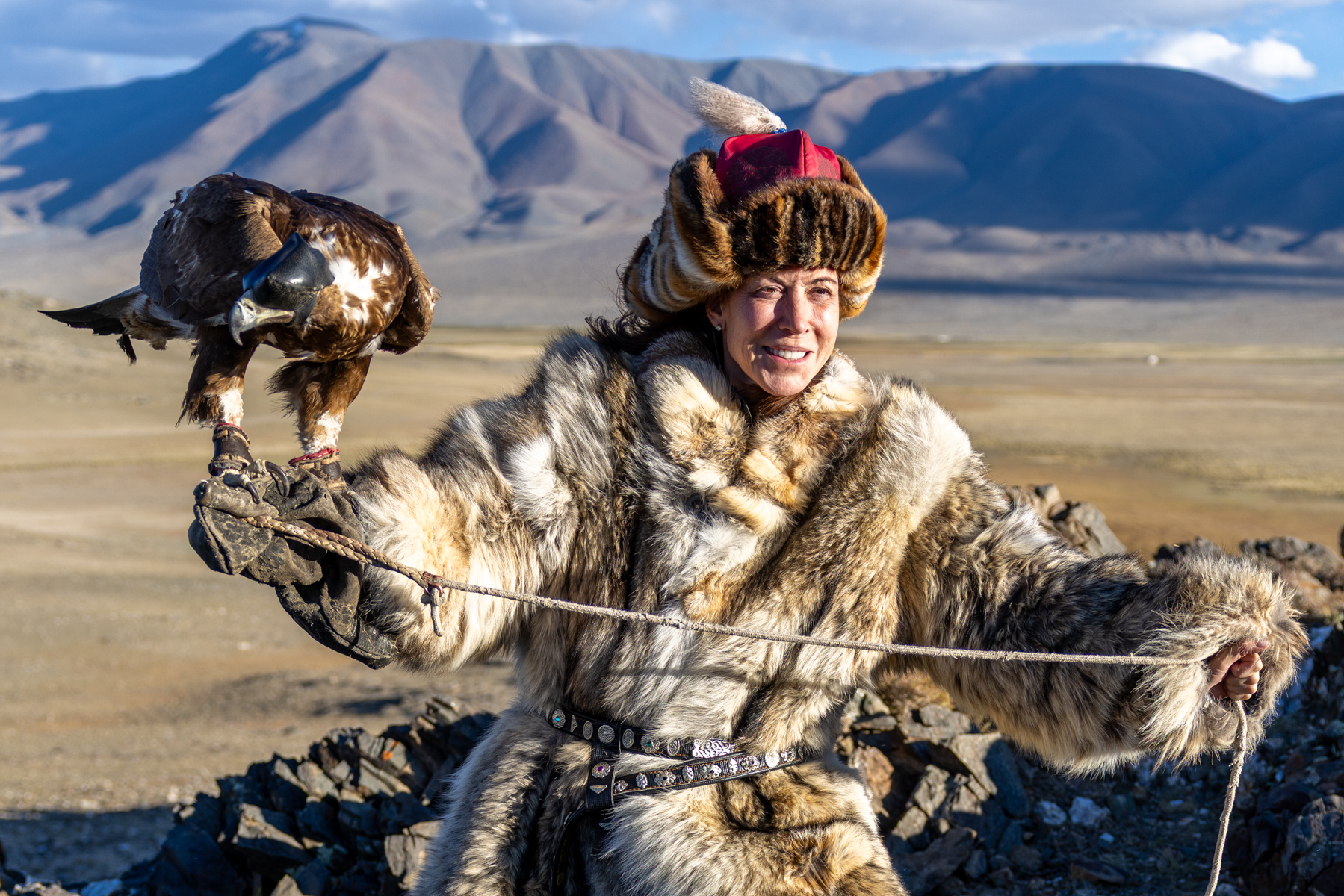
Porter is becoming an eagle hunter herself (image by Ingrid Koedood)
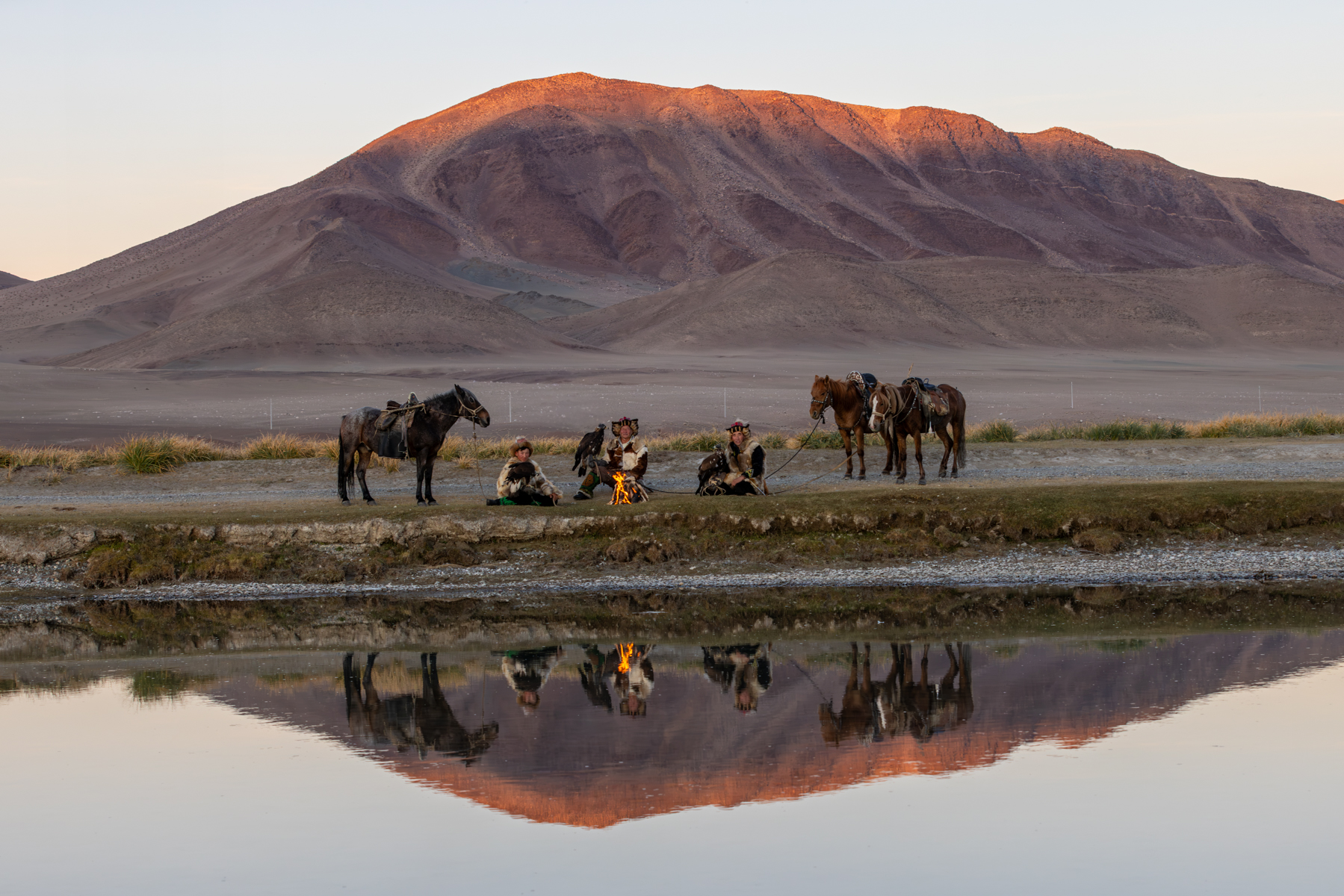
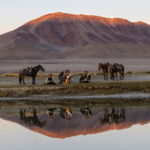
Eagle hunters gathered around the fire, with the mountains and their reflections catching the warm golden light (image by Ingrid Koedood)
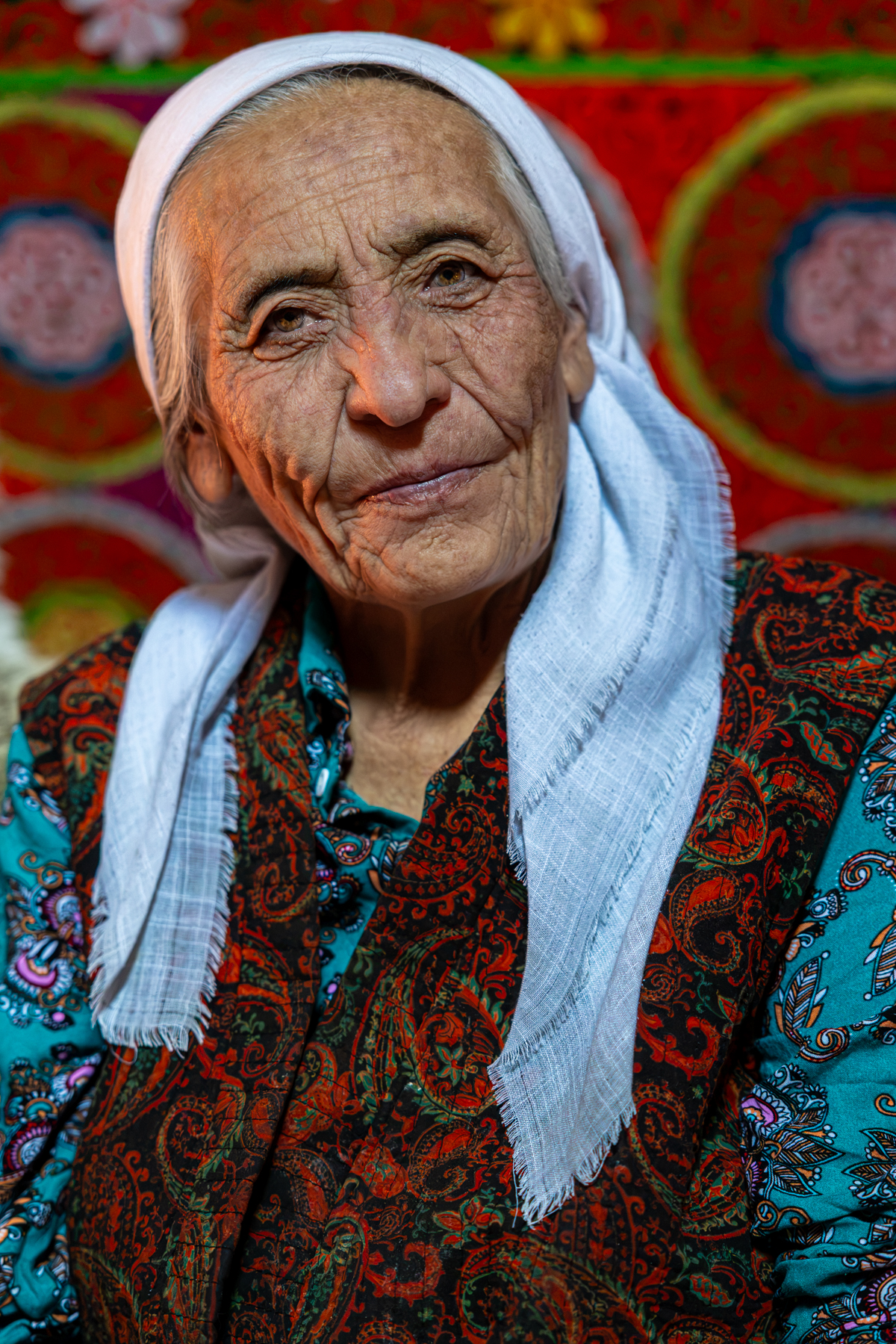
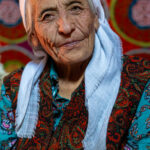
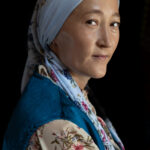
Portrait of a Kazakh woman (image by Ingrid Koedood)
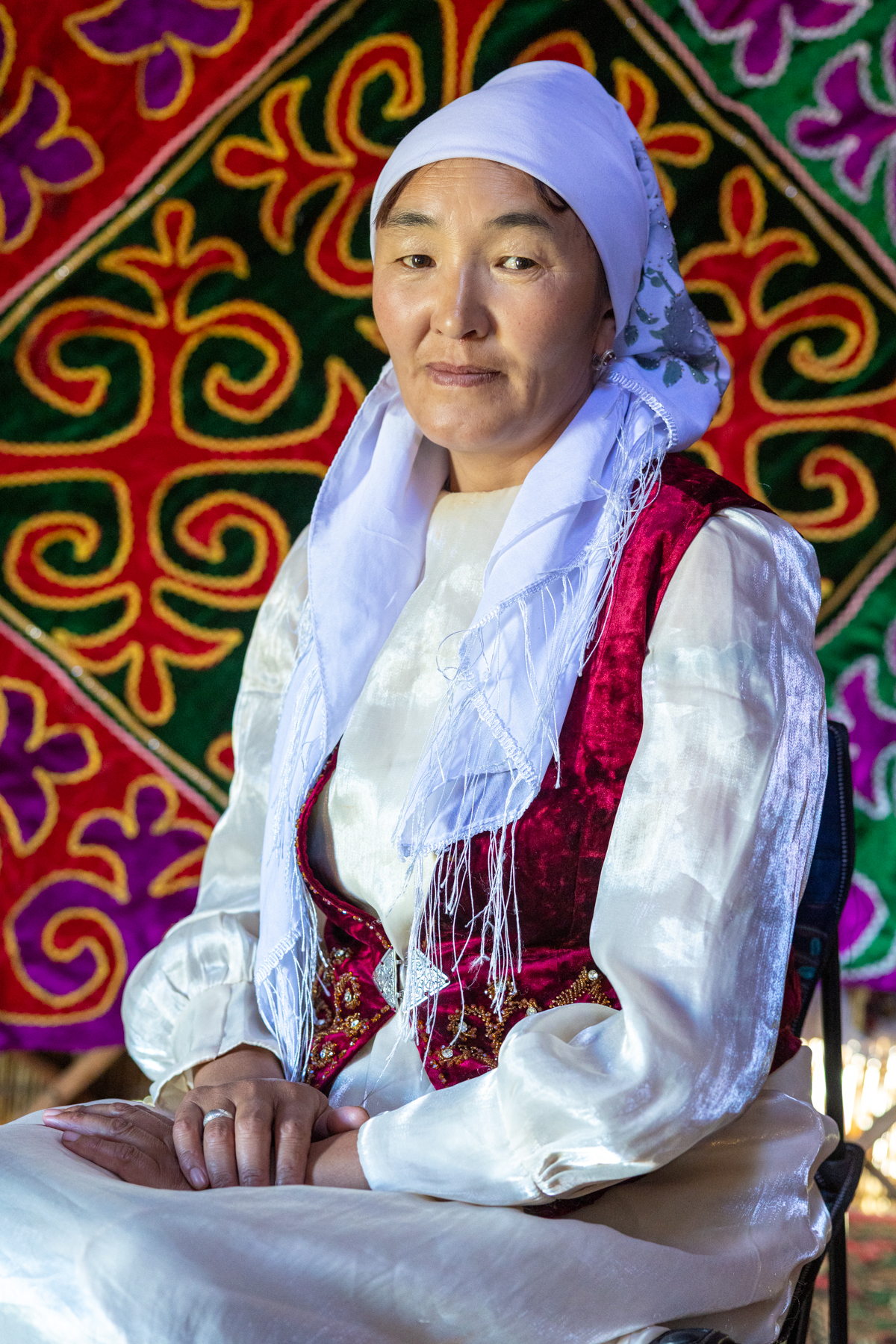
Baujan's wife prepared a traditional meal for us. Mutton served with potatoes, carrots and freshly made rolled dough (image by Ingrid Koedood)
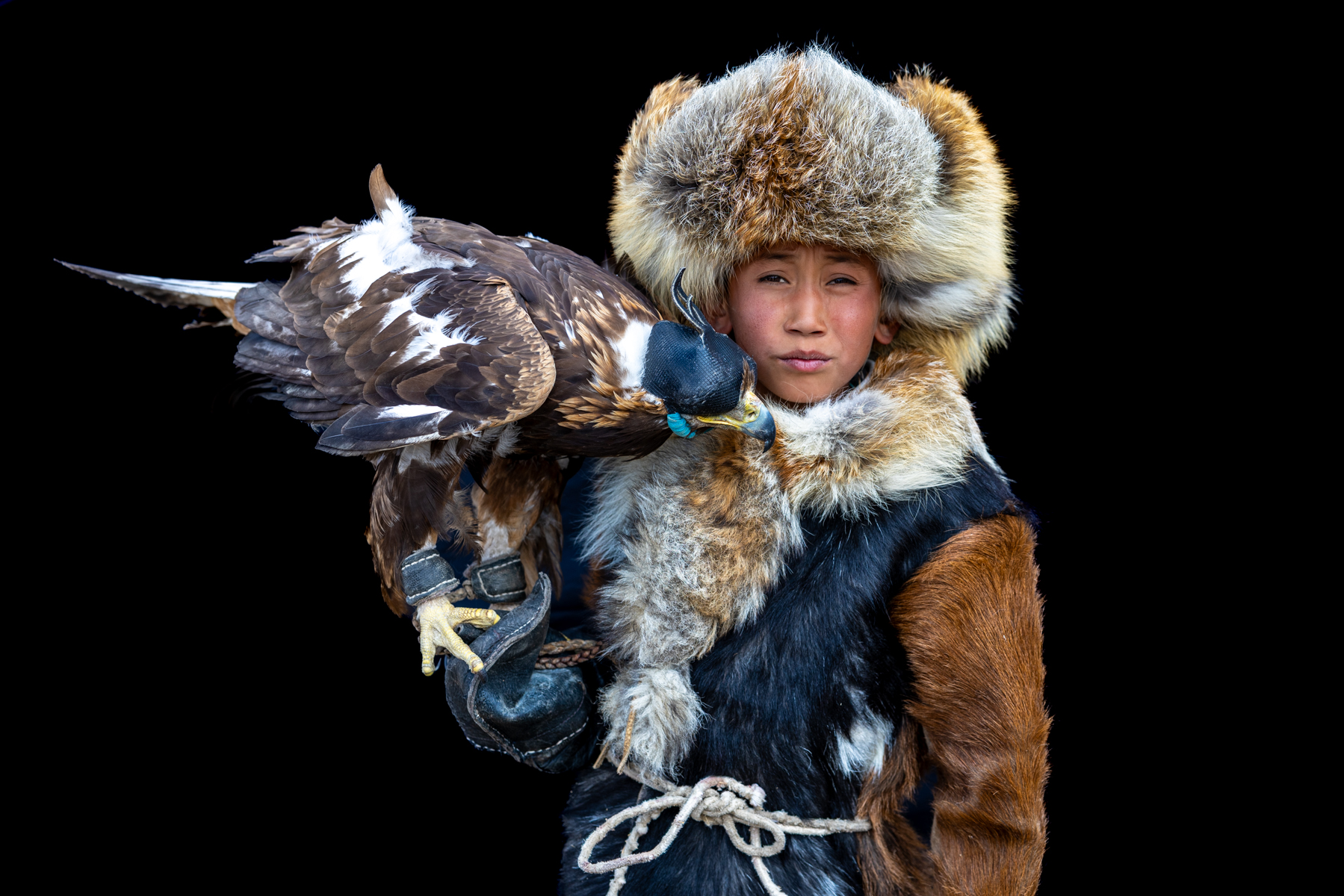
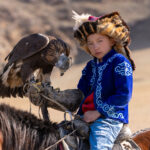
A young eagle hunter with his golden eagle, a bond built through daily care, training and trust from an early age (image by Ingrid Koedood)
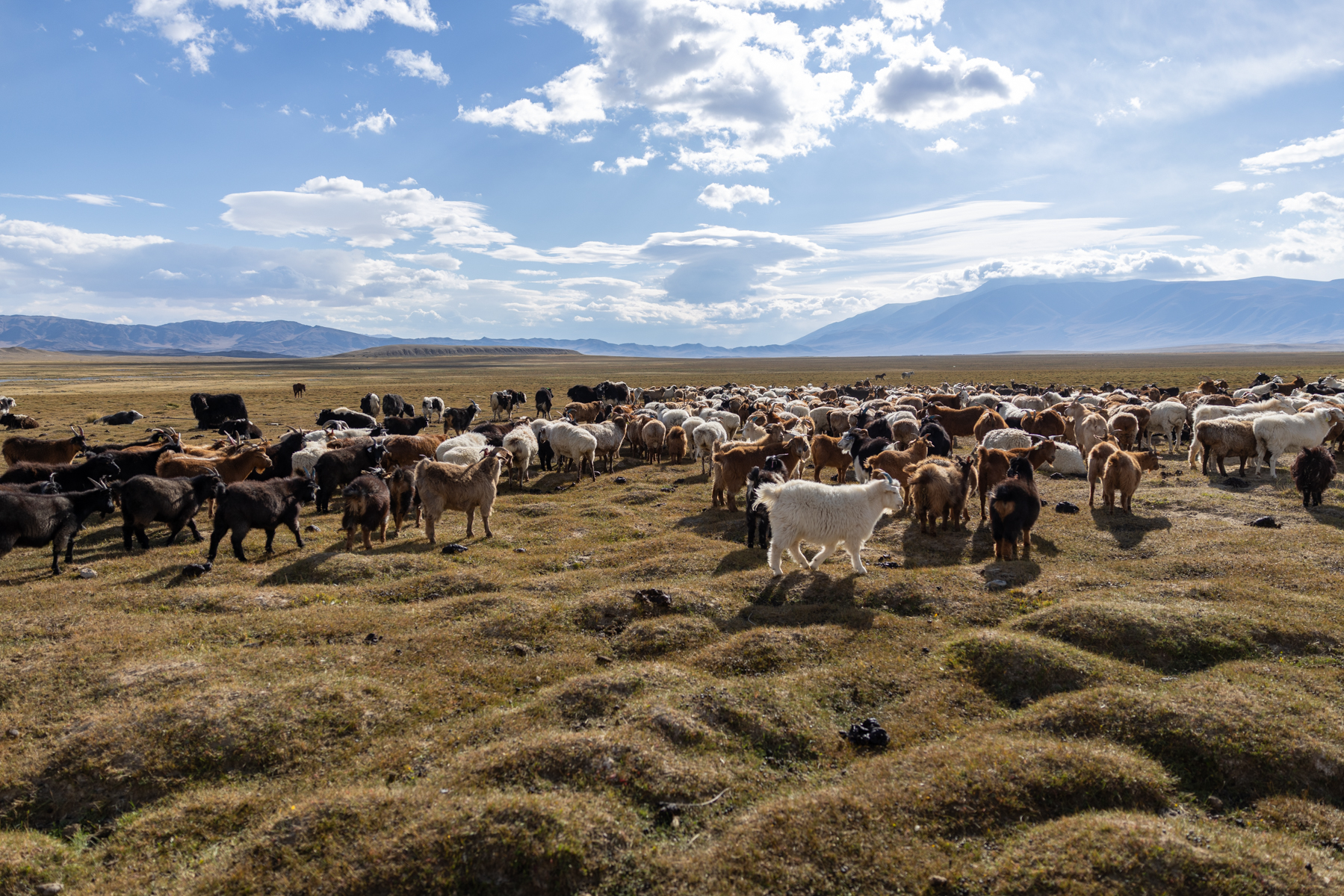
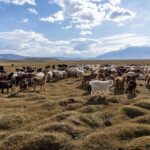
A large herd of cashmere goats grazing across the vast plains of western Mongolia, where cashmere is an important source of income for many nomadic families (image by Ingrid Koedood)
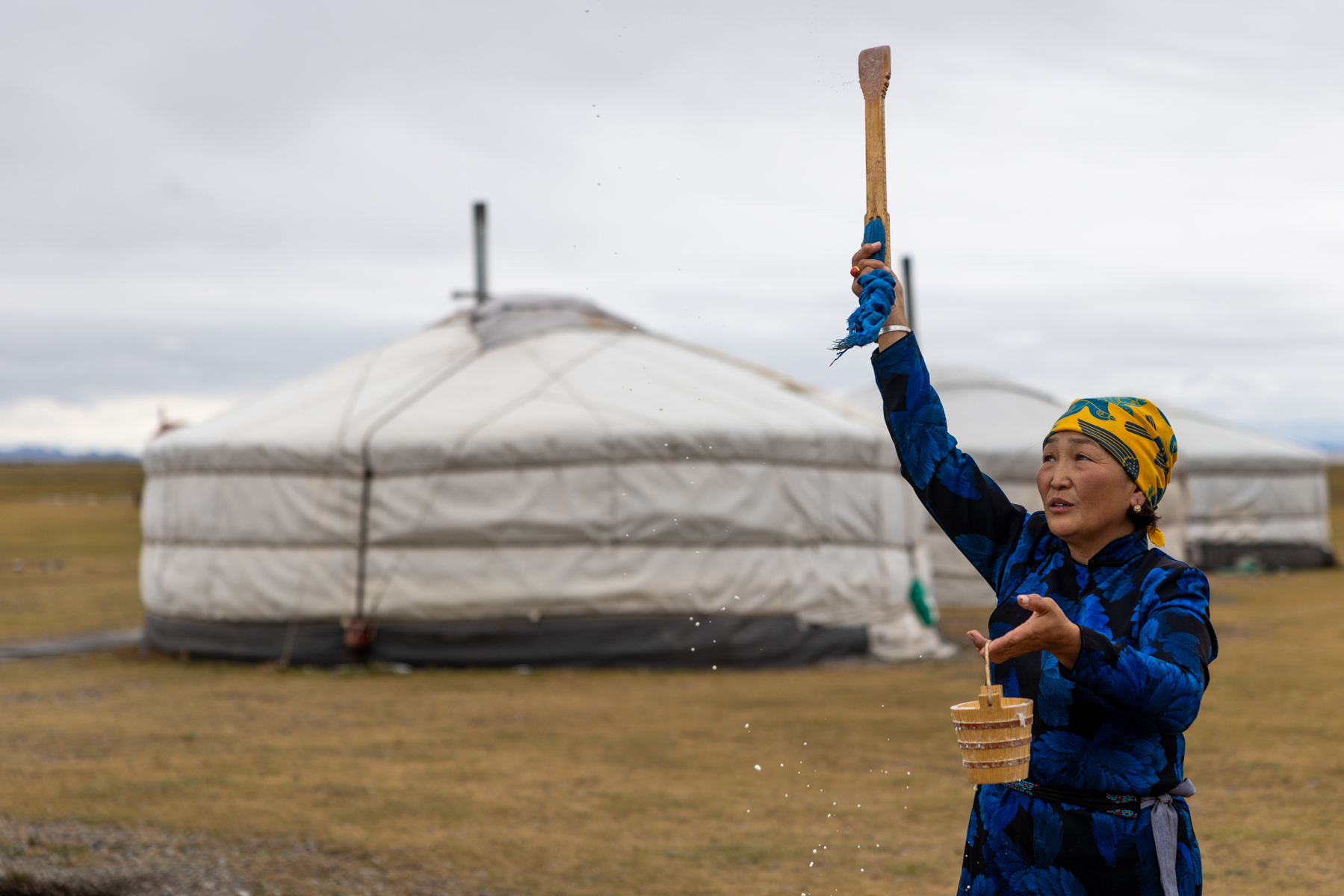
A traditional milk blessing, with milk sprinkled as a symbolic wish for good fortune and prosperity (image by Ingrid Koedood)
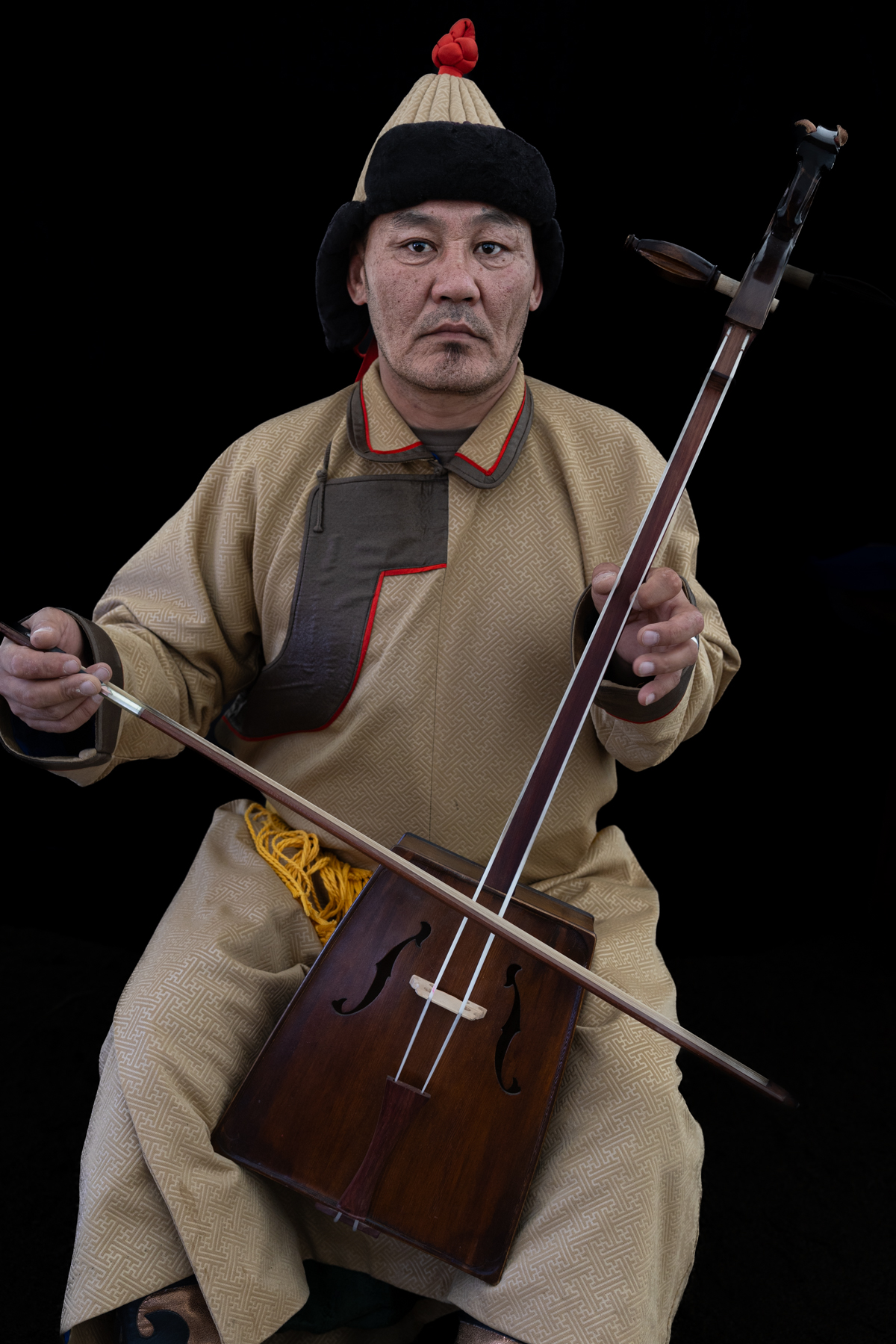
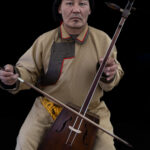
A Mongolian throat singer who stopped by our lunch tent during the Eagle festival to perform for us. Throat singing is a traditional vocal technique in which a singer produces a deep fundamental tone together with higher overtones (image by Ingrid Koedood)
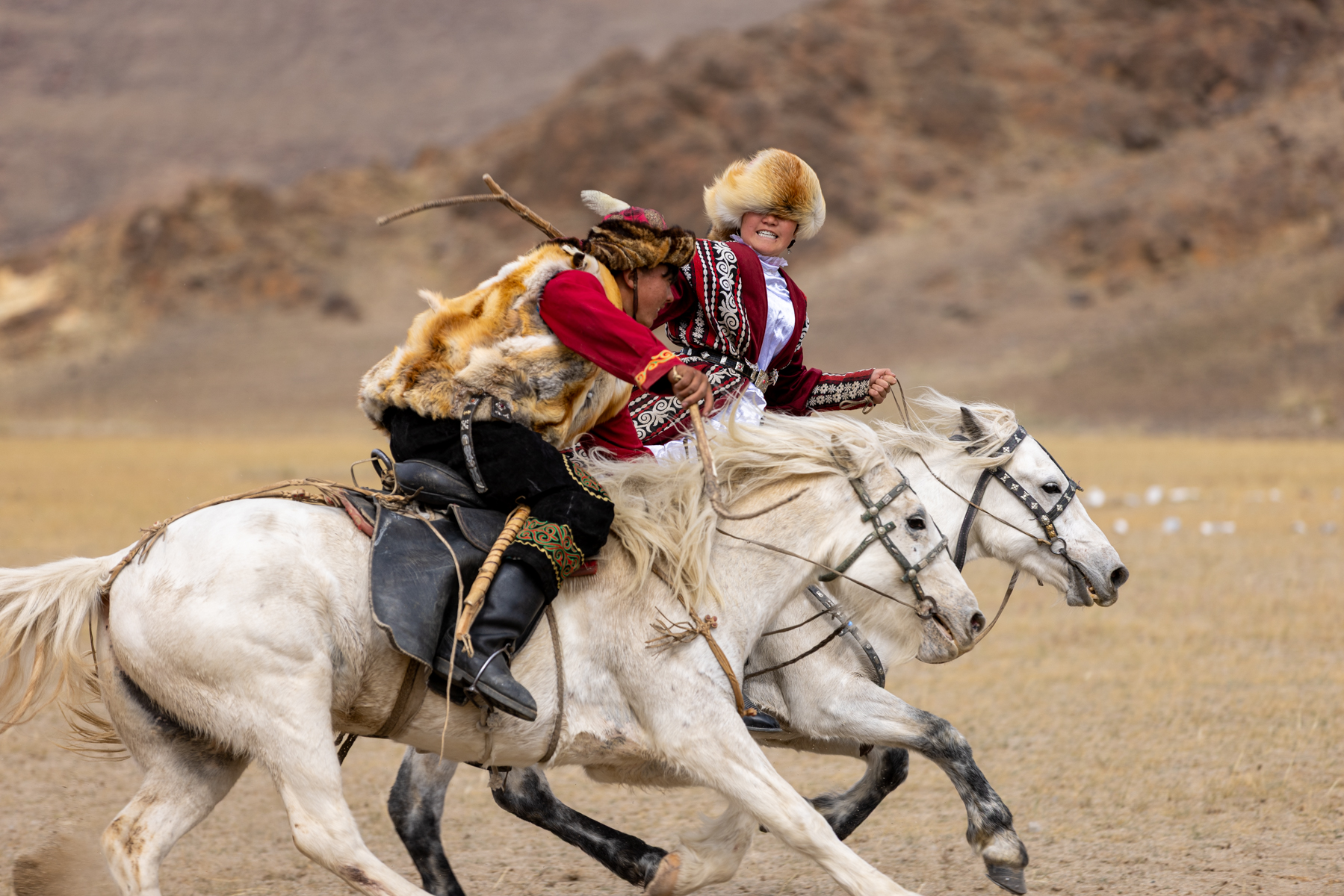
Kuzkuar, a traditional horseback chasing game between a man and a woman (image by Ingrid Koedood)
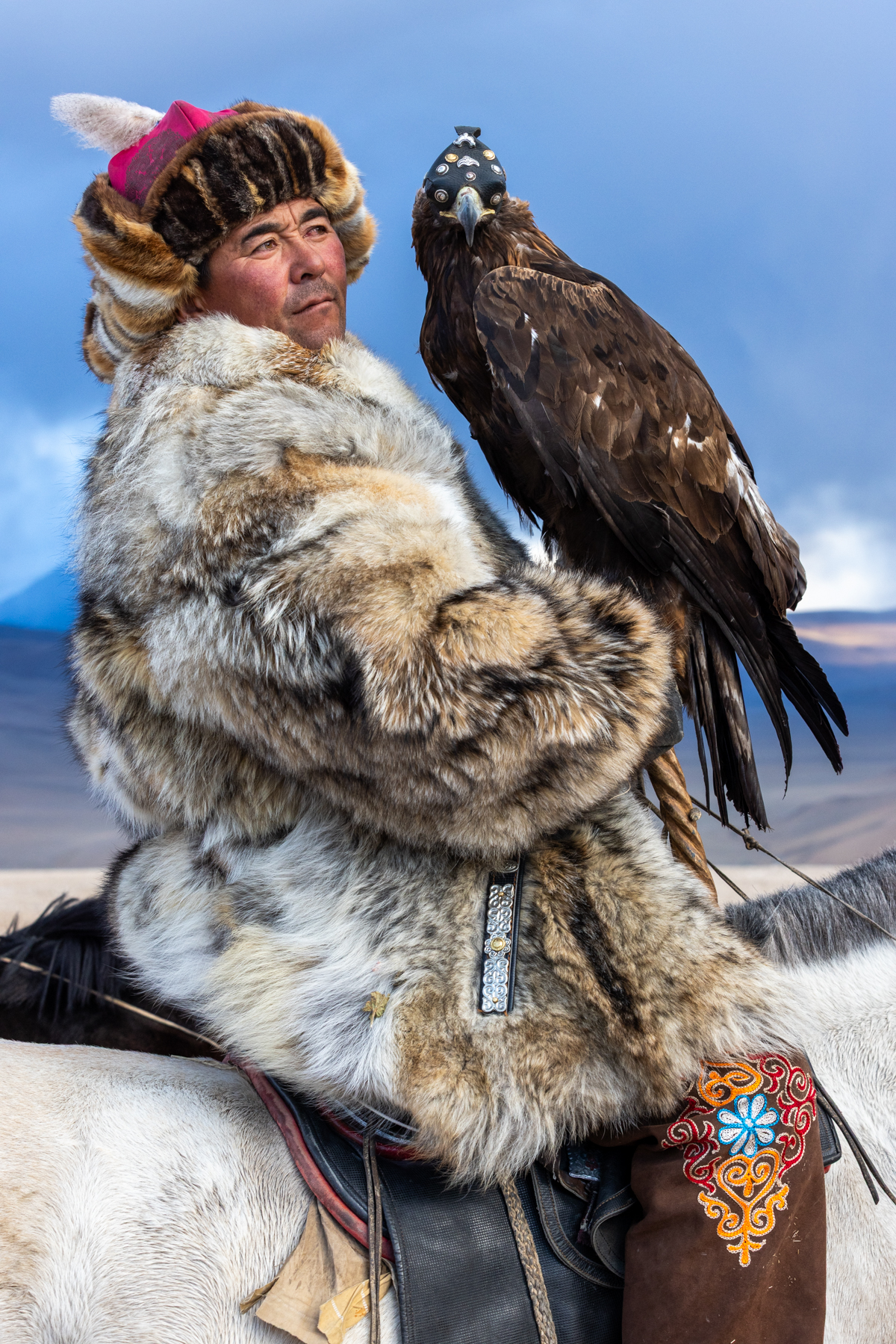
Baurjan was one of the eagle hunters who welcomed us into his family, giving us the opportunity to experience their eagle-hunting traditions (image by Ingrid Koedood)
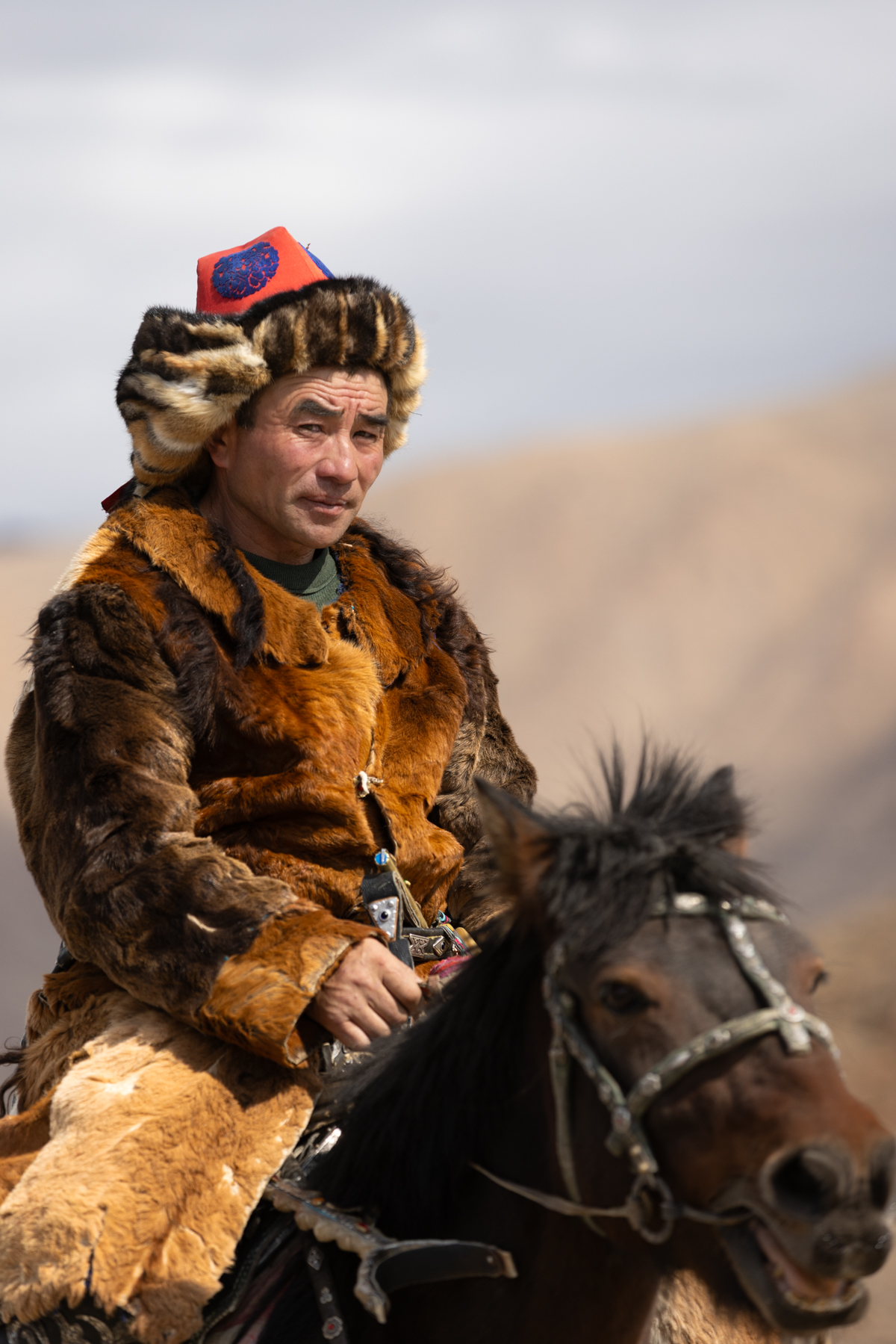
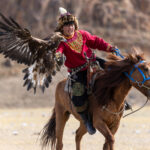
An eagle hunter taking part in one of the competitions during the Eagle Hunters festival (image by Ingrid Koedood)
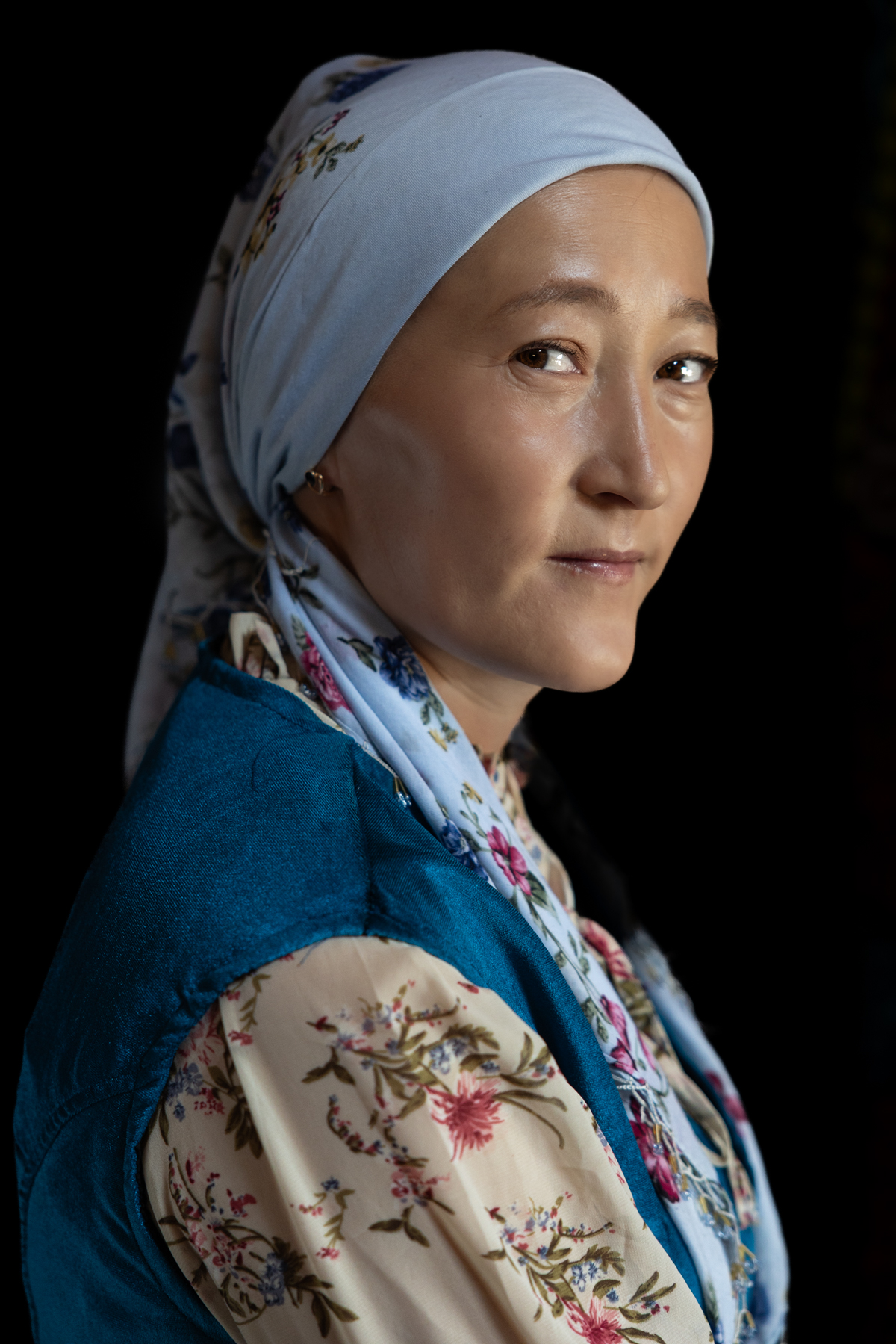
Portrait of Luusha, a member of the second Kazakh eagle-hunter family who welcomed us into their yurts (image by Ingrid Koedood)
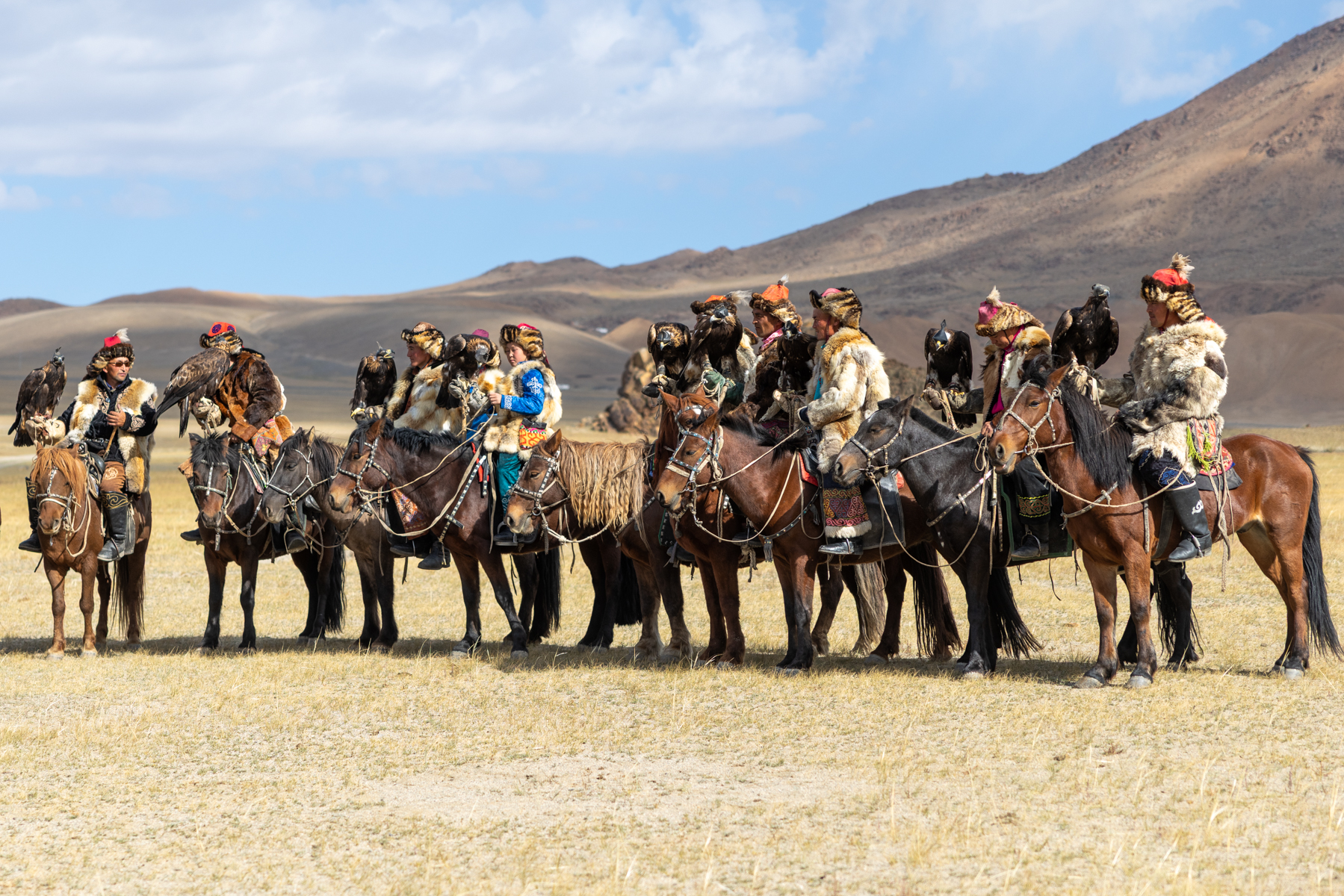
Eagle hunter and their eagles waiting for their turn to compete at the Eagle Hunters festival (image by Ingrid Koedood)
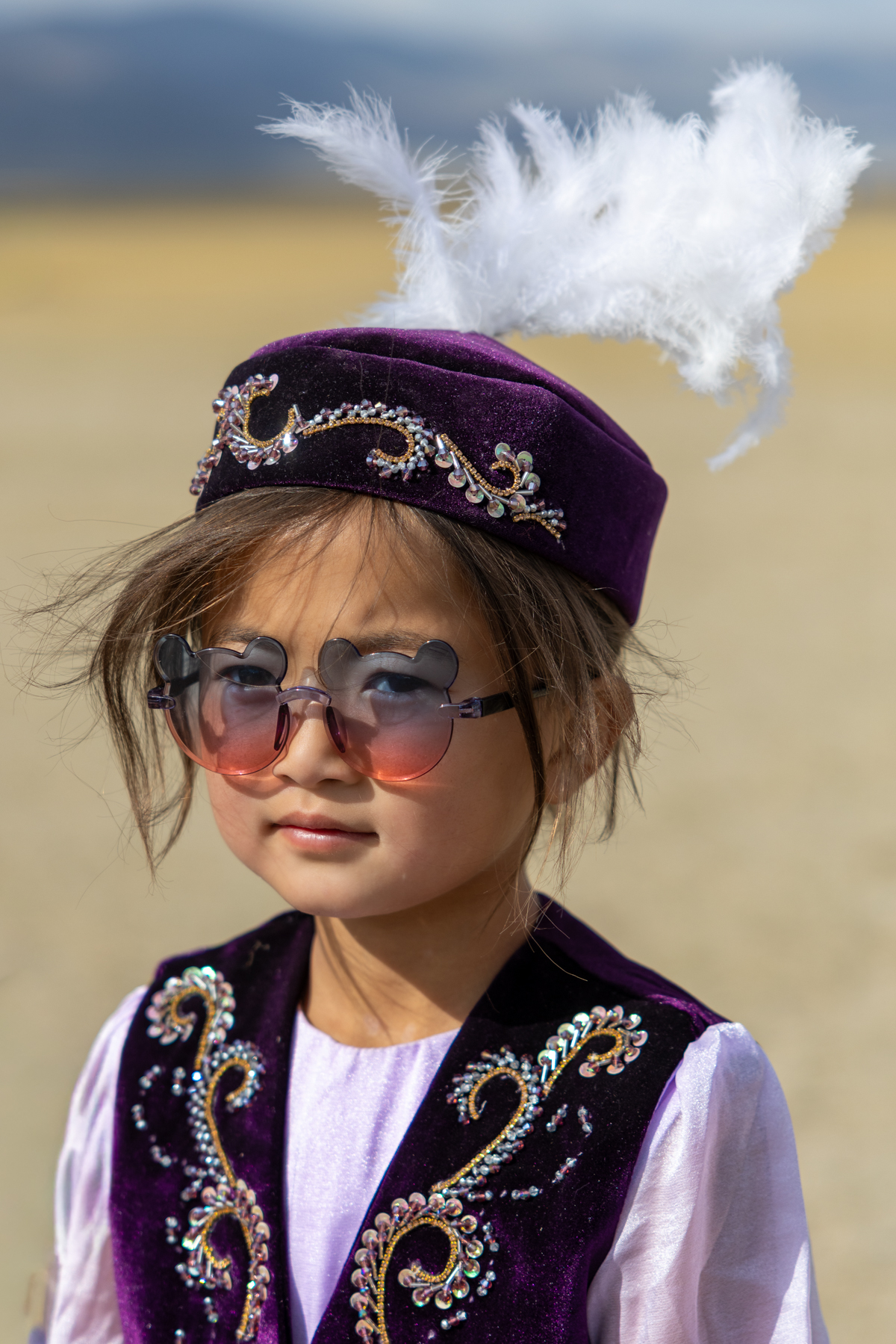
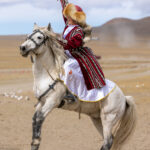
Dressed up for the Eagle Hunters festival: traditional clothing with a modern touch (image by Ingrid Koedood)
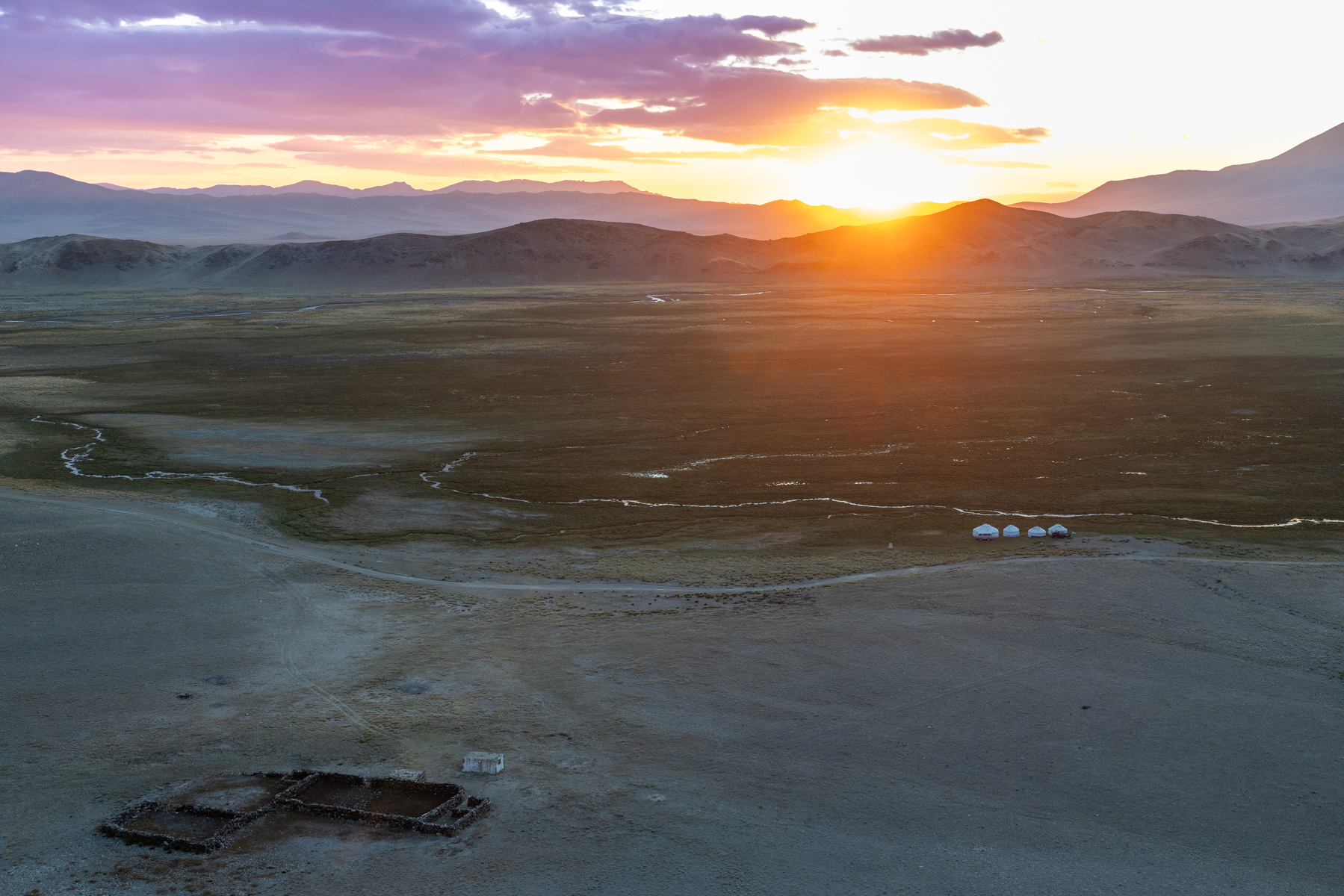
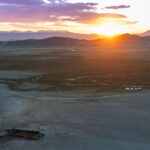
Sunrise over the mountains of western Mongolia, with a traditional winter residence in the foreground and the yurts of our first eagle-hunter family visible in the distance (image by Ingrid Koedood)
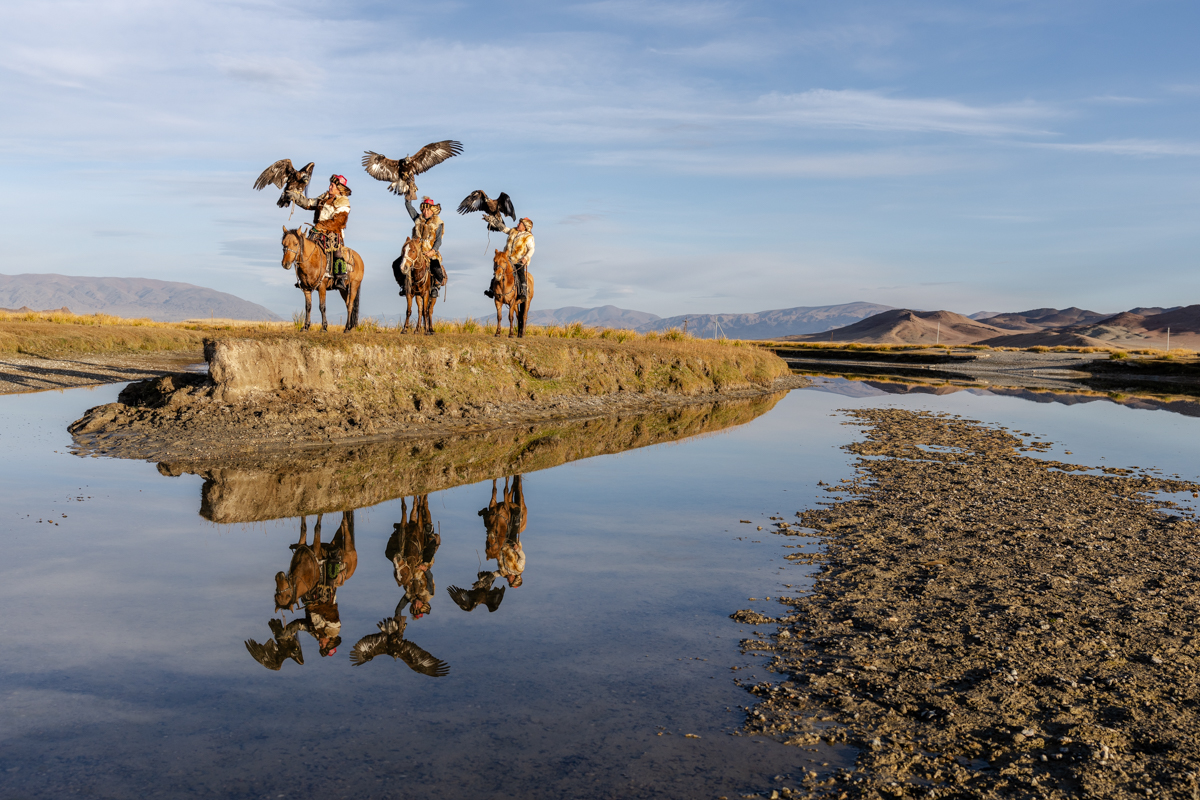
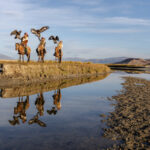
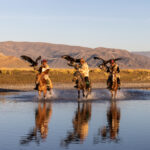
Three eagle hunters on horseback with their golden eagles, reflected in the still water during an early morning shoot (image by Ingrid Koedood)
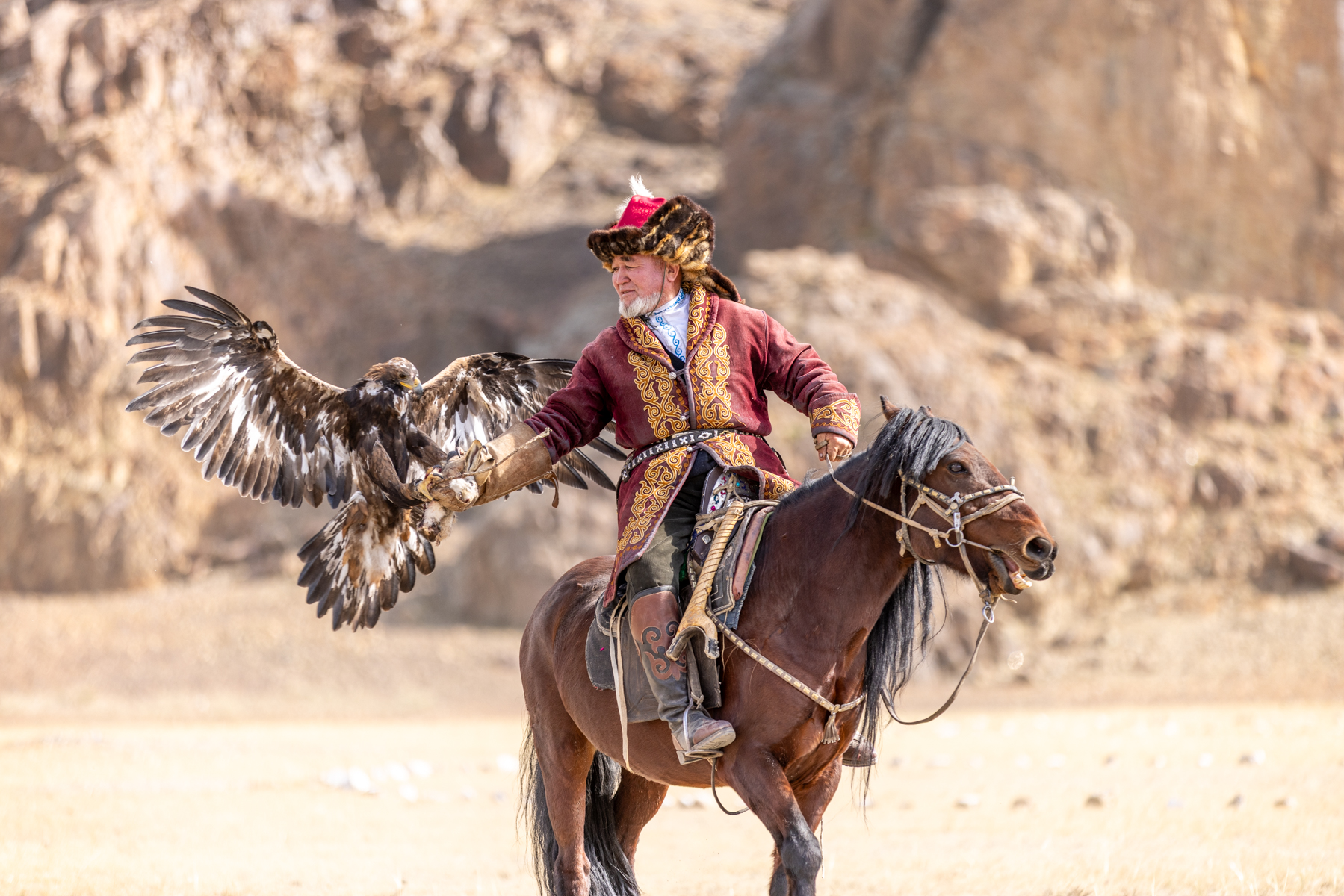
The game of Shakiru, the eagle flies back to its hunter and lands on his arm (image by Ingrid Koedood)
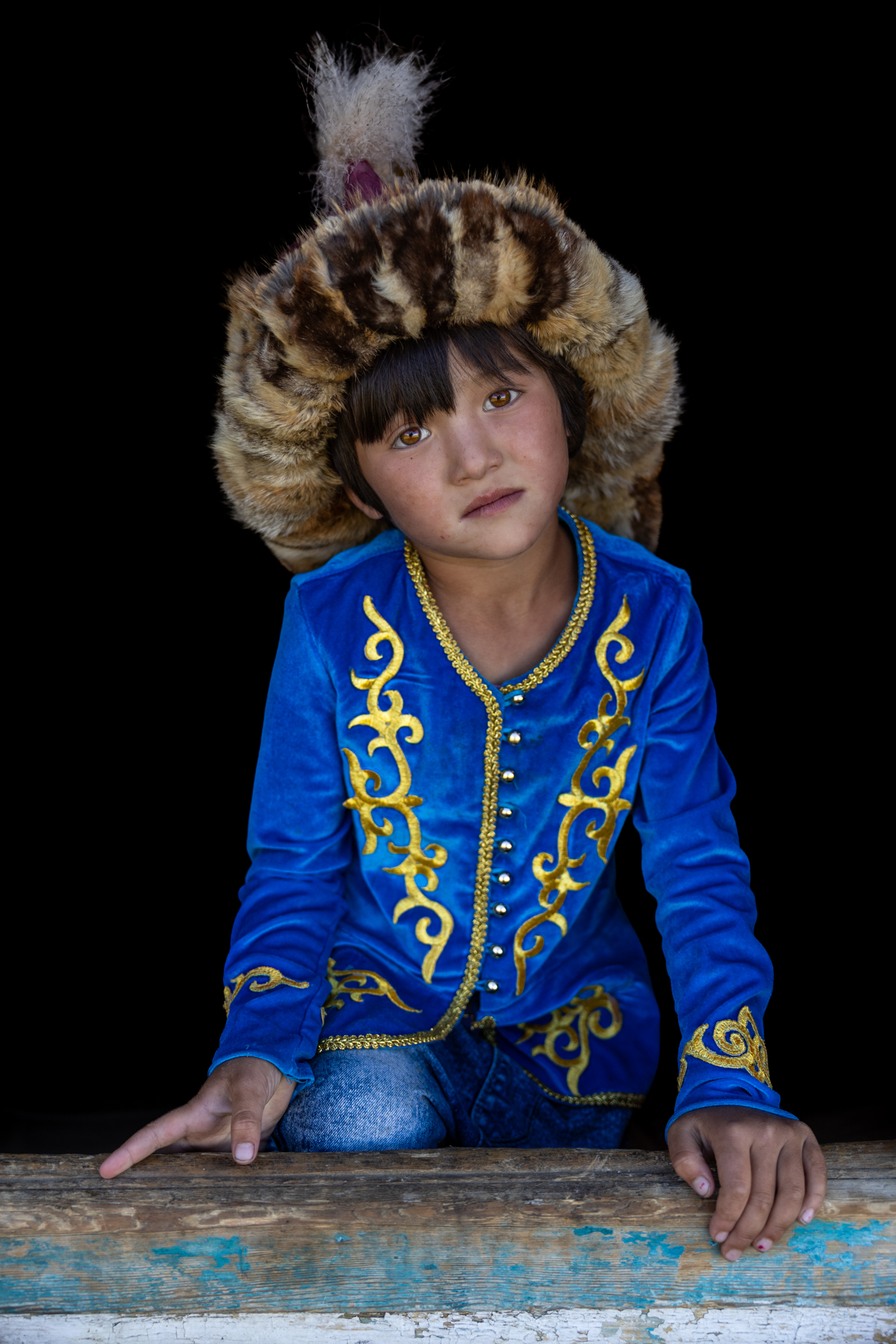
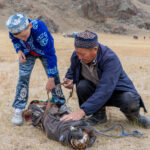
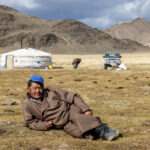
Morning life with a Kazakh family: while the women were busy milking the livestock, he took the opportunity to relax in the sun (image by Ingrid Koedood)
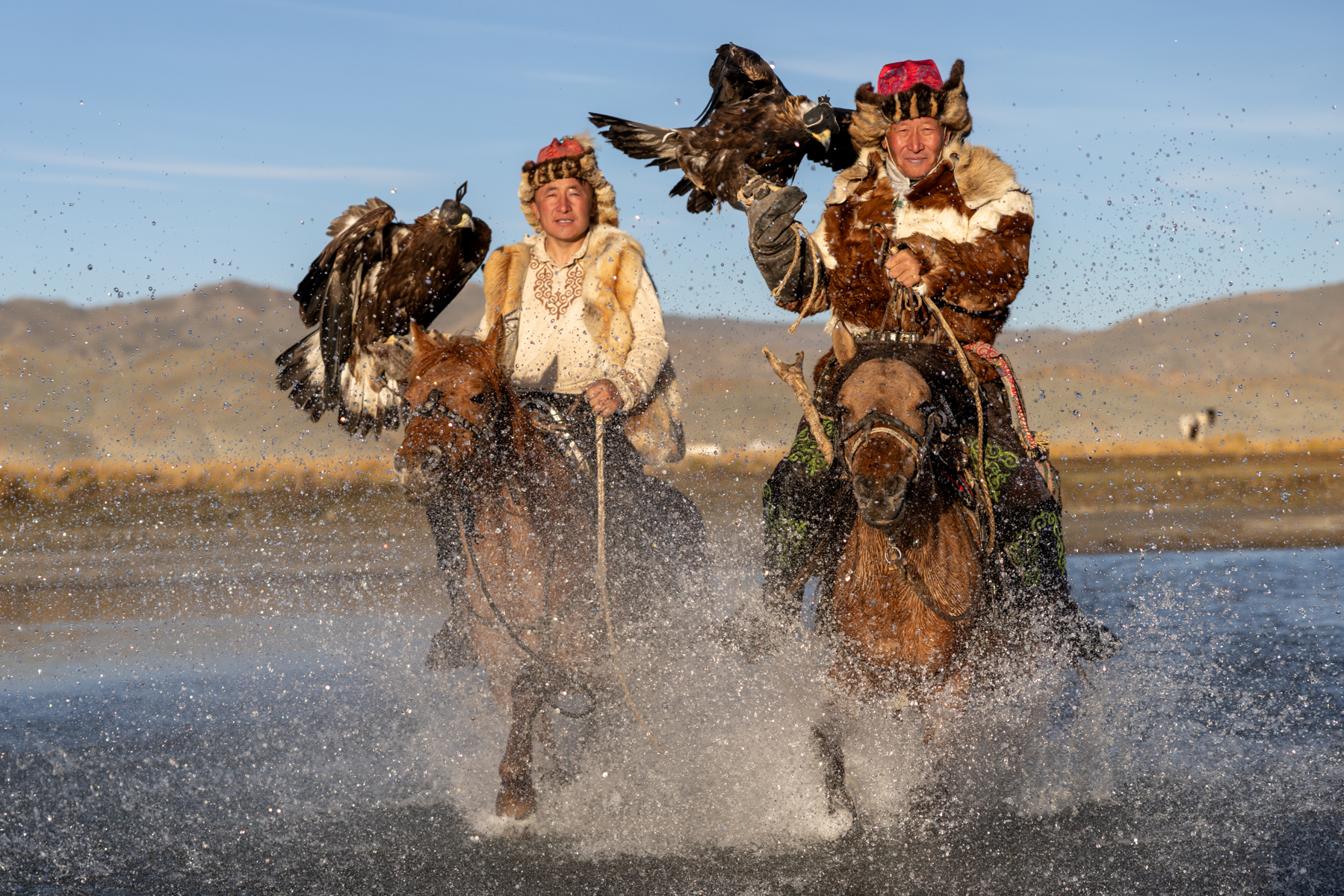
Bashakan and his son, Serekjan, ride through the water with their golden eagles (image by Ingrid Koedood)
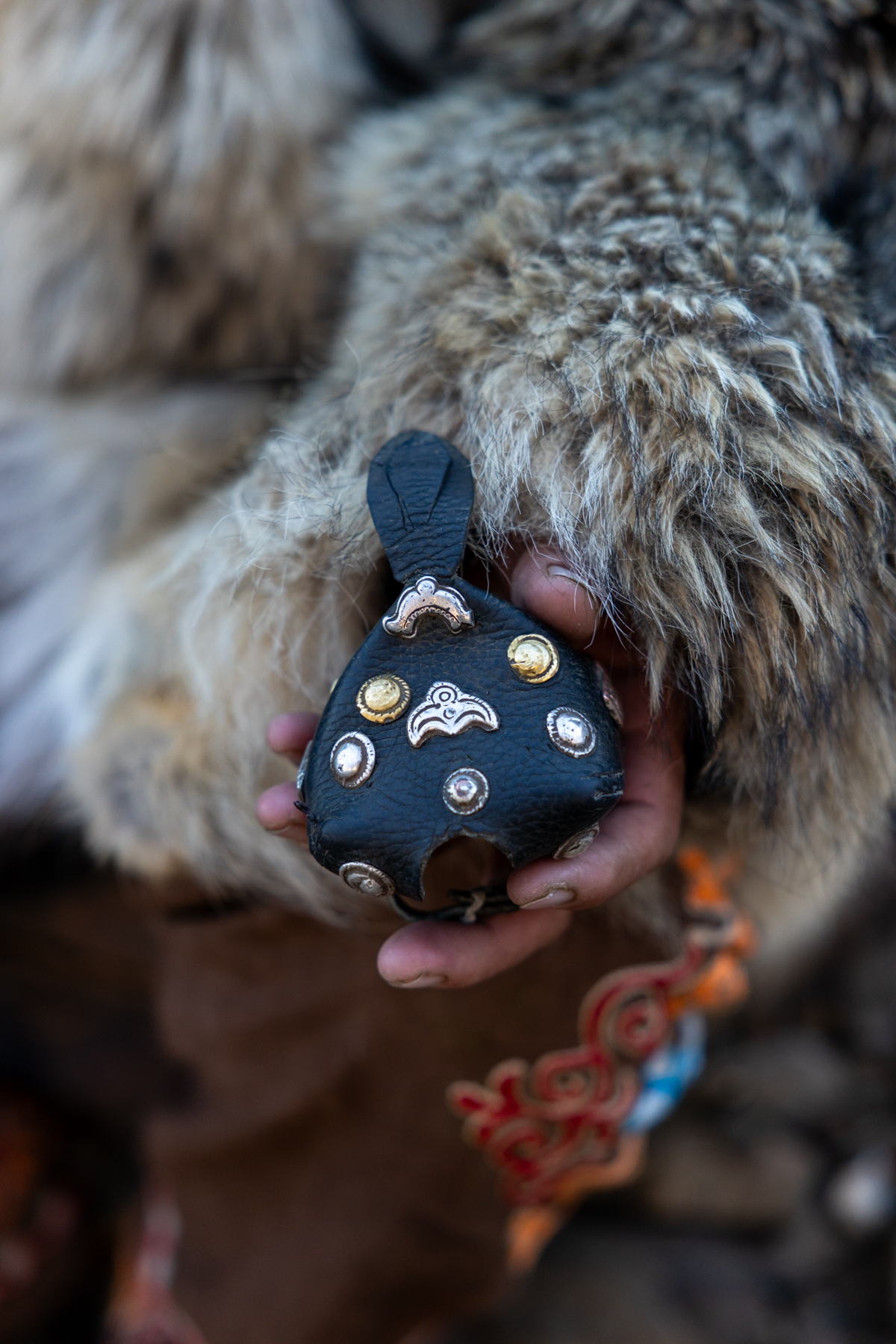
A traditional leather Tomaga covers the eagle’s eyes, reducing visual stimulation and keeping the bird calm while resting, travelling or waiting to hunt (image by Ingrid Koedood)
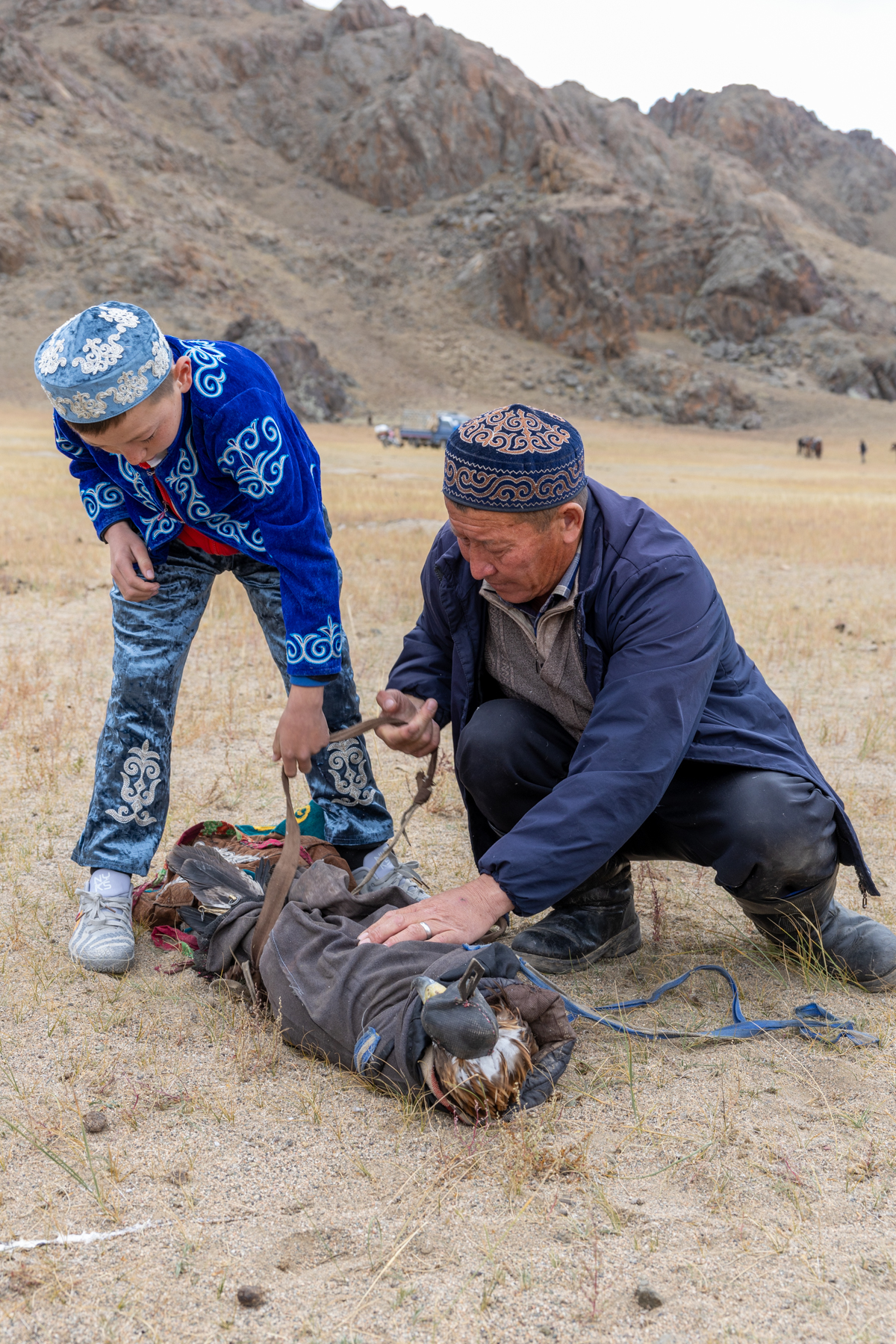
Arriving at the Eagle Hunters festival, a golden eagle is carefully unwrapped after its journey (image by Ingrid Koedood)
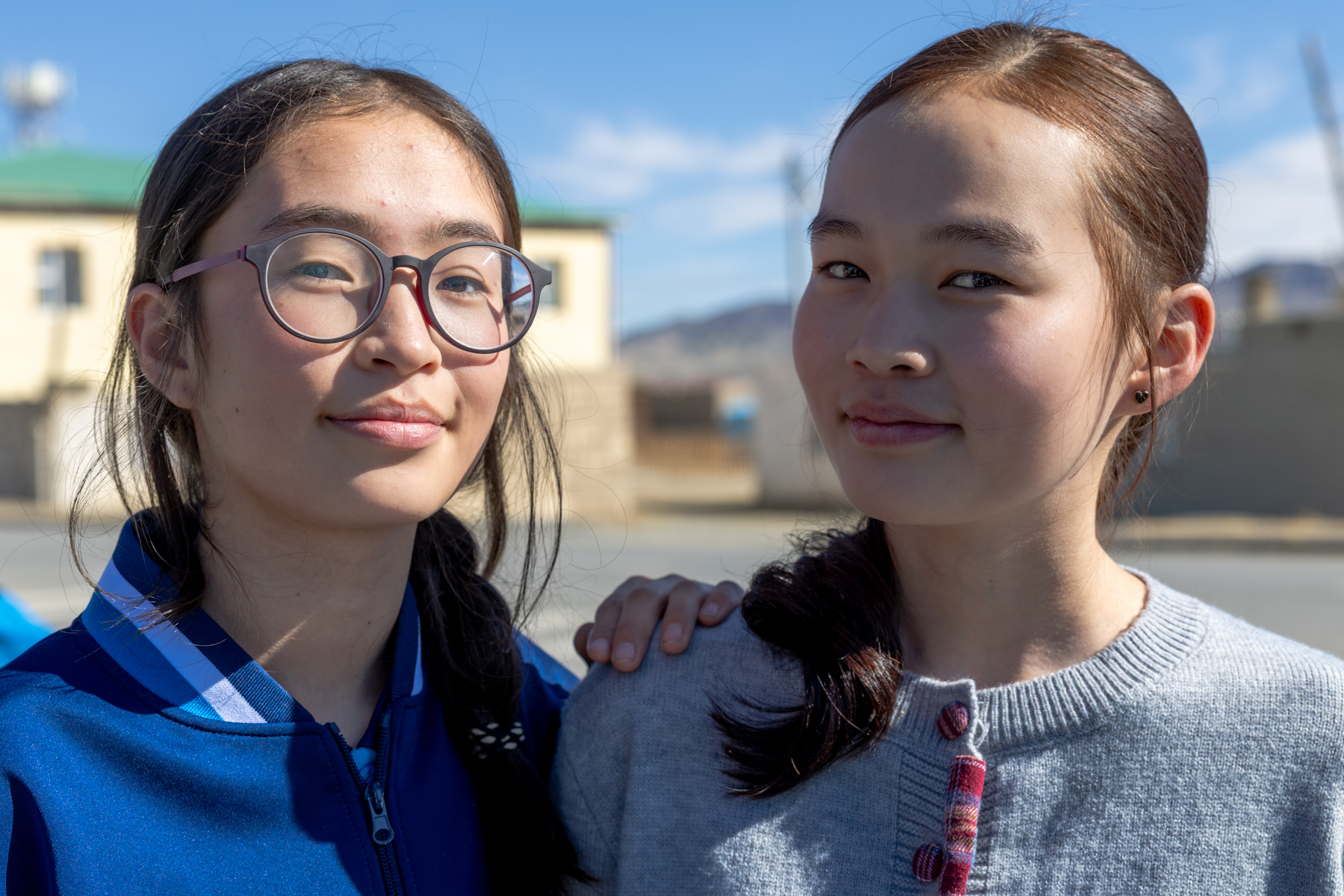
Best friends forever (image by Ingrid Koedood)
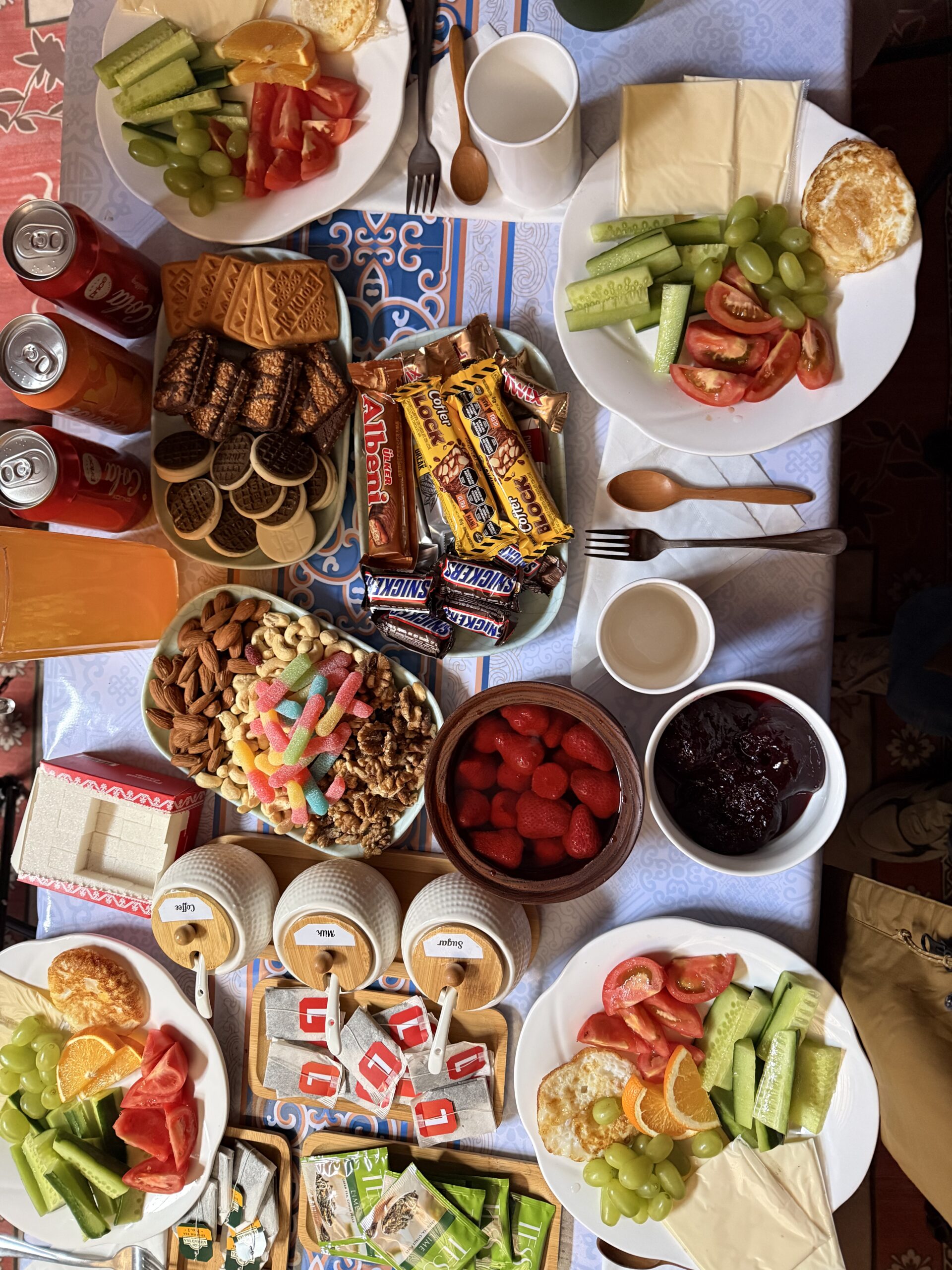
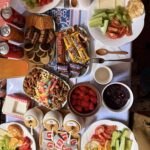
A generous breakfast spread, with far more on the table than we could ever finish (image by Ingrid Koedood)
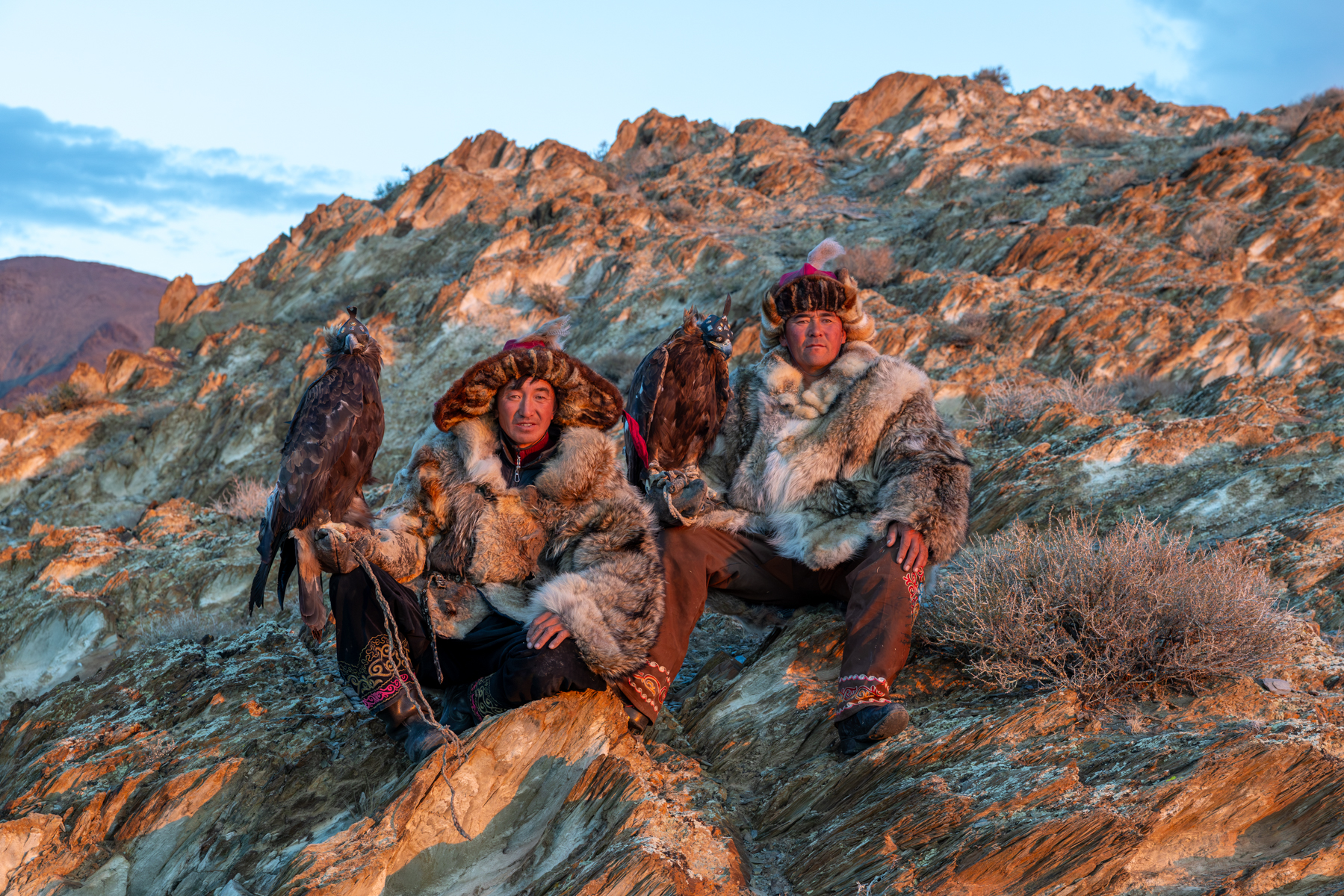
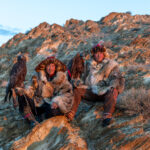
Two Kazakh eagle hunters with their golden eagles at sunrise, during our stay with their family (image by Ingrid Koedood)
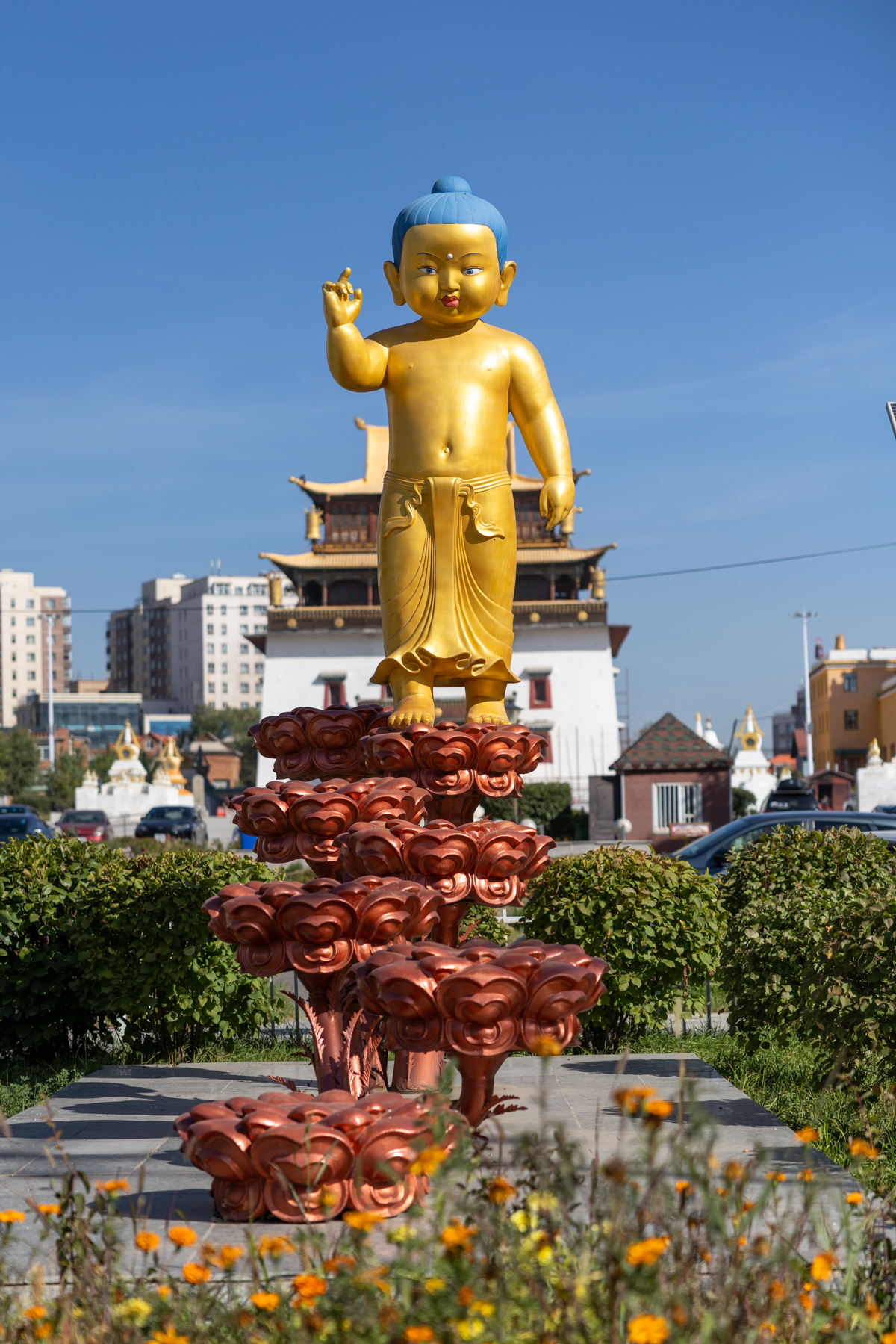
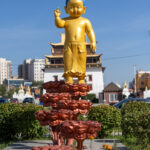
The Baby Buddha at Gandan Monastery. The footprints represent the seven steps he is said to have taken after his birth (image by Ingrid Koedood)
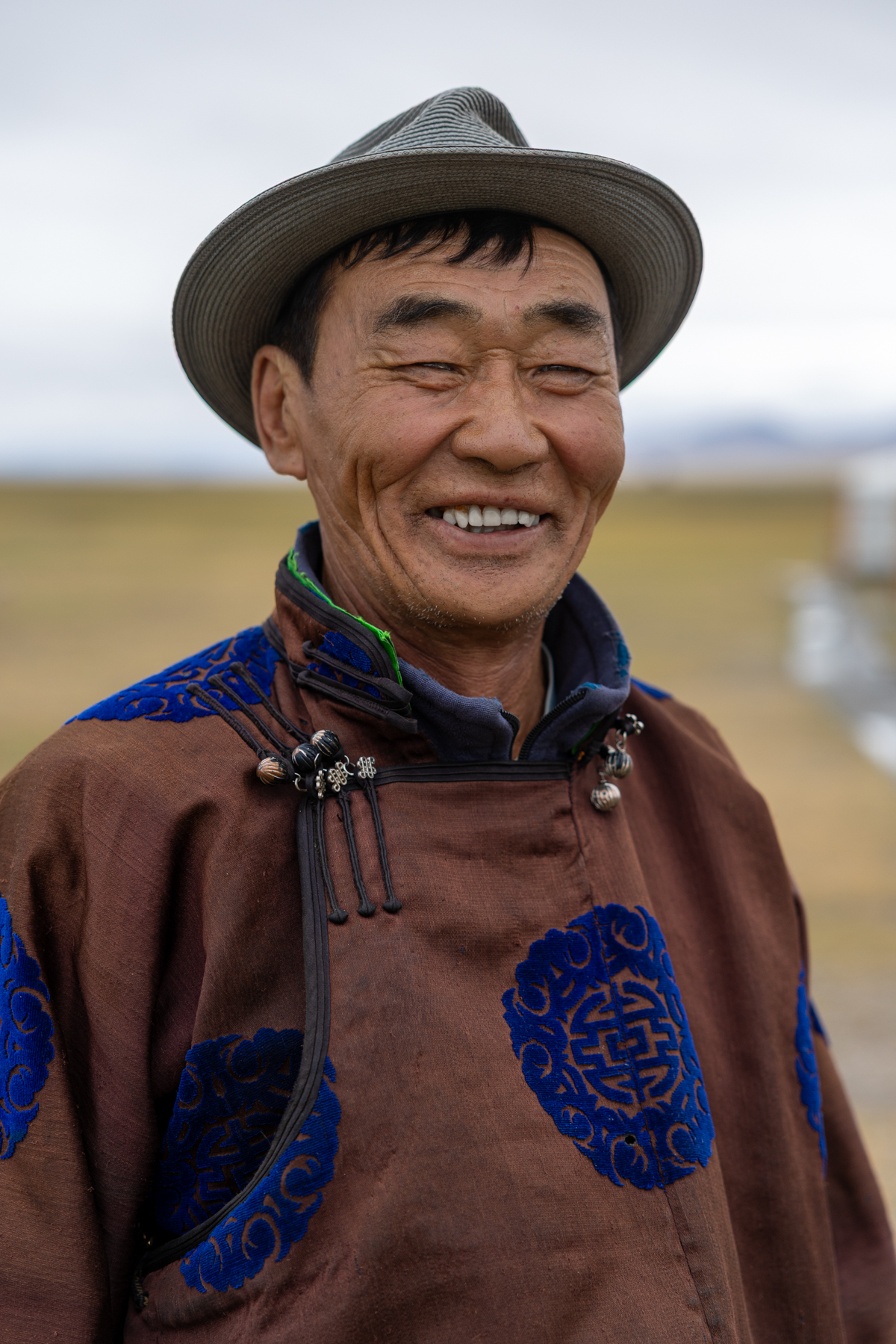
On our way from Hustai National park to Ulaanbaatar, we stopped with a Mongolian family who welcomed us for lunch (image by Ingrid Koedood)
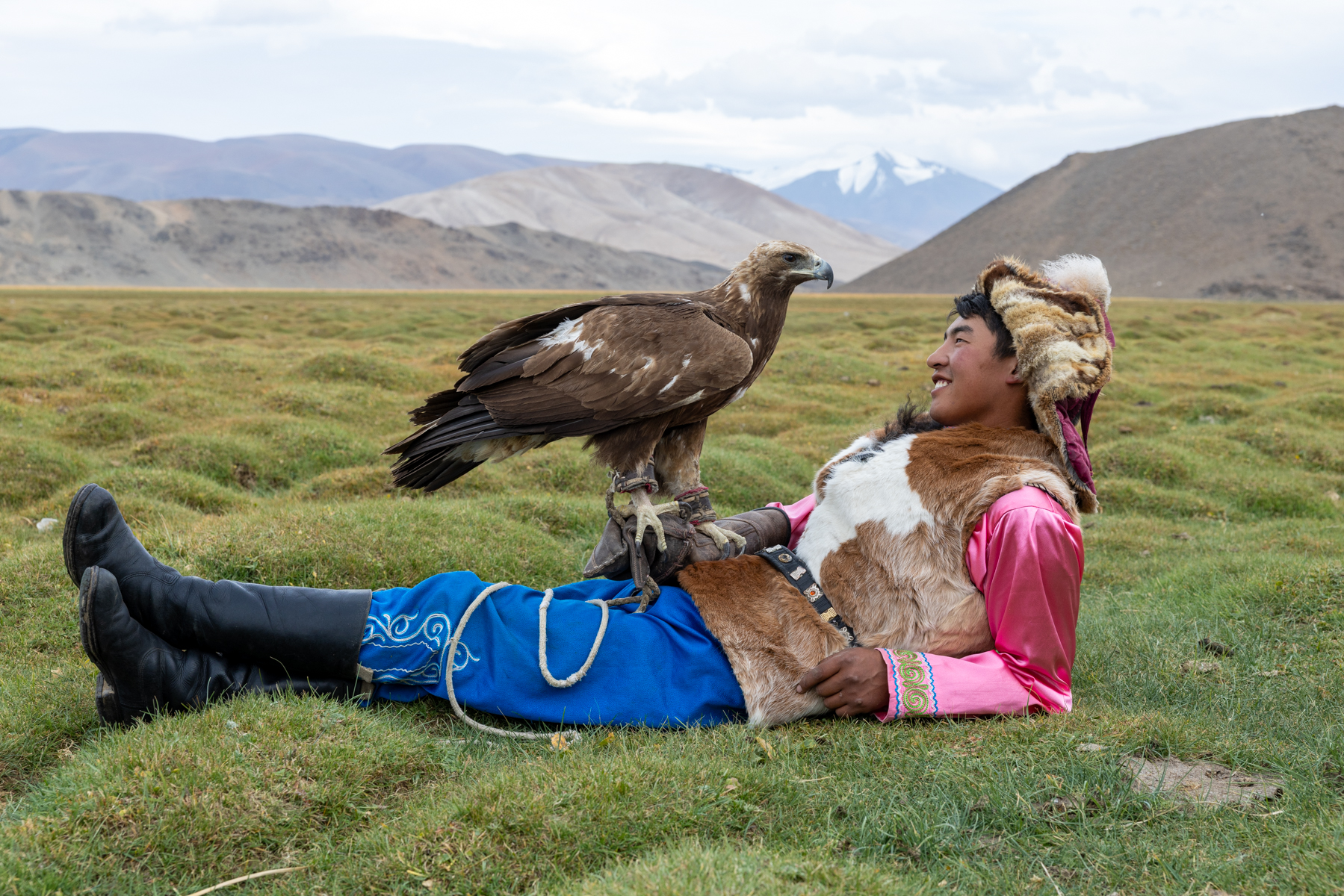
Tilekjan, a 21-year-old eagle hunter, photographed during our stay with his family (image by Ingrid Koedood)
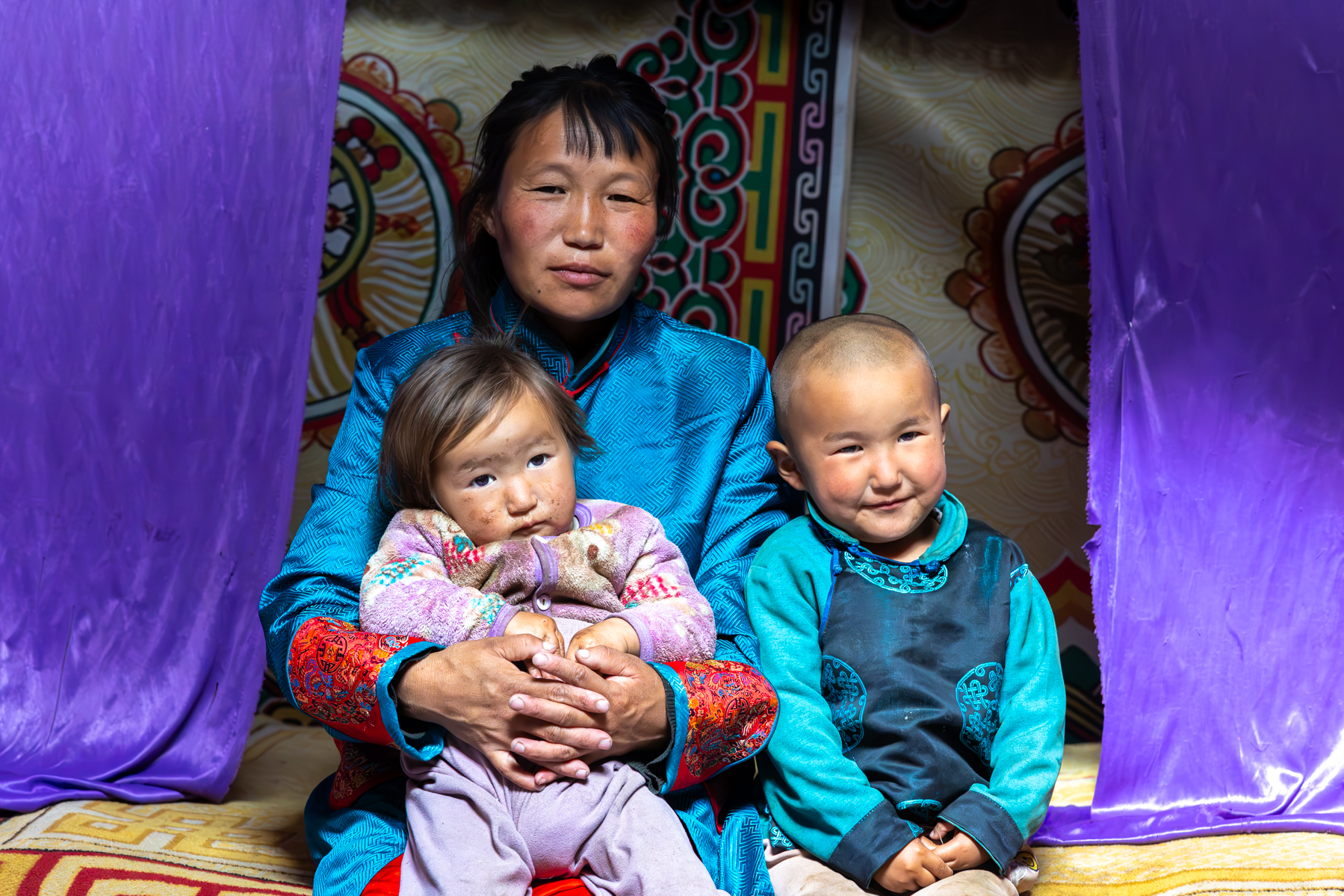
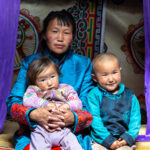
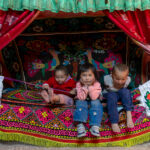
We were welcomed into the family’s yurt, where the mother and her children posed for our cameras (image by Ingrid Koedood)
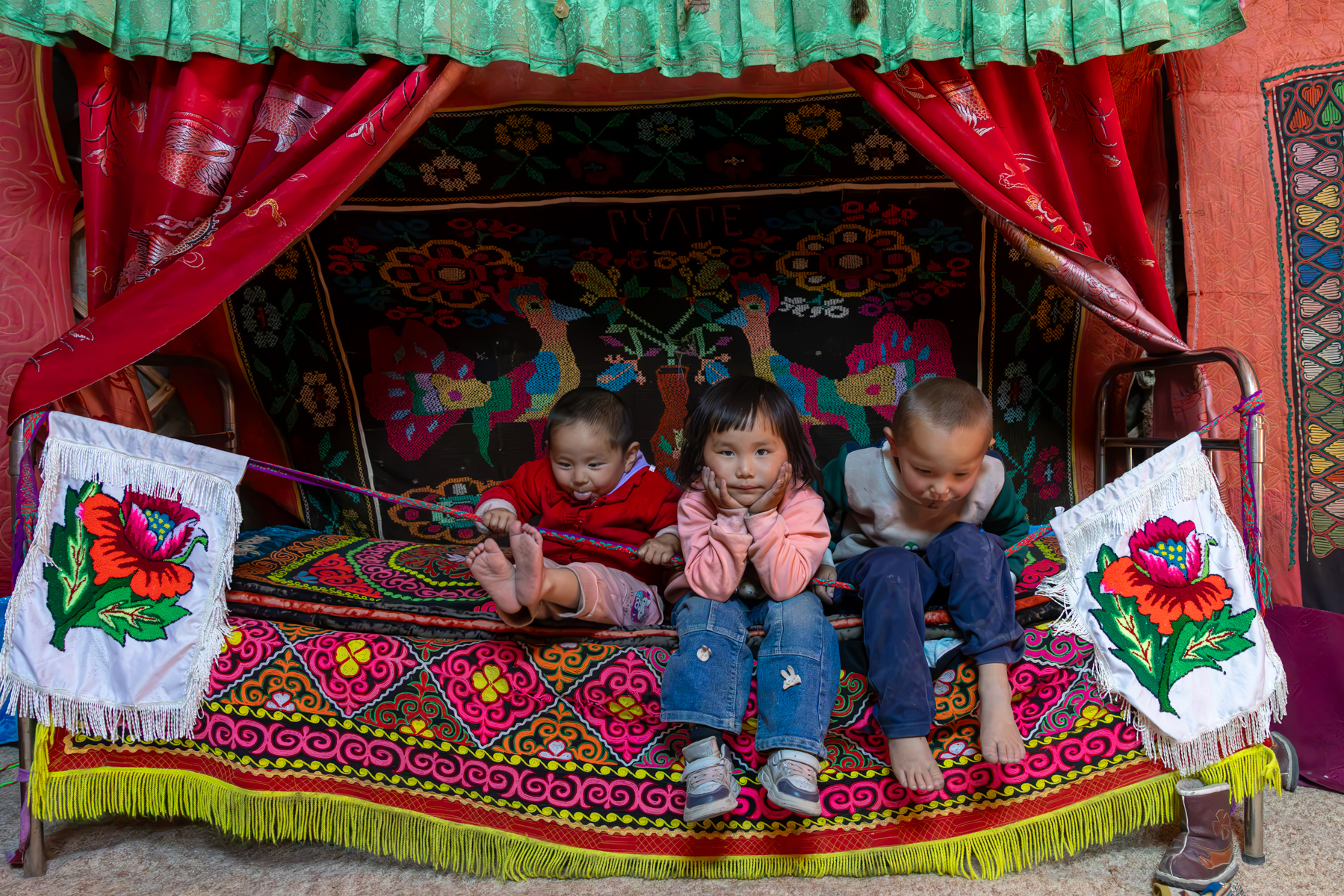
An empty yurt quickly became a playground for the children, who were climbing, playing and having fun everywhere (image by Ingrid Koedood)
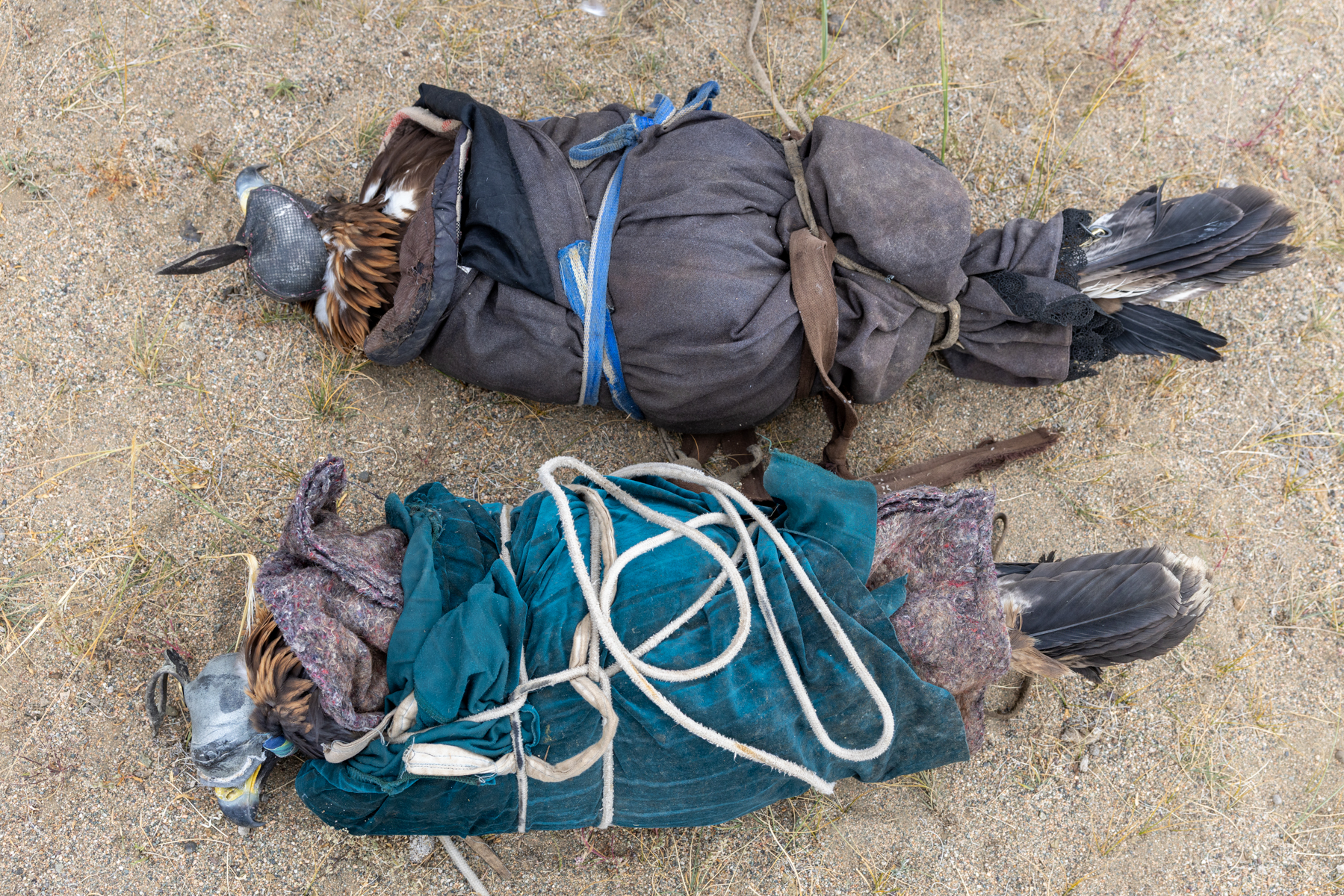
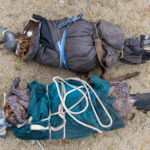
Golden eagles carefully wrapped for transport to and from the Eagle Hunters festival, keeping them secure and calm during the journey (image by Ingrid Koedood)
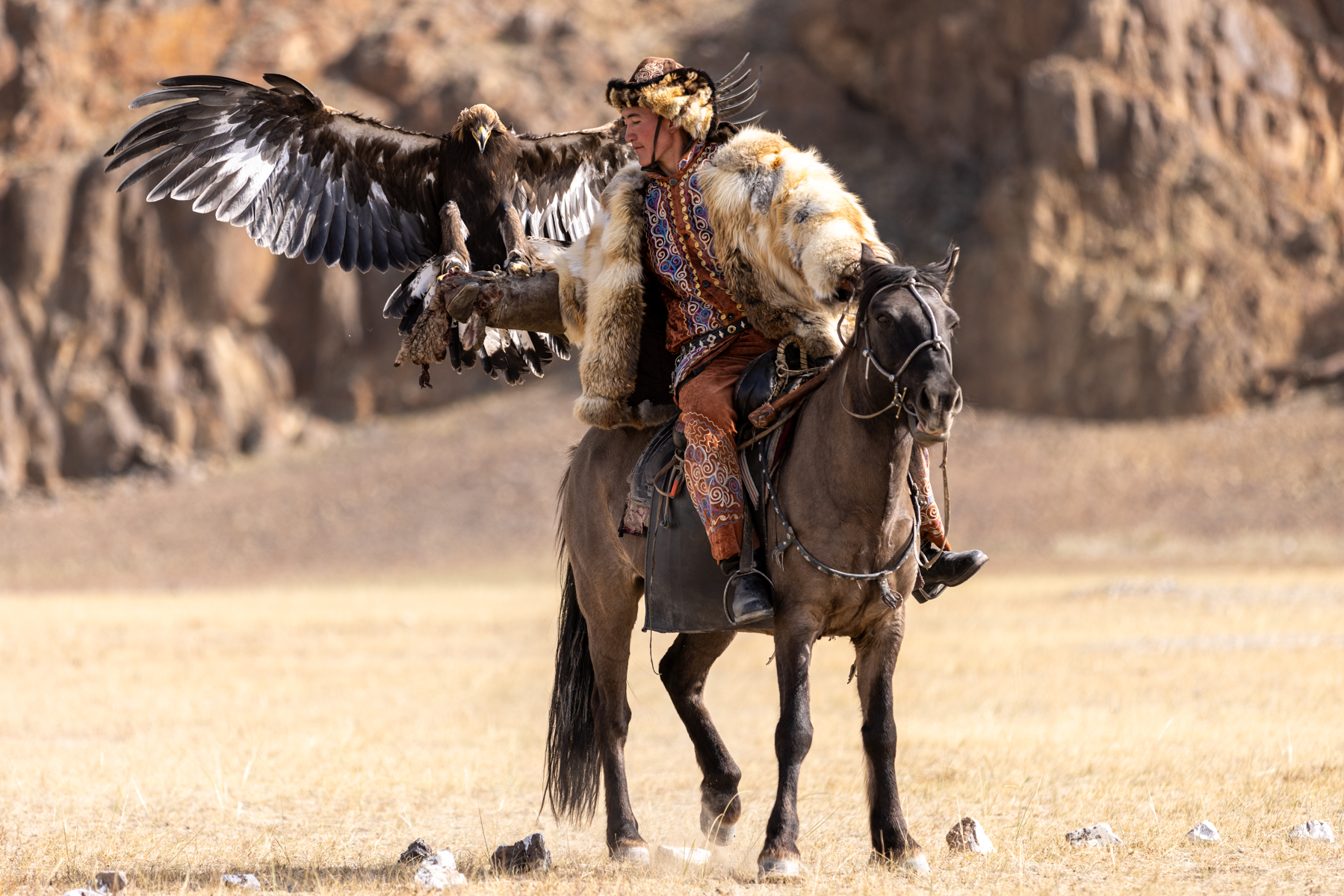
During the eagle festival, the golden eagle is released from high on the mountain and must respond to its hunter’s call. The faster it reaches and lands on the hunter’s arm, the more points are rewarded (image by Ingrid Koedood)
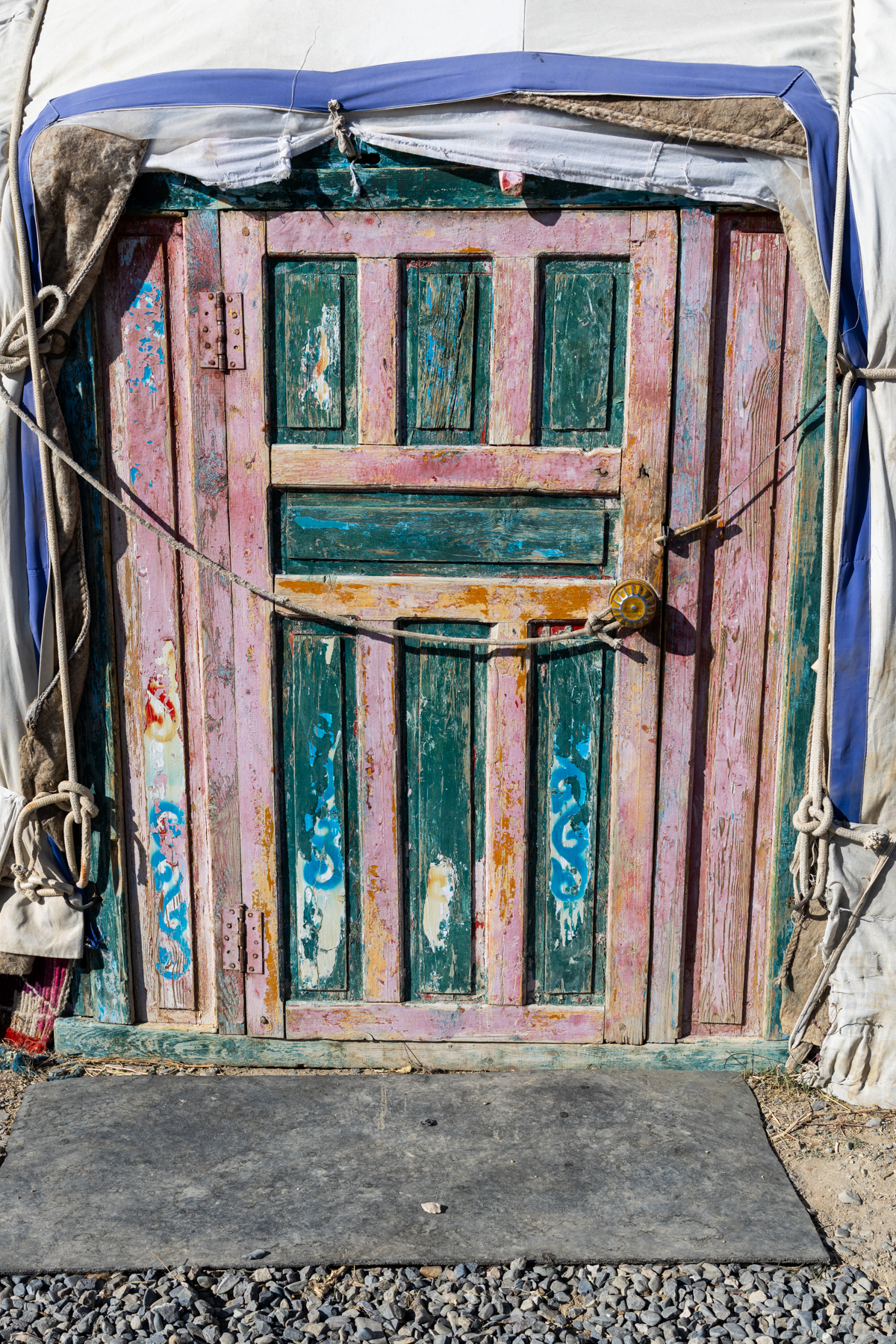
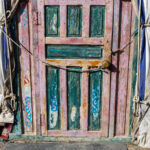
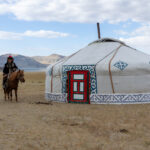
The colourful door of a traditional yurt. When entering, it is important to step over the threshold rather than stand on it. It’s a sign of respect in Mongolian tradition (image by Ingrid Koedood)
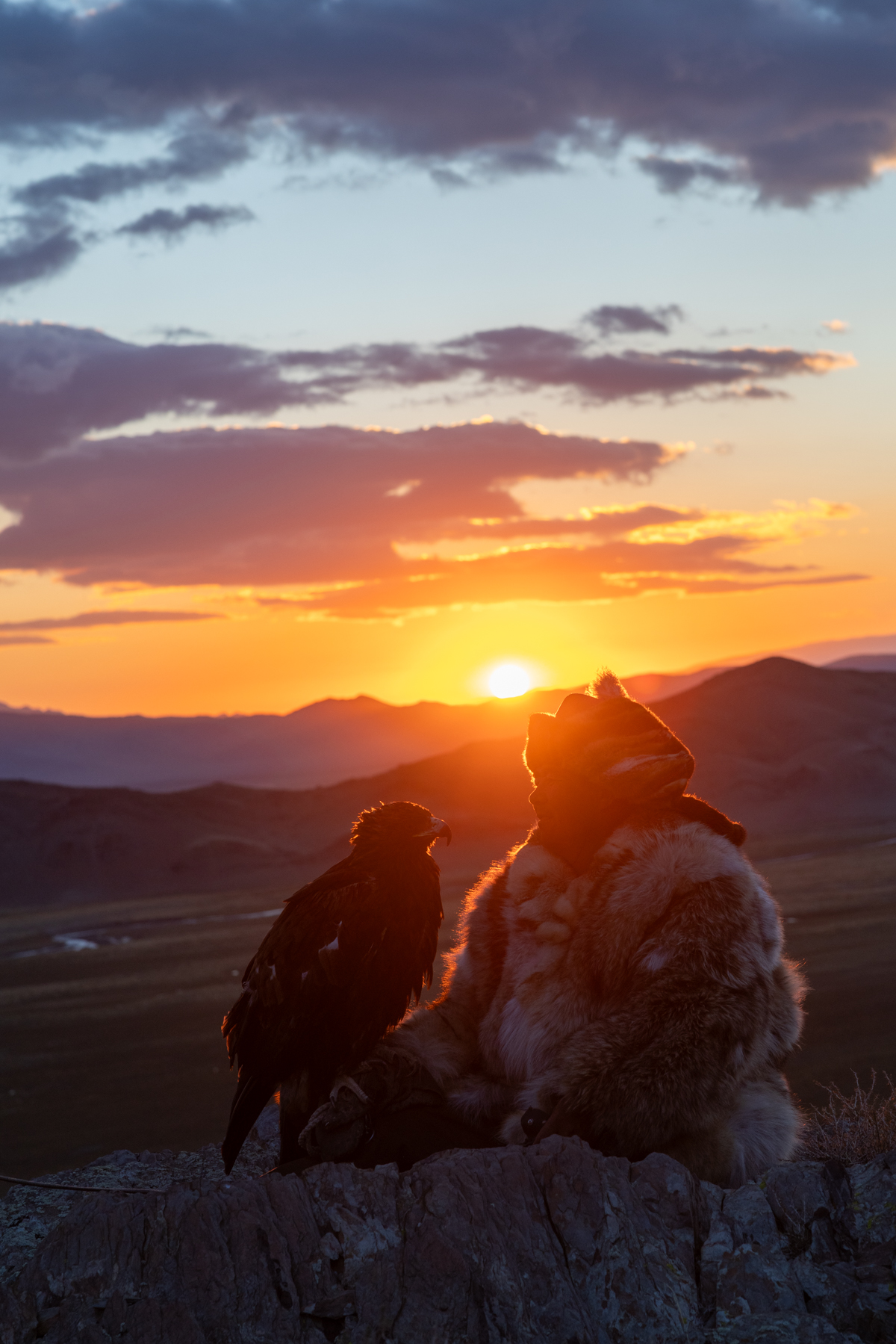
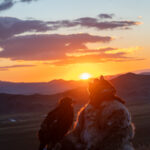
After a cold night in the mountains, the first rays of the rising sun bring warmth to the eagle hunter and his golden eagle (image by Ingrid Koedood)
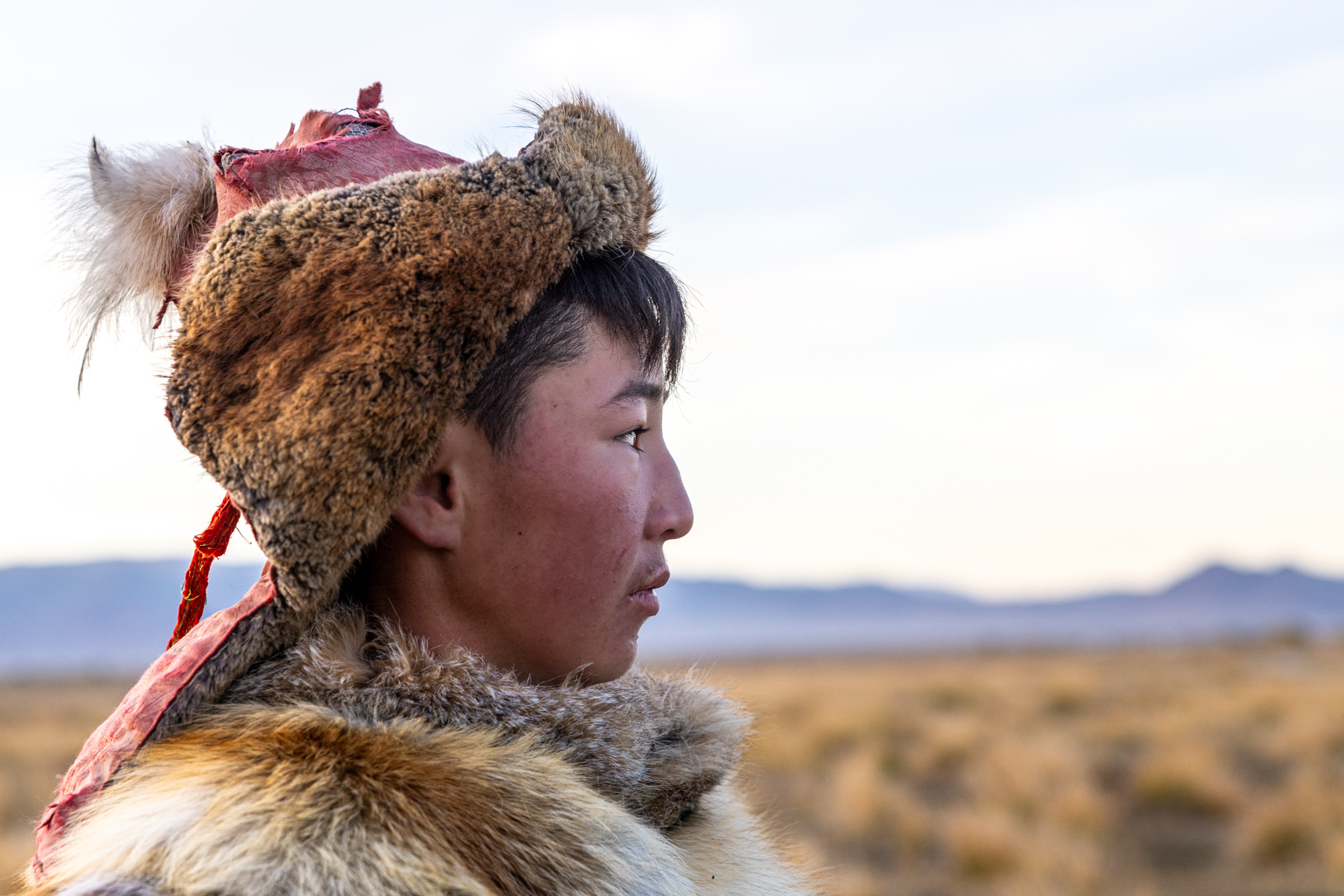
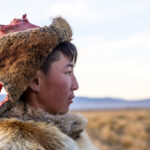
A young eagle hunter in the early morning, photographed during our stay with our second eagle hunter family (image by Ingrid Koedood)
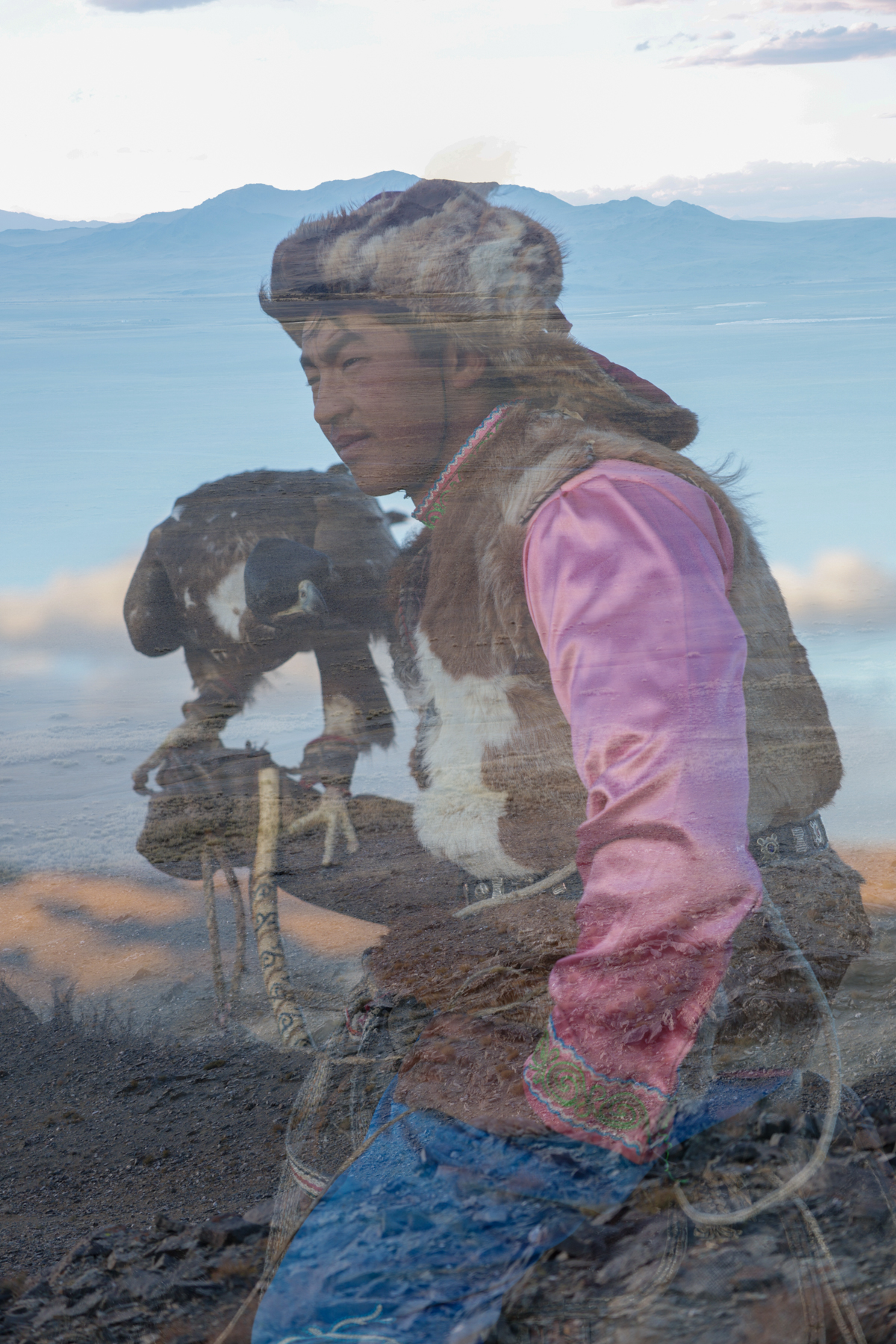
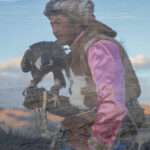
A double-exposure portrait of a young eagle hunter, his face merging with the landscape that shapes his life (image by Ingrid Koedood)
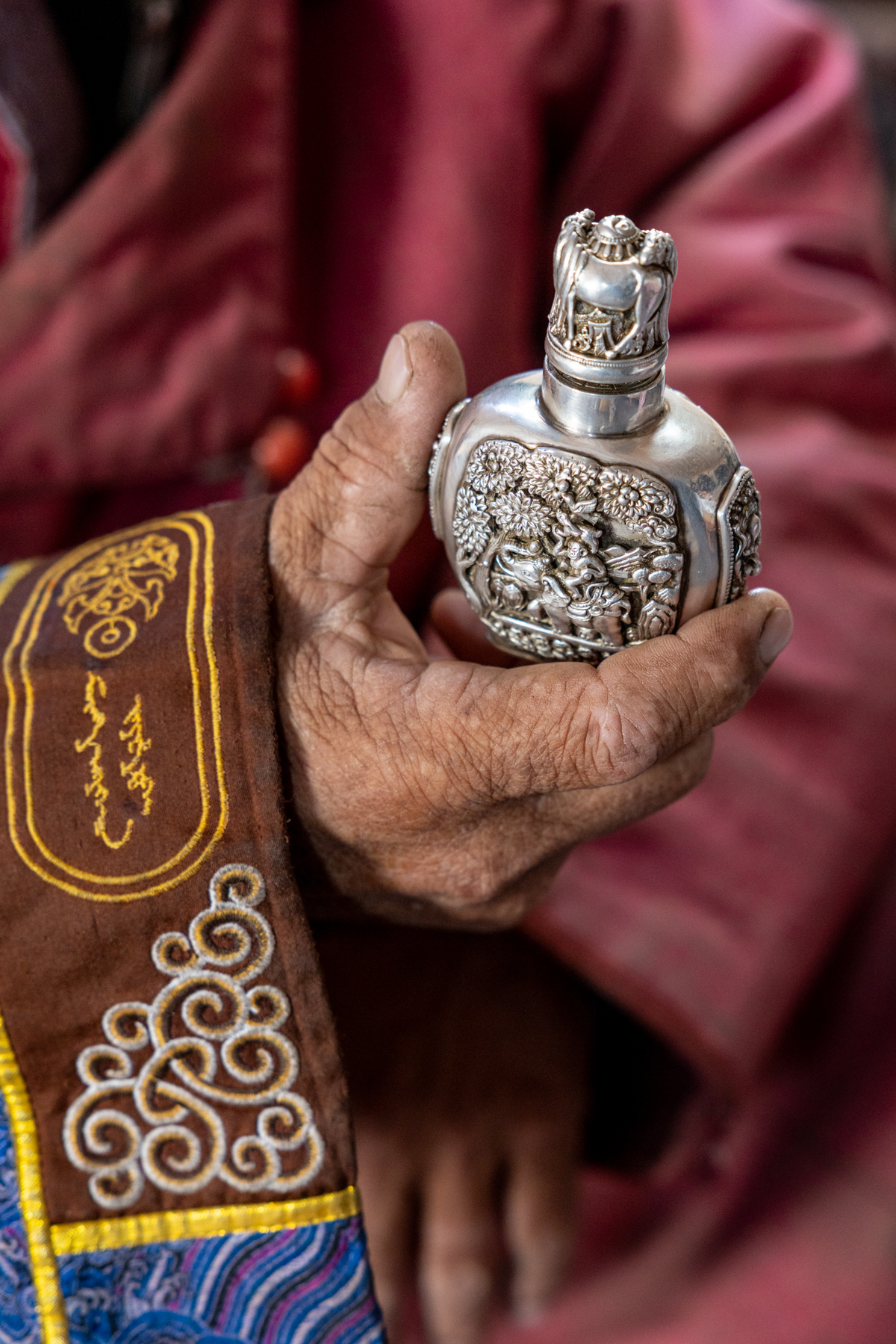
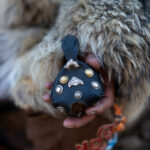
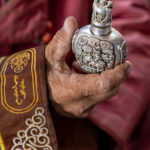
A traditional Mongolian snuff bottle, filled with finely ground tobacco. Offering and exchanging a snuff bottle is an important gesture of greeting, respect and hospitality (image by Ingrid Koedood)
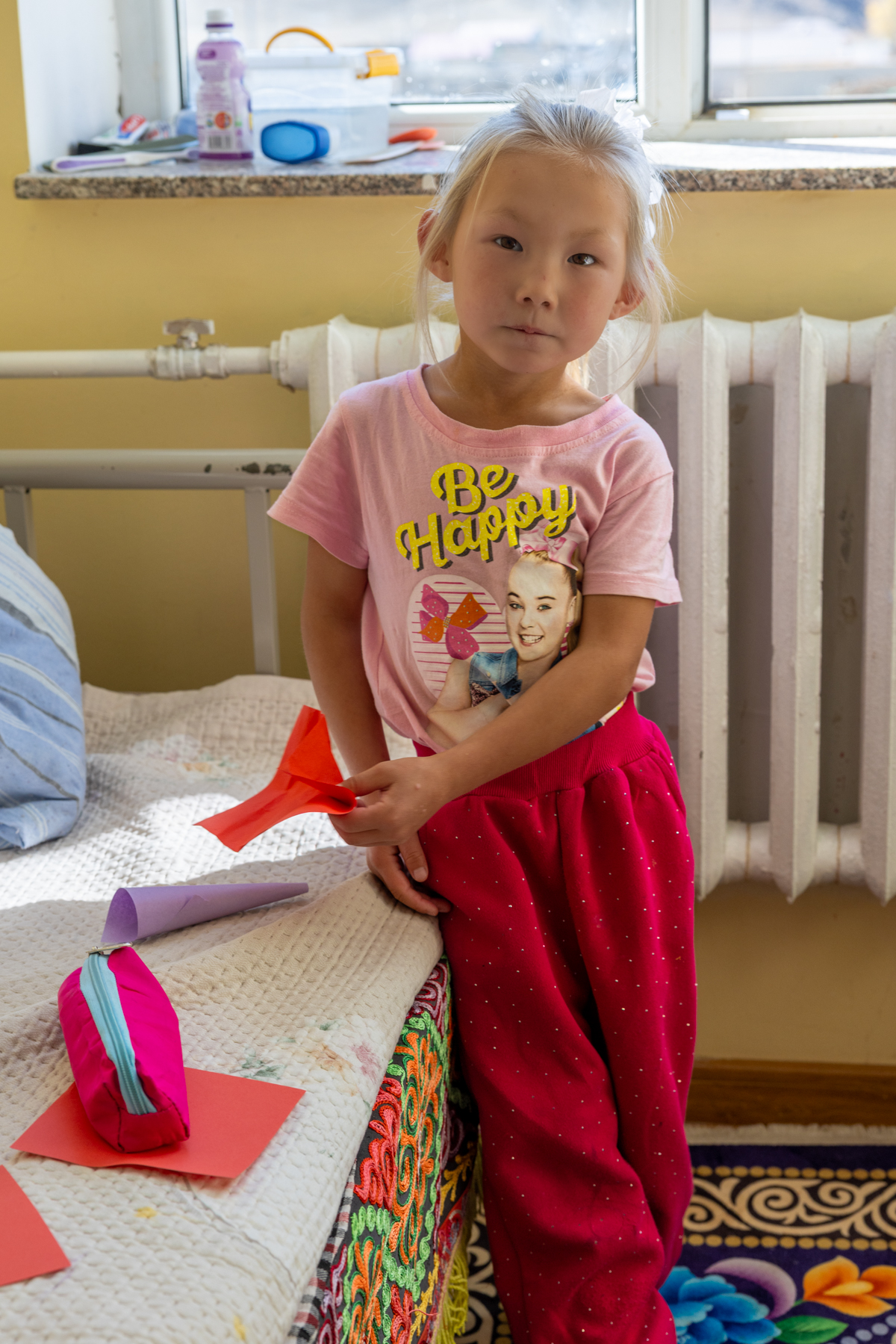
A young girl in the school dormitory, where children from remote families stay because home is too far away to travel to each day (image by Ingrid Koedood)
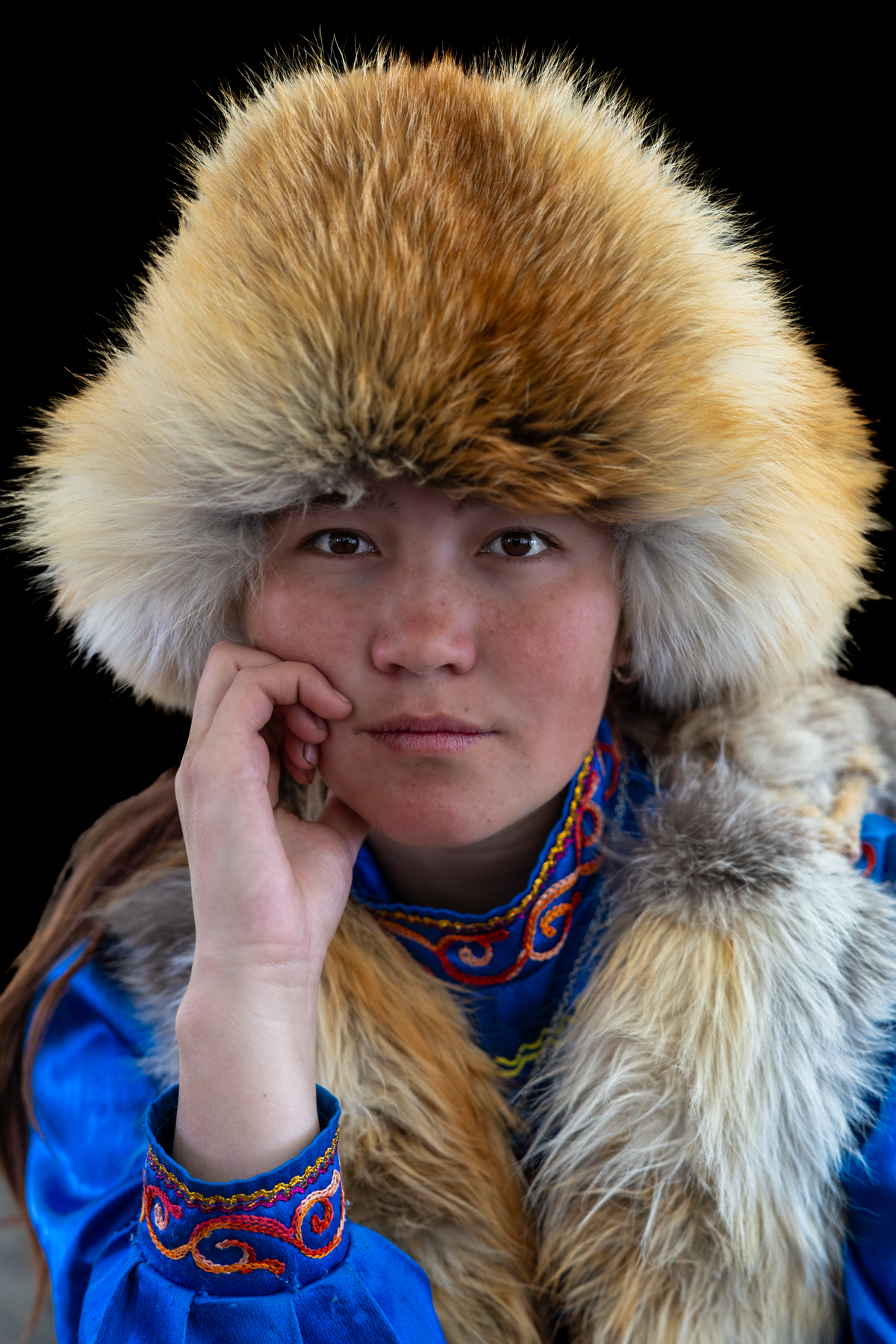
At just 16 years old, Aymoldir is already a skilled eagle huntress handling and training her golden eagle with remarkable confidence. She will turn 17 soon and represents a new generation of young women continuing the Kazakh eagle-hunting tradition (image by Ingrid Koedood)
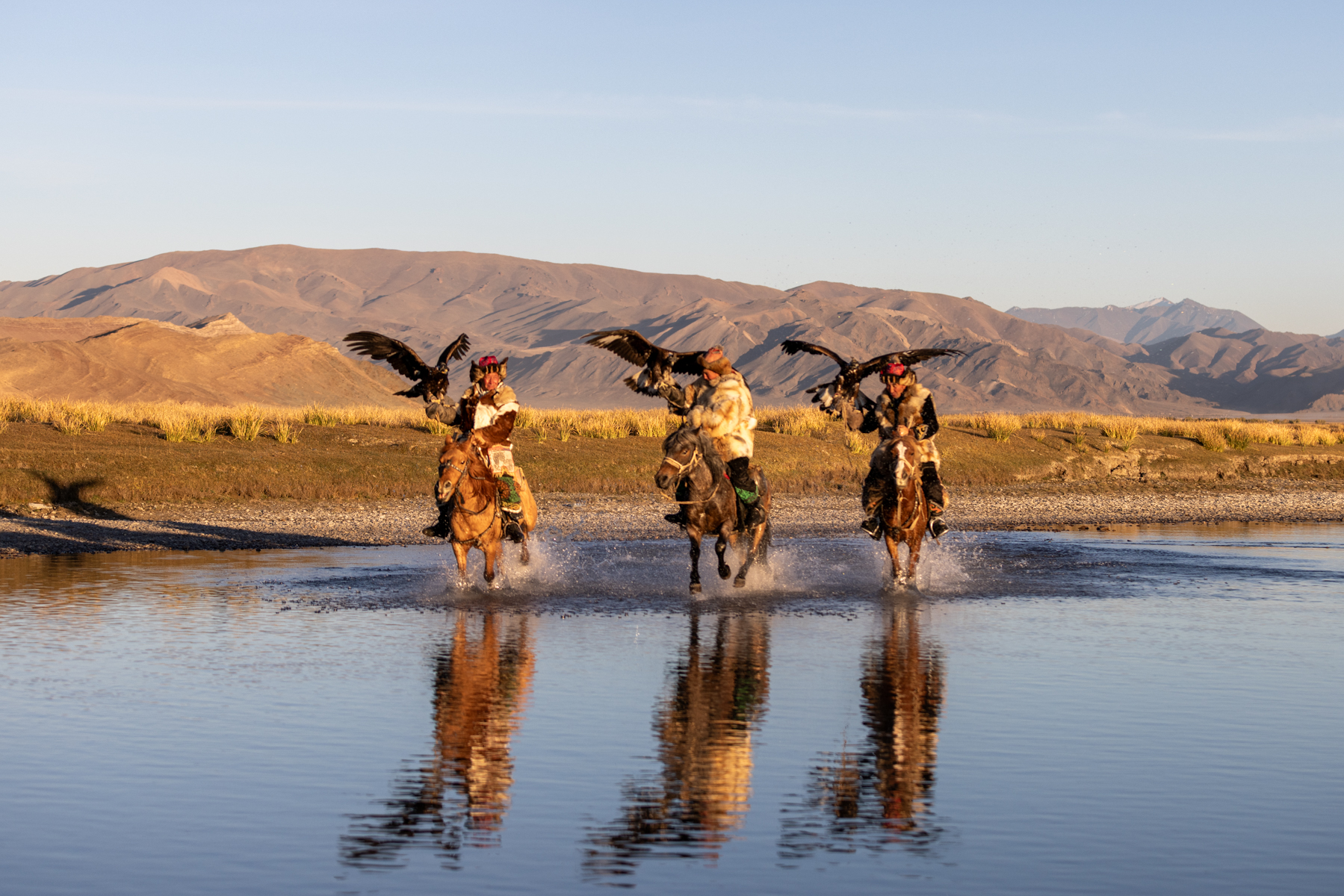
Early in the morning, just after sunrise, the eagle hunters gallop through the water with their golden eagles (image by Ingrid Koedood)
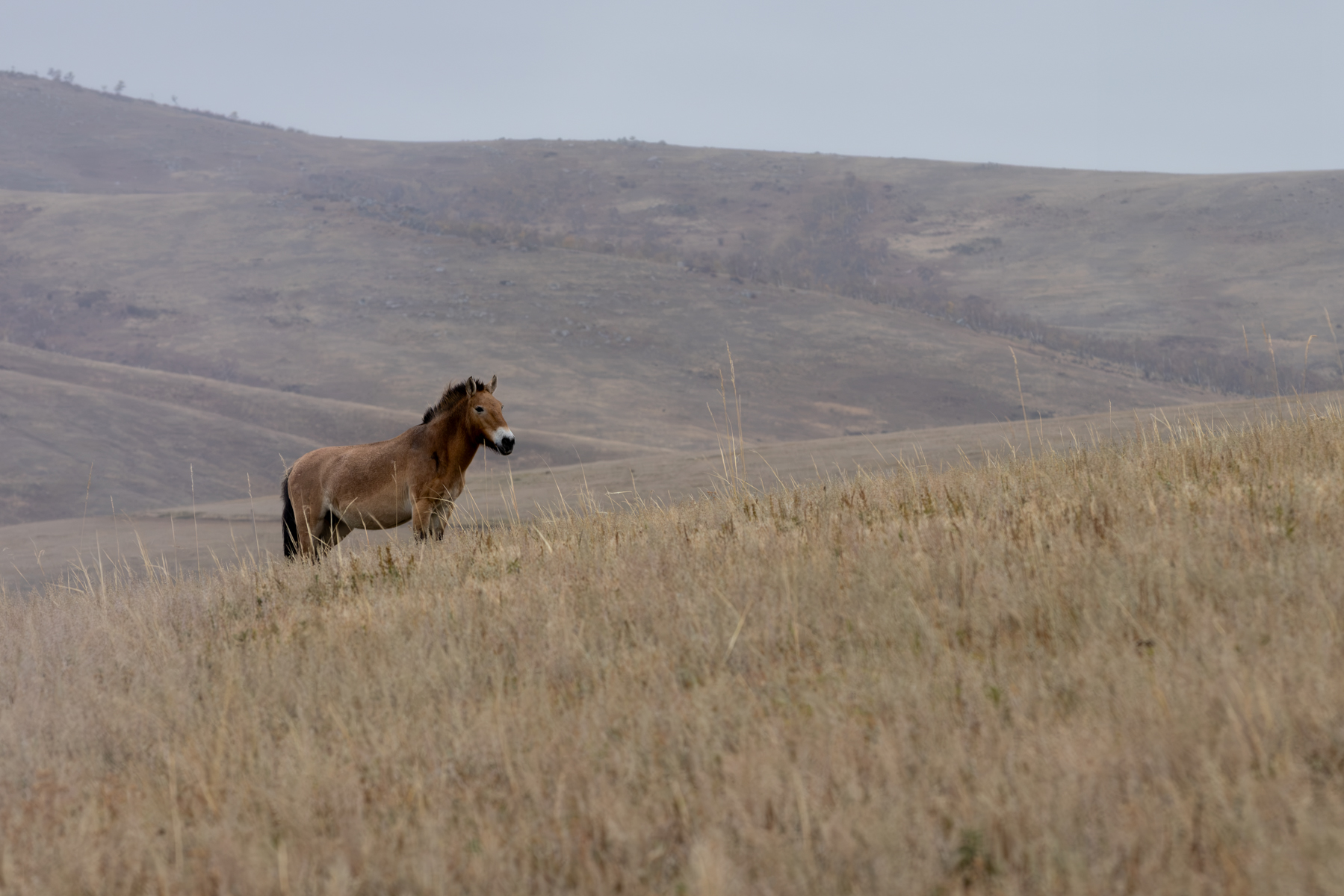
The Takhi, or Przewalski’s horse, in Hustai National Park. Once extinct in the wild, these remarkable horses were successfully reintroduced to Mongolia and now roam freely again across the steppe (image by Ingrid Koedood)
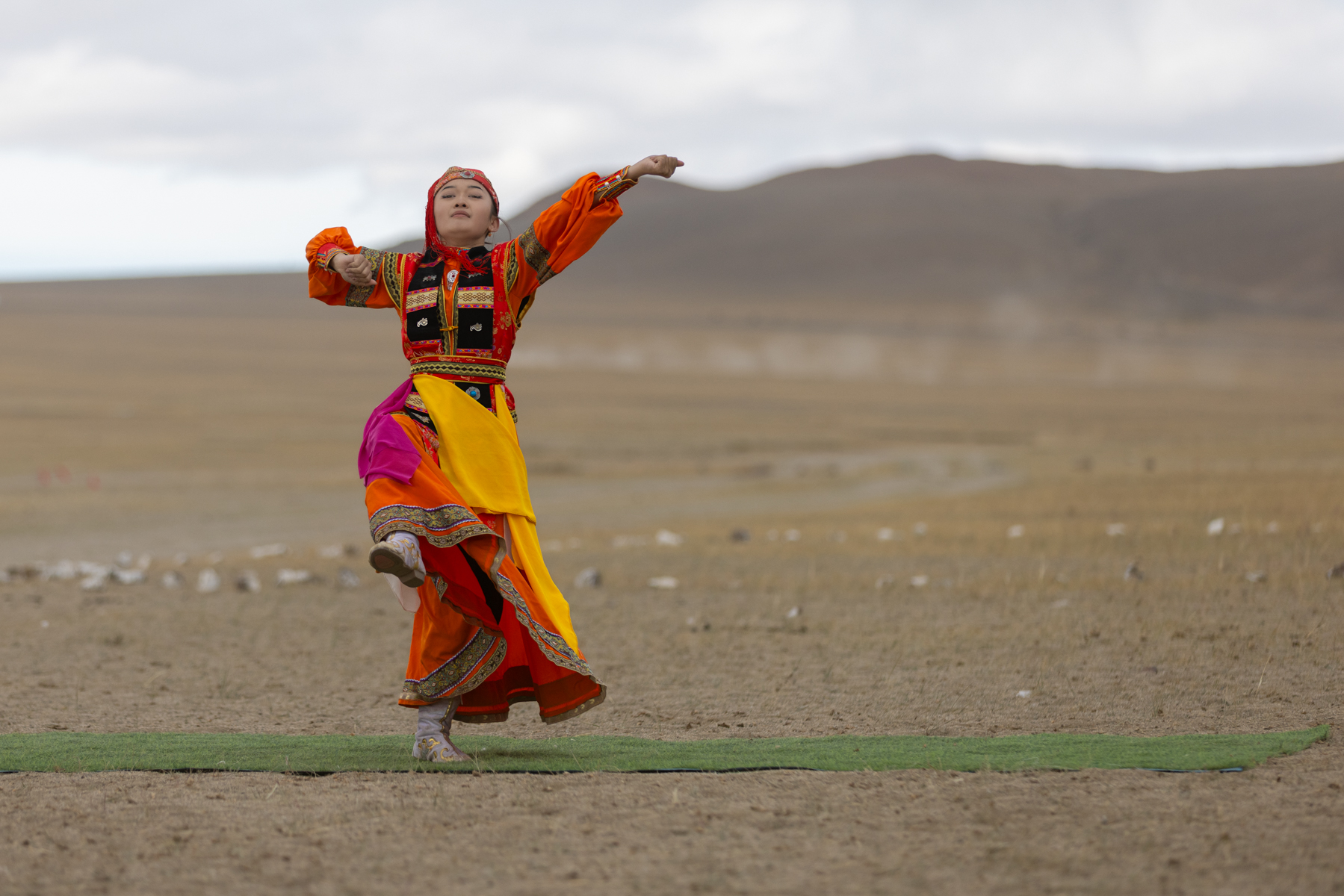
A young dancer in traditional dress performs during the Eagle festival (image by Ingrid Koedood)
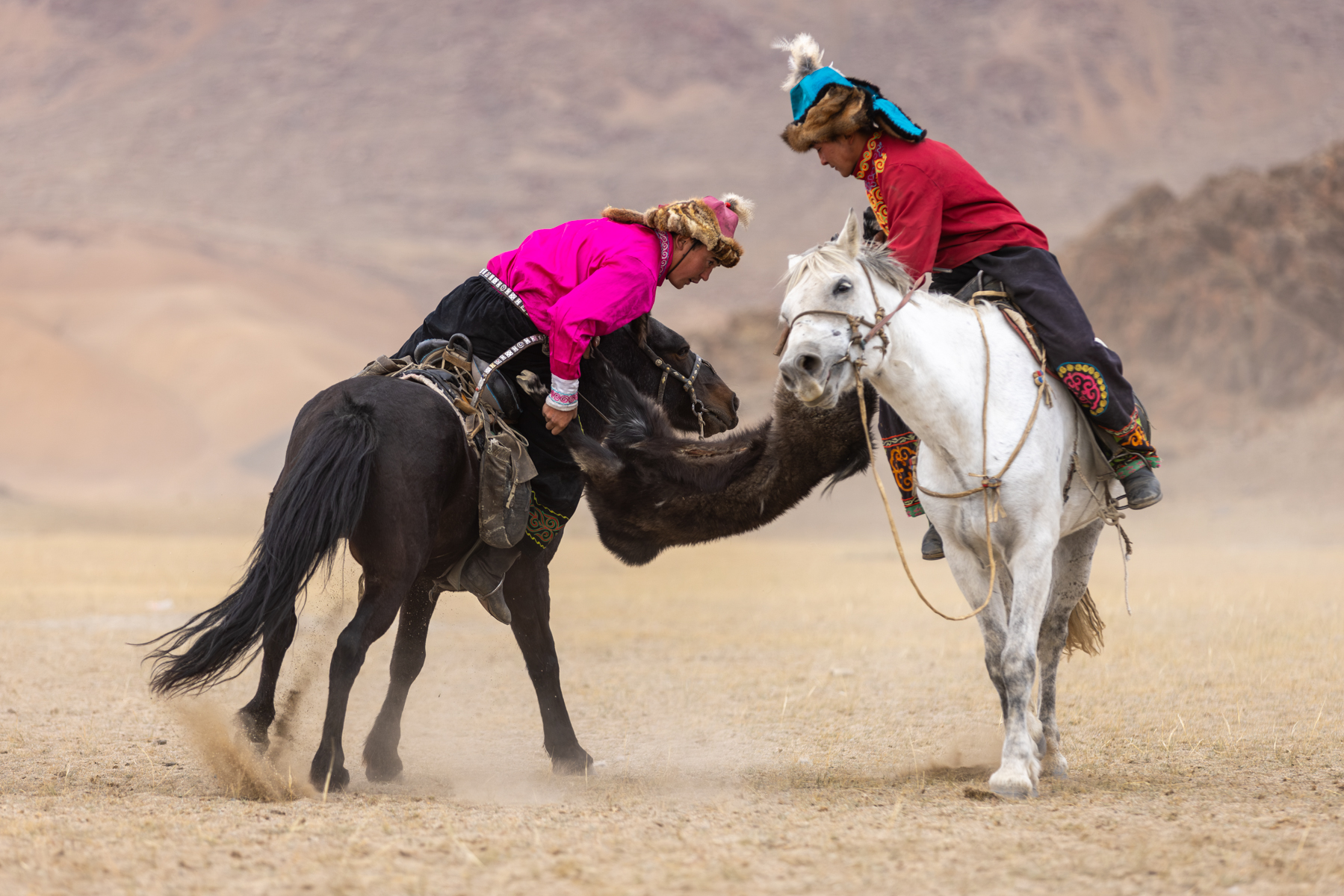
Kokbar, a traditional horseback competition in which riders battle for possession of a headless goat carcass, testing both strength and horsemanship (image by Ingrid Koedood)
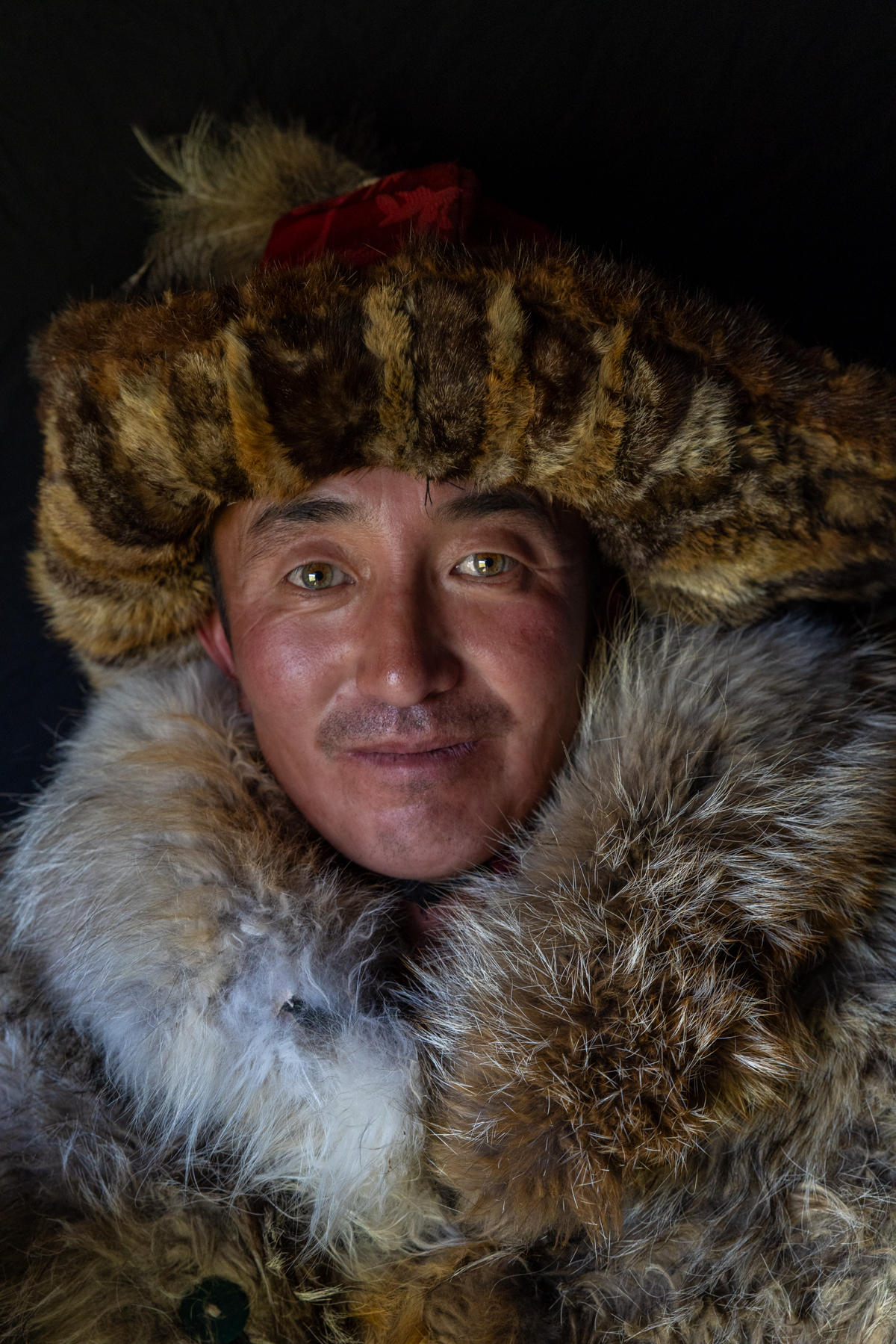
The 37-year-old Janatkhan who won the Eagle festival in 2010, 2023 and 2024 (image by Ingrid Koedood)
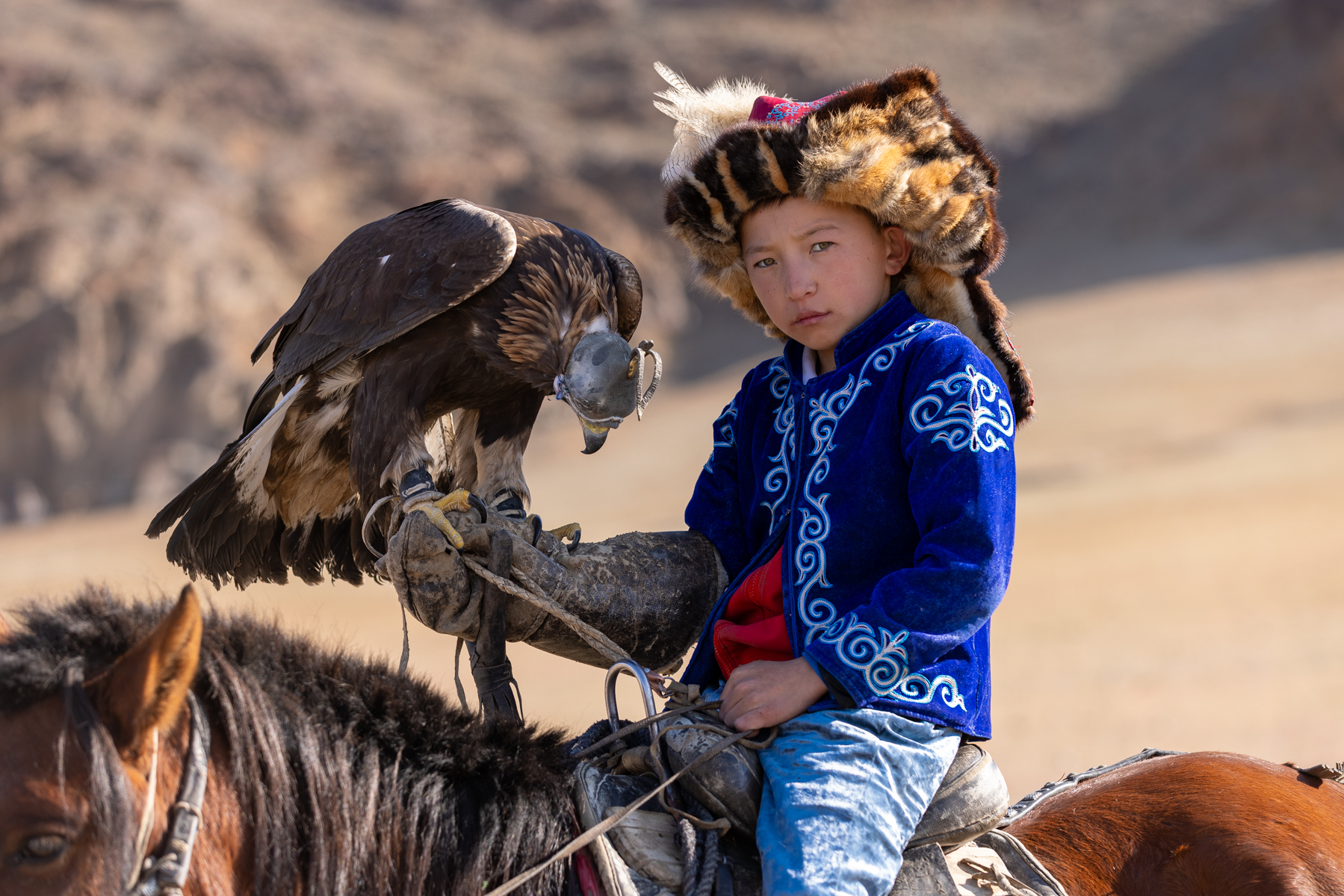
The tradition of eagle hunting is passed down through generations, with children learning from an early age how to ride, handle and care for their golden eagle (image by Ingrid Koedood)
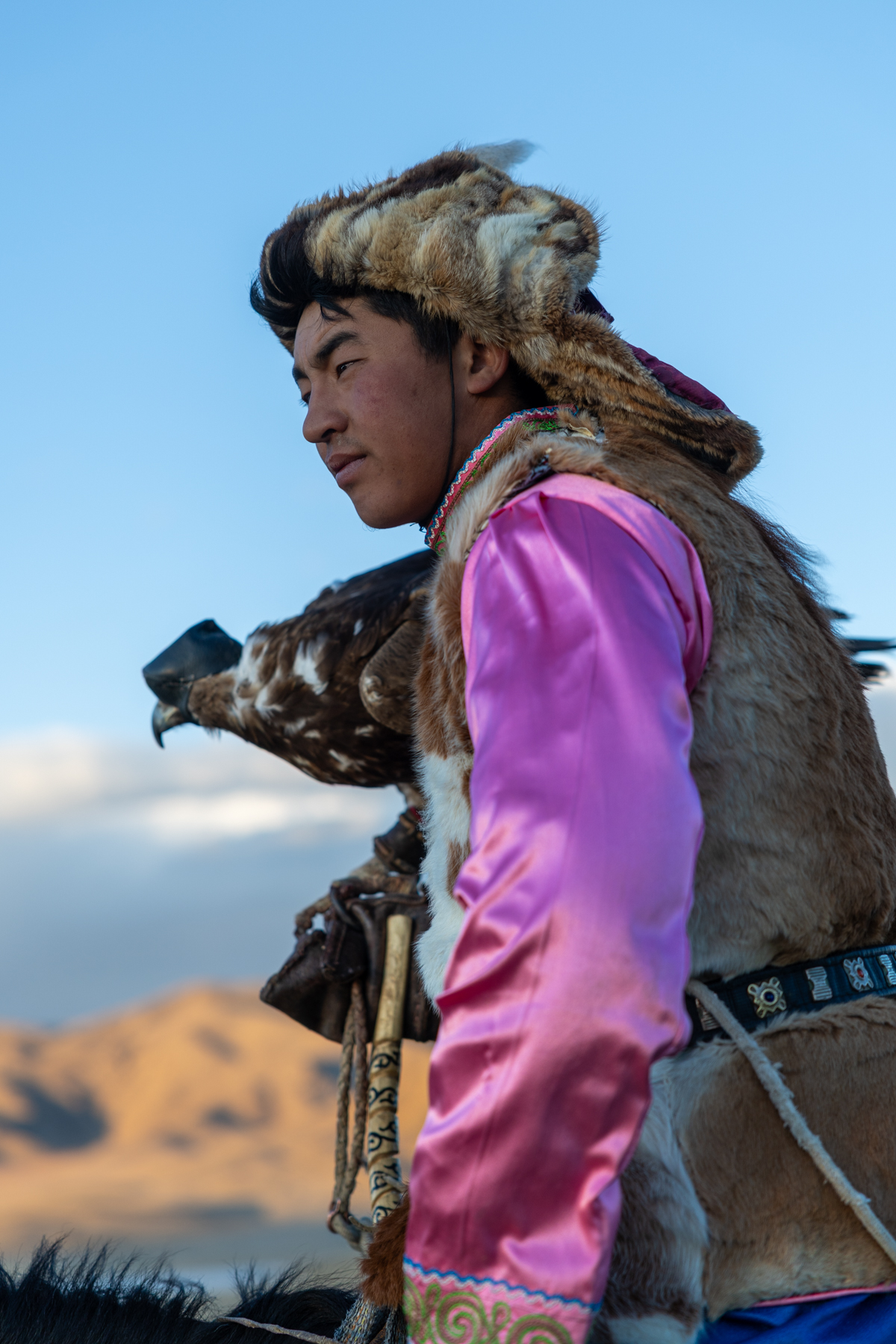
Portrait of Tilekjan with is two-year-old Golden Eagle (image by Ingrid Koedood)
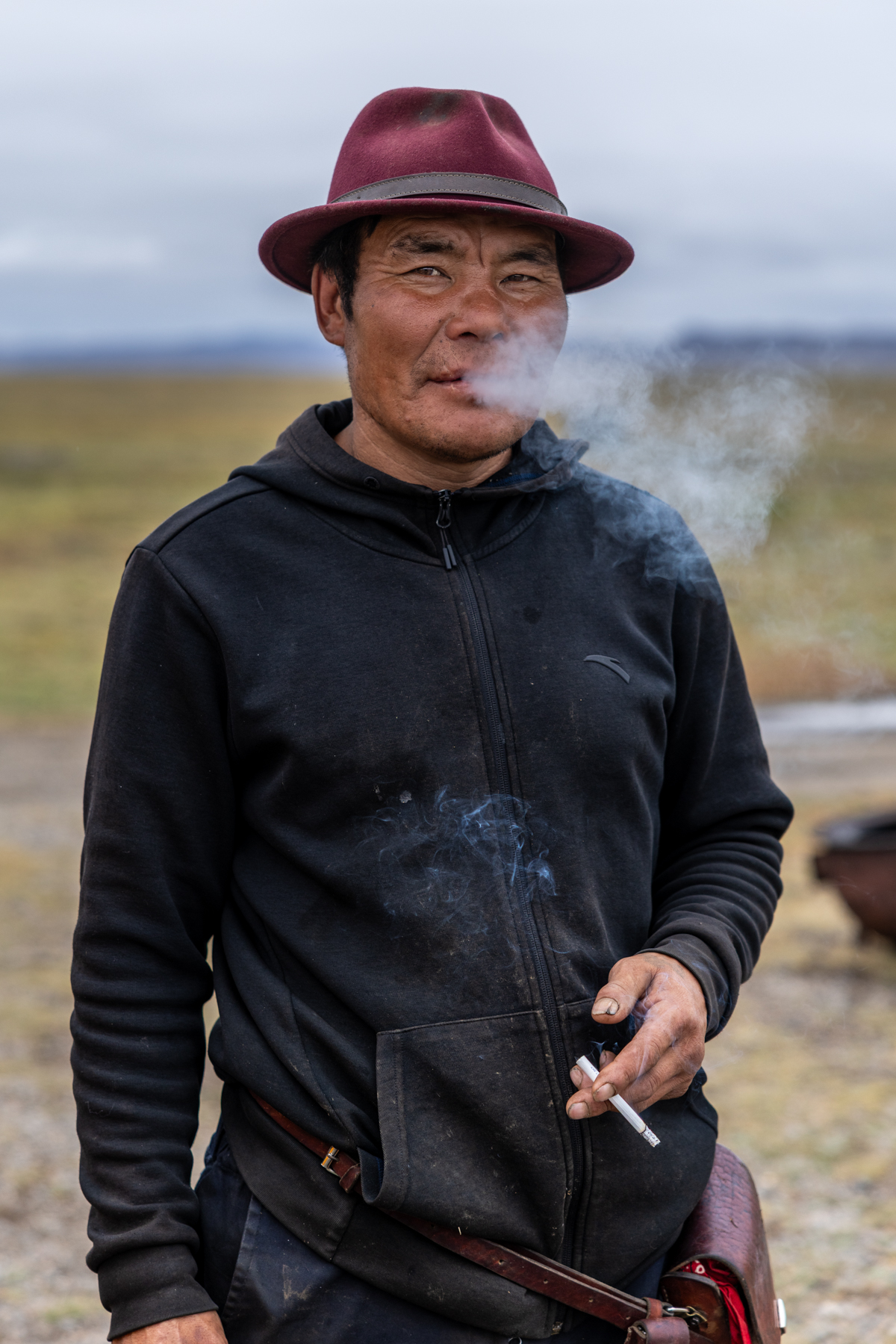
One last portrait before saying goodbye to the Mongolian family who had welcomed us into their ger for lunch (image by Ingrid Koedood)
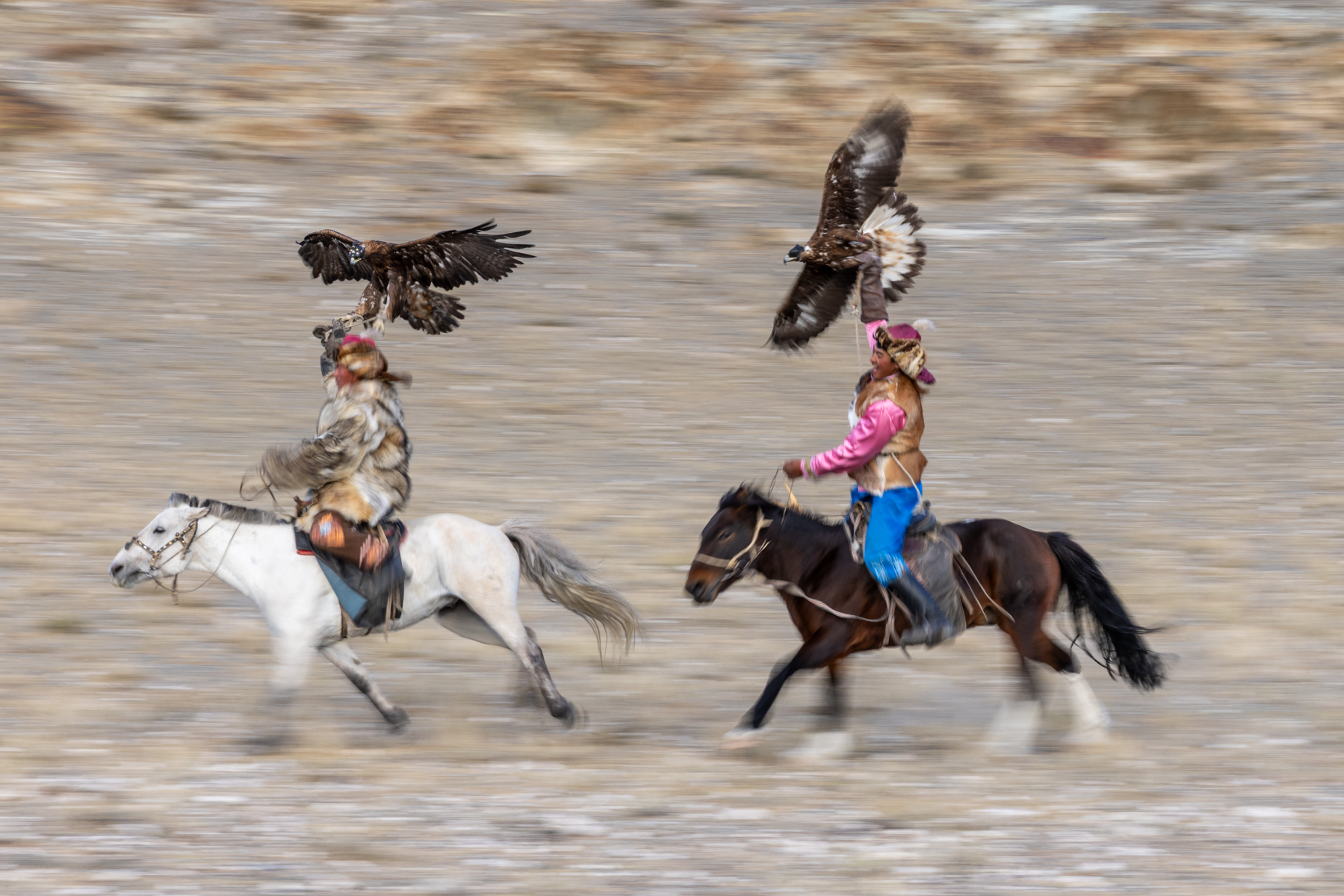
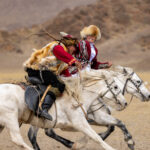
In full motion, eagle hunters gallop across the landscape with their eagles (image by Ingrid Koedood)
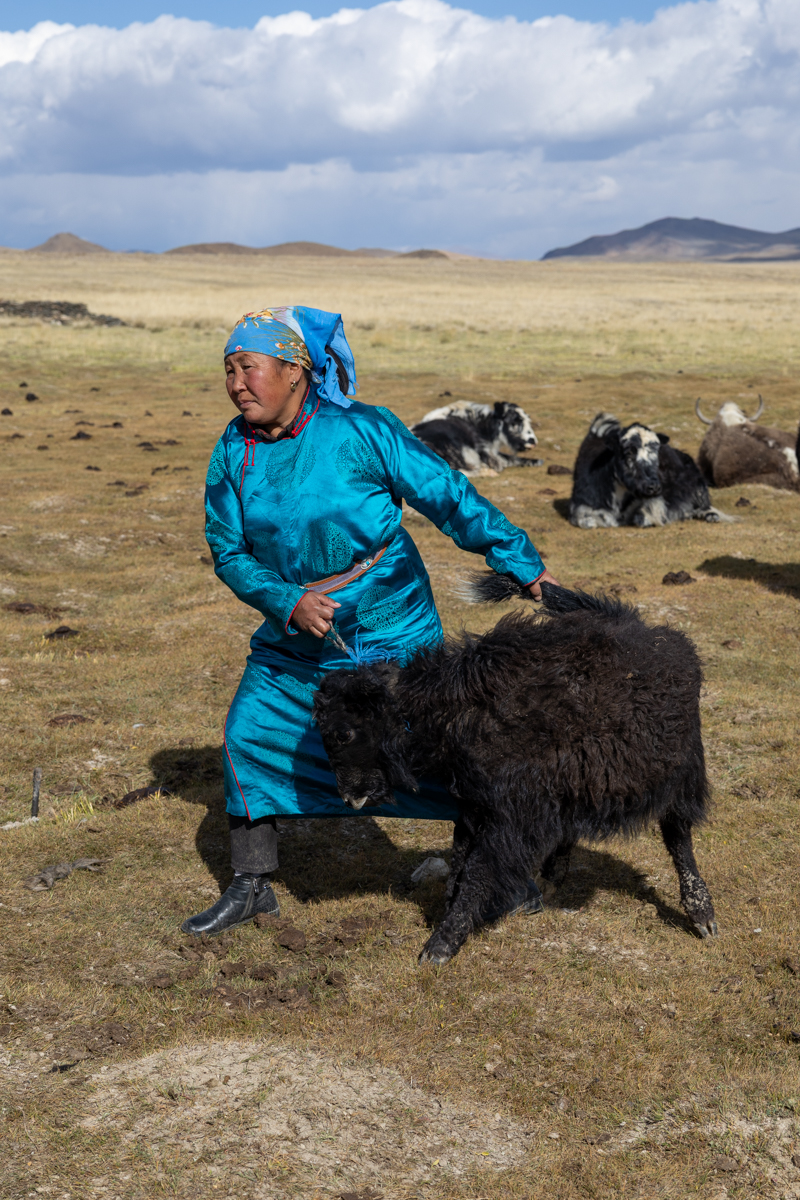
After milking the mother yak, the calf is brought back to her (image by Ingrid Koedood)
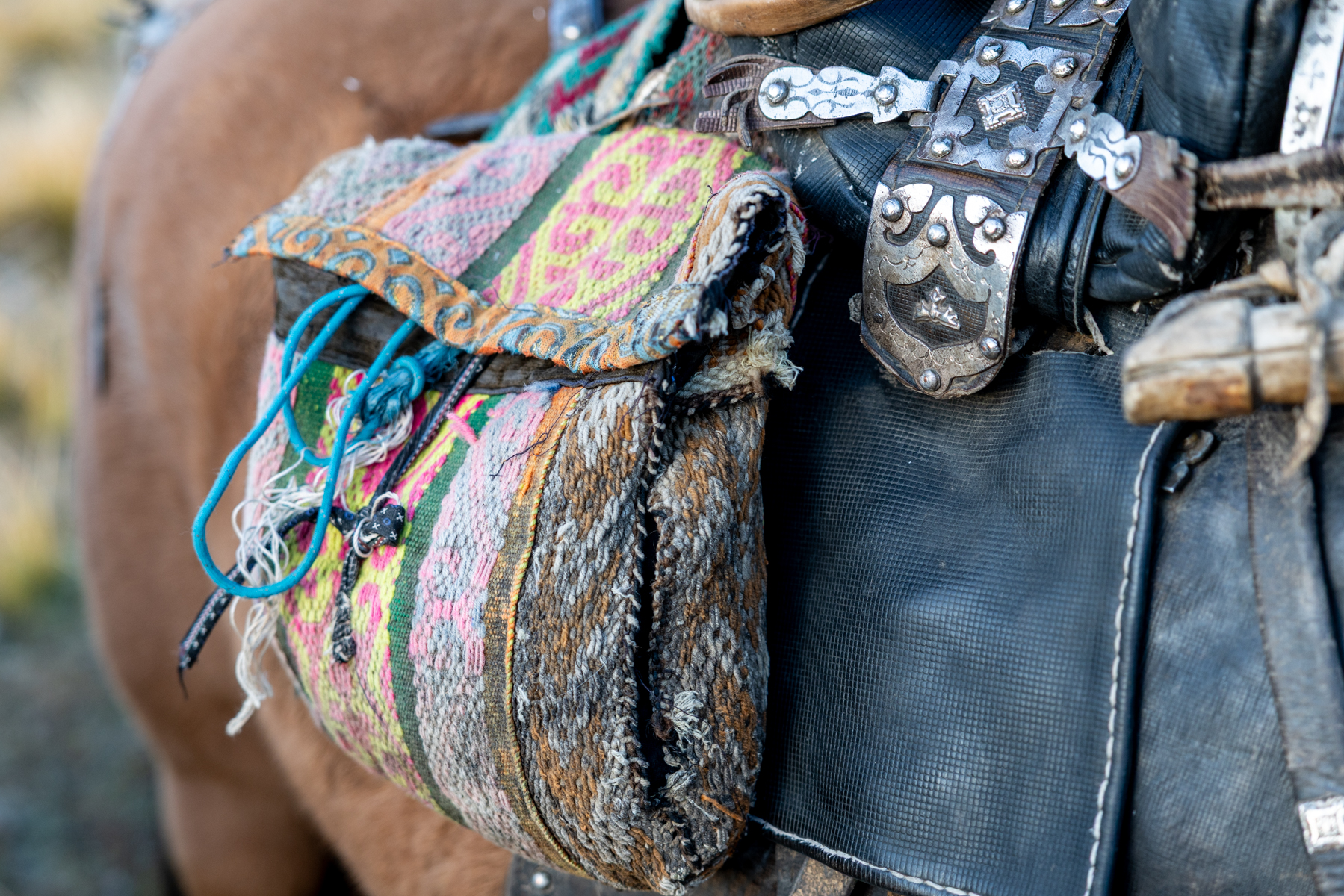
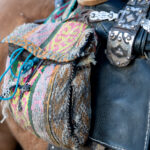
One detail I loved most was the colourful woven horse tack, decorated with traditional patterns and metalwork (image by Ingrid Koedood)
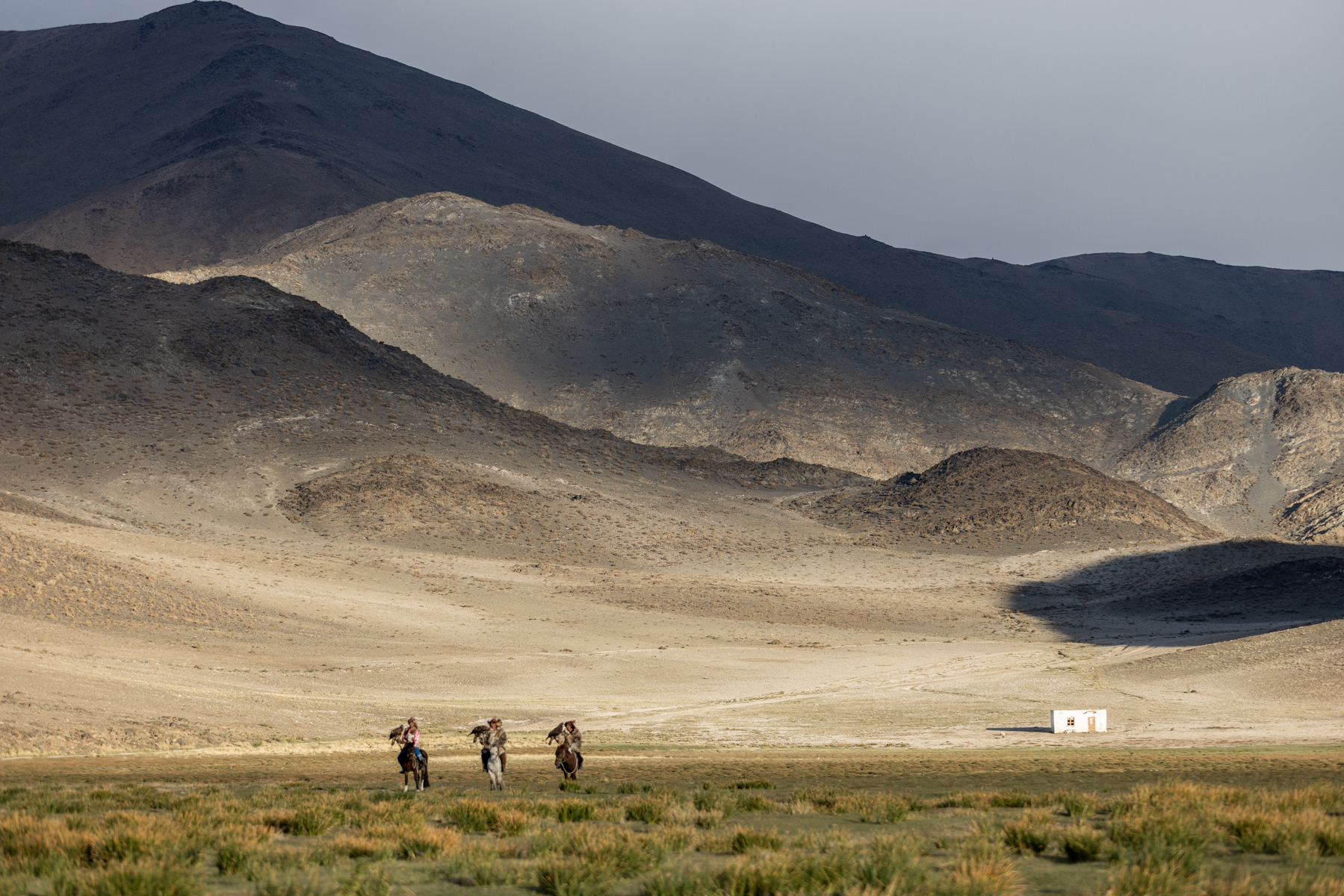
Three eagle hunters make their way across the vast mountain landscape of western Mongolia (image by Ingrid Koedood)
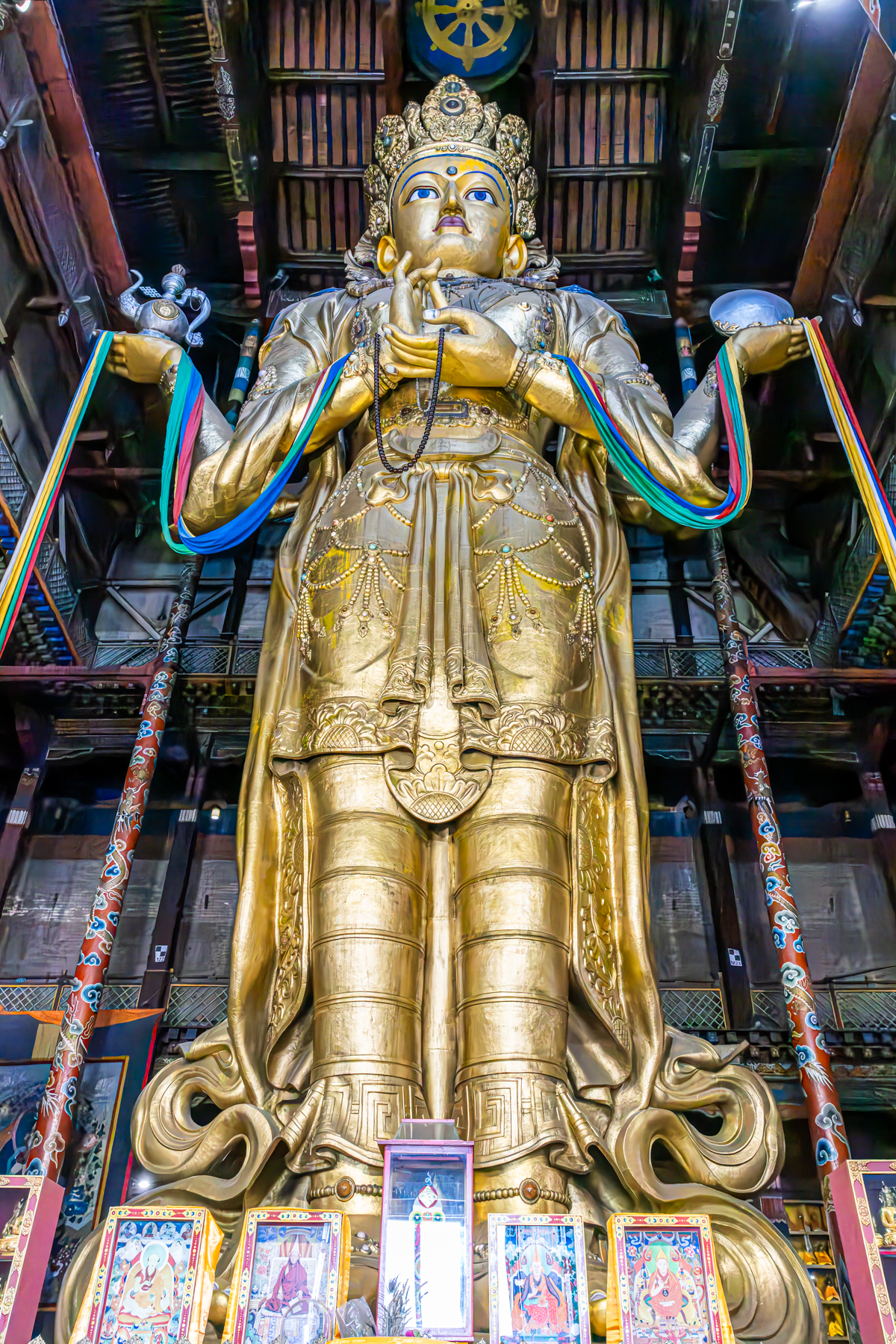
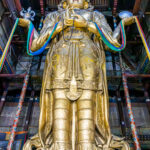
The impressive 26-metre high golden statue of Migjid Janraisig, towering inside Gandan Monastery in Ulaanbaatar (image by Ingrid Koedood)
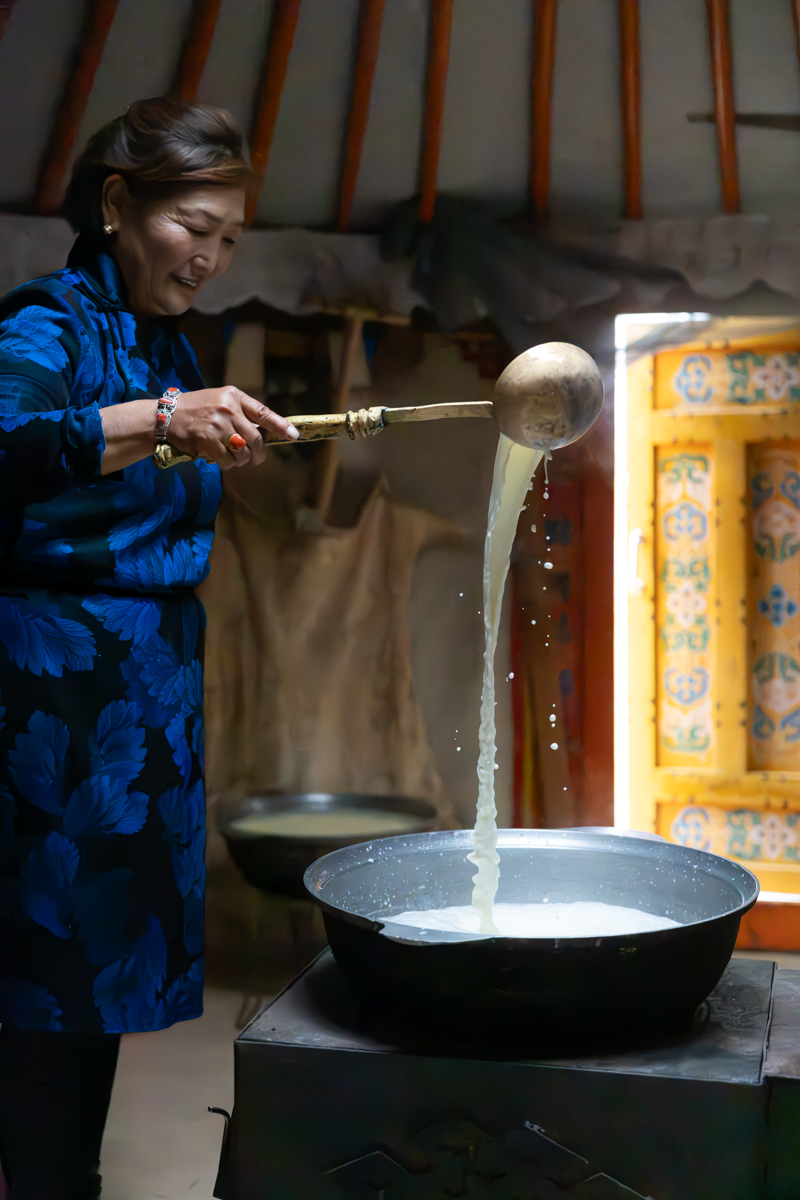
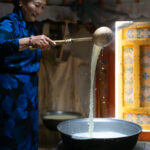
On our way to Ulaanbaatar a Mongolian family welcomed us for lunch in their ger. They showed us several traditional food-making techniques, including how they distil a vodka-like spirit from fermented dairy products (image by Ingrid Koedood)
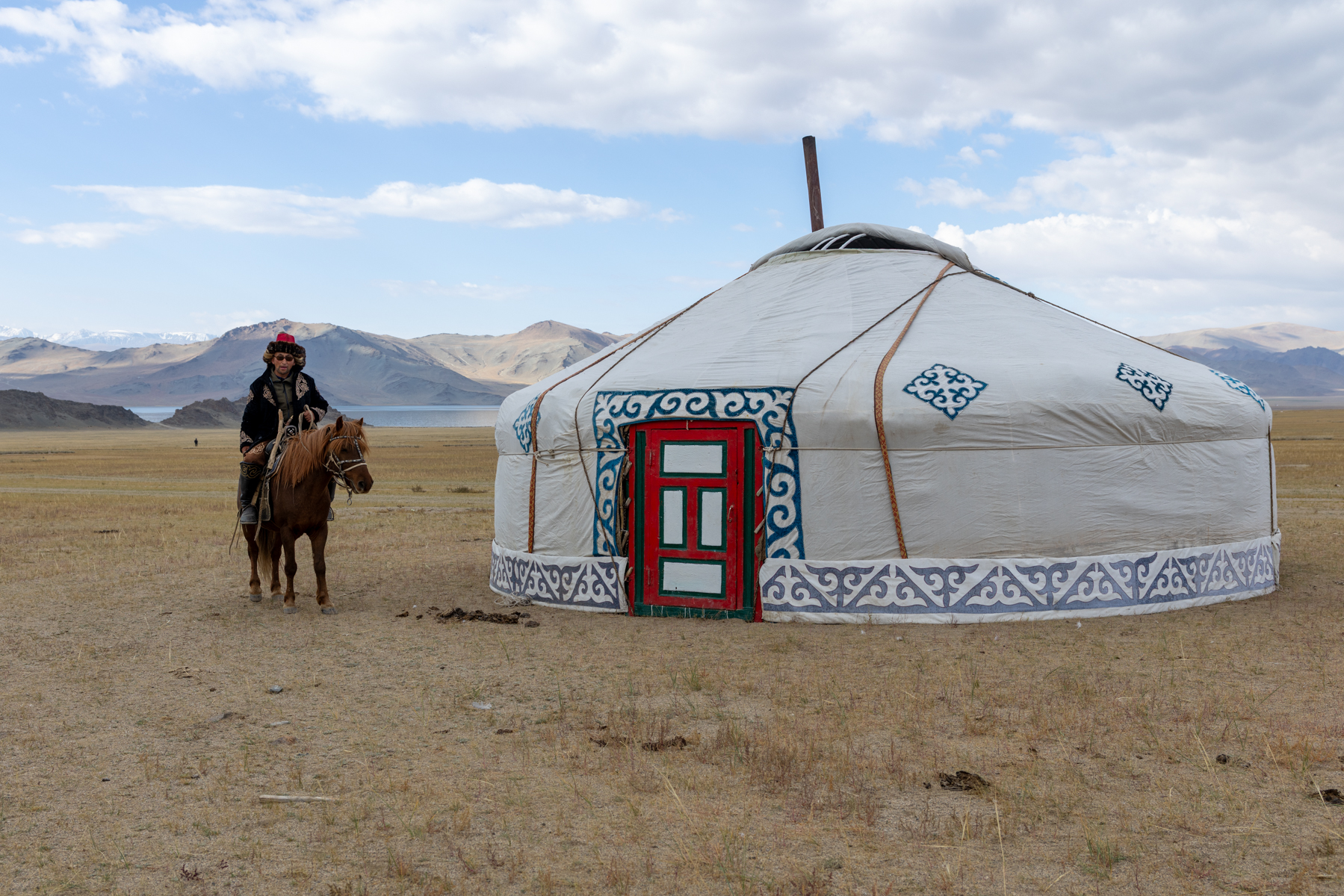
A yurt on the festival ground during the Eagle Hunters festival (image by Ingrid Koedood)
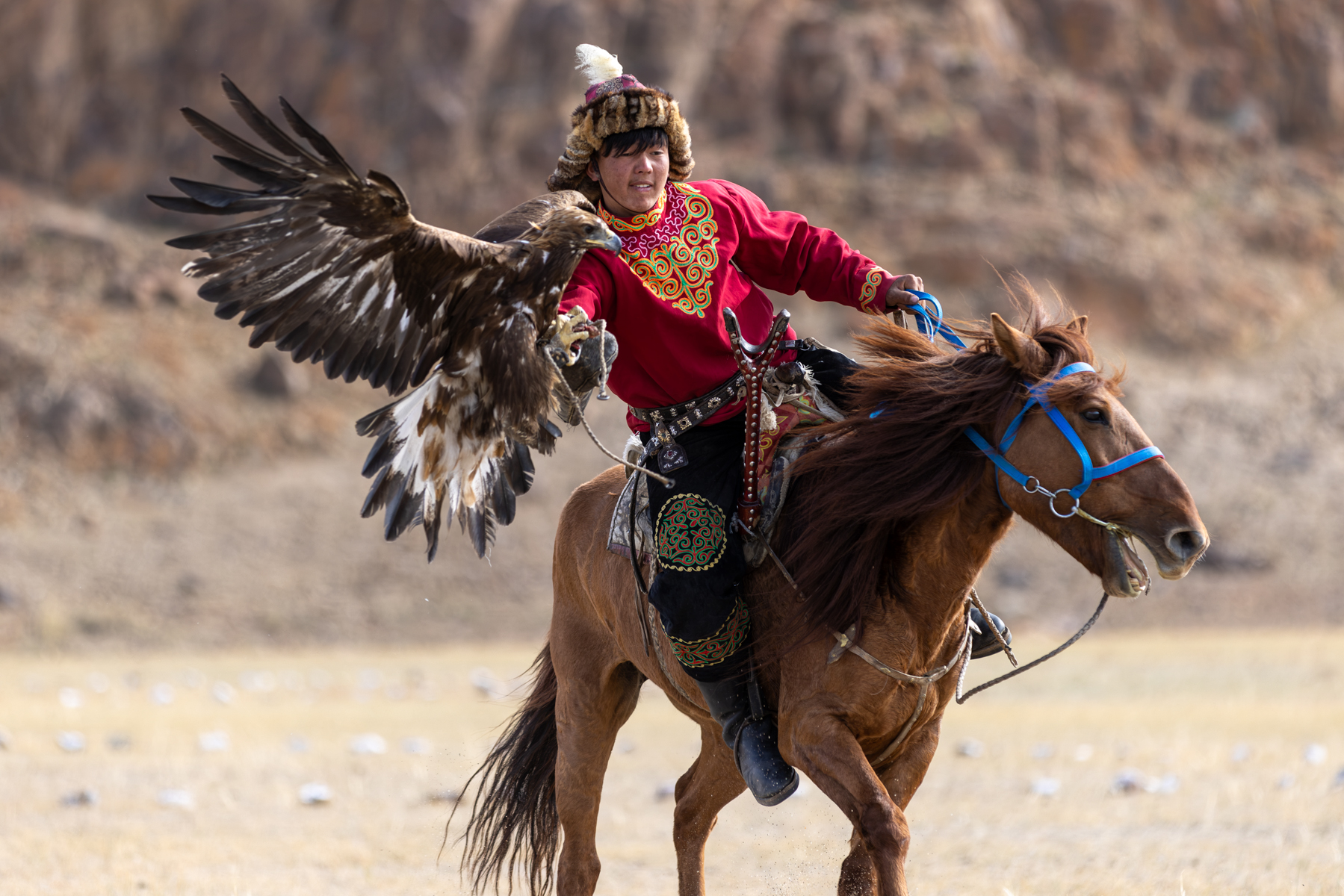
During the eagle festival, Shakiru competes on horseback as his golden eagle lands on his arm (image by Ingrid Koedood)
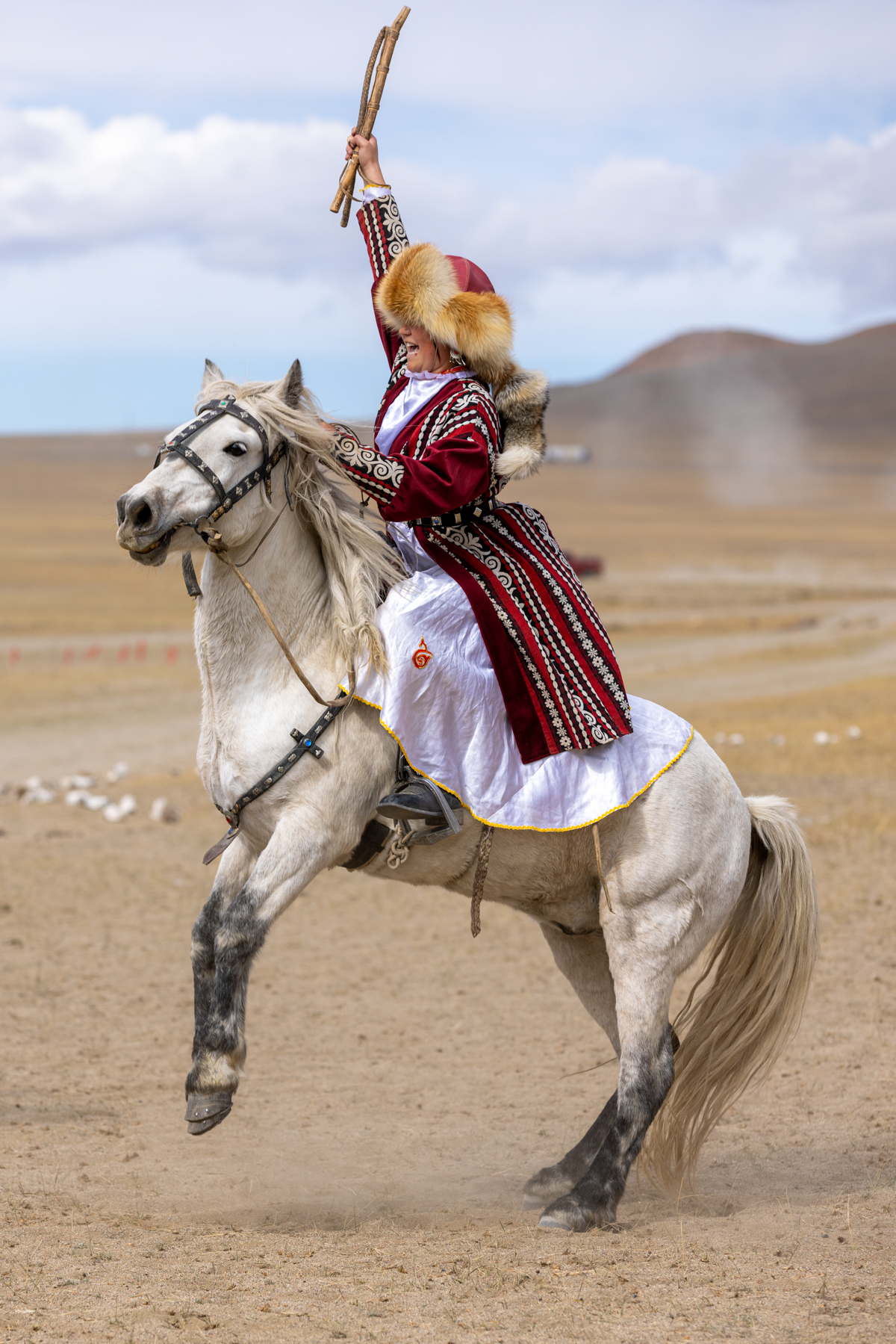
A moment of victory for 16-year-old Aymoldir, celebrating on horseback after she and her partners won the partner-chasing competition at the Eagle Festival (image by Ingrid Koedood)
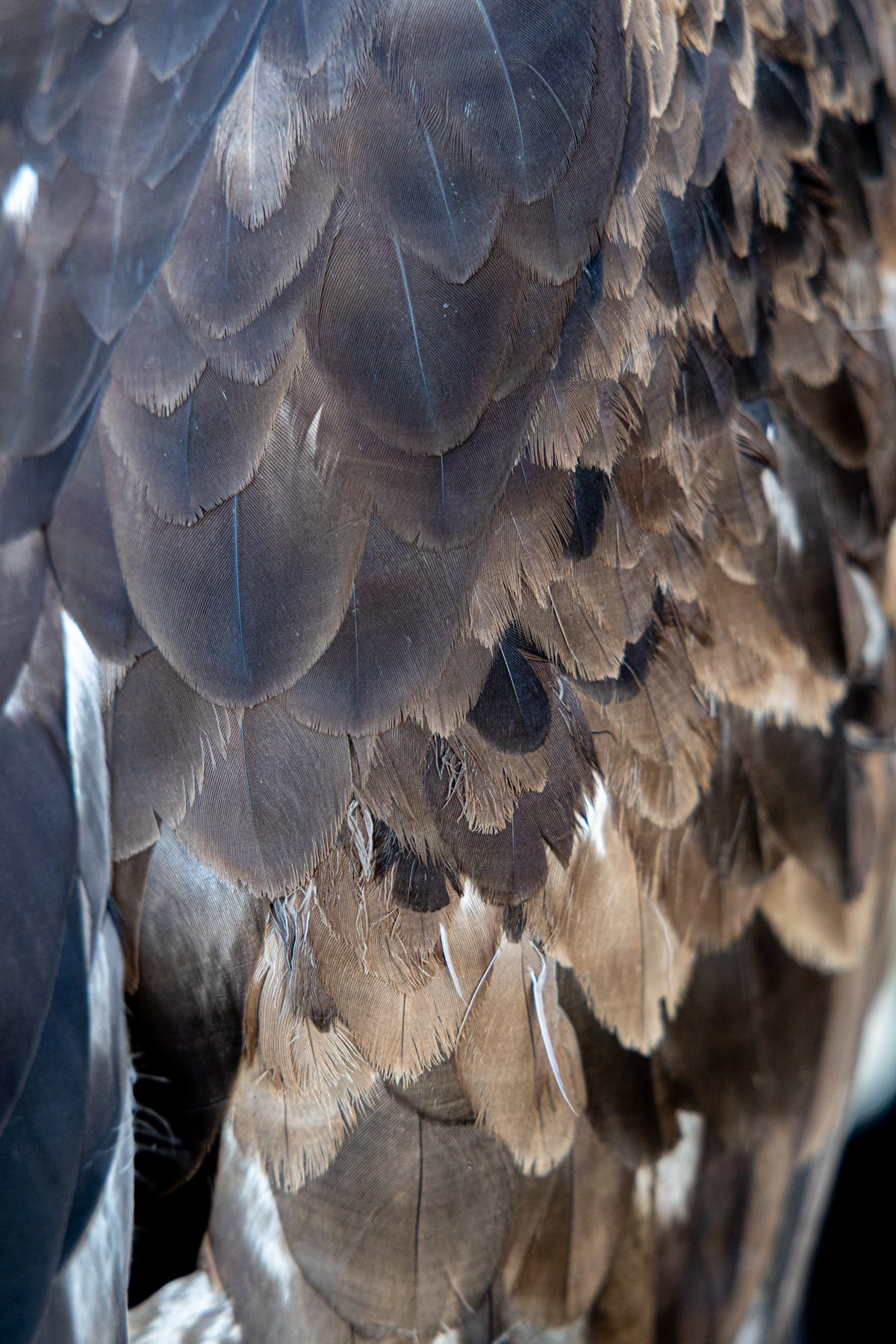
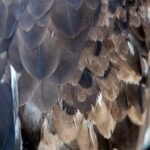
A closer look at the intricate layers and textures of a golden eagle’s feathers (image by Ingrid Koedood)
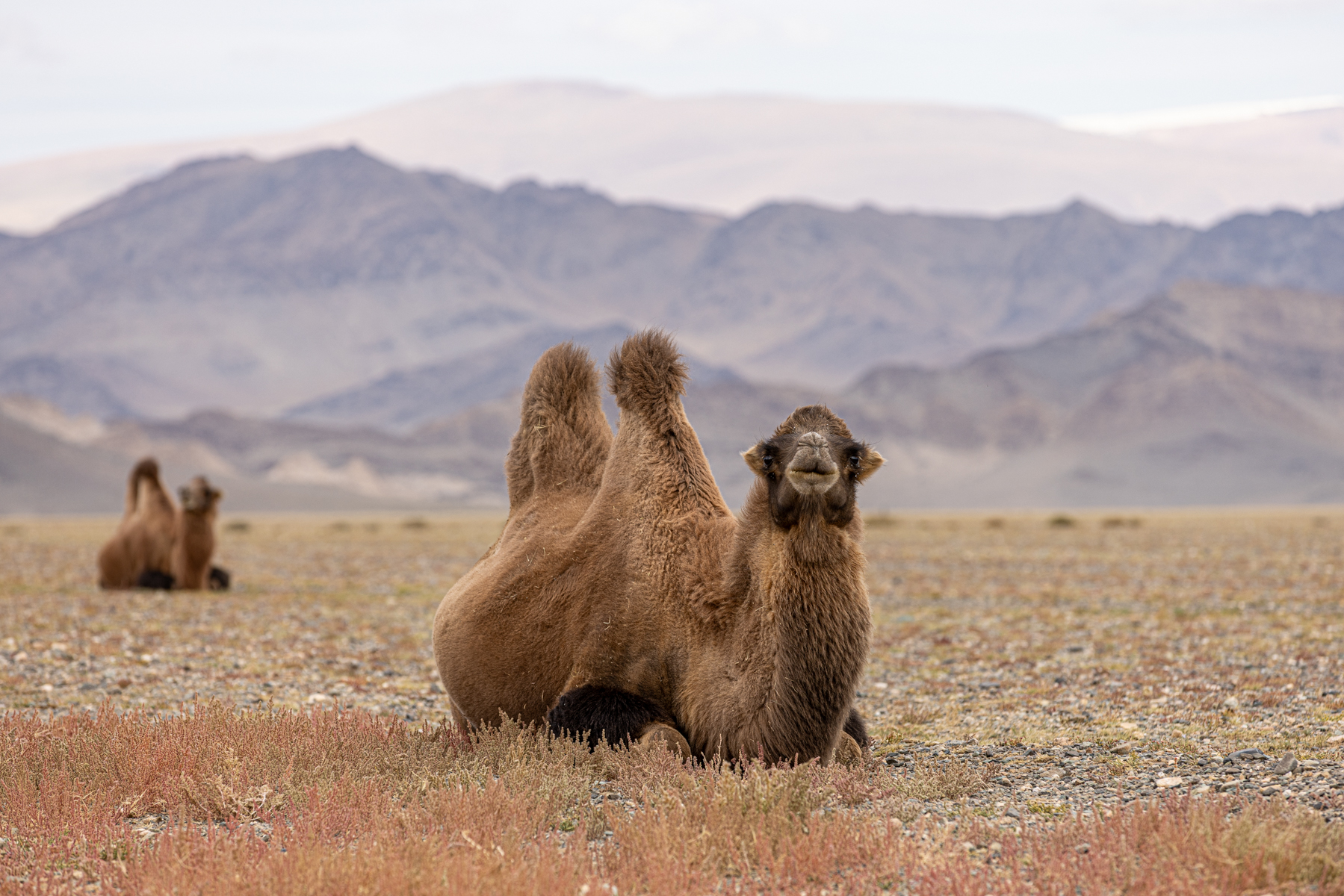
A herd of Bactrian camels crossing the vast landscape on our journey from Khovd into western Mongolia (image by Ingrid Koedood)
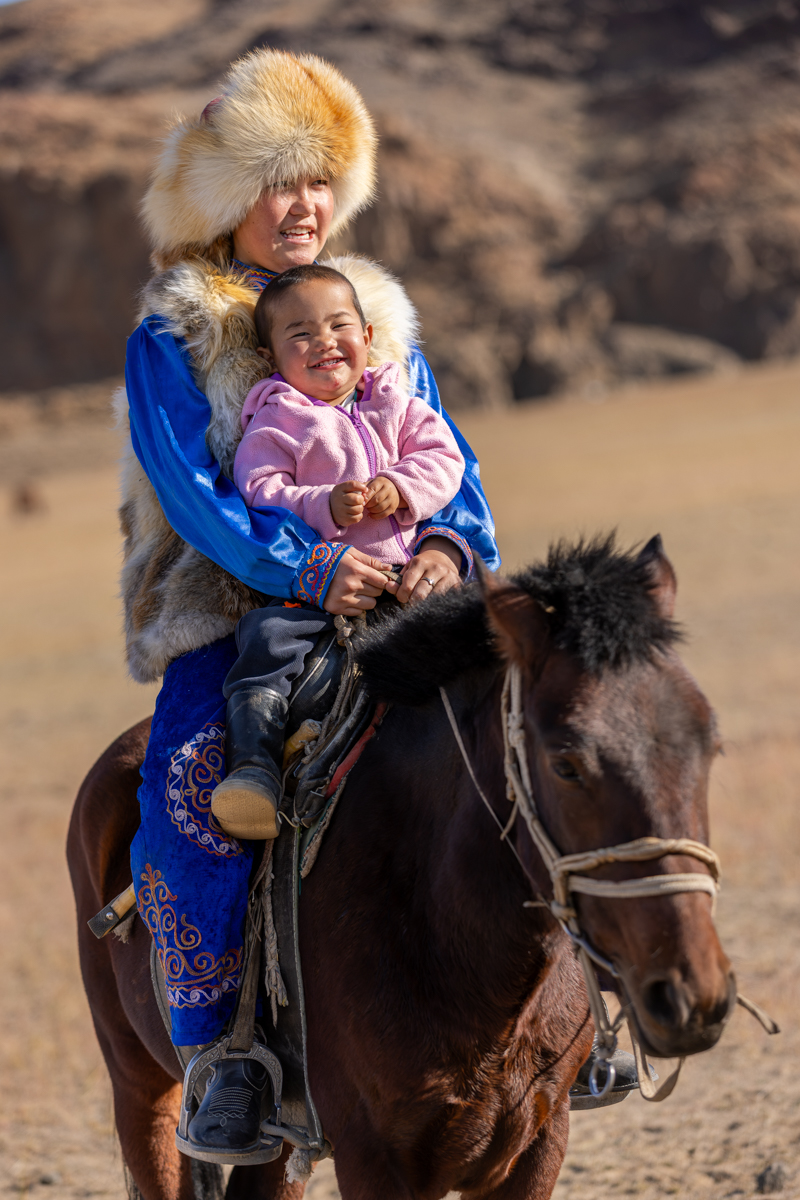
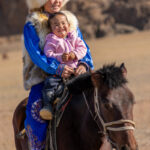
Horse riding starts young. Aymoldir shares her horse with her little sister, growing up with a way of life that is passed down from one generation to the next (image by Ingrid Koedood)
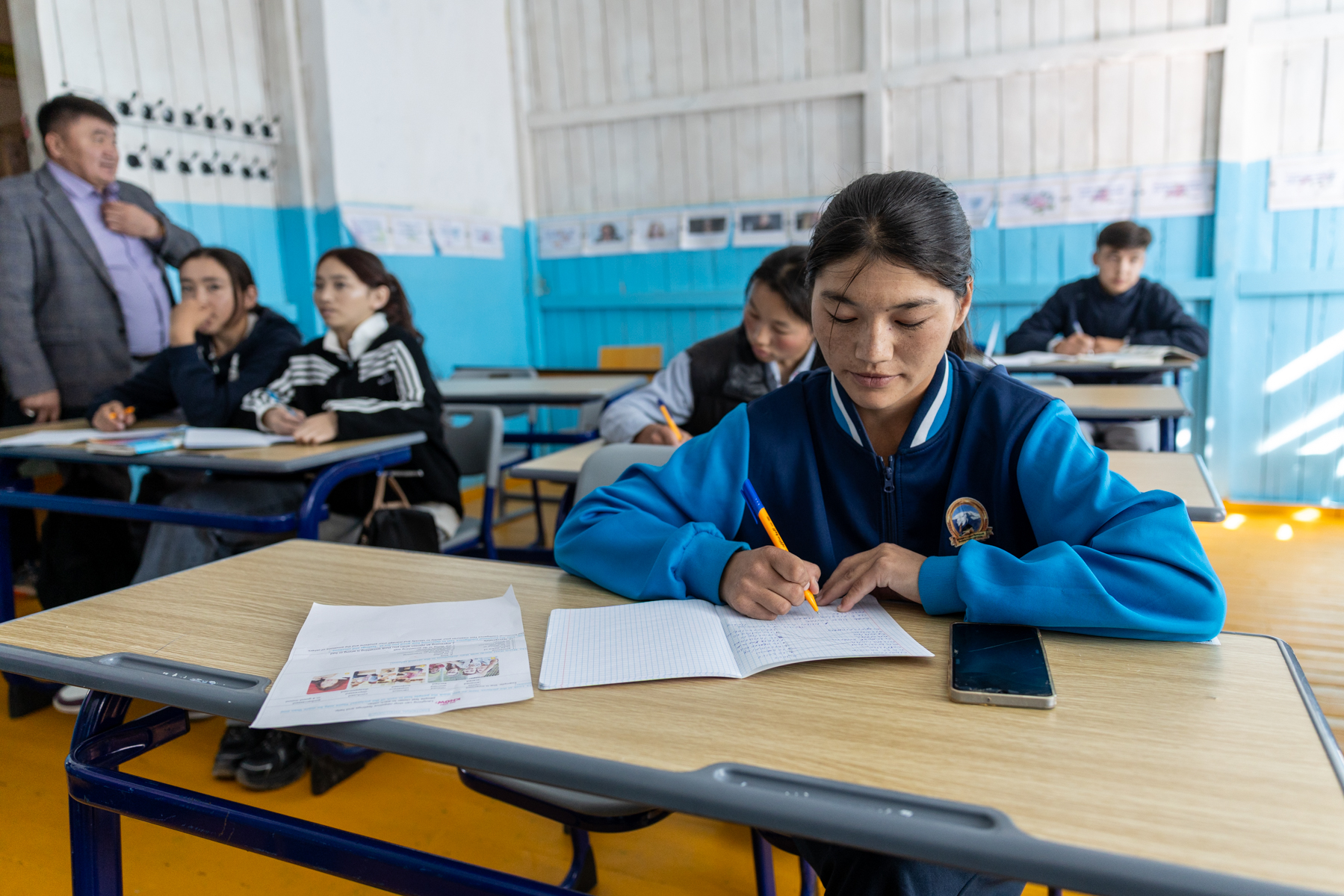
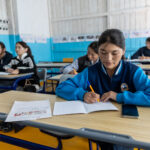
Students during an English lesson at a local school in western Mongolia (image by Ingrid Koedood)
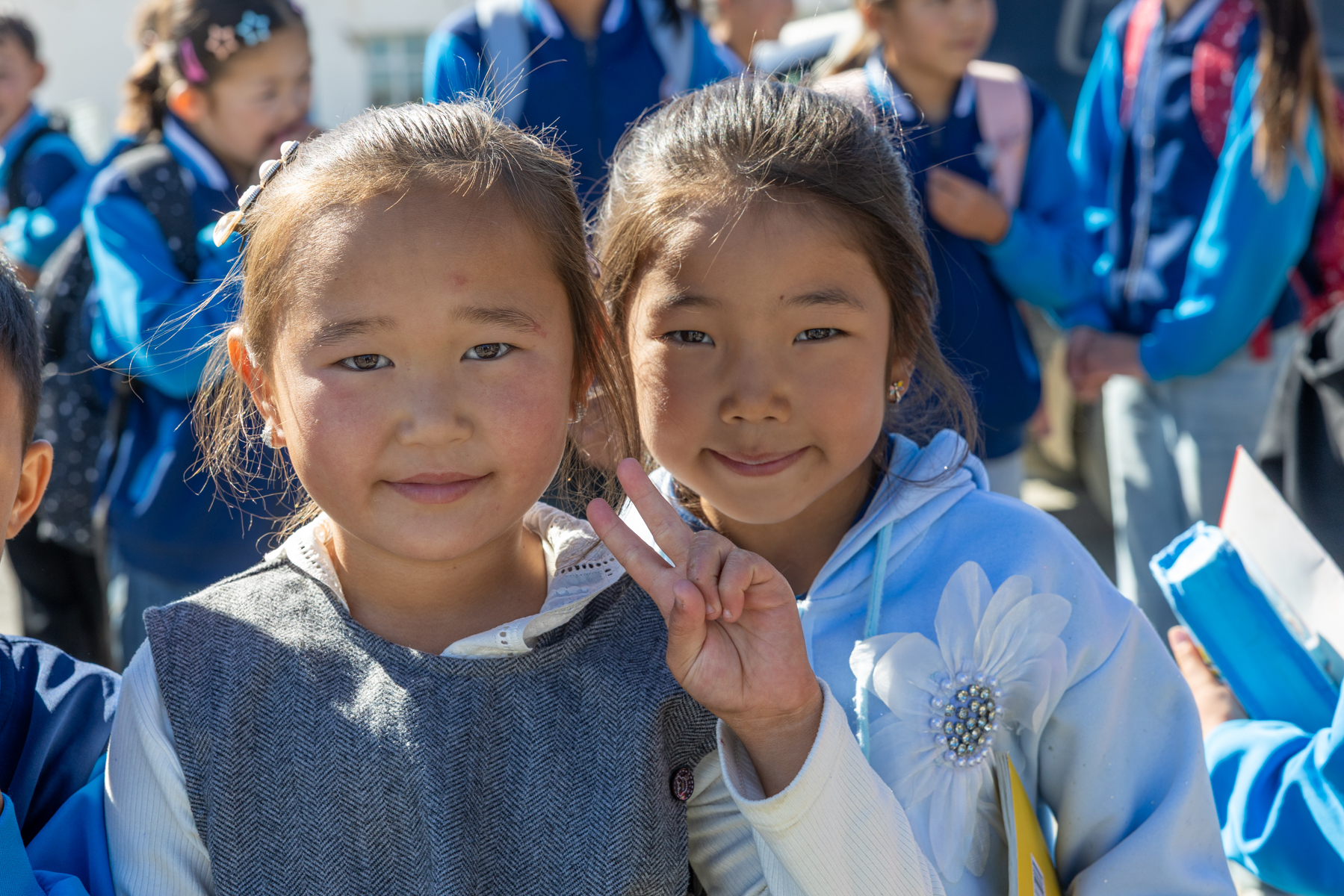
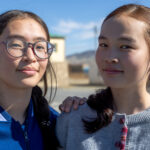
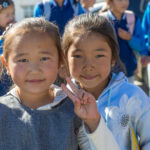
Two young friends we met in the schoolyard, happy to pose for the camera (image by Ingrid Koedood)
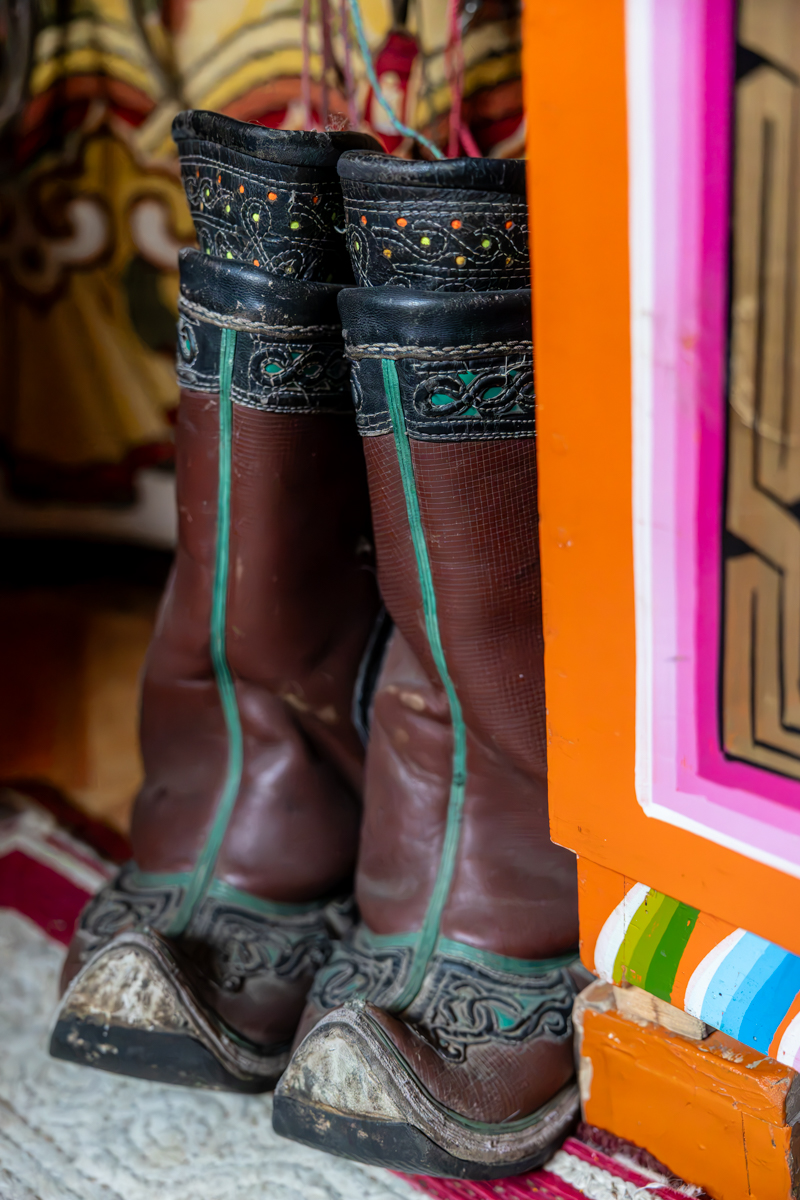
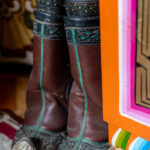
A pair of traditional Mongolian boots, spotted inside a ger (image by Ingrid Koedood)
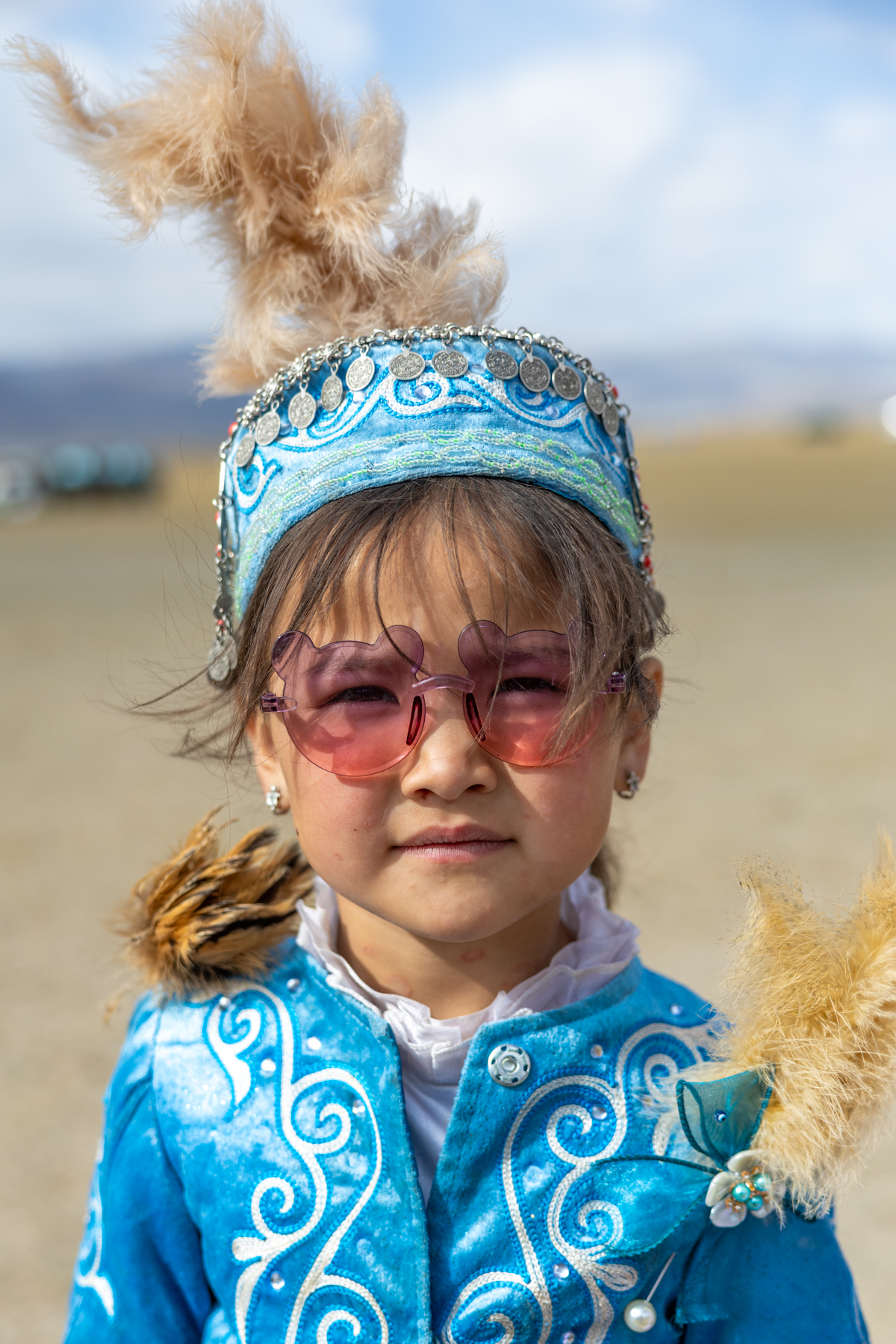
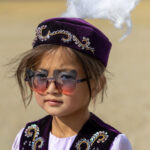
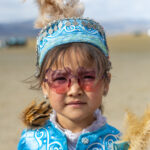
A young girl dressed in her finest traditional clothes for the Eagle Hunters festival (image by Ingrid Koedood)
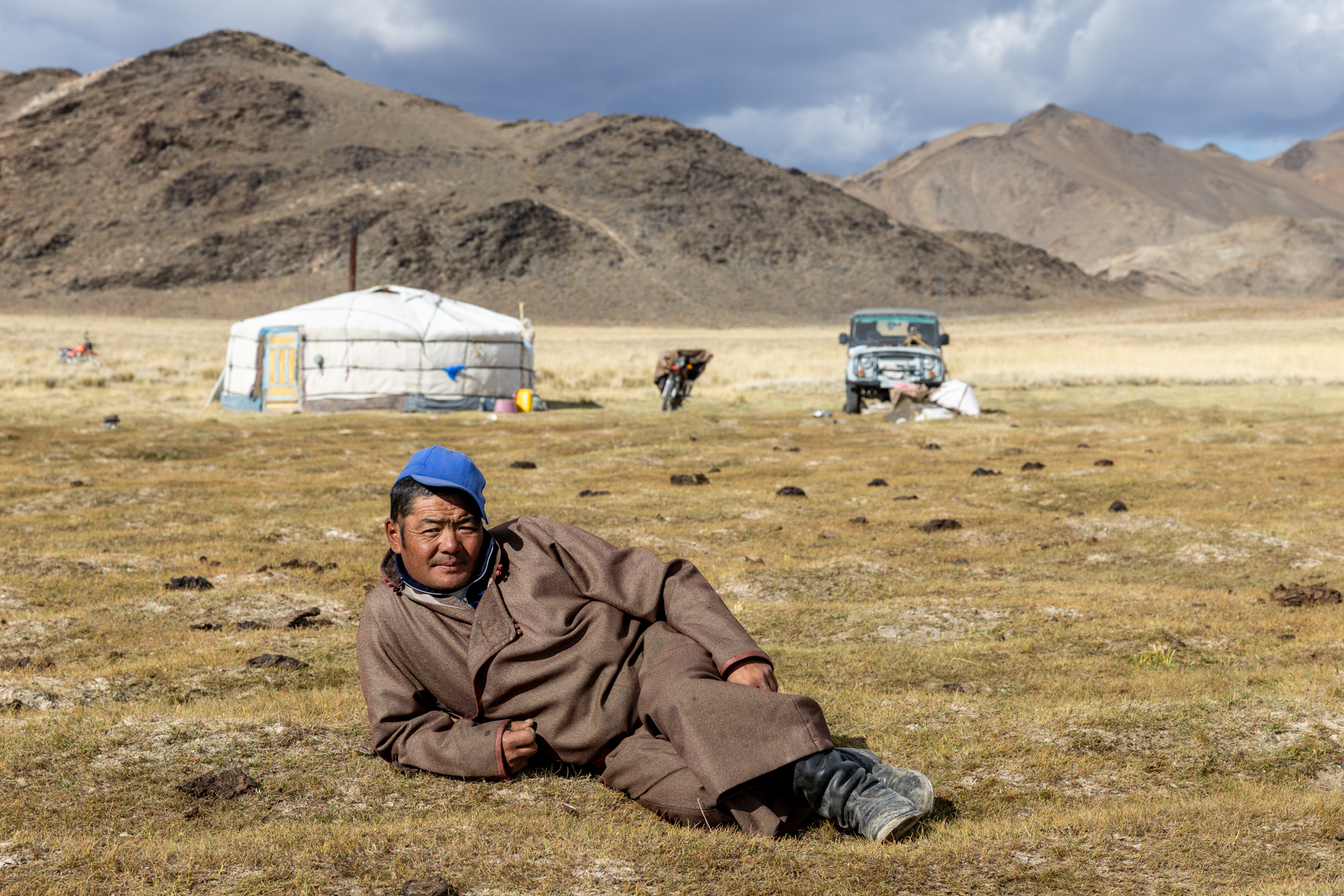
Morning life with a Kazakh family: while the women were busy milking the livestock, he took the opportunity to relax in the sun (image by Ingrid Koedood)
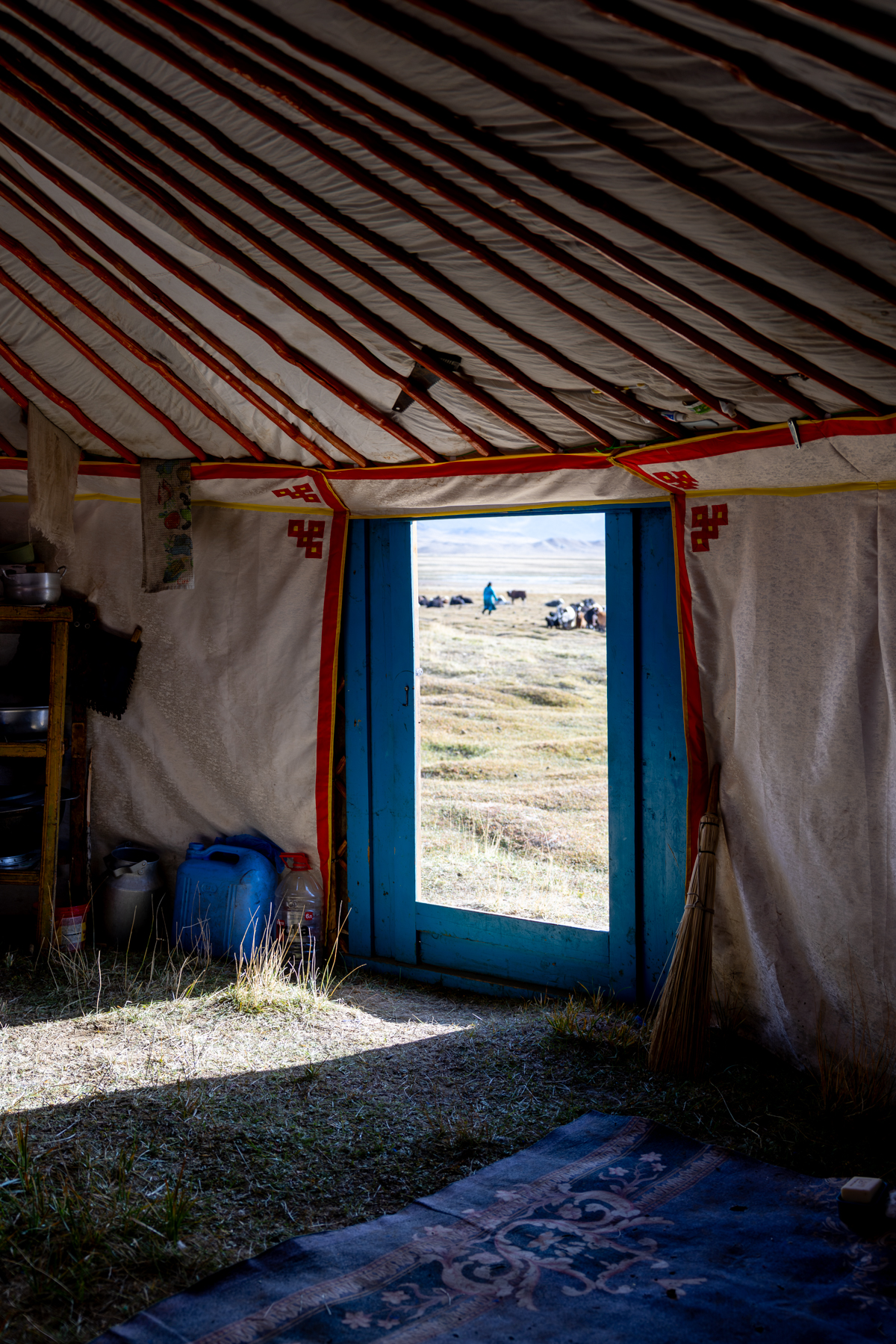
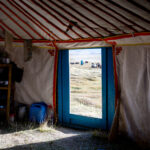
Looking out from inside the yurt, while the yaks are being milked just outside (Image by Ingrid Koedood)
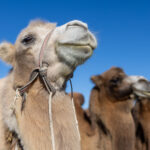
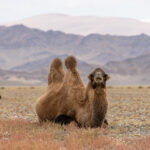


Visiting a local family in western Mongolia, where Bactrian camels are central to everyday nomadic life (image by Ingrid Koedood)
We met this Kazakh woman during the morning milking of the yaks (image by Ingrid Koedood)
Three young eagle hunters competing at the Eagle Hunters festival (image by Ingrid Koedood)
Wherever we visited, we were warmly welcomed with milk tea, biscuits and sweets. A tradition of hospitality iImage by Ingrid Koedood)
An abandoned place in the vast Mongolian landscape (image by Ingrid Koedood)
A Kazakh woman photographed in her yurt (image by Ingrid Koedood)
In the mountains, Baurjan poses with his eagle and horse (image by Ingrid Koedood)
On the road from Hustai National Park to Ulaanbaatar, we passed this herder riding across the open steppe with his livestock (image by Ingrid Koedood)
A tiny toilet stands alone in the vast landscape during our visit to a Mongolian family near Hustai (image by Ingrid Koedood)
Young dancers rehearse in traditional dress before their performance at the Eagle festival (image by Ingrid Koedood)
Shakiru training with his golden eagle. The eagle is released from high on the mountain and responds to his call, flying down to land on his gloved hand (image by Ingrid Koedood)
Baurjan resting with his golden eagle in the early morning, wrapped in a traditional fur coat to protect against the cold of western Mongolia (image by Ingrid Koedood)
Portrait of a eagle hunter at the festival (image by Ingrid Koedood)
A close-up of a golden eagle. Female eagles, traditionally favoured by Kazakh eagle hunters, can weigh over six kilos and are larger and more powerful than the males (image by Ingrid Koedood)
A traditional winter residence. During the colder months, some nomadic families move from their yurts/gers to permanent stone or mud-brick houses, offering better protection from the harsh winter weather (image by Ingrid Koedood)
Kokbar, the mounted horseback tug-of-war using the headless carcass of a goat (image by Ingrid Koedood)
Portrait of an eagle hunter in our lunch tent during the Eagle Festival, showing off his biggest smile for the camera (image by Ingrid Koedood)
Built for the hunt. The powerful talons of a golden eagle, designed to grip and capture its prey (image by Ingrid Koedood)
Tilekjan is clearly enjoying himself, galloping through the water with his golden eagle (image by Ingrid Koedood)
Portrait of a young Kazakh boy (image by Ingrid Koedood)
Tilekjan and his golden eagle during a portrait session inside the family yurt where we were staying (image by Ingrid Koedood)
The game of Kuzkuar, where Kazakh women race after their male partners, trying to whip them (image by Ingrid Koedood)
During the shyrga competition at the Eagle Hunters festival, the golden eagle must seize a fox skin used as a lure. Once the eagle has taken hold of its ‘prey’, the hunter has the not-always-easy task of getting it to let go again (image by Ingrid Koedood)
Training the eagle in preparation for the festival (image by Ingrid Koedood)
Daily routine: milking the livestock (image by Ingrid Koedood)
Portrait of a Mongolian herder whose family we visited during our journey. The family raises Bactrian camels and invited us into their home to photograph their daily life (image by Ingrid Koedood)
Jamalan, wife of renowned Kazakh eagle hunter Bashakan (image by Ingrid Koedood)
Porter is becoming an eagle hunter herself (image by Ingrid Koedood)
Eagle hunters gathered around the fire, with the mountains and their reflections catching the warm golden light (image by Ingrid Koedood)
Portrait of a Kazakh woman (image by Ingrid Koedood)
Baujan's wife prepared a traditional meal for us. Mutton served with potatoes, carrots and freshly made rolled dough (image by Ingrid Koedood)
A young eagle hunter with his golden eagle, a bond built through daily care, training and trust from an early age (image by Ingrid Koedood)
A large herd of cashmere goats grazing across the vast plains of western Mongolia, where cashmere is an important source of income for many nomadic families (image by Ingrid Koedood)
A traditional milk blessing, with milk sprinkled as a symbolic wish for good fortune and prosperity (image by Ingrid Koedood)
A Mongolian throat singer who stopped by our lunch tent during the Eagle festival to perform for us. Throat singing is a traditional vocal technique in which a singer produces a deep fundamental tone together with higher overtones (image by Ingrid Koedood)
Kuzkuar, a traditional horseback chasing game between a man and a woman (image by Ingrid Koedood)
Baurjan was one of the eagle hunters who welcomed us into his family, giving us the opportunity to experience their eagle-hunting traditions (image by Ingrid Koedood)
An eagle hunter taking part in one of the competitions during the Eagle Hunters festival (image by Ingrid Koedood)
Portrait of Luusha, a member of the second Kazakh eagle-hunter family who welcomed us into their yurts (image by Ingrid Koedood)
Eagle hunter and their eagles waiting for their turn to compete at the Eagle Hunters festival (image by Ingrid Koedood)
Dressed up for the Eagle Hunters festival: traditional clothing with a modern touch (image by Ingrid Koedood)
Sunrise over the mountains of western Mongolia, with a traditional winter residence in the foreground and the yurts of our first eagle-hunter family visible in the distance (image by Ingrid Koedood)
Three eagle hunters on horseback with their golden eagles, reflected in the still water during an early morning shoot (image by Ingrid Koedood)
The game of Shakiru, the eagle flies back to its hunter and lands on his arm (image by Ingrid Koedood)
Morning life with a Kazakh family: while the women were busy milking the livestock, he took the opportunity to relax in the sun (image by Ingrid Koedood)
Bashakan and his son, Serekjan, ride through the water with their golden eagles (image by Ingrid Koedood)
A traditional leather Tomaga covers the eagle’s eyes, reducing visual stimulation and keeping the bird calm while resting, travelling or waiting to hunt (image by Ingrid Koedood)
Arriving at the Eagle Hunters festival, a golden eagle is carefully unwrapped after its journey (image by Ingrid Koedood)
Best friends forever (image by Ingrid Koedood)
A generous breakfast spread, with far more on the table than we could ever finish (image by Ingrid Koedood)
Two Kazakh eagle hunters with their golden eagles at sunrise, during our stay with their family (image by Ingrid Koedood)
The Baby Buddha at Gandan Monastery. The footprints represent the seven steps he is said to have taken after his birth (image by Ingrid Koedood)
On our way from Hustai National park to Ulaanbaatar, we stopped with a Mongolian family who welcomed us for lunch (image by Ingrid Koedood)
Tilekjan, a 21-year-old eagle hunter, photographed during our stay with his family (image by Ingrid Koedood)
We were welcomed into the family’s yurt, where the mother and her children posed for our cameras (image by Ingrid Koedood)
An empty yurt quickly became a playground for the children, who were climbing, playing and having fun everywhere (image by Ingrid Koedood)
Golden eagles carefully wrapped for transport to and from the Eagle Hunters festival, keeping them secure and calm during the journey (image by Ingrid Koedood)
During the eagle festival, the golden eagle is released from high on the mountain and must respond to its hunter’s call. The faster it reaches and lands on the hunter’s arm, the more points are rewarded (image by Ingrid Koedood)
The colourful door of a traditional yurt. When entering, it is important to step over the threshold rather than stand on it. It’s a sign of respect in Mongolian tradition (image by Ingrid Koedood)
After a cold night in the mountains, the first rays of the rising sun bring warmth to the eagle hunter and his golden eagle (image by Ingrid Koedood)
A young eagle hunter in the early morning, photographed during our stay with our second eagle hunter family (image by Ingrid Koedood)
A double-exposure portrait of a young eagle hunter, his face merging with the landscape that shapes his life (image by Ingrid Koedood)
A traditional Mongolian snuff bottle, filled with finely ground tobacco. Offering and exchanging a snuff bottle is an important gesture of greeting, respect and hospitality (image by Ingrid Koedood)
A young girl in the school dormitory, where children from remote families stay because home is too far away to travel to each day (image by Ingrid Koedood)
At just 16 years old, Aymoldir is already a skilled eagle huntress handling and training her golden eagle with remarkable confidence. She will turn 17 soon and represents a new generation of young women continuing the Kazakh eagle-hunting tradition (image by Ingrid Koedood)
Early in the morning, just after sunrise, the eagle hunters gallop through the water with their golden eagles (image by Ingrid Koedood)
The Takhi, or Przewalski’s horse, in Hustai National Park. Once extinct in the wild, these remarkable horses were successfully reintroduced to Mongolia and now roam freely again across the steppe (image by Ingrid Koedood)
A young dancer in traditional dress performs during the Eagle festival (image by Ingrid Koedood)
Kokbar, a traditional horseback competition in which riders battle for possession of a headless goat carcass, testing both strength and horsemanship (image by Ingrid Koedood)
The 37-year-old Janatkhan who won the Eagle festival in 2010, 2023 and 2024 (image by Ingrid Koedood)
The tradition of eagle hunting is passed down through generations, with children learning from an early age how to ride, handle and care for their golden eagle (image by Ingrid Koedood)
Portrait of Tilekjan with is two-year-old Golden Eagle (image by Ingrid Koedood)
One last portrait before saying goodbye to the Mongolian family who had welcomed us into their ger for lunch (image by Ingrid Koedood)
In full motion, eagle hunters gallop across the landscape with their eagles (image by Ingrid Koedood)
After milking the mother yak, the calf is brought back to her (image by Ingrid Koedood)
One detail I loved most was the colourful woven horse tack, decorated with traditional patterns and metalwork (image by Ingrid Koedood)
Three eagle hunters make their way across the vast mountain landscape of western Mongolia (image by Ingrid Koedood)
The impressive 26-metre high golden statue of Migjid Janraisig, towering inside Gandan Monastery in Ulaanbaatar (image by Ingrid Koedood)
On our way to Ulaanbaatar a Mongolian family welcomed us for lunch in their ger. They showed us several traditional food-making techniques, including how they distil a vodka-like spirit from fermented dairy products (image by Ingrid Koedood)
A yurt on the festival ground during the Eagle Hunters festival (image by Ingrid Koedood)
During the eagle festival, Shakiru competes on horseback as his golden eagle lands on his arm (image by Ingrid Koedood)
A moment of victory for 16-year-old Aymoldir, celebrating on horseback after she and her partners won the partner-chasing competition at the Eagle Festival (image by Ingrid Koedood)
A closer look at the intricate layers and textures of a golden eagle’s feathers (image by Ingrid Koedood)
A herd of Bactrian camels crossing the vast landscape on our journey from Khovd into western Mongolia (image by Ingrid Koedood)
Horse riding starts young. Aymoldir shares her horse with her little sister, growing up with a way of life that is passed down from one generation to the next (image by Ingrid Koedood)
Students during an English lesson at a local school in western Mongolia (image by Ingrid Koedood)
Two young friends we met in the schoolyard, happy to pose for the camera (image by Ingrid Koedood)
A pair of traditional Mongolian boots, spotted inside a ger (image by Ingrid Koedood)
A young girl dressed in her finest traditional clothes for the Eagle Hunters festival (image by Ingrid Koedood)
Morning life with a Kazakh family: while the women were busy milking the livestock, he took the opportunity to relax in the sun (image by Ingrid Koedood)
Looking out from inside the yurt, while the yaks are being milked just outside (Image by Ingrid Koedood)


My first introduction to the Kazakh eagle hunters of western Mongolia was through the documentary The Eagle Huntress. The film follows Aisholpan, a young Kazakh girl learning the centuries-old tradition of hunting with a golden eagle in Mongolia’s Altai Mountains.
What stayed with me most were not only the eagle hunters themselves, but also the extraordinary landscapes and the glimpse the film gave into the lives of the Kazakh families living in this remote part of Mongolia.
So when I was asked to lead a Wild Images photo tour to western Mongolia, I was very curious to see how the reality would compare with the images I remembered from the film.
Our small group would travel into the Altai, stay with Kazakh families, and spend several days photographing the eagle hunters and their daily lives before attending the Altai Kazakh Eagle Festival. For me, leading a photo tour is not only about bringing guests to great photographic locations. It is also about creating opportunities to meet people, understand their lives, and hopefully come home with photographs that tell more of a story.
Years after first seeing The Eagle Huntress, I was finally on my way to Mongolia, leading a Wild Images group into the world I had first encountered on a screen.
Looking back, I can say that Mongolia did not disappoint. On the contrary! With a fantastic group of guests, we stayed with two amazing Kazakh eagle hunter families, photographed their birds and horses, and watched them compete at the Altai Eagle Hunters Festival. Visits to Kazakh and Mongolian homes, a camel-herding family, a school, and a dormitory brought us closer to everyday life. We shared milk tea and traditional meals, danced at a Kazakh wedding and received blessings from a shaman. In Hustai, we found wild horses despite the rain. Along the way, we learned about the demands of life in this remote landscape—and laughed a great deal together.
Ulaanbaatar: the coldest capital in the world
Ulaanbaatar is known as the world’s coldest capital because of its long, severe winters. Temperatures often fall below −30°C and can reach −40°C at night. Its high elevation and inland location contribute to the extreme cold. During our visit in September, however, the sky was blue. The wind felt a little chilly, but in sheltered spots the sun was wonderfully warm.
The modern airport lies outside the city. On the drive to my hotel, I saw new buildings going up along the route. Parts of Ulaanbaatar reminded me of Russia, while others felt more Chinese. I particularly liked the little street food stalls and food trucks. Nearly half of Mongolia’s population lives in the capital, and people keep moving here from other parts of the country. The growing population and number of cars put pressure on the road network, and I encountered traffic jams on the way to my hotel.
After welcoming all the guests, we began our first day of sightseeing at Gandan Monastery. Known in full as Gandantegchinlen, it remains an active place of worship and an important centre of Buddhism in Mongolia. We listened to the monks chanting before entering the temple of Megjid Janraisig. Inside stands a 26.5-metre-high statue of Avalokiteshvara, the Buddhist bodhisattva of compassion, known in Mongolia as Janraisig.
Outside, we stopped at the Baby Buddha statue. According to Buddhist tradition, Queen Maya gave birth while standing beneath a tree and holding one of its branches, with the child emerging from her right side. The footprints beside the statue represent the seven steps he is said to have taken immediately after his birth, with a lotus flower appearing beneath each step.
The Baby Buddha at Gandan Monastery. The footprints represent the seven steps he is said to have taken after his birth. (Image by Ingrid Koedood)
From Gandan we continued to Sükhbaatar Square. At the centre of this vast open space stands Damdin Sükhbaatar on horseback, surrounded by stone lions. Across the square, in front of the Government Palace, sits a large statue of Chinggis Khan, founder of the Mongol Empire in 1206. Our guide Mendee pointed out the surrounding buildings and monuments and explained the Soyombo, Mongolia’s national symbol, which we were beginning to notice everywhere. Its fire, sun, moon and geometric shapes, including a form resembling yin and yang, represent ideas such as continuity, strength, unity and vigilance.
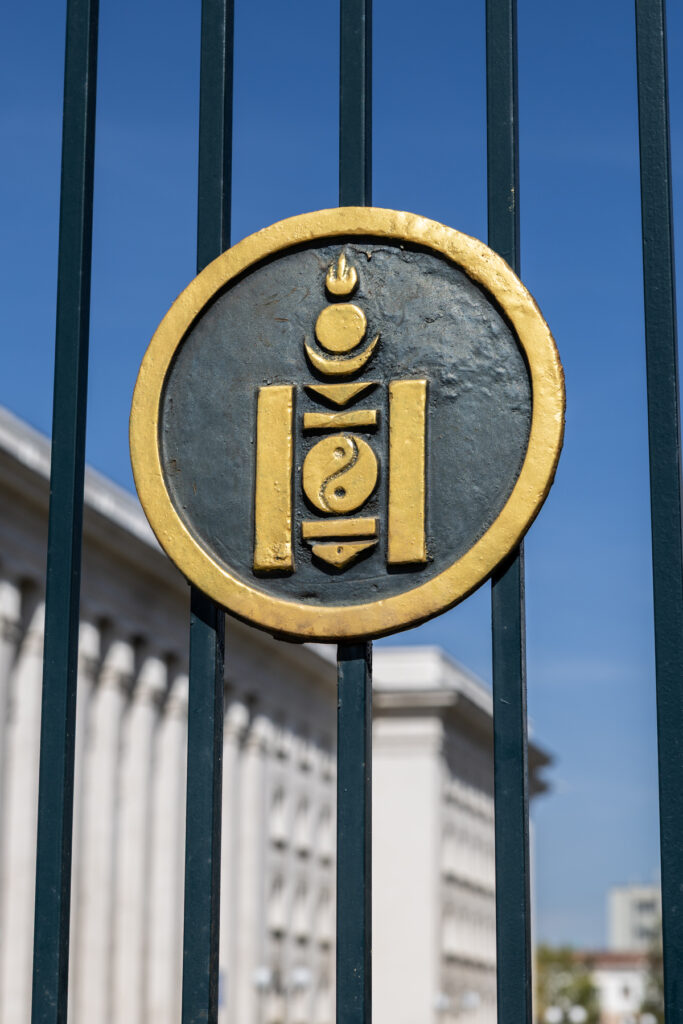
The Soyombo, Mongolia’s national symbol (image by Ingrid Koedood)
We had lunch in a Mongolian restaurant, then visited the State Department Store. In this modern department store, I bought a little book about Mongolia, then and now. We had time to relax in the afternoon before we met again for dinner.
Our guide had also given us a small booklet with Mongolian words, a guide to the layout of Mongolian gers and Kazakh yurts, and some do’s and don’ts for visiting families. It advised giving and receiving gifts with both hands and accepting food or drink offered by a host. Other advice was less familiar: avoid estimating how many hours a journey will take, as drivers may consider this bad luck, and do not ask the name of a large mountain while it is still in sight. Armed with these words of wisdom in mind, we were ready to set off on our journey.
Early the following morning, we flew west to Khovd. Looking down from the plane, I watched Ulaanbaatar disappear as Mongolia opened up beneath us: vast landscapes, mountains and hardly any sign of habitation.
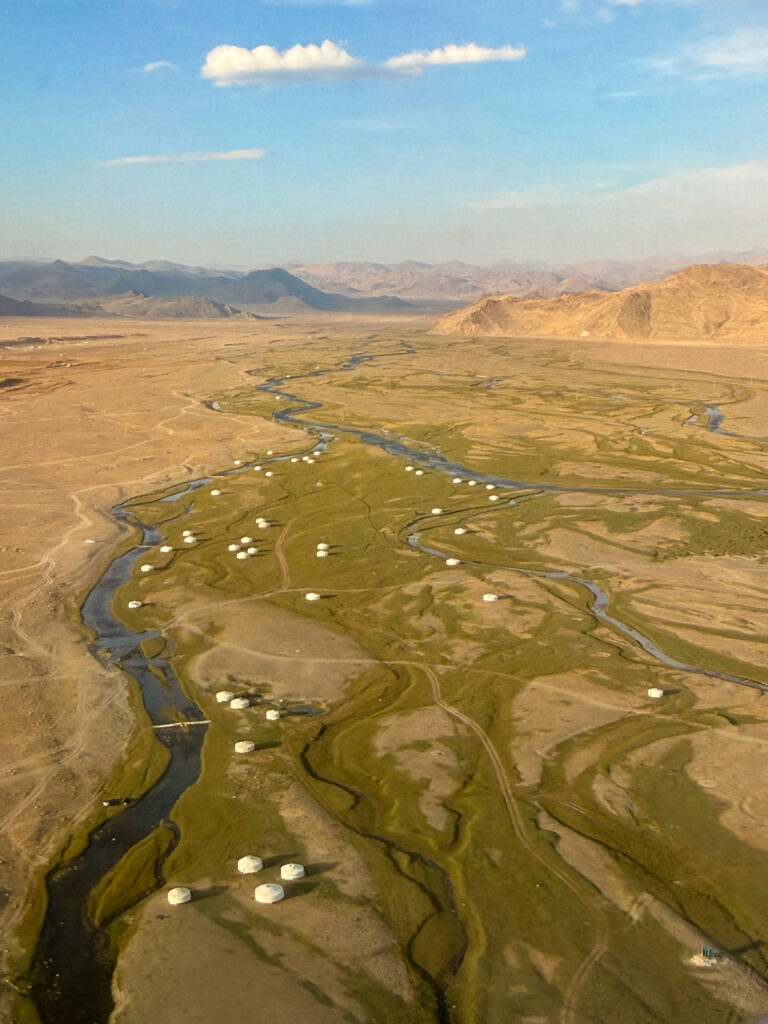
Approaching Khovd, with Western Mongolia’s vast landscape unfolding below us (image by Ingrid Koedood)
Khovd felt immediately different from Ulaanbaatar. With around 30,000 inhabitants, this small provincial town would be our last stop before heading into the countryside. We started with breakfast at a local hotel, then visited a supermarket to buy food and supplies to donate to the Kazakh families hosting us.
After shopping, we wandered around a square, chatting with locals and taking photographs. A group of schoolchildren quickly became interested in us, as did a local man who turned out to be a photographer himself. An elderly woman was initially less enthusiastic about being photographed, although she warmed to us after a while.
From Khovd, we travelled around 160 kilometres towards our first Kazakh eagle hunter family, with several stops along the way. The first part of the journey followed a paved road, with herds of sheep and cashmere goats scattered across the landscape. We also encountered and photographed our first Bactrian camels, with their distinctive two humps. The final forty kilometres took us off-road, with wide views across the valleys and mountains as we approached the family’s camp.
Staying with the Eagle Hunter Families
Our beautiful yurts stood in a spectacular setting, surrounded by open country and mountains. The eagle hunters were there to welcome us, while the rest of the family were staying elsewhere at the time. We settled in and spent the afternoon photographing the hunters and their golden eagles, followed by a portrait session inside the yurt.
We asked a great deal of the hunters over the next few days: different poses, different locations and repeated rides for our cameras. They were always willing to help, giving us time to try our ideas and take our photographs. Their patience and hospitality made it easy to enjoy working together.
That evening, we lit the stove in our yurt. As the temperature dropped outside, it became wonderfully warm inside, and we were cosy when we went to bed.
We were up early after our first night for a sunrise shoot in the mountains. Mornings and evenings were cold, and we went out wrapped in thick layers. Once the sun appeared, however, we could gradually peel them off. With the hunters and their horses against the mountain backdrop, there was plenty to keep our cameras busy before breakfast.
After a generous breakfast, we visited two nearby families. Milk tea, sweets and snuff were offered as we were welcomed into their homes. We spent time photographing daily life, and some of our group were invited to help milk the yaks.
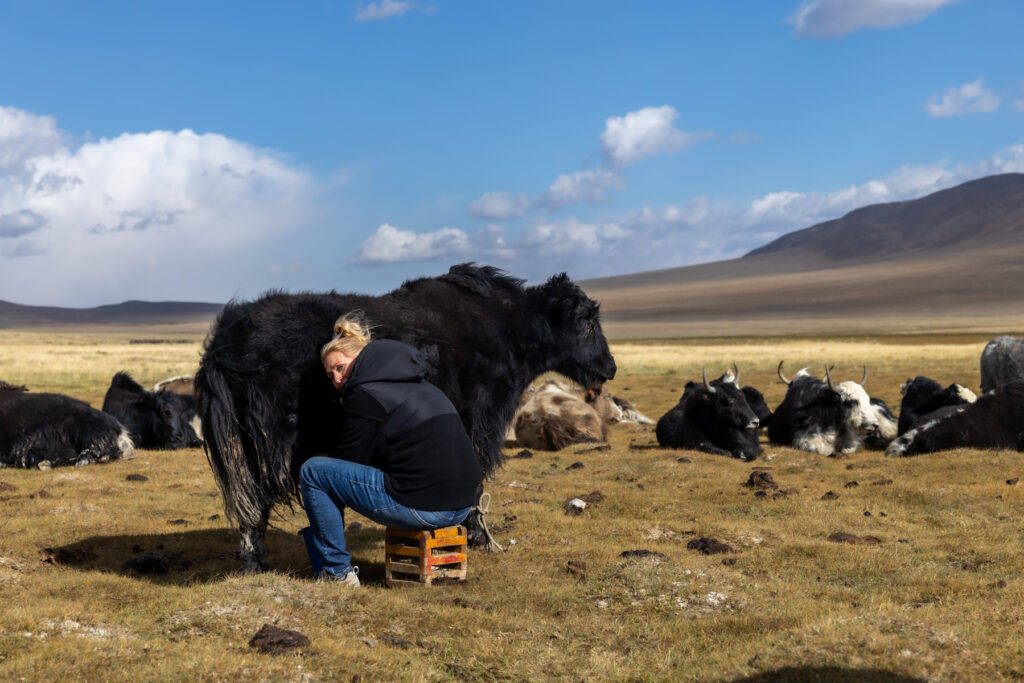
Odette tries milking a yak during our visit to a local family (image by Ingrid Koedood)
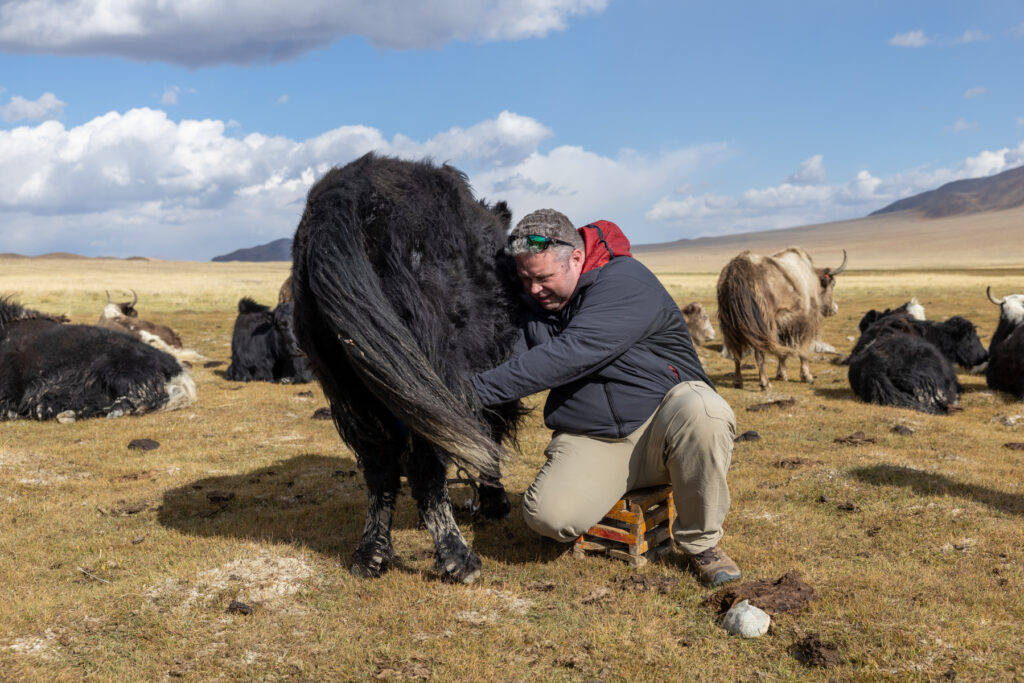
Andrew is trying his hand at milking a yak, something we were invited to experience ourselves (image by Ingrid Koedood)
Back at camp, Baujan’s wife had prepared a traditional Kazakh meal for us to share with the family: beshbarmak, with plenty of mutton, potatoes, dough and carrots. It was a generous welcome to their table. Afterwards, we photographed Baujan, his wife and the children.
Before sunset, we headed into the mountains again with the eagle hunters. This time, everyone in the group also had the chance to dress in a fur coat and hat and have their photograph taken with an eagle.
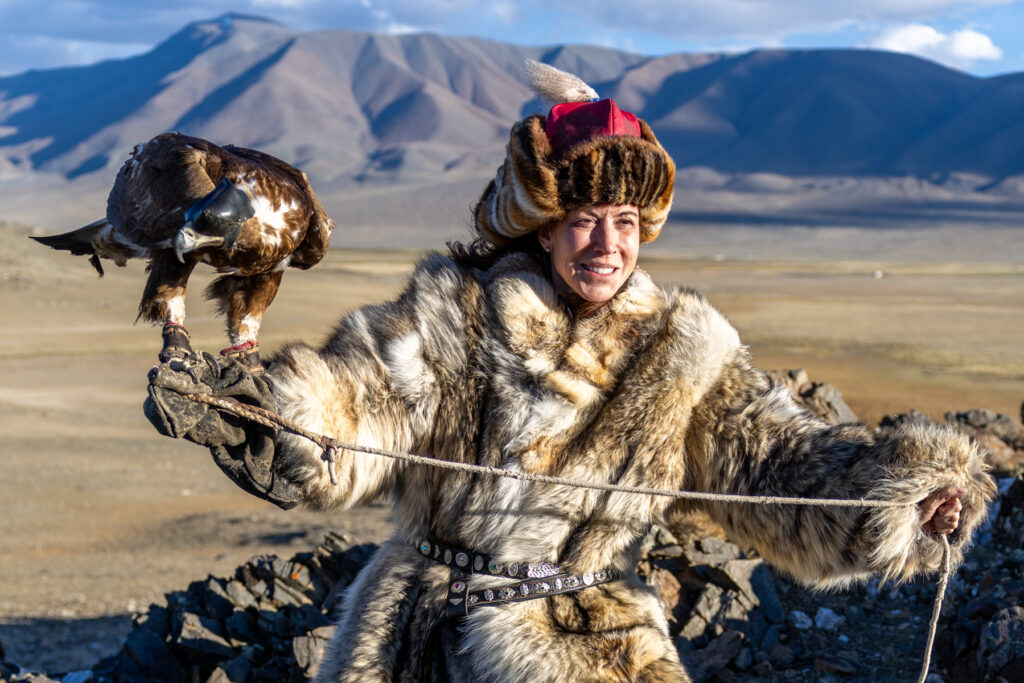
Porter is becoming an eagle hunter herself (image by Ingrid Koedood)
The hunters then demonstrated two training exercises. In kolga shakyru, the hunter calls the eagle to fly to his gloved hand. In shyrga salu, the eagle pursues and catches an animal-skin lure dragged behind a horse, practising its approach and strike. Both exercises also feature in eagle festival competitions. Watching them at close quarters gave us a chance to photograph the birds in flight and the hunters working with them.
We returned to the yurt after sunset for a dinner of Mongolian dumplings, ready for another early night.
The following morning, we were back in the mountains for more photographs. Afterwards, the horses ran back and forth in front of us, giving us another chance to capture their movement. The hunters also galloped alongside our vehicle, close enough for us to film them as we travelled together.
The eagle hunters galloping alongside our vehicle through the mountain landscape. (Video by Ingrid Koedood)
After breakfast, we visited more local families and spent time learning about their daily lives. At one home, we photographed a young boy with his father, who was raising him after his mother had passed away. Another family lived in very simple circumstances, and the payment we made for the photography was clearly much appreciated.
Back at camp, we took more photographs inside the yurt. Over a lunch of chicken and rice, we invited the eagle hunters to sit with us and tell us more about themselves. We had plenty of questions, from their lives as hunters and how many times they had won at festivals to how they had met their wives. We also asked 21-year-old Tilekjan why he wanted to be an eagle hunter while his siblings were moving to Ulaanbaatar. I recorded the conversation as they shared their stories.
These visits and conversations helped us better understand Kazakh life in this remote part of Mongolia. Caring for livestock is demanding work, and the long, harsh winters add considerable challenges. Finding shelter and enough grazing for the animals is essential to the families’ livelihoods.
We also saw winter homes and livestock shelters standing empty while their owners were staying at other seasonal camps. Some Kazakh families use permanent stone or earth-built houses during the coldest months. Porter, one of our guests, became so fascinated by these temporarily unoccupied buildings that she turned them into a small photographic project of her own and who knows, perhaps they may even become an exhibition one day.
Later, we returned to the mountains and photographed the hunters at several different locations. They covered a considerable distance on horseback for us, always willing to make another ride or try another position. As the light faded, we gathered around a bonfire for a few final photographs before returning to camp.
The morning after our third night, we had breakfast, said goodbye to our hosts and set off towards our second Kazakh eagle hunter family.
Our first stop was a camel herding family, where milking was already underway. The young camels were making quite a racket, apparently impatient for their own share of the milk.
Our host, Saylow, was both a camel herder and an eagle hunter. Before we entered the yurt, the young children performed a spontaneous dance for us. Inside, our attention was immediately drawn to the pelts hanging on the walls, including fox and Pallas’s cat fur.
Once again, we were welcomed with open arms, milk tea and plenty of treats. Offering visitors something to drink and eat was a familiar part of every family visit. Across Mongolia, milk tea—known in Mongolian as süütei tsai—is closely associated with hospitality, although recipes and customs vary between communities. We were getting used to sitting down to a generously filled table; however, we had recently eaten.
Further along the route, we visited a school with around 500 pupils. We joined a class during an English lesson and also looked around the dormitory, with separate areas for boys and girls. Children whose homes are too far away for a daily journey stay here during the school term.
We continued to Ölgii for lunch before reaching our next hosts that afternoon. The yurts stood beside a river in another beautiful setting. Two of the three beautifully decorated yurts were ours for the next two nights, while the family stayed in a nearby stone house.
We were visiting Bashakan’s family, a well-known eagle hunter and the seventh-generation hunter in his family. His son and grandson also hunt with eagles, continuing the tradition into the eighth and ninth generations. The hunters returned in time for an afternoon photography session, so we were out with our cameras again soon after.
The following morning, they slaughtered a sheep, and that afternoon we joined the whole family for another generous meal of beshbarmak, with mutton, potatoes, dough, and vegetables. Meat and dairy have long been central to pastoral diets in Mongolia, reflecting a way of life built around livestock. At the family table, there was certainly no shortage of food.
Before the evening’s plans, we photographed the hunters and watched another training session. By now, we recognised the exercises, but the eagles did not always respond as their handlers intended. Seeing the attempts that didn’t go to plan made it clear how much practice went into a successful flight or catch.
That evening brought an unexpected invitation: a Kazakh wedding. Our wardrobe was hardly suited to the occasion. We had been travelling for days, had not seen a shower for some time and certainly were not wearing our finest clothes. Nevertheless, they welcomed us warmly and seated us at a large round table covered with food, both savoury and sweet. There were soft drinks as well as a strong spirit that seemed to be vodka.
Guests took turns speaking to the newlyweds through a microphone and presenting their gifts. Then they led a horse into the hall—one wedding present we certainly hadn’t expected.
Between the speeches and gifts, we sang and danced. The dance floor was busy, and the Kazakh men kept coming over to invite us to join them. Our dusty clothes and several days without a shower did not seem to put anyone off. We had come to photograph eagle hunters and somehow found ourselves dancing at a family wedding.
Just as we were leaving, large platters of mutton were being carried into the hall. Even after everything already on the tables, more food was still to come.
The next morning, we returned to the river for a second session photographing the horses galloping through the water, which was very spectacular. After lunch, we said goodbye to Bashakan and his family and drove back to Ölgii.
That afternoon, a shower was very high on everyone’s list. After five days staying with the families, it felt wonderful to wash away the dust and put on fresh clothes. We went out to a restaurant for dinner and then settled in for a good night’s sleep. The eagle festival would begin the following day.
The Altai Eagle Hunters Festival
The next two days were devoted to the Altai Eagle Hunters Festival. We arrived early, while the grounds were still slowly coming to life. Our kitchen crew, who had looked after us so well during the previous five days, were already there with our lunch tent set up.
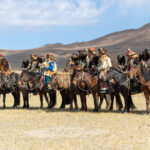
Bashakan, his son Serekjan and grandson Asilmurat had also just arrived. Their horses were being unloaded from an open truck, while three carefully wrapped eagles lay on the ground nearby. One by one, the hunters gently unwrapped their birds after the journey and prepared them for the day.
The festival took place beside Tolbo Lake, at the foot of a mountain from which the eagles would later be released. Stalls in the centre of the grounds displayed cashmere scarves, gloves, local crafts and souvenirs. Hunters arrived with their horses and birds, people stopped to greet one another, and there was plenty to photograph before the competitions had even begun.
Having watched the hunters practise over the previous days, we now recognised the skills being tested. In the eagle-calling event, kolga shakyru, a bird is released from the mountainside and called down to land on its handler’s gloved hand. Speed and a successful response to the call are central to the exercise. In shyrga salu, the eagle pursues an animal-skin lure dragged behind a horse, demonstrating its ability to approach and catch moving prey.
The programme also included traditional horseback games. Kukbar involved riders competing for possession of a goat carcass, while Kyz Kuar was a lively chase between a male and female rider. In this playful contest, the woman pursues her partner and tries to reach him with her riding whip. There was as much to watch on horseback as there was in the air.
Our lunch tent soon became a gathering place. Eagle hunters stopped in or waited outside, and we used a black backdrop to make portraits between the activities. After photographing riders against wide mountain landscapes, it was lovely to work close up, concentrating on faces, clothing and the details of the birds.
We also received a visit from a throat singer. In this form of singing, known as khöömei, a performer sustains a low note while bringing out higher overtones, creating the impression of more than one pitch sounding at once. Hearing it in our tent gave us a chance to listen closely and make a portrait.
We left the festival relatively early that first afternoon, as a surprise had been arranged for the evening: a visit to a local shaman. In Mongolian shamanic traditions, a shaman acts as an intermediary between people and spirits, offering guidance or blessings through ritual.
It was an unfamiliar and sometimes rather strange experience. What struck me most was the change in her voice during the part of the ceremony understood as contact with the spirit world. We listened carefully as her words were translated. Some of what she said touched members of our group quite deeply, and the visit gave us plenty to think and talk about afterwards.
The following morning, we returned to the festival for another day of competitions and photography. Among the hunters was Aymoldir, a girl we had met on the first day who was not quite seventeen. She handled her eagle and horse with such confidence and responsibility that we wondered what we had been doing at her age.
During the eagle-calling competition, her bird reached her arm within seconds. She also won the Kyz Kuar horseback chase. We photographed her several times and invited her into our lunch tent for a portrait. Away from the competition, she told us that she hoped to study English in New York.
Bashakan’s grandson Asilmurat also caught our attention. We had already spent time with his family, but seeing him at the festival gave us another opportunity to watch how seriously he took his responsibilities. Caring for an eagle and a horse involves far more than the moments when a camera is raised, or a competition begins. His attention to both animals was striking. Alongside his uncle and grandfather, he was already taking an active part in the family’s hunting tradition.
Towards the end of the afternoon, there were singing and dancing performances, followed by opportunities for visitors, mainly tourists, to join in. One women’s competition involved carrying a sheep across the shoulders, and Odette decided to take part. This time, one of our own group provided the photography.
We stayed until the festival grounds had almost emptied. Before leaving, we said goodbye to our kitchen crew and thanked them for looking after us throughout our time in the west. Then, for the second time, we said goodbye to Bashakan, Serekjan and Asilmurat, before heading back to Ölgii.
Hustai National Park
The following morning, we began the final part of our journey. After saying goodbye to our drivers, we flew from Ölgii back to Ulaanbaatar, where a bus was waiting for us. We stopped to buy food for the family we would visit the next day, then continued towards Hustai National Park.
We arrived in the mid-afternoon and settled into our gers. After sharing accommodation with the Kazakh families during our stays, we each had a ger to ourselves. By now, rain had set in, and we were not particularly optimistic about our chances of finding the park’s wild horses.
Fortunately, we did not have to wait long. Soon after entering the park, we encountered a group of Przewalski’s horses, known in Mongolia as takhi. These horses had disappeared from the wild by the late 1960s and survived through captive breeding. Their return to Hustai began in 1992, through a reintroduction programme involving Mongolian and Dutch conservation organisations.
Seeing them roaming freely through this landscape was a wonderful way to begin our visit. Further along, we found another group. After our concerns about the weather, we could hardly believe our luck.
The landscape was beautiful even in the rain, and a distinctive scent hung in the air. It was also the red deer rutting season. Across the hills, we could hear stags roaring to one another, their calls carrying through the park.
Back at camp, we watched a documentary about Hustai and its wildlife before dinner and bed.
The following morning, we drove through the park on our way back towards Ulaanbaatar. We didn’t see any more horses, but we did see red deer along the route.
Before lunch, we stopped at the Ongot memorial complex, dating from the early medieval Turkic period. Created in honour of a high-ranking nobleman, the site includes carved human figures, an altar, and animal sculptures, including a lion and a ram. A line of 552 upright stones, known as balbals, extends eastwards across the landscape. These formed part of the memorial setting; they do not represent 552 separate graves.
Our next stop was a Mongolian family’s ger, where our host prepared a delicious lunch. She also showed us how she distilled a traditional milk spirit from fermented yoghurt. Often called milk vodka, or shimiin arkhi, it is made by heating the fermented milk and collecting the condensed vapour. The drink we were shown was around ten per cent alcohol, considerably milder than commercial vodka, although its strength can vary.
When it was time to leave, our host sprinkled milk into the air to bless our onward journey. Milk offerings are part of Mongolian tradition, used to express wishes for protection, good fortune and safe travel. With this farewell, we continued back to Ulaanbaatar.
A Final Evening Together
We finished the tour with dinner in our own private VIP room at a popular hotpot restaurant in Ulaanbaatar. Around the table, we talked through the journey: the families who welcomed us, the eagle hunters who gave us so much of their time, the extraordinary landscapes, and all the unexpected moments in between.
Mongolia had found a place in our hearts. Its people, their warmth and hospitality, and the sheer space and beauty of the country had given us so much to enjoy. And we had laughed—a lot. Travelling with this group had been enormous fun, whether we were wrapped in layers before sunrise, sharing a yurt or finding ourselves on the dance floor at a Kazakh wedding.
Now came a different challenge: sorting through the photographs. With galloping horses, flying eagles and cameras frequently set to burst mode, some of us had rather substantial collections waiting to be reviewed.
One other thing to look forward to remained: finding out whether any of the shaman’s predictions would come true. That might take a little longer than editing the photographs—although, judging by the number we had taken, perhaps not!
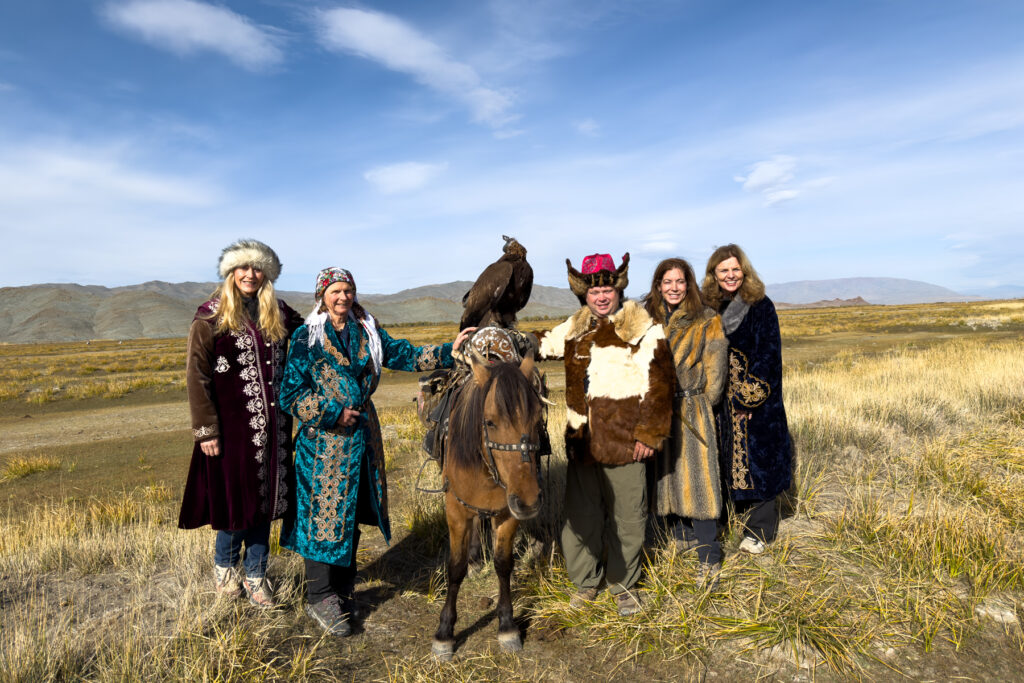
All dressed up for the group picture (Image by Ingrid Koedood)
Ingrid Koedood
Ingrid Koedood was born and raised in the Netherlands and has been involved with photography from a young age. As a young girl, she was captivated by her father’s photography hobby, spending countless hours in the darkroom developing photos. This early exposure ignited her passion. While she later pursued an MBA, working on significant projects […]