
Japan Winter Wildlife Spectacular Tour Report 2026
21 April 2026
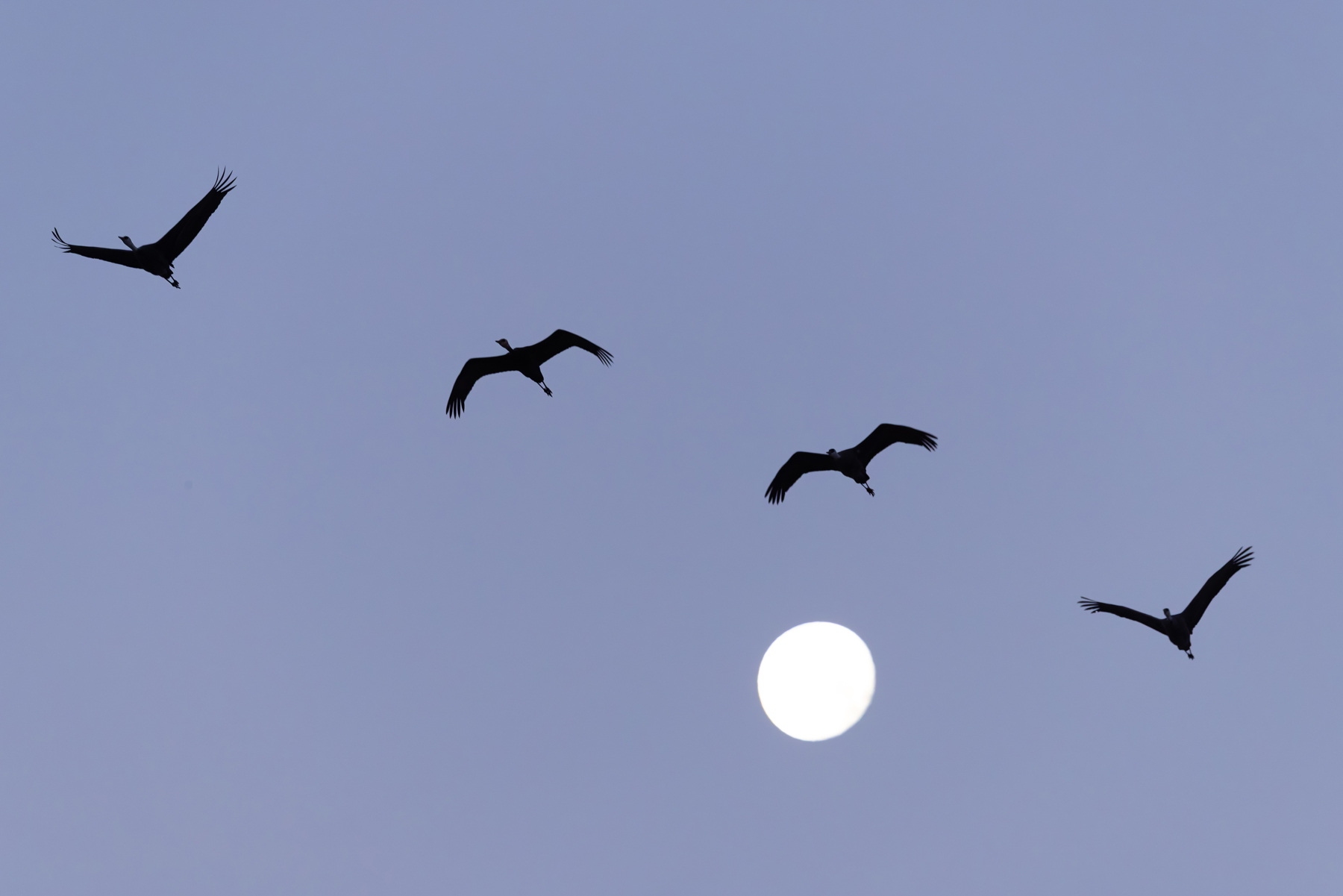
Moonlight cranes at Arasaki (Image by Mike Watson)
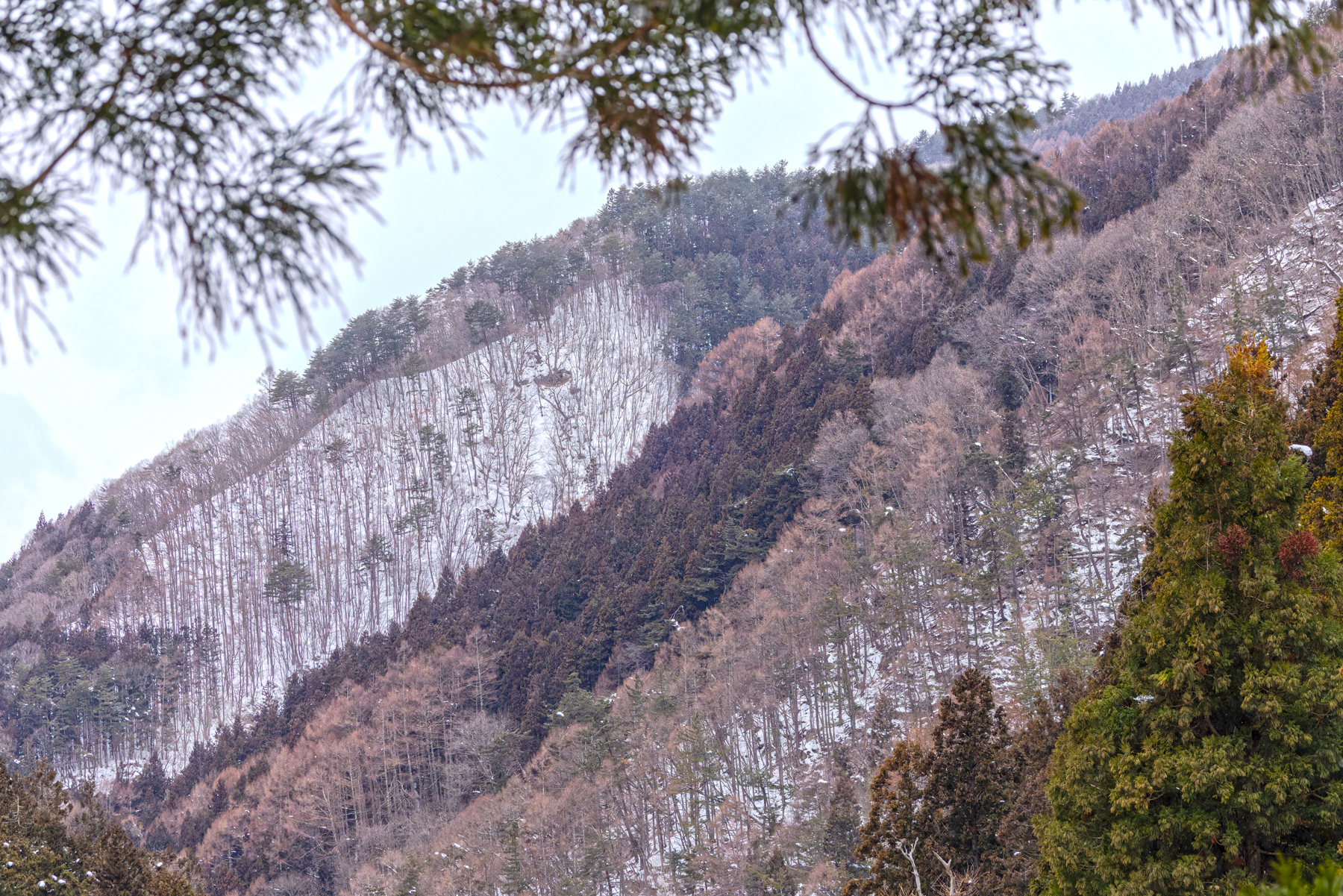
Alpine Forest at Jigokudani (Image by Mike Watson)
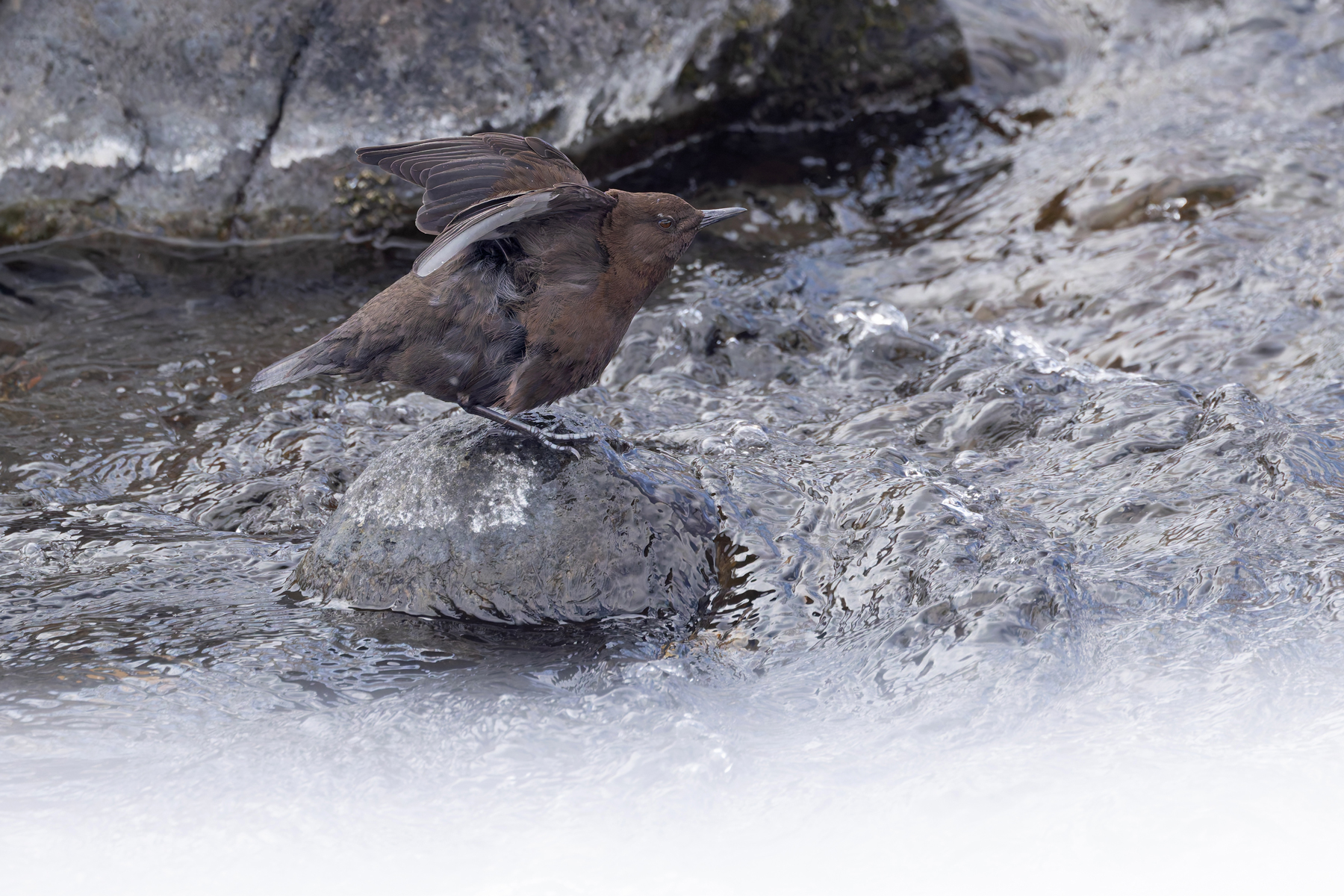
Brown Dipper at Rausu (Image by Mike Watson)
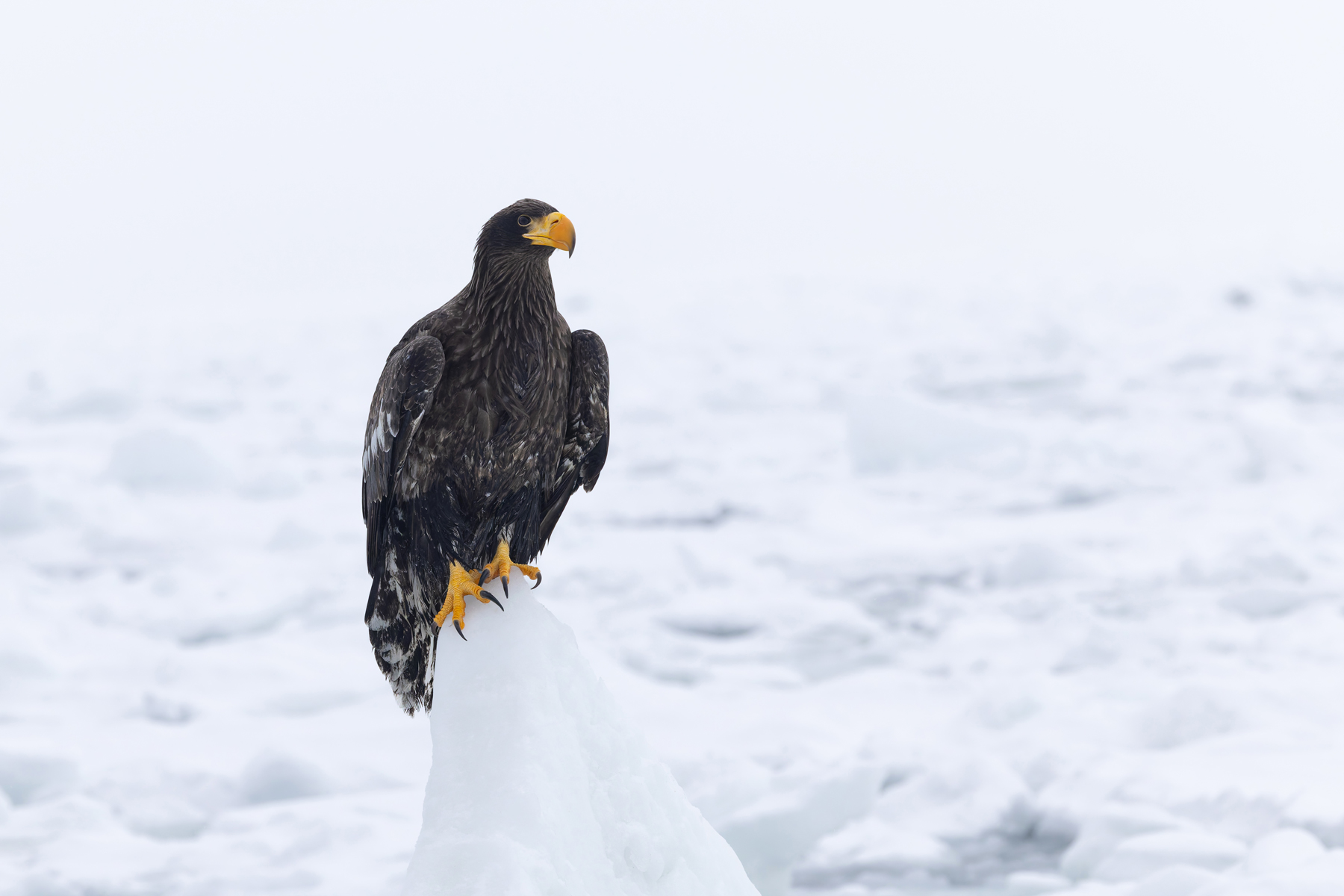
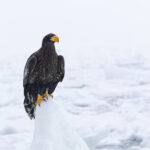
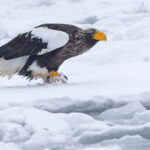
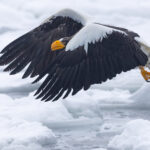
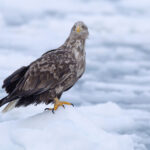
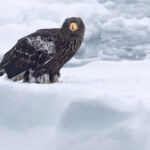
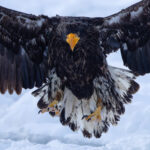
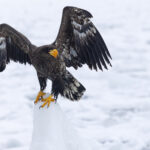
A young Steller’s Sea Eagle atop the ice pinnacle (Image by Mike Watson)
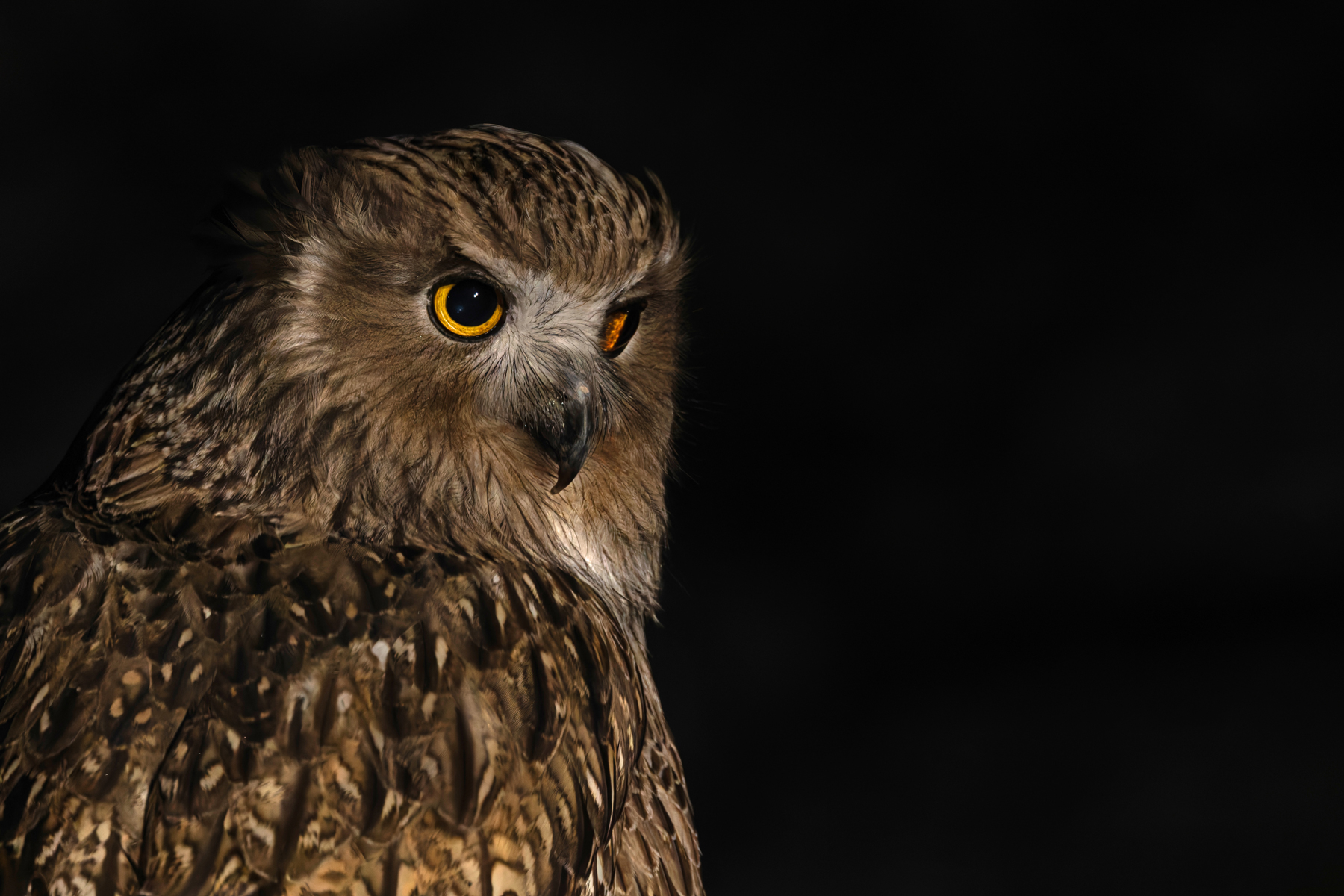
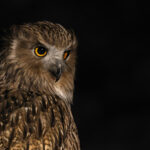
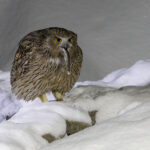
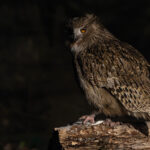
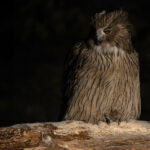
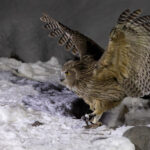
The regal Blakiston’s Fish Owl – (Image by Mike Watson)
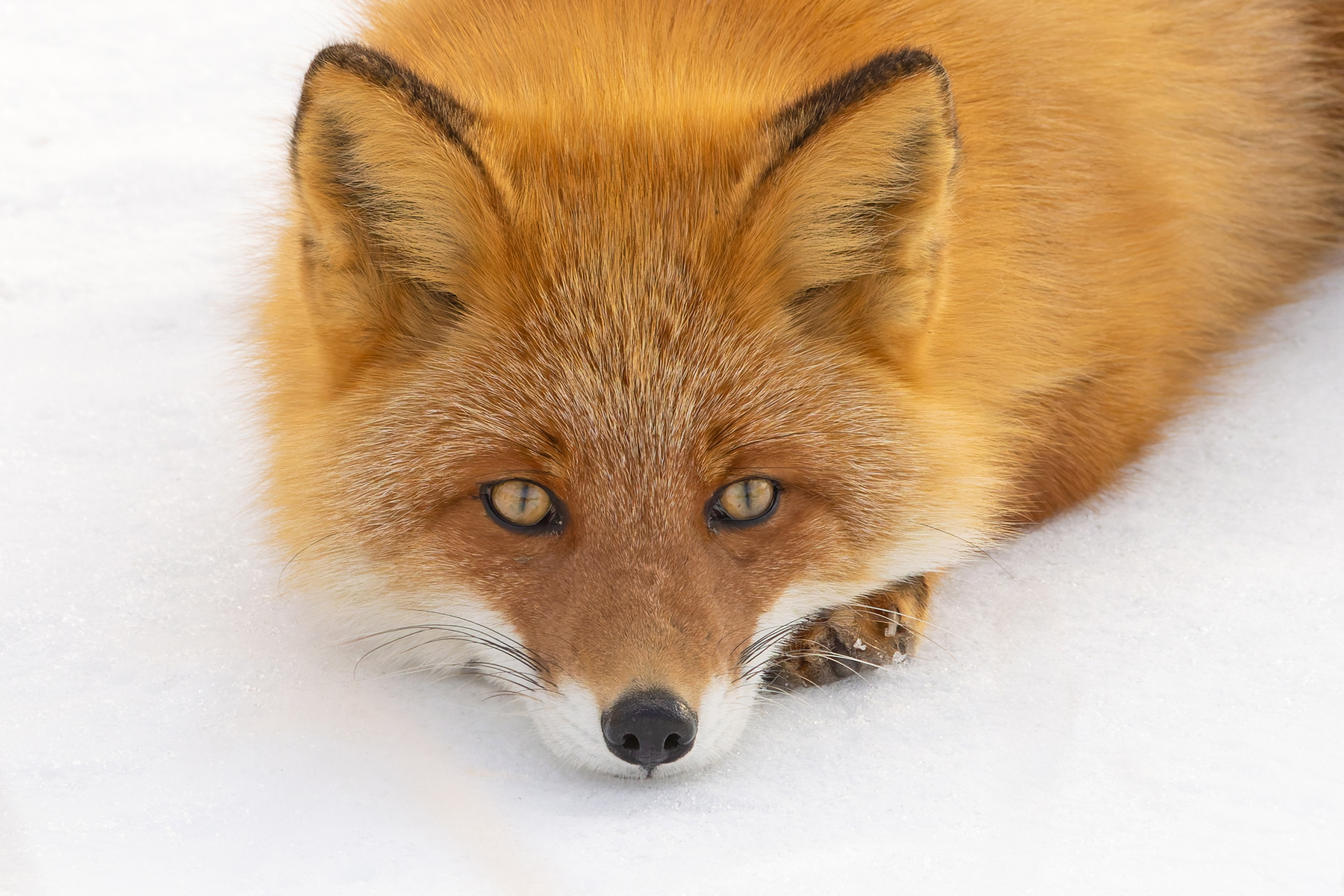
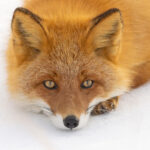
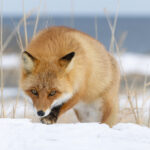
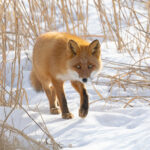
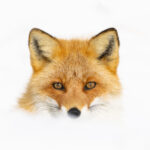
Red Fox cold stare (Image by Mike Watson)
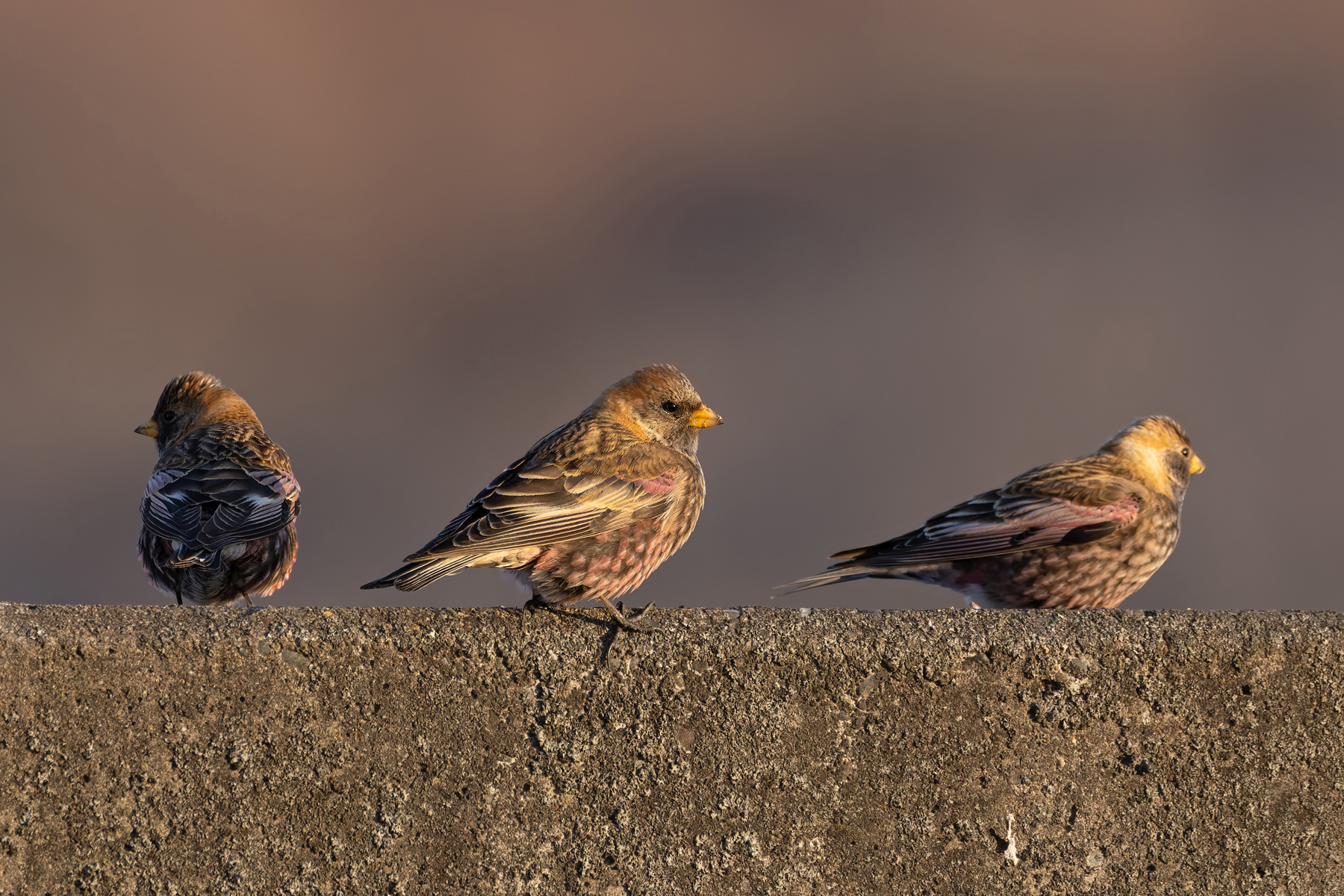
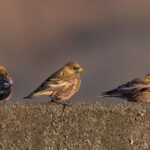
Asian Rosy Finches are few and far between on Hokkaido (Image by Mike Watson)
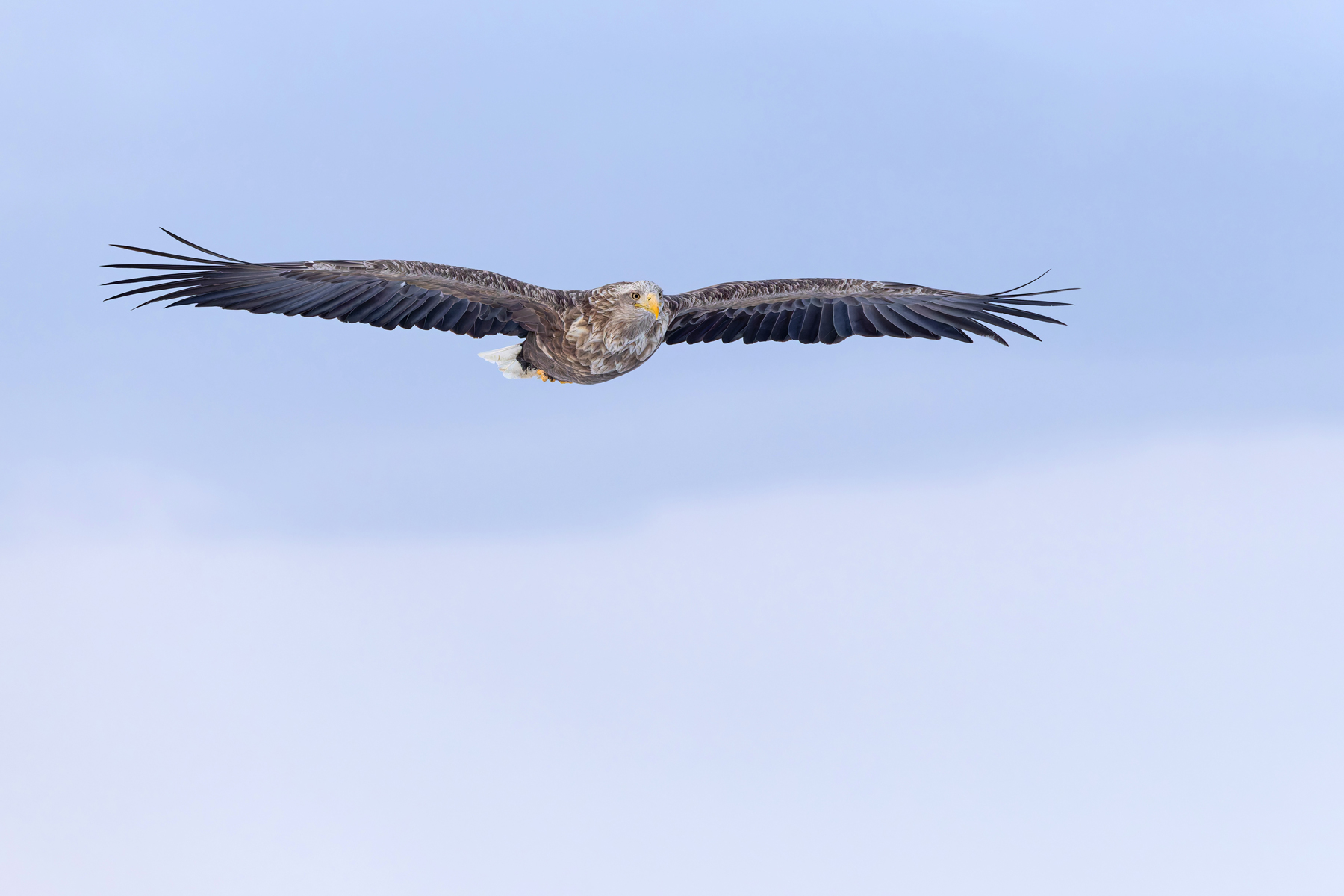
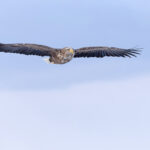
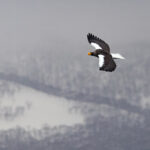
White-tailed Eagle glides into the scene (Image by Mike Watson)
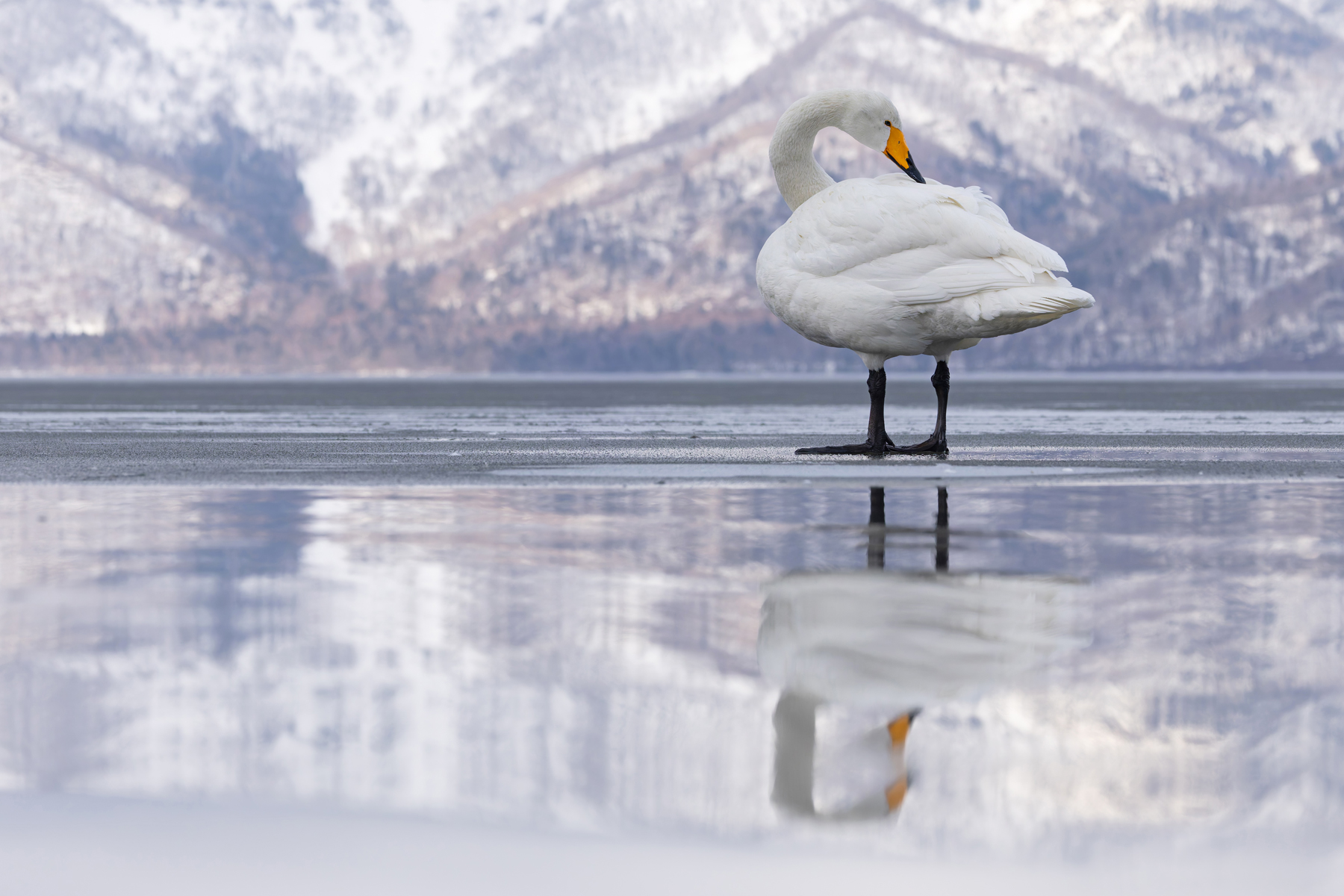
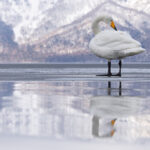
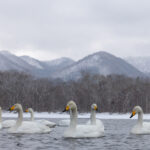
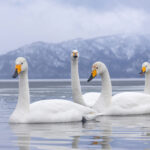
Whooper Swan of snow and ice (Image by Mike Watson)
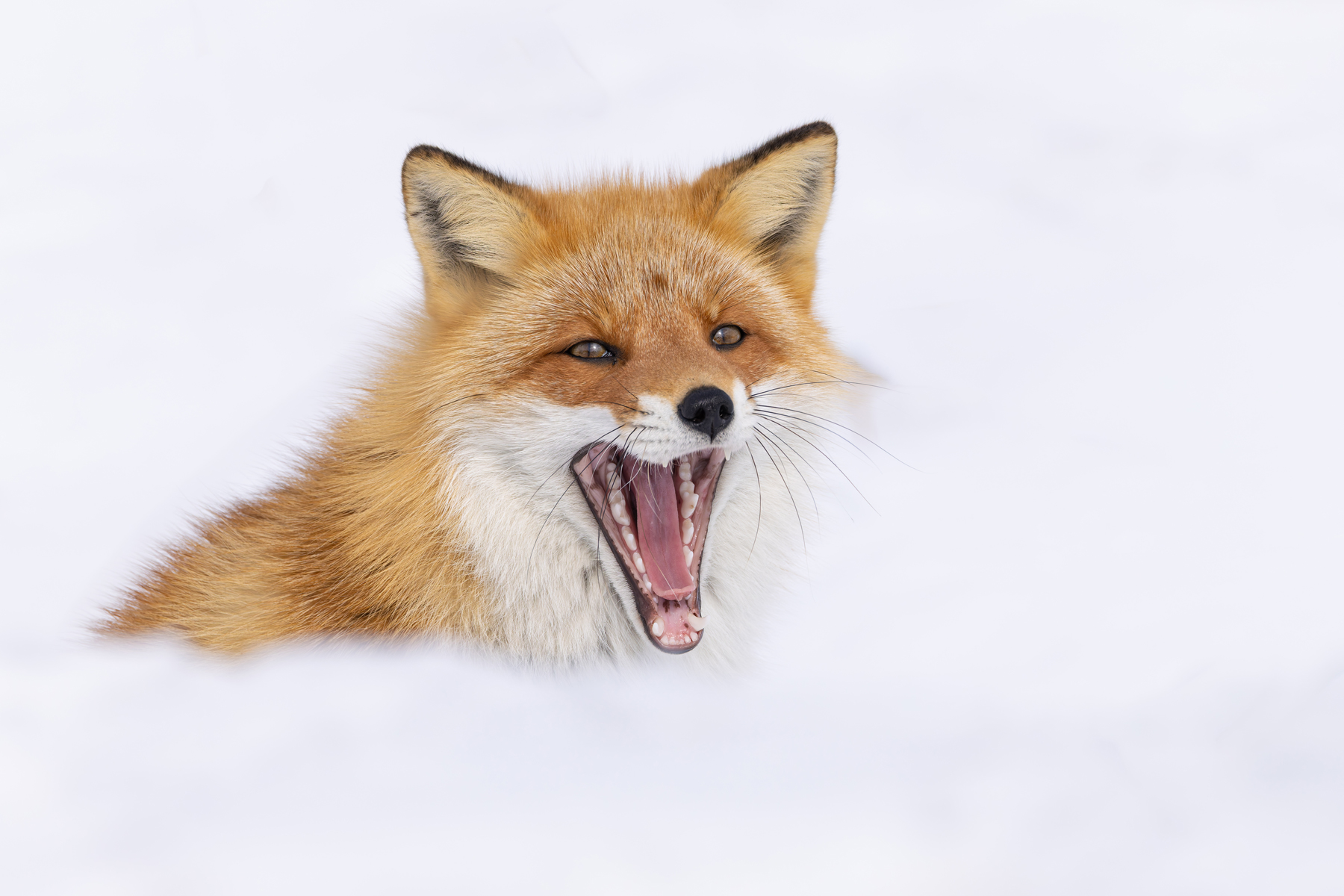
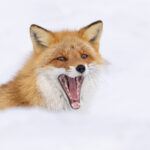
Red Fox says ahhhh! (Image by Mike Watson)
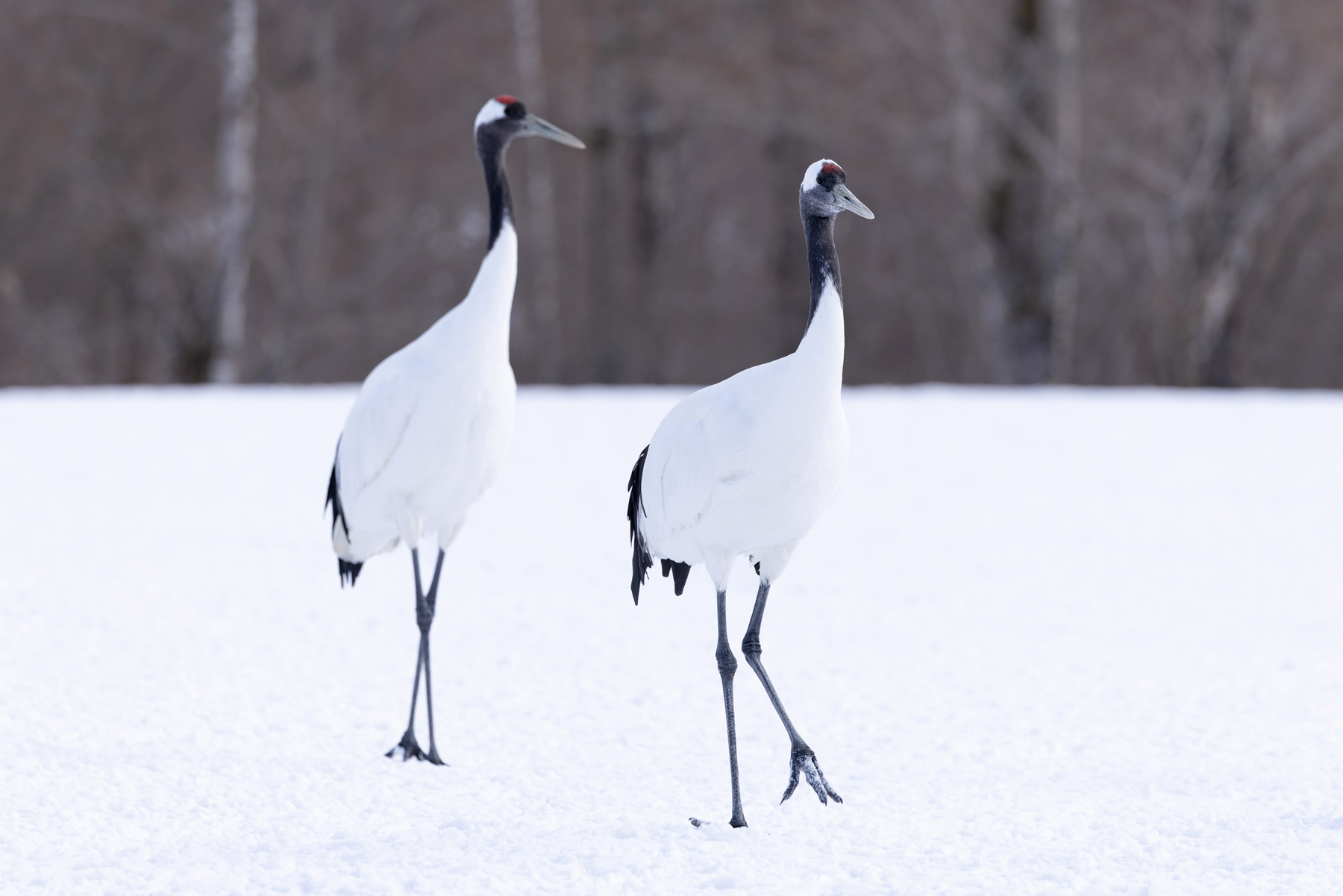
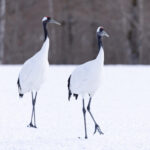
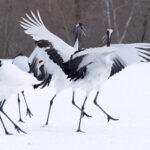
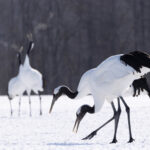
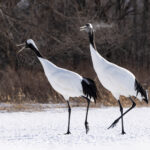
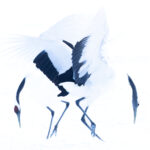
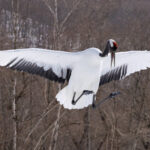
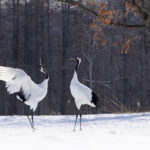
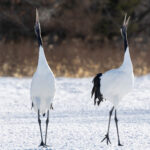
Stately Red-crowned Crane pair (Image by Mike Watson)
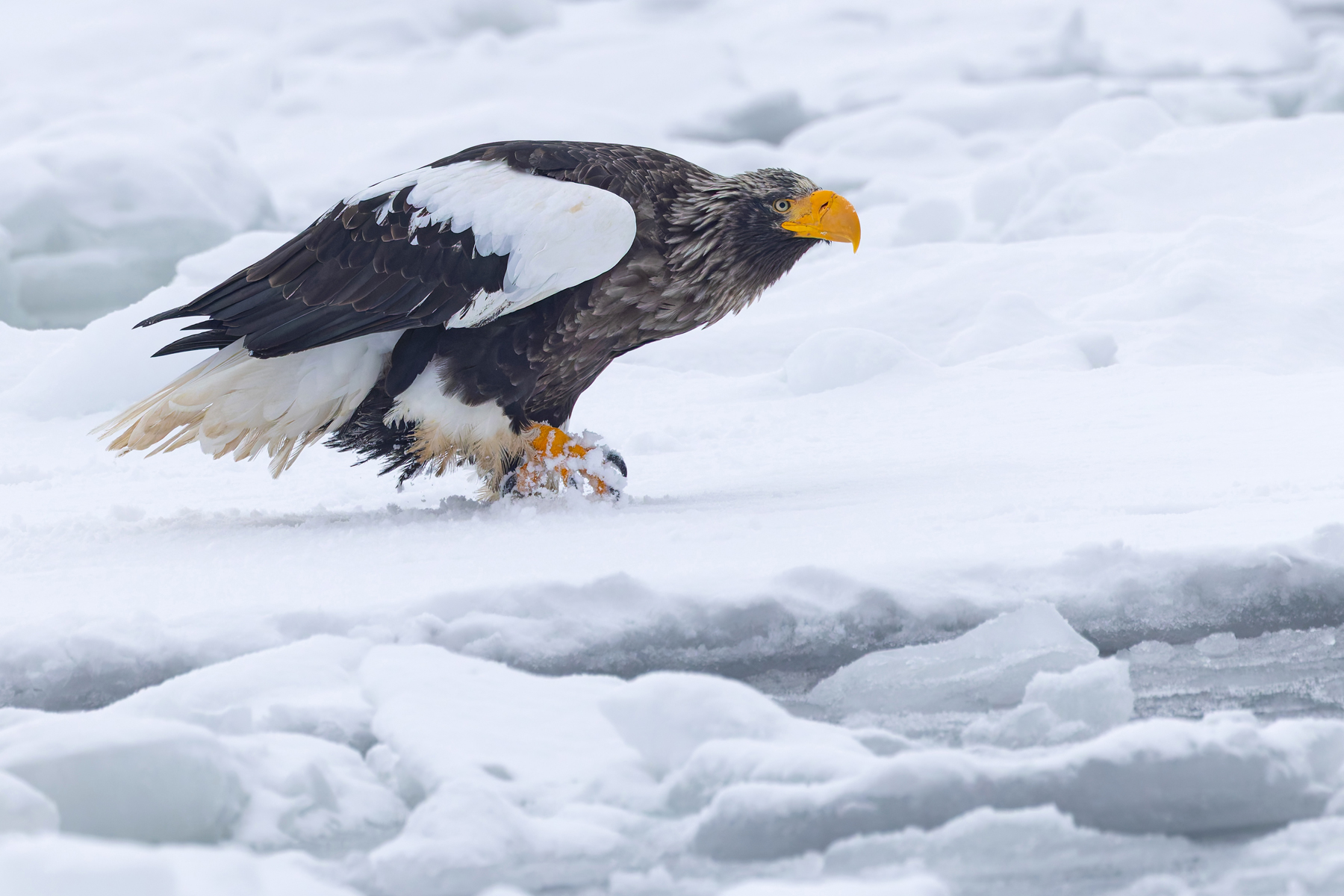
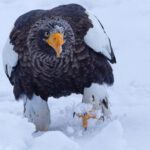
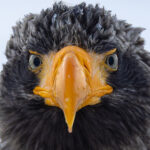
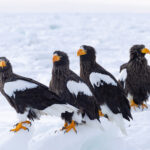
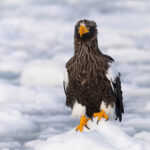
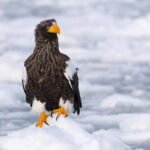
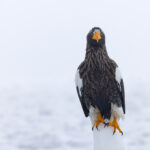
Steller’s Sea Eagle intense stare (Image by Mike Watson)
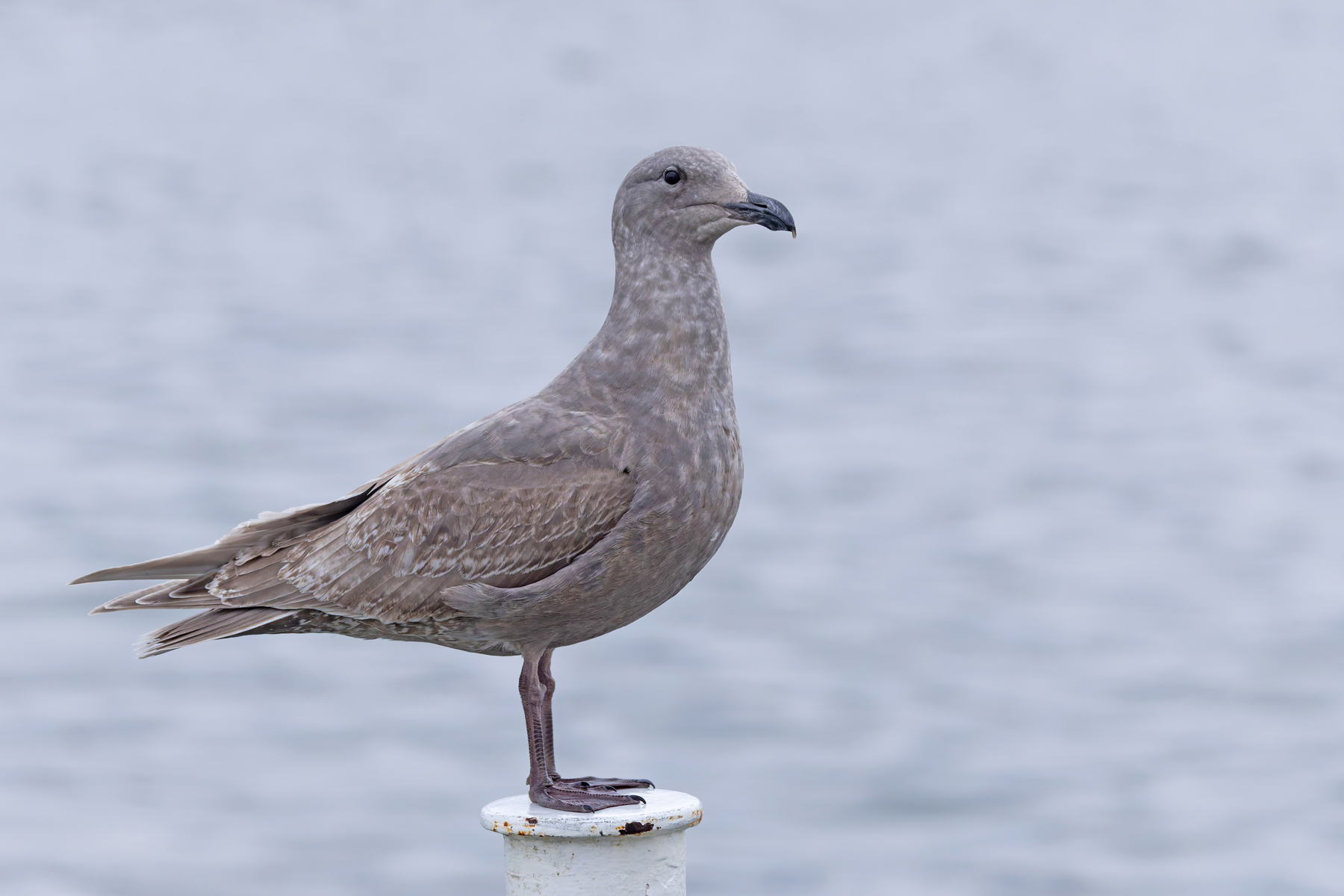
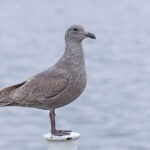
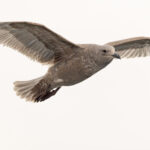
A classic first winter Glaucous-winged Gull (Image by Mike Watson)
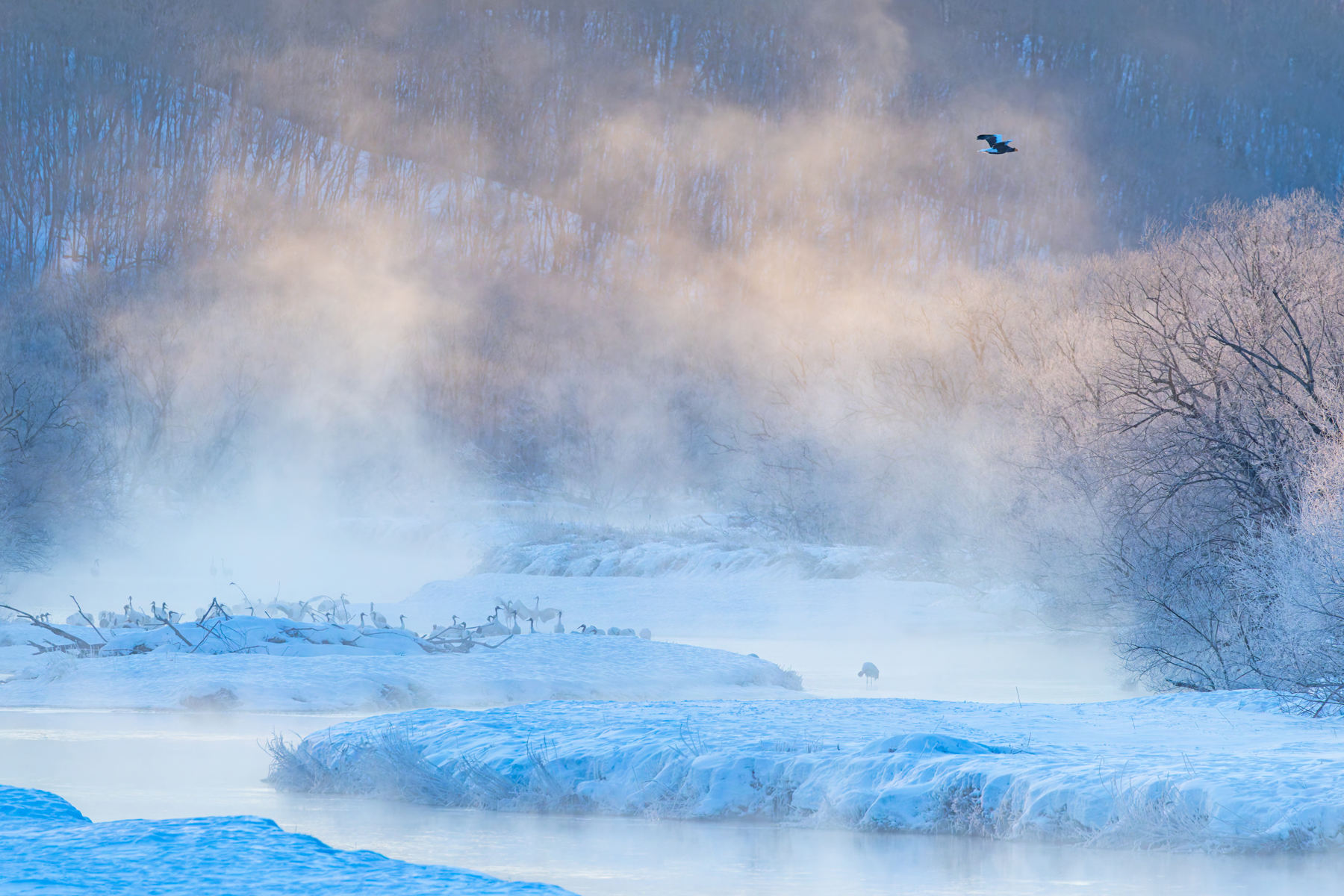
A Steller’s Sea Eagle flew over the dawn cranes at Otowa Bridge (Image by Mike Watson)
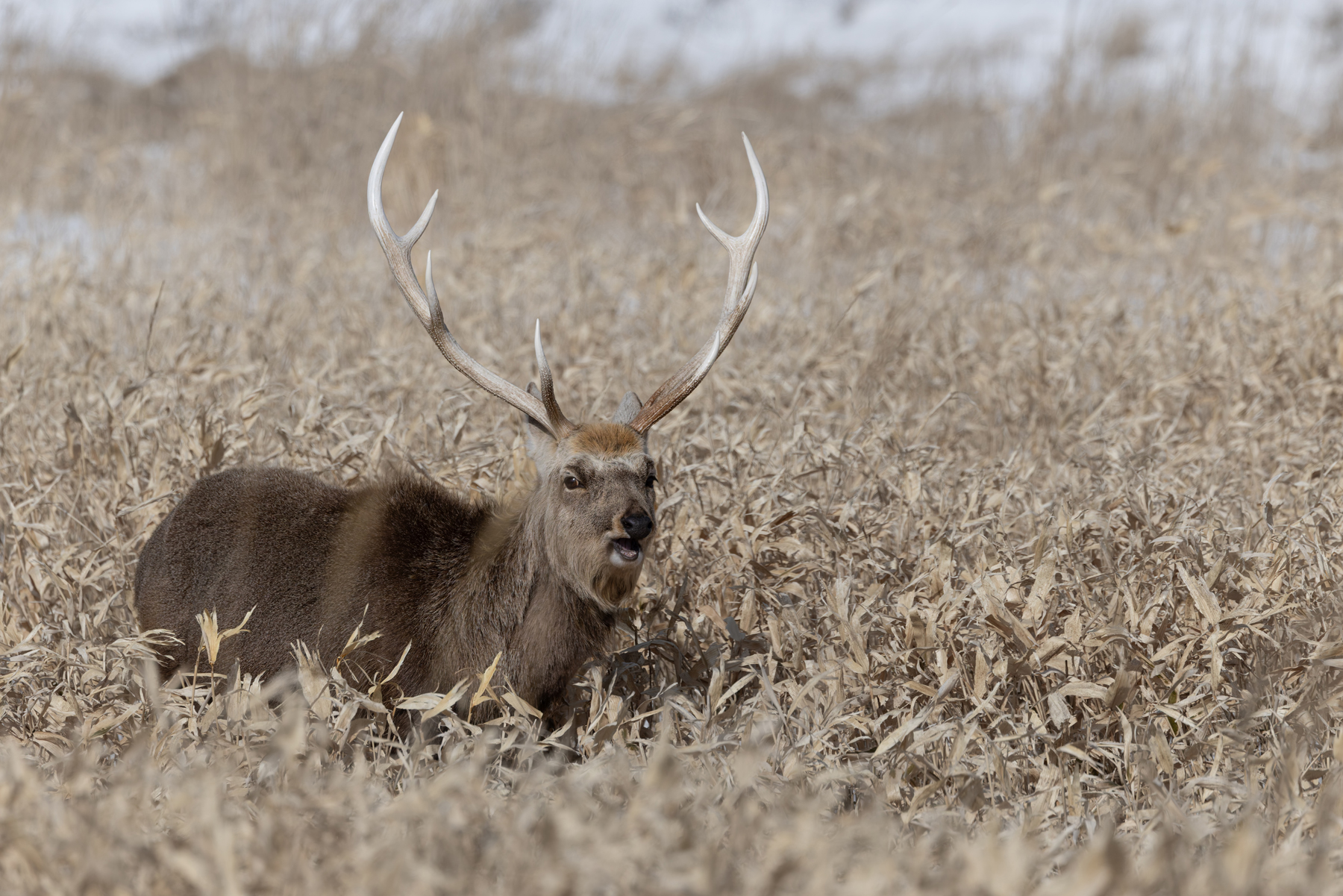
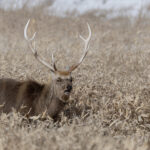
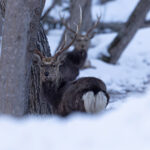
Sika Deer stag, Hokkaido (Image by Mike Watson)
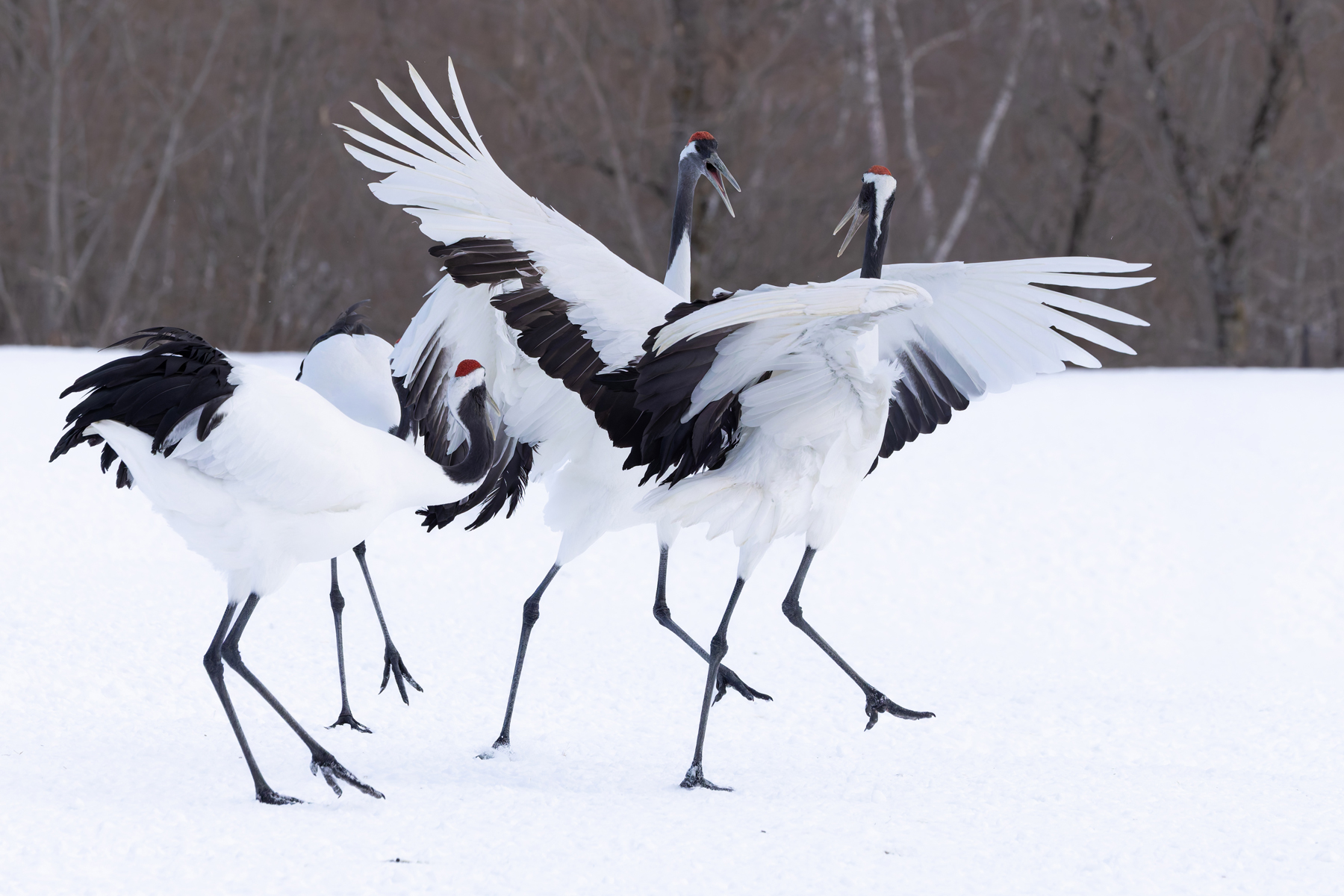
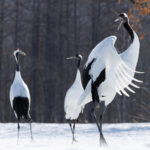
Red-crowned Crane fight club (Image by Mike Watson)
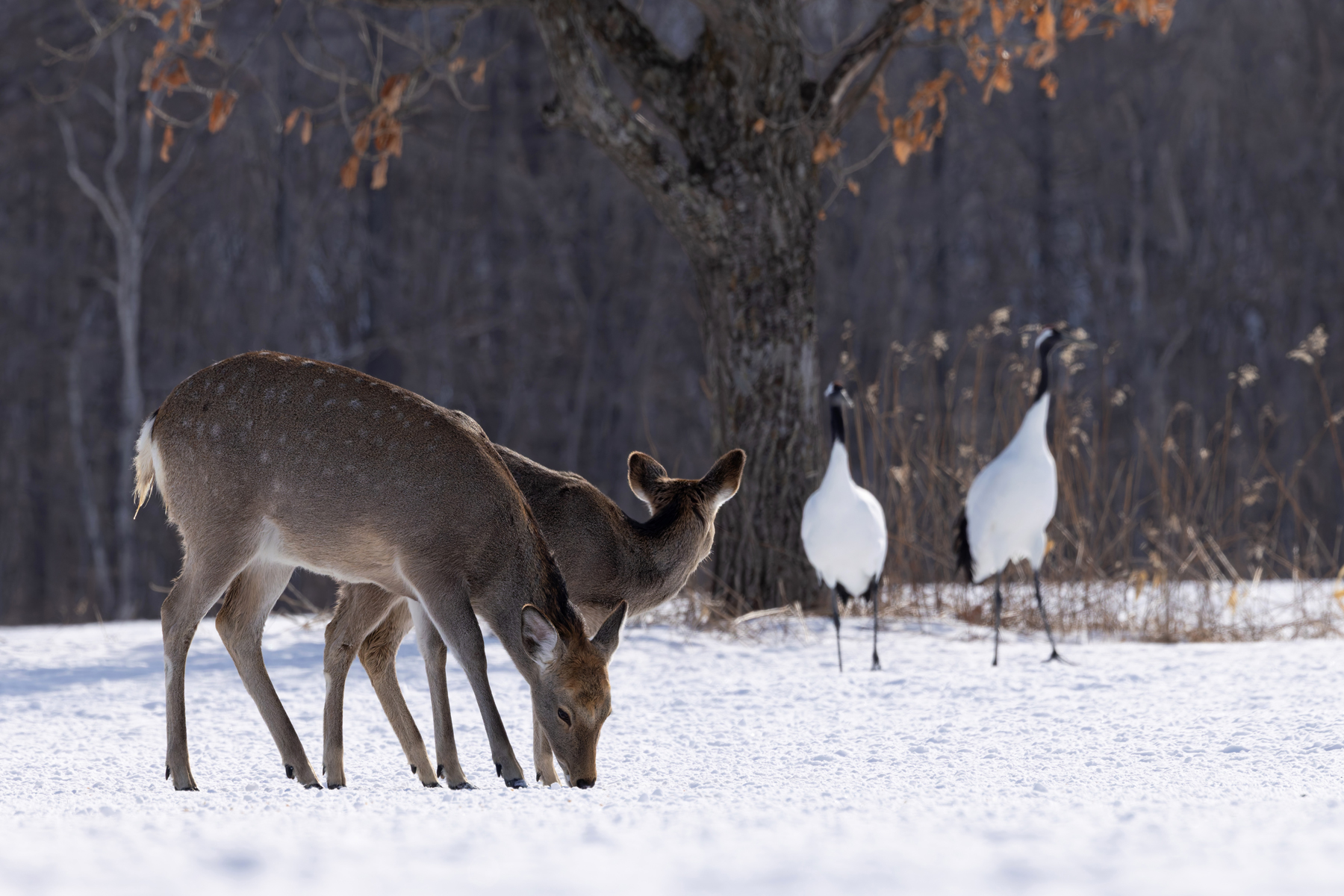
We were not the only crane watchers at Tsurui Ito (Image by Mike Watson)
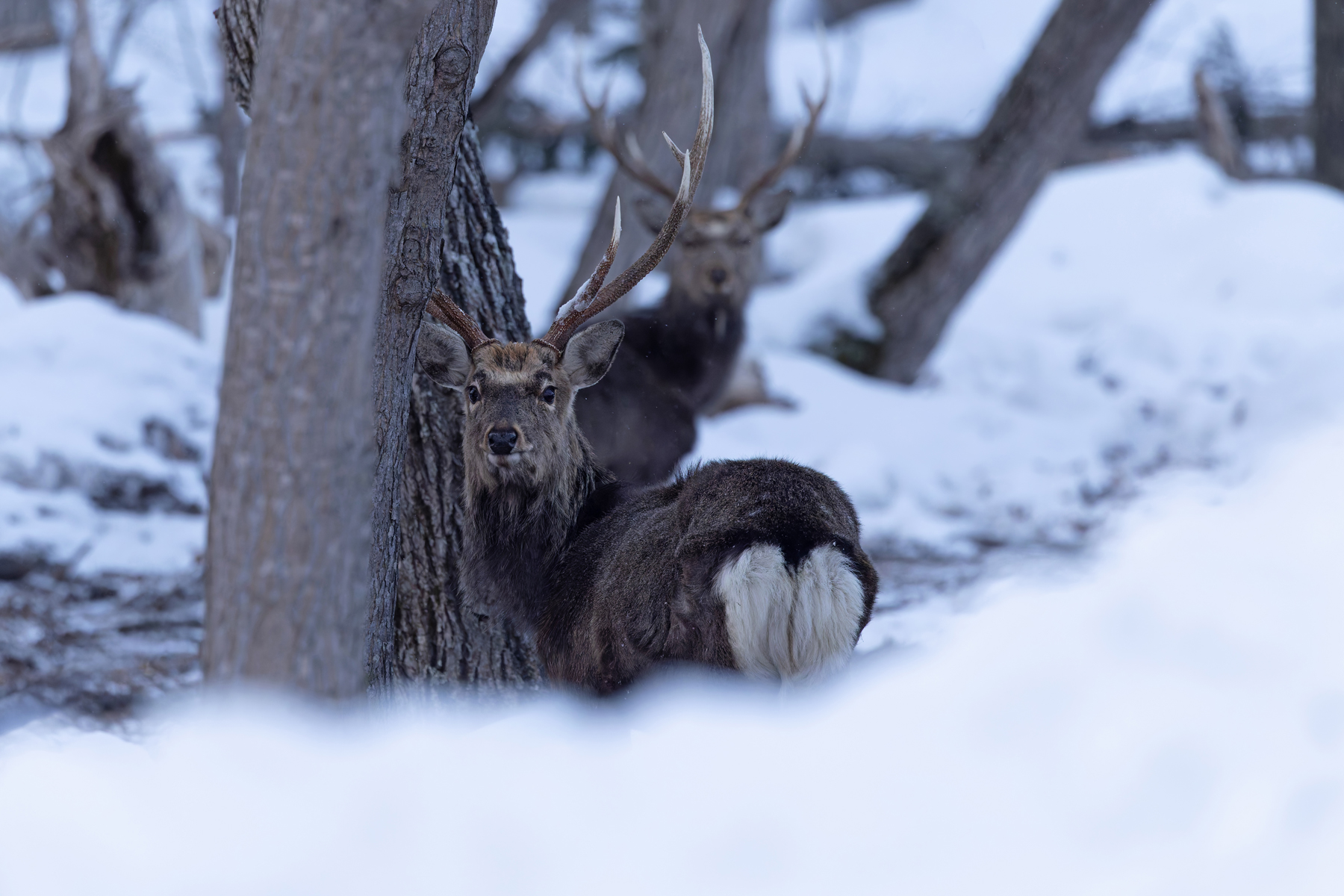
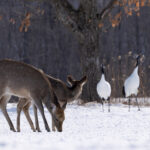
Snowy forest Sika Deer, much less tame than at Notsuke Hanto! (Image by Mike Watson)
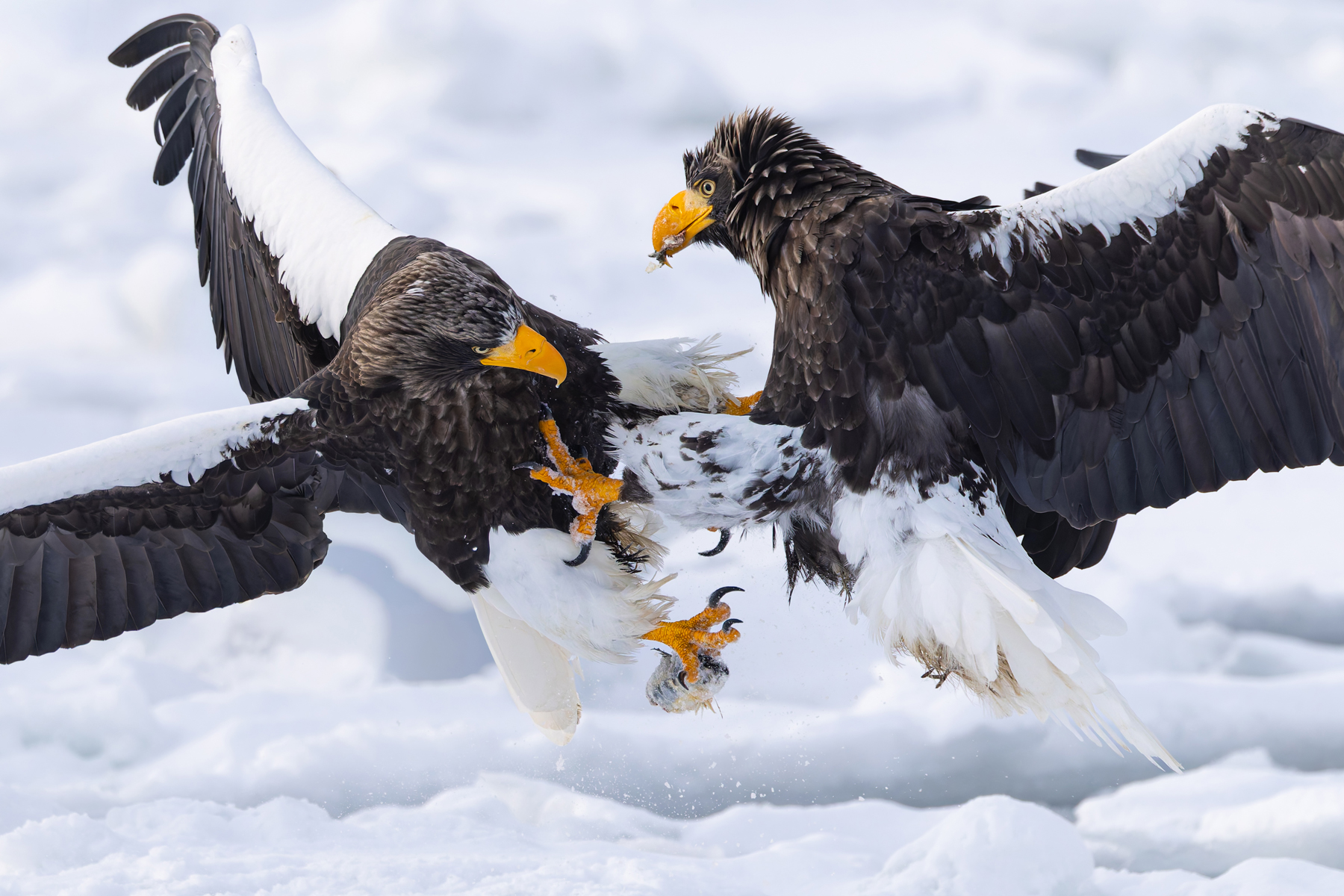
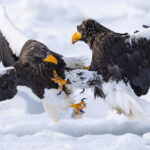
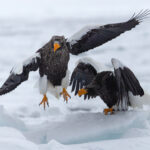
Steller’s Sea Eagles fight over a fish breakfast (Image by Mike Watson)
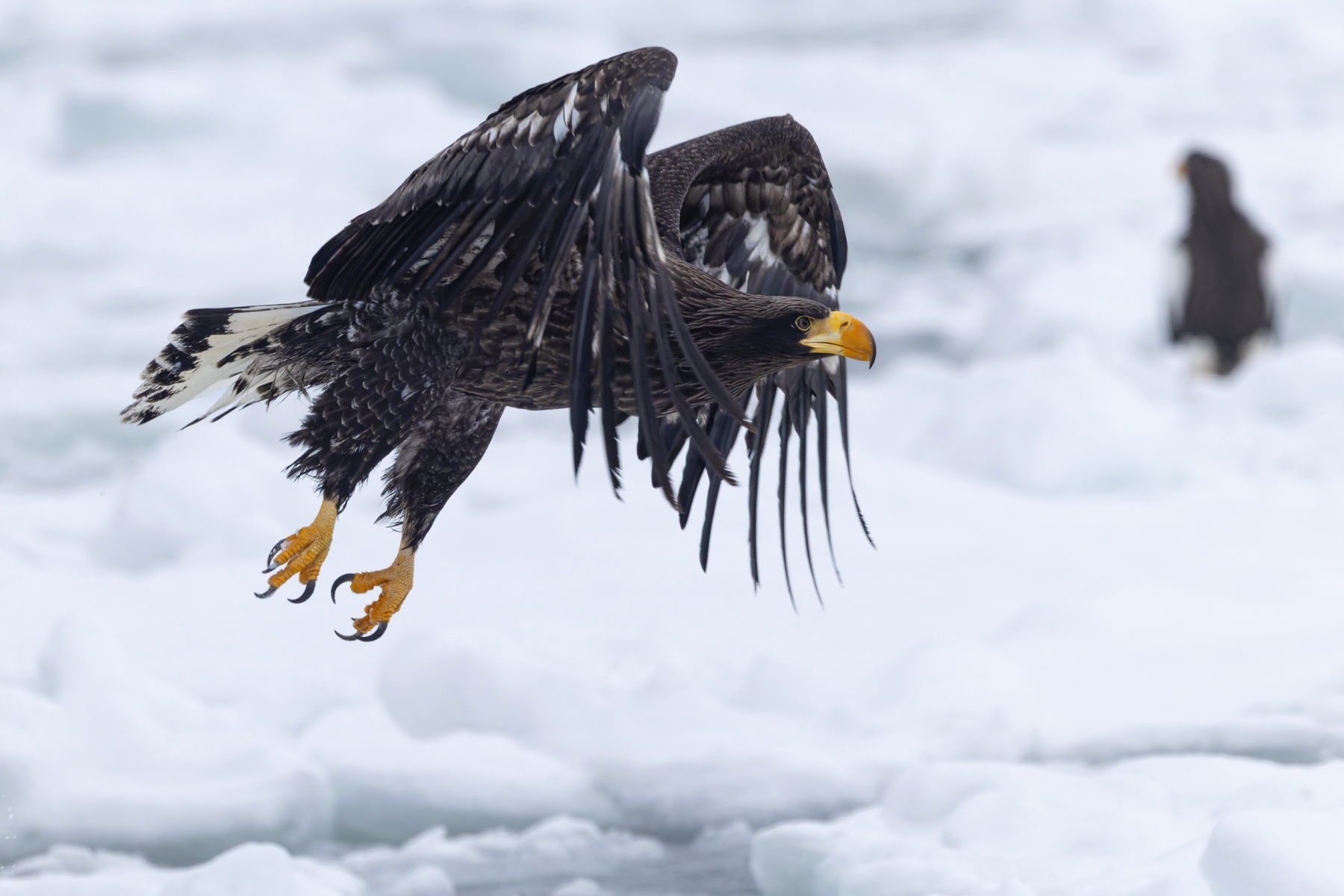
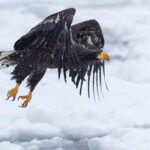
Young Steller’s Sea Eagle takes flight (Image by Mike Watson)
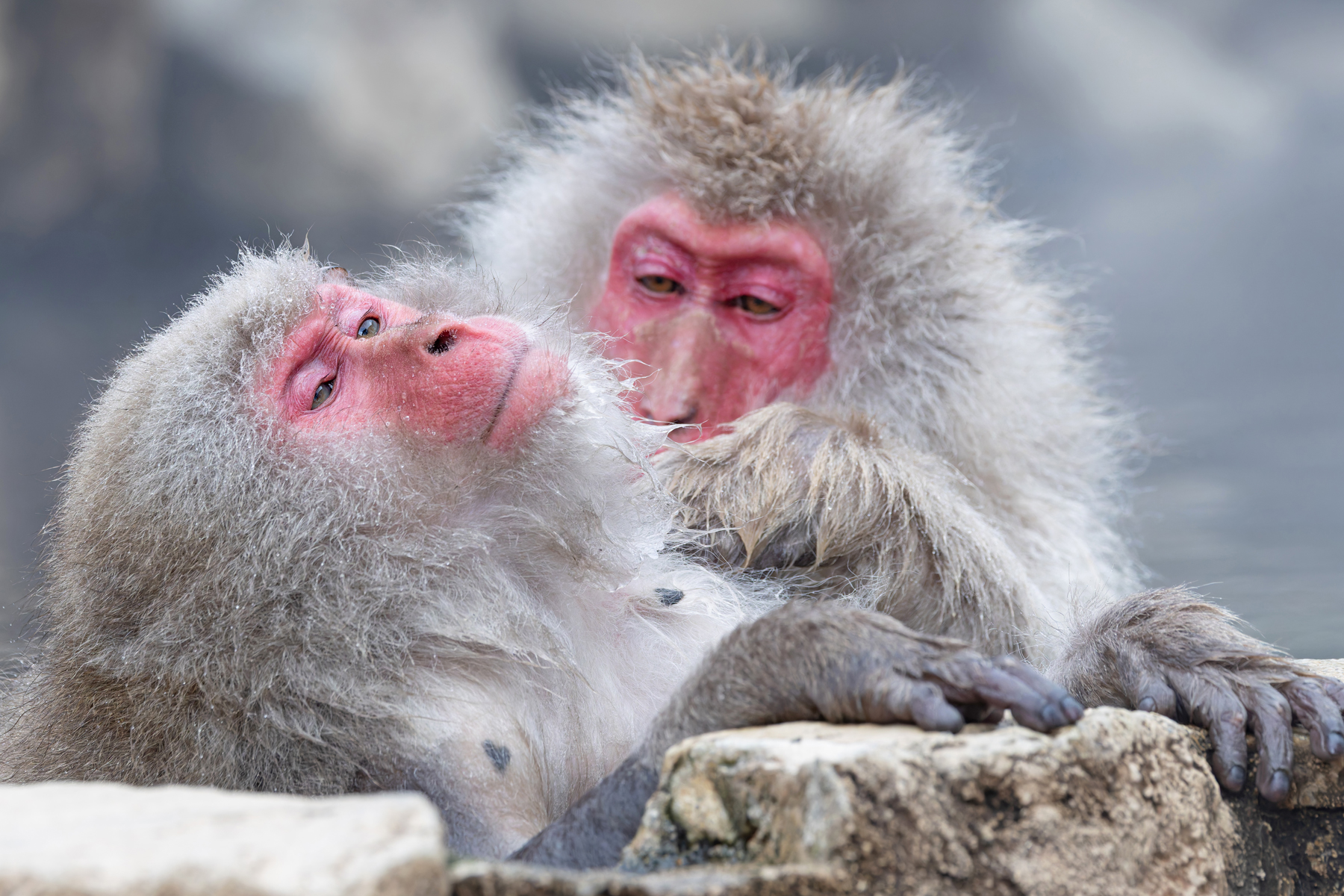
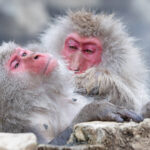
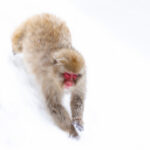
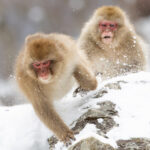
Japanese Macaques spend a lot of time grooming (Image by Mike Watson)
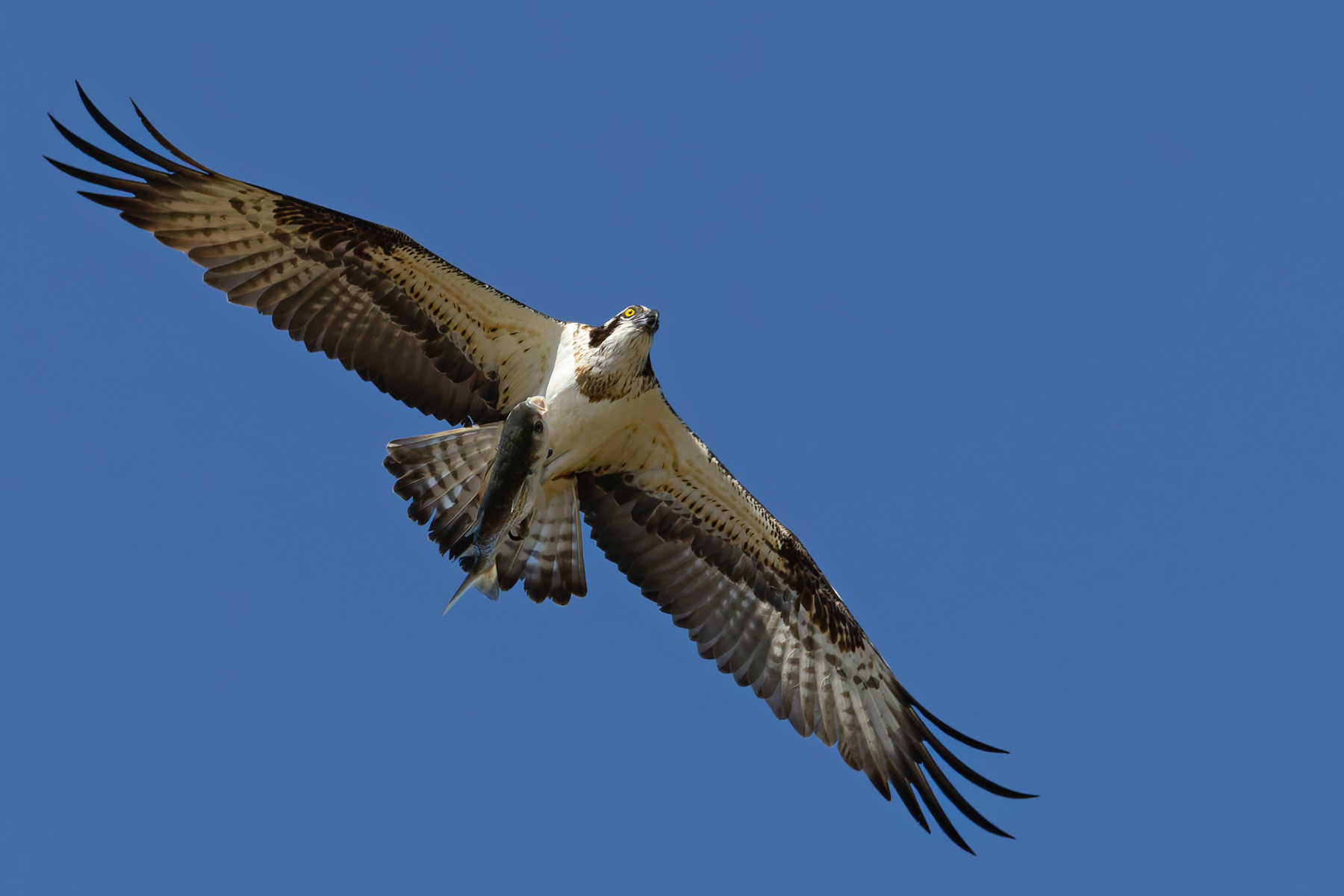
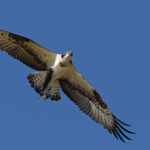
Osprey at Arasaki, it has even turned its fish the right way round for smoother flight (Image by Mike Watson)
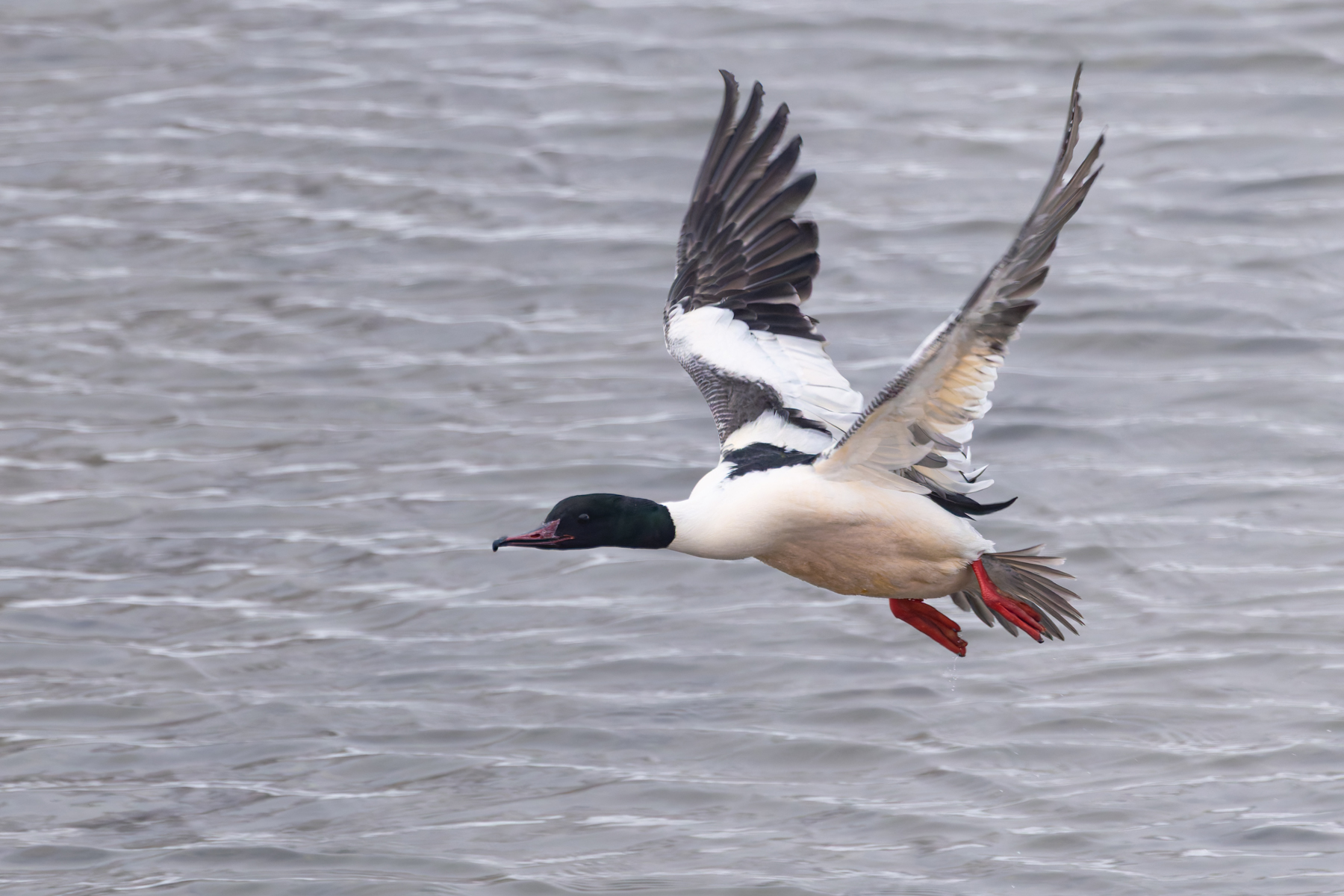
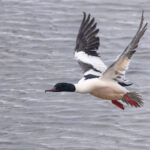
Goosander drake (Image by Mike Watson)
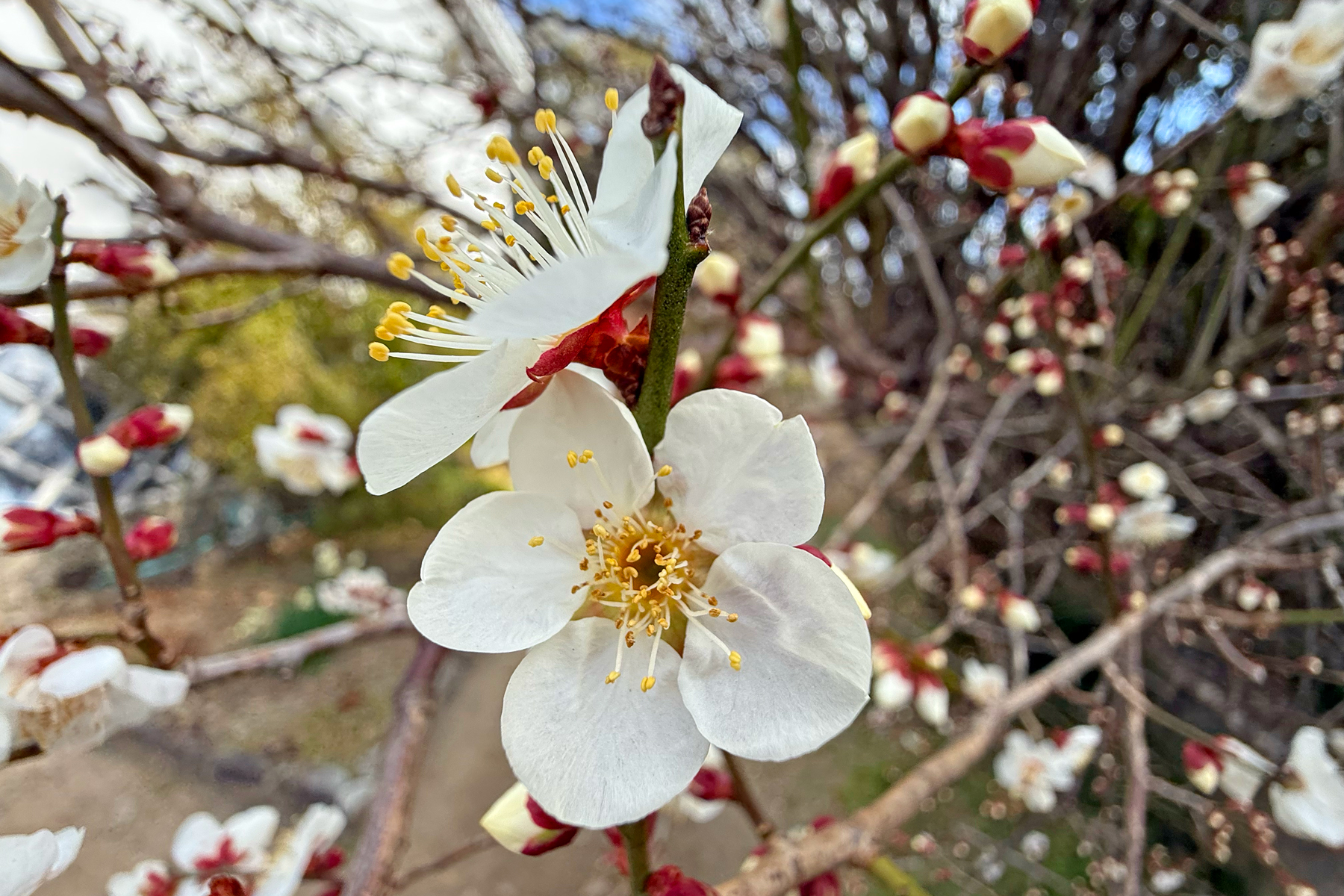
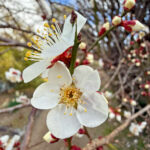
Some early Sakura in Izumi (Image by Mike Watson)
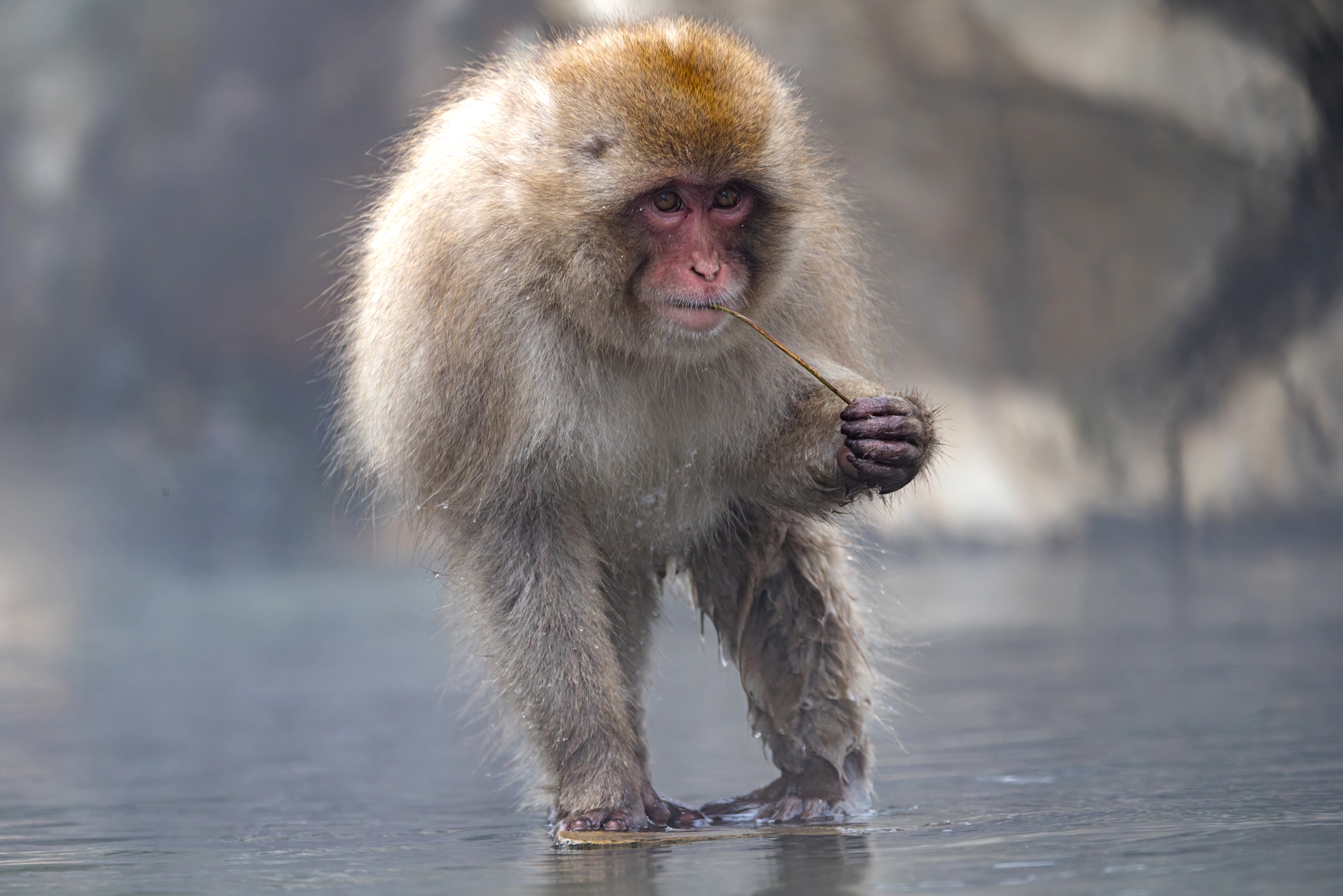
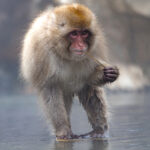
Japanese Macaques can walk on water? (Image by Mike Watson)
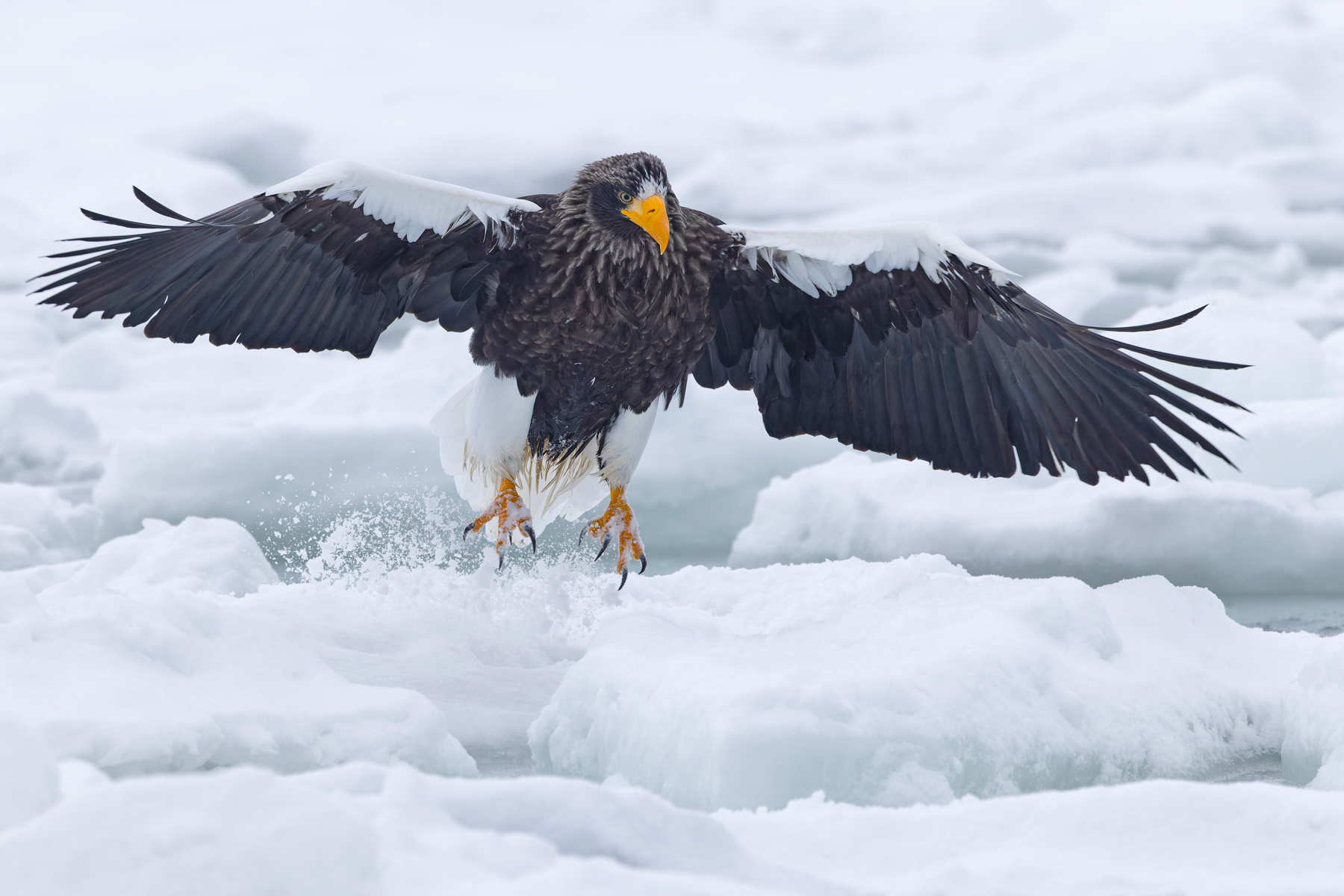
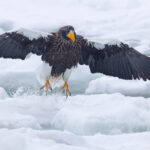
Steller’s Sea Eagle kicking up snow (Image by Mike Watson)
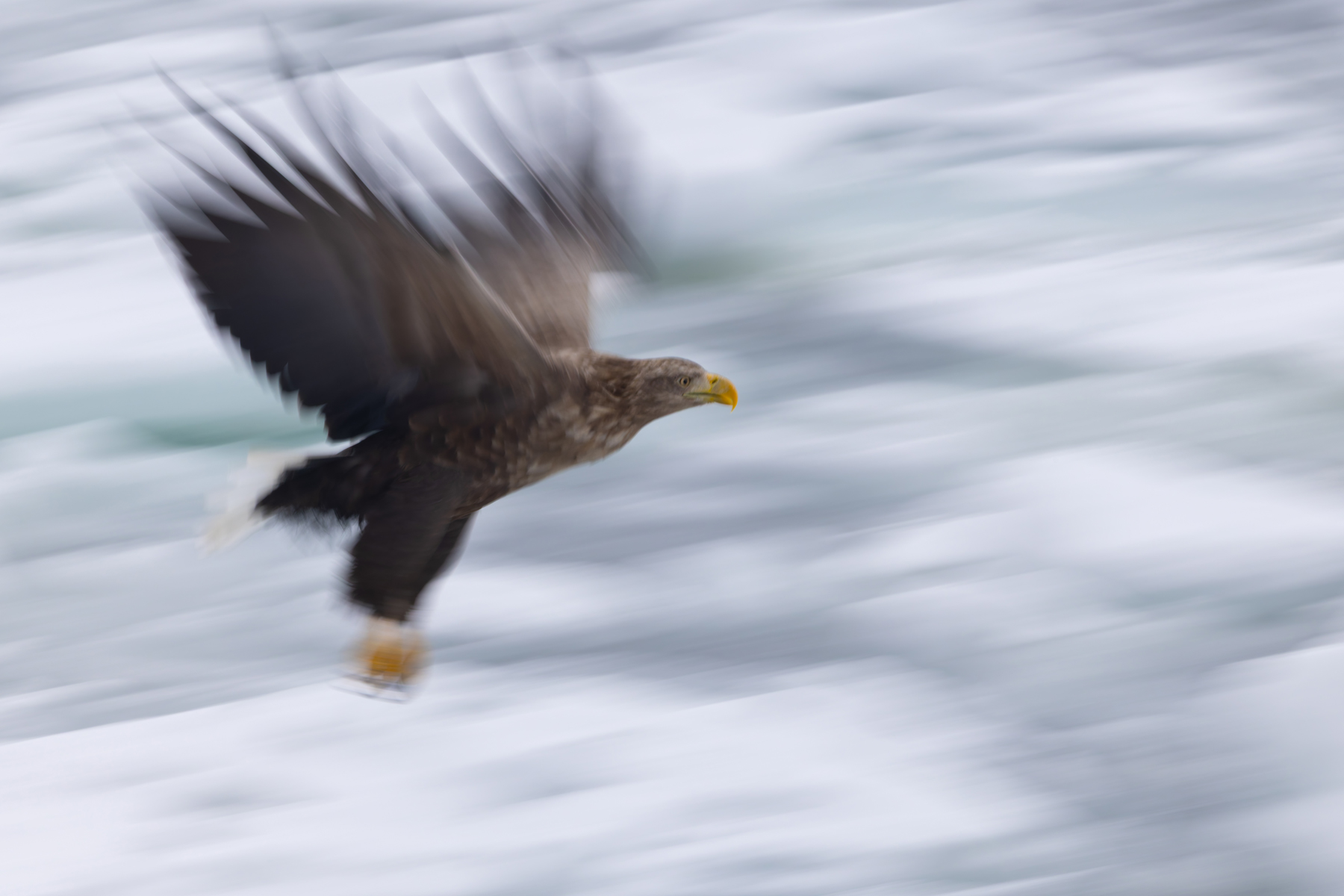
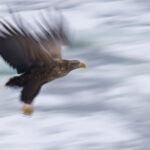
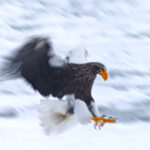
White-tailed Eagle blur (Image by Mike Watson)
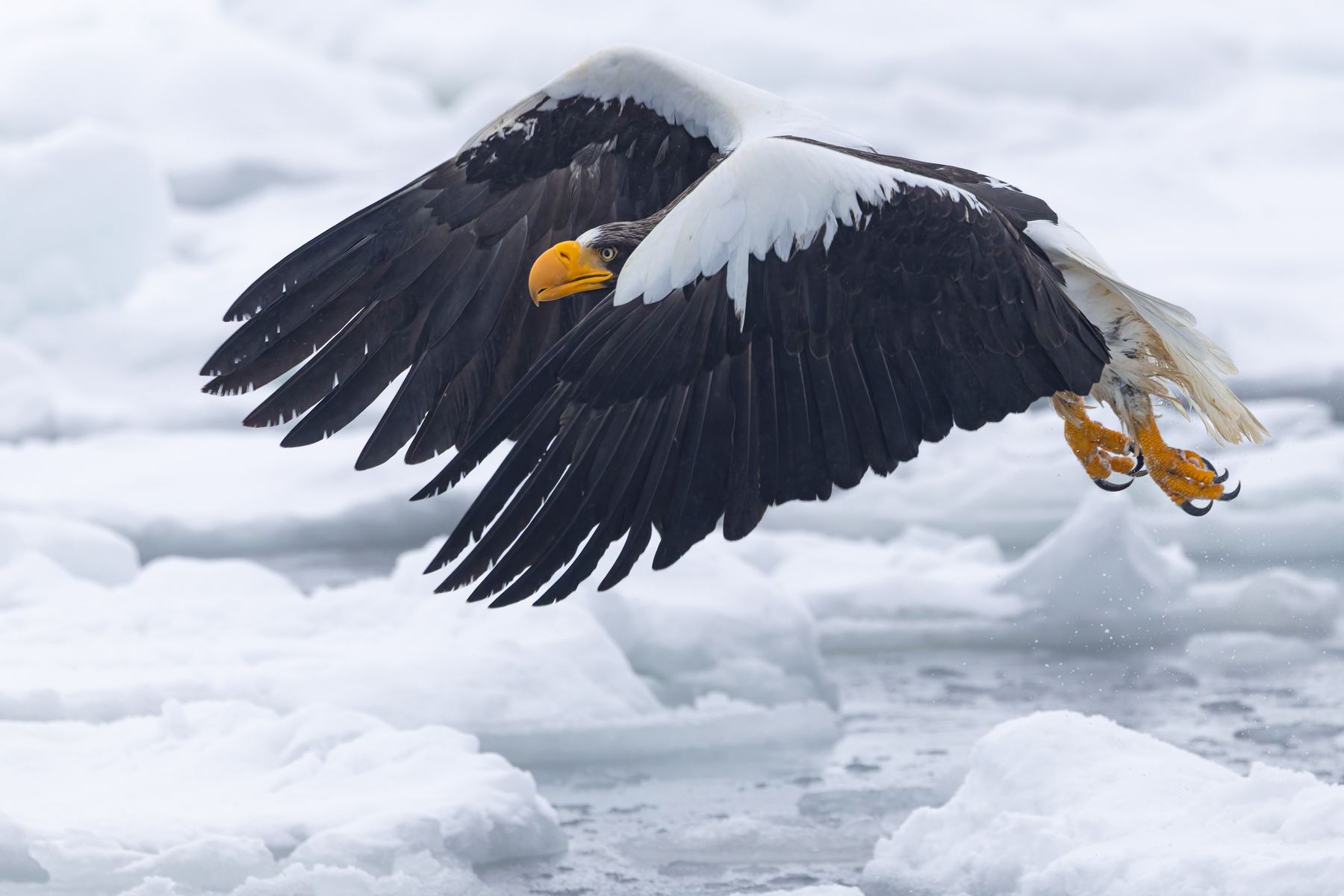
Cloak-like wings give this Steller’s Sea Eagle a sinister appearance (Image by Mike Watson)
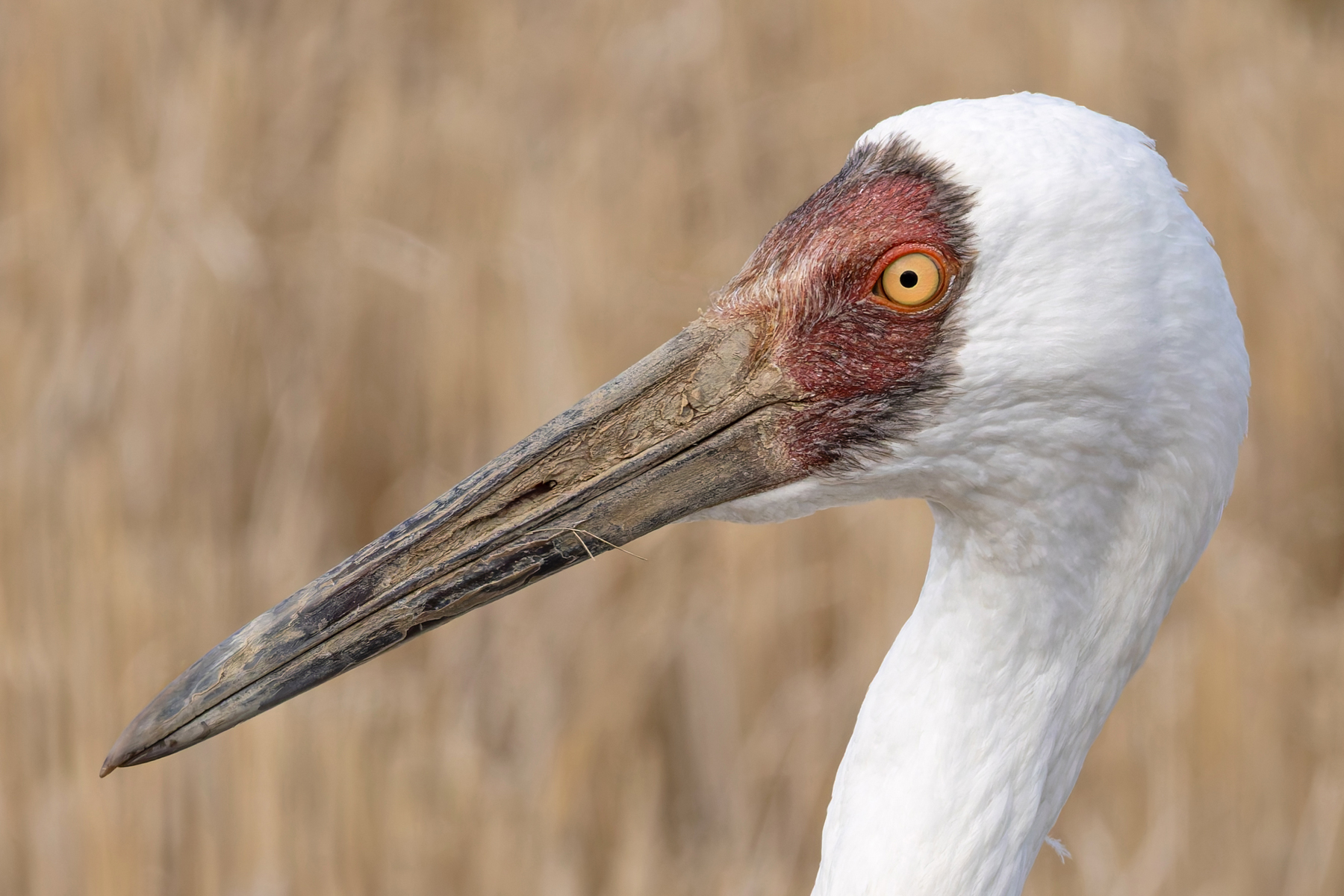
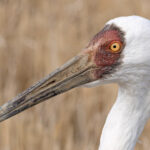
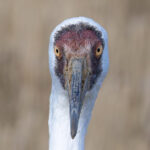
Siberian Crane portrait, taken in the field from a vehicle! (Image by Mike Watson)
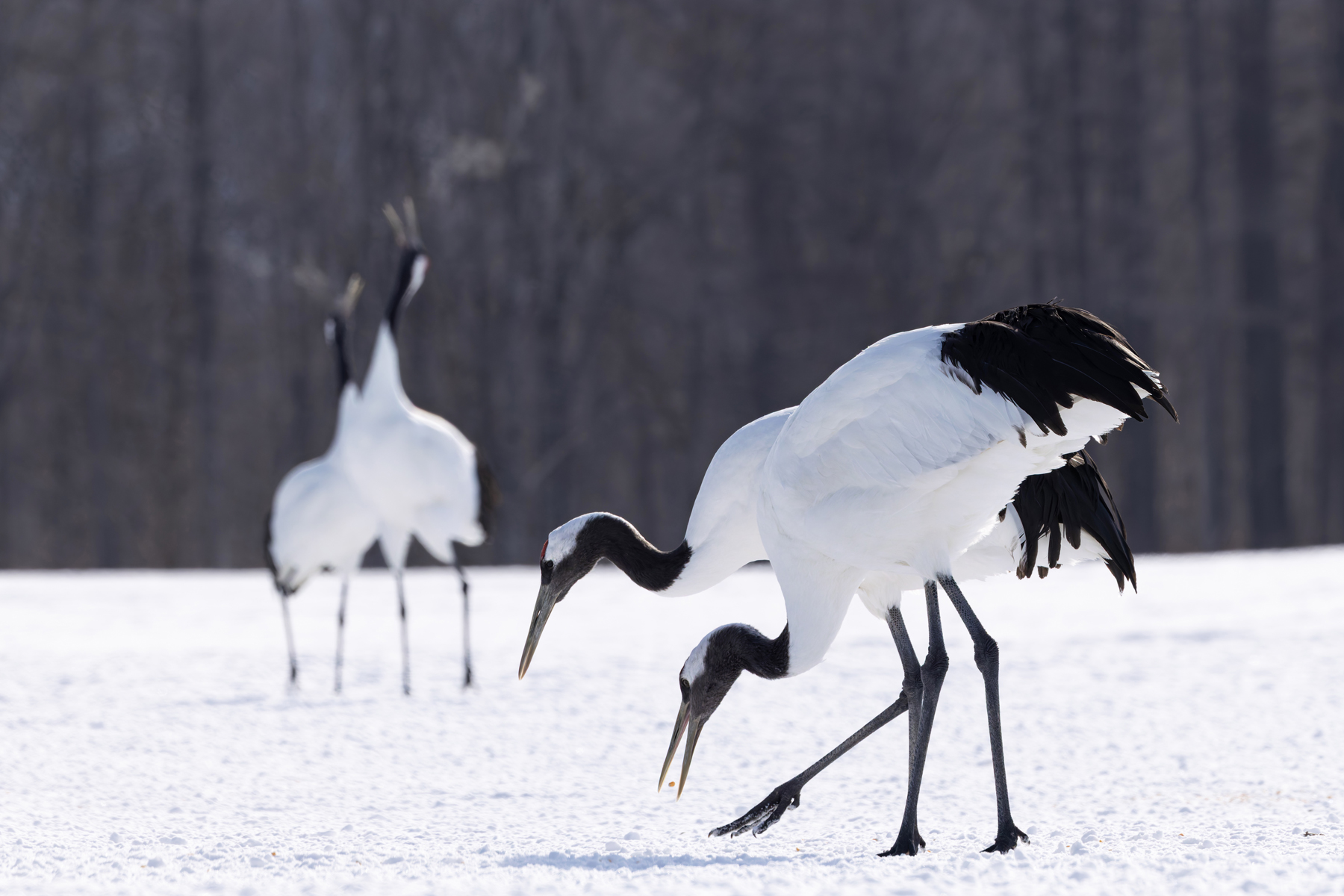
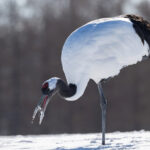
Red-crowned Crane grain between the mandibles/icy breath combo (Image by Mike Watson)
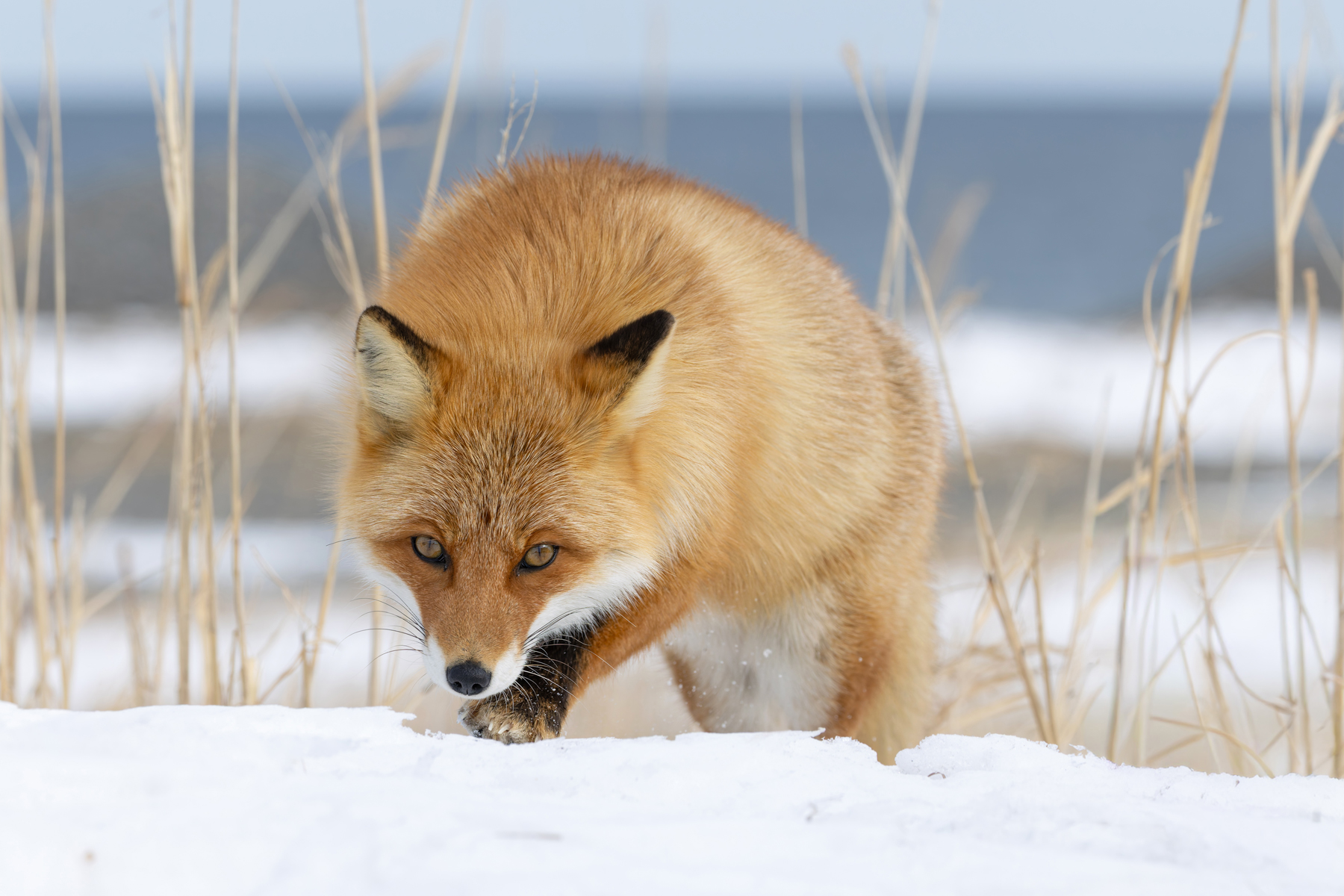
Red Foxy wants something to eat, someone around here is feeding them! (Image by Mike Watson)
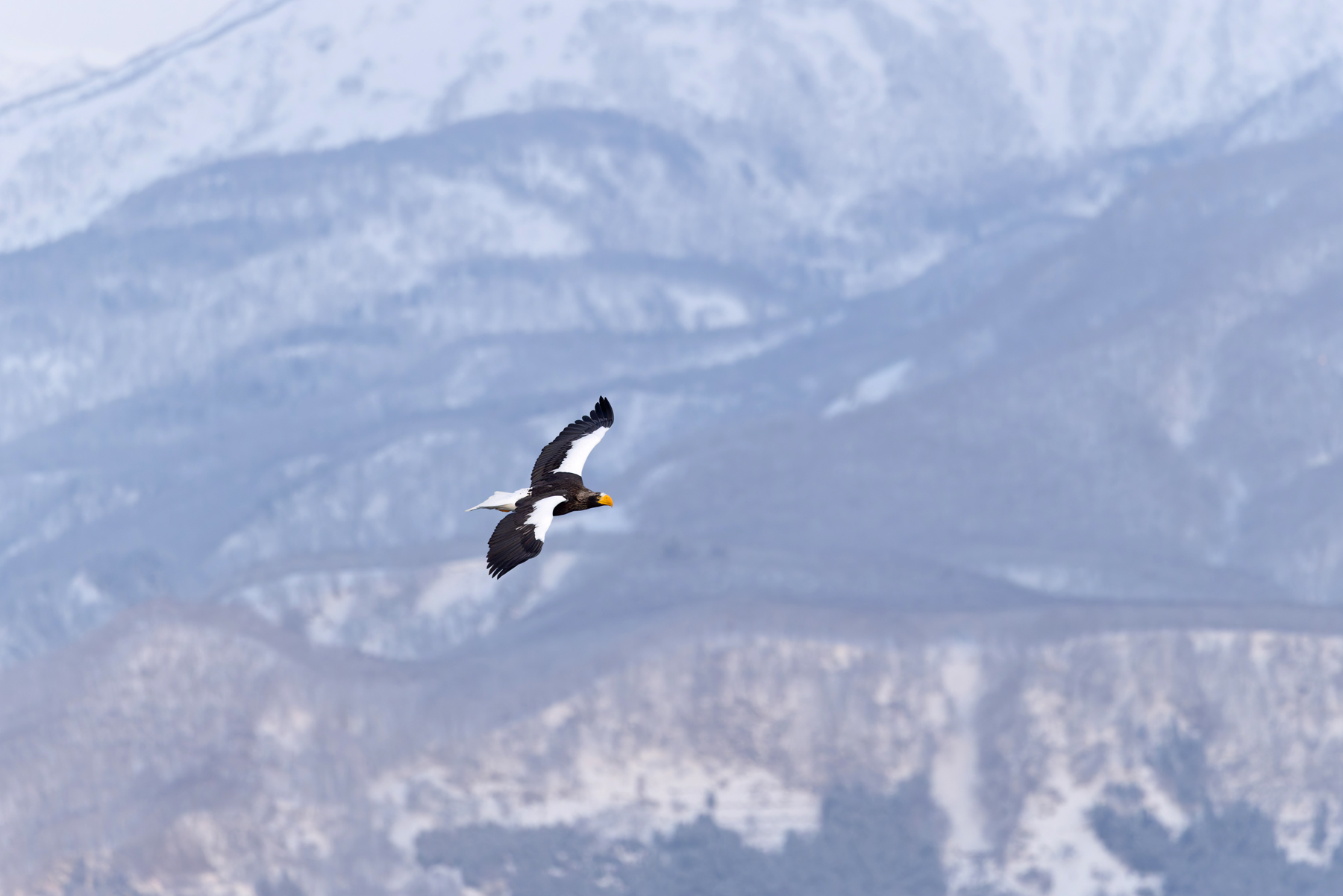
Steller’s Sea Eagle against the mountain forest background of the Shiretoko Peninsula (Image by Mike Watson)
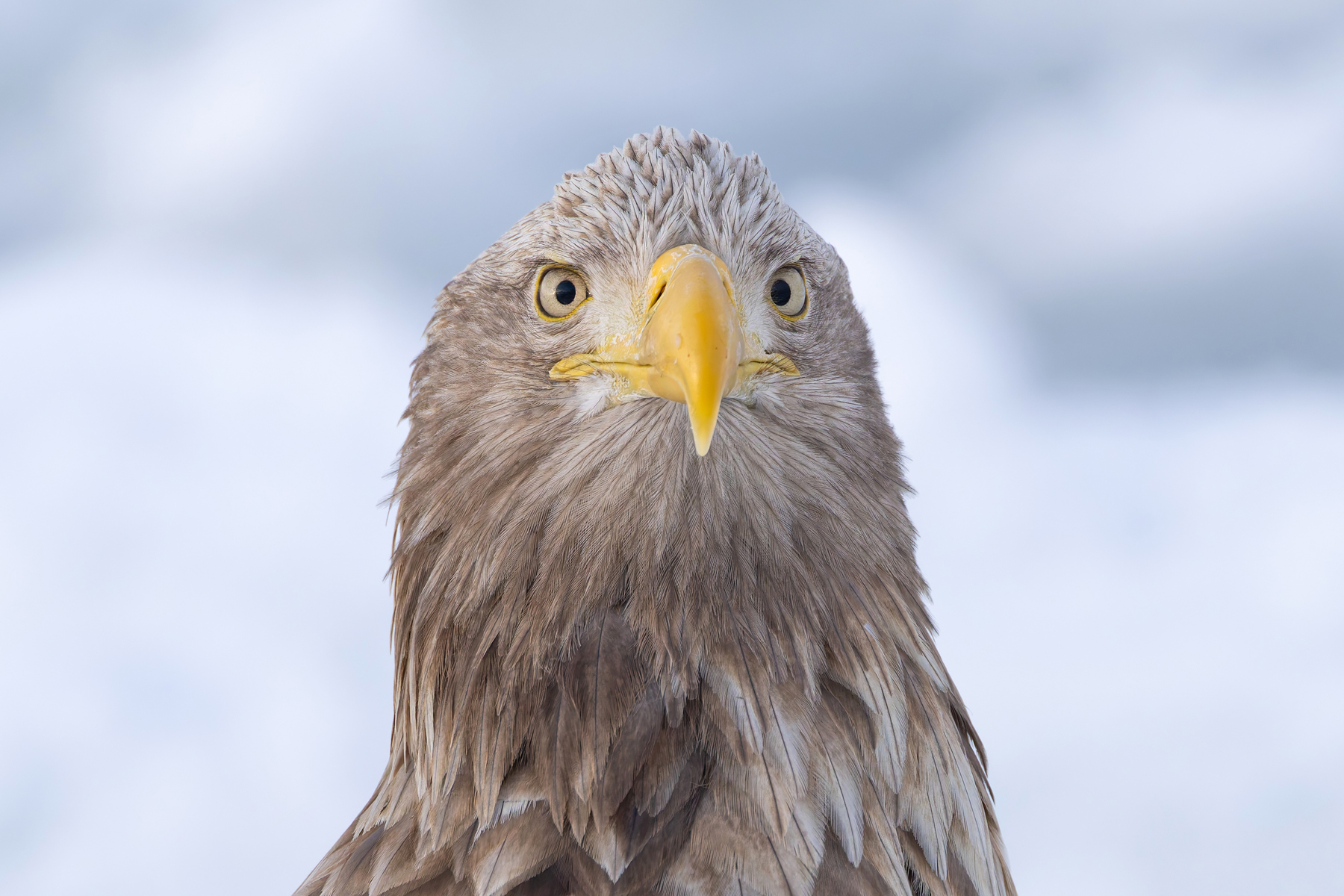
White-tailed Eagle close-up, how bizarre to see them like this, like seagulls (Image by Mike Watson)
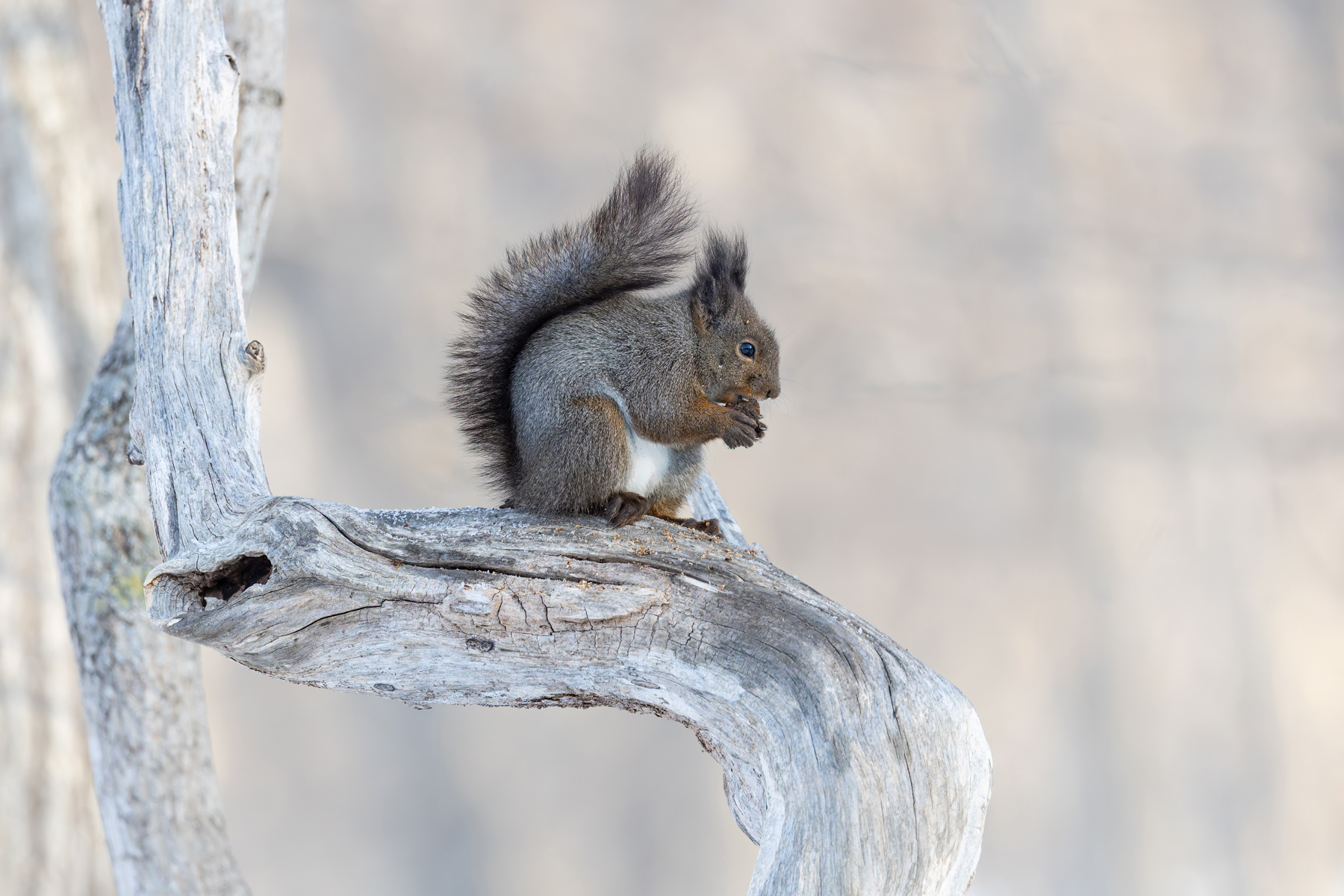
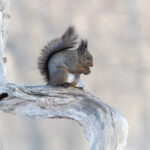
Red Squirrel, too cute! (Image by Mike Watson)
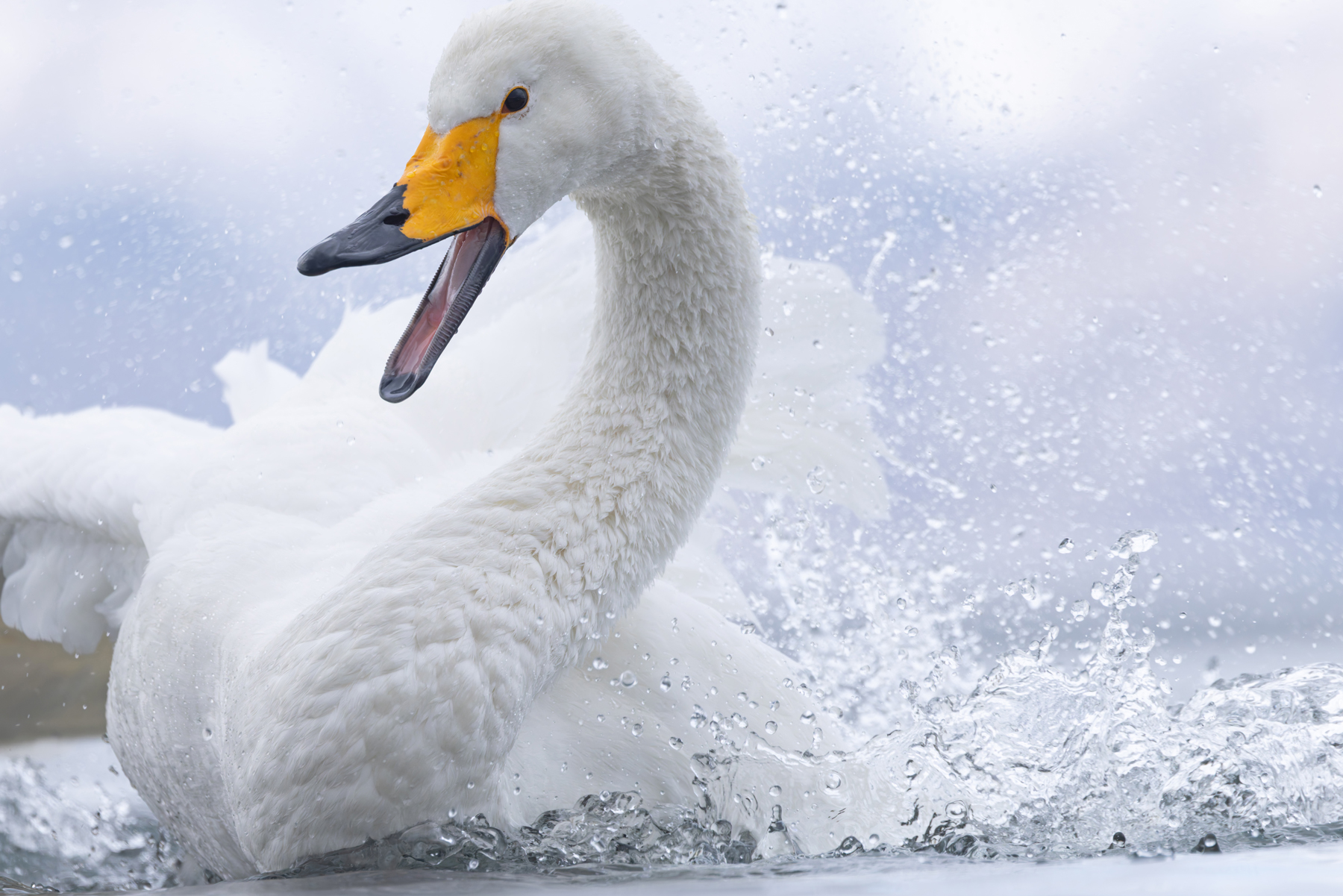
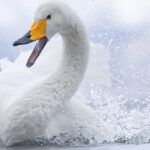
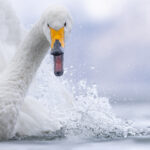
Whooper Swan splashing rage (Image by Mike Watson)
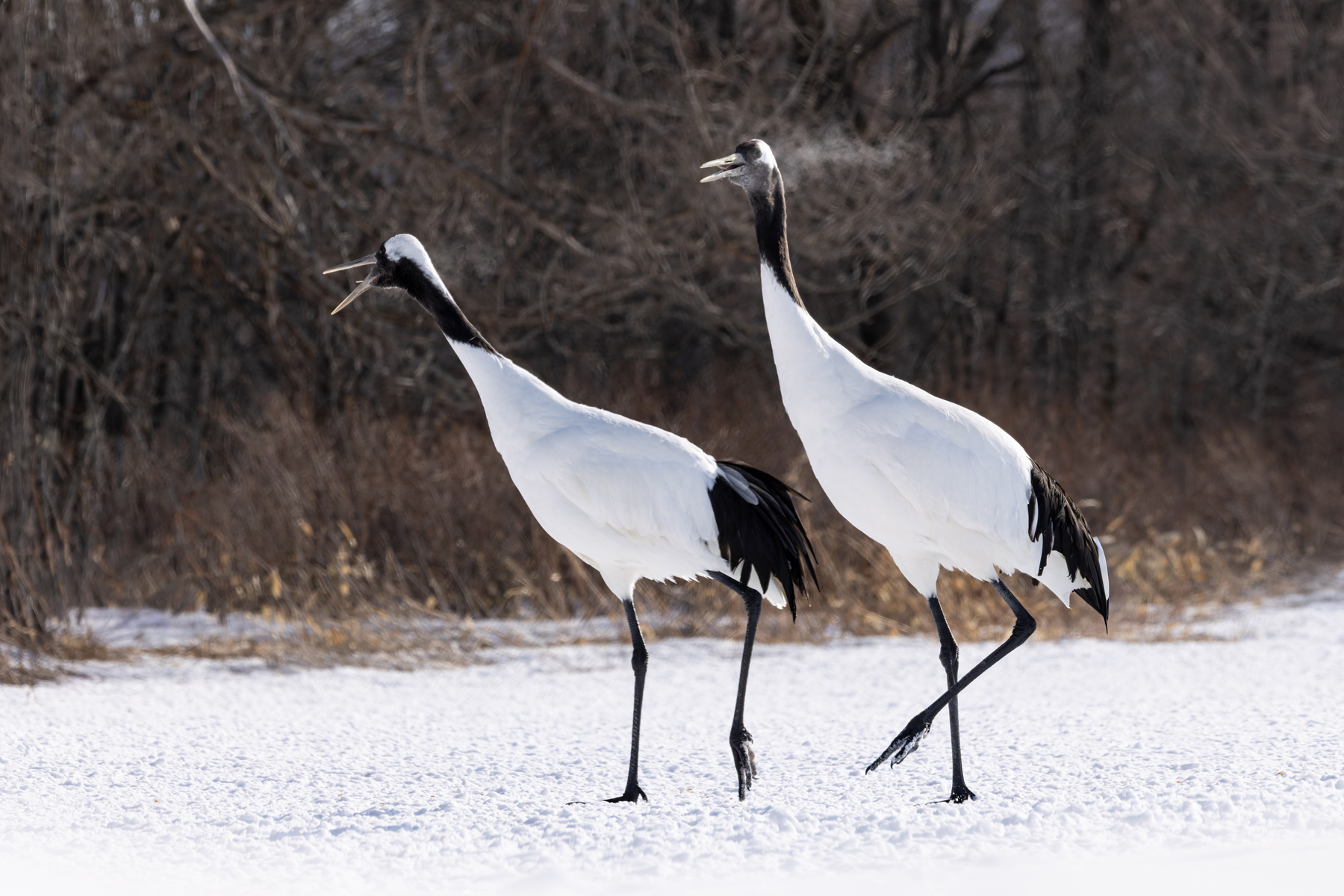
Red-crowned Crane pair, their icy breath showing how cold it is! (Image by Mike Watson)
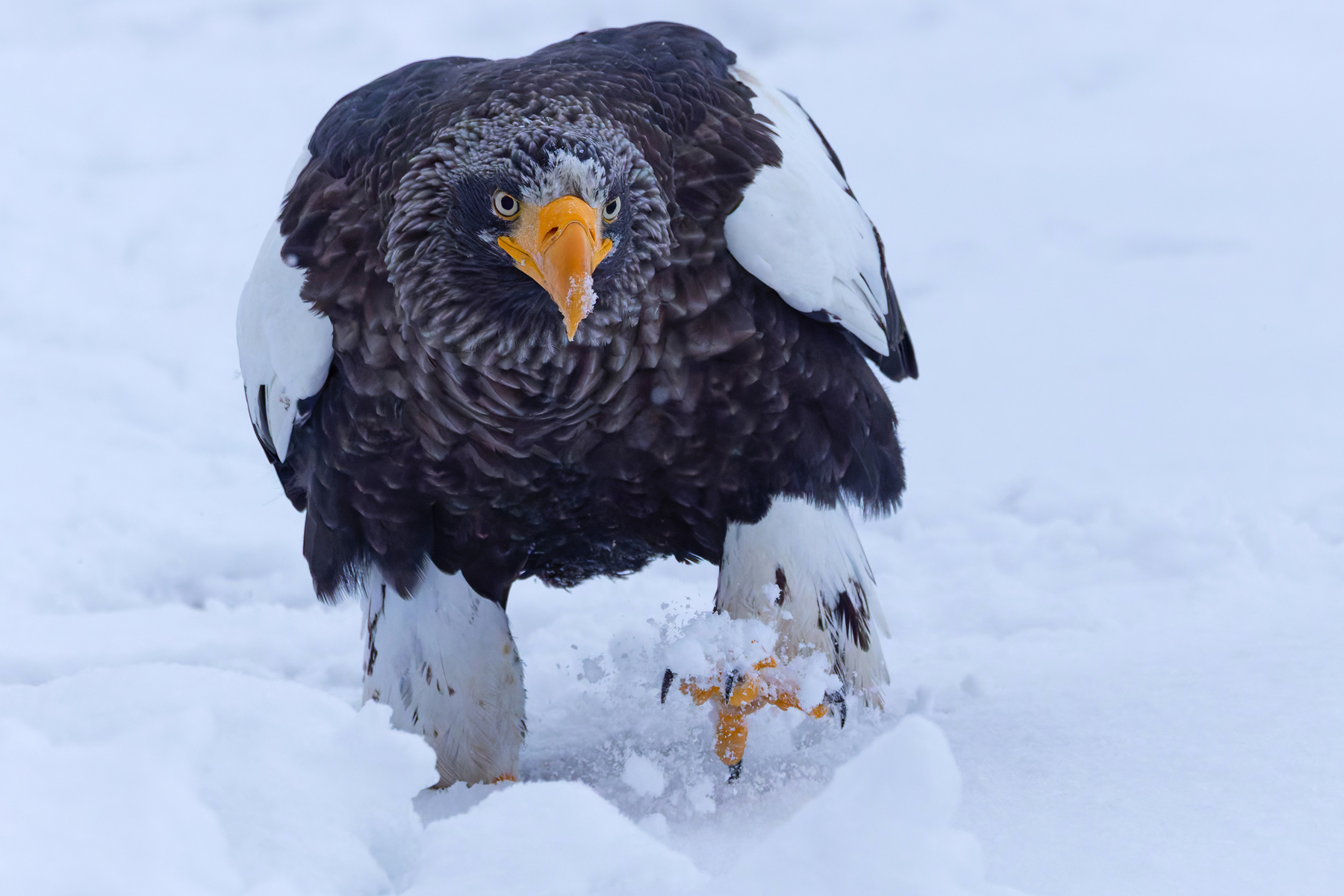
Steller’s Sea Eagle stomps towards us (Image by Mike Watson)
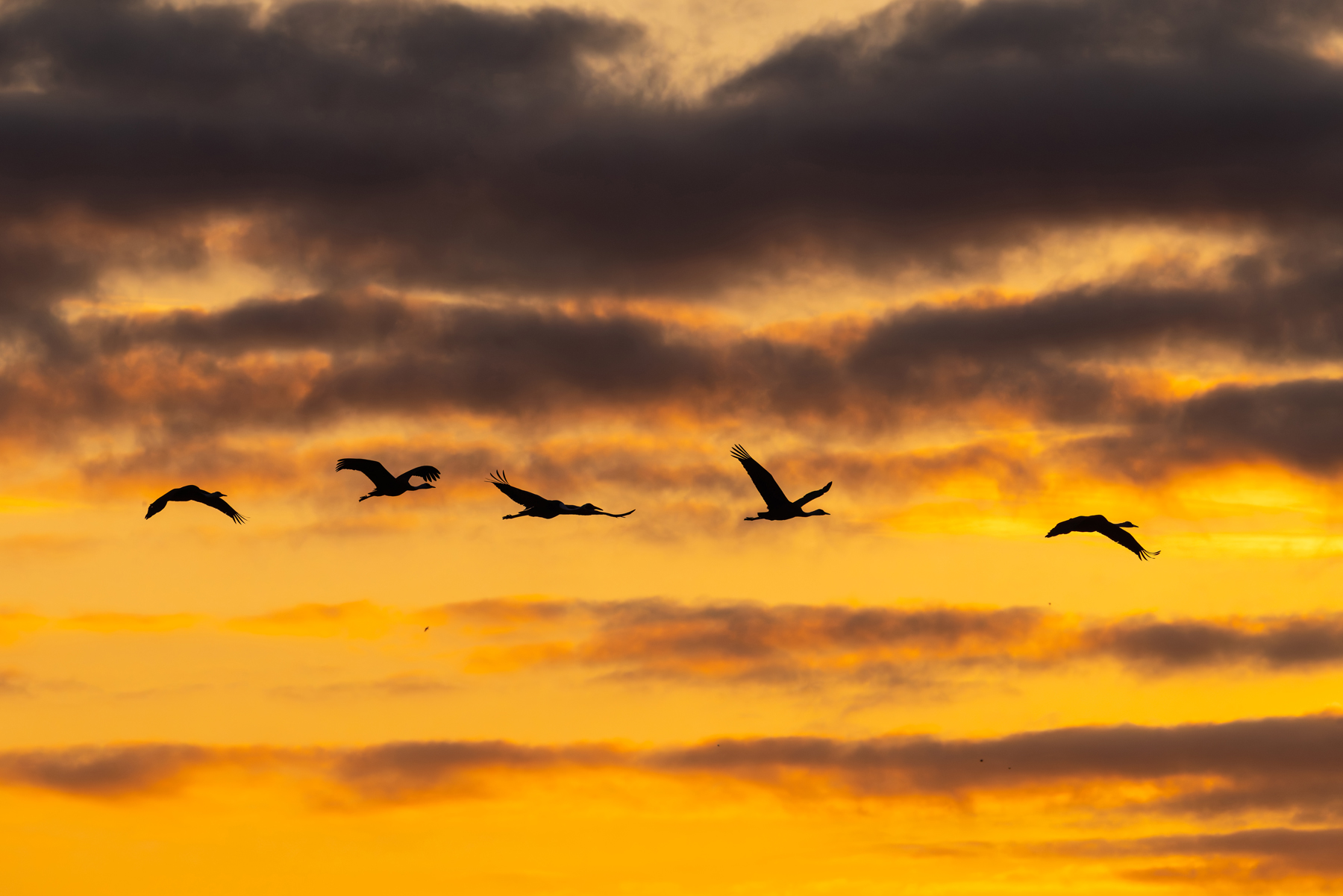
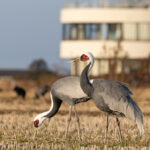
A White-naped Crane joins some Hoodeds at sunrise (Image by Mike Watson)
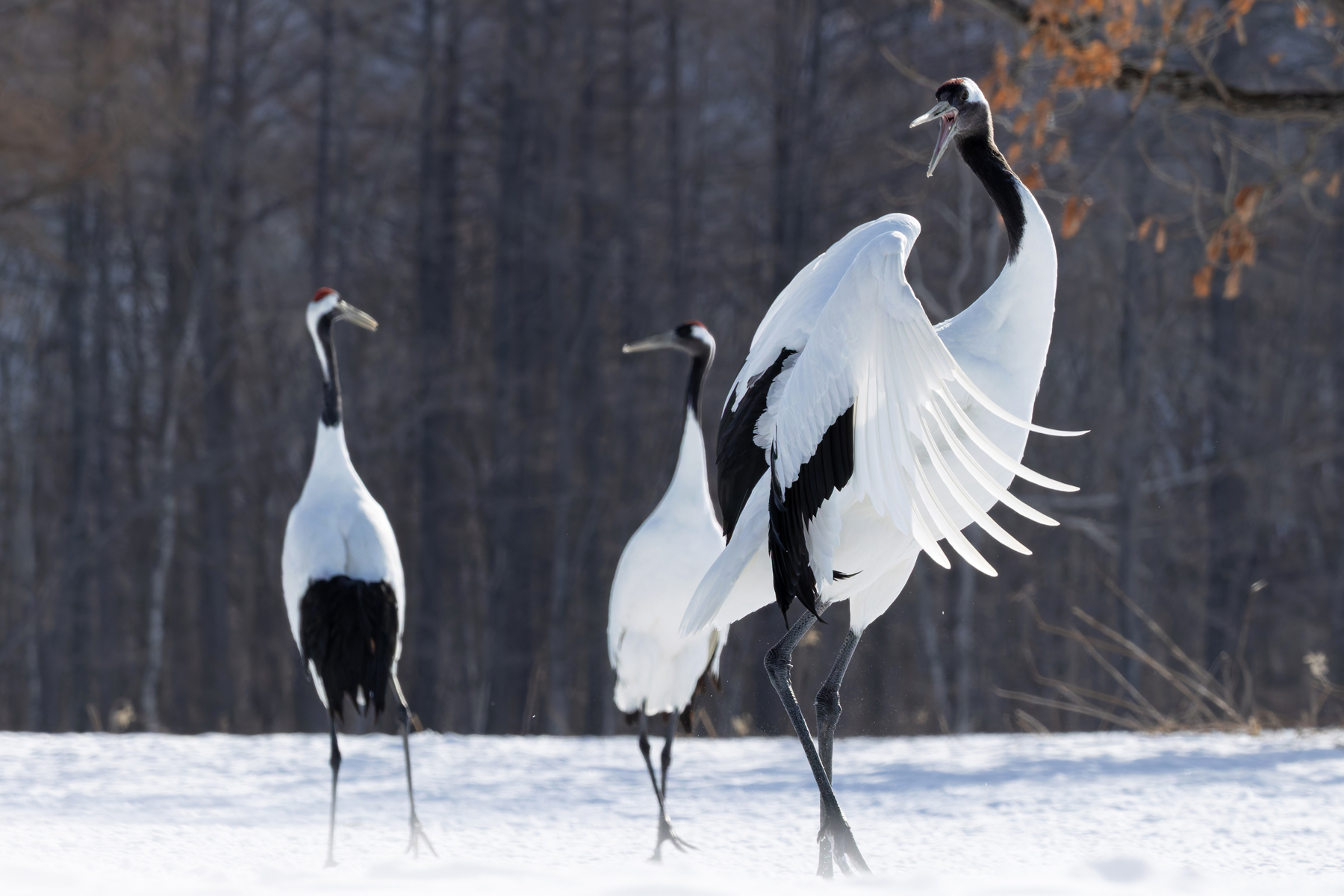
Red-crowned Crane looking back (Image by Mike Watson)
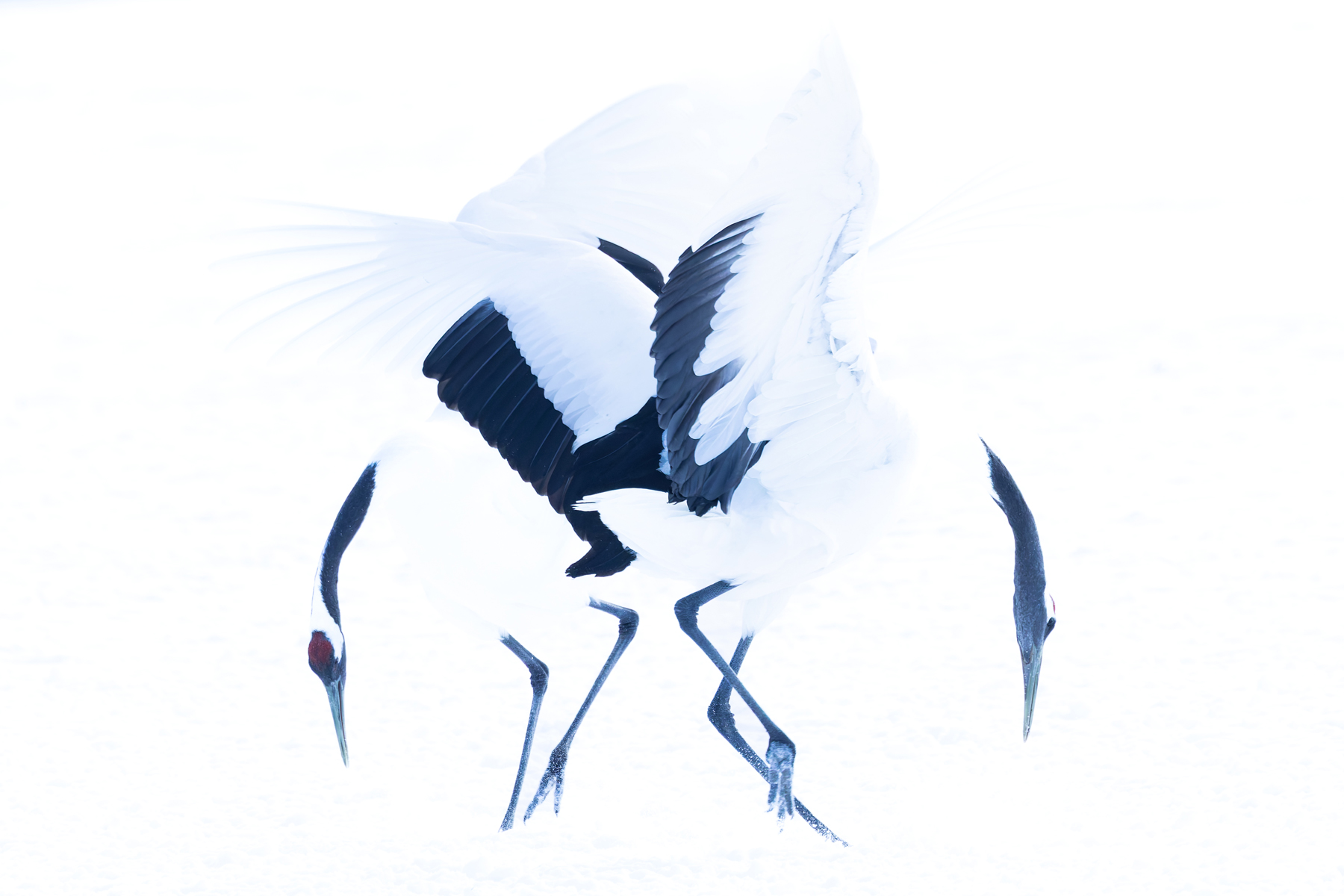
Red-crowned Crane, high key pair (Image by Mike Watson)
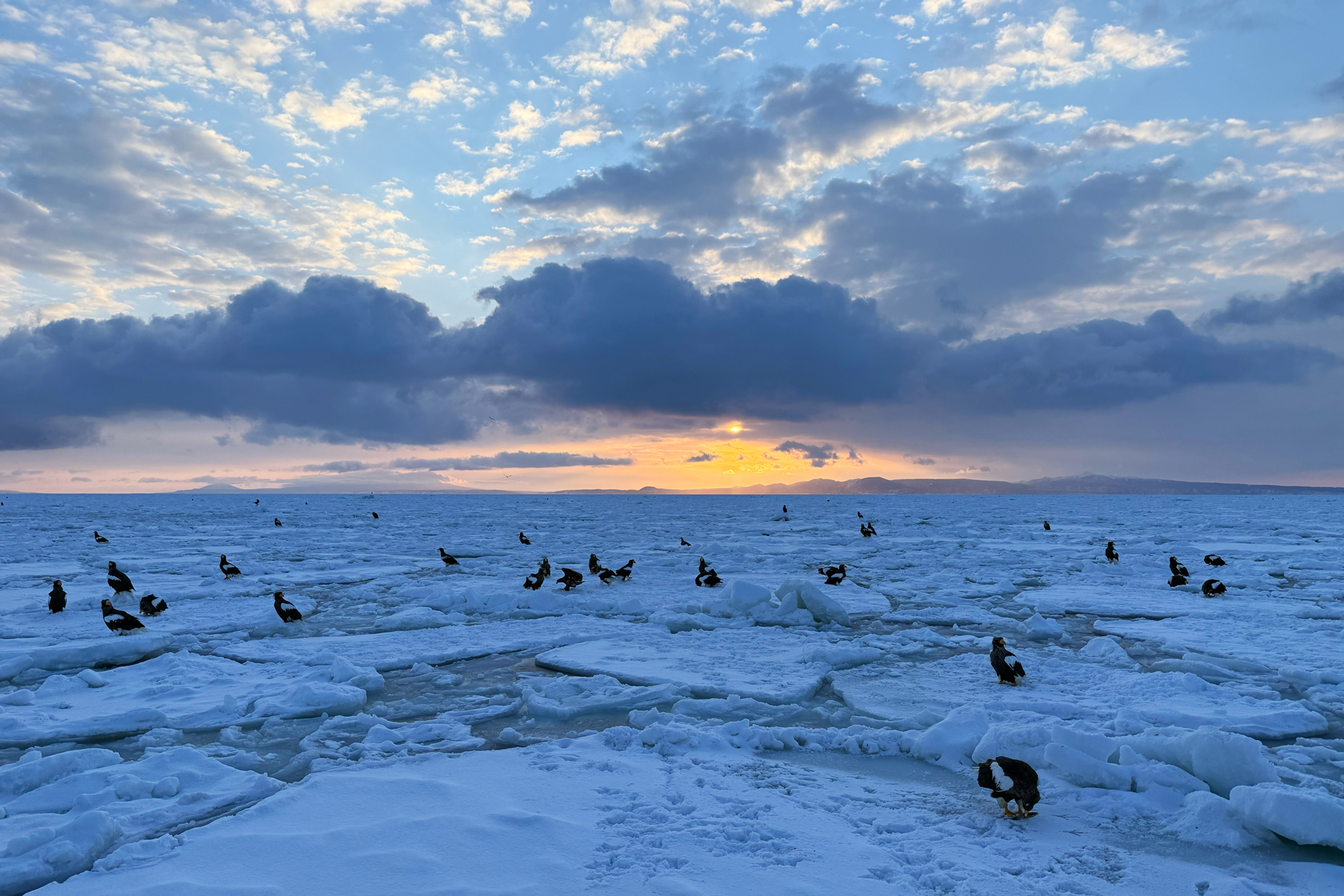
Sea Eagle dawn (Image by Mike Watson)
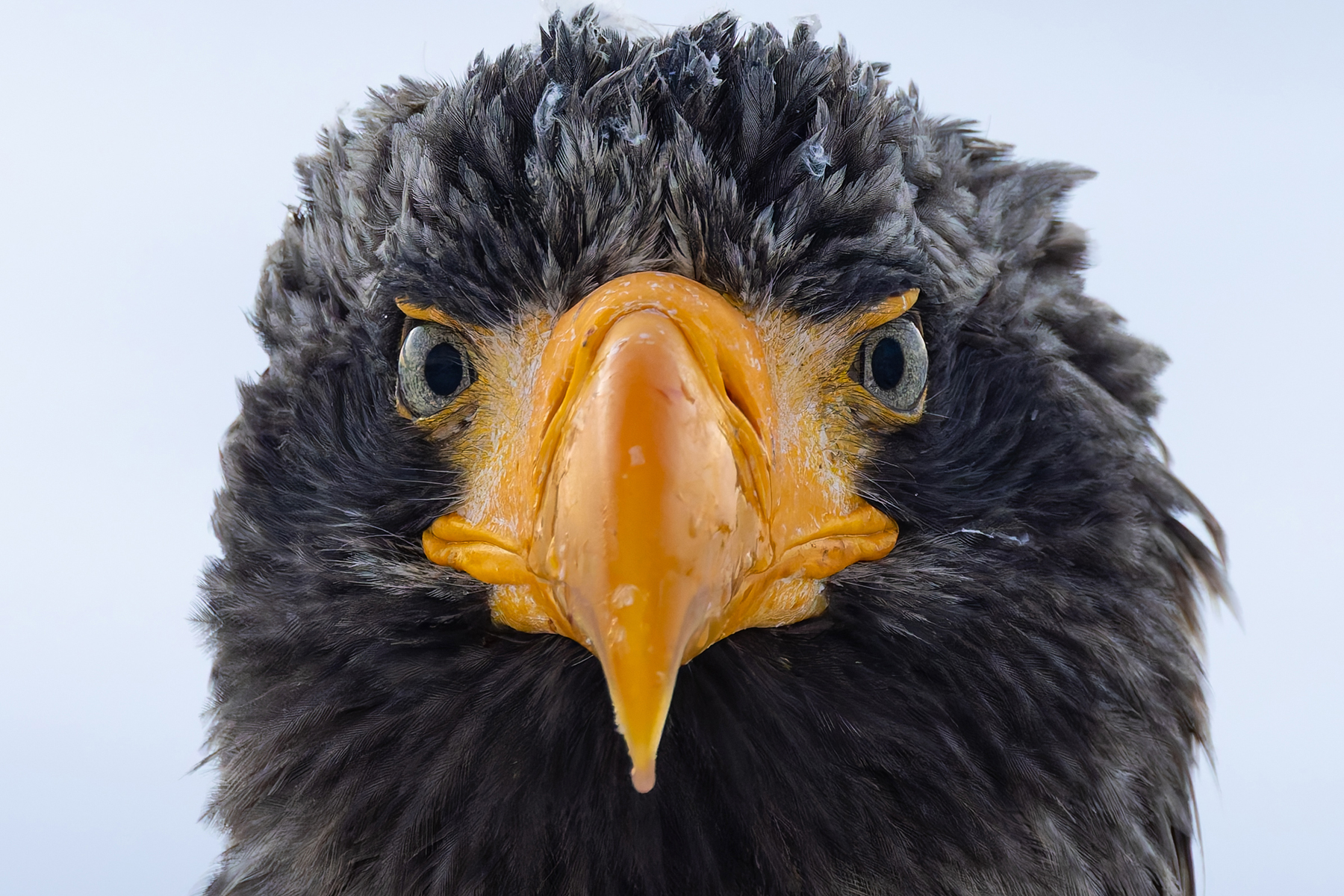
Gaze into the eyes of a Steller’s Sea Eagle (Image by Mike Watson)
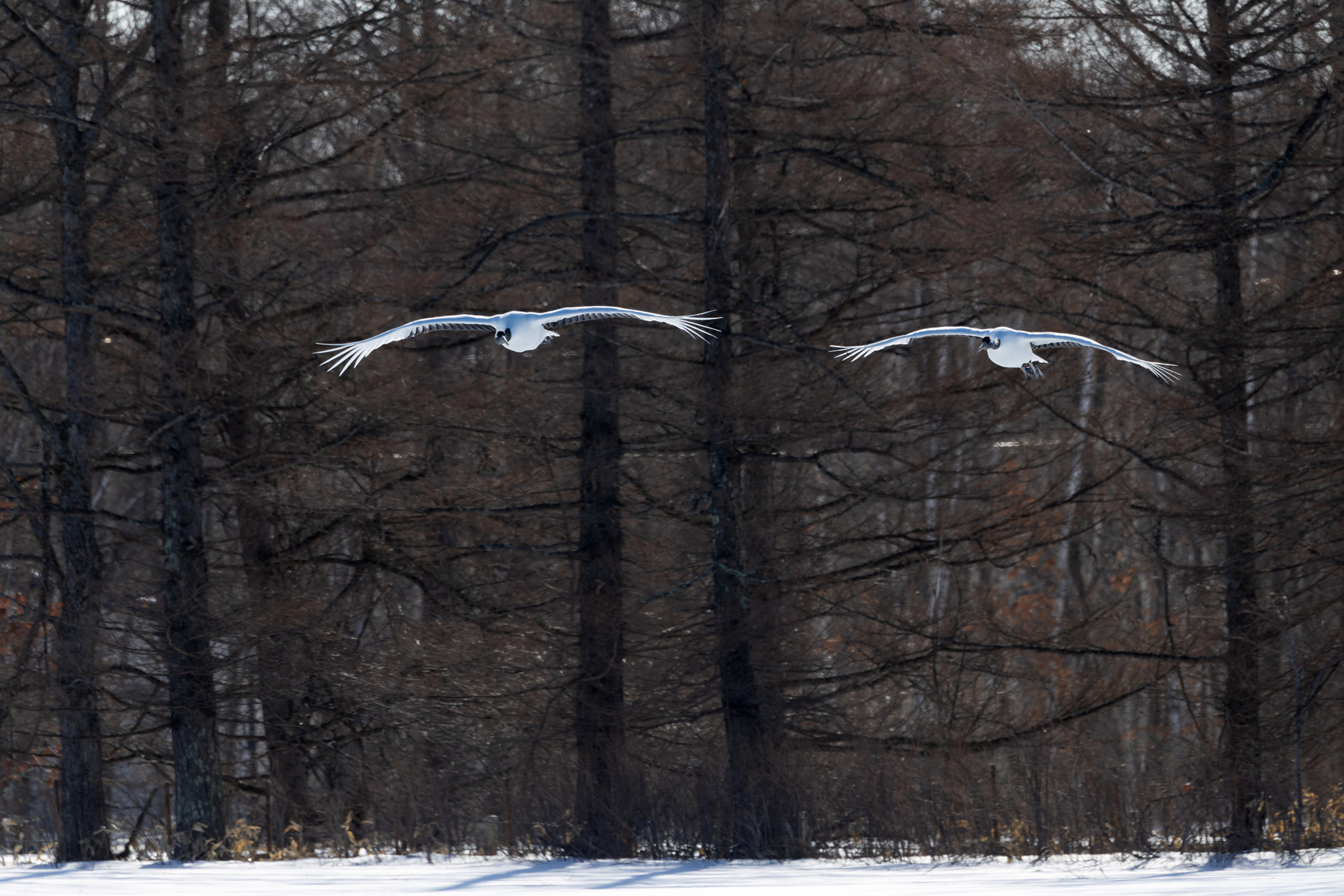
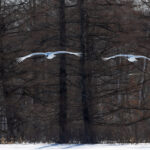
Red-crowned Crane incoming pair (Image by Mike Watson)
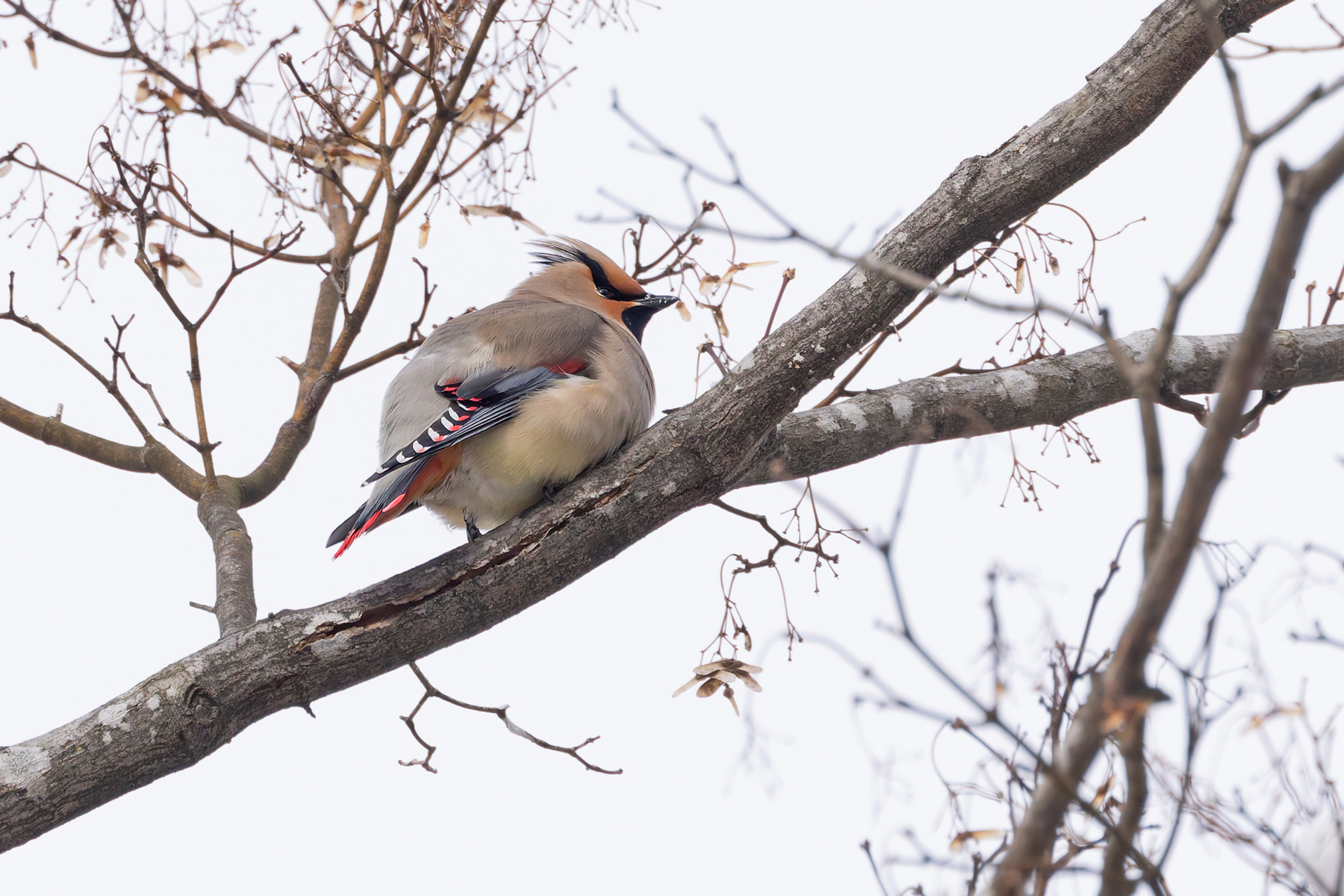
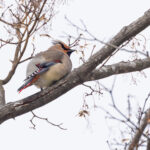
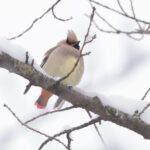
Japanese Waxwing upperwing detail (Image by Mike Watson)
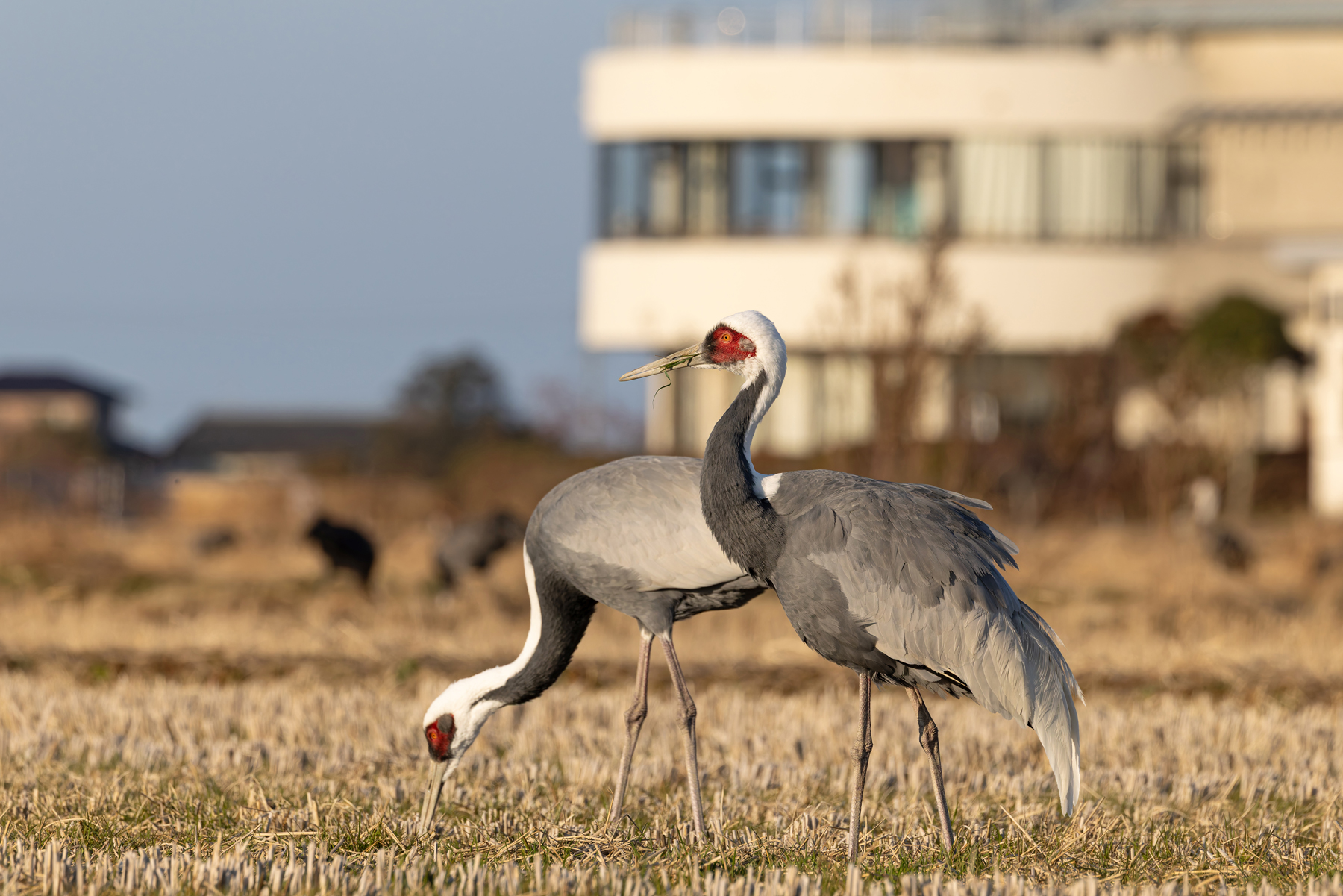
White-naped Cranes at Arasaki Crane Observation Center (Image by Mike Watson)
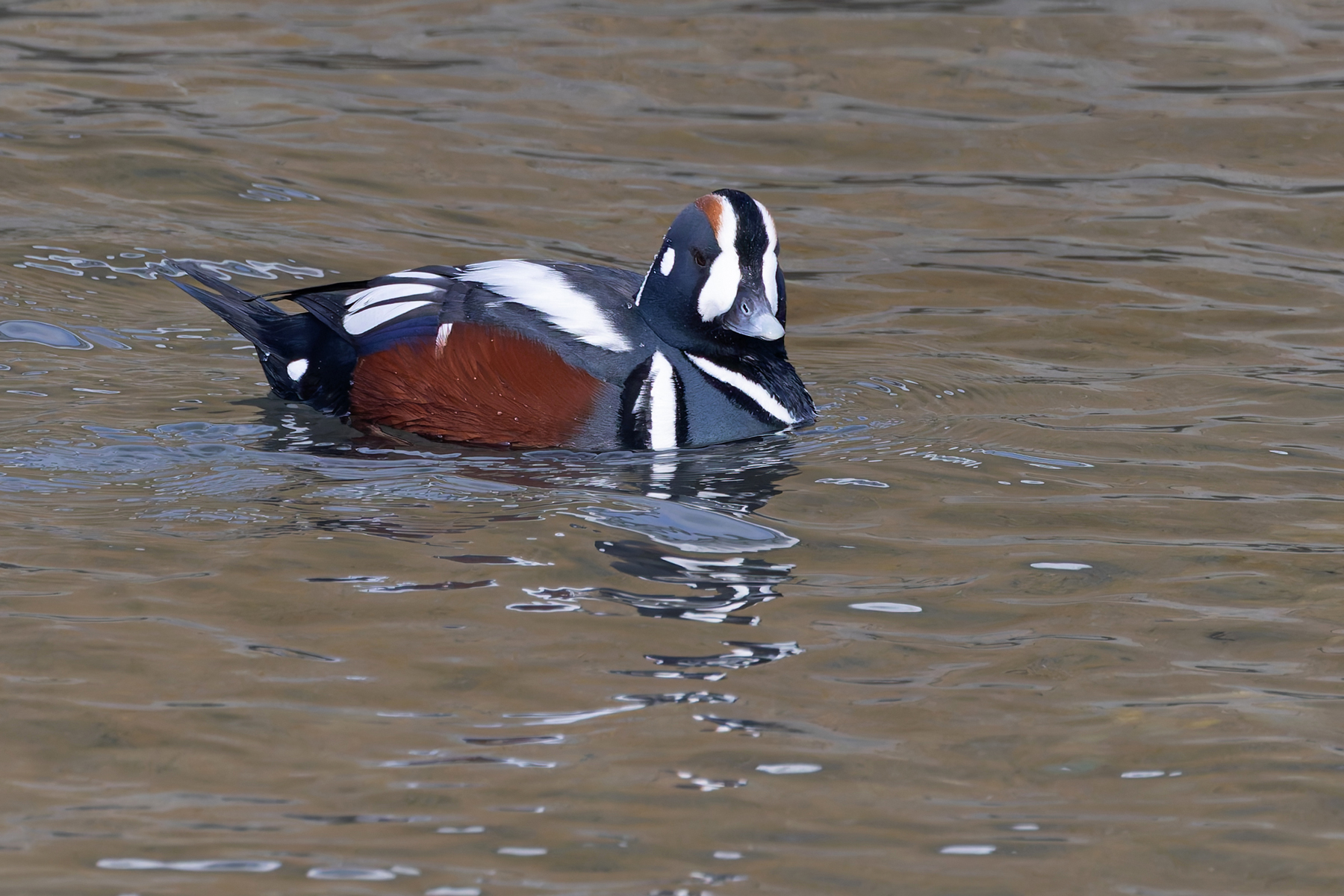
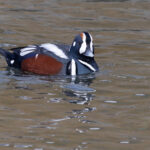
A smart Harlequin Duck (Image by Mike Watson)
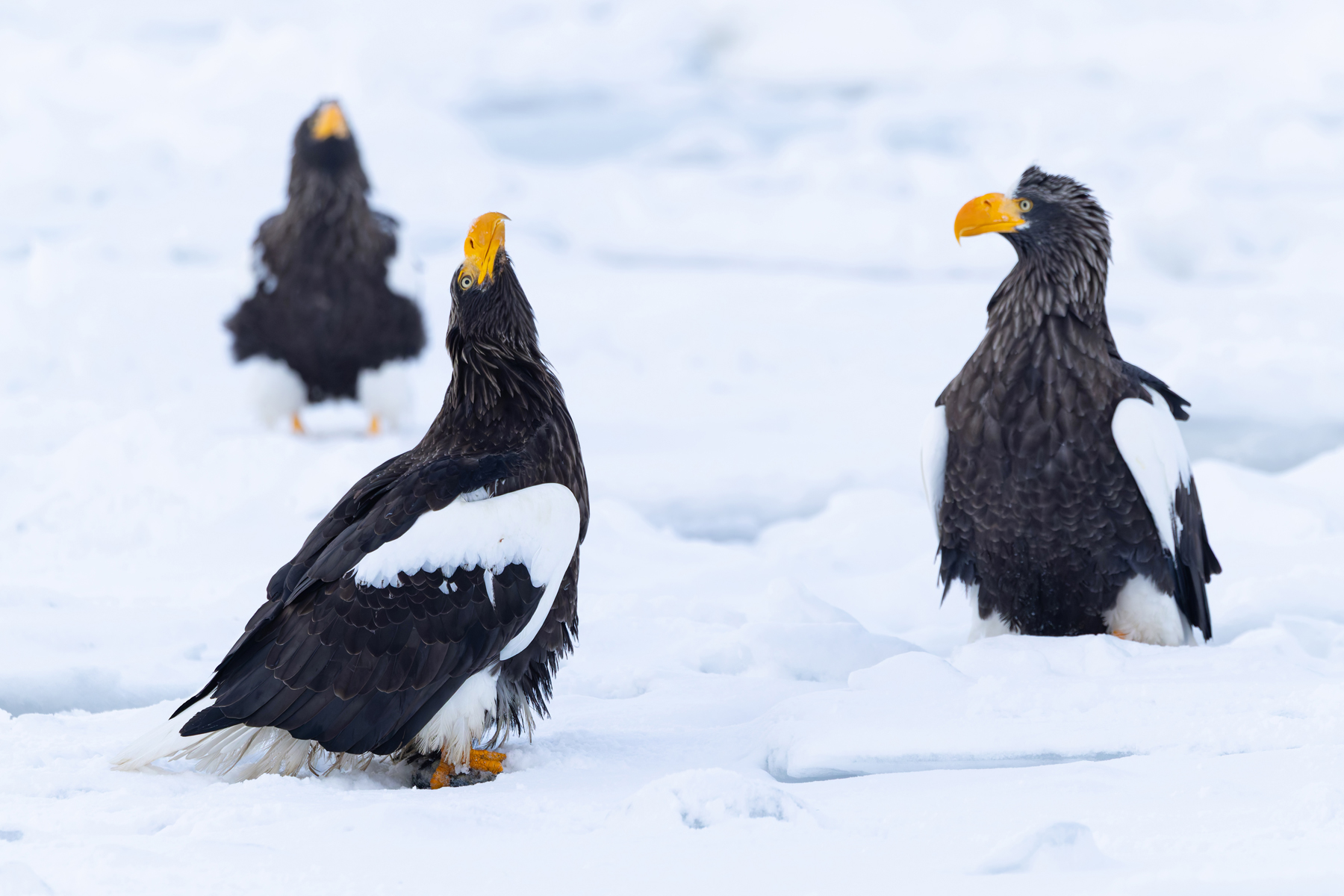
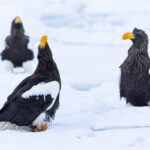
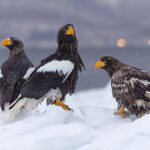
A small group of Steller’s Sea Eagles (Image by Mike Watson)
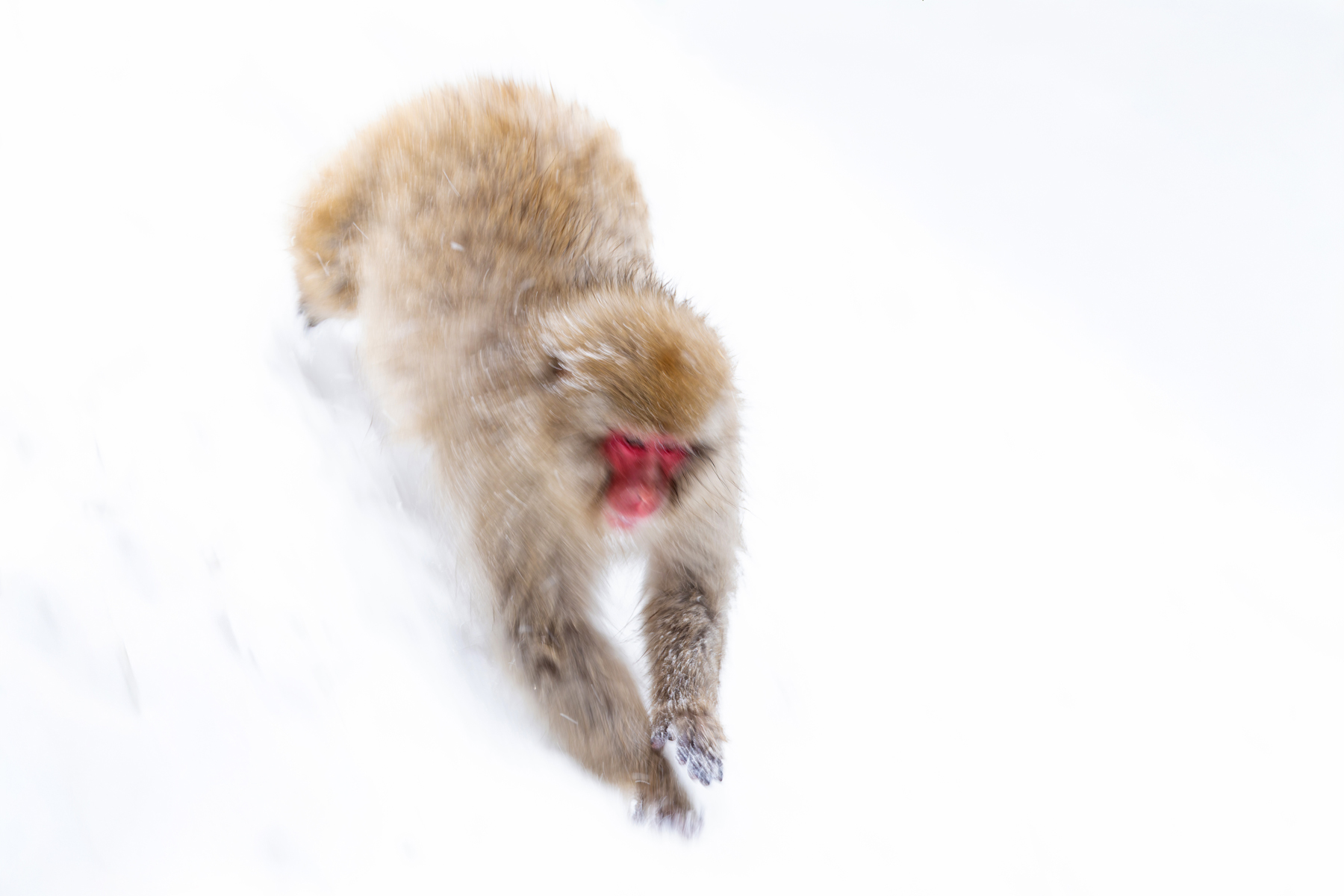
Japanese Macaque motion blur in the snow (Image by Mike Watson)
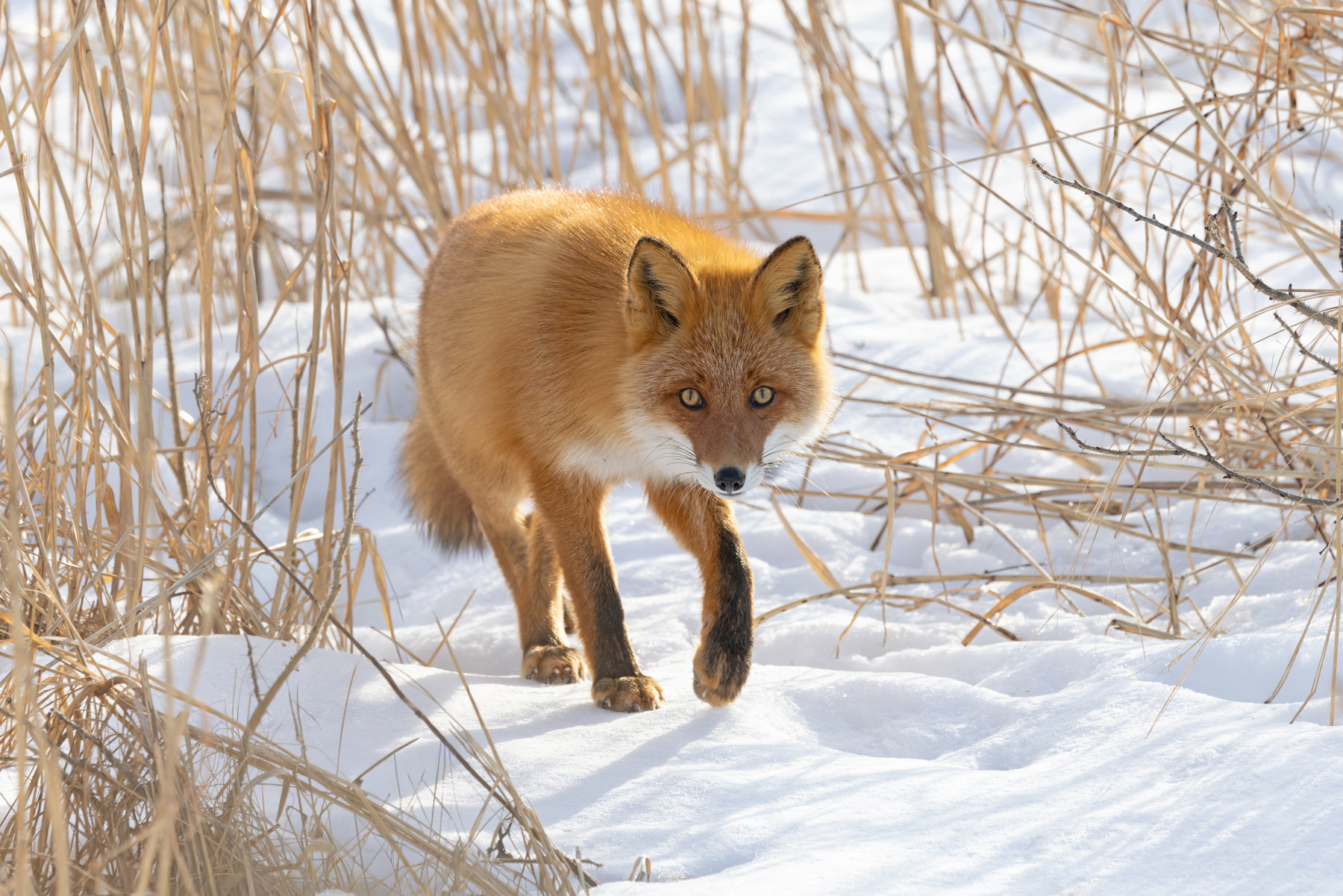
Furtive Red Fox on Hokkaido (Image by Mike Watson)
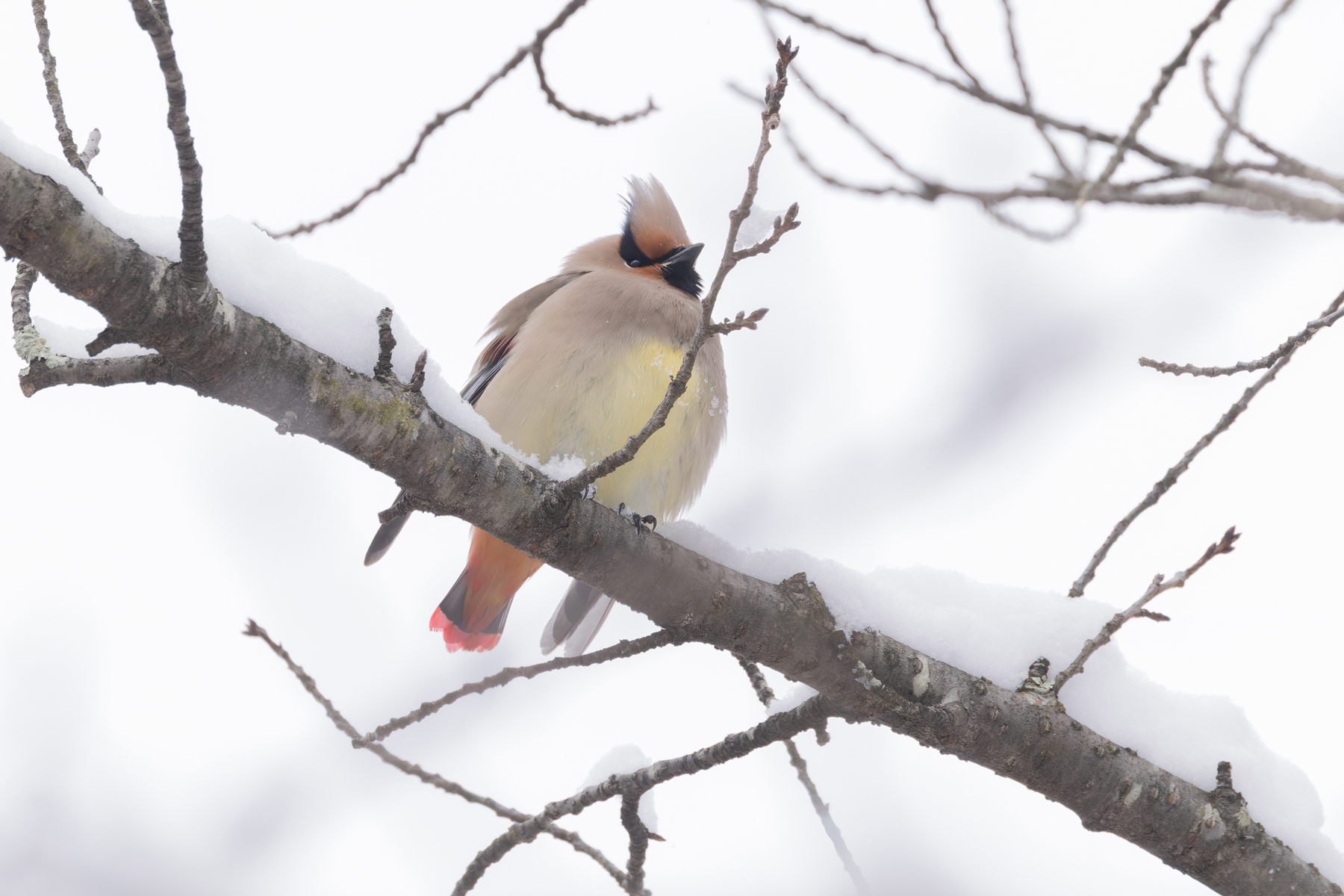
To complete the set! Japanese Waxwing (Image by Mike Watson)
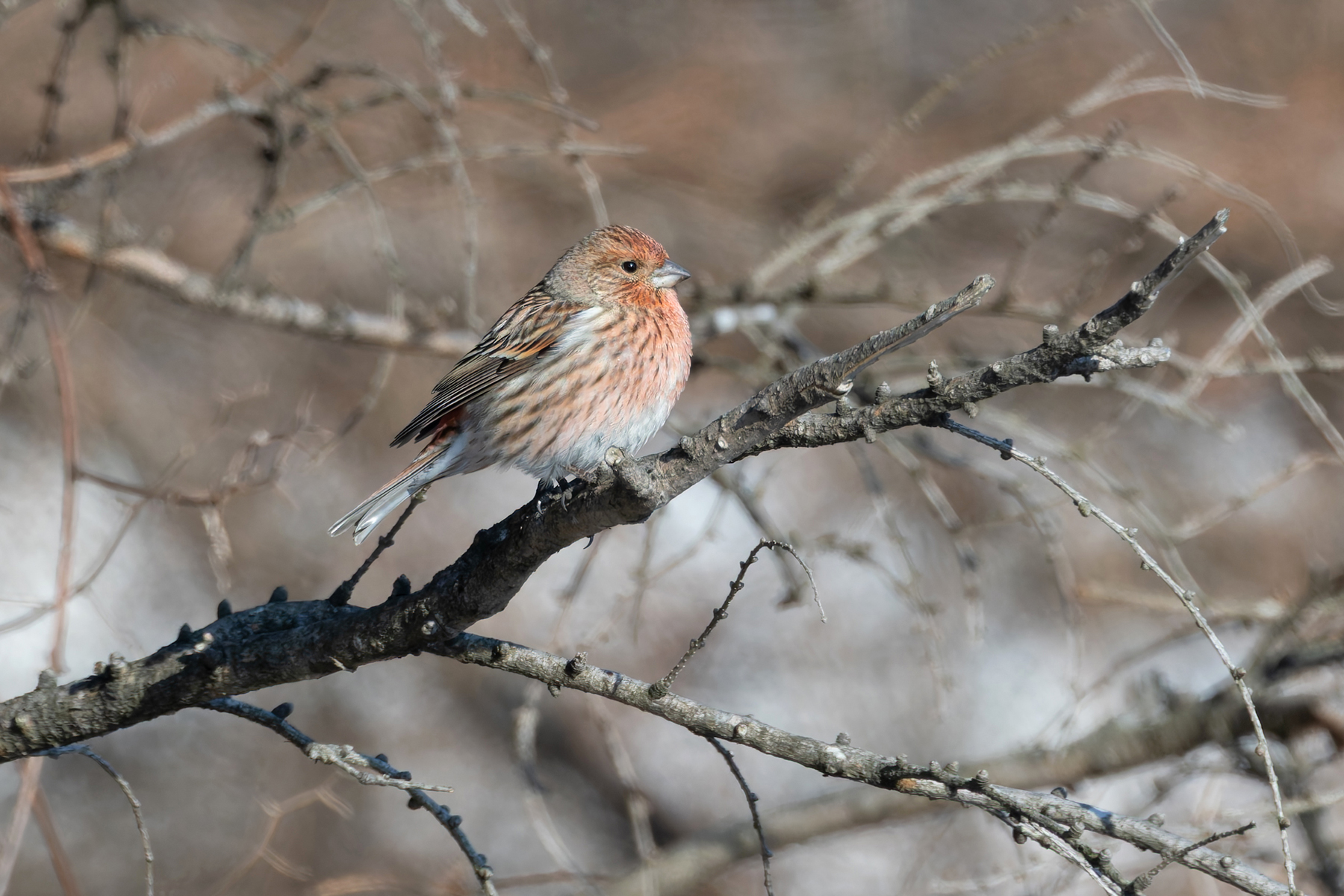
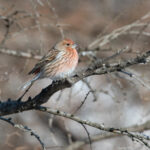
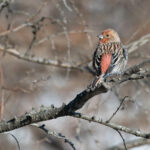
The subtle beauty of Pallas’s Rosefinch on Hokkaido (Image by Mike Watson)
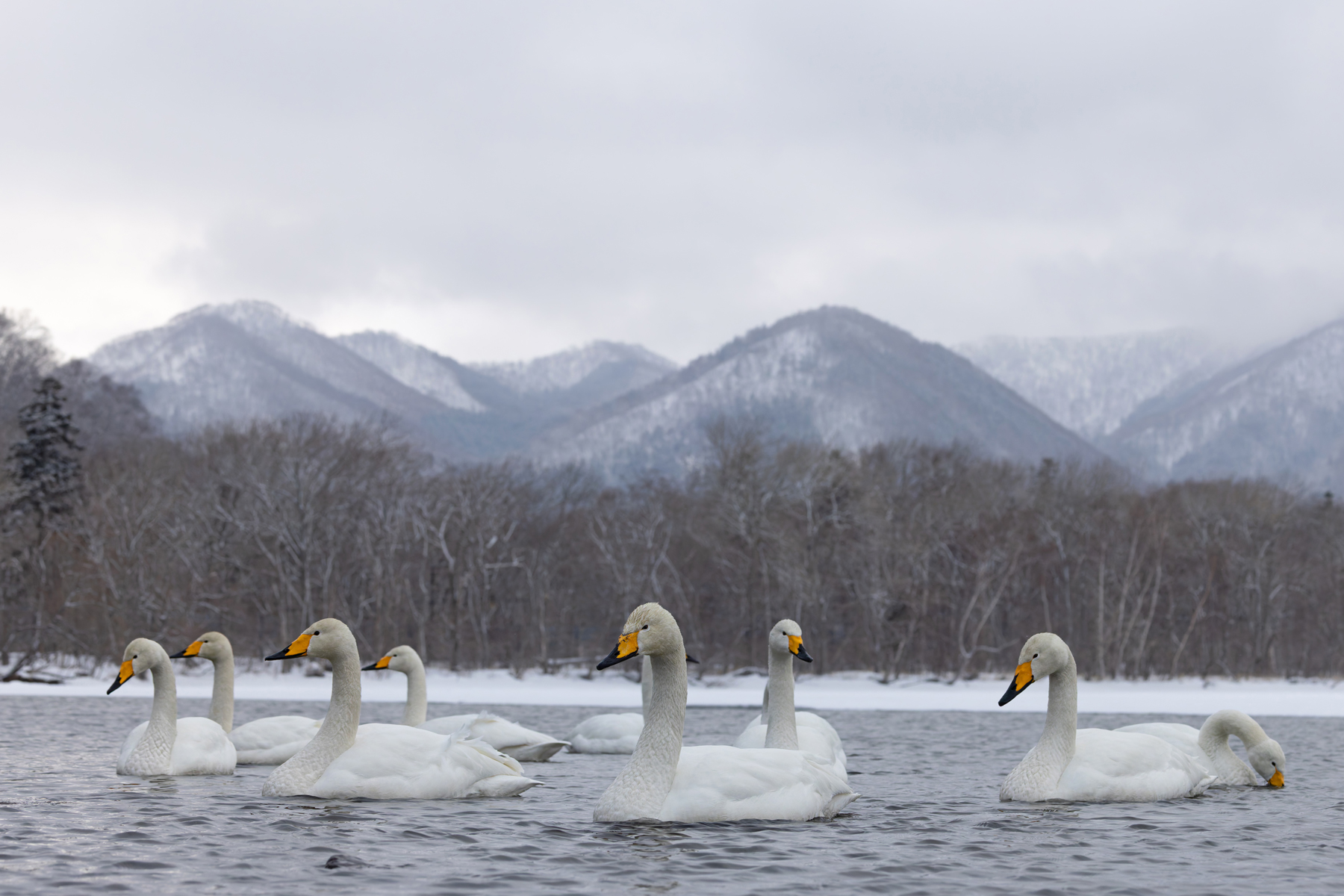
Whooper Swans at Kotan Onsen, Lake Kussharo (Image by Mike Watson)
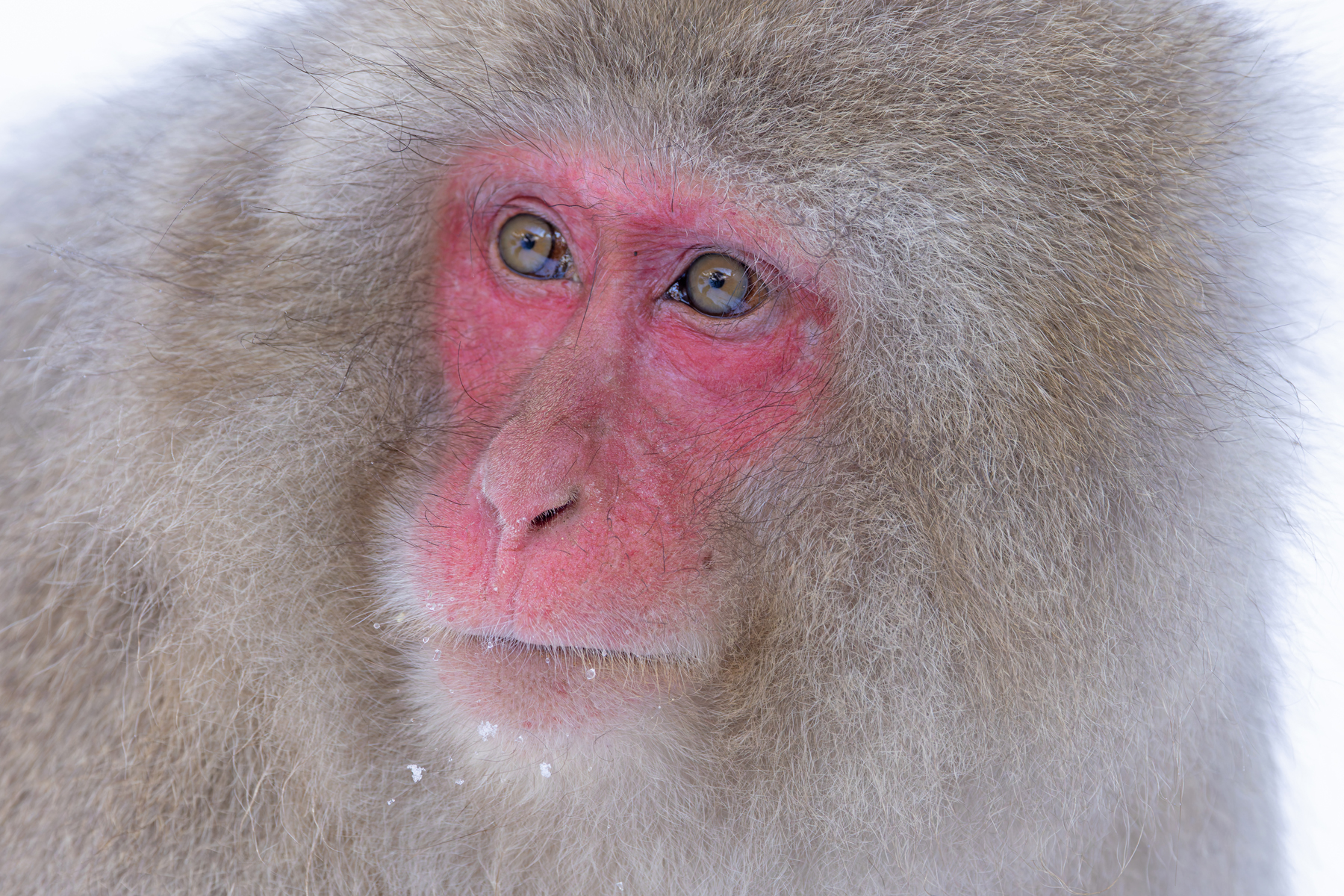
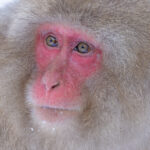
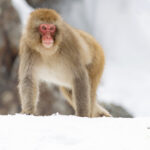
Japanese Macaque portrait (Image by Mike Watson)
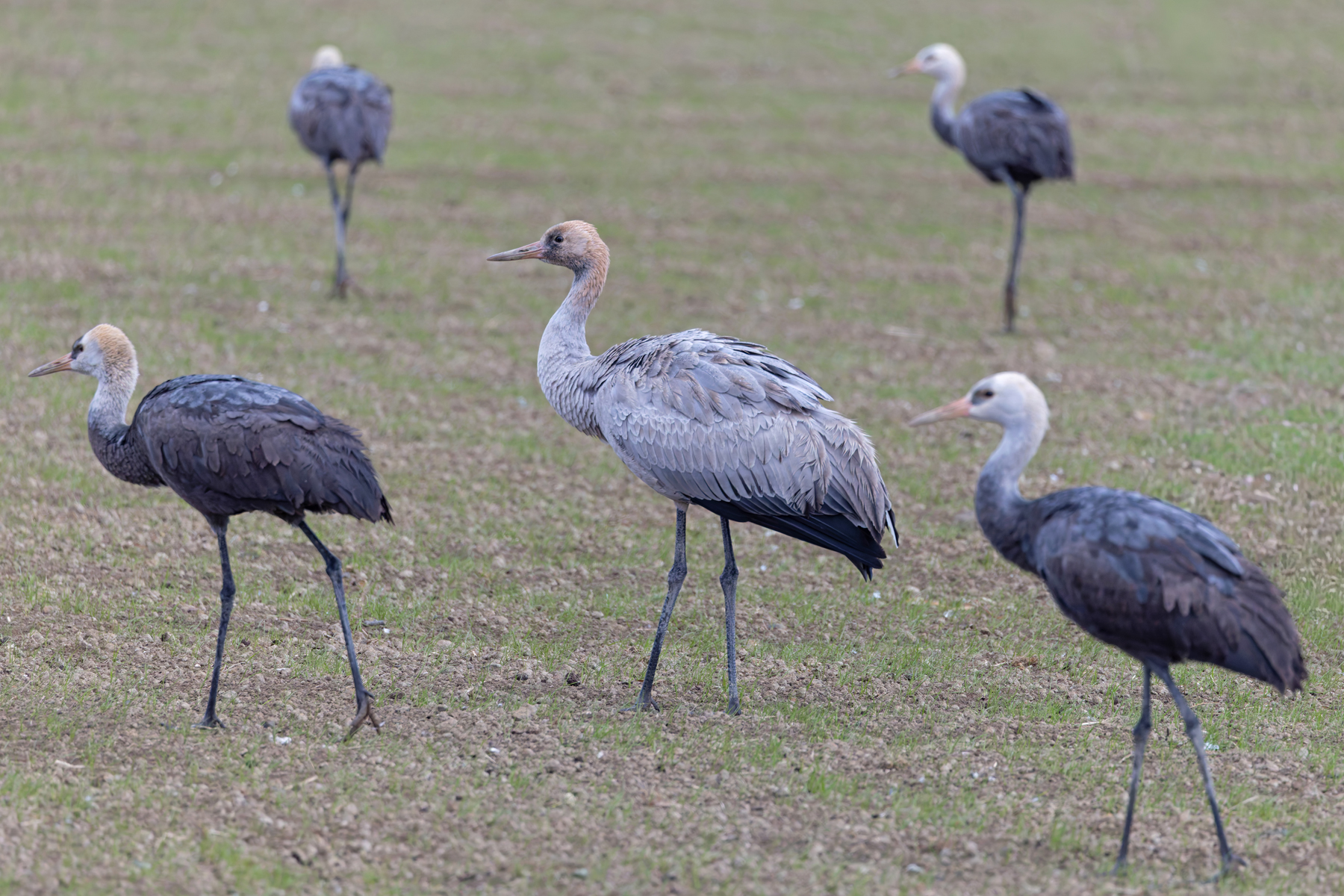
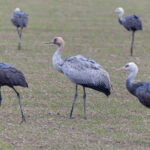
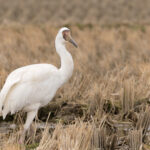
Common Crane is a rare bird in Kyushu! (Image by Mike Watson)
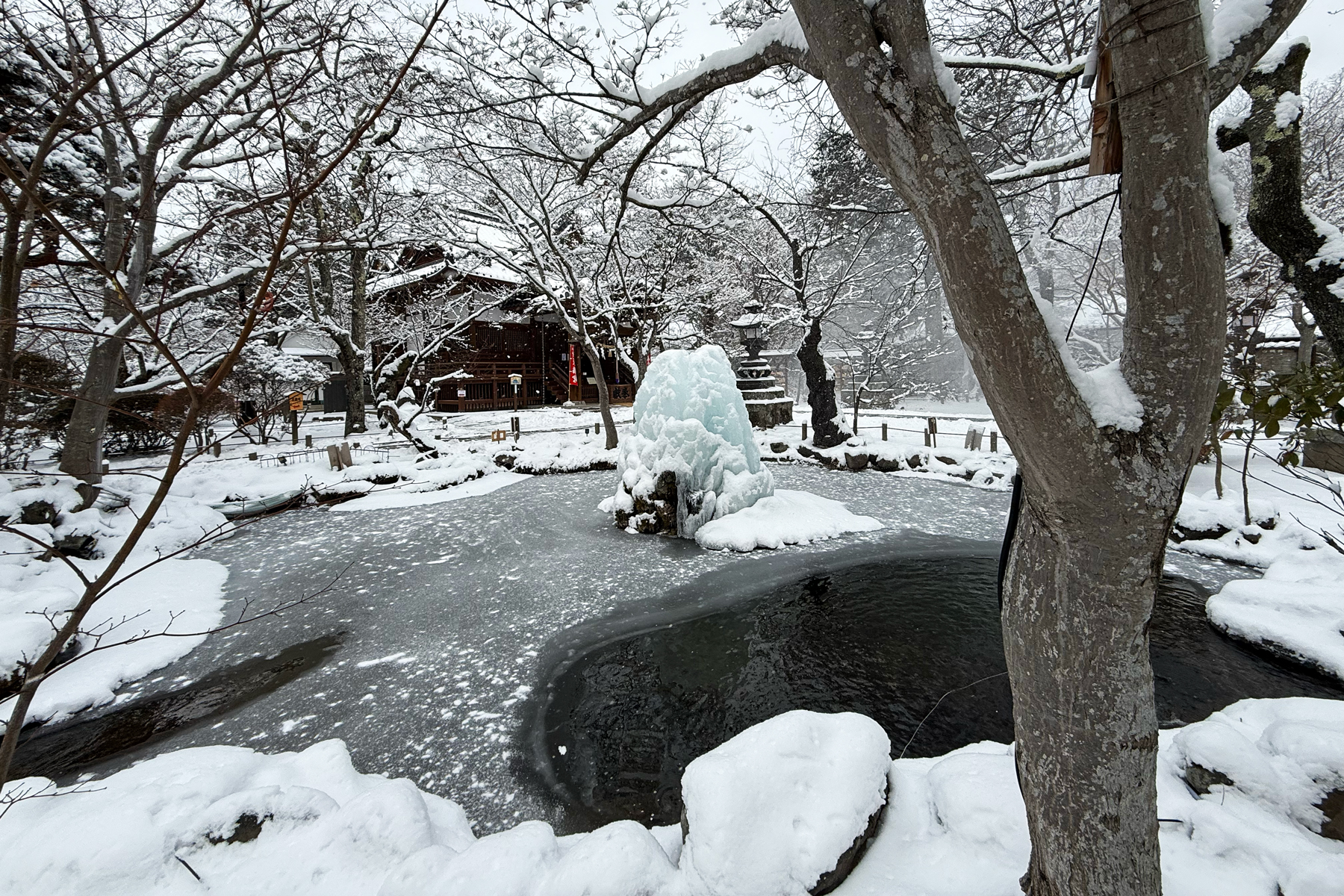
Snowflakes fall softly on an ancient scene at Komoro Castle (Image by Mike Watson)
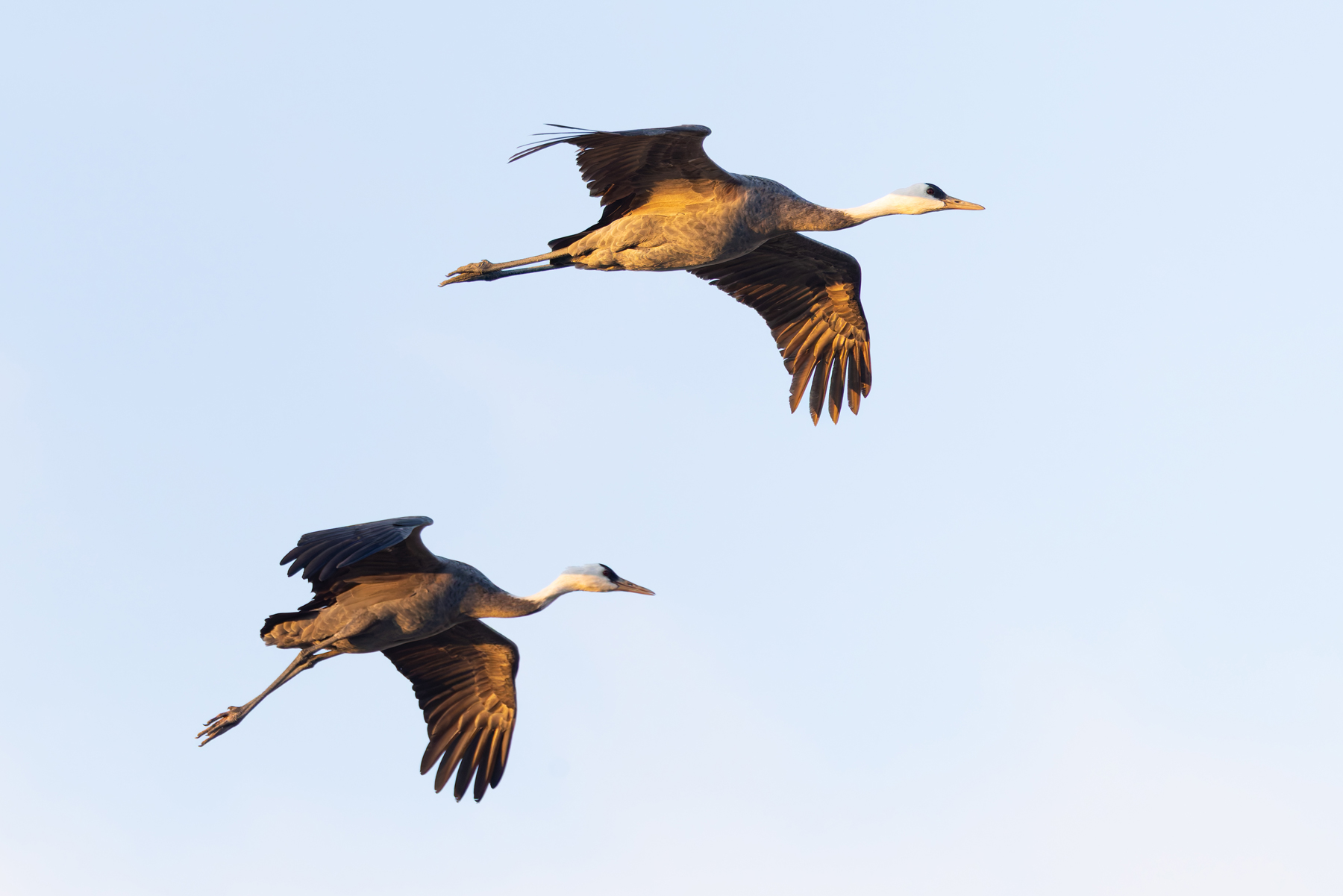
Hooded Cranes at Arasaki (Image by Mike Watson)
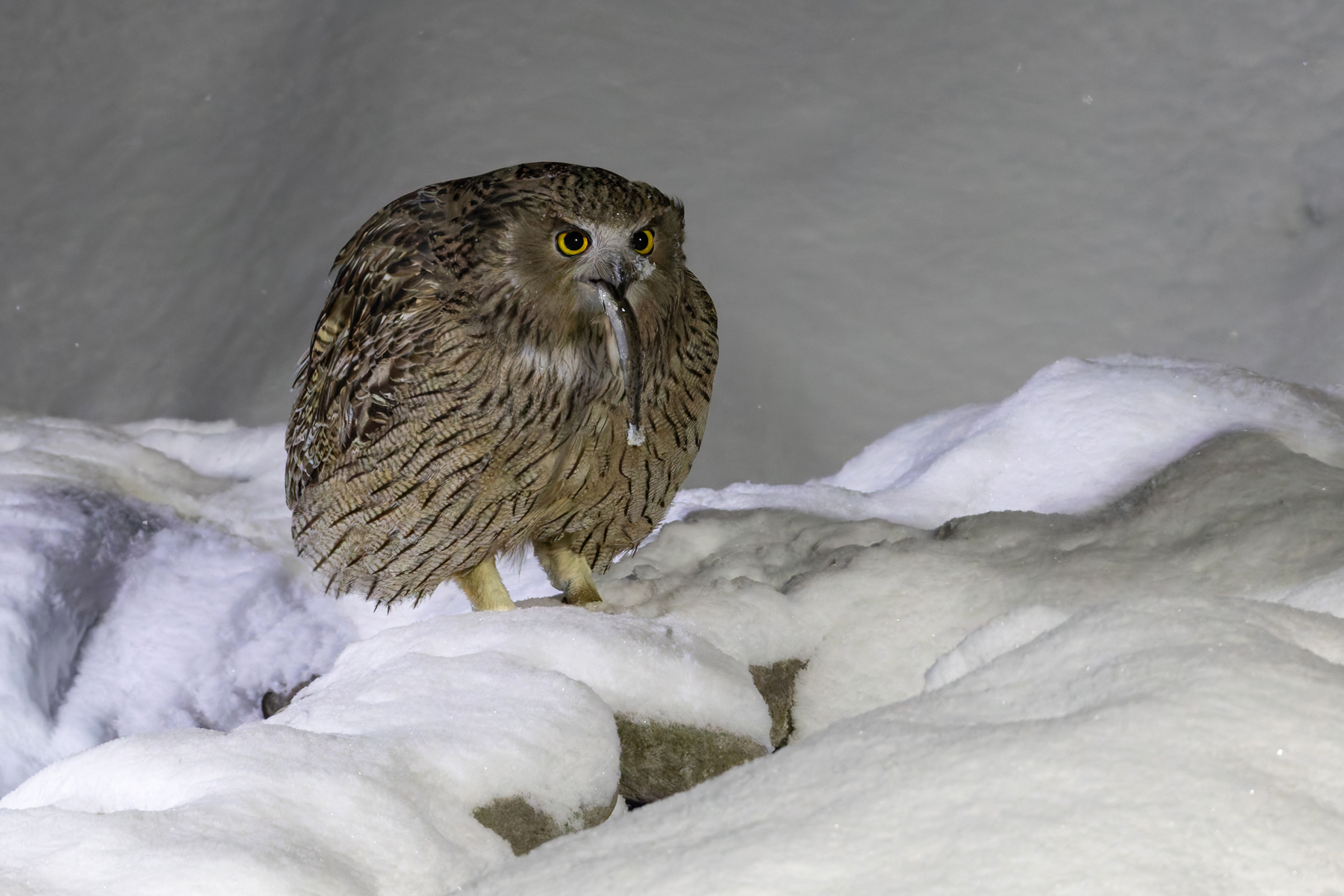
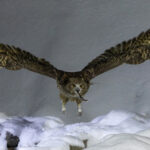
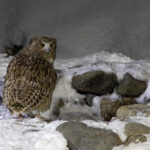
Blakiston’s Fish Owl is the largest (although not heaviest) owl in the world! (Image by Mike Watson)
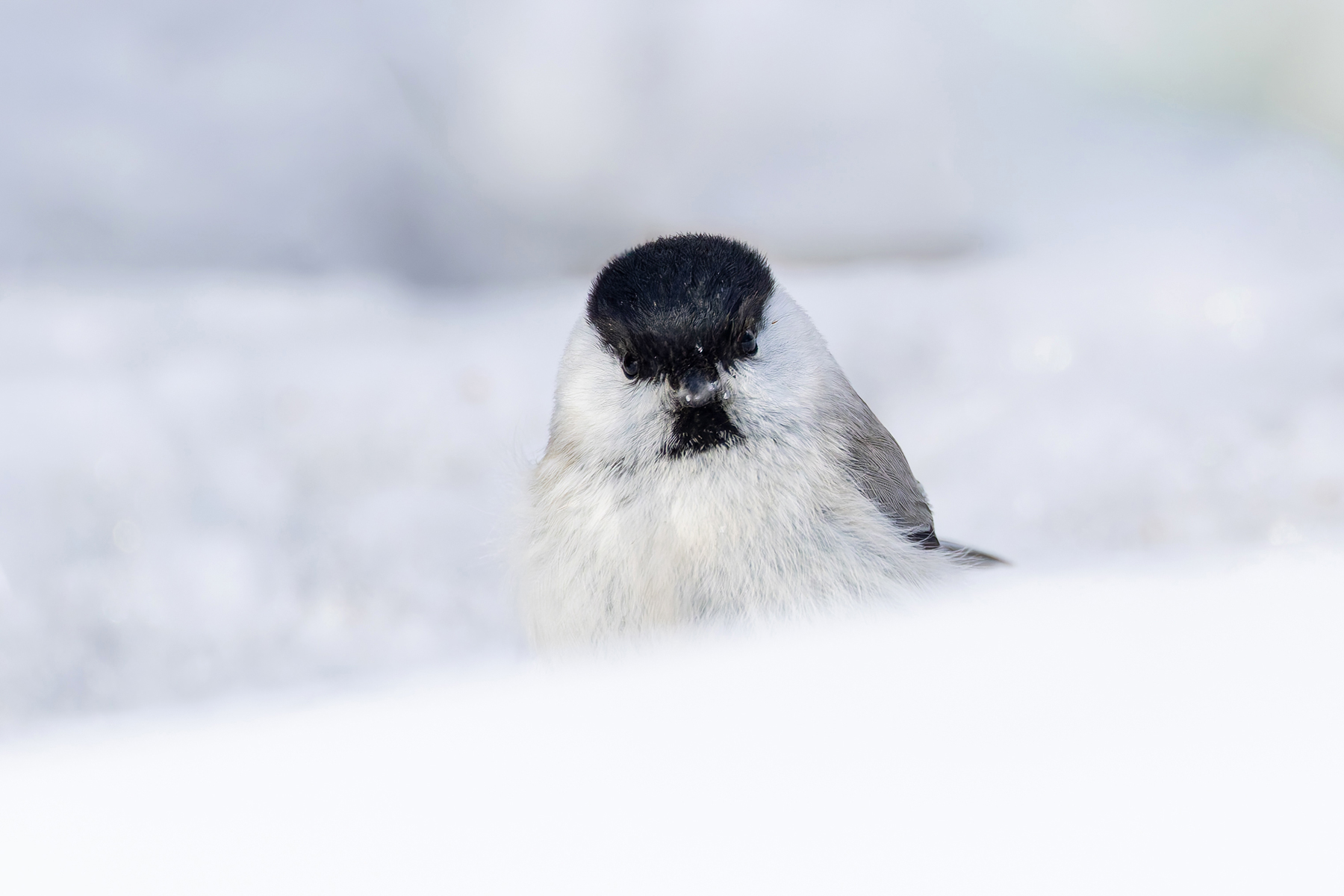
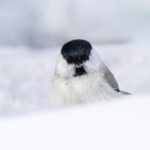
Marsh Tit close up (Image by Mike Watson)
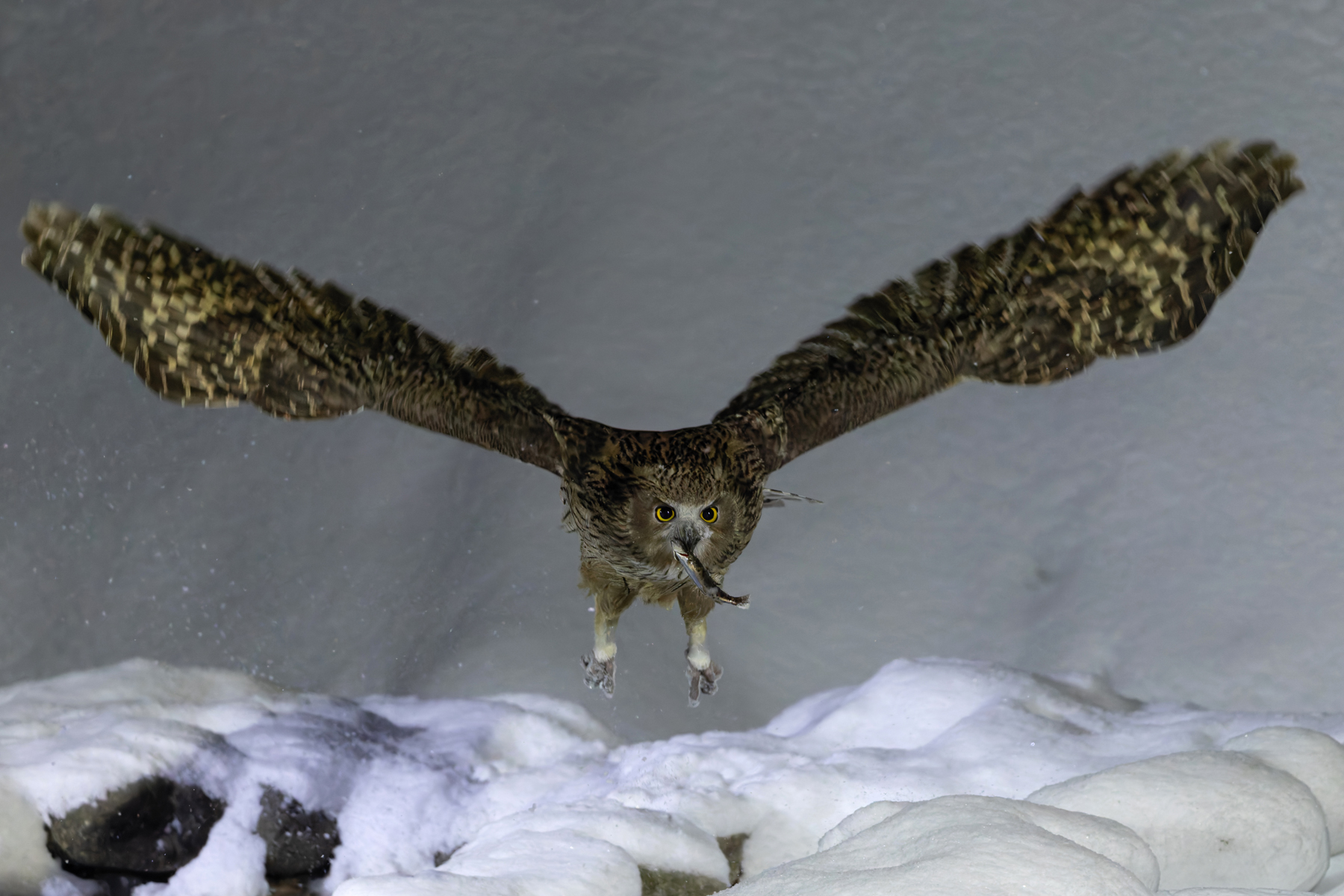
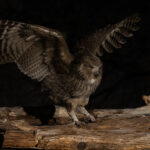
Blakiston’s Fish Owl taking a fish back to its mate (Image by Mike Watson)
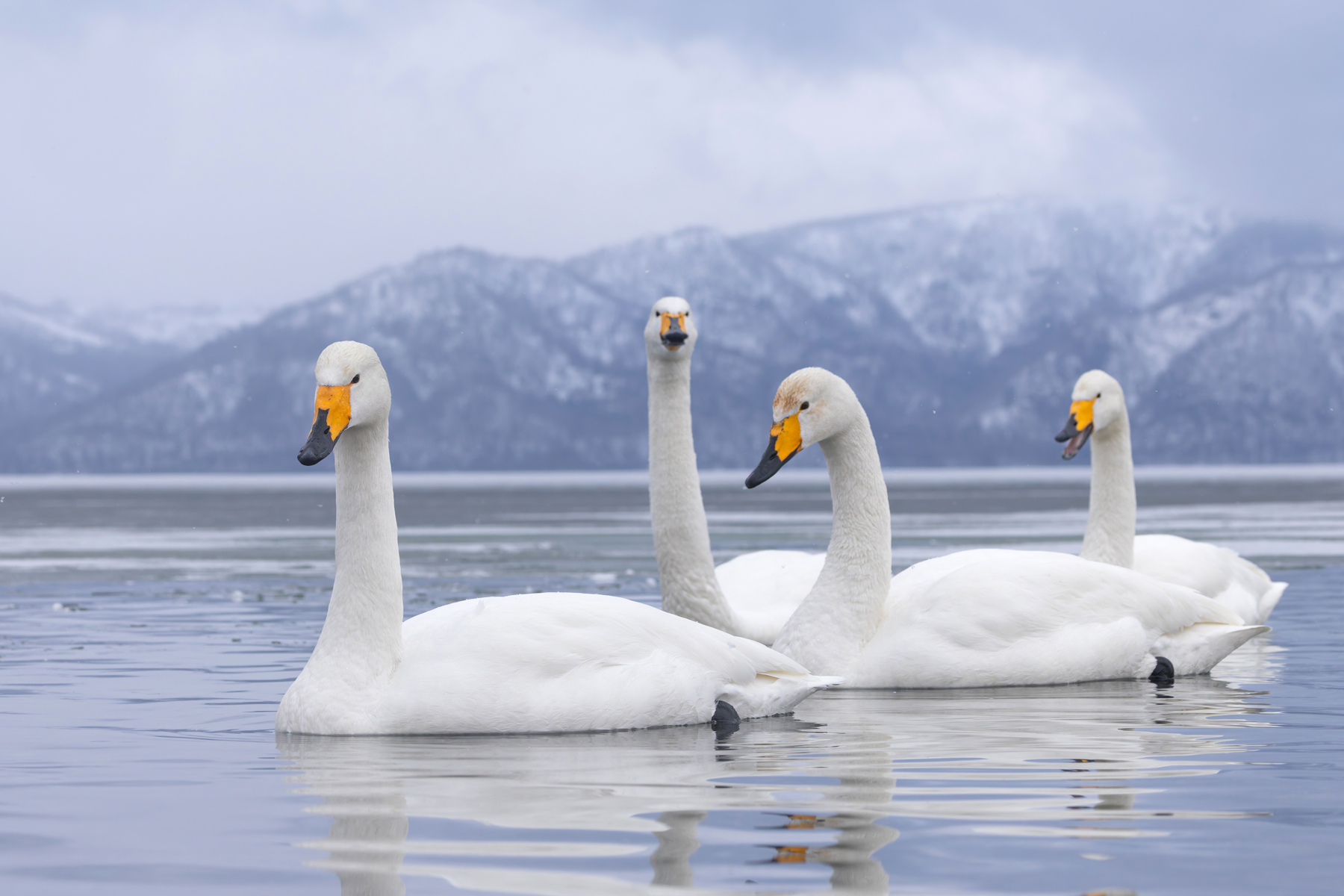
Whooper Swans, Lake Kussahro (Image by Mike Watson)
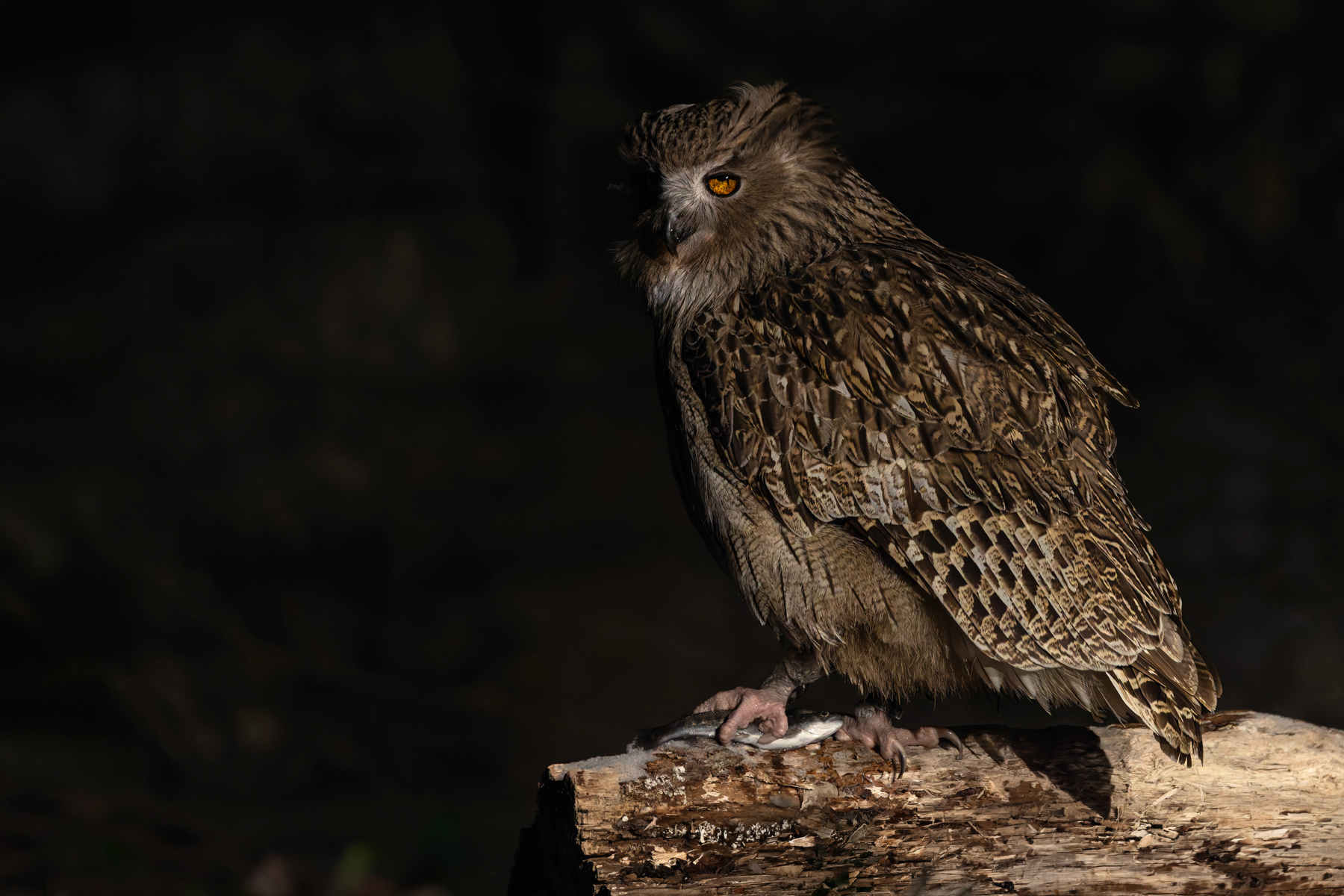
It was nice to see that same owl with the damaged left eye that we saw in 2020 was still doing OK at Yoroushi (Image by Mike Watson)
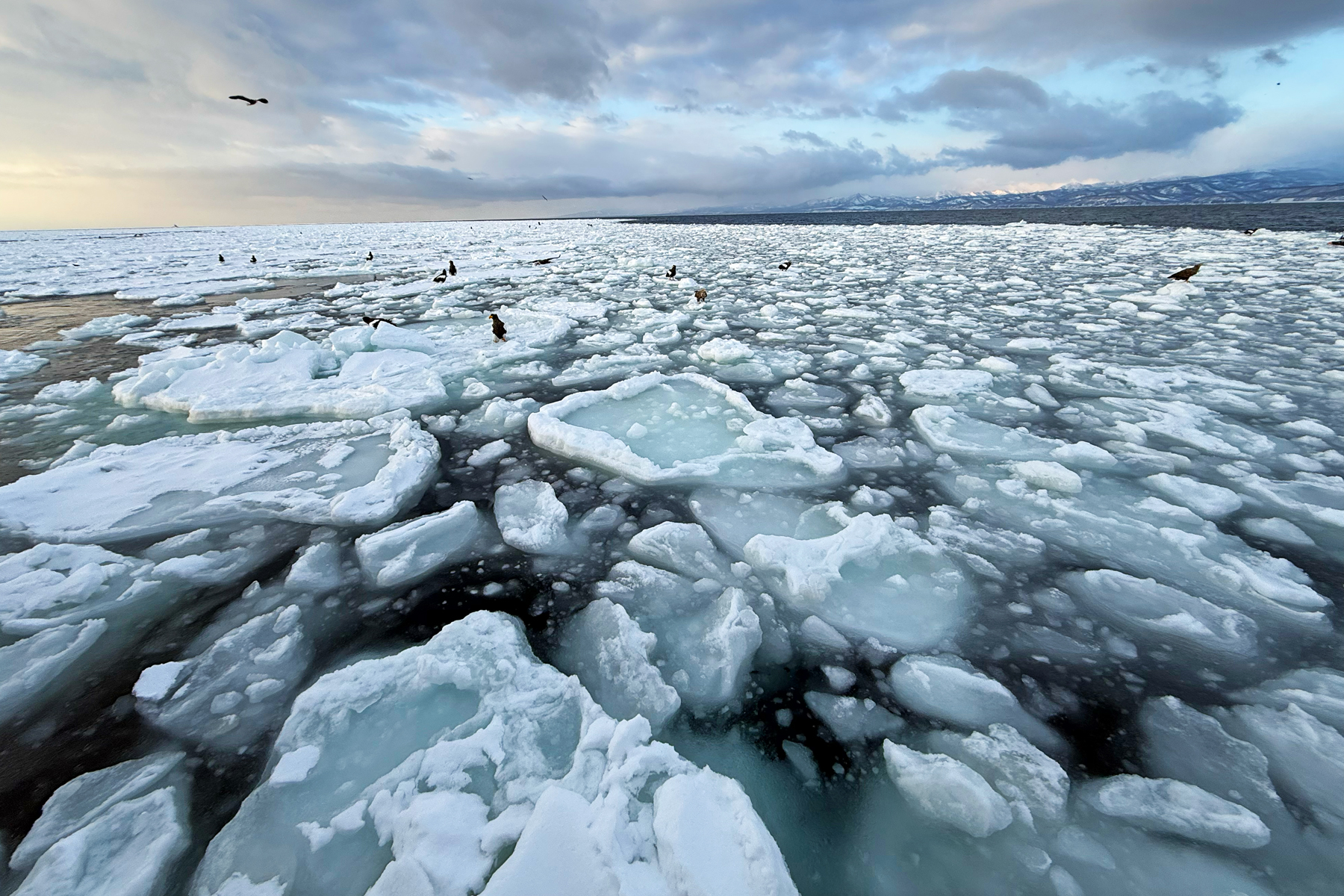
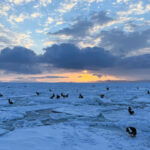
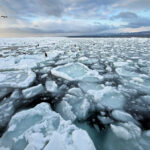
Beautiful drift ice off Rausu, magic! (Image by Mike Watson)
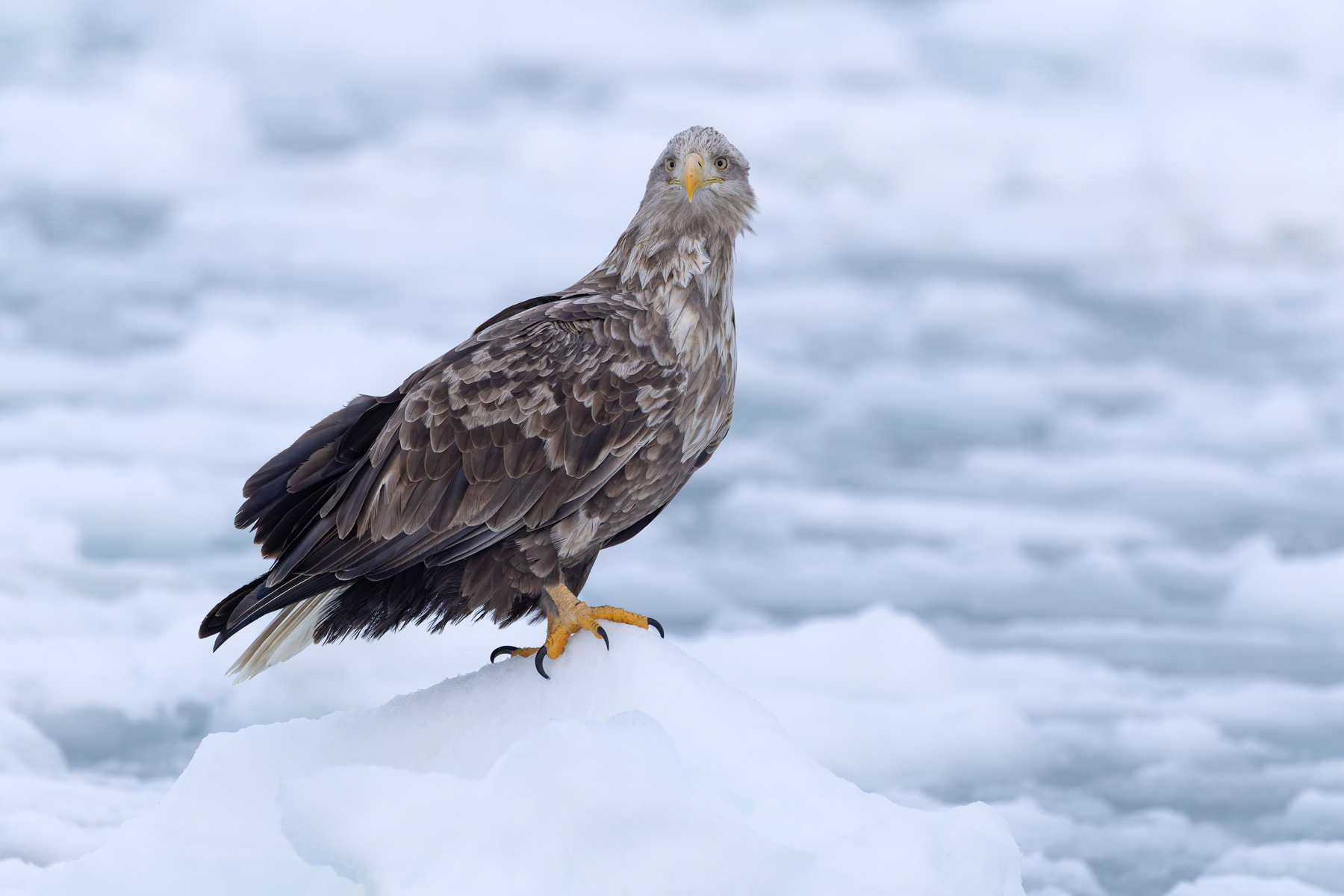
White-tailed Eagle eye contact (image by Mike Watson)
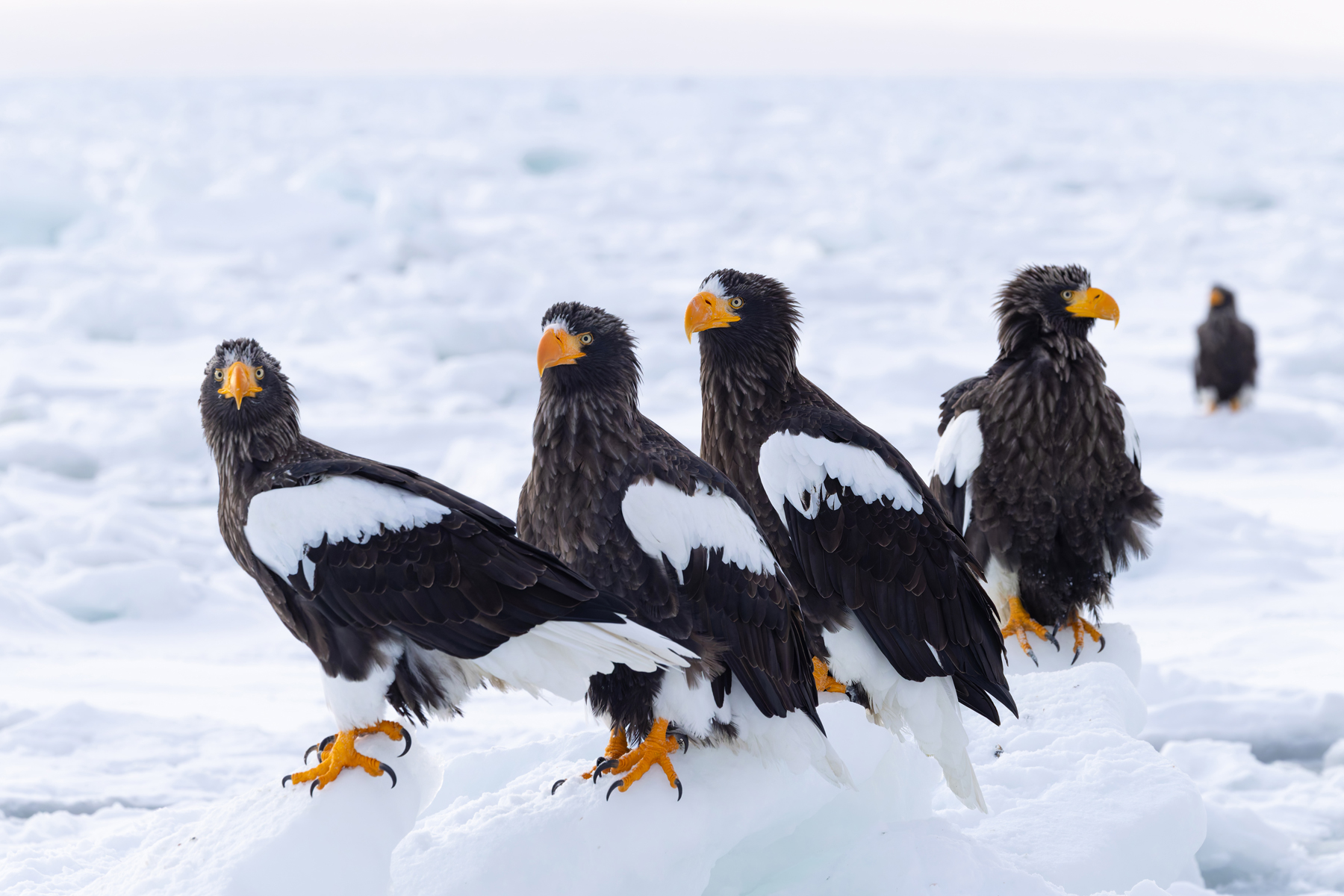
Magnificent Steller’s Sea Eagles minus one (Image by Mike Watson)
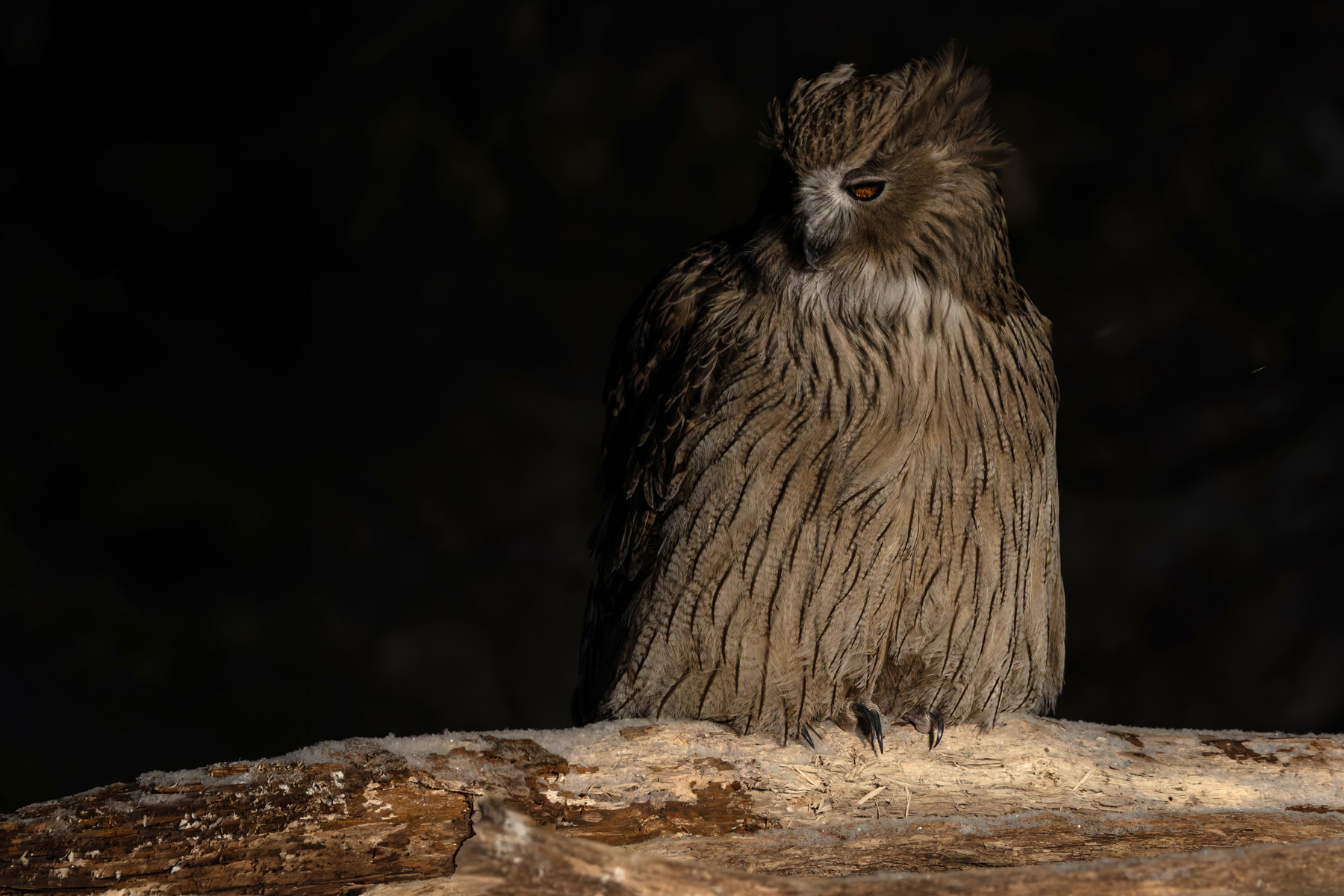
We had a second chance to catch up with the ‘Owl of the Eastern Ice’ Blakiston’s Fish Owl at Yoroushi Onsen (Image by Mike Watson)
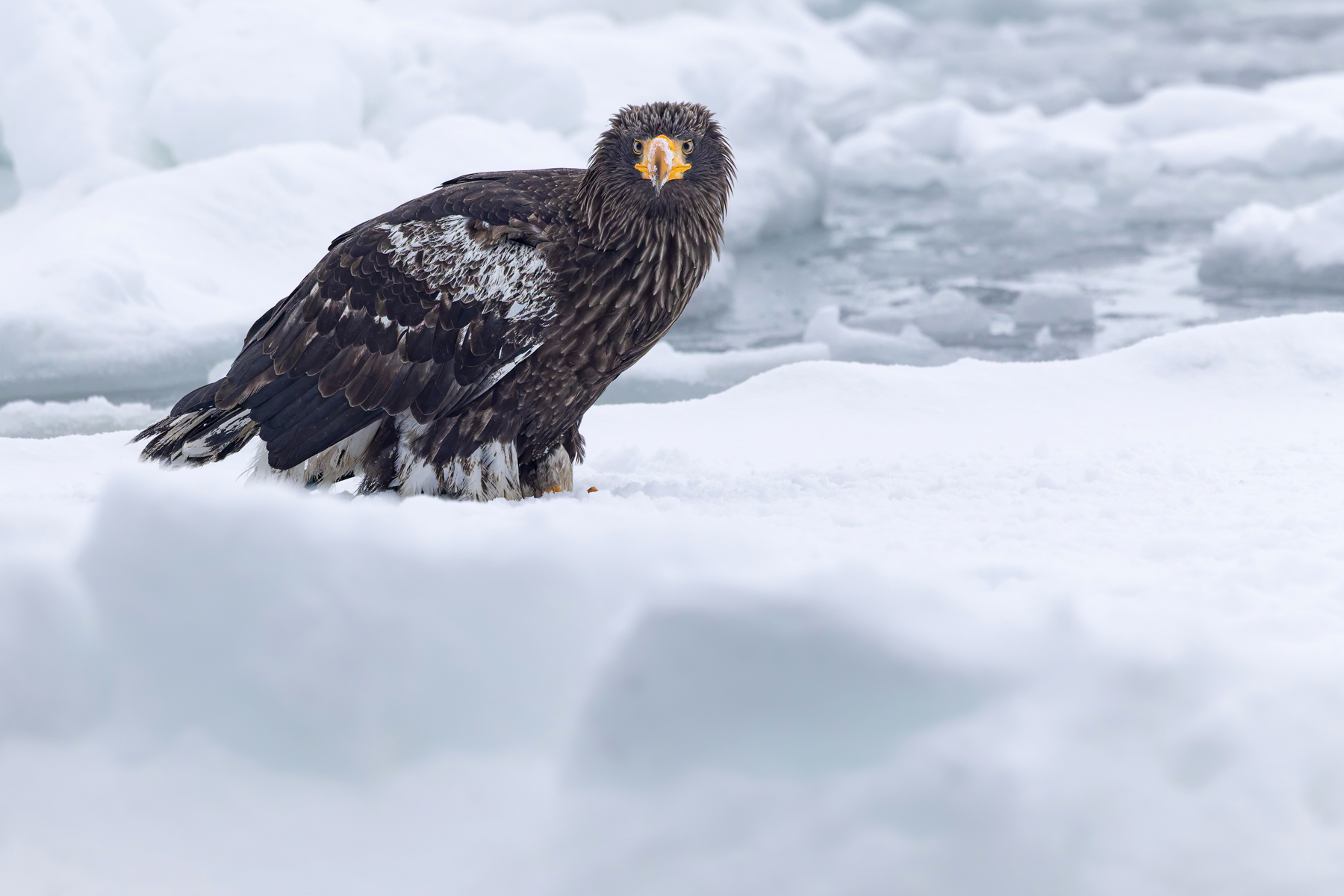
Hunched young Steller’s Sea Eagle (Image by Mike Watson)
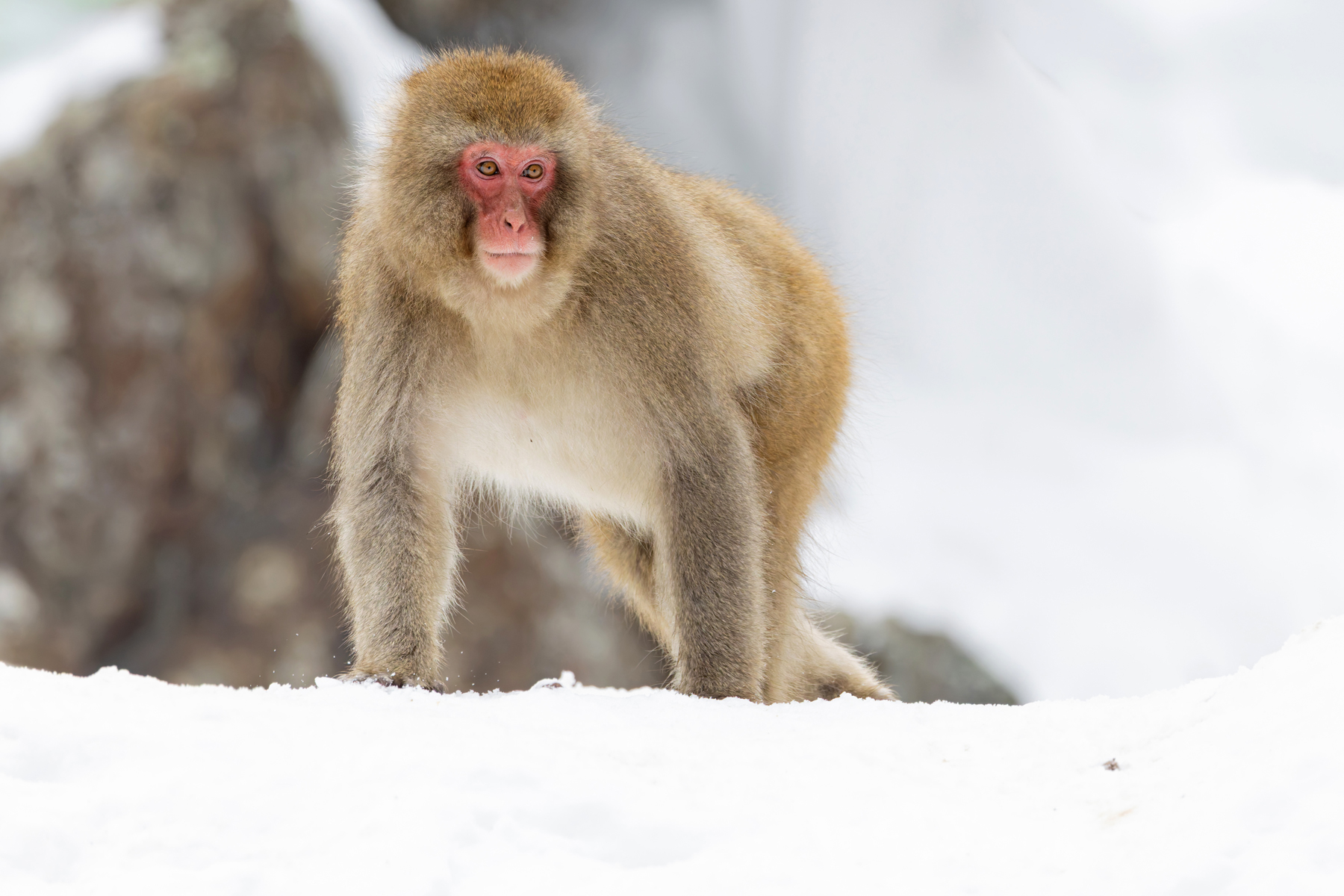
Japanese Macaque serene pose (Image by Mike Watson)
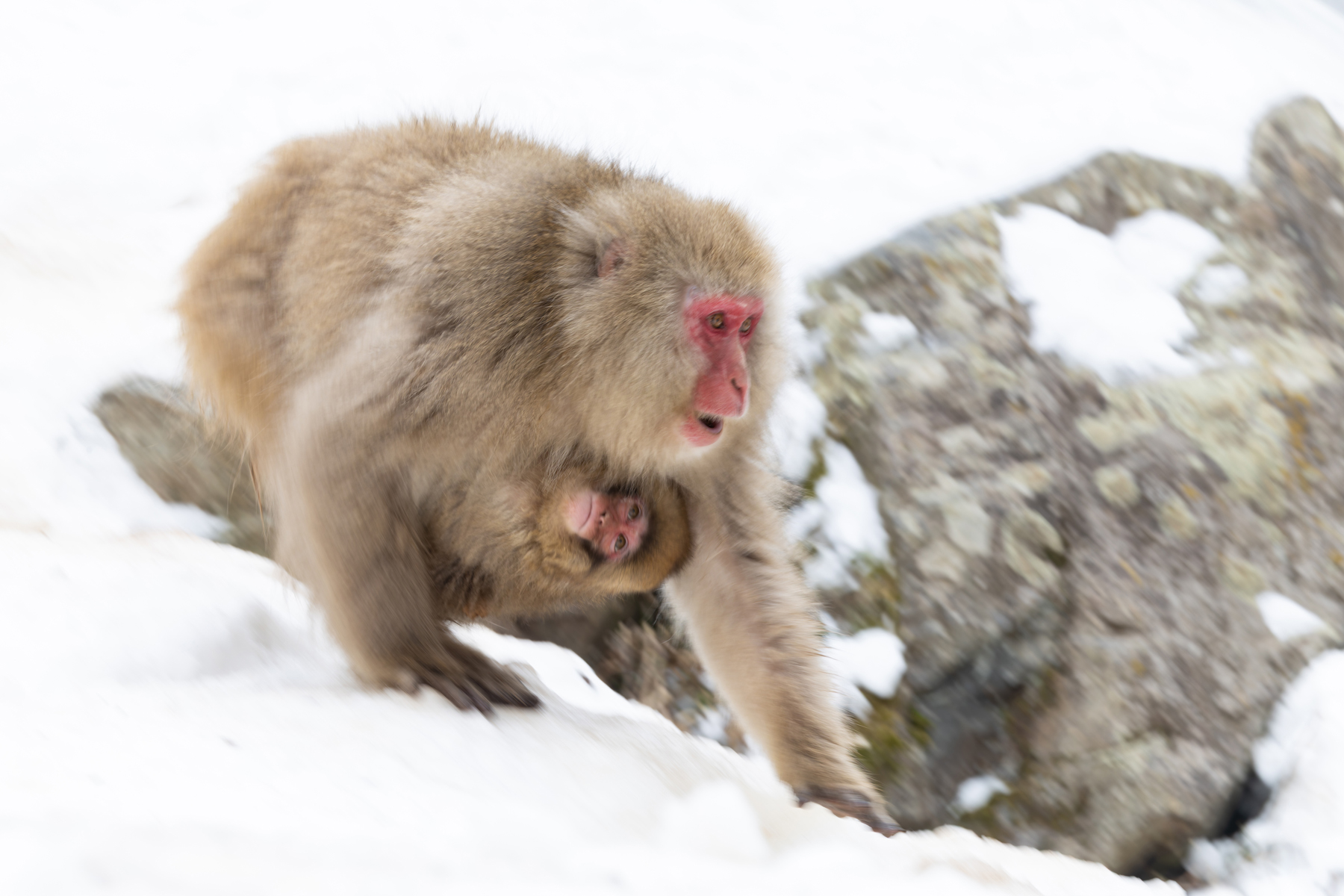
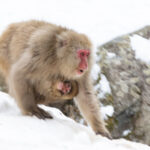
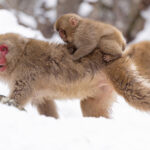
Japanese Macaque piggy front! (Image by Mike Watson)
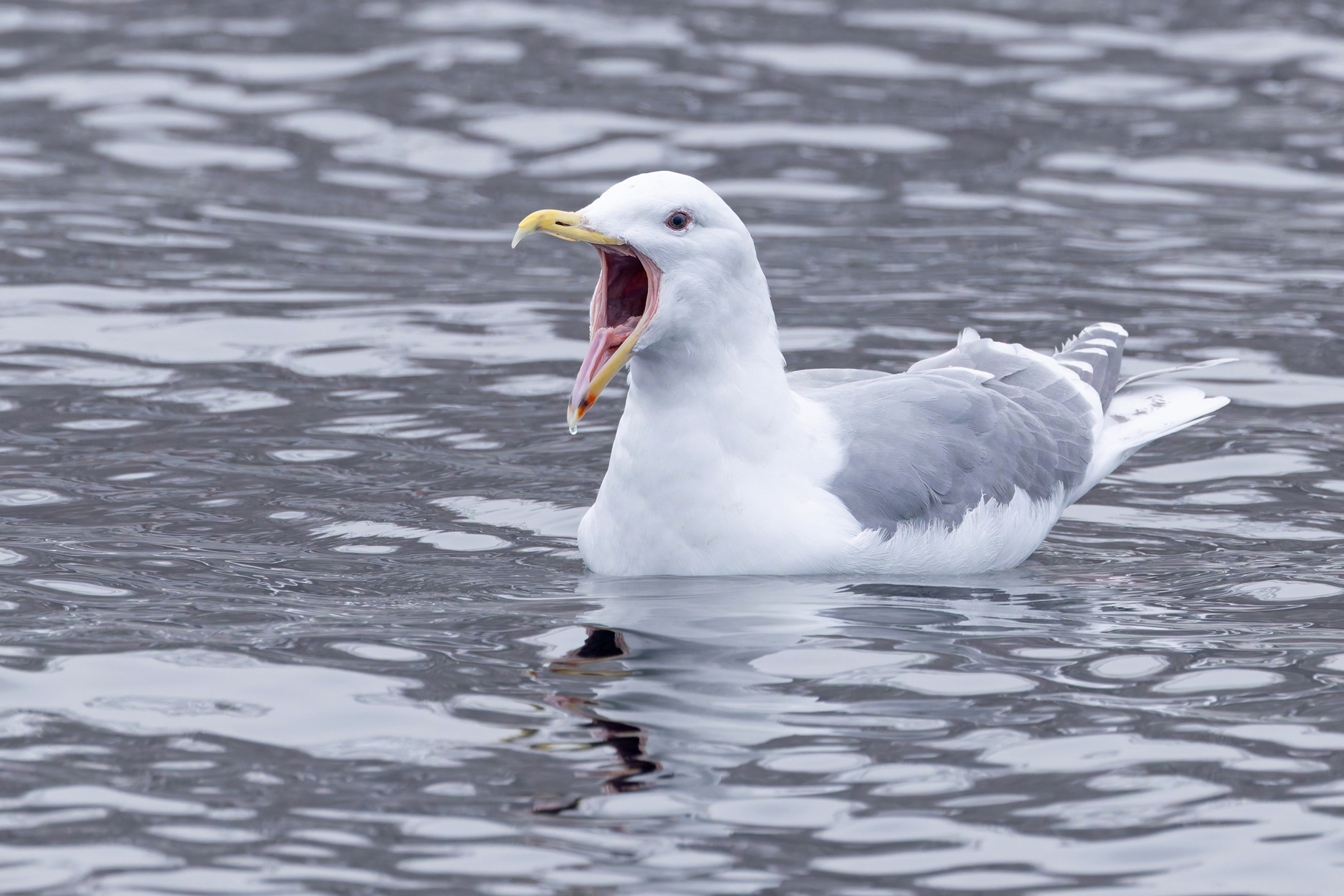
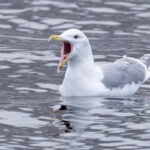
Bigmouth la la la la! Glaucous-winged Gull at Rausu (Image by Mike Watson)
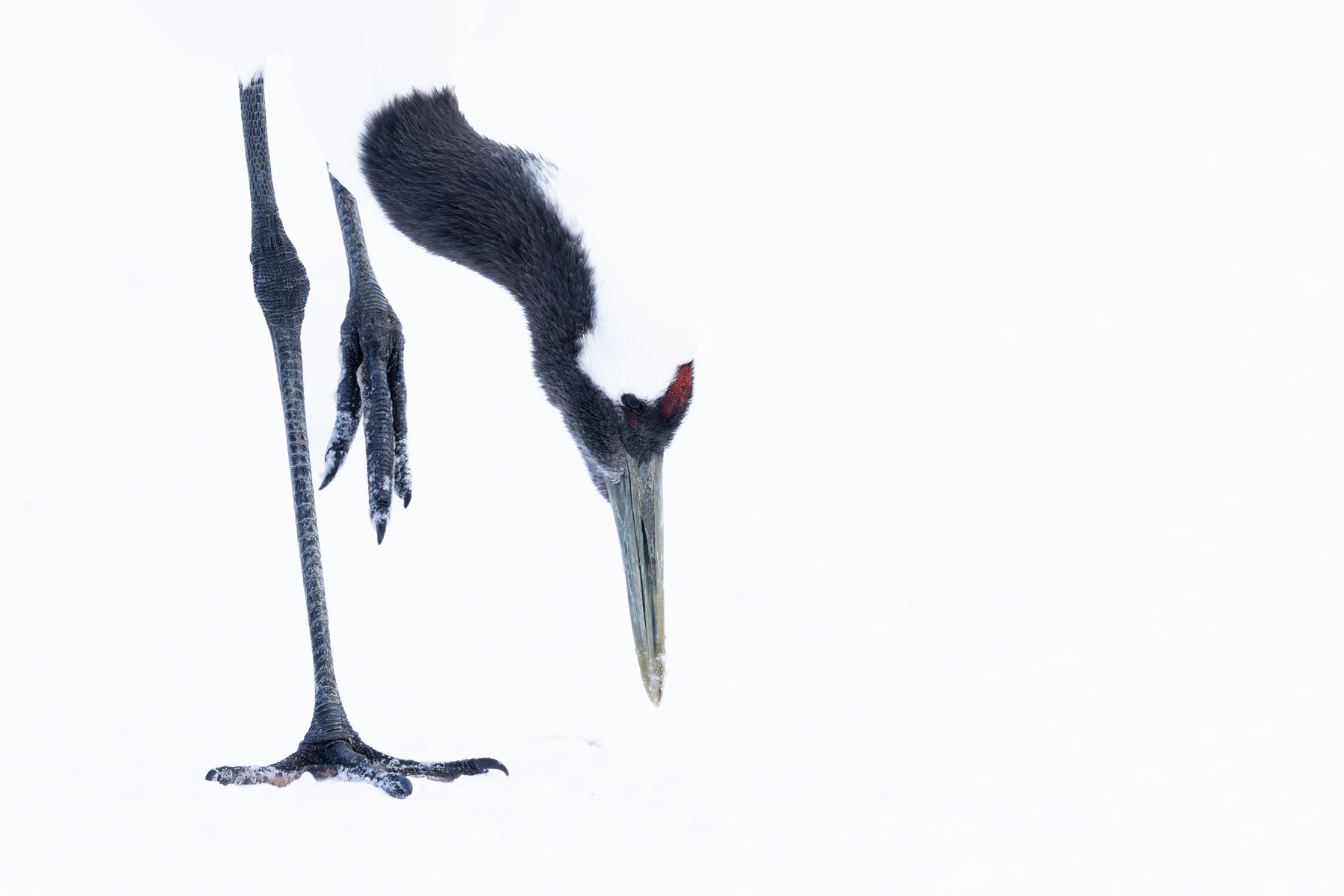
Red-crowned Crane, the classic high key head and feet image, we’ve done this one before once or twice (Image by Mike Watson)
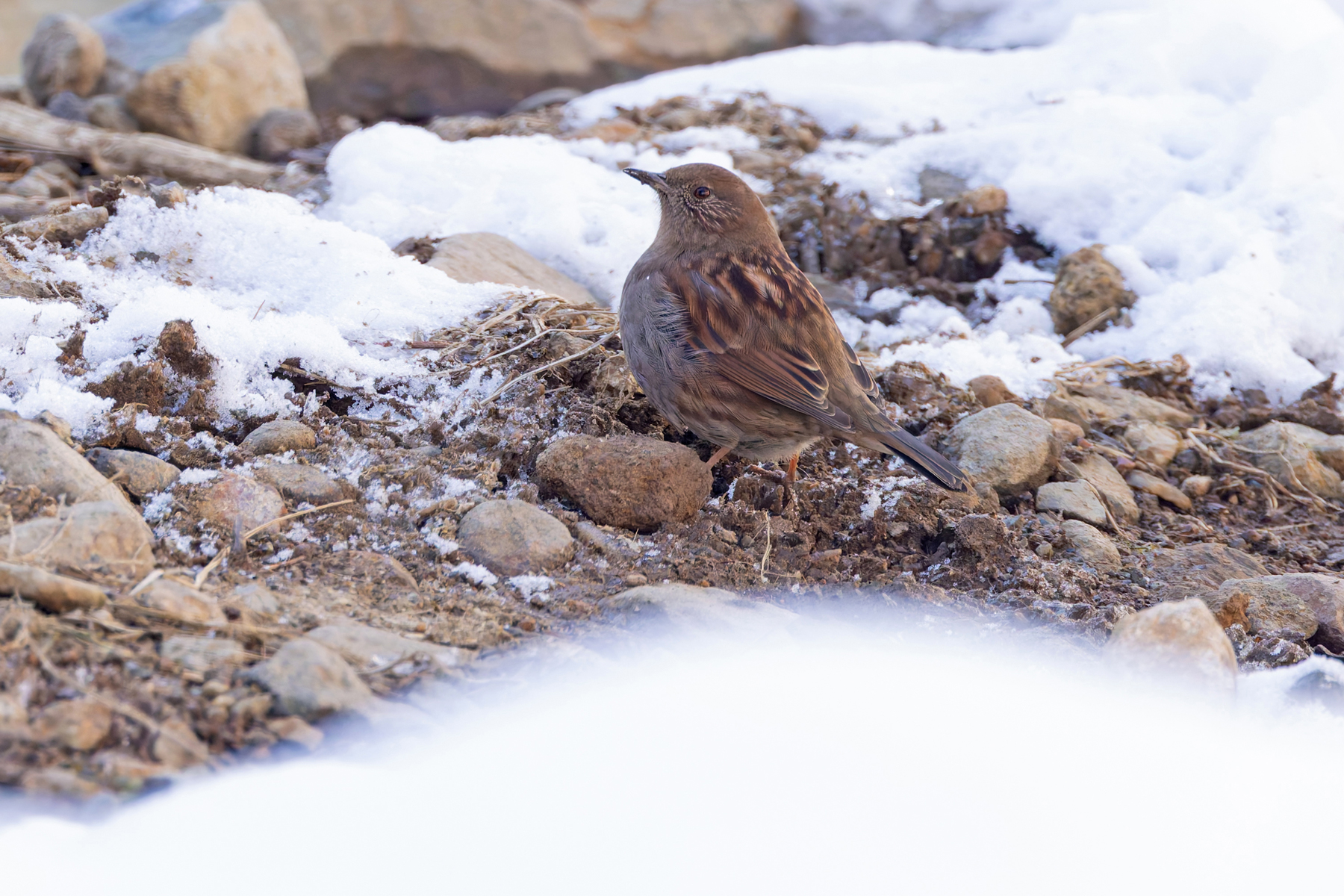
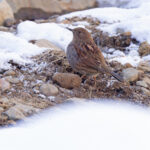
Japanese Accentor at Jigokudani, monkeys walking by (Image by Mike Watson)
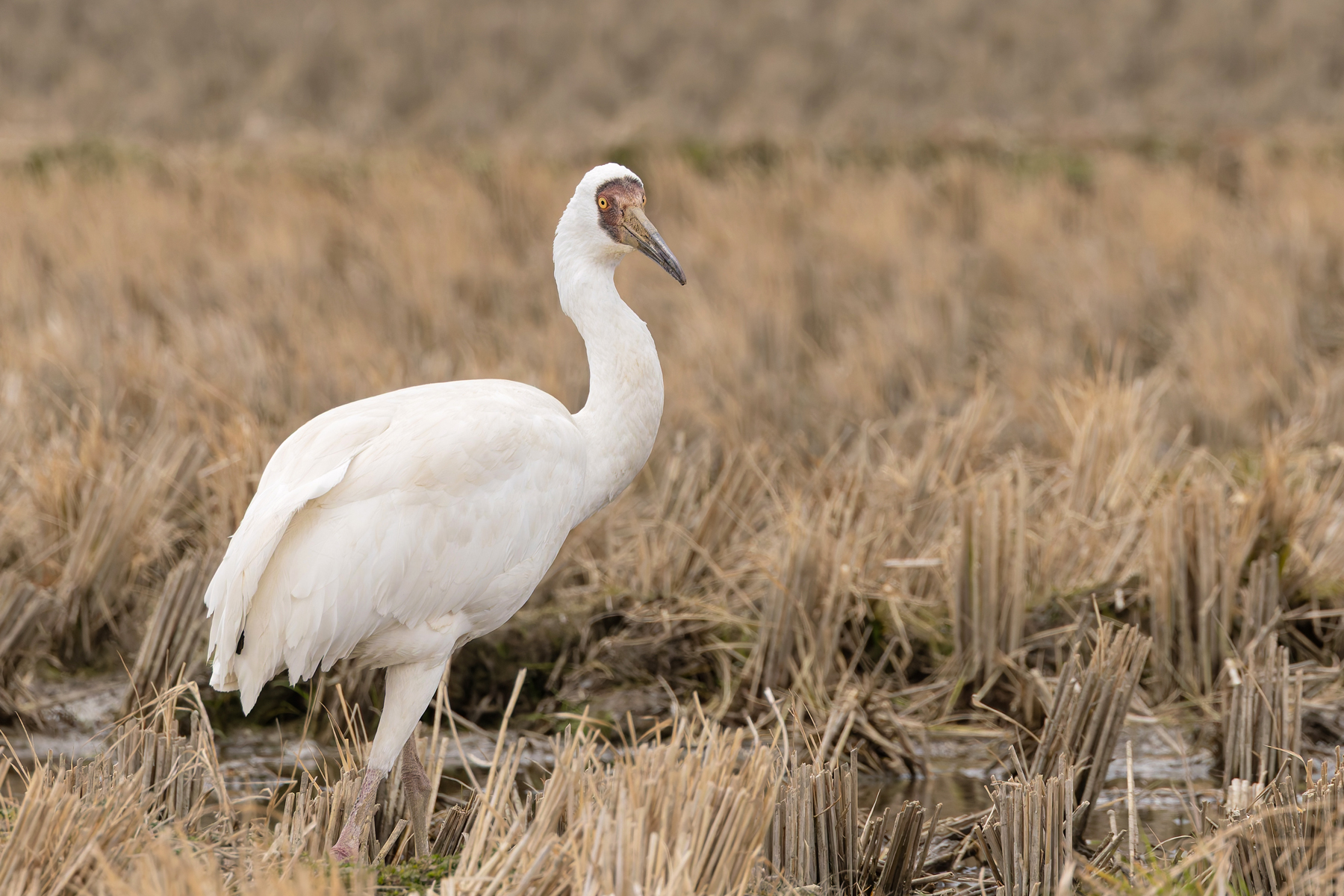
Siberian Crane, a lone vagrant at Arasaki (Image by Mike Watson)
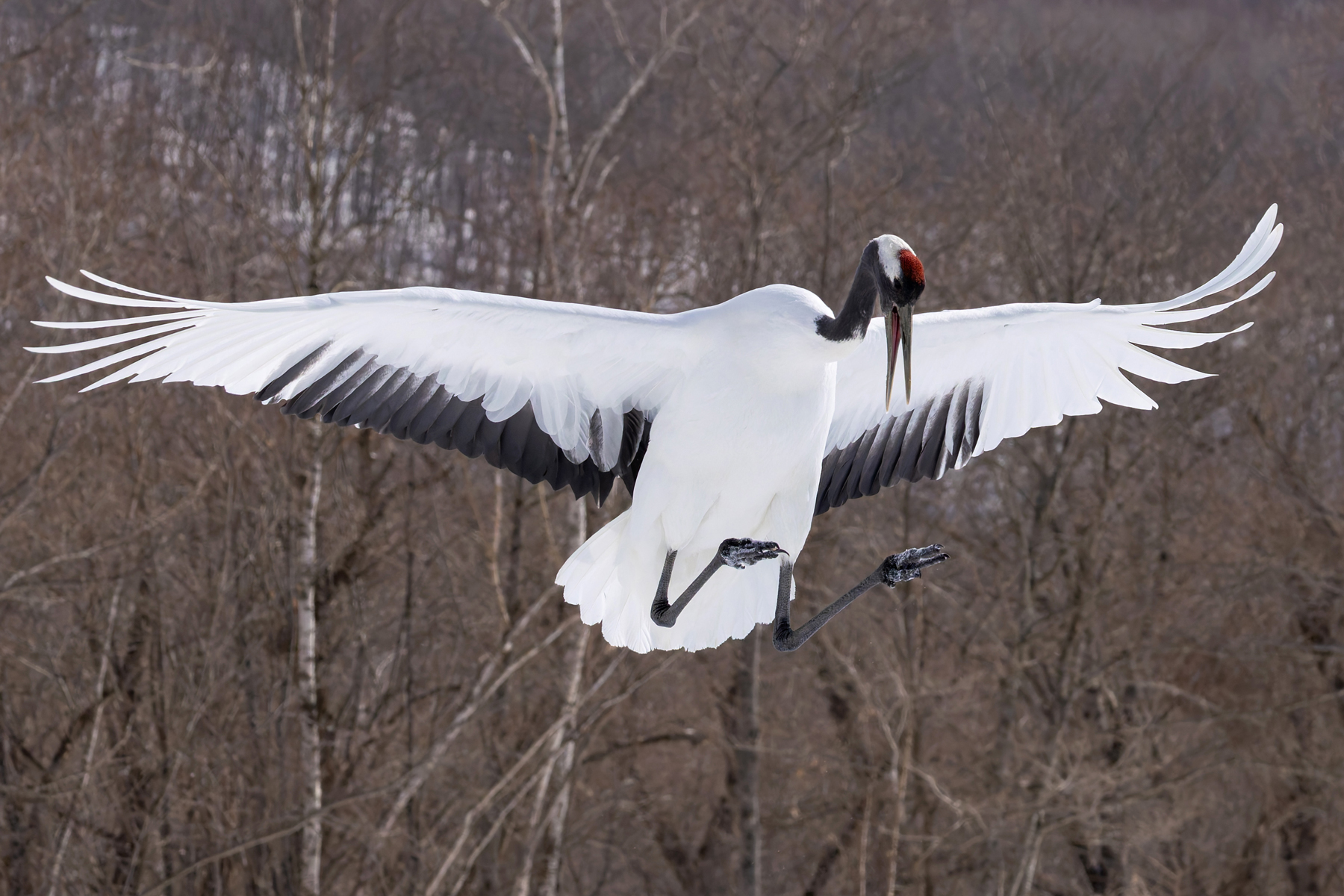
Jumping Red-crowned Crane (Image by Mike Watson)
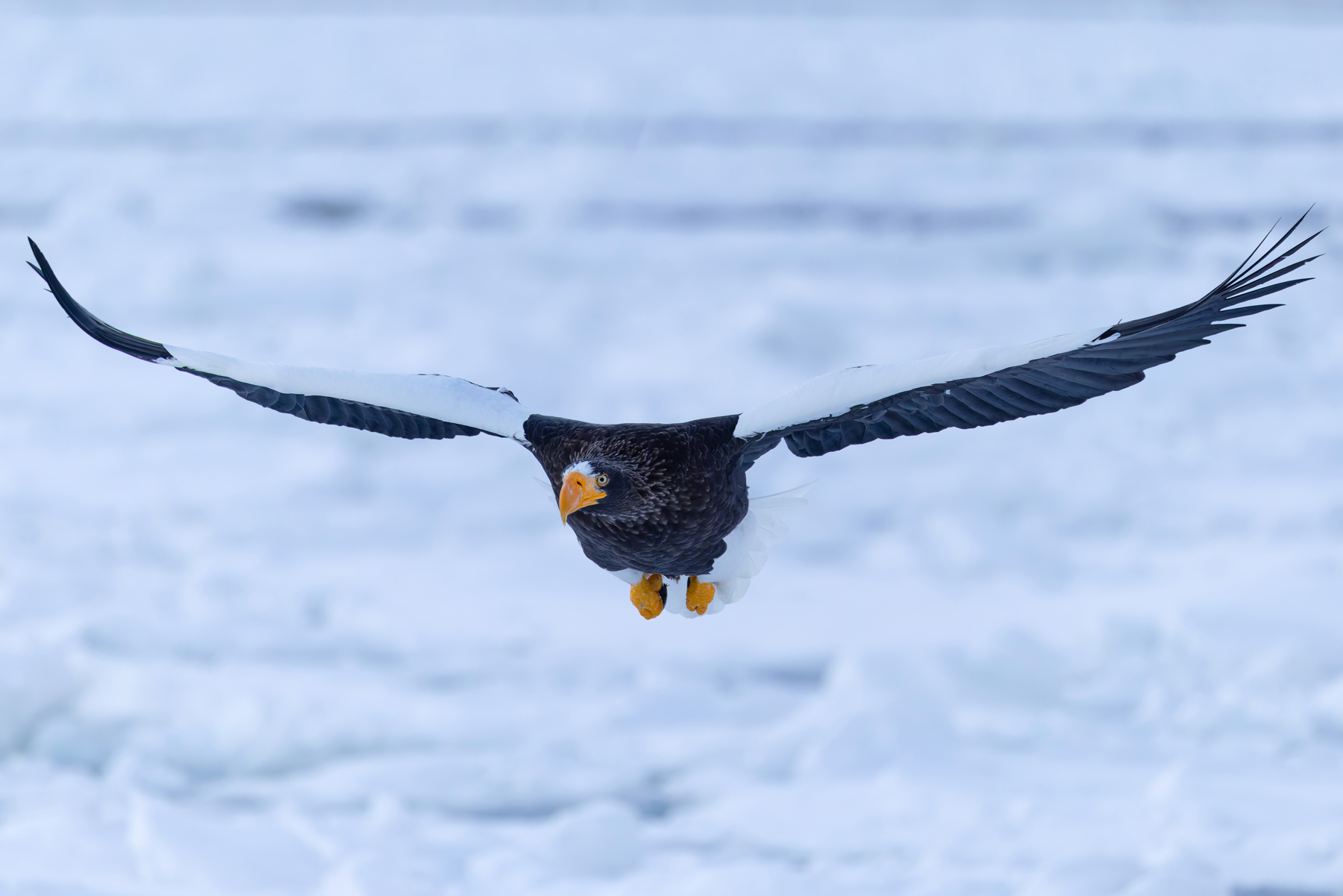
Incoming Steller’s Sea Eagle (Image by Mike Watson)
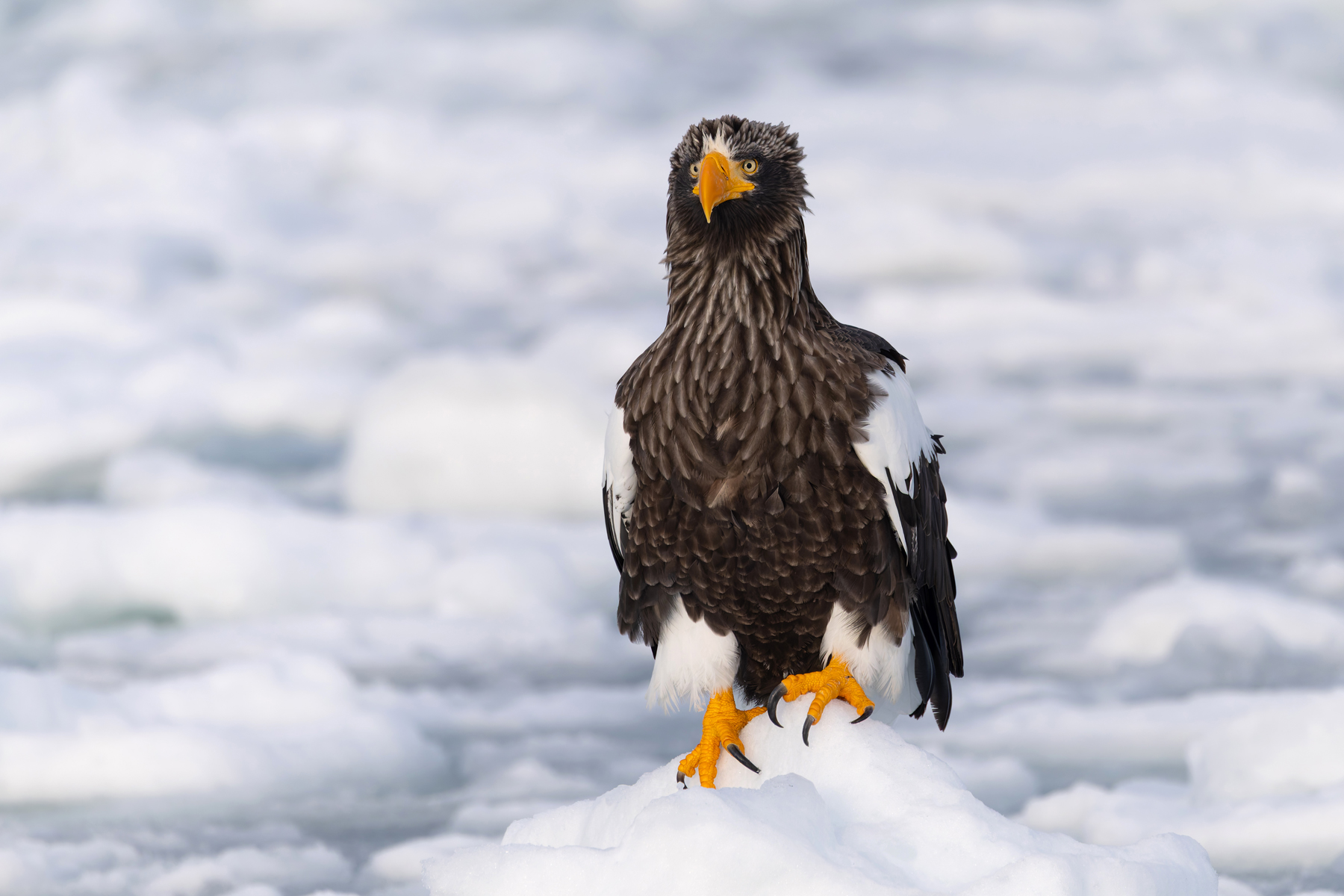
The incomparable Steller’s Sea Eagle, there is simply no other bird like it (Image by Mike Watson)
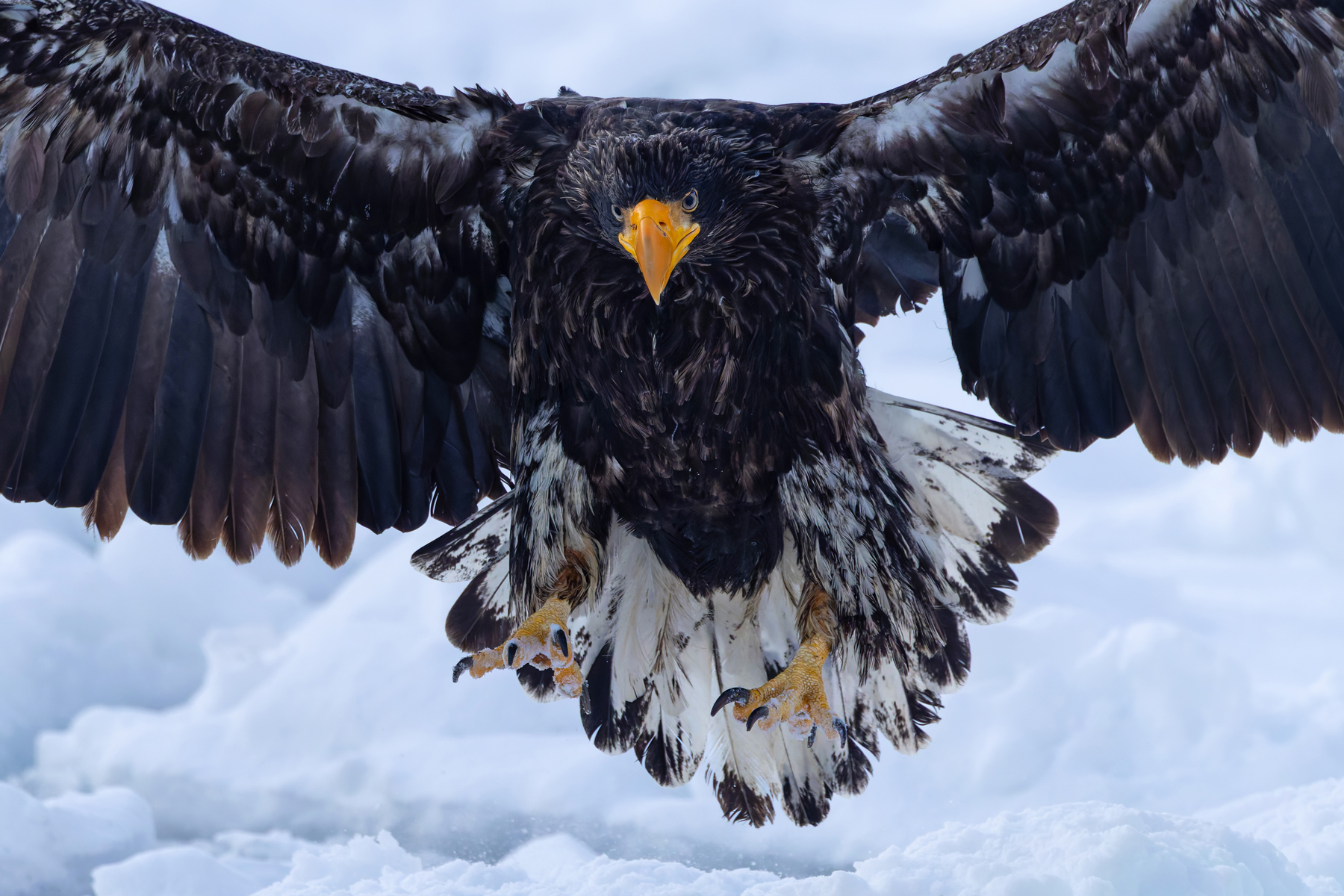
Young Steller’s Sea Eagles look even more menacing than the striking adults (Image by Mike Watson)
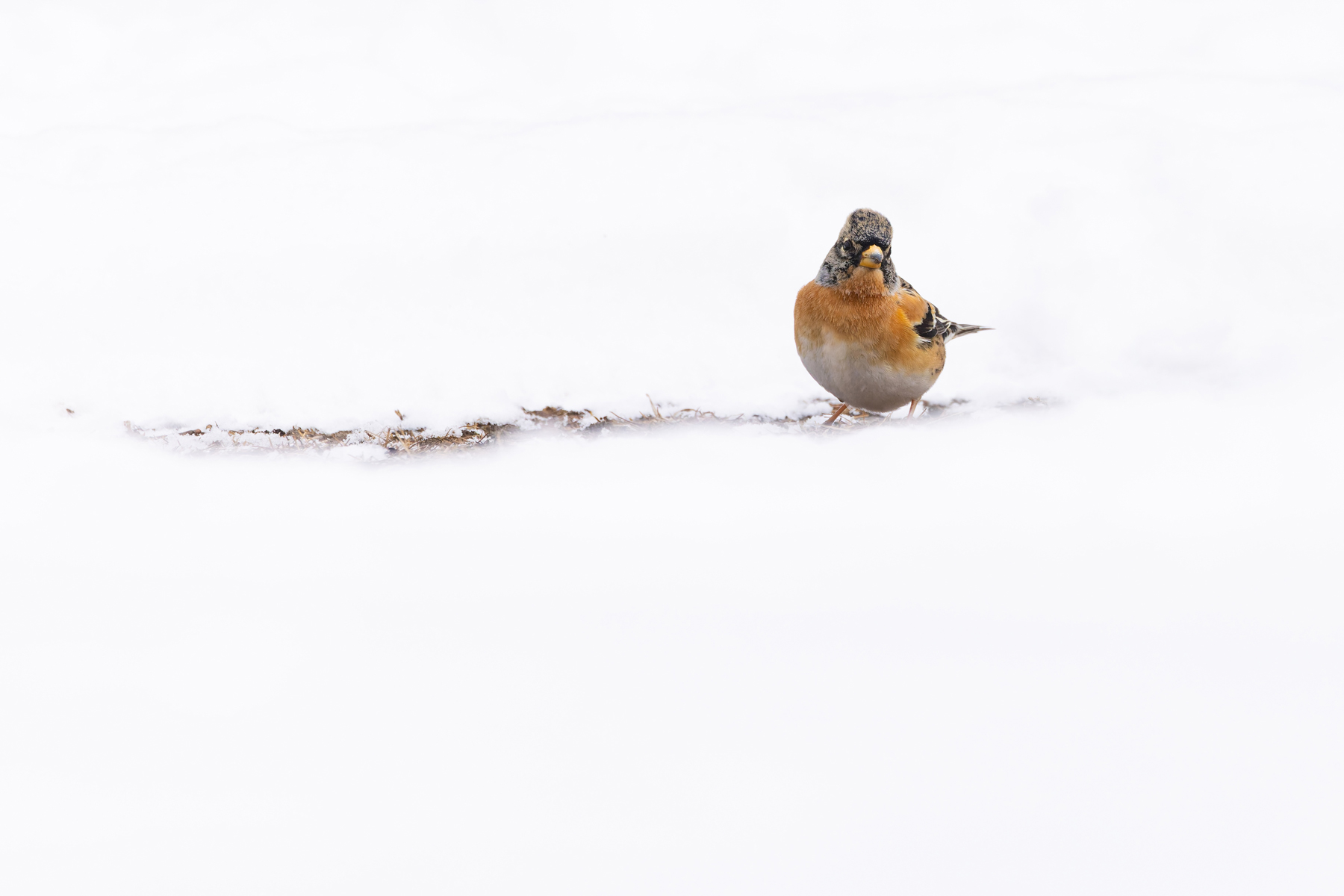
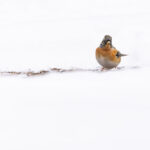
A gorgeous male Brambling in the snow at Komoro Castle (Image by Mike Watson)
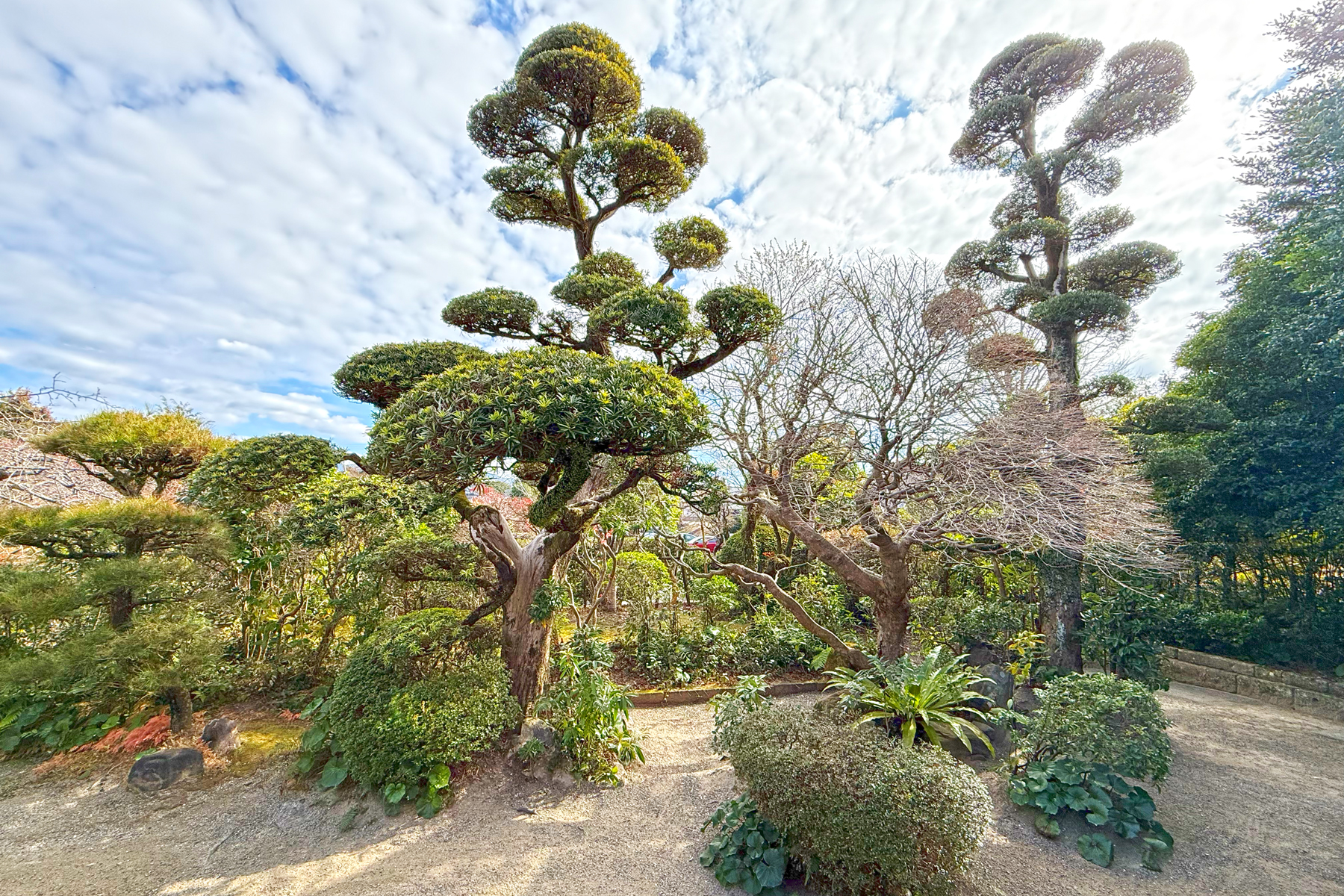
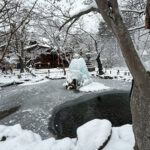
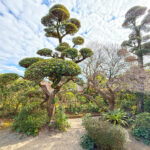
Samurai garden Izumi (Image by Mike Watson)
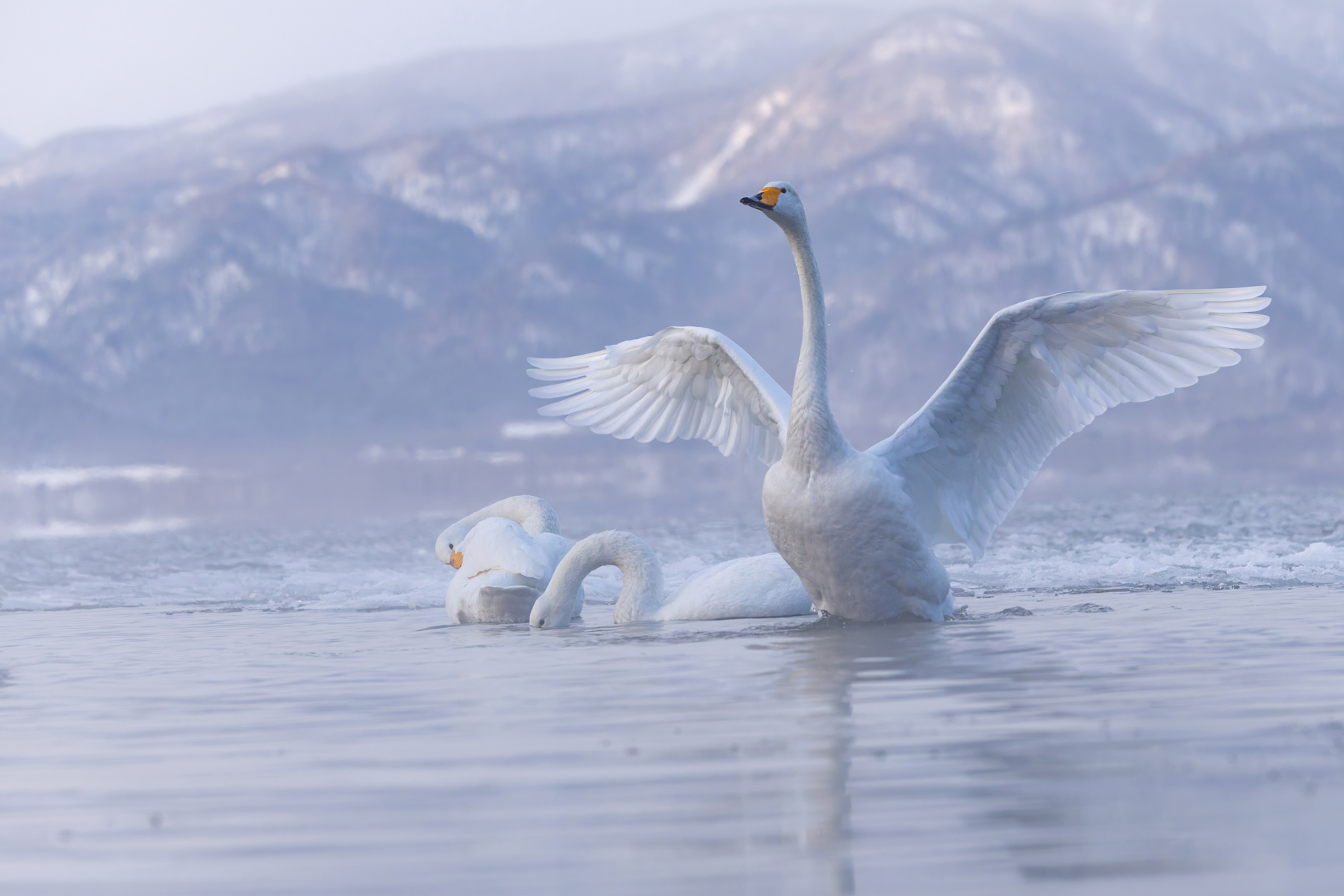
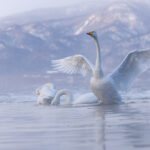
Whooper Swan wings raised (Image by Mike Watson)
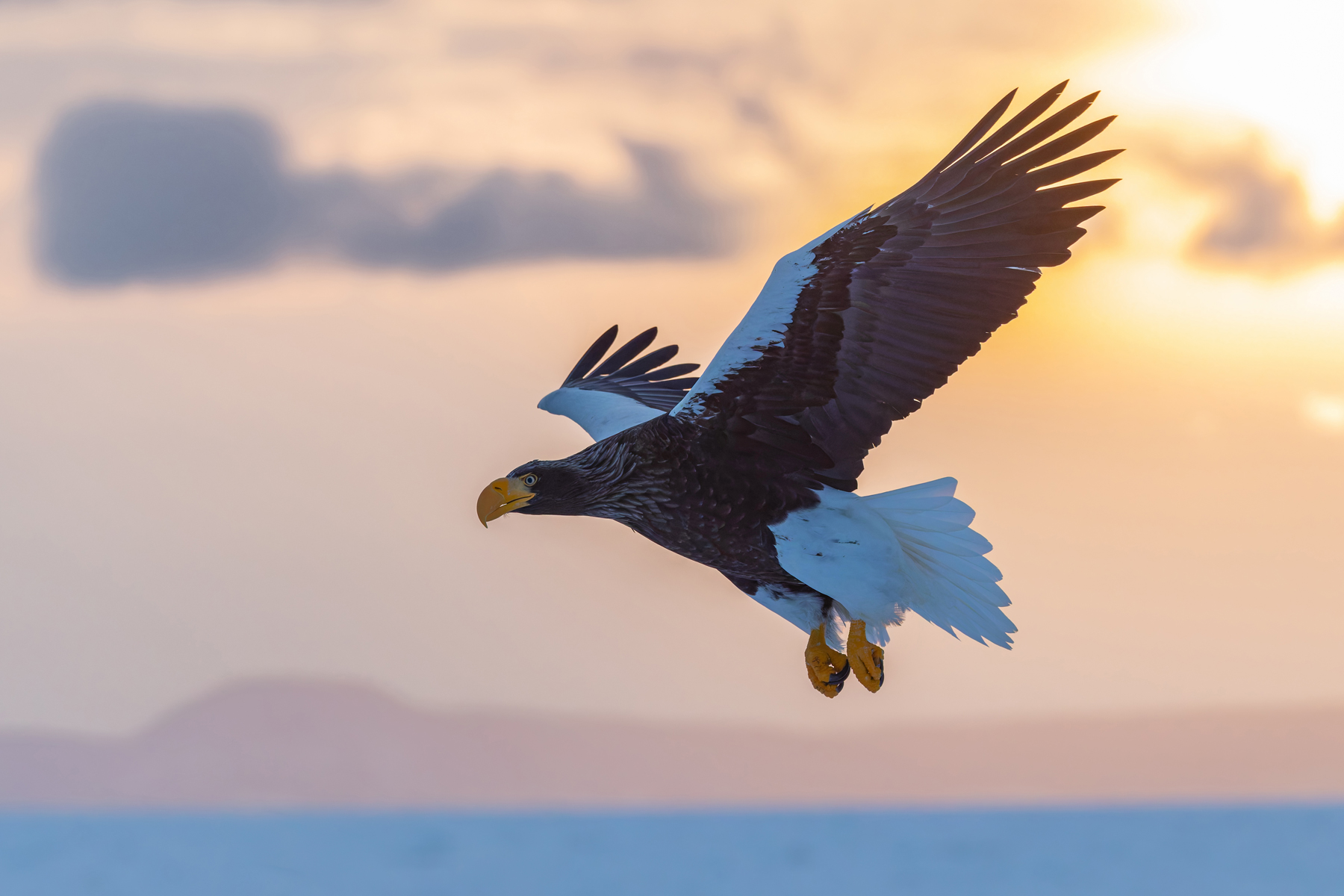
Backlit Steller’s Sea Eagle at dawn at Rausu (Image by Mike Watson)
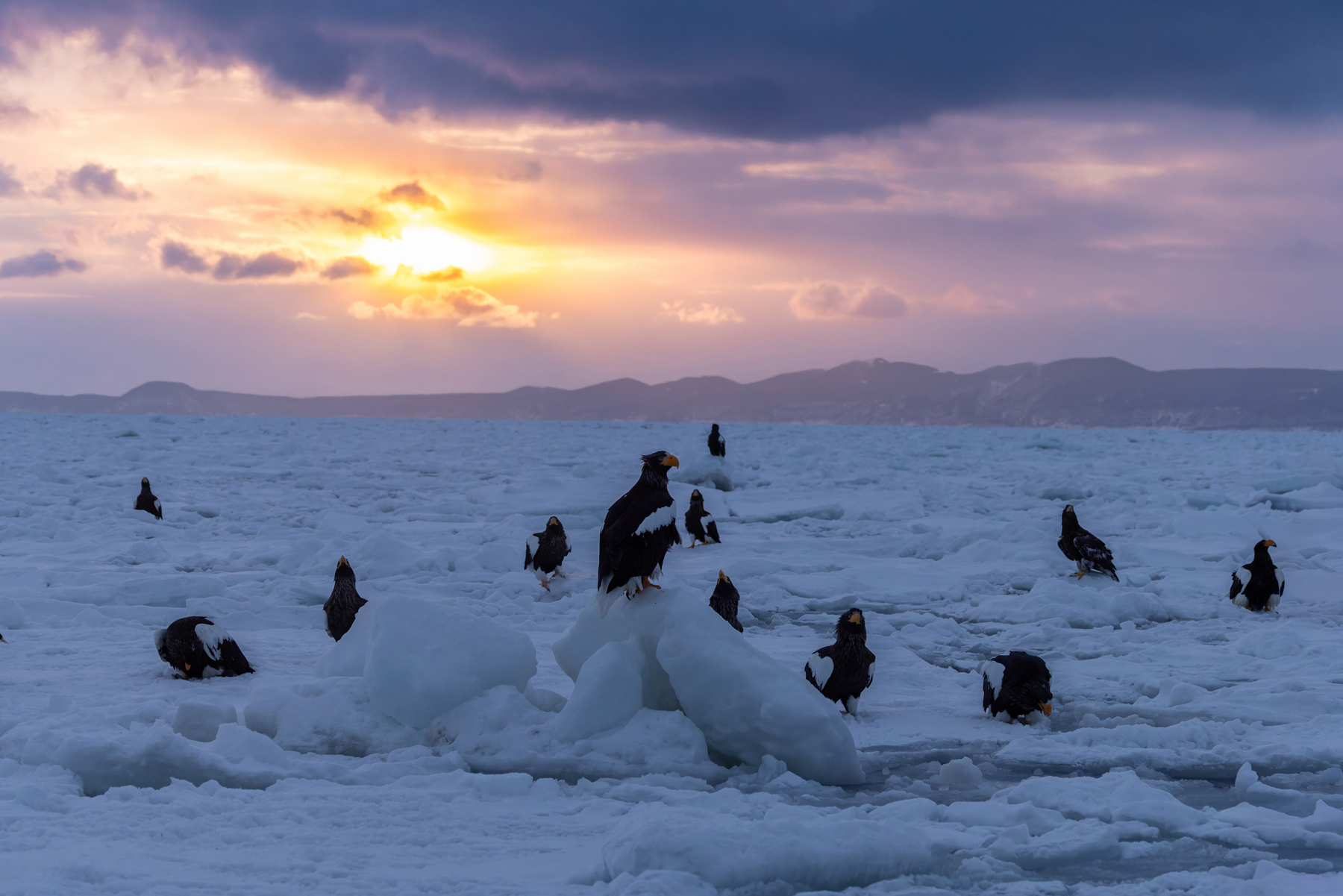
Steller’s Sea Eagle dawn on the ice (Image by Mike Watson)
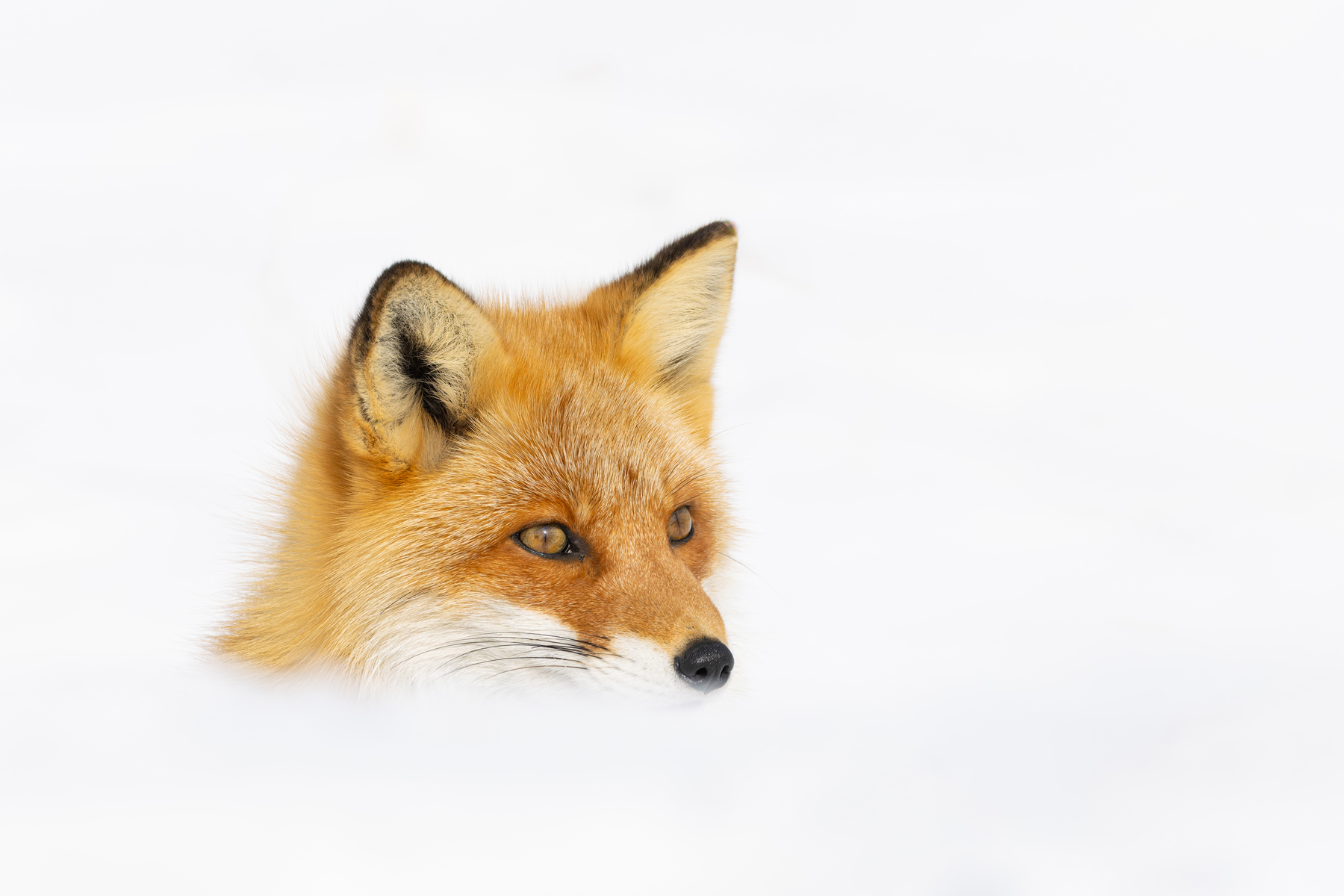
Red Fox gaze (Image by Mike Watson)
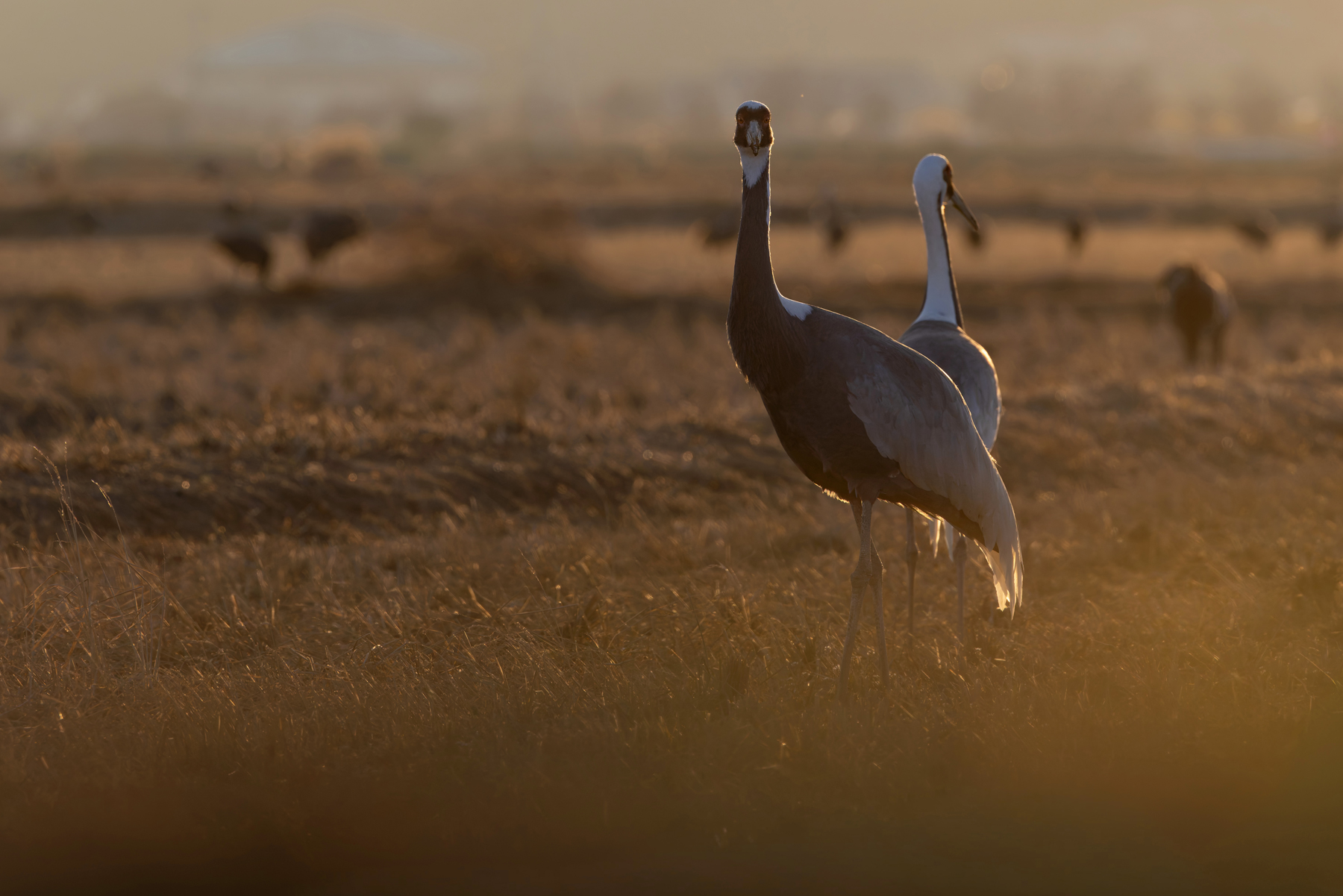
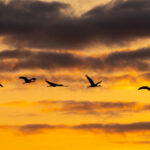
White-naped Cranes at sunset (image by Mike Watson)
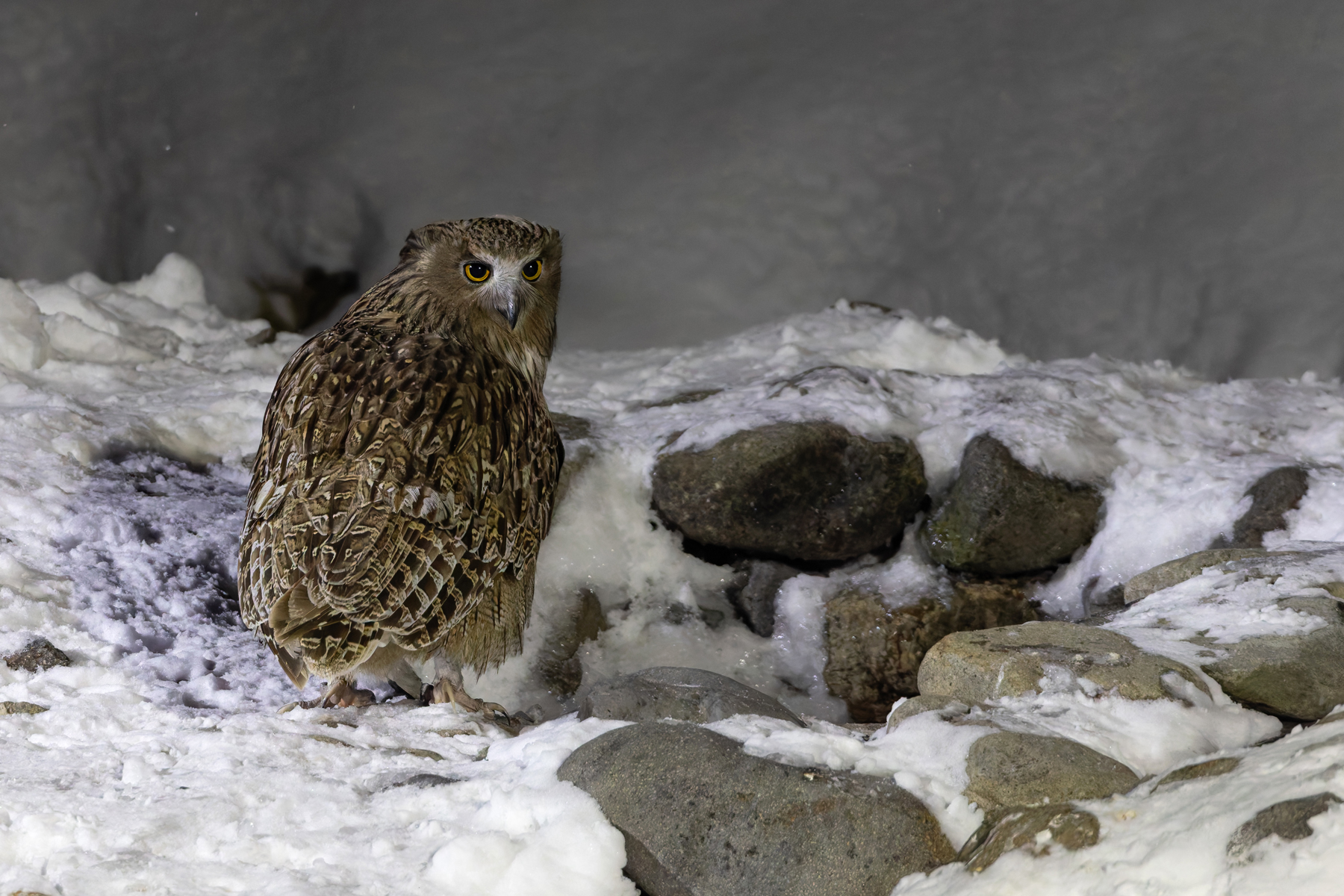
A sinister look over the shoulder from Blakiston’s Fish Owl (Image by Mike Watson)
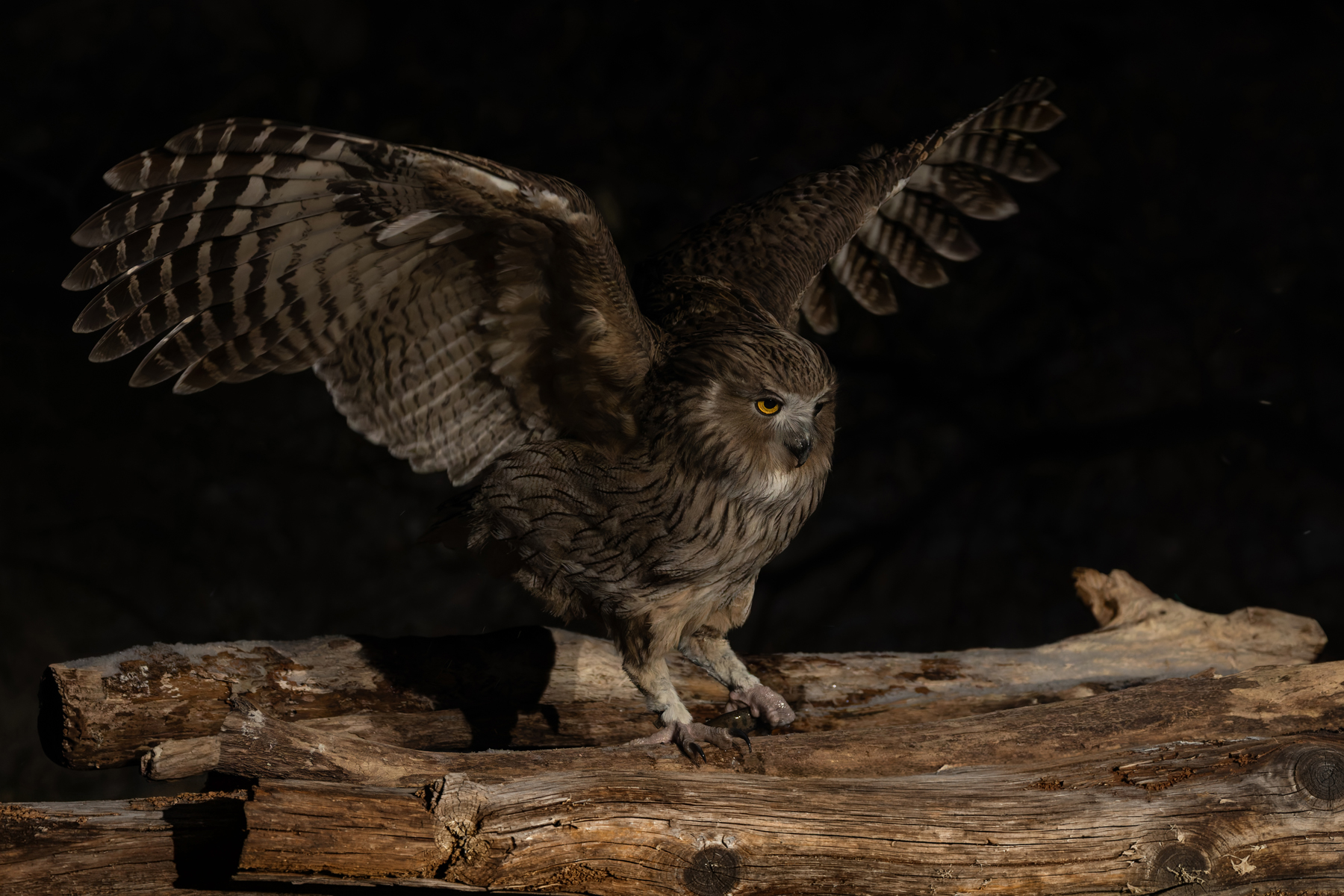
Blakiston’s Fish Owl does not have to work hard for its fish supper at Yoroushi Onsen (Image by Mike Watson)
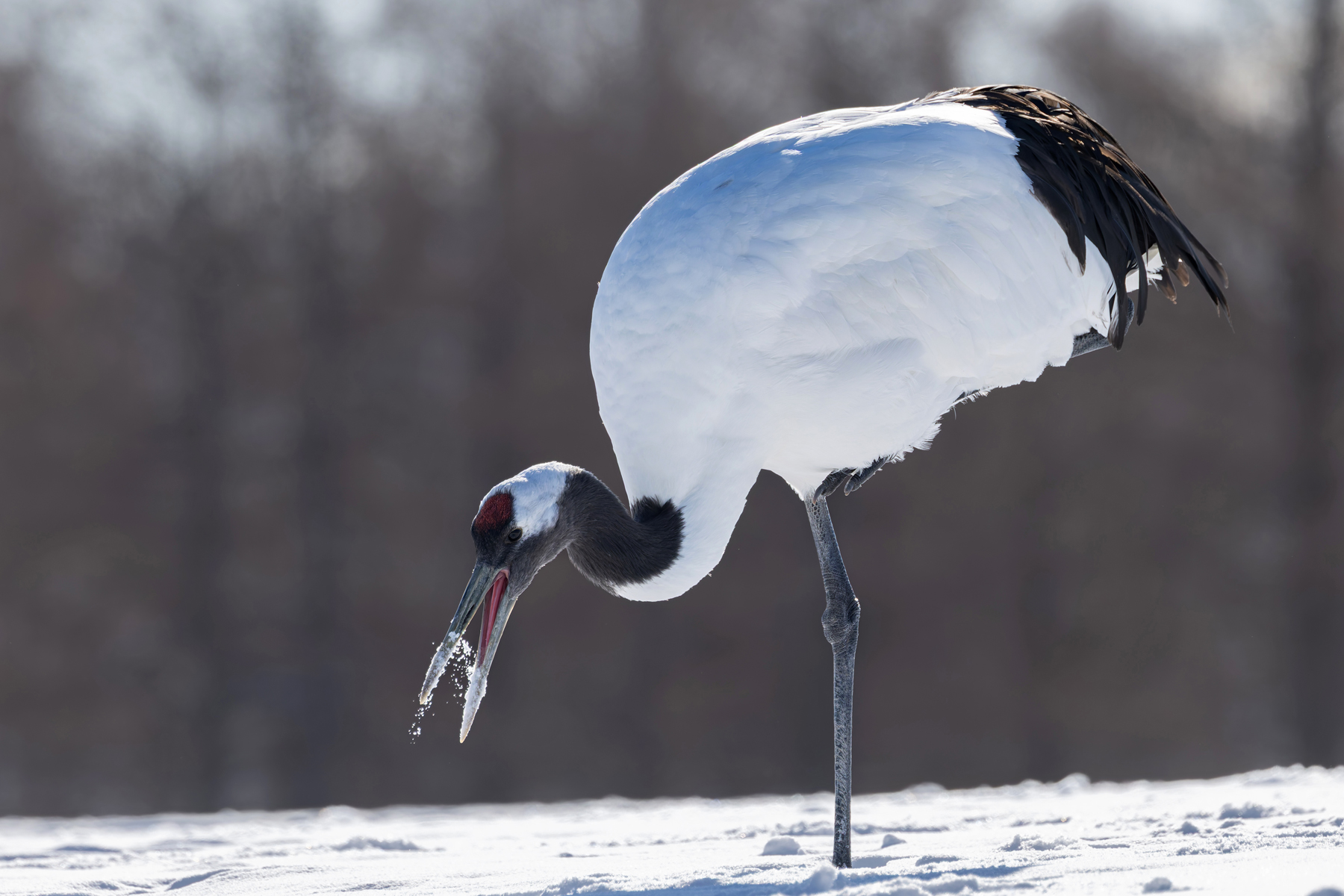
Red-crowned Crane eating snow (Image by Mike Watson)
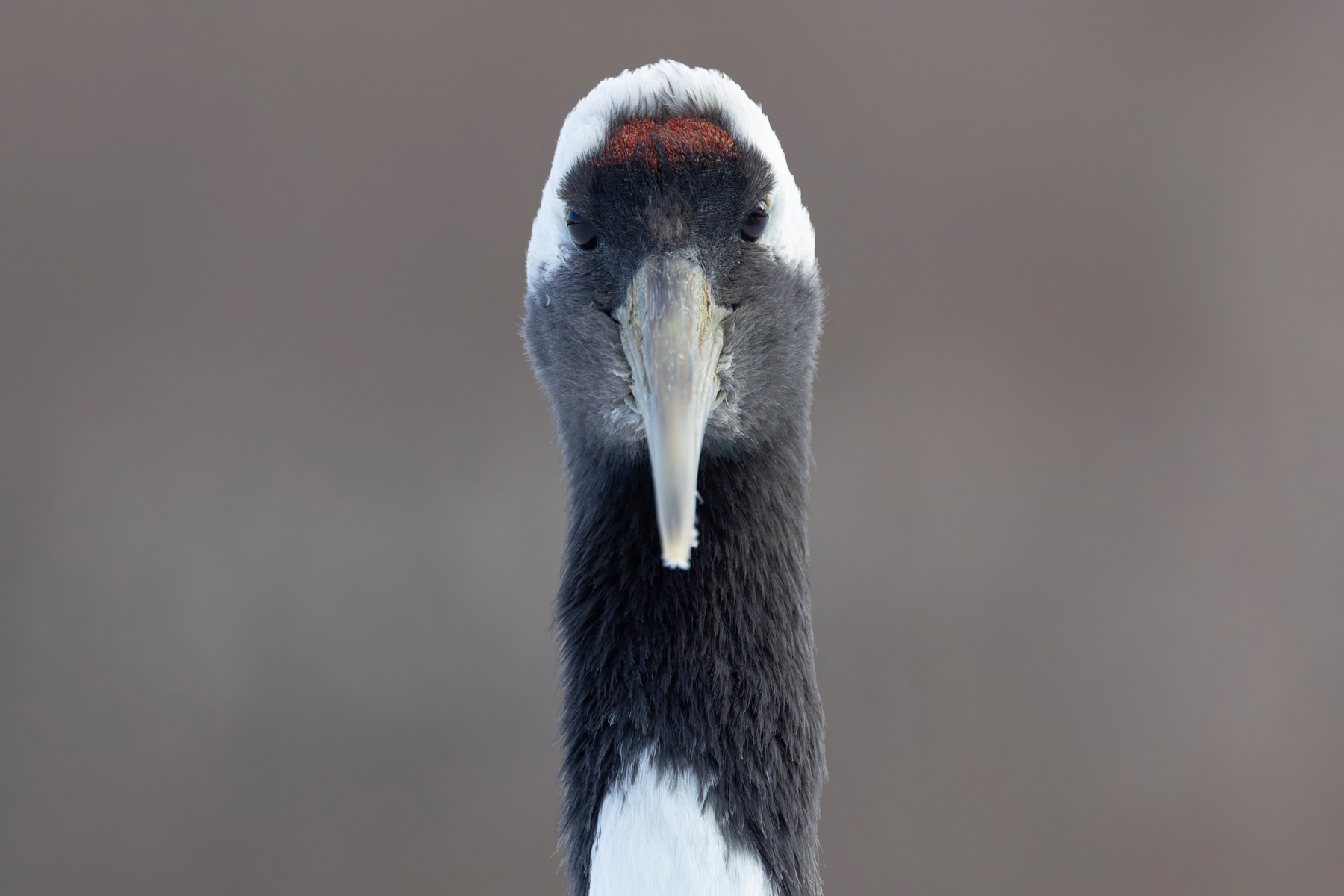
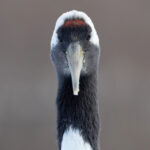
Red-crowned Crane, one of the two eyed portrait collection (Image by Mike Watson)
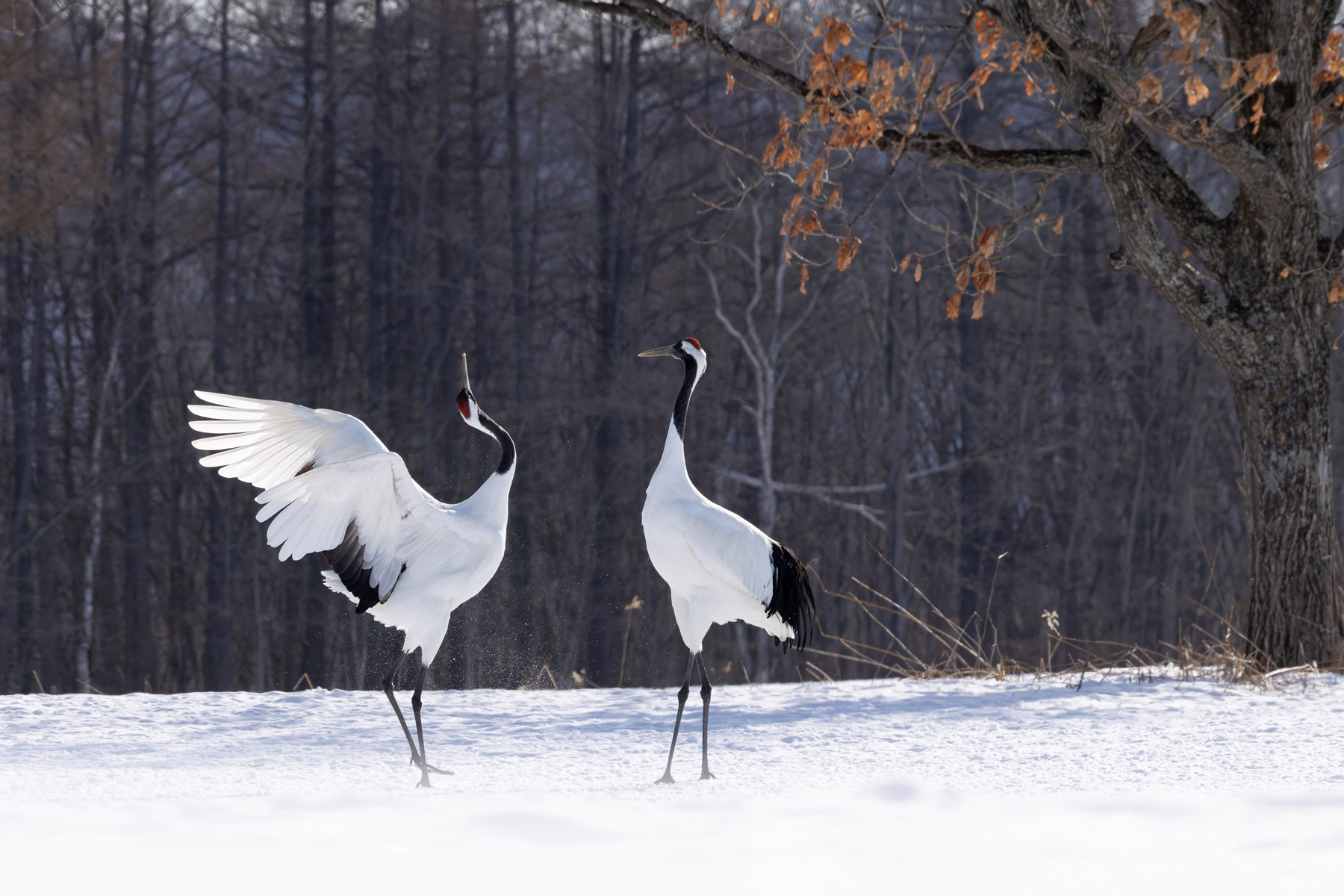
Stately courtship of Red-crowned Cranes at Tsurui Ito (Image by Mike Watson)
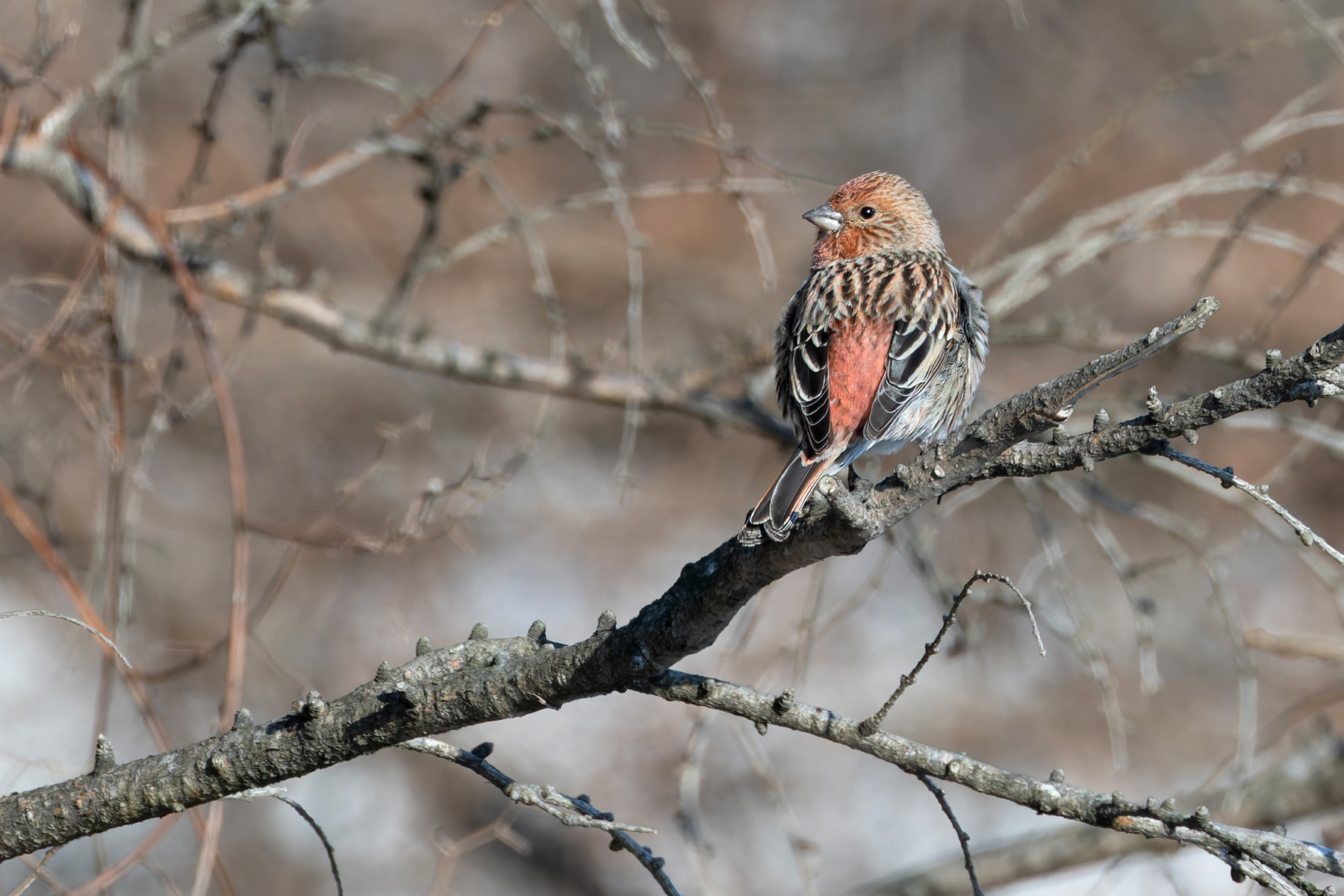
Pallas’s Rosefinch showing its pretty pink rump (Image by Mike Watson)
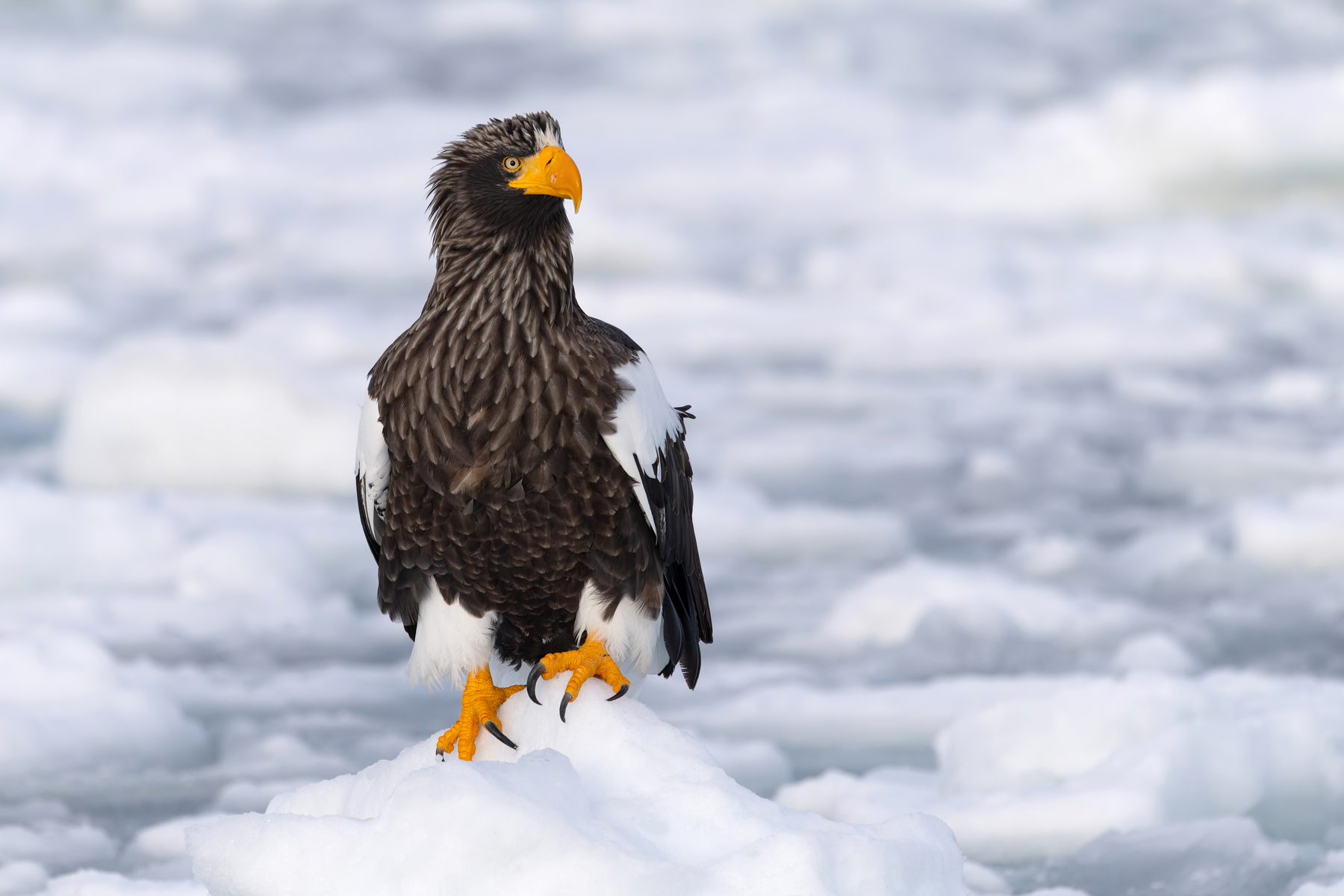
Steller’s Sea Eagle, sunshine, sea ice and perfect eagle portraits galore were had on this boat trip (Image by Mike Watson)
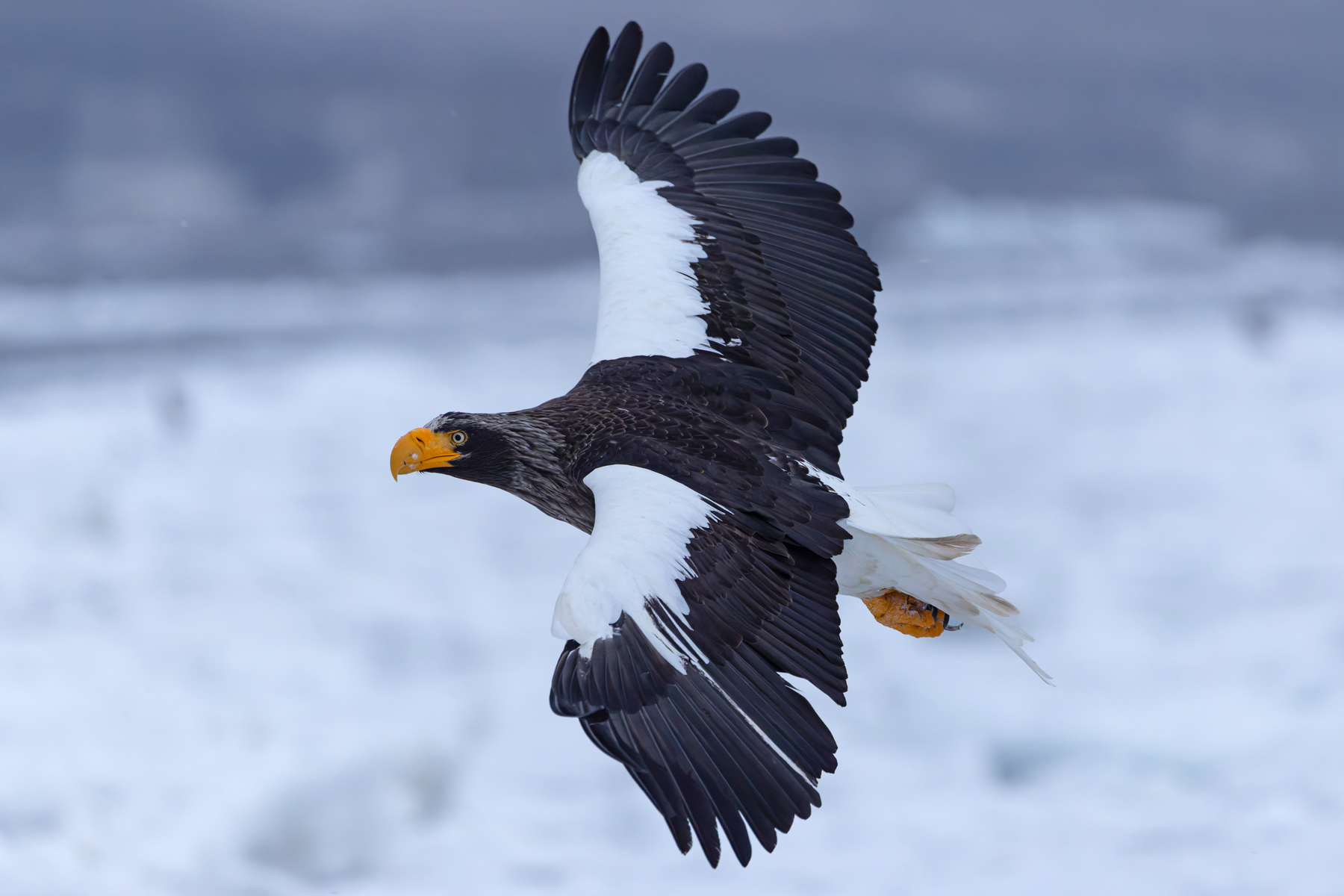
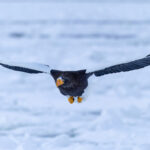
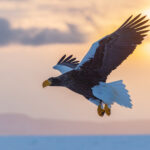
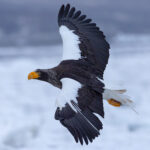
Steller’s Sea Eagle in flight (Image by Mike Watson)
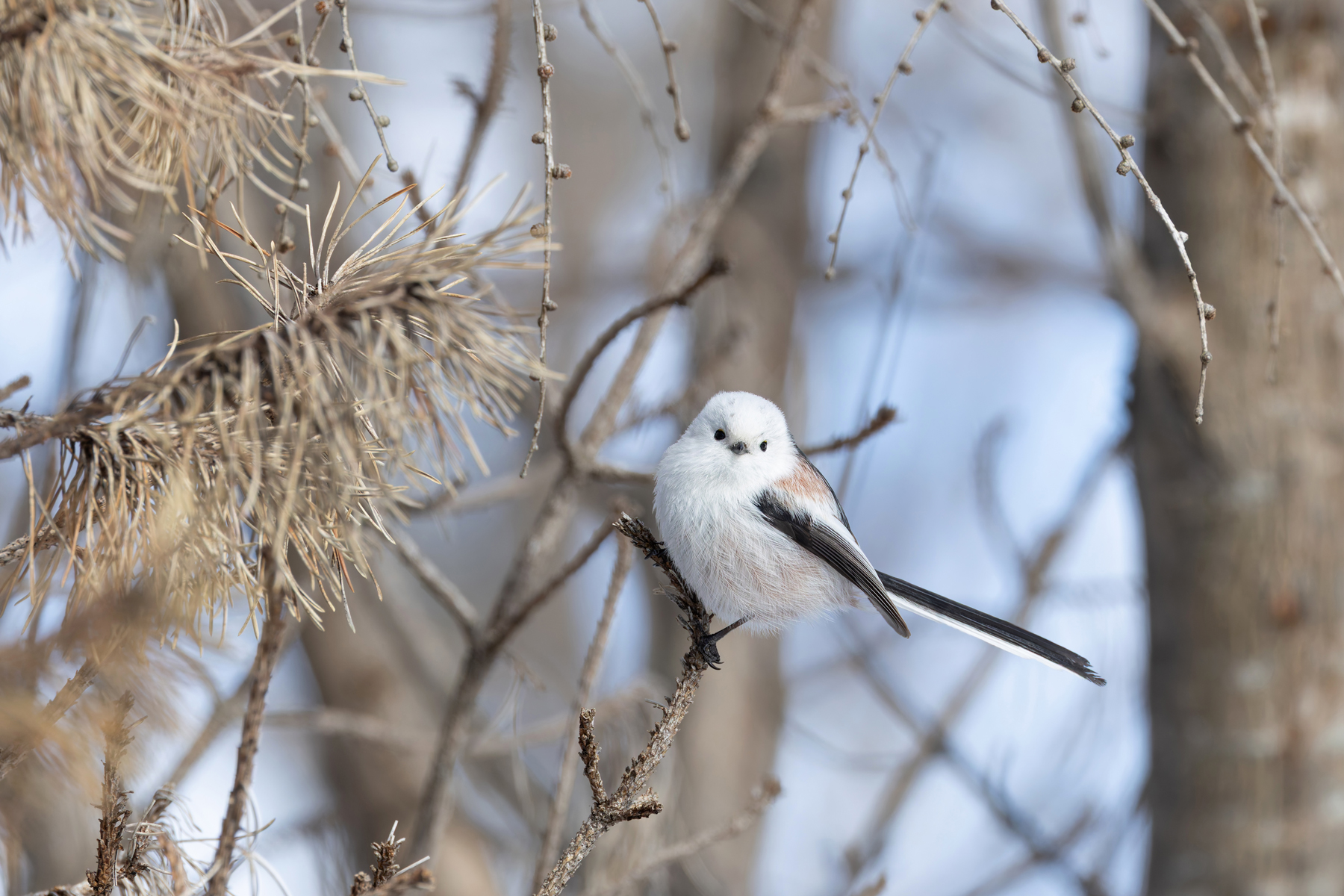
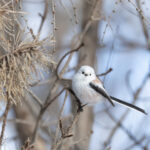
Long-tailed Tit, always a favourite, you can buy all manner of Long-tail related gifts in Japan! (Image by Mike Watson)
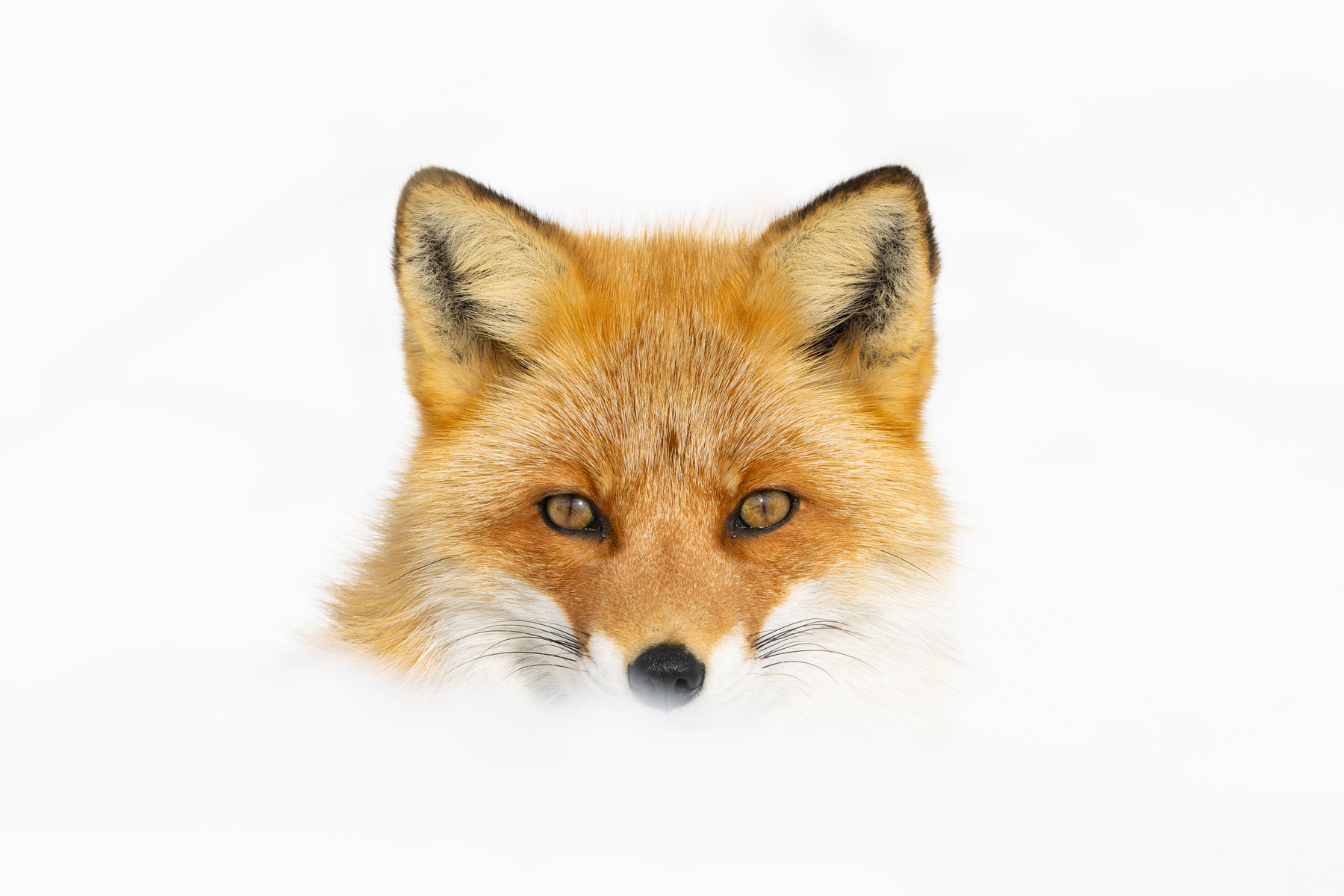
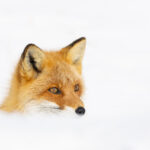
Red Fox perfection (Image by Mike Watson)
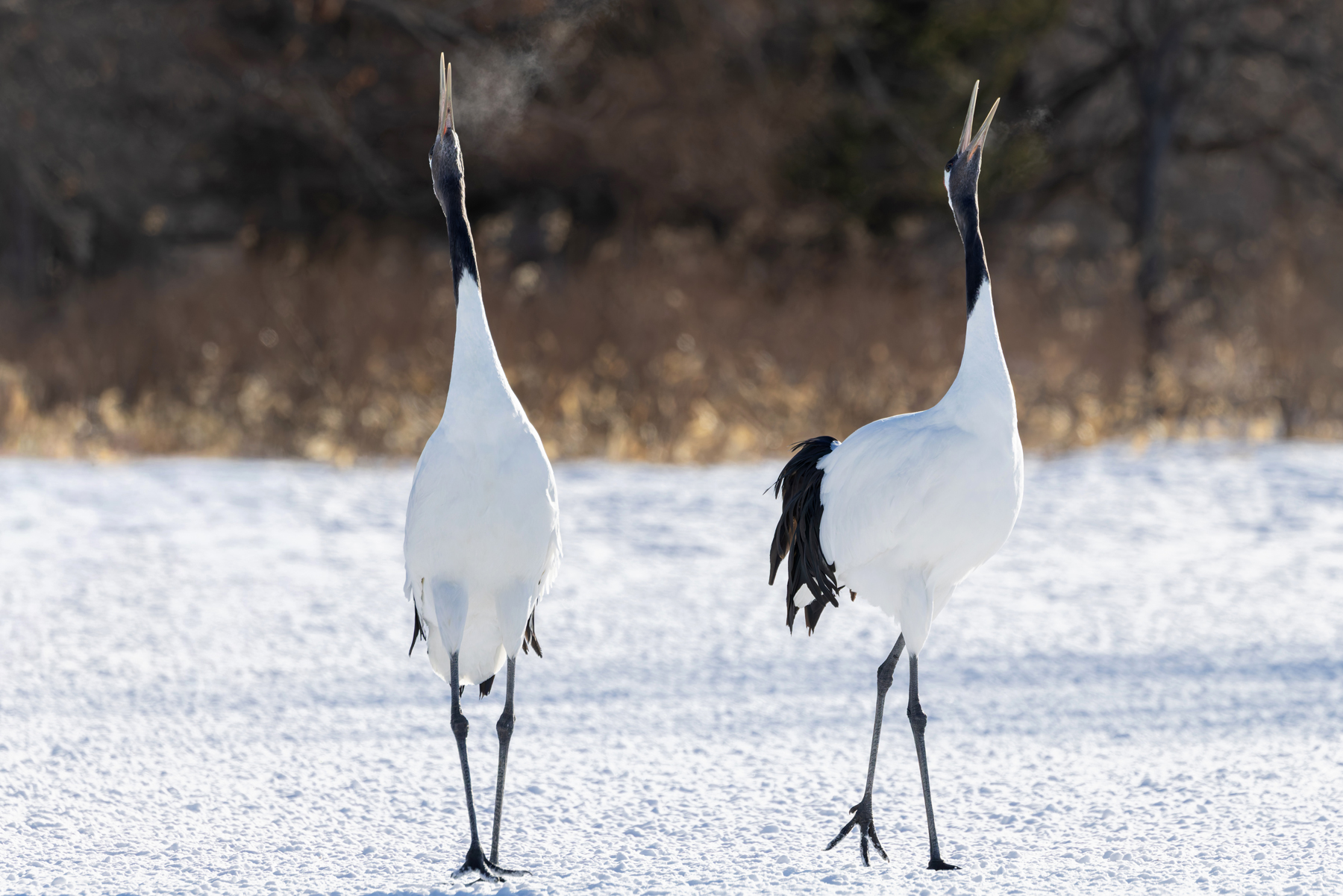
Red-crowned Crane pair (Image by Mike Watson)
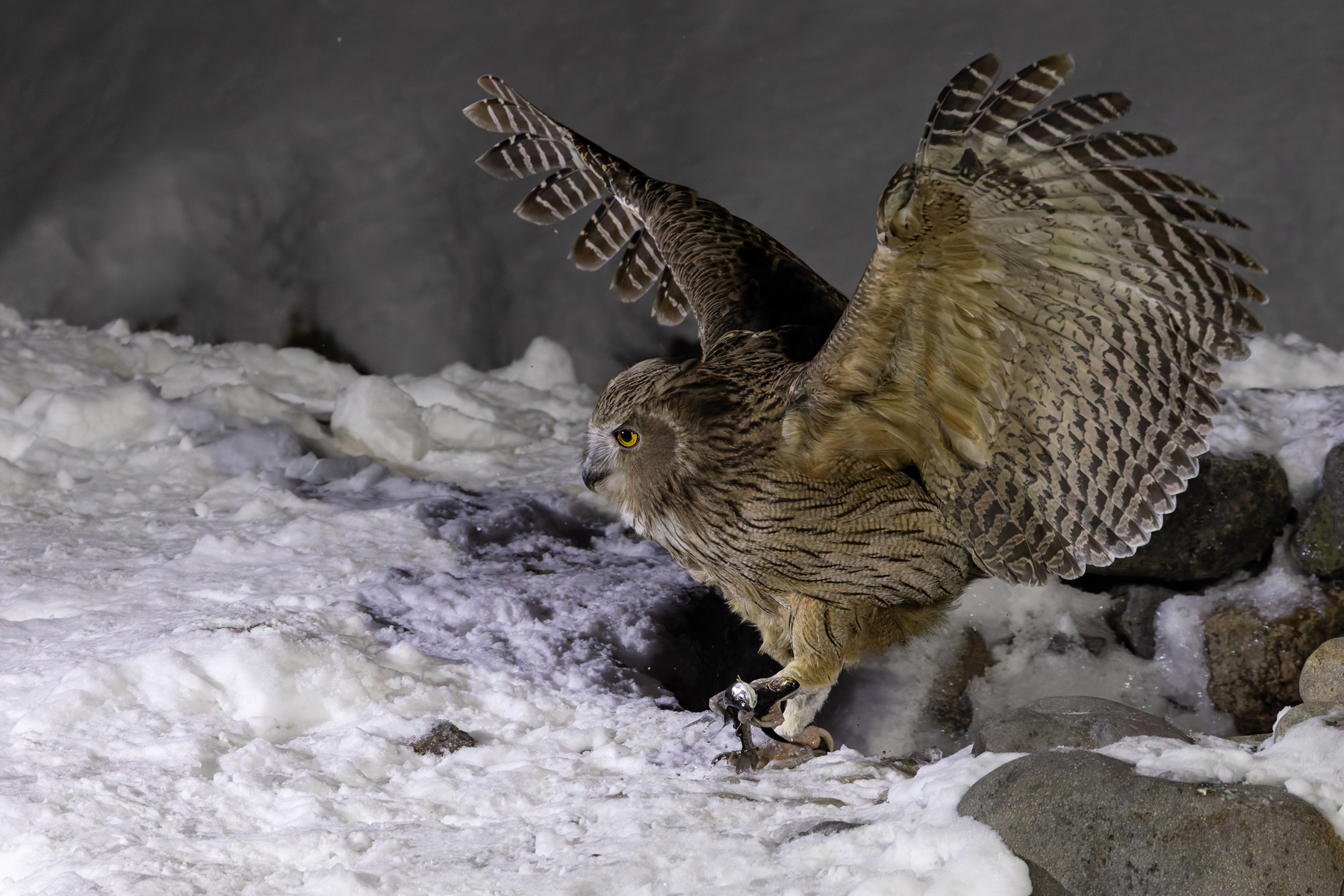
The Blakiston’s Fish Owl has two fish in its talons! (Image by Mike Watson)
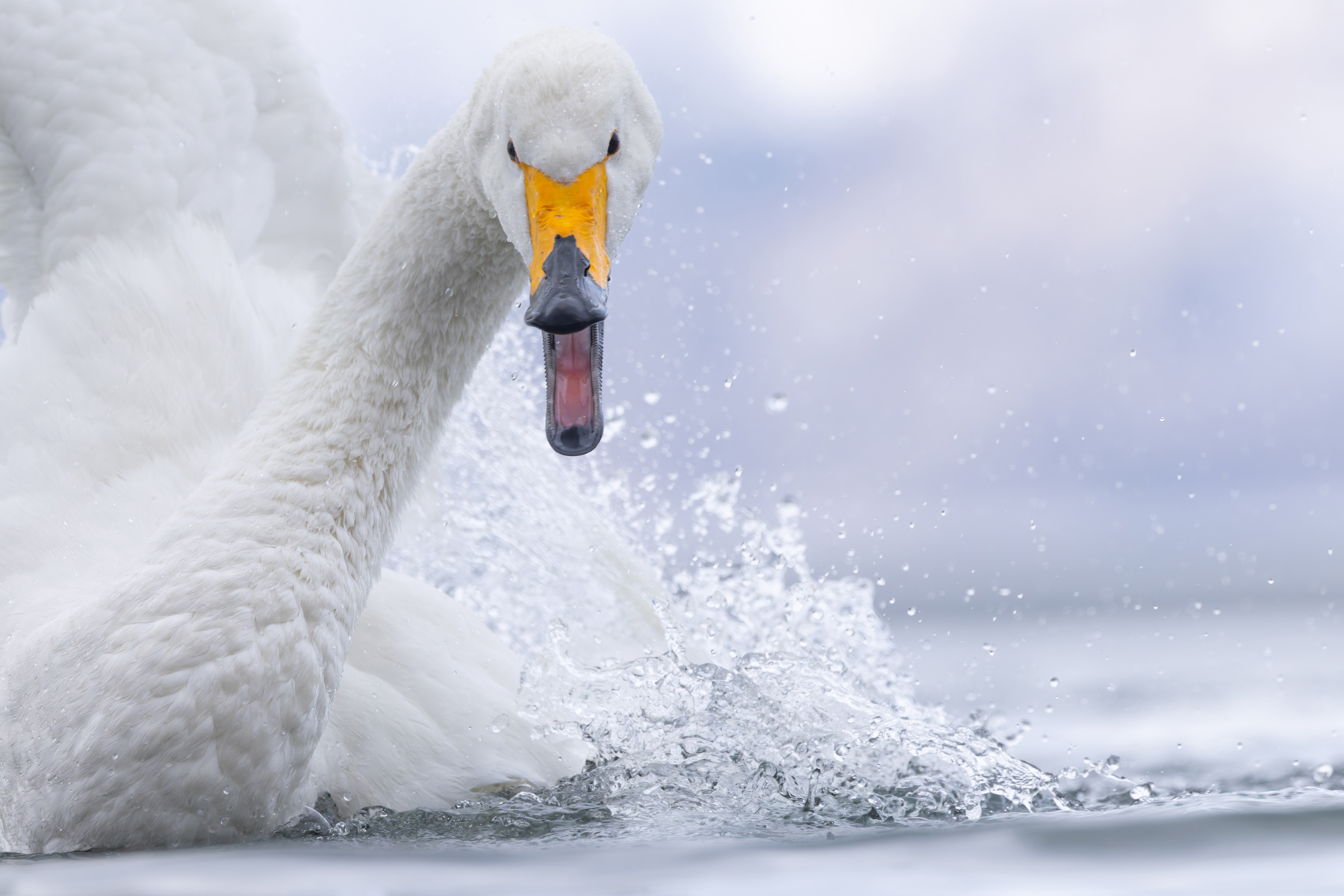
Whooper Swan splash (Image by Mike Watson)
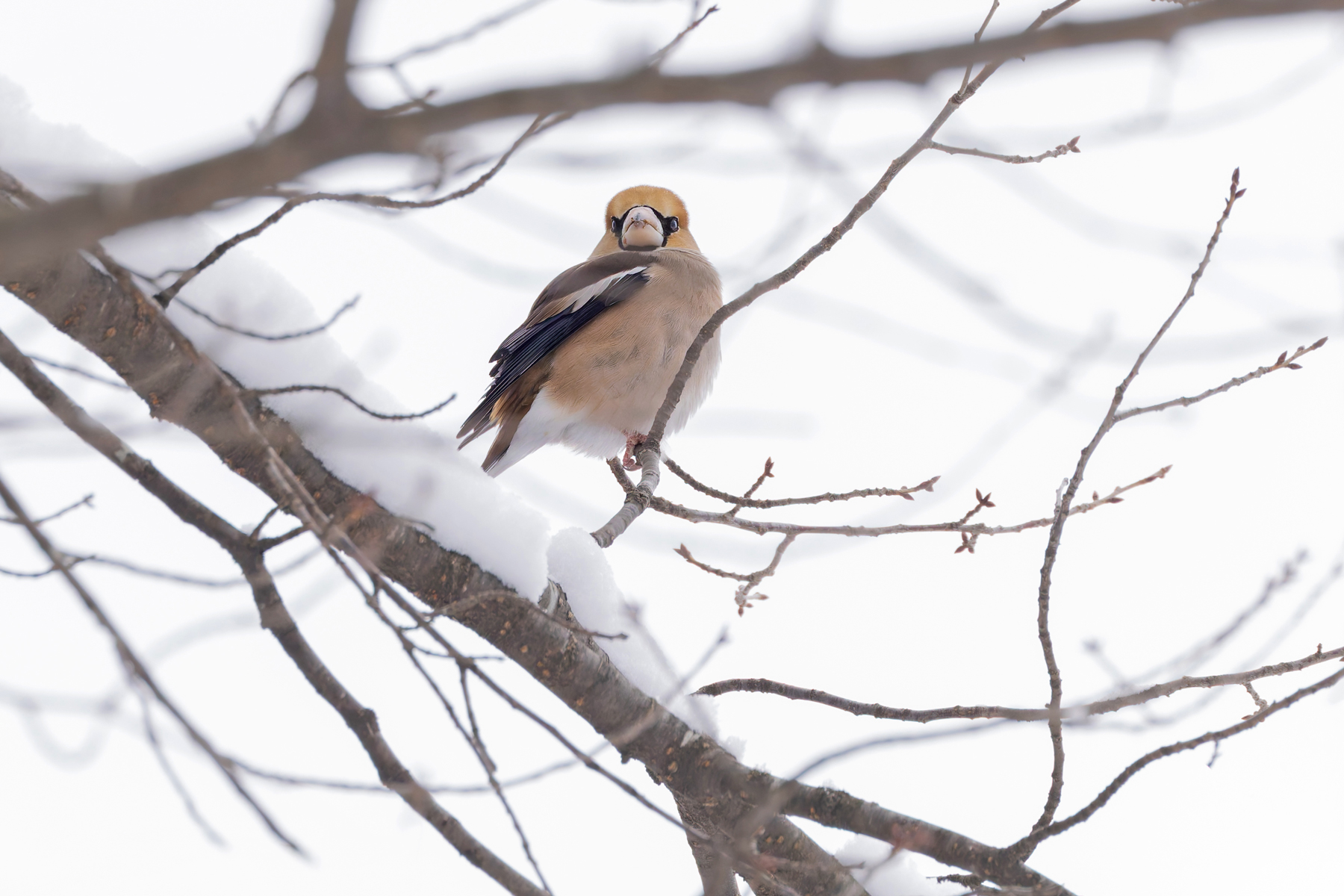
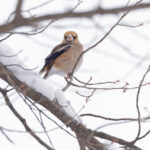
A Hawfinch in the snow at Komoro Castle (Image by Mike Watson)
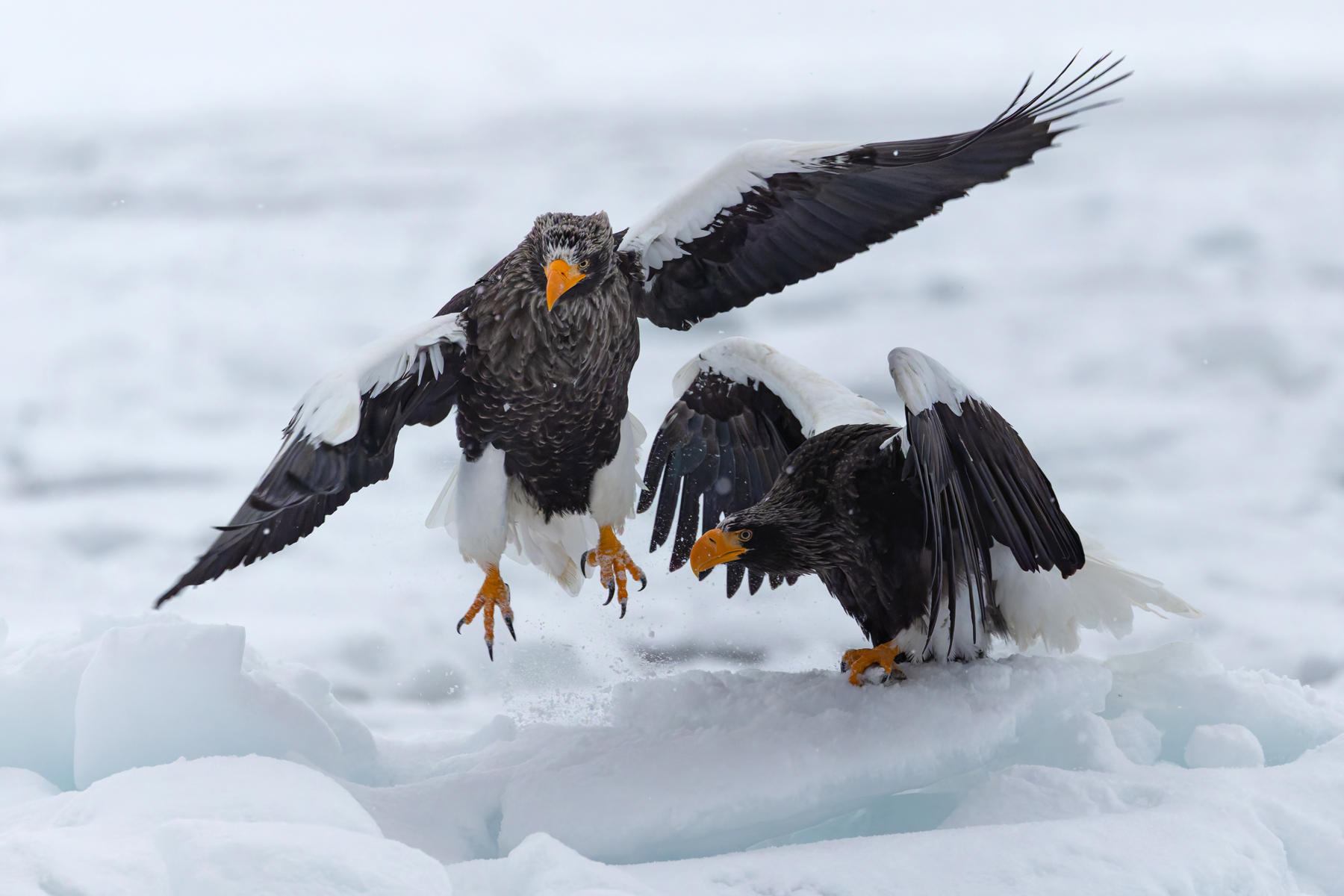
Steller’s Sea Eagle gets a little nudge (Image by Mike Watson)
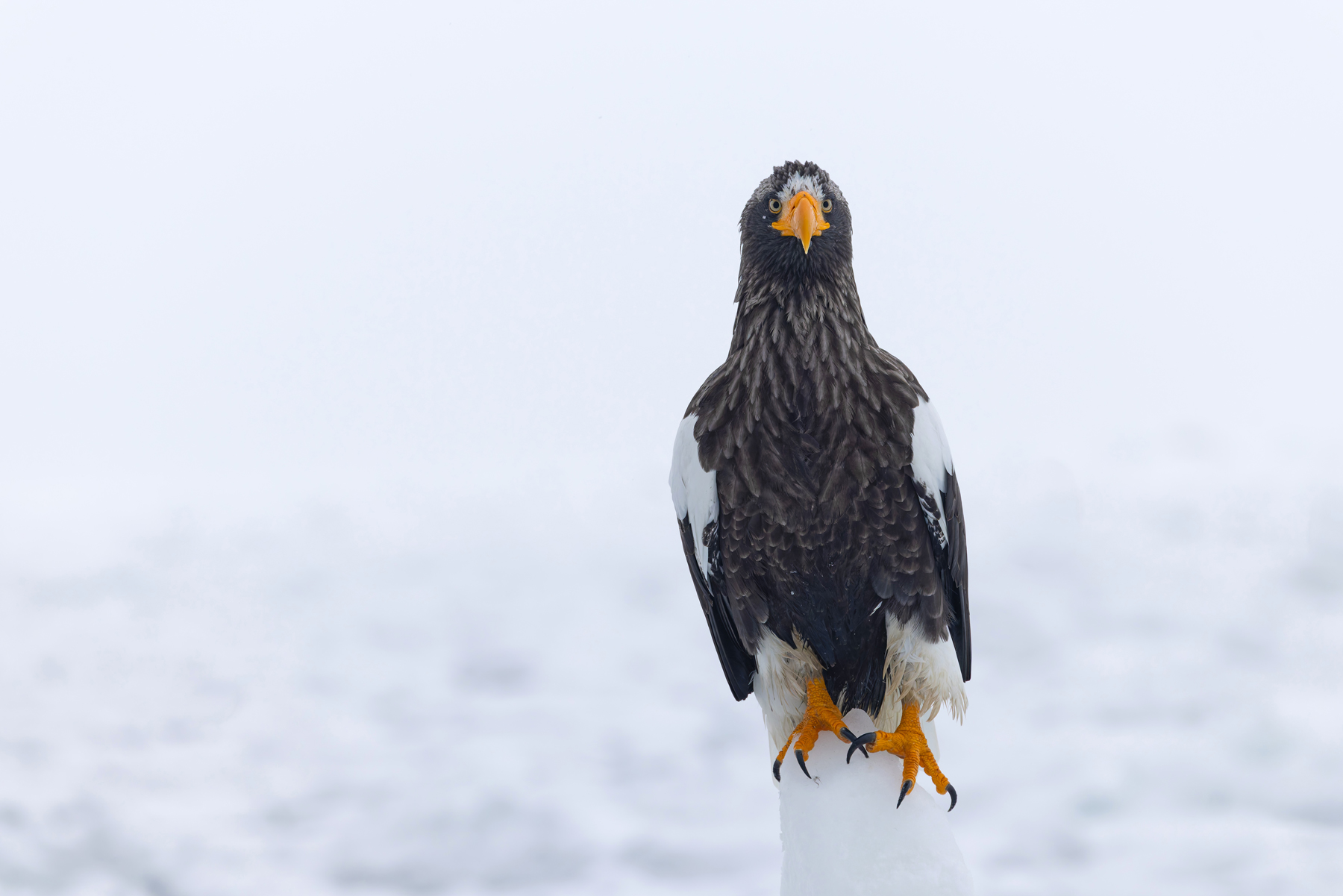
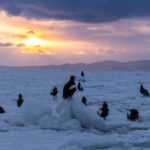
Pinnacles in the sea ice were much loved by the Steller’s Sea Eagles (Image by Mike Watson)
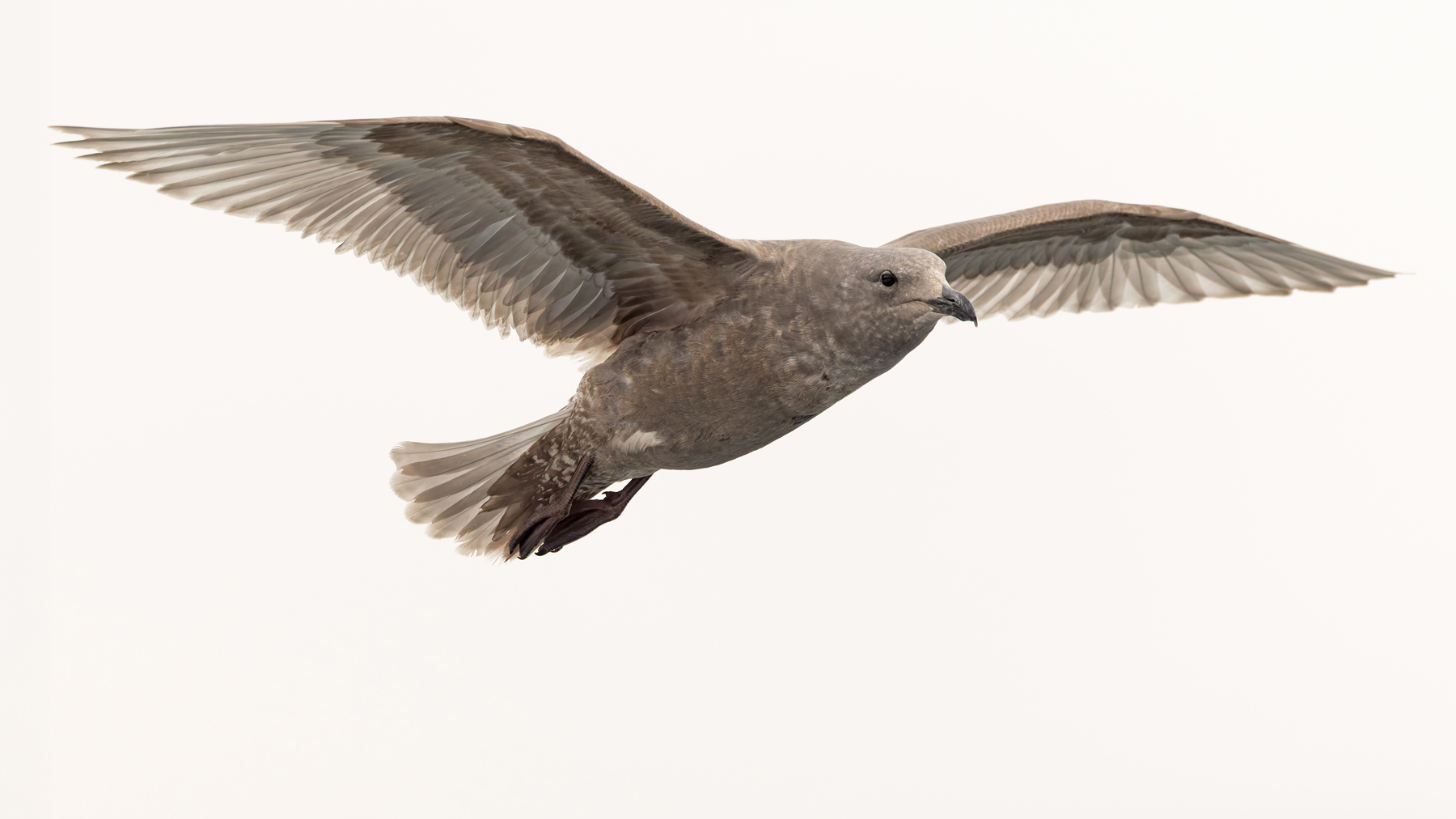
Glaucous-winged Gull, a dark young bird (Image by Mike Watson)
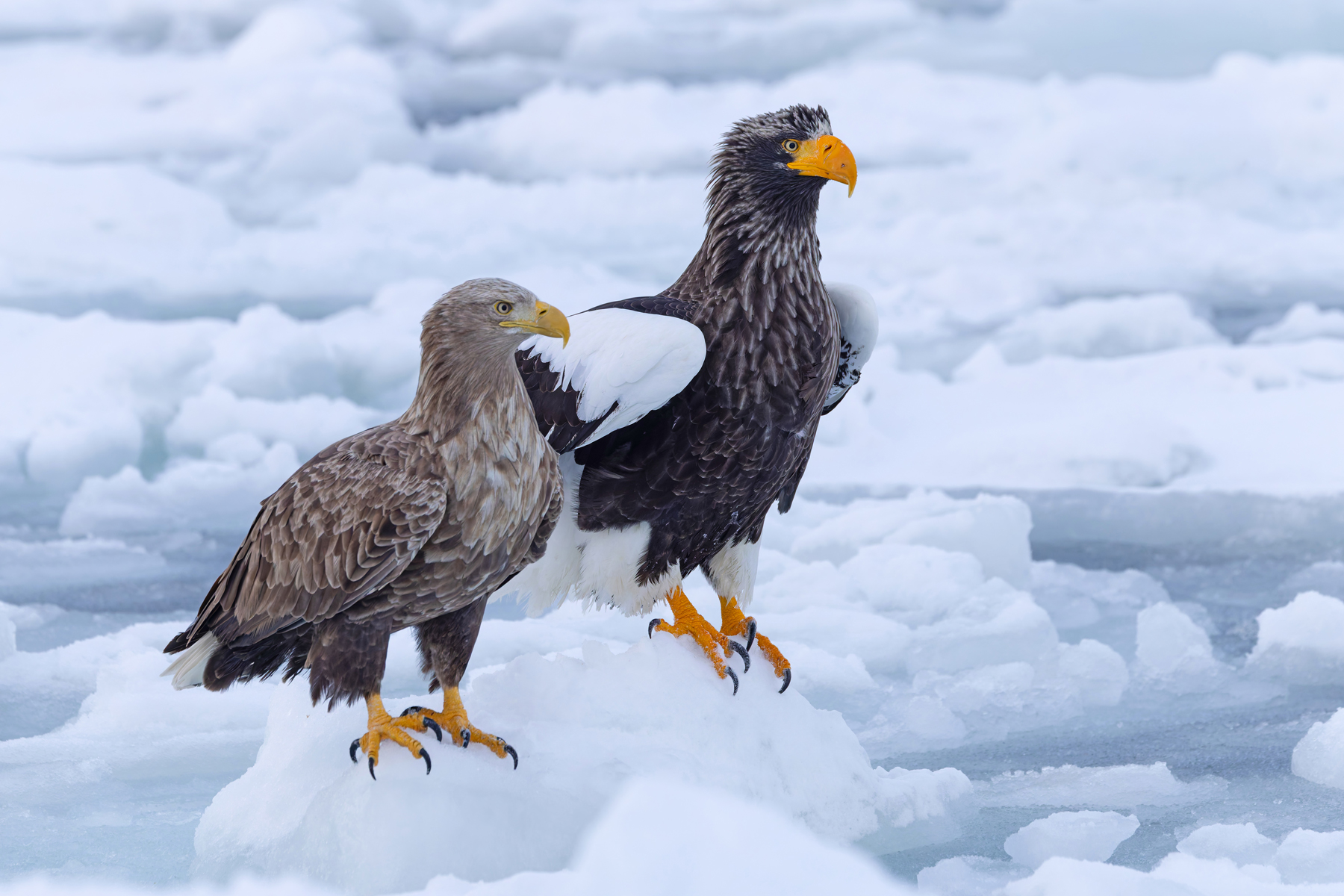
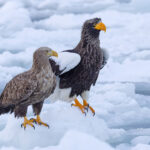
Little and large, Steller’s Sea Eagle even dwarfs the massive White-tailed Eagle (Image by Mike Watson)
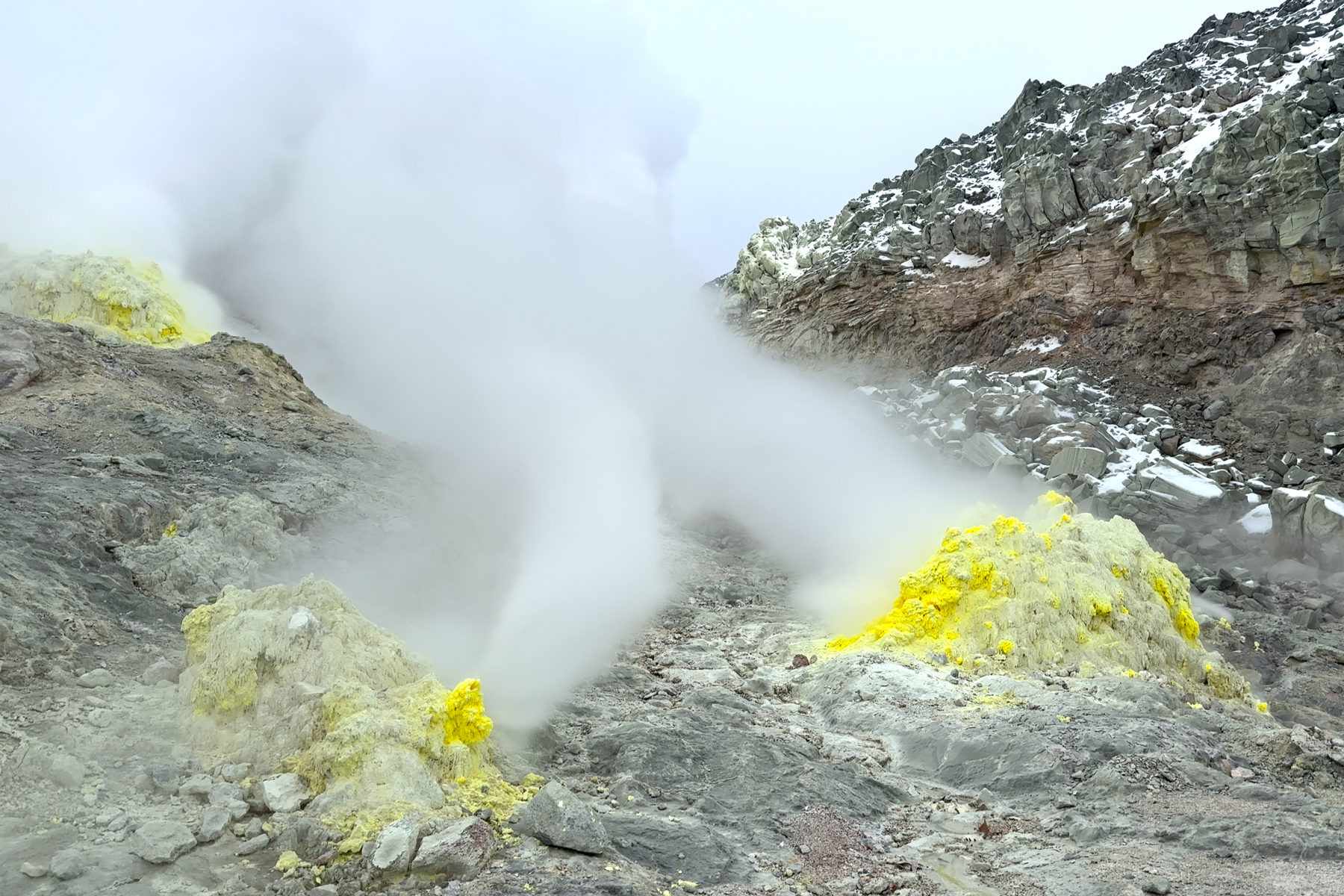
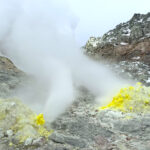
Fumaroles at Mount Iozan, it means Sulphur Mountain (Image by Mike Watson)
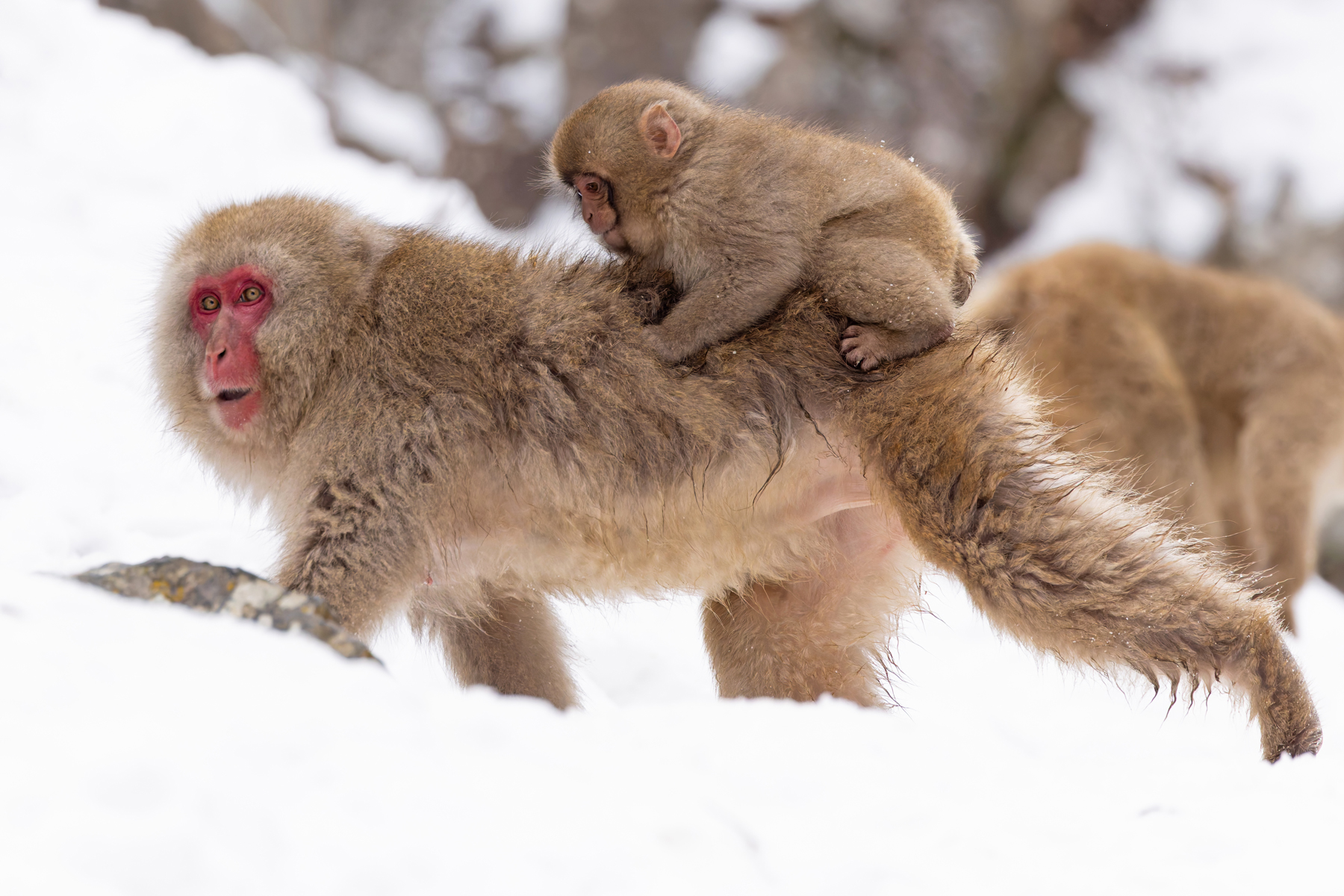
Japanese Macaque piggy back (Image by Mike Watson)
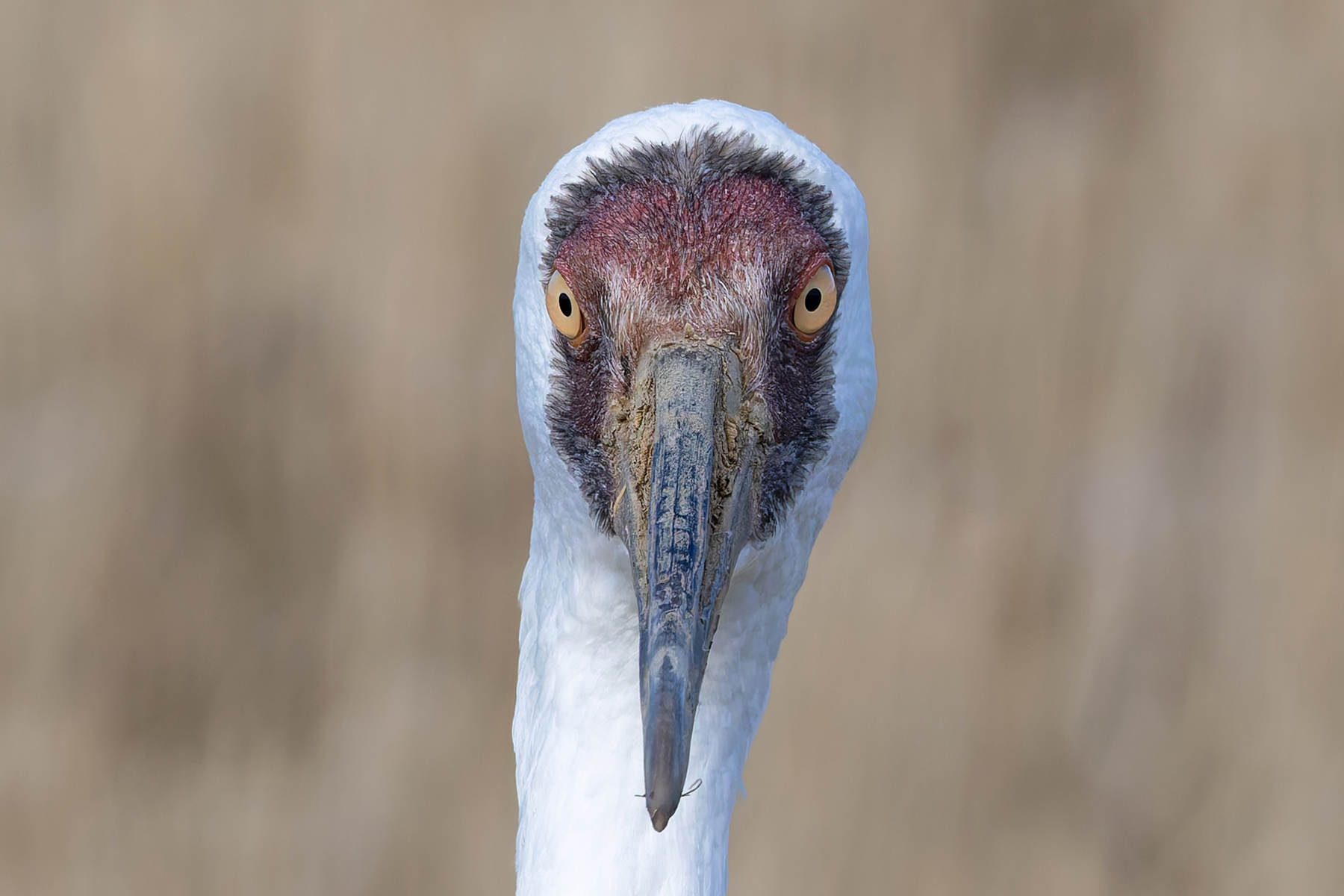
Siberian Crane two-eyed portrait (Image by Mike Watson)
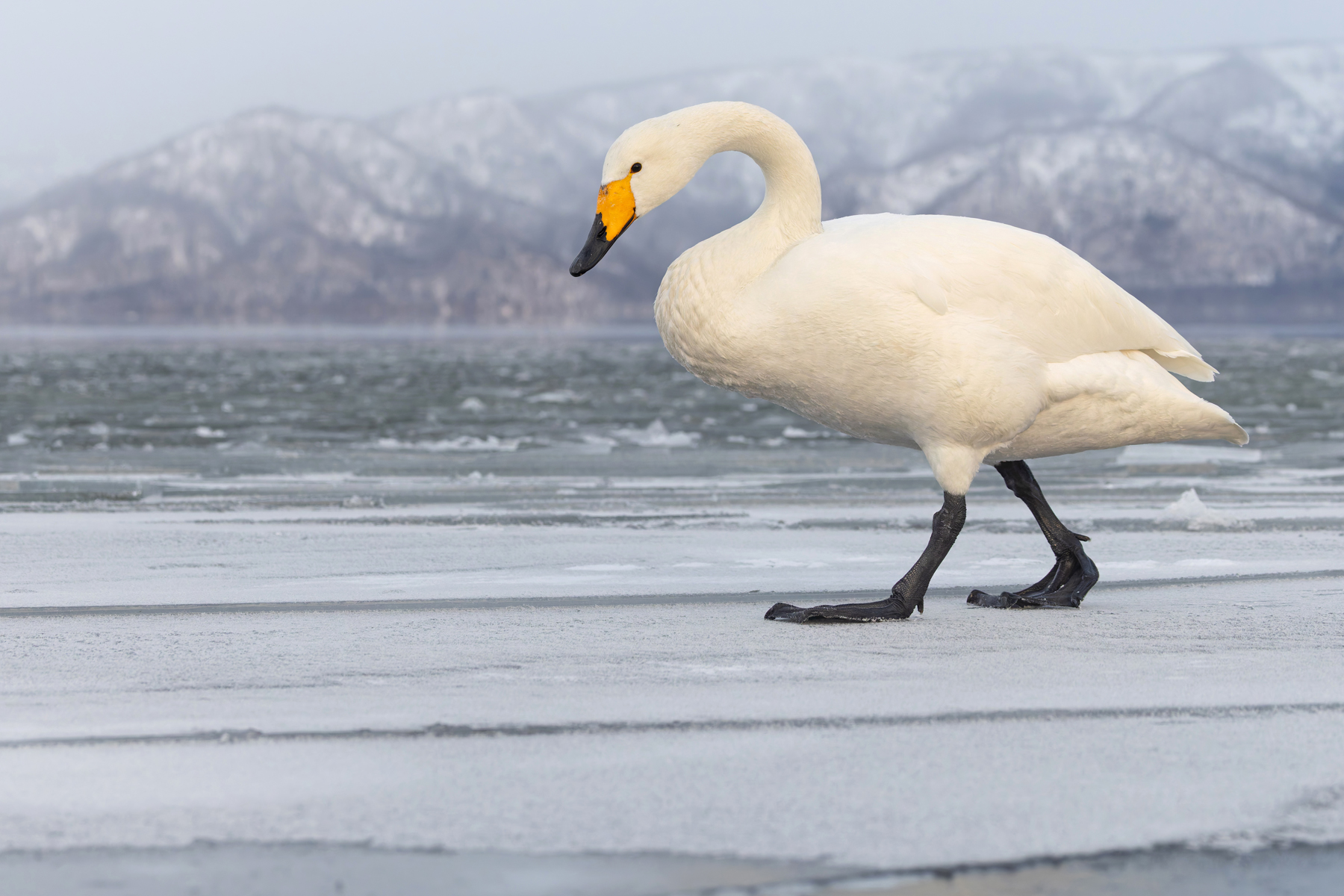
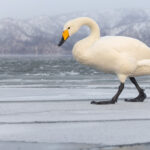
Ice-stepping Whooper Swan, Lake Kussharo (Image by Mike Watson)
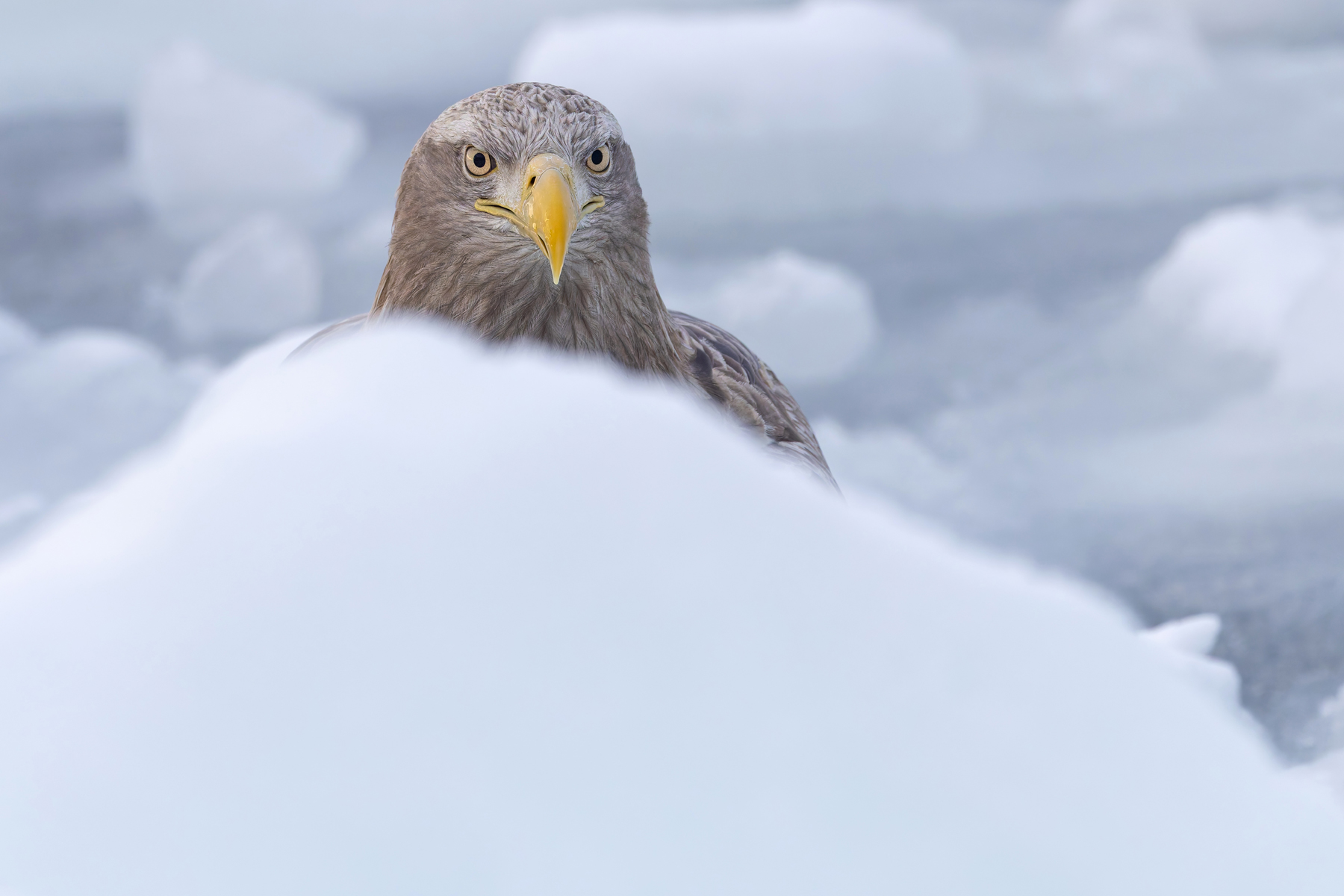
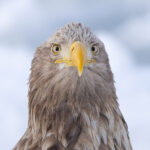
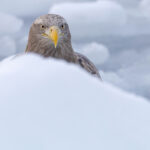
White-tailed Eagle face (Image by Mike Watson)
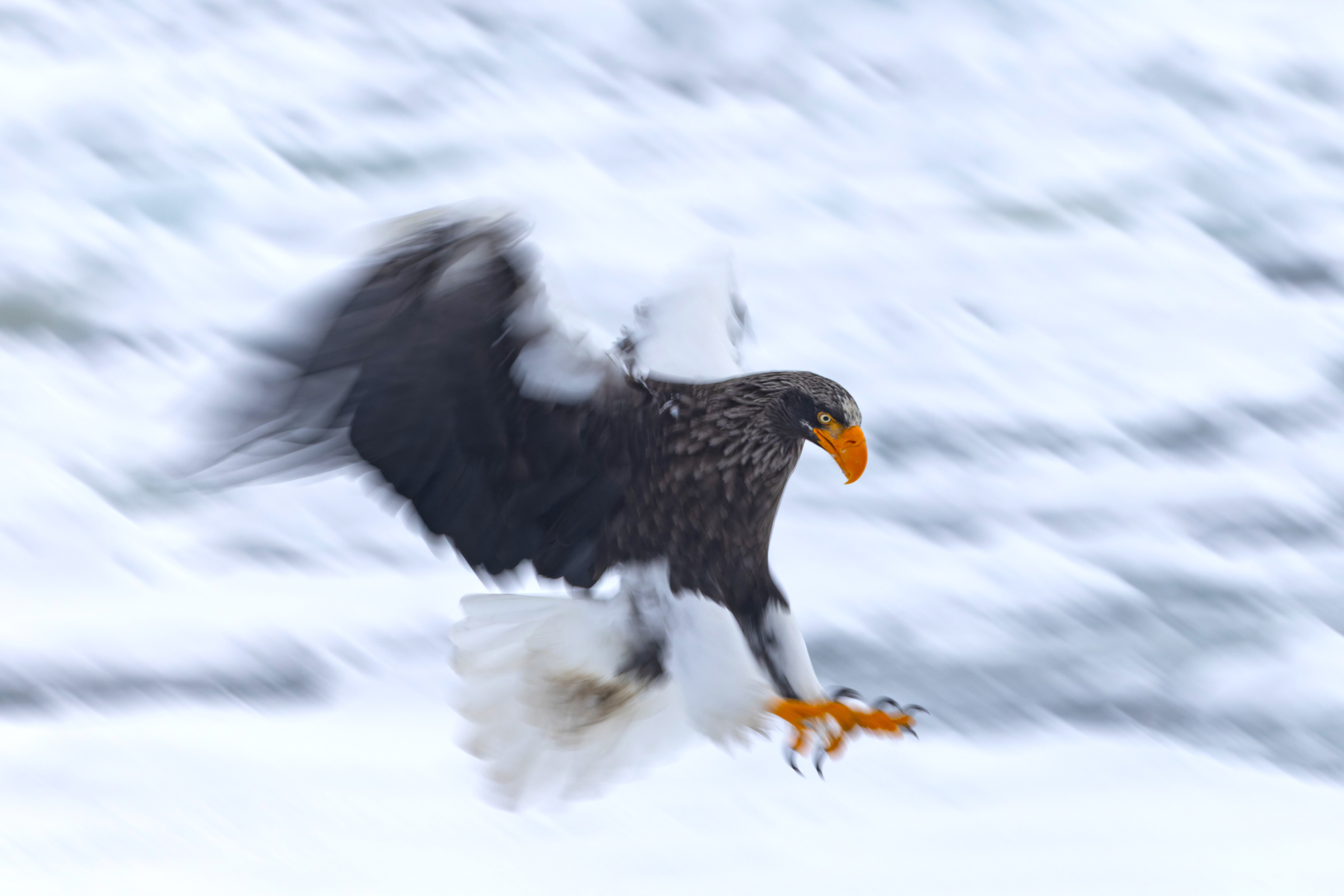
Steller’s Sea Eagle blur Steller's Sea Eagle blur Japan (image by Mike Watson)
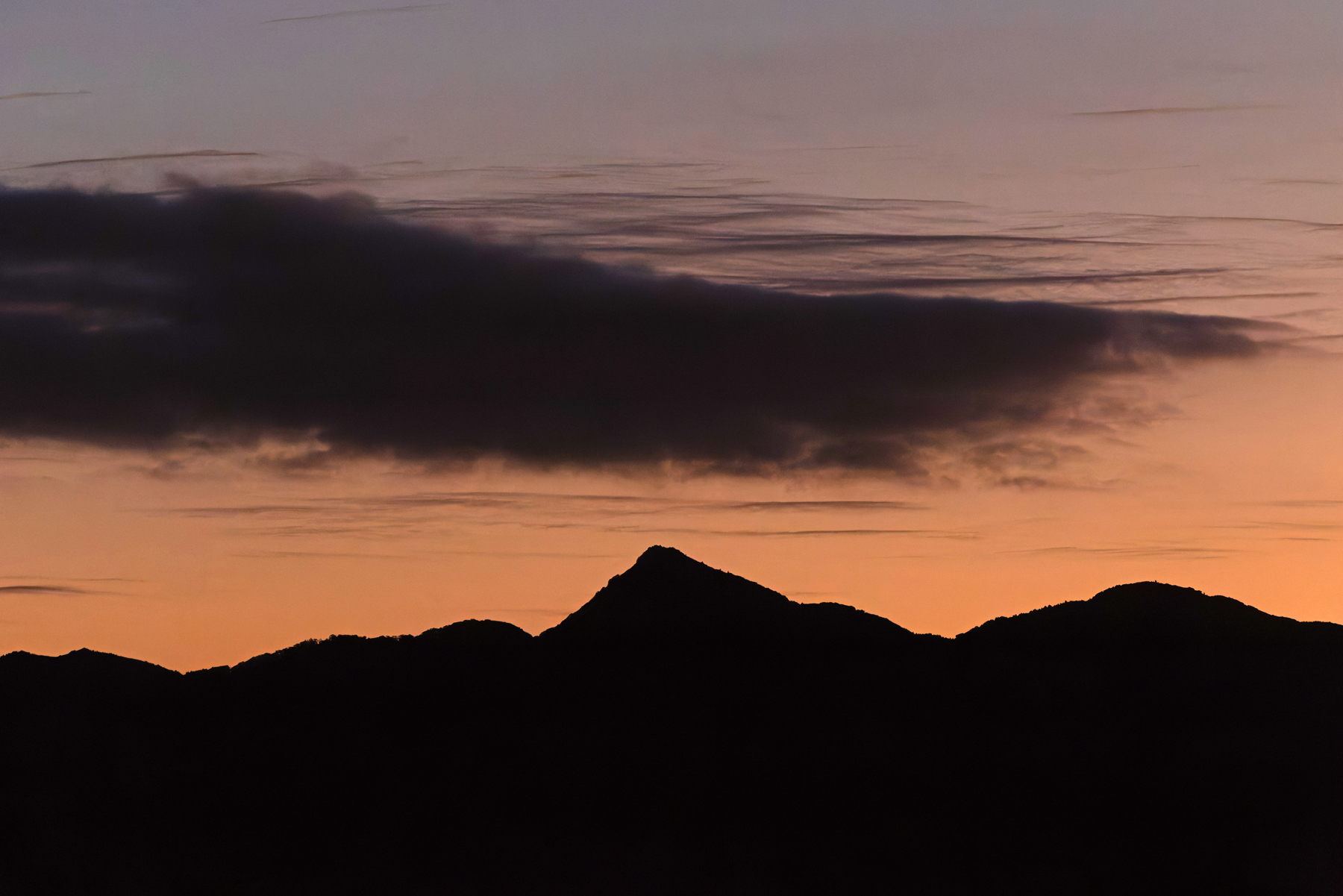
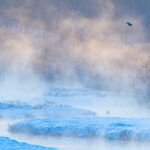
Smoky cloud at dawn (Image by Mike Watson)
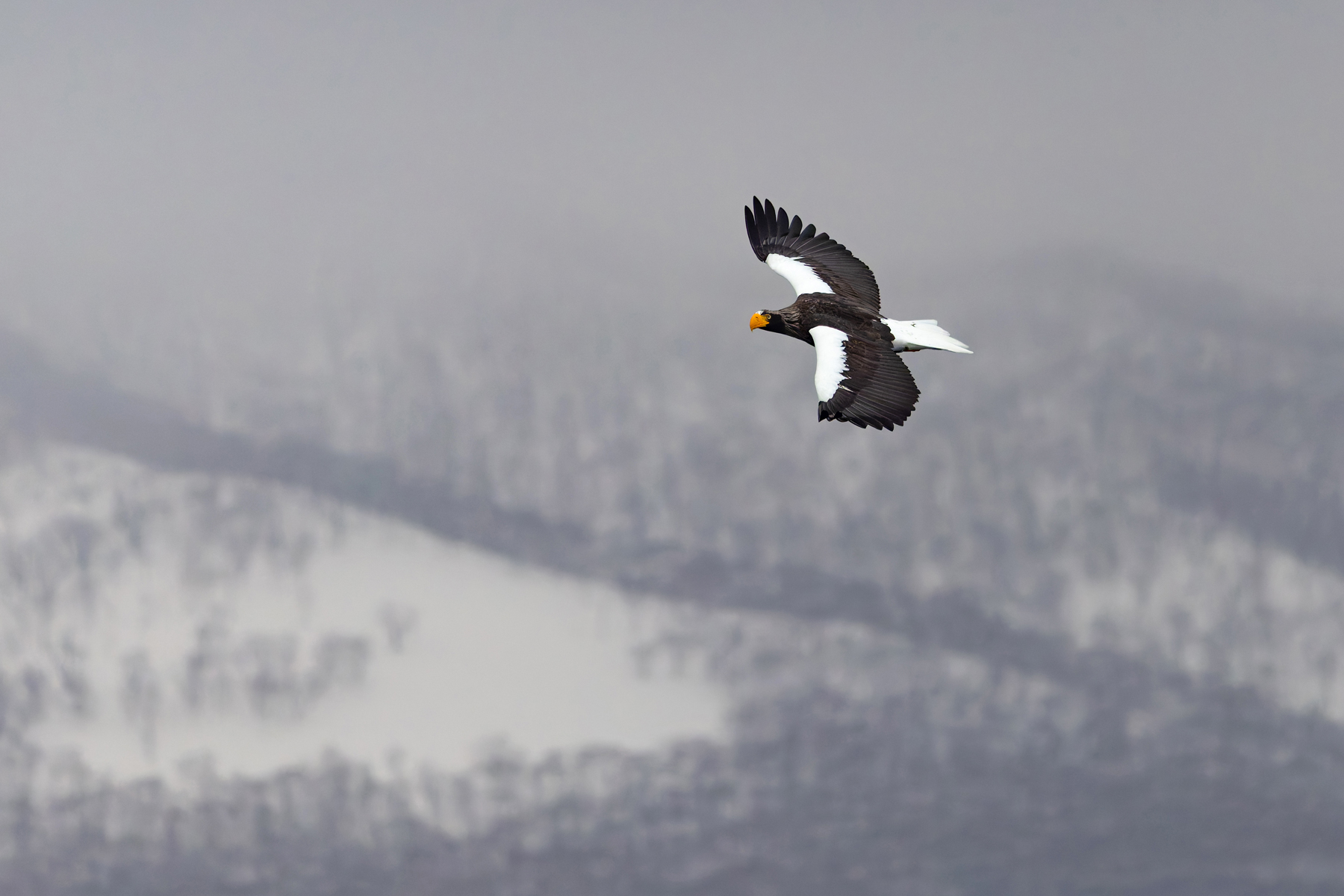
Steller’s Sea Eagle has a unique and very odd profile (Image by Mike Watson)
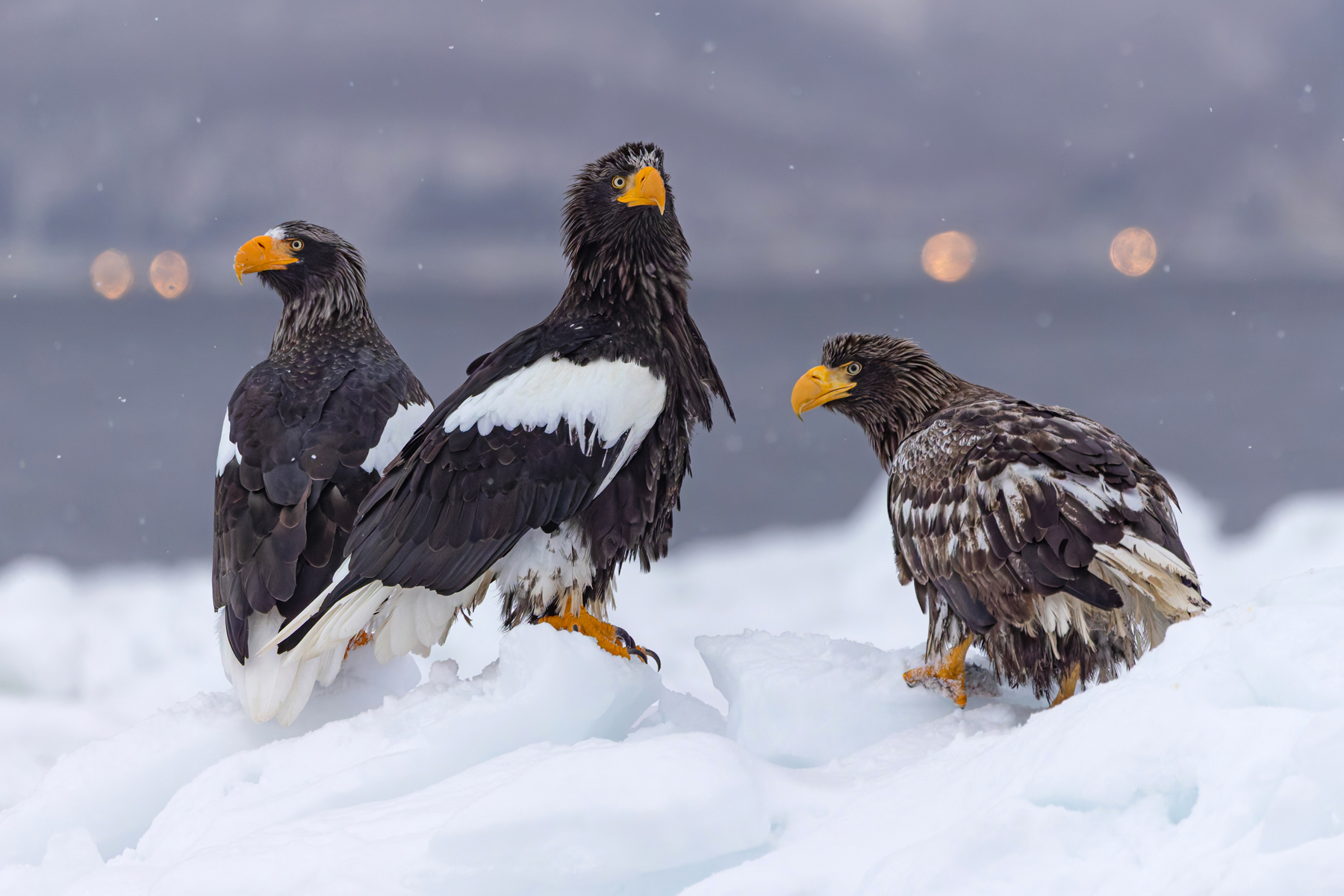
Steller’s Sea Eagles with lights of Rausu in the distance (Image by Mike Watson)
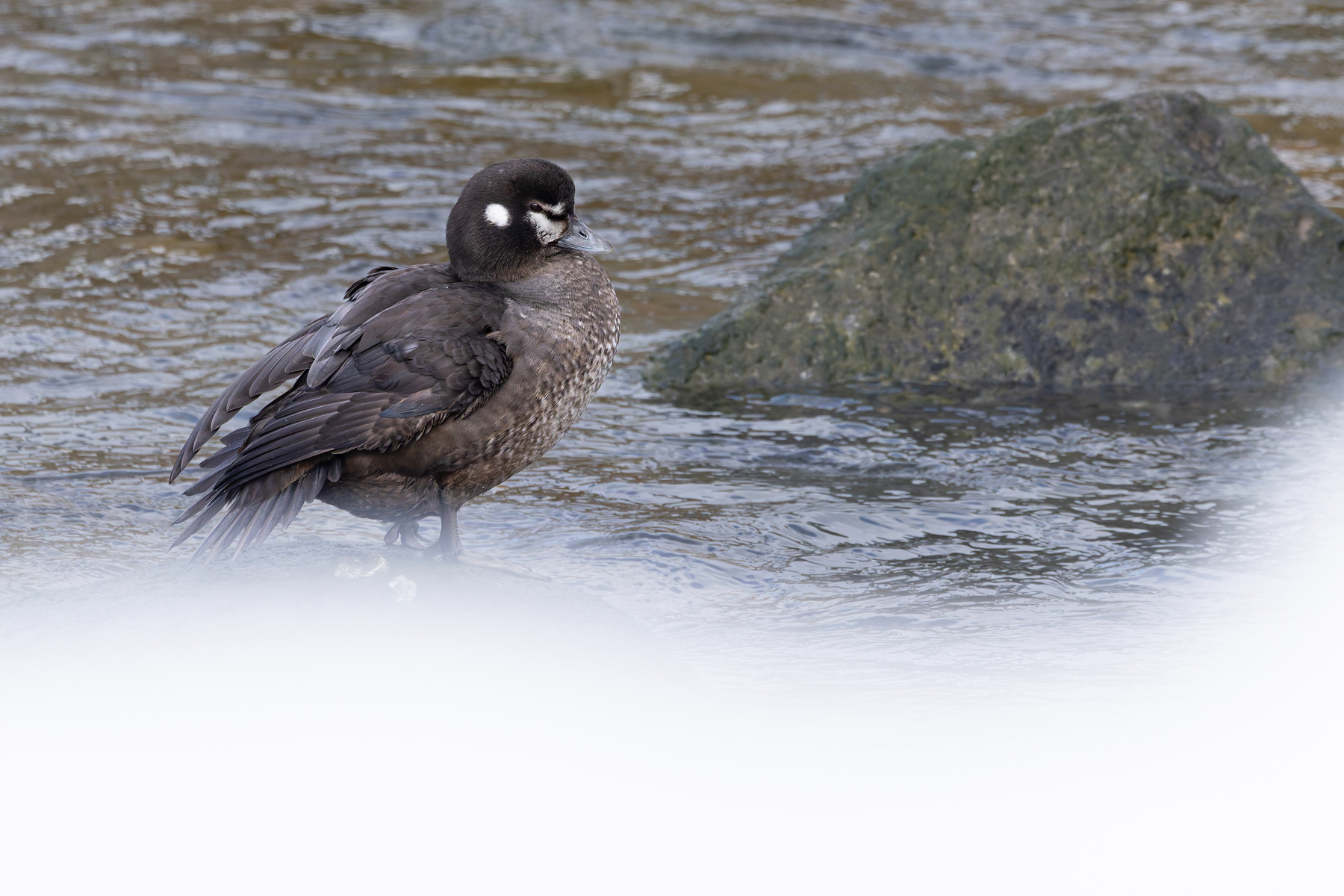
Even the female Harlequin Duck is rather smart (Image by Mike Watson)
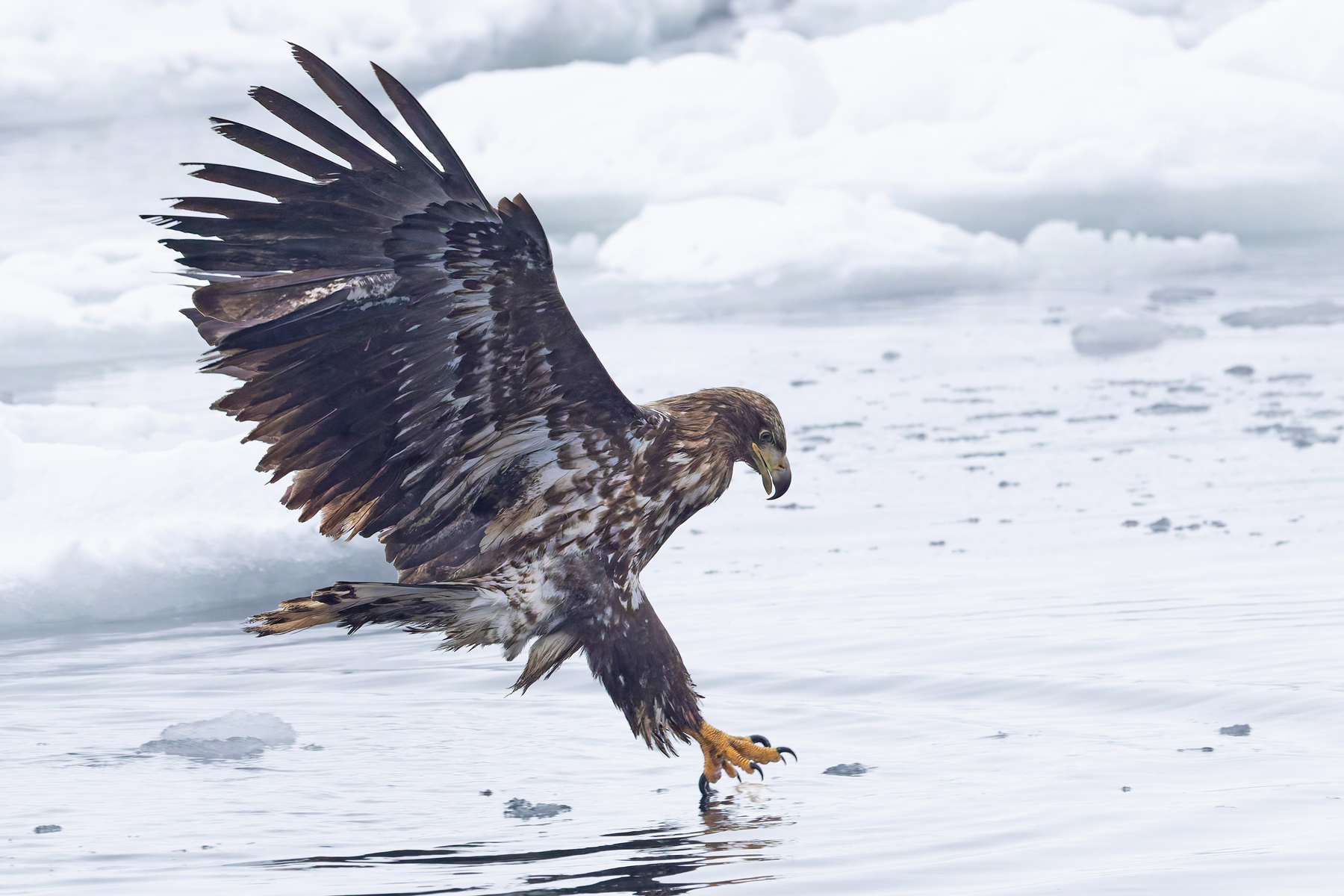
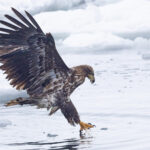
White-tailed Eagle fishing (Image by Mike Watson)
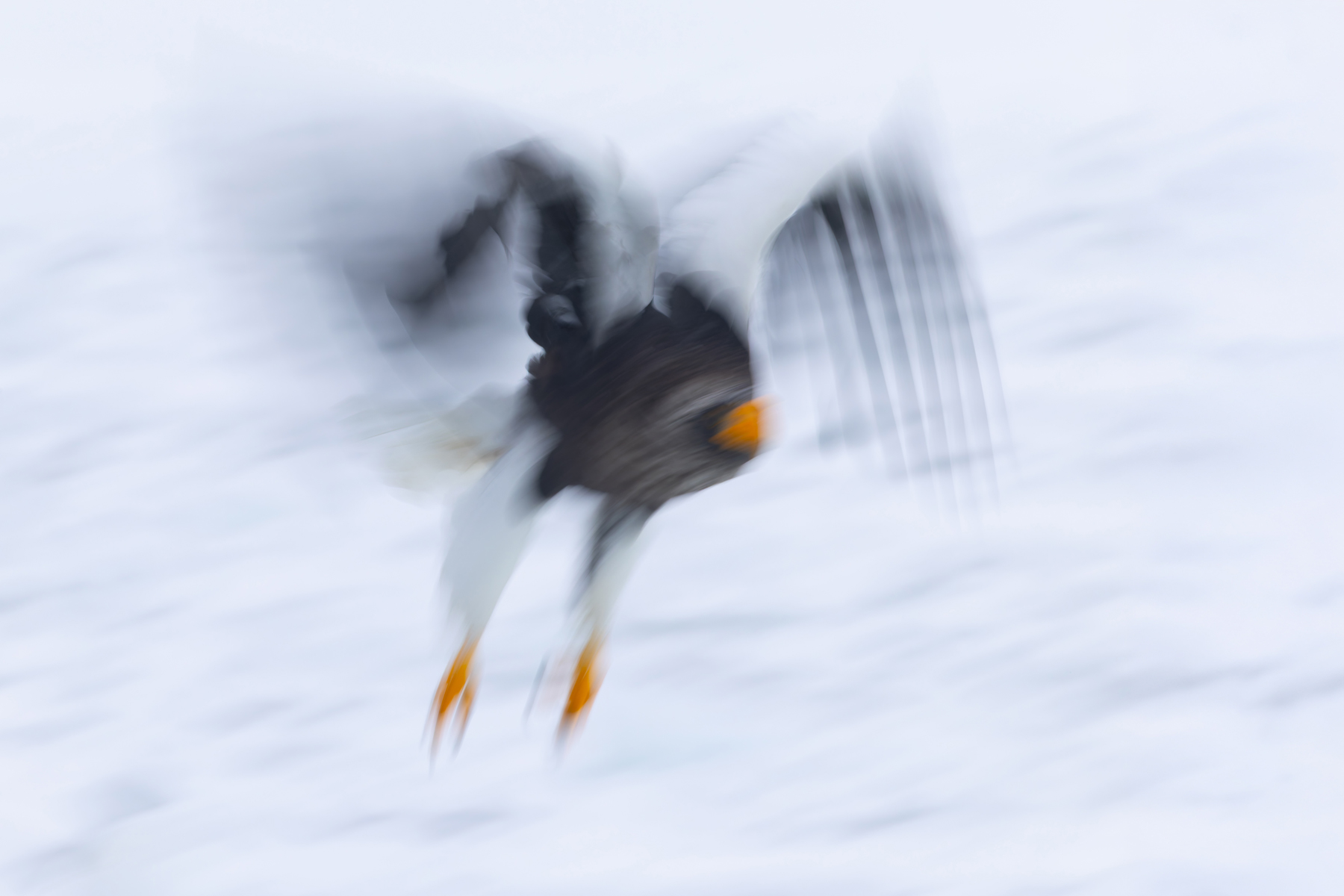
Steller’s Sea Eagle extreme motion blur (Image by Mike Watson)
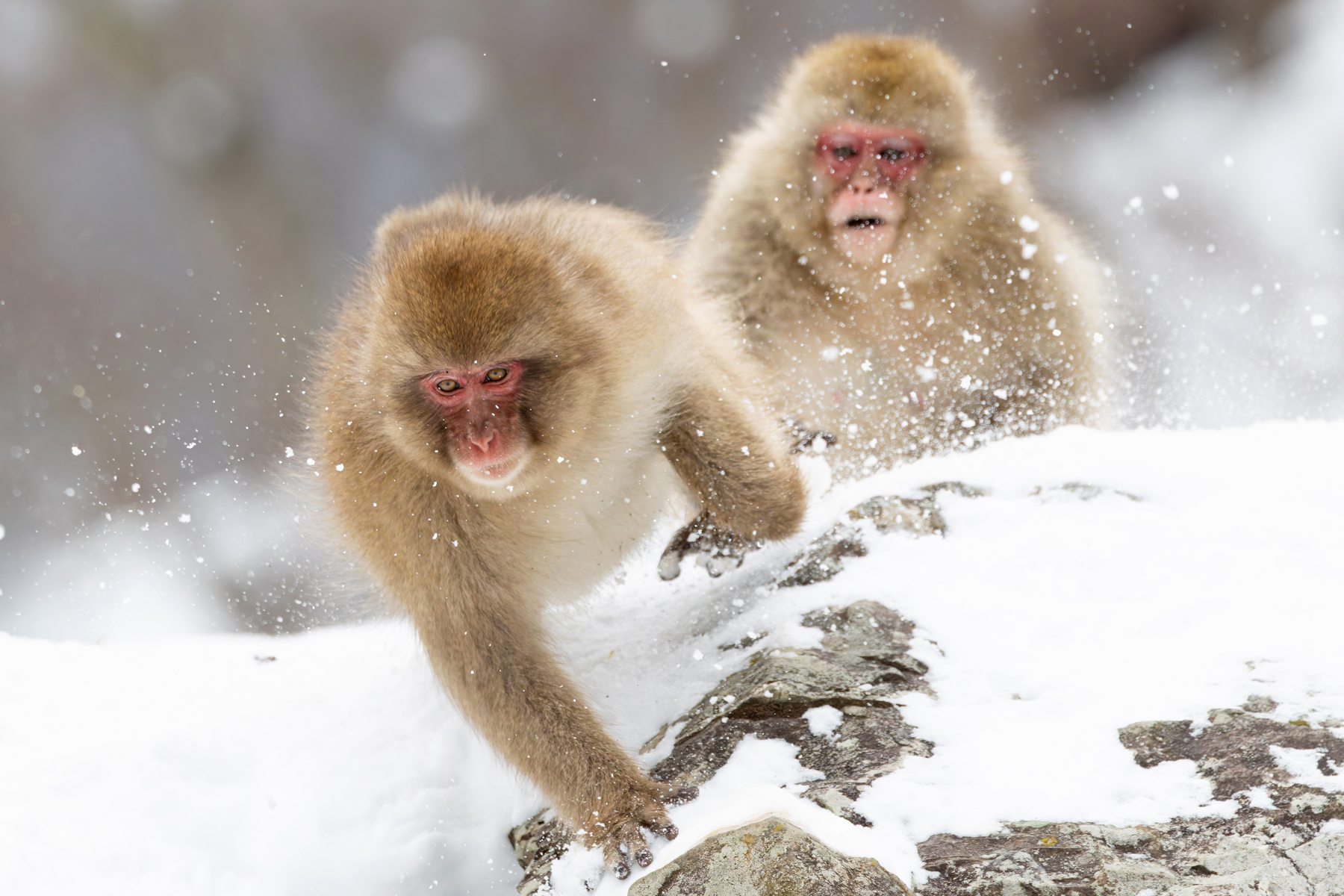
Japanese Macaque fracas! (Image by Mike Watson)
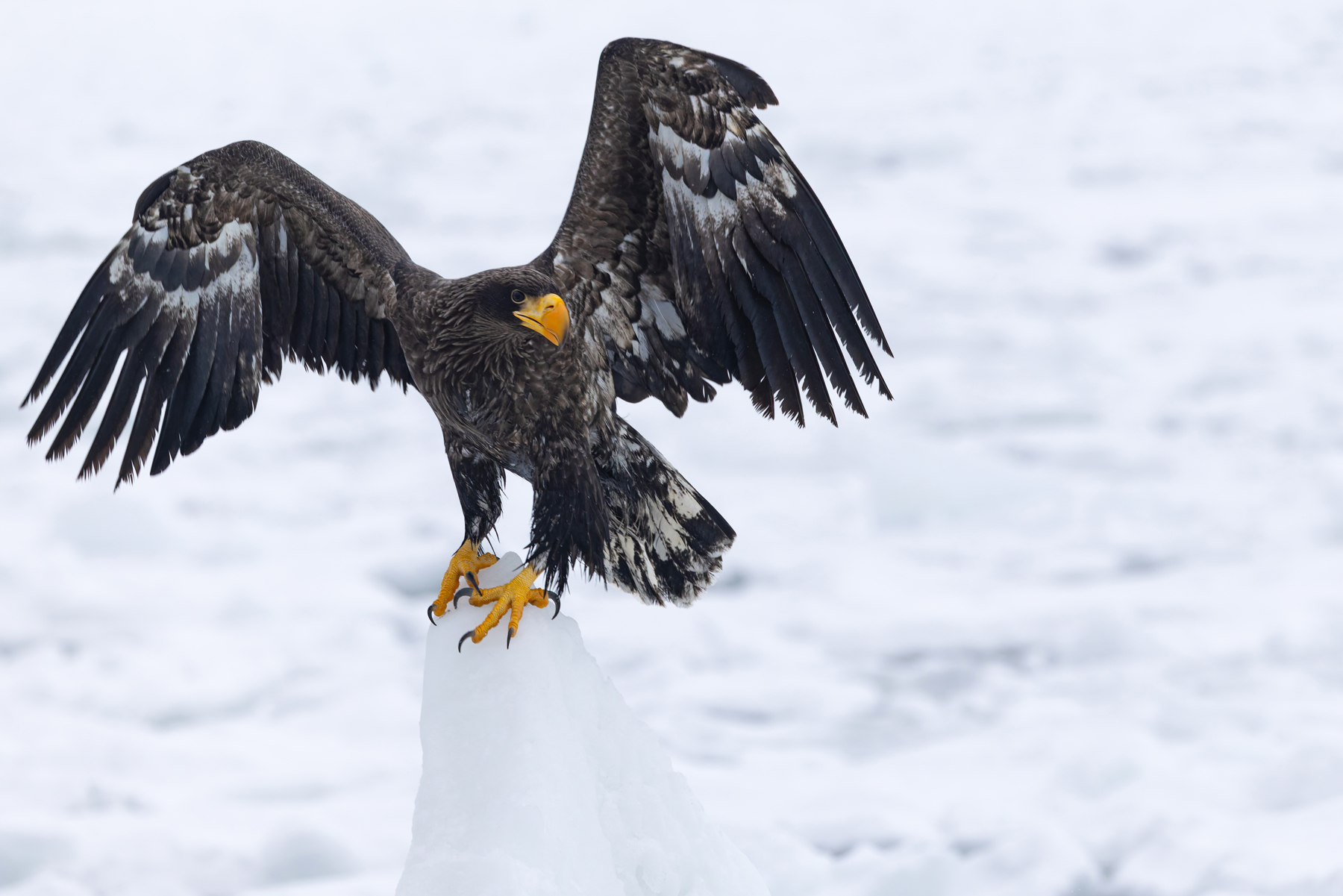
This young Steller’s Sea Eagle was dominant over most of the adults! A real menace. (Image by Mike Watson)
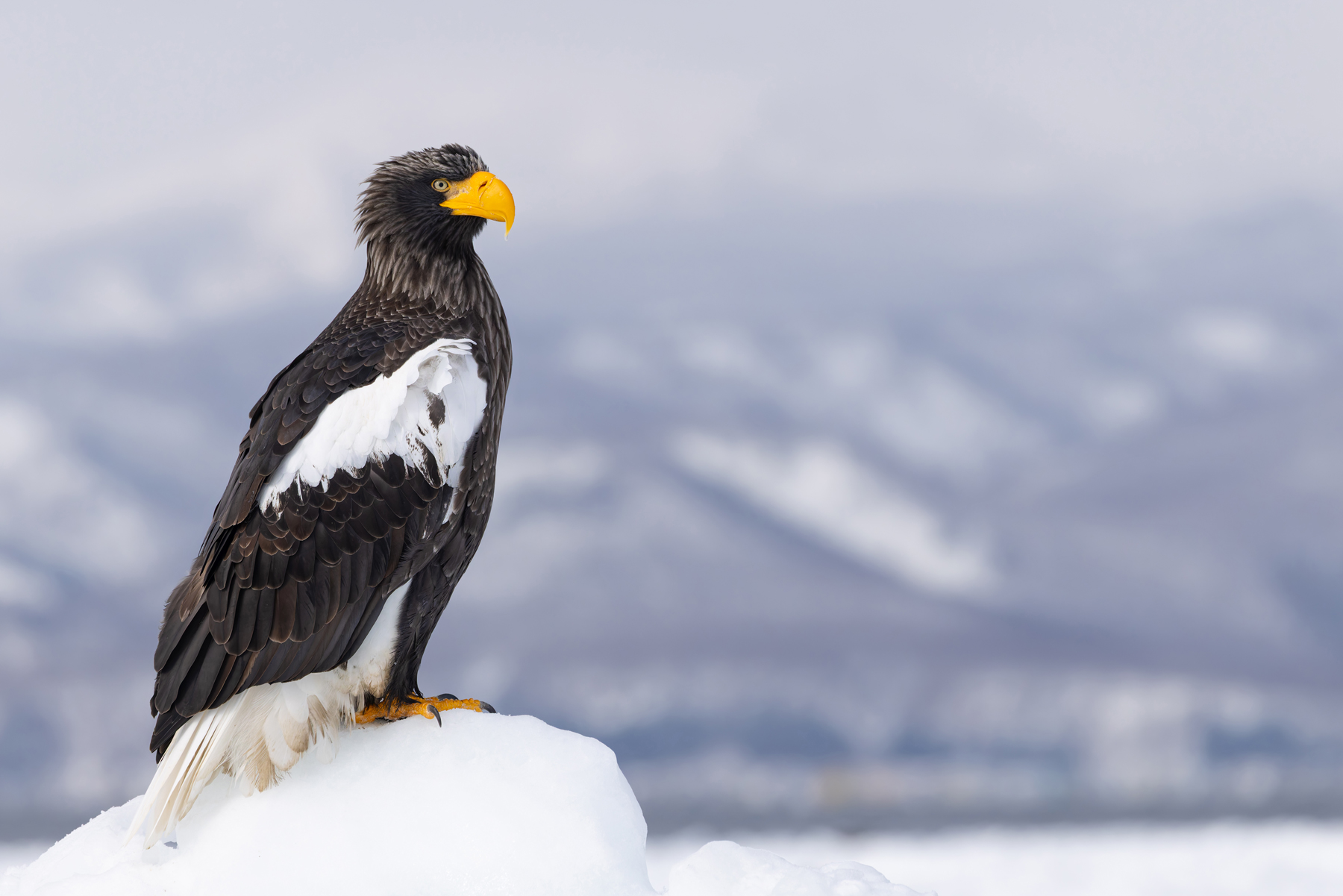
Steller’s Sea Eagle profile (Image by Mike Watson)
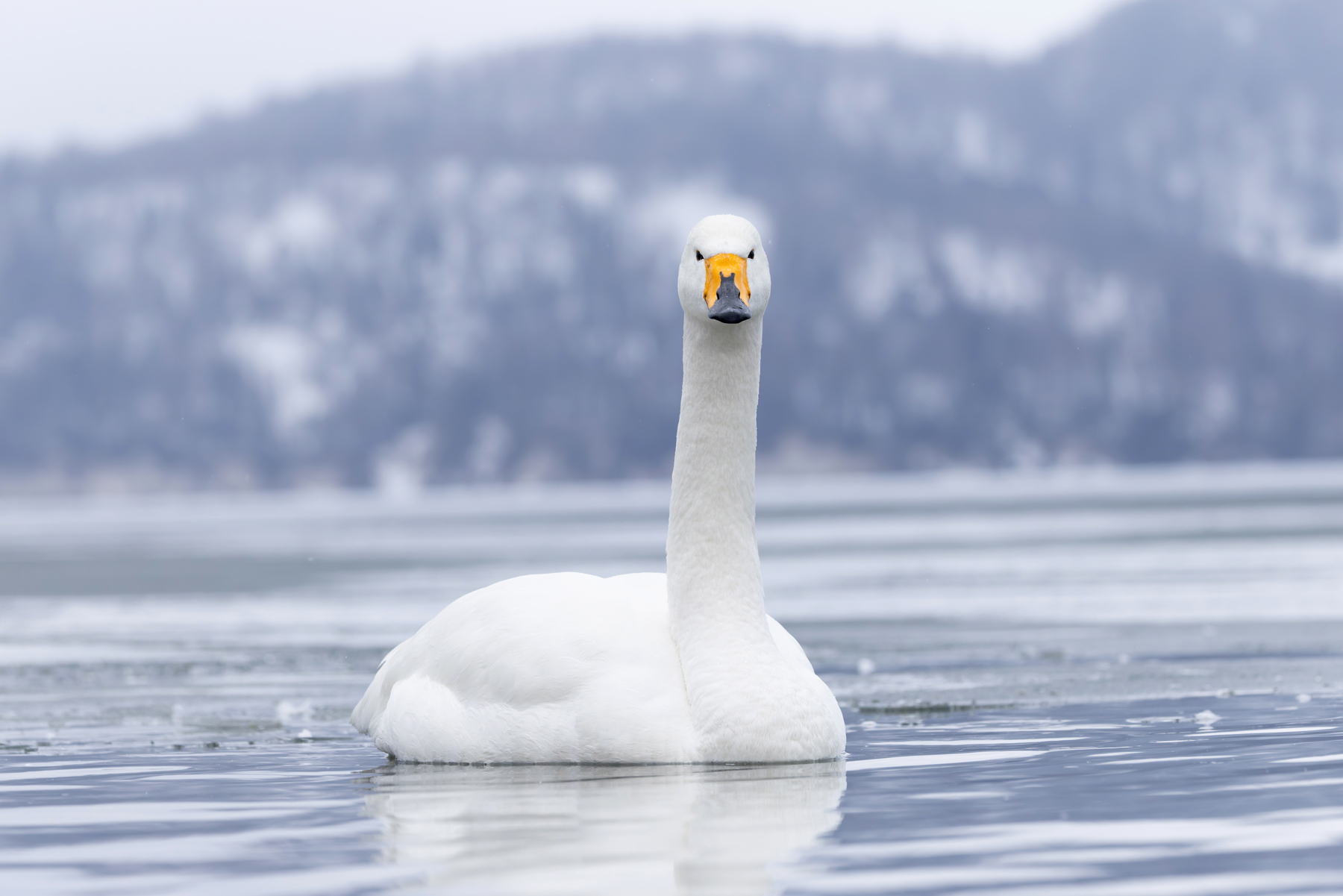
Whooper Swan head on at Lake Kussharo (Image by Mike Watson)
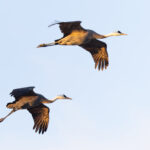


Moonlight cranes at Arasaki (Image by Mike Watson)
Alpine Forest at Jigokudani (Image by Mike Watson)
Brown Dipper at Rausu (Image by Mike Watson)
A young Steller’s Sea Eagle atop the ice pinnacle (Image by Mike Watson)
The regal Blakiston’s Fish Owl – (Image by Mike Watson)
Red Fox cold stare (Image by Mike Watson)
Asian Rosy Finches are few and far between on Hokkaido (Image by Mike Watson)
White-tailed Eagle glides into the scene (Image by Mike Watson)
Whooper Swan of snow and ice (Image by Mike Watson)
Red Fox says ahhhh! (Image by Mike Watson)
Stately Red-crowned Crane pair (Image by Mike Watson)
Steller’s Sea Eagle intense stare (Image by Mike Watson)
A classic first winter Glaucous-winged Gull (Image by Mike Watson)
A Steller’s Sea Eagle flew over the dawn cranes at Otowa Bridge (Image by Mike Watson)
Sika Deer stag, Hokkaido (Image by Mike Watson)
Red-crowned Crane fight club (Image by Mike Watson)
We were not the only crane watchers at Tsurui Ito (Image by Mike Watson)
Snowy forest Sika Deer, much less tame than at Notsuke Hanto! (Image by Mike Watson)
Steller’s Sea Eagles fight over a fish breakfast (Image by Mike Watson)
Young Steller’s Sea Eagle takes flight (Image by Mike Watson)
Japanese Macaques spend a lot of time grooming (Image by Mike Watson)
Osprey at Arasaki, it has even turned its fish the right way round for smoother flight (Image by Mike Watson)
Goosander drake (Image by Mike Watson)
Some early Sakura in Izumi (Image by Mike Watson)
Japanese Macaques can walk on water? (Image by Mike Watson)
Steller’s Sea Eagle kicking up snow (Image by Mike Watson)
White-tailed Eagle blur (Image by Mike Watson)
Cloak-like wings give this Steller’s Sea Eagle a sinister appearance (Image by Mike Watson)
Siberian Crane portrait, taken in the field from a vehicle! (Image by Mike Watson)
Red-crowned Crane grain between the mandibles/icy breath combo (Image by Mike Watson)
Red Foxy wants something to eat, someone around here is feeding them! (Image by Mike Watson)
Steller’s Sea Eagle against the mountain forest background of the Shiretoko Peninsula (Image by Mike Watson)
White-tailed Eagle close-up, how bizarre to see them like this, like seagulls (Image by Mike Watson)
Red Squirrel, too cute! (Image by Mike Watson)
Whooper Swan splashing rage (Image by Mike Watson)
Red-crowned Crane pair, their icy breath showing how cold it is! (Image by Mike Watson)
Steller’s Sea Eagle stomps towards us (Image by Mike Watson)
A White-naped Crane joins some Hoodeds at sunrise (Image by Mike Watson)
Red-crowned Crane looking back (Image by Mike Watson)
Red-crowned Crane, high key pair (Image by Mike Watson)
Sea Eagle dawn (Image by Mike Watson)
Gaze into the eyes of a Steller’s Sea Eagle (Image by Mike Watson)
Red-crowned Crane incoming pair (Image by Mike Watson)
Japanese Waxwing upperwing detail (Image by Mike Watson)
White-naped Cranes at Arasaki Crane Observation Center (Image by Mike Watson)
A smart Harlequin Duck (Image by Mike Watson)
A small group of Steller’s Sea Eagles (Image by Mike Watson)
Japanese Macaque motion blur in the snow (Image by Mike Watson)
Furtive Red Fox on Hokkaido (Image by Mike Watson)
To complete the set! Japanese Waxwing (Image by Mike Watson)
The subtle beauty of Pallas’s Rosefinch on Hokkaido (Image by Mike Watson)
Whooper Swans at Kotan Onsen, Lake Kussharo (Image by Mike Watson)
Japanese Macaque portrait (Image by Mike Watson)
Common Crane is a rare bird in Kyushu! (Image by Mike Watson)
Snowflakes fall softly on an ancient scene at Komoro Castle (Image by Mike Watson)
Hooded Cranes at Arasaki (Image by Mike Watson)
Blakiston’s Fish Owl is the largest (although not heaviest) owl in the world! (Image by Mike Watson)
Marsh Tit close up (Image by Mike Watson)
Blakiston’s Fish Owl taking a fish back to its mate (Image by Mike Watson)
Whooper Swans, Lake Kussahro (Image by Mike Watson)
It was nice to see that same owl with the damaged left eye that we saw in 2020 was still doing OK at Yoroushi (Image by Mike Watson)
Beautiful drift ice off Rausu, magic! (Image by Mike Watson)
White-tailed Eagle eye contact (image by Mike Watson)
Magnificent Steller’s Sea Eagles minus one (Image by Mike Watson)
We had a second chance to catch up with the ‘Owl of the Eastern Ice’ Blakiston’s Fish Owl at Yoroushi Onsen (Image by Mike Watson)
Hunched young Steller’s Sea Eagle (Image by Mike Watson)
Japanese Macaque serene pose (Image by Mike Watson)
Japanese Macaque piggy front! (Image by Mike Watson)
Bigmouth la la la la! Glaucous-winged Gull at Rausu (Image by Mike Watson)
Red-crowned Crane, the classic high key head and feet image, we’ve done this one before once or twice (Image by Mike Watson)
Japanese Accentor at Jigokudani, monkeys walking by (Image by Mike Watson)
Siberian Crane, a lone vagrant at Arasaki (Image by Mike Watson)
Jumping Red-crowned Crane (Image by Mike Watson)
Incoming Steller’s Sea Eagle (Image by Mike Watson)
The incomparable Steller’s Sea Eagle, there is simply no other bird like it (Image by Mike Watson)
Young Steller’s Sea Eagles look even more menacing than the striking adults (Image by Mike Watson)
A gorgeous male Brambling in the snow at Komoro Castle (Image by Mike Watson)
Samurai garden Izumi (Image by Mike Watson)
Whooper Swan wings raised (Image by Mike Watson)
Backlit Steller’s Sea Eagle at dawn at Rausu (Image by Mike Watson)
Steller’s Sea Eagle dawn on the ice (Image by Mike Watson)
Red Fox gaze (Image by Mike Watson)
White-naped Cranes at sunset (image by Mike Watson)
A sinister look over the shoulder from Blakiston’s Fish Owl (Image by Mike Watson)
Blakiston’s Fish Owl does not have to work hard for its fish supper at Yoroushi Onsen (Image by Mike Watson)
Red-crowned Crane eating snow (Image by Mike Watson)
Red-crowned Crane, one of the two eyed portrait collection (Image by Mike Watson)
Stately courtship of Red-crowned Cranes at Tsurui Ito (Image by Mike Watson)
Pallas’s Rosefinch showing its pretty pink rump (Image by Mike Watson)
Steller’s Sea Eagle, sunshine, sea ice and perfect eagle portraits galore were had on this boat trip (Image by Mike Watson)
Steller’s Sea Eagle in flight (Image by Mike Watson)
Long-tailed Tit, always a favourite, you can buy all manner of Long-tail related gifts in Japan! (Image by Mike Watson)
Red Fox perfection (Image by Mike Watson)
Red-crowned Crane pair (Image by Mike Watson)
The Blakiston’s Fish Owl has two fish in its talons! (Image by Mike Watson)
Whooper Swan splash (Image by Mike Watson)
A Hawfinch in the snow at Komoro Castle (Image by Mike Watson)
Steller’s Sea Eagle gets a little nudge (Image by Mike Watson)
Pinnacles in the sea ice were much loved by the Steller’s Sea Eagles (Image by Mike Watson)
Glaucous-winged Gull, a dark young bird (Image by Mike Watson)
Little and large, Steller’s Sea Eagle even dwarfs the massive White-tailed Eagle (Image by Mike Watson)
Fumaroles at Mount Iozan, it means Sulphur Mountain (Image by Mike Watson)
Japanese Macaque piggy back (Image by Mike Watson)
Siberian Crane two-eyed portrait (Image by Mike Watson)
Ice-stepping Whooper Swan, Lake Kussharo (Image by Mike Watson)
White-tailed Eagle face (Image by Mike Watson)
Steller’s Sea Eagle blur Steller's Sea Eagle blur Japan (image by Mike Watson)
Smoky cloud at dawn (Image by Mike Watson)
Steller’s Sea Eagle has a unique and very odd profile (Image by Mike Watson)
Steller’s Sea Eagles with lights of Rausu in the distance (Image by Mike Watson)
Even the female Harlequin Duck is rather smart (Image by Mike Watson)
White-tailed Eagle fishing (Image by Mike Watson)
Steller’s Sea Eagle extreme motion blur (Image by Mike Watson)
Japanese Macaque fracas! (Image by Mike Watson)
This young Steller’s Sea Eagle was dominant over most of the adults! A real menace. (Image by Mike Watson)
Steller’s Sea Eagle profile (Image by Mike Watson)
Whooper Swan head on at Lake Kussharo (Image by Mike Watson)


2026 saw Wild Images’s 10th visit to Japan, the world’s best winter photographic destination bar none. Again, we spent time with some truly iconic wildlife on the main tour, with the famous snow monkeys of Nagano in the Japanese Alps, followed by the winter wonderland/ picture postcard landscape of the northern island of Hokkaido, where the ‘big three’ of Red-crowned Crane, Blakiston’s Fish Owl and Steller’s Sea Eagle were again magnificent. A new record of 25,000 images in a single morning was set by one of our guests (thanks to pro capture I gather) and again I took more photos than I have ever taken on a tour previously! Such were the action shot opportunities. It was a very enjoyable tour again! The pre-tour extension to Arasaki on the southern island of Kyushu got us off to a great start, with its crane spectacular (six different species of cranes were seen, although not all were photogenic). The magnificent Siberian Crane, which is spending the winter there was present on all three days, culminating in a point-blank view on a final morning. We experienced good weather almost throughout, maybe a little too good in the mountains and on Hokkaido, although at least our backgrounds had snow in them. We were fortunate that the Red-crowned Cranes in the Kushiro area of Hokkaido have become more predictable thanks to regular feeding regimes at the various feeding stations, although unfortunately the classic dawn photo spot at Otowa bridge was a little disappointing this time, with the cranes much further from the bridge and a fallen dead tree riverbed in the partly obscuring them. We did not connect with Ural Owl either, as the classic tree near Tsurui has fallen down in a storm and our backup sites did not work, however, we enjoyed some good views of Blakiston’s Fish Owl at both Rausu and Yoroushi, after some waiting! The Whooper Swans of Lake Kussharo where fantastic, thanks to the lake being frozen and some nice light during our visit. Just as on my last visit in 2020, before the COVID lockdowns, the drift ice which develops in Russia’s Sea of Okhotsk reached the Shiretoko Peninsula of northern Hokkaido on the same morning as our first eagle boat trip, absolute scenes followed! A contender for the highlight of the tour were the red foxes of Notsuke Hanto. We enjoyed some close encounters with pristine foxes this time, against a snowy background. Magic! Conversely, the Lake Furen eagle feeding was a little disappointing, a northeasterly wind meant all the eagles faced away from us when landing and taking off.
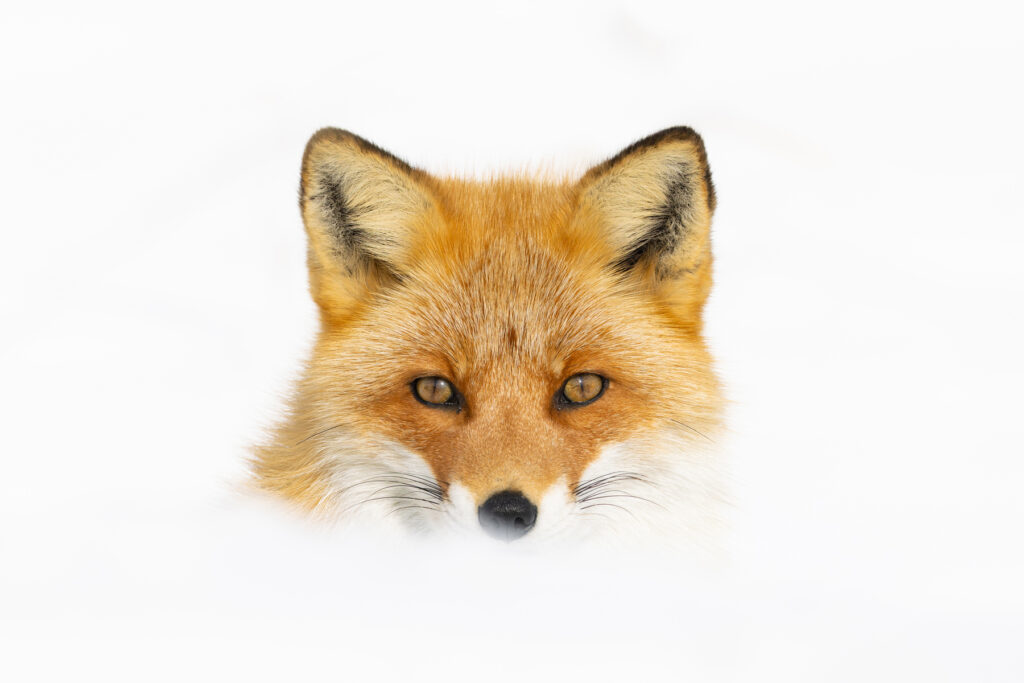
Red Fox perfection (Image by Mike Watson)
One could be forgiven for thinking ours was a gourmet tour of Japan, with some wildlife thrown in as a distraction, the quality and variety of Japanese cuisine on our journey through the islands was incredible again. In fact, we had plenty of opportunities to immerse ourselves, quite literally, in the Japanese culture. In Kyushu we stayed in a very traditional minshuku (guesthouse) at Arasaki, the home of the late Sueharo Matano, who began feeding the cranes here in 1959. The minshuku is still run by his daughters and thousands of cranes were again visible from our breakfast table each morning, as well as the panoramic views from our rooms. This lovely and interesting experience was enhanced by delicious Japanese food, again I couldn’t find a single dish I didn’t like on the whole tour. I appreciate it is not for everyone but the care and attention to detail, as well as the incredible variety in every meal made each one a work of art that was difficult to resist spoiling by eating it. There is also the added benefit that it is a much healthier seafood based and low fat diet then I am used to at home. Bathing arrangements on tour included some very different and thoroughly relaxing options compared to the hustle and bustle of home. At Minshuku Tsurumitei, a very large hot water bath is maintained at 41°C, in which you can almost swim and the rest of our hotels (except for Haneda Airport) had onsens. Was this a wildlife, gourmet or onsen tour. Well, it was actually all three. Our travels through Japan included several modes of transport from city taxi, minivan, bus, shinkansen (= ‘new trunk line’ but better known as bullet train), aircraft and boat! The bullet train journey to Nagano and back was another bucket list experience for most. We made four internal flights including the pre-tour extension and all but one (owing to snowfall) operated on time. In fact, Japan is a country where everything happens on time. See, it can be done! It is simply a different state of mind, in which being late is not so blithely accepted as it is at home. Road travel was a pleasure in our comfortable vehicles, which included the superb Toyota Hi-ace Grand Cabin, a minivan not available in the west. They have a ‘tardis-like’ inner space and are fitted with heavy duty winter tyres, so they can easily cope with the snowy roads of Hokkaido at speeds, which would see you in a roadside ditch if you drove like this at home. Another fortunate outcome was that the number of tourists from China was minimal (on my last visit in 2020 it was owing to the start of the COVID era, this time it was owing to a Chinese government ban on their tour operators operating in Japan). Therefore, the number of people at bottlenecks like the snow monkeys and Otowa bridge cranes was down by almost two thirds!
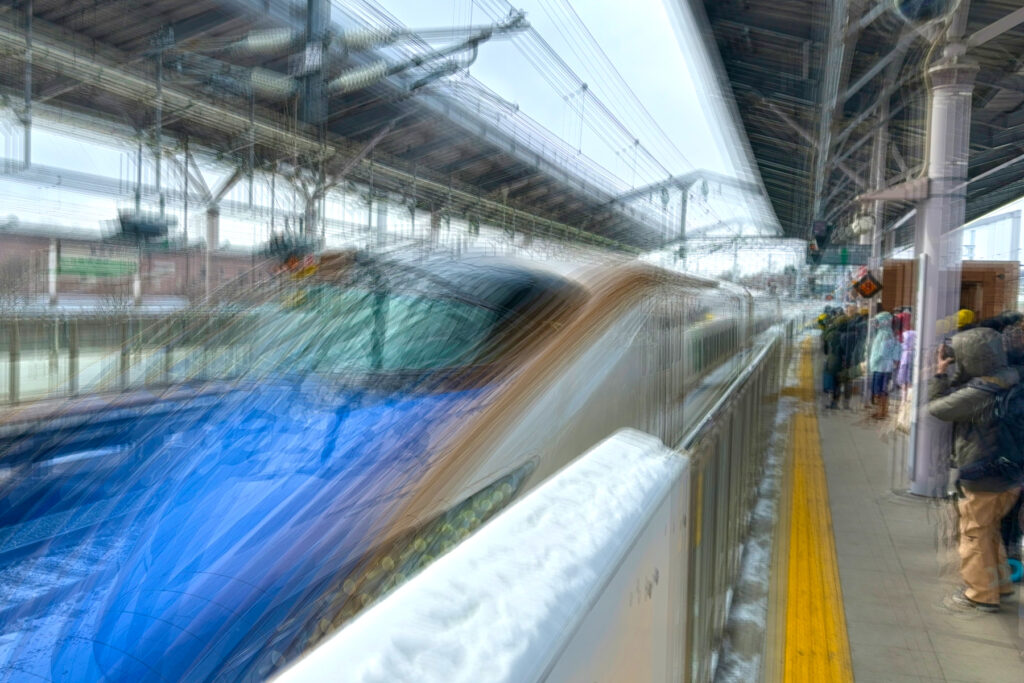
Shinkansen motion blur Karuizawa Station (Image by Mike Watson)
Our pre-tour Arasaki cranes extension began in Tokyo’s Haneda airport, with a flight to Kagoshima, a small city on the southern island of Kyushu. Spring comes early to southern Japan and on a hazy sunny day we made a way across the spine of Kyushu to the small town of Izumi and then, after a short stop to grab food for a picnic lunch at the first of many 7 & I convenience stores, we entered the paddy fields of Arakaki. Our first port of call was the delightful minshuku Tsurumitei, which is located adjacent to the public crane observatory, where we would spend the next two nights, listening to the bugling calls of the cranes that continued well after dark. After my rather rusty introduction to footwear protocol, basically what you wear on outside surface is needs to be replaced by slippers of some sort when you see a raised floor, with a separate pair for the bathroom and none at all for the lovely tatami matted floors of the rooms themselves. It was time to get into some crane photography. The weather was now becoming a little cloudy, however, the scene was quickly lit up by the appearance of the magnificent Siberian Crane, spotted feeding close to one of the access roads. We were able to hurry over to it before anyone else had noticed and we managed some quite close images of this beautiful bird. It was sad to see that it has lost the lower part of its right leg, but this is not always visible in our images and it still appears to be managing well. Murmurations of eastern rooks swirled around Tsurumitei, flocks, which contained a small number of Daurian Jackdaws. The information boards at the crane visitor centre reported the number of cranes present as follows: Hooded Crane 11,548, White-naped Crane 1754, Sandhill Crane 3, Common Crane 10, Common X Hooded Crane 2, Demoiselle Crane 1 and Siberian Crane 1. As I mentioned last time, this is still a far cry from the days after WWII when only a few hundred cranes spent the winter at Arasaki. Subsequent feeding by villagers, often so poor they could barely feed themselves, helped numbers rise to thousands. Arasaki is one of birding’s true Mecca’s, a pilgrimage that every birder should make eventually. There is nowhere else in the world quite like it. Numbers are higher on the Hortobágy and in Nebraska but nowhere else has the same concentrations and variety of species. The cranes are fed in two large netted-off areas to the north and east of the crane centre. The fears of bird flu I mentioned in 2020 were realised and reduced the numbers, particularly of Hooded Cranes, although it seems maybe the worst of the storm has passed. Photographic opportunities of the cranes come in several forms. First, portraits of the commonest species were available at eye level in the roadside fields, although rarely with an interesting background unfortunately. The paddy field banks have a nasty habit of running through the cranes’ necks and there are often so many unwanted things behind them. Feeding time no longer offers much of an opportunity either, taking place over a wider area, to improve social distancing among the cranes. Flight shots of the cranes leaving the feeding area for the surrounding fields are possible from the observation tower each morning, although these were not as reliable as previously. Thankfully, sunrise photography was more productive than usual, with some clear weather sunrises to the east, against which we could photograph flocks of cranes moving between the feeding areas. Other interesting bird species photographed at Arasaki included the long staying Swan Goose, Common Crane, Northern Lapwing, both Eurasian and Black-faced Spoonbills, Long-billed Plover, Osprey (fishing!), Eastern Buzzard, Daurian Jackdaw, Oriental Greenfinch, Chinese Penduline Tit and Meadow Bunting. We also had several goshawk sightings, although none cooperated for the cameras and the lone Demoiselle Crane appeared one morning right at the back of the crane feeding area. All too soon it was time to make our way back to Kagoshima. We made a very popular visit to the pair of beautifully restored samurai houses in nearby Izumi. Sakura (cherry blossom) buds were just starting to open in the gardens here. Izumi was once home to a large Garrison of samurai who guarded the border with the neighbour Higo domain. The code of conduct of the Izumi said ‘Samurai must do the right thing’. Taking over 30 years, the houses were painstakingly restored to their former glory, complete with indoor archery range. The Saisho House was built around 250 years ago, they were among the highest-ranking Samurai. We enjoyed taking a closer look at the living room with its 18 tatami mats, hearth and a loophole through which women and children could escape. The Takezoe House was built around 150 years ago. We also made a brief stop at Satsuma Bridge, where another Long-billed Plover and a pair of Japanese Wagtails were just about within photographic range.
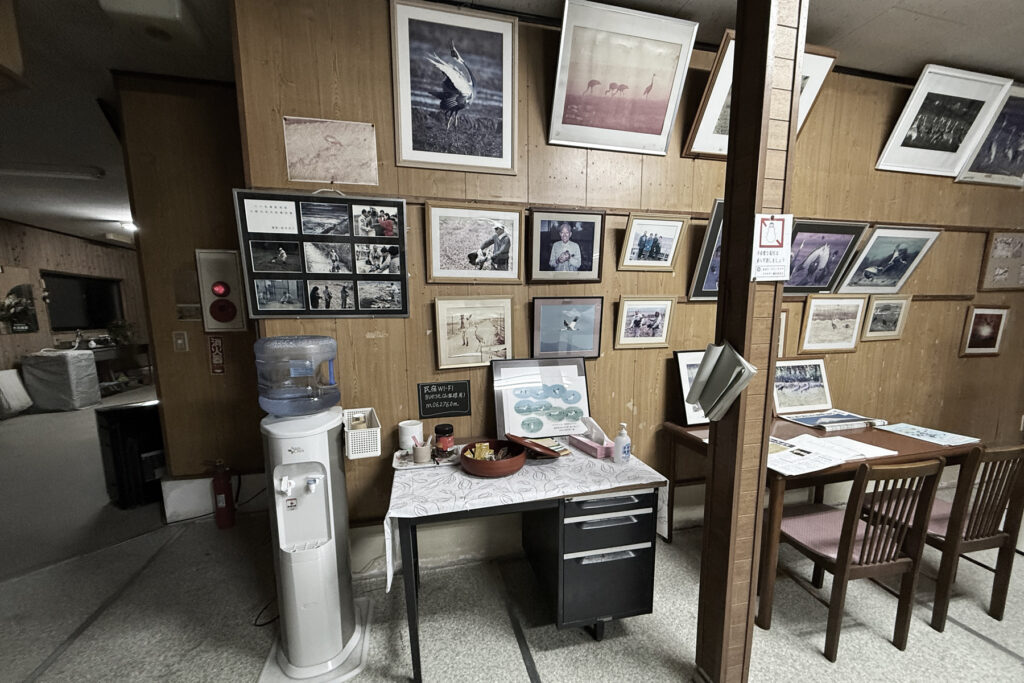
Minshuku Tsurumitei, an iconic historic birding venue (Image by Mike Watson)
The main tour began back in Tokyo, where we swapped our usual yomp across the Tokyo public transport system for a convoy of taxis to the shinkansen station. From here the bullet train sped across the suburbs of the world’s largest metropolis to the city of Nagano, venue for the 1998 Winter Olympics, and gateway to the Japanese Alps. Traversing the rail network to get to the snow monkeys saves a lot of time and travelling by bullet train is another quintessentially Japanese cultural experience, boarding was quite efficient, as to be expected and before long we were whizzing along at around 260 kmph. The greater Tokyo area is home to around 38 million people and is also one of the most densely populated. Apartment blocks stretch as far as the eye can see, some within touching distance of one another but all looking modern, clean and well maintained. I’ve never seen anywhere quite like Tokyo. In under two hours we were far away from the city and already in the heart of the Japanese Alps, with white capped mountains around us. From Nagano we made the short drive to the spa/ski resort town of Yudanaka, our base for the next three nights. We arrived in good time to spend the afternoon at the snow monkey park. This has more of the atmosphere of a safari park and although the Japanese macaques, AKA Snow Monkeys, are of completely wild origin and are free to roam as they wish, they are fed and are rather tame. The monkey park entrance is around 20 minutes walk, for someone of normal fitness, along a snowy contour trail from the nearest car park and involves a total of 81 steps (31 at the start of the hike and another 50 nearer the monkey park entrance itself). The first afternoon in the vicinity of the monkey onsen produced some nice portraits, with the best snow backgrounds – there had been a significant snowfall recently, although this was now beginning to melt and by the end of our stay, the snow was rather dirty. Unfortunately, we never received more than a few flakes of snow in the air whilst actually at Jigokudani. However, our onsen hotel was one of the nicest we stayed at and for those who took the opportunity, the onsen itself was likewise very pleasant, particularly the outdoor pool in the cold night air. As for the monkeys, there were plenty of opportunities to be had around the monkey pool, with a lot of steam in the early morning and many comings and goings throughout the day. Portraits galore could be taken, along with action shorts of the monkeys descending the snowy slopes from the surrounding forest. We spent two full days at the monkey park each, with a break for a much appreciated simple but very tasty hot lunch of Sansai Saba (= mountain vegetable noodle soup). No one took the opportunity to bathe with the monkeys in the nearby human onsen though. After all, who would want an audience of folks above queuing for the ticket office? There were a few visits by Japanese Serow, the weird goatlike creature, which looks like something from the Gruffalo children’s fairy tale books. The highlight for the birders was a pair of Japanese Accentors, which had taken up residence not far from the monkey onsen. Another pair of accentors was also living in the branches and roots of a fallen tree by the human onsen. Japanese Accentor is the ultimate LBJ, looking almost identical to our own Dunnock. Like the food, it is not for everyone! Sika Deer and Wild Boar appeared on the hillsides above the monkey onsen and deep in the forests an elusive Copper Pheasant as well as several Japanese Grosbeaks were seen by some. We very much enjoyed our stay in the mountains with the monkeys and some wonderful Japanese food. As last time, the hotel even broke out some of their stylish US $15 Japanese chopsticks on one occasion, so fine you can pick up individual grains of rice with them. Although I could not persuade any of the guests to join me and Otani San in using the onsen (not at the same time!), some of us did come to evening meal dressed in the yukata, it was great fun to enjoy some firsthand experience of Japanese culture.
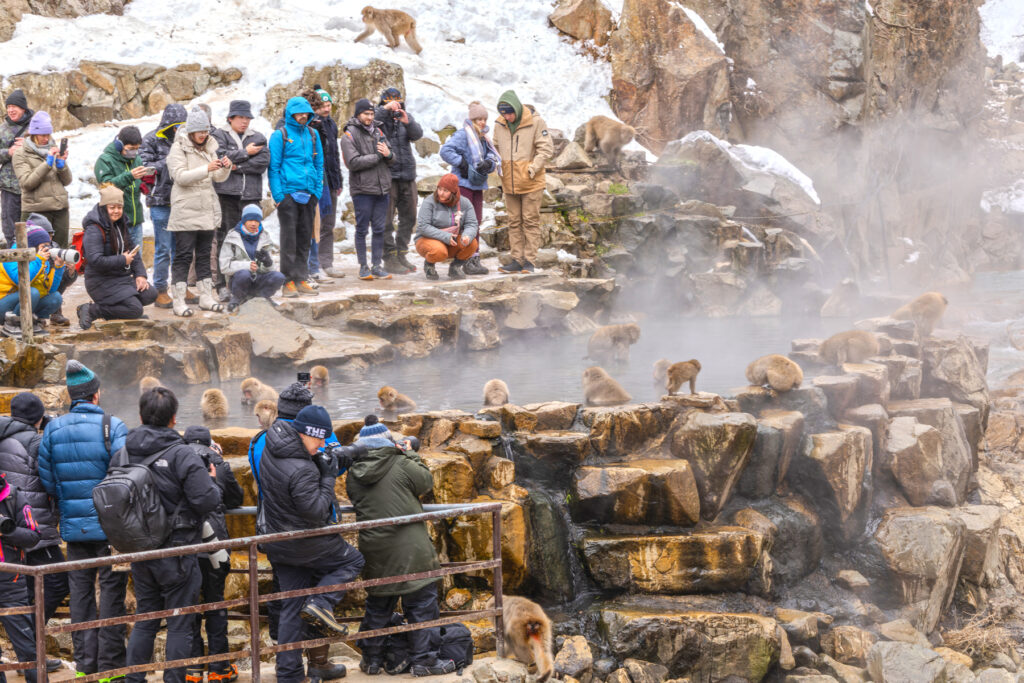
Apes watching apes at Jigokudani (Image by Mike Watson)
This time we decided to make a small detour on our return to Tokyo and check a site not far from Karuizawa, where some Japanese Waxwings had been seen recently. There had been a significant snowfall overnight, miss-timed as far as our monkey viewing was concerned, but we were delighted to find some waxwings still present within the grounds of the ancient Komoro castle, perched on snow-covered tree branches. The sharp ‘tink’ calls of Hawfinches could be heard everywhere, and we managed to photograph some of their makers in the trees, as snowflakes fell softly on a scene unchanged for centuries. A small flock of colourful Bramblings were feeding in an area cleared of snow and allowed some great partly obscured photo opportunities. We continued to Karuizawa itself, further along the shinkansen line towards Tokyo, from where we caught the train back to the city. The snow which had fallen on the Alps had also extended to the metropolis this time and had caused havoc with the flights from Haneda, so a nervous wait followed before we knew whether ours was going to operate. We were ultimately only delayed by an hour or so (very un-Japanese but understandable in the circumstances) and before long we were stepping out into the cold air at Kushiro airport on Hokkaido for the next part of our adventure.
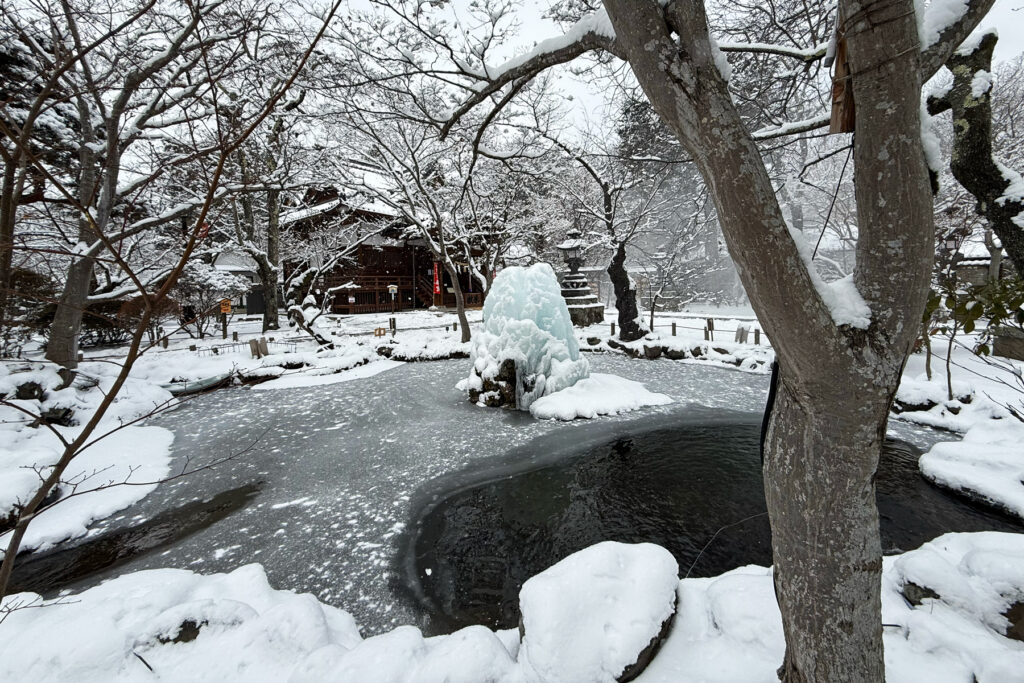
Snowflakes fall softly on an ancient scene at Komoro Castle (Image by Mike Watson)
It is very cold overnight in this part of Hokkaido and, just as last time, the temperature gauge on my vehicle reached -19 stop Celsius, and again, the hairs on the inside of my nose froze instantly as I left the hotel to scrape the ice of my windscreen. There were not many people standing at Otowa bridge this morning, for reasons already explained, and the fact that the spectacle here is not quite as it once was. There was a reasonable hoar frost, thanks to the steam from the geothermally heated water of the river (the reason the cranes roost here), but the cranes themselves are further away from the bridge and there is also now a dead tree in the riverbed, partly obscuring them. A Short-eared Owl perched up in a tree by the riverside, and a Crested Kingfisher flew by. We waited a while and before heading off to the nearby Tsurui-ito crane observation centre. Once we were all gathered along the fence at the crane feeding area, the cranes started to arrive from the direction of Otowa bridge. Eventually around 100 were present, offering many different photo opportunities in the morning sunshine, particularly of their icy breath against dark tree backgrounds. Some of them were dancing and there were also many flight shot opportunities. The Red-crowned Cranes of Hokkaido is another truly iconic photographic experience. their beautiful monochrome forms plus a dash of blood red against snowy backgrounds make wonderful images. Towards lunchtime we switched to the Akan crane centre feeding area, where on arrival we were delighted by some photogenic woodland birds including some gorgeous white headed, northern Long-tailed Tits. Marsh Tit (they are not present in Japan south of Hokkaido), Asian Tit, Eurasian Nuthatch and Great Spotted Woodpecker were also photographed in the same area. The Akan crane centre hosted around 60 Red-crowned Cranes, many ridiculously close, at less than 5 metres. There was lots of dancing, as well as some take offs, although some of our folks commented the backgrounds were a little busier than at Tsurui-ito. How wonderful it is that we can be so fussy when watching these amazing creatures! Towards the end of the afternoon, we took a position at a sunset viewpoint to the south of Tsurui-ito, along the cranes’ flightpath towards Otowa Bridge. However, this was a little disappointing, with the cranes not following the same route as we had hoped.
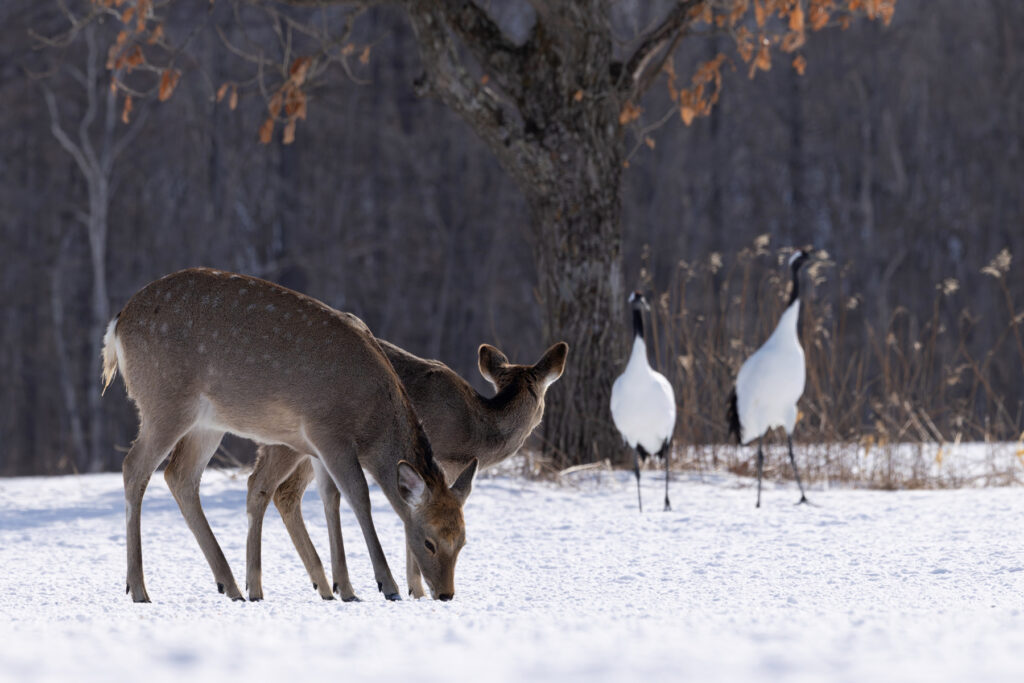
We were not the only crane watchers at Tsurui Ito (Image by Mike Watson)
Our second day in the Kushiro area was more or less a repeat of the first, allowing us a second chance to take images, which may have passed us by the previous day. A few Steller’s Sea Eagles were around today but most significant additional sighting of the day was of a flock of 30 Asian Rosy Finches at a farm near Otowa Bridge, as we drove by. We paused briefly and took a few shots of them before a badly timed farm vehicle flushed them. The temperature today had also set a new low of -20 Celsius!
From Kushiro we headed east across Hokkaido countryside pausing for many Sika Deer before we reached the mostly frozen Lake Shirarutoro where a female Smew was flying around on arrival and a few Steller’s Sea and White tailed Eagles were spotted, but nothing like what was to come later in the tour! We also checked three spots for Ural Owl to no avail, this large owl, which occurs all the way from Norway to Japan, would elude us this time. En route to Lake Kussharo we stopped at the volcanic Mount Iozan (‘Mt Sulphur’), located only two kilometres to the southeast of the spa town of Kawayu. This active volcano, situated in the giant Kussharo caldera, is rather small and at only 512m ASL and is even lower than Pendle Hill, which overlooks my home in East Lancashire. However, what it lacks in height, it makes up for in the very photogenic appearance. The fumaroles were very active, steam filling the air against a bright, yellow-splashed background – it is a most impressive sight. Snowflakes were now falling through the steam, a different and interesting view of this scene.
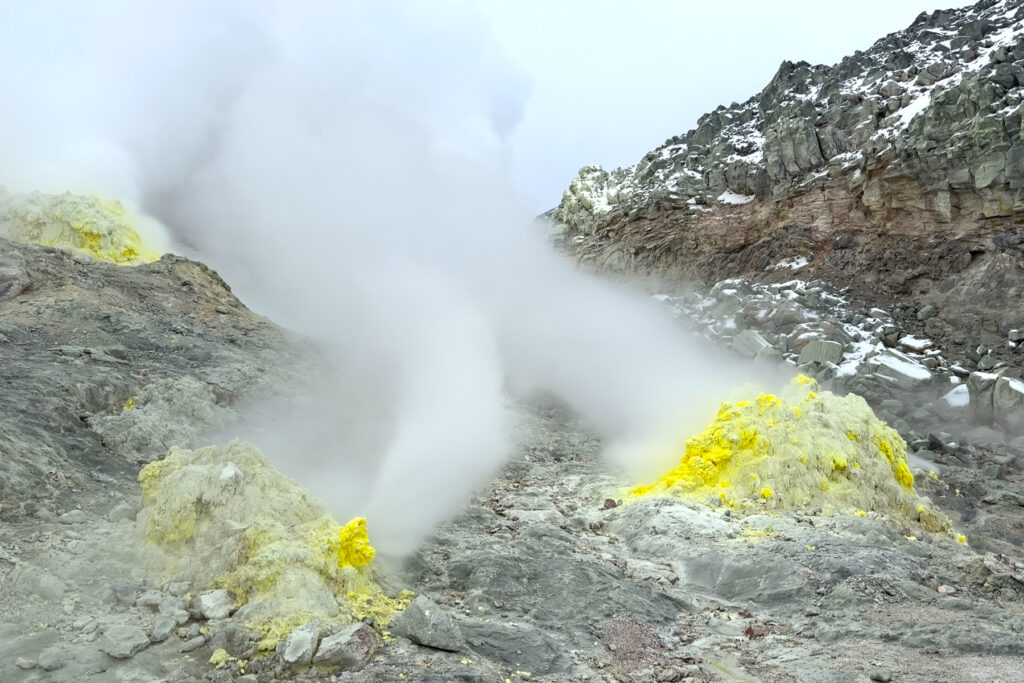
Fumaroles at Mount Iozan, it means Sulphur Mountain (Image by Mike Watson)
As it had now started to snow, we needed to make our way to the lake shore and its Whooper Swans for the rest of the afternoon. We reached our goal of Lake Kussharo, to find it frozen. Excellent! On our last visit it was ice free. Ice is important here for Whooper Swan images, as it concentrates them tightly close to the shore, which is kept ice free by the geothermal spring water flowing into it. There was still plenty of time to take some very interesting images of the swans, particularly at Sunayu, at eye level and very close range, with icy backgrounds and distant snow-covered hillsides. Wonderful stuff!
The following morning was a little milder, at only -10 Celsius and after the Swans put on another fabulous show along the lake shore. The ice had started to melt, and there were some large leads, in which many mergansers and goldeneyes were present. A female Smew appeared with them briefly. In the woodland behind the lakeshore a male Black Woodpecker and a couple of White-backed Woodpeckers were seen, although neither obliged for the cameras, despite some effort. Much more obliging was a gorgeous Red Squirrel. The Japanese form is far from red, more dark grey. We could approach it to only a couple of metres away, eating nuts on some gnarled branches.
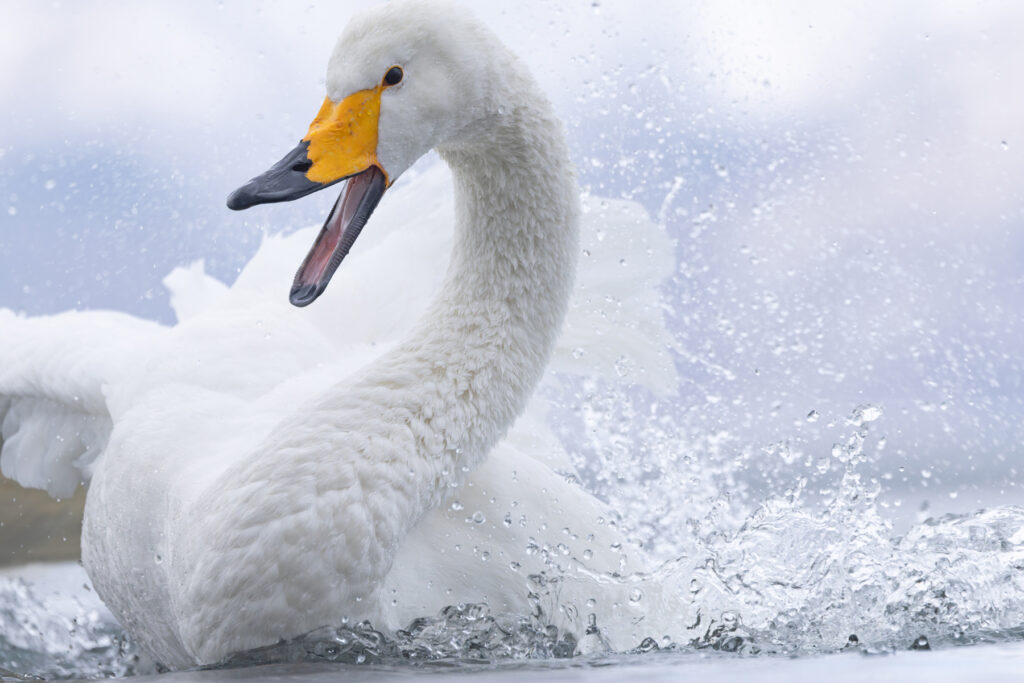
Whooper Swan splashing rage (Image by Mike Watson)
From Sunayu we headed directly east to the shingle spit of Notsuke Hanto on Hokkaido’s northeast coast. This spot is famous for its tame Sika Deer and Red Foxes, and we were not disappointed, seeing at least 8 foxes and they were very tame indeed, obviously still being fed by someone. A Short-eared Owl was at the base of the point, mobbed by Carrion Crows and several species of sea ducks were offshore, including Harlequin, Black Scoter and Red-breasted Mergansers. A Spectacled Guillemot and a Largha Seal were also seen here. This evening we had a date with an owl. At the famous Washino Yado. Unfortunately, the owl stood us up, some of us waited until 1:30 AM before giving up. The owl appeared at 1:40 AM, according to the log which we read the following day. Probably the lowest point of the tour.
After such a late night we were a little late to start this morning and make our way back to Notsuke Hanto. Today’s session with the red foxes was breathtaking and resulted in maybe the best images of the tour? Partly obscured against the snow and perfect straight off the card, they barely needed any processing. Simply stunning! A few new species appeared at Notsuke Hanto, including a flock of 10 smart Long-tailed Ducks, all drakes except for one female, which was harassing each of them just offshore. A Eurasian Sparrowhawk put in a brief appearance before it was time to head back to Rausu.
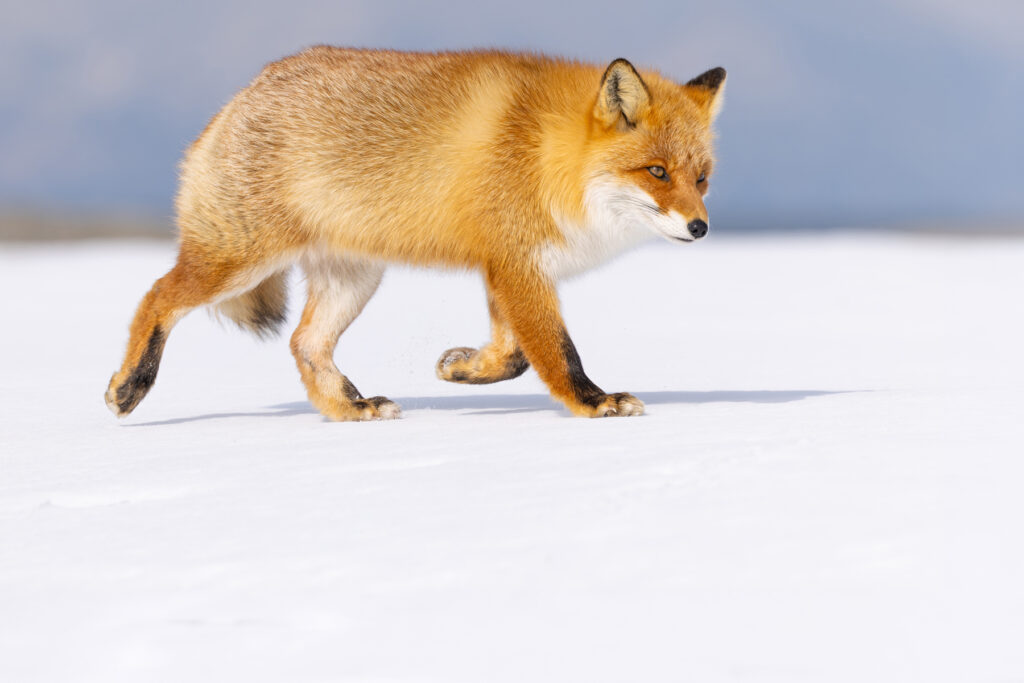
Hokkaido must be the best place in the world to photograph Red Foxes, at least in winter! (Image by Mike Watson)
Undeterred by dipping the owl the previous night I wanted to prove it was doable. The owls sometimes appear at Washino Yado before teatime (the soft version of seeing them) but recently the male had been appearing reliably from 3:00AM onwards until daybreak, taking fish for its partner towards the end of the night. Indeed, it appeared twice before it was time to drive to the port for our 1st eagle boat trip and it flew directly at the restaurant as it left the fish pool. Christ it is big! Now I just had to persuade some other idiots to join me.
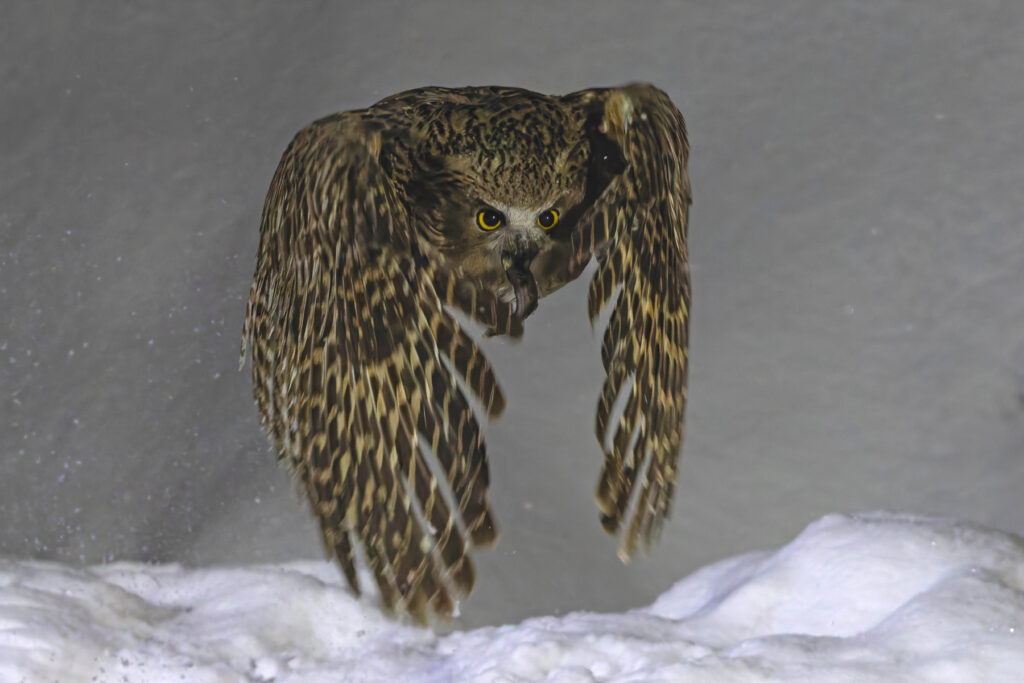
Blakiston’s Fish Owl take-off at Rausu (Image by Mike Watson)
A moderate northwest wind had blown for the previous day, with around 10 centimetres of snow overnight (this was not cleared until after 5:00 AM, although it was still easily drivable with our excellent winter tyres on). I had a conversation at Washino Yado with a local guide, which went something like this ‘there’s no chance of any sea ice this morning’. I had hoped that there would be. Although it was not an onshore wind, the element of north in it could shift some ice down out of the Sea of Okhotsk, and maybe enough to reach Rausu on the west side of the strait? That’s me told I thought. Boarding our eagle boat, there was still no talk of sea ice although it was very interesting that as soon as we cleared the final harbour wall, the engines roared and we were soon speeding directly eastwards towards Russia! ‘The boat will turn towards the harbour’ said another. If so, why is it going at full speed in the dark? It was obviously going somewhere else further away. The only reason must be the chance of ice. As the sky lightened, we could see the eagles were following us from Rausu, and a white line stretched across the horizon with the mountains of the Kurils in the background. Sea ice was on! This happened last time, the drift ice from the Sea of Okhotsk arrived on the same day as us. Lucky! Pretty soon the boat had embedded itself in the drift ice and we were surrounded by magnificent Steller’s Sea Eagles. A lifetime ambition for some of our folks.
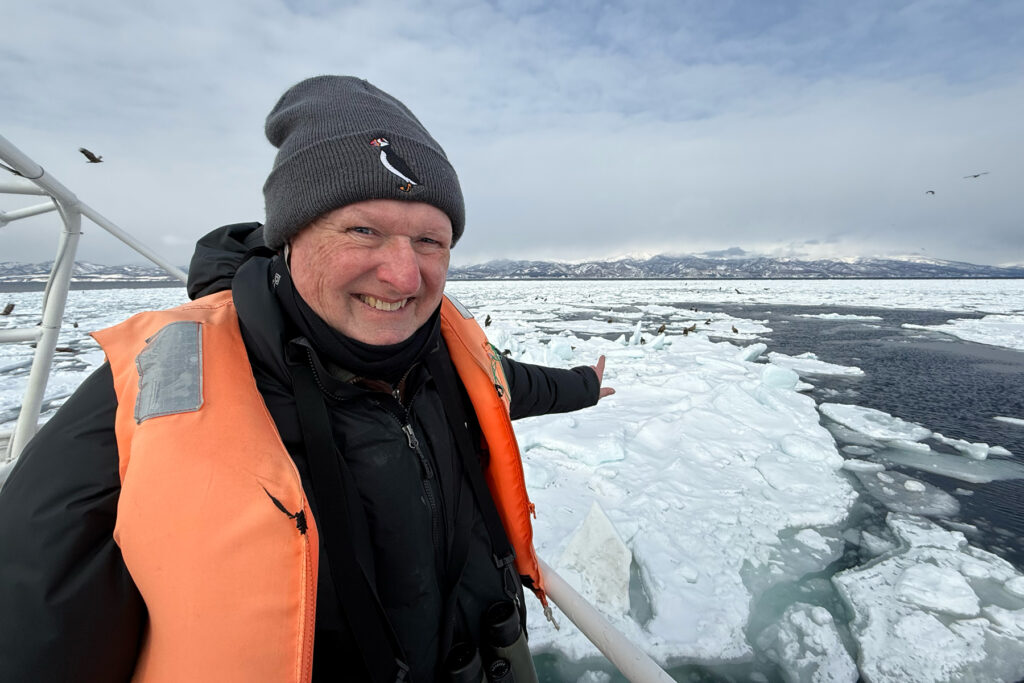
That look on someone’s face whose dream just came true, eagles on sea ice! (Image by Mike Watson)
At 44° N, this is by far the most southerly sea ice in the northern hemisphere, it would be like having sea ice in the Bay of Biscay! There were up to 400 Eagles present on the drift ice and, like the cranes, it is tricky to isolate them. There is often so much going on it is bewildering. The challenge is to choose an approaching eagle and hope it follows a suitable flight line for images. Portraits and action shots were plentiful. Steller’s Sea Eagles side-by-side with White tailed Eagles showing the big size difference, it is always amazing to see the massive White-tailed Eagle dwarfed by something else. Landscape or portrait format? Close up? Flight shots against a distant snowy forest mountainside? Motion blurs? I even managed some bokeh harbour lights in the background this time. The eagles can be very close, even within 5 metres and cutting bits off them is a possibility with a prime lens. The ideal choice is a zoom, of 100-500 or 200-600 millimetres. As far as bird watching experiences go, this is definitely in the top five or 10 and it was great to hook up with Birdquest colleague Dave Farrow, who was guiding a parallel birding tour. I eventually managed to persuade some of our lot to have another go at Blakiston’s Fish Owl, painful as this would be, with two super intense eagle boat trips back-to-back immediately afterwards. They were rewarded with another couple of visits by the big owl before dawn. Fantastic stuff! This time we were all positioned in the restaurant at Washino Yado, as it caught fish to take back to its partner. The second day of eagle boat trips was different to the first. The sun had disappeared behind inky clouds, with occasional sleet in the air and the sea was a little more lively too. The drift ice, which was more or less still in the same area, heaving to and fro with the wave action. However, the reflected light from the ice lightened the scene enough for some more excellent eagle images. There was little else on show, the gulls wisely giving the eagles a very wide berth and as soon as any appeared they we’re already gone.
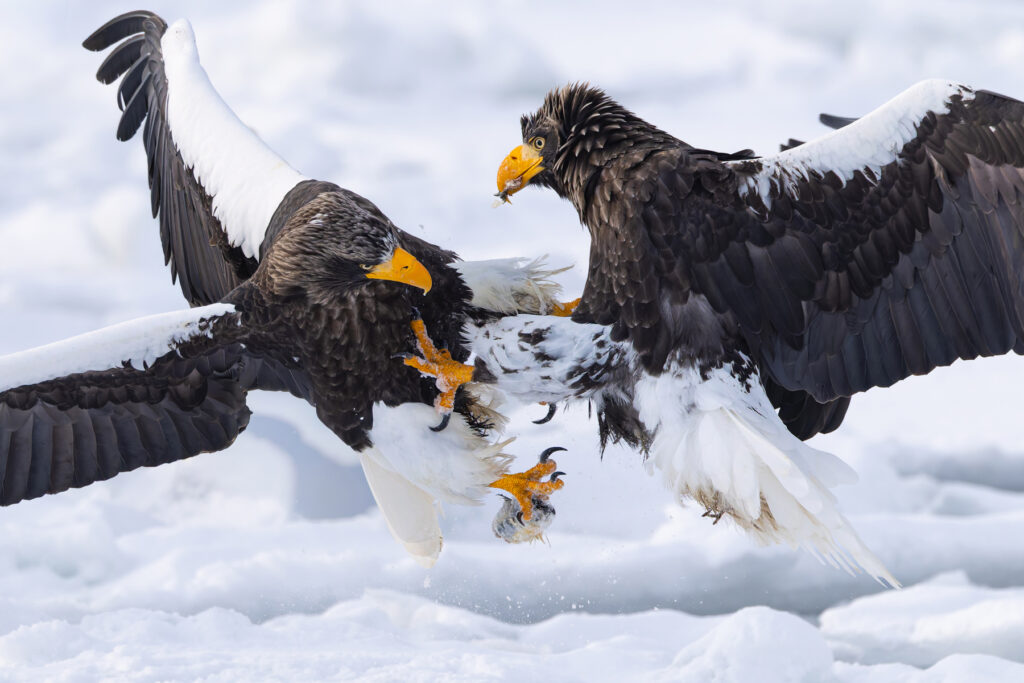
Steller’s Sea Eagles fight over a fish breakfast (Image by Mike Watson)
Nearing the end of our journey in Japan it was time to head towards our final overnight stop. The morning session was focused on the Lake Furen eagle feeding station at Sunseto. Unfortunately, a cold northeast wind caused all the eagles to face away from us when taking off and landing and this was a poor substitute for close eagles on sea ice, but then again everything else is too. Also here were around 100 Whooper Swans, 30 or so Black Kites and a number of Glaucous-winged and Glaucous Gulls among the more common Slaty-backed. We paused briefly at Numero Harbour, seeing a few interesting ducks including Northern Pintail, Long-tailed and Harlequin Ducks and Greater Scaup.
The grand finale to our tour included the best food, best onsen and maybe also the best accommodation of the tour. The magnificent Yoroushi Onsen is situated in a pretty river valley in Nakashibetsu and is also home to the world’s biggest owl. Since I was last here in 2020, the photo setup for the owls has changed dramatically and fish are now placed in a tank on the deck by the restaurant, obscured by a few unsightly logs and a horrible fence. It is still possible to take some nice images of the owls, however, this is more of a close-up opportunity at around 7m range. The irritating reflections of interior lighting can be eliminated by the use of a flexible lens hood, pressed up against the window glass and the owls are so close and the outside lighting is good enough to get some nice images at high ISO levels. The feeders on the onsen’s deck attracted several Japanese Pygmy and Great Spotted Woodpeckers, Asian and Willow Tits and several nuthatches. Unfortunately, there was no sign of Solitary Snipe, although Crested Kingfisher did make a brief appearance, but not for the camera, again. It is a very difficult species to photograph in Japan. An interesting mammal duo on the deck included an American Mink (introduced) followed by a lovely Sable, for which the onsen is also famous. This time almost everyone stayed up late enough to see the owl and there was a repeat performance before breakfast the following morning as well. A very relaxed start was a fitting way to enjoy such beautiful surroundings, watching the comings and goings from the bird feeders. In the afternoon we made our way back to the Kushiro area and spent a couple of hours back at Akan, watching the Red-crowned Cranes. There were a few Whooper Swans here, as well as more Long- tailed Tits. A final parting gift to the birders from our man in Japan, Otani San, came in the form of a small flock of Pallas’s Rosefinches, which he had located just up the road from the crane centre. This nomadic and unpredictable finch was missed by most of the birding groups this winter, so we were privileged indeed. No adult males, although a couple of first winters had a nice pink flush as well as the characteristic pink rump of the species. As our 2026 adventure drew to a close, we entered the Kushiro airport, passing it’s larger than life fish owl and crane sculptures, a nice way to say goodbye to Hokkaido. On reaching Haneda airport in Tokyo we parted and went our separate ways, probably wondering how we would manage to find the time to edit the many thousands of images filling our hard drives. Thanks to our very enthusiastic group, we will be back in the land of the rising sun next year!
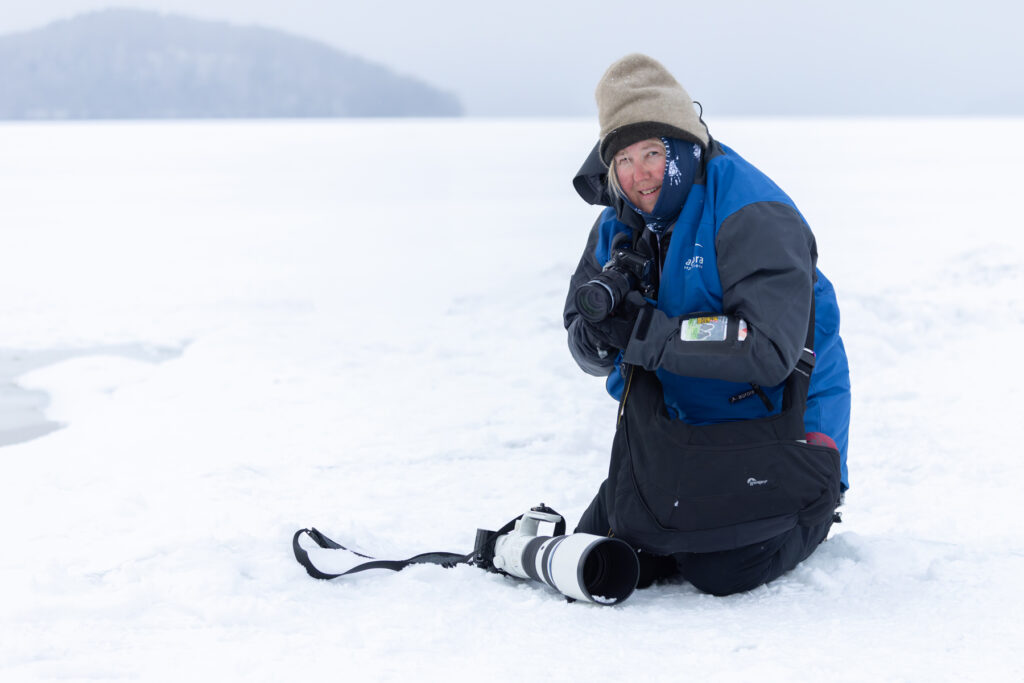
Judy braves the icy cold to photograph Lake Kussharo’s Whooper Swans (Image by Mike Watson)
Mike Watson
Mike Watson lives in East Lancashire with his Hungarian partner Évi and their son Alexander. Mike has been an avid photographer for more than 25 years and spends most of his spare time with camera in hand. A keen wildlife enthusiast since childhood, his sharp eyes will surely ensure some great wildlife encounters! Mike is a very approachable guide and always willing to share his photographic knowledge with participants on his tours.