
Ivory Coast: Land of Masks and Dance Tour Report 2025
16 February 2026
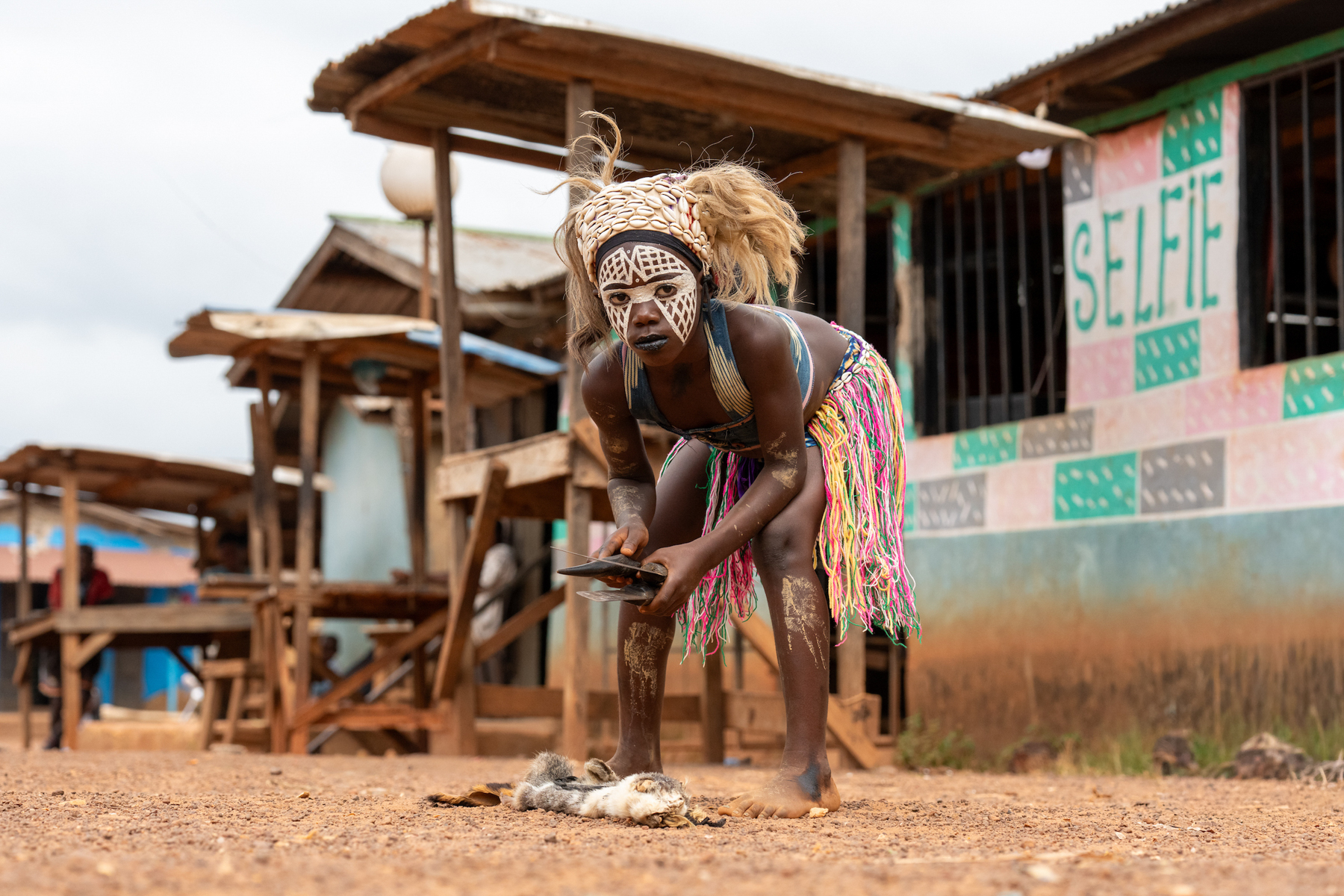
A Jongleur girl makes an offering before she starts to dance (image by Inger Vandyke)
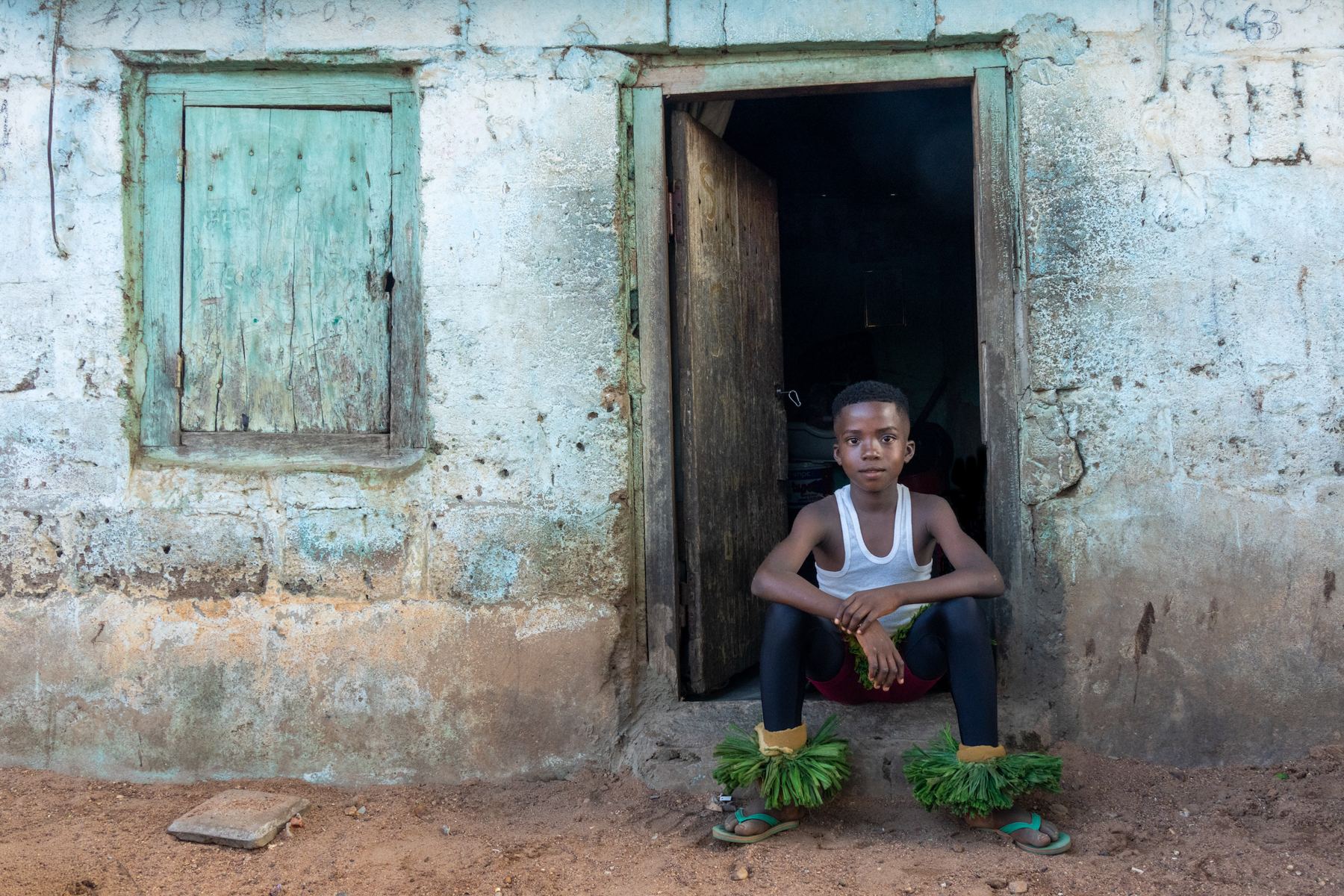
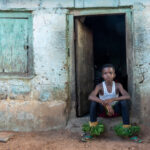
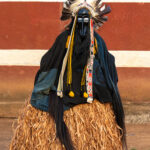
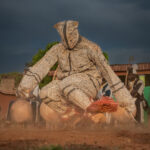
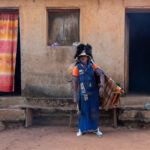
A young Zaouli dancer in the doorway of his home (image by Inger Vandyke)
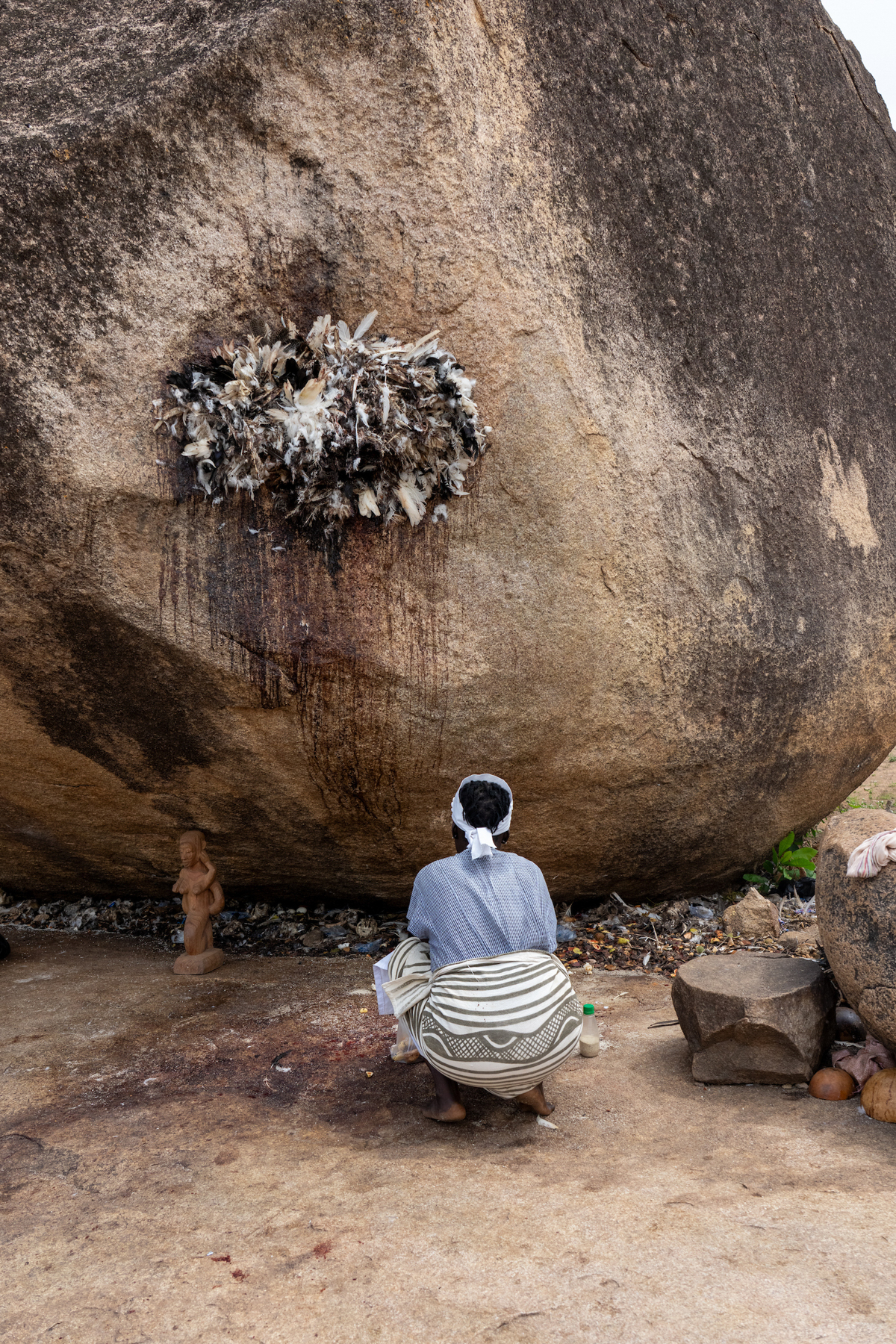
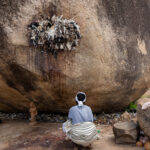
A quiet moment as a pilgrim makes an offering at Mont Sienlow (image by Inger Vandyke)
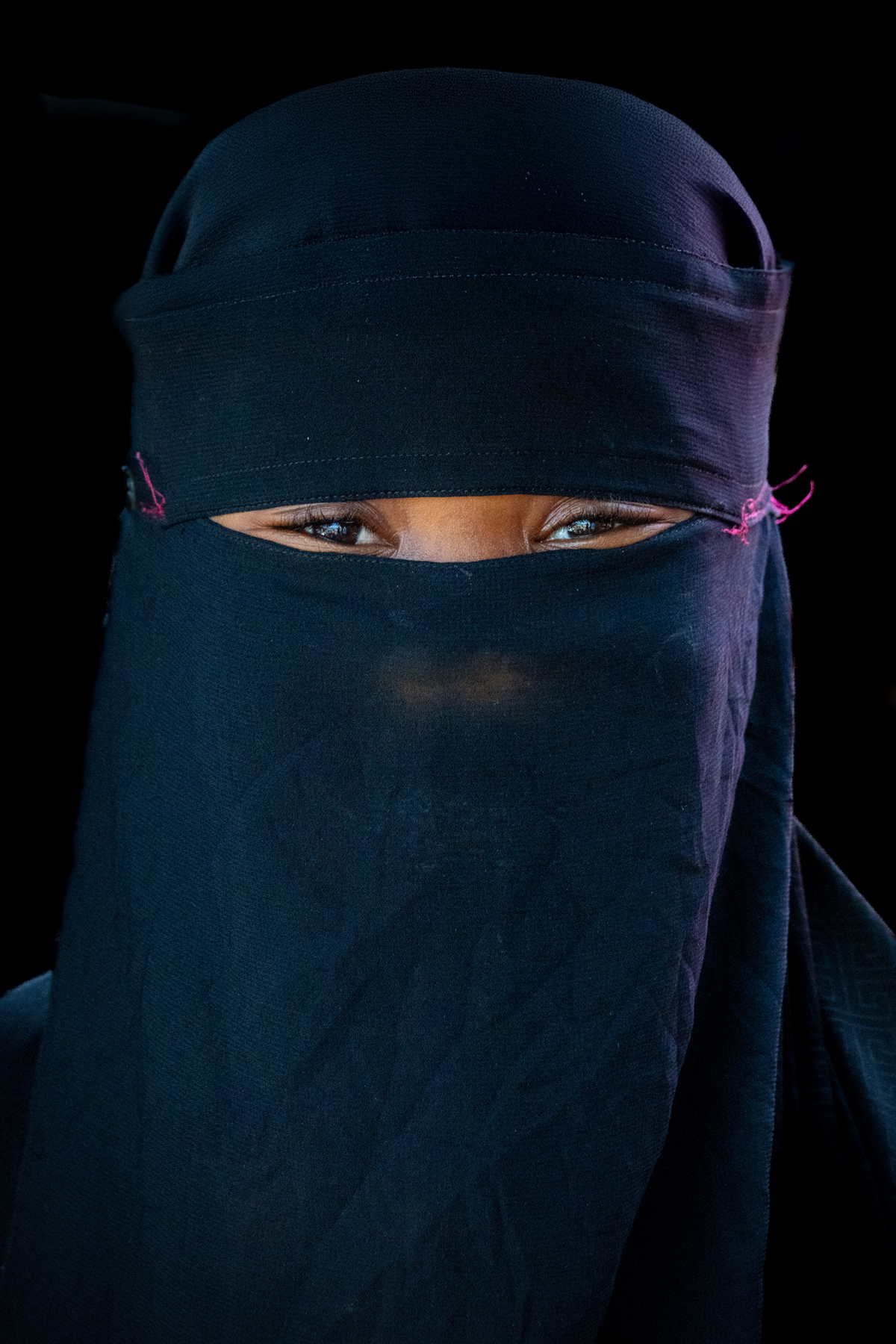
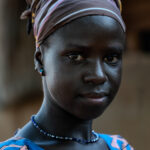
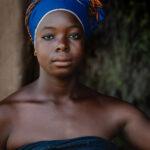
Muslim girl wearing Niqab in Man (image by Inger Vandyke)
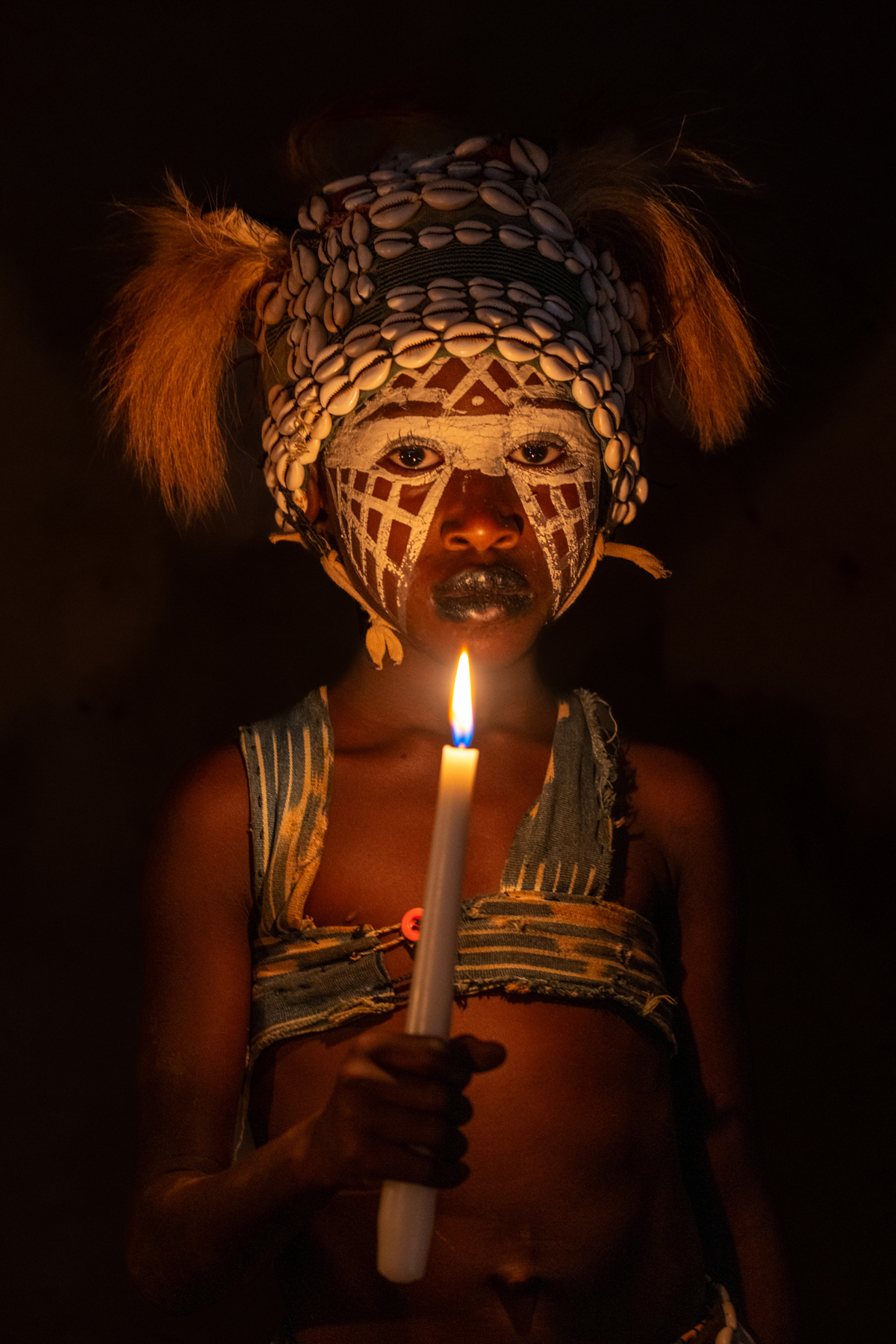
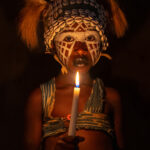
Jongleur girl with candle (image by Inger Vandyke)
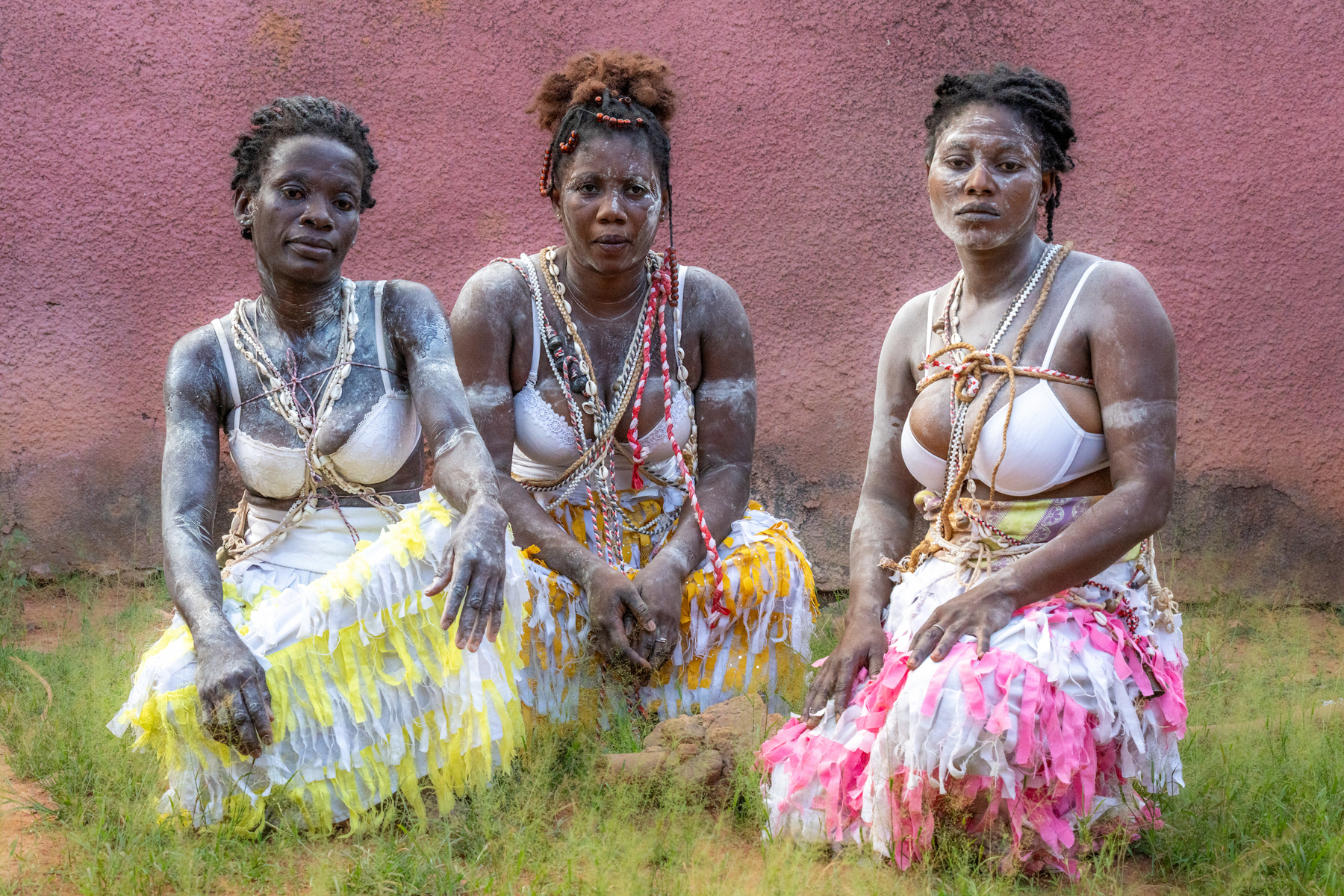
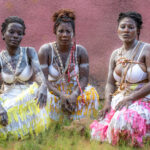
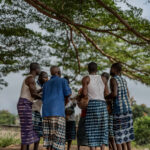
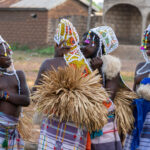
Komian women (image by Inger Vandyke)
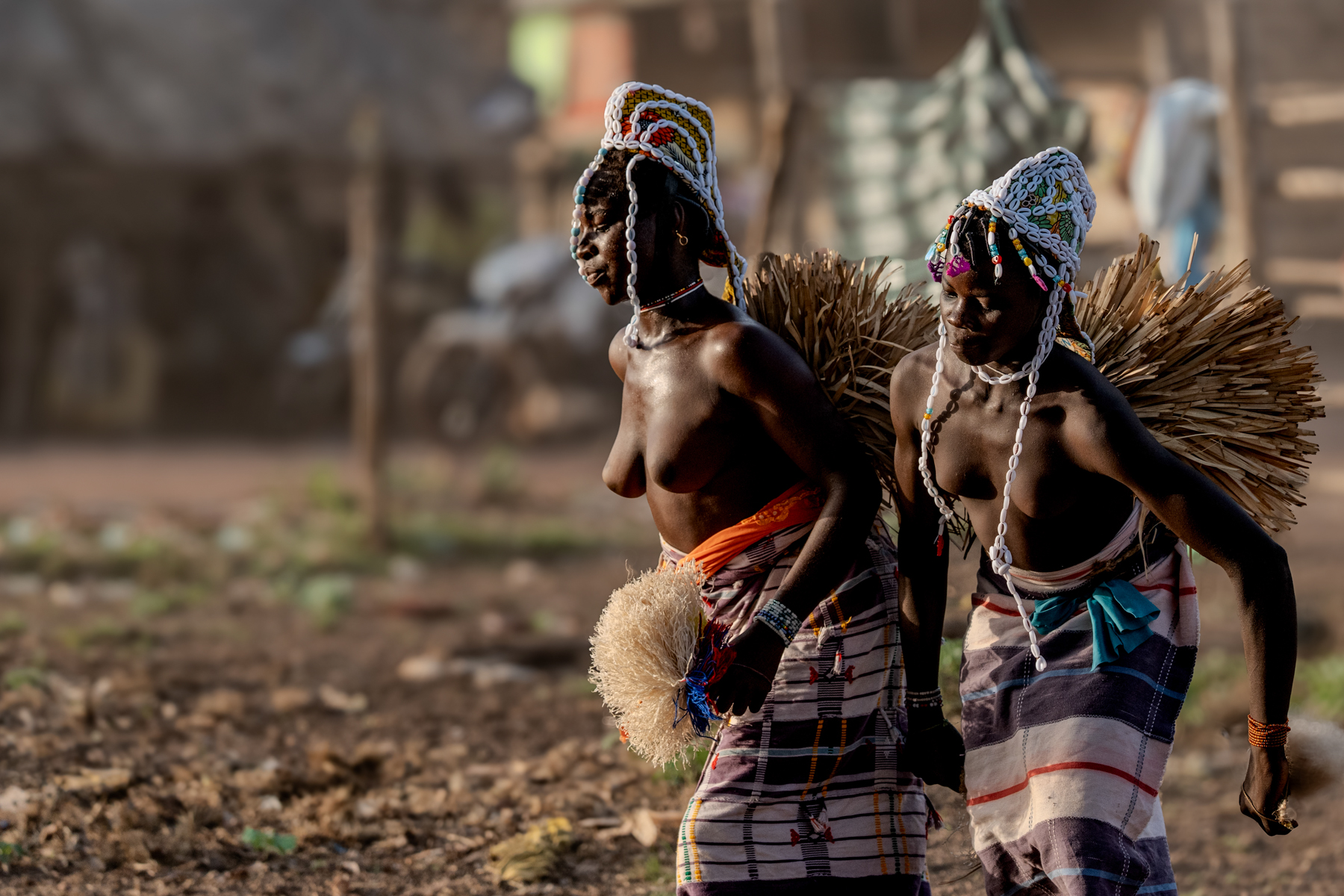
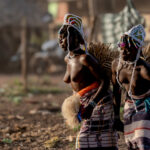
N'Goron Dancers - Dance of Senufo Virgins (Image by Craig Baulcomb)
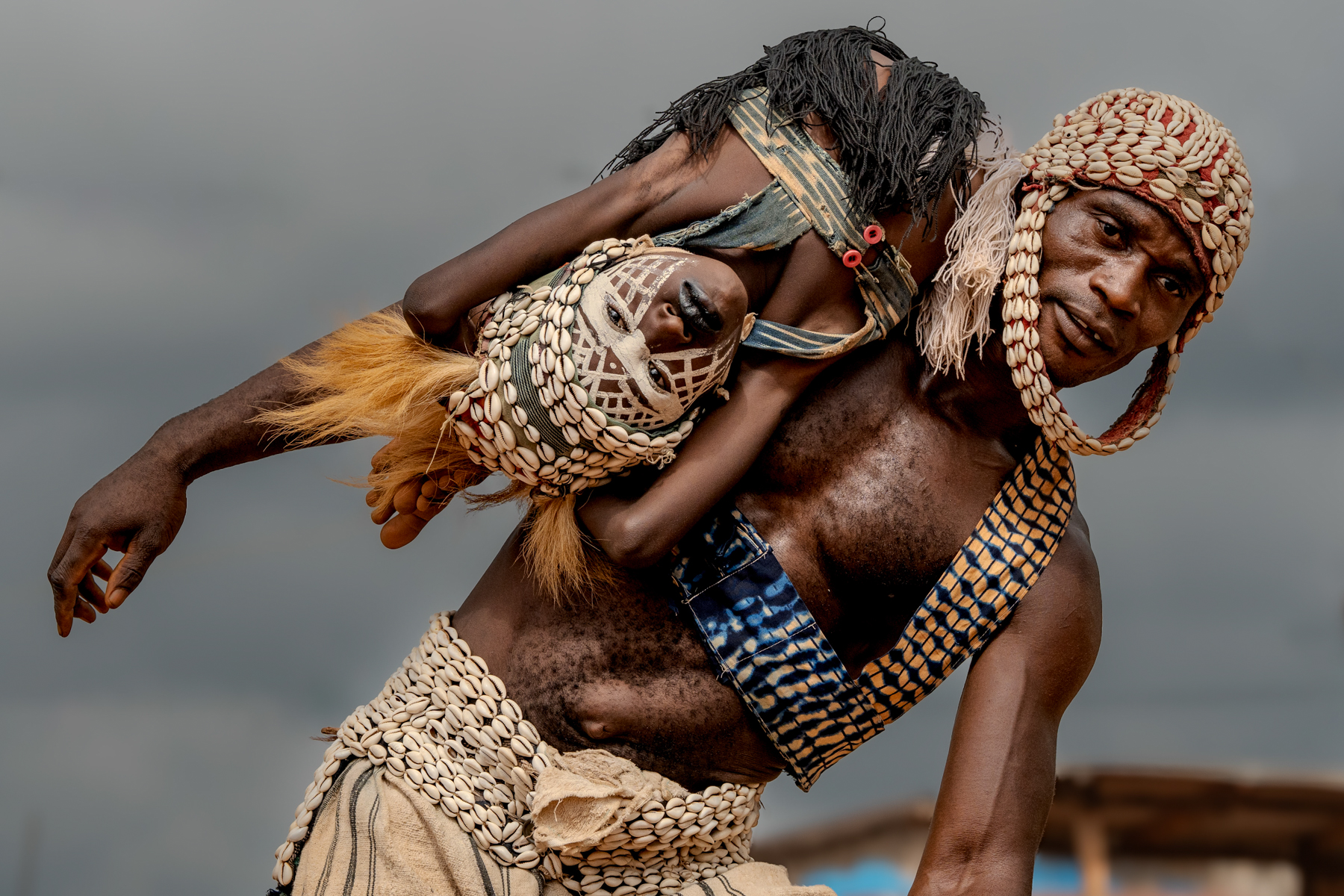
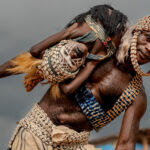
Snake Girl - La Danse des Jongleurs (Image by Craig Baulcomb)
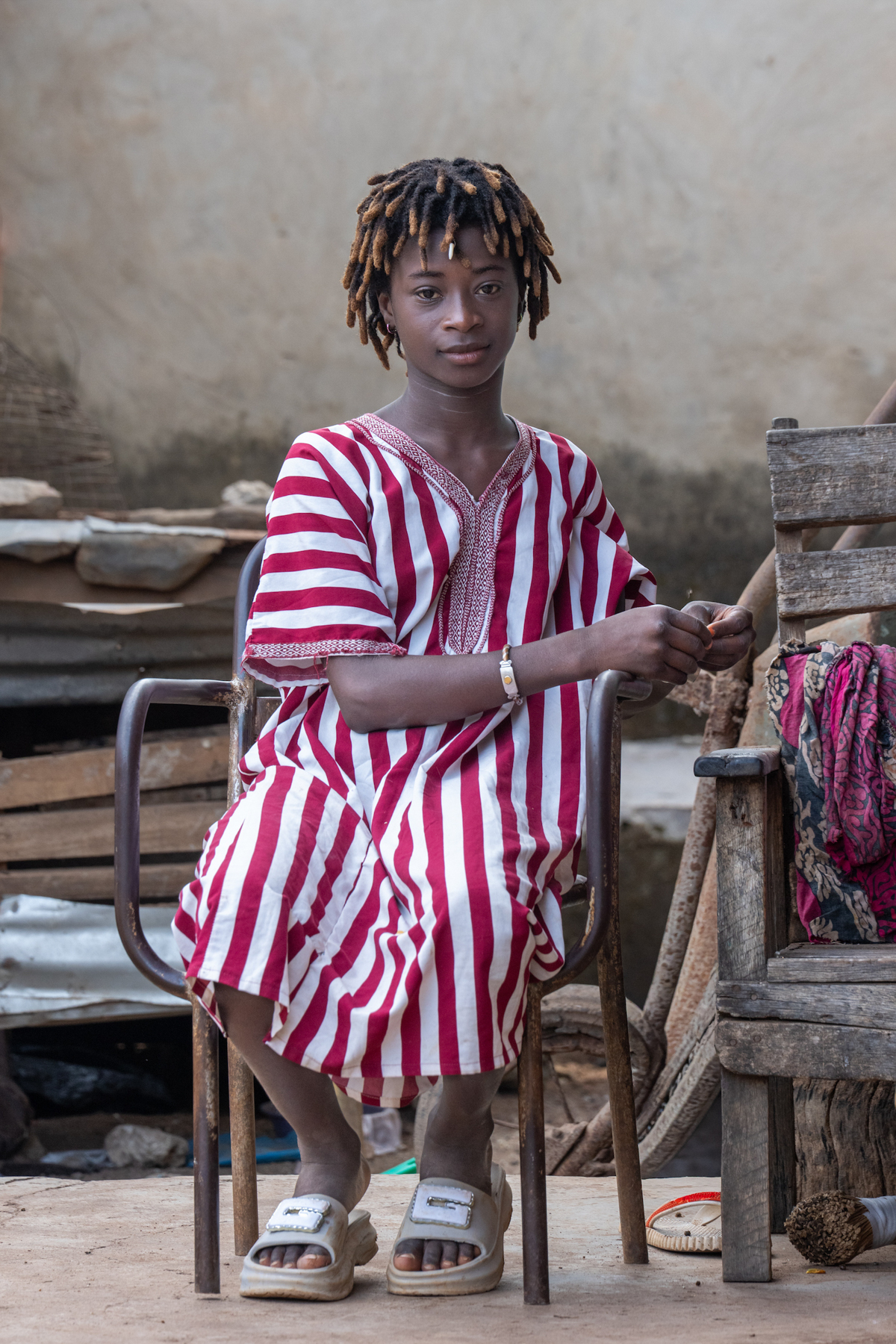
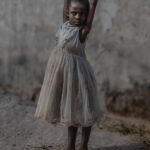
The mask maker's daughter (image by Inger Vandyke)
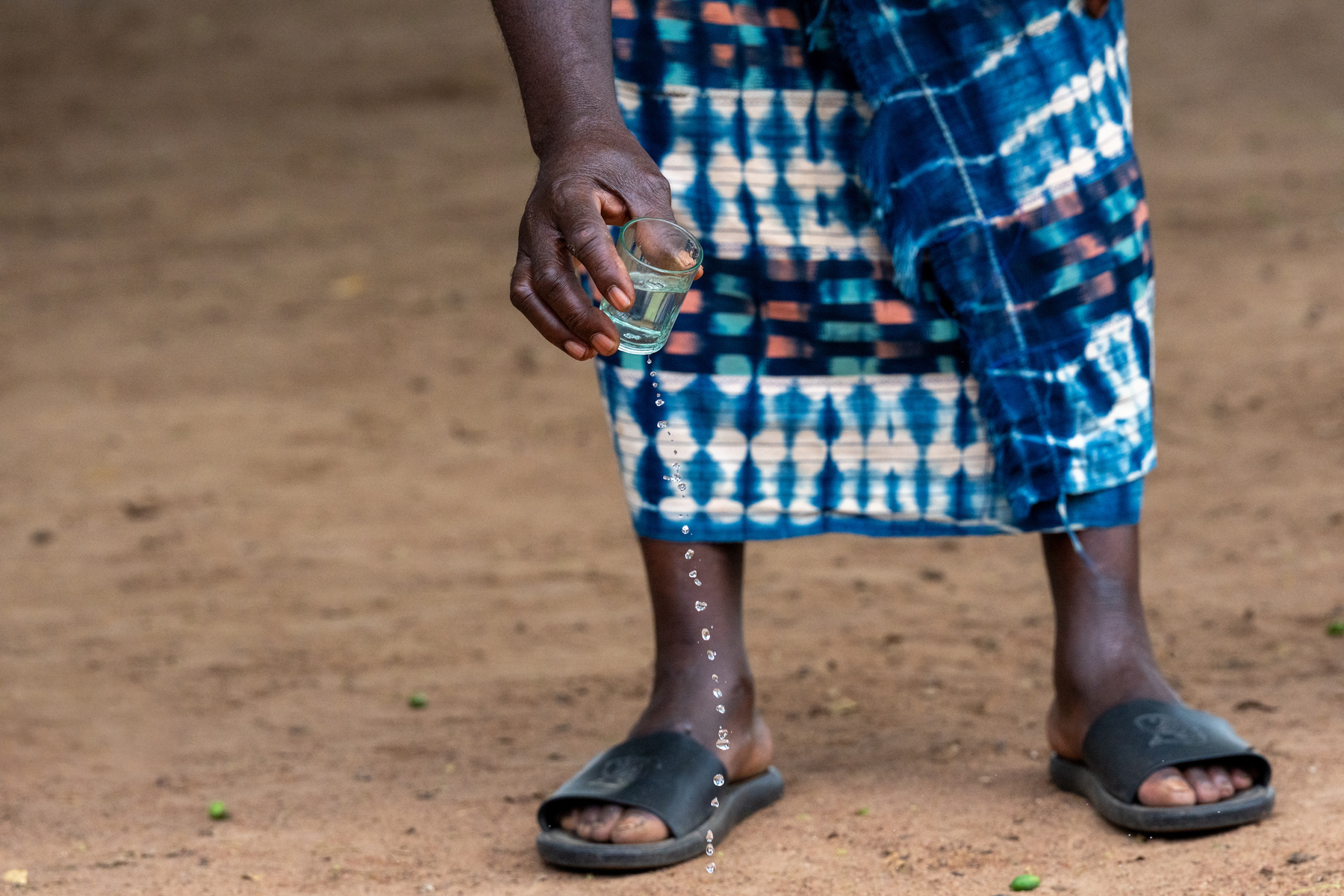
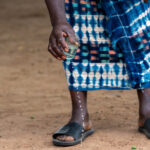
Pouring libations ahead of a Goly ceremony (image by Inger Vandyke)
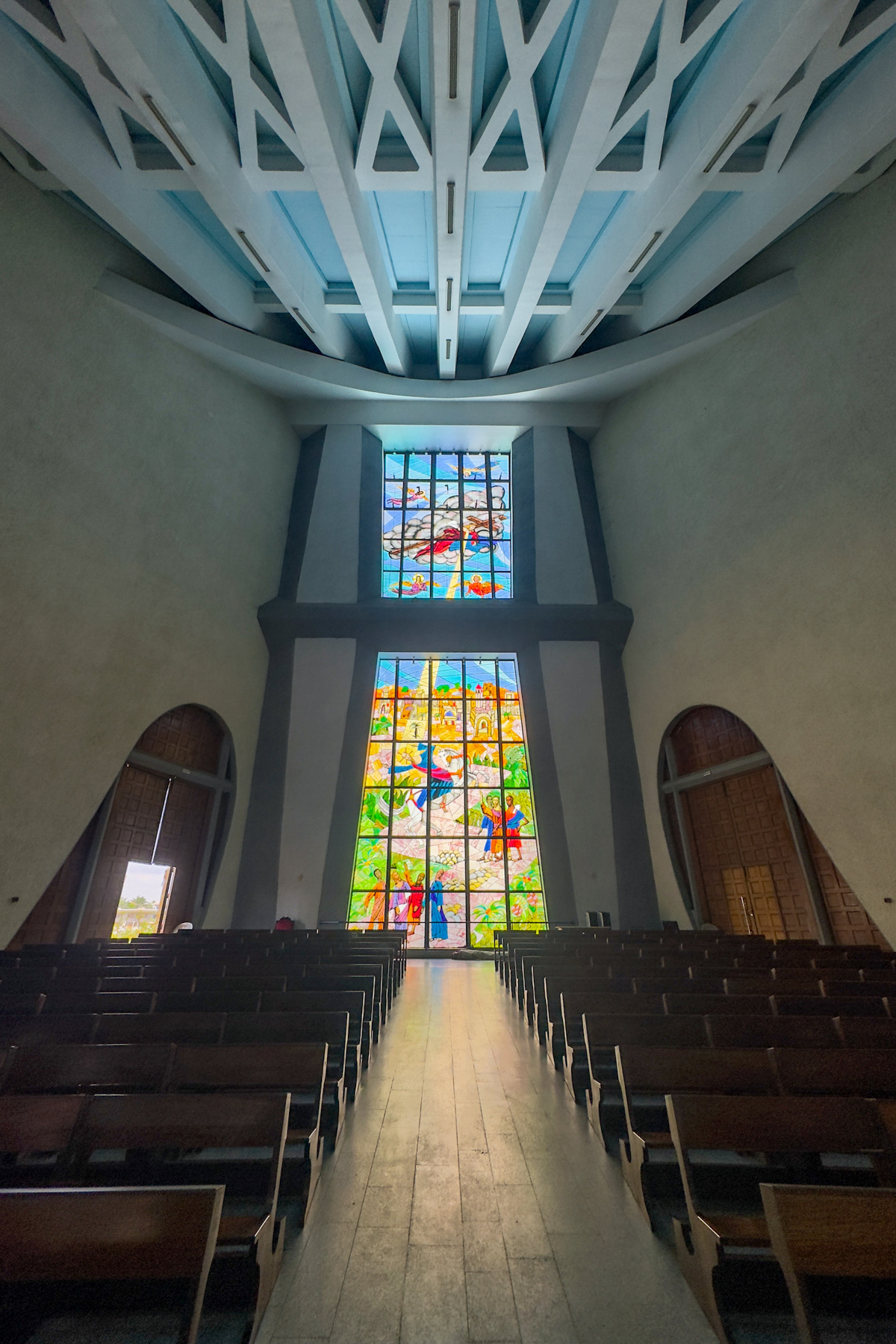
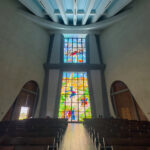
Inside St Paul's Cathedral in Abidjan (image by Inger Vandyke)
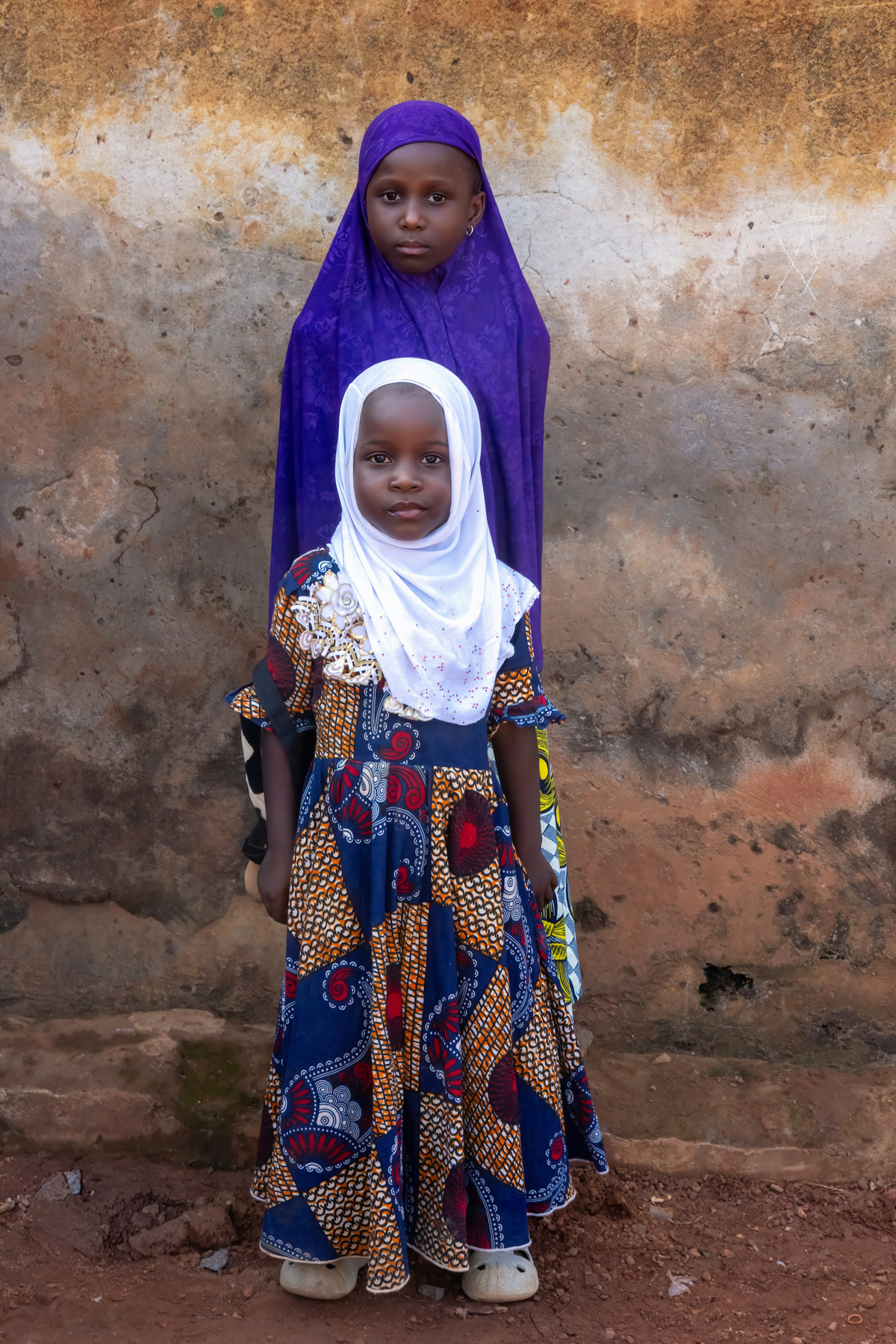
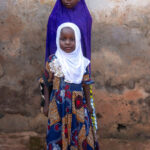
Muslim girls in the old Islamic quarter of Man (image by Inger Vandyke)
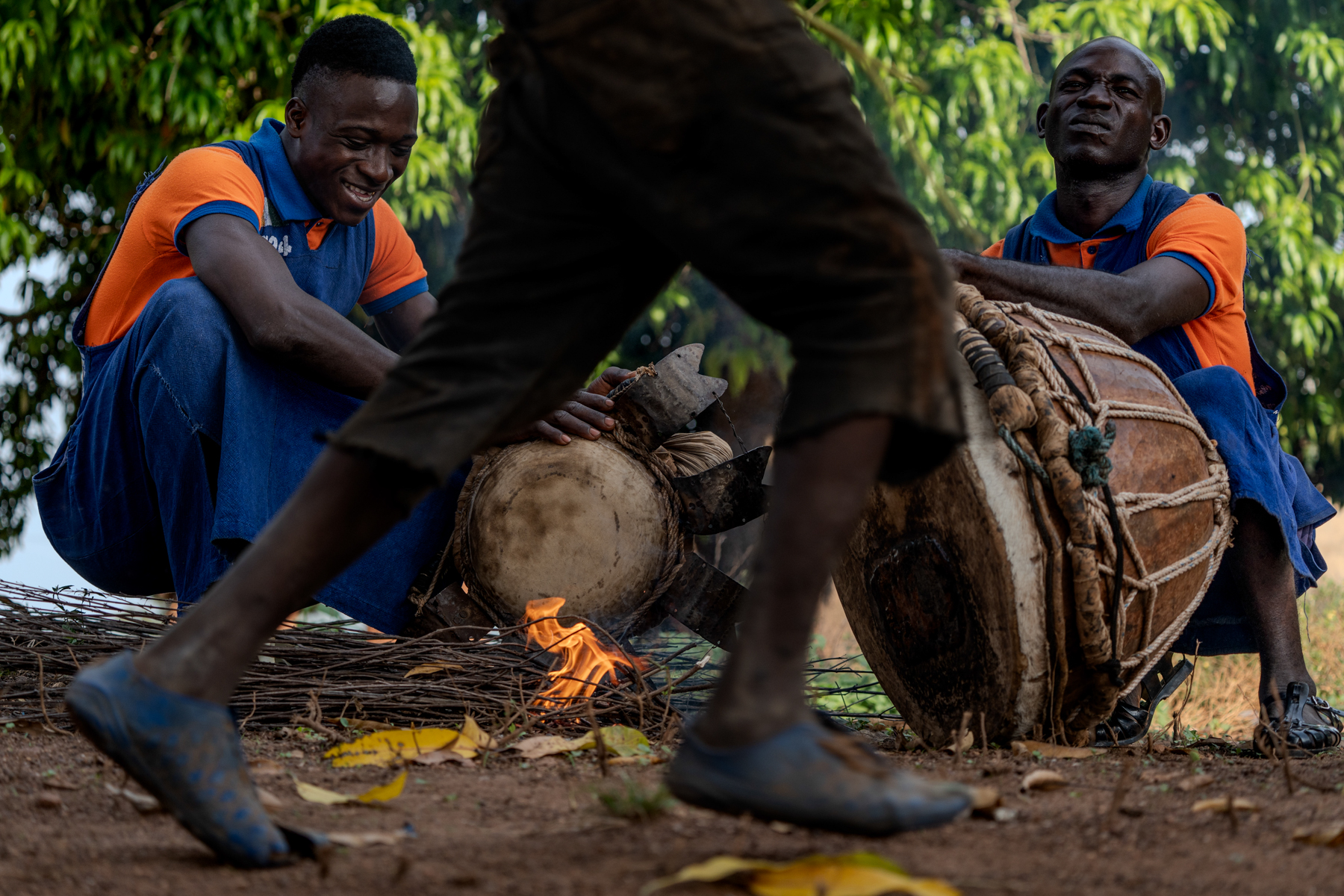
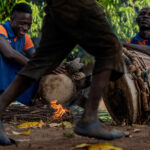
Tempering the Drums (Image by Craig Baulcomb)
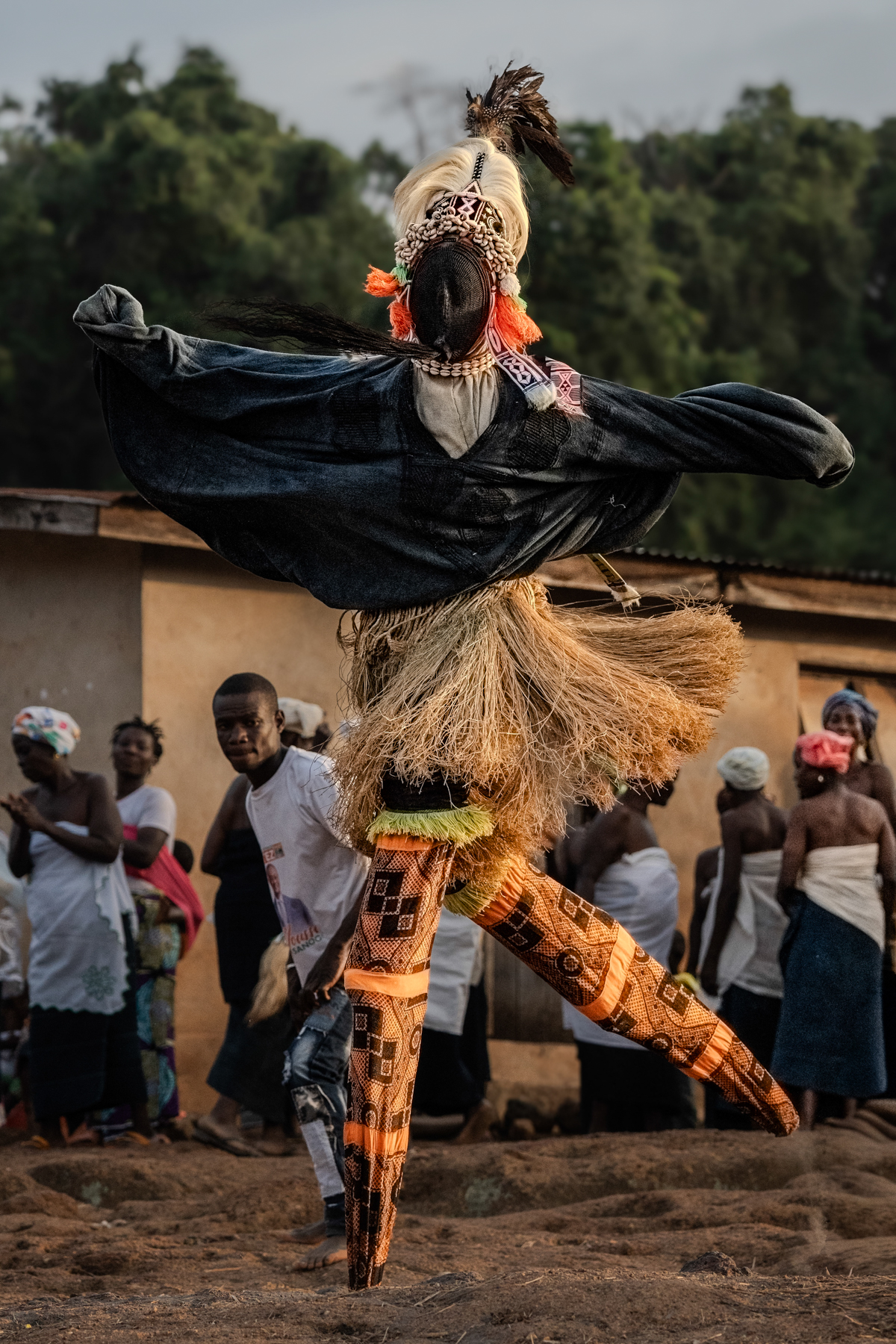
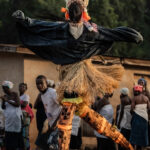
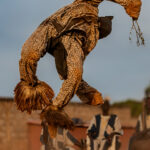
Stilt Dancer from the Godoufouma Sacred Forest (Image by Craig Baulcomb)
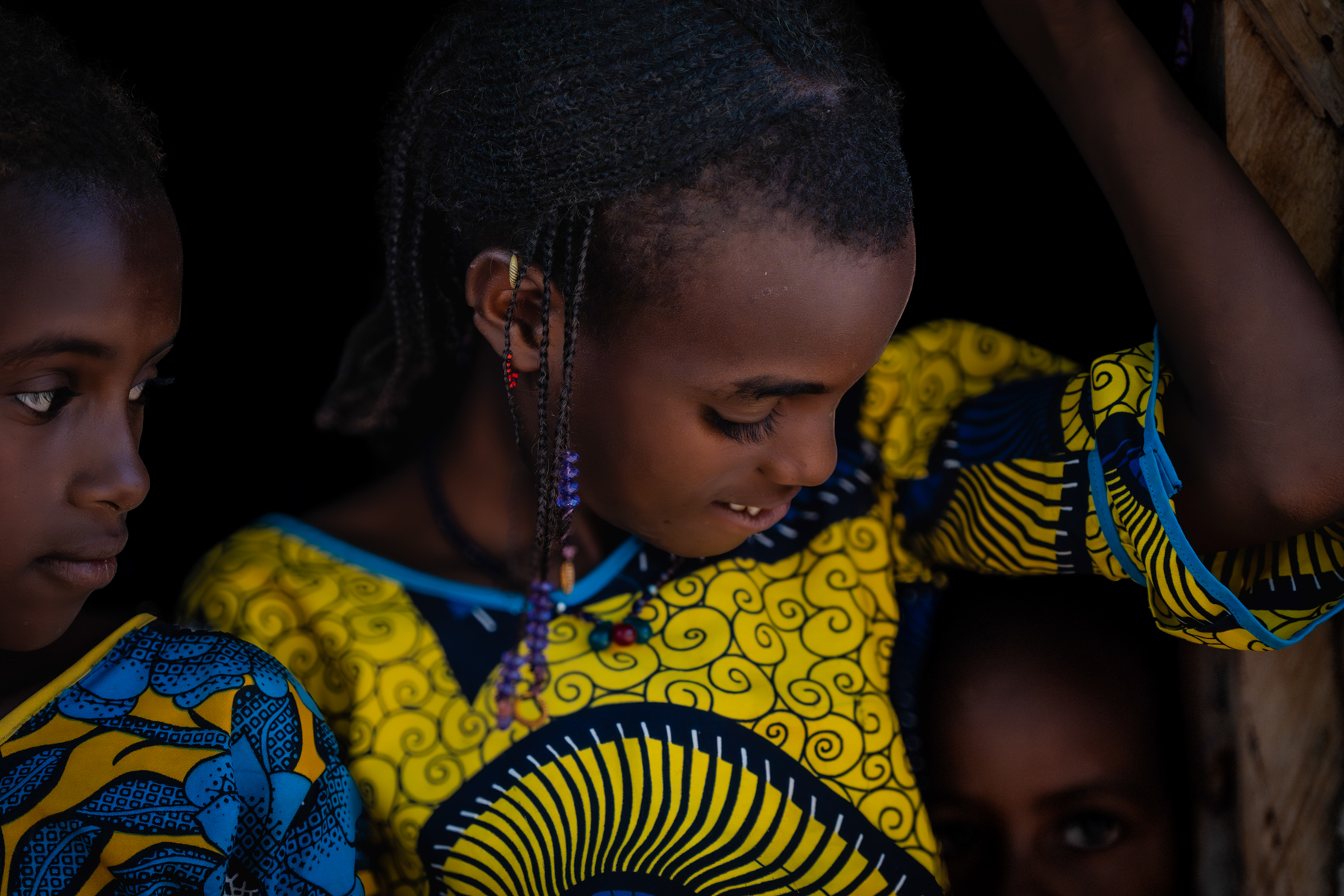
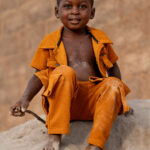
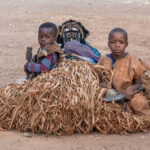
Fulani Children (Image by Craig Baulcomb)
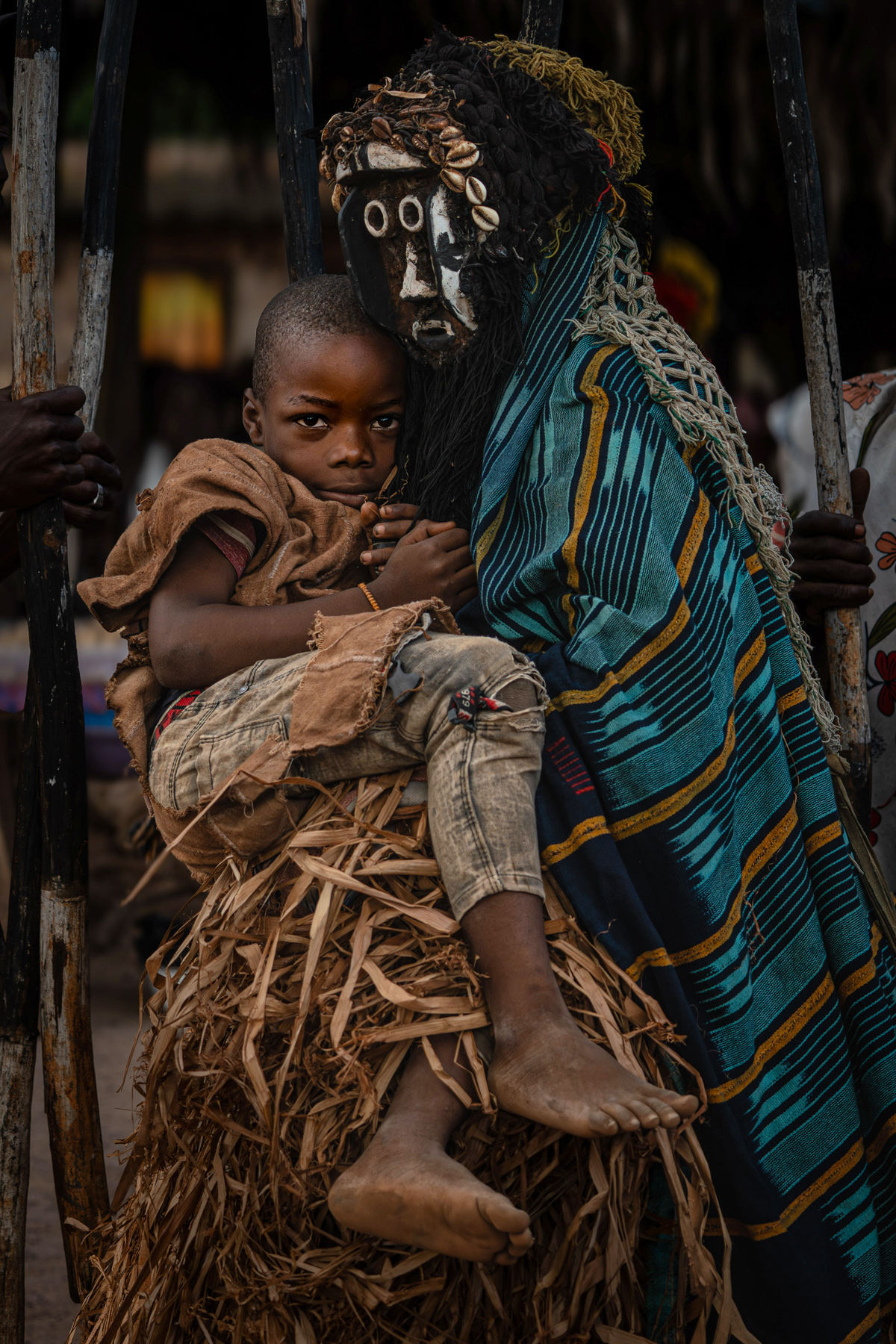
Kidnapped! G'ba Dance of the Yacouba (Image by Craig Baulcomb)
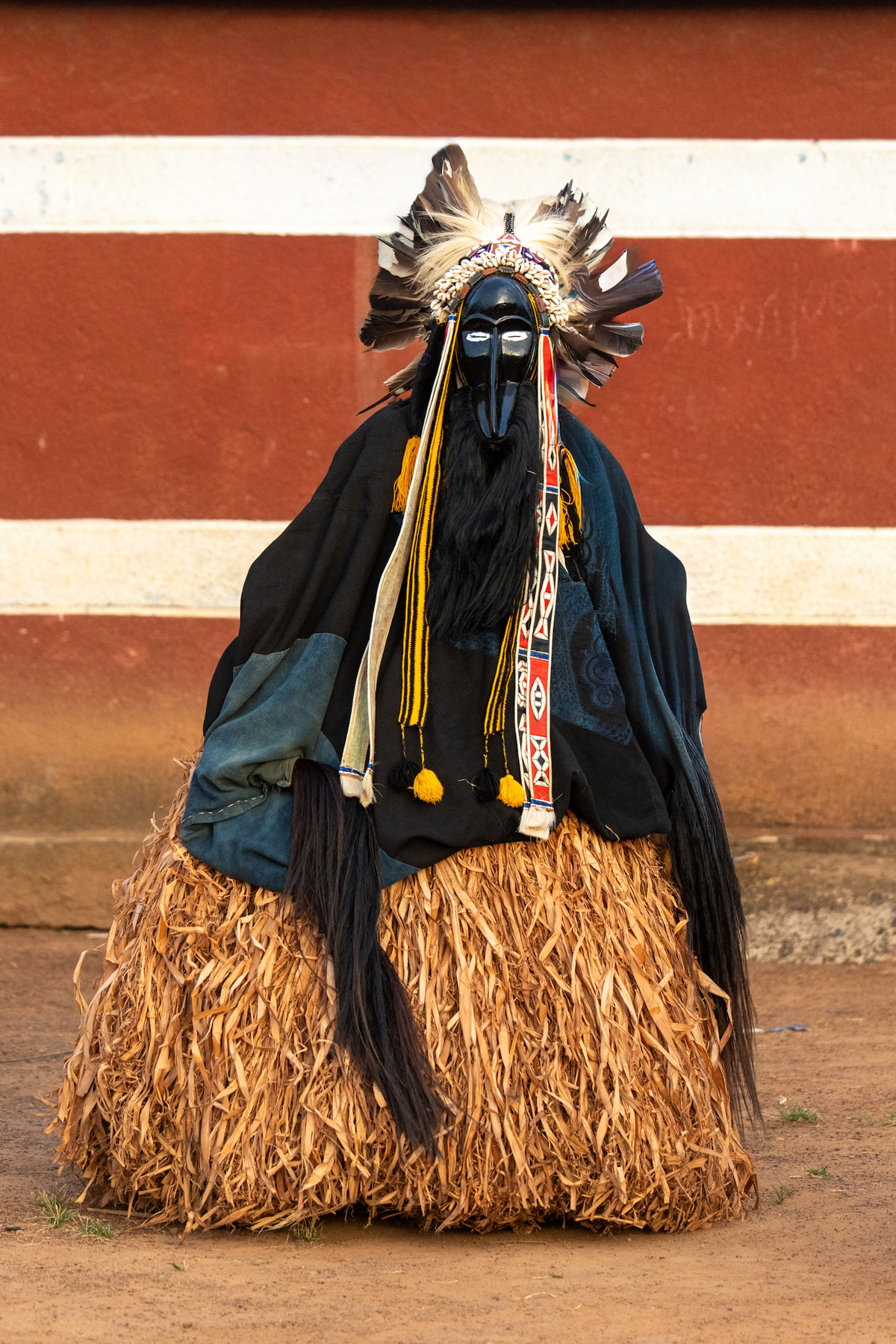
Koma, the bird masked dancer of Godoufouma (image by Inger Vandyke)
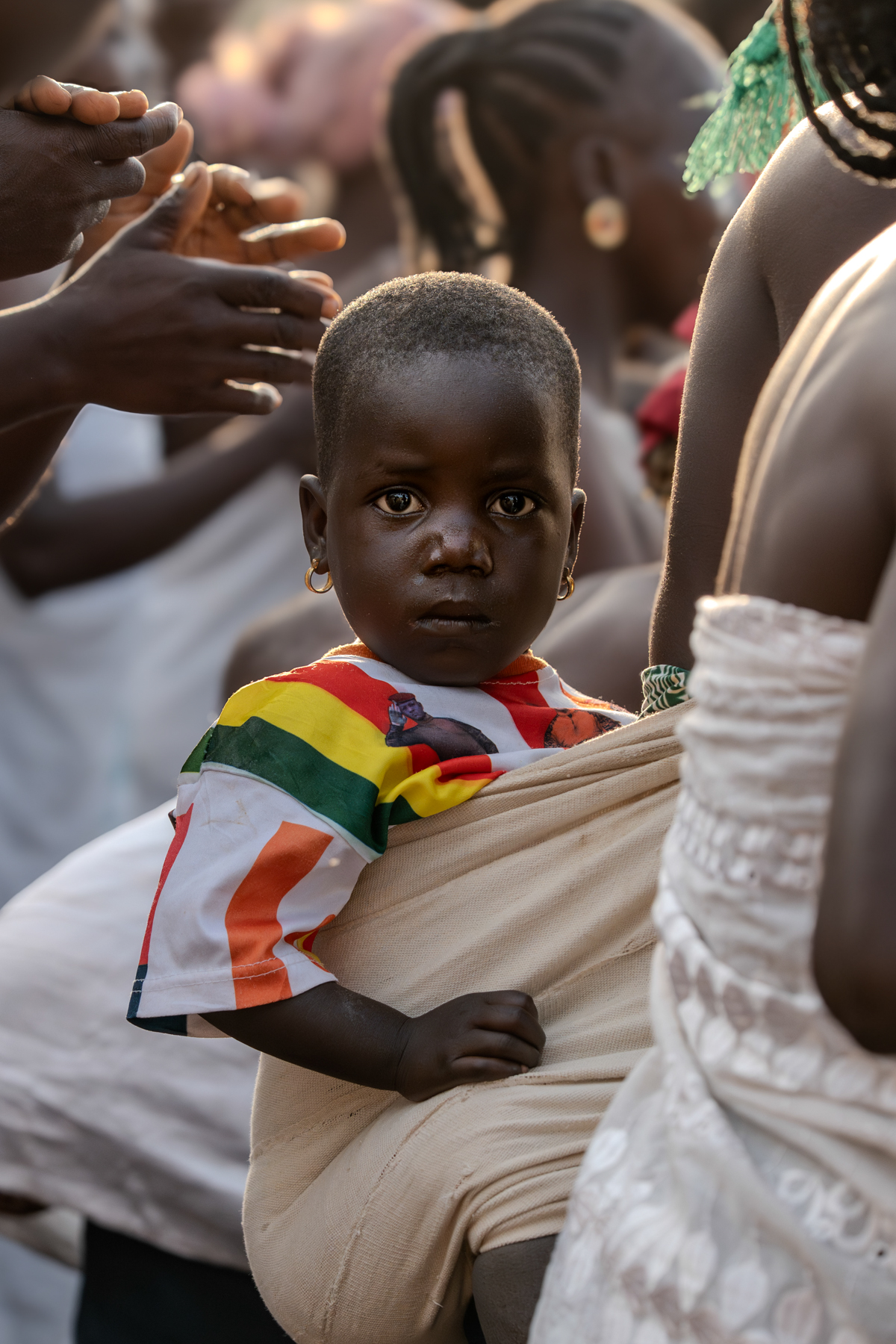
Stillness in the Noise (Image by Craig Baulcomb)
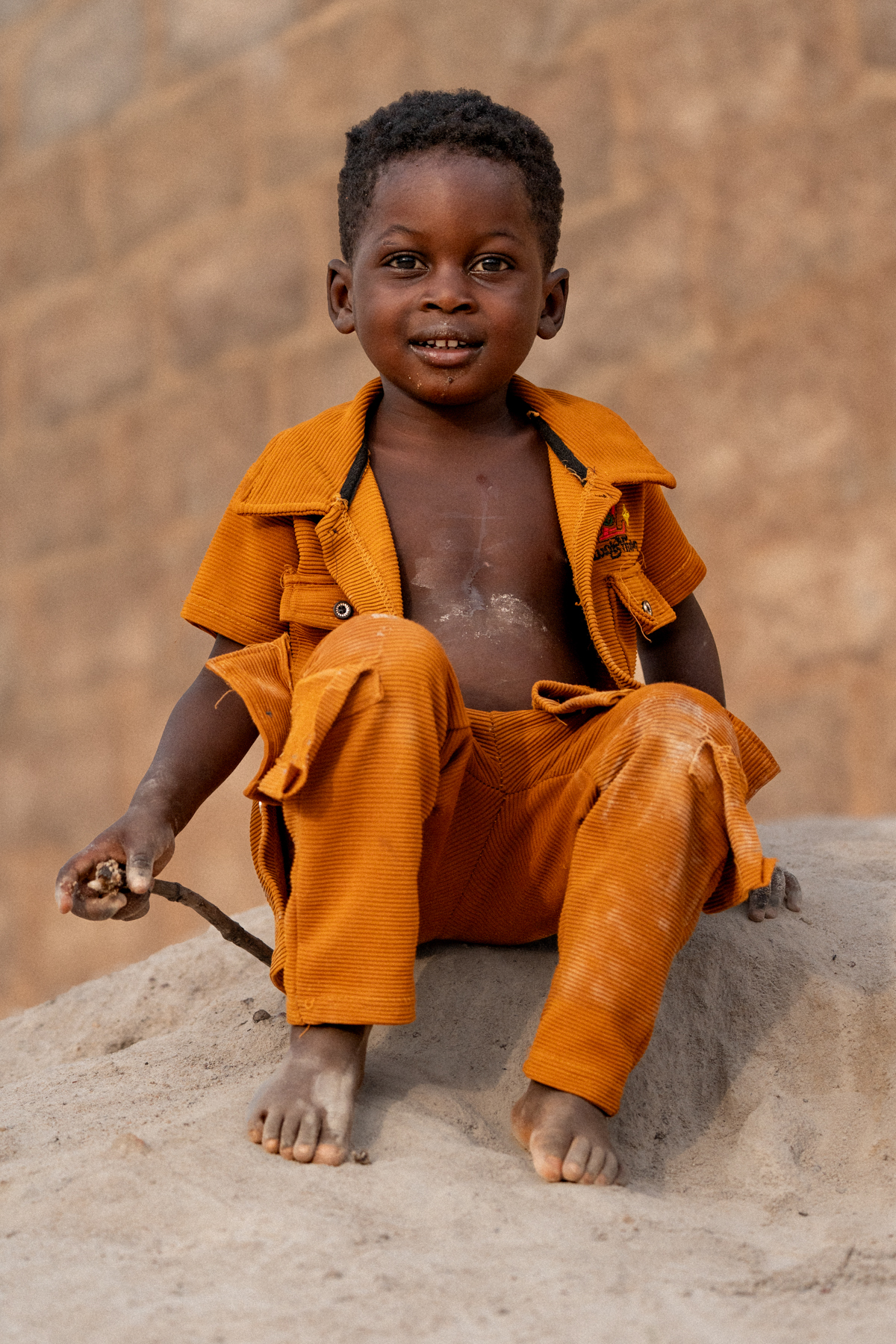
Everyone is Welcome (Image by Craig Baulcomb)
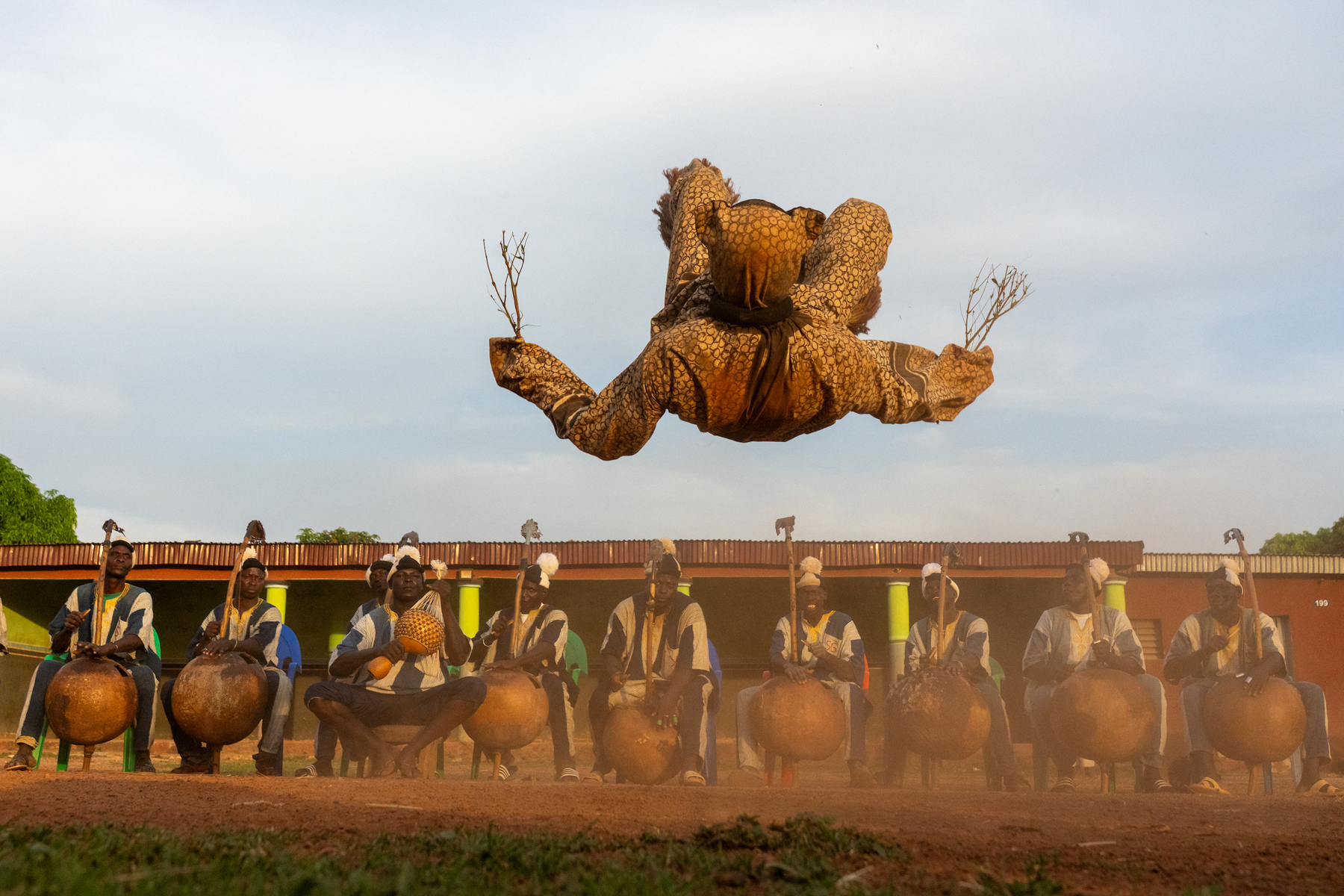
Athletic Boloye Dancer (image by Inger Vandyke)
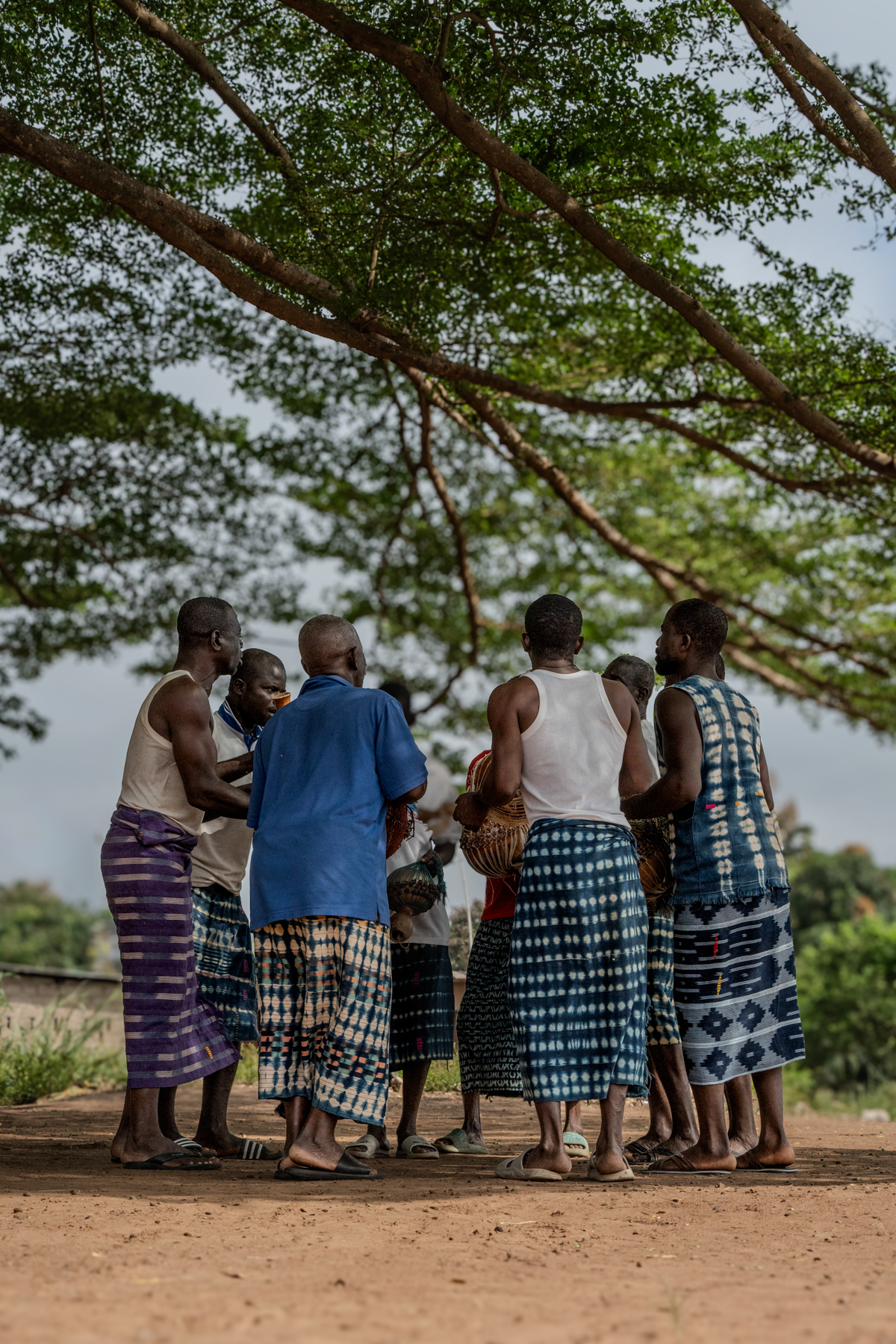
Calabash Players Dressed in Indigo (Kita) Cloth (Image by Craig Baulcomb)
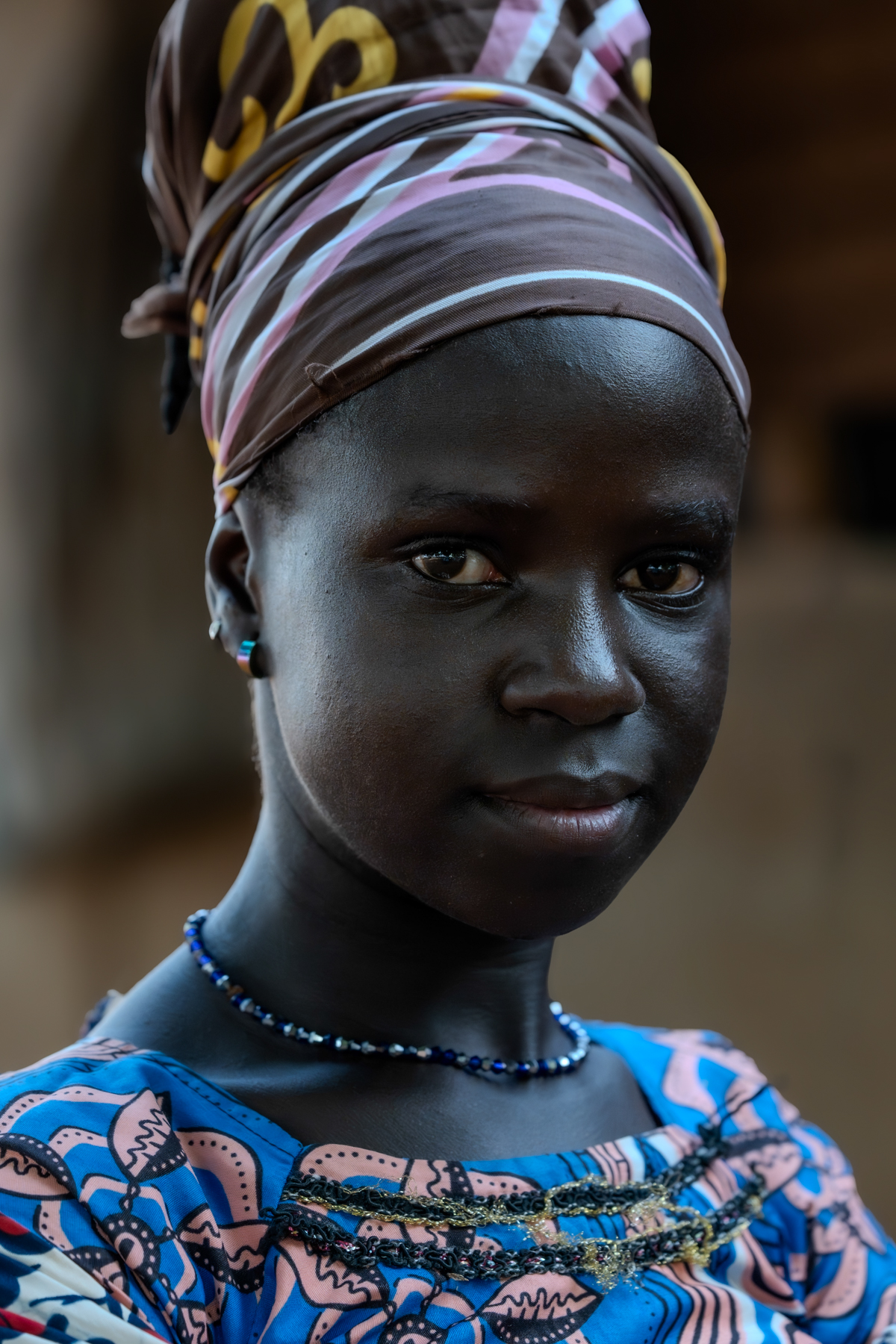
In the Crowd - Belafon Bystander (Image by Craig Baulcomb)
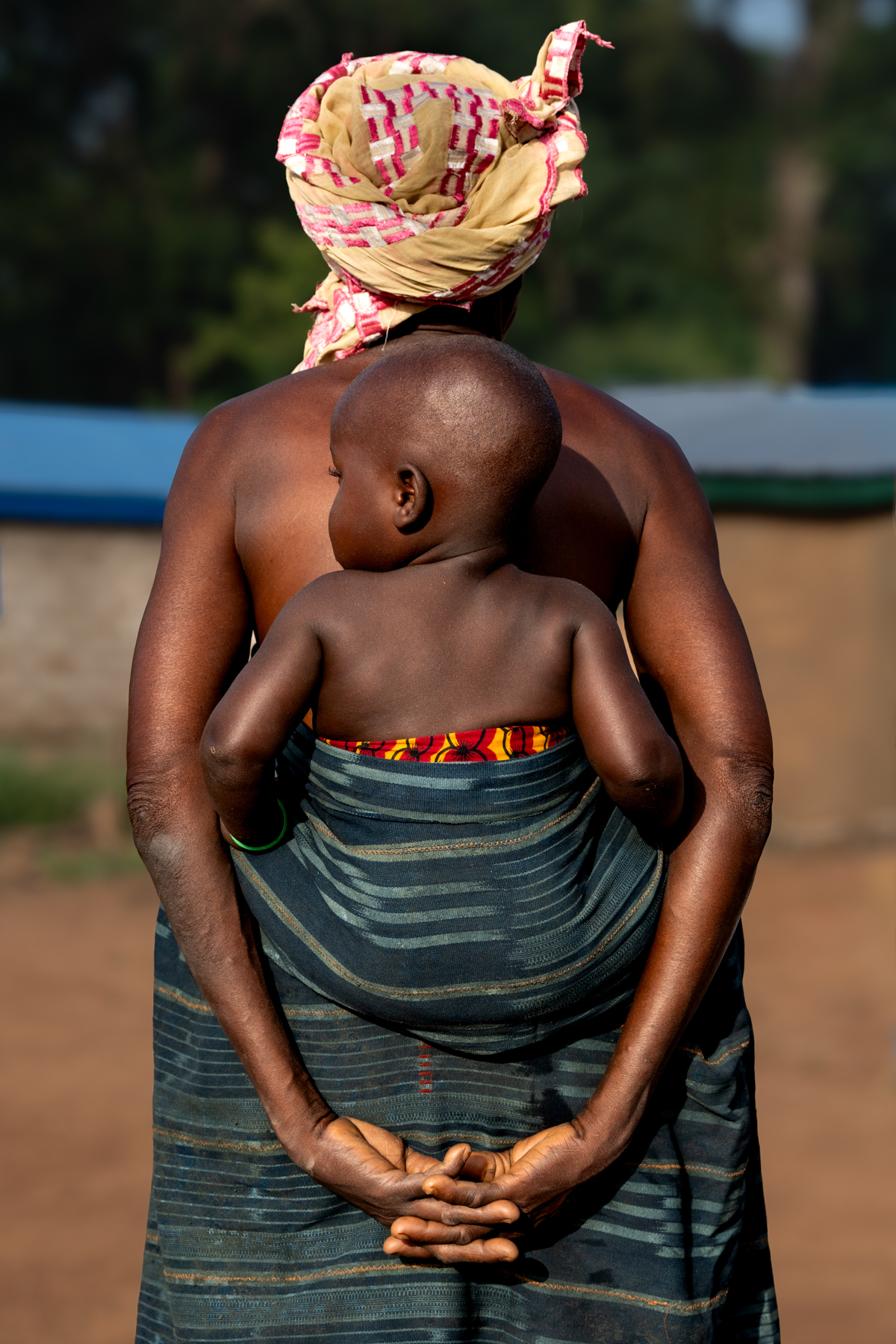
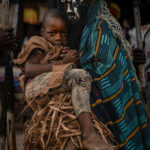
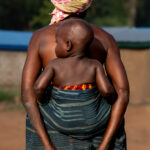
Safe in Grandma's Embrace - Godoufouma Village (Image by Craig Baulcomb)
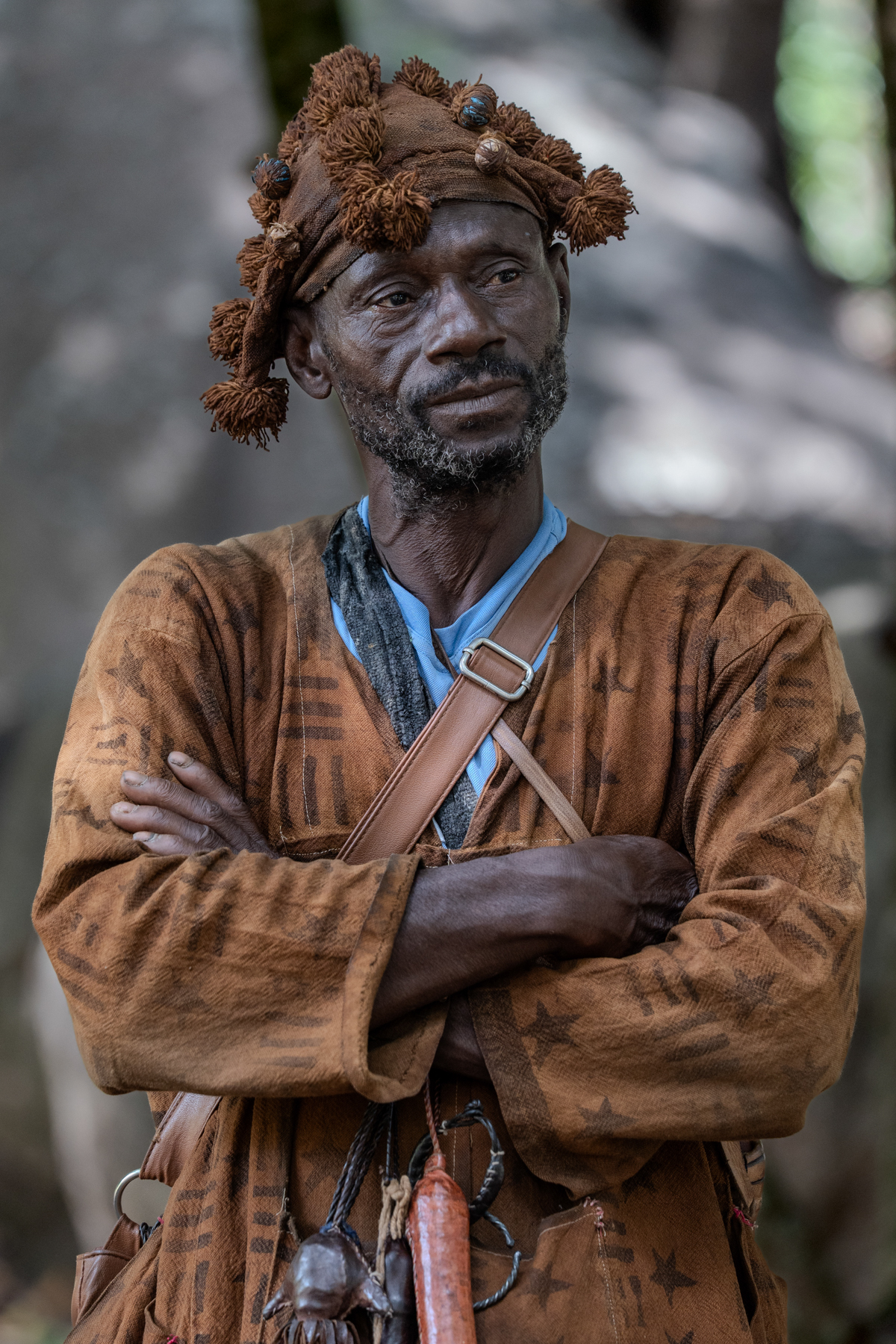
Hunter, Spirit Keeper, Cultural Guardian - Brotherhood of the Dozos (Image by Craig Bauclomb)
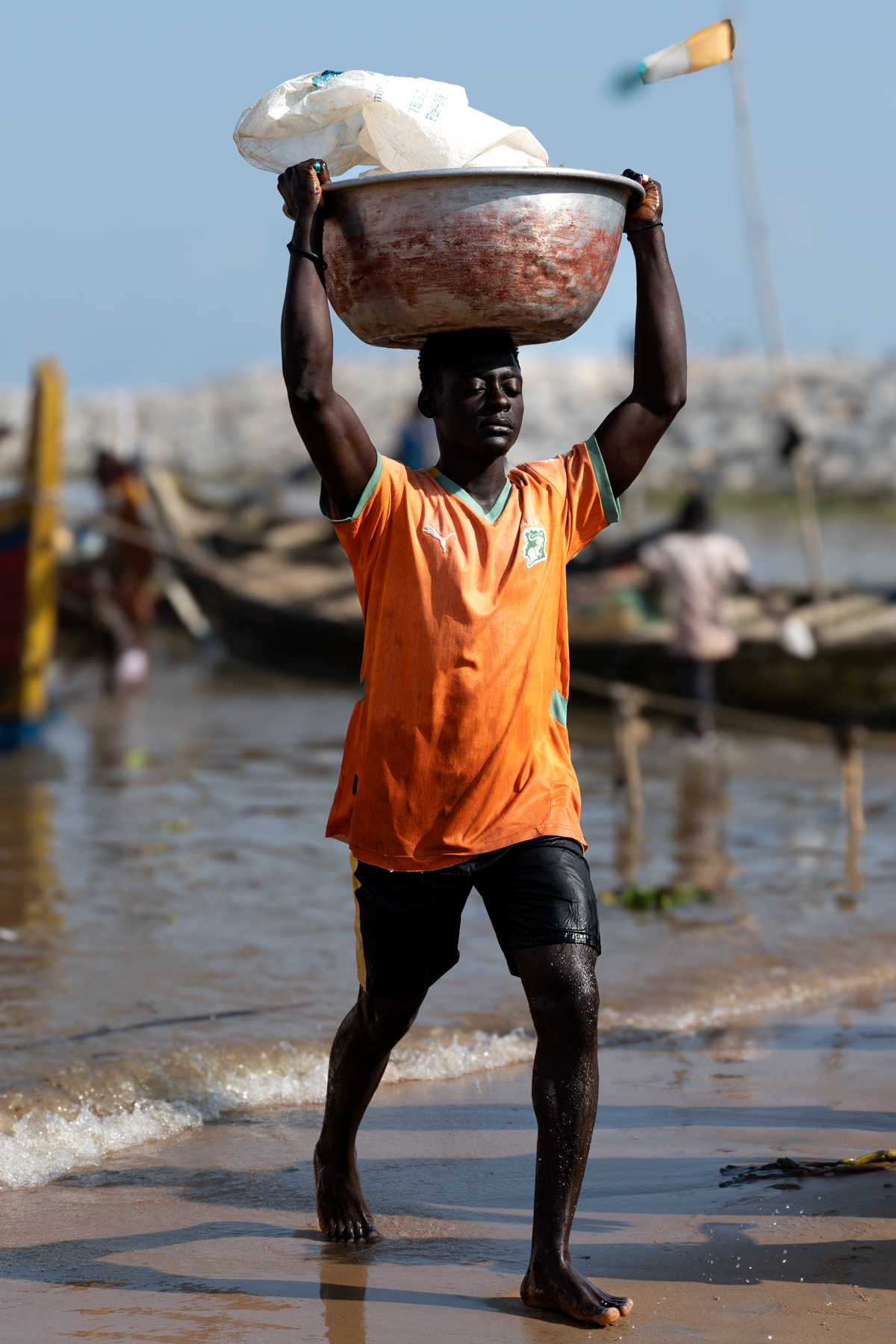
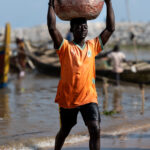
Bringing in the Catch - Grand Bassam (Image by Craig Baulcomb)
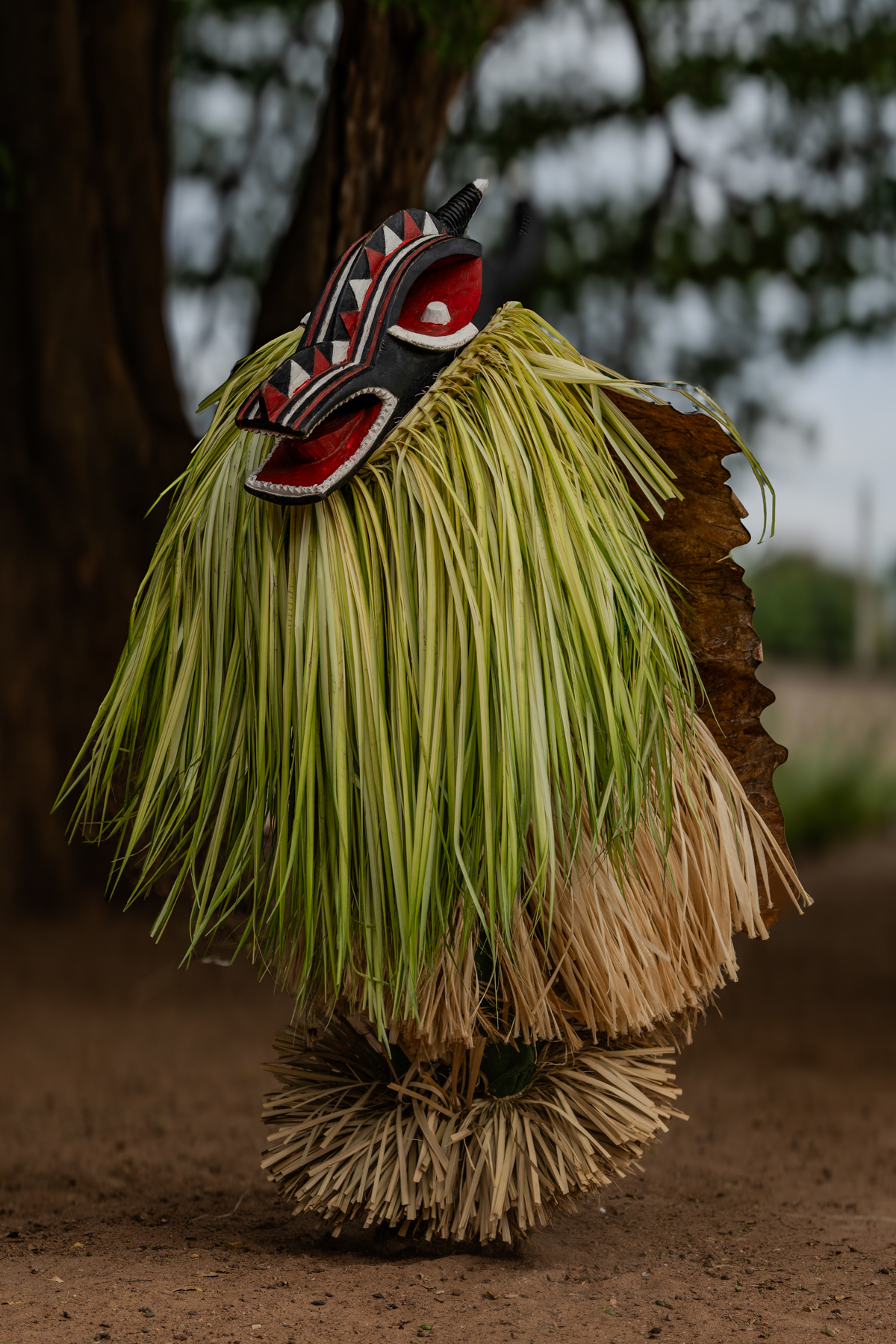
Goly Ceremony - In the Shade of the Tree (Image by Craig Baulcomb)
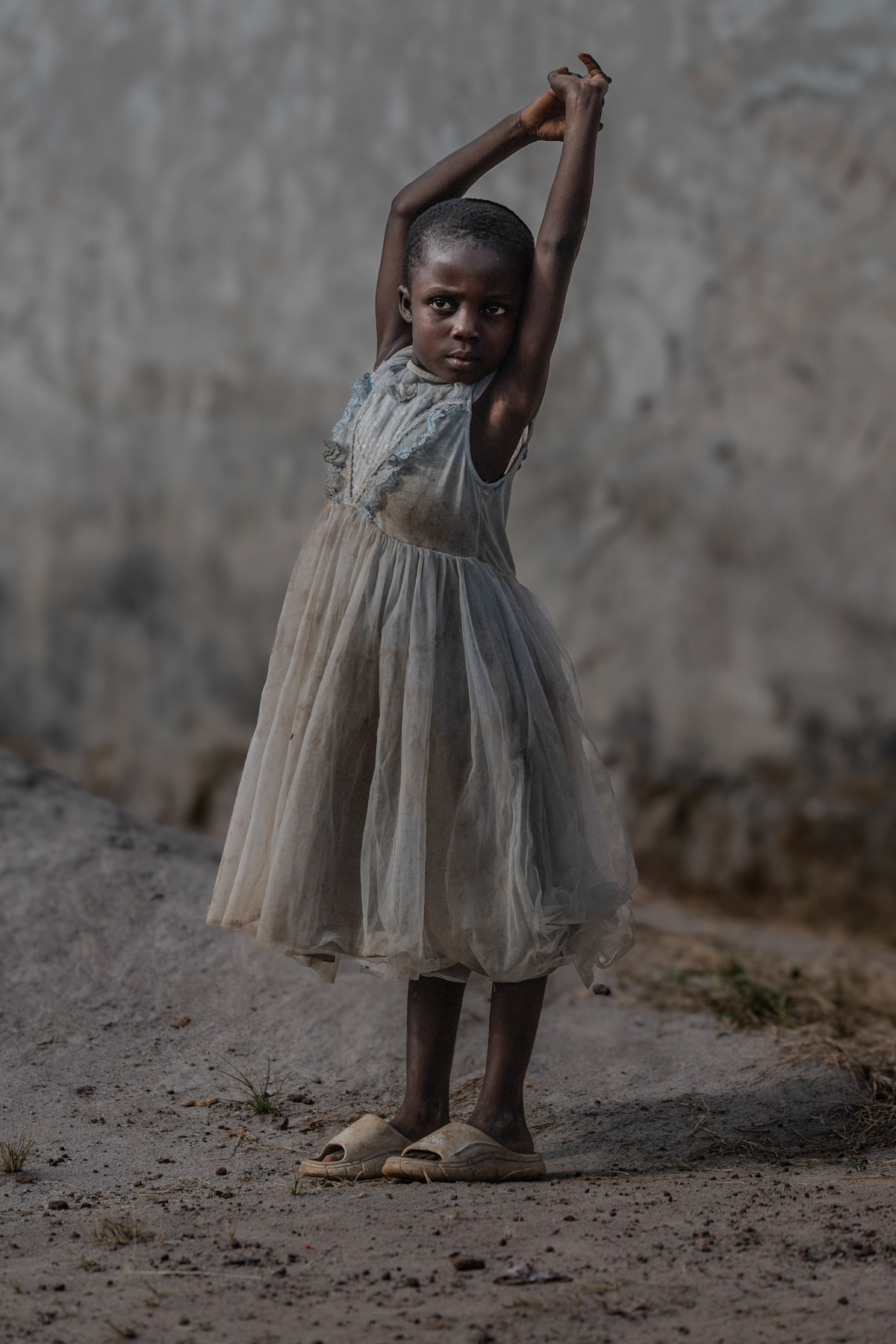
Ballerina Beauty (Image by Craig Baulcomb)
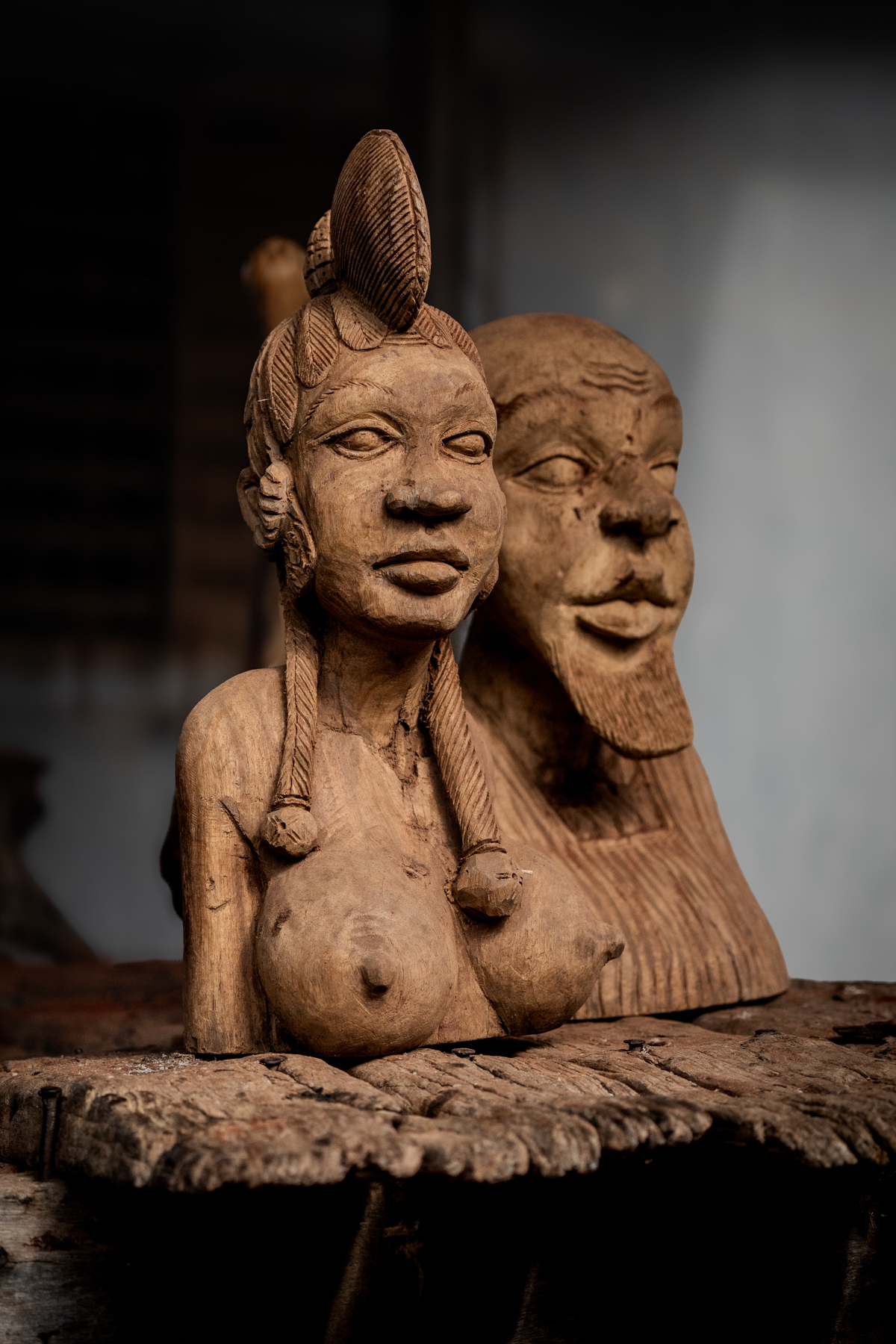
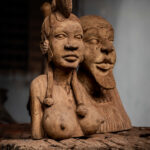
Wooden Sculptures in Man (Image by Craig Baulcomb)
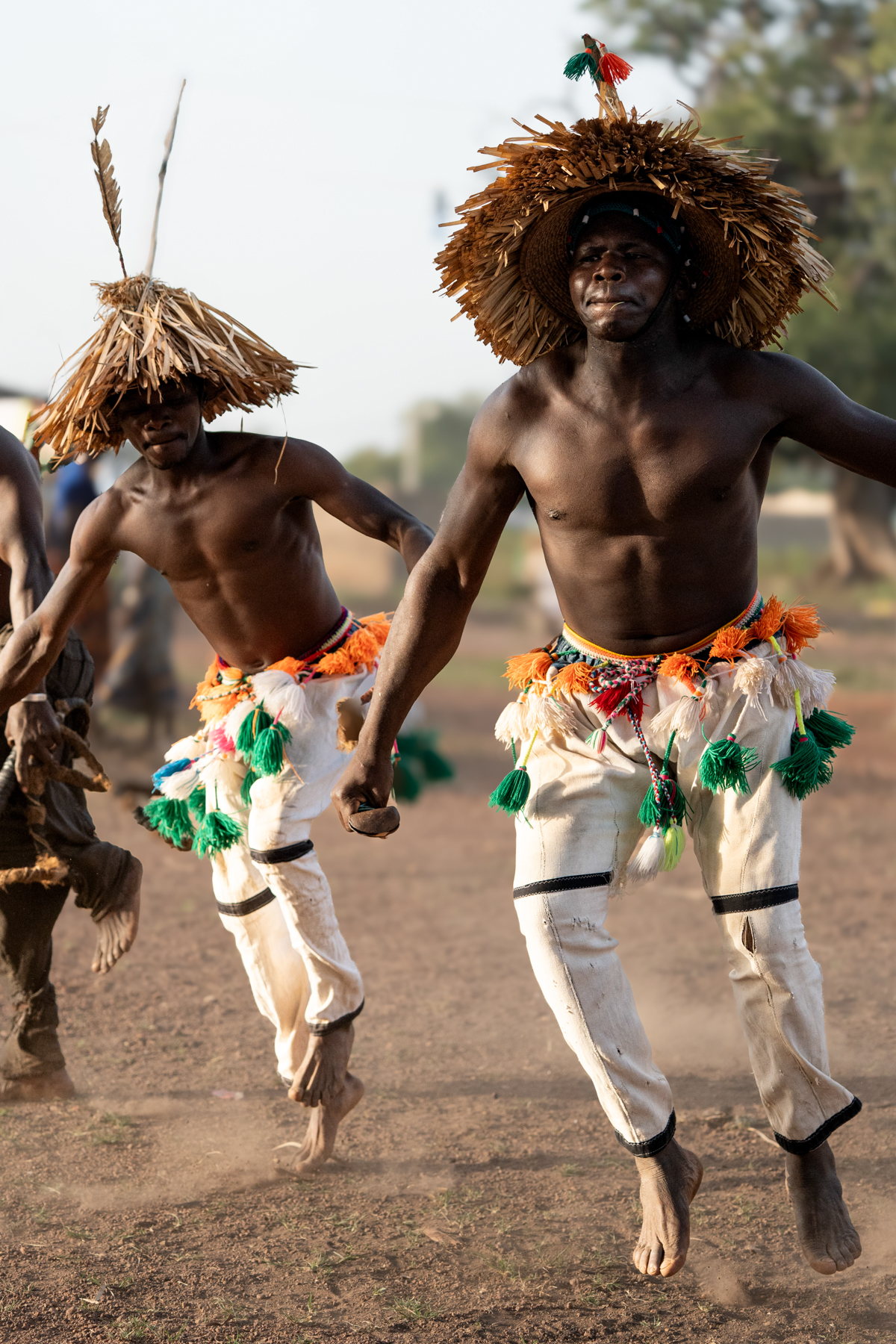
N'Goron Dancers (Image by Craig Baulcomb)
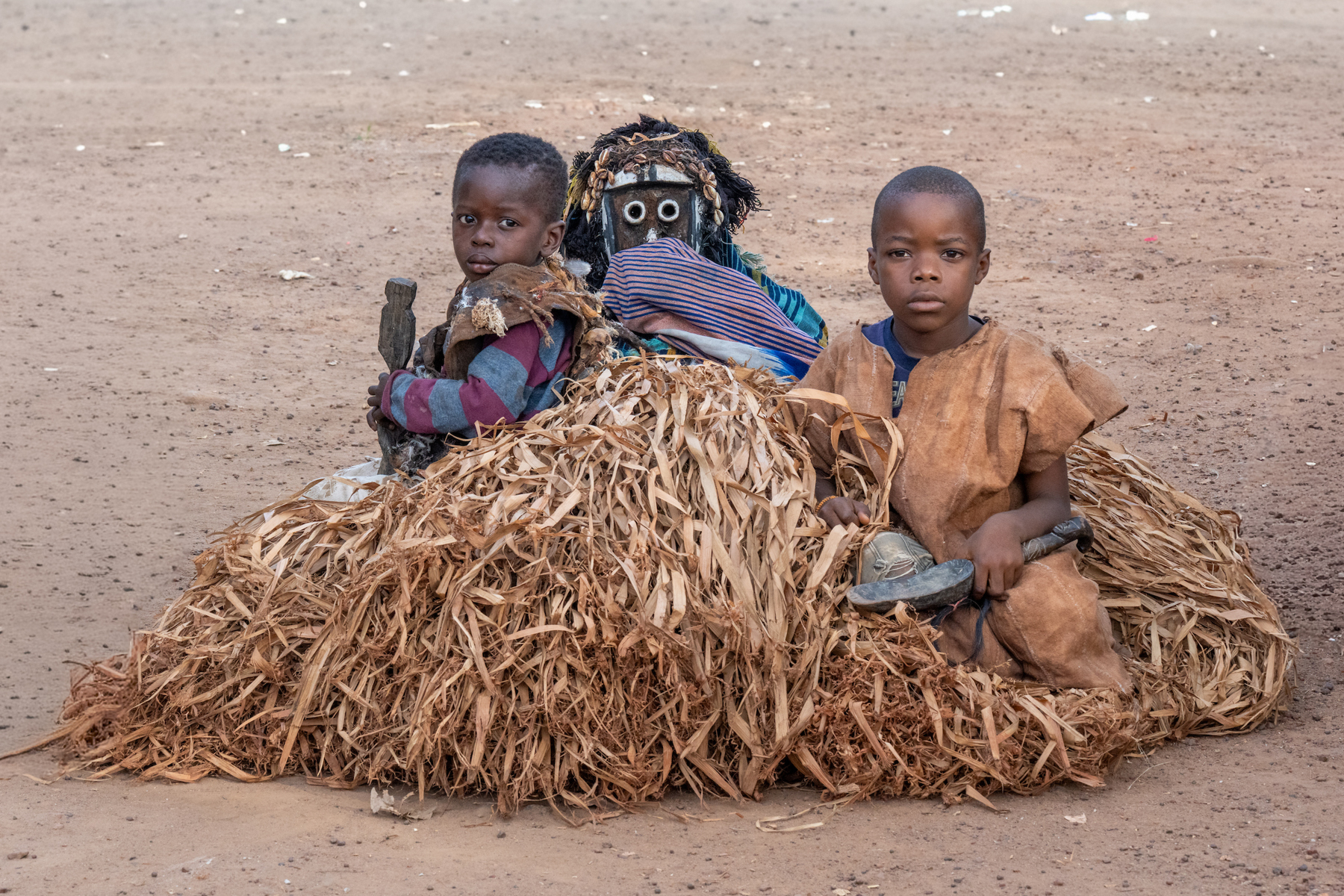
Gba masked dancer with young initiate boys (image by Inger Vandyke)
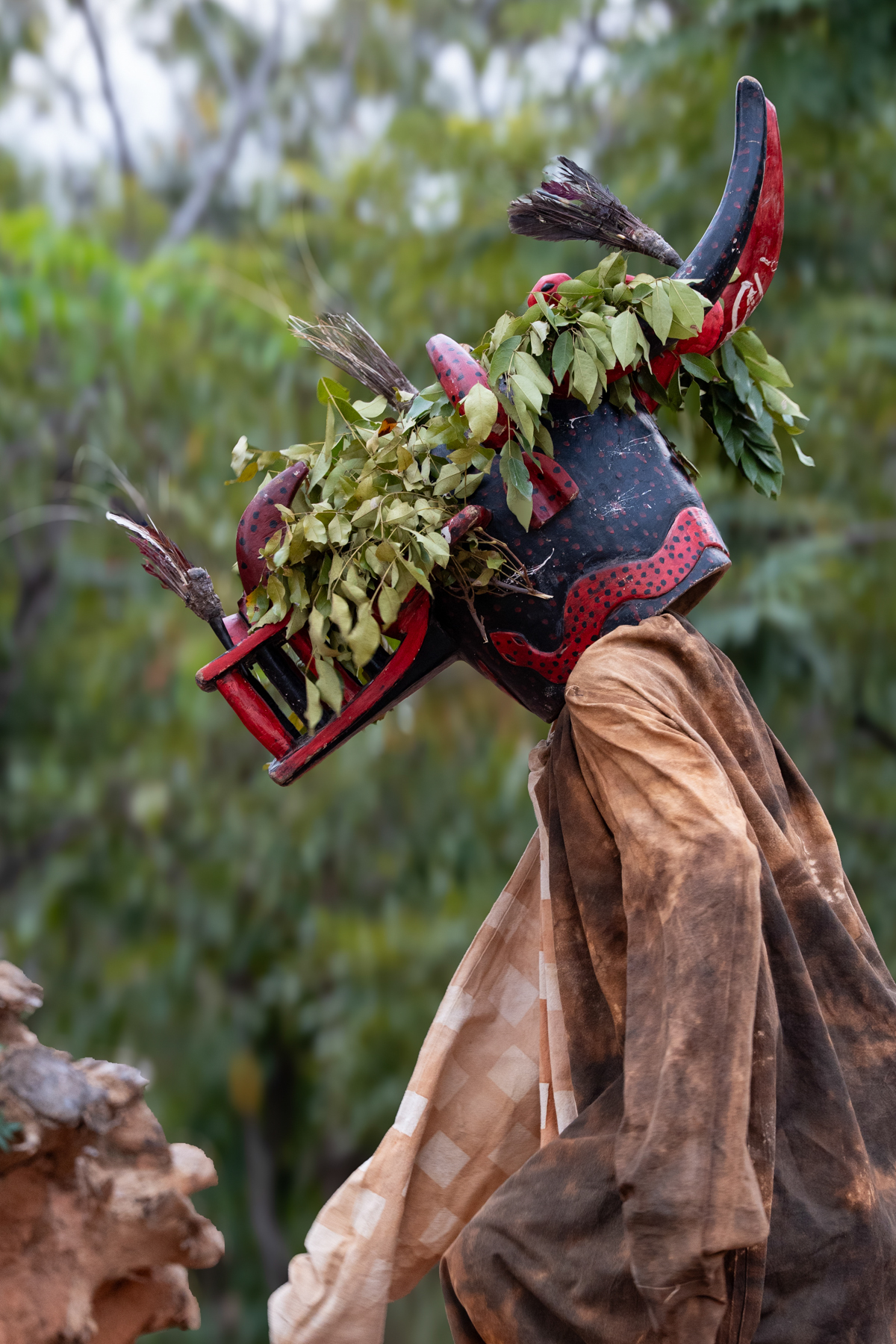
Wambele Spirit Mask - Senufo People (Image by Craig Baulcomb)
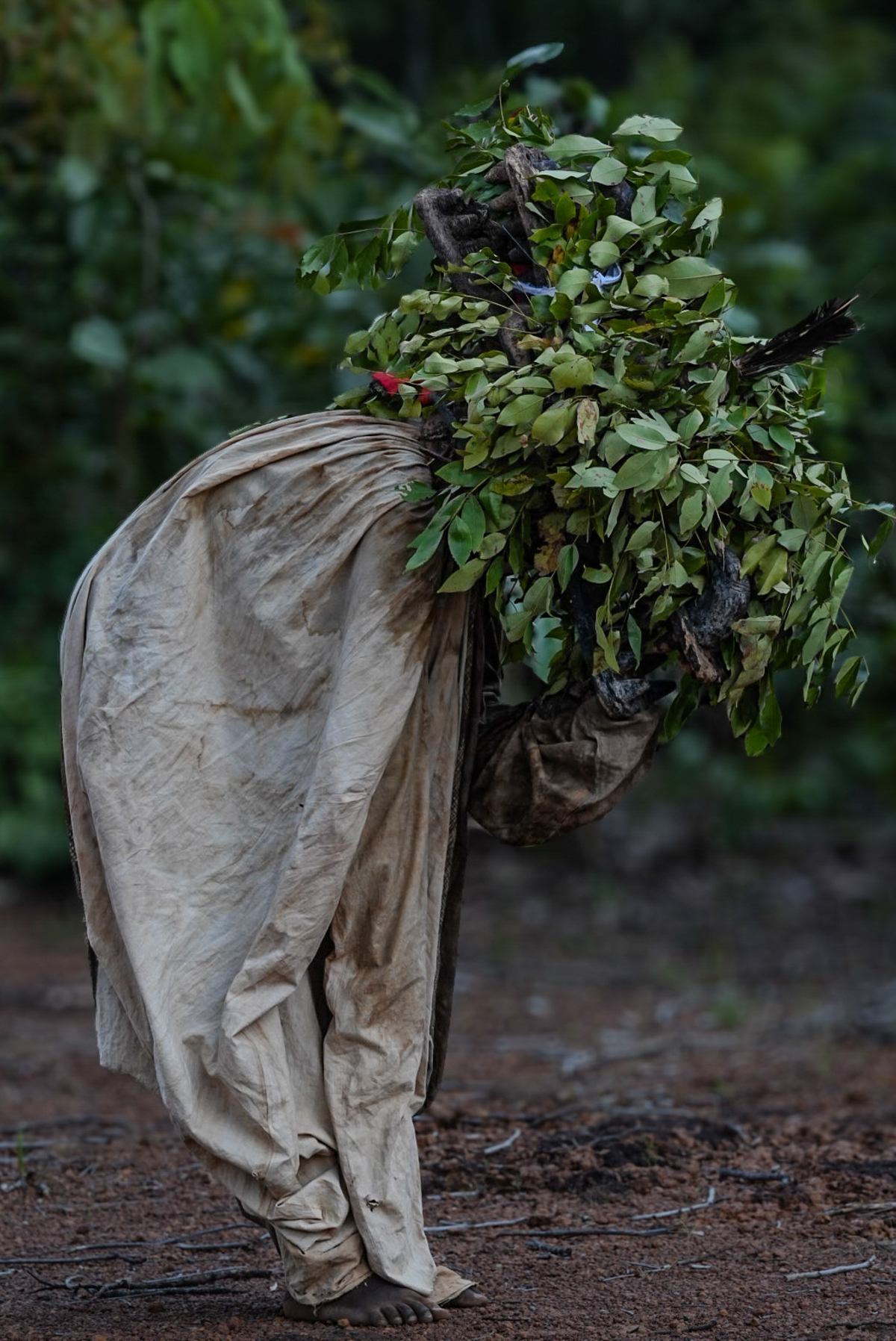
Senufo Salutation - Honouring the Sacred Forest (Image by Craig Baulcomb)
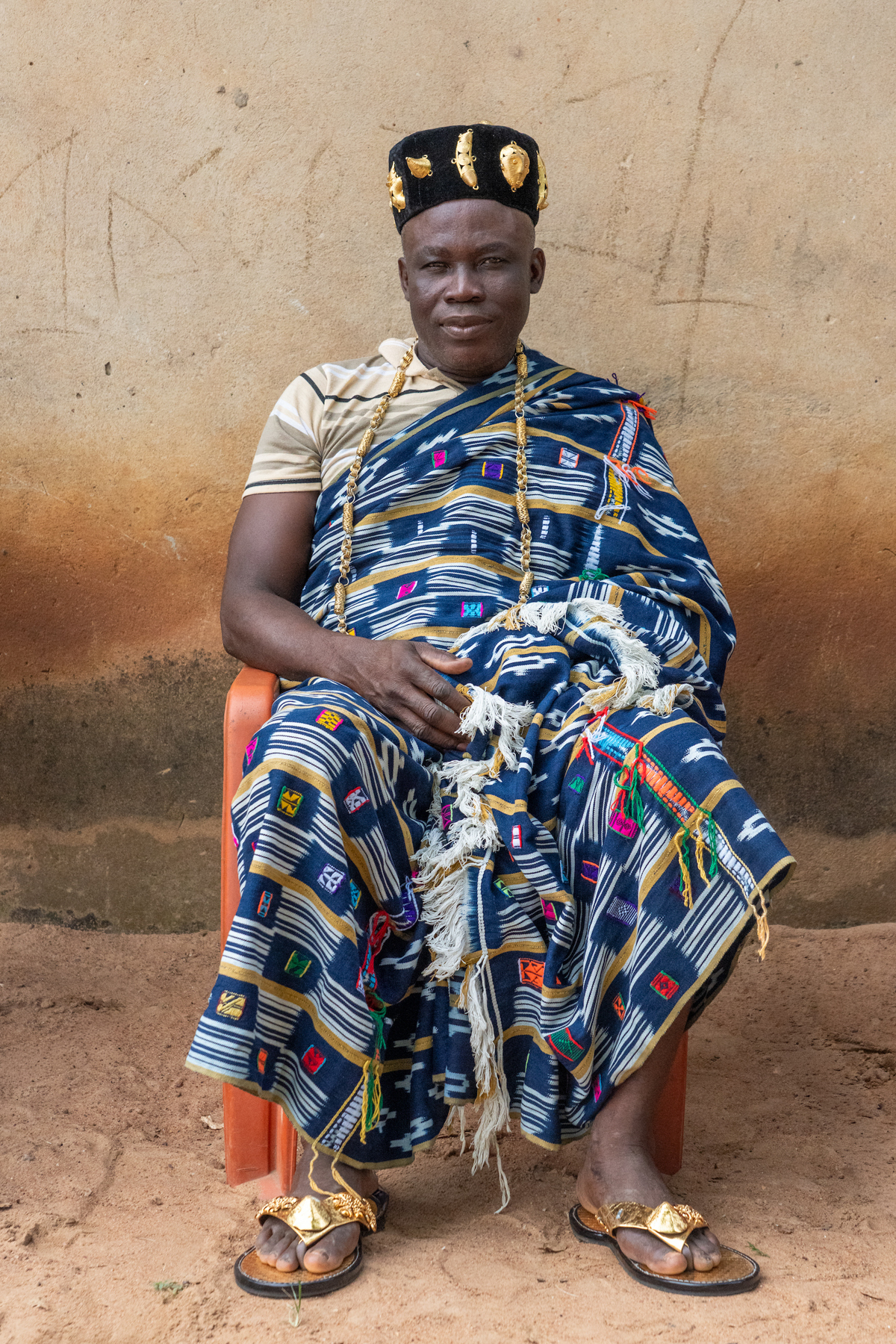
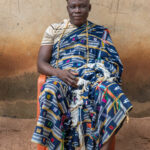
Baoule King (image by Inger Vandyke)
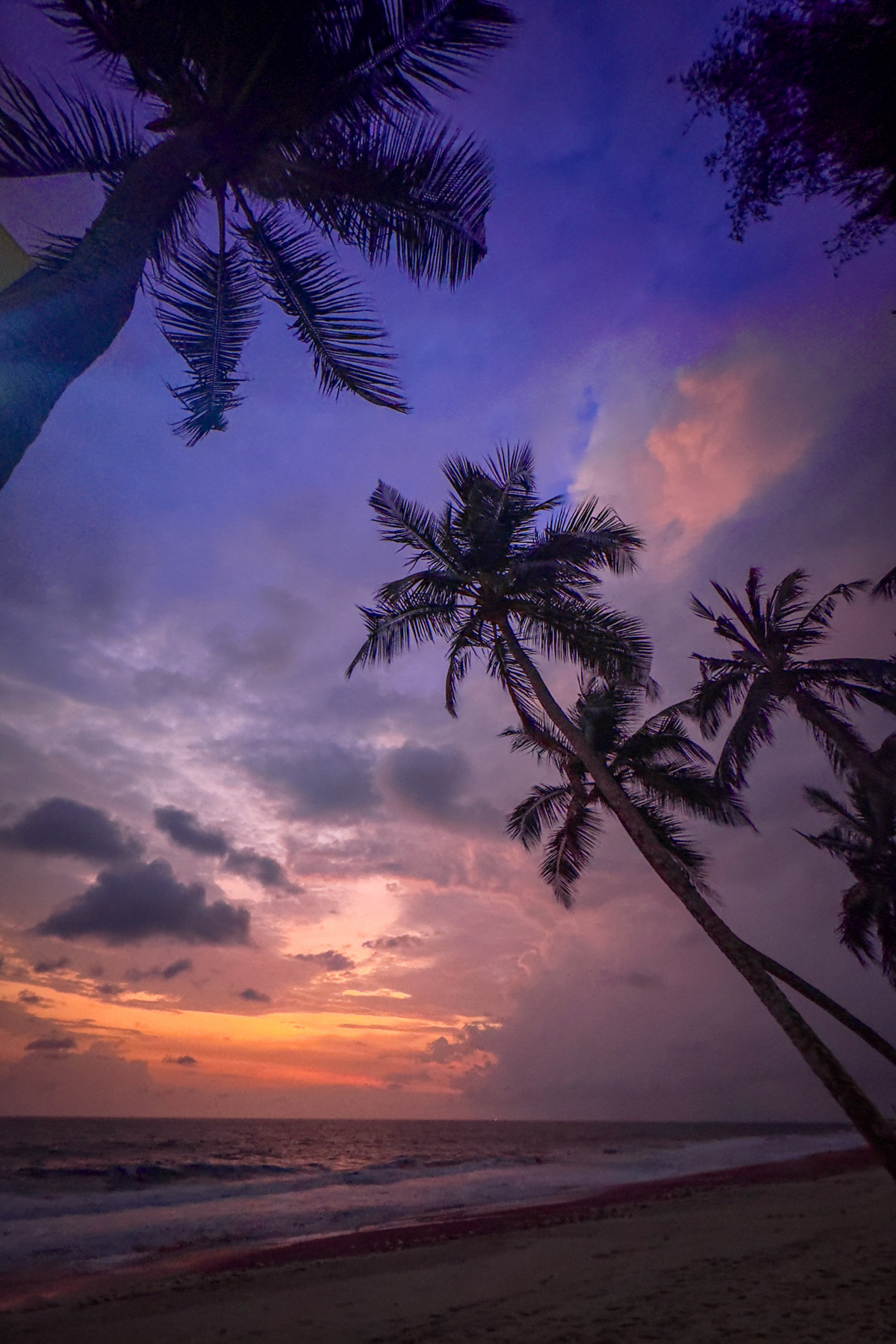
Stunning sunset at Grand Bassam (image by Inger Vandyke)
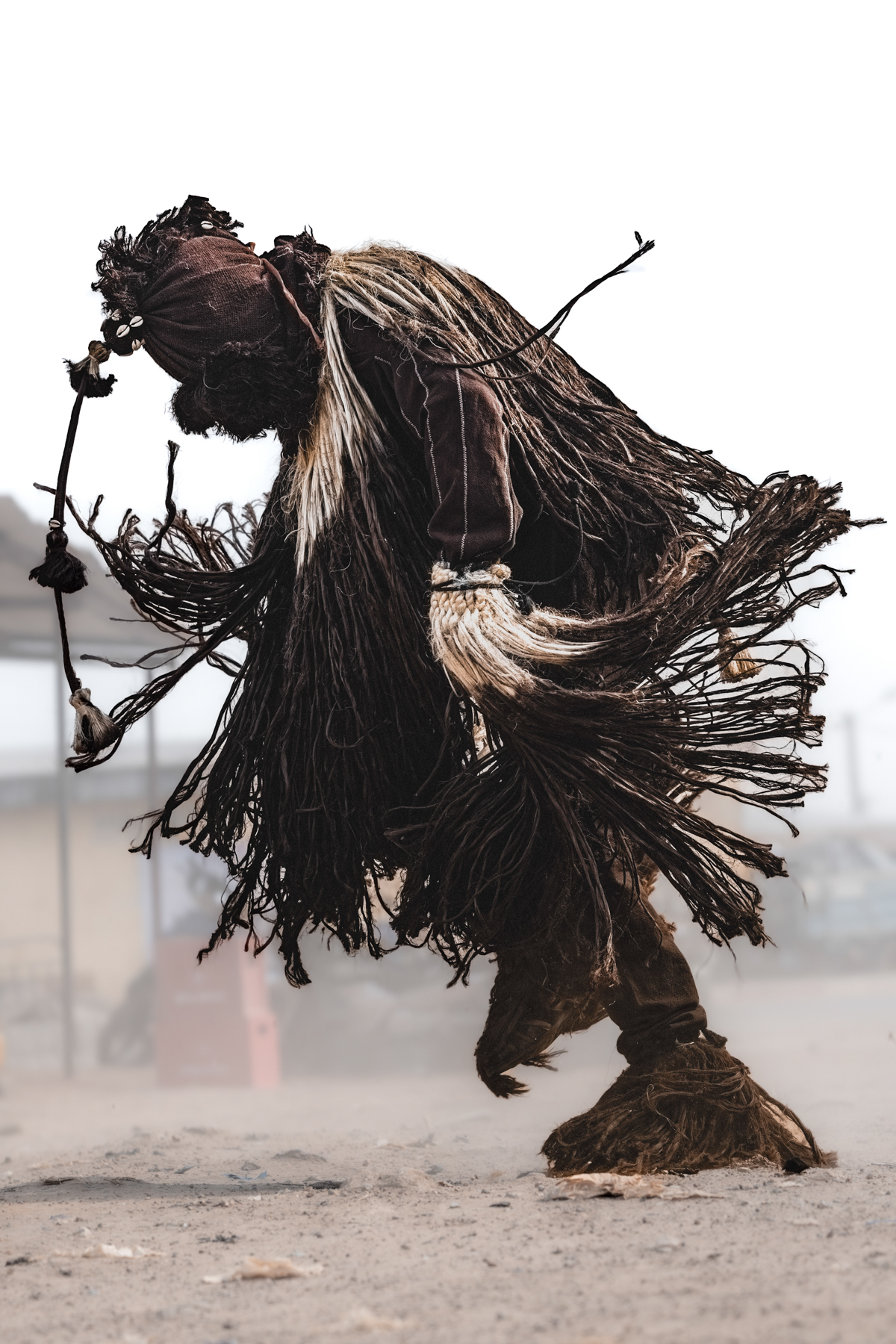
Malenke Poro Ritual Dancer (Image by Craig Baulcomb)
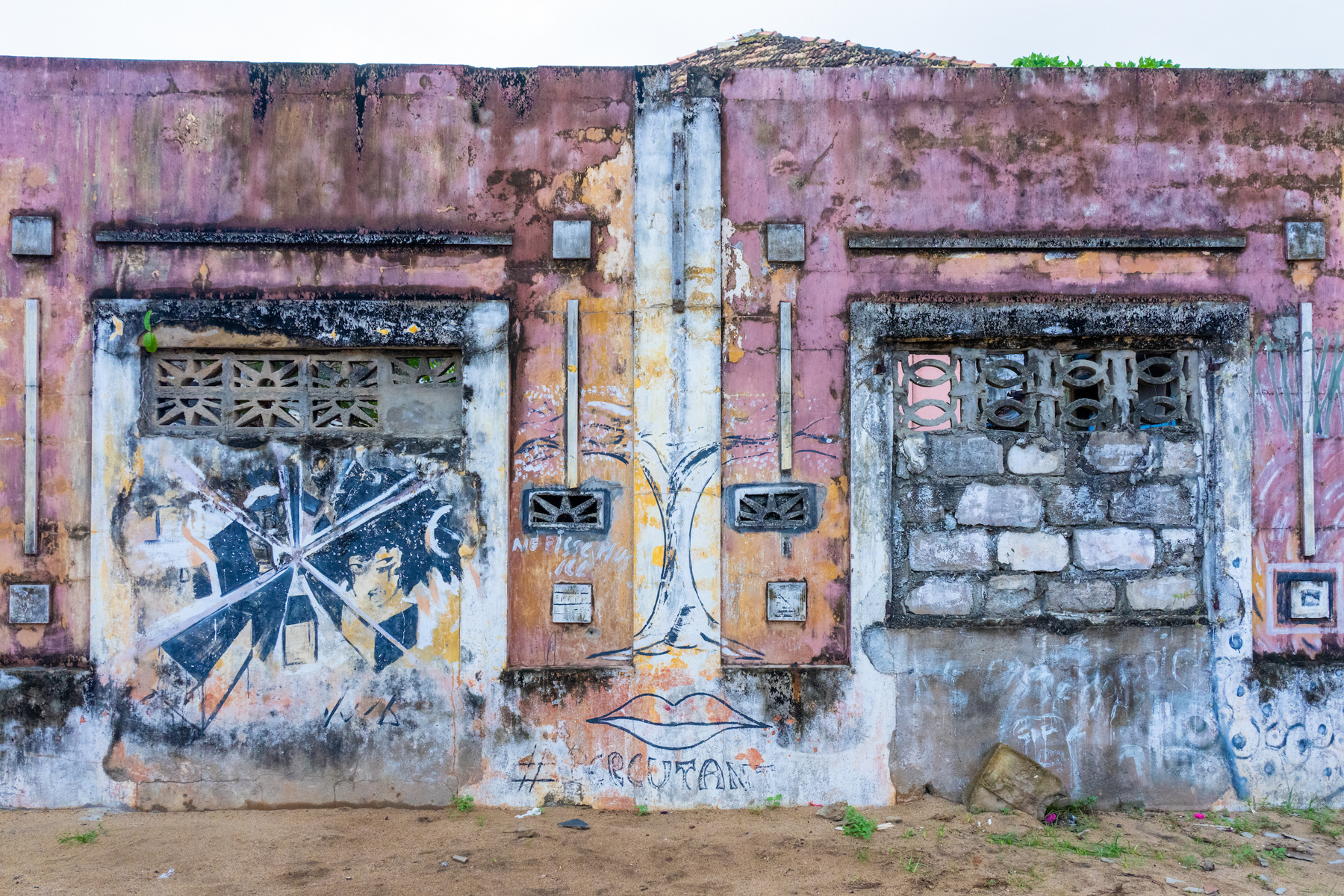
One of Grand Bassam's old buildings (image by Inger Vandyke)
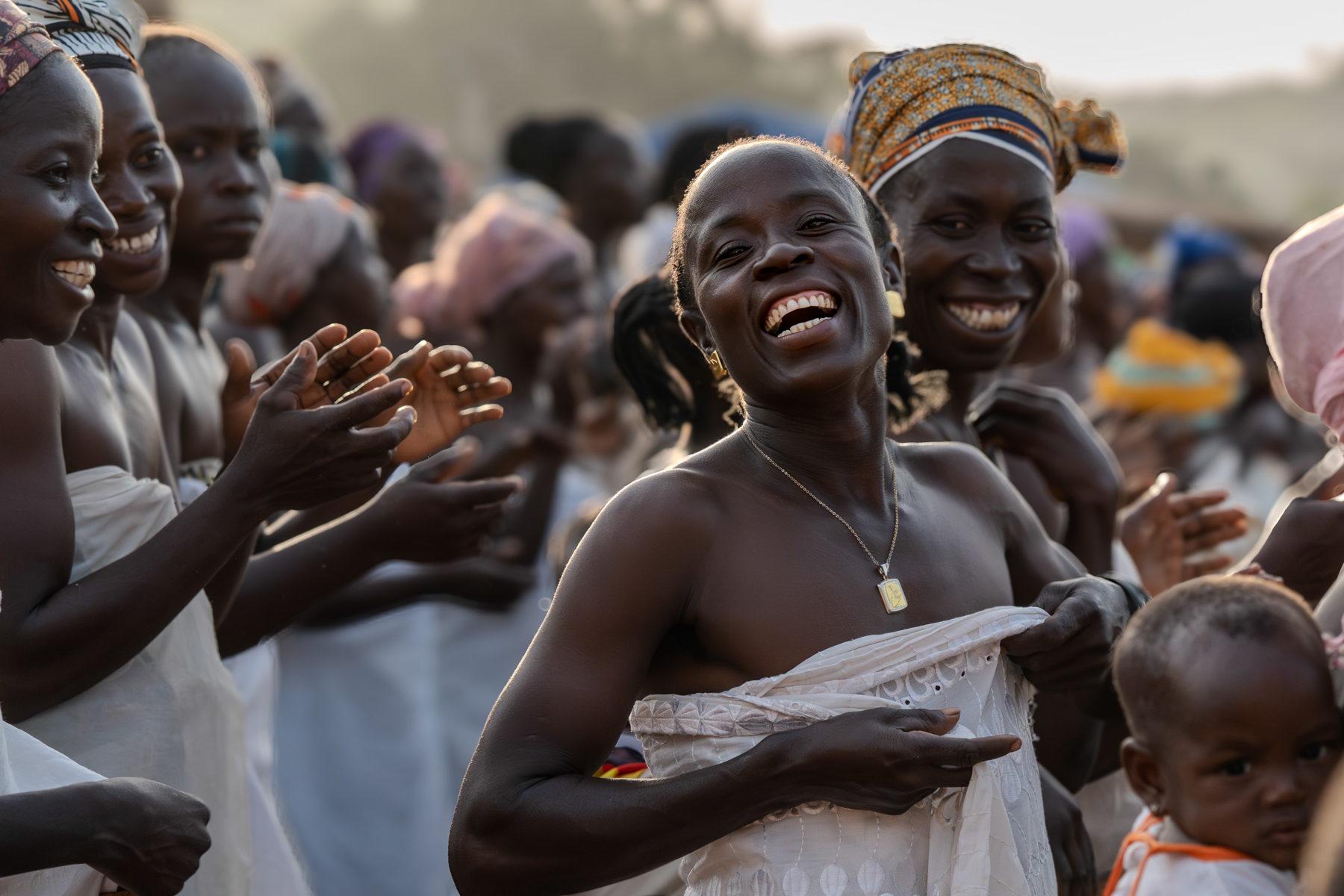
Candid Moments - Godoufouma Village (Image by Craig Baulcomb)
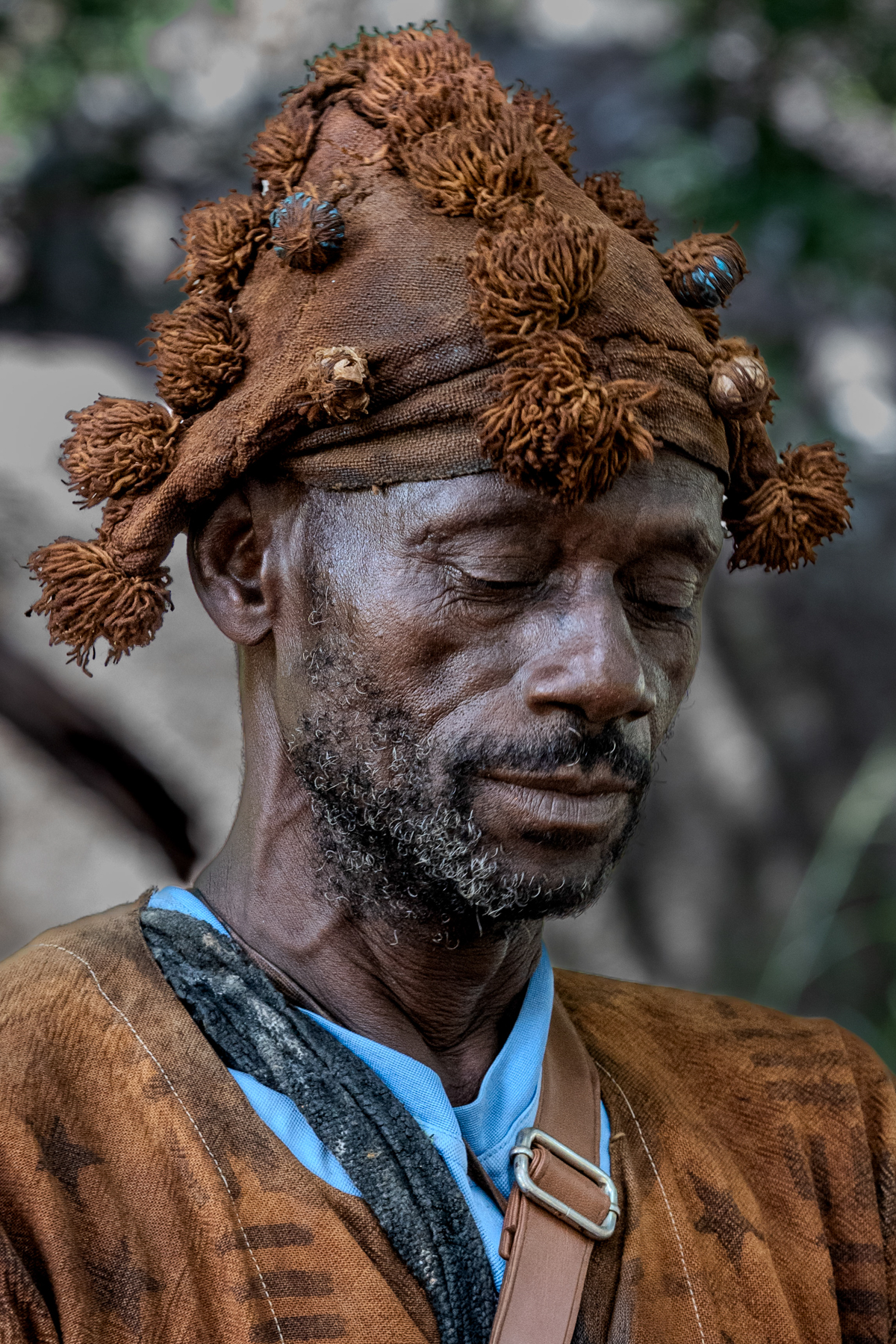
Dozo Brotherhood (Image by Craig Baulcomb)
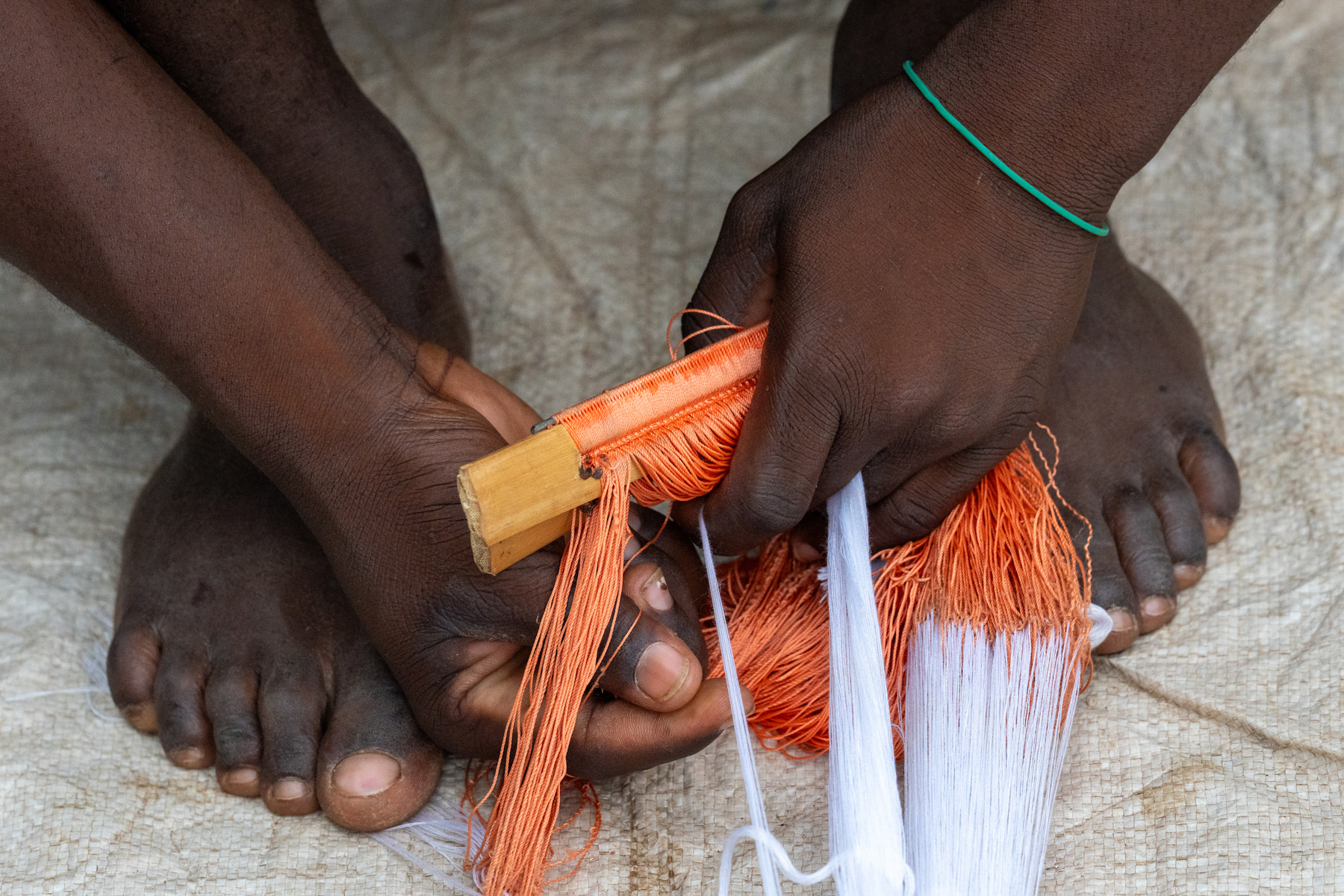
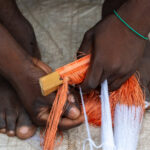
Weaving (image by Inger Vandyke)
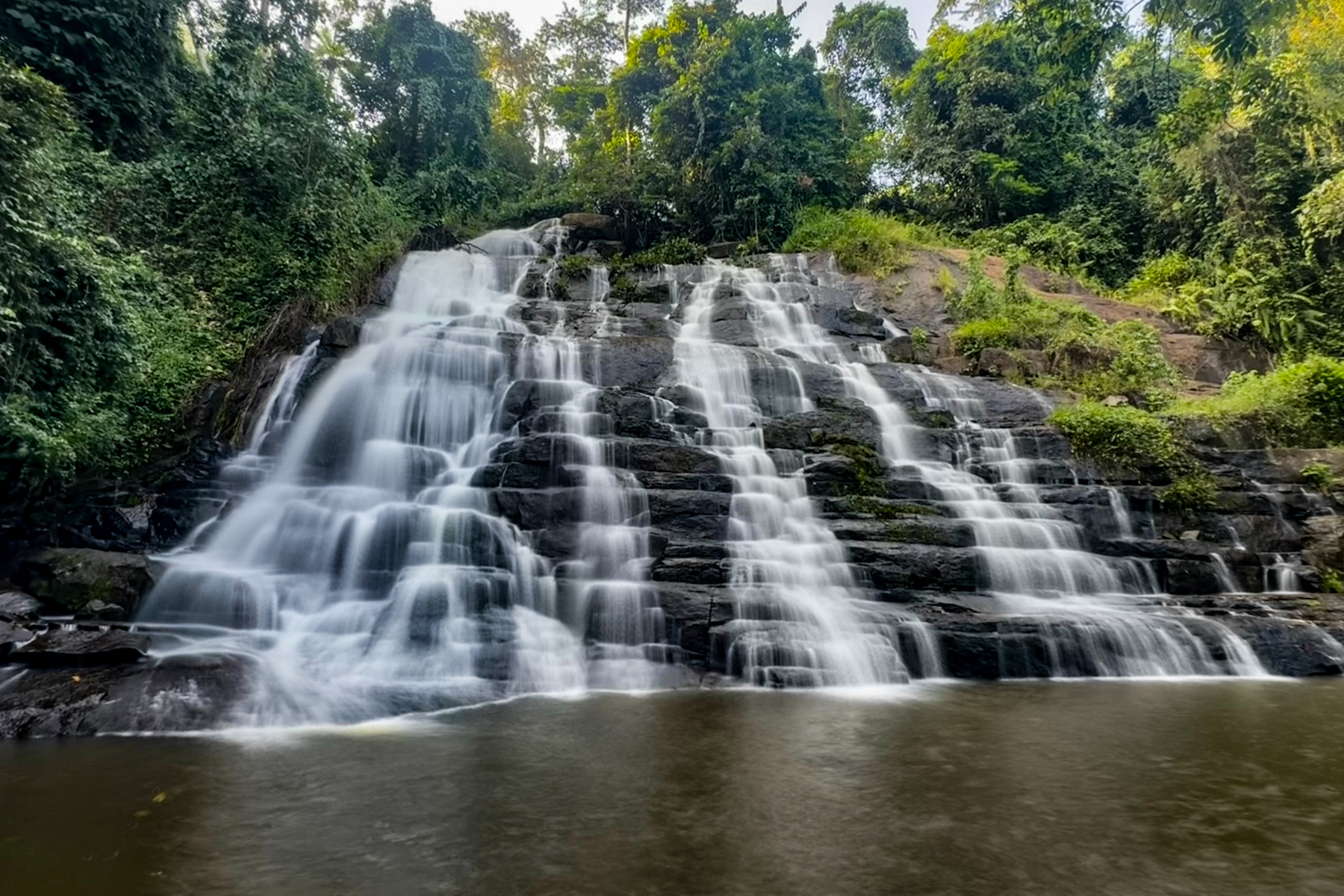
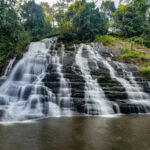
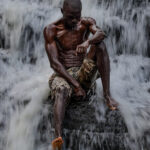
The beautiful Cascade of Man (image by Inger Vandyke)
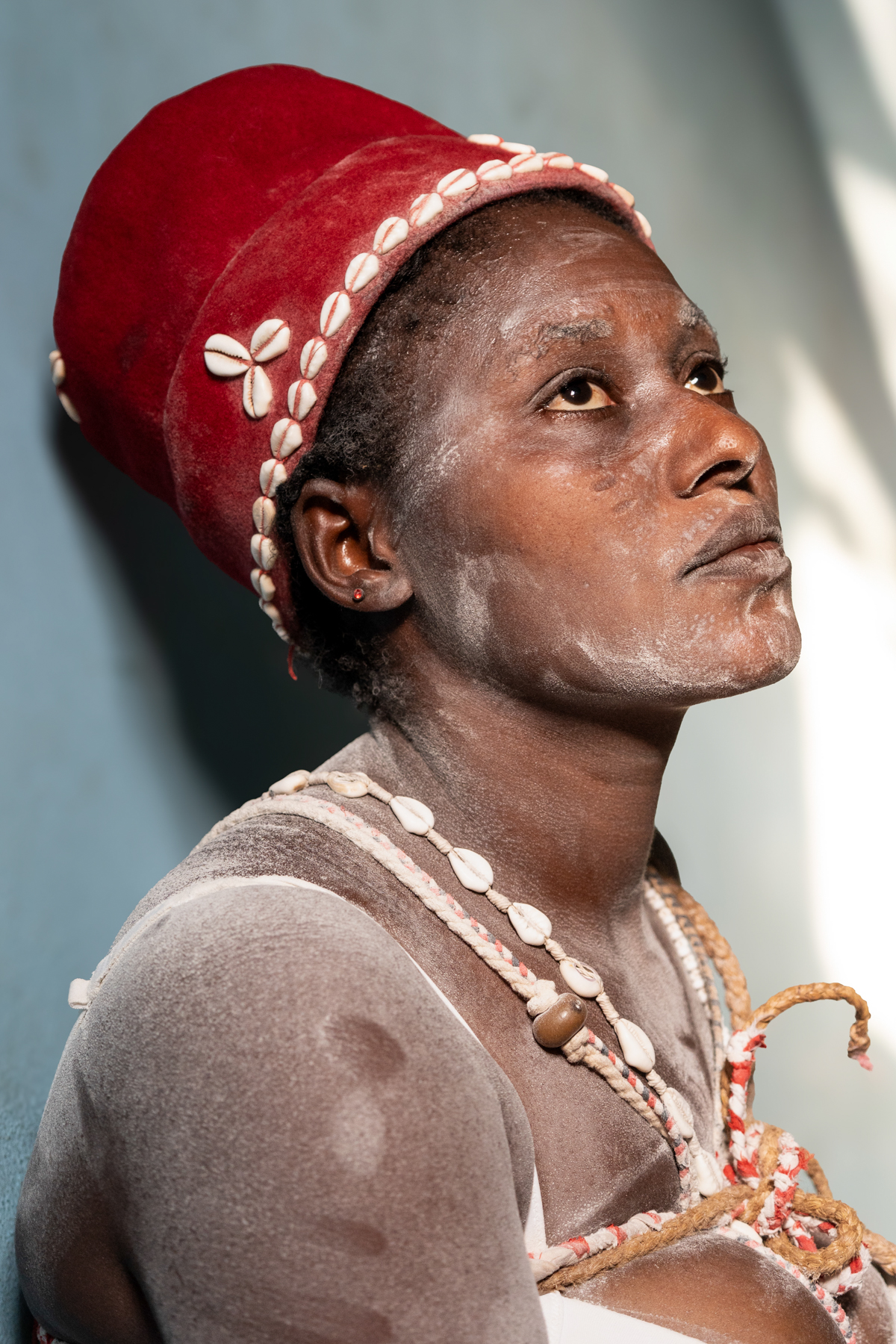
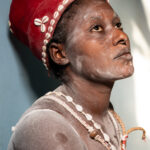
Komian Priestess - Divine Inspiration (Image by Craig Baulcomb)
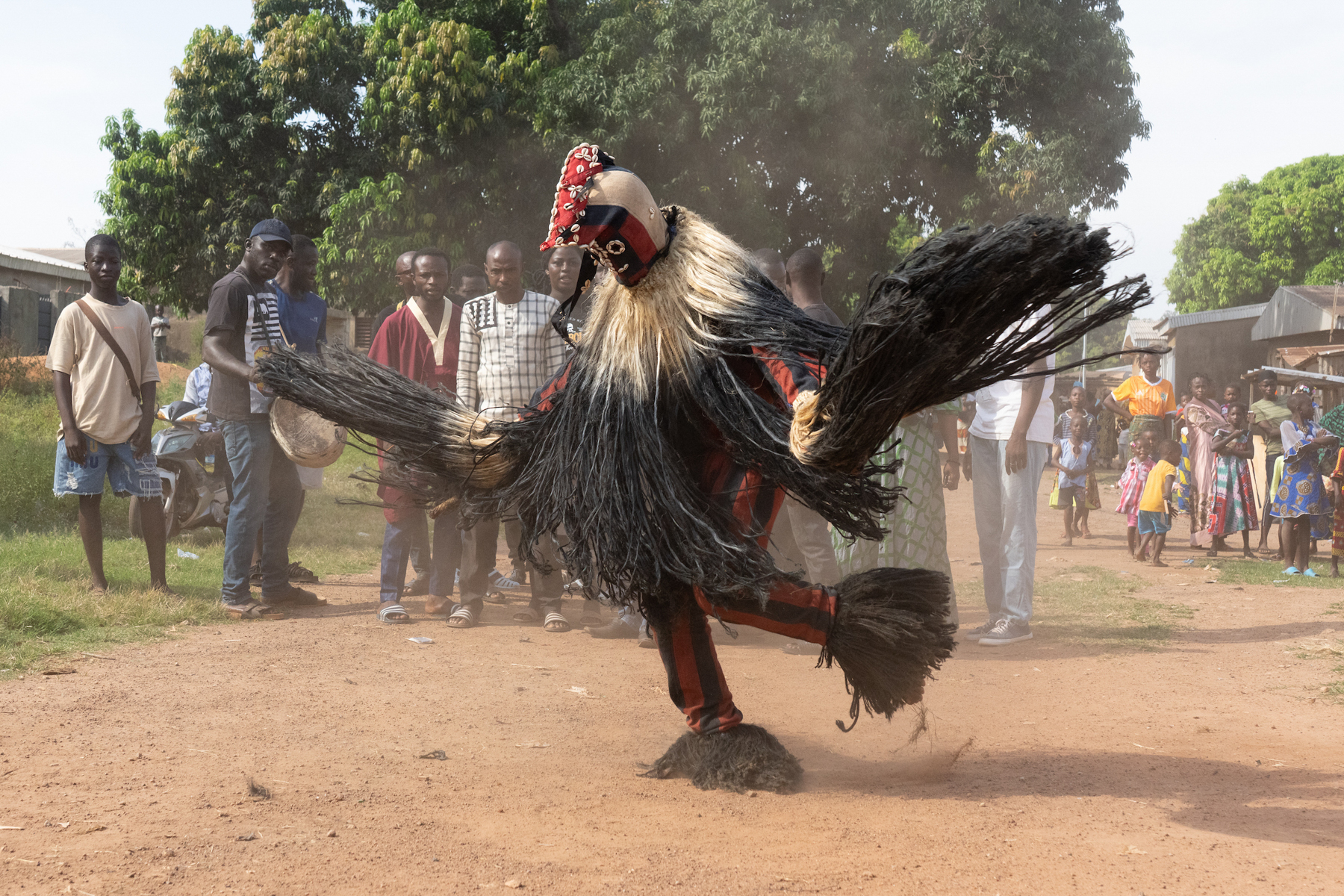
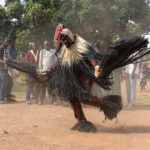
Malinke Poro (image by Inger Vandyke)
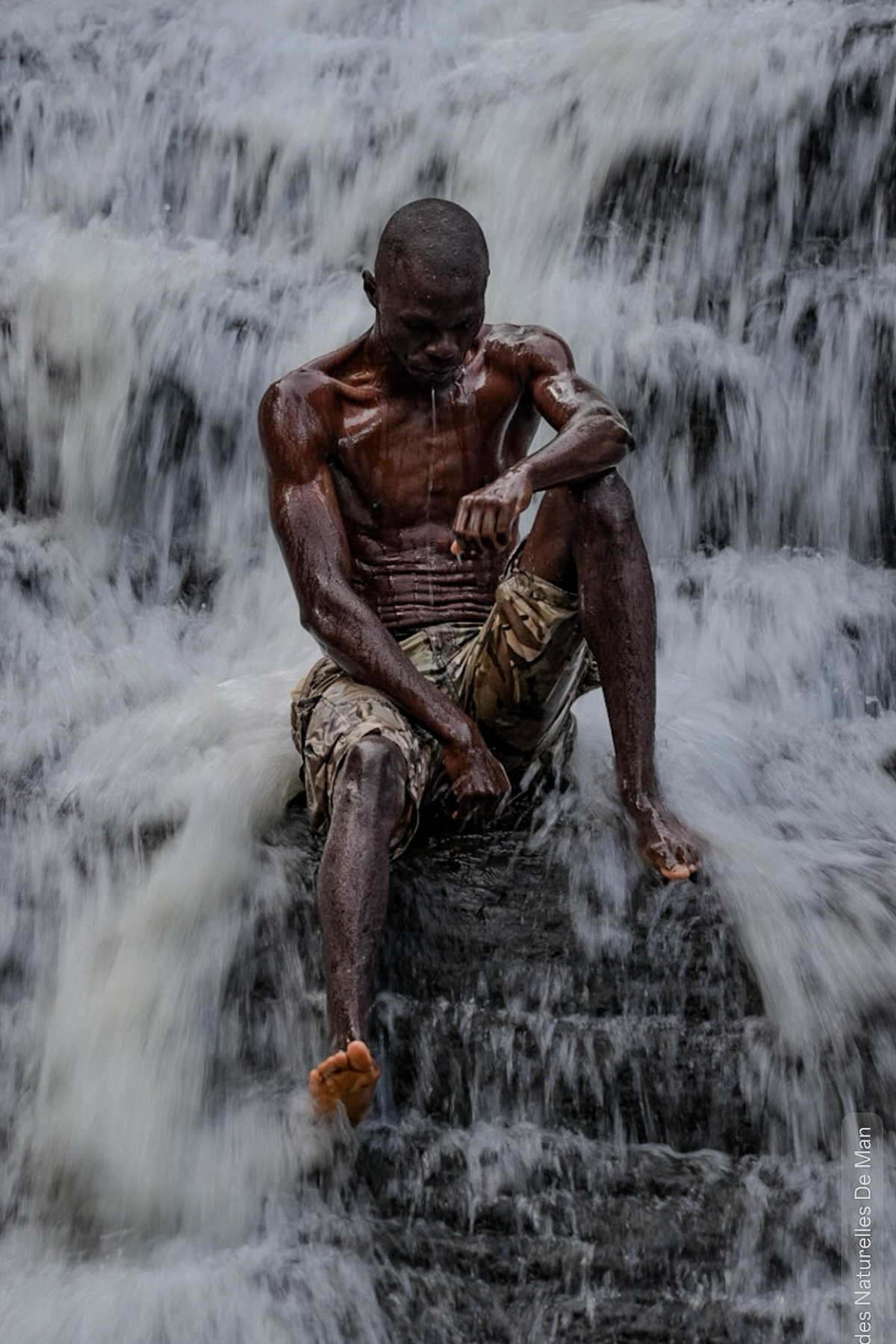
Cooling Off at Man Waterfall (Image by Craig Baulcomb)
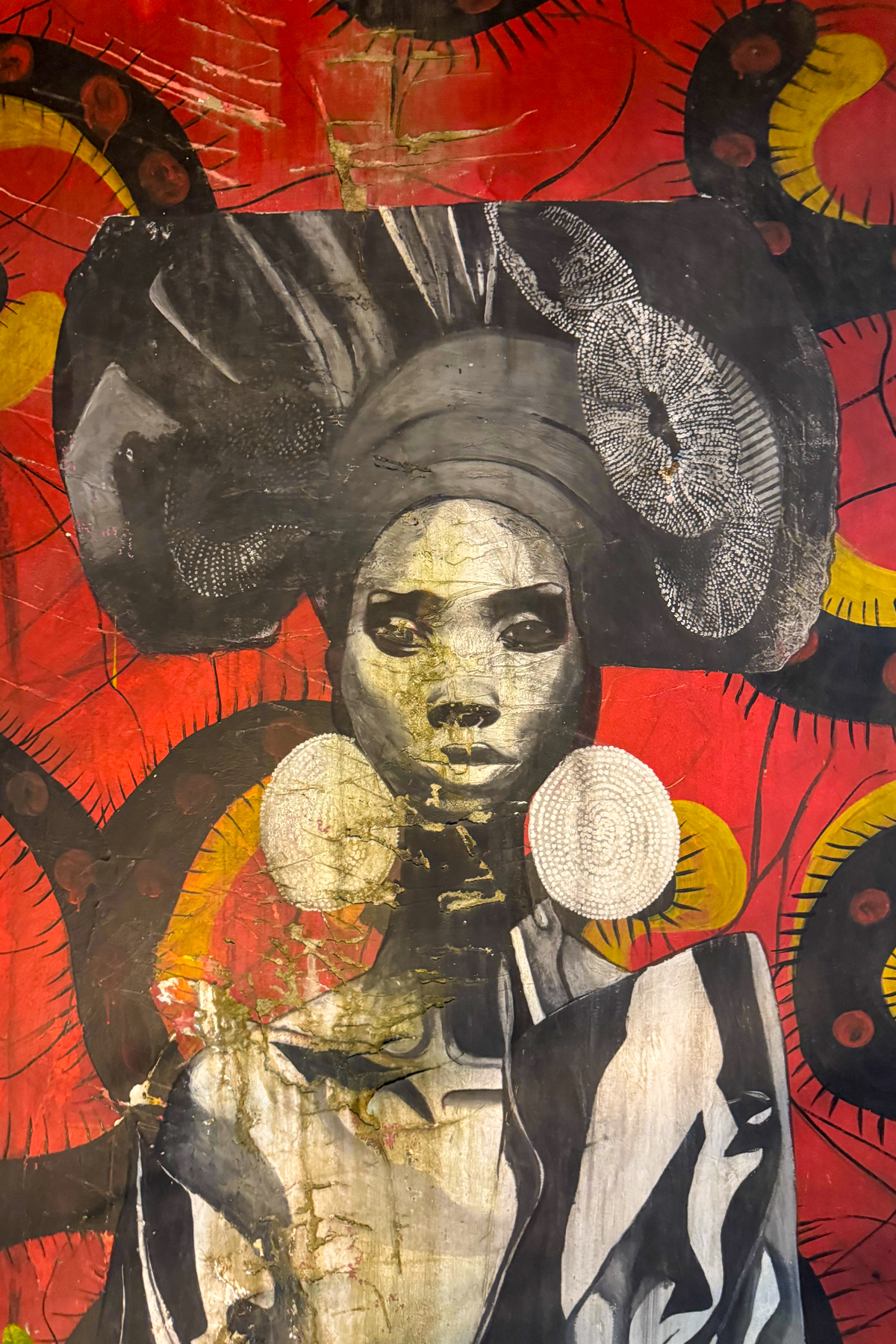
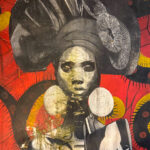
West African art at the Bushman's Cafe in Abidjan (image by Inger Vandyke)
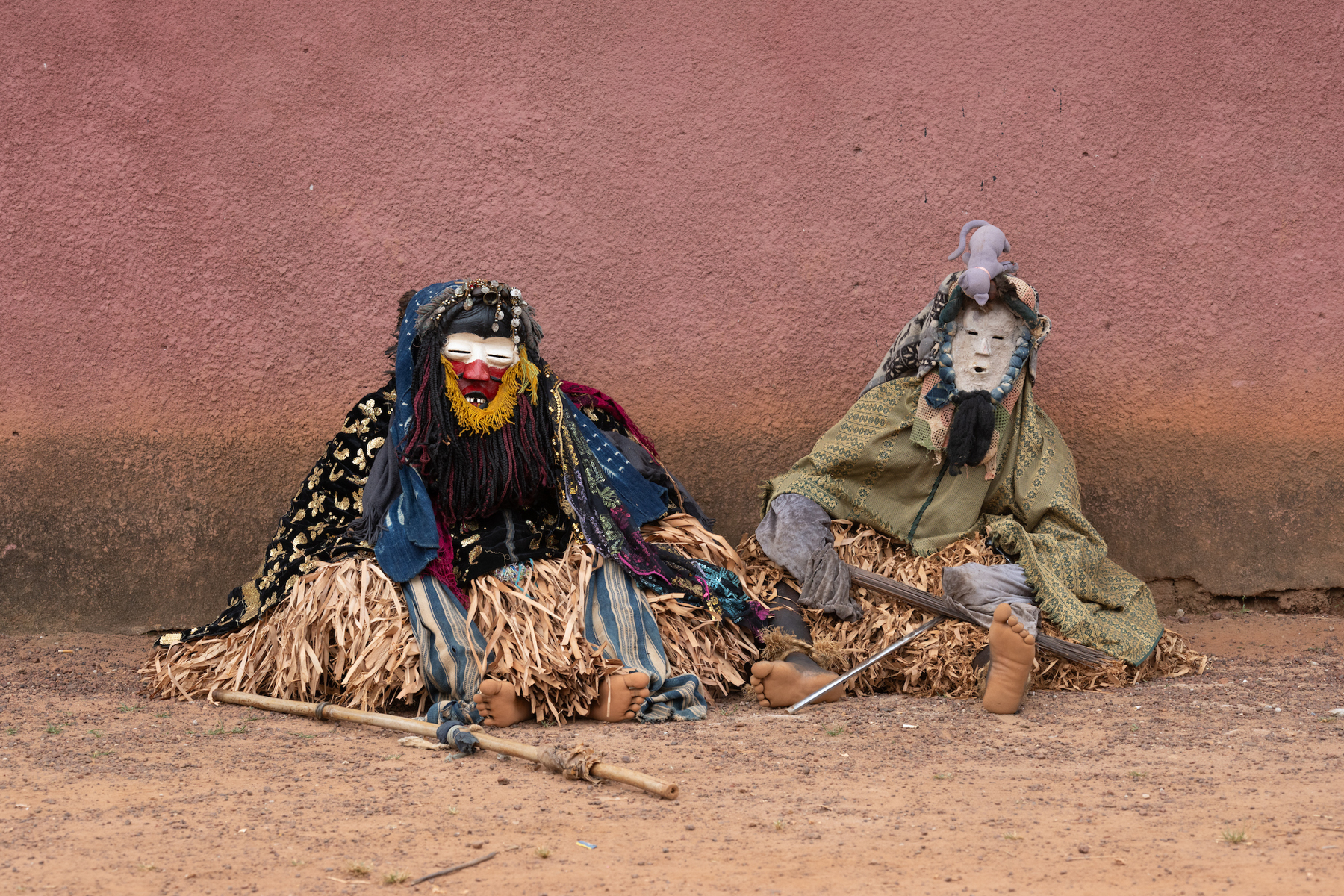
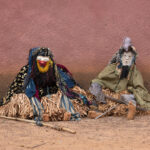
Gla masked dancers taking a break (image by Inger Vandyke)
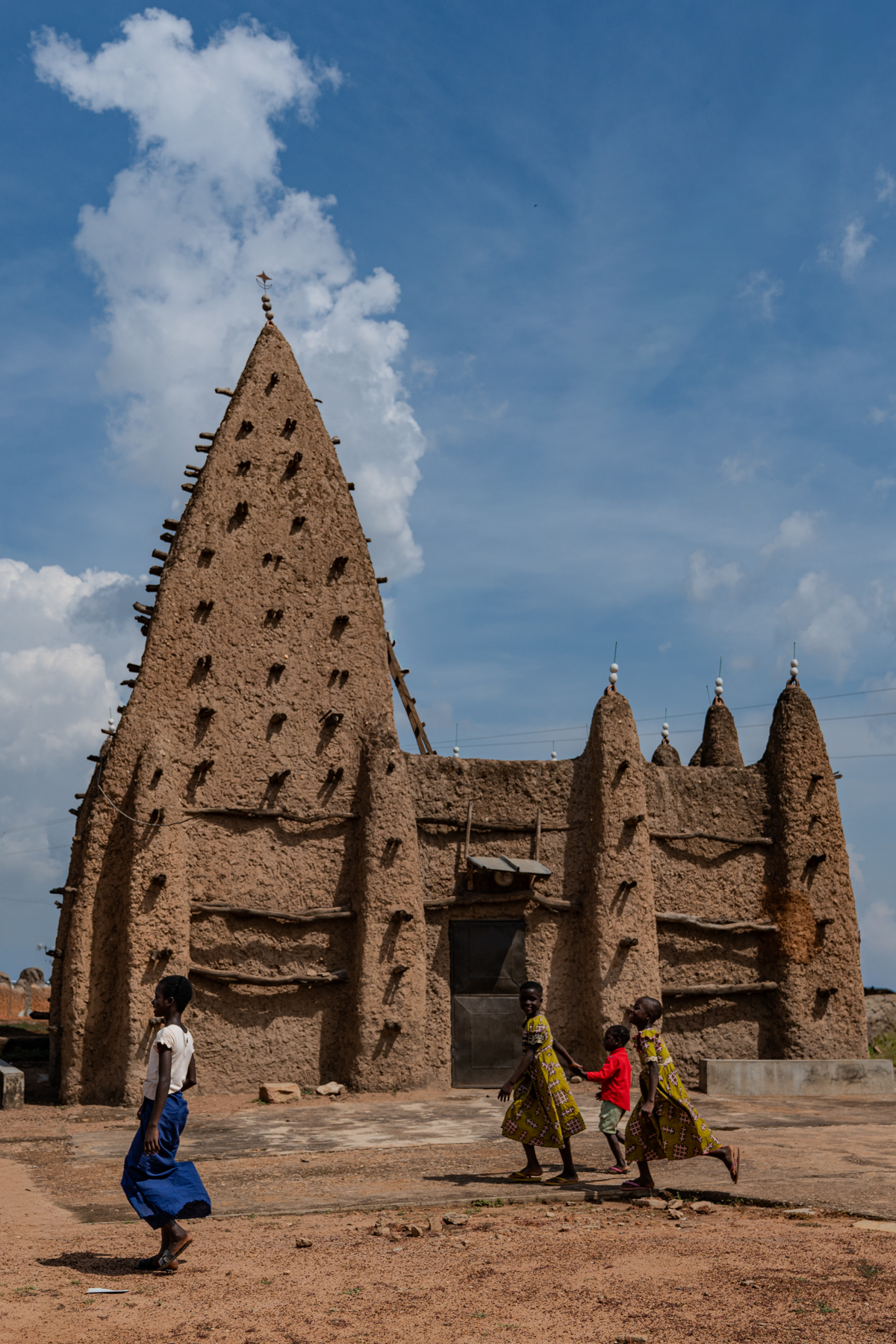
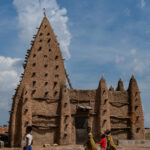
Kong Village Mosque - Daily Life Unchanged (Image by Craig Baulcomb)
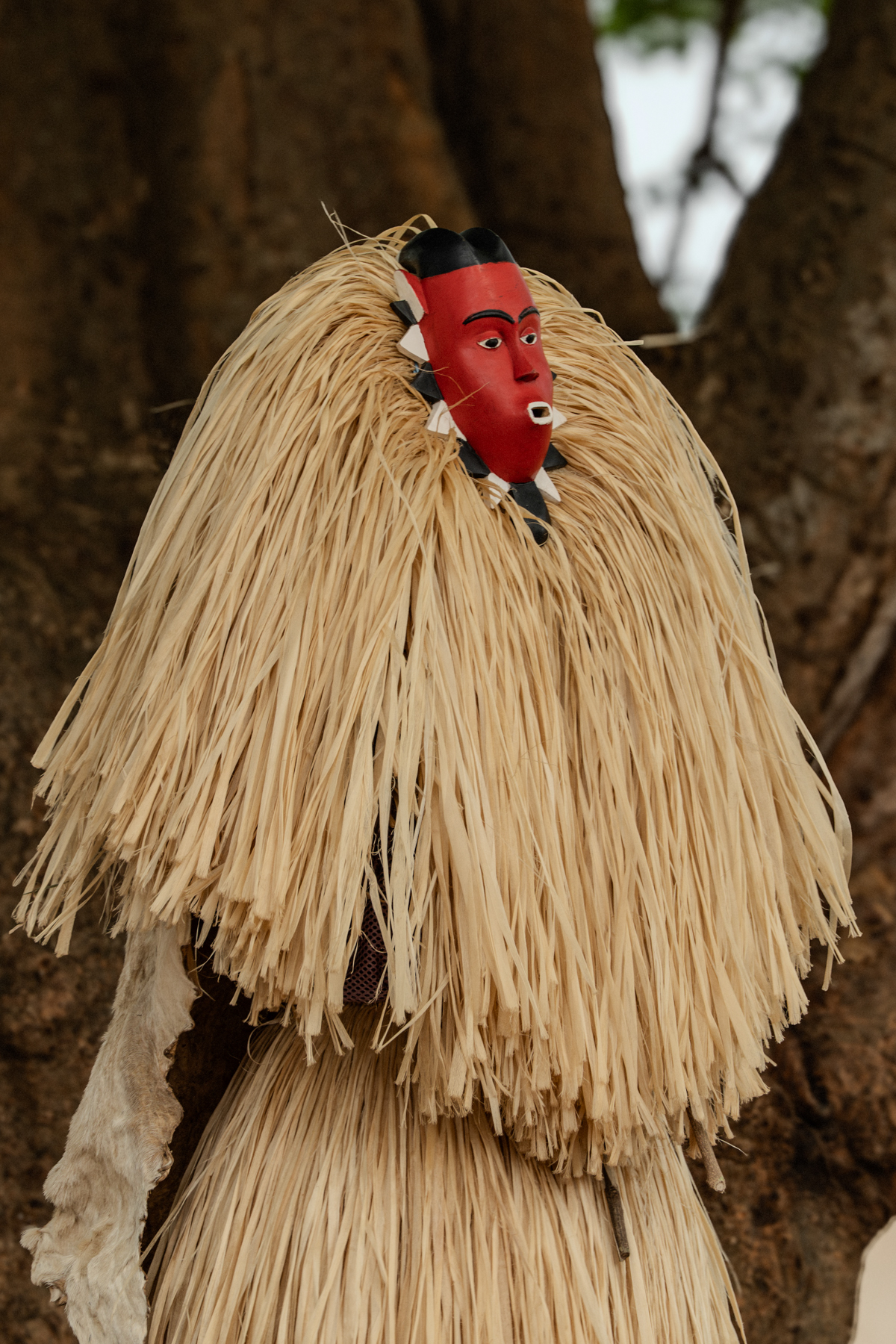
Goly Ceremony - In The Shade of the Tree (Image by Craig Baulcomb)
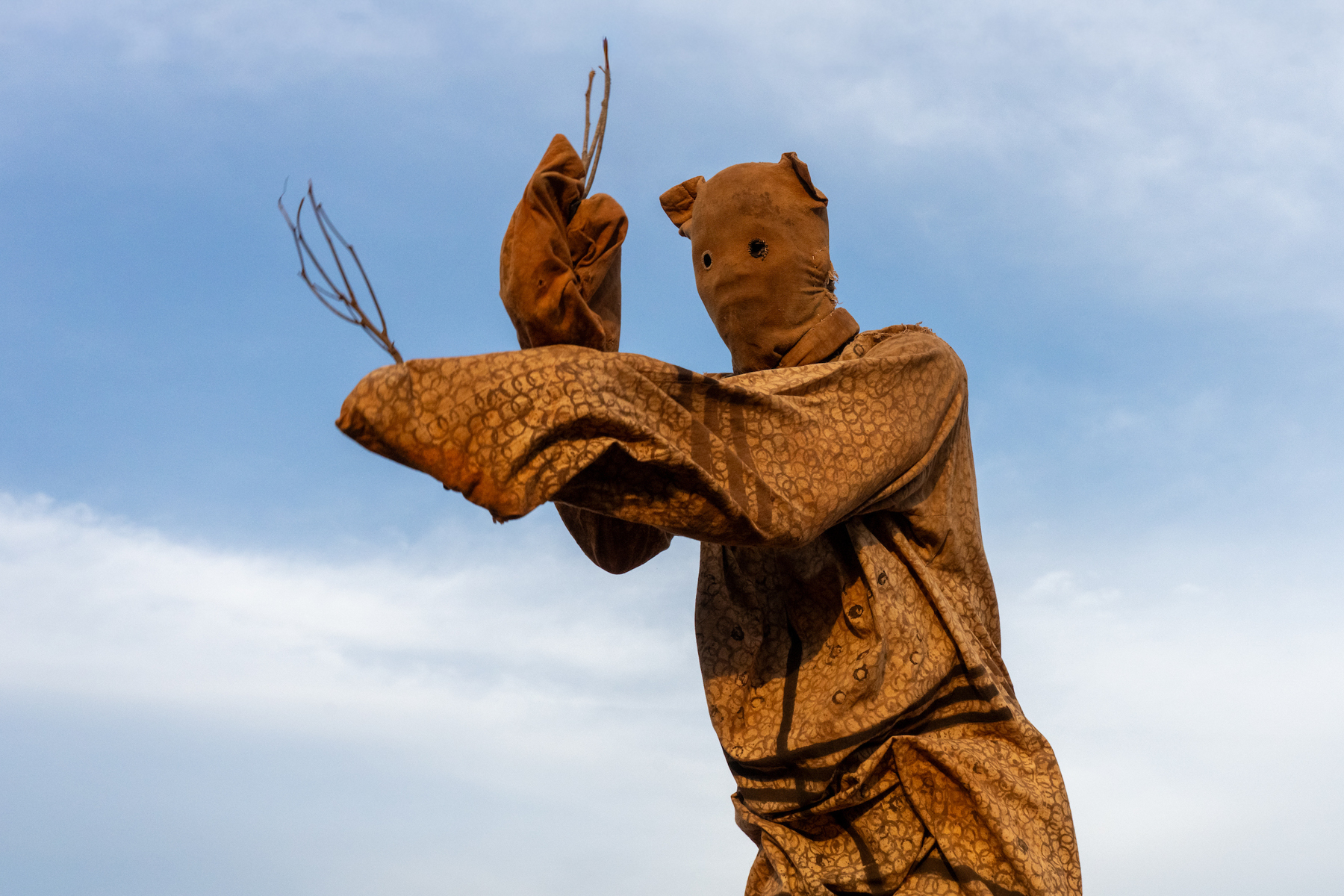
Boloye dancer (image by Inger Vandyke)
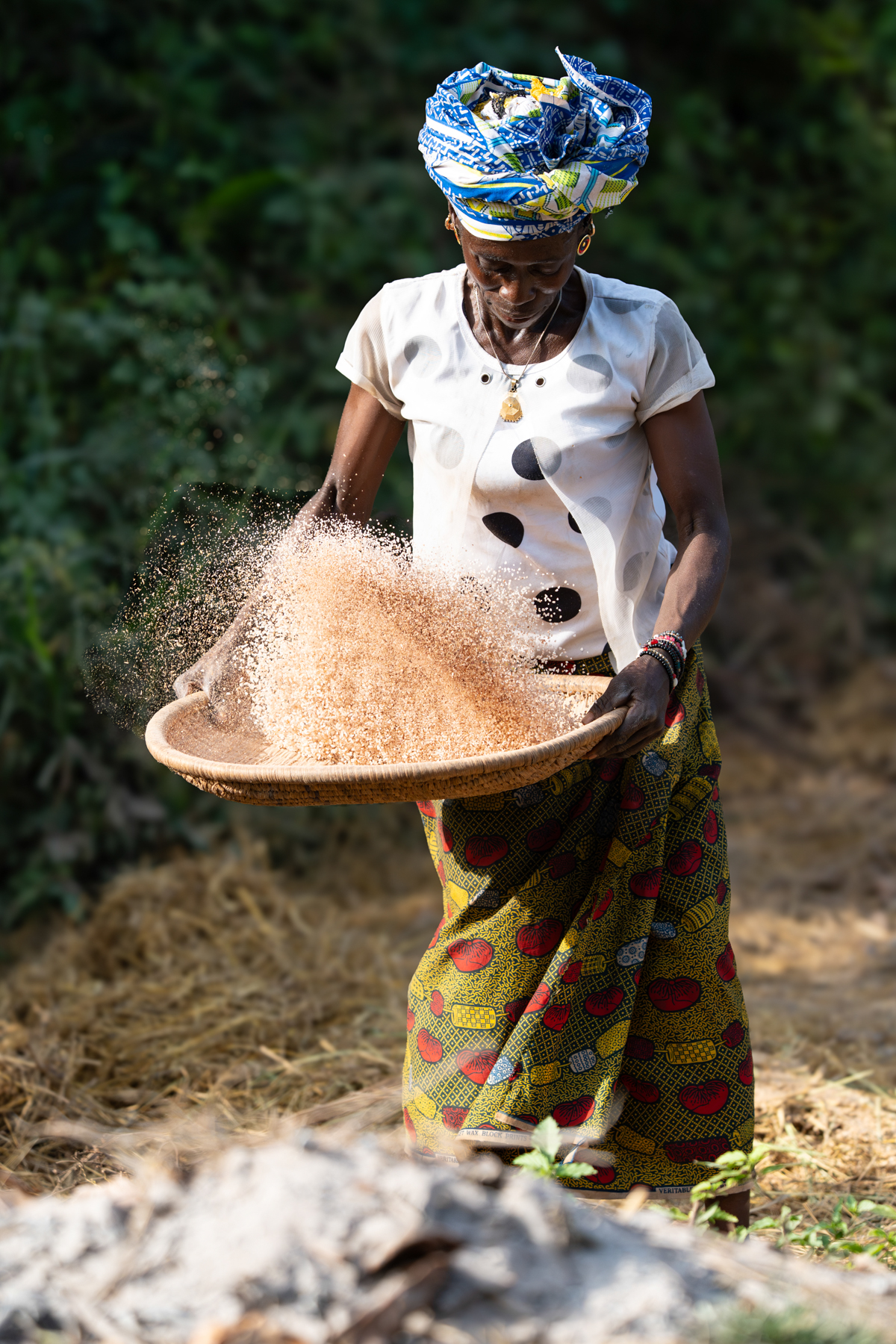
Village Life - Godoufouma (Image by Craig Baulcomb)
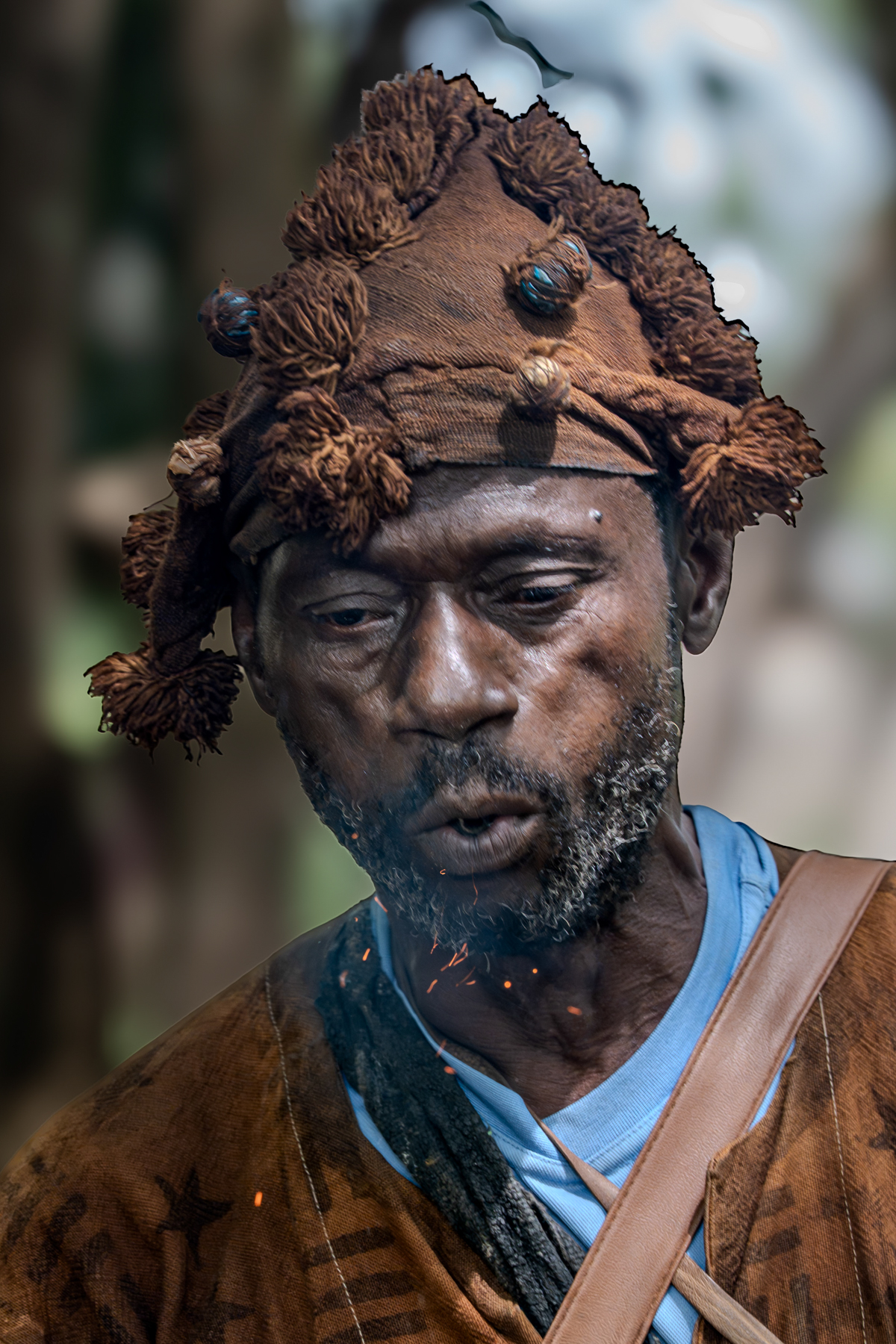
Blowing Coals - Brotherhood of the Dozos (Image by Craig Baulcomb)
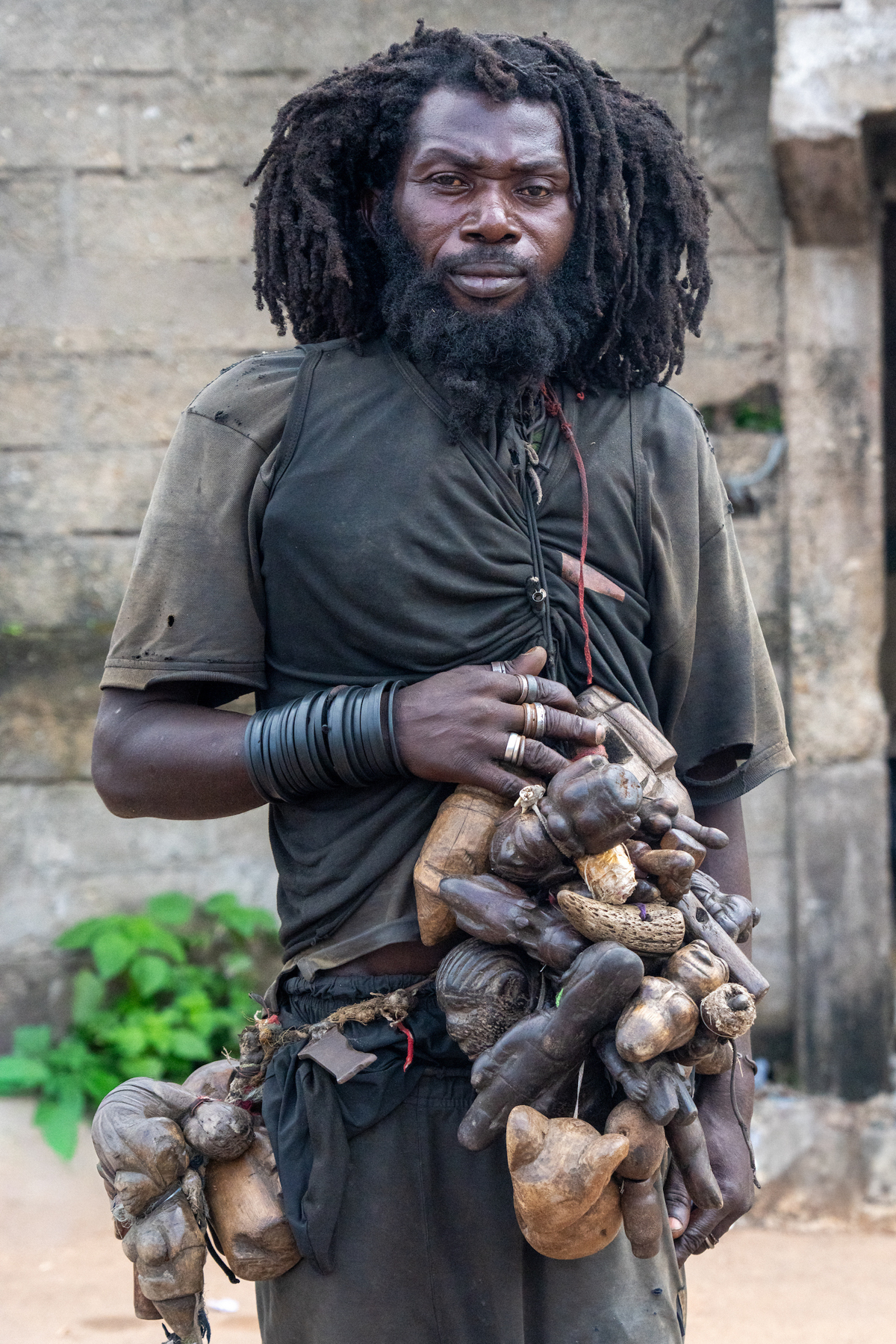
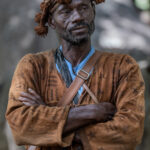
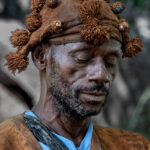
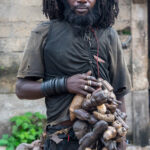
Malinke man with carvings (image by Inger Vandyke)
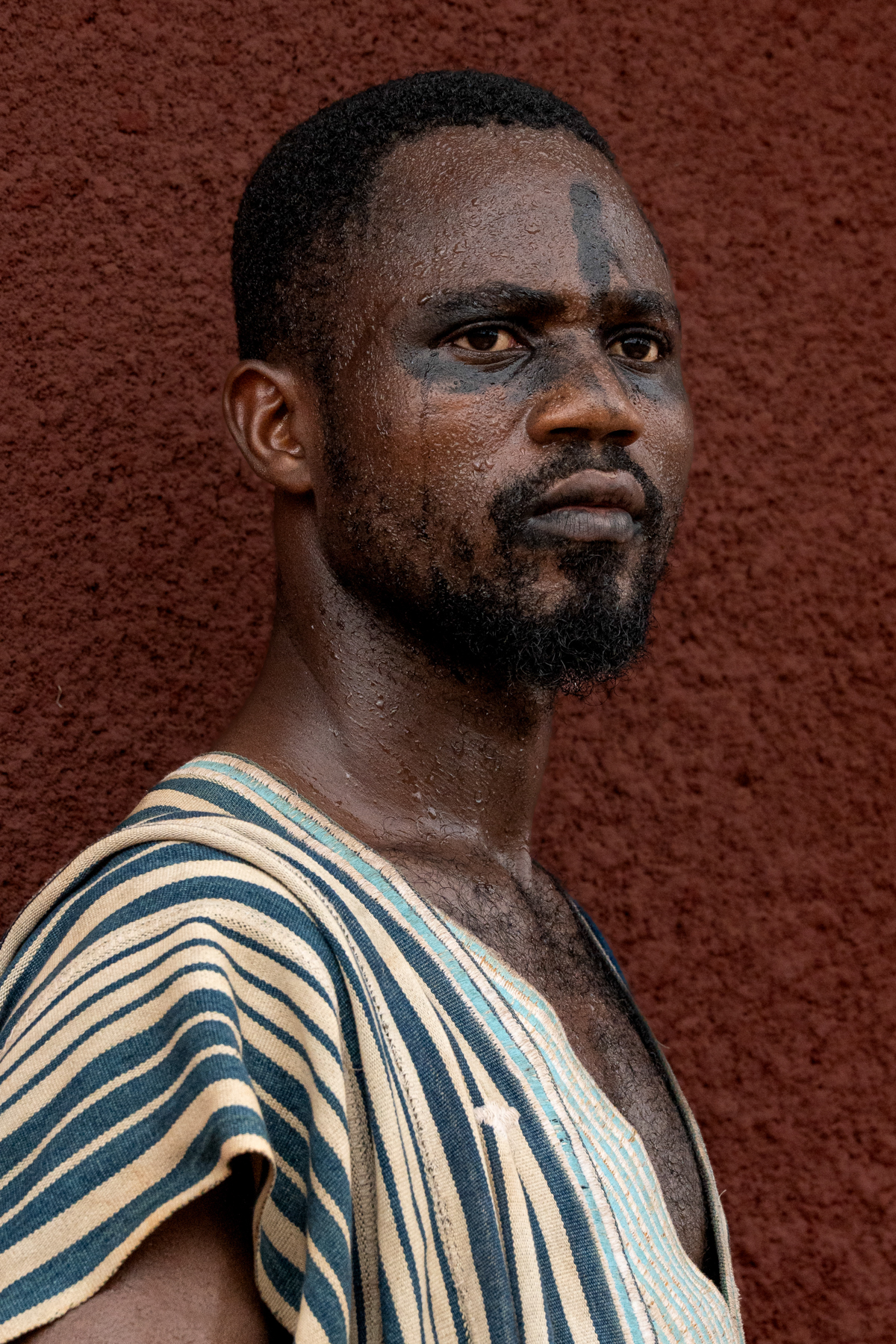
Unmasked Dancer - La Danse des Jongleurs (Image by Craig Baulcomb)
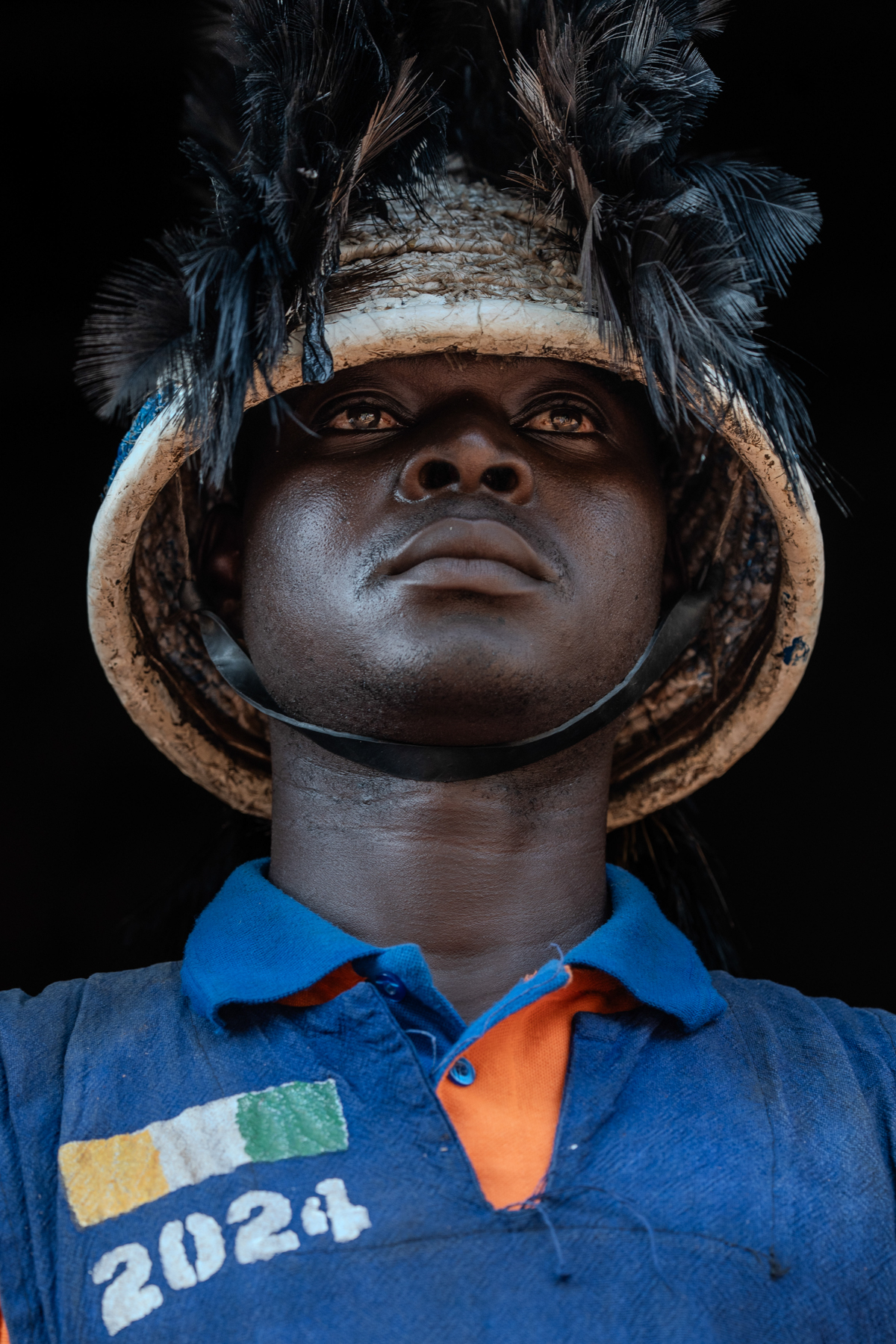
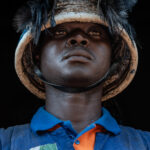
Official Balafon Band Player (Image by Craig Baulcomb)
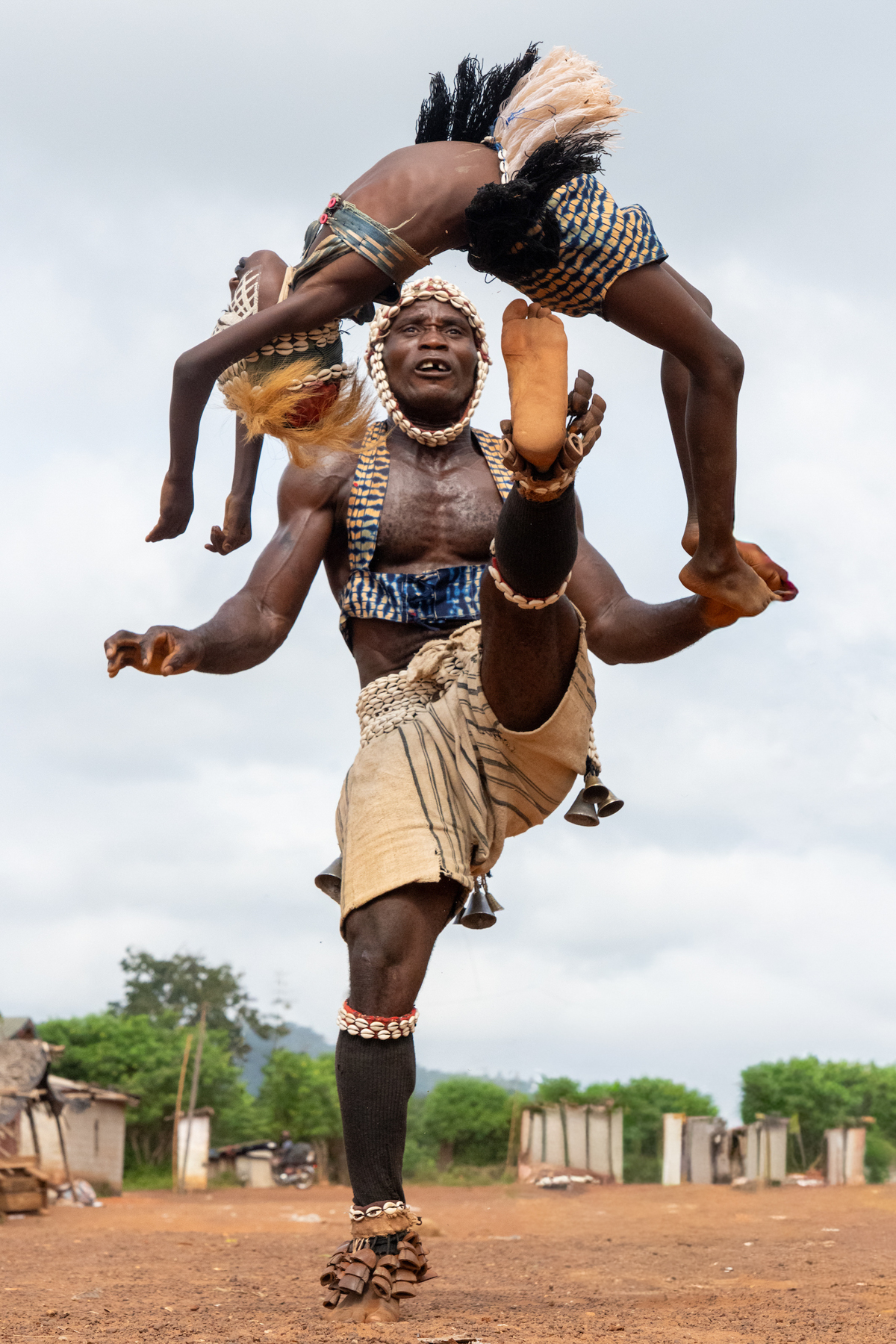
The memorable Danse de Jongleurs (image by Inger Vandyke)
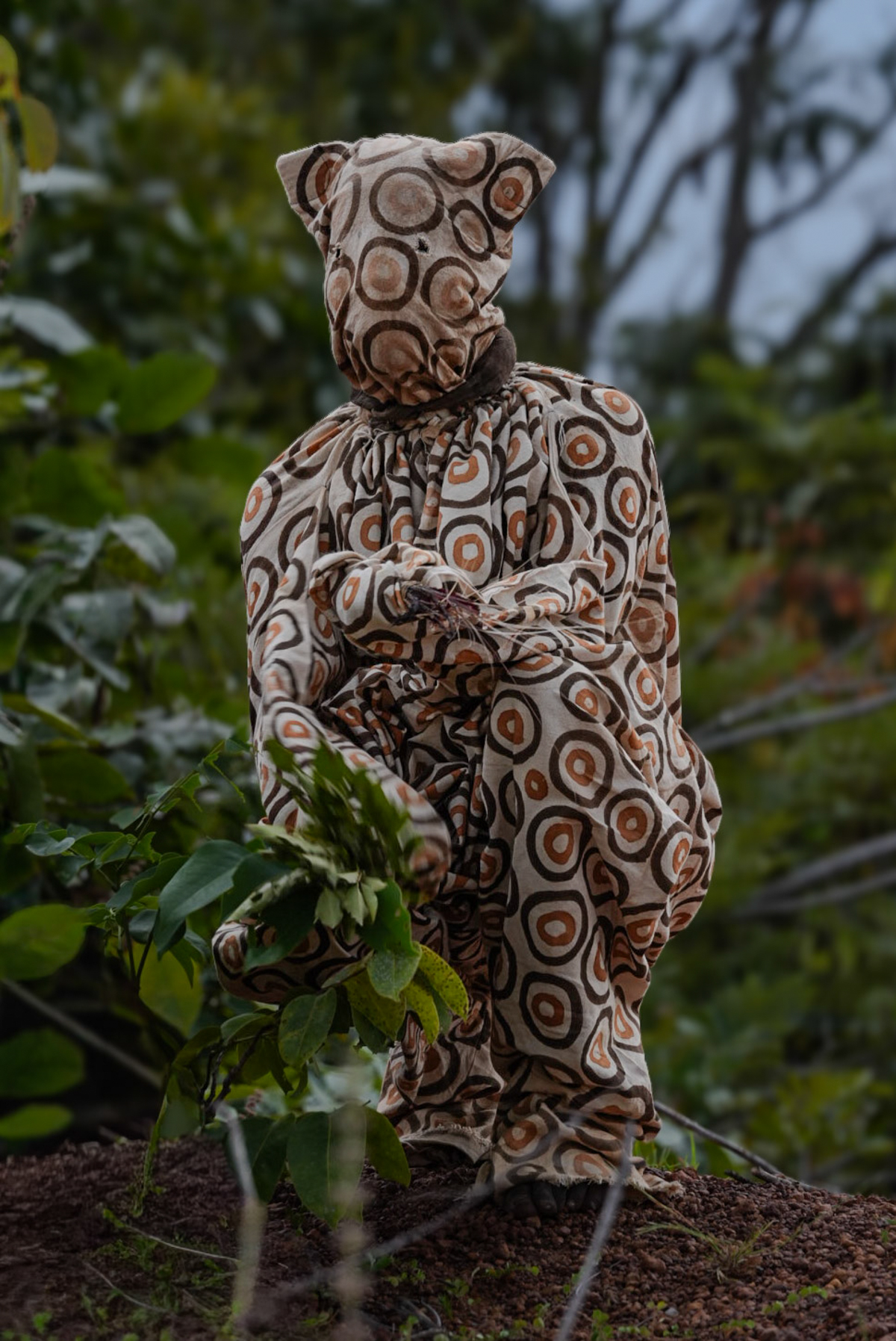
Panther Prowl - An Initiate of Senufo Poro (Image by Craig Baulcomb)
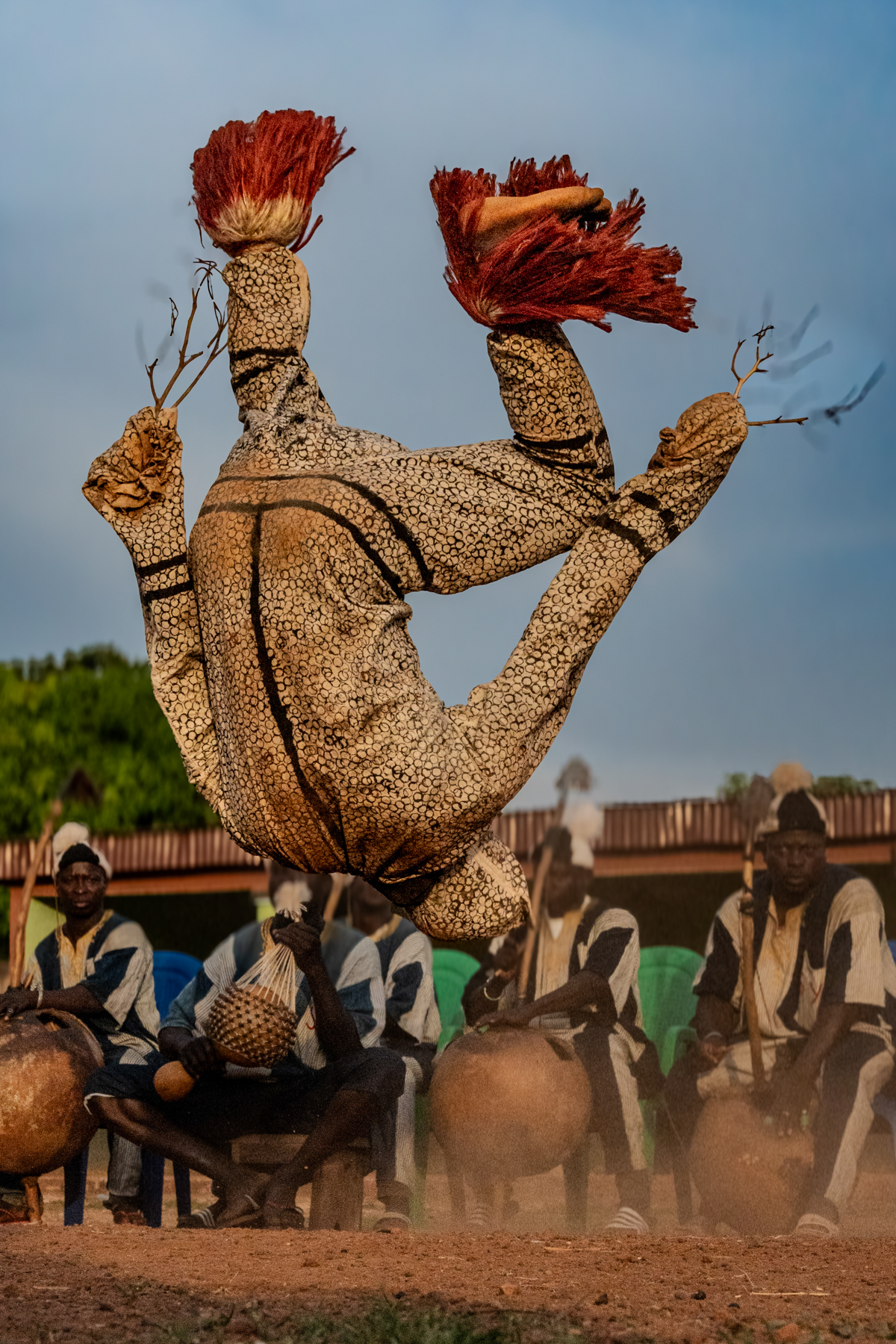
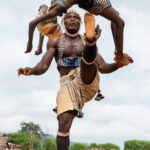
Boloye Air (Image by Craig Baulcomb)
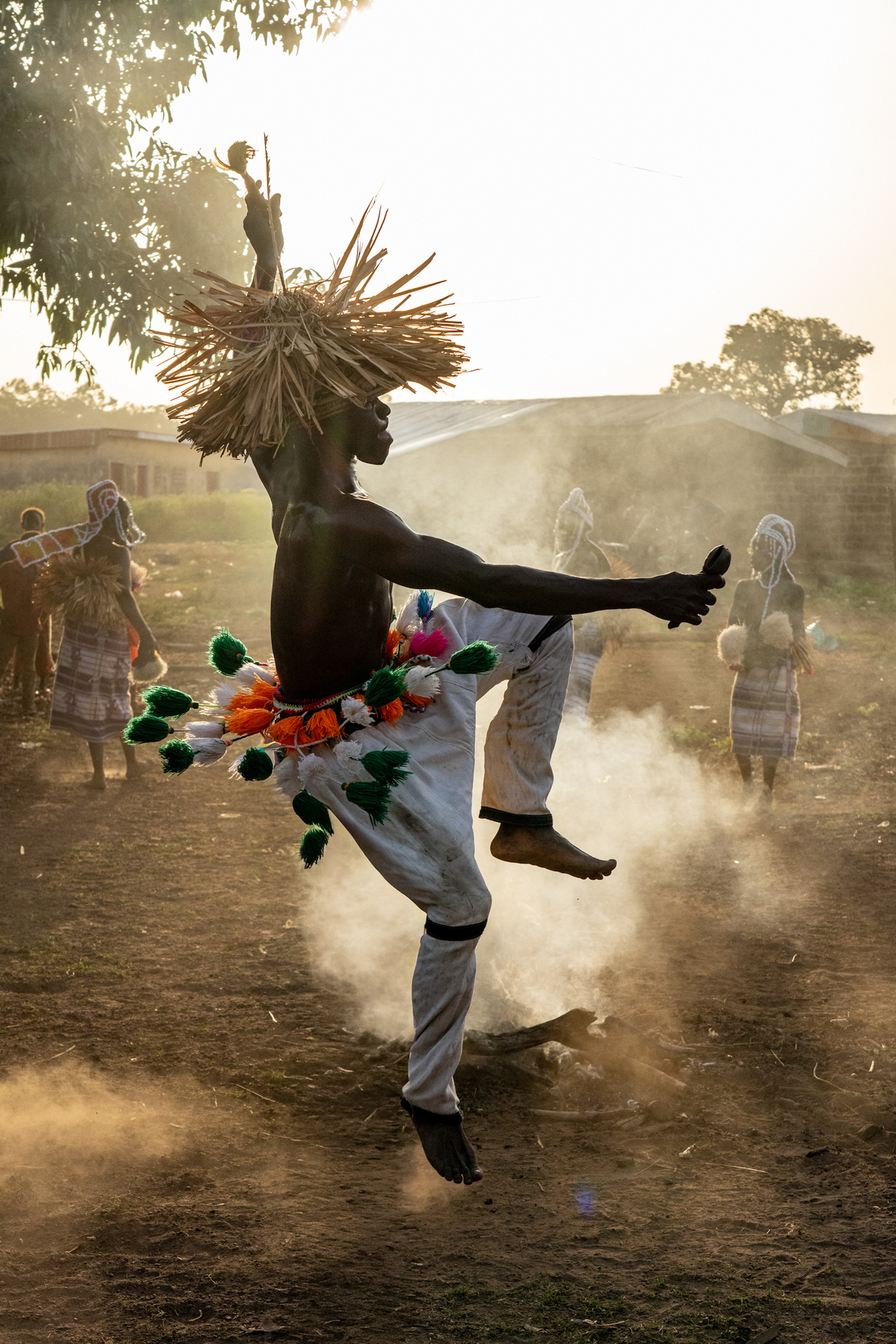
Airborne Ngoron fire dancer (image by Inger Vandyke)
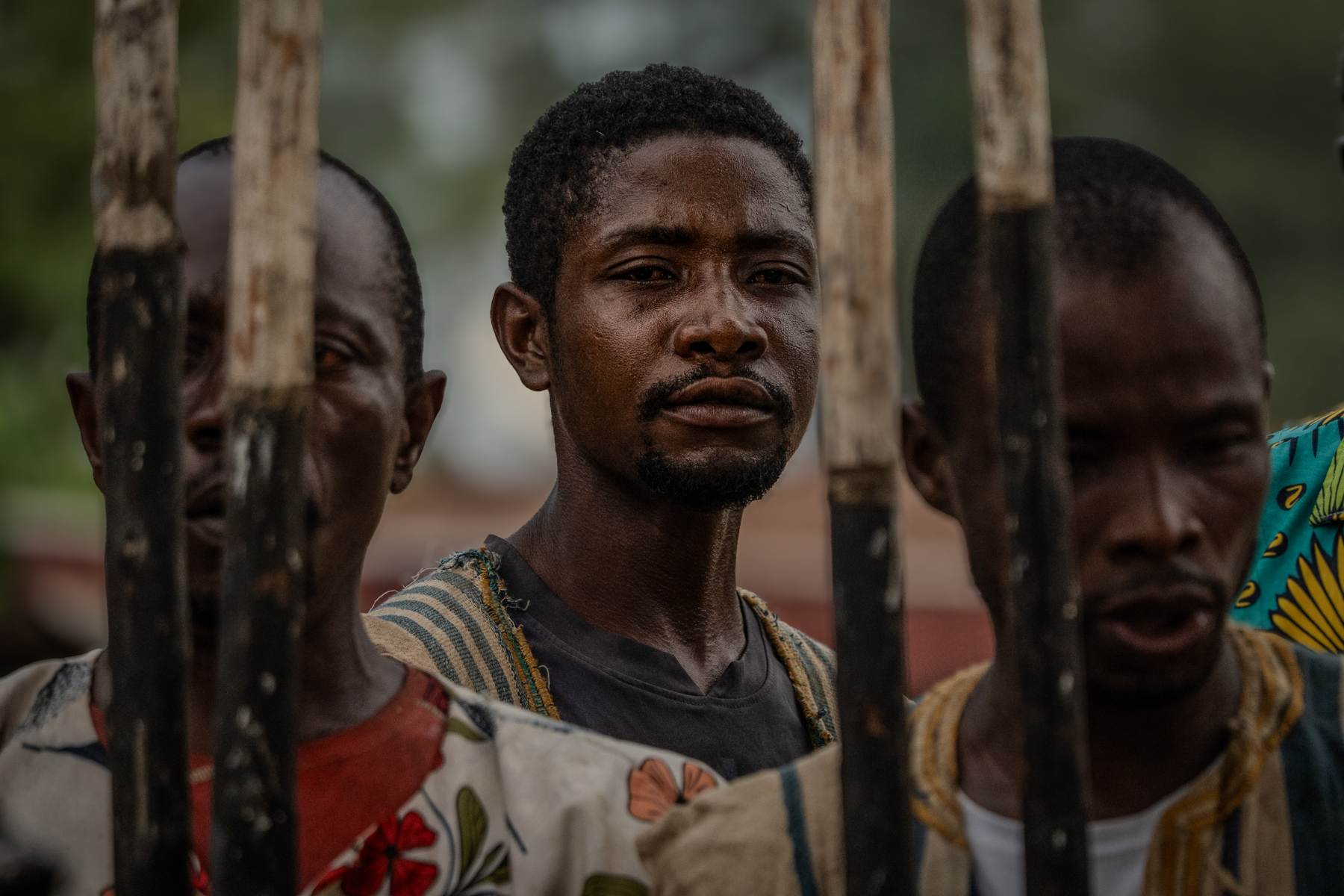
Yacouba Warrior (Image by Craig Baulcomb)
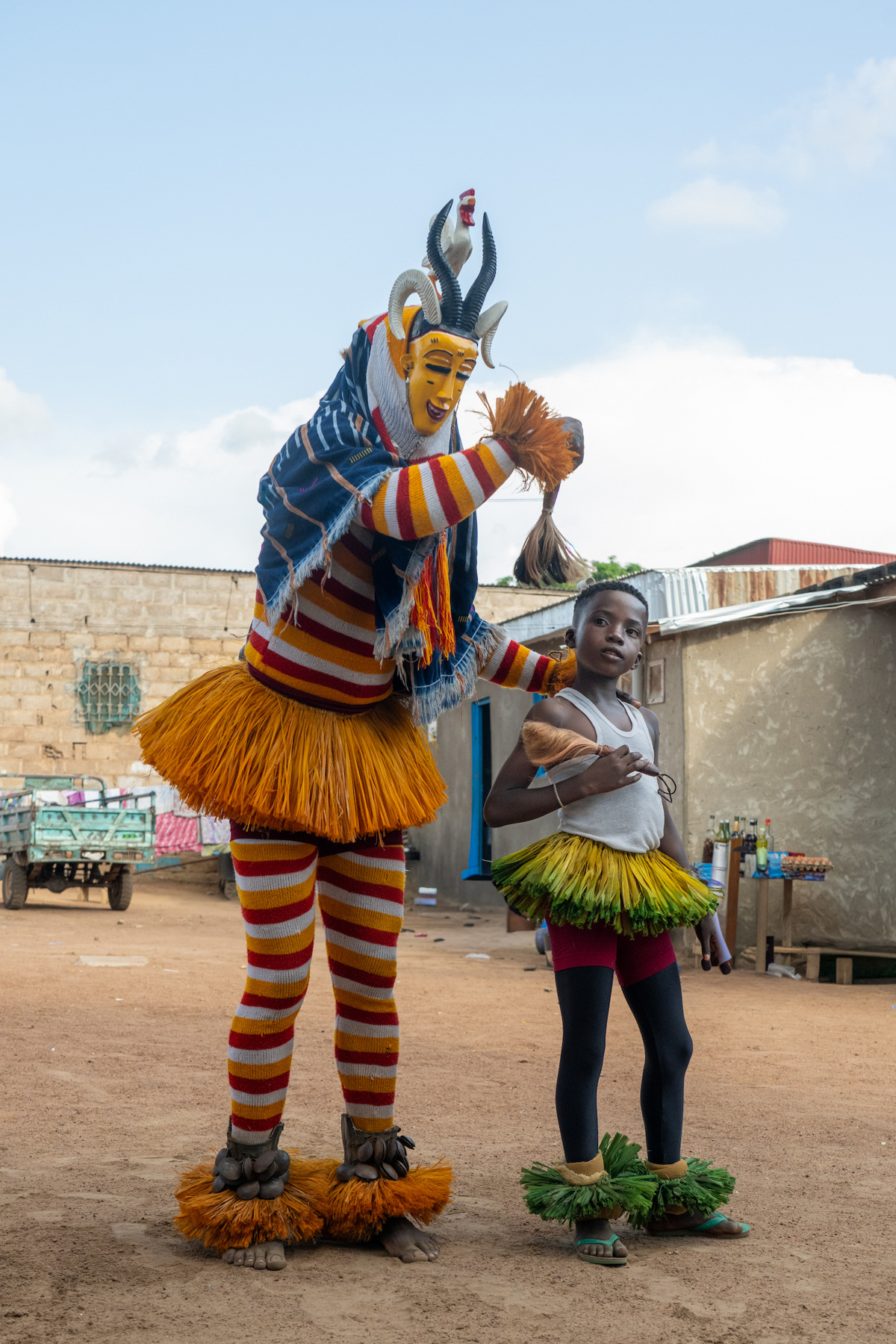
Learning from a master (image by Inger Vandyke)
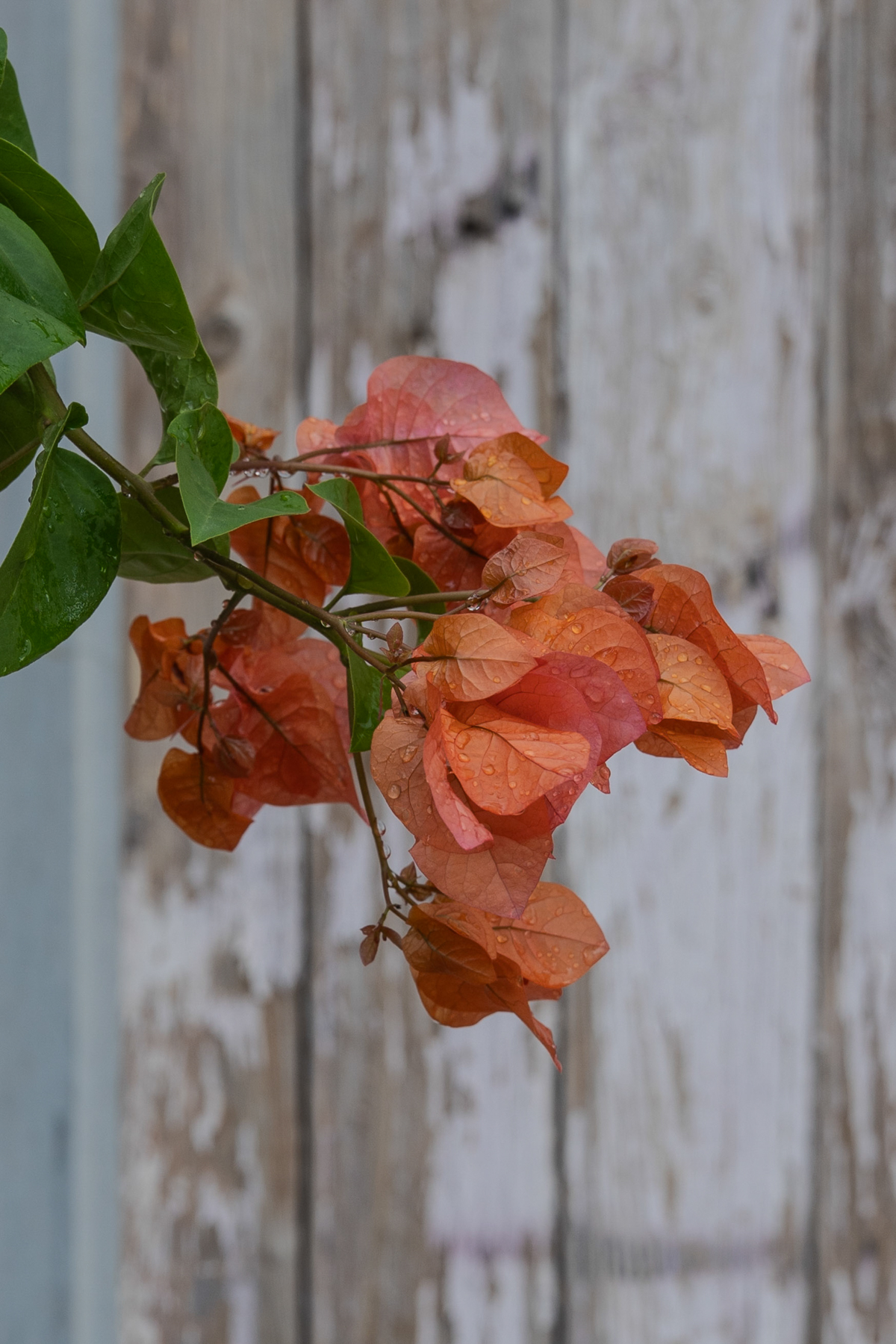
Old & New - Grand Bassam Blossom (Image by Craig Baulcomb)
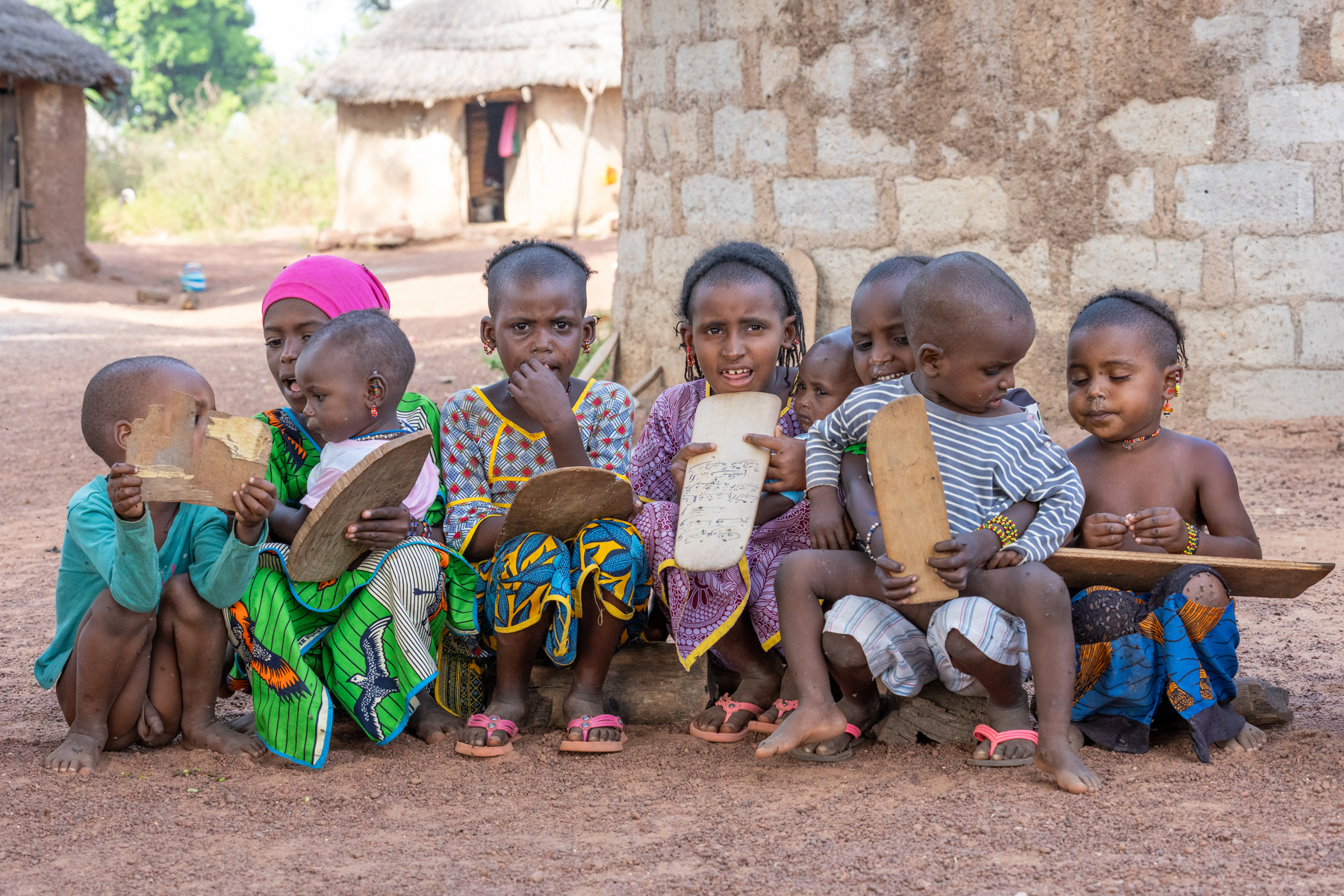
Fulani children at their village school (image by Inger Vandyke)
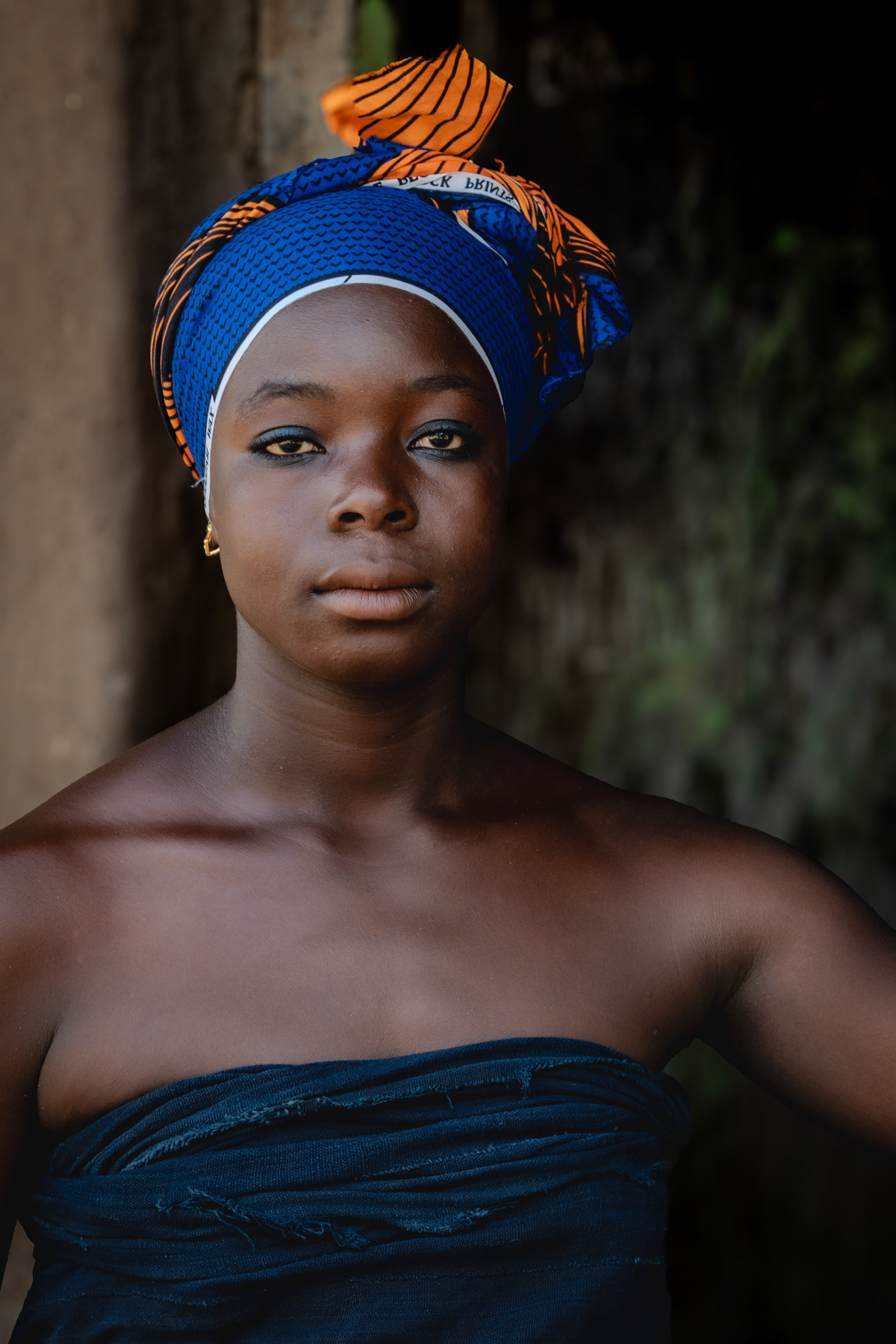
Beautiful in Blue - Godoufouma Village (Image by Craig Baulcomb)
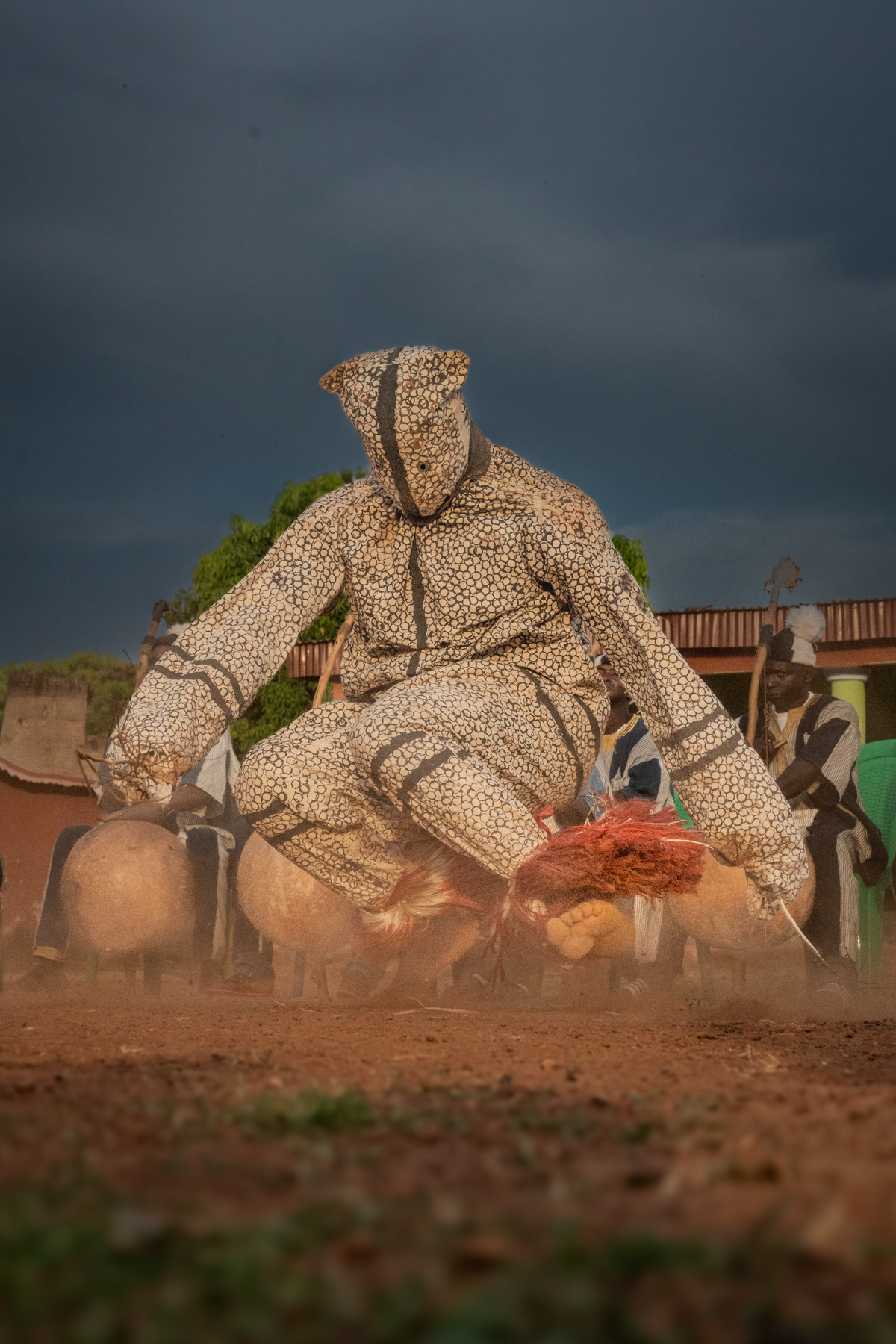
A Boloye Dancer Leaps (Image by Craig Baulcomb)
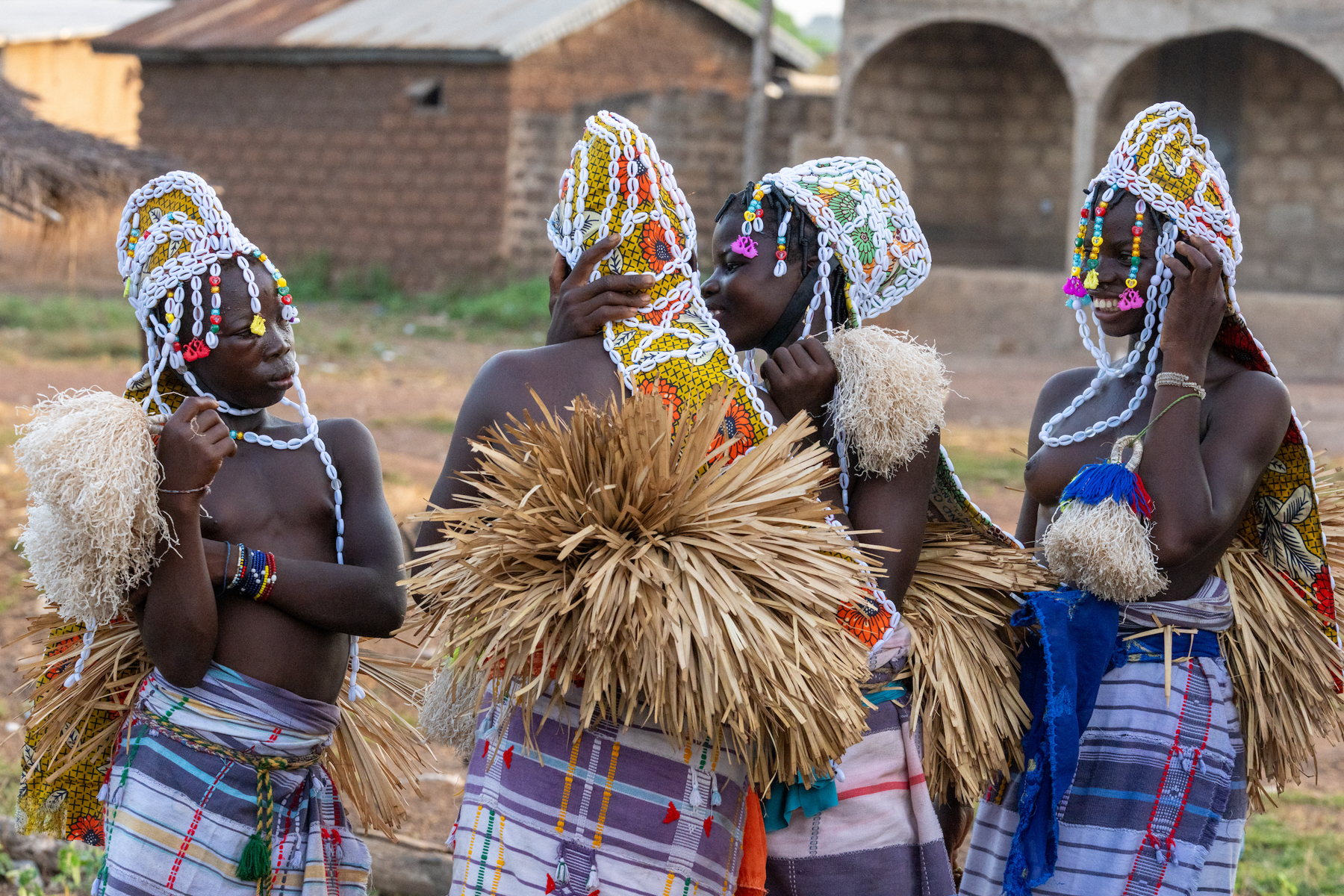
Laughing Ngoron girls (image by Inger Vandyke)
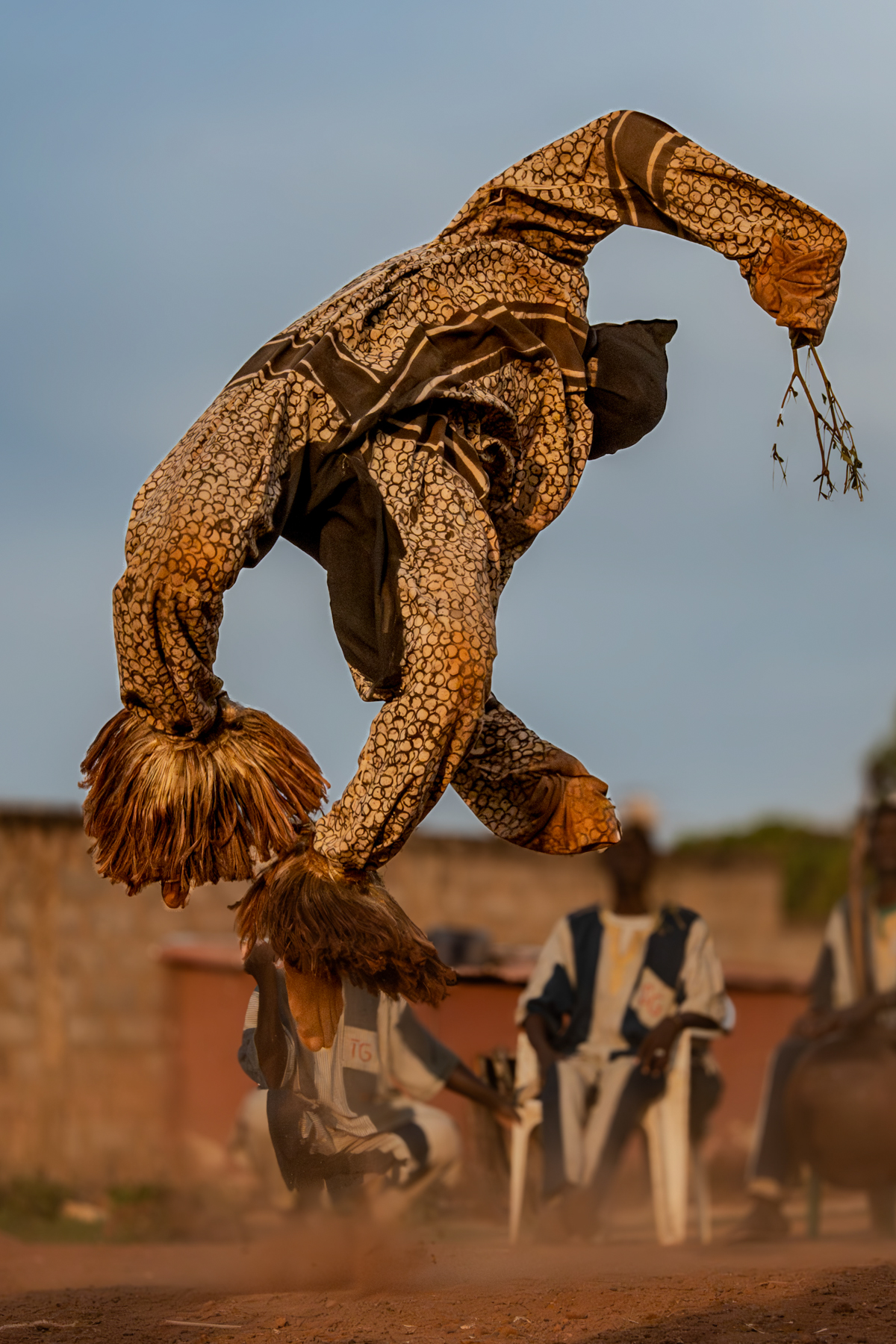
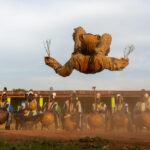
Catching Air - Boloye Somersault (Image by Craig Baulcomb)
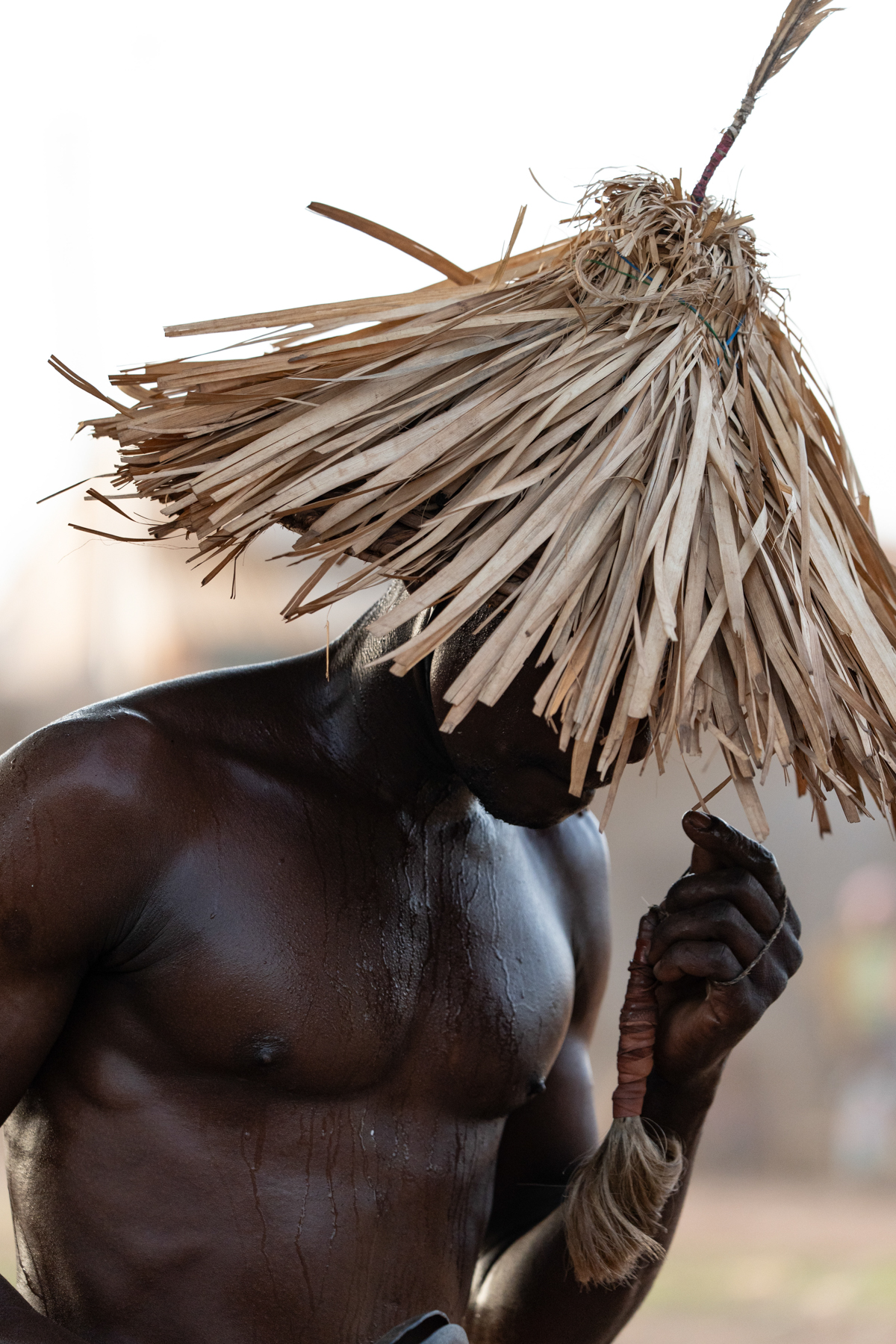
N'Goron Dancer (Image by Craig Baulcomb)
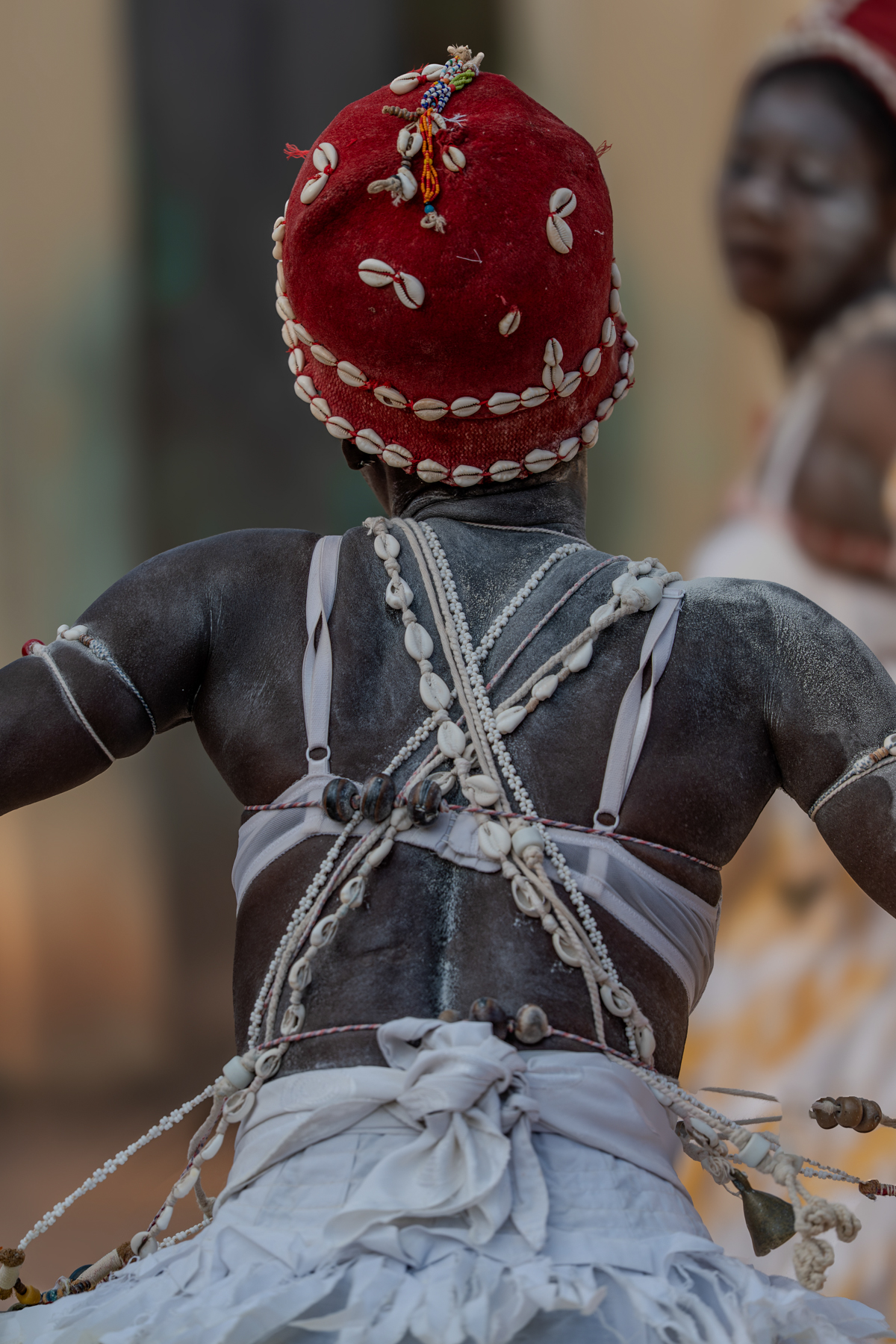
Komian Priestess Detail (Image by Craig Baulcomb)
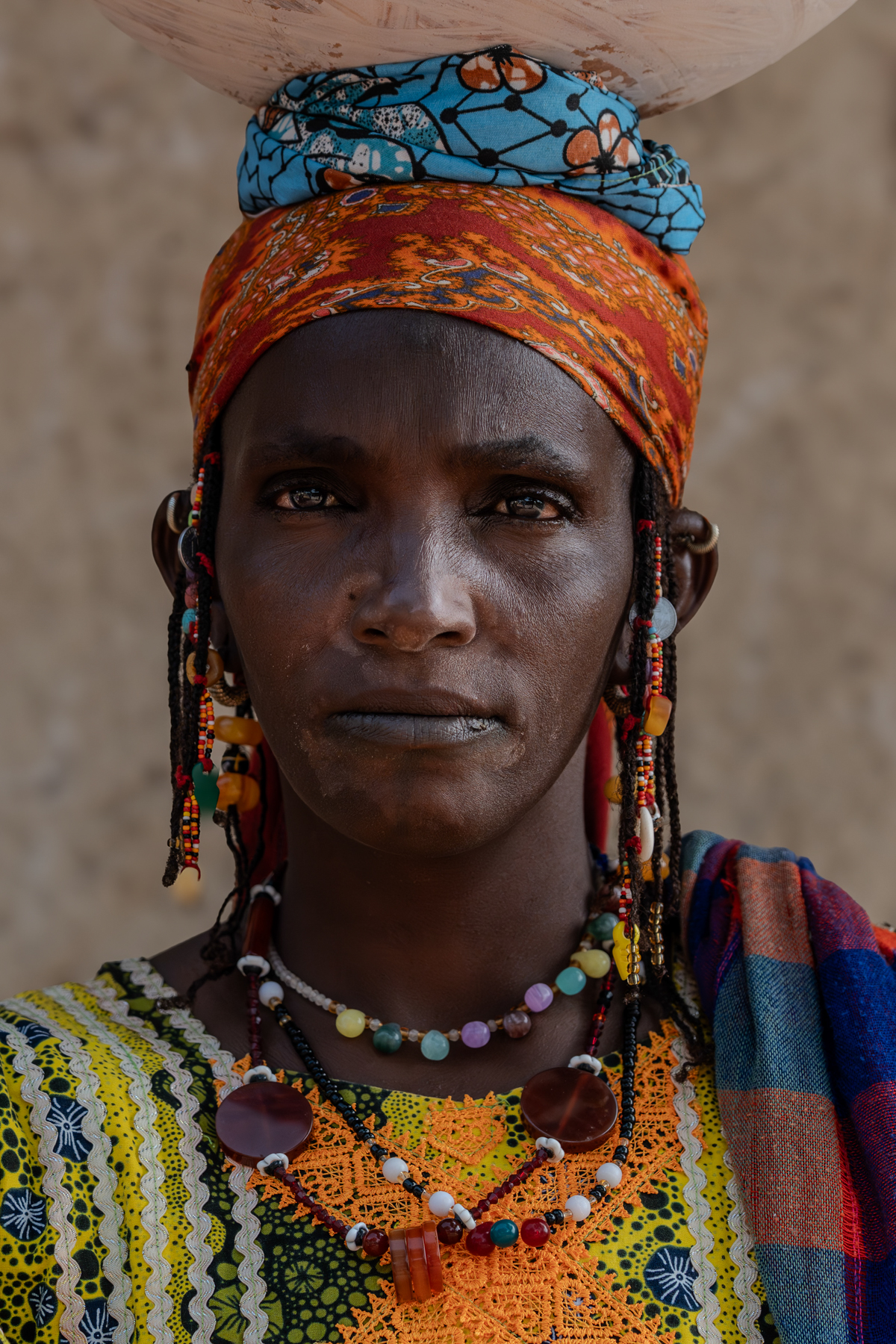
A Traditional Fulani Woman (Image by Craig Baulcomb)
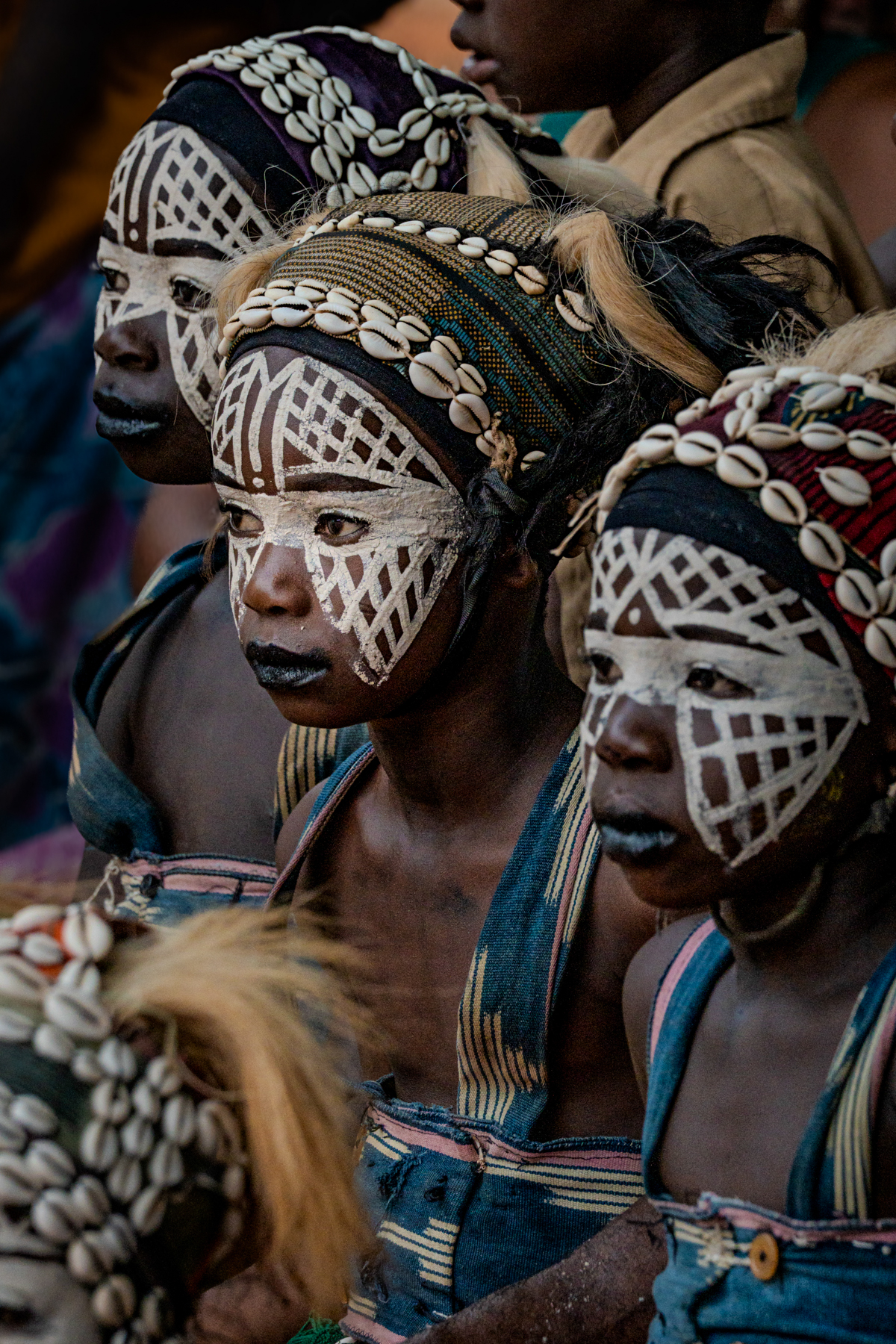
Mystical Snake Girls of the Guere People (Image by Craig Baulcomb)
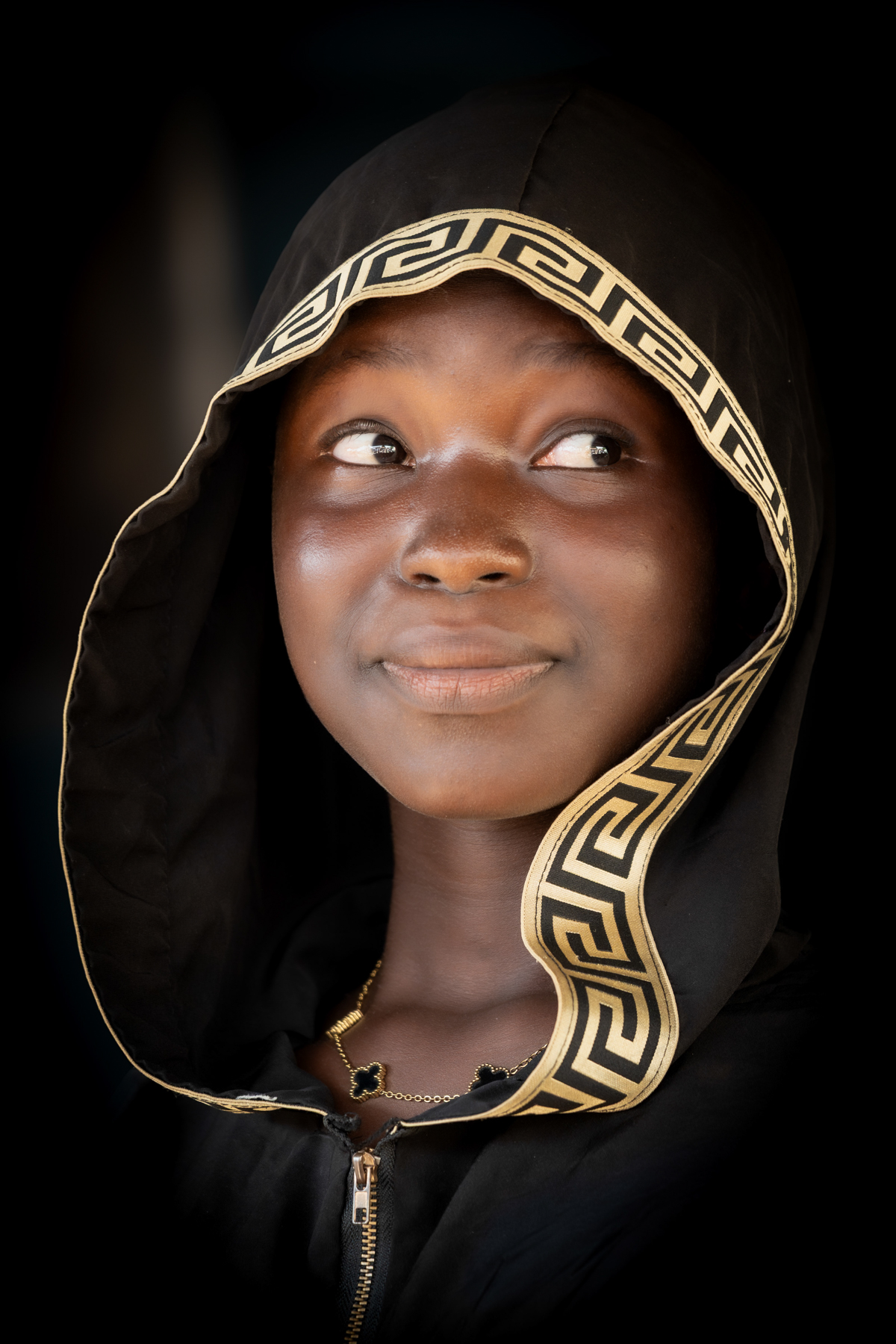
A Captivating Bystander - Malenke Poro (Image by Craig Baulcomb)
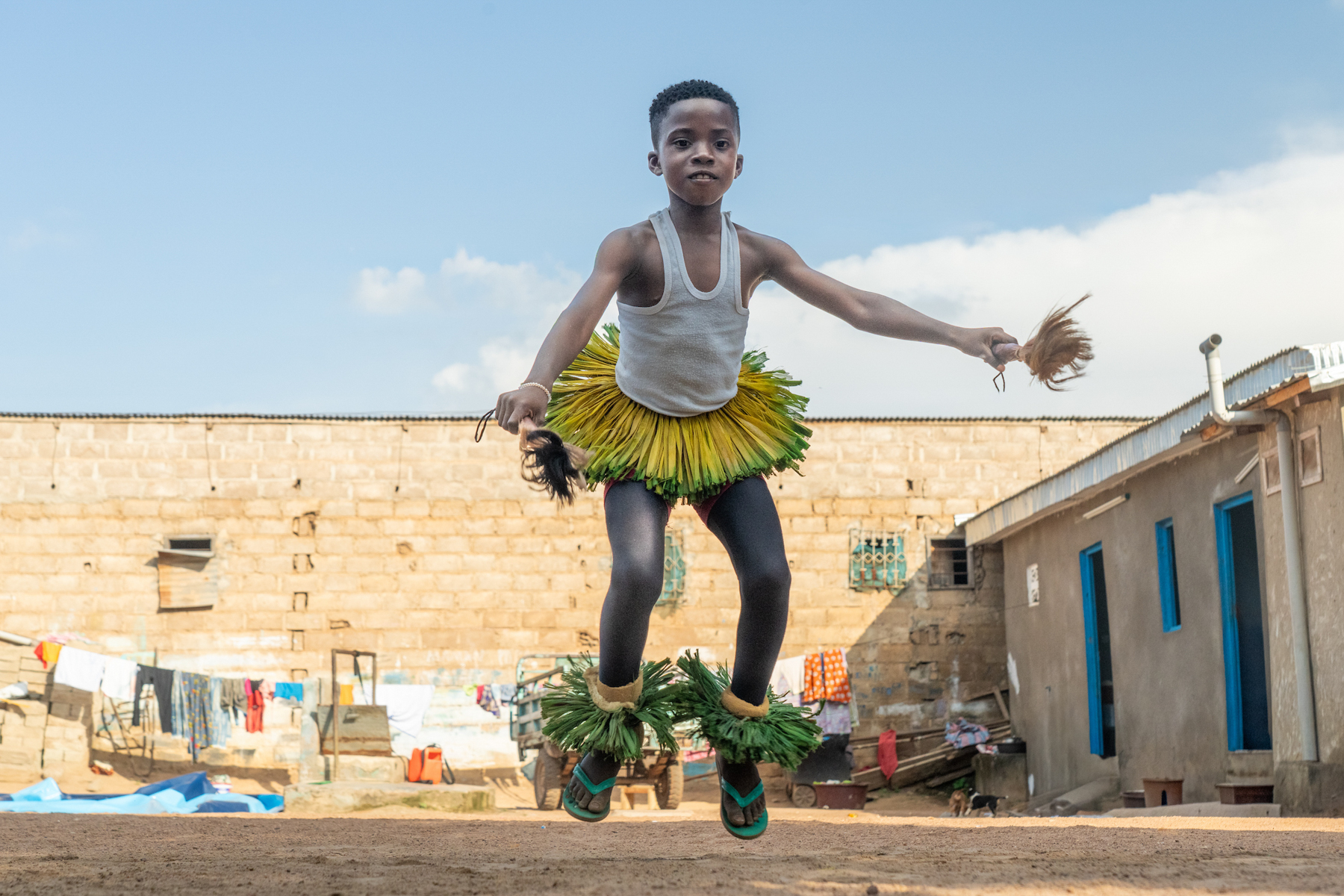
Zaouli trainee in mid-air (image by Inger Vandyke)
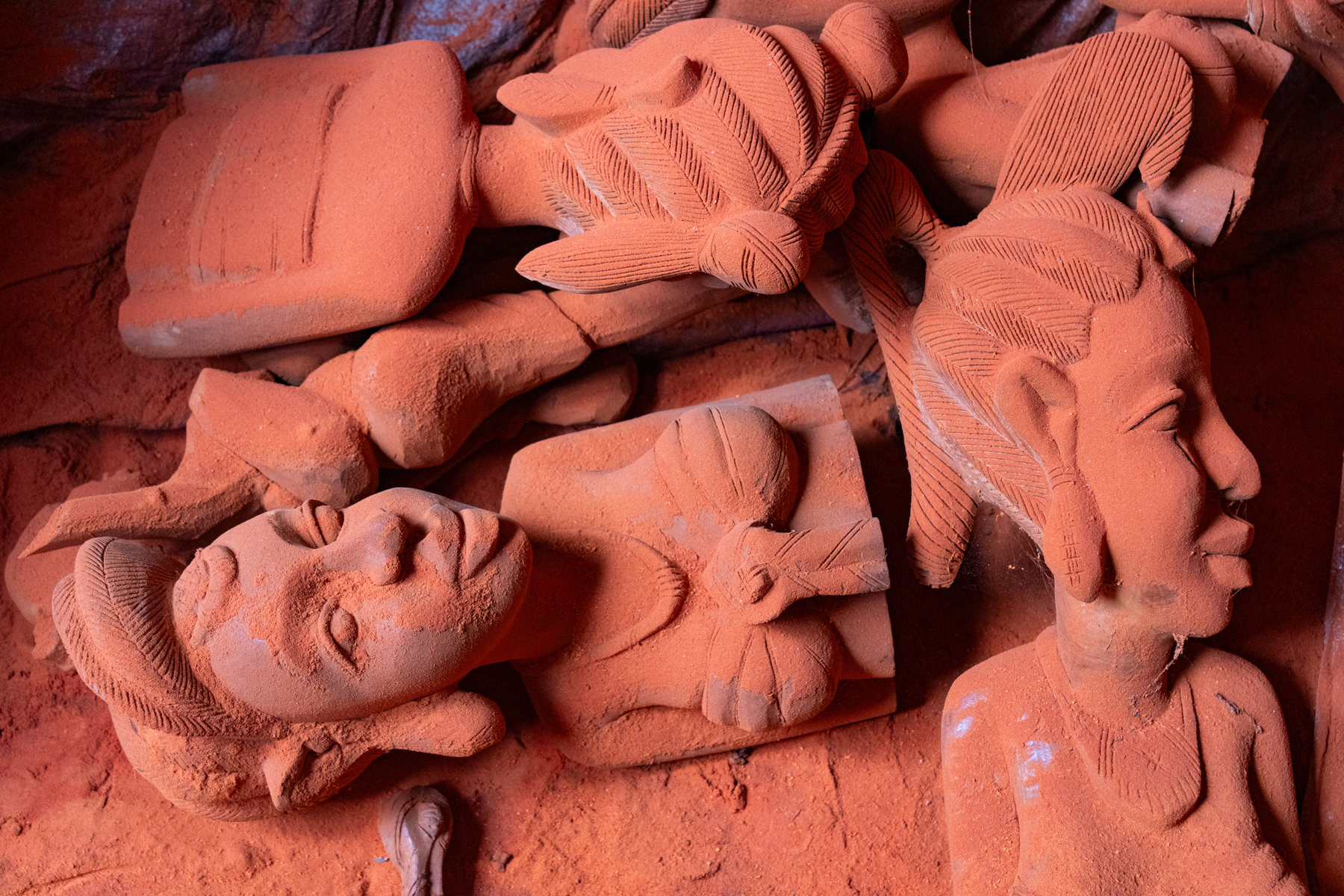
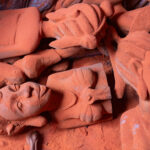
The mask maker's workshop floor (image by Inger Vandyke)
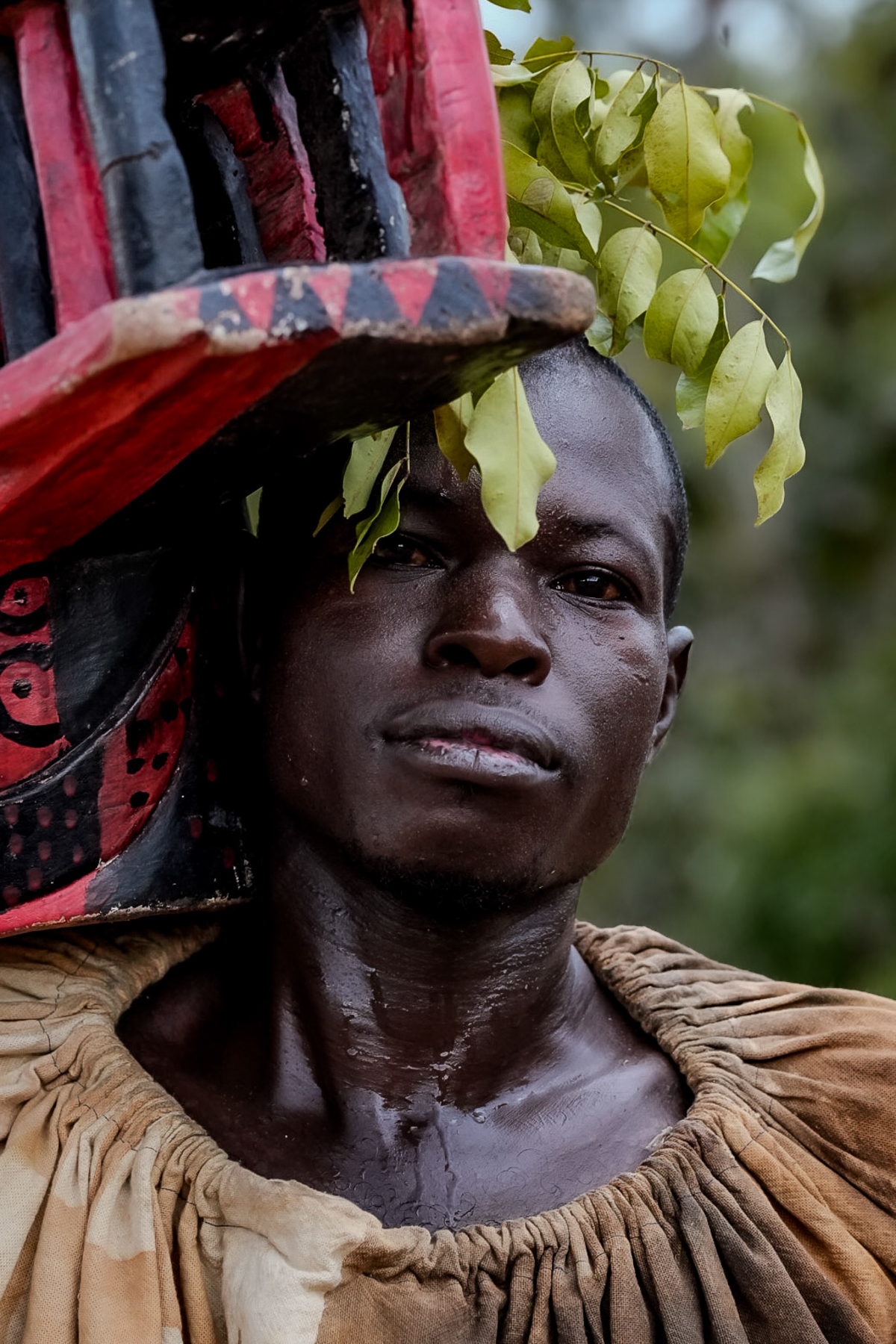
Wambele Mask Off - Poro Initiate (Image by Craig Baulcomb)
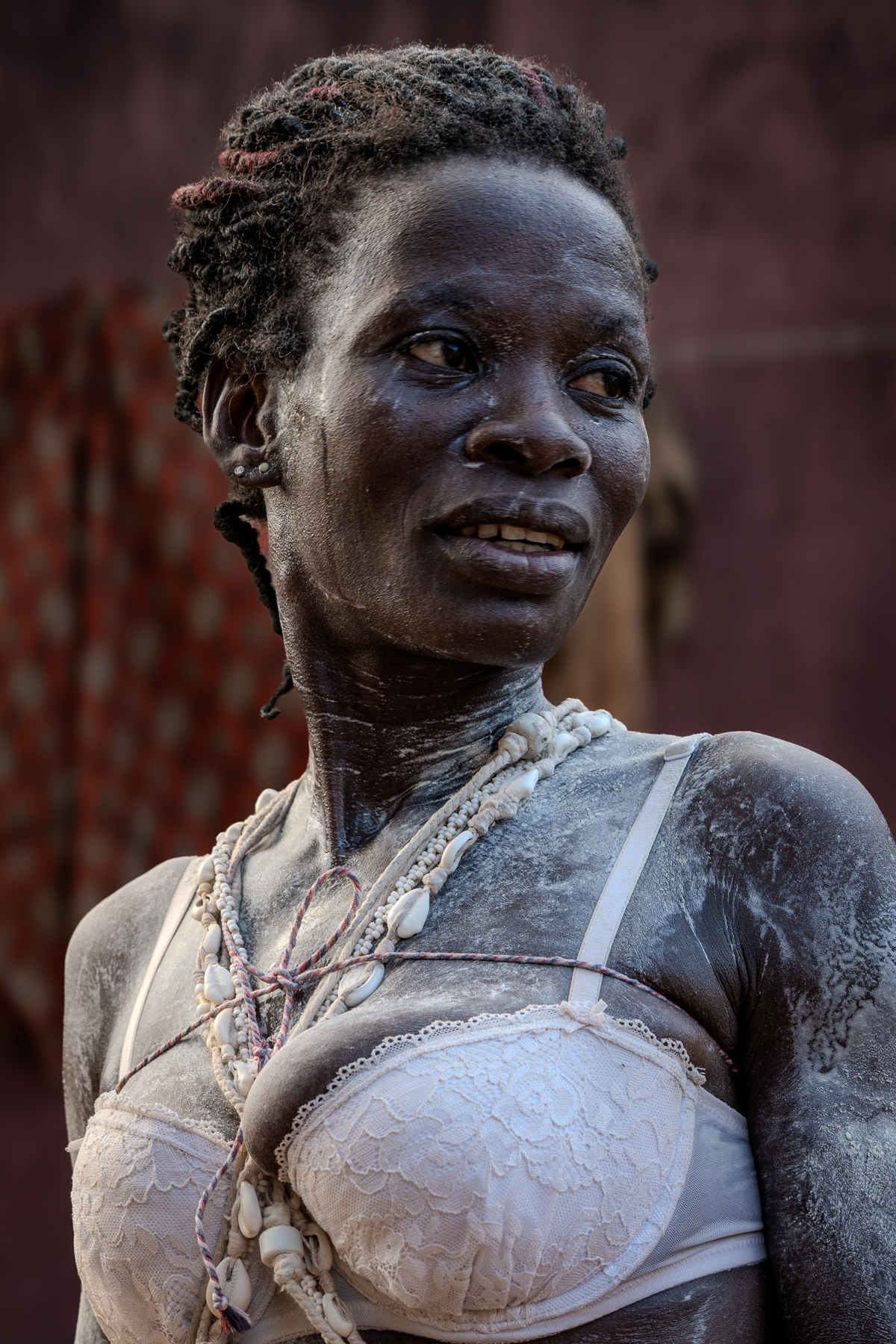
Komian Priestess - After the Rapture (Image by Craig Baulcomb)
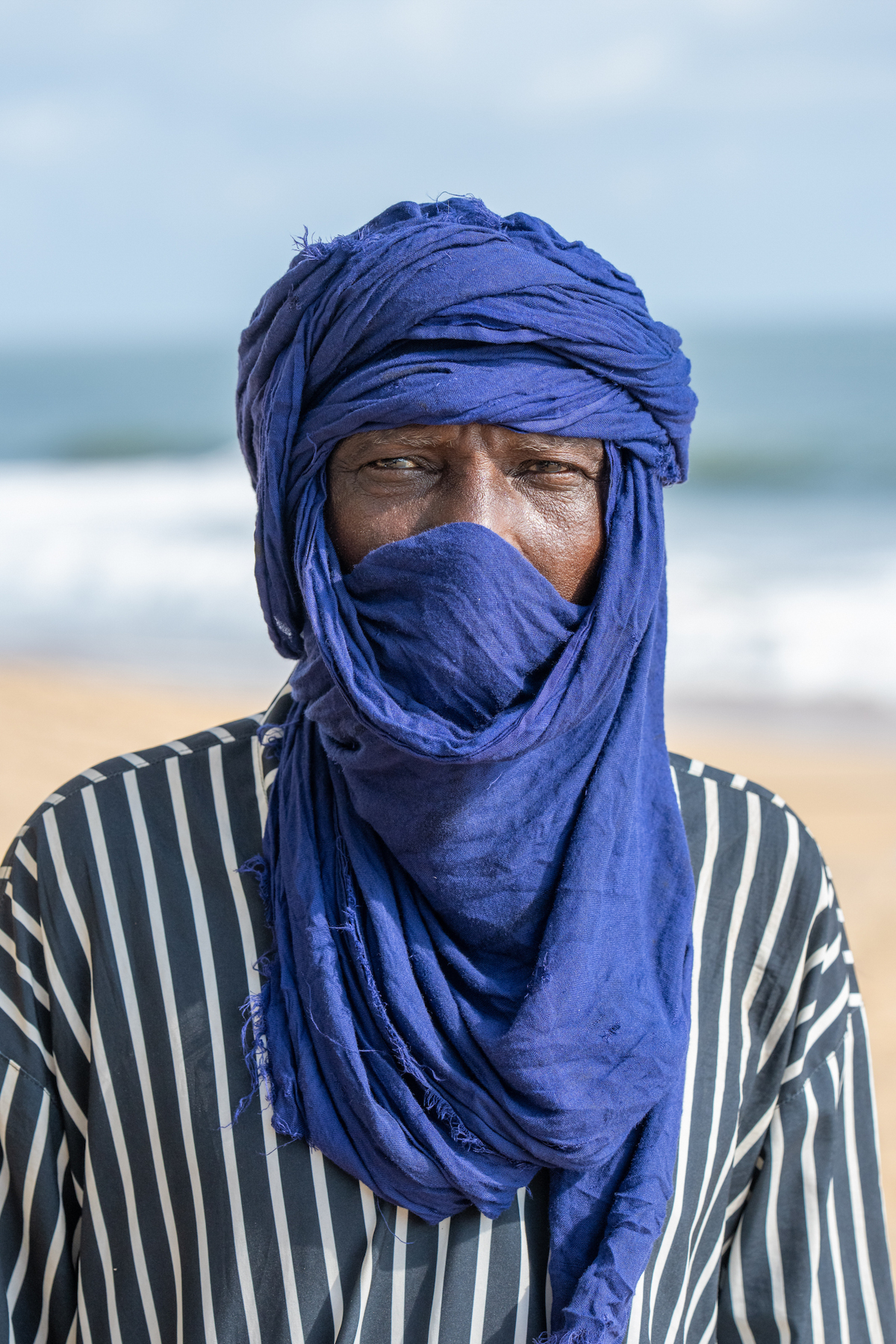
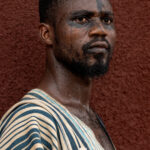
Portrait of a Tuareg man on Grand Bassam (image by Inger Vandyke)
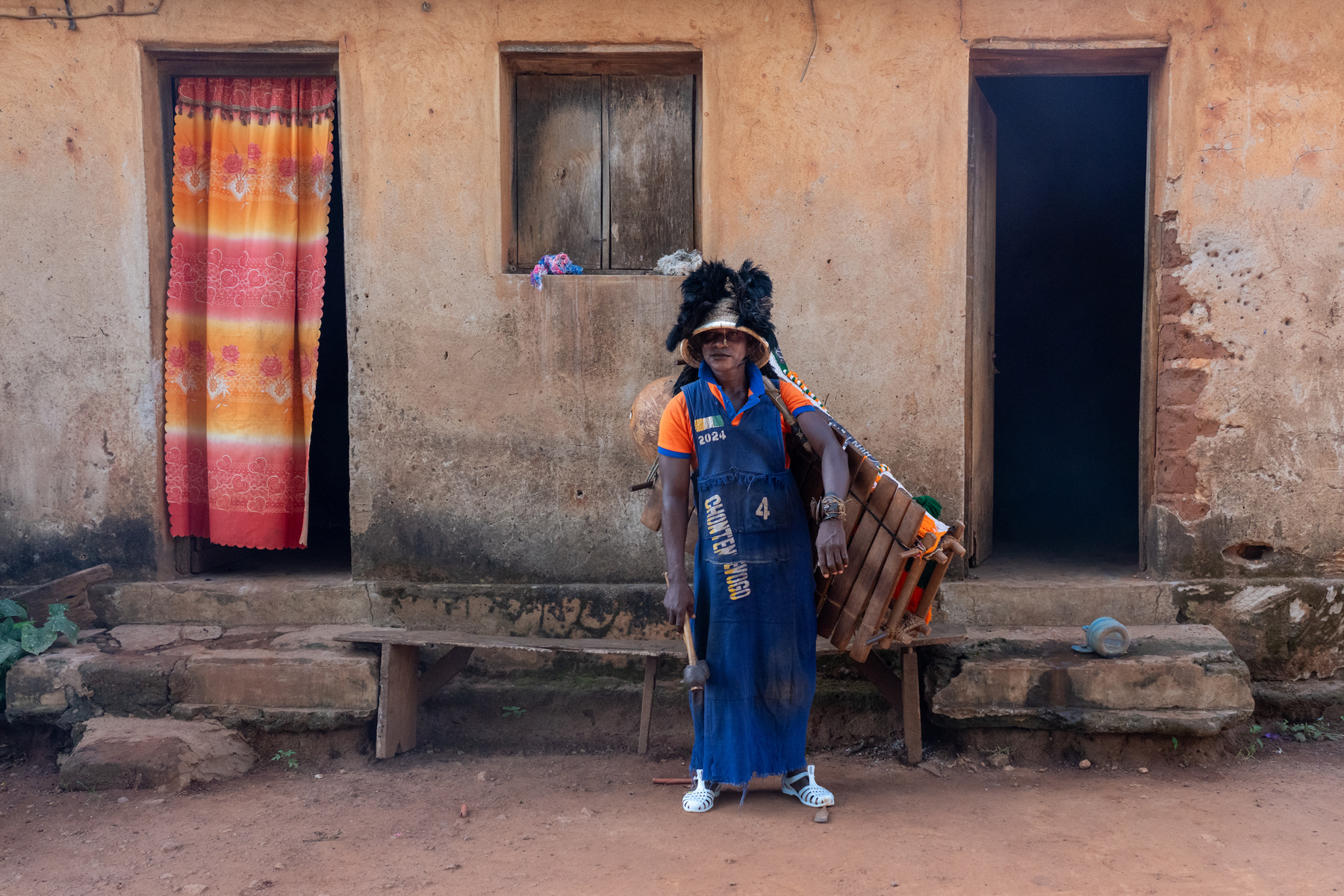
A Balafon Player outside his home (image by Inger Vandyke)
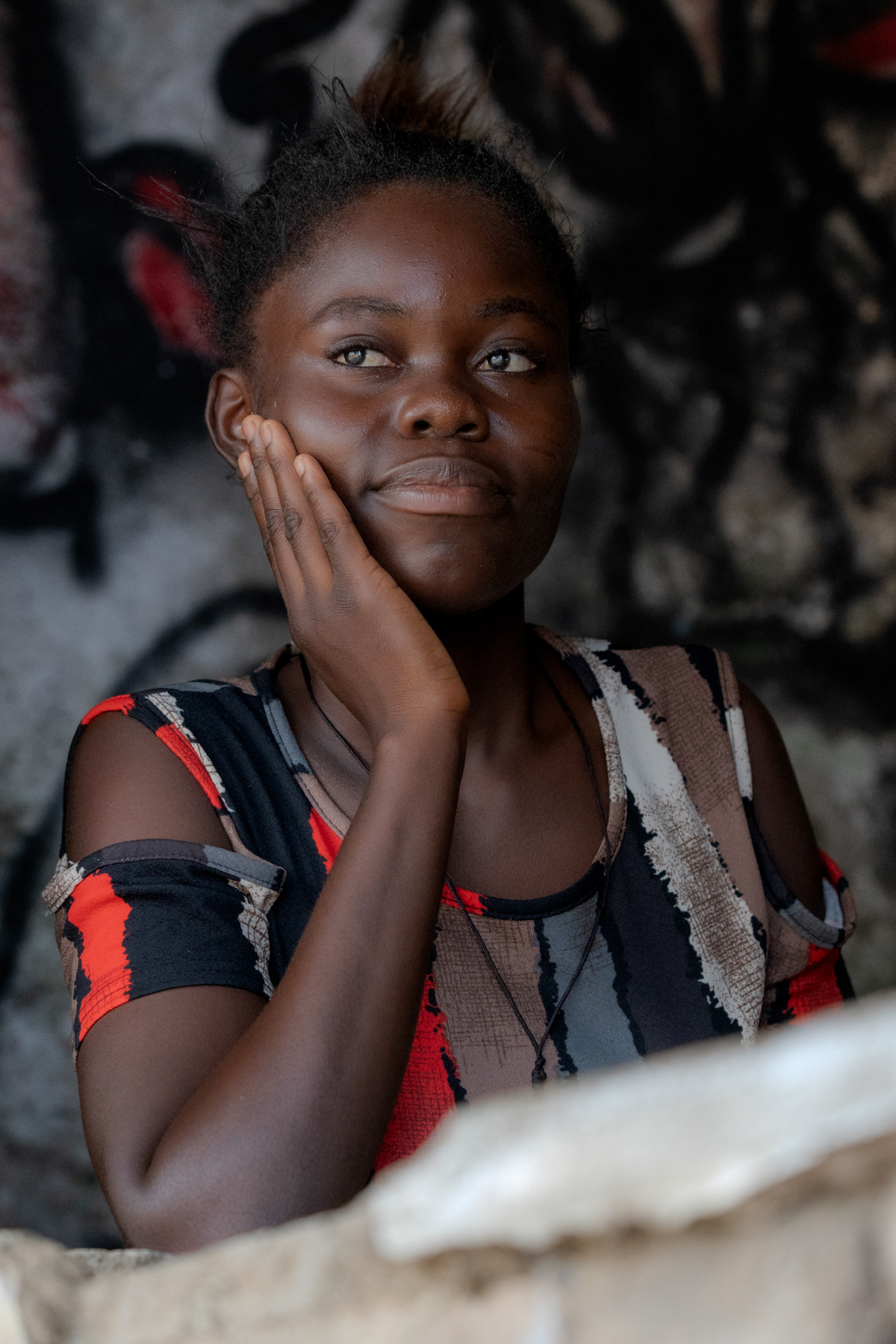
Lost in Thought in Old Grand Bassam (Image by Craig Baulcomb)
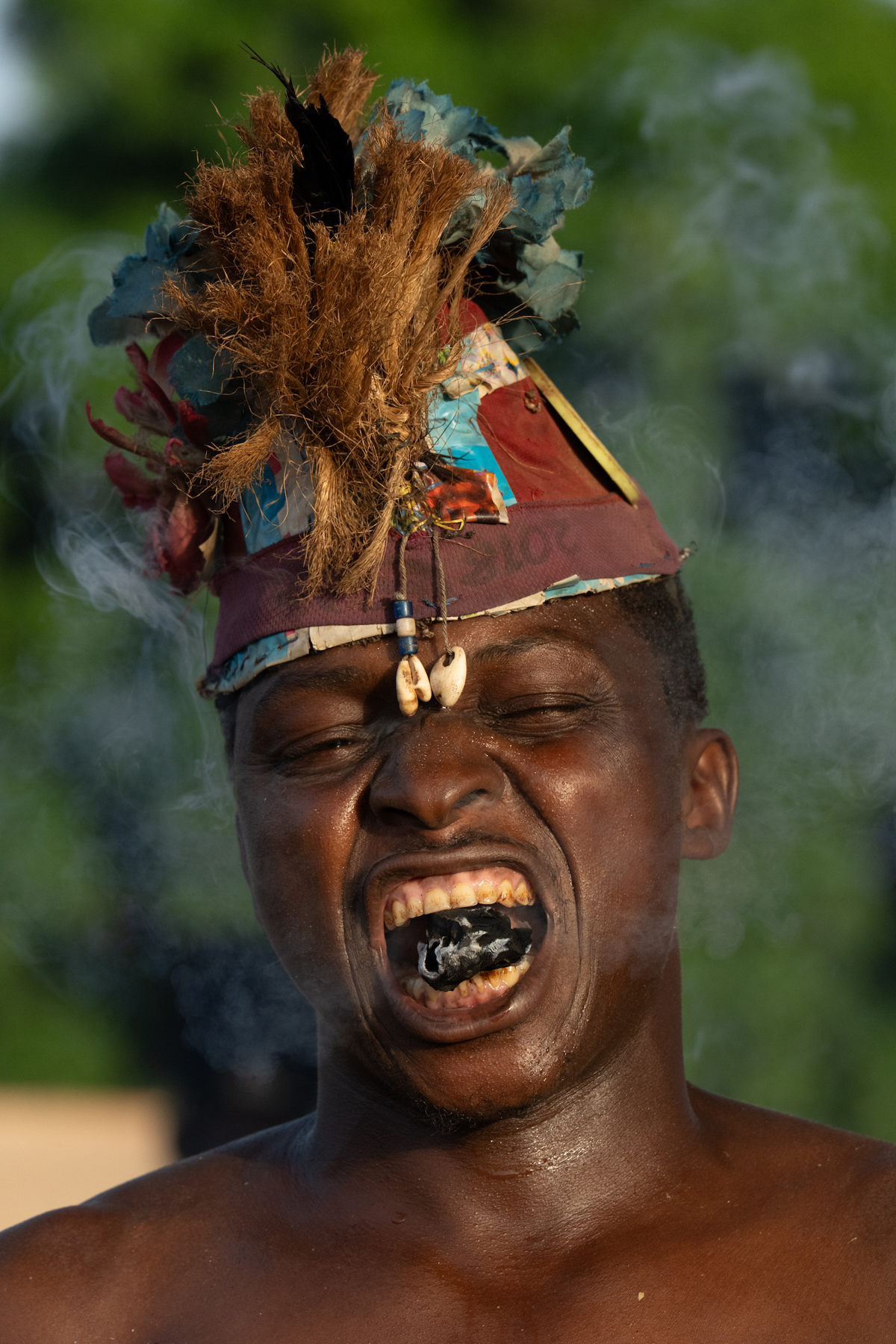
Senoufo fire eater (image by Inger Vandyke)
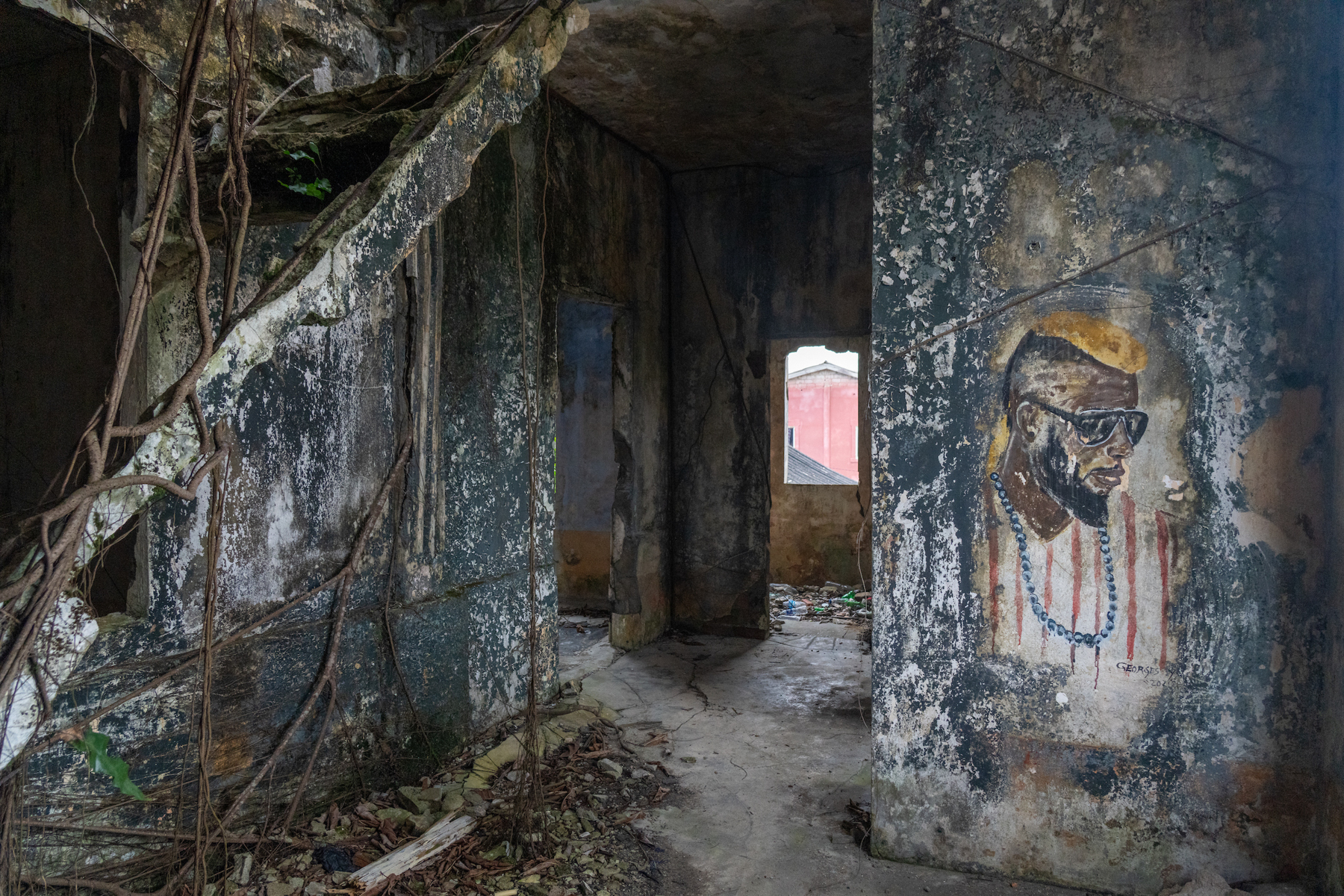
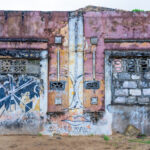
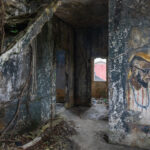
Street art and strangler figs inside Ganamet House, Grand Bassam (image by Inger Vandyke)
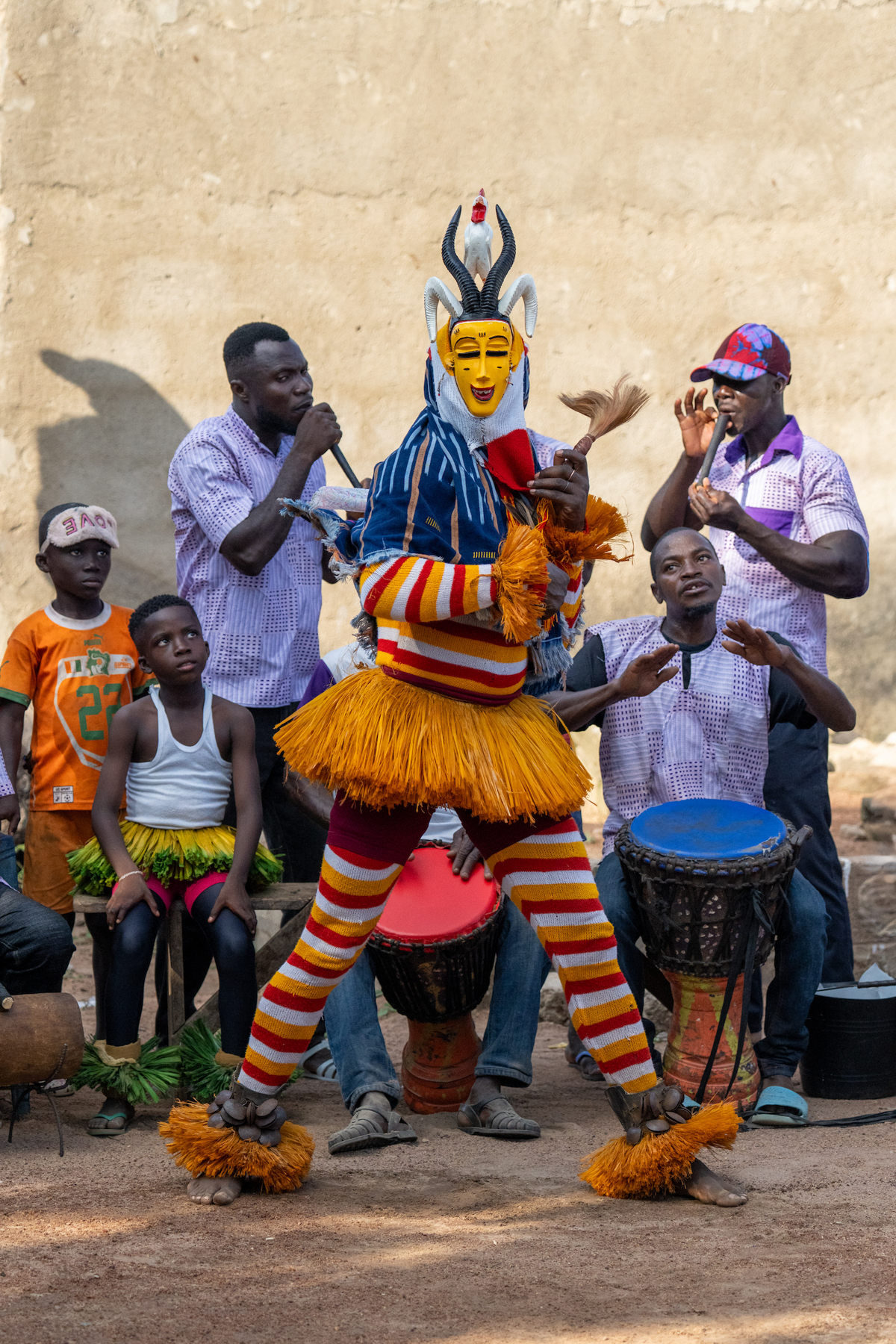
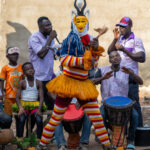
Zaouli dancer with musicians (image by Inger Vandyke)
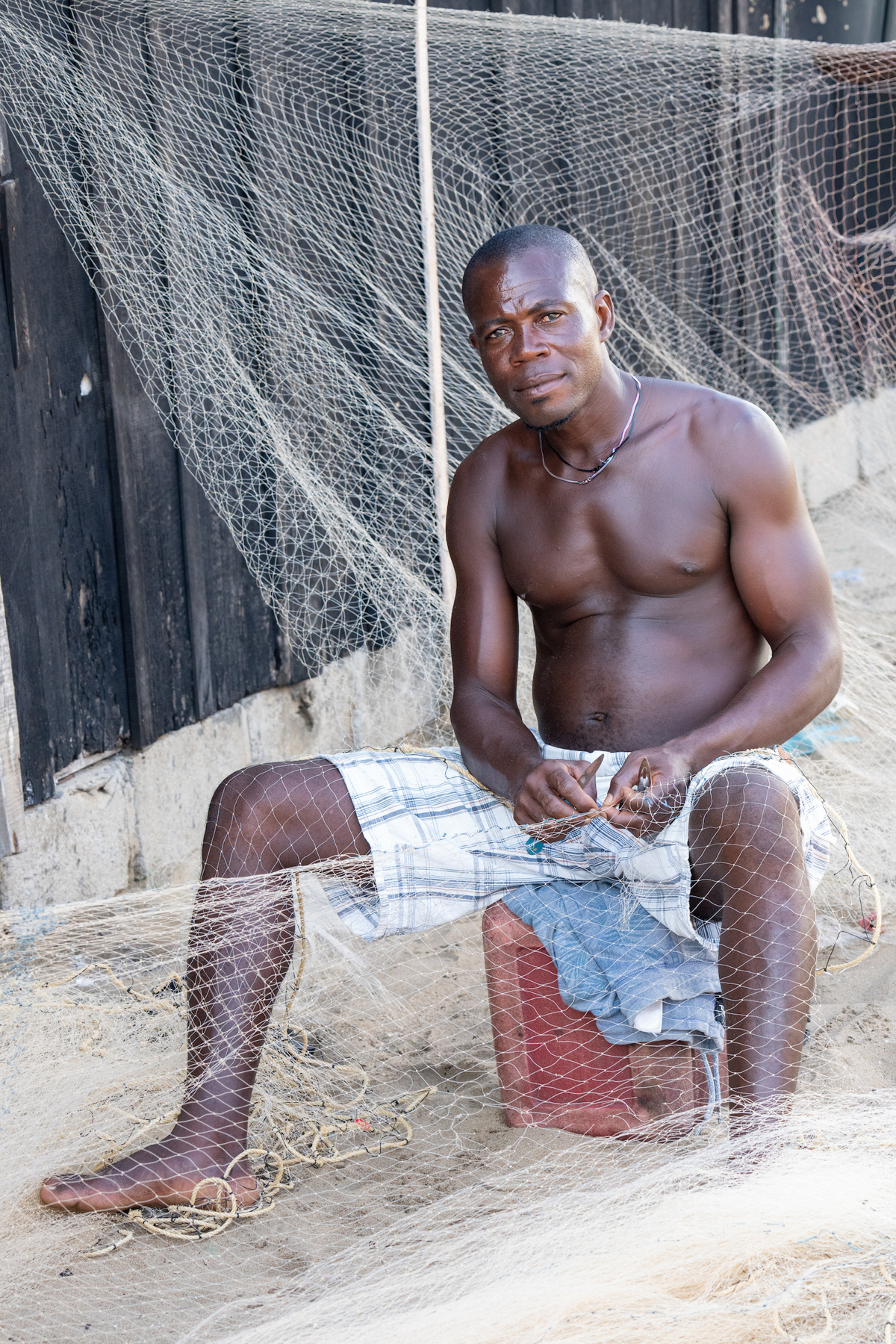
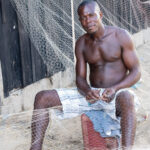
Fisherman mending nets at Grand Bassam (image by Inger Vandyke)
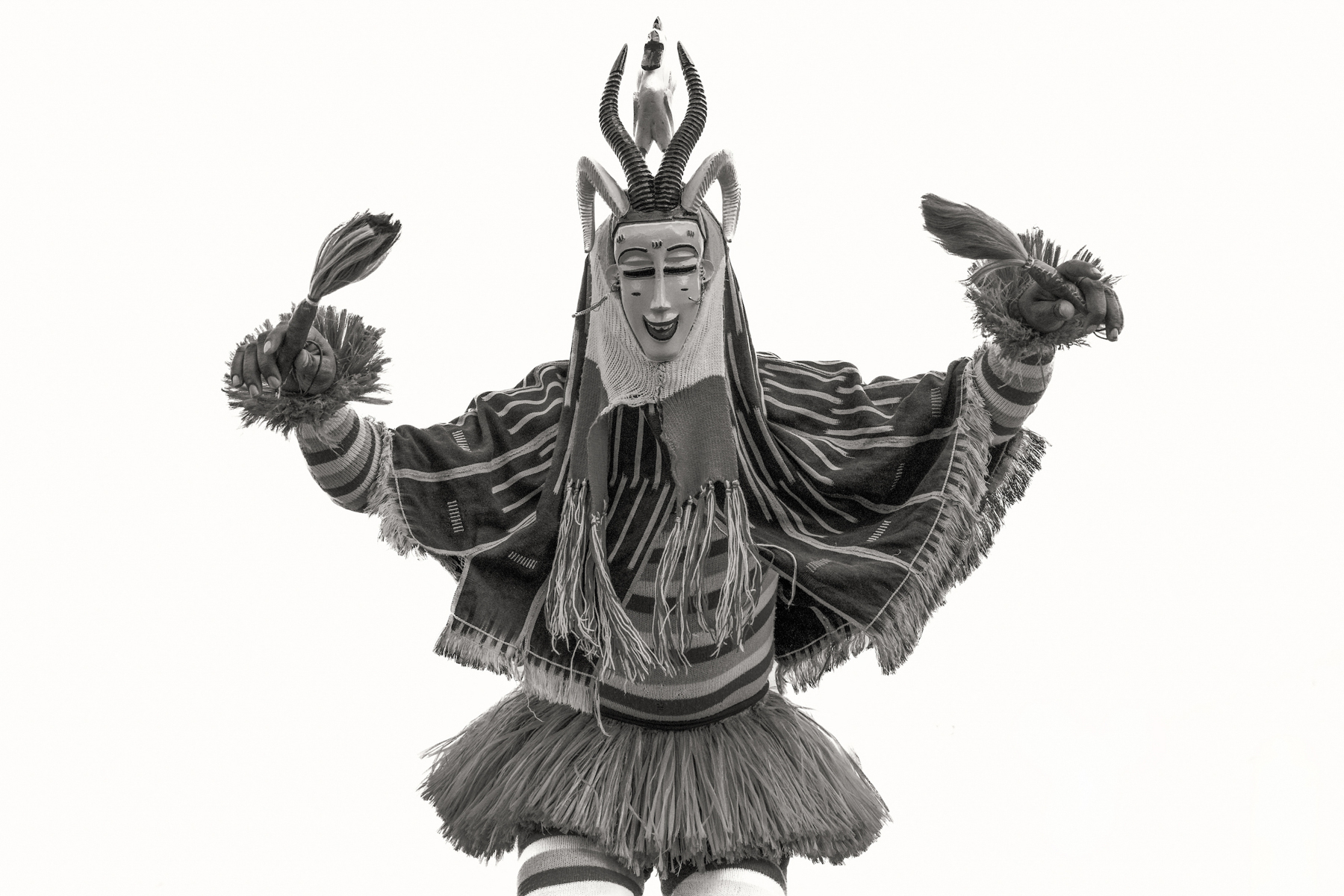
Zaouli in mono (image by Inger Vandyke)
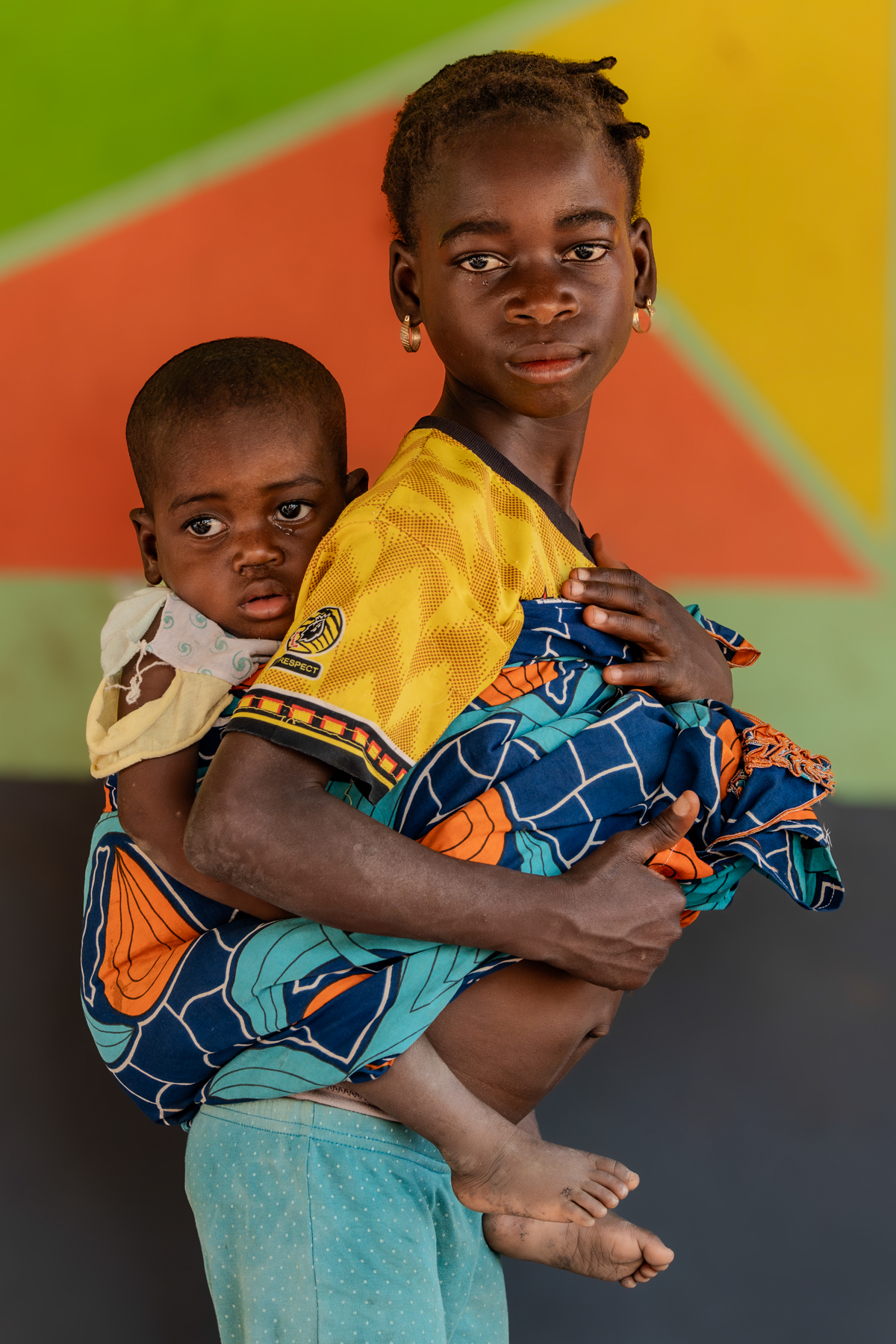
Godoufouma Guardian (Image by Craig Baulcomb)
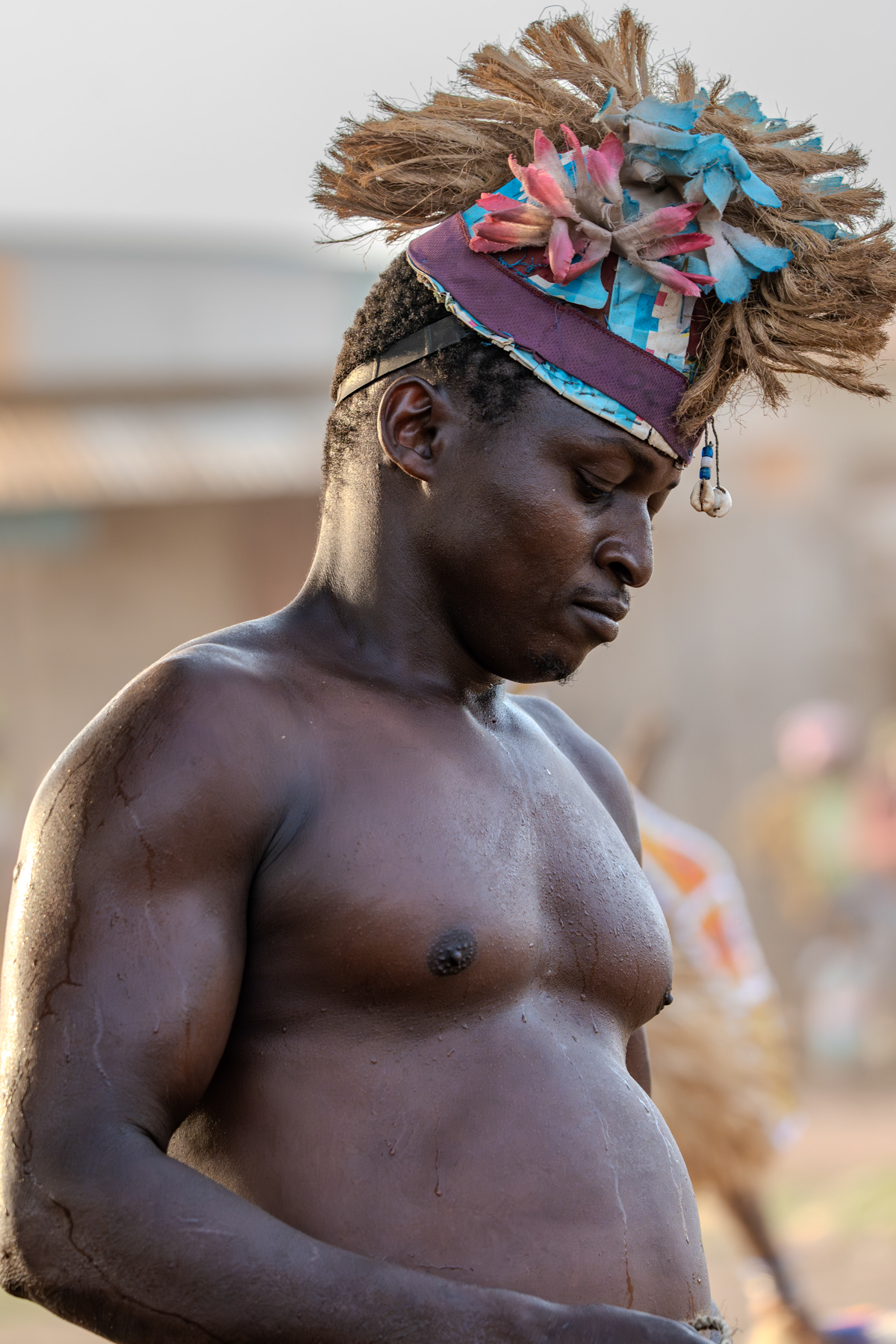
N'Goron Fire Walker (Image by Craig Baulcomb)
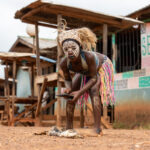
















A Jongleur girl makes an offering before she starts to dance (image by Inger Vandyke)
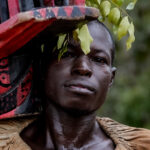
A young Zaouli dancer in the doorway of his home (image by Inger Vandyke)
A quiet moment as a pilgrim makes an offering at Mont Sienlow (image by Inger Vandyke)
Muslim girl wearing Niqab in Man (image by Inger Vandyke)
Jongleur girl with candle (image by Inger Vandyke)
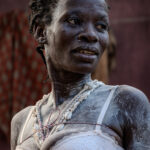
Komian women (image by Inger Vandyke)
N'Goron Dancers - Dance of Senufo Virgins (Image by Craig Baulcomb)
Snake Girl - La Danse des Jongleurs (Image by Craig Baulcomb)
The mask maker's daughter (image by Inger Vandyke)
Pouring libations ahead of a Goly ceremony (image by Inger Vandyke)
Inside St Paul's Cathedral in Abidjan (image by Inger Vandyke)
Muslim girls in the old Islamic quarter of Man (image by Inger Vandyke)
Tempering the Drums (Image by Craig Baulcomb)
Stilt Dancer from the Godoufouma Sacred Forest (Image by Craig Baulcomb)
Fulani Children (Image by Craig Baulcomb)
Kidnapped! G'ba Dance of the Yacouba (Image by Craig Baulcomb)
Koma, the bird masked dancer of Godoufouma (image by Inger Vandyke)
Stillness in the Noise (Image by Craig Baulcomb)
Everyone is Welcome (Image by Craig Baulcomb)
Athletic Boloye Dancer (image by Inger Vandyke)
Calabash Players Dressed in Indigo (Kita) Cloth (Image by Craig Baulcomb)
In the Crowd - Belafon Bystander (Image by Craig Baulcomb)
Safe in Grandma's Embrace - Godoufouma Village (Image by Craig Baulcomb)
Hunter, Spirit Keeper, Cultural Guardian - Brotherhood of the Dozos (Image by Craig Bauclomb)
Bringing in the Catch - Grand Bassam (Image by Craig Baulcomb)
Goly Ceremony - In the Shade of the Tree (Image by Craig Baulcomb)
Ballerina Beauty (Image by Craig Baulcomb)
Wooden Sculptures in Man (Image by Craig Baulcomb)
N'Goron Dancers (Image by Craig Baulcomb)
Gba masked dancer with young initiate boys (image by Inger Vandyke)
Wambele Spirit Mask - Senufo People (Image by Craig Baulcomb)
Senufo Salutation - Honouring the Sacred Forest (Image by Craig Baulcomb)
Baoule King (image by Inger Vandyke)
Stunning sunset at Grand Bassam (image by Inger Vandyke)
Malenke Poro Ritual Dancer (Image by Craig Baulcomb)
One of Grand Bassam's old buildings (image by Inger Vandyke)
Candid Moments - Godoufouma Village (Image by Craig Baulcomb)
Dozo Brotherhood (Image by Craig Baulcomb)
Weaving (image by Inger Vandyke)
The beautiful Cascade of Man (image by Inger Vandyke)
Komian Priestess - Divine Inspiration (Image by Craig Baulcomb)
Malinke Poro (image by Inger Vandyke)
Cooling Off at Man Waterfall (Image by Craig Baulcomb)
West African art at the Bushman's Cafe in Abidjan (image by Inger Vandyke)
Gla masked dancers taking a break (image by Inger Vandyke)
Kong Village Mosque - Daily Life Unchanged (Image by Craig Baulcomb)
Goly Ceremony - In The Shade of the Tree (Image by Craig Baulcomb)
Boloye dancer (image by Inger Vandyke)
Village Life - Godoufouma (Image by Craig Baulcomb)
Blowing Coals - Brotherhood of the Dozos (Image by Craig Baulcomb)
Malinke man with carvings (image by Inger Vandyke)
Unmasked Dancer - La Danse des Jongleurs (Image by Craig Baulcomb)
Official Balafon Band Player (Image by Craig Baulcomb)
The memorable Danse de Jongleurs (image by Inger Vandyke)
Panther Prowl - An Initiate of Senufo Poro (Image by Craig Baulcomb)
Boloye Air (Image by Craig Baulcomb)
Airborne Ngoron fire dancer (image by Inger Vandyke)
Yacouba Warrior (Image by Craig Baulcomb)
Learning from a master (image by Inger Vandyke)
Old & New - Grand Bassam Blossom (Image by Craig Baulcomb)
Fulani children at their village school (image by Inger Vandyke)
Beautiful in Blue - Godoufouma Village (Image by Craig Baulcomb)
A Boloye Dancer Leaps (Image by Craig Baulcomb)
Laughing Ngoron girls (image by Inger Vandyke)
Catching Air - Boloye Somersault (Image by Craig Baulcomb)
N'Goron Dancer (Image by Craig Baulcomb)
Komian Priestess Detail (Image by Craig Baulcomb)
A Traditional Fulani Woman (Image by Craig Baulcomb)
Mystical Snake Girls of the Guere People (Image by Craig Baulcomb)
A Captivating Bystander - Malenke Poro (Image by Craig Baulcomb)
Zaouli trainee in mid-air (image by Inger Vandyke)
The mask maker's workshop floor (image by Inger Vandyke)
Wambele Mask Off - Poro Initiate (Image by Craig Baulcomb)
Komian Priestess - After the Rapture (Image by Craig Baulcomb)
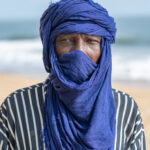
Portrait of a Tuareg man on Grand Bassam (image by Inger Vandyke)
A Balafon Player outside his home (image by Inger Vandyke)
Lost in Thought in Old Grand Bassam (Image by Craig Baulcomb)
Senoufo fire eater (image by Inger Vandyke)
Street art and strangler figs inside Ganamet House, Grand Bassam (image by Inger Vandyke)
Zaouli dancer with musicians (image by Inger Vandyke)
Fisherman mending nets at Grand Bassam (image by Inger Vandyke)
Zaouli in mono (image by Inger Vandyke)
Godoufouma Guardian (Image by Craig Baulcomb)
N'Goron Fire Walker (Image by Craig Baulcomb)


Africa, for many, still conjures images of hardship and life lived on the edge of subsistence. A decade or so ago, I was determined to rid myself of this outdated framework and forge a new relationship with the continent. West Africa—and in particular the alliteratively named Gulf of Guinea—was a frontier I had yet to explore. Enter the Ivory Coast, a place steeped in time-honoured tribal traditions and ancient cultures.
It seemed exceedingly fitting, therefore, that the Wild Images tour began in Abidjan: a modern sur-la-mer metropolis that has effectively shed its cloak of darkness to reveal a seamless, made-in-Africa blend of modern infrastructure and French-influenced sophistication and style. Imagine, for a moment, a place where African brutalism meets superlative skyscrapers; where traditional wax cloth is reimagined in a fantastic fusion of couturier-inspired looks, transposed against a backdrop of tree-lined boulevards. If you can successfully picture this, then you have pictured the heady blend of references that is Abidjan—the “Paris of West Africa.”
Once assembled in Abidjan and formalities completed, our tour group settled into our first shared meal: a gourmet dinner at the Noom Hotel on the Abidjan Plateau. Getting to know one another a little better and benefiting from a preview of the upcoming tour highlights (thanks to our fearless leader and company owner, Inger Vandyke), we retired to our rooms that night with both appetites and anxieties satiated, dreaming of what was yet to come.
After an equally delicious early-morning breakfast of pain-au-chocolat, fresh coffee, and omelettes, we began our long-anticipated journey beyond the city limits—destination Abengourou. A city and region in the southeast of the country, Abengourou is known for its coffee and cocoa agriculture and for its strong cultural ties to neighbouring Ghana. Little did we know that on this very day, we would meet a verifiable Akan princess whose matriarchal lineage reached back to a time of legend, when human sacrifice and magical alliances between people and wild beasts were the order of the day.
Legendary as that encounter was, it proved only the appetiser to a spellbinding, hypnotic afternoon spent with the Komian—local sorcerers and soothsayers initiated to communicate with the spiritual world at the behest of the Royal Court of Abengourou.
Struggling to contain our excitement at the prospect of witnessing the Komians’ centuries-old ceremony, we bustled around the confined courtyard until an official entered, announcing the imminent start of proceedings by laying down a wide circle of white kaolin powder. This gesture descriptively separated the present world from the spiritual one. Holding deep cultural significance across West Africa, Komian priestesses use this natural white clay powder to purify, to connect, and ultimately to communicate with the spirit world. The powder also acts as a highly contrasting visual identifier that a sacred event is taking place.
As the Komian priestesses entered the space, drums began to beat rhythmically and, one by one, the initiated slipped into trance-like states. Swaying, spinning, and reciting chants, it was not hard to imagine practices like these being performed millennia ago to decide the fates of kings and common people alike. As the ritual beats subsided, the Komian appeared both emotionally and physically drained, the kaolin powder now mixing with rivulets of sweat across their faces and bodies—an emphatic marker signalling the end of the first in a series of traditional practices we were yet to witness across this compact, yet extraordinarily rich and diverse, country.
Officially only Day 2, we hit the road early for Yamoussoukro, the official administrative capital of the Ivory Coast and our gateway to the north and beyond. Our three-hour journey was broken up by our first visit to a rural market.
Unleashed into the busy market, we spread out instinctively, driven to photograph candid moments and things yet to be foreseen. What felt like only five minutes—though in reality closer to an hour—passed quickly before we regrouped and continued on to our destination: the Vatican-inspired Basilica of Our Lady of Peace, known in French as Notre-Dame de la Paix. Dominating the relatively scrub-covered skyline of Ivory Coast’s first capital, the basilica is, by all measures, the largest church in the world.
Our afternoon proved equally daunting with our official introduction to the tribal dances of the Ivory Coast. Up first was the Zaouli dance, performed by men of the Guro people as an homage to feminine beauty. Legendary for its bewildering speed and transfixing footwork, the Zaouli did not disappoint. We watched several performances, including one by a young and extraordinarily talented dancer.
Cameras ready and videos primed, each of us became caught up in the excitement, capturing what could only be described as “the footage of a lifetime.” Beyond the performances, there was time to connect with villagers, to share stories, and—communicating in both French and English, supplemented generously by spontaneous sign language—to photograph more natural, unguarded moments. It is no wonder that West Africa has become famous for its high-energy dance traditions, and that UNESCO has recognised Zaouli as part of the Intangible Cultural Heritage of Humanity.
The world-famous Zaouli dance of Ivory Coast (video by Inger Vandyke)
Bright and early on Day 3, we left our hotel bound for a Baoulé village. Well known for its vibrant cultural traditions, the primary draw here was the opportunity to witness the famous and compelling Goli masked dances—a stunning celebration in which masked figures take on the attributes of spiritual beings drawn from village folklore.
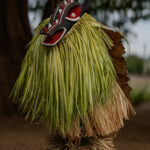
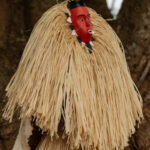
Wearing masks of black or red to represent female or male spirits, the dancers appeared reborn, embodying forms that previously existed only in the imaginations of the Baoulé people. From the sidelines, children watched—mesmerised and, frankly, a little terrified—as drums, beating in ever-increasing tempo, heralded the spirit dancers into the centre of the courtyard.
As soon as they can walk, many African children can dance. A young Baoule boy joins in the pre-ceremony singing and dancing of Goli (video by Inger Vandyke)
In flushes and spins of sun-soaked raffia, the spirits tossed and twirled, ending each flurry with a loud crack produced by a whip-like branch slamming against an animal skin affixed to the back of the Goli. Sounding like a gunshot, the crack announced the end of one spirit’s wild wanderings and the beginning of the next.
Equally mesmerising was the hypnotic rhythm provided by the village men and their calabash instruments. Wrapped in beautifully crafted knotwork and laced with cowrie shells, the instruments created perfect partnering percussion. The men danced together in procession, moving back and forth in a wave-like formation, as if welcoming the Goli spirits into the space.
As we left this magical location—set beautifully beneath the boughs of an ancient, shade-providing tree—we passed through a grove of Baoulé strip weavers producing the most magnificent indigo-dyed cloth. Known locally as kita or kente and typical of this region, the textiles were irresistible. I purchased two pieces that would accompany me for the remainder of the journey, tangible placeholders for a terrific morning on a trip that was still very much just getting underway.
Setting our sights due north, the bus headed toward the northern city of Korhogo, gateway to the Ivory Coast’s savanna and ancestral home of the Senufo people. Several hours later, we arrived at what would become our home and base for the next three days and nights: the Chigata Hotel.
After a relatively swift check-in, we drove to a secluded area on the edge of town to witness the sacred mask dance of the Wambele. As dusk quickly fell, we travelled down a red mud road to an opening in the brush. What initially appeared to be a simple fire pit surrounded by clay pots revealed itself, on closer approach, as bodies quietly gathering in the broken scrub.
Musical instruments and rhythmic percussion announced the start of the dance. The air, heavy with humidity, wafts of smoke, and anticipation, seemed to thicken as the Wambele and its panther companion emerged from the sacred forest.
Deeply embedded in Senufo folklore, the Wambele is a double-headed, intricately carved and painted wooden mask representing dualities—good and evil, past and present, protector and aggressor. Said to possess formidable magical power and strictly forbidden from the eyes of women, the Wambele’s presence can be summoned for both benevolent and malevolent purposes.
Worn by initiates of the Poro society—a secret male initiation society whose teachings take decades to acquire—the Wambele appears at funerals and on special occasions. Our encounter included astonishing feats of magic, such as creating boiling water without flame and extruding an impossibly long strand of what appeared to be string from the mask itself.
As the final light dwindled, we were able to capture extraordinary photographs of the sacred masks, the initiates, and their ritual regalia. Thus ended—and thus began—our own initiation into Senufo culture and the wilds of northern Ivory Coast.
The following morning, we headed out to experience the renowned Ivorian balafon, an unexpected highlight not listed on the tour’s published schedule. The balafon, essentially a large gourd-resonated xylophone, holds deep cultural significance throughout Côte d’Ivoire and neighbouring Mali and Burkina Faso.
Set against a magnificently photogenic village backdrop, our arrival prompted villagers to gather beneath glossy, deep emerald-green mango trees. As players arrived—some balancing their impressively large instruments on motorbikes—they were dressed in traditional ensembles of bright orange and blue, some emblazoned with troupe names, and several wearing raffia-woven helmets topped with wispy black ostrich plumes.
Small fires were lit beside the drums to wax and cure them, readying the instruments for their collective musical tribute. As the music began, filling the grove with resounding percussion and joy, village women gathered behind the musicians, swaying rhythmically in an ever-tightening circle, singing in harmony to the soul-reaching beats.
Leaving almost as quickly as we had arrived, we soon found ourselves back in the vehicle, heading toward the storied town of Kong. Once a prominent stop along ancient Senufo trade routes through West Africa, Kong lies not far from the border with Burkina Faso and the Ivory Coast’s largest national park, the Parc National de la Comoé.
Awaiting us was another Ivorian gem: a cluster of 14th-century mud mosques, the grandest being the Great Mud Mosque of Kong, also known as Missiriba. Visiting on a Friday—the Islamic holy day—made the experience especially meaningful. As worshippers gathered both inside and outside the mosque, we attracted the attention of curious children. Once their initial shyness faded, many eagerly asked to be photographed, often gleefully photobombing one another’s compositions.
Soon after, we were permitted to enter the sacred mosque itself. The man who welcomed us inside checked with a few lingering worshippers, who politely consented to be photographed. The Guinean tomb bats hanging from the rafters required no such formalities, unflinchingly accommodating our longer lenses.
We learned that the mosque is an outstanding example of Sudano-Sahelian mud-brick architecture, characterised by distinctive protruding wooden beams and conical spires topped with ostrich eggs. Symbolising the region’s Islamic heritage and historic trade connections, the Kong Mosque remains an active place of worship and a testament to enduring cultural and spiritual relevance.
Rounding out an already immersive day, we returned toward Korhogo with a final village stop to witness a frenetic Senufo ritual known as Boloye, or the Panther Dance. Originating, according to local accounts, as a response by children preparing themselves for the pressures of initiation into adulthood, Boloye evolved as young people developed acrobatic skills to evade imagined forest spirits.
Today, Boloye is performed solely by initiated adults and may serve multiple purposes, including funerary rites or rain-invoking ceremonies during times of drought. The dance is performed in a deceptively simple leopard-patterned costume of spotted brown cloth, with the face covered by the same fabric and small feline-like cut-outs for the eyes.
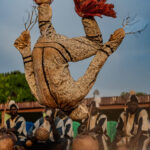
Despite its humble appearance, the costume is merely the prelude to an explosive display of motion: leaping, spinning, and somersaulting with ferocious speed. Three remarkably agile dancers performed for us that afternoon, instantly transfixing villagers and visitors alike.
The incredibly athletic ceremony of Boloye (video by Inger Vandyke)
When still, the dancers moved stealthily, prowling with quiet intent; when in motion, they erupted unpredictably, kicking up clouds of red dust. I loved the contrast between these two modes—silent hunter and frenetic attacker—both timeless and utterly mesmerising.
The following day, our experience of ancient rituals and secret initiations continued as we set out to witness the rarely seen Nasologo, or Malenke Poro initiation, in a nearby village. As I learned, Poro is a secret male society whose initiation unfolds across three separate seven-year phases, guiding boys into manhood and teaching them the mysteries of the forest, including systems of justice and sacred knowledge. In northern Ivory Coast, Malenke Poro incorporates both Dan and Senufo traditions.
The incredible and rarely seen Nasologo, the initiation ritual of Malinke Poro (video by Inger Vandyke)
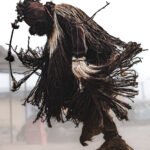
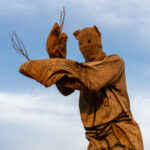
As with many of the ceremonies we observed, this one began subtly: a stirring of people, quiet movements that hinted at dance, then music and singing. And then, out of the corner of your eye, something unsettling—an object, or perhaps a being—moving in explicit yet strange ways. Thus began our first sighting: a grinch-like figure with fluffy, stringy appendages, slouching and swaying as it moved through the crowd, parting people as if to instil fear.
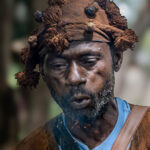
All ended well that morning, however, as the mood gradually lightened and the creatures eventually invited each of us to hold hands and dance with them. As we departed, numerous opportunities arose for photography, particularly of the local onlookers, who proved to be as intriguing and photogenic as the ritual itself. What a moment it was—and what a way to work up an appetite.
Before enjoying another wonderful West African fusion meal, our program included a stop at the famed village of Kapele, renowned for its terracotta beads, locally known as Kapele Pearls. For bead enthusiasts—and I know one or two—this was an absolute must. Once settled in, four artisans demonstrated how the beads are formed and, crucially, how they are decorated.
The decoration process involved a spindle, a baked bead, and the top of one’s foot, against which the bead is spun as natural pigments are applied, laying down colour in concentric motion. We were also shown how some of the dyes themselves are created. Finally, we moved across the courtyard to a large display space filled with beads and beaded items for purchase, ranging from finely crafted necklaces to large, singular beads that stood alone as sculptural works of art.
Later, after a tasty informal lunch, we headed out to another northern highlight: the sun-baked Sacred Rock of Mont Sienlow. According to Senufo legend, the rock descended from the sky and serves as a conduit to the spiritual world. Upon entering this revered space, we removed our shoes, exposing our feet to the grounding—albeit scorching—rock surface.
Before us lay scattered logs, presumably to sustain sacred fires, figures resting beneath the sparse shade cast by the rock, and an assortment of fetishes attesting to rituals performed there. On one face of the largest rock was a large, abstract smear of blood and feathers—the remnants of sacrifices offered in hopes of resolving personal or communal dilemmas.
For birders and nature lovers, patience once again revealed unexpected rewards. In addition to being offered grilled meat by the priests, we discovered wonderful photographic subjects, including red-headed finches and geckos basking among the stones.
Departing Sienlow, we attempted an alternate route, only to find ourselves navigating rain-soaked tracks riddled with deep puddles. Inevitably, our vehicle became stuck in thick red mud. We piled out, watching as the driver and helpers attempted—unsuccessfully—to create traction using branches and sticks. Fortunately, a truck soon appeared, stopped abruptly, reversed toward us, and attached a steel rope. Within minutes, we were free and back on our way.
Our final stop of the day was a traditional blacksmith’s village, where we observed how raw iron is extracted directly from the soil—visually demonstrated using magnet-like techniques. Drawing on generations of local knowledge, artisans transform these materials into bells for livestock, figurines, pots, and even knives and swords. It was a powerful reminder of the ingenuity embedded in everyday village life.
The following day, our itinerary took us to Niofoin Village, a visually striking settlement famed for its traditional Senufo culture and animist practices. Niofoin is best known for its fetish houses—sacred structures that house powerful spiritual objects believed to protect the community.
These houses are instantly recognisable by their oversized, layered thatched roofs, built one atop another over generations so that sacred objects are never exposed. Their exteriors are dense with symbolism: carved figures embedded in the walls, curious objects hanging from doors and rafters, and clear evidence of sacrifices. Even approaching these structures, let alone photographing them, felt like a profound privilege.
Another prominent structure in Niofoin is the Kafounda, the ancient men’s meeting house, where village matters are discussed and decisions made. Constructed from massive, time-worn wooden beams and coated in centuries of red dust, it stood quietly dignified. A few men reclined lazily inside, sheltering from the mid-morning heat as village life carried on around them.
Moving northwest from Korhogo, our next stop was a forested Fulani village just outside of Boundiali. Leaving some four to five hours earlier gave us ample time to watch the passing scenery, review photographs, or simply chat amongst ourselves. Our imminent arrival was announced by the sight of roadside milk sellers—a well-known and traditional Fulani occupation.
Balancing repurposed plastic soft-drink bottles filled with fresh milk on their heads or in carts, the Fulani women were dressed elegantly in flowing, colourful attire, some sporting the distinctive Tchoodi lower-lip tattoo. They approached our vehicle eagerly. When they realised we were not necessarily there to buy milk, curiosity replaced commerce, and they happily posed for photographs. I later learned that this openness is characteristic of the Fulani people—warm, welcoming, and genuinely hospitable.
After a gentle walk along a grassy path, we found ourselves immersed in Fulani village life. Though traditionally nomadic, this community had settled here. Elders sat beneath mango trees while children played freely among family huts. Many of the children were dressed in their finest clothes, some carrying wooden tablets inscribed with Qur’anic verses as part of their education. Portrait opportunities abounded—women with bowls stacked atop their heads, people framed in doorways, children racing through the village—all moments of quiet beauty and authenticity.
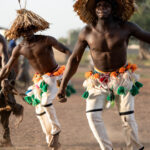
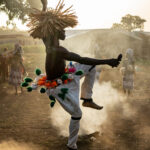
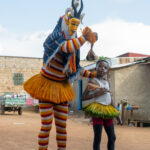
Later that afternoon, we arrived to witness the N’Goron ceremony, an initiation ritual described as being for Senufo virgins. By now, we had learned to recognise the signs that something significant was about to unfold. Men and women dressed in traditional attire adorned with raffia, brightly coloured tassels, beaded hats, and ceremonial regalia gathered around a central space. Musicians assembled on the periphery—flute players in pointed caps, dancers with calabash shakers, and balafon players preparing their instruments.
A fire burned at the centre, around which the ceremony would revolve. One key figure carried a whip capable of breaking the sound barrier, a presence that would soon dominate the performance. As the ceremony progressed, this man rolled through the fire, demonstrating the depth of his trance-like state. At times, he lifted burning coals into his mouth, seemingly impervious to pain.
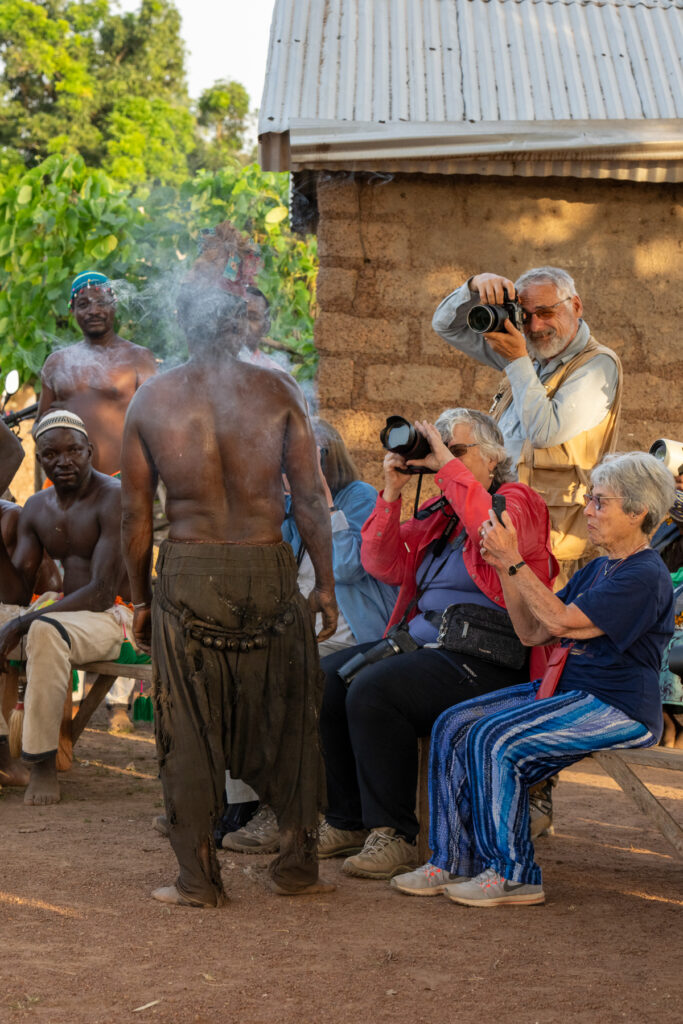
Our group photographing the incredible fire breather of N’Goron (image by Inger Vandyke)
As the ritual intensified, dancers and musicians fed off one another in a compounding symbiosis of sound and movement. Building relentlessly, the performance reached a frenzied crescendo—sweat-soaked bodies, dust-caked skin, and pounding rhythms culminating in an overwhelming sensory release.
Just when it seemed impossible that another ceremony could surpass what we had already witnessed, the N’Goron did exactly that. Even after the formal ritual concluded, opportunities for photography continued, particularly as we moved toward a brightly painted village wall for portraits. As on so many occasions before, these moments fostered spontaneous connection, laughter, and a shared recognition of what binds us together as part of the human family.
The following day, as had become our routine, we rose early with our destination set on Man, a vibrant city in the mountainous western region of the Ivory Coast, often referred to as the “City of 18 Mountains.” Among its most iconic landmarks is the dramatic Dent de Man, or Man’s Tooth.
Roughly halfway through our journey, we stopped in the town of Odienné to meet members of the traditional brotherhood of the Dozos—hunters, spirit keepers, and cultural guardians found throughout West Africa, including Mali, Burkina Faso, Guinea, and Côte d’Ivoire. Known for their mystical reputation, distinctive ochre-coloured garments, and deep spiritual knowledge, the Dozos gathered at a modest, wall-less concrete structure by the roadside, some arriving on motorbikes, others carrying instruments.
After brief introductions, we rejoined our vehicles and followed them to a site within the sacred forest. Along the way, we were serenaded by two Dozos—one singing, the other playing an Ngoni, an ancient stringed instrument—an unforgettable soundtrack to our approach.
The forest opened into a grove of cashew and mango trees, revealing a scene that felt utterly primordial. Through the trees, a large rocky outcrop hinted at a sacred sacrificial site. Adorned with talismans, charms, and small vessels of medicinal potions, the King of the Dozos spoke to us about their culture and their role as advisors, peacemakers, and traditional healers. It was a genuine and generous exchange of cultural insight.
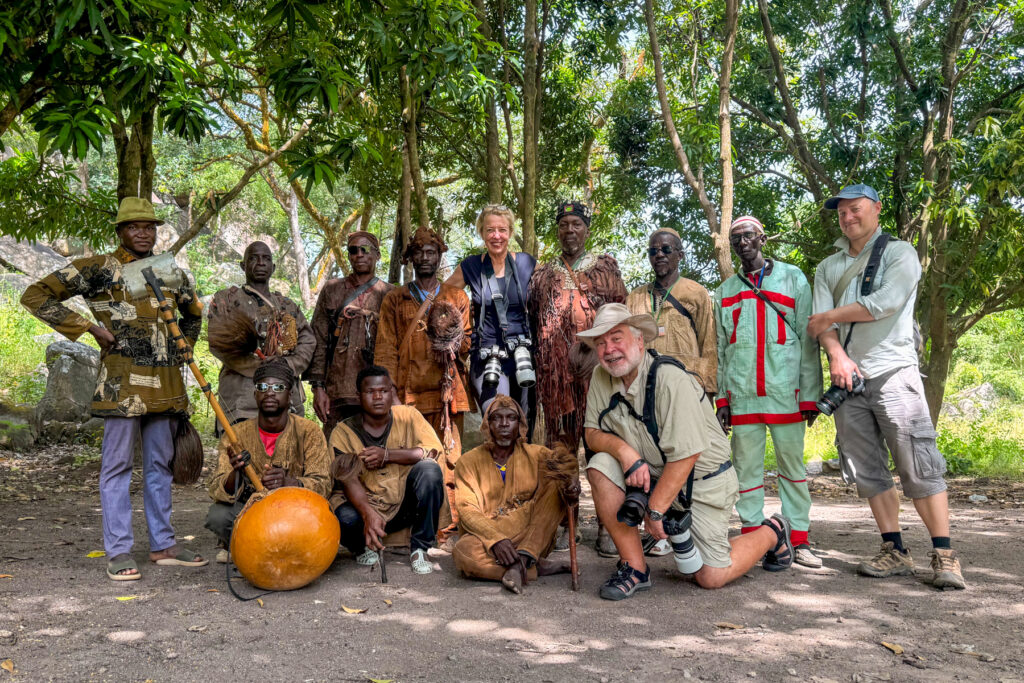
Inside the sacred forest of the Bambara speaking Dozos (image by Inger Vandyke)
There was time for dancing, as each Dozo took a turn demonstrating the Danse des Dozos, kicking up dust with confident, rhythmic footwork. Then, just as quickly, we were on the road again. Odienné faded into the distance behind us—the last Senufo town before entering Yacouba territory. We found ourselves both processing all that we had experienced and eagerly anticipating what lay ahead.
After some hours of driving, now firmly in west-central Ivory Coast, we descended upon the vibrant and traditional village of Godoufouma. Arriving a little early, each of us had time to explore at our own pace—some choosing to connect quietly with villagers, others seeking out vignettes of daily life. Godoufouma has become legendary for its strong traditional culture, vernacular architecture, and its spectacular stilt dancers, who perform a coming-of-age ceremony among the Yacouba, or Dan, people.
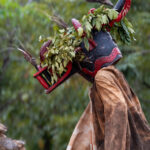
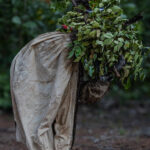
Known locally as masques échassiers, the ceremony began with a burst of youthful energy as young men jumped into the square, performing athletic and at times acrobatic movements. Eventually, the central figure appeared: a towering stilt dancer, escorted into the open space. He spun, leapt, twirled, and shrieked to the thunder of drums, while the crowd sang loudly and clapped in encouragement, welcoming the forest spirit he embodied.
Following closely was his companion, Koma—a traditionally dressed, masked figure who reminded me of a mischievous, black-faced bird. Koma entered more quietly but commanded equal excitement and respect. Both characters periodically broke from the dance to greet onlookers, heightening the sense of connection between performers and community. As the afternoon unfolded, the intensity ebbed and surged until finally the dancers retreated toward the forest, Koma leading the way back to their shadowed sanctuary. The crowd swayed, clapped, and sang in gratitude for their visit. The young Yacouba maiden at the heart of the ceremony melted quietly back into village life, as did the dancers themselves.
As we gathered to leave this energetic display of cultural pride, we felt both exhilarated and exhausted—once again aware that we had captured photographs and moments that could never truly be repeated. Memories of that golden-lit afternoon in Godoufouma will remain vivid, the images lasting even longer as visual echoes of something extraordinary.
Unbelievably, it was the following day that I had been awaiting with the greatest anticipation—nervous excitement, bated breath, and all the emotions—because this was the day we would witness La Danse des Jongleurs. As with many village arrivals, we were greeted by immediate activity. Under a modest grove of trees, a small musical band was already assembled, and nearby stood a group of perhaps four young girls who appeared to be the performers.
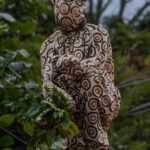
They wore colourful string skirts and remarkable geometric white face paint that emphasised their trance-like expressions. Their tops bore a patina of age and authenticity, and each wore a vibrant hat adorned with rows of cowrie shells. From these hats cascaded honey-blond horsehair, resembling—almost uncannily—long blond ponytails.
As the band played, the girls moved dream-like across the compound, arms hanging loosely at their sides. One by one, they leapt into the arms of a powerful central dancer, who hurled them skyward before releasing and then catching them with effortless grace. At times, the girls clutched roughly hewn knives, heightening the sense of trust—not only in the physical strength of the dancer, but in the spiritual realm guiding them.
As the jongleurs faded into the background, a new sequence unfolded. Emerging from concealed paths around the village came a procession of masked figures known in the Dan language as Gla. Fully outfitted in elaborate combinations of raffia, fabric, props, and carved wooden masks, these figures told stories through movement—ducking, charging, pausing, and advancing. They reminded me increasingly of medieval troubadours, conveying lessons on how to behave, and how not to, lest one incur spiritual consequences. Children watched intently—some delighted, others wary.
That afternoon transitioned into more nature-focused pursuits. We travelled to photograph one of Man’s famed waterfalls, experimenting with compositions that either froze the motion of cascading water or rendered it silky and flowing through long exposures. Using ND filters, we achieved images that we were deeply pleased with.
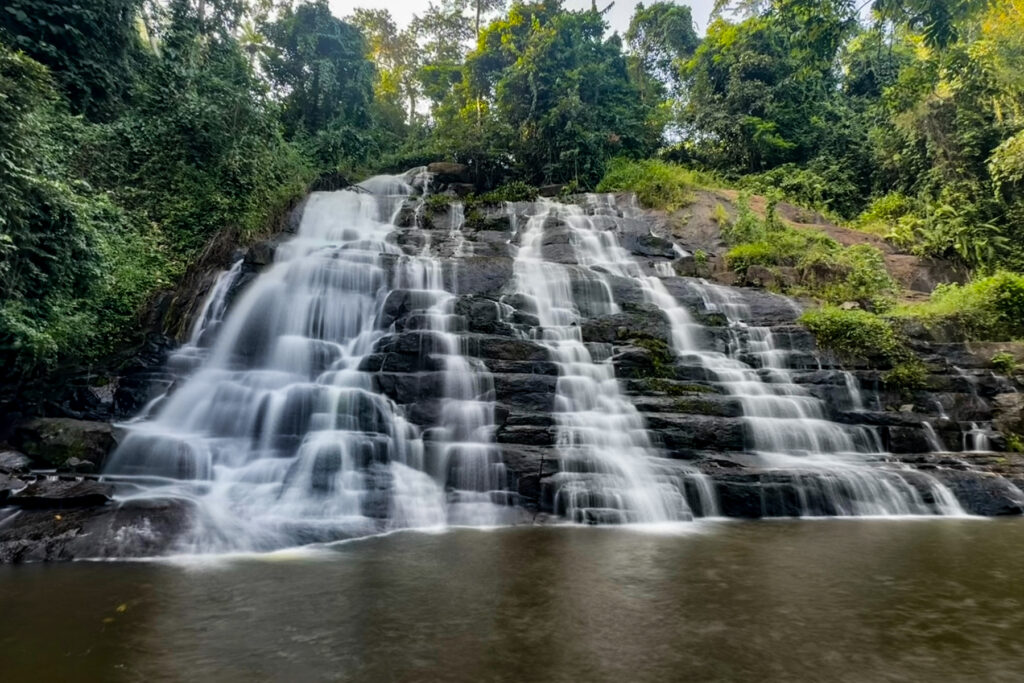
The beautiful Cascade of Man (image by Inger Vandyke)
From there, we returned to the city centre to visit a sanctuary home to local Sooty Mangabey monkeys. Photographing them in their natural environment proved both entertaining and revealing—their human-like behaviours impossible to ignore.
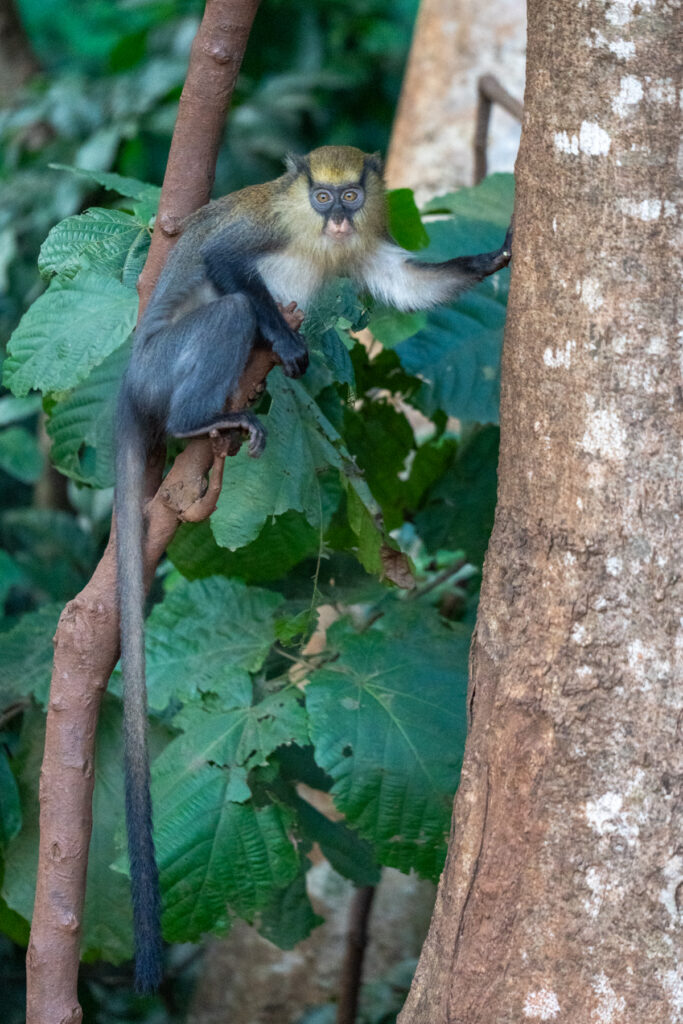
A captivating tale tells of a king of that era who lived in the Gbépleu forest. To expand his kingdom, he needed to perform a human sacrifice and chose his own daughter. A pit was dug in the forest, covered with leaves, and the girl was sent into it, falling into the trap and dying a few days later. This is how Gbépleu expanded to become Man. The forest in which the sacrific took place is now home to rescued Sooty Mangabey monkeys from Tai (image by Inger Vandyke)
We concluded the afternoon with a visit to another natural sanctuary on the outskirts of Man. From a vantage point overlooking the valley, with Dent de Man rising dramatically to one side and a tall, spired mosque anchoring the cityscape below, we wandered through a grove of large trees before encountering a small community of traditional strip weavers. A few of us purchased handwoven cloth, while others captured moody portraits of the friendly artisans working quietly in the late light.
Our next day was spent entirely in Man, beginning with a morning visit to a well-established vintage mask seller in a busy suburban district. As our vehicle pulled over, we were immediately surrounded by children on their way to school—many of the girls dressed in hijabs or headscarves, visibly reflecting stricter Muslim codes of attire. Navigating the attention was not entirely straightforward, and some of us were more comfortable than others with the situation and the photographic opportunities it presented. Eventually, we disentangled ourselves and continued on foot through the neighbourhood to meet the mask seller.
What awaited us was nothing short of revelatory. That morning, we were initiated into the cult of mask collecting. Some of the more seasoned members of our group acquired deeply patinated, highly expressive pieces. I, myself, purchased a beautiful Dan mask, delicately carved from dark hardwood, its fine features framed by braided dark-brown raffia that mimicked subtle hair braids. It felt like carrying away not just an object, but a fragment of lived history.
That afternoon, we travelled to a nearby village to witness the Yacouba dance known as Gba. Culturally significant and historically linked to the onset of war or conflict, Gba is a powerful and commanding performance. Dancers wielded large sticks—sometimes in stark contrasting colours of black and white—which reinforced their intricate footwork and added both rhythm and visual tension. Their movements pulsed forward and back in unison, accompanied by deep, resonant chanting that grew increasingly intense.
As the vocal energy swelled, a masked figure appeared, dressed in an elaborate costume. The figure’s movements echoed the singers’ rhythms, mirroring their beats and gestures. Gradually, the stick dancers closed in, attempting to trap and corner the masked character. They surged forward, retreated, repositioned, and advanced again, corralling the figure through coordinated thrusts and shouted chants. Each attempt by the masked figure to escape was met with renewed effort from the dancers, heightening the drama. When we were eventually invited to join the movement ourselves, it felt as though we, too, were being drawn into the psychological readiness for conflict that the dance so vividly expressed. The performance ended in a sudden flurry, the masked figure finally retreating from view.
As the sun dipped toward the horizon, the drive away was marked by mixed emotions. We knew this had been our final official ceremony, and the weight of that realisation settled quietly over the vehicle. At the same time, there was comfort in knowing that we had witnessed moments that would forever remain singular—etched into memory, preserved through photographs, and retold in stories yet to come.
The following day was largely a transition day, carrying us from the hinterlands back toward the capital. After several hours on the road, punctuated by an off-road “pee break,” we stopped for another beautifully executed French–West African fusion lunch. Refreshed, we continued directly to Abidjan, where the group collectively voted for beers and a swim at the luxurious Noom Hotel, followed by a late dinner at the famed Bushman Café, recently celebrated in the Washington Post.
Our final destination was Grand Bassam, a vast, weathered beachside town that once served as the French colonial capital. With its scattering of colonial-era buildings—some lovingly restored, others slowly surrendering to time—Grand Bassam is a visual feast for architecture lovers and culture enthusiasts alike. Recognised as a UNESCO World Heritage Site, it offered countless points of interest, but one location in particular drew us in: Ganamet House, the former residence and trading post of a Lebanese merchant.
Evocative and haunting in its state of decay, Ganamet House proved an ideal backdrop for an impromptu portrait session with yet another captivating Ivorienne subject. After exploring nearby shops and streets, fortune smiled on us once more. Our visit coincided with AFF 2025 (Africa Foto Fair), which had transformed Grand Bassam into a vibrant photography festival celebrating African and diaspora artists.
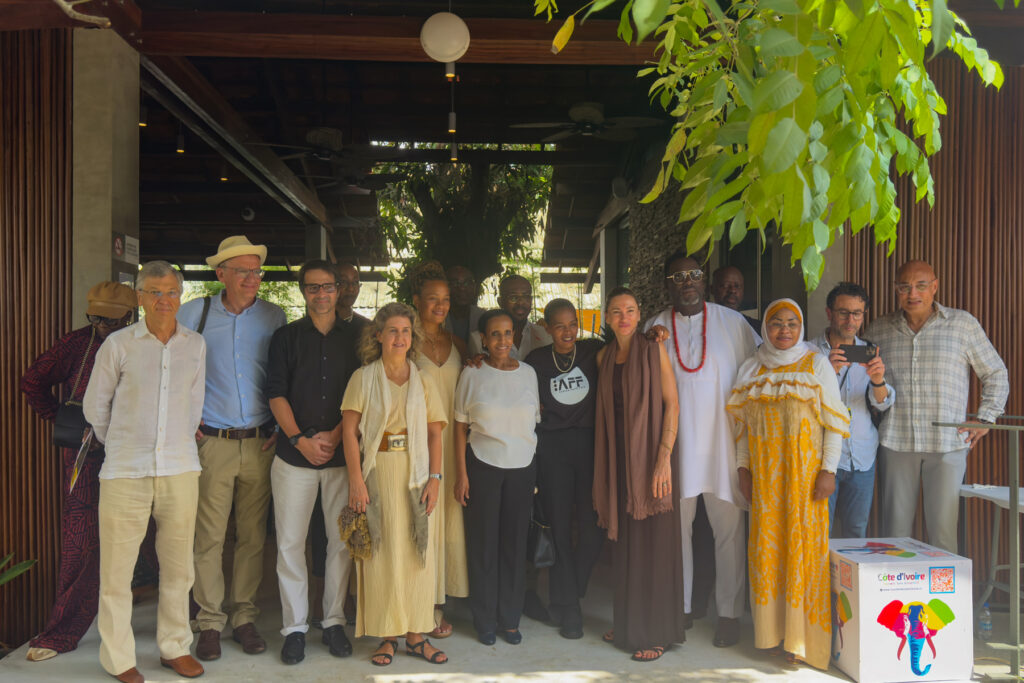
At the opening of Africa Foto Fair with the Ambassadors of the United States and Turkey. Our host was renowned Ethiopian photographer Aida Mulaneh from Ethiopia (image by Inger Vandyke)
Installations were scattered throughout moody colonial buildings, including the beautifully renovated and strikingly modern art museum.
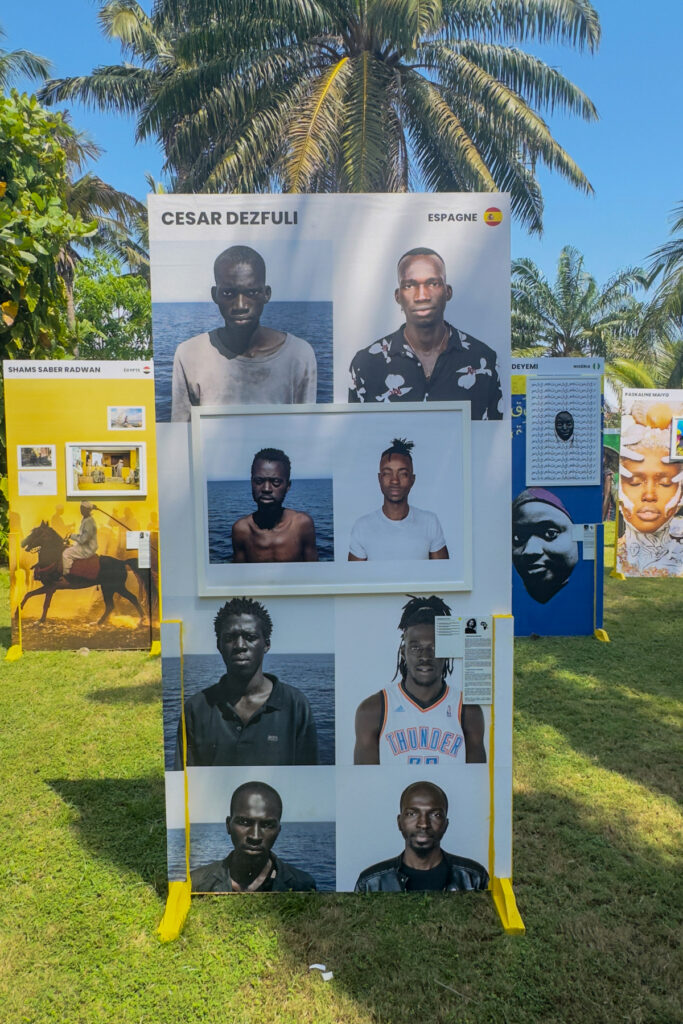
Images from Cesar Dezfuli who documents the crossing of the Mediterranean by African migrants. African Foto Fair (image by Inger Vandyke)
As the sun set for the final time on our journey, we returned to our seaside accommodation. Wandering along the beach, we prepared for a farewell dinner by the ocean—raising glasses to shared experiences, new friendships, and the indelible memories formed along the way.
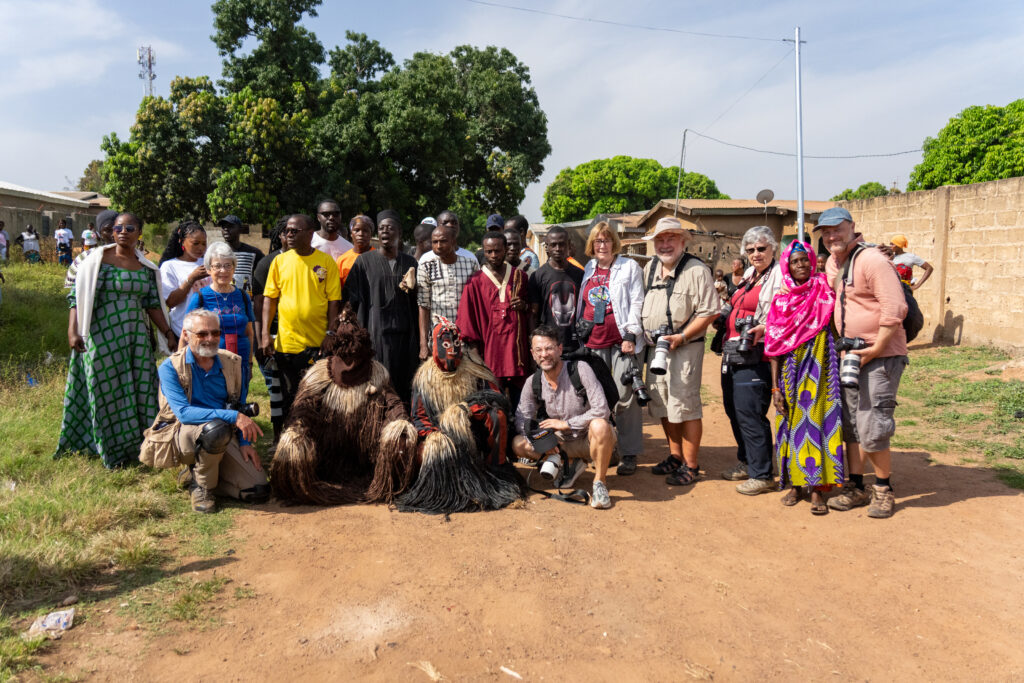
Our 2025 group at the rarely seen ceremony of Nasologo, the initiation of Malinke Poro (image by Inger Vandyke)
Craig Baulcomb
Born in New Zealand, Craig is an avid traveler whose insatiable curiosity for other cultures stems from his own family history. Growing up as the son of an Air Force Officer and a mother with an incredibly rich Euro-Polynesian history (German, English and Samoan), his early identity was shaped by parents who raised him to […]