
Elephant Dreaming in Amboseli
4 October 2026
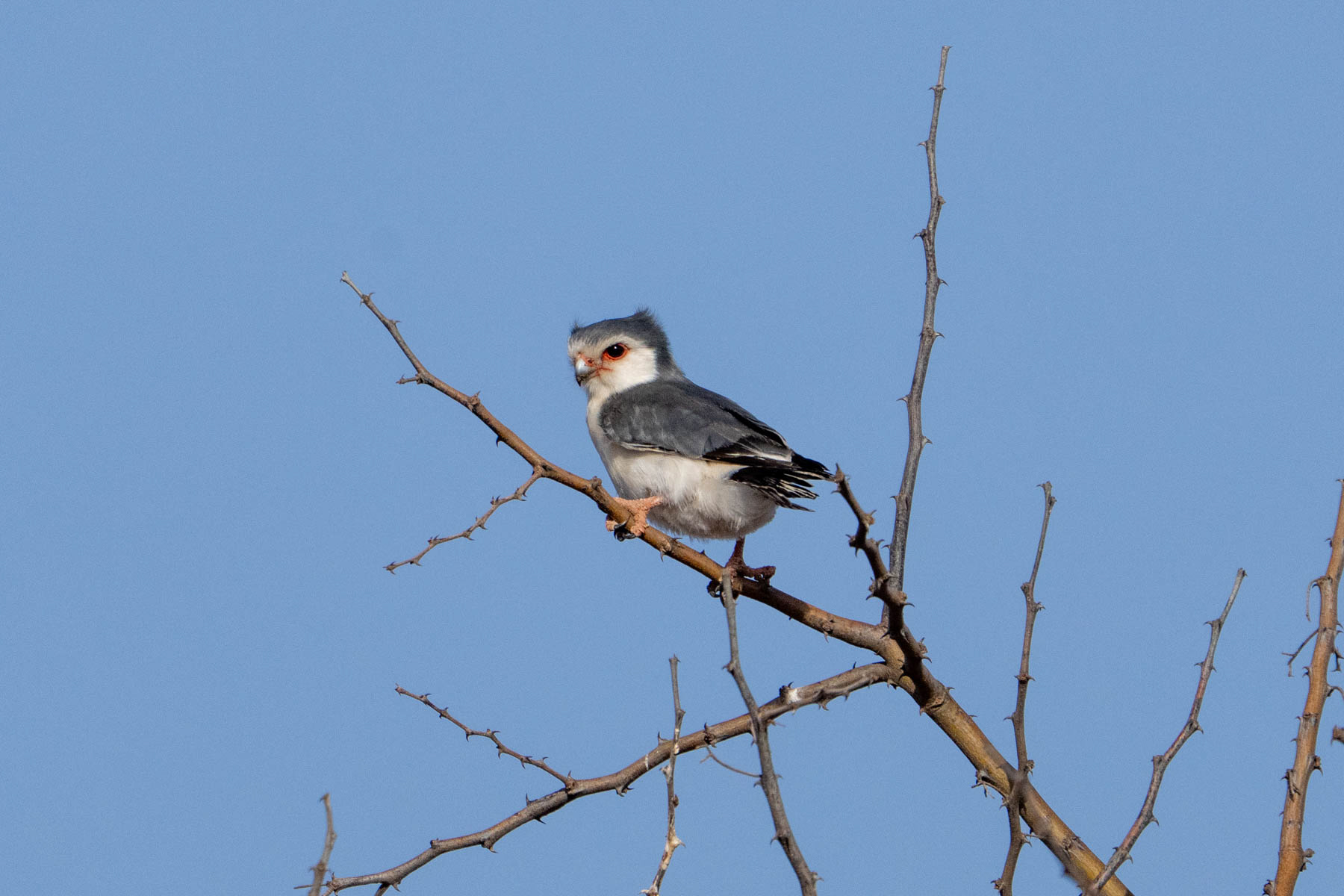
Gorgeous Pygmy Falcons really are the "Pocket Predators" of Africa's avifauna (image by Inger Vandyke)
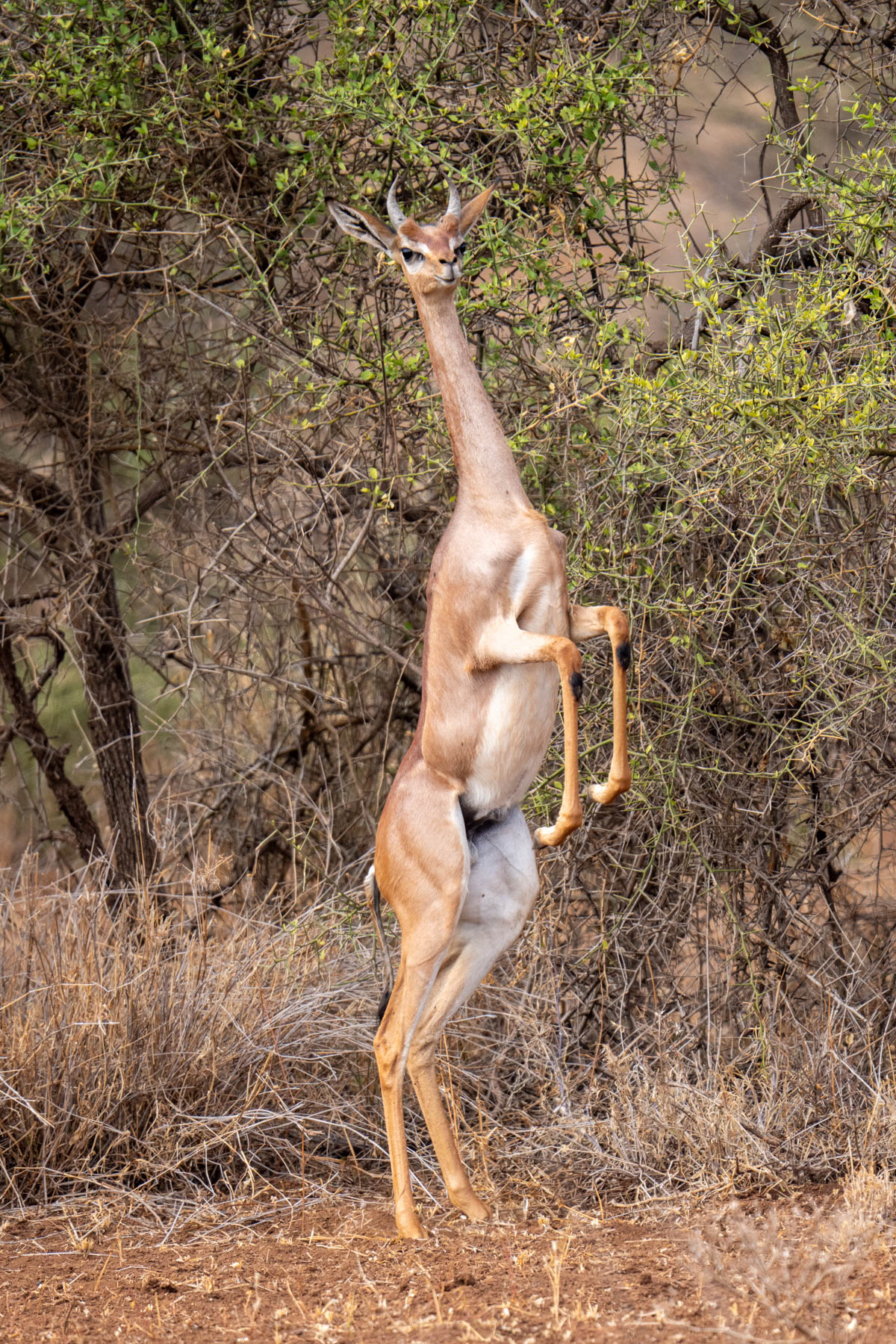
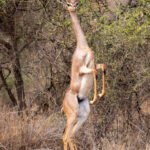
Gerenuks are relatively common in the eastern half of Amboseli. It is great to watch them grazing on their hind legs but if you are lucky you might see them talking a few steps like a biped (image by Inger Vandyke)
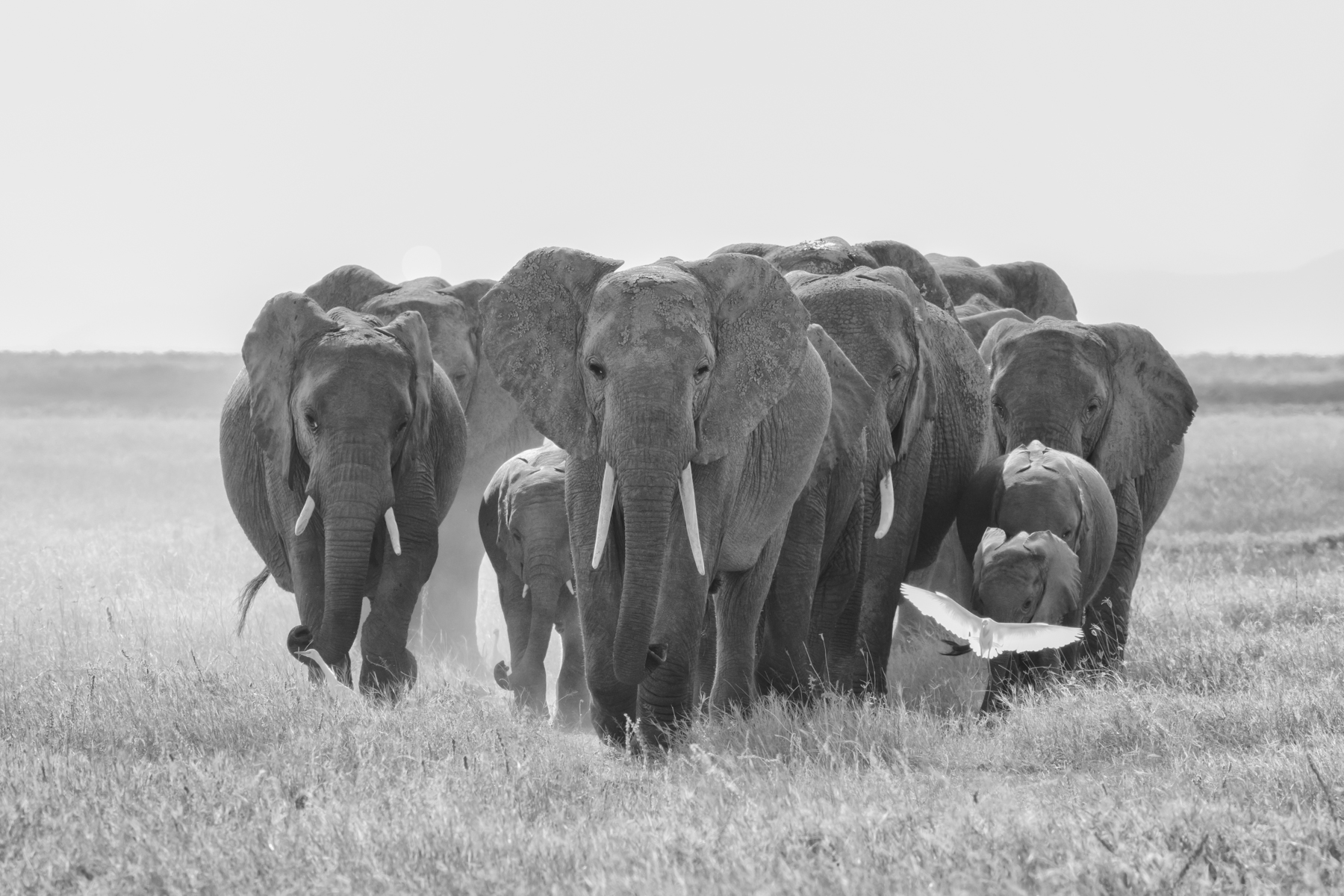
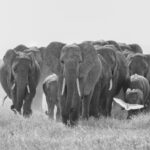
An approaching elephant family (image by Inger Vandyke)
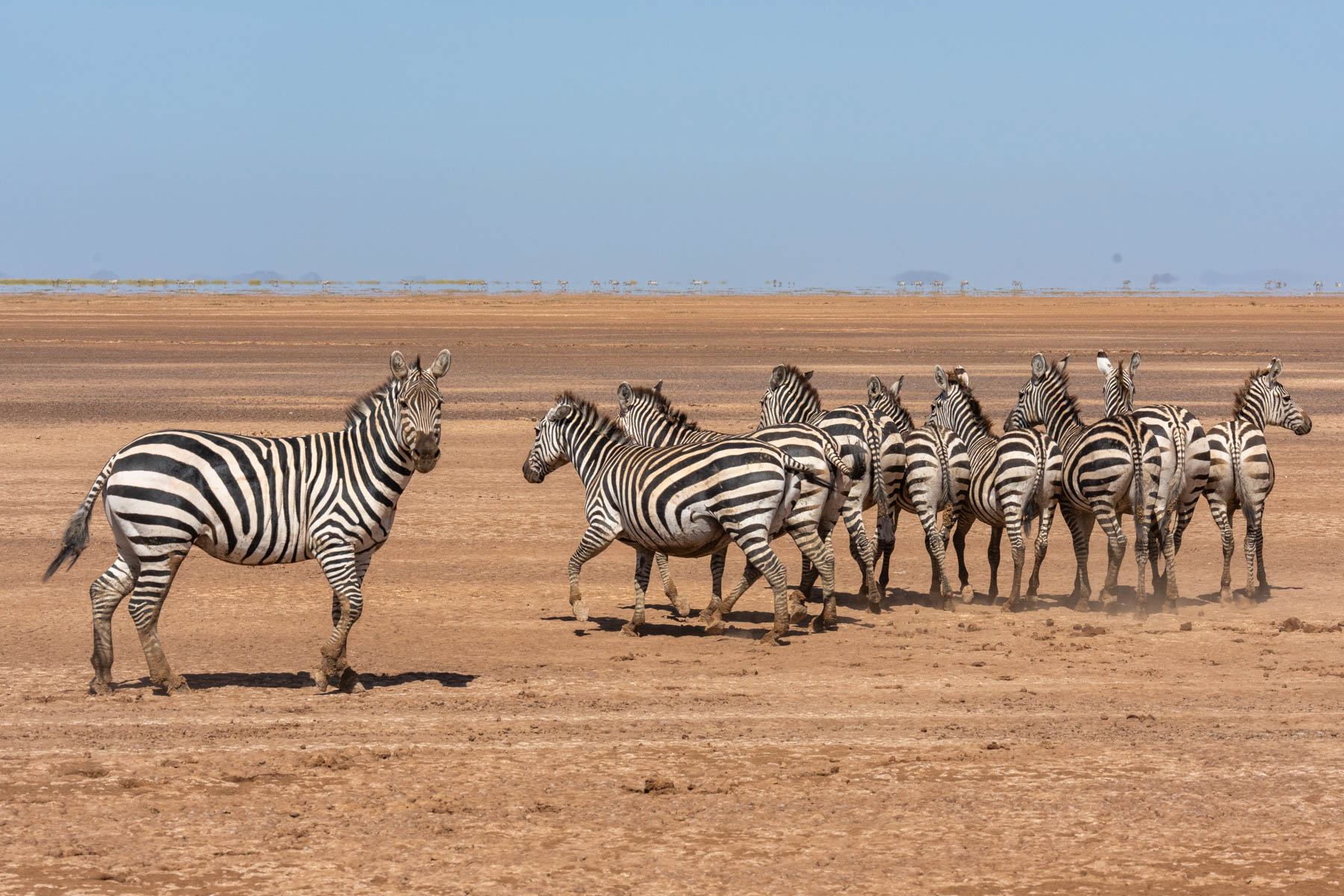
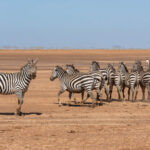
Zebras crossing the dry lake beds of Amboseli to reach the wetlands where they can drink (image by Inger Vandyke)
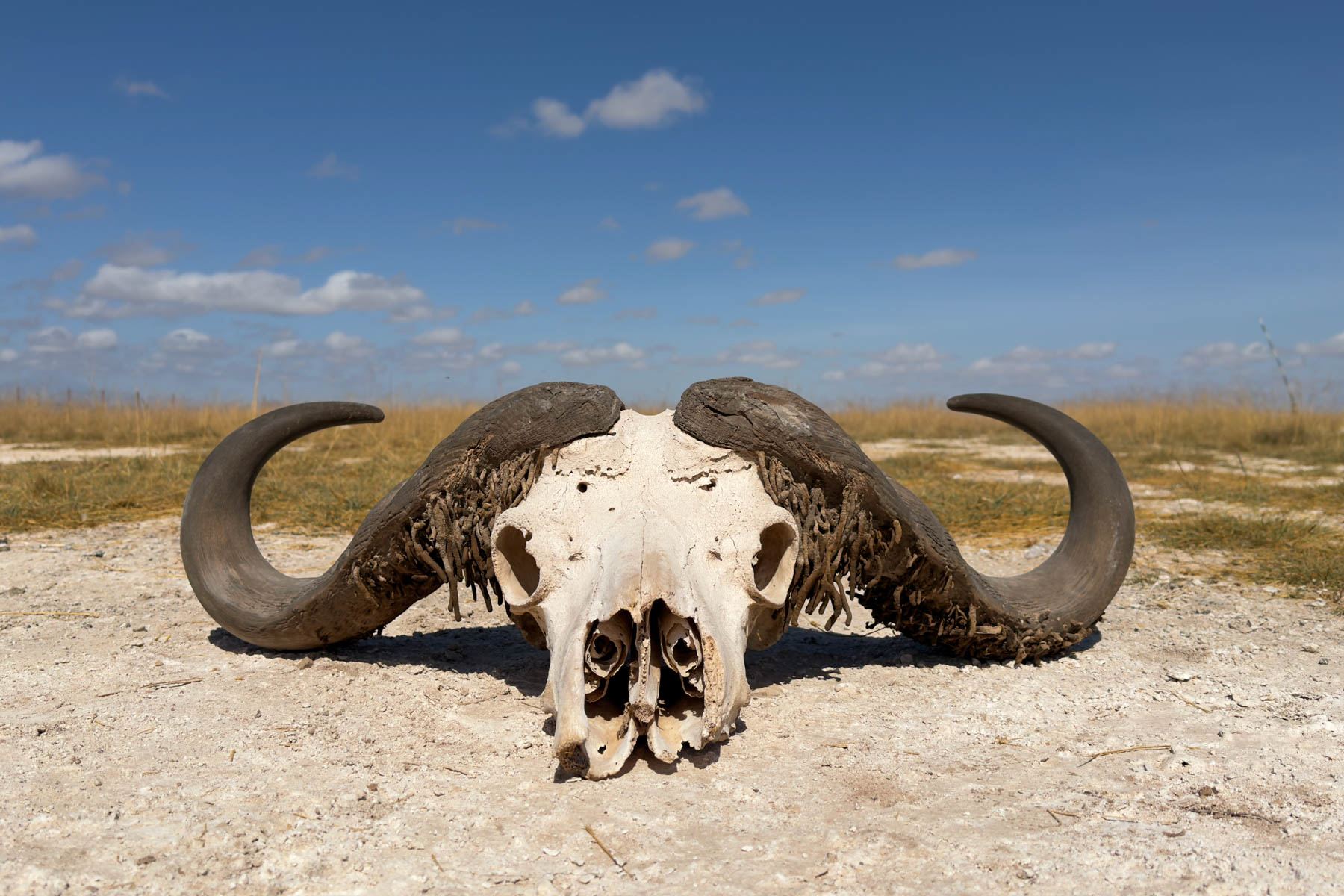
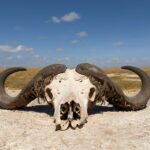
African Buffalo skull near the clay pans (image by Inger Vandyke)
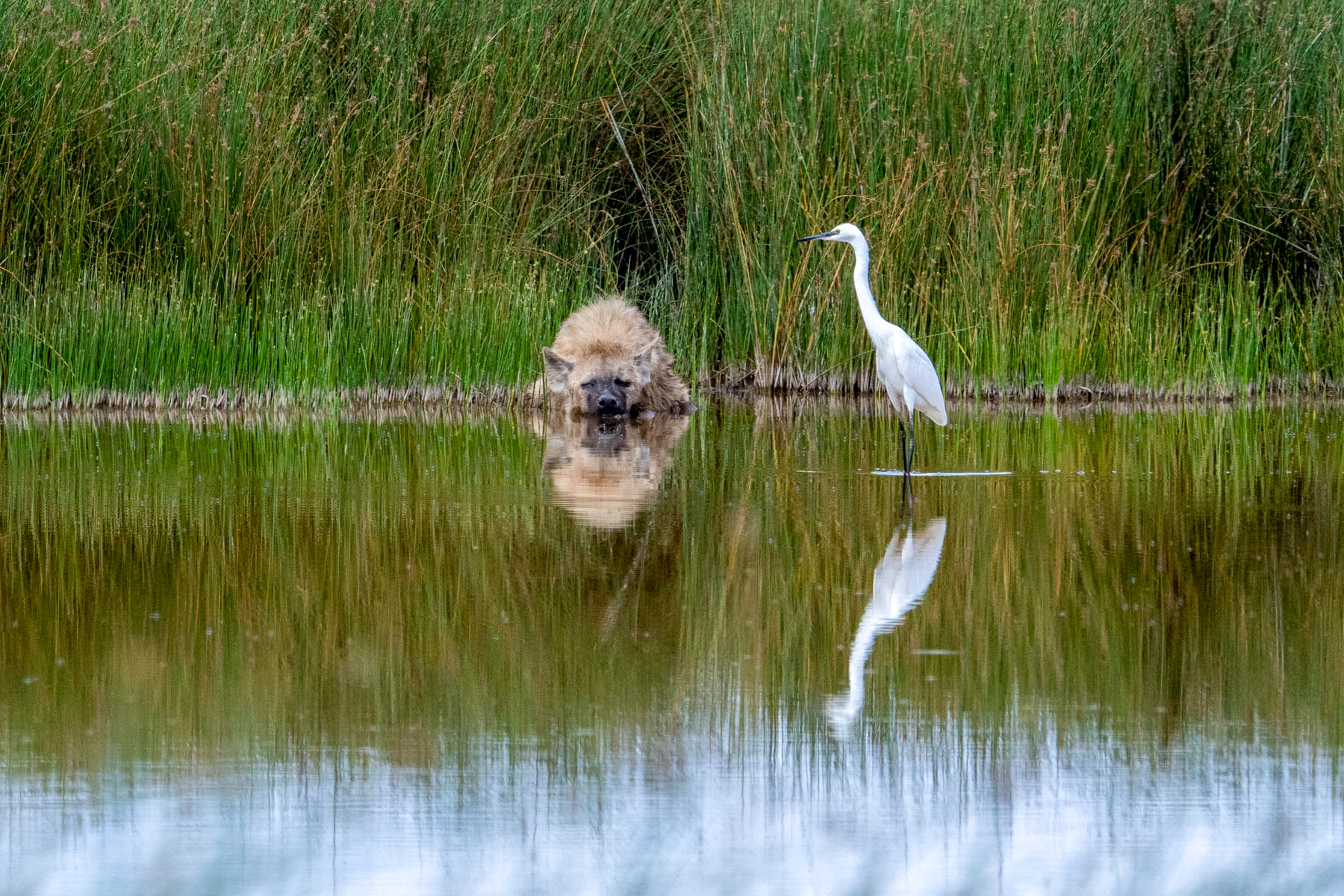
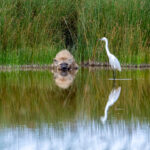
A Little Egret keeping odd company in Amboseli's wetlands (image by Inger Vandyke)
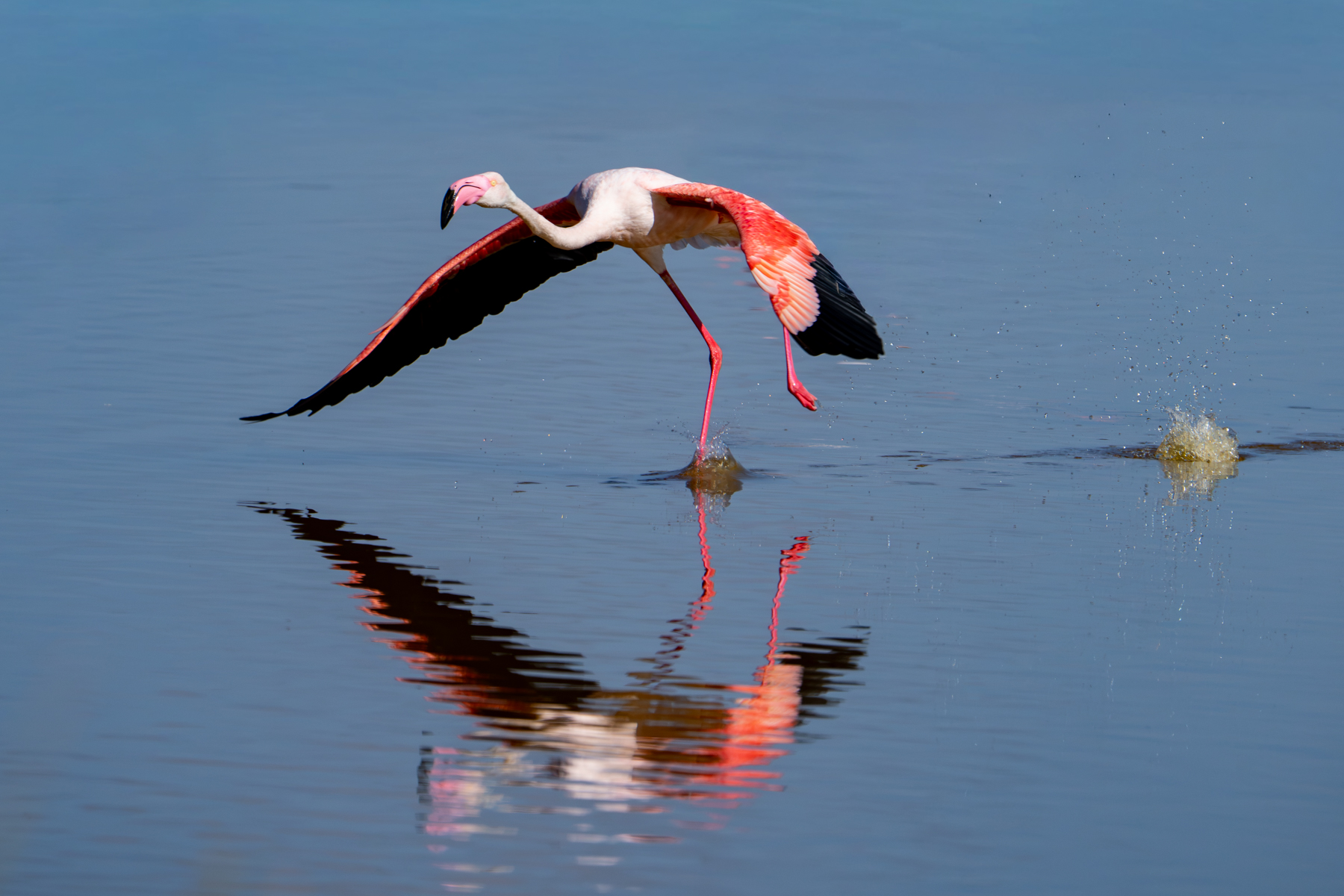
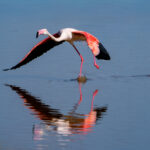
Flamingo takeoff (image by Inger Vandyke)
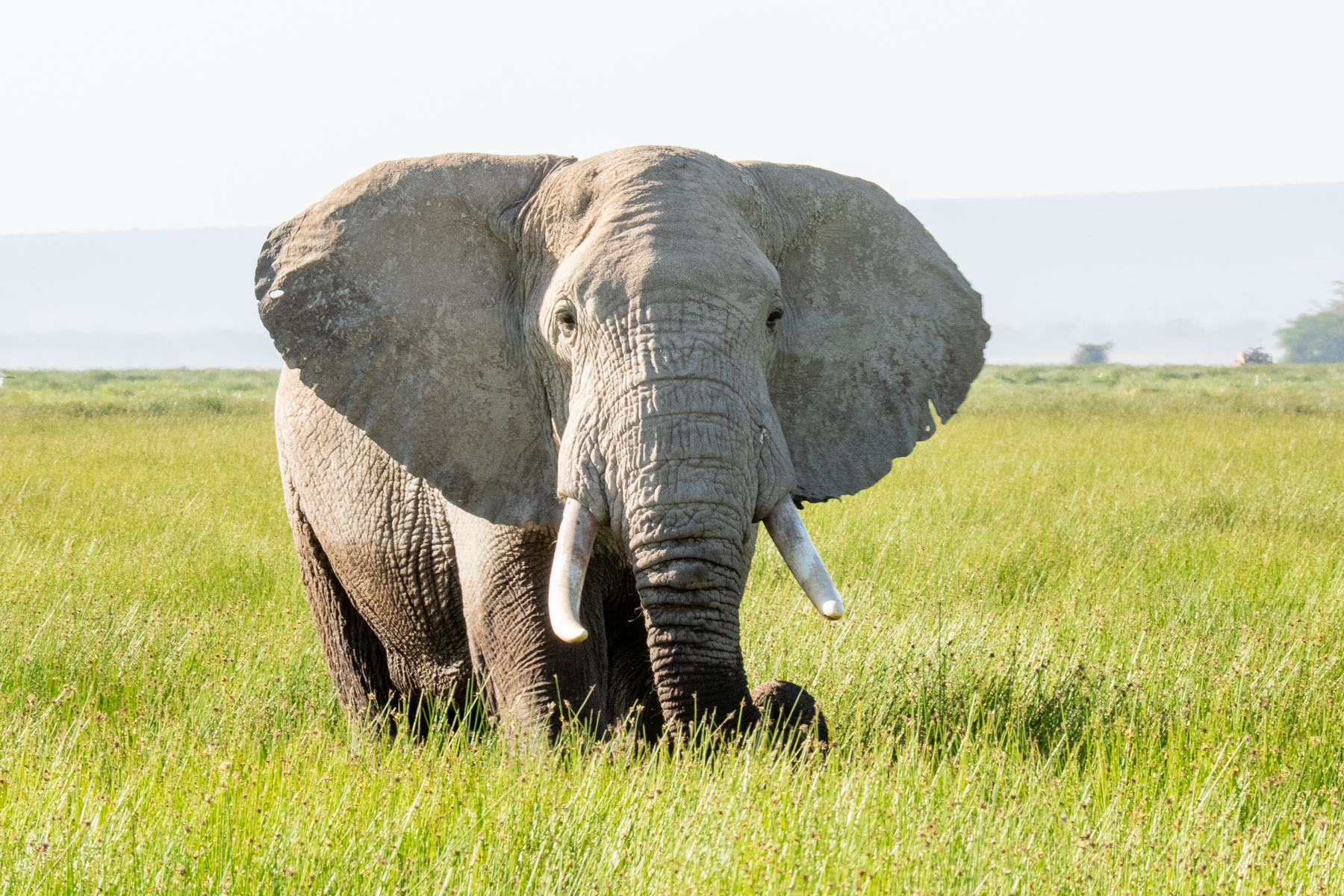
Cooling off in Amboseli's swamps (image by Inger Vandyke)
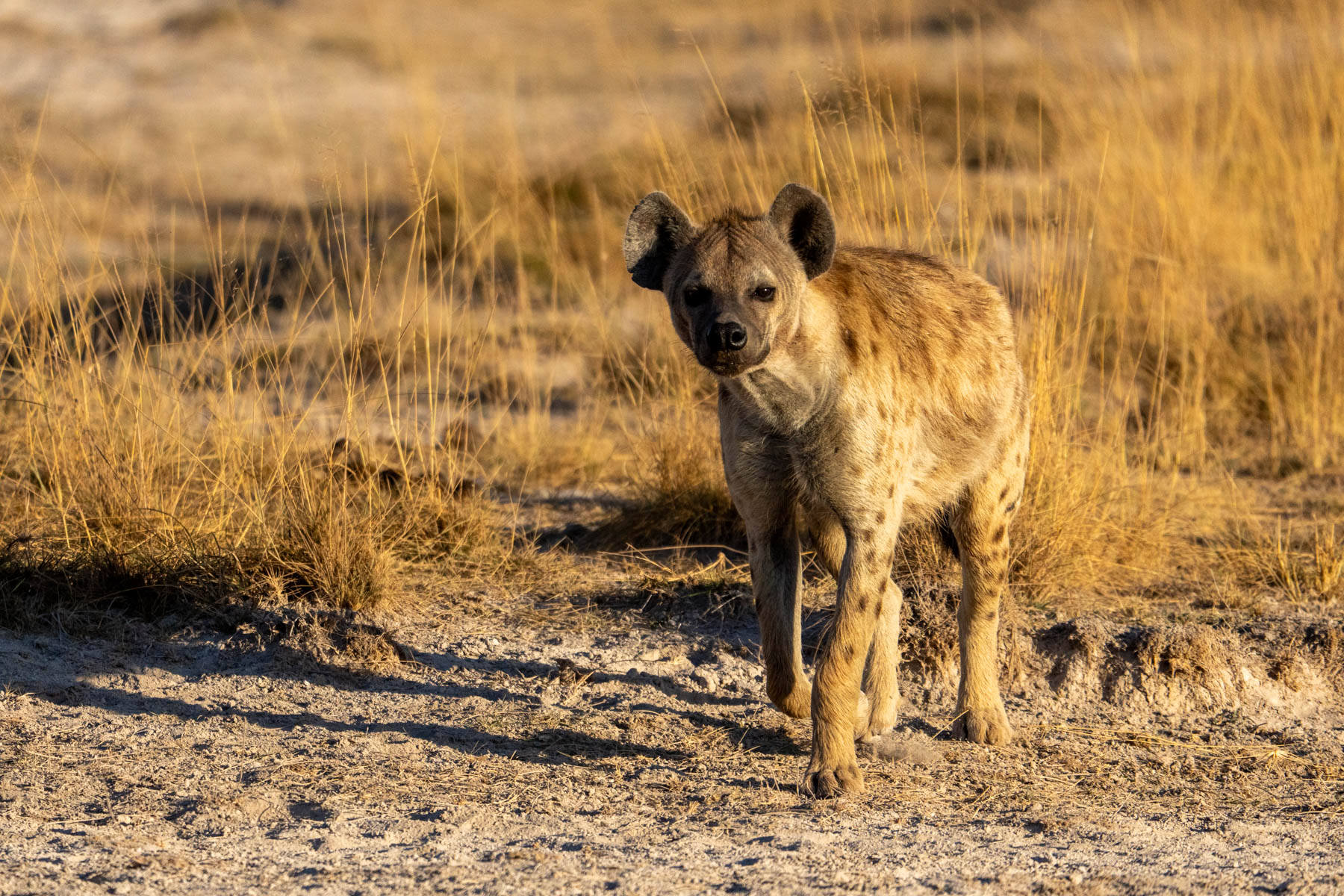
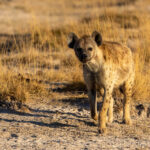
Predators are not a big feature of Amboseli but Spotted Hyenas can be seen relatively easily (image by Inger Vandyke)
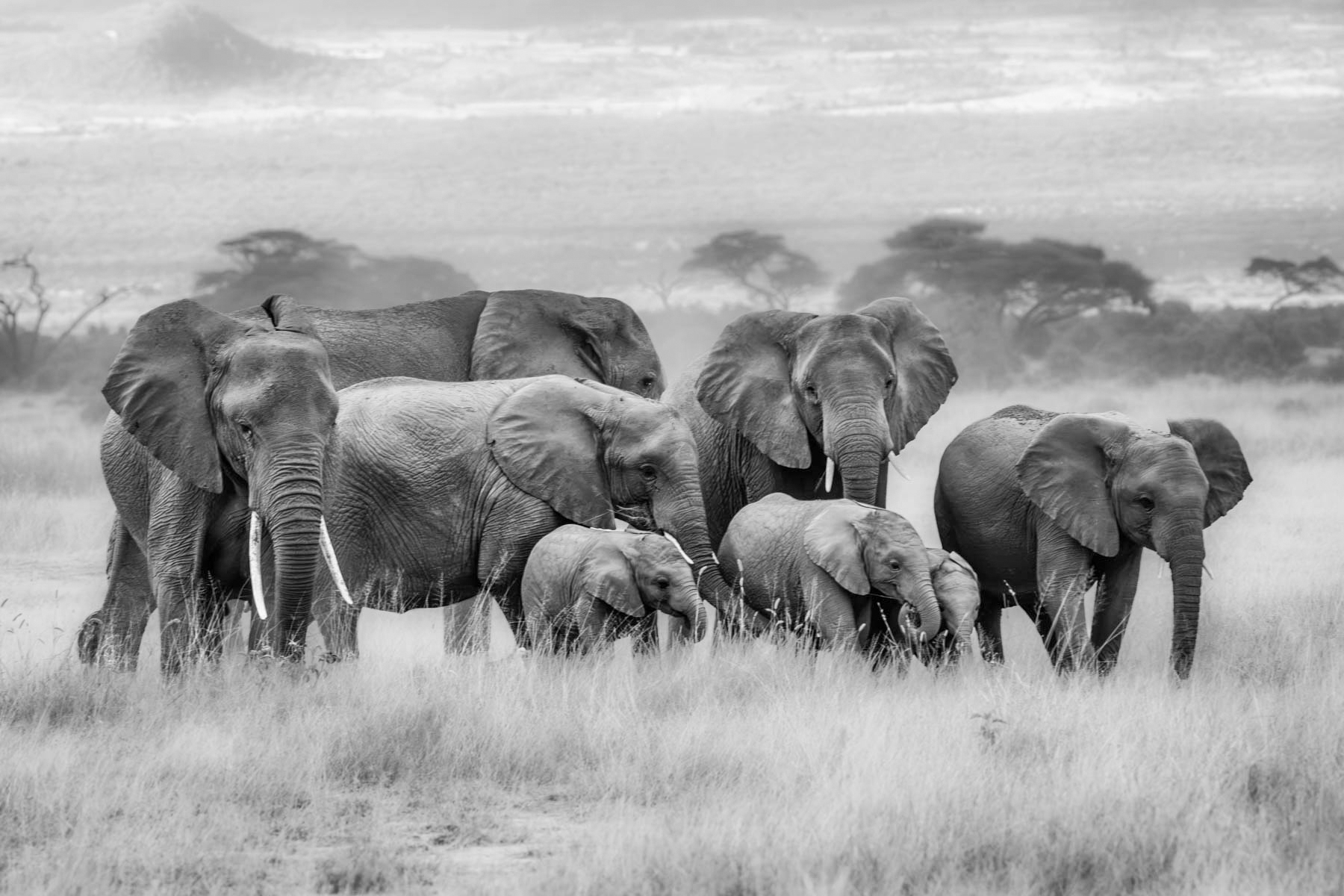
Family outing (image by Inger Vandyke)
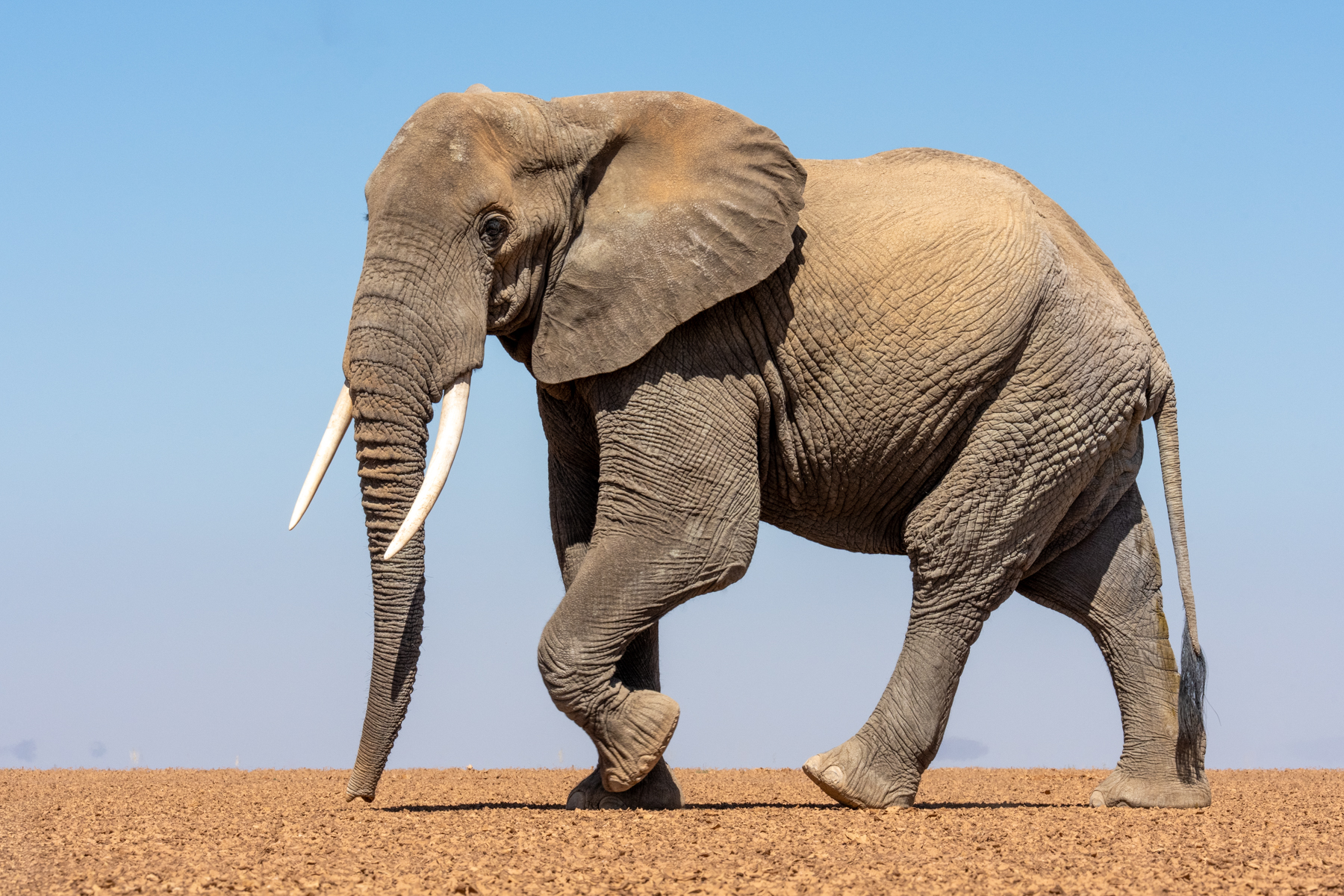
Dramatic photography takes place on Amboseli's dry lake beds (image by Inger Vandyke)
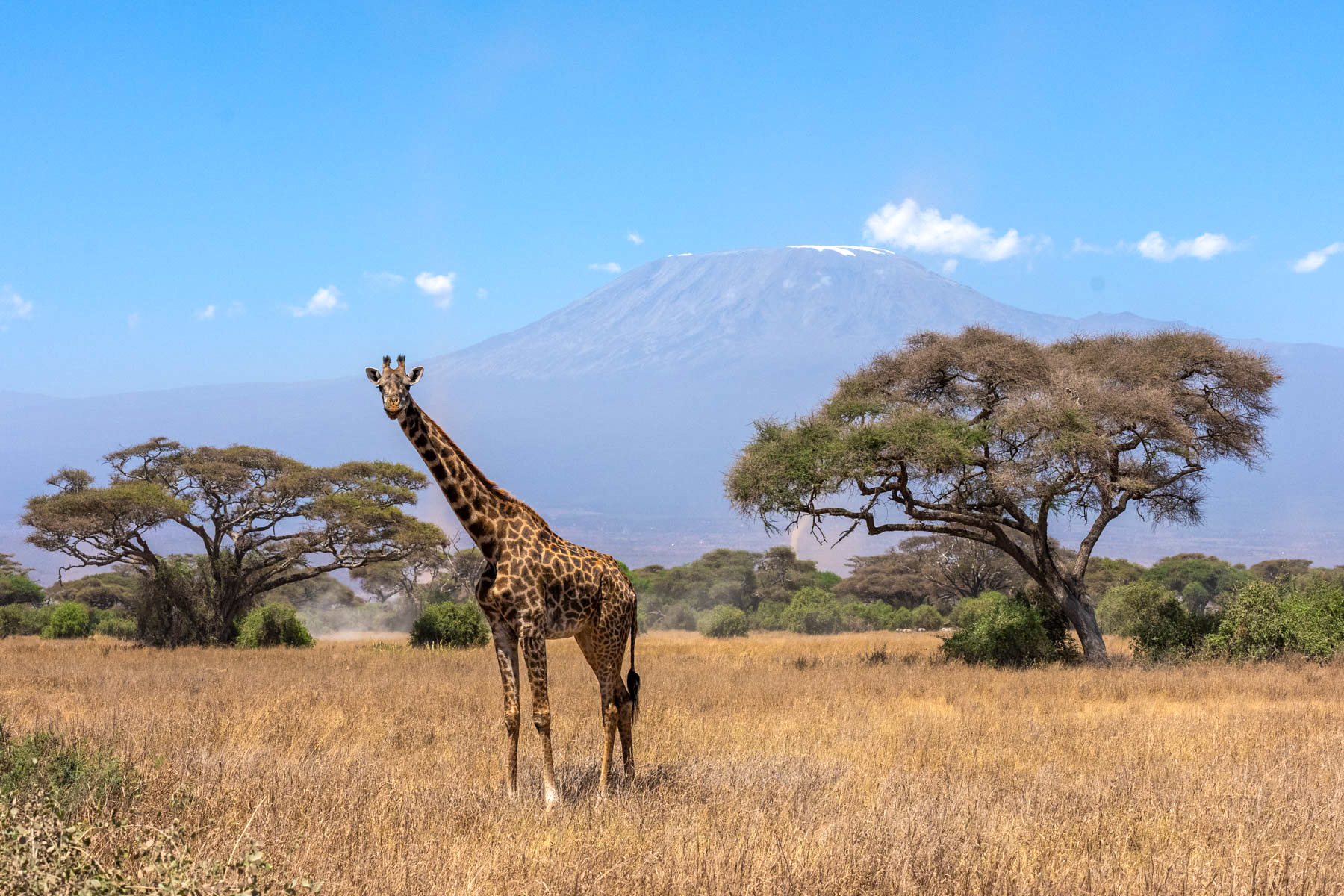
On safari at the foot of Africa's largest mountain (image by Inger Vandyke)
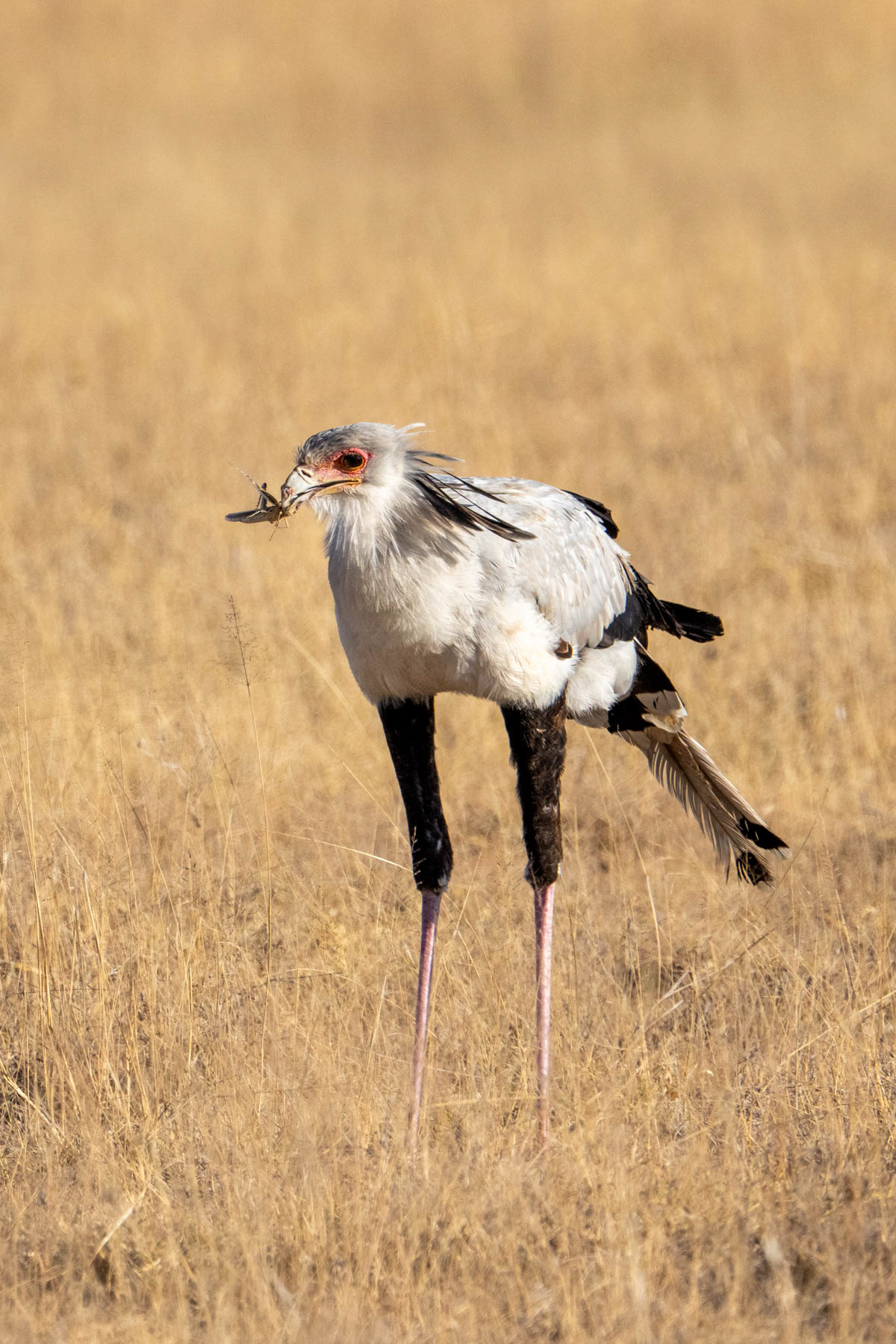
A Secretarybird enjoying a locust breakfast (image by Inger Vandyke)
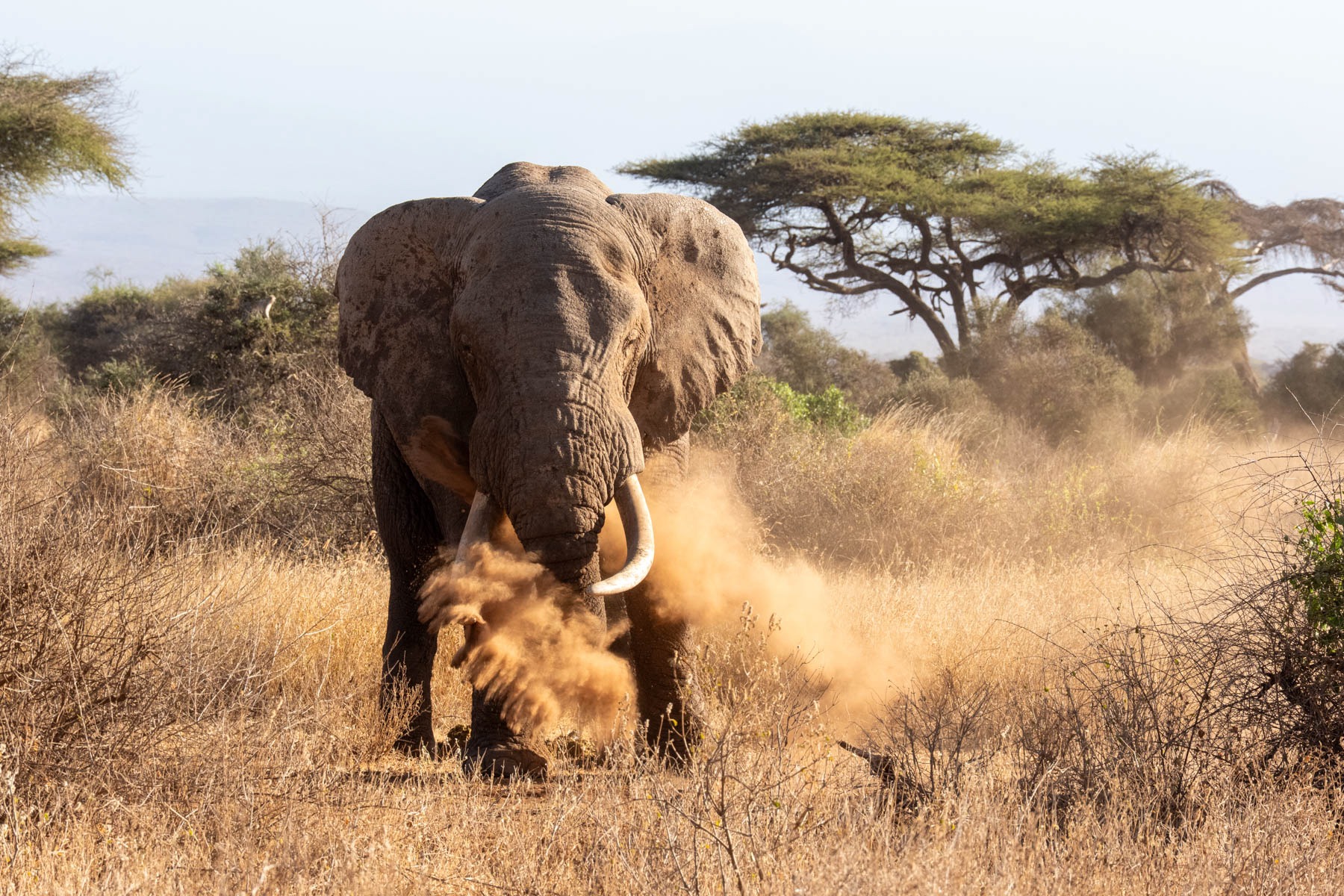
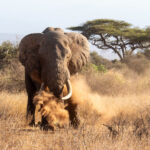
Another of Amboseli's tuskers, Barsaloi, taking a dust bath (image by Inger Vandyke)
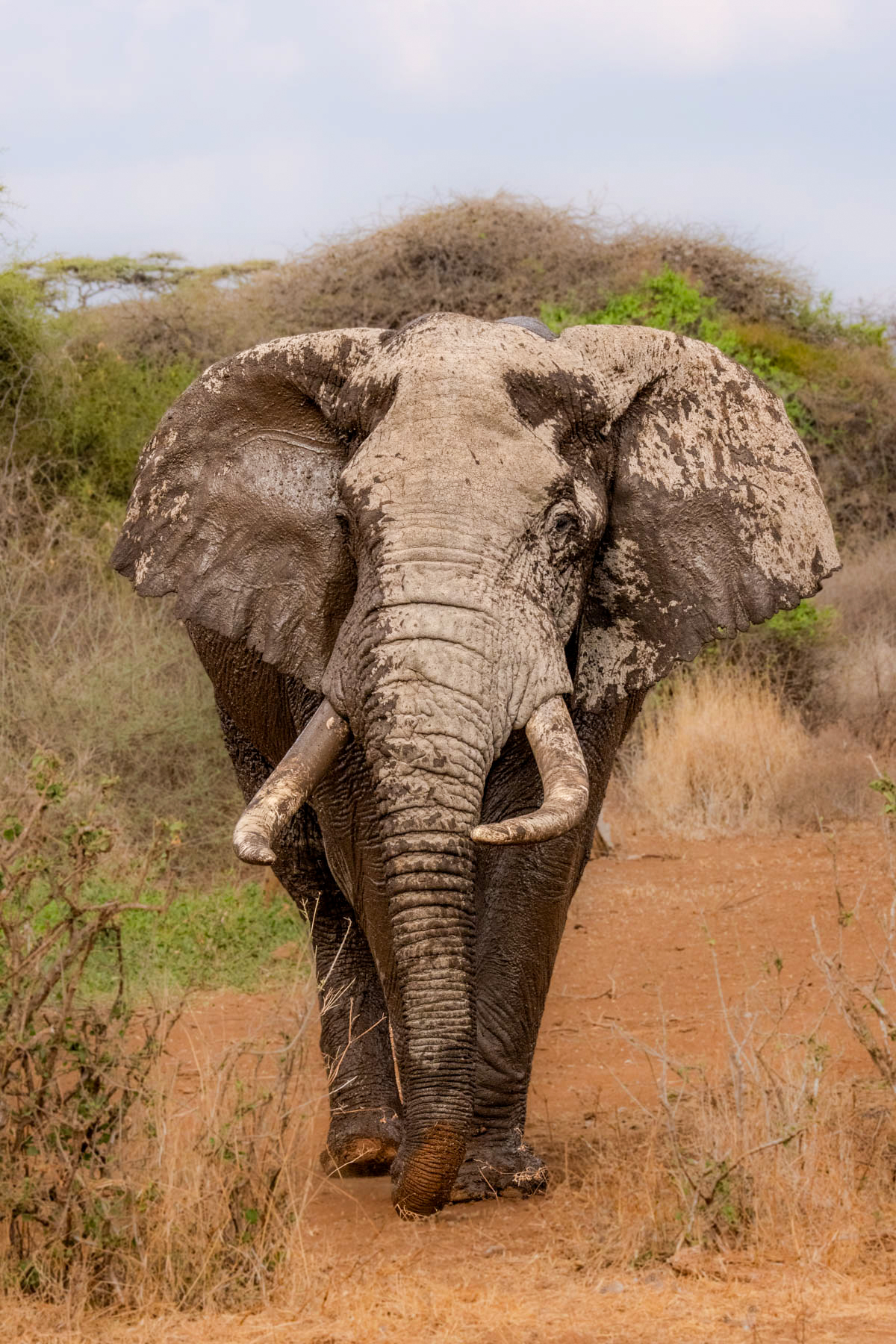
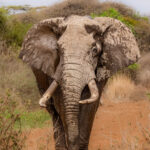
Rosario is another of Amboseli's tuskers (image by Inger Vandyke)
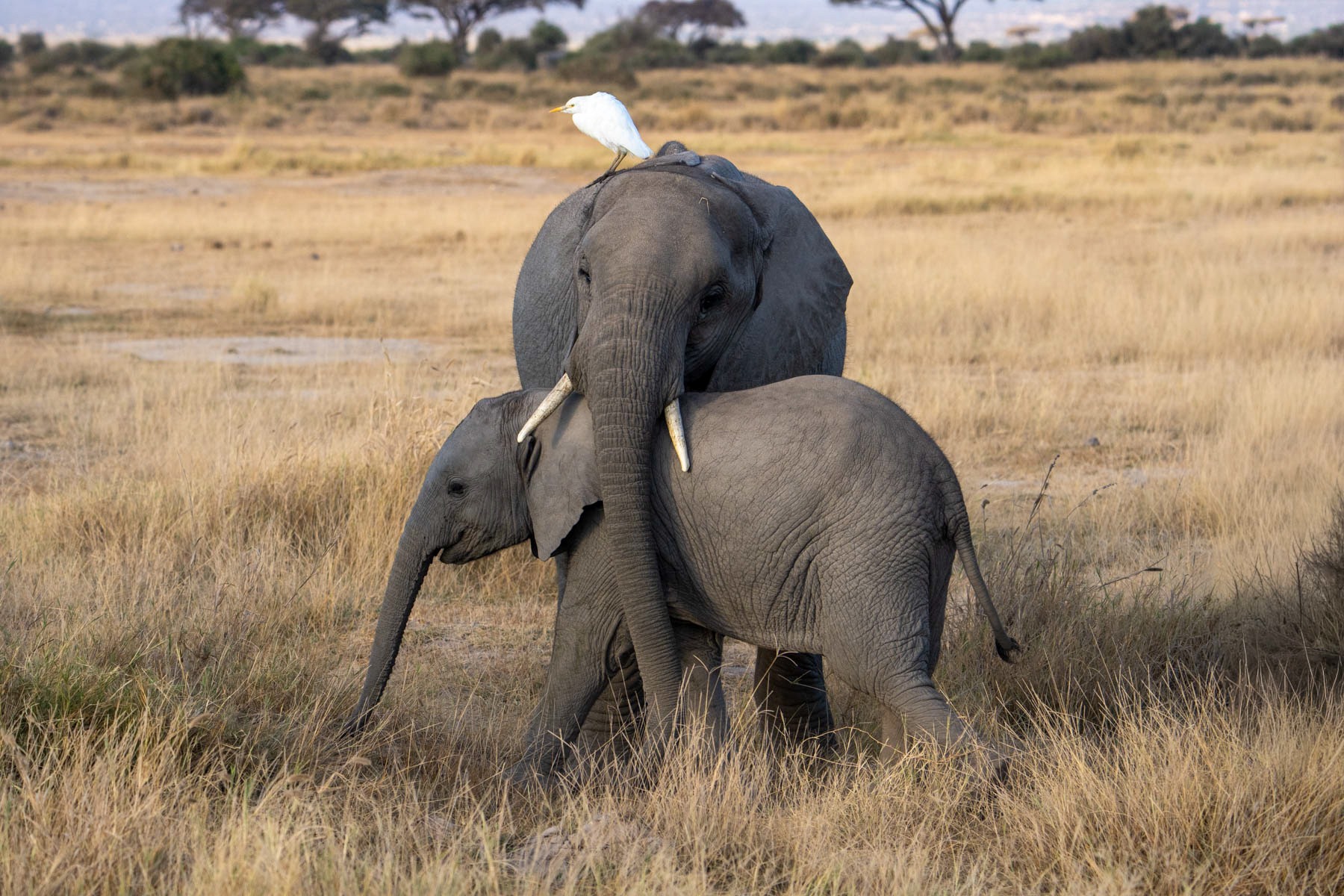
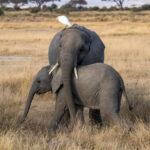
Adorable elephant youngster with their Cattle Egret friend (image by Inger Vandyke)
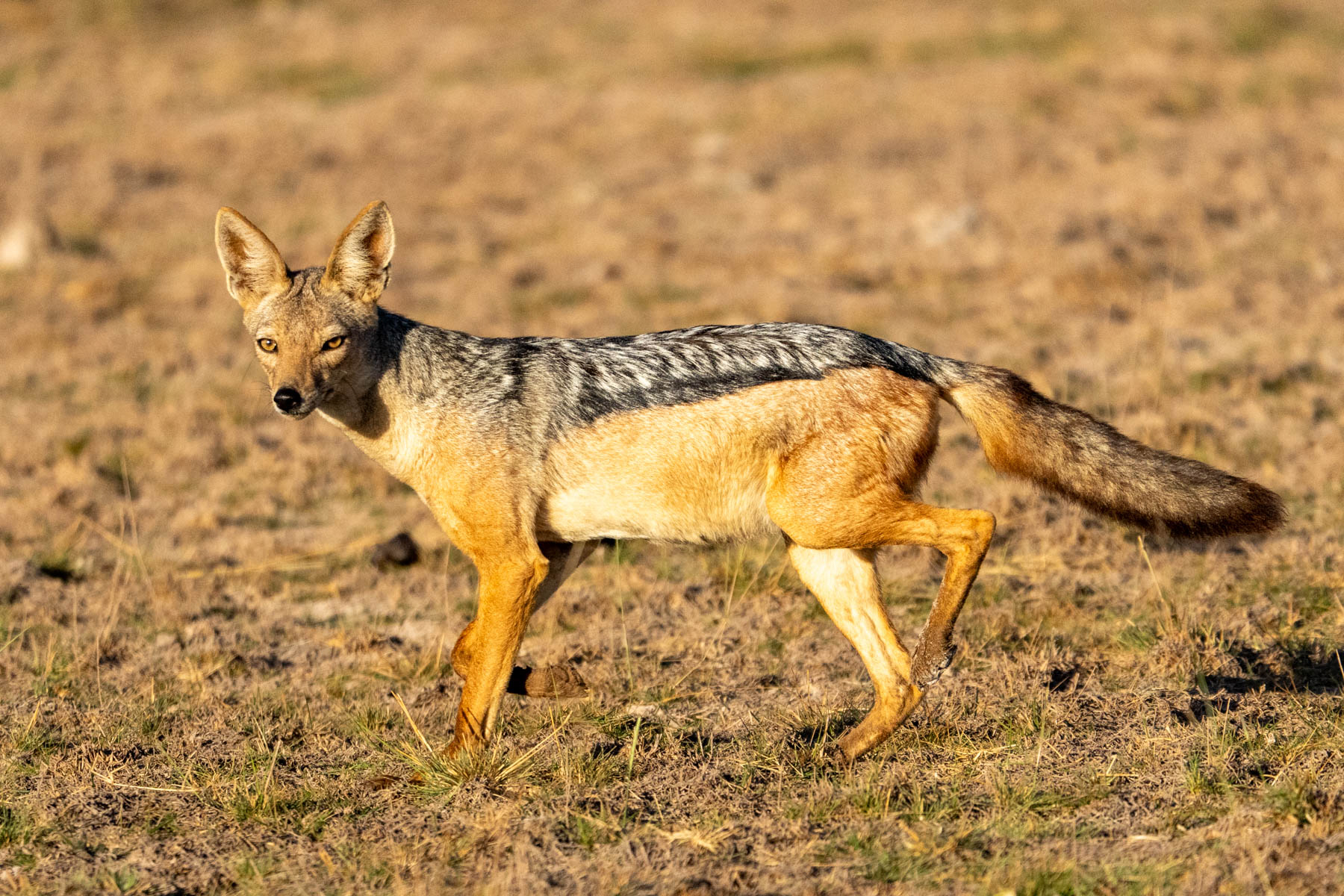
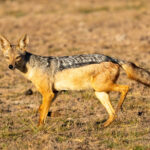
Black-backed Jackal on the hop (image by Inger Vandyke)
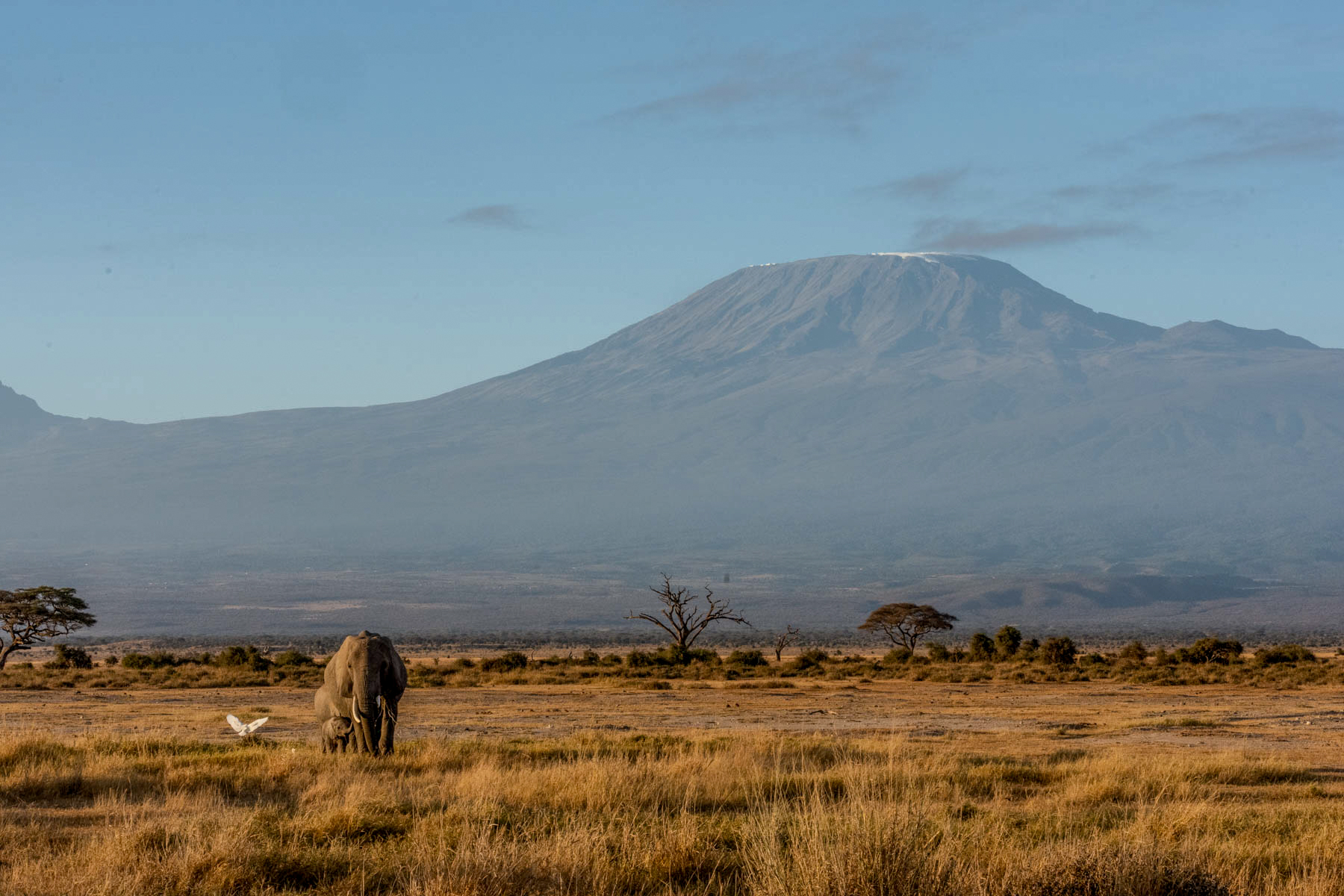
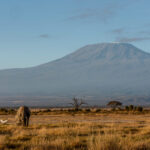
A mother elephant with her youngsters in front of Kilimanjaro (image by Inger Vandyke)
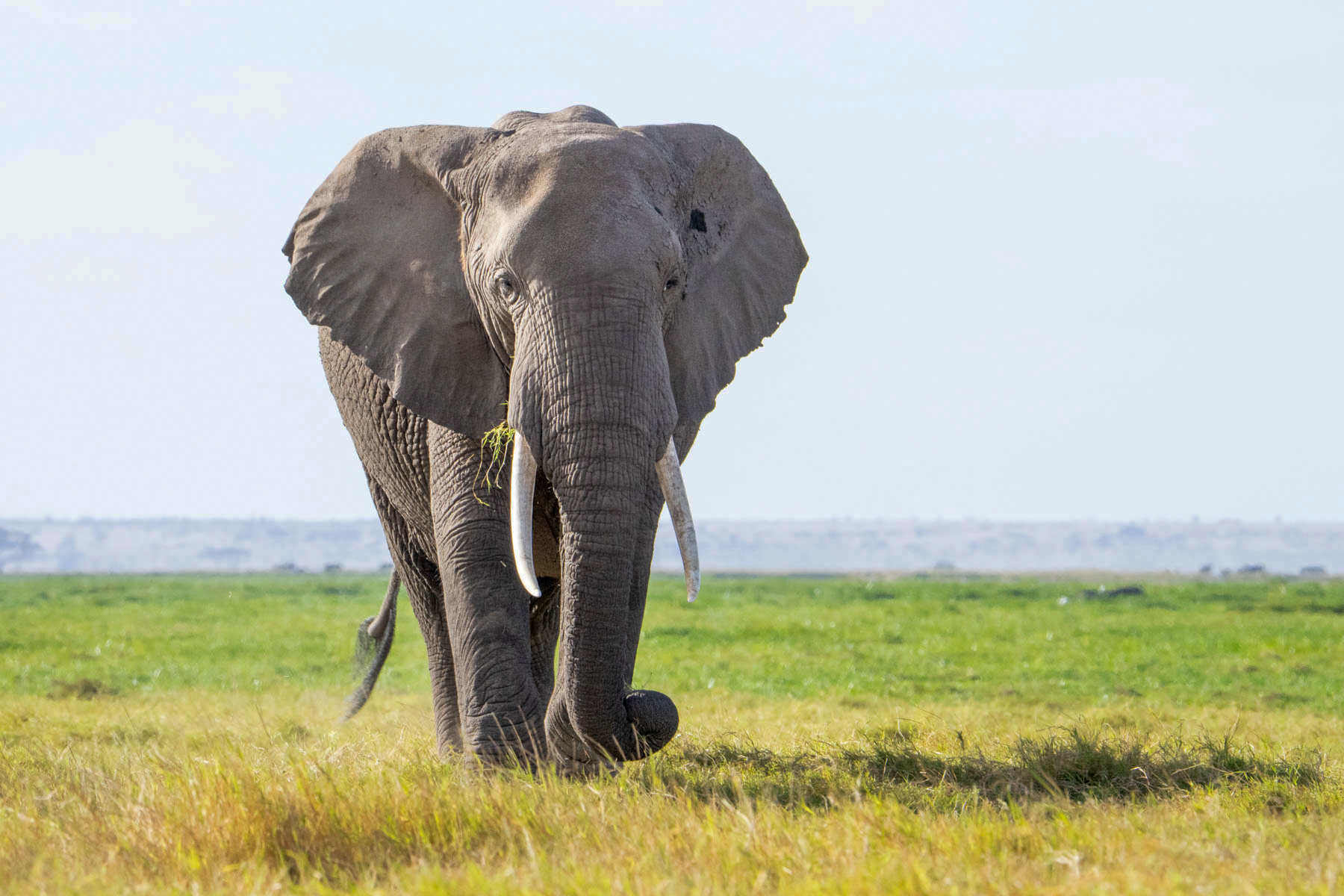
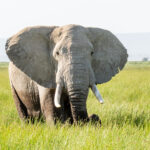
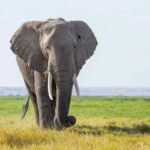
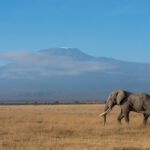
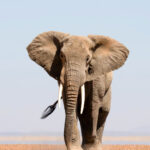
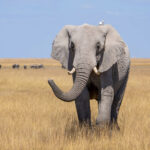
Elephant in the vast expanses of Amboseli (image by Inger Vandyke)
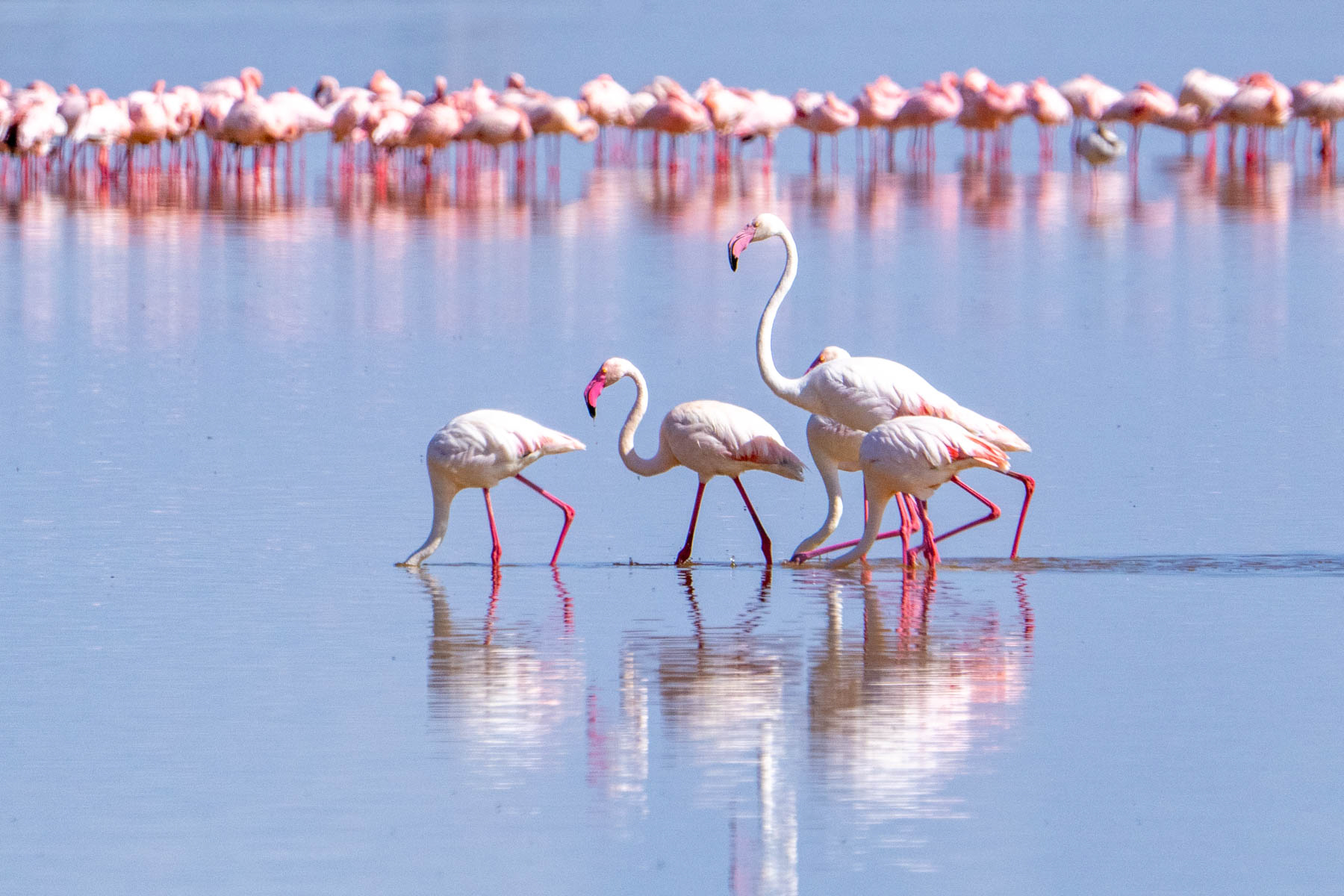
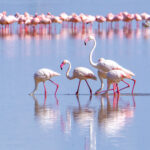
Greater Flamingos in Amboseli's wetlands (image by Inger Vandyke)
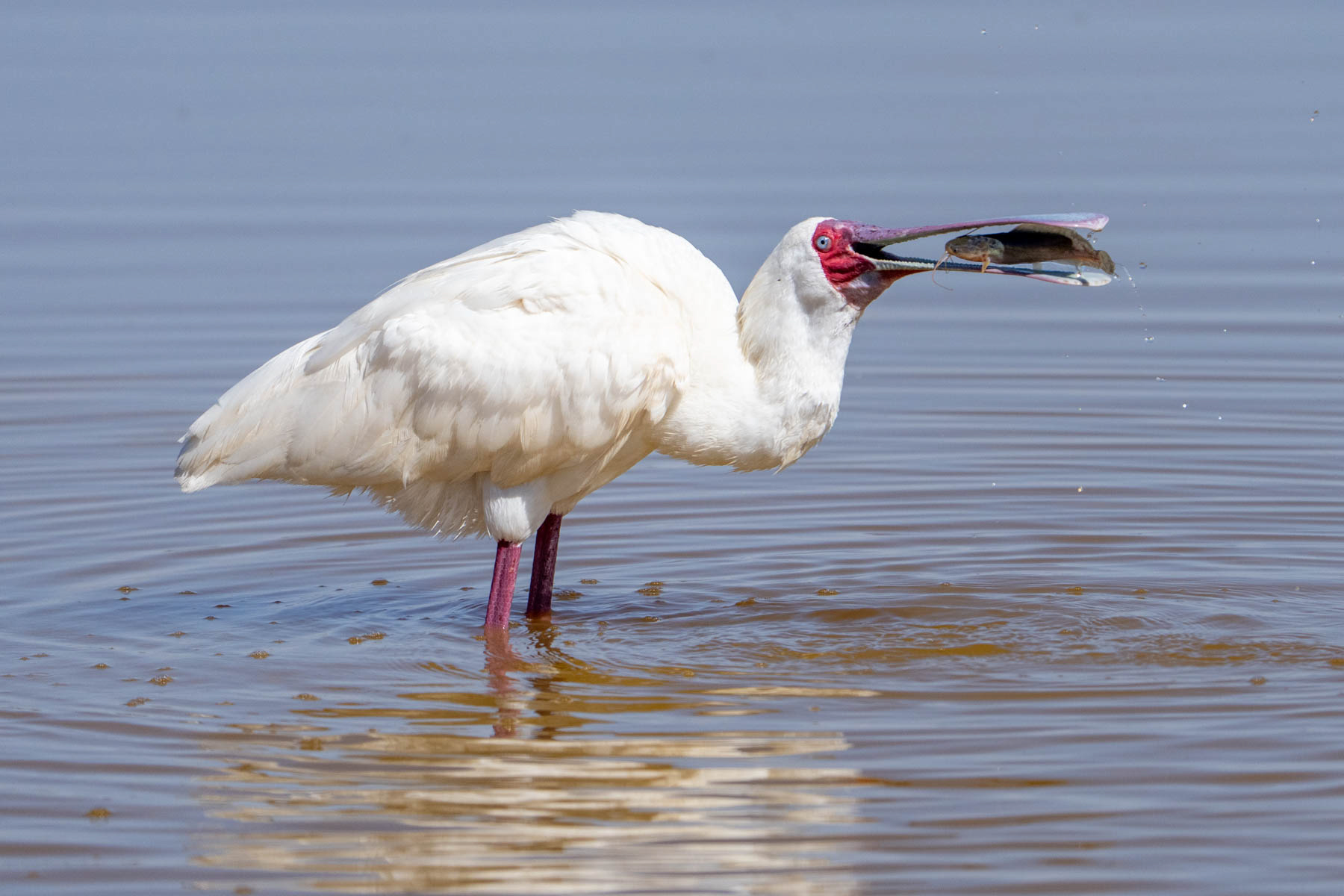
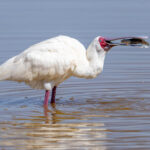
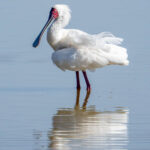
African Spoonbill with its catfish breakfast (image by Inger Vandyke)
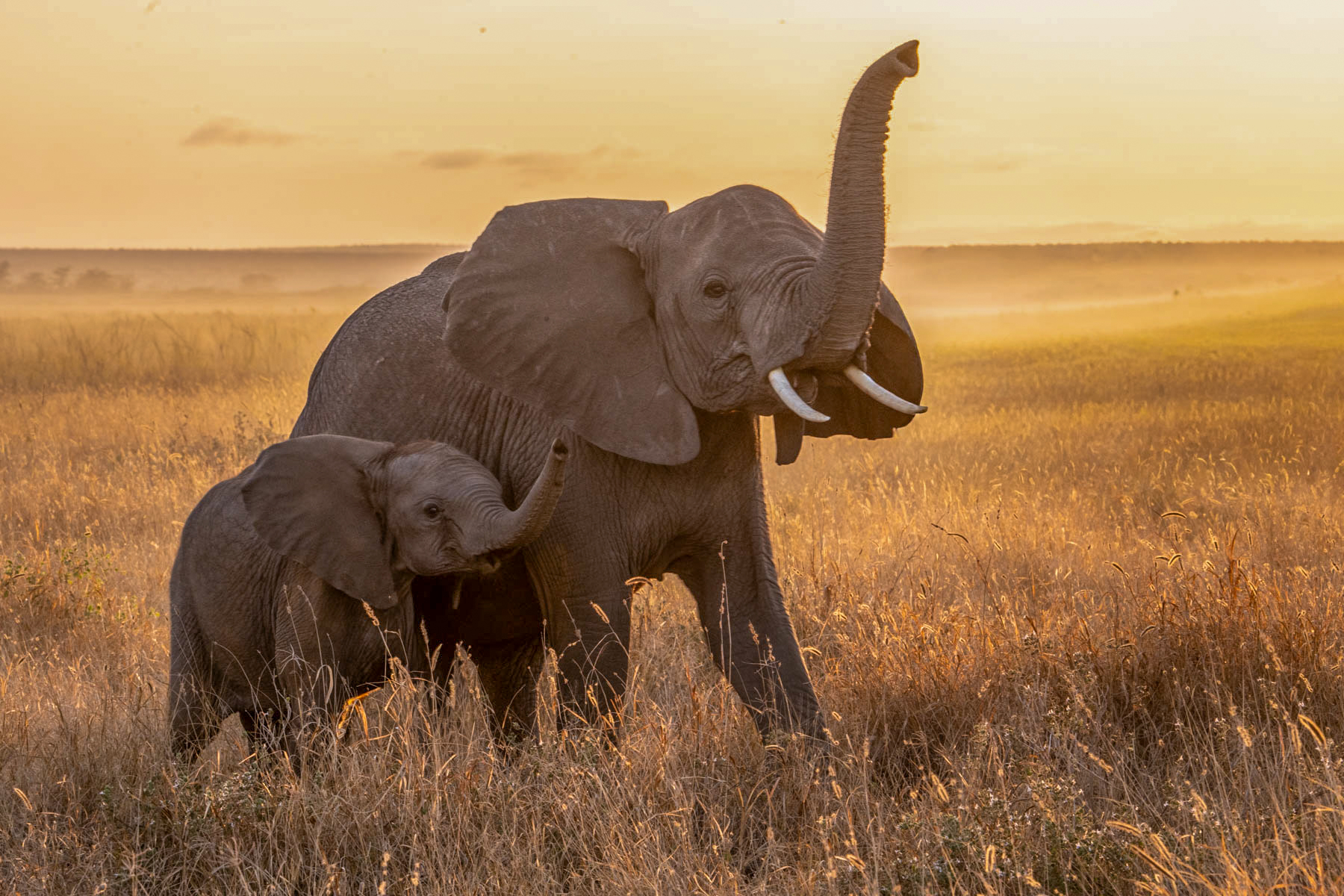
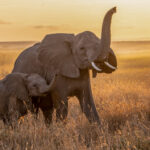
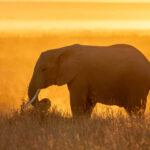
A mother and baby elephant testing the atmosphere at sunrise in Amboseli (image by Inger Vandyke)
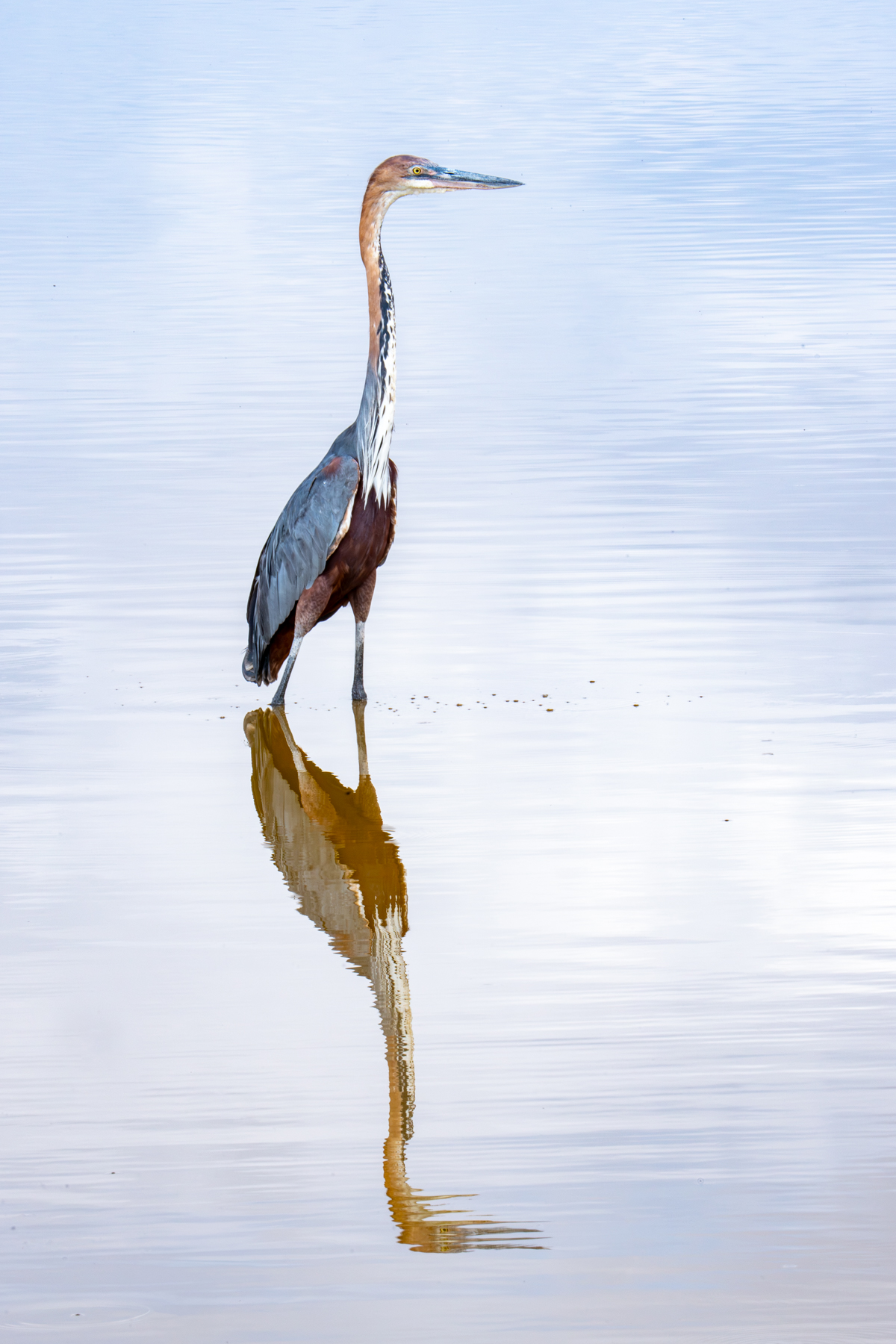
Still morning for a fishing Goliath Heron (image by Inger Vandyke)
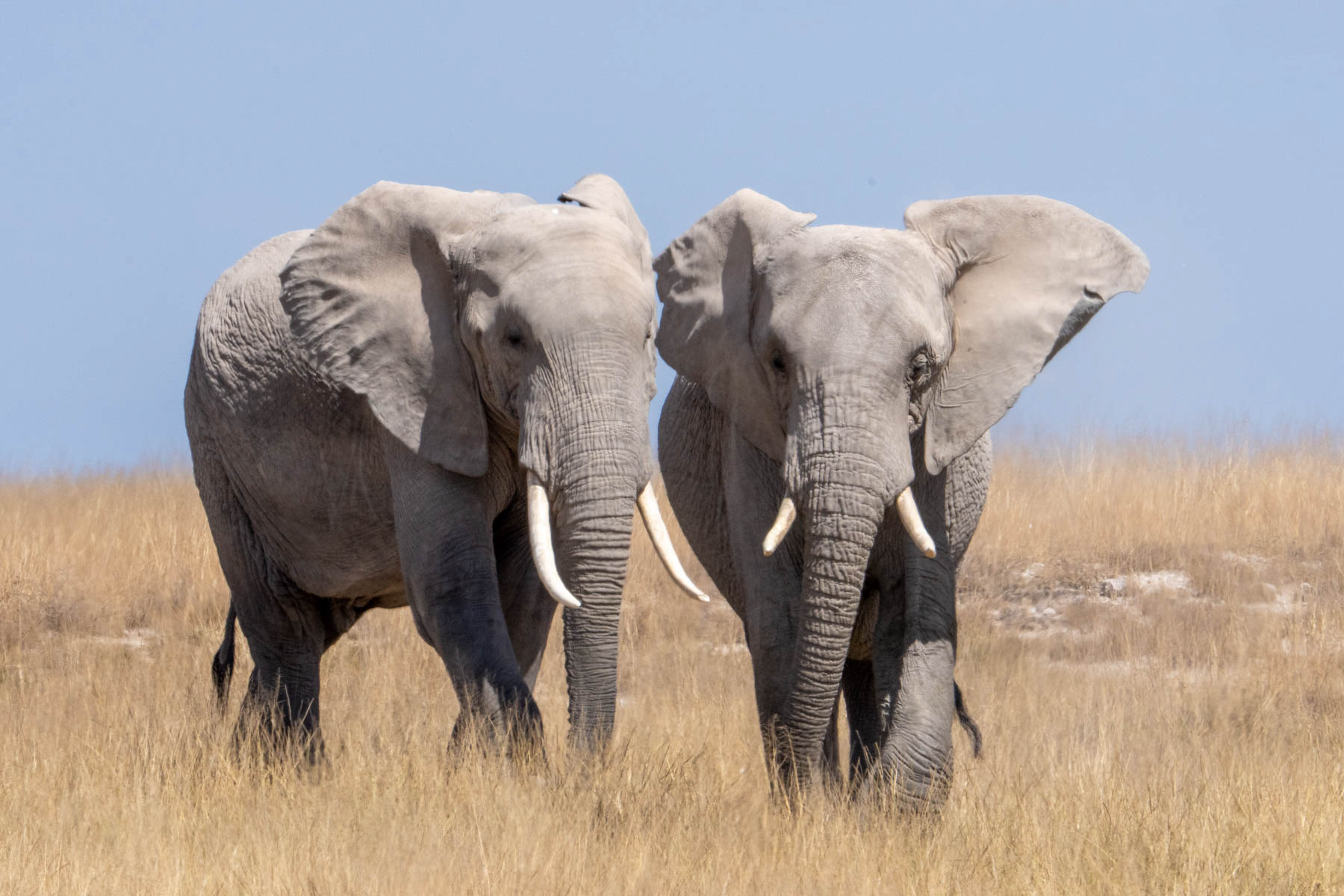
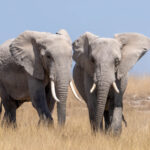
Twosome (image by Inger Vandyke)
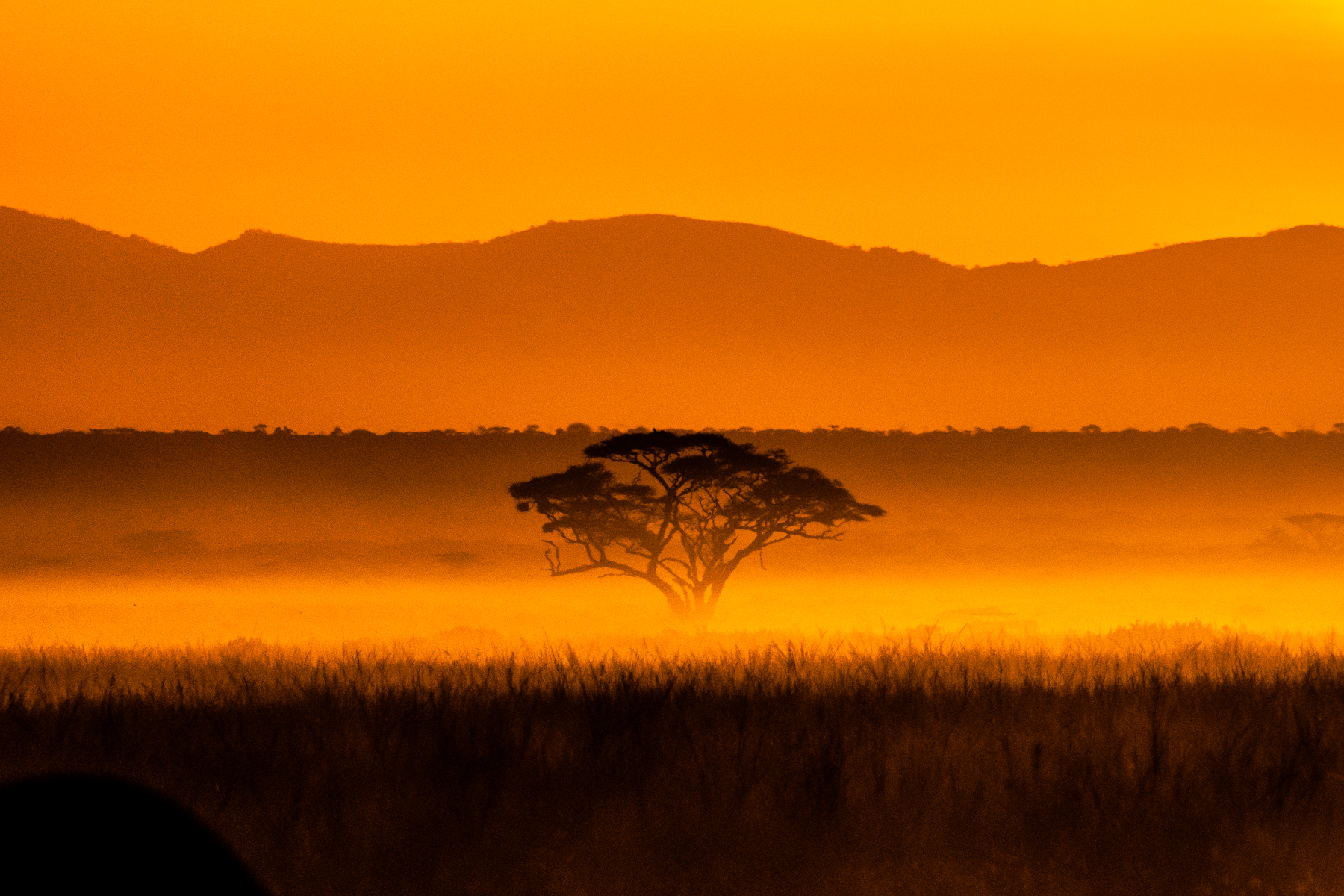
Glorious Amboseli sunrise (image by Inger Vandyke)
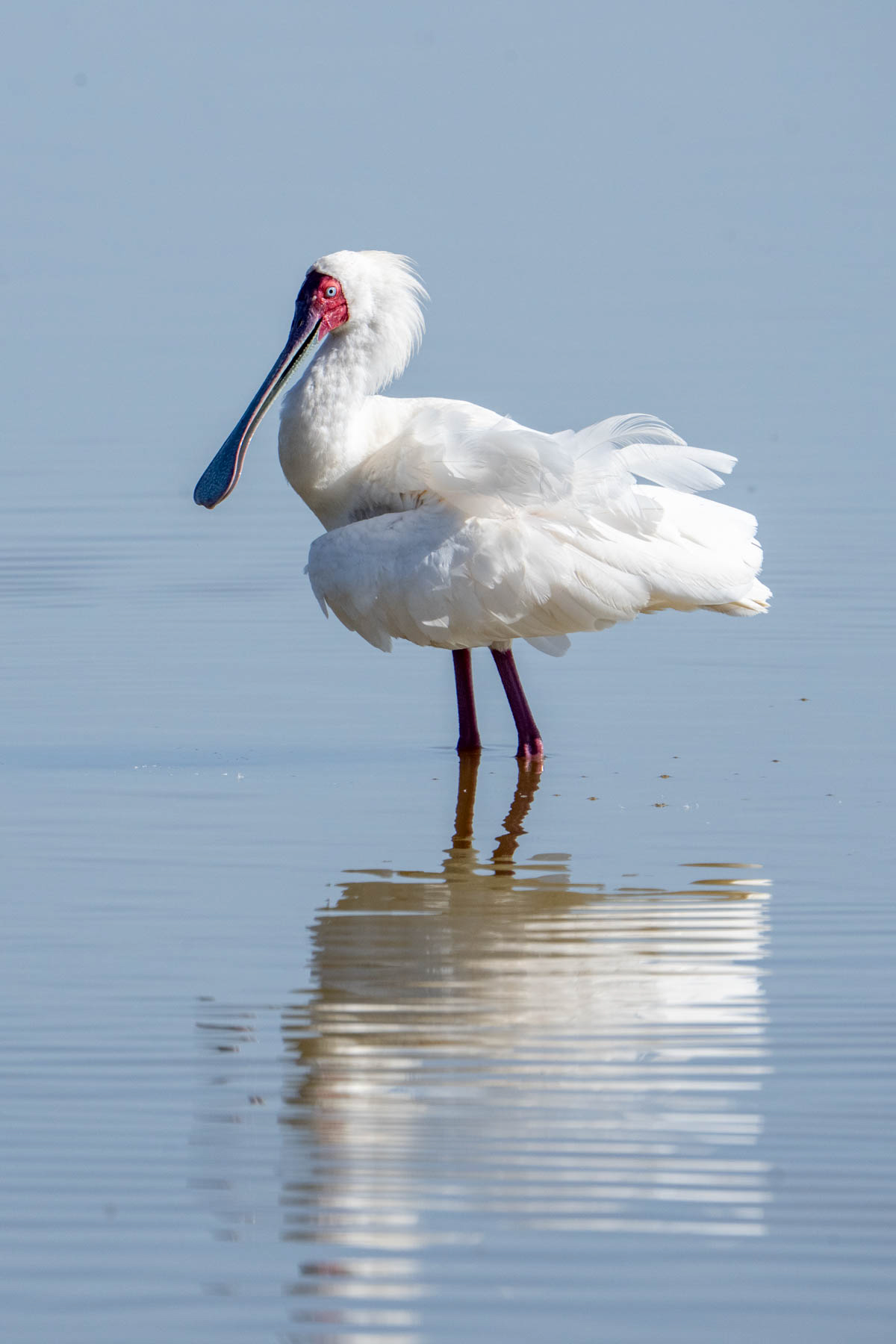
African Spoonbill (image by Inger Vandyke)
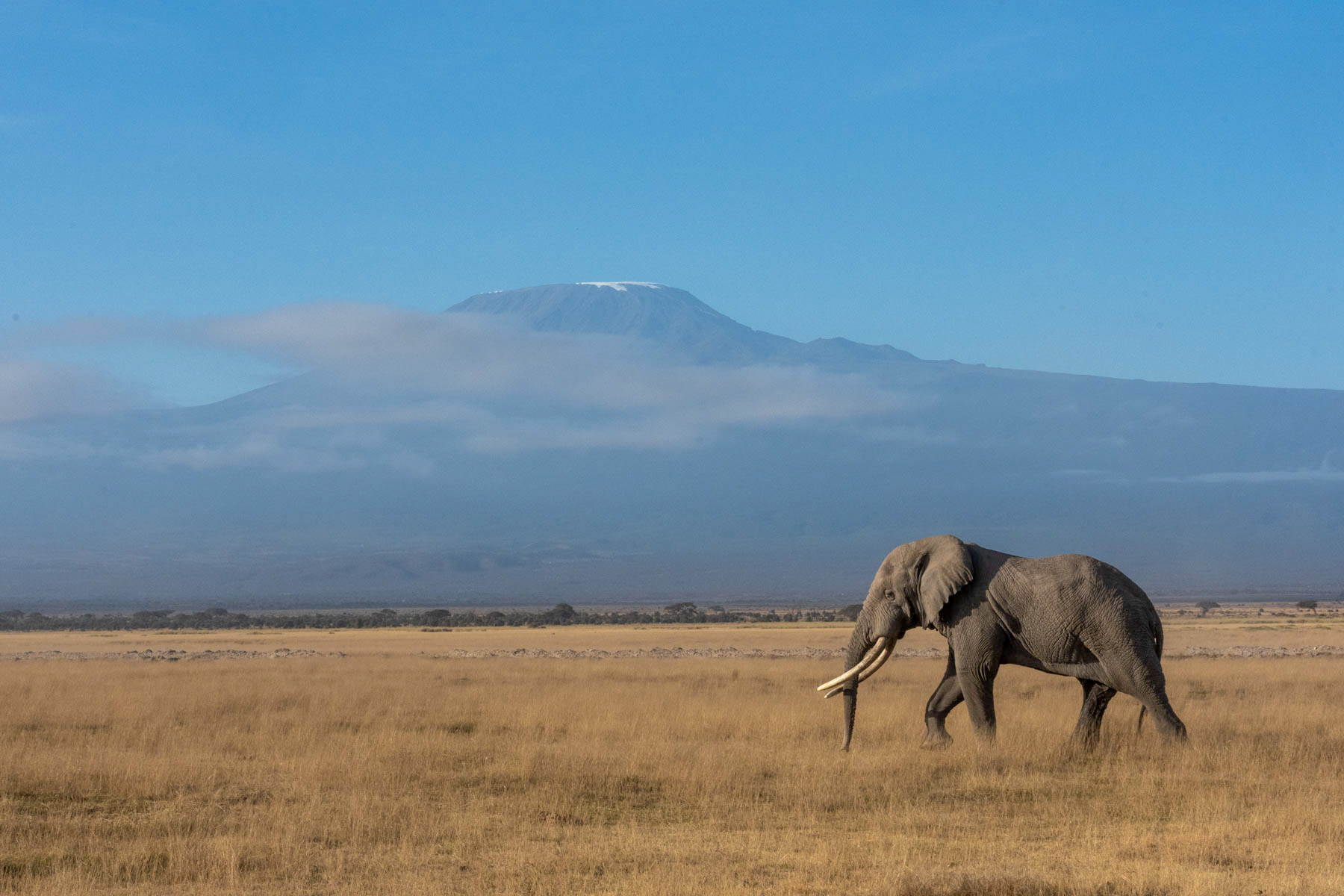
Townsend, another of Amboseli's tuskers, in front of Kilimanjaro (image by Inger Vandyke)
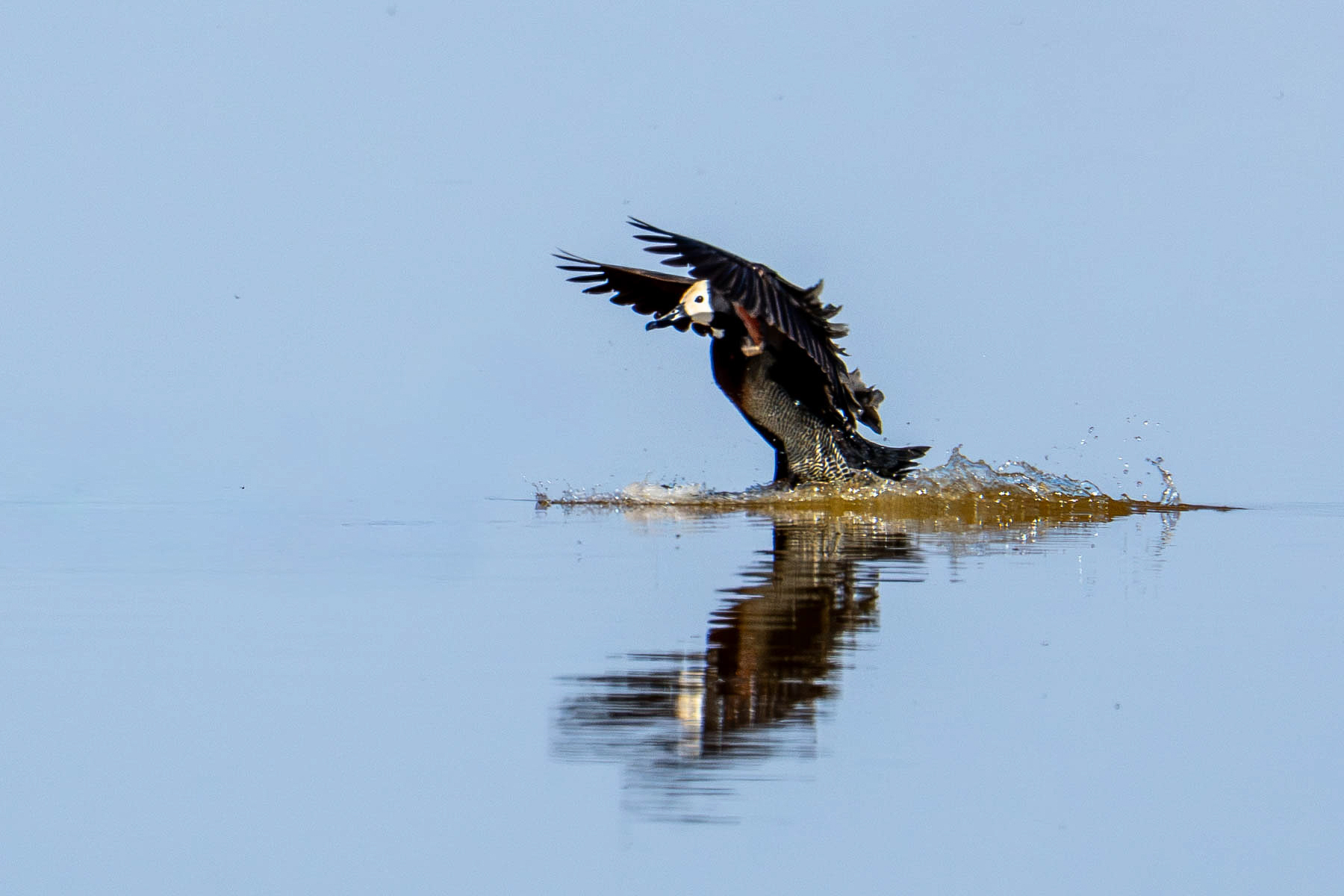
White-faced Whistling Duck landing (image by Inger Vandyke)
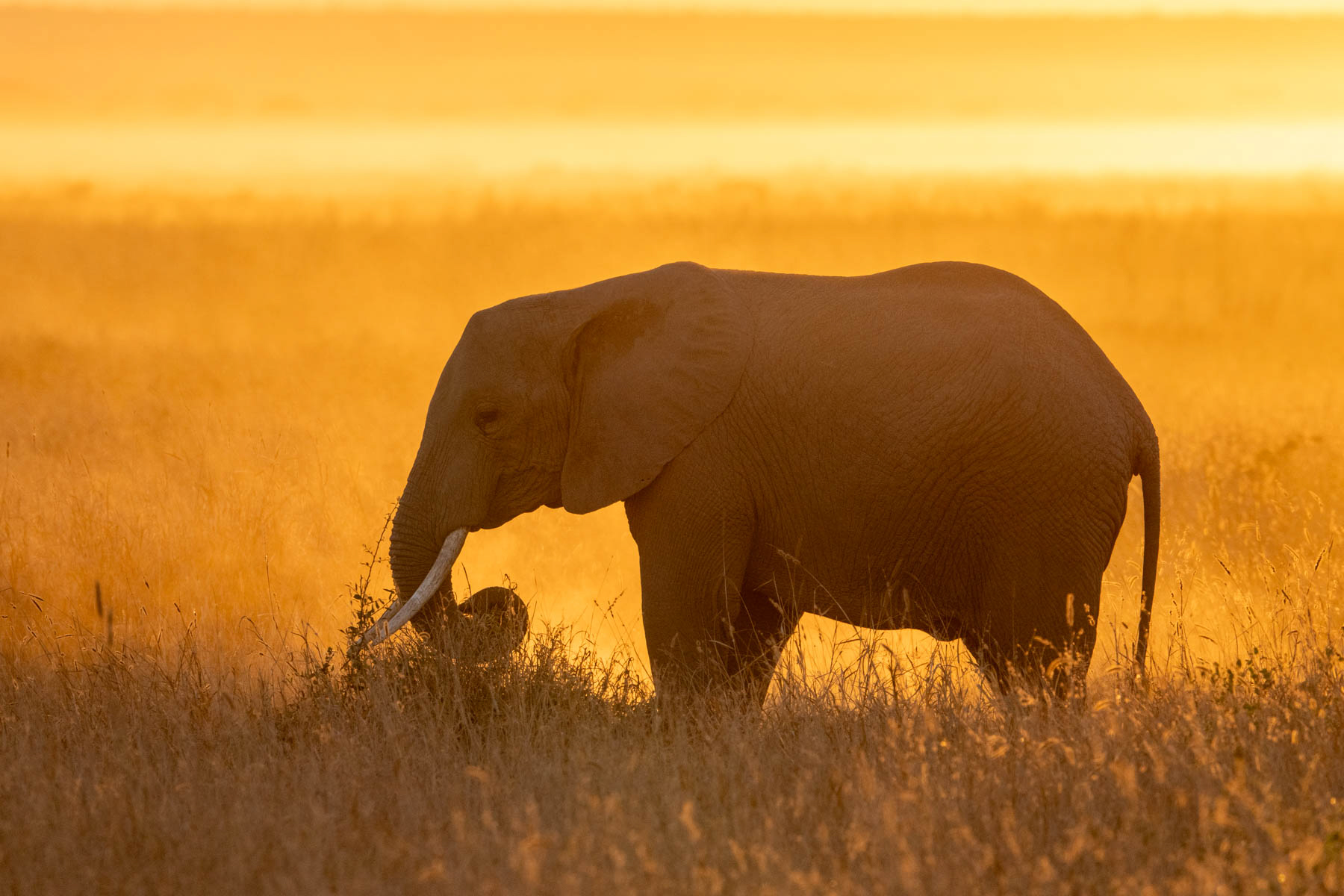
Sunrise silhouette of an elephant (image by Inger Vandyke)
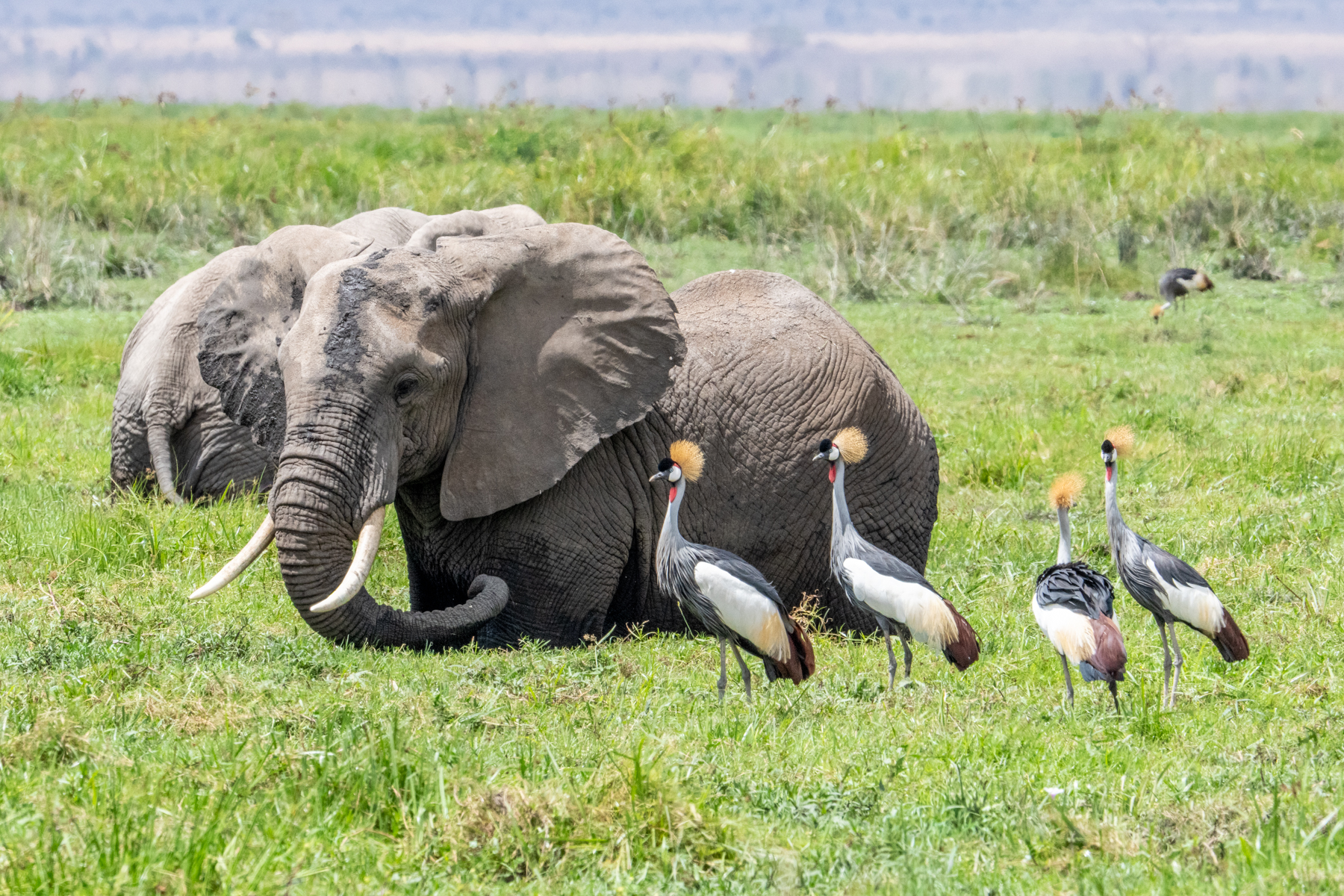
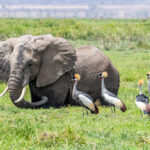
Odd Swampfellows? A group of Grey Crowned Cranes in the company of elephants (image by Inger Vandyke)
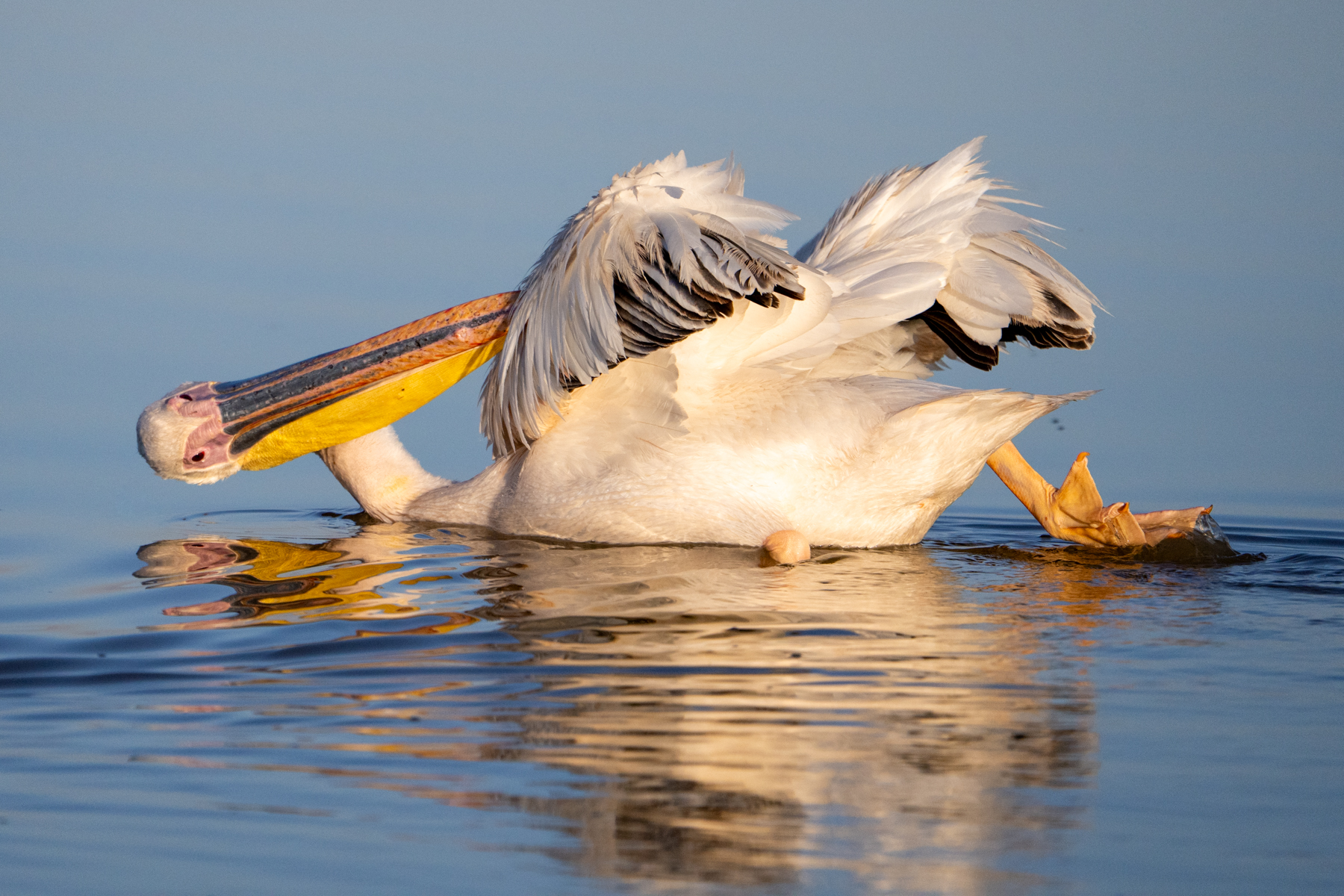
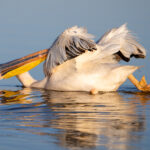
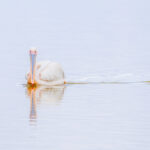
A Great White Pelican preening (image by Inger Vandyke)
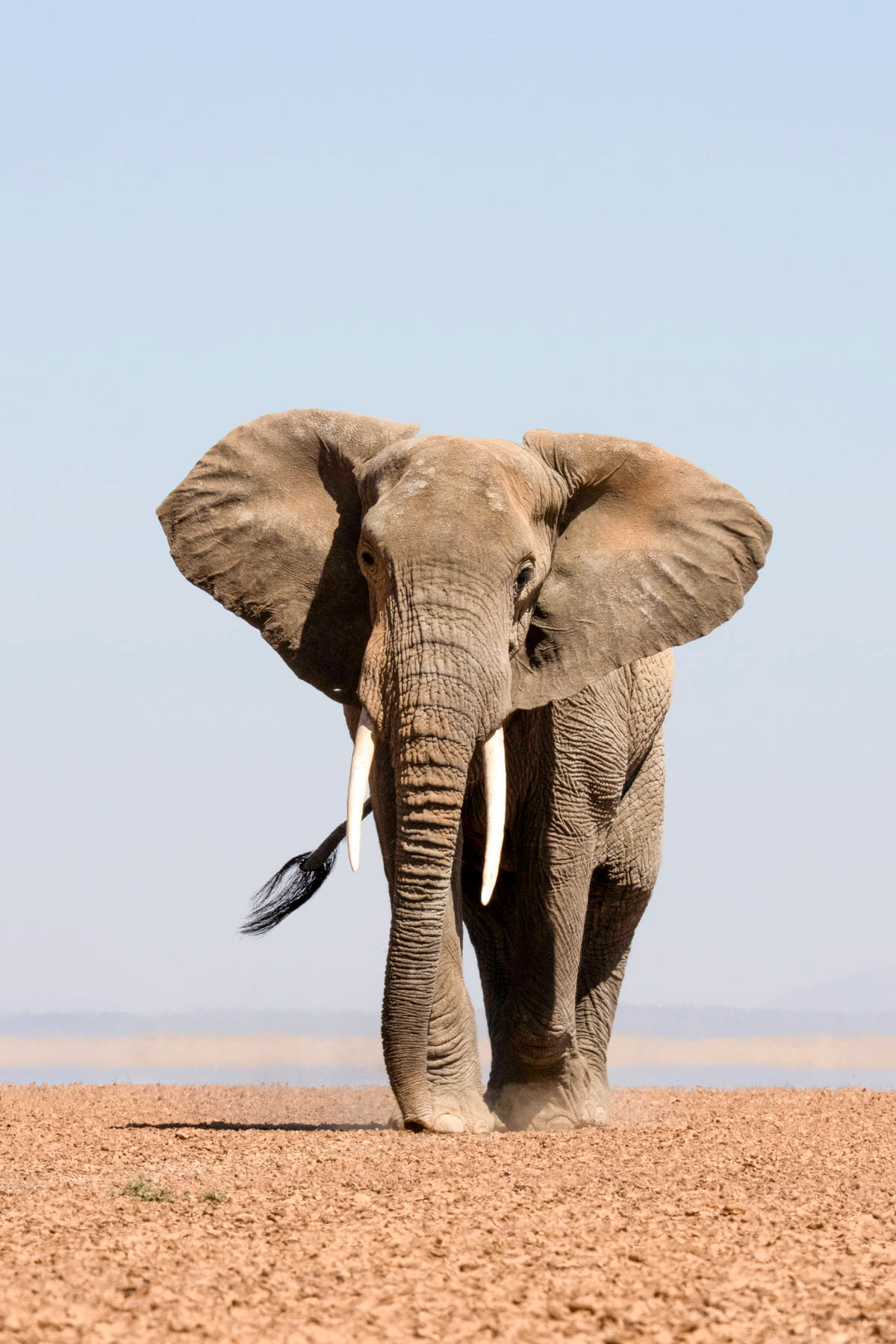
Amboseli truly is elephant heaven (image by Inger Vandyke)
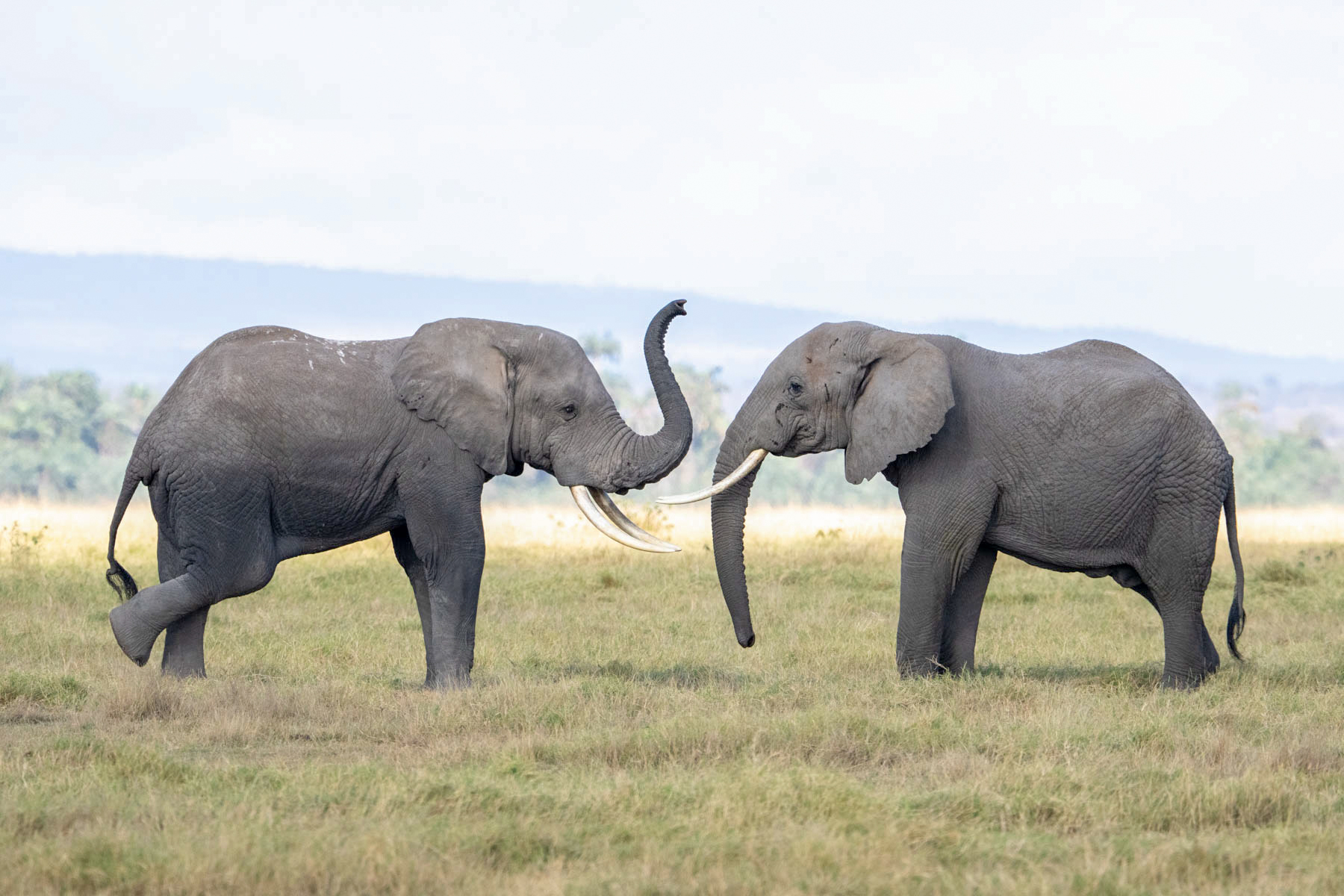
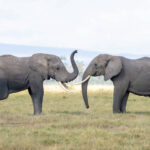
When elephants meet, they greet each other with elaborate trunk movements (image by Inger Vandyke)
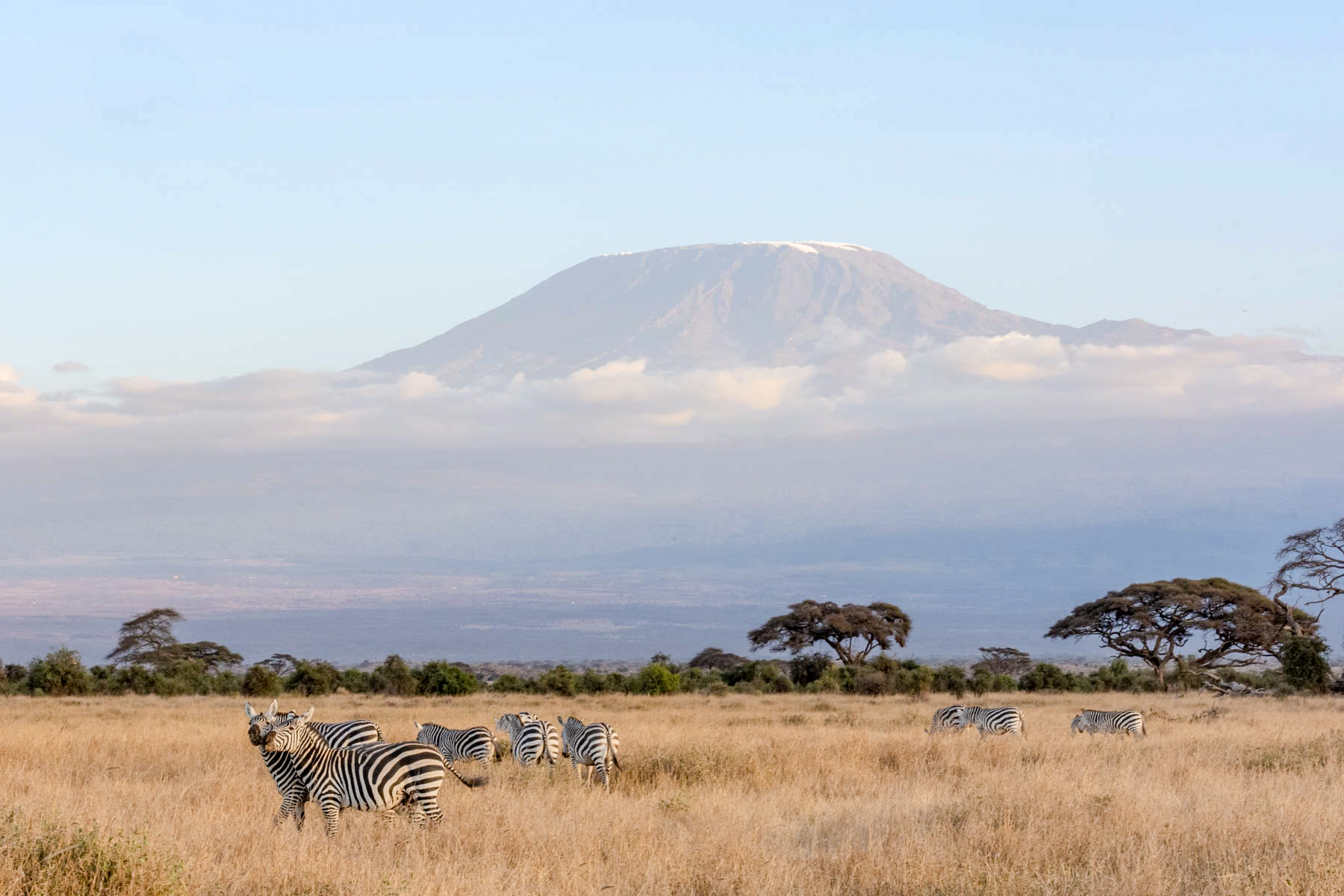
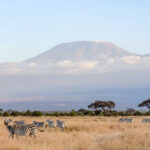
Dazzling Zebras in front of Kilimanjaro (image by Inger Vandyke)
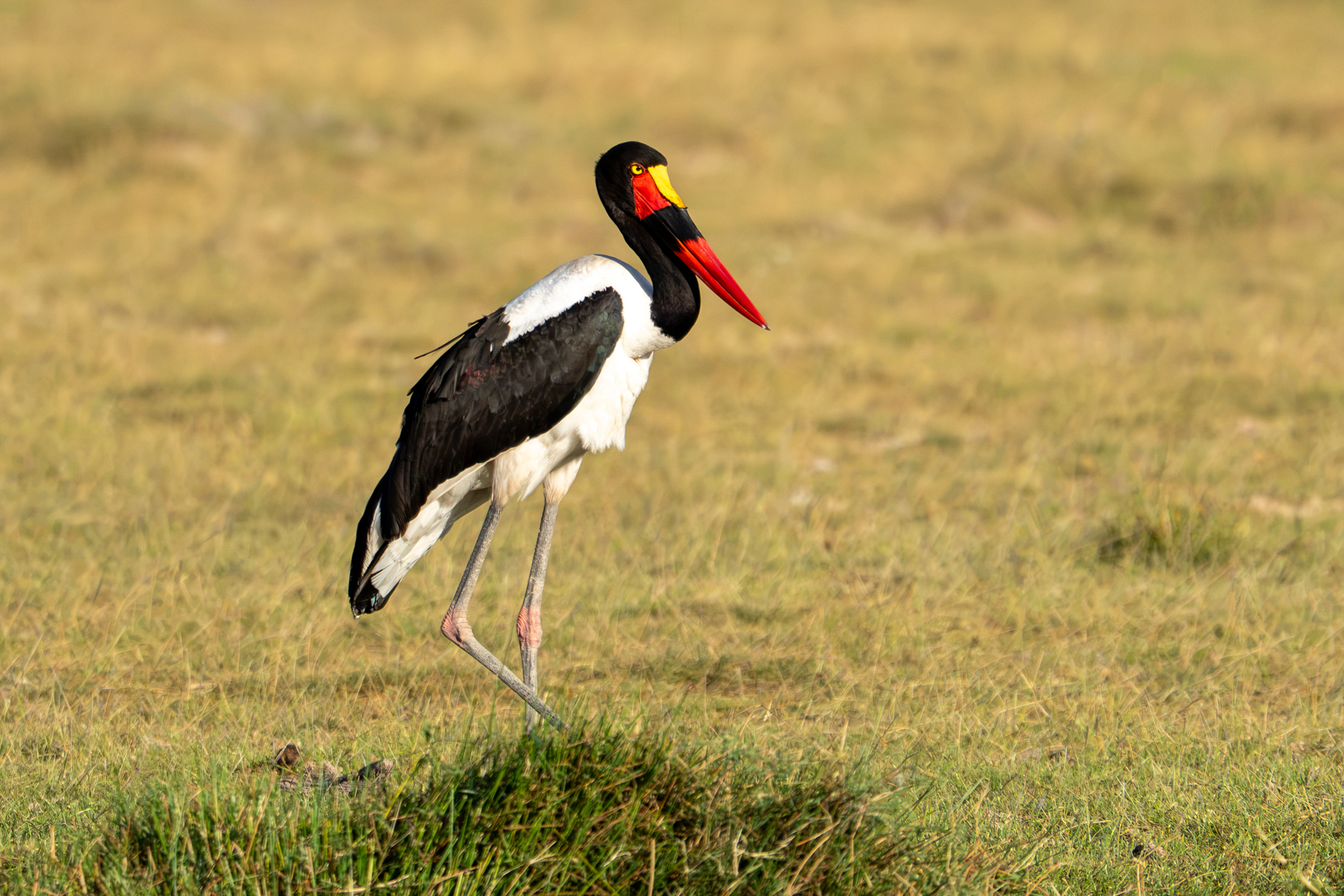
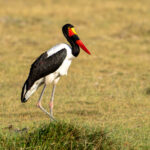
Saddle-billed Stork would have to be one of Africa's most spectacular wetland birds (image by Inger Vandyke)
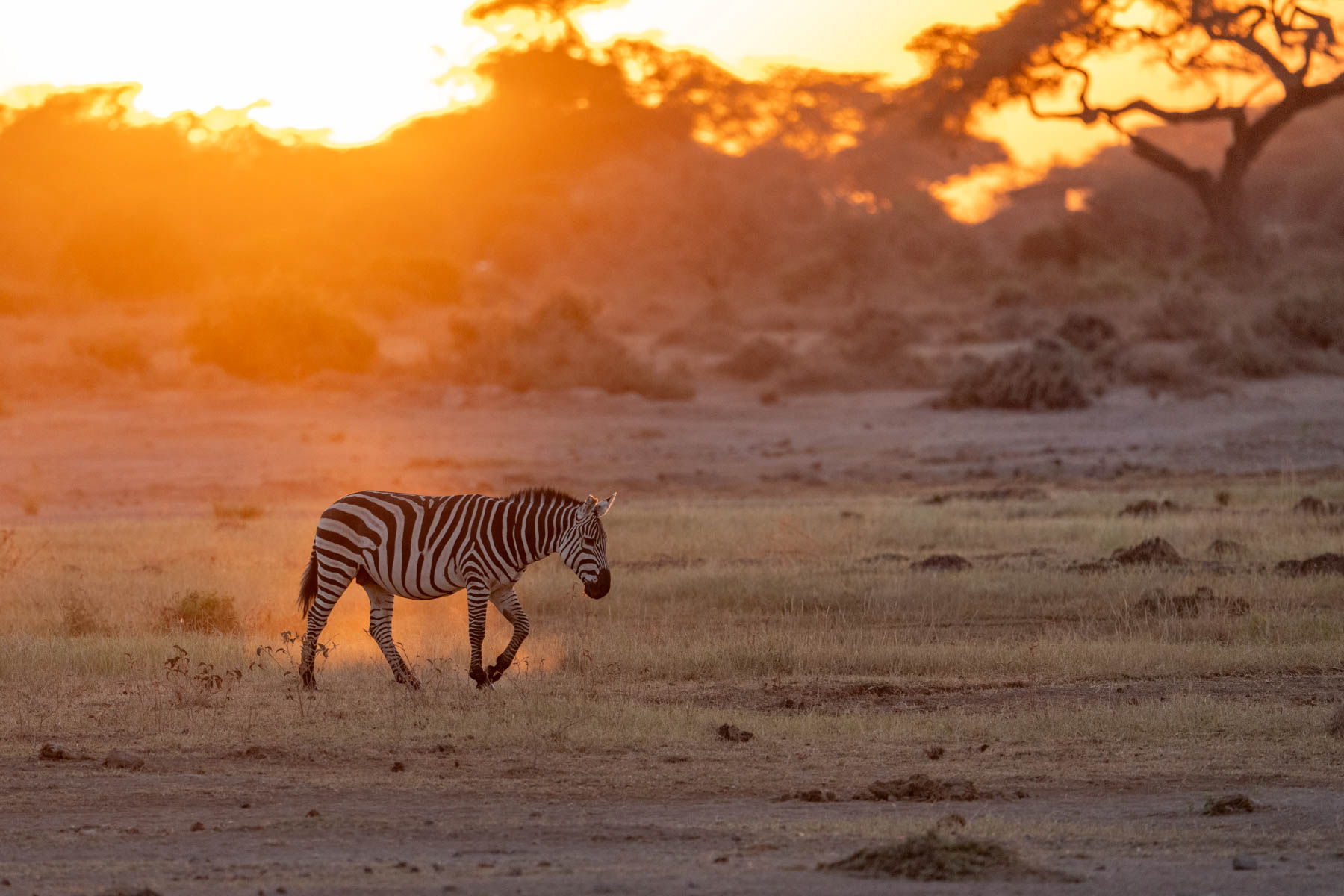
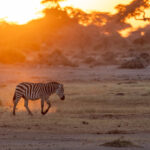
In the golden light of dusk, a zebra heads to a safe place for the night (image by Inger Vandyke)
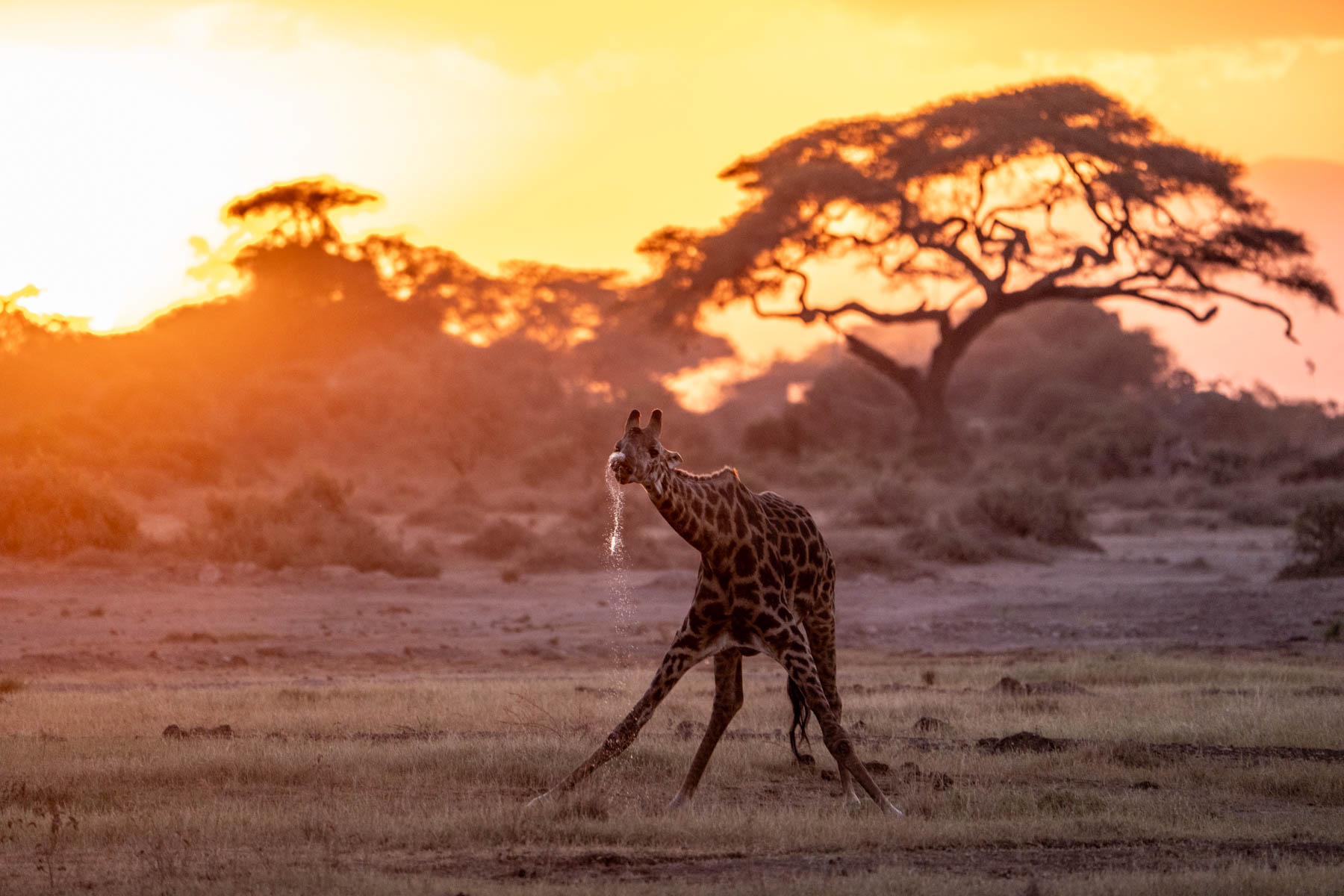
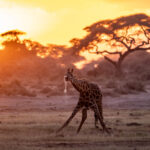
Giraffe drinking in the golden light of an Amboseli sunset (image by Inger Vandyke)
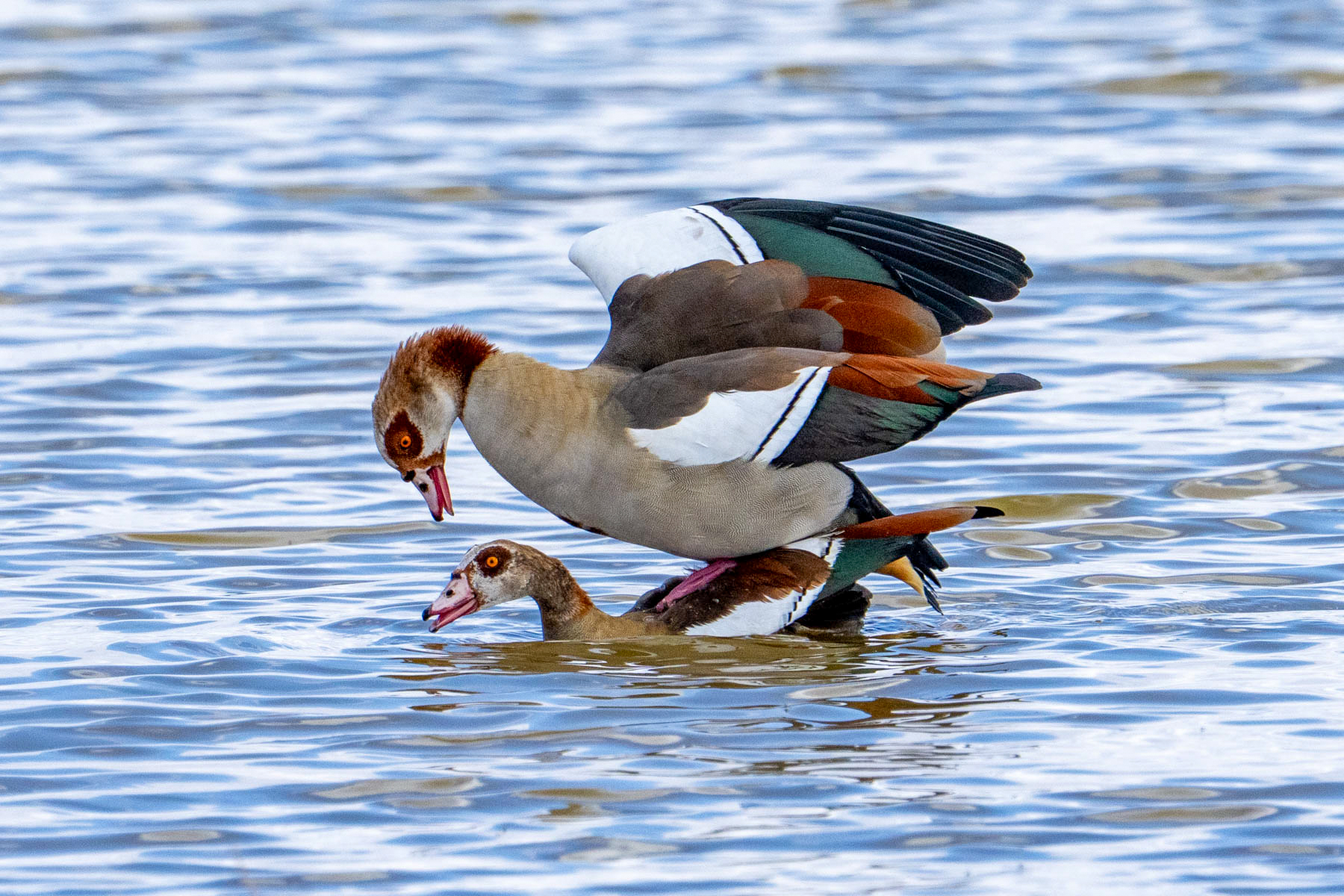
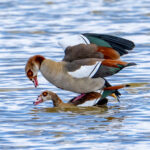
Egyptian Geese securing the next generation (image by Inger Vandyke)
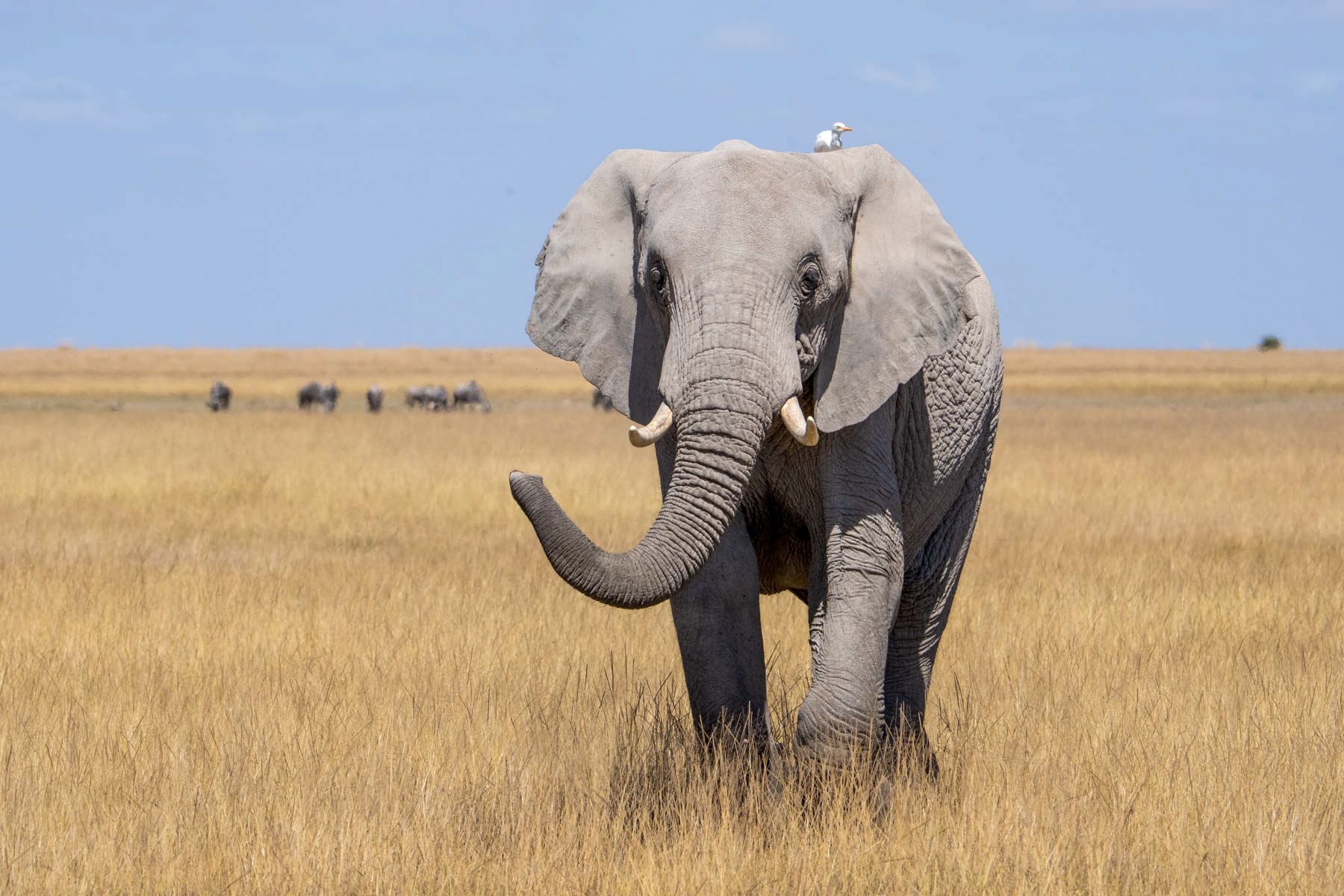
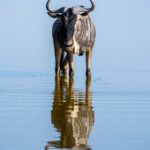
"And I'd like to introduce you to my wildebeest friends. Oh don't worry about the white thing on my head. He's always there!" (image by Inger Vandyke)
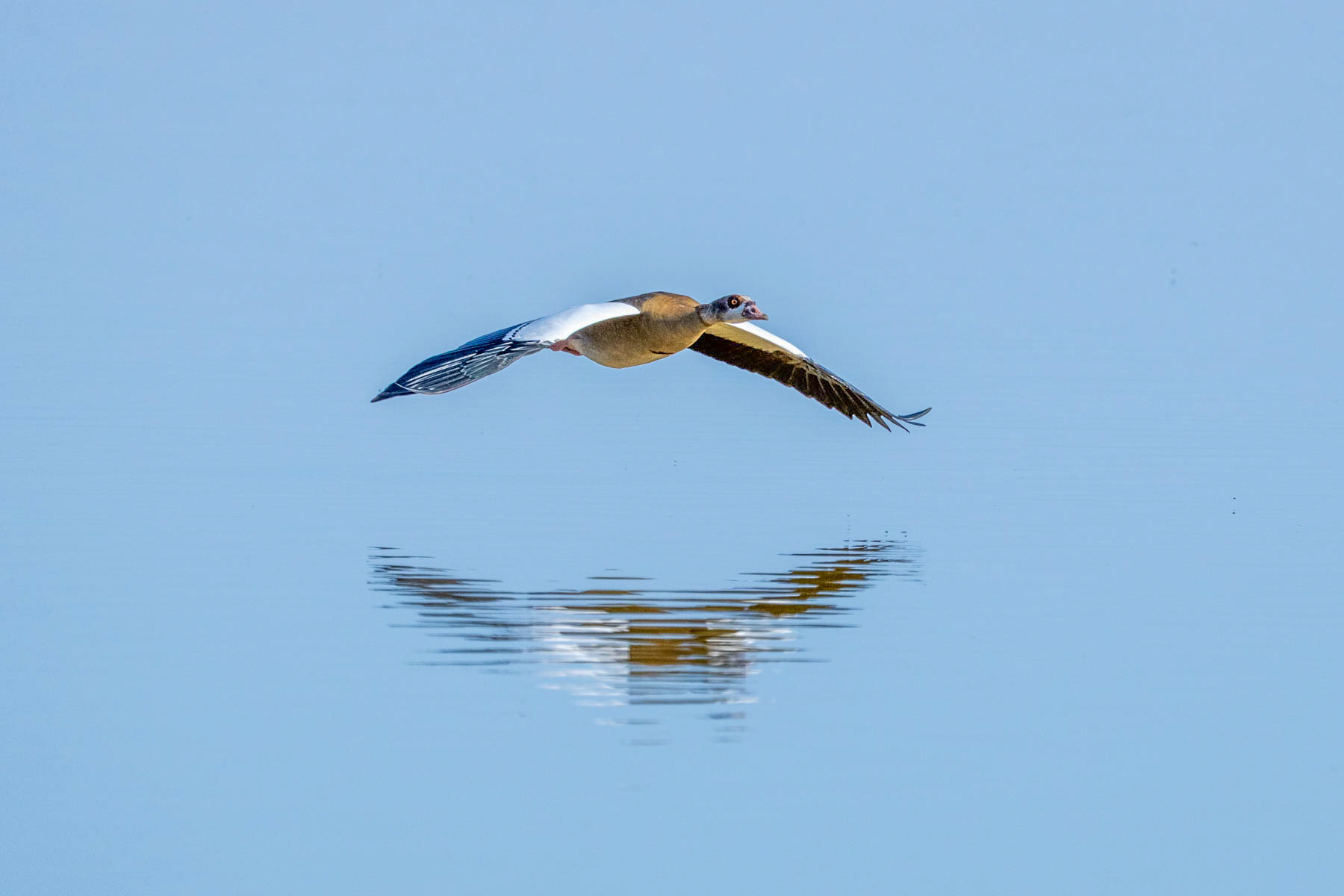
Egyptian Goose in flight (image by Inger Vandyke)
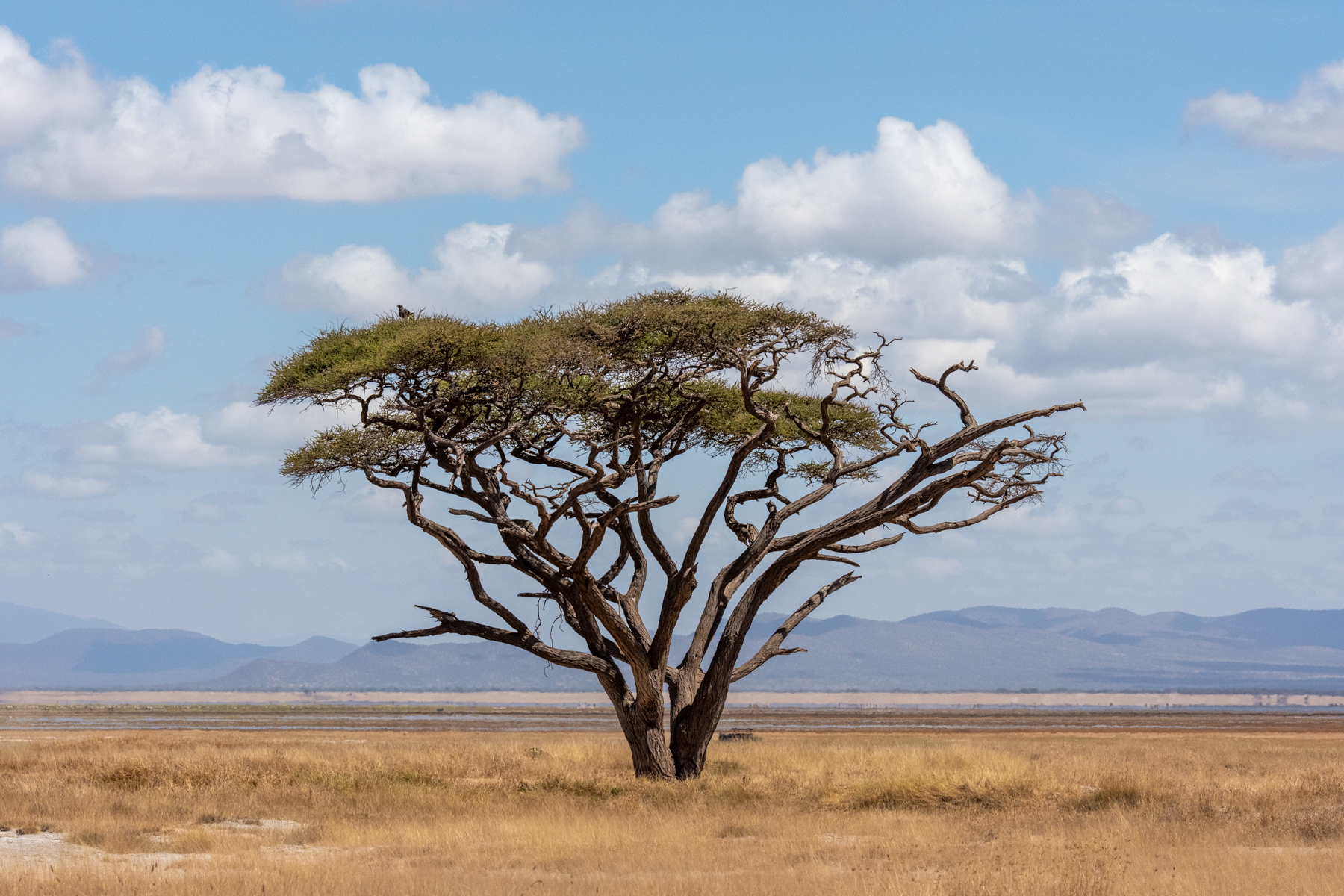
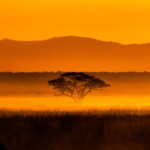
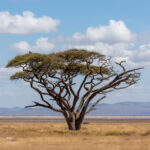
Stylised Acacia (image by Inger Vandyke)
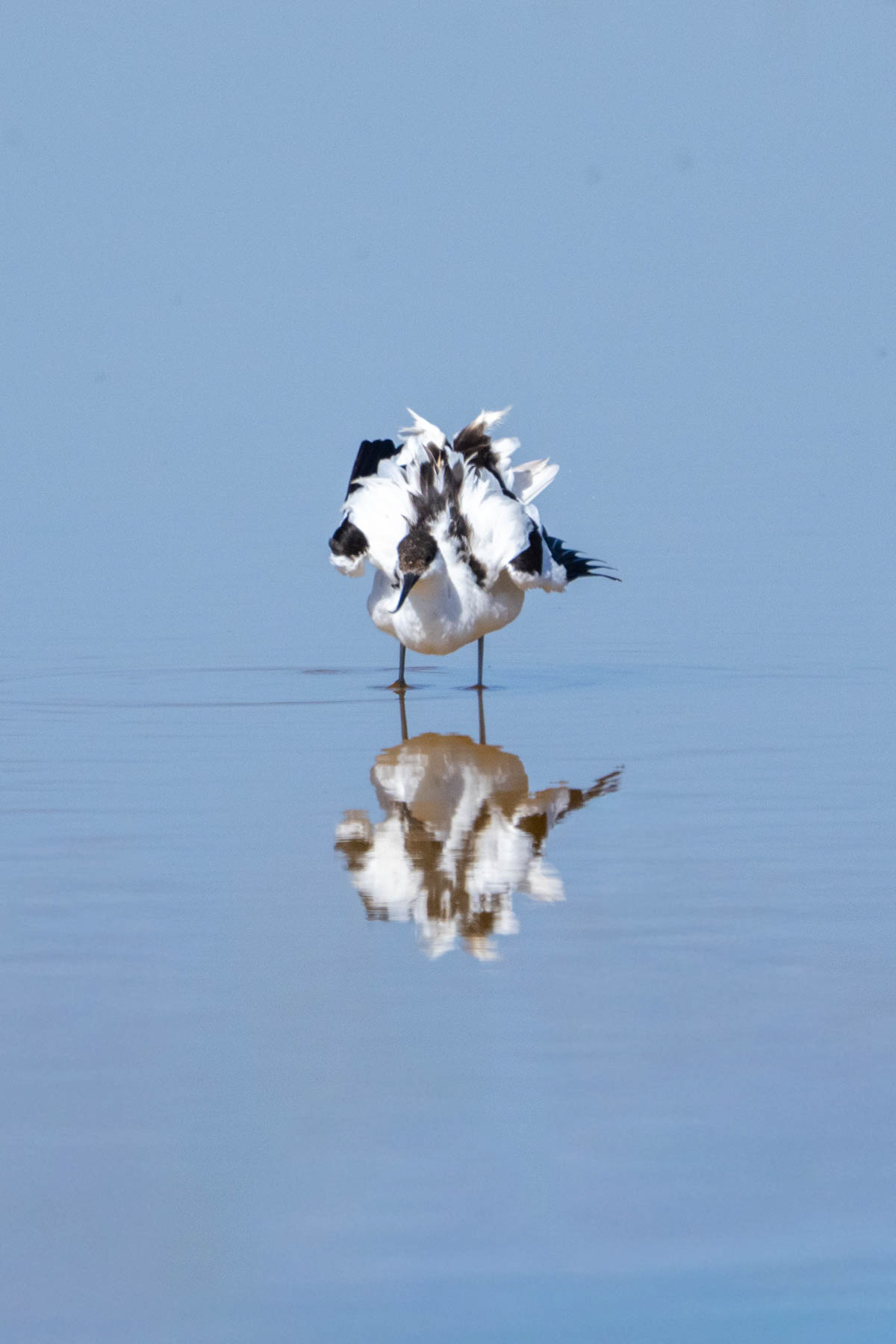
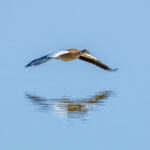
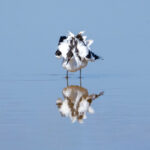
A Pied Avocet ruffling its feathers (image by Inger Vandyke)
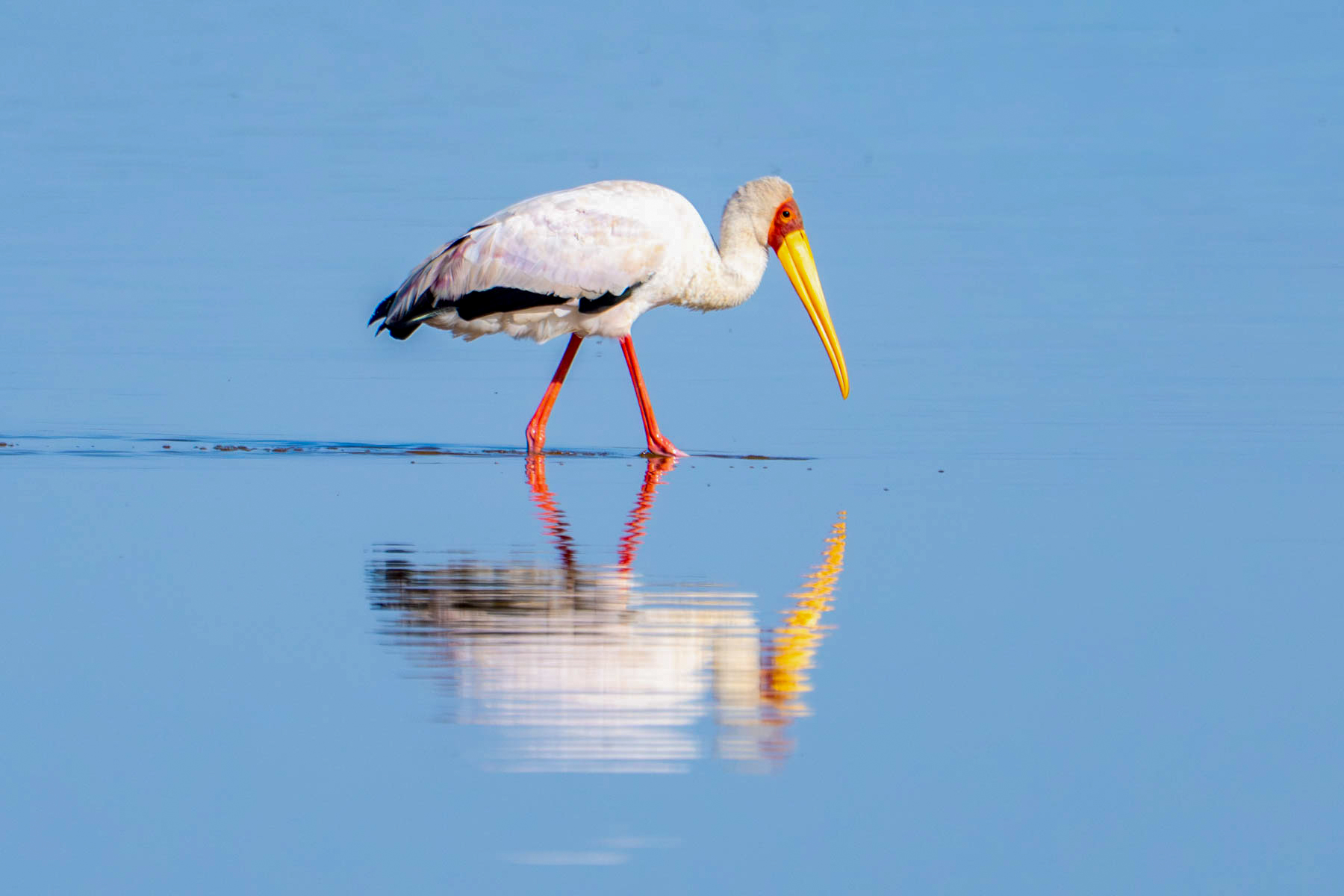
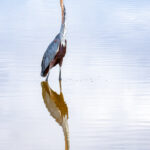
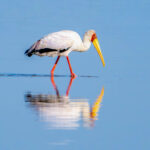
Yellow-billed Stork reflection in Amboseli's wetlands (image by Inger Vandyke)
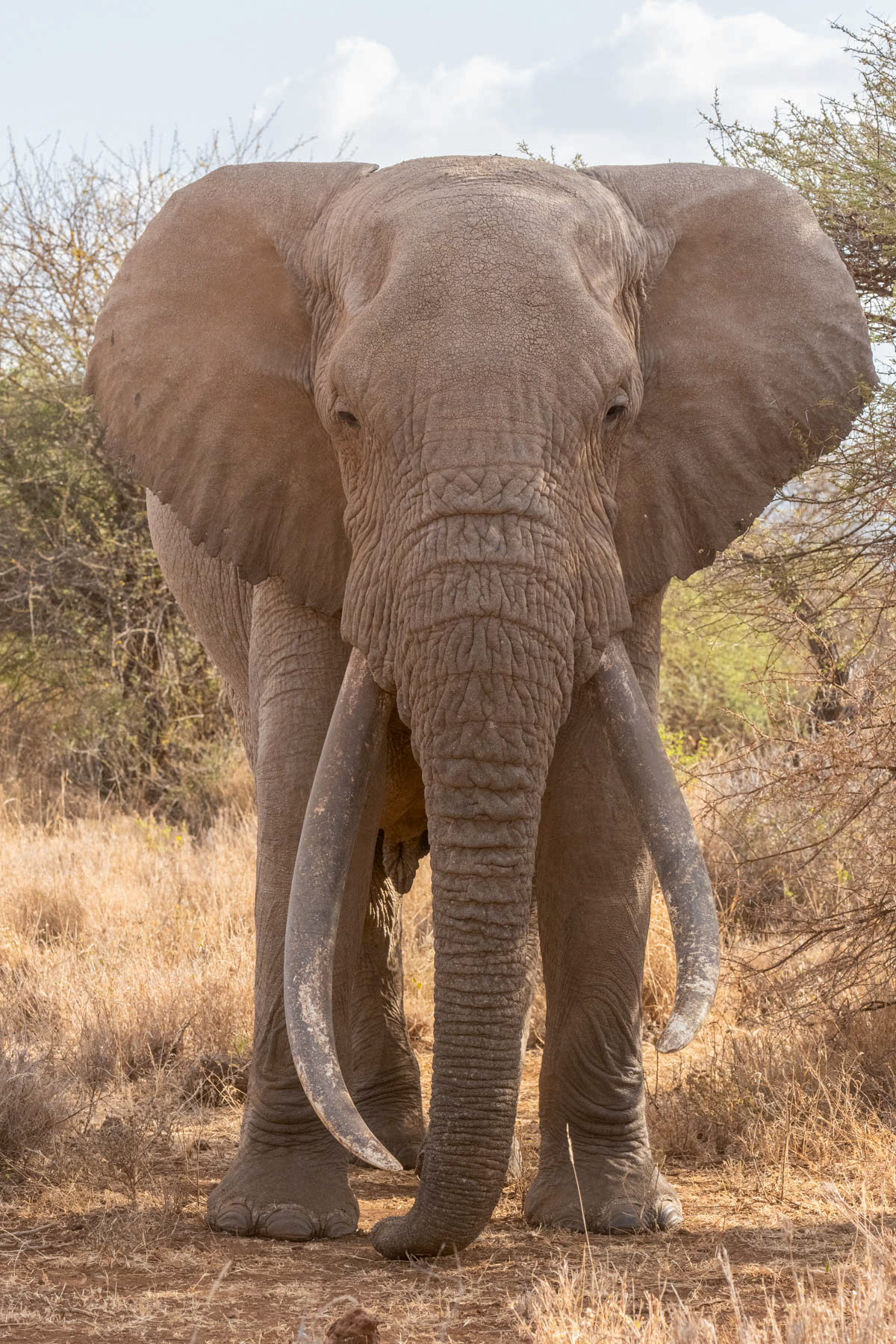
Amboseli's current super-tusker TeeJay. He has taken over the largest super-tusker place after the death of Craig (image by Inger Vandyke)
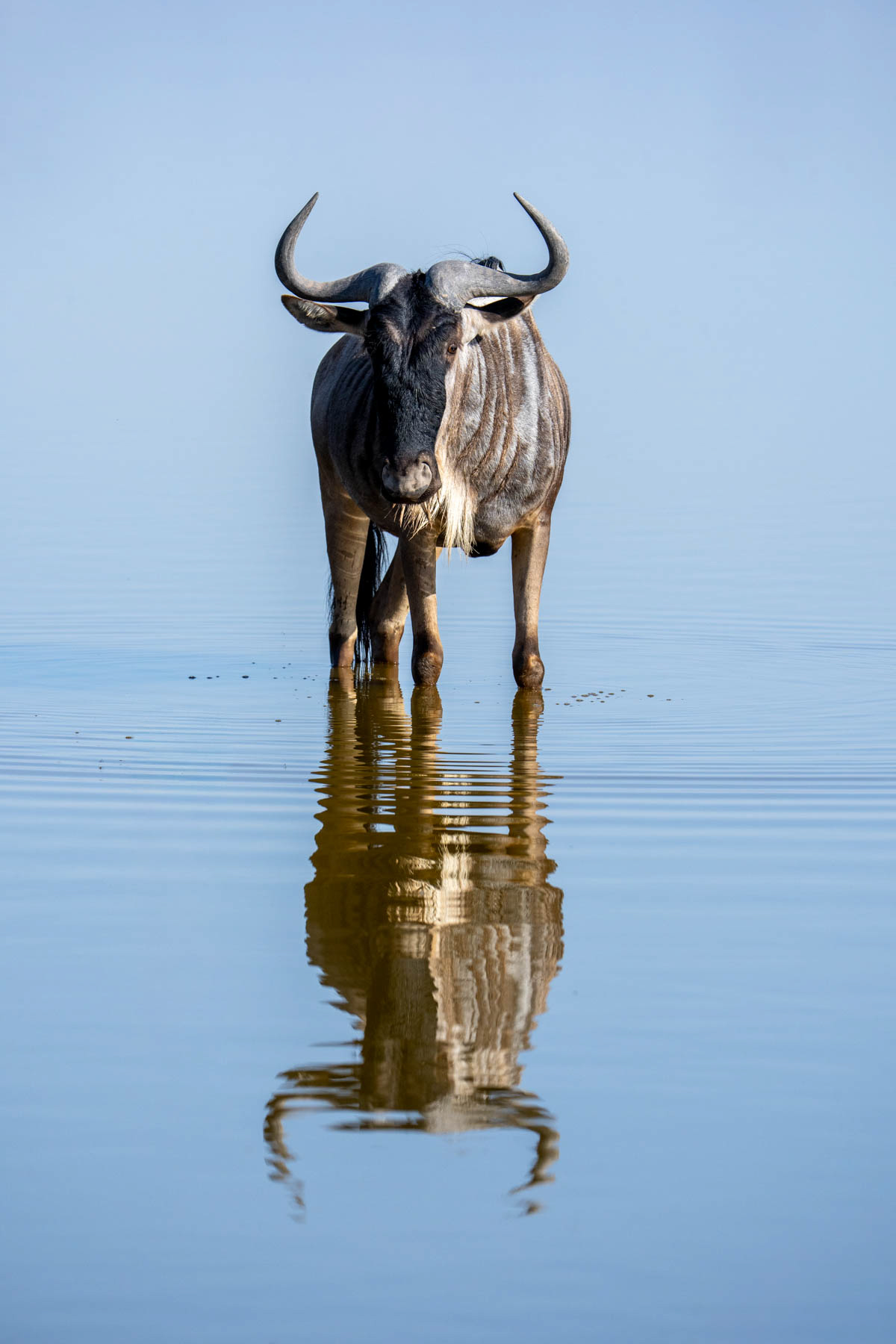
Why not take a swim and a drink at the same time? (image by Inger Vandyke)
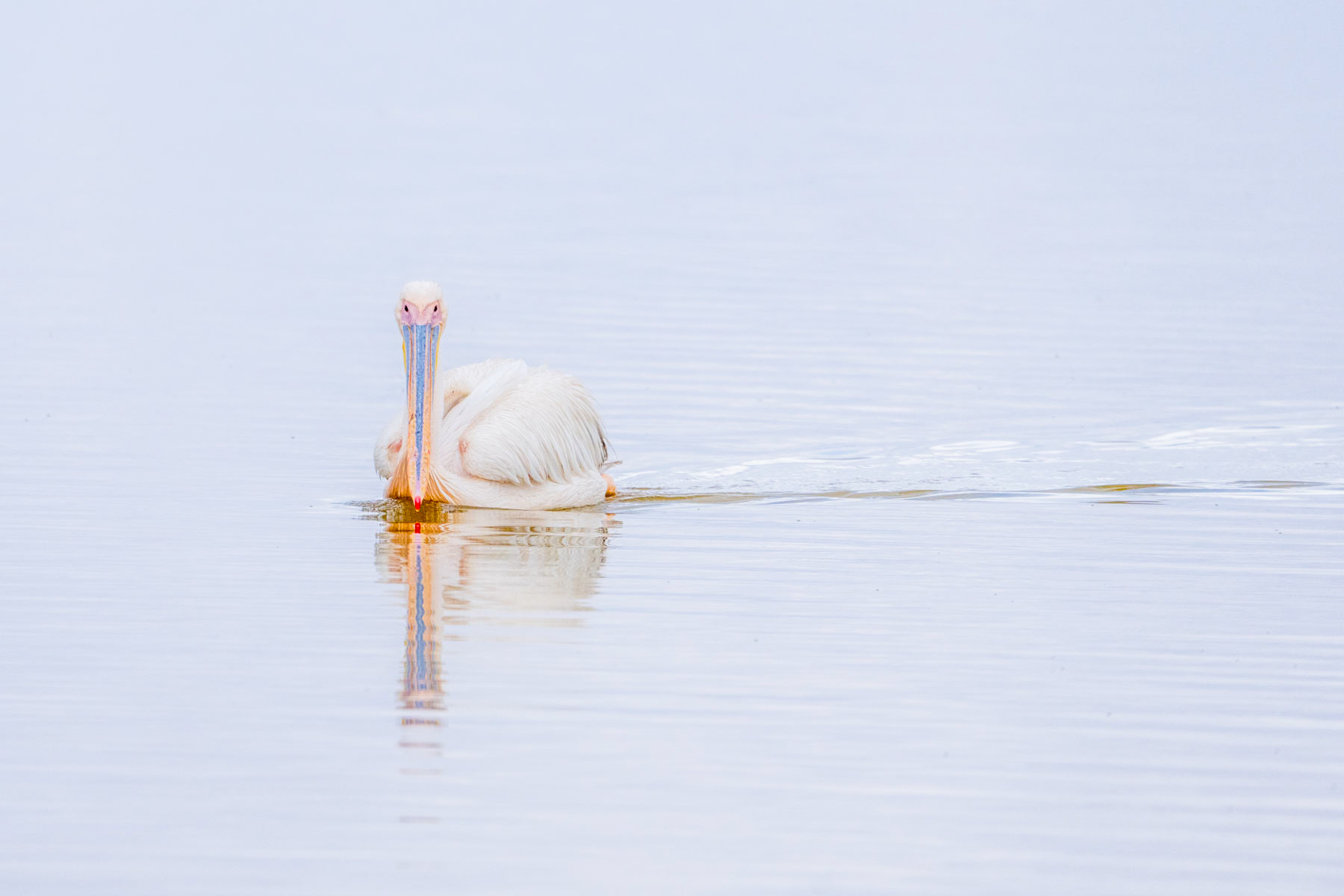
Quiet moment with a Great White Pelican (image by Inger Vandyke)
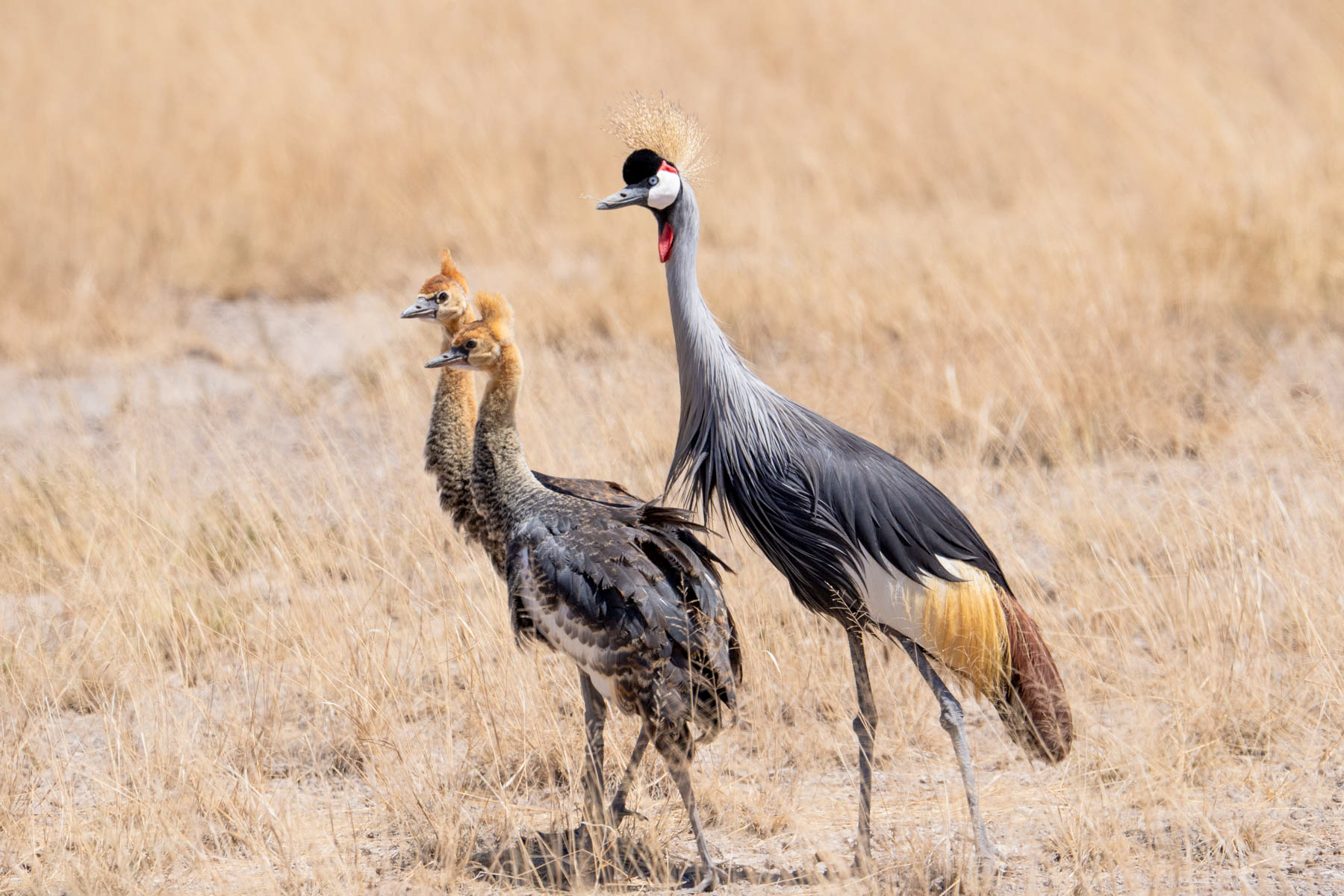
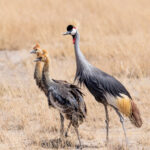
Grey Crowned Crane mother with her 'punk rocker' chicks (image by Inger Vandyke)


Gorgeous Pygmy Falcons really are the "Pocket Predators" of Africa's avifauna (image by Inger Vandyke)
Gerenuks are relatively common in the eastern half of Amboseli. It is great to watch them grazing on their hind legs but if you are lucky you might see them talking a few steps like a biped (image by Inger Vandyke)
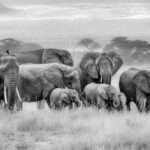
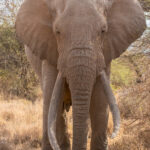
An approaching elephant family (image by Inger Vandyke)
Zebras crossing the dry lake beds of Amboseli to reach the wetlands where they can drink (image by Inger Vandyke)
African Buffalo skull near the clay pans (image by Inger Vandyke)
A Little Egret keeping odd company in Amboseli's wetlands (image by Inger Vandyke)
Flamingo takeoff (image by Inger Vandyke)
Cooling off in Amboseli's swamps (image by Inger Vandyke)
Predators are not a big feature of Amboseli but Spotted Hyenas can be seen relatively easily (image by Inger Vandyke)
Family outing (image by Inger Vandyke)
Dramatic photography takes place on Amboseli's dry lake beds (image by Inger Vandyke)
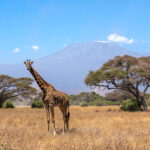
On safari at the foot of Africa's largest mountain (image by Inger Vandyke)
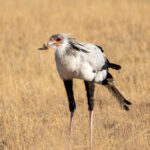
A Secretarybird enjoying a locust breakfast (image by Inger Vandyke)
Another of Amboseli's tuskers, Barsaloi, taking a dust bath (image by Inger Vandyke)
Rosario is another of Amboseli's tuskers (image by Inger Vandyke)
Adorable elephant youngster with their Cattle Egret friend (image by Inger Vandyke)
Black-backed Jackal on the hop (image by Inger Vandyke)
A mother elephant with her youngsters in front of Kilimanjaro (image by Inger Vandyke)
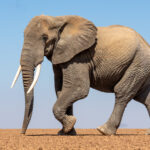
Elephant in the vast expanses of Amboseli (image by Inger Vandyke)
Greater Flamingos in Amboseli's wetlands (image by Inger Vandyke)
African Spoonbill with its catfish breakfast (image by Inger Vandyke)
A mother and baby elephant testing the atmosphere at sunrise in Amboseli (image by Inger Vandyke)
Still morning for a fishing Goliath Heron (image by Inger Vandyke)
Twosome (image by Inger Vandyke)
Glorious Amboseli sunrise (image by Inger Vandyke)
African Spoonbill (image by Inger Vandyke)
Townsend, another of Amboseli's tuskers, in front of Kilimanjaro (image by Inger Vandyke)
White-faced Whistling Duck landing (image by Inger Vandyke)
Sunrise silhouette of an elephant (image by Inger Vandyke)
Odd Swampfellows? A group of Grey Crowned Cranes in the company of elephants (image by Inger Vandyke)
A Great White Pelican preening (image by Inger Vandyke)
Amboseli truly is elephant heaven (image by Inger Vandyke)
When elephants meet, they greet each other with elaborate trunk movements (image by Inger Vandyke)
Dazzling Zebras in front of Kilimanjaro (image by Inger Vandyke)
Saddle-billed Stork would have to be one of Africa's most spectacular wetland birds (image by Inger Vandyke)
In the golden light of dusk, a zebra heads to a safe place for the night (image by Inger Vandyke)
Giraffe drinking in the golden light of an Amboseli sunset (image by Inger Vandyke)
Egyptian Geese securing the next generation (image by Inger Vandyke)
"And I'd like to introduce you to my wildebeest friends. Oh don't worry about the white thing on my head. He's always there!" (image by Inger Vandyke)
Egyptian Goose in flight (image by Inger Vandyke)
Stylised Acacia (image by Inger Vandyke)
A Pied Avocet ruffling its feathers (image by Inger Vandyke)
Yellow-billed Stork reflection in Amboseli's wetlands (image by Inger Vandyke)
Amboseli's current super-tusker TeeJay. He has taken over the largest super-tusker place after the death of Craig (image by Inger Vandyke)
Why not take a swim and a drink at the same time? (image by Inger Vandyke)
Quiet moment with a Great White Pelican (image by Inger Vandyke)
Grey Crowned Crane mother with her 'punk rocker' chicks (image by Inger Vandyke)


Amboseli. For some reason, I never really wanted to visit one of Kenya’s premier elephant reserves. After all, I’ve been leading safaris for over twenty years. What was Amboseli going to show me that I haven’t seen on countless African safaris elsewhere?
Who was I kidding?
That feeling disappeared on Day 1 of our recent tour to Amboseli. Where do I begin?
“I’ve died and gone to Elephant Heaven”
Surely a good starting point is the famous “Tuskers” , a group of elephants that carry a rare genetic lineage that codes for the continuous, exaggerated growth of massive ivory tusks weighing over 45 kilograms (100 pounds) each.
We visited Amboseli for six days, and during that time we were blessed to meet six of them, including the new king of Amboseli, TeeJay, who took over the reign as the largest super-tusker in the park after the old one, Craig, sadly passed away earlier this year.
I mean, who doesn’t like spending time with elephants? They are some of the most gentle, intelligent, funny and charismatic creatures on earth.
To watch them emerge from the foothill forests of Africa’s largest mountain, Kilimanjaro, is surely one of the wildlife highlights of any African safari.
Amboseli is split into four main ecosystems: vast wetlands, two Pleistocene-aged lakes, grasslands, and semi-arid vegetation.
All of this sits at the base of Africa’s tallest mountain, Mount Kilimanjaro, and, on a clear day, it provides a breathtaking backdrop for photography that cannot be rivalled elsewhere.
Of course every visitor to Amboseli wants ‘that shot’ of a herd of elephants, or a single tusker, emerging from the woodlands at sunrise with a clear view of Kilimanjaro in the background. It is THE shot to aim for at Amboseli, and everyone tries for it at sunrise each day. The result is a busy early-morning drive, and yes, that can be frustrating. It’s an incredible sight to see on safari, though.
Once the ‘dawn patrol’ finishes in Amboseli, most safari vehicles head off to find other elephants to photograph while the light is still good.
That strategy has its merits, but this is where the Amboseli that nobody talks about comes into its own.
A World of Wetlands
Amboseli’s wetlands are absolutely spectacular. Not only can you see more elephants inside them, but you have chances to see other water-loving creatures like hippopotamuses and buffaloes.
It is also the location for another classic Amboseli photo – a flock of flamingos in a pool with the reflection of Kilimanjaro in the background.
What surprised us most about Amboseli’s wetlands, however, wasn’t the chance to get that shot. You can see very few birds here that you cannot see anywhere else. The difference with Amboseli is how close you can get to them. We had stunning encounters with African Spoonbills, flamingos, White-faced Whistling Ducks, Yellow-Billed Storks, Pied Avocets, Egyptian Geese, African Jacana, Great White Pelican and even delightful Water Thick-knees in these swamps.
Then came the funny mammal sightings. We found wandering wildebeest in the waters of Amboseli’s wetlands. Going to the edge of the pond to drink wasn’t an option for the animals we saw. Instead, they plunged right in!
We did also find some odd bedfellows. At the edge of one pool, we found a sleeping Spotted Hyena with a wandering Great Egret taking its chances nearby. Elsewhere we saw Grey Crowned Cranes communing with both hippos and elephants.
Amboseli’s wetlands filled our photography portfolios with surprises and joyful encounters.
Semi-Arid Woodlands
The sometimes dense semi-arid woodland sections of Amboseli lie mostly at the foot of the mountain and to the east. Although their closed-in feel can make photography and vehicle manoeuvring difficult, if you want to capture wildlife in a scene or look for the lovely Gerenuks in the park, you’ll want to spend time here.
Gerenuks are easier to see in this type of environment, and when they stand on their hind legs to graze, it is always fascinating to photograph. On our Amboseli visit, we actually saw one leave the bush; it was feeding and, for a brief moment, walked a few steps on its hind legs like a human! It was great!
Some of the tuskers of Amboseli, perhaps because they are put off a little by all of the traffic in the main reserve, also opt to spend time in these habitats, and it is often worth checking Amboseli’s neighbouring conservancies, like Kitirua, for them.
Lake Beds
Perhaps the most dramatic photo opportunities in Amboseli come from its dry lake beds. There is nothing more fantastic than watching a herd of elephants making their way across a deserted clay pan or watching zebras galloping across one. The only main issue with shooting on these is the heat shimmer if you find yourself on one too late in the day.
ASK US!
Where did we stay? We stayed at the delightful Tawi Lodge at the park’s eastern end. It has beautiful rooms, attentive staff, and waterholes on the lodge grounds where, if you are lucky, you might see a Tusker come to drink while you have lunch!
How long did you stay there?
6 nights.
Which end of the park is better?
It depends on where your photographic priorities lie. The eastern end has more arid woodland environments, while the western end is more like a savannah. If you have the time, it is worth exploring both.
Did you drive or fly down?
Drove down, flew back
What are the downsides of visiting Amboseli?
The dust in the main Amboseli reserve is breathtakingly (literally) bad. You will need to protect your eyes, mouth, and cameras with this in mind. Having some moisturiser for your skin and lip balm is also a good idea!
What part of the park surprised us?
Observation Hill. It’s where many safaris stop for lunch, and it has a car park where you can get out, stretch your legs, use the bathroom, and eat your picnic lunch. The walk to the top of the hill isn’t difficult, and the reward is spectacular views over all of Amboseli. It is quite beautiful!
Want to add a stay at Amboseli to your African adventures?
We can tailor a one-lodge trip, a two-lodge stay and the transfers in between the two. We can also arrange road and flight transport to and from Amboseli. Please get in touch to discuss some options, and we’d be happy to help.