
Africa & Madagascar
SENEGAL: A Cultural Odyssey
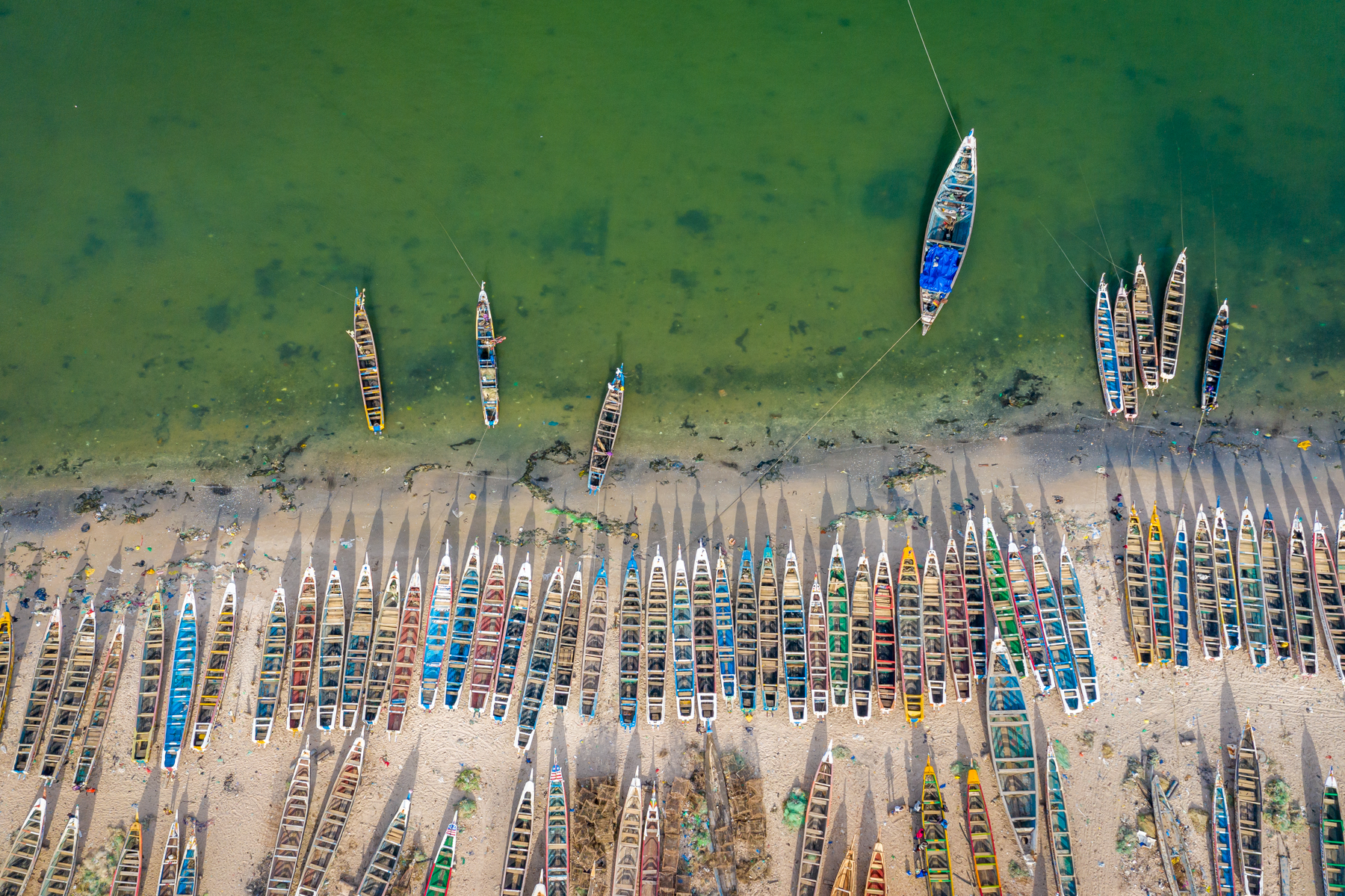
Hundreds of wooden pirogues line the coast of a fishing village. The sheer number of them underpins the seafaring prowess of Senegalese people.
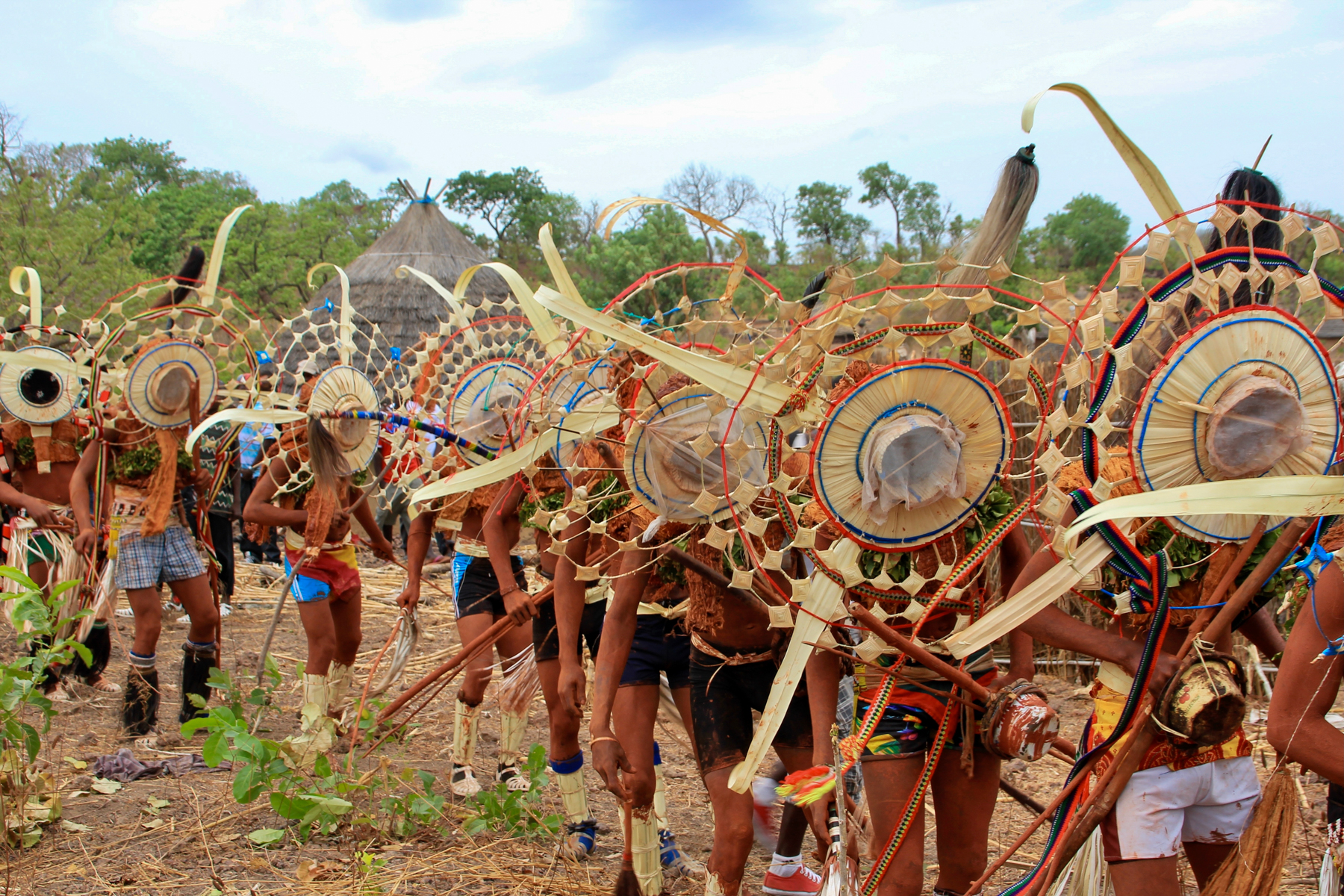
The incredible masked warriors attending Lukuta, the initiation rites of Senegal's bassari people.
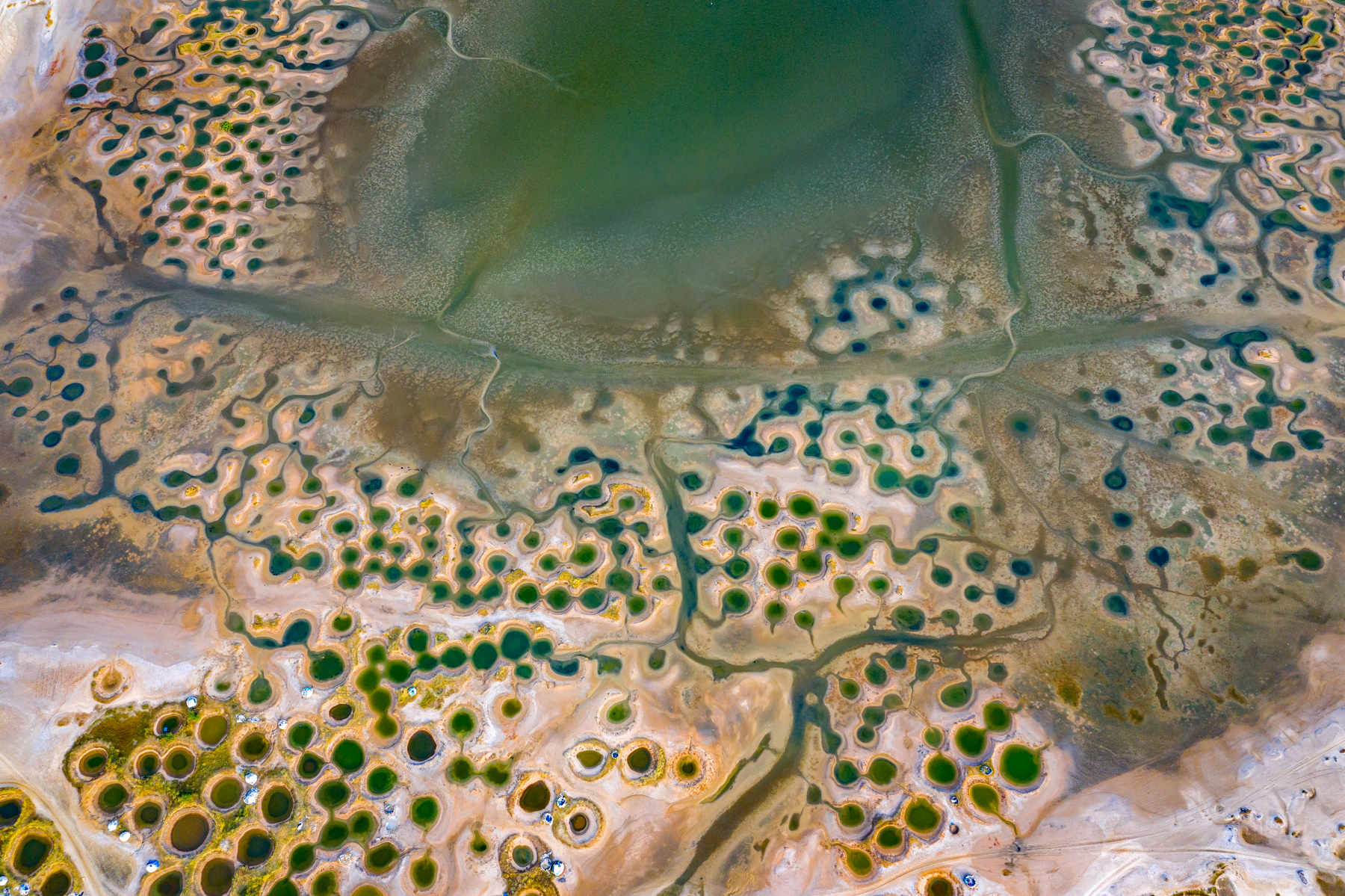
The freckled appearance of salt mines from the air.
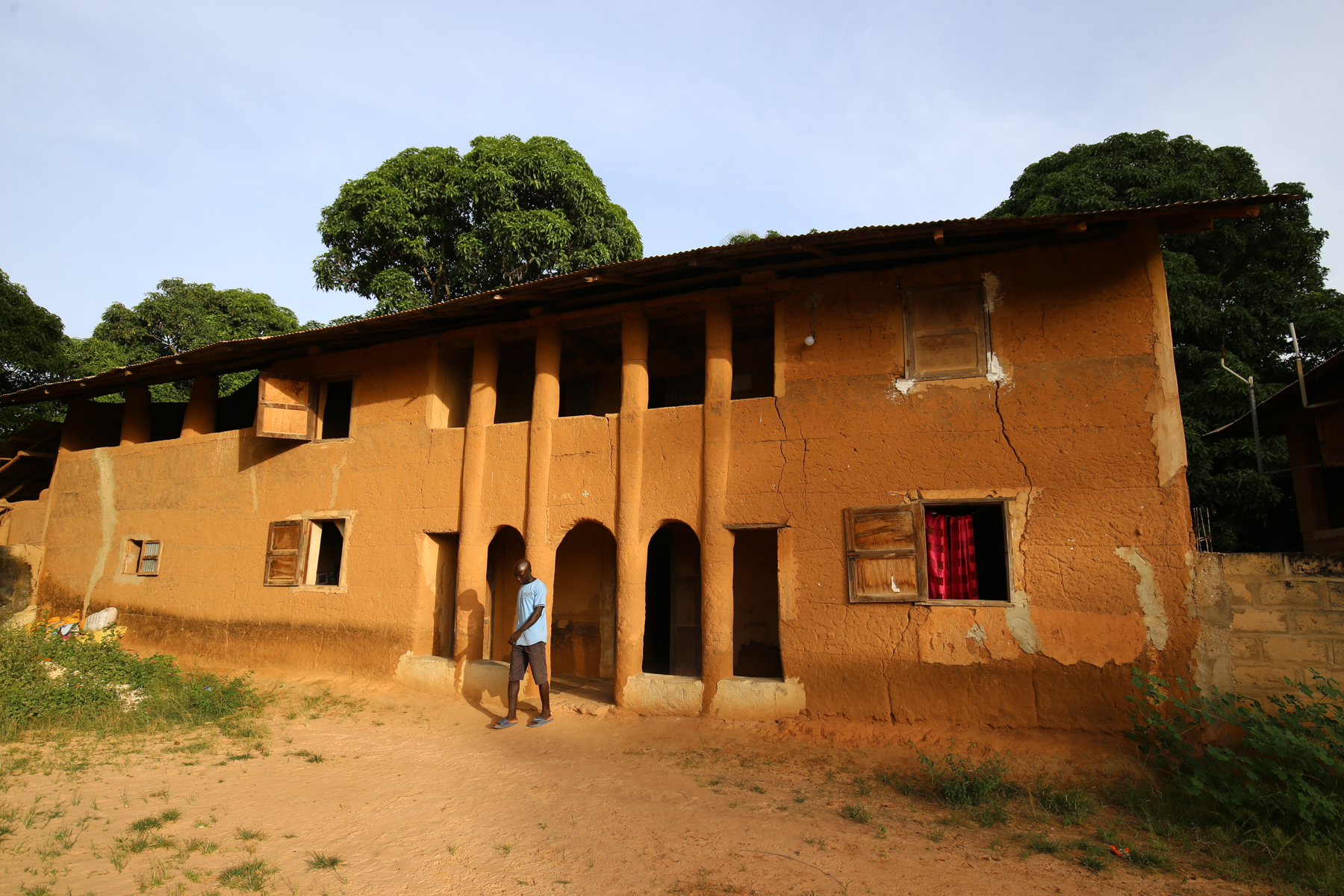
The traditional double story clay houses of Mlomp.
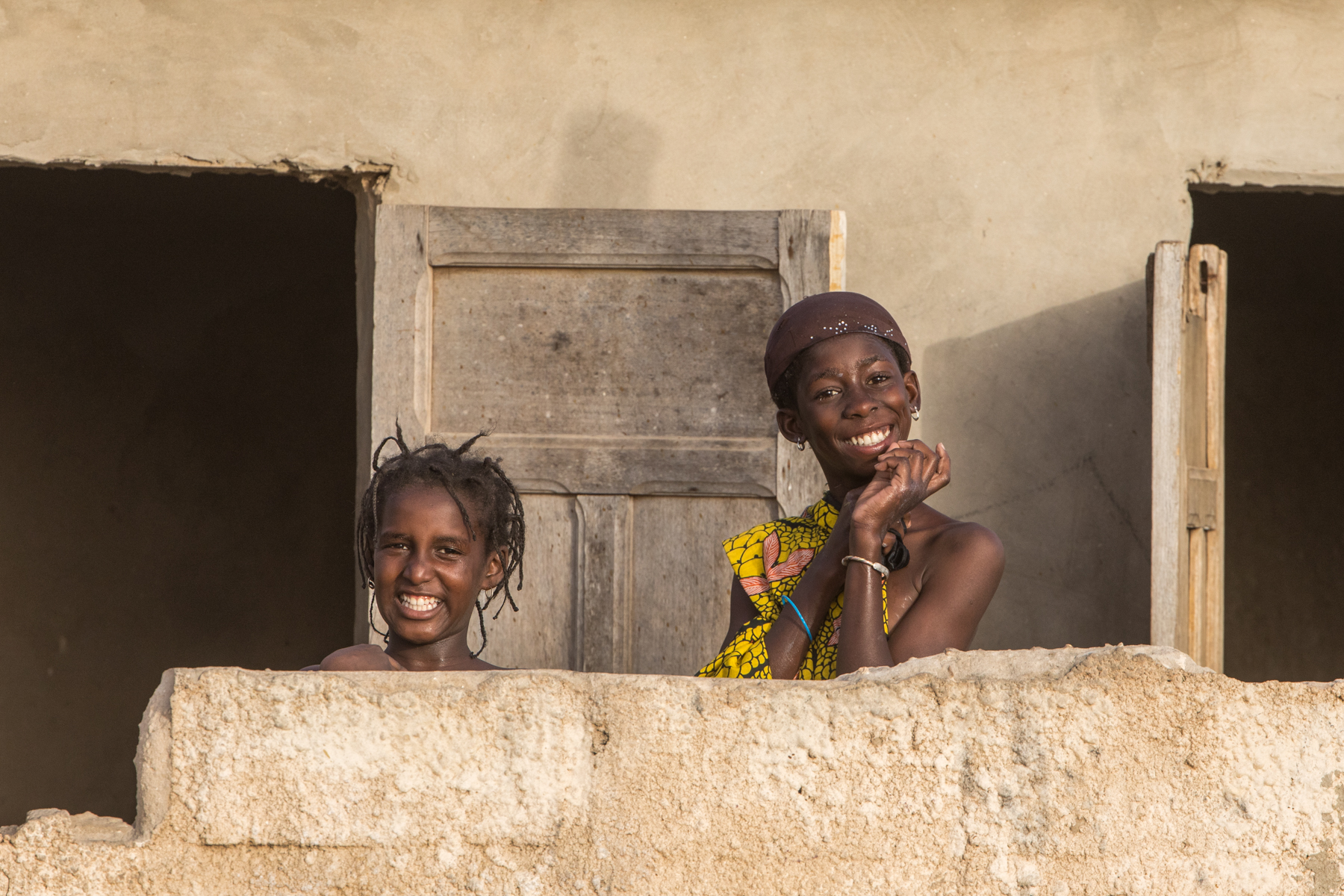
Giggling girls in a fishing village of Senegal. (image by Inger Vandyke)
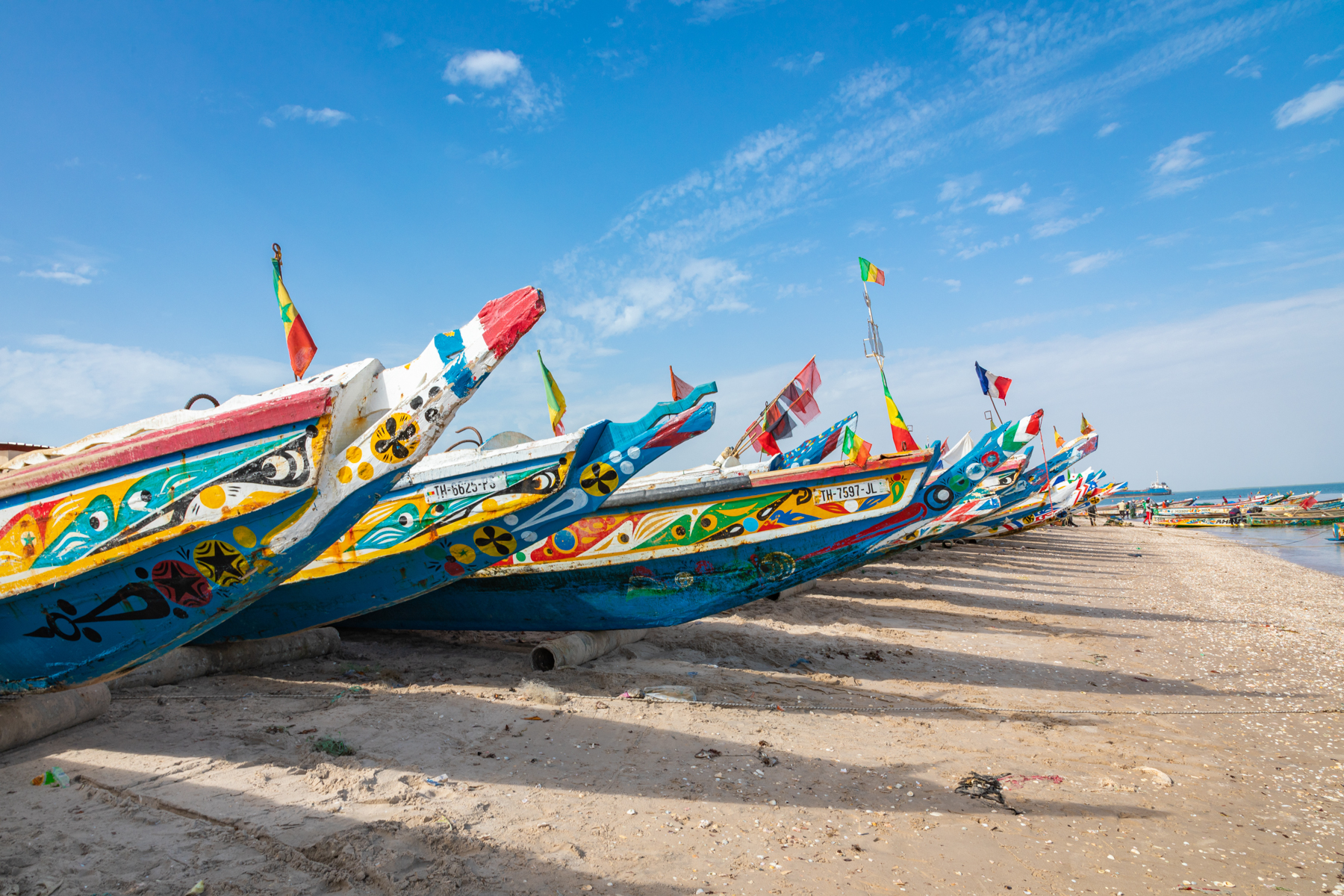
Lines of beautifully painted wooden pirogues line the beach of a fishing village.
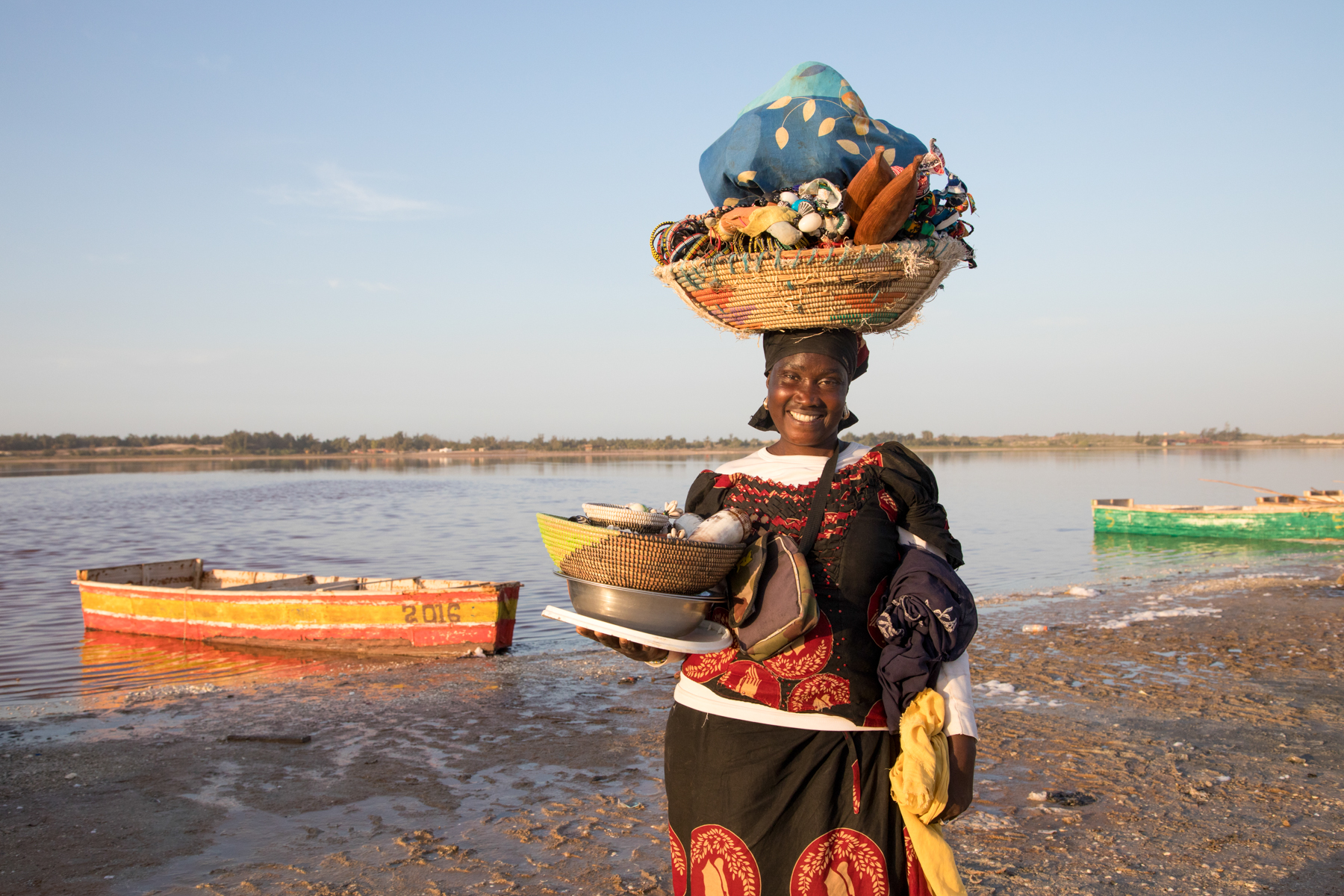
Smiling souvenir seller on the shores of Lac Rose. (image by Inger Vandyke)
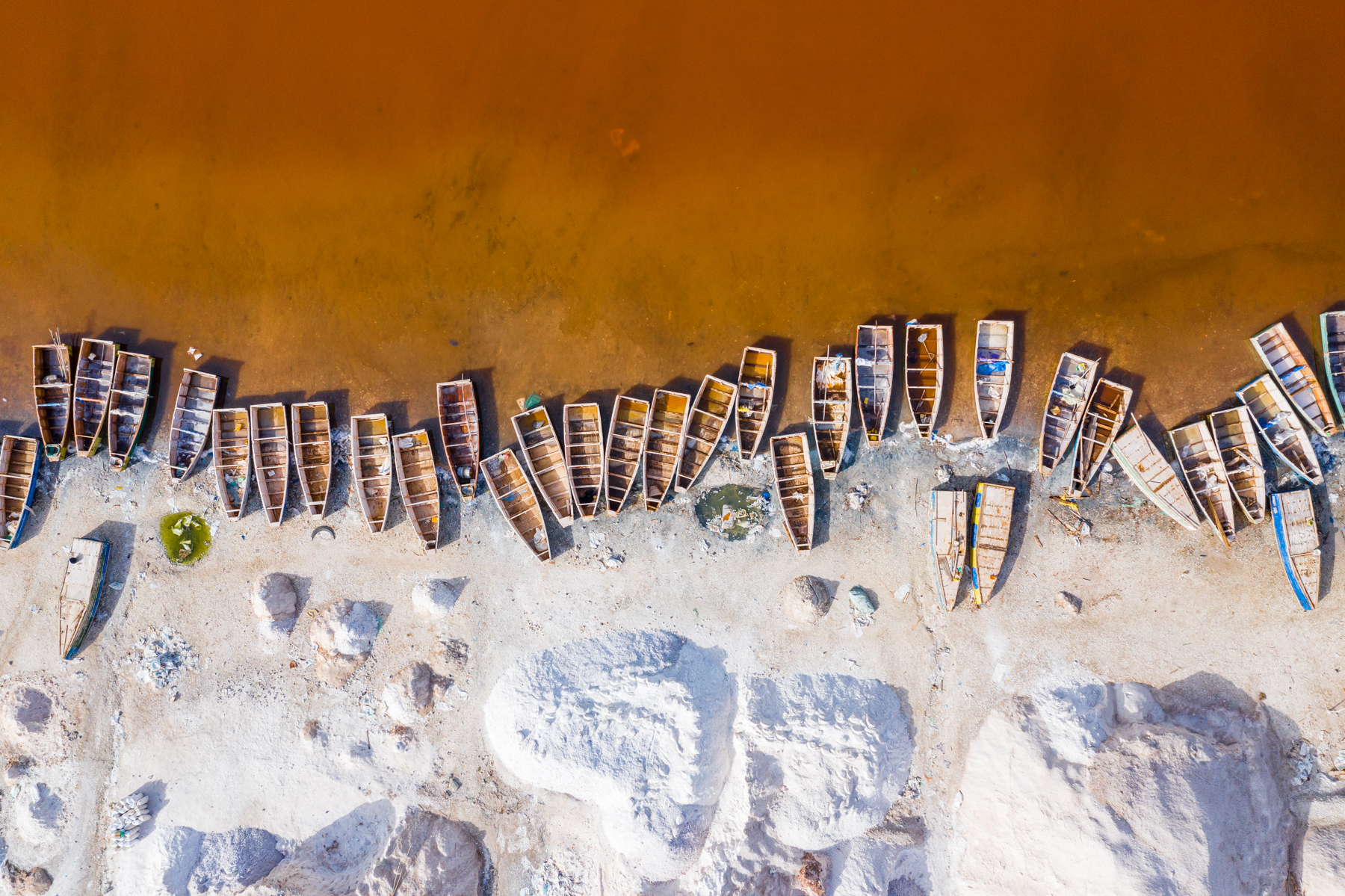
Salt boats line the shores of Lac Rose.
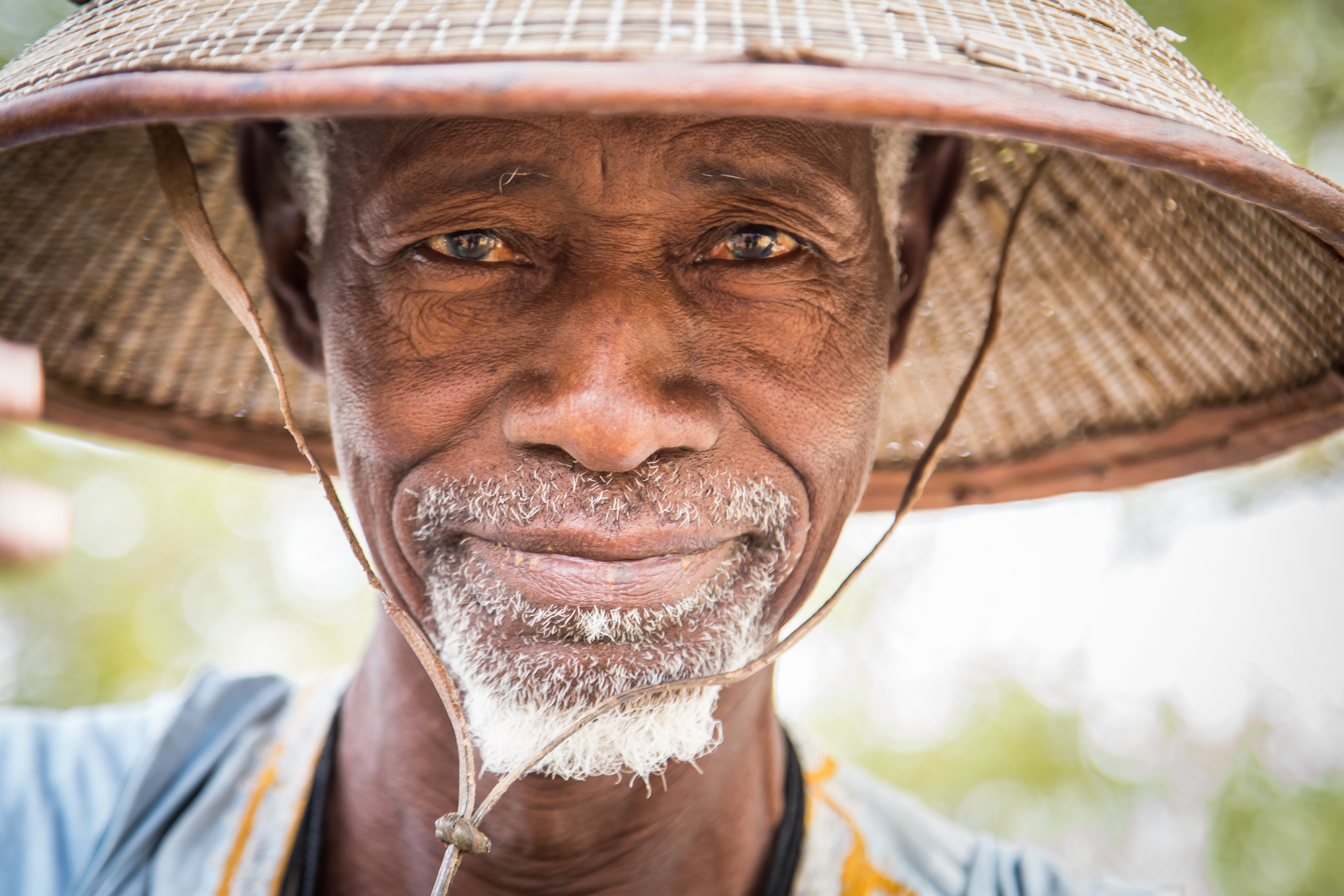
Smiling Fulani man. (image by Inger Vandyke)
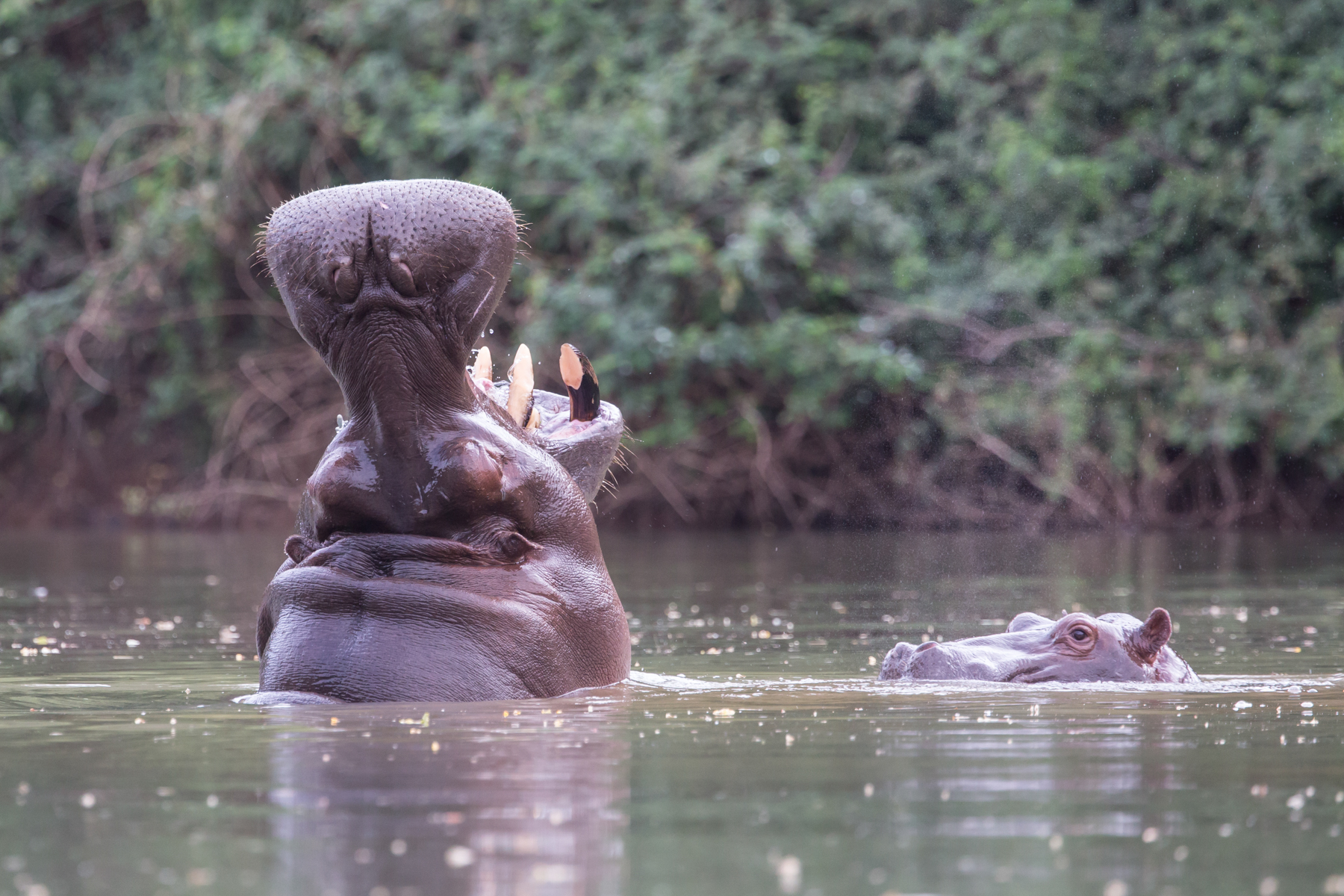
Yawning hippopotamus in the upper Gambia River at Wassadou, Senegal. (image by Inger Vandyke)
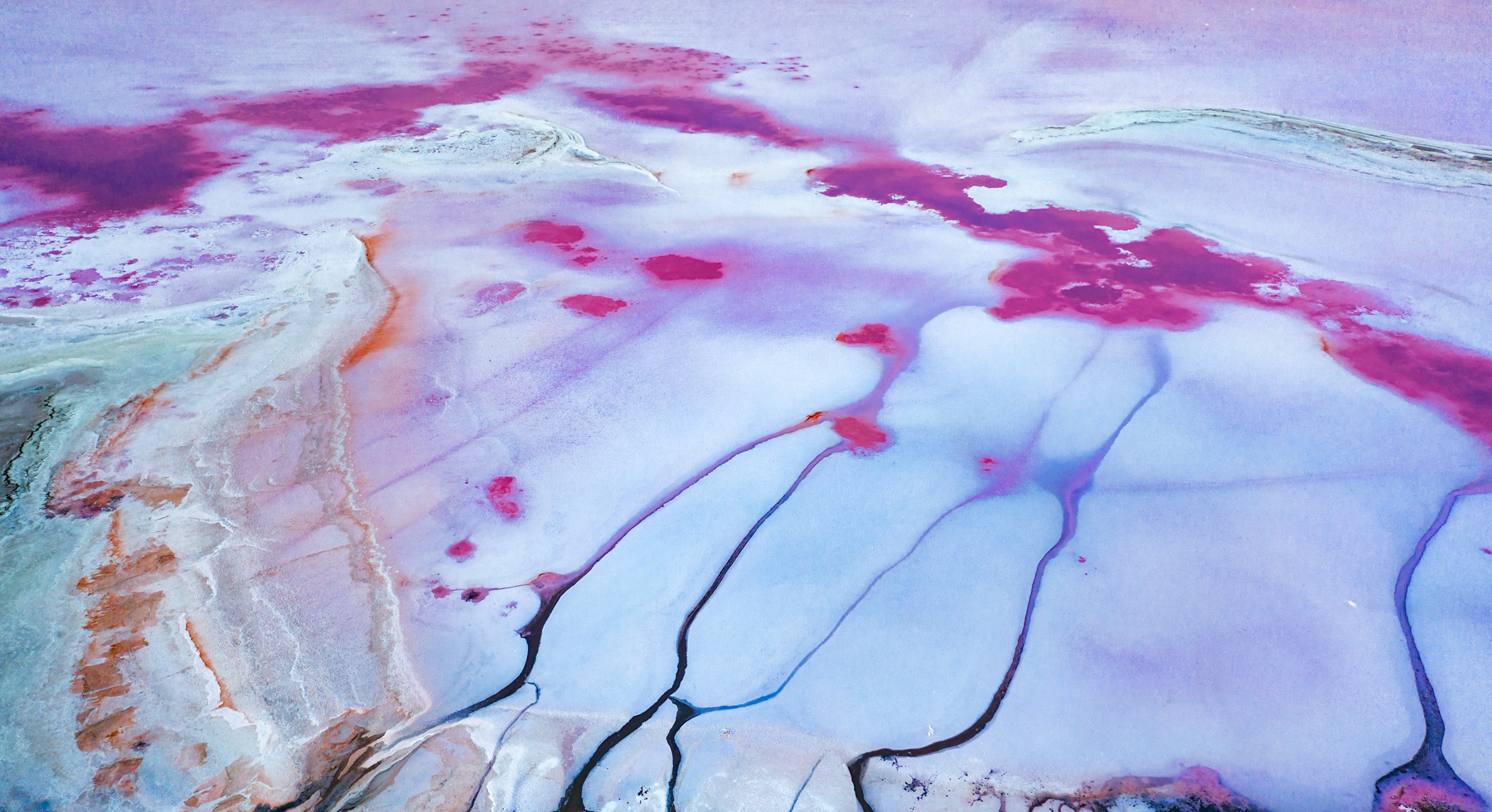
Aerial view of the pink salt lakes in Senegal.
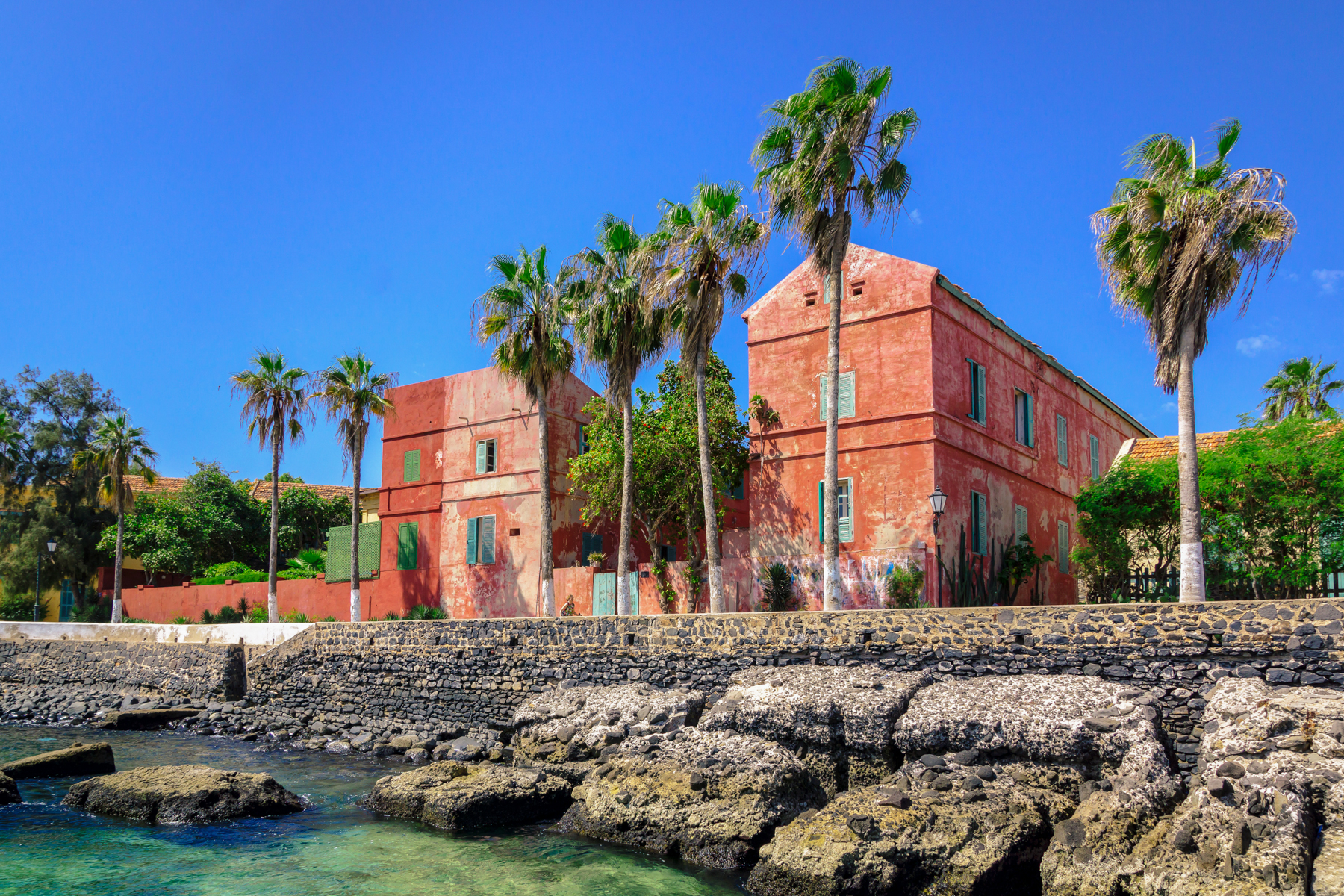
The historical red houses of slavers on the island of Goree, off the coast of Dakar.
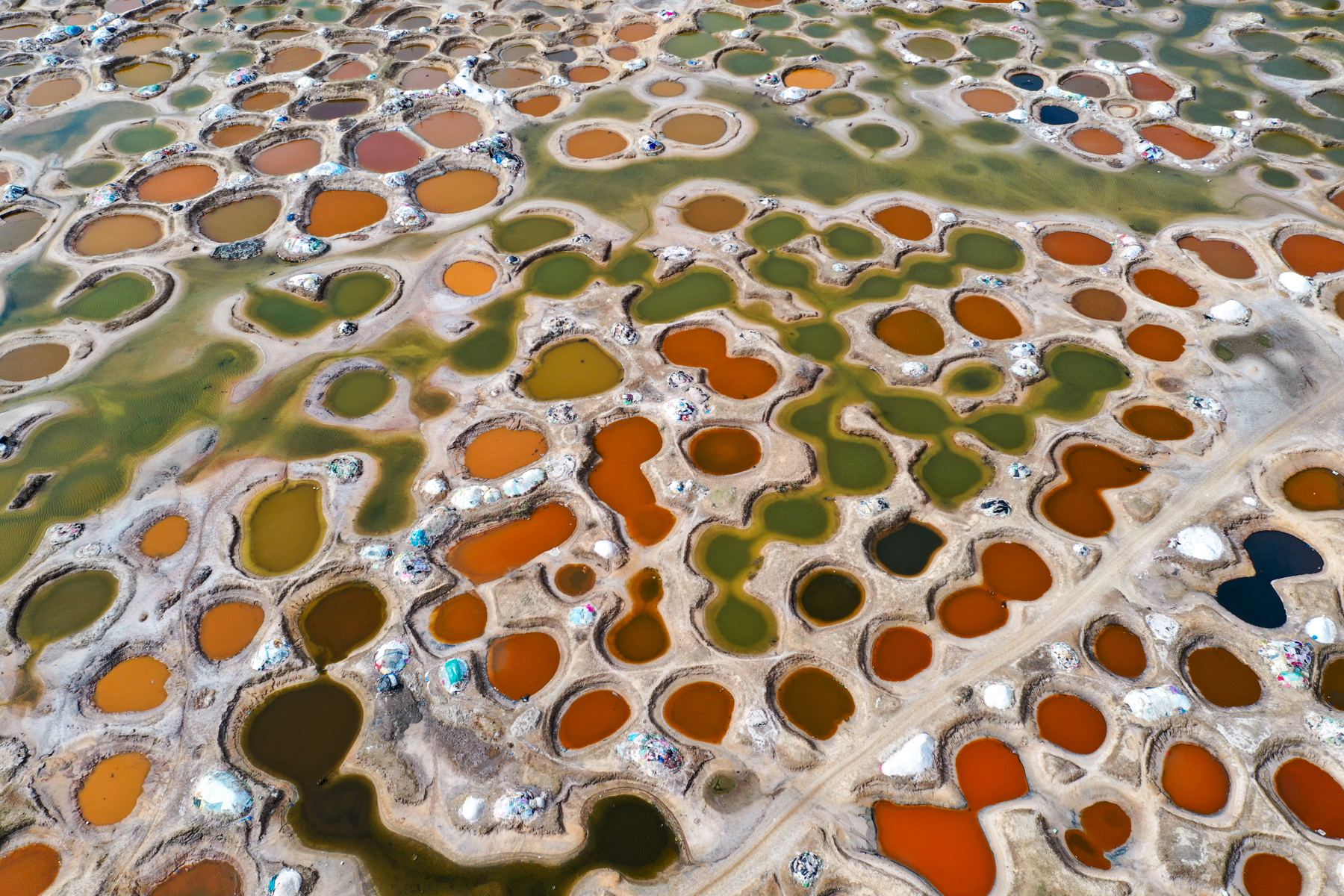
The spectacular salt pans of Senegal's artisanal mines.
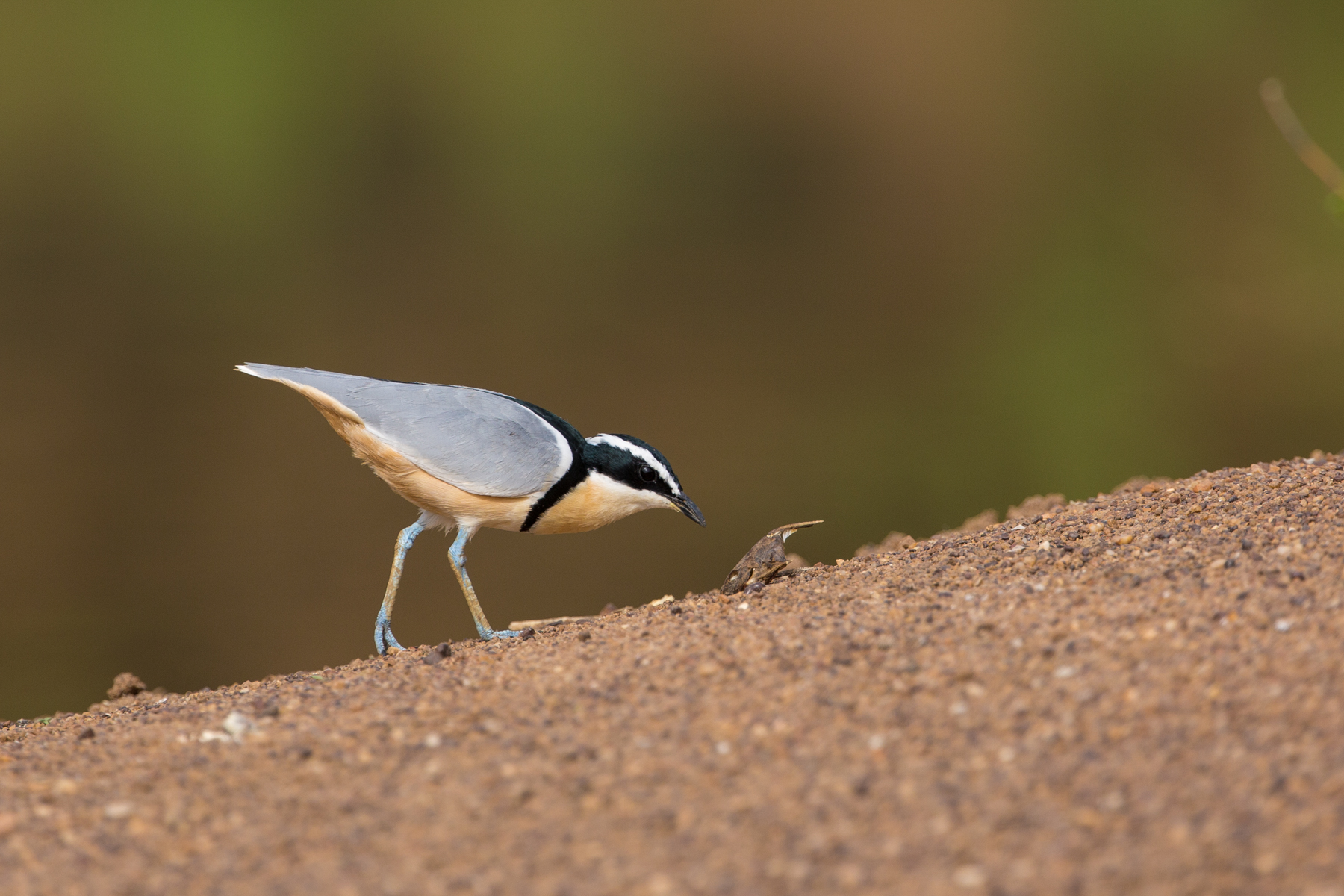
Egyptian Plovers are one of Senegal's most beautiful birds and the upper reaches of the Gambia River are one of the best places to see this species. (image by Inger Vandyke)
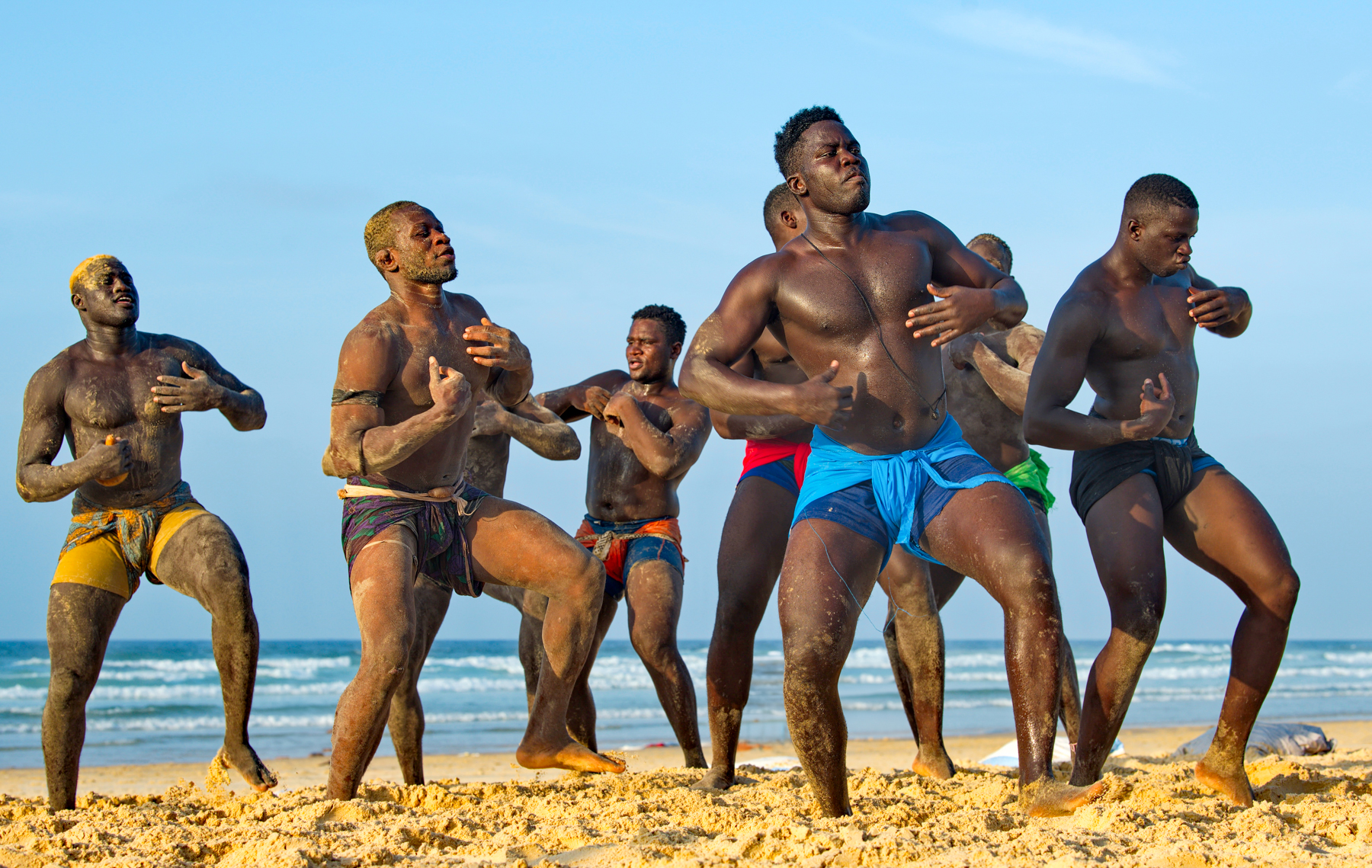
The famous wrestlers of Senegal warm up on the beach before a match. Wrestling is one of Senegal's most prominent sports and attracts huge numbers of followers attending matches.
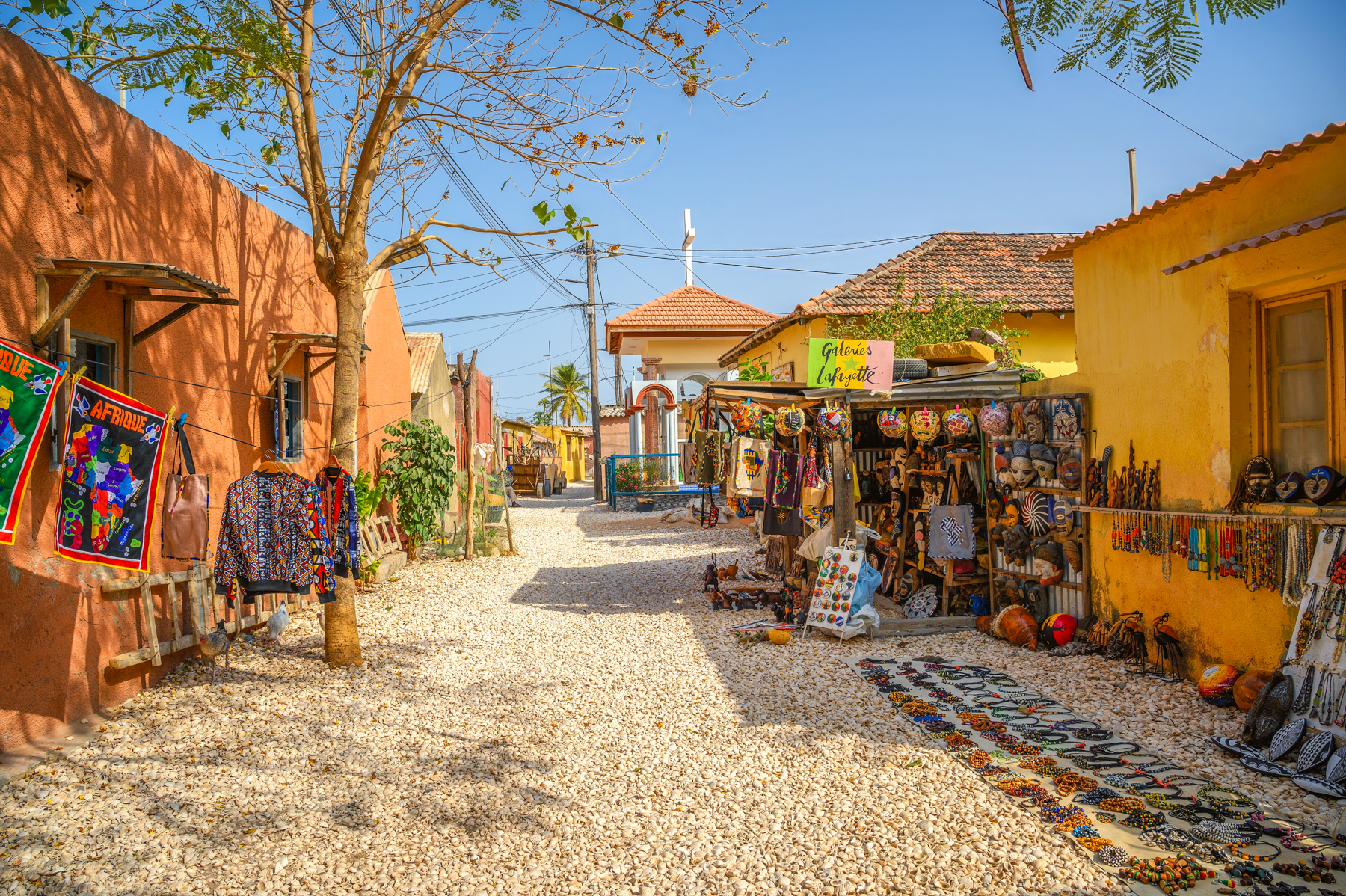
The colourful streets of Joal Fadiouth, a village built almost entirely on seashells from decades of cockle fishing.
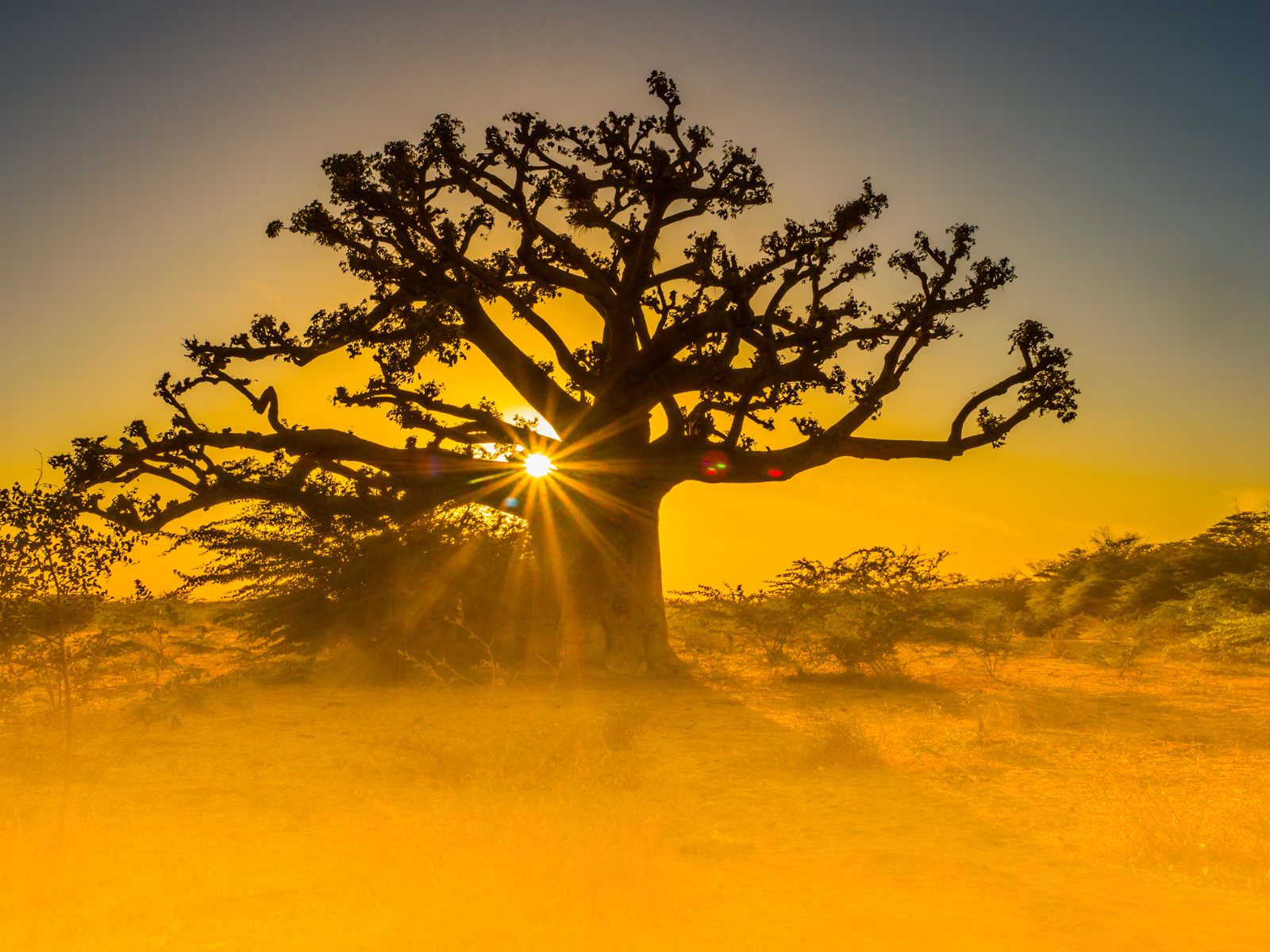
Sunburst through a large Baobab tree of Senegal. Baobabs are sacred in many locations of the country with several of them holding World Heritage status for their historical importance.
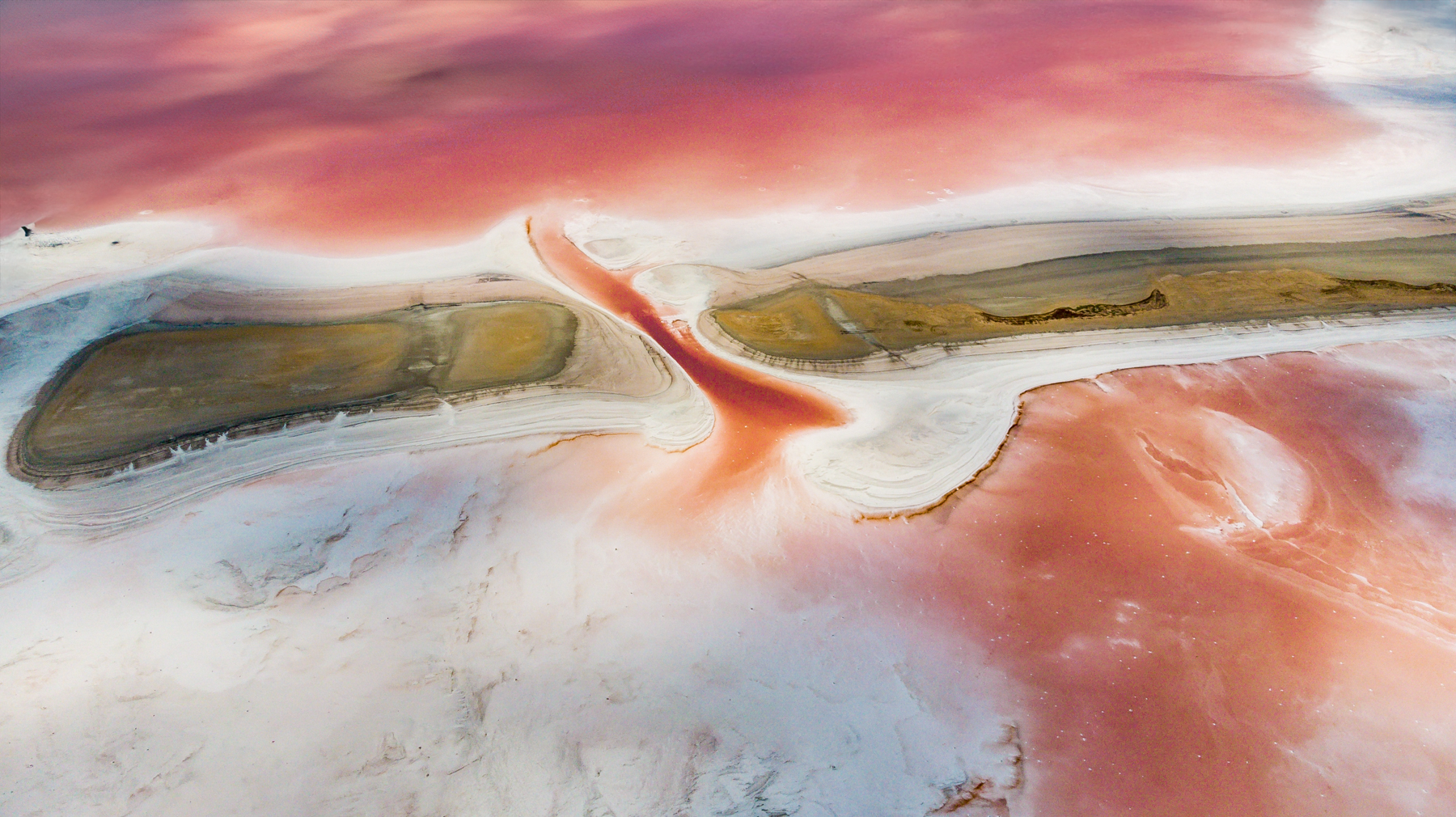
From the sky the pink salt pans of coastal Senegal look like another planet.
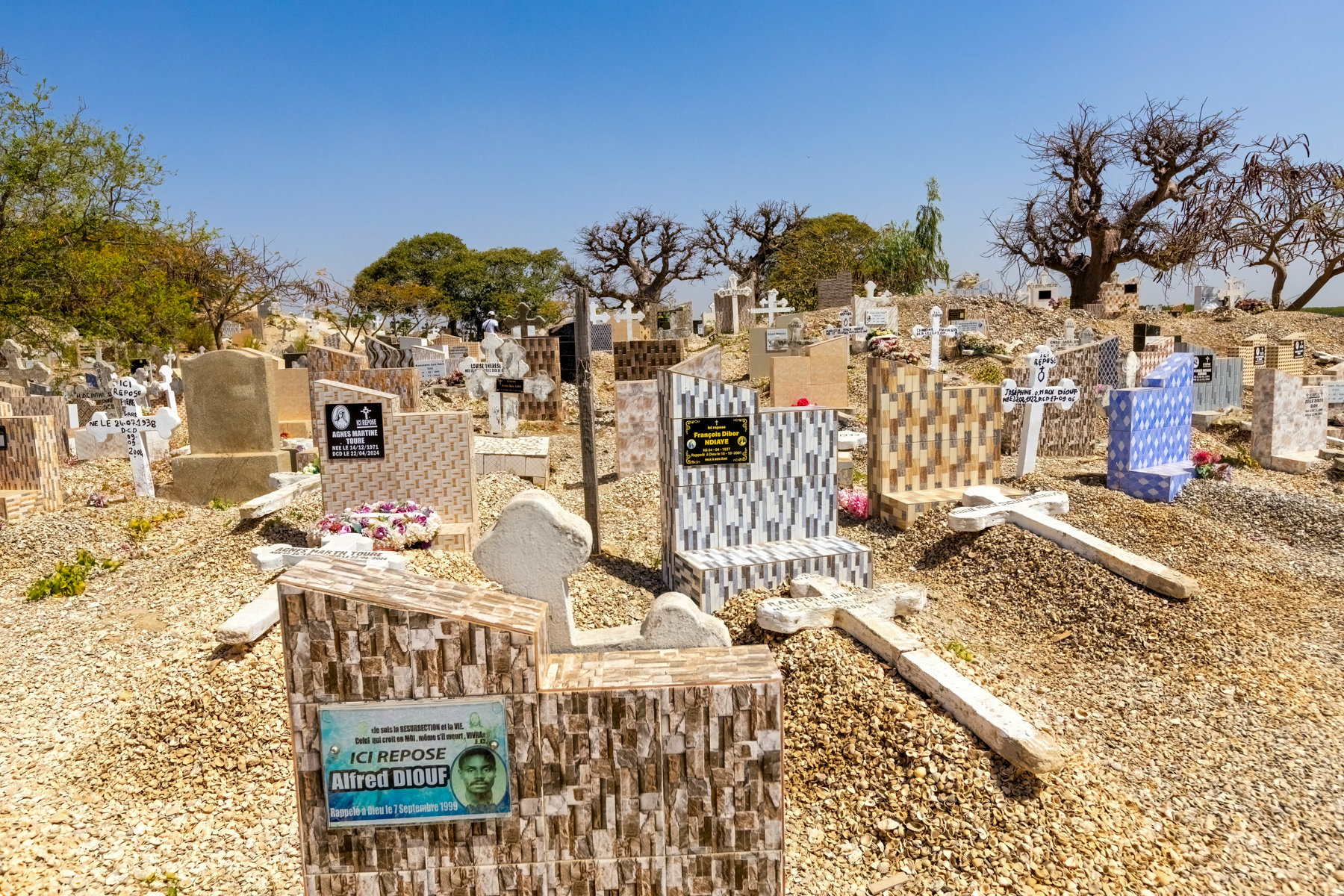
Buried in middens of seashells, the seashell-covered graves in the cemetery of Joal Fadiouth.
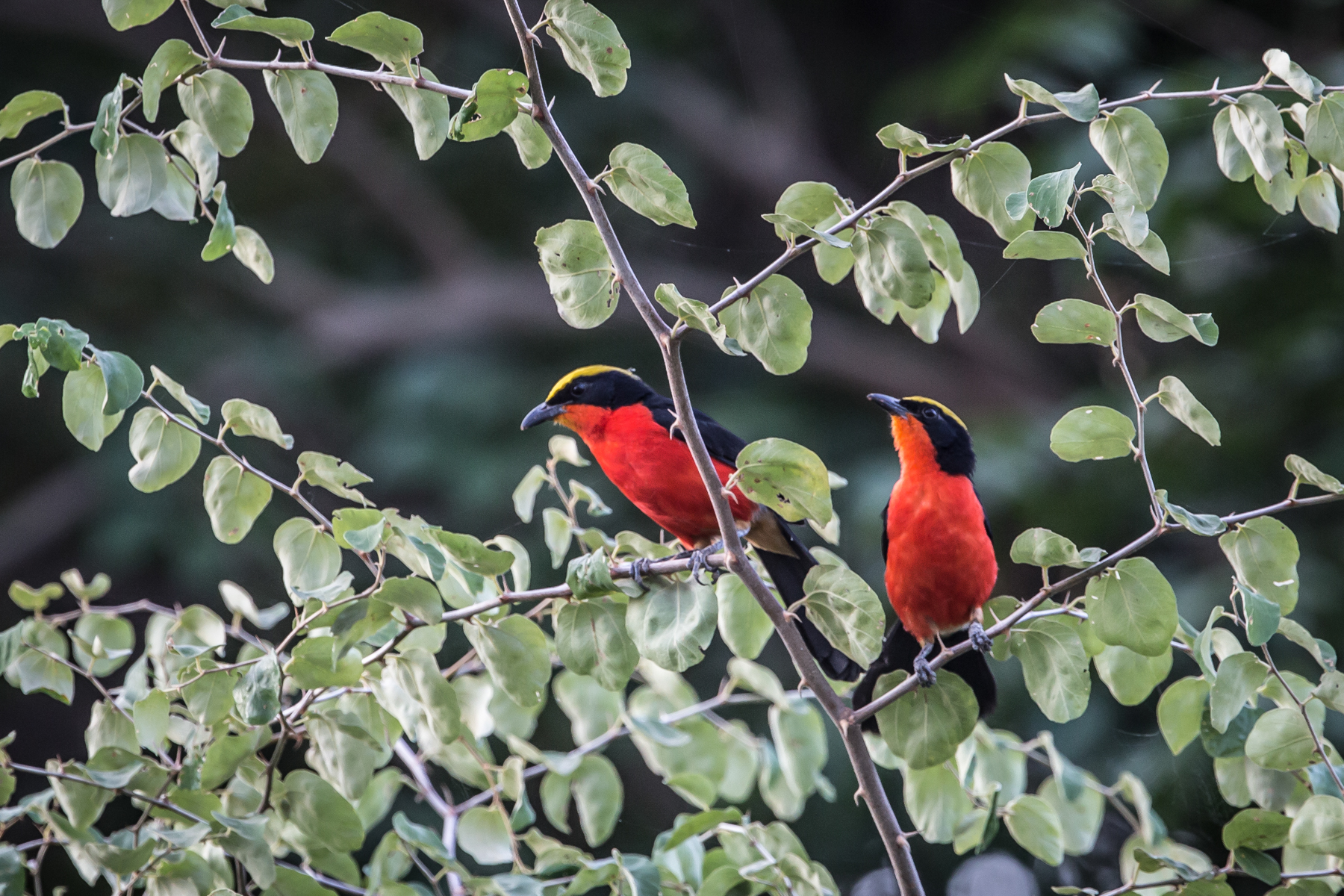
A pair of Yellow-crowned Gonoleks on the Gambia River at Wassadou. (image by Inger Vandyke)

Beautiful Senegalese girl on the beach. (image by Inger Vandyke)
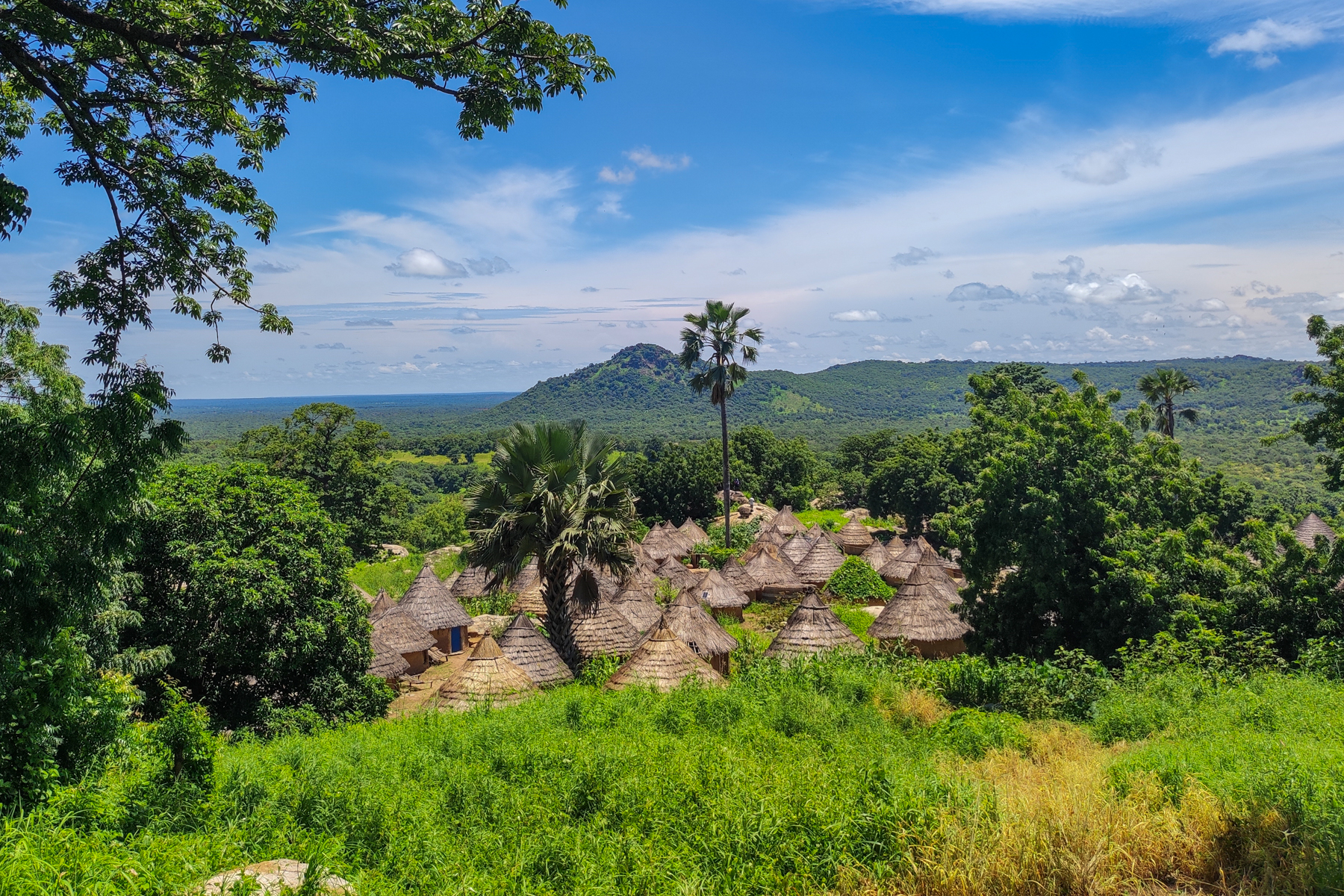
Nestled in the foothills of the Fouta Djallon, Senegal's Bedik villages are beautiful.
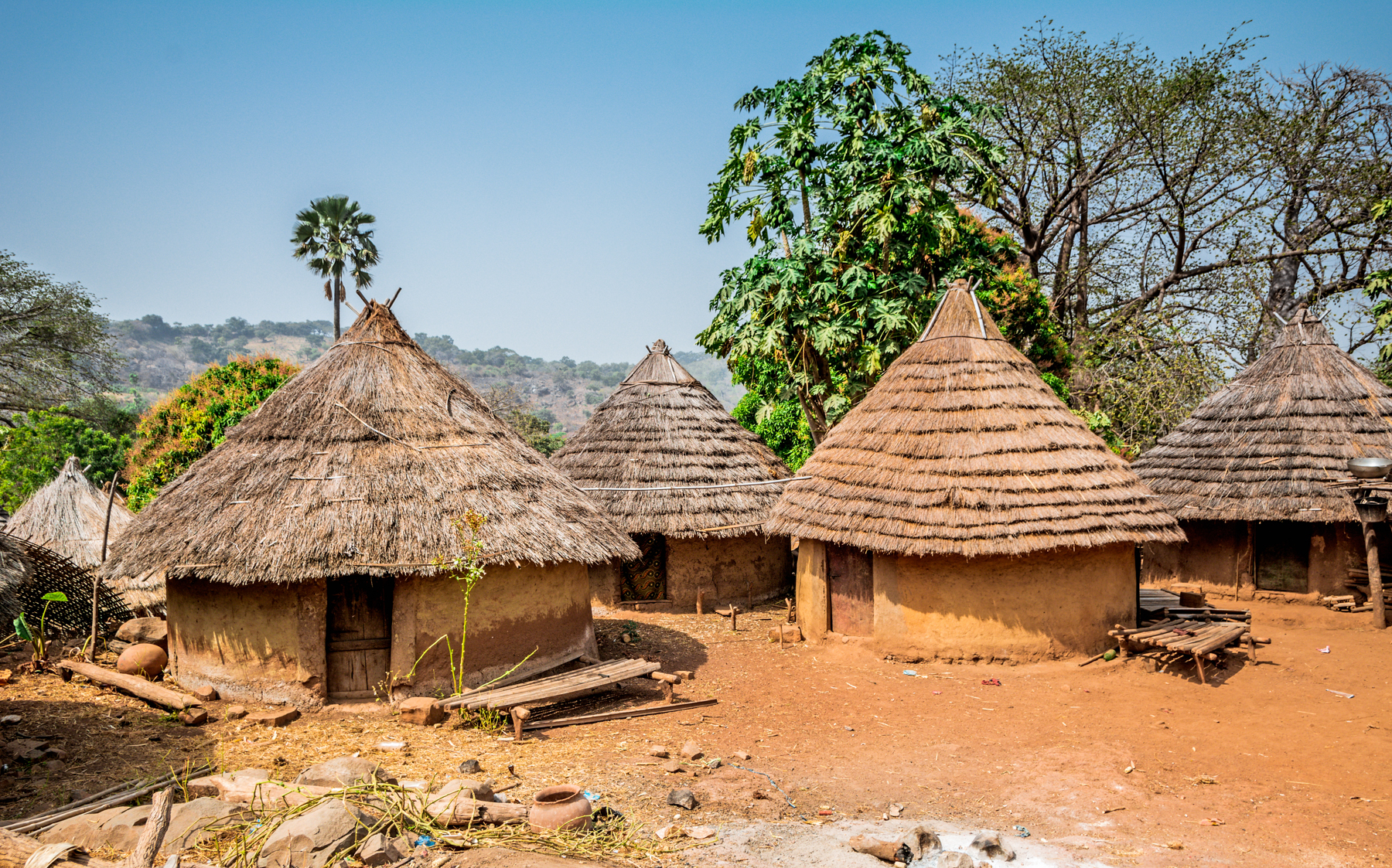
The beautiful conical homes of Senegal's Bedik people.

The bizarre and otherworldly masked dance of Kumpo.
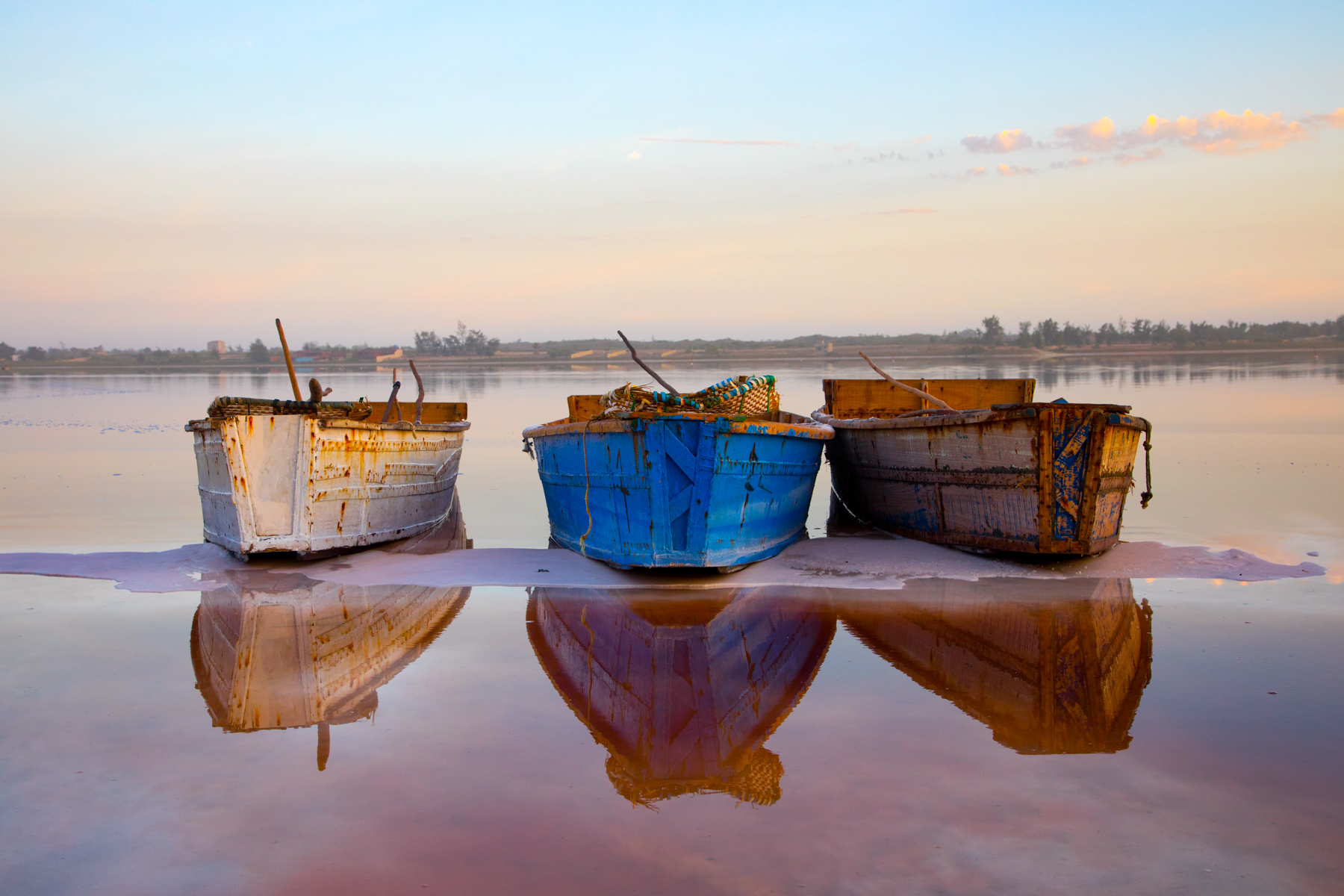
Salt boats rest on the shore of Lac Rose at sunrise. (image by Inger Vandyke)
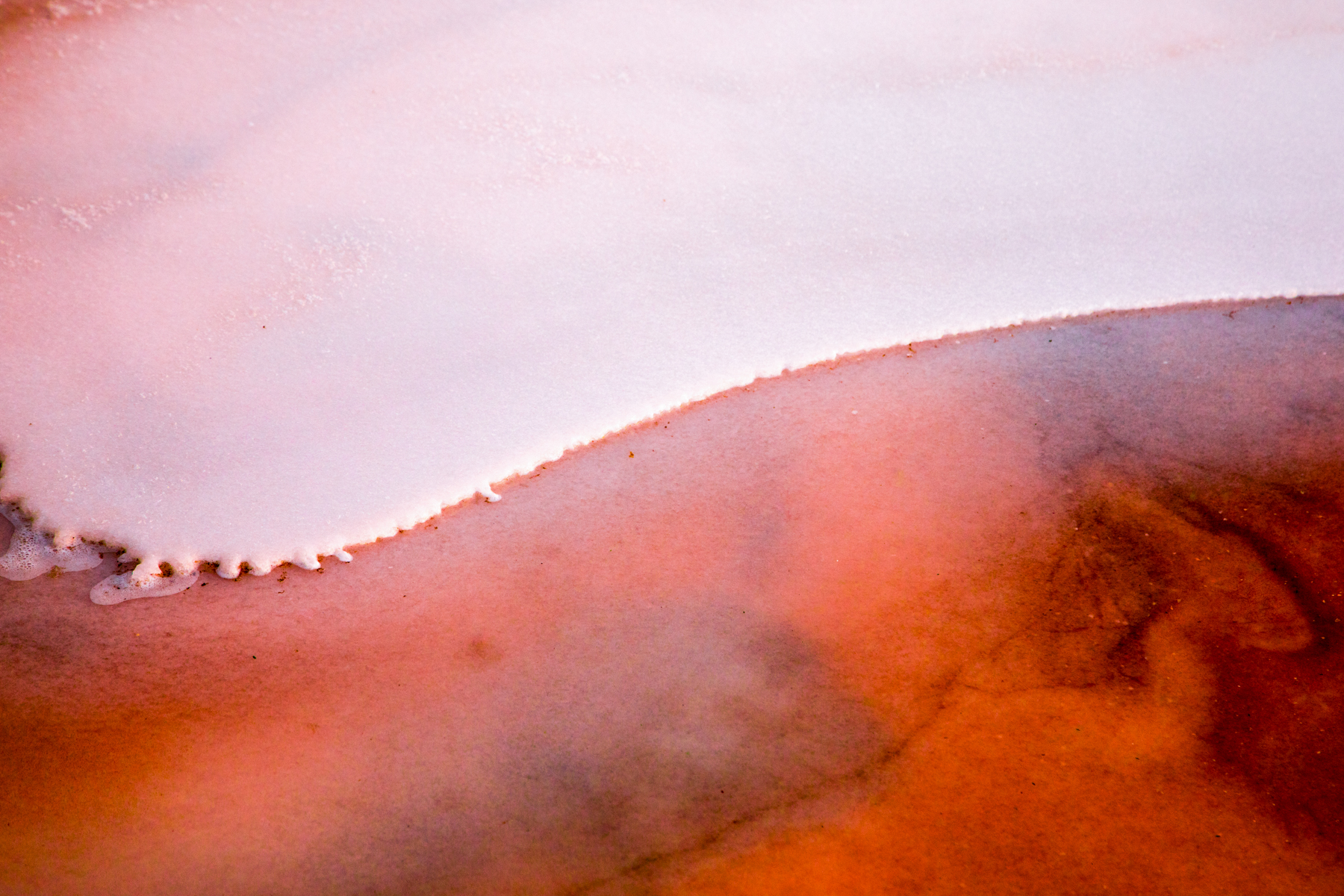
Wandering the shoreline of Lac Rose is to explore salt formations in pink and white. (image by Inger Vandyke)
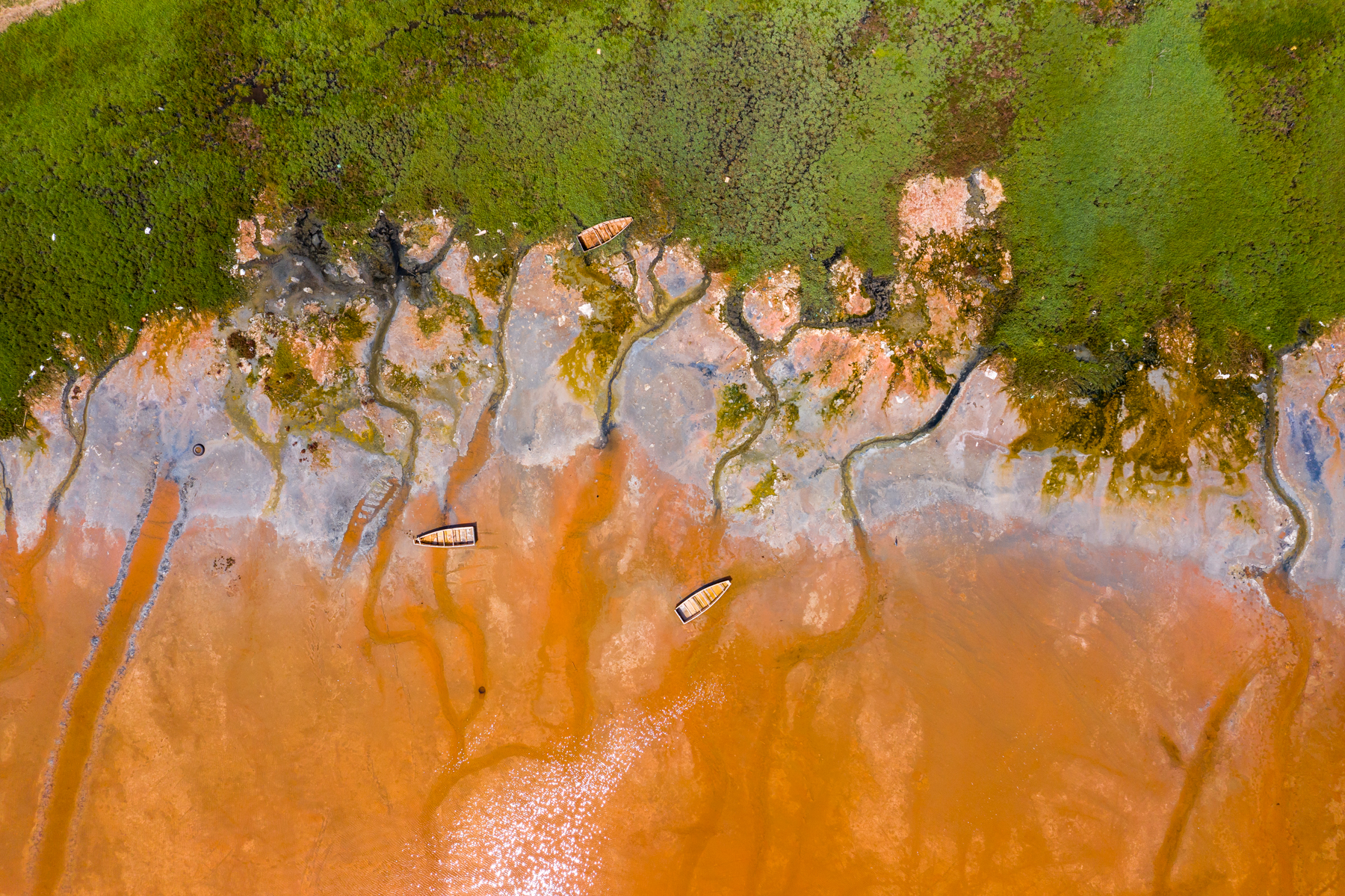
Life on the edge of Lac Rose, the pink salt lake of Senegal.
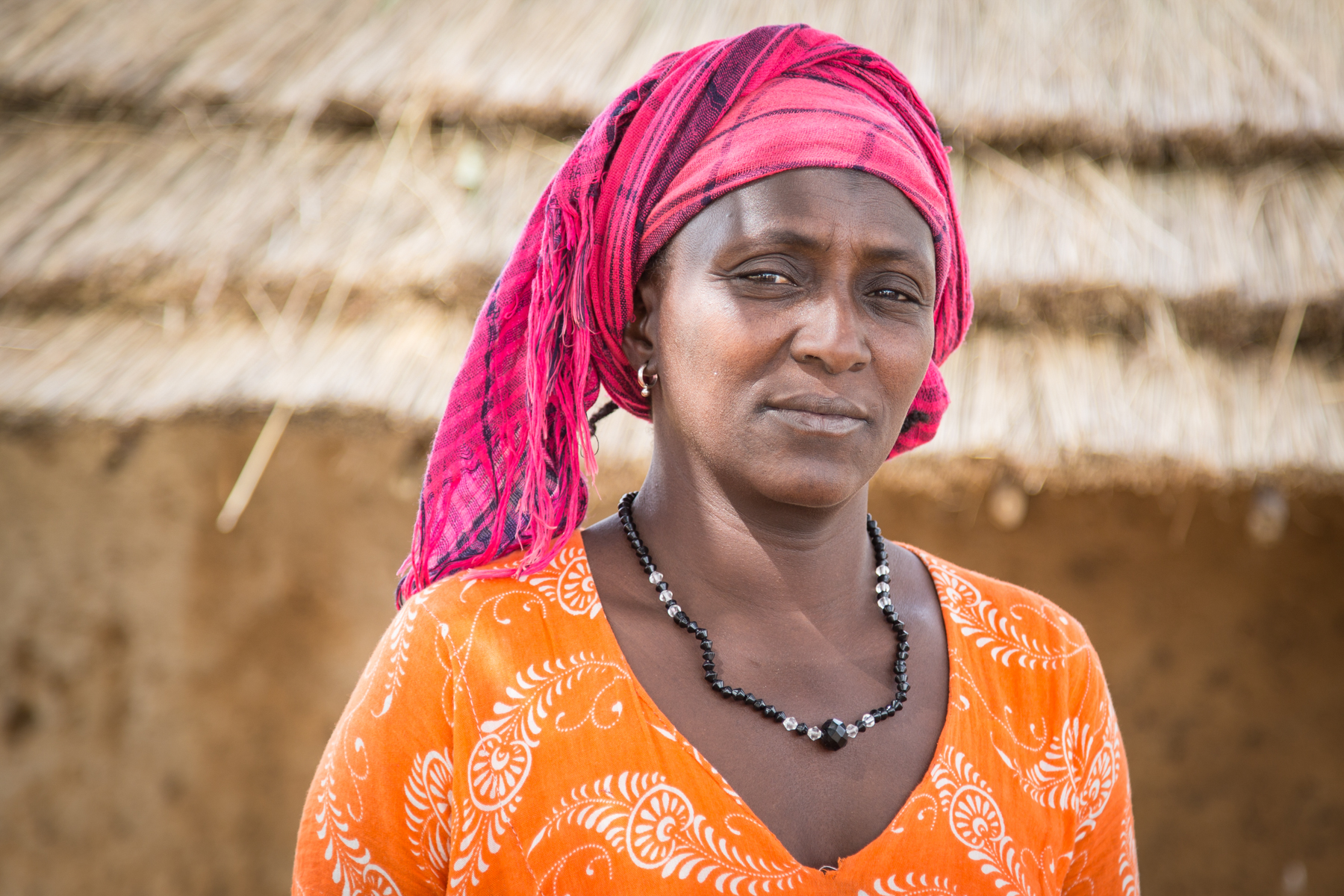
Portrait of a Bedik woman. (image by Inger Vandyke)

Stilted granaries at low tide on the coast of Joal Fadiouth.
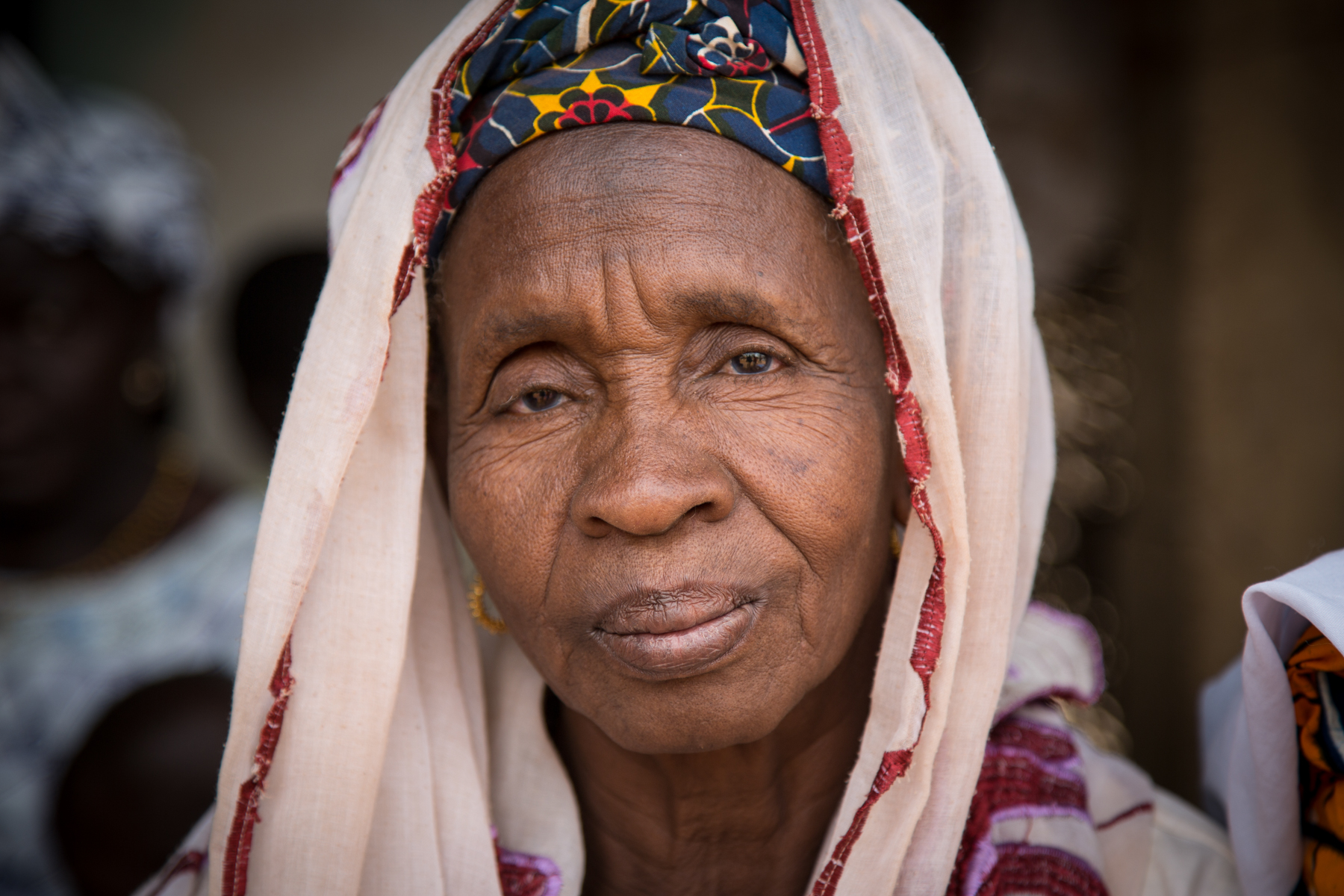
Elderly Fulani woman at the weekly market in Dindifelo, close to the border of Senegal and Guinea. (image by Inger Vandyke)
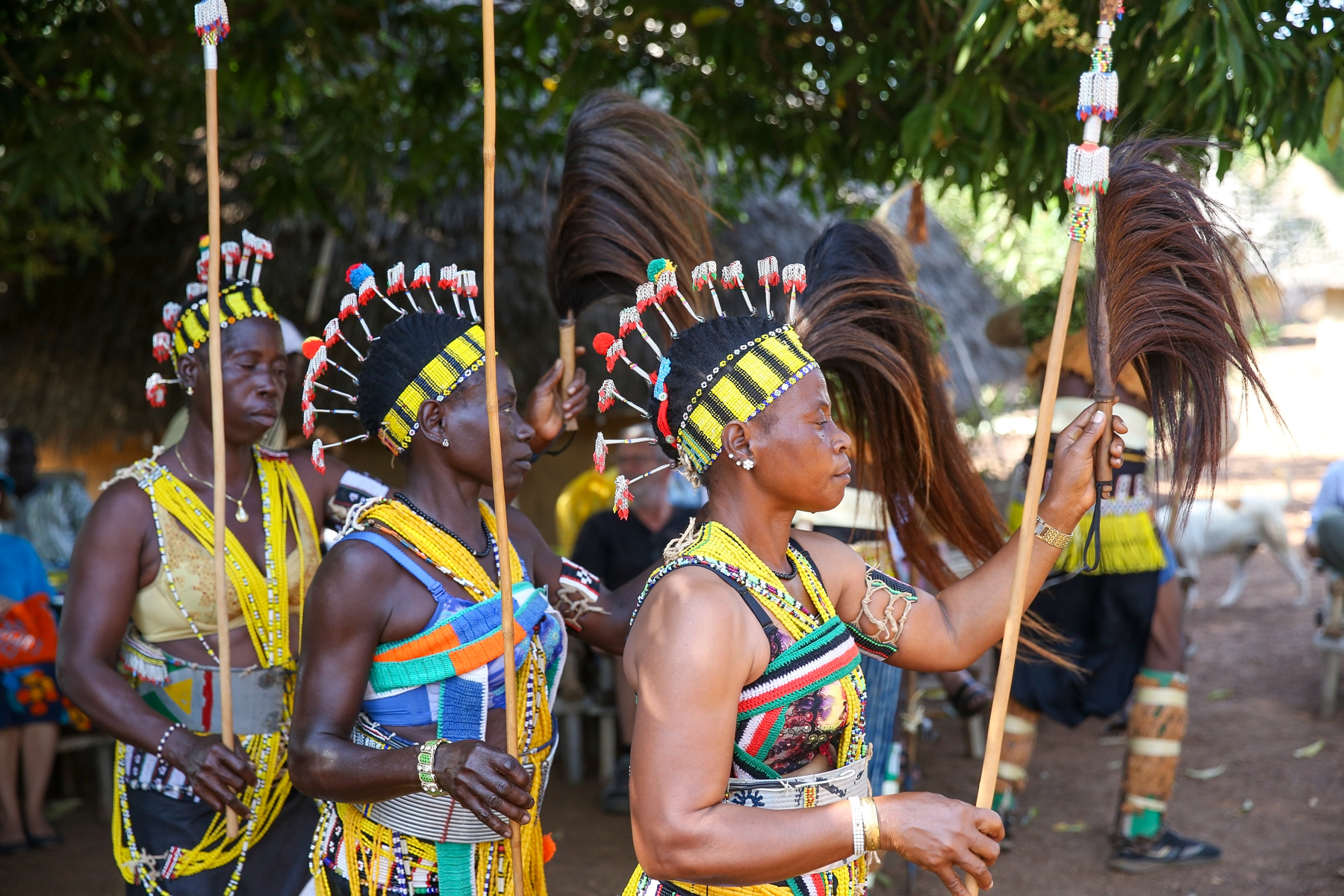
Traditionally dressed Bassari women.


Hundreds of wooden pirogues line the coast of a fishing village. The sheer number of them underpins the seafaring prowess of Senegalese people.
The incredible masked warriors attending Lukuta, the initiation rites of Senegal's bassari people.
The freckled appearance of salt mines from the air.
The traditional double story clay houses of Mlomp.
Giggling girls in a fishing village of Senegal. (image by Inger Vandyke)
Lines of beautifully painted wooden pirogues line the beach of a fishing village.
Smiling souvenir seller on the shores of Lac Rose. (image by Inger Vandyke)
Salt boats line the shores of Lac Rose.
Smiling Fulani man. (image by Inger Vandyke)
Yawning hippopotamus in the upper Gambia River at Wassadou, Senegal. (image by Inger Vandyke)
Aerial view of the pink salt lakes in Senegal.
The historical red houses of slavers on the island of Goree, off the coast of Dakar.
The spectacular salt pans of Senegal's artisanal mines.
Egyptian Plovers are one of Senegal's most beautiful birds and the upper reaches of the Gambia River are one of the best places to see this species. (image by Inger Vandyke)
The famous wrestlers of Senegal warm up on the beach before a match. Wrestling is one of Senegal's most prominent sports and attracts huge numbers of followers attending matches.
The colourful streets of Joal Fadiouth, a village built almost entirely on seashells from decades of cockle fishing.
Sunburst through a large Baobab tree of Senegal. Baobabs are sacred in many locations of the country with several of them holding World Heritage status for their historical importance.
From the sky the pink salt pans of coastal Senegal look like another planet.
Buried in middens of seashells, the seashell-covered graves in the cemetery of Joal Fadiouth.
A pair of Yellow-crowned Gonoleks on the Gambia River at Wassadou. (image by Inger Vandyke)
Beautiful Senegalese girl on the beach. (image by Inger Vandyke)
Nestled in the foothills of the Fouta Djallon, Senegal's Bedik villages are beautiful.
The beautiful conical homes of Senegal's Bedik people.
The bizarre and otherworldly masked dance of Kumpo.
Salt boats rest on the shore of Lac Rose at sunrise. (image by Inger Vandyke)
Wandering the shoreline of Lac Rose is to explore salt formations in pink and white. (image by Inger Vandyke)
Life on the edge of Lac Rose, the pink salt lake of Senegal.
Portrait of a Bedik woman. (image by Inger Vandyke)
Stilted granaries at low tide on the coast of Joal Fadiouth.
Elderly Fulani woman at the weekly market in Dindifelo, close to the border of Senegal and Guinea. (image by Inger Vandyke)
Traditionally dressed Bassari women.


|
Saturday 1st May –
Sunday 16th May 2027 Leaders: Inger Vandyke and an experienced local cultural guide |
16 Days | Group Size Limit 6 (tour guaranteed) |
|
Tuesday 1st May –
Wednesday 16th May 2029 Leaders: Wild Images leader to be announced and an experienced local cultural guide |
16 Days | Group Size Limit 6 |
SENEGAL – A CULTURAL ODYSSEY: OVERVIEW
Wild Images Senegal Cultural Photography tours visit one of West Africa’s safest and most peaceful countries. Situated at the very western edge of the African continent, Senegal is surely the antidote to the stereotypical view of African states as both authoritarian and dysfunctional. Hidden deep in the myriad of different environments in Senegal, from deserts to dry shrublands in the Sahel, from tropical forests to the coasts of the Atlantic, live many different cultures that are mostly off the radar for photography tourism.
Wild Images is proud to pioneer Senegal as a destination for cultural photography.
This new tour explores the vibrant national sport of Wrestling, visits vibrant villages, seashell houses, and salt pans in coastal Senegal, traditional architecture, and the former slave island of Goree. The crowning glory of our tour will be attending masked dances and initiation rites from the Bassari, Malinke and Diola cultures in southern and central Senegal.
The Senegal Wrestlers (La Lutte)
Senegalese wrestling is a national sport dating back to the 14th century, when warriors used it to train for battle. It originally began with the Serer people but is now widely practised amongst the country’s Wolof people and other cultures.
Senegalese wrestling differs from wrestling in Western countries mostly through rituals. The mystical act involves the presentation of amulets, the use of magic potions, hypnotic drum sounds, songs and dance. In many ways, it closely resembles the acts of Voodoo, but in Senegal it is simply called “Gris Gris”.
Wrestling has become so popular that it has surpassed football in terms of crowds, and matches between prized fighters can even shut down whole villages. Our tour explores the wrestling scenes in Dakar and southern Senegal, giving you a privileged glimpse into this mystical world that transfixes the people of this incredible West African nation.
Bassari
Deep within the mid-altitude hills of central Senegal live the Bassari. Their name is thought to date back to the 11th century when they arrived in the foothills of the dramatic Fouta Djallon Massif, and the local Manding people called them “Basa” or Lizards.
Principally animists, the Bassari people of Senegal still live in beautiful hand-built villages featuring circular mud huts and thatched-roof buildings.
They follow a matrilineal lineage with a complex set of age-initiation rites compared to other African cultures. Bassari men must pass through seven age grades to become adults, compared with the three or four practised by other cultures.
* We hope to witness one of the most visually spectacular rites of all, the Lukuta, where young men must fight initiated men to prove they have left their childhood behind. The ceremony begins with the warriors entering an arena wearing cartwheel-shaped masks to meet the initiates. Once there, they replace the mask with head and body protection, and the young Bassari men must fight like men for the first time. Regardless of whether they win, they are considered a different person after the battle and almost appear as strangers to their families after the ceremony.
The Bassari also practice beautiful body adornment and nasal piercings, which we will explore during our visits to traditional Bassari villages.
* Please note that the chiefs of the Bassari people determine when the Lukuta will take place. We will try to attend a Lukuta during our tour, but we cannot guarantee one will be taking place during our time in Bassari territory.
Bedik
Traditionally hunter-gatherers, the minority Bedik people of eastern Senegal and Guinea now mostly live in the foothills of the magnificent Fouta Djallon Massif, a gigantic sandstone escarpment that acts as an ecological boundary between the moist coastal forests of West Africa and the harsh Sahelian and Saharan climates to the east of it.
The Bedik originated in Mali, but when Fula slavers came after them centuries ago, they fled to the mountains of the Fouta, found a huge baobab tree and settled.
Today, their beautifully hand-built villages lie in the verdant foothills, with tiny thatched-roof houses radiating outwards from the baobab, which serves as the sacred heart of Bedik communities.
The Bedik are known for traditional ear and nose piercings, along with intricate, beautiful beaded jewellery.
Mandinka (Malinke)
The Mandinka people, also known as the Mandingo or Malinke, belong to one of the largest ethnic groups in Senegal and the rest of West Africa. Their origins trace back to the powerful Mali Empire, which flourished in the 13th and 14th centuries under rulers like Sundiata Keita and Mansa Musa. The Mandinka played a pivotal role in spreading Islam and establishing trade networks across the region.
The Mandinka people speak the Mandinka language, a key part of the Mandé linguistic group. Oral traditions, including storytelling and proverbs, are central to their culture, preserved by griots, who are both historians and musicians. Traditional instruments like the kora, a 21-string harp-lute, are emblematic of Mandinka music.
Their society values family, community, and respect for elders, with structured rites of passage marking life stages. Though predominantly Muslim, some Mandinka communities still incorporate traditional spiritual practices. Agriculture, particularly peanut farming, underpins their economy, along with fishing and trade.
The Mandinka are celebrated for their contributions to African history, music, and storytelling. Today, they balance preserving their rich heritage with adapting to modern lifestyles, playing a significant role in Gambian and West African society.
Diola
The fascinating Diola people of Senegal’s Casamance region have perhaps the most beautiful physical manifestations of any culture in the country. Known for their sophisticated architecture, intricate pottery and sculpture, the Diola also produce palm oil products, weaving, and basketry.
During our time in the Diola region, we will be formally welcomed by their king before exploring traditional Diola homes and clay pottery makers.
We will also be attending two important cultural celebrations – wrestling and the otherworldly masked dance of Kumpo.
Wrestling plays an important part of life in Diola culture. It is thought that some of Senegal’s finest national wrestlers emanate from Diola people and we will witness a training match during our tour to learn about this culture first-hand.
Kumpo – The most mysterious masked dance of Africa
A major highlight of our visit to the Diola areas will be witnessing the dramatic masked dance of Kumpo, surely one of the most athletic and mystifying dances in all of West Africa. In Kumpo, a masked dancer adorns himself with hundreds of raffia strands and a ‘head pole’. You can often hear Kumpo before you see it. The ceremony begins with women singing and beating music on metal claves. Men then join in with drums, and finally the Kumpo dancer enters, his face completely hidden and his head pole adorned with a decorative, colourful flag. What happens next is a mesmerising series of spins and contortions blurring the spirit world with reality. It is perhaps one of the most intense ceremonies you can witness anywhere in Africa and is a mind-blowing highlight of our trip.
Sea, Salt and Slavery on Coastal Senegal
Fishing Villages
The Senegalese are famous in West Africa for their seafaring abilities and their endless numbers of brightly coloured, huge wooden fishing boats. This artisanal fishery is highlighted by numerous harbours and villages along the coast, where children play among fishing nets, boats, fish-drying racks, and the beach. We will visit the prolific fishing community of Djiffer, with its hundreds of colourful boats and hardy fishermen who brave the Atlantic every day to catch fish, which is eaten fresh and dried for local and export markets.
The Seashell Village
Imagine an island with streets and buildings constructed almost entirely from seashells. Centuries of cockle harvesting in Senegal have created Fadiouth, a fascinating island community whose entire infrastructure revolves around fishing for shells. Here, we will explore the whitewashed pavements, ancient cemetery, and over-water, stilted granaries, and the industries still surviving through families that have lived here for many generations.
Salt of the Earth
When the harsh environments of coastal Senegal kiss the salt waters of the Atlantic, the most spectacular result is salt. Senegal’s salt mines are mostly still worked by hand. During our tour, we will visit salt areas featuring strawberry milkshake-coloured lakes and colourful paint-pot indentations, and photograph these beautiful places both by drone and on foot.
Senegal’s History of Slavery
While it was never as large as other slavery regions in West Africa, the tiny island of Goree, off the coast of Dakar, nonetheless still played an important role in the Trans-Atlantic Slave trade during the 15th to 19th Centuries until French colonialists finally abandoned slavery. Today, the island is home to a museum and slave holding cells that stand as a stark reminder of the history and tragedy of the trade, which we will visit for photography during our time in Dakar.
Dakar
The vibrant capital of Senegal, Dakar, sits on the beach in the country’s central coastal area. It is a city bustling with coastal style, great fish restaurants, the imposing Monument of the African Renaissance, and chances to shop and enjoy delicious Senegalese food. There is no better place to start and finish our tour, and here we will explore museums and galleries showcasing stunning West African art.
Join us on this pioneering exploration of Senegal for photography!
Why travel to Senegal with Wild Images
Wild Images has had a tourism relationship with Senegal, through its parent company Birdquest, since 1985!
Your tour leader, Inger Vandyke, has over 20 years of experience in Senegal, having supported a Fulani family in the country for 23 years. This will be her fourth journey to Senegal so she knows the country intimately.
Accommodation & Road Transport
Road transport is by modern air-conditioned minibus.
Accommodation is in comfortable hotels and guest houses
Walking
The walking on this tour is mostly easy in villages.
One strenuous hiking section takes you uphill to a village and takes about 1.5 hours to reach on foot. The hike is on uneven ground, so we suggest you bring a walking pole if you feel unsteady on your feet.
Climate
The weather in Senegal will be hot and dry. Expect a mix of sunny and overcast conditions. Rain is unlikely.
Photographic Highlights
- A chance to join Wild Images on the pioneering cultural photography tour to one of West Africa’s safest and most beautiful countries
- Witness the Kumpo, surely one of the most athletic and outlandish masked dances in all of Africa
- A private audience with the king of the Diola people
- Visit stunning examples of African vernacular architecture in the villages of Diola and Bedik peoples
- Witness the Dialonke initiation rites of the Malinke people
- A chance to see the annual, spectacular initiation ceremonies of the Bassari people
- Visit the beautiful hill villages of the Bedik people with their sacred baobabs and stunning body piercings and jewellery
- Go behind the scenes with the wildly popular Senegal Wrestlers as they train for events
- Explore the thriving salt mining industry in Senegal including visits to Lac Rose and Palmarin with their stunning, rainbow-hued salt pans
- Wander around the hundreds of wooden pirogues and fish drying areas of coastal Senegal
- Visit one of the only villages in the world constructed of seashells
- Explore the vibrant West African art scene, the museums and monuments of Dakar
- Visit the historical slaving island of Goree
- The milkshake pink salt lake of Lac Rose with its active salt mines and charismatic wooden boats
- Calming river cruises on the Gambia River searching for hippos, birds and other wildllife
OUTLINE ITINERARY
- Day 1: Our tour starts with dinner and overnight stay on the coast at Dakar
- Day 2: After a morning of exploring Dakar we will spend an afternoon with the wrestlers of Senegal watching them train for events and enjoy a private photo shoot
- Day 3: A day of exploring Lake Retba, or Lac Rose, the pink salt lake, until sunset
- Day 4: Sunrise at Lac Rose and exploration of the seashell village and fishing villages
- Day 5: Sunrise in the fishing villages and then a day spent photographing salt miners working by hand in artisanal mines
- Day 6: Today we travel east to Kaolack where we will stay overnight
- Day 7: Travel further east in Senegal and visit villages of Fulani and Bedik people in the afternoon
- Day 8: A full day exploring Bassari villages and culture
- Day 9: A full day of visits to Malinke villages and witnessing the Diallonke masked ceremony
- Day 10: Depart for the Gambia river camp where we will take a gentle cruise along the Gambia River searching for wildlife including hippos, birds and other wildlife
- Day 11: A day exploring the Impluvium houses and meeting ceramic makers in Diola culture
- Day 12: A private audience with the King of the Diola people before a day of feasting and dancing
- Day 13: Visits to Diola villages followed by a private ceremony of Kumpo
- Day 14: A long day as we head east, cross The Gambia (land-entrance visa on arrival) and travel to Dakar.
- Day 15: A day of visiting the sites of Dakar, including the cloth markets, the IFAN Museum, art galleries and enjoy a meal of fresh fish on the beach
- Day 16: Our final day in Dakar will be spent exploring the historical slavery island of Goree. A half day stay in Dakar is included. The tour will end at the International airport in Dakar to meet late evening flights
To see a larger map, click on the square-like ‘enlarge’ icon in the upper right of the map box.
To see (or hide) the ‘map legend’, click on the icon with an arrow in the upper left of the map box.
To change to a satellite view, which is great for seeing the physical terrain (and for seeing really fine details by repetitive use of the + button), click on the square ‘map view’ icon in the lower left corner of the ‘map legend’.
PRICE INFORMATION
Wild Images Inclusions: Our tour prices include transportation, accommodations, meals and entrance fees.
Our tour prices also include all tips for local guides, drivers and accommodation/restaurant staff. We also include payments to local people who are willing to be photographed. Also included are some special photography session arrangement fees.
Please note: Our price also includes the administration fee for the issuance of a visa to enter and exit the Gambia via the land borders.
Deposit: 20% of the total tour price. Our office will let you know what deposit amount is due, in order to confirm your booking, following receipt of your online booking form.
TO BOOK THIS TOUR: Click here (you will need the tour dates)
2027: provisionally £6740, $9230, €7900, AUD12930. Dakar/Dakar.
2029: provisionally £7170, $9820, €8400, AUD13750. Dakar/Dakar.
Single Supplement: 2027: £560, $770, €660, AUD1080.
Single Supplement: 2029: £590, $810, €700, AUD1140.
If you are travelling alone, the single supplement will not apply if you are willing to share a room and there is a room-mate of the same sex available.
This tour is priced in Euros. Amounts shown in other currencies are indicative.
SENEGAL – A CULTURAL ODYSSEY: DETAILED ITINERARY
Senegal: Day 1
Our tour begins with our arrival in Dakar, where we will enjoy dinner at a coastal restaurant.
Senegal: Day 2
Senegal’s vibrant capital is filled with fascinating historical sites, museums, galleries, and shops. During our first morning exploring the city, we will get a taste of why this city, on the edge of the wild Atlantic, is one of the most fascinating and culture-rich capitals in West Africa.
In the afternoon, we meet the famous Senegalese wrestlers and go behind the scenes to watch them train for tournaments in the country’s most respected sport.
Senegal: Day 3
Leaving Dakar today, we will travel to the beautiful pink salt lake, Lac Rose, where we will spend a day taking photos of the salt mining, boats and beautiful salt formations of the lake. At sunset, we will head to the beach for an optional camel ride before returning to our hotel near the lake for an overnight stay.
Senegal: Day 4
We will start at sunrise for our final photography of Lac Rose. After a late breakfast, we will move south toward the salt mines and fishing villages that line the Senegalese coastline south of Dakar. Nestled between these two worlds is an island cockle-fishing village, with its streets and homes rising from middens of millions of old seashells. We will spend time exploring the streets, local ceremony, and shell houses before spending the rest of the afternoon at a large fishing village lined with hundreds of colourful wooden pirogues, then staying overnight in Palmarin.
Senegal: Day 5
At sunrise, we return to the fishing pirogues to explore Senegalese life at sea, with fishermen mending nets, women drying fish, and children playing around the boats.
The rest of the day will be spent exploring the colourful salt mining community of Palmarin.
Senegal: Day 6
Today we head east and stop overnight in Kaolack.
Senegal: Day 7
Our journey continues east, and we will spend an afternoon visiting the fascinating Fulani and Bedik people of south-eastern Senegal before spending the night in Kedougou.
Senegal: Day 8
Today we hope to spend a full day in a community of Bassari people witnessing their spectacular, annual initiation rites. This memorable ceremony begins with a line of warriors entering an arena wearing basket masks and performing a ceremony before changing into body armour, which they wear as they go into battle with young men who fight them to prove their strength and pass from boys to men.
Senegal: Day 9
On our final day in south-eastern Senegal, we will spend the whole day exploring Fulani and Malinke cultures at various villages in the area. The day will end with a superb private masked ceremony of Diallonke performed by the Malinke people.
Senegal: Day 10
Today we head westwards to the tiny riverside community of Wassadou. After we arrive at our charming camp shaded by gigantic Kapok trees, we will take a cruise on the Gambia River in the afternoon, searching for river wildlife, including hippos, snakes, and a variety of incredible birds, including Egyptian Plover, White-crowned Lapwing, African Finfoot, and Yellow-crowned Gonolek. We will spend one night in our comfortable guest house on the riverbank.
Senegal: Day 11
A full day of exploring the Impluvium houses and villages of the Diola people before an overnight stay in Ziguinchor
Senegal: Day 12
Today we will enjoy a private audience with the king of the Diola people as a welcome into Diola culture. We will then spend the rest of the day exploring Diola architecture and traditional dance until sunset.
Senegal: Day 13
A full day of Diola cultural exploration ending with a private ceremony of Kumpo, surely one of the most incredible masked dances in all of Africa.
Senegal: Day 14
Today is a travel day as we head eastwards and cross the Gambia into the Casamance region of Senegal. After a long drive, we will have the rest of the day to rest.
Senegal: Day 15
On our last day in Senegal’s vibrant capital, we will explore Dakar. This is our day to do some last-minute shopping, visit galleries of stunning West African art, and enjoy a seafood meal on the coast.
Senegal: Day 16
Our final day of the tour will be spent visiting the fascinating and historic slave island of Goree, with its colourful buildings, museums, and street life. From there, we will return to Dakar, where we have arranged a half-day stay at our hotel so we can relax and prepare for our transfer to the International Airport, where our tour will end in the evening.